What Is Car Insurance and How Does It Work?
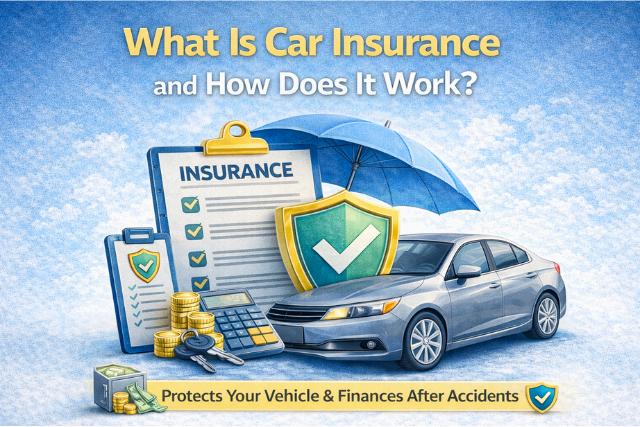
Car insurance is a financial protection policy that helps cover the cost of damages or losses related to a vehicle. It protects car owners from major financial burdens caused by accidents, theft, natural disasters, or third-party liabilities In many countries, including India and the United States, having at least basic car insurance coverage is mandatory for legally driving on public roads
Many drivers also search for a Car Insurance Quote Without Personal Information when comparing policies online These quick estimates allow users to understand possible premium costs without sharing sensitive details such as phone numbers or full personal profiles, making it easier to explore different insurance options before committing to a specific insurer
Understanding the Basics of Car Insurance
Car insurance works through a contract between the vehicle owner and the insurance company The policyholder pays a regular premium, and in return the insurer agrees to provide financial coverage for certain types of losses defined in the policy If an accident occurs or the vehicle is damaged, the policyholder can file a claim with the insurer to receive compensation for repair costs or other covered expenses
The coverage can vary depending on the type of policy selected Basic third-party insurance typically covers damages caused to another person, vehicle, or property. Comprehensive insurance offers broader protection that includes damage to your own vehicle due to accidents, theft, fire, natural disasters, or vandalism
Key Components of a Car Insurance Policy
Every car insurance policy includes certain important elements that determine how the coverage works One of the main factors is the premium, which is the amount paid to maintain the insurance policy The premium depends on factors such as the vehicle model, age of the car, driver history, location, and the type of coverage chosen.
Another important component is the deductible This is the portion of the claim amount that the policyholder must pay out of pocket before the insurance company covers the remaining cost. Higher deductibles often result in lower premiums but require the driver to bear more initial expenses in case of a claim
The policy also specifies coverage limits, which determine the maximum amount the insurer will pay for a claim. Understanding these limits is essential because they directly affect the level of financial protection offered by the insurance plan
Types of Coverage in Car Insurance
Car insurance policies can include several types of coverage depending on the insurer and the chosen plan Liability coverage protects the policyholder from legal and financial responsibility if they cause damage to another person or property Collision coverage helps pay for repairs if the insured vehicle is damaged in an accident with another vehicle or object.
Comprehensive coverage protects against non-collision events such as theft, fire, floods, storms, or vandalism Many insurers also offer additional add-ons or riders that enhance the coverage, including roadside assistance, zero depreciation coverage, engine protection, and return-to-invoice protection
These additional features help drivers customize their insurance policy based on their needs and the value of their vehicle
How the Claim Process Works
When an accident or covered incident occurs, the policyholder must inform the insurance company as soon as possible. The insurer typically asks for details such as the location of the incident, photos of the damage, and supporting documents After reviewing the claim, the insurance company may send a surveyor to inspect the vehicle
Once the inspection is completed and the claim is approved, the insurer either reimburses the policyholder for repair expenses or settles the payment directly with an authorized repair garage through a cashless claim process
Timely reporting and proper documentation are important steps that ensure a smooth claim experience and faster settlement.