Evaluating the Implementation of Food Safety Management in 5-star Hotels in Malta
The 1975 Vulcan Bomber Aircraft Crash in Żabbar: Inferno & Devotion
The archaeological and historical heritage of Tas-Silġ: From Neolithic to Byzantine times 32 34 36 38 42 45 48 51 54 57 60
ITS Events Timeline
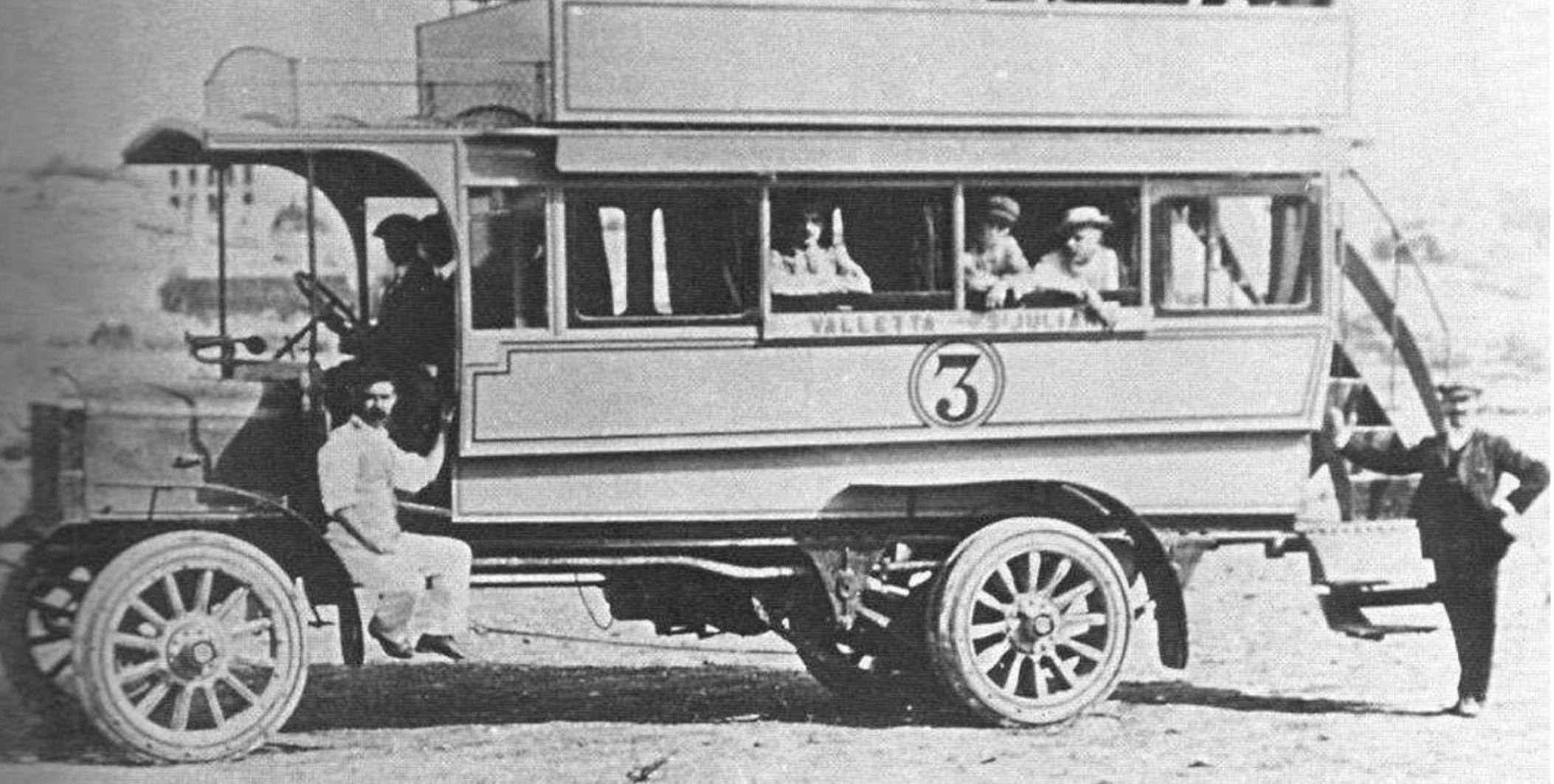
The coming of the First Motorized Transport Vehicles for Public Use on the Island of Malta and How it Changed Over the Years
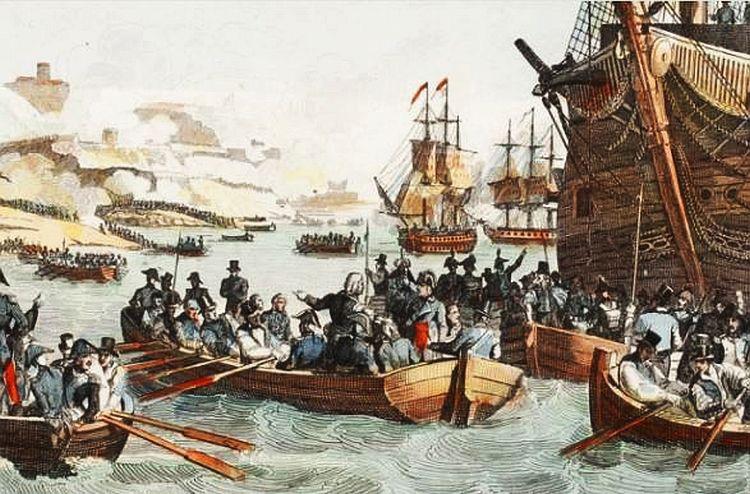
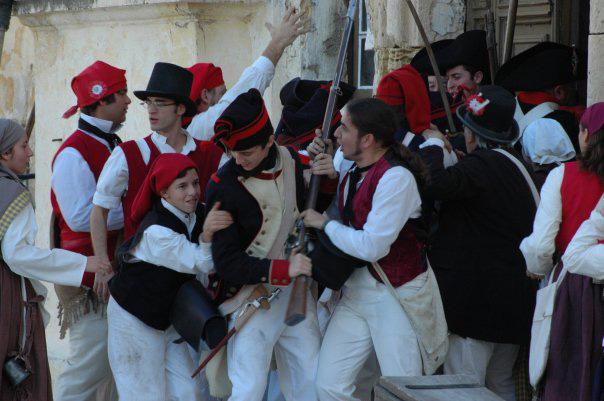
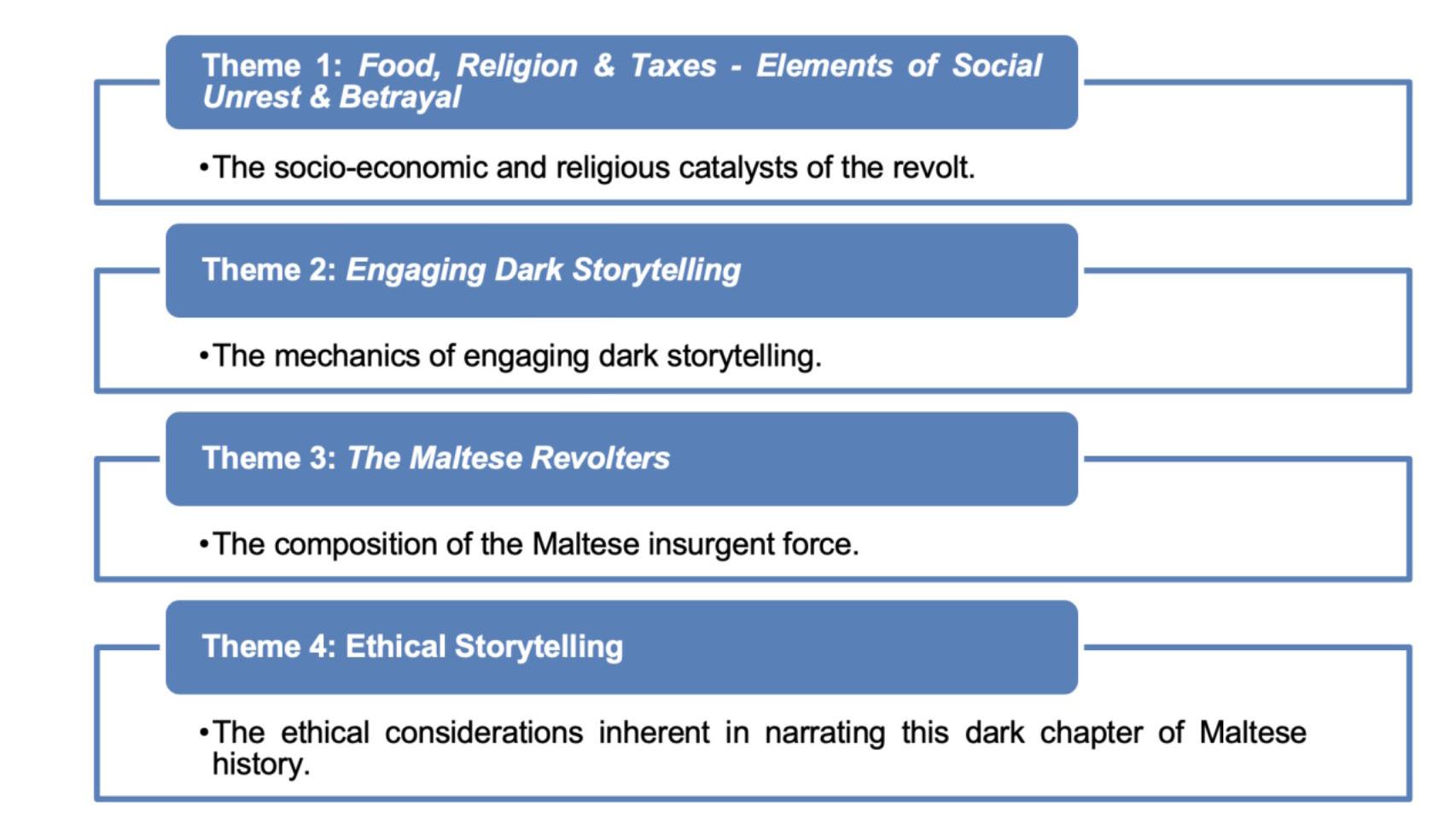
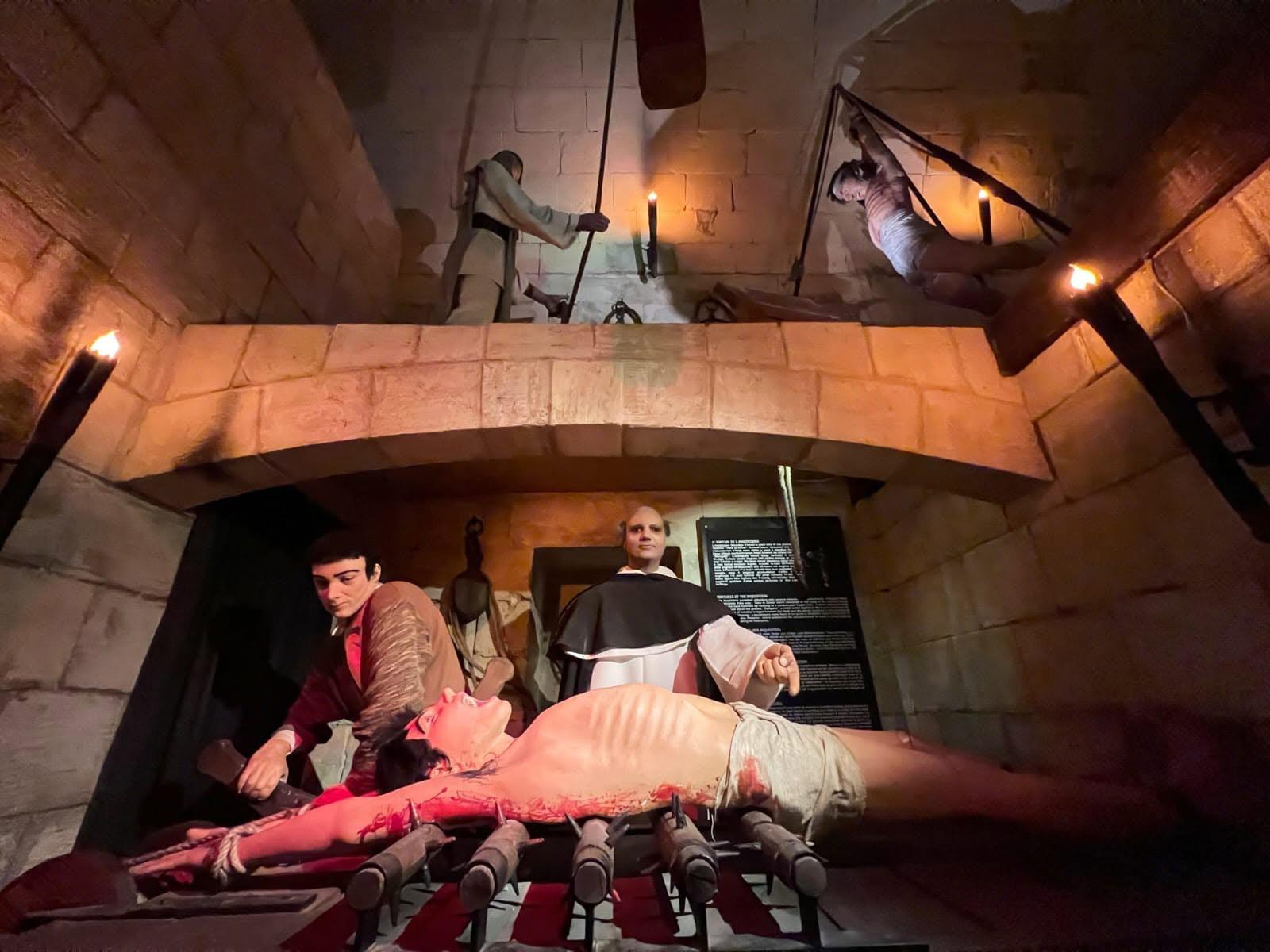
The Revolt of the Maltese against the French on 2nd & 3rd September 1798: A Dark Tour of Rabat & Mdina
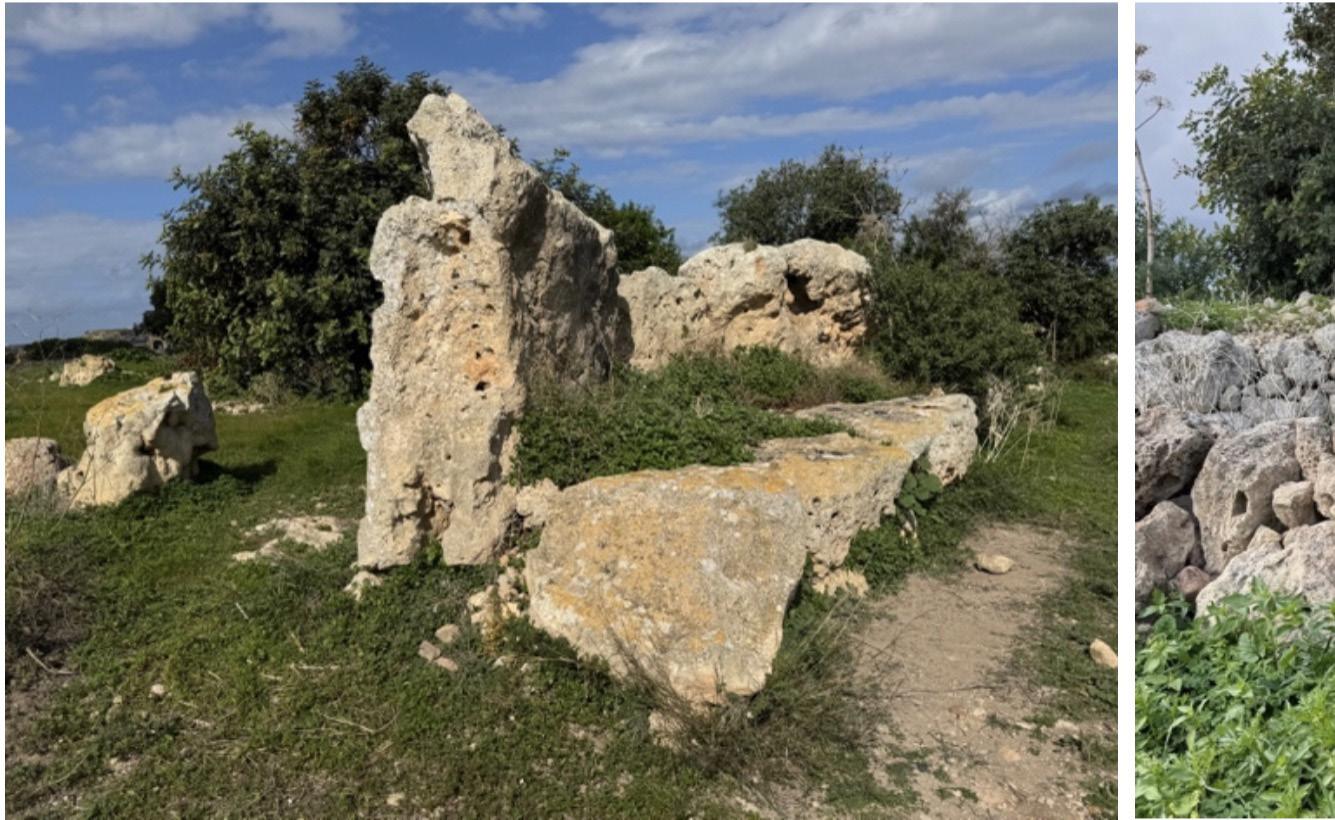
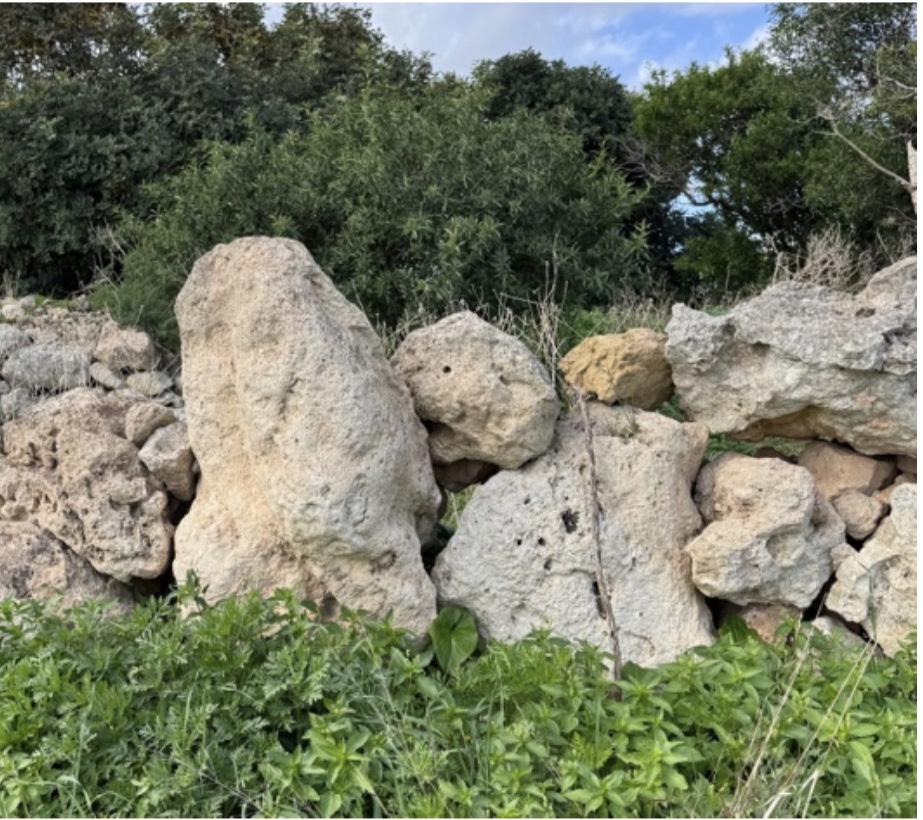
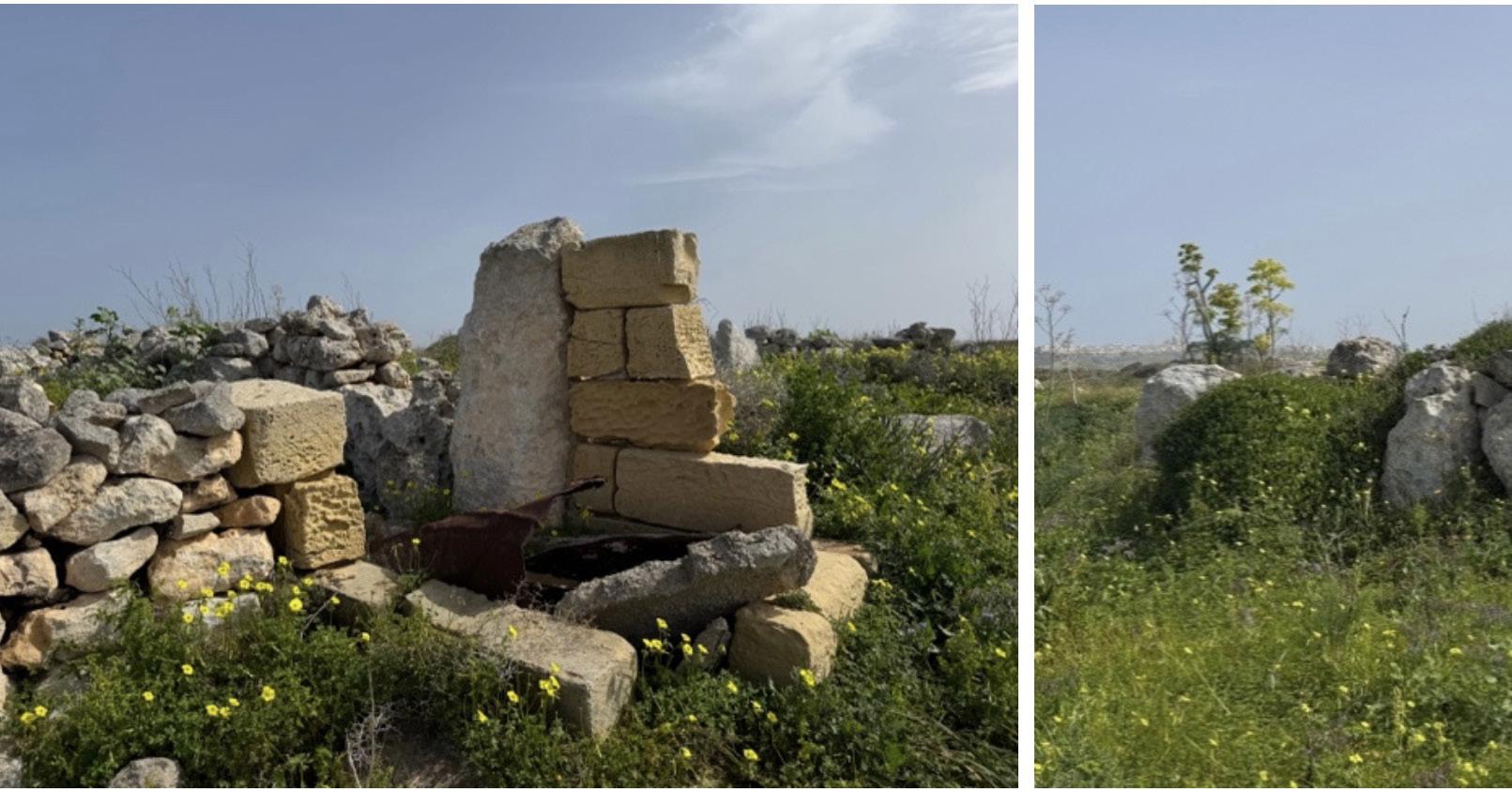
Hidden Histories: Everyday Life in Prehistoric Gozo through Santa Verna, Ta’ Marżiena and L-Imramma
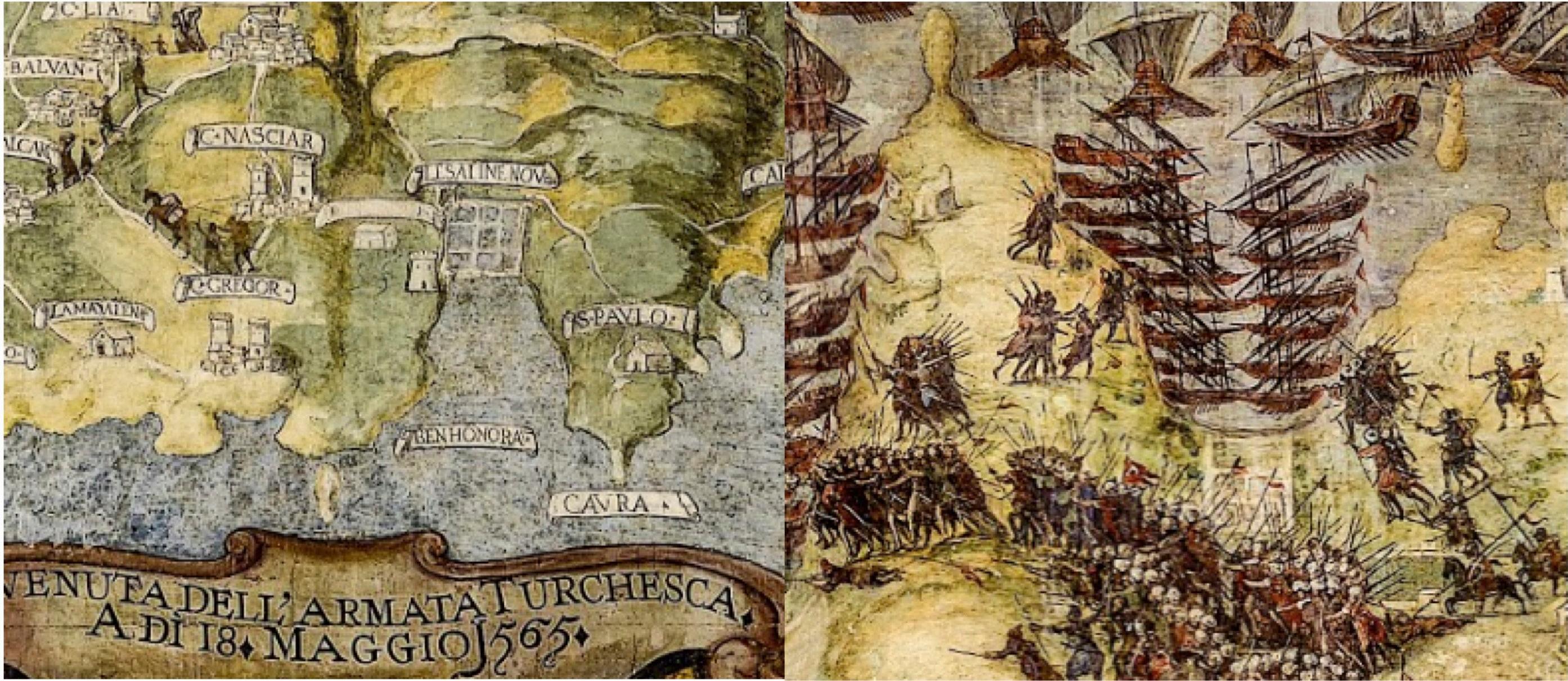
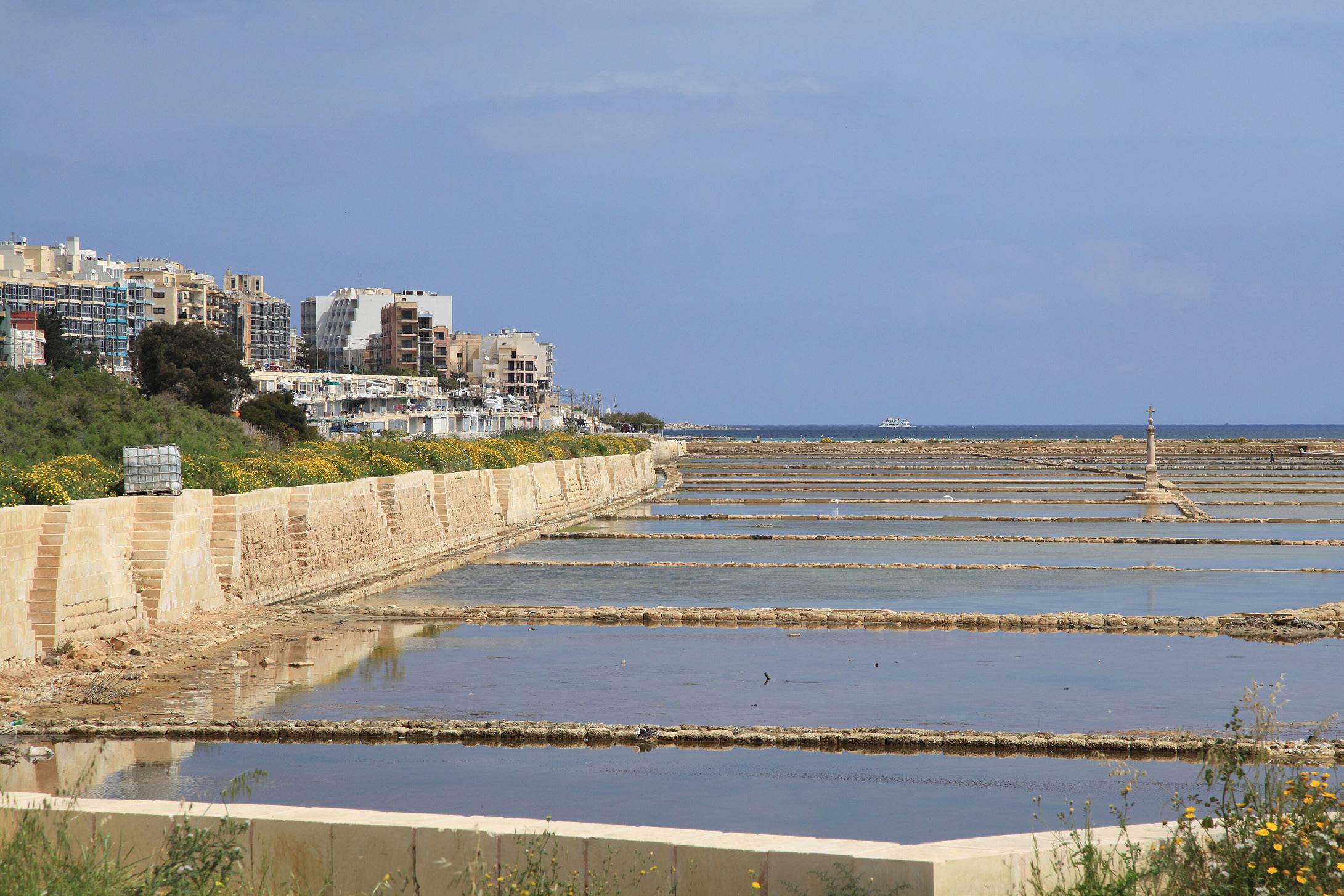
From Knights to Halophytes: A tour at the Salina Saltpans & Salt Museum
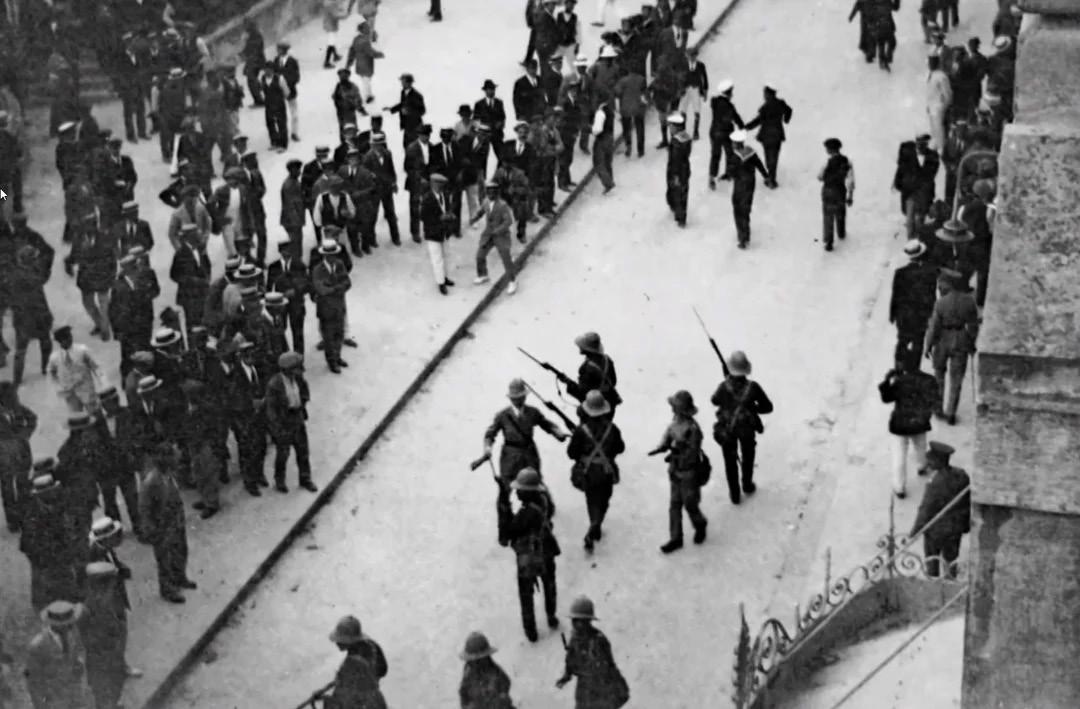
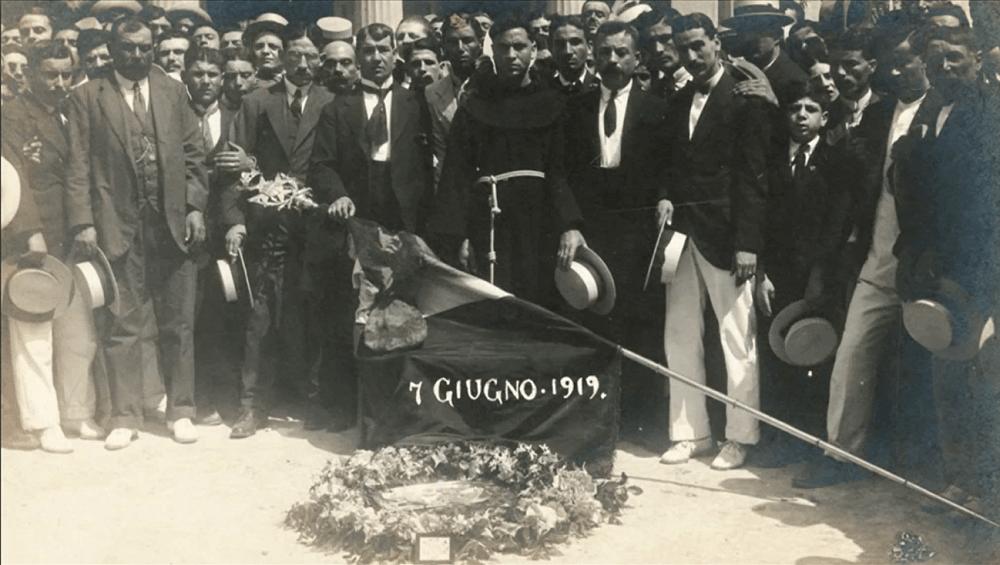
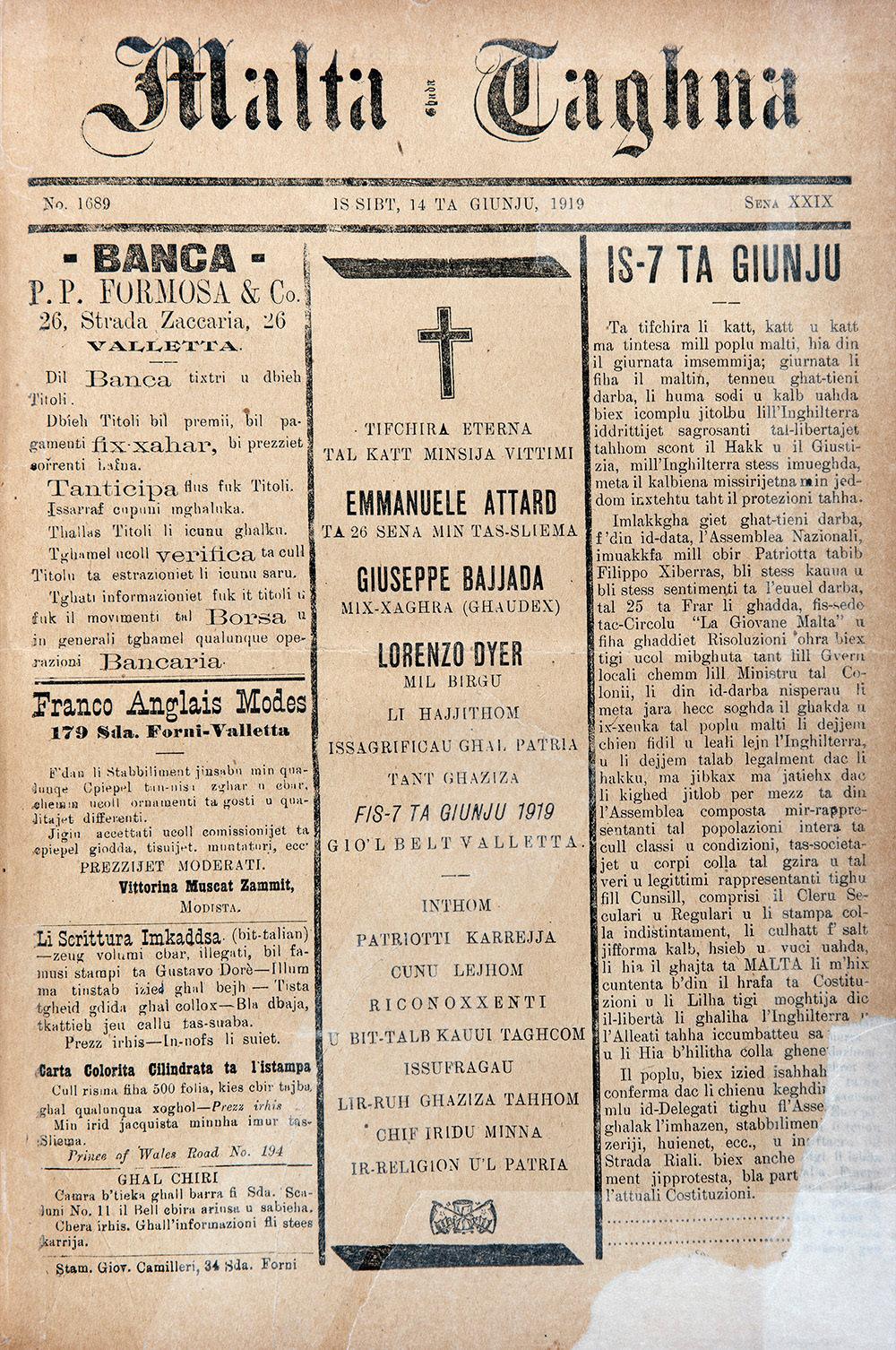
The Sette Giugno Riots: A Clash Between the Working Class and the Valletta Millers and Grain Importers.
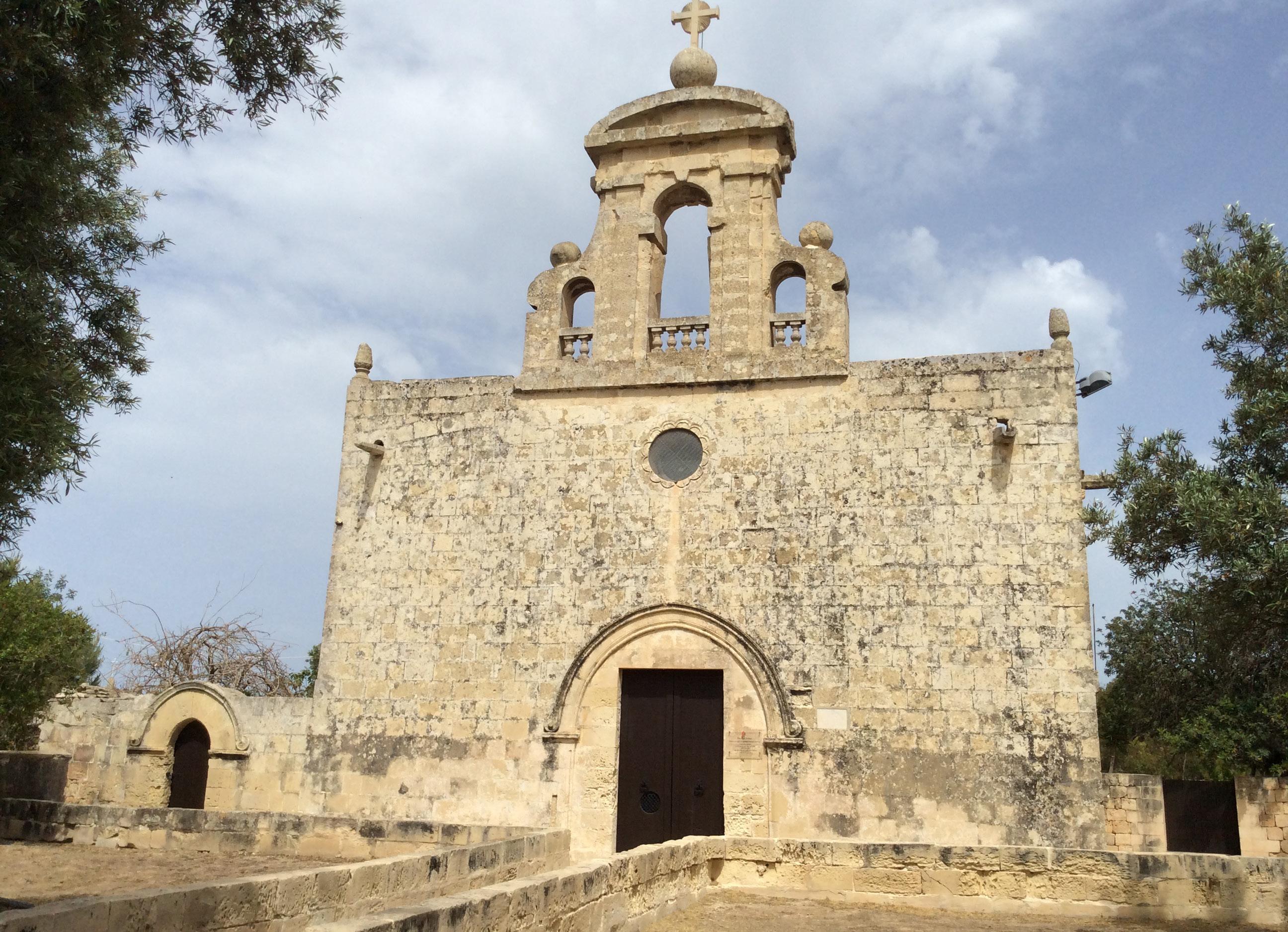
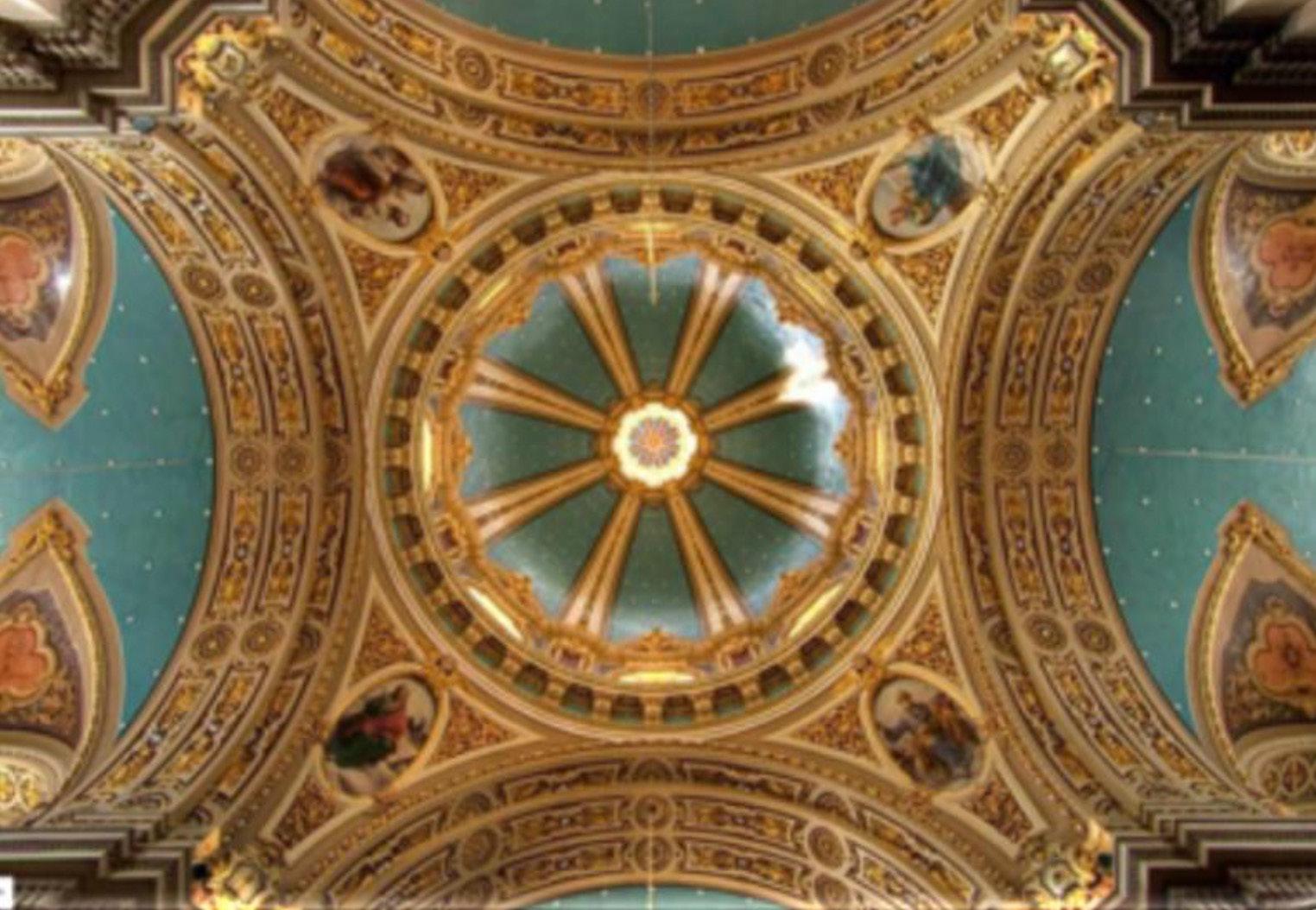
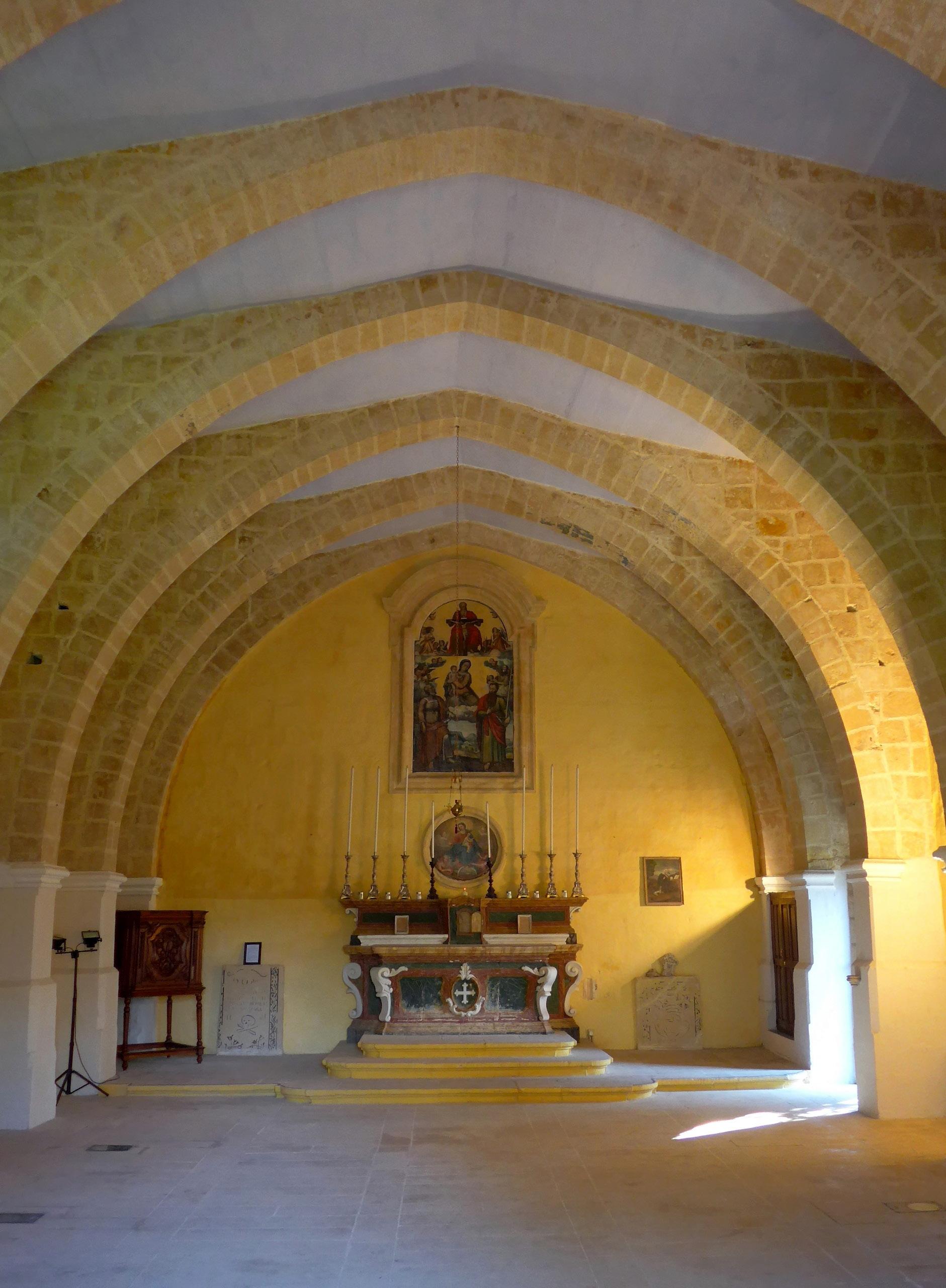
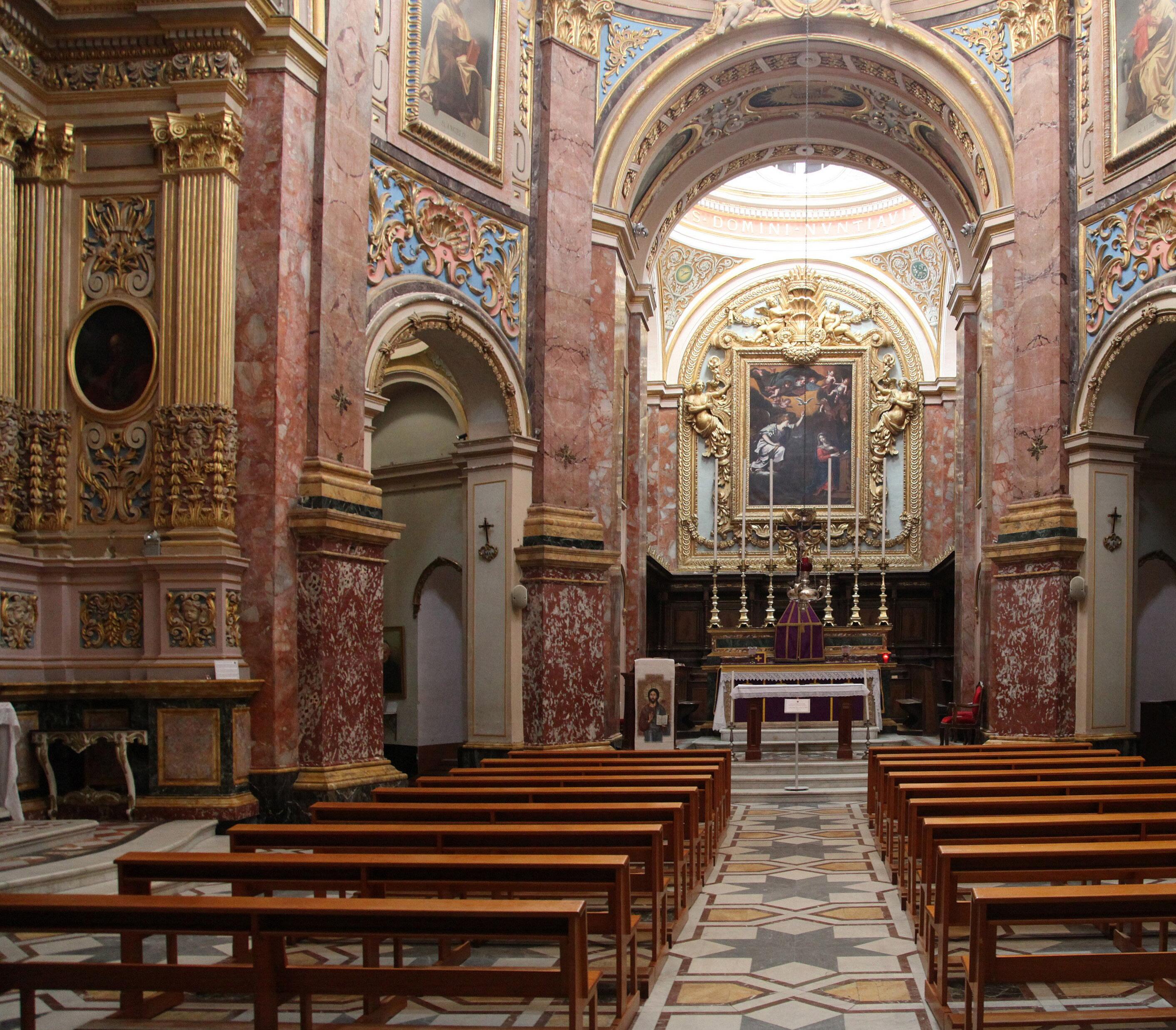
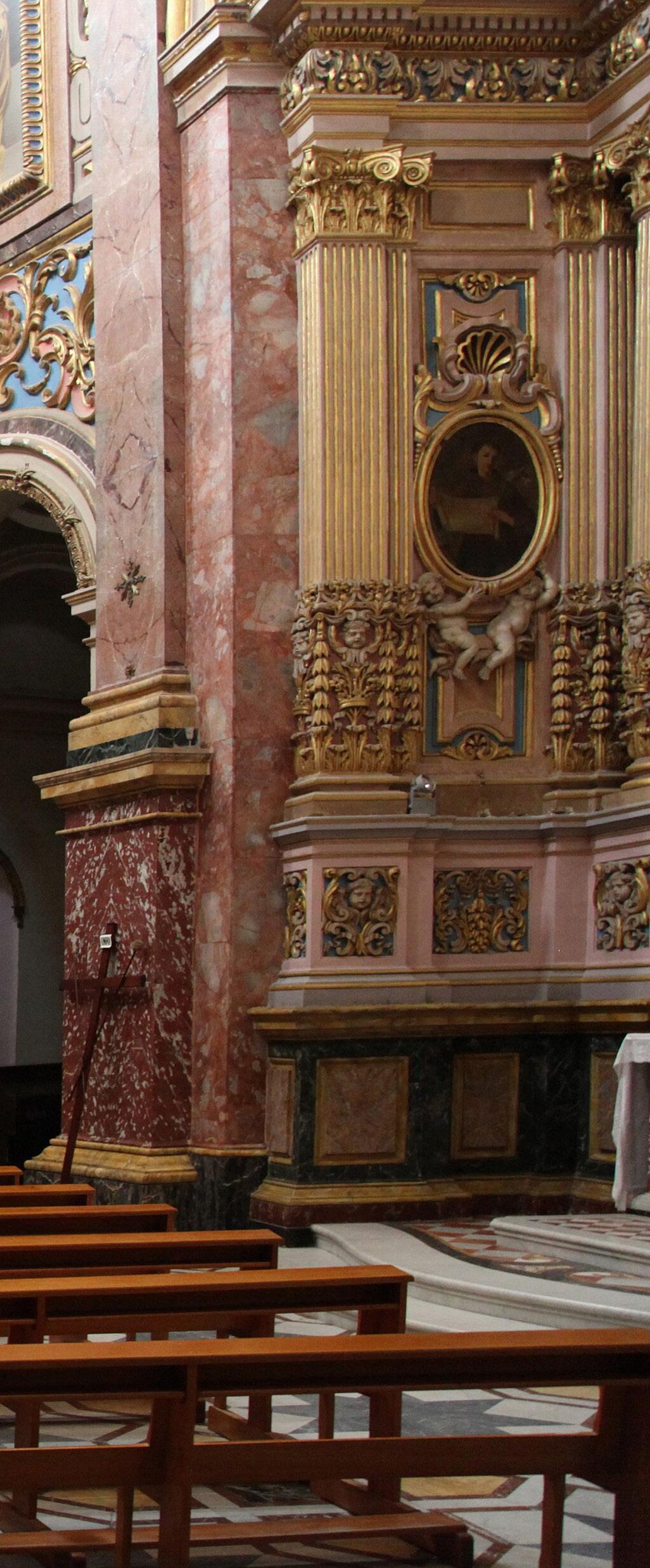
Santa Marija of Birmiftuħ and St Mary Parish Church in Gudja: An investigation into the differences in art and architecture and structural changes between 1500 and 1910 “Verba Volant, Scripta Manent”: Reliving a dramatic 19th century historical event, through notarial deeds
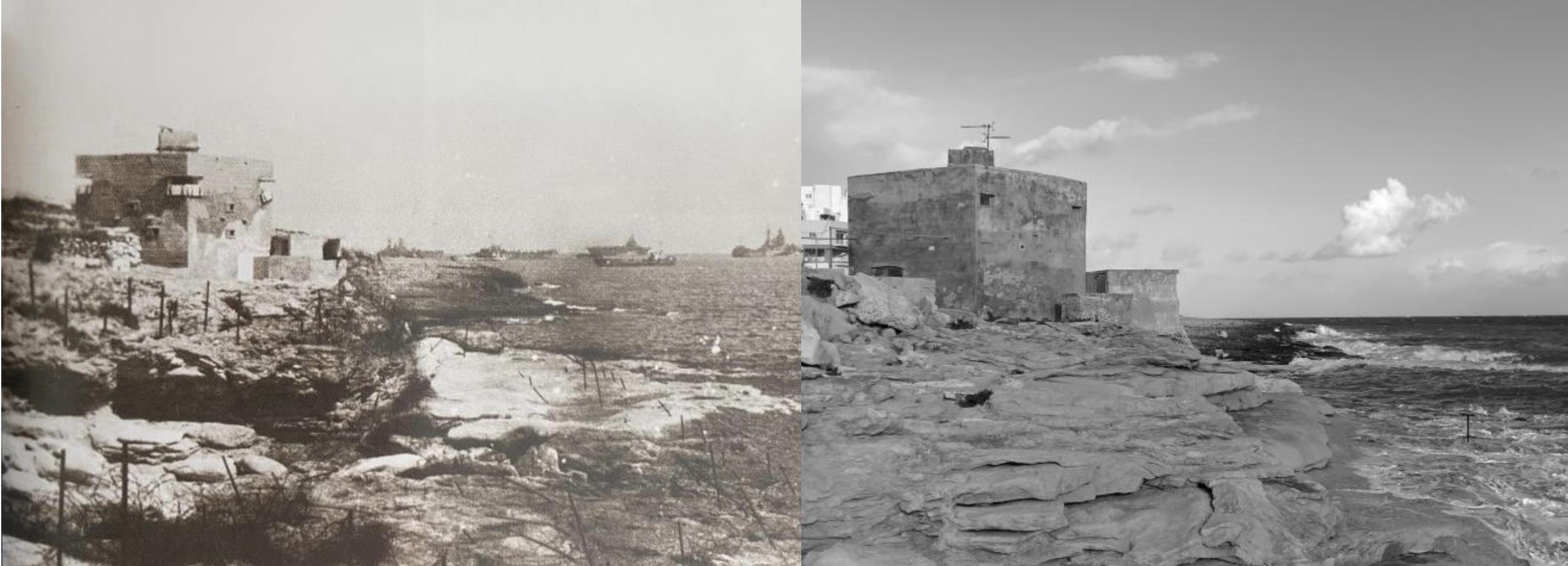
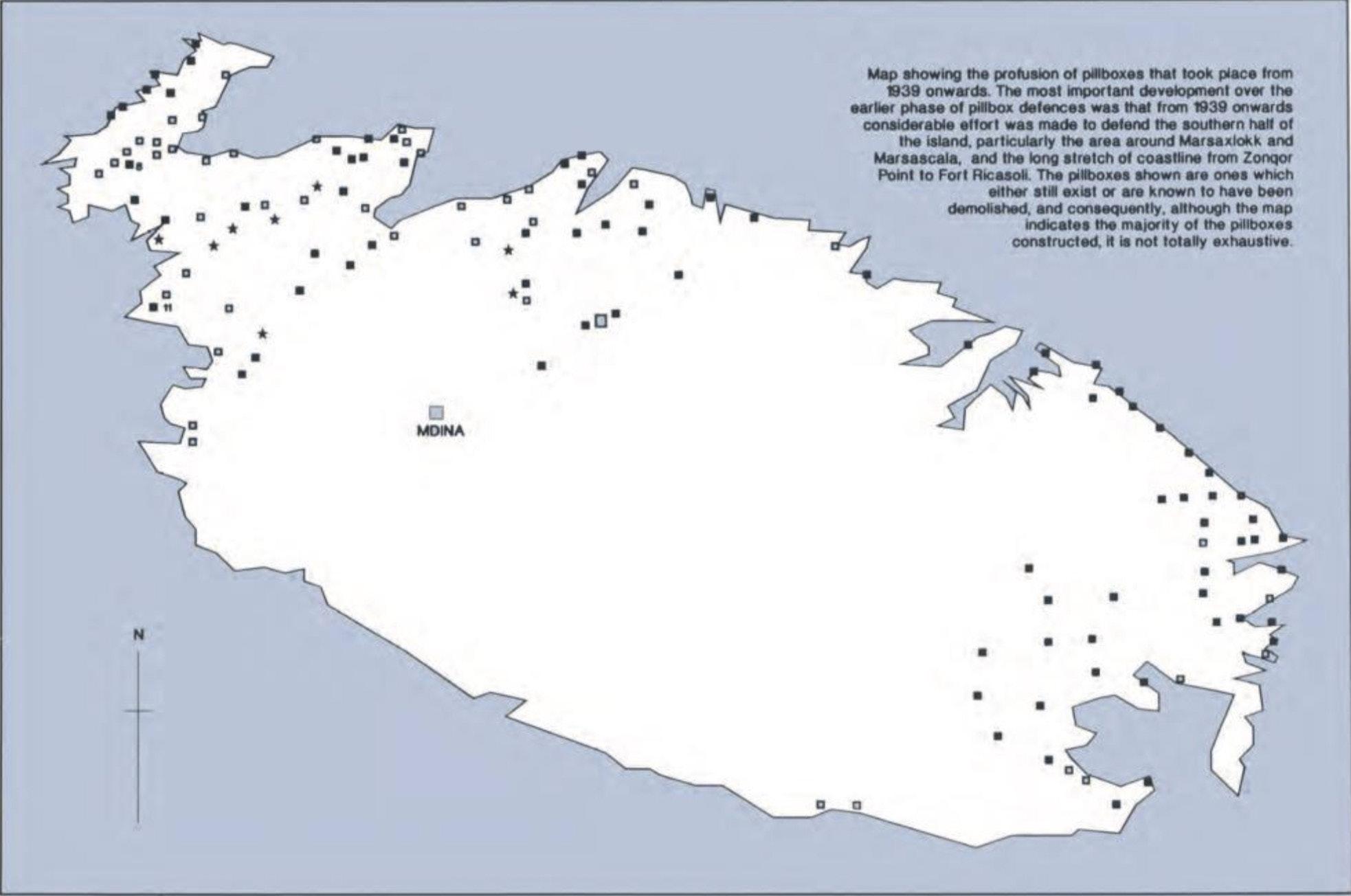
Malta’s WWII Pillboxes - Forgotten Fortresses of Heritage and Tourism
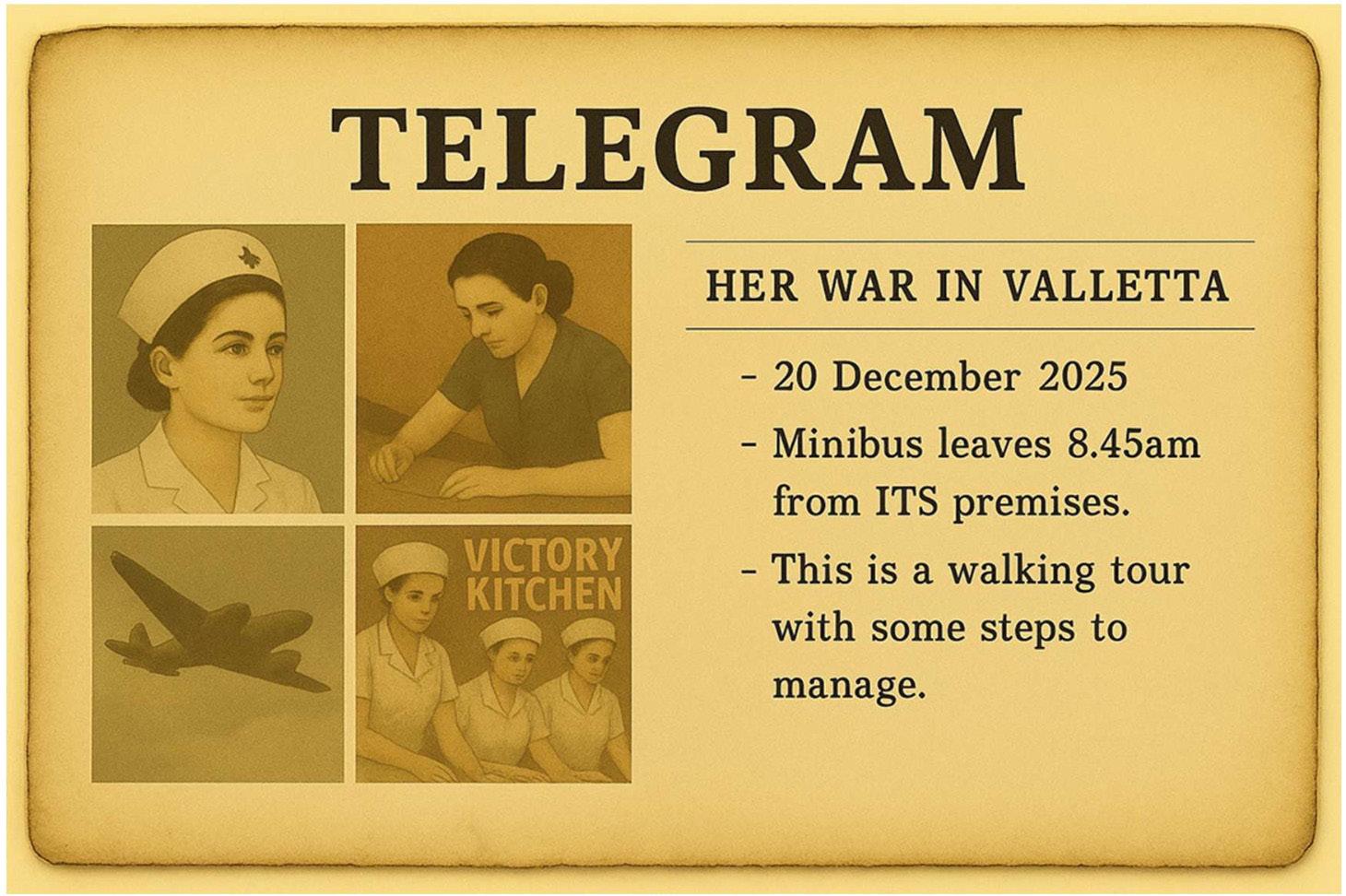
Valletta 1940-1943: Female Plotters, Nurses and the Kitchen Workers in WWII
A learning experience for the lecturer in China A focus on the secret medicinal plants used by Frenċ tal-Għarb
ITS pastry lecturer breaks another ‘sweet’ record
Foreign Cultural Influences and Maltese Theatrical Identity in Valletta (1731–1942)
The Rising of the Priests of 1775: Remembering Valletta’s Past for a Dark Tourism Experience
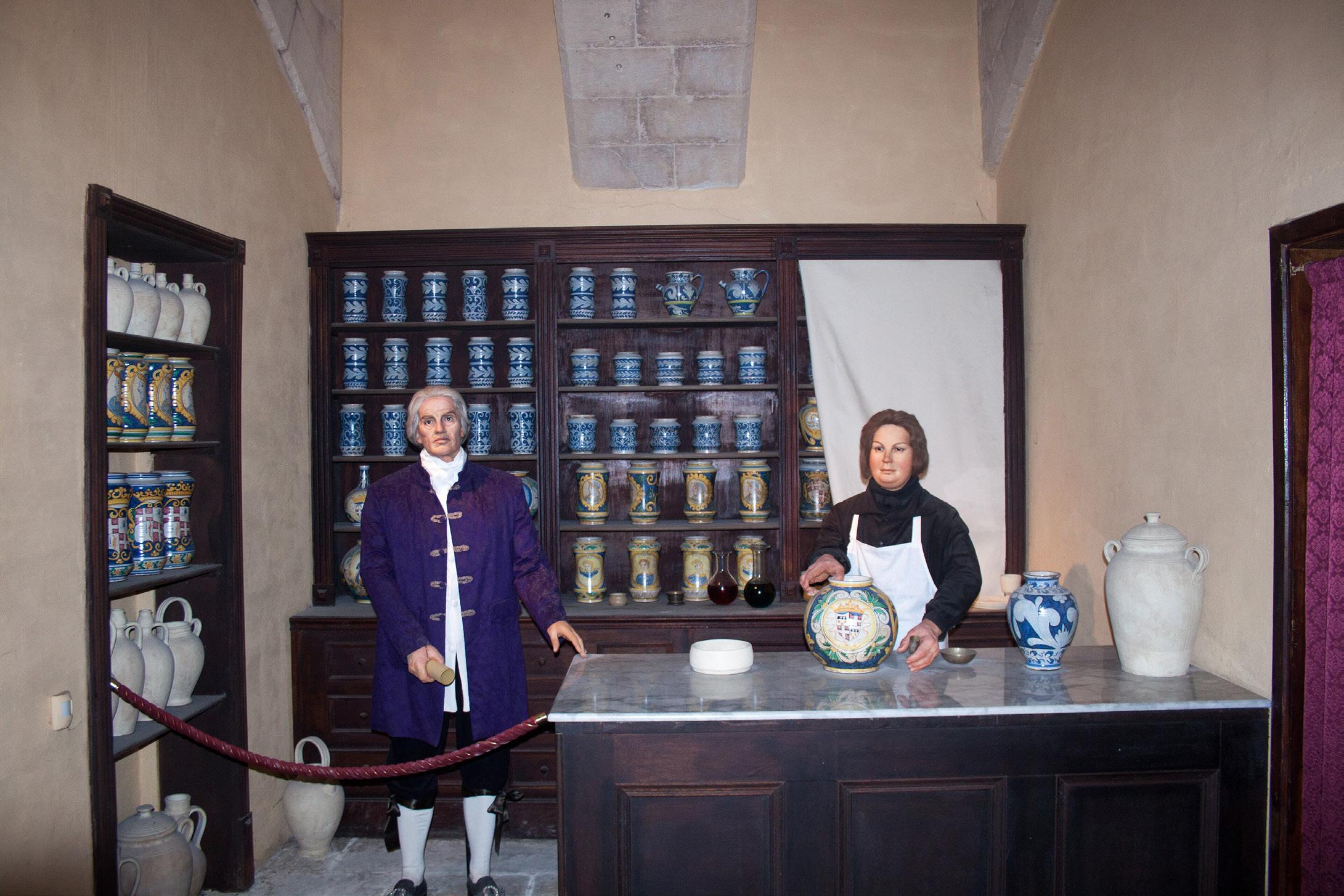
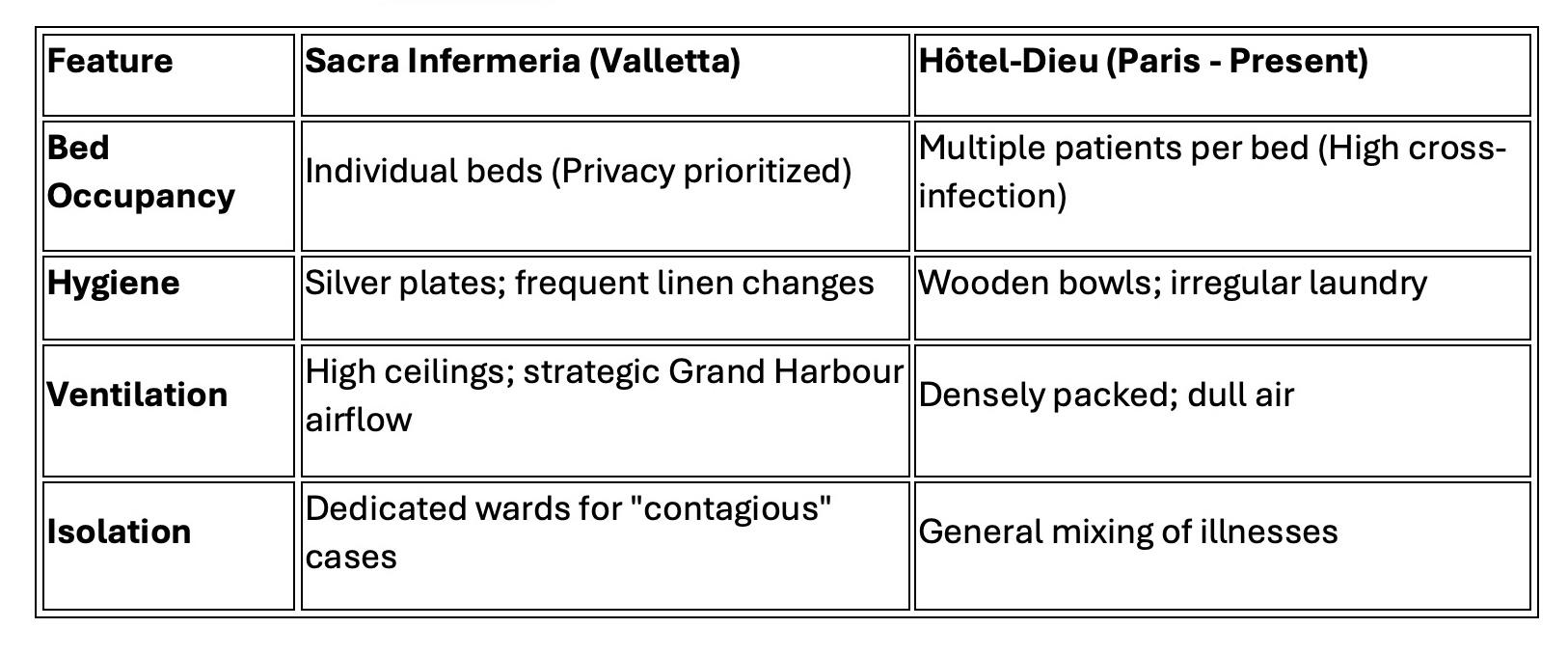
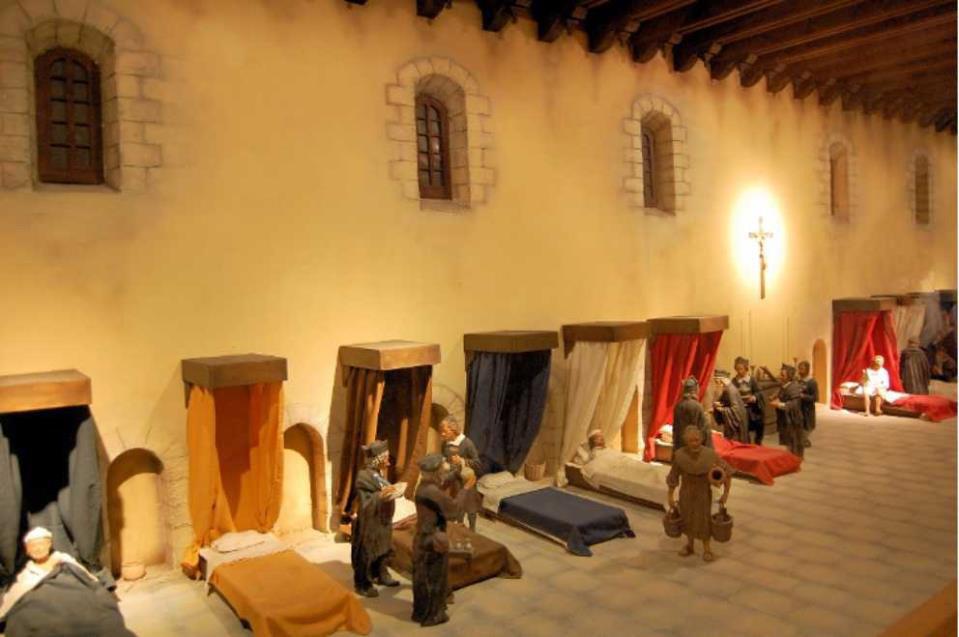
The medical practices organised by the Knights of Malta in the Sacra Infermeria
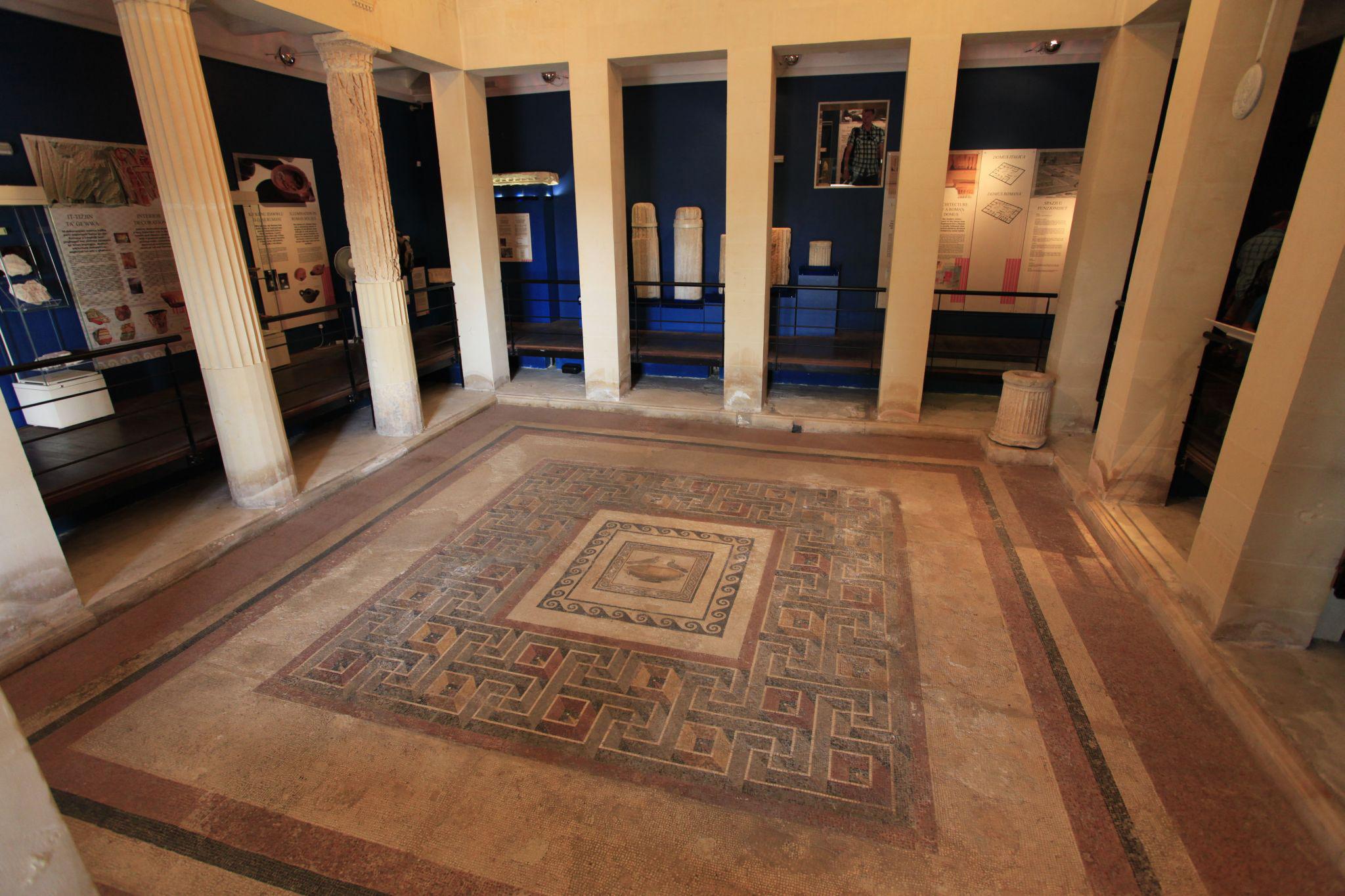
Dark Mdina and Rabat
On the Cover
An aerial view of Malta’s rugged Żeljka cliffs meeting the sea right next to Riviera Bay (renowned as Europe’s most beautiful beach in 2024).
A message from the Editor-in-Chief
More Than Tourism: Building the Future Through Skills and Sustainability
BY DR KATYA DE GIOVANNI, CHIEF OPERATIONS OFFICER - ACADEMIA AT ITS
There is a tendency to think of tourism as an industry of movement. Visitors arrive, experiences are consumed, photographs are taken, and journeys continue elsewhere. Yet tourism, at its best, is not about movement at all. It is about connection.
Connection between people and places. Between the past and the future. Between innovation and tradition. Between communities and opportunities.
As we reflect on the diverse contributions featured in this edition of Futouristic , one message emerges with remarkable clarity: the future of tourism will belong to those who can successfully connect these seemingly different worlds.
The stories contained within these pages demonstrate that tourism is no longer confined to hotels, airports, restaurants, or attractions. It has become an interdisciplinary force that influences education, heritage preservation, sustainability, technology, community development, and cultural identity. The tourism professional of tomorrow must therefore be more than a service
provider. They must be an interpreter, an innovator, a storyteller, a researcher, and increasingly, a custodian of authenticity.
Across Malta and Gozo, countless stories remain waiting to be told. The rural traditions explored in this issue remind us that heritage is not something preserved behind glass. It is something lived. It is found in the hands of the beekeeper, the bread baker, the farmer, and the artisan. These individuals are not merely preserving traditions; they are safeguarding identity. Their knowledge represents a form of cultural capital that is becoming increasingly valuable in a world where travellers seek genuine experiences rather than standardised products.
At the same time, the research presented by our students highlights another important reality: tourism is evolving through knowledge. Whether investigating food safety systems, uncovering hidden chapters of Maltese history, or exploring archaeological treasures that span millennia, these studies demonstrate that rigorous academic inquiry has a central role to play in shaping the future of the sector. Tourism must be evidence-based,
informed by research, and responsive to changing societal expectations.
Innovation also features strongly throughout this edition. Yet innovation should never be understood solely as technology. True innovation often emerges when creativity, collaboration, and vision converge. The remarkable achievement of creating a Guinness World Record chocolate sculpture demonstrates precisely this principle. Beyond the spectacle itself lies a powerful lesson about international partnerships, educational opportunities, philanthropy, and the ability to transform an ambitious idea into a reality that captures global attention.
Similarly, our growing international collaborations remind us that education today cannot operate within geographical boundaries. The experiences shared from China illustrate how learning becomes richer when different cultures engage in meaningful dialogue. Internationalisation is no longer an optional extra for educational institutions. It is a necessity. The tourism industry itself is global, and preparing future professionals requires
exposing them to diverse perspectives, practices, and worldviews.
Yet perhaps the most important lesson emerging from this edition concerns resilience. Whether examining the women who sustained Valletta during wartime, the communities that transformed tragedy into collective memory, or the generations who preserved traditions despite economic and social pressures, resilience appears repeatedly as a defining characteristic of both Maltese society and the tourism sector itself.
As we look towards the future, we must ensure that tourism growth remains meaningful. Success should not be measured solely in arrivals, occupancy rates, or economic indicators. It should also be measured by the stories we preserve, the communities we empower, the heritage we protect, and the opportunities we create for future generations.
Tourism has the power to shape places. More importantly, it has the power to shape people.
If we are to build a future-ready tourism sector, we must continue investing in knowledge, embracing innovation, celebrating authenticity, and nurturing the connections that make destinations truly memorable.
The future of tourism begins with understanding who we are. It continues with having the courage to imagine what we can become.
Dr Katya De Giovanni
Editor-in-Chief & ITS Chief Operating Officer –Academia
Editorial Board
Dr Katya De Giovanni (chair)
Mr Joseph Cassar
Dr Martin Debattista
Ms Charlotte Geronimi
Ms Fleur Griscti
Ms Helena Micallef
Ms Stephanie Mifsud
Mr Aaron Rizzo
Mr Claude Scicluna
Dr Rosetta Thornhill
Mr James Mula (secretary)
Executive Team
Executive Editor: Martin Debattista
Proofreading: Stephanie Mifsud
Sales and Marketing: Marketing Department
Design Kite Group
Contact Information
Editorial:
The Futouristic Editorial Board
Academic Research and Publications Board
Tel: +356 23793100
Email: arpb@its.edu.mt Web: www.its.edu.mt
Sales and Marketing: Tel: +356 23793100 Email: marketing@its.edu.mt
Institute of Tourism Studies Aviation Park Aviation Avenue Luqa, LQA 9023 Malta
Futouristic is the official journal of the Institute of Tourism Studies (Malta). The aim of this publication is to promote academic research and innovation at ITS, not just to the partners and stakeholders in the tourism industry but also to society at large. Therefore, ITS fulfills its mission to be at the forefront of this vital industry with its contribution that goes beyond the training of the workforce.
Futouristic is free of charge and is distributed to all stakeholders in the Maltese travel, tourism, hospitality, and higher educational sectors.
The views expressed in Futouristic do not reflect the views of the Board of Governors or of the Management or the Editorial Board of the Institute of the Tourism Studies but only that of the individual authors.
This publication is governed by the Creative Commons Licence 4.0 BY-NC-ND. Anyone can share this publication in any medium, reproduce, and reuse the content with the following conditions: full attribution is given to Futouristic and the individual authors; content is reproduced as is without any remixing or modification; and such reuse does not lead to financial gains.
The Institute of Tourism Studies shall have no liability for errors, omissions, or inadequacies in the information contained herein or for interpretations thereof.
ISBN: – 978-99957-1-961-6
978-99957-1-962-3
Access the full text of the research here
Evaluating the Implementation of Food Safety Management in 5-star Hotels in Malta
BRITNEY BUGEJA MASTER IN BUSINESS ADMINISTRATION
INTRODUCTION
Food safety is a critical component of public health and the global economy, with foodborne illnesses affecting a significant portion of the population annually. The hospitality industry, particularly the rapidly expanding sector in Malta, plays a major role in mitigating these risks. This research investigates the efficacy of Food Safety Management Systems implementation in
five-star hotels in Malta, seeking to ascertain whether stated food safety regulations translate into actual compliance among food handlers. By focusing on the intersection of documented policies and everyday kitchen operations, the study addresses the critical gap between food handlers’ theoretical knowledge, their attitudes, and their practical behaviours. The research provides a comprehensive understanding of the present settings of food safety in local
five-star hotels and aims to offer practical suggestions for improving the knowledge and implementation of food safety procedures, thereby contributing to the overall enhancement of hygiene standards in Malta’s tourism-driven economy.
LITERATURE REVIEW
The literature review systematically examines the foundational concepts of food safety and the structured frameworks
designed to prevent foodborne illnesses. It provides an overview of Food Safety Management Systems, highlighting the Hazard Analysis Critical Control Point system as the globally recognised standard for managing biological, chemical, and physical hazards. The review underscores that effective implementation relies heavily on Prerequisite Programmes, such as Good Hygiene Practices, pest control, and sanitation schedules, which form the bedrock of any functioning safety framework. The review also surveys the legal and regulatory landscape, noting that since its accession to the European
Union, Malta has enforced rigorous food safety regulations, including the Food Safety Act of 2002 and various European directives. Furthermore, the literature addresses the causes and contributing factors of foodborne illnesses, pinpointing human error, poor personal hygiene, and inadequate temperature control as primary culprits. Crucially, the review explores the Knowledge, Attitudes, and Practices model, revealing a recurring theme in global studies: while food handlers may possess adequate theoretical knowledge and positive attitudes towards food safety, these attributes do not consistently translate into
compliant behaviours during high-pressure operational scenarios, thereby identifying a significant knowledge-behaviour gap that necessitates further empirical investigation.
RESEARCH METHODS
To achieve a comprehensive evaluation of food safety implementation, this study adopted a mixed-methods methodological triangulation approach. This design integrated both qualitative and quantitative data collection techniques to cross-validate findings and mitigate inherent biases. The research was conducted across nine randomly selected five-star hotels in Malta during the off-peak season to capture
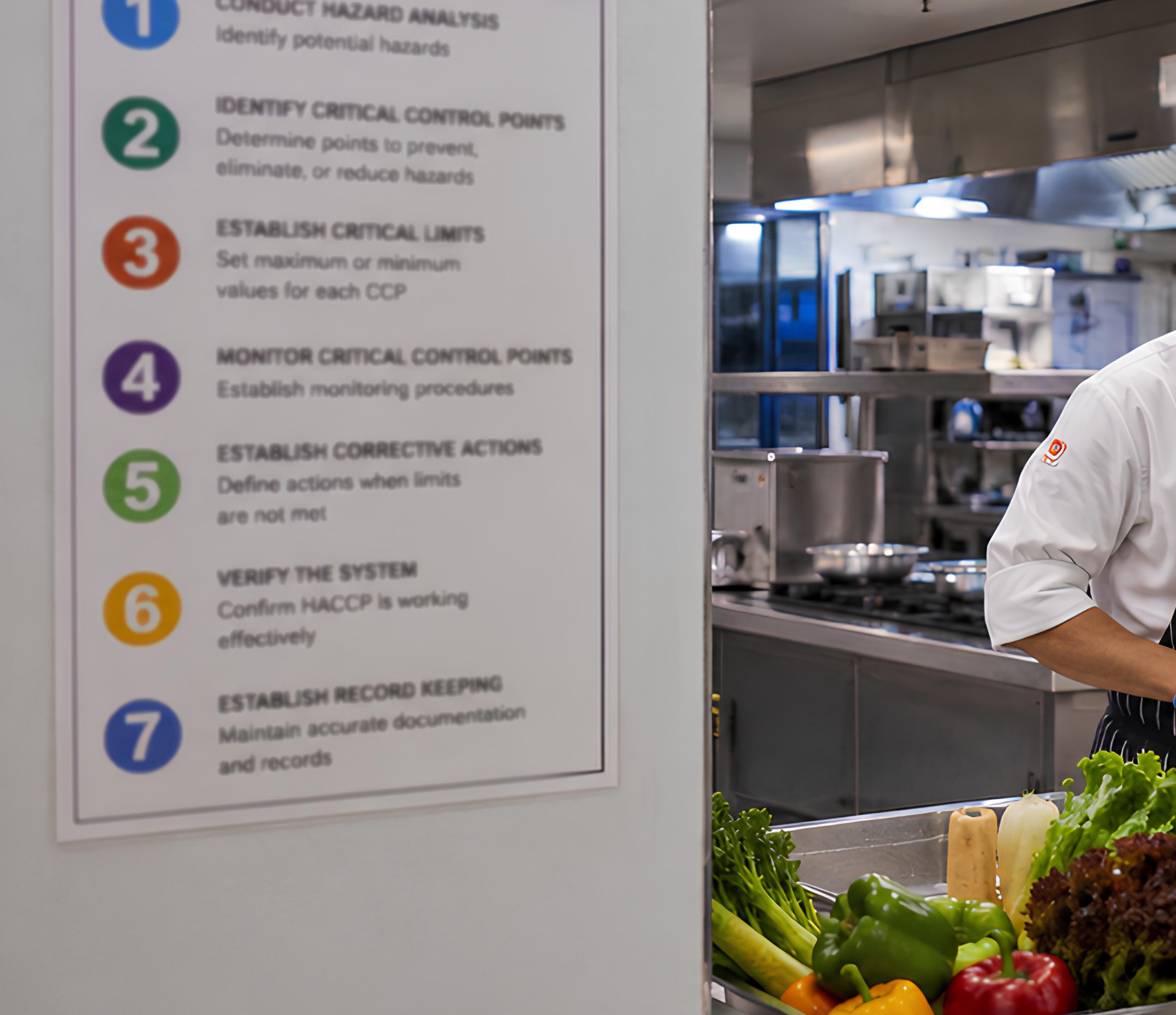
HCCP in the commercial kitchen (Image generated by ChatGPT)
regular operational settings. Three primary instruments were utilised. Firstly, Food Safety Management Systems audits were conducted alongside the hotels’ respective safety leaders, using a 22-item checklist derived from local Environmental Health Directorate guidelines to assess documented policies, training records, and compliance procedures. Secondly, on-site observations were carried out by the researcher to directly evaluate real-time food handling practices across six criteria: overall premises, personal hygiene, cleaning, food handling, temperature control, and pest control. Finally, a cross-sectional survey questionnaire was administered to 110 food handlers. This 33-item questionnaire assessed the respondents’ selfreported Knowledge, Attitudes, and Practices using a Likert-scale, alongside a practical knowledge test. The quantitative data was analysed using descriptive statistics, ANOVA, and multiple regression analysis via statistical software to test the research hypotheses, ensuring a rigorous evaluation of the correlation between documented systems and human behaviour.
DISCUSSION AND ANALYSIS
The analysis of the triangulated data provides profound insights into the
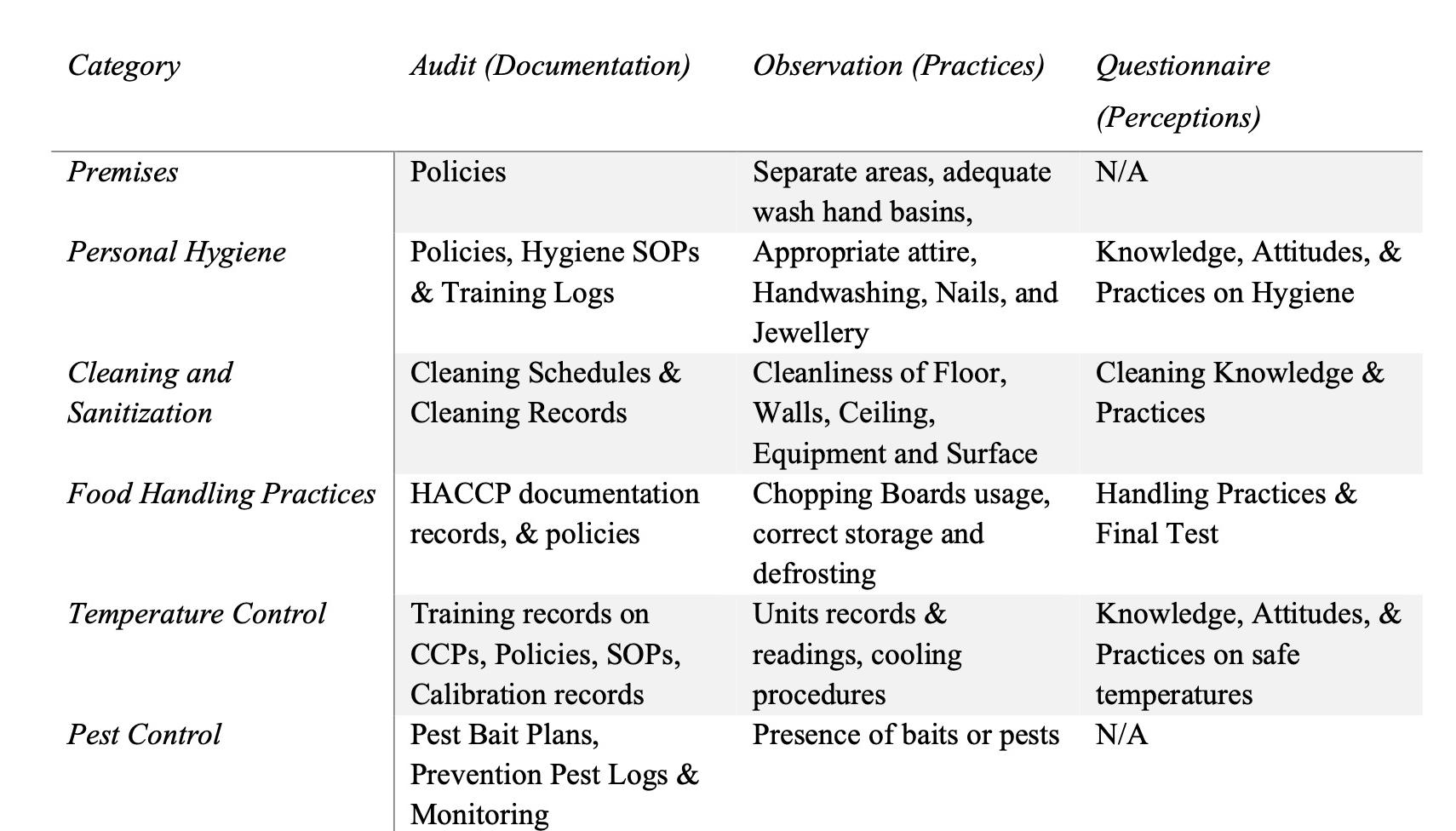
operational realities of food safety in Malta’s luxury hospitality sector. The audit findings revealed a highly commendable level of documented compliance, with an overall average score of 89.3 percent. Notably, all nine hotels demonstrated 100 percent compliance in maintaining comprehensive hazard analysis manuals, identifying Critical Control Points, and scheduling internal audits. However, the audits also exposed administrative gaps, such as the fact that one-third of the hotels failed to conduct regular team meetings, which literature suggests is vital for reinforcing a robust food safety culture. Furthermore, while training records were largely present, inconsistencies in the continuous application of standard operating procedures were identified.
The on-site observational data presented a stark contrast to the flawless documentation, highlighting the knowledgebehaviour gap central to this study. The overall observational compliance stood at 75.6 percent, with significant variances across different categories. While structural elements like overall premises and temperature control exhibited high compliance rates of 93.3 percent and 88.9 percent respectively, behavioural metrics
were alarmingly low. Personal hygiene recorded the lowest compliance at 63.9 percent; specifically, only 44.4 percent of observed food handlers consistently washed their hands between tasks, and adherence to uniform and jewellery policies was only partially met. Cleaning and sanitisation of work surfaces during food preparation also demonstrated low adherence at 55.6 percent. Moreover, while hotels excelled at maintaining cooling equipment, the actual human execution of cooling procedures and the prevention of cross-contamination during active food preparation showed significant lapses.
Conversely, the cross-sectional questionnaire results indicated that food handlers possess strong theoretical foundations. The overall mean score for self-reported knowledge was 4.49 out of 5, with attitudes scoring 4.37 and practices scoring an optimistic 4.67. Participants overwhelmingly reported that they always wash their hands and strictly adhere to temperature controls, directly contradicting the observational findings. This discrepancy underscores that self-assessed compliance is frequently overestimated in the hospitality industry.
The triangulation matrix of the primary data collected in the research
Access the full text of the research here
Hypothesis testing further clarified these dynamics. The first hypothesis, positing a significant correlation between the implementation of Food Safety Management Systems and actual food safety, was supported by a Pearson correlation coefficient of 0.685. This indicates a moderate to strong positive link, confirming that hotels with betterdocumented systems and audits generally exhibit safer physical environments. The second hypothesis, evaluated via multiple linear regression, examined whether food handlers’ knowledge, attitudes, and practices significantly affect food safety implementation. The model accounted for 58 percent of the variance. Crucially, the regression revealed that actual selfreported practices were a statistically significant predictor of compliance, whereas theoretical knowledge and attitudes were not statistically significant on their own. This critical finding proves that theoretical awareness of food safety protocols does not automatically translate into practical application without continuous reinforcement, rigorous monitoring, and a supportive operational culture that prioritises safety over speed during peak service times.
RECOMMENDATIONS
To bridge the persistent gap between documented policies and actual kitchen practices, it is recommended that hotel management transcend routine administrative audits by implementing unannounced, behaviour-focused inspections. This will help detect immediate deviations from hygiene regulations in realtime. Furthermore, hotels must transition from static, classroom-based learning to behaviour-based training programmes that replicate authentic, high-pressure kitchen settings, thereby enhancing food handlers’ capacity to execute safety measures under stress. Given the diverse demographic of kitchen personnel, integrating multilingual training resources and translated standard operating procedures is essential to guarantee comprehensive understanding across all staff. Finally, hotels should invest in digital monitoring instruments, such as automated temperature sensors, smart
hygiene checklists, and real-time alarm systems, to reduce the manual monitoring burden on staff and minimise human error.
CONCLUSION
In conclusion, this research successfully demonstrates that while five-star hotels in Malta possess robust and welldocumented Food Safety Management Systems, the translation of these policies into consistent daily practice remains a significant challenge. The study highlights a pronounced knowledge-behaviour gap, where food handlers exhibit strong theoretical awareness but frequently bypass critical hygiene and cross-contamination protocols due to operational pressures. Ultimately, the effectiveness of food safety in the hospitality sector relies not merely on regulatory compliance and paperwork, but on the cultivation of a proactive food safety culture, sustained behavioural reinforcement, and continuous, practical supervision on the kitchen floor.
SELECT BIBLIOGRAPHY
Arendt, S. W., Paez, P. and Strohbehn, C., 2013. Food Safety Practices and Managers’ Perceptions: A Qualitative Study in Hospitality. International Journal of Contemporary Hospitality Management, 25(1), pp. 124-139.
Charalambous, M., 2011. Implementation of Food Safety Management Systems in Small Enterprises in Cyprus
Chege, P. W., 2017. Critical Review of the Literature on Hazard Analysis Critical Control Point. Prime Journal of Social Science, 6(4), pp. 1476-1483.
Da Cunha, D. T., Stedefeldt, E. and De Rosso, V. V., 2014. The role of theoretical food safety training on Brazilian food handlers’ knowledge, attitude and practice. Food Control, 43, pp. 167-174.
FAO and WHO, 2022. General Principles of Food Hygiene CXC 1-1969. Codex Alimentarius International Food Standards.
Food and Drug Administration (FDA), 2023. Technical Report: FDA Report on the Occurrence of Foodborne Illness Risk Factors in Fast-Food and Full-Service Restaurants,
“
The on-site observational data presented a stark contrast to the flawless documentation, highlighting the knowledgebehaviour gap central to this study.
”
2017-2018. U.S. Department of Health and Human Services.
Jespersen, L. et al., 2016. Measurement of food safety culture using survey and observational measures. Food Control.
Oduol, R. W., 2020. Role of Food Management Systems on Food Safety in 5-star rated hotels in Nairobi City County Kenya. Thesis.
Wallace, C. A. and Mortimore, S., 2013. HACCP A Practical Approach. 3rd ed. Springer.
World Health Organization, 2022. Food Safety. WHO Fact Sheets.
The 1975 Vulcan Bomber Aircraft Crash in Żabbar: Inferno & Devotion
GORDON PACE
HIGHER NATIONAL DIPLOMA IN TOURIST GUIDING
INTRODUCTION
This study investigates the tragic crash of the Royal Air Force Vulcan Bomber XM645 over the town of Ħaż-Żabbar, Malta, on the 14th of October 1975, an event that claimed six lives and left an indelible mark on the town’s collective memory. While prior historical literature has adequately documented the technical and factual aspects of the disaster, the human experience and the profound emotional aftermath have remained largely unexplored. This research bridges that gap by foregrounding the lived experiences of the Żabbar residents who witnessed or survived the fiery crash. Furthermore, it explores how the local community processed this catastrophic event through the lens of religious faith, transforming widespread devastation into long-term devotion.
LITERATURE REVIEW
The literature review examines the existing documentation surrounding the crash,
categorising it into immediate journalistic reports, eyewitness accounts, historical publications, and technical assessments for aviation enthusiasts. While technical reports, such as those by Griffiths, delve into the mechanical failures of the Avro Vulcan, they also inadvertently highlight the miraculous nature of the low civilian casualty count. The review reveals a significant gap in the literature regarding the psychological and emotional impact on the residents, particularly focusing on the lack of scholarly attention paid to the disruption of their daily lives and the deeply rooted religious attribution that followed the tragedy.
RESEARCH METHODS
To uncover the lived experiences of the survivors, a qualitative and inductive methodology was employed, enabling the researcher to move from general observations towards identifying broad patterns of reaction and action. The study utilised targeted bibliographic research and
thematic content analysis to extract data relating to collective memory and religious interpretation. This was fundamentally supported by two in-depth, semi-structured interviews with key informants, alongside the examination of a unique, unpublished compilation of survivor testimonies held in the Żabbar Museum Collection. Methodological triangulation was utilised to enhance the credibility of the emergent themes.
DISCUSSION AND ANALYSIS
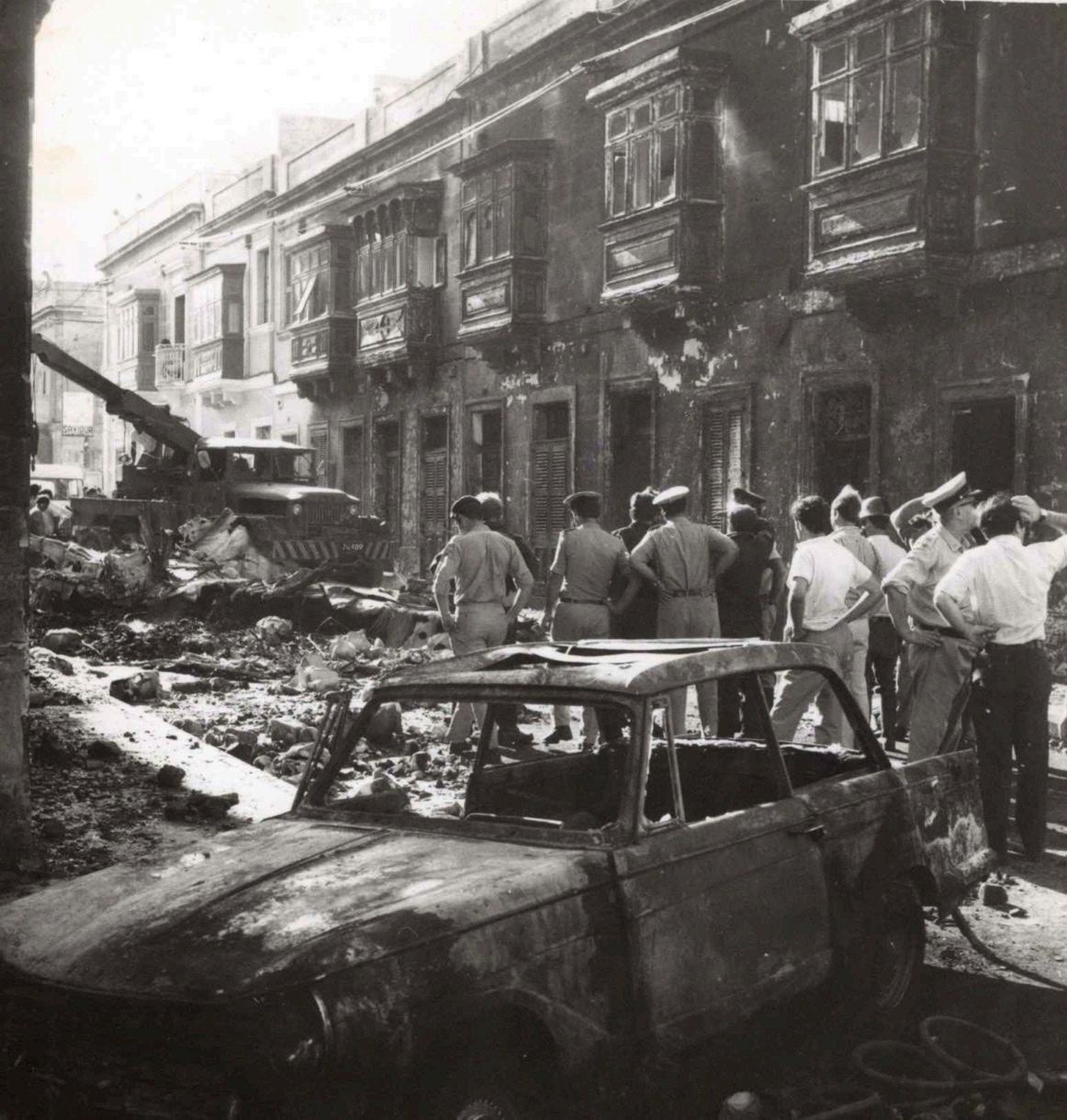
The analysis reconstructs a human-centred narrative of fear and resilience, highlighting the terrifying immediate aftermath of the crash through the experiences of a newlywed couple, the Paces, and other locals like Angelica Schembri. The physical destruction of homes forced residents into prolonged displacement, yet the overarching community response was one of profound religious gratitude. The research meticulously analyses the
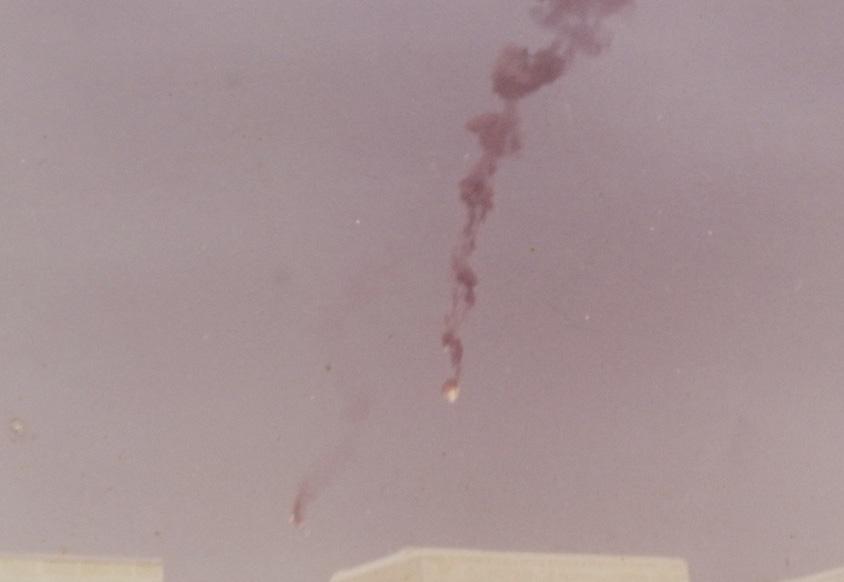
The Vulcan bomber exploding over Ħaż-Żabbar, photo takeb by aviation enthusiast Godfrey Mangion
Access the full text of the research here
unpublished testimonies collected by Renato Agius Muscat, illustrating how the community collectively interpreted their survival as a miracle granted by Our Lady of Graces. This theological framing allowed the town to process its trauma, embedding the event into Żabbar’s cultural identity through annual processions, commemorative plaques, and devotional art.
RECOMMENDATIONS
The author recommends that future researchers continue to record the oral narratives of the surviving generation using broader questioning techniques to capture alternative perspectives before they are lost to time. It is also advised that unpublished compilations of testimonies, such as those housed in the local museum, be further catalogued and preserved, as they serve as a critical treasure trove for understanding the sociocultural dynamics of trauma and memory in Maltese communities.
CONCLUSION
In conclusion, this essay successfully shifts the historical focus from the technical failures of the Vulcan Bomber to the profound human dimension of the tragedy. By documenting how the residents of Żabbar re-interpreted a catastrophic inferno through the protective mantle of their faith, the study contributes significantly to Malta’s social and cultural history. It demonstrates that history is ultimately lived on the ground, where emotion, memory, and resilience converge to turn devastation into enduring devotion
SELECT BIBLIOGRAPHY
Agius Muscat, R., 2007. It-Tiġrif tal-Vulcan Fuq Ħaż-Żabbar - Id-Disgrazzja u l-Grazzja. Żabbar: Unpublished.
Caruana, R., 2000. Aspects of Post-War Żabbar. In: M. A. Sciberras, ed. Żabbar - A Living History. Żabbar: Żabbar Local Council, pp. 183-229.
Cluett, N., 2024. The Avro Vulcan is the Most Iconic Bomber Ever. Plane Historia.
Grech, D., 2025. Forty-Six Feet Short. 1st ed. Qormi: Horizons.
Griffiths, D., 2005. Miracle on the Ground. Vulcan News, pp. 12-21.
Mangion, G., 2010. The Vulcan tragedy over Żabbar, 35 years on. Times of Malta.
Sammut, C., 2006. Media and Maltese Society 1st ed. Maryland: Lexington Books.
Sant, T., 2017. Remembering Rediffusion in Malta: A history without future. 1st ed. Santa Venera: Midsea Books.
Testa, M., 2005. Vulcan crash at Żabbar was ‘avoidable’. Times of Malta.
The destruction brought by the crash of the Vulcan bomber on Ħaż-Żabbar (Image by Times of Malta)
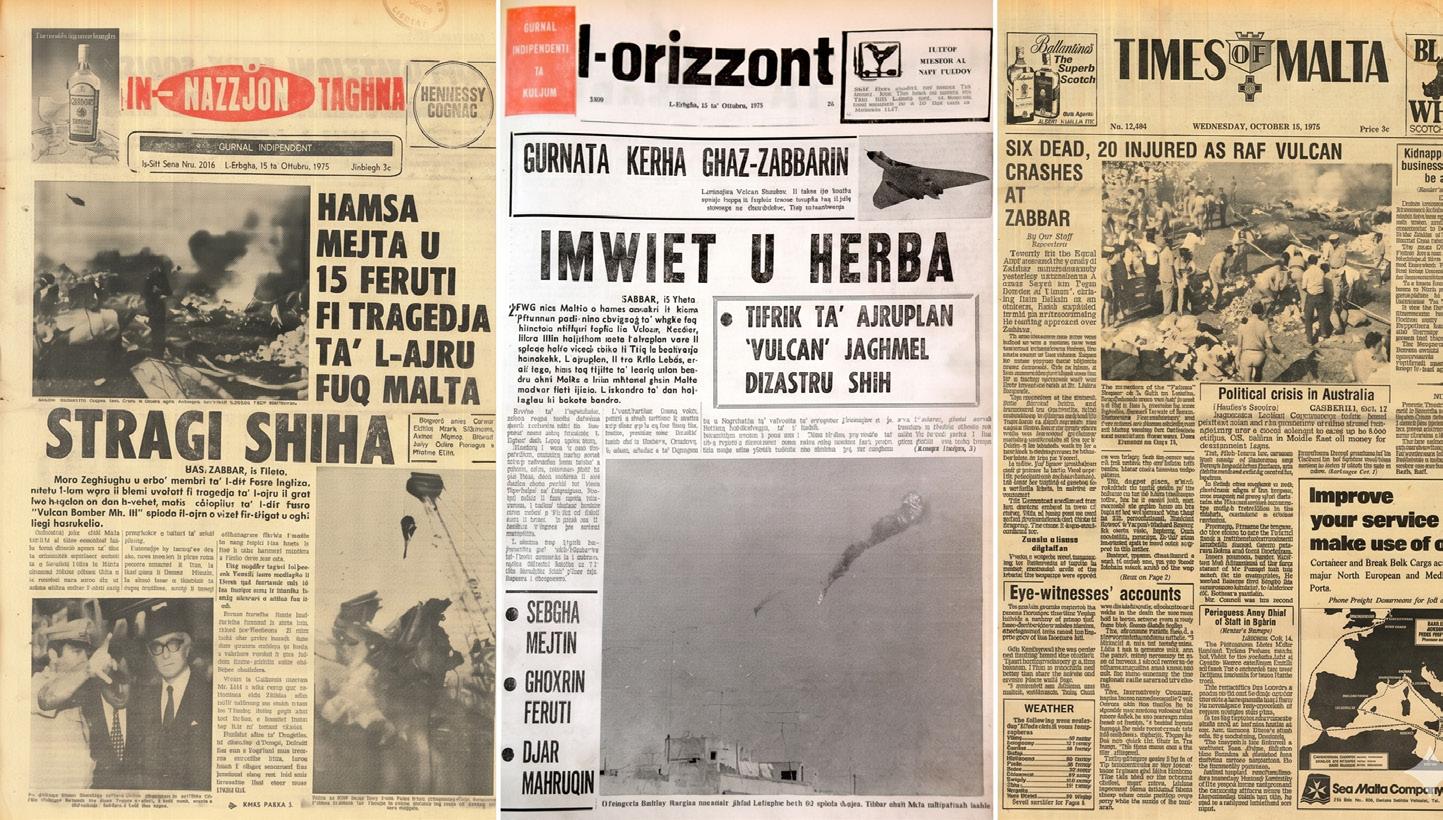
How the threee daily national newspaper reported the tragedy the following morning
A learning experience for the lecturer in China
INTERVIEW BY MARTIN DEBATTISTA EXECUTIVE EDITOR - FUTOURISTIC
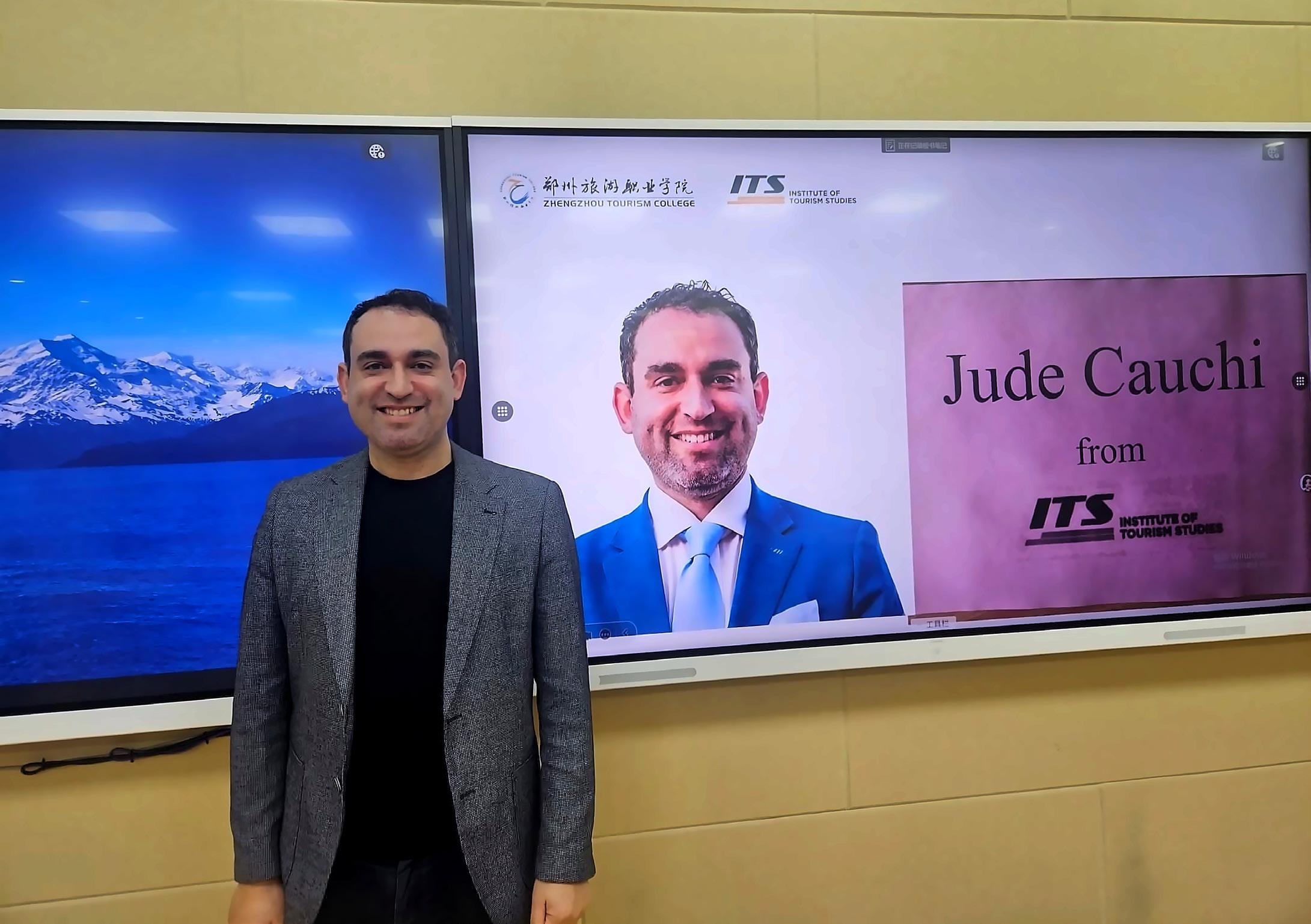
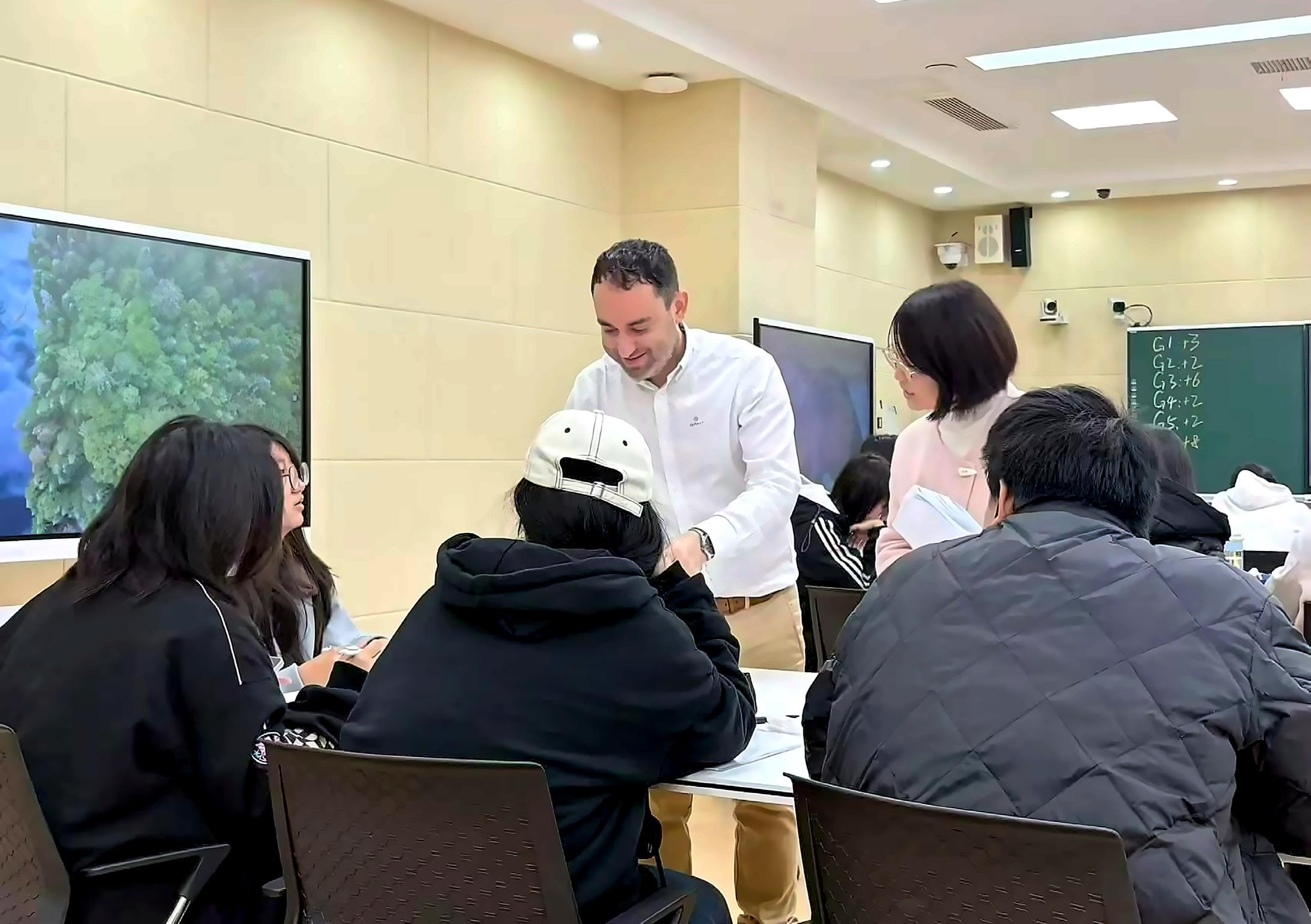
Jude Cauchi, senior manager in the People and Culture human resources department at ITS, in October 2025 spent two weeks of lecturing at the Zhengzhou Tourism College (ZTC) in China, where ITS has a satellite campus. This was the first cohort at ZTC to be exposed to the ITS curriculum on travel, tourism and hospitality. Futouristic spoke to Mr Cauchi about his experience.
WHAT WERE THE MAIN OBJECTIVES OF YOUR VISIT TO ZHENGZHOU, BOTH FROM YOUR PERSONAL ACADEMIC PERSPECTIVE AND FROM THE INSTITUTIONAL STANDPOINT?
From a personal academic standpoint, my objectives were threefold: broadening my pedagogical repertoire by engaging with students from a different educational and cultural background; gaining firsthand
insight into Chinese vocational higher education to inform my teaching practice; and establishing professional networks to facilitate future collaborative research and curriculum development.
Institutionally, the exchange reinforced our Institute’s commitment to internationalisation and demonstrated our capacity to contribute meaningfully to global educational partnerships. It showcased our pedagogical approaches while learning from our Chinese colleagues and explored pathways for continuous collaboration to enhance both institutions’ international profiles.
DID YOU ADAPT YOUR PEDAGOGICAL METHODS TO SUIT THE LOCAL ACADEMIC AND CULTURAL CONTEXT? IF SO, IN WHAT WAYS?
Yes, adaptation was essential. Recognising language barriers, I simplified language, reduced idiomatic expressions, and increased visual aids and interactive materials. I slowed delivery pace and built in frequent pauses for translation and comprehension checks.
Observing that Chinese students demonstrated more reserved classroom behaviour than typically experienced in Malta, I shifted from expecting immediate verbal responses to structured participation formats such as small group discussions and written reflection exercises. I also emphasised personal and real-world examples, which resonated particularly well within the vocational framework.
I also acknowledged local academic protocols, including more formal student-
A heartfelt exchange of gifts and gratitude marked the close of an unforgettable crosscultural journey.
“
Students demonstrated strong motivation and clear career aspirations, viewing education as a direct pathway to professional employment in tourism.
”
teacher dynamics and hierarchical respect, while integrating Chinese contexts alongside Maltese and European examples to demonstrate cultural reciprocity.
WERE THERE PARTICULAR THEMES, CASE STUDIES, OR ASPECTS OF MALTESE PRACTICE THAT GENERATED SIGNIFICANT INTEREST AMONG THE STUDENTS IN ZHENGZHOU?
The two modules I delivered: Academic Writing Skills and Personal Development generated different engagement. Personal development resonated strongly; topics like goal-setting, self-reflection, professional identity formation, and career planning were met with active participation and genuine interest.
Academic writing proved significantly more challenging due to the linguistic demands of academic English, unfamiliarity with Western academic conventions (particularly critical argumentation, thesis development, and evidence-based reasoning), and limited prior exposure to structured academic writing in English.
These difficulties reflected not only language barriers but also educational differences. Chinese vocational education may emphasise knowledge reproduction
and practical skill demonstration over analytical, argument-driven writing expected in Western contexts. Despite challenges, students appreciated practical strategies like structured templates and step-by-step approaches. The personal development module’s success provided a useful bridge, enhanced self-awareness and therefore helped students approach academic writing with greater resilience.
The contrast proved instructive: personal development concepts transcend cultural boundaries more easily than disciplinespecific academic conventions, underscoring the importance of scaffolding and cultural sensitivity.
IN WHAT WAYS DID THIS EXPERIENCE DEEPEN YOUR UNDERSTANDING OF CHINESE HIGHER EDUCATION, PARTICULARLY WITHIN THE VOCATIONAL AND POLYTECHNIC SECTOR?
While my two-week assignment at Zhengzhou Tourism College focused on delivering the two modules, it provided valuable observational insights. My understanding was necessarily limited to classroom interactions and immediate campus environment rather than deep institutional engagement.
Students demonstrated strong motivation and clear career aspirations, viewing education as a direct pathway to professional employment in tourism. This career focus was evident in their engagement with practical applications and concerns about employability.
I observed a structured learning environment with clear expectations and well-organised facilities. Students were accustomed to defined learning outcomes and systematic content delivery, reflecting respect for educational processes. The experience deepened my appreciation for how educational context shapes student expectations. Teaching at Zhengzhou Tourism College required reflection on assumptions about student autonomy and classroom participation rooted in my own context.
While I cannot speak authoritatively about institutional structures beyond my brief assignment, the experience illuminated important differences in educational culture, highlighting how vocational education serves different populations across national contexts and underscoring the importance of cultural sensitivity in international teaching.
DID YOU OBSERVE DIFFERENCES IN HOW TOURISM, HOSPITALITY, OR RELATED DISCIPLINES ARE CONCEPTUALISED OR OPERATIONALISED IN THE CHINESE CONTEXT COMPARED TO MALTA OR THE EU?
Students at Zhengzhou Tourism College conceptualised future careers reflecting China’s domestic tourism market scale and the sector’s importance within national development priorities. Therefore, career planning emphasised opportunities within China’s expanding hospitality infrastructure and service sector growth. The students also showed strong interest in learning about European contexts.
I noted that the students approached transferable skills with strong practical orientation, consistently interested in how these skills would enhance employability and professional effectiveness. This pragmatic focus may reflect broader
emphases within Chinese vocational education, though I cannot speak authoritatively about institutional policy beyond my two modules.
WHAT WERE THE MOST INTELLECTUALLY OR PERSONALLY REWARDING ASPECTS OF YOUR TIME IN ZHENGZHOU?
Intellectually, the most rewarding aspect was examining my disciplinary assumptions through a completely different cultural lens. Teaching in Zhengzhou required me to articulate and justify pedagogical choices, leading to valuable critical reflection. The comparative perspective enriched my understanding regarding how context shapes educational philosophy.
Personally, the most rewarding moments came through genuine connections with students who, despite language barriers, demonstrated remarkable curiosity, respect, and eagerness to learn. Witnessing students grasp complex concepts and make cross-
cultural connections was deeply fulfilling. Several students shared how comparative perspective helped them see their own context with fresh eyes.
The experience provided invaluable professional development: greater cultural competence, enhanced ability to communicate across linguistic barriers, and practical experience adapting pedagogy to diverse contexts. The broader cultural immersion experiencing Zhengzhou’s blend of tradition and modernity and developing relationships with Chinese colleagues provided rich personal growth.
WERE THERE ANY UNEXPECTED CHALLENGES—ACADEMIC, CULTURAL, OR LOGISTICAL—THAT PROVED PARTICULARLY INSTRUCTIVE?
While I anticipated classroom language challenges, I underestimated how language barriers would affect informal learning opportunities. The richest
educational moments often occur in casual conversations, and these were significantly constrained, teaching me the importance of structured translation support beyond formal teaching.
Navigating China’s distinct digital ecosystem was unexpectedly challenging. Familiar platforms (Google services, learning management systems) were inaccessible, requiring rapid adaptation to local alternatives like WeChat. This highlighted how contemporary pedagogy depends on technological infrastructure.
Furthermore, I encountered subtle cultural challenges around communication styles. For example, indirect communication and cultural values around maintaining harmony sometimes made gauging student comprehension or receiving critical feedback difficult and therefore learning to read subtle cues required conscious effort and cultural sensitivity.
Star signs, shared stories, and a celebration of cultures- the Language Corner where every student truly shines.
“
” vocational education serves different populations across national contexts and underscoring the importance of cultural sensitivity in international teaching.
The intensity of the two-week schedule, combined with cultural adjustment and cognitive load of navigating unfamiliar environments, was more exhausting than anticipated, teaching important lessons about the importance of self-care during international assignments.
FINALLY, WHAT ADVICE WOULD YOU OFFER TO OTHER ACADEMICS CONSIDERING SHORT-TERM INTERNATIONAL TEACHING ASSIGNMENTS IN CONTEXTS SUCH AS CHINA?
Approach the assignment with openness, humility, and genuine curiosity. Short-term international teaching in contexts like China offers extraordinary opportunities for professional and personal growth but requires flexibility, cultural sensitivity, and willingness to step outside your comfort zone.
Learning comes alive when every student has a voiceengagement in action at its finest.
Valletta 1940-1943: Female Plotters, Nurses and the Kitchen Workers in WWII
CYNTHIA-MARIA DEBONO MIZZI HIGHER NATIONAL DIPLOMA IN TOURIST GUIDING
INTRODUCTION
This research challenges the traditional, male-dominated narratives of the Second World War in Malta by focusing on the extraordinary yet frequently overlooked contributions of women. For the first time in local history, women stepped into unchartered public spheres, responding to a national crisis and making a critical difference to the island’s survival.
Specifically, the study investigates the indispensable roles of three groups of women stationed in Valletta between 1940 and 1943: female plotters at the Lascaris War Rooms, wartime nurses, and workers in the Victory Kitchens. By foregrounding these female experiences, the research aims to provide a more truthful, enriching, and balanced understanding of Malta’s wartime chapter, culminating in the proposal of a themed walking tour of
Valletta that places these women at its very core.
LITERATURE REVIEW
The literature review surveys existing wartime historiography, noting that while Malta’s strategic position and bombing records have been extensively documented over the past eighty years, the focus has predominantly remained on male military heroism. Although recent scholars
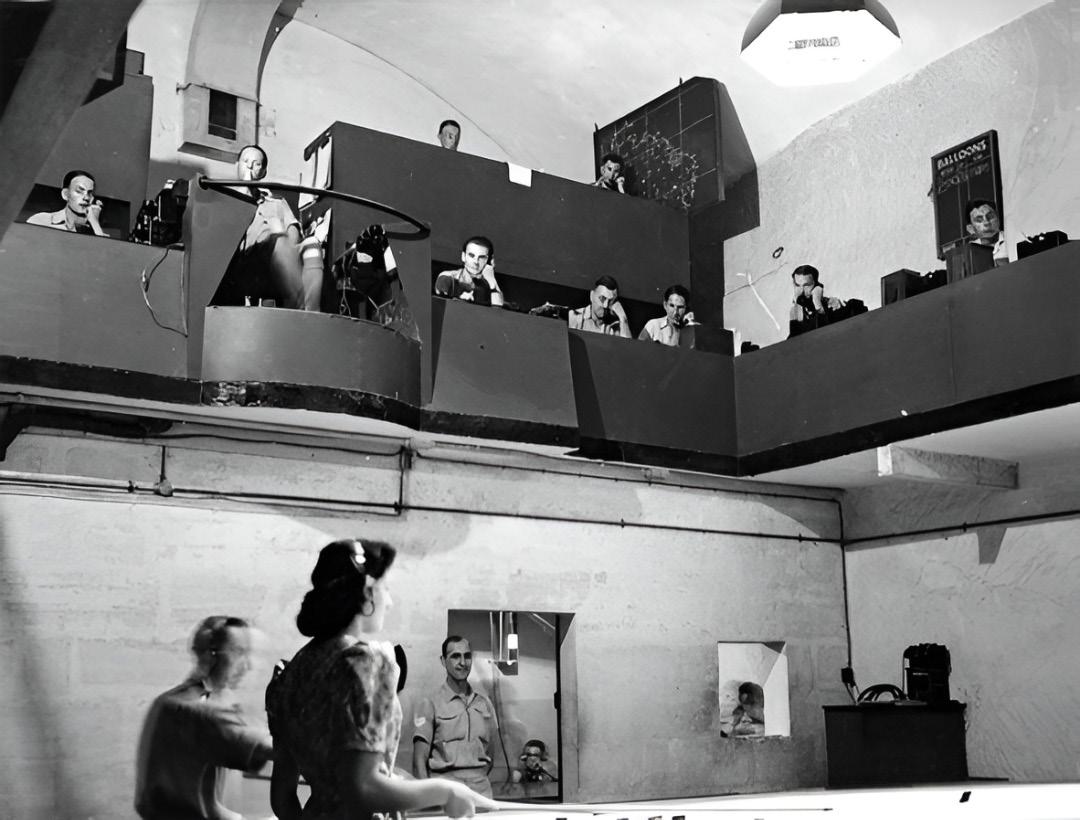
Women plotters at the British forces command centre in Lascaris
have begun to weave the female civilian experience into these narratives, everyday female protagonists operating at the grassroots level have largely been sidelined at the periphery of mainstream literature. The review synthesises broad perspectives on gender and the civilian experience, drawing upon diverse secondary sources to construct a focused understanding of the female plotters, nurses, and kitchen workers.
RESEARCH METHODS
To achieve its aims, the study adopts a qualitative, inductive approach, blending textual and verbal sources to underpin a comprehensive account of female wartime input. Document-based research was utilised alongside semi-structured interviews to prompt insightful themes directly from the data, rather than relying on predetermined hypotheses. Primary sources, including archival materials and
everyday reportage from the Police War Occurrences logbooks, provided crucial insights into the turmoil experienced by civilians in Valletta. Complementary semistructured interviews were conducted with selected experts to mitigate bias and gain profound contextual knowledge.
DISCUSSION AND ANALYSIS
The analysis contextualises the findings within the besieged state of wartime Valletta, structuring the discussion around three emergent themes: Gender Role Upheavals, Sung and Unsung Heroines, and Resilience in Silence. The research highlights how the sudden demand for female labour in plotting rooms, hospitals, and communal kitchens completely upended traditional Maltese gender roles, pushing women into the public sphere. Despite their vital operational contributions, many of these women functioned as unsung
heroines, offering quiet resilience and undertaking their duties without expectation of recognition. The analysis evaluates the immense physical and emotional burdens shouldered by these women as they navigated the destruction of their city while maintaining essential services, proving that their quiet determination was as crucial to Malta’s survival as any military stratagem.
RECOMMENDATIONS
The author recommends further interdisciplinary research to build a more inclusive portrait of women’s contributions. Because many primary participants have passed away, subsequent studies must prioritise gathering oral histories and stories from the descendants of these wartime women. Furthermore, incorporating frameworks from sociology, gender studies, and behavioural science is advised to fully appreciate the depth of the female wartime
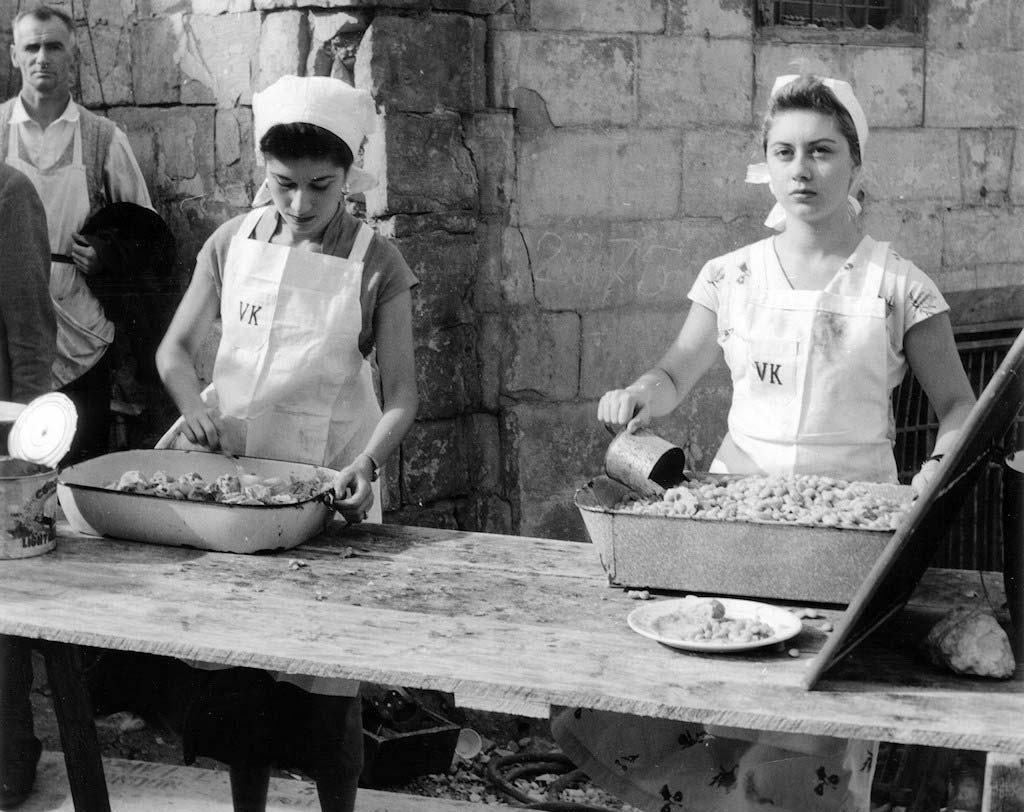
Maltese girls serving meals at a Victory Kitchen communal feeding centre
experience and properly integrate it into the national identity.
CONCLUSION
In conclusion, this research successfully corrects a longstanding historical disparity by illuminating the vital roles of female plotters, nurses, and Victory Kitchen workers during the bombardment of Valletta. Far from being passive victims, these women demonstrated immense resilience and strength, effectively functioning as the backbone of the city’s wartime survival. By translating these findings into a themed walking tour, the study ensures that these faded voices are retrieved and permanently embedded into the cultural heritage and contemporary memory of Malta.
SELECT BIBLIOGRAPHY
Bradford, E., 1986. Siege: Malta 1940-1943 London: Leo Cooper.
Collingham, L., 2011. The taste of war: World War Two and the battle for food. London: Penguin.
Creswell, J.W. and Poth, C.N., 2023. Qualitative inquiry and research design:
Choosing among Five Approaches. 5th ed. Thousand Oaks, CA: Sage Publications.
Debono, C., 2019. Malta during World War II Valletta: National War Museum Publications.
Enloe, C., 2014. Bananas, beaches and bases: making feminist sense of international politics 2nd ed. Berkeley: University of California Press.
Galea, F., 2004. Carve Malta on my heart: true wartime stories of Christina Ratcliffe and Tamara Marks. Malta: Pintco Ltd.
Galea, F., 2006. Women of Malta. Malta: BDL Publishing.
Holland, J., 2003. Fortress Malta: An island under siege 1940-1943. London: Cassell Military Paperbacks.
Summerfield, P., 1998. Reconstructing women’s wartime lives: Discourse and subjectivity in oral histories of the Second World War. Manchester: Manchester University Press.
Thompson, P., 2000. The voice of the past. 3rd ed. Oxford: Oxford University Press.
“
” Far from being passive victims, these women demonstrated immense resilience and strength, effectively functioning as the backbone of the city’s wartime survival.
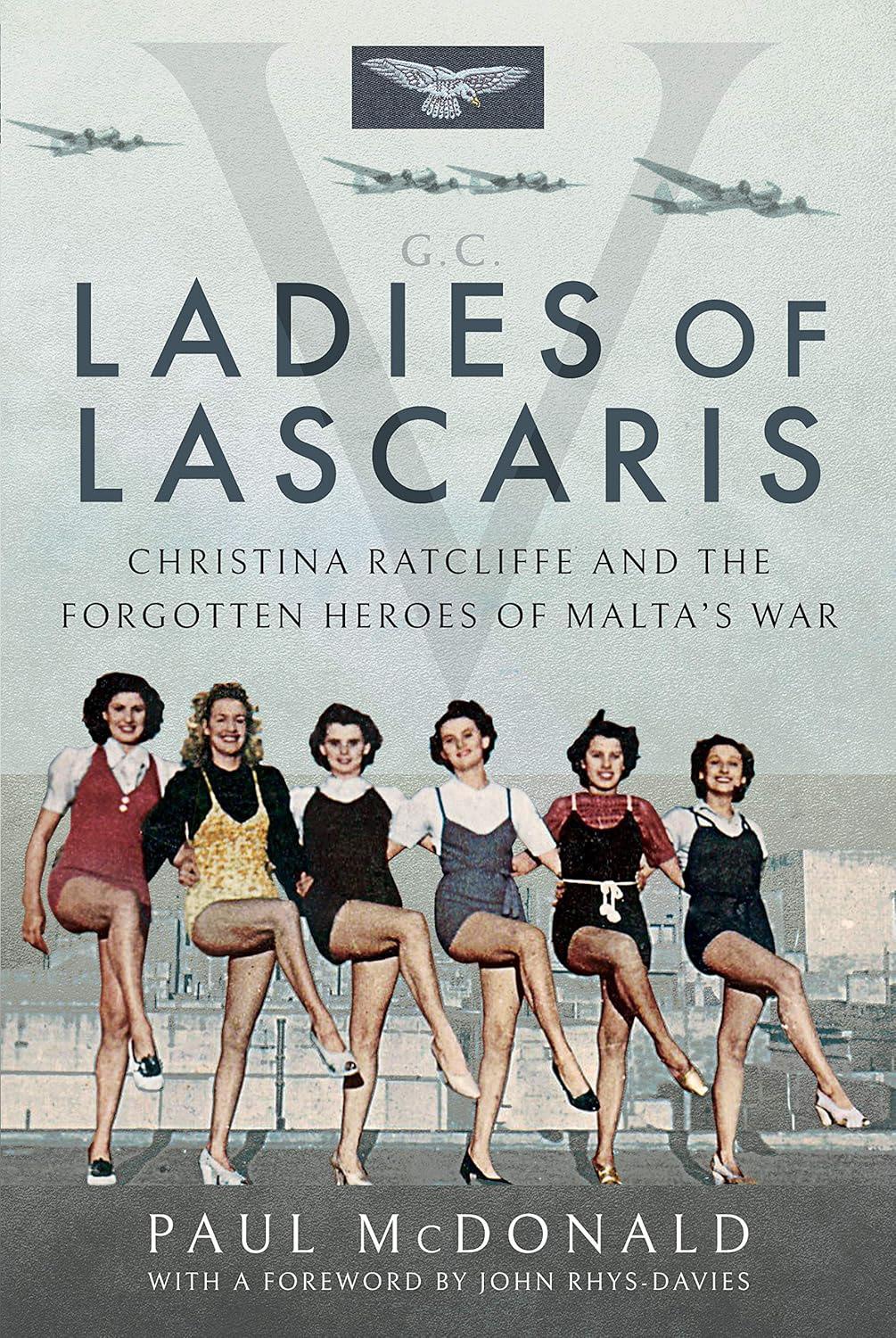
The Ladies of Lascaries book is one of the few exploring the role of women in Malta in WWII
The archaeological and historical heritage of Tas-Silġ: From Neolithic to Byzantine times
VALENTINA VUČKOVIĆ
HIGHER NATIONAL DIPLOMA IN TOURIST GUIDING
INTRODUCTORY
The Maltese islands possess numerous archaeological sites, yet Tas-Silġ stands entirely unique as the only discovered location to boast continuous occupation by successive civilisations from the Late Neolithic period through to Byzantine times. This paper focuses on unravelling the complex evolution of the site over thousands of years, identifying the varied civilisations that shaped its structures, and understanding their diverse purposes. Most importantly, the research investigates the specific topographical and environmental factors that made Tas-Silġ an unparalleled focal point for continuous human activity, aiming to consolidate these findings into an educational tour narrative that highlights the site’s monumental legacy.
LITERATURE REVIEW
The literature review systematically examines foundational archaeological reports and studies concerning the site,
ranging from the Italian Mission’s early excavations detailed by Ciasca to the extensive University of Malta campaigns. The review scrutinises studies on different aspects of human activity, noting that while excavation reports provide dense catalogues of structural and material findings, they often lack a cohesive synthesis. Furthermore, the review incorporates works by Grima and Buhagiar to explore the geographical and hydrogeological attributes of the landscape, setting the stage for a comprehensive evaluation of why Tas-Silġ was chosen repeatedly across millennia.
RESEARCH METHODS
To bridge the gaps between disparate excavation reports and complex academic interpretations, a qualitative methodological approach was employed. The research involved a rigorous synthesis of secondary literature combined with primary qualitative data gathered through semi-structured interviews with leading experts. Openended interviews were conducted with
Professor Anthony Bonanno, Dr David Cardona of Heritage Malta, and Nigel Puglisevich, the curator of Tas-Silġ. These expert consultations were crucial in clarifying structural anomalies, confirming in situ remains, and providing an authoritative understanding of the overlapping occupation layers.
DISCUSSION AND ANALYSIS
The discussion section meticulously breaks down the occupation of Tas-Silġ into distinct chronological phases: the Late Neolithic, the Bronze Age, and the subsequent Punic, Roman, and Byzantine eras. The analysis reveals how each civilisation repurposed the existing megalithic and sacred geography to suit their own cultural and religious paradigms, adapting the structures for varied ceremonial and domestic uses. A critical component of the analysis addresses the geographical allure of the site, establishing that its strategic connectivity, maritime vantage points, and crucial natural resources, particularly access to the aquifer and freshwater, dictated its continuous relevance. Expert insights clarify debates surrounding the Phoenician and Hellenistic architectural modifications, enriching the narrative of a living, evolving landscape.
RECOMMENDATIONS
The long essay highly recommends that upcoming tours leverage the continuous, multi-layered history of Tas-Silġ to provide tourists with a comprehensive timeline of Maltese antiquity in a single location. Due to the complex nature of the overlapping ruins, guides should utilise a chronological storytelling approach, supported by visual aids, to help visitors distinguish between the Bronze Age, Punic, and Byzantine
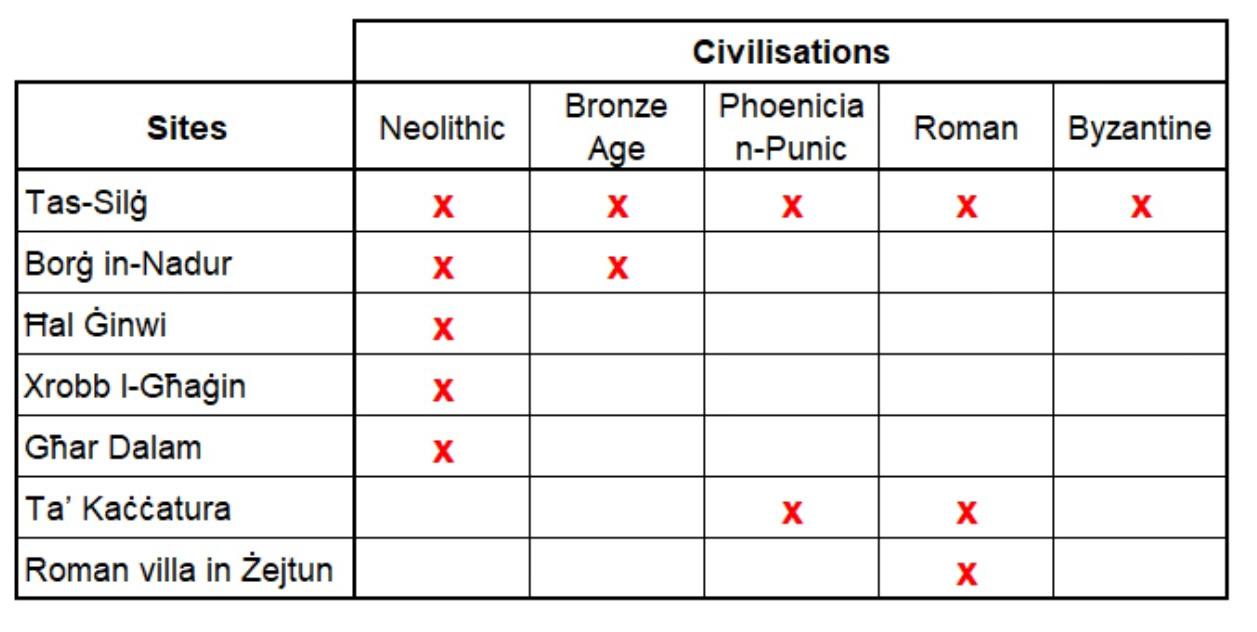
The civilisations that occupied sites in the vicinity of Tas-Silġ
modifications. Furthermore, there is a clear need for future consolidated archaeological publications that synthesise the annual excavation reports into accessible formats for both scholars and heritage practitioners.
CONCLUSION
Tas-Silġ represents an extraordinary timeline of human resilience, spirituality, and adaptation, serving as a monumental archive of Malta’s successive civilisations. By identifying the crucial environmental factors and water resources that sustained this continuous occupation, the research effectively contextualises the site’s unparalleled historical significance. Translating these academic insights into a structured tour itinerary will undoubtedly enrich the cultural tourism offering of the islands, allowing visitors to deeply engage with Malta’s multifaceted heritage.
SELECT BIBLIOGRAPHY
Bonanno, A., 2005. Malta: Phoenician, Punic and Roman. Malta: Midsea Books Ltd.
Bonanno, A. and Vella, N. C. eds., 2015. Tas-Silġ, Marsaxlokk (Malta) I Archaeological Excavations Conducted by the University of Malta 1996-2005. Leuven: Peeters Publishers.
Bonzano, F., 2013. Un intervento edilizio di eta augustea nel santuario di Tas-Silġ a Malta. Scienze dell’Antichita, pp. 155-167.
Bruno, B., 2009. Roman and Byzantine Malta: Trade and Economy. Santa Venera: Midsea Books.
Buhagiar, K., 2018. Hydrogeology and its influence on the dynamics of settlement and agriculture in the south of Malta: AD 1000 to 1600. Iż-Żejtun: Wirt iż-Żejtun, pp. 22-35.
Cardona, D., 2021. Roman Architecture in Malta. Kalkara: Heritage Malta Publishing.
Cazzella, A. and Recchia, G., 2007. Revisiting anomalies. New excavations at Tas-Silġ and a comparison with the other megalithic temples in Malta. Accordia Research Papers, 10, pp. 61-70 .
Ciasca, A., 1964. Lo scavo. In: Missione Archeologica Italiana a Malta: Rapporto preliminare della Campagna 1963. Roma: Universita di Roma, pp. 53-77.
Grima, R., 2011. The Prehistoric Islandscape. In: C. Cini and J. C. Borg, eds. The Maritime History of Malta. The first millennia. Malta: Salesians of Don Bosco, pp. 10-35 .
Trump, D. H., 2008. Malta: prehistory and temples. 3rd ed. Malta: Midsea Books.
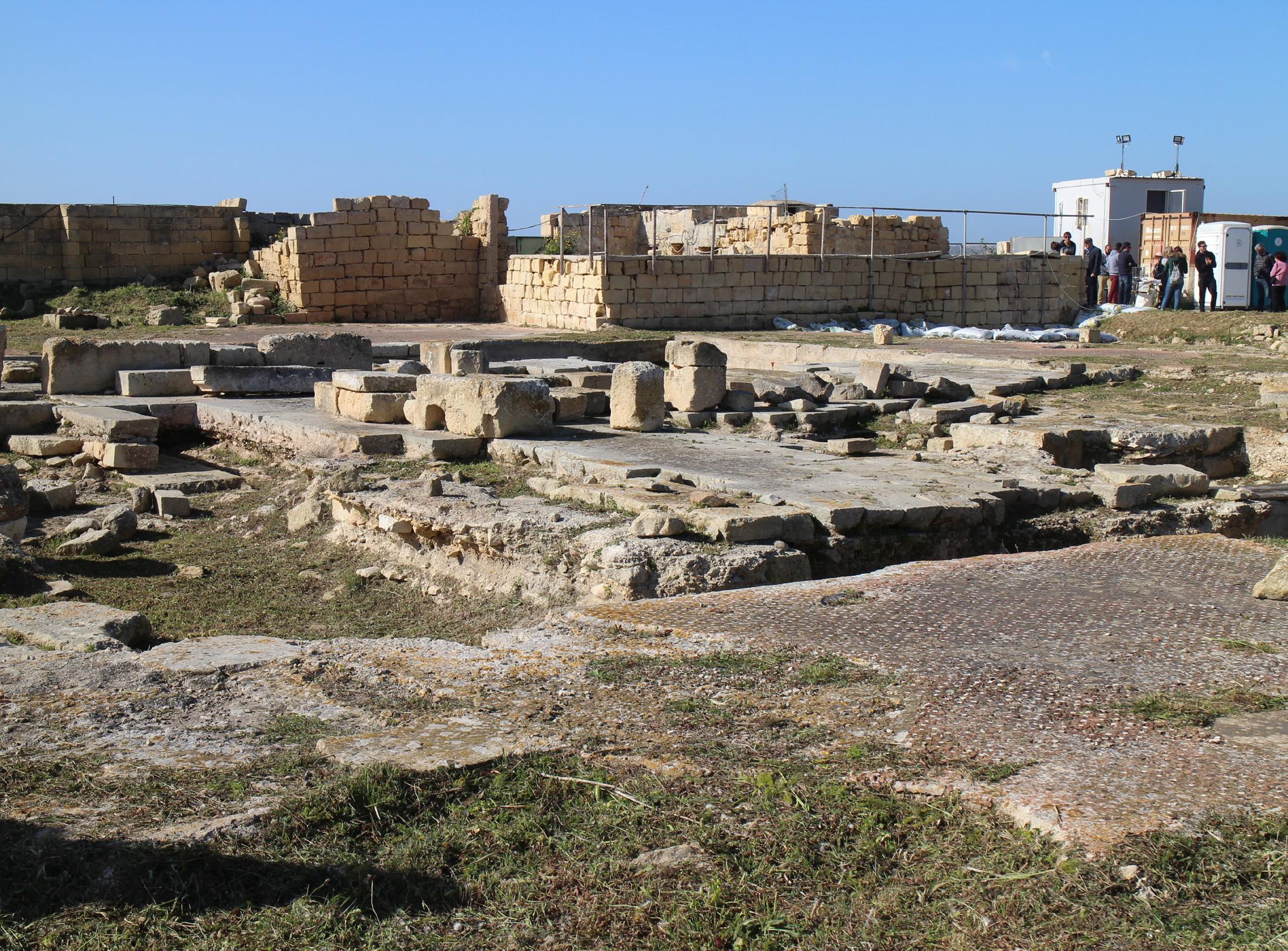
The Tas-Silġ complex (Image by Zugraga on Wikimedia Commons)
A focus on the secret medicinal plants used by Frenċ tal-Għarb
STEPHEN MIFSUD HIGHER NATIONAL DIPLOMA IN TOURIST GUIDING
INTRODUCTION
Francis Xavier Mercieca, universally revered as Frenċ tal-Għarb (18921967), was a distinguished folk healer and spiritual figure from the western village of Għarb in Gozo. Renowned for his profound spiritual devotion and extensive knowledge of local botany, Frenċ utilised herbal remedies extracted primarily from wild flora across Gozo to treat a myriad of ailments. His reputation for facilitating seemingly miraculous healings drew thousands of individuals seeking physical and spiritual relief. This research focuses on exploring the specific medicinal plants he employed, investigating his methods, and proposing ways to integrate his legacy into an alternative, culturally enriching tourist itinerary.
LITERATURE REVIEW
The literature review is divided into two main segments: an overarching introduction
to the historical progression of herbal medicine in Europe and Malta, and a biographical account of Frenċ tal-Għarb’s personal and spiritual life. The review examines historical records surrounding his phenomenal healings, noting that contemporary biographers like Bonnici (1975) largely focused on whom Frenċ cured rather than the specific botanical components he used. Consequently, the literature review highlights a gap in the scientific and botanical categorisation of his specific herbal remedies, necessitating further direct investigation into his remaining archives and physical collections.
RESEARCH METHODS
To accurately catalogue the plants utilised by Frenċ, a combined methodological approach was adopted. Field surveys were conducted across key Gozitan locations associated with his life, specifically Għammar Hill, the Ta’ Pinu Shrine, and
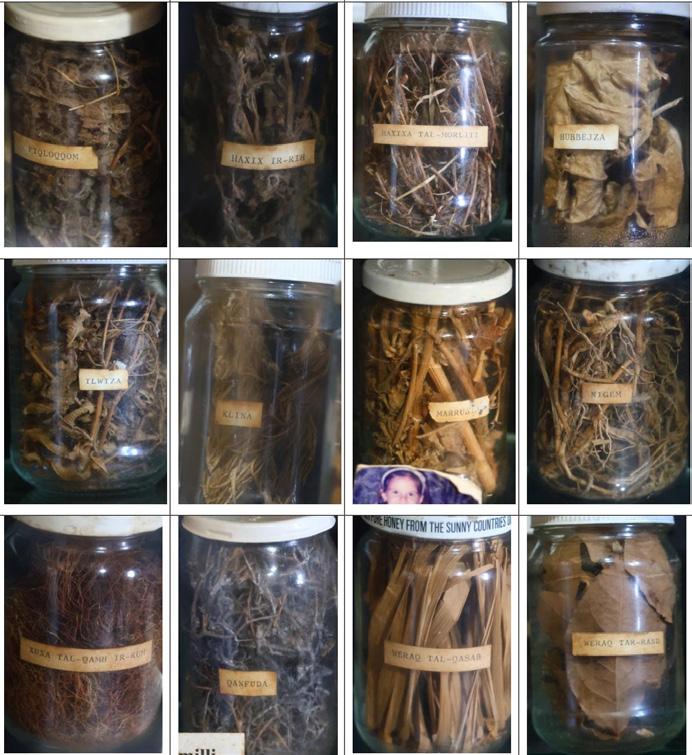
the vicinity of Wied il-Għasri, to map the native flora. This field data was crossreferenced with local botanical literature, most notably Lanfranco’s 1985 works on Maltese medicinal herbs. Furthermore, an observational analysis was conducted at the Frenċ tal-Għarb Museum, specifically focusing on the surviving plant specimens displayed within his original medicine cabinet, to verify the exact species he utilised.
DISCUSSION AND ANALYSIS
The analysis meticulously examines the intersection between Frenċ’s empirical botanical knowledge and his profound spiritual faith. The discussion addresses the mystery and secrecy surrounding his practice, debating whether his success stemmed purely from the pharmacological properties of the plants or from a psychosomatic phenomenon rooted in the deep religious faith he instilled in his
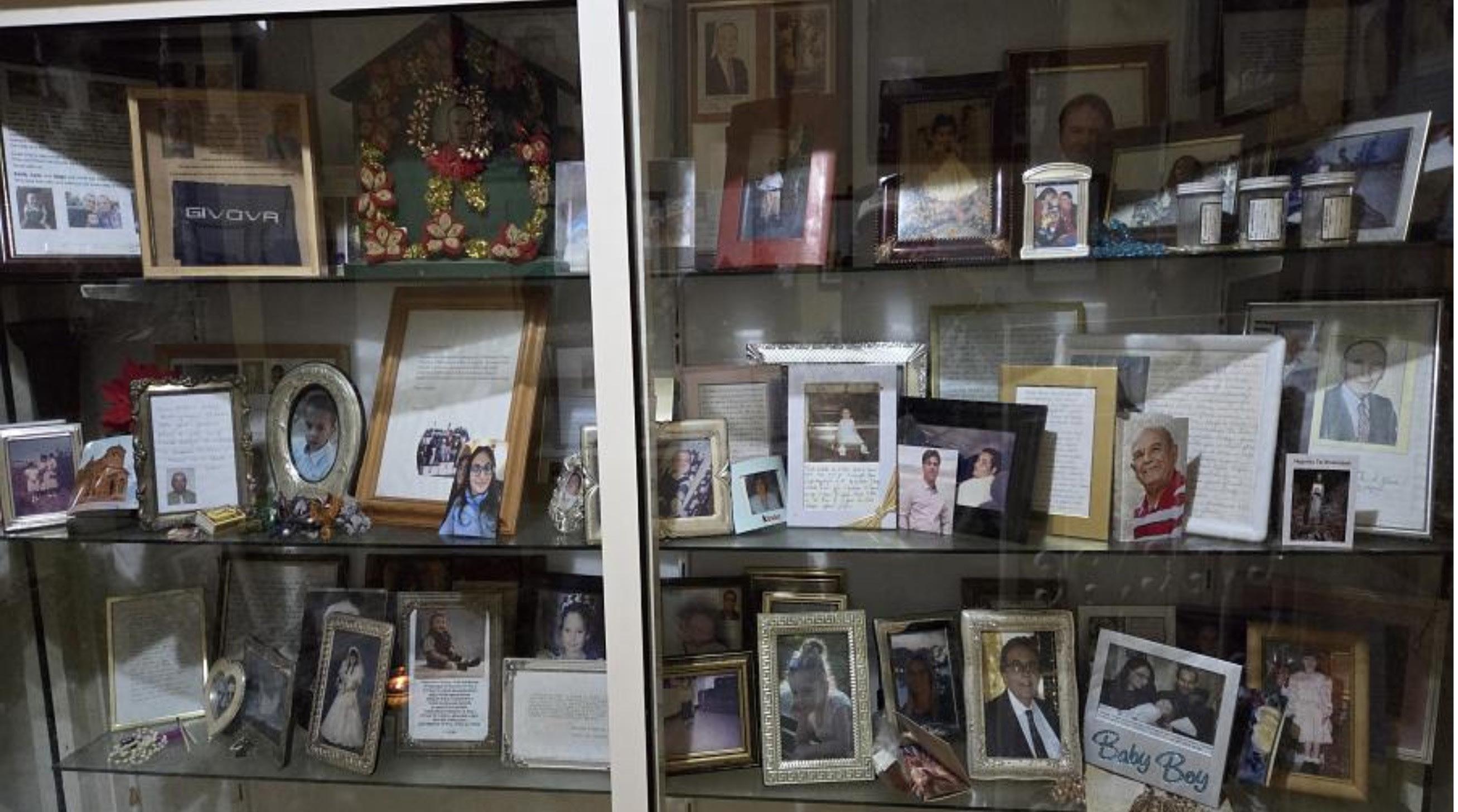
Ex voto at the Frenċ ta’ l-Għarb museum tell the stories of how people believed he had healed them with herbs and divine intervention.
of the herbs used by Frenċ ta’ l-Għarb to heal his patients patients. A detailed catalogue of the plant species retrieved during the research is presented, linking specific local halophytes and endemic herbs to the ailments they were purported to cure. The analysis ultimately suggests that Frenċ operated at a unique nexus of traditional wisdom, deep ecological knowledge of the Gozitan landscape, and unyielding Catholic devotion
RECOMMENDATIONS
The study strongly recommends that Frenċ tal-Għarb receives greater national and ecclesiastical recognition for his contributions to Gozitan heritage. To enhance the visitor experience, the Frenċ tal-Għarb Museum should be reorganised to be more educationally oriented, specifically by cultivating living examples of his medicinal plants in pots with proper botanical and historical labelling.
Additionally, systematic interviews should be conducted with individuals, or their immediate descendants, who directly experienced his healing, to preserve oral histories before they are lost.
CONCLUSION
Frenċ tal-Għarb remains a monumental figure in Gozitan cultural and medical folklore. By meticulously documenting the secret medicinal plants he used, this essay demystifies part of his practice while respecting the profound spiritual aura that surrounded his life. Integrating his story, his museum, and the associated natural landscapes of Għarb into a structured cultural tourism itinerary will provide visitors with a deeply authentic and holistic appreciation of Gozo’s historical reliance on faith and nature
SELECT BIBLIOGRAPHY
Arcos, C., 2025. From Ancient Roots to Modern Remedies: A History of Herbal Medicine in Europe.
Bajjada, M., 2017. Frenc tal-Għarb, 50 sena mill-Mewt Tiegħu. Il-Mizjura: festa talViżitazzjoni Għarb, pp. 6-8.
Bonnici, A., 1975. Frenċ tal-Għarb. Lanfranco, E., 1985. Ħxejjex Mediċinali u Oħrajn fin-Natura Maltija. Media Centre, Malta.
“
” Frenċ operated at a unique nexus of traditional wisdom, deep ecological knowledge of the Gozitan landscape,
Peintner, U., Poder, R. and Pumpel, T., 1998. The iceman’s fungi. Mycological Research, 102(10), pp. 1153-1162.
Penza, C., 1969. Il-flora Maltija Mediċinali Progress Press, Malta.
Ranson, F., 1949. British Herbs. Pelican Books, UK.
Savona-Ventura, C., 1990. Maltese medical folklore: Man and the herpetofauna in Malta: a review
Sumner, J., 2008. The Natural History of Medicinal Plants. Timber Press.
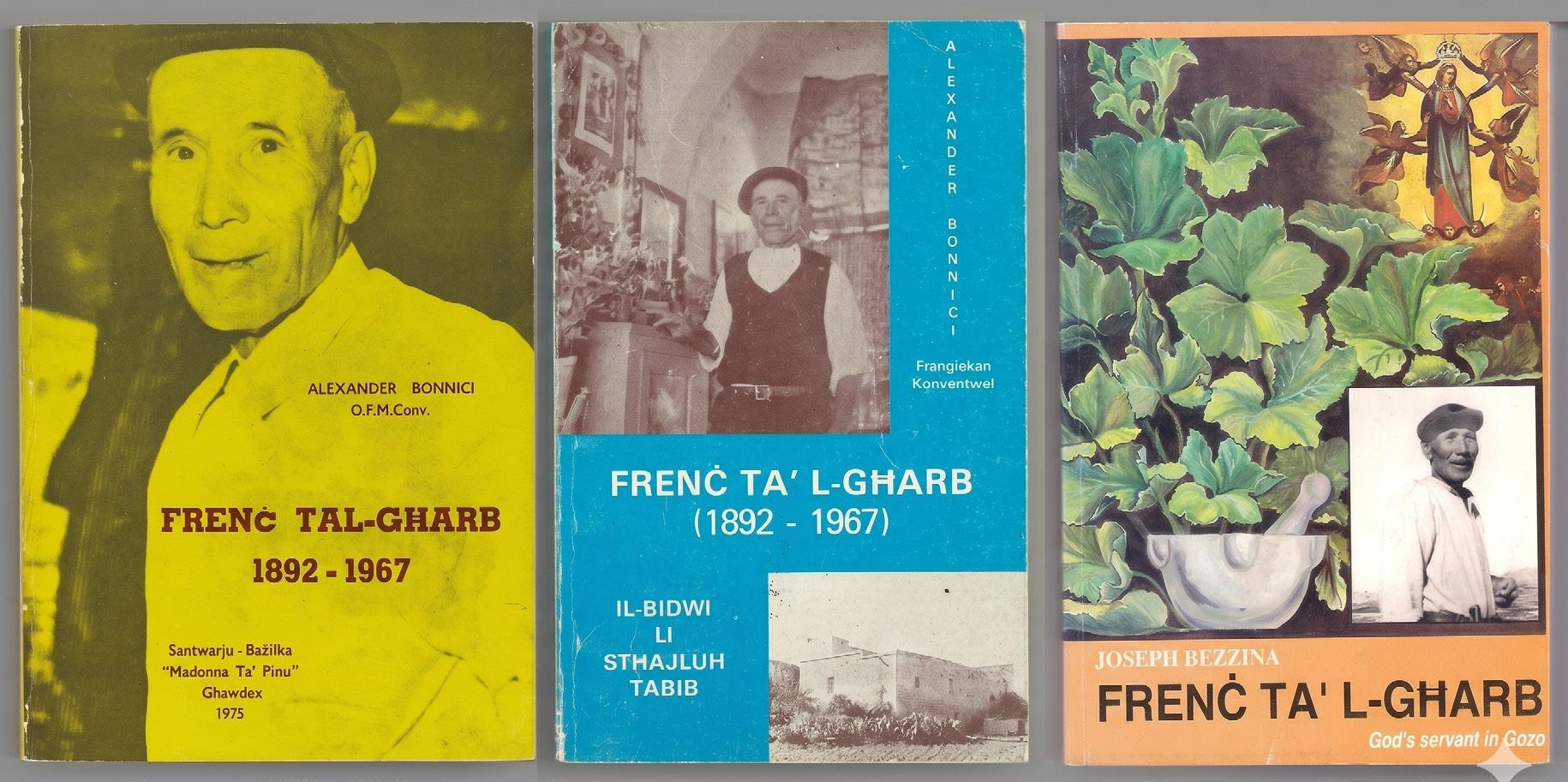
Three books about Frenċ ta’ l-Għarb published soon after his death
Some
ITS pastry lecturer breaks another ‘sweet’ record
INTERVIEW BY MARTIN DEBATTISTA EXECUTIVE EDITOR - FUTOURISTIC
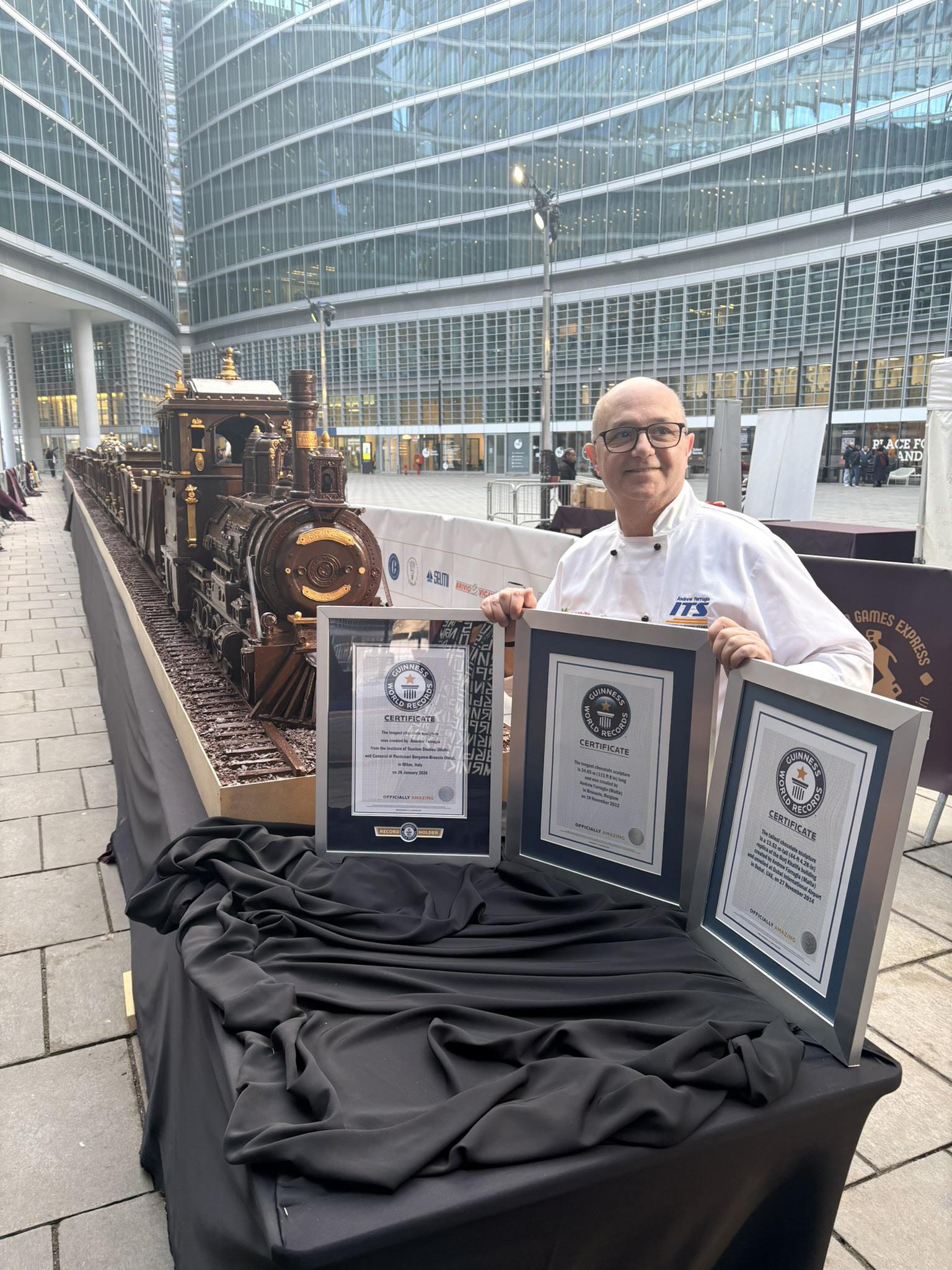
Andrew Farrugia, ITS senior lecturer and triple Guinness World Record holder, explains his chocolate sculptures, international collaboration, and the logistics of moving three tonnes of cocoa on four trucks to build a train. The train is 55.27 metres long, consisting of one locomotive and 22 carriages. Made of edible chocolate of course.
THIS IS NOT YOUR FIRST GUINNESS WORLD RECORD FOR CHOCOLATE SCULPTURE. WHAT PROMPTED THIS THIRD ATTEMPT, AND WHY WAS MILAN CHOSEN AS THE VENUE?
This project came about following a meeting
with one of the directors of CAST Alimenti, a prominent Italian culinary institution. They were aware of my two previous Guinness World Records in chocolate work and asked whether I would be interested in collaborating on another project with them. There were two main motivations: the educational dimension — we wanted lecturers and students from both institutions to work together — and the international exposure that projects of this scale generate for both ITS and CAST. As for Milan, a creation of this size and complexity deserves to be displayed in a location with high footfall. Milan was simply the ideal setting.
CAN YOU DESCRIBE THE SCULPTURE ITSELF? WHY A TRAIN, AND WHAT INSPIRED THAT PARTICULAR FORM?
The train is something of a recurring motif for me. My very first chocolate display, long before any Guinness attempt, was a train, albeit a modest one at just 12 feet (roughly 3 metres). My first official Guinness World Record was held at Gare du Midi in Brussels, and the second at Dubai Airport, where I created a five-storey replica of the Burj Khalifa skyscraper. For this third record, held at the Regione Lombardia, the main administrative building of Lombardy, I returned to the train concept. Part of the appeal is logistical: a train, while still
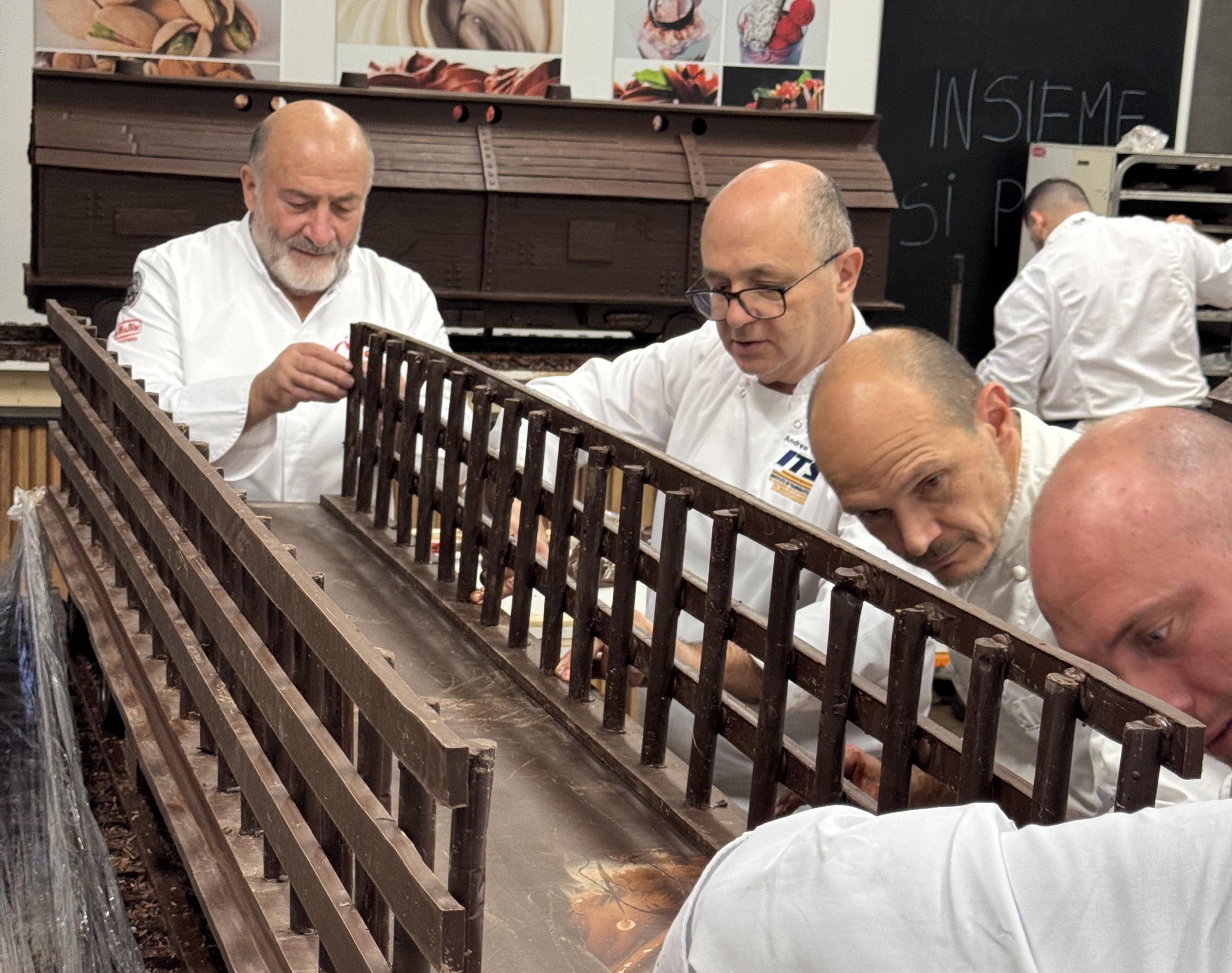
Building the carriages of the train one segment at a time
enormously complex, is somewhat more manageable to construct and transport than a towering structure. It also lends itself to extraordinary length, which is precisely what we were aiming to achieve.
WHAT WERE THE MAJOR CHALLENGES INVOLVED IN CREATING A 55-METRE CHOCOLATE SCULPTURE?
The logistics were the greatest challenge by far. In previous projects, all the work was completed here in Malta before being shipped abroad. This time, only around 15 per cent was prepared in Malta by me, ITS students, and colleagues from the pastry department. The remaining 85 per cent was produced over a three-month period in Bergamo, where I worked alongside pastry chefs from Brescia and Bergamo and students from colleges in both cities. I travelled to Italy four times, spending full working weeks there. We had to establish a dedicated, specialist laboratory, source all the necessary equipment, and coordinate a large team across multiple institutions.
Once the sculpture was complete, we faced the daunting task of transporting it. This creation weighed three tonnes and was as delicate as glass — just imagine moving a 55-metre glass sculpture across miles of road. It required four large trucks and extraordinary care at every stage of loading, transit, and installation.
WHAT EXACTLY IS THE RECORD, IS IT THE LENGTH OF THE SCULPTURE OR THE QUANTITY OF CHOCOLATE USED?
that is what sets this work apart within the world of chocolate artistry.
BEYOND THE RECORD ITSELF, WHAT GAVE YOU THE GREATEST SATISFACTION FROM THIS PROJECT?
Several things. First and foremost, achieving a Guinness World Record on behalf of ITS and having Malta’s name inscribed in the record books for the third time is deeply gratifying. But the satisfaction goes well beyond that.
I was able to work alongside pastry chefs from ITS, CAST Alimenti, Brescia, and Bergamo, and to share my methods openly, something that is not always common in
“
chocolate manufacturers, who provided 50,000 euros’ worth of chocolate as a sponsor. The students saw firsthand how all of this comes together.
After the unveiling in Milan, the sculpture was displayed for three weeks at Bergamo Airport, where it attracted considerable attention, particularly during the Milan–Cortina Winter Olympics period. The project went viral in several countries: in India alone, photographs received over 1.2 million likes across various platforms, and collectively we reached over two million engagements in countries including Turkey, Canada, China, and Venezuela. It was also featured on Italian television. This kind of international media reach is, in fact, one of the reasons sponsors invest in projects like this.
Students also gained invaluable experience: they learned how to operate on the international stage, how to collaborate with large companies,
The record is for the longest chocolate sculpture in the world. Length is the defining criterion here. That said, when I undertake projects of this nature, I always aim to create not merely the longest, but the most detailed. Producing something enormous and detailed simultaneously is something of a signature approach for me and I believe
our profession, where many chefs guard their techniques closely. Watching students from different countries work, learn, and enjoy themselves side by side was genuinely moving.
The students also gained invaluable experience: they learned how to operate on the international stage, how to collaborate with large companies, how to approach sponsorship, and how to manage a project of this complexity from start to finish. We worked with one of Europe’s second-largest
Perhaps most unexpectedly, the project also brought together Hospice Malta and Hospice Bergamo. We organised fundraising events during the preparation and construction of the sculpture, with all proceeds going to both hospices. This led to a formal collaboration between the two organisations, representatives from Hospice Bergamo visited Malta, and the CEO of Hospice Malta made an official visit to Bergamo. Nurses and doctors from both institutions are now set to work together. That outcome gave me as much satisfaction as the record itself, if not more. It was a reminder to the students that our craft, whatever it may be, can genuinely benefit people, especially those with particular needs.
IS THE CHOCOLATE EDIBLE? WHAT HAPPENS TO THREE TONNES OF CHOCOLATE
ONCE THE DISPLAY IS OVER?
The chocolate used is top-quality Belgian couverture and it is absolutely edible. However, we do not recommend that people eat it. This is a display piece that has been exposed to the open air for an
“
” A project of this nature demands over a year of preparation, including securing confirmations, obtaining sponsorships, identifying venues, arranging transportation, and coordinating across multiple institutions and countries.
extended period, which is reason enough for caution. Over time, chocolate also loses its visual appearance and sheen.
That said, the chocolate is never simply discarded. Our agreement with the chocolate company, which operates a full cocoa traceability programme, tracking the product from bean to bar, requires us to account for the chocolate throughout its entire life cycle. Part of the sculpture will be used for the training of students in Italian culinary schools. The remainder
will be repurposed as animal feed, as the natural cocoa butter and cocoa solids it contains have significant nutritional value, particularly for cattle.
WILL THERE BE A FOURTH GUINNESS WORLD RECORD?
It may be too early to say definitively. A project of this nature demands over a year of preparation, including securing confirmations, obtaining sponsorships, identifying venues, arranging transportation, and coordinating across multiple institutions
and countries. It is not something one simply decides to do on a whim.
What I would say is that a project like this is far more than a record attempt. It is a major international event; it is an artistic achievement; it is an exercise in collaboration and education; and it is a vehicle for media reach and charitable impact. All of those elements have to come together perfectly. Whether there is a fourth chapter remains to be seen but I would never rule it out.
ITS lecturer Andrew Farrugia proudly showing the Guiness Book of Records certificates next to his record-breaking chocolate traint
“A
project like this is far more than a record attempt. It is a major international event; it is an artistic achievement; it is an exercise in collaboration and education; and it is a vehicle for media reach and charitable impact.
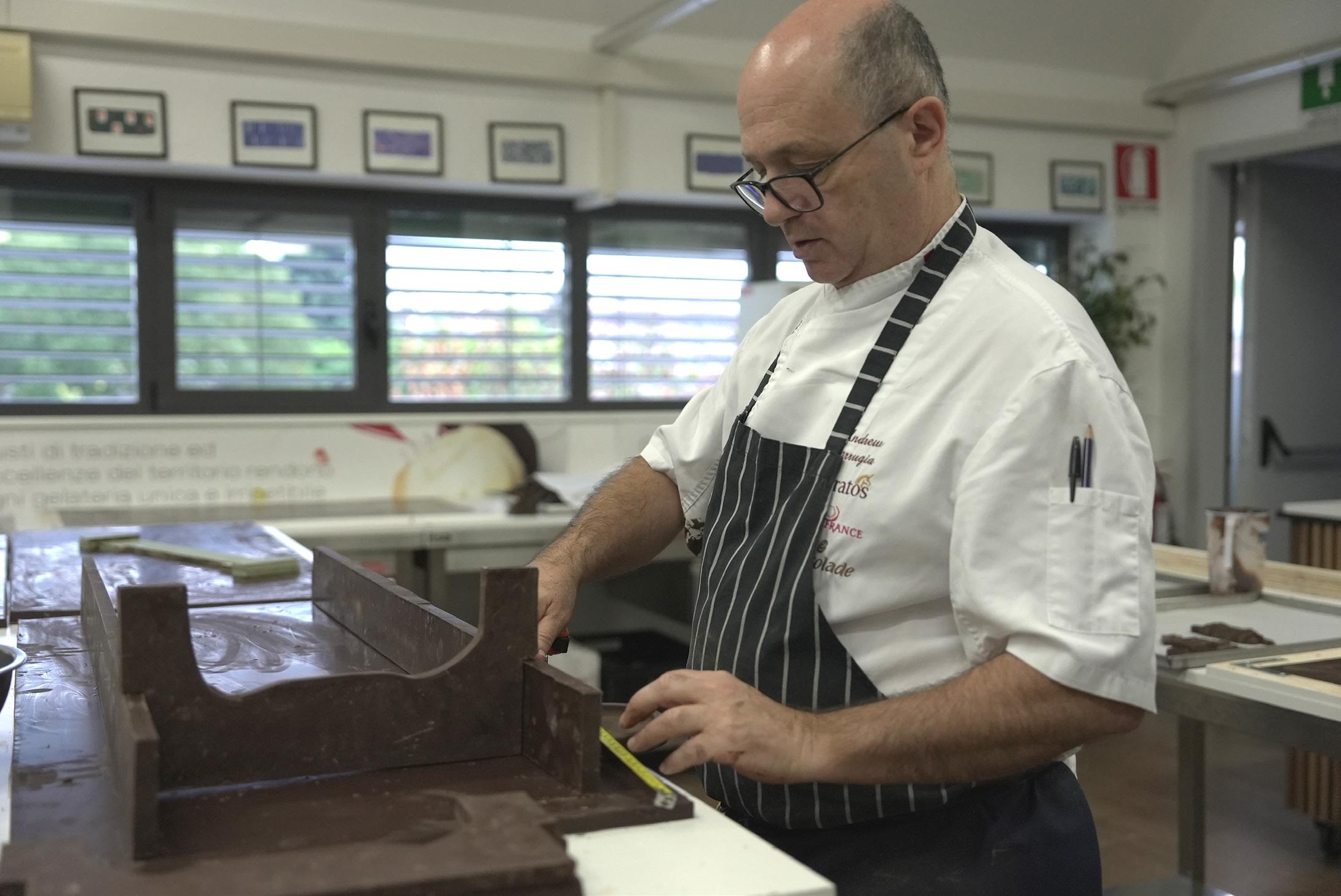
Andrew Farrugia with his team of Maltese and Italian chefs constructing the train out of edible chocolate.
Foreign Cultural Influences and Maltese
Theatrical Identity in Valletta (1731–1942)
HIGHER NATIONAL DIPLOMA IN TOURIST GUIDING
INTRODUCTION
Long before permanent theatres were erected, theatrical activity formed an integral component of Maltese local entertainment, rooted in outdoor festivities and private indoor shows. This essay investigates the dynamic relationship between profound foreign cultural influences, specifically from Italy, France, Britain, and Russia, and the subsequent local responses within Valletta’s premier theatrical institutions: the Manoel Theatre and the Royal Opera House. Spanning the period from 1731 to 1942, the research aims to discern how foreign architectural styles, performance genres, and management practices were either absorbed or rejected, ultimately tracing the organic emergence of a distinct Maltese theatrical identity.
LITERATURE REVIEW
The literature review critically examines existing published sources concerning
the Manoel Theatre and the Royal Opera House, evaluating foreign influences across five concrete dimensions: theatre space, performance form, stage language, theatre management, and theatre education. While historical texts provide valuable materials documenting the dominance of Italian opera and British administrative interventions, the review notes a significant gap in the literature regarding a systematic, theoretical framework to interpret how local audiences and practitioners actively responded to these external pressures. The primary studies complement each other, but lack a structured approach to defining local theatrical identity.
RESEARCH METHODS
To address this gap, the study employed a mixed-methods approach, relying primarily on rigorous field observation and semistructured interviews. Field visits to the Manoel Theatre and the ruins of the Royal
Opera House provided spatial context. Crucially, interviews were conducted with four prominent experts, including choreographer Tanya Bayona and historian Giulia Privitelli, to gather nuanced historical insights. John W. Berry’s acculturation theory was adopted as the analytical framework, specifically utilising the concepts of ‘assimilation’, ‘integration’, and ‘separation’ to systematically categorise and evaluate the Maltese responses to foreign cultural contact.
DISCUSSION AND ANALYSIS
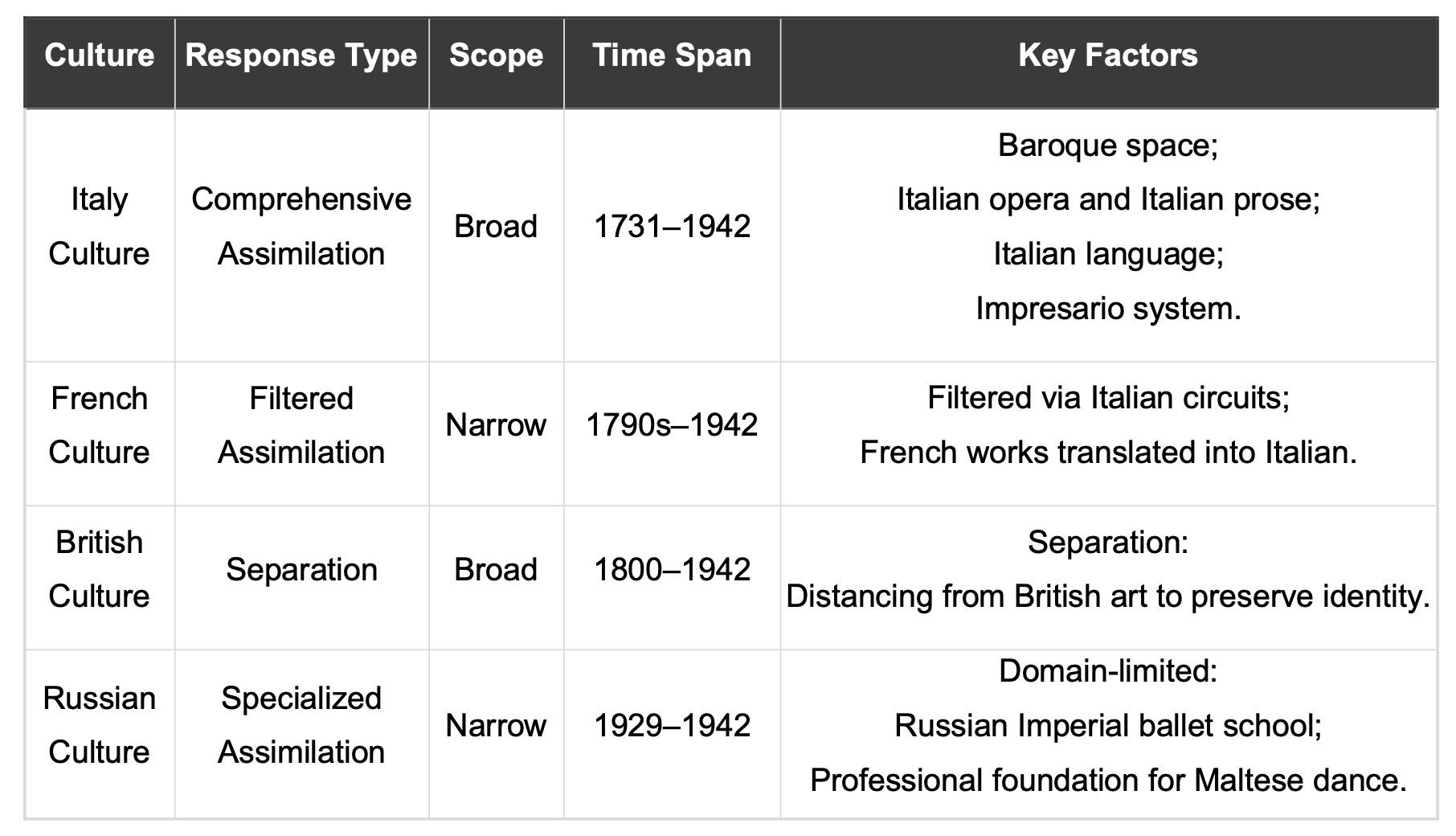
The analysis meticulously unpacks the case studies, revealing that the Maltese absorption of foreign influences varied significantly by origin and discipline. Applying Berry’s framework, the research identifies two predominant modes of local response: assimilation and separation. For
TING YANG
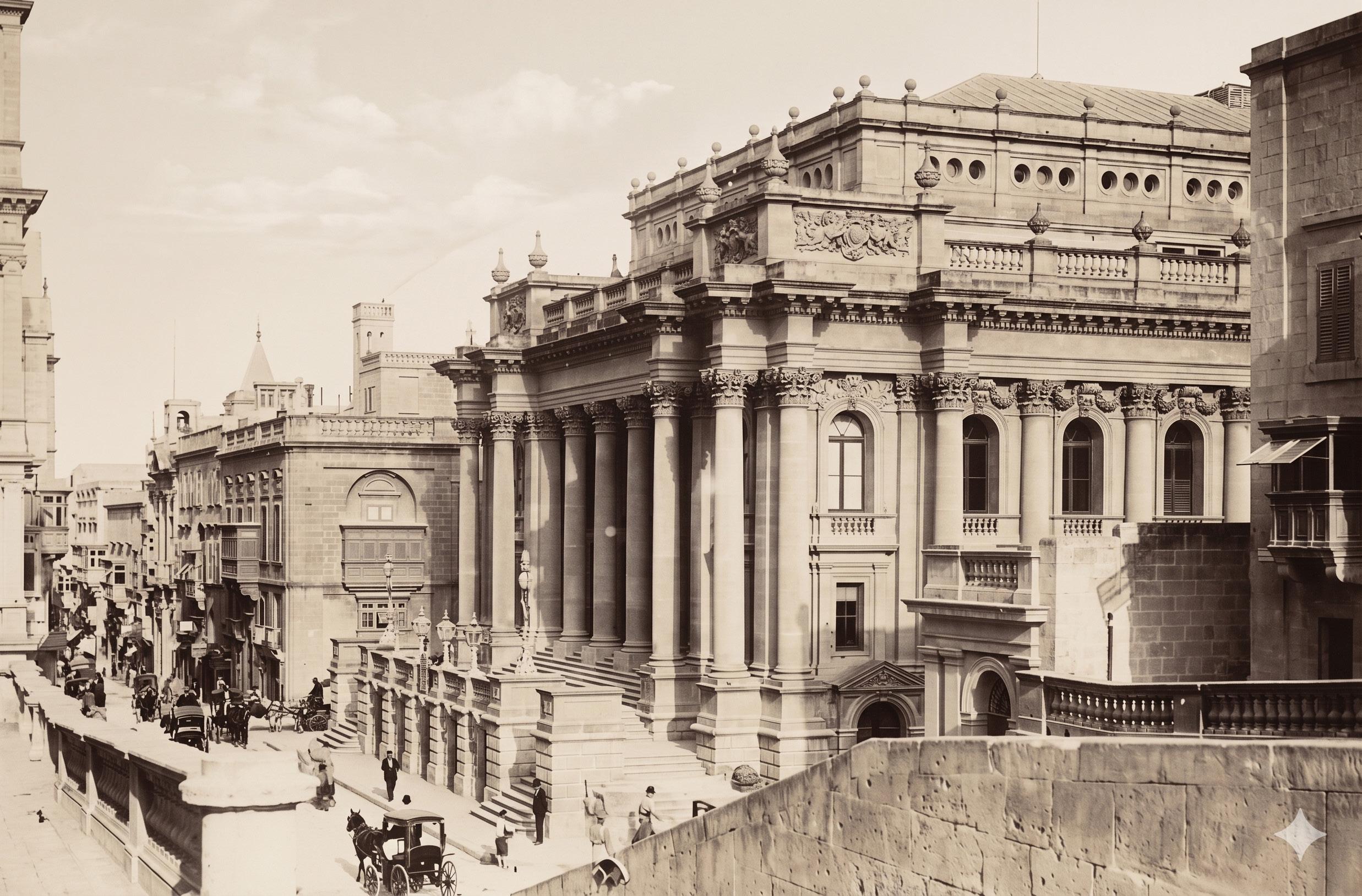
The Royal Opera House in the 19th century
instance, Italian architectural layouts and operatic forms were heavily assimilated into local practice, deeply embedding themselves into the cultural fabric. Conversely, attempts by British authorities to impose the English language on the stage were met with distinct separation and resistance, highlighting a defensive preservation of cultural boundaries. The analysis further explores how shared spaces facilitated the claiming of a local identity, demonstrating that Valletta’s theatres were active arenas of cultural negotiation.
RECOMMENDATIONS
The study highlights the necessity for wider archival surveys and deeper historical work to continuously test and expand upon these initial findings. Future research should seek to uncover more primary documents relating to audience reception and amateur theatrical movements, ensuring a more comprehensive understanding of the grassroots development of Maltese theatrical identity
CONCLUSION
In conclusion, the development of a distinctly Maltese theatrical identity in Valletta was not a passive reception of foreign culture, but a complex, active process of acculturation. By selectively assimilating beneficial artistic forms while separating from politically imposing mandates, the local community forged a unique theatrical heritage. The Manoel Theatre and the Royal Opera House stand today as testaments to this vibrant historical synthesis.
SELECT BIBLIOGRAPHY
Berry, J. W., 1997. Immigration, acculturation, and adaptation. Applied Psychology: An International Review, 46(1), pp. 5-68.
Cremona, V. A., 2018. The performance of deeds: discovering theatre in Malta through the notarial archives. In: J. Abela and E. Buttigieg, eds. Parallel existences: the Notarial Archives. Birkirkara: Kite Group, pp. 237-247 .
Cremona, V. A. and Galea, M., 2020. The amateur theatre in Malta. Amfiteater: Journal of Performing Arts Theory, 8(1), pp. 197-208.
Ellul, M., 1997. The building of the Royal
Opera House - 1861-1866. In: P. Xuereb, ed. The Theatre in Malta. Valletta: Fondazzjoni Patrimonju Malti.
Galea, M., 2016. The pantomime other: Building fences in pantomime performance in Malta. Otherness: Essays and Studies, 5(1), pp. 113-130.
Ryzhakov, M., 2020. Fostering RussianMaltese cultural ties. Times of Malta, 29 December.
The Malta Independent, 2011. History of the Maltese theatre: The Royal Opera House (Part II). 23 January.
Vella Bondin, J., 1990. Nicolo Isouard: the early years. The Sunday Times, 9 December, pp. 44-46.
Xuereb, P., 1997. Theatre and theatremaking in Malta. In: P. Xuereb, ed. The Theatre in Malta. Valletta: Fondazzjoni Patrimonju Malti, pp. 1-12.
Xuereb, P., 2019. Theatre spaces in Baroque Malta. The Journal of Baroque Studies, 2(3), pp. 5-14.
“
The Maltese absorption of foreign influences varied significantly by origin and discipline.
”
A comparison of how foreign cultures entered Malta and how the local society responded
The Rising of the Priests of 1775: Remembering Valletta’s Past for a Dark Tourism Experience
PRISCILLA CIVELLI
HIGHER NATIONAL DIPLOMA IN TOURIST GUIDING
INTRODUCTORY
Valletta’s stones carry the dark memories of hunger, rebellion, and brutal executions. This long essay explores the historical episode of the 1775 Rising of the Priests, investigating how its dark memories can be thoughtfully retold today as an immersive dark tourism experience. Because Malta’s dark tourism landscape is currently fragmented and often reduced to sensationalised ghost stories or
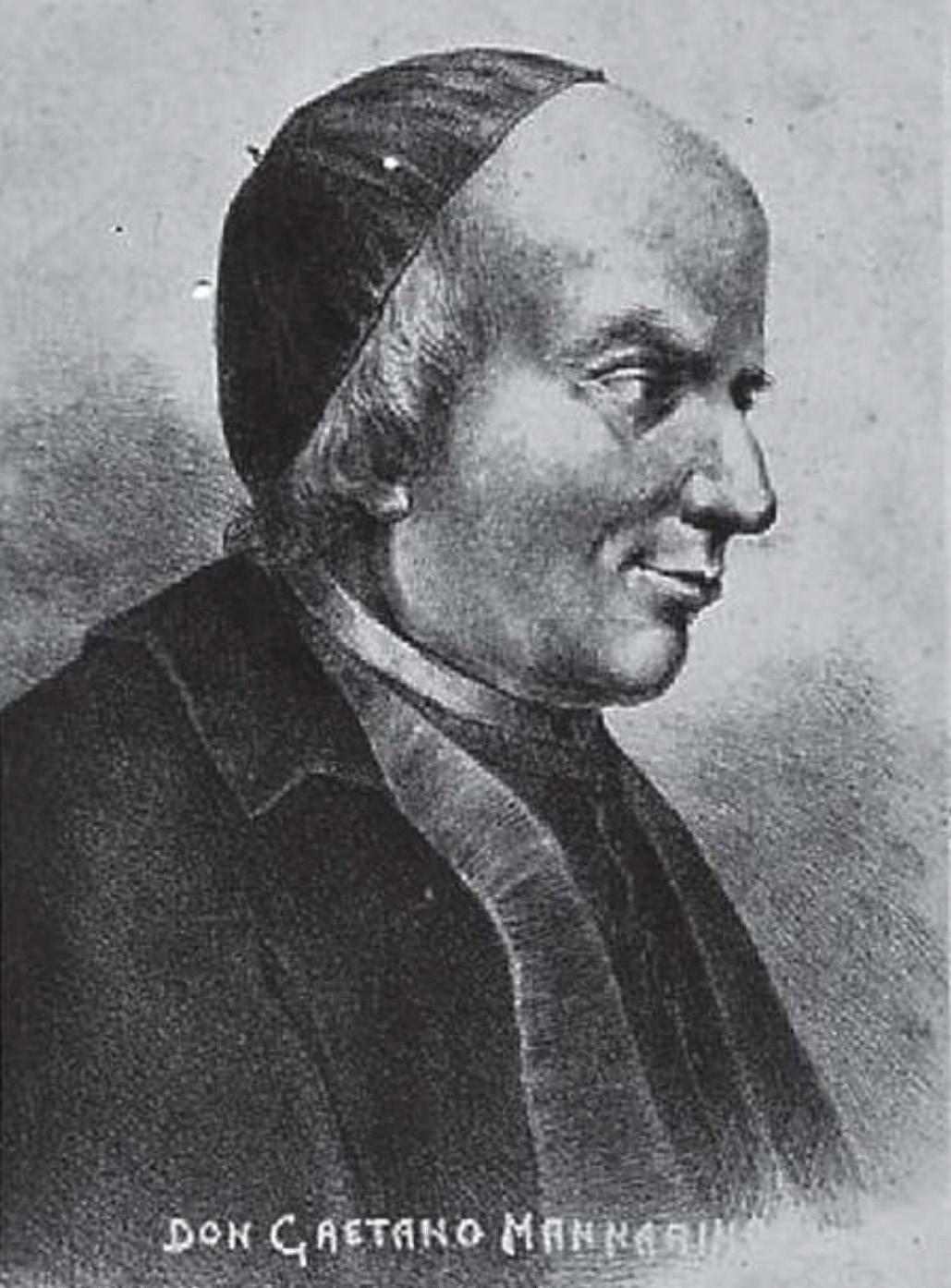
overexposed conflicts like the Second World War, lesser-known tragedies have been largely ignored. This study aims to translate the harrowing history of Grand Master Ximenes and Don Gaetano Mannarino into an experience that captivates contemporary audiences whilst maintaining rigorous historical integrity.
LITERATURE REVIEW
The literature review synthesises dark tourism theory with historical accounts of the 1775 Rising. It utilises Stone’s
Dark Tourism Spectrum to classify sites of suffering, evaluating the ethical tension between commemoration and commercialisation. Historically, late eighteenth-century Malta is presented as a powder keg of economic decline, social breakdown, and provocations under the Knights of St. John, leading to a desperate revolt driven by hunger and anti-clerical measures. The review establishes a significant gap: while historians have documented the Rising, its translation into
an engaging, multi-sensory dark tourism product using interpretation strategies remains unexplored.
RESEARCH METHODS
Adopting an interpretivist, socialconstructionist stance, this qualitative study prioritises the social meaning of the events over mere numerical measurement. To capture historical depth, the research employed bibliographic analysis, including access to the primary Libri dei Carcerati manuscripts at the Banca Giuratale,
alongside three semi-structured interviews with academic historians. The collected data was analysed thematically, applying reflexive coding until the core narratives underpinning the rebellion were solidly established.
DISCUSSION AND ANALYSIS
The findings reveal that the Rising offers potent entry points for a dark tourism narrative, meticulously categorised into thematic sections. Food deprivation and threatened faith served as the untouchable pillars that sparked the outrage, making
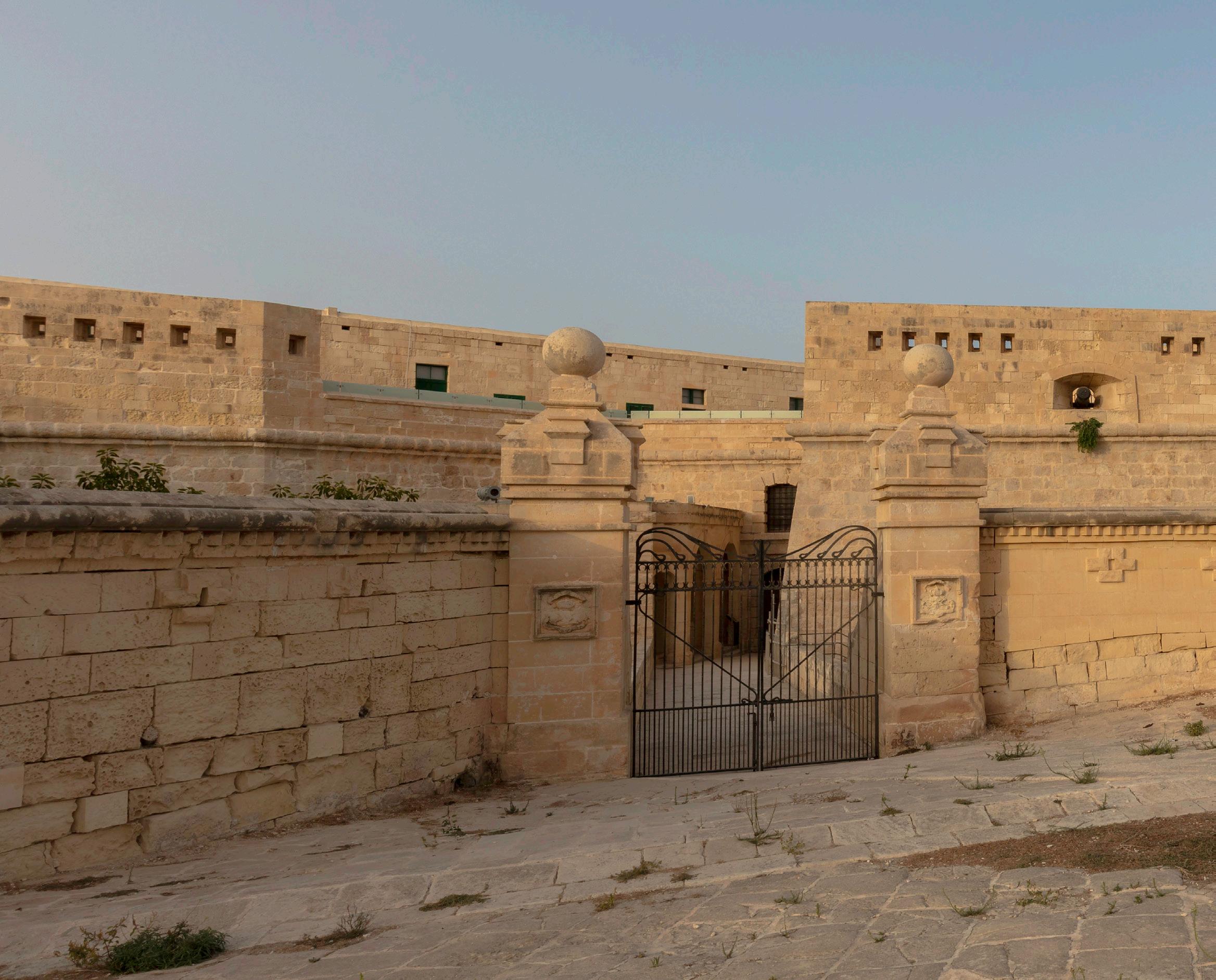
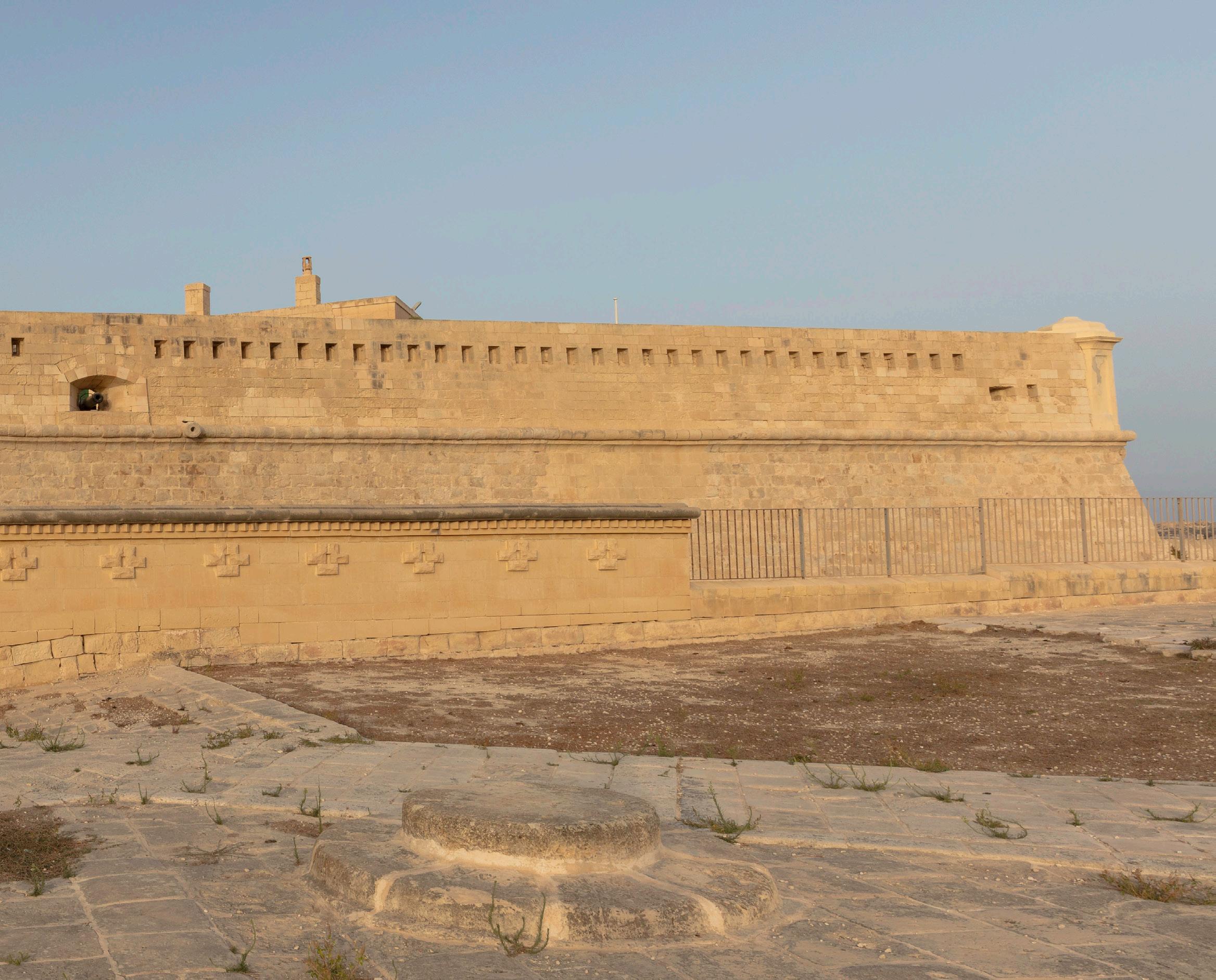
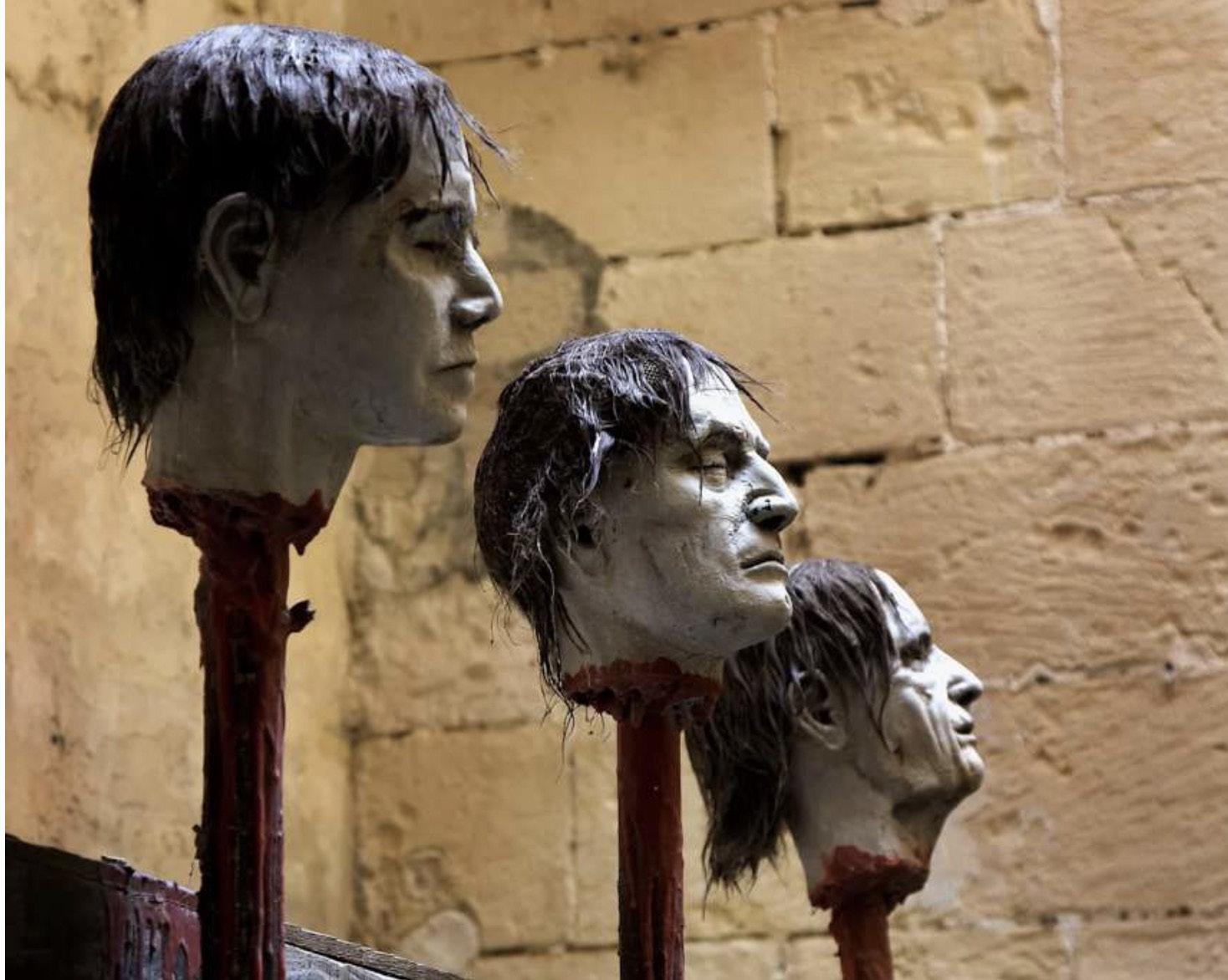
them emotionally resonant touchstones for modern visitors. Valletta’s fortifications, specifically St James Cavalier, Fort St Elmo, and the Castellania, functioned as geographical theatres of fear and punishment, where rebels’ heads were famously mounted on pikes. Furthermore, the analysis highlights that contested figures like the oppressive Grand Master Ximenes and the ambiguous rebel leader Mannarino provide complex human gateways into the drama. To ethically convey
The landward side of Fort St. Elmo, taken by the rebels during the uprising (Image by Diego Delson on Wikimedia Commons)
Access the full text of the research here
this, interpretation must utilise sensory stimulation and ambiguity to provoke profound reflection rather than relying on shallow spectacle.
RECOMMENDATIONS
The study strongly recommends that entities like Heritage Malta and VisitMalta collaborate to integrate highly contextualised dark tours into the broader heritage itineraries of the island. Crucially, guides must be trained to avoid the Disneyfication of history; costumes and narratives must not trivialise the tragedy. Instead, the experience should connect past atrocities with broader human values, such as empathy and the Sustainable Development Goals.
CONCLUSION
In conclusion, the 1775 Rising of the Priests possesses all the necessary elements to be developed into a compelling dark tourism
experience. By grounding the narrative in authenticity, emotional depth, and ethical storytelling, Malta can offer a tour that goes far beyond morbid curiosity. It will provide visitors with a profound understanding of the human costs of oppression, ensuring that the dark whispers of Valletta’s past remain unforgettable.
SELECT BIBLIOGRAPHY
Agapito, D., Valle, P. and Mendes, J., 2014. The sensory dimension of tourist experiences: Capturing meaningful sensorybased themes in Southwest Portugal. Tourism Management, 42, pp. 224-237.
Bonello, G., 2009. Passions and compassions. Histories of Malta, Vol. 10. Malta: Fondazzjoni Patrimonju Malti.
Borg-Muscat, D., 2002. Reassessing the September 1775 Rebellion: A Case of Lay Participation of a Rising of the Priests? Melita Historica, 13(3), pp. 239-252.
“ ” The Rising offers potent entry points for a dark tourism narrative, meticulously categorised into thematic sections.
Buhagiar, J., 2020. Towards a death and darkness: Heritage Malta sites as dark tourism. Tesserae. Heritage Malta.
Foley, M. and Lennon, J.J., 1996. JFK and dark tourism: A fascination with assassination. International Journal of Heritage Studies, 2(4), pp. 198-211.
Grima, J.F., 2020. The insurrection of the priests in Malta in 1775. Sunday Times of Malta, 6 September, pp. 40-41.
Light, D., 2017. Progress in dark tourism and thanatourism research: An uneasy relationship with heritage tourism. Tourism Management, 61, pp. 275-301.
Stone, P., 2006. A dark tourism spectrum: Towards a typology of death and macabre related tourist sites, attractions and exhibitions. Tourism: An Interdisciplinary International Journal, 52(2), pp. 145-160.
Don Gaetano Mannarino, the leader of the rising of the priests.
Stone, P., Hartmann, R., Seaton, T., Sharpley, R. and White, L. eds., 2018. The Palgrave handbook of dark tourism studies. Basingstoke: Palgrave Macmillan.
Tilden, F., 1977. Interpreting our heritage. 3rd ed. Chapel Hill: University of North Carolina Press.
“
” Guides must be trained to avoid the Disneyfication of history; costumes and narratives must not trivialise the tragedy.
Don Gaetano Mannarino, the leader of the rising of the priests.
ITS Events Timeline
The last few months moved fast. We had big wins and made bold shifts. A few “did-that-really-happen?” moments. This snapshot lays out the beats and the energy that carried the Institute forward since the last issue.
3 FEBRUARY
ITS achieves prestigious international accreditation from the International Centre of Excellence in Tourism, Hospitality Education
Following a comprehensive institutional review and international audit visit, ITS was officially awarded accreditation by the International Centre of Excellence in Tourism, Hospitality Education. The recognition confirms ITS’s position as Malta’s leading institution for tourism and hospitality education, highlighting its industry integration, innovative programmes, international partnerships, student-centred approach and strong graduate employability outcomes.
26 FEBRUARY
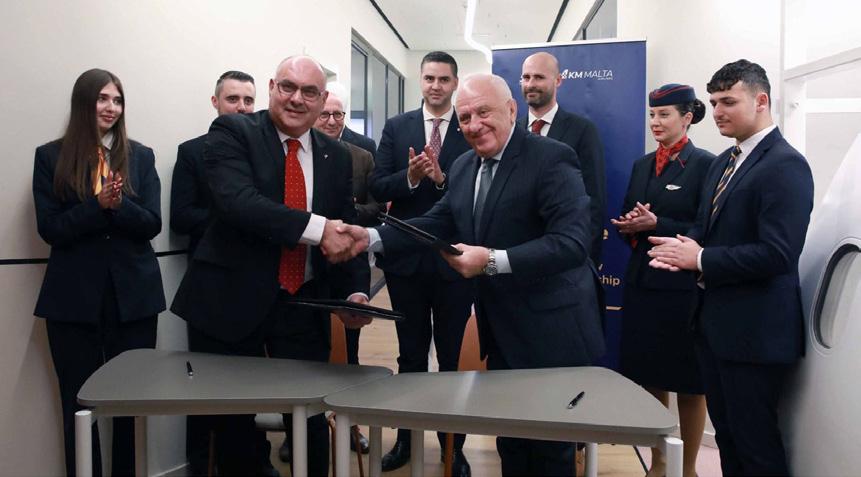
ITS and KM Malta Airlines announce cabin crew training pathway and plans for new diploma
ITS and KM Malta Airlines signed a strategic cooperation agreement to launch new cabin crew training programmes and develop a Diploma in Aviation Hospitality Services. The partnership connects academic learning with professional aviation practice, offering students hands-on training, recognised qualifications and a structured pathway into Malta’s aviation and hospitality sectors.
13 FEBRUARY
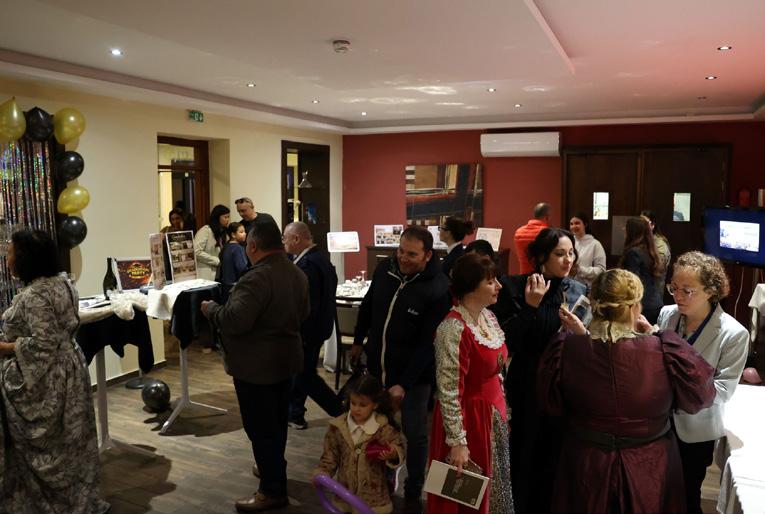
Career Expo brings industry conversations to campus at ITS
ITS hosted its annual Career Expo at the Luqa Campus, bringing together leading employers from hospitality, tourism, food and beverage, culture, manufacturing and aviation. Students engaged directly with recruiters, explored career opportunities and heard from ITS alumni, who shared practical insights on the transition from study to work and the realities of building a career.
20 MARCH
ITS opens its doors to prospective students
The ITS Luqa Campus welcomed hundreds of prospective students, parents, guardians, teachers and career advisors during its annual Open Doors event. Visitors toured the campus, met academics and students, attended live demonstrations, and gained first-hand insight into ITS programmes, student life and career opportunities in tourism and hospitality.
25 MARCH
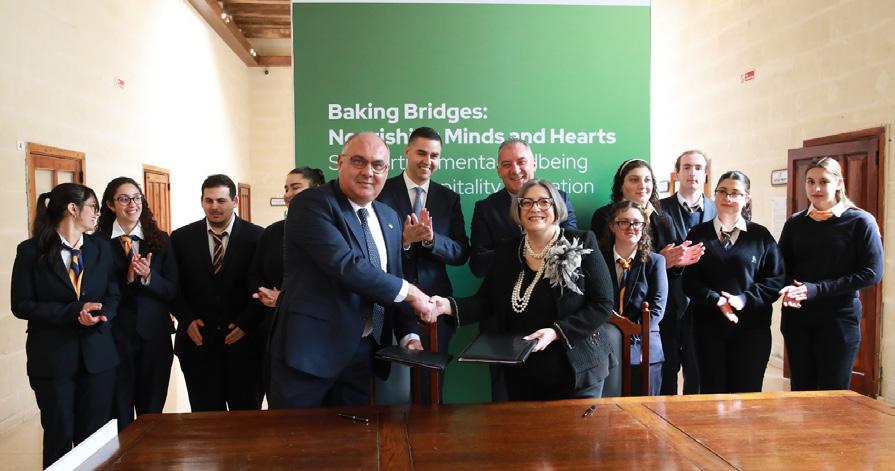
Baking Bridges brings ITS students and Mental Health Services patients together
ITS and the National Mental Health Services launched Baking Bridges: Nourishing Minds and Hearts, a collaboration through which ITS students prepare seasonal sweets for mental health patients. Starting with traditional figolli for Easter, the initiative combines culinary skills, community engagement and mental health awareness, showing how hospitality can offer care, empathy and support beyond industry settings.
30 MARCH
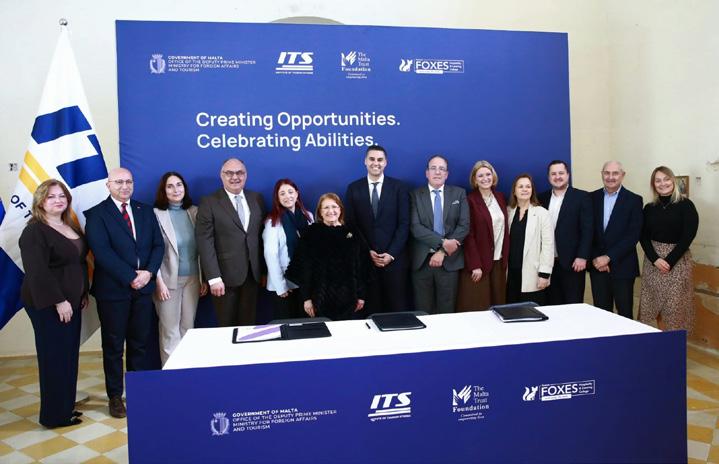
Malta and the UK forge landmark partnership to transform inclusive hospitality education
ITS, The Malta Trust Foundation and Aurora Foxes Academy announced a landmark collaboration to develop vocational training in catering and hospitality for young people with disabilities. The partnership will support staff exchanges, student placements and pathways to employment through the Ta’ Saura National Empowerment Hub.
12 MAY
7 MAY
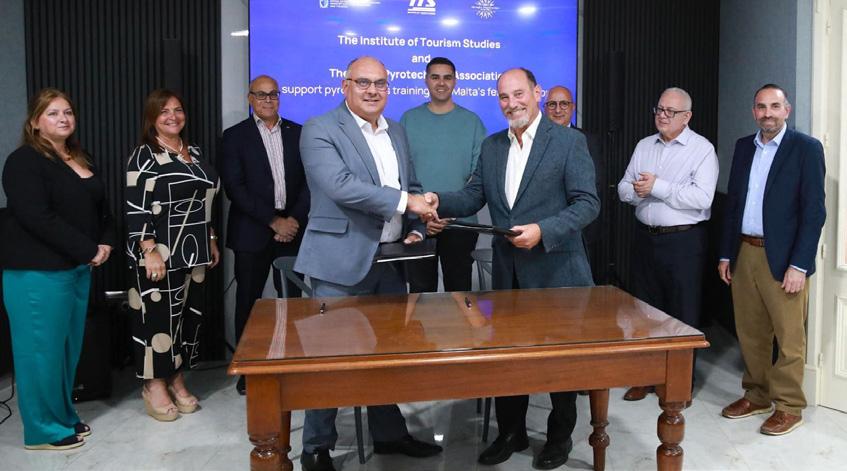
ITS and MPA join forces to support pyrotechnics training and Malta’s festa tradition
ITS signed an MoU with the Malta Pyrotechnics Association to develop vocational education and training in pyrotechnics, Maltese village feasts and related safety-focused areas.
The collaboration aims to introduce an Advanced Diploma in Pyrotechnics, combining academic quality with industry expertise while supporting Malta’s festa tradition and cultural heritage.
ITS Training School partners with FKNK to launch game cookery courses
ITS Training School and FKNK launched a collaboration to introduce specialised game cookery courses, bringing a traditional part of Maltese gastronomy into a structured training environment. The initiative aims to preserve and elevate local culinary heritage while equipping chefs and hospitality professionals with distinctive, locally rooted skills.
15 MAY
ITS and International Tourism Academy Austria sign academic progression agreement
ITS Malta and the International Tourism Academy Austria signed an academic collaboration agreement, creating a formal progression route for ITA students to continue directly into the third year of an ITS Bachelor’s Degree programme. The agreement strengthens international mobility, academic cooperation and opportunities for students.
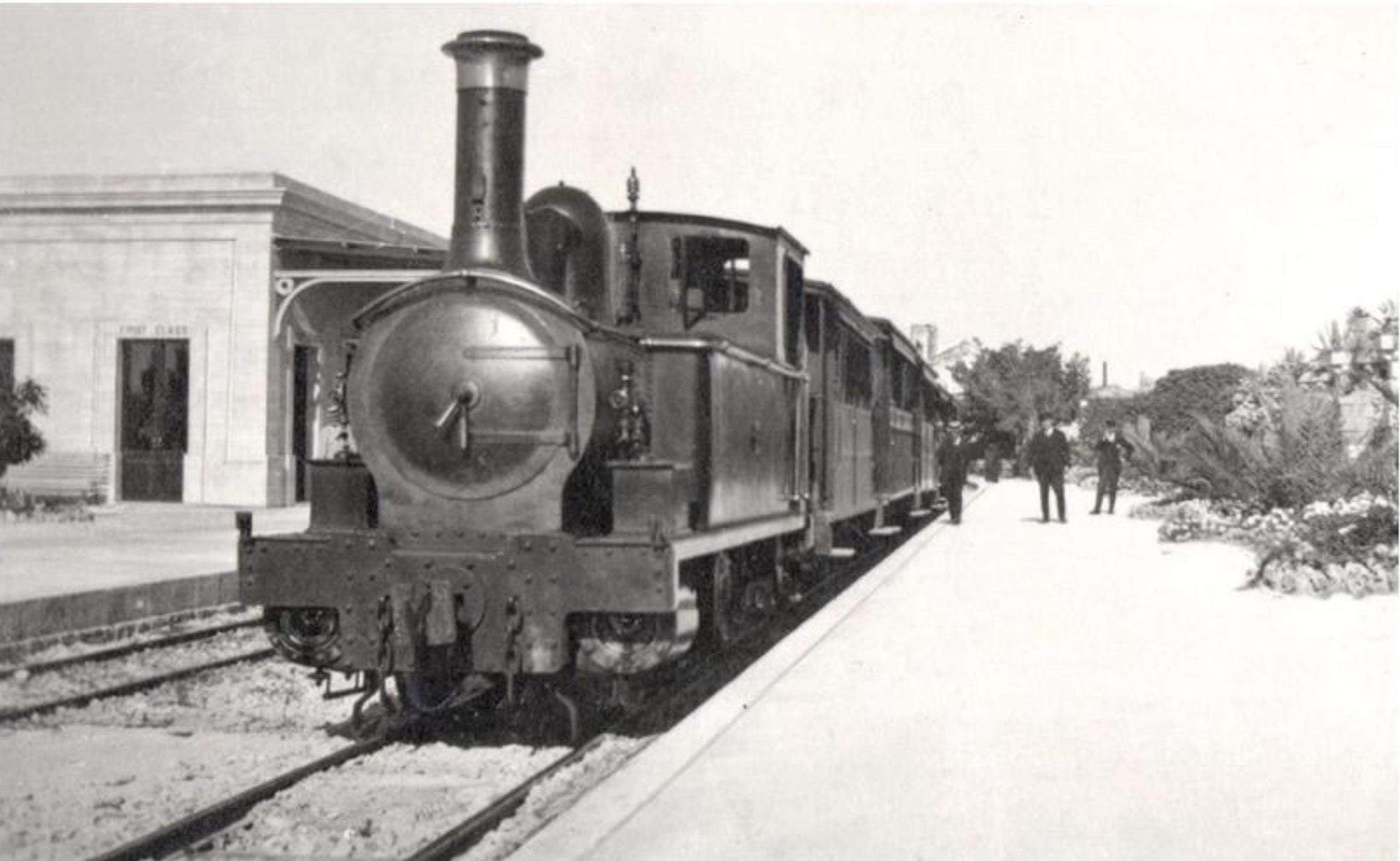
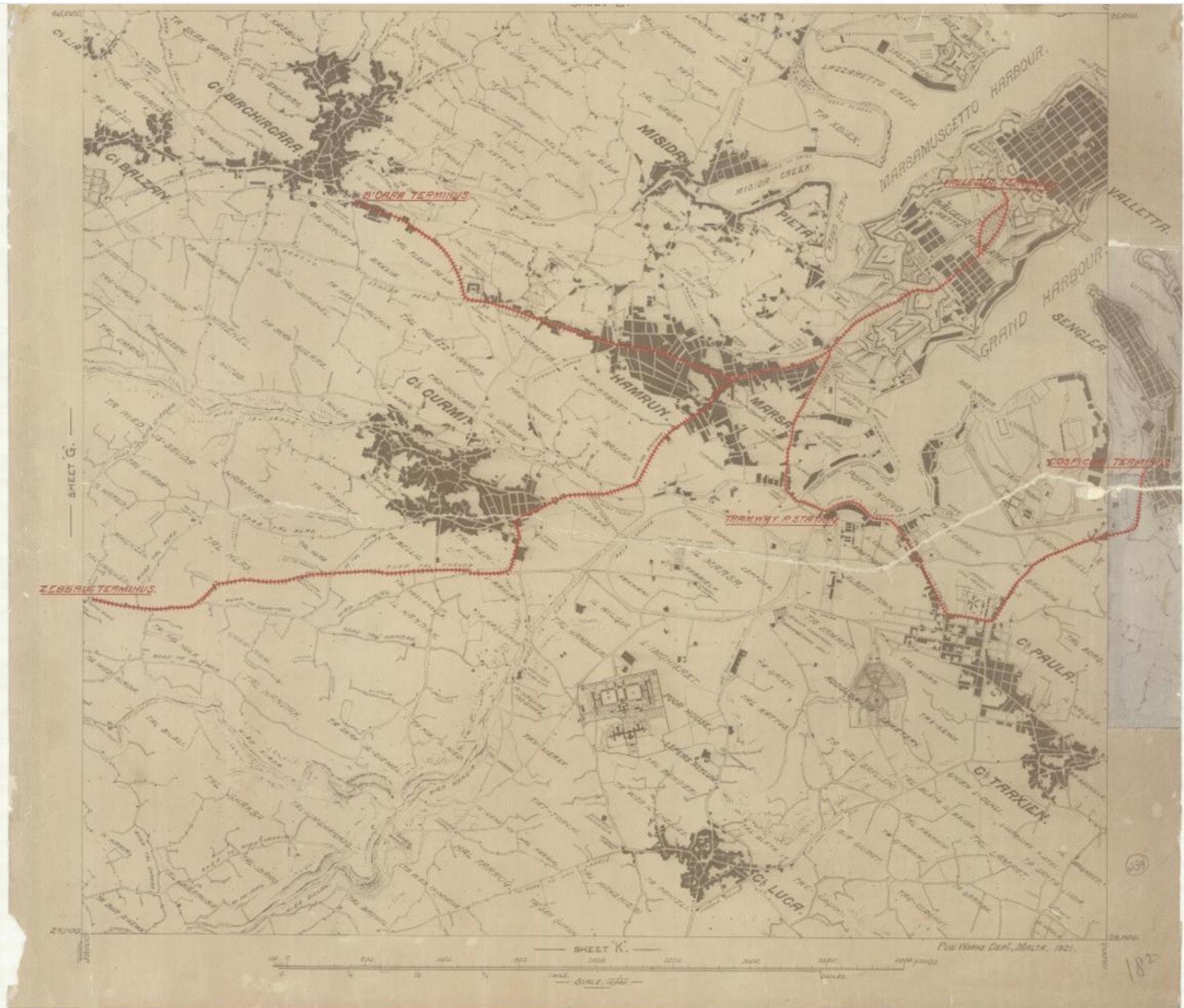
The coming of the First Motorized Transport Vehicles for Public Use on the Island of Malta and How it Changed Over the Years
LUCA MAISTRE
HIGHER NATIONAL DIPLOMA IN TOURIST GUIDING
INTRODUCTORY
This research stems from a deep interest in how the island of Malta transformed following the arrival of the industrial revolution in transport. Specifically, the essay concentrates on the tumultuous introduction and evolution of mechanised public land transport, exploring the era between 1905 and 1929 when Malta concurrently operated three major forms of transport: the railway, the tramway, and the motorised buses. By investigating the routes, provenance, power sources, and ownership of these vehicles, the study uncovers how intense competition eventually led to the total dominance of the bus system, forever altering the island’s infrastructure and connectivity.
LITERATURE REVIEW
The literature review examines the existing texts concerning Malta’s early transport systems. It notes that while the railway has received some scholarly attention, the tramway system remains the least covered topic, leaving significant historical voids. Similarly, literature concerning the first buses presents conflicting theories regarding their initial importers, oscillating between figures like Mr Spiller and Edward Tancred. The review identifies notable gaps across all topics regarding the socioeconomic impact of these vehicles and the origins of their fuel sources, positioning this research as a necessary contribution to the field.
RESEARCH METHODS
To retrieve the most accurate historical data, a qualitative methodology was
employed, combining document-based research with semi-structured interviews. Given the niche nature of the topic and the lack of surviving witnesses, quantitative surveys were deemed inappropriate. Primary documents, including historical photographs, official government records, and census data, were rigorously analysed. This was complemented by interviews with three distinct subject experts and transport historians, allowing the researcher to extract nuanced details regarding the operational realities of the early twentieth century.
DISCUSSION AND ANALYSIS
The analysis breaks down the operations of the trains, trams, and buses according to their routes, power sources, and ownership models. The findings reveal that all three transport modes fiercely competed for passengers, often overlapping on crucial
A Thornycroft double decker, one of the first motor buses in Malta in 1905
routes connecting Valletta to surrounding towns. The railway and trams, heavily reliant on expensive infrastructure and imported coal for steam and electrical power, struggled to adapt to changing passenger demands. Conversely, the early buses, powered by internal combustion engines and imported from Britain, offered unprecedented flexibility and lower operational costs. The analysis shows that local entrepreneurial ownership of buses eventually outmanoeuvred the rigid, government-run or heavily subsidised tram and train networks.
RECOMMENDATIONS
The study highlights the necessity of preserving the scarce remaining artefacts from this transformative period. It recommends increasing public awareness and educational efforts regarding Malta’s early transport history, suggesting that the intricate story of the transition from rail to road offers valuable lessons in infrastructure adaptation and economic competition.
CONCLUSION
In conclusion, the shift towards motorised buses was not merely a change in vehicle type, but a profound revolution in public mobility. The flexibility, competitive pricing, and local ownership of the buses allowed them to systematically overcome and replace the railway and tramway systems by 1929. This transition laid the permanent foundation for the modern public transport network that defines the Maltese islands today.
Bonello, G., 2024. In pictures: Malta’s shortlived tram system. Times of Malta, 12 May.
Bonnici, J., 2021a. Rise and fall of the Malta Railway after its inaugurations in 1883 and 1892. Times of Malta, 28 February.
Bonnici, J., 2021b. The demise of the Malta Tramways in 1929. Times of Malta, 12 December.
Bonnici, J. and Cassar, M., 1989. The Malta buses. Malta: the authors.
Bonnici, J. and Cassar, M., 1991. The Malta Tramway and the Barracca Lift. Malta: Joseph Bonnici and Michael Cassar.
Cassar, M., 2014. The story of the Malta buses, 1931-2014. 3rd ed. San Gwann: BDL.
National Statistics Office (NSO), 1905. Census of the Maltese Islands: Chapter L: Railways, Tramways and Canals.
Stedall, R., 2025. Gozo 100 The 100th Anniversary of the Gozo Bus Industry, Chapter 1
Thompson, K., 2016. Interviews in Social Research: Advantages and Disadvantages. ReviseSociology.
The train at the Birkirkara station
A period map of the tramway lines in Malta (National Archives of Malta)
The Revolt of the Maltese against the French on 2nd & 3rd September 1798: A Dark Tour of Rabat & Mdina
JEFFREY POWELL HIGHER NATIONAL DIPLOMA IN TOURIST GUIDING
INTRODUCTION
Blood once drenched the peaceful streets of Rabat and Mdina. In September 1798, a brutal revolt erupted as Maltese citizens, infuriated by anti-clerical policies and economic hardship, massacred French soldiers and initiated an uprising that altered the nation’s trajectory. This long essay examines the revolt through the lens of dark tourism, proposing that Rabat and Mdina can be powerfully conceptualised as “dark conflict sites”. By confronting the macabre realities of looting and execution, the research outlines how these historic locations can be transformed into a visceral, ethically framed walking tour that provokes profound reflection on human tragedy and national identity.
LITERATURE REVIEW
The literature review synthesises traditional historical scholarship concerning the French occupation with contemporary dark tourism frameworks. Utilising Stone’s (2006) Dark Tourism Spectrum, the review identifies the violent events of 1798 as belonging to the darker end of the scale, necessitating careful educational orientation. While historians like Testa (1997) have detailed the socio-political vacuum, the dismantling of the Catholic Church, and the subsequent massacres, the review identifies a clear gap: the lack of intersectional research applying thanatological tourism principles to the creation of a structured, interpretive experience in these specific Maltese localities.
RESEARCH METHODS
To navigate the historical and emotional complexities of the 1798 revolt, a qualitative research methodology was adopted. This interpretivist approach sought to capture the nuanced social meanings of the conflict, moving beyond mere historical statistics. Primary data collection relied on semistructured interviews with three experts, comprising a university academic and two historians. This conversational method facilitated genuine discovery, bridging the gap between academic theory and practical tourist guiding. Thematic analysis was subsequently applied, generating thirty-nine codes that were synthesised into distinct core themes.
DISCUSSION AND ANALYSIS
The analysis bridges dark tourism theory with the historical realities of the peasant rebellion, structured around four emergent themes. First, food, religion and taxes are identified as the explosive catalysts for social unrest and perceived betrayal, highlighting the desperation of the populace. Second, Engaging Dark Storytelling is deemed essential; guides must transcend simple facts to weave visceral, contextualised narratives that evoke raw emotion without sliding into exploitation. Third, the research focuses on humanising The Maltese Revolters, portraying them not as a faceless mob but as complex, desperate individuals united by faith. Finally, Ethical Storytelling forms the backbone of the analysis, stressing the imperative of presenting gruesome realities factually and adapting the language to cultivate deep reflection rather than cheap shock.
General Napoleon Bonaparte and his troops disembark to land in the Grand Harbour
RECOMMENDATIONS
The long essay recommends that tour guides open with strong historical context, establishing the pre-existing economic and religious grievances so the violence is understood as an accumulation of desperation rather than an isolated eruption. A place-based narrative arc should be followed, using the physical streets as primary documents. Furthermore, training programmes for guides must incorporate explicit ethical protocols to handle this contested and distressing content with confidence and profound care.
CONCLUSION
Rabat and Mdina refuse to be only silent witnesses to history; their stones hold the echo of battle cries and profound betrayal. By reinterpreting these cities as a living museum of the 1798 conflict, dark tourism offers a powerful mechanism for heritage interpretation. A tour grounded in this research will invite visitors to look past picturesque façades and confront the brutal realities that forged Maltese resilience and identity
SELECT BIBLIOGRAPHY
Bosredon de Ransijat, J., 2013. Blockade Malta 1798-1800: the diary and memoirs of a
French knight during the occupation of Malta. Msida: Malta U.P.B.
Buhagiar, J., 2020. Towards a death & darkness Heritage Malta sites as dark tourism. Tesserae, Heritage Malta.
Foley, M. and Lennon, J.J., 1996. JFK and dark tourism: A fascination with assassination. International Journal of Heritage Studies, 2(4), pp. 198-211.
Freller, T., 2010. Malta: The Order of St John MidSea Books.
Lennon, J.J. and Foley, M., 2000. Dark Tourism. Continuum.
Light, D., 2017. Progress in dark tourism and thanatourism research: An uneasy relationship with heritage tourism. Tourism Management, 61, pp. 275-301.
Sharpley, R. and Stone, P.R., 2009. The Darker side of travel: the theory and practice of dark tourism
Stone, P.R., 2006. A dark tourism spectrum: Towards a typology of death and macabre related tourist sites, attractions and exhibitions. CLOK, 54(2), pp. 145-160.
Testa, C., 1997. The French in Malta, 17981800. Midsea Books.
Wolf, E.R., 1998. Peasant wars of the twentieth century. University of Oklahoma Press.
“
” Confront the brutal realities that forged Maltese resilience and identity.
Members of HRGM re-enacting the uprising of the Maltese against the French in 1798
The themes about the uprising against the French that emerged from the primary data
Hidden Histories: Everyday Life in Prehistoric Gozo through Santa Verna, Ta’ Marżiena and L-Imramma
AGNIESZKA HAREMZA
HIGHER NATIONAL DIPLOMA IN TOURIST GUIDING
INTRODUCTION
While Maltese prehistory has traditionally been dominated by the interpretation of its monumental temple architecture, this long essay seeks to shift the focus towards the daily practices of the communities that built them. By investigating the lesser-known archaeological sites of Santa Verna, Ta’ Marżiena, and L-Imramma on the island of Gozo, this long essay aims to reconstruct how prehistoric people lived, moved, and
interacted with their changing environment. Understanding these ‘hidden histories’ provides crucial insights into domestic life, agriculture, and human-landscape relationships, presenting a profound opportunity to broaden public engagement and create sustainable heritage tourism experiences.
LITERATURE REVIEW
The literature review evaluates the academic sources and excavation reports relevant to Gozo’s prehistoric landscape. A critical focal point of the review is the FRAGSUS project,
an extensive study providing vital evidence regarding environmental stress, agricultural practices, and socio-environmental change during the Neolithic period. The literature reveals that while major temple complexes receive vast academic and tourist attention, sites like Ta’ Marżiena and L-Imramma suffer from severe under-research and lack of public interpretation, establishing the essential baseline for this investigation.
RESEARCH METHODS
To address these gaps, the research employed a qualitative, interpretative
methodology. The data collection process combined a rigorous literature review with four semi-structured expert interviews to capture specialist knowledge. The interviewees included esteemed professionals such as Prof. Caroline Malone, Prof. Anthony Bonanno, Dr George Azzopardi, and Daphne Sant Caruana. This method allowed the researcher to identify convergence and contrasts regarding site significance, conservation challenges, and future interpretive opportunities. Thematic analysis was applied to the collected data.
DISCUSSION AND ANALYSIS
The analysis underscores a strong correlation between the chosen sites and broader agricultural strategies, domestic settlement patterns, and the environment. The experts highlight that Ta’ Marżiena and L-Imramma are victims of uneven archaeological attention, remaining largely unexcavated due to private ownership and severe fragility. Despite this, the sites hold immense
interpretative value, particularly when bolstered by FRAGSUS findings, which shift the narrative from isolated architecture to holistic human-environment resilience. However, physical accessibility remains a critical issue; experts warn that promoting these sites for tourism without strict physical protection, such as fencing, risks irreversible damage to the fragile megalithic remains
RECOMMENDATIONS
The study recommends a phased approach to heritage management. In the short term, minor interventions should be implemented, including off-site interpretative panels and guided tour narratives. In the medium to long term, the adoption of digital interpretation is strongly advised. Utilising virtual reconstructions, annotated maps, and digital storytelling can effectively communicate the historical value of these inaccessible sites without increasing physical footfall. Furthermore, stronger
“ ” Experts warn that promoting these sites for tourism without strict physical protection, such as fencing, risks irreversible damage to the fragile megalithic remains.
Santa Verna archaeological site
Access the full text of the research here
Ta’ Marżiena archaeological site
Ta’ L-Imramma archaeological site
institutional collaboration is required to link major hubs like Ġgantija with the broader prehistoric landscape.
CONCLUSION
Lesser-known sites like Santa Verna, Ta’ Marżiena, and L-Imramma are vital for constructing a balanced and inclusive picture of prehistoric Gozitan life. By shifting the lens from monuments to everyday environmental survival, this research proves that these ‘hidden histories’ hold immense educational value. Implemented sustainably through digital tools and careful conservation, these sites can profoundly enhance the cultural tourism narrative of the island.
SELECT BIBLIOGRAPHY
Ashby, T. and Peet, T.E., 1913. Excavations in Gozo: Santa Verna. Papers of the British School at Rome, pp. 105-115.
Bonanno, A., 1986. An illustrated guide to prehistoric Gozo. Victoria: Gaulitana, pp. 2223; 39-41.
Bonanno, A., 1990. The archaeology of Gozo: from prehistoric to Arab times. In: Gozo: The Roots of an Island, pp. 19-26.
French, C., Hunt, C.O., Grima, R., McLaughlin, R., Stoddart, S., Malone, C. and Alberti, G., 2020. FRAGSUS. Volume 1: Temple Landscapes.
Cambridge: McDonald Institute for Archaeological Research.
Malone, C., Grima, R., McLaughlin, R., Parkinson, E.W. and Stoddart, S., 2020. FRAGSUS. Volume 2: Temple Places. Cambridge: McDonald Institute.
Malone, C., Stoddart, S. and Trump, D., 1988. A house for the temple builders: Recent investigations on Gozo, Malta. Antiquity, 62(235), pp. 297-301.
Poria, Y., Reichel, A. and Biran, A., 2006. Heritage site management: Motivations and expectations. Annals of Tourism Research, 33(1), pp. 162-178.
Robb, J., 2001. Island identities: Ritual, travel and the creation of difference in Neolithic Malta. European Journal of Archaeology, 4(2), pp. 175-196.
Stoddart, S., Power, R.K., Thompson, J.E., Mercieca-Spiteri, B., McLaughlin, R., Parkinson, E.W., Pace, A. and Malone, C., 2020. FRAGSUS Volume 3: Temple People Cambridge: McDonald Institute.
Tilley, C., 1994. A Phenomenology of Landscape: Places, Paths and Monuments. Oxford: Berg, pp. 10-11.
“ ” Lesser-known sites like Santa Verna, Ta’ Marżiena, and L-Imramma are vital for constructing a balanced and inclusive picture of prehistoric Gozitan life.
From Knights to Halophytes: A tour at the Salina Saltpans & Salt Museum
INTRODUCTION
The Salina Saltpans represent a unique convergence of industrial heritage and ecological conservation. Originally constructed by the Knights of the Order of St. John, the saltpans served as a crucial economic asset for centuries. Today, the site has been revitalised under the management of BirdLife Malta, functioning as a Natura 2000 protected reserve and an educational Salt Museum. This study evaluates the historical development of salt production at Salina alongside its contemporary role in safeguarding local and migrating biodiversity, specifically exploring the halophytic flora that thrives in its unique salt marsh habitats.
LITERATURE REVIEW
The literature review traces the origins of the Salini Saltpans back to the Knights of St. John, contextualising the paramount importance of the Mediterranean salt trade throughout the ages. The review examines historical texts and notary documents to understand the traditional, manual methods of salt harvesting employed at Salina. However, the review identifies notable gaps in historical references regarding salt production during the Roman and Medieval eras. Furthermore, the literature assesses the site’s transition from a purely industrial landscape to a carefully managed ecological zone.
RESEARCH METHODS
To ensure the retrieval of authentic and factual information, the study employed a qualitative research methodology. Document-based research was heavily utilised, gathering maps, site plans, and historical reports from recognised scholars. Complementing this, primary data was collected through semi-structured interviews featuring open-ended questions. The interviewees included crucial onsite personnel: BirdLife Malta’s Reserves Manager, the Salina Site Manager, and a Reserve Warden. The researcher’s own five-year experience as a Nature Warden at the site further enriched the data collection process.
DOMINIC FRENDO HIGHER NATIONAL DIPLOMA IN TOURIST GUIDING
Railcarts used to carry the salt
DISCUSSION AND ANALYSIS
The analysis reveals the seamless blending of history and nature at Salina. It details BirdLife Malta’s management strategies since taking over the site in 2019, highlighting their efforts to restore the outer walls and safeguard the ecosystem. The discussion heavily emphasises the ecological importance of the saltpans, examining the specific salt marsh habitats that support halophytes— plants uniquely adapted to high salinity. Interviews with the wardens illustrate how the site functions as a critical sanctuary for migrating birds, the Mediterranean killifish, and endemic reptiles. Finally, the analysis explores the Salt Museum, detailing how exhibits, such as the Archimedes screw and digital microscopes, successfully communicate centuries of human ingenuity.
RECOMMENDATIONS
The long essay recommends that the dual identity of the Salina Saltpans—as both a historical monument of the Knights and a thriving modern nature reserve—be actively promoted to visitors. Detailed guided tours should be developed to take guests through the entire
timeline, from the Old Saltpans and the Ximenes Redoubt to the modern Dinja Waħda Nature Garden, culminating in a tasting of the traditional salt. Enhancing awareness of halophytic habitats will foster greater respect for local conservation efforts.
CONCLUSION
In conclusion, the Salina Saltpans stand as a premier example of how industrial heritage can be successfully repurposed for environmental preservation. The site not only preserves the architectural legacy of the Knights of St. John but provides an indispensable refuge for Malta’s biodiversity. Through effective management and educational tourism, the Salt Museum and nature reserve ensure that the legacy of salt making is remembered while actively protecting the natural world.
The dual identity of the Salina Saltpans—as both a historical monument of the Knights and a thriving modern nature reserve—be actively promoted to visitors. “
Details from the fresco by Mattero Perez D’Aleccio about the Great Siege of 1565 shows the Salina saltpans were already in use at the time
SELECT BIBLIOGRAPHY
Bonanno, A., 2005. Malta - Phoenician, Punic, and Roman. Midsea books LTD, pp. 238-243.
Dingli, P., 2019. Salt Pans in Malta. SKS.
Dingli, P. and Mercieca, S., 2020. Salina Bay and Salt Works during the Great Siege of 1565 MALTA & GOZO.
Gauci, L., 2024. Morte o Fortuna - Corsairs in Malta 1747-1798. 1st ed. Heritage Malta, pp. 121-146.
Lanfranco, G.G., 2002. Xogħol, ġaħġieħ u snajja li spiċċaw. BIEB BIEB - St. Julians, pp. 134-135.
Mercieca, S., 2003. The Production of Salt in Malta during Early Modern Times
Mizzi, P., 2000. The grand masters of Malta: from the origins to modern times. Malta: Publishers Enterprises Group.
Teuma, E.P., 2003. San Pawl Il-Baħar. San Pawl il-Bahar Local Council, pp. 95-104.
Wettinger, G., 2000. Place-names of the Maltese Islands: Ca. 1300-1800. Malta: Publishers Enterprises Group.
The Salini salt pans as they appear in recent times (Photo by Frank Vincentz on Wikimedia Commons)
Access the full text of the research here
The Sette Giugno Riots: A Clash Between the Working Class and the Valletta Millers and Grain Importers.
JAMES ATTARD HIGHER NATIONAL DIPLOMA IN TOURIST GUIDING
NTRODUCTION
The Sette Giugno riots, which occurred on the 7th and 8th of June 1919, are traditionally commemorated as a pivotal anticolonial and nationalist protest against British rule in Malta. However, this extended abstract presents research that moves away from this frequently romanticised political narrative. Instead, it investigates the riots through the lens of a profound social clash within Maltese society itself. The study shifts the focus onto the primary victims of the mob violence: the Maltese grain importers and millers whose properties in Valletta and Ħamrun were targeted and looted. By
exploring the root causes of the working class’s anger, specifically regarding the rising cost of living and the perceived exploitation of the poor, the research seeks to provide a comprehensive, objective understanding of how the right to survival and economic justice were the true driving forces behind the rampant destruction during the Sette Giugno.
LITERATURE REVIEW
The literature review systematically examines the evolving historical perceptions of the Sette Giugno. For decades under British rule, the event was largely suppressed or dismissed as mere vandalism by roughs and rioters. Following its fiftieth anniversary, the
riots were elevated to a symbol of Maltese patriotism and anti-colonialism, heavily linked to the National Assembly’s demands for a self-government constitution. However, historians such as Frendo and Camilleri argue that two distinct movements were operating simultaneously: the political elite pursuing constitutional nationalism, and the impoverished working class fighting for basic subsistence. The review identifies a significant gap in the literature regarding the social struggle between the working class and the wealthy bourgeois grain importers, who were widely accused of possessing monopolies over the island’s food supply and exacerbating the post-war hunger crisis.
British soldiers in action during the two-day riots known as the Sette Giugno.
RESEARCH METHODS
To thoroughly investigate this class clash, the study adopted a qualitative, inductive approach heavily reliant on archival historical research. The primary source material was drawn from the extensive “Minutes of Evidence taken before the Commission of Enquiry into the events of the 7th and 8th June 1919,” located at the National Archives of Malta in Rabat. These transcripts provided critical firsthand testimonies from British officials, Maltese politicians, and common citizens. The data was systematically analysed to identify recurring themes, allegations, and descriptive narratives surrounding the attacks on the millers. To enhance reliability and offer a balanced perspective, the research also incorporated secondary sources, including recent accounts published by the descendants of the targeted millers, providing an essential counter-narrative to the mob’s allegations. Furthermore, the findings were practically applied to design a themed walking tour of Valletta.
DISCUSSION AND ANALYSIS
The extensive analysis of the testimonies confirms that while political motives drew
crowds to Valletta to support the National Assembly, extreme economic desperation triggered the violence. Following the First World War, the price of bread skyrocketed, and unemployment soared, pushing the working class to the brink of starvation. The crowd directed their fury not at British administrative buildings, but at the major Maltese grain importers and millers, primarily Antonio Cassar Torregiani, Colonel John Louis Francia, and Luigi Farrugia. These men were perceived as the “starvers of the poor” who were actively manipulating wheat prices, hoarding goods, and mixing deleterious substances into the flour while making enormous profits. This resentment was deeply aggravated by the millers’ positions on the government-appointed Wheat Control Board, an arrangement viewed by the public as a corrupt monopoly driven by favouritism and nepotism.
Witness testimonies indicate the attacks were premeditated rather than spontaneous. On the 7th of June, the mob violently besieged Cassar Torregiani’s house in Valletta, throwing furniture into the streets while Maltese police reportedly stood by idly. The ensuing chaos resulted in British soldiers firing into the crowd,
killing two men. Despite the bloodshed, the violence continued on the 8th of June when crowds looted the residence of Colonel Francia, who hid in his cellar with his family, resulting in another fatality. That evening, the mob proceeded to Ħamrun, completely pillaging and burning Luigi Farrugia’s mill while authorities again failed to intervene. While descendants of the millers argue that the price hikes were due to international post-war shipping and insurance costs rather than profiteering, the analysis proves that the working class definitively targeted these figures as tangible symbols of their severe economic suffering and societal inequality.
RECOMMENDATIONS
The study strongly recommends that future historical research should broaden its scope to investigate other underlying factors contributing to the 1919 tensions. This includes exploring the documented grievances of university students, the unrest and inaction among the Maltese police force, and the wage disparities experienced by dockyard workers compared to their British counterparts. Additionally, tracing the influence of radical ideas spread by figures like Manuel Dimech and British expatriate
The Maltese remember the innocent victims of the Sette Giugno
workers is necessary to understand the ideological framing of the riots. Practically, the implementation of the proposed walking tour in Valletta is recommended to educate locals and tourists alike, bringing these harrowing class-based narratives to life in less-visited streets of the capital.
CONCLUSION
In conclusion, the Sette Giugno riots represent a complex intersection of political aspiration and desperate economic survival.
The evidence firmly establishes that the violence in the streets of Valletta and Ħamrun was an explosive manifestation of a class clash. The working class, facing starvation, systematically targeted the wealthy millers and grain importers they held responsible for their plight. By shifting the historical focus onto these internal socio-economic grievances, this research ensures a more accurate, holistic, and unromanticised understanding of one of Malta’s most significant national events.
SELECT BIBLIOGRAPHY
Bartolo, P., 2019. X’Kien Ġara Sew Fis-Sette Giugno. 2nd ed. Malta: Klabb Kotba Maltin.
Bezzina, J., 1988. Church and State in an Island Colony. In: V. Mallia-Milanes, ed. The British Colonial Experience 1800-1964: The Impact on Maltese Society. Malta: Mireva Publications, pp. 47-78.
Borg, T., 2019. Is-Sette Giugno – Mitt Sena Wara. In: R. Mangion, ed. Sette Giugno Ċentinarju, L-Ewwel Pass Lejn Stat Sovran Malta: Fondazzjoni Ċelebrazzjonijiet Nazzjonali, pp. 156-164.
Cassar Torregiani, P., 2019. Inqisu s-Sette Giugno. In: R. Mangion, ed. Sette Giugno Ċentinarju, L-Ewwel Pass Lejn Stat Sovran Malta: Fondazzjoni Ċelebrazzjonijiet Nazzjonali, pp. 142-148.
Cremona, J. J., 1997. The Maltese Constitution and Constitutional History since 1813. 2nd ed. Malta: P.E.G. Ltd.
Dobie, E., 1967. Malta’s Road to Independence. Norman: University of Oklahoma Press.
Farrugia, A., 2019. Is-Sette Giugno: Riflessjoni dwar is-simboloġija tal-ġrajjiet. In: R. Mangion, ed. Sette Giugno Ċentinarju, L-Ewwel Pass Lejn Stat Sovran. Malta: Fondazzjoni Ċelebrazzjonijiet Nazzjonali, pp. 4-9.
Fenech, D., 2019. Is-Sebgħa ta’ Ġunju: Tfittxija tat-Tifsira. In: R. Mangion, ed. Sette Giugno Ċentinarju, L-Ewwel Pass Lejn Stat Sovran. Malta: Fondazzjoni Ċelebrazzjonijiet Nazzjonali, pp. 10-23.
Frendo, H., 1970. Ir-Rivoluzzjoni Maltija tal1919 : Ħarsa mill-qrib lejn il-ġrajjiet storiċi tas”Sette Giugno”. Malta: Empire Press.
National Archives of Malta, 1919. Minutes of Evidence taken before the Commission of enquiry into the events of the 7th and 8th June 1919 and the circumstances which led up to them, GMR 0745.
The Malta Taghna newspaper reporting on the death of the Maltese during the previous days.
Santa Marija of Birmiftuħ and St Mary Parish Church in Gudja: An investigation into the differences in art and architecture and structural changes between 1500 and 1910
MARIJA VELLA
HIGHER NATIONAL DIPLOMA IN TOURIST GUIDING
INTRODUCTION
The town of Gudja, historically translated to “hill” due to its elevated position, holds a profoundly rich cultural and religious heritage dating back to 1436. Central to this heritage are the medieval church of Santa Marija of Birmiftuħ and its successor, the baroque St Mary Parish Church located in the core of the village. This extended abstract presents an investigation into these two pivotal buildings, creating a comparative
analysis of their artistic and architectural distinctiveness while charting the substantial structural changes they underwent between 1500 and 1910. Additionally, the research delves deep into the origins of the profound Marian devotion deeply ingrained within the Gudja community. By retrieving these faded histories, the study aims to foster heightened awareness among locals and tourists, proposing that Gudja possesses strong, untapped potential for the development of historical and religious tourism.
LITERATURE REVIEW
The literature outlines the foundational history of Birmiftuħ, noted as one of the ten original parishes established by Bishop Senatore De Mello in 1436. Originally, Birmiftuħ served multiple surrounding villages, earning the title of the “mother” church, until these communities eventually separated to form their own independent parishes. Seeking better accessibility away from flood-prone valleys and corsair attacks, the Gudja villagers successfully petitioned to build the new St Mary Parish Church
The medieval Church at Bir Miftuħ, Gudja (Image by Continentaleurope on Wikimedia Commons)
in the mid-17th century. Architecturally, Birmiftuħ reflects a stark medieval Gothic style, possessing limited windows and notable frescoes like the Last Judgement. Conversely, the literature describes St Mary Parish Church as a majestic baroque structure featuring works by renowned artists such as Pietro Gagliardi and Francesco Zahra, unique for its blue, starstudded ceiling and its highly unusual three bell towers, including the controversial addition by British architect William Baker. The review confirms Gudja as one of the earliest seats of Assumption devotion on the islands.
The literature outlines the foundational history of Birmiftuħ, noted as one of the ten original parishes established by Bishop Senatore De Mello in 1436. Originally, Birmiftuħ served multiple surrounding villages, earning the title of the “mother” church, until these communities eventually separated to form their own independent parishes. Seeking better accessibility away from flood-prone valleys and corsair attacks, the Gudja villagers successfully petitioned to build the new St Mary Parish Church in the mid-17th century. Architecturally, Birmiftuħ reflects a stark medieval Gothic style, possessing limited windows and notable frescoes like the Last Judgement. Conversely, the literature describes St Mary Parish Church as a majestic baroque structure featuring works by renowned artists such as Pietro Gagliardi and Francesco Zahra, unique for its blue, starstudded ceiling and its highly unusual three bell towers, including the controversial addition by British architect William Baker. The review confirms Gudja as one of the earliest seats of Assumption devotion on the islands.
RESEARCH METHODS
To achieve a robust comparative analysis, the research employed a qualitative methodology that relied initially on a comprehensive review of secondary sources, including books, dissertations, and local articles to establish the architectural and artistic timelines. To address notable gaps in the existing literature, particularly concerning the exact fate of transferred
artworks and the social dynamics of village devotion, primary data was gathered through three semi-structured, openended interviews. The carefully selected participants included a volunteer caretaker from Din L-Art Ħelwa stationed at Birmiftuħ, the current archpriest of the St Mary Parish Church, and a native Gudja researcher heavily involved in local history publications. This flexible interviewing approach allowed the discovery of crucial nuances regarding parish politics, missing records, and the detailed restoration of historical artefacts.
DISCUSSION AND ANALYSIS
The analysis meticulously unpacks the architectural evolution of both churches. Initially a simple rectangular structure, Birmiftuħ expanded with the addition of five side chapels and later took the shape of a Latin cross to accommodate a growing congregation. However, in a remarkable act of preservation directed by the bishop, when the villagers built the new St Mary Parish Church, they were permitted to dismantle only the newer additions of Birmiftuħ for building materials, effectively returning the medieval church to its original box shape. St Mary Parish Church, initially built by Tumas Dingli with a single belfry, saw dramatic alterations; the William Baker bell tower was added later but threatened
the structure’s integrity due to its weight, prompting the construction of an entirely new facade with twin towers in 1908, permanently leaving the church with three distinct belfries.
Artistically, the analysis uncovers that virtually all altars and dedications (including St Catherine, St George, and the Nativity) were transferred from Birmiftuħ to the new parish church to maintain continuity. However, interview findings reveal that almost all original Birmiftuħ paintings were subsequently discarded or replaced by newer baroque masterpieces, save for the painting of Our Lady of the Rosary, which still hangs in the new church today. Birmiftuħ currently houses replacement works and its famous medieval frescoes, which served as powerful visual sermons for an illiterate populace.
The discussion also illuminates the deepseated Marian devotion of the village. As one of Malta’s first parishes dedicated to the Assumption, Gudja’s religious fabric is complex. Interviews unveiled intense historical rivalries between local confraternities over the privilege of carrying the 1807 Vincenzo Dimech statue of the Assumption. This bitter conflict escalated so severely in the early 20th century that the church was temporarily closed,
The dome and ceiling of the Church of St. Mary in Gudja
eventually leading to the establishment of separate band clubs and secondary feasts to accommodate the competing factions.
RECOMMENDATIONS
The study recommends that future historical and architectural research should investigate the other seven parishes that originally emerged from the Birmiftuħ mother church, mapping their artistic divergences. Furthermore, a direct comparative study between Birmiftuħ and the Ħal Millieri chapel should be conducted, as these stand as the two most prominent surviving medieval chapels of their kind on the island. Given the rich tapestry of artworks, unique structural anomalies
like the three bell towers, and profound communal history, local authorities should actively promote the village of Gudja as a primary destination for religious and historical heritage tourism.
CONCLUSION
In conclusion, the Birmiftuħ Church and the St Mary Parish Church are inextricably linked, serving as consecutive chapters in the spiritual and architectural history of Gudja. While they differ vastly in style, from the austere, windowless medieval Gothic arches of Birmiftuħ to the grandiose, starceilinged baroque splendour of St Mary, their shared dedication to the Assumption forms an unbroken timeline of village
identity. By integrating detailed historical documents with insightful local testimonies, this research successfully reconstructs the structural transformations and vibrant artistic legacy that continue to define the community, proving the village’s immense value to Malta’s cultural heritage narrative.
SELECT BIBLIOGRAPHY
Busuttil, R., 2017. Il-knisja ta’ Santa Marija ta’ Bir Miftuħ. Festa Madonna tar-Rużarju, Gudja, 2017
Camilleri, C., 2014. Informazzjoni Storika Dwar l-Għaxar Parroċċi li Kienu Diga’ Jeżistu fl-1436. In: B. Portelli, ed. Omm TA’ BOSTA WLIED minn Bir Miftuħ sal-Gudja. Malta: Parroċċa Santa Marija, Il-Gudja, pp. 3-6.
Colerio, M., 2018. Ismijiet Kbar li għandhom Pittura fil-Knisja Parrokkjali tal-Gudja. In: B. Portelli, ed. Omm TA’ BOSTA WLIED 2 minn Bir Miftuħ sal-Gudja. Malta: Kunsill Lokali talGudja, pp. 143-149.
Dalli, C., 2018. Il-Knisja ta’ Birmiftuħ: Importanza Arkittettonika u Storika. In: B. Portelli, ed. Omm TA’ BOSTA WLIED 2 minn Bir Miftuħ sal-Gudja. Malta: Kunsill Lokali talGudja, pp. 123-130.
Farrugia, J., 2018. Ir-Rikorsi marbuta mal-Bini tal-Faċċata l-Ġdida tal-Knisja talGudja:1901-1908. In: B. Portelli, ed. Omm TA’ BOSTA WLIED 2 mInn Bir Miftuħ sal-Gudja Malta: Kunsill Lokali tal-Gudja, pp. 29-39.
Gatt, M., 2014. Minn Bir Miftuħ għall-Gudja‘il fuq minn 575 Sena Parroċċa. In: B. Portelli, ed. Omm TA’ BOSTA WLIED minn Bir Miftuħ sal-Gudja. Malta: Parroċċa Santa Marija Gudja, pp. 23-26.
Gravina, M., 2014. Il-Vara ta’ Santa Marija tal-Gudja. In: B. Portelli, ed. Omm TA’ BOSTA WLIED minn Bir Miftuħ sal-Gudja. Malta: Parroċċa Santa Marija Gudja, pp. 53-62.
Randon, S. F., 2013. Birmiftuħ. Malta: Din l-Art Ħelwa.
Terribile, T. and Ciantar, P.P., 2000. Dawra mal-knisja tal-Gudja. Festa ta’ Santa Marija, Gudja, 2000, pp. 25, 27, 29.
Wettinger, L., 1991. Ir-raħal tal-Gudja. Festa Santa Marija, Gudja, 1991, pp. 9-10.
Inside the Bir Miftuħ Church (Image by RobertGalea on Wikimedia Commons)
“Verba Volant, Scripta Manent”: Reliving a dramatic 19th century historical event, through notarial deeds
EMMANUEL BONNICI
HIGHER NATIONAL DIPLOMA IN TOURIST GUIDING
INTRODUCTION
While history frequently glorifies military conquests and transient acts of heroism, the quieter, less visible act of recording human experiences has long been marginalised. This research challenges that perspective by highlighting the enduring significance of the written word, specifically through the lens of notarial deeds in Malta. Dating back to at least 1270 CE, the notarial profession became an integral part of Malta’s legal and social fabric, sought after by a largely illiterate society to register binding agreements for posterity. This essay delves deep into the notarial archives to explore the devastating Bubonic Plague of 1813–1814. By retrieving these documents, the study sheds light on the intimate, human narratives of individuals facing death, managing familial duties, and protecting their legacies, thus revealing a vital social
chronicle that parallels the mainstream historical narrative of a nation transitioning under British colonial rule.
LITERATURE REVIEW
The literature review contextualises the historical development of the Notary Public in Malta, known colloquially as “Il Magnifico”, tracing early regulations back to the Norman and Aragonese periods, and later laws imposed by the Order of St John and the British government. It examines archival theory, noting how notarial documents, which encompass the full gamut of human experience, were historically ignored by researchers and left to deteriorate until recent restoration efforts. The review also addresses the 1813–1814 plague, discussing its origins via the brigantine San Nicolò, and the strict health measures enforced, including severe penalties, the division of Valletta into districts, and the disinfection of food and money. The literature notes that
during this tragedy, notarial acts like the “Plague Will” emerged, written on wood due to the belief that the material was immune to the disease, illustrating the unique adaptations of a highly religious society in extreme distress.
RESEARCH METHODS
To uncover the lived experiences during the plague, this study employed a qualitative literature review combined with primary archival research. The methodology heavily relied on retrieving notarial acts from the Office of the Notary to Government and the Notarial Registers Archives in Valletta. A predefined list of Valletta-based notaries active during and immediately after the plague was compiled to pinpoint relevant registers. Due to the intricate cursive calligraphy, fraying paper, and complex 19th-century Italian terminology, a professional transcriber was utilised to ensure the accuracy of the translations. The
An ex-voto of the 1813-14 plague, depicting a scene at the Valletta ditch, at the Mellieħa Sanctuary
research here
research systematically analysed five distinct notarial documents, supplementing these primary sources with secondary academic books and journals to provide a robust socio-religious and historical framework.
DISCUSSION AND ANALYSIS
The core of this research is a meticulous historical analysis of five specific notarial deeds, revealing how individuals navigated the crisis. The first document is the Plague Will of Reverend Dun Filippu Calleja, hastily written on a small piece of wood in September 1813. This document highlights his intense urgency to make amends in extremis, his strong sense of family obligation, and his community compassion, notably pardoning a debtor on the condition that a legal case against him be dropped.
The second document involves a nomination for a Jus Patronatus, requested by Michel’Angelo Zammit for vacant church land. This petition vividly illustrates how familial ties, social standing, and public service during the plague were leveraged to secure positions of influence, further demonstrating the complex intertwining of Church authority and British colonial endorsement.
The third document, a Sea Protest by Captain Giacomo Marengo, sheds light on the devastating economic disruption caused by the plague. Smuggling grain from Gibraltar, Marengo’s cargo was seized by port authorities due to the disease, leaving him in heavy debt and his ship deteriorating in Malta’s harbour. The notary’s role as an impartial witness to this inter-vivos act highlights the absolute authority of the profession in managing trade disputes.
Fourth, an Act of Declaration of Power of Attorney executed by Alexander Break to his associate in Sicily underscores the necessity of maintaining commerce during the health crisis. Amidst the risks of the plague and the tumultuous Napoleonic Wars, Break granted sweeping discretionary powers to his attorney, revealing immense personal trust and strategic foresight to ensure business continuity.
Finally, a Denunzja (Declaration Causa Mortis) made by Vincenzo Costa on behalf of his orphaned minor granddaughter illustrates the critical role of notarial and judicial systems in protecting vulnerable citizens. Following the intestate plague deaths of the child’s parents, Costa
meticulously catalogued their possessions, which were deposited at the Monte di Pietà per health regulations, whilst concurrently settling outstanding debts and navigating claims from questionable creditors. Collectively, these documents provide a profound, granular view of social standing, risk, trust, and survival.
RECOMMENDATIONS
The study recommends significantly enhancing the accessibility and scholarly use of the notarial archives. While digitisation is progressing, indexing documents with thematic keywords such as maritime disputes, epidemics, or natural events is crucial to streamline research. It is also recommended to integrate compelling archival content into academic curricula to make historical events more relatable to students. Furthermore, researchers should be encouraged to follow up on unresolved cases found within these deeds to broaden the understanding of Malta’s legal and economic history. Finally, historical quarantine sites associated with the plague, including the Lazzaretto on Manoel Island, Barriera Wharf, and the statue of St Roque in Valletta, must be rehabilitated and made accessible through educational guided tours.
The original Denunzja or Causa Mortis in Italian and the translation into English
CONCLUSION
This essay successfully demonstrates that notarial records are far more than dry legal contracts; they are the raw, unedited narratives of human resilience and vulnerability. Through the exploration of wills, sea protests, and guardianship declarations crafted during the terrifying Plague of 1813–1814, these documents bridge the past and the present, offering an unparalleled social chronicle. Preserving and interpreting these archives is imperative, as they illuminate the everyday struggles of individuals who are often excluded from mainstream history, ensuring that their profound legacy remains an unforgettable part of the Maltese identity.
SELECT BIBLIOGRAPHY
Abela, J., 2020. A brief history of the collection. In: J. Abela, ed. Salvate Nos: Saving the Notarial Archives. Malta: Gutenberg Press, pp. 37-49.
Abela, J. and Buttigieg, E., 2020. NAV: A Survey of the Past, Present and Future of the Notarial Archives of Valletta, Malta. Nuovi Annali della Scuola Speciale per Archivisti e Bibliotecari, Firenze: Leo S. Olschki.
Cassar, P., 1965. The Correspondence of a Senglea Merchant During the Plague of 1813
Cassar, P. and Ganado, A., 1979. Two more documents of 1813 written on wood during the plague of Malta. Melita Historica, 7(4), pp. 356-362.
Cook, T., 2011. The Archive(s) is a foreign country: historians, archivists, and the changing archival landscape. The American Archivist, 4, pp. 600-632.
De Piro, G. M., 1833. Ragguaglio della epidemia pestilenziale che afflisse l’Isole di Malta e Gozo nel 1813
Fiorini, S., 2005. The history of the notarial profession in Malta. In: J. Abela, ed. Salvate Nos: Saving the Notarial Archives. Malta: Gutenberg Press, pp. 21-35.
Peresso, V., 2019. Il-Pesta ft-1813: Testament ta’ Dun Filippu Calleja u xi Prekawzjonijiet f’Ħaż-Żebbuġ. Festa San Filep, Żebbuġ, pp. 169-176.
Refalo, M., 2014. The Maltese NineteenthCentury Notary and His Archives. 1st ed. Malta: BDL Publishing.
Staines, P., 2008. Essays on Governing Malta (1800-1813). Essay 16: The Plague (18131814). Malta: P.E.G Ltd, pp. 562-564.
“
Collectively, these documents provide a profound, granular view of social standing, risk, trust, and survival.
”
The plague will at the Notarial Archives Foundation Museum, Valletta.
Malta’s WWII Pillboxes - Forgotten Fortresses of Heritage and Tourism
JAN STRUSKI HIGHER NATIONAL DIPLOMA IN TOURIST GUIDING
INTRODUCTION
The landscape of Malta is globally renowned for its monumental fortifications and coastal forts; however, alongside these historical giants lies a network of frequently overlooked and ignored military structures known as pillboxes. Constructed just prior to and during the Second World War, these reinforced concrete bunkers were a direct response to the mounting threat of an Axis invasion. They were designed to disrupt, delay, and channel enemy forces during an amphibious or airborne assault. Despite their critical role in Malta's wartime survival, these structures quickly lost their strategic importance following the war, leading to a legacy of abandonment, demolition, and marginalisation. This extended abstract outlines research aimed at examining the historical context, defensive purpose, and postwar legacy of these structures, ultimately exploring how these forgotten
fortresses can be preserved and repurposed as meaningful heritage and tourism sites today.
LITERATURE REVIEW
The literature review explores Malta's strategic importance in the Mediterranean, a value amplified by the opening of the Suez Canal, which positioned the island as a vital naval hub for the British Empire. The review details the intense Axis bombardments and the planned, but ultimately aborted, Operation Herkules, which aimed to execute a combined airborne and amphibious invasion of Malta in 1942. It traces a significant shift in British defensive planning, noting that advances in modern warfare and the Blitzkrieg doctrine rendered monumental fortresses vulnerable. Consequently, British military engineers shifted to a dispersed defensive network of pillboxes, barbed wire, and trenches designed to trap and delay enemy
forces at the beaches and inland stop lines. The literature further documents the rapid evolution of pillbox design, transitioning from carefully camouflaged, rubble-clad structures meant to blend into the rural landscape, to mass-produced, box-shaped concrete emplacements built for speed and volume as the threat intensified. The review concludes by highlighting a significant gap in secondary literature regarding these structures compared to earlier fortifications.
RESEARCH METHODS
To thoroughly investigate the role and fate of Malta's pillboxes, this study adopted a qualitative, document-based research design combined with onsite observations and historical context analysis. Primary archival material was extracted from the National Archives in Rabat and the National War Museum, including official correspondence between the War Office Headquarters and the Malta Command.
The pillbox in St. Julian’s then and now (period image from National War Museum Archives)
These documents traced both the pre-war land acquisitions for pillbox construction and the postwar discussions regarding their demolition. To complement the document analysis, site visits and visual photographic comparisons were conducted, using the localities of St Julian's and Xgħajra as primary case studies. This methodology allowed the researcher to directly observe the current condition of the structures and compare them against wartime archival photographs to determine how different environments impacted their survival. No interviews or focus groups were conducted during this study.
DISCUSSION AND ANALYSIS
The discussion and analysis section provides a profound comparative evaluation of the pillboxes in St Julian's and Xgħajra, demonstrating how divergent postwar environments dictated the fate of these wartime structures. Archival photographs from 1943 to 1948 show that pillboxes in St Julian's were carefully positioned along the waterfront to defend vulnerable bays. However, as St Julian's rapidly developed into a densely populated commercial and tourist hub, these concrete structures were increasingly viewed as obstacles and nuisances. Archival correspondence from 1948 reveals a negative public perception, describing the abandoned pillboxes as sites of misuse and an offence to public morality and hygiene. Consequently, the authorities ordered their entrances blocked or the
structures entirely demolished, leading to a complete loss of defensive heritage in the area.
Conversely, the village of Xgħajra followed a markedly different trajectory. Historically an agricultural area with minimal urban pressure, its low-lying shoreline made it an ideal location for an extensive defensive network. An archival photograph from 1943 illustrates a prominent pillbox on the Xgħajra coast, surrounded by barbed wire and overlooking an Allied fleet. Because Xgħajra experienced limited postwar urban expansion, its historical landscape remained largely intact, allowing several pillboxes to survive until the present day. This visual and historical continuity provides Xgħajra with a strong potential for heritage interpretation, as the structures can still be understood within their original, isolated geographical context. The analysis stresses that the marginalisation of pillboxes stems from a lack of legal protection; they were surrendered to the civilian government merely as land parcels rather than protected monuments, making their survival entirely dependent on local development pressures. The research underscores that the true heritage value of these pillboxes lies in their non-monumental simplicity and their collective function as an interlocking grid of defence.
RECOMMENDATIONS
The study recommends that pillboxes should not be heavily restored or
transformed into traditional museums, but rather preserved through low-impact conservation and clear interpretation. Implementing minimal interventions, such as installing small signs with QR codes and simple diagrams explaining their function, arcs of fire, and historical context, is essential to transforming abandoned concrete into educational wartime evidence. Furthermore, it is highly recommended to integrate these structures into thematic World War II walking trails, particularly in readable landscapes like Xgħajra, allowing visitors to experience the defence logic firsthand. Finally, the authorities must establish a comprehensive national inventory to actively monitor the structural stability, ownership, and threat levels of surviving pillboxes to prevent further accidental destruction.
CONCLUSION
In conclusion, Malta's World War II pillboxes were vital, practical components of a modern defensive strategy designed to prevent an Axis invasion. Far from being random concrete remnants, they represented a coordinated, island-wide network of resistance. The research successfully highlights that the postwar period inflicted the most damage on these structures, driven by urban expansion and a lack of heritage appreciation. By officially recognising their historical significance and applying sustainable, interpretationled tourism strategies, Malta can ensure
The pillbox in Xgħajra then and now (period image from National War Museum Archives)
that these modest yet deeply meaningful fortresses are preserved as enduring symbols of the island's wartime resilience.
SELECT BIBLIOGRAPHY
Debono, C., 2017. Malta during World War II: The strategic role of the island. Malta: BDL.
Liberation Route Europe, 2026. Hiking the Festung - A jewel in the Atlantic Wall
National Archives Rabat, 1938. File 26349/C.E. Document exchanges regarding acquisition of land for defence purposes
National Archives Rabat, 1938. File P.W. 1311/38. Public Works Department files relating to pillbox construction
National Archives Rabat, 1948. File P.W. 240/48. Removal and blocking of wartime pillboxes in coastal areas
National Archives Rabat, 1948. File P.W. 290/48. Postwar treatment of defence structures
Pakenham, T., 1993. The Boer War. London: Weidenfeld and Nicolson.
Spiteri, S. C., 1996. British military architecture in Malta. Malta: Progress Press.
Spooner, T., 1996. Supreme gallantry - Malta’s role in the Allied victory, 1939–1945. London: John Murray.
Stumpf, R., 2001. The battle of Malta December 1941–21 May 1942. Oxford: Clarendon Press.
“
” British military engineers shifted to a dispersed defensive network of pillboxes, barbed wire, and trenches designed to trap and delay enemy forces at the beaches and inland stop lines.
The proliferation of defensive pill boxes from 1939 onwards (from Spiteri, 1996)
The medical practices organised by the Knights of Malta in the Sacra Infermeria
LUKASZ KWASNIAK
HIGHER NATIONAL DIPLOMA IN TOURIST GUIDING
INTRODUCTION
The Knights of St John, commonly recognised as a formidable military order responsible for the defence of the Christian faith and the Mediterranean region, originally held the fundamental purpose of caring for the sick and the poor, a moral and religious duty known as the hospitaller vow or Obsequium Pauperum. Following their arrival in Malta in 1530 and the subsequent devastation of the Great Siege of 1565, the Order initiated the construction of the new capital city, Valletta, which necessitated modern administrative, religious, and healthcare infrastructure.
Consequently, the Sacra Infermeria was erected in 1574. This research investigates whether this monumental hospital, renowned for its colossal architectural scale and the luxurious usage of pure silver plates for patients, was merely a grandiose display of the Order's extreme wealth and aristocratic vanity, or an advanced, scientifically based medical facility. By examining the institution's transition from providing basic medieval charitable hospice care to establishing a professionalised, evidence-based healthcare system, the study deeply explores the innovative advancements introduced by the Knights in
the spheres of pharmacy, administration, and medical education. Ultimately, it highlights how profound religious devotion acted as a powerful catalyst for the establishment of a pioneering, universal public health infrastructure in the Mediterranean.
LITERATURE REVIEW
The literature review systematically synthesises the historical evaluations of the Sacra Infermeria, firmly establishing it as a highly developed, modern, and holistic institution relative to its era. Paul Cassar provides a foundational understanding
Mannequins adorn the reconstructed Spezieria at the Sacra Infermeria (Image by Szilas on Wikimedia Commons).
of the hospital's pragmatic architectural evolution, detailing its transformation into a massive complex with specialised wards and an underground pharmacy, which collectively set an exceptionally high standard for hygiene in medical infrastructure. George Gregory Buttigieg introduces a crucial perspective that challenges traditional Eurocentric views; he argues that the Knights introduced comprehensive socio-medical programmes that were heavily influenced by crosscultural trade, particularly drawing on Byzantine and Islamic medical practices. This separated their practices from other European models, which were often densely packed and unhygienic. Furthermore, Charles Savona-Ventura highlights the strict professional hierarchy of the medical staff and the critical role of the Spezieria, the hospital's advanced pharmacy, which supplied not only the hospital but the navy and local civilian population with meticulously regulated medications. The review also incorporates the works of Blouet, Vann, and Ellul to contextualise the broader historical background, including the diverse hospital population and the eventual deterioration of the hospital's state-of-theart status towards the end of the eighteenth century due to diminishing funds and political instability.
RESEARCH METHODS
Given the retrospective nature of the topic, the study adopted a qualitative historical research methodology, as quantitative approaches and ethnographic interviews with eyewitnesses were not viable. The
research relied heavily on the critical analysis of historical documents originating from the period the Order operated the hospital, specifically spanning from 1530 to 1798. Primary data sources evaluated by modern historians included legal records such as the Statutes of the Order, medical ordinances regulating patient care, architectural blueprints detailing the hospital's layout, and pharmaceutical inventory lists from the Spezieria. These were triangulated with secondary data from prominent medical historians like Cassar, Savona-Ventura, and Buttigieg to ensure academic credibility. The methodological evaluation focused primarily on three main pillars: the medical school, the staff hierarchy, and the pharmacy. The study acknowledges certain limitations, notably the language barriers associated with translating medieval Italian documents, the potential biases in the Knights' self-glorifying records which may have omitted failures like hospital-acquired infections, and periods of incomplete documentation, particularly during the seventeenth century when the facility suffered from staffing shortages.
ANALYSIS AND DISCUSSION
The analysis reveals that the Sacra Infermeria was meticulously designed with medical efficacy as its paramount objective. Architecturally, the building featured a colossal 155-metre Great Ward that explicitly prioritised patient space, privacy, and vital ventilation. Its strategic location near the Grand Harbour facilitated the rapid transport of injured sailors and provided fresh sea breezes to dispel foul
miasmas, while its position on the outskirts of the city allowed for effective isolation during contagious outbreaks. In a stark departure from European norms of the era, such as the Hôtel-Dieu de Paris where multiple patients shared a single bed, the Sacra Infermeria provided individual beds, significantly reducing cross-infection and mortality rates. Furthermore, the use of pure silver plates was not merely a display of aristocratic vanity; silver's antimicrobial and bacteriostatic properties served as a crucial quality control measure, effectively limiting gastrointestinal infections long before the scientific discovery of bacteria.
The Spezieria, or pharmacy, represents the Order's most significant shift towards evidence-based medicine. It functioned as an advanced laboratory producing over four hundred standardised medications, moving away from dogmatic traditional remedies to empirically proven science. The Knights leveraged an extensive international supply chain, importing ingredients like Cinchona bark from the Americas to treat malaria. They also fiercely protected local resources, such as the Maltese Mushroom (Cynomorium Coccineum) found on Fungus Rock in Gozo. This parasitic plant was systematically processed into standardised dosages to treat dysentery and haemorrhages, and access to it was guarded by a permanent military garrison. Quality control within the pharmacy was maintained through the use of Majolica ceramic jars, which prevented chemical corruption, while rigorous inventory and prescription records were kept by dedicated clerks to monitor patient outcomes and eliminate the influence of inefficient traditional healers.
Education and administration were similarly advanced. The establishment of the School of Anatomy and Surgery in 1676 by Grand Master Nicolas Cotoner formalised medical training. Shifting away from basic apprenticeships, the curriculum mandated empirical learning through human dissection in a dedicated room, specialised surgical training, and a strict validation process. Administratively, the hospital operated under a rigid, military-style hierarchy led by the Grand
Sacra Infermeria versus Hôtel-Dieu de Paris (Buttigieg, 2013)
Hospitaller. Clinical authority was held by the Protomedicus, who centralised physician licensing and enforced strict bedside protocols, requiring doctors to visit patients twice daily and record observations in ledger books that served as early medical charts. This rigorous structure ensured that the religious duty of serving the sick and poor translated into universal, holistic, and free healthcare tailored to individual dietary and medical needs, irrespective of social status or religion. The Order also implemented proactive epidemiological measures through the Sanitatis Domini, utilising quarantine islands (Lazarettos) to enforce maritime health certificates and protect the island from plague outbreaks. However, the analysis also notes that by the 1790s, diminishing wealth, overcrowding, and the breakdown of strict hierarchies led to a decline in these exceptional standards, a deterioration that was firmly cemented by the expulsion of the Order in 1798.
RECOMMENDATIONS
The study recommends that future historical research should focus on the broader socio-economic impact of the Knights' medical practices on the Maltese population, specifically investigating whether the advanced treatments of the Obsequium Pauperum extended beyond the urban elite to rural civilians across the island. Additionally, a detailed examination
of archival records from the transition periods under French and subsequent British rule is highly recommended. Such research would clarify whether the stateof-the-art standards established by the Order were maintained, adapted, or entirely dismantled by the new governing powers, thereby providing a more comprehensive understanding of the continuous evolution of healthcare in Malta.
CONCLUSION
The medical practices organised by the Knights of Malta at the Sacra Infermeria represent a remarkable convergence of religious devotion, immense wealth, and empirical science. Far from being a mere display of aristocratic opulence, the hospital was a pioneering institution in universal healthcare. Through the implementation of strict hygiene protocols, a scientifically driven pharmacy, rigorous medical education, and centralised clinical administration, the Order successfully transitioned from providing basic medieval charity to delivering an advanced, evidencebased medical system. The Sacra Infermeria stands as a profound testament to an era where the Knights of St John established revolutionary public health standards that bridged cultures and were centuries ahead of their time.
SELECT BIBLIOGRAPHY
Blouet, B., 2024. Story of Malta. BDL publishing.
Buttigieg, G. G., 2013. Hospital Practice and Socio-Medical Administration under the Knights of St John in Rhodes (1310-1527) and Malta (1530-1798)
Cassar, P., 1994. The Holy Infirmary of the Knights of St John, La Sacra Infermeria Editorial Board of the Sacra Infermeria.
Cassar, P., 2005. Medical History of Malta Malta: Miller Publications.
Ellul, M., 1989. The Sacra Infermeria since 1800: a historical survey. Maltese Medical Journal, 1(3), pp. 20-29.
Savona-Ventura, C., 2004. Knight Hospitaller Medicine in Malta. Malta: PEG Publications.
Savona-Ventura, C., 2018. Valletta 2018: Medical Heritage. Malta: University of Malta.
Sire, H. J. A., 1994. The Knights of Malta. New Haven: Yale University Press.
Vann, T. M., 2007. The archives and library of the Sacra Infermeria, Malta. In: Bowers, B. S. ed. The medieval hospital and medical practice. Ashgate Publishing Ltd, pp. 19-40.
A reconstruction of the activity in the main hall of the Sacra Infermeria during the times of the Order of St. John.
Access the full text of the research here
Dark Mdina and Rabat
RAYMOND J. VASSALLO ITS VISITING LECTURER
The tendency to visit places with a dark past or mysterious background mainly comes from an inquisitive curiosity, which arouses in people a profound sense of awe, fear or disbelief. The tourist is inspired to visit ‘dark’ sites such as graves, crypts and catacombs; as well as the sites of macabre events that tend to linger in our imagination to a greater extent than others.
This sensation creates a demand in leisure-related travel trends that is alternately referred to as “thanatourism” from the Greek Thanatos, the mythological personification of death. This relatively new phenomenon involving visits to real and recreated places associated with death, suffering, misfortune and the seemingly macabre is also termed “Dark Tourism”. Philip R. Stone classifies various types of Dark
Tourism into the “darkest-lightest” degree or “shades” of darkness that are assigned to a particular type of Dark Tourism supplier. Some sites and events may be “darker” than others depending “upon various defining characteristics, perceptions and product traits”. (Stone, 2006, p. 145).
Stone further breaks down his darkestlighter spectrum into “seven dark suppliers” of morbid tourism ranging from resting
places to sites of entertainment orientation. A few examples from Maltese history and culture are provided in this essay.
The demand creates the supply and the supply of Dark Tourism is quite abundant in Malta. A number of publications on mysterious and bizarre happenings have been released with stories and legends that have been handed down through generations. Some tales might be genuine historical facts, but others may have been amplified and elaborated with a possible intent of commercialising this particular tourism market.
Two adjoining towns which are a favourite with foreign travellers in general are Rabat and Mdina. Both localities contain primordial historical sites and events that have been visited and propagated throughout the years. The most commonly frequented are those offering grandeur and splendour but the other side of the coin, is also on offer, namely the dark and austere.
VILHENA PALACE
Near the entrance to the old capital of Mdina, and falling under the ‘darkest’ category, stands Vilhena Palace which today houses the National Museum of Natural History. The Palace was built in 1726 by Grand Master Antonio Manoel de Vilhena. Although it portrays architectural grandeur, it was originally built as the Magisterial Palace of Justice, and offers fascinating displays inside the museum today, it has a macabre history of suffering and agony.
The Palace was a symbol of the pain and sorrow both when it served as a court of law and as a temporary hospital for the cure of cholera in 1837. Later in 1909, the palace opened to serve as a sanatorium for patients with tuberculosis until the early 20th century.
MDINA DUNGEONS
Beneath the palace are the Mdina Dungeons, an exhibition recreated for entertainment purposes and which thus may be classified as ‘lightest’. This form of entertainment is not considered best practice in dark heritage interpretation. According to Farrugia (2008, p. 33) “Mdina dungeons tend to concentrate on the sense of terror related to the imaginative methods of torture inflicted on their denizens. This class of site would, therefore, better be served locally by a less commercialised venture, unencumbered by so-called ‘eerie’ effects such as wailing and grotesque figures”.
MDINA CATHEDRAL
One other ‘supplier’ which falls under the history-centric and burial site category is the Mdina Cathedral. Dating back to the 12th and 13th centuries, it was reconstructed after its demolition by an earthquake in 1693. What is most noteworthy in the interior of the cathedral is the floor made of
highly ornate marble lapidae similar to those at St John’s Co-Cathedral in Valletta. The cathedral classifies as a Dark Resting Place since “The remains of several bishops and canons, as well as laymen from noble families, are buried in the cathedral” (Deguara, 2008). The crypt of the cathedral is open for the public in November during the All Souls day celebrations.
PALAZZO FALSON AND THE CARMELITE CHURCH
In the ‘lightest’ category are Palazzo Falson and the Carmelite Church in Mdina. Palazzo Falson, a thirteenth century palace in Cathedral Square popularly known as the Norman House, has an intriguing history due to the infamous Matteo Falsone who in 1574 fled to Sicily after being tried by the Inquisition for his interest in the Lutheran religion considered at that time as a heretical sin against the Catholic Faith. The house was eventually purchased by Captain Olaf Gollcher in 1927 who proceeded to collect a hoard of unusual artefacts. This seventeen-room palace is presently open to the public as a house-museum of historic collections.
Just off the Cathedral Square one finds the Church of the Annunciation better known as The Carmelite Church Part of this temple’s past is written down in dark history when during the French occupation, the church’s gold, silver and damask were earmarked for auction on orders by Napoleon. The event was abandoned but the story continues in the next visit of one ‘darkest’ historic-centric episode in Rabat.
Following the rule of the Maltese islands by the Knights of St John, Malta fell into the hands of the French in June 1798. At first, the Maltese were pleased to get rid of the Order and displayed sympathy for the French. This attitude was reversed when the French began to loot silver and gold from churches to fund Napoleon’s wars while they introduced new taxes. Only three months into French rule the Maltese had had enough of their arrogance and predominance. On 2nd September 1798, gold, silver and other valuables were scheduled for sale by auction from churches and convents in Rabat and Mdina which had
The Carmelite Church in Mdina. When on the 2nd September 1798 the French rulers of Malta tried to auction its valuables the Maltese revolted and started the two-year blockade (Image by Frank Vincentz on Wikimedia Commons)
been closed following orders by Napoleon. The first church earmarked was the Church of the Nativity of Our Lady (better known as Ta’ Gieżu) run by the Franciscan Friars Minors which is located on the Rabat side across Mdina. Through the intervention of an angry and vociferous crowd the auction was abandoned, and the valuables taken to safety. The auctioneers escaped and proceeded unnoticed to Mdina to conduct a similar auction at the Carmelite Church. They found another crowd protesting outside after a boy rang the church bells for help from surrounding villages. The Notary and auctioneers fled after being pelted with stones and the crowd dispersed. Later that day, the French Commander of Mdina, Lazare Masson together with two French officers went to Rabat to investigate. The people gathered in Rabat’s narrow streets and accosted Masson who had started waving his unsheathed sword in a menacing manner. The three Frenchmen fled for safety across the small square by the Franciscan church where they took shelter inside the house of Notary Pietro Antonio Bezzina. The furious crowd gave chase and broke down the door. Masson put his sword down and tried to smoothtalk the angry Maltese but one of those present hit him on the back of his head with a stone. They then kicked and beat him to death, carried him to a balcony and
threw him to the street below. It is said that the ghost of Masson roamed around the house which was demolished to make space for new buildings. This momentous event is considered as an important episode in ‘Malta’s struggle for national liberation” (Testa, 1997, pgs 259-261)
TA’ ĠIEŻU CHURCH
Ta’ Gieżu Church features in the ‘light’ category in an earlier period soon after the arrival of the Knights of St John in 1530. The Church has an adjoining Franciscan convent where the first Grandmaster Philippe Villiers de L’Isle Adam had a room and died there in 1534. The room still exists and on rare occasions it is open for public viewing. According to local tradition, L’Isle Adam’s heart is preserved as a sacred relic at the Annunciation Church situated in Ix-Xagħra tal-Lunzjata between Rabat and Dingli.
DOMUS ROMANA
The Domus Romana on the outskirts of Mdina, an early Roman dwelling believed to have been built in the 1st century, classifies in the ‘darkest’ category. Built by a Roman aristocrat and richly decorated, it was accidentally discovered in 1881 and opened to the public the following year. It was considered a pioneering endeavour as the first building in Malta to open as a museum (Bonanno, 2005).
Beautifully restored, today it is a prime tourist attraction but also a thanatouristic site: the Arabs who succeeded the Romans in Malta converted the site into an extensive Islamic cemetery. 245 burial sites in limestone tombstones were found overlying the remains of the villa. Many Koranic Kufic inscriptions were unearthed during excavations of the cemetery. A silver signet ring found on the hand of a skeleton, a sarcophagus and a few limestone tombstones are on display at the museum of the Domus Romana. Regrettably, the graves were covered up for conservation purposes (Heritage Malta, 2021).
THE CATACOMBS
Malta boasts its own mysterious places of repose in the form of the catacombs, which are found dotted around various parts of the island. St Paul’s and St Agatha’s Catacombs in Rabat are considered the “darkest” of sites in the Maltese islands.
The Romans continued the Punic tradition of hewing underground tombs, a practice which still survived in the 4th century AD in the shape of Christian hypogea although Roman paganism and Imperial worship had previously been the officially recognized religion. Many such burial places, about 372 in total, were discovered outside the Mdina bastions and in the suburb of Rabat. St Paul’s Catacombs stand out as the foremost and largest example in Rabat and provides the earliest evidence of the Christian faith in Malta.
The catacombs cover over 2000 square metres, 420 burials, 23 separate entrances, and 1025 tombs in various types: hewn in the wall, in the ground, or in a burial chamber surmounted by a four-arched canopy. Amulets were buried with the bodies. These were believed to provide protection in the afterlife, warding off evil spirits; or as revenge on an enemy (as per an inscription on a Phoenician papyrus enclosed in a 6th century amulet found at Tal-Virtu in 1968). The catacombs include various symbols of graves possibly for members of particular guilds, as well as carving of a Jewish menorah. Twenty of St Paul’s catacombs are open to visitors. The best feature inside the catacombs are the
The grounds of the Domus Romana were turned into a cemetary by the Arabs (Image by Sudika on Wikimedia Commons
Agape tables hewn out of rock indicating that during Roman times burials had a very social background element to celebrate the parting of a relative. (Bonanno, MaltaPhoenician, Punic and Roman, 2005)
The catacombs were also used as a quarry, as places of worship and as water cisterns. In more recent times, people used them as refuge from air-raids during World War II.
Just a short distance away, St. Agatha’s Catacombs also offer several underground corridors and over five hundred different kinds of graves. These catacombs contain unique Siculo-Byzantine and GraecoRoman style frescoes dating back to early Christianity (Bonanno, 2005).
In both the above-mentioned underground necropolis, one shivers at the spooky atmosphere in an otherwise spectacular and macabre environment, but they should also be experienced bearing in mind the cultural context especially the then prevalent belief system of ancient people.
GALLOWS SQUARE
In the ‘darkest’ category is also a visit to Gallows Square in Rabat. During the rule of the Knights of St John serious crimes were punishable by hanging and executions took place in this square which still bears that
name. During the reign of Grandmaster Manuel Pinto de Fonseca (1741-1773) seven people were executed on these gallows. Two of the condemned were also beheaded after the execution and their heads placed on a column at the village centre. The practice of hanging continued under British rule and in 1802 an eventful execution took place at this site. Francesco Mariano, a Neapolitan was awaiting trial for stealing from St Publius Church in Floriana. He had been promised that he would be freed if he acted as an executioner since there was no one to do the job at the time. The condemned man was Salvu Farrugia who had killed another man in a fight. It was the custom that an army officer would shoot the executed man in the head to ensure that he was dead. On that day, it so happened that while the officer was pulling out his pistol, the weapon accidentally went off and the bullet hit Mariano who died on the spot. It was a freak accident which, according to the people, was justified as Mariano still received the punishment he deserved (Balzan, 2021).
There is much to learn from the above visits. One can reflect upon the difficult social and human experiences of the people of each era and engage in critical thinking about the political, social and religious aspects. Stone
(2006) emphasises that the experiences of visitors at Dark Tourism sites should be further studied as they are important for contemporary society and culture.
Nonetheless, the sites mentioned in this work relate mainly to periods in the distant past. It then depends on the way they are interpreted and documented as the past is not inanimate or inert. Dark Tourism, in all its forms and with all its complexities, demonstrates a novel path to unlock some of Malta’s best kept secrets, or, alternatively, re-experience some of its most renowned historical occasions. Finally, the publicising of these alternative locations within the popular culture market should be further encouraged, as these have proved extremely successful abroad in countries which cannot even offer a fraction of Malta’s richly embroidered historical and cultural spectrum.
REFERENCES
Balzan, M. 2021, April 13th. Il-Forka. Webinar. https://heritagemalta.org
Bonanno, A. 2005. Malta - Phoenician, Punic and Roman. Valletta: Midsea Books Ltd, pp. 308-317.
Bonello, G. 2018. Foreword. In Fiona Vella, Bizarre Malta. BDL Publishing.
Deguara, A. 2008. The Metropolitan Cathedral - Mdina. Santa Venera: Heritage Books.
Farrugia, F. 2008. Dark Tourism - An Exploration and its Potential for the Maltese Islands. Welcome - Journal of the Institute of Tourism Studies, p. 33.
Heritage Malta. 2021. Retrieved from https:// heritagemalta.org/domvs-romana: https:// heritagemalta.org/domvs-romana
Stone, P. 2006. A dark tourism spectrum: Towards a typology of death and macabre related tourist sites, attractions and exhibitions. In Tourism: An Interdisciplinary International Journal Vol. 54 (2) pp.145-160.
Testa, C. 1997. The French in Malta 17981800. Valletta: Midsea Books Ltd.
The Mdina Dungeons (Image by mdinadungeons.com)
Once
an ITS Student,
Always One of Us
If you are an ITS graduate and want a network that opens doors, shares leads, and keeps you in the loop, it’s right here waiting. Scan the code. Join the ITS Alumni Network.