LEADING MEDICINE

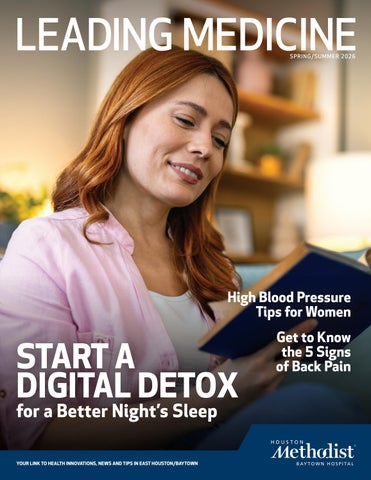
for a Better Night’s Sleep High Blood Pressure Tips for Women Get to Know the 5 Signs of Back Pain


Most people think of colorectal cancer as something that only affects older adults, but recent trends show that young adults are increasingly at risk.
“We’re seeing more and more young adults being diagnosed with colorectal cancer,” said Dr. Kashif Khan, a gastroenterologist at Houston Methodist Baytown Hospital. “On the one hand, rates are dropping in people over 65, but on the other, they’re rising among those under 50.”
Colorectal cancer now ranks as the leading cause of cancer death in men under 50, and the second in women, just behind breast cancer. Early detection can significantly change lives.
Anyone over 45 is considered at average risk for colorectal cancer, which is why screening guidelines now recommend starting colonoscopies at that age. But younger adults aren’t immune.
Risk factors include being male, being of African American ethnicity, having a family history of colorectal cancer or polyps, having certain medical conditions like IBS or Crohn’s disease, having genetic syndromes and being exposed to radiation in the pelvic area.
“Even if you’re young and healthy, it’s important to understand if you have an increased risk,” Khan advised. “If you are at higher risk, start building a health history with a gastrointestinal specialist now. Then, in the event you begin to experience concerning symptoms, you have an established doctor.”
Regardless of your age or risk factors, it’s important to recognize colorectal cancer symptoms. The biggest red flags are rectal bleeding, blood in your stool or stool that’s darker than usual.
More subtle symptoms include:
■ Abdominal pain or cramping
■ Changes in bowel habits
■ Fatigue
■ Unexplained weight loss
“No symptom is too general to mention to your doctor,” Khan said. “He or she knows which are concerning and can perform a workup to decide if more screening is needed.”
Colonoscopies are the gold standard for colorectal cancer screening. They’re typically recommended every 10 years starting at age 45, but if you’re at higher risk, your doctor might advise starting earlier or screening more often.
“A colonoscopy provides a visual of your colon and allows us to intervene right then and there if we see something unusual,” Khan explained.
There are also less invasive screening options, such as immunochemical fecal tests, high-sensitivity blood tests, stool DNA tests, CT colonography and flexible sigmoidoscopy. Your doctor can help determine which option is best for you.
Catching colorectal cancer early is critical. “Caught in the later, more advanced stages, colorectal cancer is very hard to cure and treatment is usually palliative,” Khan noted. “But when we catch colorectal cancer early, treatment is administered with a curative intent.”
If you have symptoms or risk factors, don’t put off talking to your doctor. Early action can save lives — even for young adults. •


You’ve probably heard about high blood pressure enough to know it’s something you should take seriously. But what else do you really understand about it?
“Having high blood pressure causes your heart to work harder and can lead to narrowing and stiffening of your arteries over time,” explained Dr. Matthew Tran, a cardiologist at Houston Methodist Baytown Hospital.
“This raises your risk of heart disease, stroke and other health problems.”
Also, high blood pressure is considered a “silent” disease with few or no symptoms, making it frequently underdiagnosed.
Early signs of high blood pressure are often easy to miss. Common symptoms include headaches, fatigue and shortness of breath. These can be mistaken for stress or menopause.
“In some cases, a woman with high blood pressure does not have any noticeable symptoms,” Tran said. “The best way to monitor your risk is to check your blood pressure regularly at your doctor’s office or a pharmacy kiosk.”
Checking your blood pressure is only the first step. Understanding what the numbers mean is just as important:
■ Normal: below 120/80 mmHg
■ Elevated: 120-129/<80 mmHg
■ Stage 1 hypertension: 130-139/80-<90 mmHg
■ Stage 2 hypertension: 140/90 mmHg or higher
“If your blood pressure is elevated, we start to worry about progression,” Tran explained. “The higher it gets, the harder it becomes to control and the more likely you are to experience complications.”
Pregnancy sometimes uncovers high blood pressure that has gone unnoticed.
“Changes during pregnancy can unmask existing high blood pressure,” Tran said. “There is also a specific form called preeclampsia, which is important to manage for both mom and baby.”
Preeclampsia usually resolves after delivery, but women are advised to follow their care team’s guidance closely.
Hormonal changes and weight gain during menopause increase a woman’s risk of high blood pressure.
“Symptoms of menopause and high blood pressure overlap, such as fatigue and headaches,” Tran added. “Women sometimes delay checkups because they think symptoms are related to menopause, which is another reason regular monitoring is so important.”
The good news: High blood pressure can be prevented. The key is to make healthy lifestyle choices while avoiding harmful habits. For example, try to get 150 minutes of physical activity a week, eat fresh foods, limit your salt intake, moderate your alcohol consumption, don’t smoke and regularly monitor your blood pressure.
“If you have high blood pressure, these steps are even more important for you,” Tran explained. “Getting high blood pressure under control helps prevent it from progressing.”
High blood pressure often goes unnoticed, but it is manageable and preventable. Regular monitoring with a preventive cardiologist and developing healthy habits make all the difference. •
Our cardiovascular experts can help prevent, diagnose, manage and treat various heart conditions. To schedule an appointment, visit houstonmethodist. org/heart-hmb or call 713.332.2539

Health detox is a popular trend. Most people think of changing their diet, but what about digital detox? Our homes are full of screens — TV, smartphone, tablet, e-book and even some refrigerators. While these devices offer entertainment and convenience, you should think twice before using your smartphone before bedtime.
While it may be important to have a phone in your bedroom for emergencies, you should schedule apps to “sleep mode” during bedtime. The constant DMs (direct messages), “likes” or notifications don’t relax the mind or prepare you for rest. Some people even reach for their device if they wake up in the middle of the night — never a good idea.
“A great bedtime routine is one that helps us relax and wind down, rather than stimulates our brains,” said Dr. Deidrhe Clayton-Beal, a family medicine doctor at Houston Methodist Primary Care Group at Baytown. “Inadequate rest results in daytime fatigue, grogginess and impaired functioning, and can further contribute to stress due to lack of rejuvenation.”
Lack of rest can affect your:
■ Blood-sugar regulation
■ Decision-making process
■ Immune system
■ Mood
■ Physical performance Instead, establish a bedtime routine that allows you to detox from your device.


To help you transition to putting your device away, set an alarm on your phone one hour before bed. This is your reminder to start winding down and get ready for rest.
“Avoid phones, TVs and tablets at least one to two hours before bedtime to prevent disruption of the circadian rhythm and promote better sleep quality,” Clayton-Beal said. “Regular exercise and a nutritious diet also support healthy sleep patterns.”
The overstimulation from a device can impact your sleep cycle and trigger a stress defense. In turn, drowsiness the next day from sleep deprivation can lead to memory problems, irritability and difficulty concentrating.
“Going to bed and waking up at the same time each day really helps regulate the body’s circadian rhythm and improves sleep quality,” Clayton-Beal explained.
Replacing your typical scrolling time with a book can relieve tension and help you relax. When deciding between a physical book or an e-book, choose the physical book. Even an e-book emits some blue light (see sidebar), which blocks the sleep hormone melatonin.
“Blue-light exposure before bed decreases melatonin and increases cortisol, making it harder to fall asleep and promoting alertness,” Clayton-Beal explained.
Interacting with and watching a device — any device — activates the mind. Instead, your bedtime routine should include activity that helps your brain wind down and ease any built-up tensions from the day.
“Engage in a relaxing activity such as taking a warm bath or shower and practicing meditation to help calm the body to facilitate sleep initiation,” Clayton-Beal suggested.
Afterward, transition into a cool, dimly lit room — and don’t check your device.
Some people enjoy the flicker and sound of a TV while falling asleep. Unfortunately, the screen does not ease the eyes, and the blue light can exacerbate the problem. Instead, change your room’s lighting. Add a lamp, battery-operated candle or a sound machine that also displays soft waves on the ceiling.
“Create a dim, quiet environment by limiting light, noise and vibrations, such as silencing your phone, to help signal the body and mind that it’s time to rest,” Clayton-Beal said.
Sometimes, screen time before bed can act as a substitute for another mental or social issue, such as phone addiction or insomnia. If you can’t turn your mind off at night, your device is likely perpetuating the problem, not helping solve it.
If falling asleep or staying asleep remains difficult despite making changes, it may be time to talk with a primary care provider. Sleep challenges often have multiple contributors, and addressing them early can improve overall health, energy and daily performance. •

Blue light emitted from screens activates the body by increasing cortisol levels, making you more alert and interfering with the natural sleep-wake cycle, which is regulated by the circadian rhythm. Try turning on your digital device’s night mode or blue-light-blocking setting. There are also glasses and screen protectors with blue-light-blocking capabilities. However, not all products are made the same some may reduce blue-light exposure, but not block it completely, potentially still causing alertness and eye strain.
Even if you haven’t yet established care with a primary care doctor, get seen the same day for sleep issues and to manage your health and wellness and then you can establish ongoing care. To schedule a same-day or next-day appointment, call 713.790.3333

Find a Primary
Provider Houston Methodist Primary Care Group has more than 45 practices across the Greater Houston area. To find a doctor near you, visit houstonmethodist. org/pcg/east or call 713.441.7965.
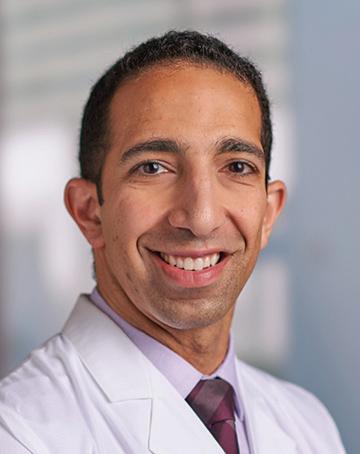
Chronic neck or back pain can signal more than everyday strain. Your doctor may recommend a spine specialist — an expert trained to diagnose and treat spine conditions.
“The spine plays a unique dual role,” said Dr. Comron Saifi, an orthopedic surgeon and medical director of Houston Methodist Spine Center at Baytown. “It must provide structural support while also protecting the spinal cord and allowing for complex movement. When those systems are disrupted, patients can experience pain, weakness, numbness or difficulty with balance and coordination.”

3. NECK PAIN WITH ARM PAIN
“When symptoms worsen, and pain extends into arms, hands and fingers, it suggests a spinal problem,” Saifi noted. For instance, neck pain might be caused by a herniated disk that’s putting pressure on nerves in the spine.
4. BACK PAIN WITH LEG PAIN
Pain extending into the lower extremities suggests a spinerelated problem.
Spine problems often stem from age-related changes and can cause neck or back pain. Conditions treated by specialists include spinal stenosis, herniated disks, spondylolisthesis, sciatica and more. However, not all pain stems from these issues. Muscle strains from injury, overuse or poor posture are also common.
Here are five signs that indicate it may be time to consult a spine specialist:
Neck or back pain lasting weeks or months warrants a thorough evaluation.
“Our goal is to determine whether the pain is coming from the spine itself,” Saifi explained, “That includes assessing for degenerative disk disease, instability or compression of spinal nerves.”
“When symptoms cannot be explained by more common conditions such as carpal tunnel syndrome, peripheral neuropathy or localized tendon problems, a spine evaluation is important,” Saifi said.
Untreated spinal stenosis can worsen and affect mobility.
“At this stage, treatment often needs to go beyond rest, physical therapy and over-the-counter (OTC) medications,” Saifi said. “A targeted evaluation allows us to determine the most appropriate next steps.”
5. OTHER TREATMENTS HAVE FAILED
If physical therapy, activity modifications or OTC medications don’t help, options like prescription drugs, nerve injections or surgery may be considered. Surgery can relieve nerve compression from herniated disks or bone spurs. In cases requiring structural correction, spinal fusion — using screws and rods — may be necessary.
“A spine specialist helps patients understand the full spectrum of treatment options,” Saifi explained. “The goal is always to choose the least invasive approach that safely and effectively improves function and quality of life.” •
Do You Suffer From Neck or Back
Make an appointment with a spine specialist to uncover the cause of your pain. Visit houstonmethodist.org/spine/baytown or call 713.441.0241

Every day we are bombarded with trendy diets, expensive programs and medications that claim rapid weight loss success. But do they work in the long run, and are they even good for you?
According to Dr. Laura Choi, general and bariatric surgeon at Houston Methodist Center for Weight Loss & Bariatric Surgery at Baytown, the best weight loss strategy is the one that works for you, the one that takes into consideration your health goals, pre-existing health conditions and current weight and fitness level. “Our goal is to develop a realistic long-term plan that you can afford and maintain for successful, lifelong weight loss,” she said.
‘PILL’
Rather than spending time researching the best diet program, skip the trends and start taking simple steps toward healthy eating habits. Be food “conscious” — choose good foods over “bad” ones, which usually include refined, processed foods full of added sugar, salt, unhealthy fats and empty calories.
In the same way, don’t start a popular drug that promises quick results and dramatic transformations without talking to a medical professional who specializes in weight loss.
“Patients come to me after they’ve tried these ‘wonder diets’ and weight loss medications and are experiencing severe side effects or feeling upset they haven’t achieved significant weight loss,” Choi said. “Before taking any weight loss medication, seek the guidance of a weight management specialist to help determine the right choice for your weight loss goals achieved with long-term lifestyle changes and pre-existing health conditions. Medications do work for some, but you must have the right specialist prescribing them and monitoring you while taking them.”

More than 80% of obese people also have at least one weight-related chronic health condition.
Diseases and health issues associated with excessive weight include:
■ Acid reflux, or GERD
■ Arthritis
■ Depression
■ Diabetes
■ Fatty liver disease
■ Heart disease
■ High blood pressure
■ High cholesterol
■ Migraines
■ Sleep apnea
■ Stress urinary incontinence
Obesity can even increase a person’s risk of cancer.
“All of the ways in which obesity affects a person’s health are what prompt us to sometimes take a step as drastic as weight loss surgery,” Choi explained. “We know that weight loss alone can improve these conditions, but the dramatic weight loss achieved through surgery can help treat and, in some cases, even resolve them.”
To qualify for weight loss surgery at Houston Methodist, patients must have a body mass index (BMI) of 35 or higher with an obesity-related condition such as diabetes, or 40 or higher without one.
Patients should get comprehensive intervention that extends more than a year after surgery. A team of dietitians, bariatric social workers and psychologists help ensure that the weight loss results are lasting.
Regardless of whether you choose a weight loss medication or surgery, your success is determined by how well you incorporate long-term healthy lifestyle habits. If you want to lose weight and maintain that loss, you should consult a bariatric specialist to determine the best course of action for you. •
From

That’s