

INSPIRE
AD
AD
AD



Black Garlic
The Bold Superfood for Modern Wellness
By: Grant Parker

If garlic has always been a staple in your kitchen, it may be time to discover its richer, more powerful cousin—black garlic. This deep, caramel-colored ingredient is gaining attention not just for its unique flavor, but for its impressive health benefits.
Black garlic is created by slowly fermenting whole bulbs of fresh garlic under controlled heat and humidity. Over time, the cloves transform into soft, dark segments with a slightly sweet, savory taste—often compared to balsamic vinegar or molasses. The process doesn’t just change the flavor—it enhances the nutritional value.
One of the biggest advantages of black garlic is its high concentration of antioxidants. These compounds help protect the body from oxidative stress, a major contributor to inflammation and aging. In fact, black garlic contains significantly more antioxidants than raw garlic, making it a powerful ally for overall health.
Black garlic is also known for its anti-inflammatory properties. Chronic inflammation has been linked to issues ranging from joint discomfort to heart disease. The natural compounds found in black garlic, including S-allyl cysteine, help support the body’s ability to reduce inflammation and maintain balance.
Heart health is another area where black garlic shines. Research suggests it may help support healthy cholesterol levels and improve circulation. Combined with its antioxidant profile, this makes it a smart addition to a heart-conscious lifestyle.
Unlike raw garlic, which can sometimes be harsh on the stomach, black garlic is milder and easier to digest. This makes it accessible for people who want the benefits of garlic without the strong aftertaste or digestive discomfort.
Adding black garlic to your meals is simple. Spread it on toast, blend it into dressings, or mix it into sauces for a deep, savory
flavor. It pairs especially well with roasted vegetables, meats, and grain bowls. Because of its rich taste, a small amount goes a long way.
What makes black garlic stand out is that it bridges the gap between food and function. It’s not a supplement or a trend you have to force into your routine—it’s something you’ll actually enjoy eating.
As more people look for natural ways to support their health, black garlic offers a fresh, flavorful approach to reducing inflammation and enhancing wellness. ■
Sometimes, the best changes start with something simple — like adding one powerful ingredient to your plate.
credits
AD local credits
MA GAZINE
executive publishers
Your Logo Here
managing editor
Suzanne Fox
copy editor
Christian Dischler
contributing writers
Gabriel Newsom
Alyssa Ingram
Nellie Palmer
Grant Parker
Justin O’Brien
design
Megan Pederson
The information contained in Inspire Health is intended for educational purposes only. A reader should never substitute information contained in Inspire Health for the advice of a health care professional. Jumpstart Publishing, LLC and publishers of Inspire Health, do not endorse or promote any of the products or services described in the pages of Inspire Health and the publishers do not verify the accuracy of any claims made in the editorial or advertisements contained in Inspire Health. Readers should not use the information in Inspire Health for diagnosis or treatment of any health problem or for prescription of any medication or other treatment. Readers should consult with a healthcare professional before starting any diet, exercise or supplementation program, before taking any medication, or have or suspect they have a health problem.
© IH84-2026 Fox Printing & Creative Publishing, LLC, New Orleans, LA, All rights reserved Printed in the USA by Fox Press

AD
AD
Glow Naturally
Beauty That Starts
Within
TBy: Alyssa Ingram
he kind of glow people notice isn’t created overnight—it’s built through the way you live, eat, rest, and care for yourself. Natural beauty isn’t about covering up flaws. It’s about creating a healthy foundation that allows your skin, hair, and overall presence to reflect vitality, balance, and confidence.
Nourish Your Glow from Within
What you eat shows up on your skin. A diet rich in colorful fruits and vegetables provides antioxidants that help fight inflammation and support cell repair. Leafy greens, berries, avocados, and healthy fats like olive oil and nuts contribute to a smooth, hydrated complexion. Omega-3 fatty acids—found in foods like salmon and flaxseed—help maintain skin elasticity and reduce dryness.
Just as important is what you drink. Hydration plays a direct role in skin health, helping to flush toxins and maintain a plump, youthful appearance. Aim for consistent water intake throughout the day, and consider adding herbal teas or lemon water for an extra boost.
Rest, Restore, and Renew
Sleep is one of the most powerful beauty tools available—and it’s completely free. During deep sleep, your body repairs itself, producing collagen and restoring skin cells. Without adequate rest, the signs show quickly: dullness, fine lines, and under-eye circles.
Stress also takes a visible toll. Chronic stress can trigger inflammation, breakouts, and premature aging. Simple daily practices like walking, stretching, prayer, or meditation can calm the mind and support a more relaxed, radiant appearance.
Move Your Body, Brighten Your Skin
Exercise increases circulation, delivering oxygen and nutrients to your skin while helping your body eliminate waste. That post-workout glow is real—it’s your body working efficiently and naturally. Whether it’s yoga, swimming, or a brisk walk, consistent movement enhances both physical and visible wellness.
Simplify Your Skincare
Natural beauty doesn’t require a cabinet full of products. Gentle cleansing, moisturizing, and sun protection form the core of an effective routine. Look for products with simple, nourishing ingredients and avoid harsh chemicals that can disrupt your skin’s balance.
Confidence is the Finishing Touch
The most noticeable glow isn’t from a bottle—it’s confidence. When you feel good, it shows. A genuine smile, relaxed posture, and a positive outlook can transform how others see you—and how you see yourself.
Natural beauty is a reflection of daily choices. When you nourish your body, protect your peace, and care for your health, your glow becomes effortless—and unmistakably yours. ■

AD

Joint-Friendly Fitness: Stay Active Without the Ache with Water Aerobics
By: Justin O’Brien
If staying active has started to feel harder on your joints, you’re not alone. Many people scale back exercise because of discomfort—but the right kind of movement can actually reduce pain, improve mobility, and support long-term joint health.
One of the best options?
Water Aerobics
Why Water Works
Exercising in water takes pressure off your joints while still giving you an effective workout. The natural buoyancy of water supports your body weight, reducing impact on knees, hips, and back. At the same time, water provides gentle resistance, helping you build strength without strain.
That combination makes water aerobics ideal for:
• Joint pain or stiffness
• Arthritis or inflammation
• Injury recovery
• Anyone looking for a low-impact workout

What to Expect
A typical water aerobics class includes a mix of:
• Walking or jogging in place
• Leg lifts and arm movements
• Light resistance using water weights
• Gentle cardio to improve heart health
The movements are simple, controlled, and easy to adjust to your fitness level.
Benefits Beyond the Pool
Water aerobics isn’t just easier on your joints—it delivers real results:
• Improves flexibility and range of motion
• Builds muscle strength safely
• Boosts circulation
• Supports weight management
• Helps reduce inflammation over time
Plus, being in the water naturally encourages relaxation, making it just as good for your mind as it is for your body.
A Smarter Way to Stay Active
Staying active doesn’t have to mean pushing through pain. In fact, the best workouts are the ones your body responds to positively.
Water aerobics offers a way to keep moving, stay strong, and feel better—without the ache. ■
Because shouldn’tfitness wear you down. It should lift you up.


Honey Glazed Chicken Black Garlic

By: Nellie Palmer
Instructions
1
. Prep the chicken
Season chicken breasts lightly with salt and pepper.
2
. Make the glaze
In a small bowl, mix:
• mashed black garlic
• honey
• soy sauce
• ginger
• lemon juice
Stir until smooth.
3
. Cook the chicken
Ingredients (Serves 4)
• 4 boneless, skinless chicken breasts
• 4–5 cloves black garlic, mashed into a paste
• 2 tablespoons olive oil
• 2 tablespoons raw honey
• 1 tablespoon low-sodium soy sauce (or coconut aminos)
• 1 teaspoon fresh grated ginger
• 1 teaspoon lemon juice
• Salt & pepper to taste
Heat olive oil in a skillet over medium heat. Add chicken and cook 5–6 minutes per side until golden and cooked through.
4
. Add the glaze
Reduce heat slightly. Pour the black garlic glaze over the chicken and let it simmer for 2–3 minutes, spooning the sauce over the top until it thickens and coats the chicken.
5
. Serve
Remove from heat and let rest for a few minutes before serving.
AD
Weightless Living
Why Less Pain Often Leads to Natural Weight Loss
By: Grant Parker
F or many people, weight loss feels like a constant uphill battle— counting calories, trying new diets, pushing through workouts that leave the body sore and exhausted. But what if the real starting point isn’t weight at all?
What if it’s pain?
Chronic pain and inflammation can quietly interfere with the body’s ability to function at its best. When joints ache or muscles feel tight, movement becomes something we avoid rather than enjoy. Over time, less movement leads to lower energy, slower metabolism, and often, gradual weight gain.
It’s a cycle that can feel difficult to break.
But there’s another way to approach it—one that begins with reducing pain first.
When the body starts to feel better, everything else begins to shift. Movement becomes easier. Walking feels more natural. Exercise becomes less intimidating and more consistent. And with increased activity comes improved circulation, better muscle function, and a metabolism that begins to work more efficiently.
This is what many wellness experts

“
As pain decreases,
consistency increases.
refer to as “weightless living”—not just losing weight, but feeling lighter, more mobile, and more in control of your body.
Reducing inflammation plays a key role in this process. Simple changes like incorporating anti-inflammatory foods, improving sleep, managing stress, and choosing joint-friendly exercises—such as walking, stretching, or water aerobics—can help the body recover and restore balance.
As pain decreases, consistency increases. And consistency is what drives results. There’s also a powerful mental shift
that happens when pain is no longer the focus. Instead of dreading movement, you begin to look forward to it. Instead of pushing through discomfort, you start listening to your body and responding in a way that supports it.
That shift creates momentum.
Weight loss becomes less about restriction and more about alignment—aligning your habits with how your body naturally wants to move and function when it feels good.
This doesn’t mean effort isn’t required. It simply means the effort becomes more sustainable—and far more effective. Because when your body isn’t fighting pain, it’s free to move, to strengthen, and to change.
Sometimes the path to weight loss isn’t about doing more. It’s about hurting less.
And when you remove the pain, you may find that the weight begins to lift naturally—one step, one movement, one better day at a time. ■
AD

MOVE
freely AGAIN
By: Grant Parker
Reduce Inflammation, Protect Your Joints & Feel Lighter This Summer
There’s a certain feeling that comes with summer—lightness, energy, and the desire to move. Longer days invite morning walks, afternoons outdoors, and evenings that stretch just a little longer. But for many people, that freedom is held back by something all too common: inflammation.
It doesn’t always show up dramatically. Sometimes it’s stiffness when you stand up. A knee that reminds you it’s there. Tight shoulders. Low energy. A sense that your body just isn’t moving the way it used to. The good news is this: you can change that. And it doesn’t require extreme workouts or strict diets. It starts with understanding inflammation—and making simple, consistent choices that help your body work with you, not against you.
What Inflammation Really Feels Like
Inflammation isn’t always obvious. It often builds quietly over time, influenced by stress, diet, lack of movement, and even poor sleep. Left unchecked, it can lead to:
• Joint stiffness and discomfort
• Slower recovery after activity
• Fatigue and low energy
• Reduced mobility
When your body is inflamed, movement feels harder. And when movement feels harder, we tend to do less of it—creating a cycle that can leave you feeling stuck.
1.
Step
One: Move Smarter, Not Harder
One of the biggest misconceptions about fitness is that more intensity equals better results. In reality, the key—especially when inflammation is involved—is consistency and joint-friendly movement.
Low-impact exercise can be incredibly effective at reducing inflammation and improving mobility without adding stress to your body.
Start with:
• Walking at a steady, comfortable pace
• Gentle strength training with controlled movements
• Stretching to improve flexibility
and range of motion
• Water-based exercise, like water aerobics, to reduce joint pressure
These types of movement increase circulation, support joint health, and help your body recover more efficiently.
And perhaps most importantly—they’re sustainable.
2.
Step Two: Eat to Support Your Body
What you eat plays a direct role in how your body feels.
An anti-inflammatory approach doesn’t have to be complicated. Focus on whole, fresh foods that naturally support your body:
• Leafy greens and vegetables rich in antioxidants
• Healthy fats like olive oil and nuts
• Lean proteins to support muscle and recovery
• Fresh, seasonal foods that fuel without weighing you down
Simple additions—like incorporating nutrient-dense greens or antioxidant-rich ingredients—can help reduce inflammation over time.
4.
Step Four: Build Momentum
When pain decreases—even slightly—you gain something powerful: momentum. Movement becomes easier. Energy improves. Confidence builds. And once you start feeling better, you naturally begin doing more of the things that support your health. This is where real change happens. Not through drastic measures—but through small, consistent improvements that add up over time.
Feel Lighter This Summer
“
when your body feels everythingbetter,else follows.
3.
It’s not about perfection. It’s about consistency.
Step Three: Reduce the Hidden Triggers
Inflammation isn’t just physical—it’s influenced by how you live.
Stress, poor sleep, and constant overstimulation can all keep your body in a heightened state, making it harder to recover and function well.
That’s why recovery matters just as much as movement.
Simple habits can make a big difference:
• Practicing breathwork to calm the nervous system
• Prioritizing quality sleep
• Taking time to unplug and reset
When your body is calm, it can begin to heal.

Feeling “lighter” isn’t just about weight. It’s about how your body moves, how your joints feel, and how much energy you have throughout the day.
It’s the ability to:
• Walk without discomfort
• Stay active without hesitation
• Enjoy the season without feeling held back
And it’s within reach.
A Fresh Start
You don’t have to push through pain to make progress. In fact, the opposite is often true. When you reduce inflammation, protect your joints, and support your body with the right habits, everything begins to shift.
You move more freely. You feel more energized. You get your life back.
This summer, let it be about more than
activity.
Let it be about freedom of movement—and the confidence that comes with it.
Because when your body feels better, everything else follows. ■
Is Your Pet Inflamed? Signs, Causes & Natural Relief
By: Grant Parker
Just like people, pets can experience inflammation— and it often shows up in ways we might overlook. From constant scratching to slowing down on walks, these changes can signal that something isn’t right.
Signs Your Pet May Be Inflamed
Inflammation can affect different parts of the body, but common signs include:
• Excessive scratching, licking, or chewing
• Red, irritated skin or hot spots
• Joint stiffness or limping
• Digestive issues like bloating or irregular stools
• Low energy or behavior changes
If you’re noticing more than one of these symptoms, inflammation may be the cause.
What Causes Inflammation in Pets?
Several everyday factors can trigger inflammation:
• Diet: Processed foods and low-quality ingredients
• Weight gain: Extra pounds stress joints and organs
• Allergies: Environmental or food sensitivities
• Aging: Increased joint and mobility issues
• Inactivity: Lack of movement impacts overall health




The good news is that many of these can be improved with simple changes.
Natural Ways to Help
Small, consistent steps can make a big difference in your pet’s health and comfort.
Improve Their Diet
Focus on whole, nutrient-rich foods when possible. Ingredients like:
• Pumpkin (digestive support)
• Salmon or fish oil (omega-3s for inflammation)
• Leafy greens (vitamins and antioxidants)
Maintain a Healthy Weight
Keeping your pet at a healthy weight reduces strain on joints and helps control inflammation.
Keep Them Moving
Regular, gentle exercise supports mobility and circulation. Even short daily walks help.
Consider Natural Support
With guidance from your veterinarian, supplements like fish oil may support inflammation reduction.
Reduce Stress
Comfortable bedding, routine, and a calm environment all contribute to better health.
A Healthier, Happier Pet
Inflammation doesn’t happen overnight—and neither does healing. But by paying attention to the signs and making thoughtful changes, you can help your pet feel more comfortable, active, and like themselves again.
Because when your pet feels better, you can see it—in every step, every tail wag, and every moment you share. ■
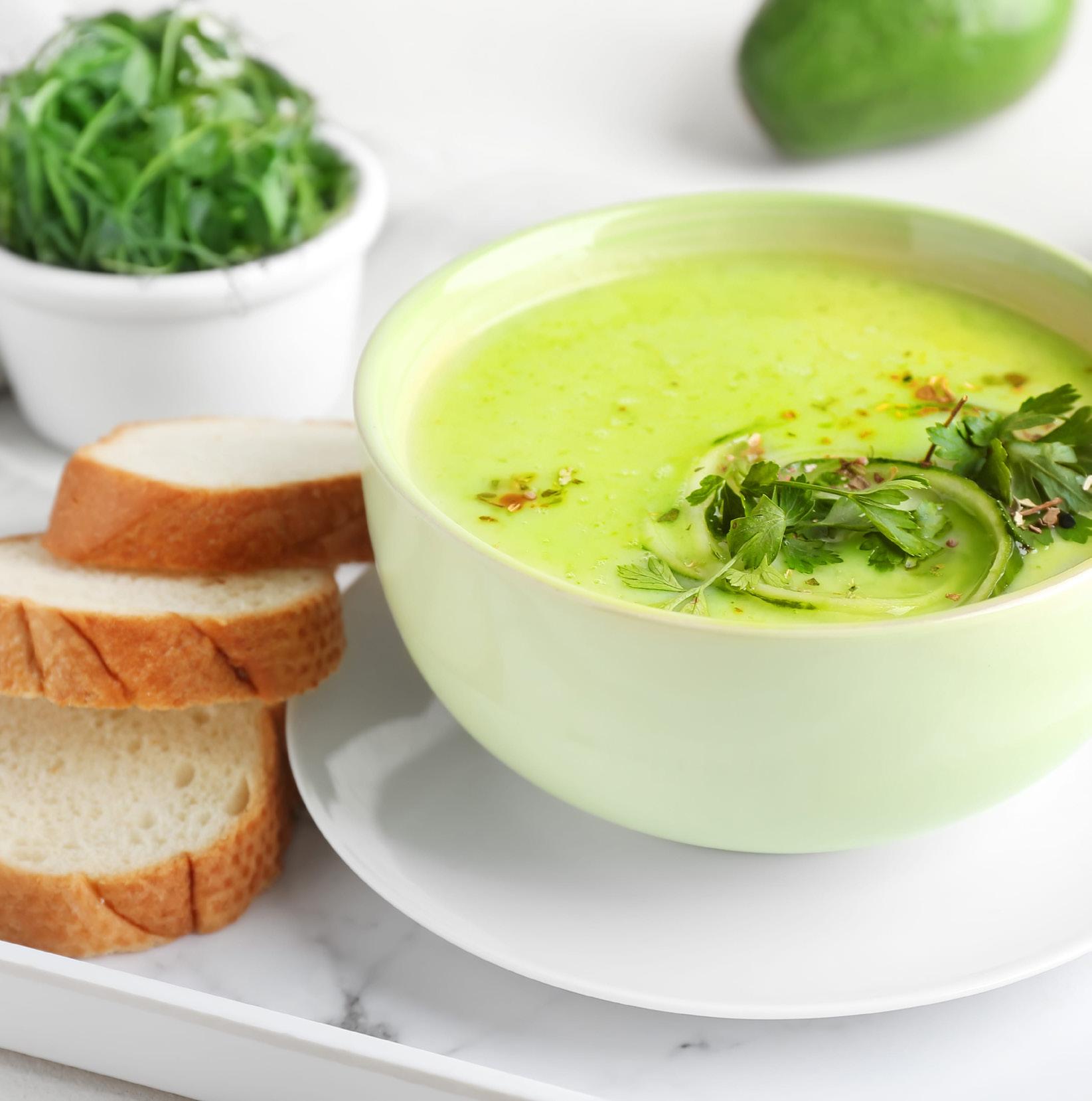
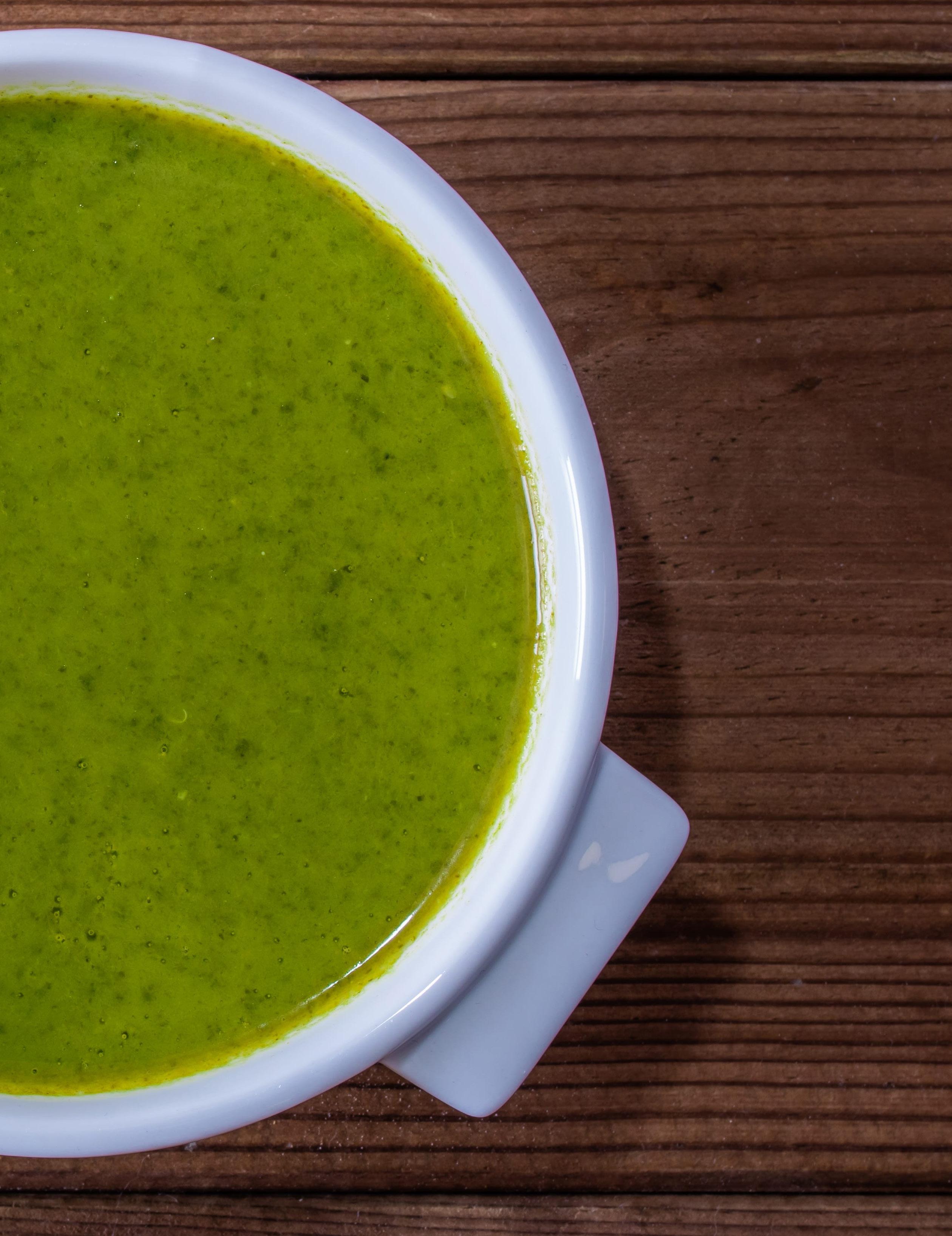
Creamy Watercress & Potato Soup
Instructions
1
. Sauté the base
Heat olive oil in a large pot over medium heat.
Add onion and cook 3–4 minutes until soft.
Stir in garlic and cook for 1 more minute.
2
. Cook the potatoe s
Add diced potatoes and broth.
Bring to a boil, then reduce heat and simmer for 12–15 minutes, until potatoes are tender.
3
. Add the watercress
Stir in the watercress and cook for 2–3 minutes, just until wilted.
(This keeps the color bright and nutrients intact.)
4
. Blend until smooth
Use an immersion blender (or transfer to a blender) and blend until creamy.
5
. Finish the soup
Stir in milk, season with salt and pepper, and add a squeeze of lemon if desired.
Warm gently—do not boil.
By: Nellie Palmer
Ingredients (Serves 4)
• 1 bunch fresh watercress, washed and trimmed
• 2 medium potatoes, peeled and diced
• 1 small onion, chopped
• 2 cloves garlic, minced
• 3 cups low-sodium chicken or vegetable broth
• 1 cup unsweetened milk (or almond milk)
• 2 tablespoons olive oil
• Salt & pepper to taste
• Optional: squeeze of lemon juice
AD
Teaching Integrity in an
AI WORLD
By: Alyssa Ingram
Children today are growing up in a world where answers are instant and technology is always within reach. Tools powered by artificial intelligence can help with homework, generate ideas, and even complete assignments in seconds. While these tools offer incredible benefits, they also raise an important question:
How
do we teach kids integrity when shortcuts are so easy?
effort, and honesty in action, those values take root.
Setting clear expectations also helps. Explain the difference between getting help and copying. Using AI to brainstorm ideas or check understanding can be valuable. Using it to do the work entirely is not. Helping kids understand that distinction builds both confidence and accountability.

Equally important is building self-worth beyond performance.

Integrity has always been about doing the right thing—even when no one is watching. In an AI-driven world, that lesson matters more than ever. The goal isn’t to fear technology or avoid it altogether, but to help children understand how to use it responsibly.
I t starts with conversation.
Kids need to know that tools like AI are just that—tools. They can support learning, but they should never replace it. Encourage children to use technology as a way to explore ideas, not bypass effort. When a child understands why learning matters, they’re less likely to take shortcuts that undermine their growth.
Another key is modeling behavior. Children watch how adults use technology. If they see parents relying on quick answers without thinking critically, they’re more likely to do the same. But when they see curiosity,
When children feel that their value is tied only to grades or outcomes, they may be more tempted to cut corners. But when they’re praised for effort, persistence, and improvement, they begin to take pride in doing things the

right way.
Encourage them to ask questions, make mistakes, and learn through the process. Because that’s where real growth happens.
Technology will continue to evolve, and AI will become an even bigger part of everyday life. But the values we teach today—honesty, responsibility, and integrity—will guide how children navigate that future.
IIn the end, raising strong, capable kids isn’t about limiting tools.
It’s about strengthening character.
And that’s something no technology can replace. ■

AD
healthy mind

Calm the Mind, Heal the Body THE POWER OF BOX BREATHING
By: Grant Parker
Most of us don’t realize how much tension we carry until it starts to show up in our bodies—tight shoulders, restless sleep, constant fatigue. Stress has a way of building quietly, and over time, it can contribute to inflammation and disrupt overall health.
The good news?
One of the most powerful tools to calm the mind and support the body is something you do every day—breathing.
One technique gaining attention for its simplicity and effectiveness is box breathing.
What Is Box Breathing?
What Is Box Breathing?
Box breathing is a structured breathing method that follows a steady rhythm— like the four equal sides of a square. It helps slow the nervous system, reduce stress, and bring the body back into balance.
Box breathing is a structured breathing method that follows a steady rhythm—like the four equal sides of a square. It helps slow the nervous system, reduce stress, and bring the body back into balance.
Here’s how it works:
Here’s how it works:
• Inhale slowly for 4 seconds
Why It Works
When you control your breathing, you directly influence your nervous system. Box breathing activates the parasympathetic response—the body’s natural “rest and restore” state. This can help:
• Reduce stress and anxiety
• Lower inflammation linked to chronic stress
• Improve focus and mental clarity
• Support better sleep
It’s no surprise this technique is used by athletes, first responders, and even military professionals to stay calm under pressure.
When to Use It
The beauty of box breathing is that it can be done anywhere, anytime. Try it:
• First thing in the morning to start your day with clarity
• During stressful moments to reset your mind
• Before bed to improve sleep quality
• Anytime you feel overwhelmed or tense
Just a few minutes can create a noticeable shift.
A Simple Habit with Powerful Results
• Hold your breath for 4 seconds
• Inhale slowly for 4 seconds
• Exhale slowly for 4 seconds
• Hold again for 4 seconds
• Hold your breath for 4 seconds
• Repeat this cycle for a few minutes.
• Exhale slowly for 4 seconds
• • Hold again for 4 seconds
This simple pattern signals the body to relax, lowering heart rate and helping shift out of stress mode.
You don’t need equipment, a gym membership, or a complicated routine to feel better. Sometimes, the most effective tools are the simplest.
By slowing your breath, you slow your mind—and when your mind is calm, your body can begin to heal.
In a world full of noise, box breathing offers a quiet reset—one breath at a time. ■
AD
Anti-Inflammation The RESET
By: Grant Parker

IWhat to Eat, How to Move, Why It Works.
nflammation is your body’s natural defense system—but when it lingers, it can quietly impact everything from your joints and digestion to your energy and weight. The good news is that your daily choices can help reset your system. With the right foods and movement, you can calm inflammation and feel lighter, clearer, and more energized.
What to Eat: Calm the Fire
Food is one of the most powerful tools for reducing inflammation. Focus on whole, nutrient-rich ingredients that support your body’s natural healing process.
Start with colorful vegetables and fruits—berries, leafy greens, broccoli, and peppers are rich in antioxidants that help fight inflammation at the cellular level. Add healthy fats like olive oil, avocados, nuts, and seeds, which help protect your cells and support heart health. Omega-3-rich foods such as salmon and flaxseed are especially effective in reducing inflammatory markers.
Spices can also make a difference. Turmeric and ginger have long been known for their anti-inflammatory properties and can easily be added to meals, teas, or smoothies.
At the same time, reduce foods that can trigger inflammation, including highly processed items, refined sugars, and excessive alcohol. Small, consistent shifts often bring the biggest results.
How to Move: Keep It Gentle and Consistent
Movement is essential—but it doesn’t have to be intense to be effective. In fact, gentle, consistent exercise is often best for lowering inflammation.
Walking, swimming, stretching, and yoga help improve circulation, reduce stiffness, and support joint health without putting stress on the body. Regular movement also helps regulate hormones and blood sugar, both of which play a role in inflammation.
Aim for at least 20–30 minutes of daily activity. The goal isn’t perfection—it’s
consistency. When your body moves regularly, it functions more efficiently.
Why It Works: Restore Balance
Chronic inflammation is often tied to stress, poor diet, lack of sleep, and inactivity. When you begin to nourish your body with whole foods and move it regularly, you address the root causes—not just the symptoms.
Anti-inflammatory foods reduce oxidative stress, movement improves circulation and detoxification, and together they help regulate your immune response. The result is a body that feels more balanced, resilient, and energized. A Simple Reset with Lasting Impact
You don’t need a complicated plan to feel better. Start with a few intentional changes—add more whole foods, move your body daily, and give yourself time to rest and recover.
When you reduce inflammation, you’re not just improving how you feel today— you’re supporting long-term health from the inside out. ■
AD
Hilton Head Health A Sustainable Path to Weight Loss and Lasting Wellness
By: Gabriel Newsom
In a world filled with quick fixes and short-term diets, Hilton Head Health offers something refreshingly different: a sustainable, realistic approach to weight loss and healthy living that lasts long after you return home.
Located on the serene coast of South Carolina, Hilton Head Health—often called H3—has built a national reputation for helping individuals transform their lives through balanced nutrition, movement, and mindset. Rather than focusing on restrictive dieting, the program emphasizes education, consistency, and lifestyle change.
Guests don’t just lose weight—they learn how to live well.
At the heart of the experience is a personalized approach. Each guest receives guidance tailored to their goals, whether that’s weight loss, improved energy, or better overall health. Daily schedules are thoughtfully designed to include fitness classes, nutrition workshops, and handson cooking demonstrations that make healthy eating approachable and enjoyable.
The fitness component is equally flexible and accessible. From low-impact classes
and strength training to yoga and outdoor activities, guests can move at their own pace while building strength and confidence. The goal isn’t intensity—it’s consistency and progress.
Nutrition is where Hilton Head Health truly stands out. Guests learn how to prepare flavorful, satisfying meals using whole, nutrient-dense ingredients. There’s no deprivation—just smarter choices that support long-term wellness. Cooking classes and meal planning sessions ensure that what you learn at the resort can be easily continued at home.
Equally important is the focus on mind -

Plan Your Visit
HILTON HEAD HEALTH
Hilton Head Island, South Carolina Visit: www.hhhealth.com Call: 1-800-292-2440
Start your journey toward lasting wellness today.

set. Behavioral coaching helps guests identify habits, overcome obstacles, and develop a healthier relationship with food and self-care. This mental shift is often the key to lasting success.
The setting itself plays a powerful role. Surrounded by coastal beauty, walking trails, and peaceful surroundings, guests are encouraged to slow down, reset, and reconnect— with their health and with themselves.
What makes Hilton Head Health truly unique is its commitment to sustainability. This isn’t about temporary results— it’s about building a lifestyle you can maintain for years to come.
Because real change doesn’t happen in a week.
It happens when you leave with the tools, confidence, and knowledge to keep going. ■

AD
AD
BakeStrawberry Yogurt Icebox Bars
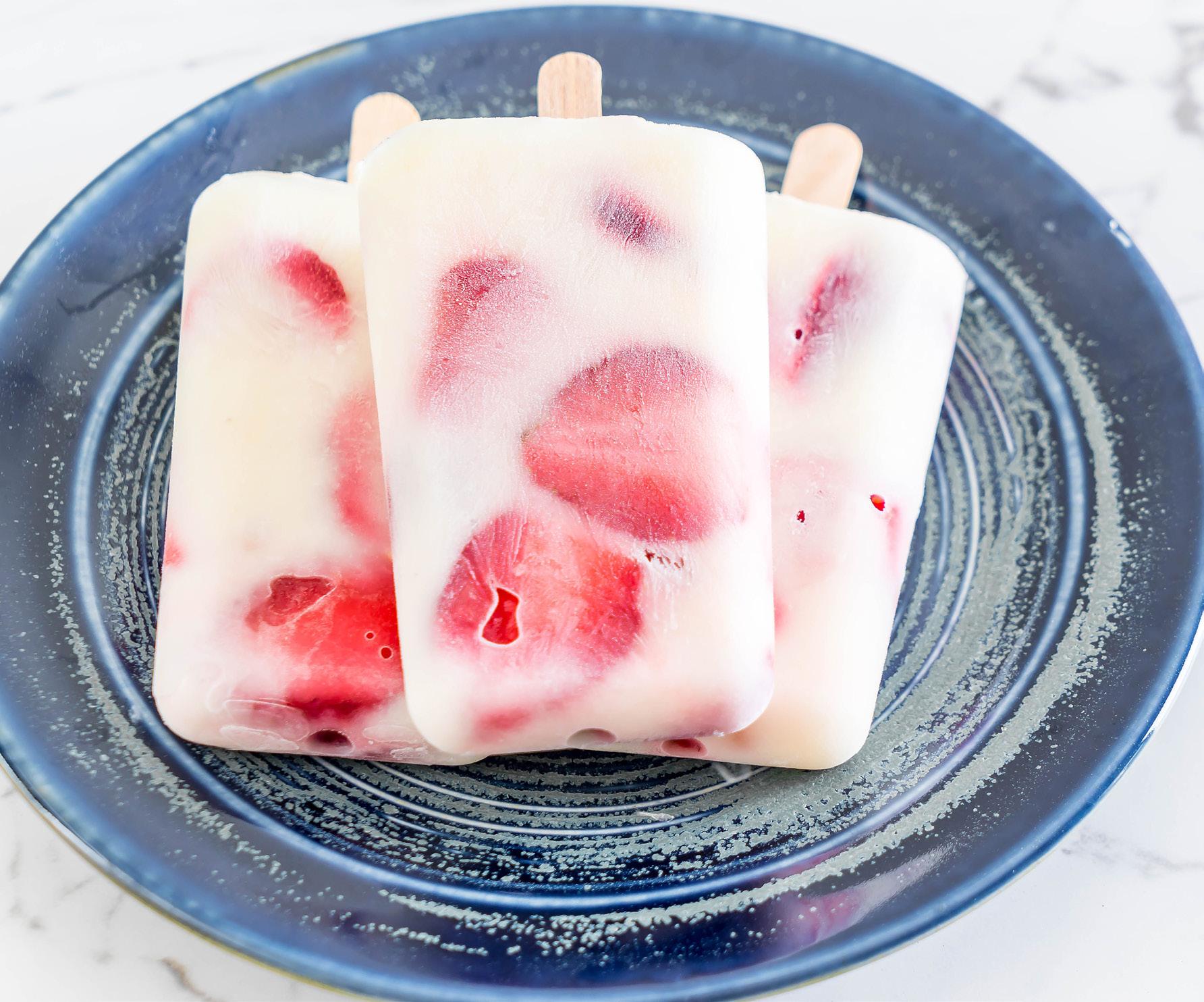
Ingredients (Serves 9-12)
• 2 cups fresh strawberries, chopped
By: Nellie Palmer
• 2 cups plain Greek yogurt (or vanilla for extra sweetness)
• 3 tablespoons honey or maple syrup
• 1 teaspoon vanilla extract
• 1 cup crushed graham crackers
• 2 tablespoons melted butter or coconut oil
Instructions
1



. Prepare the crust
In a bowl, mix crushed graham crackers with melted butter or coconut oil.
Press firmly into the bottom of a lined 8x8 pan.
2

. Make the filling
In another bowl, mix Greek yogurt, honey, and vanilla until smooth.
3
. Layer the bars
Spread half of the yogurt mixture over the crust.
Add a layer of strawberries.
Top with the remaining yogurt mixture and smooth evenly.
4
. Chill Refrigerate for at least 4 hours (or freeze for a firmer texture).
5
. Slice & serve
Cut into squares and serve chilled.
AD
AD
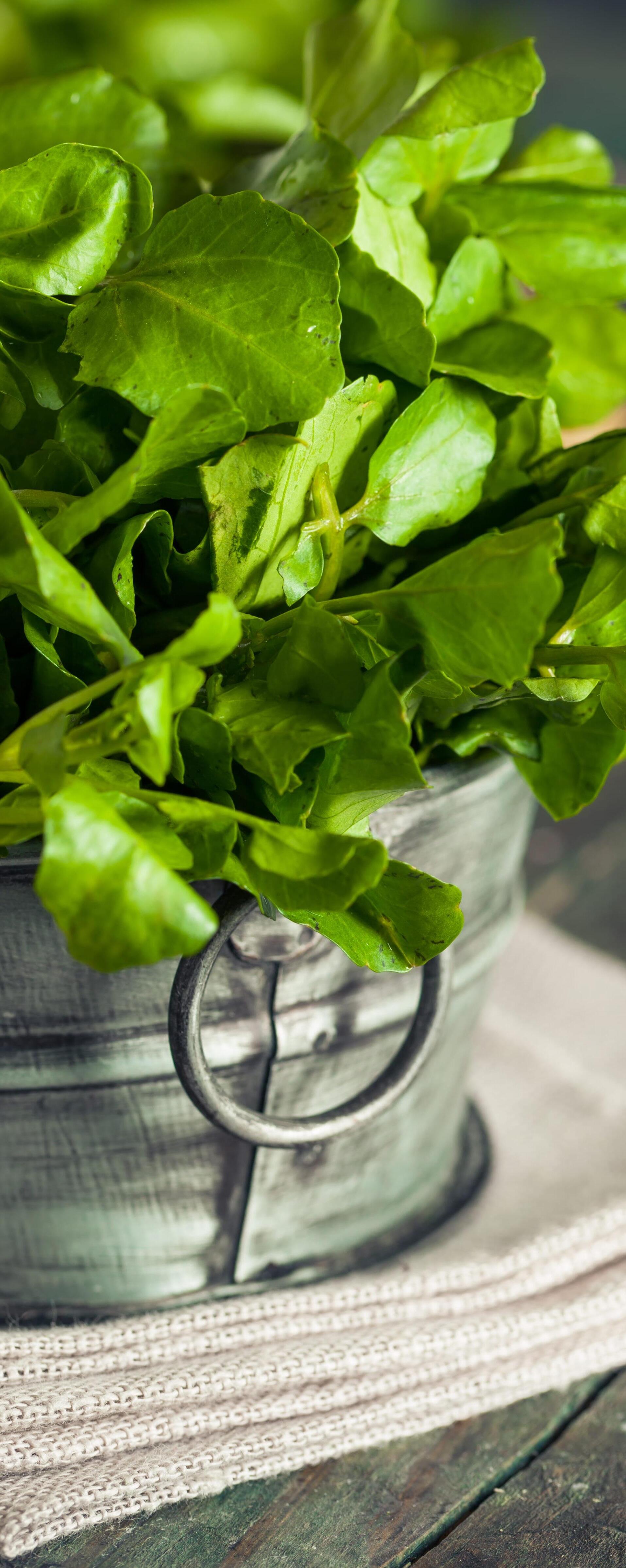
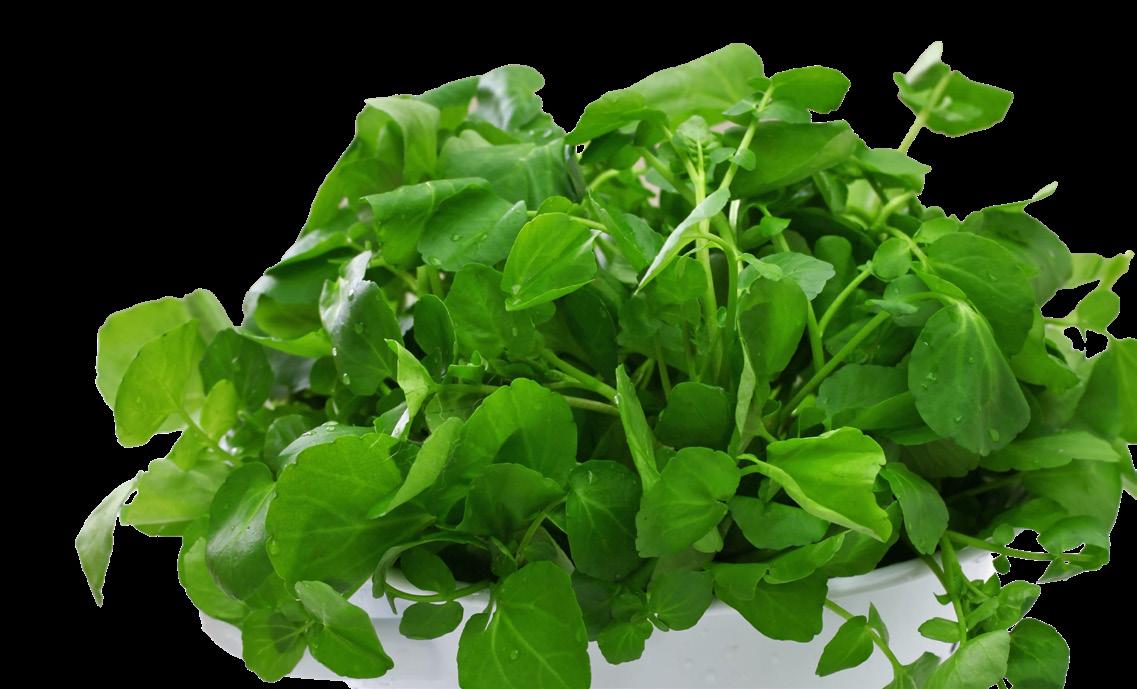
The Most Powerful Green
WYou’re Not Eating
By: Justin O’Brien
hen it comes to leafy greens, most people reach for spinach or kale. But there’s a lesser-known option quietly rising to the top of the nutrition world—watercress.
Often overlooked, this crisp, peppery green is now being recognized as one of the most nutrient-dense foods you can eat. In fact, it has ranked at the very top of nutrient density lists, meaning it delivers an exceptional amount of vitamins and minerals for very few calories.
So what makes watercress so powerful?
It’s packed with vitamin K, which plays a key role in bone and joint health— making it especially beneficial for those looking to support mobility and reduce inflammation. It’s also rich in vitamin C, a powerful antioxidant that helps protect the body from oxidative stress, one of the major contributors to chronic inflammation. Add in vitamin A, calcium, and potassium, and you have a green that supports everything from immune function to heart health.
Watercress also contains natural plant compounds known as glucosinolates, which have been studied for their anti-inflammatory and detox-supporting properties. These compounds help the body neutralize harmful free radicals and may support long-term cellular health.
Another major benefit? Digestive support. Watercress is light, hydrating, and easy to digest, making it a great addition for
those looking to improve gut health—an important factor in managing inflammation throughout the body.
The best part is how easy it is to add watercress to your daily routine.
Its slightly peppery flavor makes it a perfect upgrade from traditional lettuce. Toss it into a salad for a fresh, vibrant bite, or layer it into sandwiches and wraps for added nutrition and crunch. It can also be blended into smoothies— surprisingly mild when paired with fruits like apple or pineapple.
For something warm, stir watercress into soups just before serving, or lightly sauté it with olive oil and garlic for a simple, flavorful side dish. Because it’s delicate, it’s best enjoyed fresh or only lightly cooked to preserve its nutrients.
As more people look for simple, natural ways to support their health, watercress stands out as a smart and accessible choice.
Sometimes the most powerful foods aren’t the ones making headlines—they’re the ones quietly delivering real results.
And watercress may just be the most powerful green you’re not eating. ■
AD
AD


“She remembered who she was and the game changed.”
— Lalah Delia
AD
The Sun and Aging
How to Protect Your Skin and Stay Radiant All Summer
By: Alyssa Ingram

There’s something energizing about summer sunshine—but too much of it can quietly speed up the aging process. Sun exposure is one of the leading causes of premature aging, often called “photoaging,” which shows up as fine lines, wrinkles, sunspots, and loss of skin elasticity. The good news? With a few smart habits, you can enjoy the season while protecting your natural glow.
Make Sunscreen a Daily Essential If there’s one step that makes the biggest difference, it’s sunscreen. A broad-spectrum SPF 30 or higher helps protect against both UVA (aging) and UVB (burning) rays. Apply it every morning—even on cloudy days—and reapply every two hours when outdoors. Don’t forget easy-to-miss areas like your neck, hands, and ears.
Dress for Protection
Your wardrobe can be one of your best defenses. Lightweight, breathable fabrics with long sleeves, widebrimmed hats, and UV-blocking sunglasses help shield your skin from direct exposure. Think of it as effortless, wearable skincare.
Hydrate Inside and Out
Heat and sun can quickly dehydrate your skin, making fine lines more noticeable. Drinking plenty of water supports skin elasticity and helps maintain that smooth, plump appearance. Pair that with hydrating foods like watermelon, cucumbers, and berries for an added boost.
On the outside, switch to lightweight moisturizers that lock in hydration without feeling heavy. Ingredients like hyaluronic acid and aloe vera can soothe and refresh sun-exposed skin.
Time Your Sun Exposure
The sun is strongest between 10 a.m. and 4 p.m. Limiting direct exposure during these peak hours can significantly reduce damage.
Early morning or late afternoon sunlight is gentler and still offers the mood-boosting benefits of being outdoors.
Repair and Restore
Even with protection, your skin benefits from extra care in the summer months.

Antioxidant-rich serums—especially those with vitamin C—help combat free radical damage caused by UV exposure. At night, gentle cleansing and nourishing creams support your skin’s natural repair process while you sleep.
A Healthy Glow That Lasts
A sun-kissed look may feel like the essence of summer, but true radiance comes from healthy, protected skin. By combining sun safety with simple daily care, you can slow visible aging and keep your skin looking vibrant all season long.
Because the goal isn’t to avoid the sun—it’s to enjoy it wisely. ■