One of Canberra’s most admired homes. 45 National Circuit is an achievement of design and construction in the stunning Mid-Century Modern style. With a lifelong passion for architecture and fastidious attention to detail, our seller client created a brilliant authentic residence that honours the experience of this timeless movement. Minimalist yet indulgent, this is a remarkable home with a focus on family comfort and vibrant entertaining. Exceptional interiors comprise bright living and dining room with feature track lighting and superb suspended fireplace.
Sold Autumn 2026
EDITOR
Jessica
CREATIVE
Jessica
CONTRIBUTORS
Amy Braddon
Sophie Easterby
COVER
InHouse
Welcome
Welcome to the Winter 2026 issue of the Inspired Living Magazine. Brought to our community by Blackshaw to showcase and provide readers with the current trends and topics related to homes, from the nation’s capital to the south coast region of Batemans Bay.
Inspired Living is all about discovering possibilities. Being inspired in life and in your home, and gaining insights into local causes and topics that matter. Providing our readers with a unique perspective from property enthusiasts and local talents. We focus on showcasing collections from local designers, artists and more.
Our Winter issue is packed with inspiring ideas and fresh insights to elevate your lifestyle. Dive into our guide of the top spots for south coast oysters and discover how to transform your rental into a cosy, welcoming home with expert tips. Home bakers will love our curated recipes for simple baked goods. For cinema enthusiasts, embrace the chilly season with top cinemas to enjoy. Finally, care for yourself inside and out with our top winter skincare tips and our selection of immune-boosting foods.
Enjoy this complimentary magazine and feel inspired to find endless possibilities to enhance your living.
Belinda Chamberlain, Corporate Director Blackshaw Real Estate
Photography by Chris Gresham Britt
Top spots for this season’s South Coast oysters
Oyster season has arrived, making winter the perfect time to enjoy these fresh, briny delicacies at their very best. From coastal farms to waterside cafes, the South Coast is home to some exceptional spots serving oysters straight from the source. Here are some of the best.
Photography by Ben Stern
THE OYSTER FARMER’S DAUGHTER
The Oyster Farmer’s Daughter is owned and operated by Natasha Clutterbuck, a fourthgeneration oyster farmer and proud Narooma local. Set on the picturesque shores of the Wagonga Inlet, the venue overlooks one of the region’s premier oyster farms, owned by Natasha’s parents, Brian and Heather Coxon. This much-loved local destination is renowned for its freshly shucked Coxon oysters served straight from the farm gate, alongside an exceptional seafood menu featuring Goulburn rainbow trout, Skull Island tiger prawns, Western Australian scallops, local flathead, fish tacos, and classic fish and chips. Guests can also enjoy a carefully curated selection of cocktails, spirits, beer, wine, and fresh cold-pressed juices. For those wanting to take a taste of the coast home, fresh Coxon oysters are also available to purchase.
OYSTER SHED ON WRAY
Set on the banks of the Clyde River, The Oyster Shed on Wray is a family-run business with more than four generations of oyster farming heritage. Renowned for its true “farm gate” experience, this local favourite serves oysters harvested fresh from the farm, available freshly opened to enjoy on the spot or unopened to take home. While soaking up the river views, visitors can also enjoy fresh mussels and prawns, alongside a selection of local produce, salads, cakes, and freshly brewed coffee.
NAROOMA OYSTER FESTIVAL
Although this year’s Narooma Oyster Festival has wrapped up, it’s well worth adding to your calendar for next year on 7-9 May. Since launching in 2019, the festival has grown into Australia’s largest celebration of oysters, bringing together growers, chefs, and oyster lovers from across the country. Highlights include Australia’s Biggest Oyster competition and the Australian Oyster Shucking Championships, alongside a vibrant program of live music, cooking demonstrations, masterclasses and exclusive food experiences.
Photography by Mitili Mitili
Photography by Mitili Mitili
Photography by Jason Leung
CLYDE RIVER OYSTER TASTING KAYAK TOUR
Get up close and personal with a working oyster farm on this two-hour kayak tour through the Clyde River estuary. Paddle alongside rows of growing oysters while learning about the region’s thriving oyster industry. You’ll also get the chance to sample freshly shucked oysters sourced from local farmers along the way. Tours operate daily and online bookings are recommended.
SIGNATURE OYSTERS
Founded as a small family-run farm on the Clyde River in 2014, Signature Oysters has grown into a thriving operation, cultivating, harvesting and grading more than 400,000 oysters each year for thousands of online customers and over 30 restaurants across Australia. If you want to try their produce at home, join the Signature Oyster Club, which offers exclusive access to a carefully curated monthly selection of fresh oysters, delivered straight to your door.
Photography by Mitili Mitili
Photography by Louis Hansel
Beginner-friendly baking this winter
Ever been tempted to bake your own bread, croissants or pastry, then convinced yourself to leave it to the professionals? This winter, change that and give baking a go. These simple recipes are designed for both beginners and experienced bakers alike, so you can create fresh, golden treats that look and taste like they came straight from your local bakery.
Photography by Backen De
BREAD
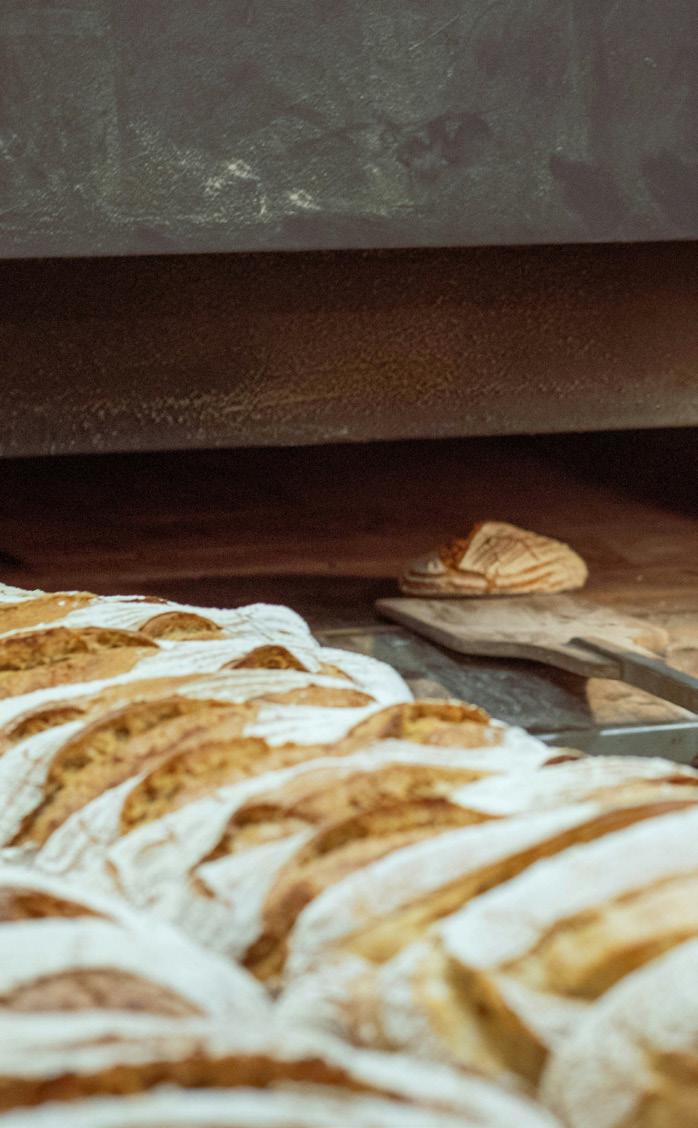
This artisan bread recipe keeps things simple with just four ingredients, no special equipment, no kneading, and no starter required. The result? A fresh, crusty, chewy, rustic loaf that tastes incredible on its own or paired with spreads, dips, soups, or as a side to your favourite meal.
● Optional: 1 tbsp olive oil to add sheen and flavour
Method
1. In a large bowl, whisk together the flour, salt and yeast. Add water (if you are using olive oil, add it to the water here) and stir with a wooden spoon or hand until no dry flour remains. You don’t need to mix a lot, it just needs to come together. The dough will be sticky and will not look smooth.
2. Cover the bowl tightly with plastic wrap or a lid. Let it sit at room temperature for 8 to 24 hours (24 hours is ideal).
3. Preheat your oven to 220°C. Place a Dutch Oven (covered pot) inside to heat up.
4. Put the dough onto a well-floured surface. Shape it into a ball, cover with plastic and let it rest for 30 minutes.
5. Carefully take the hot pot out of the oven and place the dough inside (on baking paper if desired) and cover with the lid. Bake for 3035 minutes. Do not lift the lid until this time has lapsed. The bread should be well risen and textured. If the bread is shiny and not starting to rise and become rough, put the lid back on for another 10 minutes before removing.
6. Remove the lid and bake for another 10-15 minutes until the crust is golden.
Serves: 6.
Adapted from My Kitchen Stories
Tip
After you have made a loaf or two, why not try and experiment with different flavours and ingredients? For example, add olives, herbs, dried tomatoes or seeds at the final folding and shaping stage. Or, to make wholewheat bread, swap 1 cup (150gm) of wholewheat baker’s flour in place of 1 cup of white baker’s flour.
Photography by Duncan Kidd
Photography by DDP-CCE
CROISSANTS
There’s nothing else quite like biting into this classic French pastry when it’s done right – light, airy, buttery, slightly sweet, flaky on the outside and just a little bit stretchy on the inside. What makes croissant-baking a little time consuming however, is the process of folding the dough repeatedly with cold butter between each thin layer, but it’s worth the time and effort as the result is not only rewarding, but delicious. Note that this recipe is best made over two days to allow the dough to rest overnight.
Ingredients
● 500g plain flour, sifted, plus extra for dusting
● 1 tsp (7g) dry yeast
● 1 tbsp lukewarm full cream milk
● 310-330ml cold water
● 25g unsalted butter, melted
● 1 ½ tsp salt
● ¼ cup caster sugar
● 250g unsalted butter, softened
● 1 egg plus 1 egg yolk, beaten with 2½ tbsp milk
Photography by Dasha Kroti
Method
1. Pour the flour in a large bowl. Make a well in the centre and add the yeast and milk, stirring to dissolve. Wait a few minutes until the yeast mixture begins to bubble. Slowly add the water and melted butter and combine the ingredients gently with your fingertips. Add the salt and sugar and keep mixing with your fingers until the dough becomes very sticky (you may need to add a little more water if the dough is not sticky enough).
2. On a lightly floured surface, knead the dough for 8-10 minutes, being careful not to add any flour during the kneading. Place the dough in a bowl, cover the top with plastic wrap and refrigerate overnight. It will double in size in the fridge.
3. Roll the dough into a rectangle that is about 5mm thick, and three times longer than it is wide. Spread half the softened butter over the centre third of the sheet. Fold the top third of the dough over the centre buttered section. Spread the remaining butter over the folded section, then fold the bottom third over the top.
4. Turn the dough 90 degrees so that the folded seams are at the sides. Roll the pastry again to form a large rectangular sheet and fold it in three. Cover in plastic wrap and refrigerate for 45 minutes. Repeat the process of folding and refrigerating another three times – a total of four times.
5. Preheat your oven to 220°C and line a baking tray with baking paper.
6. Roll the dough into a large 5mm-thick rectangle (if you find the dough hard to manage, divide it into half). Trim the edges, then cut into triangles 6-8cm wide x 12-15cm tall. Make a small triangular incision in the centre at the base of each triangle to allow the dough to stretch when being shaped. Starting from the widest end, roll the triangles up and shape into a crescent.
7. Space the croissants out on the baking tray and leave them to rise by about one-third in a draft-free, warm room (21°C is ideal) for about an hour.
8. When the croissants have risen, brush them with the egg wash and bake for 10 minutes or until golden. Do not open the oven door during cooking time. Transfer to a wire rack to cool.
Initial chilling time: overnight
Total second day chilling time: 3 hours
Second day rising time: 1 hour
Serves: 10-12.
Adapted from Poh’s Kitchen/SBS Food
Photography by Jhunelle Francis
SHORTCRUST PASTRY
This classic pie crust recipe is superbly simple and so versatile that it can be used for any kind of quiche, tart or pie. It can be used as is for a savoury dish, or add two tablespoons of icing sugar if making something sweet. What’s more, the pastry can be made ahead of time and stored in the freezer until you’re ready to use it.
Ingredients
● 1 ⅔ cups (250g) plain flour
● 125g unsalted butter, chilled, finely chopped
● 1 egg, chilled
● 1 tbsp chilled water
● Salt
Method
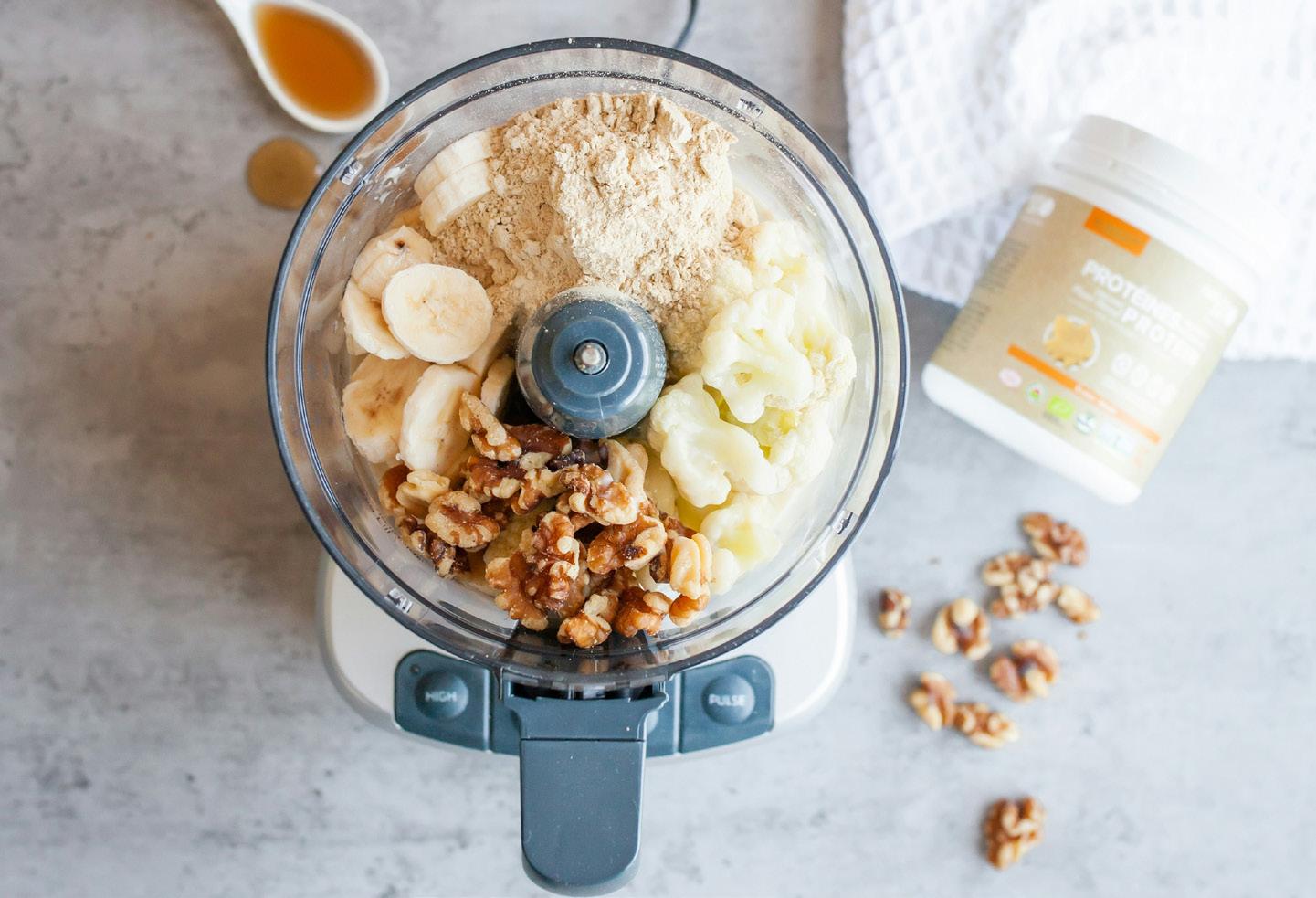
1. Process flour, butter and a pinch of salt in a food processor until mixture resembles breadcrumbs.
2. Whisk egg and water in a bowl until combined, then with the food processor motor running, slowly add in the flour mixture. Process until the mixture begins to form large clumps, stopping the machine before the mixture forms a ball.
3. Turn the pastry out onto a surface and knead gently to bring it together. Form into a disc for a round tart or into a log shape for a rectangular tart. Wrap in plastic wrap and refrigerate overnight or for at least 2 hours.
Makes: One 23cm (base measurement) tart tin.
Adapted from Taste.com.au
New to kneading? It’s simply the process of working dough to develop gluten, helping it trap air, so your bread rises with a light, even texture. To knead by hand, fold the dough toward you, then push it away with the heel of your hand until smooth and elastic. How do you know it’s ready? Press the dough with two fingers and if it springs back lightly, it’s good to go.
Photography by Nathan Dumlao
Photography by Amber Maxwell
We are passionate about achieving the best possible result for every client. Find out what your home could be worth in the right hands.
*Source: All major portals and internal data. Canberra sales $2 million and above since 2019 - top 15 agencies. As at 1st January 2026.
Immune-boosting foods and healthy habits
The colder months create the perfect conditions for illness to spread, so it’s important to support your body with nutrient-dense foods and healthy habits. No single food, supplement or activity boosts immunity instantly, but a healthy lifestyle and a diet rich in vitamins, minerals, fibre and protein can help your body respond better to infections. Here are the key nutrients and habits to help keep colds and bugs at bay this winter.
Photography by Amber Faust
Vitamin C is great for supporting immune cell health and function. Foods high in vitamin C include oranges, kiwi fruits, red capsicums, broccoli and strawberries. Cabbage (red and green) is also a useful source of vitamin C and contains sulforaphane, a compound known for its immune-supporting properties.
Zinc plays a key role in immune response. You can find zinc in lean meats, shellfish, pumpkin seeds, chickpeas, lentils and cashews.
Fermented foods contain live microbes, which are good for gut health and can help lower inflammation and support immunity.
Fermented foods include yoghurt, kefir, kimchi, sauerkraut, kombucha, and miso, as well as certain aged cheeses like cheddar and parmesan. For the best results, aim to eat small amounts of several different fermented foods daily rather than large amounts occasionally.
Herbs and spices can be consumed for their anti-inflammatory and antimicrobial properties. Some of the most effective include ginger, garlic, turmeric (curcumin), cinnamon, rosemary, thyme, cloves and cayenne pepper.
Vitamin D helps regulate the amount of calcium and phosphate in the body, which are needed to keep bones, teeth and muscles healthy. Foods rich in vitamin D include eggs, oily fish such as salmon, sardines, trout, herring and mackerel, as well as fortified dairy milk and plant milks.
Fibre is essential for your gut to work normally. It increases good bacteria which supports your immunity against inflammatory disorders and allergies. Foods rich in fibre include legumes and pulses (lentils, beans, chickpeas), wholegrains (oats, quinoa, brown rice, barley, wholewheat), fruits (berries, pears, apples, avocados), vegetables (carrots, sweet potatoes), seeds (chia, flax seeds), and nuts (almonds).
Photography by Vicky Ng
Photography by Monika Grabkowska
NUTRIENT-RICH MEAL IDEAS
● Start your day with a warming bowl of high-fibre porridge or try overnight oats for a quick, nutritious breakfast. Add nuts, yoghurt and berries for an extra boost of vitamins and antioxidants.
● Smoothies made with fruit, vegetables, yoghurt, honey, oats, nuts and seeds can provide a good source of vitamins, minerals, fibre and protein to help support immune function and energy levels. Smoothies are also an easy way to include extra nutrients for children or picky eaters, and can be served as a quick breakfast, snack or alongside meals during busy winter days.
● Soups and stews are warming, hydrating and comforting during winter, making them a nourishing choice when you’re feeling under the weather. They’re also an easy way to pack in a variety of nutrient-rich vegetables, herbs and spices, especially for children. Add protein with ingredients such as chicken or beef and plenty of hearty vegetables, or opt for a vegetarian option using lentils, garlic and turmeric.
● Stir-fries are another quick and versatile way to include a variety of nutrient-rich, immune-supporting ingredients such as mushrooms, capsicum, cabbage, ginger and garlic. Pair them with a protein like tofu or chicken for a nourishing meal.
Alongside a balanced, nutrient-rich diet, everyday habits play an important role in supporting winter health and normal immune function. Staying active, getting enough sleep, managing stress and keeping hydrated can all help your body fight off seasonal illnesses. Although sunlight is limited during winter, spending time outdoors can help support vitamin D levels. Indoors, it’s important to maintain moisture in the air which may help prevent dry nasal passages, so consider using a humidifier.
Photography by Roberto Shumski
Photography by Nature Zen
Photography by Clark Douglas
The best cinemas in Canberra and the South Coast
From nostalgic flicks to nail-biting thrillers, Canberra and the South Coast offer a standout lineup of cinemas showcasing the latest and greatest films. Whether you’re in the mood to splurge or just keep it simple, there’s a theatre for every kind of moviegoer.
Photography by Alex Litvin
HOYTS
This popular, family favourite cinema has two venues in Canberra, one in Belconnen and the other Woden. Every week, Hoyts offers Cheap Tuesdays tickets for only $13.50 for standard screenings, which are equipped with powered recliners and extra legroom so you can watch the latest films in comfort. Both locations offer the Xtremescreen experience, which gives movie-goers bigger state-of-theart screens and powerful surround sound, as well as D-BOX Motion Recliners, where every seat moves in sync with the on-screen action.
PALACE ELECTRIC
Set in New Acton’s Nishi complex, Palace Electric features eight fully licensed cinemas presenting the latest blockbusters as well as international and local art-house films. Movie buffs will love the Cult Vault, a range of handpicked classic and cult films spanning dramas, comedies, thrillers, anime, horrors and more, which are served up every Monday evening. There are also special showings of the Royal Ballet, Palace Opera and National Theatre throughout the year, plus regular film festivals, so be sure to check the website regularly. Every Monday and Tuesday, general admission tickets are $12, and Movie Club members’ tickets are only $10. Palace Electric also has a bar to grab a sip pre- and post-film.
ARC
Situated at the National Film and Sound Archive, Arc is an art deco cinema best known for its curated program of high-quality film screenings, including classics, beloved family favourites, cult movies and Australian content. During the day, moviegoers can enjoy Dom’s Deli & Bar, which serves locally roasted coffee, delicious sandwiches and sweet treats. The bar is open late for events and one hour prior to screenings, and offers craft beer, wine and light refreshments. Arc also hosts special events and shared film experiences, so be sure to check the website for what’s coming soon.
Photography by Ignat Kushnarev
Photography by Lexscope
DENDY
Located in the Canberra Centre’s North Quarter, Dendy is a popular choice for the latest blockbusters and the best independent films. Onsite, there are 17 fully licensed auditoriums including 2 Premium Lounge cinemas, an exclusive lounge for Premium cinema patrons, in-cinema dining, a seasonal al-a-carte menu, bar service and electric reclining seats. Dendy hosts Canberra’s International Film Festival and an arts program that shows some of the world’s best opera, ballet and theatre productions on the big screen.
LIMELIGHT
Limelight in Tuggeranong is a great-value, family-friendly venue that services Canberra’s south. There are eight comfortable cinemas here, including two XD screens that boast huge wall-to-wall, floor-to-ceiling screens with 4K projection and state-of-the-art wraparound sound system and a choice of standard or reclining seating. There are also two PLUS+ cinemas, each with extra-wide glide reclining seats, individual tables and next generation laser projection. For something a little indulgent, there’s a premium GOLD cinema offering a gourmet food and beverage dining service straight to your seat. If you’re after a great mid-week deal, then on Tuesday standard tickets are only $10 each, or only $20 each for the full luxury of a GOLD screening.
Photography by Corina Rainer
SOUTH COAST
THE KINEMA
The Kinema is a charming historic cinema situated in Narooma. Built in 1925, it was originally used as a memorial hall then turned into a cinema in the 80s, making it one of the oldest running cinemas in Australia. It still retains its old-world charm design and art deco interiors and is now a heritage-listed building. Moviegoers can expect to find a mix of art house, independent and mainstream films at this boutique theatre, which is fitted with two fantastic screens and the latest digital projection system. The Kinema is also known as a social and cultural hub for the local community and hosts regular live performances and events.
HUSKISSON PICTURES
This quaint cinema in Jervis Bay was built in 1913 and for more than a century, has been a centre of entertainment for the Huskisson community. Movies have been screened from the building since the early 1950s and today it offers a charming, family-friendly atmosphere to watch the latest blockbusters. The cinema also participates in film festivals such as the Travelling Film Festival, The Shoalhaven First Nations Film Festival and Flickerfest, and shows the National Theatre Live, which screens theatre live from Britain’s most exciting stages. Join the Members Club and get $2 off admission prices, a complimentary movie pass upon joining, automatic entry into their monthly prize draw, and invitations to special events.
INLET CINEMA
Inlet Cinema at Sussex Inlet started screening films from 1948 for holiday shows, then weekly up to the 1960s, and later reverted to holiday operation until at least 1980. After significant refurbishment in 2009, this charming weatherboard cottage hosts the latest Hollywood blockbusters and classic movies all year round and participates in film festivals and events such as The Shoalhaven First Nations Film Festival. Tickets to all sessions are $12, with $10 tickets for Seniors every Tuesday.
Photography by Daniel Guerra
THE ROXY CINEMA
The Roxy Cinema in Nowra was built in 1935 and serves the Shoalhaven region with the latest blockbusters, classics and arthouse films. Last year, this historic art deco venue celebrated its 90th anniversary with significant refurbishments, including new leather seating, upgraded sound systems, a modernised interior with fresh paint and carpets, and a great snack and coffee bar. Every Monday, Tuesday and Wednesday tickets are only $14, excluding special events. There are also ‘Bring Your Baby Sessions’ where cinema lights are dimmed and the movie volume lowered for sensitive ears.
For the last 21 years, Arcadia Twin Cinemas has been servicing the Milton-Ulladulla region with the latest films, with 2D and 3D screenings shown six days a week. The venue has recently installed state-of-the-art digital projectors and updated its seating to more comfortable, supportive chairs. Sweet tooths will love their well-stocked candy bar filled with fresh popcorn, soft drinks, slushies, chips, lollies, chocolates, and homemade choc tops in a variety of ice-cream flavours. They also serve hot drinks before, during or after your choice of movie.
Photography by Tyson Moultrie
Photography by Zhifei Zhou
ARCADIA TWIN CINEMA
Ten renter-friendly ways to make your home cosy this winter
As the colder months settle in, creating a warm and inviting home becomes more important than ever, especially in a rental where permanent changes aren’t an option. The good news is that you don’t need a major renovation to make your space feel cosy and welcoming this winter. Here are 10 simple ideas that will transform your space.
Photography by Bernd Dittrich
SOFT LIGHTING
Swap harsh overhead lighting for multiple light sources such as table lamps, plugin wall sconces, floor lamps, or LED candles. Choose warm white bulbs to instantly make rooms feel calmer and give them a more ambient glow.
TEXTURE
Layer textiles and mix materials like chunky throw blankets, textured cushions like boucle, woven baskets, knit blankets and soft rugs to create warmth and cosiness.
TEMPORARY TWEEKS
Use removable wallpaper, vinyl and tiles to transform accent walls, entrances or even the inside of bookshelves. Look for peel-andstick applications with subtle textures and rich, earthy tones. Personalise your home with artwork without using nails and instead try double-sided tape strips and leaning frames.
MAKE AN ENTRANCE
Transform your entrance to create a comfortable and welcoming moment the second anyone walks inside your home. Try a small bench, curved mirror, artwork, plant or rug.
Photography by Dan Mayman
Photography by Mykyta Kravcenko
PLANTS
Fill your home with vibrant leafy plants, colourful blooms and winter branches to make your interior feel brighter and more lived in with minimal effort. Choose vases and pots with warm colours.
NATURAL MATERIALS
Wood, linen, rattan, jute and ceramic décor pieces add warmth without major renovations. Try accessorising with wood trays, linen pillow covers or rattan furniture
Photography by Joshua Ortiz
Photography by Megan Bucknall
Photography by Nino Lucero
RUGS
Rugs soften harsh or cold flooring, visually define spaces and make inexpensive laminate or carpet feel more luxurious. Choose rugs with warm, earthy tones and textures.
HYGGE
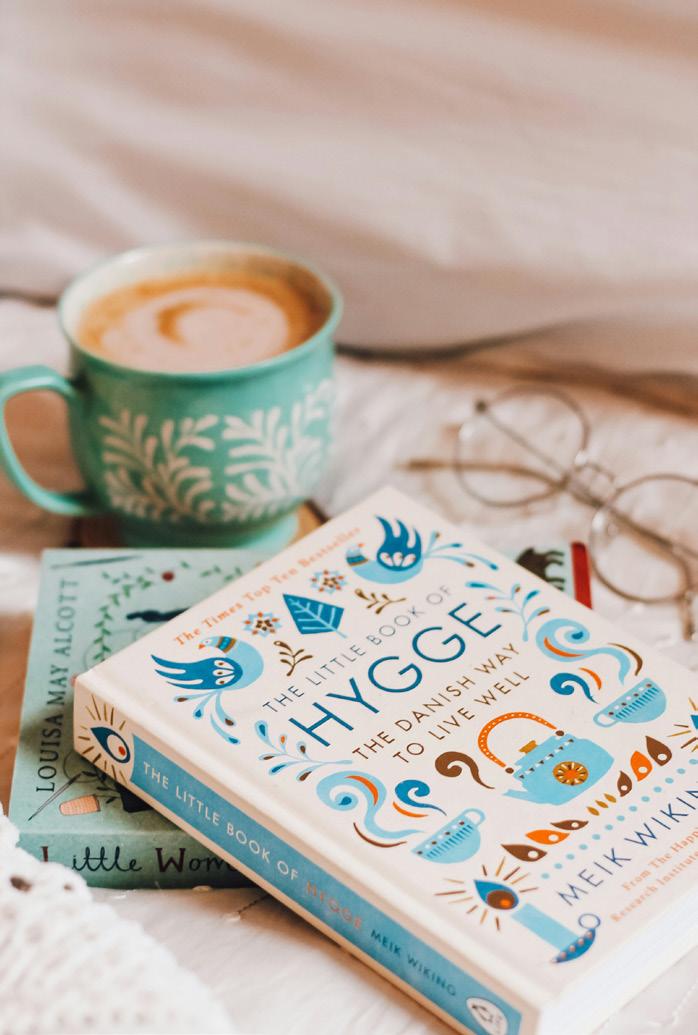
The word ‘Hygge’, which means ‘to comfort’ or ‘to console’ describes a feeling of warmth, contentment and comfort. Embraced by Danish and Norwegian cultures, it’s a way of intentionally enjoying the simple pleasures in life and creating a sense of wellbeing, especially during the colder months. Bring a touch of Hygge into your home this season by creating a cosy corner with a comfortable chair, a soft throw, a small side table and the warm glow of ambient lighting. It will give you a relaxing, personal retreat on slow winter days.
Photography by Sina Saadatmand
Photography by Erol Ahmed
Photography by Shayna Douglas
WINDOWS
Use lightweight curtains like sheer or linen to let in natural light while softening the room. Opt for removable tension rods or hardware to mount curtains closer to the ceiling to make rooms feel taller and more finished.
BEDDING
Change the colour of your bedding to warm neutrals, muted greens, terracotta, caramel, or cream tones. Add throw blankets and plush, textured cushions to make the bedroom feel like a sanctuary.
Photography by Ann Ann
Photography by Kate Stone Matheson
Photography by Annie Le
Essential elements when marketing your property
SOCIAL MEDIA
A highly targeted, visual presentation of your property.
Print publications with large audience reach and a glossy finish.
LOOKING TO SELL OR LEASE YOUR PROPERTY?
There are a range of advertising platforms and tools to consider when showcasing your property’s finest features, to ensure it makes the right impact in the real estate market. Experience our professional perspective and see what we do to ensure a successful property marketing campaign.
Your guide to winter skincare
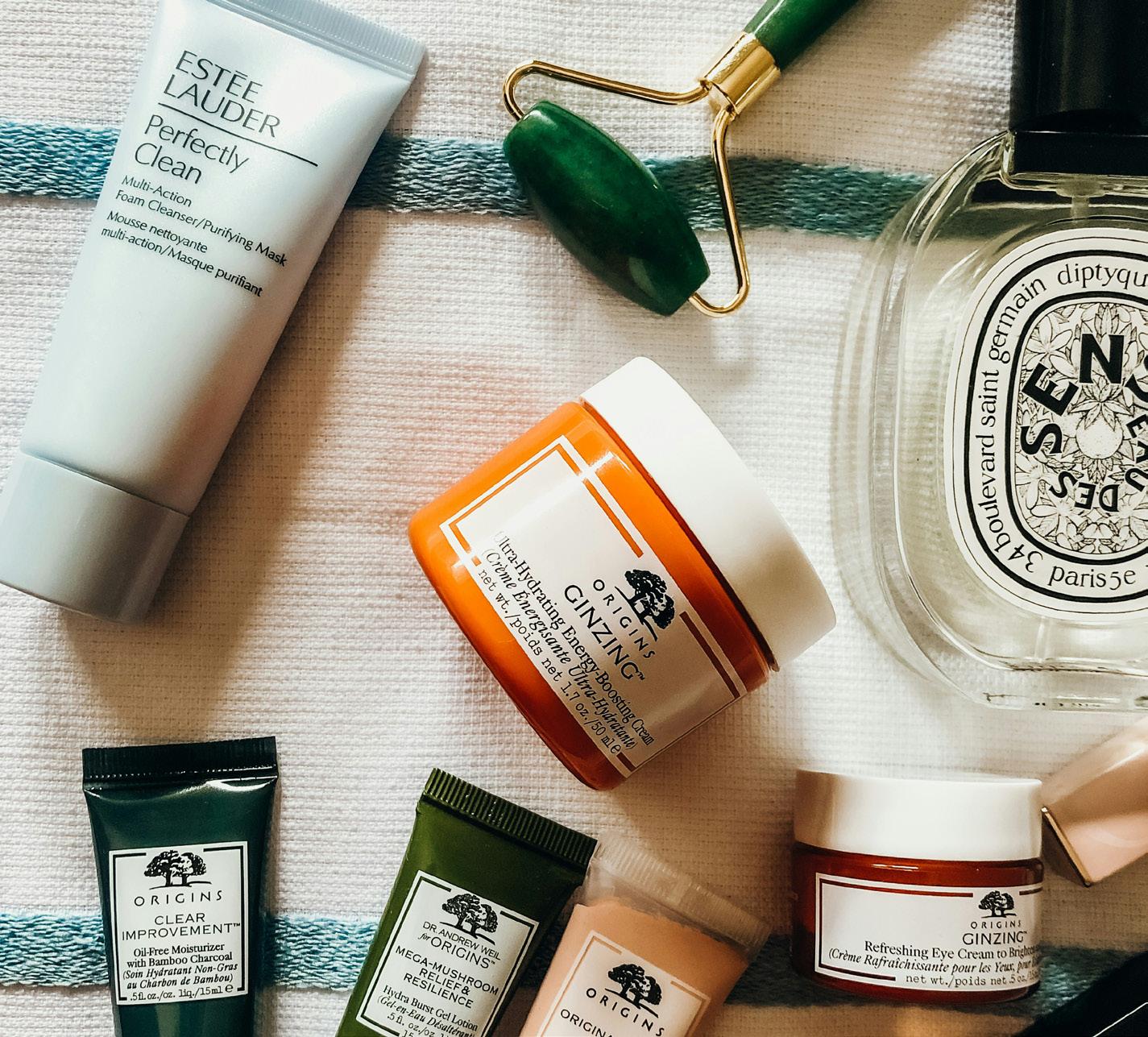
During winter, our skin often needs a little extra care. Cold outside air and heated air indoors can strip away moisture, leaving skin feeling dry, tight and irritated. But winter skincare doesn’t have to be complicated – it’s less about using more products and more about protecting your skin barrier and locking in hydration. With a few simple adjustments, you can keep your skin healthy, protected, and comfortable all season long.
Photography by Harper Sunday
FACE
Every skin type responds differently to colder weather, so adjusting your routine to suit your skin’s needs can make all the difference.
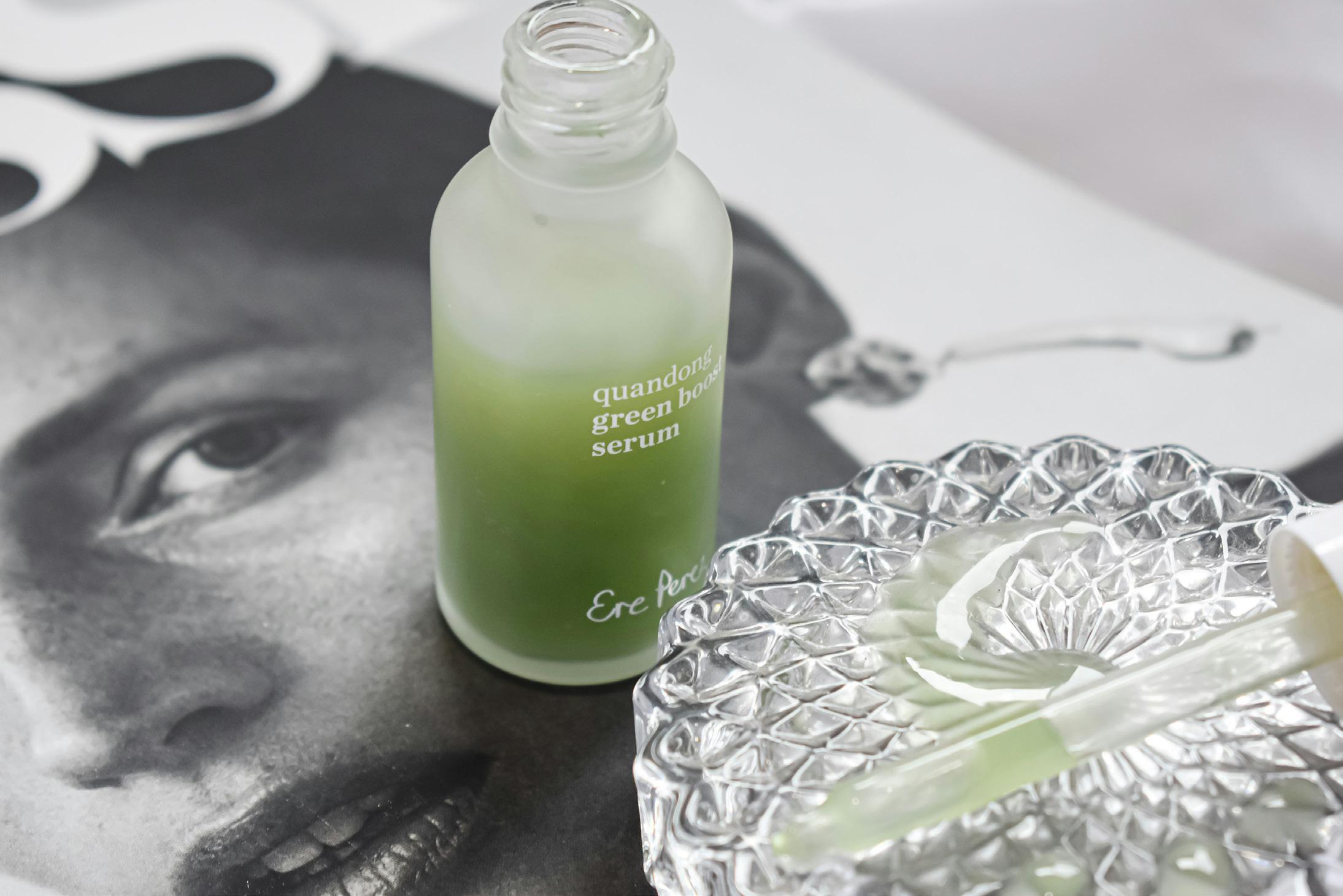
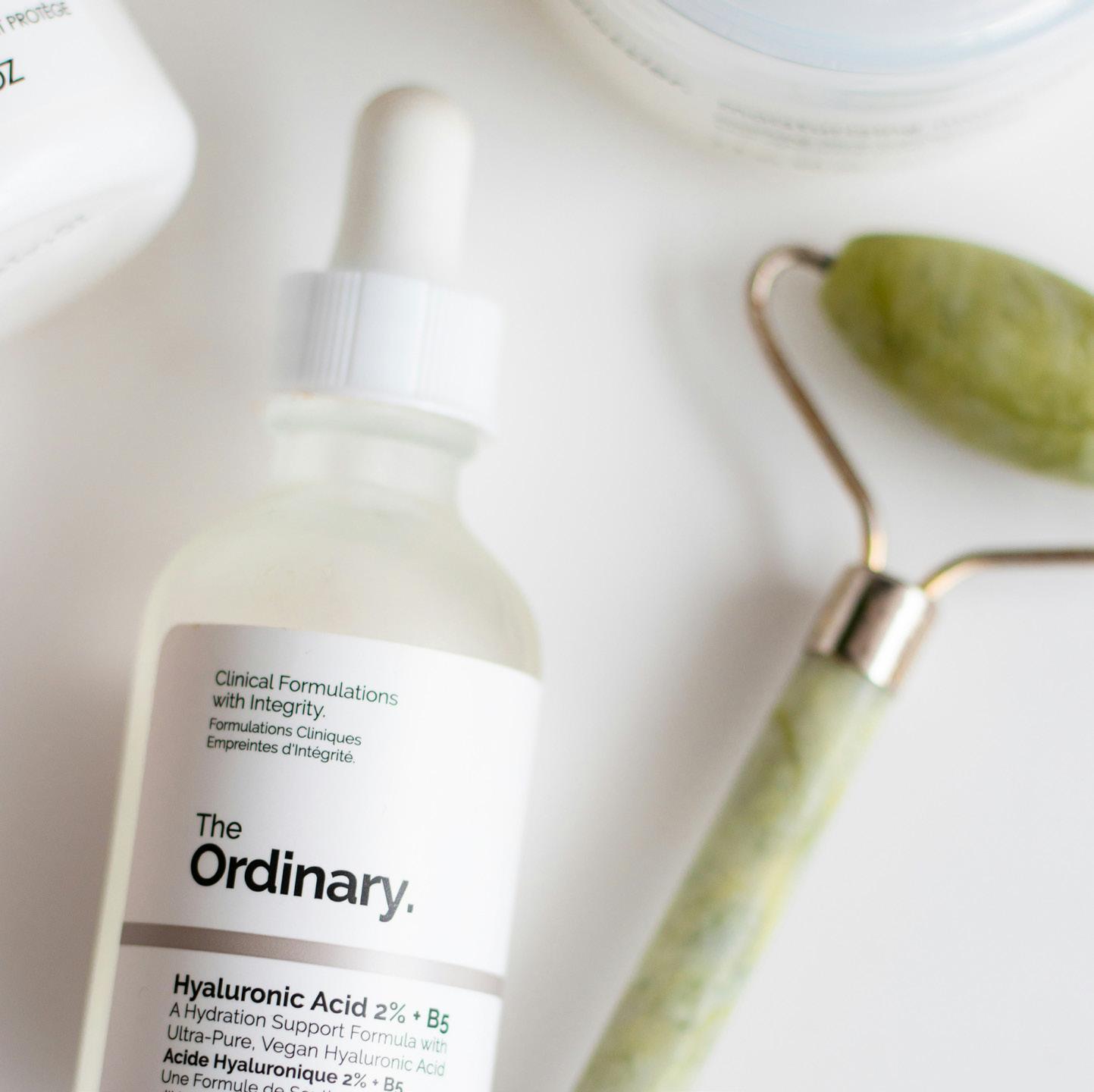
Dry skin tends to struggle the most in winter, so the goal is to rebuild and protect the skin barrier. Use a creamy, non-foaming cleanser and layer hydration with a humectant (like a hydrating serum with hyaluronic acid) followed by a rich moisturiser containing ceramides or shea butter. At night, you can even add a thin layer of an occlusive (like petroleum jelly), over dry areas to seal everything in. Avoid products that contain alcohol.
Oily skin doesn’t stop producing oil in winter, but dehydration that’s common during the colder months can actually make your skin overproduce oil to compensate. Opt for a gel or low-foam cleanser, and switch to a lightweight, non-comedogenic cream or gel-cream. Ingredients like niacinamide can help balance oil while keeping the skin barrier healthy.
Photography by Olimpia Campean
Photography by Michela Ampolo
Combination skin usually means a mix of dry cheeks and an oilier T-zone, which can get more pronounced in winter. Choose a thicker cream for dry areas and a lighter type for oily zones. Hydrating toners or serums can help balance everything without making the oily parts greasy. Be cautious with exfoliation though – focus on congested areas rather than your whole face.
Mature skin benefits from extra nourishment during winter. Richer creams, peptides, and active ingredients like retinol can still be used, but pair them with strong hydration to prevent irritation. Oils (like argan, jojoba or rosehip) can also help add suppleness and reduce tightness and dryness. Always patch test new products, especially anything with active ingredients.
Sensitive skin often becomes even more reactive in cold weather. Keep your routine simple and avoid too many active ingredients. Look for alcohol-free, fragrancefree, soothing products that contain aloe vera, oat extract, or panthenol. Avoid harsh exfoliants and strong acids unless your skin already tolerates them well. Always patch test new products, especially this time of year.
Acne-prone skin needs a balance between treatment and hydration, so don’t dry breakouts as it can worsen irritation and prolong healing. Use a gentle cleanser, and keep applying any of your current acne treatments (like salicylic acid or benzoyl peroxide) but buffer them with a rich moisturiser to reduce dryness.
Photography by Xandro Vandewalle
Photography by Alireza Mirzabegi
USEFUL TIPS
In winter, be careful with hot showers and baths as they can worsen dryness. Opt for lukewarm water as it is much kinder to your skin, and apply moisturiser while your skin is still slightly damp to help lock in hydration.
Lips and hands tend to suffer the most in winter, so give them extra attention. A good lip balm with occlusive ingredients (like petrolatum or beeswax) and a thick hand cream used regularly can prevent cracking and irritation. Regularly apply hand cream throughout the day, especially after washing your hands.
If your skin gets really dry or sensitive, consider using a humidifier indoors to add moisture back into the air – it can noticeably improve how your skin feels over time.
Sun protection is still important in winter. Australia has one of the highest rates of skin cancer in the world, and even though it’s cold or cloudy, the sun’s UV rays are still out. Always incorporate a broad-spectrum SPF in your daily routine. When used as directed, SPF 30 sunscreen filters 96.7% of UV radiation and SPF 50 filters 98%, so the higher SPF, the better.
Exfoliation is still important during the colder months, but over-exfoliating in winter can damage your skin barrier and cause irritation, so scale it back a little.
Photography by Shayna Douglas
Photography by Onela Ymeri
Advertise your company in the next edition of Inspired Living Magazine! With over 26,500 readers, digital and print advertising has never been better, this is an opportunity you don’t want to miss.