Gracefully nestled within one of Forrest’s most tightly held enclaves, 14 Tennyson Crescent or ‘Waterford’ is a stunningly beautiful landmark family residence of rare scale, elegance, and distinction.
A true home of character, it functions seamlessly for family living, with considerable thought evident in every aspect of its design and flow.
Sold Spring 2025
Jessica
Amy
Sophie
Welcome
Welcome to the Autumn 2026 issue of the Inspired Living Magazine. Brought to our community by Blackshaw to showcase and provide readers with the current trends and topics related to homes, from the nation’s capital to the south coast region of Batemans Bay.
Inspired Living is all about discovering possibilities. Being inspired in life and in your home, and gaining insights into local causes and topics that matter. Providing our readers with a unique perspective from property enthusiasts and local talents. We focus on showcasing collections from local designers, artists and more.
Our Autumn issue is packed with inspiring ideas and fresh insights to elevate your lifestyle. Dive into our guide on transitioning from fast to slow fashion, and discover how to transform your rental into a cozy, welcoming home with expert tips. Green thumbs will love our curated selection of the best indoor plants to brighten your space. For outdoor enthusiasts, embrace the season with our exciting autumn animal encounters. Celebrate the 60th anniversary of the Folk Festival in Canberra with us—an event you won’t want to miss! And for the little chefs in the family, enjoy our top cooking tips for kids that will make mealtime fun and delicious.
Enjoy this complimentary magazine and feel inspired to find endless possibilities to enhance your living.
Belinda Chamberlain, Corporate Director Blackshaw Real Estate
National Folk Festival –celebrating 60 years in 2026
From 2-6 April, the National Folk Festival will proudly celebrate its 60-year anniversary.
This longstanding, family friendly event brings together thousands of visitors, volunteers and artists to celebrate diverse folk cultures and traditions from around Australia and the world.
Photography by ABC News
Held every year over the Easter long weekend, this iconic festival transforms Exhibition Park in Canberra (EPIC) into a village full of music, dance, poetry, circus, art, interactive workshops, family friendly activities, plus an array of spontaneous street performances and vibrant jam sessions. Among the festival’s dynamic atmosphere, there’s an eclectic mix of artisan stalls for shopping, plus delicious food and drink to indulge in.
As it approaches its 60th year, the festival’s ethos remains stronger than ever, centring on empowering audiences, artists and communities to celebrate diversity and creativity, delivering a unique experience where everyone comes away enriched with new skills and connections.
Photography by University of Canberra
Photography by Region Canberra
Photography by OutIn Canberra
Here are some of the program highlights:
● Headliners and special guests: Judy Small AM, The Fagans, Natalie and Brittany Haas, Dallahan, and Grace Petrie.
● Musicians and bands: Maatakitj, Austral, Elias Alexander, T3HO., Charley Castle & the Boys in the Well, Fred Smith, Kris Mizzi, San Miguel Fraser, and the Tuck Shop Ladies.
● Spoken word and storytelling: Tug Dumbly, Jamie McAvinue, Jan ‘Yarn’ Wositzky and Penny Glass, Jason Roweth, Peter Pentland (Hayseed), and Kiran the Storyteller.
● Dance: Bortier Okoe, Phil Jamison, Coral Reid, and Shane Lestideau.
● Young Folk program: The next generation of artists, solo performers and large ensembles of musicians exploring Australian, English, Celtic and Scandinavian traditions.
● Families and kids: Folktale storytelling and songs, puppetry, traditional maypole dancing, ribbon weaving, circus performances and skills, family dances, music workshops, open mic, and arts and craft activities.
Visitors can apply for one of the many opportunities to actively participate in the festival, whether as a singer, musician or performer, or as a volunteer for a workshop or interactive session. Local artisans and vendors are also encouraged to apply to host a stall and sell their wares.
Tickets are available for one day or the whole festival, or you can buy a camping package for the full experience. Children under 5 go free. To explore the program, buy tickets, or to register as a volunteer or a performer, head to folkfestival.org.au
Photography by CBR2019
Photography by ABC News
Tips for personalising your rental property
As a tenant, it can be hard to make a rental property feel like your own, but with a bit of creativity, it is possible. Here are some rental-friendly ways to add character, personality and style to your space, all while keeping your deposit safe.
Photography by Auto Focus
LIGHTING
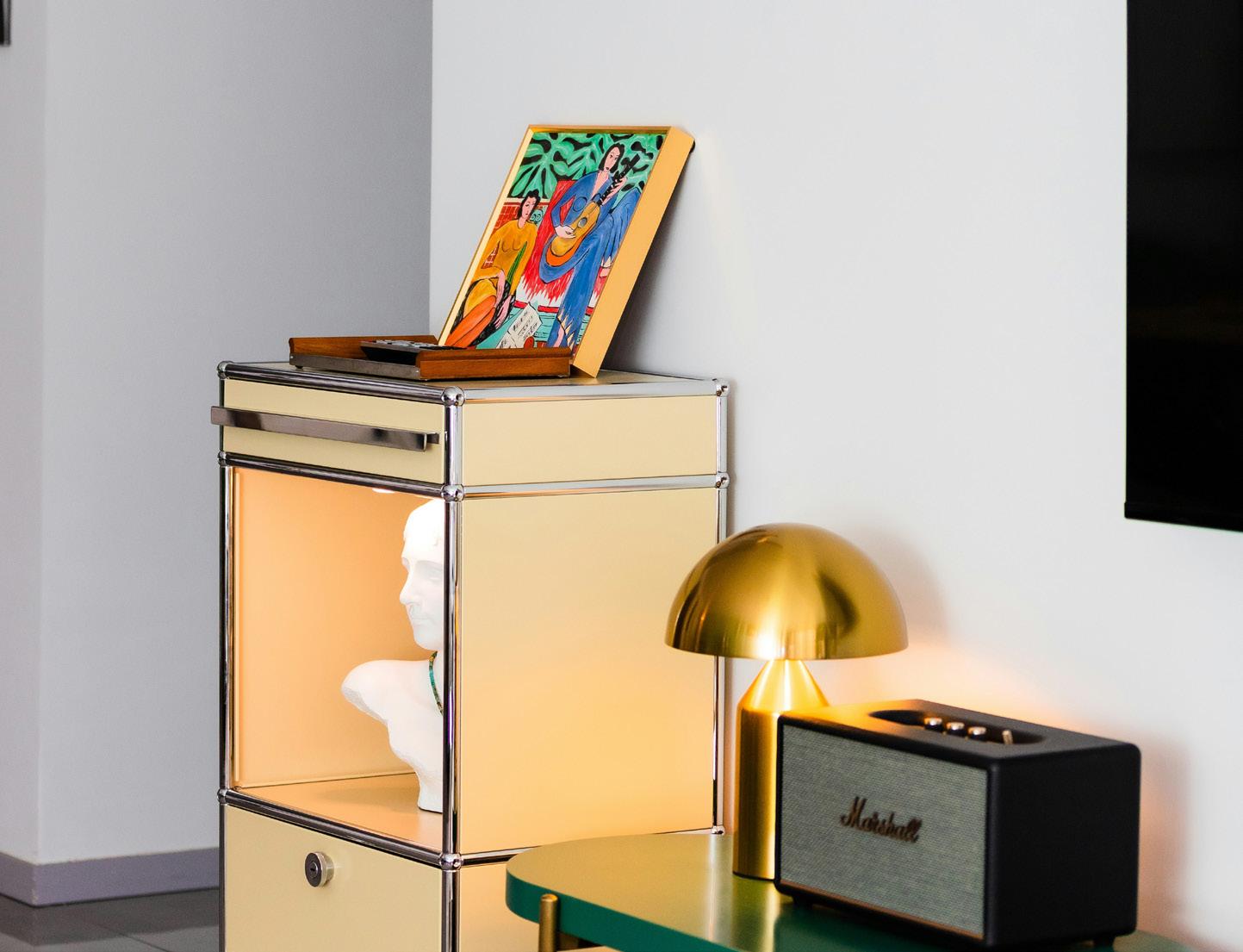
Lighting goes a long way in changing the look and ambience of a property, and it doesn’t have to be expensive or permanent. Consider changing outdated shades and pendants for more modern ones to quickly transform a space but be sure to keep the original to put back on when you move out. Floor and table lamps, wall scones and fairy lights with warm lighting can also create a cosy atmosphere and help to detract from less appealing characteristics in a room. Try to make a real statement by choosing shades and materials in unique styles, colours and textures.
FURNITURE AND FURNISHINGS
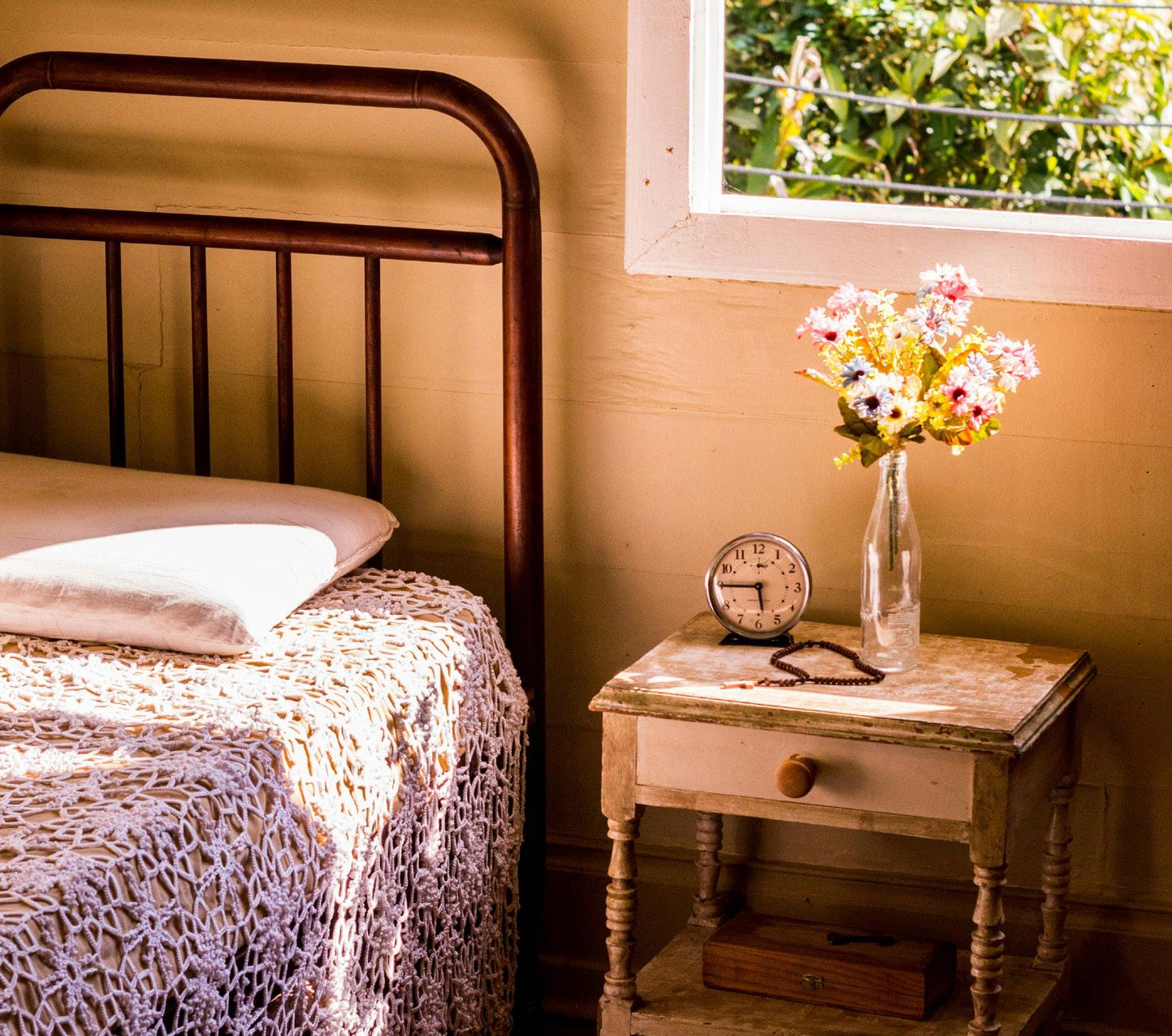
Highlight areas around your home with furniture that draws the eye, such as unique chairs, stylish bookcases and modern coffee tables. Look for spaces that you can accentuate and bring to life with smart styling and decor, such as obvious design and structural features, fireplaces, windows, walls, corners, and nooks. Give living areas new life with colourful cushions, textured throws, vibrant statement rugs and bright vases. Add personality to bedrooms with new bedding and decorative accessories and lighting, and don’t be afraid to layer and mix different patterns and textures. Incorporate personal touches like photos, candles and books to make the home feel personal and lived in. Use freestanding shelves, ladder shelves, storage ottomans or cube units to add storage without drilling into walls.
Photography by Gabriel Cattaruzzi
Photography by Bernard Dittrich
WALLS
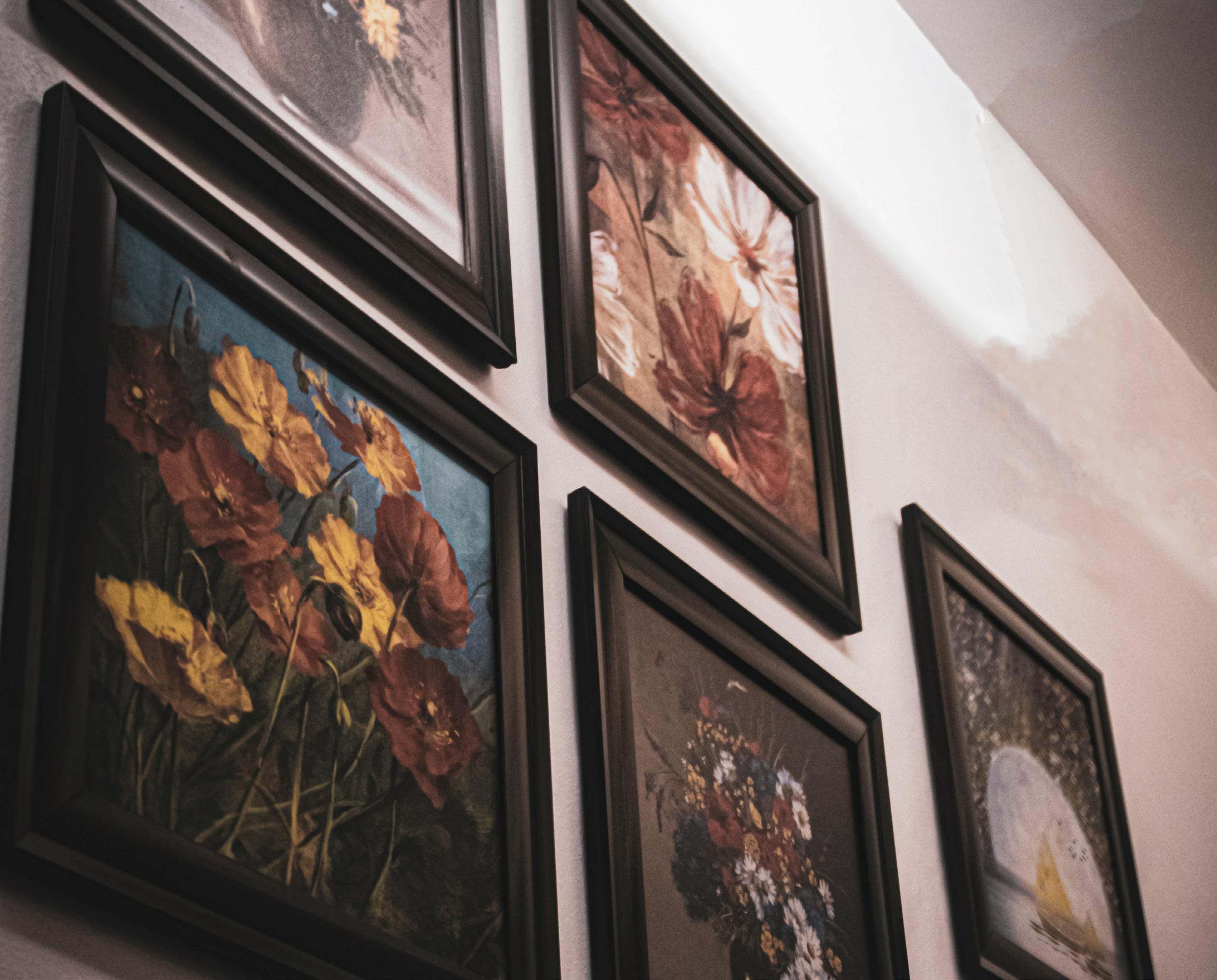
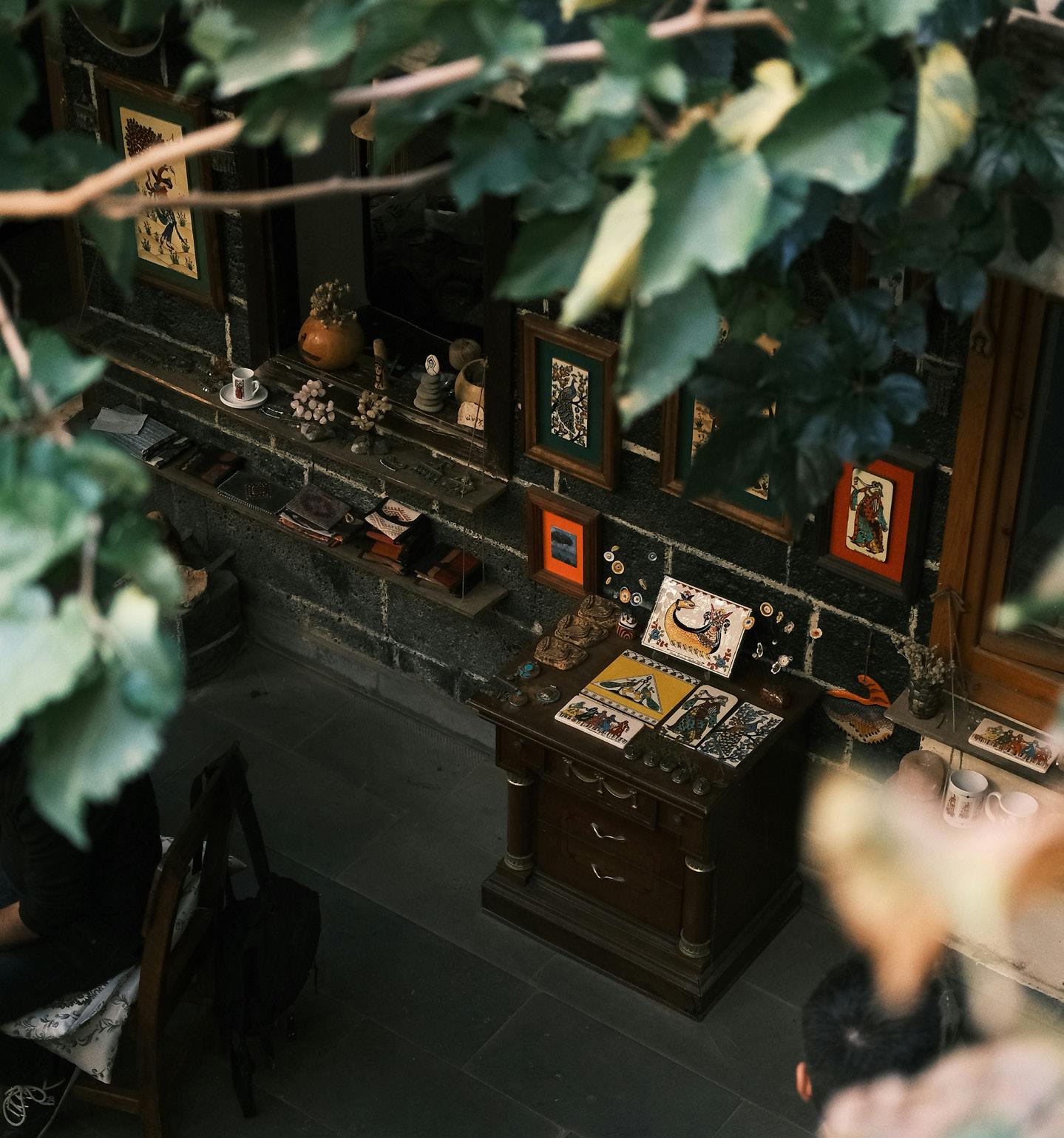
Add character and personality to bare walls by hanging interesting artwork, paintings, prints, canvases, or even create a photo gallery with a selection of frames. Hang mirrors or lean them against walls to make rooms look brighter and more spacious. Removable applications like wallpaper, decals and tiles are great ways to add your own stamp to a room, so choose designs with a pattern or a touch of colour. Remember to protect the walls with damage-free hooks and adhesives so you leave things as they were when you vacate.
PLANTS AND FLOWERS
Greenery and flowers are an effective way to give a rental a facelift for little cost as they instantly make an interior feel brighter and more colourful. Be bold with large statement greenery near your home’s entry and in living areas and then add pops of colour and contrast with smaller plants scattered around bedrooms and bathrooms. Choose pots and plants in colours and styles that suit your style and show off your personality.
Photography by Cemrecan Yurtman
Photography by Anna Keibalo
KNOW THE LAW
As a tenant, it’s important to know the rules before making any modifications to your rental property. Tenants are given a variety of freedoms to make basic changes to properties to make them more homely and comfortable to live in. For example, tenants in the ACT can seek approval to make minor and special alterations that the landlord cannot unreasonably refuse. This means modifications that can be removed or undone at the end of the tenancy so that, except for fair wear and tear, the property is returned to substantially the same condition as when the tenancy commenced. This could include putting up picture hooks, fixing blinds to a window, or planting vegetables in the garden. Tenants should always contact their property manager first before making any modifications to discuss the scope of changes and the approvals process.
Photography by Firstname LNM
Photography by Miles Chang
Fight fast fashion: Your guide to an ethical and eco-friendly wardrobe
Did you know that Australia is now the world’s biggest consumer of textiles per capita, and we discard more than 300,000 tonnes of clothing every year? This means a huge cost to the planet, including excessive water consumption and high levels of pollution and waste, especially in landfill.
Photography by Hermes Rivera
Thankfully, behaviour is finally starting to change, with consumers shifting away from fast fashion and becoming more aware of what’s in their wardrobes, embracing second-hand and vintage finds, rental options, and buying from brands that focus on sustainability.
Being a conscious consumer means getting more life out of our possessions and making smarter choices at the register. Consuming sustainably while looking after our planet doesn’t have to be difficult or come at a high cost either – if anything, more considered fashion choices are far better for our bank balance over the longer term.
Here are 5 ways you can make the shift to slow fashion.
SHOP SECOND-HAND
Find pre-loved, vintage and designer pieces at charity stores or via platforms like eBay, Depop or Facebook Marketplace, or explore brands like ASOS and H&M who are leaning into slow fashion with the introduction of their own online resale shops. Be sure to keep the cycle going and sell or donate your wares, giving items a new lease of life in someone else’s hands.
RENT AND BORROW
It can be tempting to have something brand new for every special occasion, but instead of buying something and wearing it once, rent your next outfit from online retailers like GlamCorner, All the Dresses, The Volte and Style Theory. You’ll also find accessories to rent too, like handbags, jewellery and hats. Alternatively, why not borrow items from friends and family.
Photography by Nik Cde
Photography by Ellie Cooper
REPAIR AND CARE
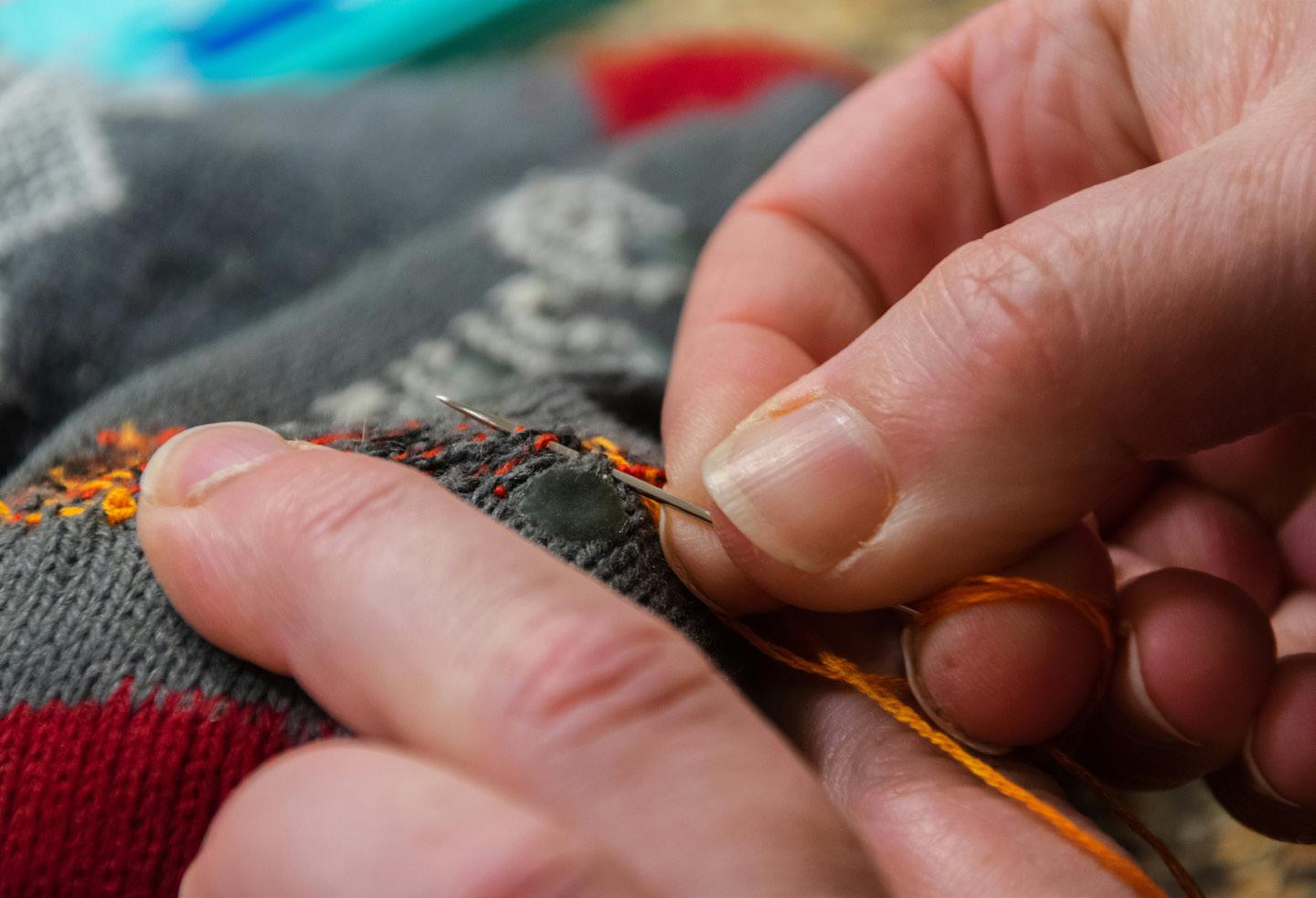
Prolong the life of your clothes by refreshing or repairing first. Learning how to replace a button or zip or mend a hole or hem can be easy and will prevent you from spending your hard-earned money on new items unnecessarily. If you don’t have the time to repair yourself, then take clothes to an alteration shop to be fixed. If your clothes are pilling or bobbly, like jumpers and coats, use a fabric shaving machine to revive them. It also pays to take good care of your clothing too, so always follow the wash and care instructions to prolong life.
SWAP AND SAVE
Clothing swaps are becoming increasingly popular across Australia, with people bringing gently used clothing items they no longer wear and exchanging them for items brought by others. This eco-friendly practice is not only a great way to give back to the environment and community, but you’ll go home with some new-found treasures. Head online to find a clothing swap near you.
SMART INVESTMENTS
Buying high-quality, timeless pieces will give your wardrobe longevity through the seasons, instead of trend-led, cheap and unsustainable clothes that will look dated by next season. Opt for natural and organic fibres that will last years or even decades if you care for them properly, and support climate-focused brands that use recycled materials, like Patagonia.
Photography by Joseph Sharp
Photography by Anna Savina
Photography by Elio Santos
Where to spot native animals this autumn
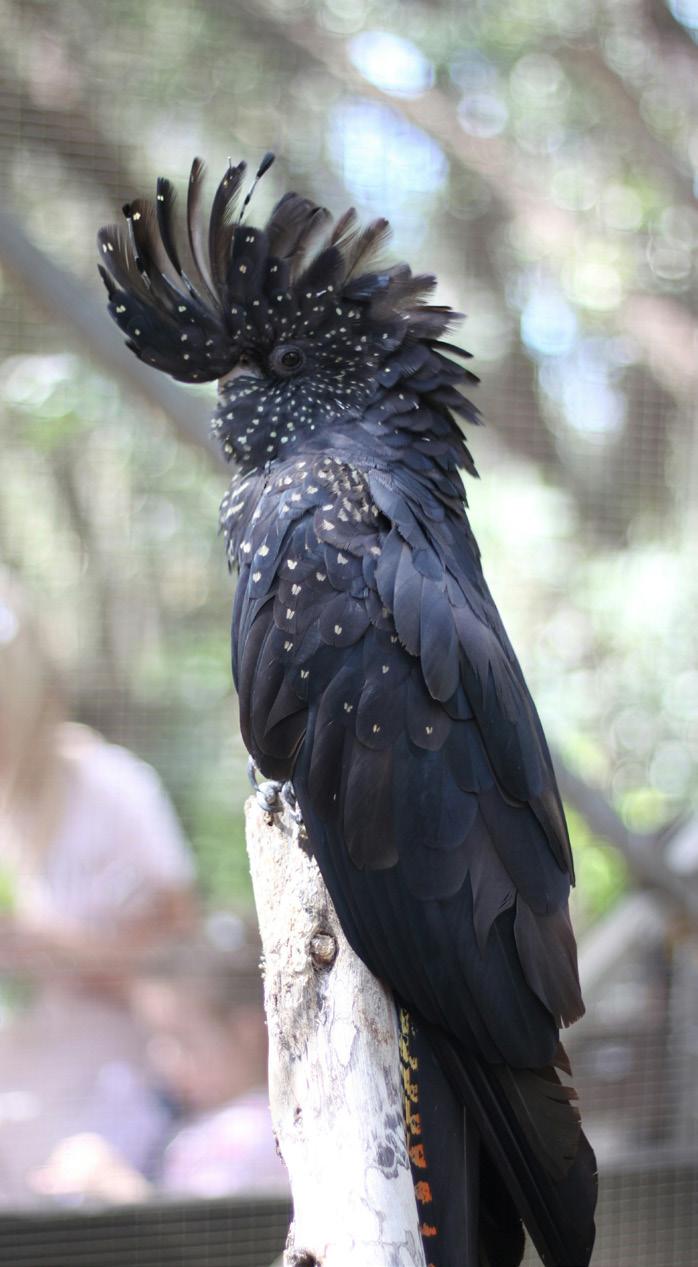
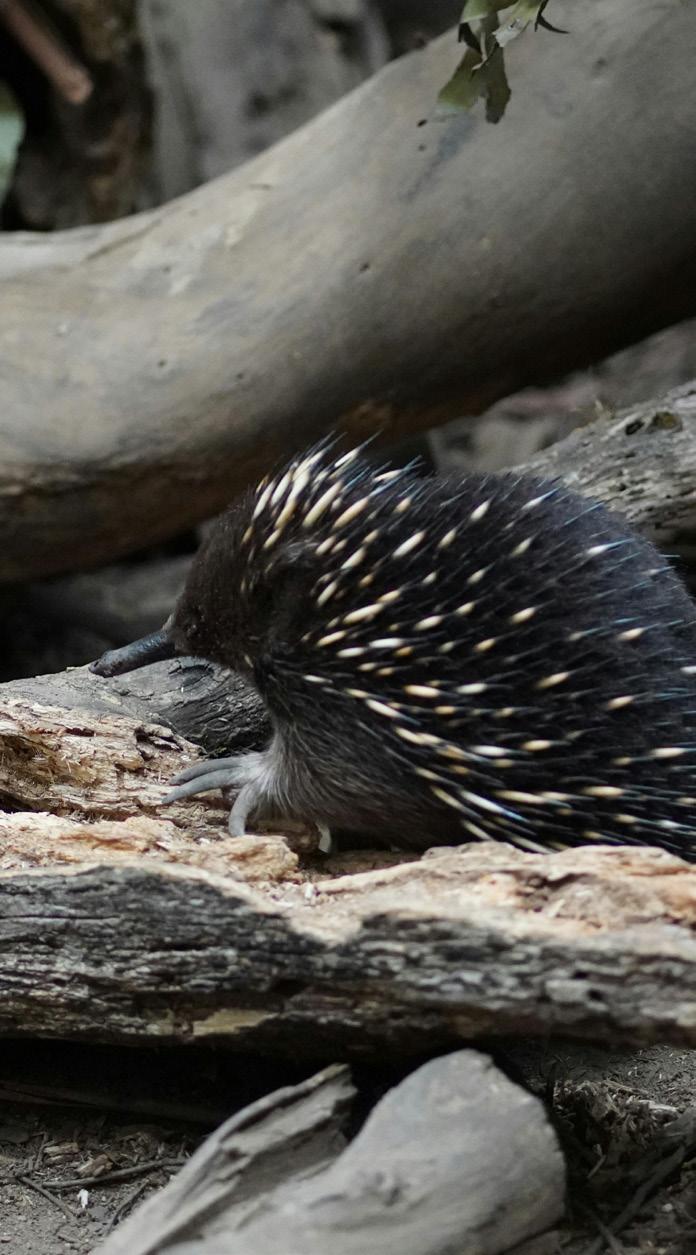
Australia is home to some beautiful and unique native animals, and we are lucky enough to have so many living and roaming on our doorstep. Here’s our guide to spotting some iconic Australian wildlife this autumn.
Photography by Robert Clemens
Canberra and the South Coast’s luscious bushlands foster the perfect habitat for native Australian wildlife, meaning we get to see these amazing creatures more often than if we lived in a big city.
Autumn is a prime time for spotting local wildlife as animals are more active now that the weather is cooler and more tolerable than in summer.
Autumn is also an important time for native animals as they prepare for winter, whether it’s stockpiling food storage, migrating, building or finding appropriate habitat ahead of brumation or hibernation, or even growing thicker fur to cope with the forthcoming lower temperatures.
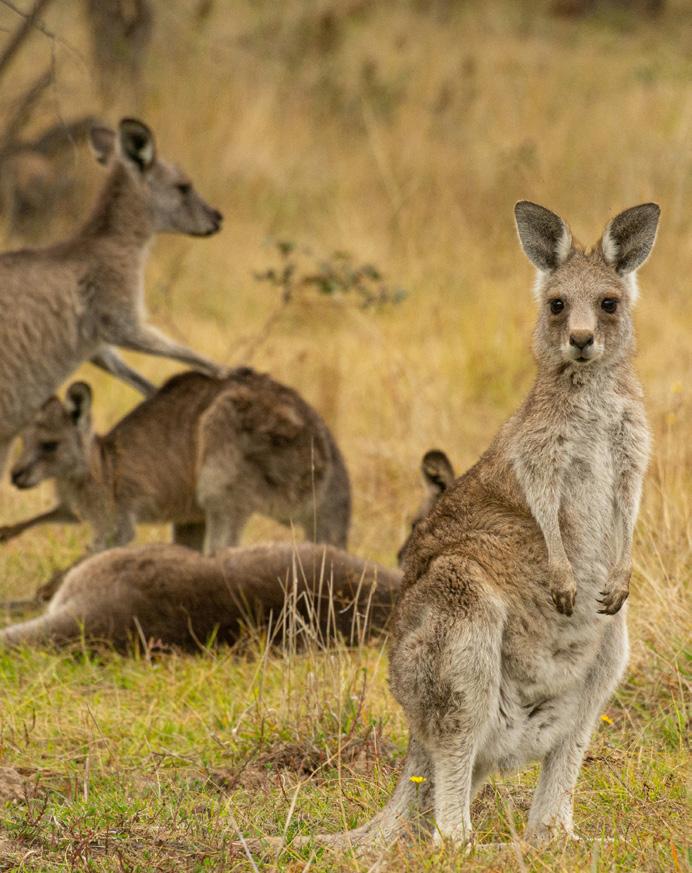
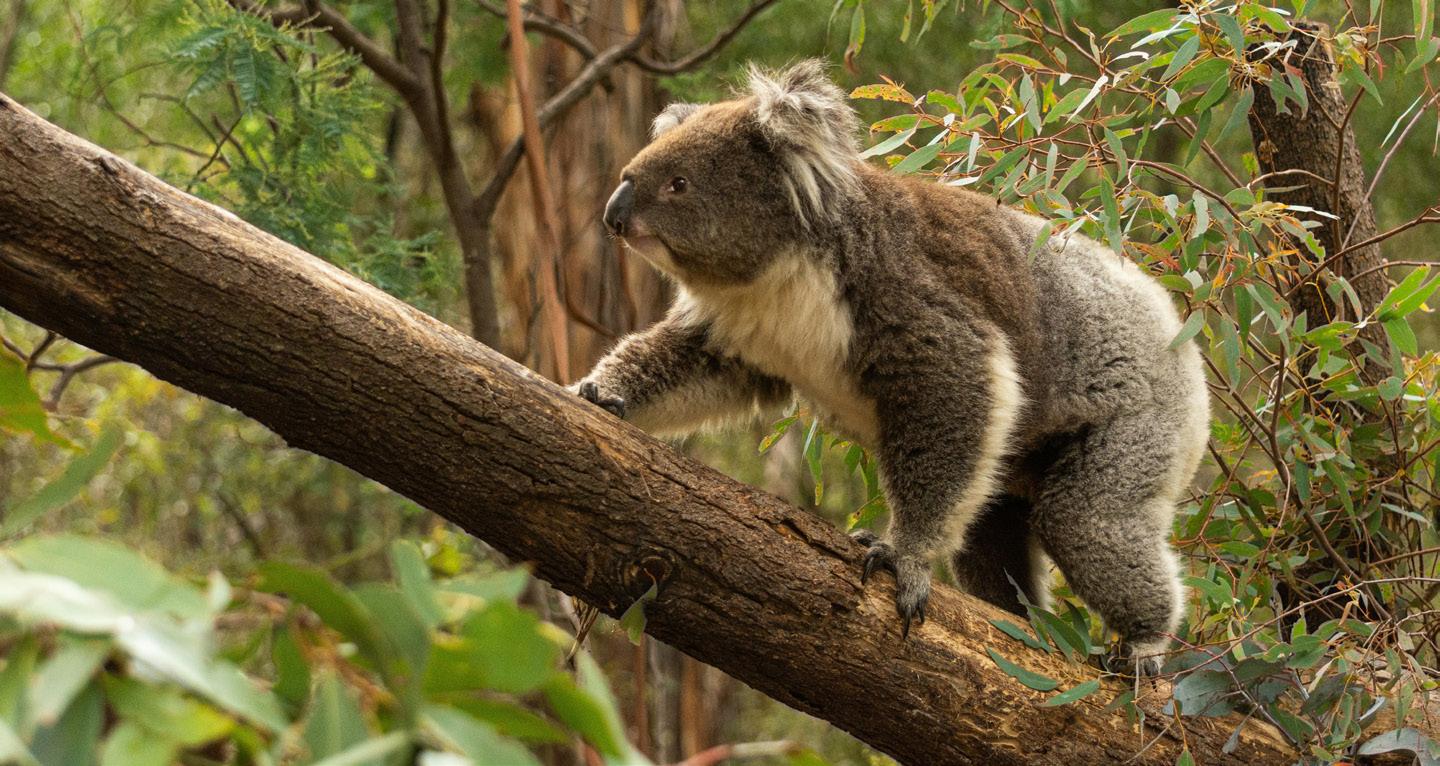
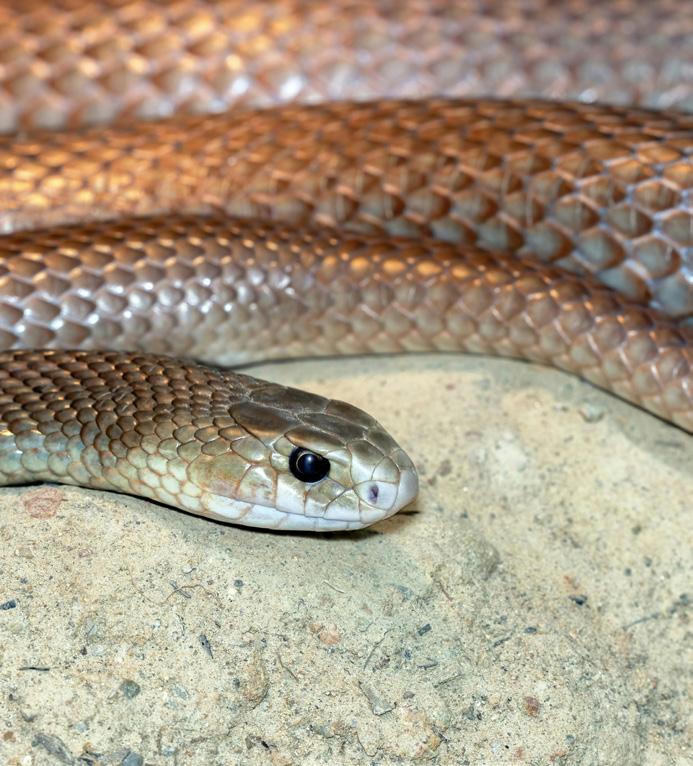
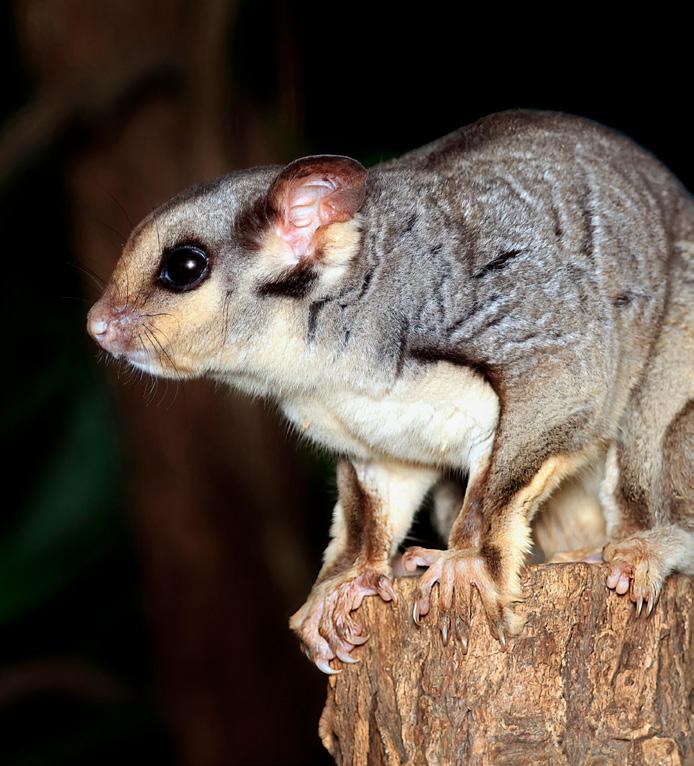
Both Canberra and the South Coast regions offer fantastic opportunities to spot iconic Australian animals like Eastern Grey kangaroos, wombats, emus, koalas, wallabies, platypus, frogs, lizards, snakes, birds and more.
Photography by Douglas Lima
Photography by David Clode
Photography by Thomas Mcpherson
Photography by Tahlia Doyle
Photography by David Clode
To increase your chances of seeing wildlife in the territory, head to the Tidbinbilla Nature Reserve, Namadgi National Park, Mulligans Flat Woodland Sanctuary and urban nature reserves around Mount Ainslie, Mount Stromlo and Red Hill.
It’s not only common native wildlife that calls Canberra home, but many threatened and rare species too, such as the Southern Brush-tailed Rock-wallaby, the Northern Corroboree Frog and the Grassland Earless Dragon in the Tidbinbilla Nature Reserve. Similarly, the rare Eastern Bettong, Eastern Quoll and New Holland Mouse inhabit the Mulligans Flat Woodland Sanctuary.
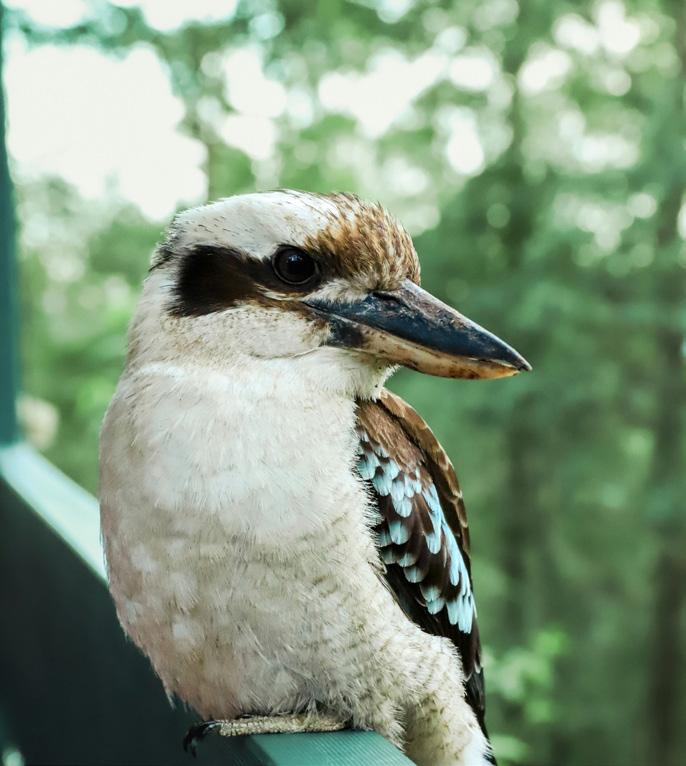
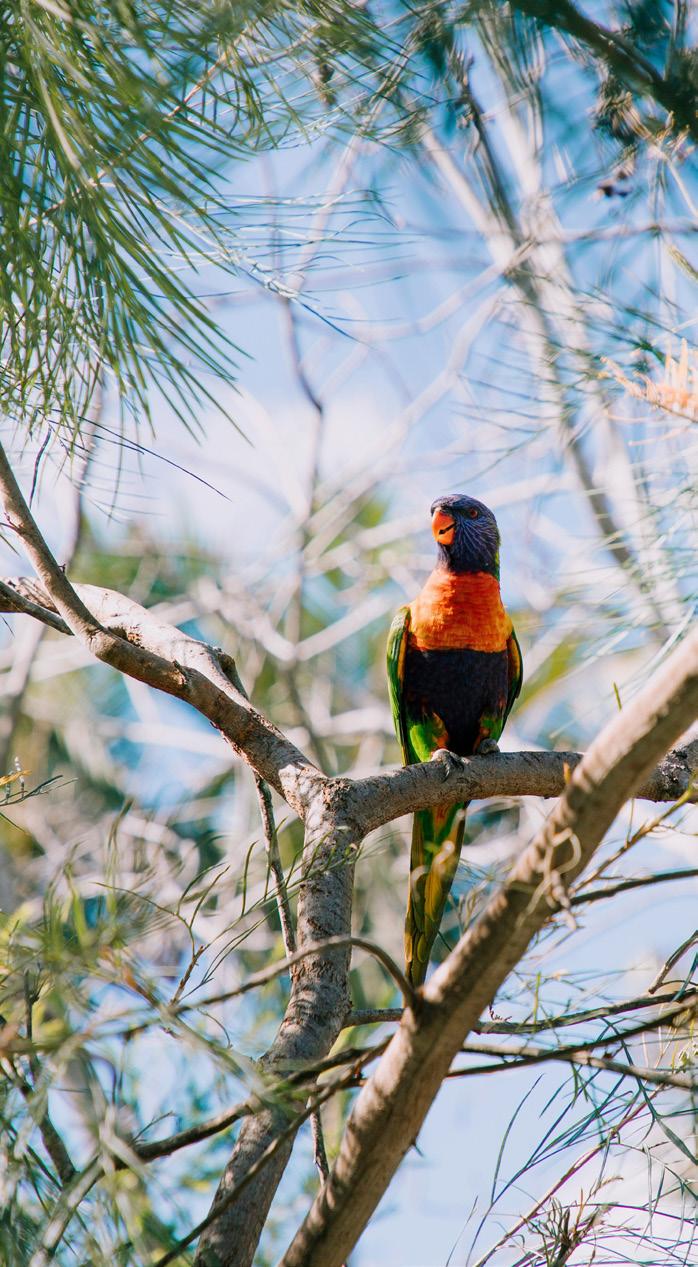
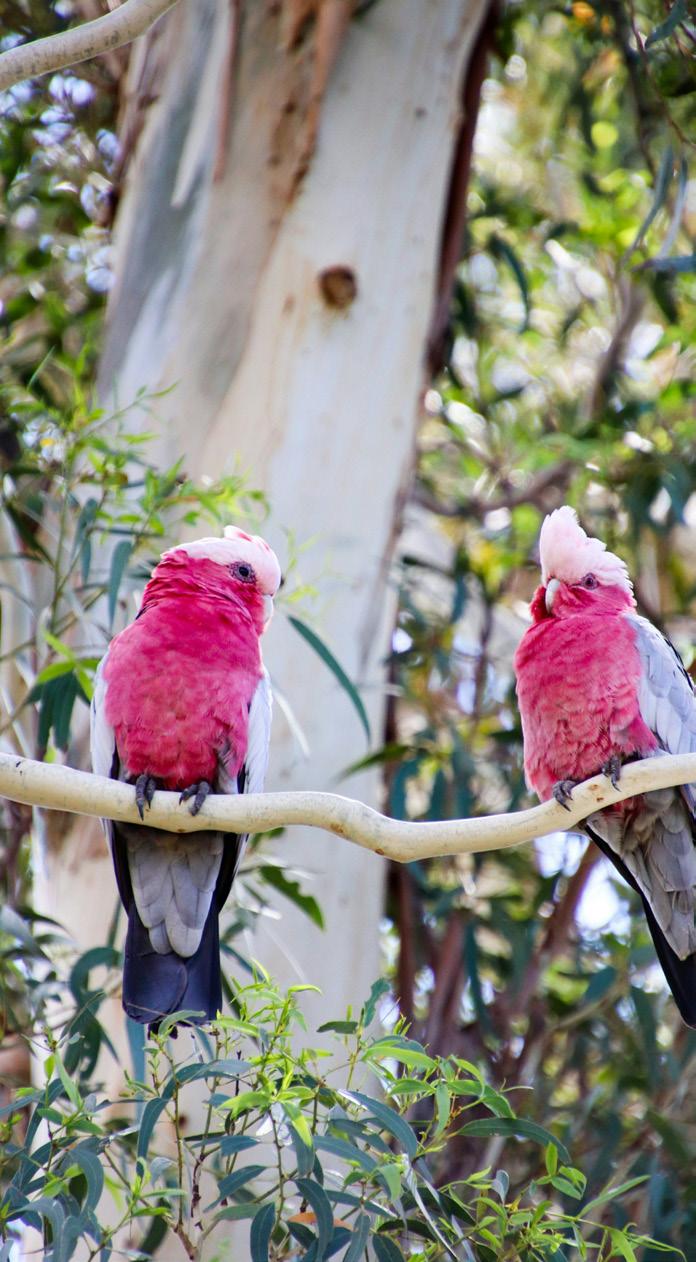
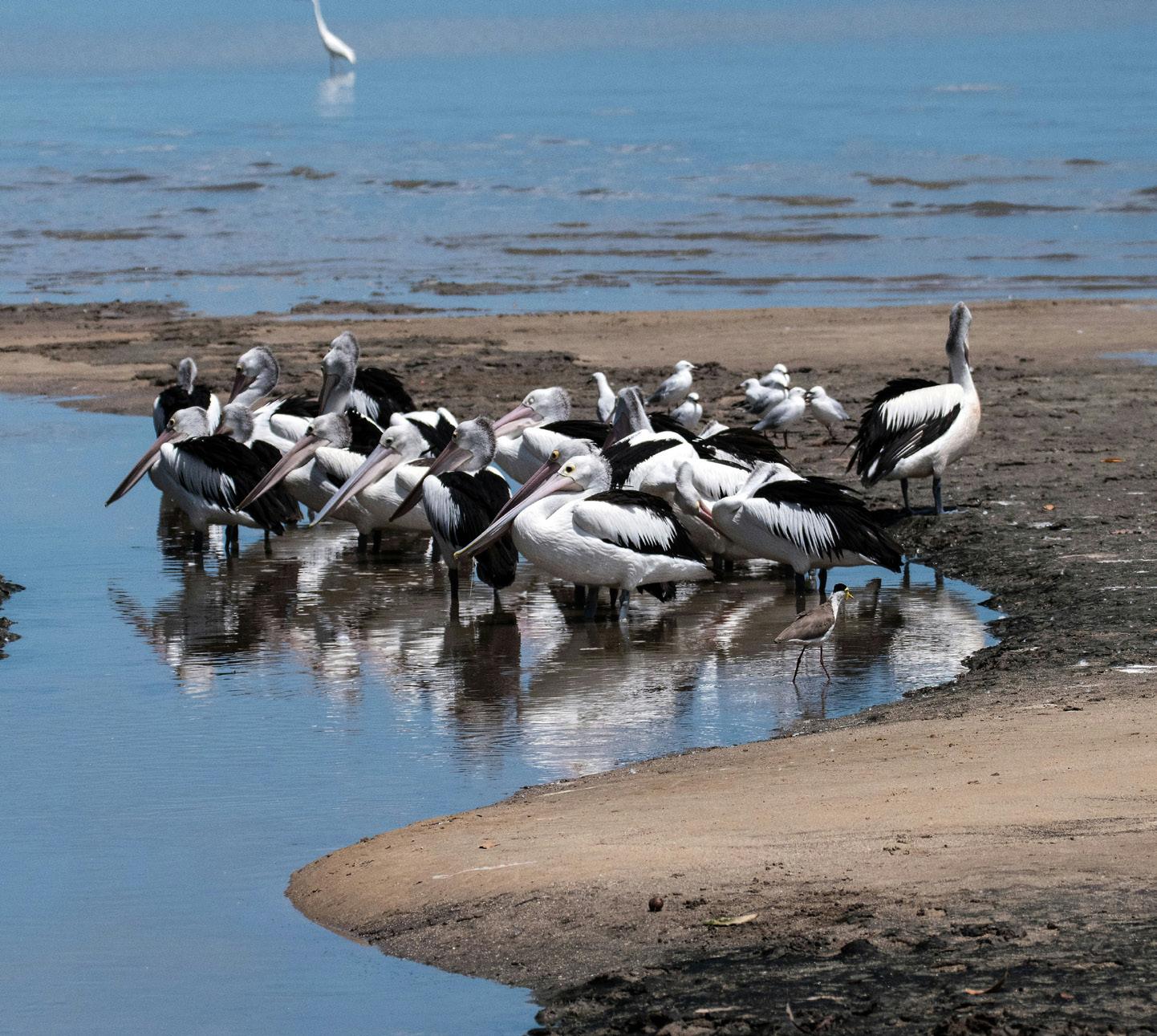
Autumn is also a brilliant time for birdwatching as migrations and sightings are more common. Birds such as the Rainbow Lorikeet and Kookaburra are also more active and vocal. To find native birds in the capital, head to the Jerrabomberra Wetlands Nature Reserve, one of the ACT’s most important wetland habitats and home to diverse plant and animal life including more than 170 different bird species.
Photography by Jade Stephens
Photography by Megan Clark
Photography by Am Lij
Photography by Aaron De Wit
Along the South Coast, the Murramarang National Park, Eurobodalla National Park and surrounding bushlands and nature reserves are key locations for spotting wildlife. Expect to find kangaroos, wallabies, wombats, parrots and bandicoots when inland, or sea eagles, shorebirds, seals and migrating whales when on the coastline.
When visiting these areas, make sure to take a camera and binoculars to make the most of the experience. Remember that while it can be exciting to see Australian wildlife in their native habitats, it is important to respect them in their environment. Under no circumstances should you enter, disturb or destroy their habitats in any way. Do not try to feed, touch, approach or disturb them – give them lots of space to roam and generally keep your distance. This will ensure you stay safe and protect their habitat too.
Photography by David Clode
Photography by Dmity Osipen
Fun food ideas for the whole family
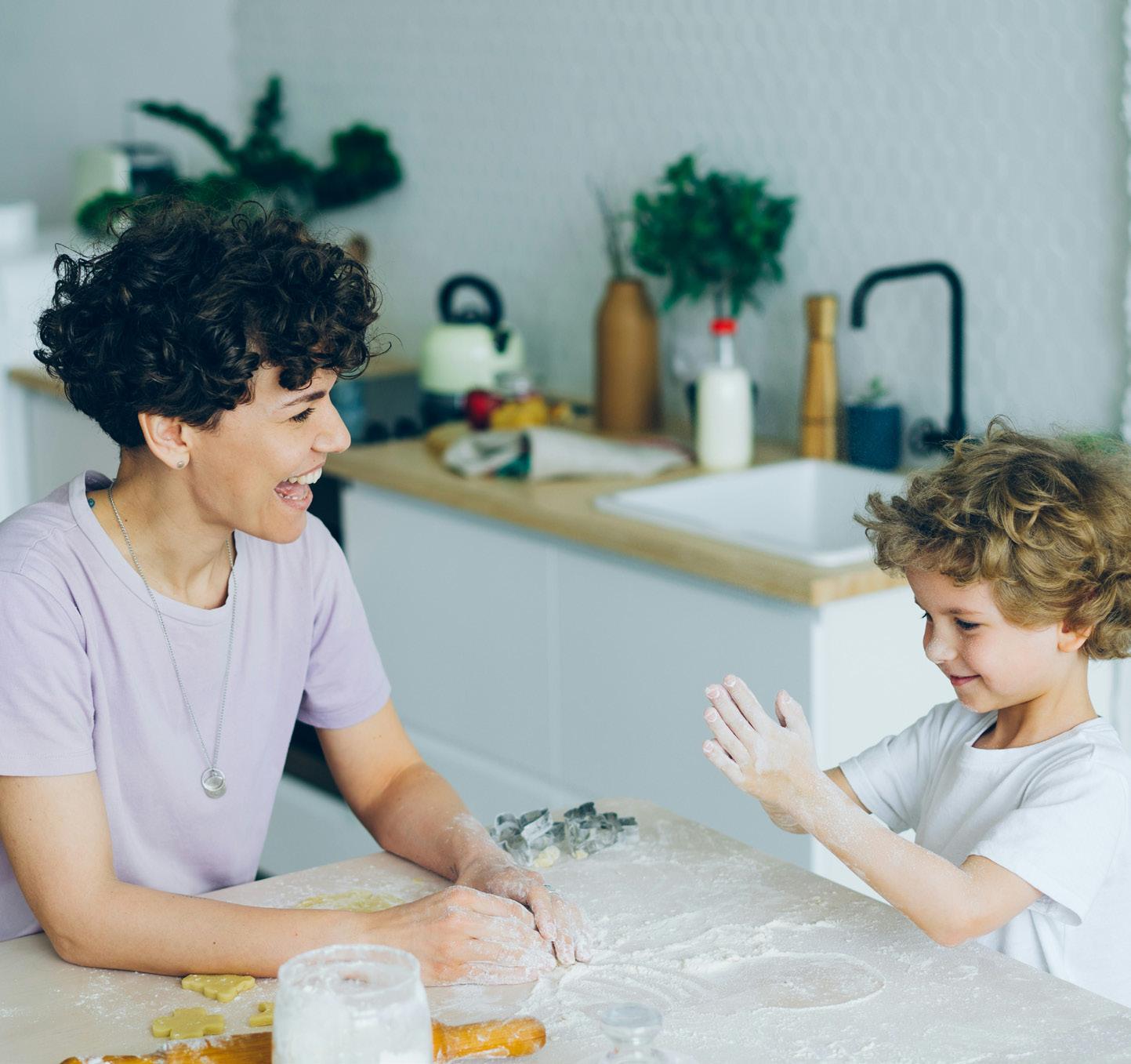
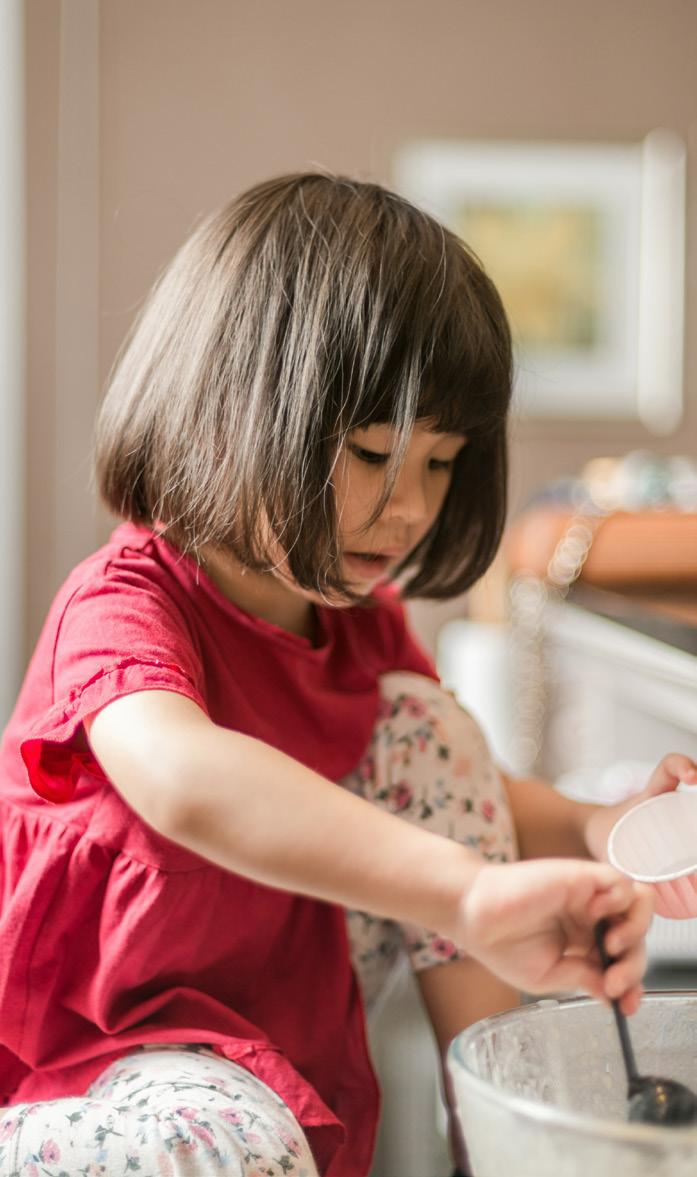
Getting kids involved in the kitchen is a great way to teach them life skills, encourage healthy eating habits, build confidence and foster creativity. Best of all, it creates longlasting memories. Here are some easy, fun and tasty meal ideas that everyone will love to make.
Photography by Brooke Lark
PIZZAS
Pizzas are probably the easiest and most fun thing to make in the kitchen with little ones. You can make your own homemade bases or buy some pre-made pizza dough or pita breads. Spread out the bases, then kids can start by spooning the tomato sauce on, then add their favourite toppings like cheese, sliced meats, pineapple or colourful chopped veggies. Make it fun and educational by quizzing them on the ingredient names or asking them to count how many ingredients they have used on their pizza. An adult can then heat the oven to 200C (180C fan), put the pizzas on a non-stick tray or a tray lined with a baking sheet, then bake for 8-10 mins until crisp.
RAINBOW FRUIT SALAD
A bright rainbow fruit salad makes a quick and healthy snack for kids, and it’s delicious too! Choose fruits in all colours of the rainbow – red (strawberries, raspberries, red apple, cherries, watermelon), orange (oranges, mandarin, mango, peach, apricot), yellow (pineapple, banana, grapefruit, yellow pear, yellow apple), green (kiwi, green grapes, pears), blue (blueberries, black grapes, plums), and indigo/violet (red/ purple grapes, blackberries, figs). Fruit can be put in a large bowl and tossed gently to mix together, or children can lay each type of fruit in a rainbow shape or even make fruit skewers. You could also make a simple dressing to help keep the fruit fresh –combine 1/4 cup orange juice, 2 tablespoons honey and 2 tablespoons lemon juice, then drizzle over. Eat immediately or cover and keep in the fridge until needed.
Photography by Rikokill
Photography by Andrey
QUESADILLAS
Quesadillas are another fantastic and super easy meal that kids can make in the kitchen, even the youngest of children can get involved. Start by laying out soft flour tortillas on your workspace, then on one half of each tortilla children can sprinkle some cheese, then add toppings of their choice, such as shredded chicken, black beans, tomatoes, corn, red onion and spinach. Anything they like! An adult can then fold the tortillas in half and fry, toast or grill until the cheese has melted.
WRAPS
Wraps can be a great way to mix things up from your usual sandwich routine while incorporating a range of healthy ingredients into your child’s diet. Buy some soft corn or whole wheat tortillas and put them on your workspace, then your little ones can add some fresh salad items and crisp vegetables from your selection – think peppers, cherry tomatoes, sweetcorn, broccoli, onion, carrot, spinach, lettuce or cucumber. Make the wraps extra tasty with some cream cheese, avocado, shredded cheese, eggs or hummus. Leave them as veggie only, or add cooked meat or fish, like tuna.
Photography by Vitaly Gariev
Photography by Margarida Afronso
Photography by Taylor Kidd
NO-BAKE TREATS
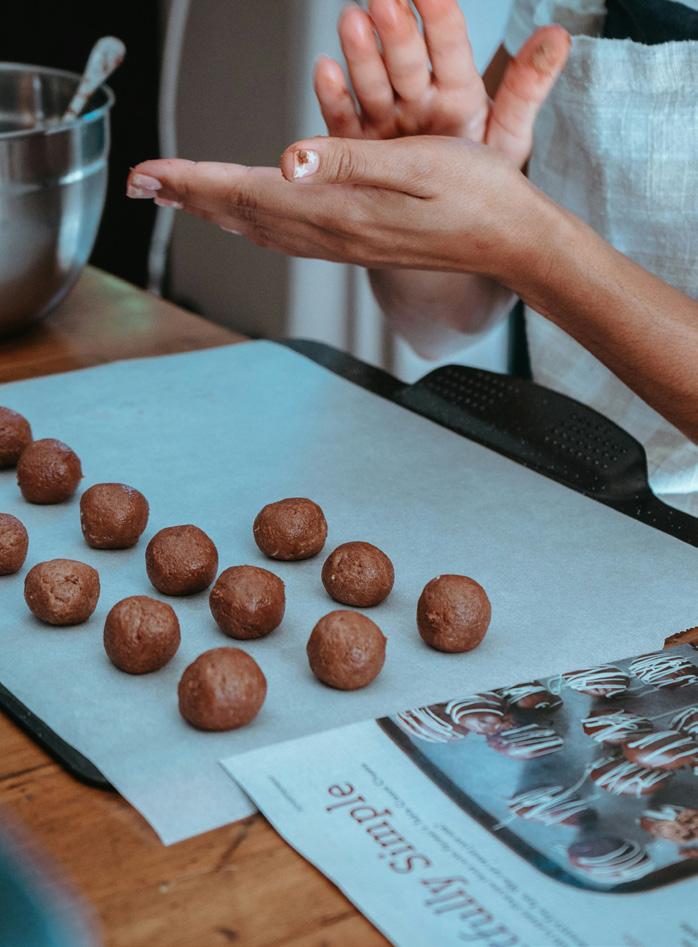
No-bake sweet treats are a fun and simple snack to make as they only have a handful of ingredients. Some are so easy that kids can help from start to finish!
● Banana and cinnamon balls: Mash
1 ripe banana and mix with 1 cup oats and ¼ cup nut (or seed) butter. Roll into balls and chill until set.
● Chocolate crackles: Mix 4 cups Rice Bubbles, 1 cup icing sugar, 1 cup desiccated coconut and 3 tbsp cocoa. Melt 250g butter (or Copha), stir into dry ingredients, spoon into patty cases, and chill until set.
● Peanut butter balls: Mix ½ cup nut (or seed) butter with ½ cup maple syrup and 1 cup oats. Roll into balls and chill until set.
● Rice bubble slice: Melt 125g butter and 200g marshmallows together. Stir in 4 cups Rice Bubbles, press into a tin, and chill until set.
● Chocolate coconut balls: Blend 100g pitted dates, 150g rolled oats, and 25g cacao (or carob) powder until sticky. Roll into balls and chill until set.
Photography by George Gagan
Photography by Sheri Silver
Photography by Lisa Gageler
SAFETY
It’s important that from a young age, children learn how to hold a knife and cut ingredients safely. Depending on how young your child is, they can either use a plastic knife or a proper kitchen knife. Start out with soft food when cutting and always supervise children, especially for the first few times until they are feeling more confident. Remember that using a sharp knife is actually safer than using a blunt one, as it is more likely to slip, and always keep knives flat when not in use. Ensure your workspace is well-lit and steady, using a stool for your child if necessary. Make sure you are using a non-slip cutting board or place a damp cloth or paper towel underneath.
Photography by Tanaphong
Photography by Olivia Oliver
Photography by Markus Spiske
EDEN Apartments
Designed for the Way You Want to Live Now
A NEW CHAPTER OF COMFORT AND CONVENIENCE
Inspired by the developers’ own family experience with downsizing, Eden was created for people who want to stay close to familiar surroundings while moving into a home that is modern, low maintenance, and easy to live in. With features such as a dedicated mobility scooter storage area, energy efficient design, and warm, open interiors filled with natural light, Eden Apartments offers a lifestyle that feels effortless and welcoming
With shops, cafes, local clubs, and everyday conveniences just moments away, life at Eden means less time on upkeep and more time enjoying the things that matter most.
CONTACT
Matt Sebbens 0402 064 504 msebbens@blackshaw.com.au
Welcome to Eden Apartments, a boutique development in the heart of Kippax Town Centre designed for those ready to enjoy a simpler and more connected way of living.
APARTMENT INCLUSIONS
- Bosch kitchen appliances
- Stone benchtops and breakfast bar
- Double glazed windows and sliding doors
- Reverse cycle heating and cooling
- Elegant bathrooms with premium fittings
- Built-in robes to all bedrooms
- Custom integrated laundries
- Minimum 6 Star Energy Rating
- Choice of practical floorplans
- Private courtyards to selected apartments
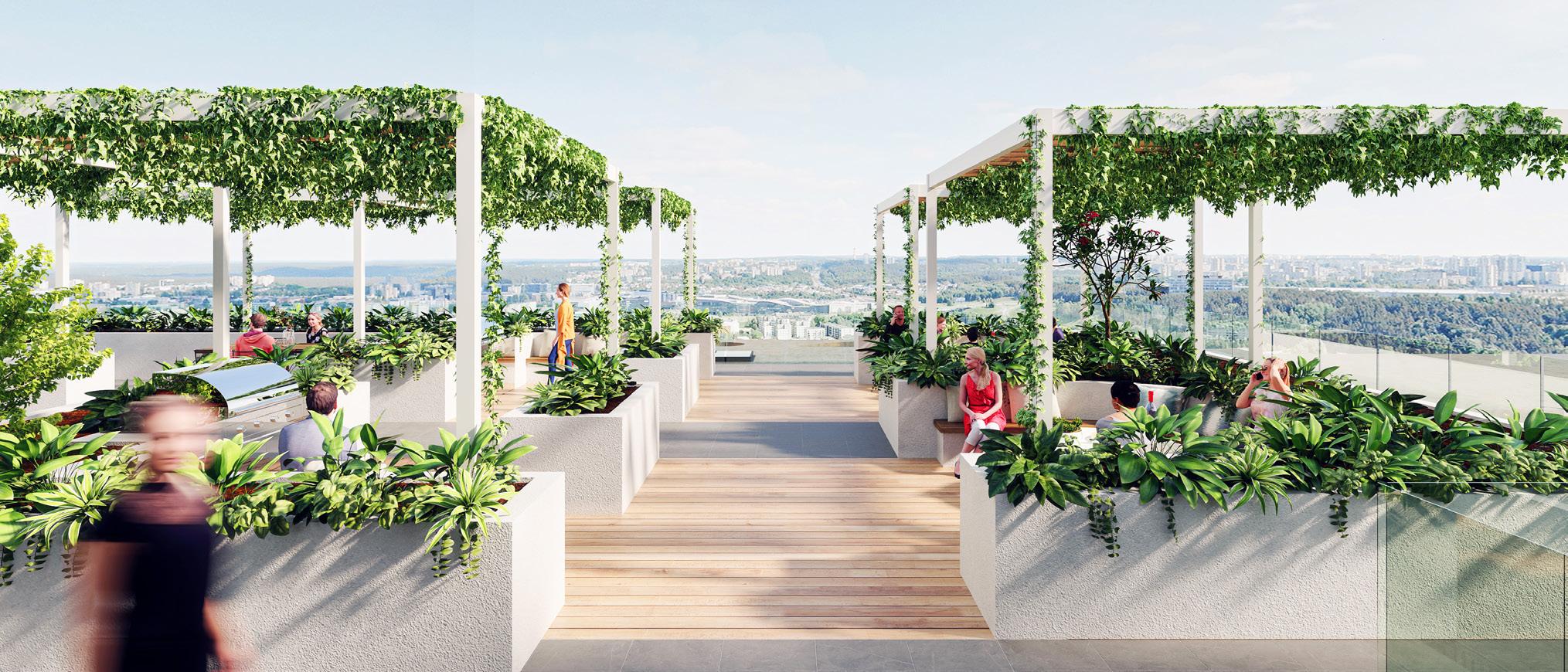
Residents also enjoy access to a private rooftop garden with landscaped areas, comfortable seating, and BBQ facilities. It is the ideal place to relax with a book, meet neighbours, or host visiting family.
Eden Apartments is a warm, connected, and easy place to call home, right in the heart of Kippax.
Houseplants 101: A beginner’s guide
Growing plants in your home has a range of benefits, from making your interior feel bright, fresh and cosy, to improving air quality and even boosting your mood. But if you’re not a green thumb, then where do you start? Fear not, this guide will help.
Photography by Vasilina Sirotina
HARDY PLANTS)
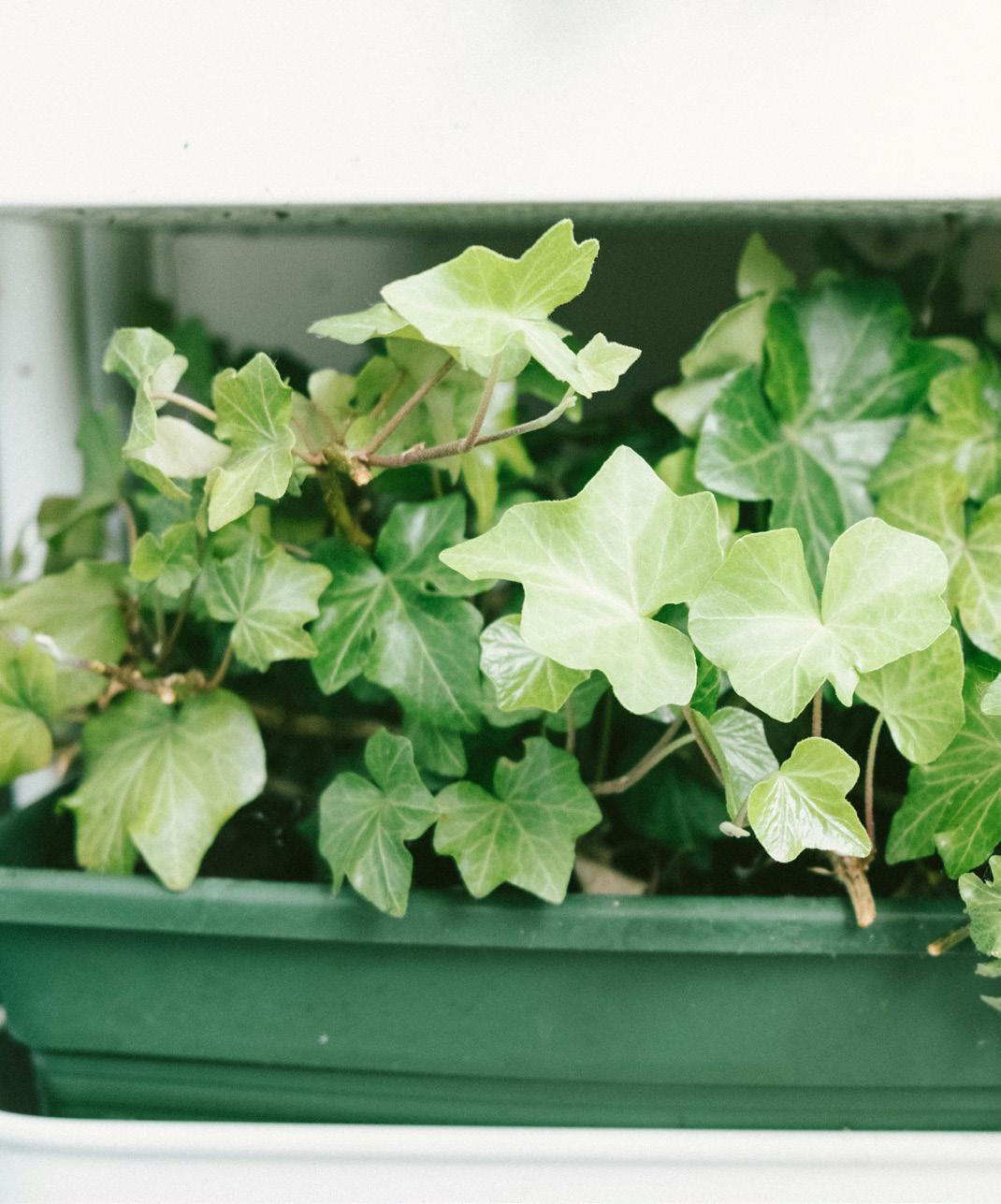
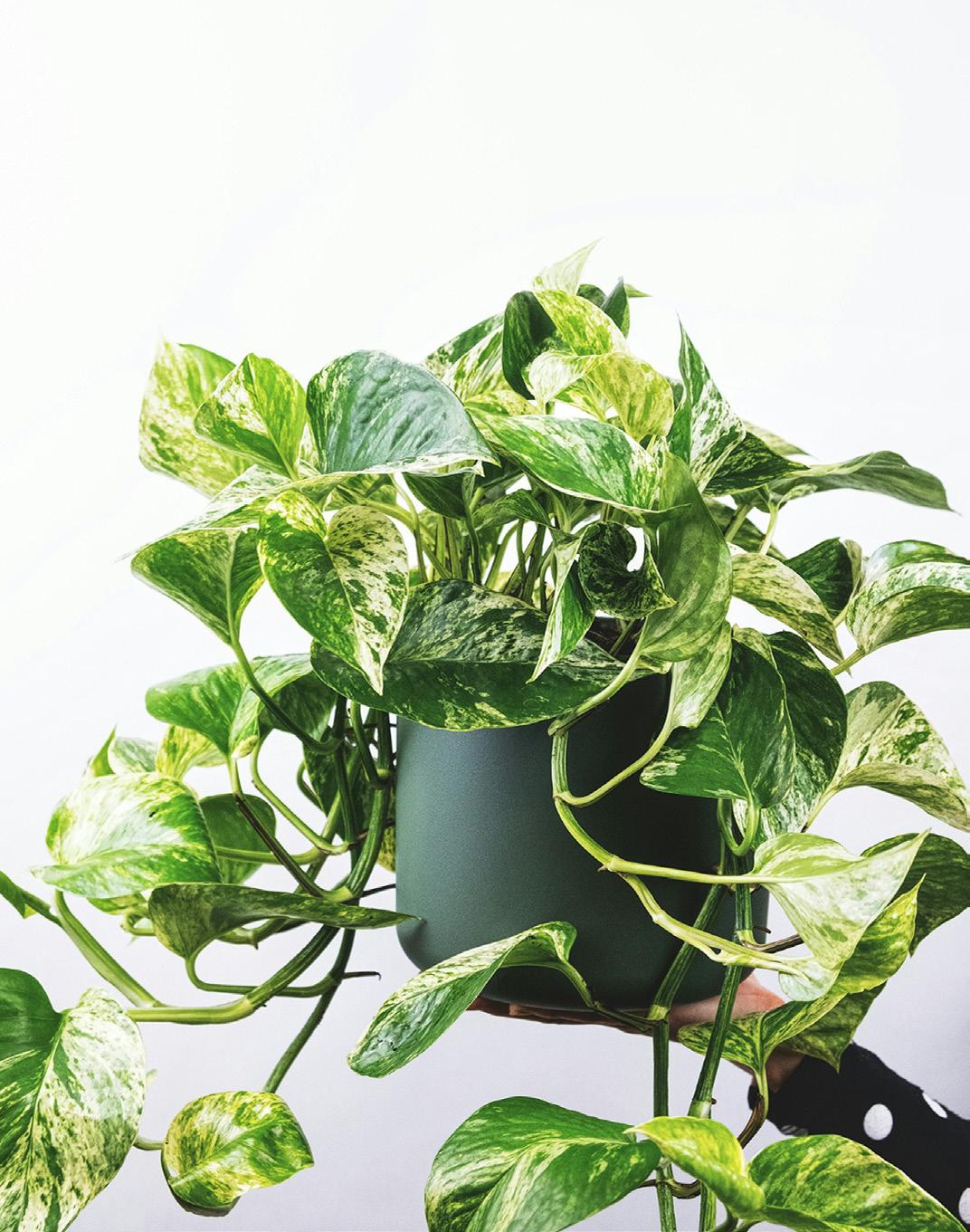
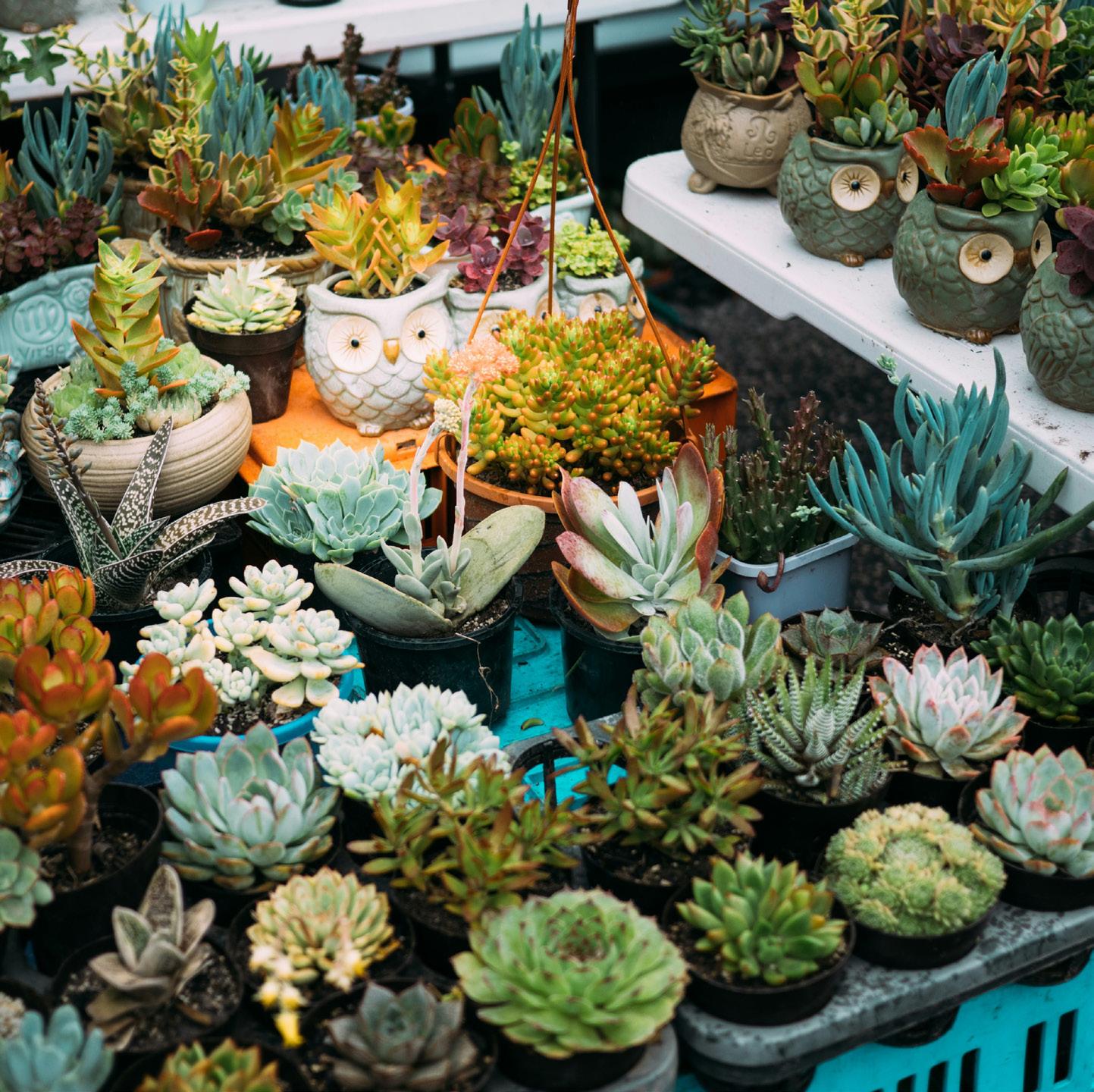
If you’re after something almost unkillable and forgiving or just don’t have the time to tend to your plants regularly, then opt for resilient, durable and no-frills greenery that can withstand infrequent watering and minimal care. Succulents are top of the list when it comes to low maintenance, so consider varieties such as aloe vera, cactus, and the Chinese money plant. The English ivy is another hardy plant, which prefers moderate light, but can adjust to low light if needed. The easy-to-grow vining pothos (or Devil’s Ivy) thrives in various light conditions and isn’t bothered by the cold or irregular watering. The Zanzibar gem and the snake plant are also both very resilient and can tolerate low light and minimal care. Known as the unkillable plant and a great all-rounder, the peace lily can also tolerate light and dark spaces, but typically only blooms its pretty white flowers when exposed to bright indirect sunlight. The Chinese evergreen is another durable houseplant, which tolerates poor light, dry air, air-conditioning, and minimal watering. The rubber plant is a great pick for beginners as they thrive in bright, indirect light but can tolerate various indoor conditions and don’t need much watering. The kentia palm is another easy-care houseplant that thrives on bright indirect light and is known for tolerating lower light and enjoys some humidity, so can be moved around.
Photography by Mark Bosky
Photography by Volkan Kacmaz
BATHROOMS
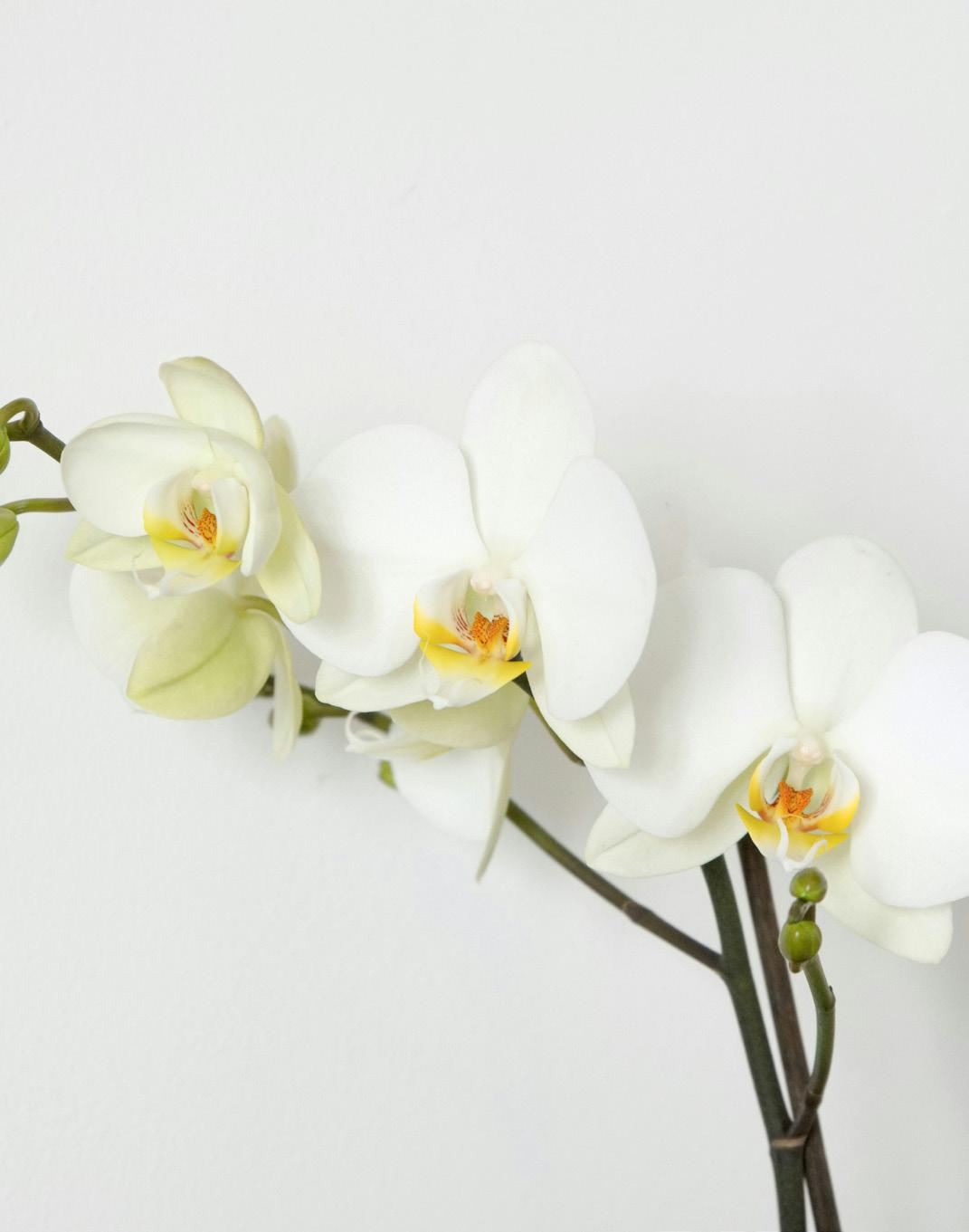
A family bathroom or ensuite is a top choice for low-care plants that love humid environments, such as fiddle leaf figs, spider plants and white orchids. If you have a window that spills bright and indirect sunlight into your bathroom, then try the pancake plant (also known as the pilea peperomioides, the Chinese money plant or UFO plant). The majesty palm and the glossy Moreton Bay chestnut also love humidity and grow best in a sunny location. If you like the look of a basket, then opt for a string of nickels, as they love a humid bathroom.
WHERE TO BUY
Your local florist, nursery, and farmers markets are all brimming with luscious plant life so head out and don’t be shy to ask the experts about what species you should choose for your home. You can also buy plants through businesses like The Good Plant Co who have a vast range of beginnerfriendly plants and tonnes of advice on their website.
Photography by Feey Liz
Photography by Antonio Calissi
BASIC CARE TIPS
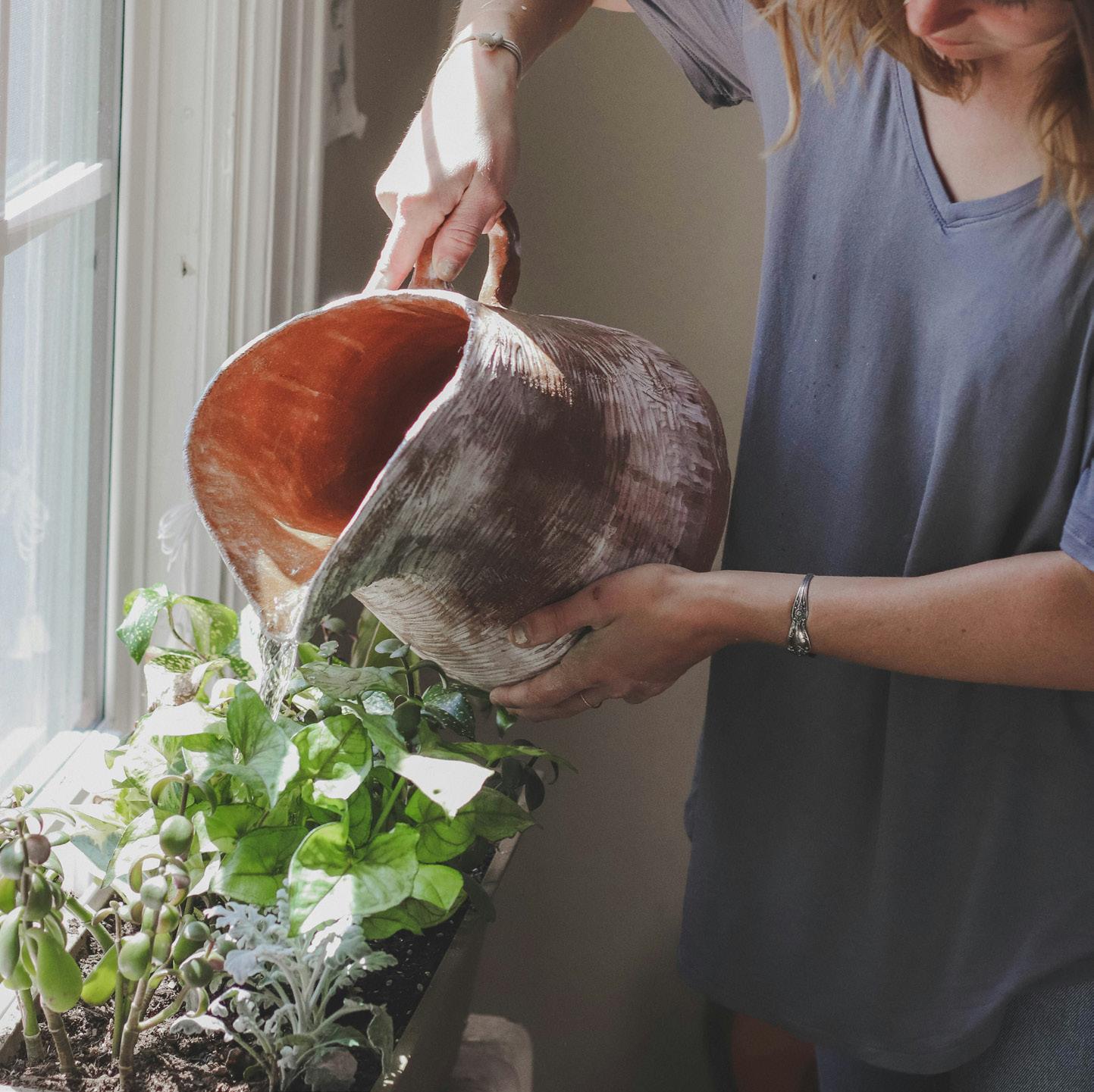
● Keep your plants hydrated but be careful not to overwater them. When the topsoil is dry (when it doesn’t stick to your finger), then it’s likely that your plant needs a drink. Remember, with the colder weather on the way, the sudden drop in humidity means that the air becomes very dry, which can then dry out the soil very quickly, so be sure to check your plants regularly to help them flourish.
● Avoid extremes in temperature. Always keep your plants in a location that has a consistent temperature suited to its needs. Don’t put plants near heaters and by cold windows and doorways.
● Regularly prune dead parts of your plants to promote healthy growth and longevity. If there are signs of pests, or the leaves are brown or yellowing, then your plants may be unwell. To troubleshoot and treat common problems, take a photo of the plant and do a reverse image search online to help you with next steps, or show the photo to an expert at your local garden store.
● Different houseplants need different types of soil to grow and thrive. While you will most likely buy a plant that’s already potted in appropriate soil, if you do choose to re-pot your plant, or if it is not growing well, then it might be time for fresh soil and perhaps even some fertiliser. Ask an expert at your local garden centre or do your research online to find the best soil variety for your plant.
Photography by Timothy Hales
Photography by Cassidy Phillips
WANT TO REACH A WIDER AUDIENCE?
Advertise your company in the next edition of Inspired Living Magazine! With over 26,500 readers, digital and print advertising has never been better, this is an opportunity you don’t want to miss.