Professor of Business Analytics
Aston University
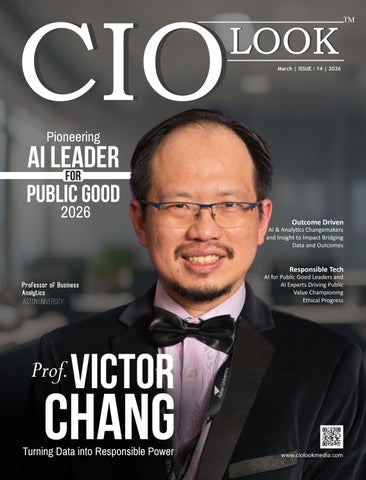
Professor of Business Analytics
Aston University
Outcome Driven AI & Analycs Changemakers and Insight to Impact Bridging Data and Outcomes

Responsible Tech AI for Public Good Leaders and AI Experts Driving Public Value Championing Ethical Progress






Inmanyscientificjourneys,therecomesadefiningmomentwhencuriositytransformsintoclarityand
questionsbegintoshapemeaningfulanswers.Trueadvancementisnotdrivensolelybydiscovery,butby theintentbehindit.Leaderswhorecognizethisdistinctionmovebeyondtheory,applyingknowledgein waysthatcreatemeasurablevalueacrossindustriesandcommunities.
Theabilitytoconvertresearchintoreal-worldoutcomesremainsoneofthemostpowerfulindicatorsof impactfulleadership.Itrequiresnotonlytechnicalexpertisebutalsoadeepunderstandingofhowsystems interactandevolve.Thosewhosucceedinthisspacebringtogetherinsight,discipline,andacommitmentto solvingproblemsthatmatter.Theirworkoftenspanssectors,influencinghoworganizationsoperateandhow societiesbenefitfrominnovation.
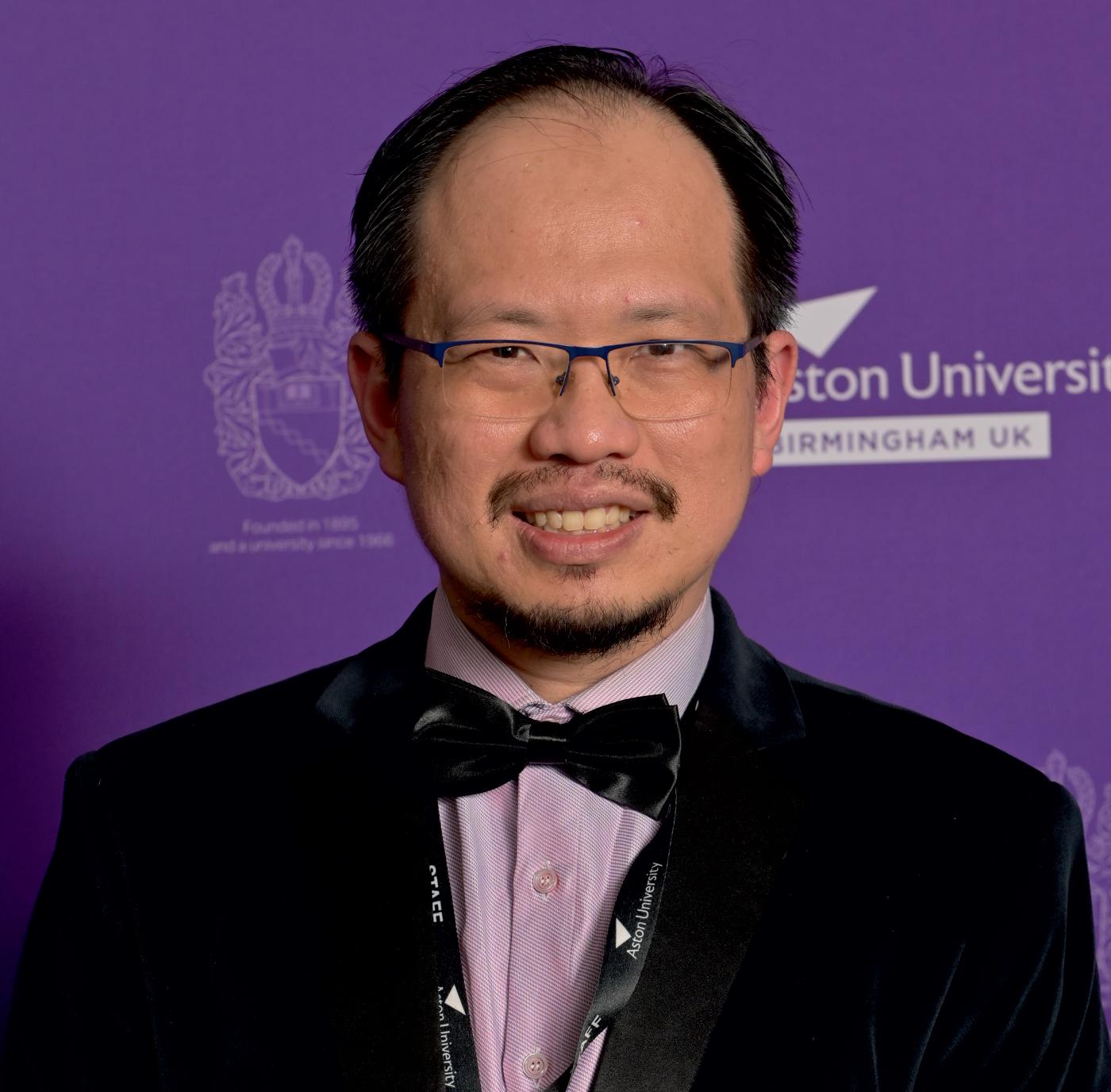
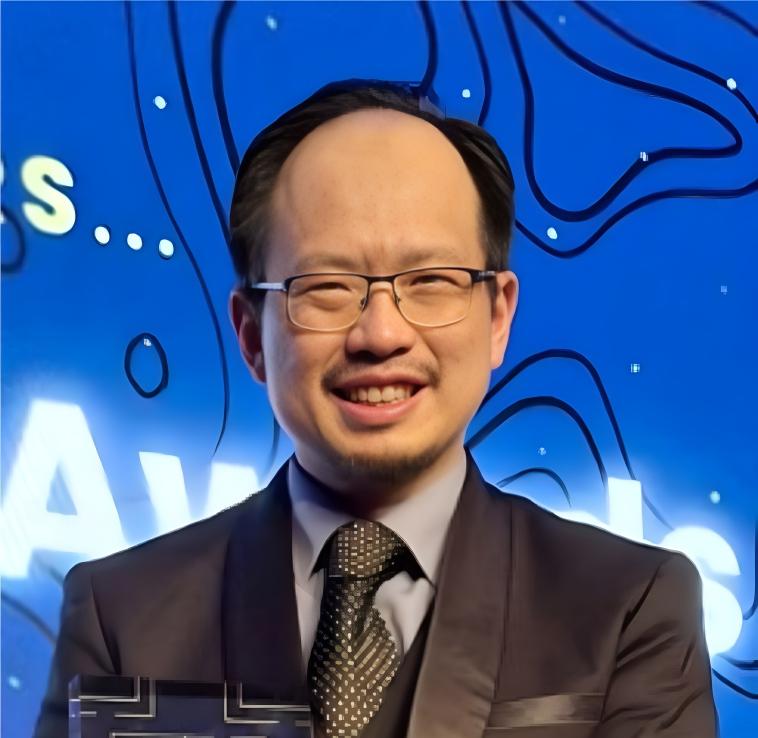
Inthisspecialedition, Pioneering AI Leader for Public Good 2026, wepresentasingularvoicewhose contributionsstandasabenchmarkforpurposefulinnovation.Thiseditionisdedicatedtorecognizingone distinguishedleaderwhoseworkreflectsadeepcommitmenttoaligningartificialintelligencewithpublicvalue. Hisjourneyhighlightstheimportanceofapplyingknowledgewithclarity,ensuringthatprogressremains groundedinreal-worldimpact.
Thefeaturedleaderinthiseditionhasbuiltanexceptionalcareergroundedinresearchexcellenceandpractical application.Withextensiveexperienceacrossmultipleindustries,hisworkhasconsistentlydemonstratedhow advancedtechnologiescanenhanceefficiencyanddecision-making.Hiscontributionshavesupportedsectors suchashealthcare,manufacturing,andfinance,wheretheintegrationofintelligentsystemscontinuestoreshape operationsandoutcomes.Beyondhistechnicalachievements,hisinfluenceisreflectedinhiscommitmentto knowledgesharingandcollaboration,leavingalastingmarkonbothindustryandacademia.


Editor-in-Chief
CONTENT
Deputy Editor Anish Miller
Managing Editor Prince Bolton
DESIGN
Visualizer Dave Bates
Art & Design Director Davis Marn
Associate Designer Jameson Carl
SALES
Senior Sales Manager Wilson T., Hunter D.
Customer Success Manager Collins J.
Sales Execuves Tim, Smith
TECHNICAL
Technical Head Peter Hayden
Technical Consultant Victor Collins
SME-SMO
Research Analyst Eric Smith
SEO Execuve Alen Spencer
FOLLOWUSON


www facebook.com/ciolookmedia
www.twier.com/ciolookmedia
WE ARE ALSO AVAILABLE ON
CONTACTUSON
Email info@ciolookmedia com
For Subscripon www.ciolookmedia.com
Copyright © 2026 CIOLOOK Media, All rights reserved. The content and images used in this magazine should not be reproduced or transmied in any form or by any means, electronic, mechanical, photocopying, recording or otherwise, without prior permission from CIOLOOK Media. Reprint rights remain solely with CIOLOOK Media.
sales@ciolookmedia.com
March,2026



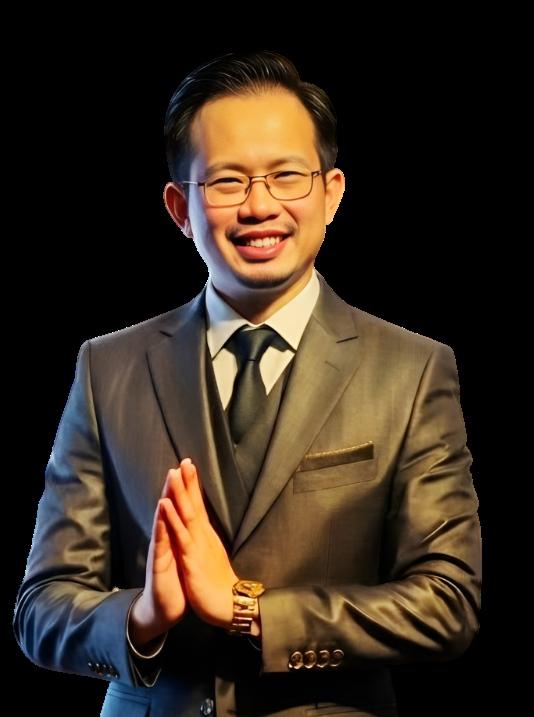
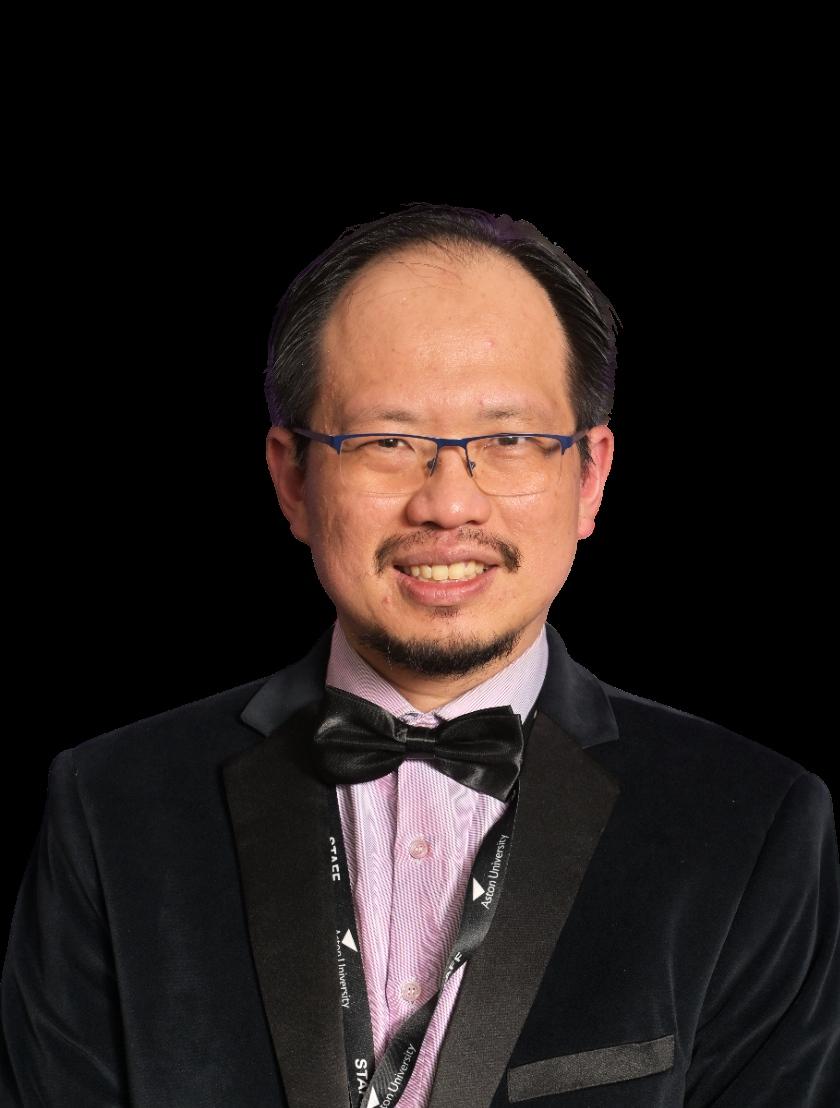
In many scientific careers, there comes a point when a researcherstopschasinganswersandstartscaringmore about the quality of the questions. For Prof. Victor Chang, that moment arrived not in a laboratory or a lecture hall,butafarmoreeverydaysetting:watchingorganisations drown in data they simply didn’t know what to do with. Manufacturers,hospitals,andbankswereallgeneratingmore information than they could process, and most of them shrugged and moved on. Prof. Victor looked at that same problemandthought:“thisisexactlywhereIshouldbe”.
Thatinstincthasdefinedeverythingsince.Today,heholdsa chairasProfessorofBusinessAnalyticsatAstonUniversity, ranksamongthemostcitedresearchersinhisfield,andcarries fellowships from some of the most respected scientific and professional bodies in the country. The recognition that followshimisnotsomethinghehaspursued;itissomething theworkhasaccumulatedonitsown.Hisinfluencedoesnot stop at the edge of a published paper — it travels forward through every student he has shaped, every collaboration he has seeded, and every system he has helped bring into responsible,trustworthyuse.
At his core, Prof. Victor holds a single conviction that runs through everything he does: intelligence, artificial or otherwise,isonlyworthsomethingwhenitgenuinelyserves people.Forhim,thatisnotatagline.Itisthearchitectureof hiscareer
Prof.Victor grew up in a household where asking questions was normal and working hard was simply what you did. Sciencepulledhiminfromanearlyage—notbecauseofthe glamourofbreakthroughs,butbecauseofthequieterpleasure of tracing how things connect. Why do systems fail? What happenstoinformationwhenorganisationscannotmakeuse ofit?Coulddata,handledwithgenuinecareandintelligence, changerealoutcomesforrealpeople?Thesewerenotabstract puzzlestohim.Theyfeltliketherightproblemstospendalife on.
His undergraduate years gave him the technical foundations heneeded.Thedirectionofhiscareer,however,becameclear during his master’s and doctoral studies. Working at the intersectionofcomputerscienceandpracticalcomplexity,he arrivedataconvictionthathasstayedwithhimeversince:the data generated by people and institutions every day holds genuinepotentialtoimprovelives,butonlywhenthesystems built around it are designed to be transparent, fair, and trustworthy That was not a research hypothesis. It was a purpose.
When Prof. Victor entered the field of AI and data science, ambitionwasnotinshortsupply Whatwashardertofind,in his assessment, was accountability Organisations were producing vast quantities of data and deploying systems to process it, but those systems were often opaque, sometimes unfair, and rarely built with any real concern for individual privacy.Hefoundthattroubling.Thisbotheredhimbutmade him self-reflect – and it clarified exactly where he needed to focus.
The guiding principle behind his research what he describes as utility without compromise — follows directly from that observation. Artificial intelligence earns its place only when it can be trusted, and trust is only possible when systems are honest about how they work, clear about their limitations, and careful about whose data they are handling andwhy Thisledhimtofederatedlearning:atechniquethat allowsAImodelstotrainacrossdistributed,separatedatasets withouteverpoolingthesensitiveinformationthosedatasets contain.Itisapracticalanswertoamoralquestion,whichis exactlythekindofsolutionProf.Victorfindsworthbuilding.
WhenProf.VictorjoinedAstonUniversity,hedidnotframeit as starting something new He described it, later, as arriving somewherehehadlongbeenworkingtowards.AtAston,he finally had the space to build with permanence — research groups with real scope, cross-disciplinary partnerships capableofoperatingatscale,andaninstitutionalculturethat treated responsibleAI not as a footnote to the main research agenda,butasitscentralconcern.
Thebodyofworkhehasproducedtherereflectsthatsenseof settledpurpose.Alongsideanextensivepublicationrecord,he has secured grants for long-horizon research, developed UK–Japan partnerships in federated learning, and built research clusters that have drawn talented scholars from across the field. His fellowships span the IET, the BCS, the Operations Research Society, the Institute of Physics, the Institute of Leadership, and the Royal Society for Public Health—affiliationsthat,takentogether,tracethebreadthof communitieshisworkisdesignedtoreach.
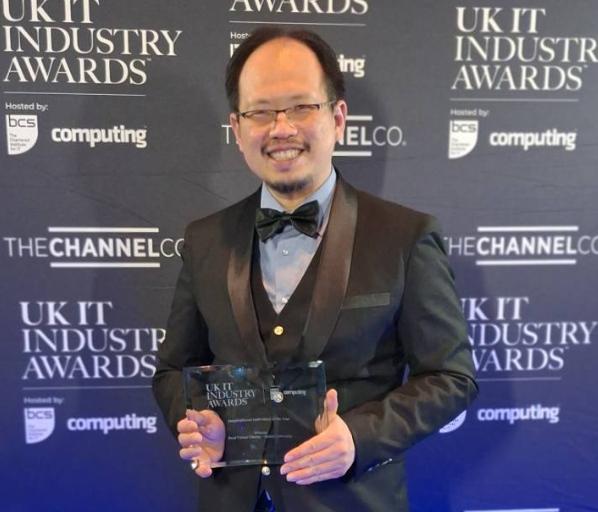
TheawardsProf.Victorhasreceivedinrecentyearsstandout not just for their frequency, but for how varied they are. In 2024, he received the UK Inspirational Individual Award
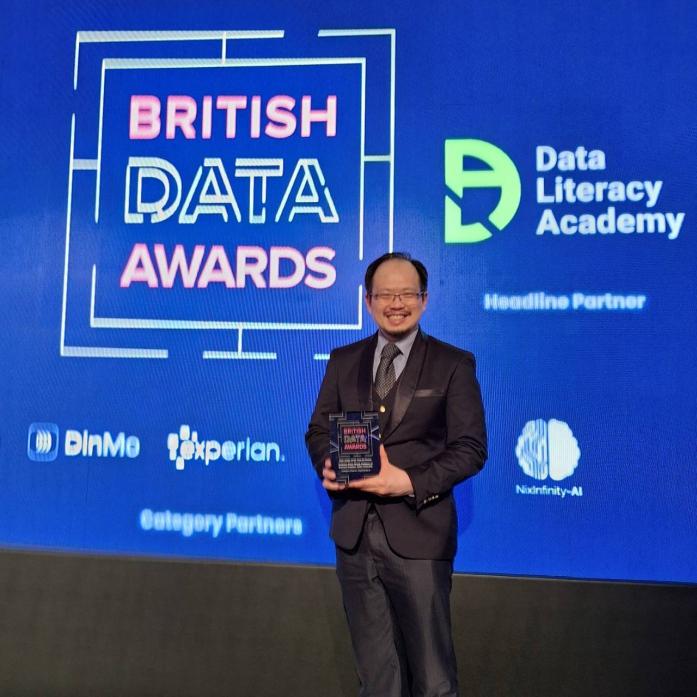
fromBCSandthewiderUKindustry.In2025,hewasnamed Data Leader of the Year at the British Data Awards and recognised for Cybersecurity Initiative of the Year at the BusinessAwardsUK.ThebusinessmagazineInsightsuccess selectedhimasanInspirationalIcontoWatchfor2025.
Then, in early 2026, The Enterprise World named him The Most Transformational Professor Advancing AI and Data Science Education. What makes that particular title significant is not its novelty but what it actually measures: lastinginfluence—thekindthatshapeshowanentirefieldis understood by those who will carry it forward. That is precisely the kind of impact Prof. Victor has been working towardforyears,anditis,ineverysense,fitting.
Data has enormous potential to improve lives,but only if the systems around it are transparent,fair,and responsible
‘ ‘
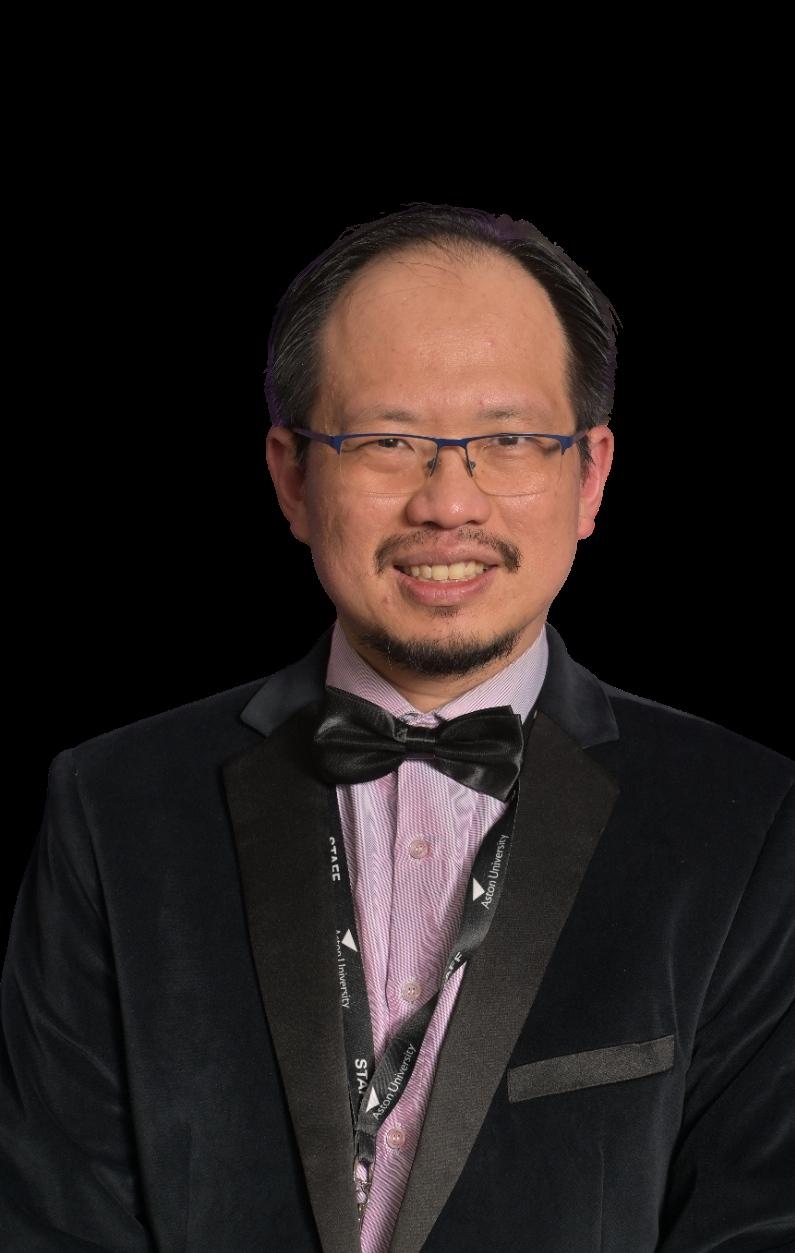
Prof.Victordoesnotleadfromthefrontbecausehebelieves authoritybelongstowhoeverholdsthemostimpressivetitle. He leads because someone has to know where the group is headingandwhyitmatters—andhetakesthatresponsibility seriously. His approach is collaborative at its foundation: he listens carefully before deciding, and once a direction has beenchosen,hecommitstoitwithgenuineconviction.
Onethingheisfirmabout:themostcorrosivemistakealeader canmakeistreatingendlessdeliberationasaformofrigour Consultation matters. Listening matters. But there comes a point when the information has been gathered, the perspectiveshavebeenheard,andtheonlyremainingtaskis to decide. He would rather make a well-considered decision promptlythanwaitforacertaintythatisnevergoingtoarrive.
Whenaskedwhatdriveshim,Prof.Victorcomesbacktoone word:impact.Notimpactasaperformancemetricoraphrase in a grant application, but the tangible, verifiable kind — a clinicianwhotrustsatoolhehelpedbuild,ahospitalthatcan nowcollaborateacrossinstitutionswithoutcompromisingits patients’privacy Thosemomentsarenotabstractionsforhim. Theyarethereasontheworkexists.
‘ ‘ ‘ ‘
Leadership,to me,is not about authority;it is about knowing where the team is going and why that direction matters.
Intellectualdifficultyplaysanequallyimportantrole.AIand datasciencearegenuinelyhard,intheproductivesenseofthe word: there is always more to understand, always new questions emerging behind the ones just answered, always tools developing faster than any single person can fully absorb.ThatkindofrestlessnesssuitsProf.Victor.Heisnot someonewhosettleseasilywhentheproblemsrundry.
Underneath all of it is a quiet, unwavering belief that the decisions being made right now about how AI is built, deployed, and governed will shape societies for decades. Contributing thoughtfully to those decisions — even in a single corner of one field — is not something he takes for granted.Itis,mostmornings,thereasonheshowsup.
Prof.Victor’sadvicetoaspiringleadersisnotmotivational.It ispractical,anditcomesfromexperienceratherthantheory
1. Understandwhatleadershipactuallymeanstoyoubefore youfindyourselfinapositionofit.Peoplewhostepinto authority without having thought that through tend to discover their blind spots quickly and so does everyonearoundthem.Gettingclearonyourvalues,and onwhatkindofenvironmentyouwanttobuild,willserve youbetterthanalmostanytacticalskill.
2. Invest in people before you invest in outcomes. In settings where results are what get measured, this feels counterintuitive. It is not. The leaders who build things that last almost always understand that outcomes are downstream of people. Hire carefully. Mentor without holding back. Give honest feedback, even when it is uncomfortable to give and uncomfortable to receive. Build conditions in which talented people can do their bestwork.Theoutcomestendtotakecareofthemselves.
3. Developarealtoleranceforuncertainty.Leadinginany field that is genuinely moving means making consequential decisions without ideal information, and livingwiththeresults.TheleadersProf.Victorhasmost admired were not those who were always right. They were those who decided well under pressure, learned quicklywhenthingsdidnotwork,andrefusedtoletthe fearofbeingwrongstopthemfromdecidingatall.
If we want technology to serve society,we must design it with accountability from the very beginning. ‘ ‘ ‘ ‘
4. Stay close to the work. The higher the role, the more tempting it becomes to manage from a distance — through summaries, dashboards, and other people’s interpretations Resist that The details matter The expertise matters The credibility that comes from genuinely knowing your field cannot be borrowed or faked.Ithastobeearned,andkept.
Prof. Victor returns, often, to a single guiding idea: build systemsthatservepeople,nottheotherwayaround.Inafield that can so easily become consumed by its own technical possibilities, that principle requires active discipline. Every modeltrained,everydatasetused,everysystemdeployed— each one has consequences for real people. Keeping those consequences visible, and staying genuinely accountable to them, is, in his view, the most important responsibility that comeswiththiskindofwork.
Technology will advance.That part is settled.What remains genuinelyopeniswhetheritadvanceswisely—whetherthe people shaping it ask the right questions, build in the right protections, and remain honest about what they still do not know. The gap between technical progress and real responsibility is where Prof. Victor has chosen to spend his career Lookingateverythinghehasbuilt—theresearch,the international partnerships, the students he has quietly preparedtocarrythefieldforward—itisdifficulttoarguethe choicewasanythingotherthanexactlyright.


Intheeraofabundantinformation, organizationsarenotconfrontedbyashortage ofinformation,astheyarebytheircapacityto convertinformationintoasensibleoutcome.The abilitytoconvertrawdataintoactionable intelligenceisthenewparadigmofcontemporary competitiveness,andtheAandanalytics changemakersareleadingthewaytoredefinethe wayinsightsareofferedandimplemented.Their effortispartofawidertrendofseeingitthateach analyticalendeavorhasadirectbearingon quantifiablechange.
TheShiftfromDataAbundancetoValue Creation
Datagrowthhasbeenexponential,andthishas broughtopportunitiesaswellascomplexity Althoughcompaniesaccumulatemassiveamounts ofbothstructuredandunstructureddata,theissue iswhetheritispossibletoextractvaluefromit. Theideaofinsighttoimpacthasbecomean operatingprinciple,asithasbeennotedthat insightsarenotenough,unlesstheyleadto practicaloutcomes.
AIandanalyticschangemakersarekeyparticipantsinthis changebyensuringthatanalyticalprocessesareorientedto businessgoals.Theyareinterestedinfindinghigh-valueuse casessothatdatainitiativesarenottheone-offprojectsthat arenotpartofastrategicdecision-makingprocess.This orientationcanhelporganizationsfocusontheactivities thatcanproducequantifiableresults.
Organizationalsilosrepresentoneofthemostmajor obstaclestothesuccessfuluseofdata.Informationisoften storedinfragmentedsystems,makingitdifficulttoaccess it.A&analyticschangemakersdealwiththisissueby encouragingdataintegrationandinter-departmental collaboration.
Crossfunctionalteamsarefundamentalinattaininginsight toinfluence.Asagroupofdecision-makers,datascientists, anddomainexpertsareunited,organizationsarelikelyto makeinsightsrelevantanddoable.Thisjointventure methoddoesnotonlyenhancethequalityofanalysisbutis alsolikelytoenhancesuccessfulimplementation.
Withanincreasingdependenceondata-drivendecisionmakingbyorganizations,bothgovernanceandethicsare growinginsignificance.CIAchangemakersstressthe importanceofopen,equitable,andresponsibledata processes.Thisinvolvesmakingsuredataisofquality, protectionofprivacy,aswellasdealingwithbiasesthat mayariseinalgorithms.
Ethicalconsiderationsshouldbethepathtakenontheway ofinsighttoimpact.Trustmaybetheonlythingthatcan makeeventhemostsophisticatedanalyticalsolutions appearlesscredibleandeffective.Organizationscan establishtrustamongstakeholdersbyincorporating governancestructuresintheiroperationsandachieving long-termsuccess.
Technologyisnotaone-stopsolution,althoughitis importantinfacilitatingdata-driventransformation.The successofanalyticsinitiativesreliesonthelevelof introducingtechnologytopeopleandprocesses.Onemust alsobeabletolearnandadapttohaveinsighttomakea difference.Companiesshouldinvestintraining,bedata literate,andpromoteexperimentation.Thiscanguarantee
thateveryemployeereceivestheabilitytotranslateandput insightsintoactionandbuildacultureinwhichdataisnot anexclusivefunction.
Theimpactonorganizationalperformanceistheultimate measureofsuccessoftheanalyticsinitiatives.TheAI& analyticschangemakersaremorefocusedonsetting specificmetricsandKPIsconnectingtheanalytical activitiestotheresultsofthebusiness.Thisemphasison measurementhelpsorganizationstobeabletotrackthe progressandareastodobetter,andithelpsshowtheworth oftheinvestmentsmade.
Theevaluationandrefinementarenecessarytomaintain impact.Thepathofrevelationtoadifference-makerisnota singleundertakingbutanongoinglearningand optimizationprocess.Organizationsshouldbeableto determinethattheyareresponsivetothechanging challengesandopportunitiesintheenvironmentby periodicallyevaluatingtheefficiencyoftheirstrategies.
Thedata-to-outcomeschangeisashiftinthenatureofthe functioningoforganizations.Together,AI&analytics changemakersandtheinsighttoimpactprincipleprovidea roadmapfornavigatingthistransition.Theyfocuson alignment,collaboration,ethics,andcontinuous improvementtoensurethatanydata-driveninitiativewill providemeaningfulandsustainableoutcomes.



Inanagecharacterizedbyhigh-techchange,artificial intelligenceisaninfluentialforcethatisforming economies,societiesandsystemsofgovernance.Its potentialiseverincreasingasarethetaskslinkedtoits implementation.Theintroductionofthepublicgoodleaders oftheaiandtheincreasingweightoftherepresentativesof theprofessionofaiastheinitiatorsofthesocietyofthe creationofthepublicvalueisasignificantchangetobe madesothatthedevelopmentoftechnologiescouldbe harmonizedtomeettheethicalstandardsandtheoverall welfareofsociety.
Artificialintelligencenolongerrequiresefficiencyor profitabilitytogaugeinnovation.Thespecialinterestisnow onhowtechnologycanhelpsolveacuteglobalissueslike theavailabilityofhealthcare,environmentalsustainability, andsocialequity.Aiforpublicgoodleadersareleadingthe change,puttingastrongfocusoninitiativesthatbring tangiblevaluetothecommunity.
TheseleadershaveunderstoodthatAIisworthwhile becauseithasthepowertomakelifebetter Theycanfocus resourcesonmeaningfulapplicationbychanneling resourcestobeusedinawidercontextratherthanthe commercialgoal.Thischangeisasteptowardsan increasedawarenessthattechnologicaldevelopmentshould notbeconductedwithoutapropercomprehensionofwhat itwouldmeantosociety

Thecontributionoftheaiexpertsmovingpeopletowardsa senseofvalueisimperativeinconvertingthetechnical abilitiesintosomethingworthwhile.Theseprofessionals integrateprofoundtechnicalexpertisewithpolicy,ethical andbehavioralinsights.Theiroutputconnectsthe disconnectbetweensophisticatedalgorithmsandpractical uses,whichmakesAIsolutionspracticalandaccountable.
Thecooperationisatthecenterofthisprocess.The governments,non-governmentalorganizations,and universitiesshouldcollaboratetodevelopframeworksthat ensuretheappropriateethicaldevelopmentofAI.ai professionalspromotingthecommongoodtendtobe mediatorsconnectingtherepresentativesofvariousgroups andaligningdifferentpointsofviewinthesamedirection.
Theresponsibleuseofartificialintelligenceismoreabout ethics.Problemsthatincludebias,privacyand accountabilityshouldbetackledatalllevelsof development,whereleadersoftheaiofpublicgood proposetransparencyofalgorithmswhichareeasilyread andanalyzed.
TheethicalAIdevelopmentneedsnotonlythetechnical solutionsbutalsotheobligationtobefairandinclusive.ai expertscontributingtothevalueincommunitiesstressthe needtousediversedatasetsandengageininclusivedesign toreducebiasandhelpinachievingfairresults.Theycan ensurethatsystemsdevelopedarenotonlyeffectivebut alsotrustworthybyincorporatingethicsinthedevelopment process.
OneofthepillarsofeffectiveadoptionofAIisthetrustof thepublic.Theadvancedsolutionscanbeopposedevenin thecaseofthemosthigh-technologicalsolutionsunlessthe leadersofthepublicgoodareconvincedinthe developmentanduseoftechnologiestofosterthistrust.
EffectivecommunicationonthepotentialoftheAIsystem anditsconstraintsassistsinsettingexpectationsand avoidinguncertainties,andaspartoftheprocessofcreating valuetosociety,AIprofessionalscancreateaframework
thatwouldenhanceaccountability,includingexplainableAI andstrongauditingsystems.Theseinitiativeswillmakethe stakeholderscapableofassessingtheimpactofAIsystems andholdorganizationsresponsiblewhenusingthem.
Someofthemostcomplicatedissuesfacingtheworldcan besolvedbyartificialintelligence.Topredictdisease outbreaksandallocateresourcesmoreefficiently,AI-based solutionscanbeappliedtobetterdecision-makingand achievebetterresults;aiforpublicgoodleadersworkto embracesuchopportunitiesanddevelopsustainableand inclusivesolutions.
Meanwhile,thepeopleinchargeofpromotingthepublic valuethroughtheuseoftheaimakesurethatthese solutionswillbeexecutedinaresponsiblemanner.They takethelong-termimpactsofAIimplementationinto accountandweighinnovationandprecaution.Sucha strategycanbeusedtoavoidunavoidableconsequences andmakesurethattechnologicalprogressbringsabenefit tosociety
Withthedevelopmentofartificialintelligence,responsible leadershipinthefieldbecomesmorecrucialthanever before.Theexamplesofaitopublicgoodleadersandai professionalswhopushthepublicvaluedemonstratehow thetechnologycouldbeusedtodeveloppositivesocial impactandcomplywithethicalprinciples.
Theiractivitiesshowthatthereisnocontradictionbetween innovationandresponsibilitybutastrongintegration betweenthem.Throughtransparency,inclusivityand collaboration,theyarecreatingafutureinwhichAIcan becomeaforceofgood,andhelptocreatetrust, accountabilityandsustainabledevelopmentinvariousfields aroundtheworld.