





TheroleoftheChiefOperatingOfficerhasneverbeenmoredynamicormoredecisive.In
2026,theNextGenCOOstandsattheintersectionofstrategy,technology,culture,and execution,redefiningwhatoperationalexcellencetrulymeansinarapidlyevolvingU.S. businessenvironment.
Today'soperationalleadersarenotconfinedtoprocessoptimizationorcostefficiencyalone.They arearchitectsoftransformation—drivingdigitalintegration,strengtheningsupplychainresilience, enhancingcross-functionalcollaboration,andembeddingagilityintotheorganizationalDNA. FromAI-powereddecision-makingtodata-drivenperformancemetrics,themodernCOOis shapingenterprisesthatarebothscalableandsustainable.
InthisspecialeditionofTheCIOWorldtitled NextGen COO 2026: Transforming the Landscape of US Operations,wespotlightvisionaryleaderswhoarenotonlynavigating complexitybutmasteringit.Thesetrailblazersaretransformingoperationalframeworks,fostering innovationatscale,andaligningexecutionwithlong-termstrategicgrowth.Theirleadership reflectsabalanceofprecisionandadaptability,qualitiesessentialforthrivingamideconomic shifts,technologicaldisruption,andevolvingworkforceexpectations.
Acrossindustries,theseCOOsarereimaginingoperationalmodelstocreatevaluebeyond efficiency Theyarechampioningautomationwithoutlosinghumantouch,advancingESG commitmentsalongsideprofitability,andcultivatingculturesthatempowerteamstoperformat theirhighestpotential.
Asyouexplorethisedition,weinviteyoutoreflectontheevolvingblueprintofoperational leadership.ThefutureofU.S.enterprisesdependsnotjustonboldvision,butonflawless execution—anditistheNextGenCOOwhobridgesthatcriticalgap.
Here'stotheleaderstransformingoperationsintoastrategicadvantageandsettingnew benchmarksforexcellencein2026andbeyond.
Happy Reading!

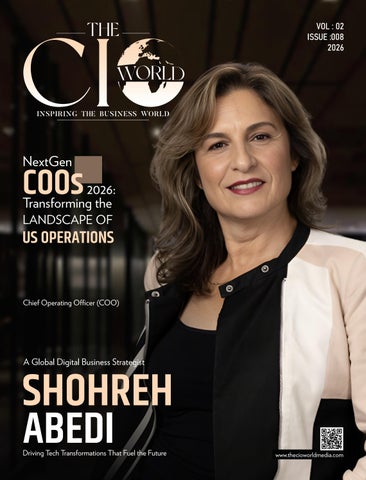
08. A Global Digital Business Strategist
Shohreh Abedi Driving Tech Transformations That Fuel the Future
18.
22.
From Legacy to Leading Edge Mastering Technology-Driven Business Transformation
From Traditional to Transformational The Evolution of the NextGen COO

Editor-in-Chief
Deputy Editor
Managing Editor
Assistant Editor
Visualizer
Art & Design Head
Art & Design Assitant
Business Development Manager
Business Development Executives
Technical Head
Assitant Technical Head
Digital Marketing Manager
Research Analyst
Circulation Manager
Thanh Truong
Sam Carter
Alaya Brown
Maria Evans
Chris Carter
Millie Simon
Judy Smith
Phoebe Jacob
Aisha, Olivia
David Walker
Mia Rodricks
Helena Smith
Eric Smith
Richard Martinez


Copyright © 2026 The CIO World, All rights reserved. The content and images used in this magazine should not be reproduced or transmitted in any form or by any means, electronic, mechanical, photocopying, recording or otherwise, without prior permission from The CIO World. Reprint rights remain solely with The CIO World. Follow us on www.facebook.com/thecioworld We are also available on RNI No.: MAHENG/2018/75953 www.x.com/thecioworld

Chief Operating Officer (COO)


Ineverytraditionalbusinessmodel,operationsalways
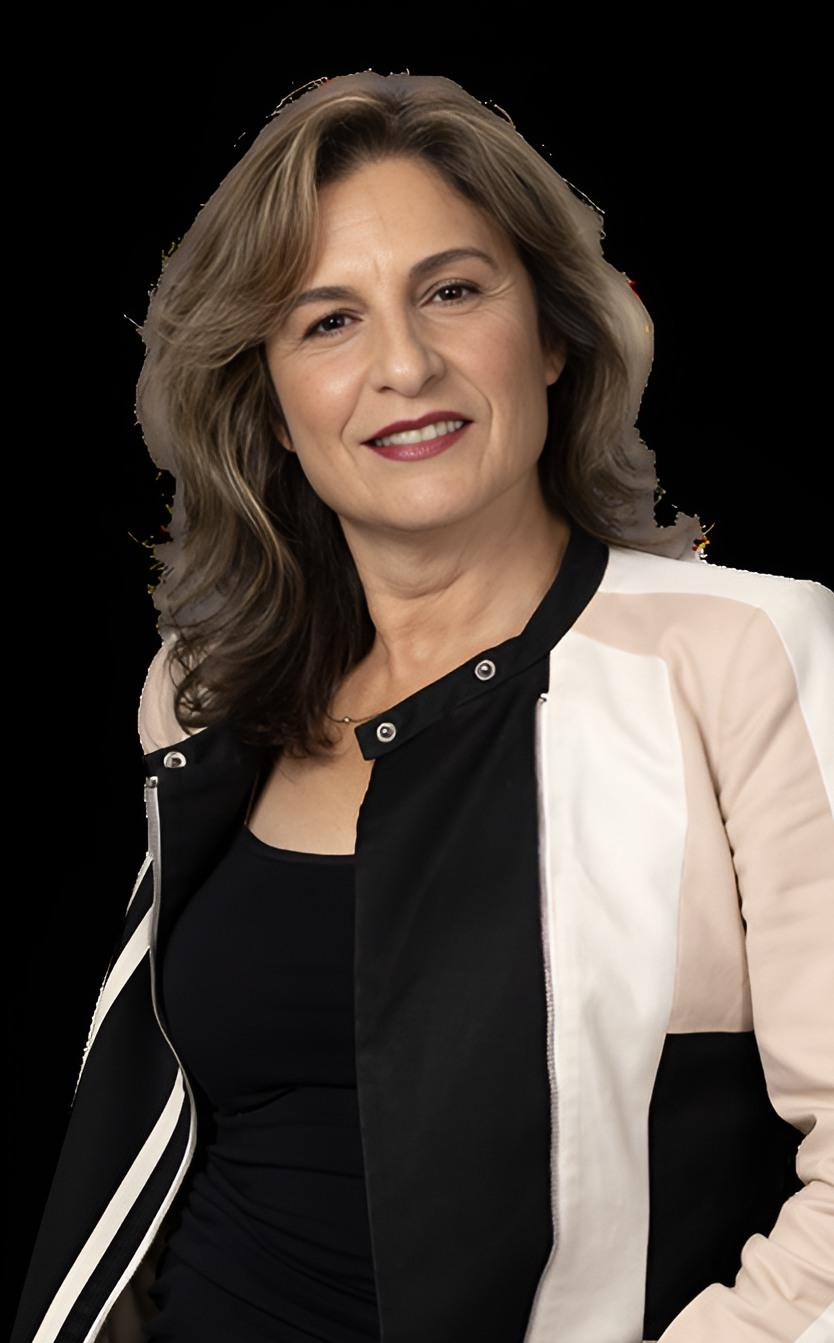
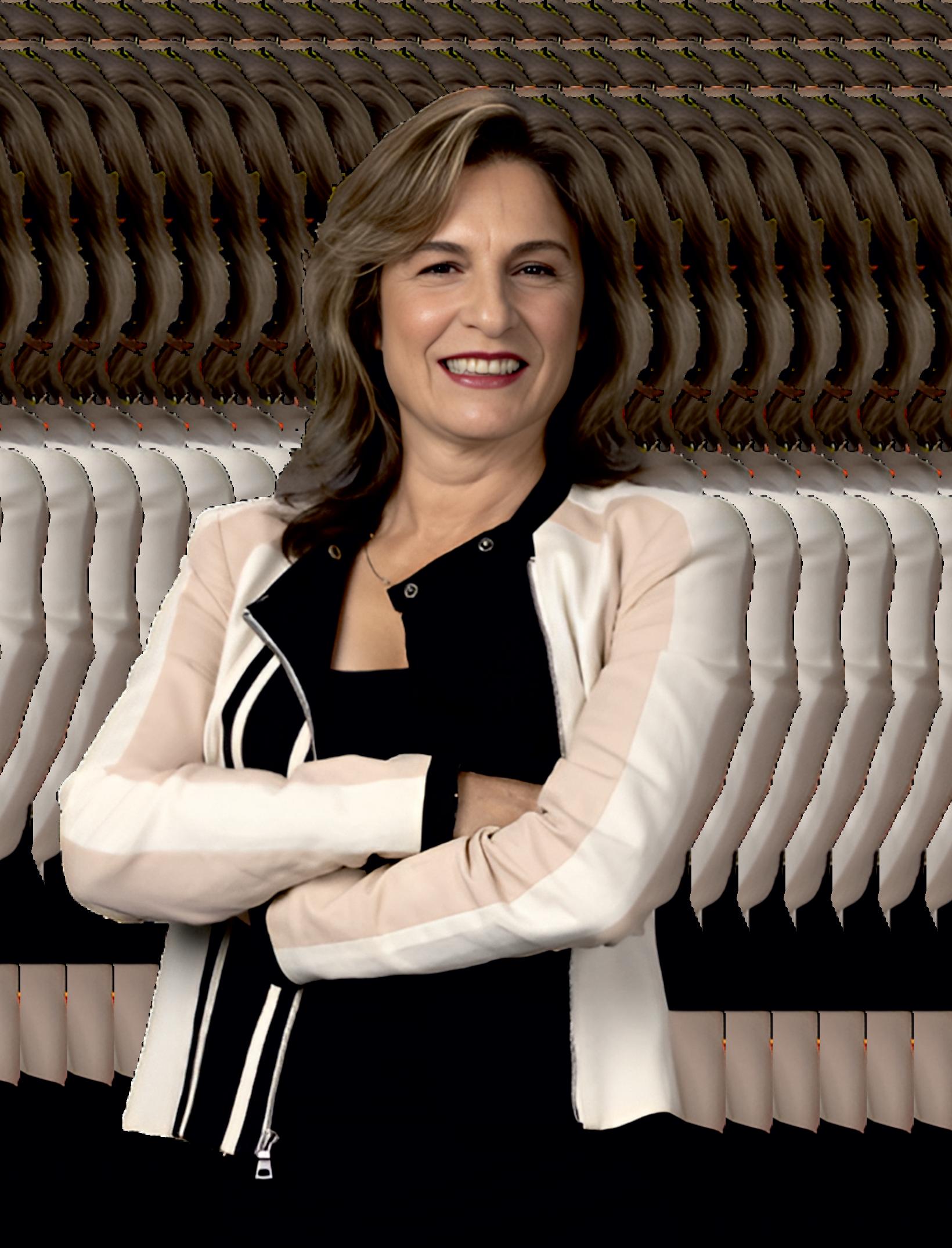
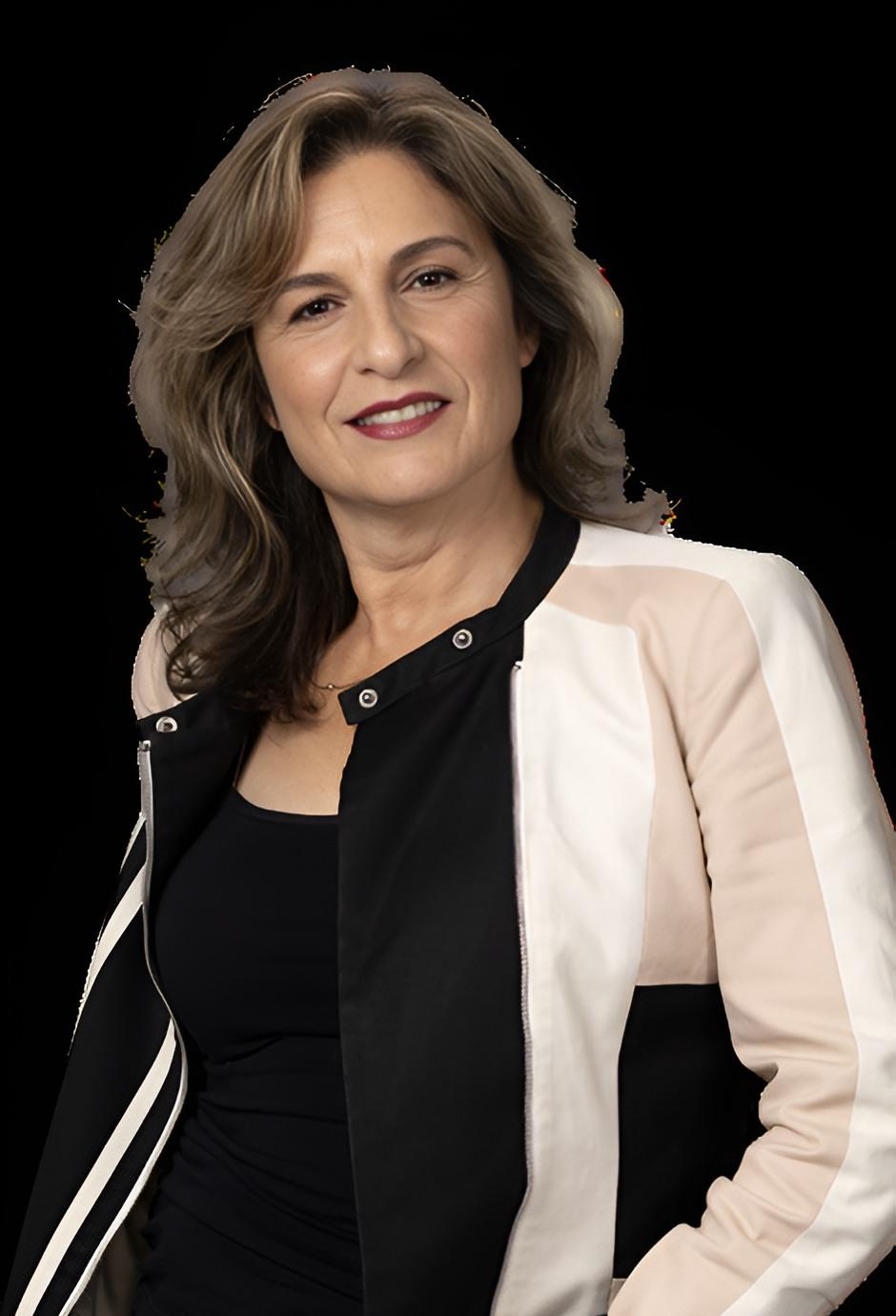
remainhiddeninsideeveryotherdepartmentdueto beingthecoreofanyorganization.Soistheimmense contributionofanyandeveryChiefOperatingOfficer,aka COO,remainedmostlyinvisible.Breakingthisage-old barriertodayarethenext-genCOOslike , ShohrehAbedi whoaretransformingthelandscapeoftheUnitedStatesof America'soperations.Also,earlier,shehasservedasan ExecutiveVP,OperationsandTechnologyrolesinhervast career,managingbudgetsandcapexofupwardsof2to3+ billionandover4,000resources/teammembers.
Awardedmultipletimesforhertremendouscontribution, Shohrehsays,“Ihavebeenfortunatetoberecognizedas oneofthetopwomenleadersinTechnologyOperations.As anexecutivebusinessandtechnologyexecutivewith experienceinmultipleindustries,Ihavehadtheprivilegeof workingforsomeofthebest,mostinnovativecompaniesin America.WhatIenjoymostisestablishinganddriving business,andtechnologytransformationthatfuelgrowth, customerexperience,efficiencies,andinnovationsthrough developinghighperformingtalentthatdeliverandexecute them.”
Togetherwithherteams,Shohrehhasworkedthrough complexmatrixglobalorganizations,bridgedcorporateand regionalpriorities,builtefficiencies,andoptimizeddelivery oftransformationalinitiativesinsupportofthe organization'svisionandstrategy.Thus,withaleadership journeythatreflectsarareblendofenterpriseoperations, technologymodernization,andcustomerexperience transformation,ShohrehisredefiningtheveryroleofCOO. Accordingtoher,themodernCOO'smandatehasevolved wellbeyondmanagingoperationsoroptimizingback-office efficiency Today,theCOOisfundamentallyabusiness leaderresponsibleforturningstrategyintosustained performance, she says.Therolesitsattheintersectionof strategy,execution,andculture—ensuringthatvisionisnot onlyarticulatedbutoperationalizedacrosstheenterprise, she adds.
Inpractice,thismeansaligningpeople,processes, technology,andgovernancetodelivermeasurable outcomesforcustomers,shareholders,andemployees. Whilefunctionalexcellenceremainsimportant,theCOO's realvalueliesinorchestration—connectingdisparateparts oftheorganizationintoacohesiveoperatingsystemthat scales,adapts,andperformsunderpressure, explains Shohreh
AmodernCOOmustalsoserveasastrategicpartnertothe CEOandboard,translatinglong-termobjectivesinto executableroadmaps,prioritizingtradeoffs,andensuring accountabilityforresults.Themandateisnotto“run operations”inisolation,buttoenabletheenterpriseto performconsistently,innovateresponsibly,andgrow sustainably, she states
I believe that organizations fail not because they lack strategy, but because they allow short-term pressures to continuously override strategic intent.”
Acrosshercareer,frombeingamanagertoaboard member,Shohrehhasheldresponsibilityforlarge,multibillion-dollarportfoliosandenterpriseperformancetargets. However,duringallthistime,herdecision-makinghas beenanchoredinaclearlong-termstrategy,withnear-term actionstreatedasdeliberateanddisciplinedchoices—not reactions.“Ibelievethatorganizationsfailnotbecausethey lackstrategy,butbecausetheyallowshort-termpressuresto continuouslyoverridestrategicintent.”
Everyinvestmentdecisionmustanswertwoquestions: Whatproblemarewesolvingtoday,andhowdoesthis reinforcewhereweneedtobetomorrow?Short-term

outcomesmatter—theybuildcredibility,fundfuture investment,andmaintainmomentum—buttheyshould nevercomeattheexpenseoflong-termvaluecreation.
Shohrehreliesheavilyondata,scenarioplanning, andclearlydefinedsuccessmetrics.Whentradeoffs arerequired,sheprioritizesinitiativesthatdeliver measurableimpactwhilestrengtheningcore capabilities.Flexibilityiscritical,butitmustexist withinastrategicframe.Involatile environments,theabilitytoadaptwithoutlosing directioniswhatseparatesresilient organizationsfromreactiveones.
Also,whileleadingoperationssupporting largecustomer/memberbasesacrossmultiple servicelines,Shohrehcreatedconsistent operatingstandardswhilestillallowingthe flexibilityneededtoperformacrossregions, markets,orverticals.Shecouldachieve thisrarefeatbecausewhileconsistency andflexibilityareoftenframedas competingforces,sheseesthemas complementary.Thekeyistoestablish standardizedintentandprinciples,while allowinglocalizedexecutionwhereit createsvalue, she says
Atanenterpriselevel,thismeans definingcommonoperating standards,governancemodels, performancemetrics,andrisk thresholds.Thesecreateclarity, comparability,andcontrol.Atthe sametime,marketsdiffer—in regulation,customerbehavior, maturity,andcompetitive dynamics—soexecutionmustadaptaccordingly
Shohrehreveals,“Ifocusonbuildingamulti-year operationalroadmapthatsetsdirection,priorities,and nonnegotiables,whileempoweringleaderstotailor solutionslocally.”Resiliencecomesfromthisbalance. Organizationsthatover-standardizebecomebrittle;those thatover-localizelosescaleandcoherence.TheCOO'srole istomaintainthatequilibrium, she believes


Moreover,muchofShohreh'sworkhasinvolvedreal-time, mission-criticaloperationswherereliabilityandspeed directlyaffectcustomertrust.Attimes,themostimpactful transformationdecisions,accordingtoher,werethosethat reducecomplexity,eliminatevariability,andimprove decisionqualityatscale.Inherexperience,thehighest returnshavecomefromdigitalself-service,common processexecution,AI-enableddecisioning,anddeep integrationofpeople,process,andtechnology.For example,simplifyingcustomerjourneysthroughdigital self-servicenotonlyreducescostbutalsoimproves satisfactionandspeed.Standardizingcoreprocessesacross businessunitsreduceserrorrates,acceleratesonboarding, andenablesmorereliableforecasting.AIandadvanced analytics,whenappliedthoughtfully,improveconsistency andfreeleadersfromlow-valuedecision-making.
Critically,theseinitiativesonlydeliverimpactwhenpaired withstrongchangemanagementandleadershipalignment. Transformationisnotaboutdeployingtools—itisabout changinghowworkgetsdoneandhowdecisionsaremade.
InShohreh'sleadershiproles,technologyhasn'tbeena supportfunction—ithasbeenanoperationallever There werewayssheadoptedtoensurethatdigitalmodernization directlytranslatesintoenterpriseKPIslikecostefficiency, servicequality,speed,andgrowth.Sheexplainsthatdigital modernizationfailswhentechnologyistreatedasanendin itself.“Iensuresuccessbystartingwithclearbusiness outcomesandengineeringtechnologysolutionsdirectly againstenterpriseKPIs.”
Infact,Shohrehapproachesoperationslikean orchestra: eachfunction—technology,finance,operations,risk, customer—isasectionwithitsownexpertise,butallmust followthesamescore, and collectively produces music in complete harmony as one piece.
Digitalinitiativesaredesignedwithexplicittargetsforcost reduction,cycle-timeimprovement,quality,riskreduction, orrevenuegrowth.
Governanceiscritical.Shohrehinsistsonclearownership, transparentperformancetracking,andrapidcourse correction.“Whenleadersseehowdigitalinvestments directlyimpacttheirmetrics,adoptionacceleratesand transformationbecomesself-reinforcingratherthan mandated,” she shows
Also,whileworkingcloselywithcybersecurityand enterpriseriskinenvironmentswheretrustis nonnegotiable,Shohrehmadesuretoembedcyber resilienceintothedailyoperationalmindset—notjustthe ITfunction.Itisbecausesheinsiststhatcyberresilience cannotbedelegatedsolelytoITorsecurityteams—itmust beembeddedintothefabricofdailyoperations.Shestarts byensuringthatcybersecurityisownedattheboardand executivelevel,withclearaccountabilityandregular reporting.
Fromthere,itbecomesanoperationaldiscipline. Employeesaretrainedcontinuously,notannually.Controls aretestedregularly,notassumedtowork.Incidentresponse plansarerehearsed,notshelved.Mostimportantly,leaders modelthebehaviorstheyexpect—fromdatahygieneto decisiondiscipline.Byintegratingcyberconsiderationsinto processdesign,vendormanagement,andproduct development,resiliencebecomesproactiveratherthan reactive.Thegoalisnotzerorisk—thatisunrealistic—but theabilitytodetect,respond,andrecoverquicklywithout disruptingcustomersorthebusiness.
I invest heavily in developing leaders who are not only technically capable, but emotionally intelligent, accountable, and adaptable.”
Any recognition I have received is a reection of collective eort, not individual achievement. It has reinforced my belief that inclusive leadership drives superior outcomes.”
AstandoutelementofShohreh'scareerhasbeenleading large-scaleteamsandbuildingleadershipcapability.She saysthereweresomeofthemosteffectivewaysshehas foundtodevelophigh-performingleadersandsustain cultureacrossadistributedworkforce.Highperformanceat scaleisdrivenbyleadershipqualityandcultural consistency,sheclaims.“Iinvestheavilyindeveloping leaderswhoarenotonlytechnicallycapable,but emotionallyintelligent,accountable,andadaptable.”
Herapproachisgroundedintrustandclarity.Shesethigh expectationsandstretchedleadersbeyondwhatthey initiallybelievedwaspossible,whileremainingfully engagedtosupportthem.Feedbackisdirect,timely,and constructive.Successesareshared;failuresareownedand learnedfrom.
Cultureissustainedthroughconsistency.Whenleaderssay whattheymeananddowhattheysay,credibilitybuilds. Whenpeopleunderstandthepurposebehinddecisionsand seefairnessinexecution,engagementfollows.Atscale, culturebecomesaforcemultiplier—oraliability.“Iwork toensureitisalwaystheformer.”

Whilerepeatedlyoperatingattheintersectionofbusiness, operations,andtechnology,Shohrehdevelopedvarious strategiestobreakinternalsilosandcreatecross-functional executiondisciplineatscale.Silospersistwhenleaders identifyprimarilywiththeirfunctionsratherthanthe enterprise,shereasons,andthusaddressedthisby reinforcingasimpleprinciple:everyleaderisabusiness leaderfirst.Sheensuresthatobjectives,incentives,and performancemetricsarealignedend-to-end.
Leadersareexpectedtounderstandupstreamand downstreamimpacts,notjusttheirowndomains.Crossfunctionalforumsarestructuredaroundoutcomes,not updates,anddecisionrightsareexplicit, she feels.
Whenthe'what'isclearlybusiness-ledandthe'how'is ownedbyfunctionalexperts,collaborationimproves dramatically.Silosdissolvewhenleadersareunitedby sharedgoals,mutualaccountability,andaclear understandingofhowvalueiscreated.
Also,Shohreh'sexperienceacrosshighlyregulated,highaccountabilitysectorsshapedheroperationalleadership style.Yet,shehadtobalancecompliance,riskmanagement, safety,andcustomerexperience—withoutoneundermining theother.Shesayscomplianceandriskmanagementare foundational—theyprotecttheenterpriseandare
I encourage teams to experiment responsibly, learn quickly, and scale what works.”
nonnegotiable.“However,beyondregulatoryrequirements, Ibelieveintakingcalculatedriskstoimprovecustomer experienceandcompetitivepositioning.”
Clearmitigationplans,contingencyoptions,andescalation thresholdssupporteveryriskdecision.Innovationrequires movementbeyondthesafestpath,butitmustbe disciplined.“Iencourageteamstoexperimentresponsibly, learnquickly,andscalewhatworks.”
Themostsuccessfulorganizationsarethosethattreatrisk asadesignparameter,notablocker Whencomplianceis builtintoprocessesfromthestart,customerexperienceand innovationcanthrivewithoutcompromisingtrust, she emphasizes
Furthermore,Shohrehaddsthatanyrecognitionshehas receivedisareflectionofcollectiveeffort,notindividual achievement.“Ithasreinforcedmybeliefthatinclusive leadershipdrivessuperioroutcomes.”
Transparency,opencommunication,andsharedownership arecentraltoherapproach.Sheworkstoensurethat diverseperspectivesareheardandvalued,particularlyin decision-making.Whenpeopleunderstandtherationale behindchoicesandfeeltheyhaveavoice,execution accelerates.
Recognitionmatters—notasanendgoal,butasvalidation thatinclusiveculturesoutperform.“Itstrengthensmy commitmenttobuildingenvironmentswherepeoplecando theirbestworkandseeafutureforthemselvesinthe organization.”
Inhindsight,ShohrehreflectsthattheCOVID-19pandemic wasthemostintenseoperationalchallengeshehasfaced. “Wewererequiredtokeepthebusinessrunning,protectour people,supportcustomers,andcontinueexecutingstrategic priorities—simultaneouslyandunderextremeuncertainty.”
Withintwoweeks,theytransitionedthousandsof employeestoremoteworkwithminimaldisruption.This waspossibleonlybecauseoftrust,cleardecision-making, anddisciplinedexecution.Leaderswereempoweredtoact, communicationwasconstant,andprioritieswereexplicit. Theexperiencereinforcedthatresilienceisnotbuiltina crisis—itisrevealed.Organizationsthatinvestinculture,
Future COOs will be dened by their ability to harness technology—particul arly AI—to enhance, not replace, human capability.”
leadership,andoperationaldisciplinearefarbetter equippedtoabsorbshocksandemergestronger
theTransformation
Again,Shohrehhasseenatransformationfromboththe strategylayerandtheexecutionlayer.Accordingtoher,the differencebetweenorganizationsthat'announce transformation'andthosethattrulyinstitutionalizeitliesin outcomesandbehaviors.“Organizationsthatmerely announcetransformationfocusonsystems,structures,and messaging.Thosethatinstitutionalizeitchangehowwork getsdoneandhowsuccessismeasured.”
Truetransformationsimplifiesprocesses,improves productivity,reducescost,andchangesdecision-making norms.IfKPIsdonotshift,ifbehaviorsremainthesame, andifcustomersdonotfeelthedifference,then transformationhasnotoccurred.
Institutionalizedtransformationbecomesself-sustaining.It isembeddedingovernance,talentdevelopment,and culture.Overtime,itceasestobeaprogramandbecomes thewaytheorganizationoperates.
HarnessingtheAdvancingTechtoIlluminatethe Tomorrow
Lookingaheadto2026andbeyond,Shohrehpredictsthat somecapabilitieswilldefinethenextgenerationof COOs—andstrategiesthatenterprisesprioritizenowtostay competitiveinoperations,technology,andtrust.Shesays, “FutureCOOswillbedefinedbytheirabilitytoharness technology—particularlyAI—toenhance,notreplace, humancapability.”AIwillremovenoise,automateroutine decisions,andsurfaceinsightsatunprecedentedspeed.The COO'srolewillbetoensurethesetoolsaretrusted, governed,andalignedtobusinessvalue.
Equallyimportantwillbeleadershipcapability.As executionaccelerates,clarityofpurpose,ethicaljudgment, andpeopledevelopmentwilldifferentiategreatCOOsfrom competentones.OrganizationsmustinvestnowinAIenabledoperations,cyberresilience,andleadershipdepth.
Technologywillaccelerateexecution,butpeoplewill alwaysdefinevision,culture,andimpact.Thenext generationofCOOsmustexcelatboth. CIO




Thedynamicmarketplaceoftodayexperiences continuouschangebecauseorganizationshave stoppedusingchangeastemporaryeventsthatonly occuratparticulartimes.Organizationshavestartedto changetheirentireoperationalsystemsbecausetheyneed tocompeteanddeliverproductsintheirnewwork.The processofevolutiondevelopsthroughastrongconcept, whichtechnology-basedtransformationbringsforward.
Theorganizationneedsmorethanadigitalupdatebecause itrequiresacompletetransformationthatwillredesignits businessoperationsandcustomerinteractionmethods
throughintelligenttechnologyimplementation.Companies thatapproachthistransformationstrategicallyposition themselvestosustaingrowth,resilienceandrelevanceinan increasinglycompetitiveworld.
UnderstandingtheStrategicImportanceofTechnologyDrivenTransformation
Theprocessoftechnologicaltransformationrequiresmore thansoftwareadoptionandsingleprocessautomation.The processrequiresorganizationstoestablishtheir technologicalcapabilitiestomeettheirextendedstrategic

goals.Successfulorganizationsinthisprocessuse technologytodrivetheircompletebusinesstransformation.
Thecloudcomputingsystemprovidesorganizationswith greatercapacitytohandletheiroperationaldemands. Organizationsgainthepowertopredictfutureeventsusing artificialintelligence.Theprocessofautomationcreates betterworkperformanceacrossallbusinessfunctions. Organizationsusedataanalyticstocreatetheirdecisionmakingprocesses.Themainbenefitofthesetoolsemerges whenorganizationsusethemtobuildtheiressential businessstrategies.
Advancedsystemsrequireaproperorganizationalmindset tooperatecorrectly.Everytechnology-basedtransformation requiresorganizationstomaintaintheirculturalvalues whiletheyexecutetechnicalchanges.Employeesoften resistchangebecausetheyneedtopreservetheir establishedroutines,notbecausetheydislikenewideas. Thesolutionrequiresleaderstocreateopenenvironments thatenableteammemberstoworktogetherwhileproviding educationalresourcesfortheirteams.
Theorganizationdevelopstrustandresponsibilitythrough itsprogramswhichincludeupskillingandcrossorganizationalworkandopenexchangeofinformation. Peoplebecomeinnovationpartnerswhentheyrealizethat transformationwillimprovetheirworkinsteadofdamaging it.Acompanyreachesitsfullpotentialthroughaculture thatsupportstestingnewideasandmanagingrisksandthat convertsfailuresintoeducationalchances.
Dataisfrequentlyreferredtoasthenewoil,yetit'sworth increaseswhenitundergoesrefinementandproperstrategic implementation.Successfultechnology-driven transformationsbeginwithorganizationsdevelopingtheir essentialdatamanagementframeworks.Organizations shouldtransitionfromtheircurrentpracticeofgenerating reportsbasedonpastdatatousingadvancedanalytics methods,whichincludebothpredictiveandprescriptive capabilities.
Leaderscanusereal-timeinsightstoforecastmarket developmentsandcreatecustomizedcustomerinteractions whiletheyimprovetheirbusinessprocesses.Artificial intelligence-poweredadvancedanalyticstoolsshowhidden patternsthatstandardanalysistechniquescannotdetect.
Moderncustomersexpectseamlessexperiencesacross everyavailablechannel.Theyrequirethreethings:rapid servicedeliveryandcustomizedsolutionsandcomplete servicetransparency.Throughsuccessfulexecutionof technology-basedtransformationsbusinessescanachieve betterresultsthantheircustomersexpected.
ThecombinationofdigitalplatformsandCRMsystemsand AI-poweredchatbotscreatesbettercustomerinteraction experiences.Thesystemusesautomationtomakeservice deliveryprocessesmoreefficient.E-commerceecosystems enablebusinessestoaccessnewcustomermarkets.The actualtransformationoccursthroughtechnologybecauseit allowsbusinessestogaincompleteinsightsintotheir customers'needsandbehaviors.
Efficiencyremainsacornerstoneofcompetitiveness. Organizationsachieveoperationalefficiencythrough technology-driventransformations,whichenablethemto streamlinetheirprocessesanddecreaseexpenseswhile improvingtheiroperationalflexibility.
Roboticprocessautomationeliminatesrepetitivetasks, whileorganizationscanachieveoperationalefficiency throughautomatedprocesses.Thesystemprovidesacloudbasedinfrastructurethatsupportsflexiblegrowth.Theuse ofInternetofThingsdevicesallowsorganizationsto monitortheirentiresupplychainoperations.Thenew technologiesenhanceproductioncapabilitieswhile enablingworkerstoconcentrateontheirbusiness developmentandcreativework.
Thesuccessofanytransformationinitiativedependson botheffectivegovernancemechanismsandstrongvisionary leadership.Technology-driventransformationinitiatives requireorganizationstoestablishpreciseimplementation plansthatincludespecificperformancetargetsandsystems formonitoringprogress.Leadersmustcreateaninspiring visionthatdemonstrateshowtheirtechnological investmentswillgenerateactualbusinessresults.Theymust worktoestablishinterdepartmentalcooperationbecause departmentalsiloswillpreventsuccessfulintegrationwork fromhappening.
Thegovernancestructuresneedtoestablishsystemsthat willtrackriskelementsalongwithcybersecuritythreats, regulatoryrequirements,andethicalstandards. Organizationsusetransparentmetricstomonitortheir progresswhiletheydeveloptheirstrategiesthroughoutthe entireprocess.Whenleadersshowdedicationtotheirwork throughreliableperformance,theirtransformation initiativesbuildbothtrustandoperationaladvancement.
Thetechnology-driventransformationprocessfaces implementationdifficultiesdespiteitspotentialforsuccess. Progressgetsobstructedbymultiplefactors,whichinclude budgetlimitations,existingtechnicalsystems,security dangers,andemployeeoppositiontoorganizational changes.Thesolutionrequiresorganizationstoimplement solutionsthroughgradualexecutionwhiletheyidentify theirkeystrategicgoals.
Organizationsshouldstarttheirtransformationprocessby implementingprojectsthatwillprovideimmediate advantagesthroughtheirmeasurableresultstoestablish trustforupcomingchanges.Theuseofestablished technologypartnersandconsultantsallowsorganizationsto reducepotentialdrawbackswhiletheyworktowards projectcompletion.Organizationsneedtobuildtheir operationsaroundtheirabilitytoadapt.
Technologicalprogresscontinuestomoveforwardata rapidspeedwhichshowsnopotentialforfuture deceleration.Theintroductionofnewtechnologieswhich includegenerativeAIandblockchainandquantum computingandadvancedroboticsestablishesnew operationallimitsfordifferentindustries.Organizations needtodeveloptheirabilitytohandletechnology-based changesbecausethesechangeswillhelpthemhandlefuture unpredictablesituations.Thesystemcreatesnewproducts whichhelpbusinessesbecomemorecompetitivewhile developingtheircapacitytoendurelong-termchallenges. Thesystemenablesemployeestoachievebetterwork outcomeswhileprovidingcustomerswithbetterwaysto connectwiththeorganizationwhichcreatesahumancenteredapproachtoadvancement.


heChiefOperatingOfficerpositionneedstofulfill itsessentialfunction,whichithasmaintained throughouthistory,butcurrentlyexistsatitsmost criticalmoment.Thedigitaltransformationcurrentlyexists togetherwithworldwideinstability,increasedstakeholder involvement,andalteredemployeeneeds,whichrequire operationalleaderstoextendtheirworkbeyondtraditional efficiencymeasurementandprocessenhancementactivities. Themodernenterpriserequiresmorethanitsexisting capabilities.
ThenextgenerationofChiefOperatingOfficerswill assumetheirrolesasstrategicleaderswhoworkwithothers tocreatethefutureoftheircompanies.
FromOperationalExecutortoStrategicArchitect:The RiseoftheNextGenCOO
TheCOOpositionoriginallyfunctionedasabackground rolethatmaintainedsystemoperationswhilecontrolling expensesandmeetingperformancebenchmarks.Current businesspracticesneedoperationaldisciplinebecauseit servesasavitalrequirement,butorganizationsmust developtheiroperationalcapacitiesbeyondthisbase requirement.ThemodernCOOfunctionsatthecritical pointwherebusinessstrategymeetsoperationalexecution.
TheexecutivesdonotsimplyexecutetheCEO'svision,but theycreatetheentirevision.

Theirresearchcombinesdata-basedinformationwithactual businessoperationstoestablishboundariesforwhat organizationscanimplement,expand,andmaintain.
Theorganizationalshiftshowsthatorganizationsneed operationalalignmenttotransformtheirstrategicplansinto actualresults.Theexecutionprocessbecomesinefficient whenitoperateswithoutanyconnectiontostrategic objectives.ThecontemporaryCOOexecuteshis responsibilitiesthroughtwodistinctmethods,whichenable himtocompletehisdutieswithbothskillandfuture planningabilities.
Organizationsneedtheiroperationalleaderstouseartificial intelligenceforpredictiveanalyticsandautomationtools forworkflowefficiencytocreateprogressthroughoutall businessdepartments.Theirresponsibilitiesextendbeyond adoptingnewtechnologicalsolutions.Organizationsneed themtodeliverdigitalsolutionswhichwillboostcustomer satisfactionratesandraiseemployeecommitmentlevels andbuildoperationalstrength.
Theabilitytousedigitaltoolsexiststogetherwiththe capabilitytomakedecisionsbasedonartificialintelligence. ThenextgenerationCOOuseshisabilitytodiscern betweenactualchangesandtemporaryindustrypatterns. Theyrequestessentialinformationaboutthetechnology. Technologyneedstoprovideuswithtangibleadvantages. Ourteamsneedtoexhibitsuccesswhenusingthissystem.
Theprocessofachievingoperationalexcellencedependson establishinganappropriateorganizationalculture.People needtotrustprocessesforthemtoachievetheirintended outcomes.Peoplewhoreceivegenuinecommunicationwill acceptupcomingchangestotheirenvironment.Thenext genCOOunderstandsthatculturefunctionsasastrategic assetbecauseitconstitutesmorethanjustasoftvariable. Theorganizationrequirestheirpresenceduringtimesof changebecausetheirstabilizingpresencehelpsmaintain employeemoralethroughstructuralandsystemtransitions.
Theorganizationestablishesopencommunicationchannels whileitsemployeescollaboratebetweendifferent departmentstocreatespacesthatpromoteboth accountabilityandtrust.Thissituationbecomes increasinglycriticalinworkplacesthatusehybridand remoteworkoptions.Organizationsmustactivelyworkto maintaintheircorevalueswhilegivingemployeesthe freedomtoworkinvariousways.
Theworldhasexperiencedrecentdisturbances,which provedthatoperationalresiliencehasbecomeanessential requirementforbusinesses.Supplychaindisruptions, togetherwithcybersecurityrisks,geopoliticalinstability, andregulatorychanges,havecreatednewriskfactors.
Thenext-genCOOapproachesrisknotasareactive functionbutasastrategicdiscipline.Theypractice contingencyplanningasanessentialpartoftheirbusiness operations.Theyestablishmultiplesupplynetworks.They buildstrongercybersecurityprotectionsystems.Theycreate crisisscenariosthattesttheirsystemsbeforeactualdisasters happen.
Resiliencetodaymeansagility—theabilitytopivotquickly withoutcompromisingintegrityorperformance.Itrequires organizationstohavedatavisibilitywhiletheirteamswork togetherthroughleadershipthatmakesimportantdecisions.
TheCOOfunctionsasthecentralpointfororganizational stabilitywhichhelpstheorganizationmaintainorderduring challengingtimes.
Human-CenteredLeadership:TheEmotional IntelligenceoftheNextGenCOO
Thehumanaspectexistsoutsidebothsystemsandstrategic planning.Employeesexpectleaderswholisten,customers demandauthenticity,andstakeholdersseekethicalclarity Thenext-genCOOleadswithemotionalintelligence.The organizationoperatesatitshighestefficiencywhen employeesexperiencesafetyandworktowardsashared objective.
Theorganizationestablishesleadershipdevelopment programsandtalentmobilitypathwayswithsuccession planningmethods.Organizationsusediversityand inclusionastheirdrivingvaluesbecausethesevalueslead toinnovativesolutionsthroughtheirimplementation.The organizationimprovesitsdecision-makingabilitiesand encouragesinnovativethinkingthroughitscommitmentto diverseperspectives.
ESG,Accountability,andtheExpandingMandateofthe NextGenCOO
Organizationsnowprioritizetheiroperationsaccordingto environmental,social,andgovernancestandards. Organizationsmustprovidestakeholderswithmeasurable commitmentswhiledeliveringtransparentreportsabout theirprogress.Thenextgenerationofchiefoperating officersleadstheorganizationtoimplementsustainability practicesthroughoutitsoperationalsystems.The organizationachievescompleteresponsibilitythroughits energyusageoptimization,ethicalsourcing,andglobal compliancestandardimplementation.
Thenewworkrequiresorganizationstoestablishtheir financialgoalstogetherwiththeirsocialmissions.The modernchiefoperatingofficerneedstounderstandthat organizationscreatesustainablevaluethroughresponsible managementpractices.
CollaborationwiththeCEO:ADefiningPartnershipfor theNextGenCOO
TheCEOandCOOnowworktogetherinastrong partnership,whichhasdevelopedfromtheirinitial professionalrelationship.Thenext-genCOOservesasa reliableadvisorwhotestsexistingbeliefswhilemaintaining strategicbusinessdirection.
Thepartnershipsucceedsthroughdefinedresponsibilities, dedicatedrespectbetweenpartners,andtransparent dialoguebetweenparties.Theorganizationachievesits operationalprogressthroughitscombinedstrengthsof strategicplanningandpracticalimplementation.
TheCOOroleprovidesanaturalsuccessionpathbecause candidateswhomeetthisrequirementcanhandleboth detailedoperationalworkandstrategicbusinessplanning. Leadershiprolesnowrequirepeopletodevelopexpertisein bothoperationalfunctionsandstrategicbusinessplanning.
TheFutureOutlook:WhatDefinestheNextGenCOO Era
Theongoingchangesinindustrialoperationswillcreate newdemandsforchiefoperatingofficers.Organizations willfaceincreasingchallengesinmanagingtheirdata ecosystems.Theworkforcewilldevelopnewrequirements fortheirworkenvironments.Organizationsnowtreat sustainabilityasanessentialrequirementratherthanabasic goal.
Thenextgenerationofchiefoperatingofficerswill demonstratetheirabilitiesthroughtheirfunctionalskills, togetherwiththeircapacitytolearnnewthingsandtheir capabilitytounderstandentiresystems.Theywilloperate asconnectors,linkingstrategy,technology,people,and performanceintoacoherentwhole.
Theevolutionofthechiefoperatingofficer'sposition mirrorsthechangingnatureofbusinessoperations.The operationalleaderoftomorrowisnotconfinedtomanaging processes.Theyarecreatingnewbusinessecosystems. Theyaredevelopingorganizationalculture.Theyprotect businessoperationsfrompotentialrisks.