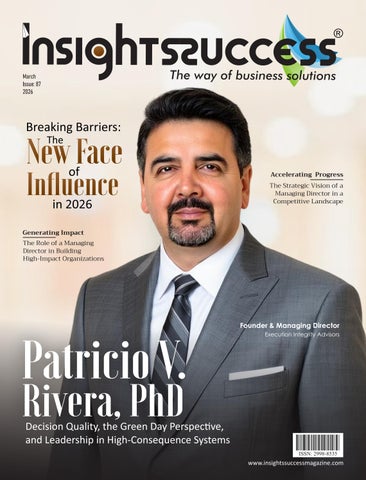
Breaking Barriers: The New Face of Influence in 2026
Generating Impact
The Role of a Managing Director in Building High-Impact Organizations
Generating Impact
The Role of a Managing Director in Building High-Impact Organizations
Accelerating Progress
The Strategic Vision of a Managing Director in a Competitive Landscape

THE UPCOMING EDITION OF SCAN THE QR CODE GET FEATURED IN INSIGHTS SUCCESS MAGAZINE


REGISTER NOW BECAUSE YOUR STORY DESERVES THE SPOTLIGHT


Influentialleadersintheenergysectorplaya
decisiveroleinshapinganincreasinglycomplex andrapidlyevolvinggloballandscape.Asthe industryaddressesthedualimperativesofmeeting risingenergydemandandadvancingsustainability objectives,theseleadersdrivetransformationthrough strategicvision,technologicalinnovation,and responsiblegovernance.Theirdecisionsextend beyondoperationalefficiencyandprofitabilityto encompassenvironmentalstewardship,regulatory alignment,andlong-termorganizationalresilience. Theyalsoguideorganizationsthroughperiodsof significantdisruption,includingenergytransitions, economicvolatility,andglobalcrises.Byfostering collaboration,encouraginginnovation,andupholding highstandardsofethicalleadership,theyhelpbuilda moresecure,sustainable,andresilientenergyfuture. Amongsuchleaders,PatricioV.Rivera,standsout forhiscontinuedinfluenceinenablingorganizations toadoptresilient,accountable,andforward-looking operationalframeworks.
InsightsSuccessinitsexclusivefeature Breaking Barriers: The New Face of Influence in 2026, honorsPatricioV.Rivera,forhisexemplary contributionstotheglobalenergysector.Overa distinguishedcareerspanningmorethanthree decades,Riverahasconsistentlydemonstratedhow informedjudgment,deepexperience,andstructured thinkingcanstrengthenorganizationalresilience.He hasbuilthisleadershipphilosophyoncredibility, disciplineddecision-making,andasystems-oriented
approachtoriskmanagement.Rivera’sextensive experienceacrosstheUnitedStates,SouthAmerica, theMiddleEast,andNorthAfricahasenabledhimto successfullyleadcomplexoperationswheresafety, environmentalresponsibility,andoperational continuityremaindeeplyinterconnected.Heactively promotestheviewthatsafetyextendsbeyond regulatorycomplianceandmustfunctionasacore leadershipdisciplineembeddedineverydaydecisionmakingprocesses.
Heintroducedtwoinfluentialframeworks,theGreen DayperspectiveandtheValueofInformation approach,whichencourageorganizationstolearn frombothsuccessfuloperationsandtimely,datadriveninsights.Theseconceptsshiftsafety managementfromareactivemodeltoaproactiveand forward-lookingapproach.DuringtheCOVID-19 pandemic,Rivera’smethodologyprovedcriticalin maintainingoperationalcontinuityundersevere constraints.Today,hecontinuestomentorfuture leadersandactivelyadvocatesforintegrity, adaptability,andcollaborativeproblem-solvingasthe definingattributesofeffectiveleadership.
Haveagreatreadahead!
Alaya Brown


Art
Business
Business
Digital
Marketing





Decision Quality, the Green Day Perspecve, and Leadership in High-Consequence Systems

Accelerating Progress
Generating Impact

Breaking Barriers: The New Face of Influence in 2026
Decision Quality, the Green Day Perspecve, and Leadership in High-Consequence Systems
Founder
& Managing Director Execution Integrity Advisors

Inhigh-consequenceindustries,thedifferencebetween safeoperationsandcatastrophicoutcomesrarelylies solelyintechnology.Moreoften,itisdeterminedby thequalityandtimingofleadershipdecisionsmadeunder conditionsofuncertainty
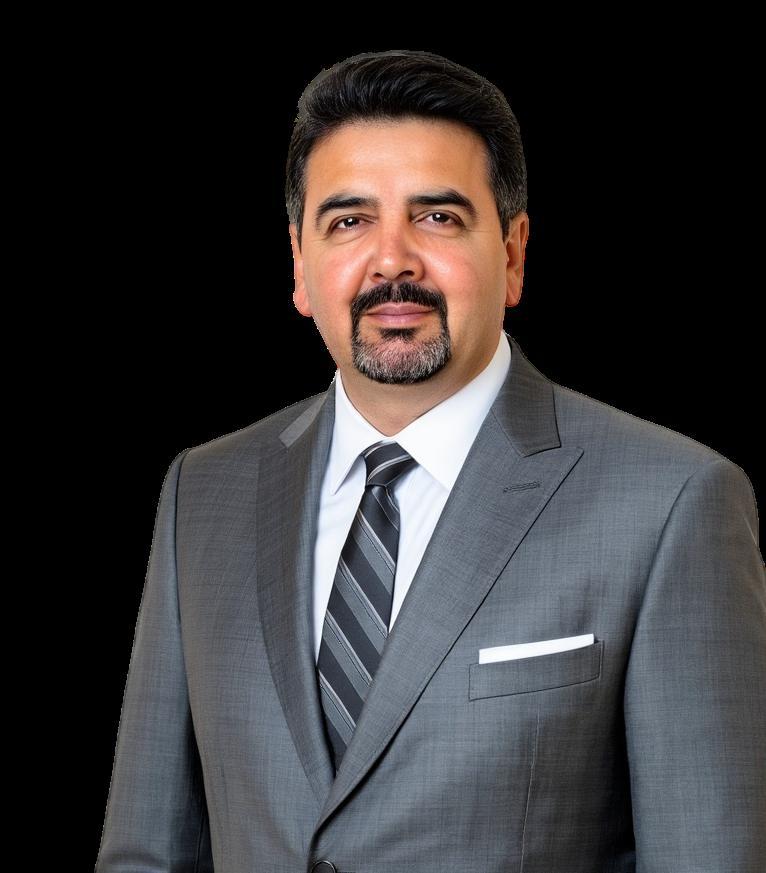
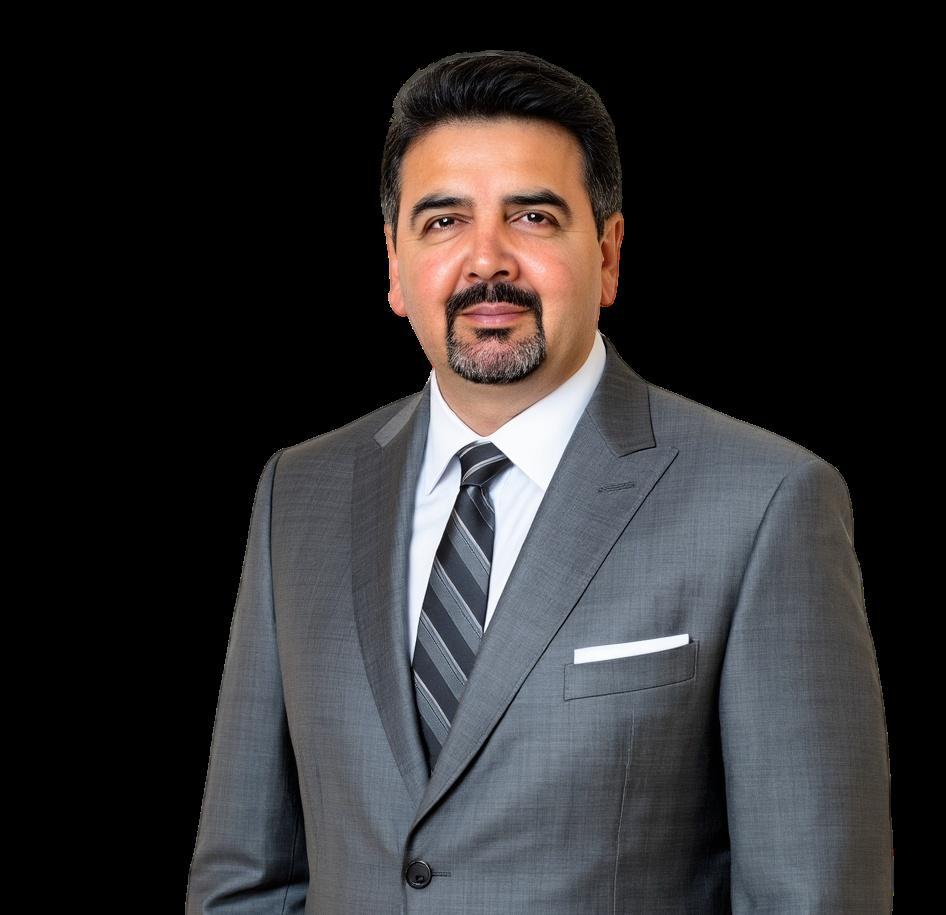
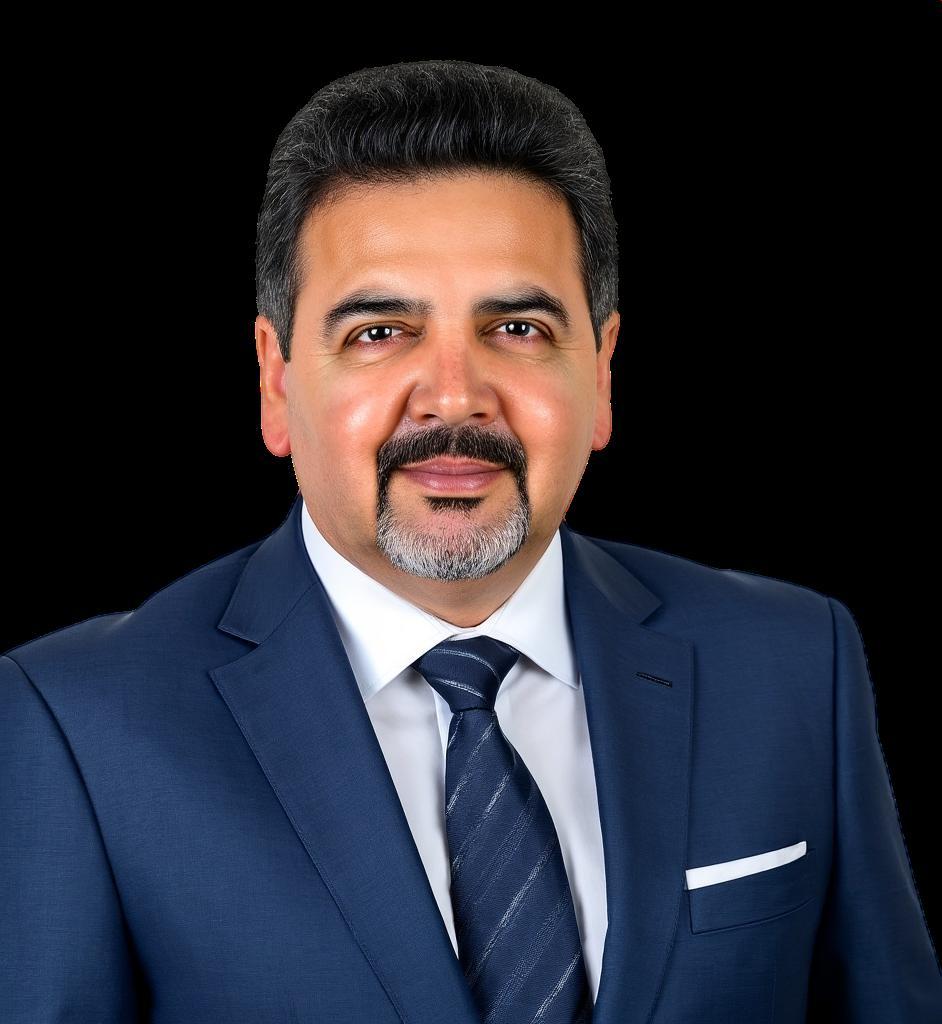
Formorethanthirtyyearsintheglobalenergyindustry, PatricioV.Rivera,PhD,hasexploredhoworganizations turninformation,experience,andleadershipjudgmentinto safer,moreresilientsystems.
Heputsitplainly, "Leadership is often misunderstood as authority, but in reality, leadership begins with credibility."
Rivera’scareerspansoperationalleadershiprolesacrossthe UnitedStates,SouthAmerica,theMiddleEast,andNorth Africa.Acrosstheseregions,heworkedwith multidisciplinaryteamsresponsibleformanagingcomplex industrialoperationswheresafety,environmental stewardship,andoperationalcontinuityaredeeply interconnected.
Throughthisexperience,Riveradevelopedandpromoted twoideasthatincreasinglyshapediscussionsaboutmodern safetyleadership:theGreenDayperspectiveandtheValue ofInformationframework.Together,theseconceptsoffer practicalwaysfororganizationstostrengthendecision qualityinhigh-consequenceenvironments.
InthecapitalcityofQuito,Ecuador,ayoungPatricio Riveradevelopedanearlyandinsatiablecuriosityaboutthe waythenaturalworldandhumansystemsintersect.That curiositycarriedhimthroughthePontificalCatholic UniversityofEcuador,whereheearnedhisdegreeinCivil Engineering.ButRiverawasnotthekindofengineerwho stoppedatblueprintsandloadcalculations.
Reflectingonthoseformativeyears,herecalls, "Early in my career, I realized that engineering involved more than structures and calculations. It required understanding systems and recognizing the engineer's responsibility to society."
‘ ‘
The achievements that maer most are the teams I had the privilege to work with and the leaders who emerged from those teams.”

Thatquestionbecametheengineofaremarkableacademic journey.RiverapursuedaMaster'sdegreeinEnvironmental Engineering,followedbyanMBAinOilandGas ManagementfromtheUnitedKingdom,andultimatelya PhDinOccupationalHealthandSafetyfromtheUnited States.HethencompletedtheExecutiveManagement ProgramatUCLAandtheAdvancedManagementProgram atRiceUniversity,credentialsthatreflectnotambitionfor itsownsake,butagenuinehungertounderstandsystems, people,andriskattheirdeepestlevels.
Theseacademicexperiencescomplementedhisoperational workandreinforcedasystems-orientedperspectivetoward industrialrisk,leadership,andorganizationallearning.
Overthefollowingdecades,Riveraassumedoperational leadershipacrossfourcontinents,eachwithdistinctcultures andregulations,requiringconstantadaptation,cultural fluency,andbuildingtrustwheremistakescouldcostlives.
Rivera’stransitionfromfieldengineertoglobalHSE executiveprovidedadeepunderstandingofindustrial failures—andsuccesses.Hesawthattechnicalexpertise aloneisnotenough;thegapbetweenengineeringand outcomesliesinhowleadershipdecisionsandhuman behaviorrespondunderpressure.
Ratherthantreatingsafetyasacomplianceexercise,Rivera approacheditasaleadershipdiscipline.Hedesignedsafety managementsystems,contractorsafetyframeworks,and leadershipdevelopmentprogramsthatembeddedsafety thinkingintothedailyrhythmofoperationaldecisions, buildingnotacultureoffeararoundrisk,butoneof informedawarenessanddisciplinedjudgment.Throughit all,Riverareturnedtooneconviction.
ForRivera,effectivesafetymanagementdependsnotonly onstrongtechnicalsystemsbutalsoonleadership behaviorsthatencouragetransparency,disciplinedthinking, andcontinuouslearning.
Hesays, "Safety is not ultimately about rules or compliance. It is about leadership and the quality of the decisions we make every day."
OneofRivera’smostdistinctivecontributionstosafety leadershipistheGreenDayphilosophy.GreenDayrefers
toadaywhenoperationsrunsafely,efficiently,andas intended,withoutincident.Thecoreideaisthat organizationsshouldlearnnotonlyfromfailuresbutalso fromsuccessfuldayswhereeverythingworksasplanned, understandingthereasonsbehindthesesuccesses.
Traditionalsafetyframeworksintheenergyindustryplace strongemphasisonincidentinvestigationandfailure analysis.Riverafullyacknowledgestheimportanceof understandingwhatgoeswrong.However,hearguesthat organizationsoftenoverlookanequallyvaluablesourceof knowledge:theconditionsthatallowoperationstosucceed consistently
AGreenDayisadaywhencomplexindustrialactivities proceedwithoutsafetyincidentsordisruptions, demonstratingthatallsafetymeasuresarefunctioningas intended.Insteadofviewingthesedaysasroutine,Rivera proposesexaminingthemwiththesamerigorasinaccident investigations.Whatleadershipbehaviorscontributedto thisoutcome?Whichcommunicationmethodsallowed teamstomanagerisk?Whichoperationalcircumstances ensuredthatsafetybarriersperformedasdesigned?
AsRiveraoftennotes, “Organizations learn from failure, but real progress accelerates when we also understand why success occurs.”
Bysystematicallyanalyzingsuccessfuloperations, organizationscanidentifyandreinforcetheconditionsthat sustainreliableperformanceratherthanwaitingforfailure torevealwherethoseconditionsaremissing.
Inpracticalterms,Riveraencouragesleaderstoaska differentsetofoperationalquestions:
• Whatconditionsenabledsuccess?
• Whatleadershipbehaviorssupportedsafeoutcomes?
• Whatcommunicationpatternsallowedteamsto anticipateandmanagerisk?
Thisperspectiverepresentsashiftfromapurelyreactive safetyculturetowardaproactivelearningsystem,grounded inoperationaldataandfocusedonstrengtheningthefactors thatallowcomplexsystemstoperformsafelydayafterday
TheValueofInformation:WhenDataBecomesa DecisionTool
Modernenergyoperationsgenerateenormousvolumesof data:sensorreadings,inspectionreports,maintenance records,environmentalmonitoringstreams,andworkforce observations.YetRiveraarguesthatdataalonedoesnot createvalue.Itsvalueemergesonlywhenitimprovesthe qualityandtimingofdecisions.
Asheoftenexplains, “In high-consequence systems, information is valuable only if it improves decisions before risk escalates.”
Rivera’sValueofInformation(VoI)frameworkexamines howtiming,relevance,andleadershipattentiondetermine whethersafety-criticalinformationleadstoactionearly enoughtoinfluenceoutcomes.Incomplexoperations,the differencebetweenusefulinformationandnoiseisnotthe quantityofdataavailable,butwhetherleadersrecognize whichsignalsrequireattentionandrespondbefore conditionsdeteriorate.
Thisperspectiveisincreasinglyrelevantasartificial intelligenceandadvancedanalyticsexpandtheanalytical capabilitiesofindustrialorganizations.Riveraemphasizes thattechnologydoesnotreplacehumanjudgment.Instead, itenhancesleaders'abilitytodetectemergingpatterns, interpretweaksignals,andmakeinformeddecisionsin time-sensitiveenvironments.
Inthiscontext,technologybecomesanenablerofbetter judgment,notasubstituteforit.Theleaderswhosucceedin increasinglydata-richenvironmentsarethosewhocombine analyticaltoolswithexperience,disciplinedthinking,anda clearunderstandingofrisk.
ForRivera,therealpromiseofmodernanalyticsliesnotin generatingmoredata,butinimprovingthequalityand timelinessofdecisionsthatprotectpeople,assets,andthe environment.
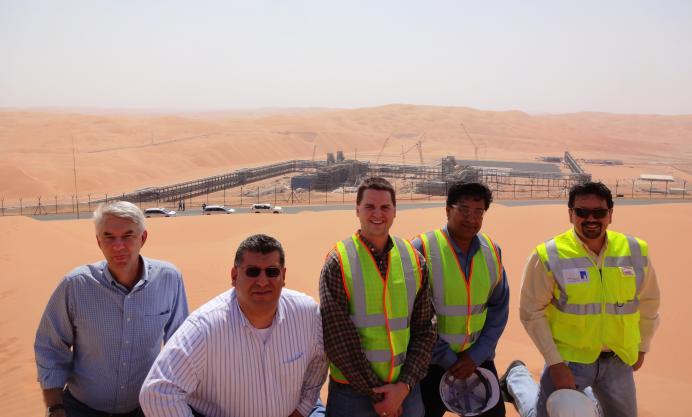
Rivera'sphilosophymetitssharpesttestduringthe COVID-19pandemic.AssignedtooperationsinColombia atthetime,hefacedacountrynavigatingunprecedented publichealthpressurewhiletryingtomaintaincontinuityin criticalenergyinfrastructure.Travelrestrictionseliminated thephysicalpresenceofkeypersonnel.Workforce limitationsstrainedoperationalcoverage.Uncertainty permeatedeveryplanninghorizon.
Riveraandhisteamsleanedhardontechnology.Remote collaborationplatforms,digitalmonitoringsystems,and real-timedataanalyticsallowedleadershipteamsto maintainoperationalawarenessevenwithoutphysical presence.Butthepandemicrevealedsomethingmore fundamental:organizationswithdeeplyembeddedsafety culturesadaptedfarmoreeffectivelythanthosethathad treatedsafetyasasurface-levelcomplianceprogramme.
Recountingthelessonsofthatperiod,Riveranotes, "Resilience is not only the ability to withstand disruption. It is the capacity to adapt and learn from it."
Thecrisisaccelerateddigitalpracticesthatcontinueto benefitorganizationstoday,confirmingabeliefRiverahad carriedfordecades.

Behindthecredentials,theinternationalassignments,and theconceptualframeworksisamanwhospeaksopenly aboutthepersonalcostandrewardofademandingcareer
‘ ‘
Resilience is not only the ability to withstand disruption. It is the capacity to adapt and learn from it.”
Riveraacknowledgesthatlifeacrossfourcontinents broughtextraordinaryprofessionalopportunitiesbutalso requiredthesustainedsupportofafamilywillingtomake thatjourneyalongsidehim.
Balance,Riverasays,wasneverautomatic.Earlyinhis career,hebelievedthatpersonalinvolvementinevery problemwasthemosteffectivewaytosupporthis organization.Overtime,herecognizedthisasboth unsustainableandcounterproductive.
Capturingthatshiftwithcharacteristichonesty,he mentions, "Effective leadership is not about solving every problem personally. It is about building strong teams capable of solving them together."
Outsideofwork,Riverafindsrenewaloutdoors,onthegolf course,andinconversationswithfriendsoversoccer.He
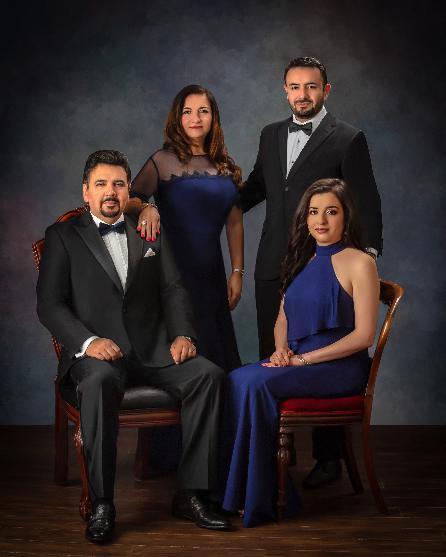
speakswithparticularwarmth aboutbecomingagrandfather,a developmentthataddedanentirely newdimensiontohisthinkingabout legacy,notjustthelegacyofprofessional achievement,buttheexamplewesetforthe generationsthatfollow
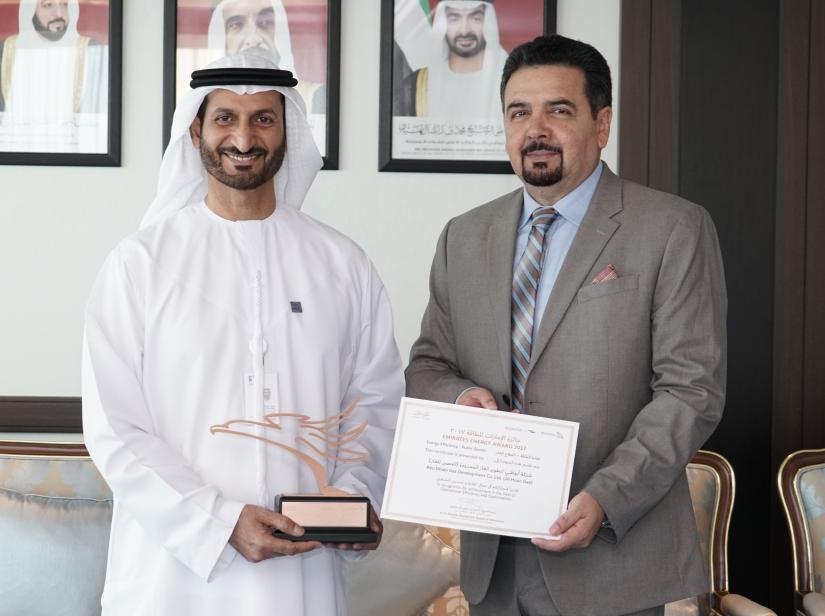
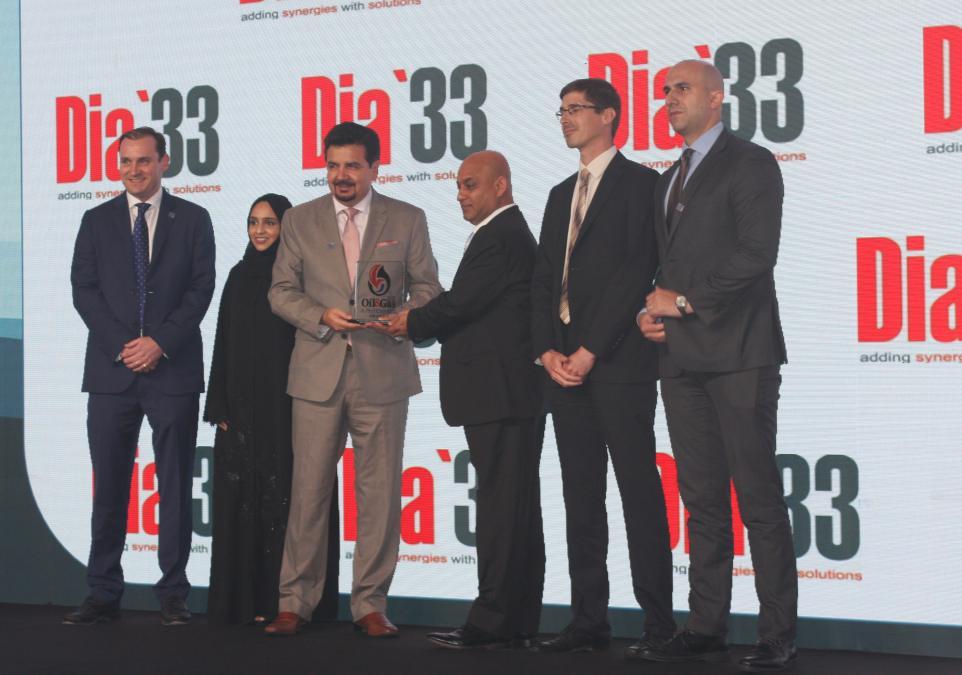
Rivera'scareerhasdrawnformalrecognitionacross multipledecades.In2024,hereceivedtheIndividual ExcellenceAwardforthePeruoffshore3Dseismic acquisitionprogramme.Between2012and2018,heearned multipleawardsduringtheShahGasFielddevelopment programmeintheMiddleEast.In2011,hewasnamed OOGCHSEChampion.
Earlierhonoursincludethe2000TeamAwardfortheEdenYuturi3Dseismicprogramme,the1996TeamAwardsfor theIndillanaComplexProductionstart-upandtheBlock15 ExplorationEnvironmentalPlan,andthe1999President's Award,earnedforachievingISO14001certificationand twomillionman-hourswithoutarecordableincident,a milestonethat,inthelanguageofhigh-riskindustries, speaksforitself.
YetRiveraemphasises, "The achievements that matter most
Organizations oen learn from failure, but real progress happens when we also understand why success occurs.”
are the teams I had the privilege to work with and the leaders who emerged from those teams."
Today,Riverachannelsthreeandahalfdecadesofinsight intoadvisorywork,thoughtleadership,andmost passionately,mentorship.Herecentlycapturedmanyof thesereflectionsinabookthatexamineslessonslearned acrossregions,cultures,andoperationalenvironments, servingasbothaprofessionalmemoirandapracticalguide forleadersnavigatinghigh-consequenceindustries.
Hisadvicetoaspiringleadersisconsistent:startwith technicalcredibility,butdonotstopthere.Learntosee systems,notjustcomponents.Growcomfortablemaking decisionsunderuncertaintybecauseperfectinformation rarelyexists,andwaitingtoolongcanitselfbecomea sourceofrisk.Cultivatehumility.Buildteamsthatsolve problemstogether.Andleadwithintegrity.
Reflectingonwhathehopestopassontothenext generation,Riveraadds, "The true measure of leadership is not the position we hold, but the systems we strengthen and the people we help grow."
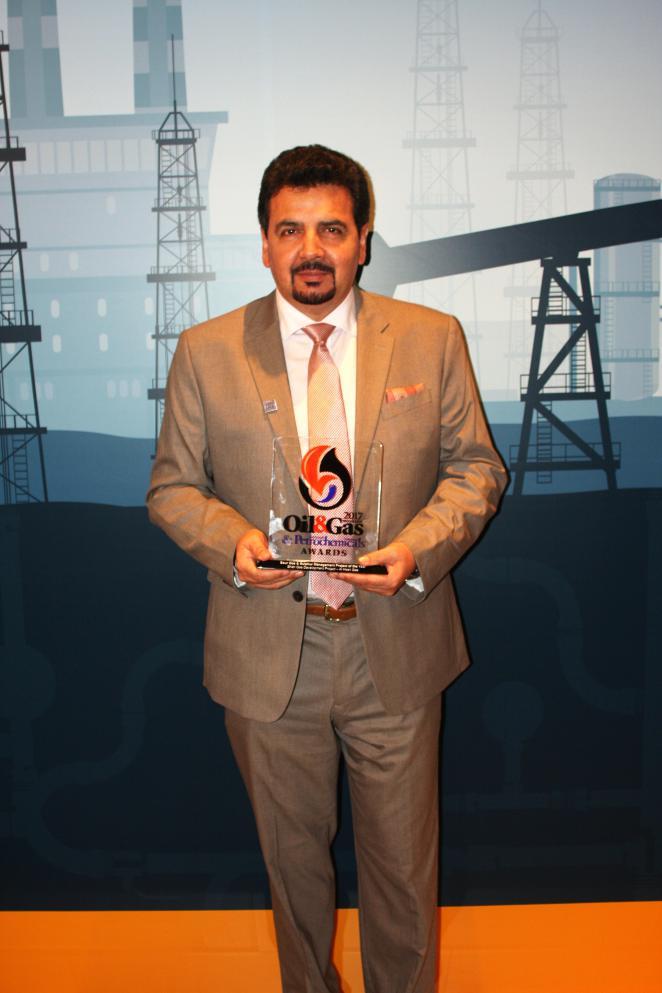
PatricioRiverahasspentmorethanthreedecadesbuilding strongersystems,wiserorganizations,saferworkplaces, andbetter-preparedpeople.Fromacivilengineering graduateinQuitotoagloballyrecognizedthoughtleaderin HSEstrategyandoperationalintegrity,hisjourneytraces oneconsistentarc:therelentlesspursuitofleadershipthat servespeoplebeforeitservesitself.Heisnotatheorist observingfromadistance.
Heisapractitionerwhobuilthisframeworksinthefield, testedthemagainstrealrisk,andrefinedthemthrough decadesofhonestreflection.Summarisingacareerdevoted toexactlythatpursuit,heconcludes, "In complex systems, success is rarely accidental. It is the result of disciplined leadership, informed decisions, and a culture that values learning every single day."





TheresponsibilitiesofaManagingDirectorhave
developedintonewrequirementsbecausebusiness conditionsnowrequireexecutivestodevelop strategicplanswhichwillhelptheirorganizationsachieve futuresuccessthrougheffectivemanagementofpresent-day uncertainties.Thepositionneedsastrategicthinkerwho canforecastmarketchangeswhilehandlingunpredictable situationstocreateorganizationalstrategiesthatwill generatesustainedvalueovertime.Effectiveleadership needsstrategicvisionasitsmaincharacteristicwhich definessuccessfulleaders.Theprocessdemandspeopleto combineknowledgefrommultiplefieldswhichinclude marketdevelopments,consumerhabits,industryregulations andtechnologicalprogress.Theorganizationneedsefficient leaderswhocanexecutetheirstrategicplanswhile establishingaworkenvironmentwhichpromotescreative solutionsandresponsiblebehavior.Theorganizationneeds thisvisionasapermanentreferencepoint,whichenablesit toperceivebothnewpossibilitiesandexistingproblems withpreciseunderstandingandself-assureddecisionmaking.
Thedevelopmentofarobuststrategicvisionrequires organizationstofirstestablishtheircurrentpositionwithin theirindustry.Companiesneedtoevaluatetheirexisting marketshareandcompetitiveadvantageswhiletheysearch fornewmarketopportunitiesandupcomingdangers.A

ManagingDirectorneedstounderstandhowtoread economicandindustryindicatorswhichwillhelphimguide thecompanywhenneeded.Thecompanyneedstomaintain itsmarketpositionthroughproductdiversification,market expansionandnewvaluecreation.
Theorganizationrequiresmarketplacepresencewhich allowsittoestablishitselfasadistinctentityfromits competitors.Strategicpositioningrequiresacompanyto implementsubstantialchangesthroughplanneddecisions whichwillcreateitsdistinctiveidentity Theorganization needstodevelopitsbrandidentitywhichwillbedelivered throughthreedifferentareas:innovation,customer experience,andoperationalexcellence.Thecompany articulateditsvisionwithclarity,enablingstakeholders, includingcustomers,investors,andemployees,to collaborateeffectivelytowardsustainedorganizational growth.
Eventhoughstrategicvisiondefinesadirection,itrequires leadershipandorganizationalalignmentinits implementation.TheManagingDirectorshoulddevelopa leadershipteamwiththesamevisionthatiscapableof makingdecisionsthatreinforcetheirvision.Thismeansthe establishmentofacultureofopenness,honestyand cooperationinwhichideascanbeactivelycriticizedand eventuallyimproved.Communicationisanimportant
aspectthatensuresthatthevisionhasbeenproperly understoodatallorganizationallevels.Communicationis notenoughtoaligntheworkforcetostrategicgoals.Italso requirestheincorporationofvisionintheperformance measures,incentives,anddailyoperations.Theworkers shouldlearnhowtheirworkwillhelptheorganization achievewiderobjectives.Leadershipcanimprove participationandworkeffectivenessbycreatingaspiritof ownershipandpurpose.Awellalignedorganizationstands inabetterpositiontoreactquicklytochangeandexploit newopportunitiesinahighlycompetitiveenvironmentthat requiresagility
Thecontemporarybusinessenvironmentisvery competitiveandrequiresalotofinnovation.AManaging Directorshouldembraceprogressivethinkingthatpromotes experimentationandadoptionofchange.Theorganization needstomakethreespecificinvestmentswhichinclude researchanddevelopmentfunding,newtechnology implementationandtheestablishmentofstrategic partnerships.Notably,innovationisnotlimitedtoproducts andservices,butalsotobusinessmodels,operations,and customerengagementstrategies.
Aproactiveriskmanagementandsustainabilityisalso neededinthefuture.Thereisalwaystheneedtoforeseethe possibleimpositionsthatmaycomeinduetotechnological
innovationsorachangeinregulationsaswellas geopoliticalinterests,andmaketheorganizationreadyto handlethem.Thisentailstheestablishmentofresilient supplychains,diversificationoftherevenuestreams,and theincorporationofsustainabilityinthecorestrategy Thesecontrolsnotonlyreducerisks,butalsomakethe organizationbeseenasaresponsibleandprogressiveentity bythestakeholders.
ThestrategicvisionofaManagingDirectorservesasthe mainfactorwhichdeterminesanorganization'sabilityto succeedinitscompetitiveenvironment.Theprocessneeds completemarketunderstandingwhichincludes current customerrequirements,existingcompetitiveforcesandall upcomingmarketdevelopments.Theorganizationcanuse theseinsightstoprepareforupcomingchangeswhile discoveringpotentialgrowthareasanduniquebusiness strategies.Aneffectiveframeworkforstrategicvision requiresorganizationstocombinetheirmarketknowledge withdedicatedleadershipsupportandongoingdedication toinnovativesolutions.Theleadershipteammustworkto createteamalignmentwhichwillhelpthemconverttheir strategicgoalsintospecificactionsandmeasurableresults.
Oneofthemostpowerfulpostsinanorganizationis
occupiedbyaManagingDirectorwhoisa strategicarchitectandanoperationalleader.Itisa positionthatgoeswellbeyondjustmanagingeveryday operations;onehastohaveprofoundknowledgeofthe businessworld,beabletoforeseechange,andbeableto exerciserestraintingettingtheorganizationonthepathto longtermprosperity.Ultimately,theManagingDirector establishesalignmentbetweenvisionandimplementation, leadershipandemployees,andpurposeandperformance. High-impactorganizationsdonotemergebyaccident. Leadersestablishorganizationsthroughtheirpurposeful leadershipandtheircapacitytoexecutetaskswith disciplinewhichsupportsinnovationandaccountability. Stakeholders,includinginvestors,employees,customers, andregulators,expectorganizationstodeliverfinancial resultswhiledemonstratingabilitytoendurechallengesand ethicalbusinesspractices.
TheManagingDirectorestablishesastrategicvisionwhich hecommunicatestoothersafterstudyingtheexternalworld whichincludesmarkettrends,technologicalchangesand regulatoryadvancements.Theeffectivevisionservesas morethanabasicpurposedeclarationbecauseitfunctions asacognitivestructurewhichuniteseverypartofthe organization.Themessagebecomesaguidewhenitis spokenclearlybecauseitcreatessharedunderstanding whichdrivesallworkerstoachievesharedgoalsinsteadof separatedepartmentalobjectives.

Thealignmentestablishesbetterdecision-makingprocesses whichleadtoimprovedefficiencyintheorganization.The organizationneedsbothaspectsbecausetheywantto converttheirvisionintopracticalsolutions.Theroleofthis positionensuresstrategicobjectivesmaintaintheir capabilitytobemeasuredandachievedthroughestablished performanceindicatorsandoperationalexecution frameworkswhichstemfromidentifiedlong-term objectives.
Tobuildasuccessfulorganization,leadersneedtwo essentialelements;theyrequireaclearstrategyandan establishedorganizationalculturetoguidetheirwork.The ManagingDirectorestablishestheorganizationalcultureby demonstratingtheexpectedvaluesandbehaviorswhich staffmembersshouldexhibit.Anorganizationthat establishesafoundationoftrust,transparencyand accountabilitymeasures,achieveshigheremployee engagementlevelswhichresultinincreasedorganizational participation.Leadersmustdomorethangivecommands; theyneedtomotivatepeoplewhilegivingthemthe authoritytoreachtheirmaximumpotential.Theprocess involvesthreemainactivitieswhichincludetraining employeesfortheirfuturerolesandchoosingpotential leadersandcreatingofficialmethodsthatemployeescan usetoprogressintheircareers.Organizationsneedeffective successionplanningbecauseithelpsthemmaintaintheir operationsduringtimesofchangeandunpredictable situations.
Empoweringemployeesfostersinnovationandastrong senseofownership.Researchrevealsthatemployeeswho feelconnectedtotheirworkplacemissiondisplayincreased proactivebehavior,ideasharinganddecisionmaking, whichtheytreatastheirduty Theorganizationneedsto createanatmospherewhichenablespeoplefromdifferent backgroundstoworktogetherwhiletheiraccomplishments receiverecognitionthroughouttheentirecompany.The organizationneedsactiveleadershiptoestablishitscultural values,whichshouldbemaintainedthroughpoliciesand proceduresthatguidedailydecisionsandactions.
Theorganizationoperatesinalignmentwithitsvisionand culturalvalues,butitssuccessultimatelydependsonits abilitytoexecuteitsoperationseffectively.TheManaging Directormaintainsoperationalefficiencytogetherwith growthcapacitywhileensuringthatallactivitiessupport
thecompany'sstrategicobjectives.Theorganizationneeds toimplementperformancemanagementsystemswhich shouldincludeperformancemetricdevelopment, performanceevaluationactivitiesanddata-drivendecisionmakingprocesses.Theprocessexecutionrequiresresource allocationasitsessentialcomponent.Leadershipmust allocateresourcestoinvestmentareaswhichprovide maximumbenefitssuchastechnologicaldevelopment, workforcetrainingandmarketpenetrationefforts.
Theprocessrequiresdecision-makingwhichinvolves choosingbetweendifferentprioritieswhilehandlingvarious trade-offsituationsthatneedtoberesolvedinordertoreach thebestresult.Thepresentbusinessenvironmentrequires organizationstomakedecisionswhichtheymustexecute withoutdelayafterobtainingaccurateinformation.Leaders handledifficultiesbyanticipatingupcomingproblemswhile theymanagetheiroperationsthroughquickresponsesto presentsituations.Organizationsachievehighperformance throughtheirimplementationofgovernancesystemswhich establishessentialframeworksforoperation.
TheManagingDirectorperformsmultipleessential functionswhichcontributetotheachievementsofthehighimpactorganization.Thepositiondemandsacombination ofdevelopingstrategicvisionswhileeffectivelyleading peopleandmanagingday-to-dayoperations.Therole establishesperformanceandpurposethroughitsexecution ofaspecificdirectionandcreationofasupportive organizationalcultureandimplementationofstructured executionprocesseswhichreceivebackingfromstrong governancesystems.Sustainablesuccessdependsontwo factorswhichincludeachievingshort-termresultsand developinganorganizationthatcanhandlefuturechanges whileprovidingongoingbenefitstoitsstakeholders. Organizationsneedtoassesstheirstrategiesbecausethey needtodevelopnewsolutionswhichaddressthechanges thatmarketsexperience.



For Subscripon: www.insightssuccessmagazine.com
www.x.com/insightssuccess