






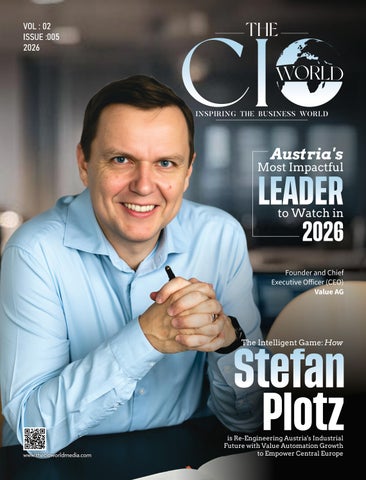
Inalandscapewhereindustrialresilienceandstrategicmodernizationare
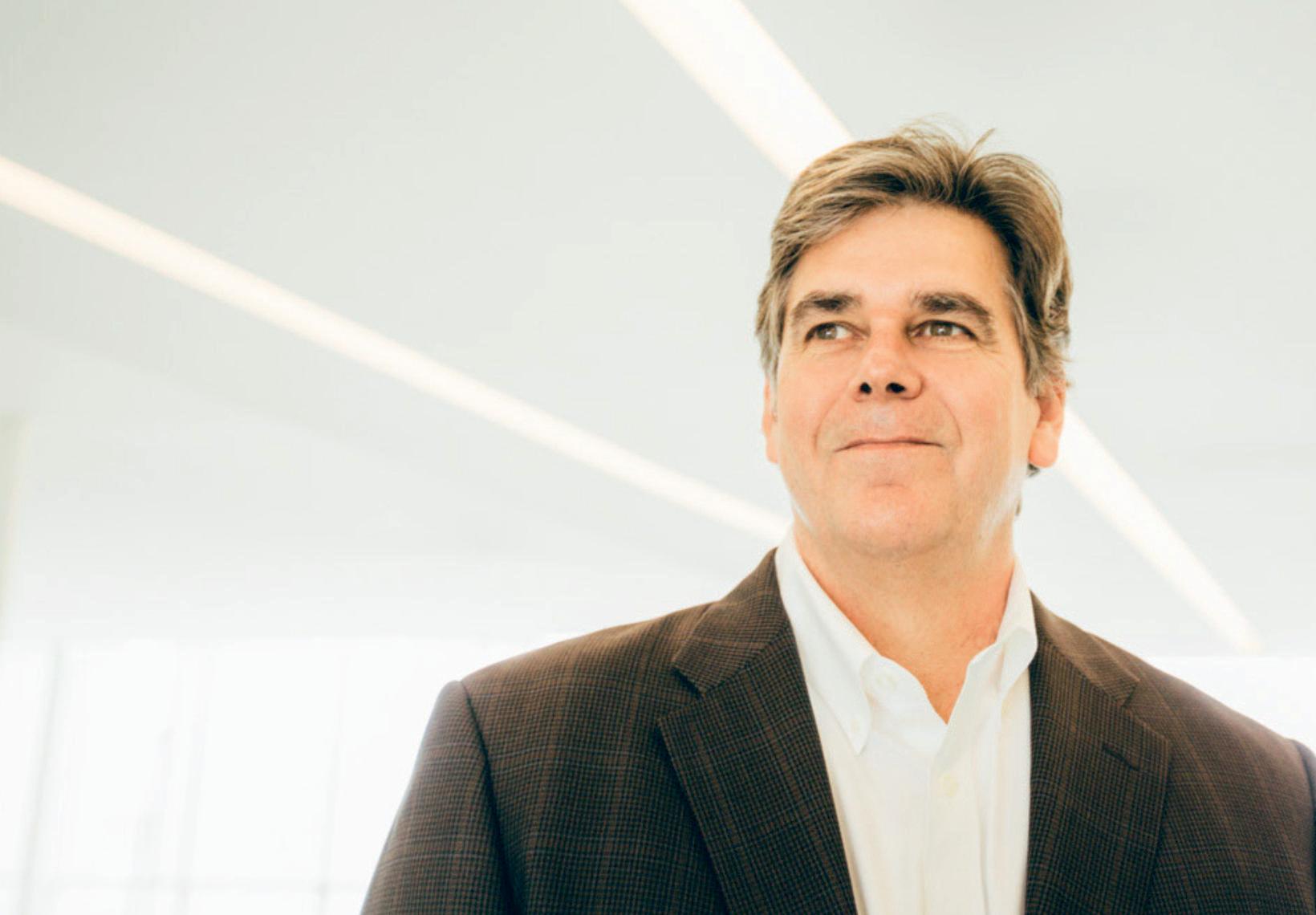
increasinglyvital,Austria'seconomicfuturedependsnotonlyonheritage strengthsbutonleaderswhocanredefinecompetitivenessforthedigitalage.At theforefrontofthisshiftstandsStefanPlotz,FounderandCEOofValueAG,whose workisreshapingthenation'sindustrialDNA.
Recognizedas Austria's Most Impactful Leader to Watch in 2026,Plotzistranslating globalinsightsandrelentlessexecutionintomeasurabletransformationfortheCentral Europeanindustry.
Plotz'sjourney—fromengineeringandglobalmanufacturingleadershiptofounding ValueAGin2024—reflectsapurposefulreturnhomewithaclearmission:to modernizeAustria'sindustrialbackbonethroughvaluecreation,automation,and scalablegrowth.AcknowledgingthattheheartofAustrianmanufacturingis composedof“hiddenchampions”—specializedSMEswithoutglobalvisibility—he haspositionedValueAGtobridgethedividebetweentraditionanddigitization.
Underhisguidance,thecompanydrivesreal-timedataadoption,supply-chain optimization,andgovernanceframeworksthatempowerbusinessestocompete regionallyandglobally
WhatsetsPlotzapartisnotmerelyhistechnicalcompetence,butamindsetthatrejects narrativesofdeclineandembracesEurope'spotential.Hisleadership philosophy—rootedinempowerment,continuouslearning,andstructural transformation—reflectsadeepconvictionthatAustriacanleadinindustrial innovationratherthanfollowit.
AsAustriaandCentralEuropenavigateeconomicheadwindsandtechnological disruption,StefanPlotz'sstrategicvisionandtangibleimpactmakehimadefining leaderfor2026andbeyond.

T H E S I G N A T U R E S T O R Y
08. The Intelligent Game: How Stefan Plotz is Re-Engineering Austria's Industrial Future with Value Automation Growth to Empower Central Europe
I N D U S T R Y I N S I G H T S
20.
22.
Business Model Evolution When Leaders Must Redesign How Value Is Delivered
Performance Review Systems Making Evaluations Meaningful

Editor-in-Chief
Deputy Editor
Managing Editor
Assistant Editor
Visualizer
Art & Design Head
Art & Design Assitant
Business Development Manager
Business Development Executives
Technical Head
Assitant Technical Head
Digital Marketing Manager
Research Analyst
Circulation Manager
Thanh Truong
Sam Carter
Alaya Brown
Maria Evans
Chris Carter
Millie Simon
Judy Smith
Phoebe Jacob
Aisha, Olivia
David Walker
Mia Rodricks
Helena Smith
Eric Smith
Richard Martinez


Copyright © 2026 The CIO World, All rights reserved. The content and images used in this magazine should not be reproduced or transmitted in any form or by any means, electronic, mechanical, photocopying, recording or otherwise, without prior permission from The CIO World. Reprint rights remain solely with The CIO World. Follow us on www.facebook.com/thecioworld We are also available on RNI No.: MAHENG/2018/75953 www.x.com/thecioworld


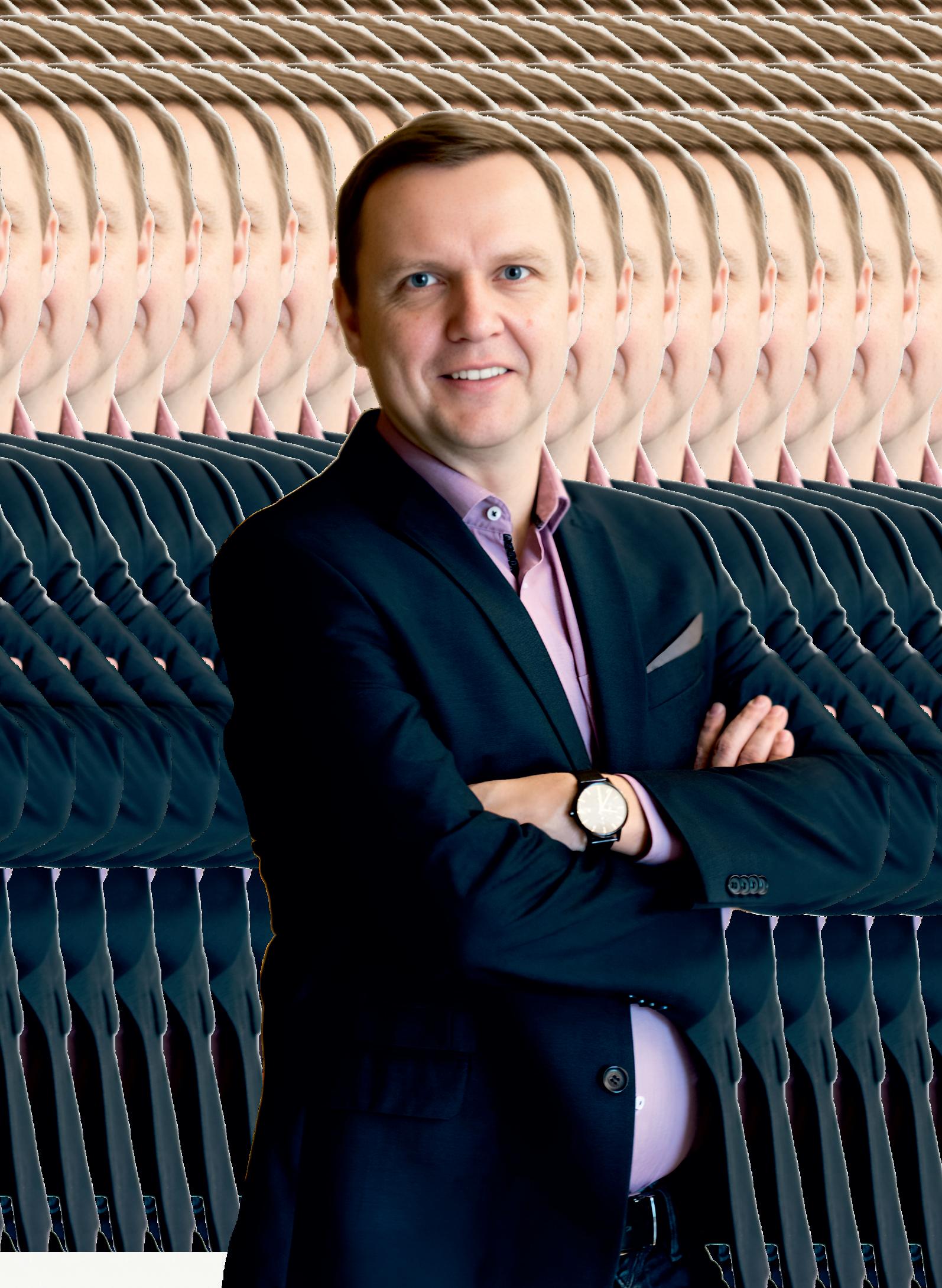
isRe-EngineeringAustria'sIndustrial FuturewithValueAutomationGrowth toEmpowerCentralEurope Austria'sMostImpactfulLeadertoWatchin2026
FounderandChiefExecutiveOfficer(CEO)



Today'ssmartmanufacturingdemandsintelligent leadershipwithapracticalvision.Apurposeful dreamthatholdsthepowertoupliftnotonlya business,asector,anindustry,oranation,butacontinent. Fewholdthatvisionaryleadership.Amidstthem,Stefan Plotzisararegem.AtthepeakofhiscareerinNorth America,heenvisionedsomethingbiggerforhishomeland, Austria. Bringing the fast-speed American entrepreneurial passion to its manufacturing industry to make it strong, resilient, advanced, and smart!
AlthoughhelivedandworkedinMexicoforthemajorpart ofhiscareer,hispassionforbusinessempowermentandhis loveforhiscountrycouldn'tlethimrest.Heknewhemust dosomething.Althoughthecharmofastableand convenientNorthAmericanlifestylewasattractive,Stefan yearnedforhome,asheobservedthatAustriawasway behinditsWesterncounterpartinallthosefactorsthatcould makeitsmanufacturingindustrygloballycompetitive.And herealizedhehadtodecidesoonerthanlater
Still,thedecisionwasnoteasy.Earlier,backinAustria, Stefan'sjourneystartedinengineering.Itwasapractical fieldthatdemandedextremeagilityandpragmatic innovation.“I'mamechanicaldesignengineerbytrade,”he reveals,afoundationhesoonsolidifiedwithamaster's degree.However,compelledtogainadifferentexperience, Stefanmovedabroad,leavingAustria.“IwenttoMexico andthenworkedinNorthAmericaforalmostmyentire careerintwodifferentcompanies.Anditwasautomotive manufacturingthatreally,reallyignitedmysenseforlarge complexsystemsandprocesses.”
Stefanquicklyrealizedthatthemagic,alongwiththecost, laynotintheblueprint,butinthebuild.Hefurtherrecalls aninsightfulobservationfromElonMusk,aglobalindustry leader:“Thedesigneffortthatgoesintoaproductisalmost 1%ofthewholecostofdoingaproductatscale.Andthe manufacturingofthatproductisabout99%.Manufacturing systemsareextremelycomplicated.”
Thisrealization,whichtookrootbackin2009,caughthis fullattention.Helovedthechallengesofthemostcomplex aspectsoftheindustry,transitioningfurtherinto automation,robotics,andlarge-scalemanufacturing systems.
“The design effort that goes into any electromechanical product is almost neglegtable comparte to the Manufacturing of it at scale.”





Finally,afteryearsofdeeplearningandvastexperience fromtheNorthAmericanenvironment,aworldhefeltwas “extremelyfast,extremelybig,”Stefanmadethecrucial decisiontoreturnhome.Itwasachoicerootedinfamily andqualityoflife.Hewantedhistwokidstogrowup experiencingthe“healthyCentralEuropeanlandscapeand thelifestylethatwehavehere,inAustria,andthe mountainsandallthebeautifulstuff.”Hiswife,althougha nativeofMexico,too,sawtheappealinthenewlife.
AndStefan'sreturnwasnotforrest;itwasforimpact.He feltaprofounddesiretocontributetotheindustrial transformationofAustriabyinfusingthelocalbusiness landscapewiththecompetitiveenergyhehadmastered abroad.
Thedreamwasrealizedin2024,whenStefanfounded ValueAG Thenameitselfisamissionstatement.“It's reallyourthreethings: values, automation,and growth.That'swhatwefocuson.”
WithValueAG,Stefanhaslaunchedhisplatform tomodernizetheAustrianindustry,applyingthe fast,rigorousprinciplesofglobalmanufacturingto drivegrowthandfosteranewentrepreneurialspirit intheheartofCentralEurope.
Stefan'sreturntoAustria,anationrenownedforits industrialstrength,isafusionoftwopowerful forces:deepnationalloyaltyandtheaccelerated, hyper-efficientspiritofNorthAmerican industry.
Austria,asheacknowledges,boasts “extremelystrongproducts,specificallyin cutting-edgemachinery.”However,hesawa criticalmisalignmentbetweenpublic perceptionandmarketreality Themythis oneofmassive,globalizedindustrial giants.TherealityisthatAustria's industrialbackboneisbuiltpredominantly bysmallandmedium-sizedenterprises (SMEs).
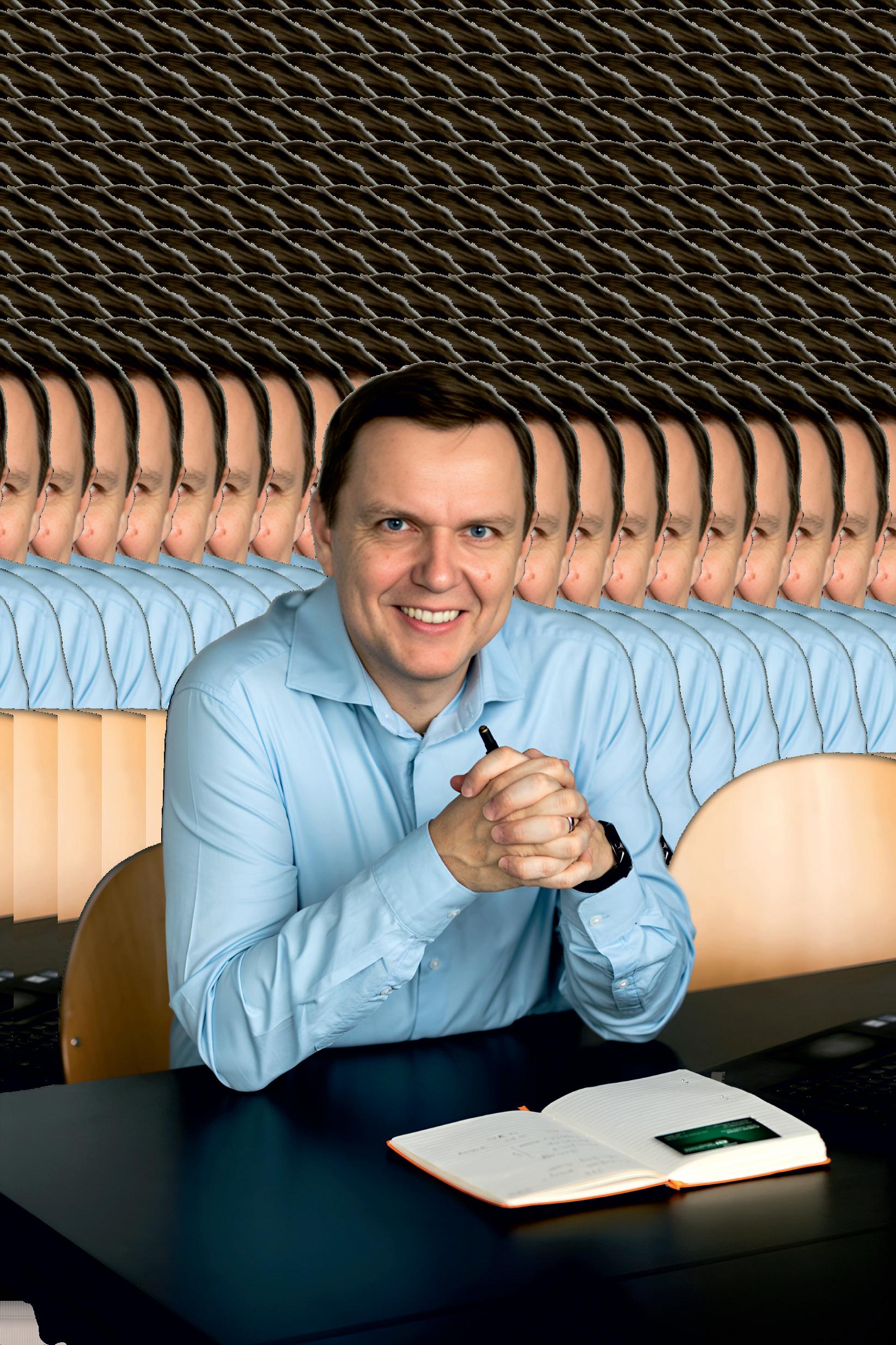


“My mission is to provide succession solutions for owners seeking a strong, valuesbased handover; deliver measurable improvements in operations, analytics, and strategy; and support long-term growth with aligned leadership and transparency at the core.”
“IfyouthinkaboutabigAustrianmanufacturingcompany, barelyanythingcomestoyourmind.Wedon'thaveany automotiveOEMs.”
Instead,thenationthriveson'hiddenchampions.'Theseare companiesthatownahugemarketshareinhighly specialized,nichesectors,fromindustrialrecycling machinesandpapermachinestolargecombustionengines forelectricgeneratorsandhydropowerplantturbines. Thesearethecompaniesthat“don'tgetanypublicity.The publicdoesnotseethem.”
Thisvitalsector,however,isunderimmenseexternal pressure.Stefannotesthecountry'seconomicdestinyis intrinsicallylinkedtoitsneighbor:“Whatwealwayssayis ifGermanycoughs,wehavetheflu.Soanythingthatin Germanygoeswrongslightly,Austriasuffersbigtimefrom it.”
ThePinpoint: Missing the Industry 4.0 Boat
Thiseconomicexposure,combinedwithconservative management,createdthecriticalgapthatStefanreturnedto fillwithValueAG.Hisexperienceleadingdigitization initiativesabroad,likestartingwiththeGameChanging initiativeforCOSMAaround2018,gavehimastark realizationuponhishomecoming.“IreallysawwhenI camebackherethatwecompletelymissedtheboat.In Austria,companieswerelaggingonIndustry4.0.”He identifiedthepainpoints: a reliance on traditional, mechanical expertise, a reluctance to engage with data, and insufficient IT infrastructure.Thatiswhy,today,ValueAG's missionistostrengthentheseAustrianSMEsbyfocusing onthreecoreareas:
DigitizationandReal-TimeData
Themosturgentneedistomodernizedataacquisition. Stefaninsiststhatcompaniesmustfinally,intenselyfocus ongetting“real-timedataoutofoperations.Everycompany hasto.It'svital.”
2.LeveragingtheGlobalSupplyChain
Thesecondchallengeisaconservativepurchasingbias. Stefanviewsthisasamajorimpedimenttomargin improvement.Heasks,“Austrianmanufacturingcompanies stillbuymostofthestufftheyusefortheirproductin Austria,whichiscrazy,right?Becausetheircompetition doesn'teither.”ValueAGhelpsthemleveragetheglobal supplychainandmanufacturingfootprinttoreducecosts andimprovetheirproducts.
Also,Stefansensedanimpendingdemographiccrisis.Most ofthebusinessownersinAustriaofthoseenterprisesare fromthebabyboomergeneration.Andtheyweretryingto handoverthebusinessestotheirkidsortotheoperational peopletheyhave,andtheyneededhelpinthattransition.”
ValueAGoffersauniquesolutioncalled“Skininthe Game.”Stefanandhisteamofexpertsdon'tjustactas advisors;theytrytoinvestinandenterthebusinesstoalign incentivesandfacilitatethehandover Thisprocessisabout morethanownership;itis“institutionalization,”bringing corporateprocessesandgovernance,likeestablishing quaterlyboardreviewsboards,tothesepowerfulbut traditionalSMEs.
ThePower-Plan: The Three Industrial Transformation Frameworks
TheplanofValueAGtransitionedquicklyfromtheoryto sharp,actionableresults.Stefanrecognizedthatthecentral challengeforAustrianSMEswasnotignoranceofchange, butrathertheinabilitytotranslateabroadroadmapintoreal shopfloormomentum.Heviewssuccessasahighly personalizedjourney,acknowledgingthat“no manufacturingoperationisthesameastheothers.” However,basedonhisNorthAmericanexperience,he identifiesthreefoundationalframeworksthatunderpin successfulindustrialtransformation,correspondingtoValue AG'sthreepillars:
“You need to measure your overall equipment efficiency, OEE. If you don't know that, you're completely blind.”
Althoughthedreamoffullyautomatingproduction facilitieshasneverbecomeareality,thepromisemade2011 whenIndustry4.0wasborninHannover Accordingto Stefan,herearethreewayscompaniescanusedatato innovateandoptimizetheiroperationstoreducewasteand increasecompetitiveness:
Measuring Energy Usage: Companiesshouldmeasuretheir energyconsumptioninreal-timeandcreatea“Sankey” diagramthatshowshowenergyisusedtofindoutwhich processesconsumethemostandeliminateanywaste.
Overall Equipment Efficiency (OEE):TheOEEmetricis criticalfordeterminingtheeffectivenessofequipment. Stefansaysitisimportanttodeterminewhetherequipment isavailabletoproduceparts,whetheritoperatesas efficientlyaspossible,andwhetheritproducesproducts thatmeetqualityspecifications.Ifyoudon'tknowthat, you'recompletelyblind.”
Asset Protection: Companiesmustactivelysupervisetheir mostcriticalmanufacturingassets,thesinglemachinethat oftenproduces“60%ofthevalueaddedofthewhole company.”Hesharedanunfortunatesituation,wherea recenteventimpactedacompanynegativelyduetotheir lackofaPlanBforapieceofequipment.Theirmain machinewentdown,metalfroze,andtheyhadnoteven monitoredcommonbasicparameters(e.g.,oilpressureand temperature);therefore,theyweren'tpreparedwith contingencyplans.
2.GlobalSupplyChain:Maximizingwithan80/20 Approach
TotakeadvantageoftheGlobalSupplyChain,itis essentialtofollowan80/20principlefromabusiness perspective.Businessesshouldbeconcentratingonareas thathavethegreatestfinancialimpactontheirbusiness insteadoftryingtoimplementanall-encompassingchange. “20%ofyourbillofmaterialscreates80%ofyourcost.Go withthehighitemsandtrytosourcethematabetterprice, atabetterquality.”ThistargetedsourcingallowsSMEsto significantlyimprovemarginswithoutparalyzingtheir existingoperations.
Thefinaltransformationfocusesonthebusinessstructure itself,particularlysuccessionandriskmanagement.


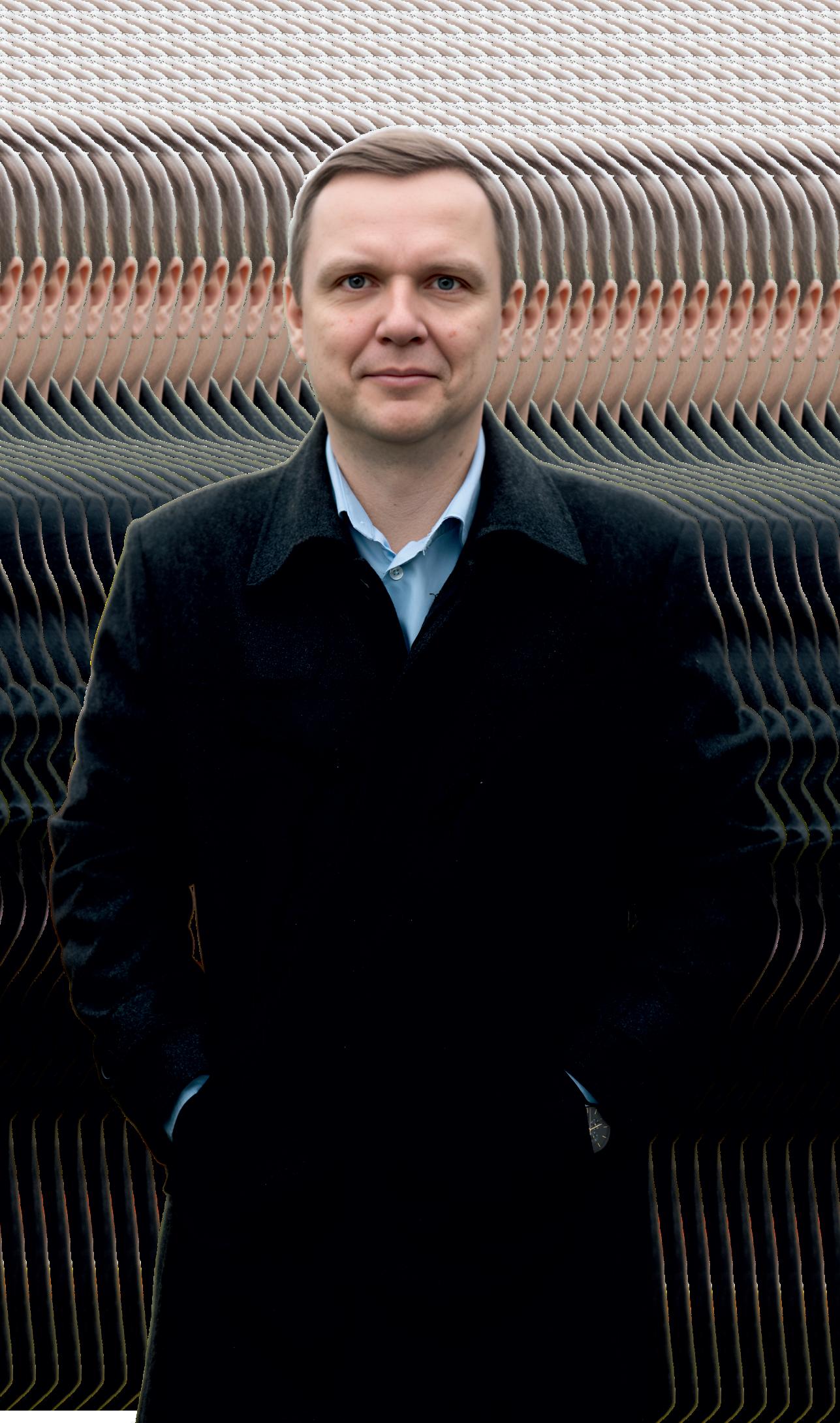

Manysmallenterpriseownersexposethemselvestohuge financialandlegalriskbyholdingoperationalassetsas privateindividuals.Stefanguidesthemtowardthe corporatemodel:holdingstructures.
Theadviceissimpleandstrategic: separate the operational risk from the assets Thegoalistoestablish aholdingcompanystructurewherehigh-valueassets (likelargebuildings)areplacedinaseparaterealestate company,distinctfromthehigh-riskoperational company.“You'rejustsettingthestructurefor success.”Thisstructuralseparationnotonlydivides riskbut,asStefanpointsout,greatlyeasesfuture transitions,fundraising,andexitstrategies, ensuringthebusinesscancontinuetogenerate revenuewhileallowingthefoundertoholdonto thevaluablerealestateasset.
Stefanconsidersthepracticeofstrategic thoughtwithapragmaticmindset.Heviews Industrialtrends,includingSustainability, throughthelensofOperationalPerformance RelationsandGlobalCompetitiveness. WhenitcomestoEnvironmental,Social andGovernance(ESG),whileithasbeen viewedfavourablybyEuropeancountries, Europemayhavegonetoofar,having anadverseeffectonPerformance.
Hestressestheneedforapragmatic, business-senseapproach. Sustainabilitymustfocusonefficiency withinthisequation:
Energy: UnderstandingtheSankey diagramofenergyflow(aspreviously noted)iscrucialforbothcost reductionandenvironmental compliance.
Labour:Businessesmustlookat theirlabourtoensureitis“lasting, right,andnothaveanegativeimpact onyourlocalenvironment.”
Stefanwarnsagainstastancethat sacrificesviability:“Itcannotleadtoa positionwhereyouallofasuddenare




outofthemarketandyoulose tothecompetitionthatdoesnot careaboutthat.”ValueAGhelps clientsnavigatethis“verythin graph”byaligninggreeninitiatives withcostefficiency
ToensurethatValueAGdeliversnotjust short-termwinsbutlong-term,sustainable impact,Stefanemploysadeep-seated philosophyrootedinempowerment.“Ido believeinthephilosophyofshowinghowto fish,notgivingthefish.”WhenValueAG engagesaclient,thegoalisnottodelivera finishedworkflowandleave;itistobringinternal companypeople“alongtheline”andinstillthe methodology
“The people who win are the people who play the infinite game, the people who don't go for the quick win, they go for customer lifetime value.”
Stefantakesaholisticapproachtoworkingwithclients. Manyconsultingfirmsfocusondeliveringclientresults and/orimplementingoperationalactivities.“Ourfocusison developingyourteaminternallyandthroughoutthe engagementprocess,'headds.Theirmethodologyisbased onabest-in-classframeworkdevelopedbyFranklinCovey, awell-respectedconsultingfirmwhoseauthorscreatedThe 7HabitsofHighlyEffectivePeople.
Hefurtherexplainedthattheyutilizeachangemanagement methodologycalledThe4DisciplinesofExecution (4DX).“I'vebeenluckytohaveamentorwhoisanexpert trainerofthe4DXchangemanagementmethodology,andI canattesttonotonlytheeffectivenessbutalsothebrilliance ofthismodel.”Thebrillianceofthismodelisitssimplicity, andyouwillwitness“creativeeruptions”occurinyour organization.Unliketraditionalconsulting,inwhichthe consultanthasabetterideathantheclient,4DXcreatesa wayfortheemployeesofyourorganizationtoinnovateand solveproblems.
Therearefourcomponentstothe4DXframeworkthat serveasabridgebetweenyourstrategyandexecution.4DX isaprovenmethodologythatproducesmeasurableresults bycultivatingacultureofaccountabilityandfocuswithin anorganization.“Iwouldsuggestthatyoutakesometime toexplorethisframeworkfurtherbecauseitformsthe foundationofhowwedeliversustainablevalueandgrowth internallyforourclients.”
Whendiscussinghisleadershipthroughcomplexindustrial transformations,Stefanpointsbeyondspecific methodologiestoaguidingmentalmodel:thephilosophy espousedbySimonSinekinTheInfiniteGame.“Ido believeinthephilosophyofshowinghowtofish,notgiving thefish,right.”
Whiletheprinciplesofexecutionareimportant,the perspectiveisparamount.Stefanlearnedtoviewbusiness, competition,andcustomerinteractionthroughalensthat extendsfarbeyondimmediatetransactionalsuccess.“The peoplewhowinarethepeoplewhoplaytheinfinitegame, thepeoplewhodon'thavelikeanendgoal,right,thatdon't goforthequickwin,theygoforcustomerlifetimevalue.”
ThisphilosophyfundamentallyalignswithValueAG'score missionofshowingclientshowtofish,notjustsellingthem
thefish.Stefanacknowledgesthecomplexityofleadership, evenadmittingtorecentmistakesthatledtothelossofa keyemployee.Heviewshisroleasacontinuouslearning process:“IhopethatIstillcanlearnandthatIcaninspire peopleandthatI'multimatelyplayingtheinfinitegame. That'sreallymywish.”
AsthestewardofValueAG,Stefanbelievesthegreatest challengefacingAustriaandCentralEuropeisnot technologyoreconomics,butmindset.Heseesapervasive anddangerousnarrativeofdeclinethatmustbeforcefully rejected.“Theworldhascompletelyboughtintothe narrativethatEuropeisindecline.Idon'tbuyit.I'mquitea contrarianhere.”
Stefan,havingseentherestoftheworldandchosento return,holdsanunwaveringbeliefintheregion'spotential. HeinsiststhatacriticalmassofpeoplerecognizeEurope remainsagreatplacewithnumerousadvantages.“Unlike others,IdonotseetheEuropeancontinentasasinking ship.Ibelievetherewillcontinuetobealargenumberof peoplelikemewhohaveexperiencedenoughtounderstand thatalthoughEuropemayhavesomeveryserious problems,itstillhasthepotentialtoemergefromthem strongerandbecomeasignificantpartoftheglobal economy.”
Austriaislocatedat“theheartofEurope,”saysStefan, stressingtheneedforallofustobemoreoptimisticabout whatispossibleregardingthefuture.“Ibelievethiscan onlyoccurifmanufacturersinCentralEuropework towardproducingthefastestandmostinnovative productspossibleandusetheresourcesavailableto themfortheircontinueddevelopment.We,withValue AG,wanttoprovidethevision,tools,andconfidence thatCentralEuropeanmanufacturerswillneedin ordertomaintaintheirindustrialleadershipposition fortheforeseeablefuture,'hepromises. CIO

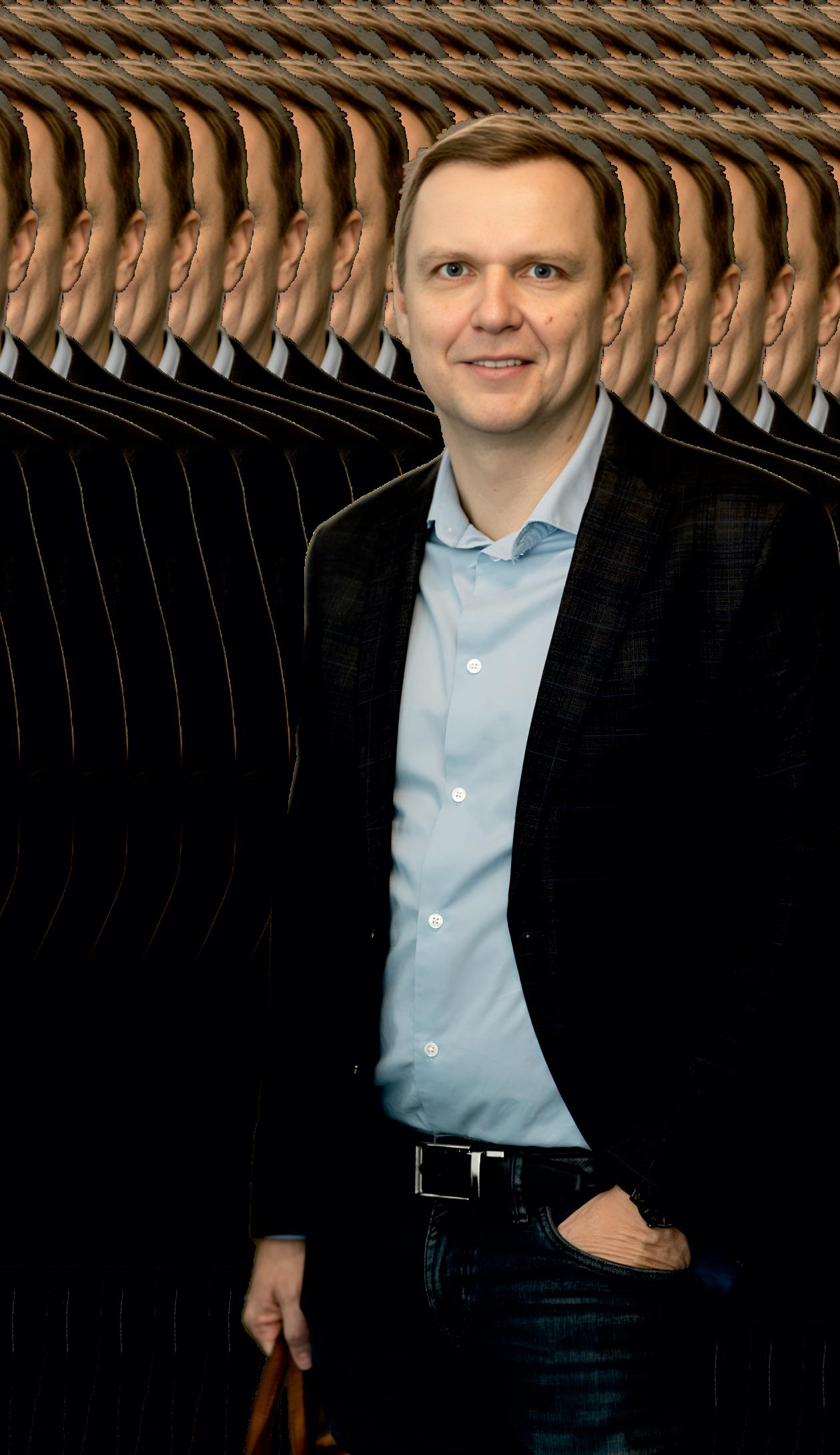






Thebusinessmodelexplainshoworganizations createtheirproducts,deliverthemtocustomers, andachievetheirfinancialsuccess.Thebusiness modelwillremainunchangedforextendedperiodsuntilit undergoesdevelopmentthroughsmallimprovements.
Marketsgothroughchangesbecauseoftechnological advancementswhichchangehowresourcesareusedand howcustomersneedproductstobedelivered.New competitorsestablishtheirownmethodsofdelivering productstocustomerswhichincludesdifferentlevelsof speedandaccessibility Whentheseforcesreshapethe environment,leadersfaceapivotalmoment:improvingthe existingmodelisnolongerenough.
Themodelitselfmustevolve.Businessmodelevolutionisa completetransformationofhoworganizationsdelivervalue tocustomersandhowtheyoperatetheirbusiness.The processrequiresorganizationstoestablishtheirstrategic directionwhiletheytransformtheirexistingoperationsand conductculturaltransformation.Organizationsthatidentify thisturningpointatitsinitialstagecancreatetheirpathto stayrelevantforfutureyears.Thosewhodelayrisk becomingefficientatdeliveringvaluethemarketnolonger prioritizes.
Thenecessityforevolutionbecomesevidentwhen performancepressurereachesitspeak.Theorganization
experiencesdiminishinggrowthdespiteitsemployees puttingforthmaximumwork.Increasingcostpressureslead totighterprofitmarginsforthebusiness.Customersstartto evaluateproductsbymakingcomparisonswithoptionsthat existoutsidetheconventionalindustryframework.New marketparticipantsachieveequivalentresultswhileusing fewerresourcesandadoptingmoreadaptablepricing models.
Thecurrentevidenceshowsthattheproblemextends beyondexecutionproblems.Theproblemoriginatesfrom thewaydifferentcomponentsofworkneedtowork together Theorganizationhasdevelopedamethodtocreate valuewhichnowfailstomeetthecurrentcustomer demand.
Theorganizationalleadersneedtoidentifyoperational challengeswhichcanbesolvedthroughbettermanagement practicesandtheyneedtorecognizemodelissueswhich requirecompletesystemredesign.Mostpeoplechooseto developtemporarysolutionsbecausetheycannotidentify theessentialdistinctionbetweentwodifferenttypesof problems.
Thebusinessmodelevolutionprocessstartswithbusinesses needingtoanswerthequestionabouttheircurrentcustomer value.Theresponsetothisquestionwillchangeovertime. Customersnowadaysgivetheirhighestvaluetofast

service,easyaccess,onlineplatforms,customized experiences,andintegratedsolutionsthatfittheirregular activities.
Thevaluesystemofcustomerswillbegintochange becausetheynowpreferaccessinsteadofownershipand ongoingserviceinsteadofsingletransactionsandcomplete productsinsteadofstandaloneitemswhichexistwithinan interconnectedsystem.
Deliverysystemsmustadapttheiroperationswhenever customerschangetheirexpectations.Theorganization needstoimplementdigitalchannels,establishnewservice components,developplatformfunctions,andcreate partnershipswithotherorganizations.Theorganization shiftsitsfocusfromproductionactivitiestounderstanding customervaluedeliverythroughouttheirentireinteraction withthecompany.
YourdatatrainingextendsuntilthemonthofOctoberinthe year2023.Themethodusedtodelivervaluedeterminesthe waythatvaluewillbecaptured.Customerswhowantboth flexibilityandpredictabilitynowprefersubscriptionpricing togetherwithusage-basedfeesandoutcome-based contractsandbundledofferingswhichhavebecome commoninthemarket.
Theorganizationfacesfinancialchallenges becauseitneedstochangeitsrevenuemodel whichisessentialformakingaccurate financialforecastsandestablishinginternal performancestandards.Outdatedpricing structuresneedtobeupdatedbecause customerconsumptionpatternshavechanged, whichaffectstheorganization.Modernvalue perceptionrequiresleaderstocreaterevenue structuresthatmaintainfinancialstabilityfor theirorganizations.Theprocessofrevenue alignmentplaysacriticalroleinachieving sustainablebusinessexpansion.
Thesuccessoforganizationaltransformation needscompleteinternalorganizational alignment.Thecompletemodelneedsallits componentstoundergochangesinprocesses andtechnologysystemsandperformance metricsandtalentcapabilities.Salesteams maytransitionfromsellingproductsthrough singletransactionstodevelopingongoingcustomer relationships.Productteamsmayadoptanewapproachthat focusesoncontinuousproductenhancements.Service functionswillevolveintothecoresystemthatdelivers valuetocustomers.
Employeesneedtolearnaboutthenecessityfor organizationaltransformationandtheirspecific responsibilitiesundertheupcomingsystem.The organizationneedstodevelopitsleadershipcommunication skillswhilebuildingitscapabilitydevelopmentprogramsto stopemployeesfromresistingchangeandbecoming confused.Businessmodelevolutionrequiresorganizations togothroughstrategicchangesandpeopletransitions.
Theresponsibilityofbusinessmodeldevelopmentin changingmarketsbelongstoorganizationalleaders.The processdemandsevaluationofestablishedbeliefsregarding valuecreation,valuedelivery,andvaluecapturemethods. Proactiveleaderscreateorganizationalchangesthatprepare theircompaniesforupcomingbusinesschallengesbefore competitorscompelthemtoadjust.
Organizationsthatsucceedthroughcontinuous improvementofexistingbusinessmodelswillnotachieve lastingsuccess.Successfulorganizationswilldevelopnew methodstodelivervaluetocustomersbecausetheir requirementsandtechnologyadvancementswillchange.

Theperformancereviewprocessstandsasacommon managementpracticethatfailstodelivereffective results.Organizationsconductevaluationsas standardadministrativeprocedures,whichproduce performanceratingsyetdonotleadtoactualperformance enhancement.Employeesseethemasformalities,managers seethemasobligations,andlittlechangesafterward.A meaningfulperformancereviewsystemoperatesdifferently fromstandardevaluationsystems.
Thesystemfunctionsasaperformancemanagementtool thatgoesbeyonditsdocumentationrequirements.The systemestablishesperformanceexpectationswhileenabling betteraccountabilitythroughdevelopmentsupport,which linksindividualworktoorganizationalobjectives.When evaluationshaveaproperdesign,theyleadto organizationalimprovement.Whenevaluationshavepoor design,theycreateanegativeimpact,whichresultsin brokentrustandreducedemployeemotivation.
Thereviewsystem'ssuccessdependsonitsabilitytodefine itsprimarymission.Threefundamentalquestionsneed answersthroughreviews.Thefirstquestionrequiresan answeraboutwhichoutcomeswereachieved.Thesecond questionneedsanexplanationofwhatmethodswereused toachievethoseoutcomes.Thethirdquestionrequiresthe identificationofwhichareasneedenhancementforfuture development.
Evaluationslosetheirfocuswhentheystarttoassessvague matters,whichleadtoratingdisputes.Thepurposeofan evaluationhelpsdeterminewhetherreviewsneedtopredict futureresultsorserveassummariesofpastevents. Performancereviewsshouldexisttoimprovefuture performance,notmerelytodocumentthepast.
Thepurposeofevaluationsisonlyachievedwhen evaluatorsestablishtheirspecificexpectations.
Employeesshouldknowinadvancewhatsuccesslooks like—keyoutcomes,qualitystandards,andbehavioral expectations.Theorganizationrequirestheseexpectations tobeacceptableaccordingtoitsorganizationalframework.
Thereviewprocessbecomesbiasedwhenthereisno definedexpectations.Theexistenceofdefinedmeasurable expectationsenablesfactualdiscussionswhichleadto constructiveoutcomes.Thefirststeptoassessmentneedsto establishevaluationcriteria,whichhelpstoavoidconflicts duringevaluationprocess.
Strongperformancesystemsrequireevaluationofboth resultsandemployeebehavior.Theresultsofanoperation showitsactualeffectsontheworld.Thewaypeople conductthemselvesdefinestheteamenvironmentwhich affectstheirabilitytoworktogetherandmaintaintheir operationsovertime.
Employeeswhoachieveresultsthroughunethicalmethods andpoorteamworkcreateunrecognizedexpensesforthe organization.Theevaluationprocessneedstoshowthat performanceevaluationincludesbothsuccessfulresultsand requiredprofessionalcompetencies.Theorganization maintainsaproperperformanceculturethroughthismethod ofassessment.
Theannualreviewprocesscannotfunctionastheonly performanceassessmentmethod.Organizationsneedto maintainongoingfeedbackprocessesthroughouttheentire year.Organizationscanuseongoingcheck-instomonitor employeedevelopmentandtracktheirlearningprogress whileprovidingimmediaterecognitionoftheir achievements.
Theprocessofcontinuousfeedbackhelpsemployees prepareforformalreviewsbecauseitshowsthemhowto addressperformanceproblemsbeforetheyevolveinto majorissues.Theprocessoffrequentdialoguebetween teammembersleadstoimprovedevaluationresultsbecause itmakesperformanceassessmentsmorepreciseanduseful fordevelopmentpurposes.
Themajorityofreviewsystemscollapsebecausemanagers donotpossessthenecessaryskillstoprovidefeedback.
Effectiveevaluationsrequireevaluatorstocommunicate theirfindingsclearlywhilemaintainingobjectivityand establishingperformancelinkstodevelopmentneeds.
Managertrainingshouldaddressthreecoreareaswhich includeevidence-basedassessmentmethodsandbias detectionandcoachingtechniques.Thesystemgains credibilitywhenmanagersreceivetrainingtofacilitate essentialdiscussions.Thequalityofevaluationsdependson theabilitiesoftheevaluators.
Performancereviewsshouldidentifygrowthareasandnext steps.Thisincludesskilldevelopment,stretchassignments, andcareerprogressionplanning.Employeeengagement increaseswhenemployeesobservethatreviewsresultin developmentopportunities.Theevaluationprocessneedsto determineyourperformancelevelandwhichareasneed improvement.Theorganizationneedsadevelopmentfocus becauseitboostsemployeemotivationandretentionrates.
Theflowofpromotionalandpaydecisionsdependsonthe resultsofperformanceevaluations.Feedbackdiscussions becomemoredifficultwhenpeopleneedtoconnecttwo distinctelements.Thepracticeofkeepingdevelopmental talksseparatefromcompensationtalkshelpsorganizations createaspaceforopencommunication.Organizationsbuild artificialcredibilitythroughtheirprocesses,whichlink performanceassessmenttorewarddistribution.
Aneffectiveperformancereviewsystemneedsthree componentswhichincludestructuredassessmentmethods andequitabletreatmentanddevelopment-basedevaluation criteria.Thesystemestablishesperformancestandardsfor staffmemberswhileitpromotesongoingfeedbackbetween staffmembersandtheirmanagersanditmaintainsafair assessmentprocesswhichevaluatesbothachievementsand workconductwhileassistingthedevelopmentof employees.
Thedesignofevaluationsasimprovementtoolsinsteadof administrativefunctionscreatestheirmosteffective performanceenhancementuse.Organizationsthatinvestin reviewqualitybuildstrongerteamswhichestablishclear accountabilitywhileachievingongoingsuccess.