
09, 2026 - March 15, 2026

09, 2026 - March 15, 2026
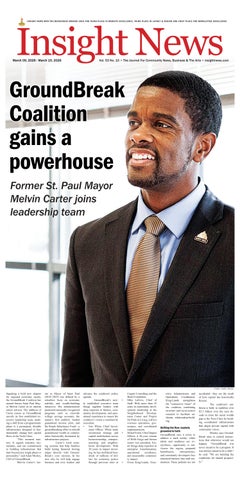
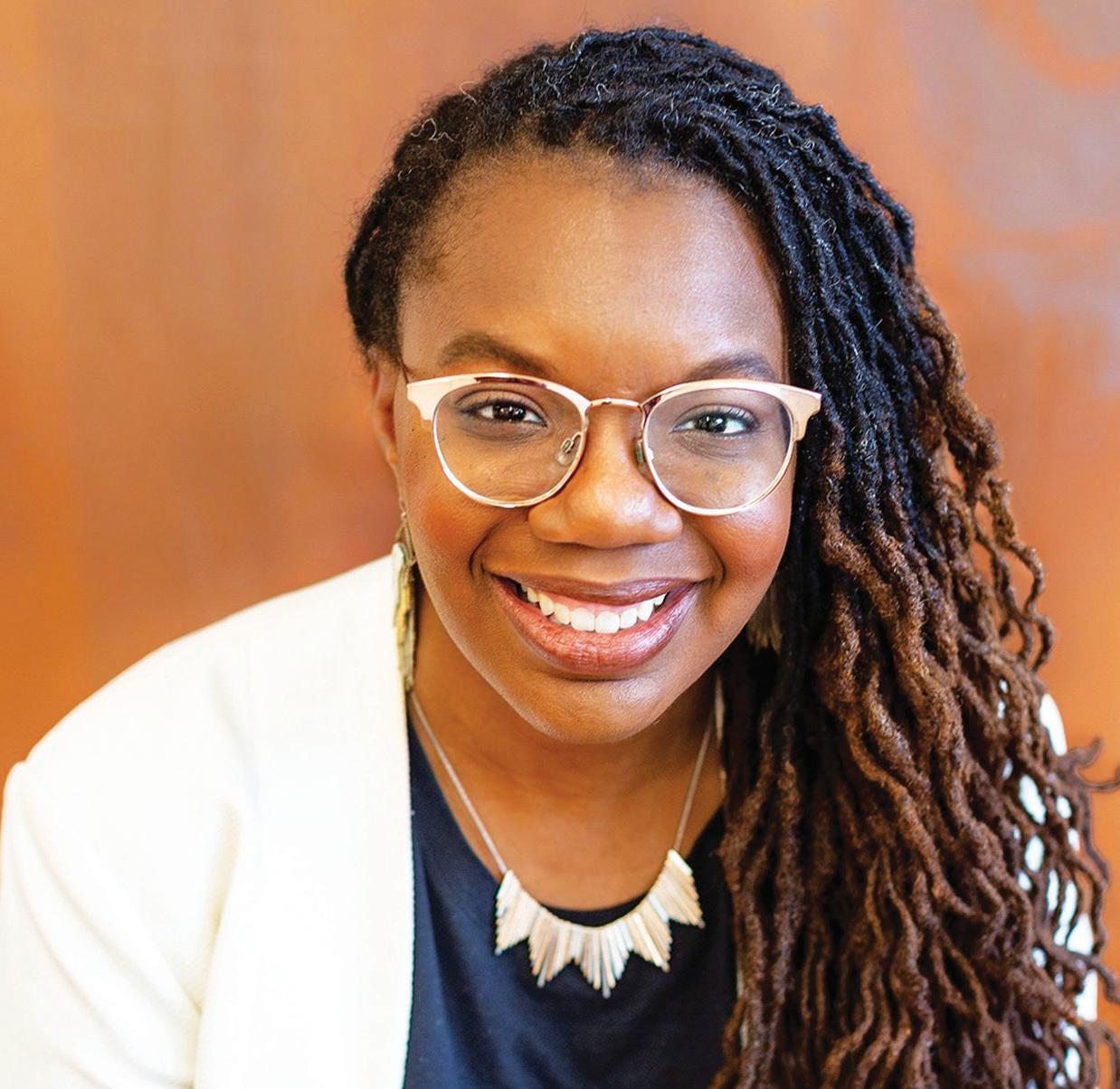
Signaling a bold new chapter for regional economic equity, the GroundBreak Coalition has named former Saint Paul Mayor Melvin Carter as its interim senior advisor. The addition of Carter comes as GroundBreak unveils its first established executive leadership team, marking a shift from a programmatic phase to a permanent, durable infrastructure designed to fundamentally change how capital flows in the Twin Cities.
“This moment matters. It signals maturity, momentum, and our commitment to building infrastructure that lasts beyond any single phase or personality,” said Adair Mosley, CEO of GroundBreak. Melvin Carter’s ten-
ure as Mayor of Saint Paul (2018–2025) was defined by a relentless focus on economic stability and wealth-building initiatives. His administration pioneered nationally recognized programs such as citywide college savings accounts, the nation’s first publicly funded guaranteed income pilot, and the Rondo Inheritance Fund—a groundbreaking effort to rebuild generational wealth in communities historically decimated by infrastructure projects. Carter’s work creating systems that help families build lasting financial footing aligns directly with GroundBreak’s core mission. In his new role, he will help engage business and civic leaders and
advance the coalition's policy agenda. GroundBreak’s newly established executive team brings together leaders with deep expertise in finance, community development, and operational experience to ensure the coalition’s vision is matched by execution: Eric White, Chief Investment Officer: White leads investment strategy and capital mobilization across homeownership, entrepreneurship, and neighborhood development. With 20 years in impact investing, he has mobilized hundreds of millions of dollars for economic justice through previous roles at
Cogent Consulting and the Bush Foundation.
• Mike LaFave, Chief of Staff: With more than 25 years in community development leadership at the Neighborhood Development Center and Project for Pride in Living, LaFave oversees operations, governance, and coordinated implementation.
• Drinal Foster, Chief Impact Officer: A 28-year veteran of Wells Fargo and former senior vice president, Foster brings deep expertise in enterprise transformation, operational excellence, and measurable community impact. Gwen King-Lunde, Exec-
utive Administrator and Operations Coordinator: King-Lunde strengthens the "connective tissue" of the coalition, combining structure and racial justice research to facilitate authentic relationship-building.
Shifting the flow: markets grounded in truth GroundBreak says it exists to address a stark reality: while talent and readiness are everywhere, opportunity is not. Across the region, prepared homebuyers, entrepreneurs, and community developers face structural barriers that stall momentum. These patterns are not
accidental—they are the result of how capital has historically flowed.
The coalition's ambition is bold: to mobilize over $5.3 billion over the next decade to close the racial wealth gap in the Twin Cities by building coordinated infrastructure that aligns private capital with community vision. Mosley says GroundBreak aims to unlock transactions that otherwise would not happen. "GroundBreak was never meant to be a program. It was always meant to be a shift," he said. "We are building the conditions for shared prosperity."


















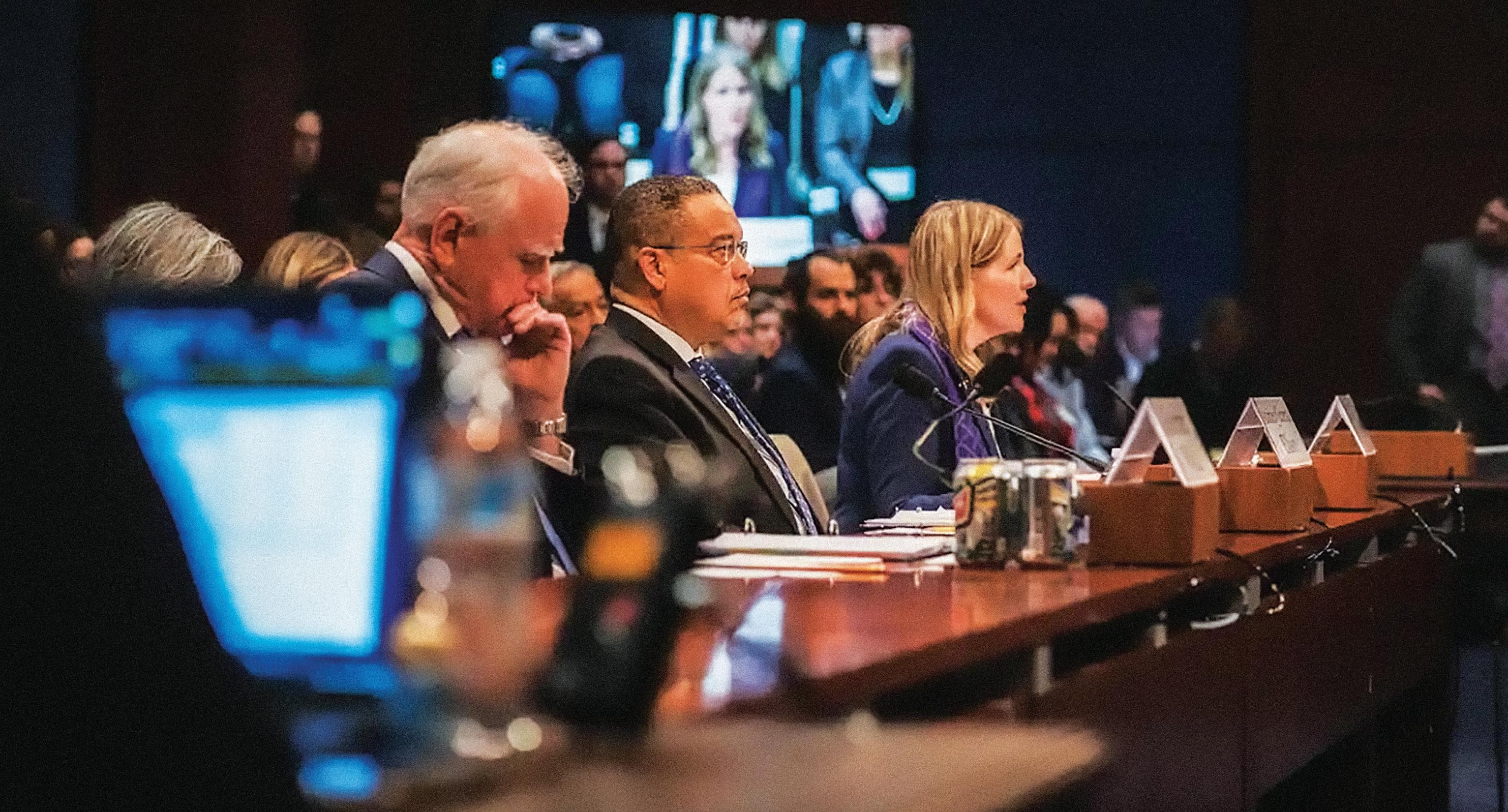
• Over $250 million in federal child nutrition funds were stolen in one of the largest pandemic-era fraud cases in the U.S. • Republican lawmakers pressed both officials on why state agencies didn't act sooner to stop payments
Governor Tim Walz and Attorney General Keith Ellison testified before the House Oversight Committee Wednesday, addressing the fallout from large-scale fraud involving federal pandemic relief funds in Minnesota. The hearing, titled "Oversight of Fraud and Misuse of Federal Funds in Minnesota: Part II," focused heavily on the
Feeding Our Future case, where over $250 million intended for child nutrition programs was stolen.
Federal oversight and state accountability The testimony centered on the timeline of the state’s response to the fraud. Committee members questioned the officials on why state agencies did not act sooner to halt payments to organizations now linked to the scheme. Republican lawmakers highlighted the scale of the loss, characterizing it as a failure of state-level oversight, while Walz and Ellison maintained that their offices worked within legal constraints and eventually collaborated with federal inves-
tigators to bring the perpetrators to justice.
Tensions rise during questioning The atmosphere in the hearing room was frequently adversarial. Representative James Comer and other committee members clashed with Walz over specifically when his administration became aware of the red flags raised by the Minnesota Department of Education. During the heated proceedings, Governor Walz defended the state's actions,
By Lauren Victoria Burke, NNPA Newswire Correspondent
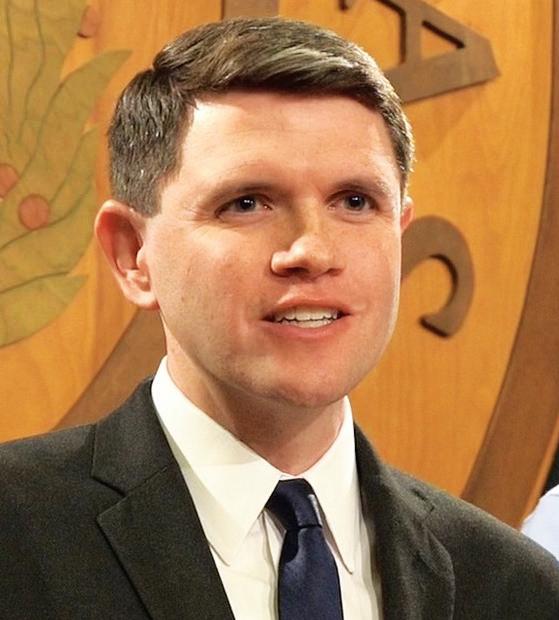
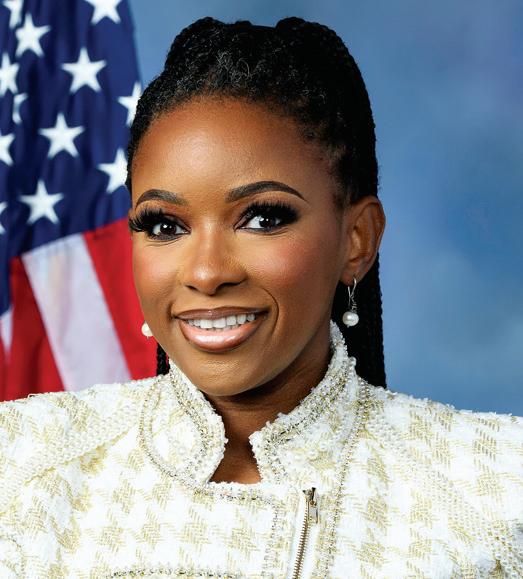
In a closely watched Democratic contest, State Representative James Talarico defeated Dallas-based U.S. Congresswoman Jasmine Crockett for the chance to challenge for a U.S. Senate seat.
The final tally showed Talarico securing 53.2% of the vote (1,103,371 votes) to Crockett’s 45.5% (943,168 votes), with a third candidate, Ahmad Hassan, trailing at 1.3%.
Talarico now advances to the November general election, where he will face the winner of the Republican runoff between incumbent John Cornyn and Texas Attorney General Ken Paxton.
The race was a study in Democratic identity. Crockett, known for her pugnacious, viral defenses of voting rights and her "unafraid" approach to confronting the Trump administration, carried major metropolitan areas and the eastern portions of the state with large Black populations.
Talarico—a former teacher with a Master of Divinity—successfully appealed to a
"The people of our state gave this country a little bit of hope," Talarico told supporters, emphasizing a message of reclaiming moral values. "And a little bit of hope is a dangerous thing." While Talarico moves forward, Crockett’s supporters expressed a desire for the "fighter" energy she brought to the national stage. "I went with Crockett solely because I believe she really has what it takes to fight for what I think we need as a community," said voter Vananh Tran. For the Black community, particularly in urban hubs like Dallas and Houston, the night was defined by a mix of historic representation and deep frustration over systemic barriers to the ballot box. The night was marred by significant technical and procedural hurdles in Dallas County. Changes to the primary process required voters to
Congress to corporate America: Black Press spotlights visionaries in new video series
The move would be an unprecedented step that would grant Trump new authority over the voting systems in the U.S. NNPA Launches 'Leadership Matters' Series Featuring National Visionaries; Insight News Joins Broadcast Lineup
A group of MAGA pro-Trump activists, who say they are working in coordination with the White House, are circulating a 17-page draft executive order that would claim without evidence that China interfered with the 2020 presidential election. Donald Trump lost the 2020 presidential election to President Joe Biden by over 7 million votes. Since Trump lost to Biden in 2020, he has repeat-
edly claimed that the election was “stolen” without evidence. The report of a group of “Trump allies” preparing an executive order to give Trump power over elections was first reported by The Washington Post. The lies around the right-wing campaign that pushed falsehoods that the 2020 election was stolen was trafficked through right-wing media, particularly Fox News. Fox News was then sued for defamation for the claims by Dominion Voting Systems. Fox lost the case and had to settle for the largest defamation amount on record of $787.5 million in
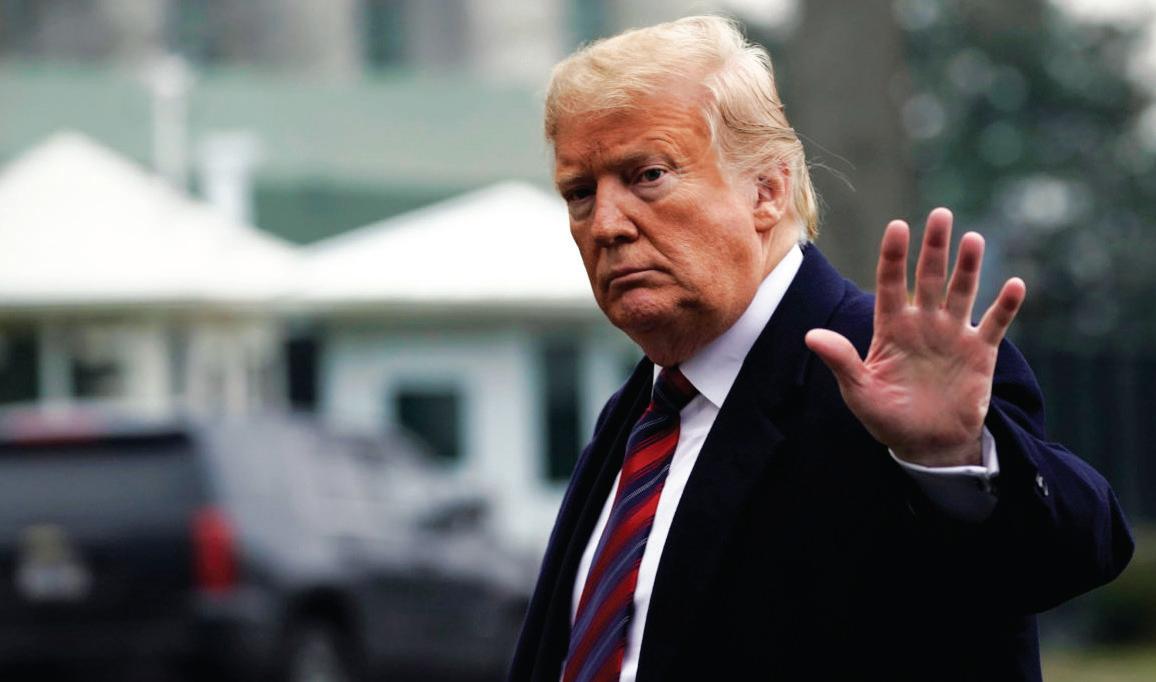
April 2023. The document that could lead to an executive order proposes using the claim that China interfered with the 2020 elections as grounds to “declare a national emergency.” The move would be an unprecedented step that would grant Trump
Women’s Wealth Building Initiative activates narrative sovereignty in defining financial futures
In a community often characterized by mainstream media through its challenges, a powerful counter-narrative of sovereignty and economic agency is being written by the women in North Minneapolis. On Saturday, Feb. 28, the Phyllis Wheatley Community Center (PWCC) celebrated a new cohort of graduates from its Women’s Wealth Building Initiative, a program that treats Black culture and family stability as foundational assets rather than problems to be solved.


The initiative, a strategic partnership between the historic PWCC and Build Wealth MN, is designed to
dismantle structural barriers to wealth for low-income women, with a specific focus on African American single mothers.

By making the "global local," the program connects the broad struggle for economic justice to practical, household-level victories.
Cultivating sovereignty through education
The heart of the collaboration is Build Wealth MN’s Family Stabilization Plan. This is not merely a course in "money management"—it is an invitation into narrative sovereignty,
The National Newspaper Publishers Association (NNPA), representing the Black Press of America, has officially pulled back the curtain on its 2026 "Leadership Matters" video series. This high-impact initiative spotlights the voices of transformative figures across the political and corporate landscapes, bringing their insights directly to the communities they serve. In a move to ensure broad community access, Insight News will serve as one of the key NNPA member platforms carrying the series. Over the next six weeks and beyond, the exclusive content will be broadcast across Insight News’ social media channels, alongside BlackPressUSA and other premier Black-owned media outlets nationwide.
A Masterclass in Leadership
Produced in collaboration with Events DC and PKB Enter-
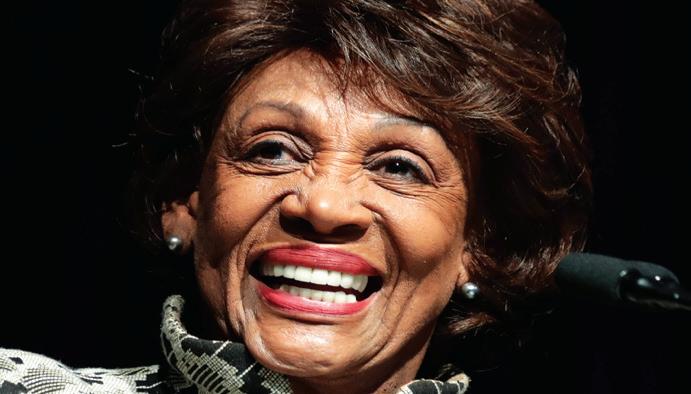

prises, the series consists of six 30-minute deep-dive interviews. The lineup features a powerful mix of lawmakers and industry titans, including:
Governor Wes Moore of Maryland
Senator Angela Alsobrooks (D-MD) and Mamar Gelaye, VP of Amazon Congressman James Clyburn and Ronda Mims, EVP of AmeriHealth Caritas
• Congressman Troy A. Carter and Fred Humphries of Microsoft • Congressman Steven Horsford and Dr. Steven Johnson, EVP of Events DC
By James Trice
As America approaches its 250th anniversary on July 4th, 2026, the nation reflects on the enduring legacy of the Declaration of Independence. The significance and influence of the Declaration are anchored in its most essential passage, a section that continues to embody the fundamental principles that America professes to uphold. This passage remains central to the national identity, shaping the values and ideals that have guided the United States for two and a half centuries.
The Declaration of Independence proclaims the axiomatic truth that all people are created equal. It highlights the idea that every individual is endowed with certain inalienable rights by their Creator. Among these rights are Life, Liberty, and the pursuit of Happiness; principles that have guided the nation since its founding.
To safeguard these unalienable rights, governments are established by the people. The legitimacy and authority of a truly egalitarian government are derived from the consent of those it governs. This concept underscores the importance of the people’s role in shaping and maintaining their government.
Whenever any government fails to protect these essential rights and becomes destructive to their purpose, the Declaration of Independence postulates that people have the right to alter or abolish it. They are empowered to establish a new government, designed in ways that they believe will best secure their safety and happiness.
The power to change or dissolve the government is not vested in the government itself or any official authority. Rather, it rests with the people who are governed—the citizens. This foundational concept
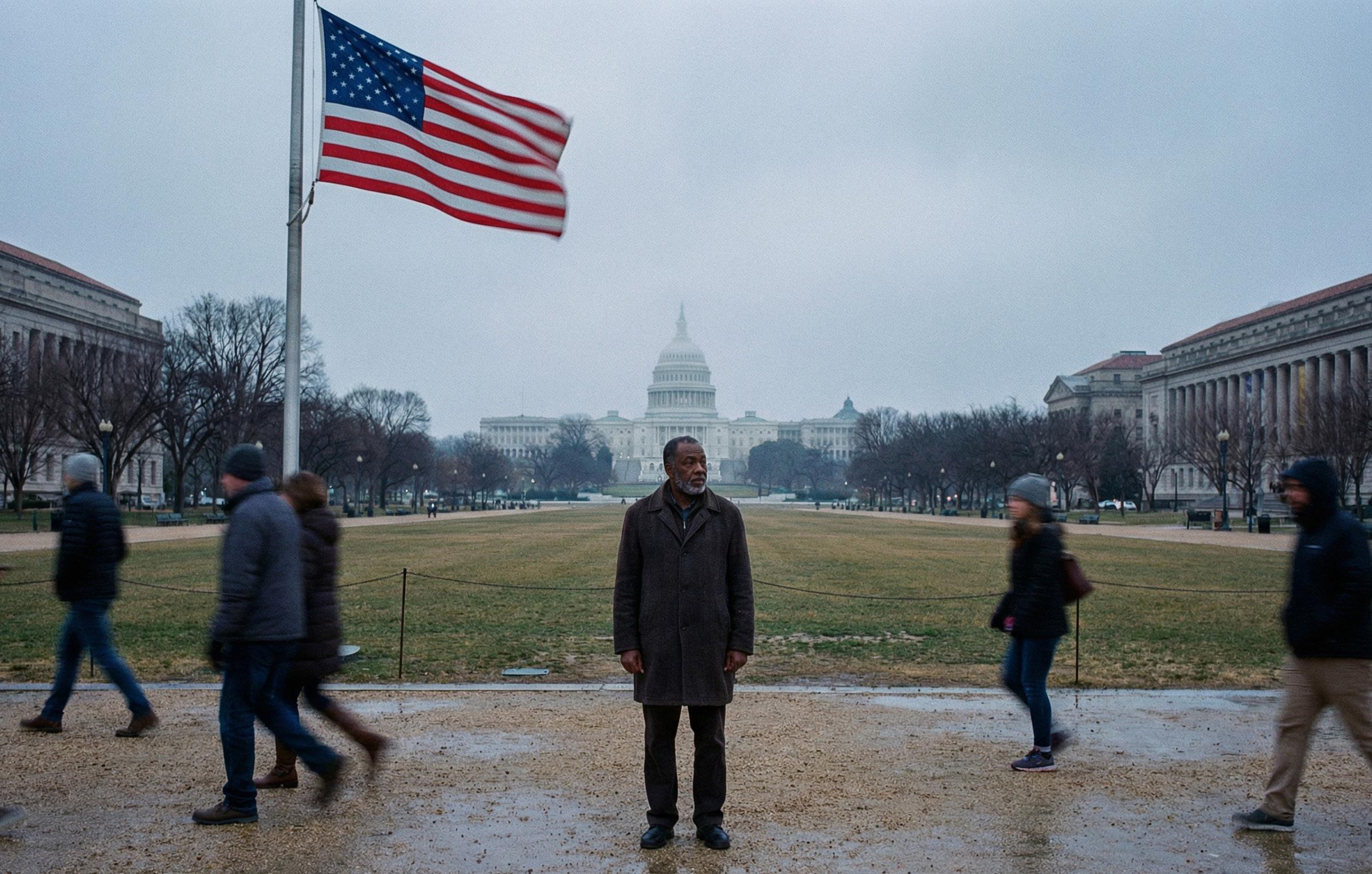
emphasizes that the legitimacy and authority of government are derived from the consent of the governed. In American democracy, it is the people who possess the ultimate power to determine the direction and structure of their government.
Their right to alter or abolish the government, when it fails to protect their essential rights, is a core principle that ensures government remains accountable to those it serves. The foundation of American democracy is built upon the principle that true power resides with the people, reaffirming their central role in safeguarding life, liberty, and the pursuit of happiness.
When the framers of the Declaration of Independence came together to draft the document, their initial purpose was to address the rights of white men, especially those who owned property. It is unlikely that they foresaw their words becoming prophetic or imagined that every American citizen would eventually take these principles to heart, embracing and championing them as foundational truths.
The creation of the Declaration of Independence was marked by the imperfec-
tions and contradictions of its chief architect, Thomas Jefferson, who, despite writing about freedom and equality, owned more slaves than anyone else of his era. The intentions of Jefferson and his collaborators were far from altruistic, reflecting the conditions of the time.
Yet, within these self-obsessed intentions, God demonstrated His infinite wisdom and omniscience by working through them to proclaim truths that had been established long before the world’s foundation. When God created humanity, He granted mankind dominion over all things except for one another. This act clearly implies that every individual is inherently equal, regardless of the claims or beliefs of others. The principle of equality stands as an enduring truth, transcending the limitations and failings of those who first articulated it.
The Declaration of Independence introduced ideals and principles—such as equality, inalienable rights, life, liberty, and pursuit of happiness— that required ongoing protection. To preserve these values, the United States began drafting its Constitution in 1787, creating laws and frameworks to uphold the rights and freedoms declared in 1776.
The key principle that all men are created equal became central to debates over slavery in the decades leading up to the American Civil War. Abolitionists argued that slavery directly contradicted the Declaration’s promise of equality. Enslaved people and free Black Americans used its language to demand rights and freedom. Slave owners, especially in the South, argued that the Declaration did not apply to enslaved people.
The Civil War can be seen as a struggle over the meaning of the Declaration.
Since the drafting of the Declaration of Independence, the establishment of the U.S. Constitution, the Civil War, and the era of Jim Crow laws, the governed have repeatedly been compelled to fight to secure the rights outlined in the Constitution.




It is important to understand that the realization of constitutional rights has never been automatic or universally accepted but has required persistent advocacy, sacrifice, and determination from generations of oppressed and marginalized Americans. It remains the same in 2026.
Today, we find ourselves living under what many believe is a tyrannical, authoritarian regime led by an imbecilic narcissistic individual who has not only failed to protect the rights contained in the constitution -life, liberty, and pursuit of happiness-, but has become destructive to these ends. Actions the Trump regime has taken to undermine constitutional rights: Deliberate efforts have been made to undermine
the freedom of assembly, the right to protest, and free speech. Policies and rhetoric have silenced dissent and restricted open dialogue. Freedom of the press has also suffered, including arrests of independent journalists.
DEI programs supporting marginalized groups have been shut down. Public and social assistance programs have been reduced or eliminated, impacting those who rely on them.
• An attempt to overturn a free and fair election by force on January 6, 2021, exemplifies threats to democratic processes. Such actions further distance the American people from the ideals of life, liberty, and the pursuit of happiness outlined in the nation’s founding documents.
Paul O’Brien, Executive Director of Amnesty International USA said: “the Trump administration has fully embraced authoritarian tactics more commonly associated with repressive leaders to silence and punish those who disagree with him, while weaponizing the government against people and institutions in the United States and beyond to enrich his own power and further an anti-rights agenda”
The U.S. government has three co-equal branches—legislative, executive, and judicial—designed to balance power and prevent any one person or group from gaining too much authority. This system ensures accountability, protects individual liberties, and upholds democracy. We do not have a
king, emperor, or dictator.
At present, the Republican Party, led by President Trump, holds what is known as a trifecta—control over all three branches of the U.S. government. This concentration of power allows the party to direct the actions of government according to their agenda, with little restraint. As a result, President Trump is able to advance policies that undermine constitutional rights and continue his efforts to reshape the nation’s governance in ways that threaten the foundational principles of American democracy.
The most effective way the governed can alter or abolish the Trump administration’s assault on democratic rights is by exercising the power the Constitution places in their hands: the vote. On November 3, 2026, voters have the opportunity to flip Congress and end the trifecta. Participation in the 2026 midterm elections is not just a political act—it is a constitutional remedy. Democracy is not self-executing; it depends on citizens showing up when it counts.
In the 2024 election for president, more than 75 million people voted for Kamala Harris.
However, more than 77 million people chose to vote for a 34 times adjudicated felon and twice impeached Donald Trump rather than Kamala Harris, a Black woman.
Pause a moment and let that sink in.
Additionally, according to Environmental Voter Project, more than 85 million registered voters did not vote in the 2024
presidential general election. They say, “If I did not votewere a presidential candidate, they would have beaten Donald Trump by 9.1 million votes.”
At present, the Republican Party holds control over both chambers of Congress. In the Senate, Republicans maintain a 53-45 majority, while two independents caucus with the Democrats, giving the Democratic Party a total of 47 votes. In the House of Representatives, Republicans have a narrow 218-214 majority, with three seats currently vacant. The 2026 midterm elections present a critical opportunity for change. All 435 House districts will be contested, and 33 out of 100 Senate seats are up for election. For Democrats to secure a majority in the Senate, they must achieve a net gain of four seats. To win a majority in the House, they need a net gain of three districts. It is crucial that Democrats do not lose any seats in either chamber; maintaining their current positions is essential while gaining the necessary seats to flip control. If Democrats succeed in flipping both chambers, it would significantly hinder President Trump's ability to pursue his authoritarian agenda. Moreover, the House of Representatives holds the power to initiate impeachment proceedings, while the Senate is responsible for prosecution, underscoring the importance of these upcoming elections in shaping the nation’s future direction. I beseech all of us, as citizens, to demonstrate a strong dedication to the democratic process, especially during the 2026 midterm election by making sure you’re registered to vote and to vote. Voters should vote early if possible or be prepared to patiently stand in line for extended periods, regardless of the weather conditions or any obstacles that may arise. This unwavering commitment ensures that every individual has an opportunity to cast their vote and have their voice heard, reinforcing the principles upon which America was founded. Courage, perseverance, endurance, and persistence are essential to defending our democracy. We, the governed must remain steadfast, never surrender, and uphold our right to alter a government that fails its people regardless of party affiliation.
Power to the people!
James Trice, Founder and CEO of The Public Policy Project can be reached at: James_publicpolicyproject@msn.com


My grandmother Carolyn died in 2013, just before my 11th birthday. It was an unexpected heart attack, the kind that splits a family’s calendar into “before” and “after.” For a long time, I carried that loss the way kids do, as a shock I could not organize into language.
And yet, in my family, the body was always part of the conversation. Health was never abstract, it was the air we learned to read.
My mother is an emergency medicine physician who also practices integrative and functional medicine. My grandmother was an RN, and she earned her MPH from UCLA. I was raised around Black health professionals, and especially Black women physicians. Their work is rarely spoken about as heroism. It is spoken about as responsibility. As duty. As love with a stethoscope.
I heard medicine discussed the way other families discuss weather, what’s coming, what’s changing, who is most at risk, how you prepare when you can. I watched Black women show up for communities that often demand care, while much of society denies the conditions that make care necessary.
That is why a new study published in JAMA Network Open landed on me like confirmation, not revelation. Using nearly two decades of data from the St. Louis Personality and Aging Network (SPAN) Study, researchers examined whether cumulative stress across a lifetime and inflammation later in life are connected to racial differences in mortality. They found that higher cumulative stress exposure and elevated inflammation were associated with mortality risk, and together helped explain about half (49.3%) of the Black-white mortality disparity observed in their cohort.
From 3
stating:
"We caught this fraud. We caught it very early.

Half is not a slogan. It’s a confirmation.
In this study, “stress” was not reduced to one dramatic moment. The researchers built a cumulative index across the life course, including childhood adversity, traumatic events, major life stressors, discrimination, and socioeconomic indicators. They also measured inflammation through markers like C-reactive protein and interleukin-6, signals that can rise when the body has been forced to stay on alert for too long. For Black Americans, this helps put language to what we have been describing in plain terms for generations. Stress is not only something you “feel.” It can settle into the body. It can shape sleep and recovery. It can alter how the immune system behaves. It can become wear. I am 23 years old. I am Gen Z. I am a Black woman and an attorney. I know how to read what is written and what is implied. I also know what it looks like when a country tries to control the story it tells about itself, and what it costs when that story requires Black people to carry truth privately while the public narrative pretends it is all resolved.
We alerted the right people. We were taken to court. We were sued. We were threatened with going to jail. We stuck with it." Ellison faced similar scrutiny regarding the legal actions taken by the Attorney General's office, with some rep-
alter the result of the 2026 midterms. The Republicans are widely expected to lose as their approval ratings plummet as a result of a failing economy under Trump. Over 50 members of Congress have announced they will retire this year and not return in 2027.
3
where participants define their own financial futures.
“Working in collaboration with a longstanding Northside organization like Phyllis Wheatley creates opportunities we could not achieve alone,” said Jeffery Robinson, senior program manager at
From 3
That is why this study matters beyond medical headlines. It is science describing what many Black families already know, even if we did not have the lab markers to name it.
I also hear this study through the particular intersection of my own life. I am not just a columnist reacting to research. I am the granddaughter of a Black woman in healthcare whose life ended too early. I am the daughter of a Black woman physician who has spent her career watching bodies at their most vulnerable. I grew up in rooms where Black women doctors spoke to one another with a candor they could not always use elsewhere, about what they see, what they carry, what they worry they have normalized because they have had to.
I keep thinking about the conversations Black physicians have when no one is asking them to translate their lives into something comfortable. Studies can measure inflammation, but only lived experience can name what it costs.
My mother has spent her career seeing what happens when strain reaches a breaking point, the heart that fails, the blood pressure that spikes, the
resentatives suggesting the state was too slow to intervene. Responding to accusations of inaction, Attorney General Ellison asserted: "My team assisted with the information that led to the prosecution and conviction
body that finally says no after years of pushing through. Integrative and functional medicine, at its best, asks a different question, what has been building long before the emergency? What has been happening quietly for years? My grandmother’s public health training reminds me that individual outcomes are rarely just individual. They are shaped by patterns of access, safety, stability, and exposure.
So when I read this study, I read it with two sets of eyes. The columnist in me sees the story America struggles to tell. The granddaughter in me sees a familiar grief.
My grandmother’s death was not a data point. It was a stolen future. It was a missing seat at birthdays she should have reached. It was the kind of absence you notice in ordinary moments, when you reach for a voice that should still be here. That is what makes this research feel like living history. It takes a truth Black communities have carried, often without national patience, and places it into a peer-reviewed record. The body responds to the conditions we pretend are merely political, merely cultur-
of these people."
He further argued that the issue should not be used for partisan gain, noting: "Fraud prevention efforts should not become a political football."
al, merely “divisive narratives.”
The body does not debate whether something is uncomfortable. The body adjusts, absorbs, and pays. Which brings me to the moment we are living in now.
In Philadelphia, interpretive displays about slavery were removed from the President’s House site near Independence Hall, and the removal has been tied to President Trump’s directive to revise public history in the name of “shared national values.” It is one example of a larger impulse in American life, to make what is painful disappear, to treat the truth as a problem of presentation. You can take down signage. You cannot take down consequences.
For Black Americans, history does not stay in museums. It moves. It reaches forward. It shows up in school experiences, in housing stress, in workplace vigilance, in whether rest feels safe. It shows up in the way many of us learn to monitor our tone, our posture, our presence. It shows up in the kind of constant readiness that does not always look like fear, but still acts like it in the body.
Impact of the Feeding Our Future scandal
The Feeding Our Future case remains one of the largest pandemic-era fraud cases in the United States. During the hearing, lawmakers examined how the "non-profit" was able to ex-
The study’s authors point toward a “both-and” approach, the need for structural work to reduce chronic stress exposure and discrimination, and clinical and public health work that helps people who have already carried that load for decades. That feels right to me, because denial is not treatment, and symbolism is not prevention.
I want to offer a different frame. What if we treated Black history not only as memory, but as evidence? Evidence that the stories we argue about are not academic. Evidence that erasure has consequences, not only in textbooks, but in bodies. If nearly half the mortality gap can be traced through stress and inflammation, then we should stop talking about stress like it is a personal flaw. We should talk about it like what it is for many Black Americans, a lifelong exposure, created by conditions a nation still struggles to name, even as the data keeps naming them for us. That is not just science. It is testimony.
ploit federal programs designed to feed children during school closures. The discussion underscored a broader national debate regarding the balance between the rapid distribution of emergency aid and the necessity of robust safeguards to prevent the exploitation of taxpayer dollars.
The Trump Department of Justice, which now has a large image of Trump on the side of it, “sued five new states Thursday [Feb. 26, 2026] demanding access to their unredacted voter rolls — escalating a campaign that has been rejected by multiple federal courts and faces resistance from Republican-led states as well,” according to Democracy Docket, a group that works to protect voting rights.
Build Wealth MN. “Together, we are strengthening pathways to generational wealth in our community.”
The program’s curriculum covers the "infrastructure of dignity," including: • Credit Building & Debt Reduction: Navigating systems that have historically marginalized Black consumers. Budgeting & Savings Strategies: Empowering families to move from sur-
possible
from recent years where voters could use any center in the county. The resulting "mass confusion" caused the county’s election website to crash and forced a local judge to order polling locations to stay open
Trump claimed back in late 2020, the last year of his first term, that he had the authority to issue an executive order related to mail-in voting for the 2020 elections — which he would then lose. But the Con-
vival to thriving.
Wealth Creation via Homeownership: Anchoring families in the community through property ownership.
Reframing the future
Rather than using deficit-based language, the initiative frames its participants as agents of change who are "navigating structural barriers" to reclaim their royal inheritance of stability and success. The program
Their sponsorship ensures these critical
two extra hours. However, the Texas Supreme Court intervened, putting that order on hold and requiring ballots cast after-hours to be counted separately.
Congresswoman Crockett did not mince words
stitution states that control of elections lies with the states. As the GOP works to place hurdles in front of voting, Democrats worked to make voting easier.
In March 2021, President Biden signed an executive order calling on federal agencies to expand voting access as part of the Biden Administration’s effort “to promote and defend the right to vote for all
provides one-on-one guidance with certified HUD counselors, ensuring that the path to homeownership is paved with expert, culturally responsive support.
Kesha Walker, the initiative’s coordinator at PWCC, noted the profound impact of this work on the household level. “These women have taken an important step toward strengthening their financial knowledge and creating lasting stability for their households,” Walker said.
"Leadership isn't just about the title; it's about the impact. We are proud to bring these stories to our readers in the Twin Cities and beyond,"
at her election night party, addressing the disenfranchisement of her constituents. "Unfortunately this is what Republicans like to do," Crockett said. "They specifically targeted Dallas County, and I think we know why."
Americans who are legally entitled to participate in elections.”
Trump’s focus is clearly on altering the November 2026 midterm elections.
Trump’s polling numbers and the elections and special elections that have taken place around the U.S. over the last year clearly indicate that Republicans are about to be hit by a blue wave of Democratic victories.
A legacy of asset-based leadership For Phyllis Wheatley Community Center, this partnership is a continuation of a decades-long duty to the ancestors to provide education and economic opportunity that honors the dignity of the Northside. For Build Wealth MN, which has empowered more than 7,000 families over 15 years, it is a testament to the power of "Relationship Marketing"—building trust within the community to achieve authentic
noted the collaborative announcement. Readers can catch the series updates and featured segments right here at Insight News
For residents like Lela Bodley, who had to visit three different locations before she could vote, the process felt like a step backward. "Whatever this new change they did... it's a mess," she said. Despite the chal-
Lauren Victoria Burke is an independent investigative journalist and the founder of Black Virginia News. She is a political analyst who appears on #RolandMartinUnfiltered and hosts the show LAUREN LIVE on YouTube @LaurenVictoriaBurke. She can be contacted at LBurke007@gmail.com and on twitter at @LVBurke
impact. As these women graduate, they do so not just with financial tools, but with a refreshed sense of purpose and a reminder of their inherent greatness. They are not merely reporting history; they are participating in it. For more information on future cohorts, contact keshaw@phylliswheatley.org. To learn more about the Family Stabilization Plan, visit www. bwealthe.org.
as we continue to spotlight the visionaries shaping the future of Black America.
lenges, Democratic strategists pointed to a silver lining: for the first time since


“Policy
change without narrative change is fragile,… technological governance without public understanding
is undemocratic.”
By Al McFarlane, Editor
“Data can be extracted from communities, or it can be built with them. The difference is design,” says Dara Beevas, CEO of the African American Leadership Forum (AALF).
In North Minneapolis, where systemic displacement and economic extraction have long been part of the landscape, a new digital frontier is emerging. Algorithmic tools—the invisible engines behind tenant screening, credit scoring, and predictive policing—are hitting Northside families the hardest.
AALF, a community-based institution, is drawing a line in the sand, demanding that the state’s Black community move from being the subjects of AI policy to its co-governors.
In a landmark policy brief, Algorithmic Justice, Black Futures, AALF lays out a comprehensive roadmap for the 2026 legislative session. It declares a dual mandate: protect Black Minnesotans from algorithmic harm while positioning us as the architects of a new, equitable governance structure.
The hidden operating system: What is at stake
According to AALF, artificial intelligence is no longer an emerging technology; it is the operating system for modernity - shaping who gets housed, hired, treated, or surveilled. The stakes are high. The stakes are defined by the automation of
historical discrimination:
Child welfare: Black children represent 17% of child protection cases despite being only 7–8% of the population. Algorithmic "risk" tools threaten to solidify these disparities.
• Public safety: With Black people incarcerated at 9.1 times the rate of white residents in Minnesota, predictive policing risks automating biased law enforcement patterns. Health care: Algorithms often mistake "cost for need." A Science study found that correcting algorithmic bias would nearly triple the number of Black patients receiving additional care.
• Economic sovereignty: Black-founded startups received just 0.4% of U.S. venture capital in 2024. Without intervention, Black communities will be governed by systems they had no role in building or owning.
"Protection without power is paternalism," Beevas says. "Power without protection is premature. Minnesota needs both."
Institutional architecture:
A different approach
The Forum’s agenda is distinguished by a shift from "harm reduction" to institutional architecture. While most proposals treat communities as victims needing protection, this agen-
da treats them as co-governors. This architecture is built on the Black-centered design framework—Witness, Gather, Explore, Transform—ensuring that those most affected are the lead architects of the policy.
To restore accountability, AALF is pushing for several "non-negotiable" legislative actions: Algorithmic impact assessments: Proactive, public assessments of any AI system before it is deployed in high-stakes government contexts.
The right to sue: Establishing a private right of action for individuals harmed by discriminatory algorithmic decision-making. AI equity commission: A
permanent body with majority membership from impacted communities and the binding authority to pause or modify AI deployments.
Investing in sovereignty
The agenda moves beyond regulation into institutional ownership. AALF is calling for a $25 million Black-led AI innovation fund and $10 million for community data trusts. These trusts would allow communities to control the data that describes them, replacing extractive models with locally governed repositories.
The Forum has already built "proof of concept" tools for this architecture: Octavia,
1. Mandate Algorithmic Impact Assessments before any high-stakes AI deployment by state or local government.
2. Establish a private right of action for algorithmic discrimination in housing, employment, credit, and public services.
3. Ban algorithmic tenant screening without independent disparate impact certification.
4. Create a statewide AI Transparency Registry, searchable, public, updated within 90 days of deployment.
5. Require plain-language disclosure whenever an algorithm shapes a consequential decision about a resident.
6. Establish a Minnesota AI Equity Commission with binding review authority over high-stakes AI systems.
7. Require Community Benefit Agreements for all AI procurement contracts over $500,000.
8. Create a $25 million Black-Led AI Innovation Fund administered through DEED.
9. Fund $10 million in pilot Community Data Trusts in three Minnesota communities.
10. Algorithmic Impact Assessments for all highstakes public AI systems.
a predictive analytics platform that models outcomes without extraction, and Dubois, a real-time data system that puts information in the hands of the people it describes.
The road to the capitol As the 2026 session begins, CEO Dara Beevas and the AALF team are preparing for legislative briefings and community conversations. The message to St. Paul is clear, Beevas says: “Black communities are not waiting for the future; they are building it. The question for policymakers is whether they will support the architects, or continue to let the algorithms decide who belongs in Minnesota's future.”


Stella Huangfu Associate Professor, School of Economics, University of Sydney
Global oil markets have reacted swiftly to escalating tensions in the Middle East as the United States and Israel continue their assault on Iran.
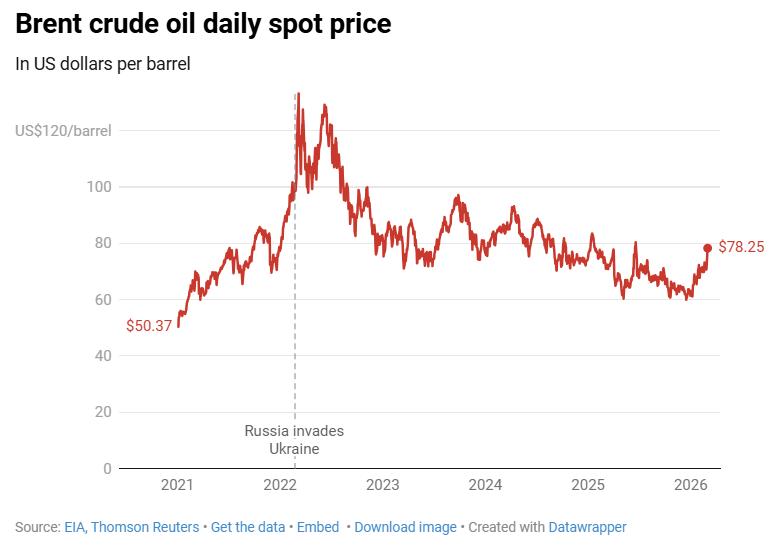
After oil tanker traffic through a key chokepoint, the Strait of Hormuz, stopped, the benchmark oil price, Brent crude, jumped about 6% to over US$77 a barrel. It initially spiked as high as US$82, its highest level since January 2025.
A roughly US$10 jump in a matter of days is a significant move and delivers an immediate inflationary jolt for oil-importing economies.
What does this mean for households, businesses and central banks?
Why oil still matters
Oil may no longer dominate the global economy as it did in the 1970s, but it remains embedded in modern production.
It feeds directly into petrol prices, diesel, aviation fuel and shipping, and shapes the cost of transporting and producing everything from food to manufactured goods. When oil prices rise quickly, the effects spread beyond energy markets.
Economists call this a “negative supply shock”: the result is production becomes more expensive. Companies can absorb higher costs or pass them on to consumers. In practice, they usually do both.
The result is an uncomfortable mix of higher inflation and slower economic growth.
The inflation impact will weigh on central banks
The most immediate effect is at the petrol pump. Higher crude prices lift fuel costs and push up headline inflation. For households already facing cost-ofliving pressures, that can be felt quickly.
For example, when the price of oil goes up by $10 a barrel, the rough rule of thumb is that the price of gasoline for US drivers could rise by about 25 cents a gallon. Elsewhere, such as Australia, it’s estimated at around 10 cents a litre more for every US$10 rise.
Transport and logistics costs also increase, and some of those higher costs filter into the broader price level over time.
How much inflation rises depends how long the disruption to oil markets lasts. A brief spike might add only a few tenths of a percentage point to inflation. A sustained increase would be more problematic.
Central banks are watching closely. Inflation in the US and Europe has eased from post-pandemic peaks. In Australia, inflation has fallen from its pandemic highs, but recent data show renewed upward pressure. Reflecting those concerns, the Reserve Bank of Australia raised the official cash rate in February.
A 6% jump in crude prices threatens to reignite inflation and squeeze household budgets worldwide

An oil shock could weaken global growth
Higher fuel costs risk adding fresh momentum to inflation now, arriving at precisely the wrong time, just as policymakers at the US Federal Reserve and the European Central Bank were hoping it was coming under control.
In one of the first comments from a central banker on the economic impact of the conflict, the Reserve Bank of Australia’s governor today noted the supply shock could add to inflation pressures.
However, Governor Michele Bullock also warned that a prolonged impact on energy markets could have adverse effects on global economic activity and result in downward pressure on inflation. It is not obvious how this might play out.
Oil-driven inflation is particularly challenging for central banks. Raising interest rates cannot affect the supply of oil. Unlike demand-driven inflation – where strong consumer spending can be cooled by higher interest rates – supply-driven inflation reflects higher production costs.
If central banks lift rates to contain prices, they risk slowing growth further. But the interest rate rises cannot directly lower oil prices.
Pressure on household budgets
Higher oil prices also squeeze household budgets.
When families spend more on fuel, they have less to spend elsewhere. Since household consumption typically accounts for around 60% of the economy in advanced economies, even modest shifts in spending can matter.
Businesses face similar pressure. Higher energy and transport costs reduce profit margins and can delay hiring or investment.
The effects vary by country. Europe is a major net energy importer. While Australia exports coal and gas, it relies heavily on imported oil and refined fuel. That leaves both economies exposed to higher
global oil prices.
The United States is more mixed: higher prices support its energy sector, but still lift costs for most households.
The current jump in the oil price is not enough to trigger a global recession. But it adds another headwind as global growth moderates.
How does this compare with 2022?
The obvious comparison is the oil price surge following Russia’s invasion of Ukraine in 2022.
Then, crude prices briefly climbed above US$120 a barrel, intensifying already high inflation. In response, the US Federal Reserve hiked rates rapidly to rein in inflation.
Today’s situation is less extreme. Prices are well below those peaks, global demand is softer, and interest rates in the United States, Europe and Australia are several percentage points higher than they were in early 2022. Inflation has been trending down in most major economies.
Still, households may be more sensitive now. After years of rising prices and higher interest rates, consumer confidence is fragile. Even moderate increases in petrol prices can influence spending.
The key question is whether this is temporary, or the start of a sustained climb.
What if prices rise further?
If oil prices continue moving higher – especially toward US$100 a barrel – the risks would increase.
Inflation would be pushed higher. Central banks could face an uncomfortable choice: tolerate higher energy-driven inflation or keep interest rates higher for longer.
Financial markets would adjust quickly, and volatility could rise.
The most serious scenario would involve supply disruptions that constrain global output, increasing the risk of slower growth combined with persistent inflation.
A shock, but not yet a crisis For now, the 6% jump in oil prices represents a clear inflationary impulse and a moderate drag on growth. It complicates the outlook, but does not resemble past energy crises. What matters most is persistence. If prices stabilise, the impact should be manageable. If they continue to climb, oil could again become a central driver of

Studies show pharmaceutical commercials actually help patients get diagnosed and treated for serious conditions
By Anna Chorniy Assistant Professor of Pediatrics, Icahn School of Medicine at Mount Sinai; Institute
for Humane Studies
It’s a familiar experience for many Americans: You’re watching your favorite show and suddenly you’re ambushed by an ad for a drug whose name sounds like a Wi-Fi password, before a relentlessly cheerful voice tells you to “Ask your doctor” and then blasts through a side-effect list that’s laughably long.
But that might soon change. After nearly 30 years of giving pharmaceutical companies free rein to advertise prescription drugs directly to consumers, U.S. officials are now seeking to curb this practice.
Soon after his appointment in 2025, Health and Human Services Secretary Robert F. Kennedy Jr. stated that he believes direct-to-consumer advertising of prescription drugs has contributed to overmedication and inflated health care costs, and that stronger oversight is long overdue. Meanwhile, politicians on both sides of the aisle have called for banning direct-to-consumer drug ads outright – though the Food and Drug Administration has so far focused on restricting “digital” loopholes and enforcing the laws about advertisement.
As a health economist who studies how health care policies shape decisions made by doctors and patients, I agree that the practice can steer patients toward heavily marketed brands instead of the most appropriate treatment.
But the research on how such advertising affects patients is more nuanced. Many rigorous studies show that these ads can benefit patients’ health by encouraging them to seek lifesaving treatment for conditions such as depression and heart disease and sparking conversations with their doctors. In my view, within the realities of the U.S. health care system, getting rid of direct-to-consumer drug advertising may do more harm than good.
The origins of US prescription drug advertising
Only two countries – the U.S. and New Zealand – allow drug companies to advertise prescription medications directly to the public. Elsewhere, this practice is banned out of concern that short ads cannot adequately explain medical risks and that prescribing decisions should remain under physicians’ control.
And for good reason: Research on risk statements in drug ads on television shows they are often dense, fast-paced and paired with distracting visuals, making them difficult for consumers to understand.
In the European Union, Canada and Japan, for example, manufacturers may run disease awareness campaigns but cannot name specific products.
The U.S. approach to regulating drug advertising evolved gradually over more than a century. Congress’ 1906 Pure Food and Drugs Act was the first major federal step in drug oversight. It required manufacturers to label their products accurately and to disclose the presence of key ingredients.
For decades, pharmaceutical marketing focused on physicians by advertising in medical journals, visits by sales representatives and providing free samples. Drug companies still market heavily to physicians, but FDA policies and television changed the calculus.
By the 1960s and ’70s, the reach of mass media prompted companies to communicate complex medical information in brief commercial formats. The 1962 Kefauver–Harris Amendments, which required drugmakers to prove their products were both safe and effective to receive FDA approval, also gave the FDA explicit authority over prescription drug advertising. This allowed the agency to police exaggerated claims and require that promotional materials present a fair balance of benefits and risks, including clear disclosure of known side effects.
In the 1980s, several pharmaceutical companies experimented with marketing drugs directly to consumers

in magazines and newspapers. The FDA paused these efforts in 1985 to study their effects but later allowed them to resume.
An opening for television ads
The pivotal change came in 1997, when the agency issued draft guidance that television ads needed to present only major risk information and could direct viewers elsewhere – via phone lines, print materials or websites – for the full details. Reliable, up-to-date figures are hard to come by, but according to a widely cited estimate, the U.S. pharmaceutical industry now spends more than US$6 billion on direct-to-consumer advertising, roughly twice the amount spent in 2012.
In September 2025, the FDA announced it would revoke this change, restoring pre-1997 standards for fuller disclosure, and would more aggressively enforce currently existing rules for direct-to-consumer drug advertising. Despite growing interest from policymakers and Congress to ban them outright, a total ban likely would not survive a Supreme Court challenge.
How direct-to-consumer ads affect patients
Studies show direct-to-consumer drug advertising increases demand for medications and prompts more doctor visits and diagnoses. Policymakers and the FDA specifically have raised concerns that these ads mislead patients, encouraging them to overuse or inappropriately use drugs and choose more expensive treatments over less costly alternatives. This, in addition, could raise drug prices and result in wasteful spending. But research convincingly demon-

strating this has been difficult to come by.
For example, a 2023 analysis showed that drug companies spend more on advertising drugs that have been rated as having relatively lower clinical benefit than on drugs that offer higher clinical benefit. This may imply, according to the authors, that drug companies are trying to steer patients to drugs that physicians would be less likely to prescribe.
Interestingly, though, rigorous research showed that direct-to-consumer advertising increases prescribing of both advertised and nonadvertised drugs – suggesting that overall this increase is serving patients.
Demonstrated benefits
For all the criticism that these ads are deceptive, the evidence indicates they can generate substantial clinical benefits for patients.
Research finds that ads bring patients into care, while leaving prescribing decisions largely in physicians’ hands, resulting in more patients being diagnosed and treated. For example, according to a
2022 study on antidepressants, advertising encouraged more people to start treatment and expanded overall use, especially for underdiagnosed conditions.
During the 2008 election season, political ads displaced drug commercials, providing a natural experiment on the effects of direct-to-consumer drug advertising. One study probed that period to examine ads for cholesterol-lowering medications known as statins, which are some of the most widely prescribed medications in the U.S. It found that removing drug ads reduced sales. That study also ran a simulation banning drug ads entirely to show that doing so would have reduced new statin users by about 600,000 in 2008. Combining their estimates with clinical evidence on the drug’s benefits, the researchers found that health gains from additional treatment outweighed the costs of advertising.
Another study took advantage of the rollout of Medicare Part D, which helps cover the cost of prescription drugs, as a natural experiment. After Part D expanded drug cov-
erage, pharmaceutical advertising increased more in areas with larger Medicare populations. In those areas, researchers found that more patients began treatment and stuck with it. Importantly, the number of prescriptions also rose for nonadvertised drugs, including lower-cost generics, suggesting that advertising expanded overall treatment rather than simply shifting patients to heavily promoted brands.
It’s easy to single out pharmaceutical ads aimed at patients, but they are only one piece of a complex health care system – one in which drug manufacturers, providers, insurers and pharmacies all have financial incentives that shape which medications patients can access.
For example, drug company marketing directly to physicians does skew prescribing, increasing drug costs, with little evidence that patients receive better or more appropriate treatment as a result. Yet in the absence of direct-to-consumer advertising, patients’ choices of medications would be more heavily controlled by that dynamic.
The challenge for policymakers will be to curb misleading promotion without cutting off patients’ access to reliable information or undermining their role in directing their own care – and that will likely require addressing broader issues in the health care system. Disclosure statement Anna Chorniy does not work for, consult, own shares in or receive funding from any company or organization that would benefit from this article, and has disclosed no relevant affiliations beyond their academic appointment. New national polling shows persistent voter concern about the affordability and availability of child care for working parents, alongside broad support across key demographic groups for federal child care policies that help families afford care. The national survey was conducted by UpOne Insight on behalf of the First Five Years Fund from January 13–18, 2026.
Key findings include: Parents need help: 80% of voters say the ability of working parents to find and afford child care is either in a state of crisis or a major problem. This is an affordability issue: 82% believe federal child care funding will help lower costs for working families — including 69% of Republicans, 84% of Independents, and 94% of Democrats. And there continues to be strong support (62%) for the Child Care and Development Block Grant (CCDBG), a federal program that makes it possible for hundreds of thousands of families to afford safe, quality care for their children while parents work or go to school, including a majority of Republicans, 63% of Independents and
72% of Democrats. Support for funding child care programs remains strong: 75% believe child care funding should be increased or kept at current levels — including 75% of Republicans, 85% of Independents, and 97% of Democrats.
• 74% say funding for child care is an important and good use of tax dollars, including a majority of Republicans, three-quarters of Independents, and nine in ten Democrats.
FFYF Executive Director Sarah Rittling said, “Voters across the country are sending a clear message: federal child care and early learning programs work. These investments help parents stay in the workforce, strengthen families, and support healthy child development. They have also long had strong bipartisan support in Congress. At a time when affordability is top of mind
for families, continued federal funding is essential to ensure child care remains accessible and within reach.”
First Five Years Fund works to protect, prioritize, and build bipartisan support for quality child care and early learning programs at the federal level. Reliable, affordable, and high-quality early learning and child care can be transformative, not only enhancing a child’s prospects for a brighter future but also bolstering working parents and fostering economic stability nationwide. We work with Congress and the Administration to identify federal solutions that work for families with young children, as well as states and communities. We work with policymakers to identify ways to increase access to affordable, high-quality child care and early learning programs for children. And we collaborate with advocacy groups to help align best practices with the best possible policies. http://www.ffyf.org


By Brandon Weathersby Guest Commentary
As we mark another Black History Month, a moment that should honor the resilience and achievements of Black Americans, we instead confront a painful truth: Donald Trump has spent the first year of his second term in office making life harder for Black families, narrowing the pathways to opportunity that earlier generations fought to open, and going to great lengths to strip the nation of an honest accounting of Black history.
This is not abstract.
It is not rhetorical. It is real, measurable harm that is being felt in classrooms, workplaces, neighborhoods, and households across the country.
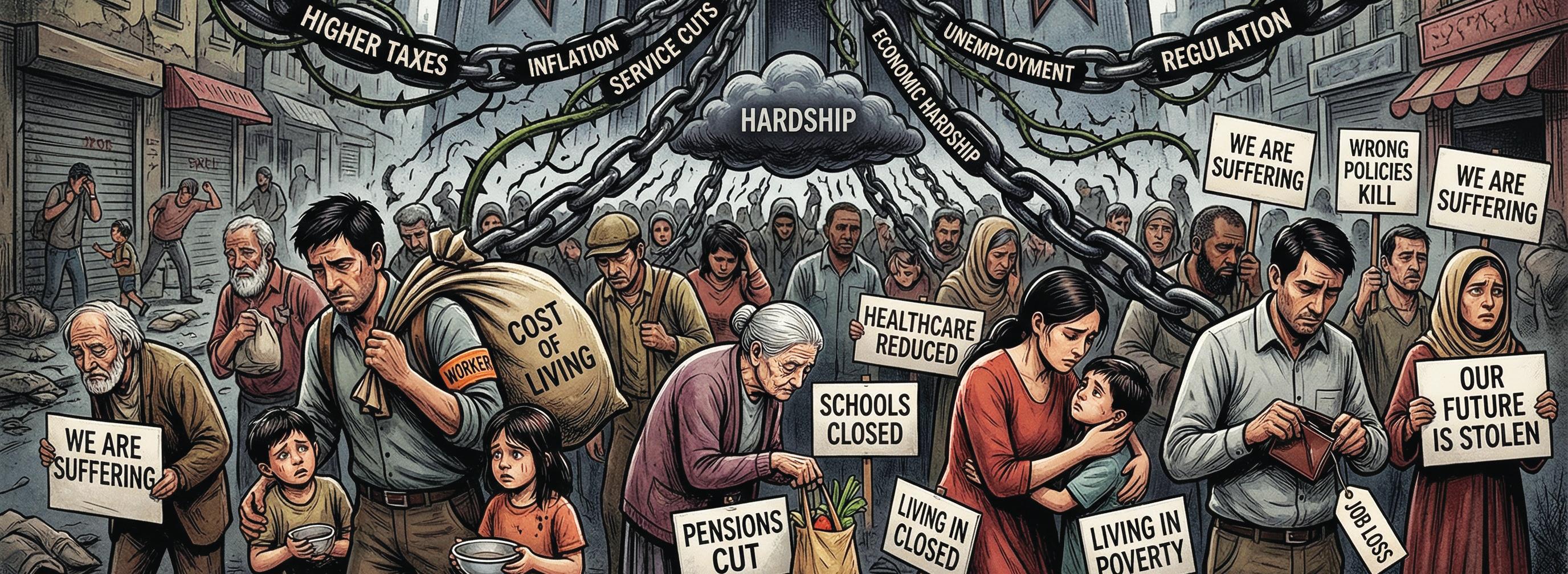
The economic story alone should force us to examine what it means to live under a president who sells prosperity to Black Americans just to rip it away as soon as he is sworn in. Under Trump’s first year, Black unemployment rose to pandemic-era levels, driven by mass federal layoffs that landed hardest on Black workers, who have long relied on public service as a stable path to the middle class when private sector discrimination closed other doors. And in the private sector, Trump’s pressure campaign to force corporate retreat from Diversity, Equity, and Inclusion programs helped push 300,000 Black women out of the workforce. The result has been a collapse of career ladders that supported entire families and communities—losses that ripple through households already strained by high housing and food costs.
Trump’s attacks also
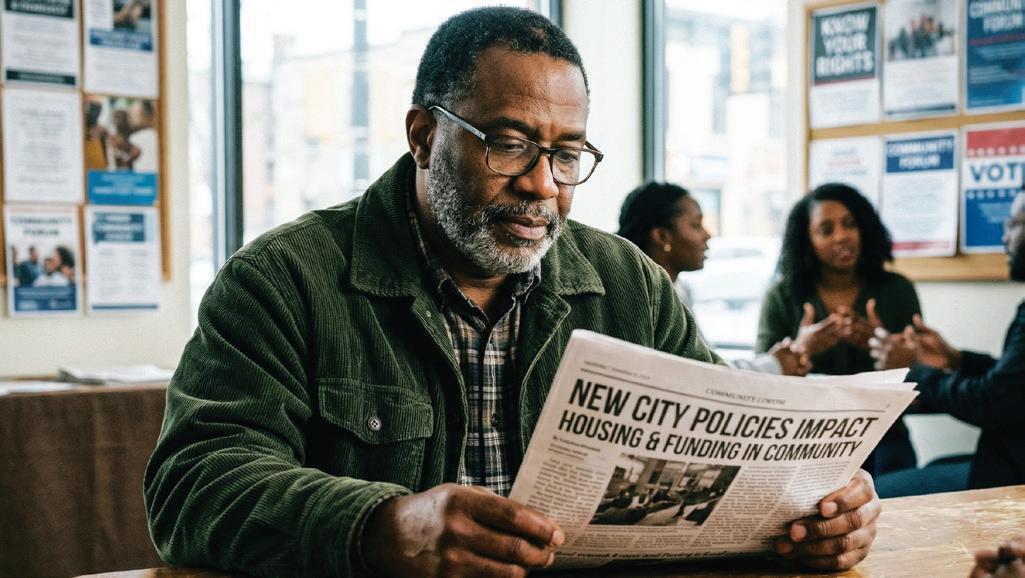
targeted institutions that support Black entrepreneurs, including the Minority Business Development Agency, which has historically delivered billions in capital and contracts and helped create thousands of jobs. Trump attempted to eliminate the agency through an executive order, and even after the courts blocked that effort, its operations have never fully recovered. The message to Black business owners was unmistakable: their progress was never a priority for this administration. For generations, Black Americans have seen education as a ladder to the middle class and economic stability, but Trump is pulling the bottom rungs out of reach for some
Black scholars. The spending bill signed into law last summer by the president caps federal student loan borrowing for graduate, law, and medical students. It also restricts how much parents can borrow to help cover student tuition, reduces the maximum Pell Grant award, and limits aid for part-time students. This leaves Black students facing a system that shuts more doors than it opens and makes higher education more inaccessible than it has been in decades. What makes this moment even more dangerous is that Trump has paired these economic attacks with a determined effort to control how Americans think about race, history, and identity. His sig-
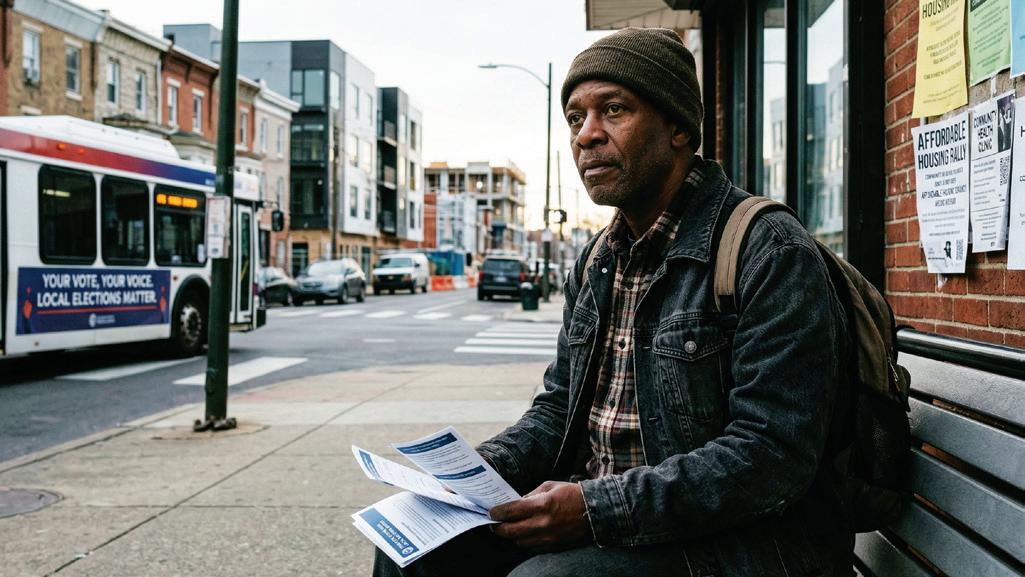
nature executive order framed any discussion of equity as a threat and challenged schools to choose between honest teaching and their federal funding. In the months that followed, teachers reported fear and confusion about teaching routine lessons on Martin Luther King Jr., Ruby Bridges, and the Civil Rights Movement. Trump’s whitewashing of history didn’t stop at the classroom door. His administration ordered reviews that led to the removal of exhibits acknowledging the role of slavery in the lives of the founders and the service of Black soldiers in World War II. He has pursued the restoration of Confederate names of military bases with the
zeal of a man intent on rewriting the nation’s memory. These choices do not reflect a president who values unity or truth. They reflect a worldview that sees Black history as something that must be neutralized to preserve a false national story that centers on white grievance. When you step back from each individual decision, a larger truth about this presidency comes into focus.
The way he treats Black America is not an exception. It is a window into how he has failed the country as a whole by stifling opportunity, fueling division, and abandoning any real commitment to shared prosperity. It is a warning about what happens when a presi-
dent replaces opportunity with grievance and chooses culture war fights over real investment in people. When young people are taught incomplete history or denied education opportunities, and when families cannot rely on stable jobs or critical resources like food assistance, health care, or childcare, the entire country loses ground.
One year into a second Trump term, the consequences are visible across the country as growth for working families of every background has stalled, pathways to education and work have narrowed, and public institutions have been bent toward political theater rather than genuine public service. The setbacks facing Black America are not isolated; they expose a broader pattern of neglect and a government more interested in punishing Americans than in lifting them up.
The rights and opportunities secured by earlier generations are not guaranteed. They depend on leadership that sees prosperity as a shared project and understands that communities thrive when the government invests in their success. That is what Black America deserves, and it is what the entire country deserves. We need leaders who view our history as a source of strength and who treat economic stability and opportunity as national priorities, not bargaining chips in partisan fights. Trump and the Republicans who rubber-stamp his agenda have shown they will not provide that leadership. Black History Month is a reminder that we can demand better for Black America and for the country as a whole.
Brandon Weathersby is the Presidential Communications Director at American Bridge 21st Century.




By W.D. Foster-Graham Book Review Editor
It’s Lenten season for certain faith communities, and children learn of the Word through home, Sunday School, and other examples. The most important part of teaching the Word to children is how to engage them and make it relevant. Such is the case with Dr. Talaya Tolefree’s Kofi and Afia Learn the Lord’s
Prayer. Our story begins with Kofi and Afia visiting their Grandma Sankofa. She is making a quilt for the Sunday School class, and the children ask her to teach them the Lord’s Prayer so they can memorize it. Kofi and Afia brought their Bibles with them, and after turning to Matthew 6:9, they begin.
The beauty of this children’s book is that each verse of the Lord’s Prayer is illustrated with different facets of Black history and culture: Black Jesus, a female preacher, Grandma Sankofa’s quilt with the various names of God, the march from Selma to Montgomery in 1965 (starting with the Pettus Bridge), communion,
school desegregation, the signs and symbols of segregation, the reality of student loan debt, vices and injustice, baptism, and a community in unity. Following this, each name of God is accompanied by a scripture. Through these connections, Grandma Sankofa teaches as a storyteller, and her grandchildren enjoyed not only learning about the Word, but wanting to know more.
At the end of the book, Tolefree tells us about her Sankofa (“looking back to move forward”) moments in her spiritual foundation. Sharing her story, she relates how vital it is for children to see themselves in the Word, in their cultural context, and in their leaders. In the wise
words of her Granny, “Develop your own relationship with God in your personal prayer and Bible study time. Make sure you establish a relationship with God before you join any church. When church brings you disappointment, you will still have your relationship with God.”
I also give a hat tip to Starvos Pierce, whose illustrations bring this story and its teaching moment to life.
Kofi and Afia Learn the Lord’s Prayer is available through Amazon and her website, www.sankofamomentspublishing.org.
Thank you, Talaya, for reminding us of the importance of representation and the way the Word is taught to Black children.

In the halls of Minnesota’s higher education institutions, the journey to a degree is rarely a straight line. For many, it is a path paved with resilience, forged in the fires of personal struggle, and ultimately driven by a desire to give back to the community that sustained them.
Minnesota State Chancellor Scott Olson recently highlighted two such journeys—narratives of a "new" Minnesota where leadership is defined by lived experience.
From the classrooms of St. Cloud Technical & Community College (SCTCC) to the campus of Southwest Minnesota State University (SMSU), students like Ashley Easley and Megan Olsem are proving that their "why" is more powerful than any barrier they have faced.
Brenda’s Helping Hands: A legacy of service in St. Cloud For Ashley Easley, the blueprint for leadership was drafted in her childhood home in Chicago. Her mother, Brenda, was the neighborhood’s "open door"—a woman who fed the hungry and clothed the cold. Today, that legacy lives on in St. Cloud through Brenda’s Helping Hands, a non-profit Easley founded to empower young adults ages 17 to 24.
Easley’s own path was marked by early independence; she was living on her own and paying bills by age 16. After moving to Minnesota to seek a different life, she enrolled in the Administrative Support program at SCTCC in 2006. Though a car accident and the passing of her mother in 2013 created setbacks, Easley transformed her grief into a vessel for change.
"My mom is my
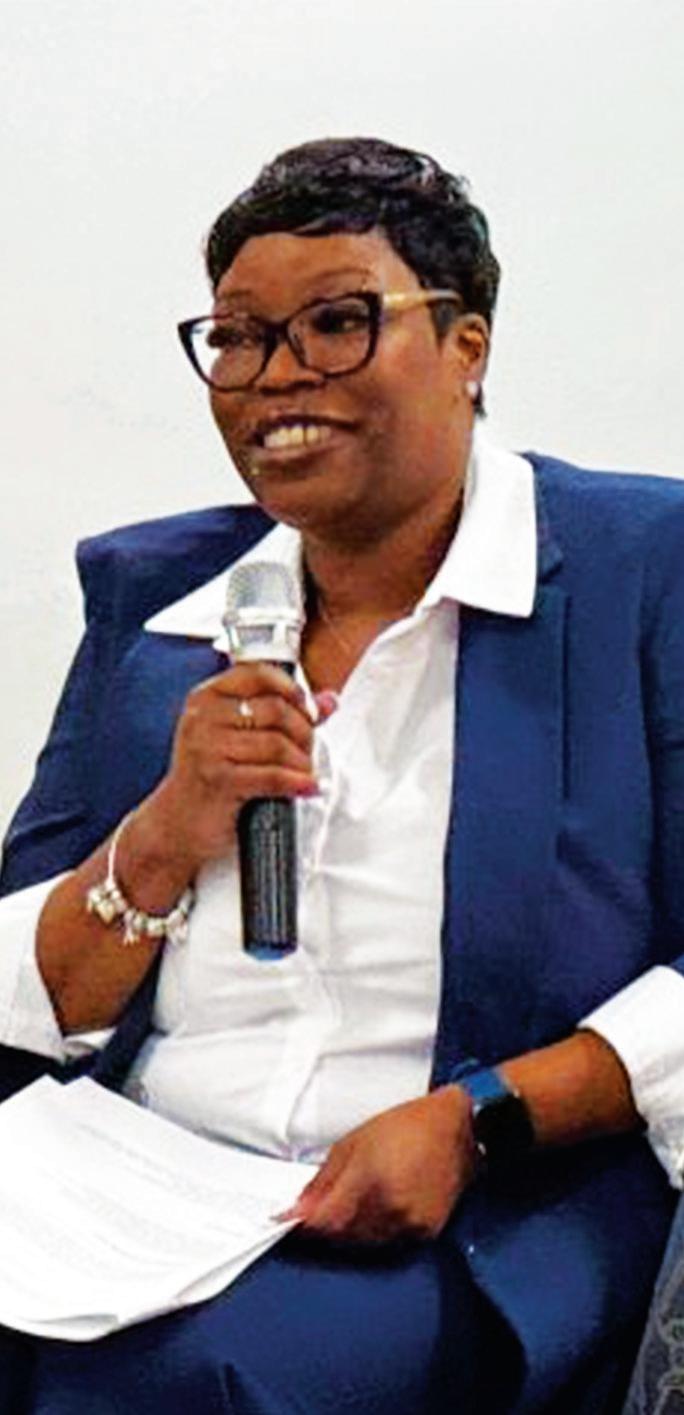
why," Easley shared during a recent presentation at the SCTCC Multicultural Center. "She showed me how to care for others in any aspect that they may come into your life."
Launched officially in 2021, Brenda’s Helping Hands moved its operations to St. Cloud in 2023. The organization provides essential "adulting" toolkits—guidance on financial stability, tenant rights, and navigating criminal history—to help young people bridge the gap between adolescence and self-sufficiency. Through her "Angel Project," Easley even connects urban youth with nature, offering a reprieve from screens to help them find their broader purpose.
Finding a voice: Megan Olsem’s advocacy at SMSU While Easley builds bridges in the community, Megan Olsem is dismantling barriers on cam-
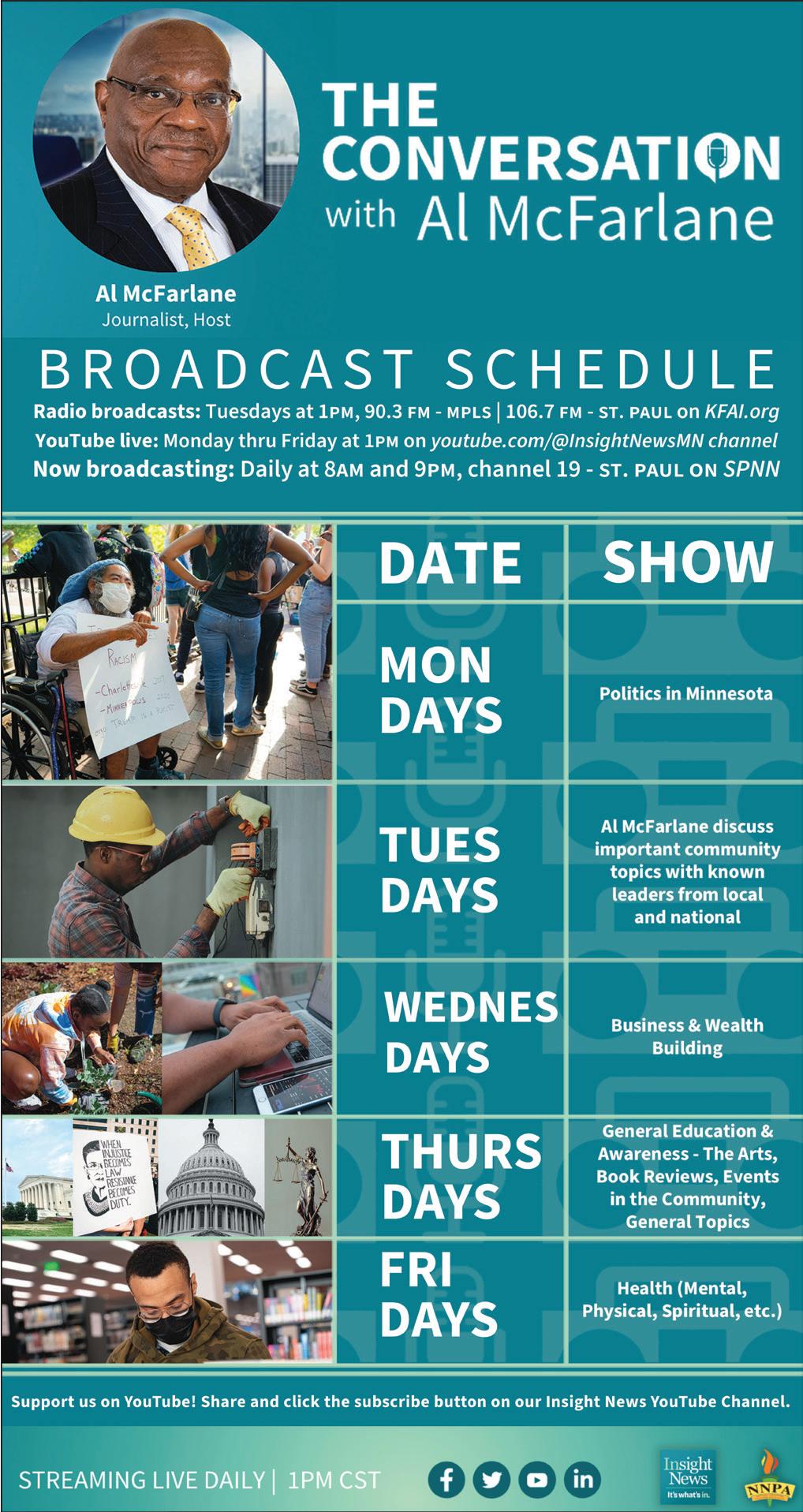

pus. A junior social work major at SMSU, Olsem has navigated a lifetime of medical hurdles, including 32 surgeries and childhood cancer.
For years, Olsem lived in the quiet periphery, but at SMSU, she found a "supportive family" that encouraged her to speak up. That confidence was tested early when she faced a slur on campus during her freshman year. Instead of retreating, Olsem reported the incident, found a responsive administration, and realized her voice had weight.
"I came in with a list of accessibility issues," Olsem said of her first Student Senate meeting. "Bathrooms, elevators, doorways—you name it. People were shocked. They had no idea."
Olsem’s advocacy isn't just talk. She famously organized an accessibility tour, putting administrators—including Interim President Dr. David P. Jones—into wheelchairs to navigate the physical realities of the campus. Her efforts are now directly informing future campus renovations and the development of a Rural Health and Wellness Center.
Crowned Homecoming Queen this past fall, Olsem views the honor not as a personal victory, but as a signal of belonging. "It’s about showing that students with disabilities belong in leadership roles," she emphasized.
The Equity 2030 vision
The stories of Easley and Olsem reflect the core mission of Minnesota State’s Equity 2030 initiative, which aims to close educational equity gaps across the state. By fostering environments where students can translate their personal traumas and triumphs into professional expertise, the system is producing a new generation of social workers, entrepreneurs, and advocates.
As Olsem prepares to graduate in 2027 and Easley expands her mentorship reach in St. Cloud, both women remain focused on the "who" that comes after them.
"I’m just the guidance and the support," Easley said. "If we’re all helping one another, why not come together and be one band, one sound? We could be impactful at large."
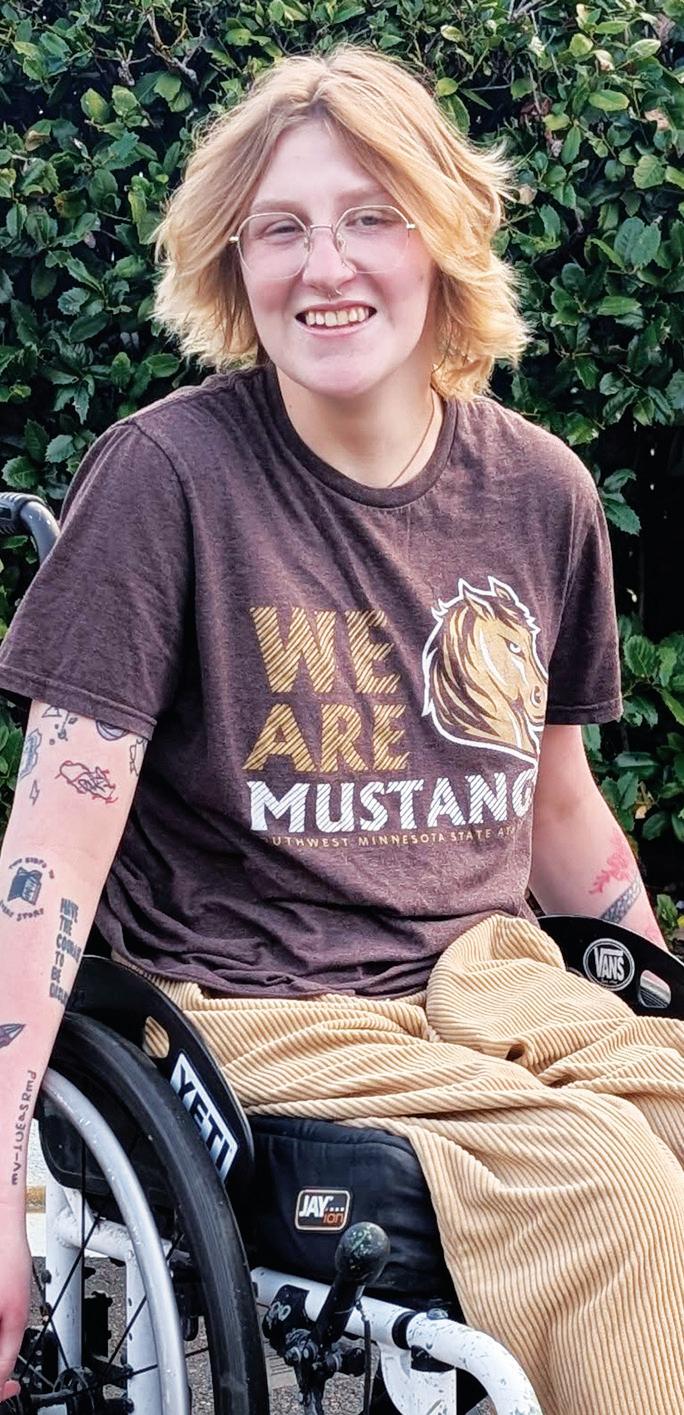

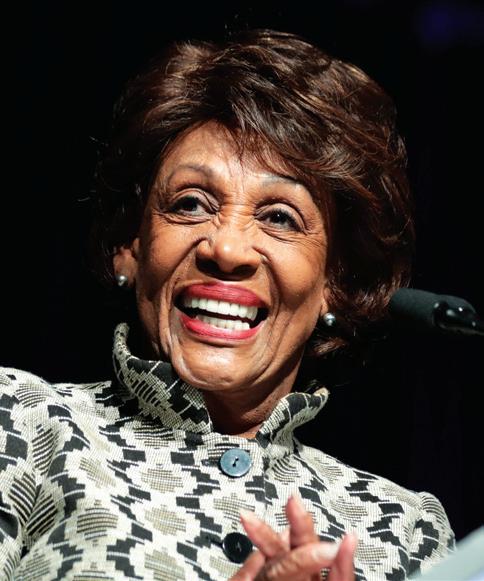
Congresswoman Maxine Waters (D-CA), the lead Democrat on the House Financial Services Committee, is taking aim at what she calls a "reckless" economic agenda that is driving up the cost of living for everyday Americans. During a recent committee markup, Waters criticized a series of deregulatory bills, arguing they do nothing to lower prices at the grocery store or the gas pump.
Prioritizing politics over pockets Waters highlighted the strain families are facing under current administration policies, specifically pointing to the impact of tariffs and escalating energy costs. She argued that instead of addressing these burdens, the proposed legislation risks further inflating prices for retirement savings, college preparation, and even basic commodities. In a pointed
moment, she called out efforts that could impact the price of seafood, stating, "Republicans want to play around with the price of shrimp."
Modernizing national defense While critical of the deregulatory push, Waters did find common ground on the reauthorization of the Defense Production Act (DPA). She noted that Democrats have worked across the aisle to modernize the DPA
with new guardrails to ensure it remains focused on the public good—such as boosting production of medical supplies and critical minerals—rather than being used for political surveillance or other abuses.
Fighting for the small business owner
The Congresswoman also voiced concerns for small business owners who are being squeezed by rising costs and
the threat of scams. She argued that the current legislative path strips away transparency and opens the door to risky trading, leaving entrepreneurs without the legal resources to navigate these new dangers. "We should be passing legislation that keeps markets fair so entrepreneurs succeed on hard work, not scams," Waters said, pledging that Committee Democrats will continue to push for solutions that truly reduce costs for the American people.
By Gokcay
The Iranian regime has announced the closure of the Strait of Hormuz and threatened to target ships attempting to transit the narrow waterway. Some have already been damaged. While this could seriously harm global energy supply and raise costs, the consequences actually extend far beyond these markets.
The Strait of Hormuz, which sits to the south of Iran and connects the Persian Gulf with the Arabian Sea, is one of the most critical chokepoints for international trade. More than 30,000 ships, carrying around 11% of global seaborne trade by volume, transit the strait each year. And around 34% of seaborne oil exports and 19% of seaborne natural gas shipments also pass through it.
However, oil and gas are not the only commodities moving through the Strait. The Gulf region serves as a major hub for the transfer of contain-

ers carrying consumer goods, particularly between Asia and Europe.
Alongside Jebel Ali in the United Arab Emirates –the world’s ninth-largest container port – the region handles more than 26 million containers annually, around 80% of which are transhipment (cargo containers being transferred between vessels). It is estimated that more than 150 ships, with a combined capacity of about 450,000 containers, are stranded in the region.
Food and agriculture supply is at risk
The Strait of Hormuz is central to the global fertiliser trade. More than 30% of urea – the most widely used nitrogen fertiliser produced from natural
gas – is exported from Gulf countries by sea.
Urea prices rose by about 14% on March 2 compared with the previous day. Fertilisers account for a significant share of production costs in many agricultural products, just over a third each for both corn and wheat, for example. When increasing fertiliser prices combine with rising energy costs, producing important crops becomes more expensive. So the availability of agricultural output and food products could also be affected by the crisis. In addition to potential fertiliser shortages, disruptions to shipping may hit supplies. Perishable goods transported in refrigerated containers are already at risk of spoilage as container ships remain stranded near the Strait.
Gulf countries face particularly high risks because many depend heavily on imported food. In Qatar, for example, more than 90% of food is imported, with the vast majority arriving by sea. With flights not fully operating across the region, food availability could become a growing concern. Food by road freight from Turkey may provide an emergency alternative, but capacity would be limited and costs significantly higher than maritime transport. Beyond the region, consumer prices may also rise. Higher energy costs are likely to be a major driver, although the overall impact will depend on how long the crisis lasts and what happens to those energy prices in the meantime. Brent crude oil prices increased from about US$72 (£54) before the strikes began to around US$79
but it fits with his
By Jason Ralph Professor of
Foreign policy doctrines are often forgotten as soon as they are written. Take the November 2025 US National Security Strategy, which told us that “the days in which the Middle East dominated American foreign policy … are thankfully over”.
Keir Starmer, however, has stuck to his promise to “use realist means to pursue progressive ends”, even when placed in a difficult position by Donald Trump. The prime minister’s decision not to take part in offensive military action in the Middle East is, I would argue, consistent with his foreign policy doctrine of progressive realism.
There is, of course, room for debate. Some progressives will point to the Iranian government’s egregious human rights abuses as reason for supporting externally enforced regime change. UK government ministers acknowledge this –they are not mourning the Ayatollah. But progressivism
is also committed to peace between nations. This is because nationalism, as well as a yearning for individual freedom, is a powerful ideology. Foreign intervention can often provoke a nationalist backlash, even if its aims are to advance universal rights. While many Iranians celebrate the death of the Ayatollah, they may be wary of supporting external intervention. This is the progressive value of an international law that rejects the great power’s right to overthrow other governments. It defends the right of national self-determination, and believes human rights are ultimately more secure when nations live together peacefully. If nations are less suspicious of each other, they are less inclined to crackdown on domestic opposition. That creates the political space – so the theory goes – for gradual, less violent reform.
Labour prime ministers have not always understood progressive foreign policy in these terms. Tony Blair took a more revolutionary approach. His decision to join the Bush administration’s 2003 war to overthrow the Iraqi regime was motivated in part by the progressive’s commitment to improve
the lives of those repressed by dictatorships. His case for war centred on the threat of weapons of mass destruction, but his decision to join the US aligned with an American neoconservative view of promoting democracy through regime change. That ended badly, with tens of thousands of civilians killed in the violence that followed. These “mistakes of the past” were uppermost in Starmer’s thinking when he addressed parliament on March 2. The possibility that the unintended consequence of military action could be deadly chaos, rather than democratic revolution, reflects the realist side of UK foreign policy. Foreign policy realists have less faith in the progressive value of international law. Yet they are often aligned with progressives in opposition to military-enforced regime change. Realists appreciate that the mobilising force of nationalism makes the foreign intervener’s task much more difficult. A realist ethic focused on a prudent assessment of consequences makes them sceptical toward revolutionary goals and military gambles.
Again, there is room for debate. The current US Na-
tional Defense Strategy has a different understanding of realism. It throws out utopian idealism and brings in hard-nosed realism. This perspective demands the pursuit of ever more military power to secure the state in a position of undisputed primacy. Consequences still matter when considering when to use force, but priority is given to demonstrating a status of military superiority and political dominance. This kind of realism is, of course, unavailable to all but a few superpowers. The fact that it has been adopted by the UK’s one-time closest ally is troubling. US power used to be restrained by a combination of classical realist prudence on the one hand, and a liberal internationalism committed to multilateral decision-making on the other.
Trumpian realism, however, seemingly rejects this in favour of demonstrating the president’s power to decide at will which foreign regimes should survive. So long as the UK remains committed to progressive realism, the Trumpian realist pursuit of regime change in states like Venezuela and Iran will put even more pressure on the special relationship.
as of March 4 – compared with roughly US$66 one month earlier.
A 2023 analysis by the European Central Bank suggested that inflation in Europe could rise by 0.8 points if a third of oil and gas supplies passing through the Strait of Hormuz were disrupted. In the current situation, almost all shipping traffic through the Strait has been halted.
The price of consumer goods could also be affected by the disruptions. Shipping costs have already increased for containerised shipments to the region, with major container lines imposing war risk surcharges ranging from US$1,500 to US$4,000 per container. For context, the typical cost of moving a container from Shanghai to Europe is around US$2,700-US$3,600 including freight and port cargo handling charges.
Similar surcharges are also applied to shipments between other regions not using Strait of Hormuz, as leading container lines bypass the Suez canal, which links the Red Sea and the eastern Mediterranean. Instead, they reroute vessels around the Cape of Good Hope off the southern tip of Africa.
This strategy was also adopted during the Red Sea crisis in late 2023, when Houthis in Yemen (backed by Iran) began seizing and attacking passing ships. Freight costs increased by 250% in the first
few months of the crisis.
Overall freight rates – the price companies pay to transport goods – may once again increase globally as shipping capacity shrinks. Increases could be limited this time though, because the container sector was actually facing an overcapacity issue. But perhaps surprisingly, higher shipping costs do not necessarily translate into large increases in consumer prices. For many products, maritime transport accounts for as little as 0.35% of the final retail price. But delayed shipments and unreliable transit times may instead create logistical challenges, including higher inventory costs and temporary shortages of essential goods, which can affect consumers more.
A prolonged crisis, combined with vessels rerouting around the Cape of Good Hope, could intensify pressures on consumer prices, logistics and production costs, and the availability of food and other consumer goods. It’s a reminder that regional tensions happening in strategic locations like the Strait of Hormuz have global consequences for consumers.
Disclosure statement
The authors do not work for, consult, own shares in or receive funding from any company or organization that would benefit from this article, and have disclosed no relevant affiliations beyond their academic appointment.
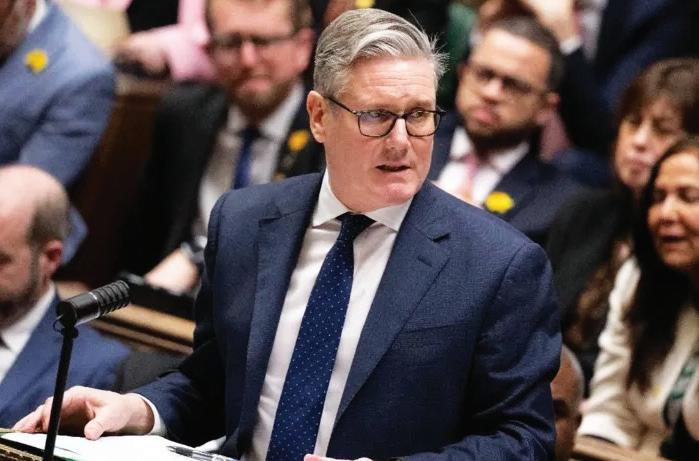
A more authentic realism
Not all foreign policy experts are happy with how the US is now invoking realism. Kevin Maloney of the Carnegie Council, a thinktank dedicated to ethics in international affairs, accuses the Trump administration of “gaslighting” when it describes its foreign policy as “realist”. He points to a more authentic form of realism in the ideas of intellectual giants like German-American political scientist Hans Morgenthau. Morgenthau warned against both ends of the progressive realist spectrum: power detached from progressive values can be just as dangerous as ideals detached from power.
The fusion of progressivism and realism in UK foreign policy led on this occasion to a “deliberate” decision not to support US military action against Iran. That annoyed Trump, but as Maloney’s assessment illustrates, it is not necessarily out of step with a wider tradition of American foreign policy thinking.
One thing that progressives and realists agree on is that the state has a responsi-
bility to protect its own citizens, including those abroad. Starmer’s eventual decision to allow the US to use UK bases for this defensive purpose was, arguably, consistent with his initial policy, and not another U-turn. Of course, doubts remain that the US will use UK assets for defensive purposes alone. But the decision is understandable in the context of Iran’s widespread retaliation and the risk it poses to the 300,000 UK citizens in the region. One possible scenario is that the UK may need to call on US capabilities to evacuate those citizens, as well as prevent Iranian missile strikes. Maintaining access to those capabilities is a prudent move in line with the national