A Newsletter for Old Alfredians

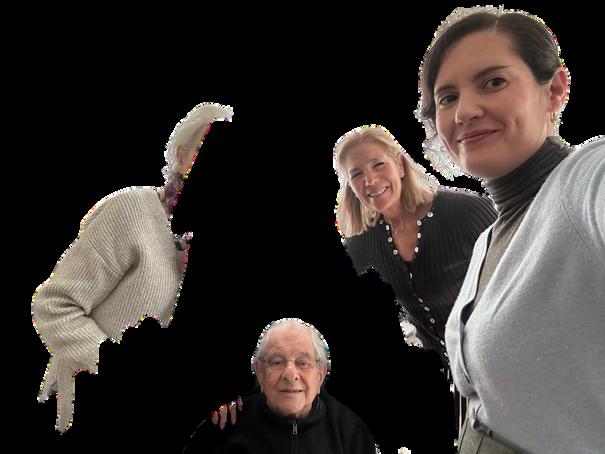
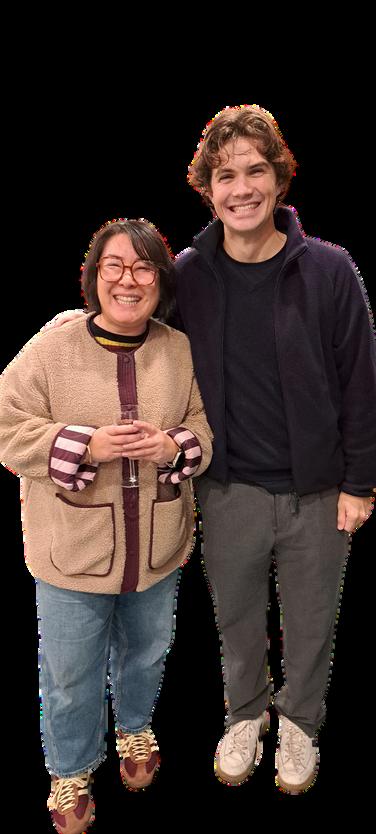
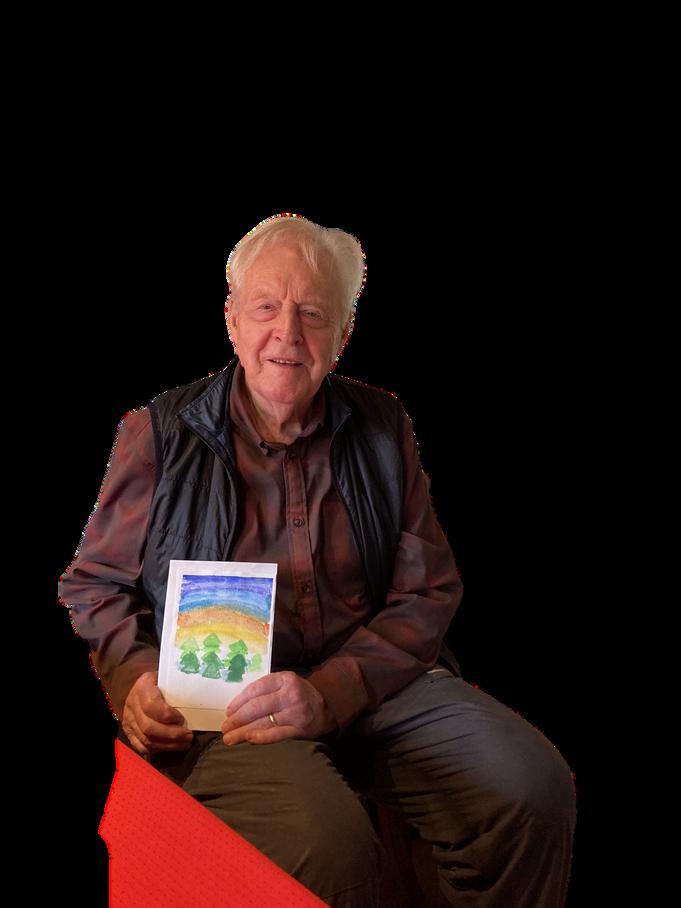
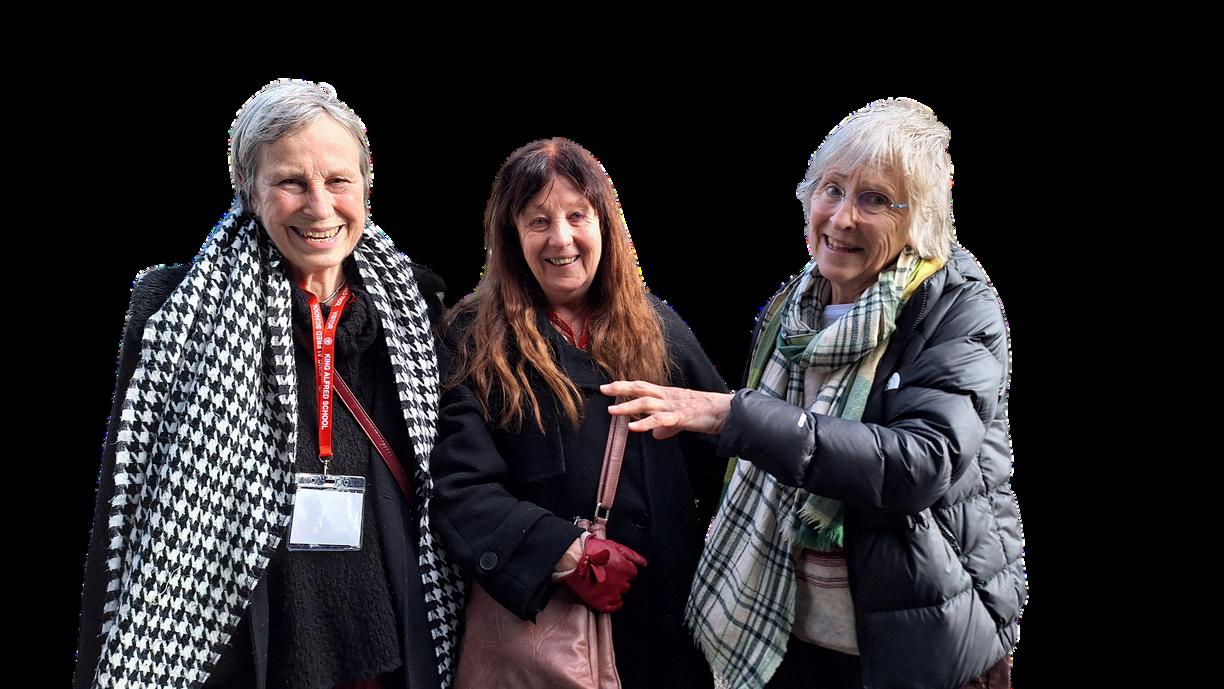
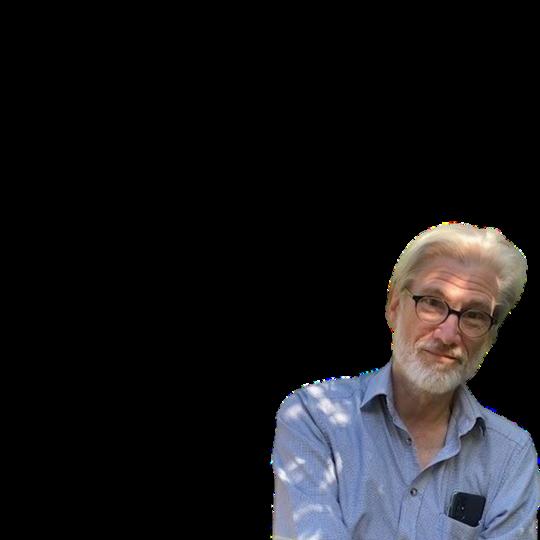
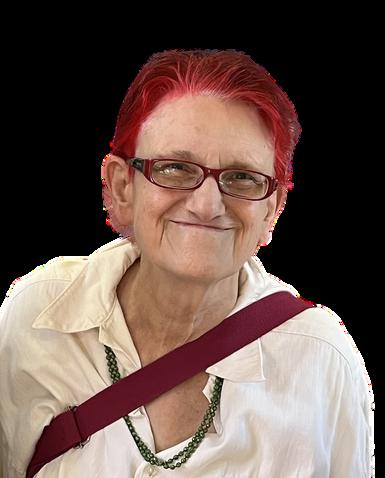
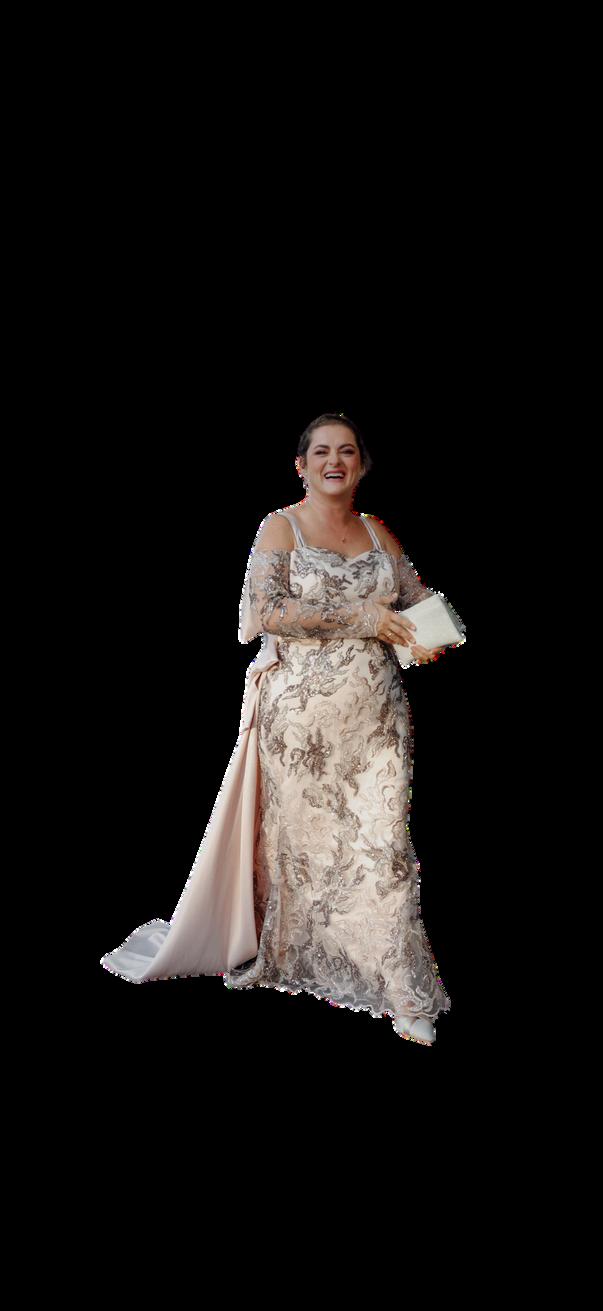
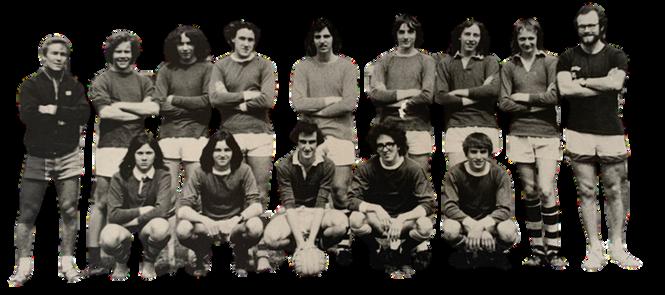
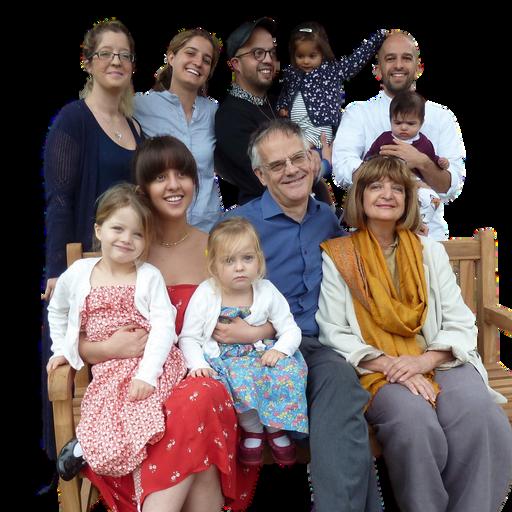
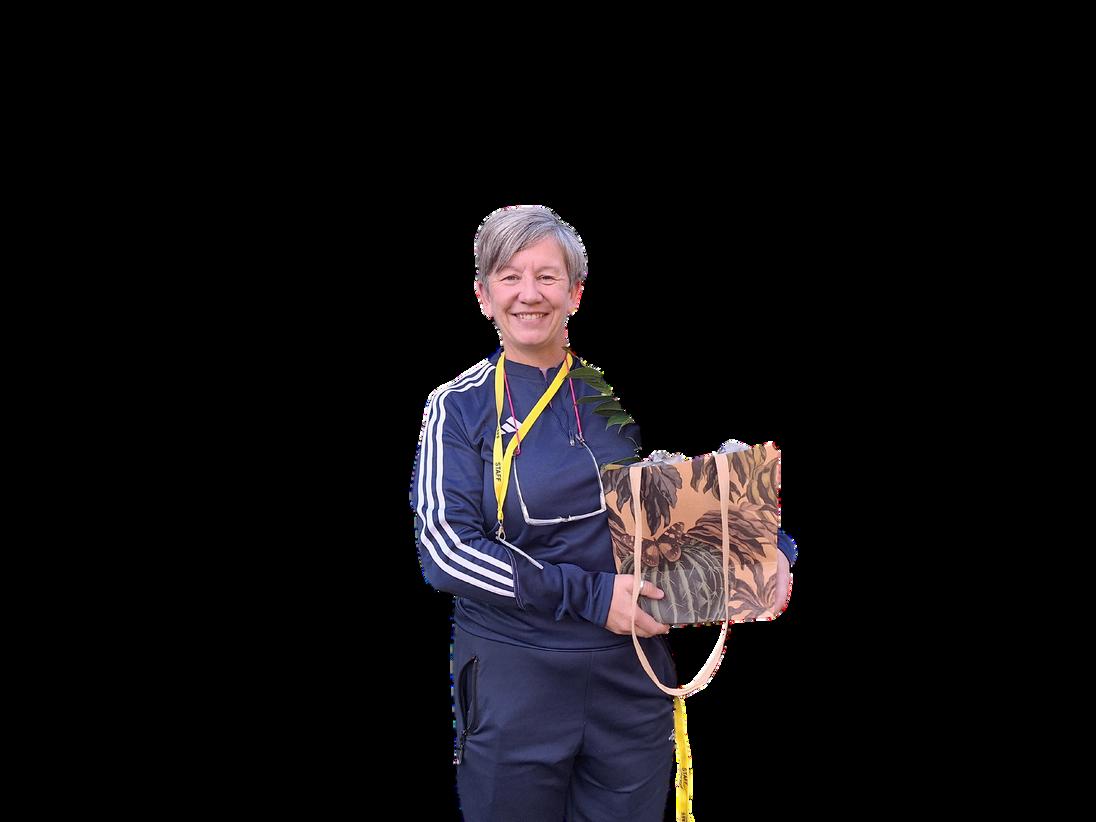
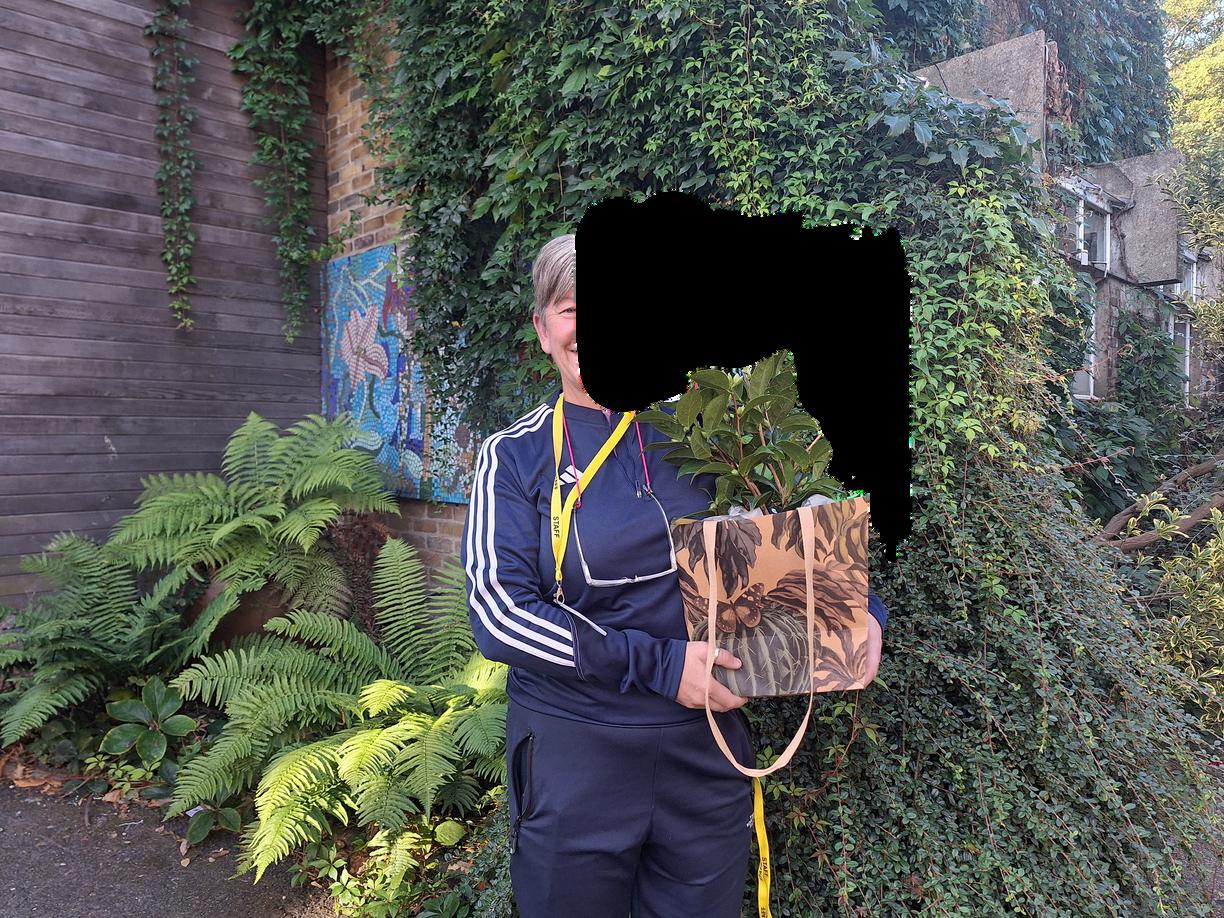
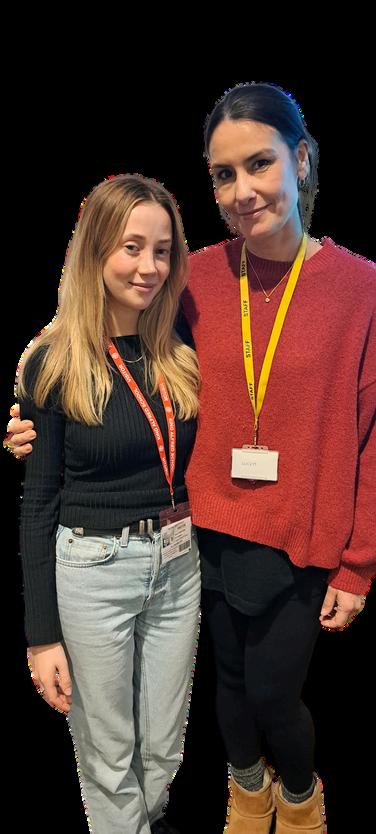

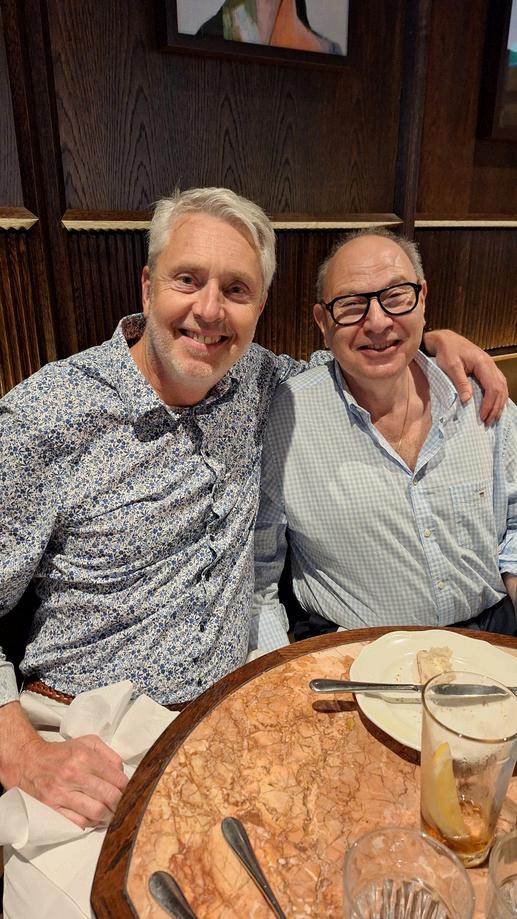
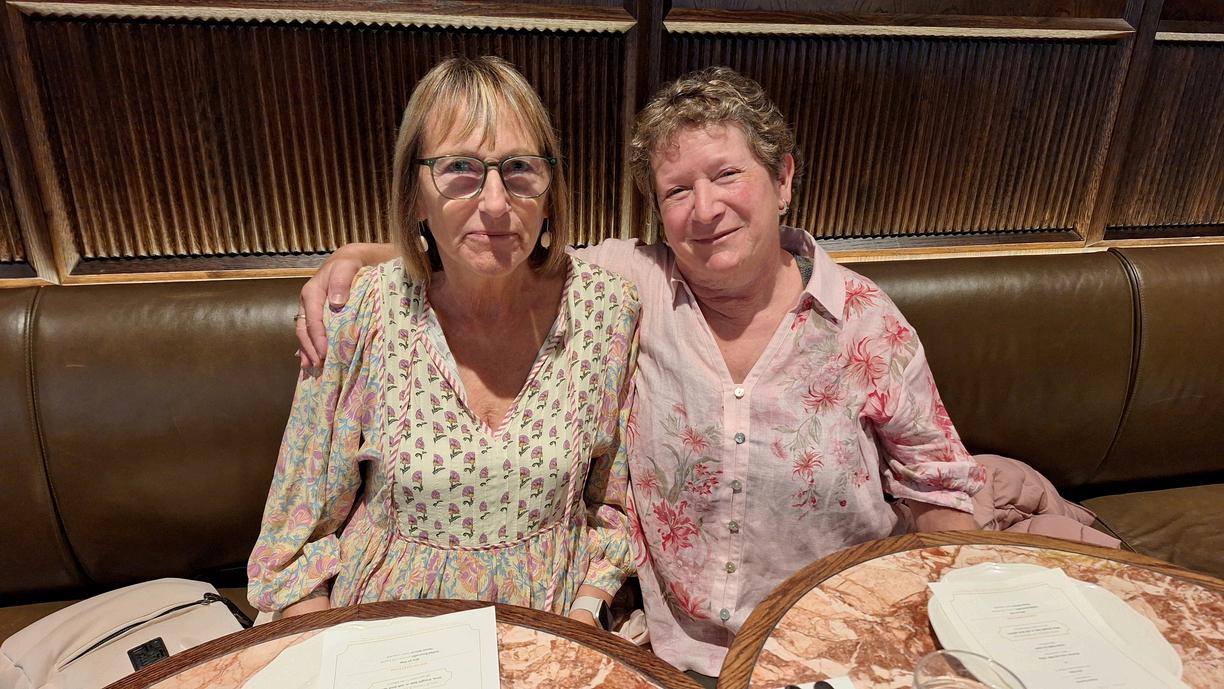
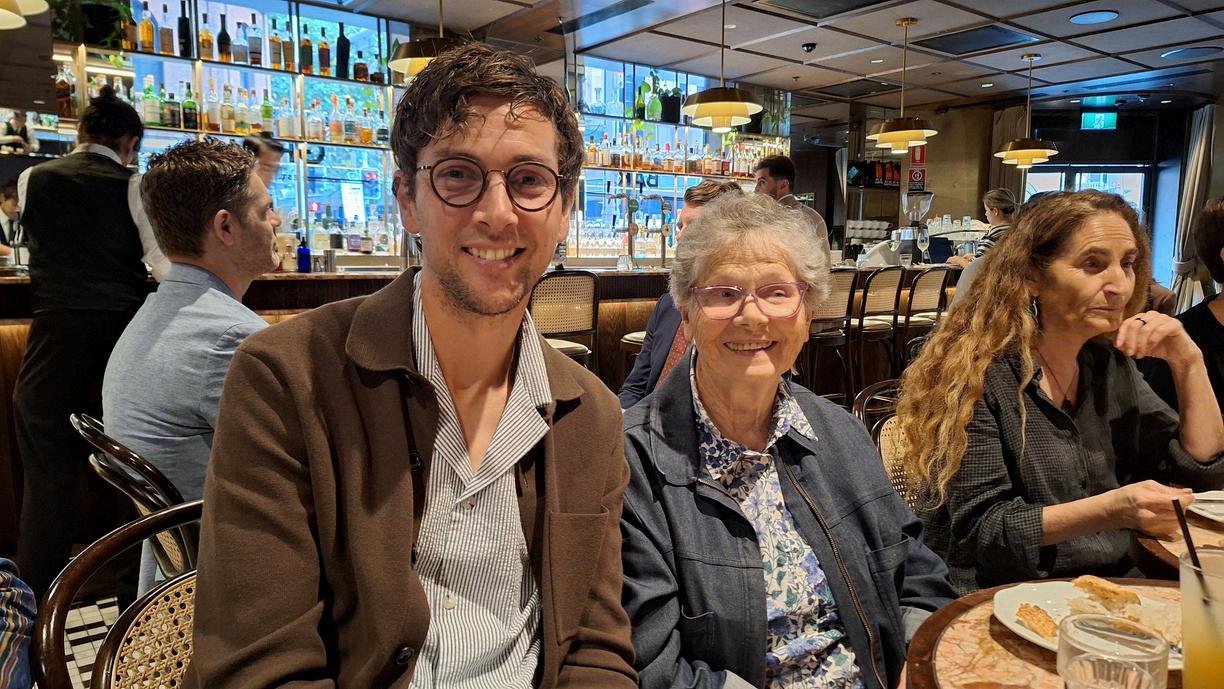
On Friday 12 December 2025, Development Director Tamlyn Worrall hosted a lunch for Old Alfredians in Australia, the school’s first overseas alumni event.
We were delighted to be joined by incoming Head, Stephen Campbell, who is currently based in Sydney with his family.
It was a special gathering, with OAs flying in from Queensland and Melbourne especially for the reunion. Whilst most did not know each other, our OAs were d and interesting, and the tion flowed throughout the .
nerations and continents, we rongly connected by the KAS
shared the following message lunch:
ry lucky indeed to be gaining nsight into KAS; it was special to ut all of your stories and the pathways that you have all
to find a unifying thread our post-school adventures, me that the singular as the vibrancy and variance ad all chosen to do, both nd across your different
elping me to understand oundations that it set for you emarkable.”
ard to welcoming Stephen into the KAS community .
Thanks so much, Tamlyn. Lovely to meet you and all the interesting KAS Alumni in Oz. Who knew? Delicious lunch too! Tammy Burnstock (OA 1979)
Many, many thanks for the luncheon. To quote Benjamin Disraeli, that wily British Prime Minister, "I feel a very unusual sensation - if it is not indigestion, I think it must be gratitude." Wishing Steven every success as the new head. Andrew and Alison Berton (OA 1972 & OA 1975)
Thanks for the lunch. I had a great few hours catching up with people. Stephen Genis (OA 1976)
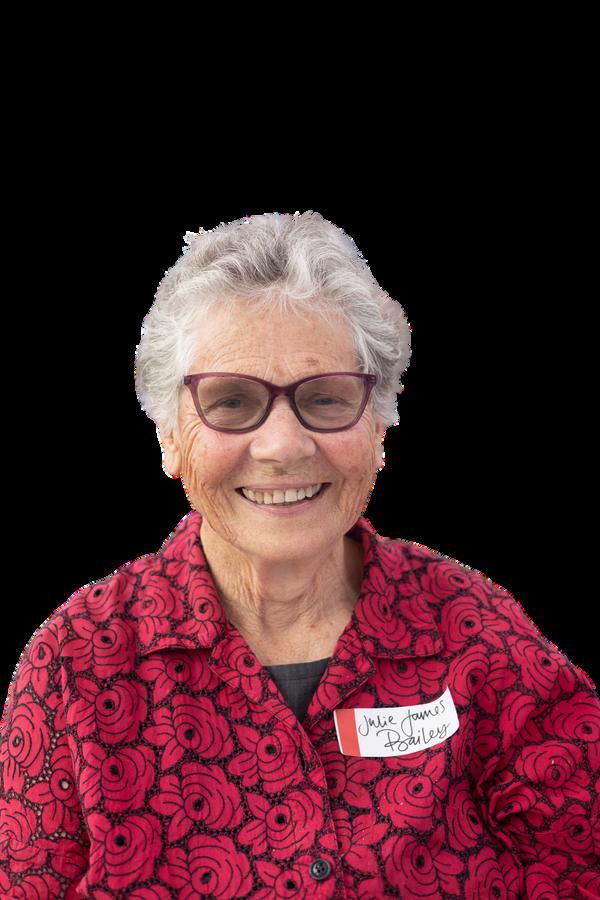
Thanks for organising a great reunion. So many lovely memories. Attached is a copy of the memoir I wrote for the Memoir Group we have in our retirement village. We meet once a month and a subject is given to us to write 1000 words. The next month we each read ours to the group. They are then selected and published for Christmas presents. Julie Bailey (OA 1952) Julie’s memoir is published in the Memories in Motion section of this issue – turn to page 14 to read it.
Our annual Old Alfredian reunion, welcoming back OAs who left KAS in the 1940s to the 1960s, never disappoints.
The Old Library was once again filled with warmth and laughter at the latest event in February, reuniting friends to share memories The KAS catering team presented a delicious and beautifully served lunch, which everyone agreed was much better than the school lunches of old!
Conversations focused on memories of schooldays, family life, and reflections on how KAS has grown and changed. In the incessantly rainy days of February, OAs were reassured that some things never change, and the field on Manor Wood remained just as gloriously muddy as ever
It was also a pleasure to welcome KAS Head Robert Lobatto and to hear his reflections as he approaches retirement.
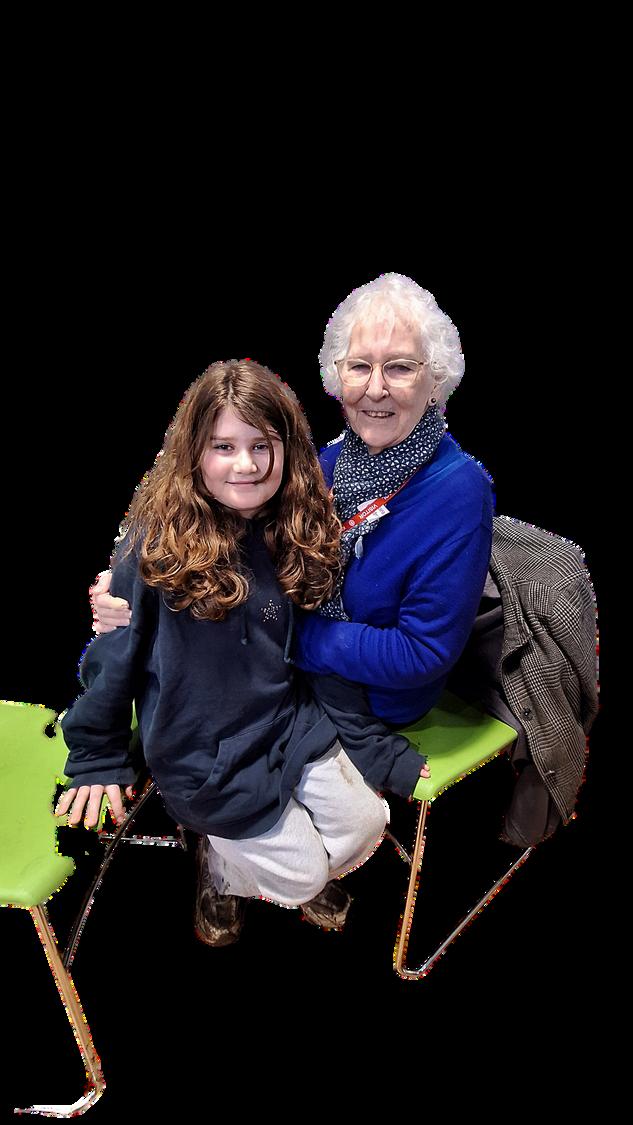
A special highlight was the connection between generations. Our Year 6 students stopped by the Old Library to meet their pen pals from our Festive Post exchange (see page 22). The youngsters and OAs alike were delighted to meet each other. We shared a video of the Year 6 ‘KAS during WWII’ project, which brought to life the experiences of 1940s Alfredians through reenactment. From packing small suitcases and wearing name labels to learning about rationing and resilience, the project resonated deeply.
It was heartening to hear Pam Burton (OA 1965) reflect that KAS remains “the happy place” they and their children once knew. That continuity of spirit across generations is something truly special.
With thanks to all who joined us and made the day so memorable We’re already looking forward to the next one.




Thank you all so much for entertaining us OAs yesterday in such a lovely, welcoming way and with such an elegant lunch. It was great to catch up with old friends and to meet new ones, and the young people were delightful. It was very good to meet and chat with Robert, I wish him all the best with his retirement although it sounds as though he's going to be quite busy.
I enjoyed our tour very much and all the new buildings and spaces are amazing, I particularly liked the rabbit hotel. It was also lovely to see old favourites like the open air theatre (where I gave my 'music master ' and 'queen of the waves 'don't ask) - and reassured/amused/ sorry for the parents that the field is just as muddy as ever.
So pleased that KAS is still the happy place I and my children knew.
Many thanks,
Burton (OA 1965)

Although we had a wonderful turnout on the day, many Old Alfredians sent their regrets, not without a delightful anecdote or two.
For example, Ian Jacobs (OA 1967) wrote: “David Wolchover was in my brother David's class, and there are three potential attendees from my sister Ruth’s class, whom I knew. [They include] the
To: oa@kingalfred.org.uk
Thank you all so much for organising and delivering such a wonderful day. It was great being in the old library again and exchanging memories with other OAs Also, the lunch was delicious and beautifully served.
I particularly want to say how much I appreciated the patience, kindness and care you showed. It made me feel like a very welcome guest
With my best wishes, Elisabeth “Lisa” Shend’ge (OA 1960)
Steinberger twins, from whom we purchased a huge model railway set that nearly filled David's bedroom (it was already on a board).
“I hope the lunch and the day go well. Please mention to Xenia Bowlby that I would really like to meet her, seeing as our fathers knew and worked together.”
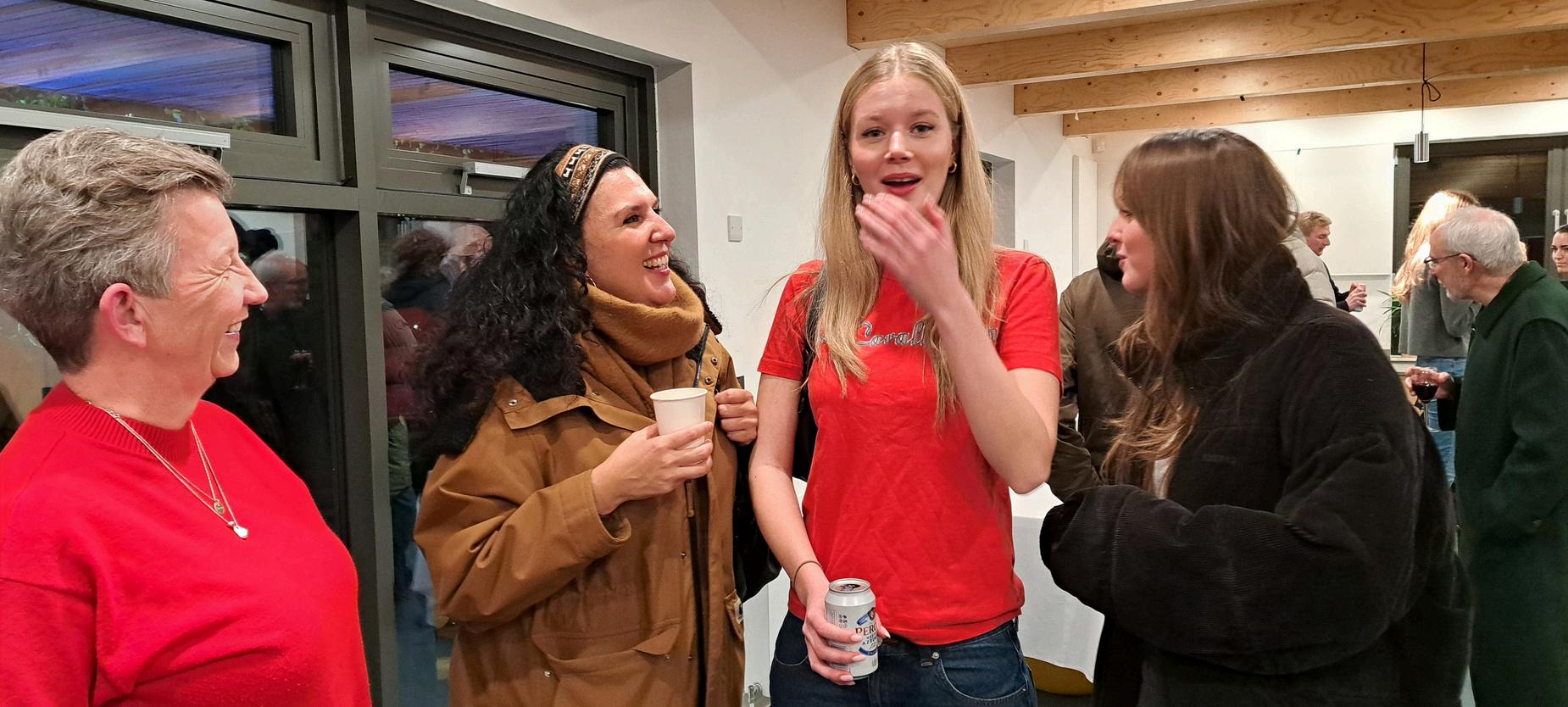
Another year of KAS tradition is in the books with Bonfire Night 2025, held last November.
Old Alfredians from the Class of 2025 all the way back to the Class of 1979 – and lots of years in between – gathered in the Sixth Form Centre for our annual reunion.
Our newest cohort of OAs, the Class of 2025, joined in the fun as well, returning on Bonfire Night for their very first reunion.
It was especially lovely to see OAs from different eras swap stories from their time at KAS, sometimes from across the room. A true community feel! Thank you to all who joined us.
It was a real pleasure to spend a Wednesday afternoon in January visiting Paul Davis (OA 1950) and his wife, Angela, who so kindly welcomed Tamlyn and Deborah into their home.
We missed seeing them both at OA Day in September 2025, which Paul had very much been looking forward to attending before becoming unwell.
Paul was on wonderful form and had unearthed some old school reports from his Lower School days. We laughed as we read about the “naughty” impression he made on some of his teachers from the 1930s, while most others recognised him as a bright and curious young boy.
We brought along a picnic lunch, which we hope they both enjoyed (featuring a special treat from the school kitchen – see right!), and left feeling grateful for our time together
We hope Paul continues to recover well and that we will be able to welcome both Paul and Angela to a future reunion before too long. Get well soon, Paul! You are missed at our reunions, and we look forward to seeing you again.
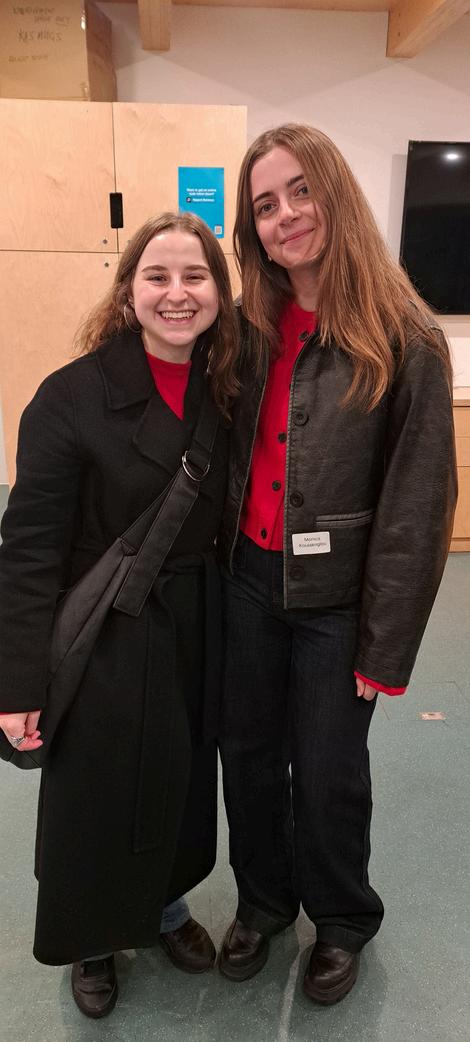
A huge thank you to everyone who joined us in January for the Class of 2025 A Level Certificate Presentation. It was wonderful to welcome our newest Old Alfredians and their families back to KAS to mark this milestone moment. Class of 2025, your journey is just getting started, and we can’t wait to see where it takes you!
The celebrations continued as the Class of 2025 connected with fellow Old Alfredians from the Classes of 2021 to 2024, making it a special evening of shared stories and memories.
As always, our KAS community doesn’t end at the school gates. Stay connected through KAS Connected, your hub for mentorship, work experience and career opportunities with fellow Old Alfredians, parents, and staff. Haven’t joined yet? Visit kasconnected.org to sign up, and to view all the photos from the evening – including a snap of each classmate receiving their certificate from Robert.
Nina Stenham (OA 2006) recently got in touch with the OA office, more than 20 years since leaving KAS. She was planning a trip to London from Canada, where she now lives, so we organised a visit to the school grounds for her.
Nina was a student at KAS from Reception to Year 11, and her visit was full of fond memories: from singing lessons with Anna and playing on the legendary Flying Fox (pictured right), to moments of being (by her own admission!) a very talkative student in lessons.
Nina had the opportunity to clear the air when we popped into the staff room and had an impromptu visit with her former teachers, Jeff Harlow (Maths) and Claire Murphy (PE).
Nina is now a chartered accountant and uses the flexibility of her job to travel and enjoy Canada’s beautiful outdoors. She and her husband, a ski patroller, have a pup named Millie who is training to become a rescue dog on the slopes!
It was wonderful to see Nina and hear how the spirit of KAS still shapes her adventurous life today She spoke about remembering KAS as a free, nurturing environment that sparked a genuine love of learning and encouraged her to try new things.
Nina plans to return to KAS for OA Day, our annual Old Alfredian reunion, on Saturday 19 September 2026. The event will also celebrate the Class of 2006's 20-year anniversary. Please get in touch if you’d like to join: oa@kingalfred.org.uk

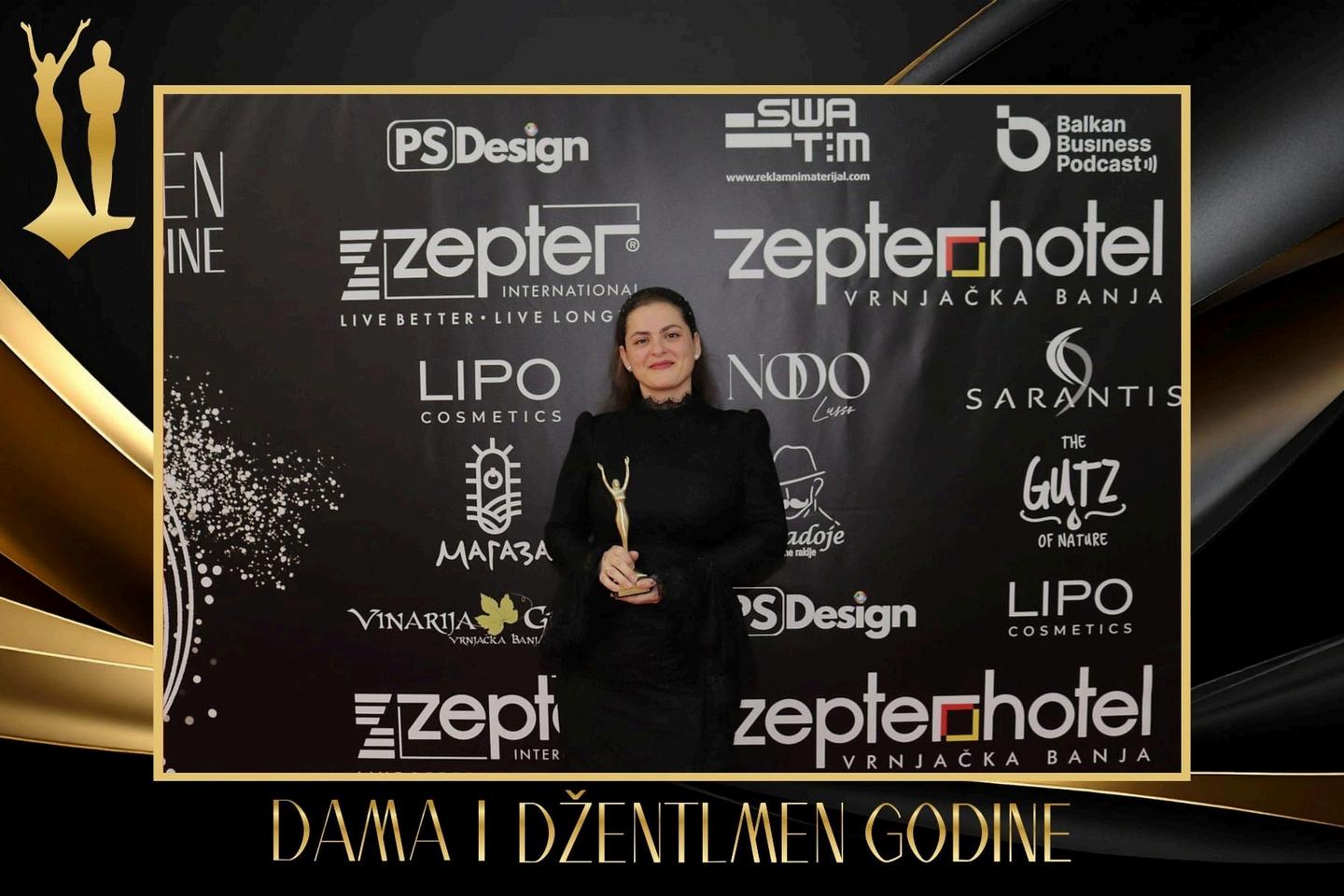
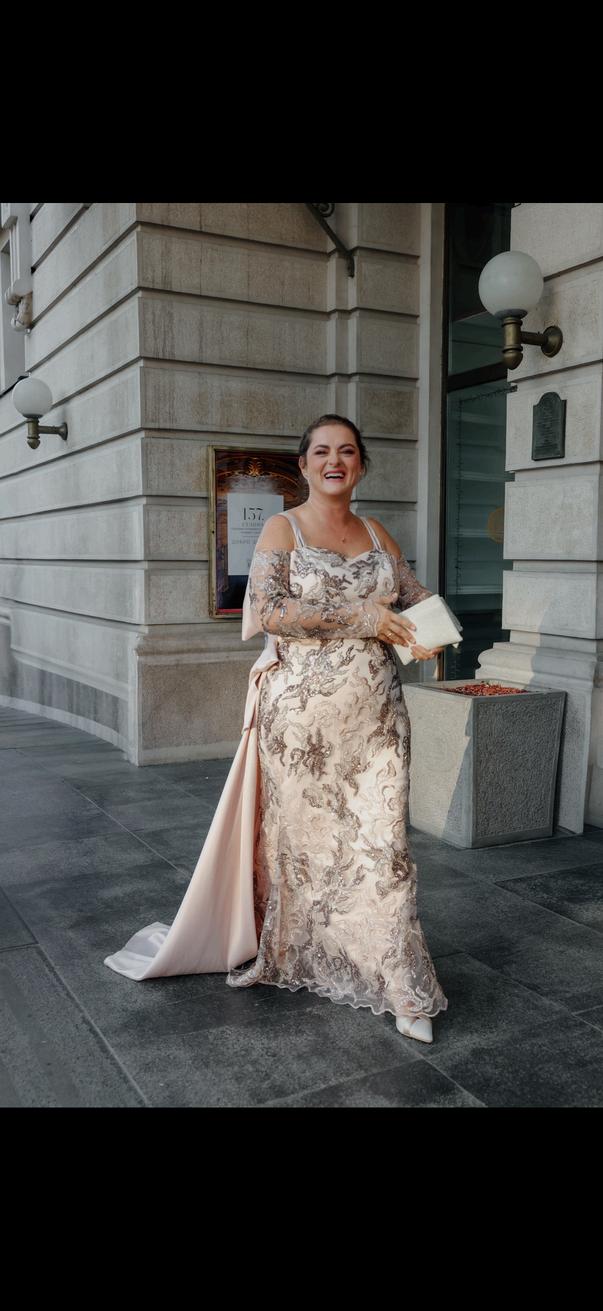
We’re pleased to share that Old Alfredian Dana Karić (Danica Karić Stojiljković, OA 2003) has been awarded two of Serbia’s most significant honours.
On 18 November 2025, she received the Svetislav Milić award in recognition of her contribution to Serbian culture, humanitarian work and social engagement. As President of the Karić Foundation, she has dedicated many years to supporting vulnerable children and young people across Serbia.
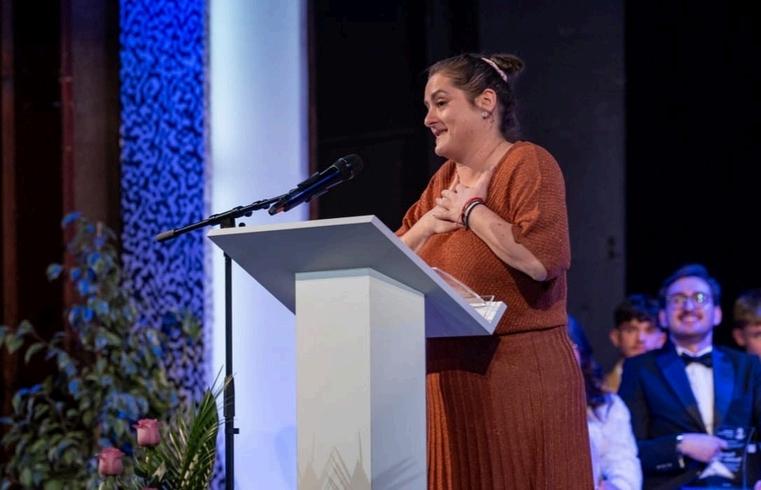

Her long-standing involvement with the Children’s Shelter in Belgrade exemplifies how compassionate leadership can transform lives. In her acceptance speech, Dana stressed the importance of collective responsibility, calling on society to work together to secure better opportunities for future generations.
Dana was also named Woman of the Year at a distinguished ceremony in December. This award highlighted her humanitarian work and her leadership of the Karić Foundation, which runs numerous initiatives focused on education, social support and aid for the most vulnerable members of society.
Alongside her charitable work, Dana is also a celebrated artist whose music career spans nearly 30 years. Her voice, energy and charisma have left a lasting imprint on the Serbian music scene. She is a compelling example of how artistic achievement and humanitarian commitment can come together to create a powerful and influential life story.
Dana fondly remembers her time at The King Alfred School, where she was part of the school’s first soul group, Soulville – a special early chapter in the varied and creative journey that continues to shape her career.
Listen to Dana’s music on YouTube and Apple Music Dana will feature in a forthcoming episode of our Alfredian Voices podcast.
We were recently alerted to an article about an eminent Old Alfredian whose profile and achievements we were unaware of.
Writing in The Glasgow Bell, journalist Jamie Maxwell presents a deep dive into the life of Alec Nove (OA 1933). Born Alexander Novakovsky, Alec attended KAS in the 1920s and 30s after his family fled to the UK when the Bolsheviks seized power in Russia
As per the article – titled Glasgow’s Gorbachov Go Between – after leaving KAS, Alec went on to study economics at LSE and served in British military intelligence during the Second World War
After the war, Nove joined the British Board of Trade, where he immersed himself in Soviet economic literature while learning the mechanics of price controls and export policy – a path that would lead him to Scotland.
In 1951, he married Glaswegian Irene MacPherson and accepted a two-year secondment to the University of Glasgow’s Department of Soviet Studies What began as a temporary posting soon became their permanent home.
By 1963, as newly appointed Director of the renamed Institute of Soviet and East European Studies (ISEES), Nove set about turning Glasgow into a centre for Soviet scholarship. The intense intellectual culture he fostered transformed the Institute into a world‑renowned source of insight on Soviet economics and politics.
Under his watch, the in-house magazine Soviet Studies became a must-read, not only for Western academics but also for the communist elite in Moscow and Beijing
Between 1961 and 1993, he wrote a series of books on the structural failures of the Soviet experiment and was called on as an
advisor by then Prime Minister, Margaret Thatcher He was one of eight specialists invited to participate in a seminar on the Soviet Union organised by Thatcher in 1983, which shifted Britain’s Soviet strategy from one of hostility to engagement.
Nove’s reputation was such that it reached behind the Iron Curtain. When Mikhail Gorbachev visited the UK in 1984, he greeted him with the line, “So you’re the man who knows more about the Soviet economy than I do ” It seemed a fitting tribute to the boy who had fled Bolshevik Russia and grown up to decode the inner workings of the Soviet machine. His son Charles remembered the encounter as one of the proudest moments of his father’s life.
Alec’s involvement with KAS didn’t end when he graduated; his eldest son, David, is also an OA, having attended the school from 1949 until the move to Glasgow.
Alec passed away in 1994, aged 78. You can read the full story of his fascinating life at glasgowbell.co.uk/alec-nove-soviet -union-russia-thatcher-gorbachev/.
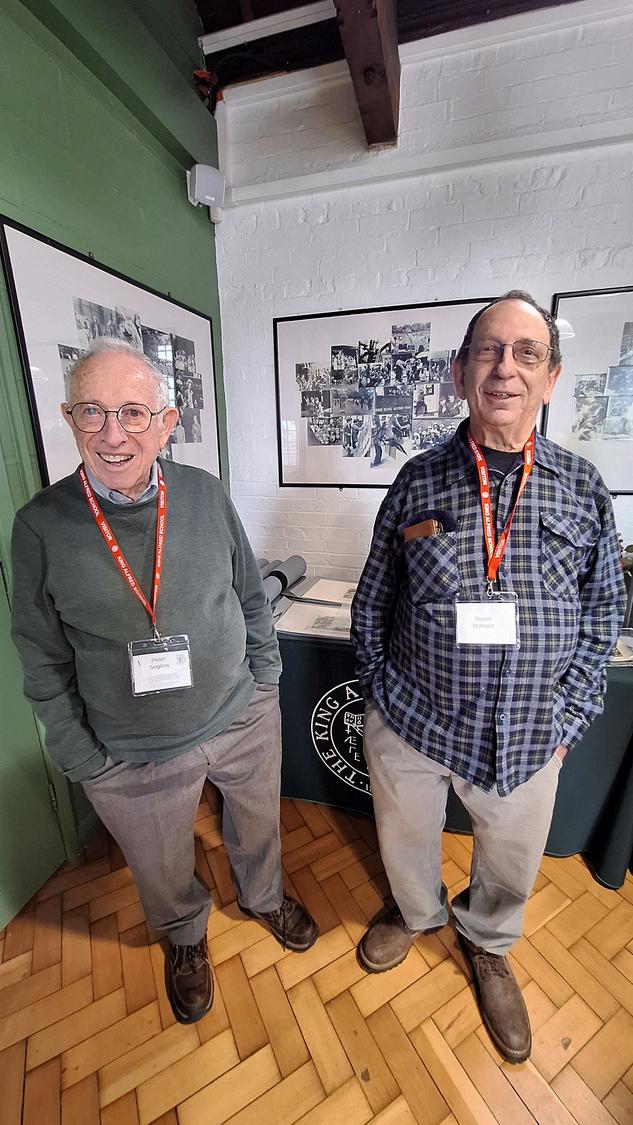
We were pleased to receive the following update from Dave Robson (OA 1968)...
I’m an Old Alfredian from the 1960s. In those days, I was known as David, but
now people know me as Dave
I’m a published author, so my school days can’t all have been wasted! My latest book is Big Ben and the Meaning of Life, a work designed for older children and their parents and grandparents, or indeed anyone who is young at heart and has a fertile imagination.
For much of my time in school, I was labelled “a dreamer”, as if that’s a negative quality, and I found it hard to fit in. It was only much later in life that I realised the immense value of being a dreamer, and of being a little unconventional. Nowadays, I never fail to celebrate my eccentricity
It’s true to say that my greatest skill during my school days was staring out of the window during classes, an art I mastered to consummate perfection I was also fond of climbing trees, much to the headmaster’s annoyance, and I was always in trouble for being in the woodwork shop during lunch break. I loved woodwork and could never get enough of it. Neither academia nor scholarship was my forte, though I did grow to love Shakespeare and Chaucer.
I had a friend in the fifth form, Chris Fair, a boy from Australia, and my journalistic career began when we founded the Fifth Form magazine, Quintessence, which was dedicated to good-naturedly satirising various school characters and their antics,
as well as lampooning ourselves. We were also in hot competition with the Sixth Form magazine, Locus Classicus, and the official school magazine, The Alfredian
My book has a lot of important messages I wish I’d received when I was a youngster, the predominant of which is “anything is possible, if you dare to dream.” I wonder if the students of KAS might enjoy a “meet the author” kind of event. I daresay they would find such an encounter entertaining, perhaps edifying, maybe even educational, with the idea of demonstrating that even the most lowly no-hoper can make something of himself.
One of the great things I developed at KAS was a love of literature. Not just Shakespeare and Chaucer (there were few kids in my class who could claim to love those two characters), but many more relatively recent authors such as Thomas Hardy, James Joyce, Oscar Wilde, etc. It is my profound hope and belief that my book will spark such a love of great storytelling in many of today’s youngsters.
There’s more information on my website: dave-robson.com.
Congratulations to Charlie Rowe (OA 2014) on his role in Jay Kelly, released in November 2025. The film tells the story of a determined, aspiring actor navigating the film industry
Charlie plays a young version of the titular character, with George Clooney playing the older Kelly. His role depicts the early career of a rising star, with connections to George Clooney's real-life journey. His talent continues to impress on screen, and we’re excited to see what he takes on next!
Continuing his path in acting, Arnab Banerjee (OA 1987) plays a moving role in Beat’s Eating Disorder Awareness campaign. It’s wonderful to see OAs use their talents to support such important work.
You can watch and share the video at youtube.com/watch?=Im4dnxsRevc.
Jessy San (OA 2023) returned to KAS recently to speak with our Photography students.
Jessy used her gap year to explore the world of freelance fashion photography, building her portfolio by curating shoots with models just entering the industry. Now she is leading editorial shoots for international publications.
Congratulations, Jessy, on working hard to start the career you want! You can see examples of Jessy’s work online at instagram.com/jessicas4n.

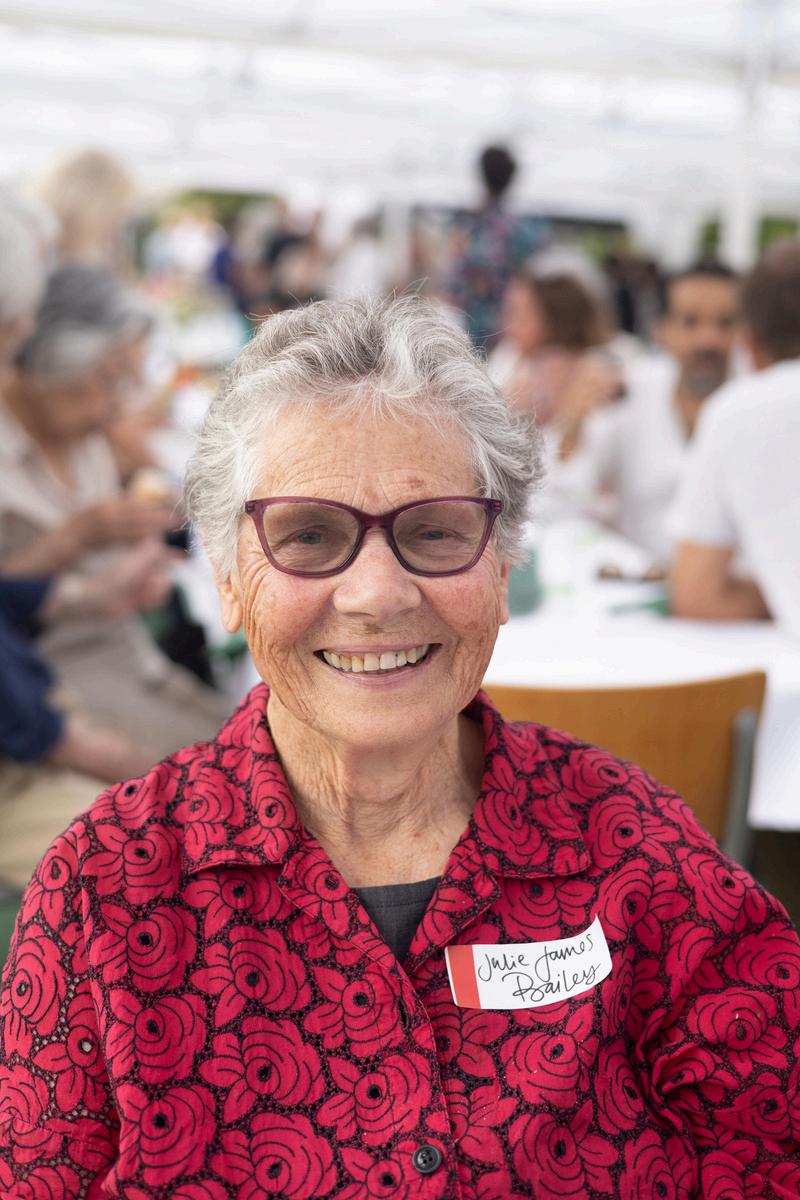



By Julie Bailey (OA
“And what books do you read, Julie?” the Deputy Headmistress asked in her plummy English voice.
“Oh, the Billabong books by Mary Grant Bruce,” I chirped, with 12-year-old Australian bravado. “Mary Grant who?” the plummy voice enquired.
We were sitting on one of the large logs that provided seats in a square under a spreading chestnut tree on the edge of a large green field. This, I was to learn, was called Squirrel Hall and where the Upper School assembled every morning for “callover”.
It was September 1947, the beginning of the school year, and I was being shown round the co-educational, progressive school named after the 9th century King who was probably best known for burning the cakes, but he had a dedication to learning and insisted his courtiers and daughters were educated. The school had been occupied by the army during the War and it had only returned, the previous year, from its wartime evacuation in the country.
I was so lucky.
I had arrived from Sydney, with my mother and younger sister, to join my father who was still in the RAAF stationed in London I had missed the English 11-plus exam, which determines whether public school children go onto a Grammar School that leads to university, or secondary schools that teach for trade certificates. My father was not having his daughters going to an inferior state school. He wanted us to go to a Ladies College in the country. My mother had baulked at us living outside London. However, by good luck, a friend highly recommended the nearby King Alfred School, which was walking distance from where we were living.
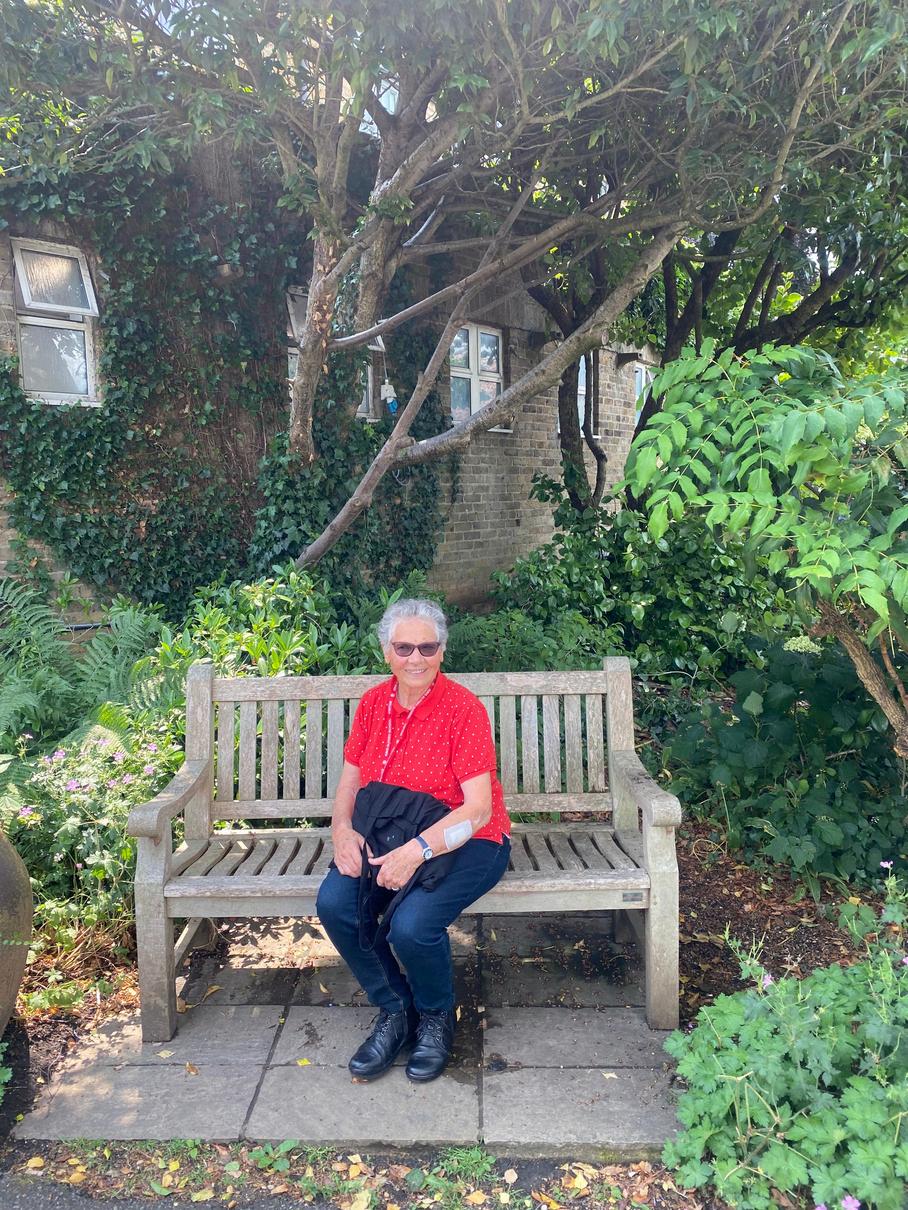
Another new school did not faze me. During the war, my younger sister and I had been to

four schools around the north shore of Sydney and, in as many years, had lived in as many homes.
My mother worked in the city, so we lived with families who could look after us after school. At the end of the War we moved up to the Blue Mountains waiting for the RAAF to get us to London to join my father. This meant another two schools – Lawson Primary 6th class then 6 months at Katoomba High School. This was a twostory brick building, with segregated asphalt playgrounds, where the Cultural Centre now stands.
So I thought I would be well prepared for another change of school.
I could not have been more wrong. In the middle of suburban Golders Green in north London I walked through the gates and into a village green setting with one storey class rooms around the edges of a large green field. Some were wartime prefab huts. The school had downsized to the country and only returned the previous year.
The surprises continued “You choose your own classes in the afternoon,” Mrs Barber explained and produced a list of over 20 crafts, sport and academic subjects. “You can select six each term and we will make up an individual timetable for you. If they are sports classes then they will take all afternoon and you can only choose one. But that doesn’t mean you can’t use the field, the tennis, netball and five courts during the breaks.” she explained. “Soccer and cricket obviously depend on the season.”
Wow. I couldn’t believe it!
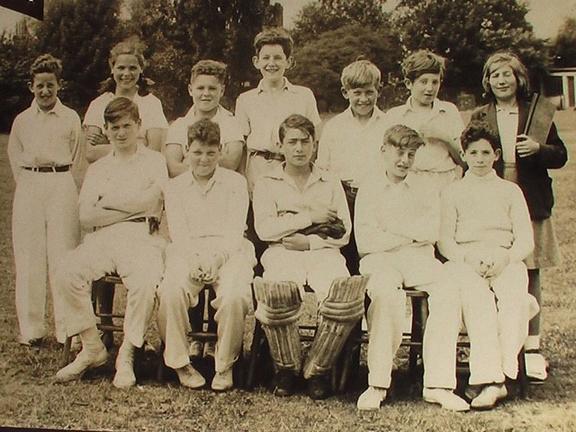
as my main science subject in the morning. I had a go at German, we did French and Latin in the morning and tried all sportscricket, hockey, netball, tennis, fives. The one I really excelled in was cricket with leg spinners but my presence stopped our First Eleven playing many boys schools. My school, true to its beliefs, would not drop me out of the team.
I became very proficient at woodwork. I started by building a taboggan for the heavy snow that first winter on Hampstead Heath. I learnt how to use all the tools which stood me in good stead for building cupboards when, many years later, I came back to Australia and finally owned a house.
There was a hall with a stage at one end and a kitchen at the other. Cooked lunch was served, a major bonus as rationing was still in place in 1947. We all sat at demountable tables in the hall During the afternoon, it turned into a gym, or an area for table tennis or dancing, and a theatre for drama performances.
Drama turned out to be my passion. I scored major parts in the end-of-schoolyear productions. But there were always more girls than boys wanting to take drama. And the better parts were always for the boys, particularly in Shakespeare.
I always ended up playing the men. Mr Bingley in Pride and Prejudice was my first stage experience, and I got the performance bug. I was Bolingbroke in Richard II and Laertes in Hamlet where I learnt to fence with a sword and dagger!
And so my last four years of schooling suddenly became very exciting Over that time I tried everything: leatherwork, weaving, pottery, printing, physics and biology, because I had chosen chemistry
“It’s much more important to be good in a play than worry too much about exams,” I argued. Fortunately, the school did not press students to go to university; they were much more concerned that students had a well-rounded education. The majority of students left when they were 16; only a
few went on to do their Higher School Certificate and University entrance.
I auditioned for drama school and left school when I was 16. But I am forever grateful to King Alfred School for giving me choices and growing me up to believe I had the same rights as the boys
An explanation about my names! I was known as ‘Julie Heyting’ at KAS, but everyone pronounced it as ‘hating’, whereas the Dutch pronounce it ‘hiting’!
After a brief hiatus, our podcast Alfredian Voices: What I Really Learnt at School, returns! Episode 17 features architect Stephen Brandes (OA 1971) in conversation with Tamlyn.
As a former Council member and past parent, Stephen is an Alfredian through and through, and the episode sees him reflect on his deep connection with the school.
He recounts his late entry into KAS at age 12, navigating the tightly knit community, but still being warmly welcomed and forming lasting friendships with his classmates. He also shares his cherished memories of the school’s buildings and grounds.
Drawing on his career as an architect and his involvement with Council and the Grounds and Buildings Committee, he lends a keen eye to the aesthetic and environmental importance of KAS’s architecture and open spaces
Later in life, he returned to KAS as a parent, and, like their father, his children continue to love the school.
So, when I went to RADA I changed it to my mother’s maiden name, James. However, I felt that ‘Julie James’ sounded a bit like the front row of a chorus, so I changed it to ‘Julia James’. (I published a book about my first couple of years on the stage called Mother Signed the Contract, because I was under 21 when I understudied in the West End!)
Then I married Peter Bailey, and so I tacked Bailey on and went back to Julie. Now in retirement, I am Julie Bailey!
Praise for the episode
“I knew Stephen as a fellow parent and also as Chair of the Grounds and Buildings committee. He has some thoughtful things to say about KAS, particularly its buildings and the spaces in between, and their impact on the lives of our whole community, particularly the students.” Fiona Hackett, past parent and Council member
Visit kingalfred.org.uk/old-alfredians/ alfredian-voices-podcast to listen to or watch the episode, or scan the QR code. Thanks to Amy Cash (OA 2020) for the intro!
“I love this series of talks and reflections. Stephen [Campbell, our incoming Head] said that his overriding impression after meeting OAs in Sydney was how varied and unique all their paths were, and how confident they were in that. This wasn’t to do with privilege per se, but a sense of self and interest, and the ability to follow that up – to try it and be open to something new when the time felt right. He was struck by that, and felt that it reinforced the sense of independence KAS forges in students.” Sam Jukes-Adams, parent & Chair of Council
Ali shared a deeply moving tribute to former teacher and OA Naomi Hull (OA 1951), who sadly passed away last year Presented in full below, Ali’s post is a powerful reflection on the lasting impact of thoughtful, rigorous and truly caring teaching, and he captures Naomi as an educator so vividly! Teachers can change a life forever, and we are moved knowing that a KAS teacher made an impact like this.
As 2025 draws to an end, I am conscious that it will always be remembered in my family as a year of loss.
We lost my father and my brother-in-law, the two elders of our small clan in the UK. Their deaths did not simply take two individuals from us; they altered the shape of our family. They removed two steady presences, two sources of authority, warmth, and continuity, and left behind a silence that cannot be filled, only carried.
Even now, as the year closes, the weight of that absence is not something I can compress into a single paragraph It runs through everything.
In sitting with that grief, I find myself thinking about another loss this year, someone outside my immediate family, but someone who changed the direction of my life.
Naomi Hull was my English teacher at The King Alfred School. And, to be honest, I did not like her very much at the time.
A difficult teacher
She was strict, probably the strictest teacher I had, and she made no effort to soften that. She was constantly on my case She corrected relentlessly She challenged without apology.
As a pupil still finding his footing in a new country and language, that felt demanding, intrusive, and at times unfair. I did not experience her as kind. I experienced her as difficult.
When I first came to the UK, I spoke very little English. I was muddling my way through the school system, neither flourishing nor failing dramatically, simply trying to get through. And, if I am honest, I was not very good
But Naomi noticed the gap between where I was and what I could become.
The library was a strategy
One repeated scene has stayed with me: her telling me to go up to the school library.
At the time it felt like being sent away. In hindsight, it was strategy The library was not punishment; it was her way of surrounding me with the one thing that would change everything: language.
Reading was not an accessory to learning English; it was the engine of it.
She did not simply tell me to read. She directed my reading carefully, as though she were building something, piece by piece, that I could not yet see.
The “obvious” book, and the books she chose instead
I remember picking up The Diary of Anne Frank, a book I thought I was supposed to read, the obvious choice. King Alfred drew many of its pupils from Jewish families across North London and the surrounding suburbs, and many in my class were reading it too.
But Naomi redirected me
She put Black Boy by Richard Wright in my hands, then pointed me towards To Sir, With Love by E. R. Braithwaite.
That choice still strikes me as quietly remarkable, given Naomi’s own story. She had come to Britain as a child from a German Jewish refugee family fleeing Nazi persecution. It would have been easy, almost predictable, for her to affirm my instinct to begin with Anne Frank.
But she did not.
She seemed wary of anything that narrowed the world too quickly, even when
that narrowing came wrapped in familiarity or collective expectation. She chose books that widened my sense of what I could understand, and who I could learn from
She also sent me to Bury My Heart at Wounded Knee. Only much later did I see what she was doing. She was not just helping me learn English. She was introducing me to racism, dispossession, power, and history, and giving me the tools to recognise them beyond the page.
The books, the poems, and the stage There were other books too
Catch-22 showed me the absurdity of war and planted the early roots of a pacifism I have carried with me. Fahrenheit 451 taught me to fear not ignorance, but the deliberate destruction of thought.
Naomi was shaping my young mind deliberately, and without sentimentality.
I remember the afternoons when she would read aloud. Watership Down, with its seriousness disguised as a story about rabbits, showed me that literature could be both accessible and profound.
She introduced us to Shakespeare, Romeo and Juliet and Macbeth, and from that spark I would later discover Hamlet.
There was poetry too: the strange worlds of Walter de la Mare, the wit and tenderness of John Betjeman. Naomi taught me that language was not only for argument or explanation, but for atmosphere, rhythm, and feeling.
And alongside the books came a love of theatre. I still remember our excursions to the National Theatre, the sense of London opening up, and the discovery that stories could live not just on the page but in voices, bodies, and silence.
A quiet lesson about affiliations
One of the quieter lessons Naomi left me with was a suspicion of easy belonging. She seemed alert to how quickly identity hardens into certainty, and how easily certainty slides into prejudice.
I later learnt that she supported organisations such as Medical Aid for Palestinians. It did not surprise me. It felt entirely consistent with the woman I knew, someone whose moral attention was not confined by tribe or history.
For Naomi, empathy was never something to be rationed
When the lesson revealed itself
It was only much later that the full shape of her teaching became clear.
At A-level, when I began tackling essays in law and economics, I realised I could read dense material, identify arguments, and write with structure and clarity.
Then, in my professional life as a tax adviser, that insight deepened: my work depends on reading legislation, extracting meaning, and communicating it precisely. Precision is not optional. Clarity is not decorative Words have consequences
Only then did I understand what Naomi had been preparing me for.
Recently I heard a BBC Radio 4 Today feature about inspirational teachers, and it reminded me how often teachers like Naomi are only understood in hindsight.
In the end, this is a meditation on influence, pedagogy, and the moral dimension of language.
clearly and expressing oneself precisely was not merely academic, but practical, and moral.
What I understand now It was not an easy relationship. I did not enjoy being her pupil.
But she believed in me in the only way that mattered. She refused to lower the bar.
And that is what makes her impact so profound to me now. Because belief is not always expressed as warmth. Sometimes it is expressed as rigour.
Naomi Hull changed the course of my life.
If you strip it back, this is what she did: she took a child who could not properly express himself in English and gave him the tools to think, to analyse, and to speak with precision.
So yes, 2025 will always be a year my family remembers for grief. It will always contain the ache of losing my father and my brother-in-law. But I also want it to contain this: a clear recognition of someone else I have lost this year, and a clear gratitude for what she gave me.
I am reminded of a line from Hamlet, when Polonius declares, “Brevity is the soul of wit ” Naomi taught me that long before I understood it. She taught me that thinking
Naomi was not part of my direct family. But she shaped my life as surely as any elder can.
She taught me English. And in doing so, she taught me how to think.
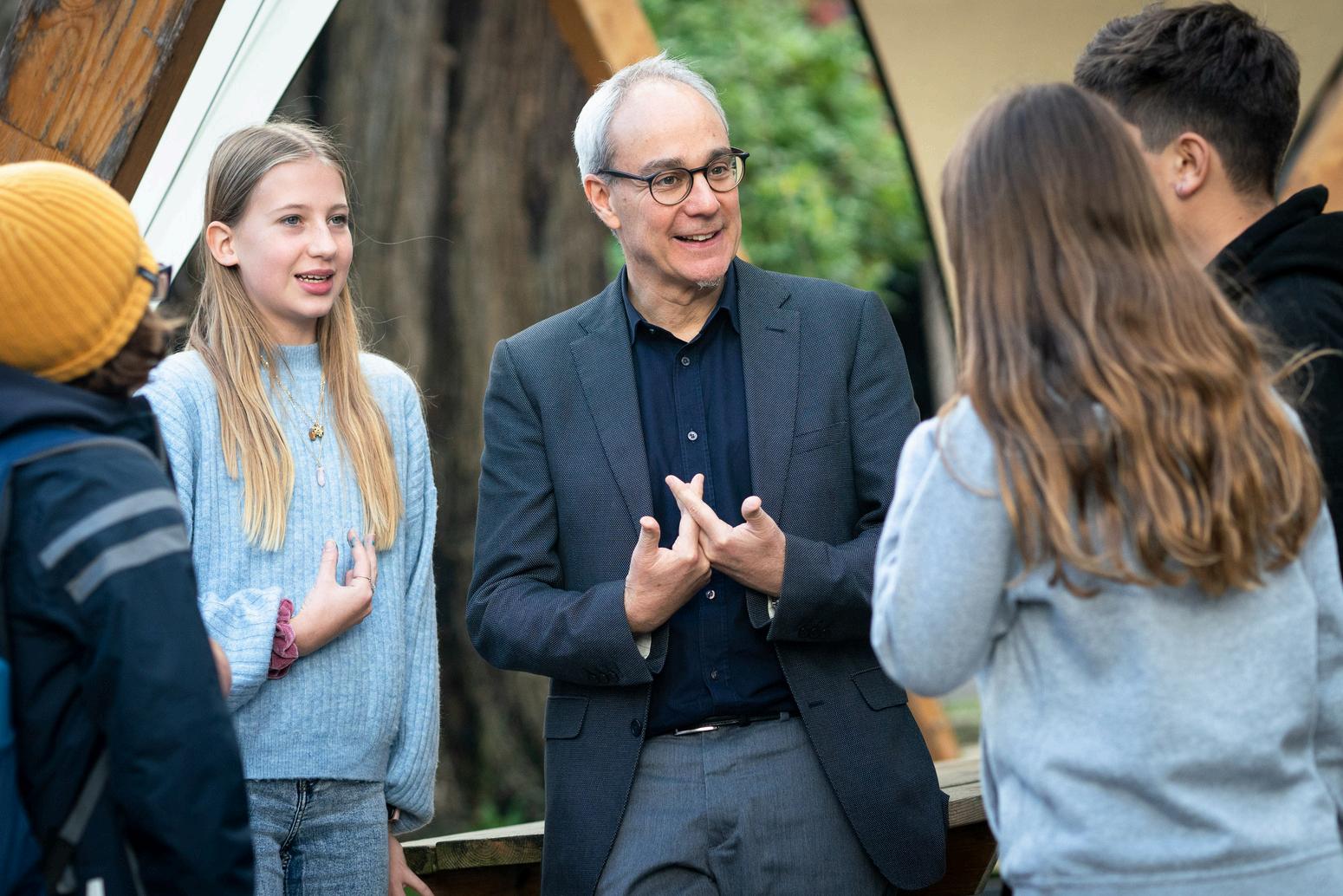
It is always a joy to welcome Old Alfredians back to King Alfred School. At the Reunion lunches here in London, in Australia, or wherever our alumni now call home, the sight of different generations connecting over shared memories never fails to inspire. What binds us together as a community is not limited by age, distance, or era; it is the spirit of KAS itself.
Over the years, I have seen this in many ways. At the recent OA Reunion in Australia, the Class of 2024 bonded with the Class of 1952, sharing stories and insights across generations. At Bonfire Night, young alumni conversed with those who walked these grounds decades ago And at the lunch in February, OAs from the 1940s to the 1960s viewed the Year 6 project in which current pupils recreated what it was like to be an Alfredian in the
1940s, leaving London for school life in the countryside. With typical Alfredian charm, a group of these Year 6 pupils popped by the Old Library to chat. Underpinning all these stories and conversations are the steadfast notions of joy, curiosity and selfexpression.
These values remain at the heart of KAS. Over half-term, I reflected on Norway’s approach to sport which underpins their remarkable winter Olympics, where they were by some distance the most successful country. Named the ‘Joy of Sport for All’ philosophy, young athletes focus on participation, teamwork, and intrinsic enjoyment, rather than results or rankings There is no official scorekeeping until age 13, and the emphasis is on long-term development and motivation, not shortterm outcomes. It struck me how this mirrors learning at KAS: curiosity first, mastery through effort, and well-being alongside achievement.
Our commitment to this approach is echoed in the work of Ron Berger, the American educationalist who visited KAS last summer. His concept of ‘Beautiful Work’ celebrates learning that is complex, carefully crafted, and authentic. Whether it is solving a challenging Maths problem, writing a thoughtful History essay, or creating a school production, Beautiful Work reflects the joy of deep thinking, careful refinement and personal pride. It reminds us that education at its best goes well beyond passing exams to inspire a lifelong love of learning.
It doesn’t matter whether you are 84 or 18: as an Old Alfredian, you have felt the thrill of exploration, the satisfaction of mastering a challenge, and the joy of discovery. This shared experience is what makes KAS such a special community, and what I will take with me when I step down from my role in July.
As we now enter a period of expansion, it is this enduring connection that gives your support its power. Over the next three to five years, gifts from Old Alfredians will help fund a programme of investment designed to enhance how our students learn, play and grow.
Education at its best goes well beyond passing exams to inspire a lifelong love of learning.
These contributions will directly improve students’ daily experiences, now and for generations to come, through projects such as:
Creating a new pedestrian-only entrance to Manor Wood, offering a safer and calmer arrival and departure experience
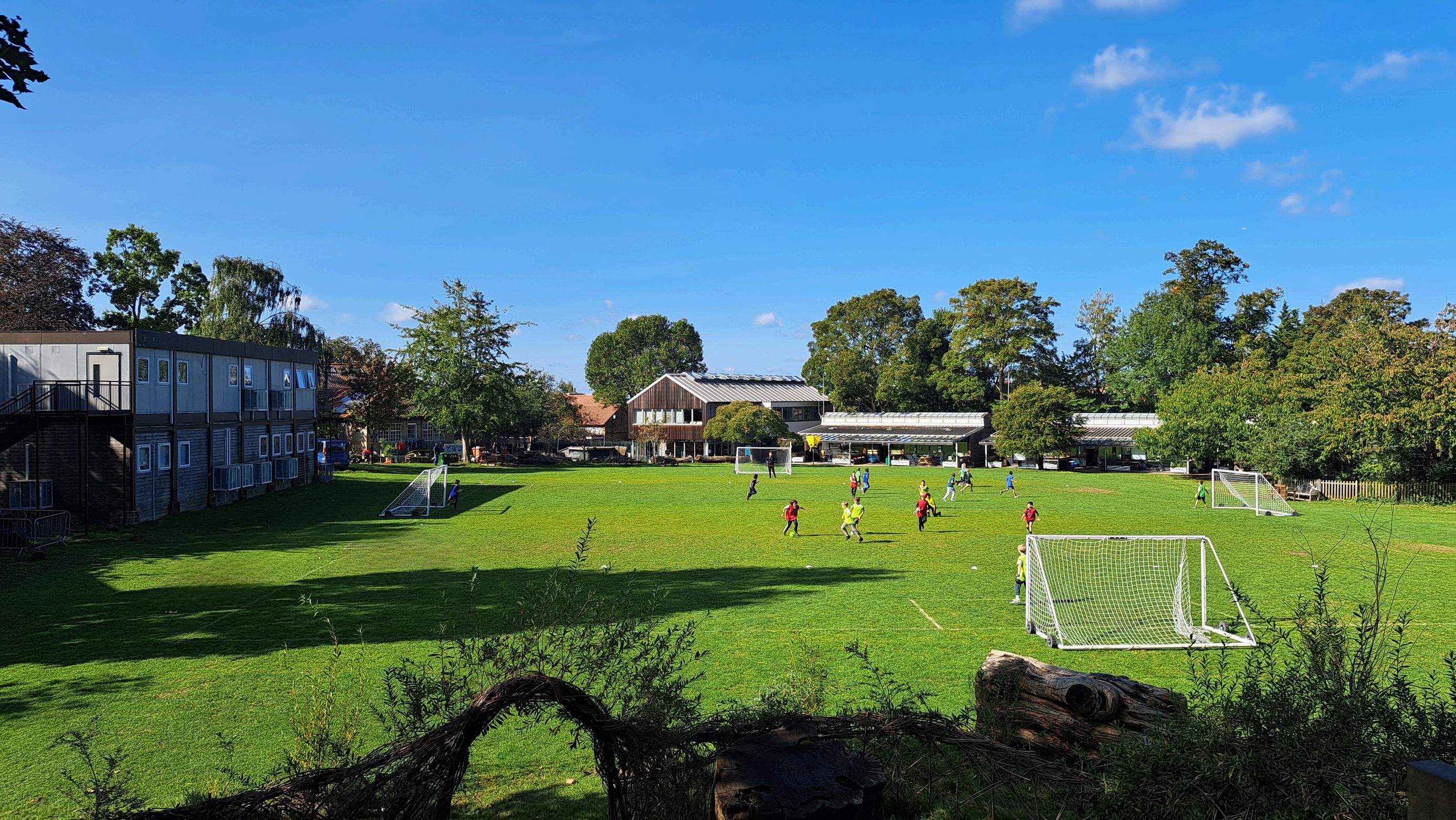
Re-establishing the field as the heart of Manor Wood, by relocating our expanding Exploration Years (Years 7–9) into innovative new teaching facilities and removing temporary buildings
Sustainably redeveloping our sites, improving resilience to climate change while reducing our carbon footprint and supporting environmentally responsible learning
Together, these projects will create new inspiring learning environments, strengthen our sense of community, and ensure KAS continues to reflect the values it instils in its students.
As a charity, The King Alfred School relies on Old Alfredian and community support, which plays a vital role in enabling these projects. If every Old Alfredian chose to give, it would significantly accelerate the delivery of these plans.
Thank you to all of you who have already contributed by pledging a gift to KAS in the future through Your Legacy (see page 33), or by making a direct gift to the school. And to those considering supporting KAS for the first time, I hope you will see your gift as an investment in the enduring joy of learning and the community that links us all.
If you would like further detail on our planned programme of investment, please contact our Development Director, Tamlyn, at tamlynw@kingalfred.org.uk or on 0208 457 5265.
Wishing you all the very best,
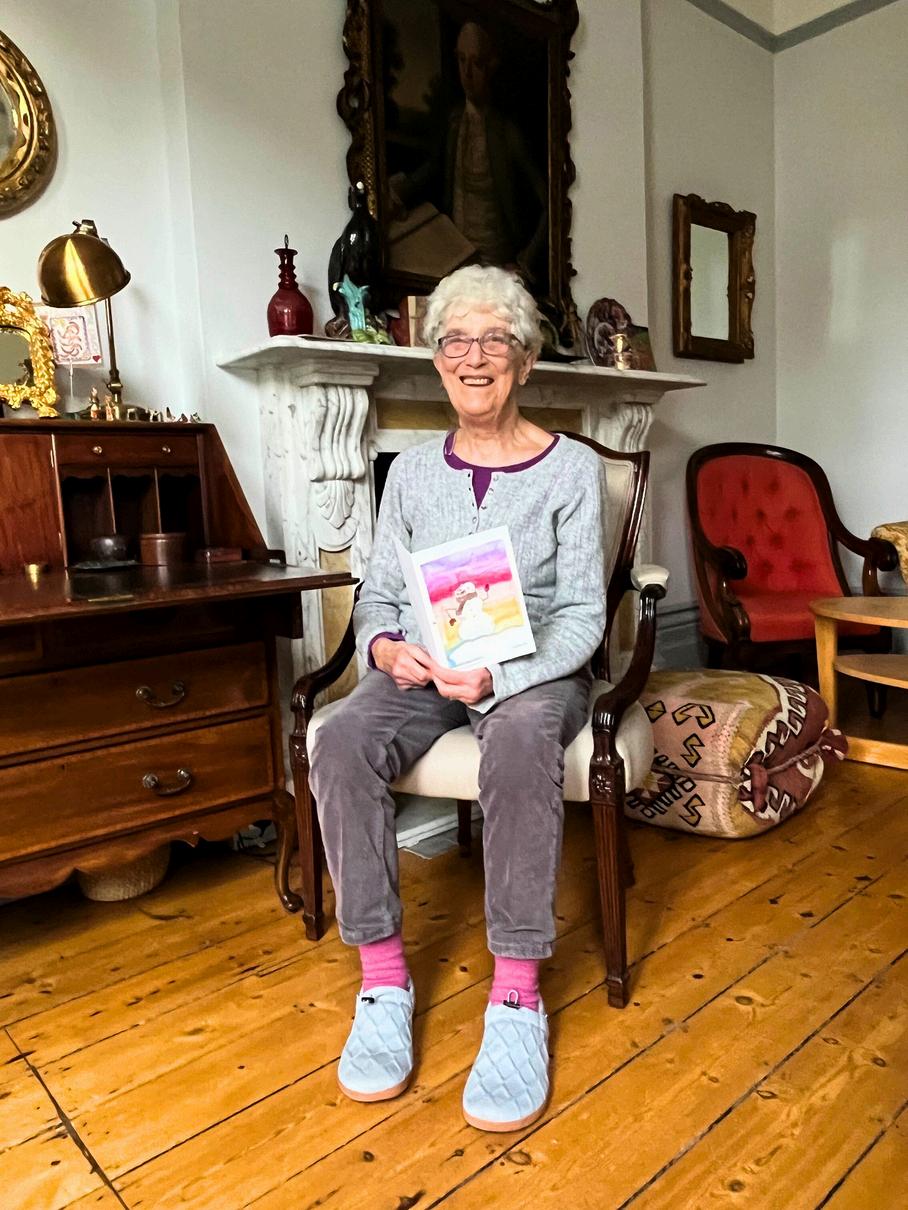
Each year, the Old Alfredian Festive Post exchange quietly bridges decades
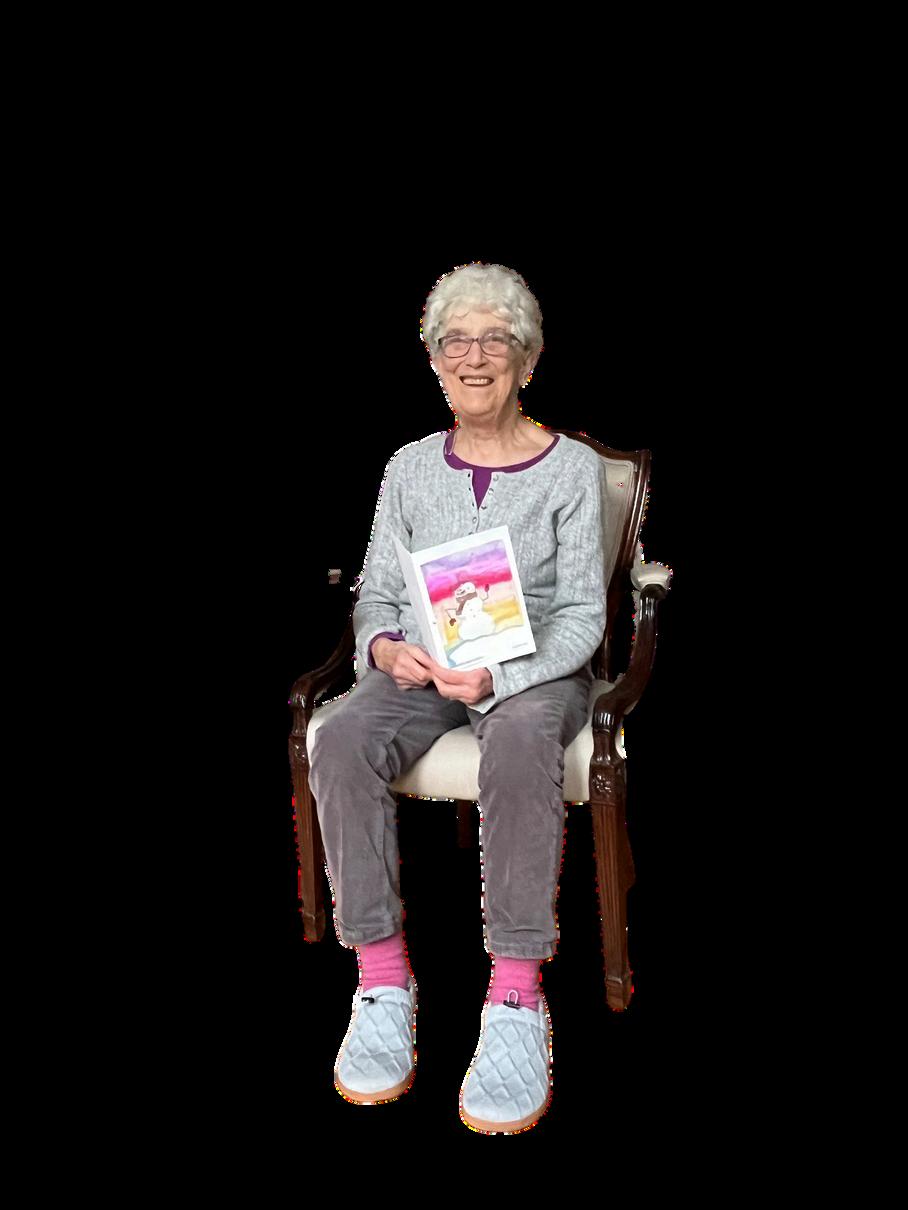
Our Year 6 pupils each send a card to an Old Alfredian in December. Replies find their way back in January.
For the students, the wait is part of the magic Seeing who has written back, often with stories of their own time at KAS, brings the past vividly into the present.
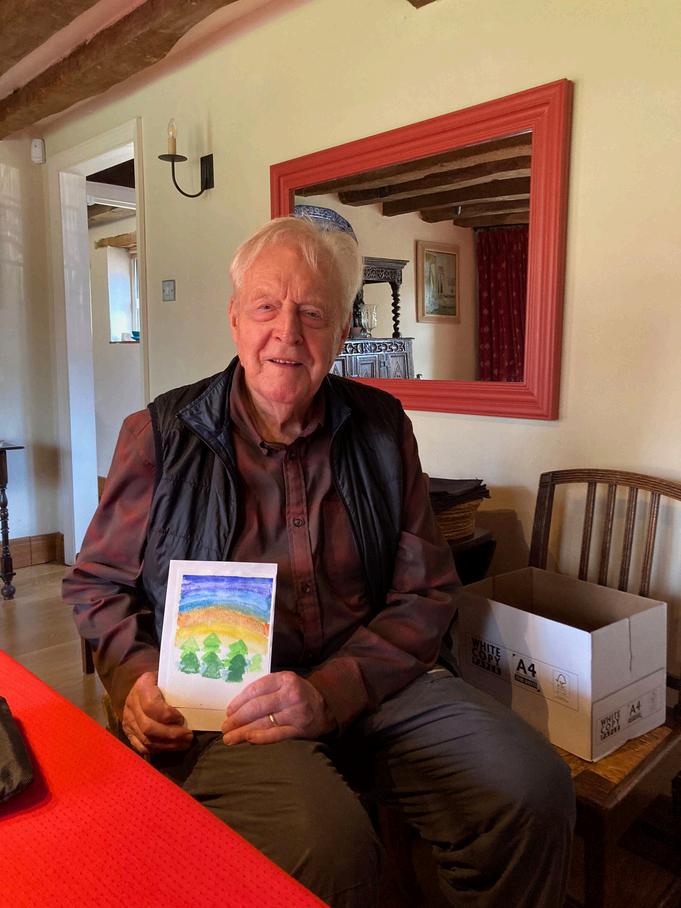
In an age of instant communication, the care and intention of traditional post feels very special to everyone involved.
We are deeply grateful to our OAs for keeping this tradition alive and for the generosity of spirit shown in every reply
Please enjoy just a few excepts from the Old Alfredian replies below and overleaf.
When I was at KAS in the 1940s we had some really cold winters with snow for weeks. My mother knitted me leggings which I wore under my skirt. I took my toboggan to school on the bus. I lived in Hampstead Lane in Highgate, so I took the 2010 bus to school. I loved art, reading, and drama. I was the witch in Sleeping Beauty, which we did in the Open Aire Theatre. It was a good part with lots of shouting and waving my broom stick! We did call most of the teachers by their first names, which was very unusual at the time. One of my teachers was Jacqueline Honeyfollywick (nice name). She was in love with a Spanish bull fighter and told us a lot about bull fighting. I wonder if she married him. But we never called Mr Kruger by his first name. He came from Germany and might have found it difficult.”
Mary Marden (OA 1957)

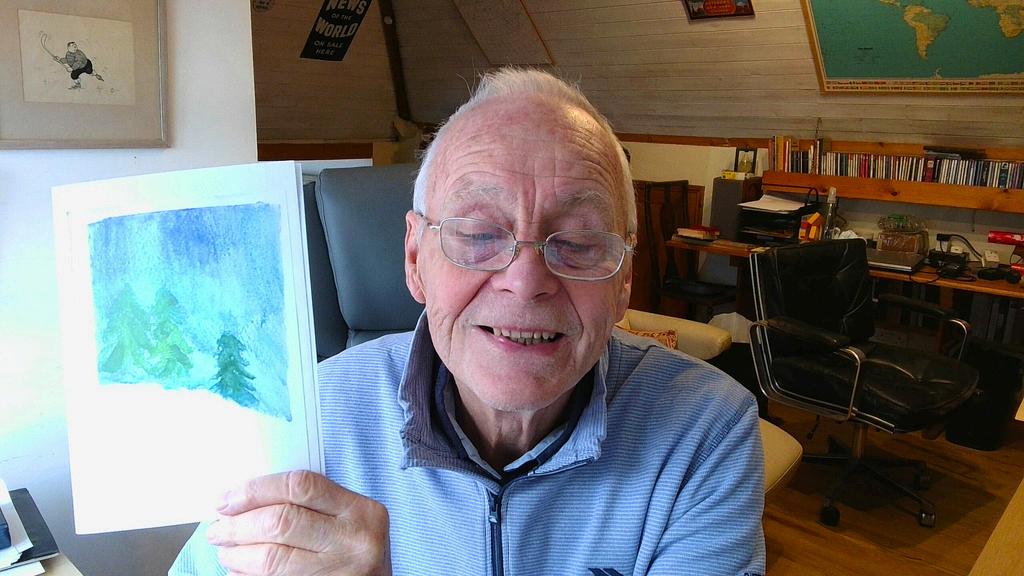

Year 6 students with their Festive Post replies

Thank you so much for your lovely Christmas card and letter I’m so glad that you are enjoying your time at KAS I did so too particularly because I could get into the school over the fence from my garden in Wellgarth Road where I lived at the time I was very sad when I had to leave the school when I was 9 as my parents moved to the country Although I went to a good school there which set me off on a career in higher education it was not as pleasant and caring a school as KAS had been I am sure you will get as good an education as I did and that you will work hard to take up whatever opportunities open up for you One message for you: do what you enjoy Don’t be pushed into doing something you don’t like even if you are promised lots of money or other advantages Professor Sir Roderick Floud FBA (OA 1960)
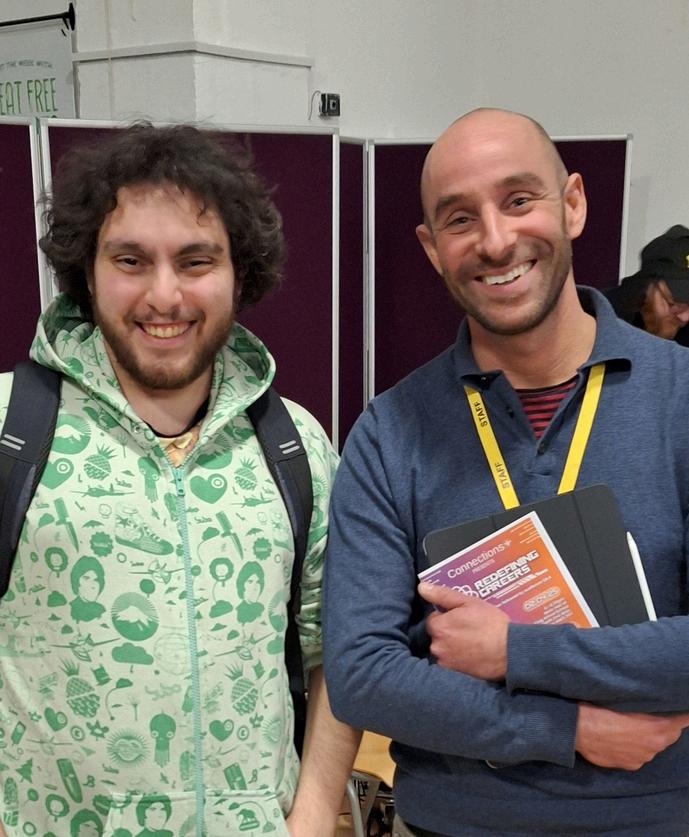
Our ‘KAS Connections’ series continues to bring our community together with a programme of events designed to spark real conversations about the world of work.
Recent events – including evening forums and Sixth Form career talks – have seen Old Alfredians, parents and industry experts share their insights on the themes shaping the future: from the accelerating impact of AI and the rising importance of sustainability across every sector to the many pathways that lead to pursuing your passion
These events offer valuable opportunities for students and OAs to explore evolving career landscapes, hear a range of personal experiences, and connect with the wider KAS community (which you can also do online, via the kasconnected.org portal).
Further details of our latest events can be found on the following pages. A huge thank you to all our fantastic panellists, students, staff, parents and Old Alfredians, whose energy and enthusiasm made each event such a success.
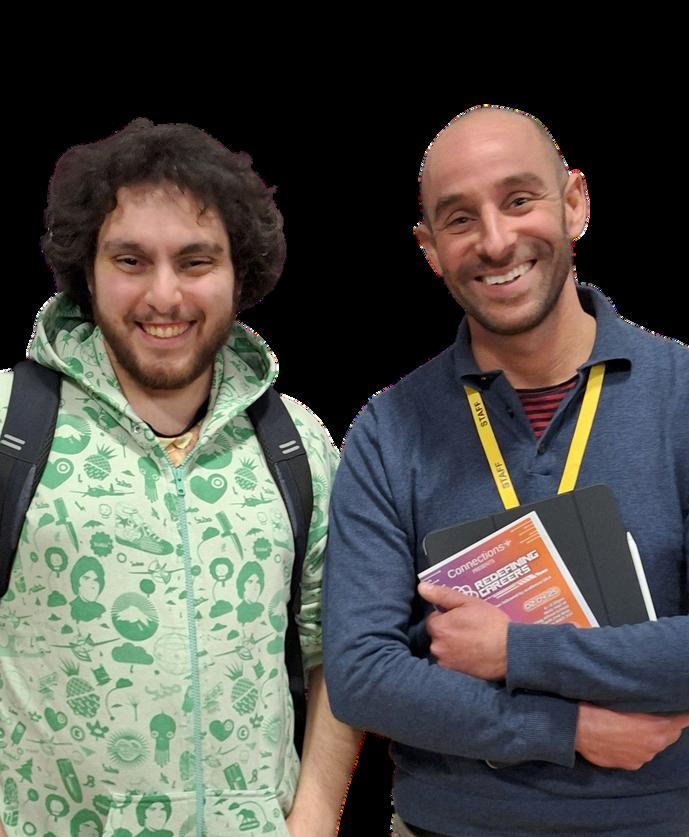
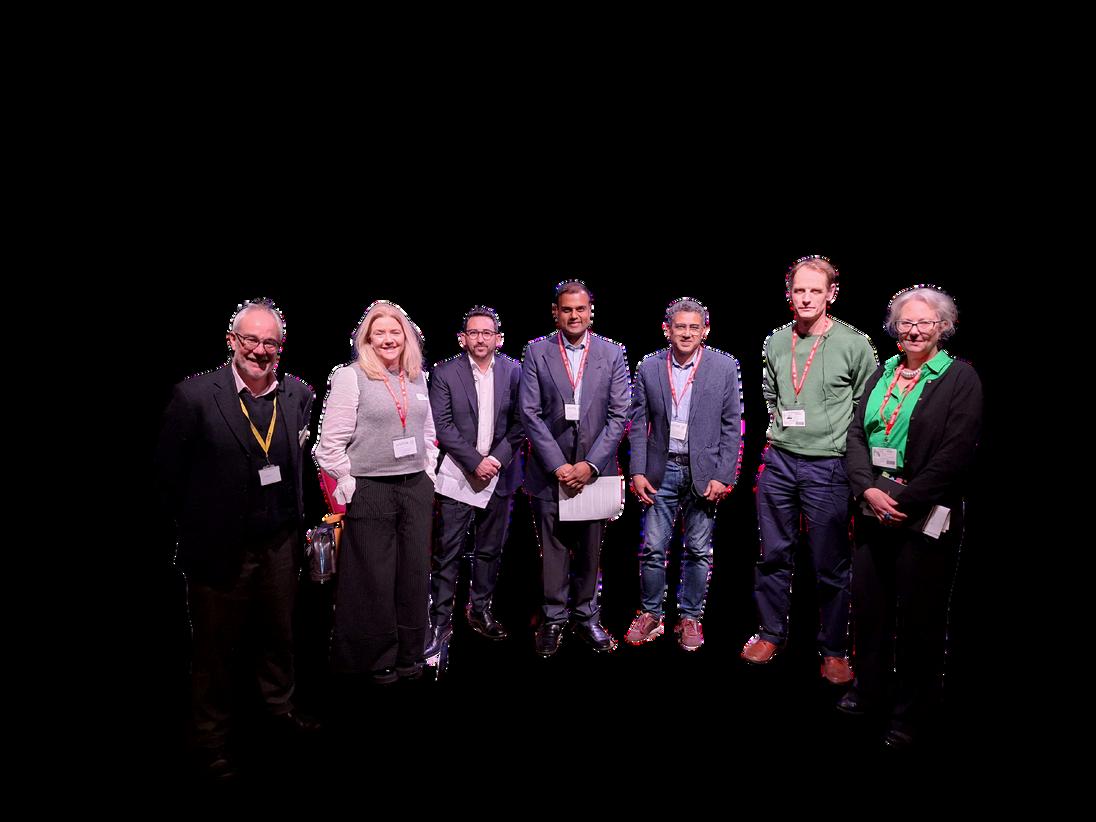
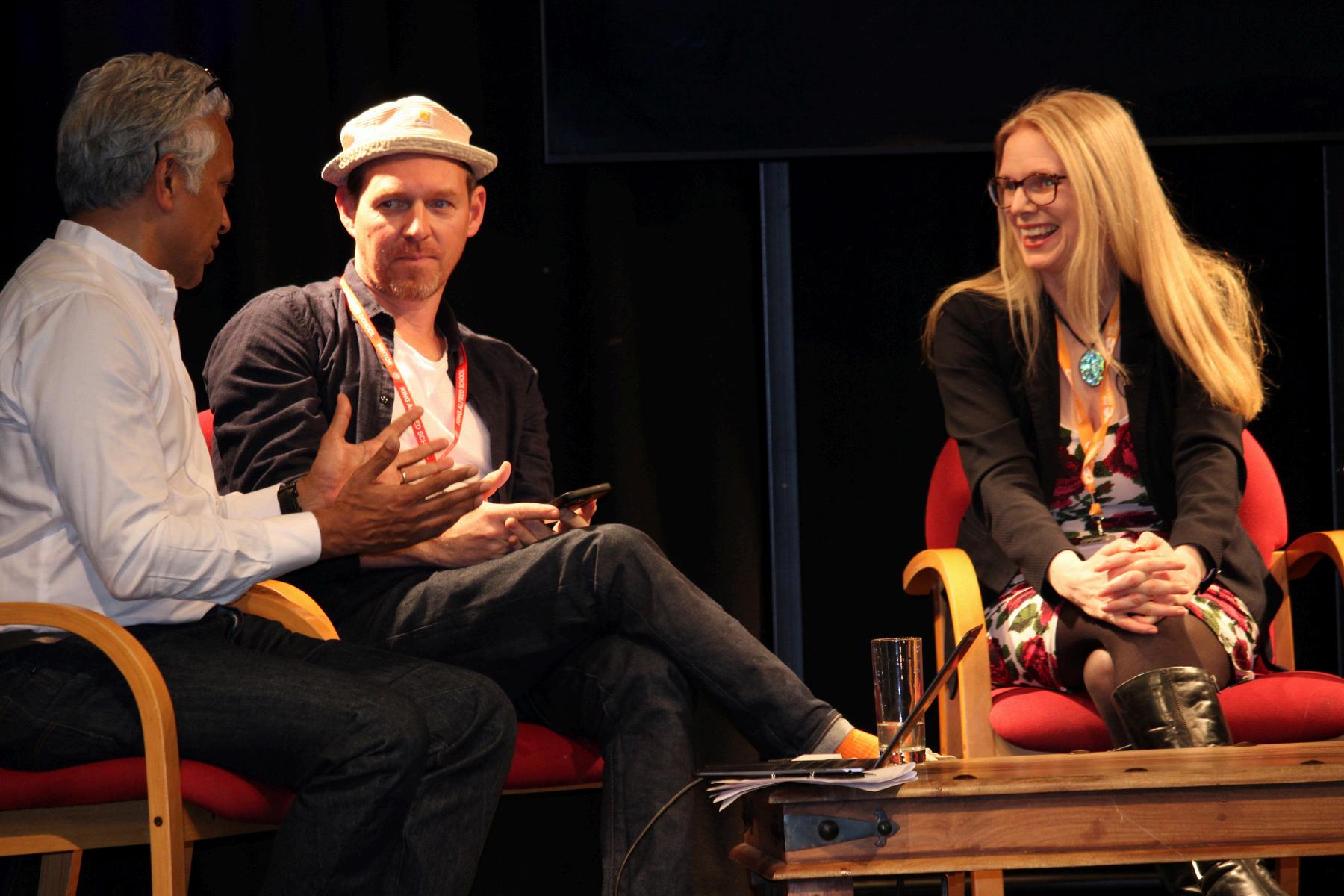
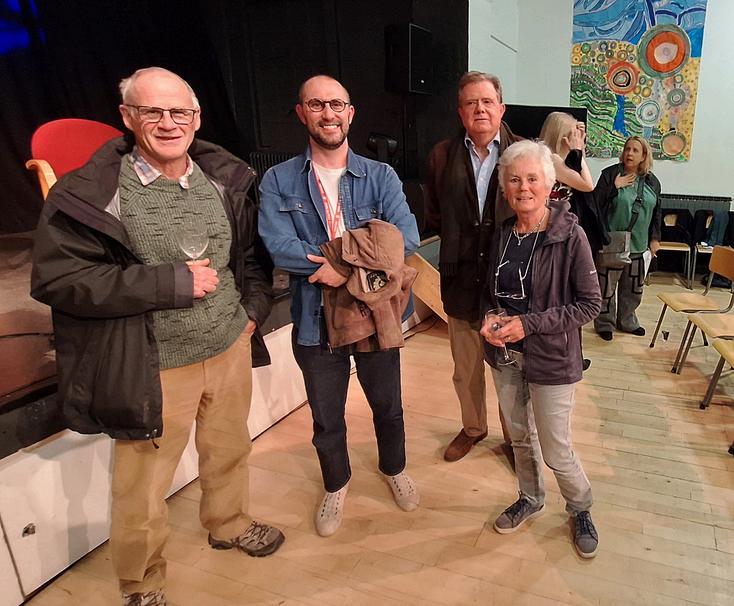
In April 2025, our Connections Series explored the future of work with a discussion forum titled AI: Redefining Careers.
A panel of industry experts, which included OAs and KAS parents, unpacked how AI is reshaping jobs across many sectors, opening up new opportunities and, in an age of automation, shifting what it means to build a career.
From ethics to emerging skill sets, we covered a lot of ground. Our audience jumped in with thoughtful, challenging questions that sparked real debate, reminding us that curiosity and adaptability are going to matter more than ever.
Each panellist brought specialist insights:
Gus Waller (OA 2008)
Gus gave a peek into current AI applications, including the AIgenerated customer archetypes that business owners can product test against. He highlighted that you can ‘fail’ ten-times faster with AI, positioning it as a tool for achieving more.
Phil shared how AI is impacting – and will continue to impact – the creative industries. He provided hope to young people wanting a creative career, arguing that AI will help them step into more senior-level roles as it begins to replace more entry-level skills.
Outlining AI’s impact on the education sector, Ali provided hope that teachers will enter an era where they can become more specialised and provide deeper knowledge to students with the help of AI.
Former Google Exec
Lalitha gave the hiring/retention perspective, which is so important for young people (and their parents) to understand as they begin their careers. She outlined the soft skills needed to go far in any post-KAS path, including empathy, adaptability and curiosity, and focused the conversation on AI as a tool for making tasks easier, so there is more time to focus on these soft skills.
As well as sharing insights as a tech investor, Gautham was the evening’s facilitator. He planned all the questions and managed the flow of the conversation.

By Sixth Form student Gabriel R
My name is Gabriel. I’ve been at KAS since Reception. I am a member of our student committee, School Six, and am also studying A level Computer Science –
a subject I’m passionate about
I may not be an expert on AI, but after 13+ years here, I am an expert on KAS. So, I would like to write on behalf of the Computer Science students about our experience with AI in education.
KAS’s treatment of AI has evolved over time. At first, like everyone else, KAS was uncertain on how to police AI use, with students quickly embracing AI for their work.
However, KAS has now embraced AI in various aspects of school life. Since the beginning of the school year, there have been several assemblies and form sessions on how to use AI responsibly, such as Year 7's recent talk from Miles Berry, Professor of Computing Education at Roehampton University In my classes, I often see students using AI tools to improve their learning by recording lesson transcripts or making flashcards.
Things are a little different in the Computer Science class We naturally study AI extensively during the course, and we try to embrace it. AI is incredibly skilled at writing programs in any known language, while being faithful to the description it was given When we’ve been stuck writing a program or needed to summarise notes, AI has been quick and effective. It has proven itself to be a useful tool for computer science students.
And that’s why it scares me. Every time an AI flawlessly rewrites programs that I’ve spent hours making in seconds, removing every human flaw and imperfection, it is infuriating. Living and working knowing that AI can do what I do in a tiny fraction of the time hurts.
AI scares me because I know when I leave school and have to enter the workplace, I’ll have to compete with its flawless performance, and I don’t think I can outwrite it.
A major reason I don’t use AI as often as others might is that every time I do so, I feel like I'm replacing myself with AI.
But running away from AI will only leave us further and further behind.
The future isn’t a world where humans magically learn how to outwrite AI; it's a world where humans can wield their creativity and the sheer power of AI to create beautiful things. I believe the future is where humans and AI can collaborate on work, becoming more efficient and effective.
I believe KAS also understands this, as the school has already begun to teach students how to wield AI as a tool, so we will be ready for the future.
Whilst I am still nervous about AI, the Computer Science department and I are ready to embrace it.
Taking place in the newly-renovated Phoenix Theatre, Careers in Sustainability: Working for the World You Want explored how sustainability is shaping the future of work across industries from design and consulting to energy, finance and comms.
Panellists included Carol Essex (OA 1988), Preeyus Patel (OA 2009), Roei Haberman, Vibhav Nuwal, Josh McCosh and Sally Watson
KAS students exhibited at the start of the event, with Years 7 through 13 showcasing their work on sustainability, providing an opportunity for panellists and students to engage in a meaningful way. Our panel of experts then shared insights from their diverse career journeys on how to embed sustainability in all facets of professional life.
From cutting carbon emissions and advancing renewable energy to building greener cities and transforming business practices, each speaker underscored the
With offices in London, Dubai and LA, we are grateful that Rory Hackett (OA 2006) – founder of Liv Technology and an expert in smart technology – was able to come into school to share key insights from setting up his businesses with our Sixth Formers.
Some key takeaways from his talk were: Relationships are everything – people buy from people
Stay curious – be the person who asks, ‘how does that work?’
Just start – action beats a perfect plan every time
Your KAS network is vital – use it!
importance of creativity and collaboration in driving change.
If you couldn’t attend the forums, please visit the ‘Resources’ tab at kasconnected.org (or scan the QR code) to view recordings.

In that vein, Old Alfredian Ryan Saban (OA 2006) has recently joined Liv Technology as a business partner. Thank you for sharing your valuable insights with students, Rory!
Our Sixth Form students had the pleasure of hearing from Polly Dartford (OA 2015). Polly shared an inspiring and honest look at her journey since leaving KAS, weaving together the experiences and challenges that shaped her path to becoming a Policy Advisor.
With warmth and humour, Polly encouraged students to stay curious and trust the process of discovering what motivates them. She spoke about the lifelong confidence she gained at KAS, crediting the school’s creative freedom and “have-a-go” spirit for giving her the courage to pursue her passions She also encouraged students to consider a role in civil service and outlined the many pathways towards these roles.
After the talk, Polly reminisced on her time in KAS theatre with her drama teacher,
Sixth Formers also heard from Amadeo Alentorn, Head of Systematic Equities at Jupiter Asset Management.
With a background in robotics, computer science and finance, he encouraged our students to combine creative and critical thinking with technical skills to open doors to careers that didn’t exist a decade ago, from designing robots to building AIpowered investment models
Amadeo advised students that passions can become your profession as long as you keep learning and stay curious –encouraging them to “think of your studies as an investment”.
As an expert in investing, he also made a thought-provoking suggestion: “Rather
Lucy Hall. They remembered a Sweeney Todd performance, and Lucy raved about Polly’s sweet singing voice.
Thank you, Polly, for giving your time and sharing your story. It was a joy to welcome you back!
than buying a pair of trainers, think about investing in the company that makes them.”
Thank you, Amadeo, for inspiring our students to stay creative and work hard.
This school year, we celebrate a remarkable milestone: Claire Murphy’s 30th anniversary as a teacher at KAS.
Currently Head of Year 8, Claire has made an incredible impact on generations of students, and her dedication, warmth and wisdom have become a cherished part of school life.
Please do join us in celebrating this wonderful achievement by sending a message to Claire at oa@kingalfred.org.uk.
KASBucks before (left) –and after (below)
We’re excited to unveil the new-andimproved KASBucks!
Our much-loved coffee spot has upgraded from its former food-truck-style kiosk to a modern, purpose-built unit just near the field.
Every morning, Ruth from the KAS kitchen welcomes everyone from behind the KASBucks counter, serving coffee and pastries to students, staff and parents – a true community hub.
And, with a bigger menu now on offer, Sixth Formers have a brand-new lunch option on site.
Here’s to the spaces that bring us together and to the small rituals that make KAS feel like home.
Do you remember your morning croissant at KASBucks?
One of KAS’s founding principles is ‘to have a positive impact on the world’.
This commitment shapes much of what we do as a school, including Old Alfredians’ contributions to our partnership work. By returning as industry experts to speak in our Connections Series Forums, Old Alfredians play a vital role in widening access and inspiring young people.
These sessions bring together KAS students and pupils from neighbouring state schools to hear from those who are shaping their industries, and OAs are consistently among the most insightful and generous contributors.
Their involvement is a powerful example of how our community helps carry the KAS ethos far beyond our own gates.
Head Robert recently shared a message on this subject with the KAS community, and we’re pleased to publish an excerpt below:
“One of the school’s founding principles is to have a positive impact on the world. This takes many forms, not least when our students go beyond our gates and bring about change in their many different and diverse communities.
“It is also seen in the work we carry out with other institutions. This was baked-in back in 1898 under the notion of being a ‘demonstration’ school, and we continue to keep that tradition alive today.
“In recent years, the pace of this activity has increased; so much so that we have produced our first Partnerships at KAS report (which you can view by visiting kingalfred.org.uk/aboutus/partnerships)
A page from the new report
This captures the many initiatives we have undertaken with other schools and educationalists, forward-thinking organisations and charities, and details how KAS is influencing educational innovation and change in the wider system.
The nature of this partnership work varies from leading networks to collaboration with local state schools, and from hosting visitors from across the world to sharing our facilities, such as The Phoenix Theatre.
You can also read more in this blog by Liz Robinson, who leads our work in this area: https://shorturl.at/FkP4T.
Each of these projects has a tangible impact on everyone involved Importantly, they keep us outward-looking and support our own journey to be the best school that we can. I hope you find it interesting, and please be in touch if you have any questions or queries ”
KAS was fortunate to host the Royal Geographical Society’s 2025 Children’s Lecture last term.
Adventurer, author and artist Teddy Keen took children in Years 3 to 6 and their parents on a journey around the world, retracing the mysterious footsteps of ‘The Unknown Adventurer’ through his book series of the same name, which inspires children into the outdoors.
Teddy presents his stories like an artist’s journal, with handwritten entries, smudged notes and beautiful illustrations of the epic journeys. His lecture paired this with objects found on his expeditions, bringing the story to life and sparking a sense of adventure in students.
Do you remember special guests coming to KAS? What did you learn from those stories? Share your memories at oa@kingalfred.org.uk.
Our beloved King Alfred Phoenix Theatre reopened last summer following extensive refurbishment works
This year’s Upper School show, Guys and Dolls, was the perfect opportunity to showcase the new facilities and to thank the many in our community who helped make this investment possible, through their gifts to the school and this project in particular.
Thank you to all those who supported the Phoenix Theatre We hope our guests enjoyed the performances of our talented students in this enhanced professional space.
The venue hosts a variety of events throughout the year, including school music concerts and theatre productions. To find out about upcoming events, email us at oa@kingalfred.org.uk.
Development Director Tamlyn writes...
After 11 years at KAS, there are many areas in which Robert’s leadership has had a significant impact: the investment in a state-of-the-art Sixth Form centre; the innovative middle school curriculum of exploration and discovery; and a partnership programme which has raised the profile of The King Alfred School well beyond our school gates, nationally and internationally.
For Old Alfredians, Robert’s legacy is an appreciation for the importance of our OA community across the school. Investing in a dedicated Old Alfredian and Development office in early 2019 strengthened our sense of connection with the generations who came before us and reinforced the values that distinguish a King Alfred education. It also gave Old Alfredians meaningful ways to give back whether through offering careers advice in our Connections series and forums, sharing memories of school days and lessons learnt in our Alfredian Voices podcast and KAS 125 book, or supporting the school with a gift.
Robert’s commitment to our Old Alfredians has been unwavering He has supported every event, often in the evenings and on weekends, championed OAs and their achievements to the wider school community, and always listened to the advice so often given by our OAs on everything from the field to educational ethos, from student voice to community engagement.
His thoughtful, wise counsel has helped strengthen our community, and I have no doubt OAs will join me in thanking Robert for the vision to invest in a dedicated OA and Development Office seven years ago, and in wishing him every success and happiness in the years ahead
Robert has been a pivotal, inspiring figure in the KAS community. We could not have been luckier to have had him as our Head. Arthur Awenat (OA 2025)
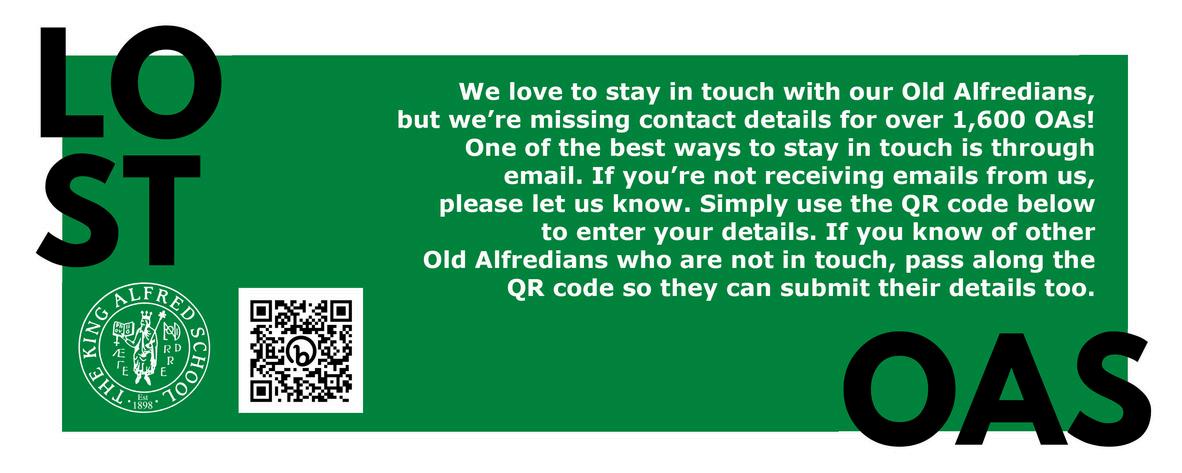
Our ‘Your Legacy’ initiative continues to be a meaningful way for Old Alfredians to support the values of The King Alfred School.
Legacy giving is a thoughtful and widely embraced way to support a school whose values you care about, and many in the KAS community have meaningfully chosen to support us in this way.
The booklet outlines KAS’s history of giving since its founding in 1898, and the ways in which Old Alfredians can give back to the school today. It was recently mailed to all OAs for whom we hold contact details.
As is the KAS way, the booklet’s production was a community effort, with contributions from two of our talented Art teachers. Nic Bevers provided beautiful hand-sketched illustrations of some much-loved areas of the school site, including Squirrel Hall, The Forge and The Amphitheatre, whilst Anna Harrison helped with the design.
The entire KAS community is invited to get involved in this valuable initiative For more information and to read the booklet, visit kingalfred.org.uk/your-legacy or
scan the QR code. You can also contact the Development Office on 0208 457 5265 or development@kingalfred.org.uk.

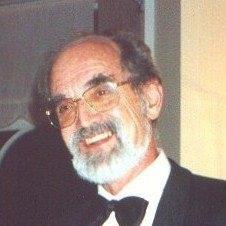
Martin Gregory (OA 1956) attended The King Alfred School in the 1940s He was part of a generation shaped by the school’s progressive spirit in the years following the war.
He went on to become a distinguished Veterinary Epidemiologist, and his work took him to countries including Yemen, Nepal, Senegal, Pakistan, Armenia and Albania, often in collaboration with UN agencies.
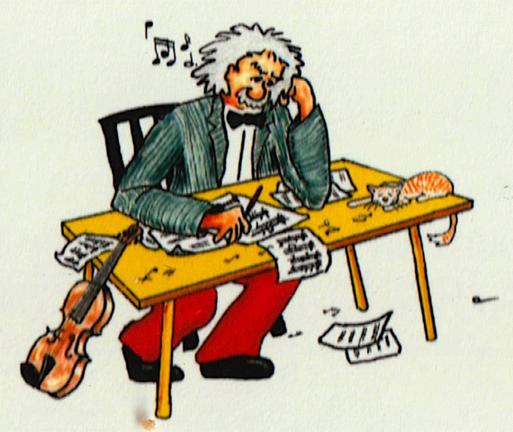
Creativity also ran through Martin’s family life. His son, Thomas, is a professional musician who has written books to support children learning the violin, charmingly illustrated by Martin.
Martin also had a historic connection to KAS: his grandfather, Joseph Wicksteed, served as Headmaster in the 1920s and designed and built the original Squirrel Hall.
We extend our sincere condolences to Martin’s family, friends and fellow Old Alfredians.
Nettie Pollard (OA1969), 1949-2025
We were saddened to learn of the death of Old Alfredian Nettie Pollard (OA 1969), who died on Christmas Day, aged 76.
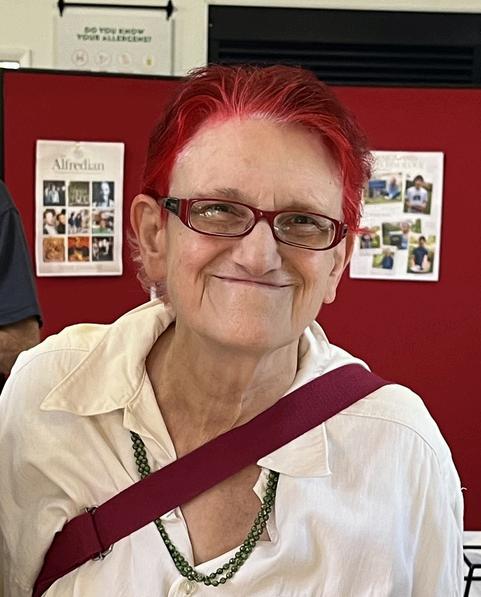
Nettie was part of the generation that shaped modern LGBTQ+ rights in Britain A pioneer activist in the early years of the Gay Liberation Front (1970–74), she later became the driving force behind the Lesbian and Gay Committee of the National Council for Civil Liberties (now Liberty) between 1974 and 1979.
In those formative years, she helped to document and challenge discrimination in employment, policing and censorship, contributing to work that would have lasting national impact
The daughter of committed political campaigners, Nettie followed her father to KAS. The school’s progressive ethos suited her
independent cast of mind and lifelong commitment to principled debate. As her dear friend Peter Scott-Presland reflected, her attitudes were “profoundly libertarian and against censorship, liberal in the classic sense of John Stuart Mill and Harriet Taylor.”
She became involved in the Gay Liberation Front in 1971, an experience she described as feeling “like coming home.” Among her many contributions, she was involved in organising the first Gay Pride March in 1972 an event that has since become a cornerstone of LGBTQ+ visibility in the UK and around the world.
Colleagues recall that when she joined NCCL, she began with little more than a “tiny folder” of material relating to gay rights. Through determination and
Shelley’s husband, Neil Frazer, writes
Shelley Frazer was the mother of five children who attended KAS between 1981 and 2016. She was a passionate advocate for the school and its values She died unexpectedly in her sleep on 18 November 2025, aged 73.
She had been brought up in East Africa, where her father was a university academic and her mother was a glamorous broadcaster and jazz singer. Shelley was sent home to England on a scholarship to the Royal Ballet School and then moved on to Elmhurst Ballet and Stage School. She was witty, clever and a wonderful performer.
In those days, dyslexia and related conditions were not recognised, so her schooling was difficult and sometimes it seemed to be frankly destructive. When we looked for a school for our first daughter, Polly, visiting The King Alfred School was a
intellectual rigour, she helped transform it into a serious programme of research and advocacy, including some of the first detailed reports into discrimination affecting lesbian and gay people
In later years, Nettie campaigned tirelessly for LGBTQ+ migrants and asylum seekers, personally organising support for individuals whose cases others had written off. Her activism was always rooted in personal loyalty and moral conviction. In Peter’s words, “In losing Nettie we lose someone whose steely resolution and highmindedness was allied to a heart as big as a barrel ”
We extend our condolences to her family, friends and all who worked alongside her in the causes to which she devoted her life.
Shelley Frazer (front right) with her family at KAS
revelation. Even the words that were used seemed to be centred on people and the idea of school being a community where caring for each other was essential. Forms were “Lindy’s Class” or “Chris Potter’s Class” - where a surname was only used because there were two teachers named Chris. Classes were arranged as Family
Groups There were no such things as streams. Parents were encouraged to come into the youngest children’s classes and help with the diplomacy of the very smallest children adapting to strangers. Mums – and sometimes we dads, too –would mingle in the Lower School playgrounds at pick-up times.
Our generation of children used to run out of our school as soon as the bell went, but at KAS, it often seemed the pupils were intent on staying to carry on the games that they’d started earlier. Boys played games that you might have expected girls to play, and girls happily played boys’ games too A six-year-old was welcomed into a group playing football if he or she wanted to. A child could come to school wearing a Spider-Man outfit or could have created his own Ascot-worthy hat. If a child was by nature less outgoing, that was their right too
There was very little hierarchy, where the showy and successful were granted special standing. In school concerts, a child stumbling through their Grade 1 trumpet piece would be given raucous applause no less heartfelt than a Fifth Former who could do an impeccable delivery of guitar playing.
Polly, Thomas, Joseph, Rachel and Grace all started school at Reception and left after completing a variety of A levels in a range of subjects. They all proceeded to university, acquiring degrees and Masters, and moved onto a variety of careers.
Shelley was closely involved in school life from 1981 to 2016. For most of those years, we had four children at the school, but she was bringing and collecting, going to Parent Staff Meetings, attending Half Term Reports, enjoying school plays, Axemonsters and concerts throughout all those 35 years. Over that time, Shelley got to know a number of children. It’s a measure of the way KAS impressed on
everyone a sense of community, and not just a reflection of her own character, that so many children, now grown up, took time to write with distinctive, humorous memories of her generosity and sense of fun.
Her memorial service was attended by a number of staff most of whom, mystifyingly, did not seem to have aged in 30 years. She would have loved to greet them KAS allows parents more access to staff than most schools. Those boundaries, interrupted as they are at KAS, can impose complex stresses on teachers, and it was good to see them well and thank them for their help to us as parents and to our children.
The service went well. As it finished, we heard a recording of Shelley singing a song, aged 7, her adorable child’s voice hitting all the right notes It would have gone even better if she’d been there.
Prof. Harry John Gilbert (OA 1971), FRS FMedSci, 1953-2025
Harry’s sister, Helen Ward (née Gilbert, OA 1969), writes...
Harry attended The King Alfred School from 1957 to 1971. His mother, (Irene) Ruth Gilbert (née Laymore), attended during WWII, when it was evacuated to a farm at Royston, Hertfordshire. Her devotion to King Alfred remained with her throughout her life. The same is true of Harry.
Harry was a true Old Alfredian and embodied the ethos of the school. He was a humble, generous, multi-talented and kind person who focused mostly on supporting others, rather than promoting himself Harry was an honest person of great integrity. He possessed not an ounce of malice or arrogance. It is unusual never to hear a bad word about those who reach the very top of their field. Harry was such a person.
Harry started his school career in the nursery under Robey and then Esther’s care. He left school at 18 years of age having taken his A levels.
Harry was greatly liked from the very start of his school days by the teachers and his fellow pupils, with some of whom he remained in touch through reunions and lifelong friendship. He was always willing to help others and play his part in whatever was going on
He was sporty; he captained the KAS football team, and played cricket, hockey and tennis at school. He is described by a close, lifelong friend and fellow Old Alfredian, Paul Diggory (OA 1973), as the most disorganised of sportspeople: “His kit never seemed to fit, his shirt was always untucked, his socks were round his ankles and his boot laces undone”. Paul concedes, however, that none of this held Harry back. His various talents and skills meant his dishevelled appearance never stood in the way of his success.
He was also a keen and good chess player, a game in which his brilliant gamesmanship enabled him to triumph. In later life, he became an enthusiastic golfer.
Harry was a good all-rounder at school He played the piano until Tottenham Hotspur and the England Cricket team attracted his attention, as they did for all his life. He enjoyed time spent in the Art room. He read and helped with theatrical productions, but mainly behind rather than on stage.
Harry was happy, fulfilled and inspired by his school life. His school friends contributed their thoughts about him to a tribute created following his death They contain the same theme Harry was a gentle, kind, humorous and modest person. He was also unique, as his academic career in science reveals.
Harry left school and went to Southampton University to read Biochemistry. He graduated in 1975. Paul Diggory followed on behind him to Southampton to read medicine, by which time Harry had commenced his PhD, which he obtained in 1978. Harry took up a lectureship at Newcastle University in 1985 and was soon promoted to Professor of Agricultural Biochemistry and Nutrition in the Institute for Cell and Molecular Biosciences
In 2008, Harry was appointed an Eminent Scholar in Bioenergy at the University of Georgia, USA where he spent two years.
In 2016 Harry was elected a Fellow of The Royal Society and also a Fellow of the Academy of Medical Sciences. Only around 8,000 people have ever been elected in the 300 years since the Society was founded. Harry achieved these highest awards with humility and grace. Harry is a unique Old Alfredian because he is the only Old Alfredian to be a FRS and FAMS.
Harry is described by the academic scientific community as loving science and being endlessly curious about the work of others. He was an exceptional teacher and believed passionately that every academic should contribute to teaching, not just to research. Harry is said to have had a gift for making the tough subject of biochemistry engaging for students and even fun. He went out of his way to encourage his students, and his lectures were highly rated.
Beyond teaching, Harry built a large and hugely successful multinational and diverse research group at Newcastle. He was known to work incredibly hard and set high standards. He trained more than 30 PhD students, many of whom went on to build successful careers and were supported by Harry for years thereafter, a part of his legacy of which he was proud.
Harry was one of the world’s leading experts on how bacteria break down complex carbohydrates – the tough plant sugars that make up much of our diet. The result had huge implications for human health, for understanding the carbon cycle in nature and for future renewable energy
Many of Harry’s research team and former students spoke of his modesty and his lifechanging influence on their lives and described his kindness and interest in their research. One of his students said, “I will be forever grateful to Harry! A random encounter at my first conference when I was a slightly lost and shy first-year PhD student shaped my whole life and my career. I am
sure I am not the only one whose life Harry has changed and shaped, probably without even realising. He was a lovely man, an inspirational scientist, a mentor.”
Harry’s great friend and colleague, Martin Embley, Professor of Molecular Biology at Newcastle and FRS said of Harry: “He was a humble but brilliant scientist, a wonderful teacher, a generous mentor, a devoted family man and a loyal friend.”
Harry was married to Rosie, his much-loved wife, for nearly 50 years. They had three children, Tom, Ellie and Jack, whom he loved with all his heart. He was so proud of who they are and all they have achieved, including introducing to the family their spouses, to whom Harry was devoted and his and Rosie’s seven heavenly grandchildren.
Harry was a great Old Alfredian, through and through
Gilda Baracchi (OA 1954), 1937-2024
We were saddened to hear of the passing of Gilda Baracchi (OA 1954), the Australian film and TV producer and script supervisor.
Gilda was born in 1937. As per her entry on the AustLit website, she was the daughter of a playwright, Betty Roland, and a Marxist intellectual and co-founder of the Australian Communist Party, Guido Baracchi
From 1948 to 1950, she lived with her mother in the Montsalvat artists' colony in Eltham, Victoria, and in 1952, the two moved to London, where her mother wrote for television and women's magazines.
Gilda remained in London until she was 20, when she returned to Australia. She began work in the Australian film and television industry in the 1960s: after three years in a film studio in Paddington, she trained in continuity. Until the late 1970s, she worked in continuity on a range of television series. In 1976, after some years in the profession, she undertook further professional training.
In 1977, Baracchi was one of a group of women from the film and television industry selected for the first Women's Training Course at the Film and TV School. Baracchi followed this with a course at the American Film Institute, which she completed in 1979.
Although Baracchi's first film as producer is usually listed as Manganinnie, she first made Strange Fruit, a 35-minute film based on the novel of the same name by Lillian Smith (and, to some extent, the Billie Holliday song). Baracchi was executive producer to Seth Pinsker as producer and director. The film, a civil rights story set in Georgia in the 1940s, was nominated for an Academy Award for short film and was made for the American Film Institute on a $3,000 budget.
Throughout the 1980s, Baracchi produced Australian films including historical dramas Manganinnie and Bush Christmas, comingof-age drama Niel Lynne, and marsupialwerewolf film The Howling III. Manganinnie gained Baracchi an Australian Film Institute award nomination for Best Film.
In the early 1980s, she acted as a consultant to trainees and producers on the Australian Film Commission's training schemes.
She later served as head of production at the Australian Film, Television and Radio School.
Christian John Andrew Small (OA 1959) sadly passed away peacefully on 9 November 2025, aged 84, after a long battle with Parkinson’s disease Chris spent over a decade at KAS before leaving in 1959.
Born in southern England and raised in north London, Chris later lived in Bristol, Edinburgh, and Portland, Maine. In the UK, he worked with the British Trust for Conservation Volunteers. A lifelong railway enthusiast, he dedicated many years to the Maine Narrow Gauge Railway as track repairman and Trustee.
He also cherished the arts and the English language, inspired by his grandfather, the British artist Percival Small – a passion he shared with his daughter, Sabrina.
Chris is survived by his wife Jean Fraser, his daughter Sabrina, and extended family in Edinburgh He will be remembered for his warmth, quiet dedication, and enthusiasm for the people he loved.
Balado, former staff
Former Lower School staff member Rita Balado sadly passed away on Boxing Day 2025 A full obituary will appear in the next issue of our newsletter, alongside your memories. To contribute, please email oa@kingalfred.org.uk.
We would be pleased to welcome you to any of our upcoming events. If you would like to attend, please get in touch using the contact details below.
FRI 24
APRIL
WEDS 29
APRIL
OA Football Tournament
Old Alfredian Dinner (1970s to 1990s)*
SAT 27 JUNE OA Reunion Day
KAStonbury and Farewell to Robert
SAT 19 SEPT

Tamlyn Worrall Development & Alumni Relations Director
Deborah Castillo OA & Development Officer
The King Alfred School, 149 North End Road, London NW11 7HY
0208 457 5186
thekingalfredschool.org.uk
oa@kingalfred.org.uk