


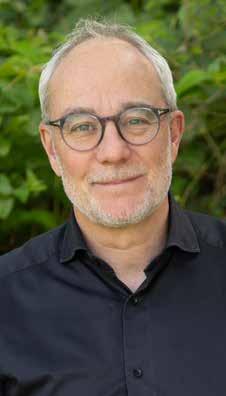
1989 was one of those pivotal years. The Berlin Wall fell, Margaret Thatcher stepped down as Prime Minister, and Tim Berners-Lee created the World Wide Web. It was also pivotal for me, as I decided to become a teacher.
I enrolled at the Institute of Education to train as a history teacher. Teaching practice was particularly memorable. One moment, describing the grim living conditions of the Industrial Revolution, I experienced the joy of sparkling eyes and genuine connection; the next, the deflation of boredom and disengagement. It was powerful, if at times painful.
The university element felt more abstract. We studied the new National Curriculum and theories of knowledge acquisition, but I longed for something more inspiring.
I found it in an elective seminar. The room was small and grey, though glimpses of Russell Square’s treetops were visible through the sealed windows. Only four of us attended, one seemingly by mistake. The lecturer, an energetic, grey-haired headteacher in DM boots and a tweed jacket, ran a six-week seminar on Progressive Education. Some weeks I was the only student, and we talked at length about what education could be. I remember thinking: This is what I want to be.
That desire had deep roots. I wanted to help make the world a better place and believed education was my route. Though there were fleeting glimpses of something richer, my schooling had been academically rigorous but emotionally and creatively stifling.
Fired up, I entered my first teaching post. There were highs and lows, but I felt at home. Gradually though, almost imperceptibly, I became absorbed into the system. Instead of nurturing curiosity, I focused on mock exams and pass rates. Instead of progressive ideals, I thought about lunch duty and how long until the holidays.
In 2000, aged 33, I became Deputy Head of a large comprehensive school in East London. It felt like another world: high levels of need, behavioural challenges, and a deeply ingrained anti-learning culture. Each day I recorded interactions: being ignored, walked away from, even sworn at. It was immensely challenging.
Yet I was fortunate to work with excellent colleagues at a moment of genuine creativity in education. These were the early New Labour years, with increased funding for disadvantaged communities and shared optimism about education’s transformative power. This was the era of ‘Education, Education, Education’.
This was also when we encountered Ken Robinson’s ideas about creativity and learning. For the first time since my IoE seminars, I reconnected with big educational thinking, and crucially, we put it into practice. Behaviour improved, culture shifted, outcomes rose. We introduced multidisciplinary projects linking science and the arts, supported by industry professionals and academics. Performing Arts flourished; Drama and Dance became signature subjects. By the time I left, pupils who once revelled in chaos were performing spoken-word poetry to spellbound audiences.
I carried this spirit into my next role as Head near Heathrow Airport. By the late 2000s, however, one sensed change. Ed Balls became Education Secretary in 2007, marking, for me, the point at which human judgment began to give way to data-driven decision-making. Statistics shifted from tools for understanding to instruments of reward and punishment. The 2010 election accelerated this dramatically, with Michael Gove and Nick Gibb, alongside Dominic Cummings and Michael Wilshaw, putting this on steroids.
GCSEs were reshaped to resemble old O levels: more content, less coursework, heavy reliance on final exams. Crude analysis of results determined a school’s worth. Context was ignored, and underperformance in disadvantaged areas was often simplisticaly blamed on ‘the poverty of low expectations’.
Ofsted became an inflexible accountability machine, its judgements over 99% correlated with raw exam outcomes. Academisation followed: poor results led to adverse inspections and the disappearance of long-serving community schools. Around me, institutions that had served their communities for decades vanished overnight.
While some reforms had merit, they were implemented with haste and a heavy hand, dismissing professional expertise built up over decades. For Headteachers, the imperative became survival, and survival incentivised the wrong behaviours:
• excluding vulnerable pupils
• avoiding high-need admissions
• cutting valuable courses that didn’t count in the accountability measures
• introducing dubious courses that did
• imposing top-down management
• placing pressure on staff and students that might produce ‘results’ in the short term, but which was unsustainable in the long-term.
I vividly recall sitting with colleagues over Year 11 spreadsheets. “We know these students are making outstanding progress, but we need those currently on a ‘D’ in Maths to reach a ‘C’. Otherwise, with Ofsted around the corner, we’re in trouble.”
So pupils were pulled from Music, Art and PE in the vain hope that extra Maths would serve the needs of the school. Funding was diverted from Performing Arts workshops. It all made statistical sense.
But that evening, over a large glass of red wine, I told my wife: “This is not why I came into teaching.” I felt like a functionary in a system over which I had no control. I knew I had to return to what had inspired me in the first place.
And that, as they say, is how I ended up at KAS.
Looking back over the last decade, I think of KAS as an aerial photograph of a river system, multiple streams feeding into the main flow.
The first stream is vision: what we stand for, why we exist, what we are trying to achieve. Articulating this drew on our founders, community, educational thinkers, staff, parents, pupils and Council members. A defining moment was the creation of the Deeper Learning Wheel, a shared model of what our pupils need to flourish.
The second stream is culture, with three tributaries. First, being human-centredwe see young people, staff and families as individuals, not data points. Second, we commit to giving everyone agency within sensible guardrails. And third, we are open and reflective - we understand that people and institutions do not get everything right all the time and need to listen, reflect and evolve.
The third stream is strategy, ensuring actions align with values. This includes bringing in visible initiatives such as
student conferences, Explorations and School Directed Courses, as well as ‘under the bonnet’ systems like behaviour, data use, professional development and budgeting.
The fourth stream is refinement: what data and feedback, qualitative and quantitative, tell us about quality, impact and improvement.
Together, these four streams converge into the river that is KAS today. Sometimes we hit the rapids, but for the most part it flows with power and purpose.
I witness this in the journey our children take as they become young adults; in students who arrive uncertain and rediscover confidence, agency and self belief; and in daily interactions marked by trust, creativity and deep learning. None of this happens alone. It rests on an extraordinary staff team, and a senior team that has been the most energising and fulfilling I have worked with.
I am also deeply grateful for our partnership with Council, particularly the three Chairs, Vaughan, Annabel and Sam, the Committee Chairs and members over the last 11 years. Special thanks to Nick, Sarah, Fiona, Philip and Kara, who have been alongside for the whole journey. Their work exemplifies the value of contribution within our Deeper Learning Wheel.
My thanks, too, to our parents and families. Founded by seven parents in 1898, KAS retains a distinctive identity. I remain convinced we have the most interesting parent body in North London, if not the country, if not the World!
Finally, my thanks to the pupils. Over 35 years in education, and 11 here, they have remained curious, energetic, insightful and joyful. They have kept my spirit young.
In this my final Alfredian contribution, my closing reflection is that I feel very fortunate to have been carried by the
winds of fate to our oasis off the North End Road.
They say it can be helpful to believe that all things happen for a reason - so maybe that explains why Gove became Education Minister in 2010?
KAS allowed me to reconnect with the ideals formed in that small seminar room decades ago: education as a holistic, transformative force. It has enabled me to help shape a place that values individuality, fosters community, encourages agency and dares to innovate.
The path is not always straightforward. Innovation invites scrutiny; relationship based work has limits; being a pioneer demands resilience. But has it been worth it? Absolutely. I saw how KAS brought out the best in pupils. Then I saw how it brought out the best in staff. And finally, I saw how it brought out the best in me.
For that, I am profoundly grateful.
KAS shows that education can be academically rigorous and deeply human, ambitious for every child and truly holistic. There does not have to be a choice. I am proud to have played my part and wish the school and its community every success in the future.
RECEPTION - Amy Thomson, Emma Neale, Kate Conneely, Sam Carrington, Nicola O’Reilly and Nicoleta Onufrei
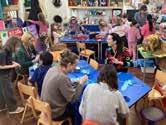
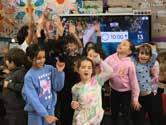
What a special year it has been in Reception. From those first early days to the confident learners our students are now. They have enjoyed growing through play, exploration and shared experiences. Children have been curious and imaginative, learning how to collaborate, listen and work together while developing new friendships that have supported them every step of the way.
Alongside this they have developed independence and resilience, learning how to self-regulate, show kindness and persevere when things feel tricky. They have been courageous when trying new things and taken pride in their achievements. Students will carry these memories, friendships and a love for learning with them as they continue their journey in the KAS community.
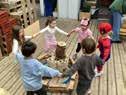
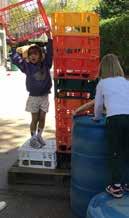
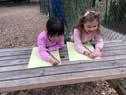
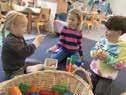
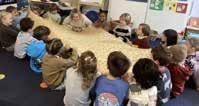
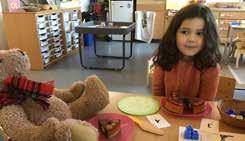
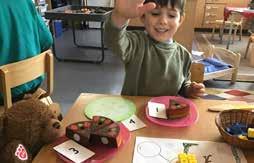
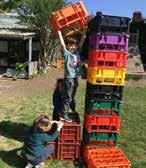
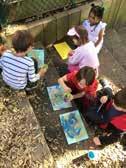
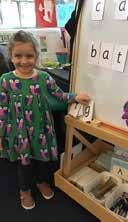
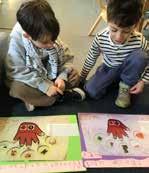
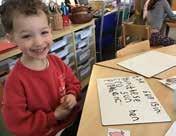
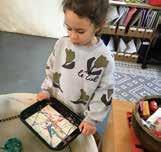
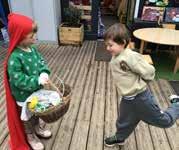
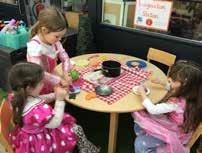
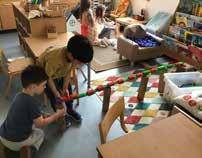
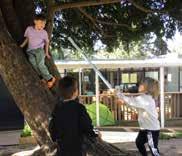
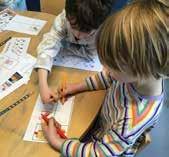
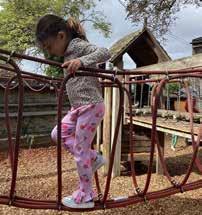
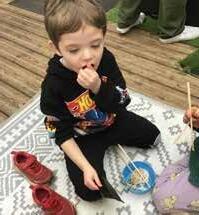
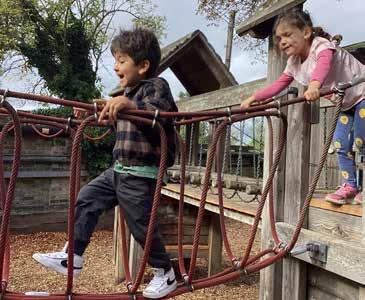
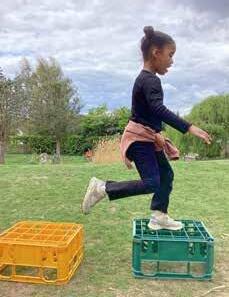
Through inquiry-based exploration, students have developed their sense of self and their precious place in their communities
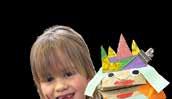
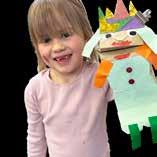
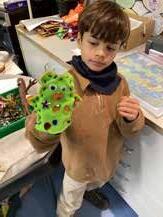
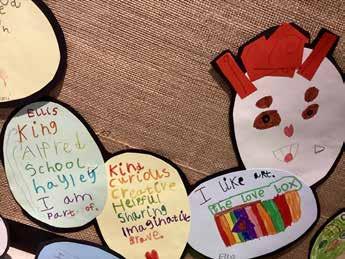
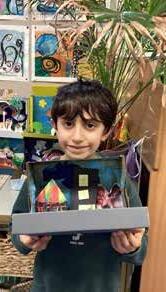
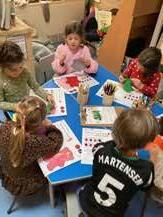
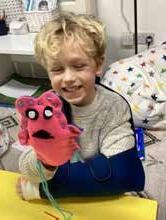
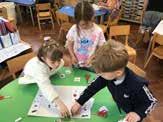
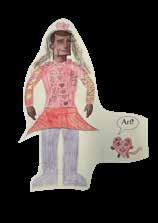
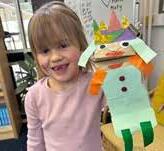
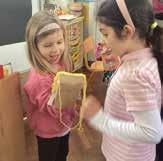
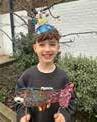
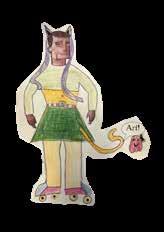
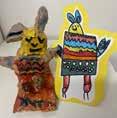
Students explored the idea of community and their place within it. They celebrated their uniqueness and all the wonderful things they bring to the world by creating colouring bookworms and identity boxes. They shared and received information about the communities they belong to. To build connections within their school community, the Year 1 children collaboratively designed and hand-made, terrific teddy bear puppets for one another.
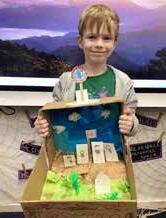
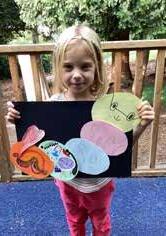
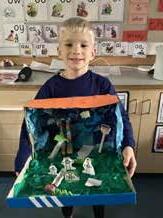
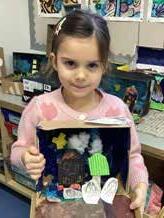
In the Spring Term, students were curious about other places and the idea that stories help us to understand people and their cultures. They explored fascinating stories from around the world and discovering a rich diversity of traditions and beliefs. They reenacted the Great Race through play, used the senses to create colourful settings and delved into atlases to pinpoint countries and continents around the world. The students have also focused on building resilience, stamina and confidence, helping them to feel proud of their work and excited to share their imaginative ideas through descriptive and inspiring story writing.
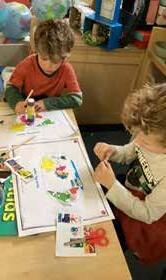
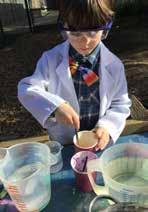
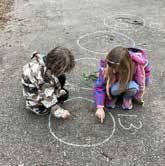
Through outdoor experiences across the curriculum, we’ve developed curiosity, careful observation, teamwork, and the ability to make meaningful connections in our learning with the use of natural resources, movement and exploration.
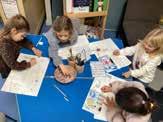
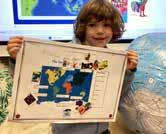
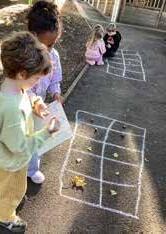
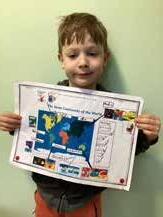
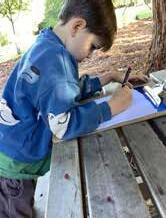
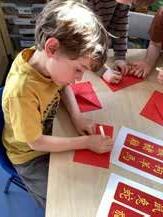
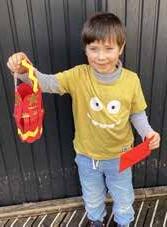
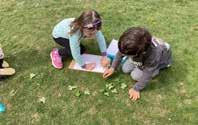
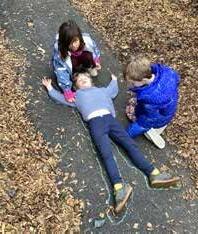
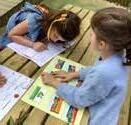
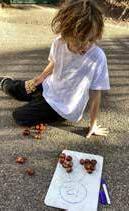
Our enquiries have led us to build community, contribute to performance and explore the magic of toys, old and new.
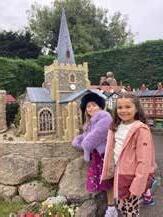
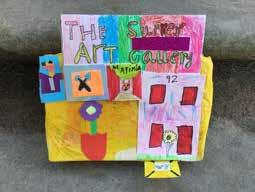
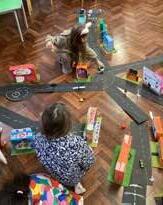
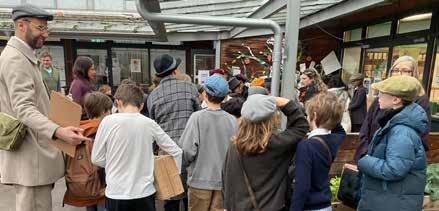
Students learnt about communities and how they meet the needs of people. Our enquiry began by learning about the special communities the children are a part of and completing a ‘community x-ray’ artwork. We visited Bekonscot Model Village, wrote amazing stories inspired by the idea of the villagers coming to life at night, created community box artworks, strengths chains and finished our enquiry with a demonstration day. The children applied for jobs and junk modelled everything they needed to welcome customers in their ‘2C and 2J towns.’
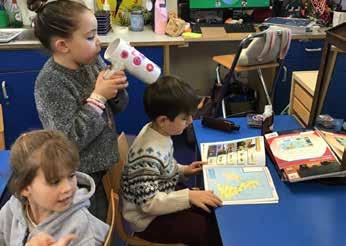
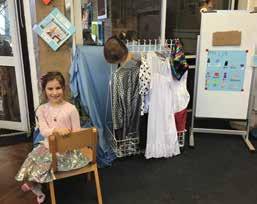
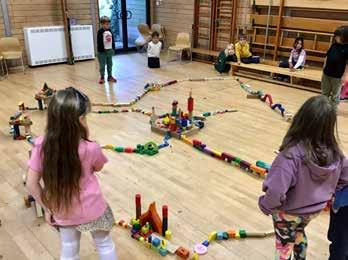
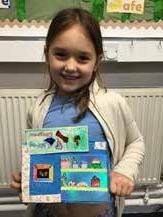
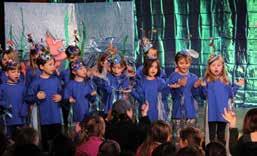
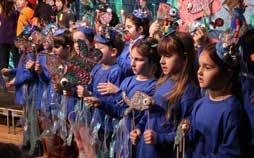
We learned all about how many different contributions help to bring theatre shows to life. Our enquiry began with a special viewing of The Storm Whale in our very own Phoenix Theatre. After exploring different aspects of theatre, including puppetry, the children identified the parts they wanted to work on, so their Finding Nemo show would be a success. Their singing, dancing, costumes and props made it spectacular.
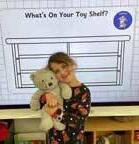
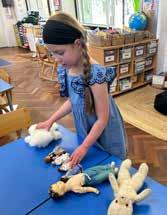
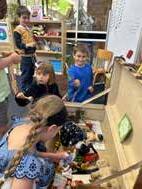
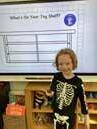
The children enjoyed learning about how play has changed and stayed the same over time. They shared their special toys and learnt about the kinds of toys their parents played with. This enquiry saw the children’s writing flourish, as they created stories inspired by the book Traction Man. A special part of our learning journey included looking at the teddy bear across time. We brought our own bears to life through a sewing project.
YEAR 3 - Nic Jansen, Hally Patel, Martin Pearce, Krissy Green
This year has been full of imagination, creativity and brilliant ideas
Children have put on exciting shows, designed their own inventions, and explored what it means to be creators and problem solvers. From rehearsing performances to building models and testing ideas, they learnt that great things happen through working together and thinking boldly.
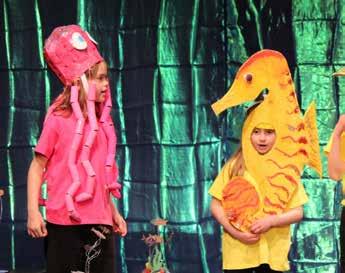
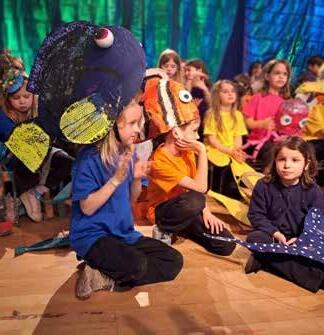
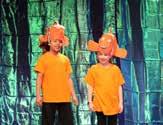
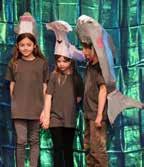
The unforgettable Finding Nemo production made a splash. From the moment rehearsals began, everyone jumped in with excitement, creativity and teamwork. Every child had a role to play: on stage, behind the scenes, or helping bring the underwater world to life. Together they created a show bursting with colour, energy, and personality. When the big day arrived, the children didn’t just perform, they stole the show.
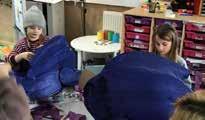
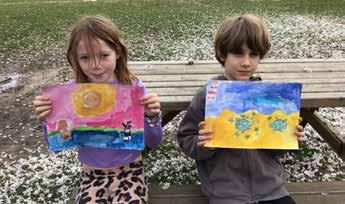
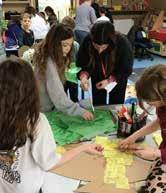
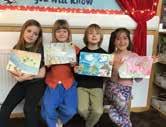
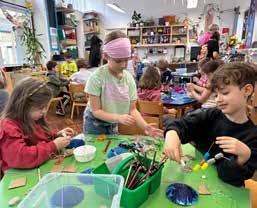
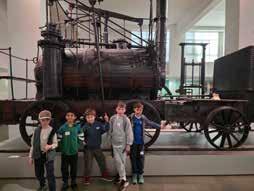
We launched our enquiry with an exciting trip to the Science Museum. The visit inspired thoughtful discussions, sparked imaginative ideas and set a strong foundation for our learning journey. The children reflected on how inventions can improve lives and came up with their own ideas to bring happiness or solve real-world problems. Inspired by the spirit of innovation seen in the Great Exhibition, they proudly presented their creations, showcasing their originality, creativity, and understanding in a style the Victorians would have loved.
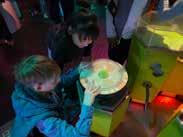
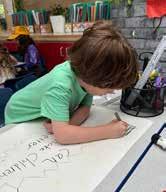
In Maths, students explored numbers with confidence and curiosity. They tackled times tables, solved tricky problems, and used practical resources to make learning fun. From fractions to shapes, every lesson helped them think logically, work together, and become stronger, more independent mathematicians.
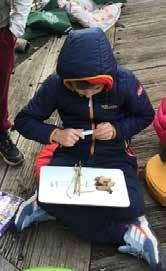
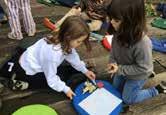
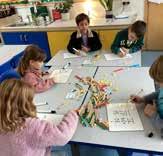
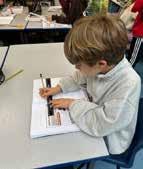
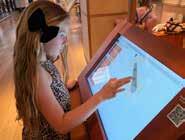
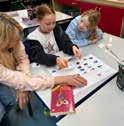
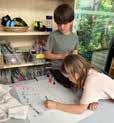
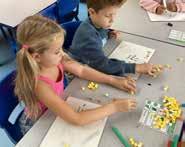
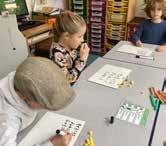
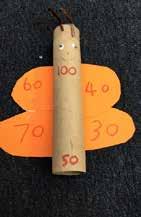
It’s been another exciting year full of visitors, trips, creation and innovation
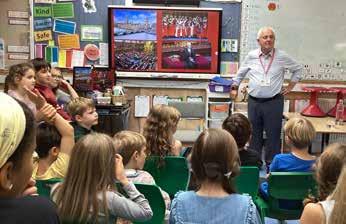
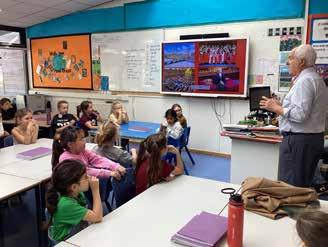
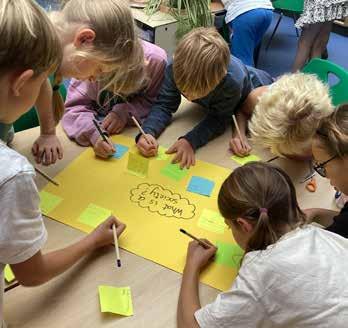
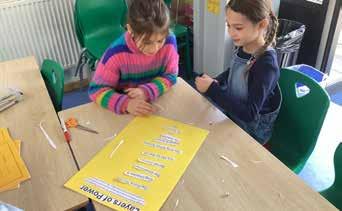
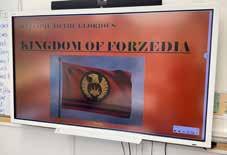
Students looked at structures of political power and how they are used in Britain. The children got to quiz a sitting member of the House of Lords as well as experiencing different styles of government in the classroom. They didn’t like being under a dictator and preferred democracy (despite it being “a bit slow”). They read the book The King Who Banned the Dark as a stimulus for thinking about how absolute power can be used and abused.
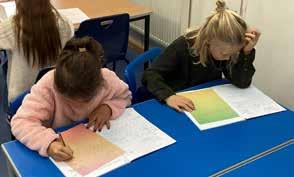
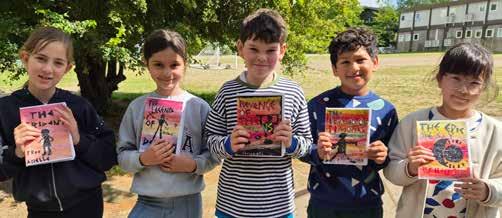
In the Spring Term, we looked at lots of different traditional tales from around the world. Half of the year group were given the chance to choose to write a picture book in a style that mimicked writing from certain cultures and parts of the world. The other half focused on Greek mythology and using their knowledge of ancient Greek culture to write a long-lost, recently unearthed, Greek myth. The children went through a careful process of storyboarding and planning then drafting and editing their writing before putting the whole thing together into real books!
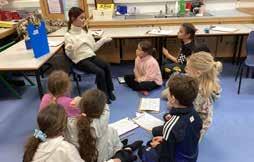
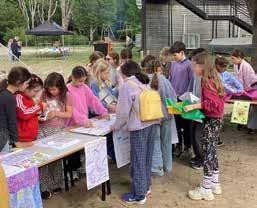
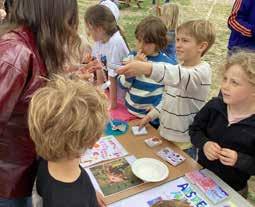
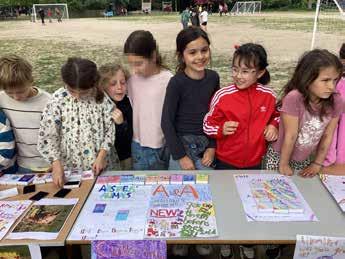
Inspired by the call from Karen to find different ways in which everyone could aid the relocation of the Farm, Year 4 were tasked with developing a product they could sell to support the effort.
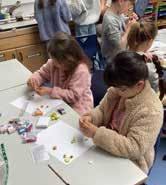
The children learned about market research and why it’s a useful tool to find out which designs would be popular. Supported by a trip to The Museum of Brands, they also learned about a variety of branding and persuasive marketing techniques they could use to sell their handmade ‘Collectable Thingamabobs’. The sale was a huge success and we raised nearly £200!
YEAR 5 - Rocco Panaggio, Natalie Petzal, Linsey Reilly, Carla Geoghegan and Harriet Dell
Learning
and friendship, laughter
and cheer - what a wonderful journey we’ve all had this year!
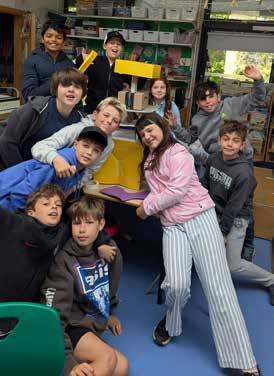
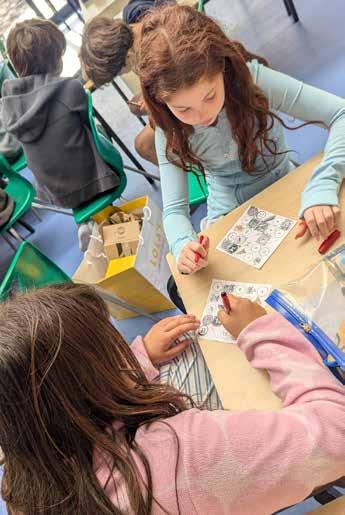
After a term exploring different aspects of Aztec civilisation - rituals, gods, farming and technology - Year 5 were challenged to create their own lesson to deliver to the rest of the year group at a special Aztec morning. The lessons were great fun, with excellent activities such as bingo, drama and trying Aztec foods.
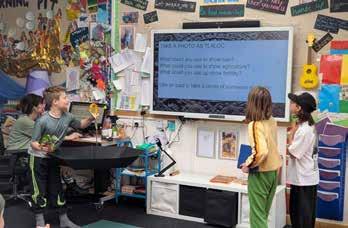
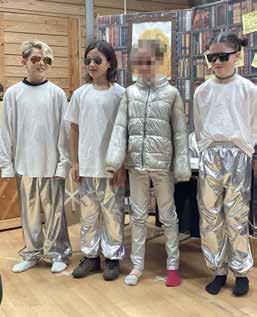
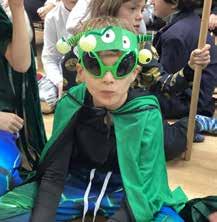
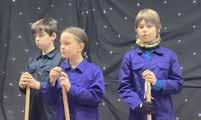
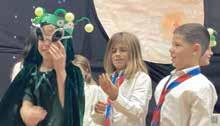
The whole year worked together to put on an epic performance with a school trip to Space involving rockstar aliens, black holes (and their nemesis, the white holes) as well as a very confused UFO. The reporters back on Earth were eager for a piece of the story. It all came together with well-designed props and fantastic songs. Hold high the Sauce!
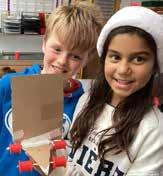
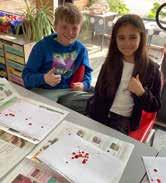
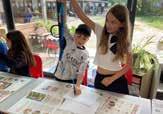
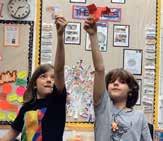
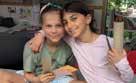
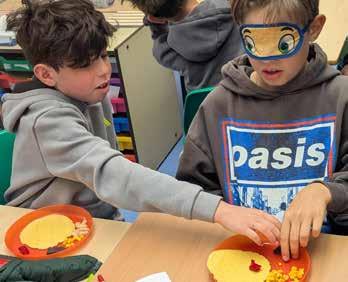
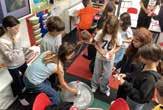
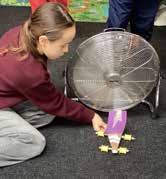
We have developed our scientific inquiry skills through hands-on investigations, creating a 3D model of the layers of our Earth. We investigated different forces, such as air resistance, by building our own land yachts. During STEM week we became detectives looking at blood splatters at crime scenes, making helicopters to looking at air resistance and building bridges.
YEAR 6 - Adele Bridgwater, Andrew Reedie, Roxanna Idec, Hayley Sloane, Frauke Ehmke and
The last year in Lower School was a jam-packed one, full of exciting learning!
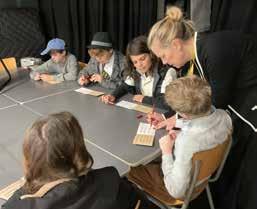
Seeking the truth is more important than ever… so students spent the Spring Term learning how to do exactly that in their Explorations enquiry.
Supported by teachers from both Upper and Lower School, they learned to analyse primary and secondary sources, question assumptions and look for evidence in subjects including Science, History, English and Philosophy.
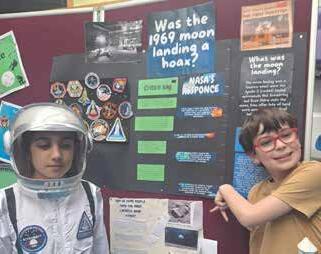
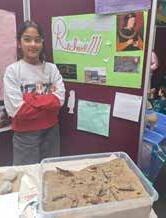
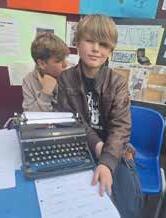
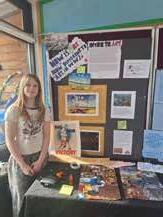
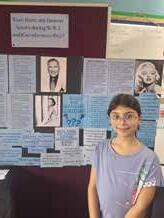
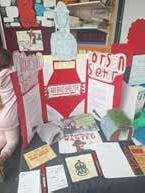
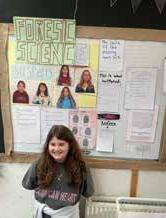
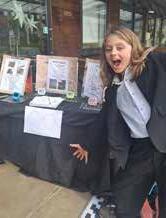
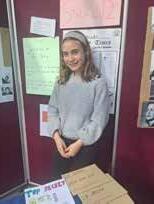
Each student then created a display for our very own Museum of Truth, choosing an aspect of truth-seeking that resonated with them. Museum visitors were immersed in our interactive activities such as:
The Case of the Missing Lunch Box, a gripping self-devised whodunnit with suspects, motives and forensic clues
Conspiracy theories surrounding the 1969 moon landings
Operation Fortitude: the military deception that helped end WWII
The discovery of Richard III’s skeleton, including a playful DNA-matching game
Spies and code-breakers – with one student even making an Enigma machine!
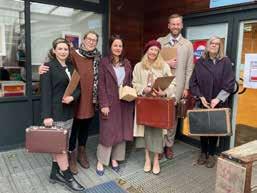
How would it have felt for KAS children in 1939 to have been evacuated to Royston?
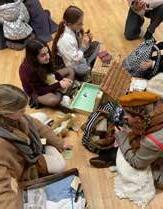
Year 6 explored that very question through a role-play exercise designed to deepen their understanding of KAS children’s experiences during WW2. They donned 1940s outfits and prepared evacuee suitcases before waving goodbye to their parents to the tune of We’ll meet again.
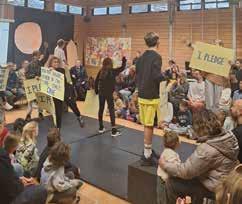
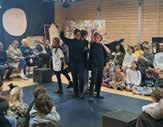
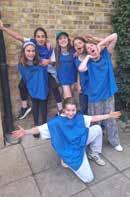
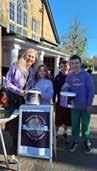
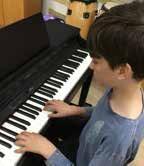
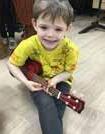
Fun is at the core of every musical activity as students learn confidence alongside the enjoyment of melody, movement, song and dance
Our Spring Concert, which fell on the first sunny day of the year, showcased the exciting, developing talent across Lower School and encompassed all genres of music, a vital experience for a rounded music education. A huge thank you to our amazing team of peripatetic music teachers, who support and develop students.
In class lessons, creativity was always on show.
• Year 6 prepared songs and dances for The Greatest Showman
• Year 5 sang in harmonies and creating songs for invented products
• Year 4 learned about families of orchestral instruments and performed sea shanties
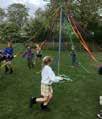
• Year 3 danced around the maypole and singing Moana and Beatles songs
• Year 2 learnt Scottish dancing and sang songs about toys to support their enquiry topic
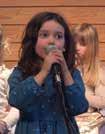
• Reception and Year 1 wowed their families at their Big Sing performance
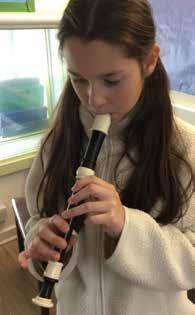
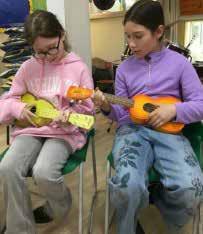
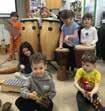
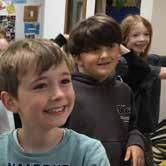
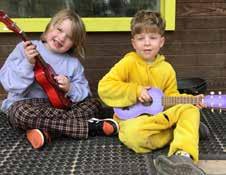
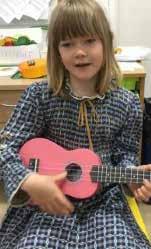
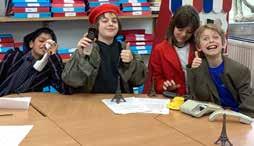
Younger students find the fun in French through a plethora of activities which all result in engaged and enthusiastic learning. Our younger students spoke with puppets, learnt in nature, performed songs and dances and took part in activities based around seasonal changes and celebrations throughout the year.
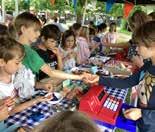
There are some annual fixtures which enrich the curriculum for older students, transforming class-based practice into real life experiences: ‘Le Grand Snack!’ (previously the Y5 cake sale), visiting the French Institute and the Y6 French Breakfast Café. Y6 were also visited by students their age from a school in Annecy.
It’s a real pleasure to bring this diverse curriculum to life and to see the children thriving on their language journey.
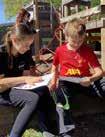
LOWER SCHOOL DESIGN TECHNOLOGY - Jill Salmon and Ella Clasby
Encouraging children to think creatively and problem solve, allowing pupils to design, make and evaluate using a range of materials, tools and techniques, whilst having fun and being safe and responsible in the workshop
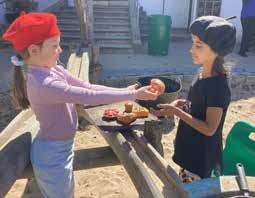
In Reception, the children were introduced to the workshop and taught about safe and responsible behaviour. They learnt how to use a hammer and two types of saw: a coping saw to cut out their jigsaw puzzles and a mitre saw to make a frame.
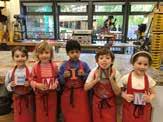
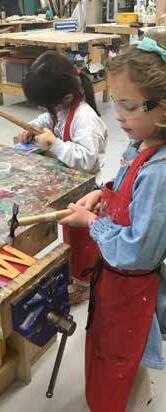
In Year 1, they built on their skills from Reception and used a coping saw to cut out a flower shape. They also learnt how to use a pillar drill to make the holes for the bolts in their flower press.
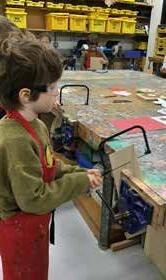
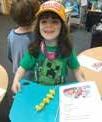
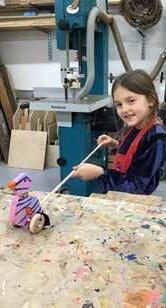
Year 2 made flappy ducks. They learnt about using wheels and axles to make a moving toy and they used a coping saw and a drill.
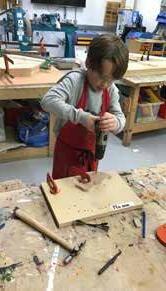
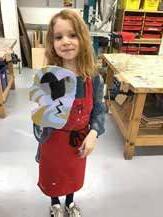
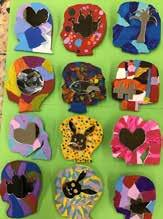
Year 3 looked at abstract portrait painters to inspire them for their own designs of mirror profiles. They needed to pay extra attention to their accuracy with a coping saw so that they didn’t change the shape of their heads or cut off their noses! They also learnt about joining materials.
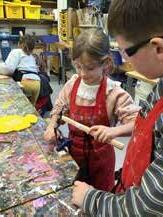
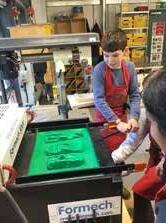
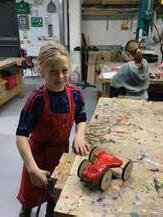
Year 4 learnt about aerodynamics in racing cars, and they made their own toy version. This involved building on their knowledge of wheels and axles and introduced them to 2D design to draw their chassis. They also learnt about how materials change shape when heated, by watching the vacuum-former mould their car body.
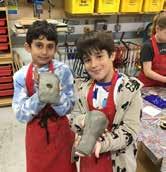
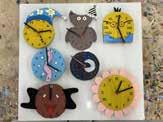
Year 5 used 2D design to make a clock face. Having cut this out, they then chose whether to add another material, such as acrylic, or just paint it before attaching a mechanism.
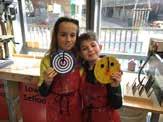
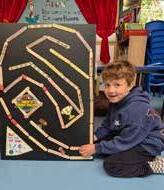
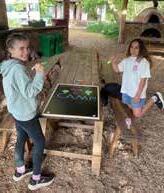
Year 6 used all the skills they have learnt in Lower School to make a bagatelle board. This involved problem solving, hammering, sawing, filing, drilling and joining different materials. They made a shooting mechanism, with an elastic band, to enable a marble to travel round their board and they were very creative in making interesting and exciting ‘traps’.
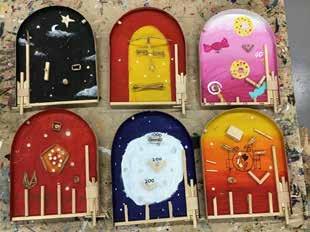
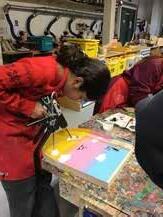
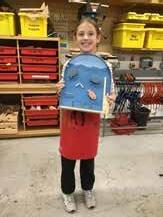
Art comes in all shapes, colours and sizes as our students learn to express their creativity
The children made different coloured collage materials by using paint and print rubbings of different textures. The sheets of paper were then cut up and used as collage materials, in order to make a landscape setting for improvised, collaborative stories.
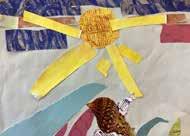
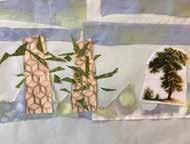
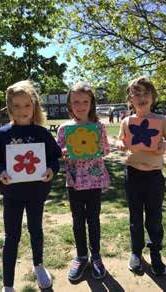
Year 1 explored the works of Henri Matisse and paid particular attention to the shapes and colours of his collages. They mixed colours according to the colour wheel and then painted huge pieces of paper in different hues using inks, watercolours and acrylics. Once the paper was dry, they used scissors to cut the paper into organic shapes which were carefully composed onto a piece of paper.
The children also captured shadows! Using coloured pens, the children traced the outlines of the flowers and fauna of our school grounds. They noticed that the shadows were void of colour as they were the absence of light.
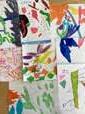
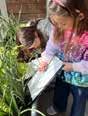
Students from Reception to Year 6 proudly displayed their artworks when the Lower School Hall transformed into a glorious gallery packed with creations which brought joy to all visitors.
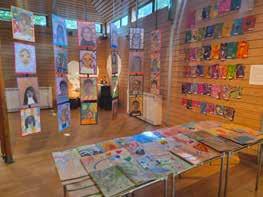
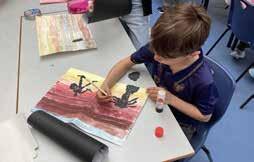
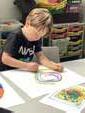
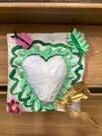
School motto, Out of the Heart Springs Life, was the starting point to this body of work. Each week, the children used oil pastels, paint and stencils to stack up layers of exploratory mark making to represent their own reflections of what matters to them, and what life springing from the heart looks like.
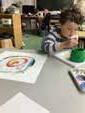
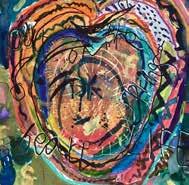
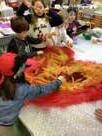
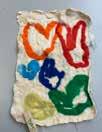
Children made designs for a piece of felted fabric which they would make from wool fibres. They learnt how to layer the fibres evenly to avoid any holes and then, using soapy water, they aggravated the wool to make the fibres felt together into beautiful designs.
After making their individual pieces, the groups decided to make a large piece, which was much harder. Their determination to work together as a team paid off as they created a very ambitious giant heart!
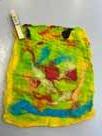
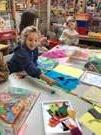
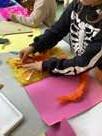
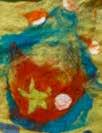
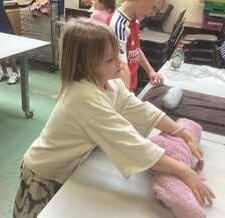
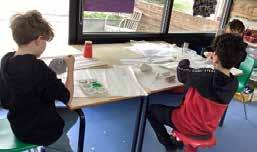
Each week, the children were introduced to different printing techniques including positive and negative mono-printing, block printing and the very popular Gelli printing. They worked to layer up the different processes to make these very rich printworks.
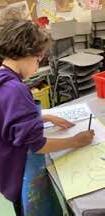
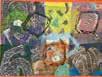
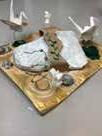
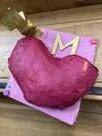
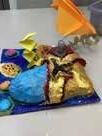
From just newspaper and old boxes, the Year 5 children created hearts and whatever they felt springs from their hearts. They showed dexterity and skill with the papier mache and wire moulding and painted their creations in celebratory style!
Using rulers and grids, students looked closely at the proportions and measurements of the human face and used these proportional principles to draw their own portraits. The charcoal and chalk provided the broad spectrum of tone - going from very dark greys and black to bright whites, thus creating the illusion of three dimensions on a twodimensional surface. The heavily patterned background is a direct influence from Gustav Klimt, whose portraits were among the portraits we looked at.
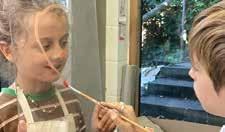
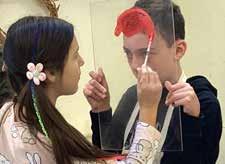
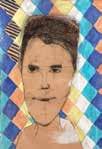
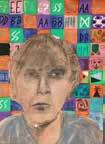
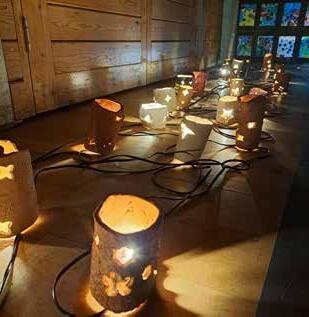
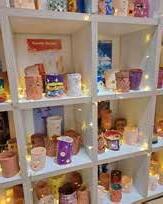
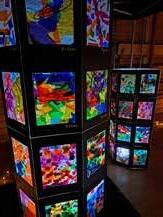
The Luminous exhibition in December featured both ceramic and colourful paper lanterns which brought a magical light to the dark winter months.
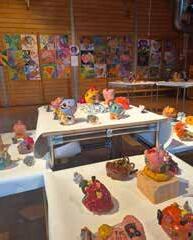
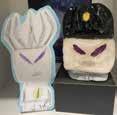
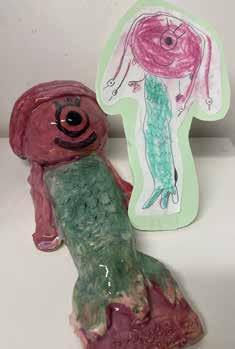
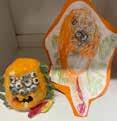
One of our major projects this year has been to use pictures of monsters, drawn by Reception and Year 1 children, and bring them to life!
This has been a collaborative effort by all of this year’s Lower School ceramics enrichment groups.
We surprised the younger children by presenting them with the 3D versions of their 2D drawings at the end of the year.
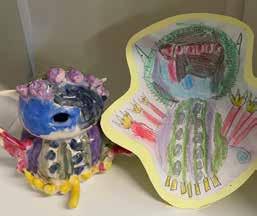
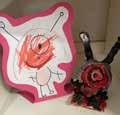
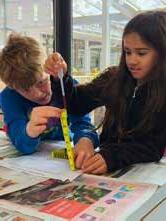
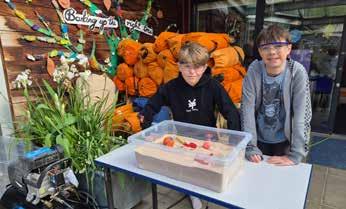
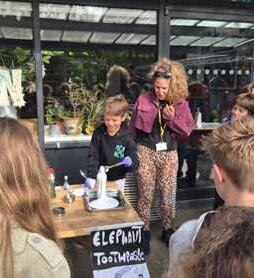
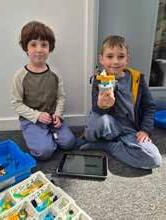
Workshops delivered by Hands on Science meant children got to try their hands at being forensic scientists, firework designers, aeronautical engineers, heart surgeons, biologists, rocket launchers and robotic programmers.
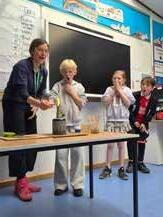
Students also created amazing STEM-inspired games, puzzles and displays for an interactive exhibition which saw students code-breaking, performing live chemical reactions, demonstrating scientific principles and solving mathematical puzzles.
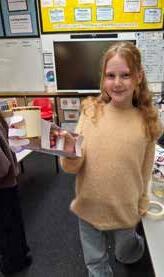
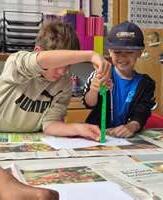
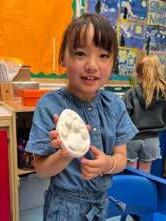
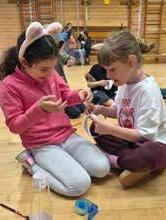
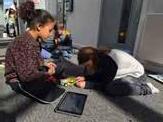
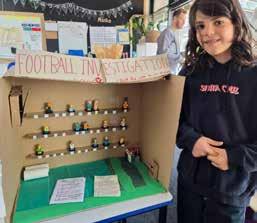
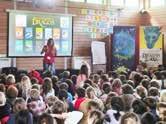
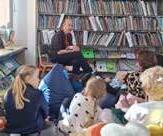
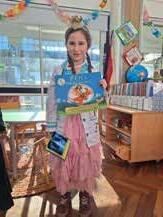
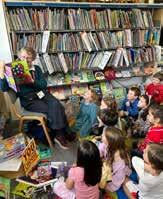
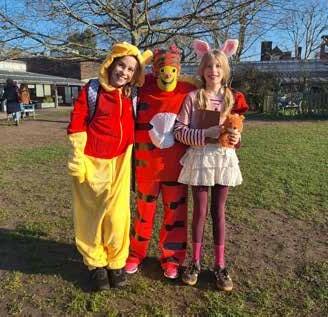
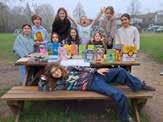
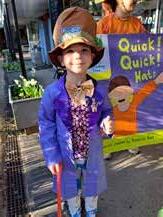
When World Book Day isn’t enough, so you spread it out over a month!
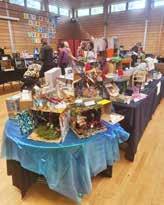
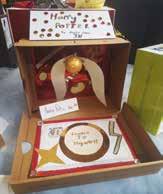
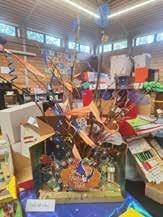
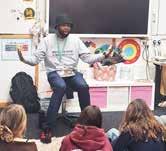
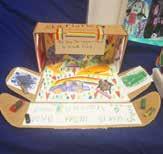
There were author visits, a book swap, a pop-up bookshop, dressing up and a Book in a Box exhibition – because reading is THE BEST!
The Lower School Enrichment programme offers children from Years 2 to 6 the chance to learn skills that may fall outside of the standard curriculum. Students can choose activities from four categories:
• Learn something new Connect with nature
• Contribution
• Physical and mental wellness
Some of the amazing Enrichment choices this year have been Young Shakespeare, pasta-making, gardening, sewing, ceramics, dance, stopmotion animation and many more!
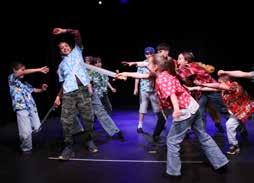
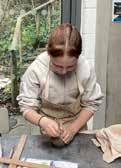
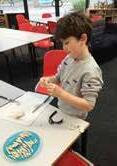
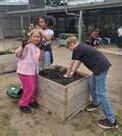
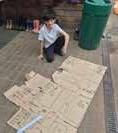
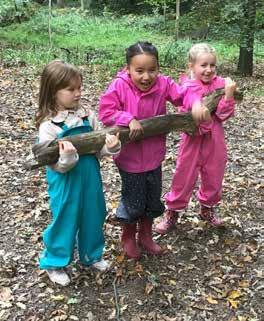
Wellies at the ready – our students head out to learn in nature whatever the weather
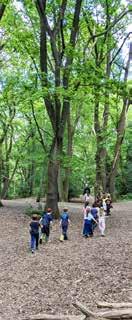
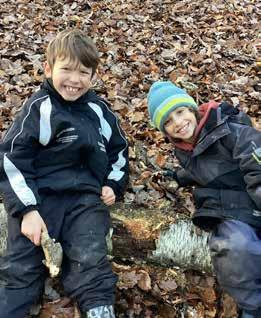
LOWER SCHOOL SPORT -Aarun Woodhouse, Tom Franklin, Henrietta Farr, Victoria Stewart, Claire Murphy, Callum Laddiman
Stronger together – sport has been teaching teamwork to our students
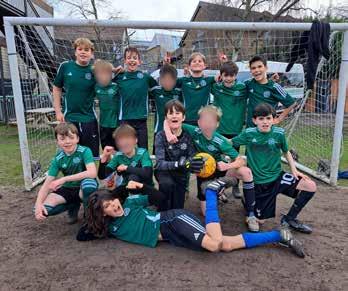
The Year 6 boys took part in the ISA Football Playoffs and won four of their five matches, making it into the final. Coach Aarun said: “Every player understood their role and contributed by playing in positions that best supported the team.”
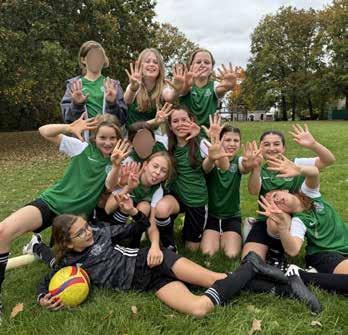
The John King Trophy is an FA run, 60 team knockout competition for North London. Our Year 6 girls made it all the way through to the quarter finals!
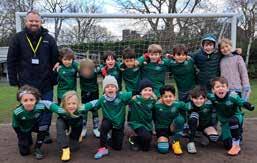
Year 4 boys put on a dazzling display against tough opponents Brookland Junior. Some fantastic sportsmanship, coordination and technical ability on display for all to see. Well done boys!
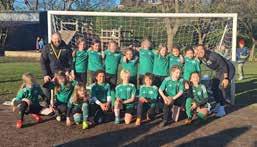
Two teams of Year 4 girls played two teams from Kerem School and from the outset, they demonstrated determination, teamwork, and great enthusiasm. They showed confident defending, organised passing, and excellent communication across the pitch and they won every match!
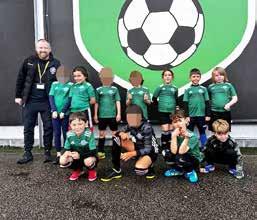
A dazzling display of footballing and fun saw our Year 2 footballers take home the plate trophy after coming second in their group stage at the ISA tournament.
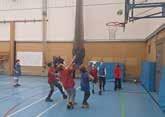
The annual 3v3 mixed basketball competition was a great success. Coach Tom said: “The students conducted themselves impeccably throughout the event and competed with real determination and team spirit.” Avid Year 8 basketballer, Ben, helped coach one of the teams.
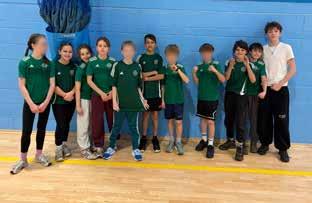
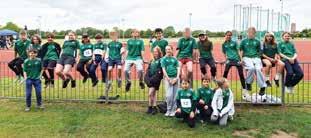
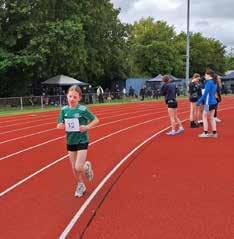
An incredible day out at Bedford Athletics Stadium saw 26 of our finest Lower School athletes compete against other schools. The triumphant performances were coupled with impressive behaviour by everyone who participated. A huge well done to those that competed and represented the school with flying colours!
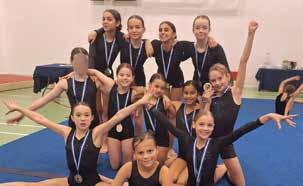
KAS entered its first team in the ISA Gymnastics competition and it was a successful and fun-filled day. The girls performed at a high standard and achieved second place out of eight schools. A fantastic achievement and one they should be very proud of!
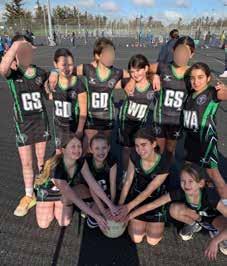
The U11 netball team, captained by Ella, entered the ISA netball tournament for the first time, where they competed against six other schools. They did exceptionally well to come away with two wins, two draws, and two losses. New team mascot Netty Teddy was awarded to Eva for being a great sportsperson and for showing great adaptability.
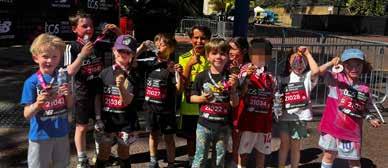
Year 1 Teacher Jo took a group of students into central London to get their first taste of this iconic London event.
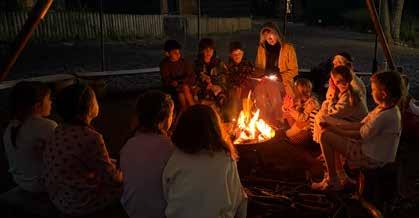
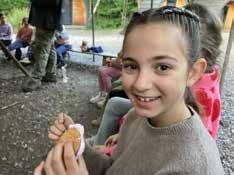
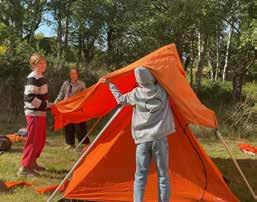
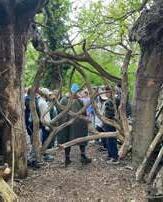
Dipping their toes into the camp experience, our Year 4 children enjoyed three activitypacked days and two nights away sleeping in wooden pods.
“It was really fun and you get to have loads of new experiences. I loved the zip line because it was so long.”
Rae
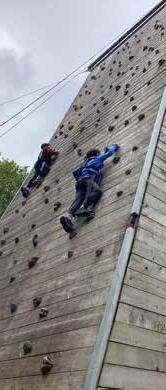
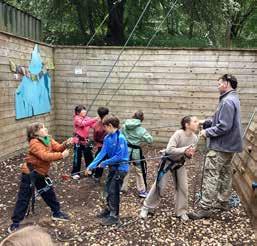
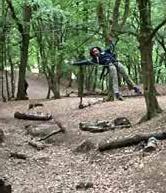
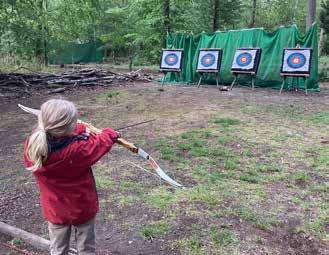
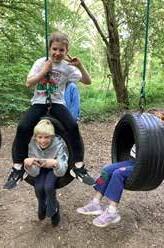
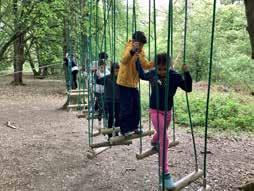
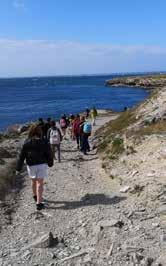
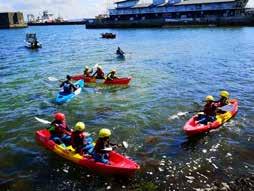
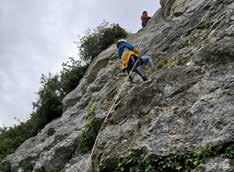
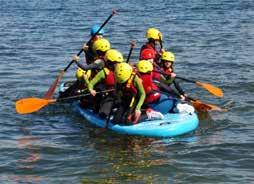
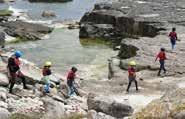
Rock climbing, canoeing and clambering kept our Year 5 children busy at the Portland Activity Centre.
“It was so much fun. I loved abseiling off the side of a cliff. Plus jumping off the giant stand-up paddle board into the water was hilarious.” Jara
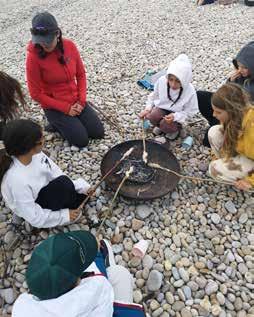
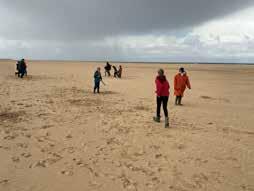
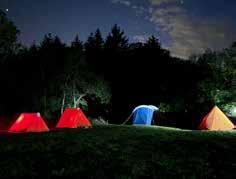
Our more seasoned campers lived under canvas and enjoyed the beaches and forests of the Norfolk coast.
“I thought it was a great way to get to know other people you don’t know so well in the year group. I loved how we all took turns to cook food for the rest of the camp to eat. The night game made the camp so special.” Luca
Slow and steady was my mantra this year. I said it to teachers and often to myself, and yet this year has whizzed by, jam-packed with amazing learning opportunities!
Alongside the great things happening in the classrooms and our usual programme of concerts, book week, trips, camps, clubs, enrichment groups and sports fixtures, we had exciting additions:
• Play leader and lunchtime helper roles were introduced to help the older children develop leadership skills and grow cross year-group connections.
• Y3 and Y4 children participated in the First Mathematics Challenge, and Natalie took a team of Y5 and Y6 children to the Maths Masters UK tournament.
Jo took children from Y1-6 to participate in the mini London marathon.
Y3 are having a sleepover at school! This fun event helps to prepare the children for their first residential in Y4.
All year groups tok part in both a Callover and a bigger performance. Y5 were first with their performance of Blast Off! assisted by the Y4 chorus. Y1 took the lead in their show Hats Off! with the support of Reception. The Y3 children shone in Finding Nemo, a production made more special by the enthusiasm of the Y2 singers. Y6 children are preparing for their performance of The Greatest Show - I can’t wait to see it!
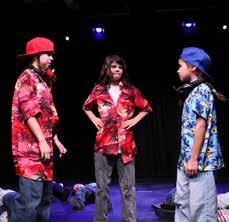
In March, Zac and Natalie’s enrichment group took their Britpop inspired adaption of Romeo and Juliet to the Art Depot stage to great acclaim.
We enjoyed two art exhibitions. In the Luminous exhibition, Kat and Sophie guided the children to create work which played with light and colour. In the Out of the heart springs life show, we were treated to the children’s uplifting interpretations of the school motto.
Home projects were impressive as ever. The Book in the Box entries were an absolute joy to view; in STEMfest the experiments, puzzles and games were amazing. We’ve loved seeing the children’s creativity with farm fundraising during the Summer term.
Teachers know their profession is so much more than a job. Navigating the daily complexities of school life is never easy, but at King Alfred our commitment to an inclusive, nurturing environment, with the right balance of support and challenge for every child, increases the challenge but triples the joy.
I feel incredibly lucky to work with such a dedicated team: colleagues who consistently go above and beyond, who are reflective, curious learners themselves, and who remain steadfastly focused on our children’s learning, wellbeing and achievement.
This year we say a sad goodbye to Nic and Charlotte who, in a short time, have made a lasting impact on our school community. We wish them well as they return to New Zealand and hope one day they may find their way back to us. Martin has also decided to move on from KAS, returning to the Midlands where he grew up. We’ll really miss his dry humour, friendship and spontaneous guitar playing! We also bid farewell to Robert, whose leadership has been a source of inspiration, a steadying rock and an intuitive guide. Humble yet strong, he has guided us with vision and heart, ensuring we are well placed to continue to thrive, even as we miss him greatly. I’m sure you’ll join me in thanking him for gifting us not just his vast educational knowledge and vision, but also his heart and soul for the last 11 years.
As we close another successful year, I think fondly of our Year 6 cohort, whose early years were shaped by Covid. It seems only yesterday we enjoyed Tilly’s rendition of Dream a Little Dream and Margo’s Puppet Theatre, which brought joy through our screens. We wave off all those leaving us to start their next chapter with pride, a smile and a tear. We will miss you.
Karen
EXPLORATIONS: YEARS 7 & 8
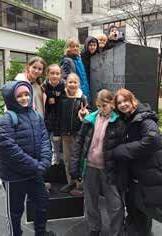
Students heard from Miles Berry, an AI professor, about the benefits and problems of Artificial Intelligence. They also visited Bletchley Park to see an AI Exhibition. They then chose an area to research in more depth and created an artefact to communicate their thinking.
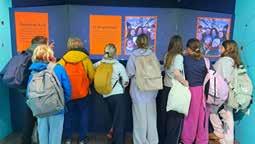
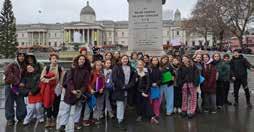
Students were tasked with designing a model to pitch as a new monument for the Fourth Plinth in Trafalgar Square. Their designs aimed to commemorate the abolition of slavery in a way that highlighted resilience, resistance and positive advocacy. For inspiration, they visited Trafalgar Square to learn about the debates and controversies surrounding public monuments. Historian Paul Crooks spoke to them about Black British ancestry and identity. They pitched their final ideas to a panel of judges and parents.
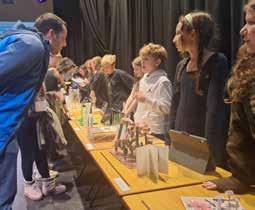
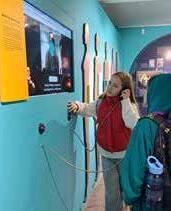
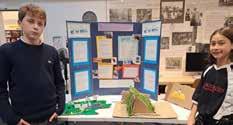
Students showcased the science-based survival skills, map-creation abilities, and natural design techniques they developed through an exhibition for parents.
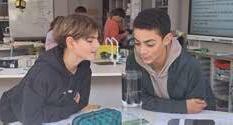
At the Science Museum students learnt about the history of space exploration and saw a demo on the physics of rockets. In Maths they learnt how to calculate which planets are in the habitable zone and in Design they coded Mars rovers to move autonomously.
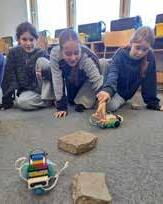
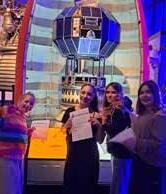
Students explored how London has changed over time, including how war, immigration and urbanisation have contributed to the London we see today. Students conducted field work across three different locations to demonstrate the effects of urbanisation.
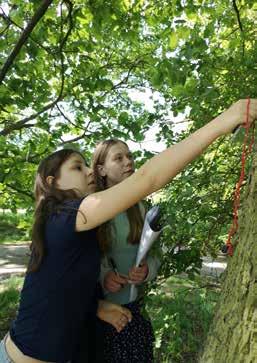
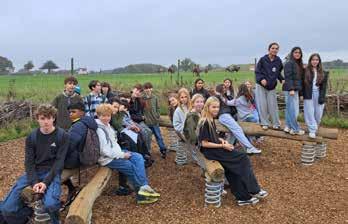
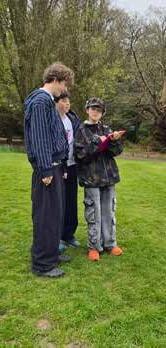
Students explored the systems that keep the Earth in balance, the threats they face and what can be done to restore the natural equilibrium.
1. CONNECT – engaging activities designed to spark curiosity and introduce the enquiry question
2. CONSTRUCT – Students build the knowledge and skills needed to answer the question
3. CONTRIBUTE – Students apply their learning in a meaningful way through a final project e.g. animated films, debates, TED-style talks, artwork, case studies, science demonstrations, living museums, and 3D models
Sculpting, sketching, drawing, drafting, making and modelling
Scan here to follow the Art Department on Instagram
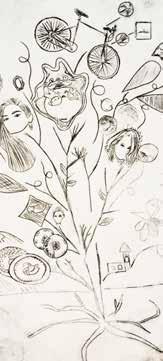
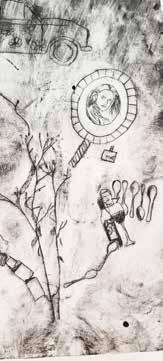
Students have explored family narratives through collage and drypoint etching, creating thoughtful and personal artworks inspired by memory, identity and storytelling.
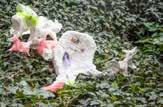
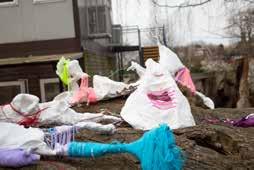
They also designed and constructed imaginative organic worlds from found materials, taking inspiration from natural forms such as cocoons before
reintroducing their creations back into the earth. These projects encouraged students to think carefully about sustainability, transformation and our connection to the natural world.
It has been a real joy to watch them grow in confidence, experiment with new techniques and flourish creatively throughout the year.
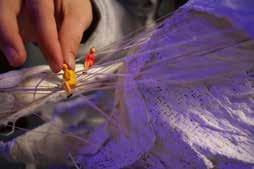
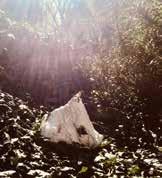
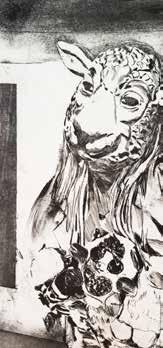
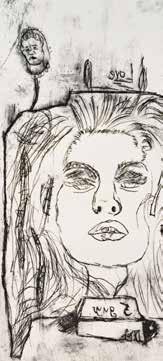
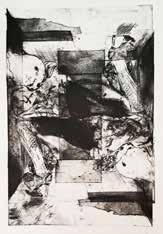
From building ambitious paper cities and architectural constructions to developing technical portraiture drawing skills, students have shown impressive creativity and determination throughout their projects.
Inspired by contemporary artist Rachel Jones, students explored themes of identity and history through expressive sculpting and painting work.
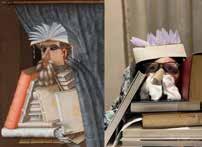
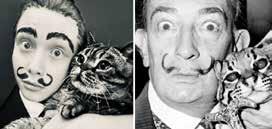
A particular highlight has been the responses to our challenge to recreate famous artworks from history at home.
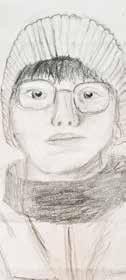
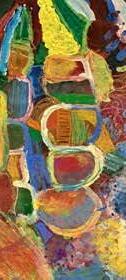
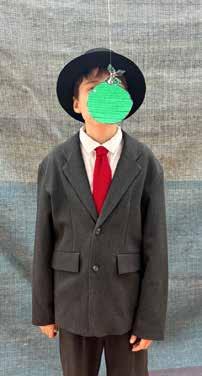
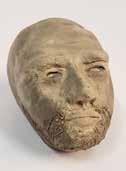
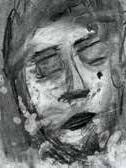
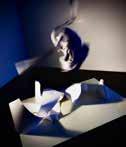
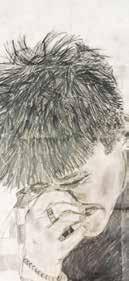
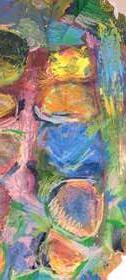
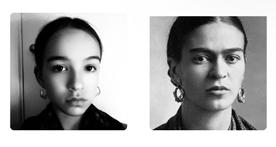
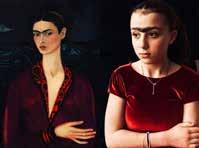
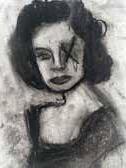
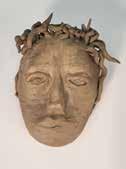
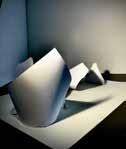
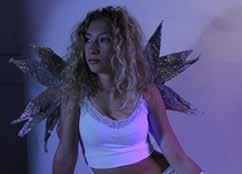
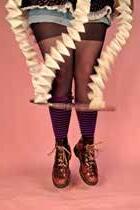
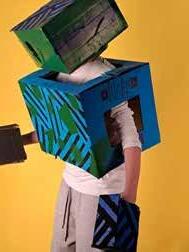
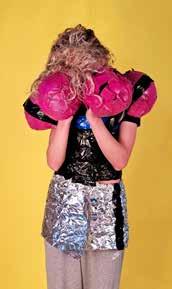
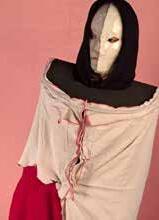
Year 9 have been exploring ways to distort, extend and transform the body through art and performance. They have produced exciting and experimental work inspired by architecture, the Triadic Ballet and the visionary designs of Iris van Herpen.
Through drawing, sculpture and wearable constructions, students investigated how the body can interact with space, movement and structure in unexpected ways. Their work combined theatricality with thoughtful design, pushing creative boundaries while developing confidence in experimentation and performance.
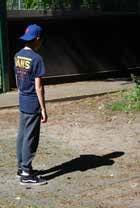
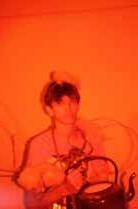
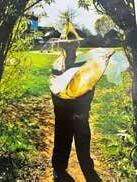
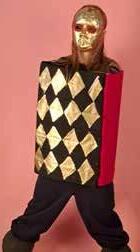
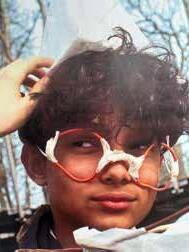
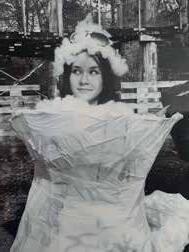
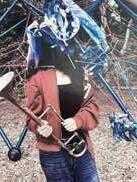
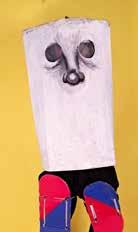
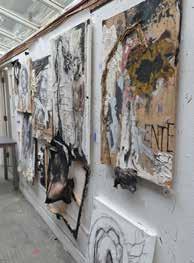
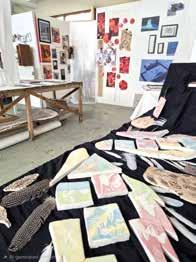
Across the studio, the creativity, ambition and individuality of our GCSE and A level students has been truly inspiring. The diverse range of outcomes on display reflects deeply personal explorations, independent thinking and a willingness to take creative risks. Students have explored an exciting variety of themes and ideas, producing work that is thoughtful, experimental and highly accomplished.
From large-scale installations and sculpture to painting, photography, textiles and mixed media, students have demonstrated technical skill as well as dedication and curiousity, resilience and a strong sense of personal voice.
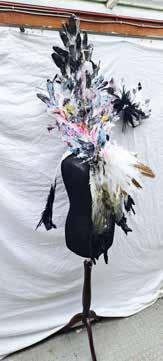
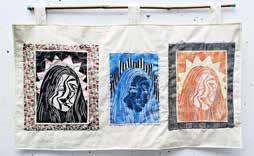
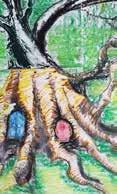
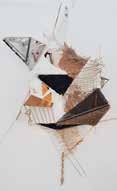
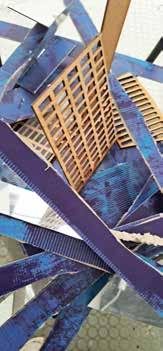
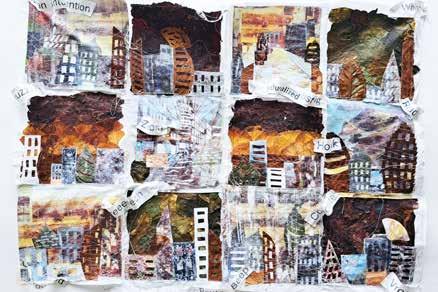
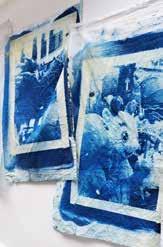
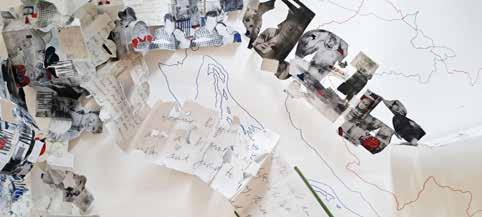
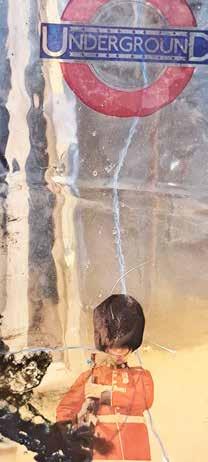
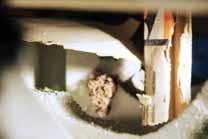
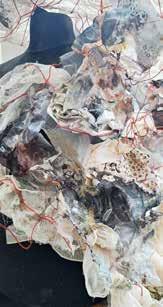
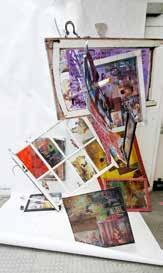
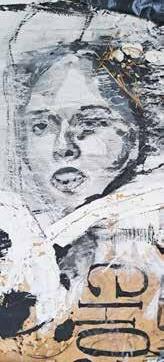
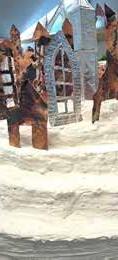
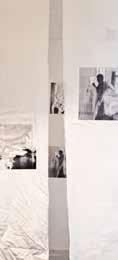
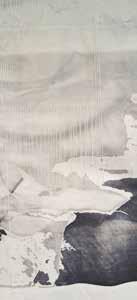
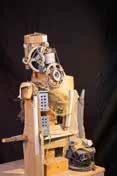
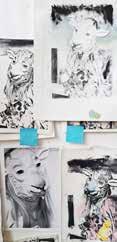
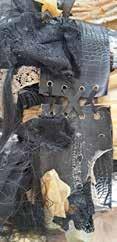
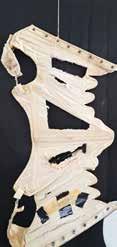
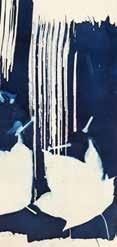
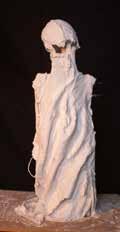
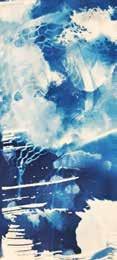
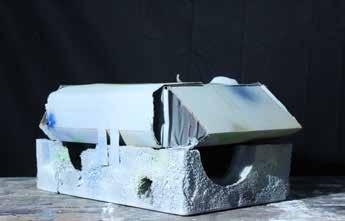
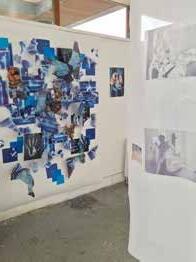
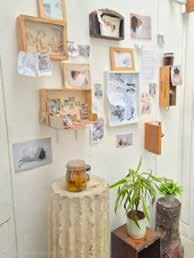
Filling the Art Department with sculptures, scenes, paintings, installations and ideas, the annual celebration of visual art was another triumph. Students, staff and parents packed the studios to see the gallery-worthy display.
ARTS - Lucy Hall, Robert Messik, Lynne Sasson, Nell Buckingham, Frances Smith, Tammy Cornish, Matt Cargill
Our students took centre stage, showed confidence and creativity and learnt in the limelight
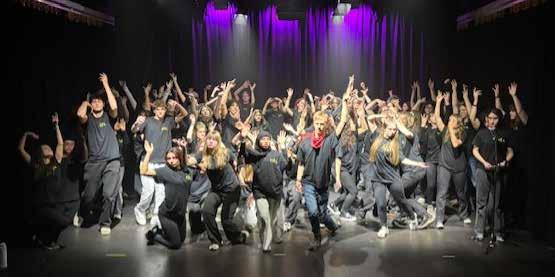
Year 10 students participated in not one but two ISTA Drama Festivals this year: one in Amsterdam and one closer to home, hosted here at KAS. Both festivals gave students the opportunity to engage in collaborative workshops with peers from across Europe. Focusing on physical theatre, improvisation and intercultural storytelling, students worked together to devise original performances.
Cultural excursions were an important part of the experience. In Amsterdam, students visited STRAAT,
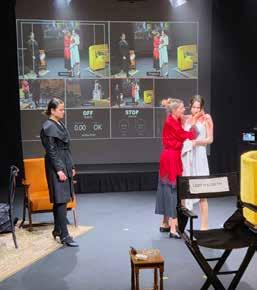
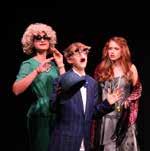
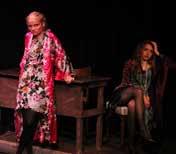
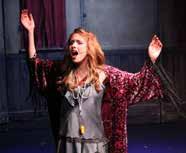
Year 12 Theatre Studies students devised an original piece of theatre inspired by director Katie Mitchell. Whatever Happened to Lola Lavine used multimedia devices and explored the imagined lives of two Hollywood actors, examining themes of ambition, fame and competition with creativity and sophistication.
the Museum of Street Art and Graffiti, which strongly connected to the themes explored during the festival. In London, the group visited Highgate Cemetery, exploring the dark tale of the Highgate Vampire and further enriching their understanding of place, history and storytelling.
It was a pleasure to see our international friends engaging with and appreciating what KAS has to offer, making the experience both creatively inspiring and culturally enriching for all involved.
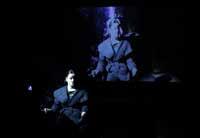
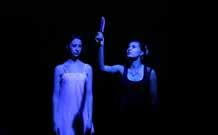
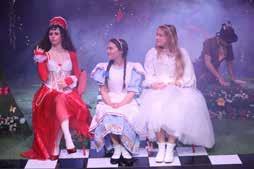
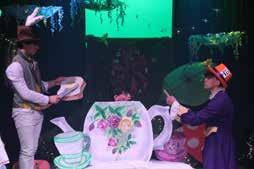
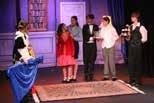
Year 11 UAL Drama students staged two visually arresting performances for their final assessment: Alice in Wonderland and The Wonderful World of Dissocia. They demonstrated a strong understanding of ensemble work and collaboration, delivering performances that showcased skill, maturity and confidence well beyond their years. An impressive achievement.
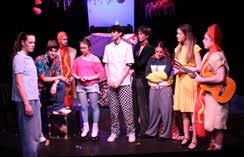
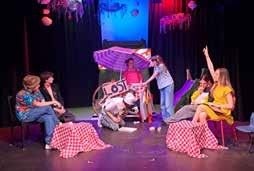
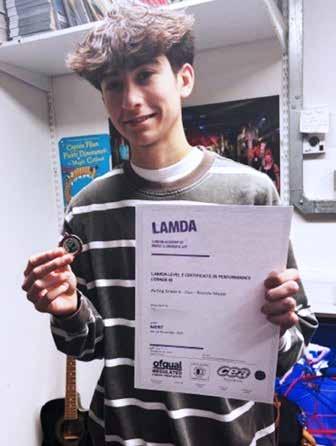
LAMDA exams are nationally recognised performance qualifications. At KAS, we offer co-curricular lessons from their Performance and Communications syllabi. These cover acting, verse and prose, public speaking, devising, mime and musical theatre.
This year we’ve had another round of great results:
BRONZE MEDAL
Year 11: Charlie, Lila, Rowan, Alia, Izzy, Lily, Honey, Polly
Year 10: Eve, Mollie
GRADE 6 DEVISING
Lili, Matthew and Frankie
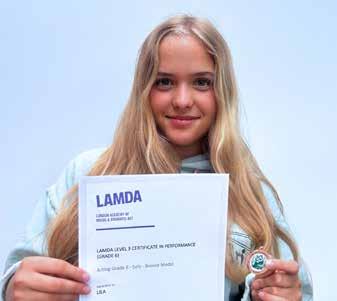
Public Speaking Exams
Year 9 students have achieved outstanding results in LAMDA Speaking in Public exams, demonstrating impressive confidence, clarity, and communication skills. LAMDA exams challenge students to write and deliver original speeches, structure arguments effectively, and engage audiences with conviction. Success at this level reflects not only technical skill but also maturity, independent thought and personal commitment.
Students participated in several workshops with distinguished professionals:
• Shakespeare with Anne-Marie Duff: Anne-Marie led a workshop focused on Shakespearean monologues, helping students develop vocal dexterity and interpretive skills while preparing for auditions.
• Audition Technique with Nikki Laurence: Nikki’s masterclass provided valuable insights into audition preparation for Drama Schools, emphasising professionalism, confidence and authenticity.
• Musical Theatre with Sam Spiro: Sam worked with students on storytelling through song, teaching them how to connect emotionally with lyrics and deliver compelling performances.
These workshops provided students with essential tools to refine their craft and deepen their understanding of theatre.
One of the best things about our Sixth Form UAL course is seeing students work cohesively as they support other year groups with their shows and take ownership of all aspects of their varied performances. From writing scripts, running rehearsals, taking charge of the sound and running things backstage, they get first-hand experience of all aspects of theatre.
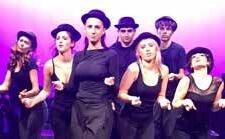
Year 12 & 13 students sang and danced their way through the history of musical theatre.
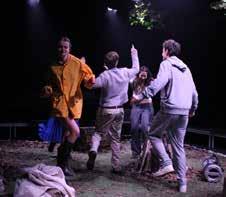
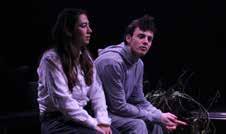
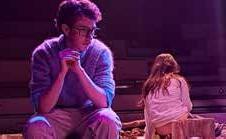
An in-the-round production written by Year 13 students, which looked at dark themes, memory and friendships.
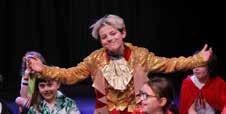
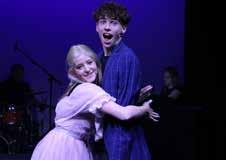
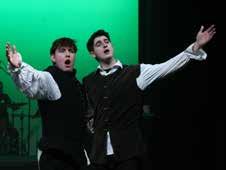
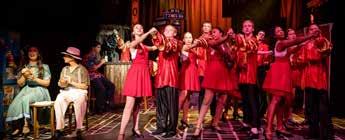
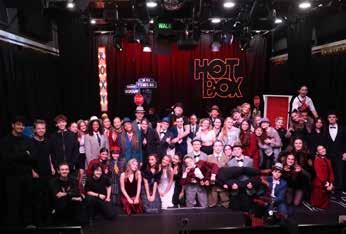
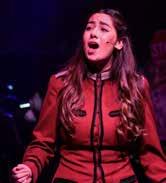
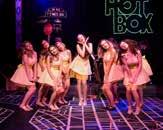
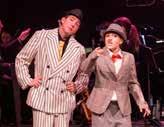
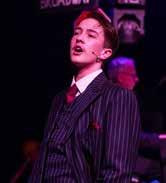
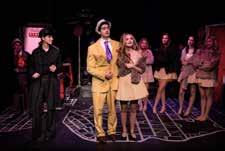
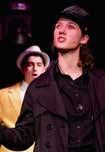
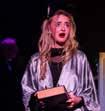
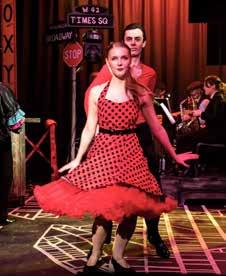
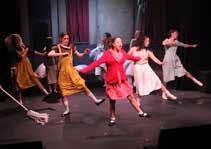
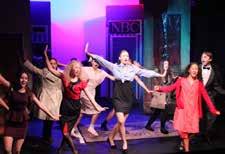
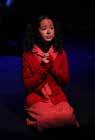
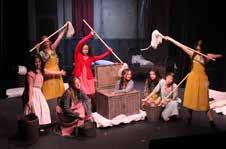
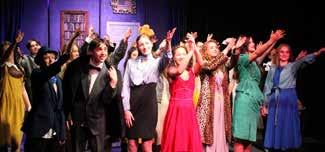
One of our proudest achievements this year was our production of Guys and Dolls. This ambitious show showcased the cast’s dedication, talent and passion for performing. This raucously exciting show, set in the gangster underbelly of 1950s New York City has become one of the greatest American musicals of all time, and this production now stands as one of KAS’!
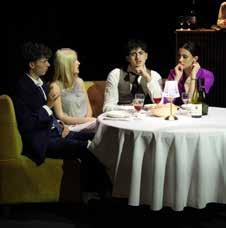
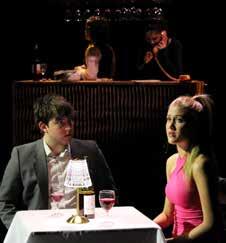
Year 12 took on this classic play about power and consumerism.
The dedication shown over months of rehearsals was evident not only in the confident performances on stage but also in the outstanding work of the production crew. Particular recognition goes to Markos, Finley, Noah and Harry for their valuable contributions behind the scenes.
Read more about it over the page >>
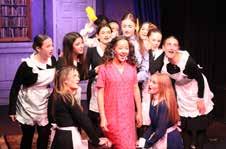
This year’s Upper School show took over the re-vamped Phoenix Theatre for three nights of classic musical magic.
With stunning sets, stand-out performances, dazzling dancing and sensational singing, this year’s show had the audience rapt from start to finish.
Tamar L, who wowed with her comedic portrayal of Nicely Nicely Johnson, said: “Taking part in the show was an unbelievable experience. I can’t tell you how much I enjoyed it. Being in a show teaches you so much about group work, putting your trust in other people and learning how to be part of a team.”
The show’s impressive group dance numbers were choreographed by teacher Frances Smith, with help from Year 13 student Juno C. “It was really fun to help out creating some of the numbers,” she said. “I wanted everyone to use their talents and create something they were really proud of.”
With students running the show in the technical box, bossing the backstage area and joining the professional musicians in the band, the production was a triumph for the whole team – not just those on the stage.
With
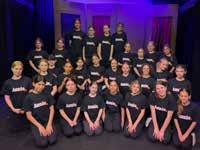
With so many talented and enthusiastic performers across the year groups, the two-night run was split into two parts. Students in Years 7 & 8 performed a showcase of songs, whilst Year 9 students staged a theatrical production of the much-loved musical.
Sixth Formers studying for our UAL Level 3 Diploma in Production and Performing Arts were on hand to help out, directing rehearsals, coaching dance numbers, doing the lighting and running backstage.
Zach, Year 9, who played Mr Warbucks, shared: “It was great working with the Sixth Form UAL students. They’re really fun to work with and inspiring to see.”
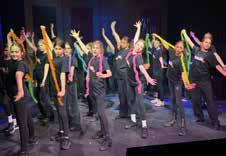
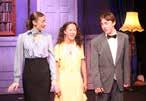
Of the show, he said: “I love putting on my costume; it really makes me feel the part, and the new changing rooms at the Phoenix Theatre made me feel like a professional actor.”
Taisie, Year 9, who played Miranda, added: “Being in Annie has been so much fun. The rehearsals and the scenes where we’re all together are my favourite thing – it’s helped cement friendships.
“I’m looking forward to taking the Drama UAL Level 2 Diploma next year as part of my GCSE studies and getting back on the stage.”
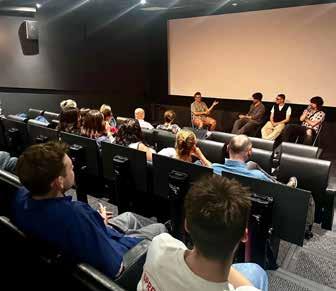
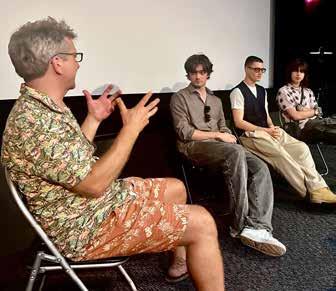
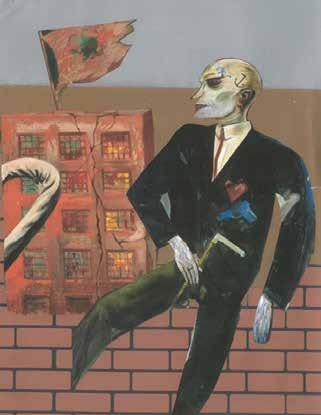
We have a bumper crop of cineastes in this year’s cohort who have already made their mark. Organising a film event in the Phoenix Theatre to coincide with the 2026 Academy Awards, Year 12 students screened Paul Thomas Anderson’s There Will Be Blood, followed by a Q&A, led by Noah, Oren and Otto.
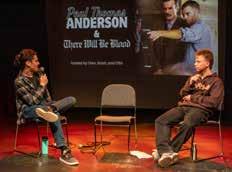
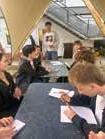
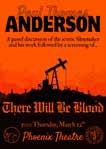
As we come to the end of the two-year course, Year 13 students are busy preparing for their final written exams (after submitting their year-long screenwriting and short film coursework). We’ll screen the films this summer at the Art House, Crouch End. Congratulations to all for managing a workload only a filmmaker could understand – you did it!
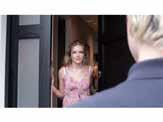
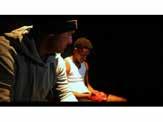
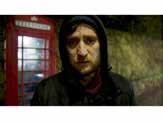
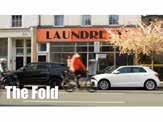


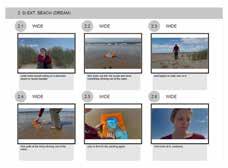
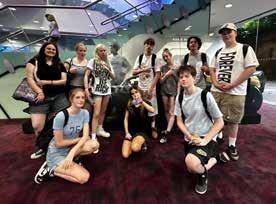
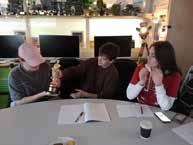
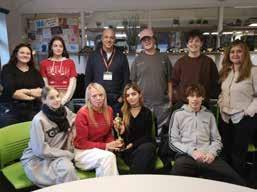
We were excited to host several visits by members of the KAS community this year. Former student Oona O’Brien, who is studying film as an undergraduate, returned to discuss documentary film. Oscar-winning producer, Simon Chinn held a Q&A on the same topic, bringing something a little special along with him too for the ‘show and tell’!
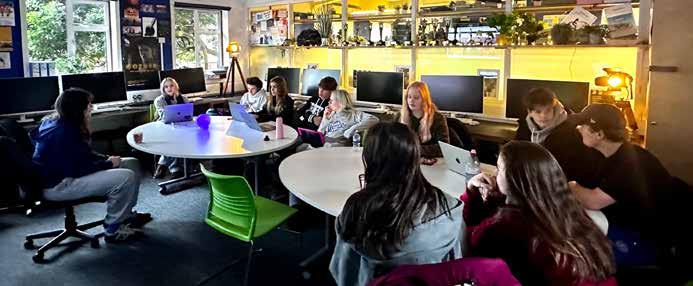
We rounded off 2025 with a summer screening of the films made by Y13 at the London offices of DNEG. Thanks to Phil Hunt for the Q&A after the screening, which was a very professional affair. Congratulations to Luke, Isaac and Jake for achieving 100% A* and As in their summer exams! We can’t wait to see what you do next.
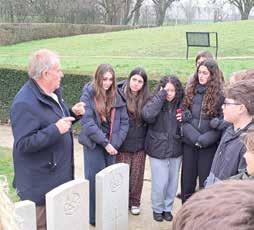
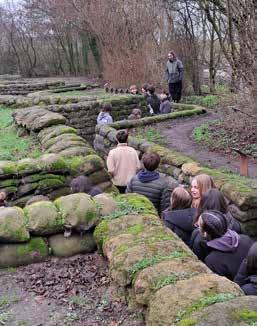
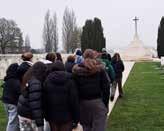
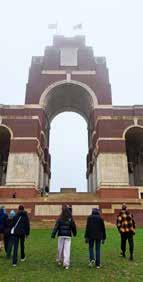
Year 9 had a memorable trip to Belgium in January, visiting battlefield sites, recreated trenches and memorials to fallen soldiers. The trip followed the Remembrance Day memorial event held in November, and students were poignantly reminded of the price of conflict and value of peace.
“Standing on the actual battlefield and knowing that 100 years ago people were dying there is so sad,” recalled Ella R, “You could really see how close the trenches were, and seeing all those names on the memorials really brought home the impact.”
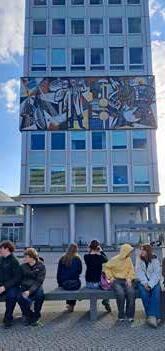
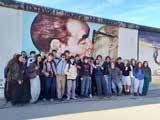
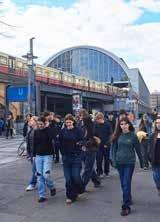
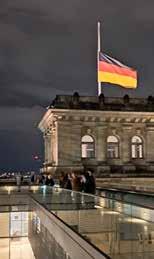
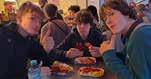
Year 10 travelled to Berlin to bring alive the lived realities of the Cold War. They enjoyed a walking tour of the city, from Treptower Park to Alexandraplatz, visited the city’s nuclear bunkers, the Stasi prison memorial, the ‘Palace of Tears’ former border crossing, the Berlin Wall, and sampled Currywurst!
Student Cara found the trip very beneficial, saying: “It was great for translating our learning into reality. Trips like this help us go deeper into a topic.”
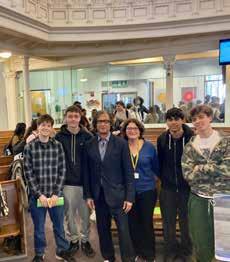
The old adage that one should never meet one’s heroes proved thankfully unfounded for Year 13, who were lucky enough to hear a brilliant talk by David Olusoga. He reflected on the motivations of Civil Rights leaders as well as inspiring our students to continue the campaign.
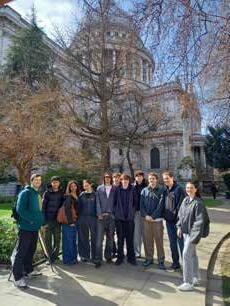
Year 12 went on a walking tour of the City to see London through 17th Century eyes. They immersed themselves in a period of rapid political, economic, social and cultural transformation.
Year 13 student, Erin, was quizzed about her experience of Politics A level:
Q: What is the most interesting political development you’ve seen during your study of politics?
A: We’re convinced that Starmer will resign just before our exam, and we’re figuring out how to use this for our essays.
Watching the rise of multi-party politics has been extremely interesting to me, as we’ve had a two-party system for so long. For that be replaced over the last three years, and for previously minor parties to have a chance of achieving power, has been really interesting.
Q: Are 16 year olds ready to vote?
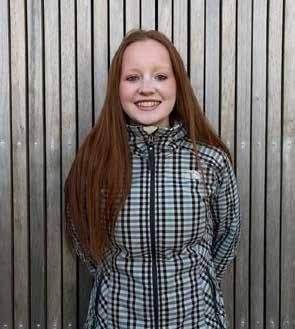
A: No, no, no. I’m the only member of our Year 13 class who couldn’t vote in the local elections, so I was raging about that. But I don’t think there’s enough politics education at earlier ages to allow younger voters to exercise that level of responsibility.
Q: Who is most likely to be the next PM from your politics class?
A: Me? The current system is very underwhelming, so I’m not sure what I’d do, but I’d give it a go.
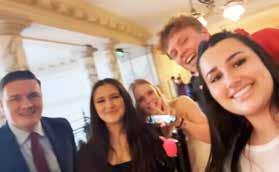
“Year 12 and 13 Politics students attended the PolEcon UK Politics and Economics conference at Methodist Central Hall in Westminster.
The event featured speakers from a variety of political parties, including Wes Streeting MP, Zahra Sultana MP (Your Party) and Daisy Cooper MP (Liberal Democrats), who shared their views and answered questions.
The Q&A session allowed students to challenge the speakers directly, with particularly strong questioning of former Conservative MP Jacob Rees-Mogg and Laila Cunningham, the London Mayoral candidate for Reform UK.
Green Party leader Zack Polanski was especially popular with the audience and received a warm
welcome to the stage. This reflected a poll of attendees that showed that over a third would vote Green at the next election.
The experience helped us students apply concepts learned through our A level Politics course, such as democracy and political participation, to real-world debates, strengthening our skills beyond the exam specification.
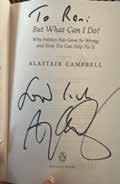
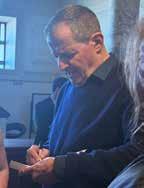
A particularly memorable part of the day was when some of us got to talk one-to-one with Alastair Campbell, the former Labour Party strategist turned podcaster. We were also lucky enough to get our books signed by him!”
Rani, Year 12
“Studying Economics has given me a much deeper understanding of how everyday decisions have a wider impact on society. It’s a subject that connects the classroom to real life, helping me understand issues such as the cost of living, inflation, taxation, inequality and how the government responds to economic challenges. Almost every major news story can be linked backed to economic ideas and the subject encourages us to think critically, challenge different viewpoints and consider how decisions affect us as individuals, as well as businesses and countries as a whole.
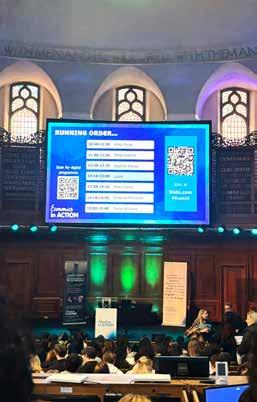
A highlight was attending the Economics in Action Conference in December, where we heard from a range of speakers including Vicky Pryce and Dr Trevor Williams. Their talks explored how economics can be applied to real world issues, from government policy and financial markets to global economic development. Hearing from experts showed us how broad and far-reaching the subject is. The conference demonstrated that Economics is not just a subject for future economists, but something that everyone can learn from, regardless of their future career path.”
Yasmine, Year 12, Economics Don
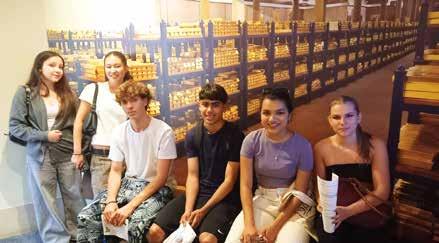
A level students headed into the City as part of their studies. Our student insider, Ella, shared: “The trip to the Bank of England Museum gave us a closer look at how the UK’s central bank works.
“We started the day with a self-guided tour of the museum, where we learnt about how banks have changed over time, the Bank of England’s history, the evolution of bank notes, and the Bank’s crucial role in maintaining financial stability. A particular highlight was the opportunity to lift a genuine gold bar, weighing around 13 kilograms!”
“Economics intellectually challenges me and pushes me to question the economic structures of society.”
Rani, Year 12
“It inspires my interest in business as it helps me explain how economics and finance shape the world around us.”
Freddie, Year 12
“It helps me understand how the real world works.”
Florian, Year 12
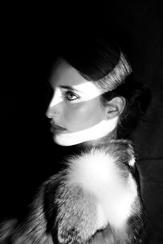
With space to create, the ideas can flow through the lens
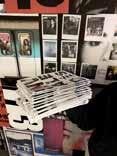
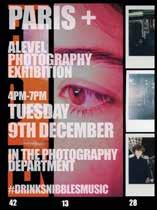
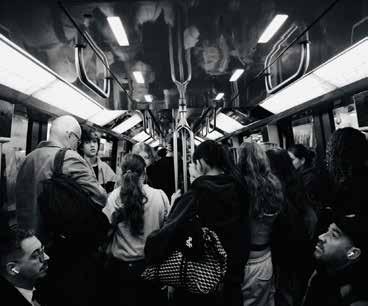
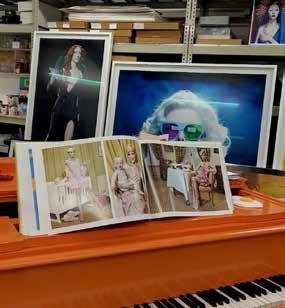
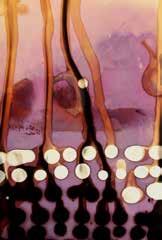
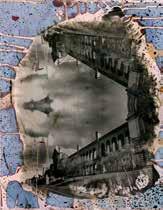
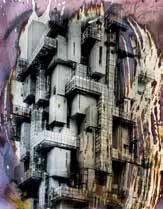
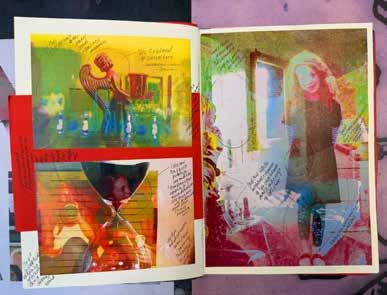
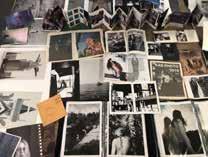
The Department managed to squeeze in an extra show in December where students in Year 13 showed work in progress and Year 12 displayed work from the recent Paris photography trip. The show was suitably titled Paris+. Year 12 students formed a design team and produced a high-quality catalogue for the show. They went on to make up our in-house design team for the summer exhibition publications.
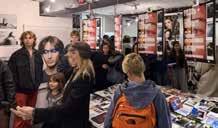
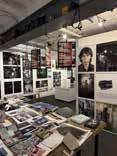
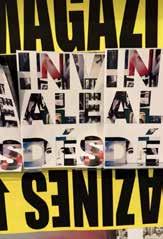
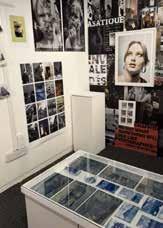
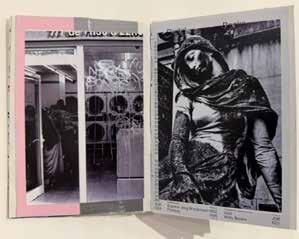
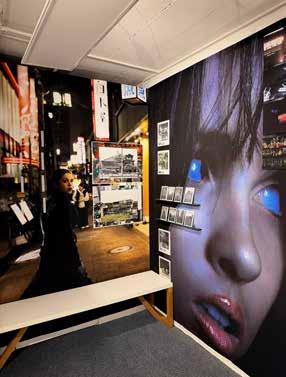
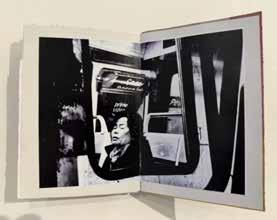
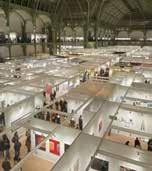
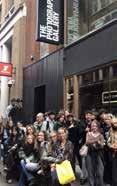
Year 12 Photography students visited the renowned Paris Photo exhibition, an experience that proved both educational and inspiring.
“The exhibition was huge, so it was useful for seeing a wide variety of styles and techniques. It was very inspiring.”
Una, Year 12
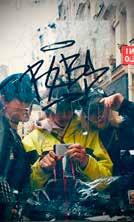
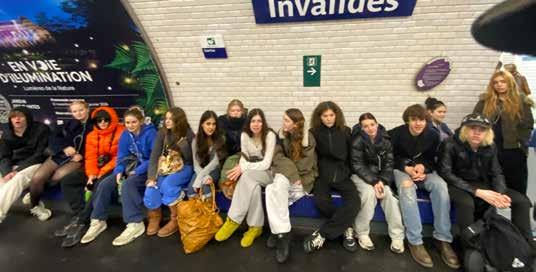
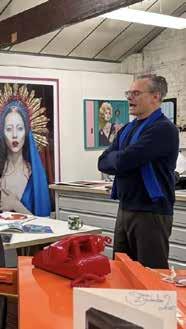
Year 12 Photography students visited artist and photographer Miles Aldridge in his fabulous studio where he talked with them about his practice.
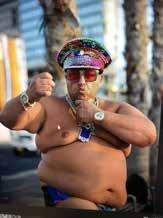
Miles devised a project for them based on his own practice and titled Appropriation. It’s centered around the idea of borrowing elements from painting and transcribing these into photographic works. Some students also got to work at Miles’ studio assisting with his Polaroid portraits series.
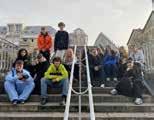
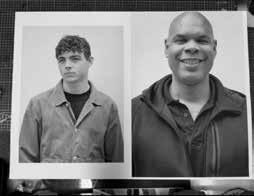
Year 10 & 11 students getting to grips with their craft
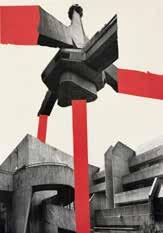
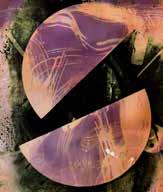
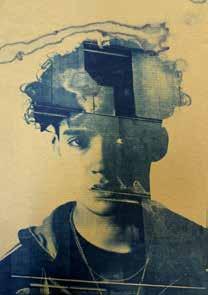
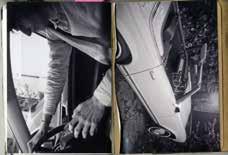
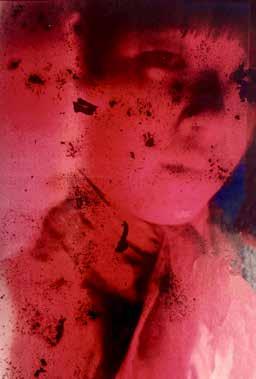
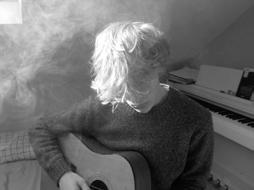
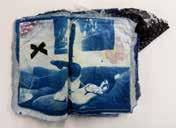
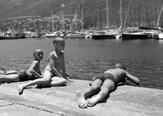
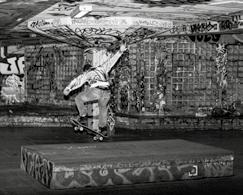
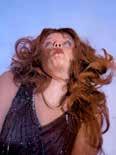
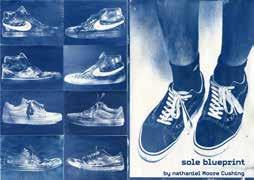
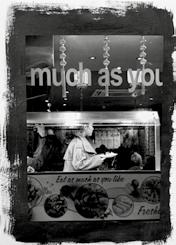
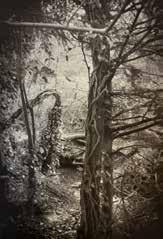
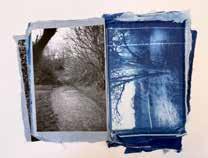
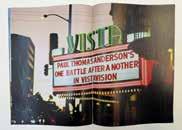
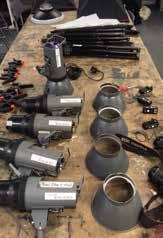
Executing their visions in various fantastic formats
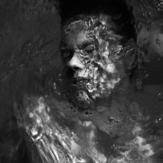
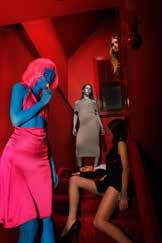
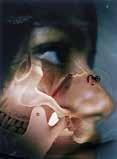
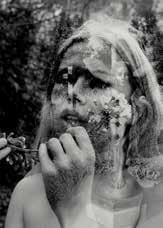
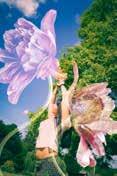
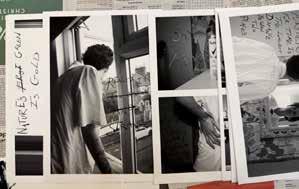
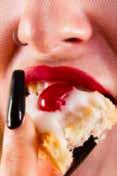
Supporting students as they explore their ideas
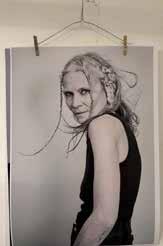
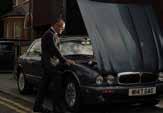
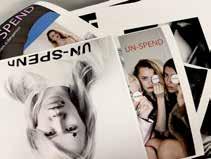
follow the Photography Department’s always inspirational Instagram!
MATHEMATICS - Jeff Harlow, Pany Kokotsi-Symeou, Kerry Randall, Sam Kirkwood, Tanvir Dharamsi, Bettina Robbin-Coker, Hannah Sheath, Frankie Pearson
Building confidence with every calculation
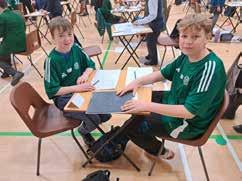
This year Sam took four students to the regional heat of the UK Maths Trust (UKMT) Team Challenge. Most teams were formed of Year 8 & 9 students. The KAS team bucked this trend, bringing four maths club regulars from Year 7. They came 18th out of 21 schools, which is incredibly impressive given the age difference. Bring on next year!
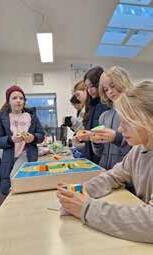
The students in Maths Club continue to keep Sam’s Rubik’s display updated and have been working collaboratively to see projects through from design to finished product. They’re not only showcasing their cube-solving skills, but their communication skills too!
Our UKMT results show that KAS students continue to embrace the challenge of these interesting problem-solving questions.
Again, we have some who have excelled beyond the standard competitions that all students are entered into. Three Year 10s, Reuben, Otis and Elvis, all took part in the Kangaroo follow-on round to the Intermediate challenge.

SENIOR UKMT CHALLENGE
Year 13
Bronze – Alex (best in school), Ella, Sofiia, Paloma
INTERMEDIATE UKMT CHALLENGE
Year 11
Silver – Flynn (best in year), Roshan, Matthew, Alfie, Lily
Bronze – Otto, Holly, Aviv, Omar, Polly, Jacob, Judah, Maia, Dylan, Georgia, Sebastian
Year 10
Gold – Reuben, Otis (joint best in school), Elvis*
Silver – Sam, Harry
Bronze – Walter, Stellan, Troy, Keiran, Rudy, Emil, Micaela
* Follow up Kangaroo round results: Reuben (silver), Elvis (bronze), Otis (participation)
Year 9
Bronze – Rufus (best in year), Bo, Yousef, Maceo, Charlie, Phoebe
JUNIOR UKMT CHALLENGE
Year 8
Gold – Gabriel (best in year)
Silver – Layla, Arthur, Eddie, Rishan
Bronze – Sabrina, Anoushka, Dan, Molly, Lola, Bella, George, Maddy, Max, Mateo, Kasper
Year 7
Gold – Theodore (best in school, Kangaroo qualifier), Aviv, Paul
Silver – Edward, Yosef, Freddie, Ori, Harry
Bronze – Marlen, Rose, Booker, Ola, Daisy, Gabriel, Bess, Camila, Hayley, Reva
After finishing their ‘Beliefs in Society’ unit, Year 13 were eager to step into the lived realities of religious communities. Kwame Gyambibi, from The Reality Church in London, joined the students for a dialogue on the relevance of Christian teachings in Britain and emphasised the importance of logical enquiry. His final words of wisdom to the students were to “question everything”.
Stepping into the Suleymaniye Mosque in Haggerston, students encountered striking Ottoman architecture in the heart of London, an immediate reminder of how migration, heritage and identity intersect in urban spaces. Students spoke to Talha and Younis, two 20-year-old religious leaders, about what it means to serve a community at a young age.
Lastly, at the Western Marble Arch Synagogue, Rabbi Mendy led a discussion on Jewish identity in Britain and the ways that Jewish law structures daily life. He later remarked that the dialogue was among the most stimulating he had experienced with visiting students.
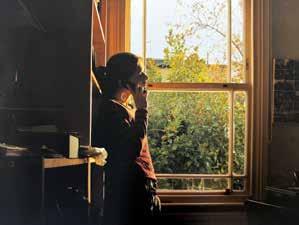
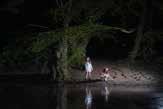
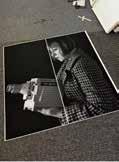
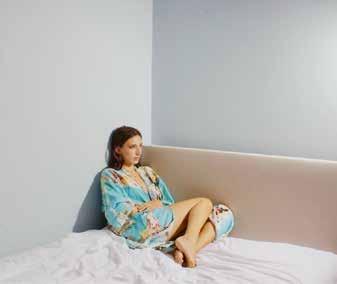
The University of Cambridge Department of Sociology, the annual Photography Competition, encourages sociologists around the country to capture sociological concepts in their local environments. This year’s theme was ‘(in) tolerance’, encouraging students to delve deeper into visual representations of hostility towards different groups in society and ‘islands of resistance’ where communities recognise, celebrate and protect diversity and difference. This image, by Izzy in Year 12, captures a quiet but powerful moment of isolation, using her friend’s solitary figure to visualise how intolerance pushes individuals to the margins. The photograph is a thoughtful interpretation of how intolerance shapes lived experience and how young people are already recognising, questioning, and challenging these social boundaries.
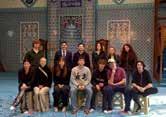
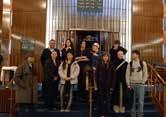
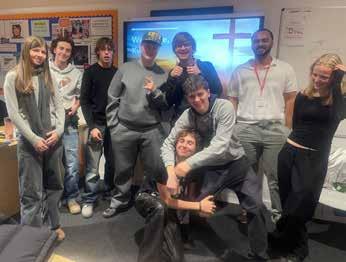
One student described the tour as, “real education and real Sociology” as they poked and prodded around unfamiliar aspects of society and social life. This tour was not simply an exploration of belief. It was an exploration of people: how they live, how they hope, how they make meaning and how society shapes them in return.
Words have power and our students learn to wield them with care and creativity
As part of their English Language iGCSE, students need to write a short story. Here are extracts from two outstanding examples:
The cold’s grip on her head tightened every step she took, the wind slashing at her cheekbones and painting her face red. Pressure built like a vice inside her aching skull, tears prickling at her eyes for reasons she still wasn’t quite sure of. Her hiking gear that she bought specially for this journey had turned to rocks on her back. Her pink Patagonia fleece clung to her body, trapped under layers of staticky waterproofs. Each step she took felt like sinking on a bed of needles, causing shocks of pain to crawl up her legs. How had she gotten herself into this situation? This was what she had used her last precious day of annual leave for? Ridiculous. Her father had always told her how impulsively she behaved and how stubborn she was, but it had taken her almost dying alone in the mountains to realise that. How could she have been so stupid?
BY ARISSA, YEAR 10
Drawn to the rich orange, I reach up my arms, hovering on tip toes, my hands searching the bush. The clementines gleam in the hot summer’s afternoon, their flesh a juicy, brilliantly vivid orange. I am flooded with memories. So many summers ago now, at my grandparents’ orchard. The old radio playing Italian jazz. My grandpa turning up the knob when Franco D’ Andrea came on, reaching for my hands, to dance with me. Skipping through the orchard with Matteo and Camilla, the neighbours’ kids, cutting our bare feet on the twigs and stones as we weaved through the orchard bushes, our laughter mixed with the crickets chirping and the rustling, fragrant citrus leaves.
My grandparents’ house was built from warm, honeycoloured stone, with thick walls and faded olive-green shutters; the roof was terracotta, its edges curled by the elements; all around stood rows of clementine bushes stretching out over the hills.
Nearby, was an old wooden pergola where we gathered for evening meals. Mismatched china was arranged on the rustic, wooden table, each plate piled with homemade Italian dishes that I spent the afternoons learning to make with my grandma as she stirred the rich, herby sauces and I added the flour to the pasta dough, the garlic, basil, tomato, oil.
The summer it all changed, I was 7.
BY BIANCA, YEAR
11

Inspired by Adrian Mole, Year 7 were tasked with keeping a diary for one week. This is an extract from one:

FRIDAY 6 MARCH:
I live in an unfair world. Exhaustion crushes me like an elephant. Just my luck for going to a rager (a party for those less knowledgeable than me). My feet ache but it was worth it. My mother made me go to school at a normal time instead of having a well-deserved lie-in. My alarm clock has a crack. I shall never know the time again!
SATURDAY 7 MARCH:
Today was going to be so great, or so I thought, until the third day of hangover hit me. I was painfully tired. As the brave soldier I am, I went to dance. Came out. Three hours later. Hot. Sweaty. Exhausted. No, I’m not being dramatic! Watched my family friend’s new TV show, Young Sherlock. Finally, someone as intellectual as Ava B! I think referring to myself in the third person sounds rather posh, don’t you?
WEDNESDAY 11 MARCH:
Went to netball in the cold. Very, very early. Just to be told I’m not moving enough. While coach sits on the side blowing the whistle aggressively. I guess I’ll have to get used to screaming fans when I’m famous.
BY AVA B
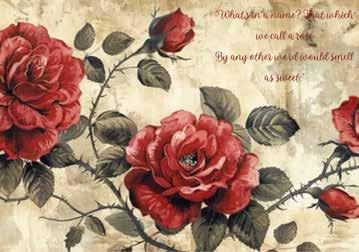
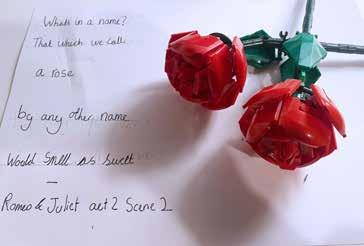
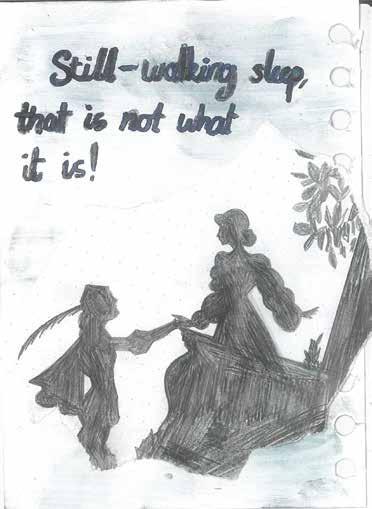
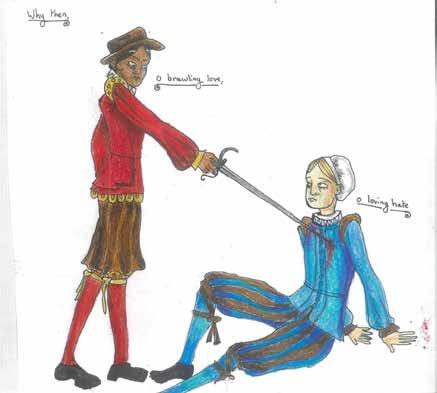
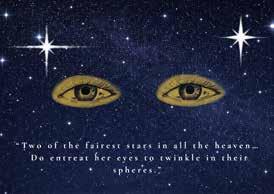
Year 9 have been studying Romeo and Juliet and illuminated significant quotes to give artistic expression to their understanding of the text.
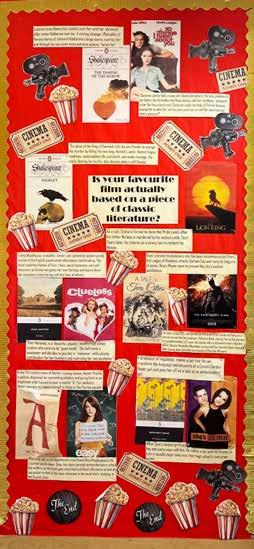
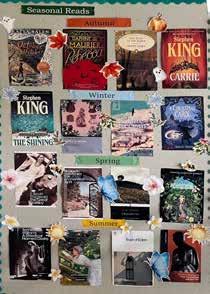
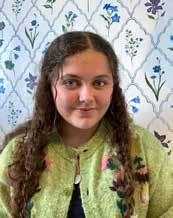
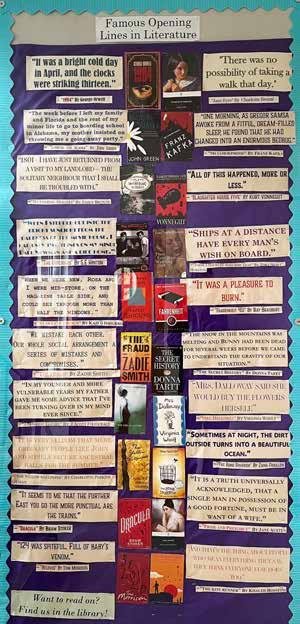
The English Department are sad to wave goodbye to our Don, Isis. She’s represented the subject at Open Events, hosted a Hollywood star at a Q&A and left a lasting impression on the aesthetic of the Green Building with her incredible notice boards. We’ll miss you Isis but know you will be brilliant as an English Literature undergraduate.
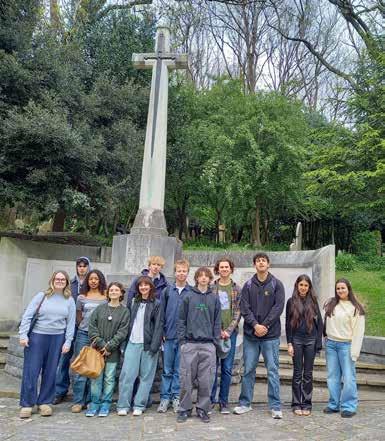
“A level Literature students visited Highgate Cemetery as part of our study of Christina Rossetti’s poetry. We had the opportunity to see Rossetti’s grave in person and learn more about her life.
We were taken on a guided tour of the beautiful cemetery by a knowledgeable guide. After our tour, we returned to school for a lecture on one of Rossetti’s poems, Goblin Market and debated a range of possible interpretations of the work.
Finally, we were tasked with writing our own verse from Goblin Market and looked at how the the illustrations of the poem, originally created by Rossetti’s brother, Dante Gabriel Rossetti, better our understanding and change our perception of the poem.
Overall, the day was enriching and helped deepen our understanding of Rossetti’s life and work, while also encouraging us to engage with her poetry in both analytical and creative ways.”
By Eva, Year 12
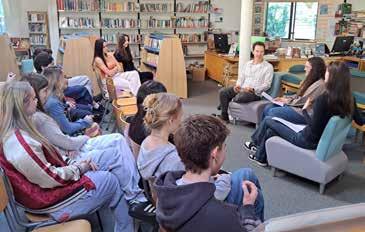
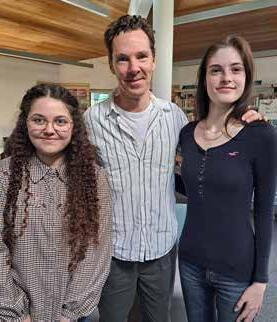
“English Literature students had the wonderful opportunity to participate in a Q&A with Benedict Cumberbatch, concerning his role as Hamlet in Lyndsey Turner’s acclaimed 2015 production of the play.
It was a hugely impactful and thought-provoking experience. We gained valuable insights into the play, looking at it from different perspectives – particularly from an actor’s viewpoint.”
By Isis, Year 13
Empowering curious, compassionate global citizens who understand their world – and their power to shape it
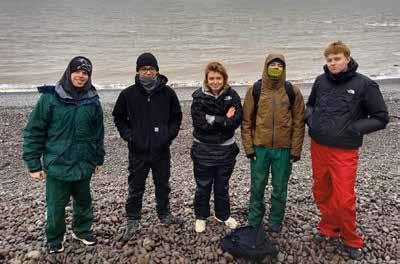
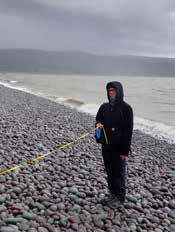
In November, students embarked on a week-long residential trip to Minehead. This trip underpinned their A level Geography studies and enabled them to collect data for their coursework (20% of their overall mark). Students designed, tested and refined potential research questions and then visited their chosen locations to carry out the data collection. The students were fantastic throughout and did not let the weather dampen their enthusiasm! We left with rich data, which enabled students to write excellent coursework on a topic that interested them, such as the impact of tourism on Minehead and the sustainability of Minehead’s coastal defences.
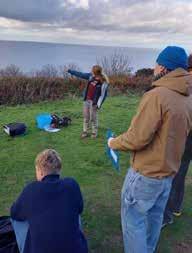
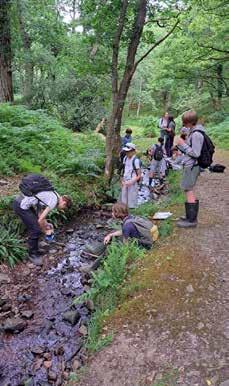
In the penultimate week of the Summer Term, our current Year 11 students embarked on a Geography field trip to Somerset. The weather was fantastic, and students spent three days putting theory into practice, collecting data about urban inequality and downstream changes in a river. In the evening, students were able to enjoy outdoor games and make the most of the beautiful grounds in rural Somerset.
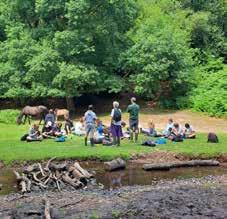
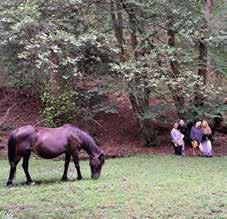
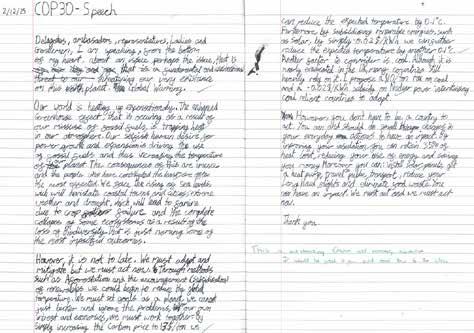
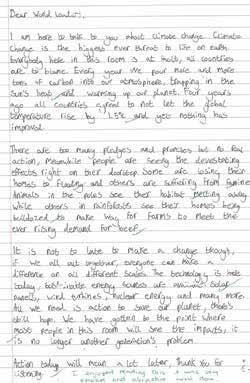
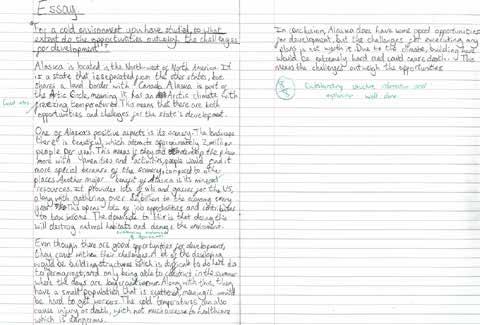
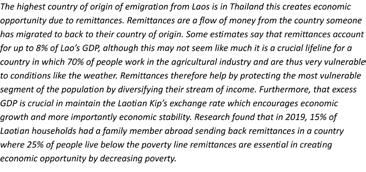
Year 9 have had a wonderful year learning Geography as a discrete subject. They have studied a range of human and physical Geography topics such as the geography of the USA, development and coastal landscapes.
One of the most important topics we studied was climate change, exploring the evidence, causes, impacts and responses. This term culminated in a COP30 simulation, where students posed as representatives and wrote emotive speeches about the dangers of global warming and the ways to mitigate this.
There was flair, skill and talent on display throughout the regular, Geography lessons. Students gave excellent answers to questions about development, migration and global hazards.
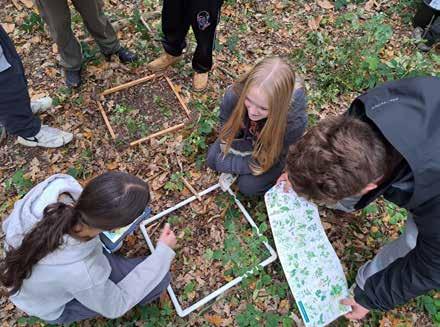
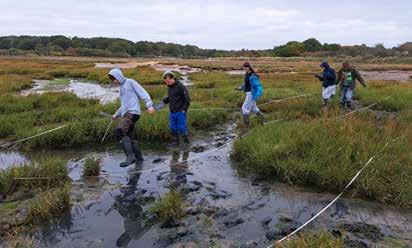
Sixth Form biologists visited Flatford Mill in Suffolk to complete the ecology components of their A level. Everyone engaged fully in the intensive three-day course, which saw them studying succession on the salt marshes at Holbrook Bay and habitat diversity in the woodlands. They also completed their own project using fieldwork techniques and statistical tests learnt during their time at Flatford.
Head of Science, Phil Price, said: “I’d like to publicly thank the pupils for their excellent behaviour and hard work throughout.”
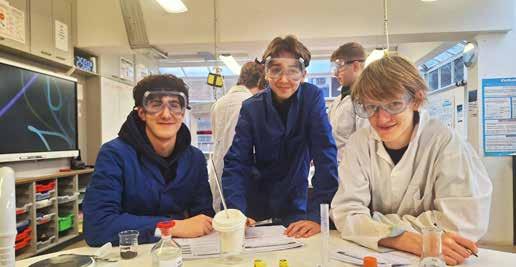
It was thumbs-up all round in the KAS Science lab as Year 11 Triple Award students completed a Chemistry practical. This photo shows the Triple group completing Chemistry Core Practical 9: Investigating temperature changes that accompany various types of reaction.
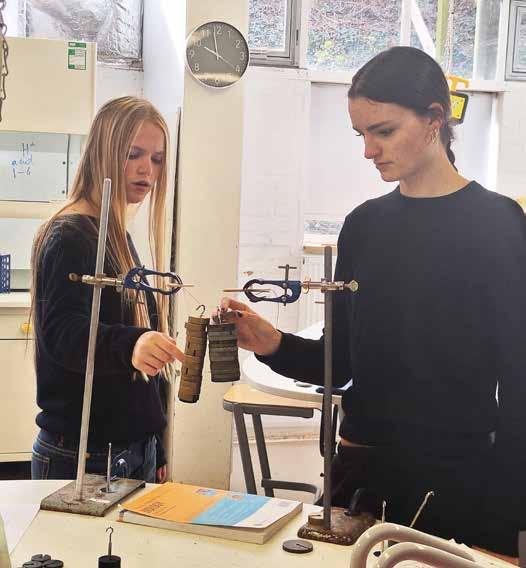
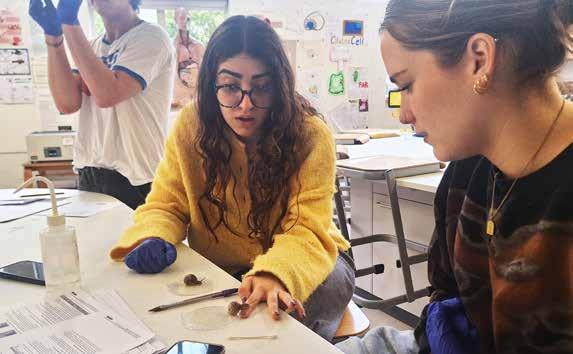
Our Sixth Formers participated in some interesting practical experiments this year. In Ryan’s Biology class, students investigated ‘habituation’, where animals gradually ignore a repeated, harmless stimulus – with the help of some surprisingly cute snails. Meanwhile, over in Jo’s lab, students pitted synthetic polyester against natural flax fibres to see which was stronger. They used weights to gradually increase the load on each, keeping their feet safely out of harm’s way as the fibres finally snapped!
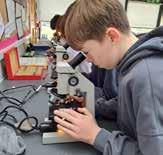
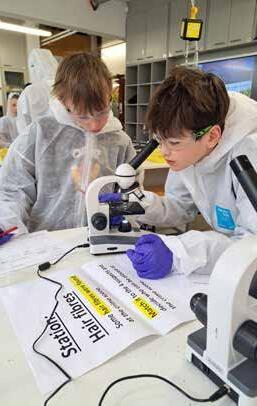
Year 7 students got to play at being crime scene investigators when they were tasked with solving a murder* in the Science labs. They dusted for fingerprints, compared bite patterns, used microscopy to look at hair samples and chromatography to see which pen had written the note before deciding which of the other staff was the culprit!
*no science teachers were actually killed in the making of this lesson.
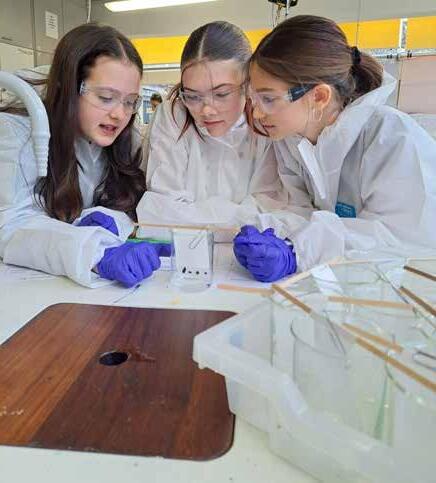
Our Year 12 Chemists took on the challenge of the Royal Society of Chemistry Olympiad this year. This entailed completing a 2-hour paper with some very challenging questions. Congratulations to Eva and Zoe for achieving a bronze certificate.
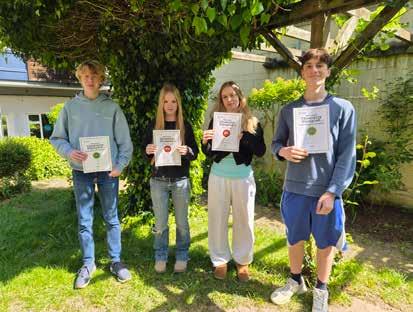
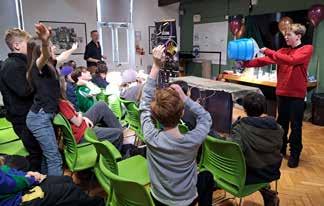
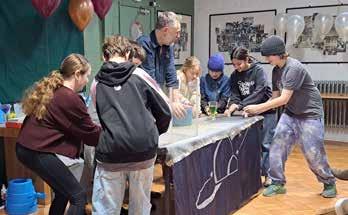
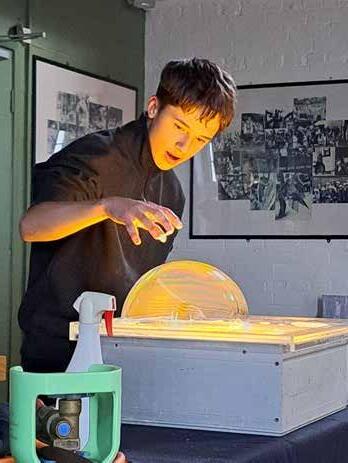
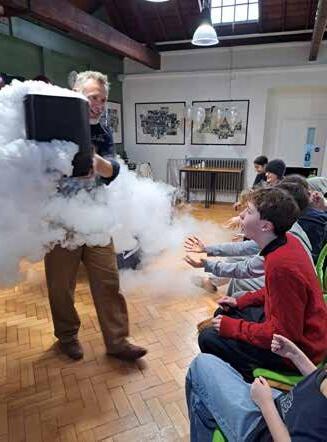
The Old Library reverberated to the sound of pops, bangs, oohs and aahs during British Science Week, when Ben from Explorer Dome came in with his Tricks and Bubble Science shows for students in Years 6, 7 and 9. Students were wowed by science-powered tricks, including putting out candles with invisible water, making a cake tin roll uphill, shooting smoke rings across the room and the creation of mega-bubbles. It was a fun and engaging way to learn new facts and have common misconceptions corrected. “The science show was incredible,” said Wren in Year 7. “I loved how he used chemicals to make pretty explosions. My favourite was when he drank the water with the dry ice, you have to be careful not to swallow the blocks of CO2, but the water itself is fine, but we didn’t know that! It was exciting. The science show was really cool,” added fellow Year 7 student Eden. “It was interesting and interactive, and made me think of science as a much more fun subject.”
Year 8 got up close and personal with creatures including snakes, millipedes and a tarantula as part of a visit from ZooLab, exploring how and why some species adapt, evolve and adjust to a changing environment. “It was really interesting,” said Emma. “I liked that you got to hold the animals and ask as many questions as you wanted.” Anoushka agreed: “It was really fun and we learned a lot.”
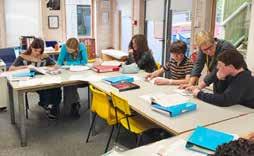
Record numbers of KAS students are choosing GCSE Classical Civilisation. Almost twenty Year 10 students are currently immersed in Greek and Roman myth, history and archaeology, with even more signed up for next year.
Year 10 have spent the first year of the course learning about the gods, heroes, temples, sacrifice and the use of mythical stories in political propaganda.
Year 11 finished their second year by studying the Odyssey and the ancient sites of Troy and Mycenae which form its historical backdrop.
“I like Classics because it’s a really interesting combination of stories and the history behind them. Also, it allows me to look back at much earlier periods of time than we study in other subjects.”
Orson, Year 10
“I like learning about people who were seen as heroes, but who still have the same faults that we have nowadays.”
Eila, Year 10
“It’s interesting because a lot of the social side of what we study relates to things today.”
Grace, Year 10
“It’s fascinating to hear about the origins of stories that are still told and retold today.”
Lulu, Year 10
“I love listening to other people’s perspectives and points of view and the way things worked back then.”
Gabby, Year 10
Choice is a weekly Friday afternoon enrichment activity for Years 7–11, giving students the chance to explore new subjects and develop skills beyond the academic curriculum.
“It’s great if you have an interest in Mythology because you have some freedom to choose what you want to look more deeply into,” explained Sam in Year 7.
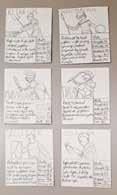
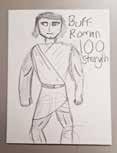
Students can work on projects related to Classics which interest them and it often leads to wonderfully creative outputs. After they immersed themselves in the world of Roman gladiators, their different fighting specialisms, armour, and weaponry, one group chose to bring their learning to life by creating their own set of Top Trumps style cards. Other creations have included a replica of the Bronze Age Dendra armour made from cardboard, a comic telling the story of creation, a model of the imaginary island of Ogygia and a project on the mythical Amazon warrior women.
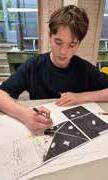
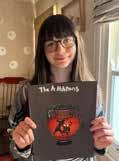
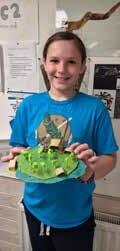
In Feburary half term, students enjoyed a fantastic week exploring Greece’s most important ancient sites. The trip was open to students from Year 8 to 11 and the itinerary was packed. Highlights included:
• The Bronze Age citadel of Mycenae
• Epidauros, one of the bestpreserved ancient theatres in the world
• The Dendra panoply, the oldest suit of Bronze armour found in Europe
The Temple of Zeus in Olympia
The National Archaeological Museum and the Acropolis in Athens
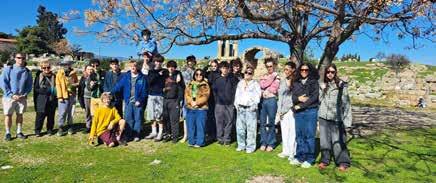
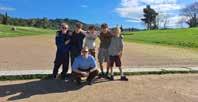
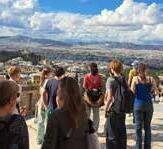
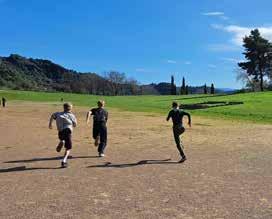
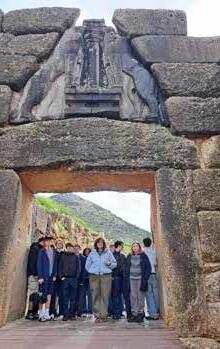
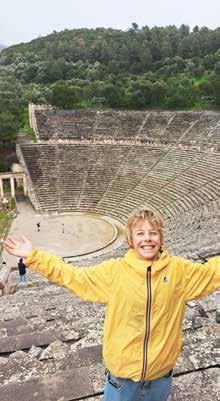
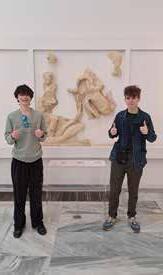
“The Greece trip was excellent,” shared Inigo, Year 9, who plans on taking Classics GCSE next year. “Getting to see where things actually happened rather than just learning about them was so useful.”
Seeing the mountains of Delphi was his personal highlight. “They were incredible. The trip has inspired me to go hiking there when I take a gap year!”
Polly in Year 11 learnt a lot, saying, “The tour was an amazing experience, where we got to see some of the most breathtaking key sites of ancient Greece. It really helped me with my GCSE knowledge. We were so lucky to be able to take this trip.”
Shaping their own futures one creation at a time
Our Year 12 and 13 3D Design and Art students visited Eindhoven for Dutch Design Week for a whole city’s worth of inspiration.
“Design is everywhere,” said Tommy. “You just walk down the road and see some weird architecture in the middle –it’s absolutely everywhere.”
The event is all about new designers and fresh ideas, with people coming from all over the world to showcase their work. For Tommy, the best part was seeing the design process up close and talking to the creators themselves –including students from the famous Dutch Design School showing off their final-year projects.
“It’s really nice to see more European architecture and design,” he explained. “It takes you out of the London bubble.”
The trip gave students plenty of inspiration for their own projects and a chance to see how design trends are evolving. It’s also a reminder that design isn’t just about the finished product – it’s about the journey, the ideas and the conversations that make it happen.
“Design is everywhere.”
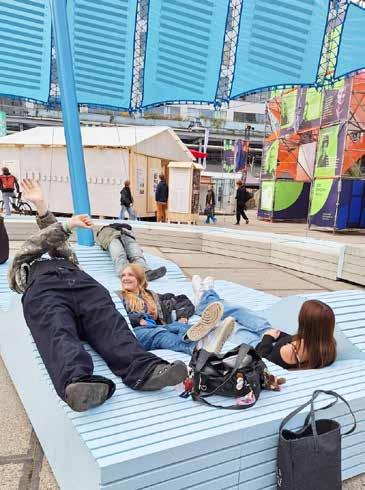
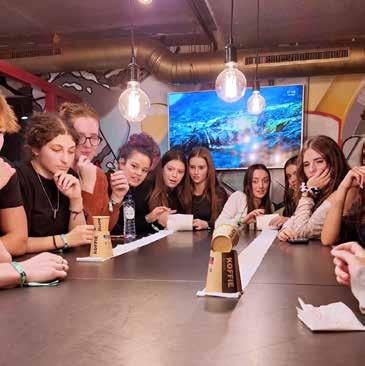
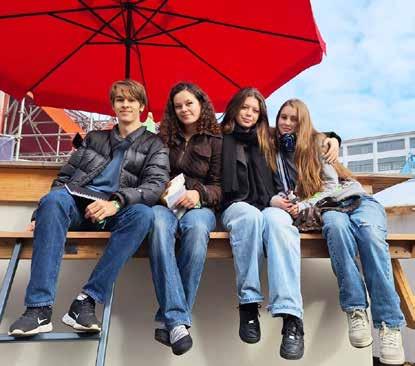
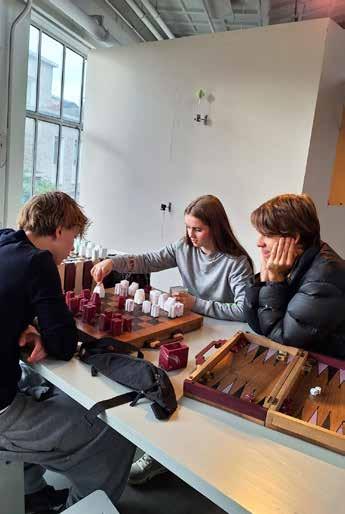
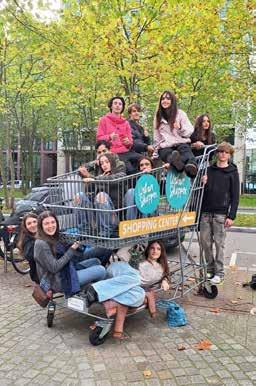
“It’s really nice to see more European architecture and design.”
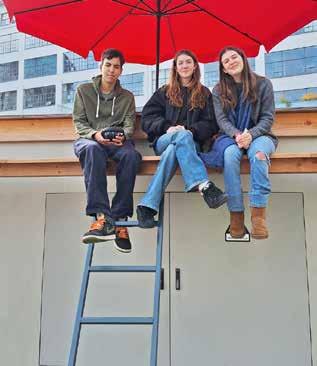
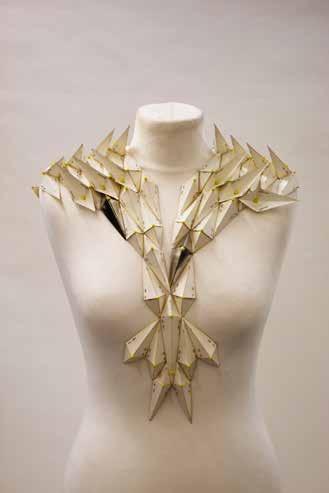
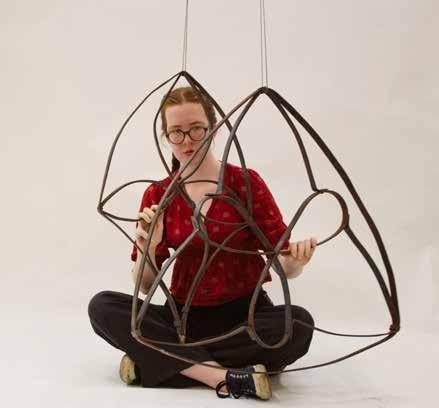
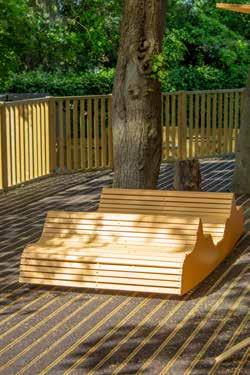
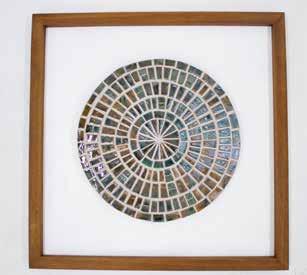
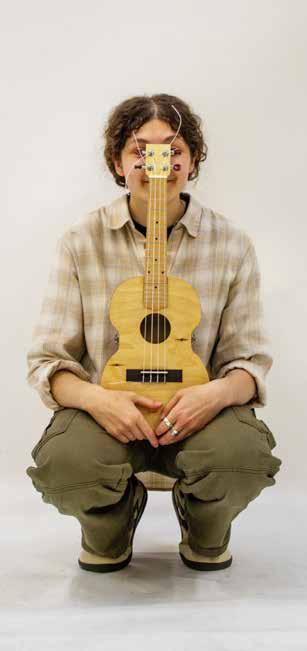
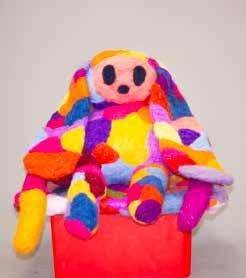
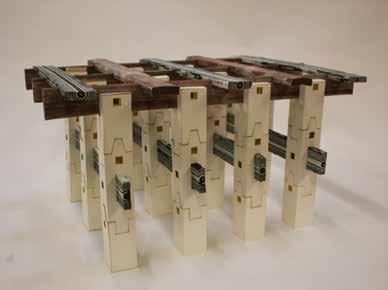
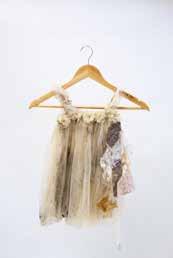
Creating their own briefs, approaching challenges with increasing independence, and impressive outcomes.
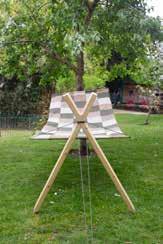
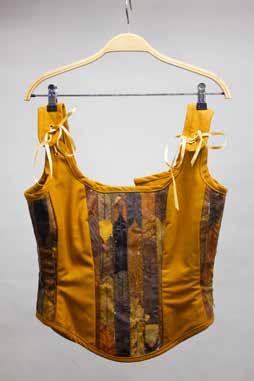
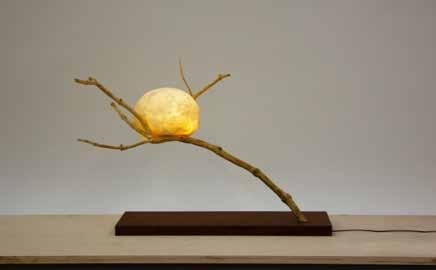
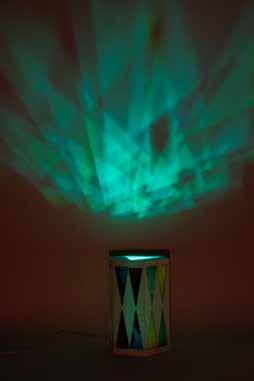
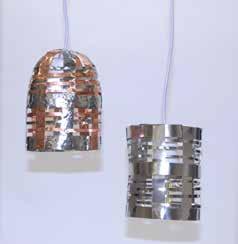
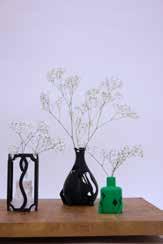
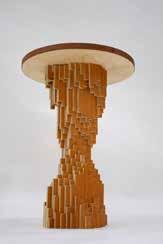
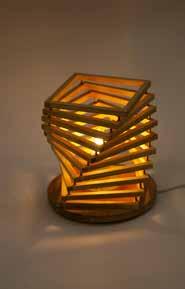
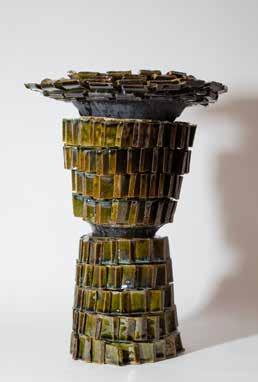
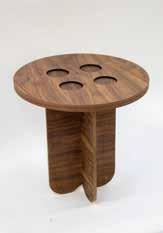
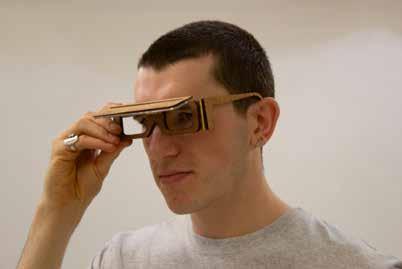
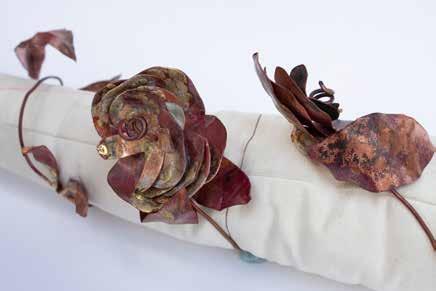
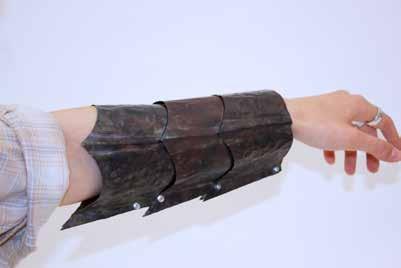
Commitment to their projects, sharing ideas, supporting one another and developing their designs with maturity, confidence and purpose.
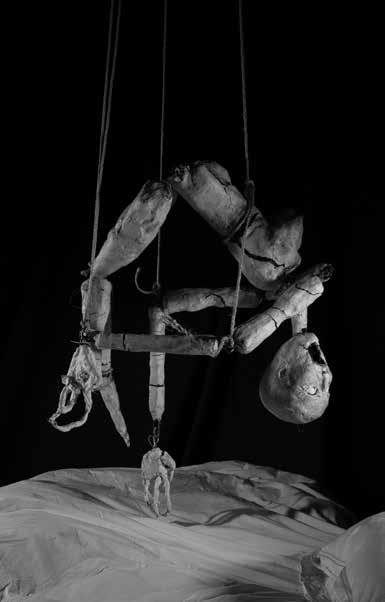
There is nothing like immersion to make languages fun and functional
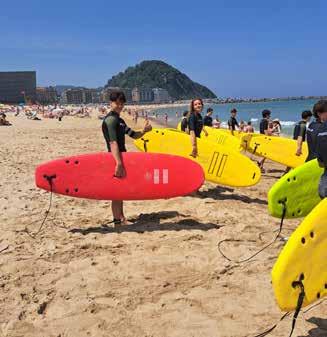
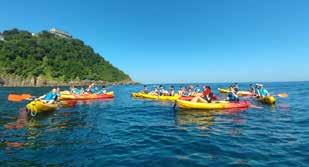
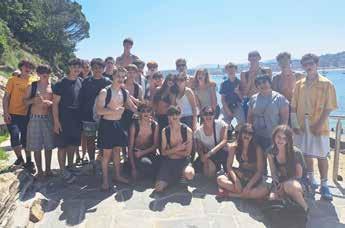
Last June the current Year 11 Spanish students travelled to San Sebastián for a rich cultural and linguistic experience. The visit offered students the opportunity to deepen their understanding of Spanish language and culture beyond the classroom.
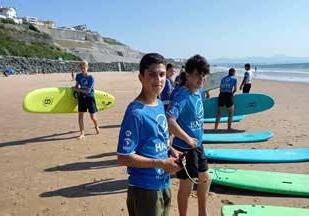
Students were fully immersed in Spanish life, staying with local host families, and taking in a wide range of cultural and outdoor activities. Students explored the city and coastline through experiences such as surfing on La Zurriola beach, cycling around the city, visiting the aquarium, taking a boat trip out to Santa Clara Island, and discovering local traditions through food and daily life.
Alongside the activities, students attended Spanish lessons taught by native speakers, developing their confidence and accuracy in speaking. At the end of the visit, they worked collaboratively on a project presented to their teachers, reflecting, in Spanish, on what they had learnt about Spanish culture.
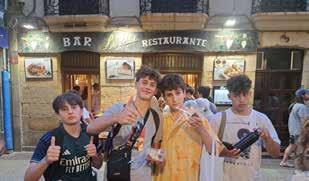
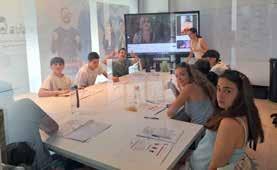
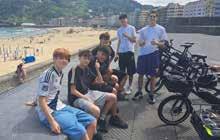
The trip to France in June 2025 was the perfect blend of sun, surf, and study. Every morning, students gathered for language lessons in a charming, traditional Basque house, where timbered walls made learning feel like a true cultural immersion. By lunchtime, they were refuelling on local delicacies including hearty sandwiches filled with Bayonne ham and various cheeses.
The afternoons were packed with activity as students took full advantage of the hot weather. They spent time exploring the picturesque streets of Biarritz and St Jean de Luz. When they weren’t sightseeing they were at the beach, either catching waves during surf sessions or cooling off with a swim in the Atlantic.
One student summed it up saying: “Being surrounded by the language and experiencing the traditions of the region gave us a break from the classroom and a true taste of French life.”
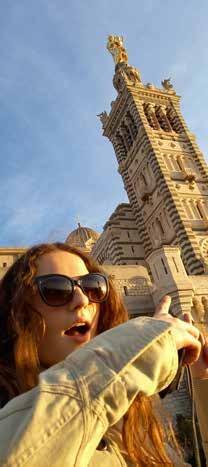
Marseille provided an immersive blend of music and history for our Sixth Form students. A standout experience was the guided rap tour, where we explored the artform’s history and evolution in France, before ending the day at a high-energy French rock concert, even securing a signed poster from the band!
The history of the city came alive during a visit to the atmospheric Château d’If, the iconic setting for The Count of Monte Cristo, followed by a stunning sunset. Other highlights included riding the ‘petit train’ up to the breathtaking Notre-Dame de la Garde and exploring the vibrant Vieux Port. To top it off, we enjoyed delicious North African cuisine, reflecting the city’s rich multicultural identity. This trip offered a perfect balance of legendary landmarks and modern culture.
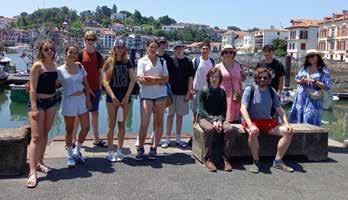
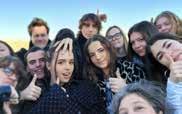
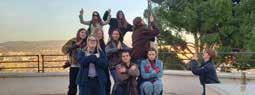
Psychology students have taken part in some exciting enrichment activities this year
Year 12 psychologists took part in a workshop at London Zoo, where they conducted an observation of animal behaviour and learnt how the animals are trained, using Classical and Operant Conditioning. This was a brilliant way for them to see their learning about Behaviourism in action, and they asked some great questions.
Year 12 & 13 students travelled to Bromley to watch Derren Brown’ show Only Human. It was a great evening and sparked lots of conversations about subliminal messaging and the power of the unconscious mind. Well worth braving the journey to South London.
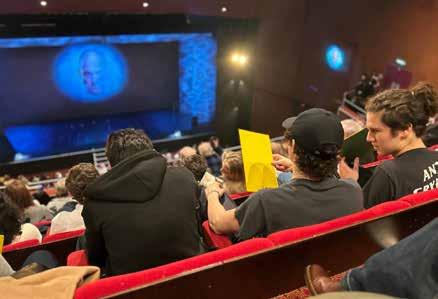
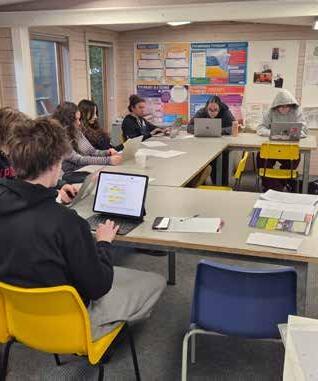
“This year, we’ve learnt about a variety of topics and gone on multiple trips. We headed to the zoo to get a deeper understanding of animal studies and conditioning and headed to Derren Brown’s live show Only Human to see a different application of psychology.
Personally, I’ve found all the topics interesting, but my favourite was memory, as it allowed me a deeper understanding of something we all experience in dayto-day life. Psychology enables me to understand other people and the human mind, which is why I like it.”
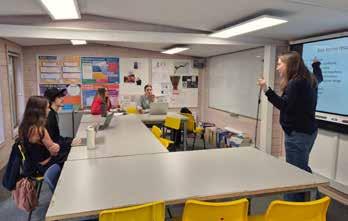
Year 7 students learn how to protect themselves in the digital world by exploring topics such as strong passwords, cyberbullying awareness, privacy settings and scams. Learning isn’t just about understanding online safety, it’s about sharing it too. With this in mind, students created and delivered engaging presentations.
Using Scratch, students took their first steps into coding by designing animations, games, and interactive stories. They were also introduced to Photoshop and began learning the basics of digital design.
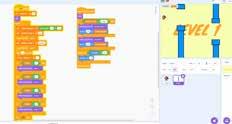
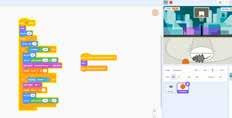
Year 8 students explored their creative potential by learning exciting techniques in Photoshop while also strengthening their programming abilities through hands-on coding in Python.
Year 10s have started our new School Directed Course; KAS Creative Technology. The first year has focused on computational theory, coding and digital image editing.
Our Year 11 GCSE Computer Science students have been preparing for their assessments and final GCSE exams. They’ve been developing their understanding of computing theory, computational mathematics - and programming, the area that inspired many of them to choose the subject in the first place.
Year 12 students are developing their programming project skills through analysis and practice of coded solutions. Meanwhile, our Year 13 cohort successfully completed their programming projects and are now focusing on preparation for the A level examinations.
During this two-year School Directed Course, students complete two large self-led projects which challenge them to make a positive difference in the world. In Year 10 these are individual projects whilst most Year 11 students have worked in small groups. Each project is submitted for a Higher Project Qualification that sits alongside GCSE qualifications.
The projects challenge the students to set their own objectives, manage their own learning, collaborate and overcome problems to create outcomes which can have a positive impact. These skills are very important as they head towards further education and the world of work.
An important part of the HPQ projects is that, where possible, the students learn from meaningful contact with the community. Examples this year have been research interviews with asylum seekers, food bank workers, undergraduate students and financial fraud officers.
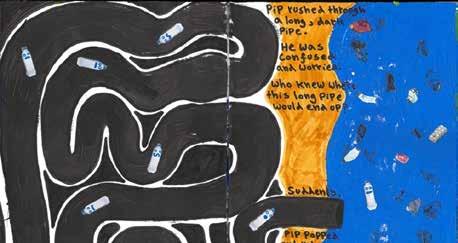
The class have produced a wide range of responses to challenges faced by the world:
• A magazine raising money in response to Typhoon Haiyan
• An educational video raising teenagers’ awareness about financial fraud
• A presentation about the opportunities and threats of AI for the creative industries
• A website giving advice to people seeking to set up a food bank in London
• A children’s book about the dangers of plastic pollution in our oceans

The Year 11 have the added element of collaborating in small groups. They’ve built on skills developed from the previous year and produced an excellent set of projects:
• A self-published set of three short stories about migration
A concert to raise money and awareness about the Sudan crisis
• A clothing drive and student workshop to combat fast fashion
• A penpal scheme with students in a Namibian school
• An art installation and charity run to raise awareness about mysogyny
• A video exploring young people’s political ideas and voting intentions
• A competition encouraging clean journeys to school
• A website helping undergraduates to eat healthily on a budget
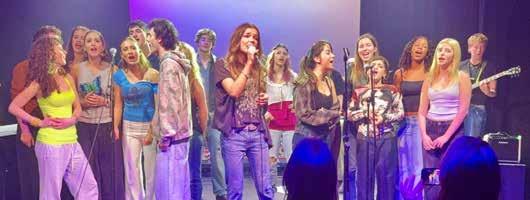
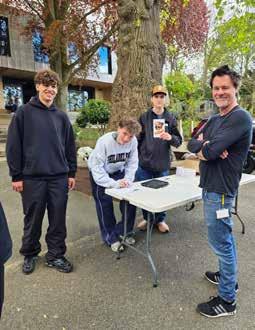
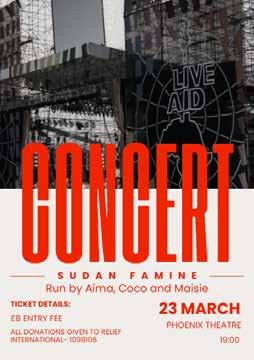
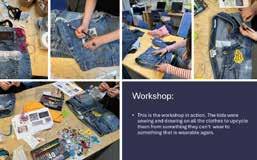
“I’ve realised if you make connections, you can reach people and make an impact.”
Louise, Year 11
“This project pushed me out of my comfort zone in a good way.”
Isla, Year 11
“I’ve learned a lot of new skills, and I think it’s been very important not just for getting a good grade, but also just for developing skills that I’ll keep with me in life.”
Bianca, Year 11
“Every one of us do managed work on our individual tasks well. And I think, even though we did it individually, it all came together nicely.”
Aima, Year 11
An excellent day out at the new ISA tournament at Bedford Greenacre School saw two teams of Year 7 boys performing at their best. One of the teams won the Plate competition, with the other team narrowly missing out on a place in the Cup final.
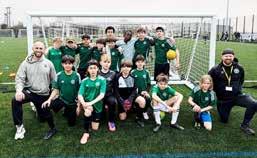
Our Year 8 & 9 teams trained hard for the netball event of year, the ISA Nationals. It was a very early wake up, followed by a very long drive to Nottingham University but also a great day out for everyone. The other teams proved tough competition, providing excellent lessons in resilience, character development, teamwork, and the importance of being well-drilled.
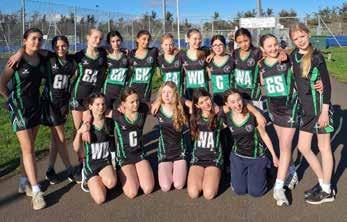
The Year 10 and 11 teams have once again proved dominant in the local small schools’ league. They retained their titles and some serious bragging rights. Year 11 were flawless, earning themselves the maximum 18 points with a whopping goal difference of 25! Well done boys!
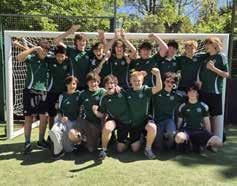
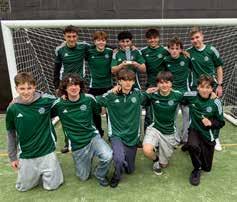
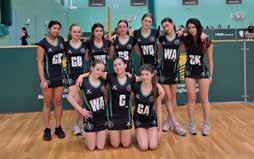
A successful season for our Year 11 team saw them top their group and secure a place in the local playoffs. At the Sobell Leisure Centre they faced off in a tournament and took home the trophy, having dominated the competition! Coach Henri is incredibly proud of the way the girls balanced their academic work alongside their commitment to sports. Congratulations girls!
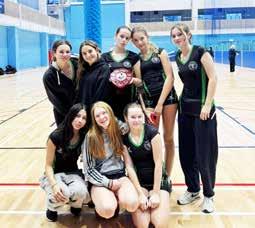
Year 9 Sports Leaders have been working towards their Level 2 qualification. As part of this they helped to organise a Panathlon Challenge event for SEND students from local secondary schools. They showed leadership skills, adaptability, and coordination. Vicky and Tom watched with pride as they led their stations in a professional, patient and supportive manner.
Congratulations to Year 7 student, Naya, who won the Under 13 ISA Table Tennis Tournament. In the Under 16 tournament, all three KAS players reached the quarter-finals. Matthew and Tommy played for the plate, whilst Luca dominated his group stage matches in the cup with seven consecutive wins.
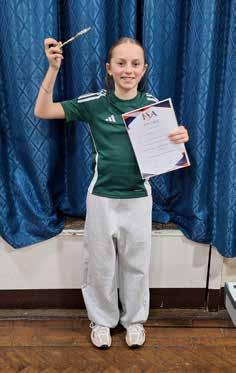
It’s been a busy year for our teams (as you can see from these stats) but but it’s not the whole story. The PE team are there for every games lesson, fitness suite workout, lunchtime kickabout or early morning club too.
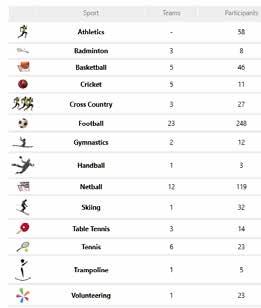
Flawless play from our Year 7s saw them pick up maximum points after winning all four games in their league. Similarly, the Year 8 team won four out of five matches, finishing joint top of the table. Basketball coach Chris commented on their hard-working attitude at training and matches.
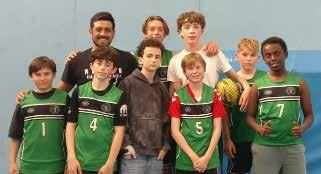
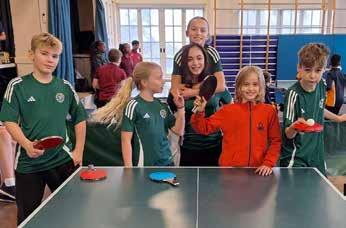
This year’s Upper School Sports Day was an unforgettable celebration of energy, teamwork and school spirit. The atmosphere at StoneX Stadium was electric, with students from Years 6 to 10 enthusiastically cheering one another on while parents watched from the stands.
As ever, three teams battled it out for the coveted Sports Day trophy: the reds, blues and yellows. Whilst competition was fierce, Year 10 student, Elvis, praised the inclusive atmosphere, saying: “Everyone’s been so supportive. It doesn’t matter what colour team you are on, everyone’s happy for everybody else.”
Amba in Year 6 agreed, adding: “I’ve seen really great school spirit; everyone cheered their teammates on whether they won or lost.”
With all track and field events complete, Robert announced the overall winners for the last time – and the trophy went to the blues! The final word goes to Grace (Year 9), who called it the “best day ever – you couldn’t wish for anything more!”
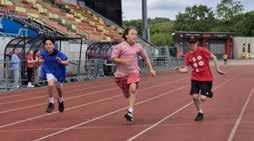
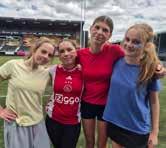
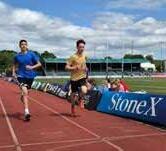
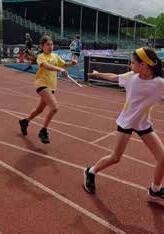
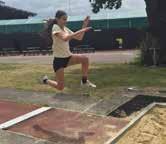
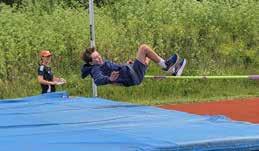
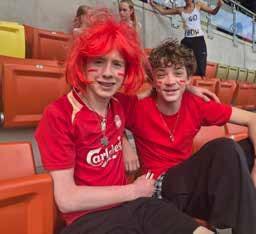
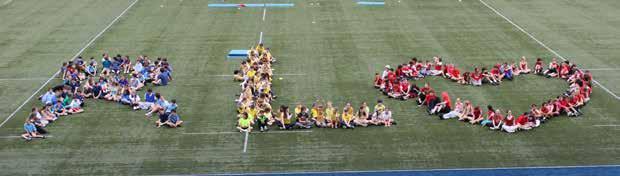
The ISA Regional Athletics event saw a large group of students heading off to represent the school. They ran, threw, jumped and cheered their way through the day, displaying impeccable behaviour and athleticism. Many qualified for the Nationals where they’ll represent the whole of North London!
Results:
Kaiden (Y7) – 2nd in 1500m, 1st in High Jump, 1st in Relay
Mika (Y7) – 1st in Javelin
Alma (Y10) – 1st in Discus
Luca (Y7) – 1st in Long Jump
Caspian (Y8) – 1st in Triple Jump
Year 7 Boys Relay Team – 1st in 4 x 100m Relay
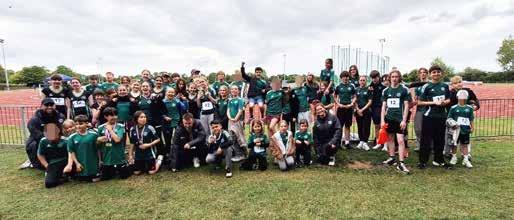
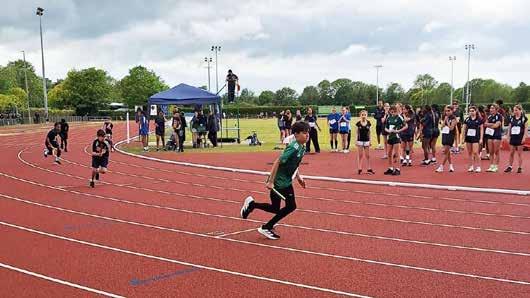
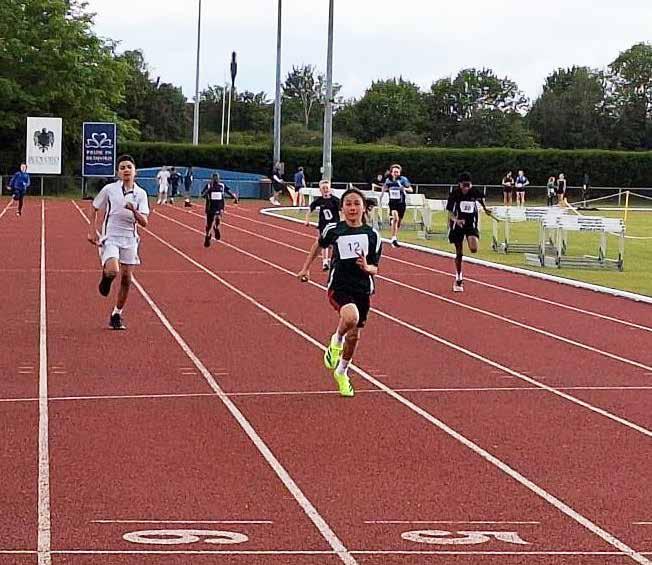
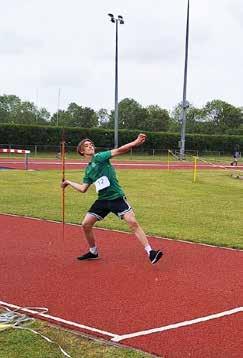
This year marked an exciting new chapter for the Music Department with the launch of the UAL Music Performance and Production qualification at Sixth Form. The students’ contributions have been wide ranging, from performing in concerts and at events, to supporting productions behind the scenes, adding depth and variety to performances throughout the year.
The year started with an energetic Axemonsters concert which showcased the breadth of musical talent across the school. This continued with Unplugged, in the Spring Term, featuring engaging performances from a diverse range of musicians, maintaining the lively spirit the Music Department fosters.
Our KAS Jazz Night also returned, this year at the Phoenix Theatre. It brought together student performers and professional musicians, and this year we added in another layer with students joining the band as jazz vocalists. The evening felt reminiscent of a night at Ronnie Scott’s highlighting the versatility and musicality of those involved and offering audiences a memorable and immersive jazz experience.
In the Upper School production of Guys and Dolls, Lucas, Cara, and Dylan played as part of the show band, demonstrating professionalism, dedication, and a high level of musicianship which was integral to the success of the show.
Our Spring and Christmas large ensemble concerts brought together orchestras, chamber groups, jazz bands, combos and choirs. These performances reflected students’ commitment to regular rehearsal and their ability to work collectively. Soloist concerts held throughout the year further enriched the programme, giving students across year groups and instruments the chance to perform and develop their confidence as classical musicians.
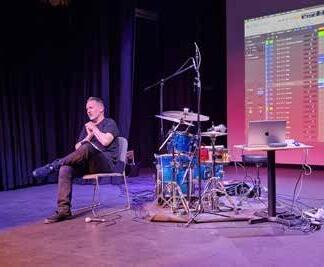
GCSE Music and Sixth Form students took part in an inspiring masterclass with Jack Baker: drummer, producer, songwriter, and member of Bonobo. Jack shared insights into his career and offered an honest perspective on working within the music industry. The session gave students valuable real world context and encouraged thoughtful discussion about pathways beyond school.
A special thanks to our visiting Instrumental Music Teachers:
Leo Richardson, Sam Warner. Rick Simpson, Jay Davies, Daniel Broad, Sophia Russel Belgrave, Lydia Aoki, Joe McGrail, Nick Marangoni, Jack Baker, Robert Greenfield, David Quirke, Maciek Pysz, Sarah Carter, Christina Gill, Hannah Lang, Helena Svigelj
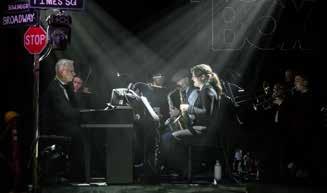
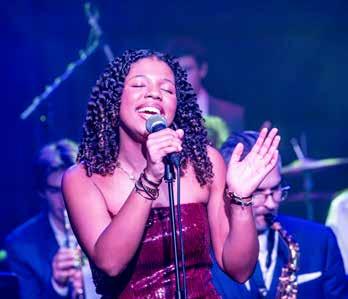
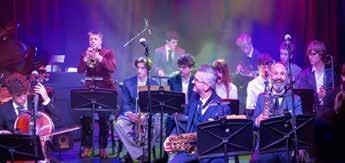
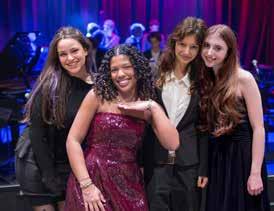
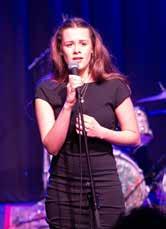
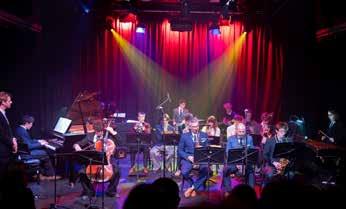
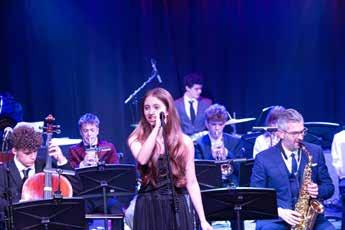
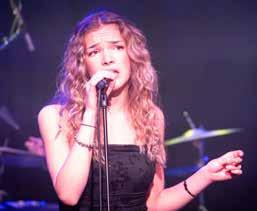
&
TECHNOLOGY - Neven Vangelov, Nell Buckingham, Dan Aarons, Richard Wade
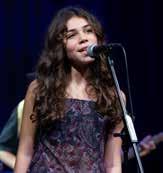
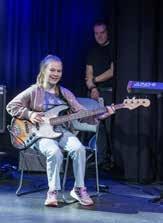
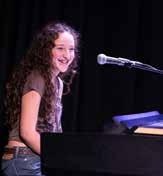
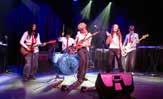
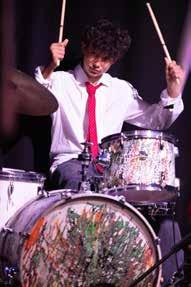
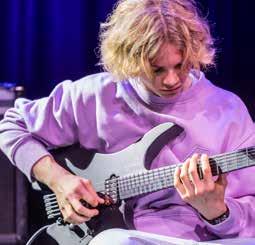
Music Technology has run as a discrete A level at KAS for nearly 20 years. Within that time, the Department has grown and a plethora of students have progressed to successful careers in the music industry.
It is in our nature as a progressive school to look outward, and as the world changes, so do we. Which is why we have shifted to the UAL Music Performance and Production course in Sixth Form. It combines the best elements of both performance-based skills and studio work including recording and production, as well as contemporary composition.
We are at the start of an exciting new journey and the course so far has been a great success. We’re looking forward to an even brighter future.
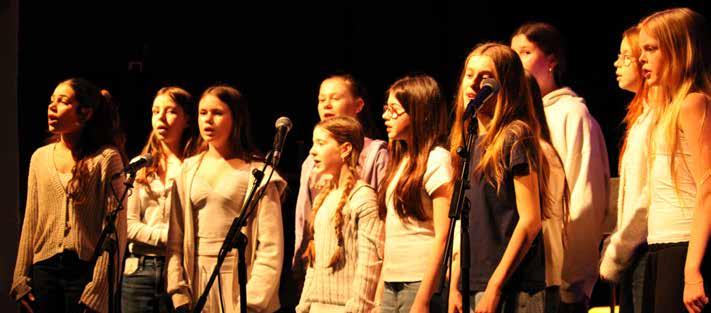
Senior School singers transported audiences straight to the West End with their vibrant and confident performance of the classic musical Guys and Dolls. This much-loved production showed off the students’ growing musical maturity, stylistic understanding, and strong ensemble work, bringing energy, humour, and polish to the stage.
While preparing for their Musical Theatre Showcase, Sixth Formers worked with award-winning actress Samantha Spiro, focusing on character through song. They explored a wide range of expressive techniques, examining how storytelling can be communicated vocally and physically.
Year 12 student Tamar said: “Sam helped me think about the song I’m performing as a journey that I’m leading the audience on. Having experts from the industry teaching us is an amazing opportunity.”
Year 13 students also enjoyed an informative audition masterclass by Nikki Laurence, Musical Director and Head of Musical Theatre at the London Studio Centre. Students received individualised feedback on their audition repertoire, alongside a wealth of practical advice and techniques to help manage nerves in high-pressure audition settings.
There were so many Middle School singers who wanted to take part in the production of Annie that the cast was split to create two separate performances, which wowed audiences with their energy and skill.
Meanwhile, Jazz Choir, KAS Bellas, and the Baby Bellas saw many new recruits this year and impressed audiences with their increasingly complex harmonies and confident performances.
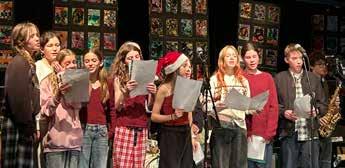
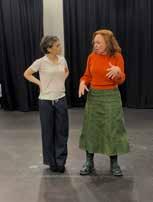
A reimagined programme, lots of new choices, and a familiar belief: that children thrive when they choose what to pursue
Choice brings a particular kind of energy to Friday afternoons. You feel it in the small deliberate decisions of children doing the thing they have chosen to do, in the company of people they wouldn’t otherwise have met. Year 7 students making jewellery next to Year 11s. A composer at the keyboard while, across the school, students are making pizza.
Choice is an indicator of how we believe young people learn best: giving students a choice of how they spend a meaningful slice of their week, teaches them that they’re trusted, that their interests count, and that the world is wider than the subjects they are formally taught. And it’s fun!
This year we added cold water swimming, padel, birdwatching and cricket, brought back sailing and table tennis and continued regulars like the forge, bouldering, skateboarding, jewellery making, cooking and helping in Lower School (plus many more!)
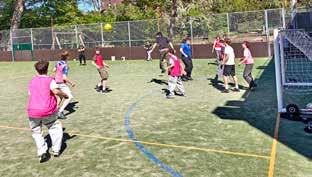
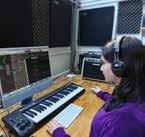
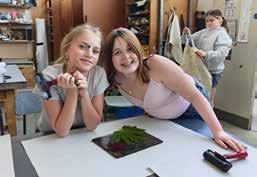
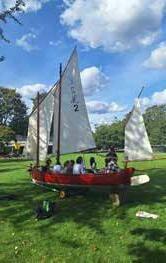
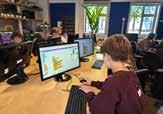
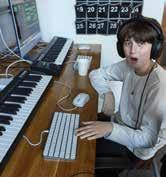
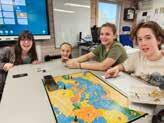
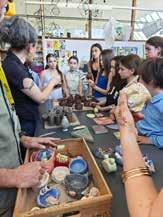
The sun shone on back in June 2025 when Year 8 spent five days living in self-built huts on the school grounds – immersed in a unique, off-grid experience that blended creativity, craftsmanship and community
Each day was filled with hands-on activities. Students could try their hand at traditional crafts like wood whittling, blacksmithing and yarn spinning, whilst artistic pursuits included charcoal sketching, nail painting and hair wrapping. Off-site sailing trips provided adventure beyond the Village grounds, too.
In the bushcraft area, students sipped nettle tea and grounded themselves in nature, receiving their own nature inspired Village names. Rufus, who was given the name Robin, reflected: “My Village highlight has been making an axe in the forge.” For Phoebe, the freedom of choice stood out: “There are so many activities, but you get to choose what you want to do. It’s been really relaxing.” Her hut mate Ella added: “It’s also been nice not having any technology.”
Living in The Village meant taking full responsibility for daily life: “Cooking on the fire has been one of the biggest challenges,” said Rufus. “So far, we’ve made pasta, chicken wraps and a nice soup.” Each hut housed four to five Villagers, and many personalised their spaces with handmade signs and decorations. “There was a lot of excitement on the first night,” said Phoebe. “But after that, it calmed down. I’ve probably slept better here than I do at home,” Rufus added. “Some of the activities are hard work, especially blacksmithing, so when you go to bed, you just need to sleep, ready to wake up and do it all again.”
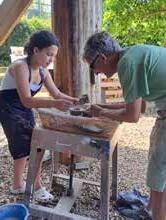
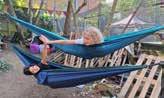
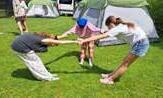
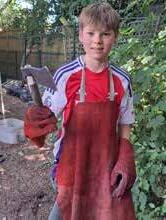
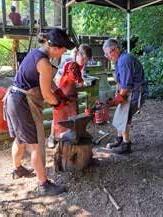
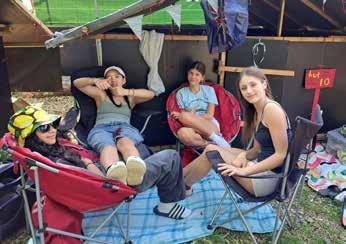
After completing their GCSEs in July, a group of our Year 11 students found themselves back in the classroom – this time in Namibia
The group headed to the Kunene region to embark on a transformative two-week trip that blended volunteer work, adventure and personal growth.
Student Bea, now in Year 12, shared: “We spent the first week in a village, volunteering at the local school. We repainted a classroom and a bathroom – it was tough work, but incredibly rewarding.
In the evenings, we played football with the children and just hung out. I’m taking A level Photography and the kids were fascinated by the cameras, so I took loads of photos.”
The annual trip forms part of the school’s longstanding partnership with Elephant-Human Relations Aid (EHRA), a charity dedicated to fostering peaceful coexistence between desert elephants and the communities who share their land.
Spending time with the locals also gave students a fresh perspective on life. Fellow traveller Alexia said: “Seeing people live happily without all the things we think we need was eye-opening. I’ve never visited anywhere like it before.”
In the second week, students learned tracking and navigation skills, gaining insight into EHRA’s work monitoring elephant herds.
“Finishing our self-guided trek felt amazing,” recalled Bea. “It really gave me that ‘I can do this’ feeling, which I know will help with my A levels.”
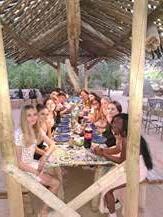
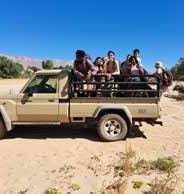
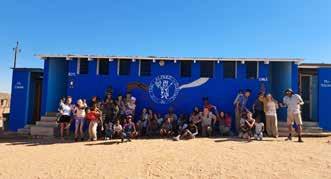
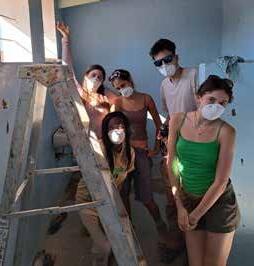
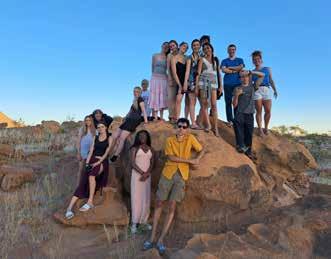
If the KAS Ski Trip were a ‘What Three Words’ location, it would be freedom. fun.friendship!
The actual location, Prato Nevoso in Italy, delivered a fresh dump of snow just as the KAS group arrived, making for perfect conditions. A week of lessons improved everyone’s skills, whilst a night skiing session provided a magical highlight.
Early starts proved no problem for the students, who were often down in the boot room before the teachers, clipping in and helping each other out.
Beyond the slopes, quizzes, swimming and snow tubing added laughter and camaraderie. Teacher Jeff’s legendary room inspections saw students pulling out all the stops to impress: some performed pop songs (complete with customised lyrics), others offered tasty bribes – and some even actually tidied their room!
Students’ friendliness and good humour were commented on by hotel staff, ski instructors and the British Airways cabin crew on our flight home – a true credit to the school, and a trip to remember.
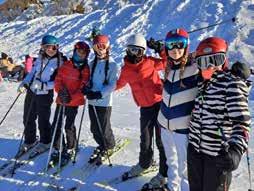
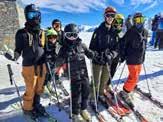
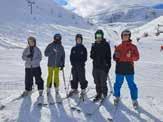
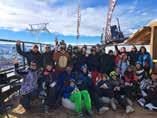
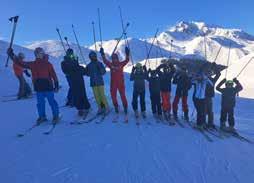
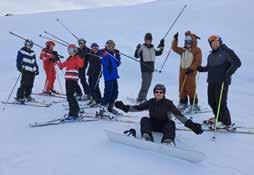
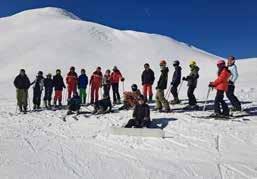
Our alumni network is about more than memories
Our Connections programme has continued to build momentum, bringing together students, Old Alfredians and parents through a series of engaging events across the year.
A highlight this year was our career forum, Careers in Sustainability: Working for the World You Want, which explored the wide range of pathways within the sector, from communications and policy to urban planning and beyond. Our panel of speakers from the KAS community offered a wellrounded view of what careers in sustainability can look like today. As part of the event, students from Year 7 to 13 exhibited a range of sustainability-focused coursework. The event gave students the chance to engage directly with professionals working at the forefront of their fields. A recording of the forum is available on KASConnected.org
We also welcomed Old Alfredians and KAS parents to our Sixth Form throughout the year to speak about their career journeys and life beyond school. These sessions offered practical advice for our students as they begin to consider their own next steps. This year’s speakers included:
• Amadeo Alentorn, Head of Systematic Equities at Jupiter Asset Management
• Polly Dartford (OA 2015), Civil Service
• Rory Hackett (OA 2006), Founder & CEO of Liv Technology
• Wolfgang Blau, Global Managing Partner for Brunswick Group
Let’s keep our KAS community strong and stay linked via KAS Connected. Here you can find work experience, job opportunities and mentorship by connecting with other Old Alfredians, KAS parents and staff. If you haven’t already joined, click or scan the QR code to join.
It’s here on KASConnected.org that you’ll also be able to view the recordings of our Connections Forums under the ‘Resources’ tab.
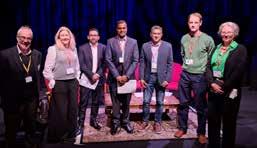

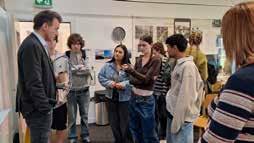
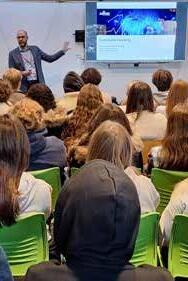
Guys and Dolls was the perfect opportunity to showcase the new facilities in the Phoenix Theatre and to thank the many in our community who helped make this investment possible through their gifts to the school, and this project in particular.
Thank you to all those who supported the Phoenix Theatre!
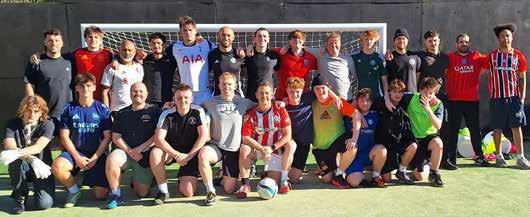
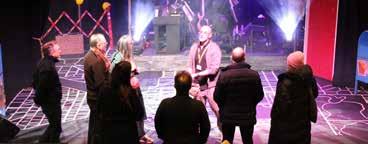
Our podcast launched four news episodes this school year. Tune in to hear how KAS has impacted the lives and careers of Old Alfredians.
You can also watch the recordings of the interviews on YouTube.

Play has always been central to our educational approach. Inspired by the Year 2 Project on the history of play, we delved into the KAS archive to see how playtime has changed (and remained the same!)
Cricket was a favourite pastime. True to KAS’s commitment to rational education and gender equality, girls and boys played together.
The prospectus for KAS’s nursery school noted that ‘all work and play is carried out in the open meadow or under a shady tree’ with a shelter reserved for inclement weather.
Soon after KAS moved to Manor Wood, students discovered a horde of ancient human remains in soil used to level the field. The bones were repurposed as cudgels before staff intervened and launched an inquiry into their origins.
This early treehouse echoes the principes of risk taking and independent outdoor play enshrined in the Adventure Playground movement that emerged around this time.
When KAS was evacuated to Flint Hall Farm, Royston, the surrounding countryside became the playground. Drama kept students in high spirits, including weekend variety shows performed live in the big barn.
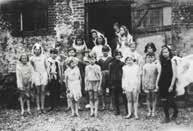
“TOYS
In the run up to Christmas, The Picture Post interviewed KAS students about their favourite toys. Seb, show here, was fond of his wooden model village building set.
Follow the KAS Archives on Instagram! @king_alfred_archive
Creativity, inventiveness, self-initiated play and ‘loose parts’ abound in these beautiful images of students from the 1950s.
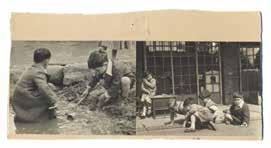
Photographs from this era capture a golden age of freedom, unstructured play and progressive educational values.
KAS students were immensely proud of the new state-of-the-art playground that they helped to fundraise for and build in the 1980s.
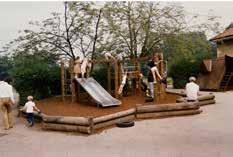
Pass me the twelvesided dice! Roleplaying games such as Dungeons & Dragons were popular with KAS students in the ‘90s. Head Teacher Francis Moran is shown here having a go on the new flying fox.
Year 8 Villagers invent new forms of fun and games each year. Music was centre stage in the Villages of the 2000s, especially around the campfire each evening.
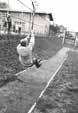
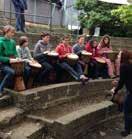
Screen time may dominate the headlines, but play can be found in every nook and cranny of KAS - the Field remains the heart of every breaktime for Lower and Upper School students.
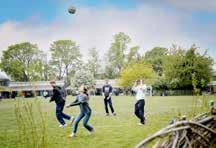
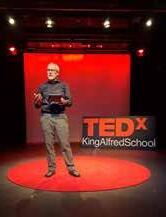
In a school full of wonderful stories, perhaps the best I have ever heard reached me only a few weeks ago. Asked to share a memory about Robert, a Council member told us about the day when, early on in his tenure, Robert had visited one of the Lower School classrooms. When he had gone, the teacher gathered the children round and asked them: “Do you know who that was?” A hand shot up and out came the answer: “Was it King Alfred?”
An unforgettable response. Robert’s 11 years at King Alfred, if not as King Alfred, have been marked by his wise, calm leadership. Notably without the more ostentatious trappings of some modern leaders, his time at KAS has been defined by his integrity, patience and a deep investment in personal relationships: among staff, students, parents and Old Alfredians alike.
I was there when he was appointed, and it would be fair to say I was a little sceptical. Could this man, who seemed so at home in a structured, systematic environment, really embrace our free-thinking and not always organised community?
I worked with Robert for seven years as Chair of Council, and again now as President of the King Alfred School Society. I watched as he rose to meet the school in both its greatness and its challenges, bringing rigour and a clear frame to everything he did, whilst never losing sight of
what matters most: doing the best for our students.
King Alfred grew on Robert, and we grew on him. I was particularly privileged to be working with him as he steered our community through Covid, keeping us together at a time when other schools fell apart, a testing period that shone a powerful light on the strengths of this school. With Robert, there was never a sense of panic. Whatever KAS threw at him, he always took the time to listen and, even more importantly, the time to respond thoughtfully.
I am writing this the night after Robert gave the keynote speech at our first ever evening in honour of the great educationalist Sir Ken Robinson, and hearing Robert trace his journey from a very different teaching background to finding his home at KAS was a reminder of how far that journey has taken us all.
On behalf of the whole community, I thank Robert for his leadership and wish him the very best for the next chapter.
Annabel Cody, President of the King Alfred School Society
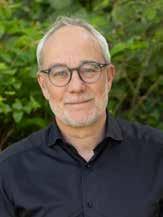
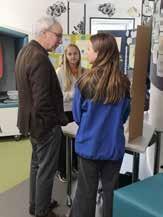
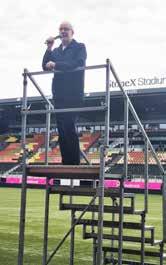
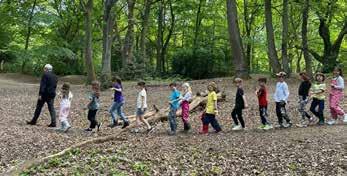
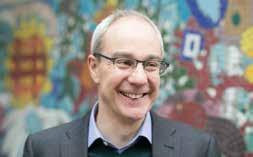
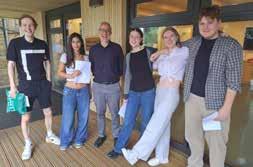
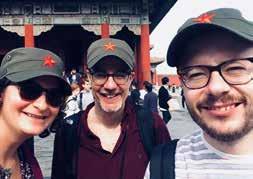
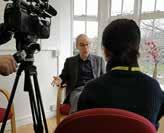
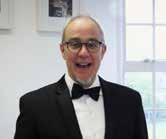
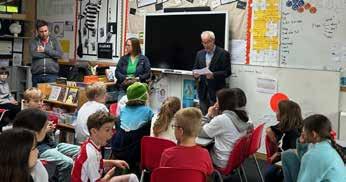
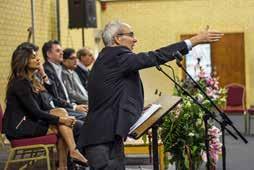
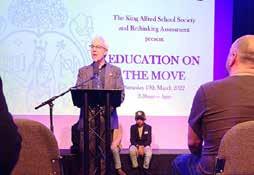
Al joined KAS from Bedales in 2021, taking up the role of Deputy Head and teacher of Classics. Deeply committed to educational reform, Al has had a significant influence during his time here. Internally, he spearheaded our School Directed Course [SDC] programme, broadening the experience in the exam years. He championed outdoor learning, student voice and teachers learning
from each other’s practice. Externally, he co-founded the Rethinking Assessment Group and the SDC Consortium, supporting other schools to take a similar journey. Al built many excellent relationships with students, colleagues and parents during his time here and we wish him all the best for the future. He leaves KAS to pursue an opportunity to work with Harvard’s Human Flourishing Programme.
“I arrived at KAS in September 2015 and in the ten years since, I’ve taught Years 1&3, led the Ivy Wood team, run Eco clubs with Sophie, Ilona and Bella and led the Lower School Learning Support team for five years. There have been countless ‘best bits’: planting, composting, admiring very special pieces of cam bark in Ivy Wood, watching children demonstrating their ideas, their plays, their passions, and their ways to change the world, telling their jokes,
learning to read, having lightbulb moments and new ideas, showing their resilience and determination to learn, making friends and showing kindness. I’ve been privileged to work with dedicated, imaginative and determined teachers, parents and specialists and I leave KAS enriched by and cherishing my experiences and the community. I am going on to work more closely within my home community and the only thing I won’t miss is the long commute!”
“It’s been a blast! It’s been a joy teaching, learning and laughing with such an incredible community. I have really enjoyed being part of a place that does things differently and really values curiosity and creativity. Personal highlights have been the buzz of the students, Year 6 camp and Friday afternoons up the road!”
“Being a part of such a wonderful community has made my time in London all the more special. The inquisitive, sparky and thoughtful nature of KAS kids has made teaching here a joy. Spending everyday with friends, sharing a love for learning and enjoying a community spirit that is second to none, has been a privilege - and so much fun!”
“I am very sad to be leaving such a special place. But now is the right time to relocate to the Lake District, where I will be closer to my family and have a different pace of life.
It has been an honour to be the Director of Sixth Form at KAS. I have loved my job, the culture and ethos, and the community, but most of all I have loved working with the students and being a part of their journey at such an important time in their lives and educational careers.
As you all know, a KAS education is unique, and as well as being transformational for our young people, it has also shaped me as a teacher. My
experiences here will continue to impact my teaching, and my way of thinking about education, for the rest of my career.
I’d like to take this opportunity to say thank you for welcoming me into the KAS community from the get go. It has been a truly wonderful few years here and it will always be a time in my life that I will look back to so very fondly. I wish you all the very best.”
Padding out of the gate next to Eleanor will be Sixth Form Dog, Olive. Her can-do attitude will be missed, not just by the Sixth Formers, but by all who patted her and were cheered by her waggy tail!
“If I hadn’t felt the pull to go back home, I could have stayed here forever. I thought you’d have had to drag me out kicking and screaming! Working here has been the most rewarding and magical experience, and I’m so grateful that I had the chance to be a part of KAS. In fact, if you don’t mind, we could all move up to the Midlands together? Come on, you grab one end and I’ll get the other and we’ll get it done in a weekend.
I’ll miss every one of you. You have all left vibrant memories and taught me things that I’ll take with me to my next chapter. Do stay in touch and pop in for tea. What a wonderful five years… As it’s me, I suppose it’s best to end on a David Bowie song: ‘We’ve got five years, stuck on my eyes five years, what a surprise…’”
“My eight years at KAS have meant a lot. Being part of a thoughtful and truly unique community working passionately to bring out the best in our students has been a privilege.
I want to say a particular thank you to the Admissions and Marketing team. Working with you has been a pleasure - your dedication, support and good humour have made even the busiest days enjoyable. We’ve made many memories I’ll look back on with a smile.
Being part of the Admissions team has given me the opportunity to meet so many wonderful families and students. Moving on to pastures new (and my last challenge before retirement - yes I am that old!) is daunting but also exciting. I’m leaving with a heavy heart as I’ll miss our collaboration, camaraderie and laughs!”
Paul Dawson, our A level philosophy teacher sadly passed away in March this year. Robert Lobatto said: “Part of the KAS community since 2010, he was a much-loved and respected member of staff. He was a teacher who made an enormous impression on his students, many of whom went on to study Philosophy at university and beyond. He was a man of intelligence and wisdom, kindness and wit and will be much missed. In my last conversation with him he talked about appreciating all the good things in one’s life and making the most of every opportunity. We send heartfelt condolences to his family.”
We said goodbye to Akin after 9 years of making things work as a Support Technician in our ICT Department. From non-working whiteboards to lacking laptops and pesky printers, we’re grateful for all the times he fixed it for us!