Digital Marketing for Hotels and Resorts: Strategies That Increase Direct Bookings
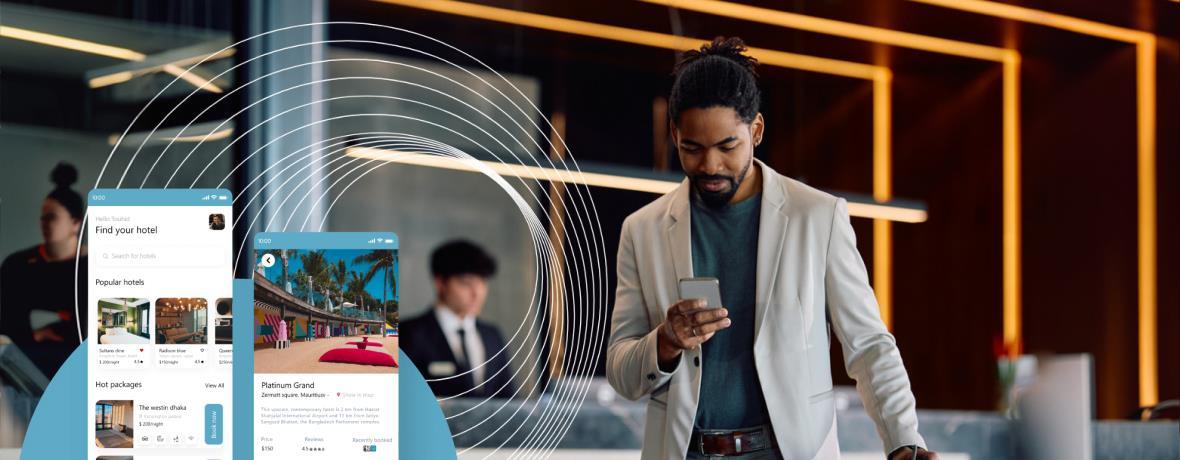
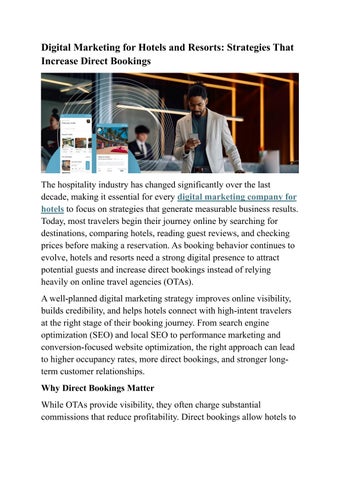
The hospitality industry has changed significantly over the last decade, making it essential for every digital marketing company for hotels to focus on strategies that generate measurable business results. Today, most travelers begin their journey online by searching for destinations, comparing hotels, reading guest reviews, and checking prices before making a reservation.As booking behavior continues to evolve, hotels and resorts need a strong digital presence to attract potential guests and increase direct bookings instead of relying heavily on online travel agencies (OTAs).
Awell-planned digital marketing strategy improves online visibility, builds credibility, and helps hotels connect with high-intent travelers at the right stage of their booking journey. From search engine optimization (SEO) and local SEO to performance marketing and conversion-focused website optimization, the right approach can lead to higher occupancy rates, more direct bookings, and stronger longterm customer relationships.
Why Direct Bookings Matter
While OTAs provide visibility, they often charge substantial commissions that reduce profitability. Direct bookings allow hotels to
retain more revenue, communicate directly with guests, and encourage repeat visits through personalized experiences.
Increasing direct bookings usually depends on several digital factors working together, including search visibility, website experience, online reputation, and targeted marketing campaigns.
Building Visibility Where Travelers Search
Most hotel searches start on Google. Travelers commonly search using location-specific phrases such as:
• Luxury hotels in Bangalore
• Resorts near Coorg
• Family-friendly hotels in Mysore
• Business hotels near Electronic City
Appearing for these searches requires more than simply having a website. Hotels need technically optimized pages, relevant locationbased content, accurate business listings, and positive guest reviews.
Local SEO plays an important role by helping hotels appear in Google Search and Google Maps when potential guests are actively looking for accommodation nearby.
Content That Helps Guests Make Decisions
Modern travelers expect more than room photographs. They want destination guides, nearby attractions, local dining recommendations, transportation information, seasonal travel ideas, and answers to common questions before making a booking.
Publishing helpful content benefits both users and search engines. Informative articles can improve organic rankings while positioning the hotel as a trusted source of local knowledge.
Examples include:
• Best places to visit near your hotel
• Weekend itinerary suggestions
• Family travel guides
• Business travel tips
• Seasonal vacation recommendations
This type of content attracts visitors earlier in their travel planning journey and increases the likelihood of direct reservations.
Performance Marketing Complements Organic Growth
Organic traffic takes time to build, which is why many hotels also use GoogleAds and remarketing campaigns to reach travelers with immediate booking intent.
Successful campaigns are typically built around specific audiences, including business travelers, families, couples, weekend tourists, or luxury vacation seekers. Rather than focusing only on clicks, effective campaigns are continuously optimized for qualified enquiries and completed bookings.
User Experience Influences Booking Decisions
Even if a hotel ranks well in search results, a slow or confusing website can discourage potential guests.
Abooking website should make it easy for visitors to:
• Check room availability
• Compare accommodation options
• View pricing clearly
• Explore amenities
• Read authentic guest reviews
• Complete reservations with minimal effort
Small improvements in website speed, navigation, and mobile responsiveness often have a measurable impact on booking conversions.
Learning from Real Hospitality Projects
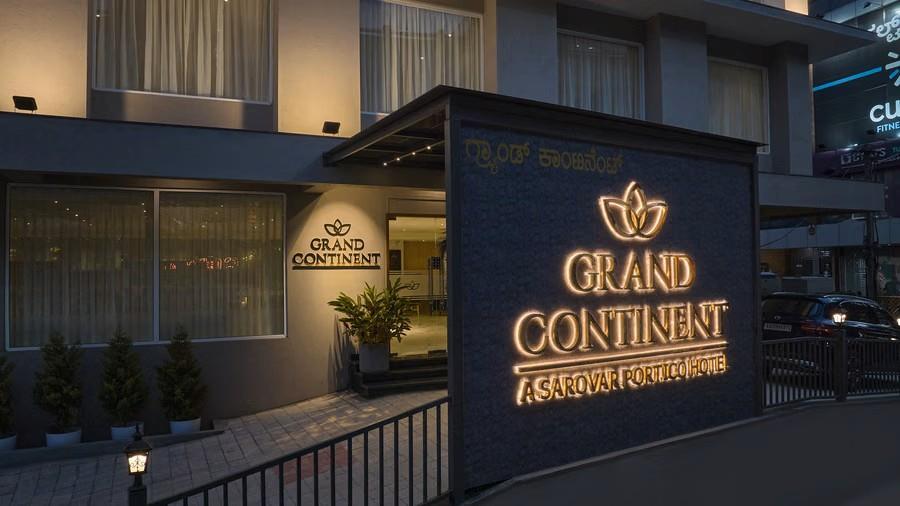
Apractical example of this approach can be seen in the Grand Continent Hotels direct-booking increase case study. By combining search engine optimization, local SEO, GoogleAds, website improvements, and conversion-focused strategies, the project demonstrated how a well-executed digital marketing plan can strengthen online visibility and encourage more guests to book directly through the hotel's website.
The case study also reflects a broader trend in the hospitality industry hotels achieve better long-term results when digital marketing channels work together rather than in isolation. Consistent optimization across search, content, paid advertising, and user experience creates a stronger online presence and improves booking opportunities over time.
Inmogic, a Bangalore-based digital marketing company, has worked with businesses across hospitality and other industries by focusing on data-driven SEO, performance marketing, and conversion optimization. The work carried out for Grand Continent Hotels is an example of how industry-specific digital strategies can help hotels improve online discoverability, attract qualified visitors, and support sustainable growth in direct bookings. Instead of relying solely on paid booking platforms, the emphasis is placed on building long-term organic visibility and measurable business outcomes.
Measuring Success Beyond Traffic
For hotels and resorts, website traffic alone is not the goal. The real indicators of success include:
• Growth in direct bookings
• Lower customer acquisition costs
• Higher occupancy rates
• Better return on advertising spend
• Increased repeat guests
• Stronger online reputation
Tracking these metrics provides a clearer picture of how digital marketing contributes to business growth.
Conclusion
The hospitality industry continues to become more competitive as travelers increasingly depend on digital channels to discover and compare accommodation options. Hotels that invest in SEO, content marketing, local search optimization, paid advertising, and website experience are better positioned to attract qualified visitors and convert them into direct bookings.
Whether managing a boutique property, business hotel, luxury resort, or hotel chain, adopting an integrated digital marketing strategy can improve visibility, strengthen guest relationships, and create sustainable growth. Real-world hospitality projects, such as the Grand Continent Hotels direct-booking increase case study, illustrate how combining multiple digital channels can deliver meaningful business outcomes when supported by the right expertise and long-term strategy.