JANUARY 2021 Complimentary JANUARY 2021 Complimentary
PUBLISHER / FOUNDER
Stephanie Sittnick
COPY EDITOR
Elisabeth Allen
WEBMASTER
Tony Rivera
ADVERTISING SALES
Stephanie Sittnick - Director of Sales ( 860) 227-8199 advertising@518mag.com
CONTRIBUTORS
Carol St.Sauveur Ferris, Karen Richman, Rona Mann
Chandler Stevens, Lawrence White, Kirsten Ferguson, Susan Brink, Vanessa G. Ahern, Joseph Raucci, Adirondack Winery, Crystal Cobert Giddens, Nellie Ackerman-Vellano
Happy New Year everyone! January is the month of winding down after the holidays and making plans for the coming year. It is the time to get excited about the endless possibilities that pres ent themselves to you. To set goals to nourish and fulfill our lives. As we say goodbye to 2020 and welcome 2021, we continue t o set our goal high: to enrich your life with wonderful and positive sto ries from New York and abroad.
This January issue is a special one for sure. Within these pages you will find amazing artists and creators who have followed their passion and dreams. They are an inspiration to us all. We hope you enjoy their stories as much as we do.
I would like to take the opportunity to thank all our readers, ad vertisers and the entire staff at 518 Profiles. You are a team like no other. I am so grateful to have such a talented group who love what they do and have helped me grow this passion of mine.
It’s now time to sit back in your favorite comfy spot with a warm bev erage and enjoy the January issue!
Stephanie Sittnick Founder / Publisher
518 PROFILES 587 Grand Ave, Saratoga Springs, NY 12866
ENCORE CENTER
In the Garden with Eden Compton Where Art is Always in View
pg. 4
Love Story: A Mixture of Snow, Adrenaline, Passion And the Longstanding Experts at Alpine Sport Shop
pg. 12
An Archive For Saratoga’s Photographic Visionaries
pg. 20
A Signature is Always Unique And So is Saratoga Signature Interiors and the Steel Magnolia Behind It
pg. 34
FeedMe518 pg. 30
Locally Acclaimed Catering Company Creates Globally Influenced Fine Dining
Upstate Beat pg. 42
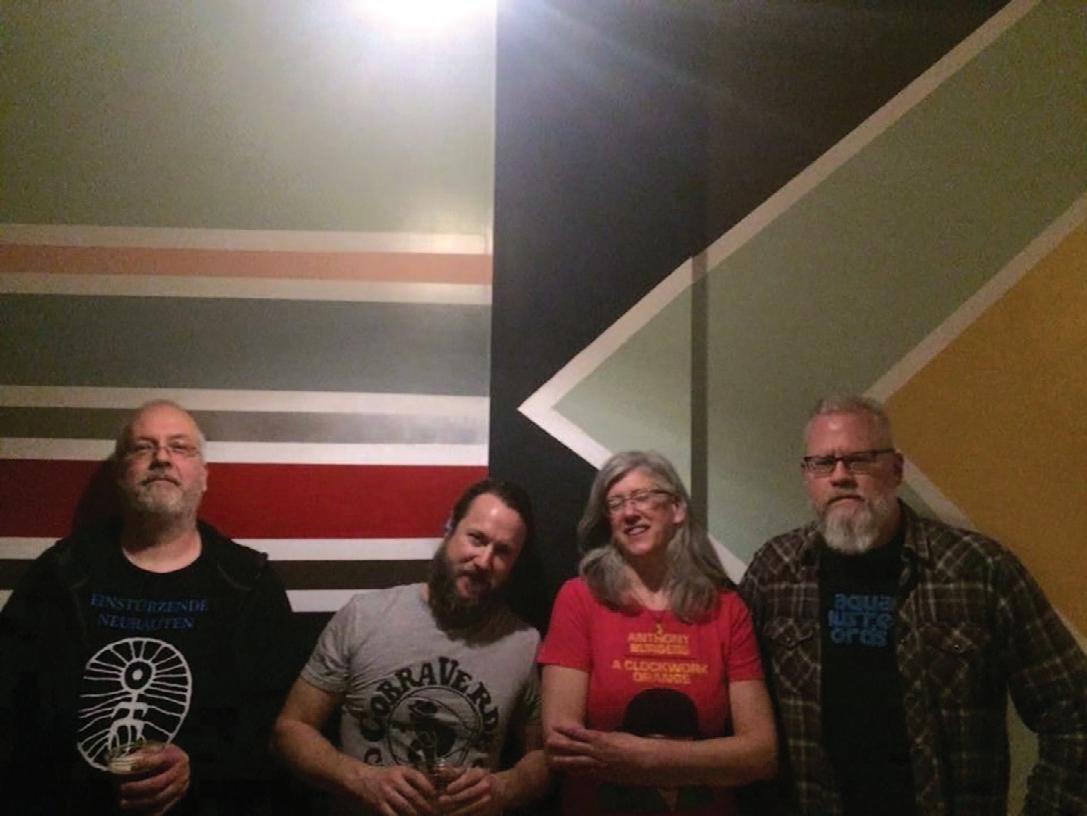
Controlled Burn - The vivid words of poet Karen Schoemer and the blazing art-rock of her bandmates ignite in Sky Furrows.
Sweet Nostalgia pg. 44
Long Distance, Long Ago
Writer pg. 46 Detoxing Your Space
In the Garden with Eden Compton Where Art is Always in View
by Carol St.Sauveur Ferris
Eden Compton was born in Texas where her artist grandparents had also lived. In the ‘30s and ‘40s Texas power couple Carl Benton Compton and Mildred Norris Compton were accomplished sculptors, painters, lithographers, and ceramists who painted alongside famed Mexican painters Diego Rivera and Frida Kahlo. Considered fine art visionaries, they were also big supporters of Lone Star Regionalism and eventually helped to usher in Surrealism to the region. The Compton’s large body of work reflected the vibrant Mexican culture, music and art, and their artistic legacy no doubt engendered Eden’s passion for art. That passion, coupled with her own extraordinary talents, would inform her creative pursuits over many years.
Though a native of Texas, Eden grew up in Ridgefield, Connecticut where she enjoyed a typical suburban childhood. Later graduating from Colgate University with a BA in Art History, the rest of Eden’s life and career has been anything but typical. Upon graduation, Eden moved to New York City where she pursued an exciting career in advertising. But somewhere along the way she grew tired of it and traded in her power suit and heels for an apron and whisks. She attended the French Culinary Institute in New York City and was just about to make her next career move when she met her soon-to-be, New Zealand born, husband at a vacation gathering of friends in the British Virgin Islands.
A Rumor Of Autumn, Plein Air, 9 x 12
Together, Richard and Eden began a whirlwind life out to sea. Richard was a bona fide ship’s captain, and now Eden was an important member of his crew. She became the chef, working and cooking on amazing multi-million dollar vessels for a variety of people. In the early days of Eden’s seafaring life, the ships were typically owned by wealthy families who enjoyed their vacations at sea. And though the job was literally 24/7 for the Captain and his crew, it was more often than not, a real pleasure. But as the years went by, these large vessels were pur chased by corporations and their CEOs who used them to wine and dine their clients. What was once a more relaxed environment in which to work, soon became far more stressful due to owners who expected 5-star dining and service to impress their clients. Time off became a luxury.
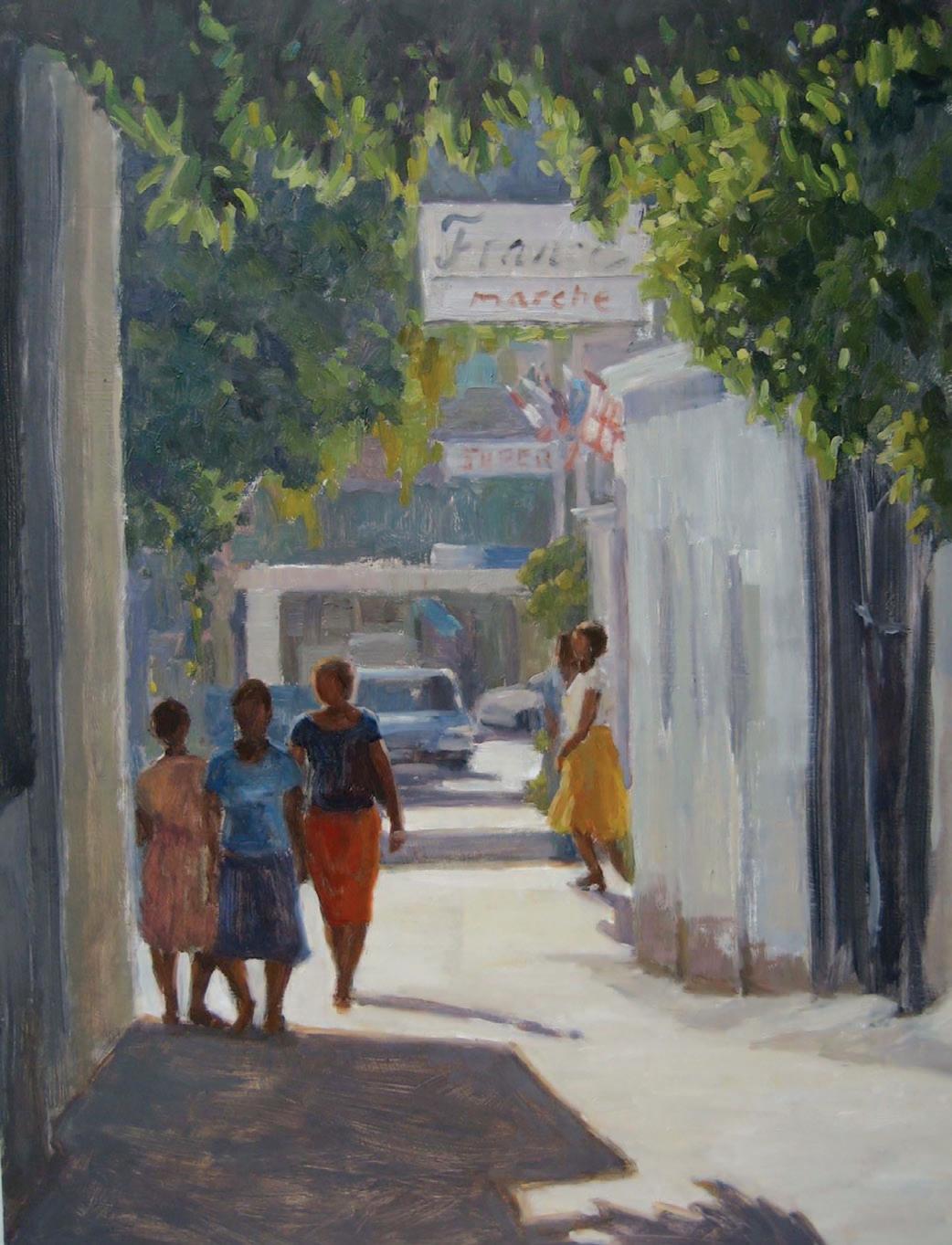
In order to manage the stress of their careers and come up for air, Eden and Richard took much-needed breaks as often as possible in between stints at sea. They spent this time decompressing in various locations including Florida, Connecticut, and Maine. These breaks allowed Eden to rent studio space and immerse herself in art. From small scale studies she did in her spare time when the ships dropped anchor in the Caribbean and other exotic locations, Eden took them to the next level with charcoal, oil, pastels, and gouache in her peaceful studios. Amaz ing pieces emerged that vibrated with tropical colors and con veyed the energy of port city street life. Many of them depicted is land women in their native habitat. These women were strong and respected matriarchs of their families. Most did not like to have pictures taken of them, so Eden carefully observed, sketched, and surreptitiously photographed them as they went about their business. The beautiful results speak for themselves.
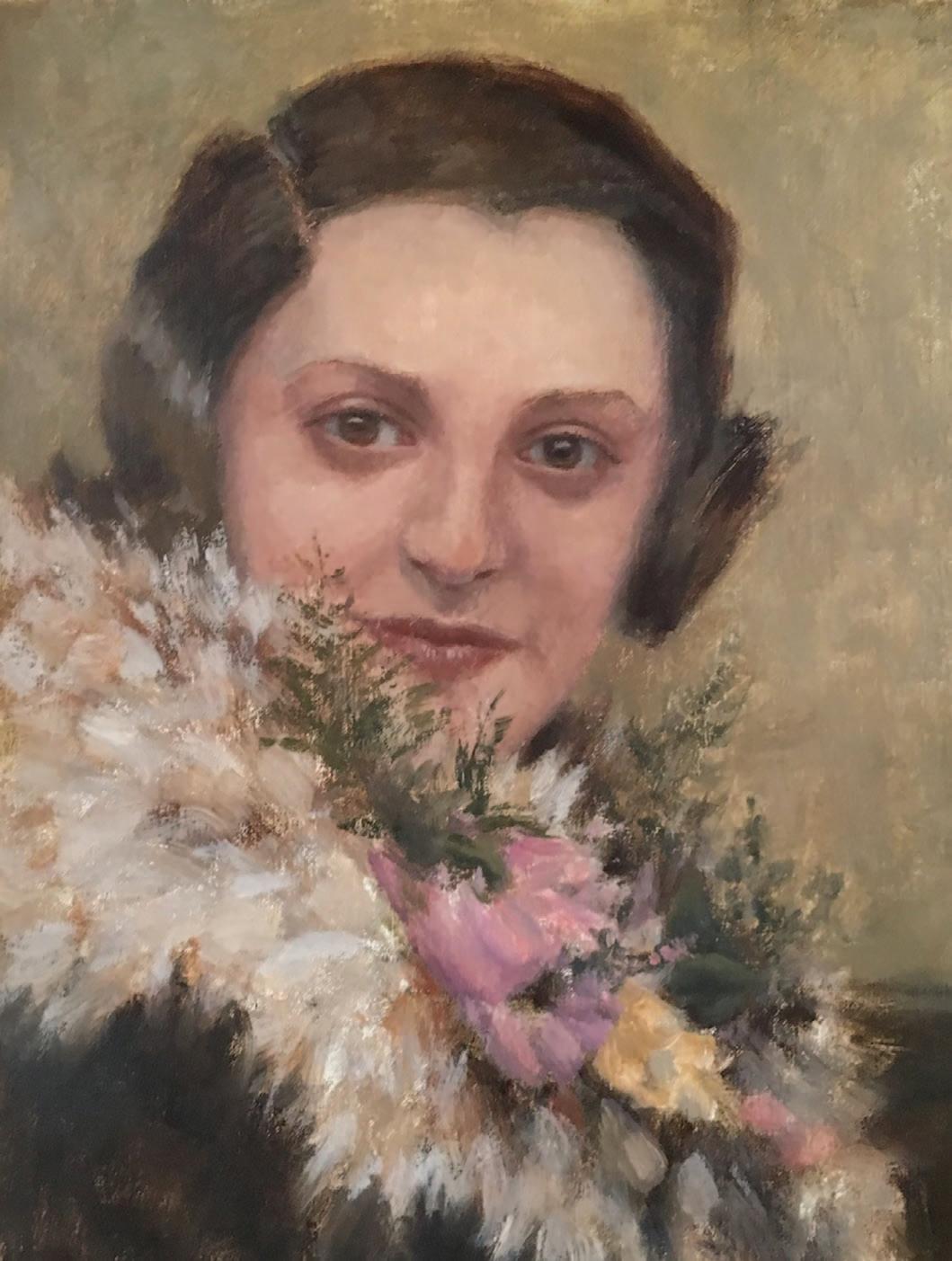
Artist’s Grandmother, 9 x 12
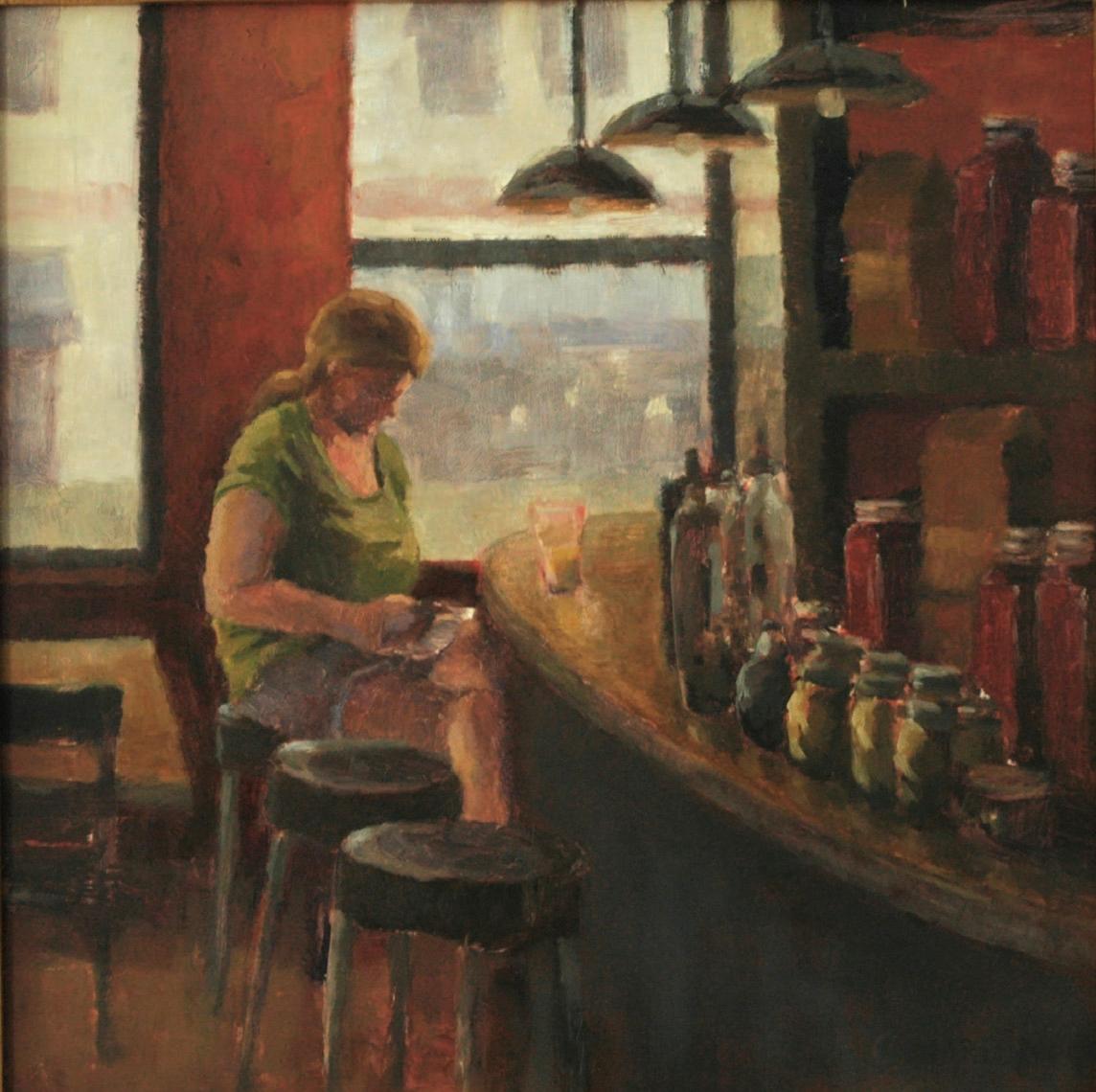
NY restaurant scene, Oil, 12 x 12
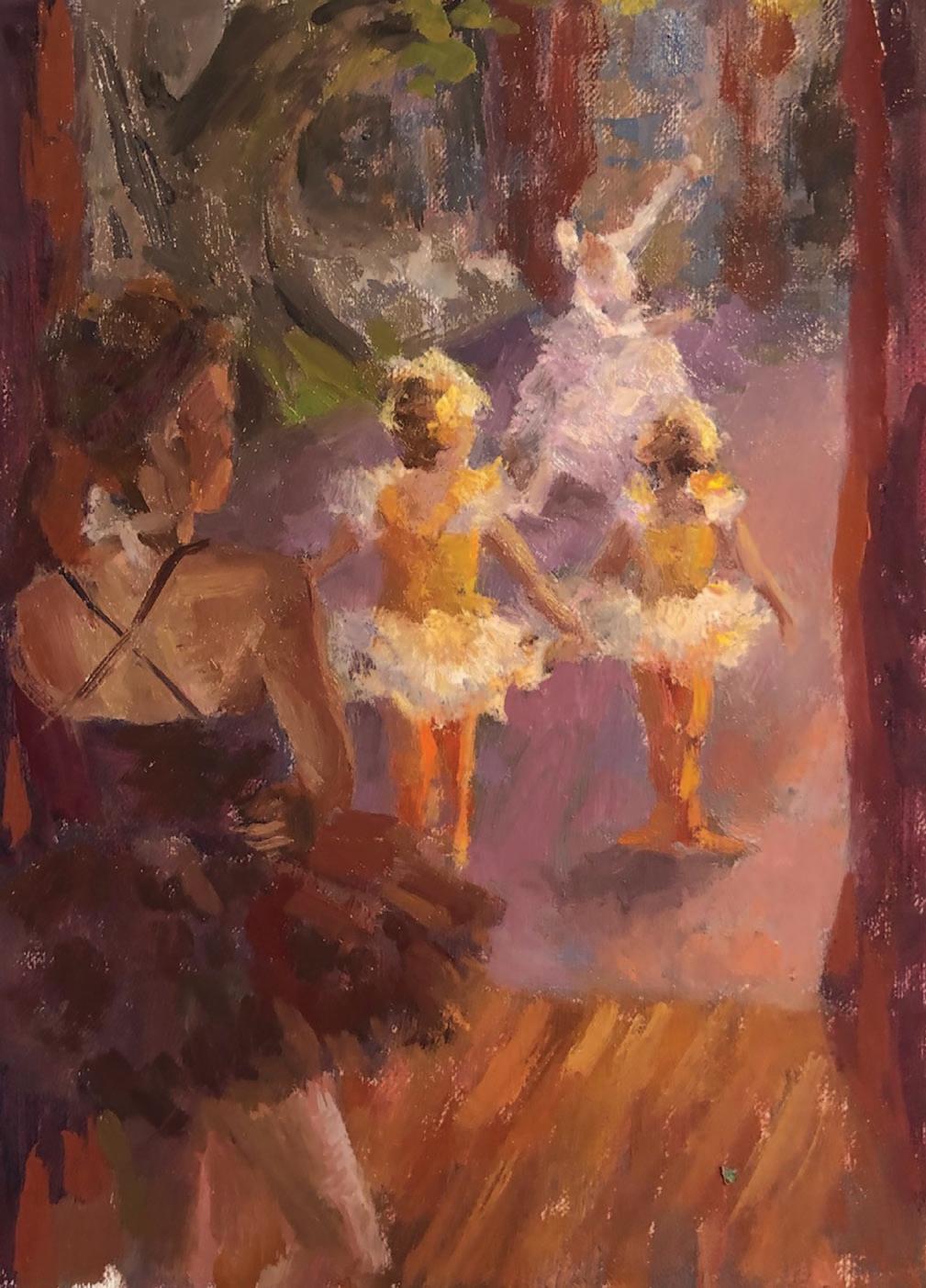
Study for Peter and the Wolf, Saratoga City Ballet, 6 x 8, oil
In addition to her East Coast breaks, Eden would often head up to Saratoga Springs and rent studio space in the area to be near her sister and children. It was during one of those breaks that her sister took Eden to look at a house for sale that was close by, and within five days she became its proud owner. Finally able to have a studio to permanently set up her easel, Eden gathered all their belongings in storage up and down the East Coast, left the boating world, and pursued her art in earnest. Richard continued to captain the ship in between happy breaks with Eden in Saratoga Springs.
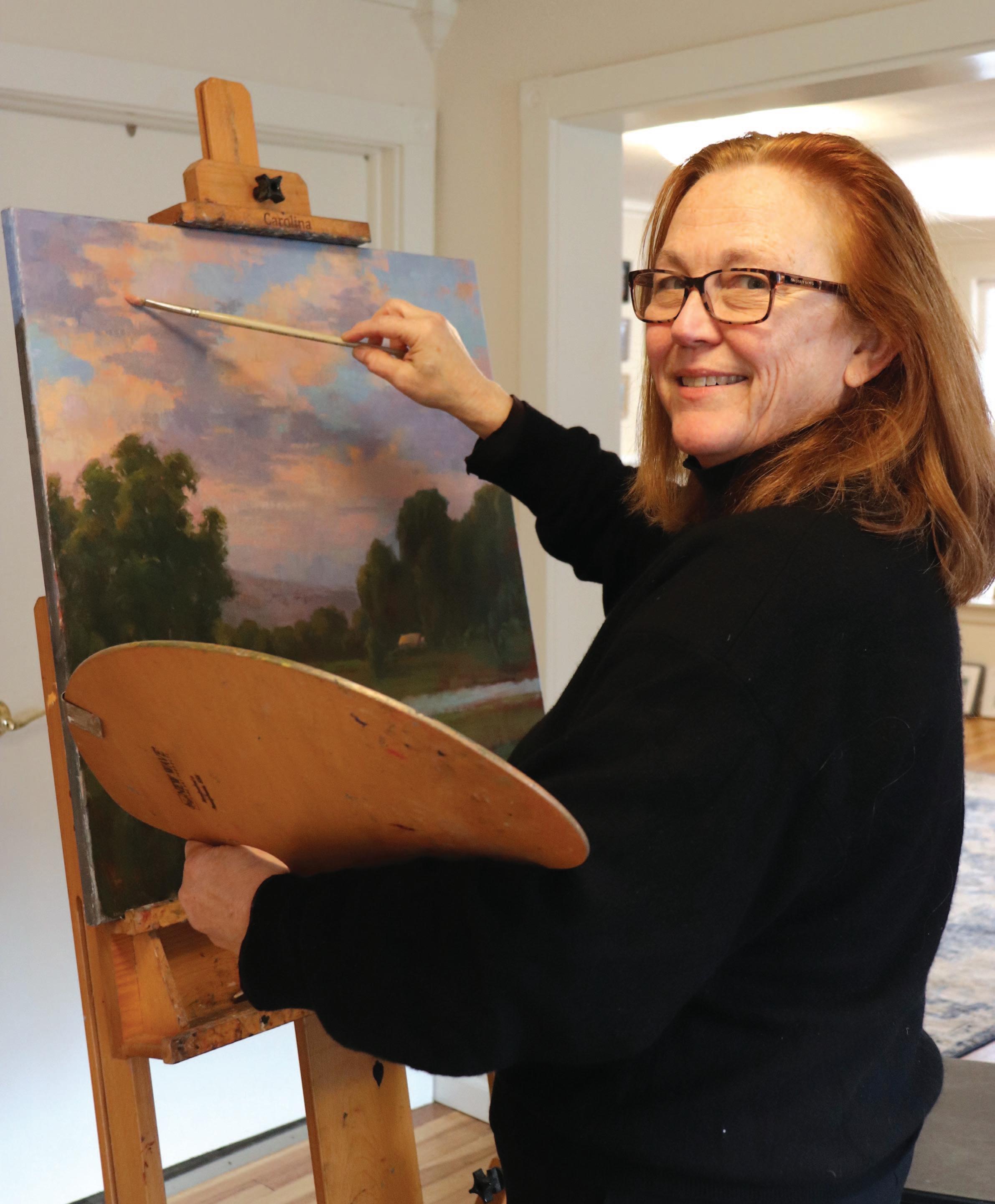
One day, after becoming a resident of Saratoga Springs, Eden was strolling through the Beekman Street Arts District dreaming about opening a studio and gallery someday in any one of the charming, turn-of-the-century homes lining the streets. That one day became THE day when she happened upon the perfect place with a For Sale sign in the window. In a blink, 74 Beekman Street became the Eden Compton Studio and Gallery. Now homeowner, studio owner, and gallery owner, Eden was living her dream and flourishing. And just recently, amidst the pandemic in June 2020, the studio and gallery moved across the street to 79 Beekman Street which now affords Eden
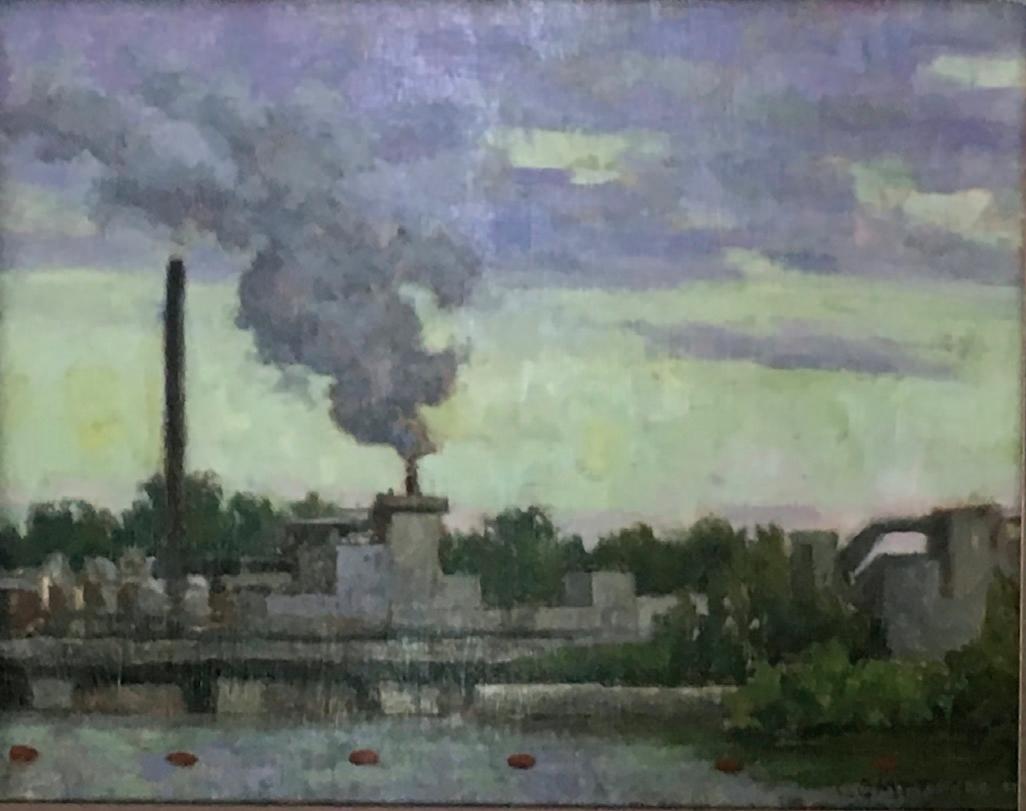
Morning on the River, 11 x 14, oil
Marigot Alley, 18 x 24, Oil
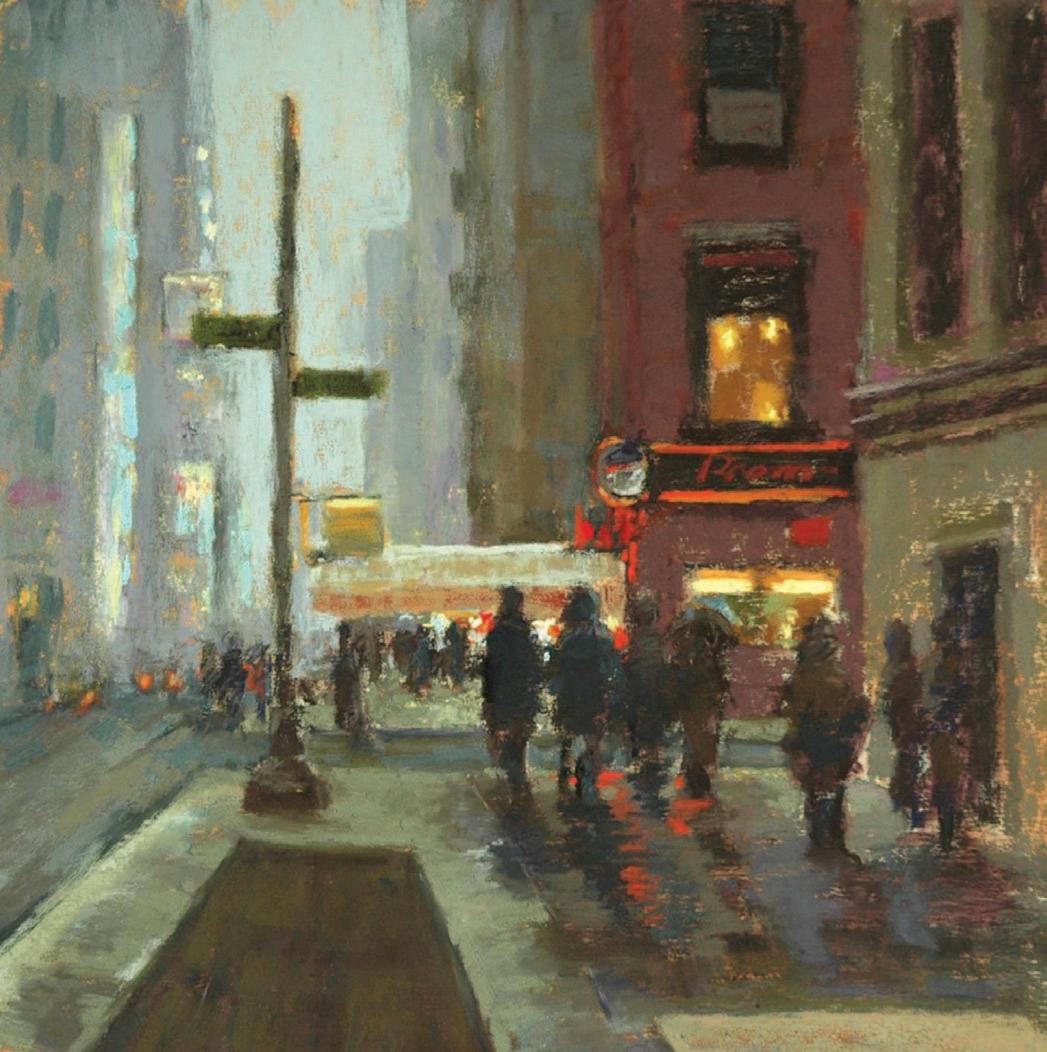
Study for Times Square, Pastel 12 x 12
Valentina, Head Study
x
a bit more space for her private art classes and workshops. The new lo cation boasts a great front porch and garden and has provided studio and gallery space for nationally known and local artists as well, including Carolyn Justice, Lisa David, Ann Larsen, Susan Beadle, Shawn Krueger, Rita DiCaprio, Terry Teitelbaum, Corey Pitkin, and Matt Chinian. No doubt many more amazing and fortunate artists will be showing there soon.
When it comes to her art, Eden’s body of work includes portraits, land scapes, and cityscapes. Many of her cityscapes are based on his torical photographs which tend to be random, so E den will go the next step and spend time r e search ing the pictured architecture and era. This allows her to r eimagine and interpret rather than at tempt to duplicate th e image and get it wrong. Her portfolio also includes contemporary paintings of New York, Saratoga Springs, and most every fas cinating place she has ever lived and worked.
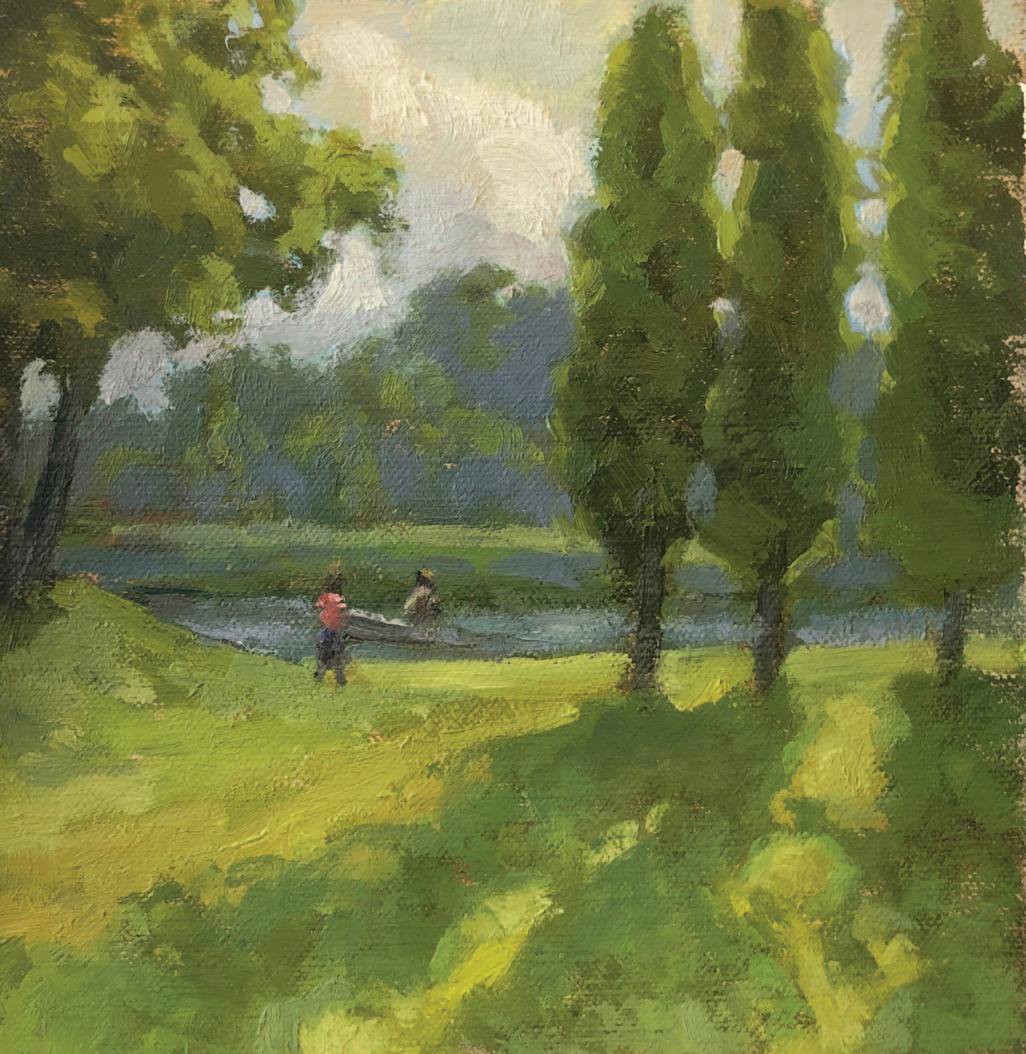
Not surprisingly, Eden’s landscapes are beautiful ex pressions of the studies she has drawn over the years in her ever-present sketchbook. They are gentle and softly colored. Eden explains her approach to her work in this way. “In general, my work has been very observationally-based as all traditional realist painters are. My landscapes, however, have always had an el ement of memory to them. They are based on sketches or plein air painting (on-site) and then real ized in the studio later with the assistance of memory. I try to create mood and atmosphere in both my landscapes and cityscapes rather than paint a lit eral translation of the scene.” Without a doubt, her use of color, perspective, and historical information create beautiful renderings of imagined moments in time. And not surprisingly, the results are as unique as they are authentic.
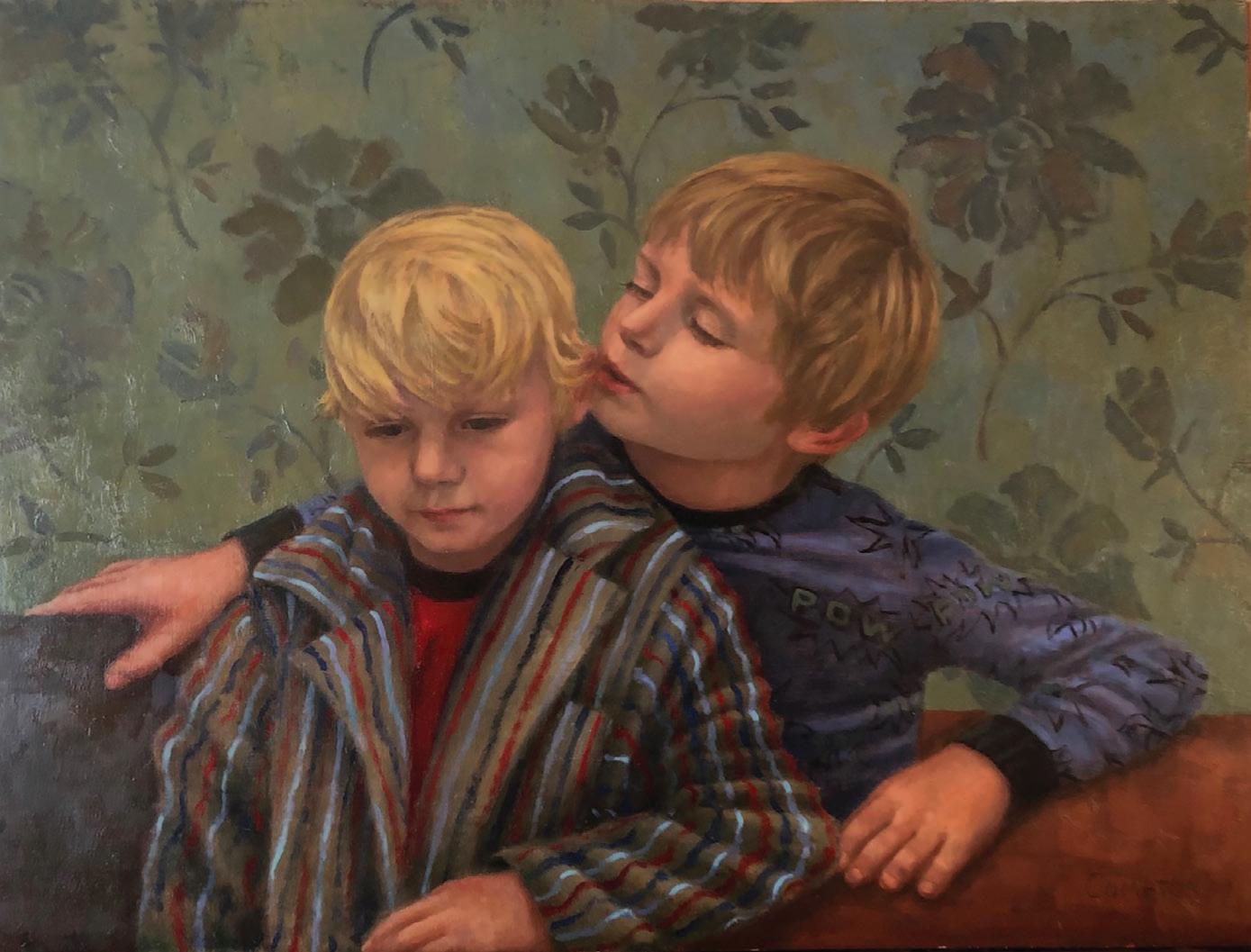
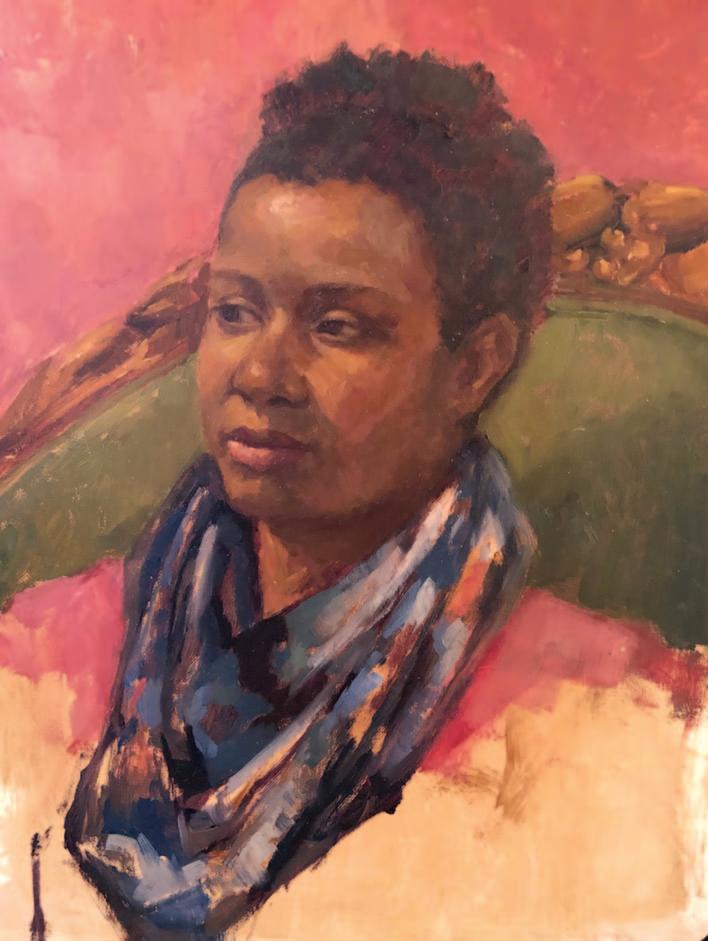
Eden does commission work as well. When c ommis sioned to do a portrait, she loves working from a live model. She finds that there is an emotional component that is not always present in a photograph that live models convey. It can be as delicate as the soft blush in the cheeks of a shy young woman or
Dusky
Imagined landscape, 8 x 8, oil
Plein Air, Schuylerville, 6 x 8
as delightful as the dimples that suddenly ap pear in the face of a rambunctious child. “I am fascinated by the stories any given face can reveal.” Eden’s gift for capturing these un expected gestures and emotions in oil, pas tels, and gouache on canvas imbues her portraits, as in her cityscapes and landscapes, with a unique yet authentic quality that is both captivating and engaging.
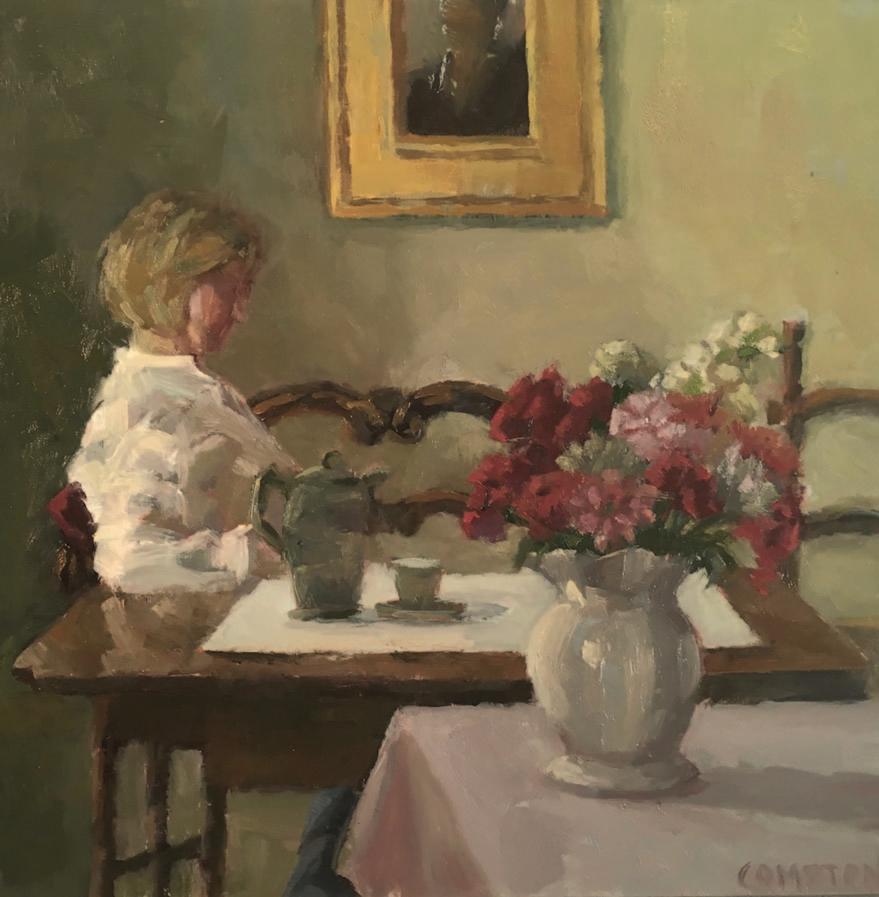
She especially enjoys painting portraits from vintage black and white photographs. According to Eden, her vintage portraits “are much freer in terms of interpretation and
exe cution because I am not as locked into a literal translation.” Some of these paintings are quite personal. One such piece captures her mother in a quiet moment seated by a dining room table with a china teapot, teacup, saucer, and vase of flowers before her. It is an 8 x 8 oil on panel, and though diminutive, it conveys gentleness and awareness of a moment in time.
It should come as no surprise that Eden is an award-winning artist and has been juried into many na tional shows including Salma gundi, Catherine Lorillard, and the International Association of Pastel Societies (IAPS). She is also a juried member of the Degas Pa stel Society, Oil Painter of America , and an associate with Distinction of the American Women Artists Association.
When not painting or drawing in her studio most every day from 8:30 - 5 PM, Eden gives private les sons and offers workshops to aspiring as well as seasoned artists. She is also an enthusiastic promoter of the arts in Saratoga Springs, es pecially the Beekman Street Arts District. Unfortunately, the pandemic has seriously impacted the arts, but innovation and problem-solving is the bedrock of those called upon to think out of the box. Eden’s indoor themed shows held several times a year are on hold at this time, but
she has hosted outdoor, pop-up art shows in their place that have been well received. In addition, she has compiled beautiful online e- catalogues of her work and those of fellow artists, which are filled with wonderful pieces to enjoy and purchase. They can be viewed at www.edencomptonstudio.com. Eden is also working on a special project with Skidmore College to promote the Arts District as a desti nation not to be missed. It will be educa tional as well as entertaining and a great way to experience the arts at one’s own pace.
Meanwhile, Eden’s seafaring husband is now semi-retired. Richard has hung his captain’s hat next to Eden’s toque blanche (chef’s hat) in Saratoga Springs, NY. Will he pick up a whisk or a brush for his next chapter? That remains to be seen, but one thing is for sure - Eden and Richard’s excellent adventure continues.
EDEN COMPTON STUDIO & GALLERY 79 Beekman Street, Saratoga Springs, NY www.edencomptonstudio.com
Study for In the Studio, 8 x 8, oil on panel
The Secret, 18 x 24
Portrait sketch from the open life sessions
photo by Stephanie Sittnick
Love Story: A Mixture of Snow, Adrenaline, Passion
And the Longstanding Experts at Alpine Sport Shop
by Rona Mann
photos by Terri Lynn Pellegri
It is all about the adrenaline rush.
There’s positively nothing else that feels quite like that first run down the mountain. It doesn’t matter if it’s the first of the season or the first of many runs, for it’s always a combination of excitement, loss of control, exhilaration, and a sense of freedom all wrapped up in one de licious package. There’s also that element of possible danger, which is the fun part for an adrenaline junkie looking for a new fix.
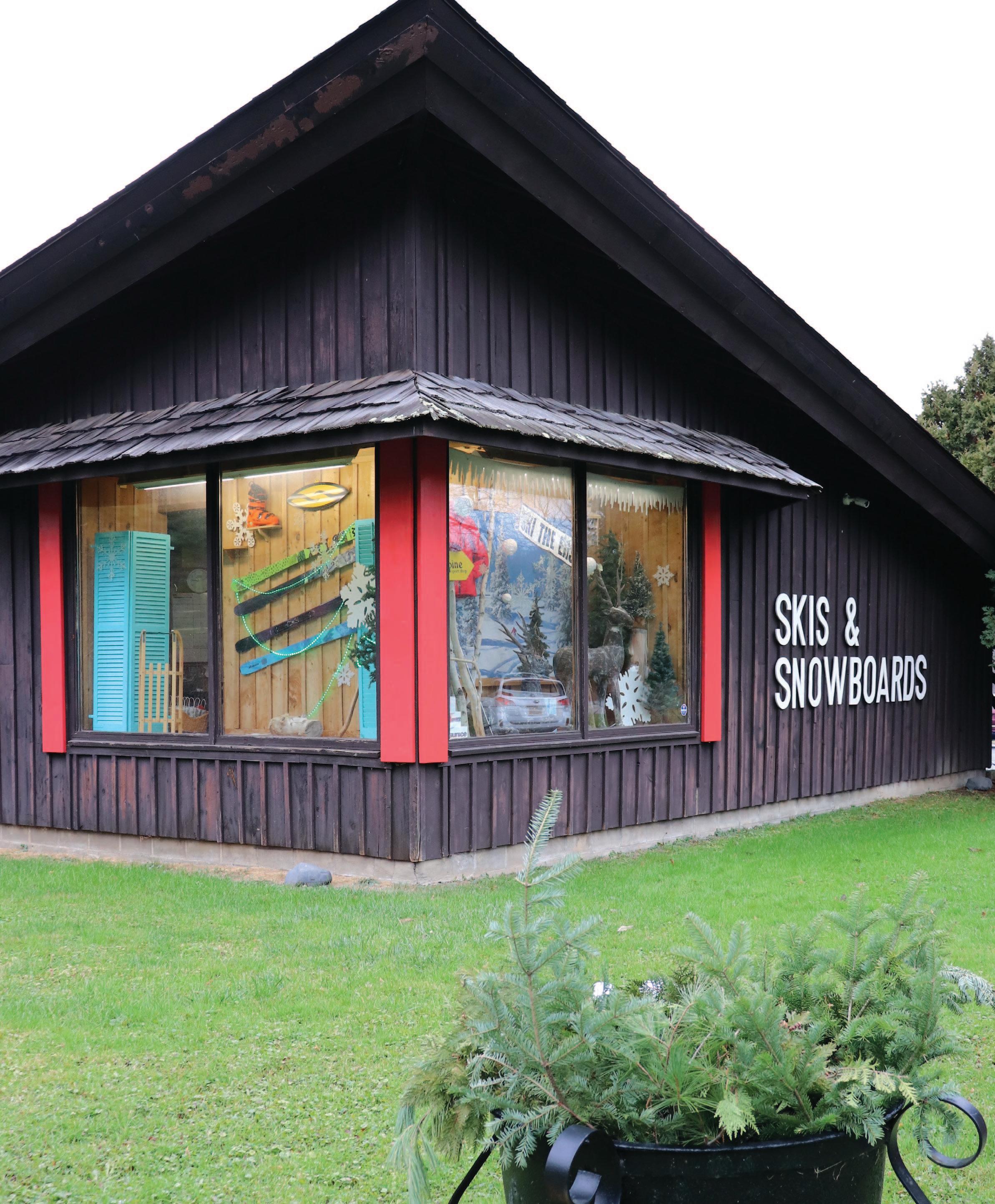
Since 1941 the fix for those who love to ski, snowshoe, snowboard, and those who just worship the clean fresh air that signals winter has begun is Alpine Sport Shop in Saratoga. It’s not just a place of history, but a place staffed by people who know – really know – the sports, the equipment, and the safety of winter sports. No sleeves of golf balls here, no tennis racquets nor
balls and bats. Alpine Sport Shop is all about snow and winter fun; and what they do, they do better than just about any other venue in the Capital District.
You’ve heard of sun worshipers? Well, the Alpine folks worship the snow, yet their ado ration ascends to a much higher level. They maintain a healthy dose of respect for the
snow which naturally encourages them to promote safety at every turn. They know how to match the equipment to the customer based on their level of ex pertise and what type of experience that person is looking for this winter, and that’s why they’ve been around for nearly 80 years.
It was 1966 when Cathy Hay’s parents, Dorothy and Thurlow Woodcock, purchased Alpine Sport Shop from the original owners, Ed and Jo Taylor. At that time, the shop was located on the east side of town on the Skid more College campus. Back then it was primarily a ladies apparel and ski shop until Cathy’s father, an architect at heart, though not
by profession, designed it to look like an Australian chalet, and the real love story began.
Actually, Alpine Sport Shop is a series of love stories. It was well-loved and cared for by the original owners. Cathy, who grew up skiing, began to work at the shop “when I was just in 7th grade, and I’ve been here ever since.” When she got to high school, Cathy Woodcock met Jack Hay when they were both members of the ski team, and voila! Soon another love story was in the making. Married shortly thereafter and skiing together for 49 years, Cathy attributes much of the credit for Alpine’s success to Jack, saying, “he’s the driving force behind the success of this shop.”
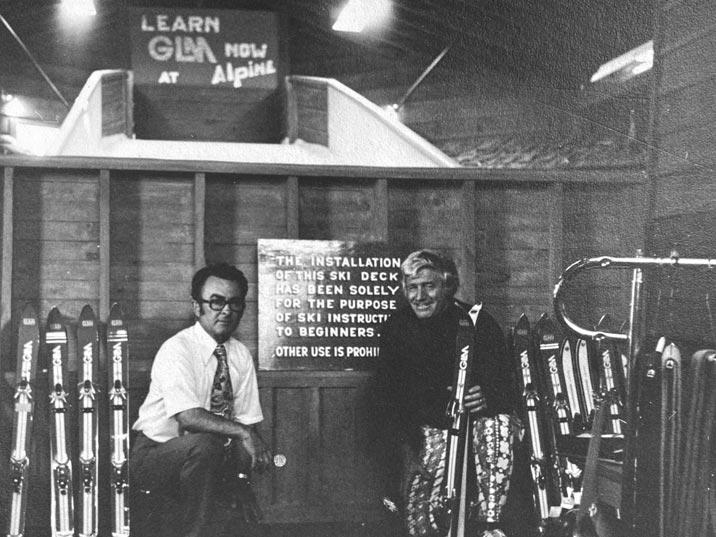
Indeed, both Jack and Cathy have taken Alpine Sport Shop to the next level in so many ways. In the ‘70s Jack and Cathy’s fa ther, Thurlow, installed an indoor ski studio, teaching the basics of graduated length skiing to those just starting out in the sport. For the uninitiated, graduated length is the process of starting a novice on shorter skis, gradually progressing to longer ones as they improve and gain confidence. Students would have three or four lessons inside the chalet, then progress outside into the snow for their final
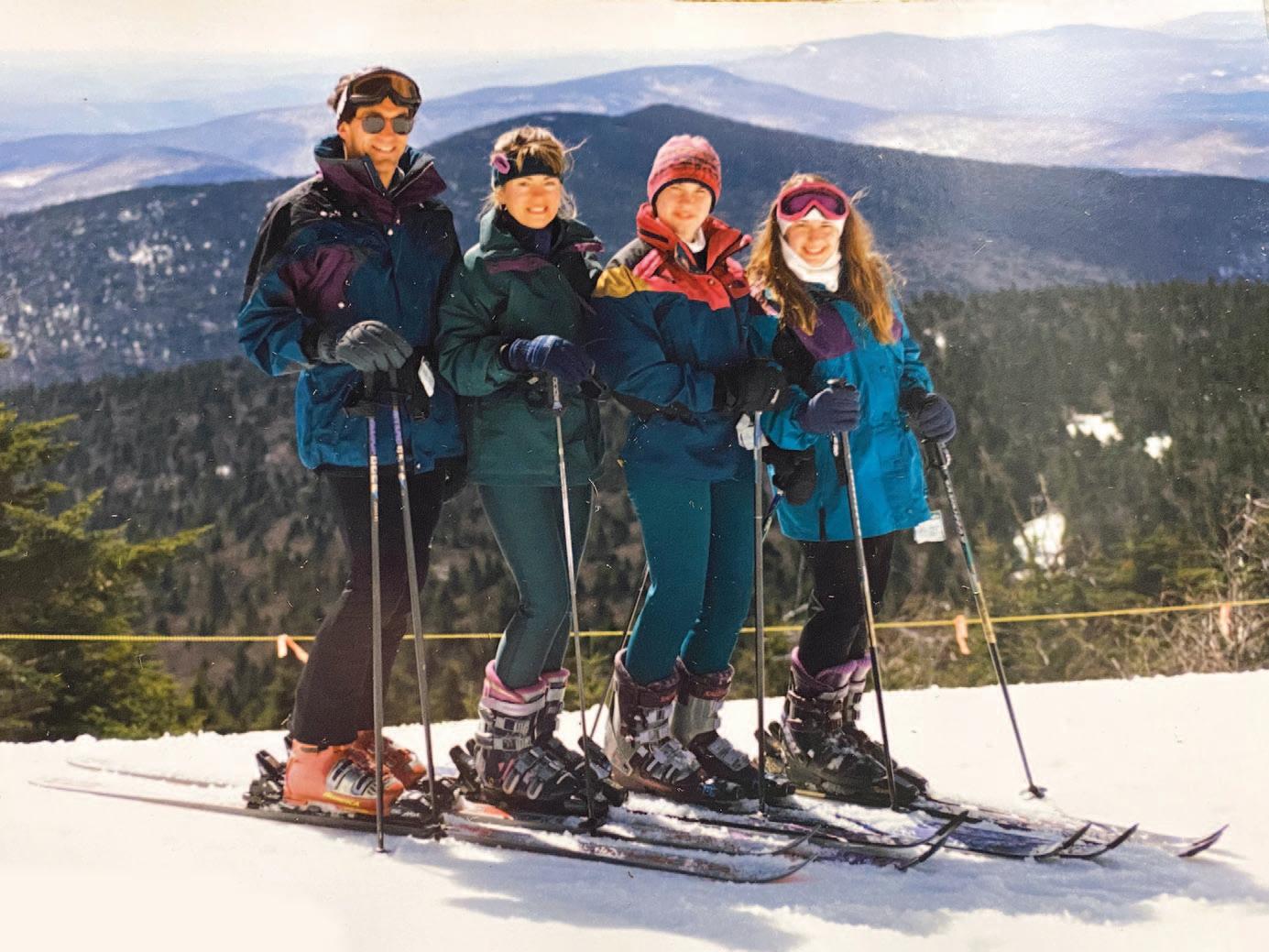
Jack & Cathy Hay with this daughters Jessica & Julia c. 1994 At Killington Mountain in Vermont
Thurlow Woodcock a& Clif Taylor ... inventor of GLM method ...learn to ski program
lesson. It was yet another plus for the shop that was gaining in popularity with every year; however the inventory was growing as well and space was sorely needed, so now the indoor ski studio is no longer available.
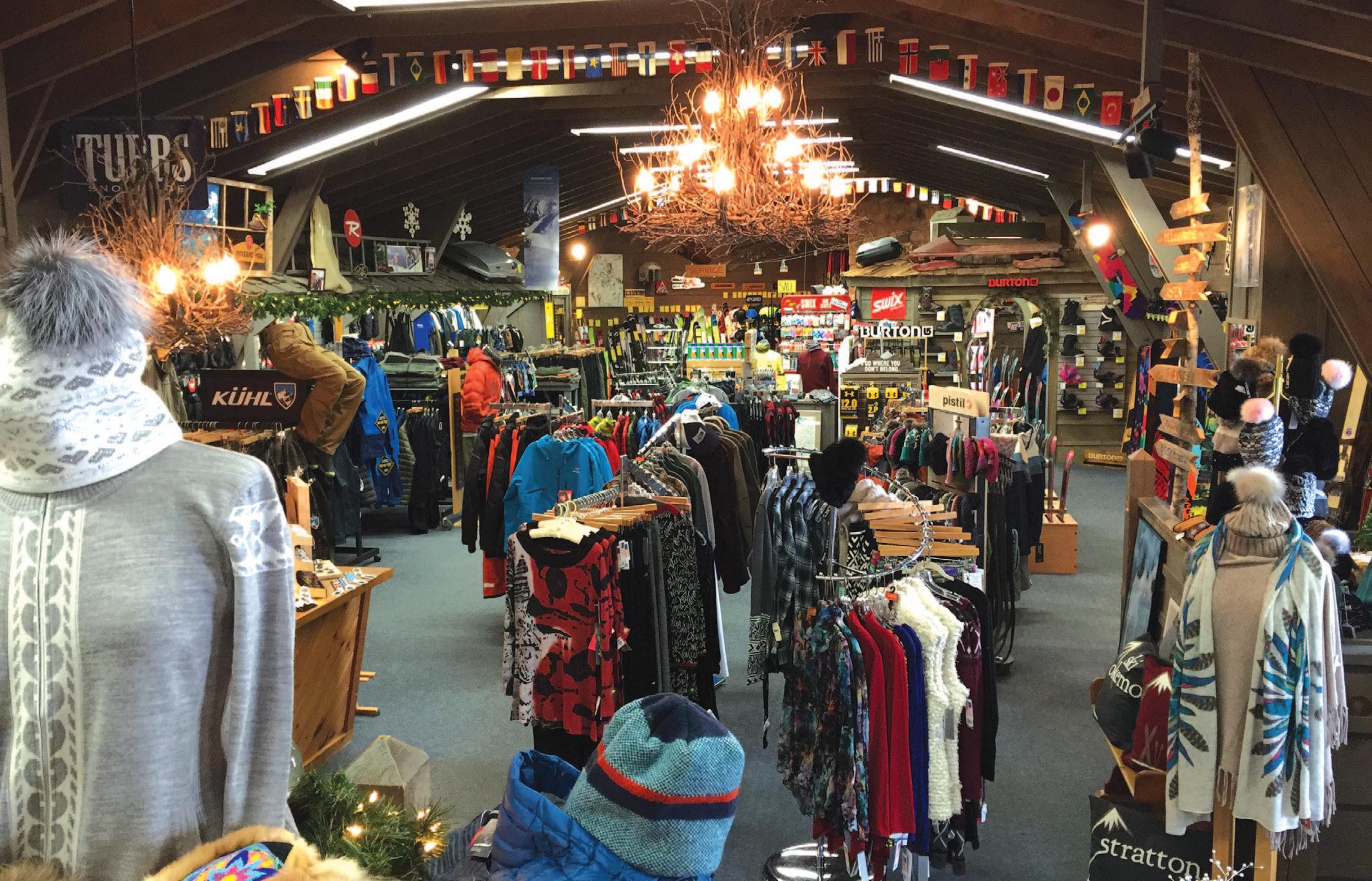
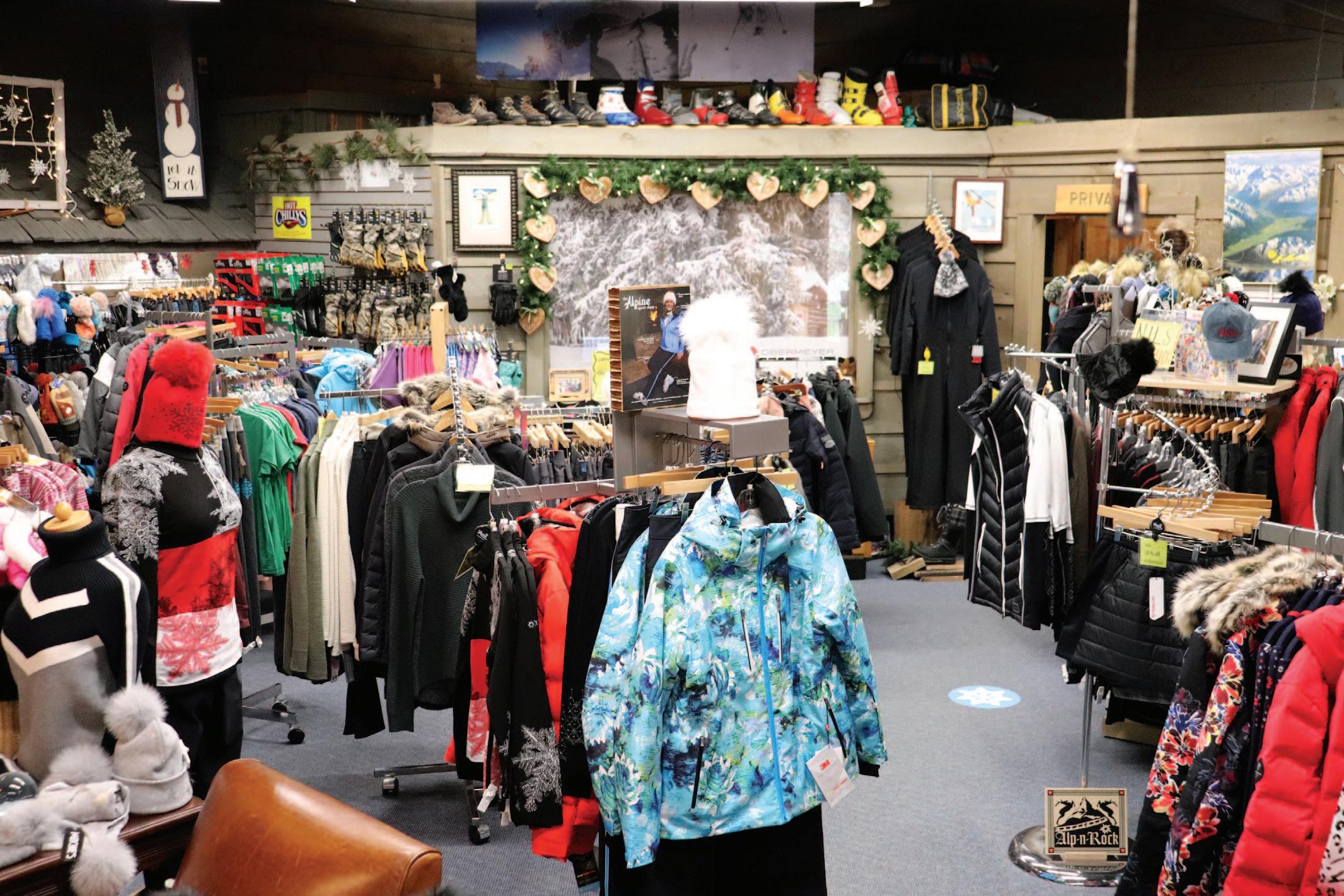
But what is available is 5000 square feet of everything for downhill, snowshoeing, cross country, and anything and everything else that makes for winter fun. Most important is staff, all of them fully versed not only in product, but in how that product is utilized, so they can recommend, advise, and instruct, not just sell what it is you’re needing. It’s probably why, according to Jack, Alpine is Saratoga’s oldest and now only ski shop. “Since I’ve been here (and that’s 50 years), I’ve seen 25 ski shops come and go. We are now the only one left.”
There’s a good reason for that, matter of fact many good reasons. “It’s a fine line we walk because this business is wholly dependent upon both snow and the economy,” Jack said with Cathy adding, “but we hunkered down during lean times and never lost our passion. We’re selling fun.”
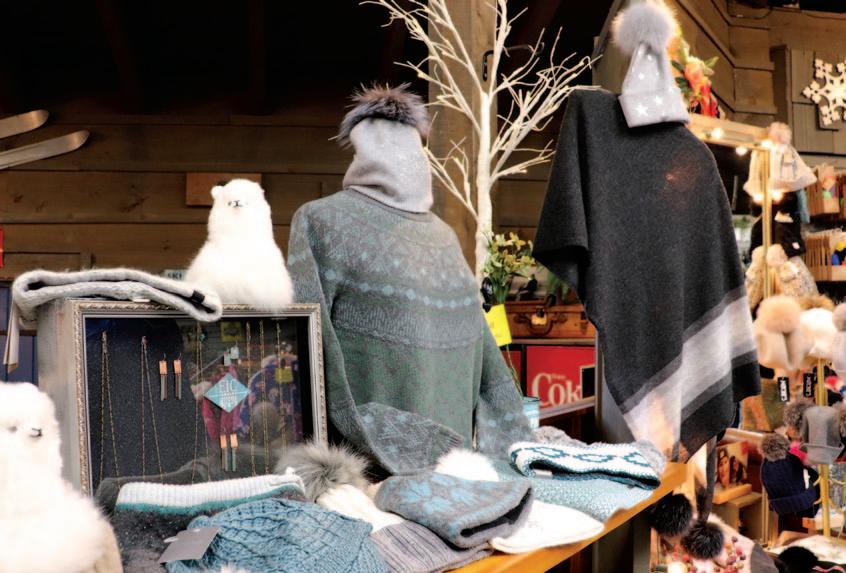
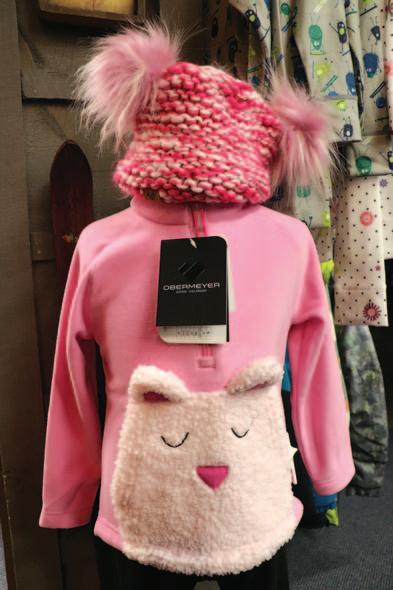
And fun it is when you can find every element (except the snow!) at Alpine Clothing like hats, scarves, neck gators, long underwear, sweaters, jackets, socks, outerwear; helmets for the ultimate safety coming down the mountain, goggles, gloves, full ski packages of skis, boots and bindings; snowboards plus bindings and boots, low priced cross country ski packages for the ultimate in outdoor fun and exercise with the emphasis on social distance; and always accompanied by a healthy dose of experience, advice, and instruction in how to best use anything you purchase.
Jack and Cathy have had years of organizing ski trips, not only to mountains near, but also to those far away in Europe, South America, and Canada. For now, they are fully involved in the shop and in promoting your safety during this pandemic, both in the sport and in the shop. “It is much safer a sport than it used to be,” Jack says. “There are now more protective bindings and helmets for both skiers and snowboarders. Of course you will fall down, that’s part of the sport, but it’s easier to learn than it used to be.”
page 16-17 photos by Stephanie Sittnick
With Alpine Sport Shop every protection is being taken during this time of the virus. Plexiglass has been installed at every register and in the boot room, the staff wear masks at all times and have daily temperature checks, there is hand sanitizer available throughout, curbside tuneups are available, and the shop is frequently disinfected throughout the day.
So c’mon in where snow is worshiped and customers are prized. The fireplace is roaring inside
the chalet, beckoning you to sit a while, look around, meet the staff, see what’s in store for you this winter, and start a love story of your own.
There’s nothing like reaching the untouched pow der or early corduroy (that perfect pattern laid down by the snow groomer for the avid skier or boarder). It is all at once thoroughly ex hilarating, exciting, and yours alone.
It’s winter, and your winter of 2021 is awaiting at Alpine Sport Shop. Time to fall in love all over again.
Alpine Sport Shop is located at 399 Clinton Street in Saratoga. (518) 584-6290 For hours, directions, and up to date information: www.alpinesportshop.com
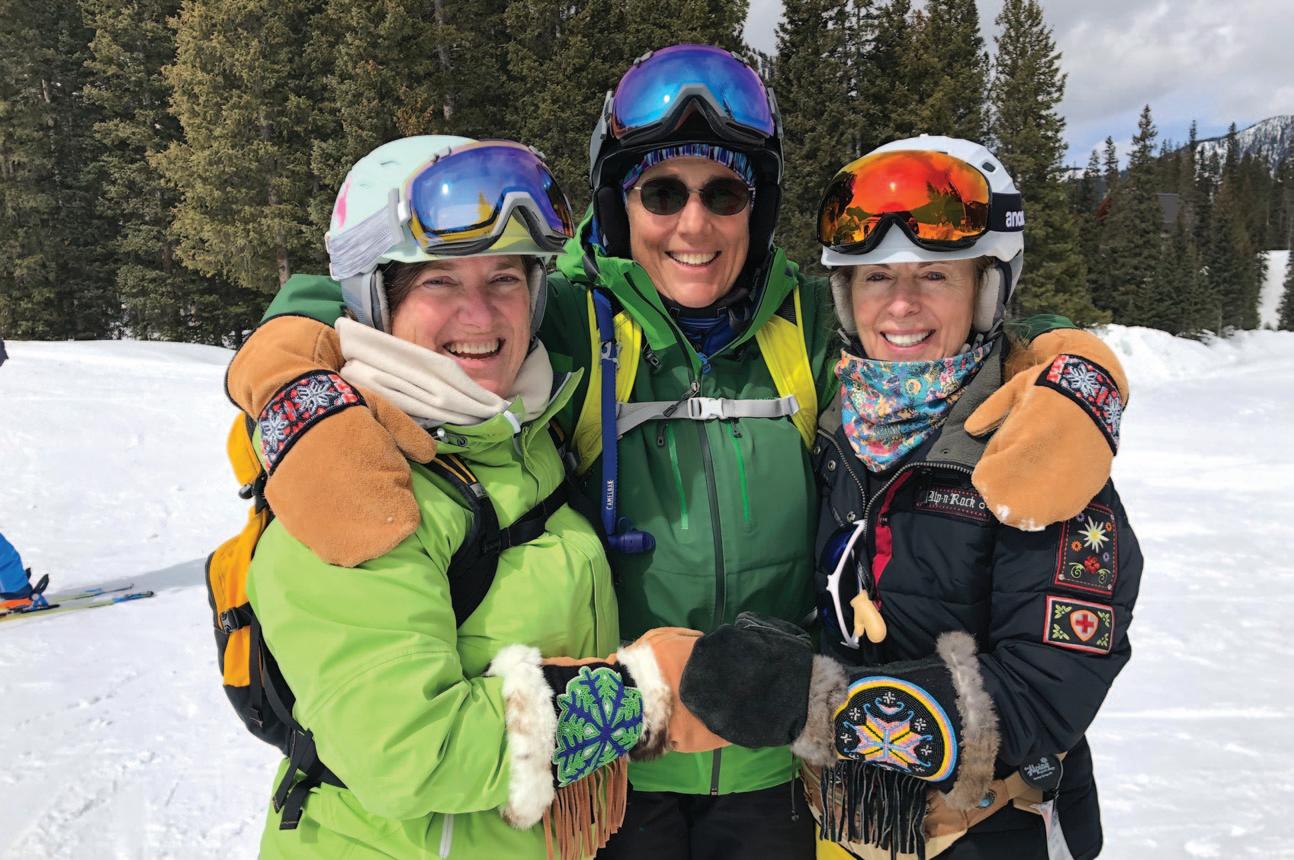
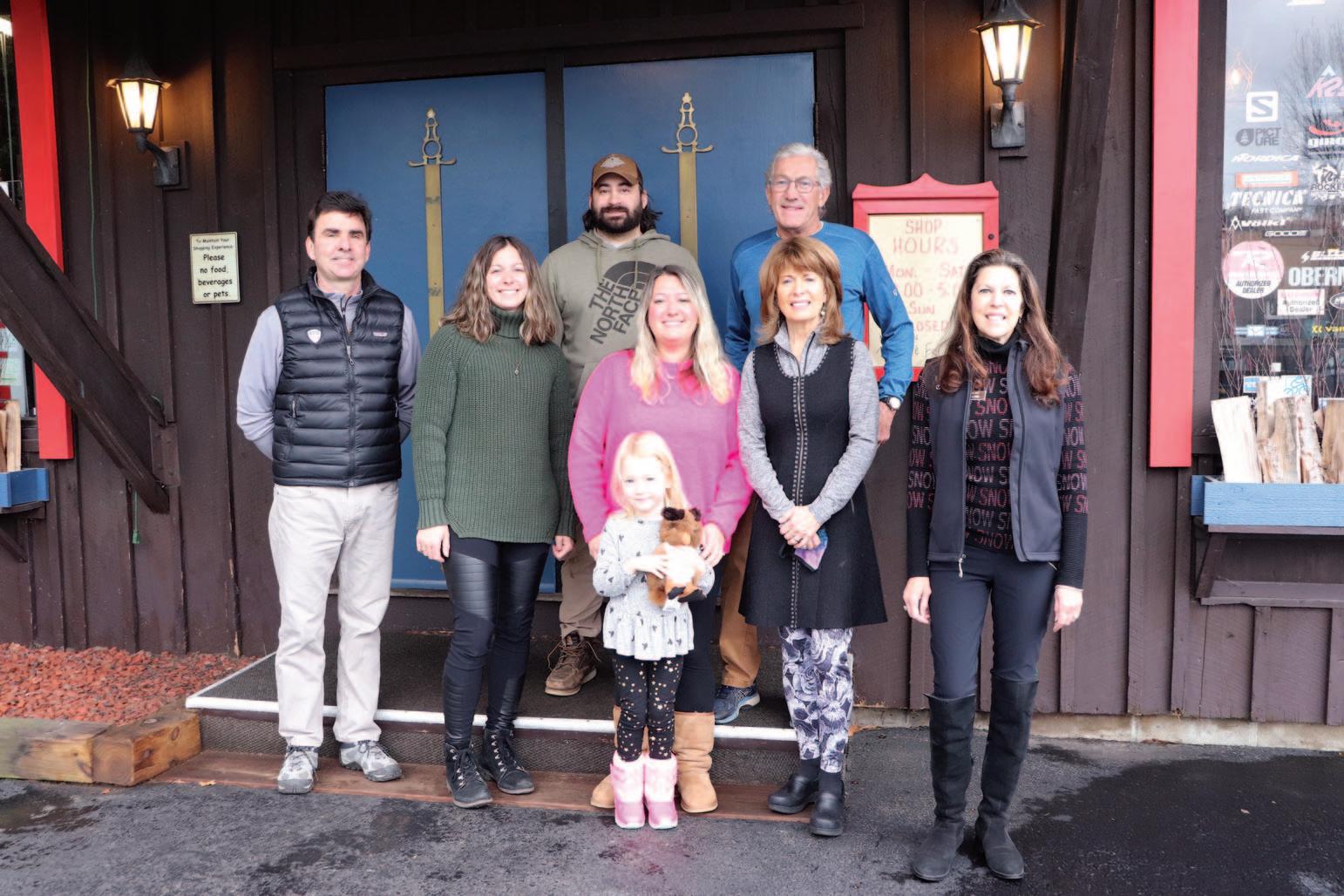
Dan, Alex, Antonio, Jack, Julia with daughter Emerson, Cathy and Terri Lynn
An Archive For Saratoga’s Photographic Visionaries
By Lawrence White
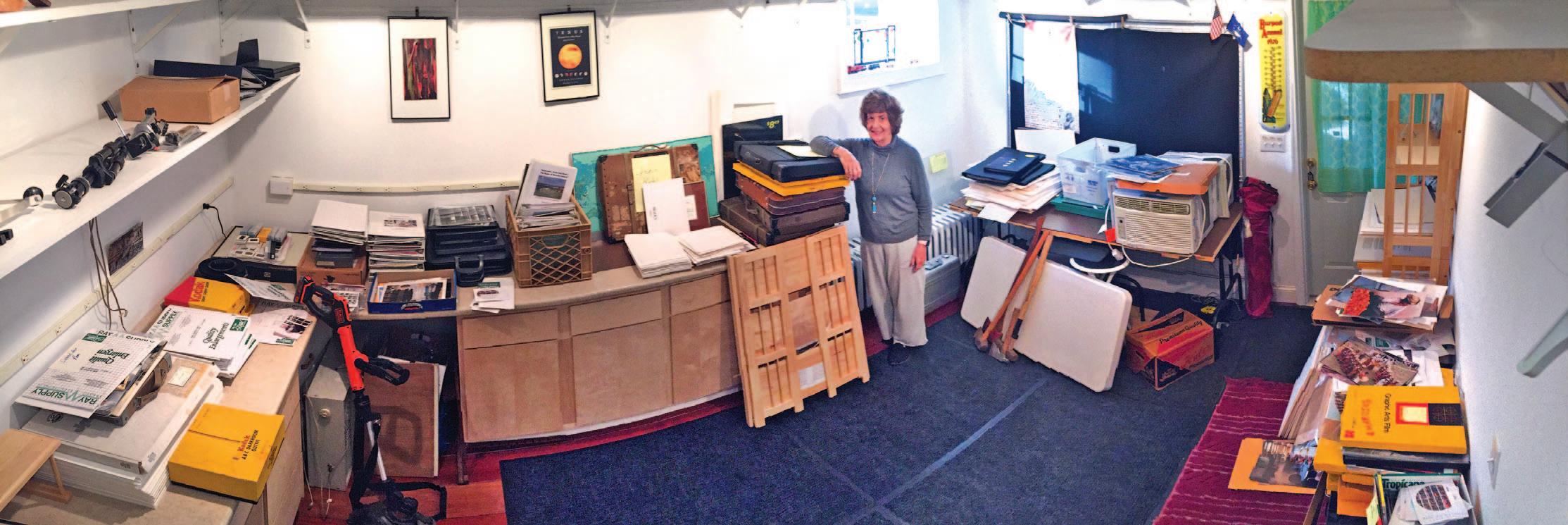
Shortly before photographer Bruce Harding passed away (1923-2013), we shared a long conversation about the status of our bodies of work. We both had decades of images in our homes and in storage, but frankly, I had not thought about it as deeply as he had.
Mr. Harding’s concern was that this entire life’s work could someday end up in the trash, and it caused him great distress. At that moment I promised him that I would work to create a sort of archive so that photo-artists would have a place in which their work could be a visual resource for many generations to come. I could see that it gave Bruce a sense of peace and ever
since that conversation, I have tried to not let him down.
Unfortunately, it has been rather frustrating. Major museums, libraries, and educational centers have shown no interest in the project. Let’s face it, photography may be an impactful part of our everyday lives, but it still does not receive the respect as an art form that it deserves.
At the same time, I was working on my own photography/journalism, and then came COVID which also slowed my efforts. The archive project became uncertain, and the outlook seemed dubious at best.
Then I had a meeting with Lorie Wies, Local History Librarian at the Saratoga Li brary who oversees the wonderful “Saratoga Room.” She was enthusiastic about the idea and immediately worked with me to see how it would fit into their archives. We decided that the online template that the library utilizes now for the historic Robert Joki stereoscopic photos would be an excellent way to proceed.
The plan is for the group of photographers to have the responsibility to prepare the im ages and biographical text to upload into library software, and the library will then post the pages. It is important to note that
Bruce Harding
heirs to deceased local photographers can con tact the library to discuss possible future inclusion in this process. The fact that the amazing photography of Vivian Dorothy Maier was only discovered posthumously during an auction to pay her considerable debts illustrates how much can be lost if not preserved.
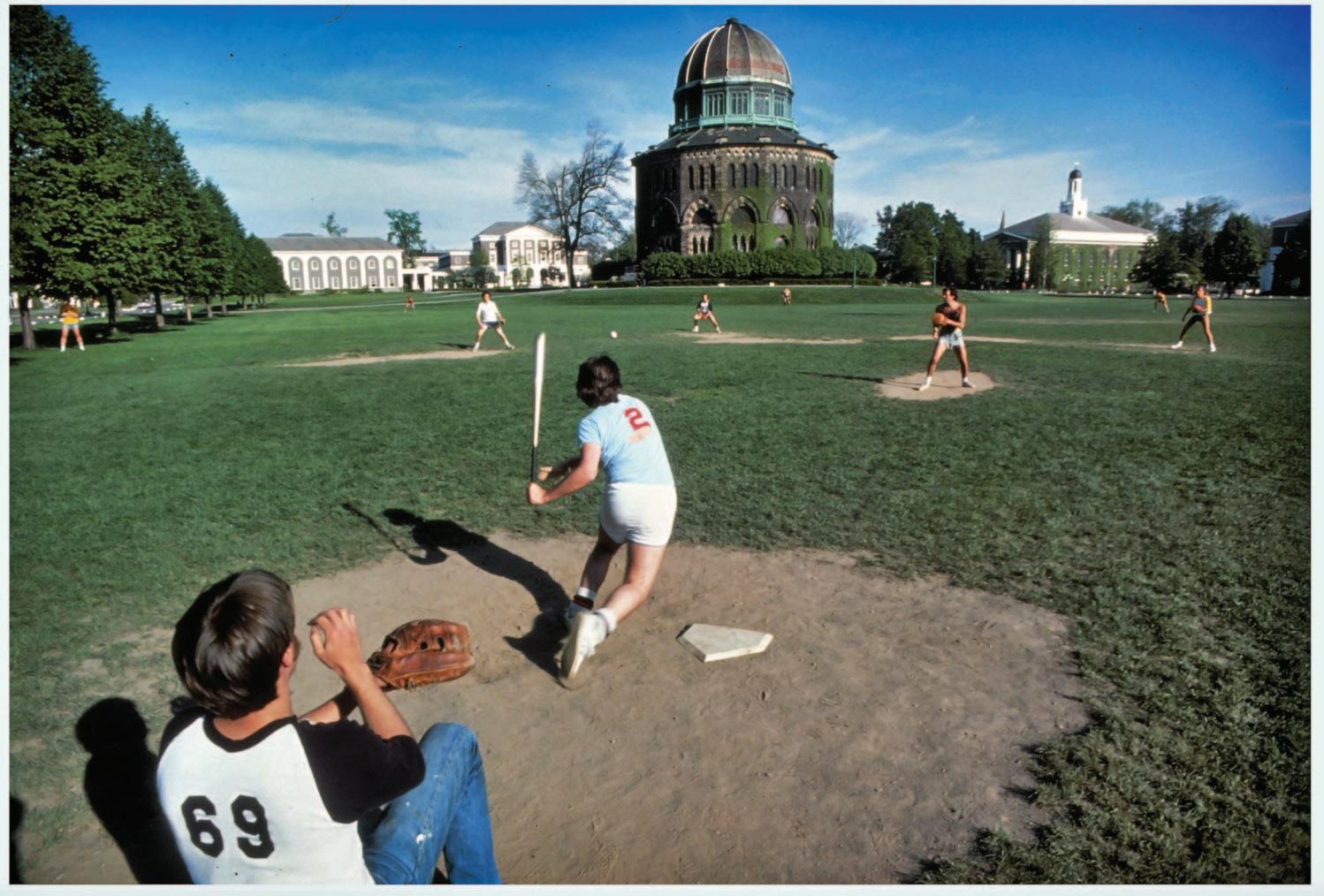
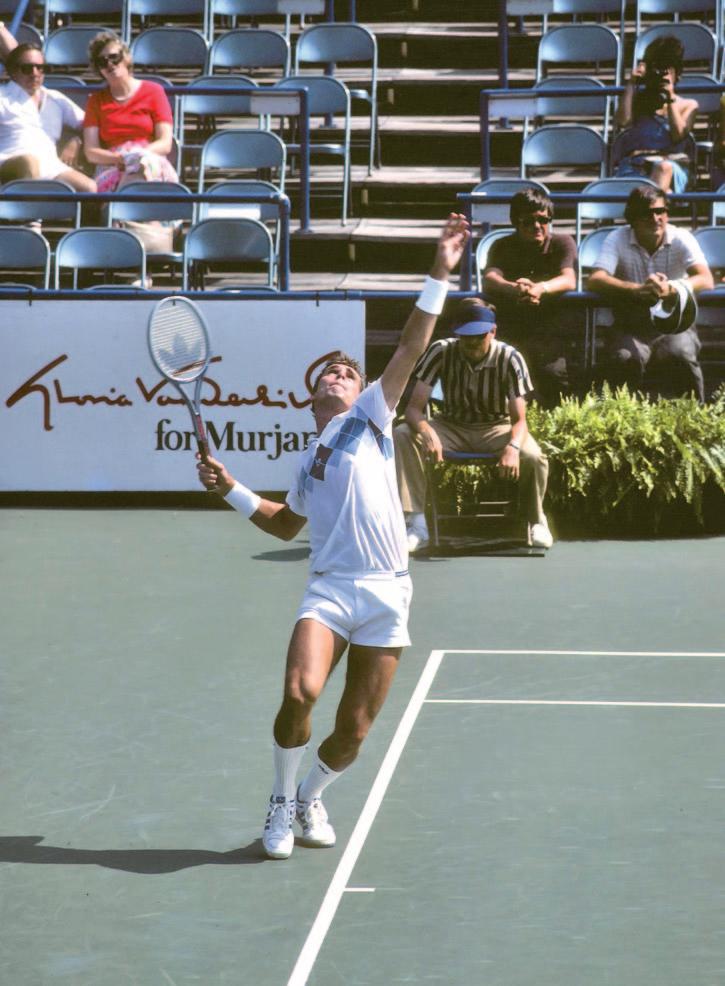
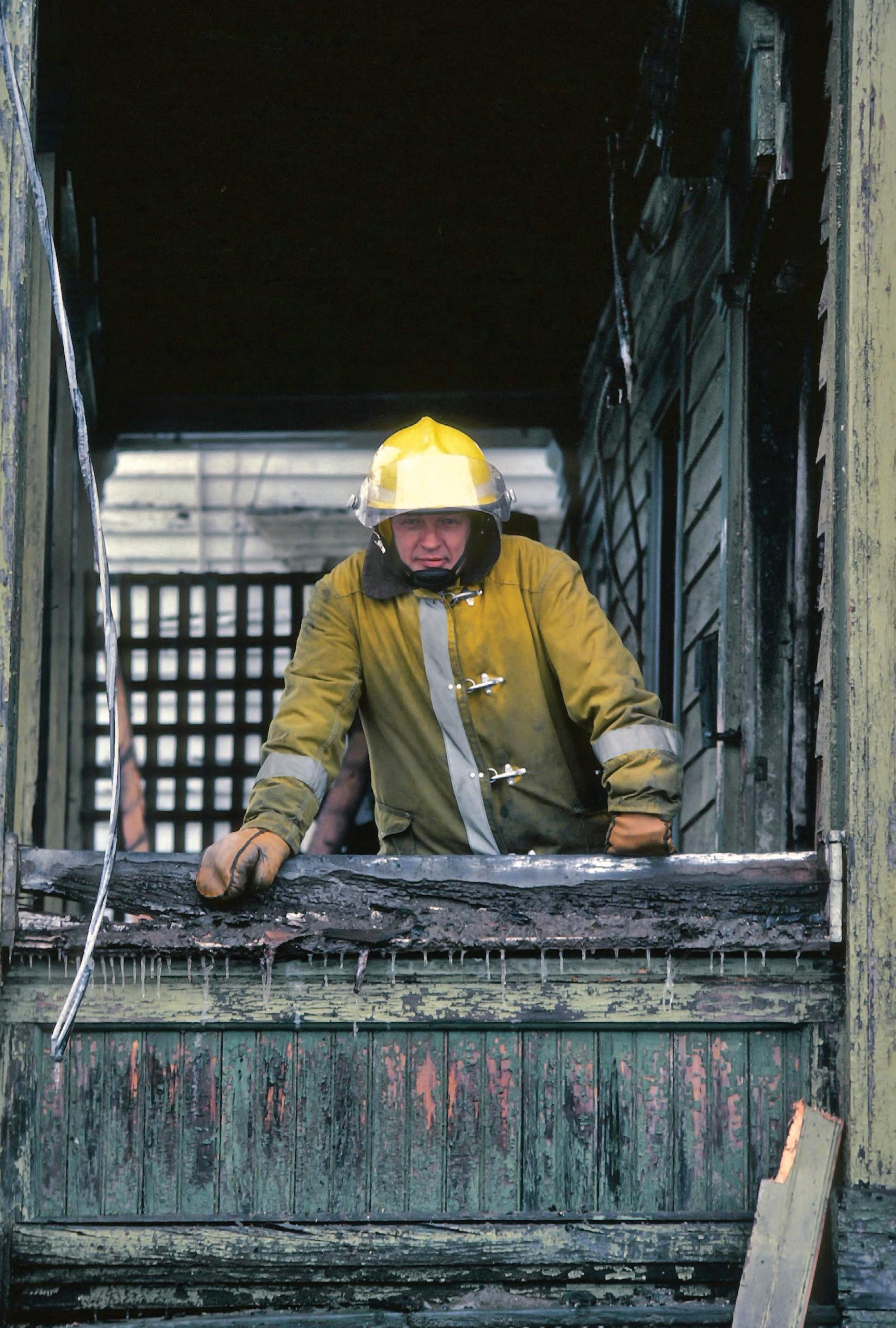
Ms. Wies and I discussed introducing the online archive with Mr. Harding’s work along with the photography of the late photo-artist Phil Haggerty. Both Harding and Haggerty had been photographers for decades during an era when Saratoga re-emerged as a cultural center, and they both had mountains of work that was a vital part of our area’s visual history. The two photographers took different paths, yet there is a harmony in their images that is apparent. Both photographers’ portfolios are currently in storage, yet their images are so powerful and convey emotions so clearly, that both certainly qualify to be included in this first installment of the archive.
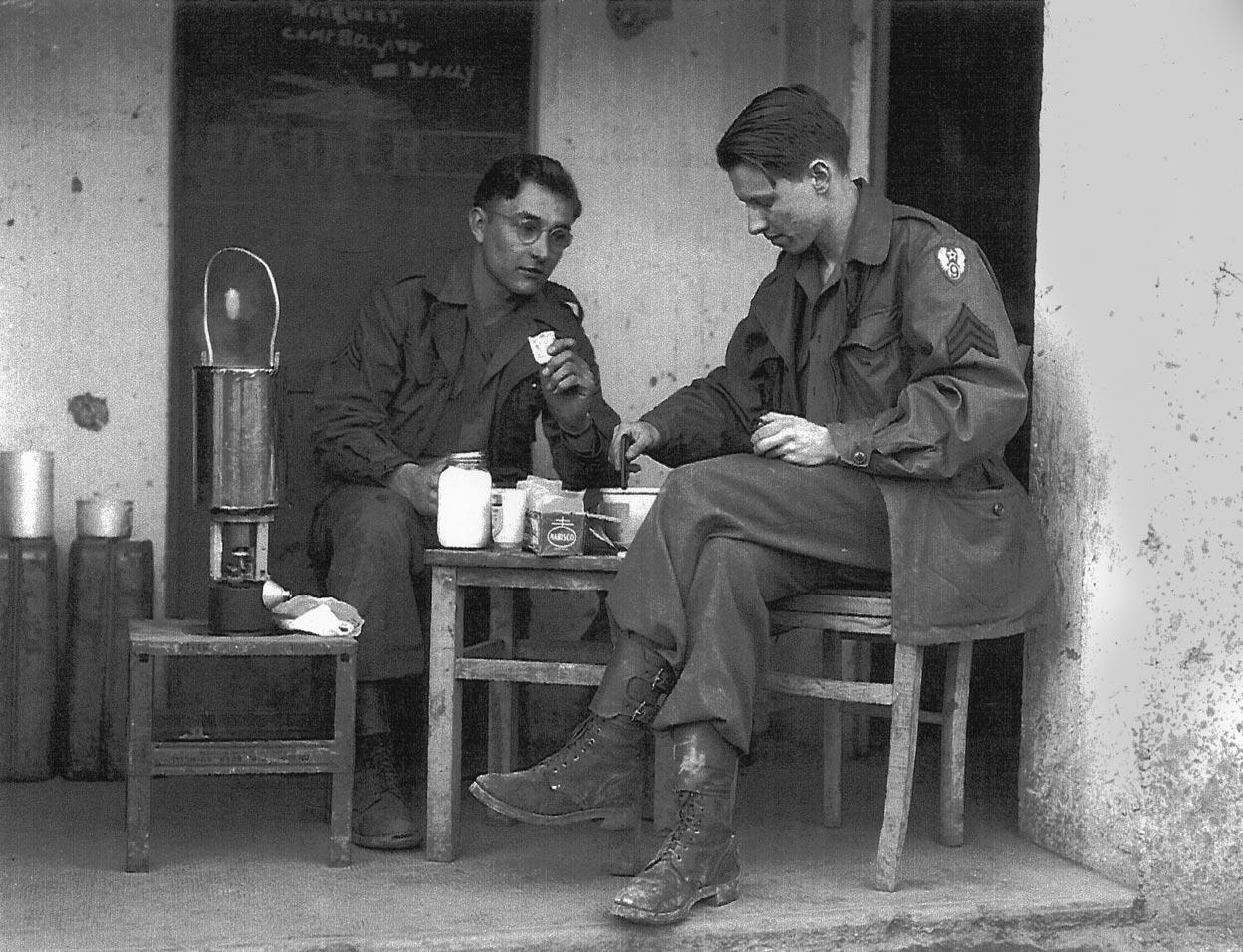
Harding, whose home is in Grangerville, was a world traveler who started photography at the age of 13. When he was 16, he started working as a stringer for a local newspaper, and at the age of 19, he served as a photographer with the United States Army Ninth Air Forces unit during World War II. He was part of the Normandy Invasion of France with the Allied Forces and witnessed the liberation of Paris on August 25, 1944. He was a true witness to history. For his contribution to the liberation of France, the people of Normandy presented him a medal, and in 2002, the French government awarded him a Diploma of Gratitude for his service at the Normandy invasion of D-Day. After the war, Harding served as a photographer
for the U.S. Air Force Reserves. Many of his images are in the collection of the Military Museum on Lake Avenue.
Harding went on to complete two de grees between 1948 to 1955, graduating Magna Cum Laude with a B.S. in Motion Communication Arts. Aside from his work as a photographer, Mr. Harding was a documentary filmmaker, producing and directing educational films and television programs. He was a faculty m ember for the Harvard Business School where he developed case materials for teaching
business administration and worked in scien tific and technical photography at MIT.
Mr. Harding lived and worked in India for two years while working for the Ford Foundation where he provided advanced training to gov ernment officials to assist with their tran sition to independence from British rule. He returned to work as a Research Associate
for NASA and the U.S. Air Force in preparation for Mars landings. His next assignment was with the National Council of Churches [NCC] in 1966.
Through the years, Harding par ticipated in several juried shows and had numerous solo ex hibitions of his work. These in clude Harvard University, the Johnson Museum at Cornell Univer sity, the Kern Galleries at Pennsylvania State University, the Schenectady Museum and Planetarium, a traveling exhibit for the U.S. Information Agency in India, the Rensselaerville Institute in Rensselaerville, NY; The Crandall Public Library of Glens Falls, Ballet Regent School, Borders Books, Sperry’s in Saratoga Springs, and the Clifton Park-Half Moon Public Library.
Harding served on the Board of the Saratoga County Arts Council for six years. In June 2003, the Saratoga County Arts Council awarded Mr.
Harding its Lifetime Achievement Award in recognition of his professional accomplishments and contributions to the community. Executive Director. Dee Sarno said, “The Arts Council was extremely fortunate to have Bruce serve on the Arts Council Board of Directors for six years. His extensive knowledge and life experiences enhanced the Arts Council's mission and im proved programs in the early years.”
Bruce Harding’s wife, Mary Huber, maintains his home photo-vault today. While standing next to files full of photographs, she tells me, “Bruce loved living in Saratoga, but he loved traveling to other developing countries and documenting the challenges of nations emerging from poverty. He reveled in the glory of the human spirit and had a true joy of life that re flects in his photography.”
Mary Huber maintains the home photo-vault
Phil Haggerty (1949-2008) was born in NYC and grew up in the Hamlet of Carle Place on Long Island. He graduated with a degree in photography from SUNY Albany and shortly thereafter he moved to Saratoga Springs where he set up a studio.
Mr. Haggerty was a freelance photographer in Saratoga for 34 years. His clients included Skidmore College, Union College, Saratoga Performing Arts Center, Adirondack Trust Company, Saratoga Hospital, Albany Law School and New York State, Saratoga Living Magazine, The Saratogian, among many oth ers. The main focus of his photography was Saratoga Springs, the city he loved.
He was also a successful photography instructor with classes at the Saratoga County Arts Council and other continuing education or ganizations in the Capital Region and was especially fascinated with space and rocketry, which began when he was a boy. He followed NASA and other developments in the space
Phil Haggerty
program that added a unique perspective to his creative efforts.
Phil became a devout follower of Osho (Bhag wan Rajneesh) and believed strongly in the importance of celebrating and enjoying life through love, humor, meditation, and creativity. To mark this personal evolution, he chose the new name “Ajeya” (Invincible) which is how many still recall him.
He was a longtime admirer and scholar of Buckminster Fuller. Fuller's inventions and views on the workings of earth’s societies and
environment resonated with Phil and shaped his personal philosophy greatly.
In looking through Haggerty’s images you can see that he was drawn to the textures and tones he found in the architecture of an aging Saratoga Springs. He focused his camera on the way Saratoga Springs was changing and upon those who are not always seen but are a part of the city.
At the same time, he found great enjoyment in nature and being outdoors. He loved hiking with his camera bag and tripod over local trails and through the Adirondacks. Many who knew him say that Mr. Haggerty was happiest when outdoors in nature.
by the moment and by the light and was spontaneous and creative while he worked. He was fun.” In fact, the same thing could be said about both photographers.
The process to create the online archive of these two extremely talented artists is slated to be completed by spring and will be announced on the library website. Pho tographers who wish to help with the process are encouraged to contact the Saratoga Room at the library, 518-584-7860 x255
Beverly Lazar Davis, who had an op portunity to pose for Haggerty, tells me, “Phil knew what he was doing behind the camera and where he wanted to go. Yet, he was inspired
Locally Acclaimed Catering Company Creates Globally Influenced Fine Dining
By Nellie Ackerman-Vellano, Feed Me 518™
While Daley’s On Yates may still seem new to some, this family owned business is built on a foundation of over forty years of hospitality experience.
Founded by The Old Daley Inn owners, Gena Coletti, Jim Pettit, and Marty Keary, this trio has been business partners for over 20 years. Along with their General Manager, Michael Anthony, and with their mixologist, Sue Ross, the owners and their executive team worked together and were all an integral part in creating Daley's on Yates.
Stephanie Pettit, Director of Business Development said, "Jim and I, along with my sister Sue and brother in law, Michael Anthony, traveled together and made it a point to visit NYC and Boston quite a bit to check out the dining scene and see what would translate well in the Capital Region. After a long year and a half build out, Daley’s On Yates was opened."
Daley’s opened in 2018 in an old taxi company building in downtown Schenectady. I've personally dined at Daley's a few times since they first opened, and I have consistently had a fabulous dining experience every time.
Daley's General Manager, Michael Anthony stated, "We wanted guests to feel good when they walked through our doors, but most importantly, we wanted them to feel the warmth and comfort of a great meal. Refined comfort food with global influences is the root of our menu."
What will you feel when you come to Daley's On Yates? You will feel welcomed in such a way that you will believe the owners and staff were personally expecting you and prepared the entire evening’s dining experience in the restaurant just for you. It will feel that way because they did.
Daley's On Yates exists to give each guest a unique and comfortable dining experience that makes them want to put their phones away and enjoy the company they are with as they share an incredible dining experience with creative foods that are approachable to almost any palette.
The Grilled Octopus is a dish that I immediately fell in love with visually. The fact that it's also incredibly delicious as well may have made this one of my favorite food experiences. The warm German style Pebble Potato Salad served as a bed for the Sous Vide prepared oc topus on which to lie.
I could eat the Moroccan Tenderloin Kabobs starter as a meal, as it's very filling for an appetizer for one person. This is a delicious, tender, juicy beef drizzled with cilantro chili sauce. You won't regret ordering this dish that's accompanied with their homemade Mint Raita Sauce. The Quinao Tabbouleh salad is also made in-house and brings this entire dish together. Each item is a beautiful compliment to the other. I plan to go back and order this to have for lunch.
The Flash Fried Calamari is a creative and flavorful dish, and one of my favorites that I've had in the 518. This dish was above and beyond what you'd expect for a calamari appetizer. What makes this dish stand out and different from the others, are the crispy kalettes, hot peppadews, and sambal mixed in. The calamari by itself would have been a delicious appetizer, as it was battered lightly and cooked perfectly. Calamari lovers take note, this is the place to come to satiate yourself.
The Wild Icelandic Lamb Loin was incredibly ten der and slices like warm butter. The flavors in this dish are outstanding, and I loved the mixed side of roasted cauliflower, pancetta ragout, s ultanana, marcona almonds, and shaved brussels on green tahini sauce.
Imagine a scalloped cooked as perfectly as it could be. That's their Pan Seared Scallops dish. I have so many good feelings about this entree. I love scallops, and I was extremely pleased that this was presented to me, as it was a phenomenal entree. The scallops rested on top of herb roasted fingerling potatoes, and were topped with parsnip cCrisps. All of it swimming in an amazing lobster sherry butter sauce that really should be served by the bowlful.
The 14oz Prime NY Strip Steak is a generous cut of meat, and it’s seasoned nicely. If you are a meat and potatoes person, I implore you to dine here. Daley’s On Yates, 10 Yates St, Schenectady, NY daleysonyates.com
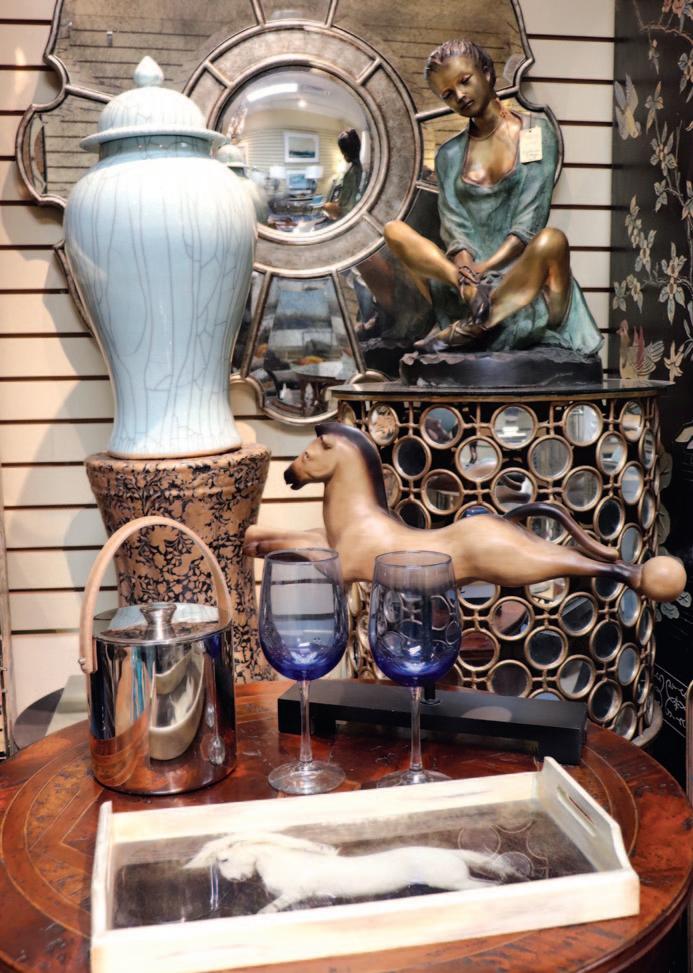
A Signature is Always Unique And So is Saratoga Signature Interiors and the Steel Magnolia Behind It
by Rona Mann
photos by Stephanie Sittnick
You know from the get-go that the woman behind the business is as unique as the business itself.
Nancy Smith has been the powerhouse be hind Saratoga Signature Interiors since its inception in the Capital District in 1992, yet she is a quiet, refined powerhouse. Not boisterous, but fiercely determined. Not pushy, but quietly forceful. She is without a doubt a steel magnolia having originally come to the northeast from Georgia by way of California, eventually migrating to Saratoga in 1980.
“I have a Southern sense of home, a West Coast sense of style, and a Northeast sense of business,” she says quietly with a delightful hint of a southern lilt in both her manner
and her speech. Speak with Smith only a few minutes, and it is easy to see why Saratoga Signature Interiors is both unique and very special indeed.
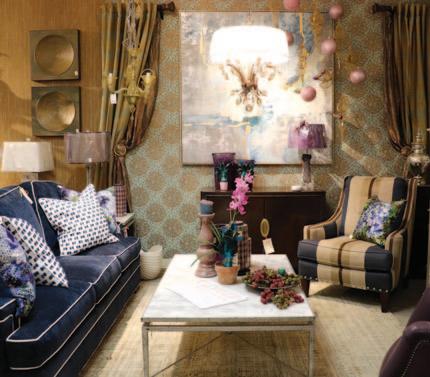
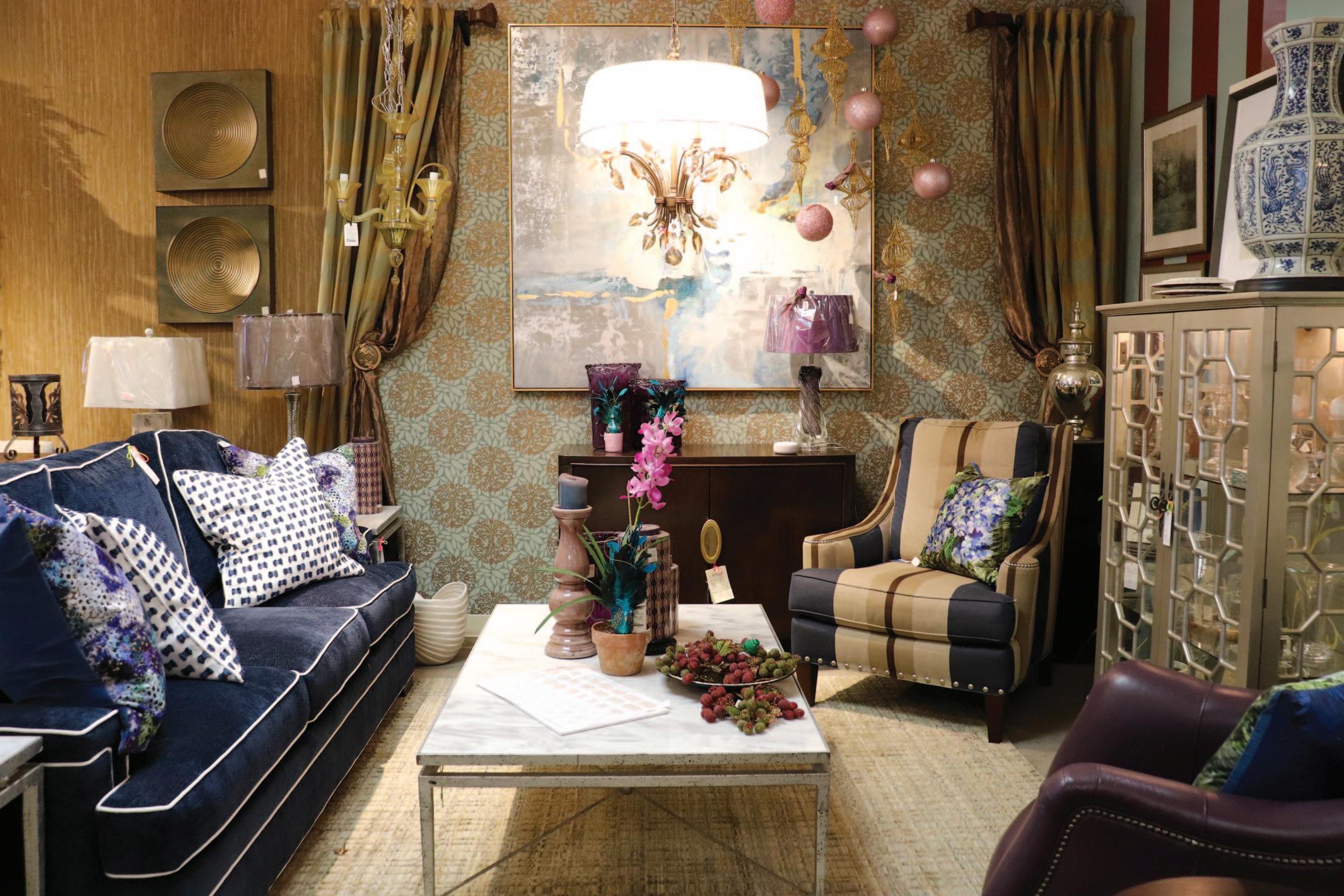
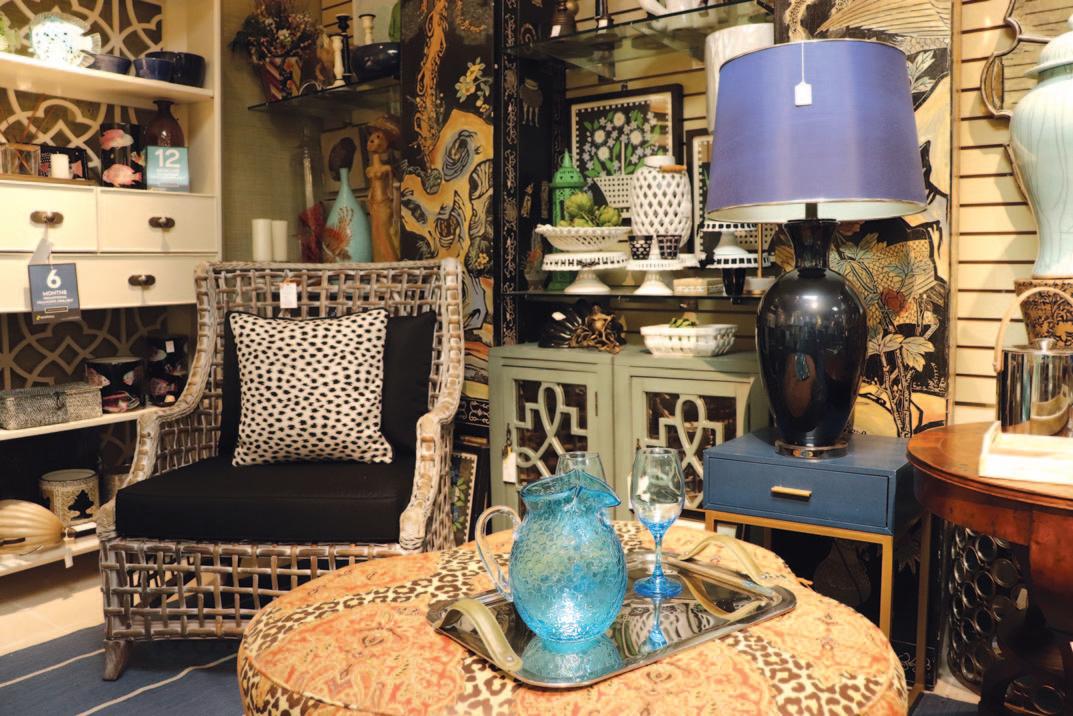
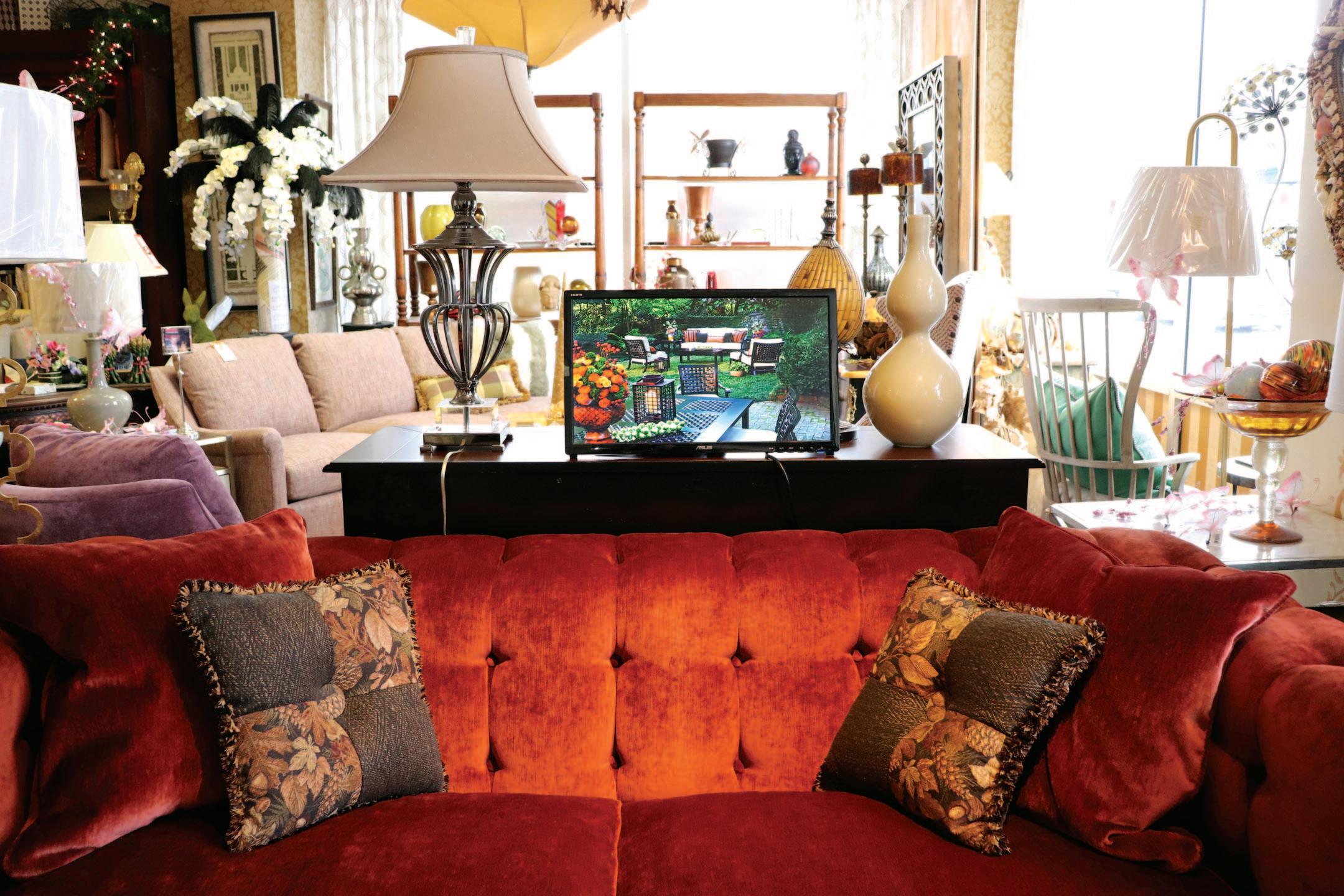
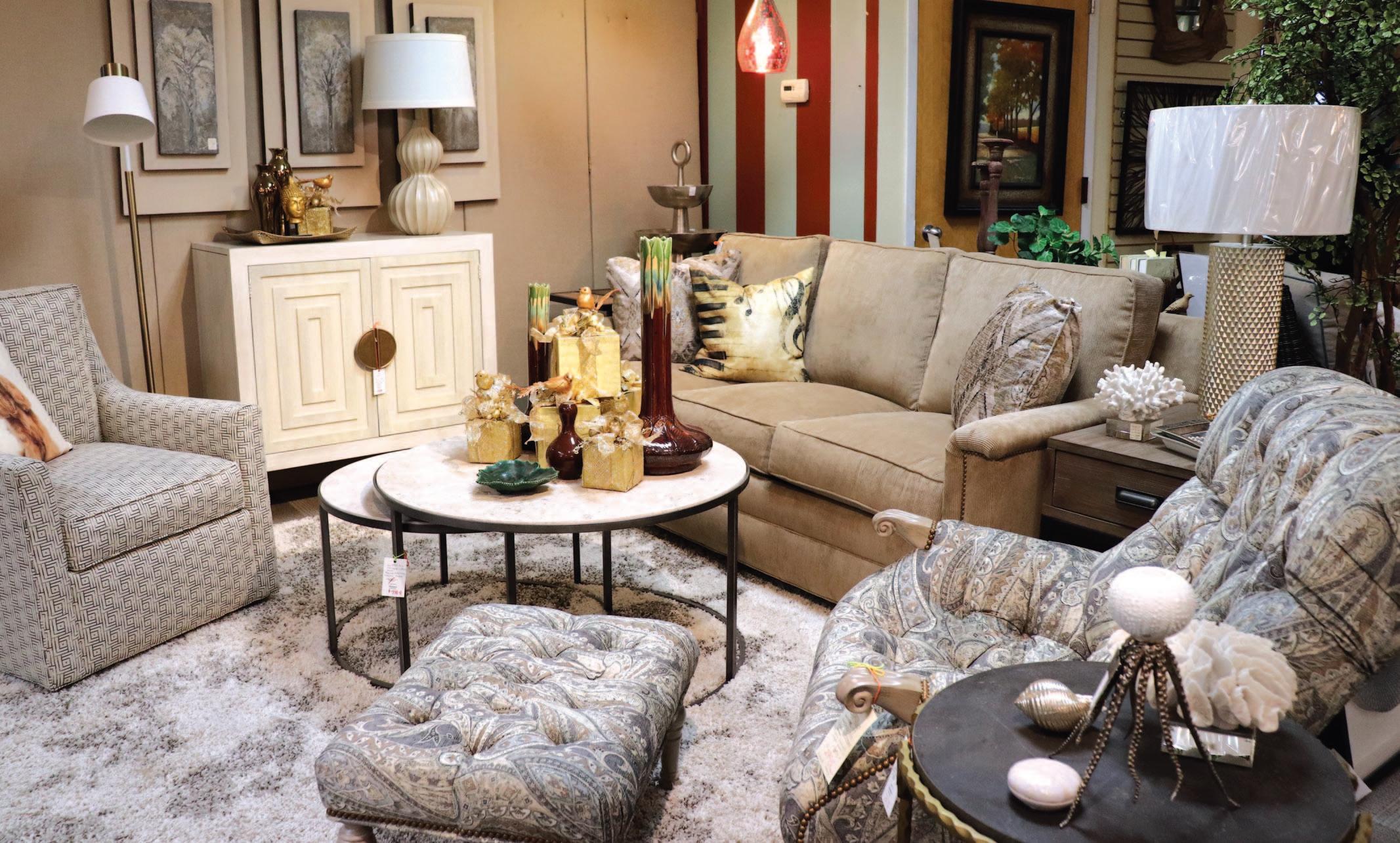
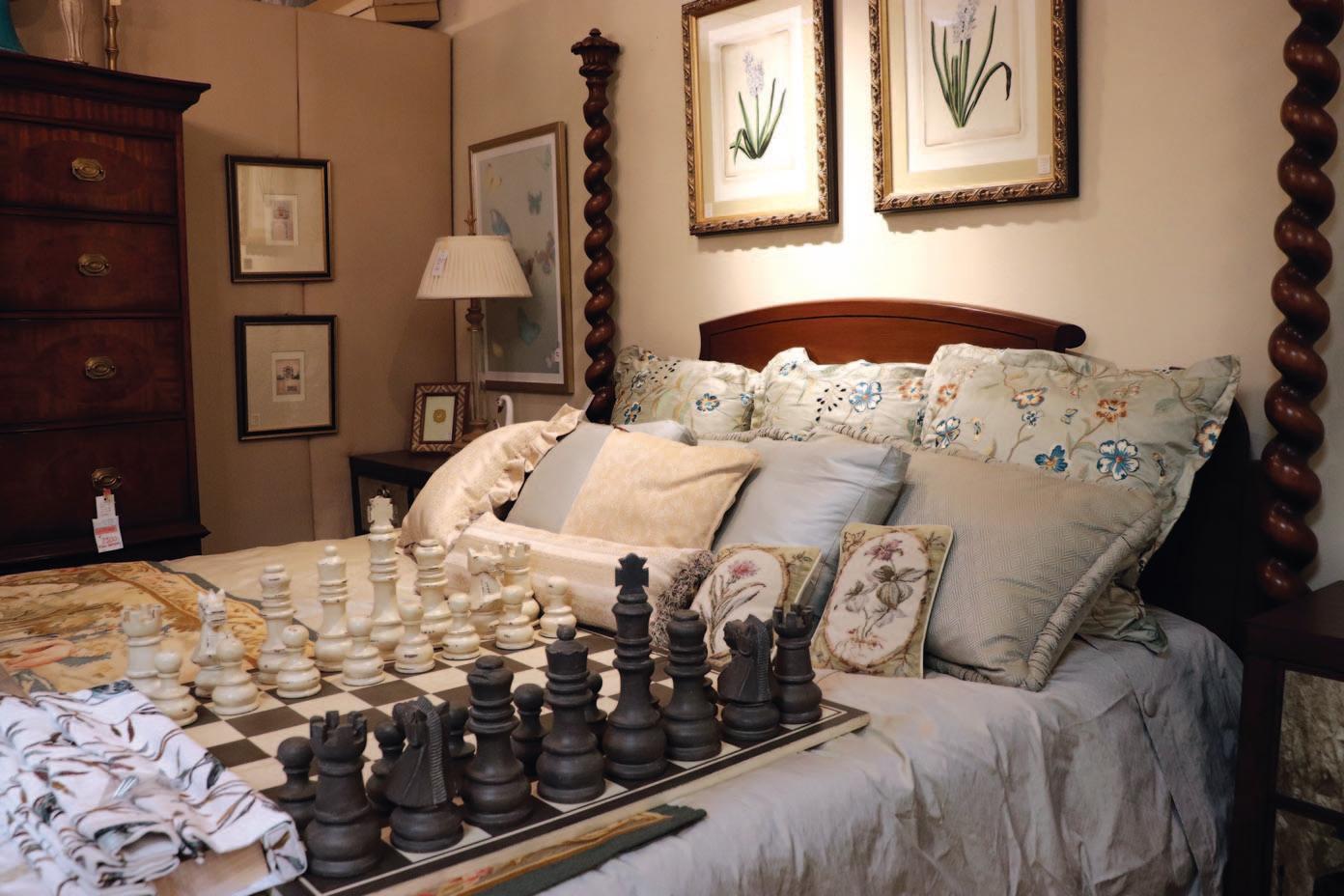
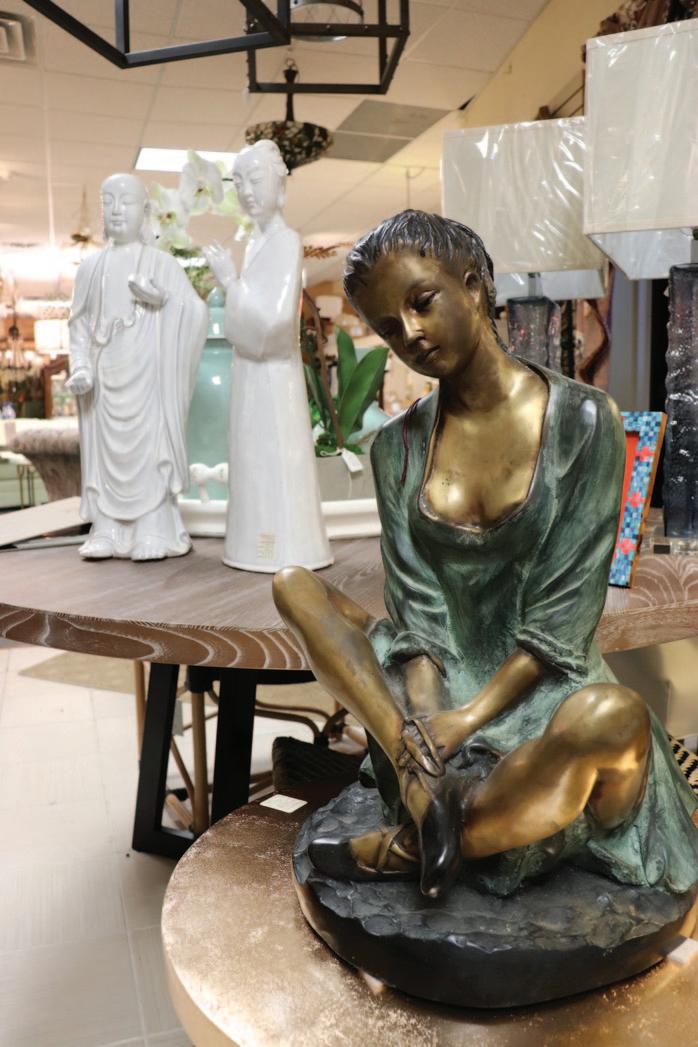
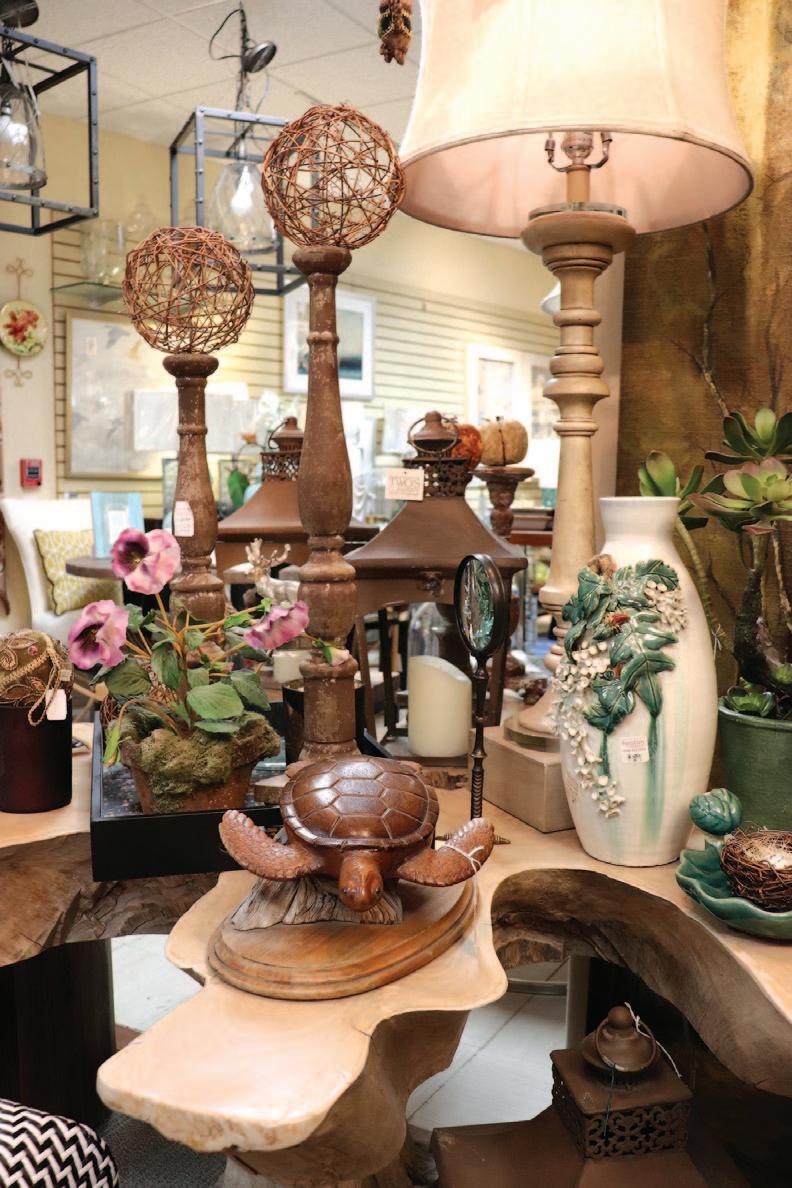
First, a bit of background. “I don’t like to think of Saratoga Signature Interiors as a fur niture store,” Smith begins. “It is a store of interior design.” Indeed, a walk throughout the 6000 square foot space will quickly convince the visitor that they are not in a cavernous furniture emporium with sofa after sofa, chair after chair. Rather, Saratoga Signature Interiors is a store of ideas, of imagination, and of a marriage and complete collaboration between its val ued customers and their highly trained and talented designers.
Smith, who has a degree in interior design, grew up in the Atlanta area “where people never resell their homes,” she laughed. “That’s their home forever.” But Nancy’s fate took on a peripatetic twist as she married a Navy flier, and they were stationed for a time in Alameda, California. Following this time on the West coast, she crisscrossed the country once again and moved back to Georgia where she started an interior design business with her sister. Her husband, now out of the service, worked for Nabisco, where one day it was announced in 1980 he was being transferred...to Buffalo. “My mother said that was grounds for divorce!” Nancy laughed, “but we wound up loving it.”
Several years later, Nancy received an offer from Stickley in Albany, and the family moved yet again, this time to the Capital District.
Although she loved working for Stickley, Smith still longed to have her own business, so in 1992 she opened a shop on Broadway when she moved to Saratoga Springs. The location didn’t prove to have the appeal she wanted, so she then moved to Franklin Square. That wasn’t the right fit either, but in 2003 Saratoga Signature Interiors came alive in its current location on Church Street. “It is just perfect for us! exclaimed Nancy, who knew she was now in her “forever home,” like they have in the South.
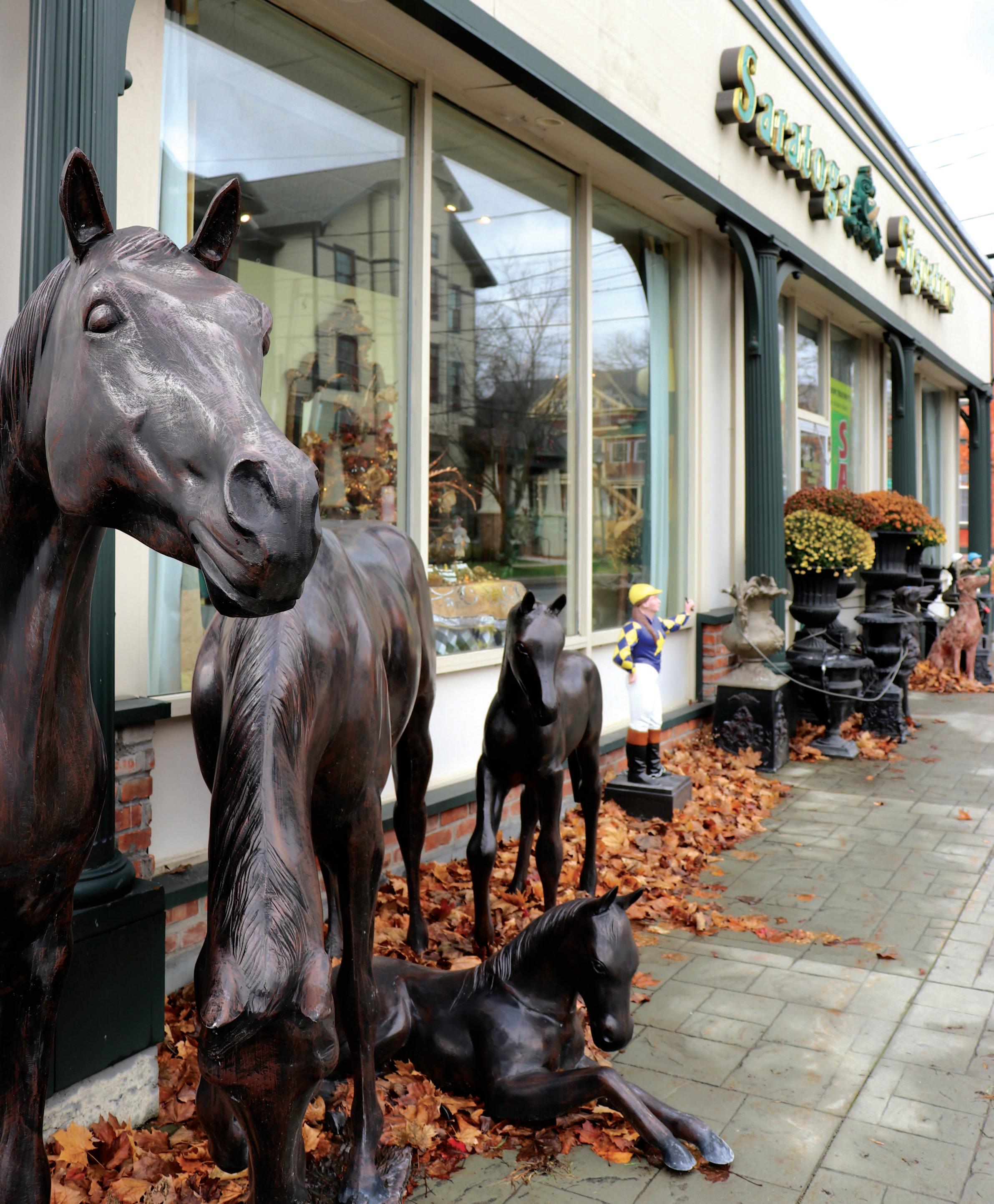
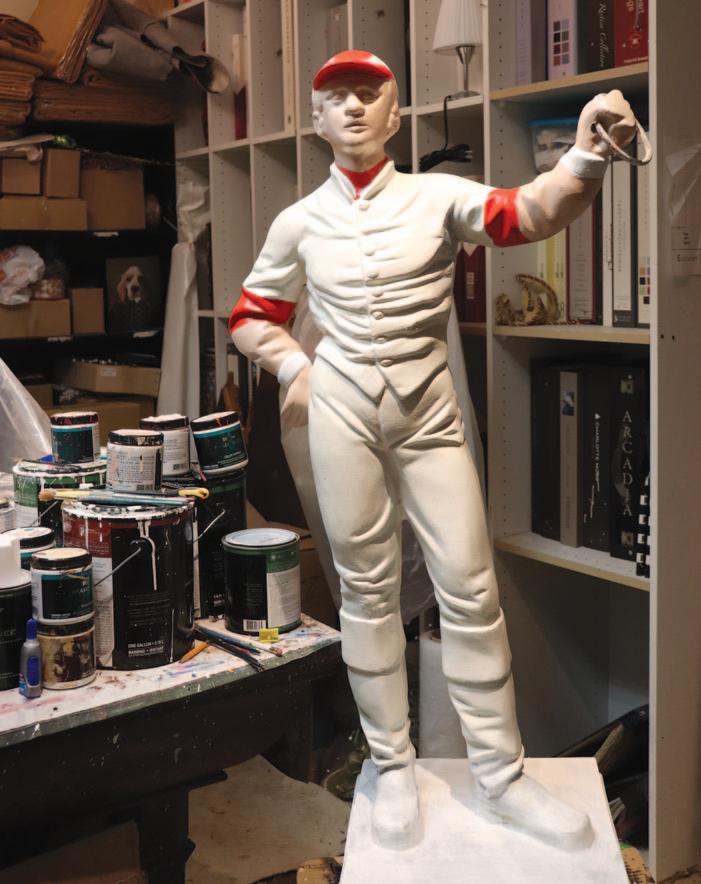
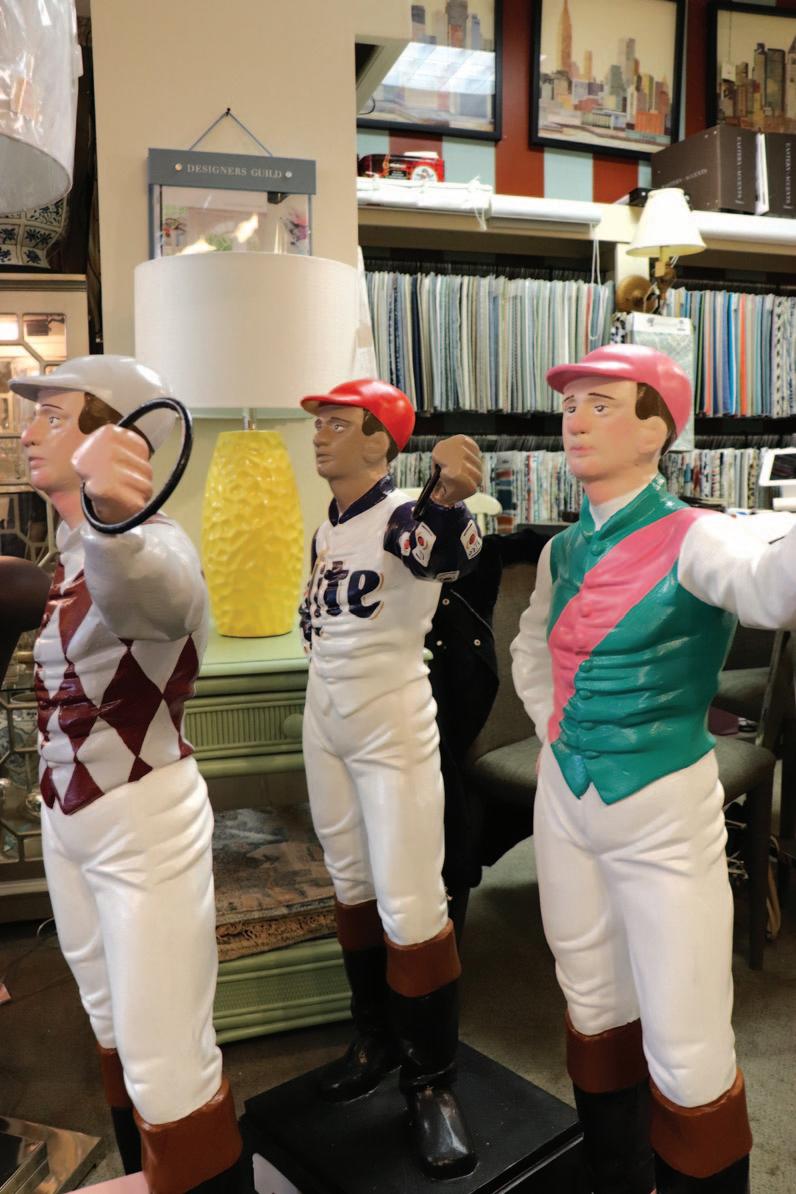
From the beginning, she longed to be noticed, to let people know she was there. “I wanted to say to the local people, ‘Oh, come look at me!’” Trying to find exactly the right way to do that, she bought six lawn jockeys, painted them herself, and set them out in front of the
shop. Suddenly people were more than “looking” at her, they were coming in, anx ious to buy the pieces. “It wasn’t just in the summer or during racing season ei ther,” Smith remarked. “They wanted them for weddings, they wanted them for the holidays, to this day they continue to want them.”
Enter her talented designer, Dan Czech, a graduate of The Parsons School of Design, who not only creates and stages all the vi gnettes throughout Saratoga Signature In teriors, but also designs all the displays, decorates the store magnificently for the hol idays, and hand paints all of the lawn jockeys. “Dan is so talented,” Nancy exclaims. “The 40 inch jockeys fashioned of 100% alu minum are all from the same mold, but he manages to have each face take on a
dif ferent look. In addition to the tradi tional lawn jockey, he also does baseball players, hockey players, and we sell so many, it has become a major part of our business.” So major in fact that requests for the jockeys come to Saratoga Signature Interiors from all over the country, and when the warm weather comes and Nancy puts them out front, e veryone in town knows summers on the way!
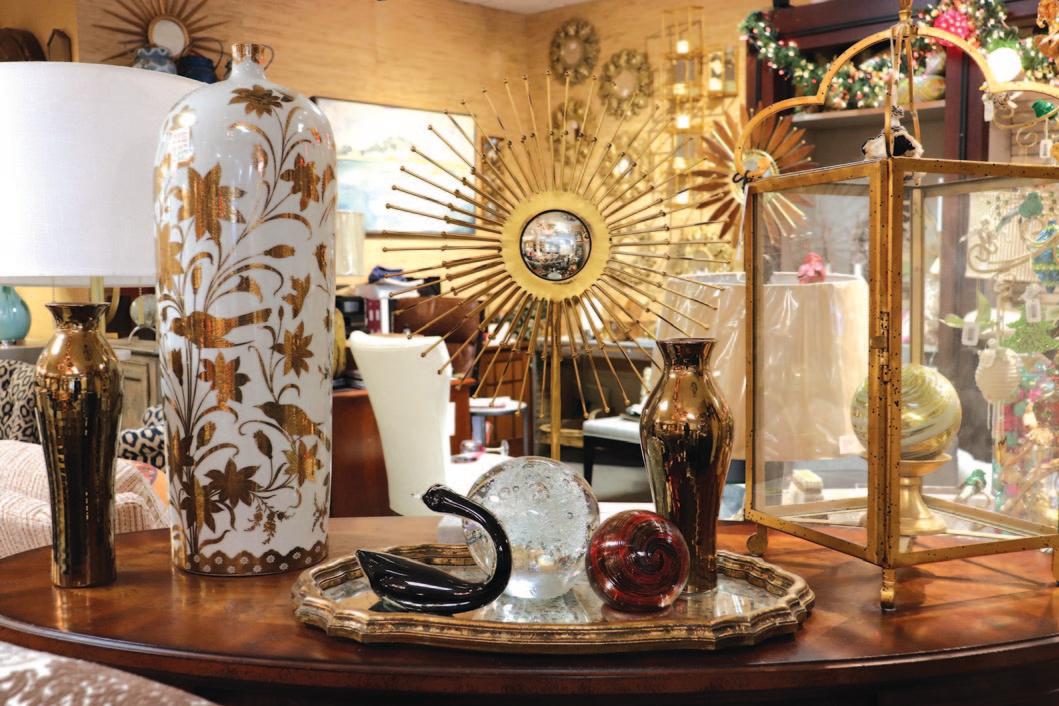
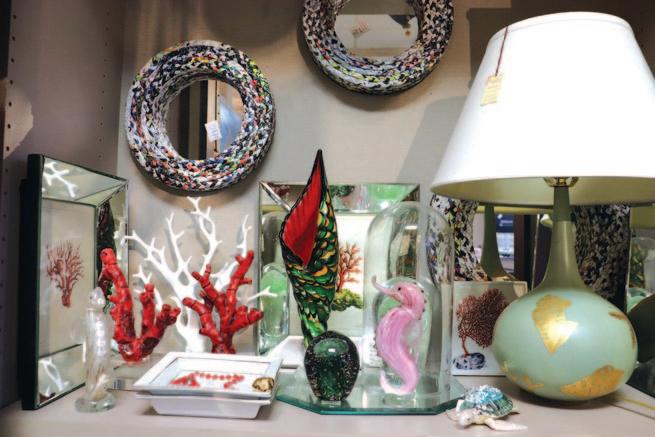
Dan’s hard work results in a beautifully laid out store where t he traditional, contemporary, and transitional furniture is beautifully and purposefully set in vi gnettes t hroughout. The settings are constantly changing, and all are com plemented with occasional p ieces such as side tables, mirrors, lamps, and accessories, so customers can truly get a feel for how something will look in their home. Always, the customer’s needs and wants come first.
“Our first consultation is generally a one hour consultation in their home, and it is complimentary,” Nancy says. “If they like what we have to offer, if they establish a budget, and we’re able to come up with a workable plan, then we begin a relationship; and if they shop with us, there is no extra charge for our service.”
“I have always liked and held true to that old saying, Make new friends, but keep the old. One is silver, and the other is gold.”
Always Smith holds dear to the loyalty and consistency of her customers who continue to come back, sometimes years later, when they are ready for a new custom-designed piece or a whole new look for their home. Nancy builds her customer base on this and never t akes this special relationship for granted, saying,
It is important to note here that whether the visitor to the store is an old friend or a new one, what a customer sees on the floor at
Saratoga Signature Interiors is far from their only choices. “We sell good furniture, but we have access to literally thousands of things. A customer can mix and match colors, tex tures, designs, the possibilities are endless. However, Nancy, and especially her son, Colby, who designs and manages all the so cial media for the store, believe in being honest, even while sometimes walking on egg shells with a customer of “eclectic” taste and style.
“We’re not afraid to tell people if we think something is wrong or won’t work. If they really want to put a patterned sofa over a purple striped rug, that’s their busi ness, but we gently try to point out why ultimately they may not like the end result,” Nancy says.
She gives a little laugh, then pauses and says in that thoroughly engaging Southern way, “Gotta have a sense of humor!”
Go visit Nancy, Dan, and the great staff and say hello to the jockeys at: Saratoga Signature Interiors, (518) 581-0023
82 Church Street, Saratoga Springs. www.saratogasignature.com
INSTINCTIVELY DIFFERENT>>
Controlled
The vivid words of poet Karen Schoemer and the blazing art-rock of her bandmates ignite in Sky Furrows.
By Kirsten Ferguson
Burn
“Alyosha,” the opening track from the debut album by Sky Furrows, is a perfect soundtrack for the waning-light days of early winter. The spoken-word lyrics from poet Karen Schoemer spill over an evocative guitar line by Mike Griffin and discreet rhythms from drummer Phil Donnelly and bassist Eric Hardiman. Schoemer’s haunting lines — “Secrets are the skin I wear. Silence is the song I sing” — tumble out over an ecstatic guitar burst and echo over enigmatic lines about flicked cigarettes, parked cars and leather jackets, ashtrays and prescription pills, and the risks of saying the wrong thing versus choosing to remain silent.
Schoemer’s perceptive words form the foundation of Sky Furrows’ songs. The band draws from many of the same musical influences: ‘80s post-punk and underground rock, early ‘90s indie rock like Sonic Youth, and jangle rock from New Zealand artists like the Clean and the Verlaines. Around Schoe mer’s expansive lines, Griffin, Donnelly, and Hardiman construct a musi cal framework that builds on their background in improvisation. The trio first bonded in Albany’s long-running psych- rock unit Burnt Hills, a loose collective of musicians who get together informally to play free-form rock and noise.
The members of Sky Furrows had chemistry the first time they jammed as a four-piece in Griffin’s Clifton Park basement in 2017. “The first time we played, I remember distinctly,” says Hardiman, who also performs solo as Rambutan and with bands Spiral Wave Nomads and Century Plants. “The four of us got together, and we all just started riffing. It formed itself into a song that lasted like 15 minutes. I don’t know if we said it out loud, but I remember thinking that we have to be a band.”
Sky Furrows’ first live performance, at BSP Kingston in Kingston, New York, generated similar alchemy. “Playing that show was one of the most exhilarating things I’ve ever felt,” Schoemer says. “It was just so exciting. I was like, ‘Can we do more of this, please?’”
For much of Schoemer’s artistic life, she’s been a poet, music writer, and spoken word performer. It wasn’t until 2014 that she started in corporating her words with music through collaborations with bassist Mike Watt (Minutemen) in the band Jaded Azurites and with Catskill singer-songwriters Wreckless Eric & Amy Rigby in the Schoemer Foundation.
“I had never performed with music in my whole life,” she says. “I’d never done any kind of band thing and never thought I would. I had written about music for such a long time. I was used to being an audience member. So, I feel lucky to do it. It’s so fun.”
Onstage, whether performing mood-inducing originals like “36 Ways of Looking at a Memory” or a rare cover song, like the Clean’s “Point that Thing,” Schoemer’s delivery ranges from dead pan to a controlled fury. Sometimes she clutches sheets of lyrics while tossing her head, staring at the floor. Her words con jure emotion and concrete images that build. A drive on a wind ing road by the sea, with waves and spray visible on black rocks below, leads to murmuring words, bursts of laughter, and footsteps in a haunted motel room (“Ensenada”).
T he band shares an equally skillful ability to measure out their mood, shifting from sparse and meditative touches to raw, full-on freak-outs
within the span of a song. Although the band first built a rapport through improvisation, their songs have structure, with Griffin laying much of the foundation with his expressive guitar work. “I think we are all excited to be doing something based around songs as op posed to improv,” says Donnelly. “We started off improvising to the music, but we started playing with structure as we got more comfortable with the music and the material Karen wanted to bring in. The songs have been fluid. It’s worked.”
Writing poetry is a different process from writ ing lyrics for music, Schoemer says. “In terms of poems versus a song, to me, they’re really different, even though they’re closely connected. A poem someone will read probably one time from beginning to end, whereas a song has all this opportunity for repetition and building. The minute you add music, I always feel that’s what people hear first. They’re experiencing the music on a much more immediate level. It’s a lot more freeing to write when there’s music, because the music does so much of the work of engaging who’s listening.”
“One of my favorite things about her vocal style is her ability to be so rhythmic and so deep at the same time,” says Griffin, who also performs solo as Parashi. “It reminds me of people like Mark E. Smith [the Fall], that kind of vibe.”
“Karen’s sense of timing and how she delivers her lines in relation to the music, literally from the first time we played together, just blew me away,” adds Hardiman.
Sky Furrows’ self-titled album was recorded at Verdant Studios in Vermont in 2018 but released this fall on three labels: Donnelly’s Philthy Rex Records, Hardiman’s Tape Drift Records, and Griffin’s Skell Records. The album, available on Bandcamp and at local record stores, is tiding the band over until they can play live again, post-pandemic.
“We released it in a very uncertain time when lots of people are suf fering,” says Griffin. “And we can’t play shows. But at the same time, it still feels good on an aesthetic level to be doing this. I think it would have sucked to let this album rot away.”
Visit skyfurrows.bandcamp.com
Long Distance, Long Ago
by Karen Richman
Try and tell a young person today that once upon a time in the "olden days," a long distance call was a big deal. A really big deal. Chances are, they’d laugh at you because today it’s nothing to grab a Smartphone from the back pocket of your jeans and within seconds be conversing with a friend in Omaha.
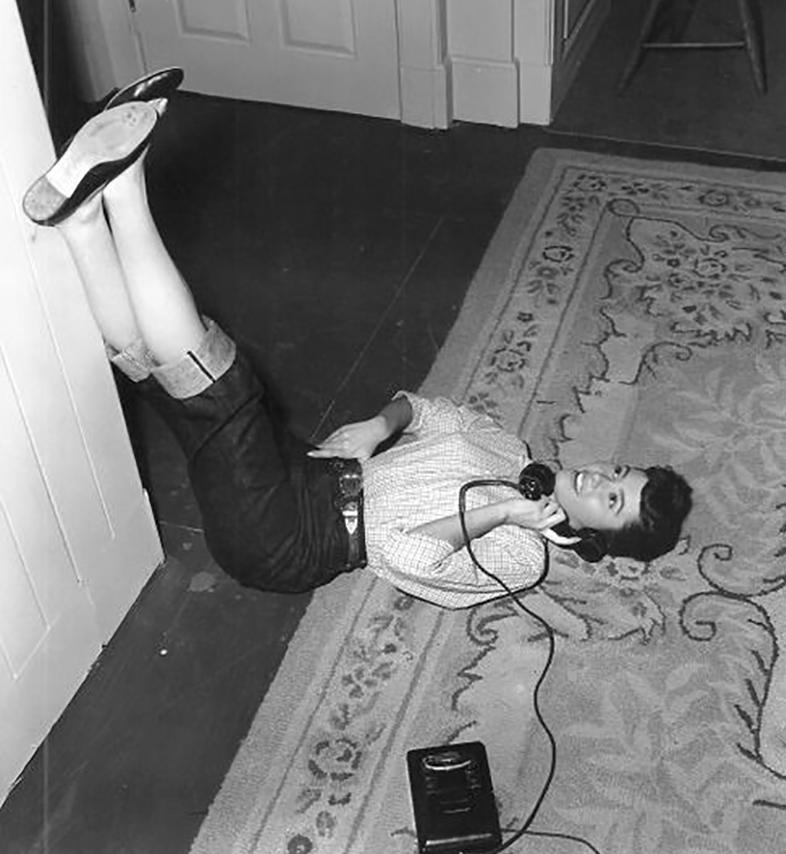
Not so in the ‘50s and ‘60s. Long distance then was, first and foremost, expensive. People didn't have long distance calling plans, nor routinely make, nor receive, long distance calls; and when they did, it was usually to deliver bad news. If the phone rang, and an operator said, "I have a long distance call for ______," there was a sharp intake of breath as your mind raced wildly, trying to ponder who had died or what horrible event might have occurred. And yet another curious thing about long distance decades ago was people felt they had to raise their voices five decibels to be heard because it was long distance, and that meant a long way away.
“IS THAT YOU, DAVID?”
‘YES, YES, IT’S ME. CAN YOU HEAR ME?
“YES, I CAN HEAR YOU. HEY, MARSHA, COME QUICK, IT’S COUSIN LOU IN SACRAMENTO, COMING IN LOUD AND CLEAR!”
If you did have to make a long distance call, most folks waited until Sunday, because Sunday was the day you could call for the lowest rate. Second choice would be late at night, which only served to reinforce the idea that a phone ringing "after hours" must of course be a harbinger of the worst news possible. So long distance was not the casual "no big deal" it is today.
But the mothers of the '50s and '60s were smarter than the phone company. They had a way around all this. Somehow they must have all convened when no one knew, least of all the telephone company...and that's phone company, NOT phone companies, because in the '50s and '60s there was only one telephone company...no competition, no diversification.
So I figure all the mothers in America got together and invented.."the fake phone call." It was the foolproof way their children could call home from whatever corner of the country they happened to be and not have it cost a cent. It was nothing short of brilliant!
The fake phone call worked like this: Little Debbie or Stevie would pick up the pay phone, plunk in their dime, and dial the operator. The first thing that happened was their dime automatically came back, since operator assisted and information calls were free. The second thing was...they got a live body! Not a recording. Not James Earl Jones. Not a menu. But a live human being who ostensibly worked at a nearby telephone center and was not in Bombay pretending to be in Illinois. When that person said, "Operator, may I help you?" they meant it! They wanted, and more impor tantly, could help you.
But all their sincerity was for naught because Debbie or Stevie was going to fool them...use them shamelessly. In plain English, they were going to screw the phone company. This young innocent would say, "I'd like to make a collect person to person long distance call to Debbie Shelton or Stevie Denton at area code 201, 555-2389."
Then the helpful operator would dutifully place the call, Debbie or Stevie's mother would answer...(Note: it was always the mother, never the father who answered, even if he was sitting right next to the phone)...and the operator would say, "I have a person to person collect call for Debbie Shelton from Susan Shelton, is she there?"
Mom: "No, she's not."
Operator: " When do you think she will be in?"
Mom: "Oh, maybe in an hour."
Debbie: "Fine. I'll call back then after I finish dinner with the little money I have left."
Voila! Message was delivered. Free and to the point. Mother knew Debbie was safe, was eating, and needed money. What else was new? But moreover, she knew all was fine in Debbie's world, and that's what mothers always need to hear.
Today, pay phones are gone, and most young people have never even seen a telephone booth. We have become a cell phone-obsessed society. People walk or drive down the street with cell phones attached to their heads, playing games on them in doctors' offices, carrying on loud conversations in restaurants and theatres, and sending inane text messages back and forth because...they can.
And the interesting thing about this is, although we all have these phones, and most of us have unlimited long distance at all hours of the day, night, and weekend, with the capabilities of doing damned near everything in life on that phone, we are all so busy punching in and text messaging and playing and displaying and diversifying the music on our ring tones, checking our e-mail, buying movie tickets, and ordering lunch, we have completely lost the art of one-on-one conversation. We no longer need face to face interaction with anyone, nor do we have to directly speak with them.
We've disconnected; yet when I look over my shoulder I can see whole families huddled excitedly around the phone because Uncle David and Aunt Nancy are making their annual long distance holiday call, and even though there was only one phone in the house on which to hear them and there may have been static, it was indeed a wonderful thing.
Detoxing Your Space
By: Crystal Cobert-Giddens
Before 2020, we spent the majority of our time in our office or work en vironment. Most Americans work between 36 and 48 hours a week. Actually, we spent most of our waking hours in our work environment. Now that we’re dealing with a global pandemic, many of us are working from home and our children are being home schooled. We are home all the time!
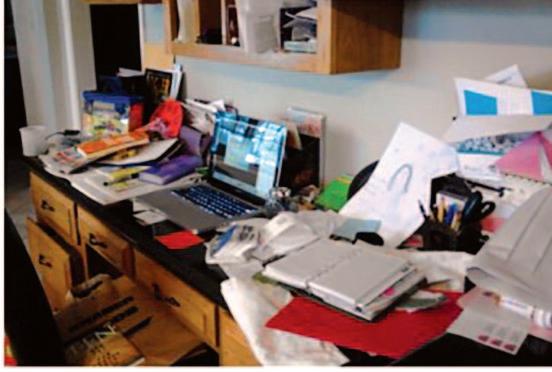
Those amazing OPEN floor plans that we once loved are now a little too open. Everything thing seems to feel cluttered and there’s too much going on. School work, Zoom calls, graphs, charts and who is using my printer and phone calls, oops it’s lunch time and we’re eating at our desk that used to be our kitchen table or counter…We can’t hide our stuff anymore and it’s all a little stressful…right?
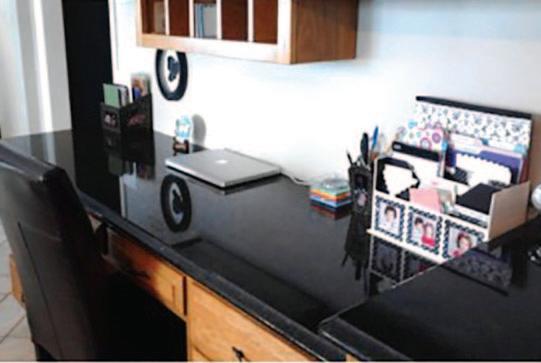
Let’s get from feeling stressed out to feeling relaxed, shall we? Take a mo ment to evaluate your work situation, schedule and how many hu mans are in your home all day. Are you able to concentrate?
Let’s look at your office or office area. Is your desk cluttered? Do you have a desk or office? If not, you may need to create an area where you feel you can concentrate without being distracted by everything else that’s happening in your home. One of my favorite DJs on Sirius Radio set up her on-air studio in her daughter’s closet. Everyone was home working or going to school and there was no room for her to go, so she chose a closet. She has since converted her dining room into a studio, but she was in that closet for over 6 months!
If you’re lucky enough to already have a home office, let’s take a look at your desk. Do you have sticky notes everywhere? Do you have window blinds with two years of built up dust and yuck on them? Do you have an organized work area? One where you can spread out, be creative and concentrate? If not, organizing your space will help you organize your thoughts.
Getting started is the hardest part, so I’ll help. Ready?
Remove everything from your desk. Put it in a pile somewhere to address after a good, deep clean. Now clean your desk area with a non-toxic cleaner. Remove the blinds from your windows and toss them or clean them with a healthy al ternative cleaner.
Con tractors of America studied houseplants as a way to purify the air in space facilities? They found several plants that filter out volatile organic compounds (gasses emitted into the air from products or processes) In fact, studies have proven that plants trap and absorb many pollutants from our home and work environment. Here is a list of low maintenance plants that will beautify your work place and help keep the air in your home or office clean and fresh:
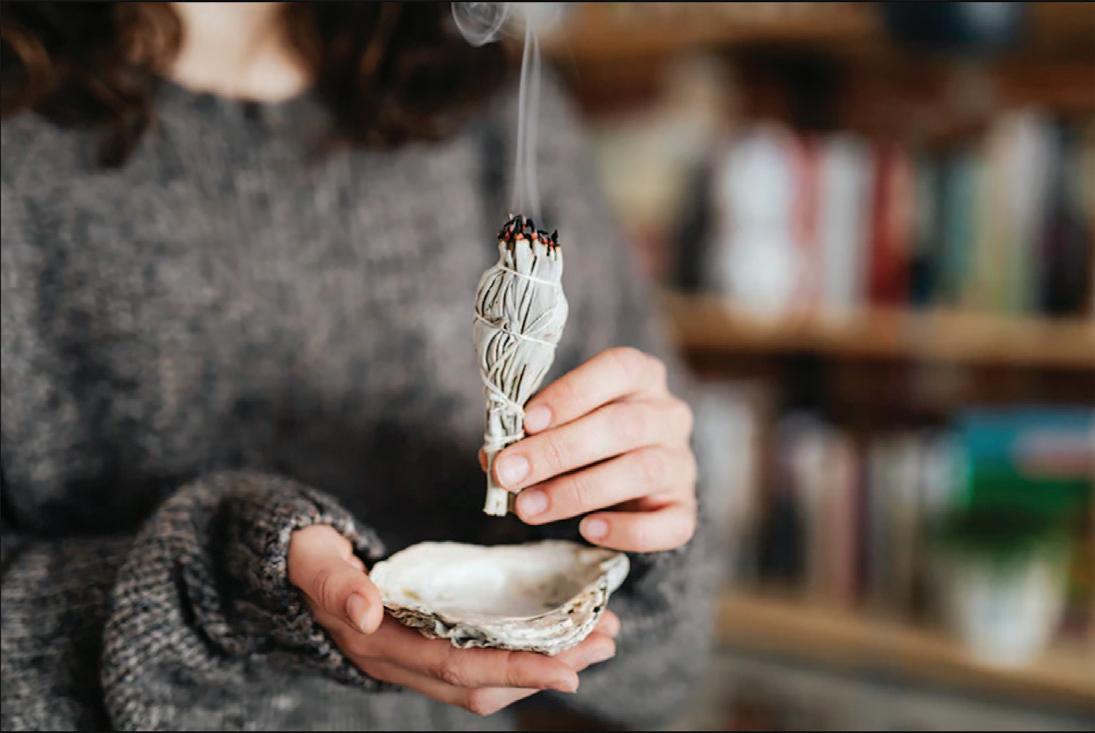
Another option is to burn sage or other cleansing herbs in your home or work area. Have you ever tried smudging or burning sage? The Greeks, Vikings, and Turks have burned sage for thousands of years. Sage is said to cleanse an area or space and is also used to help protect your space from negative energy. An interesting fact is that the popular (and controversial) white sage used as a holistic remedy is only grown in a small area in Southern California, not throughout the world.
Now step back and take a look at your work space. What in spires you? What brings you peace? What helps you focus? What would you like to see everyday? I like having a photo or two, an inspirational saying, and a couple of beautiful handmade pots in my home office. One pot was made by a friend, the other was given to me by a client that knows I love pottery. Maybe fresh flowers are your thing? Keep a small vase with fresh flowers on your desk.
Create storage possibilities. Everything can be put away and stored in labeled containers. Many stores carry organization and storage solutions so you should be able to find something to work for you and your space. If everything has a place, you will quickly and easily find whatever it is you are looking for, when you need it.
Now, take a deep breath. What is the air like in your home office space? Does it smell clean or stale? Fresh or like your lunch leftovers? Did you know that back in the 1980’s, NASA and the Associated Landscape
Native Americans have burned various herbs, spices, plants, resins etc. for thousands of years. Some for religious ceremonies, others for cleansing or protection. It is not only a Native American tradition—it is a worldwide tradition. In fact, hyssop is mentioned 12 times in the bible as being burned in religious ceremonies, as well as frankincense and myrrh, and many other plants and resins. ALL cultures all over the world have done this for thousands and thousands of years. They just used what they had locally, and traded when traveling. Most Native American tribal members on the west coast used what was found growing wild, and that included blue sage, a mix of juniper and some cedar.
One of my favorite mixes is rosemary, lavender, thyme, lemon or orange. I love juniper too! You can use these dried herbs to cleanse the air and your energy. Just light the dried herbs, let the flame die down and allow the smoke to curl above your herb bundle and walk from room to room. You can also sage yourself by taking the herb bundle and swirling it around your head.
You don’t need a bundle of sage to accomplish the cleansing of an area. You can also take a few leaves or sprigs of your favorite herbs, layer them in a ceramic or pottery dish and light them with a match or lighter. Let the flame die down and carry the dish from room to room. You’ll notice the yummy, spice smell and you should notice a cleanliness and calm in the air when you’re finished.
Crystal Cobert-Giddens, FACES of Saratoga, 489 Broadway (Long Alley Entrance) Saratoga Springs, 518-396-7403