

By Keenan Naidoo
July 18 marks Nelson Mandela International Day, a global reminder that a home does not stop at the property line. The true value of a neighborhood is found in its capacity for Ubuntu—the understanding that our individual well-being is deeply interconnected with those around us. Madiba spent 67 years fighting for human rights; in return, we are asked to give just 67 minutes of intentional service.
"What counts in life is not the mere fact that we have lived. It is what difference we have made to the lives of others." — Nelson Mandela
This month, view your 67 minutes as a mental upgrade rather than a chore. True wellness is never purely internal. When we step outside our front doors to support a local school, garden, or shelter, we shift our mindset from scarcity to abundance, actively breaking the isolation of modern living to build a more resilient society.

Spending just over an hour volunteering doesn't just help others. Studies show it activates the brain's reward center, releasing dopamine and instantly lowering your own cortisol (stress) levels.
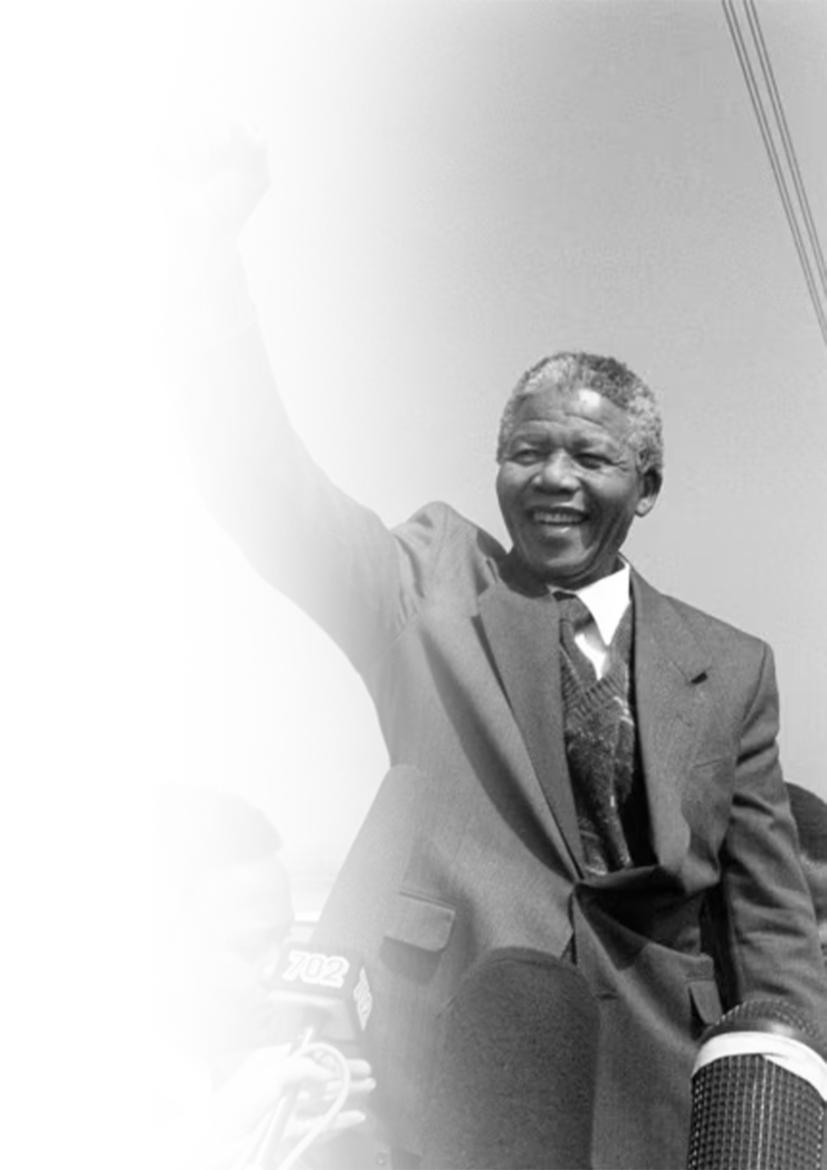
Every July, South Africans prepare for a familiar ritual. Companies buy tins of soup, schools organize clean-up drives, and social media feeds fill with images of paintbrushes and blankets. It is Nelson Mandela International Day—a global initiative formally established by the United Nations in November 2009 to honor Madiba’s 67-year fight against apartheid and injustice.
The original assignment was beautifully simple: give 67 minutes of your time to serve your community, mirroring the sacrifice of a man who gave his life to build a democratic nation. It was designed not as a public holiday, but as a global movement for human rights, solidarity, and systemic change.
Yet, nearly two decades since its inception, a quiet apathy has crept into the modern South African psyche.
Companies spend 67 minutes handing out sandwiches for a photo opportunity, only to return to business as usual on July 19, ignoring the deep structural inequalities that continue to choke our neighborhoods.
For ordinary citizens, exhaustion has bred indifference. Navigating a challenging modern economy, high unemployment, and failing infrastructure has left many feeling protective of their own sanctuaries, rather than invested in the collective. The phrase "I am because we are"—the very core of Ubuntu—is easy to print on a magazine page, but incredibly difficult to practice when people feel abandoned by the systems meant to support them.
But to let Mandela Day fade into commercialized irrelevance is a dangerous mistake.
Madiba did not fight for 67 years so that we could give up 67 minutes of shallow charity once a year. He handed over the baton because the work of nation-building was unfinished. The day was designed to provoke us—to make us look at the broken pieces of our society and realize that we are the
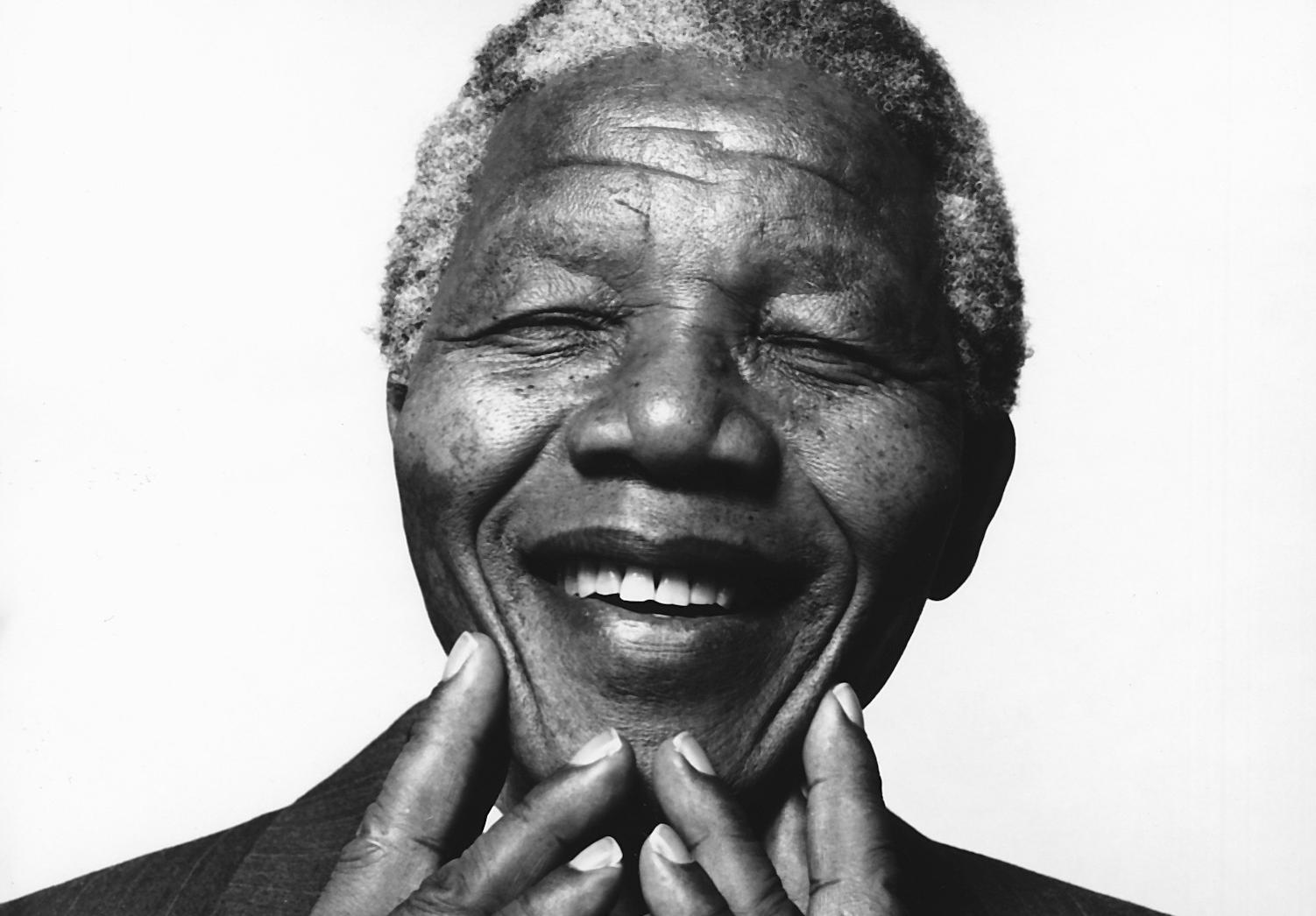
Often translated as "I am because we are," this foundational philosophy reminds us that our homes are only as secure and healthy as the community surrounding them.
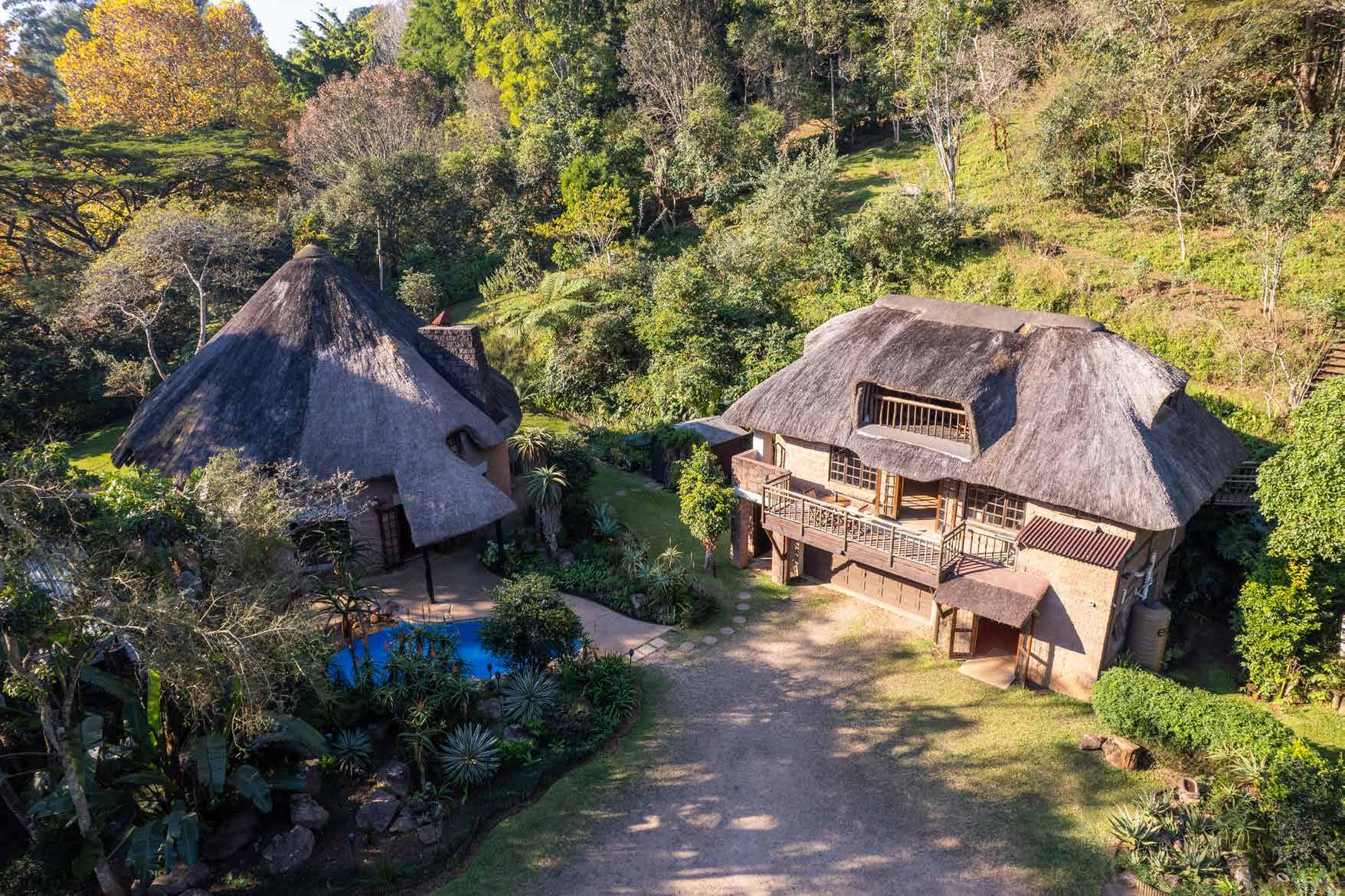
3 Bedrooms 2 Bathrooms 2 Garages
Other
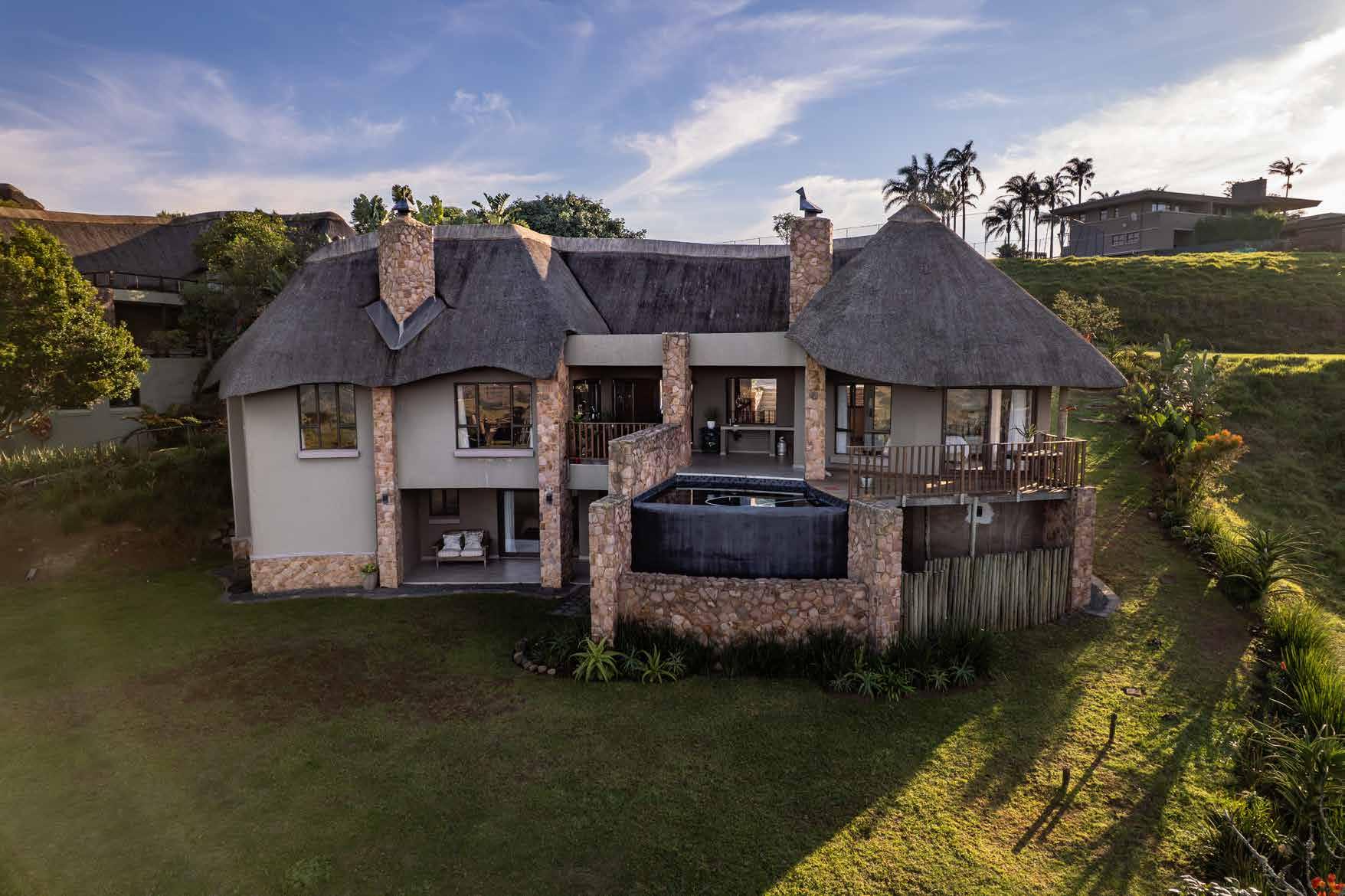
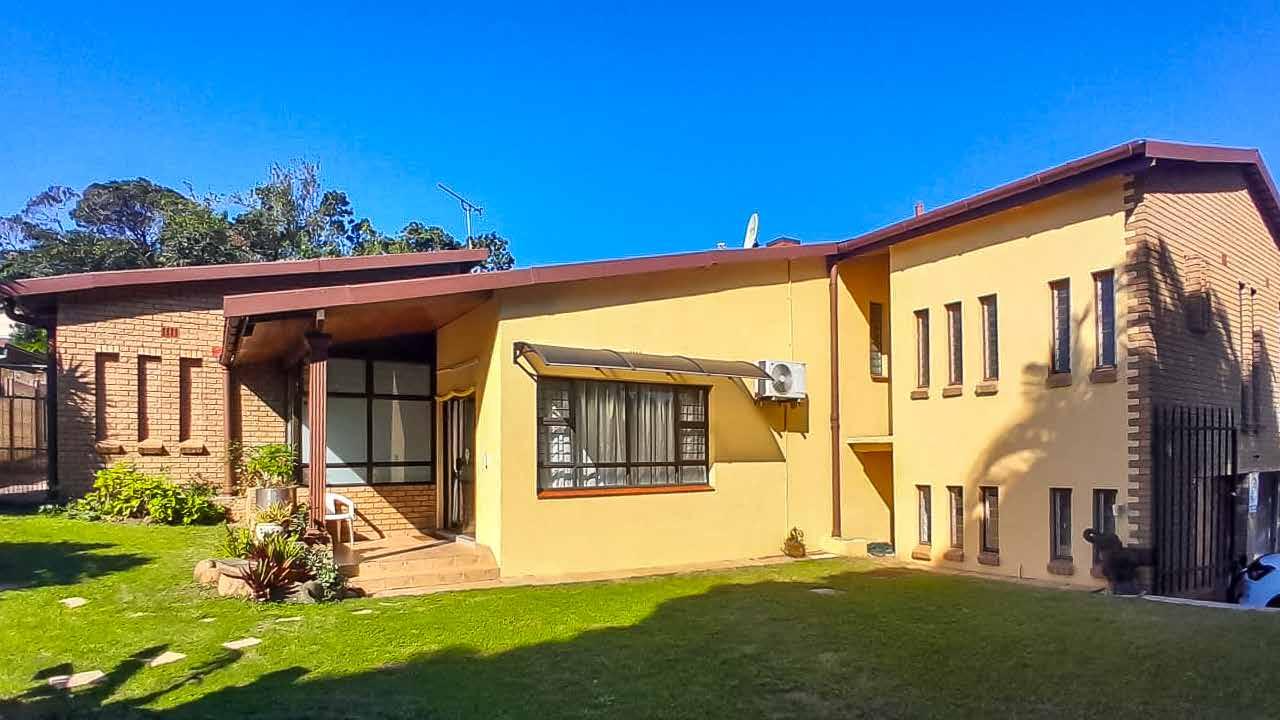
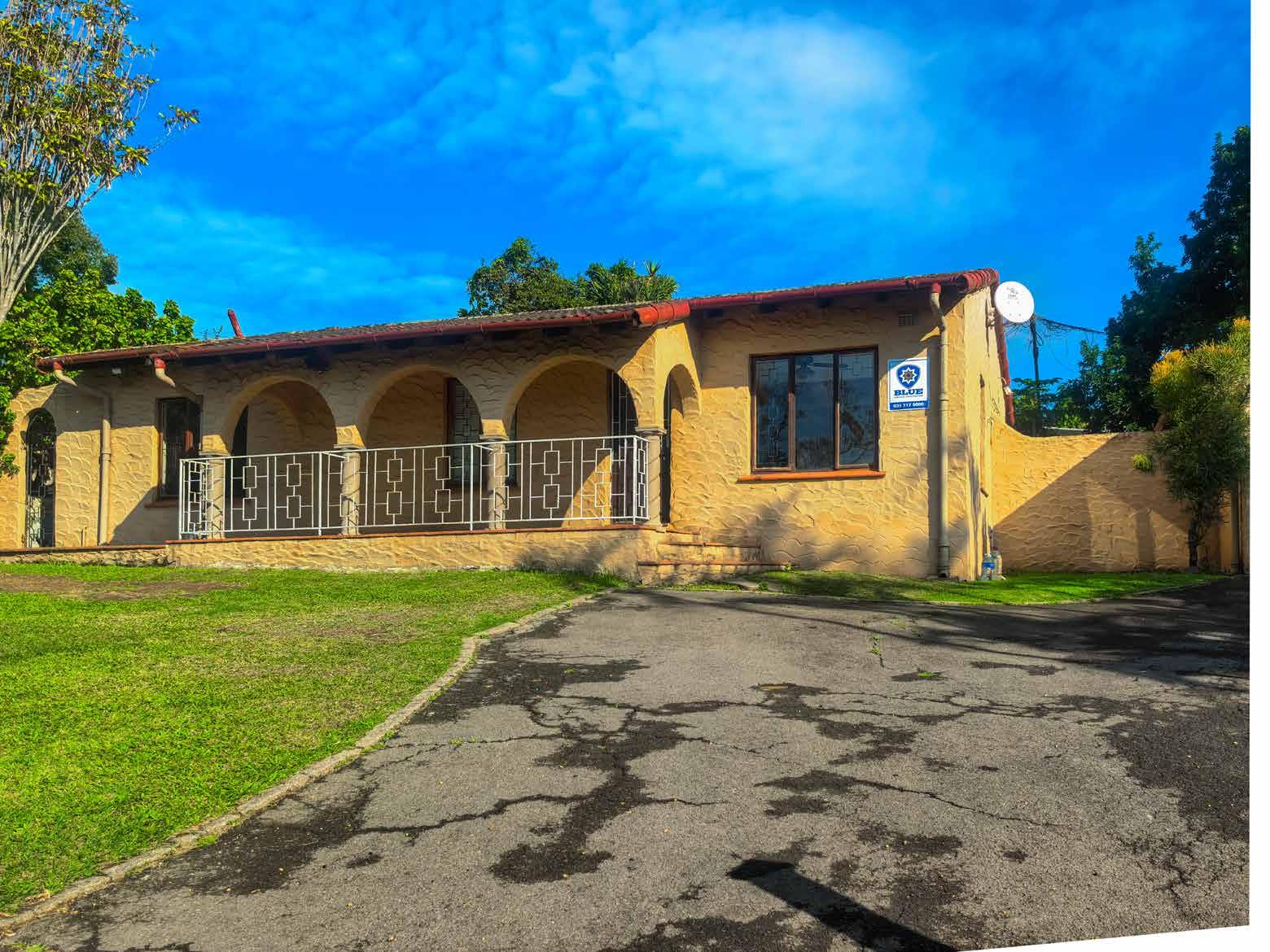
Designed for those who value intentional living, this exceptional home offers a rare blend of tranquillity, comfort, and connection with nature.
Surrounded by indigenous greenery and overlooking the Krantzkloof Falls river and valley below, it is a sanctuary where life slows down and every space invites relaxation, creativity, and meaningful living.
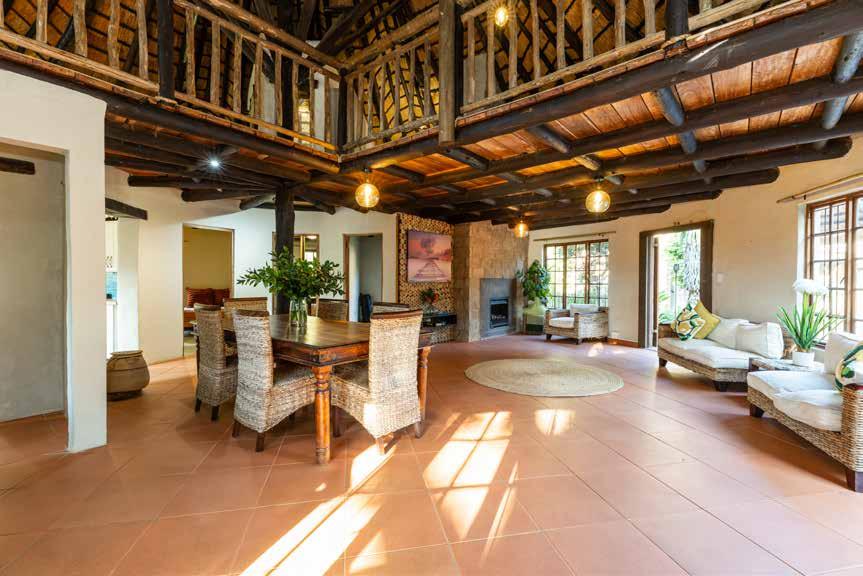
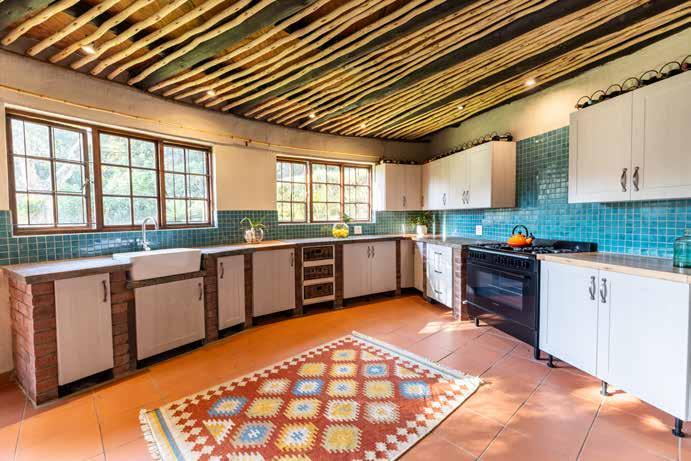
A light-filled entrance flows into an open-plan lounge and dining area, anchored by a feature fireplace that creates a warm and inviting atmosphere. The beautifully designed kitchen showcases unique stone countertops, combining practicality with timeless appeal for everyday living and effortless entertaining. The
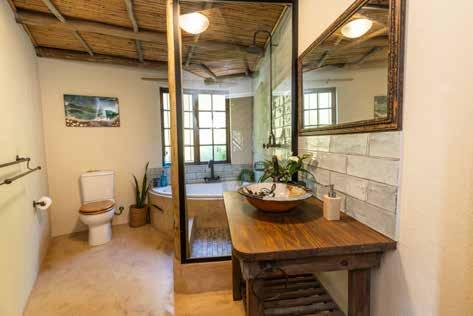
home offers four spacious bedrooms and four well-appointed bathrooms. The loft-style main suite provides a peaceful retreat with an open-plan layout, walk-in closet, and generous bathroom, creating a luxurious holiday-like feel.
Outdoor living is equally impressive, featuring a sparkling pool, entertainment area, boma, and landscaped pathways that invite quiet reflection and exploration.


As the midyear chill settles permanently into the Upper Highway, the calendar reminds us of a significant transition just around the corner. August is rapidly approaching, and with it comes Women’s Month in South Africa. A time dedicated to honoring the architects of our social freedom.
The historical foundation of this month rests entirely on the shoulders of the 20,000 women who, on August 9, 1956, marched in absolute, deafening silence to the Union Buildings in Pretoria. They stood in defiance of the apartheid pass laws, declaring a truth that has since become etched into our collective national identity: Wathint’ abafazi, wathint’ imbokodo: You strike a woman, you strike a rock.
But as we look ahead to August, Beingwell wants to move past the traditional corporate platitudes. Celebrating women shouldn't be confined to a single month of pink-hued marketing campaigns or morning teas. Instead, we want to look at how we build structural support for women all year round.
"The work of a woman is never just about her own survival. It is about building a ceiling strong enough for
the next generation to stand on."
In the modern landscape, women aren't just the "rocks" of our families; they are the primary drivers of our local economies and neighborhoods. At Ingwe Property Group, we see this truth daily. From the single mothers transforming suburban houses into safe emotional sanctuaries, to the brilliant female entrepreneurs, agents, and leaders rewriting the rules of the real estate industry—women are building the future of our communities from the ground up.
True wellness and empowerment cannot exist without real structural support. This upcoming Women's Month, we challenge our readers to think about the women in their own spheres. How can we move from simply praising their resilience to actively lightening their load? How can we build environments—both at home and in the workplace—that foster their mental space, financial growth, and total well-being?
Let’s stop expecting women to be indestructible rocks, and start building the scaffolding they need to truly flourish.