The Pioneer in Health Care
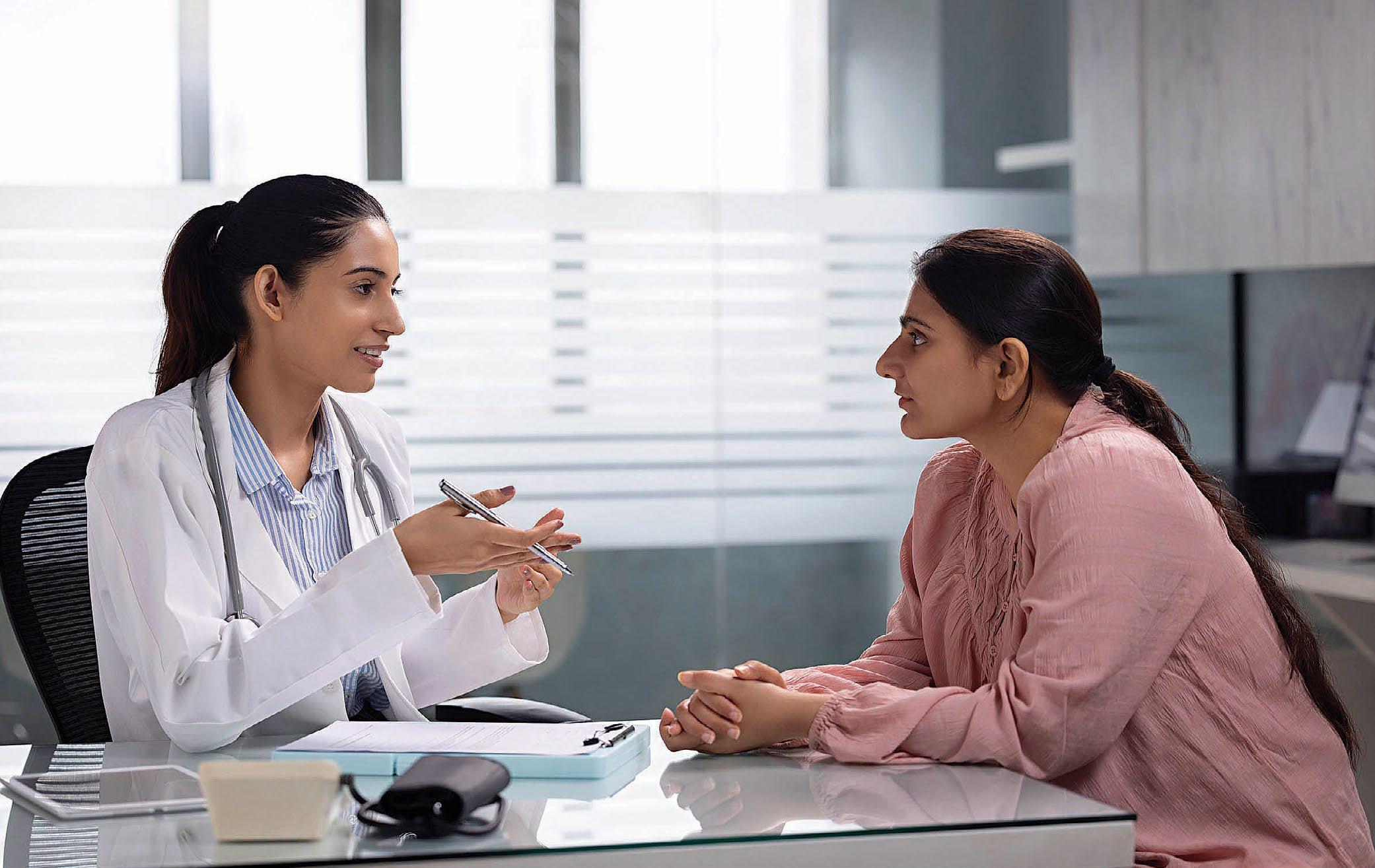
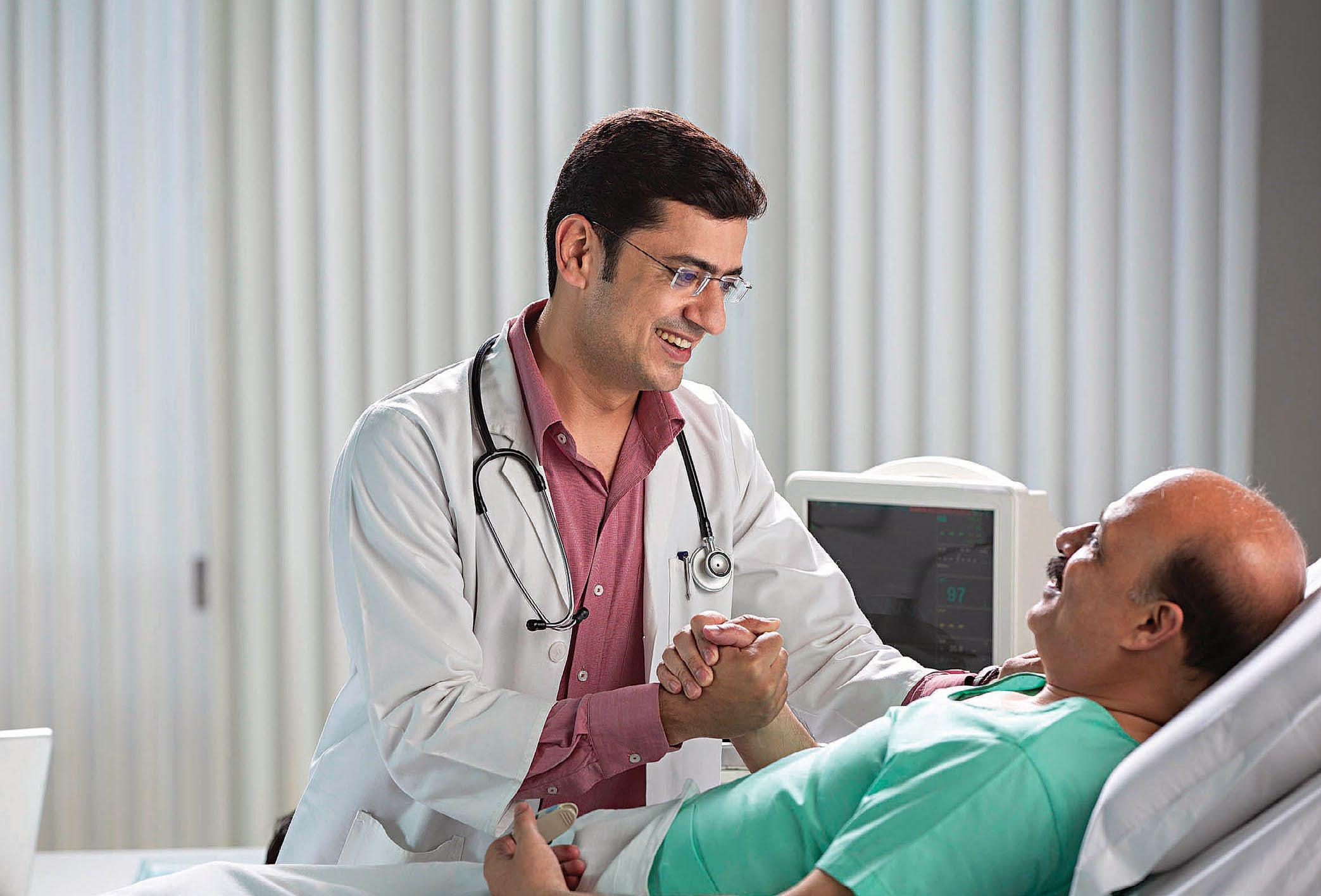
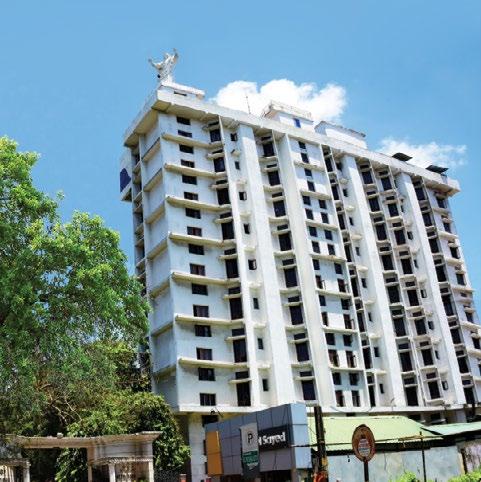
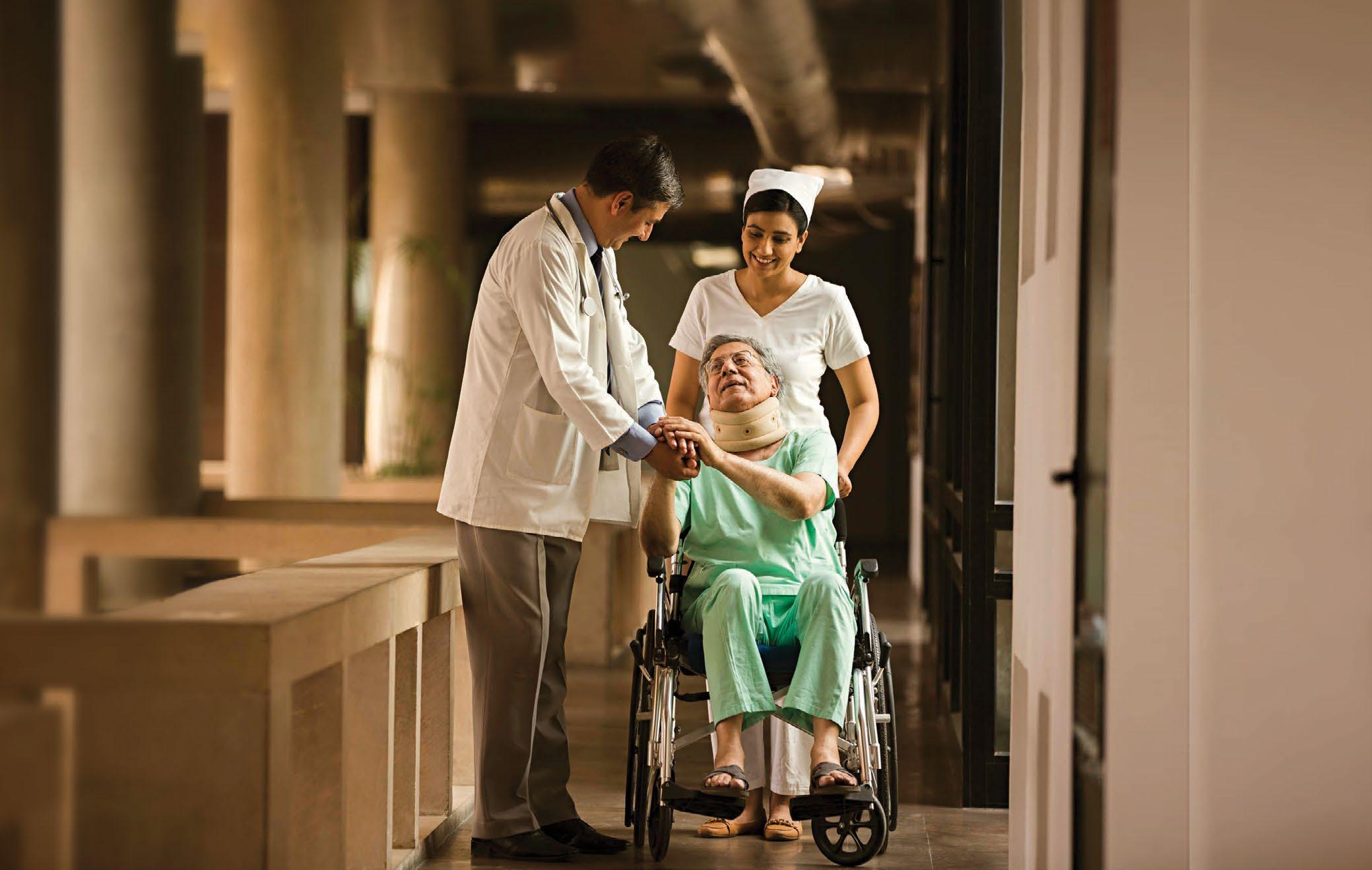
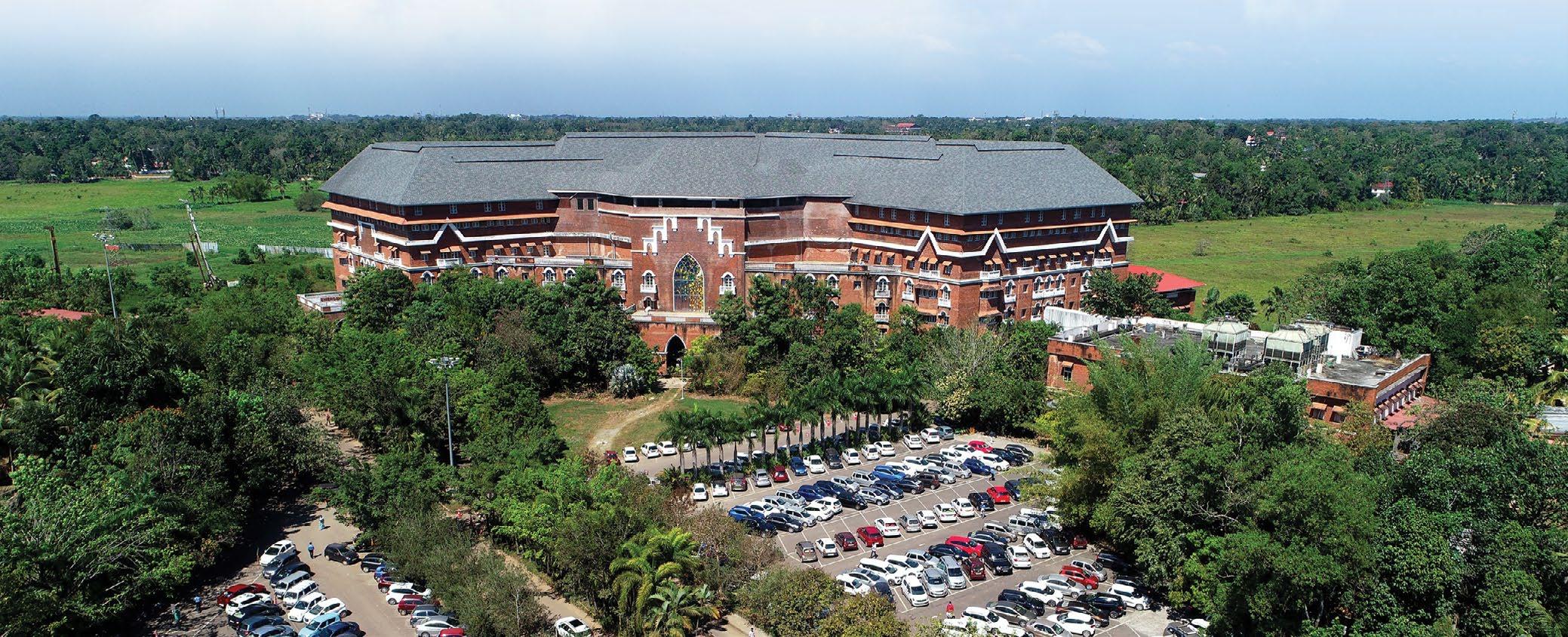
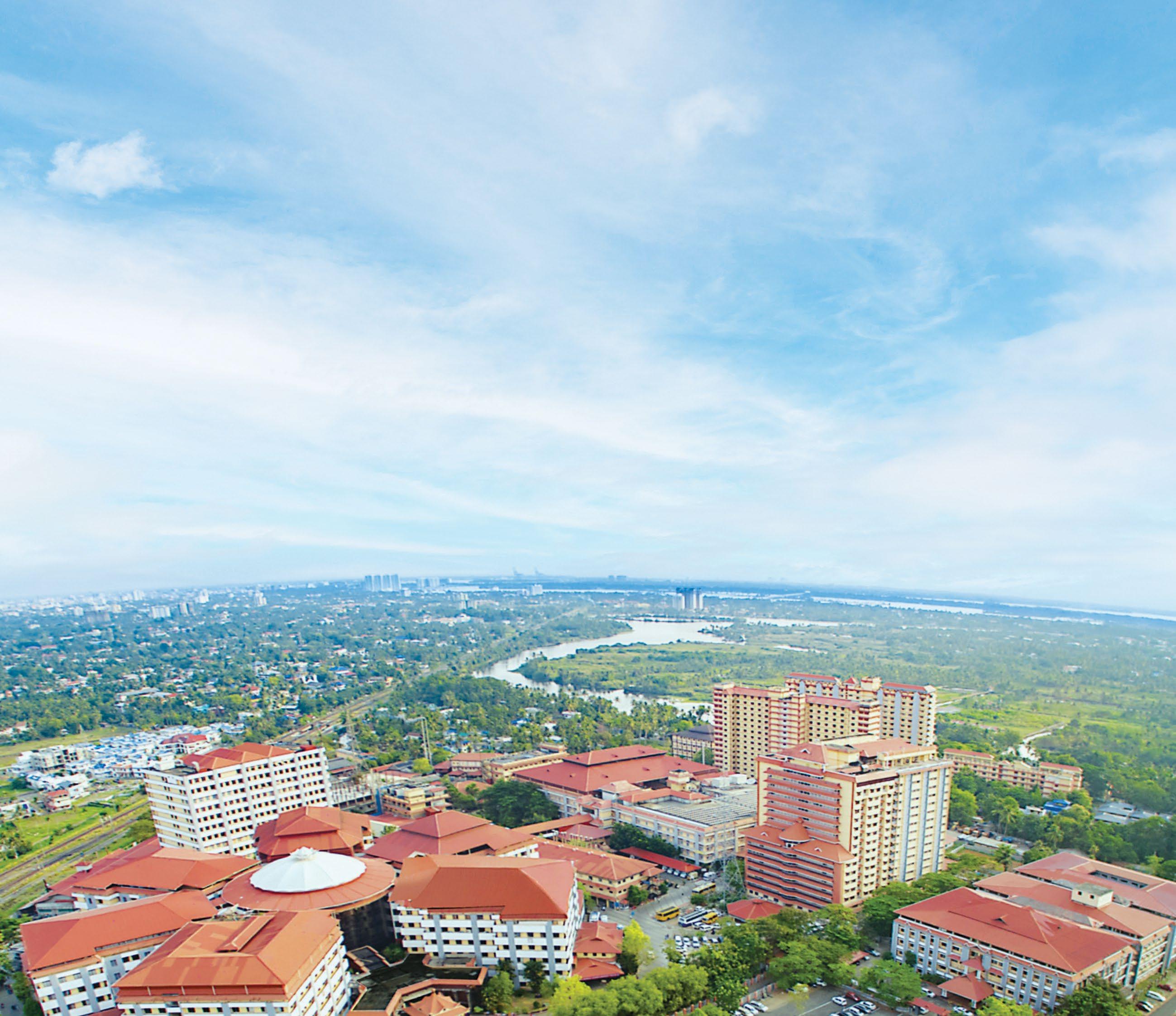
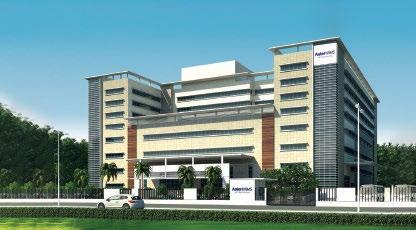
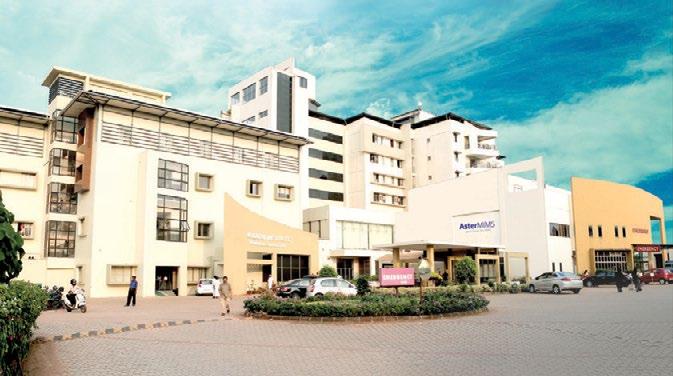
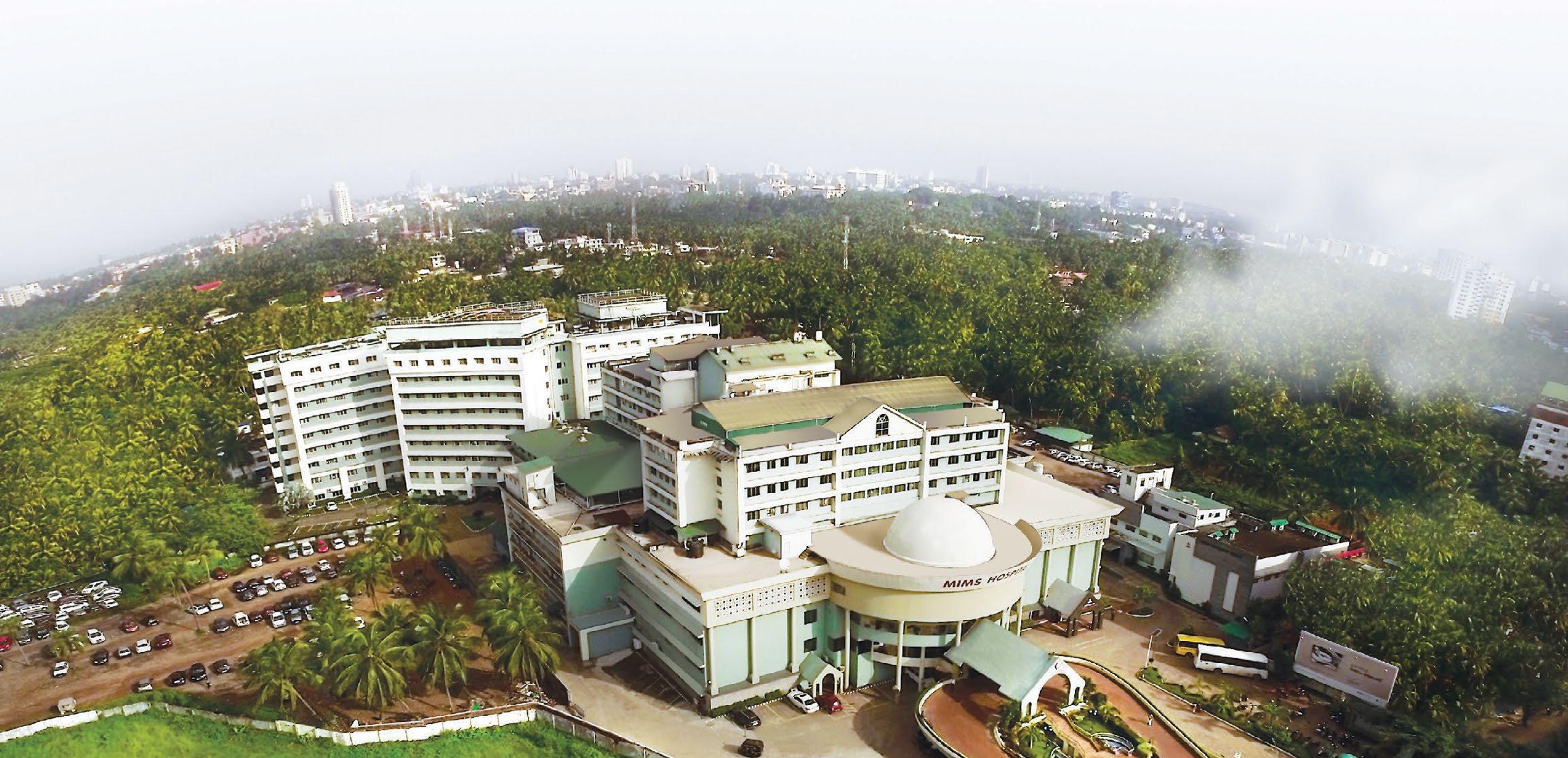
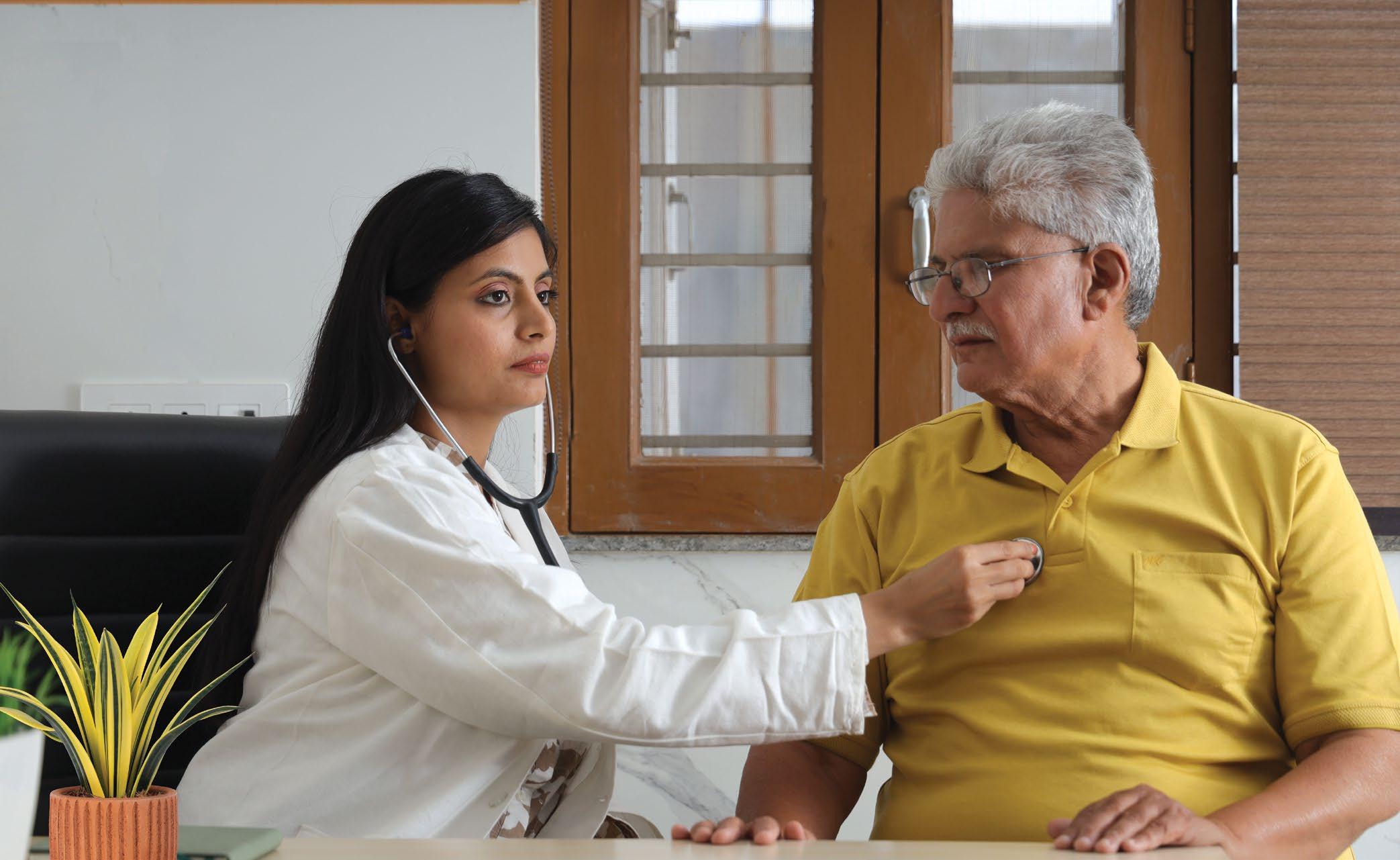
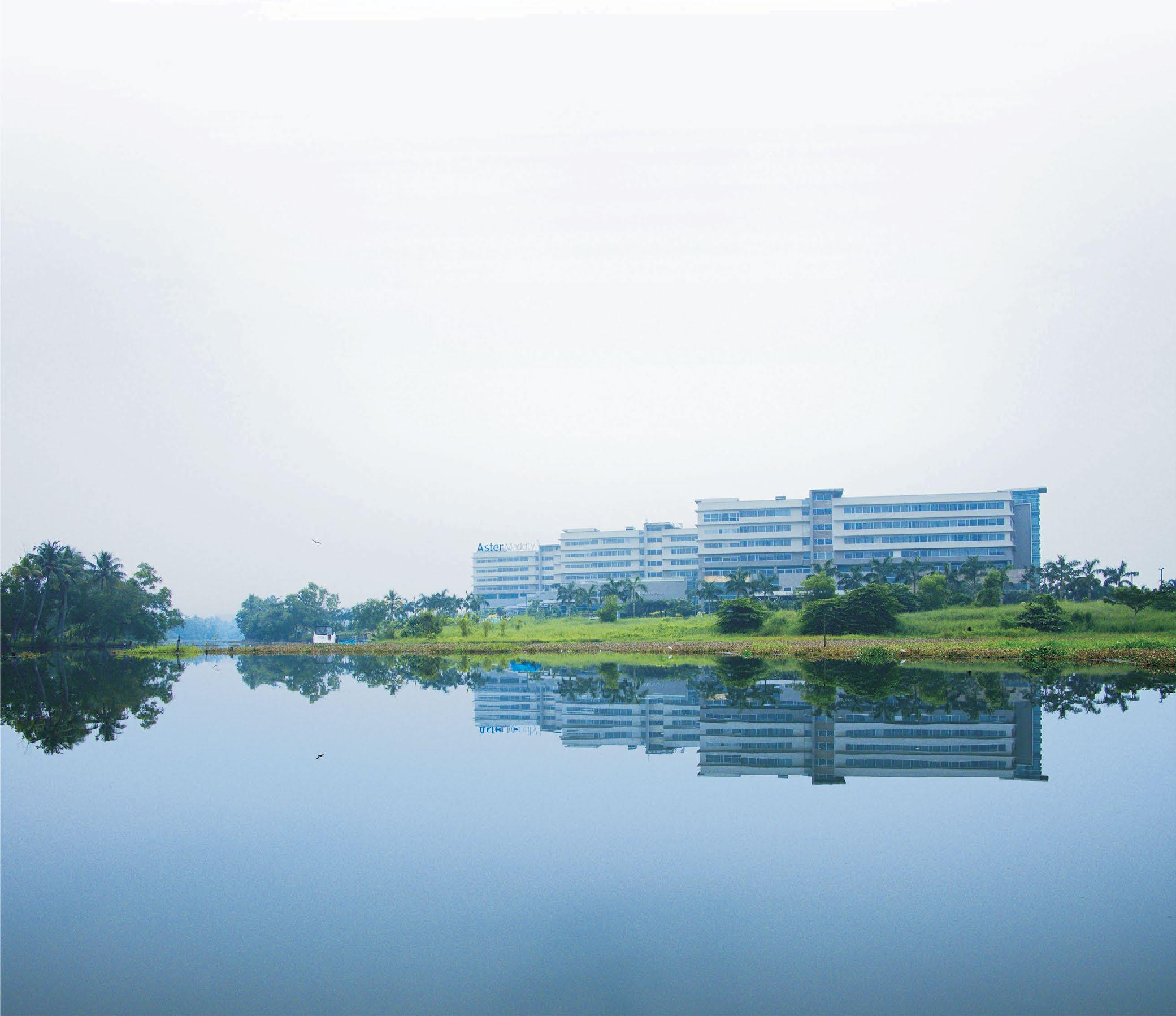
Combining the expertise of highly skilled professionals backed by state-of-the-art technologies, Aster MIMS promises the best possible care, thereby ensuring excellent accuracy and precision in diagnosing and saving lives.
international benchmarks. This blend of global experience and local commitment has led to a steady rise in international patient inflow, with individuals seeking everything from complex surgical procedures to holistic therapies rooted in India’s traditional systems of medicine. The emphasis on patient-centric care, ethical practices, and clear communication further enhances trust and satisfaction among medical travellers. With ongoing government support,
increased investment in healthcare infrastructure, and a growing focus on innovation and digital health, India’s medical workforce continues to be a key driver of its global success. Combining expertise, empathy, and affordability, India is not just delivering treatment - it is shaping a healthcare experience that resonates worldwide, positioning the country as a preferred destination for world-class medical care.
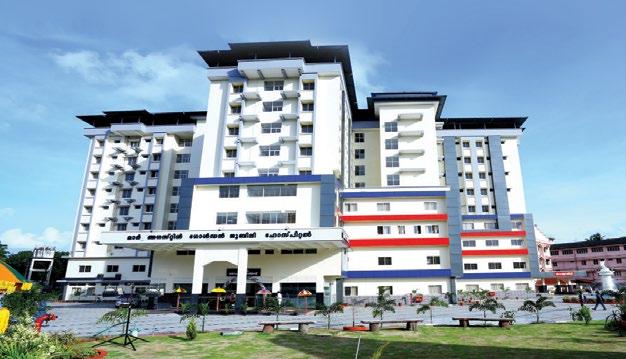
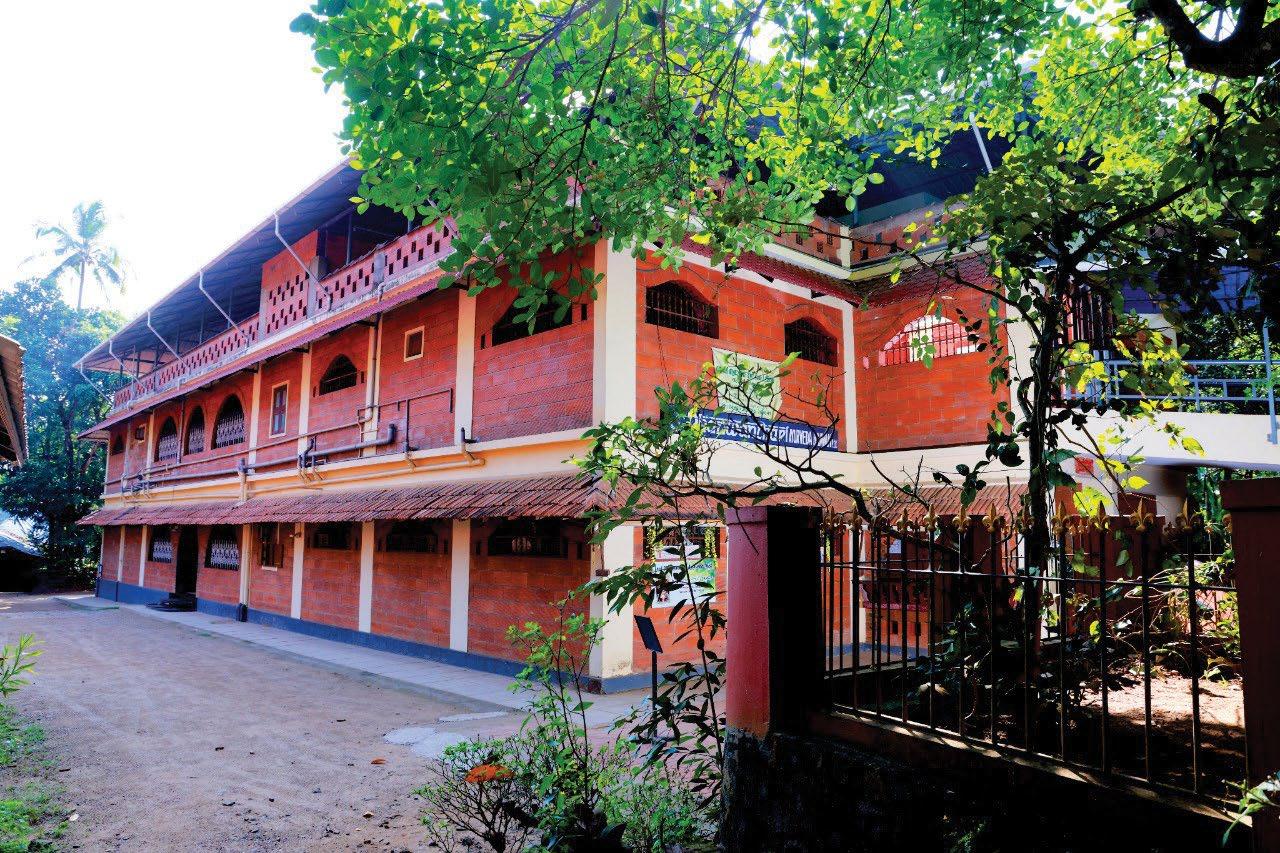
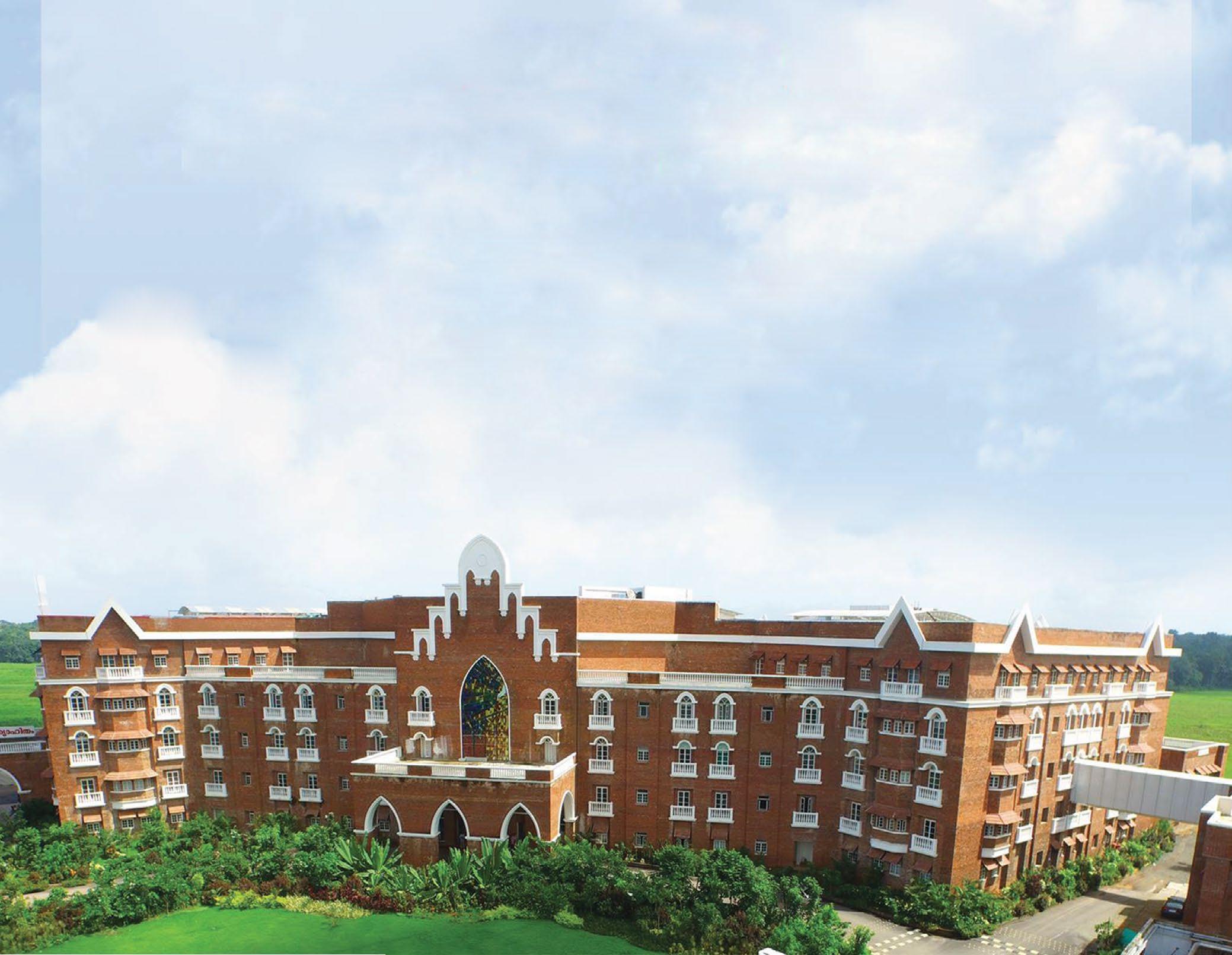
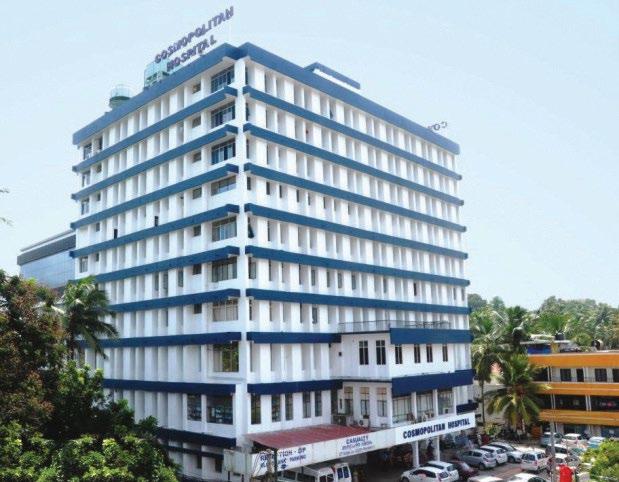
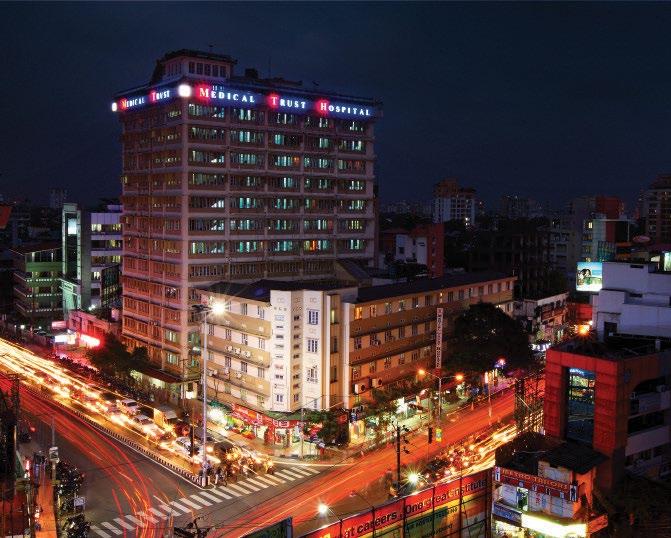
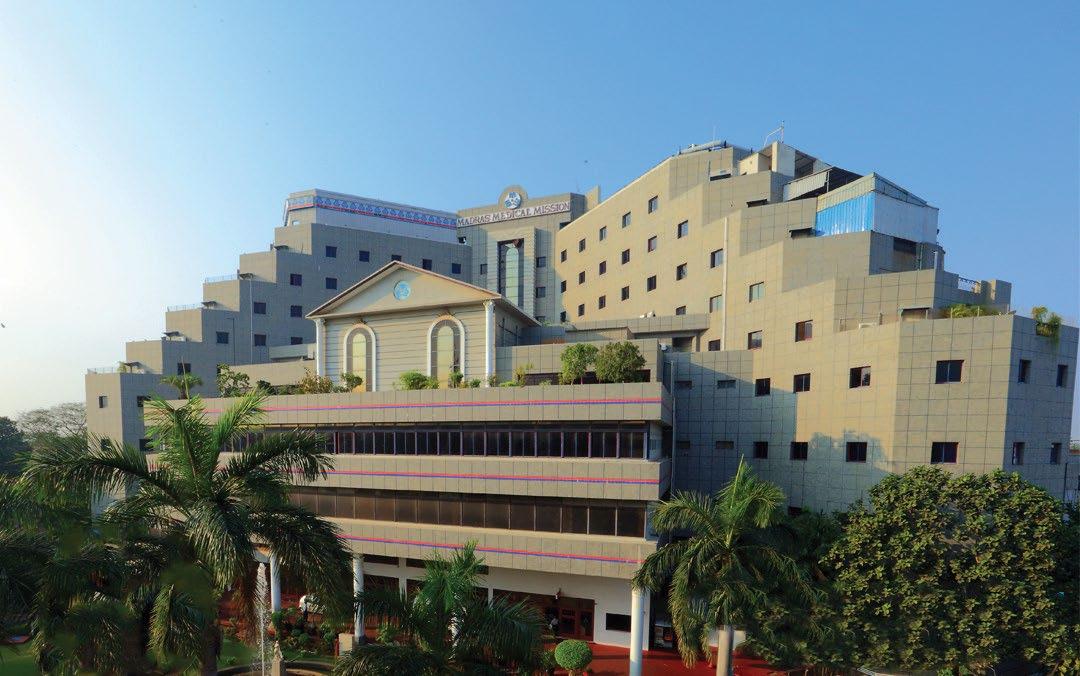
Your health is our first preference. "Quality medical care affordable to all" is our motto. It is with this kind of unbreakable bond that Cosmopolitan Hospital became one of the leading providers of medical care in the region.
> World Class Integrated Operation Theatre Complex.
> State of the Art, Coronary ICU & Stroke ICU.
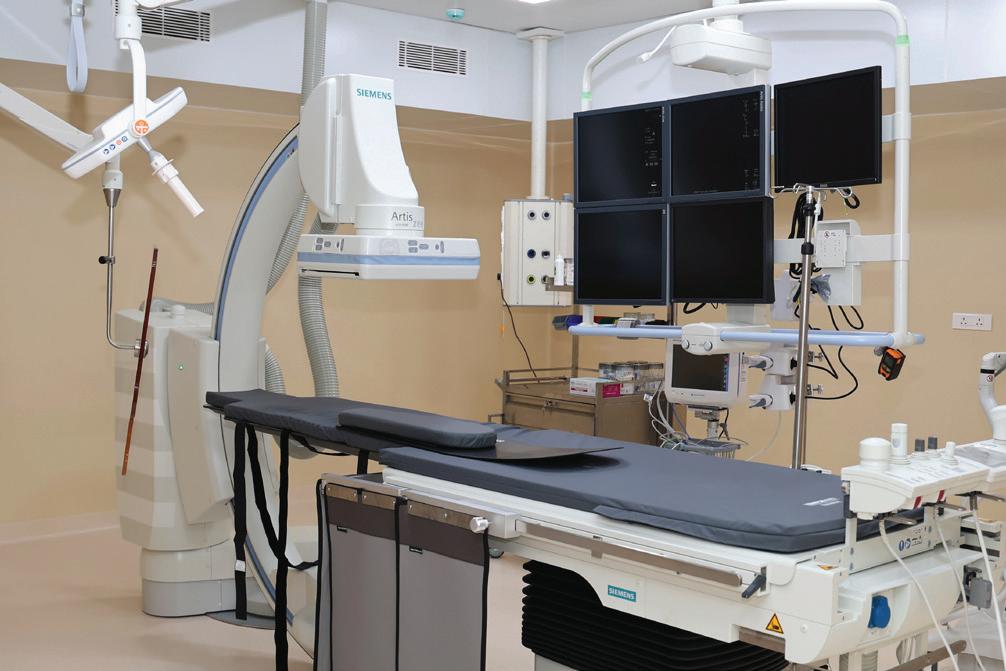
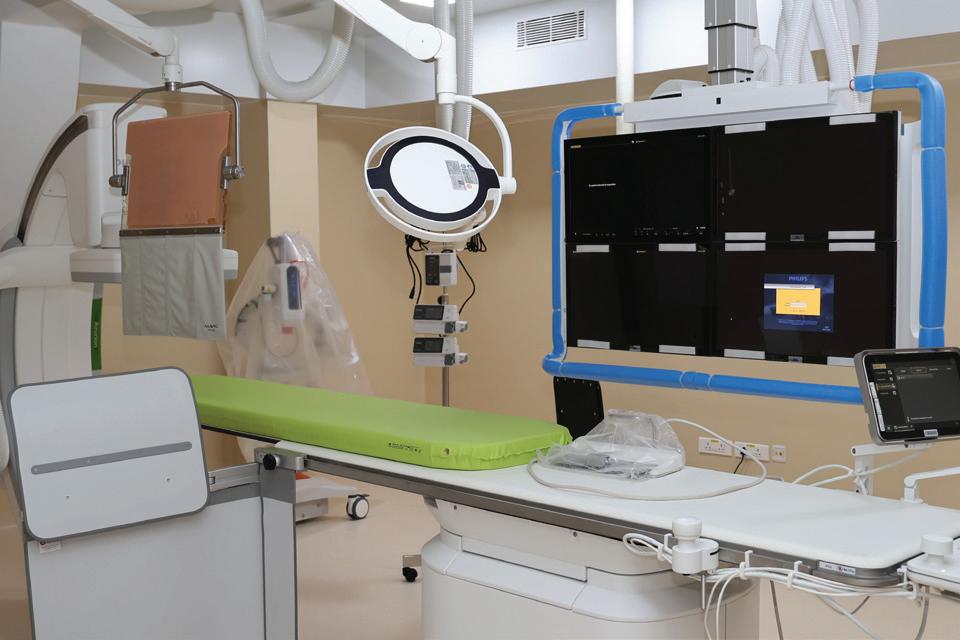
> Cath Lab for 24Hr. Primary Angioplasty.
DEPARTMENTS
> Advanced Laparoscopic Surgery.
> Morning & Evening OPDs on all days including Sundays.
> 24 Hr. Blood Bank with Component Separation Facility.
Anaesthesiology | Cardiology | Chest Disease | Clinical Oncology | Dentistry | Dermatology | ENT | General Medicine | General Surgery | Gastroenterology | Gastroenterology Surgery | Geriatric & Physical Medicine | Obstetrics & Gynaecology | Neurology | Neurosurgery | Neonatology | Nephrology | Ophthalmology | Orthopaedics | Paediatrics | Paediatric Neurology | Paediatric Surgery | Pathology | Plastic Surgery | Psychiatry | Radiology | Thoracic & Cardiovascular Surgery | Urology
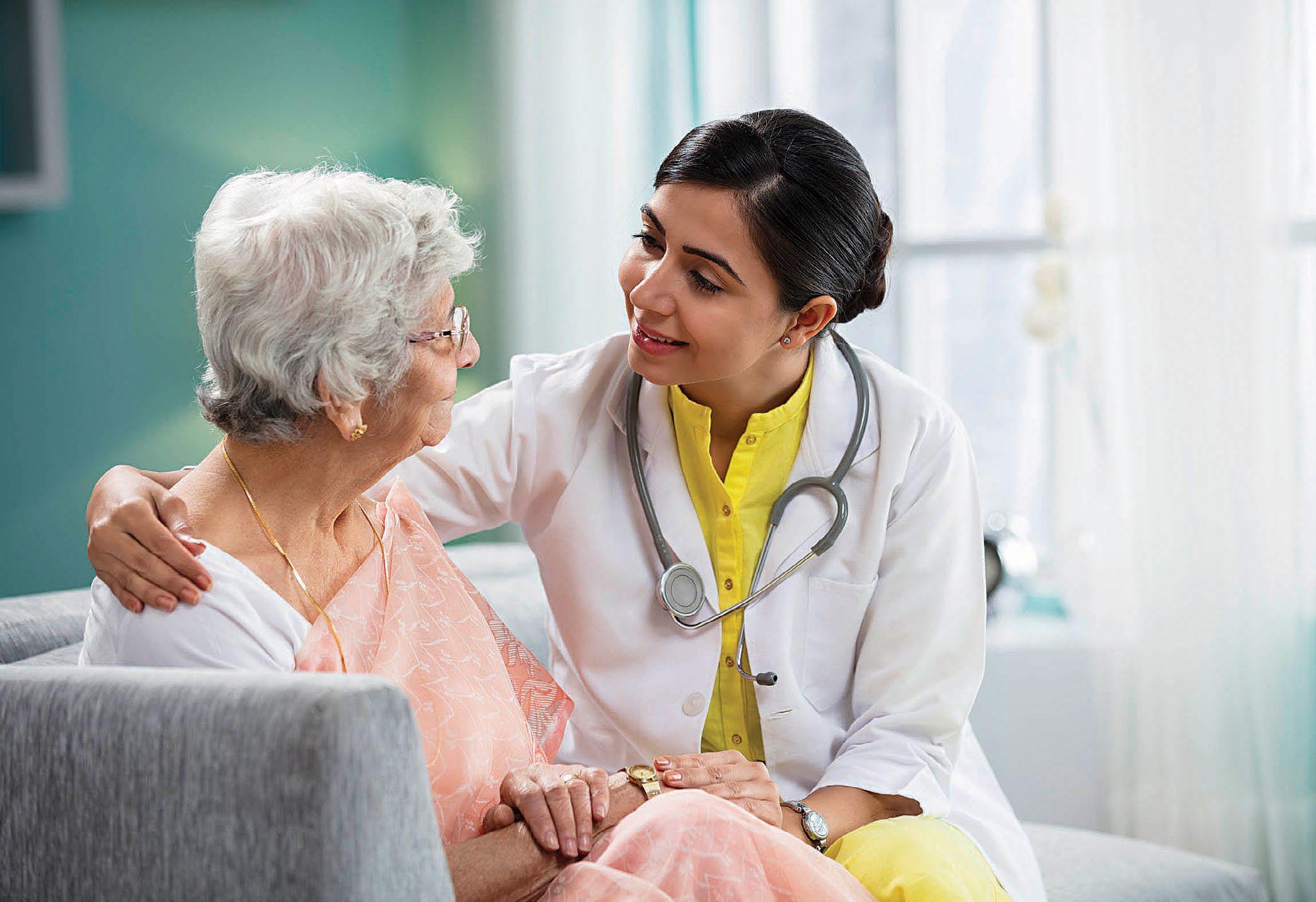
> Geriatric Health Care & Home Visit.
> Round the Clock Emergency & Trauma Care. > Top notch Professionals in 28 specialities.
Hidden Gem in World-Class Healthcare
In today’s rapidly evolving healthcare landscape, the belief that advanced medical excellence is limited to developed nations is steadily fading. South India has emerged as a powerful alternative - offering a compelling combination of cutting-edge technology, highly skilled professionals, and patient-centric care at significantly lower costs than Western countries. This transformation
reflects India’s remarkable progress in science, technology, and healthcare delivery over the past decade. Across South India, the healthcare ecosystem has undergone a profound upgrade, with hospitals and medical institutions now matching global standards in infrastructure, technology, and clinical outcomes. Leading industry bodies such as the Confederation of Indian Industry (CII) have played an instrumental role in promoting medical tourism,
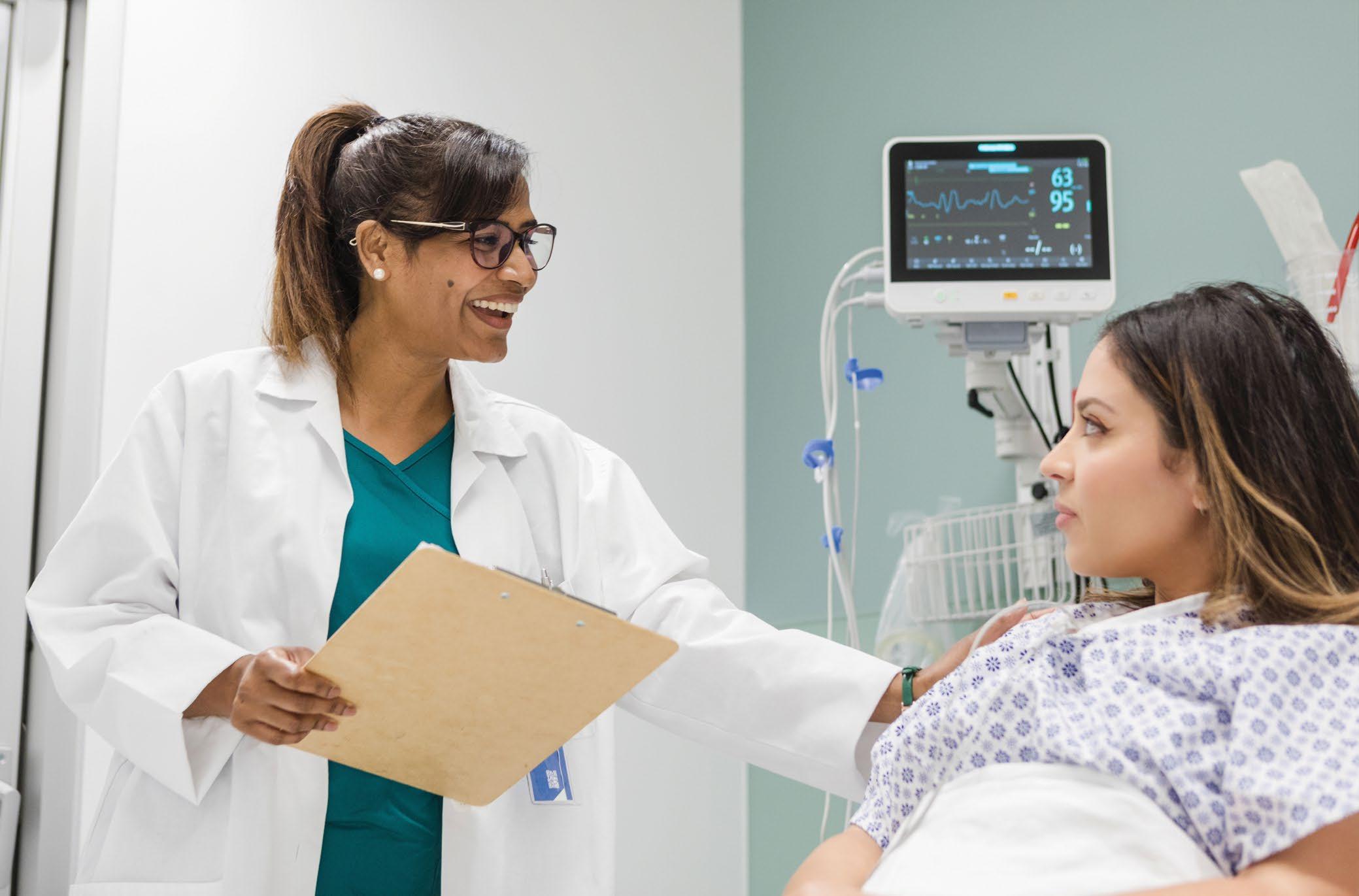
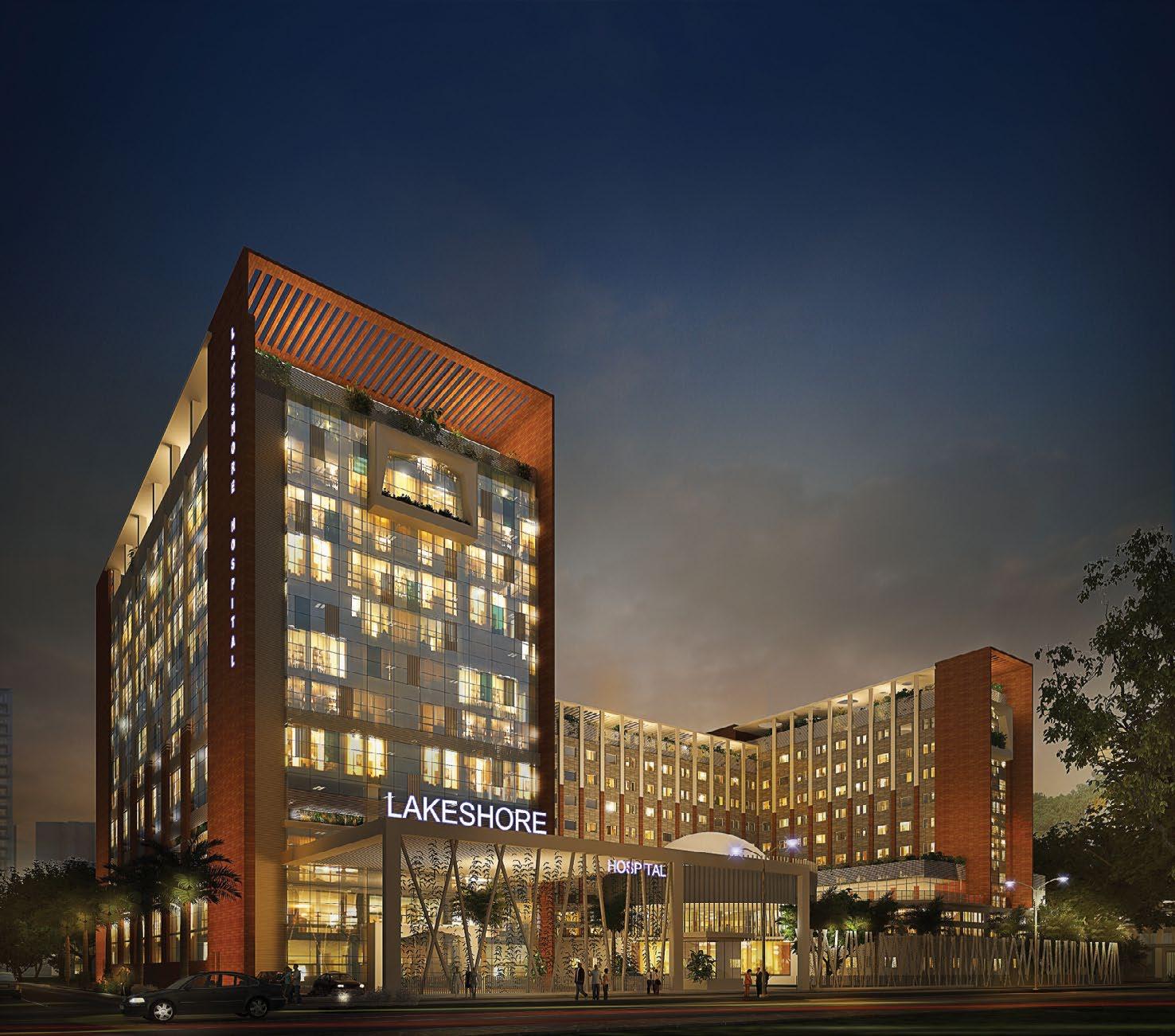
At VPS Lakeshore, you can expect global standards in patient management with 360 degree care that involves innovative methods of diagnosis and treatment & best practices that are at the forefront of medical care globally.
bringing together top hospitals and encouraging continuous quality improvement. Today, the region is home to numerous multispecialty and super-specialty hospitals that provide comprehensive care under one roof, often within eco-friendly and healing environments. Quality assurance remains a cornerstone of this growth. Many hospitals in South India are accredited by globally
recognised institutions such as Joint Commission International (JCI) and the National Accreditation Board for Hospitals and Healthcare Providers (NABH). These certifications ensure strict adherence to international standards of patient safety, clinical excellence, and operational efficiency. Additionally, NABH’s alignment with global quality bodies such as ISQua reinforces confidence among
Healing with a Caring Touch
international patients. This strong foundation of quality and trust has made South India a preferred destination for medical travellers seeking advanced treatments, from complex surgeries to
specialised therapies, without the high costs and long waiting times often associated with Western healthcare systems. Research and patient trends consistently highlight that access to top-tier facilities
and skilled professionals is a key factor influencing this choice. As global demand for accessible and affordable healthcare continues to grow, South India offers a unique and sustainable solution. With ongoing government support, expanding infrastructure, and a continued focus on innovation and patient experience, the region is poised to play an even greater role in global healthcare. Blending
modern medical excellence with traditional warmth and hospitality, South India is not just meeting expectations - it is redefining them, one patient at a time.
Leadership in Advanced Medical Specialties
India’s rise in medical tourism is strongly anchored in its specialised healthcare capabilities, with South India leading the way as a
hub of advanced medical excellence. Across the region, specialty hospitals have evolved into centres of precision care - bringing together expert clinicians, sophisticated diagnostics, customised treatment plans, and comprehensive pre- and post-operative support. This integrated approach ensures that international patients receive not just treatment, but a complete and coordinated




healthcare experience. South India is home to a wide spectrum of super-specialty institutions, ranging from advanced eye care centres to globally recognised facilities for neurosurgery, spinal care, oncology, and organ transplantation. Kerala, in particular, has gained prominence for its expertise in areas such as neurosurgery, fertility treatments, transplant surgery, ophthalmology, and orthopaedics. These specialties continue to attract patients from across the world, driven by high success rates, modern infrastructure, and experienced medical teams. In recent years, the demand for advanced procedures such as bariatric surgery, minimally invasive interventions, and robotic-assisted surgeries has grown significantly. Robotic surgery, in particular, has emerged as a transformative technology across multiple specialties, including urology, oncology, cardiothoracic, and gynaecology. Offering enhanced precision, smaller incisions, faster recovery times, and reduced complications, this technology is redefining surgical outcomes and patient experience. As more hospitals across South India adopt robotic systems and AI-assisted technologies, the cost of such advanced treatments is gradually becoming more accessible. The entry of new players in medical technology, along with increased investment and competition, is further accelerating innovation and affordability. In parallel, advancements in areas such as precision medicine, regenerative therapies, and digital health are expanding the scope of specialised care. With a strong focus on innovation, clinical excellence, and patient-centric care, South India’s specialised hospitals are setting new benchmarks in global healthcare. By combining cutting-edge technology with skilled expertise and compassionate service, the region continues to redefine modern medicine - positioning India as a leader in advanced, accessible, and world-class healthcare.
Spectrum of Advanced Treatment Options
India has emerged as a global destination where advanced medical science meets compassionate, patient-centred care. Today’s healthcare approach in the country is increasingly personalisedoffering treatment plans tailored to individual needs, supported by cutting-edge technology and multidisciplinary expertise. This evolution has positioned India as a trusted choice for patients

seeking precise, effective, and holistic medical solutions. Across a wide range of specialties, India delivers world-class outcomes. In ophthalmology, highly skilled surgeons perform advanced procedures such as laser vision correction and complex retinal surgeries. In neurosurgery, specialists utilise minimally invasive and image-guided techniques to treat brain and spinal conditions with remarkable precision. Orthopaedics, vascular surgery, gastroenterology, dentistry, ENT (otolaryngology), reproductive medicine, and cosmetic surgery are among the many fields where India continues to excel, offering comprehensive care under one roof. What sets India apart is its ability to combine clinical expertise with personalised attention. Treatment protocols are carefully designed based on each patient’s condition, medical history, and recovery goals. Supported by modern diagnostics, robotic-assisted procedures, and advanced rehabilitation services, patients benefit from faster recovery times and improved outcomes. Coupled with its hallmark hospitality and affordability, India offers more than just treatment - it delivers a complete healing experience. As global patients increasingly seek customised and high-quality healthcare, India stands at the forefront, redefining medical care with precision, compassion, and excellence.
Cardiac Care: South India’s esteemed heart care hospitals maintain their renowned reputation through expert doctors with proven track records, offering comprehensive cardiac treatments including aortic stent grafting, angiography, angioplasty with contrast and medicated stents, carotid procedures, coronary artery bypass surgery, double and single heart valve replacement, electrophysiology complex studies (EPS), heart transplants (contingent on brain-dead donor availability), I.C.D. implantation (single, double, and combo chamber), pacemaker implantation (single, double, and biventricular), paediatric interventional cardiology, RF ablation, paediatric cardiac surgery (ASD, VSD), and thoracic aortic aneurysm repair. In addressing coronary artery disease, heart valve disorders, and congenital heart defects like ASD and VSD, these hospitals increasingly prioritize minimally invasive procedures, including keyhole bypass surgery, to mitigate risks such as excessive bleeding, stroke, kidney dysfunction, and infection,
reflecting the la test advancements in cardiac intervention. Furthermore, cardiac rehabilitation programs, a cornerstone of holistic care, are structured into four phases tailored to diverse cardiac health stages: preventive cardiology focusing on exercise regimens for at-risk individuals, acute cardiac rehabilitation for hospitalized patients, and an eight-week post-acute phase emphasizing structured exercise for long-term recovery, with an increased focus on personalized medicine and remote monitoring, reflecting current trends in cardiac rehabilitation.
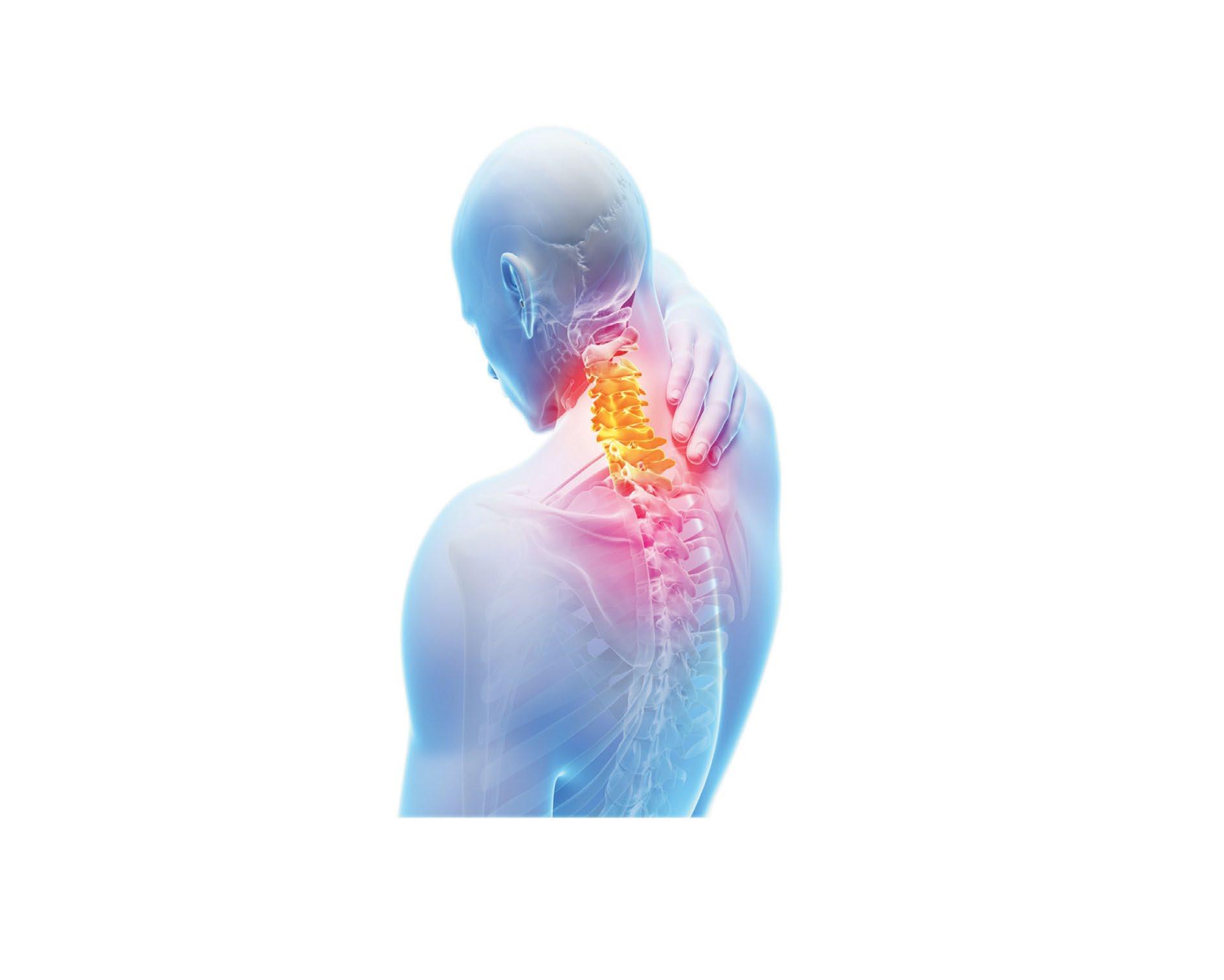
Neurosurgery: For medical tourists seeking advanced neurosurgical care in South India, the field remains a critical area addressing damage to the brain or spinal cord from accidents, epilepsy, tumour removal, stroke treatment, and aneurysm interventions, with a global surge in demand for such specialized care. South Indian hospitals are at the forefront, offering a broad spectrum of procedures, from minimally invasive micro-discectomy to complex laminectomy, corpectomy, and spinal fusion, addressing diverse nervous system conditions including congenital brain and spinal diseases, tumors, vascular conditions like aneurysms and malformations, and regenerative disc disorders. Notably, the region excels in instrumentation procedures for the spine and craniovertebral junction, alongside advanced pituitary gland interventions, showcasing the interdisciplinary approach of modern neurosurgery. Diagnostic protocols are paramount, guiding tailored treatment plans using contemporary modalities like EMG for muscle and nerve function assessment, Nerve Conduction Velocity (NCV) tests, and cutting-edge imaging techniques such as Computerized Tomography (CT), Magnetic Resonance Imaging (MRI), and Single Photon Emission Computed Tomography (SPECT). Furthermore, South Indian hospitals utilize Interventional Neuroradiology and Digital Subtraction Angiography, essential for visualizing vascular pathologies, ensuring comprehensive and stateof-the-art neurosurgical care for international patients.
Gynaecology: Gynaecology departments across numerous hospitals in South India continue to provide world-class services, leveraging the expertise of highly experienced doctors, nurses, and staff, now integrating cutting-edge minimally invasive robotic



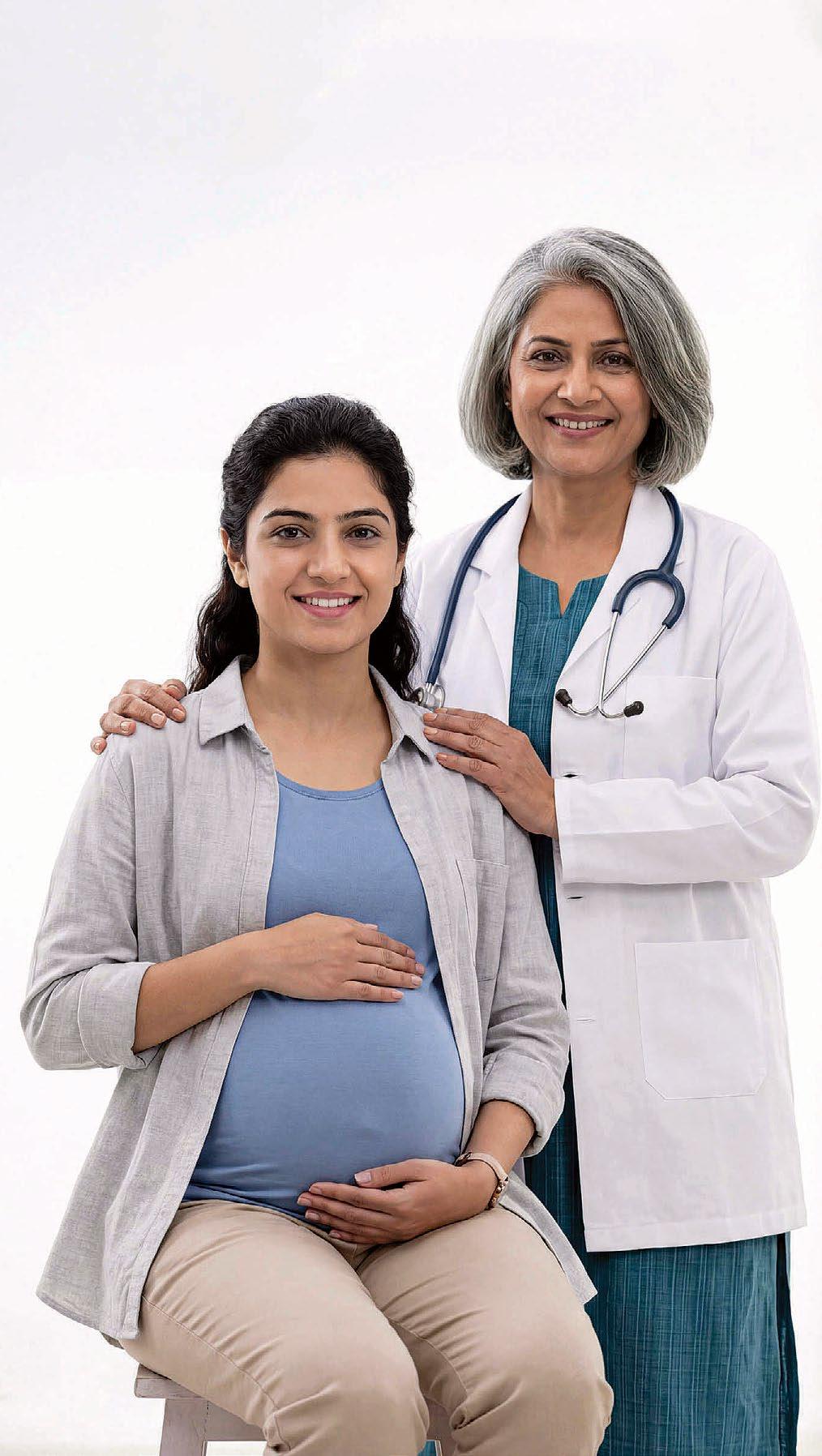
surgeries and precision medicine approaches. With a proven track record in managing complex cases, these departments benefit from advanced technology and state-of-the-art equipment, including high-resolution 3D ultrasound and AI-driven diagnostic tools, ensuring top-notch care for patients. Presently, South India remains a sought-after destination for individuals seeking gynaecological treatments, drawing patients not only from within the country but also from international locations, notably the Gulf countries, with increasing emphasis on personalized treatment plans and fertility preservation techniques. The appeal of South Indian hospitals lies in their ability to detect and prevent gynaecological disorders at early stages, a capability that resonates with medical tourists, particularly those from the Gulf region, who are increasingly drawn to the holistic care models incorporating integrative therapies. Despite the financial capacity of citizens from affluent Gulf nations to pursue treatment in Western countries, they often opt for South Indian states such as Kerala, Karnataka, and Tamil Nadu due to the comparable quality of care offered here, now enhanced with telemedicine follow-ups and remote patient monitoring. Cost-effectiveness emerges as a significant factor in favour of South Indian hospitals, further enhancing their appeal to medical tourists, who now benefit from streamlined digital health records and international patient support services. These hospitals boast specialized women’s check-up programs aimed at early detection of breast and reproductive organ disorders, including genetic testing for hereditary cancers. Comprehensive screenings, including mammograms, pap smears for cervical health, and pelvic ultrasounds, now often augmented by liquid biopsies and advanced imaging, form integral parts of these medical checkups. Moreover, a wide range of modern treatments for conditions such as menstrual abnormalities, prolapse, fibroids, and uterine and ovarian tumours are readily available in these facilities, with a focus on fertility-sparing surgeries and regenerative medicine. Advanced procedures like recanalization through microsurgery, alongside the introduction of novel therapies like targeted drug delivery and immunotherapies, highlight the sophistication of treatments offered in South Indian gynaecology departments, ensuring patients receive the best possible care within a patientcentric environment.
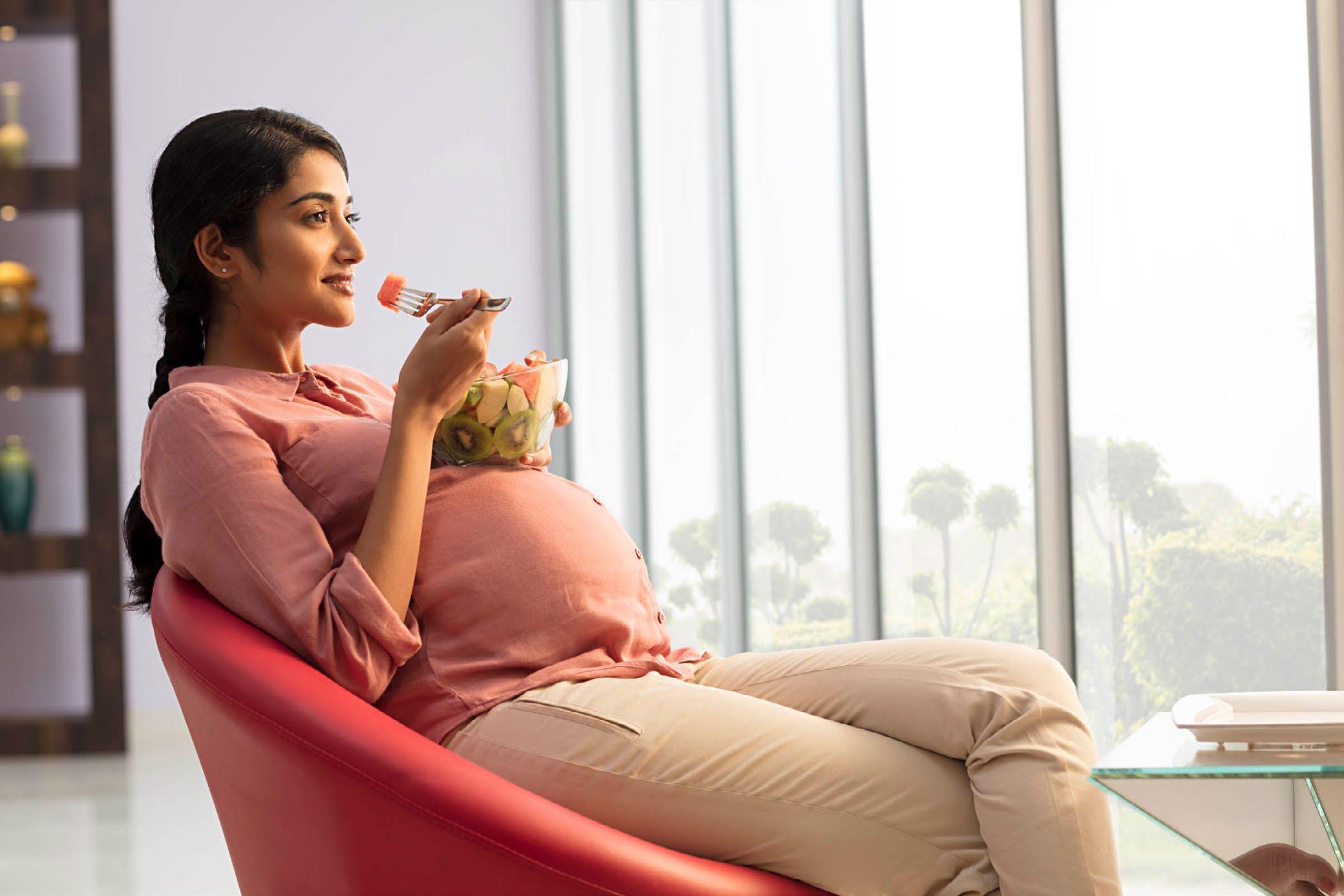
Infertility Treatment: Infertility treatment, once relatively rare, has seen a significant increase, prompting advancements in medical science and supportive mechanisms, with Southern India emerging as a hub for cutting-edge Assisted Reproductive Technology (ART) rivalling global standards. Specialized hospitals offer comprehensive
medical examinations to identify physiological causes, followed by tailored assisted reproductive techniques. Recent trends include the increased use of preimplantation genetic testing (PGT) for embryo selection, and the integration of artificial intelligence for optimizing IVF protocols and embryo assessment. Advanced procedures

like GIFT (Gamete Intra Fallopian Transfer) and ZIFT (Zygote Intra Fallopian Transfer) are available, alongside laparoscopic surgeries for ectopic pregnancies, ovarian cysts and tumours, tubal blocks, and hysterectomies. Disorders of ovulation, controlled ovarian stimulation, Intra-Uterine Insemination (IUI), Intra-Fallopian Tubal Insemination (IFI), In Vitro Fertilization (IVF), Embryo Transfer (ET), sperm donation, egg freezing, oocyte donation, replacement of frozen embryos, and comprehensive male infertility treatments, including micro-manipulation technology and Intra Cytoplasmic Sperm Injection (ICSI), remain core services. There’s a growing emphasis on personalized fertility treatments, incorporating lifestyle modifications and nutritional counselling. Furthermore, the availability of advanced cryopreservation techniques and the integration of telemedicine for remote consultations and follow-up care have expanded access for both domestic and international medical tourists, solidifying South India’s position as a leading destination for infertility treatment.
Orthopedics: South Indian hospitals remain at the forefront of orthopaedic care, showcasing sustained growth and innovation in procedures and treatments, particularly appealing to medical tourists. Contemporary trends reflect a shift towards enhanced patient outcomes and reduced recovery times. Hip and knee replacements, alongside the Ilizarov technique, limb lengthening, and Birmingham Hip resurfacing, are executed with consistently high success rates, integrating cutting-edge robotics and computerassisted navigation for precision. Specialized orthopaedic centers provide a comprehensive array of services, from minimally invasive arthroscopic surgeries to intricate limb-sparing procedures, catering to diverse needs. Conditions spanning arthritis, sports injuries, complex fractures, bone tumours, and paediatric conditions like scoliosis benefit from the latest advancements, including regenerative medicine and personalized rehabilitation protocols. Spinal surgeries, encompassing fixation, stabilization, and fusion, now incorporate advanced imaging and neuromonitoring, addressing a broad spectrum of spinal disorders with improved safety and efficacy. These hospitals also increasingly focus on postoperative care and patient education, ensuring a holistic treatment experience for international patients.
Urology: In Sou th India, the rising prev a lence of urologic diseases, influenced by lifestyle shifts, climatic variations, and extended working hours, drives hospitals to continually refine their comprehensive treatment offerings for diverse urinary tract conditions. Essential procedures such as Laser Lithotripsy, Nephrectomy (Kidney Removal Surgery), Bladder Cancer Treatment, endopyelotomy, Endoscopic Prostate Surgery, Endoscopic Ureterolithotomy, Enlarged Prostate Treatment, Erectile Dysfunction Treatment, Extracorporeal Shock Wave Lithotripsy, Glomerulonephritis Treatment, Hydrocele Treatment, Kidney Stones Removal, Penis Enlargement, Percutaneous Nephrolithotomy, Peyronie’s disease treatment, Prostate Cancer Treatment, Prostatectomy, Renal Artery Stenosis Treatment, TURP Surgery, Urinary Incontinence Treatment, Uterine Cancer Treatment, Vasectomy, and Vasectomy Reversal remain core services, now enhanced by the integration of cutting-edge technologies like robotic-assisted surgery and minimally invasive techniques. Furthermore, there’s a growing emphasis on personalized medicine and precision urology, leveraging advanced imaging and genetic testing to tailor treatments. The adoption of telemedicine and remote monitoring is also expanding access to specialized care, particularly for patients travelling for medical tourism. Ongoing research is focusing on advancements in immunotherapy for urological cancers and novel drug delivery systems, aiming to significantly improve patient outcomes and overall care within the field of urology.
Oncology: Oncology remains a cornerstone of healthcare in South India, with major hospitals featuring dedicated units offering comprehensive care, integrating surgical, medical, and radiation oncology, alongside Bone Marrow Transplantation (BMT) services. The implementation of advanced HEPA filtration systems in BMT units, coupled with sophisticated HLA typing and stem cell processing, has significantly contributed to high success rates in various transplant procedures. Cord Blood Transplants and Mismatched Allogeneic Stem Cell Transplants are performed successfully, leveraging advanced immunotherapies and targeted therapies, at a fraction of Western costs. Recent trends include the
increased use of precision oncology, utilizing genomic profiling and liquid biopsies to tailor treatments, and the integration of robotic surgery for minimally invasive cancer resections. Highly specialized surgeons cater to organ-specific cancers, while renowned plastic surgeons provide reconstructive surgery for head and neck cancer, breast cancer, and other malignancies, ensuring holistic care. The integration of artificial intelligence for cancer diagnosis and treatment planning, alongside the growing availability of clinical trials for novel therapies, further enhances the quality of oncology services offered in South India, solidifying its position as a leading destination for cancer care.
Cosmetic Treatment: Cosmetic treatment remains a significant avenue for individuals seeking to transform their physical appearance, with advancements in technology and techniques offering enhanced looks, persona, and self-confidence. As of 2024, a surge in popularity continues, driven by the transformative effects on well-being and self-image. South India has emerged as a prominent hub, offering a comprehensive range of procedures like facelifts, liposuction, breast augmentation, and rhinoplasty, catering to diverse needs. Recent trends include the increased use of minimally invasive techniques, such as laser treatments and injectables, alongside personalized cosmetic plans leveraging 3D imaging and AI-driven analysis. There’s a growing demand for non-surgical procedures, including dermal fillers and thread lifts, and an emphasis on natural-looking results. Regenerative medicine, including stem cell therapy for facial rejuvenation, is also gaining traction. Cost-effectiveness remains a key factor, with South India offering competitive pricing compared to developed countries. Furthermore, the integration of telemedicine for initial consultations and post-operative care, coupled with the availability of highly skilled surgeons and state-of-the-art facilities, solidifies South India’s position as a leading destination for cosmetic medical tourism.
Ear, Nose and Throat: South Indian hospitals maintain their global leadership in Ear, Nose, and Throat (ENT) healthcare, offering cutting-edge treatments and advanced technologies for medical tourists. These institutions provide a comprehensive range of
specialized services, including Cochl ear Implant surgeries for both children and adults with severe hearing loss, advanced sinus endoscopy procedures utilizing image-guided navigation and robotic assistance, and specialized Paediatric otorhinolaryngology interventions incorporating minimally invasive techniques. Beyond traditional treatments, there’s a growing emphasis on personalized hearing solutions utilizing AI-driven audiometry and customized implant programming. State-of-the-art diagnostic facilities remain integral, featuring complete audiometric setups, electronystagmography testing, Brain Stem Evoked Response Audiometry (BSERA), and Oto-Acoustic Emission (OAE) tests, now enhanced with 3D imaging and virtual reality simulations for precise assessments and surgical planning. Furthermore, there is an increased use of telemedicine for post operative care, and remote audiology services. The integration of regenerative medicine, including stem cell therapy for hearing loss, and advanced laser technologies for complex ENT surgeries, further solidify South India’s position as a premier destination for ENT medical tourism.
Transplant Surgery: Transplant surgeries, vital for organ failure patients, see a surge in medical tourists choosing South India, particularly from regions like the United Kingdom with lengthy waiting lists. Kerala, Karnataka, and Tamil Nadu have become leading destinations, offering highly skilled medical professionals, advanced facilities, and cost-effective treatments. The impressive success rates of renal, liver, corneal, and bone marrow transplants, crucial for conditions like leukemia, continue to attract international patients. Recent trends include the increased use of minimally invasive robotic-assisted transplant surgeries, reducing recovery times and improving patient outcomes. There’s also a growing focus on living donor transplants, facilitated by advanced imaging and surgical techniques. Furthermore, advancements in immunosuppressive therapies and personalized medicine are enhancing post-transplant care. The integration of telemedicine for pre and post-operative consultations, and the implementation of AI-driven organ matching systems, further contribute to the efficiency and accessibility of transplant services in South India, making it a globally competitive hub for transplant surgery.

Dental Care: South Indian dental specialist clinics remain at the forefront of dental care, leveraging state-of-the-art technology and highly skilled professionals, adapting to the evolving landscape of dental tourism with comprehensive, value-driven packages. The combination of low cost and high quality continues to attract dental tourists, mirroring broader medical tourism trends. These centres offer a wide spectrum of services, including bleaching, prosthesis on implants, dental implants utilizing digital implant planning and guided surgery, vertical and horizontal bone grafting, gum grafting, advanced gum treatments incorporating laser therapy, palatal orthodontics, intraoral digital scanning with AI-enhanced diagnostics, smile designing with digital simulations, minimally invasive root canal treatments, laser teeth whitening, complex extractions including impacted wisdom teeth, ceramic caps without gold under microscopic control, maxillary surgery, digital dental bridges, 3D-printed porcelain and ceramic crowns, fluoride treatments for children, cosmetic dentistry utilizing composite resin veneers and digital design, tooth contouring and reshaping, and biocompatible dental fillings. Recent advancements include the increased use of tele-dentistry for remote consultations and followups, and the integration of regenerative medicine techniques, such as platelet-rich fibrin (PRF) therapy, to enhance healing. The synergy of modern technology and expertise solidifies South India’s position as a preferred destination for dental rehabilitation among tourists and NRIs, underscoring the trust in its exceptional care and outcomes.
The Legacy of Alternative Medicine
India stands as a global beacon of holistic healthcare, where timehonoured traditions seamlessly blend with modern approaches to wellness. For centuries, the country has nurtured a diverse range of alternative healing systems, offering therapies such as Ayurveda, Yoga, meditation, Homeopathy, and Naturopathy. Today, this rich heritage continues to evolve, creating a unique healthcare narrative that attracts wellness seekers from across the world. The Indian healthcare landscape is enriched by a wide spectrum of complementary therapies, including music therapy, aromatherapy, Reiki, and Pranic healing - each contributing to a
comprehensive approach that addresses physical, mental, and emotional well-being. These practices are supported and promoted under structured frameworks, with institutions and regulatory bodies ensuring quality, education, and professional standards across traditional systems of medicine. The Ministry of AYUSH, in particular, plays a pivotal role in standardising and advancing these disciplines at both national and international levels. From the tranquil backwaters of Kerala to the serene Himalayan retreats, India offers a diverse range of wellness destinations where patients can experience authentic and immersive healing therapies. These centres combine natural surroundings with expert care, creating environments that promote deep relaxation, rejuvenation, and long-term health. As global interest in preventive and holistic healthcare continues to rise, India is uniquely positioned to lead this movement. By integrating ancient wisdom with modern research and global standards, the country offers a transformative healthcare experience - one that goes beyond treatment to foster balance, self-discovery, and sustainable well-being.
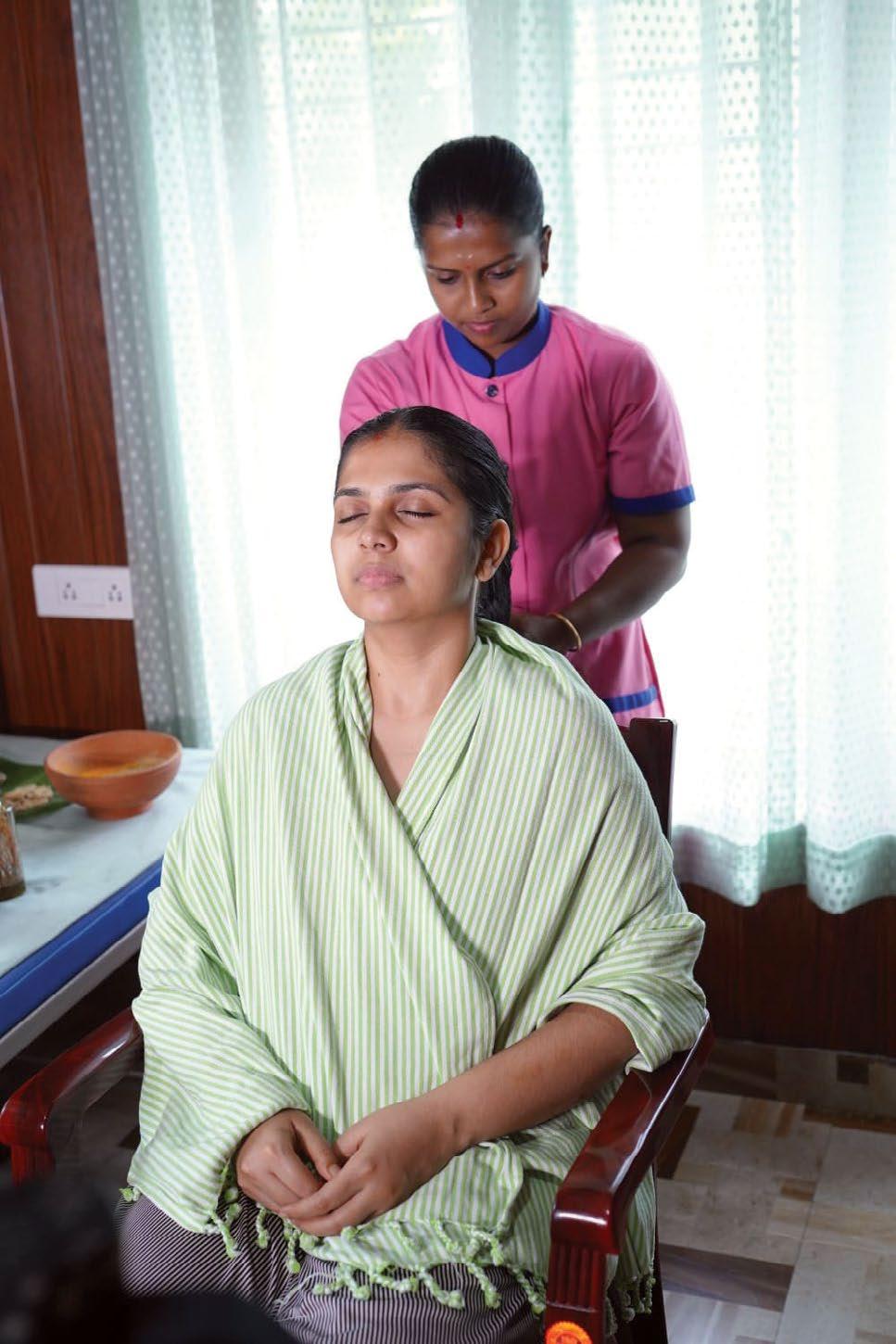
Ayurveda: Ayurveda stands as a testament to India’s rich cultural heritage, offering a unique blend of natural remedies, holistic approaches, and spiritual connections. This ancient practice, with its roots in Southern India, has traversed the corridors of time, evolving to meet the demands of modern healthcare while retaining its essence. As the world increasingly seeks holistic and sustainable solutions to health and wellness, Ayurveda has emerged as a beacon of hope, attracting medical tourists from across the globe to India’s shores. The Department of Ayurveda, Yoga, Unani, Siddha, and Homeopathy (AYUSH), under the Ministry of Health and Family Welfare, plays a pivotal role in standardizing and promoting Ayurvedic practices, ensuring that this traditional system of medicine is taught and practiced with uniformity and quality across India. Research endeavors in Ayurveda are also being conducted through a network of research institutes, further validating its efficacy and potential. At the heart of Ayurveda lies the concept of the three doshas - vata, pitha, and kapha - which, when imbalanced, are believed to cause diseases. This philosophy is complemented by a holistic approach that considers the interconnectedness of physical, mental, and personality aspects in

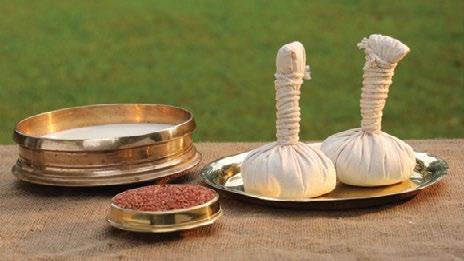
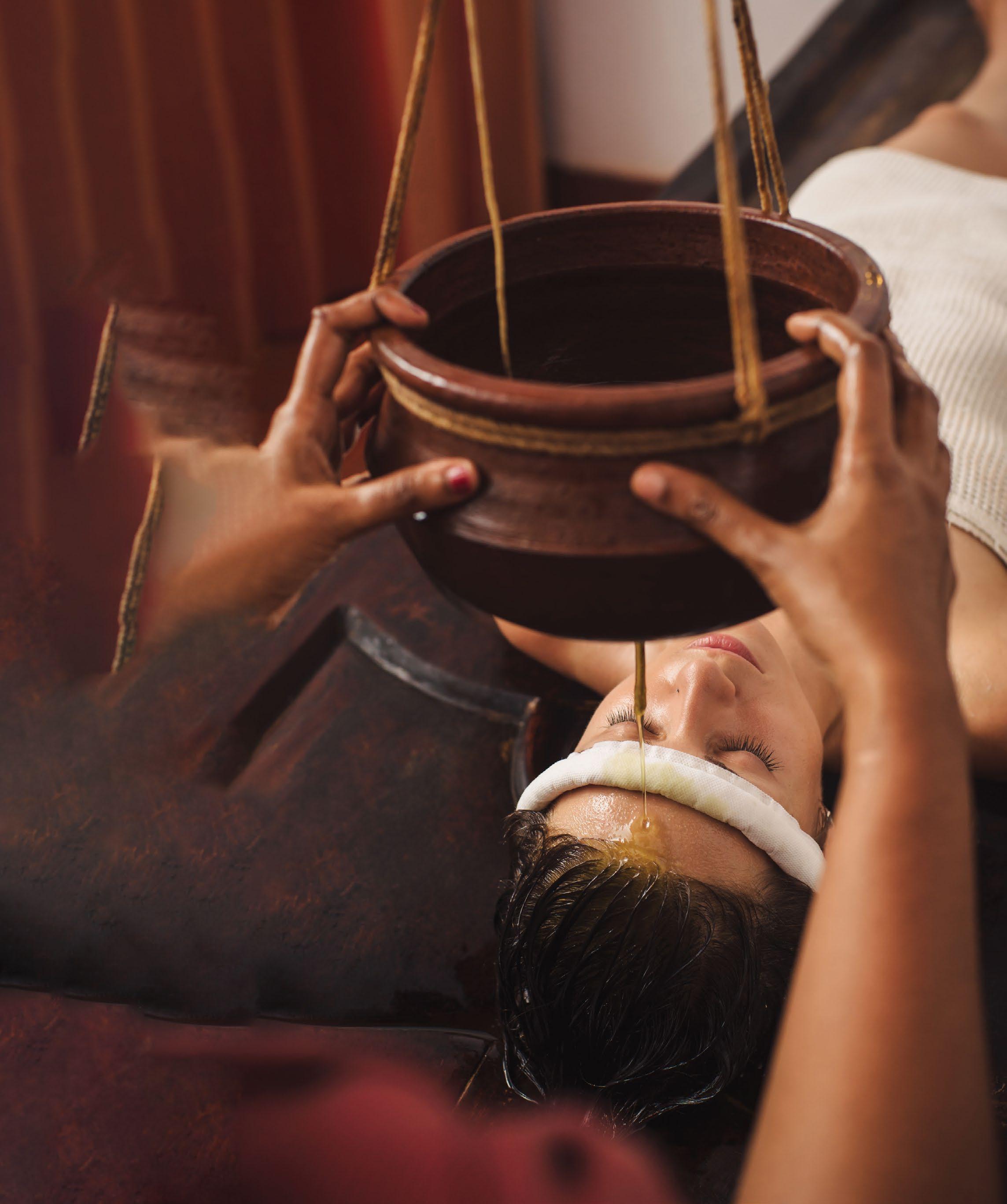
both diagnosis and treatment. Ayurvedic practices are categorized into eight divisions, covering areas such as general medicine, pediatrics, surgery, mental health, and tonics. The emphasis on maintaining a disciplined lifestyle, including regular routines for waking, sleeping, working, and meditation, alongside personal hygiene practices like bathing and oral care, underscores the importance of preventive care in Ayurveda. Rejuvenation therapies, such as Panchakarma, a set of five main treatments aimed at expelling vitiated doshas from the body, form a crucial aspect of Ayurvedic therapy, making it a prominent component of medical tourism in India, particularly in regions like Kerala. As the world grapples with the challenges of modern healthcare, Ayurveda offers a refreshing alternative, one that prioritizes prevention over cure and seeks to restore balance and harmony to the body, mind, and spirit. Natural herbs play a central role in Ayurvedic medicines, which are formulated based on the principles of the five elements - air, water, earth, fire, and space - that constitute the universe and all its components. The evolution of Ayurveda has also led to the incorporation of specialized methods like oil baths, rice bundle massages, and head baths, enhancing the effectiveness of therapies. In India, particularly in Kerala, Ayurveda has become an integral part of the medical tourism landscape, attracting patients from around the world who seek holistic and sustainable solutions to their health and wellness needs. As the demand for Ayurvedic services continues to grow, India is poised to emerge as a global leader in medical tourism, offering a unique blend of traditional wisdom and modern healthcare facilities. In this context, Ayurveda stands as a shining example of India’s rich cultural heritage, a beacon of hope for those seeking a more holistic and sustainable approach to health and wellness.
Siddha: Siddha medicine stands as a timeless sentinel, its roots delving deep into the ancient Dravidian culture and the Indus Valley Civilization. This venerable system, born from the concept of “Siddhi” - the attainment of extraordinary feats - has been a beacon of holistic wellness for centuries. With its emphasis on harnessing the remedial properties of nature, Siddha medicine has become an integral part of India’s rich medical heritage, particularly in the southern states where its legacy continues to flourish. As the world increasingly seeks sustainable and nature-based healthcare
practices, Siddha medicine’s principles and natural remedies are gaining international recognition, making India an attractive destination for medical tourism.
Yoga: As the world grapples with the scourge of lifestyle diseases, yoga emerges as a beacon of hope, illuminating a pathway to holistic wellness and health. This ancient Indian discipline, with its roots in traditional wisdom, has evolved into a potent tool for mitigating modern health risks. By fostering healthy habits, enhancing physical and mental fitness, and promoting overall wellbeing, yoga has become an indispensable asset in the global quest for sustainable healthcare. Its benefits, ranging from stress alleviation and anxiety reduction to improved cardiovascular health and diabetes management, have earned yoga a revered place in contemporary healthcare paradigms. With major health services, such as the UK’s NHS and the US’s NIH, endorsing yoga as a complementary approach, its significance in global health promotion cannot be overstated. As India, the birthplace of yoga, continues to promote this ancient discipline, it is poised to become a hub for medical tourism, attracting seekers of wellness from around the world to experience the transformative power of yoga.
Naturopathy: Naturopathy shines like a radiant beacon, guiding seekers of wellness towards a harmonious union of body, mind, and spirit. This ancient philosophy, rooted in the timeless wisdom of nature’s inherent healing powers, has evolved into a comprehensive system of healthcare that resonates deeply with the world’s growing quest for sustainable and holistic wellness. As medical tourists from across the globe flock to India, a land steeped in the sacred traditions of Ayurveda and Yoga, Naturopathy centres offer a transformative journey, aligning lifestyle with nature’s rhythms and empowering the body’s innate capacity for self-healing. Through the synergistic union of Naturopathy and Yoga, individuals can experience a profound transformation, awakening the body’s potential for healing, growth, and self-realization. As India emerges as a hub for medical tourism, Naturopathy’s holistic approach offers a beacon of hope, illuminating a path that honours the intricate web of relationships between body, mind, spirit, and environment, and inviting seekers of wellness to embark on a journey of discovery, growth, and healing.

Homeopathy: In the realm of alternative medicine, homeopathy shines like a beacon, its principles of “like cures like” guiding seekers of wellness towards a holistic approach to health. Born from the visionary work of Samuel Hahnemann, this system of medicine has traversed centuries and continents, finding a nurturing home in India. Since its introduction in the 19th century, homeopathy has blossomed, spreading its roots across the nation, and earning recognition from the Government of India in 1973. Today, homeopathy stands as the third most favoured method of treatment in India, with over 200,000 registered practitioners and a steady influx of new talent. As the world seeks alternative healing modalities, India’s homeopathic landscape is poised to welcome international seekers of wellness, offering a unique blend of traditional wisdom and modern regulation. With its enduring relevance and acceptance, homeopathy is set to play a vital role in promoting medical tourism in India, inviting global travellers to experience the gentle, yet potent, healing power of homeopathy.
Where Treatment Meets Tranquility
India has emerged as a global destination for high-quality, affordable healthcare, attracting patients from across continents who seek not just treatment, but a complete healing experience. At the core of this success lies a strong foundation of trust, transparency, and clinical excellence - supported by evolving regulatory frameworks, digital health systems, and quality accreditation standards that ensure ethical and patient-centric care. Over the decades, India’s healthcare landscape has undergone a remarkable transformation. From a predominantly public-sector system, it has evolved into a dynamic ecosystem where both public and private institutions play vital roles. Economic reforms and increased private investment have accelerated the development of world-class hospitals, research centres, and specialised care facilities. Today, India offers advanced treatments across all major disciplines, supported by cutting-edge technologies such as robotic surgery, AI-driven diagnostics, and precision medicine. What truly distinguishes India is its ability to seamlessly integrate healthcare with hospitality and wellness. The medical tourism ecosystem is well-supported by coordinated services, including international patient departments, teleconsultations, streamlined medical visas,
and travel assistance. Hospitals work closely with the tourism sector to ensure that patients and their families experience comfort, convenience, and continuity of care throughout their journey. Beyond clinical care, India offers a unique environment for recovery and rejuvenation. From the serene backwaters of Kerala to the peaceful hill stations and wellness retreats across the country, patients have the opportunity to heal in calming and culturally rich surroundings. Traditional practices such as Ayurveda, yoga, and naturopathy are often integrated into post-treatment recovery, enhancing both physical and emotional well-being. With treatment costs significantly lower than in many developed countries - often without compromising on quality - India continues to attract a growing number of international patients. As the country advances in medical innovation, infrastructure, and patient care, it stands as a beacon of holistic healing - where modern medicine, compassionate care, and natural serenity come together to create a truly transformative healthcare journey.
India’s Ethical Foundation in Global Healthcare
At the heart of India’s rapidly growing healthcare sector lies a deep and enduring commitment to ethics, integrity, and patient dignity. As the country strengthens its position as a global medical tourism destination, it does so not only through advanced technology and clinical excellence, but through a healthcare philosophy rooted in trust, transparency, and compassion. Patient rights, informed consent, fairness in treatment, and respect for individual dignity are increasingly embedded in India’s evolving healthcare frameworks. India’s regulatory environment has seen significant progress in recent years, with stronger emphasis on accreditation, standardization, and accountability. Institutions accredited by national and international bodies follow stringent protocols to ensure patient safety, ethical practices, and quality outcomes. Digital health initiatives, transparent pricing models, and improved grievance redressal mechanisms are further reinforcing confidence among both domestic and international patients. India’s growing global presence in healthcare is also reflected in its active participation in international platforms and collaborations. Events such as global tourism and healthcare summits, including ITB

Berlin and other international forums, have provided opportunities to showcase India’s strengths in medical and wellness tourism. Government-backed initiatives like “Heal in India” and strategic global outreach programs continue to promote ethical, affordable, and high-quality healthcare services to a wider audience. The industry is also witnessing increasing collaboration among stakeholders, with efforts to strengthen professional associations and promote best practices in medical and wellness tourism. These collective initiatives aim to ensure ethical governance, transparency, and sustainable growth across the sector. Ultimately, India’s true strength lies in its ability to combine medical expertise with a human touch. Beyond procedures and technology, patients are welcomed into a system that values empathy, respect, and holistic care. As India continues to advance on the global stage, it is this unwavering commitment to ethical healthcare that sets it apart - offering not just treatment, but a reassuring promise of dignity, trust, and compassionate healing.
Preparing Medical Travel in India
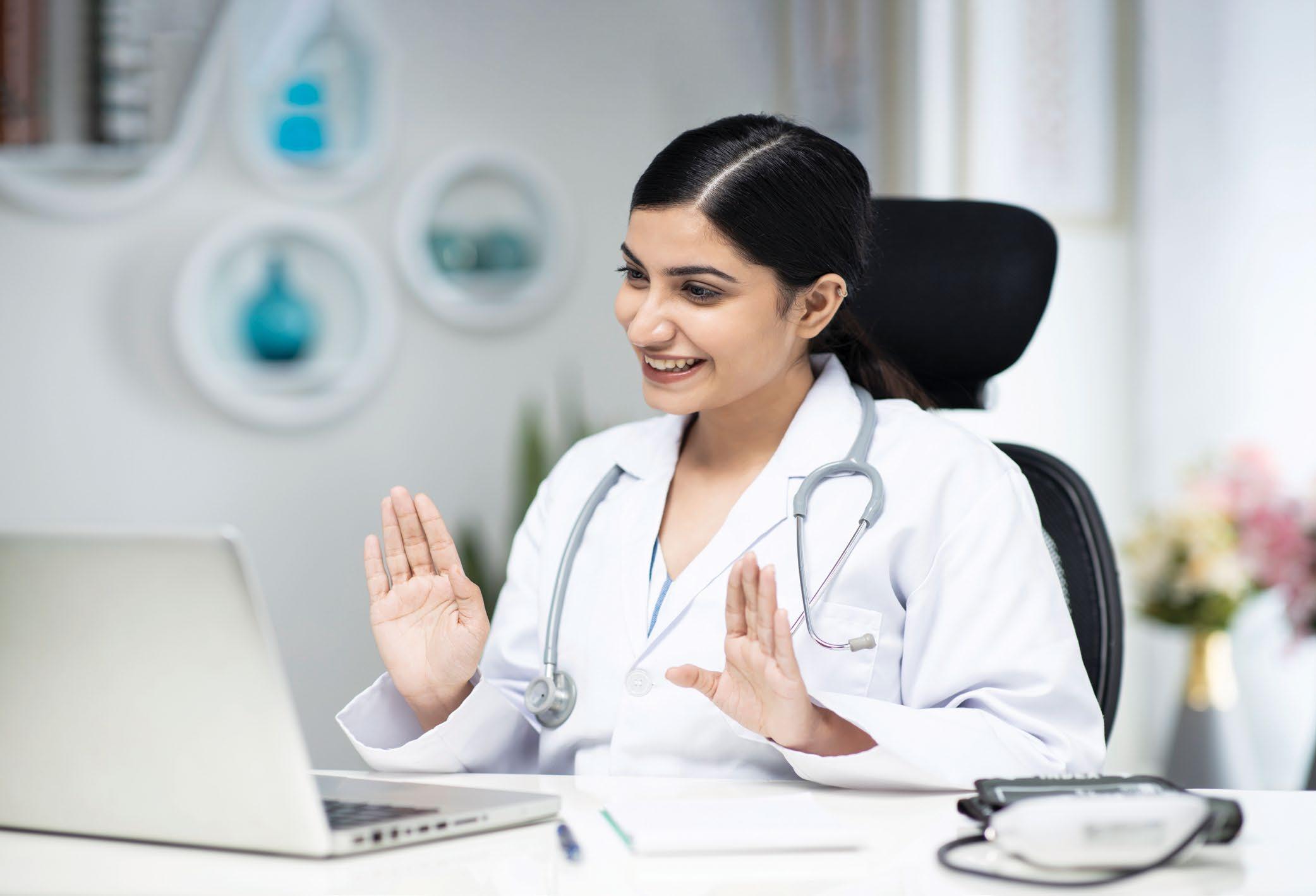
In today’s interconnected world, medical tourism offers more than just access to treatment—it creates an opportunity for healing combined with meaningful travel experiences. For patients choosing India as their healthcare destination, thoughtful preparation can ensure a smooth, safe, and enriching journey. With its blend of advanced medical care and cultural richness, India provides an environment where treatment and recovery go hand in hand. The journey begins with informed decision-making. Consulting a primary healthcare provider before travelling helps patients understand their condition, explore treatment options, and ensure medical readiness. Carrying essential medical records - diagnostic reports, prescriptions, and history - enables Indian doctors to provide accurate and timely care, ensuring continuity between past and present treatments. India’s healthcare system is well-equipped to support international patients. With widespread use of English and dedicated international patient departments in leading hospitals, communication is rarely a barrier. Many hospitals also provide interpreter services, travel assistance, and end-to-end coordination, making the experience seamless and reassuring. Financial preparedness is equally important. While
digital payments and international cards are widely accepted, patients are encouraged to plan ahead by confirming treatment costs, exploring insurance coverage for overseas care, and keeping contingency funds. Travel insurance and medical insurance policies tailored for international treatment can provide an added layer of security. Practical preparation also enhances comfort. Carrying essential medications, understanding local dietary options, and staying mindful of health precautions - such as consuming safe drinking water - can help patients adjust easily. Familiarizing oneself with local customs, climate, and basic etiquette further enriches the experience, turning a medical visit into a culturally immersive journey. Beyond treatment, India offers a unique environment for recovery. Patients can relax in serene wellness retreats, explore heritage destinations, or simply unwind in peaceful surroundings that support both physical and emotional healing. From traditional therapies to tranquil landscapes, the country provides a holistic recovery experience. Ultimately, travelling to India for medical care is not just about addressing a health concern - it is about embarking on a journey of renewal. With the right preparation, patients can experience world-class treatment alongside the warmth, diversity, and cultural depth that make India a truly distinctive destination for healing and discovery.
World of Wellness and Wonder
As the world embraces new ways of travel and wellness, South India emerges as a captivating destination where natural beauty, cultural richness, and rejuvenation come together in perfect harmony. Framed by the Arabian Sea, the Bay of Bengal, and the Indian Ocean, and enriched by diverse landscapes, this region offers an extraordinary blend of heritage and modern experiences that appeal to travellers and wellness seekers alike. From the tranquil backwaters of Kerala to cascading waterfalls, sunlit beaches, and lush forests, South India’s natural environment creates an ideal setting for rest and recovery. Hill stations wrapped in mist, wildlife sanctuaries teeming with biodiversity, and serene countryside retreats offer a soothing escape for those seeking both physical and emotional healing. These landscapes are not just scenic - they play a vital role in enhancing wellness and relaxation, especially

for medical travellers in recovery. The region’s cultural depth adds another dimension to the experience. Ancient temples, historic forts, and vibrant traditions reflect a timeless legacy, while bustling cities like Bengaluru, Chennai, and Hyderabad showcase innovation and modern living. This contrast creates a unique atmosphere where tradition and progress coexist seamlessly. Tourism in South India has evolved beyond sightseeing to include luxury travel, wellness retreats, eco-tourism, and adventure experiences. Visitors can explore wildlife safaris, stay in world-class resorts, indulge in spa therapies, or immerse themselves in local art, crafts, and cuisine. Wellness centres offering Ayurveda, yoga, and holistic therapies further enhance the region’s appeal as a destination for healing and renewal. More than just a place to visit, South India offers a transformative journey - one where nature nurtures, culture inspires, and the spirit finds balance. For travellers seeking not only exploration but also rejuvenation, this region stands as a sanctuary of beauty, wellness, and discovery.
Kerala - Sanctuary of Wellness and Timeless Beauty
Nestled along the serene Malabar Coast, Kerala unfolds like a lush green paradise where nature, culture, and wellness exist in perfect harmony. Fondly known as “God’s Own Country,” this enchanting destination continues to captivate global travellers with its breathtaking landscapes and deeply rooted traditions. From tranquil backwaters and palm-fringed beaches to mist-covered hills and vibrant forests, Kerala offers a sensory experience that is both soothing and inspiring. The state’s appeal goes far beyond its scenic beauty. Kerala has evolved into a globally recognised destination for sustainable tourism and holistic wellness. Its commitment to ecofriendly practices, responsible travel, and community-based tourism has set new benchmarks in the industry. Visitors are welcomed into an environment where nature is preserved, local culture is celebrated, and every experience is thoughtfully curated. Kerala’s rich cultural heritage is reflected in its art forms, festivals, cuisine, and daily life. The warmth and hospitality of its people create an immediate sense of belonging, making every visitor feel at home. At the same time, the state has gained international acclaim for its leadership in wellness tourism, particularly through Ayurveda,
yoga, and rejuvenation therapies that attract seekers from across the world. Whether it is drifting through the calm backwaters, relaxing on sunlit beaches, exploring wildlife sanctuaries, or retreating into the quietude of hill stations, Kerala offers a journey that nurtures both body and mind. It is a place where time slows down, allowing travellers to reconnect with themselves and the world around them. More than just a destination, Kerala is an experience - one that blends serenity, sustainability, and cultural richness into a truly transformative journey.
Feathers and Freedom: Kerala, where nature unfolds in its most poetic form, is home to some of India’s most captivating bird sanctuaries - havens where biodiversity thrives and the skies come alive with colour, rhythm, and movement. These protected ecosystems are not just destinations for birdwatchers, but living landscapes that reflect the state’s deep commitment to conservation and sustainable tourism. Among the most celebrated is the Dr. Salim Ali Bird Sanctuary at Thattekkad, often regarded as one of the richest bird habitats in peninsular India. Established in 1983 along the banks of the Periyar River, this sanctuary shelters a remarkable variety of resident and migratory species, including rare birds such as the Sri Lanka frogmouth and vibrant forest dwellers that make it a paradise for ornithologists and nature enthusiasts. Equally enchanting is the Kumarakom Bird Sanctuary, set against the serene backdrop of Vembanad Lake. This tranquil wetland ecosystem attracts a wide range of migratory birds, including herons, egrets, darters, and seasonal visitors from distant regions. Its calm waters and lush vegetation create an ideal environment for both birds and visitors seeking quiet immersion in nature. For those drawn to adventure, Pakshipathalam in Wayanad offers a unique high-altitude experience. Located deep within the Western Ghats at around 1,700 metres above sea level, this sanctuary rewards trekkers with breathtaking views and sightings of rare and endemic bird species, making it a hidden gem for serious birdwatchers. On the Malabar Coast, the Kadalundi Bird Sanctuary presents a different yet equally captivating landscape, where the river meets the Arabian Sea. This estuarine ecosystem supports over a hundred native bird species along with numerous migratory

visitors, creating a vibrant mosaic of life framed by gentle hills and coastal breezes. Together, these sanctuaries form an integral part of Kerala’s ecological heritage. They are not merely protected areas, but living expressions of nature’s harmony—where every wingbeat tells a story of migration, survival, and freedom. For travellers and wellness seekers alike, these serene environments offer moments of reflection, connection, and renewal, making Kerala a true sanctuary for both birds and the human spirit.
Timeless Tapestry of Sea and Sand: Stretching gracefully along the Arabian Sea for nearly 580 kilometres, Kerala’s coastline is a breathtaking blend of natural beauty, history, and coastal charm. These sunlit shores are more than scenic destinations - they are vibrant spaces where the rhythm of the waves meets the spirit of exploration, offering travellers moments of relaxation, adventure, and quiet reflection. Among the most iconic coastal destinations is Kovalam, renowned for its crescent-shaped beaches and lively atmosphere. Here, visitors can enjoy activities such as swimming, surfing, and traditional boating, all set against a backdrop of swaying palms and golden sands. Further north, Varkala offers a unique coastal experience with its dramatic cliffs overlooking the sea, attracting both spiritual seekers and leisure travellers alike. Alappuzha’s beaches present a more tranquil setting, where the gentle waves and open horizons create an ideal environment for relaxation. Kappad Beach, steeped in history, marks the landing site of Vasco da Gama in 1498, adding a historical dimension to Kerala’s coastal narrative. In the northern region, Bekal stands out with its majestic fort overlooking the sea, combining heritage with scenic beauty. Other coastal gems such as Cherai, Chowara, and Poovar offer serene escapes, each with its own distinct charm. Muzhappilangad, India’s longest drive-in beach, provides a unique experience where visitors can drive along the shoreline, while Nattika remains a quieter, less-explored retreat for those seeking solitude. Together, these diverse coastal landscapes form an integral part of Kerala’s identity - where nature, history, and culture converge. Whether it is watching the sunrise over gentle waves, exploring historic shores, or simply unwinding by the sea, Kerala’s coastline offers an experience that is both timeless and deeply rejuvenating.
Journey Through Spice and Serenity: Tucked within the majestic folds of the Western Ghats, Kerala’s highlands unfold as a world of misty peaks, lush greenery, and aromatic abundance - offering a unique and immersive experience through plantation tourism. Rising to elevations above 1,800 metres, these hills create an ideal environment for cultivating some of the world’s most prized spices and crops, making the region both agriculturally rich and visually captivating. Across these elevated landscapes, sprawling plantations of cardamom, pepper, cinnamon, tea, coffee, and rubber create a sensory experience unlike any other. The air itself carries the fragrance of spices, while the rolling estates form a seamless blend of cultivation and natural beauty. Beyond the high ranges, the midland regions reveal Kerala’s agrarian diversity, with farms growing cashew, areca nut, banana, tapioca, rice, and a variety of vegetables - reflecting the deep-rooted connection between the land and its people. Destinations such as Idukki, Wayanad, and Kottayam stand at the heart of this experience, offering visitors an opportunity to explore vast plantations, learn about cultivation processes, and witness the journey from farm to final product. Guided tours provide insight into traditional farming practices as well as modern techniques, allowing travellers to engage with the region’s agricultural heritage in a meaningful way. Plantation tourism in Kerala goes beyond observation - it invites participation. Visitors can trek through mist-covered trails, explore forest paths, enjoy nature walks, and experience activities like fishing and stream-side relaxation. The surrounding landscapes, dotted with waterfalls and dense forests, offer a perfect setting for both adventure and tranquility. Accommodation within plantation estates further enhances the experience, allowing guests to stay amidst nature, enjoy fresh, locally sourced cuisine, and unwind in peaceful surroundings. As the day transitions from golden sunrise to cool twilight, the hills come alive with sounds of nature, creating an atmosphere of deep relaxation and connection. Kerala’s plantation regions are more than scenic destinations - they are living ecosystems that celebrate sustainability, culture, and harmony with nature. For travellers seeking both exploration and rejuvenation, these highland retreats offer a journey that lingers long after the visit ends.

Symphony of Forests and Valleys: Eastern Kerala, embraced by the majestic Western Ghats, unfolds as a breathtaking realm of mountains, valleys, and dense forests—where nature thrives in its purest form. This region, rich in biodiversity and scenic beauty, is home to some of Kerala’s most captivating hill stations and wildlife retreats, offering a perfect blend of adventure, tranquillity, and ecological richness. Among its many gems is Ponmudi, a serene hill station near Thiruvananthapuram, known for its mist-covered slopes, winding streams, and vibrant flora and fauna. Further north, the forested expanse of Nelliampathy in Palakkad presents a landscape of rolling hills, tea estates, and fruit orchards, inviting nature lovers and trekkers into its peaceful embrace. At the heart of Kerala’s high ranges lies Munnar, one of India’s most iconic hill stations. Set at an altitude of over 1,500 metres, Munnar is famed for its sprawling tea plantations, cool climate, and panoramic views. Nearby, the Eravikulam National Park serves as a sanctuary for the endangered Nilgiri Tahr and showcases the unique grassland ecosystems of the Western Ghats. The region also features a constellation of picturesque destinations such as Idukki, known for its impressive arch dam and forested landscapes; Vagamon, with its rolling meadows and trekking trails; and Thekkady, home to the Periyar Wildlife Sanctuary, where visitors can witness elephants, deer, and a variety of birdlife in their natural habitat. In the northern highlands, Wayanad offers a diverse mix of natural and historical attractions. From the tranquil waters of Pookode Lake and the scenic beauty of Chembra Peak to the unique ecosystem of Kuruva Island and the ancient carvings of Edakkal Caves, Wayanad provides a rich and immersive experience for travellers seeking both nature and heritage. Destinations like Lakkidi, often called the gateway to Wayanad, further enhance the region’s appeal with its misty landscapes and lush greenery shaped by abundant rainfall. Together, these highland retreats create an environment where adventure meets serenity, and where every trail, stream, and forest reveals a deeper connection with nature. Eastern Kerala is more than a destination - it is an experience of renewal and discovery. Whether trekking through misty hills, exploring wildlife sanctuaries, or simply soaking in the silence of nature, this region offers a timeless escape into the heart of Kerala’s natural splendour.
Where Water Tells Stories: Flowing gently between the Arabian Sea and Kerala’s lush green landscapes, the backwaters form one of the most enchanting natural networks in the world. This intricate system of brackish lagoons, lakes, and canals - fed by dozens of rivers and stretching over 1,500 kilometres - creates a unique ecosystem where nature and human life coexist in perfect harmony. Shaped over centuries by the interplay of land and sea, the backwaters stand as a living testament to Kerala’s ecological richness and cultural depth. Along these serene waterways, daily life unfolds in rhythm with nature. Villages, paddy fields, coconut groves, and traditional homes line the banks, offering visitors an intimate glimpse into a lifestyle that has remained largely unchanged for generations. The region’s famed Kuttanad, often called the “Rice Bowl of Kerala,” is particularly remarkable, with its below-sea-level farming practices showcasing human ingenuity in harmony with nature. A journey through the backwaters is an experience unlike any other. Houseboat cruises, especially in destinations like Alappuzha and Kumarakom, offer a tranquil escape where time seems to slow down. These floating homes provide modern comforts while allowing travellers to immerse themselves in the quiet beauty of rippling waters, vibrant birdlife, and golden sunsets. The backwaters also come alive with cultural vibrancy. The iconic Nehru Trophy Snake Boat Race in Alappuzha transforms calm waters into a spectacle of energy, tradition, and community spirit. Meanwhile, routes such as the scenic stretch from Kollam to Alappuzha across Ashtamudi Lake offer long, meditative journeys through some of Kerala’s most picturesque landscapes. From the historic waterways of Kochi to the lesser-explored stretches of Kappil, Kozhikode, Thiruvallam, Valapattanam, and Valiyaparamba, each destination reveals a different facet of Kerala’s charm. Together, they form more than just a travel experience - they create a journey of reflection, relaxation, and connection. The backwaters of Kerala are not merely a destination; they are a living heritagewhere every ripple carries a story, every breeze whispers tradition, and every moment invites you to pause, breathe, and rediscover the beauty of slow, mindful living.


Guardians of the Wild: At the heart of Kerala lies a thriving natural world, where dense rainforests, rolling highlands, and winding rivers come together to form one of the most significant biodiversity hotspots on the planet. Situated within the Western
Ghats - recognized as a UNESCO World Heritage region - Kerala’s landscape supports an extraordinary range of flora and fauna, making it a vital ecological treasure not just for India, but for the world. The eastern highland districts are home to vast stretches
of tropical evergreen and moist deciduous forests, including the expansive Nilgiri Biosphere Reserve. This protected region shelters iconic wildlife such as the Asian Elephant, Bengal Tiger, Leopard, and the endangered Nilgiri Tahr. These forests are not only rich in species but also play a crucial role in maintaining ecological balance and supporting local communities. Among Kerala’s most pristine natural habitats is Silent Valley National Park, one of the last undisturbed tracts of tropical rainforest in India. This unique
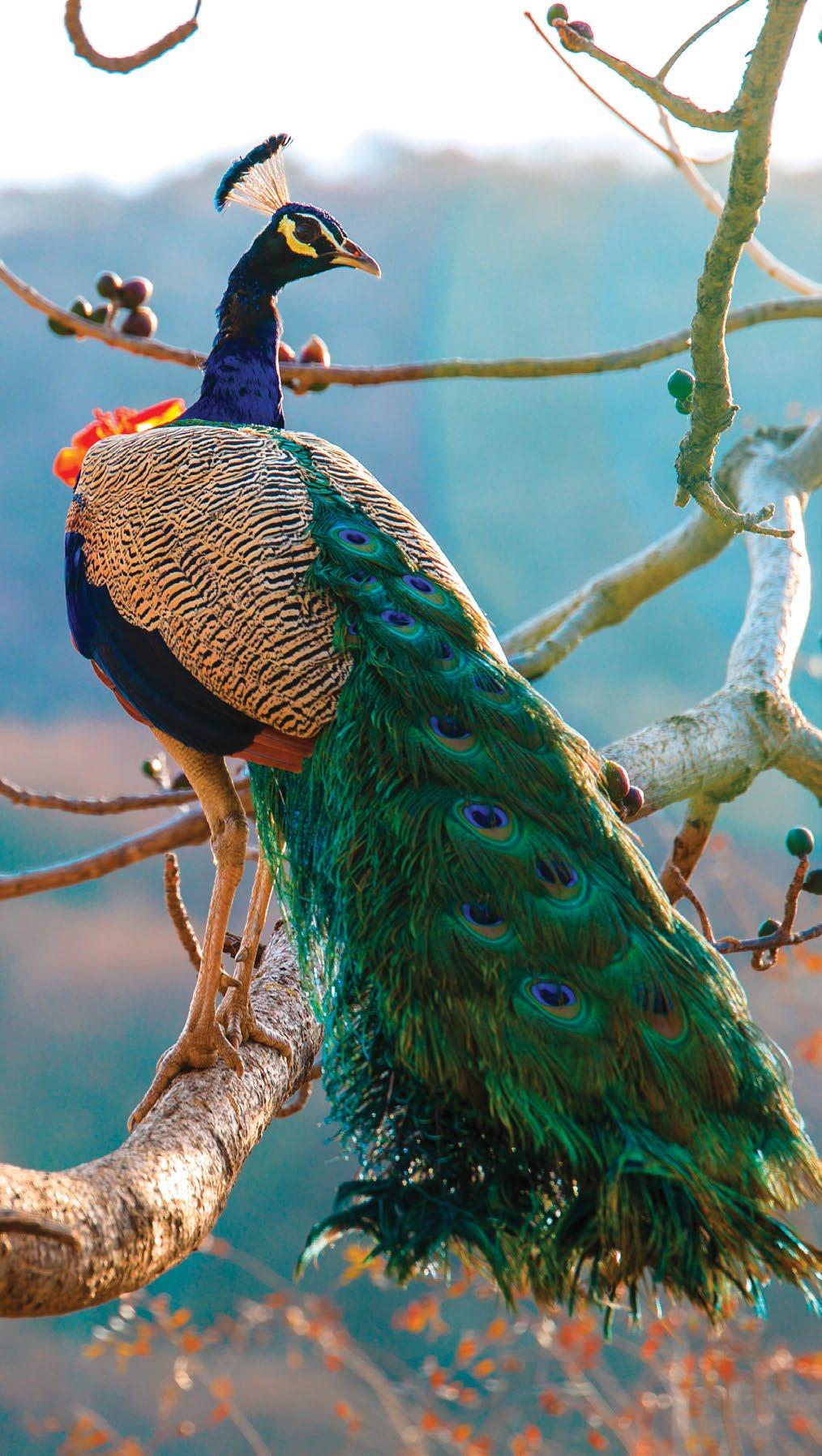
ecosystem is home to rare and endemic species such as the Liontailed Macaque, along with animals like the Indian Gaur, Sloth Bear, Sambar deer, and numerous primates. The region’s dense canopy and untouched terrain make it a critical site for conservation and ecological research. Kerala’s biodiversity extends beyond its land to its skies and waters. The forests and wetlands host a remarkable variety of birdlife, including the Great Hornbill, Malabar Grey Hornbill, Sri Lanka Frogmouth, and numerous migratory species. Rivers, lakes, and backwaters support diverse aquatic life, contributing to the overall richness of the ecosystem. Reptiles and amphibians also form an essential part of this natural heritage, with species such as the king cobra, various vipers, and freshwater turtles inhabiting these environments. Together, these ecosystems create a complex and interconnected web of life that continues to thrive under careful conservation efforts. Kerala’s commitment to preserving its natural heritage is evident through its network of national parks, wildlife sanctuaries, and protected reserves. Sustainable tourism initiatives and community-based conservation programs further ensure that this biodiversity is safeguarded for future generations. More than just a natural landscape, Kerala’s wilderness represents a living sanctuary - where every forest, river, and species contributes to a delicate balance of life. It is a place where nature speaks in its purest form, inviting travellers and nature enthusiasts to witness the richness, resilience, and beauty of one of the world’s most remarkable ecosystems.
Season of Renewal and Living Beauty: The monsoon in Kerala is more than a seasonal change - it is a transformative experience that reawakens the land in a vibrant display of life and colour. As rain-bearing clouds sweep across the state for nearly four months, Kerala is draped in lush greenery, misty horizons, and flowing waters, creating a landscape that is both soothing and spectacular. With the onset of the rains, rivers swell, waterfalls cascade in full glory, and forests come alive with renewed vitality. Kerala’s extensive network of rivers and backwaters is replenished, sustaining agriculture and ecosystems alike. For farmers, the monsoon marks a season of hope and abundance, nurturing

crops and sustaining livelihoods across the state. This season also brings a unique charm for travellers and wellness seekers. The rain-washed hills, tranquil backwaters, and quiet beaches offer a refreshing escape from the ordinary. Destinations across Kerala take on a serene, almost meditative atmosphere, making it an ideal time for relaxation and rejuvenation. In fact, the monsoon is widely regarded as the best season for Ayurveda therapies, as the cool climate and high humidity enhance the body’s receptivity to treatments. The monsoon also invites exploration - trekking through mist-covered hills, witnessing waterfalls at their peak, or simply enjoying the rhythmic sound of rain against nature’s backdrop. It is a time when the pace of life slows, allowing visitors to reconnect with nature and themselves. In Kerala, the monsoon is not just weather - it is a celebration of renewal, a season that nourishes the land, uplifts the spirit, and offers a deeply immersive experience of nature in its most expressive form.
Where Devotion Meets
Art: Kerala stands as a vibrant cultural landscape where spirituality and artistic expression blend seamlessly, creating a living heritage that continues to inspire the world. Deeply rooted in tradition yet evolving with time, the state’s festivals and art forms reflect a rich legacy shaped over centuries by devotion, creativity, and community spirit. At the heart of Kerala’s festive calendar is Onam, the state’s most celebrated festival, symbolizing prosperity, unity, and the legendary return of King Mahabali. The season comes alive with intricate floral designs (pookalam), grand feasts (sadya), traditional games, and the iconic Vallamkali (snake boat races), drawing visitors from across the globe. Equally spectacular is Thrissur Pooram, one of India’s most renowned temple festivals, where caparisoned elephants, rhythmic percussion ensembles, and dazzling fireworks create an unforgettable cultural experience. Kerala’s artistic traditions are equally profound. Classical dance forms such as Kathakali, Mohiniyattam, and the ancient Sanskrit theatre tradition of Koodiyattam - recognized by UNESCO - preserve stories from mythology and history through expressive performance. Folk traditions like Pulikkali, where performers painted as tigers dance
through the streets, and ritual art forms such as Theyyam and Kuthiyottam, bring local legends and spiritual beliefs vividly to life. The martial art Kalarippayattu, considered one of the oldest in the world, adds another dimension to Kerala’s cultural identity. The state’s artistic heritage also finds expression in its temple and palace murals, some dating back to the 9th century, depicting mythological narratives in vivid natural colours. These visual traditions continue to be preserved and celebrated as part of Kerala’s cultural legacy. Kerala is also a symbol of religious harmony, where diverse faiths coexist peacefully. Temples, churches, mosques, and synagogues stand side by side, reflecting centuries of cultural exchange. Historic landmarks such as the Paradesi Synagogue in Kochi - one of the oldest in the Commonwealth - highlight this unique pluralism. Recognizing the global appeal of its spiritual and cultural wealth, Kerala has further developed initiatives such as the Pilgrimage Tourism Project, offering visitors an opportunity to explore sacred sites and cultural experiences in an organised and immersive way. In Kerala, culture is not confined to history - it is lived every day through festivals, art, and devotion. This harmonious blend of faith and creativity makes the state a truly unique destination, where every celebration becomes a shared experience of beauty, tradition, and timeless spirit.
Tamil Nadu - Where Heritage Lives and History Speaks
Tamil Nadu stands as one of the world’s oldest living civilizations, where history is etched in stone and devotion resonates through every temple corridor. With a cultural legacy spanning over 5,000 years, the state is a remarkable blend of architectural brilliance, spiritual depth, and natural beauty. Its iconic temples, adorned with intricate carvings and towering gopurams, reflect an era when art and faith were seamlessly intertwined. The journey through Tamil Nadu often begins in Chennai, a vibrant metropolis that bridges tradition and modernity. From here, travellers are drawn to the UNESCO World Heritage site of Mamallapuram, famed for its ancient rock-cut temples and coastal charm, and to Kanchipuram, revered as the “City of Thousand Temples.” The spiritual heart of the state beats strongly in destinations like Madurai’s Meenakshi
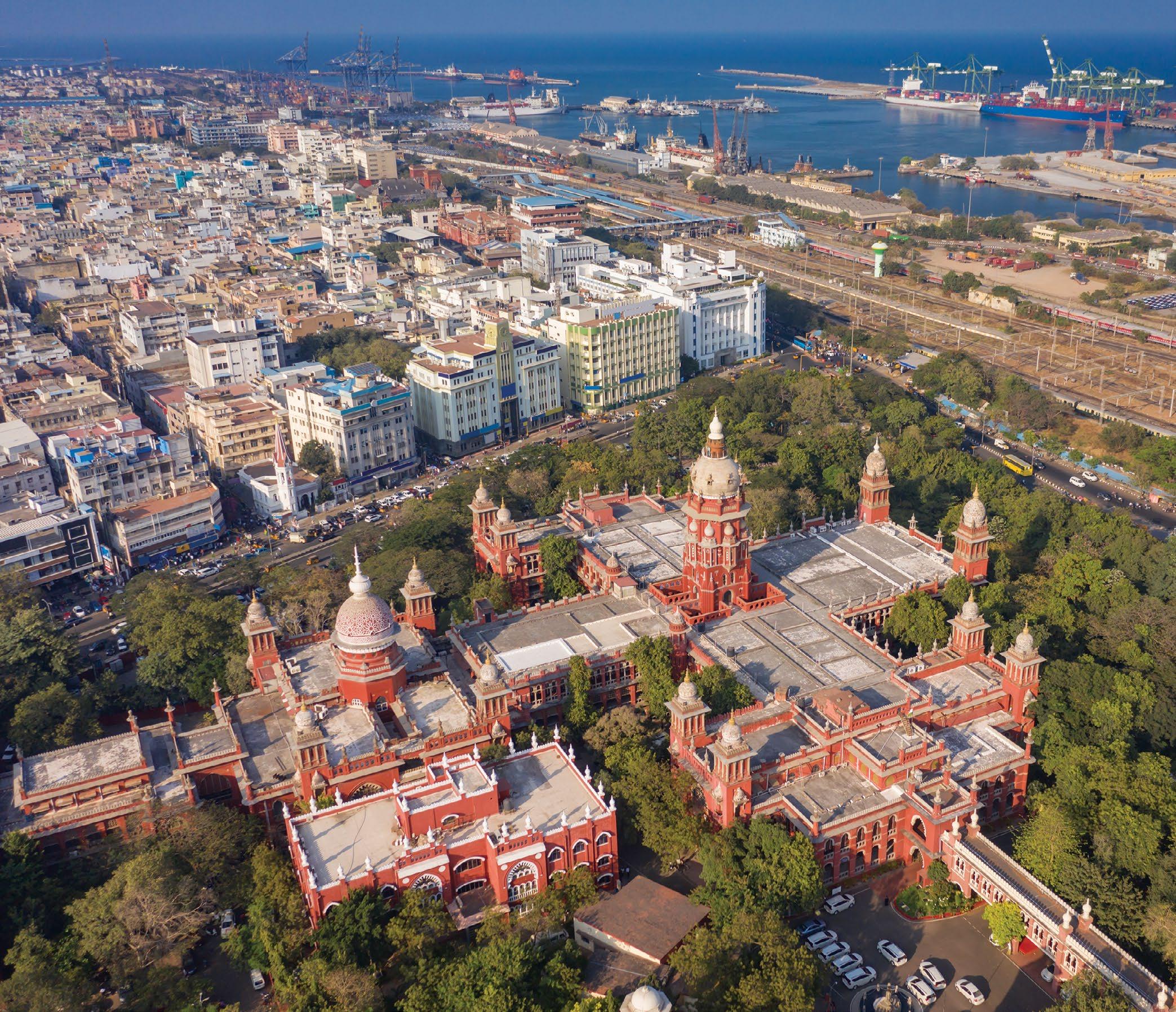
Amman Temple, the sacred corridors of Rameswaram, and the architectural marvels of Thanjavur and Tiruchirappalli. In Chidambaram, the Nataraja Temple symbolises the cosmic dance of Lord Shiva, while Coimbatore offers a harmonious blend of urban growth and natural serenity. Tamil Nadu’s landscape is equally diverse and captivating. The waterfalls of Courtallam, often called the “Spa of the South,” and the dramatic cascades of Hogenakkal provide refreshing natural retreats. Coastal pilgrimages to Velankanni and the breathtaking sunrise and sunset views at Kanyakumari where three seas converge add a spiritual and scenic dimension to the journey. The legacy of the Pallava and Chola dynasties lives on through the state’s monumental architecture, making Tamil Nadu a treasure trove for history enthusiasts. At the same time, it continues to thrive as one of India’s leading economic and tourism hubs, supported by strong infrastructure, industrial growth, and seamless connectivity via road, rail, sea, and air. Chennai International Airport serves as a major gateway, connecting global travellers to the state’s diverse attractions. Today, Tamil Nadu stands as a dynamic destination where heritage meets progress. Whether exploring ancient temples, experiencing vibrant culture, or discovering nature’s beauty, visitors are invited into a timeless journey - one where every stone tells a story, every river carries a song, and every moment reflects the enduring spirit of this extraordinary land.
Festivals that Define Culture:
The month of January ushers in one of Tamil Nadu’s most vibrant and meaningful celebrations - Pongal, a festival that beautifully reflects the state’s agrarian roots and cultural richness. More than just a harvest festival, Pongal is a heartfelt expression of gratitude to nature, the sun, and the forces that sustain life. The air comes alive with joy and anticipation as homes are adorned, families gather, and traditions are celebrated with pride. The festivities unfold over four days, each carrying its own significance. Bhogi marks the beginning, symbolising renewal as people discard the old and welcome fresh beginnings with warmth and positivity. The second day, Thai Pongal, is the most important, dedicated to the Sun God. Families prepare
the traditional Pongal dish, allowing it to overflow as a symbol of abundance and prosperity, while prayers and rituals honour nature’s generosity. On the third day, Maattu Pongal, the focus shifts to cattle - acknowledging their indispensable role in agriculture. Decorated and revered, these animals are celebrated with gratitude and care. The final day, Kaanum Pongal, is one of togetherness and leisure, as families and communities come together to share joy, while Thiruvalluvar Day pays tribute to the great Tamil poet and philosopher. Through these four days, Tamil Nadu resonates with colour, music, and tradition, where every ritual carries meaning and every celebration strengthens community bonds. Pongal is not just a festival - it is a living heritage, where the rhythms of the past and present come together in a timeless celebration of life, nature, and unity.
Sacred Landscapes of Devotion: Tamil Nadu stands as a profound centre of spirituality, where devotion is deeply woven into the fabric of everyday life and expressed through its magnificent temples. Across the state, faith finds its most powerful expression in sacred spaces where centuries-old traditions continue to inspire pilgrims and travellers alike. Among the most revered spiritual circuits is the Aarupadai Veedu, the six holy abodes of Lord Muruga, located at Thiruthani, Swamimalai, Thiruchendur, Pazhamudhir Cholai, Tirupparankundram, and Palani. These temples, each set in unique landscapes, hold immense religious significance and draw devotees from across the world. At Palani, one of the most prominent pilgrimage centres, devotees undertake a spiritual ascent to the hilltop temple, seeking blessings with deep faith and devotion. Beyond these sacred shrines, Tamil Nadu’s temple towns stand as extraordinary examples of architectural brilliance and spiritual legacy. The Meenakshi Sundareswarar Temple in Madurai is among the most iconic, renowned for its towering gopurams, intricate sculptures, and vast corridors that reflect the grandeur of Dravidian architecture. Every structure tells a story - of mythology, artistry, and devotion - preserved through generations. Together, these temples form more than places of worship - they are living monuments of culture, history, and faith. In Tamil Nadu,
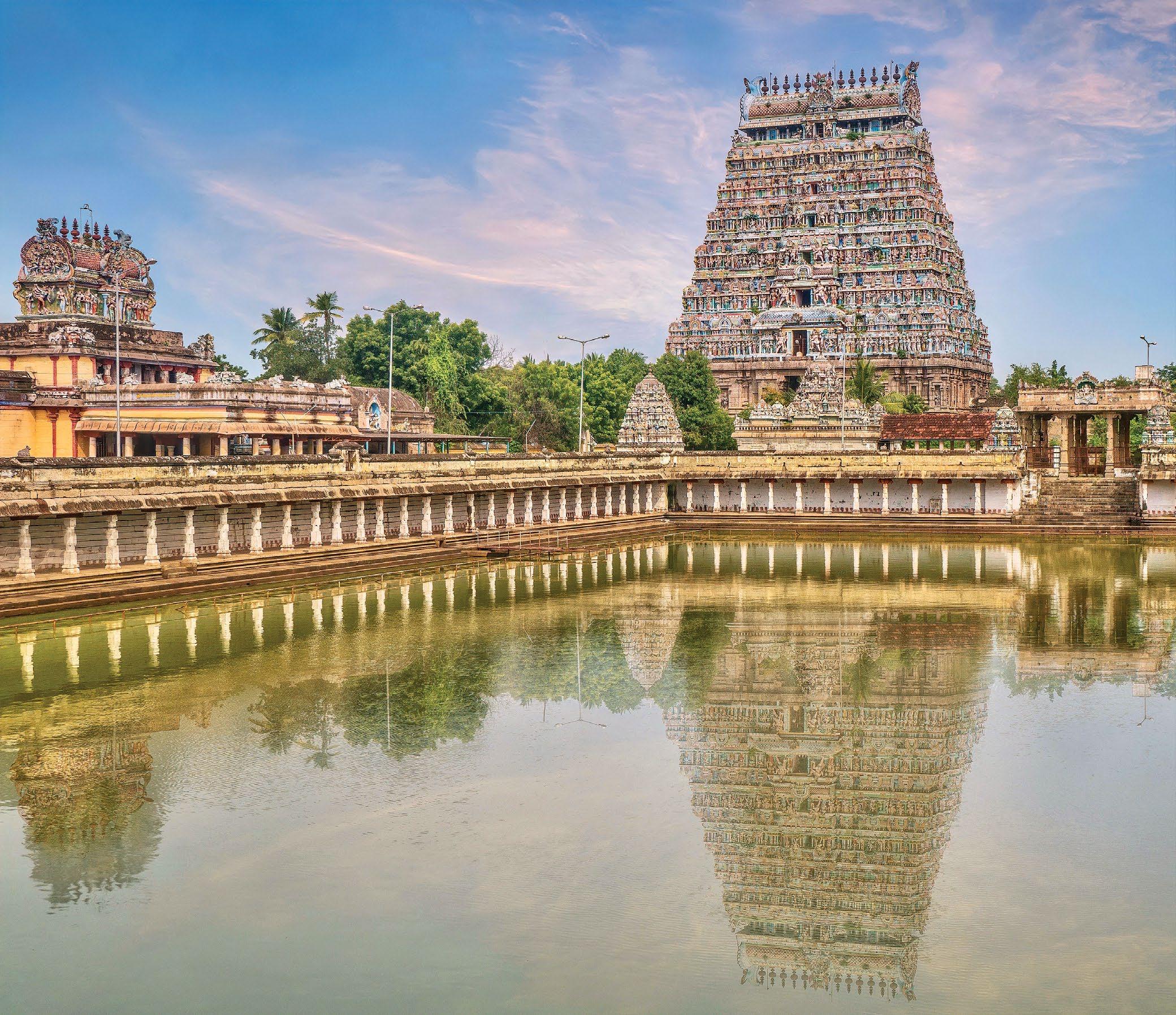
spirituality is not confined to rituals alone; it is experienced through architecture, tradition, and the collective devotion of its people, making the state a timeless sanctuary for seekers of both faith and heritage.
Enchanting Hill Stations: Perched along the majestic Western Ghats, Tamil Nadu’s hill stations offer a refreshing retreat into nature’s calm embrace. Udhagamandalam, popularly known as Ooty, stands as the Queen of Hill Stations, where cool mountain air, rolling tea estates, and colonial charm create a timeless escape. Nearby, Kodaikanal - the Princess of Hill Stations - captivates visitors with its wooded slopes, serene lakes, and tranquil atmosphere that soothes both body and mind. In the Eastern Ghats, destinations like Yercaud and Yelagiri provide quieter, less crowded sanctuaries, inviting travellers to explore orchards, nature trails, and peaceful landscapes. Together, these highland retreats offer a perfect blend of scenic beauty and serenity, making them ideal for relaxation and rejuvenation.
Journey Through Untamed Wilderness: Tamil Nadu’s natural spirit thrives in its diverse forests and protected landscapes, where rich biodiversity flourishes across a variety of ecosystems. From dry deciduous forests to dense evergreen stretches and coastal mangroves, the state offers a vibrant natural habitat for wildlife. With several national parks and wildlife sanctuaries, including the renowned Mudumalai Tiger Reserve in the Nilgiris, visitors can witness elephants, tigers, deer, and a wide range of birdlife in their natural surroundings. The Indira Gandhi National Park in the Anamalai Hills further enhances this ecological richness, serving as a vital conservation area for numerous species. These wilderness zones reflect Tamil Nadu’s commitment to preserving its natural heritage while offering immersive experiences for nature enthusiasts.
Exploring Scenic
Shores:
Tamil Nadu’s extensive coastline along the Bay of Bengal offers a captivating blend of natural beauty, history, and cultural significance. Chennai’s Marina Beach, one of the longest urban beaches in the world, reflects the vibrant energy
of the city while offering a relaxing seaside experience. Nearby, Elliot’s Beach and Kovalam Beach provide quieter settings for those seeking peace and reflection. The historic town of Mahabalipuram, with its iconic Shore Temple, stands as a testament to ancient maritime and architectural heritage. Further south, Kanyakumari presents a unique spectacle where three seas converge, creating breathtaking sunrise and sunset views. Coastal destinations like Poompuhar add a historical dimension, echoing stories of ancient trade and seafaring traditions. Together, Tamil Nadu’s beaches offer a harmonious blend of leisure, history, and scenic splendour.
Karnataka - Where Tradition Meets Tomorrow
Karnataka unfolds as a land where history and progress coexist in a seamless blend, offering a rich tapestry of culture, nature, and innovation. From the expansive plains that echo the legacy of ancient kingdoms to the lush Western Ghats cloaked in mist and greenery, the state presents a diverse landscape that is both timeless and dynamic. Waterfalls cascade through dense forests, rivers wind their way across fertile lands, and vibrant cities rise as centres of technology and growth, reflecting Karnataka’s unique balance between tradition and modernity. The cultural identity of Karnataka is shaped by its diverse communities, including Kannadigas, Kodavas, Tuluvas, and Konkanis, along with indigenous tribal traditions that add depth to its heritage. The state is also home to one of South India’s largest Tibetan settlements, symbolising its spirit of inclusivity and cultural harmony. Kannada remains the official language, while several other languages such as Tulu, Hindi, English, Telugu, and Tamil are widely spoken, creating a rich linguistic landscape. Karnataka’s spiritual fabric is equally diverse, with temples, mosques, churches, gurudwaras, and Buddhist monasteries coexisting peacefully across the region. This harmonious blend of faiths reflects a long-standing tradition of tolerance and cultural integration. The state’s artistic heritage is deeply rooted in literature, theatre, crafts, and classical dance, with influences that predate many historical dynasties. Music and performing arts hold a special place in Karnataka’s cultural life. The traditions of Carnatic and Hindustani music continue to flourish,
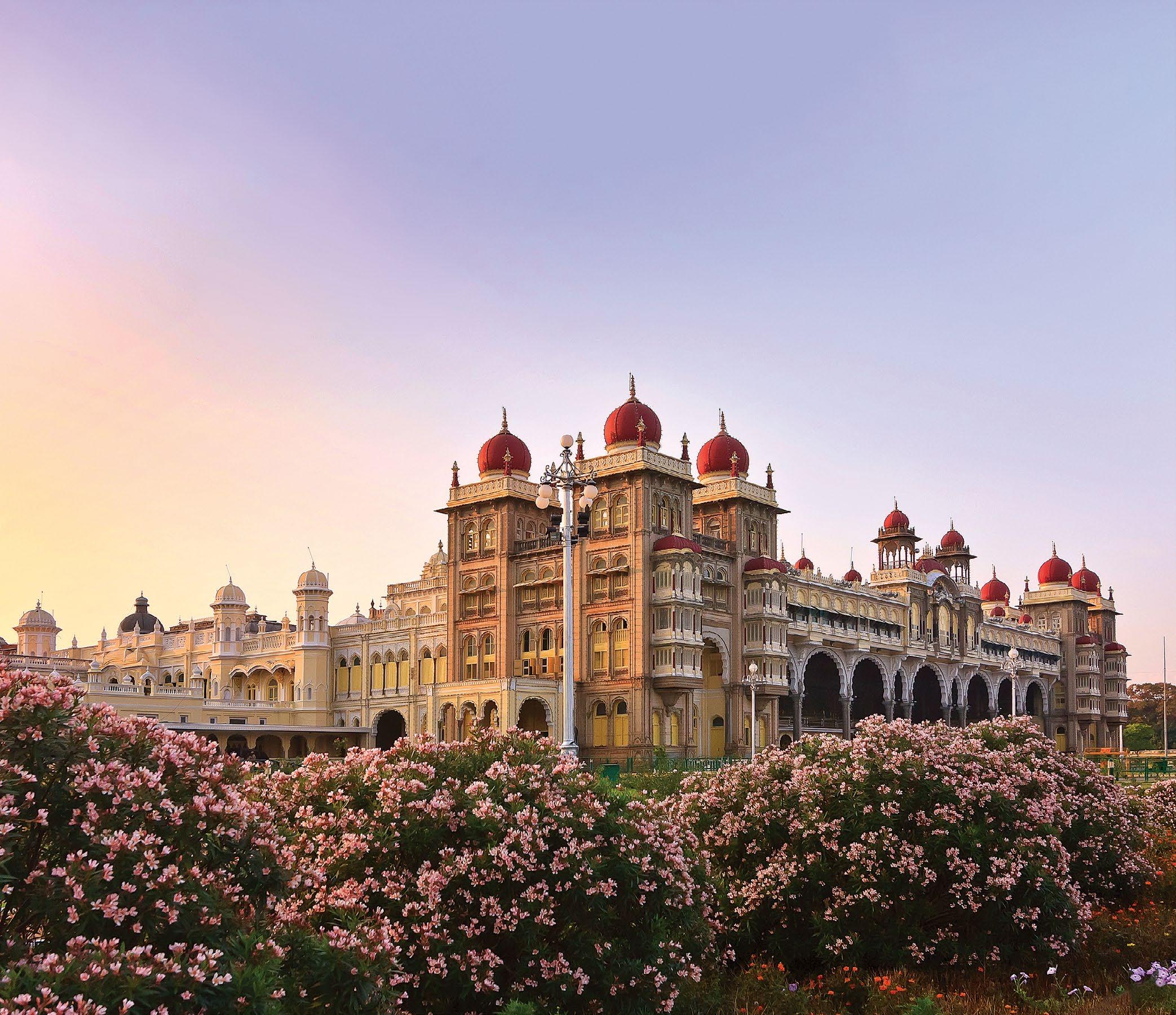
while classical dance forms such as Bharatanatyam, Kuchipudi, Kathak, and Odissi are practiced and celebrated with dedication. Festivals like Mysuru Dasara showcase the grandeur and vibrancy of Karnataka’s traditions, bringing together history, devotion, and celebration in a spectacular display. Today, Karnataka stands as a thriving hub of innovation and development, particularly in cities like Bengaluru, while still preserving its rich cultural legacy. It is a state where ancient monuments and modern skylines coexist, where traditions are not only preserved but lived, and where every journey reveals a harmonious blend of the past and the present.
Architectural Legacy: Karnataka stands as a living archive of India’s architectural brilliance, where every monument tells a story of dynasties, devotion, and artistic mastery. The majestic Mysore Palace, a masterpiece of Indo-Saracenic design, reflects royal grandeur through its intricate detailing and regal presence. The ruins of Hampi, a UNESCO World Heritage Site, echo the magnificence of the Vijayanagara Empire, while the rock-cut caves of Badami and the temple complexes of Aihole and Pattadakal showcase the genius of Chalukyan architecture. In Belur and Halebeedu, the exquisite carvings of Hoysala temples continue to captivate visitors with their precision and beauty. From the domes of Bijapur to the fortresses of Chitradurga and Srirangapatna, Karnataka’s heritage stands as an enduring testament to its glorious past.
Cities of Heritage and Growth: Karnataka’s cities present a dynamic blend of history and modernity, where tradition coexists with rapid development. Bengaluru, the state’s capital, is a global technology hub that seamlessly integrates green spaces, vibrant nightlife, and cultural landmarks. Mysuru retains its royal charm, with the iconic Mysore Palace and the serene Chamundi Hills reflecting its regal heritage. Coastal Mangaluru offers a mix of beaches and tradition, while cities like Hubballi, Ballari, and Belagavi contribute to the state’s commercial and cultural vibrancy. Across Karnataka, urban centres reflect a harmonious evolution - where the past enriches the present and progress shapes the future.
Majestic Waterfalls: Karnataka’s waterfalls are among its most captivating natural wonders, cascading through forests and hills in breathtaking displays of power and beauty. Jog Falls, one of India’s highest waterfalls, plunges dramatically from great heights, creating a mesmerising spectacle. Shivanasamudra Falls, formed by the Kaveri River, offers a stunning twin cascade that roars through rocky terrain. In Coorg, Abbey Falls flows gracefully amid coffee plantations, while Iruppu Falls, nestled near Nagarhole, provides a tranquil retreat. Hidden gems like Magod and Sathodi Falls, along with Hebbe Falls in the Baba Budan Giri hills, add to the state’s rich natural charm, making Karnataka a haven for nature lovers.
Untouched Beaches: Karnataka’s coastline along the Arabian Sea offers serene and less-crowded beaches that blend natural beauty with cultural depth. Gokarna, known for its spiritual ambience and pristine shores, attracts both pilgrims and travellers. Karwar’s scenic coastline offers peaceful retreats, while Murudeshwara stands out with its towering statue of Lord Shiva overlooking the sea. Beaches like Kaup and Malpe provide picturesque settings, while St. Mary’s Island, with its unique geological formations, reflects historical significance. The stunning Marawanthe Beach, where a highway runs between the sea and a river, offers a rare and unforgettable landscape. These coastal destinations provide a perfect escape into tranquillity and scenic splendour.
Hills of Mist and Majesty: Karnataka’s hill stations offer refreshing escapes into misty landscapes, lush greenery, and peaceful surroundings. Coorg, known for its coffee plantations and cool climate, provides a perfect blend of nature and relaxation. Chikmagalur, with its rugged terrain and scenic trails, is a favourite among trekkers and nature enthusiasts. Agumbe, one of the wettest regions in India, is rich in rainforest biodiversity, while destinations like Kemmangundi, Mullayanagiri, and Kudremukh offer breathtaking views and adventurous terrain. Nandi Hills, close to Bengaluru, provides a quick getaway with panoramic vistas, while BR Hills and Kundadri remain serene and lesser-explored gems. These hill retreats offer not just scenic beauty but a deep sense of calm and connection with nature.
find your hospitals
Amar Maternity and Fertility Centre
Centre for Advanced Reproduction
Attingal P.O, Trivandrum - 695 101
Kerala, Ph: +91 470 2627676, 2627666
Email: amarhospital@yahoo.in
Web: www.amarfertility.com
Amar Maternity and Fertility Centre, located in the heart of Attingal town is an NABH pre-Accredited ISO 9001-2015 certified hospital with 50 beds including 20 ICU beds. It is also an ASIC : 2020 Certified Member. The hospital is situated at Kacheri junction, Attingal. Established in 2003, the Hospital is now celebrating 23 years of service with above Five Lakh out patients so far. It has been offering high quality services in Obstetrics, Gynaecology, Infertility, High risk pregnancy, General surgery, Laparoscopic/ Keyhole surgery, Urology and Andrology, Paediatrics and Neonatology. We are proud of our record of 100% reliability in accurate diagnosis and 100% sincerity in the care of the patients. Dr. P. Radhakrishnan Nair, MBBS, MD, DGO, MHSc is one of the pioneers of Laparoscopic surgery in Gynaecology and Infertility since 1989. The Centre for Advanced Reproduction, now offers the latest technology in Infertility Treatment – ICSI, IVF, PESA and TESA and Real Time IMSI- the last resort for male infertility and failed IVF cases. Newly
renovated Ultramodern Modular IVF Lab and highly advanced IVF Theatre are the other specialties here. The first baby through Real time IMSI in South Kerala was born in this centre. There are well equipped theatres with advanced Laparoscopy and hysteroscopy equipments and Clean Air System and spacious recovery rooms. This impeccable infrastructure added to the highly motivated service providers has made it possible for the hospital to record the least Neo natal mortality and Zero maternal Mortality and Morbidity as well as the least surgical complications in Laparoscopy and open surgeries. The Neonatal and Paediatric care is equipped with level II NICU with 14 beds having Neonatal Ventilator, C-PAP, HFNC ,Radiant Warmer, Infusion Pumps, Phototherapy units and centralized Gas and Suction. The High Risk Pregnancy Care Unit is equipped with the Hi-Tech 3D/4D Ultrasound scan VOLUSON Swift Plus. Pregnancy care with detailed Antenatal Screening for Foetal anomaly and the supervision of Senior Gynaecologists of great experience ensures least prenatal mortality and morbidity. There are facilities for different types of surgery including Appendectomy, Hernioplasty, Haemorrhoidectomy, Cholecystectomy, Breast lump excision, Hysterectomy Myomectomy, Ovarian Cystectomy, and Varico-celectomy. The hospital infrastructure is advanced with 24 hour Pharmacy, Semi-ICU Ambulance and casualty services. There is an advanced clinical laboratory with Hematological Auto Analyser, Biochemistry Fully & Semi Auto Analyser, fully automated Hormone Analysis, Immunochemistry, etc. The hospital and surroundings are kept neat and clean as per international standards so that there is no risk of any infection from the premises. It is the only hospital in Attingal with a treatment plant for waste water. It has won the award of the State Pollution Control Board for 7 years. The hospital offers the services of a highly dedicated and experienced team of doctors and other staffs led by Dr. P. Radhakrishnan Nair and Dr.Indira Vijayakrishnan. Dr. Radhakrishnan Nair has been the recipient of many awards and appreciations by various social organizations for his outstanding contribution in the field of Health and Family Medicine and for his social services. The hospital has lived up to its declared objective of providing low cost infertility treatment services under one roof - from treatment of fertility till delivery. Dr. Indira Vijayakrishnan MBBS, DGO, MRCOG [London]
Dip. Laparoscopy [Germany] is working as Senior Consultant Gynaecologist, Infertility Specialist and Medical Superintendent of the hospital. The Hospital has undertaken Social Responsibility Activities on a wide scale. Contributions have been made in the form of sponsorship of education for hundreds of children, financial aid and help for the economically backward, free food distribution events, infrastructural advancements in schools and children’s parks, significant contributions to the government during natural disasters, classes and large scale promotion and training on organic vegetable farming, support for art and sport etc. Amar Hospital has got approval from the Kerala state Govt. as per G.O. (P) No.75/2018/H&FWD for Medical Re-imbursement to all Government Employees / corporation/ co-operative banks/ PSU’s etc. for Obstetrics & Gynecology & IVF Treatment. See Advt in Page 043
Ananthapuri Hospitals and Research Institute Chacka, NH Bypass Thiruvananthapuram - 695 024 Kerala, India, Ph: +91 471 6609900 Email: ahri@ahri.in www.ananthapurihospitals.com

Ananthapuri Hospitals and Research Institute (AHRI), located at Chacka on the NH Bypass in Thiruvananthapuram, has emerged over the past two decades as one of Kerala’s leading centres for advanced medical care. Over the last 21 years, the hospital has grown into a trusted destination for patients seeking specialized treatment, attracting individuals from across India and abroad. Founded under the visionary leadership of renowned neurosurgeon Padma Shri Prof. Dr. A. Marthanda Pillai, the institution has been widely recognized for its excellence in neurosurgery, trauma care, and critical care services. From its inception, AHRI functioned as a specialty hospital with dedicated centres for Neurosciences, Cardiology, Trauma Care, and Critical Care. Over the years, it has expanded significantly and now operates as a quaternary referral centre, providing highly specialized treatment for complex medical conditions. The hospital’s commitment to continuous development was marked by the recent inauguration of its new block by the Hon’ble Chief Minister of Kerala, Shri Pina rayi Vijayan, which
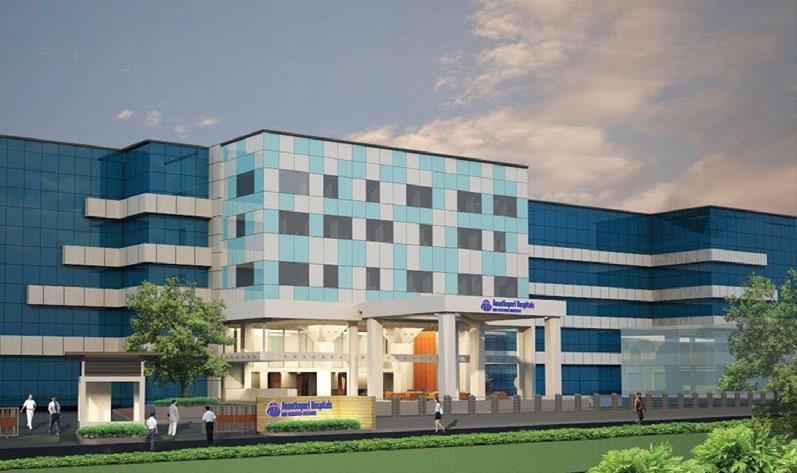
houses advanced medical infrastructure and specialized facilities, including a modern 30-bed Neonatal and Paediatric ICU complex. As part of its expansion programme, the hospital has strengthened several key departments to meet evolving healthcare demands. The Department of Obstetrics and Gynaecology has been enhanced with a dedicated Infertility Unit, while the Cardiology Centre now offers advanced Cardiac Electrophysiology services capable of treating complex heart rhythm disorders and cardiac emergencies. The Department of Nephrology has also expanded its services to include Kidney Transplantation, further strengthening AHRI’s position as a comprehensive tertiary and quaternary care centre. Today, Ananthapuri Hospitals has a bed strength of more than 450 beds, supported by 13 state-of-the-art intensive care units and 10 modern operating theatres. The hospital is equipped with advanced diagnostic and treatment technologies and is backed by a highly experienced team of doctors, nurses, and healthcare professionals. Many departments are led by distinguished medical experts, including retired Heads of Departments from leading medical colleges. AHRI was initially certified by ISO and later accredited by NABH, reflecting its commitment to maintaining high standards of healthcare delivery. The hospital has earned a strong reputation for handling complex and high-risk cases, particularly in accident and trauma care involving head injuries and cardiac emergencies. Guided by its founding philosophy, the hospital remains committed
to ensuring that no patient is denied treatment due to financial constraints, with support extended on a case-by-case basis. Through its dedication to clinical excellence, compassionate care, and continuous advancement, Ananthapuri Hospitals and Research Institute continues to play a significant role in shaping the future of healthcare in Kerala and beyond. See Advt in Page 035
Arya Vaidya Sala, Kottakkal (AVS)
P.O. Kottakkal, Malappuram - 676 503 Ph: +91 483 2808000, 2742216
Email: mail@aryavaidyasala.in Web: www. aryavaidyasala.com

Arya Vaidya Sala (AVS) is a more than 122 years old Charitable Trust engaged primarily in the practice and propagation of the Indian traditional health care system of Ayurveda. It was established at Kottakkal in 1902 by the illustrious visionary, Vaidyaratnam P.S. Varier. Started essentially as a village clinic, Arya Vaidya Sala has now grown into a multi-unit, multi-disciplinary and multi-crore Organisation with significant presence in clinical service, medicine manufacture, drug distribution, research, education, medicinal plant cultivation and book publication. There are four Hospital facilities being run by AVS at Kottakkal (2 nos.), Delhi and Kochi where all the classical Panchakarma therapies and the reputed Kerala special therapies are made available to patients under modern hospital set-up. The Hospitals at Kottakkal, Kochi and Delhi have received NABH accreditation. Patients from every part of the world come and stay at these Hospitals to receive palliation from grave conditions of illness. The main wing of Arya Vaidya Sala’s charitable activities, the 160 bedded Charitable Hospital at Kottakkal, has completed 100 years of its service to humanity. The hospital provides both Ayurvedic and Allopathic treatments including medicine, therapy, accommodation and food absolutely free of cost to deserving patients. It also operates a Maternity Home, a Panchakarma Ward, a Special OP for Cancer, and psychological problems. More importantly, the Charitable Hospital facility, over the period of time, has expanded its areas of operation. It has become a centre for clinical research. Cancer, diabetes, rheumatoid
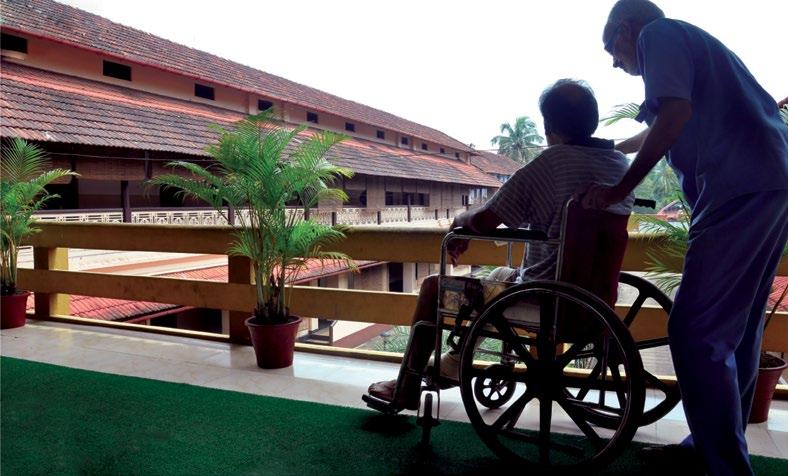
and osteo-arthritis are the areas in which clinical research is being carried out. There is an Ethical Committee and Clinical Research Committee which supervise the research activities. AVS operates three GMP accredited drug manufacturing units at Kottakkal, Palakkad and Nanjangud. The unit at Nanjangud in Karnataka is the latest one which is dedicated to the production of a series of new-generation formulations for addressing the aspirations of contemporary practitioners. More than 600 classical and proprietary formulations are manufactured at these units and they are made available to patients across the country through 26 Branch Clinics and more than 2000 Authorised Dealers as well as other retail outlets. AVS is having overseas presences in GCC countries, South East Asian Countries, USA, Russia and a few countries in Europe. As part of its activities to strengthen the knowledge base of Ayurveda as well as to spread the message of Ayurvedic healing system, AVS is proactively engaged in research and educational efforts. The Centre for Medicinal Plants Research (CMPR), which was inaugurated in 2003 by the then President of India, Dr. APJ Abdul Kalam, is now recognised by the Central Government as a Centre of Excellence. And it is affiliated to the Kannur University as a learning centre. Several collaborative research programmes are undertaken here jointly with ICMR, DBT, AYUSH, etc. Other research activities in progress at AVS pertain to areas of clinical research, process improvement and new drug development. Some of these
programmes have been taken up in collaboration with national apex bodies like DST, DAE, IIT, MAHE, etc. AVS extends financial support to and joins in the management of VPSV Ayurveda College at Kottakkal, which is affiliated to the Kerala University of Health Sciences. Centre for Textual Studies and Publications (CTSP), the publication wing of AVS, publishes a Quarterly Research Journal on Ayurveda, Aryavaidyan apart from bringing out reference manuals and other texts in Malayalam, Hindi, Sanskrit and English. The organisation brought out a five volume treatise, Indian Medicinal Plants - A Compendium of 500 Species, between 1993 and 1996. Recently, the CTSP has started transliteration and translation of ancient Ayurvedic texts as well as the conservation and digitisation of old palm-leaf manuscripts. Conducting annual Ayurveda Seminars and other academic events also forms part of activities of AVS directed at propagating the authentic practice of Ayurveda. AVS also has under its wings, the eight-decade-old PSV Natyasangham which is recognised as a leading Kathakali Centre imparting training as well as staging performances. AVS is managed and guided by a Board of Trustees. The nationally reputed Physician and Scholar, Dr. P.K. Warrier led the institution as the Managing Trustee, for sixty seven years. After his demise, Dr. P.M. Varier is the present Managing Trustee. See Advt in Page 021
Aster Medcity
Cheranelloor, P.O. South Chittoor
Kochi - 682 027, Kerala, India Ph: +91 484 6699999 astermedcity@asterhospital.com Web: www.astermedcity.com
Set in a soothingly beautiful 40-acre waterfront campus, Aster Medcity, Kochi is a 670-bed JCI and NABH accredited quaternary care facility with one Multispeciality Hospital and ten dedicated Centres of Excellence in Cardiac Sciences, Neurosciences, Orthopaedics & Rheumatology, Nephrology & Urology, Oncology, Women’s Health, Child & Adolescent Health, Gastroenterology & Integrated Liver Care, Multi-Organ Transplant and Minimal Access Robotic Surgery. One of India’s most advanced healthcare destinations, Aster Medcity lives by its simple promise: We’ll Treat You Well.
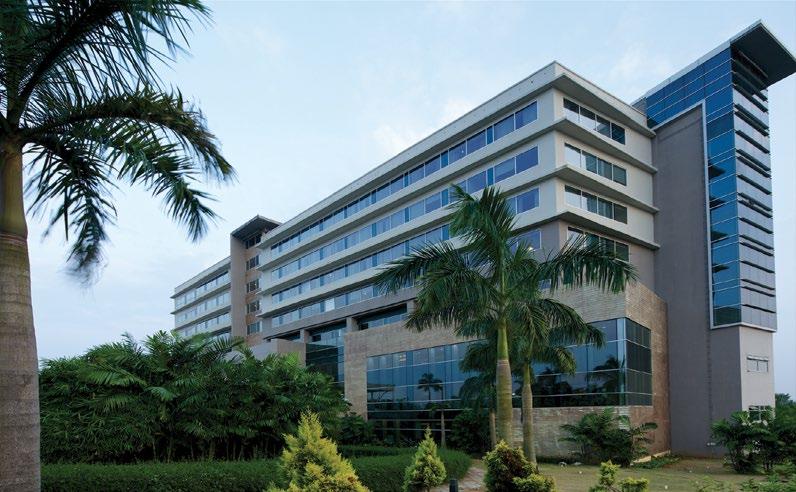
The Multispeciality Hospital at Aster Medcity offers a wide range of specialities including Internal Medicine, General Surgery, 24/7 Emergency Care, Pulmonology, Endocrinology, Aesthetics & Plastic Surgery, ENT, Anesthesia & Critical Care, Dental Sciences, Cranio Maxillofacial Surgery, Ophthalmology, Dermatology, Psychiatry, Clinical Imaging, Interventional Radiology, Nuclear Medicine, Infectious Disease & Infection Control, Pathology, Physical Medicine & Rehabilitation, Pain & Palliative Medicine and Wellness. The emergency wing here, which is one of the largest facilities of its kind in the country, offers integrated emergency services including First Responder Service on motorbikes (bike ambulances), Level 3 ICU ambulances and aeromedical transfer/ retrieval. What sets Aster Medcity apart is its exceptional team of 350+ doctors, who take time out to listen to patients carefully, understand their medical problem holistically and recommend the best way forward. Multidisciplinary in approach, they ensure optimal, evidence-based treatment to patients with the help of an award-winning team of ACLS/BLS/ATLS/PALS certified nurses, dieticians, rehabilitation therapists and qualified technicians. One of the most technologically advanced healthcare facilities in India, Aster Medcity offers a comprehensive range of medical technology to facilitate accurate diagnosis, efficient treatment and unmatched patient care. Spearheaded by Dr. Azad Moopen, Aster Medcity is the flagship initiative of Aster DM Healthcare. See Advt in Page 272
Caritas Hospital & Institute of Health Sciences
P.O. Thellakom
Kottayam - 686 630 Kerala, India
Ph: +91 481 2790025-29
Email: mail@caritashospital.org
Web: www.caritashospital.org

Caritas Hospital Marks 65 Years of Trusted Healthcare in Kerala. Caritas Hospital, a prominent name in Kerala’s healthcare sector, is celebrating 65 years of dedicated service. Established in 1962, the hospital has grown to become a trusted destination for quality medical care, treating nearly seven lakh patients every year. Caritas Hospital & Institute of Health Sciences, administered by Caritas Hospital Trust, is the Cradle of Good Health & Happiness of Knanaya Catholic Archdiocese of Kottayam. With over 300 doctors across 43 specialty departments and a dedicated team of more than 3,000 staff members, Caritas Hospital continues to deliver exceptional care. Its 24-hour emergency department has been a lifeline for countless patients in critical situations. To expand its reach, Caritas operates four satellite hospitals in Kottayam district. These include Caritas Family Hospital, Caritas HDP Hospital, Caritas KMM Hospital, and Caritas Matha Hospital. Together, these hospitals ensure that quality healthcare is accessible to more communities. Over the years, Caritas Hospital has achieved numerous accomplishments in medical care. The hospital has successfully completed over 40,000 interventional cardiology procedures, one lakh endoscopies, 50,000 colonoscopies, and more than 5,000 specialized procedures. It has also performed over 10,000 EEG, NCS, and EMG tests, along with 5,000 neurosurgeries. With more than 45 advanced dialysis machines, the hospital conducts over 50,000 dialysis sessions every year. Marking a significant milestone in advanced surgical care, Caritas has also successfully completed over 200 orthopaedic robotic surgeries, reflecting its commitment to cutting-edge technology and precision medicine. Caritas has also made notable progress in medical education. Its nursing and pharmacy colleges in Kottayam are shaping the future of healthcare professionals. Notably, the pharmacy college has earned ISO 21001:2018 certification for its educational standards. The hospital’s unwavering commitment to quality has earned it several prestigious accreditations over the
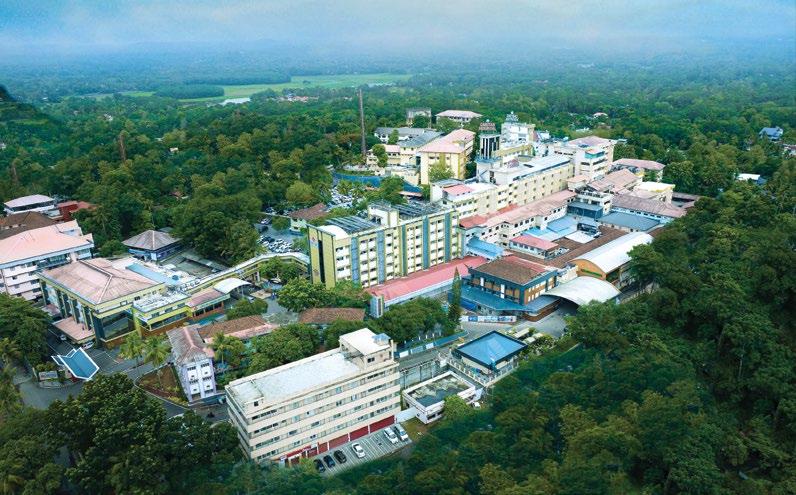
years, including ISO 9001:2015 certification since 2008, NABH accreditation since 2015, NABH Nursing Excellence in 2019, and NABH Digital Health Accreditation in 2024. In 2025, Caritas further strengthened its position in advanced stroke care by receiving the World Stroke Organization’s Diamond Status and securing NABH Certification for Advanced Stroke Centre. In the same year, the hospital was re-accredited as a “Great Place to Work,” reaffirming its employee-friendly and supportive work culture. In 2026, the hospital earned multiple recognitions at the AHPI Awards. These highlight Caritas Hospital’s comprehensive excellence across clinical care, operational efficiency, digital transformation, quality standards, emergency response, and patient-centred services. “Our mission is to provide compassionate and just healthcare to all. We will continue to uphold this commitment while moving forward into the future,” said Rev. Dr. Binu Kunnath, CEO & Director of Caritas Hospital. See Advt in Page 03
Dhanwanthari Ayurveda Bhavan Pvt. Ltd.
Pattambi Road, Nelluvai, Thrissur Ph: 04885 265586, 265641, 98863 41219
Email: dhanwayur@yahoo.com
Web: www.ayurbhavan.com
Dhanwanthari Ayurveda Bhavan Pvt Ltd is a NABH-accredited Ayurveda hospital that stands as a beacon of holistic healthcare,
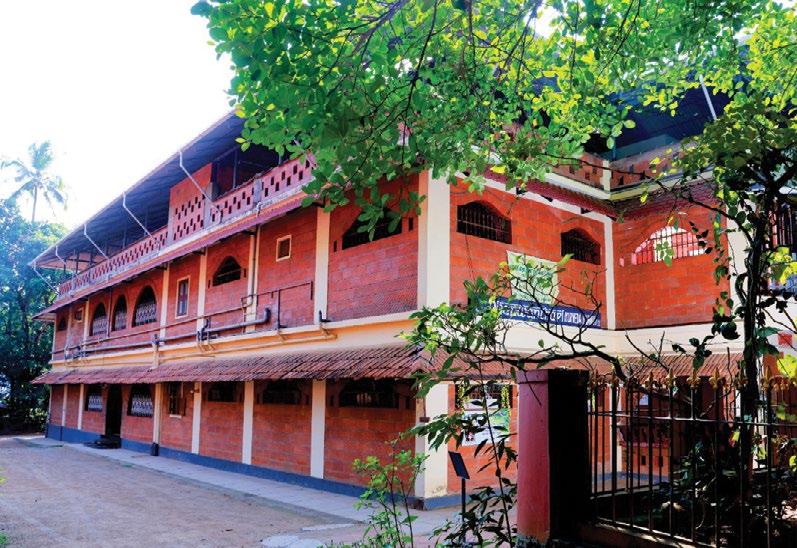
blending traditional Ayurvedic wisdom with modern scientific advancements. Nestled in a serene village, this center harmonizes nature with human biological systems, offering a space for individuals to refresh, rejuvenate, and revitalize their body and mind. Rooted in the fundamental principles of Ayurveda, which considers man an inseparable part of the universe, the hospital upholds the belief that the mind is the primary source of all diseases. At Dhanwanthari Ayurveda Bhavan, authentic and scientific Ayurveda is practiced with unwavering purity, with diagnoses based on the traditional methods of thridosha, prakrithi, and nadipareeksha. Treatments, including Panchakarma and Swedakriyas, are carefully tailored to individual constitutions under the supervision of experienced physicians, ensuring a holistic healing experience. Special treatments for ailments such as rheumatic disorders, skin diseases, ENT problems, women’s health issues, and infertility are provided, while patients are also guided through Yoga, Pranayama, and meditation to achieve mental and spiritual well-being. The hospital’s philosophy is deeply intertwined with the divine blessings of Lord Dhanwanthari, the originator of Ayurveda and an incarnation of Lord Vishnu, who is believed to have imparted the sacred knowledge of Ayurveda to humankind. In line with this, the Lord Dhanwanthari Ayurveda Trust is dedicated to spreading the essence of Ayurveda through both material and spiritual
approaches, actively promoting its principles within society with the support of Dhanwanthari Ayurveda Bhavan. A magnificent 24-foot statue of Lord Dhanwanthari, representing the 24 cosmic principles described in Ayurveda and Samkhya Shastra, was completed in just six months under the skilled craftsmanship of artist Biju Elavally from Thrissur. Inaugurated on November 10, 2024, after a grand 12-day Dhanwanthari homam and Pavithreekaranam ritual, where water from 24 holy rivers was poured by 24 Ayurvedacharyas, this statue is believed to be the largest Dhanwanthari statue in the world. Further enriching the center’s commitment to Ayurveda, a one-acre herbal garden flourishes with rare medicinal plants, including Somalatha and Sami, alongside Nakshatra Vana and Rasi Vana. The ‘Thodiyile Chedi’ program, initiated by Dhanwanthari Ayurveda Bhavan in collaboration with CCTV Kunnamkulam, has brought attention to the medicinal significance of over 365 plant species, guided by the expertise of Dr. C.M. Sreekrishnan. The success of this initiative has led to the garden being honored with the title “Thodiyile Chedi.” To symbolize the unity in diversity of Ayurveda, a unique representation of the Indian map was crafted in the garden using soil collected from various states by Ayurveda doctors on November 10, 2024, under the ‘Ayurbharath’ initiative, further reinforcing the institution’s commitment to holistic healing and cultural unity. See Advt in Page 045
Dr. Moopen’s Academy
Naseera Nagar, P.O. Meppadi Wayanad - 673577 Kerala, India
Ph: +91 4936 287000 medicalcollege@drmoopensmc.ac.in Web: www.drmoopensmc.ac.in
The Visionary Foundation. High in the emerald, mist-laden hills of Wayanad, Kerala, a quiet revolution in medical education is unfolding. Dr. Moopen’s Academy, an initiative of the DM Education and Research Foundation, serves as the physical manifestation of a lifelong dream held by Dr. Azad Moopen. As the architect behind Aster DM Healthcare - a global giant spanning eight countries
- Dr. Moopen’s true legacy lies in his commitment to “paying it forward.” By establishing this academy, he has created a sanctuary where the next generation of doctors, nurses, and pharmacists are forged, bridging the gap between world-class expertise and rural healthcare needs. A Decade of Academic Excellence: At the heart of the academy is Dr. Moopen’s Medical College, which has spent the last decade rewriting the narrative of rural medicine. It holds the proud distinction of being the first medical college in a tribal district in Kerala and the first rural hospital in North Kerala to achieve NABH accreditation. This pursuit of excellence extends across its sister institutions: Dr.Moopen’s Nursing College (est. 2014) and Dr.Moopen’s College of Pharmacy (est. 2016). Together, these institutions form a multidisciplinary ecosystem that doesn’t just grant degrees but cultivates “global professionals” equipped to handle the complexities of modern medicine. The Nexus of Innovation and Research: What truly elevates Dr. Moopen’s Academy is its refusal to remain static. It is a vibrant hub for the “Medicine of Tomorrow.” Through the Aster Research Foundation & DSRI, the academy pushes the boundaries of translational research. Most notably, it houses the BioNEST Bio-incubator - the first of its kind in an independent Indian medical college. Here, students and researchers dive into the frontiers of AI, Digital Health, IoT, and Bioinformatics. By integrating these high-tech labs with superspeciality clinical departments, the academy ensures that patients in the tri-state region receive care that is as innovative as it is compassionate. A Heart for the Community: The academy’s mission extends far beyond the sterile walls of its laboratories. It is deeply interwoven with the social fabric of Wayanad and beyond. Through Aster Volunteers, the academy participates in a global CSR movement that has touched over 4 million lives. Even the environment is treated with clinical care; the Naseera Botanical Garden stands as a lush sanctuary for local flora, offering a unique educational space for both students and the public. In this unique corner of Kerala, Dr. Moopen’s Academy is proving that the future of healthcare is not just about technology - it is about the harmony of education, community, and the environment. The Key Highlights: The Global Backbone - Supported by Aster DM Healthcare’s network of 377 facilities and 20,500+ employees. Pioneering Spirit - The first medical college in a Kerala tribal district. Future-
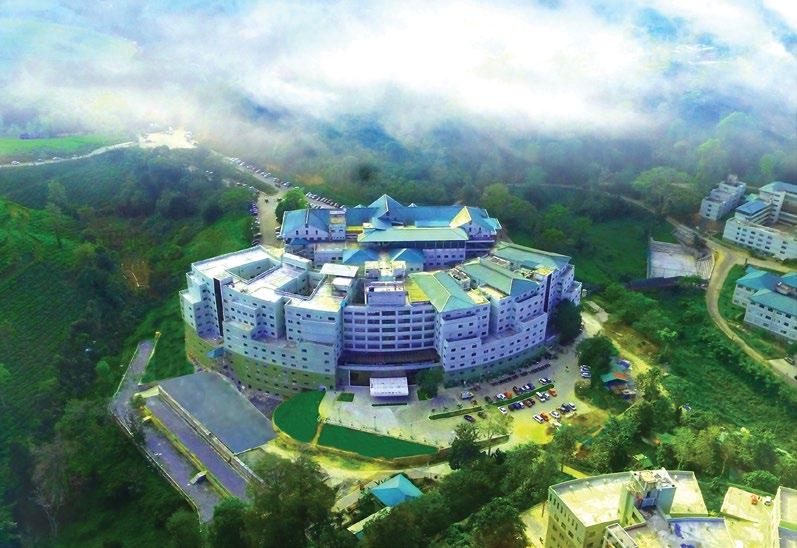
Ready - Home to the first BioNEST Bio-incubator in a standalone Indian medical college. Social Impact - Part of a network that has impacted 4 million+ lives via Aster Volunteers. See Advt in Page 025
Ernakulam Medical Centre
NH Bypass, Palarivattom
Kochi - 682 028, Kerala, India
Ph: +91 484 4507000, 2907000
Email: mail@emccochin.com
Web: www.emccochin.com
41 Years of Compassionate Care. For over four decades, Ernakulam Medical Centre (EMC) has stood as a pillar of excellence in healthcare, touching countless lives with compassion, commitment, and clinical expertise. Established in 1985 as a modest 50-bed hospital, EMC has grown into one of Kerala’s leading multi-specialty hospitals, offering a comprehensive range of advanced medical services across diverse specialties. At the core of EMC’s clinical excellence are its Centres of Excellence, dedicated to delivering specialized, highquality care across major medical disciplines. Obstetrics, Gynaecology & IVF: The department offers comprehensive women’s healthcare, including expert management of high-risk pregnancies with advanced foetal monitoring and safe, personalized delivery care. It provides
comprehensive fertility evaluation and advanced reproductive treatments, including IVF, helping aspiring parents achieve successful outcomes. The team also performs minimally invasive gynaecological procedures, ensuring safer surgeries, quicker recovery, and holistic care for women at every stage of life. Paediatrics & Neonatology: The department provides a seamless continuum of care from birth through childhood, with specialized attention to premature and low birth weight babies and the management of neonatal complications. Equipped with advanced newborn monitoring systems and modern treatment facilities, the team ensures comprehensive, compassionate, and expert care for infants and children at every stage of early life. Oncology: The department delivers comprehensive cancer care through a multidisciplinary approach, focusing on prevention and early detection alongside accurate diagnosis. Patients benefit from personalized treatment plans tailored to their specific condition, with the integration of advanced therapies to ensure effective, evidence-based, and compassionate care throughout every stage of treatment and recovery. Neurology & Neurosurgery: The department offers advanced diagnosis and comprehensive treatment for a wide range of neurological conditions, including stroke, epilepsy, movement disorders, neuropathies, brain tumours, and spinal disorders. With state-of-the-art diagnostic facilities and expertise in minimally invasive neurosurgical procedures, the team ensures precise intervention, improved outcomes, and compassionate, patientcentred neurological care. Orthopaedics: The department provides specialized musculoskeletal care, including total knee replacement, comprehensive fracture management, and minimally invasive orthopaedic surgeries that promote faster recovery and improved mobility. With dedicated expertise in paediatric orthopaedics, the team ensures precise diagnosis, advanced surgical techniques, and patient-focused rehabilitation for individuals of all age groups.
Cardiology: Supported by a state-of-the-art Cath Lab, the department provides advanced interventional cardiology services along with precise diagnostic evaluation and effective treatment for a wide spectrum of heart diseases. With modern technology and expert cardiologists, EMC ensures timely intervention, improved cardiac
outcomes, and comprehensive heart care. Nephrology & Urology: The department offers specialized care for kidney diseases, urinary tract disorders, and male reproductive health concerns. With expertise in managing Chronic Kidney Disease (CKD) and providing advanced dialysis services, the team ensures comprehensive evaluation, precise treatment, and continuous care for patients with renal and urological conditions. Gastroenterology: The department provides comprehensive evaluation and treatment for a wide range of digestive disorders, supported by state-of-the-art diagnostic and therapeutic technologies. With advanced endoscopic procedures and expert clinical care, the team ensures accurate diagnosis, effective treatment, and improved gastrointestinal health for patients. General & Paediatric Surgery: The department offers a broad spectrum of surgical services, including advanced laparoscopic procedures, hernia repairs, and comprehensive gastrointestinal and abdominal surgeries for both adults and children. With expertise in managing surgical emergencies, the team ensures safe interventions, precise techniques, and compassionate perioperative care. General Medicine: The department provides expert management of diabetes, hypertension, infectious diseases, and a wide range of chronic and acute medical conditions. With a strong focus on accurate diagnosis, preventive care, and long-term disease management, the team ensures comprehensive, patient-centred medical care for individuals across all age groups. Dermatology: The department offers advanced medical and aesthetic dermatological care, including PRP (PlateletRich Plasma) and GFC (Growth Factor Concentrate) therapies for hair restoration and skin rejuvenation. With expertise in managing various skin conditions and promoting effective wound healing, the team combines clinical precision with modern techniques to deliver safe, result-oriented skin and hair treatments. Endocrinology: The department provides specialized care for diabetes, thyroid disorders, obesity, and a wide range of metabolic and hormonal conditions. With a focus on accurate diagnosis, personalized treatment plans, and long-term monitoring, the team ensures effective hormone balance, metabolic control, and improved overall health outcomes. Pulmonology: The department provides comprehensive respiratory care, including expert management of
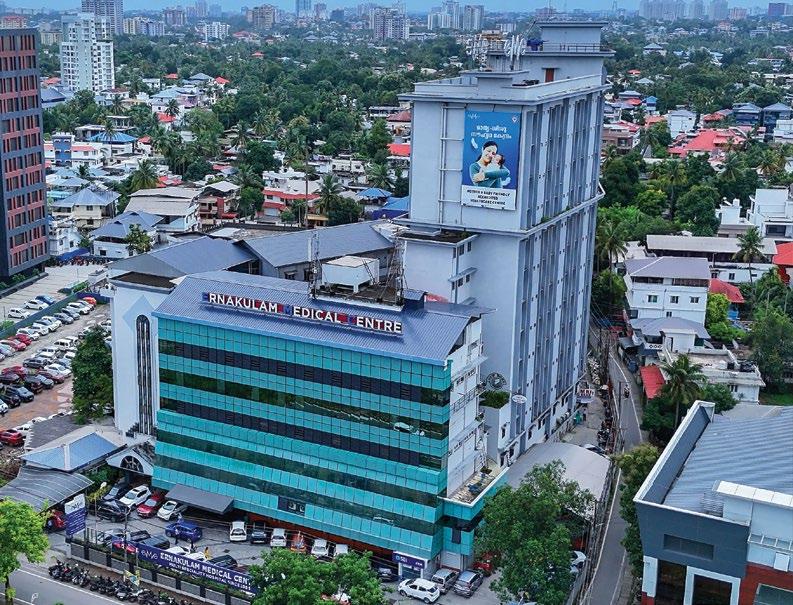
asthma and COPD, along with thorough evaluation through pulmonary function tests and advanced diagnostics for lung diseases. With facilities for bronchoscopy and specialized treatment protocols, the team ensures accurate diagnosis, effective therapy, and improved respiratory health outcomes. Advanced Critical & Emergency Care: EMC provides 24/7 Emergency and Trauma Care with round-theclock services dedicated to rapid stabilization, advanced diagnostic support, and immediate life-saving interventions. Backed by skilled critical care specialists, modern monitoring systems, and fully equipped emergency facilities, the department ensures timely, decisive, and comprehensive care for all medical and surgical emergencies. Multidisciplinary Intensive Care Unit (MICU): The MICU provides continuous, round-the-clock monitoring for critically ill patients, supported by advanced life-support systems and cuttingedge critical care technology. Led by dedicated intensivists and a highly trained multidisciplinary team, the unit ensures comprehensive, evidence-based care with constant vigilance, timely interventions, and compassionate support for patients and their families during critical medical situations. Neonatal Intensive Care Unit (Level 3 NICU): The Level 3 NICU is equipped with advanced incubators,
ventilators, and sophisticated monitoring systems to provide the highest level of care for critically ill and premature newborns. Supported by dedicated neonatologists and paediatric specialists, the unit delivers specialized neonatal care with round-the-clock monitoring, ensuring timely interventions, optimal recovery, and compassionate support for families during the most delicate stages of life. Burns Intensive Care Unit (BICU): The Burns Intensive Care Unit provides specialized management for patients with burn injuries, supported by advanced wound care protocols and comprehensive pain management strategies. With access to reconstructive surgical options and dedicated multidisciplinary expertise, the unit ensures meticulous treatment, infection control, functional recovery, and compassionate rehabilitation for patients with complex burn conditions.
Accreditations & Achievements:
Ernakulam Medical Centre (EMC) has earned prestigious recognitions that reflect its unwavering commitment to quality, safety, and clinical excellence. The hospital is accredited by the National Accreditation Board for Hospitals & Healthcare Providers (NABH), affirming adherence to world-class healthcare standards and patient safety protocols. EMC is also recognized under the Mother and Baby Friendly Hospital Initiative (MBFHI) for excellence in maternal and neonatal care practices, and the Age Friendly Healthcare Initiative (AFHI), highlighting its commitment to specialized and compassionate elderly care. In addition, EMC is accredited for Diplomate of National Board (DNB) postgraduate training in Gynaecology, Paediatrics, Anaesthesiology, General Medicine, and Orthopaedics, underscoring its role as a centre for academic excellence and advanced medical education. The guiding vision of our founders, Late Shri T.A. Velunny and Late Shri C.I. Gopalan, laid the strong foundation for EMC’s enduring journey of excellence in healthcare. Their commitment to ethical practice, patient-centred care, and community service continues to inspire the institution’s growth and values. Today, under the dynamic leadership of our distinguished board of directors, headed by Dr. T.V. Ravi and Dr. C.G. Raghu, EMC advances with renewed focus on innovation, integrity, and compassion, consistently striving to elevate healthcare standards while remaining true to its legacy of service. See Advt in the Back Cover
G. Kuppuswamy Naidu Memorial Hospital
P.B. No. 6327, Nethaji Road
Pappanaickenpalayam
Coimbatore - 641 037, Ph: 0422 430 5212
Email: gknmh@gknmhospital.org
Web: www.gknmhospital.org
GKNM Hospital, 73 Years of Compassion and Innovation in Healthcare, Coimbatore. G. Kuppuswamy Naidu Memorial Hospital (GKNM), the city’s oldest private hospital, continues to stand tall as a beacon of healthcare excellence. Founded in 1952 as a maternity and child care centre, the institution has grown into a 750-bed, state-of-the-art, multi-disciplinary super-specialty hospital, redefining patient-centric care for over seven decades. Born from the vision of philanthropist
G. Kuppuswamy Naidu and nurtured under the Kuppuswamy Naidu Charity Trust for Education and Medical Relief, GKNM embodies its mission - “We Care. And it shows.” In a landmark move, GKNM hospital Integrated Out-Patient Centre is recognized by Asia book of records as the Asia’s Largest Integrated Out-patient centre, housing 30+ medical departments, 250+ doctors, and facilities for same-day surgical procedures. Complementing modern medicine, the centre also offers Yoga, Naturopathy, Acupuncture, reflecting a holistic approach to wellness. Supported by advanced diagnostic technology and systems like the Da Vinci robotic surgery platform, the hospital continues to lead in clinical innovation and patientcentered care. Over the years, the hospital has pioneered several firsts in Tamil Nadu, including the establishment of a dedicated Cancer Centre with research facilities, benefiting nearly 2 lakh patients. The hospital has facilitated more than 1.5 lakh childbirths, touching countless families across generations. Its cardiac expertise remains unmatched, with over 1,50,000 cath lab procedures and 50,000 cardiac surgeries successfully performed - a testament to its clinical excellence, advanced infrastructure, and highly experienced medical teams. It also performed the state’s first heart transplant under the Tamil Nadu CMCHIS scheme. Today, GKNM is recognized as a Advanced Stroke Centre, offering ultrafast CT and MRI services, round-the-clock expert care, and integrated rehabilitation facilities. Significantly, the hospital has also been accredited as an Advanced Stroke Centre by the Quality Accreditation of India, underscoring
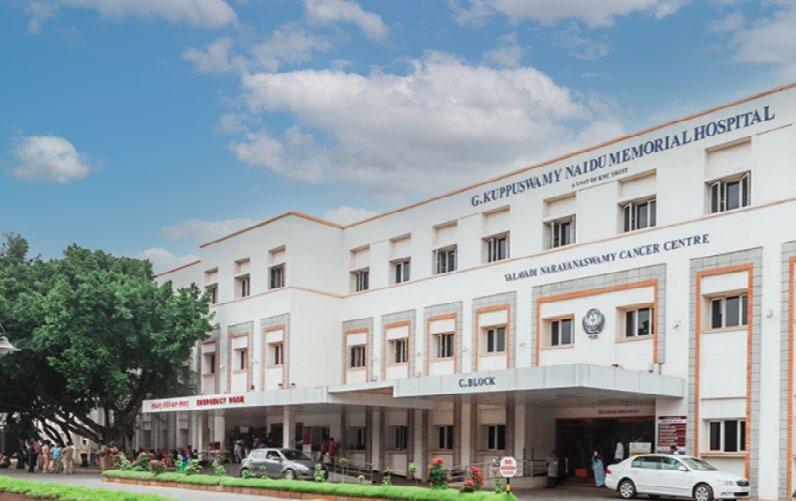
its leadership in stroke management and emergency neurological care. GKNM’s Home Healthcare program brings professional medical care directly to patients’ homes, ensuring comfort, convenience, and continuity of care. Extending its mission beyond hospital walls, GKNM Hospital actively delivers healthcare access to underserved communities through structured rural outreach programs. From neonatal to geriatric care, from rural screening camps to cutting-edge tertiary services, GKNM Hospital has remained steadfast in its mission - blending compassion with innovation, and trust with excellence. As it celebrates 73 years of service, the institution continues to set new benchmarks in healthcare delivery, reaffirming its place as Coimbatore’s most preferred healthcare destination. See Advt in Page 09
GG HOSPITAL
Murinjapalam
P.O. Medical College
Trivandrum - 695 011 Ph: +91 471 2779100 Mob: +91 88911 98222 head-marketing@gg-hospital.com Web: www.gg-hospital.com
In the heart of Thiruvananthapuram at Murinjapalam, GG Hospital has emerged as one of South Kerala’s fastest-growing quaternary
care super specialty institutions, delivering advanced, protocoldriven healthcare with a patient-centric approach. Established under the leadership of Shri Gokulam Gopalan with the vision of creating a corporate healthcare destination accessible to the common man, the NABH-accredited hospital operates with the motto “Love and Care to Humanity” and has made a remarkable impact within a short span of ten years. Carrying this vision forward is Dr. Sheeja G. Manoj, Managing Director of GG Hospital. With a leadership style rooted in trust, compassion, and innovation, she has been instrumental in shaping a model of corporate healthcare designed for ordinary families. Under her stewardship, the hospital has strengthened patient-centric systems, enhanced quality standards, and fostered a culture where clinical precision is matched by empathy. Her focus remains clear - to ensure that every patient feels heard, supported, and confident in the care they receive. The 260-bed facility is equipped with major operation theatres, fully developed emergency and dialysis departments, a comprehensive chemotherapy unit, labour rooms, and day care services, supported by infection-controlled Intensive Care Units including Medical, Surgical, Cardiac, Neonatal and Paediatric ICUs managed by trained intensivists and nursing teams. GG Hospital’s Centres of Excellence span Gastro and Liver Care with 24x7 interventional endoscopy and successful liver transplant surgeries, comprehensive Medical and Surgical Oncology including paediatric oncology, advanced Orthopaedics and Joint Replacement, and a highly specialized ENT, Head & Neck and Skull Base Surgery department known for cochlear implant procedures. The institution also delivers super specialty care in Cardiology, Cardiothoracic Surgery, Neurology, Neurosurgery, Nephrology, Urology, Vascular Surgery, Endocrinology, Rheumatology, Plastic and Reconstructive Surgery, Spine Surgery and Transplant Medicine. Broad specialties such as Emergency Medicine, General Medicine and Surgery, Obstetrics and Gynaecology, Radiodiagnosis, Respiratory Medicine, Psychiatry, Dermatology, Dentistry and Physiotherapy ensure holistic care, further strengthened by dedicated clinics for breast screening, infertility, stroke, diabetes, respiratory conditions and child development. Advanc ed technology underpins its clinical excellence, including a Siemens Artis Zee Cardiac Cath
Lab for precision cardiac interventions and AI-powered 3 Tesla MRI alongside India’s first Helium-free 1.5 Tesla MRI, enhancing diagnostic accuracy in neurology, spine, joints and abdominal imaging. With integrated laboratory services covering biochemistry, haematology, microbiology, pathology and molecular biology, and strict adherence to international protocols, GG Hospital continues to position itself as a comprehensive healthcare destination for both domestic and international patients. See Advt in Page 019
KIMSHEALTH
Corporate Office:
PB No 1, P.O. Anayara Trivandrum - 695 029 Kerala, India
Ph: +91 471 2941000, 2941400
Email: relations@kimshealth.org Web: www.kimshealth.org
A Holistic Healthcare Destination. KIMSHEALTH, headquartered in Trivandrum, Kerala, began its journey in 2002 with a clear mission - to deliver quality healthcare that combines advanced medical expertise with compassion and affordability. What started as a 250-bed multispecialty hospital has evolved into one of India’s most respected private healthcare networks, offering quaternary-level
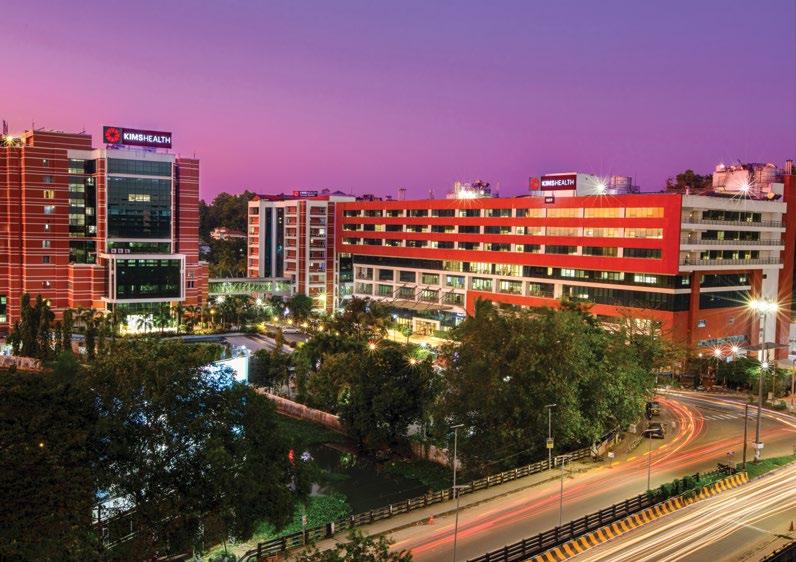
medical care. Guided by the vision of its Chairman and Managing Director, Dr. M.I. Sahadulla, KIMSHEALTH has grown beyond regional boundaries to become a healthcare brand synonymous with clinical excellence, patient safety, and ethical medical practice. Over the past two decades, KIMSHEALTH has expanded its footprint across India and the Middle East, transforming lives through world-class healthcare delivery. KIMSHEALTH Trivandrum offers a full spectrum of medical and surgical specialties supported by cutting-edge technology, multidisciplinary expertise, and a patientcentric approach. The hospital provides 24x7 emergency, trauma, and critical care services supported by advanced diagnostic and imaging facilities. KIMSHEALTH offers a comprehensive range of advanced medical services across multiple specialties, ensuring holistic and patient-centric care. Its key specialties include Adult and Paediatric Cardiac Sciences, Orthopaedics and Joint Replacement, and Neurology and Neurosurgery, supported by expertise in Medical and Surgical Gastroenterology. The institution is also well-equipped in Oncology, encompassing Medical, Surgical, and Radiation disciplines, along with robust Critical Care services. Further strengthening its clinical spectrum are Nephrology and Urology, Respiratory Medicine, Obstetrics and Gynaecology, and Paediatrics and Neonatology. In addition, KIMSHEALTH provides
specialized care in Plastic and Reconstructive Surgery, ENT, Ophthalmology, and Dental Sciences, complemented by advanced Interventional Radiology services, making it a leading destination for comprehensive healthcare. The hospital also runs advanced programs in multi-organ transplantation, robotic-assisted surgery, and minimally invasive procedures. Its dedicated Rare Disease and Genetics Clinic demonstrate KIMSHEALTH’s commitment to pioneering niche medical services. KIMSHEALTH’s growing presence in India reflects its commitment to accessibility and continuity of care. KIMSHEALTH Trivandrum - Flagship quaternary care hospital, KIMSHEALTH Kollam - Multispecialty hospital serving the southern districts, KIMSHEALTH Kottayam - Advanced secondary care and diagnostics, KIMSHEALTH Perinthalmanna - Tertiary care with strong community outreach, KIMSHEALTH Nagercoil - Advanced multi-speciality hospital in Tamil Nadu, Medical Centres - Located across Kerala to extend preventive and primary healthcare. Together, these facilities form a seamless referral and support network, ensuring consistent standards of care across all units. Clinical excellence is the cornerstone of KIMSHEALTH’s operations. The hospital’s team of highly qualified consultants, nurses, and allied professionals work collaboratively to deliver evidence-based, outcome-oriented medical care. The Trivandrum campus houses over 850 beds and is equipped with advanced operating theatres, hybrid cath labs, neonatal and adult ICUs, and sophisticated laboratory and imaging services. KIMSHEALTH has achieved remarkable success in complex cardiac surgeries, organ transplants, and cancer treatments with survival rates comparable to global benchmarks. Regular clinical audits, training programs, and continuing medical education initiatives ensure that every department operates at the highest standards of medical ethics and efficiency. KIMSHEALTH Trivandrum is among the first hospitals in India to receive dual international accreditationsfrom the National Accreditation Board for Hospitals & Healthcare Providers (NABH) and the Australian Council on Healthcare Standards International (ACHSI). This commitment to quality is woven into every aspect of hospital operations, from patient safety protocols and infection control to information management and environmental sustainability. Continuous monitoring, data-driven
performance indicators, and patient feedback loops drive the hospital’s culture of excellence and improvement. KIMSHEALTH Trivandrum is a preferred destination for international patients from the Middle East, Africa, South Asia, and beyond. The hospital’s dedicated International Patient Relations Team provides end-to-end assistance, including: Medical visa facilitation and travel support, Airport transfers and accommodation coordination, Telemedicine - dedicated translators and concierge services, Cultural, dietary, and spiritual support. With personalized care and transparent pricing, KIMSHEALTH ensures that every international patient experiences world-class treatment with the warmth and hospitality that Kerala is known for. As KIMSHEALTH continues to expand its network and service portfolio, it remains committed to its founding principles - quality, affordability, ethics, and compassion. Through innovation, research, and education, KIMSHEALTH Trivandrum strives to shape the future of healthcare delivery, making advanced medical care accessible to all. “Our vision is to bring healthcare of international standards within the reach of every individual, guided by compassion, competence, and commitment.” - Dr. M.I. Sahadulla, Group Chairman & Managing Director. See Advt in Page 07
Little Flower Hospital and Research Centre
Angamaly - 683 572 Kerala, India
Ph+ 91 484 2675000
Email: enquiry@lfhospital.org
Web: www.lfhospital.org
Nestled in the serene city of Angamaly, Kerala, Little Flower Hospital & Research Centre stands as a beacon of healing, hope, and excellence in healthcare. Established in 1936 by the Archdiocese of Ernakulam - Angamaly and named in honour of St. Theresa of Lisieux, affectionately known as “The Little Flower,” the hospital has grown into an NABH-accredited, multi-specialty teaching institution serving patients across Kerala and beyond. Under the transformational leadership of Director, Fr. Jacob G Palackappilly, the hospital continues to uphold its founding mission of compassionate, affordable, and high-quality healthcare. Covering the broad spectrum of disciplines
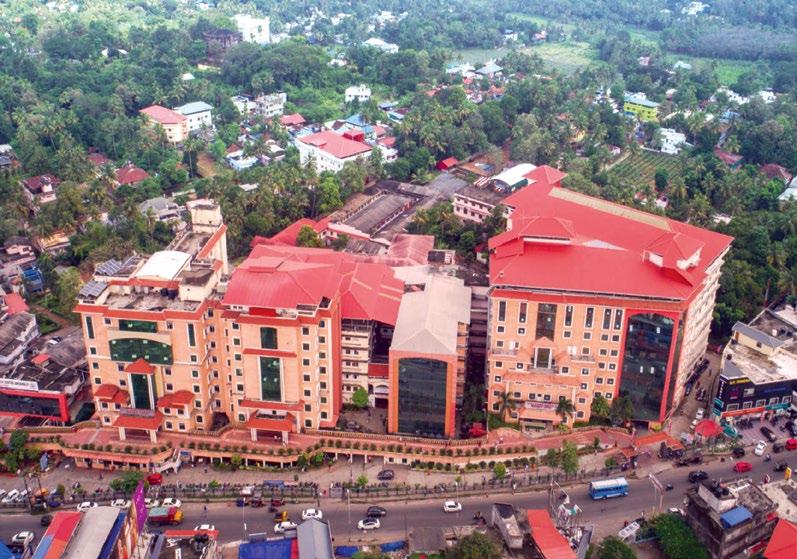
from Internal Medicine to Transplant Surgeries, it continues to remain at the forefront of medical excellence and innovation. Little Flower Hospital offers an extensive range of specialties and super-specialties, delivering integrated healthcare under one roof. The hospital is equipped with advanced infrastructure, including multiple state-of-the-art Operation Theatres with transplant facilities, three most modern Cathlabs at the Heart Care Centre, fully equipped 24×7 Emergency Department, well-established Intensive Care Units, and comprehensive Nephrology care including Dialysis. With modern critical care units and specialised departments in Cardiology, Cardiothoracic Surgery, Neurology, Neurosurgery, Nephrology, Oncology, Urology, Ophthalmology, Orthopedics and Joint Replacements, Dermatology and Cosmetology, Obstetrics and Gynaecology including Reproductive Medicine, Gastroenterology, Pulmonology and more, the institution ensures seamless, multidisciplinary patient care supported by highly skilled and qualified professionals. The Department of Ophthalmology, established in 1964 and celebrated its Diamond Jubilee, is one of the premier eye care centres in India. Offering comprehensive services including LASIK and refractive surgeries, contact lens clinic, low vision care, prosthetics, and a full-fledged optical division, it is supported by a 56-year-old Eye Bank and over 30 clinical speciality departments.
Through the LF Institute of Ophthalmology, the hospital also conducts DNB and fellowship programs, contributing significantly to academic excellence in eye care. Little Flower Hospital proudly celebrates over 50 years of Antivenom Treatment services, a multidisciplinary life-saving initiative involving Emergency Medicine, Critical Care, and allied specialties. This pioneering service has played a crucial role in the effective management of snake envenomation cases, serving thousands of patients across the region and reinforcing the hospital’s commitment to community health. The hospital’s Diagnostic Division stands as a pillar of precision and reliability. The Radiology Division, including Interventional Radiology, offers advanced imaging and minimally invasive procedures such as angiography, angioplasty, embolisation, tumor ablation, vertebroplasty, and other image-guided interventions. The Radiology division is equipped with most modern CT Scan, MRI, Ultrasonography and Digital X-Ray units. The Laboratory Division provides comprehensive clinical laboratory services of stringent quality standards with the support of fully automated state-of-the-art equipments. Additional diagnostic facilities include Echocardiography, TMT, CPET, Neurolab, Pulmonary Function Testing (PFT), and other specialised investigative services, ensuring accurate and timely diagnosis across specialties. As a premier teaching institution, Little Flower Hospital has made remarkable strides in medical and paramedical education. Through its College of Nursing, School of Nursing, Little Flower Institute of Medical Sciences And Research (LIMSAR), the hospital nurtures future healthcare professionals. The institution proudly offers DNB and Fellowship programs in various specialties, marking significant academic milestones and reinforcing its commitment to advancing medical knowledge and training. Extending its healing mission beyond its main campus, the hospital operates satellite clinics and outreach centres to improve accessibility to quality healthcare. Its annex hospital at Koonammavu and eight Vision Centres across Kerala strengthen community ophthalmology services. As the official Healthcare Partner of Cochin International Airport Limited (CIAL), the hospital ensures immediate and high-quality emergency medical support to travellers and airport personnel. Additionally, LF Saurabhya, the hospital’s wellness village at Ezhattumugham, integrates Yoga, Ayurveda, and Naturopathy, attracting both national
and international visitors. At the heart of Little Flower Hospital lies a philosophy of patient-centric care rooted in compassion, dignity, and holistic healing. Through free medical camps, community outreach initiatives, subsidised treatments, and dedicated services to rural populations, the hospital continues to fulfil its social responsibility with unwavering commitment. As Little Flower Hospital steps into 90 years of dedicated service, it remains steadfast in its mission of spreading the “Fragrance of Compassion.” With a legacy built on trust, excellence, and innovation, the institution continues to illuminate lives - carrying forward nine decades of healing with renewed vision and purpose. See Advt in Front Cover Inside
MAGJ Ayurkshethra
Ayurveda Hospital
P.O. Mookkannoor, Angamaly - 683 577
Ph: +91 90728 50500
Email: ayurkshetramagj@gmail.com
Web: www.magjhospital.org
Web: www.ayurkshethra.com


MAGJ Ayurkshethra Ayurveda Hospital is committed to promoting the benefits of natural healing through Ayurveda, carrying forward a rich legacy of traditional Ayurvedic treatment. The hospital offers a wide range of authentic Ayurvedic therapies for general wellness and disease management under the guidance of highly experienced doctors. With an in-house pharmacy, a comprehensive range of Ayurvedic medicines, and trained Ayurvedic nursing staff available onsite, the hospital ensures holistic and effective care for patients. The hospital is also NABH accredited, reflecting its commitment to maintaining high standards of quality and patient safety in healthcare delivery. MAGJ Ayurkshethra Ayurveda Hospital is a collaborative initiative between MAGJ Hospital and the Ayurkshethra Ayurvedic Group. The Ayurkshethra establishment was founded by Sree Sanku Vaidyar in 1909 and is currently managed by the third generation of the family. Over the years, it has evolved into the Ayurkshethra Group of Companies, delivering excellent Ayurvedic healthcare services in India and abroad. Headquartered in Cherthala, Alappuzha, the Group operates Ayurkshethra Ayurveda Hospitals and has expanded its presence with branches across the world while preserving the
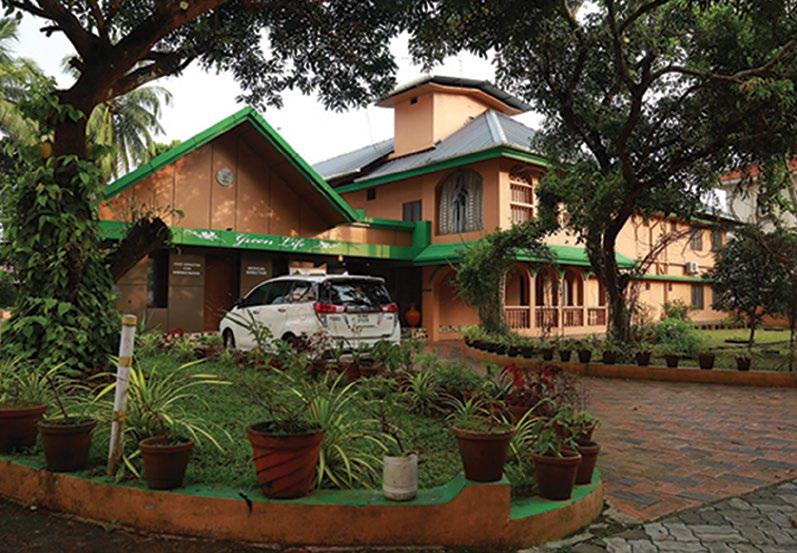
authenticity of traditional Ayurvedic treatment procedures. With more than a century of heritage, the Ayurkshethra Group has integrated traditional Ayurvedic practices with modern healthcare approaches to establish Ayurveda-based multi-speciality hospitals across India. Recognizing the growing demand for authentic Ayurvedic therapies, the Group has also established wellness centres globally. In addition, the Group initiated institutional education through the Ayurkshethra Institute of Ayurveda Medical Science (AIAMS), which has received recognition as the world’s largest paramedical trainer. As part of its social commitment, the Group also launched mobile clinics to serve vulnerable populations in rural areas. Further expanding its presence in Ayurveda and wellness, the Group has established initiatives such as Village Resorts in Cherthala and various charitable foundations. Upholding the traditional knowledge of Ayurveda passed down through generations, the Group continues to advance authentic Ayurvedic treatments and therapies to greater heights. To cater to both national and international patients, the hospital offers well-appointed accommodation including suite rooms, deluxe rooms, and standard rooms situated in serene surroundings. The rooms are equipped with modern amenities to ensure a comfortable stay. Patient meals are prepared strictly according to Ayurvedic dietary guidelines, while bystanders can
enjoy continental, vegetarian, and non-vegetarian cuisine from restaurants within the hospital premises. Additional services such as airport pick-up and drop, sightseeing arrangements, and an international patient desk are also available. See Advt in Page 031
MAGJ Hospital
CST Nagar, P.O. Mookkannoor
Angamaly - 683 577
Kerala, India
Ph.: +91 484 2674300, 8086194300
Email: hr@magjhospital.org
Web: www.magjhospital.org

MAGJ Hospital finds its roots in the visionary endeavours of the Major Archie-Episcopal Congregation of St. Therese of Lisieux, the pioneering Religious congregation of Brothers established within the Syro-Malabar Rite of the Catholic Church in Kerala. Initiated by the esteemed (Late) Mar Augustine Kandathil on March 19, 1931, in Mookkanoor, this congregation has steadfastly dedicated itself to serving the marginalized and underprivileged sectors of society. At its core, the congregation’s mission is to provide care for the impoverished and orphaned, furnish technical education, deliver job-oriented courses for youth, participate in health initiatives, and address a myriad of social, economic, and educational needs for disadvantaged individuals. MAGJ Hospital commenced its journey with modest beginnings, conceived to commemorate the Golden Jubilee of its founder, the late Archbishop Mar Augustine Kandathil’s Priestly Ordination. Since its inception in 1951, the institution has remained steadfast in its commitment to deliver quality healthcare to rural communities, experiencing notable growth and advancement along the way. Presently, MAGJ Hospital stands as a paragon of excellence in healthcare, characterized by cutting-edge facilities and a cadre of highly proficient professionals. The hospital’s specialized departments span a wide array of medical specialties, encompassing Cardiology, Nephrology, Urology, Neurology, Anaesthesiology, Dermatology, General Medicine, General Surgery, Laparoscopic Surgery, Maxillofacial Surgery, ENT,
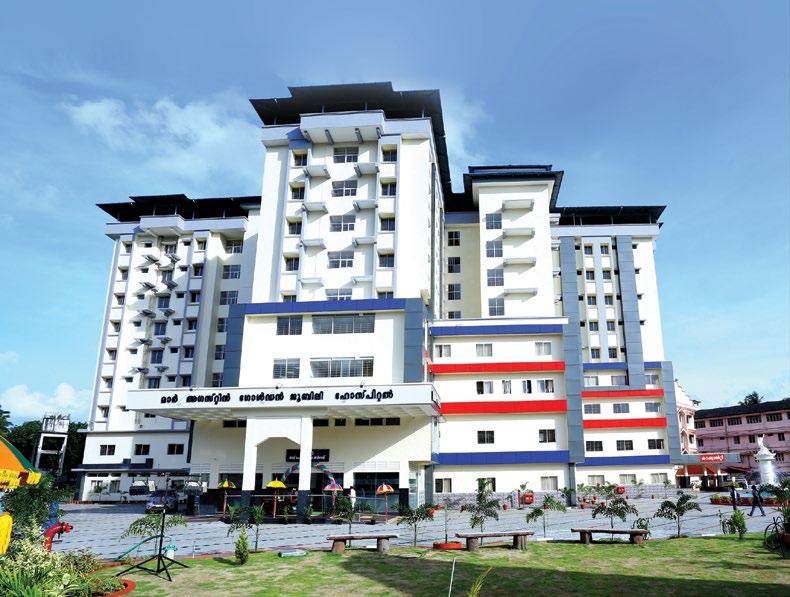
Obstetrics & Gynaecology, Orthopaedics (Sports Medicine, Spine Specialist and Specialist in Hand & Micro Surgery) OrthPaediatrics, Paediatric Endocrinology, Dentistry, Paediatric Dentistry, Psychiatry, Radiology, Haematology, Biochemistry, Microbiology, Pathology, Histopathology, Clinical Nutrition and Dietetics, among others. The hospital has recently inaugurated a fully equipped Catheterization Laboratory with an Interventional Cardiologist, a highly esteemed Radiology Department offering full-time CT scanning services, and a well-appointed outpatient observation area for patient care. This comprehensive range ensures that patients receive tailored, specialized care to meet their unique needs. The hospital’s commitment to excellence is underscored by its round-the-clock services, which encompass Emergency care, Dialysis, State-of-theart Surgical OTs, Modern Labour Room, Hi-Tech Laboratory, Blood Bank, MICU, CCU, NICU, Audiology & Special students council, Pharmacy, CT Scan, CSSD, Physiotherapy, Doctor at Home, Pain & Palliative care, Mortuary, and Ambulance services, among others. Additionally, specialized rehabilitation programs are offered at the Orthosports Rehabilitation & Performance Lab and Geriatric & Rehabilitation Centre, furthering the institution’s holistic approach
to healthcare. Having served the community for over 73 years, MAGJ Hospital has remained dedicated to addressing the medical needs of the populace, extending its services to encompass five Panchayats and a section of Angamaly Municipality. Central to its ethos is a focus on serving the underprivileged, aligning with the vision of its founder. The hospital’s evolution into a multi-specialty facility has been made possible through the collaborative efforts of its dedicated staff, physicians, and the wider community. Each department is staffed with experienced professionals committed to delivering high-quality care and management. MAGJ Hospital aims to ensure the accessibility of its medical facilities to the local community and beyond, at affordable rates. Moreover, plans are underway to equip the facility with state-of-the-art technology and advanced equipment, positioning it alongside leading hospitals nationally and internationally. The institution’s commitment to quality is underscored by its accreditation by the Quality Council of India with NABH Accreditation. Comprehensive patient records are meticulously maintained, facilitating informed decision-making and personalized treatment plans. Leveraging technology and expertise, MAGJ Hospital strives to provide holistic care that addresses the unique needs of each patient. MAGJ Hospital is not just a healthcare institution but a hub of educational excellence. Within its premises, Lisieux College of Paramedical Sciences and Lisieux College of Nursing stand as beacons of learning and service. Lisieux College of Paramedical Sciences, since its inception in 2014, has been dedicated to nurturing warriors of medical laboratory science. With approval from the Kerala Government and Kerala Paramedical Council, the college is affiliated with the prestigious Kerala University of Health Sciences. Its mission goes beyond education; it pledges to foster accessible healthcare and to mold defenders of society. Complementing this endeavour is Lisieux College of Nursing, which embarked on its educational journey in 2022. Affiliated with the Kerala University of Health Sciences, it offers a comprehensive 4-year B.Sc. Nursing program. The college boasts state-of-the-art infrastructure, including smart classrooms and well-equipped labs, fostering holistic learning experiences. In
summary, MAGJ Hospital transcends the role of a mere healthcare provider, emerging as a trusted partner in the journey towards health and wellness. With a legacy of service spanning decades, the institution remains unwavering in its commitment to compassion, integrity, and excellence in all endeavours. See Advt in Page 029
Mar Sleeva Medicity Palai Cherpunkal, Kottayam - 686 584 Kerala, India Ph: +91 4822 269500 promotions@marsleevamedicity.com Web: marsleevamedicity.com
Mar Sleeva Medicity Excelling in Healthcare. Mar Sleeva Medicity Palai, is a healthcare institution that has written new chapters in the field of healthcare in Central Travancore. Within just six years of its establishment, the hospital has risen to the forefront among the leading healthcare institutions in the state. Mar Sleeva Medicity began its journey as a quaternary care hospital under the visionary leadership of His Excellency Mar Joseph Kallarangatt, Bishop of the Diocese of Palai. The vision was to make world-class healthcare accessible to common people. Within a short span of time, the hospital has grown into a trusted centre of excellence, serving patients from across Kerala and beyond. Today, the hospital is not only a centre for modern medical treatment but also a place that offers hope and healing. With modern infrastructure, advanced technology, and the dedicated services of experienced doctors and healthcare professionals, Mar Sleeva Medicity Palai continues to set new benchmarks in healthcare. By combining scientific excellence with compassionate care, the hospital represents a holistic healthcare vision that helps every patient regain health, confidence, and quality of life. The hospital is equipped with advanced facilities capable of delivering world-class treatment. With 650 beds, the institution also operates a 24×7 Trauma and Emergency Care Centre. More than 200 specialist doctors provide services across 60 departments. The hospital also features 12 modern ICU units with a total of 140 beds. A state-of-the-art Burn ICU for treating severe burn injuries, an advanced Cath Lab for
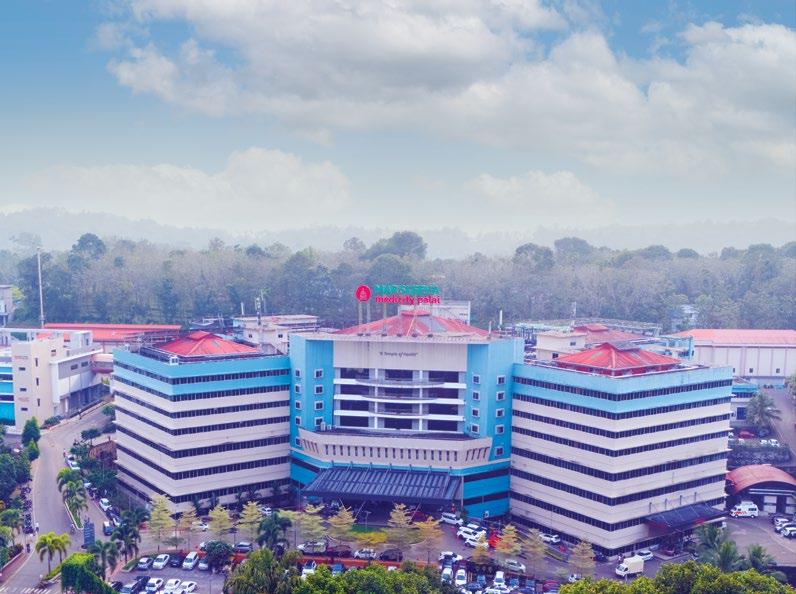
cardiac care, and an Advanced Pediatric ICU with full-time pediatric intensivist services further strengthen the hospital’s excellence in care. Through advanced surgical procedures performed under the supervision of various departments, many patients have been successfully restored to healthy lives. The hospital is distinguished by more than 25 super-specialties and over 30 specialties. Under the leadership of the Nephrology and Urology departments, kidney transplant surgeries are also successfully performed at the hospital. Mar Sleeva Medicity Palai also functions as a 24×7 comprehensive stroke care centre, supported by a dedicated Stroke Care Ambulance. In addition to modern medicine, the hospital also offers a holistic system of care integrating Ayurveda, Homeopathy, Naturopathy and Siddha. To extend hospital care to homes, services such as Home Care, Palliative Care, Telemedicine facilities, and a Help Desk for Senior Citizens are also operational. Under the leadership of the Gynecology Department, a program named “Buds” has been implemented to ensure comprehensive care for mothers during pregnancy and for children up to five years of age. Under the Orthopedics Department, the first Arthroscopy Skill Lab in South India was established at Mar Sleeva Medicity Palai, to enhance surgical skill training for doctors. A Child Development Centre is also
functioning to identify learning disabilities, developmental delays, and related conditions in children at an early stage and provide appropriate interventions. With the establishment of the Mar Sleeva Cancer Care and Research Centre, the hospital has also emerged as a comprehensive cancer treatment centre. Advanced technologies such as a Digital PET-CT capable of detecting cancer within minutes, a Gamma Camera SPECT for precise evaluation of organ function, a Linear Accelerator for advanced radiation therapy to destroy cancer cells, and an Apheresis Machine with Cryopreservation Unit for bone marrow transplant procedures are also operational. By providing unique and patient-centric healthcare experiences, Mar Sleeva Medicity Palai, has firmly secured its place among the leading healthcare institutions in the state. See Advt in Page 02
Metropolitan Hospital
(Trichur Metropolitan Health Care Pvt.Ltd)
Thrissur - 680 007, Kerala Ph: 0487 2425123, 2425142, 2429661
Email: metropolitanh@gmail.com
Web: www.metropolitanhospitaltcr.com

Trichu r, the cultural capital of Keral a is a preferred choice of residence for most people as it offers the best medical care in the state. Metropolitan Hospital is an NABH certified hospital and within a short span of 40 years the hospital has reached the pinnacle of excellence with its commitment to the State-of-the art in health care. This hospital was started in 1986 by a group of doctors, as a non-profit oriented venture with focused and committed service. The aim of the founders of this hospital was to give credible service by providing the best facilities to patients. The success of their dream project is well reflected in the acceptance it has among the people. The dedication of the staff here, to the welfare and wellbeing of the patients is truly praise worthy. The Foundation of the Metropolitan hospital is based on the very essence of life-care, compassion and commitment. The entire staff including well qualified doctors, nursing personnel, paramedical staff and technical experts provide quality health care at affordable rates. The continual process of upgradation ensures patient welfare and satisfaction. The hospital is situated 1.5km away from the busy Swaraj Round, on the Trichur
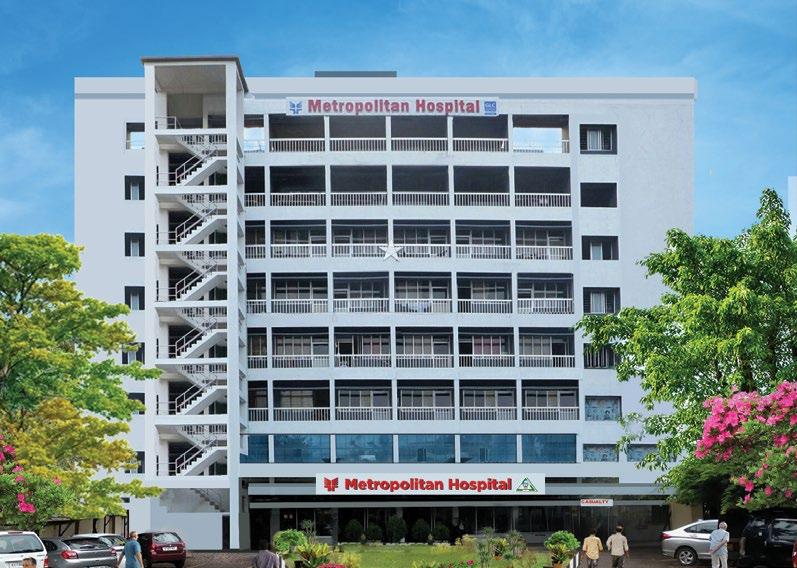
- Kodungallur route, thereby ensuring the quietude necessary for a hospital, as well as easy accessability. This well-equipped hospital offers all possible departments including Orthopaedics (Spine Surgery, Joint Replacement, Arthroscoy, Trauma Care), General Surgery, Laparoscopic - keyhole surgery, Neuro Surgery, Urology and Andrology, Ophthalmology, Otorhino Laryngology, Gastroenterology, Obstetrics and Gynaecology (LaproscopicSurgery / Infertility Clinic), General medicine, ENT, Dental Surgery, Poly-Trauma, Nephrology, Dialysis, Cardiology, Neurology, Pulmonology (Asthma, Allergy& COPD), Paediatrics, Neonatology with ICU, Dermatology and Cosmetology, Radiology, 2D/3D/4D Ultrasonography, Psychiatry, Clinical Psychology, Pathology, Microbiology, Anaesthesiology, Fertility Centre, Physiotherapy etc. The Management is committed to give comprehensive and sustainable health care at affordable cost. The hospital provides Post Graduate Dip. N.B training in Orthopaedics recognized by the Govt. of India, National Board of Examinations. Advances in medical technology have seen the induction of the latest equipments for diagnosis and treatment of various ailments. The superspeciality section ensures comprehensive healthcare for any patient entering its portals. The latest addition to this armamentarium is the HELICAL (Spiral) CT scanner – the first of its Kind in Kerala. NABH as an organization is ISQua Accredited. See Advt in Page 047
MMT Hospital Mundakayam
Paloorkavu Road, Mundakayam
Idukki - 686 513
Kerala, India
Ph: +91 4828 277000, 94464 62500
Email: mmthospital@gmail.com
Web: www.mmthospital.com
Mundakayam Medical Trust (MMT) Hospital, established in 1965, is a 180-bedded mission hospital managed by the Diocese of Kanjirapally, Kerala, and located in the culturally rich village of Mundakayam at the gateway to the Western Ghats. As the oldest mission hospital in the region, it has evolved into a vital healthcare institution serving nearly 1.8 lakh people, including plantation workers, migrant labourers, tribal communities, settlers, and marginal farmers across Idukki, eastern Kottayam, and parts of Pathanamthitta districts. With more than 125,000 outpatients and 28,000 inpatients annually, the hospital functions as a crucial referral centre for remote high-range areas, where patients often travel long distances of 70 - 80 kilometers to access quality medical care. Equipped with 12 departments covering medicine and surgery, supported by a team of dedicated consultants and medical officers, and backed by essential facilities such as ICU, laboratory, blood bank, pharmacy, X-ray, and ECG services, MMT Hospital ensures comprehensive and accessible healthcare in a predominantly rural setting. Over the years, the hospital has consistently demonstrated its commitment to public health by actively responding to major health crises, including the Chikungunya epidemic, Nipah virus outbreak, Kerala floods and landslides, and most recently, the COVID-19 pandemic, during which it was designated as a Frontline Corona Response Hospital by the Government of Kerala. In addition to its strong clinical services, MMT Hospital places significant emphasis on community-based healthcare through its Community Health Department, which conducts preventive health programmes, maternal and child healthcare services, and health education initiatives in schools and remote villages. These outreach efforts have played a transformative role in improving health awareness and outcomes among vulnerable populations, particularly women, children, and economically weaker sections of society. At the heart
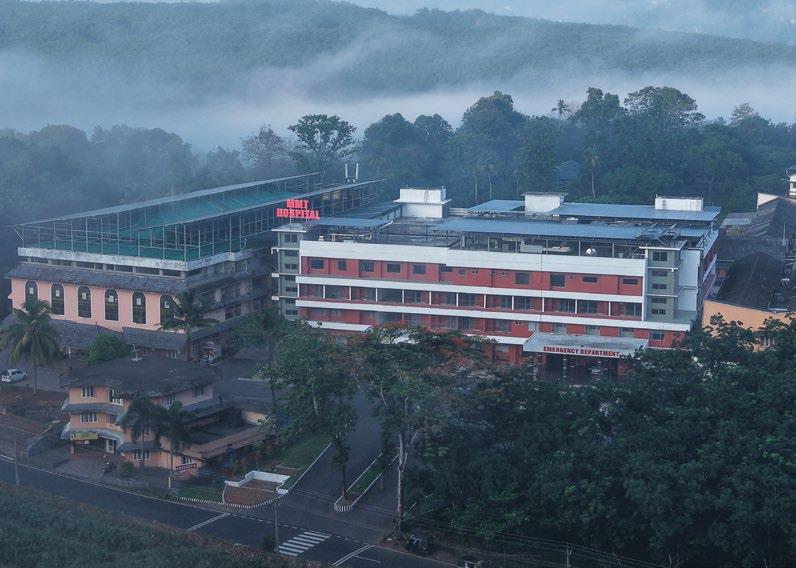
of MMT Hospital lies a deeply rooted vision and mission that define its identity and guide every aspect of its functioning. The hospital strives to improve the health, independence, and spiritual well-being of the elderly, poor, and needy through innovative and proactive healthcare approaches. It is committed to delivering holistic care that integrates curative, rehabilitative, and preventive services while facilitating smooth transitions across different levels of care. The mission of the hospital extends beyond treatment, focusing on providing physical, emotional, and spiritual support to patients and their families, especially the underserved, while fostering community partnerships, promoting health education, and encouraging research in collaboration with academic and healthcare institutions. Anchored in the Catholic ethos of compassion, equality, and service, MMT Hospital ensures that care is delivered without discrimination and with a strong sense of social responsibility, aiming to bring modern, world-class healthcare to rural India. The values and core principles of MMT Hospital form the foundation of its service philosophy and are reflected in its daily operations and long-term vision. The institution upholds the dignity of every individual, recognizing the uniqueness of each patient, staff member, and community it serves, regardless of race, creed, religion, or economic status. Its unwavering commitment drives the organization to focus its
energy on achieving its mission with dedication and integrity, while a strong emphasis on excellence ensures the maintenance of high standards in personal, professional, and organizational performance. Stewardship remains central to its functioning, with careful and responsible utilization of human, technological, and material resources to sustain its mission for future generations. The hospital also places immense importance on its employees, valuing their contributions and providing an environment that supports their professional growth and well-being. Through this strong framework of values - dignity, commitment, excellence, and stewardship - MMT Hospital continues to extend compassionate, respectful, and highquality care, reaffirming its role as a lifeline for the marginalized and a beacon of hope in the high ranges of Kerala. See Advt in Page 06
NCARE IVF Center
Center@Nahas Hospital
Parappanangadi
Malappuram - 676 303, Kerala, India
Ph: +91 494 2639999, 92070 76680 nahasparappanangadi@gmail.com
Web: www. ncareivf.com
Due to today’s lifestyle changes, environmental factors, and delayed marriages, many couples are experiencing difficulties in conceiving or facing delays in pregnancy. However, infertility is not a problem that affects only one individual; it can be caused by various health issues in both women and men. Therefore, when couples face difficulty in having children, both partners are evaluated to identify the cause and determine the appropriate treatment. In women, infertility is often mainly related to ovarian issues. Hormonal imbalances, irregular ovulation, Polycystic Ovary Disease (PCOD/ PCOS), and insulin resistance can affect pregnancy. Some women may also have conditions such as Poor Ovarian Reserve, where the number of eggs in the ovaries is low, or Premature Ovarian Insufficiency, where ovarian function declines earlier than normal age. Changes in estrogen hormone levels can also affect fertility. Another major cause of infertility in women is Endometriosis, a condition in which the inner lining of the uterus (endometrium) grows outside the uterus. In addition, blockages in the fallopian
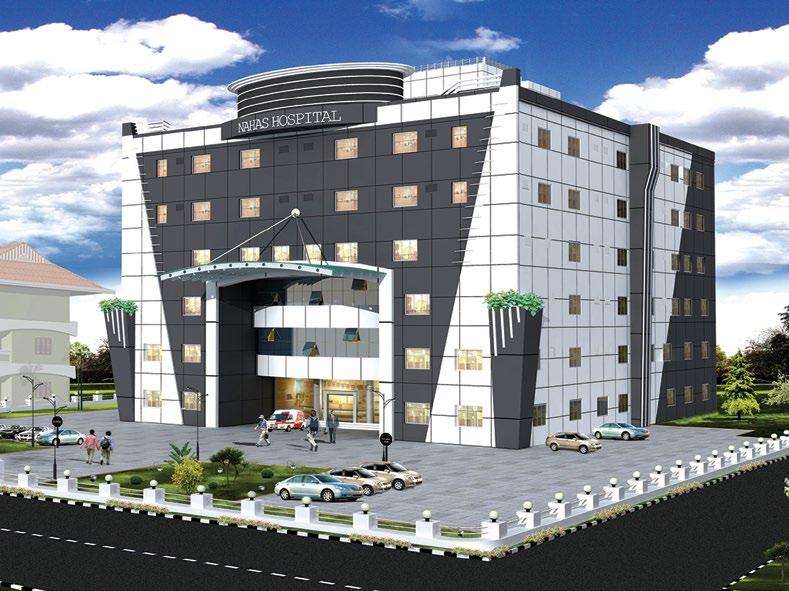
tubes, structural problems inside the uterus, growths such as fibroids, and tuberculosis affecting the reproductive organs can also impact pregnancy. Earlier, in about 40% of infertility cases, the exact cause could not be identified and was termed Unexplained Infertility. However, with advances in diagnostic technologies, the number of such cases has significantly decreased. More accurate tests are now available, helping doctors identify the cause and provide appropriate treatment for many couples. Infertility can also be caused by factors in men. One of the main conditions is Varicocele, where the veins around the testicles become enlarged. This can increase the temperature in the testicles and negatively affect sperm quality and count. The first step in infertility treatment is a detailed evaluation and testing of both partners to identify the underlying cause. Based on the results, appropriate treatment methods are selected. In some cases, modern treatment methods such as IVF (In Vitro Fertilization) help many couples achieve their dream of parenthood. N CARE IVF CENTRE has been providing services in women’s health and infertility treatment since 2010. The centre has a team of experienced fertility specialists including Dr. Rajina, Dr. Baiju Ahammed Kutty, and Dr. Shahanas, who provide comprehensive evaluation and treatment. Advanced tests such as Pre-Implantation Genetic Testing (PGT) are
also available here. This test helps detect chromosomal abnormalities in embryos before implantation. Chromosomal abnormalities are one of the main reasons for recurrent miscarriages in some couples. PGT can also be helpful in cases of repeated IVF failure. With proper treatment and guidance in such situations, the chances of a healthy pregnancy can be increased. For more information contact: NCARE IVF Centre, Malappuram - Ph: +91 92070 76680. NCARE IVF Centre, Calicut - Ph: +91 81292 21188. NCARE IVF Centre, Kannur - Ph: +91 86064 43030. See Advt in Page 023
PSG Hospitals
Peelamedu, Coimbatore - 641 004 Tamil Nadu, India Ph: +91 422 4345353, 2598822 Help Line: +91 99521 49911
Email: psghospitals@psgimsr.ac.in Web: www.psghospitals.com
The First Teaching Hospital in Tamilnadu to be Accredited by NABH. PSG Hospitals is a house of healing and functions on a model that attends to the entire spectrum of patients - from the haves to the have-nots. Its guiding values are Ethics, Science, Quality, Affordability and Personal Care. PSG Hospital came into being in 1989 with in-patient services. It had basic facilities with 450 beds. In 1994-95, the Hospital started Cardiology and Neurosurgery Departments, followed by Cardiothoracic Surgery, Gastroenterology, Neurology and Nephrology. The hospital performed its first Liver Transplant in 2014. PSG Hospitals is the teaching affiliate of PSG Institute of Medical Sciences & Research, which was started in 1985. This medical school offers MBBS course, post graduation in all disciplines of Medicine except Forensic Medicine and Super speciality courses in Cardiology, Nephrology, Neurology and Gastroenterology. There are around 300 doctors, including 225 specialists. The doctors enjoy a distinct professional autonomy that is characteristic of PSG Hospitals. Dr T M SubbaRao, the Principal, articulates that the medical school’s vision is to be a premier medical education and healthcare institution dedicated to producing compassionate, competent, and ethical healthcare professionals aligned with national health goals and societal needs.
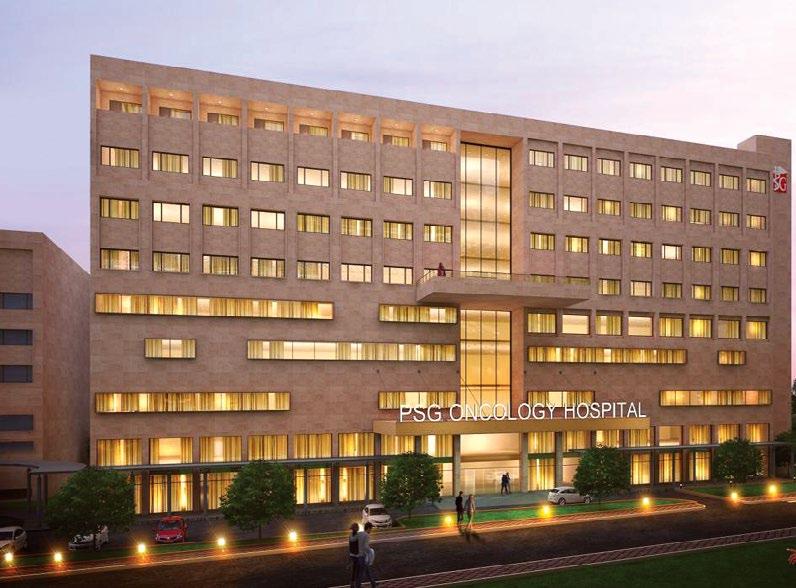
PSG Hospitals is accredited by NABH, and all its diagnostic labs are accredited by NABL. Dr R Karthikeyan, the Medical Superintendent of PSG Hospitals, admits that their 1400-bed hospital’s General Ward is almost always full. He says, “This is because we offer services to patients at a price that no other hospital does. However, their care is second to none, equal to those who stay in private wards”. As Dr S Karthikeyan, the Medical Director, says, “This is a trust-run hospital, no shareholders are looking for dividends,”. It not only caters to the “Kongu belt” of Tamil Nadu, but many patients from the neighbouring states of Kerala and Karnataka also utilize the services of PSG Hospitals. Likewise, Dr J S Bhuvaneswaran, Director of the PSG Super-specialty Hospital, opines that the hospital grew in size and services. Dr T Balaji, the Advisor of Oncology Services, says that PSG Hospitals has entered a new era of comprehensive cancer care with state-of-the-art facilities, equipment and trained manpower. The centre has Varian’s latest TrueBeam Hyperarc, Accuray’s Radixact, C-Rad’s Surface Guided Radiotherapy (the first installation in India), a Siemens PET scan, etc. However, the centre is unique because it prefers to prevent more than treat more. The Oncology services include preventive oncology, palliative therapy and Hospice care. The Institute,
in collaboration with national and international agencies and Universities, explores the molecular and translational aspects of the interface of human biology and disease in terms of genetics and epigenetics. The development of the Institute in terms of infrastructure and technology is fostered by the Trust rededicating such growth to the public. This model of trust-run health care delivery and the innate moral principles of PSG & Sons’ Trust, have helped maintain an exemplary work ethics in the hospitals. Shri L Gopalakrishnan, the Managing Trustee of PSG Institutions says, “Overall, the Hospitals serve the community through education, research, and health care delivery”. See Advt in Page 05
Royal Care Super Speciality Hospital Limited No. 1/520, Neelambur Sulur Taluk, Coimbatore - 641 062 Ph: 0422 2227000 contact@royalcarehospitals.in Web: www.royalcarehospital.in

Royal Car e Super Speciality Hospital was inaugurated on 13th November, 2016. Completed in a record time of 425 days, the 420 bedded hospital with over 3,00,000 sq. ft of built-up area is conceived to be a showcase enterprise of eco-friendly technology, modern equipment and well contrived amenities. This hospital, with 9 world class Operation Theatres including fully Integrated OT for Laparoscopy and dedicated transplant theatres, a “Scopy Suite” for interventional pulmonology, state of the art facilities in “Imaging Technology”, Labour Suites, an ultra modern Cathlab, etc. also has one of, the largest in-house laboratory facility with latest equipment to provide a complete gamut of investigations. Availability of certain exclusive facilities in Neurology and Neurosurgery, Neuro interventional Radiology, Cardiology and Cardiac Surgery, Pulmonology, Laproscopic Gastrointestinal and Bariatric Surgery, Hepato Pancreatico Biliary Surgery, Laproscopic Gynaecology, Paediatrics, Trauma, Orthopaedic, Reconstructive Surgery, Multiorgan Transplants (Heart & Lung, Liver, Pancreas and Renal) Surgery and Bone Marrow Procedure has given us the status of preferred referral Centre of choice for most of the complicated Cases. In addition to Kidney Transplants, the hospital is perfroming
regularly Heart, Lung and Liver Transplant sucessfully. The hospital is well equipped with the latest in technology like CMR Surgical Robotic for Minimal Access Surgeries, 5 D ultrasound , Digital Memmogram, IVUS , radial probe for EBUS, ECMO, latest 3 Tesla MRI, intra-operative CT imaging, Revolution Maxima CT. (“O” arm ) with navigation system, CUSA, HBO2T, etc. Some of these installations have been the first in the region. Driven by a dream to establish an “Integrated Healthcare Delivery System” incorporating the best in technology and the finest of medical skills, the hospital strives to pioneer the introduction of revolutionary trends in healthcare to cater to the medical needs of this region, pursuing best practices and recent advancements in medical care, to deliver appropriate treatment to all strata of society with empathy. The Department of Pulmonology and Sleep Medicine introduced Bronchial Thermoplasty for the first time in the Indian Subcontinent for the treatment of difficult to treat asthma and treated the first case successfully on 12.06.2017. Our Critical Care Units have been specially designed to prevent cross contamination and Infection, one of the most dreaded issues in medical care. All the bed units are self-contained to administer intensive care with networked information system to the central monitor to ensure strict isolation of all patients. The ICU also has negative pressure rooms and positive pressure chambers which will aid treatment of even severely immune compromised patients. We are also the first hospital to pursue and obtain NABH Safe-I. An exclusive Cancer treatment set-up in association with the American Oncology Institute, Pittsburg USA will be one of the most advanced facilities in India for Comprehensive Cancer Care providing high quality cancer treatment services based on established protocols derived out of extensive research and timetested methodology. In the year 2022 Royal Care introduced the Knifeless Brain Surgery MRgFUS - for the treatment of Essential Tremors and Tremor Dominant Parkinson’s Diseases for the first time in Indian Sub - Continent and performed 200+ procedures successfully. The second MRgFUS is installed equipment at Gangaram Hospital, New Delhi. Royal Care Super Speciality Hospital has also emerged as a trusted destination for Medical Tourism, offering advanced, high-quality and affordable healthcare to international patients. The hospital has successfully treated patients from more
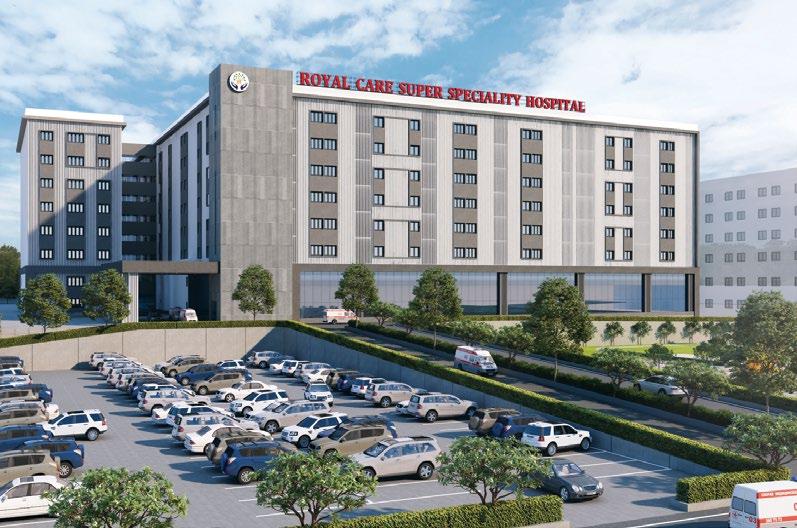
than 50 countries across the globe, particularly from the Middle East, Africa and Southeast Asia. With a dedicated International Patient Services team, the hospital provides comprehensive support including medical consultations, treatment planning, travel coordination and personalized care, ensuring a seamless and comfortable healthcare journey for overseas patients. Recently awarded Joint Commission International (JCI) Accreditation for the first time in Tamil Nadu besides Chennai, Surgical Review Corporation (SRC) Accreditation for the first time in India for the Center of Excellence in Neuro Surgery and Commission on Accreditation of Rehabilitation Facilities (CARF) for Excellence in Rehabilitation Facility for the fist time in India. Also awarded Center of Excellence in Endoscopy Services by CAHO in 2025. The 50-bedded unit in the heart of the city at Nanjappa Road, a fully functional speciality hospital by itself with a dedicated team of doctors, has also been upgraded with additional facilities and continues to function as the city unit at Gandhipuram, Coimbatore. With these two strategically placed units with availability of round the clock services, Royal Care Hospital will be strategically placed to deliver timely healthcare for Trauma, medical and surgical emergencies to the entire region. A dedicated team of professionals with vast clinical experience and a committed management emphasizing on quality, Royal Care Hospital has the constitution to become a top-notch Healthcare establishment, setting newer echelons of standards to satisfy all
levels of expectation from the society. With an intention to serve and a desire to excel, Royal Care hospital looks forth to reaching out to the society as the most sought-after healthcare provider, to treat every ailing person, with comprehensive care, personal attention and empathy in a clean, safe and friendly environment at an affordable cost. The expansion of the Hospital project for seven lakh sq.ft. is a progress. The new facility will include 1100+ beds, Skin Bank, Bone Bank, Eye Bank, Brain Rehabilitation Centre, Spine Centre, Regional Poison Centre, Burns Unit, Organ Transplants, etc. See Advt in Page 01
Santhi Hospital
Omassery, Calicut
Kerala - 673 582
Ph: +91 495 353 1988
Email: mail@santhihospital.com
Web: www.santhihospital.com

Santhi Hospital, a name synonymous with compassionate and affordable healthcare, began its inspiring journey in 1988 with just 10 beds and a small team of dedicated professionals. What started with minimal resources but a powerful vision has today grown into a renowned Multi-Specialty Healthcare Institution with over 350 beds, 950+ committed staff members, and 100+ highly qualified doctors delivering quality medical care at the most affordable rates in the region. Over the past three decades, Santhi Hospital has transformed not only in size and infrastructure but also in its impact on society. Located in a small village, the hospital has significantly influenced the socio-economic landscape of the area by providing accessible healthcare to thousands of patients from rural and remote parts of northern Kerala. For many underprivileged families, Santhi Hospital remains the only dependable option for advanced treatment at subsidized costs. Blending charity with state-of-the-art medical facilities, the hospital is equipped with modern operation theatres, advanced ICUs, well-established diagnostic services, and round-the-clock emergency care managed by experienced professionals. The Department of Cardiology, strengthened with a fully equipped Cath Lab, offers advanced cardiac interventions and life-saving procedures, ensuring comprehensive heart care under one roof. Santhi Hospital also promotes preventive healthcare
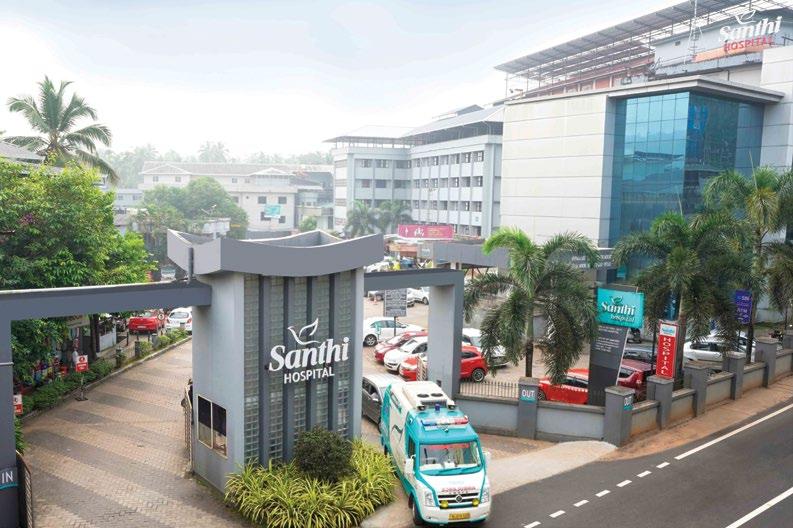
through a variety of health check-up packages designed to suit people from all walks of life. Every department operates with a patient-centered approach, ensuring safety, comfort, and clinical excellence. Supported by the generosity, goodwill, and prayers of countless individuals and organizations, Santhi Hospital continues to uphold its mission of delivering healthcare with humanity. Its presence has positively influenced the regional healthcare sector by setting benchmarks in affordability and service quality. Today, Santhi Hospital stands as a trusted institution and a symbol of hope - proving that quality healthcare can be both accessible and compassionate. Santhi Hospital - Where Care, Commitment, and Compassion Come Together. See Advt in Page 037
SK Hospital
Edappazhanji, Pangode
Trivandrum - 695 006, Kerala, India
Ph: +91 471 2944444, 3022222
Email: enquiry@skhospitals.com
Web: www.skhospitals.com
SK Hospital was established in 2003 by an Engineer, Mr. K.N. Sivankutty, and was inaugurated by the Chief Minister of Kerala, Shri. A.K. Antony. We are NABH Accredited hospital commenced
operations with 35 beds and 4-5 departments addressing the healthcare needs of the people in the south eastern region of Trivandrum, which had no access to a hospital at that time. Over the past 21 years, SK Hospital has grown to become a wellestablished tertiary care super specialty hospital with over 40 clinical departments, guided by experienced specialist doctors, and a team of dedicated management and other experienced staff. SK Hospital has been accredited by NABH by the year 2022 for its well-equipped NICU, labor and delivery suites. The hospital has over 300 beds including 17 bedded critical care unit, 20 bedded Coronary Care Unit, 6 bedded CTVS Unit, 5 bedded pediatric Intensive Care Unit and 10 bedded Neonatal ICU. In addition, the hospital has a 24X7 functional emergency department meeting international standards. The hospital department of interventional cardiology has well equipped two Cath Lab with Keralas First IVUS- NIRS, SK Hospital introduces Kerala’s first Ultreon™ 2.0 Software with the OPTIS™ System, AI-powered 3D optical coherence tomography and a fully functional dialysis Unit catering the needs of patients. The hospital has entered the field of Organ Transplantation (Liver and Kidney) with successful completion of live Donor Liver Transplant surgeries. The hospital is a center recognized for renal transplant procedures. Advanced medical treatments incorporating the latest cutting-edge medical technology is offered to our patients at affordable rates in our Cardiology, Cardiothoracic surgery, Neurology, Neurosurgery, Nephrology, Urology, Orthopedics and Joint Replacements, Gynecology and Obstetrics, Pulmonology, Pediatrics and Neonatology and Critical Care Medicine departments. The Department of Radiology specializes in cutting-edge technology through Digital X-Ray, CT, Color Doppler and MRI, with PACS technology. The most valuable asset of the hospital is its team of highly qualified and dedicated team of health care professionals including Doctors, nurses, Para Medical Staff and Supporting staff. The hospital has the following departments: Organ Transplantation Unit (Renal & Liver), Interventional Pulmonology, Interventional Cardiology, Interventional Radiology, Cardiovascular and Thoracic Surgery including Lung Surgery, Spine Surgery, Dental/Oral & Maxillofacial Surgery, Cosmetology & Dermatology, Clinical Oncology, Cardiology, Nephrology, Pediatrics, Allergy & Respiratory/Pulmonary Medicine, Anesthesiology, Emergency
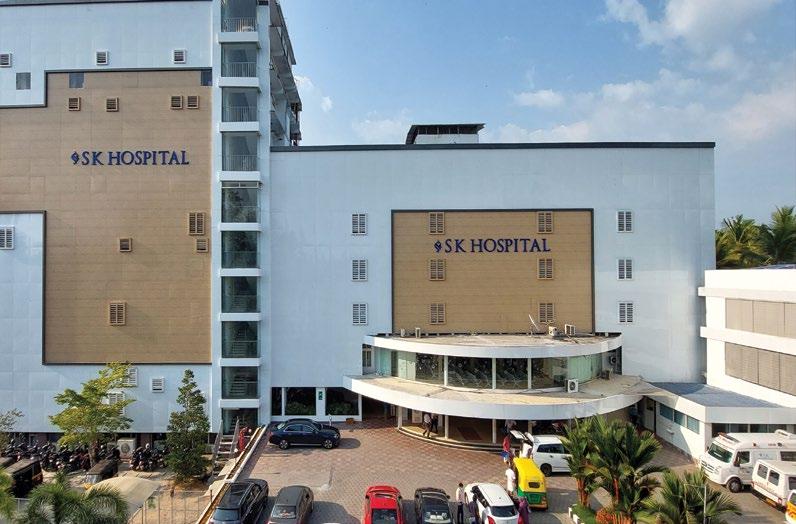
Centre (24X7) supported by well-equipped ambulance facilities that include “ Heal on Wheel: service with doctor and paramedics on board”, Endocrinology & Metabolic Disorder, General Medicine & Internal Medicine, Neonatology, Ophthalmology, Psychiatry, Clinical Psychology, Gynaec-Onco-Surgery, Critical Care Medicine, Medical Gastroenterology, Surgical Gastroenterology, Urology, Orthopedics & Joint Replacement Surgery, General & Laparoscopic Surgery, Neurology, Neurosurgery, Laryngology, Obstetrics & Gynecology, Plastic & Microvascular Surgery, Radiology & Imaging, Pathology & Cytology, Physiotherapy, Clinical Nutrition/Dietetics, Microbiology/ Biochemistry/Immunology, Developmental Screening & Therapy, Clinical Pharmacology and Ayurveda Medicine. See Advt in Page 017
Sreekantapuram Hospital
Kandiyoor, Mavelikara Kerala - 690103, India
Ph: +91 479 2309000, 94465 10989
Email:adminoffice@skphospital.in Web: www.skphospital.in
Located in the heart of Kandiyoor, Mavelikara, Kerala, Sreekantapuram Hospital has been a trusted name in healthcare since its establishment in 1947. For over 75 years, we have remained committed to delivering quality medical services to the community with compassion, integrity,
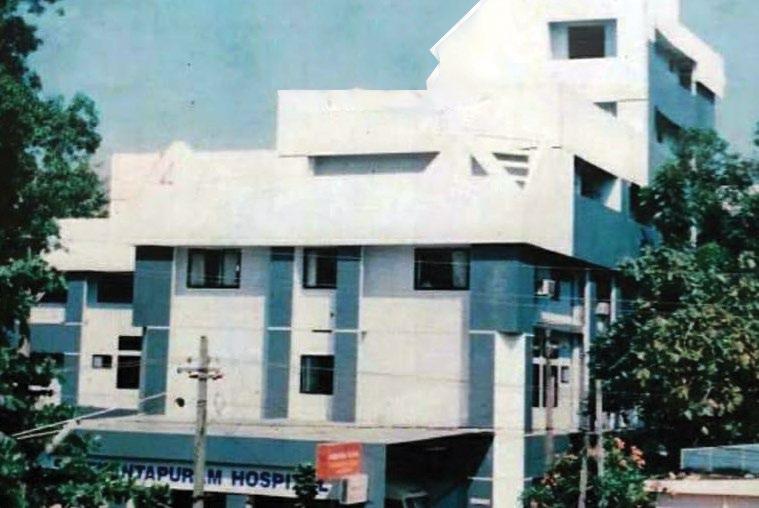
and respect. Our mission is to provide exceptional healthcare that combines advanced medical expertise with personalized patient care, ensuring comfort, safety, and confidence at every stage of treatment. Each year, more than 25,000 patients place their trust in us for comprehensive and reliable healthcare solutions. As an accredited facility with ISO certification and recognized medical standards, we uphold strict quality protocols and continuously strive for excellence in every department. Our hospital is equipped with modern infrastructure, state-of-the-art diagnostic tools, and advanced treatment technologies to ensure accurate diagnosis and effective care. Our strength lies in our team of highly qualified and experienced doctors, nurses, and healthcare professionals who are dedicated to patient well-being. Every patient receives individualized attention, with treatment plans tailored to their specific medical needs and personal comfort. From preventive care to specialized treatments, we provide a wide range of services under one roof, making healthcare accessible and convenient for families in and around Mavelikara. Our departments include General Medicine, Cardiology, Obstetrics and Gynecology, Pediatrics, Neurology, Nephrology and Dialysis, Dermatology, Psychiatry, ENT, Orthopedics, Ophthalmology, General Surgery, Laparoscopic Surgery, Dental Care, Pulmonology, Gastroenterology, Urology, Radiology, Laboratory Services, Physiotherapy, and 24-hour Emergency Care.
With a strong legacy built on trust and service, we continue to evolve with advancements in medicine while maintaining our core values of empathy and ethical practice. Sreekantapuram Hospital remains dedicated to safeguarding the health of our community, offering comprehensive healthcare solutions with excellence and compassion. See Advt in Page 033
SUT PATTOM Super Speciality Hospital
P.O. Pattom Palace
Thiruvananthapuram - 695 004
Kerala, India
Ph: +91 471 7177888, 4077777
Email: gro@sutpattom.com
Web: www.sutpattom.com

For nearly four decades, Sree Uthradam Thirunal (SUT) Super Speciality Hospital has been a pioneer in delivering world-class, patient-centric healthcare. Established in 1987 as the first private hospital in Kerala to perform open heart surgery and angioplasty, SUT has evolved into a comprehensive tertiary and quaternary care destination offering over 30 specialties supported by cuttingedge diagnostics and critical care infrastructure. Accredited by NABH, MBFHI, Kayakalp and Eat Right Campus, SUT combines clinical excellence with affordability under its guiding philosophy “Pulse before Purse”. Facilities include 24x7 Emergency & Trauma care, advanced Cardiology & Cardiothoracic Surgery with modern Cath Lab, Interventional Radiology, Neurology, Neurosurgery, Nephrology, Oncology, Gastroenterology, Level III Neonatology, and multi-specialty Critical Care - backed by 1.5 Tesla MRI, CT imaging and fully equipped laboratory. SUT has emerged as a stroke care centre of excellence, earning “Best Stroke Care Provider of the Year” and in January 2026, “Best Neurology Hospital with over 100 beds” at Dhanam Health Summit from Shri Giridhar Gyani. The Physiotherapy team received “Best Physiotherapy Centre for Stroke Care - South” (2024). Recent national recognition includes APJ Abdul Kalam Inspiration Awards for “Most Trusted Multi-Super Specialty Hospital” (2024), “India’s Best Hospital of the Year 2024”, ET Business Excellence Award to CEO Col. Rajeev Mannali (2025), CII Kerala Health & Medical Tourism Award (2025), “PatientCentric Hospital of the Year (South)” and “Most Human-Centric
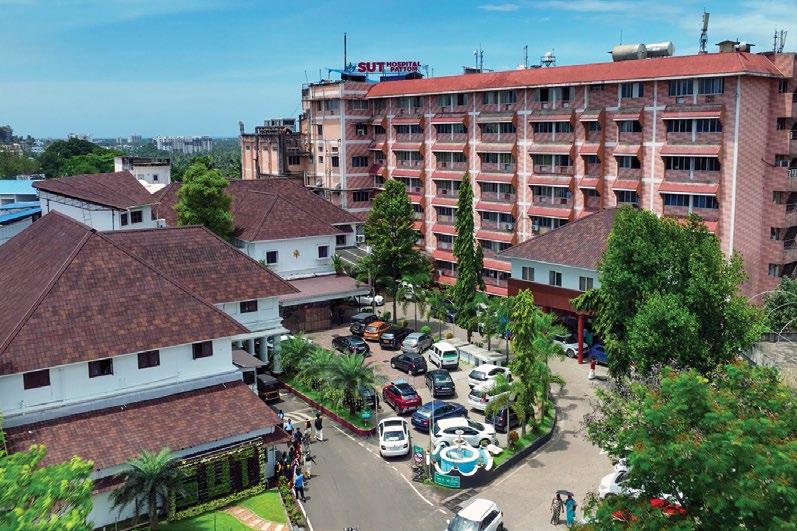
Smart Hospital (Silver)” (2025). Beyond hospital walls, SUT’s social responsibility shines through health camps, school outreach, environmental initiatives, Hair Donation for Cancer survivors and anti-drug campaigns. Digital transformation enhances patient experience while high Google ratings reflect earned trust. Education and research form SUT’s core, with DNB programs across three specialties (100% pass rate), American Heart Association training centre (BLS/ACLS/Heart Saver), and 2024 ICMR-DHR approval for its Institutional Ethics Committee. The AHPI Award for Excellence in Medical Education (2026) validates this focus. Under Chairman Emeritus Dr. B.R. Shetty and CEO Col. Rajeev Mannali, SUT continues setting new benchmarks in compassionate, innovative healthcare delivery. See Advt in Page 27
Thangam Hospital of PMRC
Chadanamkurussi, West Yakkara Palakkad, Kerala - 678 004, India
Ph: +91 491 2515717 (8 Lines)
Ambulance: 944 777 5717
Web: www.thangampmrc.com
Thangam Hospital of PMRC, a distinguished entity under the Palakkad Medical & Research Centre (PMRC), has transformed the city’s healthcare landscape. Once known primarily as the “granary of
Kerala,” Palakkad is now home to one of the region’s most advanced medical institution With a capacity of over 200 beds, Thangam Hospital offers exceptional medical care across a vast spectrum of primary and super-specialties. Its Interventional Cardiology Department, supported by a state-of-the-art 24-hour Cath Lab, is a beacon of advanced cardiac care. The hospital also houses leading departments in Interventional Neurology, Neurosurgery, Vascular Surgery, Urology, Nephrology, Oncology, Gastroenterology, Gastro surgery and Limb Reconstruction. Comprehensive Multispecialty Care Under One Roof. Beyond super-specialties, Thangam Hospital provides an extensive range of essential medical services. These include Accident & Trauma, Anaesthesia & Critical Care, ENT, General Surgery (with advanced 3D laparoscopic procedures), General Medicine & Diabetology, Toxicology , Gynaecology, Infertility & Reproductive Medicine, Orthopaedics, Paediatrics & Neonatology, Pulmonology, Psychiatry, Psychology, Dentistry, Dermatology, and a dedicated Pain Palliative Unit in Oncology. Recognising the urgent need for comprehensive cancer care in Palakkad, Thangam Hospital established the Thangam Cancer Centre in September 2017. This specialised unit provides Chemotherapy, Hormonal Therapy, Immunotherapy, Targeted Therapy, and Cancer Surgeries under the guidance of highly experienced oncologists and onco surgeons. A dedicated Neutropenic ICU ensures specialised and focused care for cancer patients. State-of-the- Art Diagnostics Imaging: Equipped with a cutting-edge laboratory led by a full-time pathologist, the hospital conducts a wide range of investigations, including histopathology. The Radiology Department features comprehensive imaging services such as newly launched 1.5 Tesla Helium Free MRI, 128 Slice CT, Ultrasound, Digital Mammography, and advanced diagnostic procedures like MCU, HSG, IVP, and AUG. A digital X-ray system with a long-view exposure cassette has been a game-changer for the Limb Reconstruction Department, attracting patients from across the country and even abroad. Unwavering Commitment to Patient Care & Convenience: Founded in 1999 as Palakkad’s first corporate hospital, Thangam Hospital operates on a sprawling, green campus with an unwavering commitment to patient welfare. A dedicated team of doctors and paramedical professionals work round the clock to provide seamless, high-quality medical care, ensuring that no patient is referred elsewhere unless necessary. The hospital’s modern infrastructure complements its
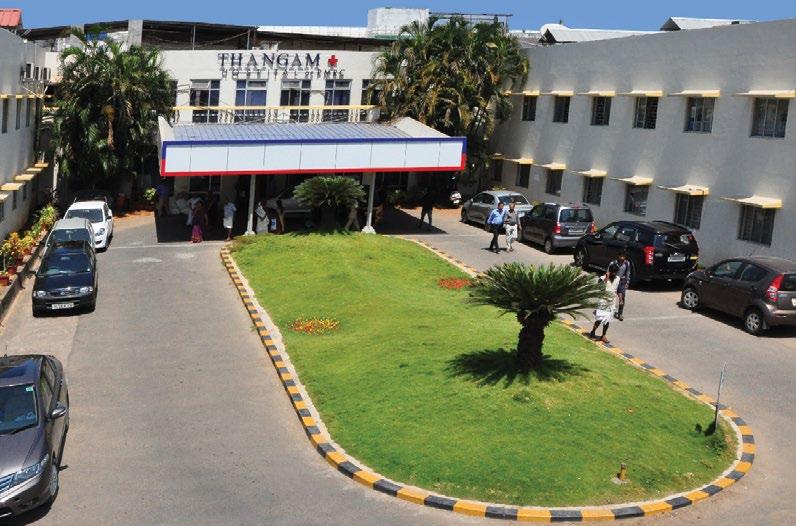
medical expertise, offering: A well-organised front office and multiple enquiry desks, Spacious waiting areas and comfortable bystander accommodations, Stringent security measures for patient safety, ATM kiosks for convenience, A hygienic vegetarian canteen catering to patients and visitors. 24/7 Emergency &Advanced Trauma Care: At Thangam Hospital, emergency care is a top priority. Its roundthe-clock Emergency & Trauma Care Centre is supported by an MOT (Minor Operation Theatre), ambulance services, and a team of highly skilled medical officers dedicated to providing immediate care in critical situations. Additional specialised services include a Stem Cell Collection Centre, Blood storage Unit, a Diabetic Clinic, inhouse Dietitians and Physiotherapists, and a fully equipped modular pharmacy. A Legacy of Social Commitment Sustainable Healthcare: Beyond medical excellence, Thangam Hospital is deeply committed to social responsibility. It actively engages in community initiatives related to education, medical aid, energy conservation, and public awareness programs. Accredited by ECHS, ESI, IIT, FCI,Railway and leading private insurance providers, the hospital is strategically located away from urban congestion yet easily accessible. Nestled amid lush green paddy fields, serene hillocks, and flowing rivers, Thangam Hospital blends cutting-edge medical technology with a compassionate, healing environment. At Thangam Hospital, patients are not just treated, they are cared for with excellence, empathy, and unwavering dedication. See Advt in Page 041
The Arya Vaidya Pharmacy (Coimbatore) Ltd.
Corporate Office: 42, Perumal Koil Street, Ramanathapuram P.O
Coimbatore - 641 045
Ph: +91 422 4322999
Email: avpcare@avpayurveda.com
Web: www.avpayurveda.com

Healing traditions survive not because they are old, but because they remain true. For generations, The Arya Vaidya Pharmacy (Coimbatore) Limited has carried forward such a truth - where classical knowledge, compassionate care, and social responsibility meet to create living Ayurveda. Founded in 1943 by the visionary P. V. Rama Varier, AVP emerged during a period when India was rediscovering confidence in its intellectual and cultural inheritance. Rama Varier believed Ayurveda was not merely a therapeutic science; it was a path toward restoring dignity, balance, and wholeness in society. His work demonstrated that the wisdom of the texts, when practiced with rigor and integrity, could stand shoulder to shoulder with any global healthcare system.Leadership later passed to P. V. Chandrasekhara Varier, whose stewardship transformed AVP into a robust and structured institution. Under his guidance, treatment, research, and education grew together. Landmark centers such as the Arya Vaidya Chikitsalayam & Research Institute took shape, ensuring that Ayurveda would continue to be taught, questioned, refined, and practiced as a dynamic science. The next era was defined by Padmasri Dr P. R. Krishnakumar, affectionately known as Krishnakumar Ji, who carried the voice of Ayurveda far beyond national borders. He encouraged dialogue with modern science, built international collaborations, and placed classical medicine within global discussions on evidence and validation. AVP’s academic depth widened, its research strengthened, and its credibility expanded worldwide. Yet what makes AVP distinctive is that its growth has never been fragmented. Its manufacturing units produce hundreds of classical formulations, combining textual authenticity with contemporary quality systems and advanced laboratory support. Its hospitals and clinics welcome patients from across India and abroad for Panchakarma, chronic disease management, rehabilitation, and preventive care. Its classrooms and training programs continue to
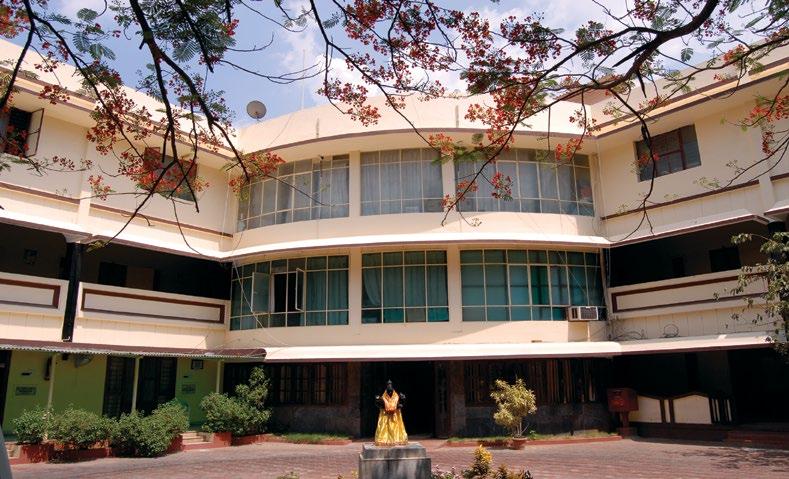
nurture generations of vaidyas who will carry the lineage forward. Service remains the quiet foundation beneath all achievement. Rural outreach programs, free medical camps, public education efforts, and initiatives to conserve medicinal plants express AVP’s enduring commitment to society. Today, the legacy continues under C. Devidas Varier, grandson of the founder and a third-generation guardian of the vision. Representing continuity with thoughtful change, he is guiding AVP toward stronger manufacturing systems, digital health integration, and wider global access - while holding firm to a simple principle: growth must never dilute authenticity. From a modest beginning in Coimbatore to international recognition, AVP’s journey reflects the power of intergenerational dedication. It shows that tradition, when guided by responsibility and compassion, never becomes outdated. Instead, it becomes essential. See Advt in Page 10
Tiruvalla Medical Mission Hospital
TMM Nagar, Thiruvalla - Mallappally Road
Tiruvalla - 689 101
Ph: +91 469 2626000, 9400 831111
Email: grmanager@tmmhospital.org
Web: www.tmmhospital.org
TMM, A Hospital with God’s Signature: Founded in 1935 by Diwan Bahadur Dr. V. Verghese, Tiruvalla Medical Mission Hospital
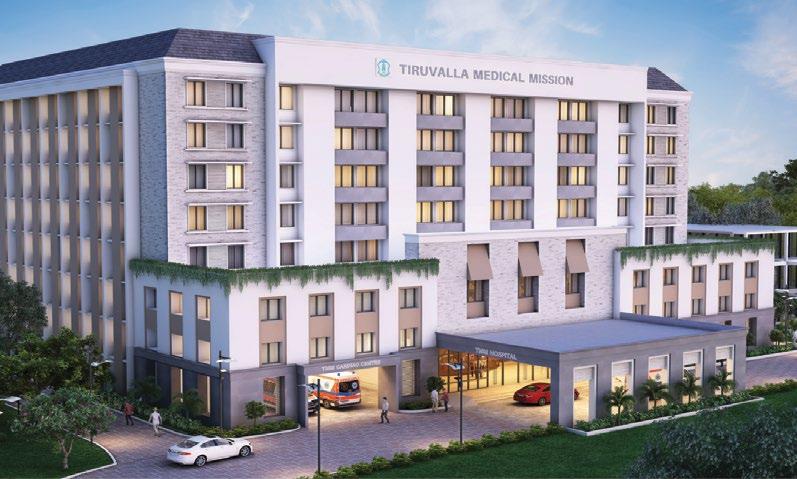
(TMM) is a Christ-centred healing ministry rooted in the Brethren Christian tradition. Guided by the biblical vision “Serve one another in love” (Galatians 5:13), the institution began as a humble sixbed facility and has grown into one of Central Travancore’s most respected tertiary care hospitals. Widely known as “The Hospital with God’s Signature,” TMM reflects a legacy of faith-driven service, compassionate care, and ethical medical practice. From its early years, the hospital has remained committed to serving the poor and needy without compromising on quality, earning the trust and affection of generations and becoming fondly known as ‘Sayyippinte Asupathry’ - a tribute to the selfless missionary doctors who shaped its foundation. Over the decades, Tiruvalla Medical Mission has evolved into a leading multi-specialty healthcare and educational institution in Kerala, now operating with over 420 beds, more than 100 doctors, and 32+ specialized departments. The hospital has consistently embraced innovation while preserving its spiritual and humanitarian mission. Major advancements, especially during its Navathi period, include strengthened services in Cardiology, Neonatology, Neurosurgery, Gynaecology, Mental Health, Oncology, and Digital Health. TMM also holds several pioneering distinctions, such as establishing Kerala’s first private nursing school in 1947, founding the Nursing College at Kaviyoor, and installing India’s first Focus High Density Digital DRX Compass X-Ray system. With NABH accreditation, state-of-the-art diagnostic facilities, and centres
of excellence across disciplines, TMM continues to ensure high standards in patient care and clinical outcomes. See Advt in Page 49
Yana Women’s Hospital and Fertility Centre
Akkulam Road, Ulloor
Thiruvananthapuram - 695 011
Ph: +91 99957 77216
Email: yanaivf@gmail.com
Web: www.yanaivf.com

YANA IVF Fertility Centres offer the best infertility treatment at very affordable prices. Suitable treatment is offered to men and women for problems of infertility. The couples are given individual oriented treatment here. Appointments are offered allotting at least one hour for each patient. The doctors here spend even more time with the patients if it is required for answering all the queries of the patient and removing all anxieties about the treatment. YANA IVF Fertility Centre takes care to listen to the problems of the patients who come there, offer advice on treatment and send them back home with a peaceful mind. The mental tranquility of the patients play a major role in the success of the treatment offered. The patients who approach any of the branches of the YANA IVF Fertility Centres, gets the benefit of the services of all the doctors and other technical experts in all the branches. This means that the patients get not just the help of one doctor but that of an entire team of experts. The expertise and experience of this entire team of experts becomes available for each patient in finding out the cause of infertility and in deciding the best remedial measures for that. If a patient wishes to transfer the treatment to another branch of YANA during the course of the treatment, that is also allowed. The team of experts at YANA IVF Fertility Centre includes Infertility specialists, Embryologists and Lab Professionals with vast experience in treatment of infertility. They have been trained in the best and most advanced treatment available in the field. All the YANA IVF Fertility Centres are equipped with the most advanced equipments. This ensures that no one is turned away from YANA IVF Fertility Centre when they face complicated problems and where it is difficult to achieve complete success. Still it maintains a very high success rate in treatment. See Advt in Page 101
KERALA HOSPITALS
find your hospitals | alappuzha
Ahalia Foundation Eye Hospital
Park Junction, Kayamkulam - 690 502, Ph: 0479 2449715
Email: kyklm@afeh.org
Web: www.afeh.org
Central Travancore Specialist Hospital
Chengannur, Alappuzha - 689 121
Ph: 0479 2469469
Century Hospital
Mulakuzha, Chengannur
Alappuzha - 689 505 Ph: 0479 2469469, 2468710
Web: www.centuryhospital.org
Deepa Hospital
Haripad, Alappuzha - 690 514
Ph: 0479 2413054
DR. KM Cherian Institute of Medical Sciences
P.O. Kallissery, Chengannur - 689 124
Kerala, India
Ph: +91 479 236 3456, 236 3300
Mob: +91 91880 86888, 91880 26888
Email: info@drkmcims.com
Web: www.drkmcims.com
Ebenzeer Hospital
Kayamkulam, Alappuzha
Ph: 0479 2442102
Huda Trust Hospital
Kumarapuram P.O, Haripad - 690 514
Ph: 0479 2412005
Josco Multi-Speciality Hospital
Edappon, Josco Jn
Pandalam - 689 501, Ph: 0479 2374982
Kinder Women’s Hospital & Fertility Centre
Maruthorvattom Temple Road, Cherthala - 688 539
Phone: +91 478 2830000
Email: contactus@kinderhospital.in
Web: www.kinderhospital.in
Krishnendu Ayurveda Hospital
Chingoli P.O., Karthikappally, Alappuzha
Ph: +91 479 2486337, 95444 88333
Email: krishnenduhospital@gmail.com
Web: www.krishnendu.org
Lourdes Matha Hospital
Edathua, Alappuzha - 689 573, Ph: 0477 2212305
Madhava Medical Mission
Haripad, Alappuzha - 690 514, Ph: 0479 2412282
Mammen Memorial Hospital
Chengannur, Alappuzha, Ph: 0479 2452823
Monash IVF
KVM Kinder Hospital
P.B. No. 30, Cherthala - 688 524, Ph: 0478 2821555
Email: monashivf@kvmkinder.com
Web: www.kvmkinder.com
Pushpagiri Medical Society
Pushpagiri Buildings, Tiruvalla - 689 101
Ph: 0469 2700755, Fax: 0469 2701045
Web: www.pushpagiri.in
Sanjivani Multi Speciality Hospital
Kollakadavu P.O, Chengannur, Alappuzha - 690509
Ph: 0479-2350030, Email: pr@smsh.in
Web: www.smsh.in
Sree Narayana Medical Mission Hospital
Cherthala, Alappuzha Ph: 0478 2822506
Sreevenkateswara Hospital
Cherthala, Ph: 0478 2812451
St. Thomas Hospital
Chengannur, Alappuzha - 689 121 Ph: 0479 2452860
Vrindavan Ayurveda Hospital
Mavelikkara, Alappuzha Ph: 0477 2302607
Yana City Hospital and Fertility Centre
NH - 66, Kayamkulam
Alappuzha, Kerala, India - 690 502 Ph: +91 96051 05517
Email: yanaivf@gmail.com
Web: www.yanaivf.com
find your hospitals | ernakulam
Amrita Institute of Medical Sciences
AIMS, P.O. Ponekkara, Kochi - 682 041
Ph: +91 484 280 1234, 668 1234
Email: marketing@aims.amrita.edu
Web: www.amritahospitals.org
Apollo Adlux Hospital
Adlux Junction, Karukutty
Angamaly, Ernakulam - 683 576, Ph: +91 484 2735000
Email: assistance_kochi@apollohospitals.com Web: www.kochi.apollohospitals.com
Arogyalayam Hospital
Bye-Pass Junction, Bridge Road
Aluva-683 101
Ph: 0484 2625252, 2625226
Aster Medcity
Cheranelloor, P.O. South Chittoor
Kochi - 682 027
Kerala, India, Ph: +91 484 6699999
Email: astermedcity@asterhospital.com
Web: www.astermedcity.com
Bourn Hall Clinic
27/ 3218 A, M. G Road, Opp. Kochi Shipyard
Atlantis, Kochi - 15, Ph: 0484 3983302
Email: info@bournhall-clinic.com
Web: www.bournhall-clinic.com
Chaithanya Eye Hospital
Ravipuram, Kochi - 682 016
Ph: 0484 2357135, Fax: +91 484 2357098
Email: cehcochin@gmail.com, Web: www.chaithanya.org
CIMAR - The Women’s Hospital
Unit of Edappal Hospitals Pvt. Ltd.
Tippu Sulthan Road, Cheranellore
Ernakulam - 682 034, Kerala, India
Ph: +91 484 4134444, 4134404 - 406
Emergency No: +91 7560884444
Email: cimarcochin@gmail.com
Web: www.cimarindia.org
City Hospital
M.G.Road, Padma Junction
Kochi - 682 035, Ph: 0484 2361809
Devamatha Hospital
Koothattukulam, Ernakulam - 686 662
Ph: 0485 2252271, 2251341, 2253371, Fax: 0485 2252571
Email: admin@devamatha.org, dmh@devamatha.org
Web: www.devamatha.org
Don Bosco Hospital
NH 66, North Paravur - 683 513
Kerala, India
Ph: +91 484 2491000
Email: info@donboscohospital.com
Web: www.donboscohospital.com
Dr. Promodu’s Institute of Sexual and Marital Health
Pathadipalam, Edapally, Kochi - 682 024
Ph: 0484 2555301, 2555302
Ernakulam Medical Centre
NH Bypass, Palarivattom, Kochi - 682 028
Ph: +91 484 4507000, 2907000
Email: mail@emccochin.com
Web: www.emccochin.com
Goutham Hospital
Panayappally, Kochi - 682 005, Ph: 0484 2210510
Indira Gandhi Co-Operative Hospital
Kadavanthra, Kochi - 682 020
Ph: +91 484 2941600,2206734
Email: igchhospitalcochin@yahoo.com
Website: www.igchkochi.com
Karothukuzhi Hospital Pvt Ltd
Market Road, Aluva, Ph: 0484 2625228, 2621001
K.G.Hospital
NH - 47, Thrissur Road, Angamaly - 683 572
Ernakulam District, Kerala, Ph: 0484 2452848, 2453148
Email: hospitalkg@gmail.com
Web: www.kg-hospital.com
Kinder Hospital Kochi
Kalamassery, Kochi-682033, Ph: +91 484 283 00 00
Email: contactus@kinderkochi.com
Web: www.kinderkochi.com
Krishna Hospital
Chittor Road, Kochi - 682 011, Ph: 0484 2368230
Email: info@krishnahospital.in
Kristu Jayanti Hospital
Perumpilly, Narakkal, Vypin - 682505
Ph: +91 484 2495250
Email: kristujayantihospital2000@gmail.com
Web: www.kristujayantihospital.com
Kusumagiri Mental Health Centre
Kusumagiri, Kakkanad - 682 030, Ph: 0484-2422215,2422160
Email: kusumagirihospital@bsnl.in, Web: www.kusumagiri.org
Lakshmi Hospital
Diwan’s Road, Kochi - 682 016
Ph: 0484 2382111, Fax: 0484 2374067
Email: admin@lakshmihospital.com www.lakshmihospital.com
Lisie Hospital
Ernakulam North, Kochi - 682 018
Ph: 0484 2400812 - 14
Email: contact@lisiehospital.org
Web: www.lisiehospital.org
Little Flower Hospital & Research Centre
Angamaly - 683 572
Kerala, India
Ph+ 91 484 2675000
Email: enquiry@lfhospital.org
Web: www.lfhospital.org
Lotus Eye Care Hospital
S.A. Road, Kadavanthra, Kochi - 20 Ph: 0484 2322333, Fax: 0484 4070670
Email: info@lotuseye.org, Web: www.lotuseye.org
Lourdes Hospital
Post Graduate Institute of Medical Sciences & Research
Lourdes Hospital Road, Kochi - 682 012, Kerala, India
Ph: +91 484 4123456, 4121103
International Desk: +91 9496 002 666 Web: www.lourdeshospital.in Email: lourdesinternationaldesk@gmail.com
Luke Memorial Hospital
Perumbavoor, Kochi - 683 542
Ph: 0484 2522123, 2523507, 2525232
MAJ Hospital
Market Road, Edappally, Ernakulam - 682 024
Ph: 0484 2344996, 2825777
Email: info@majhospital.com
Web: www.majhospital.com
MAGJ Ayurkshethra Ayurveda Hospital
CST Nagar, P.O. Mookkannoor, Angamaly - 683 577
Ph: +91 90728 50500
Email: ayurkshetramagj@gmail.com
Web: www.magjhospital.org, www.ayurkshethra.com
MAGJ Hospital
CST Nagar, P.O. Mookkannoor
Angamaly - 683 577, Kerala, India
Ph.: +91 484 2674300, 8086194300
Email: hr@magjhospital.org, enquiry@magjhospital.org
Web: www.magjhospital.org
Mar Baselios Medical Mission Hospital
Kothamangalam P.O, Kothamangalam – 686 691
Ph: 0485 2822203,822207
Email:info@medicalmissions.org
Web: www.medicalmissions.org
Medical Trust Hospital
M.G. Road, Kochi - 682 016
Kerala, India, Ph: 0484 2358001 - 11
Fax: 0484 2358031
Email: info@medicaltrusthospital.org
Web: www.medicaltrusthospital.com
MOM Premium Women’s Hospital
NH 17, Edappally, P.O. Cheranellore
Cochin - 682 034
Ph: +91 484 4134444, Mob: +91 90723 44455
Email: care@mombirthcentre.com
Web: www.mombirthcentre.com
MOSC Medical College Hospital
Kolenchery – 682 311, Ph: 0484 3055555
Email: mmmhn@moscmm.org
Web: www.moscmm.org
Najath Super Speciality Hospital
Bank Junction, Aluva - 683101
Ph: 0484 2623693, 2631157
Nechupadam Dental Clinic
No.29, IIIrd Floor, GCDA Commercial Complex
Marine Drive, Kochi - 31
Ph: 0484 2350502, Mob: 09387277213
Email: thomasnechupadam@gmail.com
Web: www.nechupadam.com
Nechupadam Dental Clinic
Nechupadam Building, P.O. Kolenchery
Ph: 0484 2760355, Mob: 09387277213
Email: thomasnechupadam@gmail.com
Web: www.nechupadam.com
Polakulath Narayanan Renai Medicity
PB No.2310, Palarivattom, Kochi - 25
Ph: 0484 2880000, 3919000
Email: HRD@renaimedicity.org
Web: www.renaimedicity.org
Punarnava Ayurveda Hospital
P.O. Edappally North, Kochi - 682024
Ph: 0484 2801415, 2801416
Email: punarnava@punarnava.net
Web: www.punarnava.net
Rajagiri Hospital
Chunagamvely, Aluva - 683 112
Ph: 0484 66 55 000
Email: mail@rajagirihospital.com
Web: www.rajagirihospital.com
Sabine Hospital & Research Centre
P.O. Pezhakkappilly
Muvattupuzha - 686 673, Ph: 0485 2838100
Email: feedback@sabinehospital.com
Web: www.sabinehospital.com
Specialist’s Hospital
Opp. North Railway Station, Kochi - 18
Ph: 0484 2395952, 2887800(30 lines)
Email: specialistshosp@gmail.com
Web: www.specialistshospital.com
Sree Narayana Institute of Medical Sciences (SNIMS)
North Kuthiyathodu P.O, Chalakka Ernakulam - 683 594
Ph: 0484 2661500, Fax +91 484 2478093
Email: snims1@gmail.com
Web: www.snims.org
Sree Sudheendra Medical Mission Hospital
Chittoor Road, Kochi - 682 018 Ph: 0484 2354139, 2382390
Email: sreesudheendra@yahoo.co.in
Web: www.sreesudheendra.gsb.in
St. Joseph’s Hospital, Manjummal
Manjummal, Eloor Ernakulam - 683 501
Ph: +91 484 2555344, 88932 47123
Email: sjhmanjummel@gmail.com
Web: www.stjosephhospital.in
St. Joseph’s Hospital
Dharmagiri, Kothamangalam - 686 691 Ph: 0485 2862391, 2862392
Web: www.stjosephshospital.in
Sunrise Hospital
Kakkanad, Kochi - 682 030
Ph: 0484 2428913 - 16, Fax: 0484 2428917
Email: enquiry@sunrisehospital.in Web: www.sunrisehospital.in
Vasan Eye Care Hospital
27/3215, M.G. Road, Opp. Cochin Shipyard
Kochi - 682 015, Ph: 0484 3989000 Fax: 0484 2357777
Web: www.vasaneye.in
VG Saraf Memorial Hospital
Ravipuram, Kochi - 682 016
Ph: 0484 2380452, 2363949, Fax: 0484 2370595
Email: vgsarafhospital@gmail.com
Web: www.vgsarafhospital.com
Vijaya Institute of Medical Sciences
Kadavanthra - Kaloor Road
Kadavanthra, Kochi - 682 020
Ph: 0484 2205261, 2205290, Fax: 0484 2206072
Email:ivfviji@md3.vsnl.net.in
Web: www.vijaya-ivf.com
VPS Lakeshore
Maradu, P.O. Nettoor, Kochi - 682 040
Ph: 0484 2701032, Fax: 0484 2701996
Email: info@lakeshorehospital.com
Web: www.vpslakeshore.com
Welcare Hospital
Sahodaran Ayyappan Road
Vyttila, Ernakulam - 682 019
Kerala, India, Ph: +91 484 4091111
Mob: +91 90610 32167
Email: info@welcarehospital.net
Web: www.welcarehospital.net
Yana EMC IVF & Fertility Centre
Ernakulam Medical Centre
NH Bypass, NH 66, Palarivattom Kochi, Kerala, India - 682 028
Ph: +91 91888 67216
Email: yanaivf@gmail.com
Web: www.yanaivf.com
find your hospitals | idukki
Archana Hospital
Vannappuram, Idukki , Ph: 0486 2222824
Arpana Hospital
Thookupalam, Idukki, Ph: 0486 8236340
Bishop Vayalil Medical Centre (BVMC)
Moolamattom P.O., Idukki - 685 589, Ph: 04862 252 305
Central Hospital
Kumily, Idukki, Ph: 0486 9322045
Chazhikattu Multi Super Speciality Hospital
IX/139 A, River View Road
Thodupuzha - 685 584, Tel: 04862 250 250, 350350
Email: mail@chazhikattuhospital.com
Devamatha Hospital
Rajakumary, Idukki, Ph: 0486 8243225
District Hospital
Cheruthoni, Idukki, Ph: 04862 232444
Excelsior Hospital
Thodupuzha, Idukki, Ph: 0486 2300500
Holy Family Hospital
Muthalakkodam, Thodupuzha, Idukki – 685 605 Ph: 04862 222231, 222234, 221060
Karuna Hospital
Thodupuzha, Idukki, Ph: 0486 2226120
MMT Hospital Mundakayam
Paloorkavu Road, Mundakayam
Idukki - 686 513, Ph: +91 4828 277000, 94464 62500
Email: mmthospital@gmail.com Web: www.mmthospital.com
Morning Star Medical Centre
Nazareth Hill, Adimali, Idukki - 685 561 Ph: 0486 4222114
Periyar Hospital
Kumily, Idukki, Ph: 0486 9222088
Smita Memorial Hospital and Research Centre
SH8, Vengalloor, Thodupuzha, Kerala - 685 608 info@smitahospital.com , appointment@smitahospital.com
Ph: +91 4862 208000, 350700
Hospital Emergency Number: +91 4862 350700
Sahayagiri Hospital
Kovilkadavu, Marayoor, Idukki, Ph: 0486 5252245
St. John’s Hospital
Kattappana South, Idukki, Ph: 04868 257000
Email: mail@stjohns.co.in
Web: www.stjohns.co.in
St. Mary’s Hospital
Thodupuzha, Ph: 0486 222525
Taluk Hospital
Thodupuzha, Idukki, Ph: 0486 2222630
find your hospitals | kannur
AKG Memorial Cooperative Hospital
Thalap, Kannur, Ph: 0497 2762500
Email: akghospital2005@rediffmail.com
Web: www.akghospital.org
ARMC IVF Fertility centre
2nd floor, Grand Plaza building
Prabhath junction, Fort Road, Kannur
Ph: 0497 2766018-19, Helpline: +91 9526141400
Email: info@armcivf.net
Web: www.armcivf.net
Ashirvad Hospital
South Bazzar, Kannur, Ph: 0497 2700070
Ashoka Hospital
S.Bazar, Kannur - 670 002
Ph: 0497 2704688, Fax: 0497 2768070
Email: ashokahospital2009@gmail.com
Web: www.ashokahospital.in
Aster MIMS Kannur
Chala East, Kannur - 670 621
Ph: 0497 2838000
Email: mimskannur@asterhospital.com
Web: www.astermimskannur.com
Christhuraj Hospital
Kannur, Ph: 0490 2365636
Web: www.christurajhospital.com
Dhanalakshmi Hospitals Pvt. Ltd.
Tana, Kannur - 670 002
Ph: +91 497 2714200, 2701524-26, Fax: +91 497 27065272
Email: mail@dhanalakshmihospitals.com
Web: www.dhanalakshmihospitals.com
Gimcare Hospital
Chala Bypass, Nadal, Kannur - 670 007
Ph: 0497 2825555, 9497 825555
Email: info@gimcarehospital.com
Web: www.gimcarehospital.com
Itoozhi Ayurveda Hospital & Research Centre
Mayyil, Kannur - 670 602, Ph: 0460 2274119, 96334 74119
Email: infoitoozhi@gmail.com
Web: www.itoozhiayurveda.in
Koyili Hospital
Talap, P.O. Pallikkunnu
Kannur - 670 004, Ph: 0497 2704371
Email:info@koyilihospital.com
Web: www.koyilihospital.com
Lourde Hospital
Chiravakku, Taliparamba - 670141
Ph: 0460 2301152, 2200775
M.K Ummerkoya Memorial Hospital
Prasyanikadavu, Kannur, Ph: 0497 2781745
Mukunda Hospital
Payyanur, Kannur - 670 307, Ph: 0498 5205119, 5202939
Email: info@mukundahospital.com www.mukundahospital.com
NCARE IVF Centre
First floor, Balram Memorial, Building, Rajiv Gandhi RD, Kannur - 670001, Ph: 08606 443030
Email: ncareivf@gmail.com
Web: www.ncareivf.com
Pariyaram Medical College
Pariyaram, Kannur - 670502, Ph: 0497 2808080
Fax: 0497 2808125, www.mcpariyaram.com
Santosh Hospital
Thalassery, Kannur - 670 101, Ph: 0490 2342702
Speciality Hospital
Kannur, Ph: 0497 2712770
Tellicherry Co-operative Hospital
Co-operative Hospital Junction
Thalassery, Kannur, Ph: 0490 2341604
Fax: 0490 2344301, Email: tchtly@dataone.in
Web: www.cooperativehospital.in
Vasan Eye Care Hospital
Nethra Builbing, Near SBI Bank, Fort Road, Kannur - 01
Ph: 0497 3989000, Fax: 0497 276167, Web: www.vasaneye.in
find your hospitals | kasaragod
Carewell Hospital
Kasaragod, Ph: 04994 230180
Dream Flower IVF Centre
Centre @ Janardan Hospital, Bank Road
Kasaragod - 671 121, Ph: 04994 230243, 94470 00616
Email: jayalakshmisuraj@yahoo.com
Web: www.ivfkeraladf.com
Fathima Hospital
Kasaragod, Ph: 04994 230524
Janardan Hospital
Bank Road, Kasaragod - 671 121, Ph: 04994 230243, 226555
Kamath Medical Centre
Kasaragod, Ph: 04994 230004
Kasaragod Institute of Medical Sciences
Ashwini Nagar, Kasaragod - 671 121
Ph: 04994 219402, 219401
Web: www.kimskasaragod.com
Mansoor Hospital
Kanhangad, Kasaragod, Ph: 0467 2202070
P.N Panicker Souhruda Ayurveda Medical College
P.O. Parakalai, Anandasram (Via) Kanhangad
Kasaragod - 671 531, Ph: 0467 2244700, 2244701
find your hospitals | kollam
ARMC IVF Fertility centre
Unitide Building
Kadappakkada Junction, Kollam - 691 008
Ph: 0474 2743500-01, Email: info@armcivf.net
Web: www.armcivf.net
Azeezia Medical College Hospital
P.O. Meeyannoor, Kollam - 691 537
Kerala, India, Ph: 0474 3069200, Fax: 0474 3069397
Email: medicalcollege@azeezia.com
Web: www.azeezia.com
Bishop Benziger Ayurveda Hospital
Sreyas, Pannaykkal thuruthu
Neendakara, Kollam - 691 582
Ph: +91 88485 33001
Email: mail@bishopbenzigerayurveda.com
Web: www.bishopbenzigerayurveda.com
Bishop Benziger Hospital
Beach Road, Kollam - 691 001
Ph: +91 474 2757000, 2768201 to 05
Email: bishopbenzigerhealthcare@gmail.com
Web: www.bishopbenzigerhospital.com
Christuraj Hospital
Kottarakkara, Kollam, Ph: 0474 2452512
Dr. Babu’s Chest & Skin Allergy Speciality Centre
Near High School Jn, P.O. Thevally, Kollam - 691 009
Ph: 0474 2798363, 9188168363, 9188860372
Email: allergycentrekollam@gmail.com
Web: www.chestandskin.com
Dr. Nair’s Hospital
Asramam, Kollam - 691 002, Ph: +91 474 2766180
Email: mail@drnairshospital.com
Web: www.drnairshospital.com
Holy Cross Super Speciality Hospital
Kottiyam, Kollam - 691 571
Ph: 0474 2530121, 2530122, 2530123
Email: admin@holycrosskottiyam.org
Web: www.holycrosskottiyam.org
KIMSHEALTH Kollam
Kottiyam, Kollam, Kerala, India, Ph: +91 474 294 1234
Email: relations@kimsglobal.com
Web: www.kimshealth.org
Matha Medical Centre
P.O. Mathilil, Near Ashtamudi Lake, Kollam - 691 601
Ph: 0474 2703003, 2704003, 97463 00111
Web: www.mathamedicalcentre.com
NS Memorial Institute of Medical Science
NH Bypass Road, Palathara, Kollam - 691 020
Ph: 0474 2723 199, Email: nsmimskollam@gmail.com
Web: www.nshospital.org
Samad IVF Hospital
Kaval, Thangassery, Kollam - 691 007, Ph: 0474 2798706
Email: samadhospital@gmail.com
Web: www.samadhospital.com
Sreekantapuram Hospital
Kandiyoor, Mavelikara - 690 103
Ph: 0479 2309000, 94465 10989
Email:adminoffice@skphospital.in
Web: www.skphospital.in
Travancore Medicity
NH Bypass, P.O. Umayanalloor, Kollam - 691 589
Ph: +91 474 2729393, 2726161, Fax: +91 474 2724411
Email: tmc@tmc.ac.in, Web: www.tmc.ac.in
Upasana Hospital & Research Centre
Q.S. Road, Kollam - 691 001, Ph: 0474 2762887
Web: www.upasanahospital.com
Valiyath Institute Of Medical Sciences
Market Road, Karunagappally Kollam - 690518, Ph: 0476 265 9999
Email: valiyathhospital@gmail.com
Web: www.valiyathmedicare.in
Yana IVF & Fertility Centre
Poyanil Hospital, Chemanthoor, Punalur, Kerala
India - 691 305, Ph: +91 475 2230600
Email: yanaivf@gmail.com, Web: www.yanaivf.com
find your hospitals | kottayam
Bharath Hospital
Azad Lane, Kottayam - 686 001
Ph: + 91 481 2582947, 2581974
Web: www.bharathhospital.com
Bliss Fertility Hospital
Kurish Junction, KK Road, Vadavathoor, Kottayam - 686 010
Ph: 0626262 3262, Web: www.blissfertility.in
Caritas Hospital & Institute of Health Sciences
P.O. Thellakom, Kottayam - 686 630 Kerala, India, Ph: +91 481 2790025-29
Email: mail@caritashospital.org Web: www.caritashospital.org
Appionments: 9496 555 300, 9496 555 400
CNK Multi Speciality Hospital
IE Nager, Madukkummoodu Changanacherry - 686 106, Ph: 0481 2722888
Indo American Hospital ‘Institute of Brain & Spine’ Chemmanakary, P.O. Akkarappadam
Vaikom - 686143, Kerala, India, Ph: +91 4829 217800
Email: info@indoamericanhospital.in
Web: www.indoamericanhospital.in
KIMS HEALTH Kottayam
Thoothutty Junction, P.O. Kudamaloor
Kottayam - 686 017
Kerala, India, Ph: +91 481 294 1000
Email: relations@kimsglobal.com, www.kimshealth.org
Little Lourdes Mission Hospital
Kidangoor Highway Junction, Kidangoor - 686 572
Tel: 04822 254 156
Mandiram Hospital
Puthuppally Rd, Kalathilpady
Manganam, Puthuppally - 686 018
Tel: 0481 257 8393, 2575993, 82812 90781
Mar Sleeva Medicity Palai
Cherpunkal, Kottayam - 686 584
Kerala, India, Ph: +91 4822 269500
Email: promotions@marsleevamedicity.com
Web: marsleevamedicity.com
Mary Queen’s Mission Hospital
P.O. Palampra, Kanjirapally, Kottaym - 686 518
Ph: +91 4828 201300, 201400, Mob: +91 8281 262626
Email: maryqueenkply@gmail.com
Web: www.maryqueensmissionhospital.com
Matha Hospital
Thellakom, Kottayam - 686 016
Ph: 0481 2790921, 2790930
Mitera Hospital
M.C road, Thellakom, Kottayam - 686630
Ph: 0481 2792999
Email: info@mitera.in, Web: www.mitera.in
S.J. Eye Hospital & Research Institute
Karukachal, Kottayam - 686 540, Ph: 0481 2487164
Email: us@info@sjeyehospital.org, www.sjeyehospital.com
St. Mary’s Hospital
Manarcadu P.O, Kottayam - 686 019
Ph: 0481 237 0177
St. Thomas Hospital
Kurisummood P.O, Chethipuzha, Changanassery
Kottayam - 686 104, Ph: 0481 2729300, 2722100
Email: chethipuzhahospital@yahoo.co.in
Web: www.st-thomashospital.com
find your hospitals | kozhikode
ARMC IVF Fertility centre
BMT Centre, Puthiyara, Kozhikode, Kerala, India
Ph: 0495 2724101,102, 3103555, Help Line: 1800 3000 3100
Email: info@armcivf.net, Web: www.armcivf.net
Aster MIMS
Mini Bypass Road, P.O. Govindapuram
Calicut - 673 016, Kerala, India
Ph: +91 495 3911400, 2488000
Fax: +91 495 2741329
Email: mimsclt@asterhospital.com
Web: www.astermims.com
Baby Memorial Hospital Limited
Indira Gandhi Road
Kozhikode - 673 004, Kerala, India
Ph: 0495 2777777, 2723272, Fax: 0495 2723484
Email: info@babymhospital.org www.babymhospital.org
Calicut Medical College
Medical College P.O, Kozhikode - 673 008
Ph: 0495 2356531, Fax: 0495 2355331, principal@ calicutmedicalcollege.ac.in
Web: calicutmedicalcollege.ac.in
Chest Hospital
Kozhikode, Ph: 0495 2359645, 2721644
Fathima Hospital
Bank Road, Kozhikode - 673 001, Ph: 0495 2766630, 2766340
Fax: 0495 2766610, Email: mail@fathimahospital.com
Web: www.fathimahospital.com
IQRAA International Hospital and Research Centre
Malaparamba, Calicut - 673 009
Ph: 0495 2379100 (30 Lines)
Fax: 0495 2373825, E mail: mail@iqraahospital.in
Web: www.iqraahospital.in
KMCT Medical College Hospital
West Mampetta, P.O. Manassery
Mukkam, Calicut - 673 602
Ph: 0495 2293500, Fax: 0495 2294753
Email: kmctcch@gmail.com
www.kmctmedicalcollege.org
Malabar Hospitals
Eranhipalam, Calicut-20, Kerala, India
Ph: 0495 2376822, 2376823, 9745323232
Email:info@malabarhospitals.com Web: ww.malabarhospitals.com
Meitra Hospital
2/78 B, P K Building, east hill
Mini Bye Pass Road, Karaparamba
Kozhikode – 673 010, Ph: 0495 297 0173
Metromed International Cardiac Centre
Thondayad Bypass Road
Kozhikode - 673014, Ph: 0495 6615555
Email: info@micc.in, Web: www.micc.in
National Hospital
Indira Gandhi Road, Calicut - 673 001
Ph: 0495 2723061-66, Fax: 0495 2720466 contactnationalhospital@gmail.com
Web: www.nationalhospitals.com
NCARE IVF Centre
Eranhipalam, Mini Bypass, Calicut - 673011
Ph: 08129 221 188
Email: ncareivf@gmail.com
Web: www.ncareivf.com
Parco Hospital and Medical Research Institute
National Highway Bypass
P.T. Road, Vatakara - 673106
Ph:0496 251 9999
Email: hr@parcohospital.com
Web: www.parcohospital.com
Poonoor Hospital & Research Centre
Madheethunoor, Poonoor, P.O.Unnikulam, Kozikode
Ph: 0496 - 2648231, 2648232
PVS Hospital Pvt. Ltd.
Railway Station Road, Kozhikode - 673 002
Ph: 0495 2302541, 2301212, Fax: 0495 2702044
Email: info@pvshospital.com, www.pvshospital.com
Santhi Hospital
Omassery, Calicut
Kerala -673 582, Ph: +91 495 2280000
Email: mail@santhihospital.com
Web: www.santhihospital.com
Starcare Hospital Calicut
NH Bypass, Thondayad Jn. Kozhikode - 673 017, Kerala
Ph: +91 495 2489000, 3069999
Email: info@starcarehospitals.com
Web: www.starcarehospitals.com
find your hospitals | malappuram
Almas Hospital
Kottakkal, Malappuram - 676 503, Ph: +91 483 280 9100
Email: mail@almashospital.com
Web: www.almashospital.com
Arya Vaidya Sala, Kottakkal
Kottakkal P.O, Malappuram - 676 503
Ph: 0483 2808000, 2742216
Email: mail@aryavaidyasala.in
Web: www. aryavaidyasala.com
Aster MIMS Kottakkal
Changuvetty, P.O. Kottakkal, Malappuram - 676 503
Phone: 0483 2807000, Fax: 0483 280 7888
Email: mimskottakkal@asterhospital.com
Web: www.astermimskottakkal.com
Chaliyar Hospitals Pvt. Ltd.
Nilambur, Malappuram, Ph: 04931 220178
Edappal Hospitals Pvt. Ltd.
P.O. Edappal, Malappuram - 679 576
Ph: 0494 2680755, 2680788, Fax: 0494 2680755
Email: cimaredappal@gmail.com
Web: www.cimarindia.org
Prasanthi Hospital
(Holy Cross Hospital Pvt. Ltd.)
Court Road, Manjeri - 676 121, Malappuram, Kerala
Ph: +91 483 2769500 (12 Lines), Mob: +91 9400372309
Email: prasanthihospital@yahoo.com
Web: www.prasanthihospital.com
KIMSHEALTH Al Shifa Super Speciality Hospital
Ootty Road, Perintalmanna - 679322
Ph: 04933 227616, Email: cro@kimsalshifa.com
Web: www.kimshealth.org
Korambayil Hospital & Diagnostic Centre Pvt. Ltd.
Manjeri, Malappuram - 676 122
Ph: 0483 2764555, E-mail: info@korambayilhospital.com
Web: www.korambayilhospital.com
Malabar Ayurvedic Hospitaland Research Centre (MAHAR)
Salafi Gramam, Pulikkal, Malappuram - 673 637
Ph: 0483 2790521, 2793754, Fax: 0483 2793760
Email: maharayurvedic@gmail.com
Web: www.maharayurvedic.com
Malabar Institute of Medical Sciences Ltd.
P.O. Kottakkal, Malappuram - 676 503
Ph: 0483 2807000, Fax: 0483 2807888
Email: mimskottakkal@mimsk.com
Web: www.mimskottakkal.com
Moulana Hospital
PB No. 31, Ootty Road, Perinthalmanna - 679 322
Ph: 04933 300600, Fax: 04933 228011
Email: mail@moulanahospital.com
Web: www.moulanahospital.com
Nahas Hospital
Parappanangadi
Malappuram - 676 303, Kerala, India
Ph: 0494 2639999
Email: nahasparappanangadi@gmail.com
Web: www.nahashospital.com
NCARE IVF Centre
Center@Nahas Hospital
Parappanangadi, Malappuram - 676 303
Kerala, India
Ph: 92070 76680
Email: ncareivf@gmail.com
Web: www.ncareivf.com
find your hospitals | palakkad
Ahalia Ayurvedic Hospital
Elippara, P.O. Kozhippara, Palakkad - 678 557
Ph: 04923 235888, Fax: 04923 235900
Email: mail@ahaliaayurvedic.org www.ahaliaayurvedic.org
Ahalia Foundation Eye Hospital
PB No. 120, Kanal Piruvu, Palakkad
Ph: 04923 225000
Fax: 04923 235888
Email: mail@afeh.org, www.afeh.org
ARMC IVF Fertility centre
3rd Floor Surya corner
English church road, Palakkad
Ph: 0491 2523405-06, Help line: +91 9544575700
Email: info@armcivf.net
Web: www.armcivf.net
Avitis Institute of Medical Sciences
Thrissur-Pollachi Main Road
Nemmara, Palakkad - 678 508
Ph: +91 492 322 5500
Email: contactus@avitishospital.com
Web: www.avitishospital.com
Crescent Medical Centre
P.O. Alathur, Palakkad - 678 541, Ph: 04922 224411
Email: crescenthospital@gmail.com
Web: www.crescenthospital.com
Mother Care Hospital
Vattambalam, NH 966
Kumaramputhur P.O, Mannarkkad Palakkad, Kerala 678583
Ph: 04924 227700, 9946690009
Paalana Institute of Medical Sciences
P.O. Kannadi, Palakkad - 678 001
Ph: +91 491 2520901 - 904
Email: paalana1@gmail.com, Web: www.paalana.in
P.K. Das Institute of Medical Science
P.O. Vaniyamkulam, Ottapalam, Palakkad - 682 522
Ph: 0466 2344500, Email: info@pkdashospital.com
Web: www.pkdashospital.com
Sai Hospital
Sai Junction, Olavakkode, Palakkad - 678002
Ph: 0491 2555525, 2558525
Thangam Hospital of PMRC
Chadanamkurussi, West Yakkara, Palakkad Kerala - 678 004, India, Ph: +91 491 2515717 (8 Lines)
Ambulance: +91-944 777 5717
Web: www.thangampmrc.com
Valluvanad Hospital Complex Ltd
Kanniyampuram P.O, Ottapalam
Palakkad – 679 104, Ph: 0466 2244423, 2246252
Web: www.valluvanadhospital.com
Welcare Yana IVF & Fertility Centre
Welcare Hospital Welcare, Mercy College Jn Palakkad - 678 006, Ph: 09995777662
Email: yanaivf@gmail.com, Web: www.yanaivf.com
find your hospitals | pathanamthitta
Believers Church Medical College Hospital
St. Thomas Nagar, P.O. Kuttapuzha
Thiruvalla - 689 103, Kerala, India
Ph: +91 469 3503100, 2703100, Email: info@bcmch.org
Web: www.bcmch.org
Lifeline Hospital
14th Mile, P.O. Melood, Adoor - 691 523
Ph: 04734 223377, 228373
Email: info@lifelinehospitalkerala.com
Web: www.lifelinehospitalkerala.com
Mar Chrysostom Fellowship Mission Hospital
Vellikkara P.O, Kumbanad - 689 547
Ph: 0469 2744900, 80781 05335
Email: fellowshiphosps@gmail.com
Web: www.marchrysostomhospital.com
Mary Queens Hopital
Allergy, Skin & Cosmetology Centre, Thiruvalla-689 101
Ph: +91 469 2730594, 2738175, 99473 95151
Email: maryqueenstvla@gmail.com Web: www.maryqueenshospital.com
Muthoot Hospitals
College Road, Kozhencherry, Pathanamthitta - 689 641
Ph: +91 468 2314000, 2312491
Email: marketing@muthoothealthcare.com
Web: www.muthoothealthcare.com
Muthoot Hospitals
Ring Road, Pathanamthitta - 689 641
Ph: +91 468 2203500
Email: marketing@muthoothealthcare.com
Web: www.muthoothealthcare.com
NSS Medical Mission Hospital
Pathalam, Pathanamthitta, Ph: 0473 4252237, 4252237
Poyanil Hospitals
Kozhencherry, Pathanamthitta - 689 641
Ph: 0468 2310600, Fax: 0468 2214360
Email: poyanilhospitals@gmail.com
Pushpagiri Medical College Hospital
Thiruvalla - 689 101, Ph: 0469 2700755
Email: care@pushpagiri.in, Web: www.pushpagiri.in
St. Gregorios Medical Mission Hospital, Parumala
Near Parumala Church, Post Office Road, Kerala - 689 626
Ph: +91 479 231 7000, 357 7000
Email: happyhealing@parumalahospital.com
Web: parumalahospital.com
Sudarshanam Netra Chikitsalayam
Manjadi, Thiruvalla, Pathanamthitta - 689 105
Ph: 0469 2630718, Email: info@netrafoundation.com
Web: www.netrafoundation.com
Tiruvalla Medical Mission Hospital
TMM Nagar, Thiruvalla - Mallappally Road
Tiruvalla - 689 101
Tel: 0469 2626000, 9400 831111
Email: grmanager@tmmhospital.org
Web: www.tmmhospital.org
find your hospitals | thiruvananthapuram
AJ Hospital
Kazhakkoottam, Thiruvananthapuram - 695 582
Ph: 0471 714 4600, 7144601 092073 33388
Email: ajhospital85@gmail.com, Web: www.ajhospital.co.in
Amar Maternity and Fertility Centre
Centre for Advanced Reproduction
Attingal P.O, Trivandrum - 695 101
Kerala, Ph: +91 470 2627676, 2627666
Email: amarhospital@yahoo.in, Web: www.amarfertility.com
Anadiyil Hospital
Thekkumoodu, Vanchiyoor P.O, Trivandrum-35
Ph: 0471 2304086
Ananthapuri Hospitals and Research Institute
Chacka, NH Bypass, Thiruvananthapuram - 695 024
Ph: +91 471 2579900, Fax: +91 471 6609900
Email: ahri@ahri.in
Web: www.ananthapurihospitals.com
Attukal Devi Institute of Medical Sciences
119, Attukal - Chiramukku Road, MSK Nagar, Attukal
Manacaud, Thiruvananthapuram - 695 009
Ph: 0471 245 9040
Web: www.attukaldevihospital.com
Chaithanya Eye Hospital
Kesavadasapuram, Thiruvananthapuram - 695 004
Ph: 0471 2447183, Fax: 0471 2443985
Email: chaithanyaeye@gmail.com
Web: www.chaithanya.org
Cosmopolitan Hospitals Pvt. Ltd.
P.O. Pattom, Trivandrum - 04
Ph: +91 471 2521 100, 136, 250 - 253
For Appointment: 0471 606 2244
Email: cosmopolitan@cosmopolitanhospitals.in
Web: www.cosmopolitanhospitals.in
Credence Hospital
Near Ulloor Bridge, Ulloor, Trivandrum - 695 011
Ph: +91 471 4033333
Email: info@credencehospital.com
Web: www.credencehospital.com
GG HOSPITAL
Murinjapalam
P.O. Medical College, Trivandrum - 695 011
Ph: +91 471 4299299, 2779100/101
Email: feedbackgghospital@gmail.com
Web: www.gg-hospital.com
Jubilee Memorial Hospital
Meads Lane, Palayam Thiruvananthapuram 695034, Ph: 0471 4005300, Email: jubileetrivandrum@gmail.com
Web: www.jubileehospital.org
KIMSHEALTH Trivandrum
PB No 1, P.O Anayara Trivandrum - 695 029, Kerala, India
Ph: +91 471 2941000, 2941400
Email: relations@kimshealth.org
Web: www.kimshealth.org
KJK Hospital Pvt Ltd
Shawallace Lane, Nalanchira Trivandrum, Kerala, India
Ph: +91 471 2544080, 2544705, 2544706
Cell: +91 85909 60507, 85474 24080
Email: kjkhospital@gmail.com, info@kjkhospital.com
Web: www.kjkhospital.com
Lords Hospital
Chackai, P.O. Anayara Trivandrum - 695 029, Kerala, India
Ph: +91 471 2949000
Email: info@lordshospital.org
Web: www.lordshospital.org
Meditrina Hospitals
TC 2 / 2367-1, Pattom Thiruvananthapuram - 695 004 Ph: 0471 3063000, Email: tvm@meditrinahospitals.com
Web: www.meditrinahospitals.com
NIMS Medicity
Aralumloodu, Neyyattinkara Thiruvananthapuram - 695 123
Ph: 0471 2223544, 2223542, Fax: 0471 2225154
Email: info@nimshospital.com, Web: www.nimshospital.com
Pankaj kasturi Herbals India Pvt. Ltd
Aikkara Arbour, P.O. Thycaud, Thiruvananthapuram-14
Ph: 0471 2337348, 2320487, Web: www.pankajakasthuri.in
PRS Hospital
Killipalam, Thiruvananthapuram - 02
Ph: 0471 2344442, 2344443, Fax: 0471 2345358
Email: admin@prshospital.com, Web: www.prshospital.com
Regional Cancer Center
Medical College Campus Thiruvananthapuram - 11
Ph: 0471 2442541, Fax: 0471 2447454
Email: webmaster@rcctvm.org
Web: www.rcctvm.org
Samad IVF Hospital
Pattoor, Trivandrum - 695 035
Ph: +91 471 2451926, 2474203
Email: info@samadhospital.com
Email: samadhospital@gmail.com
Web: www.samadhospital.com
Samad IVF Hospital
Near KSRTC Bus Stand, Attingal - 695 101
Ph: 0470 2624611
Email: samadhospital@gmail.com
Web: www.samadhospital.com
Santhigiri Ayurveda Hospital
Santhigiri P O, Pothencode, Thiruvananthapuram
Ph: 0471 6454571, 6615300
Web: www.santhigiriashram.com
Santhwana ENT Hospital
N. C. C. Road, Ambalam Mukku, Thiruvananthapuram
Ph: 0471 2433030, 2432121, 2435490
Email:saliment@sancharnet.in
SK Hospital
Edappazhanji, Thiruvanathapuram
Kerala, India
Ph: +91 471 2944 444, 3022 222 24 hours Tele. Booking No. 2356260
Email: skhospitals@gmail.com Web: www.skhospitals.com
SP Medifort Hospital
Eanchakkal, Thiruvananthapuram, Kerala 695024
Ph:+91 471 3100 100, Email: youfirstalways@spmedifort.com
Web: spmedifort.com
SP Fort Hospital
Fort, Thiruvananthapuram - 695 023
Ph: 0471 2450540, 2466664, Fax: 0471 2465746
Email: info@spfort.com, Web: www.spfort.com
SR Super Speciality Hospital
Akathumuri, P.O. Vennecodu, Varkala - 695318
Ph: 0470 2611176, 2611177
Email: info@srisankaradentalcollege.com
Web: www.srisankaradentalcollege.com
Sree Chitra Tirunal Institute for Medical Sciences & Technology
P.O. Medical College, Thiruvananthapuram - 695 011
Ph: 0471 2443152, Fax: 0471 2446433
Email:sct@sctimst.ac.in, Web: www.sctimst.ac.in
Sri Ramakrishna Ashrama Charitable Hospital
Sasthamangalam, Thiruvananthapuram - 695 010
Ph: 0471 2722125, 2722453, 2726603, Fax: 0471 2313502
Email: srkachtvm@gmail.com
Web: www.sriramakrishnaashrama.org
SUT PATTOM Super Speciality Hospital
P.O. Pattom Palace
Thiruvananthapuram - 695 004
Ph: +91 471 2553055, 96567 71000
Email: info@sutpattom.com
Web: www.sutpattom.com
SUT Royal Hospital
Trivandrum, Ph: 0471 4177777
Web: www.suthospital.com
The India Hospital Trust
Melethampanoor, Thiruvananthapuram - 695 023
Ph: 0471 2333193
Vasan Eye Care Hospital
Pattom, Trivandrum – 695 004, Ph: 0471 4089000
Fax: 0471 2554001, Web: www.vasaneye.in
Yana IVF & Fertility Centre
Kowdiar, Thiruvananthapuram - 695 003
Ph: +91 99957 77216
Email: yanaivf@gmail.com
Web: www.yanaivf.com
Yana Mother & Child Hospital
VKK Nagar, Pazhavangadi
Thiruvananthapuram - 695 024
Ph: ?+91 471 299 7216
Email: yanaivf@gmail.com
Web: www.yanaivf.com
Yana Women’s Hospital and Fertility Centre
Akkulam Road, Ulloor
Thiruvananthapuram - 695 011
Kerala, India
Ph: +91 99957 77216
Email: yanaivf@gmail.com
Web: www.yanaivf.com
find your hospitals | thrissur
Amala Ayurvedic Hospital & Research Centre
Amala Nagar, Thrissur- 680 555 Kerala, India
Ph:+91 487 2303000
WhatsApp: +91 9188303000
Email: amala@amalaayurveda.org
Web: www.amalaayurveda.org
Amala Institute of Medical Sciences
Amala Nagar PO, Thrissur - 680555 Kerala, India
Ph: 0487 2304000
Email: info@amalaims.org, amalamch@amalaims.org
Web: www.amalaims.org
ARMC IVF Fertility centre
Falkaland Tower, Ayyanthole Ground
Thrissur, Kerala ,India, Ph: 0487 3105100
Help Line: +91 9846255155
Email: info@armcivf.net, Web: www.armcivf.net
Aswini Hospital Ltd.
Karunakaran Nambiar Road, Thrissur - 680 020
Ph: 0487 6612345, 2475000, Fax: 0487 2338991
Web: www.aswinihospital.org
Atreya Hospital
(A Unit of DMRI Pvt. Ltd.)
East Fort - Guruvayoor Road
Thrissur - 680 005, Kerala, India
Ph: +91 487 6627764 - 67, 2333035
Email: info@atreyahospital.co.in
Web: www.atreyahospital.co.in
CIMAR The Women’s Hospital
(Unit of Edappal Hospitals Pvt Ltd)
P.O. Kanimangalam, Thrissur - 680 027
Ph: 0487 2224555, 9846 600 553
Email: thrissur@cimarindia.org
Web: www.cimarindia.org
CRAFT Hospital & Research Centre
Chanthappura, Kodungalloor-680 664
Ph: 0480 2808808, Email: drashraf3@gmail.com
Web: www.craftivf.com
Dhanwanthari Ayurveda Bhavan Pvt. Ltd.
Pattambi Road, Nelluvai, Thrissur - 680 584
Ph: 04885 265586, 265641, 98863 41219
Email: dhanwayur@yahoo.com
Web: www.ayurbhavan.com
Daya General Hospital & Speciality Surgical Centre
Near Viyyur Bridge, Thrissur - 680 022
Ph: 0487 2475100
Email: daya.hospital@gmail.com
Web: www.dayageneralhospital.com
Elite Mission Hospital
P.O. Koorkenchery, Thrissur - 680 007 Kerala, India, Ph: +91 487 2436100 Fax: +91 487 2436167 info@elitemissionhospital.com www.elitemissionhospital.com
Irinjalakuda Co-operative Hospital Ltd.
Kolothumpady, P.O. Nadavarmbu, Thrissur - 61 Ph: 0480 2822779, Email: care@cooperativehospital.com Web: www.cooperativehospital.com
Jubilee Mission Medical College & Research Institute
PB No. 737, Thrissur - 680 005, Ph: 487 2432200 Fax: 0487 2421864, Email: jubileemission@jmmc.ac.in Web: www.jubileemissionmedicalcollege.com
KARE Centre
Seetharam Mill Road, Poonkunnam, Thrissur - 02 Ph: 0487 2389466, 2389866, Web: www.karecentre.in
Lal Memorial Hospital
Mapranam, Irinjalakuda, Ph: 0480 2826799, 2826570
Metropolitan Hospital
(Trichur Metropolitan Health Care Pvt.Ltd)
Koorkanchery P.O, Trichur - 680 007, Kerala Ph: 0487 2425123, 2425142, 2429661
Email: metropolitanh@gmail.com Web: www.metropolitanhospitaltcr.com
Modern Hospital Kodungallur Ltd
Kodungallur Post, Thrissur - 680 664 Ph: 0480 2802022, 2672700
Email: helpline@modernhospital.com
Website: www.modernhospital.in
Mother Hospital
P.O. Pullazhi, Olari, Thrissur - 680 012 Ph: 0487 2434100, Fax: 0487 2361097
Email: motherhospitalthrissur@gmail.com Web: www.motherhospitalthrissur.org
Nyle Hospital
Kaiparambu, Thrissur - 680 546
Ph: 0487 3014700
Email: info@nylehospital.com
Web: www.nylehospital.com
Okay Mission Hospital Ltd.
Kodungallur, Irinjalakuda, Ph: 0480 2802644
Rajah Hospital
Muthuvattoor, Chavakkad, Thrissur - 680 506
Ph: 0487 2502429, 2502430, 2502884, 2556996
E-mail: todnb@rajahhospital.com
Web: www.rajahhospital.com
St.Joseph’s Hospital
Choondal P.O, Thrissur - 680 502
Tel: 04885 215400, 236230, 236111
Email: stjosephhospitalchoondal@gmail.com
Web: www.st-josephshospital.com
St. Joseph’s Hospitals
Velupadam, Varandarapilly, Irinjalakuda Ph: 04885 236589
Sun Medical and Research Centre
A Unit of Trichur Heart Hospital Ltd
ST Nagar, Thrissur - 01 Ph: 0487 2433101, Fax: 0487 2442025
Email: hearthospital@trichurheart.com
Web: www.trichurheart.com
Trichur Institute of Head and Neck Surgery
Shornur Road, Thrissur - 680 001 Ph: 0487 2335145, 2335185
Email: saroja@md4.vsnl.net.in
Vasan Eye Care Hospital
T.B. Road, Opp. IMA Office
Near Sakthan Stand
Thrissur - 01, Ph: 0487 3989000, Fax: 0487 2442453
Web: www.vasaneye.in
Westfort Hospital
Westfort, Thrissur - 680 004
Ph: +91 487 2439101 (10 Lines)
Email: info@westforthospital.org
Web: www.westforthospital.org
Westfort Hi-Tech Hospital
Guruayoor Road, Punkunnam, Thrissur - 680 002
Ph: +91 487 2388999, Fax: +91 487 2381051
Email: hitechhospital@gmail.com Web: www.westforthospitalgroup.com
Westfort Ayurveda Hospital
Behind Westfort Hospital, Westfort Thrissur - 680 004
Ph: +91 487 2388780-83
Email: info@westfortayurveda.org
Web: www.westforthospitalgroup.com
find your hospitals | wayanad
Assumption Hospital
S.Bathery, Wayanad
Ph: 04936 223120
Aster Institute of Physical Medicine and Rehabilitation
Naseera Nagar, P.O. Meppadi Wayanad - 673 577
Mob: +91 86069 76229, Ph: +91 4936 287 001
Web: www.asterwayanad.com
Aster Wayanad Speciality Hospital
Naseera Nagar, P.O. Meppadi, Wayanad - 673 577
Kerala, India, Ph: +91 4936 287001
Web: www.asterwayanad.com
Dr. Moopen’s Medical College
Naseera Nagar, P.O. Meppadi Wayanad - 673577
Ph: +91 4936 287000, 86060 77778
Email: medicalcollege@drmoopensmc.ac.in Web: www.drmoopensmc.ac.in
Fathima Hospital
Kalpetta, Wayanad, Ph: 04936 202413
Jyothi Hospital
Mananthavady, Wayanad, Ph: 04935 240371
Leo Hospital
Kalpetta, Wayanad, Ph: 04936 202550
M.E.S Hospital
S.Bathery, Wayanad, Ph: 04936 220285
Swami Vivekananda Medical Mission
Vivekananda Nagar, Muttil, Kalpetta North Wayanad - 673 122, Ph: 04936 202528, 204360, E-mail: svmm_muttil@hotmail.com, Web: www.svmm.org
Vinayaka Hospital
Kattayad Road, Sulthan Bathery, Wayanad
Kerala, India - 673 592 , Ph: 04936 220102, 225102, 224102
Email : vinayakasby@gmail.com, Web: www.vinayakahospital.in
KARNATAKA HOSPITALS
Fortis Hospital
154/9, Bannerghatta Road, Opposite IIM-B, Bangalore - 560 076
Karnataka, India, Ph: 080 66214444, 22544444
Fax: 080 66214242, Email: enquiries@fortishealthcare.com Web: www.fortishealthcare.com
Fortis Hospitals
No 14, Cunningham Road, Sheriffs Chamber, Bangalore -560052
Ph: 080-41994444, 9686860310
Email: enquiries@fortishealthcare.com Web: www.fortishealthcare.com
A.J. Hospital & Research Centre NH 66
Kuntikana, Mangalore, Karnataka - 575004
Ph: 0824 222 5533, Web: www.ajhospital.in
Bangalore Baptist Hospital
Bellary Road, Hebbal, Bangalore - 560024
Ph: 080 22024700, Email: info@bbh.org.in, Web: www.bbh.org.in
BGS Global Hospitals, Bengaluru
67, Uttarahalli Road, Kengeri, Bangalore- 560 060
Karnataka, Ph: 080 2625 5555, Fax: 080 2860 5775
Web: www.globalhospitalsindia.com
Chord Road Hospital Pvt. Ltd. No. 100/101, LIC Colony, Near Shankar Mutt West of Chord Road, Basaveswaranagar
Bangalore - 560079, Ph: 080 23225848, 23225868
Columbia Asia Medical Centre - Hebbal, Bangalore 26/1, Brigade Gateway, Beside Metro
Malleswaram West, Bangalore - 560 055 Ph: 080 3989 8969, Fax: 080 3092 5454
Hosmat Hospital
45 Magrath Road, Off Richmond Road, Bangalore - 560 025
Ph: 080 25593796, 25543797, Fax: 080 25593798
Email: mail@hosmatnet.com, Web: www.hosmatnet.com
Indiana Hospital & Heart Institute
Pumpwell, Kankanady Post Mangalore - 575 002, Ph: 0824 2880880
Web: www.indianahospital.in
KR Hospital
979, 1st Stage, 50 Feet Road, Banashankari
Opposite P.E.S. College, Bangalore - 560050 Ph: 080 26755800, Email: admin@krhospital.net Web: www.krhospital.net
Mallya Hospital
No.2 Vittal Mallya Road, Bengaluru - 560001
Ph: 080 22277979, Fax: 080 22121282
Email: info@mallyahospital.net Web: www.mallyahospital.net
Manipal Hospital
98, HAL Airport Road, Bangalore - 560017, Fax: 080 2526 6757
Ph: 080 25024444, 3344, Email: info@manipalhospitals.com Web: www.manipalhospitals.com
M S Ramaiah Memorial Hospital
New B E L Road, M S Ramaiah Nagar, MSRIT Post
Bangalore - 54, Ph: 080 2360 8888, 2360 9999
Fax: 080 2218 3276, Email: info@msrmh.com
Web: www.msrmh.com
Narayana Hrudayalaya Health City
Bommasandra Industrial Area
Hosur Road, Anekal Taluk
Bangalore- 560099, Ph: 080 7122 2222
Fax: 080 2783 2648
Email: info@hrudayalaya.com
Web: www.narayanahospitals.com
Narayana Nethralaya
121/C, Chord Road, 1st ‘R’ Block, Rajaji Nagar, Bangalore - 560 010
Ph: 080 66121300 - 1305, Fax: 080 23377329
Email: info@narayananethralaya.com
Web: www.narayananethralaya.org
Narayana Super Speciality Hospitals
No 24, 9th Cross, Margosa Road, Malleshwaram
Bangalore - 560 003, Ph: 080 2308 4000, 094835 32532
Nephrolofe Care (India) Pvt. Ltd
First Floor, Berlie Street, Langford Town, Shantinagar
Bengaluru - 560027, Ph: 080 49129900, Fax: 080 49129922
Email: info@nephrolife.in, Web: www.nephrolife.in
Nethradhama Superspeciality Eye Hospital
(A unit of Nethradhama Hospitals Pvt. Ltd.)
256/14, Kanakapura Main Road, 7th Block, Jayanagar
Bangalore - 560 082, Ph: 080 26088000, 26633533
Fax: 080 26633770, Email: appointment@nethradhama.org
Web: www.nethradhama.org
NU Hospitals
C.A. 6, 15th Main, 11th Cross, Padmanabhanagar, Bangalore - 70 Ph: 080 42489999, Fax: 080 26392693
Email: info@nuhospitals.com www.nuhospitals.com
Panacea Hospital
334, 8th Main, 3rd Stage, Basaveswaranagar Bangalore - 560 079, Ph: 080 43307777 info@panaceahospital.com, www.panaceahospital.com
P.D. Hinduja Sindhi Hospital
Sindhi Hospital Road, 12th A Cross, Behind Woodlands Hotel Sampangiramanagar, Bangalore - 560 027
Ph: 22237535, 117, Email: pdhsh@airtelmail.in Web: www.hindujasindhihospital.com
P.V.S. Hospital
6th Cross, J.C.R. Extension, Chitradurga - 01, Ph: 08194 230210
Fax: 08194 230654, Email: info@pvschitradurga.org
Web: www.pvschitradurga.org
Rangadore Memorial Hospital
1st Cross, Shankarapuram, Basavanagudi, Bengaluru, Karnataka-560004, Ph: 080 26983300
Fax: 080 26621645, Email: info@rangadorehospital.com Web: www.rangadorehospital.com
Sagar Hospitals, Banashankari
Shavige Malleshwara Hills, Kumaraswamy Layout Bangalore - 560078, Ph: 080 42999999, Fax: 080 42999050
Email: bsk105@sagarhospitals.in, www.sagarhospitals.in
Santosh Hospital
6/1, Promenade Road, Behind Coles Park, Near Goodwill School Bangalore - 560 005, Ph: 080 40848888, 41252500
SPARSH Hospital
29/P2, The Health City, Bommasandra Industrial Area Hosur Road, Bangalore - 560 099, Ph: 080 33271038
Email: infojobs@sparshhospital.com
Web: www.sparshhospital.com
St. John’s Medical College and Hospital
Sarjapur Rd, Koramangala 2 Block
Madiwala, Bangalore, Karnataka 560034
Ph: 080 2553 6514, Web: www.stjohns.in
Suguna Hospital
1A/87, Dr. Rajkumar Road, 4th ‘N’ Block, Rajajinagar, Bengaluru - 10
Ph: 080 40194444, 23327777
Email: info@sugunahospital.com
Web: www.sugunahospital.com
Trinity Hospital & Heart Foundation
Near R.V. Teacher’s College Circle, Basavanagudi Bangalore - 560 004, Ph: 080 41503434, 26563993
Fax: 080 26563995, Email: trinityhospital@hotmail.com
Web: www.trinityhospital.in
Vijay Srishti Fertility Centre
Shiv Complex, Opp. Vijay Hospital
Old Bangalore Road, Hosur - 635 109, Ph: 04344 320888
Email: vijaysrishtifertilitycenter@gmail.com
Vikram Hospital Private Limited
2909, New No.22 & 21/1, Temple Road, Near Vontikoppal Circle, Mysore - 20, Ph: 0821 4242424
Web: www.vikramhospital.com
Vydehi Institute of Medical Sciences & Research Centre
82, Nallurahalli, Near BMTC 18th Depot
Whitefield, Bangalore - 560 066
Ph: 080 28412956, 28413381
Email: info@vims.ac.in, Web: www.vims.ac.in
TAMIL NADU HOSPITALS
Apollo Hospitals, Chennai
Off Greams Road, Chennai - 600006
Ph: 044 28290200, 28293333, Fax: 044-28293524, 28296022
Web: www.apollohospitals.com
Apollo Specialty Hospitals, Madurai
Lake View Road, K.K. Nagar, Madurai-625020, Tamil Nadu
Ph: 0452 2580892, 2580893, Fax: 0452 2580199
Email:healthline_mdu@apollohospitals.com
Web: www.apollohospitals.com
Christian Medical College
Ida Scudder Road, Vellore - 632004, Ph: 0416 2222102
Fax: 0416 2232035, Email: gsoffice@cmcvellore.ac.in
Web: www.cmch-vellore.edu
CIMAR Coimbatore
2nd Floor, Manu Hospital, Paari Nagar
Sungam Bye-pass Road
Coimbatore - 641 045, Ph: 0422 6472227
Email: cimarcoimbatore@gmail.com
Web: www.cimarindia.org
Dr. Agarwal’s Eye Hospital Ltd.
19, Cathedral Road, Chennai - 600 086
Ph: 044 28112811, 28112525, Fax: 044 28115871
Email: dragarwal@vsnl.com
Web: www.dragarwal.com
Frontier Lifeline Hospital
R-30-C Ambattur Industrial, Estate Road
Mogappair, Chennai - 600 101, Ph: 42017575, 26564224
Email: drkmc@frontierlifeline.com
Web: www.frontierlifeline.com
G. Kuppuswamy Naidu Memorial Hospital
P.B. No. 6327, Nethaji Road
Pappanaickenpalayam, Coimbatore - 641 037
Ph: 0422 430 5300, 0422 430 9300
Email: gknmh@gknmhospital.org
Web: www.gknmhospital.org
Ganga Medical Centre & Hospitals Pvt Ltd
313, Mettupalayam Road, Coimbatore - 641 043
Ph: 0422 2485000, Fax: 0422 2436444
Email: srs@gangahospital.com
Web: www.gangahospital.com
Global Hospitals & Health City
439, Cheran Nagar, Perumbakkam, Chennai - 100
Ph: 044 2277 7000, Fax: 044 44777100
Web: www.globalhospitalsindia.com
K.G. Hospital
Arts College Road, Coimbatore - 18
Ph: 0422 2212121-29, Fax: 0422 2211212
Email: drgb@kggroup.com
Web: www.kghospital.com
Kongunad Hospitals Pvt Ltd
11th Street, Tatabad, Gandipuram
Coimbatore - 641 012
Ph: 0422 431 6000, 2494363, 2494373
Email: kongunad@gmail.com, Web: www.kongunad.com
Kovai Medical Centre and Hospital
Avanashi Road, Coimbatore - 641 014
Ph: 0422 3083800, 4323800-802, Fax: 0422 2627782
Email: getwell@kmchhospitals.com
Web: www.kmchhospitals.com
Kumaran Hospitals Pvt. Ltd.
214, E.V.R Periyar Salai
Poonamallee High Road
Kilpauk, Chennai - 10, Ph: 044 4295 6777
Web: www.kumaranhospitals.com
Meenakshi Mission Hospital & Research Centre
Melur Road, Lake Area, Madurai - 625007
Ph: 0452 2588741
Web: www.meenakshimission.org
Noble Hospital
No. 4(44), Audiappa Mudali Street, Purasawakkam
Chennai - 600 084, Ph: 044 40042222
Fax: 044 26403300
Email: balaji_noble@hotmail.com
Web: www.noblehospitals.com
PSG Hospitals
Peelamedu, Coimbatore - 641 004, Tamil Nadu, India
Ph: +91 422 4345353, 2598822, Help Line: +91 99521 49911
Email: psghospitals@psgimsr.ac.in
Web: www.psghospitals.com
Royal Care Super Speciality Hospital Limited
No. 1/520, Neelambur, Sulur Taluk
Coimbatore – 641 062
Ph: 0422 2227000
Email:contact@royalcarehospitals.in
Web: www.royalcarehospital.in
Sri Narayani Hospital & Research Centre
Sripuram, Vellore - 632 055, Ph: 0416 2206300 - 302
Mobile: 099524 16821, 99524 16824
Email: info@snhrc.org, Web: www.snhrc.org
Sri Ramachandra Medical Centre
Kamala Nagar, Mugalivakkam, Chennai- 16 Ph: 044 2476 5512
Web: www.sriramachandra.edu.in
Sri Ramkrishna Hospital
No: 395, Sarojini Naidu Road
Sidhapudur, Coimbatore - 641 044
Ph: 0422 4500 000, 984 2285 100
Email: info@sriramakrishnahospital.com
Web: www.sriramakrishnahospital.com
Sree Renga Hospital
No .12, Varada Reddy Street
Vedachala Nagar, Chengalpattu - 01 Ph: 044 27432240, 27431544, Fax: 044 27426736
Email: info@sreerengahospital.com
Web: www.sreerengahospital.com
St. Isabel’s Hospital
49, Oliver Road, Mylapore
Chennai - 04, Ph: 044 24991081-83
Fax: 044 2498 4776, 2498 6550
Email: info@stisabelshospital.in
Web: www.stisabelshospital.in
Sugam Hospital
Thiruvotriyur, Chennai - 19.
Ph: 044 25733830, 2573 3296, Fax: 044 25739902, 2573 0695
Email: sugamhospital145@gmail.com
Web: www.sugamhospital.com
Sundaram Medical Foundation
Annanagar
Chennai - 600 040
Ph: 044 26268844
Fax: 044 26284257
Web: www.smfhospital.org
The Arya Vaidya Pharmacy (Coimbatore) Ltd.
Corporate Office: 42
Perumal Koil Street
Ramanathapuram P.O
Coimbatore - 641 045
Ph: +91 422 2315412, 4322999
Email: info@avpayurveda.com
Web: www.avpayurveda.com
Vadamalayan Hospitals
9- A, Vallabai Road
Chokkikulam
Madurai - 02
Ph: 0452 2545400
Fax: 0452 2522225
Web: www.vadamalayan.org
VGM Hospital
Trichy Road, Rajalakshmi Mills Stop Coimbatore - 05
Ph: 0422 2572573, 2572202-05
Email: admin@vgmhospital.com
Web: www.vgmhospital.com
Vijaya Hospital Group of Hospital
(Units of Vijaya Medical & Educational Trust)
N.S.K. Salai, Vadapalani
Chennai -600 026.
Ph: 044 66646664, 66616661
Web: www.vijayahospital.org