The Evolution of Solo Travel: What's New for Modern Explorers
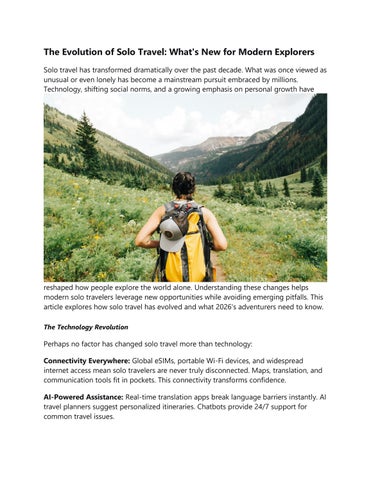
Solo travel has transformed dramatically over the past decade. What was once viewed as unusual or even lonely has become a mainstream pursuit embraced by millions. Technology, shifting social norms, and a growing emphasis on personal growth have
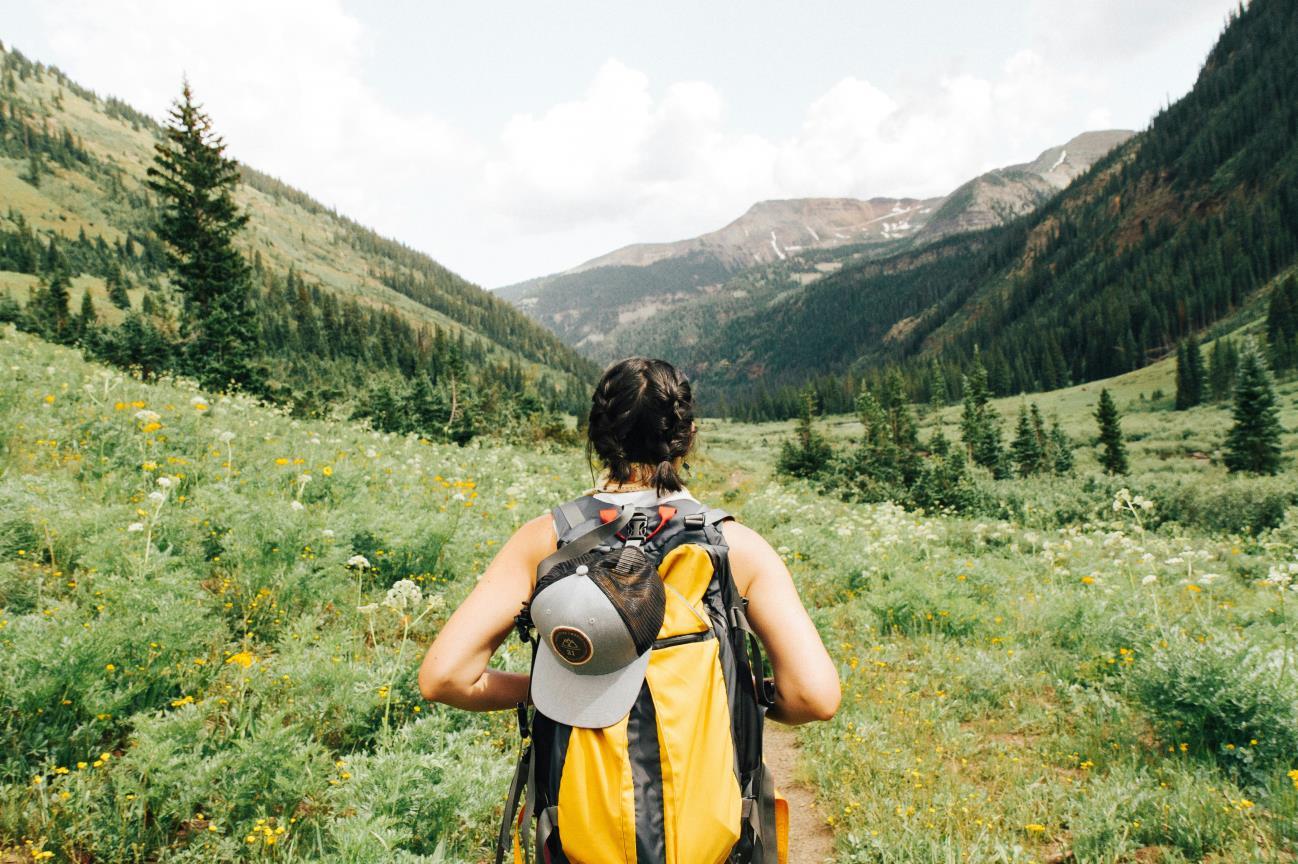
reshaped how people explore the world alone. Understanding these changes helps modern solo travelers leverage new opportunities while avoiding emerging pitfalls. This article explores how solo travel has evolved and what 2026's adventurers need to know.
The Technology Revolution
Perhaps no factor has changed solo travel more than technology:
Connectivity Everywhere: Global eSIMs, portable Wi-Fi devices, and widespread internet access mean solo travelers are never truly disconnected. Maps, translation, and communication tools fit in pockets. This connectivity transforms confidence.
AI-Powered Assistance: Real-time translation apps break language barriers instantly. AI travel planners suggest personalized itineraries. Chatbots provide 24/7 support for common travel issues.
Safety Technology: GPS tracking shares locations with trusted contacts. Safety apps connect to emergency services with one tap. Ride-sharing apps record trip details automatically.
Social Platforms: Apps designed specifically for travelers-Tourlina for women, Travello for meeting others, Eatwith for dining with locals-create connection opportunities unimaginable a decade ago.
As highlighted in Expert Solo Travel Tips 2026 for Adventurers, technology has revolutionized the solo travel experience, offering tools that enhance safety, connectivity, and navigation while fostering virtual communities of like-minded explorers.
The Rise of Solo-Focused Travel Industry
The travel industry now actively courts solo travelers:
Single Supplement Reduction: Many tour operators have eliminated or reduced single supplements, recognizing the growing solo market. Some companies specialize exclusively in solo travel.
Solo-Designed Accommodations: Hostels have upgraded dramatically, offering private rooms with social access. New hotel concepts feature communal spaces designed for solo guests to mingle.
Solo Dining Normalization: Restaurants increasingly accommodate solo diners with counter seating, tasting menus designed for one, and cooking classes that double as dining experiences.
Group Tours for Solos: Companies like Intrepid, G Adventures, and Contiki offer tours specifically for solo travelers, creating instant community while handling logistics.
The Digital Nomad Convergence
The line between solo travel and remote work continues blurring:
Work-From-Anywhere Culture: Post-pandemic, countless companies embrace remote work. Solo travelers extend trips indefinitely, working from cafes and co-working spaces worldwide.
Nomad Visas: Countries compete for remote workers with special visas allowing extended stays. Portugal, Spain, Croatia, and dozens more now offer digital nomad programs.
Co-Living Spaces: Purpose-built communities combine private rooms with shared workspaces, kitchens, and social areas. These attract solo travelers seeking both community and productivity.
Long-Term Mindset: Solo travel now includes 3-month, 6-month, or indefinite journeys rather than traditional 2-week vacations.
The Community Evolution
Finding community while traveling alone has never been easier:
Social Hostels: Modern hostels function as social hubs with events, family dinners, and organized activities. Many rival hotels in comfort while offering unparalleled community.
Experiential Travel: Cooking classes, hiking groups, volunteer opportunities, and workshops attract like-minded solo travelers. Shared experiences create instant bonds.
Women-Only Travel: The women's solo travel movement has exploded. Facebook groups with hundreds of thousands of members share advice, arrange meetups, and provide support.
Local Connection Platforms: Eatwith connects travelers with local hosts for meals. Withlocals offers experiences led by locals. These create authentic connections beyond tourist bubbles.
The comprehensive guides on the main Travel Tips page offer extensive resources for leveraging these new community-building opportunities.
Safety Evolution
Safety approaches have matured significantly:
Female-Focused Design: Hostels now offer female-only floors. Ride-sharing apps allow sharing trip details with trusted contacts. Safety features are standard, not optional.
Real-Time Information: Travel advisories update instantly. Local safety apps alert users to incidents. Social media provides ground-level intelligence.
Community Verification: Reviews, ratings, and solo traveler forums provide accountability. Accommodations and tour operators know they will be reviewed by solo travelers.
Insurance Evolution: Travel insurance now specifically addresses solo concernsemergency evacuation, mental health coverage, trip interruption due to loneliness.
The Demographics Shift
Solo travelers no longer fit a single profile:
Age Diversity: While young backpackers remain common, solo travelers now include empty nesters in their 60s, career-break professionals in their 40s, and digital nomads across all ages.
Purpose Diversity: Some seek adventure. Others seek rest. Some want social connection. Others want solitude. The industry now accommodates all.
Origin Diversity: Solo travelers from Asia, Latin America, and Africa join traditional Western markets. Global solo travel community grows richer.
What Remains Constant
Despite all changes, some truths endure:
Self-Discovery: Solo travel still reveals who you are when no one watches.
Challenge and Growth: Navigating alone still builds confidence and capability.
Human Connection: Despite technology, genuine human connection remains travel's greatest gift.
The Inner Journey: External exploration still mirrors internal discovery.
Solo travel in 2026 offers more support, more community, and more possibilities than ever before. Yet the essential magic remains unchanged: one person, the world, and the space between them. That space still holds infinite possibility.