

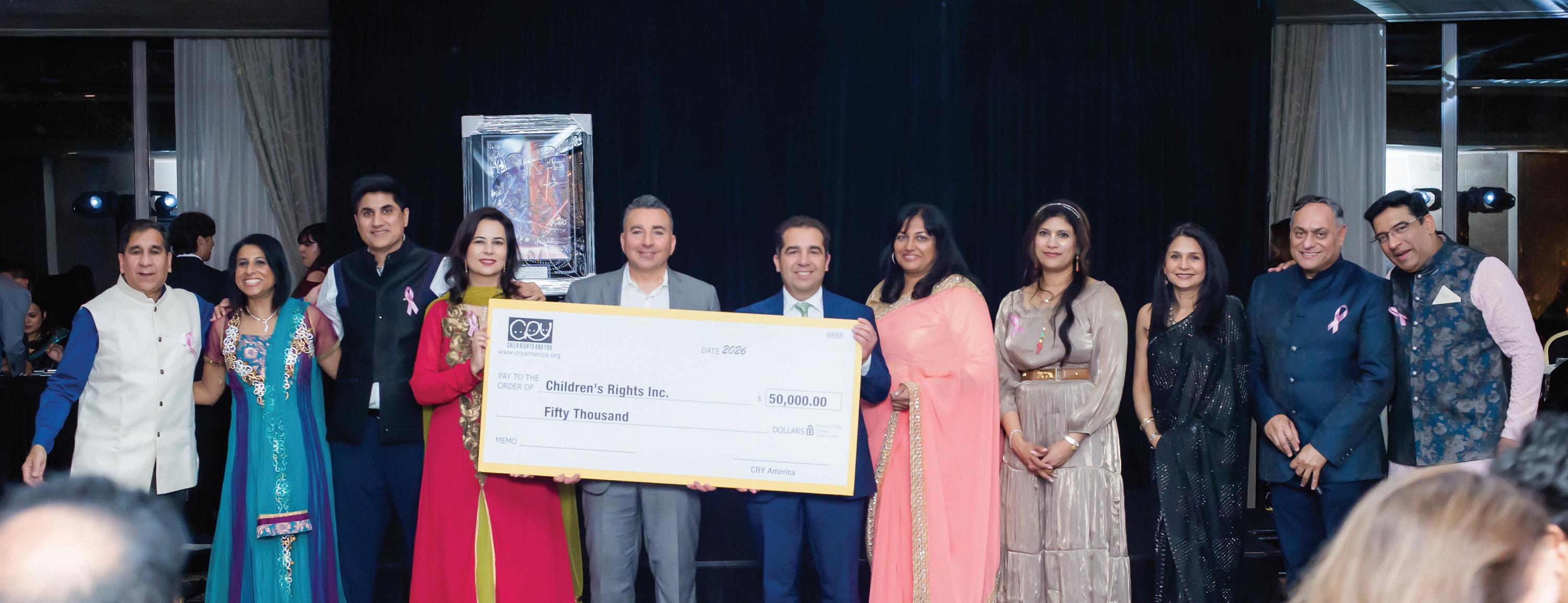

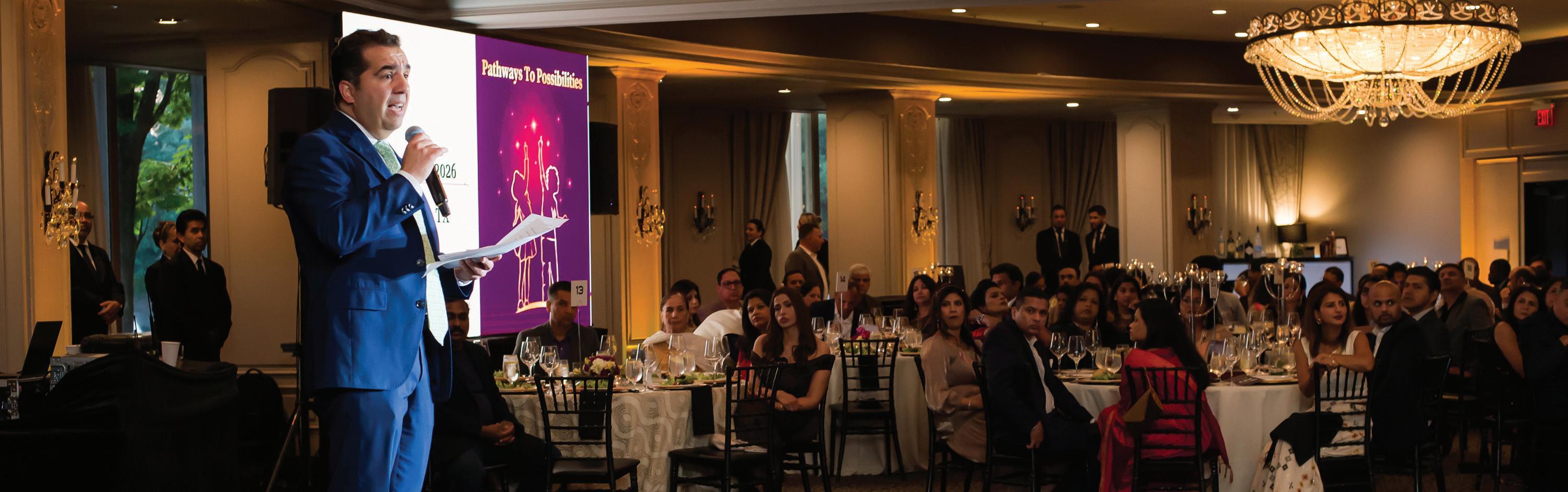
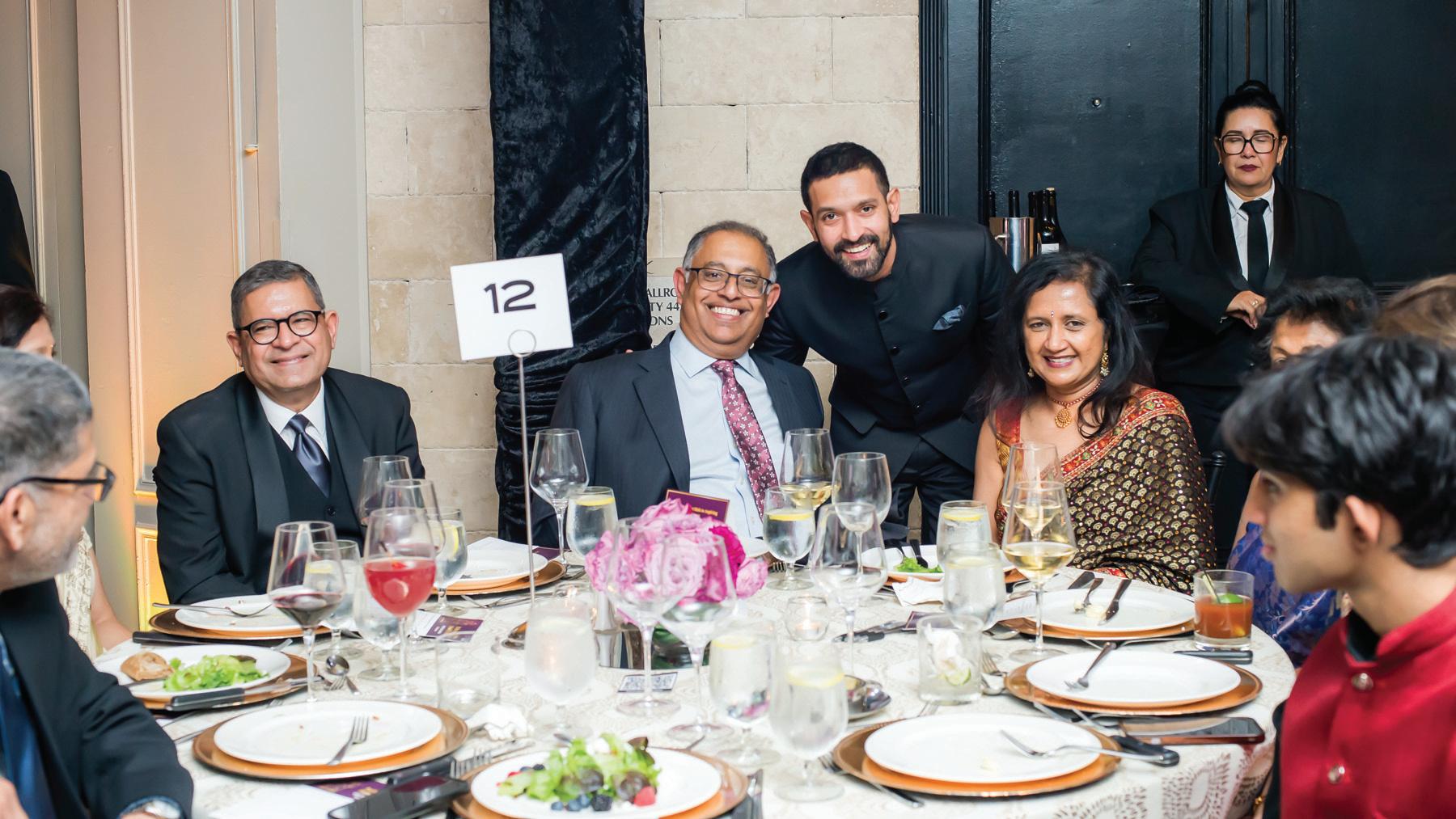
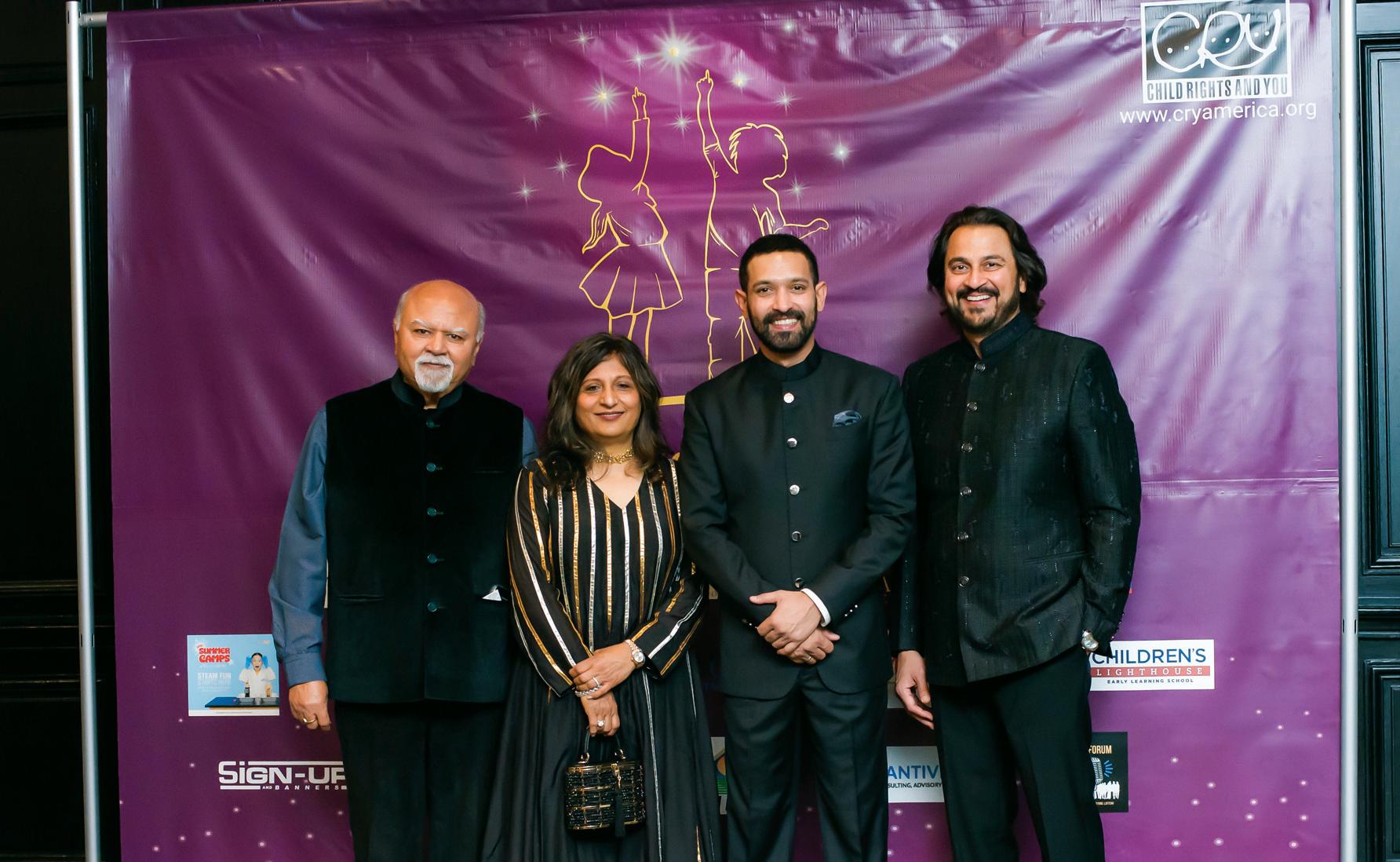
Houston: On April 25, 2025, the Hotel ZaZa Museum District set the stage for an evening of profound impact and elegance as CRY America hosted its annual Houston Gala. The event brought together community leaders, philanthropists, and celebrities to raise critical funds for the protection and empowerment of underprivileged children.
The evening’s highlight featured award-winning Indian actor Vikrant Massey, who delivered a heartfelt appeal to the Houston diaspora. “There is something that binds us all together”, Mr. Massey reminded the audience. “It is a common history, a common passion for compassion and humanity.”
The event seamlessly blended glamour with purpose, featuring a cocktail hour, live entertainment, and an exclusive online auction showcasing donated masterpieces from Indian artists, high-end designer outfits, and bespoke jewelry. The funds raised through the CRY Galas which will be directed towards ensuring children’s rights to a happy, healthy & educated life.
Guest Speaker Sandy Santana, Executive Director of Children’s Inc celebrated the nearly two decade long partnership with CRY America. He highlighted how donor generosity fuels systemic change for children in both India and the United States.
Patrick Bocco, CRY America’s Fundraising Director, shared firsthand accounts from recent project visits. He spoke of the impact of programs like STEM centers and sports programs, which provide
children with the tools to dream beyond their circumstances. .
Mr. K V Ramana, a pioneering social worker, moved the audience with stories from the Tirupati district of Andhra Pradesh. He detailed his work with the Yanadi tribal community, explaining that securing land rights was the essential first step in building the trust necessary to eliminate child labor, halt child marriages, and establish pioneering mini-child centers (Anganwadis).
Thank you to our event sponsors and supporters House of Spices, Karat 22, Four Oaks Insurance, JLL, Idea Lab Kids, Signups, Nova Asset Management, Vantive, Children’s Lighthouse, Ameriprise, Murali Santana and Cellpay among others.
CRY America thanks its Gala Committees, generous donors, project partners, media, volunteers & staff for their ongoing commitment towards building pathways to possibilities for the children.
About CRY America:
CRY, Child Rights and You America Inc (CRY America) is a 501c3 non-profit driven by its vision of a just world in which all children have equal opportunities to develop to their full potential and realize their dreams. With the support of over 35,000 donors and 2,000 volunteers, CRY America has impacted the lives of 825,000 children living across 5,000 villages and slums through support to 111 Projects in India and the USA. For more information: contact Renuka Ramachandran at 617-981-2826; visit http://cryamerica.org or write to support@ cryamerica.org

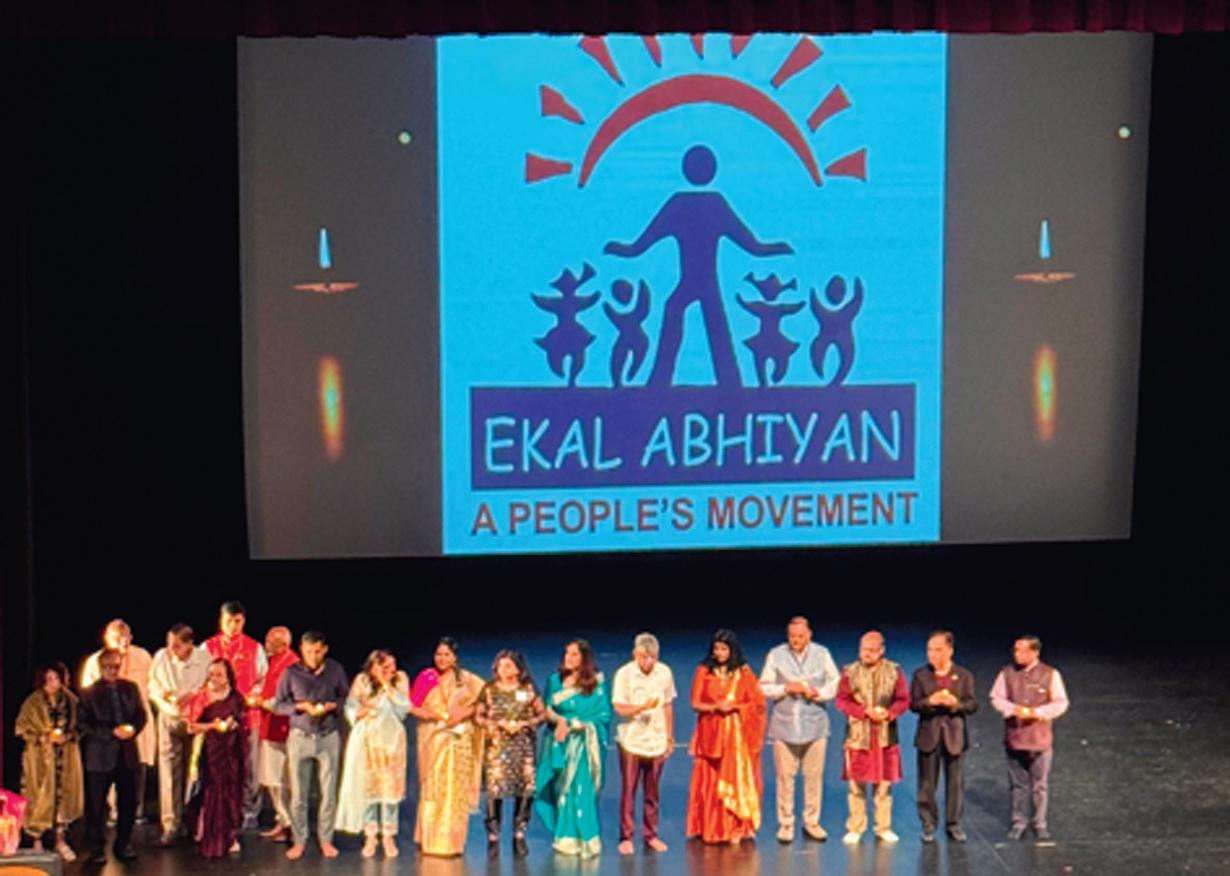
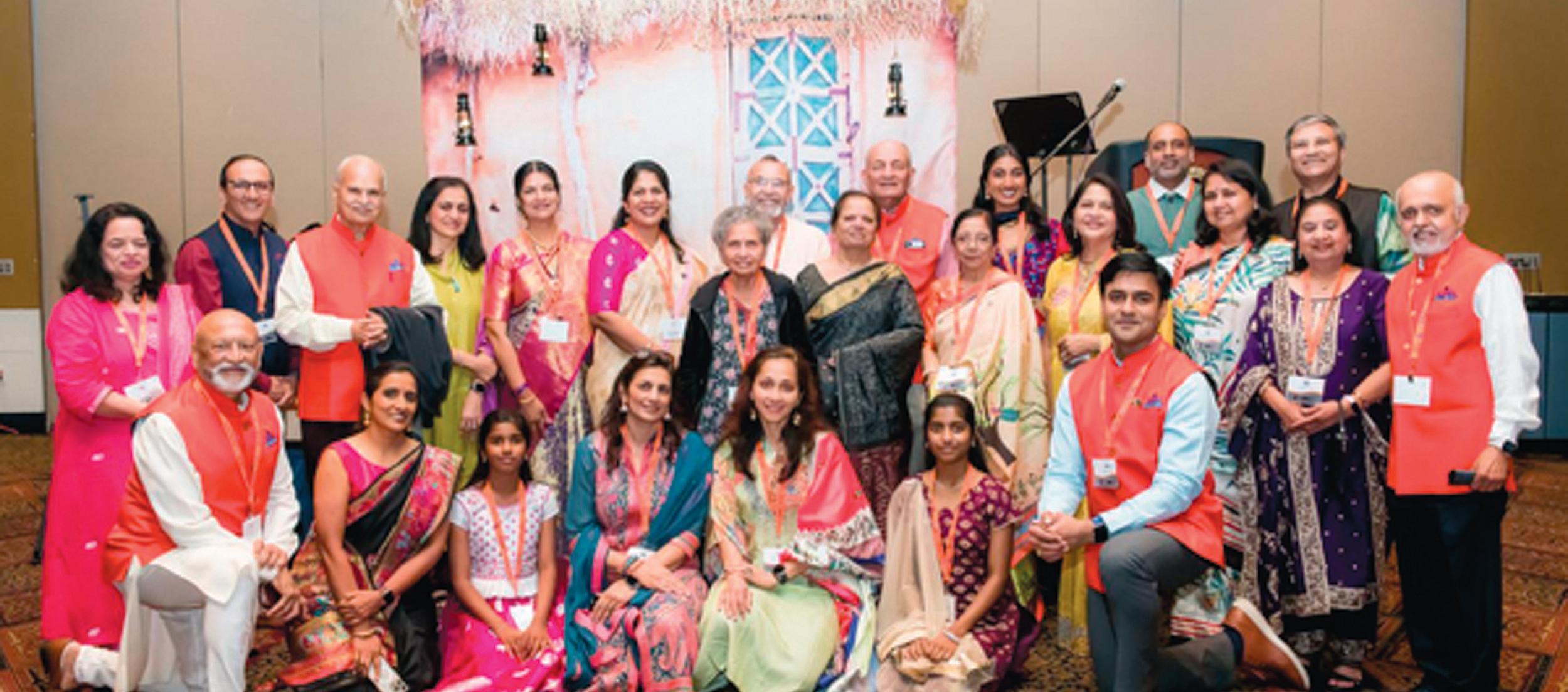
Houston: Ekal Houston’s annual fundraiser raised more than $710,000 to support education and empowerment initiatives for children in rural India, marking an evening of strong community engagement and youth leadership.
Centered on this year’s theme, Ekal Yuva Udaan, the program underscored the growing role of young leaders in advancing the organization’s mission. From the stage to the front lines, youth played a prominent role in shaping the evening and Ekal’s future.
The program opened with the Ekal Youth Choir—comprised of first-generation Indo-American children—offering a resonant tribute to their dual heritage through
the Indian and American national anthems, followed by dinner and cultural presentations.
The evening’s performances began with a traditional Panchari Melam performance by Houston Kalakshetra and continued with an address from Vibhav Aluru, a ninth-grade student who first became involved with Ekal at age 10 by funding a school with his savings.
Uma Dama, President of the Houston Chapter, highlighted Ekal’s commitment to advancing education, literacy, and empowerment in rural and tribal India, while also supporting local initiatives in Houston that benefit women and children. This mission
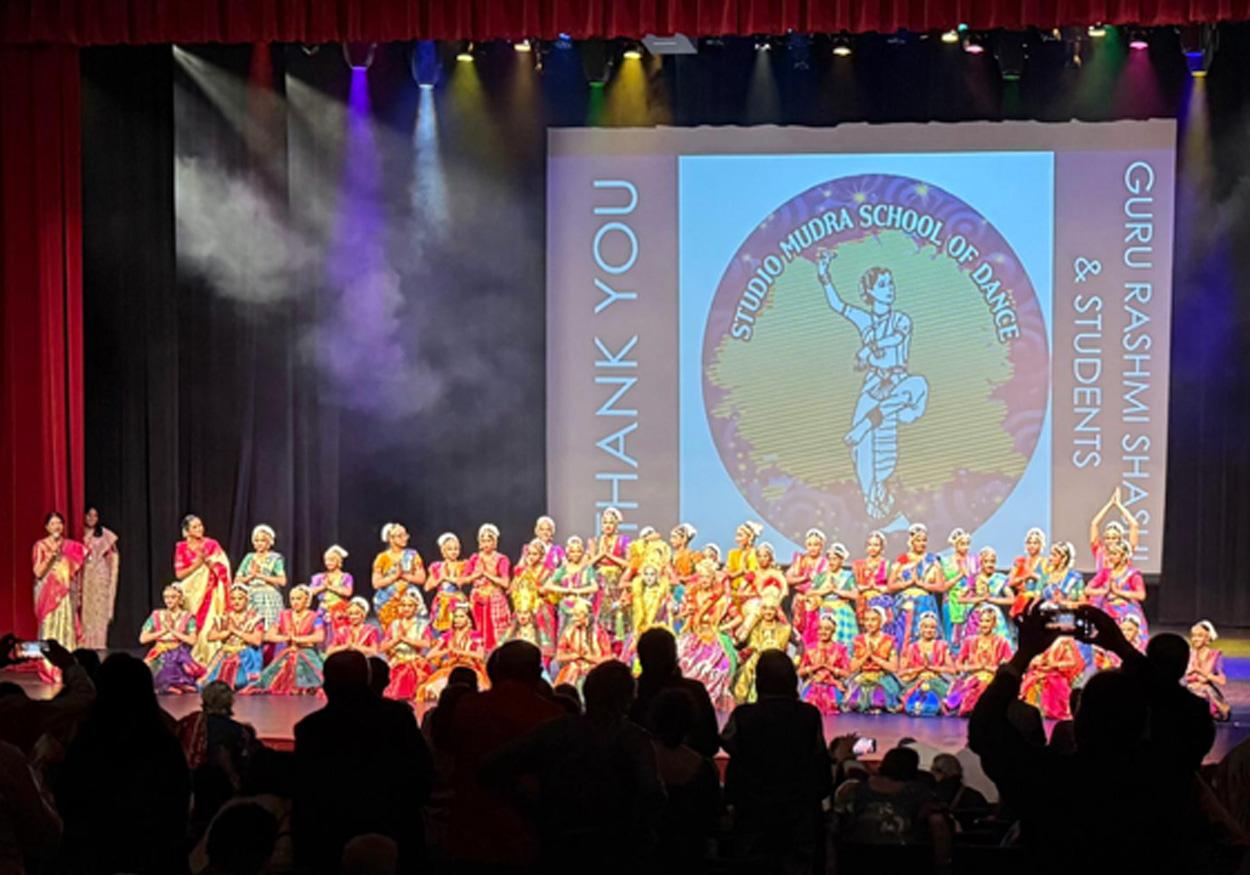
was reflected in Studio Mudra’s presentation of Raghuveera, a superb dance performance featuring 42 Indo-American youth under 18, choreographed under the guidance of Guru Rashmi Sashi, which concluded to a standing ovation from the audience.
The event also marked notable growth, welcoming more than 100 new families and over 200 firsttime attendees. Community participation played a key role in the evening’s fundraising success.
Youth voices formed a powerful thread throughout the evening, reflecting the impact of hands-on involvement and service. Vibhav Aluru shared, “It has truly shaped how I see service and impact,”
highlighting how early engagement can inspire lifelong philanthropy. Kanishka Joshi, one of the youngest volunteers, noted that the experience helped her build confidence and communication skills while deepening her connection to her heritage.
Anya Singh, a longtime youth volunteer assisting at the donation table, emphasized the level of responsibility entrusted to youth participants. Swara Bhatt, who has volunteered with Ekal for three years, added, “Having volunteered with Ekal for three years now, I love what this organization stands for. The values of education and compassion I have learned here will stay with me throughout my
life.” Reflecting on the turnout, Rajat Nagu said, “It was absolutely amazing seeing so many people coming to the event in support of kids in rural India along with the fantastic organizers and volunteers helping everyone out!”
Ekal’s mission is to provide basic education to children in rural and tribal India through its one-teacher school model, with a broader vision of fostering self-reliant communities through education, health awareness, and skill development. With continued community support and an increasing emphasis on youth leadership, Ekal Houston is well positioned to expand its impact.

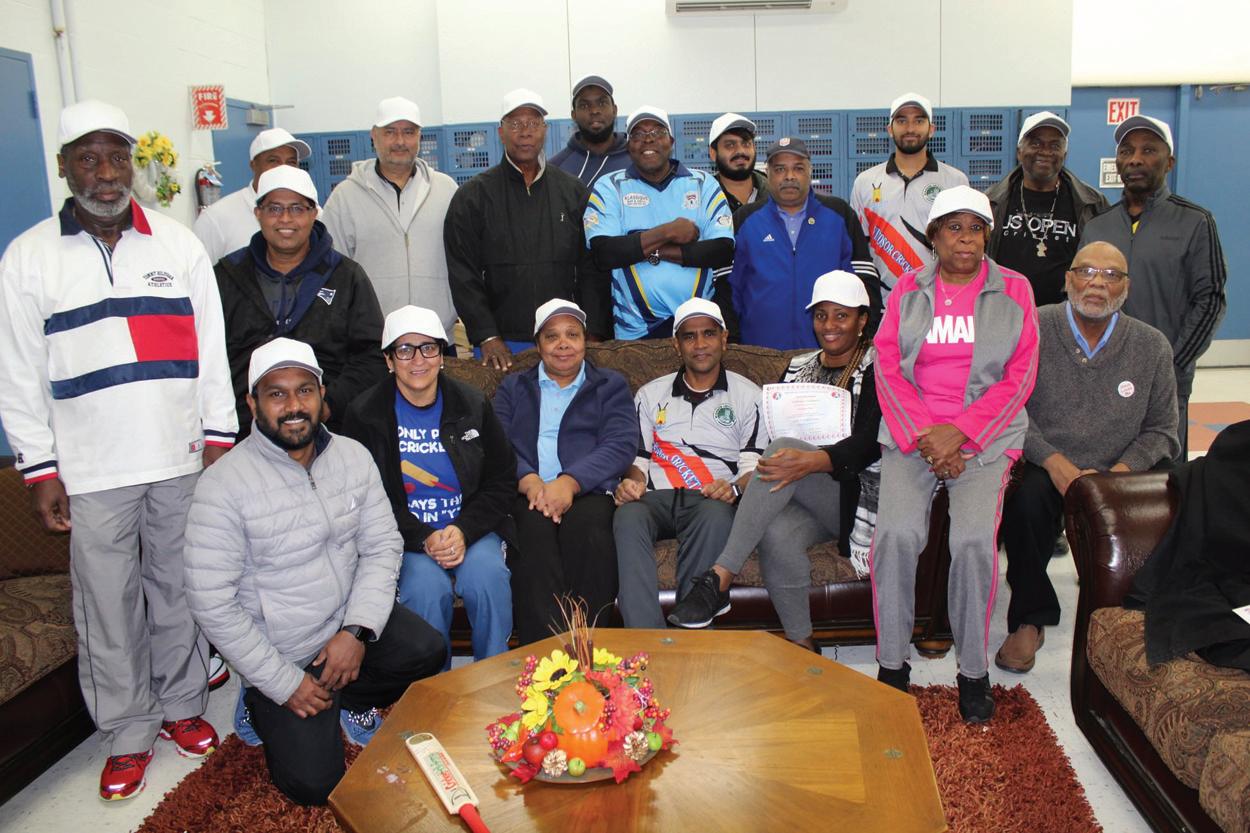
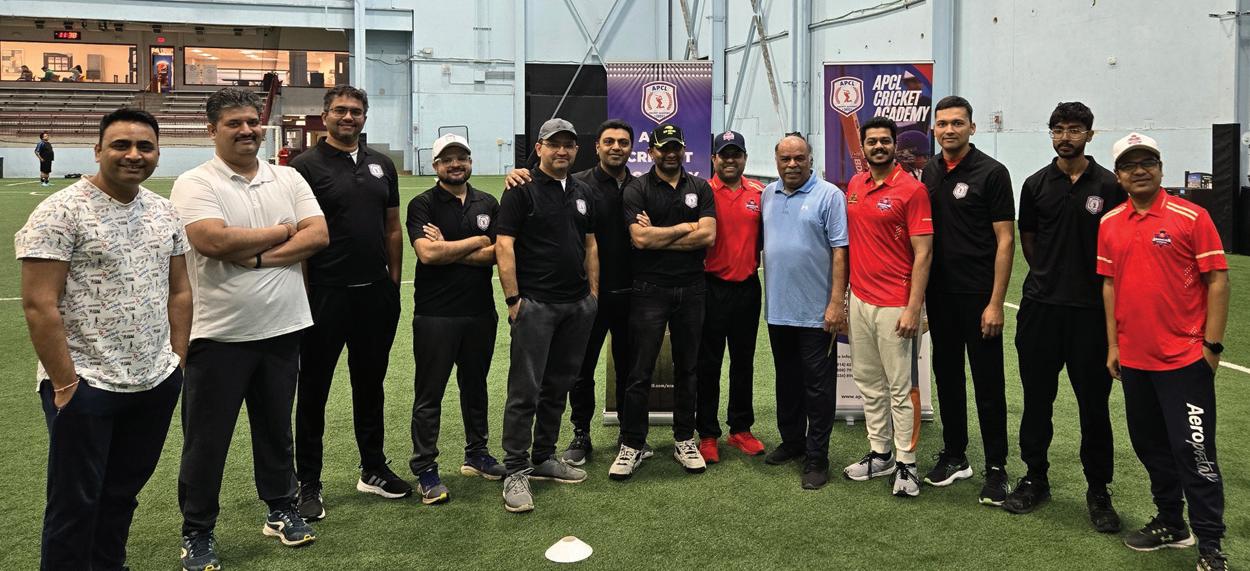
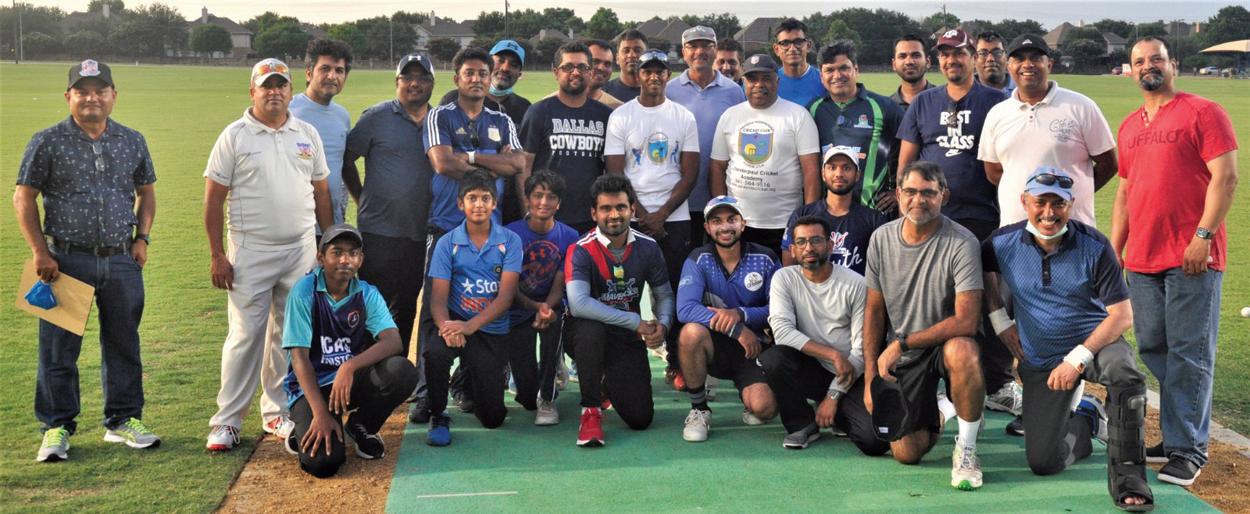
The American Cricket Federation (ACF) coaching program, managed by Jatin Patel, a respected multi-sport coach and Cricket Hall of Famer with a Lifetime Achievement Award, celebrates its 12th anniversary this week.
Scholastic Program: Level 1 was launched in 2014, This foundational program focuses on coaching the basics of cricket and introducing the sport as part of the PE curriculum in schools. Its primary goal is to educate American youth about cricket, fostering interest and understanding of the game at an early age. This program is uniquely designed from an American coaching perspective, focusing on how educators in schools and colleges understand and teach cricket. This approach aims to simplify coaching cricket for American youth and facilitate coach certification based on techniques employed by American sports coaches.
Advance Program: Level 2 was launched in 2015. Certified Coaches are trained to provide training to Level 1 local coaches & volunteers. As of May 2026, there are over 500 Level 2 certified coaches in the USA, excluding out-of-country coaches and educators from schools and colleges. These certified coaches serve as a vital resource for expanding cricket coaching capacity across the nation.expanding the program’s scope. Prior to the 2019 COVID-19 pandemic, ACF collaborated with Omtex Sports in India to develop T20-based global virtual coaching programs.
ACF also participated in statewide scholastic education initiatives across the USA. The new Level 3 certification, awarded with the GOLD status, represents a highperformance program for coaches in the United States. It incorporates advanced sports analytics, video analysis, Mindset with Mindfulness and AI-driven digital coaching concepts, preparing coaches for the next generation.
The program’s initial accreditation was granted by the ACF Board of Directors. It is also approved by the American Cricket Education Council (ACEC) and endorsed by the Cricket Hall of Fame, established in 1981. Additionally, it holds nationwide recognition from United Cricket Coaches and Physical Education Teachers, underscoring its credibility and importance in American cricket coaching development.
Overview of ACF Cricket Coaching
Initiatives in the United States The (ACF) has made significant strides in promoting cricket education and coaching across the United States over the past decade. To date, ACF has conducted 92 weekend coaching clinics, some in collaboration with the renowned Cricket Legends, aimed at training coaches in most states. These clinics have successfully trained numerous schoolteachers, educators, and future physical education (PE) teachers at nine universities, emphasizing the federation’s commitment to integrating cricket into the educational system.
Impact and Leadership Within just twelve years, ACF has established itself as the leading cricket coaching program in the USA. It is recognized as the only program tailored to how American educators understand and prefer to teach cricket to youth in schools and colleges. The program’s success is reflected in its ability to adapt coaching methods to fit the American educational context, thereby increasing the sport’s popularity among young learners. More than 60 plus academies and youth programs in USA benefited from ACF coaches tranining and support for the grass root level developments.
Community Engagement and Development ACF actively leads various educational projects and initiatives aimed at expanding cricket’s reach in the USA. The ACF continues to grow its network of coaches and collaborates with leagues and club communities to develop youth cricket programs. Additionally, ACF sponsors coaching camps at no cost to hosting organizations, fostering grassroots development and community involvement. Also Scholastic programs are free for educators and PE Teachers at educational institutions.
Future Outlook The ACF operates under the philosophy of "for the coaches and by the coaches, emphasizing peer-led development and continuous innovation. The ACF program remains committed to creating initiatives that simplify cricket coaching for American audiences, including youth who may still be skeptical about the sport. Through these efforts, ACF aims to solidify cricket's presence in the American sports landscape and nurture future generations of players and coaches.
ACF launches 28 mini virtual courses for ACEC for the schools and colleges begining fall semester of 2026.




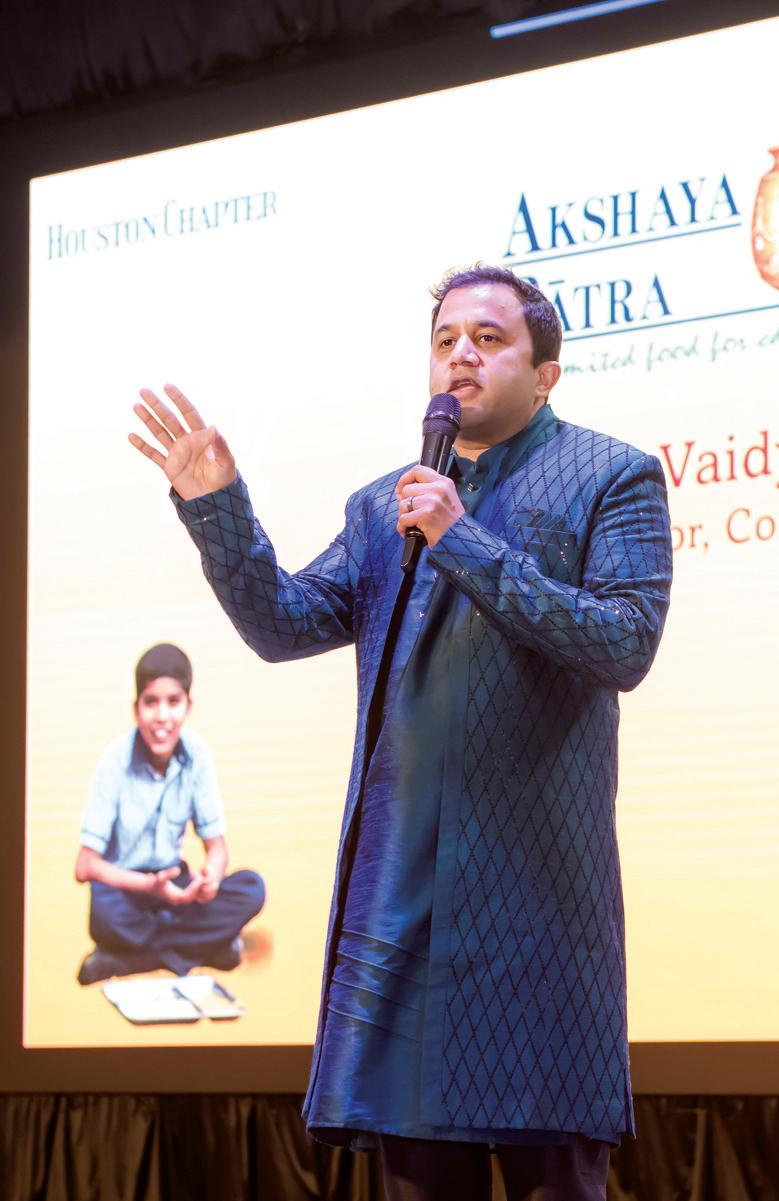
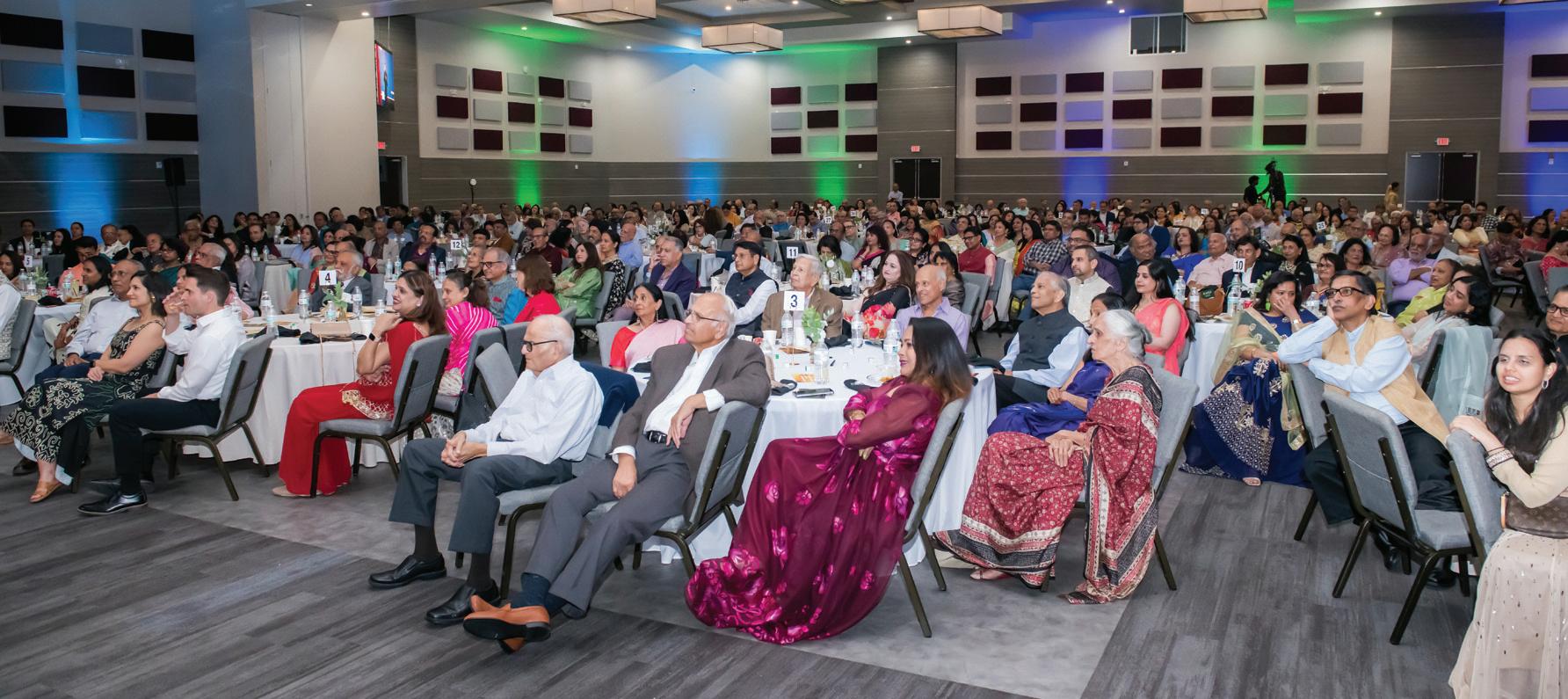
Houston: The Akshaya Patra Houston chapter proudly hosted its sold out “Melodies for Meals” fundraiser on Saturday, April 25, 2026, at the GSH Event Center, welcoming approximately 550 supporters.
The evening opened with vibrant Ganesha and Rajasthani cultural performances by talented dancers from The Shivangini Dance Academy, setting an uplifting tone for the program. Actor Omi Vaidya emceed the event and led a successful pledge drive, raising vital funds to support Akshaya Patra’s mission of providing nutritious meals to children in India’s government schools.
Renowned singer Sanjeevani Bhalende, accompanied by Chirag Panchal and fellow musicians, captivated the audience with nearly 2.5 hours of Bollywood melodies.
The innovative, non traditional dinner menu—curated by Houston chapter board member and event chair Kamlesh Vasa in collaboration with Mahesh Shah, also a Houston chapter board member & President of Daawat Catering— was a standout highlight for attendees.
Houston chapter board members shared updates on Akshaya Patra’s expanding impact. The organization currently serves 2.35 million
mid day meals and nearly 1 million breakfasts every school day across 16 states, 3 union territories, and 24,000+ schools in India. By 2030, Akshaya Patra aims to deliver 6 million meals daily and expand from 78 centralized kitchens to more than 100.
The generosity of Houston donors shone throughout the evening, with contributions ranging from modest gifts to major sustaining commitments. The Foundation also announced its new “Sustainability Fund,” a global legacy giving initiative created by board member Supal Vora, CEO of Navina Wealth. This fund will enable donors to honor loved ones, commemorate life events, and support Akshaya Patra’s long term mission. Additional details will be shared soon; those interested in early participation may contact the Houston chapter leadership.
The Akshaya Patra Houston chapter is supported by over 30 dedicated board members and numerous volunteers. For more information, to donate or to reach out to Houston Chapter team, please visit apusa.org and follow us on social media sites Facebook, Instagram, Tik Tok & LinkedIn.

By Dr. PraDeeP K. saxena
Part I: The Architecture of Inequity — How India’s Goodwill Was Codified into Concession
1. Background: The Partition of a River System
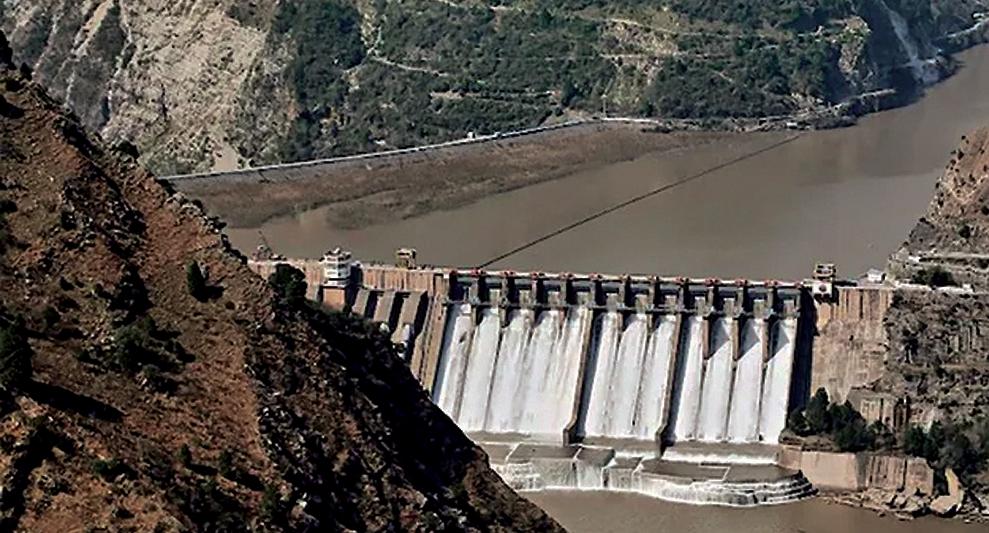
The Indus River System comprises six major rivers—the Indus, Chenab, Jhelum, Ravi, Beas, and Sutlej—flowing through the territories of both India and Pakistan. The system sustains drinking water, agriculture, and electricity generation across the Indus Basin, supporting hundreds of millions of people on both sides of the border.
When British India was partitioned in 1947, the Indus River System was also divided between the two successor states.
The geographic reality was stark: India, as the upper riparian state, held the headwaters of most rivers, while Pakistan’s agricultural heartland—the heavily irrigated Punjab plains—depended critically on continued water flows from the east. India, for its part, required access to the system for its own development objectives in Punjab and Rajasthan, while seeking stability and normalised relations with its new western neighbour. Despite its own pressing domestic needs, India concluded this highly concessionary water-sharing pact with Pakistan on 19 September 1960, an agreement facilitated by the World Bank.
2. Negotiations – India paid the price for rationality
2.1 Pakistan’s Strategy of Delay
and the 1954 World Bank Proposal
The trajectory of the negotiations was shaped, from the outset, by the asymmetry between India’s reasonable and constructive approach and Pakistan’s maximalist, sometimes absurd, demands — an asymmetry that anchored outcomes far more favourably to Pakistan than equity would have warranted. The World Bank’s first substantive proposal of 5 February 1954 illustrates this plainly: even at this initial stage, it required significant one sided concessions from India:
All planned Indian devel- • opments along the upper reaches of both the Indus and Chenab were to be abandoned, with those benefits accruing to Pakistan instead India was required to forgo • diverting approximately 6 MAF from the Chenab River.
No Chenab waters at Merala • (now in Pakistan) would be
available for Indian use. No water development • would be permitted in Kutch from the river system.
Despite these considerable impositions, India accepted the proposal in good faith almost immediately, signalling its genuine desire for a speedy resolution. Pakistan, by contrast, delayed its formal acceptance for nearly five years until 22 December 1958. As a result of this goodwill gesture of India, the restrictions were imposed on her while Pakistan continued developing new uses on the Western rivers without equivalent constraints. Pakistan absorbed the lesson that obstruction pays and cooperation costs—and has applied this lesson consistently ever since.
3. What India Lost: The Scale of Sacrifice
3.1 The Water Allocation
Under the Treaty’s allocation formula, India received exclusive rights to the three Eastern rivers— the Sutlej, Beas, and Ravi—while Pakistan received rights to the waters of the three Western rivers—
the Indus, Chenab, and Jhelum. India was permitted certain limited, non-consumptive uses of the Western rivers within its own territory, primarily for run-of-river hydropower generation, subject to extensive design and operational restrictions.
In volumetric terms, the Eastern rivers allocated to India carry approximately 33 million acrefeet (MAF) of annual flow, while the Western rivers allocated to Pakistan carry approximately 135 MAF—giving Pakistan roughly 80 percent of the system’s water. India received 20 percent, in exchange for relinquishing all claim to the vastly larger Western system. The critical point is that India did not gain new water from the agreement. What India received was formal acknowledgment of flows it already accessed, in exchange for relinquishing all claim to the far larger Western system. India was permitted certain nonconsumptive uses of the Western rivers within its territory—primarily run-of-river hydropower generation.
3.2 The Financial Concession: Paying to Give Away Water
Perhaps the most striking anomaly of the Treaty is the financial provision. India agreed to pay approximately £62 million (approximately $2.5 billion in present value) as compensation to Pakistan to build water resources infrastructure in Pakistan-occupied Kashmir. This payment represents a unique precedent in which the upstream country, which was already surrendering the majority
of the system’s water, additionally paid the downstream country for the “privilege” of doing so. India essentially subsidised Pakistan’s acceptance of a deal that heavily favoured Pakistan on the fundamental question of water allocation.
4. The Treaty’s Structural Unfairness
4.1 Unilateral Asymmetric Restrictions on India
The Treaty imposes a series of specific design and operational restrictions on India’s use of the Western rivers that have no corresponding obligations on Pakistan’s side:
India can develop only a • limited Irrigated Cropped Area (ICA) in its territory. India faces strict limits on • the volume of water that can be held in any storage facility on the Western rivers. India must comply with spe- • cific design criteria for any hydropower facilities on the Western rivers, including restrictions on pondage and storage capacity.
These restrictions are one-directional: they constrain India’s lawful development of resources within its own territory while imposing no equivalent transparency or restriction requirements on Pakistan. The result is a treaty that treats the upstream state—India—as the party requiring oversight and restraint, while the downstream state benefits from guaranteed flows.
Dr. Saxena is the former Indian Commissioner for Indus Waters.

HarLingen: A Texas court interpreter who was arrested by ICE after living in the US for more than 35 years is speaking out from detention, saying she has been “treated like a criminal” and fears being deported to a country where she has never been.
Meenu Batra is the only licensed Punjabi, Hindi and Urdu court interpreter in the state, and has served as an interpreter for hundreds of people in immigration court.
Then, last month, immigration agents at Harlingen international airport stopped her and put her in handcuffs, and transferred her to El Valle detention facility in Raymondville.
“It feels bizarre,” she said. “I don’t know how else to put it. Here I am just staring at the wall wondering what exactly I’m doing here but also what is anybody doing here.”
Batra, 53, had spent almost her entire adult life in south Texas, raising four children there. She had fled Indian pogroms against Sikhs in Punjab, and had arrived in the US in 1991. In 2000, an immigration judge granted her a “withholding of removal” to India, concluding she was likely to face persecution there.
Now her lawyer worries the government plans to send Batra to a “third country” where she has never been.
“I haven’t been able to cry much because nothing is making sense,”

‘Here I am just staring at the wall wondering what exactly I’m doing here but also what is anybody doing here,’ Batra says from detention. Photograph: Courtesy Deepak Ahluwalia
she told the Guardian, calling from the El Valle detention center where she has been held without explanation for a month.
In the interim, she said, she has to live in the horror movie version of Groundhog Day – each day, she wakes up in a windowless warehouse block. Because of her fluency in English, and her familiarity with many immigration policies, Batra said she had been trying to help some of the other women who are detained with her to request confidential calls and access to attorneys.
Batra had been on her way to Milwaukee, Wisconsin, for work
on 17 March when an Immigration and Customs Enforcement (ICE) officer stopped her at the airport and asked: “Do you know that you are here illegally?” In a sworn deposition, Batra said that she responded, “No” – and clarified that she had a valid status and a legal work permit. She was taken away in an unmarked SUV, she said. A farm worker is seen through a wIn a declaration

filed as part of a petition for habeas corpus challenging her detention, Batra said that she was initially detained without food or water for 24 hours, and denied medication that she takes for her cholesterol for several days. She alleged that after she was arrested, officers made her pose for photographs with her hands behind her back to give the impression she was still handcuffed and told her the images were “for social media”.
“This made me feel humiliated and treated like a criminal,” she said.
Deepak Ahluwalia, a California and Texas-based immigration attorney representing Batra, said that the government had not told him or Batra why she was detained or where she would be sent.
Because Batra was granted “withholding of removal” – a humanitarian protection based on the fact that she was likely to face persecution and harm based on her religion or ethnic group – the
government cannot send her to India unless it reopens her immigration case. But the US government has not done that, said Ahluwalia – leading him to suspect that the government plans to send her to a third country. “It’s been a month since Meenu was detained and they still haven’t told her where they want to send her,” Ahluwalia said.
The Department of Homeland security said Batra “was issued a final order of removal from an immigration judge in 2000”. A withholding of removal is not a final order of removal, Batra’s attorney said; rather, it is a deferral of removal. The agency did not clarify where it intended to send Batra, and a spokesperson did not respond to multiple queries about Batra’s treatment inside the El Valle detention center.
Batra, meanwhile, said her life – and her children’s lives – had been put on an indefinite hold. -Guardian
FounDer: Dr. K.L. sinDwani
PuBLisHer: JawaHar MaLHotra
eDitor: PraMoD KuLKarni
CorresPonDent: sanCHaLi Basu


By sHuBHra guPta
These days, the disclaimer becomes more telling than the movie itself. Raja Shivaji, directed by Riteish Deshmukh who also plays the titular character, is neither a documentary nor a history lesson, we are told; it is basically ia warning that what is about to unfold will be lore, myth and current beliefs, all rolled into one.
Despite this, Deshmukh creates a big screen experience. firmly rooted in the ultra-colourful Amar Chitra Katha aesthetic. Those with long memories may be swiftly taken back to the impressive figure of the Maratha warrior astride his horse, brandishing a sword while fighting off hordes of Mughal invaders.
The film makes no attempt to sully its black-and-white universe with any moral complexities: Marathas good, Mughals, and others of their ilk — Nizamshahi and Adilshahi — terrible, and there endeth the story. The child marriage, shown between a young Shivaji and a younger Sai, is turned into a cutesy strand; the constant switching of loyalties between the Hindu rulers of the time is glossed over, and the idea of ‘swaraj’, which came much later, becomes Shivaji’s rallying cry, as it did in the 2025 ‘Chhava’.
But once you know what the film is going for, all you are interested in is whether it will hold your attention for its duration. To that end, Deshmukh spends 3.15 hours filling his canvas with the undulating landscapes of Ahmednagar, Bijapur, Pune and other Deccan areas, overrun by the several warring principalities. An unending stream of bristling battles, flayed limbs, bloody bodies ensues, to the point where you are left numb: how many arms, legs, and heads can you watch being severed or cleaved off torsos? About the only thing that breaks the array is a smartly choreographed battle scene inside a fort.
The first half, complete with a childhood backstory, stays fairly

fast-paced, keeping in mind short audience attention spans. Shahjehan has dispatched Aurangzeb (Fardeen Khan) to manage the internecine Dakkhani warfare, himself staying put in faraway North: Mughal armies are rampaging through the countryside, ravaging homes and desecrating temples. Elephants fight each other, allowing for lots of CGI, not very cleverly hidden, adding to the comicbook effect.
Perfect time for our hero to rise to the occasion, and set about consolidating the scattered Maratha rulers, under the ‘bhagwa dhwaj’, with the rousing cry of Har Har Mahadev. Deshmukh plays the role with sincerity, carrying the weight of a figure deeply revered throughout Maharashtra, all the while depending upon his ensemble to carry the story forward in the infrequent sequences when
he’s not striding across the screen. Or putting his ‘wagh nakh’ to good use, which is the only time the toostretched, repetitive second half, springs to life.
As to that, let me put the record straight: the reveal of the storied Shivaji weapon during the climactic tussle between him and the treacherous Afzal Khan (Sanjay Dutt) is perfectly timed, and the controversy — did he or did not show his hand before he had to — is needless. It has to be said that some of the most enjoyable bits of the film belong to Dutt in full Khalnayak mode, who chews the scenery, ratcheting his smirking villainy with every scene. Amole Gupte, playing an indolent Mughal ruler, more in love with his pigeons than his scheming, heavily-kohl-eyed begum (Vidya Balan, terrific) is quite a lot of fun, too..-- IE