London, April 28 (IANS) A recent court ruling in the United Kingdom’s West Midlands sentencing the accused to life
imprisonment for "religiously aggravated assault" on a young Sikh woman has sent shockwaves through Sikh communities both in the UK and overseas, a report said on Tuesday.
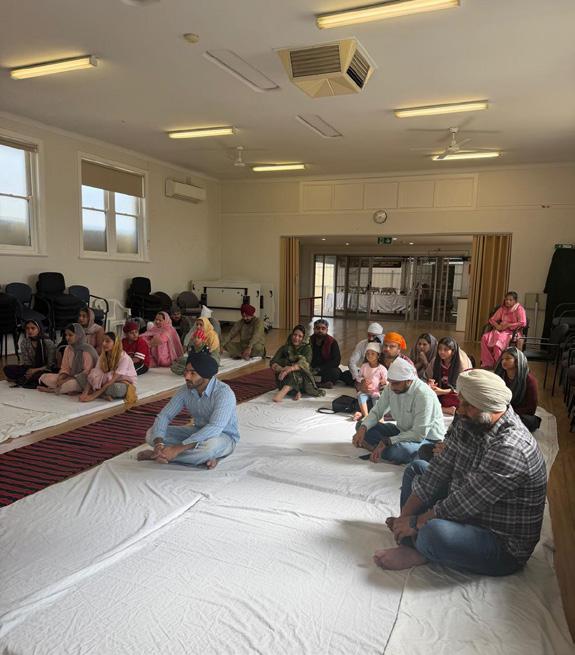
According to a report in Khalsa Vox, the Birmingham Crown Court handed John Ashby life imprisonment with a minimum term of 21 years for attacking the woman in her 20s at her
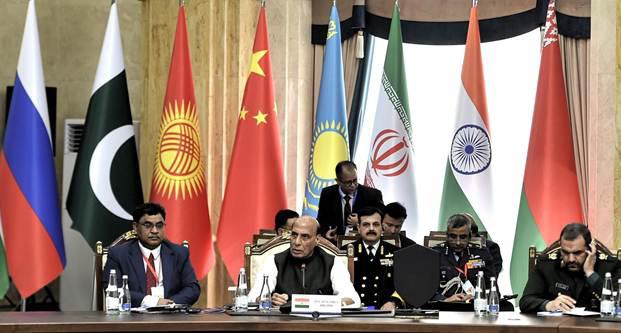
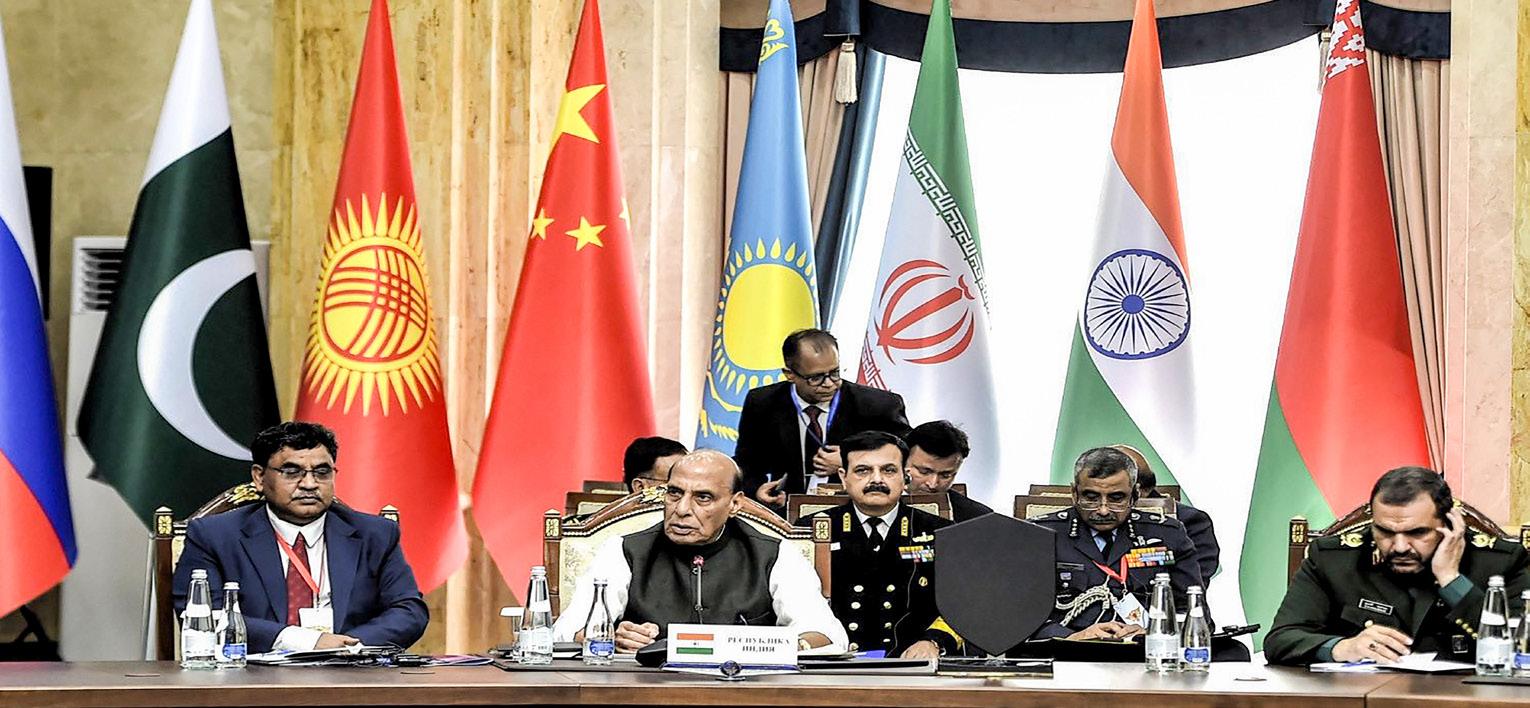
Op Sindoor showed terrorism centres no longer immune, says Rajnath Singh at Kyrgyzstan SCO meet
Bishkek, April 28 (IANS) Defence Minister Rajnath Singh on Tuesday addressed the Shanghai Cooperation Organisation (SCO) Defence Ministers' Meeting in Bishkek, stressing the urgent need for a collective and
uncompromising approach to tackle the "evils" of terrorism, separatism and extremism by dismantling safe havens and rejecting any political justification for such acts.
"Operation Sindoor demonstratedIndia's firm resolve that terrorism epicentres are no longer immune to justifiable punishment," Singh said while addressing the SCO gathering.
residence in Walsall, West Midlands, in October 2025.
During the hearing, the court was told that the victim had been followed from public transport to her residence before the assault took place.
“What has particularly disturbed the Sikh community is the nature of the crime. Prosecutors stated that Ashby wrongly assumed the victim was Muslim based on her appearance and subjected her to
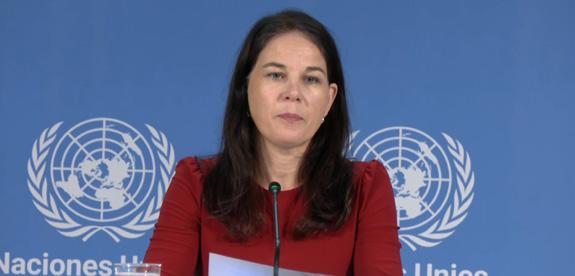
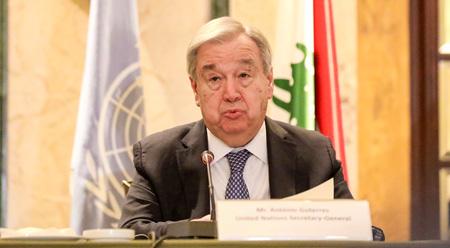
New Delhi, April 28 (IANS) United Nations General Assembly (UNGA) President Annalena Baerbock on Tuesday lauded India's role in the United Nations and across all three pillars of the UN Charter. Addressing a press conference in
New Delhi, April 28 (IANS) India has successfully met its highest-ever peak electricity demand of 256.1 GW on April 25, marking a significant milestone in the country’s power sector,
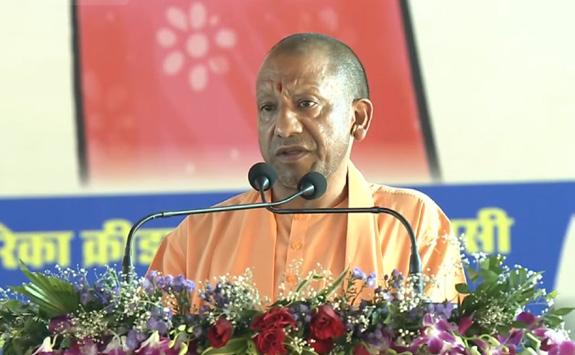
Women’s power on spotlight in Kashi; UP CM Yogi Adityanath says Oppn faces visible anger among ‘half the population’
Varanasi, April 28 (IANS) A strong show of women's participation
blended with pointed political messaging marked the 'Jan Akrosh Mahila Sammelan' at the BLW ground on Tuesday, coinciding with the first day of Prime Minister Narendra Modi's two-day visit to Uttar Pradesh's Varanasi.
Uttar Pradesh Chief Minister
Yogi Adityanath projected the vision of a 'New India' under the Prime Minister's leadership while launching a sharp critique at opposition parties. He asserted that discontent against the Opposition is ''clearly visible" among the country's 'half
the official statement said on Tuesday.
The demand was recorded at 3:38 PM and was managed without any shortage, even as the country continued to export electricity to its neighbouring nations, the Ministry of Power said.
The achievement surpasses the previous all-time high of 250 GW recorded in May 2024 and also exceeds the peak of 245.4 GW observed in January 2026 during the last financial year.
New Delhi on Tuesday, Baerbock stated that more than 184 Indian peacekeepers have made the ultimate sacrifice in service of global peace. She thanked Indian government for inviting her to India and extending a warm hospitality. Baerbock mentioned that she met External Affairs Minister (EAM) S Jaishankar in Delhi on Tuesday to discuss how
The sharp rise in demand has been driven by the onset of summer, with electricity consumption registering an 8.9 per cent growth in April (April 1–27) compared to the same period last year.
Officials attributed the milestone to strong capacity addition and improved planning. Around 65 GW of new power generation capacity was added during FY 2025–26, significantly strengthening India’s
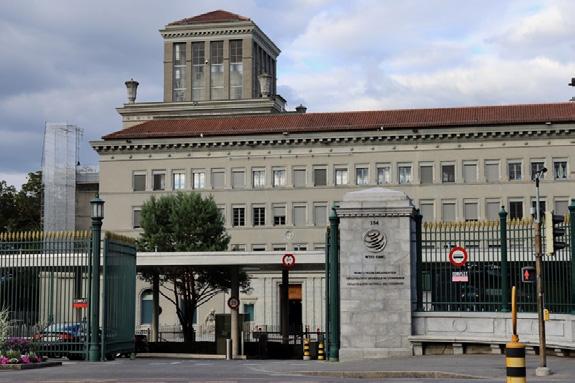
New Delhi, April 28 (IANS) Amitabh Kumar, Additional Secretary in Commerce Ministry, urged preserving the World Trade Organization’s (WTO) consensus-based decision-making and special and differential treatment for developing countries while warning against rising plurilateral
approaches and non‑tariff measures, an official statement said on Tuesday.
In a virtual discussion, senior policymakers and experts examined the challenges confronting the WTO’s dispute settlement mechanism, particularly the continued nonfunctionality of the Appellate Body since 2019.
Centre for Trade and Investment Law, Indian Institute of Foreign Trade and South Asia International Economic Law Network conducted a virtual discussion on the evolving role
EDITORIAL TEAM
Dr Ram Mohan, Chairman
Dr Ashutosh Misra, Editor-in-Chief
EDITORIAL BOARD
Amrita Deshpande, Community News Editor
Paras Sharma, Assistant Editor
Dr Uttam Kumar Sinha, Senior Fellow, Nehru Memorial Museum & Library, India
Mr Shaun Star, Director, Centre for Australia India Studies, Jindal Global University, India
From Zeenat Aman to Rekha: Kritika Kamra on bringing Gulrukh in Matka King to life
Sikh women vulnerable to hate-fuelled violence overseas: Report
Continued from page 1
alone, returning home after work, and navigating public spaces.”
UNGA President Annalena Baerbock lauds India’s role at UN
Continued from page 1 Islamophobic abuse during the attack. In distressing testimony, the victim told police she tried to correct him, saying she was Sikh. The incident has drawn attention to how visible markers of identity — such as attire or skin colour — can make Sikh women vulnerable to hate-fuelled violence,” the report detailed.
The report noted that community organisations, including Sikh Women’s Aid, have described the emotional impact as widespread. Leaders said the case has shaken the Sikh women’s sense of safety, many of whom relate to the victim’s experience — “travelling
Sukhvinder Kaur, chair of trustees at the organisation, said that the conversations with local residents reflected a strong sense of anxiety and fear. “This is not just one incident — it resonates with countless women who now question whether they are safe, even in their own homes,” the report quoted her as saying, citing the BBC.
The report further said, “The incident has also highlighted a broader concern within the Sikh diaspora: misidentification and the targeting of individuals due to perceived religious identity.
Community leaders have long warned that Sikhs, particularly those who visibly express their faith, can be subjected to prejudice or attacks rooted in ignorance."
It cited community advocates stressing that beyond policing, education and awareness are essential to counter stereotypes and prevent hate-driven violence, while calling for "stronger community engagement and a unified stand against prejudice." Underlining the wider implications, the report said, “The case has become a stark reminder of the vulnerabilities faced by minority women and the urgent need to ensure that identity — religious or otherwise — does not become a reason for fear.”
India meets record 256.1 GW peak power demand without shortage, sets new benchmark
Continued from page 1
overall power supply system and enhancing its ability to handle peak demand conditions.
The government now expects to comfortably meet an even higher demand of around 270 GW later this year. The peak load was managed through advance resource adequacy planning, efficient scheduling and dispatch of
Continued from page 1
available generation, and close real-time coordination among grid operators, including the National Load Despatch Centre, regional and state load despatch centres, and generating stations. At the time of peak demand, electricity supply was ensured through a diverse mix of sources, including thermal, hydro, nuclear and renewable energy. Renewable energy, particularly solar power, played a crucial role
in meeting daytime demand, while hydro and other flexible sources helped maintain grid stability.
The seamless handling of record demand highlights the growing resilience and preparedness of India’s power infrastructure, especially at a time when rising temperatures continue to push electricity consumption to new highs.
Women’s power on spotlight in Kashi; UP CM Yogi Adityanath says Oppn faces visible anger among ‘half the population’ of the population' -- women.
Prime Minister Modi attended the event and greeted the large gathering of women.
The stage also featured Chief Minister Adityanath, senior Bharatiya Janata Party (BJP) leaders, and thousands of women participants from across the region.
The event began with a traditional welcome ceremony, during which Varanasi District Panchayat Chairperson Poonam Maurya presented a wooden artefact to the Prime Minister.
Representatives of various organisations also offered GI tagged gifts, including intricate zari-zardozi work, a peacockthemed craft, a Panchmukhi Ganesh idol, and a symbolic memento of Namo Ghat.
Opening his address with chants of 'Har Har Mahadev', the Chief Minister described PM Modi as the ''architect of New India'' and credited his leadership for accelerating the country's development trajectory.
He said India is progressing rapidly with a focus on holistic and inclusive growth.
Highlighting the transformation of Kashi, Chief Minister Adityanath noted that the city has re-emerged as a hub of spiritual and cultural consciousness.
He noted that development projects worth thousands of crores have already been completed, with several more in progress.
He also pointed out that the Prime Minister is set to inaugurate and lay the foundation stone for multiple projects during
the visit to Varanasi.
On women's empowerment, Chief Minister Adityanath said both the Centre and the state government remain committed to protecting women's rights. He referred to efforts aimed at ensuring 33 per cent reservation for women in Parliament and state Assemblies, alleging that opposition parties have tried to stall the initiative.
Reiterating his attack, Chief Minister Adityanath said the resentment against the Opposition is evident among women across the country. The Chief Minister also highlighted Prime Minister Modi's framework of prioritising four key sections -- women, the poor, youth, and farmers -- saying that the double-engine government is working to ensure inclusive development for all.
Op Sindoor showed terrorism centres no longer immune, says Rajnath Singh at Kyrgyzstan SCO meet
Continued from page 1
He underscored that the global community must remain mindful of the threat posed by state-sponsored cross-border terrorism that undermines the sovereignty of nations, asserting that there is no room for selective approaches or double standards in dealing with such challenges. Singh emphasised that the SCO must take decisive steps against those who support, shelter or facilitate terrorist activities. "By
tackling terrorism, separatism, and extremism without exception, we transform regional security from a challenge into a cornerstone for peace and prosperity," he said.
Highlighting counter-terrorism as a core principle of the SCO, the Defence Minister noted that the organisation has consistently condemned such acts and ideologies as part of a unified fight against the menace.
UN and India can strengthen multilateral cooperation on global issues given the current global headwinds."We are witnessing growing geopolitical tensions, increasing fragmentation and pressure on the three pillars of the United Nations, peace and security, development and human rights, and even direct attacks on the UN Charter. Yet, we also see that no country, regardless of its size or strength, can address today's complex global challenges alone. From climate change and global health pandemics like Covid to the global economic impact of wars as seen with the Russian invasion of Ukraine, closing of the Strait of Hormuz in one part of the world affects everyone everywhere. Therefore, complying with international law and the delivery on the Sustainable Development Goals is not optional, but in the interest of all of us."The Charter of the United Nations is our common life insurance. As President of the General Assembly for this 80th session, therefore my key priority is to defend the Charter and the international rule of law. In this regard, I also called for a cross-regional alliance to support multilateralism and the United Nations. This is why I have travelled to India, one of the world's biggest democracies and its continued leadership and partnership for multilateralism is central in these times. Its steadfast commitment to law is a guarantee for peace for all of us," she noted.Baerbock hailed India's contribution to IndianUN Development Partnership Fund to support least developed
countries, landlocked developing countries, and small island developing states in their pursuits to the Sustainable Development Goals (SDGs)."As one of the founding members of the United Nations, India has played a critical role throughout the organization's 80-year history and across all three pillars of the UN Charter. Since 1948, on peace and security, India has contributed more than 300,000 troops to more than 53 missions. More than 184 Indian peacekeepers have made the ultimate sacrifice in service of global peace. As a champion for the Sustainable Development Goals (SDGs) Implementation, India leads in South-South cooperation, for example, by the Indian-UN Development Partnership Fund to specifically support least developed countries, landlocked developing countries, and small island developing states in their pursuits to the SDGs," she said. The UNGA President stated that human and women's rights have been embedded in the UN since the beginning as a foundation of peace and development.
"As a great female Indian leader, Dr. Hansa Mehta ensured that the Universal Declaration of Human Rights from 1948 reads not only all men but all human beings are born free and equal. This steadfast commitment to the three principles, especially also to human rights, is even more important in a time where we undertake the selection and appointment process of a new Secretary-General, a position that has never been held by a woman in the organization's 80-year history.
Consensus-based decision making must to maintain level-playing field for all WTO members
Continued from page 1
of the World Trade Organization (WTO) in governing multilateral trade, amidst emerging geopolitical, technological, and economic challenges.
The discussion also addressed the erosion of key principles such as the most-favoured-nation (MFN) obligation and the growing invocation of national security exceptions in trade measures.
He also referred to the Tianjin Declaration of the previous year, describing it as a reflection of India's firm and collective position against terrorism and its perpetrators, reinforcing the country's zero-tolerance approach. "The real test of collective credibility remains in consistency. We must not forget that terrorism has no nationality and no theology.
Prof. Mark Wu from Harvard Law School examined the broader factors affecting the WTO, including geopolitical contestation, technological transformation, and global economic imbalances. The discussion highlighted that these factors contribute to a period of transition for the multilateral trading system, with implications for the WTO’s future role and functioning.
In another event, India’s former Ambassador and Permanent Representative to the WTO, Ujal Singh Bhatia, emphasised the
intrinsic link between carbon governance and global justice.
Experts critically examined the legal, ethical and economic implications of climate action instruments such as CBAM and other carbon pricing mechanisms, the statement from the Commerce and Industry Ministry said.
The panellists deliberated on key legal and policy dimensions of carbon border adjustment mechanisms and climatelinked trade instruments, emphasising the need to balance trade competitiveness with climate responsibilities and ensure equitable outcomes for developing nations.
The event brought together academicians, researchers, professionals, and students, to discuss sustainable trade practices and to reinforce the role of collaborative academic initiatives in shaping responsive and inclusive global trade governance frameworks, the statement noted.
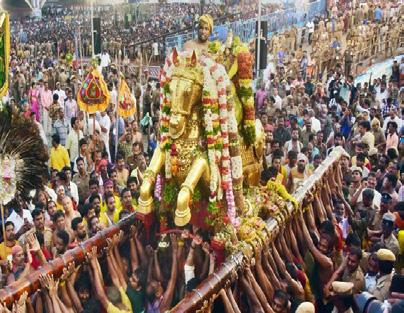
Chithirai festival in TN’s Madurai, massive crowds gather for Kallazhagar’s Vaigai entry
Madurai, April 30 (IANS) The world-renowned Chithirai Festival in Tamil Nadu's Madurai has entered its peak phase, drawing huge crowds and vividly showcasing the age-old unity between Shaivite and Vaishnavite traditions.
Lakhs of devotees have thronged the temple city over the past few days to witness the grand rituals and processions associated with the festival. The celebrations traditionally begin at the Meenakshi Amman Temple and later extend to the Kallazhagar Temple, located about 18 km away, symbolising the confluence of the two major streams of Hindu worship.
The Chithirai festival at the Meenakshi temple commenced on April 19 with the ceremonial flag
hoisting. The celestial wedding of Goddess Meenakshi and Lord Sundareshwarar, one of the key highlights, was held earlier this week, followed by the grand chariot procession that witnessed an overwhelming turnout of devotees lining the streets.
The festivities at the Kallazhagar Temple began on April 27. On Wednesday evening, Lord Kallazhagar began his journey towards Madurai, with thousands of devotees gathering to witness the grand departure.
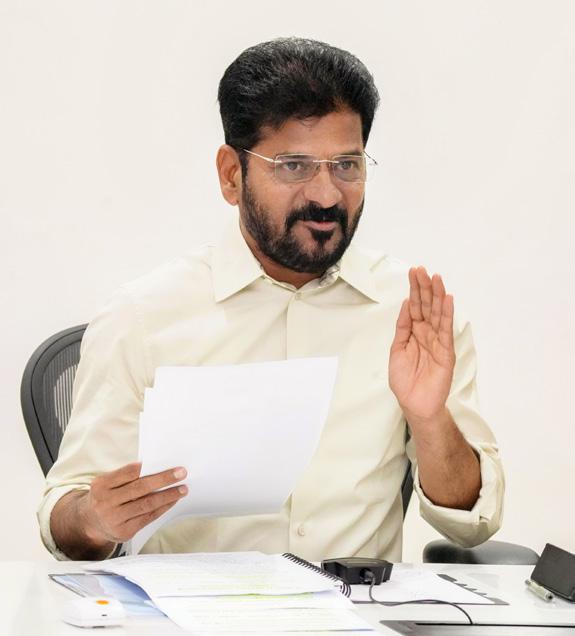
Future City to be developed on par with Singapore, Tokyo: Telangana CM
Hyderabad, April 28 (IANS)
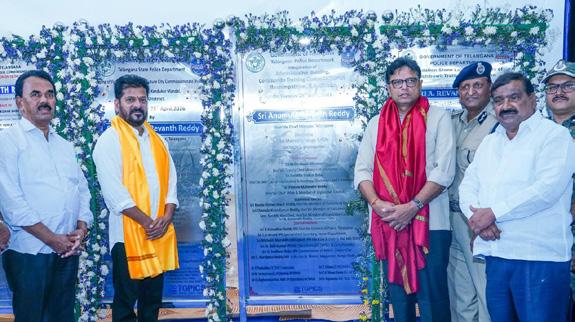
Telangana Chief Minister A. Revanth Reddy on Tuesday said that Bharat Future City will be developed on par with Singapore, Tokyo and New York.
He gave the assurance that the state government would protect the farmers' interests by providing good compensation in lieu of the acquisition of their lands for the new city. The Chief Minister was speaking at the foundation stone laying ceremony for the Future City Police Commissionerate at the
Future City.
Some individuals approached him with a request to include their villages within the limits of Future City. He directed the officials to conduct Gram Sabhas and include the villages in the jurisdiction of the Commissionerate in accordance with the residents' wishes.
Stating that the office of the Future City Development Corporation will be inaugurated by June 2, CM Revanth Reddy said that the government will extend support to the farmers who lost their lands.
“Our government will ensure that no one suffers. State Industry Minister D Sridhar Babu will always be available to resolve the grievances of the locals,” he said and asked officials to consider
the plight of the poor and underprivileged compassionately. Appealing to all to support the big initiative of transforming the Future City into a magnificent city, he recalled that many people raised doubts and opposed the construction of the Outer Ring Road (ORR). Today, the ORR is a marvel structure in the country, he said. The Chief Minister took a strong dig at the Bharat Rashtra Samithi (BRS) for what he called obstructing the Future city by spreading lies. Reiterating that the Future City will be promoted as the best destination for global investments, the CM highlighted that of the seven bullet train projects sanctioned across the entire country, three have been allocated specifically to Telangana state.
Telangana asks OMCs to ramp up fuel supply as panic buying continues
Hyderabad, April 28 (IANS)
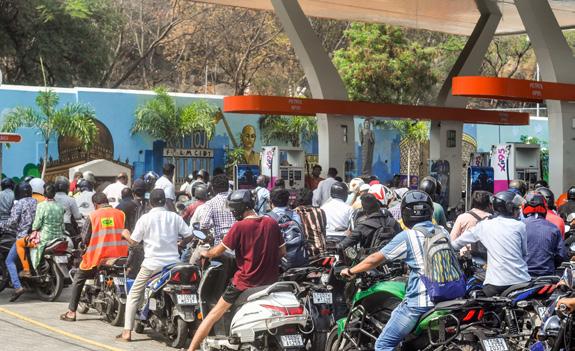
As fuel shortage triggered long queues and even resulted in shutdown of petrol pumps in Hyderabad and other parts of Telangana for the second day on Tuesday, the state civil supplies department has issued emergency orders to Oil Marketing Companies (OMCs) to effectively flood the market with fuel.
Civil Supplies Commissioner M. Stephen Raveendra has issued the emergency orders to OMCs. To front-load the supply chain, OMCs are taking advance indents from dealers and have deployed a massive fleet of 3,100 fuel tankers across the state.
The department said that to ensure these stocks reach the pumps before they run dry, it has escalated its oversight, mandating ground-level stock reports from
all retail outlets every three hours and also monitoring the situation daily through teleconferences.
The department has also issued strict directives to guarantee that farmers will have uninterrupted access to fuel, ensuring that crucial harvesting and paddy procurement operations are not delayed.
The department said that it aggressively increased statewide petroleum supplies by 126 per cent since Sunday. This quick and decisive action was taken to stabilise local fuel stations that are currently facing strain from a sudden and unusually high demand.
According to officials, the unexpected rush at local fuel pumps is being driven by a combination of three major factors. First, following a recent price revision that raised industrial diesel to Rs 150 per litre, bulk commercial buyers are exploiting the system by filling up at regular public gas stations, where the price is still capped at Rs 95 per litre. Second, supply
Bengal polls: 2nd phase recorded voting at 92.47 pc till midnight; average in two phases at 92.85 pc
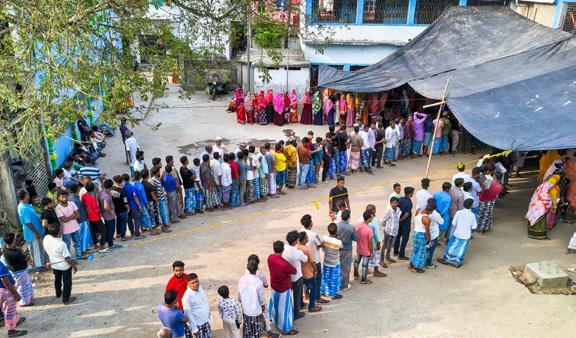
Kolkata, April 30 (IANS) The polling percentage in the second phase of elections for 142 Assembly constituencies in West Bengal on April 29 has been recorded at 92.47 till midnight, thus taking the overall average percentage in the two phases to a record high of 92.85. However, as clarified by insiders from the office of the Chief Electoral Officer (CEO), West Bengal, on Thursday morning, neither of these figures is final as tabulation will be available later in the day. The polling percentage figure in the second phase of polls till midnight Wednesday is marginally lower than the figure of 92.88 till midnight of April 23, when the first phase of polls for 152 Assembly constituencies took place. Nationally, the previous record of the highest polling percentage was recorded in Tripura in 2013, when the figure
was recorded at 91.82 per cent. The average polling percentage in the two phases at 92.85 is also a record high in West Bengal. In West Bengal, the previous record of polling percentage was in the 2011 Assembly elections, the year which marked the end of the previous 34-year Left Front regime in the state and the beginning of the Mamata Banerjee-led Trinamool Congress regime. In the six-phase 2011 West Bengal Assembly polls, the average polling percentage was the highest in 15 years at 84.33 per cent, till it was broken this time. Incidentally, the Chief Election Commissioner (CEC), Gyanesh Kumar, has already congratulated the people of West Bengal for participating in the polling process in record numbers in both phases, first on April 23 and then on Wednesday. “Highest ever percentage of polling in West Bengal in both Phase I & II since Independence - ECI congratulates each voter of West Bengal on this historic feat," a statement issued by the Election Commission of India, quoting Kumar, had read.
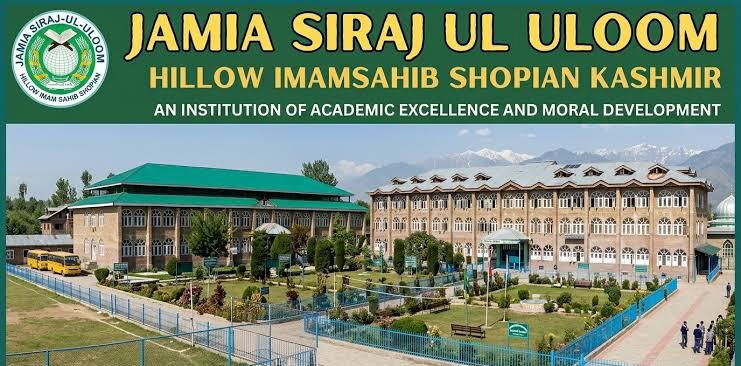
J&K: Jamia Siraj Ul-Uloom declared unlawful entity under UAPA
Srinagar, April 29 (IANS) Jamia
issues in neighbouring Andhra Pradesh and Maharashtra have caused heavy cross border traffic, with out of state buyers flocking to Telangana border districts like Khammam and Nirmal just to purchase fuel.
Rumours regarding upcoming post-election price hikes have caused the general public to unnecessarily panic-buy and hoard fuel, rapidly depleting local reserves.
As of April 27, daily statewide diesel distribution skyrocketed by 151 per cent, surging from an average of 7,348 KLs to 18,449 KLs. Statewide petrol distribution has also nearly doubled, rising by 95% from 5,883 KLs to 11,490 KLs. To protect the capital region from any potential shortages, total fuel supplies in Hyderabad have been heavily reinforced, seeing an overall boost of 43 per cent. Specifically, the city's diesel stocks were increased by 46 per cent (from 3,393 KLs to 4,957 KLs), and petrol stocks were raised by 40 per cent (from 3,908 KLs to 5,466 KLs).
Siraj Ul-Uloom was declared unlawful under the Unlawful Activities Prevention Act (UAPA) after 17 of its alumni joined terrorist ranks, police said, to put to rest speculations that the action had been taken against a Muslim seminary.
Officials said on Tuesday that Jamia Siraj Ul-Uloom in Jammu and Kashmir's Shopian district was declared an unlawful entity under the UAPA after its 17 alumni joined terrorist ranks and were later killed in separate encounters.
"As many as 17 former students of the institution joined terrorist ranks and were later killed in separate encounters, indicating a consistent pattern of indoctrination and recruitment," an official said without agreeing to be named.
On April 24, Kashmir Divisional Commissioner Anshul Garg issued a two-page order based on a dossier presented by Shopian Senior Superintendent of Police, Mushtaq Ahmad Choudhary, pointing toward the alleged illegal activities at Jamia Siraj Ul-Uloom at Imam Sahib in the Shopian district.
According to the order, there was "credible input and evidence on record to indicated sustained and
covert linkages of the institution with Jamaat-e-Islami", which the Centre banned in 2019.
The order said that individuals affiliated with the banned outfit had de facto control of the institution, including their placement in key administrative and academic positions.
It said the institution, over time, fostered an environment conducive to radicalisation, with many alumni involved in terror activities.
However, Mohammad Shafi Lone, Chairman of the institute, said they had no links with Jamaat-eIslami or any illegal outfit.
"We are a law-abiding institute and have nothing to do with the banned Jamaat-e-Islami. There are 814 students currently enrolled in the school, which is affiliated with the Board of School Education and Kashmir School Federation," Lone told reporters. He said the institution had received a show-cause notice from the authorities last month, and duly replied. "If the authorities still have any doubts, they should constitute a committee and investigate the allegations against our institution. If these allegations are found true, we will support the government in whatever action it decides to take," Lone added. The official said security agencies have, over time, generated adverse reports suggesting the institution's involvement in activities prejudicial to the national security and integrity of the state.
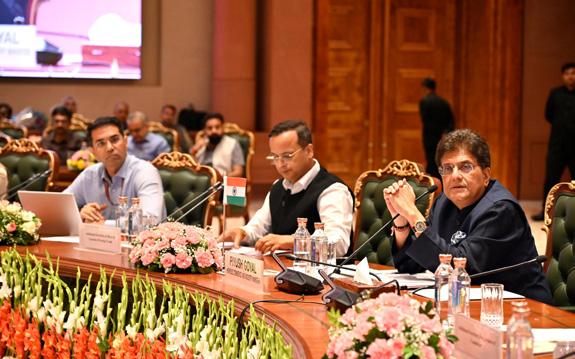
Piyush Goyal explores avenues for exporters to leverage various FTAs
New Delhi, April 27 (IANS)
Commerce and Industry Minister
Piyush Goyal on Monday held a productive interaction with heads of various Export Promotion Councils (EPCs) here.
“Discussed sector specific priorities and heard their constructive feedback on enabling more Indian businesses to export and unlock opportunities in the global trade landscape,” said the minister on social media platform
X.
“Also, explored avenues for exporters to leverage the various FTAs India has concluded in the recent past to widen market access and boost exports,” he added.
Earlier, Goyal said that he was looking forward to unlocking the full potential of the IndiaNew Zealand FTA to create new opportunities for businesses in both countries, strengthen value chains, and further deepen the bilateral economic partnership.
Addressing the India-New Zealand Business Forum here along with his New Zealand counterpart, Todd McClay, the minister highlighted how India's
vast market, skilled talent, digital capabilities, and manufacturing strengths complement New Zealand's expertise in agri-tech, clean energy, and fintech.
"The strong participation and ideas shared by business leaders from both sides highlighted the vast potential for deeper trade, investment, and innovationled collaboration among our nations," Goyal said. Concluded in a record nine months, the FTA marks a significant milestone in strengthening bilateral ties. With current trade estimated at $1.3 billion in goods and $634 million in services, both countries aim to scale this to $5 billion over the next five years.
‘Gram Rath’ outreach campaign begins in Rajasthan
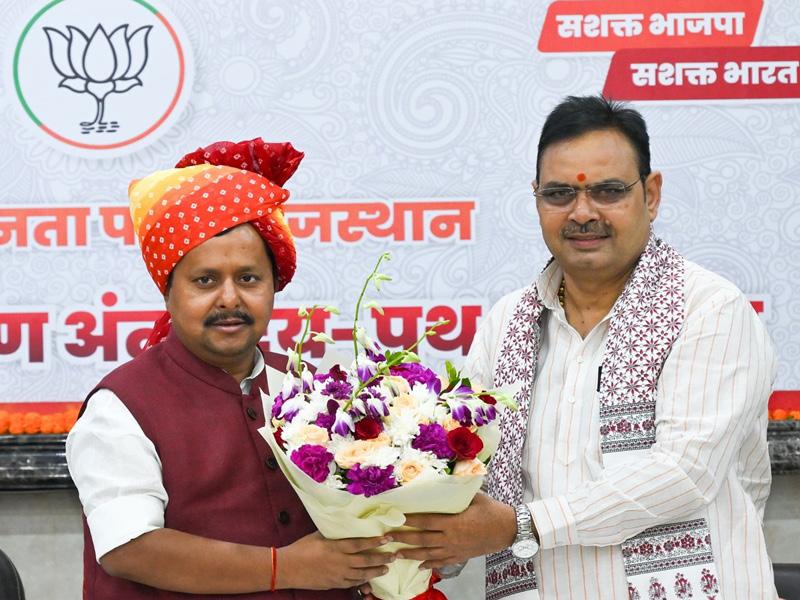
Jaipur, April 27 (IANS) BJP National President Nitin Nabin and Rajasthan Chief Minister Bhajan Lal Sharma on Monday flagged off a 15 day statewide 'Gram Rath' campaign aimed at promoting the upcoming Global Rajasthan Agritech Meet, ‘GRAM2026’, scheduled to be held in Jaipur from May 23 to May 25. The campaign was launched at the OTS complex, with specially designed ‘Gram Raths’ set to
to promote agritech meet
travel across all gram panchayats in the state. These mobile outreach units will disseminate information about GRAM-2026 as well as various public welfare schemes of the state government.
Speaking on the occasion, Nitin Nabin said that under the vision of ‘Antyodaya’, PM Modi is committed to ensuring that development reaches the last person in society. He highlighted initiatives such as Jan Dhan, Make in India and Skill India, stating that these programmes are empowering citizens and enabling youth to contribute to nation-building.
Praising the state government, Nabin said Rajasthan has gained new developmental momentum under the leadership of Chief
Minister Sharma. He noted that efforts to double farmers’ incomes and strengthen rural infrastructure are yielding positive results. “Taking ‘Gram Raths’ to every village is a commendable step towards inclusive development,” he added.
Chief Minister Bhajan Lal Sharma emphasised that India’s progress depends on the empowerment of villages, farmers and the agricultural sector. He said the state government is developing a robust ecosystem to enhance farmers’ incomes and create new opportunities.
Highlighting the significance of GRAM-2026, CM Sharma said the event will bring together farmers, technical experts, industries and investors on a single platform.
Who was LeT operative Sheikh Yousuf Afridi, close aide of Hafiz Saeed killed in Pak
New Delhi, April 27 (IANS)
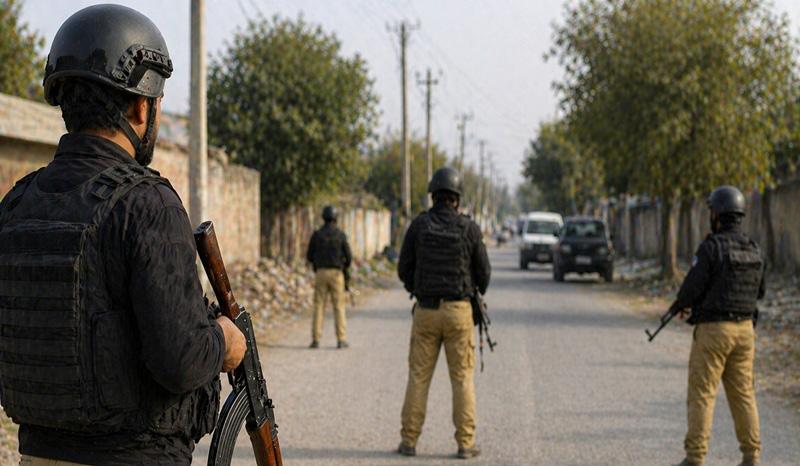
Lashkar-e-Taiba (LeT) commander Sheikh Yousuf Afridi, described as a close associate of Hafiz Saeed, was shot dead in Pakistan’s Khyber Pakhtunkhwa province by unidentified gunmen in what investigators are treating as a targeted killing, adding to a pattern of attacks on militants in the country since 2023. Afridi was reportedly ambushed by gunmen who fired multiple rounds, leaving him with no chance to escape. He was considered a key link in LeT operations in Khyber Pakhtunkhwa and was said to have maintained close ties with Hafiz Saeed.
LeT, co-founded by Saeed, is a Pakistan-based Islamist militant organisation designated as a terrorist group by the United Nations Security Council and countries including India, the United States and the United Kingdom.
Recent months have seen a series of similar attacks on known militants in Pakistan. Afridi’s killing is part of a broader trend since 2023, during which several high profile figures linked to banned outfits have been targeted. Reports indicate that multiple individuals associated with groups such as Lashkare-Taiba and Hizbul Mujahideen have been killed in 2026 alone.
Amir Hamza, another founding member of LeT, was recently injured after unidentified motorcyclists opened fire on his car in Lahore. According to the US Treasury Department, Hamza, a member of LeT’s Central Advisory
Telangana to mount pressure for CBI probe into Kaleshwaram case
Hyderabad, April 27 (IANS)
The Telangana government has decided to exert pressure for a CBI probe into the alleged irregularities in the construction of the Kaleshwaram project.
Acting on the advice of legal experts, Chief Minister A Revanth Reddy has directed the officials to write a letter to the Central Bureau of Investigation (CBI) requesting that an immediate inquiry be initiated into the project.
According to the Chief Minister’s Office, the Chief minister instructed the ministers to seek an appointment with the CBI Director, if necessary, to meet the head of the investigating agency and formally submit a memorandum for a probe.
In light of the recent High Court verdict on the Kaleshwaram project, the Chief Minister and irrigation minister N Uttam Kumar Reddy held a high-level review meeting and took stock of the situation.
During the meeting, CM Revanth Reddy and the minister consulted prominent Supreme Court
advocate Abhishek Singhvi and sought his advice to formulate an action plan and proceed further in the entire Kaleshwaram episode.
Since no cases were pending in any court regarding the Kaleshwaram issue, the legal expert informed the Chief Minister that there will be no legal impediments to prevent the CBI from undertaking a probe.
The Supreme Court advocate also clarified that the High Court did not find fault with the government in constituting the Justice PC Ghosh Commission and the report submitted by the Commission. The Court also did not make any comment against the findings of the commission in the report.
The State Cabinet, at its meeting on April 23, had decided to press the CBI for an immediate, expedited investigation into Kaleshwaram project.
Uttam Kumar Reddy had said that it has been nine months since the state government wrote to the CBI to conduct an investigation. Uttam Kumar Reddy reiterated that the High Court has not given a clean chit to former Chief Minister K. Chandrasekhar Rao (KCR) and former minister T. Harish Rao.
He said the High Court made it clear that the P. C. Ghose Commission, constituted to probe the irregularities, was not illegal. He claimed that the High Court dismissed the main plea of KCR and Harish Rao. They had sought orders to declare the Commission illegal and quash its report.
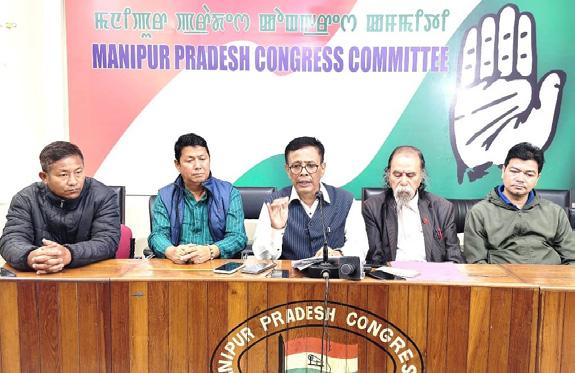
Manipur Congress slams CM over NRC remarks, calls census link misleading
Committee, maintained links with other organisations under Saeed’s direction. He also led an LeTlinked charity and was associated with a trust headed by Saeed.
Last month, Jaish-e-Mohammed (JeM) chief Maulana Masood Azhar’s elder brother, Muhammad Tahir Anwar, was reported to have died in Pakistan under circumstances described as unclear. He was said to have been associated with JeM's activities.
In March last year, another Saeed aide, Abu Qatal, also known as Qatal Sindhi, was reportedly shot dead by unidentified individuals in Pakistan’s Jhelum district. He was described as a Lashkar-eTaiba commander and was linked to attacks in Jammu and Kashmir. Earlier, Sheikh Jaleel-urRahman, Secretary of the United Jihad Council, was found dead under unclear circumstances in Abbottabad, Khyber Pakhtunkhwa.
Imphal, April 27 (IANS) The Opposition Congress in Manipur on Monday strongly criticised Chief Minister Yumnam Khemchand Singh, stating that linking the National Register of Citizens exercise to the Census has created confusion among the public.
Manipur Pradesh Congress Committee Vice-President Hareshwar Goswami condemned the Chief Minister’s recent remarks on the National Register of Citizens, terming them “misleading” and asserting that the conduct of a Census is not a prerequisite for updating the National Register of Citizens. Speaking to media persons at Congress Bhavan in Imphal,
Goswami clarified that the National Register of Citizens is updated under the provisions of the Citizenship Act, 1955, while the Census is conducted under the Census Act, 1948. He emphasised that both processes are governed by separate legal frameworks and authorities.
Coming down heavily on the Chief Minister, the senior Congress leader stated that individuals holding constitutional or high public offices should refrain from making statements that could misinform or confuse citizens on important policy matters.
Referring to the experience of neighbouring Assam, Goswami pointed out that the National Register of Citizens there was updated using the 1951 Census as a base document, along with other admissible records, indicating that conducting a fresh Census is not mandatory for the exercise.
Chandrababu congratulates Justice Lisa Gill on appointment as first woman CJ of Andhra HC
Amaravati, April 23 (IANS)
Andhra Pradesh Chief Minister N. Chandrababu Naidu on Thursday congratulated Justice Lisa Gill on her appointment as the first woman Chief Justice of the Andhra Pradesh High Court.
The Chief Minister posted on X that this historic milestone marks a significant step towards enhancing women’s representation in the higher judiciary.
“Over the years, Justice Gill has built a distinguished and exemplary legal career, adeptly handling a wide spectrum of matters spanning civil, criminal and constitutional laws, earning deep respect for her commitment to justice. I wish Hon’ble
Justice Lisa Gill a successful, inspiring, and impactful tenure in upholding the rule of law and delivering justice with wisdom and integrity,” said the Chief Minister.
The Union Ministry of Law and Justice on Wednesday notified the appointment of Justice Lisa Gill as the Chief Justice of the Andhra Pradesh High Court.
"In exercise of the power conferred by clause (1) of Article 217 of the Constitution of India, the President is pleased to appoint Smt. Justice Lisa Gill, Judge of the Andhra Pradesh High Court, to be Chief Justice of the Andhra Pradesh High Court with effect from 25.04.2026,” reads a post by Union Law Minister Arjun Ram Meghwal.
Justice Gill has nearly 36 years of experience in the legal field, including over 11 years on the bench of the Punjab and Haryana High Court.
She will take over as the Chief
Justice from April 25, consequent upon the retirement of Justice Dhiraj Singh Thakur on April 24. The Supreme Court Collegium, led by Chief Justice of India Surya Kant, had on February 26 recommended the appointment of Justice Gill, then a judge of the Punjab and Haryana High Court, as the Chief Justice of the Andhra Pradesh High Court.
Last month, Justice Gill was transferred from the Punjab and Haryana High Court to the Andhra Pradesh High Court as per the new policy for early transfers of prospective Chief Justices.
Under the new policy, a judge proposed to take over as Chief Justice of a High Court may be transferred well in advance so that the incoming Chief Justice becomes familiar with the functioning and administrative affairs of the High Court before formally assuming charge.
Govt issues notification to enable use of SAF-blended jet fuel for planes
New Delhi, April 23 (IANS)
The government has issued a notification to permit the use of Aviation Turbine Fuel blended with Sustainable Aviation Fuel (SAF) for fuelling aircraft with the aim of reducing emissions from international flights, the Ministry of Petroleum and Natural Gas announced on Thursday.
"The Government has notified an amendment to the Aviation Turbine Fuel (ATF) (Regulation of Marketing) Order, 2001 (ATF Control Order) vide notification dated April 17, 2026. The amendment has been issued as an administrative measure to bring Aviation Turbine Fuel blended with Sustainable Aviation Fuel
(SAF) under the ambit of the ATF Control Order," a ministry statement said.
SAF consists of specially processed aviation-grade hydrocarbons that are chemically similar to ATF and fully compatible with aircraft engines. SAF does not alter the fundamental nature, safety, or performance of aviation fuel. Inclusion of SAF for aviation use undergoes the International Civil Aviation Organisation (ICAO) recognised rigorous testing process for aviation engines as per ASTM International, and only after such extensive procedure, SAF is accepted for use in aviation, the statement said.
Earlier, ATF was defined only as petroleum-based fuel meeting BIS specifications. The amendment expands this definition to also include SAF co processed alongside ATF as per IS 1571 in petroleum refineries, and SAF conforming to IS 17081 blended with ATF, meeting IS 1571. This amendment is essential to keep India aligned with the global supply chain of SAF, the statement noted.
As recognised by ICAO, SAF is a renewable fuel derived from alternative feedstocks such as crops, biogenic residues, and waste materials, offering significant reductions in GHG emissions. ICAO is implementing CORSIA (Carbon Offsetting and Reduction Scheme for International Aviation) to control emissions from international flights.
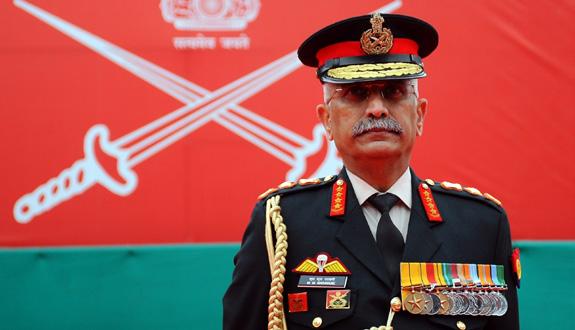
Govt and country backed army during China standoff: General Naravane
New Delhi, April 23 (IANS)
Former Indian Army Chief General Manoj Mukund Naravane has formally addressed the political controversy surrounding the 2020 China standoff, firmly denying claims that the military was left without direction during the crisis.
The remarks serve as a direct counter to assertions made by Congress leader Rahul Gandhi, who had previously suggested that the General was abandoned by the political leadership at the height of the tensions at Rechin La pass.
The controversy stemmed from General Naravane’s unpublished memoir, Four Stars of Destiny, which reportedly noted that the Prime Minister’s instruction during the face off was to do what you think is right. While the opposition interpreted this as a lack of clear orders,
Madhya Pradesh forms high-level panel to examine Uniform Civil Code feasibility
Bhopal, April 28 (IANS) In a move that could mark a significant development in the state's legal and social framework, the Madhya Pradesh government has constituted a high-level committee to examine the feasibility of implementing a Uniform Civil Code (UCC).
The decision, announced by the Department of Law and Legislative Affairs, aims to harmonise the diverse personal and family laws currently followed by different communities in the state. An order in this regard was issued on Monday.
At present, separate provisions govern matters such as marriage, inheritance, adoption and maintenance across communities.
The newly formed committee will study these variations and work towards creating a framework aimed at ensuring equality and fairness for all citizens.
The committee will be chaired by Justice (Retd.) Ranjana Prasad Desai, former judge of the Supreme Court. Other members include retired IAS
officer Shatrughna Singh, legal expert Anoop Nair, educationist Gopal Sharma and social worker
Budhpal Singh.
Ajay Katesariya, Additional Secretary in the General Administration Department, has been appointed as the Secretary of the committee.
Among its responsibilities, the panel will examine models adopted by states such as Uttarakhand and Gujarat, while taking into account the social, cultural and economic realities of Madhya Pradesh. It will also seek suggestions and objections from the public, religious and social organisations, as well as subject experts.
Special emphasis will be placed on safeguarding the rights of women and children, and on addressing contemporary issues such as the regulation of live-in relationships.
The committee has been directed to submit its report, along with a draft bill, within 60 days. The government said the initiative is aimed at reducing future legal complexities and moving towards a more coherent civil framework. The order, digitally signed by Secretary Mukesh Kumar, formally sets the process in motion. Observers view the step as a move towards legal uniformity and administrative reform in the state.
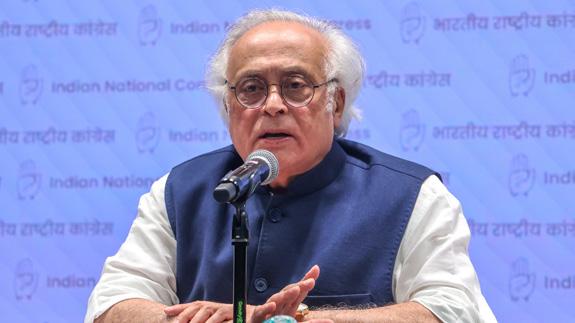
Congress flags ‘discrepancies’ in ECI notices to Kharge, seeks more time
New Delhi, April 23 (IANS) The Congress on Thursday wrote to the Election Commission of India (ECI) raising objections to the issuance of show-cause notices to party president Mallikarjun Kharge, alleging "inconsistencies in the notices and insufficient time to respond".
General Naravane told NDTV that he viewed the directive as a significant gesture of trust. He clarified that he interpreted the message as being granted total freedom of operation, which he deemed the correct decision, given that the military hierarchy possesses the best knowledge of ground realities and troop capabilities.
General Naravane dismissed the idea that he was isolated, explaining that while leadership can feel lonely, it does not equate to being abandoned.
In a "summary response" sent by AICC General Secretary (Communications) Jairam Ramesh, the party said it had received two notices bearing the same reference number dated April 22, signed by different officials, without any clarification on whether one superseded the other.
The party pointed out that one notice referred to a complaint by Trinamool Congress leader Derek O’Brien dated April 21, while another version uploaded on the ECI website did not mention the complainant. It said this reflected a “casual and routine manner” of issuing notices based solely on complaints from ruling parties without due scrutiny.
"We are in receipt of two notices with the same number, F. No. 437/TN-LA/2026/SS-I (MCC
Complaint), both dated 22.04.2026 and signed by two different officials of the Commission. If one of the notices was withdrawn, there is no mention of it in either of the notices. We would like to draw your attention to the fact that one of the notices even mentions that the so-called violation of the model code of conduct was based on a complaint by Shri Derek O’Brien of the All India Trinamool Congress dated 21.04.2026. The other notice, which is also uploaded on your website, has strangely dropped his name as the complainant,” the Congress letter read.
The Congress also objected to the 24-hour deadline given to respond, calling it inadequate, especially during an ongoing election campaign. It sought one week’s time to file a detailed reply and requested a hearing by a senior delegation of party leaders.
In its response, the Congress cited two instances which it said amounted to violations of the Model Code of Conduct (MCC). The party referred to the Prime Minister’s address following the failure of the government to pass the 131st Constitutional Amendment, alleging that remarks made during the speech targeted the Congress and were delivered at a time "when multiple states were going to elections".
UAE to leave OPEC in fallout from Iran war
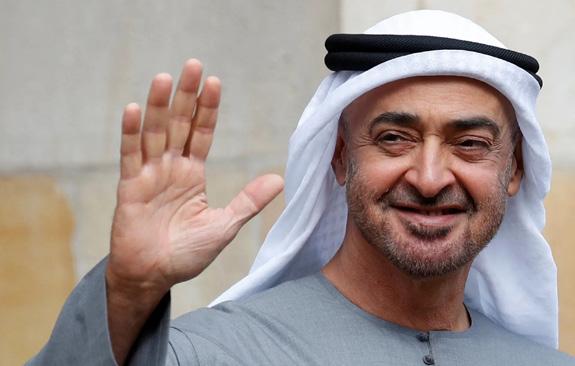
New York, April 28 (IANS) The United Arab Emirates, one of the top exporters of oil to India, announced on Tuesday that it was leaving the Organisation of Petroleum Exporting Countries, in a fallout from the Iran war, a group that has wielded power over the world price of oil.
The UAE announcement, made through the official Emirates News Agency, WAM, said that this decision reflects the UAE’s long-term strategic and economic vision and evolving energy profile.
The UAE withdrawal, which takes effect on Friday, reinforces its commitment to a responsible, reliable, and forward-looking role in global energy markets, the WAM statement said.
WAM said that following its exit, the UAE will continue to act responsibly, bringing additional production to market gradually and in a measured manner, aligned with demand and market
conditions.
It added that the UAE is a trusted producer of some of the world’s most cost-competitive and lowercarbon barrels, which will play an important role in supporting global growth and emissions reduction. Last year, the UAE was the fourth or fifth largest oil supplier to India, depending on the source of the projections. It was worth $13.5 billion in 2024, according to United Nations statistics.The UAE is the fifth producer of petroleum products among the 12 members of the Organisation of Petroleum Exporting Countries, according to the organisation.But globally, it ranked eighth, according to the United States Energy Information Agency. The UAE's withdrawal comes as it tries to diversify its economy away from oil. WAM said that, according to the Organisation of Petroleum Exporting Countries’ Monthly Oil Market Report for April, the UAE is pushing ahead with initiatives to diversify the economy, including “Operation 300bn,” which aims to boost manufacturing, expand export markets, and attract foreign investment.
UN expert flags gaps in B’desh’s human rights framework
Dhaka, April 28 (IANS) Alice Edwards, the United Nations Special Rapporteur on torture, highlighted the absence of an “A-status” National Human Rights Commission in Bangladesh and a national preventive mechanism against custodial torture, describing violence in the country as deeply embedded, systemic, and enduring, local media reported.
She made the remarks while speaking at a consultation meeting on strengthening prevention and accountability frameworks for torture in Bangladesh, held at the Hotel Holiday Inn in Dhaka.
The event was organised on Monday by Bangladesh Legal Aid Services Trust, the Association for the Prevention of Torture, the International Rehabilitation Council for Torture Victims, and Redress.
The Special Rapporteur, currently on a week-long study visit
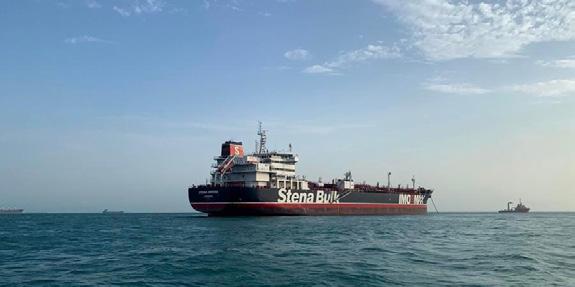
US military claims 42 vessels intercepted in ongoing blockade of
Washington, April 30 (IANS) The US military has announced that its forces have intercepted 42 vessels as part of its blockade to prevent maritime commerce from entering or exiting Iranian ports.
"Today, US forces achieved a significant milestone after successfully redirecting the 42nd commercial vessel attempting to violate the blockade," US Central Commander Brad Cooper said in a statement posted on social media X on Wednesday (local time).
Iranian ports
He highlighted that the 41 tankers currently stranded as a result of the blockade hold an estimated 69 million barrels of oil, which is over 6 billion US dollars in potential revenue, further crippling Iran's ability to profit from its oil exports, reports Xinhua news agency. "The blockade is highly effective, and US forces remain fully committed to total enforcement," Cooper said.
Iran condemned the seizure as a "flagrant act of piracy."
The country's main military command, Khatam al-Anbiya Central Headquarters, explained that armed forces did not intervene at the time because the crew members' families were on board. The continued US
maritime "piracy and banditry" in the form of naval blockade against Iran will soon be met with "practical and unprecedented military action," state-run Press TV reported earlier, citing a highranking security source. Iran's armed forces maintain that "patience has limits," and a "punishing response" will be necessary if the United States continues its "illegal" naval blockade in the Strait of Hormuz, the source told Press TV.
According to the source, if the US "obstinacy and delusions" continue, and Iran's conditions are rejected, the "enemy" should soon expect a different kind of response to the naval blockade, "which is akin to maritime banditry."
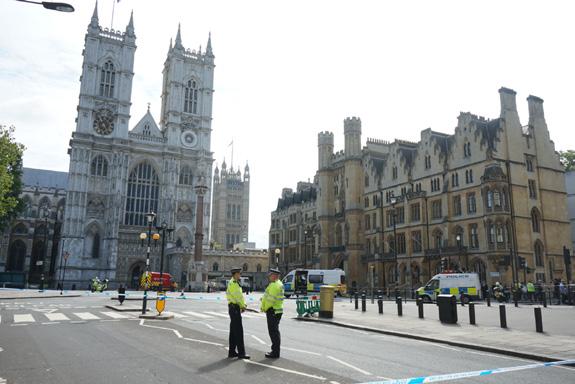
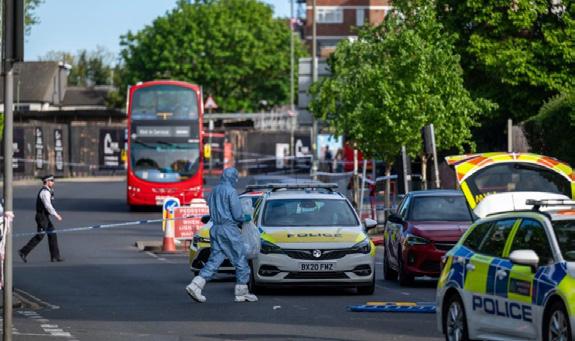
Two Jewish men stabbed in ‘terror attack’ in London, PM Starmer says ‘deeply concerned’
to Bangladesh, said that the country has built a strong “legal scaffolding”, but much of the supporting structure is missing, Bangladesh’s leading newspaper, The Daily Star, reported. By “legal scaffolding”, she referred to the Bangladesh Constitution’s ban on torture, the ratification of the Convention Against Torture, and the 2013 law criminalising torture.
However, she said that what is still “missing” is an “A-status” National Human Rights Commission under the Global Alliance of National Human Rights Institutions.
She added that preventing torture depends on robust safeguards in police custody.
She said that someone must know a detainee is in custody; the person must have access to a lawyer, medical examinations, and audio-video recordings, and must be brought before a judge speedily. She added that judges are not exempt and have obligations not to ignore torture or send people to overcrowded prisons known for violence, stressing the need for magistrates and judges to be part of the conversation.
She stressed the need for independent bodies to probe instances of custodial torture.
She said that investigations have to be prompt and impartial, meaning they must be at “arm’s length” from the perpetrators.
Prime Minister Keir Starmer said that he was "deeply concerned" over the incident.
The British counter-terrorism police have declared the incident a "terror attack".
The incident occurred earlier in the day in the north-west London neighbourhood, where a man armed with a knife randomly attacked Jewish pedestrians, Xinhua news agency reports.
Community watch group
Shomrim said on social media that the attacker was "running along Golders Green Road armed with a knife and attempting to stab Jewish members of the public."Police officers responding to the incident were also attacked. The suspect was subsequently subdued with a Taser and arrested on suspicion of attempted murder, the Metropolitan Police said, adding that he remains in custody.
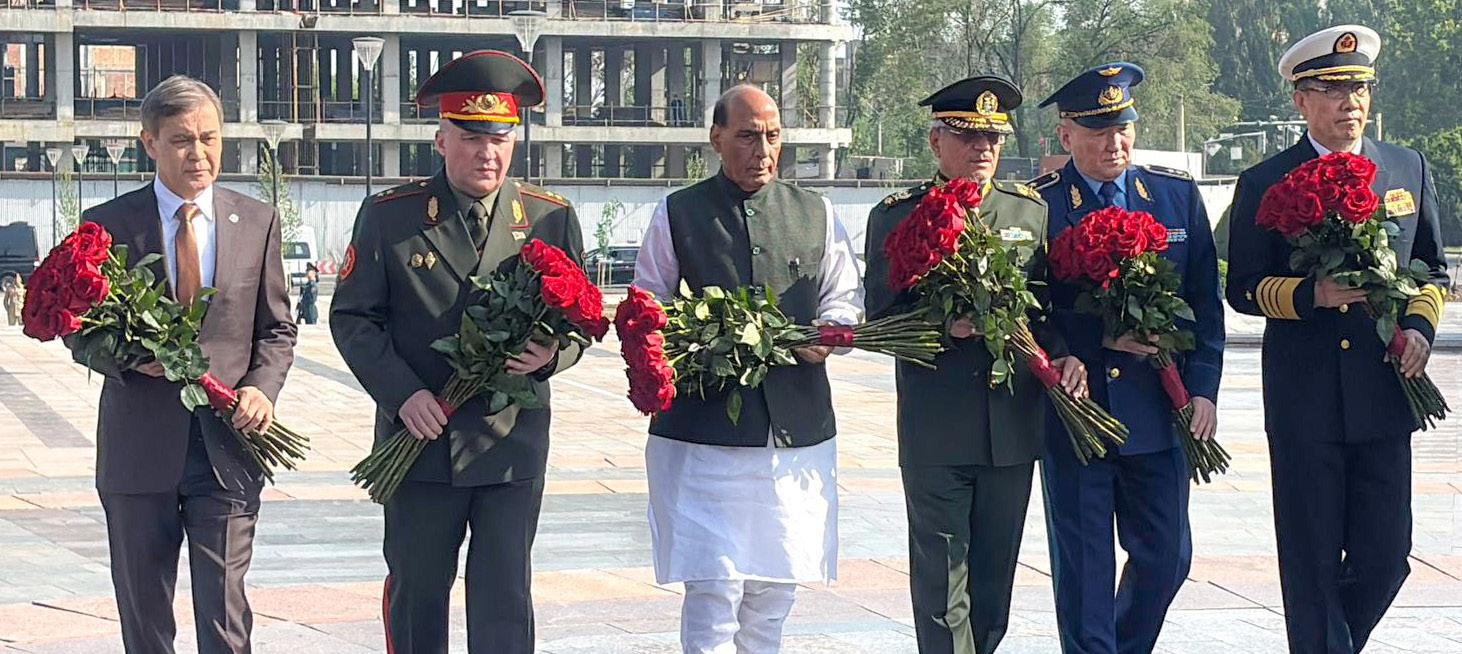
Rajnath Singh discusses defence cooperation with counterparts from Kyrgyzstan, Kazakhstan
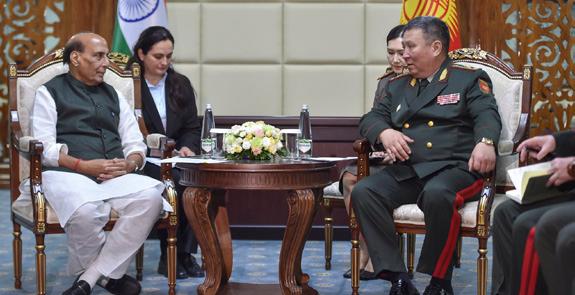
Bishkek, April 28 (IANS) Defence
Minister Rajnath Singh held meetings with his counterparts from Kyrgyzstan and Kazakhstan on the sidelines of Shanghai Cooperation Organisation (SCO) Defence Ministers' Meeting in Bishkek on Tuesday.
Describing his meeting with Kyrgyzstan’s Defence Minister Major General Mukambetov Ruslan Mustafaevich as "extremely productive", Singh stated that the bilateral cooperation between the two nations spreads across various sectors and defence cooperation is an important pillar of bilateral ties.
"Had an extremely productive meeting with Kyrgyzstan’s Defence Minister Major General Mukambetov Ruslan Mustafaevich on the sidelines of SCO Defence Ministers’ meet in Bishkek. India and the Kyrgyz Republic are Strategic Partners that enjoy shared values of Democracy, Development, Culture and Rich Heritage.
India attaches high priority to developing its partnership with Kyrgyz Republic. The bilateral cooperation between the two countries spreads across diverse sectors and Defence Cooperation forms an important pillar of our relations," Singh posted on X. In another meeting, Rajnath Singh and Kazakhstan's Defence Minister Lieutenant General Dauren Kosanov discussed ways to deepen defence cooperation between two nations.
"Had an excellent meeting with Kazakhstan's Defence Minister, Lieutenant General Dauren Kosanov. We discussed ways to deepen defence cooperation," Singh posted on X after the meeting. Earlier in the day, Rajnath Singh met his Russian counterpart Andrei Belousov and discussed key aspects of bilateral defence cooperation. "Raksha Mantri Shri Rajnath Singh had a productive interaction with Russian Defence Minister Andrei Belousov on the sidelines of the SCO Defence Ministers’ Meeting in Bishkek, discussing key aspects of bilateral defence cooperation," the Ministry of Defence posted on X. During his meeting with Chinese counterpart Admiral Dong Jun, Singh held discussions
focused on regional security and strengthening defence engagement.
"Raksha Mantri Shri Rajnath Singh interacted with Defence Minister of China, Admiral Dong Jun, on the sidelines of the SCO Defence Ministers’ Meeting in Bishkek. Discussions focused on regional security and strengthening defence engagement," the ministry stated. Singh also discussed strengthening defence cooperation with Belarus counterpart Lieutenant General Viktor Khrenin in Bishkek. "Delighted to meet the Minister of Defence of Belarus, Lieutenant General Viktor Khrenin during the SCO Defence Ministers’ Meeting in Bishkek. Our talks focussed on strengthening defence cooperation between both the countries," he posted on X. Rajnath Singh addressed the Shanghai Cooperation Organisation (SCO) Defence Ministers' Meeting, stressing the urgent need for a collective and uncompromising approach to tackle the evils of terrorism, separatism and extremism by dismantling safe havens and rejecting any political justification for such acts.
London, April 30 (IANS) Two Jewish pedestrians were stabbed in the north-west London neighbourhood by a man, in the latest in a series of assaults targeting the community. UK
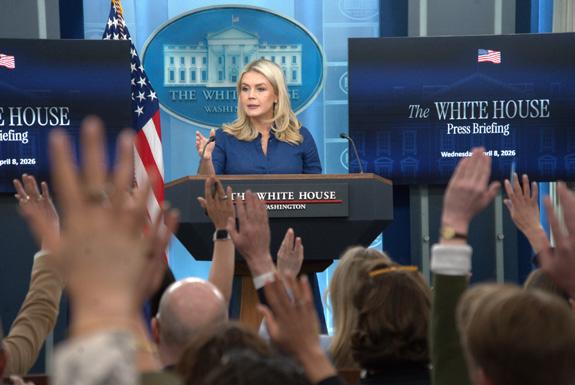
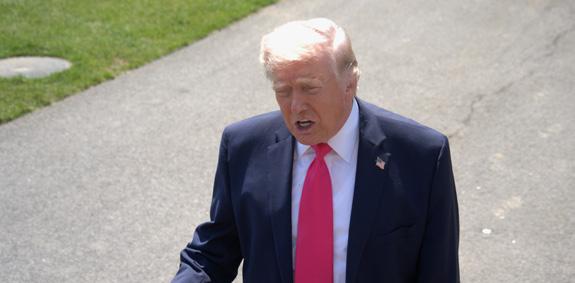
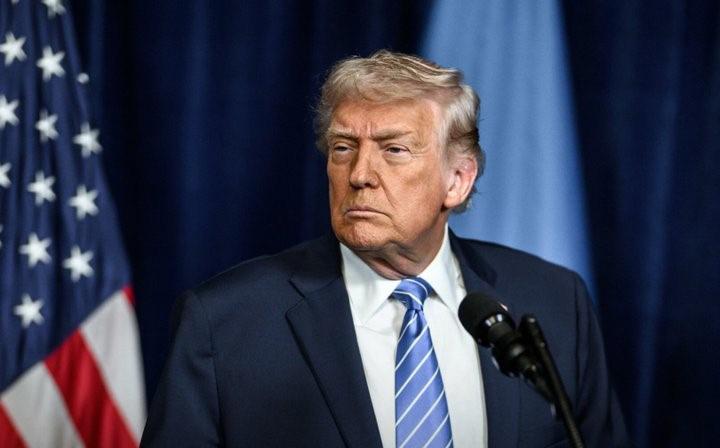
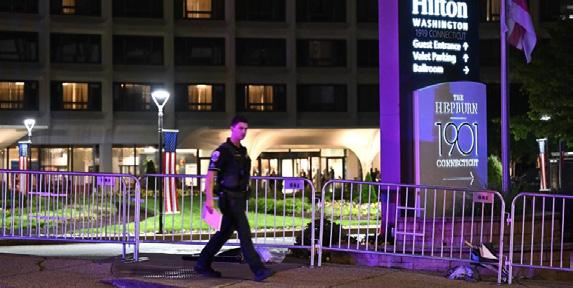
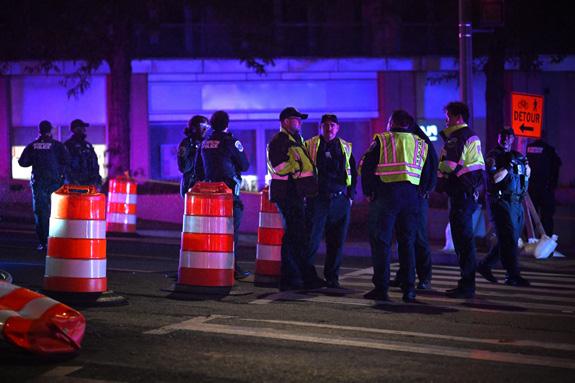
White House defends Secret Service response to attempted attack on Trump
Washington, April 27 (IANS) The White House on Monday defended the response of the United States Secret Service to the attempted attack on US President Donald Trump, saying security protocols worked as designed and the attacker was quickly neutralised.
White House Press Secretary Karoline Leavitt said the President remains confident in the agency, even as officials prepare to review procedures ahead of future public events.
“The President has said he believes that the protocols worked,” Leavitt told reporters at a White House briefing. She described a rapid response on Saturday night when the
suspected attacker tried to breach the security perimeter at the White House Correspondents’ Association dinner.
“You had a perpetrator who tried to breach the security perimeter that was set up by Secret Service… and he was immediately neutralised moments later,” she said.
Leavitt, who was present at the event, said the evacuation unfolded within seconds.
“It was seconds before we were told to get down, and it was seconds before we found ourselves in the hold room backstage,” she said. “The President, the Vice President and the First Lady being pulled to safety — that is not done if there’s a lapse.”
She credited agents with acting swiftly under pressure. “Secret Service did their jobs well. They communicated with one another to remove the President and the Vice President to safety as quickly
as they could.”
The White House acknowledged that a broader review is underway. Leavitt said Chief of Staff Susie Wiles will convene a meeting this week with senior officials from the Department of Homeland Security and the Secret Service.
“These conversations will take place… to ensure the safety and the security of the President as we do have many of these major events moving forward,” she said. While declining to outline specific changes, Leavitt said adjustments remain possible.
“I definitely wouldn’t say changes are out of the question,” she said. “We’re always looking for ways to improve security.”
At the same time, she stressed that operational details would not be made public. “The Secret Service does not detail its procedures or operations to the public for obvious reasons,” she said, citing risks of exploitation.
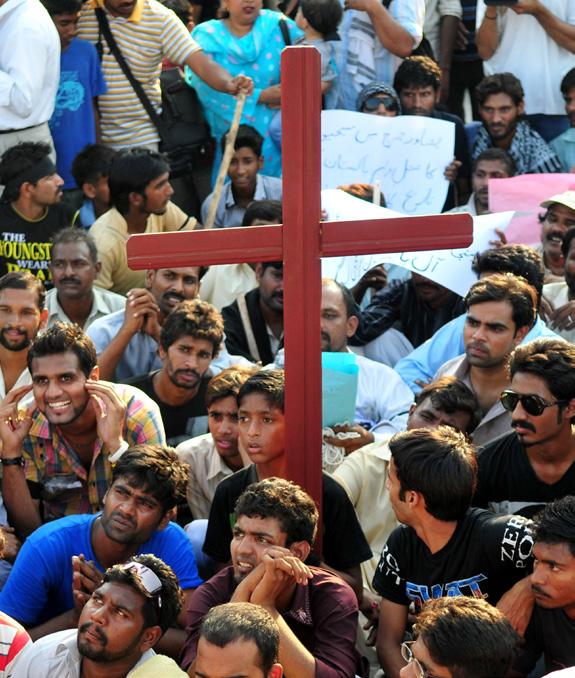
Christians in Pakistan face severe social discrimination and untouchability: Report
Colombo, April 23 (IANS)
The Christian community in Pakistan continues to face severe discrimination, untouchability and oppression due to persistent
misuse of blasphemy laws, societal intolerance and recurrent mob violence while state response has been inadequate, with little accountability for perpetrators, a report has stated.
As minorities, Christians face many challenges in Pakistan, from experiencing discrimination every day to the threat of deadly violence. On April 11, a 25-year-old Christian woman of Punjab province was allegedly raped by a local contractor and his accomplice in her village, Sanchita Bhattacharya, a Research Fellow at the Institute for Conflict Management, wrote in Sri Lanka Guardian. On March 26, police tried to
portray the death of a Christian man, Iftikhar Masih, a suicide, claiming that they found his body hanging by a scarf from a ceiling fan in Punjab's Lahore. On March 4, a 21-year-old Christian farmworker, Marcus Masih, was killed by his Muslim employers in Punjab's Sargodha. Blasphemy laws in Pakistan are used to intimidate Christians and other religious minorities. Blasphemy laws in Pakistan are often misused for professional rivalry, personal or religious disputes, hostility towards religious minorities and economic gains like land and property grabs, the report in Sri Lanka Guardian stated.
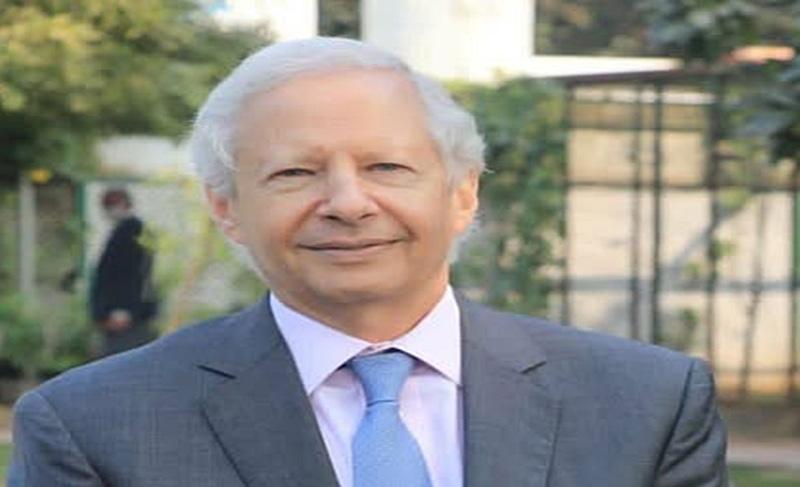
Ex-envoy Juster points to resilience in India-US partnership amid tensions
Washington, April 23 (IANS)
The India–US relationship is undergoing strain but remains fundamentally strong, shaped by shared strategic interests and long-term convergence, former US Ambassador to India Kenneth Juster told the think tank community here.
Speaking at the Hudson Institute’s “New India Conference”, Juster traced the evolution of India’s foreign policy and its growing
alignment with Washington, particularly in response to China’s rise.
“India remains committed to the principle of strategic autonomy, or working with others without surrendering its independence of judgment and action, as well as committed to a multipolar world,” Juster said. He served as the US Ambassador to India during the first term of President Donald Trump.
He noted that while India has moved closer to the United States over the past two decades, it has deliberately avoided formal alliances. “This prevents it from aligning too closely with the United States,” he added.
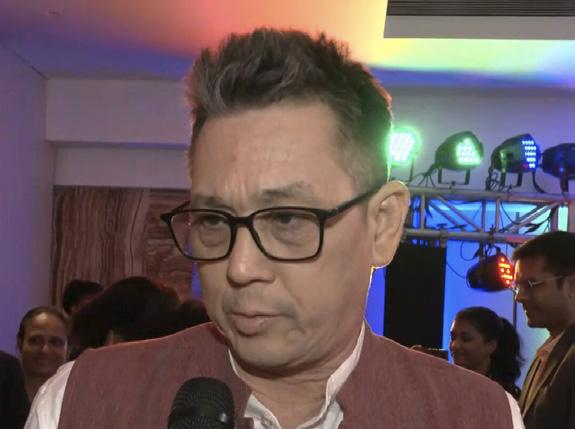
Sweden backs ‘Make in India’ initiative, calls partnership strong
New Delhi, April 28 (IANS)
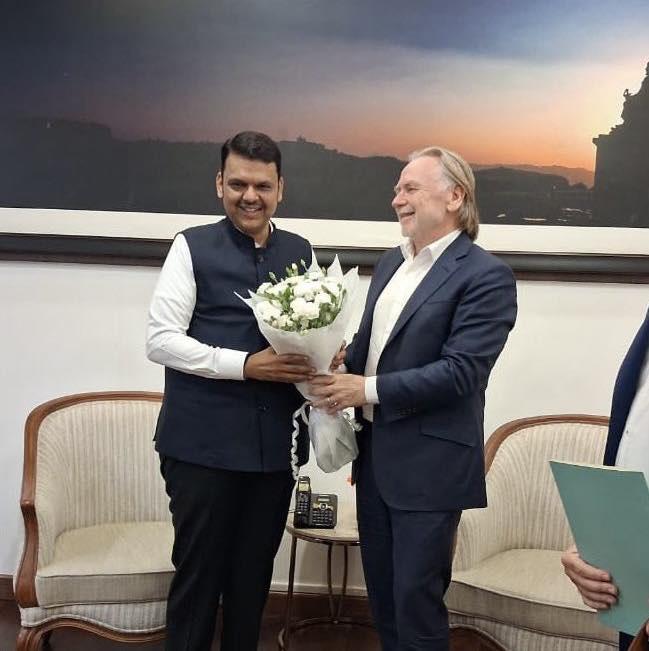
Sweden is a very good partner to India when it comes to the Make in India policy, and also supports Prime Minister Narendra Modi’s policy of making more in India. Swedish companies are investing a lot in India, said Head of Mission Sven Ostberg, Consul General of Sweden in Mumbai, on Monday. During South Africa’s Freedom Day celebrations at the South African Consulate in Mumbai, the Consul General of Sweden said that the India-Sweden partnership is very fruitful and prosperous, with more than 280 Swedish companies in India employing two lakh people directly and 22,00,000 people indirectly, while answering a question regarding India-Sweden future partnerships. He also congratulated South Africa on its 30th anniversary. He said that it is a fantastic day to celebrate South Africa, adding that apartheid was a very bad sin and that Sweden is very happy that democracy is now ruling in South Africa.
FBI
to
Juster identified China’s assertiveness, especially along the disputed border, as a key driver of India’s strategic shift. He said India’s ties with the US have strengthened “as its problems with China have worsened”. At the same time, he acknowledged tensions in the current phase of the relationship. “The strain in the US–India relationship that has arisen during the second Trump administration… has still raised some concerns in India,” Juster said. Despite these challenges, the former diplomat stressed that cooperation continues across multiple sectors.
He said that Sweden has supported South Africa’s freedom struggle for many decades, during the apartheid period as well, as one of the few Western European countries that were supporting the African National Congress and its liberation movement, while answering a question about the South Africa-Sweden partnership. He highlighted that Sweden is working together with the South African government to promote bilateral trade, investments, and tourism.
He added that many Swedish people love going to South Africa for tourism.
He said that Sweden and India want peace and stability in the Middle East, adding that this is what everybody wants.
He also condemned any attack on the president or any political leaders.
He said that Sweden was very horrified after seeing the pictures coming out of Washington the previous day, describing it as a horrible attack and expressing hope that everyone is safe and sound, while commenting on the incident during a White House dinner.
He also mentioned that Sweden believes in democracy and freedom of speech, adding that everyone has the right to express themselves, but violence is not the answer to anything.
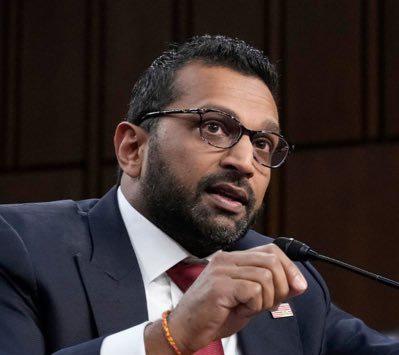
reveal suspect details after attack: Kash Patel
Washington, April 27 (IANS) FBI Director Kash Patel said Monday that authorities will soon disclose “great detail” about the armed suspect who targeted members of the administration, as investigators race to piece together the motive and movements behind the incident.
In a Fox News interview, Patel said the bureau had moved with unusual speed following the attack, dispatching teams nationwide and consolidating evidence at its laboratories in Quantico. “We immediately, for the FBI, dispatched evidence response teams and mobile Command Centre, stood up our NC3 National Crisis Coordination Centre at headquarters, and flexed in our expert capabilities and technical analysis,” he said. He said investigators conducted “interviews literally across the country in multiple jurisdictions in less than 24 hours” and
transported evidence using FBI aircraft “so it could be analysed quickly.”
The suspect, who allegedly travelled cross-country, appears to have purchased firearms “within the past couple of years,” Patel said, adding that questions remain over whether he carried the weapons during transit. Authorities are still examining the motive. “As far as motivation, we are still looking into that. It appears he was targeting members of the administration,” Patel noted.
The FBI has deployed its Behavioural Analysis Unit to build a psychological and evidentiary profile of the suspect. Patel described the process as reviewing “emails, social media postings, witness interviews, interviews with people, family, friends, and neighbours” to present “a complete picture of this individual’s mindset and intent.”
However, he declined to confirm whether the suspect had previously been on the bureau’s radar, saying such details would be revealed in the criminal complaint. “All those questions will be answered… I just can’t get ahead of my partners at the Department of Justice,” he said.
Russia expands blacklist of European Union members in retaliation for sanctions
Moscow, April 27 (IANS) Russia has significantly expanded the list of European Union affiliated individuals prohibited from entering Russia in response to the European Union’s 20th sanctions package against Russia, the Ministry of Foreign Affairs stated on Monday.
The ministry stated that the decisions are unlawful, and the prohibited list includes representatives of European institutions, European Union member states, and a number of European states aligned with Brussels' anti-Russian policies.
The European Union continues to pressure Russia by escalating unilateral restrictive measures.
The latest sanctions package was approved by the European Union Council on April 23.
The ministry highlighted that such actions by Brussels,
bypassing the United Nations Security Council, constitute a flagrant violation of international law.
It added that the list of people who are banned includes those involved in decisions regarding military aid to Ukraine, engaging in activities aimed at undermining the territorial integrity of Russia, imposing anti-Russian sanctions, damaging Russia's relations with third countries, obstructing maritime navigation in the interests of Russia, engaging in the trumpedup prosecution of Russian officials, establishing a "tribunal" against the Russian leadership, and advocating for the illegal seizure of Russian state assets or the use of profits from them.
Russia has also imposed measures against civil society activists and representatives of the academic community in European countries who hold hostile positions towards Russia.
Members of the national parliaments of European Union member states, and the European Parliament, who voted for antiRussian resolutions and bills are also included in this list.
Vietnam’s possible revival of nuclear power programme
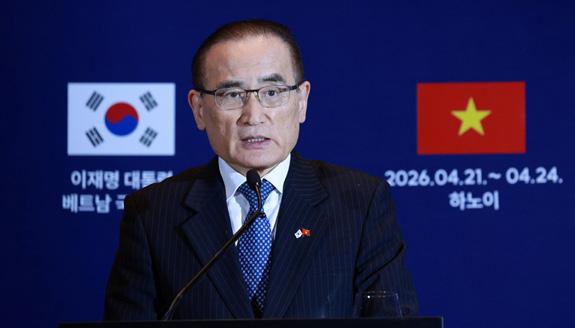
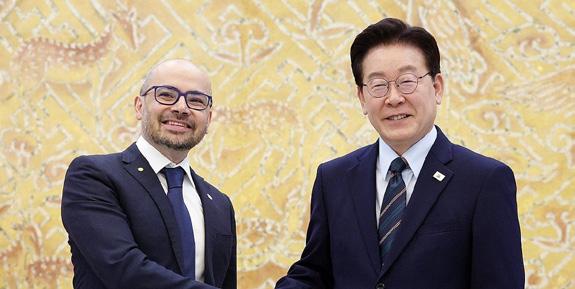
Hanoi, April 23 (IANS) South Korea's President Lee Jae Myung and Vietnam's top leader To Lam agreed to advance cooperation in energy and infrastructure during summit talks, including Vietnam's possible revival of its nuclear power programme, Seoul's top security official said on Thursday.
In Wednesday's talks, Lam, who serves as general secretary of the Communist Party, "welcomed" Korean companies' participation in Vietnam's energy transition, including the potential construction of a nuclear power plant, National Security Adviser Wi Sung-lac told reporters.
Vietnam had previously shelved its plan in 2016 to build its first nuclear power plant in the southeastern province of Ninh Thuan due to financing constraints, but is now considering adding nuclear power to its energy grid to meet growing electricity demand, reports Yonhap news agency.
Asked whether the summit addressed the Ninh Thuan project, Wi said, "Discussions remain at an early stage, focusing on the feasibility and related
Priyanka Chaturvedi flags trade, women’s issues
Washington, April 23 (IANS)
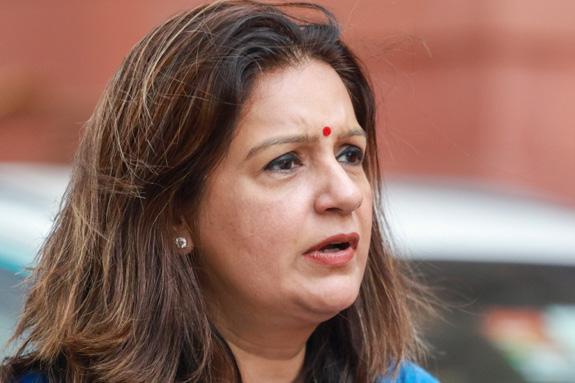
Former Rajya Sabha member Priyanka Chaturvedi on Thursday raised concerns over US-India trade negotiations and pushed for greater political representation for women.
Speaking at the Hudson Institute’s “New India Conference”, Chaturvedi criticised the manner in which tariff discussions have been handled, particularly in the context of recent US measures.
“We were negotiating on a tariff, which was imposed on us… and came to 18 per cent,” Chaturvedi said, referring to ongoing trade talks between the two countries. She questioned the basis of ambitious bilateral trade targets,
asking, “$500 billion… where would it come from?” and warned that such projections have raised concerns among Indian farmers and dairy producers.
Chaturvedi also flagged India’s energy security concerns, especially in the context of external pressure on oil imports.
“That is our autonomic decision, and that is something that we should be deciding… in terms of the energy security needs back home,” she said.
She stressed that India has historically approached partnerships with consistency and reliability. “We have invested in this relationship, looking at the United States of America as a reliable ally… The continuity should remain,” Chaturvedi said.
At the same time, she cautioned against public pressure in diplomacy. “Not throwing tantrums at us, not telling us what to do, actually understanding our challenges,” she said, outlining expectations from Washington.
Beyond trade, Chaturvedi focused on domestic political reform, particularly women’s representation in India’s Parliament. She said that despite women comprising nearly half the population, representation remains limited.
“50 per cent of India’s voters and population is that of women… but in terms of representation, we have barely managed to reach up to 13 per cent, 14 per cent,” she said.
Referring to the long-pending women’s reservation issue, Chaturvedi said, “This is a fight which has been going on the past three decades for representation.” She expressed concern over delays in implementing the 33 per cent reservation for women in Parliament, arguing that linking it to broader structural changes could slow progress.
“Let’s open the doors for women in the existing structure as it exists in the parliament,” she said.
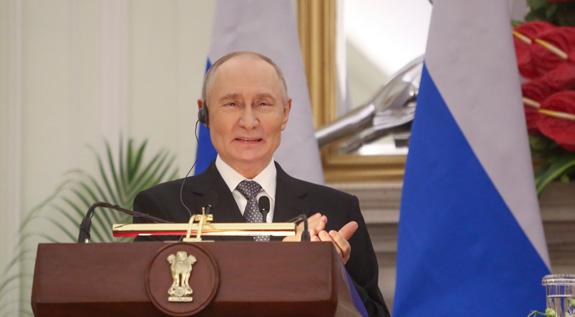
Russia ready to cooperate in Arctic: Putin
Moscow, April 23 (IANS) Russia is ready to cooperate with all interested countries in the Arctic, Russian President Vladimir Putin said on Thursday.
risks."
On the sidelines of the summit, the state-run Korea Electric Power Corporation and Vietnam National Industry-Energy Group signed two memorandums of understanding on joint feasibility studies and financing for potential nuclear power development projects.
Kim Yong-beom, presidential chief of staff for policy, said the success of Vietnam's potential nuclear power programme will largely depend on South Korea's ability to provide relevant financing packages to meet Hanoi's needs.
"With its sizable population and strong growth, Vietnam needs energy, but arranging the financing is something we should take on," Kim said, noting the government will explore financing solutions in consultations with the state-run Korea Electric Power Corp, as well as policy lenders and commercial banks. Critical mineral supply chains were also identified as an area of cooperation, Wi said, noting Seoul and Hanoi will broaden the scope of cooperation by establishing a technology cooperation centre for critical mineral supply chains. Lee and Lam also exchanged views on regional security and global issues, including the ongoing conflict between the United States and Iran, according to the official.
Chairing a meeting with government members focused on the development of the Arctic zone, internet outages and a few government services, Putin noted that, "We are ready for cooperation, not just competition or confrontation, but cooperation with all interested countries. We will certainly protect and, of course, defend our national interests in the Arctic."
He said the Transarctic Transport
Corridor, stretching from St. Petersburg through Murmansk to Vladivostok, is emerging as one of the world's safest, most reliable and most efficient shipping lanes, reported Xinhua news agency.
"I would like to emphasise the growing role of the Arctic in the global context, namely for the planet's ecology, for the global fuel, energy and raw materials complexes, and for increasing the sustainability of international trade and logistics links."
The importance of the Northern Transarctic Route "as the safest, most reliable and efficient route is becoming increasingly evident, against the backdrop of disruptions to global transport chains due to numerous conflicts, including in the Middle East," reported state-owned news agency TASS.
He also addressed internet
outages in major cities, saying they are linked to preventing terrorist threats.
Putin said, "Of course, if this is related to operational work to prevent terrorist attacks, and we know that, unfortunately, we sometimes miss such attacks, and, of course, the priority will always be ensuring the safety of people, our children, our loved ones, every citizen of Russia."
He added that he understands that when operational work is underway to prevent criminal acts and terrorist attacks, widely informing the public in advance can harm operational development, as criminals could adjust their behaviour and plans accordingly.
He also mentioned that relevant agencies should inform people of the reasons for forced communication restrictions.
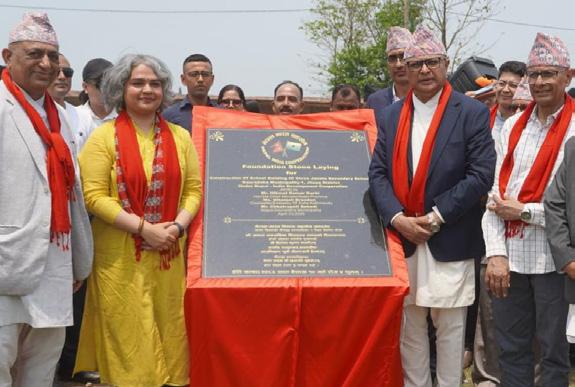
India helps build school in Nepal’s Jhapa
Kathmandu, April 23 (IANS)
A school building is being constructed at Gauradaha Municipality in Jhapa district, eastern Nepal, with grant assistance from the Indian government.
Hikmat Kumar Karki, Chief Minister of Koshi Province; Gitanjali Brandon, Counsellor at the Embassy of India in Kathmandu; and Chhatrapati Subedi, Mayor of Gauradaha Municipality, jointly laid the foundation stone for the construction of a new building at
Shree Janata Secondary School on Thursday, the Indian Embassy said in a press release.
The school infrastructure is being built with the financial assistance of approximately NPR 58 million from the Government of India.
The project falls under the High Impact Community Development Project (HICDP) framework and will be implemented through Gauradaha Municipality in Jhapa, according to the embassy.
Chief Minister Karki and other stakeholders appreciated India’s continued developmental support to Nepal. They expressed confidence that the new infrastructure would significantly improve the learning environment for both students and teachers in the municipality.
“India and Nepal, as close neighbours, continue to maintain
broad-based cooperation across multiple sectors,” the embassy said.
It added that the implementation of such community development projects underscores India’s ongoing support to Nepal’s development efforts, particularly in enhancing infrastructure in priority sectors such as education.
The HICDP programme has emerged as a key pillar of the India–Nepal development partnership, with funding under this scheme supporting grassroots development in Nepal. Launched in 2003, the HICDPs were previously known as Small Development Projects. The initiative supports small-scale infrastructure and community projects across Nepal through local authorities.
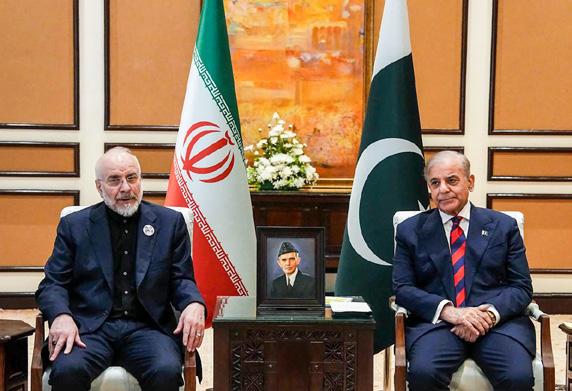
Pakistan mediating between US and Iran out of necessity: Report
Islamabad, April 27 (IANS)
Pakistan is mediating between Iran and the US out of necessity.
For Pakistan, a destabilised Iran increases space for militants on the western flank and tensions between Saudi Arabia and Iran risk triggering pact obligations, a report has stated.
By mediating between the US and Iran, Pakistan has gained visibility. However, diplomatic access does not lead to an agreement and leverage does not imply a cash flow. Until each gets paid, packaged and converted, Pakistan is seen but is not being paid, according to an opinion piece in Pakistan's leading daily The News International.
"Is Pakistan a pillar or a bridge?
A bridge connects others. A pillar anchors value. A bridge carries traffic. A pillar carries weight.
A bridge facilitates passage. A pillar sets terms. A bridge is used by others. A pillar is paid for by others. Yes, Pakistan has become a repeat-use mediator. Yes, Pakistan has secured seats at select negotiation tables. But
Pakistan remains balance-sheet dependent. Ground reality: Pakistan has no monetisation framework," Farrukh Saleem wrote in an opinion piece in The News International.
"Pakistan has no pricing mechanism. And Pakistan has no contract pipeline. Remember, Pakistan is not mediating out of choice. Pakistan is mediating out of necessity. For Pakistan, a destabilised Iran expands space for militants across our western flank. For Pakistan, a Saudi Iran escalation risks triggering treaty obligations. For Pakistan, a regional war imports sectarian stress into domestic politics. For Pakistan, mediation is risk containment," the author further stated.
Monetising strategic relevance is not abstract but substantial. Pakistan must move diplomacy from meetings to mandates, access to assets and visibility to value. If Pakistan does not have a pricing mechanism, it will reach margins as fast as it reached at the centre. The difference between a pillar and bridge is that one is paid and other is used. During the Soviet-Afghan war from 1979-1989, Pakistan used geography for USD 85 billion (inflation adjusted) inflow. Following 9/11, Pakistan used geography to get inflow of USD 45 billion (inflation adjusted).
Armed forces should be authority for Strait of Hormuz: Iran
Tehran, April 27 (IANS) A senior Iranian lawmaker said on Monday the general staff of Iran's armed forces should be the authority responsible for taking action in the Strait of Hormuz in the draft of a parliamentary plan to ensure security in the waterway.
Ebrahim Azizi, chairman of the Iranian parliament's national security and foreign policy committee, made the remarks in an interview with state-run IRIB TV while elaborating on the articles of the finalised draft of the "Strategic Action Plan to Ensure Security and Progress in the Strait of Hormuz and the Gulf," which is set to be voted on by the legislative body.
Azizi said the plan comprises almost 11 articles and seeks to restrict passage by hostile vessels through the strait, reported Xinhua news agency.
"Under the plan, it has been predicted that the financial proceeds obtained from the strait should be in Iran's currency, the rial," he said.
Trump, national security team review Iran Hormuz proposal: White House
Washington, April 27 (IANS) The White House said on Monday that US President Donald Trump and his national security team are reviewing an Iranian proposal linked to reopening the Strait of Hormuz, while maintaining that Washington’s red lines on Tehran’s nuclear programme remain unchanged.
White House Press Secretary Karoline Leavitt confirmed that the proposal was discussed during a meeting earlier in the day but declined to provide details or pre-empt the President’s position.
“The President has met with his national security team this
morning,” Leavitt told reporters at a White House briefing. “The proposal was being discussed. I don’t want to get ahead of the President or his national security team.”
She emphasised that Trump’s stance on Iran has been clearly communicated and remains firm.
“What I will reiterate is that the President’s red lines with respect to Iran have been made very, very clear not just to the American public, but also to them as well,” she said. On operational aspects related to the Strait of Hormuz, including reports about mineclearing efforts, the White House declined to provide specifics, maintaining that operational disclosures fall outside the scope of routine briefings. Officials indicated that such matters involve sensitive security considerations and are typically
handled through appropriate defence channels rather than public commentary.
“I would defer you to the Pentagon on anything with respect to clearing mines in the Strait of Hormuz,” Leavitt said when asked about the status and timeline of such operations, reiterating that operational clarity, if any, would come from the concerned authorities at the appropriate time. She also declined to confirm whether the process was ongoing, reiterating that such details fall under the purview of the Department of Defense. Experts believe certain details are not publicly discussed due to their strategic and operational sensitivity, particularly in a region as critical as the Strait of Hormuz, which remains central to global energy flows and maritime security.
UN chief pleads for evacuating sailors trapped in Hormuz, ending shipping as tool of political pressure
He said all those establishments, governments and countries that have inflicted losses and damages on Iran, blocked Iranian assets or taken hostile actions against the country over the past years must pay compensation.
Azizi said the Iranian armed forces are already fully and smartly controlling the strait based on the orders they have received from higher echelons of power within the Iranian establishment, underlining that the parliamentary plan has been drafted based on the measures proposed by Iran's Supreme Leader, Mojtaba Khamenei, who has stressed that a new management must be exercised over the strait.
In separate remarks, Alaeddin Boroujerdi, a member of the same parliamentary committee, said the plan will be passed into law immediately after the reopening of the Iranian parliament, and the law will be submitted to the administration for enforcement, according to IRIB.
Boroujerdi said the Central Bank of Iran has opened four special accounts based on the rial, the yuan, the dollar and the euro, in which the tolls received by the Navy of the Islamic Revolution Guard Corps from vessels crossing the strait will be deposited as per the directives.
United Nations, April 27 (IANS) Warning the humanitarian toll is mounting because of the blockade of the Strait of the Hormuz, UN Secretary-General Antonio Guterres on Monday called for ending the use of merchant shipping as a tool of political pressure.
At meeting of the Security Council on maritime security, he also made a plea on behalf of the sailors trapped in Hormuz region, asking for the implementation of an emergency plan to evacuate More than 20,000 seafarers
remain stranded at sea in the over 2,000 commercial vessels “caught in a web of risks and restrictions to navigation”, he said.
“Their safety, their well-being, and their rights must be protected -- at all times, and in all waters”, he said.
He urged member nations to support the International Maritime Organisation’s (IMO) emergency evacuation framework for a coordinated plan “to ensure the safe movement, assistance, and protection of affected crews”.
About 30 Indian flagged ships with over 1,000 personnel are trapped in the Hormuz region, according to reports, and three Indian flagged ships have been attacked by Iran.
Thousands of other Indian sailors
are reported stuck in ships of other countries stranded in the zone, and three have died in attacks on their vessels.
IMO Secretary-General Arsenio Dominguez called for upholding the “traffic separation scheme or maritime corridor” involving Iran and Oman devised by his organisation and which the two countries accepted.
Guterres warned: “Prolonged disruption risks triggering a global food emergency – pushing millions, especially in Africa and South Asia, into hunger and poverty”. Since 20 per cent of oil and gas, and a third of internationally traded fertilisers pass through the strait, he said, "Safe, unimpeded passage is an economic and humanitarian imperative”.
Iran presents new proposal to US for reopening Hormuz, ending war: Report
Washington, April 27 (IANS) Iran has presented the United States with a new proposal to reopen the Strait of Hormuz and end the war, while postponing nuclear negotiations to a later stage, according to a report, which cited a US official and two sources familiar with the matter.
According to US media outlet Axios, the proposal aims to break the current stalemate in the negotiations and bypass the internal disagreements within the
Iranian leadership over the scope of nuclear concessions it is willing to make.
"But lifting the blockade and ending the war would remove President Trump's leverage in any future talks to remove Iran's stockpile of enriched uranium and convince Tehran to suspend enrichment -- two primary war objectives for Trump," the report said.
Meanwhile, citing three US officials, the report further noted that the US President is expected to hold a Situation Room meeting on the conflict on Monday (local time) with his top national security and foreign policy team. The sources told Axios that Trump's team would discuss the stalemate in the talks and potential next steps.
In an interview with Fox News on Sunday (local time), Trump signalled that he wants to continue the naval blockade to halt Iran's oil exports, with an aim that it will get Tehran to give up in the coming times.
"When you have vast amounts of oil pouring through your system ... if for any reason this line is closed because you can't put it into containers or ships ... what happens is that line explodes from within. ... They say they only have about three days before that happens," Trump was quoted as saying in the interview with Fox News by Axios.
This comes as tensions between the US and Iran deepened after the Islamabad talks ended without progress.
Political misstep – Bipartisan Legacy at Risk: FECCA Urges Leaders to Stand Together on Multiculturalism
Multiculturalism in Australia, as we know it, was forged through strong bipartisan leadership, driven by figures like Gough Whitlam and Malcolm Fraser, who recognised that diversity is a national strength and not a political wedge. They didn’t agree on everything but they agreed multiculturalism is part of Australia’s future, not a political battleground. For decades, this shared commitment has been one of the pillars of Australia’s success. It has never belonged to one side of politics; it has been a collective national vision. That is why it is very troubling to see signs of one of the major parties walking away from this legacy. Turning multiculturalism into a partisan issue risk undermining decades of progress and weakening the social cohesion that Australians rely on and deeply value.
FECCA Chair Peter
Australian
Doukas OAM states, “At a time of global uncertainty and rising incidents driven by hate in our community this is not just a political misstep – it is a failure of national responsibility.” “It is a sad day when one of the major political parties who share in this heritage appears to be opting out of their own inheritance,” Mr Doukas added. What is needed now is not a retreat from what is Australia’s strength, but strong renewed bipartisan leadership on the issues that matter most to Australia’s future. Comments from Angus Taylor which suggest migrants from so-called ‘liberal democracies’ are more likely to adopt Australian values risk drawing a false and divisive line between communities. They imply that people from countries such as China or Vietnam are inherently less capable of belonging – an assumption that is not only unfounded but contradicted by Australia’s own experience. Leaders such as Hieu Van Le AO, Dai Le, Sam Lim, Penny Wong, Sally Sitou and the late Tsebin Tchen demonstrate the opposite. Their service at the highest levels of public life reflects a deep commitment to Australia’s democratic values,
institutions, and social fabric. FECCA calls on our political leaders to lead with responsibility, by upholding the bipartisan legacy of multiculturalism and refusing to trade social cohesion for short-term political advantage. “We need to build cohesion not dismantle it. Our leaders are legitimising racism,” stated Jill Morgan AM, Interim FECCA CEO. Racism is abhorrent. FECCA stands with all communities affected by the harmful, divisive and racist rhetoric expressed by our politicians and reaffirms the need to urgently adopt the National Anti-Racism Framework. The Framework makes 63 recommendations, including establishing a national anti-racism taskforce, creating a standalone Human Rights Act, and implementing a positive duty to eliminate racism across employers and businesses, the health and housing sectors. FECCA calls on our political leaders to show national leadership by reaffirming their bipartisan commitment to multiculturalism and rejecting efforts to politicise the very foundation of Australia’s social cohesion.
minister urges enhanced protection for Great Barrier Reef
April 28 (IANS)
posed by climate change, invasive species and fishing activities, urged Australia's Minister for the Environment and Water on Tuesday.
In a speech to a Great Barrier Reef Foundation (GBRF) event, Murray Watt said that it would be "gross negligence" for Australia to fail to protect the reef, describing it as the country's biggest natural asset.
"The challenges may be immense.
Bondi terror attack inquiry calls for nationally consistent approach to Australian gun laws
Canberra, April 30 (IANS) A landmark antisemitism inquiry established in the wake of the fatal terror attack at Sydney's Bondi Beach has called for all levels of government in Australia to prioritize a consistent national approach to gun laws.
In an interim report released on Thursday, the Royal Commission on Antisemitism and Social Cohesion made 14 recommendations, five of which were not released publicly for national security reasons.
It said that federal, state and territory governments should prioritize efforts to implement consistent firearms laws and a gun buyback scheme to remove surplus and illegal guns from the community.
The inquiry was established by Prime Minister Anthony Albanese in January after 15 people were killed in a fatal mass shooting that targeted a Hanukkah event at Bondi Beach on December 14, 2025.
The interim report handed down by Commissioner Virginia Bell said that the prime minister, state
But the alternative is losing the reef, and that's not an option," he said. Watt cited research commissioned by the GBRF that found the Great Barrier Reef contributed more than nine billion Australian dollars (about 6.5 billion US dollars) to the national economy in 202324 and supports 77,000 fulltime equivalent jobs, making it Australia's fifth largest employer, reports Xinhua news agency.
Australian PM says extra diesel shipments secured amid volatile global period
Sydney, April 22 (IANS)
Australian Prime Minister Anthony Albanese on Wednesday announced the government has secured additional diesel shipments.
Albanese told reporters in Sydney that four shipments, two from South Korea and one each from Brunei and Malaysia, with a combined 200 million litres of diesel, have been secured by the government in collaboration with
BP and Viva Energy.
He said that the government has been working to guarantee Australia's domestic fuel supply amid global volatility and that Australia would continue to advocate for a de-escalation of the conflict in the Middle East.
Speaking alongside Albanese, Energy Minister Chris Bowen said that the diesel shipments would arrive in Australia in late May or early June, and would serve as an extra buffer for the national stockpile, Xinhua news agency reported.
Albanese will on Thursday meet with Australian state and territory leaders for fuel security talks for the third time since the conflict in the Middle East began.
Earlier on April 18, Anthony Albanese had said that Australia welcomes the reopening of the Strait of Hormuz and will consider deploying military assets to secure shipping in the region.
Speaking to reporters in Sydney, Albanese had welcomed Iran's announcement that the strait has completely reopened for all commercial vessels during the ceasefire between Israel and Lebanon.
"This was positive news that we received last night," Albanese had said.
"We want to see, though, this fragile arrangement confirmed."
Asked if Australia would deploy military assets to ensure shipping remains open, Albanese said the government would consider any
and territory leaders and national security committee members should participate in counterterrorism exercises within nine months of each federal election and that a review of counterterrorism police should be commissioned.
Additionally, it said that the police force in the state of New South Wales should increase security at Jewish festivals and events. Albanese told reporters that all the recommendations relevant to the federal government would be adopted and implemented.
"We're not sitting back and just reading this document. We're acting on it," he said.
In the wake of the attack, Albanese committed to gun ownership reforms that would limit the number of firearms that can be legally owned by an individual and further restrict the type of guns that are legal.
He also announced plans for a national gun buyback scheme, under which Australians could hand in surplus and newlyrestricted firearms, and called for the states and territories to agree to new reforms no later than March, Xinhua news agency reported.
As of the end of March, only four of the eight states and territories had signed up to the buyback scheme.
Japan, Australia sign contract to jointly deliver three frigates
Melbourne, April 18 (IANS)
Japan and Australia on Saturday said that they have signed the contracts to jointly deliver three of the 11 ships for the Australian Navy. These ships are based on the upgraded Mogami-class frigate of Japan, as reported by a Japanese news outlet.
Japanese Defence Minister Shinjiro Koizumi and his Australian counterpart Richard Marles, who also doubles as Deputy Prime Minister, announced this deal in Melbourne, Kyodo news reported. Mitsubishi Heavy Industries Ltd., which produces the Mogami-class vessels, also signed the contract.
After the talks, in a joint press conference aboard the Mogamiclass Kumano frigate, Marles said that these vessels will be built in Japan and delivered to Australia in December 2029.
Over 10 years, the government of Australia will invest up to AU$20 billion ($14.4 billion) for the development of a new fleet,
the report mentioned. These upgraded Mogami-class frigates come with 32-cell Vertical Launch and a range of 10,000 nautical miles.
According to the government of Australia, the vessels will be equipped with surface-to-air and anti-ship missiles, crewed by 92 Royal Australian Navy sailors and officers, and capable of operating an MH-60R Seahawk maritime combat helicopter.
The Kyodo report stated that Australia’s military is grappling with a personnel shortage, and this frigate adds a significant advantage as it can operate with half the crew required for a conventional frigate.
"Japan is an indispensable partner to Australia. As Special Strategic Partners, we have one of the closest and most enduring partnerships in the Indo Pacific, underpinned by deep mutual trust, shared values and a high level of strategic alignment built over decades of cooperation," Australia's Defence Ministry stated.
"This year marks the 50th anniversary of the Basic Treaty of Friendship and Cooperation between Australia and Japan, and our partnership continues to go from strength to strength," said Marles.
Canberra,
Humankind must be "at its best" to protect the iconic Great Barrier Reef from the threats
From the editor’s desk
Anchoring the ocean Pahalgam, one year on: Memory, accountability, and the questions that remain
The renewed push by Australia to formalise a maritime cooperation arrangement with India in the Indian Ocean is less a sudden shift than the logical extension of a partnership that has steadily gathered momentum over the past decade. What distinguishes the current moment, however, is the clarity with which both sides now view the maritime domain as central to their strategic calculus. As discussions advance on a possible agreement, the emphasis appears to be on building a structured framework that goes beyond episodic cooperation and moves towards sustained coordination.
The Indian Ocean has long been a critical artery of global commerce, carrying a substantial share of the world’s energy flows and trade. Yet, it is also a space where strategic competition has sharpened, with competing interests and expanding naval footprints testing the resilience of existing norms. In this context, the move by Canberra and New Delhi to deepen maritime collaboration reflects a shared recognition that stability in these waters cannot be taken for granted. It must be actively shaped through partnerships that are both credible and consistent.
Reports indicate that the proposed arrangement will focus on maritime security, coordination mechanisms and the strengthening of a rulesbased order. These are not new objectives. Both countries already engage in joint naval exercises, information exchanges and operational coordination. What is new is the intent to bring these strands together into a more coherent framework. Such an approach suggests a transition from cooperation as an activity to cooperation as strategy. Australia’s evolving strategic outlook underscores this shift. Its recent defence planning documents identify India as a top-tier security partner, particularly in the Northeast Indian Ocean. This is a notable articulation of priorities, signalling that Canberra sees New Delhi not merely as a regional player, but as a central pillar in maintaining maritime balance. For India, too, the partnership aligns with its broader Indo Pacific vision, which emphasises openness, inclusivity and respect for international law.
At the same time, the proposed
agreement must be viewed within the wider architecture of the India-Australia Comprehensive Strategic Partnership. Over the years, ties have expanded across defence, trade, education and critical technologies. Maritime cooperation, therefore, is not an isolated pillar but part of a broader convergence. The challenge lies in ensuring that this convergence translates into practical outcomes rather than remaining confined to declaratory intent.
There are, however, limits that must be acknowledged. The Indian Ocean is not an empty strategic canvas. It is home to multiple stakeholders, each with its own interests and sensitivities. Any attempt to shape its security architecture must therefore be calibrated, avoiding the perception of exclusion or bloc formation.
For both Australia and India, the credibility of their approach will rest on their ability to balance strategic coordination with diplomatic reassurance.
Equally important is the operational dimension.
Maritime domain awareness, information sharing and defence industry collaboration are often cited as areas of cooperation. But these require sustained investment, institutional mechanisms and a willingness to share capabilities. Without these, even well-intentioned agreements risk becoming symbolic rather than substantive.
For the Indian diaspora in Australia, and indeed for wider regional stakeholders, the implications of closer maritime ties extend beyond security. Stable sea lanes underpin economic activity, trade flows and connectivity. In an era where disruptions can have cascading global effects, the importance of cooperative frameworks becomes even more pronounced.
The proposed Australia-India maritime arrangement, if realised, will not by itself transform the strategic landscape of the Indian Ocean. But it can contribute to shaping a more predictable and stable environment. What will matter is not the announcement of the agreement, but the consistency with which it is implemented.
In maritime strategy, as in diplomacy, intent must be matched by endurance.
By Anu Sharma
One year after the terrorist attack in Pahalgam on 22 April 2025, India pauses to remember the civilians who lost their lives in Baisaran Valley. The meadow, known for its scenic calm and steady flow of visitors, became the site of a brutal assault that left 26 people dead and many others injured. The facts of that day are clear and widely documented. Armed militants entered a crowded tourist area and opened fire in an open landscape where there was little immediate protection. The victims were ordinary people— tourists who had travelled to experience the natural beauty of Jammu and Kashmir. Their deaths transformed a place associated with leisure into a reminder of vulnerability.
A year later, remembrance is accompanied by an equally important question: what has been achieved in terms of accountability? Investigations carried out by Indian agencies established that the attack was not an isolated act but part of a coordinated operation linked to Pakistan-based terrorist networks, including groups historically associated with cross-border militancy. Evidence gathered through communications, movement patterns, and intelligence inputs pointed towards handlers and planners operating outside India’s borders. While some individuals involved at the operational level were identified or neutralised, the larger network behind the attack remains a matter of concern. Recent developments have added to this concern. Media investigations and intelligencebased reporting have suggested that a key figure believed to be associated with the planning or coordination of the Pahalgam attack has been traced to locations within Pakistan. Reports have referred to visual material and intercepted communications indicating that such individuals continue to remain active, moving between urban centres while avoiding direct action.
The circulation of a video in recent months, in which a person identified by Indian agencies appears to speak openly from within Pakistan, has further reinforced the perception that those responsible for orchestrating attacks are not beyond reach but remain beyond accountability. These developments are significant because they align with a pattern that has been observed over the years.
Incidents of terrorism in Jammu and Kashmir have frequently involved elements of crossborder planning, with logistical and ideological support traced to networks operating from outside India. The Pahalgam attack, by targeting a civilian tourist
location, demonstrated that the objective of such actions extends beyond immediate casualties. It seeks to disrupt normal life, affect economic activity, and challenge the perception of stability.
India’s response to the attack was swift. Security operations were intensified across the region, and efforts were made to identify those directly involved. Diplomatic channels were also activated to highlight the issue of cross-border terrorism. In addition, India carried out a calibrated military response that was widely referred to in public discourse as Operation Sindoor. This operation involved targeted strikes on infrastructure believed to be associated with terrorist groups. The action was presented as a measured response aimed at signalling that attacks on civilians would invite consequences beyond conventional defensive measures.
The significance of such a response lies in its intent to establish deterrence. For many years, India’s approach to terrorism emphasised defensive preparedness, internal security strengthening, and diplomatic engagement. While these elements remain important, the Pahalgam attack reinforced the argument that deterrence must also involve the capacity to impose costs on those who facilitate or direct such actions.
The idea behind operations like Sindoor is to alter calculations by demonstrating that planning or supporting attacks carries tangible risks.
However, the passage of one year suggests that deterrence is a complex objective. The continued presence of individuals linked to the attack in Pakistan, as indicated by recent reports, raises questions about the effectiveness of existing measures in ensuring accountability. It also underscores the limitations of approaches that rely solely on diplomatic pressure. While international condemnation of terrorism remains consistent, translating that consensus into concrete action against specific networks has proven difficult.
At the same time, India has taken steps to strengthen internal security mechanisms. Tourist areas and other civilian locations in Jammu and Kashmir have seen increased deployment of security personnel. Surveillance systems have been expanded, and coordination between agencies has improved. These measures are intended to reduce vulnerability and ensure faster response in case of any future incident. There has also been a focus on restoring confidence in the region’s tourism sector, which experienced a decline in the immediate aftermath of the attack.
Despite these efforts, the core issue highlighted by the Pahalgam
attack remains unresolved. When the planning and direction of attacks occur outside national boundaries, the question of how to respond becomes more complex. Diplomatic engagement seeks to build pressure, but its effectiveness depends on the willingness of all parties to act. Internal security measures can mitigate risks but cannot address external sources of threat. This creates a situation where multiple approaches must be considered simultaneously.
In this context, the debate around options such as Operation Sindoor acquires relevance. The factual basis for this debate lies in the persistence of cross-border networks and the continued visibility of individuals linked to such activities. The argument for keeping such options open is grounded in the need for credible deterrence. If those responsible for planning attacks perceive that they can operate without facing consequences, the likelihood of recurrence increases. Conversely, the imposition of costs may influence decision making at various levels within such networks.
At the same time, any discussion of future action must remain anchored in the broader realities of regional stability. Military responses, even when limited in scope, carry the possibility of escalation. This requires careful calibration and consideration of long-term implications. The challenge lies in balancing the need for deterrence with the need to maintain stability, a balance that is not easily achieved.
The first anniversary of the Pahalgam attack therefore brings into focus two parallel realities. The first is the memory of the victims and the recognition of the loss suffered by their families. The second is the ongoing challenge of addressing the structures that enable such attacks. The facts established over the past year indicate that while immediate responses can address the aftermath of an incident, the larger question of accountability requires sustained effort and, potentially, a combination of approaches.
Remembering Pahalgam is not only about recalling a tragic event. It is about understanding the conditions that made the attack possible and examining the responses that followed.
The presence of individuals linked to the attack in Pakistan, as suggested by recent reports, adds a layer of urgency to this reflection. It highlights the gap between identification and accountability, a gap that continues to shape the discourse on counter-terrorism.
As India marks one year since the attack, the focus remains on ensuring that such incidents are not repeated. This involves strengthening internal systems, maintaining diplomatic
Continued on Page 22
Rajasthan emerges top investment hub as state secures third position, investments quadruple
With a focused push on infrastructure, policy reforms, and ease of doing business, Rajasthan is fast emerging as a preferred destination for investors across sectors, officials said on Tuesday.
According to a recent report, Rajasthan has made an impressive jump in the investment rankings, securing the third position in the Financial Year (FY) 2025. This marks a sharp rise from its eighth position in FY 2024, underscoring the effectiveness of the state government's proactive approach toward economic growth and industrial expansion. One of the most striking
highlights is the exponential increase in total investments.
The state has witnessed nearly a fourfold rise, with investment figures soaring from Rs 1.10 lakh crore in FY 2024 to an impressive Rs 4.65 lakh crore in FY 2025.
This surge reflects growing investor confidence and the success of targeted initiatives aimed at attracting both domestic and global capital.
In addition to financial growth, the number of projects has also expanded considerably.
Rajasthan recorded 873 projects in FY 2025, compared to 501 in the previous financial year.
This growth indicates not only increased investment inflows but also a broader diversification of sectors contributing to the state's development.
Infrastructure development continues to be a key driver of this progress.
The Public Works Department is currently managing eight mega highway projects with a combined value of Rs 57,000 crore, significantly enhancing connectivity and logistics across the state.
At the same time, Rajasthan is strengthening its position as a leader in renewable energy, with ACME Cleantech Solutions committing Rs 11,000 crore toward solar power projects.
The sustained efforts of Rajasthan Chief Minister Bhajan Lal Sharma are beginning to show tangible results, as the state records a significant surge in investments and development activity.
"These developments collectively highlight Rajasthan's transformation into a dynamic and investment-friendly state, positioning it as a major contributor to India's economic growth story," officials said.
India’s geospatial policy to boost governance, sustainable development: Top govt official
Geospatial information has become a critical public good for planning, disaster response and sustainable development, and India is advancing an interoperable national geospatial ecosystem, a senior government official said on Tuesday.
"India’s National Geospatial Policy marks an important milestone in building an open, interoperable, and innovation-driven geospatial ecosystem aligned with international best practices," said Narendra Bhooshan, Secretary, Department of Land Resources at a technical expert forum.
He highlighted that modern governance increasingly depends on accurate, interoperable, and reliable geospatial data systems to enable proactive and efficient
decision-making across sectors such as agriculture, engineering, climate resilience, transport, and land administration, an official statement said.
Geospatial data helps in decisionmaking, resilient infrastructure, land governance, environmental management and urban planning, he added.
Narendra Bhooshan said that geospatial information is no longer merely a technical support tool for decision-making but is increasingly becoming central to governance.
The event brought together policymakers, technical experts and international delegates from the Asia‑Pacific region to discuss the growing role of geospatial systems in governance, sustainable development, and public service delivery.
Key initiatives such as the Digital India Land Records Modernization Programme (DILRMP), SVAMITVA, and NAKSHA were cited as examples of using drones, aerial surveys, digital mapping, and GIS
platforms to improve land records, property ownership documentation, and planning in both rural and urban areas.
India strongly values the role of the United Nations Committee of Experts on Global Geospatial Information Management (UNGGIM) in shaping global norms, frameworks, and cooperation, Bhooshan said.
The forum highlighted the importance of global frameworks developed under the United Nations Committee of Experts on Global Geospatial Information Management (UN-GGIM), which provide countries with practical roadmaps to strengthen national geospatial ecosystems, improve institutional coordination and integrate data systems.
Delegates from the Asia Pacific region emphasised the need for stronger cooperation in areas such as climate adaptation, disaster resilience, coastal vulnerability, urban expansion, agricultural sustainability, and modernisation of land administration systems.
Countries mulling ways to reject American unipolarity, use multipolarity: Report
The US must act carefully, as holding on to its primacy could trigger the formation of a coalition against it amid growing international frustration with America’s “rogue behaviour", a report said on Tuesday.
Writing for ‘India Narrative', Prateek Kapil, a foreign policy researcher, said that a world without primacy is unthinkable for the US and its allies all over the world and that the recent US attack on Iran was aimed at maintaining American primacy and unipolarity in the international system.
“The US has never been satisfied with a first among equals status. It wants primacy at all costs. Sitting pretty between the
US bill targets threats to Hindu temples
In the wake of the spate of attacks on places of worship of minorities, a bipartisan bill in the US Congress seeks to protect Hindu temples and other places of worship from harassment, as lawmakers cite rising threats to faith communities.
The Safeguarding Access to Congregations and Religious Establishments from Disruption (SACRED) Act would make it a federal crime to intimidate, obstruct or harass people within 100 feet of a place of worship.
The measure was introduced by Tom Suozzi and co-led by Max Miller.
“No one deserves to be harassed or intimidated, especially on their way to their place of worship,” Suozzi said.
“Every American deserves to practice their faith free from fear, intimidation, or harassment,” Miller said.
The bill comes amid concerns over attacks and intimidation near religious sites. Supporters say Hindu mandirs, synagogues, mosques and churches have faced similar patterns.
The Hindu American Foundation said there has been a “disturbing
rise in the targeting and desecration of Hindu mandirs across America,” which has shaken the sense of safety among devotees.
Under the proposal, those who violate the law could face fines or up to one year in prison for a first offence. Repeat offences could lead to harsher penalties, including up to three years in prison.
The bill also allows victims to file civil cases. Authorities, including the US Attorney General, can seek injunctions and damages.
The measure has support from several advocacy groups. These include the Anti-Defamation League, American Jewish Committee and the Islamic Society of North America.
The Anti-Defamation League said antisemitism is rising. It tracked 9,354 incidents in 2024, including 1,702 at Jewish institutions.
An American Jewish Committee report said 55 per cent of American Jews changed their behaviour due to fear of antisemitism.
Supporters say there is no specific federal law that protects people from harassment at the entrances of places of worship.
Union Minister emphasises close coordination for border security and welfare in Mizoram
Union Minister of State for Home Affairs Bandi Sanjay Kumar on Tuesday underscored the importance of close coordination among Assam Rifles, state police, district administration, and local bodies to ensure both security and welfare of border residents in Mizoram.
Siaha.
Khiangte provided a brief introduction and overview of the district. The Superintendent of Police of Siaha district highlighted the peaceful law and order situation, emphasising that strict vigilance is being maintained against illegal cross-border activities, including drug and arms trafficking, under the broader framework of national security.
two great oceans, the US has repeatedly launched military attacks on countries to achieve its goals. Since its own population is insulated from violent reprisals, the US employs violence without consequence to achieve its strategic goals. Most countries have not been able to cope with the overwhelming force that the US military brings down to bear. Vietnam, Iraq, and Afghanistan fought back and won, but at the cost of ruin,” Kapil detailed.
A Mizoram government official stated that the visiting Minister stressed enhanced cooperation between Assam Rifles, state police, district authorities, and Village Councils to strengthen security, promote development, and improve the welfare of people living in border villages.
The Union Minister held a highlevel interaction with district officials of Siaha district via video conference from the MINECO Secretariat Conference Hall in Aizawl. Siaha District Deputy Commissioner V.L. Hruaizela Khiangte, along with heads of offices and officials from the Mara Autonomous District Council (MADC), joined the meeting from the DC’s Mini Conference Hall in
Departmental officials from the district apprised the Union Minister of ongoing schemes, their achievements, and the challenges encountered in implementation. A wide range of issues, including cross-border concerns, international trade, security challenges, education, and healthcare, were discussed in detail, along with strategies to address and mitigate these concerns.
The Union Minister was originally scheduled to visit the Siaha district headquarters, but had to make alternative arrangements due to inclement weather. He was accompanied by officials from the Ministry of Home Affairs. Mizoram’s geographical location contributes to its vulnerability, as it shares a 510-km-long unfenced international border with Myanmar and a 318-km-long porous and mountainous border with Bangladesh.
We see ourselves as builders of India’s energy backbone for several decades: Sagar Adani
New Delhi, April 29 (IANS) Sagar Adani, Executive Director of renewable energy major Adani Green Energy, said on Wednesday that at our core, we see ourselves not just as operators of infrastructure, but as builders of India’s energy backbone for the next several decades.
Addressing the Economist Enterprise ‘Resilient Futures
Summit’ here, Sagar Adani said India has seen a clear, consistent and increasingly executionoriented policy direction.
“From accelerating infrastructure development, to expanding renewable capacity, strengthening transmission networks, and enabling long-term investments
- there has been both clarity of intent and continuity of action.
And that continuity is a critical enabler of resilience,” he told the gathering.
Sagar Adani further stated that "our Chairman, Gautam Adani, has committed over $100 billion towards the energy transition -one of the largest private-sector commitments globally".
“But more importantly, this is not a set of isolated investments. It
is an integrated strategy. We are building one of the world’s largest renewable energy portfolios. Investing in large-scale energy storage, expanding transmission networks to move power efficiently across the country, and developing green hydrogen ecosystems. Beyond energy, our presence across ports, logistics, airports, and data centres is part of the same vision,” he explained. Sagar Adani stressed that we must reduce structural dependence on imported energy. “We must build an energy backbone anchored in resources that are available within the country because electrification is not just more efficient It is India’s most credible path to long-term stability,” he noted.
Make in India booster: Smartphone production up 8 pc, exports surge 28 pc
New Delhi, April 23 (IANS) The shipments of ‘Made in India’ smartphones grew 8 per cent (on-year) in 2025, driven by a 28 per cent surge in exports and a 1 per cent growth in domestic sellin, according to a new report on Thursday.
Exports accounted for approximately one-third of all smartphones manufactured in India, said Counterpoint Research’s ‘Make in India’ Tracker.
Foxconn Hon Hai emerged as the key beneficiary with a 48 per cent
YoY growth in its exports, driven by strong Apple shipments.
Tata Electronics, also a key assembler of Apple devices, further contributed to this export surge. Samsung’s in-house production saw an uptick in its export contribution as well, recording a 4% YoY growth. “Exports are becoming increasingly central not only for India-based smartphone EMS players but also for the country’s broader export strategy.
Electronics grew to become the third largest export category in FY25 (financial year ended March 31), driven largely by smartphones, and is on track to become the second largest category in FY26,” said Research Director Tarun Pathak.
The government’s recognition of this sector’s growing importance is evident in the SEZ reforms notified last year, budgetary support and reforms announced in this year's Union Budget, and the most recent FDI relaxations. “However, near-term headwinds such as disruptions due to the US-Iran war could impact logistics, while sustained increases in memory prices may create demand-side pressures over the longer term,” he noted. Domestic EMS players continue to expand even as the first phase of the PLI scheme nears completion. This has been possible due to exports and sustained premiumization in the domestic market, said senior research analyst Prachir Singh.
Adani Energy Solutions clocks 32 pc net profit growth in FY26, robust pipeline of orders in hand
Ahmedabad, April 23 (IANS)
Adani Energy Solutions Limited (AESL) on Thursday reported a robust 32 per cent adjusted net profit growth (year on year) at Rs 2,393 crore in FY26, aided by double-digit EBITDA growth and flat depreciation during the year.
EBITDA rose 12.7 per cent YoY to a record Rs 8,726 crore, supported by strong growth in the transmission and smart metering segments and steady performance in the distribution business, the Adani Group company said in an exchange filing.
Total income grew a strong 15.9 per cent to an all-time high of Rs 28,325 crore last fiscal, driven by improved operating performance and higher Service Concession Arrangement (SCA) income, reflecting higher capex execution.
“We are pleased to have delivered robust performance in FY26, underpinned by consistent operational execution and disciplined capital management.
In Q4 FY26, the company commissioned five transmission projects, including the Mumbai HVDC project, making us the only private sector player in India to have successfully executed two HVDC projects, a testament to our deep technical capabilities and on-ground execution strengths,” said Kandarp Patel, CEO, Adani Energy Solutions.
During the year, “we also crossed the landmark deployment of 1 crore smart meters, reinforcing
Rajasthan
ranks first
in e-trade volume on e-National Agriculture Market
Jaipur, April 23 (IANS) The National Agriculture Market (e-NAM) platform is driving transparent, technology-enabled agricultural trade by digitally integrating mandis (wholesale markets) across India.
In Rajasthan, 173 mandis are now connected to e-NAM, expanding opportunities for lakhs of farmers and accelerating efficient, transparent agricultural marketing.
Through e-NAM, farmers in the state can sell their produce to buyers across the country, enabling better price discovery and increased incomes. Launched on April 14, 2016, under the leadership of Prime Minister PM Modi, e-NAM was envisioned to free farmers from the limitations of local markets by enabling nationwide online trading. The platform ensures transparency through online auctions, real-time price tracking and informed decision-making.
It also provides direct digital payments to farmers’ bank accounts immediately after sales. A single trading licence valid across the state allows traders seamless participation in all markets.
Further strengthening the system, the government of India launched e-NAM 2.0 on February 12, 2026.
The upgraded platform promotes inter-state trade with features such as automated bidding, demand-supply analytics, logistics support and Financial Technology integration.
In Rajasthan, e-NAM has brought together over 15.55 lakh farmers, 87,509 traders and 27,989 commission agents on a unified platform. Additionally, 546 Farmer-Producer Organisations are registered on e-NAM in the state.
Currently, 138 commodities are traded across Rajasthan through this system. From 2016 to January 2026, a total of 3.16 crore metric tonnes of agricultural produce have been traded via e-NAM in Rajasthan, with a cumulative value exceeding Rs 1,30,772 crore. Over this decade, Rajasthan has ranked second nationally in total arrivals and first in e trade volume on the platform.
Maha emerges as global investment hub: CM Fadnavis
Mumbai, April 23 (IANS)
our leadership in large-scale infrastructure implementation and setting benchmarks for the industry,” he mentioned.
For the fourth quarter (Q4 FY26), total income rose 15.0 per cent YoY to Rs 7,588 crore.
EBITDA was up 4.9 per cent YoY to Rs 2,372 crore for the quarter while PAT stood at Rs 723 crore, compared with Rs 714 crore in Q4 FY25. Adjusted PAT increased by 27.7 per cent YoY to Rs 723 crore from Rs 566 crore. Looking ahead, the “growth outlook across our businesses remains robust, supported by an expanding asset base across segments, a strong HVDC project pipeline, and sustained execution momentum in project development & deployment,” said Patel. The capex in FY26 increased by 1.24x to Rs 14,232 crore, as against Rs 11,444 crore in FY25.
Maharashtra Chief Minister Devendra Fadnavis on Thursday said that the state continues to solidify its position as the "growth engine" of India and the top destination for foreign direct investment.
He expressed confidence that Maharashtra is rapidly emerging as a global investment hub for international corporations, driven by the government's pro-industry policies.
He was speaking during a highlevel meeting between the Danish Ambassador to India, Rasmus Abildgaard Kristensen, and CM Fadnavis at the Chief Minister’s official residence, ‘Varsha’. The meeting focused on strengthening bilateral cooperation between Maharashtra and Denmark, specifically across five critical sectors, including port development and shipping, energy infrastructure, water
management, logistics and export growth, and sustainable urban transport. In addition, Fadnavis discussed with the Danish Ambassador the proposed development of the Vadhavan port and India’s emergence as a maritime power.
During the deliberations, CM Fadnavis briefed the Danish delegation on the ambitious Vadhvan Port project. He emphasised that this project is poised to transform Maharashtra and India into a global maritime superpower, significantly boosting logistics capabilities and national exports.
He said that Maharashtra’s business-friendly ecosystem is attracting global giants, and that the focus on infrastructure, such as Vadhvan Port, will redefine its role in the global supply chain. A significant portion of the talk focused on modernising water transport. The Chief Minister highlighted the state's plan to implement water taxi projects and integrated control systems to ease urban congestion, said the government release.
According to the government release, the Maharashtra government expressed keen interest in partnering with leading Danish firms to develop electric ferry and electric water taxi technology.
Trump unfazed after gunfire at White House Correspondents’ dinner; probe on
Washington, April 27 (IANS)
US President Donald Trump on said that he “wasn’t worried” as gunfire erupted during the White House Correspondents’ Dinner, even as federal investigators probed the motive of a 31-yearold suspect who allegedly targeted members of his administration.
The incident unfolded late Saturday at a Washington hotel where more than 2,500 guests, including the president, first lady, vice president and senior officials, had gathered. The gunman breached the security perimeter and fired shots before being quickly subdued.
“I wasn’t worried. I understand life. We live in a crazy world,” Trump told CBS’s 60 Minutes in an interview, describing his reaction as security personnel
moved to evacuate him.
Authorities said the suspect had emailed a “manifesto” to family members minutes before the attack, stating he was targeting administration officials. Trump described the individual as “radicalized” and “probably a pretty sick guy,” adding that his family had raised concerns about his behaviour.
Witnesses reported chaos inside the ballroom as people “hit the floor” amid what sounded like gunshots. Trump said he initially tried to assess the situation before complying with Secret Service instructions.
“I wanted to see what was going on,” he said. “They said, ‘Please go down. Please go down on the floor.’ So I dropped to the floor. So did the first lady.”
He acknowledged that the first lady appeared shaken. “She looked very upset about what just took place… who wouldn’t be when you have a situation like that?” he said, adding that she “handled it great” and “knew what
was happening.”
Trump praised the response by law enforcement, noting the speed with which the suspect was neutralised. “They were so professional… and then they took him down immediately,” he said.
The president also commented on the suspect’s ability to breach security, saying, “some of these people, they may be crazy, but they’re not stupid and they figure things out.” However, he added, “he was pretty incompetent too, because he got caught.”
Despite the disruption, Trump said he wanted the event to continue. “I tried to get them to continue the event, if possible,” he said, adding later that he hopes it will be rescheduled soon. “I don’t want to have a crazy person… be able to cancel something like this.”
The president returned to the White House within hours and described a sense of unity in the aftermath. “I saw a room that was just totally unified. It was, in one way, very beautiful,” he said.
False-flag claims spark backlash after White House Correspondents’ Dinner shooting
Washington, April 27 (IANS)
Prominent television hosts and journalists have pushed back against online claims that the White House Correspondents’ Dinner shooting was staged. They have called such assertions “disturbing” and reflective of a wider erosion of trust in the United States.
MS NOW host Eugene Daniels said he was alarmed by conspiracy theories circulating after shots
were fired at the Washington Hilton on Saturday night.
“One thing that I’m disturbed by as we woke up this morning is seeing folks on the internet say that this was a false flag, that we are basically all in cahoots to do, to say that this was staged,” Daniels said on “The Weekend,”
Describing the moment inside the venue, Daniels added: “for all of us who was in the room, who had to jump on the ground, who had to text our family and friends and tell them that we were okay… to see people say those kinds of things, it is frustrating, and it’s disturbing.”
The annual dinner, attended by
President Donald Trump for the first time in both his terms, was abruptly halted as the president, First Lady Melania Trump and other officials were ushered out following the gunfire.
As details emerged, some commentators suggested the shooting may have been preplanned. Twitch streamer Hasan Piker wrote on X about the incident, while former MSNBC host Katie Phang questioned the sequence of events, saying: “Trump is just lah-dee-dah fine after another alleged assassination attempt & he demands: ‘LET THE SHOW GO ON’. The ‘SHOW’?”
Americans are feeling the strain as the cost of groceries, gasoline, and utilities continues to rise.
Economists say a one-two punch of new US tariffs and a war driven spike in global energy prices are pushing up everyday expenses and threatening to slow growth just as households had begun to regain some breathing room. "I feel betrayed," Katie Peyrey,
a 66-year-old struggling grandmother and caregiver from Burbank, California, told Xinhua news agency.
She is a minimum wage janitorial worker at a rehab facility who supports herself and her autistic grandson on minimum wage. "I voted for (Donald) Trump because he promised to make things better for us," she said.
She said her household expenses, including rent, utilities, groceries, gas, clothing, taxes and healthcare for her grandson had totaled around $2,300 per month before Trump came into office, which she was barely able to cover with her meager income of $2,400 dollars per month.
Trump calls attacker ‘sick’, praises agents
Washington, April 26 (IANS)
US President Donald Trump on Sunday described the suspect behind the foiled attack at the White House Correspondents’ Association dinner as “a sick guy” and said early warnings about the individual may not have reached authorities in time.
“The guy is a sick guy, when you read his manifesto. He hates Christians, that's one thing for sure... and I think his sister or his brother actually was complaining about it. They were even complaining to law enforcement. He was a very troubled guy,” Trump said in a Fox News interview.
The President indicated that he had only learned of prior alerts after the incident. “I heard about the London situation, and I wish they would have told us about it a little bit, but... it is what it is,” he said.
Trump said the response by the Secret Service and other agencies prevented the attacker from getting close to the venue. “They stopped them cold. And there was no games being played, that I can tell you,” he said.
He described the rapid intervention in vivid terms. “He
came in running like he was an NFL running back. Frankly, he was very fast, and they just stopped him cold. And there was no question. He never even came close to getting by the doors or getting through the doors,” Trump said.
The President emphasised the multiple layers of protection at the event, noting that even if the suspect had breached the initial perimeter, additional security personnel were in place inside.
“There were so many people in there, too, also security. And you have to go through a lot of layers,” he said.
“They did really a good job. I was very satisfied with it. So were most other people,” Trump added.
White House Press Secretary Karoline Leavitt earlier said the incident disrupted what “was supposed to be a fun night” celebrating free speech, alleging the suspect “sought to assassinate the President and kill as many top Trump administration officials as possible.”
“I was with President Trump and the First Lady backstage after we were quickly ushered to safety by Secret Service,” she said, adding that “this political violence needs to end.”
Leavitt also praised law enforcement, highlighting “the brave agent who took a bullet to the chest and immediately moved to neutralise the shooter.”
The American paradox: Power, prosperity, and deepening decay
"But now," despite careful budgeting, she feels increasing financial pressure. "My expenses have shot up to over $2,500 a month and I can't make ends meet anymore," she told Xinhua. She explained that she had borrowed as much as she could from family and friends, who were going through similar hard times. She feels her future looks bleak.
Peyrey is not alone in her concerns about the future.
Christian Devito, a 34-year-old health and safety worker at a large-chain grocery store in Los Angeles, told Xinhua his monthly bills have jumped by at least 15 per cent in the last three months.
New Delhi, April 27 (IANS) With per capita income hovering around USD 80,000, the USA is among the richest societies in human history. Its technological sophistication, institutional depth, and global influence are unmatched. Yet, beneath this extraordinary wealth lies a social landscape that is, for millions, marked by dysfunction, insecurity, and despair. This is not poverty born of scarcity; it is a distress amidst abundance. The epidemic of “deaths of despair” in the US, documented by Anne Case and Angus Deaton, records over 100,000 drug overdose deaths annually, alongside rising suicides and alcohol-related mortality. Among certain demographic groups – particularly less-educated middle-aged Americans –
mortality rates have actually worsened over time, an anomaly in the developed world.
Visible disorder compounds the picture. In cities such as Los Angeles, San Francisco, and New York City, homelessness has become entrenched and conspicuous. Hundreds of thousands live without stable shelter on any given night, often struggling with severe mental illness or addiction. These are not slums born of mass rural migration or subsistence poverty; they are the result of systemic failures in housing, public health, and social protection. The opioid epidemic offers an even starker indictment. What began as a medically sanctioned wave of prescription painkillers has evolved into widespread addiction, then into heroin and fentanyl dependence. Entire regions have been hollowed out. This was not an unavoidable tragedy – it was, in significant part, the outcome of regulatory failure and corporate malpractice. Violence, too, occupies a peculiar place in American life.
Melbourne dinner recognises Prof Amitabh Mattoo’s contribution to Australia India Institute
Melbourne, April 24 (Australia India News Newsdesk)
Aspecial dinner was hosted in Melbourne to honour the contributions of Amitabh Mattoo, Founding Director of the Australia India Institute, for his longstanding role in strengthening India–Australia academic and policy engagement.
The event was hosted by the Institute’s CEO, Lisa Singh, who acknowledged Prof Mattoo’s leadership and his continued association with the Institute as a Distinguished Fellow.
The gathering brought together policymakers, academics, and community representatives, highlighting the growing importance of institutional
collaboration in deepening bilateral ties.
Among those present was Tim Watts, along with representatives from the Consulate General of India, Melbourne, who shared perspectives on the expanding India–Australia relationship.
Speakers noted that Prof Mattoo’s work has contributed significantly to advancing dialogue, research, and cooperation between the two countries across multiple sectors.
The Australia India Institute, based at the University of Melbourne, continues to play a key role in fostering connections between academia, government, and industry, strengthening engagement between India and Australia.
Roundtable in Melbourne explores Indo-Pacific cooperation
Melbourne, April 24 (Australia India News Newsdesk)
Aroundtable discussion focusing on collaboration in the Indo Pacific brought together researchers and policy experts in Melbourne, highlighting growing trilateral engagement between Australia, India, and the Republic of Korea.
The session was co-hosted by Grace Corcoran of the Australia India Institute and Alexander Hynd at the Melbourne Global Centre in Delhi, as part of the Korean Studies Symposium. Discussions centred on identifying opportunities for cooperation among the three countries, with participants examining how Australia, India,
Foundation stone laid for ‘House of India’ in Ipswich
Brisbane, April 24 (Australia India News Newsdesk)
The foundation stone for the ‘House of India’ has been laid in Springfield, Ipswich, marking a significant milestone for Queensland’s Indian community and the wider multicultural society.
The project, led by the Federation of Indian Communities of Queensland, aims to create a dedicated cultural and community hub that will serve as a centre for cultural, social, and educational activities.
The foundation stone ceremony was held with a multi-faith blessing, reflecting the inclusive spirit of the initiative and the diversity within the Indian community. Community leaders, stakeholders, and members of the public attended the event, describing it as a long-awaited development.
The proposed facility is expected to host cultural programmes, community events, and language classes, while also providing space for community organisations and outreach initiatives.
Organisers said the centre would be open to the broader community, promoting intercultural dialogue and engagement.
The project has received support from the Australian Government, underlining the growing recognition of the Indian
community’s contribution to Queensland’s multicultural fabric. Community representatives noted that the House of India will play an important role in nurturing cultural identity, particularly among younger generations, while also strengthening
connections
Once completed, the
is expected to emerge as a key hub for cultural exchange and community collaboration in Ipswich and the surrounding areas.
ISTRAC delegation meets Consul General in Perth, reviews Gaganyaan cooperation
Perth, April 24 (Australia India News Newsdesk)
Officials from ISTRAC met India’s Consul General in Perth, Kajari Biswas, during their transit visit to Australia, as Australia and India continue to advance cooperation in the space sector.
The delegation called on the Consul General while en route to the Cocos (Keeling) Islands, where key support infrastructure for India’s upcoming human spaceflight mission is being operationalised.
and South Korea can collectively contribute to a peaceful and prosperous Indo Pacific region.
Experts highlighted the importance of strengthening partnerships across strategic, economic, and academic domains, noting that collaboration between likeminded nations is increasingly critical in addressing regional challenges.
The roundtable provided a platform for dialogue on policy coordination and knowledgesharing, reinforcing the role of academic institutions in shaping regional engagement and fostering international cooperation.
During the interaction, discussions centred on the progress of Gaganyaan and the growing collaboration between the Indian Space Research Organisation (ISRO) and the Australian Space Agency. Officials highlighted the importance of sustained engagement in strengthening bilateral ties in emerging and strategic sectors.
Australia and India had signed a Memorandum of Understanding in 2021 to enhance cooperation in civil space activities, paving the way for deeper collaboration in areas such as satellite tracking, data sharing, and mission support systems.
As part of preparations for the Gaganyaan mission, ISRO has established a transportable telemetry, tracking and command
(TTC) facility at the Cocos (Keeling) Islands. The installation is expected to play a critical role in supporting mission operations, including real-time tracking and communication.
Gaganyaan, India’s first human spaceflight mission, is expected to place the country among a select group of nations with independent human spaceflight
capability. The mission has been a focal point of India’s expanding space ambitions and international partnerships.
Officials noted that the ongoing engagement reflects the strengthening Australia-India strategic partnership, with space cooperation emerging as a key area of mutual interest and technological collaboration.
between diverse communities in the region.
centre
Indian teenager Aradhana Singh bags gold at Oceania Junior Open in Melbourne
Consulate donates Hindi books to support language learning in Western Australia
Perth, April 24 (Australia India
The Consulate General of India in Perth has donated Hindi language books to community organisations in Western Australia, in a move aimed at promoting language learning and preserving cultural heritage among the Indian diaspora.
The books were provided to the Hindi Language School WA for both children and adult learners, supporting ongoing efforts to encourage the study and use of Hindi within the community.
In addition, Hindi language books were also donated to the Hindi Samaj HSWA to assist in its cultural and community
Melbourne, April 24 (Australia India News Newsdesk)
Young Indian squash player Aradhana Singh has won the gold medal in the under-13 girls category at the Oceania Junior Open Squash Tournament held in Melbourne.
A student of Modern School, New Delhi, Aradhana represented India in the tournament and delivered a strong performance to finish at the top of her category. Her achievement has been welcomed by the Consulate General of India, Melbourne, which congratulated the young
athlete on her success.
The Oceania Junior Open is a key regional event that brings together emerging squash players, providing them with valuable international exposure and competitive experience.
Aradhana’s victory reflects the rising standards of India’s junior squash talent and has been seen as a moment of pride for the Indian community in Australia.
Community members noted that such accomplishments continue to inspire young sportspersons and strengthen sporting links between Australia and India.
Flavours of India festival showcases culture and cuisine in Perth
initiatives. The contribution is expected to strengthen programmes focused on promoting Hindi language and heritage.
Officials noted that such initiatives play an important role in sustaining linguistic and cultural connections among the Indian community in Australia, particularly for younger generations growing up abroad.
The Consulate’s outreach reflects its continued engagement with community organisations in Western Australia, aimed at fostering cultural awareness and supporting educational initiatives within the diaspora.
Perth, April 24 (Australia India News Newsdesk)
The vibrant diversity of Indian cuisine and culture was on full display at the Flavours of India festival, held at Riverton Reserve West and organised by the City of Canning as part of the 2026 Camco Engineering Mid-Week Eats series.
India’s Consul Naresh Kumar attended the community event, which marked the conclusion of the popular food series and drew strong participation from the local community.
The festival featured more than a dozen food trucks offering authentic Indian dishes, alongside lively Bollywood performances and a range of family-friendly activities.
The event highlighted the richness of India’s culinary traditions and its growing cultural footprint in multicultural Australia.
City of Canning Shen Sekhon was also present at the festival, reflecting local government support for initiatives that celebrate cultural diversity and
community engagement.
Organisers noted that events such as Flavours of India provide an important platform to bring communities together, fostering cultural understanding while showcasing India’s heritage through food, music, and performance.
The festival is part of ongoing efforts to strengthen people to people ties and promote Indian culture within Western Australia’s diverse social landscape.
News Newsdesk)
Perth hosts Indian Film Festival, strengthening cultural links with Australia
Perth, April 24 (Australia India News Newsdesk)
Avibrant celebration of Indian cinema and cultural exchange unfolded in Perth as the Consulate General of India partnered with the National Indian Film Festival of Australia to host the Perth Indian Film Festival from April 16 to 19.
Held at Reading Cinemas Belmont and the WA State Library, the festival brought together members of the Indian diaspora, film enthusiasts, and the wider Australian community, showcasing a diverse selection of films across India’s many regional languages.
The screenings highlighted the richness of Indian storytelling, reflecting the country’s cultural and creative diversity.
The festival served as a platform to deepen cultural connections between India and Australia, with cinema acting as a bridge for dialogue and shared experiences.
A major highlight was the panel discussion titled “From Fearless Nadia to Bidjara Kumari –Western Australian Stories with Indian Cinema,” which explored the intersections between Indian filmmaking and local Australian narratives.
India’s Consul General in Perth, Kajari Biswas, joined an eminent panel that included awardwinning actress Mona Singh, Rajji Shinde, filmmaker and festival director Anupam Sharma, and Dr Parwinder Kaur.
The panellists reflected on the power of cinema in connecting cultures, fostering inclusivity, and amplifying diverse voices in multicultural societies such as Australia.
The Consulate noted that initiatives like the Perth Indian Film Festival continue to play an important role in strengthening
people-to-people ties and enhancing cultural engagement between the two nations.
Australia India Institute representatives attend Indian Ocean Conference in Mauritius
Mauritius, April 24 (Australia India News Newsdesk)
Representatives of the Australia India Institute participated in the ninth Indian Ocean Conference held in Mauritius, contributing to discussions on regional governance and cooperation in the Indian Ocean Region.
Grace Corcoran and Distinguished Fellow Anil Wadhwa were among participants engaging with global leaders and experts on the theme “Collective Stewardship for Indian Ocean Governance.”
The conference, which brings together policymakers, diplomats, and strategic experts annually, focused on strengthening partnerships and exploring
collaborative approaches to regional challenges across the Indian Ocean Region.
Discussions highlighted the importance of coordinated efforts in areas such as maritime security, sustainable development, and regional stability, amid evolving geopolitical dynamics.
The event was convened by the India Foundation in collaboration with the Government of Mauritius, providing a platform for dialogue on key regional issues.
Participants noted that such engagements underscore the growing role of academic and policy institutions in shaping strategic thinking and enhancing cooperation across the IndoPacific.
Gold Coast forum strengthens community dialogue, brings leaders and diaspora together
Gold Coast, April 27 (Australia India News Newsdesk)
Acommunity forum hosted by Federal MP Angie Bell in Southport brought together residents, community representatives, and leaders from multiple levels of government, highlighting the importance of grassroots engagement in a multicultural society.
Held at the Southport Community Centre, the interactive session enabled attendees to engage directly with policymakers, receive updates on local and
national issues, and participate in a Q&A discussion.
The forum featured the participation of State MP Rob Molhoek and Councillor Brooke Patterson, demonstrating collaboration across federal, state, and local government levels. Speakers emphasised the value of open dialogue and community participation in shaping responsive governance. Members of the Indian diaspora and other multicultural communities were among those present, reflecting the diversity of the Gold Coast
region and their growing role in civic life.
The event provided a platform for residents to raise concerns, exchange ideas, and better understand policy priorities, while leaders reiterated their commitment to ongoing engagement with local communities.
Organisers described the forum as a meaningful initiative that strengthens connections between elected representatives and the public, fostering inclusive decision-making and community cohesion.
Anzac Day observed in New Delhi, Australian officials honoured for service
New Delhi, April 25 (Australia India News Newsdesk)
The Australian High Commission in India marked Anzac Day with a Dawn Service followed by a traditional Gunfire Breakfast, bringing together members of the Australian community and dignitaries in the capital.
The ceremony, held in remembrance of the service and
sacrifice of Australian and New Zealand forces, was followed by a gathering where attendees shared a simple meal and reflected on the significance of the occasion.
Australia’s High Commissioner to India, Philip Green, presented honours to serving personnel during the event. Army attaché Lt Col Fiona Bruce was awarded the Defence Long Service Medal in recognition of her dedicated service.
In addition, Capt RG Upton received the National Emergency Medal (with Clasp) for his contribution during the 2019–20 bushfires in Australia. Officials noted that the observance of Anzac Day in India reflects the enduring traditions of remembrance upheld by Australians abroad, while also strengthening community ties and shared respect for service and sacrifice.
Australian High Commissioner explores Mumbai dabbawala model
Mumbai, April 27 (Australia India News Newsdesk)
Australia’s High Commissioner to India, Philip Green, recently engaged with the renowned Mumbai Dabbawala Association during a visit to Mumbai, examining one of India’s most celebrated community-led logistics systems.
During the interaction, the High Commissioner observed the dabbawalas’ intricate sorting and delivery process, widely recognised for its remarkable efficiency in ensuring that home cooked meals reach office workers and students across the city on time, despite Mumbai’s
complex transport network.
The visit highlighted Australia’s growing interest in innovative, low-cost and community-driven solutions to urban challenges.
Officials indicated that there are plans to explore the adaptability of the dabbawala model in Perth, reflecting a potential new avenue for collaboration.
The engagement also underscored strengthening India-Australia ties through practical knowledge exchange and grassroots innovation, with the dabbawala system continuing to draw global attention as a model of precision, discipline and social enterprise.
Brisbane community marks Anzac Day at Kedron-Wavell with solemn tributes
Brisbane, April 25 (Australia India News Newsdesk)
The spirit of remembrance and national pride was on full display as hundreds gathered at Kedron-Wavell in Brisbane on Friday to commemorate Anzac Day, honouring the courage, sacrifice, and enduring legacy of Australia’s servicemen and women.
The service, organised by the Kedron-Wavell RSL Sub-Branch, drew veterans, local residents, community leaders, and families who assembled to pay their
respects on one of Australia’s most significant national days.
Observed annually on April 25, Anzac Day marks the anniversary of the landing of Australian and New Zealand Army Corps (ANZAC) troops at Gallipoli in 1915 and commemorates all those who have served in conflicts and peacekeeping missions.
The day’s commemorations began with a dawn service at the Lutwyche Cemetery War Graves Section, followed by a community march leading to the Kedron-Wavell memorial. The main service commenced in the
morning, featuring traditional elements including the laying of wreaths, the recitation of the Ode of Remembrance, the sounding of the Last Post, and a minute’s silence.
Speakers at the event reflected on the values of courage, mateship, and resilience that define the Anzac spirit, urging younger generations to carry forward the legacy of those who served. The ceremony provided a moment for collective reflection, as attendees stood in silence to honour the fallen and acknowledge the sacrifices made by members of
the armed forces.
Community participation remained strong, with attendees from diverse backgrounds coming together in a shared act of remembrance. The presence of families and younger participants highlighted the continued relevance of Anzac Day in fostering national identity and historical awareness.
Following the formal service, many attendees participated in the traditional gunfire breakfast, reinforcing the sense of community and camaraderie that accompanies Anzac Day
observances across Australia.
The Kedron-Wavell ceremony reflected the broader observances held across Brisbane and the country, where thousands gathered at dawn services, marches, and memorials to pay tribute to past and present service personnel.
As wreaths were laid and heads bowed in respect, the message of “Lest we forget” resonated strongly, underscoring the enduring importance of remembrance and gratitude across generations.
Vaisakhi celebrations bring community together in South Australia
Adelaide, April 24 (Australia India News Newsdesk)
The Indian Australian community in South Australia came together to celebrate Vaisakhi Khalsa Sajna Diwas, with an event organised by the Indian Australian Association of South Australia highlighting unity, faith, and cultural tradition.
The celebrations were held at the IAASA hall, where devotees participated in Paath Shri Sukhmani Sahib, followed by soulful kirtan and langar, reflecting the spiritual significance of the occasion.
Community members attended in large numbers, with organisers noting strong participation and a sense of togetherness marking the auspicious day.
The event underscored the importance of preserving cultural and religious traditions within the diaspora, while also fostering community bonding and shared values.
Vaisakhi, which marks the formation of the Khalsa, holds deep religious significance for the Sikh community and is widely celebrated across India and among Sikh communities around the world.
Indian diaspora’s global income footprint nears $1 trillion
Canberra, April 28 (Australia India News Newsdesk)
The global Indian diaspora is emerging as one of the most economically influential communities in the world, with its total income estimated to be approaching the $1 trillion mark annually, according to recent analysis published by The Australia Today.
India continues to hold its position as the world’s largest recipient of remittances, with inflows estimated at around US$130 billion annually in recent years, based on World Bank data. These funds play a crucial role in supporting millions of households across India while also strengthening the country’s foreign exchange reserves, writes The Australia Today. However, remittances represent only a portion of the total
earnings of Indians living abroad. Migration research from institutions such as the World Bank and the International Organization for Migration indicates that migrants typically send home only a fraction of their income, with patterns varying depending on income levels and migration categories, says The Australia Today.
Lower-income migrant workers often remit a larger share of their earnings to support families, while higher-income professionals tend to send a smaller proportion as they spend, invest, and pay taxes in their host countries.
According to The Australia Today, Economists commonly estimate that migrants remit between 10 and 20 per cent of their total income. Applying this range to India’s remittance
FIAWA to host music and meditation workshop in Perth
Perth, April 24 (Australia India News Newsdesk)
figures suggests that the total income of the Indian diaspora could fall between approximately US$650 billion and US$1.3 trillion annually. Most realistic assessments place this figure closer to US$900 billion to US$1 trillion.
Supporting this broader estimate, a report by Indiaspora titled India and its Diaspora: Partners in Progress places diaspora earnings at around US$730 billion annually, reinforcing the conclusion that the global Indian community represents an economic force comparable to the GDP of many nations, says The Australia Today. People of Indian origin are among the highest-earning groups in several advanced economies, including Australia, driven by strong educational attainment, professional representation, and entrepreneurial activity. Beyond remittances, the diaspora’s economic footprint extends into taxation, business activity, investments, and property ownership in host countries. This highlights a dual contribution—supporting India’s economy while also playing a significant role in the growth and dynamism of global economies, says The Australia Today. As global mobility and economic integration deepen, the Indian diaspora is expected to further strengthen its role as a bridge between India and the world, shaping trade, innovation, and investment flows.
The Federation of Indian Associations of WA has announced a special workshop in Perth combining music, meditation, and holistic wellbeing, aimed at promoting mental and emotional wellness within the community.
The session will be held on May 23 at the Hillview Intercultural Community Centre in Bentley, bringing together participants for an evening focused on relaxation, learning, and inner peace.
The workshop will be led by Pandit Sadanand Mankar, a Sangeet Acharya, and will feature live demonstrations along with guided meditation and chanting techniques, including Omkar and
Continued from page 12 engagement, and keeping all available options under consideration. The experience of Pahalgam suggests that addressing terrorism requires a comprehensive approach that recognises both immediate risks and long-term challenges. The memory of the attack
Beej mantras. Participants will also be introduced to the impact of Indian classical music—ragas and swaras—on the mind and body, as well as elements of Sahaja Yoga and self-realisation practices. The session will be accompanied by live music performed on traditional instruments such as the harmonium, tabla, and tanpura, creating an immersive experience for attendees.
Organisers said the initiative is designed to offer a unique opportunity for individuals and families to engage in holistic wellbeing practices while experiencing the therapeutic aspects of Indian music and meditation.
Registrations are required for the event.
endures as a factual record of what occurred and as a reminder of what remains to be addressed.
(The writer is a political analyst. The views expressed are her own.)
IABCA spotlights
clean energy collaboration with Suzlon in global leaders’ initiative
Sydney, April 28 (Australia India News Newsdesk)
The India Australia Business & Community Alliance has highlighted renewable energy major Suzlon as its Renewable Energy Partner under the IABCA Global Leaders Network collaboration with the South Era Network, underscoring growing conversations around sustainability and clean energy.
As part of the initiative, the spotlight featured Nishtha Gupta, Head of Sustainability and ESG at Suzlon Group, recognised as a leading voice on sustainability across the Asia Pacific region. The engagement brought together perspectives from industry, policy and innovation to explore
pathways towards a more sustainable future.
During the discussion, Gupta shared insights on India’s air pollution challenges and their broader impact on the economy, industries and everyday life.
The conversation emphasised the urgent need for scalable clean energy solutions, stronger policy frameworks and collective action to address environmental concerns.
Organisers noted that the collaboration reflects the increasing importance of India-Australia partnerships in advancing renewable energy goals and sustainability dialogue across the Indo Pacific region.
The initiative forms part of IABCA’s broader efforts to foster business, policy and community engagement between the two countries, with a focus on future-oriented sectors such as clean energy and sustainable development.
India honours shared ANZAC legacy, pays tribute to fallen soldiers in Perth
Perth, April 26 (Australia India News Newsdesk)
Consul General of India in Perth, Kajari Biswas, joined ANZAC Day commemorations on April 25, paying tribute to fallen soldiers and acknowledging the enduring legacy of shared sacrifice between India and Australia.
Marking ANZAC Day, the Consul General participated in ceremonies that honour the courage and service of members of the Australian and New Zealand Army Corps, while also recognising the contribution of Indian soldiers who fought alongside ANZAC forces during World War I and subsequent conflicts.
In her remarks, Biswas highlighted the deep historical ties forged on the battlefield, noting that Indian troops played a significant role in campaigns such as Gallipoli and the Western Front. She emphasised that these
High Commissioner Philip Green’s Mumbai visit boosts Australia-India engagement
Mumbai, April 23 (Australia India News Newsdesk)
Australia’s High Commissioner to India, Philip Green, recently undertook a wideranging visit to Mumbai, aimed at deepening Australia-India ties across government, business and cultural domains.
A key highlight of the visit was his meeting with Devendra Fadnavis, where invitations from three Australian state premiers were delivered, signalling growing momentum in sub-national cooperation between the two
countries.
The High Commissioner also held discussions with leading industry figures, including N Chandrasekaran, focusing on opportunities in investment, critical minerals and technology as pillars of future economic collaboration.
Cultural engagement formed an important part of the visit, with the premiere of The Durga Chronicles, an Australian-led creative collaboration exploring gender empowerment through the arts.
shared experiences continue to shape the strong and evolving relationship between India and Australia.
The commemoration served as a moment of reflection on values such as courage, resilience, and camaraderie—principles that underpin both nations’ defence traditions. The Consul General also paid homage to the Indian soldiers whose contributions, though often less widely acknowledged, remain an integral part of the ANZAC story.
Officials noted that the participation of Indian representatives in ANZAC observances reflects the growing recognition of historical linkages and people-to-people connections between the two countries. The ceremony concluded with tributes to all those who served, reinforcing a shared commitment to peace and cooperation.
Further strengthening development cooperation, a new partnership involving ANZ India and the Swades Foundation was announced to support solar energy and water, sanitation and hygiene (WASH) initiatives in rural Maharashtra under Australia’s Direct Aid Program. The visit concluded with a “Team Australia” interaction bringing together representatives from government agencies and stakeholders, reflecting the expanding scope of AustraliaIndia partnership across multiple sectors.
High Commissioner Philip Green’s Mumbai visit boosts Australia-India engagement
Melbourne, April 24 (Australia India News Newsdesk)
The Telugu Association of Australia Inc. has highlighted the launch of a YouTube channel by the Krishna Ravali School of Indian Music, marking a step towards expanding the reach of Indian classical traditions through digital platforms.
The launch event, held recently in Melbourne, brought together members of the Indian community and music enthusiasts, demonstrating how classical art forms can embrace modern technology while retaining their cultural essence.
The initiative, led by Rama Rao, was recognised for its efforts in promoting Indian classical music and making it accessible to wider audiences online.
The evening featured musical
performances by Dr Rama Rao, along with Ravi M Ravichandhira and Narmatha Ravichandhira, with performances noted for their depth and traditional richness. Students from the school also performed, highlighting the institution’s role in nurturing talent and sustaining classical music traditions within the Indian diaspora.
Organisers said the initiative reflects the growing importance of digital platforms in promoting cultural heritage, while strengthening engagement with younger audiences.
The launch is expected to further enhance the visibility of Indian classical music and support its continued growth within Australia’s multicultural community.
Australia–Taiwan forum highlights shared security, resilience agenda
Brisbane, April 18 (Australia India News Newsdesk)
The Australia–Taiwan Relations Forum 2026, organised by the Australia–Taiwan Cooperation Forum (ATCF), brought together policymakers, experts and community leaders at Queensland Parliament House to deliberate on regional security and cooperation. Held under the theme “Shared Responsibility: Security, Resilience, and Regional Stability — Perspectives from Australia and Taiwan,” the forum focused on strengthening partnerships in an increasingly complex global environment. Participants exchanged insights on addressing emerging security challenges, enhancing resilience, and promoting stability across the Indo Pacific region.
The discussions ranged from keynote addresses highlighting the risks of strategic complacency to interactive panel sessions and a Q&A segment that encouraged dialogue on practical pathways for collaboration. Speakers emphasised the importance of mutual understanding, coordinated policy responses, and forward-looking partnerships between Australia and Taiwan. The forum underscored the growing relevance of Australia–Taiwan engagement in areas such
as regional security, economic resilience, and democratic cooperation. Attendees noted that such platforms play a critical role in fostering dialogue and building trust among stakeholders committed to peace and shared prosperity.
The event also provided an opportunity for participants to connect with leaders and experts working towards strengthening
The ATCF forum is part of ongoing efforts to deepen engagement between Australia and Taiwan through dialoguedriven initiatives focused on security, resilience, and partnership-building.
Pravachanam session reflects growing interest in Indian spiritual traditions
Melbourne, April 24 (Australia India News Newsdesk)
APravachanam session by Madugula Nagaphani Sarma was held recently in Melbourne, bringing together members of the Indian community for a spiritual discourse based on the Ramayan.
The session was organised by the Dharma Enlightenment Vedic Association of Australia, with participation from members of the Telugu Association of Australia Inc., reflecting strong community engagement.
During the session, the scholar presented a segment from the Ramayan, combining traditional knowledge with poetic narration and interpretative insights. Attendees described the discourse as engaging and thought-provoking, highlighting
its focus on devotion, storytelling, and philosophical understanding.
Organisers noted that the event served as a platform to connect the community with India’s rich spiritual heritage, while encouraging reflection on dharmic values in contemporary life.
Community members and organisers acknowledged the contributions of volunteers and supporters who helped facilitate the programme, underscoring the collaborative effort behind such initiatives.
The session reflects the growing interest within the Indian diaspora in Australia in cultural and spiritual events that promote learning, heritage, and community bonding.
Telugu Bhavanam initiative marks milestone for Melbourne community
Melbourne, April 24 (Australia India News Newsdesk)
The Telugu Association of Australia Inc. has announced a significant milestone in its ambitious Telugu Bhavanam initiative, aimed at creating a dedicated cultural and community space for the Telugu-speaking community in Melbourne.
The project is being driven through the ATCCC, a registered charity focused on promoting Telugu arts, music, and culture, while working towards establishing a permanent community hub.
Community representatives said the initiative reflects years of planning, dialogue, and collective aspiration, with strong support from donors and stakeholders. A major contribution from Nagarjun Surapaneni, along with donations from over 100 supporters since the project’s inception in 2019, has helped move the vision forward.
Organisers noted that the Telugu Bhavanam is envisioned not just as a physical space, but as a centre to preserve language, traditions, and cultural identity for future generations. The project aims to provide a platform for cultural programmes, community gatherings, and educational
activities, strengthening connections within the Telugu diaspora while fostering a sense of belonging.
Community leaders expressed gratitude to contributors and volunteers involved in advancing the initiative, highlighting the collaborative effort behind the project.
The milestone marks an important step towards establishing a lasting cultural hub for the Telugu community in Melbourne.
regional ties. Observers said the discussions reflected a broader commitment to sustaining longterm cooperation and addressing common challenges in the IndoPacific.
The grace of effortless style in a world of excess The evolution of a television style icon
BY INDIAN ABROAD FEATURE DESK
There are actors who treat fashion as spectacle—an extension of visibility, crafted to command attention in an increasingly crowded space. And then there are those who approach it differently, almost quietly, allowing style to emerge as a reflection rather than a performance. Ileana D'Cruz belongs firmly to the latter category.
In an industry that often rewards excess—dramatic silhouettes, constant reinvention, and carefully curated statements— her fashion stands apart for its restraint. It does not attempt to overwhelm. It does not compete for attention. Instead, it settles into something more enduring: ease, clarity, and a sense of self that does not require constant validation.
Where ease begins
Born in Mumbai and raised partly in Goa, Ileana’s early environment offers a subtle clue to her aesthetic. Goa, with its coastal rhythm and unhurried pace, carries a culture of ease—one that values comfort without abandoning beauty. That sensibility appears to echo in her style.
Before cinema, she worked as a model, a phase that shaped her understanding of visual language—how posture, fabric, and expression interact with the camera. This early exposure did not push her toward excess. If anything, it refined her sense of minimalism.
Her entry into films came with Devadasu (2006), followed by a series of successful Telugu films. With Barfi! (2012), she transitioned into Hindi cinema, expanding both her audience and her exposure to varied fashion sensibilities. Yet, through these shifts, one element remained constant—her refusal to abandon simplicity.
Ileana’s journey is her openness about body image. She has spoken about her struggles with body dysmorphic disorder—an admission that adds depth to her public persona. This honesty has shaped her relationship with fashion. Rather than conforming to external expectations, she has moved toward clothing that aligns with comfort and self-acceptance. In doing so, her style becomes more than aesthetic. It becomes reflective—a visible expression of an internal shift.
This is where her influence deepens. She does not present an unattainable ideal. She presents a process—of understanding, adjusting, and ultimately accepting oneself.
Between industries, without losing identity
Her wardrobe leans toward clean lines, soft fabrics, and a colour palette that favours neutrals and pastels. There is little evidence of trend-chasing. Instead, there is selection—an instinctive choice of what aligns with her personality. This creates a rare quality in celebrity fashion: authenticity. Her outfits rarely demand attention in an obvious way, yet they remain memorable. It is a form of presence that does not rely on volume or embellishment, but on proportion, balance, and comfort.
Red carpet without excess
On formal occasions, this philosophy becomes even more pronounced. Where many opt for layered drama and visual intensity, Ileana gravitates toward structure. Her gowns are often defined by silhouette rather than decoration. Accessories are minimal. Makeup complements rather than competes.
This restraint is not accidental. It signals confidence—the kind that does not feel the need to compensate. In a space where more is often equated with better, her ability to do less, and do it well, becomes her distinguishing feature.
The off-duty continuity
If red carpet appearances reveal control, her off duty style reveals continuity.
There is no visible divide between her public and private fashion. Casual wear—loose dresses, denim, relaxed silhouettes—feels natural rather than constructed. These are not outfits assembled for display. They appear lived-in, chosen for comfort but carried with quiet attention to detail. This consistency reinforces a larger point: her style is not situational. It is personal.
When fashion meets selfawareness
An important dimension of
Working across South Indian cinema and Bollywood, Ileana has navigated contrasting fashion landscapes. The former often embraces vibrancy and tradition; the latter leans toward globalised aesthetics. She moves between these spaces with ease. Sarees, lehengas, and western silhouettes coexist in her wardrobe, yet the underlying approach remains unchanged. Simplicity anchors everything. Regardless of context, her choices retain coherence. This ability to adapt without losing identity is what gives her style its strength.
A digital presence that reflects reality
In an era where social media often amplifies perfection, Ileana’s online presence offers a quieter alternative. Her posts—travel glimpses, everyday moments, occasional photoshoots—do not feel overproduced. There is a sense of immediacy, of sharing rather than constructing.
This extends to her fashion as well. What appears on screen is not drastically different from what appears online. The alignment between the two reinforces authenticity—a quality increasingly rare in curated digital spaces.
The role of lifestyle
Fashion does not exist in isolation, and in Ileana’s case, her lifestyle supports her aesthetic. Her approach to fitness emphasises balance rather than extremes. This is reflected in her posture, movement, and overall presence. There is an ease in the way she carries herself— suggesting comfort within her own body. Clothing, then, becomes an extension of that comfort. It does not conceal or exaggerate. It complements. An evolving personal chapter In recent years, motherhood has added another dimension to her life—and subtly, to her style. There is a visible shift toward greater practicality, but without abandoning her core aesthetic. Comfort becomes more pronounced, silhouettes more functional. Yet, the essence remains intact.
BY INDIAN ABROAD FEATURE DESK
There are actors who become known for their performances, and then there are those whose presence quietly extends beyond the screen—into homes, conversations, and even wardrobes. Munmun Dutta belongs to that rare category. In a medium as intimate as Indian television, where characters often become part of everyday life, she has managed to build a style identity that feels both familiar and distinct.
It is tempting to attribute her fashion influence entirely to her long-standing role in Taarak Mehta Ka Ooltah Chashmah. But that would only tell part of the story. Her journey as a style icon is not the result of a single character or a sudden transformation. It is, instead, a steady evolution—shaped by discipline, awareness, and an understanding of how to remain relevant without losing authenticity.
Where it began: A foundation beyond fashion
Born in Durgapur, West Bengal, Munmun Dutta’s early life was not defined by fashion in the conventional sense. It was shaped by performance. Before stepping into acting, she was associated with singing and appeared on platforms such as Akashvani and Doordarshan. These early experiences did more than introduce her to an audience— they built a sense of comfort with visibility.
She later pursued a Master’s degree in English, a detail that often reflects in her composed public presence. There is a certain restraint in the way she carries herself—an understanding that style is not only about clothing, but also about communication, posture, and presence.
Her initial appearances in television shows like Hum Sab Baraati and films such as Mumbai Xpress marked her entry into the
still in formation.
The Babita Iyer effect: When character shapes style
The turning point came in 2008, when she took on the role of Babita Iyer. It is here that her fashion narrative found its anchor.
Babita is not just another character in a sitcom. Within the fictional setting of Gokuldham society, she represents a certain modernity—subtle, confident, and visually distinct. Her wardrobe, often comprising elegant sarees, fitted blouses, and Indo western outfits, creates an aspirational yet accessible image. This balance is crucial.
In a show rooted in middle-class sensibilities, Babita’s style does not feel out of place. It feels like an extension—something viewers can admire without feeling disconnected from. Over time, this visual identity became closely associated with Munmun Dutta herself.
But rather than being confined by this association, she used it as a foundation.
Beyond the screen: Expanding the style vocabulary
One of the challenges many television actors face is separating their personal identity from a well-loved character. Munmun Dutta has managed this transition with quiet precision. Off screen, her fashion choices reveal a broader spectrum. While she continues to embrace Indian wear—particularly sarees—she is equally at ease in western silhouettes. From structured dresses to relaxed casuals, her style reflects versatility without appearing inconsistent. What stands out is her approach. She does not chase trends. She interprets them.There is a clear sense of selection—of choosing what aligns with her personality rather than adopting what is momentarily popular.
Ileana D’Cruz
The language of effortless style
What defines Ileana D’Cruz’s fashion is not what she wears, but how she wears it.
Munmun Dutta industry. Yet, at this stage, her identity—both as an actor and as a public figure—was
Alluring India fashion showcase to mark 80 years of India’s Independence & AIBC milestone
Brisbane, April 12(Australia India News Newsdesk)
Brisbane will host a major cultural and fashion event celebrating India’s global influence and Indo Australian partnership, as Alluring India: An Indian Fashion and Lifestyle Show is set to take centre stage later this year.
The showcase, to be held at The Star Brisbane, will commemorate two significant milestones — the 80th anniversary of India’s independence and 40 years of the Australia India Business Council (AIBC).
Organisers said the event will bring together leading designers, artists, business leaders, and dignitaries in a celebration designed to strengthen cultural and commercial ties between India and Australia.
Presented by the Consulate General of India in Brisbane (CGI Brisbane), Gait Grace, and Multicultural Communities
Council Gold Coast (MCCQ), in collaboration with AIBC and other institutional partners, the event aims to highlight India’s journey since independence in 1947. It will reflect the country’s transformation into the world’s largest democracy and a major global force in culture, innovation, and economic growth.
The programme will feature curated fashion collections by Indian designers including Adaara Couture and Mayyur Girotra. Their work will be presented by leading Indian models, showcasing a blend of traditional craftsmanship and contemporary design. Organisers said the collections will emphasise Indian textiles, intricate handwork, and modern luxury fashion on an international platform.
In addition to the runway presentations, the event will include cultural performances reflecting India’s diversity, textile and handicraft exhibitions,
and exclusive networking opportunities for business leaders and investors.
Event spokesperson Dr Ram Mohan said Brisbane offers an ideal setting for the showcase due to its multicultural community and growing international profile. “Brisbane provides the perfect setting for this global celebration… the city offers an ideal platform to showcase India’s cultural excellence while strengthening economic and diplomatic ties,” he said. Set against the modern architectural backdrop of The Star Brisbane, the event is expected to deliver an immersive experience combining fashion, culture, and business engagement.
Organisers described Alluring India as more than a fashion event, positioning it as a platform to promote Indian heritage and creativity globally while fostering deeper bilateral connections.
How South India turned films into a way of life
When cinema becomes culture Madhubani painting: Where colour becomes memory and every line tells a story
BY INDIAN ABROAD FEATURE DESK
There are places where cinema remains confined to screens— watched, reviewed, and then set aside. And then there is South India, where cinema quietly steps out of theatres and settles into everyday life. You begin to notice it in small, almost incidental ways.
A shopkeeper pauses mid-sale to discuss a new release. A tune playing in the background suddenly becomes recognisable— not just as a song, but as a memory shared by many. A poster on a roadside wall does not feel like an advertisement; it feels like an announcement of something larger. And slowly, it becomes clear. Here, cinema is not just viewed. It is alive.
Beyond the idea of film
To understand this relationship, one has to move beyond the idea of cinema as a finished product.
In regions like Tamil Nadu, Telangana, Andhra Pradesh, and Karnataka, cinema exists as part of the cultural fabric.
It shapes the way people speak, the references they use, and even the way they express emotion. Dialogues from films rarely remain within scripts. They travel—across neighbourhoods, across generations—becoming part of everyday conversation.
A single line, delivered with a certain rhythm, can carry meaning far beyond its original context. Songs, too, take on a life of their own. They are not limited to playlists or performances. They become part of daily routines— played in homes, hummed in public spaces, remembered in fragments.
The ritual of the first day Nowhere is this connection more visible than in what is popularly known as the “First Day, First Show.” The release of a major film is not treated as a routine event. It carries a sense of anticipation that builds over days, sometimes weeks. Outside theatres, crowds gather early. There are banners, cutouts, and a level of excitement that transforms the space into something resembling a celebration.
In some cases, rituals accompany the release—milk poured over
towering posters, garlands placed as if marking an occasion of significance. To an outsider, this may appear excessive.
But within this cultural context, it feels entirely natural. Because watching a film on its first day is not just about seeing it early. It is about being present—part of a shared moment that extends beyond the screen. The Making of the Superstar
At the centre of this cultural phenomenon lies the idea of the “star”—a figure that transcends the boundaries of cinema. Names like Rajinikanth, Kamal Haasan, Chiranjeevi, and Yash are not merely associated with films. They represent eras, identities, and emotional connections.
The relationship between these stars and their audiences is not distant. It is active, engaged, and often deeply personal.
Fan clubs organise events, celebrate milestones, and even undertake social initiatives in the names of their idols. This is not admiration in its passive form. It is participation.
Where cinema meets public life
In South India, the influence of cinema extends beyond culture and into the realm of public life. The transition from screen to politics is not uncommon, and in some cases, it has shaped the political landscape itself.
Figures such as M. G. Ramachandran and J. Jayalalithaa exemplify this intersection. Their cinematic personas—often portraying justice, leadership, and connection with the common person—translated into realworld political appeal. For audiences, this shift did not feel abrupt. Cinema had already established familiarity and trust. The screen became a bridge to public life.
The theatre as a shared space
Unlike the controlled environment of modern multiplexes, many theatres in South India retain a sense of unpredictability. They are not quiet spaces. They are alive.
Audiences react openly— cheering, clapping, sometimes even responding to dialogues as if in conversation with the screen. Songs are not just heard; they are celebrated.
Watching a film here is not a
solitary act. It is collective. The energy of the crowd becomes part of the experience, shaping the way the film is remembered. Language as identity Cinema in South India is also deeply connected to language. Each industry—Tamil, Telugu, Kannada, Malayalam—carries its own rhythm, its own storytelling style, and its own cultural references. Watching a film in one’s own language is not merely about comprehension. It is about recognition. The humour feels closer. The emotions resonate differently. The settings reflect familiar worlds. In a country as linguistically diverse as India, this connection becomes significant. Cinema, in this sense, becomes a space where identity is both expressed and affirmed.
From regional to global
In recent years, South Indian cinema has expanded far beyond its traditional boundaries. Films are now reaching audiences across continents, supported by dubbing, subtitles, and digital platforms.
Projects like Baahubali and KGF have demonstrated that stories rooted in local contexts can achieve global resonance.
For the Indian diaspora, this expansion carries particular importance. It offers a way to remain connected—not just to language, but to evolving cultural narratives.
An industry in transition
While the influence of stars remains strong, there is also a visible shift in storytelling. New voices are emerging. Directors are experimenting with form and content. Themes that were once considered unconventional are finding space.
This does not replace the traditional framework. Instead, it expands it.
There is room now for both spectacle and subtlety—for larger-than-life narratives and more intimate stories.
And it is this balance that keeps the industry in motion.
Beyond entertainment
At its core, South India’s relationship with cinema offers a broader insight into the role of art.
It suggests that art does not have to remain confined within its medium. It can move outward— into language, into identity, into daily life.
When it does, it ceases to be just entertainment. It becomes culture.
What remains after the credits Long after a film ends, what lingers is not just the story. It is the experience surrounding it.
The anticipation before the first show. The collective reactions inside the theatre. The conversations that follow—debating, celebrating, interpreting.
Cinema here does not conclude with the final scene.
By Kritika Pahuja
It often begins in a courtyard — the earth still warm, the walls freshly coated, and a quiet anticipation in the air. A woman sits with a brush fashioned from a twig or a piece of cloth, dipping it into natural colour. There is no hesitation. Lines begin to appear — bold, deliberate, enclosing forms that soon fill with colour. Figures emerge, patterns grow, and before long, the surface is no longer empty. It is alive — with gods, with symbols, with fragments of everyday life. This is Madhubani painting, not as an object of display, but as an act of continuity, where art becomes a way of remembering, celebrating, and belonging.
An art rooted in life and ritual Madhubani painting, also known as Mithila art, originates from the Mithila region of Bihar and parts of Nepal. For generations, it existed within homes rather than galleries. It was not created for an audience in the conventional sense, but for occasions — weddings, festivals, rituals — where life itself demanded expression. Traditionally practiced by women, this art form was passed down through observation and participation. There were no formal schools, no written manuals. A daughter learned by watching, by helping, by gradually understanding the language of lines and colours. In this process, art became inheritance — not just of technique, but of memory and belief. Each household developed its own variations, its own motifs and patterns, making Madhubani both deeply personal and collectively shared. It was not a static tradition, but a living one, shaped by the rhythms of daily life.
Colour as language: The visual identity of Madhubani One of the most striking aspects of Madhubani painting is its use of colour. Reds, yellows, greens, blues, and blacks appear in bold, flat tones, creating a visual intensity that is immediately recognisable. These colours, traditionally derived from natural sources — plants, minerals, and organic materials — carry with them a connection to the environment.
The outlines are strong, almost assertive, holding the composition together. Within these boundaries, patterns unfold — intricate, repetitive, and rhythmic. What is perhaps most distinctive is the absence
of empty space. Every inch of the surface is filled, whether with geometric designs, floral motifs, or symbolic elements. This density is not merely decorative. It reflects a worldview where emptiness is rare, where life is abundant, layered, and interconnected. The painting does not leave space unclaimed; it celebrates fullness.
Stories in form: Myth, nature and everyday life
Madhubani painting is as much about storytelling as it is about design. Its themes draw from mythology, religion, and the lived experiences of the community. Deities such as Krishna, Rama, Shiva, and Durga appear frequently, often surrounded by symbolic elements that extend their meaning. Scenes from epics like the Ramayana are rendered in stylised forms, allowing viewers to recognise familiar narratives while engaging with them anew. Yet, the art does not remain confined to the divine. It moves easily into the everyday — depicting marriage rituals, festivals, and moments of domestic life. Nature, too, finds a central place. Trees, birds, animals, and celestial bodies appear repeatedly, symbolising fertility, prosperity, and harmony. These elements are not separate from human life; they are part of it, reinforcing a sense of balance between the natural and the social.
Styles within tradition: A diversity of expression
Madhubani painting is not a singular style but a collection of approaches that reflect different communities and practices. Styles such as Bharni, with its vibrant use of colour, and Kachni, known for its fine line work and shading, offer variations in technique. Tantrik paintings focus on spiritual and symbolic themes, while Godna draws inspiration from tattoo patterns. These variations demonstrate the adaptability of the art form. While the core language remains consistent, its expressions shift, allowing artists to explore different ideas while staying rooted in tradition.
Women, expression, and the power of continuity
At its heart, Madhubani painting is a women-led tradition. For centuries, it has served as a medium through which women expressed their experiences, beliefs, and identities. In societies where formal avenues of expression were limited, this art became a voice — quiet yet powerful. The transition of Madhubani painting from domestic walls to wider platforms has brought significant change. Many women artists have gained recognition and financial independence, transforming the art into a source of livelihood.
A city where ancient walls, sacred words and fields of gold tell one story
BY INDIAN ABROAD FEATURE DESK
There are cities that announce themselves with urgency— through noise, scale, and a need to be noticed. And then there is Bathinda, a place that chooses a quieter path. It does not reveal itself all at once. It waits, almost patiently, for you to slow down enough to understand it. At first glance, Bathinda may seem like a stop along the way—a railway junction, an industrial centre, a name that passes quickly in conversation. But spend time here, and the city begins to shift in meaning. It becomes a place where history lingers in silence, where faith carries depth, and where everyday life unfolds with a warmth that feels unforced.
Bathinda is not a city that demands attention. It earns it—gradually, and often unexpectedly.
The fort that carries time within it
At the heart of Bathinda stands Qila Mubarak, a structure that does not merely represent history—it holds it. Unlike monuments restored to perfection, this fort feels raw, almost untouched by modern intervention. Its walls rise with a certain quiet resilience, as if they have chosen endurance over display.
Believed to be among the oldest surviving forts in India, Qila Mubarak has witnessed centuries of change. Stories of rulers, conflicts, and political transitions seem embedded in its very stones. Among these narratives is the association with Razia Sultana, who is said to have been imprisoned here—adding another layer to its already complex past. Walking through the fort is not an act of sightseeing in the usual sense. It is an experience of presence. The silence is not empty; it feels inhabited—by memory, by time, by something that continues to watch quietly. Where the land defines the city
To understand Bathinda fully, one must look beyond its streets and into its fields. Punjab’s agricultural identity is not an abstraction here—it is a lived reality.
The countryside surrounding the
city stretches into wide expanses of wheat and mustard. In certain seasons, the mustard blooms transform the land into a vast canvas of yellow, while at other times, the green of crops moves gently with the wind. There is a rhythm here that is neither hurried nor stagnant—it simply exists.
Farmers move through these fields with a familiarity that comes from generations of connection to the land. The sound of tractors, the sight of crops being tended, and the open sky above create a landscape that feels grounding.
It is in these fields that Bathinda reveals one of its most enduring truths—that beneath its evolving urban identity lies a deep and continuous relationship with the soil.
Sacred spaces that speak in silence
A short distance from the city brings you to Takht Sri Damdama Sahib, one of the five Takhts of Sikhism. This is not merely a place of worship; it is a site of profound spiritual and historical significance.
It is here that Guru Gobind Singh is believed to have compiled the final version of the Guru Granth Sahib. The weight of that moment continues to resonate, not through grand gestures, but through the quiet atmosphere that surrounds the parisar. The sound of kirtan flows gently, creating a space that feels both peaceful and deeply reflective. Visitors sit in silence—some in prayer, others simply present. And then there is the langar, a tradition that embodies equality and service. Sitting alongside strangers, sharing a simple meal, one experiences something that transcends ritual. It becomes an expression of collective humanity.
A city that balances industry and tradition
Bathinda is not defined solely by its past or its rural surroundings. It is also a city in transition, shaped by its role as an industrial hub.
The presence of the Guru Gobind Singh Thermal Plant signals this shift. Its tall structures stand in contrast to the fields, representing a different dimension of the city—one that contributes to energy production
and economic growth. What is striking, however, is not the contrast itself, but the coexistence. Agriculture and industry do not compete here; they complement each other. Bathinda does not abandon its roots in the process of development. Instead, it carries both forward, creating a balance that feels organic rather than imposed.
The everyday that defines the city
Beyond its landmarks and landscapes, Bathinda reveals itself most clearly in its everyday life. There is a simplicity here that feels neither forced nor outdated—it is simply lived. Markets are active, but not overwhelming. Small shops line the streets, offering goods that reflect daily needs rather than curated experiences. Tea stalls become informal gathering spaces, where conversations stretch beyond purpose and into familiarity.
The people of Bathinda add to this sense of ease. Interactions are natural, often extending beyond necessity. There is a willingness to engage, to assist, to welcome. It is the kind of place where you may arrive as a visitor, but are rarely made to feel like one. Time here moves differently—not slower in the sense of inactivity, but unhurried in a way that allows moments to exist fully.
Food that reflects the soil
The food of Bathinda carries the imprint of its land. It is generous, hearty, and deeply satisfying— built not for display, but for nourishment.
Meals often consist of freshly made rotis, rich dals, seasonal vegetables, and thick curd.
The flavours are robust, yet uncomplicated. There is a directness to the cuisine that reflects the lifestyle it supports. Street food adds another dimension—samosas, pakoras, and chaat that bring people together in shared spaces.
And then there is lassi, served generously, often with a richness that feels almost symbolic of Punjab’s hospitality. What stands out is not just the taste, but the intent. Food here is offered with warmth, sometimes with insistence. It is not a transaction—it is an extension of welcome.
A city in quiet transition
In recent years, Bathinda has begun to change in visible ways. New infrastructure, educational institutions, and commercial developments are reshaping parts of the city. Connectivity has improved, and urban spaces are expanding.
Yet, even within this change, the city retains its identity. The old and the new exist side by side, not in tension, but in continuity. Bathinda is not attempting to redefine itself completely. It is evolving—carefully, steadily, and on its own terms.
The city that wins you over one bite, one street, one story at a time
BY INDIAN ABROAD FEATURE DESK
There are cities that make an impression the moment you arrive—bold, immediate, and impossible to ignore. And then there are cities like Indore, which take their time. They do not rush to define themselves. They unfold gradually, almost quietly, until you realise that what seemed ordinary at first has, in fact, stayed with you in unexpected ways.
Indore does not rely on spectacle. It does not overwhelm with grandeur. Instead, it builds a connection—through its streets, its food, and its people. And before you know it, the city has drawn you in, not through force, but through familiarity.
A city that redefines everyday living
Indore’s reputation as one of India’s cleanest cities is often the first thing one hears about it. But what stands out is not just the achievement itself, but the way it has been absorbed into daily life. Cleanliness here does not feel imposed; it feels practised. Walk through its neighbourhoods, and you notice an order that coexists with warmth. The streets are maintained, public spaces are respected, and yet the city retains its character. It does not appear overly curated or detached. Instead, it reflects a collective effort—an understanding that urban living is not just about infrastructure, but about shared responsibility.
There is a quiet confidence in the way Indore functions. It is modern, but not disconnected. It is growing, yet it does not abandon its sense of community.
Rajwada: A reminder of time and continuity
At the heart of Indore’s historical identity stands Rajwada Palace. More than just a structure, it is a reflection of the city’s layered past. With its blend of architectural influences, Rajwada speaks of an era shaped by the Holkar dynasty, whose legacy continues to resonate.
The presence of Ahilyabai Holkar is particularly significant. Known for her administrative vision and contributions to public works across India, she represents a period when leadership was
closely tied to responsibility and foresight.
Standing before Rajwada, one does not merely observe history; one senses its continuity. The structure, despite the passage of time and change, retains a certain dignity—quiet, enduring, and reflective.
Where food becomes a language If Indore has a defining pulse, it lies in its food. Here, eating is not a routine—it is a shared experience, almost a cultural expression.
At Sarafa Bazaar, this becomes evident in the most vivid way. By day, it is a jewellery market. By night, it transforms into a lively stretch of food stalls that draw people from across the city. The transition itself feels symbolic—as if the city reveals another layer of its personality after sunset. The air carries the aroma of spices, the sound of sizzling food, and the hum of conversation. Dishes like poha, jalebi, bhutte ka kees, and garadu are not just served—they are introduced, recommended, and often insisted upon. There is a certain generosity in the way food is shared here, an openness that reflects the city’s temperament. And just when you believe you have had enough, Indore gently persuades you to try a little more. Chappan dukan: Everyday life, elevated
If Sarafa is Indore’s nocturnal charm, then Chappan Dukan represents its everyday rhythm. This cluster of food outlets is more than a culinary destination; it is a social space. Here, people gather not just to eat, but to connect. Conversations unfold over plates of snacks, recommendations are exchanged freely, and time seems to slow down just enough to be noticed. It is casual, unpretentious, and deeply reflective of how Indore experiences food—not as an act, but as a moment.
A balance between past and present Indore’s character lies in its ability to hold together different timelines without conflict. On one side, there are historical spaces that speak of its past. On the other, there are modern developments that point towards its future.
BATHINDA INDORE
‘God installed it in my bat’: Vaibhav Sooryavanshi’s epic reply to AI Chip claims
New Chandigarh, April 29 (IANS) Rajasthan Royals (RR) young batter Vaibhav Sooryavanshi has responded to the viral 'AI chip' claims surrounding his bat, delivering a humorous and composed reply that quickly grabbed attention. The young batter joked that whatever power he has comes straight from above, adding that if anything is installed, it’s by God and he’s simply using it.
“God has given it to me. He himself said something is installed in my bat. I am using that,” Vaibhav said in a video released by Rajasthan Royals on X. Vaibhav's comments came after Pakistani analyst Nauman Niaz jokingly questioned the source of Sooryavanshi’s incredible power. Niaz had playfully suggested that the bat should be tested in a lab, comparing it to doping checks, while expressing amazement at the teenager’s shot-making
ability.
“Think about it. What is this kid? Get his bat checked. Like WADA conducts dope tests, send him to a lab. He probably used an AI chip in his bat. He is unreal. What a player,” Niaz said during a show called 'Smaash Hit'.
“When you’re 18, your body builds muscle… this one is just 16. He doesn’t have the power game as much as he has technique… he used the full 360 degree,” he added.
The buzz around Sooryavanshi picked up again following his latest impactful knock against the Punjab Kings (PBKS) on Tuesday.
Chasing a challenging total, the young opener blazed his way to 43 runs off just 16 balls, giving his team a flying start.
Beyond the fireworks, his consistency has stood out just as much as his strike rate. In nine matches, he has piled up 400 runs at an average of 44.44, paired with a remarkable strike rate of 238.10.
The tally includes a century and two fifties, putting him firmly among the leading run-scorers this season. He is currently holding the Orange Cap, staying ahead of big names like Abhishek Sharma, Virat Kohli, and KL Rahul.
IPL 2026: We haven’t been able to do what Mumbai Indians stand for, says skipper Pandya after defeat vs SRH
Mumbai, April 29 (IANS) Hardik
Pandya admitted Mumbai Indians were simply outplayed on the night despite posting a daunting 243, conceding that poor execution with the ball and missed chances cost them dearly against a relentless Sunrisers Hyderabad batting unit.
“I don't think dew played much of a role. Just that they played some good shots. We bowled some bad balls. They got off to a brisk start. We didn't pull it back. It was not enough,” Pandya said after the defeat at the Wankhede Stadium.
Travis Head and Abhishek Sharma set SRH off to a flying start as the pair went after the MI attack from the get-go to anchor the chase.
The pair took their side to 92 for 0 in the powerplay – the highest MI have ever conceded – with
‘I think we are a very different team and we are going to win it,’ says England women’s head coach Edwards on T20 WC
New Delhi, April 29 (IANS)
Charlotte Edwards believes England are a "very different team" as they head into the upcoming ICC Women's T20 World Cup. She supports her team in making a serious title run while preparing to host the event this summer.
The former captain, who led England to victory when they hosted and won the first edition in 2009, noted that the current group is eager to replicate that success on home ground. "I
think we're a very different team. We're coming here to win it. We know it's going to be really hard," Edwards told Sky Sports. "There are some wonderful teams out there. But just thinking that we could play in a World Cup final at Lord's motivates us every day. These events are always special. Being part of a home World Cup with a final at Lord's is an amazing opportunity. This team is really excited about that chance and looks forward to doing something truly special," she said. England, who were eliminated in the group stage of the 2024 tournament, have announced their squad. Eighteen-yearold spinner Tilly CorteenColeman stands out as one of the key selections. The uncapped teenager, who played in last year’s
ICC Women’s U19 T20 World Cup, has quickly risen through the ranks.
"What a rise into professional cricket she has had," Edwards said.
"A 16-year-old playing in The Hundred and then two years later being selected for England. "She has had an incredible two years. She's performed, and that's what we've asked the players to do. Her age hasn't really mattered. "She's conducted herself well over the last six months with the squad. She has spent a lot of time with us, and we're confident she can shine on the big stage," she added.
Edwards also pointed out the strategic value Corteen-Coleman adds to the squad, especially with her left-arm spin.
Over 1000 athletes set to compete in National U20 Athletics Competition in Karnataka
Head racing to a 20 ball fifty as the required rate plummeted. MI briefly fought back through AM Ghazanfar and Pandya, who removed Abhishek, Ishan Kishan, and Head in quick succession. But Heinrich Klaasen ensured there was no way back, smashing a 22ball half-century and dominating the middle overs to keep SRH firmly on track.
Pandya, who picked up a key wicket, reflected on his own outing with mixed feelings. “I enjoyed. I had fun on the ground. 244, I will back my bowlers to defend it. But it wasn't our day. I enjoyed bowling well, barring those last three balls,” he said.
The MI skipper also pointed to dropped chances as a turning point in the contest. “It's been that kind of a season. If you get a couple of chances, you have to grab those. Or else, you will pay the price for it. But it's fine. All the boys have tried hard,” he added. Despite the defeat, Pandya chose not to single out his bowling unit.
“I think this season, we don't have many options. I don't want to put my bowlers under the bus. As an overall unit, we haven't been able to do what the Mumbai Indians stand for. We have passionate owners. We have passionate support staff. Hopefully, we will figure out something,” he said.
Tumkur (Karnataka), April 23 (IANS) Overall 1059 competitors, including 709 male track and field athletes, will be seen in action during the three-day National Junior (U20) Athletics Competition, starting Friday at Mahatma Gandhi Stadium in Tumkur, Karnataka.
The competition will also act as a qualifying event for next month’s Asian U20 Athletics Championships to be held in
Hong Kong.
The Athletics Federation of India (AFI) has already announced the qualification standards for the Asian U20 meet. The threeday age group competition in Karnataka will see several promising junior athletes achieve their goal to wear the Indian jersey.
The first medal event on Friday will be 5,000m track races in both men's and women’s sections.
The opening day will also witness Jharkhand’s promising sprinter Parth Singh testing his prowess against his rivals, including Partik Maharana of Odisha. Jharkhand’s sprinter had a good 2025 season and will be looking ahead on Friday to dominate the men’s 100m dash.
The Karnataka competition will be a good platform for Odisha’s
international 400m runner Bapi Hansda, who is making a comeback after a long hiatus due to an injury sustained during the 2025 National Games in Uttarakhand.
Kerala’s rising quarter-miler Mohammed Ashfaq has also confirmed his entry. Ashfaq will also be looking forward to cementing his place in the national team for the Asian U20 Athletics meet in Hong Kong. As many as 79 athletes are in the fray in the men’s 100m. Going by the entries, 93 competitors will contest the top three places in the men’s 200m. The quarter-mile will see 89 male athletes vying for top honours.
The opening day will also decide the fastest female athlete. The women’s 100m dash has attracted 37 entries.
BCCI’s indoor cricket facility in Rangpo set for inauguration by PM Modi, says Saikia
Rangpo (Sikkim), April 23 (IANS)
BCCI Secretary Devajit Saikia on Thursday inspected the newly built indoor cricket academy at the Sikkim Cricket Ground in Mining, Rangpo, ahead of its formal inauguration by Prime Minister Narendra Modi on April 28. The Rs 23-crore facility, developed within the premises of the Sikkim Cricket Association (SICA) ground, features modern amenities including net practice areas, a gymnasium, a swimming pool, and other infrastructure aimed at raising cricket training
standards in the region.
“Prime Minister Narendra Modi is visiting Sikkim on April 28. On that day, the indoor cricket facilities in Sikkim, which we started in 2022, will be completed and ready for inauguration.
“The Prime Minister will inaugurate the facilities in Rangpo as well as in five other Northeastern states. From Gangtok, all six facilities will be inaugurated, which will give a new impetus to the entire Northeastern cricket scene,” Saikia said to reporters in Rangpo. Saikia expressed satisfaction with the quality of the facilities in Rangpo. “I have visited Sikkim for infrastructure work six or seven times before, but I had never come to see the cricket infrastructure specifically. Today, I am pleasantly surprised to see such excellent facilities.
“The cricket ground that the Sikkim Cricket Association has built here is very beautiful. It features an internationalstandard cricket pitch and outfield, all set in lovely surroundings. These facilities are outstanding, and the Sikkim Cricket Association has done a lot of work for the development of cricket here,” he said.
The Rangpo facility, along with similar projects in five other northeastern states, will be inaugurated simultaneously by the Prime Minister from Gangtok. Saikia further explained that the indoor cricket initiative was launched in 2022 under then Secretary Jay Shah, who now serves as the ICC Chairman, keeping in mind the region’s long monsoon season, which lasts for six to seven months a year.
India poised to become 2nd country after Russia to operate fast breeder reactor
New Delhi, April 27 (IANS) India is poised to become the second country after Russia to operate a commercial-level fast breeder reactor as the indigenously designed 500 MWe Prototype Fast Breeder Reactor (PFBR) at Kalpakkam in Tamil Nadu
achieved first criticality on April 6, Union Minister Jitendra Singh said on Monday.
Addressing a workshop of MPs and MLAs on "Small Modular Reactors", the minister said, this reactor, developed by the Indira Gandhi Centre for Atomic Research (IGCAR) and built by BHAVINI, marks the start of the second stage of India's threestage nuclear power programme, using uranium-plutonium mixed oxide fuel to produce more fuel than it consumes. With this
achievement, India moves toward leveraging its vast thorium reserves in the third stage of its nuclear strategy.
Once fully operational, India will be the second country in the world, after Russia, to be operating a commercial-level fast breeder reactor, he added.
Dr Singh said that the significance of this achievement lies in the fact that with this, India moves toward leveraging its vast thorium reserves in the third stage of its nuclear strategy.
CERT-In warns of rising AI-driven cyber threats amid ‘Mythos’ concerns
New Delhi, April 27 (IANS) India’s nodal cybersecurity agency, the Indian Computer Emergency Response Team (CERT-In), has issued a high-severity alert warning that rapid advances in frontier artificial intelligence are fundamentally reshaping the cyber threat landscape, raising fresh concerns across the technology ecosystem.
In an advisory titled “Defending Against Frontier AI Driven Cyber Risks”, CERT-In said the growing
sophistication of next-generation AI systems is enabling attackers to operate with unprecedented speed, scale and autonomy.
The warning comes amid what industry insiders are calling “Mythos” jitters -- a shorthand for anxiety over the disruptive and unpredictable capabilities of cutting-edge AI models.
According to the agency, modern AI tools can now independently identify vulnerabilities in widely used software, analyse massive volumes of source code, and execute complex, multi-stage cyberattacks with minimal human intervention.
This marks a sharp departure from traditional cyber threats, which typically required significant manual expertise and coordination.
CERT-In cautioned that such AI-driven systems can chain
multiple exploits across different platforms, allowing attackers to infiltrate enterprise networks end-to-end.
By automating reconnaissance, exploitation and lateral movement, these tools significantly lower the barrier to entry for cybercriminals while amplifying the precision and impact of attacks.
The advisory highlighted that micro, small and medium enterprises (MSMEs) are particularly vulnerable due to limited cybersecurity infrastructure and resources. It urged these organisations to strengthen their defences by deploying advanced threat detection systems, enabling continuous network monitoring, and maintaining detailed logs of system activity for effective forensic analysis.
Renewable, EV sectors set to create massive green jobs in future: Dr. Jitendra Singh
New Delhi, April 23 (IANS) The renewable energy and electric mobility sectors in India are set to generate large-scale employment opportunities in the coming years as India accelerates its transition towards a green economy, Union Minister Dr. Jitendra Singh said on Thursday.
Addressing a conference on environmental sustainability at Jamia Millia Islamia on the occasion of Earth Day, the minister said emerging green sectors such as renewable energy, electric mobility, green fuels and circular economy will play a pivotal role in job creation, particularly for the youth.
“Green jobs and green entrepreneurship are set to become the defining driver of the Green Economy of the future, with sectors such as renewable energy, electric mobility, green
fuels and circular economy creating large-scale employment opportunities for the youth,” according to him, He noted that the shift towards a low-carbon economy will not only create employment but also strengthen India’s sustainable growth trajectory.
Highlighting major initiatives, the minister said programmes like the National Green Hydrogen Mission, with an outlay of over Rs 19,000 crore, are laying the foundation for clean industrial transformation and decarbonisation of sectors such as steel and cement.
He said rapid technological advancements are opening new avenues in green innovation, citing examples from the electric mobility space where conventional vehicles are being converted into electric ones, making solutions more affordable and scalable.
The minister also pointed to emerging opportunities across solar manufacturing, battery
S. Korea’s President Lee, Google DeepMind CEO discuss responsible use of AI
Seoul, April 27 (IANS) President Lee Jae Myung on Monday met with Demis Hassabis, co-founder and CEO of Google DeepMind, to discuss cooperation on the responsible use of artificial intelligence (AI) and global partnerships.
Lee highlighted the government's strong interest in AI and plans to ramp up investment during the meeting, as Hassabis was in South Korea for talks on expanding collaboration, including on a government-led initiative to advance AI-driven science and technology, reports Yonhap news agency. "They shared the view that, if used effectively, AI could become a powerful tool to address major global challenges, such as low growth, the climate crisis and health care issues, opening the door for new prosperity, while also carrying risks of being abused in warfare or deepening
inequality," Kim Yong-beom, presidential chief of staff for policy, said in a briefing.
Lee stressed the need to prepare for changes in the job market driven by AI adoption, while Hassabis agreed on the need for a new economic model that redefines work and addresses the redistribution of wealth, Kim said.
The president also introduced plans to establish a "global AI hub" to lead cooperative projects with governments, international organizations and companies to ensure that benefits of AI development are widely shared, and asked DeepMind to serve as a key partner in the initiative, according to the aide.
Hassabis said AI should be actively applied to areas that advance science, technology and human well-being, while emphasizing the importance of ensuring systems adhere to human defined safeguards. "I think it will be very beneficial for the world if it's used in the right way," he said, adding that a key challenge is ensuring AI systems remain within appropriate "guardrails."
TRAI floats consultation paper on proliferation of public Wi-Fi networks
production, grid management and biofuels, adding that circular economy practices such as converting used cooking oil into biofuel offer significant entrepreneurial potential. Referring to new frontiers, the minister stated that ocean energy remains largely untapped despite India’s vast coastline and is expected to complement solar and wind energy in the future. On energy security, he said the nation is expanding its nuclear power capacity and encouraging private sector participation in strategic sectors such as space and atomic energy to boost innovation and investment.
He also highlighted the Rs 1 lakh crore Research, Development and Innovation (RDI) Fund aimed at supporting startups and innovators through collaborative funding models. On India’s global role in climate action, the minister said the country is well-positioned to lead the green transition, guided by the vision of ‘Lifestyle for Environment (LiFE)’.
New Delhi, April 27 (IANS) The Telecom Regulatory Authority of India (TRAI) on Monday released a consultation paper on the proliferation of public Wi-Fi networks in the country, seeking stakeholder views on measures to accelerate last-mile digital connectivity and improve broadband access.
The paper reviews the existing regulatory framework and flags key bottlenecks slowing the expansion of public WiFi, particularly in rural and underserved areas, even as data consumption continues to rise rapidly.
It examines global best practices and international deployment models to draw lessons for India, while assessing the current status of public Wi-Fi rollout, including demand trends and infrastructure gaps.
A major focus of the consultation is on building viable and scalable models by clearly defining the roles of stakeholders, including the Central and state governments, local bodies, telecom service providers (TSPs), internet service providers (ISPs), and private players, especially for deployment across rural regions, urban centres, and high-footfall
public spaces.
The regulator has also sought views on critical operational issues such as authorisation norms, user authentication mechanisms, seamless roaming between networks, and billing frameworks, areas seen as essential to improving user experience and network interoperability.
In addition, the TRAI has highlighted the need for sustainable business models, inviting inputs on both direct and indirect revenue streams to ensure the long-term viability of public Wi-Fi infrastructure.
The consultation paper comes at a time when public Wi-Fi is increasingly being seen as a key enabler of affordable internet access and digital inclusion, complementing mobile broadband networks.
The TRAI has invited written comments from stakeholders by May 25, and counter-comments by June 8. The paper is available on the regulator’s official website. Earlier in the month, the TRAI highlighted growth in the telecom sector. In March 2026, as many as 14.63 million subscribers submitted requests for Mobile Number Portability (MNP), reflecting high user mobility and competition in the market.
India’s total telephone subscriber base stood at 1,330.58 million, with wireless users accounting for the bulk at 1,282.33 million.
Govt launches two mobile apps to strengthen drug control, beggar rehabilitation
New Delhi, April 25 (IANS) The Ministry of Social Justice and Empowerment on Saturday launched two upgraded digital tools at the Chintan Shivir in Chandigarh to strengthen India’s drug control and beggary-rehabilitation programmes.
The applications are namely, the Nasha Mukt Bharat Abhiyaan (NMBA) 2.0 App and the SMILE–Beggary Survey Mobile Application.
The enhanced application, NMBA 2.0 App, is designed as a centralised digital tool for states or districts and other stakeholders to facilitate realtime reporting, monitoring, and coordination among implementing agencies at the National, State, District, and institutional levels.
The upgraded version builds upon existing capabilities while introducing new features aimed at enhancing transparency, accountability, and data-driven
governance.
The NMBA App, currently accessible to authorised users, supports states, districts, spiritual organisations and other stakeholders in uploading and tracking activities under the Nasha Mukt Bharat Abhiyaan through a consolidated dashboard with near real-time visibility. It also serves as a resource platform by providing Information, Education and Communication (IEC) materials along with basic communication support for Nasha Mukti Mitras to facilitate awareness efforts. The application enables onboarding and managing master volunteers and enables institutions to organise pledgetaking activities as part of their outreach.
It also offers access to key helpline numbers i.e. de addiction helpline and MANAS helpline, including de-addiction and mental health support services, along with basic technical assistance contacts.
SMILE–Beggary Survey Mobile Application will strengthen field level implementation through real-time data collection and improved monitoring.
V-P Radhakrishnan praises AIIMS expansion, says healthcare must reach the last mile
Rishikesh, April 23 (IANS)
Vice-President (V-P) C.P. Radhakrishnan on Thursday chaired the sixth convocation ceremony of AIIMS Rishikesh in Uttarakhand, highlighting that the new AIIMS set up over the last decade have strengthened access to healthcare and medical education.
The Vice-President emphasised that healthcare is a public trust and that medical professionals play a vital role in nationbuilding.
He urged the young graduates to contribute through preventive care, rural outreach, research, and innovation, and to remain guided by the values of empathy, integrity, and service.
Highlighting the spiritual and cultural significance of Rishikesh as a global centre of reflection and healing, and a gateway to the Himalayas, V-P Radhakrishnan noted that such a setting adds deeper meaning to the solemnity of the convocation ceremony. He said that a convocation marks not only the culmination of years of disciplined effort and sacrifice but also the beginning of a greater
Bird Flu outbreak contained in Bengaluru, no human cases detected: Karnataka Health Dept
Bengaluru, April 25 (IANS) The Karnataka Health Department on Saturday said the bird flu outbreak reported at a government poultry training centre in Hesaraghatta near Bengaluru has been successfully contained following a 10-day intensive surveillance drive, with no human cases detected so far. According to an official statement by the Department of Health and Family Welfare, the outbreak was first detected on April 14 and subsequently confirmed through laboratory reports from the National Institute of
High Security Animal Diseases (NIHSAD), Bhopal. In response, State and District Rapid Response Teams, along with teams from Hesaraghatta and Sonnenahalli Primary Health Centres, were immediately deployed to contain the spread.
An infected zone with a radius of 0-3 km and a surveillance zone covering 3-10 km were established around the outbreak site. The Department of Animal Husbandry and Veterinary Services undertook culling of all birds at the affected centre and ensured safe disposal of eggs and contaminated feed in accordance with prescribed biosecurity protocols.
As part of the containment exercise, a total population of 28,172 people across 22 villages within the 10-km surveillance zone was monitored over a period
of 10 days. Multiple rounds of surveillance and sanitation activities were carried out as per standard guidelines.
Health officials stated that nasopharyngeal samples collected from quarantined staff on the fifth day of surveillance and sent to the National Institute of Virology (NIV), Bengaluru, tested negative for H5N1. Additional samples collected on the tenth day have been sent for testing, and results are awaited. Authorities confirmed that no human cases of H5N1 infection have been detected so far in either the infected or surveillance zones.
The Health Department has directed all healthcare facilities in Bengaluru to continue monitoring cases of Influenza Like Illness (ILI) and Severe Acute Respiratory Infection (SARI).
Delhi CM Rekha Gupta flags gaps during surprise visit to Aruna Asaf Ali Hospital
New Delhi, April 23 (IANS)
responsibility towards society and the nation.
He urged the graduates to embrace their professional duties with dedication and a sense of purpose.
Reflecting on the challenges posed by the pandemic, the Vice-President added that India demonstrated resilience, innovation, and commitment under the leadership of Prime Minister Narendra Modi.
He highlighted India's largescale vaccination drive, noting that more than 140 crore citizens received free vaccines, ensuring equitable access to healthcare, especially in underserved regions.
He emphasised that Indian scientists developed vaccines not for profit, but for the welfare of humanity.
The Vice-President also underlined India's global responsibility through its 'Vaccine Maitri' initiative, under which vaccines were supplied to more than 100 countries.
He said this initiative reflected the spirit of "Vasudhaiva Kutumbakam" (The World is One Family) and reinforced India's role as a compassionate and responsible global partner. Highlighting the expansion of healthcare infrastructure, he remarked that good governance lies in understanding and serving the needs of the people.
Delhi Chief Minister Rekha Gupta on Thursday carried out a surprise inspection at Aruna Asaf Ali Hospital and directed the administration to improve the availability of medicines, sanitation, and seating facilities for senior citizens in the waiting area.
The inspection also revealed gaps in doctor availability, overcrowding in the OPD, and flaws in the online appointment and token systems, a statement said.
During the visit, several elderly patients told the Chief Minister that they had been standing in queues since 8 a.m. without
being attended to. Taking serious note, Gupta expressed strong displeasure with the hospital administration, calling the situation “completely unacceptable”. She directed officials to immediately ensure adequate seating arrangements and implement a streamlined token system so that patients, especially the elderly, are not forced to wait for hours.
She toured the OPD, wards, pharmacy counters, sanitation systems, water supply, digital services, and other key departments. Interacting directly with patients and their attendants, the Chief Minister sought first hand feedback on the hospital’s functioning and ordered immediate corrective measures based on the complaints received.
She noted that despite the existence of an online booking mechanism, patients continued to face long queues.
Pulling up officials, the Chief Minister ordered better integration of online and offline systems to minimise waiting time. Noting heavy footfall in the orthopaedics department, she discussed workflow with doctors and stressed the need to maintain quality treatment amid the rush. Several patients complained about the unavailability of medicines, forcing them to purchase drugs from outside. The Chief Minister immediately ordered a check of stock registers and announced a zero-tolerance policy on shortages of medicines and vaccines. “If a medicine is needed today, it must be provided today,” she said, terming it a serious lapse to inconvenience citizens over basic healthcare needs. Officials informed her that a large number of patients visit the vaccination unit daily for rabies and other injections. She directed the authorities to ensure an uninterrupted supply of medicines and vaccines.
Defence Secretary opens robotic orthopaedic system at Delhi Cantt hospital
New Delhi, April 23 (IANS)
Defence Secretary Rajesh Kumar Singh on Thursday inaugurated the Robotic Orthopaedic System and Maternity Operation Theatre at Cantonment General Hospital here and highlighted the government's commitment to ensuring high-quality medical services for residents.
The new facilities inaugurated by the Defence Secretary, in the presence of Director General, Defence Estates, Shobha Gupta, will aid advanced healthcare services for the residents of the Cantonment and neighbouring municipal areas, said an official statement.
The Director General of Defence Estates lauded the initiative, noting that such developments will significantly strengthen healthcare delivery systems within cantonment areas and contribute to overall community welfare.
The newly-launched Robotic Orthopaedic System represents a major technological upgrade, enabling precision-driven surgical procedures, reduced recovery times and improved patient outcomes.
Equipped with a cutting-edge robotic system, the unit is expected to enhance the hospital's capability in handling complex orthopaedic cases with greater accuracy and efficiency, said the statement.
Also, the Maternity Operation Theatre has been designed to provide comprehensive and safe surgical care for expectant mothers.
Bishkek: Defence Minister Rajnath Singh addresses the SCO Defence Ministers’ Meeting, in Bishkek, Kyrgyzstan on Tuesday, April 28, 2026.
Berlin: Union Defence Minister Rajnath Singh during an interaction event with members of Indian community in Berlin on Wednesday, April 22, 2026.
New Delhi: External Affairs Minister S. Jaishankar addresses India’s High Commissioners, Ambassadors and senior MEA officials during the 11th Heads of Missions Conference, in New Delhi on Wednesday, April 29, 2026.
Pyongyang: North Korean leader Kim Jong-un places a flower at the grave for a soldier killed in action as he attends a ceremony
Mumbai: The sun sets behind the Bandra-Worli Sea Link in Mumbai on Wednesday, April 22, 2026.
New Delhi: Union Minister of Commerce and Industry Piyush Goyal with CEOs and leadership teams of Mirae Asset Financial Group, Naver Corporation and Krafton during a meeting on the sidelines of the India-Korea Business Forum in New Delhi on Monday, April 20, 2026.
New Delhi: Director of the Indian Institute of Science Education and Research (IISER) Gobardhan Das meets Prime Minister Narendra Modi in New Delhi on Monday, April 27, 2026.
Rudraprayag: Portals of Shri Tungnath Mahadev Temple open for devotees in Rudraprayag district on Wednesday, April 22, 2026.
Pretoria: Indian High Commissioner to South Africa Prabhat Kumar receives a signed jersey from the Indian women’s cricket team captain Harmanpreet Kaur
New Delhi: Union Minister of Commerce and Industry Piyush Goyal with CEOs and leadership teams of Mirae Asset Financial Group, Naver Corporation and Krafton during a meeting on the sidelines of the India-Korea Business Forum in New Delhi on Monday, April 20, 2026.
Sri Vijaya Puram: Chief of Naval Staff Admiral Dinesh K Tripathi calls on Lieutenant Governor of Andaman and Nicobar Islands Admiral D.K. Joshi at Lok Niwas during his two-day visit to the islands, in South Andaman district
Bishkek: Union Defence Minister Rajnath Singh with officials during a floral tribute ceremony at Victory Square in Bishkek, Kyrgyzstan on Tuesday, April 28, 2026.
Kuala Lumpur: Additional Secretary (Defence Production) Dinesh Mahur with High Commissioner of India to Malaysia B.N. Reddy and other delegates during the inauguration of the Indian Pavilion at the 19th edition of Defence Services Asia 2026 in Kuala Lumpur, Malaysia, on Monday, April 20, 2026.
PRODUCER: Aditya Chopra DIRECTOR: Shiv Rawail CAST: Alia Bhatt, Sharvari
ALPHA
Mumbai: Singer-songwriter and rapper King and Raashii Khanna attend the trailer unveil and concert experience of the TV series Lukkhe in Mumbai, Wednesday, April 29, 2026.
Mumbai: Actor Rakul Preet Singh during a song shoot for Pati Patni Aur Woh Do on a film set in Mumbai on Monday, April 20, 2026.
Bhubaneswar: Sadhvi Sail from Goa is being crowned Femina Miss India World 2026 during the 61st Femina Miss India 2026
Mumbai: Actor Anyaa Singh at the GQ Most Influential Young Indians 2026 event in Mumbai on Thursday, April 23, 2026
Mumbai: Actor Kritika Kamra at the GQ Most Influential Young Indians 2026 event in Mumbai on Thursday, April 23, 2026.
Mumbai: Actress Rekha at the Indian National Cine Academy Awards (INCA) in Mumbai on Thursday, April 16, 2026.
Mumbai: Actors Ayushmann Khurrana and Rakul Preet Singh during a song shoot for Pati Patni Aur Woh Do on a film set in Mumbai on Monday, April 20,
Mumbai: Actors Shantanu Maheshwari and Shruti Sinha at the celebration of Campus Beats Season 6 in Mumbai on Wednesday, April 29, 2026
Mumbai: Maharashtra Governor Jishnu Dev Varma offers his condolences to family members of singer Asha Bhosle at her residence in Mumbai on Monday, April 13, 2026. Maharashtra minister Ashish Shelar is also seen.
Bhubaneswar: Femina Miss India World 2026 winner Sadhvi Sail from Goa with first runner-up Rajnandini Pawar and second runner-up Sree Advaita during the 61st Femina Miss India 2026 at Kalinga Institute of Industrial Technology in Bhubaneswar on Saturday, April 18, 2026.
Mumbai: Film director Subhash Ghai and actor and film producer Sanjay Dutt and his wife, entrepreneur and former actress Manyata Dutt, during the first look announcement of Khalnayak Returns in Mumbai on Friday, April 24, 2026.
Bhubaneswar: Femina Miss India World 2026 winner Sadhvi Sail from Goa with first runner-up Rajnandini Pawar and second runner-up Sree Advaita during the 61st Femina Miss India 2026 at Kalinga Institute of Industrial Technology in Bhubaneswar on Saturday, April 18, 2026.
From Zeenat Aman to Rekha: Kritika Kamra on bringing Gulrukh in Matka King to life
Babi, Zeenat Aman, Sharmila Tagore, and Rekha to style her character.
Sharing her experience, Kritika said, “The team spent a lot of time understanding the look and feel of the era and my character Gulrukh particularly. It started with a photo of Parveen Babi that Nagraj sir had shared and then we looked at the legendary Zeenat
Aman, Sharmila Tagore, Rekha for inspiration. Our costume designer, Priyanka Dubey did multiple trials with me.”
Not just actresses, Kritika revealed that the inspiration was also taken from jazz clubs and Parsi events.
“Everything from the hair to shoes and accessories was discussed and sourced with great care. Not just the iconic actresses of the time, we also saw real photos of jazz clubs, races and Parsi events that have been documented.”
“The costume, hair and makeup have been a big part of who this character is and helped me greatly in finding the poise that Gulrukh needed.”
Talking about her latest project Matka King, the show also stars Vijay Varma and Sai Tamhankar. It tells the story of Mumbai in the 1960s, where an enterprising cotton trader who craves legitimacy and respect, starts a new gambling game dubbed 'Matka'.
In other news, Kritika got married to Gaurav Kapur on March 11 in an intimate wedding setting with their families and a close circle of friends in attendance. They had their registrar wedding at home.
Anurag Kashyap, Nikkhil Advani, Vikramaditya Motwane’s ‘Dug Dug’ to release in India this May
Rishita Kothari says she was told ‘it’s a man’s world’ amidst reports of ugly spat with co-star Parth Samthaan
Amidst reports of an ugly spat between actor Parth Samthaan and Rishita Kothari on the sets of Seher Hone Ko Hai, the actress has shared a heartfelt note on social media account.
After creating a lot of buzz in the global festival circuit, filmmaker Ritwik Pareek’s comedy mystery satire "Dug Dug" will finally be released in India.
Jointly backed by Anurag Kashyap, Nikkhil Advani, Vikramaditya Motwane, and Vasan Bala as executive producers, the Indian audience will be able to witness the drama on May 8.
Inspired by true events, the film revolves around a strong belief in a village that a deceased man’s motorbike grants wishes. However, the devotees are required to pray to the bike and also offer it alcohol.
Talking about "Dug Dug", Anurag Kashyap said, “I was blown away by Dug Dug, its storytelling, cinematography, and music".
“It was like a visual rave. I am stumped by the fact that this film hasn’t released theatrically. That got the four of us together, along with Ranjan, to release it. Fingers crossed it will receive the same love,” the 'Dev D maker added. Vikramaditya Motwane shared, “Dug Dug is a fantastic and genuine Indian story about our society and our belief systems. Ritwik has told it with the perfect amount of irreverence and humour. I hope that the film can reach a wider audience.”
Ritwik Pareek, who has also written the film, added, “We’ve waited a long time for this and finally it’s happening.
The post comes after sections of social media users, reportedly fans of Parth, began trolling the actress and even called for her replacement from the show. Taking to her social media account, Rishita posted a long note reflecting on silence, judgment, and emotional distrubance, and also the impact of online negativity.
In the note, she wrote, “I’ve
Aishwarya
always been a quiet person… but silence doesn’t mean I don’t feel. It doesn’t mean I don’t get hurt. And it definitely doesn’t mean I deserve to be misunderstood.” She added, “I feel truly fortunate that this industry gave me a chance to live my dream and showcase my talent. I’m deeply grateful for the love the audience has given me, it means everything to me. I’m here because of that love. But somewhere along the way, that love also brought judgment and hate that I still don’t understand… not just towards me, but even towards my friends and family. And that is what breaks me the most.”
Rajesh-starrer Oh Sukumari’s dubbing begins!
Themakers of director Bharat Dharshan's eagerly awaited Telugu film, 'Oh Sukumari!', featuring actors Aishwarya Rajesh and Thiruveer in the lead, have now announced that dubbing for the film had now begun. Taking to its X timeline, Gangaa Entertainments, the production house producing the film, wrote, "#OhSukumari kickstarts its dubbing with an auspicious
pooja ceremony. Get ready for an explosion of entertainment in cinemas soon."
For the unaware, actor Thiruveer, who is best known for his performance in the superhit film 'The Great Pre Wedding Show', plays the lead in this film along with well known actress Aishwarya Rajesh, who played one of the female leads in the blockbuster 'Sankranthiki Vasthunnam' which released last year.
The film, which was initially being referred to as Production Number 2, marks the directorial debut of Bharat Dharshan and is being produced by Maheswara Reddy Mooli under the banner of Gangaa Entertainments.
After impressing audiences with its first production 'Shivam Bhaje', which garnered critical acclaim, Gangaa Entertainments is now backing another compelling and entertaining story penned by director Bharat Dharshan himself.
Kritika Kamra brought iconic 1970s fashion back onscreen with her character Gulrukh in Matka King. The actress said she turned to pages from the lives of Parveen
Shashi Tharoor reveals Malayalam film ‘Achappa’s Album’ was shot at his ancestral home
MPShashi Tharoor revealed through his latest post on social media that the recently released Malayalam drama "Achappa’s Album" was shot at his ancestral home.
Sharing his views on the movie, the politician termed it as "a rare gem that manages to be both a whimsical time-travel adventure and a deeply moving exploration of the bonds that define us."
Revealing the synopsis of "Achappa’s Album" in his own words, Shashi Tharoor wrote, “The story follows a mischievous 14-year-old boy who, after one prank too many, is given a unique "correction" by his magician grandfather. Through a touch of magic, he swaps places with the 14-year-old version of his own father, a man who, in the present day, is a strict, workaholic stranger to his son. For 48 hours, they inhabit each other's eras, facing the unique pressures, joys, and heartaches of their respective teenage years. They return to the present not just as father and son, but as two people who finally see each other (sic).”
Applauding the drama, he added, “Directed with grace by Deepti Pillay Sivan, the film balances humour and sentiment perfectly. It never feels heavy-handed, yet it leaves you reflecting on your own family history. The cinematography is lush and nostalgic.”
Shashi Tharoor then went on to disclose that a few portions of the film were shot at his ancestral home, thus making him a little biased towards the project.
Subhash Ghai recalls daring to make ‘Taal’ without a ‘villain, violence’; wonders if ‘Taal 2’ is possible today
V
eteran ace filmmaker Subhash Ghai sparked nostalgia as he revisited one of his most iconic films, Taal while reflecting on the risks he took while making it years ago.
Sharing a still from the movie featuring Akshaye Khanna and Anil Kapoor, the director spoke about creating a story that was different from the usual selling points of movies of that era in Bollywood.
He wrote, ““PEACE OR PASSION ? COSMIC OR COSMETIC ? INNER OR OUTER ?
Is the story of TAAL a film i dared to make With no villain. No sex. No violence Is story even GenZ n alpha love it today.
N become a memorable. Can we make TAAL 2 ? Today Is a question in my mind.”
Reflecting on the film, Subhash Ghai highlighted how Taal stood apart from mainstream cinema and not relied on sex, violence
or villain, but despite that is still loved by Gen Z and Alpha.
Talking about Taal, the movie released in 1999, and was directed by Subhash Ghai. The movie starred Aishwarya Rai Bachchan, Akshaye Khanna, and Anil Kapoor in lead roles.
The movie revolved around a love story between a simple village girl, Mansi, and a young boy from a wealthy business family, Manav, whose relationship is tested by class differences, ambition, and misunderstandings.
Anil Kapoor played Vikrant Kapoor, a flamboyant music producer who sees immense potential in Mansi and later falls in love with her.
The movie’s music was composed by A. R. Rahman and became a a huge highlight. Songs like “Taal Se Taal Mila,” “Ishq Bina,” “Ramta Jogi,” and “Kahin Aag Lage Lag Jaaye” continue to enjoy immense popularity even after three decades. For the uninitiated, actor Shahid Kapoor was also associated with Taal.
Vipul Amrutlal Shah & Manoj Bajpayee unveil upcoming movie ‘Governor’ poster on latter’s birthday
“I may be biased, but seeing parts of the film shot at my ancestral home, Mundarath House, was a surreal and proud moment. The house felt like a character itself, bridging the gap between generations," he shared.
“It is utterly charming and often laugh-out-loud funny, but it’s those moving moments — the quiet realizations of a father's past burdens or a son's hidden potential —that truly stay with you. In an era of loud blockbusters, “Achappa’s Album” reminds us that the greatest journeys don't require a spaceship; just a little magic and a lot of empathy", the politician praised the film.
He concluded the post by congratulating the entire cast and crew of "Achappa’s Album".
Filmmaker
Vipul Amrutlal Shah has unveiled poster of his upcoming movie the Governor: The Silent Saviour.
The film's poster along with its title reveal was unveiled on 23rd of April on account of the lead actor Manoj Bajpayee’s birthday. Without revealing much, the first poster of Governor: The Silent Saviour, directed by Chinmay Mandlekar, features Manoj from the back, walking down a corridor with a suitcase, alongside the tagline, “If I fail… India fails,” hinting at a high-octane legal drama.
In another poster, a green chair is highlighted with the taglines, “India is on the verge of bankruptcy” and “Yeh sirf kursi nahi… zimmedaari hai,” pointing towards an intense narrative centered around the nation. Manoj took to his social media account and sharing the poster, wrote, “We are a world power today because an unsung hero fought an untold war.
Neetu Chandra questions Bhojpuri industry’s future, urges filmmakers to make at least one decent
Actress Neetu Chandra, has uncanned a box of worms, as she spoke unreservedly, without holding back about the current state of Bhojpuri cinema.
The actress, stating that the industry lacked a future in its present form, needed immediate change.
In a recent exclusive conversation with IANS, when Neetu was asked about what she feels about the future of the Bhojpuri industry, the actress said, “There is nothing in Bhojpuri cinema. What future?
Who is making films, how many are releasing, which theatres are running them, and where is the OTT presence? What industry is this?”
Neetu Chandra further urged filmmakers to focus on meaningful narratives that represent society in a better light and bring dignity to the industry. Making a strong appeal to the Bhojpuri filmmakers, she said, “I request all Bhojpuri filmmakers to at least make one film in their lifetime that their family can sit and watch with respect. At least
movie
we can proudly tell people that even if 100 bad films were made, at least one very good movie too existed.”
She also added that while other regional industries have evolved and even reached global platforms, Bhojpuri cinema has failed to create meaningful content.
“Marathi, Gujarati, and even Konkani films are going to the Oscars today. There is a balance in every industry where both commercial and good films exist,” she said.