Dedicated to my angel daughter Ivy, loving wife Neerja & caring parents
Shri Bikash Roy Chowdhury
Shrimati Lila Roy Chowdhury
Preface
In this book, I will discuss the fastest, safest, and most sustainable path to long-term healing.
Many people are already familiar with the D.I.P. Diet, which I developed around 15 years ago. During this period, lakhs of people in India and millions of people around the globe have adopted the D.I.P. Diet. After adopting this diet, many experienced significant health improvements— their insulin dependency either vanished or reduced, B.P. normalized, they became drug-free, heart disease and angina issues resolved, and in several cases, even cancer disappeared. The D.I.P. Diet has also contributed to the resolution of vision problems, cataracts, glaucoma, prostate issues, Parkinson’s, and neurodevelopmental disorders such as autism and ADHD (attention deficit hyperactivity disorder).
However, approximately 5–10% of individuals did not achieve the anticipated results at the speed they expected. In some cases, improvement occurred, but complete resolution did not. This clearly indicates that
Natural D.I.P. Diet for B.O.S.S.
certain individuals require a solution that works faster, delivers stronger long-term effectiveness, remains safe, is economical, and can be implemented at home.
That solution comes in the form of the Natural D.I.P. Diet, which is the central focus of this book. Derived from chemical-free (natural) sources, it builds upon the foundation of the D.I.P. Diet and is designed to accelerate healing while addressing persistent or residual health concerns more effectively.
This book on the Natural D.I.P. Diet for B.O.S.S. provides a structured and practical pathway toward resolving major health issues through the fastest, safest, and most sustainable approach using food as medicine.
Section –1
The Next Level of Disease Reversal
` The Fundamental Principle of Healing
The human body is not weak by design. On the contrary, it is equipped with an extraordinary capacity to heal, regenerate, and protect itself. Disease does not arise because the body lacks strength, but because it is continuously burdened by substances it was never meant to handle.
If harmful chemicals are prevented from entering the body through food, the body naturally moves toward balance and recovery. In the absence of disease, it develops a powerful resistance against future illness. The condition for this transformation is simple yet profound: the elimination of chemical exposure from daily nutrition.
This single principle forms the foundation of genuine and sustainable health.
Natural D.I.P. Diet for B.O.S.S.
` Understanding Through Analogy: Nature Versus Intervention
To grasp this concept clearly, one may reflect on childbirth. Children enter the world either through natural birth or through assisted reproductive techniques such as IVF. While both paths result in life, extensive research and widespread observation suggest that children born naturally often display greater physical resilience and mental robustness over time (refer to the research papers in the following illustration).
Health Outcome Naturally vs. IVF
y Long-Term Health Outcomes of Children Born After In Vitro Fertilization (IVF): A Narrative Review. Adv Exp Med Biol. 2026;1489:501-506.
y Assessing the Relationship Between Traditional In Vitro Fertilization and Birth Defects: A Systematic Review and Meta-Analysis. Journal of IVF-Worldwide. 2023;1(4)
This observation is not a value judgment, but a biological reality. Natural processes tend to produce outcomes that are more harmonious with long-term health.
The same principle applies to agriculture.
A plant grown with chemicals, such as pesticides and synthetic fertilizers, is comparable to an artificially assisted reproductive system. In contrast, a plant nurtured through
Section –1 The Next Level of Disease Reversal
natural, chemical-free farming reflects the strength and balance found in nature. When chemically-cultivated (non-organic) food becomes a regular part of the human diet, disease does not appear overnight—but it takes root silently and progressively.
` The Hidden Cost of Chemicals in Food
Modern agriculture depends heavily on chemical inputs to increase yield and control pests. However, when pesticides and fertilizers are sprayed to eliminate a specific pest, they simultaneously destroy beneficial organisms essential to soil vitality. Over time, this practice degrades the soil and weakens the nutritional quality of the food it produces.
Chemically-cultivated (non-organic) food has been associated with a wide range of adverse health effects, including:
• Reduced fertility (both in males and females)
• Declining sperm count
• Compromised pregnancy outcomes
• Hormonal imbalances
• Endocrine disruption
• Impaired intelligence and neurological development
Research papers in the following illustrations provide evidence for the negative effects of pesticides on human health.
Natural D.I.P. Diet for B.O.S.S.
Negative Effect of Pesticides on Male/Female Fertility
y Time to pregnancy among female greenhouse workers. Scand J Work Environ Health (2006) 32:359–367
y The pesticide DBCP and male infertility. In: Agency EE (ed) Lessons from health hazards. The pesticide DBCP and male infertility, vol No 1/2013, pp 203–214
y ORF Unfruchtbarkeit durch Schadstoffbelastung? science.orf.at, sciencev1.orf.at/science/news/44726. (2010)
y Our stolen future: are we threatening our fertility, intelligence, and survival? A scientific detective story. (1996) Dutton, New York, NY
Pesticides can influence the development of brain of fetus or newborn
y Crumpton T, Seidler F, Slotkin T (2000) Developmental neurotoxicity of chlorpyrifos in vivo and in vitro: effects on nuclear transcription factors involved in cell replication and differentiation. Brain Res 857:87–98
y Potential developmental neurotoxicity of pesticides used in Europe. Environ Health 7:50–50 (2008)
Global health data reflects this disturbing trend. In 1951, one milliliter of semen contained approximately 150 million sperm. By 1989, this number had declined to 20
Section –1 The Next Level of Disease Reversal million. Today, it has fallen further to nearly 10 million. This dramatic decline coincides with the large-scale introduction of chemicals into food systems worldwide (refer to the research paper in the following illustration).
Lower Semen Quality
y Fruit and vegetable intake and their pesticide residues in relation to semen quality among men from a fertility clinic, Human Reproduction, Volume 30, Issue 6, June 2015, Pages 1342–1351
` Impact of Chemicals on the Unborn Child
Among all populations, the unborn child is the most vulnerable to chemical exposure. Whatever a pregnant woman consumes directly affects the developing fetus. When food contains pesticides and chemical residues, these substances cross the placental barrier and interfere with neurological development (refer to the research papers in the following illustration).
Pesticides can influence the development of brain of fetus or newborn
y Crumpton T, Seidler F, Slotkin T (2000) Developmental neurotoxicity of chlorpyrifos in vivo and in vitro: effects on nuclear transcription factors involved in cell replication and differentiation. Brain Res 857:87–98
y Potential developmental neurotoxicity of pesticides used in Europe. Environ Health 7:50–50 (2008)
Natural D.I.P. Diet for B.O.S.S.
A chemical-free (natural) diet during pregnancy significantly reduces the risk of neurodevelopmental disorders and supports the child’s cognitive and physical potential. Multiple scientific studies confirm that nutrition during pregnancy plays a decisive role in determining lifelong health outcomes.
` Neurological Disorders and Pesticide Exposure
The long-term consequences of chemical exposure extend beyond fertility and development. Research indicates that individuals exposed to pesticides face a 250% higher risk of developing Parkinson’s disease compared to those consuming chemical-free food (refer to the research papers in the following illustration).
People exposed to pesticides have 250% higher chances of Parkinson’s
y Nitration of microtubules blocks axonal mitochondrial transport in a human pluripotent stem cell model of Parkinson’s disease. FASEB J 32:5350–5364 (2018)
y Estimated residential exposure to agricultural chemicals and premature mortality by Parkinson’s disease in Washington state. Int J Environ Res 15(12):2885. (2018)
If chemical contamination were removed from the food supply, the incidence of neurological disorders (such as autism, ADHD, Alzheimer’s, Parkinson’s) and even certain
Section –1 The Next Level of Disease Reversal cancers would decline dramatically. Research papers in the following illustrations provide evidence of how pesticides cause neurological disorders and cancer.
Pesticides cause Autism, ADHD, Alzheimer’s, Parkinson’s, Infertility & Birth Defects
y Mostafalou S, Abdollahi M (2017) Pesticides: an update of human exposure and toxicity. Arch Toxicol 91:549–599
Pesticides cause Cancer
y Carcinogenicity of tetrachlorvinphos, parathion, malathion, diazinon, and glyphosate. The Lancet Oncology, Volume 16, Issue 5, 490 - 491
y Poison in our foods: links between pesticides and diseases. Natraj Publishers, (2013) New Delhi
Recognizing this danger, several pesticides have been banned across Europe in recent years. Chlorpyrifos is one such example (refer to the following illustration). Despite its ban in many regions, it continues to be widely used in India, resulting in continuous and involuntary consumption through daily meals.
Chlorpyrifos Banned in EU
y Directorate-General for Health & Food Safety (DG SANTE)- EU
y Official Journal of the European Union 2020/18
Natural D.I.P. Diet for B.O.S.S.
` Why Chemical-Free (Natural) Food is Superior
One of the defining advantages of chemical-free food is its nutritional density. Studies show that chemical-free or organic produce contains approximately 40% more antioxidants than chemically-cultivated (non-organic) food (refer to the following illustration). These antioxidants are critical in preventing diseases, repairing cellular damage, and supporting the body’s innate healing mechanisms.
Up to 40% more antioxidants in organic crops
y A comprehensive 2014 meta-analysis published in the British Journal of Nutrition found that organic crops contained, on average, 20-40% more antioxidants than their non-organic counterparts.
Yet, despite growing awareness, many people hesitate to adopt chemical-free food because of its higher cost. This leads to a fundamental question: Why is chemical-free food more expensive than chemical-based (non-organic) food?
` Economics of Chemical-Based vs. Chemical-Free (Natural) Farming
Let’s understand the economics of chemical-based (nonorganic) versus chemical-free (natural) farming with the help of the following example.
Suppose there are two farmers, Anil (practicing chemicalbased farming) and Sunil (practicing chemical-free or
Section –1 The Next Level of Disease Reversal
natural farming). Each of them has 10,000 square feet of land for farming. Both decide to grow pulses. Anil sells the chemical-based pulses to a trader at Rs. 50/kg. You (as consumer) get the same pulses at a local provision store at Rs. 100/kg after the addition of commission earned by the trader, the miller, the wholesaler, and the retailer.
On the given land, Anil is able to grow 100 kg; therefore, he earns Rs. 5,000. However, Rs. 3,000 is spent on buying seeds, ploughing the field, buying pesticides, and buying synthetic fertilizers. So, after working hard for three months, Anil earns around Rs. 2,000.
In contrast, Sunil is not able to sell the pulses at Rs. 50/kg. This is due to two main factors:
1. Instead of spraying pesticides to kill insects and weeds, Sunil employs manual labor to remove grass, weeds, and other unwanted elements from the field. As a result, the labor cost is 15–20% higher than that of chemicalbased farming.
2. After shifting from chemical-based to chemical-free farming, Sunil is able to produce only 25% of the earlier produce in the first year and 50% in the second year, gradually increasing it to 75% by the fifth year. When he has been doing chemical-free farming for the last five years, instead of producing 100 kg, Sunil is able to produce only 75 kg of pulses.
Natural D.I.P. Diet for B.O.S.S.
Thus, on the same land where Anil produces 100 kg, Sunil produces only 75 kg. Therefore, the market naturally favors Anil, as he can sell at a cheaper price in a pricedriven market.
To earn the same Rs. 2,000 from the same piece of land in three months, Sunil has to sell the pulses at Rs. 80/kg. However, when you go to buy these pulses from the market, you get them at Rs. 180/kg. You then wonder where this additional Rs. 100 comes from. This Rs. 100 difference is due to multiple intermediaries, including the trader, the miller, the wholesaler, and the retailer, along with packaging cost, taxation (GST), and organic certification fees. Among these, packaging cost, taxation, and organic certification fees are additional expenses compared to nonorganic produce. An organic certificate, which increases authenticity, adds an extra cost of 10%. Chemical-free food is not normally available at a local provision store, as it has to be sold in proper packaging that also attracts 5% tax.
After seeing the major price difference between chemicalfree (natural) and non-organic pulses (Rs. 180/kg vs. Rs. 100/kg), you feel that you only need to eat to satisfy your hunger; therefore, you buy non-organic pulses at Rs. 100/ kg. However, in practical terms, you become aware of the harm caused by non-organic food only after a certain period. Moreover, you may not even realize that this harm has been caused by non-organic food.
Section –1 The Next Level of Disease Reversal
The following illustration summarizes the economics of chemical-based vs. natural farming.
10,000 sq feet of Land for Pulses
` Breaking the Cost Barrier: A Direct-toConsumer Model
Now, let’s understand the model that has enabled us to provide chemical-free pulses at almost the same price as that of chemical-based (non-organic) pulses.
We have partnered with 125 farmers who practice chemicalfree (natural) farming. We buy produce directly from them. Through this farmer-linked, direct-to-consumer sourcing model, we have removed intermediaries such as traders,
Natural D.I.P. Diet for B.O.S.S.
millers, wholesalers, and retailers. As a result, the price of chemical-free food has come down significantly, bringing it almost at par with non-organic food. The product is offered in packaged form. The additional expenses include packaging and applicable taxes, which are generally absent in loose, non-organic food.
As far as the organic certificate is concerned, it has an interesting twist. This certificate is nothing but a matter of money. It can be bought by anyone; if you pay more money, you will get a higher-grade certificate. We also applied for the organic certificate, assuming that someone from the concerned authority would come for testing or checking the authenticity of our product. But to our utter surprise, no one showed up, and we were asked to pay the money for getting the organic certificate. This model (ecosystem) of buying an organic certificate is more like a penalty rather than an encouragement for doing chemical-free farming.
So, when you see the organic label on a product, you assume that testing and inspection have been performed. But the reality is completely different, as already shared with you.
Therefore, we bypassed the trader, the miller, the wholesaler, and the retailer and, for now, have also bypassed the organic certificate as a cost-cutting measure. This has brought the
Section –1 The Next Level of Disease Reversal price of chemical-free pulses (Rs. 105/kg) almost at par with non-organic (chemical-based) pulses (Rs. 100/kg).
The following illustration summarizes the direct-toconsumer sourcing model for providing chemical-free pulses at an affordable price.
10,000 sq feet of Land for Pulses
` Introducing the Natural D.I.P. Diet for B.O.S.S.
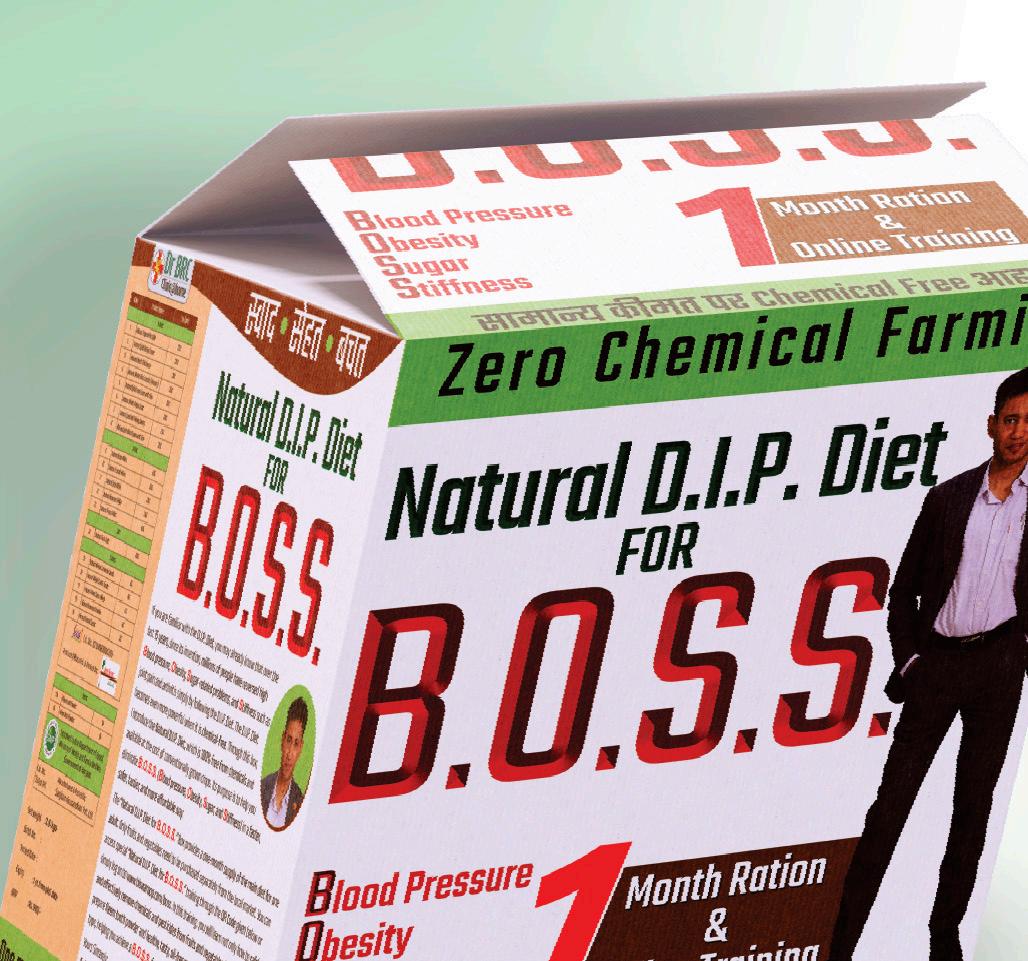
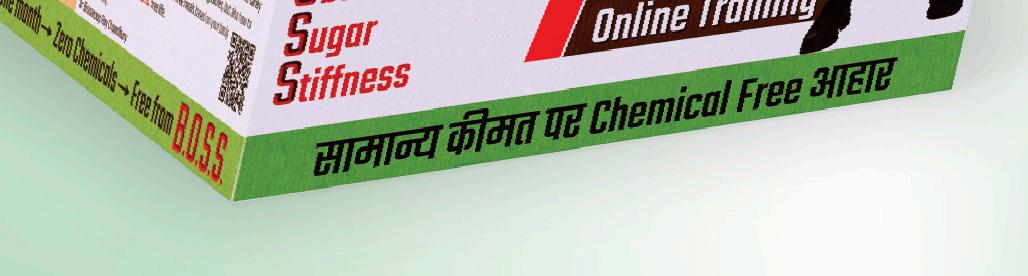
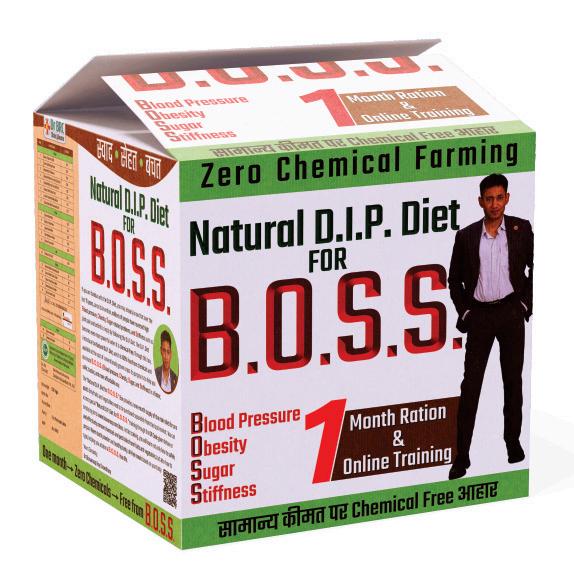
To provide a comprehensive chemical-free (natural) alternative, we have launched a box: Natural D.I.P. Diet for B.O.S.S. The acronym B.O.S.S. represents Blood Pressure (High B.P.), Obesity, Sugar (diabetes), and Stiffness (such as joint pain, arthritis).
Natural D.I.P. Diet for B.O.S.S.
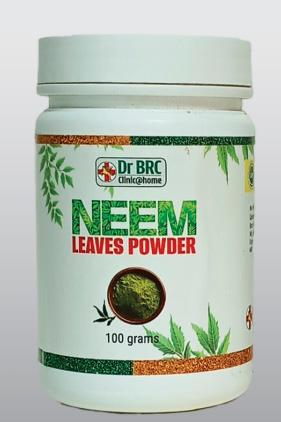
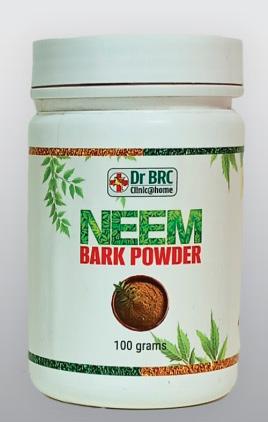
The Natural D.I.P. Diet for B.O.S.S. Box includes eight types of pulses, five types of millets, five types of spices (all sourced from chemical-free farming), and rock salt sufficient for one adult for 1 month. This box also includes neem leaf powder and neem bark powder for preparing tooth powder.
First, let’s understand the D.I.P. Diet. Most of my readers are already familiar with it, as I have been discussing the D.I.P. Diet since its invention around 15 years ago. During this period, millions of people have adopted the D.I.P. Diet, resolved problems related to B.O.S.S. and become healthy. This is what they have achieved with the help of the D.I.P. Diet.
Now, we are discussing the Natural D.I.P. Diet, i.e., chemical-free diet. To begin with, let’s understand the D.I.P. Diet, which includes the following steps:
• Step-I (Fruit breakfast till 12 noon): It exclusively consists of fruits — any 3-4 seasonal fruits of your choice. You have to avoid roti, daliya, vegetables and bread in this step. For a person weighing 70 kg, the quantity of fruits will be 700 grams; i.e., weight multiplied by 10. If this does not keep you full, you can increase the quantity of fruits as per your convenience. The more fruit you eat for breakfast, the sooner you will be free from problems related to B.O.S.S.
Section –1 The Next Level of Disease Reversal
Even if you are diabetic, you need not avoid sweet fruits, whether it be mango, banana, chiku, or grapes. You will be surprised to know that even after consuming sweet fruits, sugar level of a diabetic person comes down instead of going up. You have to experience it yourself.
D.I.P. Diet Step-I
Breakfast (till 12 noon)
4 types of fruit
Weight in kg x 10 =__gm
• Step-II (Lunch and Dinner): Lunch and dinner consist of two plates: Plate-1 and Plate-2. In Plate1, you have to eat at least 3-4 types of raw vegetables such as tomato, salad cucumber (kheera), radish, carrot, Indian cucumber (kakdi), capsicum (red, yellow, green), onion, etc. For a person weighing 70 kg, the quantity of raw vegetables will be 350 grams; i.e., weight multiplied by 5. This much quantity will serve as a medicine. The noteworthy point is that raw vegetables (Plate-1) should be eaten before eating cooked food (Plate-2), rather than simultaneously.
After finishing Plate-1, move to Plate-2, which is a standard meal or diet consisting of pulses, millets, poha, khichdi, etc. You have to follow Step 2 for both lunch and dinner. Dinner should be finished by 6 p.m.,
Natural D.I.P. Diet for B.O.S.S.
or at the latest, by 7 p.m. Do not eat anything after that; you can drink water as per your convenience.
D.I.P. Diet Step-II
Lunch/Dinner
Plate-1
4 types of raw vegetables
Weight in kg x 5 =_gm
Plate-2
Standard meal
Tasty, oil-free (water-based) recipes for standard meal (Plate-2) are provided in Section-2. The ingredients required for these recipes are already included in the Natural D.I.P. Diet for B.O.S.S. Box. This box does not contain oil. Just remember, whenever we process the seeds of a plant to extract oil, the end product is essentially a chemical. Our aim is chemical-free, oil-free cooking at least for one month. You have to commit yourself to not letting any chemical, in any form, enter your mouth. The reward will be freedom from B.O.S.S.
Now, the question arises: the Natural D.I.P. Diet Box does not contain fruits and vegetables, which means these need to be purchased from the market. Market-bought fruits
Section –1 The Next Level of Disease Reversal and vegetables contain pesticides and other harmful chemicals. So, how can we make them chemical-free?
The solution is simple. Prepare a 2% refined salt solution. Take 1 liter of water in a bowl and dissolve 20 grams (approximately 4 teaspoons) of refined salt in it. Put the fruits or vegetables into the solution and leave them soaked for about 15 minutes. After 15 minutes, remove them and wash thoroughly under fresh running water.
Reducing pesticides from fruits/vegetables with 2% salt solution
y Evaluating the effectiveness of different household washing techniques for removal of insecticides from spinach and chickpea leaves by micellar liquid chromatography. J Chromatogr A. 2024 Aug 16;1730:465043.
y Reducing Pesticide Residues On Tomato Through Appropriate Post-Spray Harvesting Time And Postharvest Washing. International Journal of Agriculture and Environmental Research Volume: 11, Issue: 02 “March-April 2025” ISSN: 2455-6939.
According to research, around 70–85% of chemicals are removed using this 2% refined salt solution. Even if not 100%, removing chemicals to this extent is far better than consuming them completely.
Irrespective of your health status, this practice should be followed. Our mission is to make people aware and suggest practical ways to live a chemical-free life by offering simple, home-based solutions.
Natural D.I.P. Diet for B.O.S.S.
• Step-III: You have to avoid packaged and refined food (such as bread, biscuit, fast food, namkeen), and dairy and animal products (such as milk, curd, lassi, butter, ghee, eggs, paneer, meat, fish). You should aim to avoid them for at least one month. I can assure you that this will ensure your freedom from B.O.S.S.
Now, coming to the point of what you have to add to your diet. For snacking, you can eat sprouts, soaked nuts, dry fruits and fresh coconut pieces anytime between breakfast, lunch and dinner.
D.I.P. Diet Step-III
To Avoid
1. Packaged & refined food
2. Dairy/Animal food
To Take
1. Soaked nuts/Sprouts: your wt (kg) =.....gm
2. Fruits: Plenty
3. Sunshine: 40 min
If you want to eat fruits after 12 noon between lunch and dinner, you can eat them. The noteworthy point is: Do not eat anything after dinner at 6 or 7 p.m. Have sun exposure daily for 40 minutes. If that is not possible, have sun exposure for at least 15 minutes.
These 3 steps constitute the D.I.P. Diet. When you follow this diet, you will recover very quickly, ultimately giving you freedom from B.O.S.S.
Section –1 The Next Level of Disease Reversal
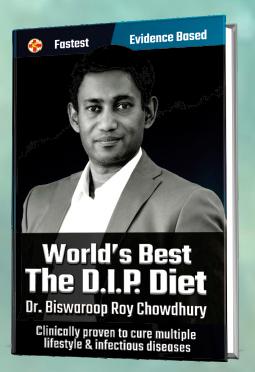
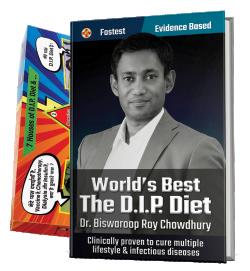
For a detailed understanding of the scientific principles underlying the D.I.P. Diet, refer to my book World’s Best ‘The D.I.P. Diet’. This book is available on major online platforms (Amazon, Flipkart) and www.biswaroop.com/shop.
Reported Health Outcomes
As already shared with you, millions of people have adopted the D.I.P. Diet over the last 15 years. Some of the significant health outcomes reported by people following the D.I.P. Diet are:
• Reversal of diabetes within 72 hours
• Resolution of high blood pressure, high cholesterol, and intestinal disorders (constipation, indigestion, bloating) within 3–7 days
• Weight loss of up to 10% and resolution of angina within 1 month
• Resolution of thyroid disorders (TSH normalization) within 2 months
• Resolution of glaucoma, cataract, myopia, and hypermetropia within 3 months
• Resolution of cancer, asthma, and arthritis within 6 months
• Resolution of skin disorders, kidney dysfunction, and liver disorders within 8 months
Natural D.I.P. Diet for B.O.S.S.
• Resolution of genetic heart valve defects within 9–12 months
Health Outcomes (D.I.P. Diet)
24 hrs to 72 hrs Diabetes
3 days to 1 week High blood pressure, high cholesterol, intestinal disorders
This is the timeline for resolution of health problems when you follow the D.I.P. Diet derived from chemical-laden (non-organic) sources. Just imagine the impact if you follow the Natural D.I.P. Diet derived from chemical-free sources. Following this diet, the speed of resolution can potentially be doubled.
Patients who have followed a Natural D.I.P. Diet have experienced much faster resolution of their health issues
Section –1 The Next Level of Disease Reversal compared to those who followed a D.I.P. Diet sourced from local provision stores offering non-organic food.
Natural Diet without Additional Cost
The Natural D.I.P. Diet for B.O.S.S. box contains 1-month ration with chemical-free pulses, millets, spices, and rock salt. The unique feature of this box is that its price is almost the same as the non-organic (chemical-based) food available at your local provision store. You need not spend extra on buying a natural (chemical-free) diet.
This box also contains neem leaf powder and neem bark powder. Mix both of them in equal quantities to make neem tooth powder. It is an excellent alternative to toothpastes filled with harmful chemicals that you have been using since childhood. So, you need not use chemical toothpastes from now onward. This is also in line with our commitment to not letting any chemical, in any form, enter your mouth.
Rather than spending more, you actually save money for the following reasons:
• Chemical-free food is available at almost the same price as non-organic food
• No use of cooking oil
• Reduced or no dependence on drugs
• No use of chemical toothpaste
Natural D.I.P. Diet for B.O.S.S.
This challenges the popular belief that a natural (chemicalfree) diet is more expensive than a non-organic one.
` A Larger Purpose
The purpose of this initiative extends beyond a single product or dietary system. Its true aim is to inspire individuals to support chemical-free farmers wherever they live, fostering a broader transformation in agricultural practices.
As more farmers adopt natural methods, costs will decline, health outcomes will improve, and society will move closer to sustainable well-being. Life, in its purest form, thrives when it is free from chemicals.
` D.I.P. Diet vs. Natural D.I.P. Diet
Here is the comparison between the D.I.P. Diet and the Natural D.I.P. Diet.
• In the D.I.P. Diet, refined salt is used while cooking food for Plate-2, whereas in the Natural D.I.P. Diet, rock salt is used instead of refined salt.
• In the D.I.P. Diet, cooking oil is used, whereas in the Natural D.I.P. Diet, water-based (oil-free) cooking is followed. The recipes for water-based (oil-free) cooking are provided in Section-2.
Section –1 The Next Level of Disease Reversal
• In the D.I.P. Diet, wheat and rice are allowed in Plate2. On the other hand, the Natural D.I.P. Diet includes millets.
• In the D.I.P. Diet, fruits, vegetables, and pulses are sourced from the market, which primarily consists of non-organic (chemical-laden) food, whereas in the Natural D.I.P. Diet, you are advised to consume chemical-free (natural) food.
• In the D.I.P. Diet, no natural alternative is recommended to replace regular chemical-filled toothpastes, whereas in the Natural D.I.P. Diet, neem-based tooth powder is used.
` Why Chemical-Free Produce is Better for Water-Based Cooking
Chemical-free (natural or organic) produce is easier to cook with water-based (oil-free) cooking and tastes better due to the following reasons:
• Denser grain structure: The protein and starch matrix of pulses and millets grown with chemical-free (natural) methods is more compact compared to pulses and millets grown with non-organic methods. This compactness enables chemical-free produce to absorb water uniformly. In contrast, water absorption is not uniform in the case of non-organic produce.
• Balanced mineral absorption: This implies that chemical-free produce (crop) grows slowly and naturally. Such crops fulfill their mineral requirements from soil that is chemical-free. In contrast, in chemical farming, minerals are sprayed in the form of NPK (nitrogen, phosphorus, and potassium) fertilizer and other powdered fertilizers that provide calcium, iron, zinc, etc. These minerals are absorbed by crops in an uneven and imbalanced manner. However, in chemical-free (natural) farming, the absorption of minerals and other nutrients from the soil occurs in a balanced manner. That is why chemical-free produce is able to absorb more water during water-based (oilfree) cooking, thereby improving the cooking process.
Section –1 The Next Level of Disease Reversal
Unprocessed & Unpolished
Denser Grain Structure
Why organic produce is easier to cook with water-based cooking and tastes better
Better Water Penetration
Balanced Mineral Absorption
• Better water penetration: When crops are grown using chemicals, the outer layer of seeds or grains becomes harder compared to naturally grown (chemical-free) ones. Due to this harder outer layer, water penetration is lower in non-organic crops. Moreover, non-organic crops contain higher salt and chemical content, which further reduces water penetration. As a result, cooking non-organic produce requires more effort, ultimately forcing the use of cooking oil. Therefore, to make cooking easier and healthier, we must use chemicalfree (natural) ingredients.
• Being unprocessed and unpolished: Chemical-free crops are unprocessed and unpolished, which helps preserve the natural taste of food. When you use chemical-free produce (such as pulses, spices, and
Natural D.I.P. Diet for B.O.S.S.
grains) for water-based cooking, you experience the authentic taste of those ingredients rather than the flavor of cooking oil and the chemicals used in growing non-organic produce. For this reason, cooking oil is no longer required, and water-based cooking becomes practical. The taste obtained through this method is far better than what most people have experienced so far, with the added benefit of improved health.
` Harmful Effects of Cooking with Vegetable Oil
Whenever vegetable oil is heated, its chemical structure gets distorted, making it harmful for heart and cardiovascular health.
Till the time you remove the oil completely from your diet, your heart health will be at risk. That’s why oil-free (waterbased) cooking is essential for your health.
Cooking with Vegetable Oil and Risk of Cardiovascular Disease
y Heated vegetable oils and cardiovascular disease risk factors. Vascul Pharmacol. 2014 Apr;61(1):1-9.
Section –1 The Next Level of Disease Reversal
` Refined Salt vs. Rock Salt
Rock salt has trace minerals that are missing in refined salt. Moreover, the refining process introduces many chemicals in refined salt, which harm the body. Therefore, rock salt is a healthier alternative than refined salt.
Refined Salt vs. Rock Salt
y Nutritional and contaminant profiles of refined table salt and its alternatives, Journal of Food Composition and Analysis, Volume 148, Part 1, 2025, 108230, ISSN 0889-1575
` Wheat and Rice vs. Millets
Around the globe, people eat more wheat and rice compared to millets. Studies have shown that millets are healthier than wheat and rice; and they can help in reversing several diseases. Specifically speaking about wheat, it contains gluten which triggers autoimmune reaction in many people leading to skin diseases, diabetes type-1 in children, rheumatoid arthritis, etc. Moreover, certain people are also allergic to wheat. Similarly, rice causes more blood sugar spike compared to millets. So, if you consume millets that too grown with chemical-free methods, it will be highly beneficial for your health. The references provided in the following illustration affirm what I have just shared with you regarding the efficacy of millets.
Natural D.I.P. Diet for B.O.S.S.
Wheat & Rice vs. Millets
y Are Millets More Effective in Managing Hyperlipidemia and Obesity than Major Cereal Staples? A Systematic Review and MetaAnalysis. Sustainability 2022, 14, 6659.
y A Systematic Review and Meta-Analysis of the Potential of Millets for Managing and Reducing the Risk of Developing Diabetes Mellitus. Frontiers in Nutrition. Volume 8 - 2021
y Comparative Analysis of Processed Foods Derived from Millets, Wheat, and Rice: A Secondary Data Study on Nutritional Quality, Processing Effects, and Market Opportunities. International Journal of Applied Social Science Volume 12 (3 & 4). March & April (2025)
So, from now onward while following the Natural D.I.P. Diet, you should take millets in Plate-2 instead of wheat and rice. Tasty millet-based recipes for your lunch and dinner are provided in Section-2.
` Why Dairy and Animal Products are Not a Part of the D.I.P. Diet
Milk has been excluded from the D.I.P. Diet from the very beginning of its invention. In fact, all kinds of dairy products (milk, curd, butter, buttermilk, ghee, paneer) are not a part of the D.I.P. Diet. This does not mean that milk is a poison. However, if you want to get rid of diabetes, hypertension (high B.P.), heart diseases, cancer, kidney diseases, neurodevelopmental disorders (autism, ADHD, cerebral palsy), and neurological disorders (dementia,
Section –1 The Next Level of Disease Reversal Parkinson’s), you have to stop the consumption of dairy products.
The references provided in the following illustration affirm what I have just shared with you regarding the exclusion of dairy products from the D.I.P. Diet.
Milk
y Premenopausal Fat Intake and Risk of Breast Cancer, JNCI: Journal of the National Cancer Institute, Volume 95, Issue 14, 16 July 2003, Pages 1079–1085,
y Dairy products, calcium, and prostate cancer risk in the Physicians’ Health Study. Am J Clin Nutr. 2001 Oct;
y Lactose and galactose intake and metabolism in relation to the risk of epithelial ovarian cancer. Am J Epidemiol. 1995 Mar 1;141(5):407-16.
y Milk, milk products and lactose intake and ovarian cancer risk: a meta-analysis of epidemiological studies. Int J Cancer. 2006 Jan 15;118(2):431-41.
y Milk intake and risk of mortality and fractures in women and men: cohort studies BMJ 2014; 349
y Milk Consumption During Teenage Years and Risk of Hip Fractures in Older Adults. JAMA Pediatr. 2014;168(1):54–60.
For more research papers on this topic, visit the web link: www.biswaroop.com/whitetruth
Now, coming to the point of why animal products (eggs, meat, fish) are not a part of the D.I.P. Diet. Protein derived from animal products causes various diseases including cancer and heart disease.
Natural D.I.P. Diet for B.O.S.S.
Higher meat intake is linked to increased cardiovascular and cancer mortality.
y Red meat consumption and mortality: results from 2 prospective cohort studies. Arch Intern Med. 2012 Apr 9;172(7):555-63
Studies have linked egg consumption to prostate cancer progression and increased mortality.
High egg consumption is associated with prostate cancer progression & increased mortality.
y Egg, red meat, and poultry intake and risk of lethal prostate cancer in the prostate-specific antigen-era: incidence and survival. Cancer Prev Res (Phila). 2011 Dec;4(12):2110-21.
Another important reason to stop the consumption of animal products or foods is that they rapidly alter gut microbiome toward inflammatory bacteria.
Animal foods rapidly alter gut microbiome toward inflammatory bacteria
y Diet rapidly and reproducibly alters the human gut microbiome. Nature. 2014 Jan 23;505(7484):559-63.
Whatever you eat goes straight to the stomach, where millions of bacteria (both good and bad) reside. When the balance between good and bad bacteria is disturbed, it leads to disease in the body.
Section –1 The Next Level of Disease Reversal
One of the most important reasons behind this imbalance and subsequent occurrence of disease is the administration of steroids and antibiotics to livestock (cow, buffalo, hen) raised on a farm to increase productivity in terms of milk and meat production purely for profit. When you consume meat, eggs and milk derived from such livestock, you unknowingly ingest steroids and antibiotics, thereby becoming vulnerable to several diseases. In addition to the adverse effects of steroids and antibiotics, protein derived from animal foods triggers autoimmune reactions leading to several diseases.
Routine antibiotic use in livestock contributes to antibiotic resistance in humans
y Livestock Antibiotics Use and Antimicrobial Resistance. Antibiotics (Basel). 2025 Jun 19;14(6):621.
Now, you know the reasons why dairy and animal products have been excluded from both the D.I.P. Diet and the Natural D.I.P. Diet.
For more details on this topic, refer to the book World’s Best ‘The D.I.P. Diet’.
Another very important aspect of the Natural D.I.P. Diet is the addition of neem-based tooth powder. From now onward, stop using toothpastes filled with harmful chemicals. If you want to understand the benefits of neem-
Natural D.I.P. Diet for B.O.S.S.
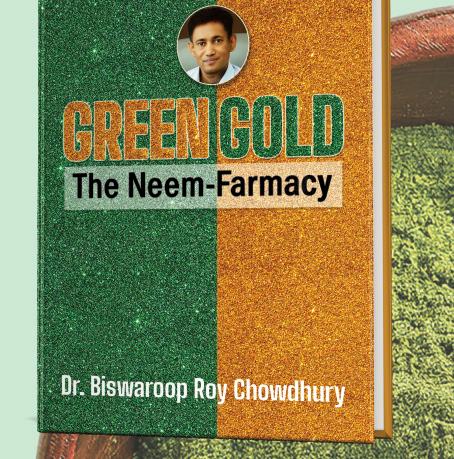
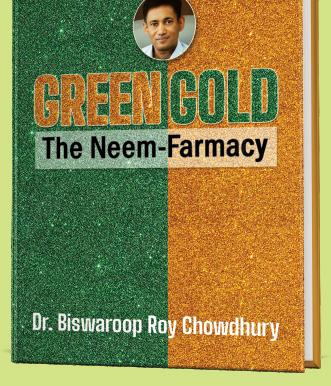
based tooth powder in detail, refer to the book Green Gold: The Neem-Farmacy.
Available at: www.biswaroop.com/shop
` The Natural D.I.P. Diet: A Final Blow to Diseases
Certain people following the D.I.P. Diet have reported that their health issues were resolved by up to 80–90%, but some issues still remain. There is a famous Hindi idiom for this situation, which can be loosely translated as: The elephant has passed, but the tail is still stuck.
For example, among children suffering from type-1 diabetes, 40% have reported no dependence on insulin after following the D.I.P. Diet. At the same time, the remaining 60% have reported reduced dependence on insulin—their fast-acting insulin is stopped, but longacting insulin remains to a limited extent. This implies that instead of taking insulin 4–5 times a day, they need to take long-acting insulin only once. Here, this once-daily long-
Section –1 The Next Level of Disease Reversal
acting insulin represents the ‘tail’ mentioned in the idiom. This has been the success story of the D.I.P. Diet for certain people.
In contrast, when such children are shifted from the D.I.P. Diet to the Natural D.I.P. Diet, the major change that occurs is the disappearance of the ‘tail’, that is, no dependence even on long-acting insulin.
This outcome is true not only for the complete resolution of diabetes but also for the resolution of several other diseases. Adopting the Natural D.I.P. Diet leads to the resolution of lifestyle diseases (diabetes, high B.P.) and other diseases at a rate 2–3 times faster than that achieved through the D.I.P. Diet.
` The Need of the Hour
People following a normal diet should move to the D.I.P. Diet, and those already following the D.I.P. Diet should transition to the Natural D.I.P. Diet. Every step toward the Natural D.I.P. Diet directly supports farmers practicing chemical-free (natural) farming and motivates those engaged in chemical (non-organic) farming to shift toward chemical-free farming.
Our initiative is a modest but meaningful effort in this direction. At present, we can serve only a limited
Natural D.I.P. Diet for B.O.S.S.
population of about 10,000 people because we are tied up with only 125 chemical-free farmers. This is why individual participation matters. As a consumer, you can directly connect with chemical-free farmers and purchase from them, bypassing intermediaries such as traders, millers, wholesalers, and retailers. This farmer-linked, directto-consumer sourcing model not only makes natural produce more affordable but also strengthens ethical and sustainable agricultural practices.
The consequences of continuing chemical farming are unavoidable. Over time, the soil becomes barren, and food scarcity emerges as a serious threat. This is not a future problem; it is already unfolding. The solution must begin now. Adopting the Natural D.I.P. Diet improves health at no extra cost while simultaneously creating demand for chemical-free farming. This demand is the strongest signal farmers can receive.
This mission for a natural diet is the need of the hour because food is medicine. When food is adulterated and contains chemicals and pesticides, it loses its healing potential. As chemical (non-organic) food and genetically modified (GM) food continue to increase, the risks to human health grow alongside them.
Section –1 The Next Level of Disease Reversal
Therefore, from this moment onward, make a conscious decision to reduce the intake of chemical (non-organic) food to the maximum extent possible. By doing so, you take control of your health, support chemical-free farmers, and contribute to a future where food once again becomes a source of healing rather than disease.
Section – 2
Practical Application of Oil-Free Cooking
` Translating Principles into Practice
Section-1 introduced the concept of oil-free (water-based) cooking and emphasized the need for strict adherence to the Natural D.I.P. Diet for freedom from B.O.S.S. The focus now shifts from understanding to application. This section shows how everyday Indian meals can be prepared without oil while preserving taste, texture, and nourishment.
The recipes that follow demonstrate that oil is not essential for flavor, aroma, or proper cooking. Through controlled low heat and natural moisture regulation, meals can be prepared safely and effectively without burning or sticking.
Before proceeding to the recipes, it is essential to understand the foundational method that enables oil-free cooking — the ‘Steaming Plate’ Method (‘Water on Lid’ Method).
Natural D.I.P. Diet for B.O.S.S.
`
‘Steaming Plate’ Method for Oil-Free Cooking
The moment you hear ‘oil-free cooking’, it is natural to wonder — How will the food cook? Will it taste good? Will it burn or stick?
To make oil-free cooking simple, safe, and delicious, we use a special technique called the ‘Steaming Plate’ Method. In this method, water is used in place of oil to regulate heat, prevent burning, and enhance natural flavors.
This process blends the principles of traditional dum cooking and steaming, allowing food to cook slowly on low heat, retain moisture, and release its natural oils and aromas. The result is food that is soft, flavorful, nourishing, and easy to digest — without using a single drop of oil.
Benefits of ’Steaming Plate’ Method are:
• Prevents burning and sticking during oil-free cooking.
• Creates a gentle, natural steaming effect for even cooking.
• Maintains the moisture and softness of vegetables.
• Helps vegetables and spices release their natural oils, enhancing flavor and aroma.
• Regulates internal cooking temperature and prevents overheating.
• Supports slow, healthy, oil-free cooking.
Section – 2 Practical Application of Oil-Free Cooking
• Enhances taste, texture, and digestibility.
• Preserves the natural nutrients of ingredients.
• Reduces the need for frequent stirring, allowing vegetables to retain their natural texture and shape.
` Oil-Free Recipes for Natural D.IP. Diet
Now, let’s explore the oil-free recipes based on the chemical-free ingredients provided in the ‘Natural D.I.P. Diet for B.O.S.S.’ Box.
Aloo Gobhi Sabzi
Ingredients Sourced from the Local Vegetable Market
y Chopped aloo (potato) (150 g)
y Chopped gobhi (cauliflower) (150 g)
y Chopped onions (20 g)
y Chopped tomatoes (40 g)
y Ginger, garlic, green chilli (5 g each)
y Chopped coriander leaves (for garnish)
Ingredients Sourced from ‘Natural D.I.P. Diet for B.O.S.S.’ Box
y Rock salt (2–3 g)
y Cumin seeds (2 g)
y Garam masala (2 g)
y Turmeric (1–2 g)
y Spices (as per taste)
` Method
• Roast cumin seeds on a low flame, stirring continuously; otherwise, they may burn. You will hear a crackling sound, which indicates that the cumin is roasted.
Natural D.I.P. Diet for B.O.S.S.
• Add chopped onions and continue roasting.
• After roasting the chopped onions with cumin, add chopped tomatoes.
• Next, add the ginger, garlic, and green chilli, and continue roasting. Initially, the onions and tomatoes will release moisture; continue roasting until it evaporates and the mixture is well roasted.
• If the base of the vessel appears dry, add a little water to prevent burning.
• Once the mixture is sufficiently roasted, add chopped potato and cauliflower.
• Add rock salt and turmeric, and continue roasting for the next 2–3 minutes.
• Since this is a dry dish, there is a high risk of burning. At this stage, use the ‘Steaming Plate’ Method. Cover the vessel with a steel plate and pour some water on the plate. With this method, even if the dish is left unattended for 30 minutes to an hour, it will not burn. The water on the plate creates a steaming effect, regulates the internal temperature, and allows the vegetables to release their natural oils gradually. The dish cooks slowly on a low flame, enabling efficient oilfree cooking.
• Allow the dish to cook for another 10-15 minutes on low flame, so that the flavors of the spices are fully absorbed by the potato and cauliflower.
Section – 2 Practical Application of Oil-Free Cooking
• At this stage, the dish will be evenly cooked without sticking or burning, and the vegetables will be soft and tender. Make sure there is always some water on the plate; if the water dries up, add a little more to avoid burning.
• Add garam masala to the dish.
• Garnish with chopped coriander leaves and serve.
Note: The vegetables used are not organic; therefore, they were soaked in a 2% refined salt solution for 15 minutes and subsequently washed thoroughly under fresh running water to reduce pesticide content and chemical residue. This process has already been explained in Section-1.
Chana Dal
Sourced from the Local Vegetable Market
y Chopped onions (2 tablespoons)
y Chopped tomatoes (2 tablespoons)
y Ginger, finely chopped (1/2 teaspoon)
y Garlic, finely chopped (1/2 teaspoon)
y Chopped coriander leaves (for garnish)
y Chana dal (split chickpeas or split Bengal gram), washed and soaked for 5–6 hours, 50 g
y Rock salt (as per taste)
y Cumin seeds (2 g)
y Turmeric powder (1 g)
y Cumin powder (1 g)
y Coriander powder (1 g)
Natural D.I.P. Diet for B.O.S.S.
` Method
• Add the soaked chana dal to a preheated pressure cooker. Add sufficient water.
• While cooking the pulses, froth forms on the surface. Remove this froth, as it is considered important for improving digestibility.
• Allow the dal to boil in the pressure cooker. Since it has been soaked, it will cook faster; 2–3 whistles on a low flame are sufficient. Once cooked, keep the cooked chana dal aside in a bowl for later use.
• In an earthen vessel (preferably), roast cumin seeds on a low flame, stirring continuously, until the aroma is released.
• Add chopped onions and roast lightly, stirring continuously. If the base of the vessel appears dry, add a little water to prevent burning.
• Once the onion softens and its aroma develops, add chopped tomatoes. If the mixture appears dry, add some water.
• Add finely chopped ginger and garlic, and continue stirring. Add water as required to avoid burning.
• Add turmeric powder, rock salt, cumin powder, and coriander powder. Mix well, adding a little water if needed.
• To cook the spice mixture evenly, use the ‘Steaming Plate’ Method. Cover the vessel with a steel plate and
Section – 2 Practical Application of Oil-Free Cooking
pour enough water to cover the surface of the plate. This method allows gradual cooking and facilitates the release of natural oils from the spices. Cook on a low flame for 5–7 minutes. Replenish the water on the plate if it evaporates, to prevent burning.
• After 5–7 minutes, the spice mixture will be well cooked, without burning, and the spices will have released their natural oils.
• Add the cooked chana dal to the prepared mixture and mix gently.
• Cook for another 2 minutes using the same ‘Steaming Plate’ Method. The steaming effect regulates the internal temperature and supports slow, even cooking without oil.
• After 2 minutes, the dish will be ready.
• Garnish with chopped coriander leaves and serve.
Millet Kheer
Ingredients Sourced from the Local Market
y Homemade coconut milk (150 ml)
y Date syrup or raw honey (2–3 tablespoons)
Ingredients Sourced from ‘Natural D.I.P. Diet for B.O.S.S.’ Box
y Little millets, 20-30 g (washed and soaked)
y Fennel, crushed (optional)
Natural D.I.P. Diet for B.O.S.S.
` Method
• Before preparing any millet-based dish, including little millets, wash the millets at least three times and soak them for 5–6 hours in summer and 8–9 hours in winter. Soaking supports better digestibility.
• After soaking, cook the little millets in plain water in an open vessel until fully cooked.
• Add homemade coconut milk (refer to the next recipe) to the cooked little millets and mix well.
• Adjust the consistency of the kheer according to preference by adding water or coconut milk, as required.
• Add date syrup or raw honey and mix gently.
• Add crushed fennel, if preferred.
• Millet Kheer is now ready to be served.
• In summer, the kheer may be served cooled, while in winter, it may be served warm.
• For warming, use the double boiler method, as nutbased milk should not be heated directly, as this may reduce its nutritional value. In this method, boil water in an earthen vessel and place a steel bowl over the vessel so that the bowl is heated indirectly by steam. Transfer the Millet Kheer to the bowl and warm it gently. This indirect warming typically takes 2–3 minutes and helps maintain nutritional value.
Section – 2 Practical Application of Oil-Free Cooking
Recipe for Coconut Milk
` Ingredients
• 50 g freshly grated mature coconut
• 250 ml lukewarm water
` Method
• Grate the fresh coconut.
• Add the grated coconut and lukewarm water to a bowl.
• Blend on pulse mode until the mixture becomes smooth — avoid high speed, as it can generate free radicals.
• Strain the mixture using a muslin cloth or a fine sieve, pressing well to extract the milk.
• For better results, add a little more water and strain again to get smoother, lighter, and creamier coconut milk.
• The coconut milk is now ready to drink or use in beverages and recipes.
Millet Idli
Ingredients Sourced from the Local Vegetable Market
y Fresh coconut chunks, ginger, and green chilli
y Roasted curry leaves (5-6)
y Dried coriander leaves
Ingredients Sourced from ‘Natural D.I.P. Diet for B.O.S.S.’ Box
y Foxtail millets, soaked, 50 g
y Moongdaldhuli (split and skinned green gram), soaked, 150 g
y Rock salt (as per taste)
y Roasted cumin seeds (2 g)
Natural D.I.P. Diet for B.O.S.S.
` Method
• Wash the foxtail millets and moong dal dhuli separately at least three times, then soak them overnight.
• After soaking, blend the foxtail millets and moong dal to form a smooth batter. Allow the batter to ferment; the fermentation time is similar to that required for curd to set in your region.
• Meanwhile, heat water in an idli maker. Line the idli plates with a muslin cloth, pour the batter into the molds, and steam for 10–15 minutes.
• While steaming, pour water over the idlis. A higher amount of water during the steaming period results in softer idlis.
• The millet idlis are ready when they turn soft and fluffy.
• To prepare the chutney, grind the fresh coconut chunks, ginger, and green chilli. Add rock salt, roasted cumin seeds, curry leaves, and dried coriander leaves, and blend well.
• Serve the millet idlis with the prepared chutney.
Note: You may substitute moong dal dhuli (split and skinned green gram) with chana dal (split Bengal gram) or urad dal (split black gram), as both work well for making idlis.
Section
– 2 Practical Application of Oil-Free Cooking
Steamed Dumpling in Gravy
Ingredients Sourced from the Local Vegetable Market
y Chopped spinach or fenugreek leaves or moringa leaves (as preferred)
y Chopped coriander leaves
y Onion paste (2 tablespoons)
y Tomato purée (2 tablespoons)
y Ginger–garlic–green chilli paste (1/2 tablespoon)
y Coriander leaves (for garnish)
Ingredients Sourced from ‘Natural D.I.P. Diet for B.O.S.S.’ Box
y Split black gram (urad dal) with skin, washed and soaked
y Rock salt (2 g)
y Cumin seeds (1 g)
y Coriander powder (1 g)
y Turmeric powder (1 g)
y Cumin powder (2 g)
y Garam masala (1 g)
` Method
• Wash the split black gram 3–4 times and soak it for 5–6 hours.
• Grind the soaked split black gram with very little water to form a thick paste.
• To prepare the dumpling mixture, add chopped spinach, chopped coriander leaves, rock salt, and cumin seeds to the paste. Mix well to obtain a uniform mixture.
• Preheat a steamer and line it with a muslin cloth. Place portions of the mixture on the cloth and steam for 10–15 minutes.
• After steaming, the portions will form cooked dumplings. Keep them aside and allow them to cool slightly.
Natural D.I.P. Diet for B.O.S.S.
• To prepare the gravy, roast cumin seeds on a low flame, stirring continuously, until the aroma is released. Add onion paste and continue roasting.
• Add fresh tomato purée and roast on a low flame for about 5 minutes. Then add ginger–garlic–green chilli paste.
• Add coriander powder, turmeric powder, and cumin powder, and mix well.
• Cook the spice mixture for another 5–7 minutes using the ‘Steaming Plate’ Method. This method helps regulate temperature, supports slow and even cooking without oil, and prevents burning.
• After 5–7 minutes, the spice mixture will be well cooked, and the spices will have released their natural oils.
• Add garam masala and rock salt (as per taste) to the mixture.
• Add sufficient water to the mixture to prepare the gravy and mix well.
• Cook the gravy for 5–10 minutes using the same ‘Steaming Plate’ Method.
• Add the steamed dumplings to the gravy, either whole or cut into pieces, as preferred. Mix gently for uniform distribution.
• Garnish with chopped coriander leaves and serve hot.
Section – 2 Practical Application of Oil-Free Cooking
Millet Chaas (Chaach)
Ingredients Sourced from the Local Market
y Homemade coconut milk (100 ml)
y Steamed peas (1 tablespoon)
y Chopped tomatoes (1 tablespoon)
y Chopped onions (1 tablespoon)
y Lemon juice (as per taste)
y Chopped coriander leaves (for garnish)
y Chopped green chilli (optional)
` Method
Ingredients Sourced from ‘Natural D.I.P. Diet for B.O.S.S.’ Box
y Barnyard millets or Kodo millets (20-30 g)
y Rock salt (as per taste)
y Cumin seeds (2 g)
• Wash the barnyard millets at least three times and soak them for 5–6 hours in summer and 8–9 hours in winter. Soaking supports better digestibility.
• After soaking, cook the barnyard millets in an open vessel.
• In a bowl, combine the homemade coconut milk and the cooked barnyard millets. Add steamed peas, chopped tomatoes, and chopped onions.
• Add chopped green chilli, if preferred.
• Add rock salt, lemon juice, and roasted cumin seeds, and mix well.
• Garnish with chopped coriander leaves.
• Mix thoroughly and serve.
Natural D.I.P. Diet for B.O.S.S.
Millet Khichdi
Ingredients Sourced from the Local Vegetable Market
y Chopped onions (2 tablespoons)
y Chopped tomatoes (2 tablespoons)
y Ginger and garlic, chopped (1 teaspoon each)
y Green chilli (medium size), chopped
y Chopped green capsicum and steamed peas (optional)
y Coriander leaves (for garnish)
Ingredients Sourced from ‘Natural D.I.P. Diet for B.O.S.S.’ Box
y Foxtail millets (40 g), soaked and cooked
y Moong dal dhuli (split and skinned green gram) (20 g), soaked and cooked
y Cumin seeds (2 g)
y Garam masala (optional), 2 g
y Turmeric powder (optional), 2 g
y Rock salt (as per taste)
` Method
• Wash the foxtail millets and moong dal dhuli at least three times in separate bowls and soak them overnight. Cook them separately and keep them aside for later use.
• In an earthen vessel (preferably), roast cumin seeds on a low flame, stirring continuously, until the aroma is released.
• Add chopped onions and continue roasting. If the base of the vessel appears dry, add a little water to prevent burning.
• Add chopped tomatoes and continue roasting with stirring until the aroma of onions and tomatoes is released.
Section – 2 Practical Application of Oil-Free Cooking
• Add chopped ginger, garlic, and green chilli, and continue roasting and stirring to allow gradual release of natural oils.
• Add chopped green capsicum and steamed peas, if using, and mix well.
• Add garam masala, if using, and continue roasting briefly.
• Add some water so that the vegetables cook evenly.
• To cook the mixture evenly, use the ‘Steaming Plate’ Method. Cover the vessel with a steel plate and pour enough water to cover the surface of the plate. Cook on a low flame for 5–7 minutes.
• After 5–7 minutes, the mixture will be well cooked without burning.
• Add the cooked foxtail millets and cooked moong dal to the prepared mixture and mix well. Turmeric powder may be added at this stage, if preferred.
• Add water as required to adjust the consistency of the khichdi.
• Add rock salt (as per taste) and mix well.
• Cook for another 2 minutes using the same ‘Steaming Plate’ Method.
• After 2 minutes, the millet khichdi will be ready.
• Garnish with chopped coriander leaves and serve.
Natural D.I.P. Diet for B.O.S.S.
Millet Pulao
Ingredients Sourced from the Local Vegetable Market
y Chopped onions (2 tablespoons)
y Chopped tomatoes (2 tablespoons)
y Ginger, garlic, and green chilli, chopped (1/2 tablespoon)
y Peas, chopped carrot and cauliflower (1 tablespoon each)
y Chopped green capsicum, 1 tablespoon (optional)
y Chopped coriander leaves (for garnish)
Ingredients Sourced from ‘Natural D.I.P. Diet for B.O.S.S.’ Box
y Proso millets, 25 g (washed and soaked)
y Cumin seeds, 1 g
y Cumin powder, 1 g
y Garam masala, 1 g
y Coriander powder, 1 g
y Rock salt (as per taste)
` Method
• Wash the proso millets at least three times and soak them overnight.
• Cook the soaked millets over a low flame for 15–20 minutes, covering the vessel with a plate. Set the plain cooked millets aside.
• In an earthen vessel (preferably), roast cumin seeds on a low flame, stirring continuously, until the aroma is released.
• Add the chopped onions and roast until they begin to soften.
Section – 2 Practical Application of Oil-Free Cooking
• Add the chopped tomatoes and continue roasting, stirring as required, until the onion–tomato mixture releases its aroma. If the vegetables appear dry, add a small amount of water to prevent burning.
• Add the chopped ginger, garlic, and green chilli, and roast briefly until aromatic.
• Add the peas, carrot (chopped), and cauliflower (chopped), and mix well while roasting.
• Add the chopped green capsicum, if preferred; and continue cooking while stirring intermittently.
• Add the cumin powder, garam masala, coriander powder, and rock salt. Roast the mixture until the spices release their aroma.
• To ensure even cooking, use the ‘Steaming Plate’ Method: cover the vessel with a steel plate and pour enough water to cover the surface of the plate. Cook on a low flame for 5–7 minutes, replenishing the water if it evaporates to prevent scorching.
• Remove the plate and cook the mixture for a further 1–2 minutes, stirring gently.
• Add the cooked millets to the vegetable–spice mixture and mix well. Cook briefly until the millets are evenly coated and heated through.
• Garnish with chopped coriander leaves and serve.
Natural D.I.P. Diet for B.O.S.S.
Coconut Milk Kadhi
Ingredients Sourced from the Local Vegetable Market
y Homemade coconut milk (100–150 ml)
y Fresh curry leaves (5–6)
y Chopped onions (20 g)
y Chopped garlic (5 g)
y Chopped green chilli (5 g)
y Finely chopped spinach (20 g)
y Lemon juice of 1 medium lemon
y Chopped coriander leaves (for garnish)
Ingredients Sourced from ‘Natural D.I.P. Diet for B.O.S.S.’ Box
y Cumin seeds (2 g)
y Millet flour of choice, 2 tablespoons
y Rock salt, 2 g
y Turmeric powder, 2 g
` Method
• In an earthen vessel (preferably), dry-roast the cumin seeds on a low flame until aromatic.
• Add the curry leaves and roast briefly until they release their aroma.
• Add the chopped onions and roast until translucent and aromatic.
• Add the chopped garlic and green chilli, roast briefly, then add the finely chopped spinach.
• Cook the mixture for 4–5 minutes using the ‘Steaming Plate’ Method. Set it aside for later use.
Section – 2 Practical Application of Oil-Free Cooking
• In a separate bowl, mix the homemade coconut milk and millet flour until smooth. Millet flour is used here as a substitute for gram flour (besan).
• Add rock salt and turmeric powder to the coconut milk–millet flour mixture and mix well.
• Add the lemon juice to prepare coconut milk–based chaach (a non-dairy buttermilk substitute).
• Adjust the color, if required, by adding a small amount of turmeric powder. Add water gradually to achieve the desired consistency.
• Add the coconut milk–based chaach to the previously prepared mixture. Cook on a low flame. Stir continuously to prevent the millet flour from sticking to the base of the vessel, and continue cooking until the mixture comes to a boil.
• Adjust the consistency with water, if needed.
• Cook for 5–7 minutes using the ‘Steaming Plate’ Method.
• Remove the plate and continue cooking on a low flame, stirring gently.
• For thorough cooking, repeat the ‘Steaming Plate’ Method for an additional 2 minutes.
• Adjust tanginess with additional lemon juice, if desired.
• Garnish with chopped coriander leaves and serve.
Natural D.I.P. Diet for B.O.S.S.
Rajma
Ingredients Sourced from the Local Vegetable Market
y Tomato purée (4 tablespoons)
y Onion paste (2 tablespoons)
y Ginger–garlic paste (optional), 1/2 tablespoon
y Green chilli (optional)
y Fresh coriander leaves (for garnish)
` Method
Ingredients Sourced from ‘Natural D.I.P. Diet for B.O.S.S.’ Box
y Rajma, soaked and boiled, 50 g
y Rock salt (as per taste)
y Roasted cumin seeds (1 g)
y Coriander powder (2 g)
y Cumin powder (1 g)
y Garam masala (1-2 g)
y Turmeric powder (2 g)
• Soak the rajma for 5–6 hours in summer and 8–9 hours in winter. Soaking reduces cooking time and supports better digestibility.
• After soaking, add rock salt and boil the rajma. Keep the boiled rajma aside in a bowl for later use.
• Begin the tempering (tadka) process by adding roasted cumin seeds to an earthen vessel on a low flame. Roast briefly with continuous stirring.
• Add onion paste and continue stirring to prevent burning. Add a little water if the mixture appears dry.
• Add tomato purée on a low flame with continuous stirring.
Section – 2 Practical Application of Oil-Free Cooking
• Add ginger–garlic paste, if preferred. Green chilli may be added for additional spiciness.
• Add coriander powder, cumin powder, garam masala, and turmeric powder, and continue stirring on a low flame.
• Add some water and use the ‘Steaming Plate’ Method to cook the spice mixture evenly for 5–7 minutes. Add water if required to prevent burning.
• Remove the lid or plate and continue cooking with stirring for 1–2 minutes.
• Add the boiled rajma to the prepared mixture and mix well on a low flame.
• Use the ‘steaming plate’ method again for 5 minutes to allow the rajma to combine evenly with the spice mixture.
• After 5 minutes, the dish will be ready.
• Garnish with fresh coriander leaves and serve.
3 M E D I C I N E S F O R H O L I S T I C H E A L T H
We are proud to be pioneers in the field of “Healing Care” through “Engineering Science”, with over a decade of experience across Malaysia, Vietnam, and India. Our work is led by Dr. Biswaroop Roy Chowdhury, renowned author of 36 books and creator of the acclaimed D.I.P. Diet.
We warmly invite you to our 8-hour training sion titled “3 Medicines for Holistic Health”, where you’ll witness pra
showing how nature’s three medicines can help you reclaim your healthnot in months or days, but for many, within just a few hours of integrating them into your lifestyle.
To explore the engineering of the human body using scientific tools such as a voltmeter, light meter, and EMF meter, join us for this one-day hands-on workshop. For more details, contact:
3 Medicines To Sustain A Good Physical & Mental Health
1. Time as Medicine: Eating a variety of fruits for breakfast can improve metabolism and help control blood sugar, whereas consuming fruits after sunset may have the opposite effect. This science can be understood by studying your circadian clock—the body's internal timekeeper.
2. Food as Medicine: What if 50% of your diet consisted of raw vegetables and fruits, excluding all forms of animal protein? Most likely, you would achieve a healthy Body Mass Index (BMI) within 2 to 3 months, along with significant improvements in stamina and endurance. A true understanding of the science of food can empower you to reach your health goals.
3. o Volt Medicine: Simply step barefoot onto grass or natural earth. Within the first 10 seconds, your body ’s voltage drops to zero. At this “Zero Volt” state, the body is believed to reach peak
Vaso-Stimulation Therapy Kit
This hot wat ensil with an electric panel is a part of hot water Vaso-Stimulation Therapy. Before connecting the VST Kit with the electrical socket, one must check the earthing of the socket. To check the earthing, use Dr. BRC Earthing Detector included in this kit.
By Neerja Roy Chowdhury
Let
every
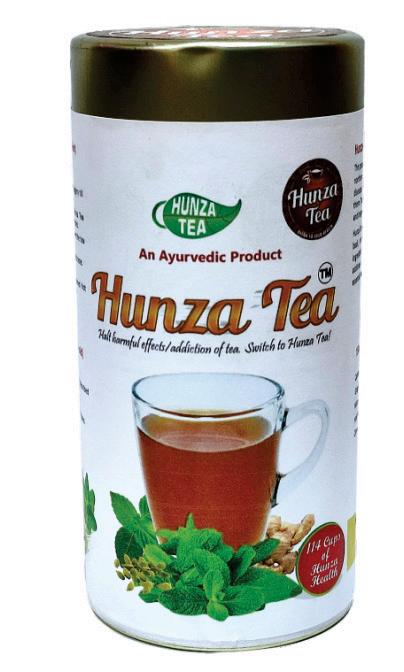
morning be the Hunza Morning
If you have decided to pick only one of my suggestions for the sake of your health, then take this suggestion:
Stop consuming tea, especially in the morning. Early morning tea makes the inner lining of the intestinal wall acidic because, after a long night of fasting, the stomach is empty and craving food. An acidic stomach on a regular basis is one of the biggest causes of all kinds of inflammatory and lifestyle diseases, including arthritis and diabetes.
How to stop craving of tea Switch
to Hunza Tea
Hunza Civilization: The Hunza people live in the extreme northwest of the Indian subcontinent, within the Hindu Kush range. They are one of the world's healthiest civilizations, with some individuals living up to 110 years.
How to prepare Hunza Tea (serves four)
Ingredients:
* 12 Mint leaves (Pudina)
* 8 Basil leaves (Tulsi)
* 4 Green cardamom (Elaichi)
* 2 gm Cinnamon (Dalchini)
Instructions:
* Take 4 cups of water in a tea pan
* Add all ingredients, simmer it for 10 mins
* Add a dash of lemon juice and serve hot or cold
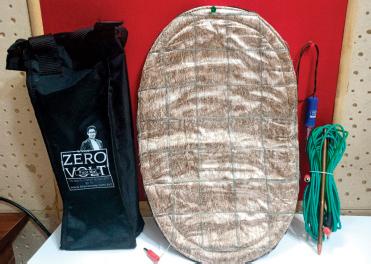
Ÿ Foot Mat (19 x 12 inch)
Ÿ Earthing Copper Rod
Ÿ Connecting Copper Wire (10 meter)
Ÿ Continuity meter
Ÿ Carry Bag
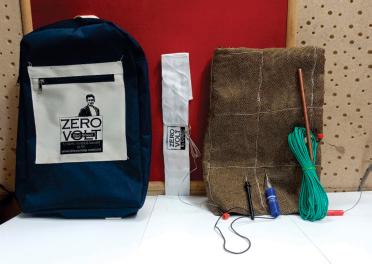
(75
Ÿ
Ÿ Connecting
Ÿ
Ÿ Continuity meter
Ÿ
(74 x 30 inch)
Ÿ Earthing Copper
Ÿ Connecting Copper Wire (2 meter)
Ÿ Continuity meter Ÿ Carry
This is probably the world’s first book on the Science of Postural Medicine based on using the greatest force on earth, the Gravity as Medicine! After reading this book you will surely be convinced that in comparison to existing major systems of treatment including Allopathy (Modern Medicine), Homeopathy, Ayurveda or Naturopathy, postural medicine is the fastest, safest and more evidence-based than others, besides being almost zero cost and having zero dependency on chemicals/drugs and high-tech equipment.
₹ 225/(Courier charges extra)
Biswaroop
Website: www.indiabookofrecords.in
Heart
Duration: 1 Month Mode: 100% Online • (Objective test after each lecture)
• History, Chemistry & Cultural Adaptation of Neem
• History of Neem as a Medicine
• Cultural Adaptation Worldwide
• Chemistry of Active Agents
• Neem as Cosmetics Module 1: Neem Culture, Chemistry & Cosmetics
• Evidence Base of Neem as medicine for Infectious Diseases
• Dosage Calculation
• Practitioner’s Toolkit – Infectious Diseases
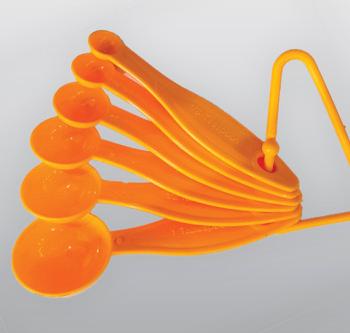
• Measuring Spoon
2: Practitioner’s Toolkit – Lifestyle Diseases
• Evidence Base of Neem as medicine for lifestyle diseases
• Dosage Calculation
• Practitioner’s Toolkit – Lifestyle Diseases
4: Neem Panchkarma & Home Pesticide
• Neem Panchkarma for Symptomatic Pain Management
• Basics of Neem Panchkarma
• Practical Sessions
• DIY: Home Pesticides
• Final Objective Test
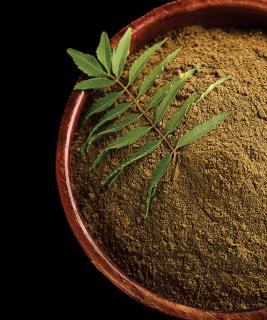
• Neem Oil Neem Leaves Powder •
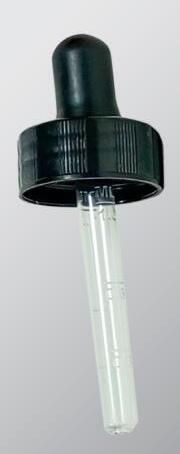
Neem Bark Powder Dropper
Jo n our ompr ns v pro r m n ‘Int r t
M n ’ w w ll mpow r you to om your own o tor. Furt r you w ll l to om p rt o our — n twork o +
l n s. t our l t on you w ll l to pr t Dr B C roto ols n your r or ty.
t r t's l styl s s , n t ous s s , m r n y r , or p n m n m nt, t s ours
w ll qu p you to r t n nt r t m r n y tool ox t om to m t t s t r ts. Don't m ss t s opportun ty to t k r
• D.I.P. Diet
• 3 Step Flu Diet
• GRAD
• Circadian chart
• Zero Volt Therapy
• Acupressure
• Ayurvedic Panchkarma
• Vaso-Stimulation Therapy
• D.A.N. Protocol
Module
Module 2: Science of Reversing Autism/ADHD
Module
About the Book
In Natural D.I.P. Diet for B.O.S.S., the acronym B.O.S.S. stands for Blood Pressure, Obesity, Sugar (diabetes), and Stiffness (joint pain and arthritis)—among the most common lifestyle disorders affecting millions today.
This book reveals how excessive chemical exposure through food, cooking practices, and daily
alternative—chemical-free food, oil-free cooking, and conscious living—designed to help the body restore itself. Simple to follow and rooted in real-life application, the Natural D.I.P. Diet empowers you to
pharmaceutical drugs, or expensive treatments.
About the Author
Dr. Biswaroop Roy Chowdhury, honored by UNESCO for promoting
mathematical, nutrition-based model clinically validated for managing lifestyle-related conditions such as diabetes, hypertension, obesity, bone disorders, and chronic kidney disease. Clinical trials documenting these outcomes have been conducted in India (Ministry of AYUSH), Nepal (National Health Ministry), and Malaysia (Lincoln University). He received the Innovation Award 2024 from WASME and the Ethiopian Embassy for the GRAD System, a gravity- and heat-based invention for treating kidney diseases.
A Guinness World Records holder (2008 edition) for memory, he holds a bachelor’s degree in engineering, postgraduate qualifications in diabetes, and an honorary PhD in diabetes and chronic kidney disease. Author of 42 books, Dr. Biswaroop leads Dr. BRC Clinics & Hospitals, with over 1,000 Dr. BRC Clinic@home centers and the Dr. BRC Medical Academy. He is actively engaged in healthcare initiatives across India, Vietnam, and Malaysia.