




The
Doctors of South Carolina joining together to preserve, promote, and protect the independent practice of medicine to ensure that patients in South Carolina have alternatives and access to high quality, doctor-driven care.
Doctors of South Carolina joining together to preserve, promote, and protect the independent practice of medicine to ensure that patients in South Carolina have alternatives and access to high quality, doctor-driven care.
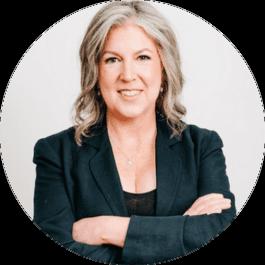

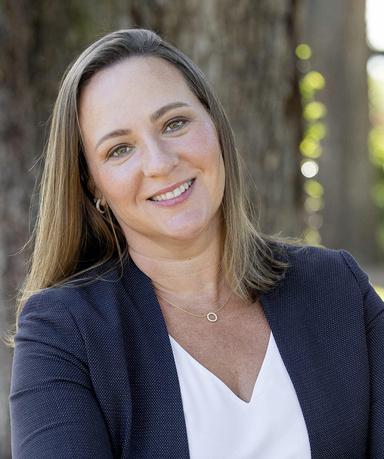
Dr. Waring, an experienced endocrinologist, understands the challenges and opportunities faced by independent physicians. As the immediate past President of Carolinas Society of Endocrinologists and the current President of Carolina Endocrine Associates, she advocates for the importance of independent practice in providing high-quality, patient-centered care. Her commitment to the private practice model aligns perfectly with IndeDocs’ mission.
I would like to start my message with thanks - both to our founding father, Dr. Oscar Lovelace, for his vision and to our immediate past president, Dr. Marcelo Hochman, for his generous revival of IndeDocs post Covid. IndeDocs would not exist without either of these physicians.
I am delighted to be the first endocrinologist at the helm of IndeDocs not to mention the first female. I am the founding partner of Carolina Endocrine Associates in Charleston, SC, my hometown, and I am in my 30th year of clinical practice.
I have been in multiple iterations of medical practices over the past 30 years and have owned my independent practice for the past 10 years. It is through this lens that I see medicine: what can and should go right, and how poorly it can go if the proper people are not running the show. There is no doubt in my mind that independent practice is the right practice model for me. If you are reading this, chances are that it is the right practice for you, too.
First and foremost, I am a clinician. I love taking care of patients and getting to know them, their parents, and their children over decades and generations. The best compliment I ever receive is a referral to take care of a patient’s family member, best friend, or neighbor. I strongly believe that independent practice obliterates the barriers between physicians and their patients, thereby producing a relationship where all parties thrive, and outcomes are superior. Further, I believe that the sacred bond between physicians and their patients is forged on a foundation of trust. It is that trust, and the patient’s faith that they can depend on their physician, that helps motivate my patients to adhere to the very difficult diabetic regimens that I prescribe.
Independent doctors comprise less than 20% of all practice models in the state of South Carolina. When I started, it was more like 80%. The pendulum needs to swing back, and we need to lead that charge. As a minority, we can only exist and thrive when our voices are multiplied. To do so, we can, and we must, come together with one voice. With shared mission and combined numbers, we can successfully advocate for our patients and ourselves.
Now that you know who I am, I want to know who you are. I am starting my presidency by going on a listening tour. What are your greatest needs? What makes you wag your tail going to work? What makes you drag your feet going into the office? What are your priorities for making your practice better every day? Not unlike Lucy in the comic strip Peanuts, this doctor is IN.
Please write to me at IndeDocSC@gmail.com. I look forward to hearing from you.

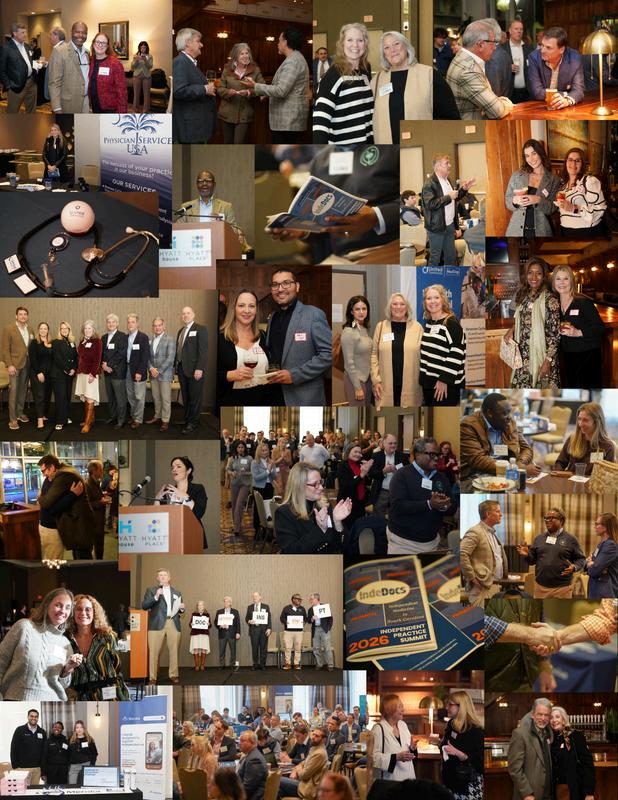
The 2026 Independent Practice Summit was more than a conference. It was a declaration. A declaration that independent medicine in South Carolina is not fading quietly into the background of expanding health systems, rising costs, and increasingly fragmented care. It is standing. It is organizing. It is building something stronger.
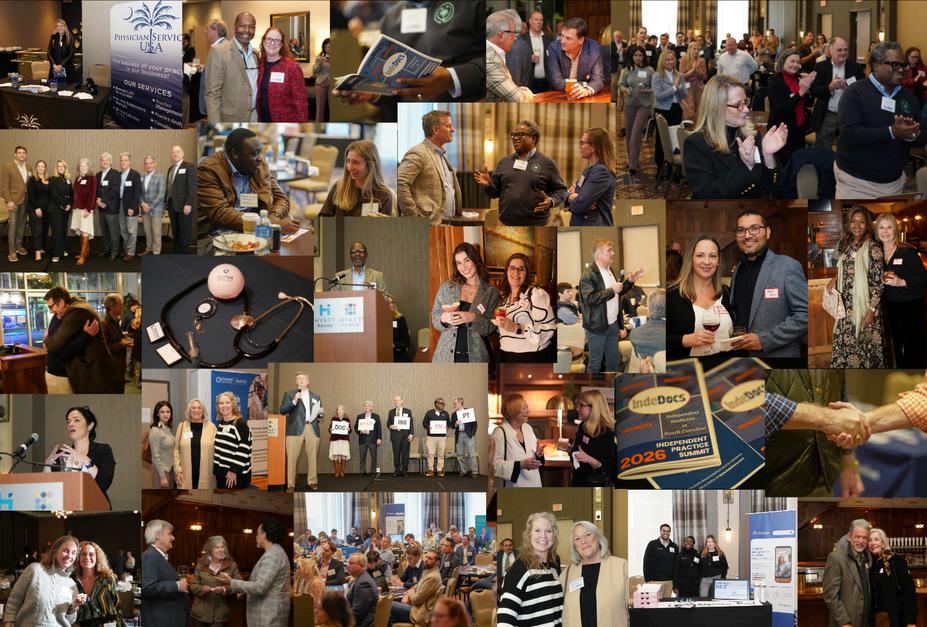
The 2026 Independent Practice Summit was held on February 7, 2026 at the Hyatt House in Charleston.
At its core, IndeDocs exists to preserve, promote, and protect the independent practice of medicine in South Carolina. That mission was not simply stated at the Summit. It was embodied in every session, every hallway conversation, and every handshake between physicians and the teams who support them.
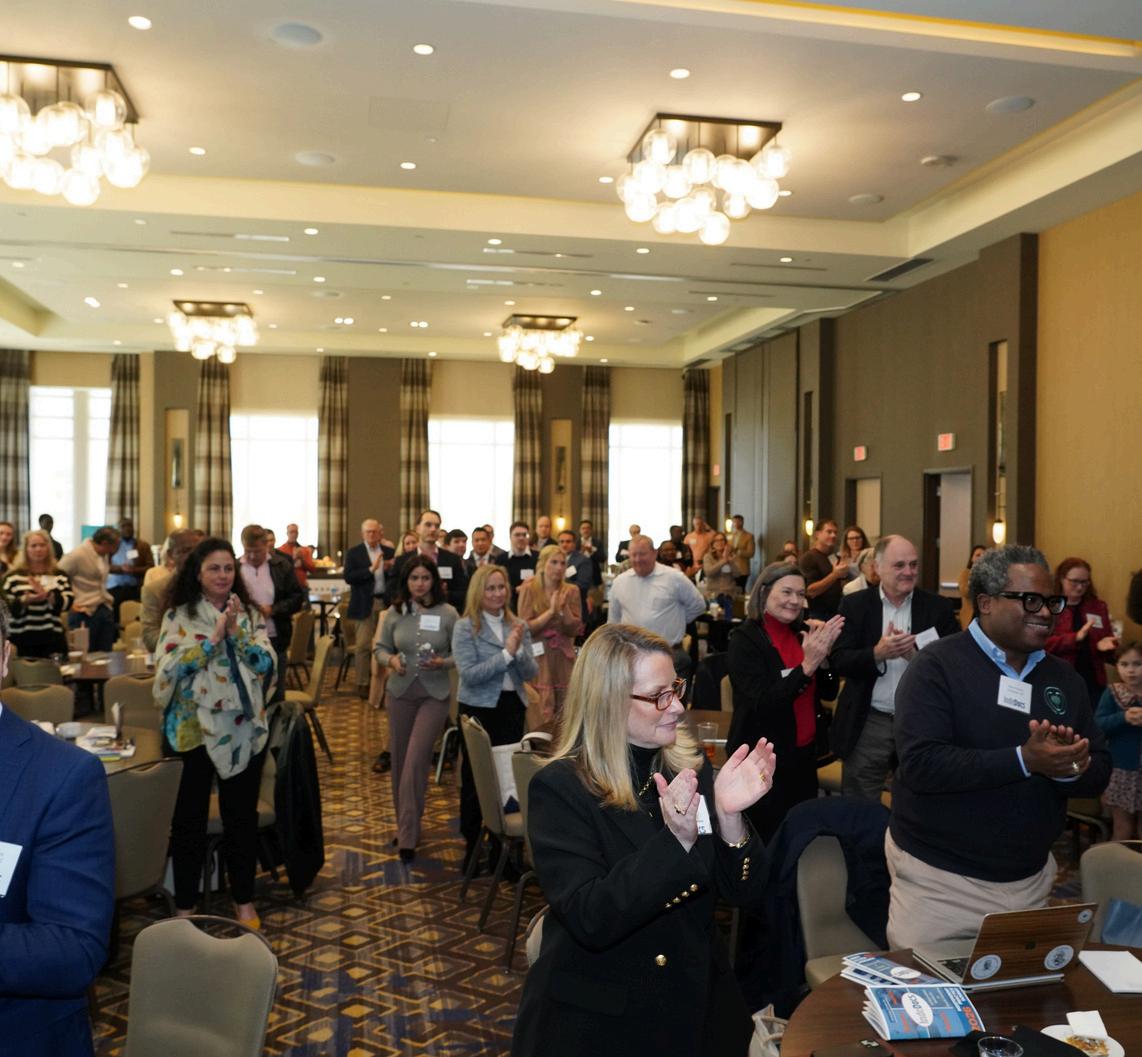
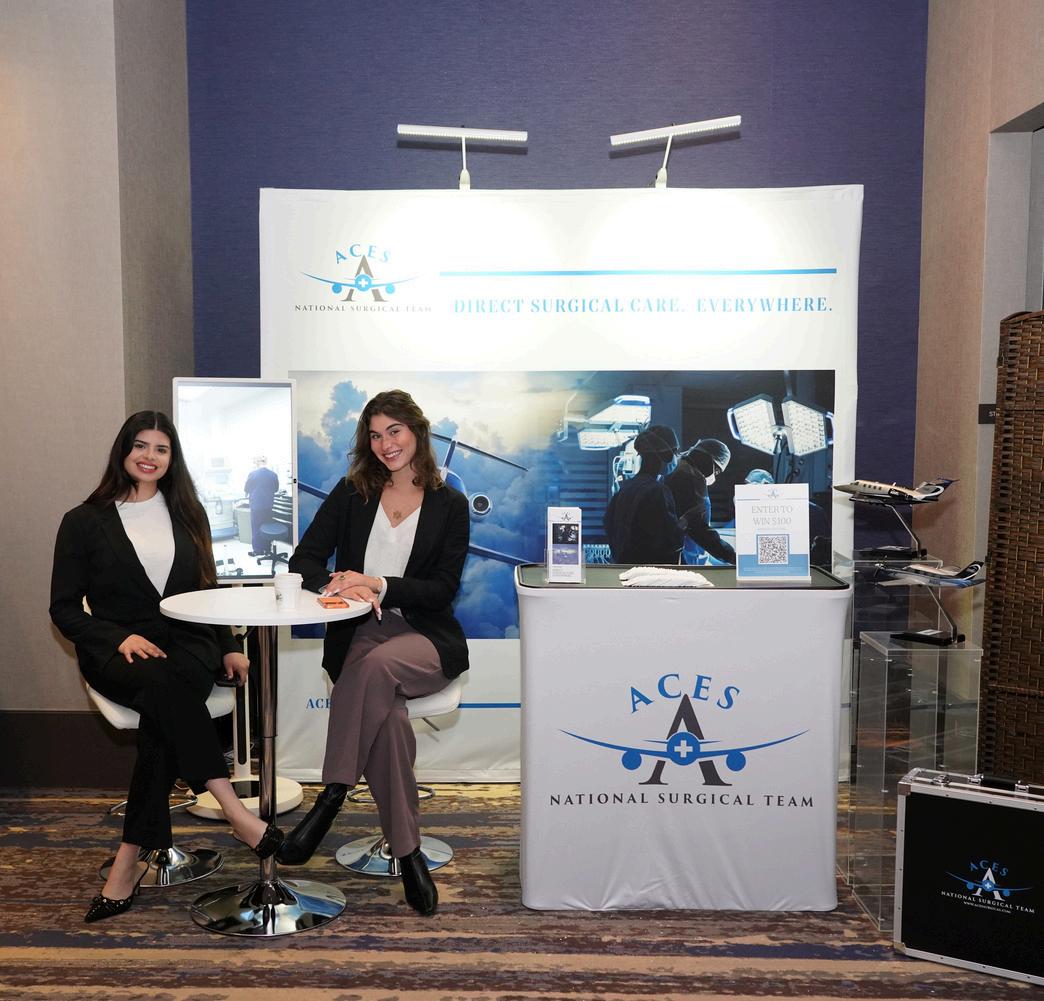
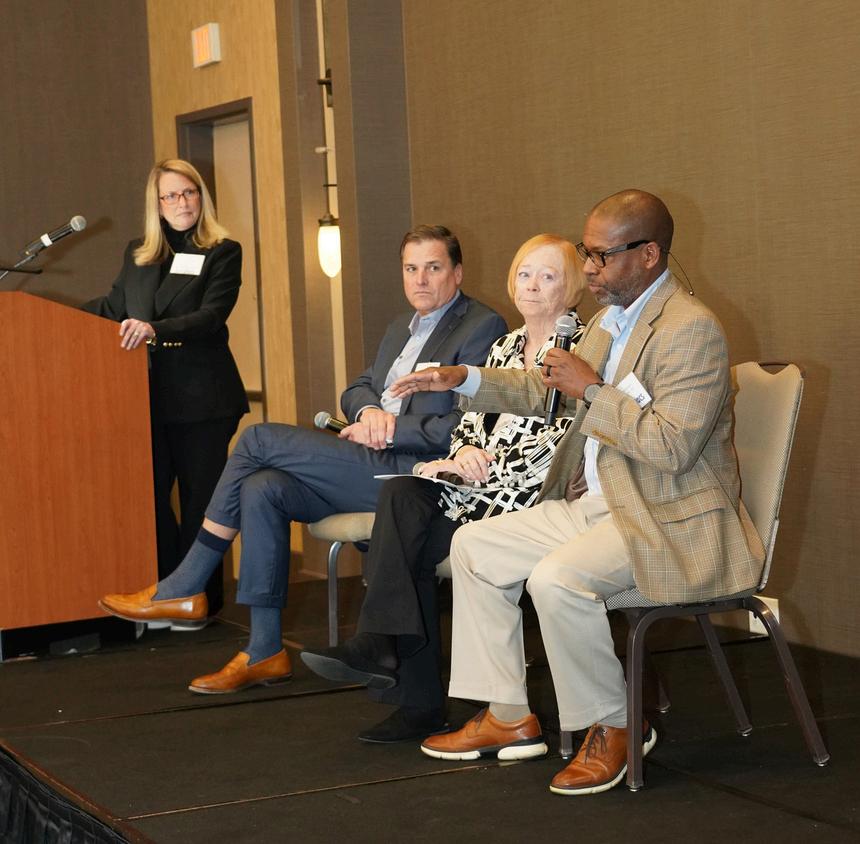
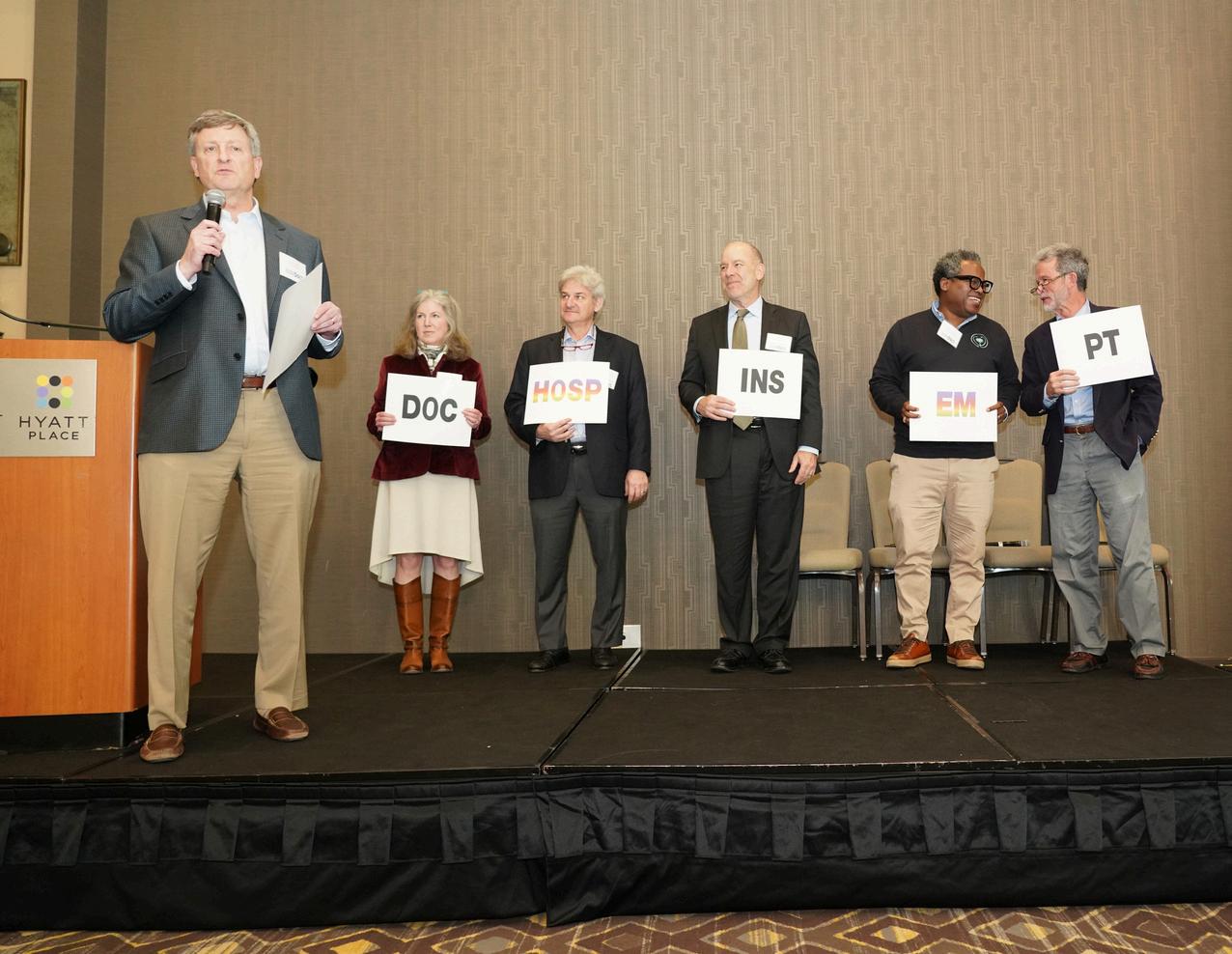
As physicians ourselves, we understand the mounting pressures facing independent practices. The expansion of large systems has too often resulted in loss of autonomy, increased administrative mandates, and care models driven by institutional directives rather than individual patient needs. The Summit offered a powerful alternative vision. One where doctors are free to design and implement care plans rooted in their professional judgment. One where collaboration strengthens independence instead of replacing it.
Throughout the day, attendees experienced a thoughtfully curated program that was both strategic and practical. Speakers delivered high caliber insights. Panels sparked meaningful dialogue. Conversations extended beyond the podium and into the spaces where real partnerships are formed. There was a clear sense that this gathering was not accidental. It was intentional, well prepared, and deeply purposeful.
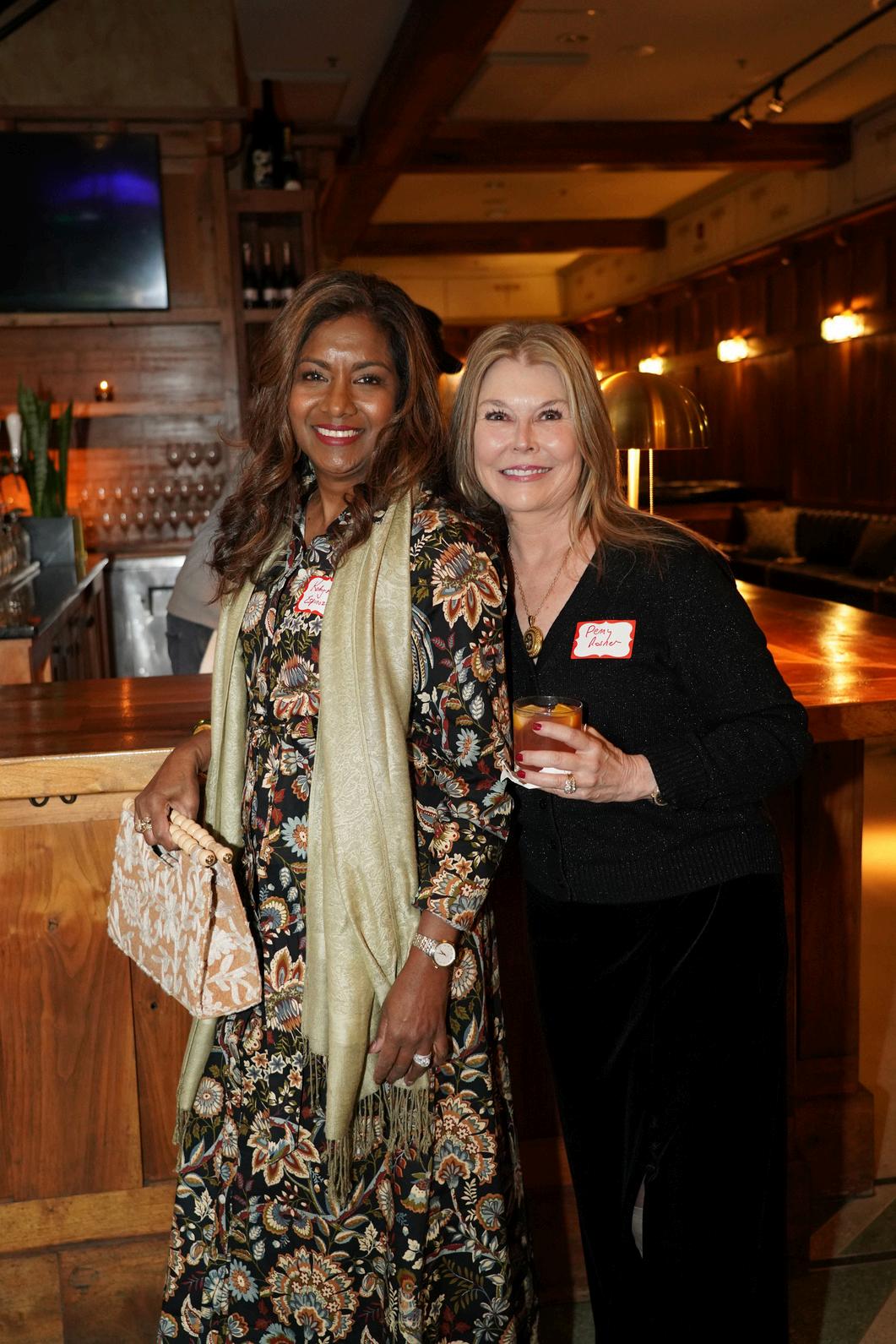
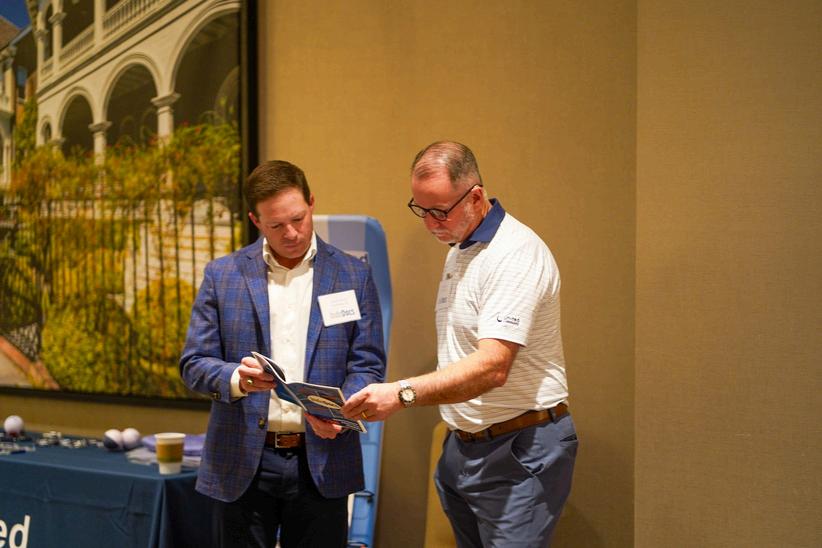
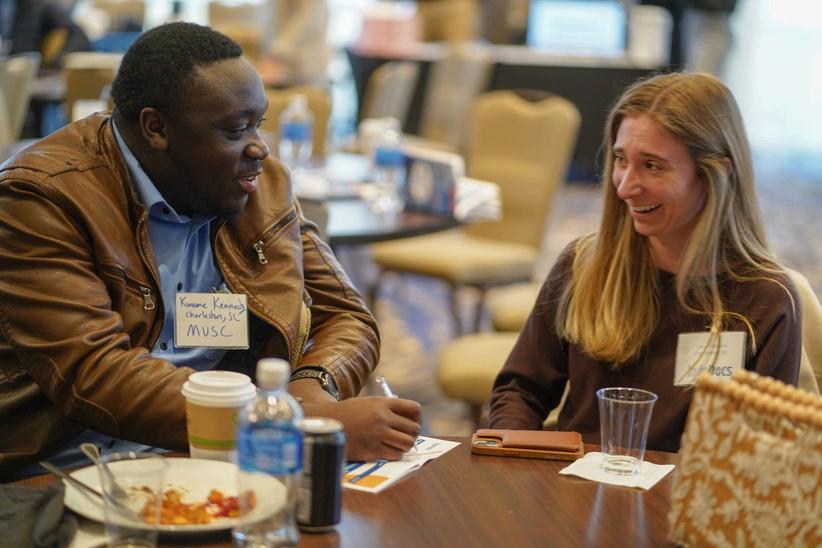
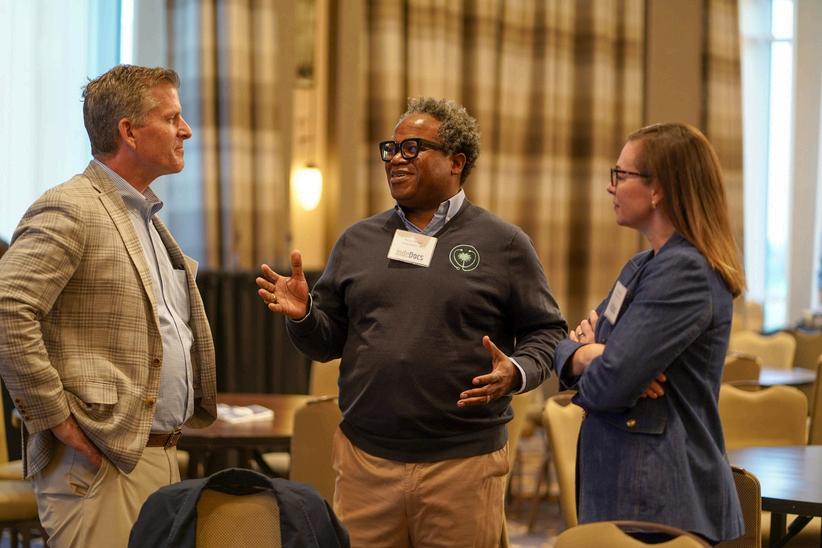
Participants consistently described the event as seamless, organized, and energizing. Many shared that it exceeded expectations. Others spoke about the quality of the speakers and the value of the discussions. Sponsors and partners echoed that the content was relevant, the execution smooth, and the overall experience one of excellence. There was gratitude for the effort invested and encouragement to continue the work.
"Amazing conference, well prepared, well executed, amazing talks."
-Meroka
“The meeting exceeded my expectations… Kudos for a job well done!.”
-Gene Brown
“The speakers were excellent, and the conversations throughout the conference were thoughtful, timely, and valuable. It was clear a great deal of care went into curating both the content and the overall experience.”
-Kelly Jolley
“IndeDocs is doing something super important -- keep it up! “
-Ted Swann
“Wonderful event! Well-organized, ran smoothly, excellent location.”
-Erin Thomas V O I C E S F R O M T H E I N D E P E N D E N T P R A C T I C E S U M M I T V O I C E S F R O M T H E I N D E P E N D E N T P R A C T I C E S U M M I T V O I C E S F R O M T H E I N D E P E N D E N T P R A C T I C E S U M M I T
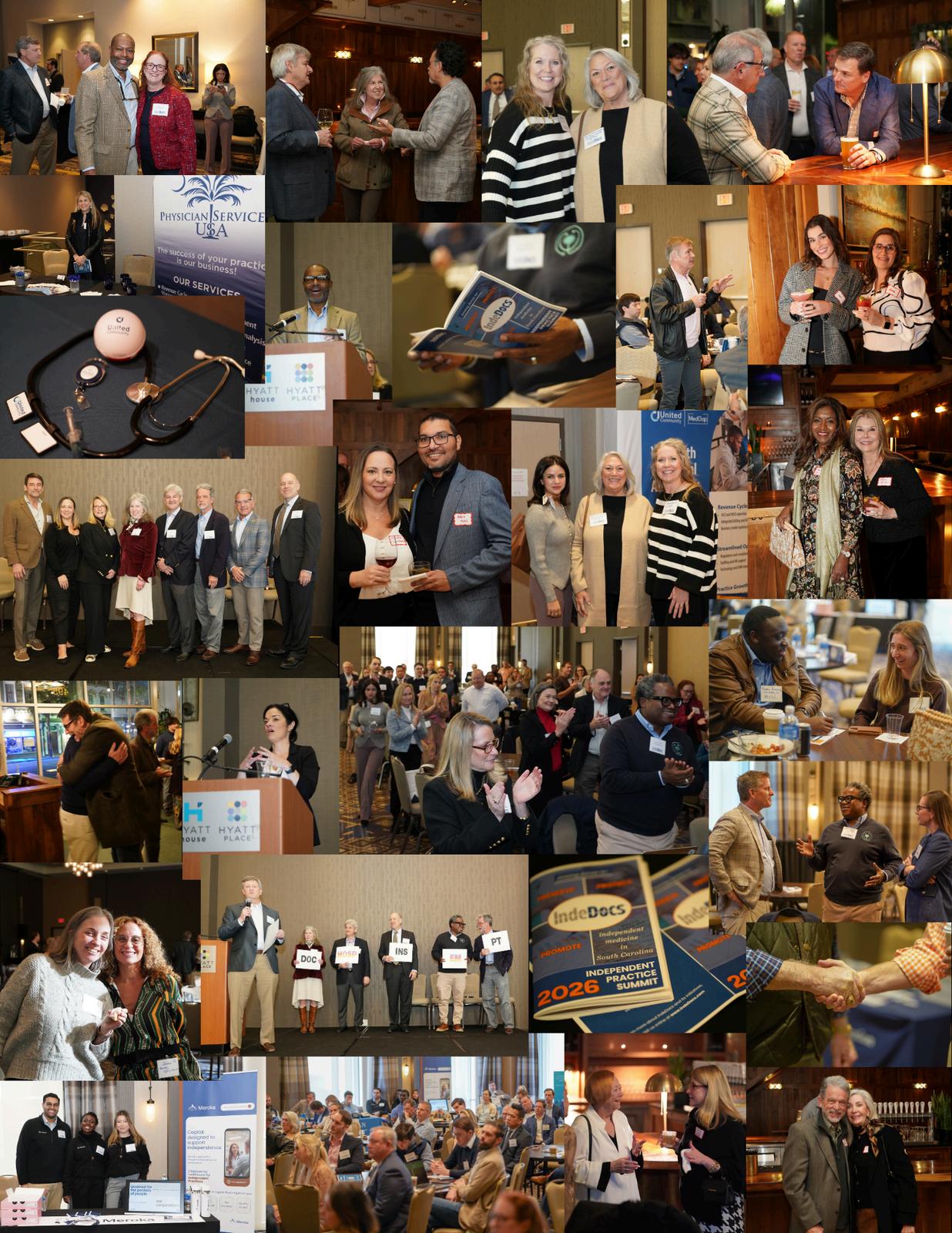
Perhaps the most powerful takeaway was the tone of the room. There was momentum. There was unity. There was a shared understanding that independent medicine is essential to preserving patient centered care in South Carolina.
It means freedom with community. It means physicians joining forces, aligning around common goals, and strengthening one another so that patient care remains the priority.
Together, we can elevate independent medicine in South Carolina and shape a bright future ahead. And after this year’s Summit, that future feels not only possible, but firmly within reach. JOIN OUR MISSION AT INDEDOCS BY
The independent practice of medicine is a viable alternative for all specialties. It takes an organization that believes in this and is committed to promoting and facilitating this option.
Visit our website to learn more about becoming an IndeDocs member: www.indedocs.com/membership
The fix could be easier than you think...

When physicians talk about burnout, access issues, or staff turnover, the conversation often sounds personal. But operational challenges are rarely individual failures; they are system design problems.
National physician surveys from organizations such as the American Medical Association* and The Physicians Foundation* consistently show that administrative workload now rivals or exceeds clinical workload for many physicians, including:
Prior authorizations
Insurance documentation
Inbox management
EMR navigation
Each represents a workflow issue rather than a clinical one. Practices that thrive are not necessarily working harder. They are designing systems that allow their teams to work smarter and more consistently. Operational excellence means building a practice where success does not depend on heroic effort every day.
Independent practices feel this pressure differently than hospital-employed physicians. While health systems often feature layers of administration to manage complexity, independent practices do not have that luxury. Every inefficiency lands directly on physicians and small teams.
The encouraging news is that independent practices also have the greatest advantage: they can change faster. Operational excellence does not require a massive consulting contract or a hospital-sized infrastructure. Most meaningful improvements come from small, intentional system changes that remove daily friction, such as the following....
One of the most effective strategies recommended by practice management experts, including the Medical Group Management Association,* is simple: improve one workflow at a time.

ASK YOUR TEAM A SINGLE QUESTION: What slows us down every day?
Common answers include:
Referral coordination
Phone response times
Patient intake paperwork
Prior authorization tracking
Prescription refill requests
Choose one area and redesign it first. Small wins compound quickly. Eliminating even five minutes of friction per patient can recover hours of physician and staff time each week.
Many independent practices rely on institutional memory rather than documented processes, which is ultimately problematic. Staff learn workflows informally, which works until someone is out sick, becomes overwhelmed, or leaves the practice.
CREATE SIMPLE WRITTEN WORKFLOWS FOR RECURRING TASKS:
Who handles prior authorizations
Standard rooming procedures
Check-out expectations
Phone triage protocols
These do not need to be complex manuals. A one-page checklist is often enough. Written workflows reduce confusion, decrease training time, and protect physicians from becoming the default problem-solver for every operational question.
Operational excellence is closely tied to cognitive load. Research highlighted by the Harvard Business Review* shows that high-performing organizations reduce unnecessary decisions so professionals can focus on high-value work. When staff know exactly how common situations are handled, confidence rises and interruptions decrease.
Standard visit types and appointment le
Template-based documentation
Standing orders where appropriate
Consistent clinical protocols
Defined communication expectations

Operational systems either protect the physician-patient relationship or quietly erode it. Independent practices often track financial metrics but overlook operational indicators that directly affect patient experience and physician workload.

CONSIDER MONITORING A SMALL SET OF PRACTICAL METRICS:
Referral-to-appointment time
Phone call return time
No-show rate
Prior authorization turnaround time
Patient portal response time
Many practices discover that their greatest opportunities to improve are operational, not clinical, and tracking metrics is essential to assessing those. Problems become solvable once they are measurable.
EMR inefficiency remains one of the most frequently cited frustrations among independent physicians. Operational excellence does not mean loving your EMR; it means preventing it from dictating the flow of your practice. While changing platforms is rarely feasible, optimizing usage often is.
YOU CAN OPTIMIZE YOUR EMR BY:
Eliminating unused templates
Creating specialty-specific macros
Delegating documentation tasks when possible
Standardizing inbox management rules
Scheduling protected administrative time

It is easy to think of operational improvement as administrative work. In reality, it is deeply clinical.
Every streamlined intake process reduces patient frustration. Every faster callback reassures a worried family. Every simplified workflow gives physicians more presence in the exam room.
Independent physicians have always led medicine through innovation, adaptability, and community connection. Strengthening operations is simply the next chapter of that leadership. Because the future of independent medicine will not be determined only by how well physicians practice medicine. It will be determined by how well practices are designed to support it.
SOURCES:
National Physician Burnout Survey
The State of America's Physicians: 2025 Wellbeing Survey
MGMA: Streamlining Scheduling Workflows to Improve Appointment Capacity with Physician Engagement and Technology
Listen to the IndeDocs Podcast: “Finding the ‘Pinch Points’: How to Protect the Health of Your Independent Practice” to learn more!

Formanychildren,thewalkintoanoperatingroom canbethemostfrighteningpartofsurgery.ForDr. LeandroB.Guimarães,anotolaryngologistinBrazil, thatmomentbecameanopportunityfor transformation.Insteadoffear,hispediatricpatients entersurgeryfeelingpowerfulandbrave...dressedas superheroes.
Theideadidn’tcomefromamarketingplanor protocol,butfromGuimarães’earlierlifeexperience. Whileinmedicalschool,hejoinedahospitalclown group,takingtheaterclassesandvisitingpediatric inpatientsweekly.
Childrenchoosetheirowncostume,andGuimarãesinvitesthemtoflyorrunintosurgery.If fearlingers,aparentjoinsthem.Theresult?Calmeranesthesiainductionandadramatically differentemotionalexperienceforbothchildandfamily.Aftersurgery,thecostumeisremoved andsenthomewiththeparents,alongwithashortvideooftheirchild’sbraveentrance.“They loveseeinghowstrongtheirchildwas,”Guimarãessays. Manychildrenreturnforfollow-upvisitsstillwearingtheircostumes,proudandunafraid.Some eventelltheirparentstheywanttocomebacktothehospital.ForGuimarães,thatresponseis deeplymeaningful.“Ioncecarriedacryingtwo-year-oldintosurgery,”herecalls.“Thatday,Ipromised myselfIwouldnevertakeachildintosurgerycryingagain.”
Sometimes,thebrightestinnovationsinmedicinearen’tnewtechnologies,butsimple,humancenteredmomentsthatchangehowcareisfelt,remembered,andtrusted.

Learn more about this bright spot in healthcare at:
https://www.today.com/parents/toddlers/doctordresses-patients-superheroes-surgery-rcna189925
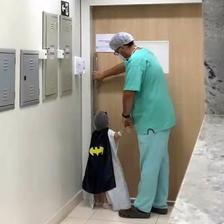
When we think about physician training, we often picture years of medical school, residency, and continuing education, but rarely theater classes or clown school. Yet for Dr. Leandro B. Guimarães, those unconventional experiences became foundational to how he practices medicine today. While in medical school, Guimarães joined a clown group that trained in theater techniques designed to distract and comfort pediatric inpatients during weekly hospital visits. Over time, he discovered that the skills he developed as a hospital clown - presence, adaptability, emotional awareness, and trust-building - not only deepened his love for working with children, but also transformed the way he examines and communicates with them in the office, helping young patients feel safe rather than afraid.

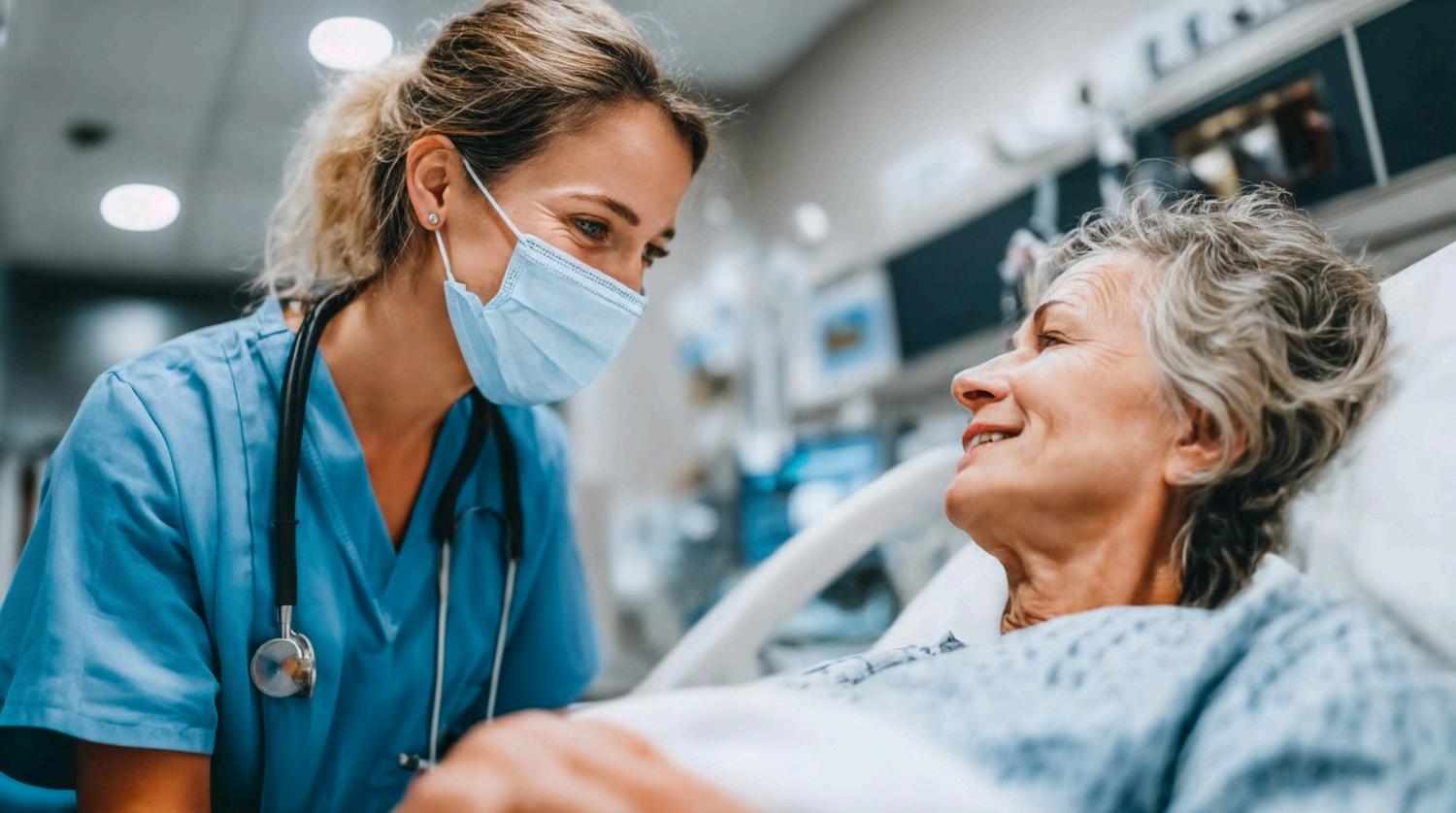
Independent physicians don’t need to attend clown school - or don a cape - to meaningfully improve how they connect with patients facing serious health concerns. What they do need are tools that help them meet patients where they are emotionally, cognitively, and relationally. At its core, effective patient connection is a skill set that can be learned, practiced, and refined over time. For independent physicians, investing in this skill set not only improves patient experience and trust, but can also lead to better adherence, outcomes, and long-term loyalty to their practice.
It’s no coincidence that many patients ultimately leave large, hospital-based systems in search of independent providers. In environments where care can feel rushed, impersonal, or fragmented, patients often crave something deeper than efficiency alone; they want to feel seen, heard, and genuinely understood. Independent physicians are positioned to offer that connection, creating space for trust, continuity, and human-centered care that reminds patients they are more than a chart number or a diagnosis.
One of the most practical and widely applicable resources is training in narrative medicine or storytelling in healthcare. Programs and workshops in narrative medicine teach physicians how to listen for meaning beyond symptoms: understanding a patient’s fears, values, and lived experience. These courses often include reflective writing, active listening exercises, and techniques for asking open-ended questions that invite patients to share more than just clinical details. Even brief exposure to this approach can help physicians slow down, communicate with greater empathy, and recognize emotional cues that might otherwise go unnoticed.
Communication-focused courses, particularly those centered on motivational interviewing or trauma-informed care, are another powerful option. Motivational interviewing helps physicians guide difficult conversations, such as lifestyle changes, chronic disease management, or treatment adherence, without judgment or confrontation. Trauma-informed care training, meanwhile, equips
physicians to recognize how past trauma may shape a patient’s reactions to medical environments, authority figures, or invasive procedures. Both approaches are especially valuable when working with pediatric patients, patients with chronic illness, or those navigating anxiety, grief, or fear.
For physicians looking to strengthen their presence in the exam room, improvisationbased communication workshops offer a surprisingly effective and practical resource. Many medical schools and healthcare organizations now incorporate improv techniques to teach adaptability, emotional attunement, and real-time responsiveness.
These classes help physicians practice “yes, and” listening - fully hearing a patient’s concern before responding - while improving nonverbal communication, tone, and rapport. The goal isn’t performance, but connection: being fully present and responsive in unpredictable, emotionally charged moments.
Mindfulness and emotional intelligence training can also be transformative. Courses in physician mindfulness, stress regulation, or emotional intelligence help doctors manage their own reactions while remaining calm, empathetic, and focused during high-stakes conversations. When physicians develop greater self-awareness, they are better equipped to recognize when a patient needs reassurance, space, humor, or clarity - and to respond intentionally rather than reflexively. These skills are especially critical for independent physicians, who often carry the emotional weight of their practice without institutional support.
Finally, peer-based learning and coaching can be one of the most accessible and impactful resources. Small physician discussion groups, communication coaching sessions, or case-based workshops allow doctors to learn from real patient interactions; both successes and challenges. Sharing experiences with other independent physicians fosters humility, growth, and perspective, reinforcing the idea that relational medicine is a lifelong practice, not a fixed trait.

Dressing pediatric patients as superheroes reminds us that healing isn’t only about clinical expertise; it’s about courage, comfort, and human connection. Independent physicians may not all wear costumes, but by investing in communication training, emotional intelligence, and patient-centered listening, they can become equally powerful allies for patients facing fear, uncertainty, and serious illness.
In an era of increasing corporatization, these relational skills may be one of the most meaningful ways independent medicine continues to stand apart.
The IndeDocs Board of Directors are passionate advocates for independent medicine and have dedicated their careers to upholding the doctor-patient relationship as the most important tenet of medicine.


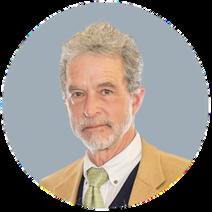
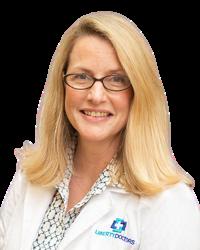
Learn more about the IndeDocs Board of Directors and how they support the autonomy and patient-centric approach of independent practice: www.IndeDocs.com/about-us

IndeDocs, a proud 501(c)(6) professional trade association of independent doctors in South Carolina, is dedicated to preserving both the esteemed profession of medicine and the vital doctorpatient relationship. We extend our heartfelt gratitude to our sponsors, whose unwavering support directly connects them with independent primary care and specialty physicians throughout the state.
Your sponsorship is not only a powerful marketing asset that elevates your brand or business, but also a unique opportunity to forge lasting relationships and showcase your products and services to South Carolina’s premier independent physicians. Thank you for partnering with IndeDocs and for investing in the future of healthcare in our community.

www.indedocs.com/sponsorship Explore more about our sponsorship opportunities by visiting: