
Sponge Cities”
Showfloor Showcase Epic Resins Industrial Netting Solution Center JCEM
Considering Cities As Living Filtration & Renewal Systems
By Adrian Wilson, International Correspondent, IFN
WMW Industries: Weaving High-Performance Fabric & Mesh
Q&A with Harsh Khaitan, WMW Industries Pvt. Ltd.
By Arun Rao, International Correspondent, India, International Fiber Journal
The DNA Of Clean Air: A Patent-Led History Of Fibrous Filtration Media
By Dr. Yasar Kiyak
Unlocking The Potential Of ECTFE Meltblown Media In Industrial Filtration
By Ray Whitby
Air As Food
Q&A with Dr. Christof Asbach, IUTA
By Dr. Iyad Al-Attar, Global Correspondent, Technology and Innovation, IFN
Excerpts From The Experts
By Dr. Iyad Al-Attar, Global Correspondent, Technology and Innovation, IFN
Show Preview FILTCON26
Show Preview INDEX™26


COLUMNS & DEPARTMENTS
Viewpoint
From Foundation To Future & An Introduction By Rachael S. Davis, Chief Content Officer & Publisher, IFN
Tech Spotlight
Filtration Material Absorbs Forever Chemicals 100 Times Faster Than Commercial Filters
Tech Notes
New Technology Briefs
Green Economy
Circularity & Sustainability Trends In Filtration: A North American Perspective By Philippe Wijns, Principal, CleverSustainability
Water Works
Water Quality & Quantity Issues: The Next Environmental Crises? By Peter S. Cartwright, P.E., Cartwright Consulting Co. LLC
Movers & Shakers
Industry News & Notes
noise reduction, less air pollution,





Philippe Wijns
Principal, CleverSustainability, Filtration Expert and Sustainable Business Development Advisor philippe.wijns@ cleversustainability.com

Dr. Iyad Al-Attar
Global Correspondent, Technology & Innovation, Visiting Academic Fellow, Cranfield University i@driyadalattar.com

Adrian Wilson International Correspondent adawilson@gmail.com +44 7897.913134
Peter S. Cartwright, P.E. Cartwright Consulting Co. LLC peterscartwright@gmail.com
Arun Rao International Correspondent, India Owner, Taurus Communications arun@tauruscomm.net
Dr. Yasar Kiyak, PMP, CAFS
Registered Patent Agent U.S. Patent & Trade Office yasarekiyak@gmail.com


Ray Whitby Technical Sales Manager Monadnock Non-Wovens LLC (MNW) rwhitby@mnwovens.com
Technology Inc




Co-creating









VIEWPOINT
From Foundation To Future & An Introduction
As the new publisher and chief content officer of International Filtration News, I am pleased to share my first Viewpoint with you. I would like to begin by thanking Caryn Smith for her leadership and dedication to serving the filtration industry with reliable and engaging content. Under her guidance, IFN continued to strengthen its role as a trusted platform that readers rely on for insight, dialogue and technical perspective.
I step into this role with deep respect for the publication’s legacy and with excitement for what lies ahead. I join IFN after 25 years in publishing for a textile industry B2B magazine, bringing extensive editorial experience along with a technical foundation from the Georgia Institute of Technology, where I earned a B.Sc. in Polymer and Textile Chemistry. This combination of industry knowledge and technical training informs my commitment to delivering content that is both authoritative and accessible.
As noted in the Mission Statement at the bottom right of this page, IFN aims to be a “leading source for the dialogue, debates and innovations across the full spectrum of filtration and separation applications and processes.” That commitment to relevant, practical and technically grounded coverage remains unchanged. At the same time, readers can expect thoughtful evolution — including deeper analysis of emerging technologies, expanded coverage in key areas, and new voices that broaden the conversation. My goal is to ensure IFN reflects the realities of today’s filtration industry while helping readers anticipate what comes next, and I welcome your feedback as we continue that dialogue.
One area shaping what’s next includes artificial intelligence (AI), which is rapidly moving from experimentation into
practical deployment. While discussions around workforce disruption, privacy and energy consumption are important, AI is already demonstrating tangible value through automation, advanced data analysis and enhanced operational efficiency. Within filtration and separation, AI-driven tools are beginning to influence process optimization, predictive maintenance, monitoring and system performance — areas that will shape the next phase of industry advancement.
In this issue on page 18, IFN ’s International Correspondent Adrian Wilson examines how AI and digitalization are playing a role in wastewater treatment. Wilson explores how AI-enabled automation, IoT sensors and supervisory control and data acquisition systems are helping address the increasing complexity of water management. As he notes, “… systematic thinking — applied consistently from urban design to plant operations — can redefine what resilience looks like in a water-stressed world,” highlighting China’s “Sponge City” program as an innovative approach to urban water management.
AI is not a replacement for human expertise; rather, it is an amplifier of human capability. As the technology continues to mature, organizations that approach AI thoughtfully and strategically will be best positioned to benefit from its potential.
I hope you enjoy reading Wilson’s article as well as the rest of the stories in this issue. If you have an idea for an article, or wish to share feedback, please contact me at rdavis@inda.org.

Rachael S. Davis Chief Content Officer & Publisher, INDA Media, IFN
TRUSTED TO THE CORE
Manufacturing philosophy built on trust and independence.
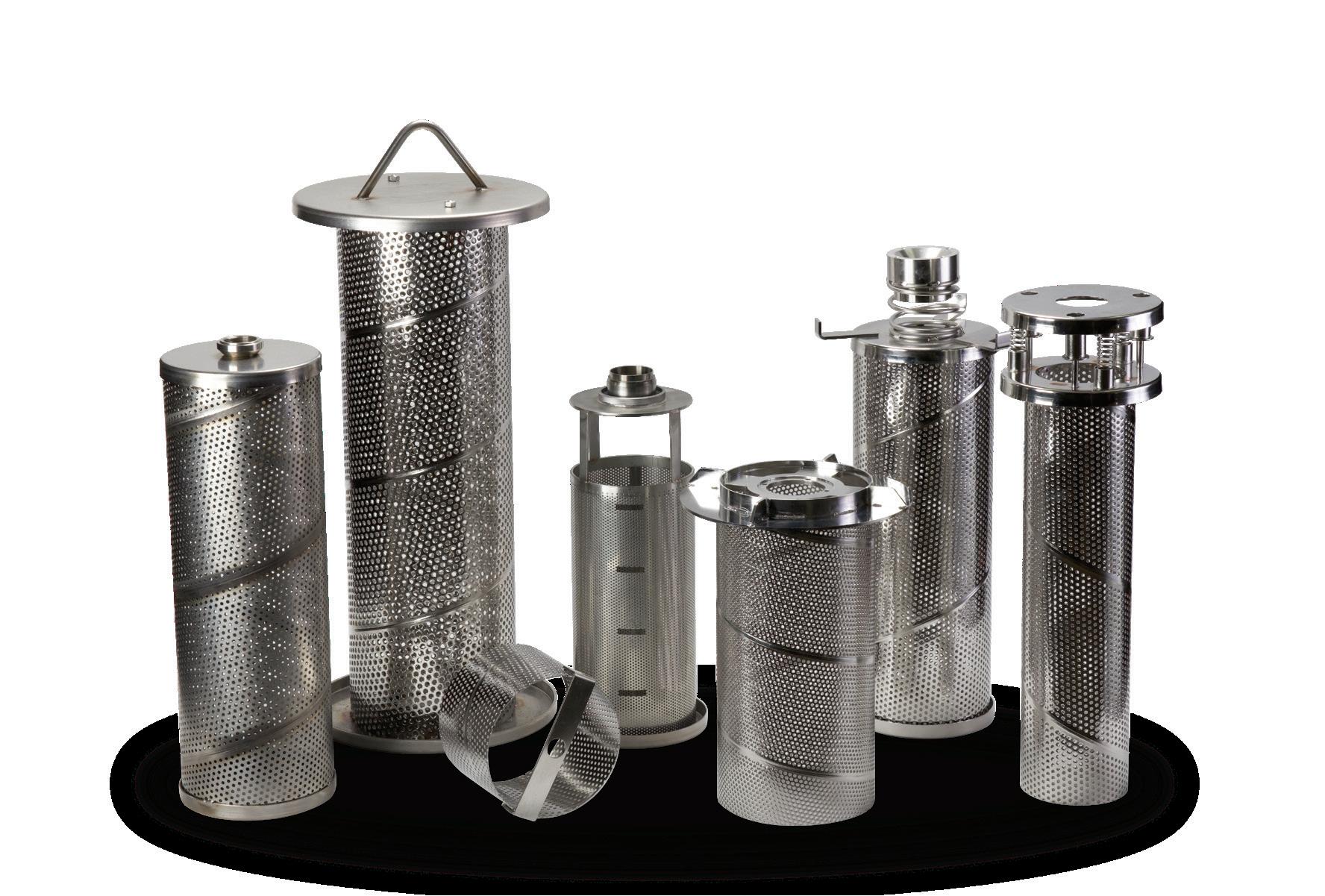
Beverlin Specialty Tube and Perforated Tubes deliver complete solutions for welded assemblies, perforated cores and filter elements. From large-scale industrial applications to specialized projects, our products are custom-built to fit your needs and exacting standards. With over 115 years of combined experience, we don’t lead the industry—we created it.
Visit beverlin.com/core to request a quote for your next project.
SPOTLIGHT TECH
Filtration Material Absorbs Forever Chemicals 100 Times Faster Than Commercial Filters
Houston-based Rice University researchers have unveiled a copperaluminum material that absorbs per- and polyfluoroalkyl substances (PFAS) — so-called “forever chemicals” — at speeds that make current filtration methods look ancient. The research, recently published in Advanced Materials, marks a major step toward addressing one of the world’s most persistent environmental concerns.
The study was led by Youngkun Chung, a postdoctoral fellow under the mentorship of Michael S. Wong, a professor at Rice’s George R. Brown School of Engineering and Computing, and conducted in collaboration with Seoktae Kang, professor at the Korea Advanced Institute of Science and Technology (KAIST), and Keon-Ham Kim, professor at Pukyung National University in South Korea.
The breakthrough centers around a layered double hydroxide (LDH) compound that doesn’t just trap PFAS faster than anything on the market but actually destroys them. While commercial carbon filters struggle to remove these pollutants, this new material that combines copper and aluminum with nitrate captures them about 100 times faster than commercial carbon filters.
“This LDH compound captured PFAS more than 1,000 times better than other materials,” Chung said. “It also worked incredibly fast, removing large amounts of PFAS within minutes, about 100 times faster than commercial carbon filters.”
The material’s unique structure emerges from layers of copper and aluminum with a slight imbalance in their charge, sucking in perfluorooctanoic (PFOA) molecules, which bind tightly with the filter.
Once the adsorption material was saturated with PFOA, the team heated the material

and added calcium carbonate, which allowed them to “clean” the LDH for reuse and strip the PFOA of its fluorine backbone, effectively destroying it.
The remaining fluorine-calcium material can be disposed into landfill safely, Rice engineer Wong told The Guardian
Preliminary studies showed the material could complete at least six full cycles of capture, destruction and renewal, making it the first known eco-friendly, sustainable system for PFAS removal.
The importance of this is hard to underestimate. PFAS are a class of thousands of compounds used since the 1940s in everything from non-stick cookware to firefighting foam and stain resistant fabrics among others. These substances that are thought to be cancer-linked persist in the environment due to their incredibly strong carbon-fluorine bonds, earning them the nickname forever chemicals.
“This material is going to be important for the direction of research on PFAS destruction in general,” said Wong, who is also director of Rice’s WaTER Institute.
For the roughly 150 million Americans with potential PFAS-contaminated drinking water, this represents an important finding. It has the potential to actually eliminate these danger-

ous compounds instead of just moving them around. The Rice team is now working toward commercial pilots that could transform how municipal and industrial water treatment systems handle these persistent pollutants.
rice.edu
For details on how to submit your company’s technology for consideration as a “Technology Spotlight” in IFN , contact Ken Norberg at ken@filtnews.com or +1 202.681.2022.
p An illustration of the filter material. Rice University/Advanced Materials
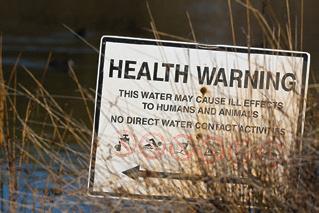
t Roughly half the population of the United States are exposed to potential PFAS contaminated water, which carries a major health risk.
NOTES TECH
Claros Technologies Achieves 99.99 Percent PFAS Destruction
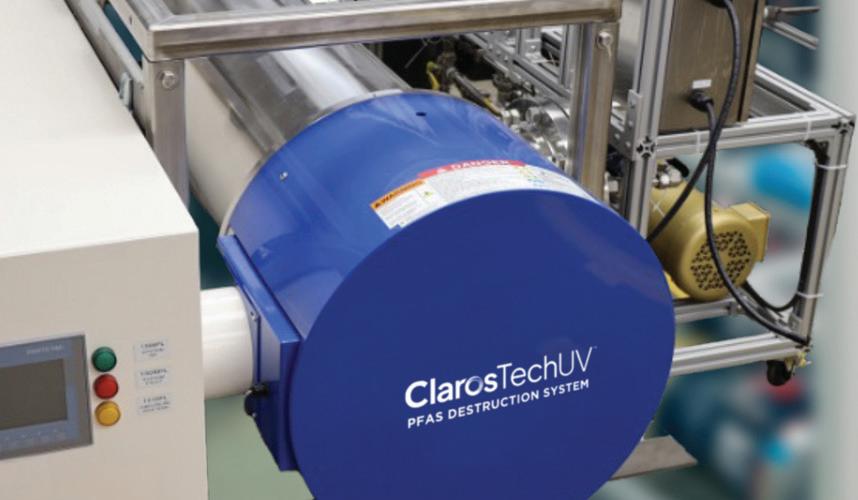
Minneapolis-based Claros Technologies Inc. announced the successful completion of a large-scale commercial optimization run of ClarosTechUV ™ — Claros’s proprietary ultraviolet (UV)-photochemical per- and polyfluoroalkyl substances (PFAS) destruction technology platform — at Daikin America’s (DAI) Decatur, Ala., facility.
Building on the success of an initial pilot announced earlier, this commercial optimization run validates and confirms the technology’s readiness for full commercial deployment. The milestone underscores DAI’s focus on sustainable, next-generation manufacturing and highlights Claros’s innovation in PFAS destruction.
In this latest phase, the ClarosTechUV system treated more than 170,000 gallons — approximately 640,000 liters — of industrial process water containing a range of PFAS compounds. The system achieved greater than 99.99 percent destruction of all targeted PFAS species — long, short, and ultra-short chain — at high flow rates capable of hundreds of gallons per minute while demonstrating stable performance and exceptional energy efficiency as well.
With this achievement, Claros has firmly established itself as the only field-tested PFAS destruction platform ready for commercial deployment — industrially validated, scalable, and cost-effective for real-world manufacturing and wastewater operations, the company said.
Through its collaboration with DAI and other industrial partners, Claros has now processed more than half a million gallons of PFAS-containing industrial process water at industrial facilities, demonstrating consistent, verified destruction performance across diverse concentrations and water chemistries. clarostech.com
Producing Polyvinyl Alcohol (PVOH) As A Nonwoven Fabric
5K Fibres, Neenah, Wis., has developed a proprietary process for producing polyvinyl alcohol (PVOH) as a nonwoven fabric, unlocking new possibilities for sustainable materials. By combining unique processing capabilities with thermoplastic PVOH’s unique chemistry, this innovation enhances application potential and productivity — without compromising functionality or end-of-life credentials.
PVOH is a versatile, water-soluble polymer recognized for its biodegradability, film-forming ability and superior barrier properties. Traditionally used in film applications for its resistance to oils, greases, and many organic solvents, PVOH also offers excellent gas and aroma barrier performance. Now, 5K Fibres is extending these benefits to nonwoven formats.
Potential applications include:
• Temporary protective covers;
Hawkins Announces Milestone For Its WaterSurplus NanoStack™ Membranes

Hawkins Inc. — a water treatment and specialty ingredients company based in Roseville, Minn. — announced the successful completion of a multi-year pilot test featuring WaterSurplus’ patented NanoStack ™ coated membranes at the Orange County Water District’s (OCWD) Groundwater Replenishment System (GWRS). WaterSurplus is a wholly owned subsidiary of Hawkins and is located in Loves Park, Ill.
Based on the successful pilot, OCWD will install 1,050 NanoStack coated membranes at GWRS, the world’s largest advanced water purification system for potable water reuse. This quantity represents one full reverse osmosis train, treating approximately 5 million gallons of water per day for indirect potable reuse. Pilot testing data demonstrated that NanoStack technology significantly improved fouling resistance, cutting clean-in-place requirements by more than half, and reducing RO energy consumption by more than 15 percent. Given that energy is one of the largest operating costs for advanced water treatment facilities, these savings are estimated to enable a payback period of less than two years, according to WaterSurplus’ Chief Technology Officer Dr. Dileep Agnihotri.
NanoStack is an NSF/ANSI/CAN 61-certified hydrophilic membrane surface modification that is applied to finished RO membrane elements. watersurplus.com
• Sanitary products and other single-use disposables;
• Filtration media;
• Anti-static packaging for electronics;
• Unit dosing for chemicals;
• Carriers for waterless cosmetics or detergents; and
• Embroidery backing.
This advancement positions PVOH nonwovens as a gamechanger for industries seeking sustainable, high-performance solutions.
5K Fibres is a wholly owned subsidiary of Biax-Fiberfilm. 5kfibres.com
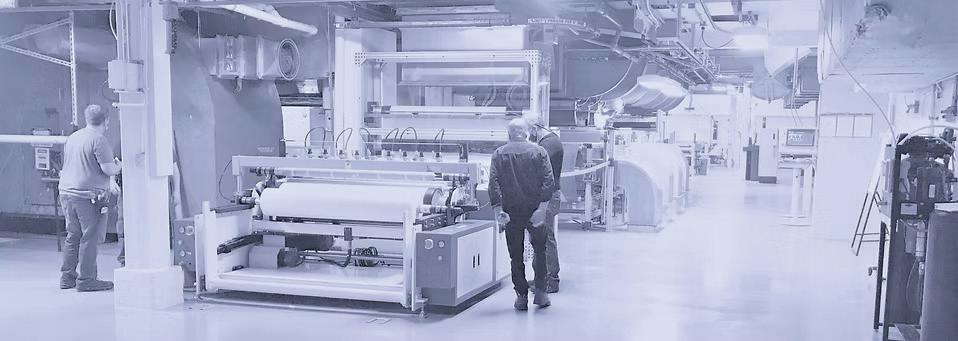
p 5KFibres facility in Wisconsin.
DuPont Expands Dairy Reverse Osmosis Portfolio
DuPont, Wilmington, Del., announced the launch of the FilmTec™ MXP RO-8038-FF element — an advanced mesh wrapped reverse osmosis solution engineered for dairy processors who rely on mesh wrapped systems and now seek greater active area and higher productivity.
As dairy producers seek to maximize throughput while maintaining trusted operational practices, FilmTec MXP RO-8038-FF element offers a drop-in solution that can deliver approximately 5 percent higher active membrane area and up to 50 percent greater productivity compared to conventional mesh wrapped elements. The technology enables dairy processors to achieve higher yields and improved efficiencies without changing their established operations.
“The FilmTec MXP RO - 8038 - FF element is our answer to our customers who prefer mesh wrapped technology for dairy production — familiar handling with the meaningful productivity gains FilmTec Hypershell ™ XP elements have become known for,” said Noel Carr, Global Dairy Market leader for DuPont Water Solutions. “With this new element, dairy processors can achieve higher throughput and more consistent operational performance, all while maintaining the mesh wrapped configuration they trust to produce high - quality dairy products.”
FilmTec MXP RO-8038-FF element is engineered for the concentration of milk, whey, and lactose streams, supporting higher recovery rates and less wastewater generation. Its
AAF International Unveils Scannable, High-Performance, High-Flow HEPA Air Filter
AAF International — a member of the Daikin Group and producer of air filtration solutions based in Louisville, Ky. — recently introduced MEGAcel® I High Flow (HF), a HEPA performance box design air filter that offers high-level air flow and full leak-testing capability without sacrificing HVAC system performance.
MEGAcel I HF is designed for new construction and aftermarket applications and can deliver up to 2,400 cubic feet per minute in a standard footprint with the potential for smaller air handling units (AUHs) with fewer filter positions, simplifying system design and ultimately lowering project costs.
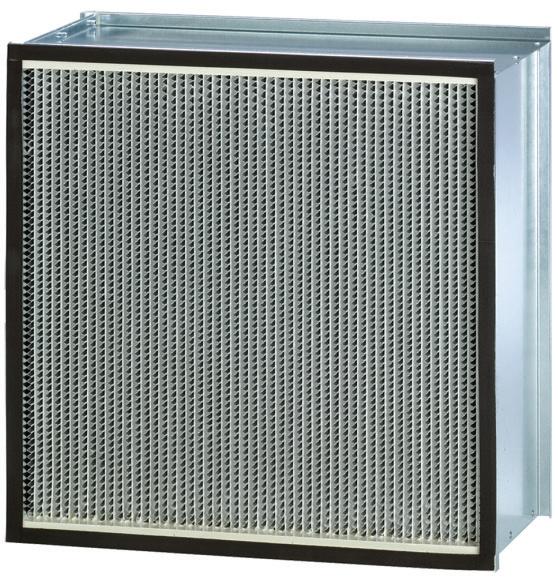
MEGACel I HF also works well in aftermarket applications and can easily replace glass media box filters for greater air flow and lower pressure drop, and traditional V Bank filters where periodic testing is required.
According to the company, MEGAcel I HF also brings added strength and durability, with a patented membrane media that is up to eight times stronger than traditional glass media, helping minimize damage and offering performance reliability in high-humidity environments. It also supports LEED and sustainability goals due to overall lower energy costs, lighter weight, fewer and/or smaller AHUs, and durability that leads to a longer service life. aafintl.com
dimensions align with competitive 8038-sized elements, ensuring seamless changeovers in dairy facilities.
The introduction of FilmTec MXP RO-8038 element expands DuPont’s FilmTec reverse osmosis element dairy portfolio, giving customers the power of choice: FilmTec MXP elements for improved productivity in current mesh wrapped systems, and FilmTec Hypershell XP elements for improved productivity, maximum energy savings through reduced bypass, and easier handling. dupont.com
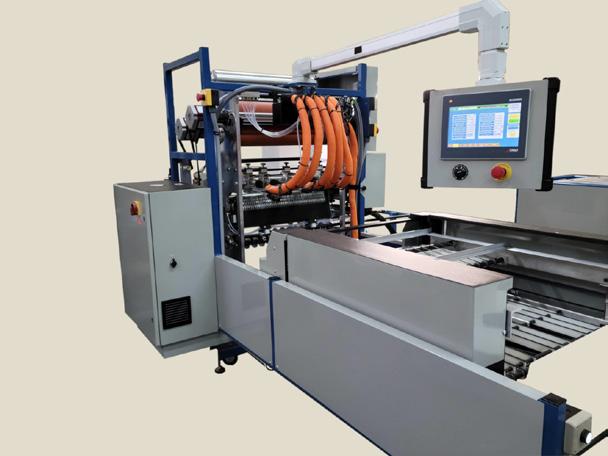
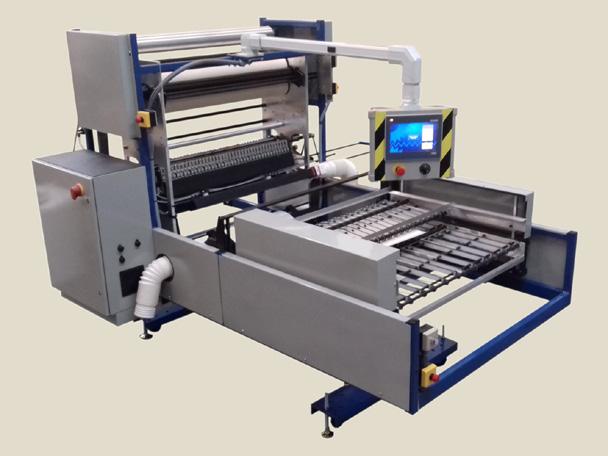
Great Lakes Filters And Fairway Products Commission New Dri-Tec Duplex Slitter
Bloomfield Hills, Mich.-based Great Lakes Filters, in collaboration with its sister company Fairway Products, announced the commissioning of new Dri-Tec Duplex Slitter equipment. The addition of this state-of-the-art slitting system enhances speed, precision, and cost efficiency across a wide range of filtration and industrial textile applications. The Duplex Slitter is designed to support customers from product design through cutting, sewing, sealing and final fabrication — delivering a true end-to-end solution. Key specifications & benefits include:
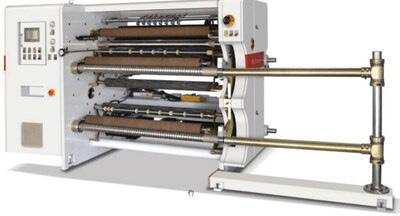
• Slitting Width — Specializes in narrow widths; capable of handling virtually any material width;
• Material Compatibility — Textiles, nonwovens, films, and laminates;
• Precision Cutting — High-accuracy slitting with minimal material waste; and
• Rapid Processing — High-speed operation to maximize throughput and reduce lead times.
With more than 80 years of experience, Great Lakes Filters is a trusted provider of industrial filtration solutions for demanding applications. Fairway Products complements this expertise with custom fabrication services including cutting, sewing, welding, and assembly — supporting diverse customer requirements across multiple industries. acmemills.com/greatlakesfilters
p AAF’s MEGAcel® I High Flow (HF) air filter






Stop Fighting Your Endcap Polyurethane
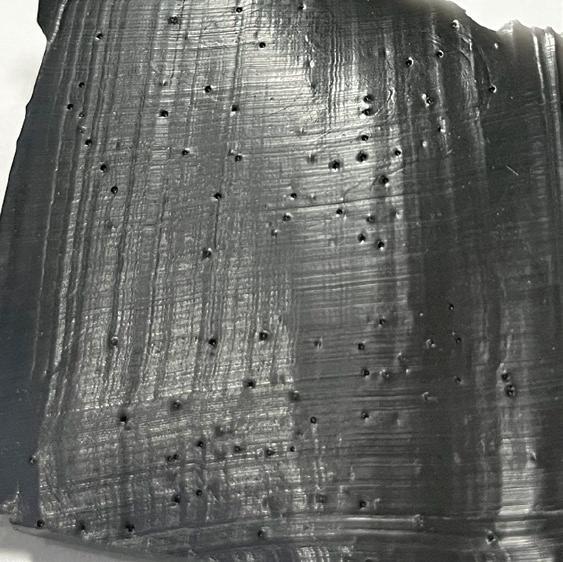
In air and water filtration systems, choosing the right polyurethane for your end cap plays a crucial role in the integrity, durability and efficiency of the final product. As engineers and manufacturers face increasing demands for production efficiency, selecting the right adhesive or moldable endcap material is more important than ever. Epic Resins, a global leader in epoxy and polyurethane technology, develops solutions tailored to meet these evolving challenges.
Epic Resins has formulated, manufactured and supplied high-quality epoxy resins and polyurethanes to a wide range of industries for over 65 years. Specializing in adhesives, potting and encapsulation compounds, Epic Resins delivers products to enhance customer profitability and performance.
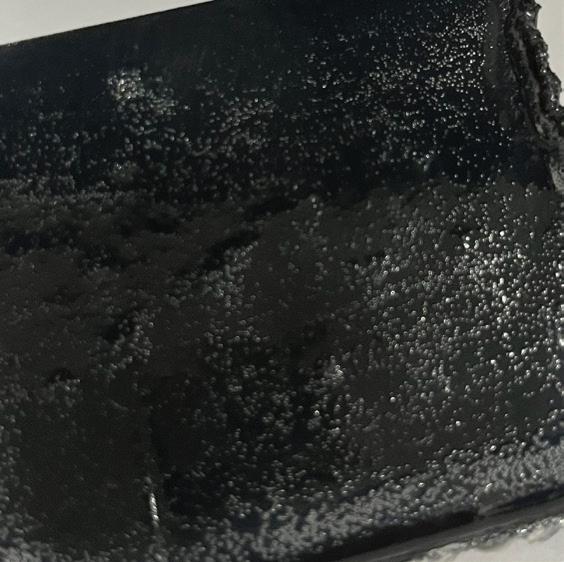
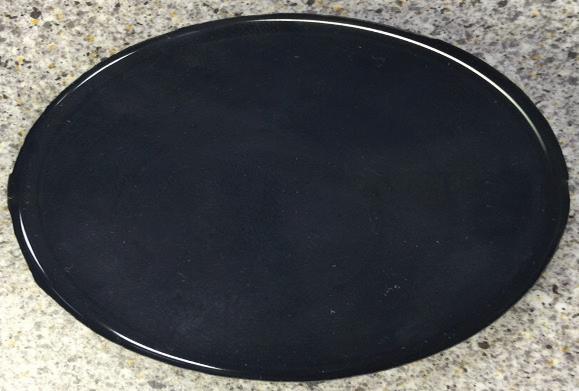
Epic Resins’ polyurethanes for air and water filtration are designed to eliminate the quality and processing challenges commonly associated with moldable endcaps and endcap adhesives. If you’re dealing with moisture contamination or unpredictable cure performance, these issues aren’t “just part of the process” — they’re signs of bad material formulation…and are increasing your production costs.
Common Symptoms of Inconsistent Cure Time
• Demold times that change from container to container — or even within the same container
• Slow or uneven hardness development
• Being required to add a separate catalyst at your own facility
• Needing different summer and winter formulations
Common Symptoms of Moisture Contamination
• Bubbling or foaming caused by moisture or trapped air in the mix
• Low final hardness
• Poor adhesion to endcap substrates
• Wet spots within the finished endcap
• Reduced tear strength and long-term durability
The Epic Resins Solution
• High-quality, consistent polyurethane formulations engineered for filtration endcaps
• Predictable, repeatable cure times with uniform hardness build
• No catalyst adjustments required at your facility
• No seasonal formulation changes
• Tight batch-to-batch control for reliable performance, container after container
Epic Resins delivers no-fuss, production-ready filter polyurethanes that help reduce scrap, stabilize processing, and improve finished endcap quality. Whether used in molded or adhesive endcap applications, our materials are designed to work with your process — not against it.
Epic Resins can help solve your polyurethane quality issues.
Commitment to help customers with:
• Dependable performance that sup-
ports higher throughput and quality
• Stronger end caps with fewer defects, saving time and money by preventing rework
• No-fuss polyurethanes that make filtration manufacturing run more efficiently
To learn more about Epic Resins’ filtration polyurethanes or to request a sample, visit www.epicresins.com.
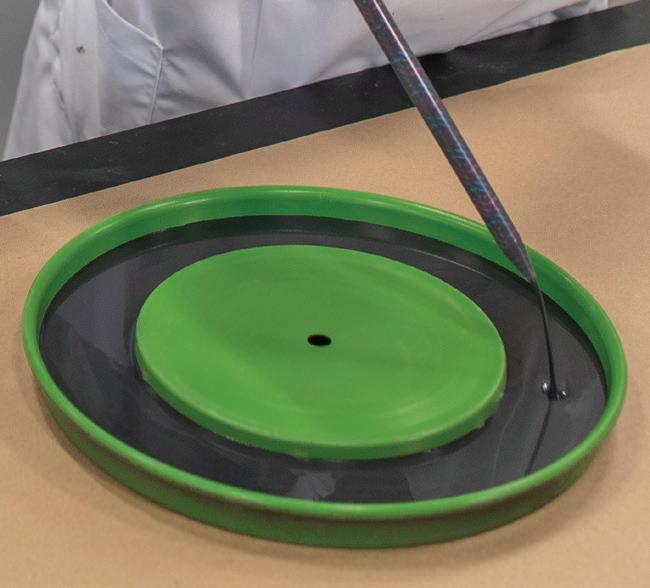
p The chemists at Epic Resins work directly with your engineering and manufacturing departments, enabling us to provide you with effective solutions to fit your demanding needs.
Signs of MOISTURE CONTAMINATION
Struggling with inconsistent cure or moisture contamination?
Precision Filtration Components — From Prototype to Production
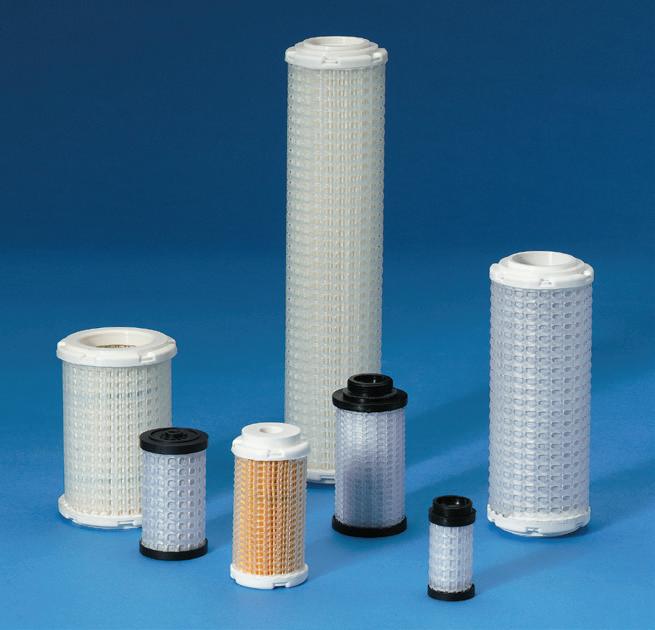
For over 44 years, companies that design, build, or use filtration systems have relied on Industrial Netting for precision plastic mesh and rigid tubes that arrive ready to use—no trimming, no modifying, no guesswork. With the world’s largest in-stock selection shipping within 24 hours and custom converting capabilities for specialized requirements, we provide the structural components your filtration systems depend on. From rigid cores and outer cages to flexible sleeves, flow channel spacers, and welded overwraps—if your design requires it, we can build it.
A Complete Filtration Portfolio
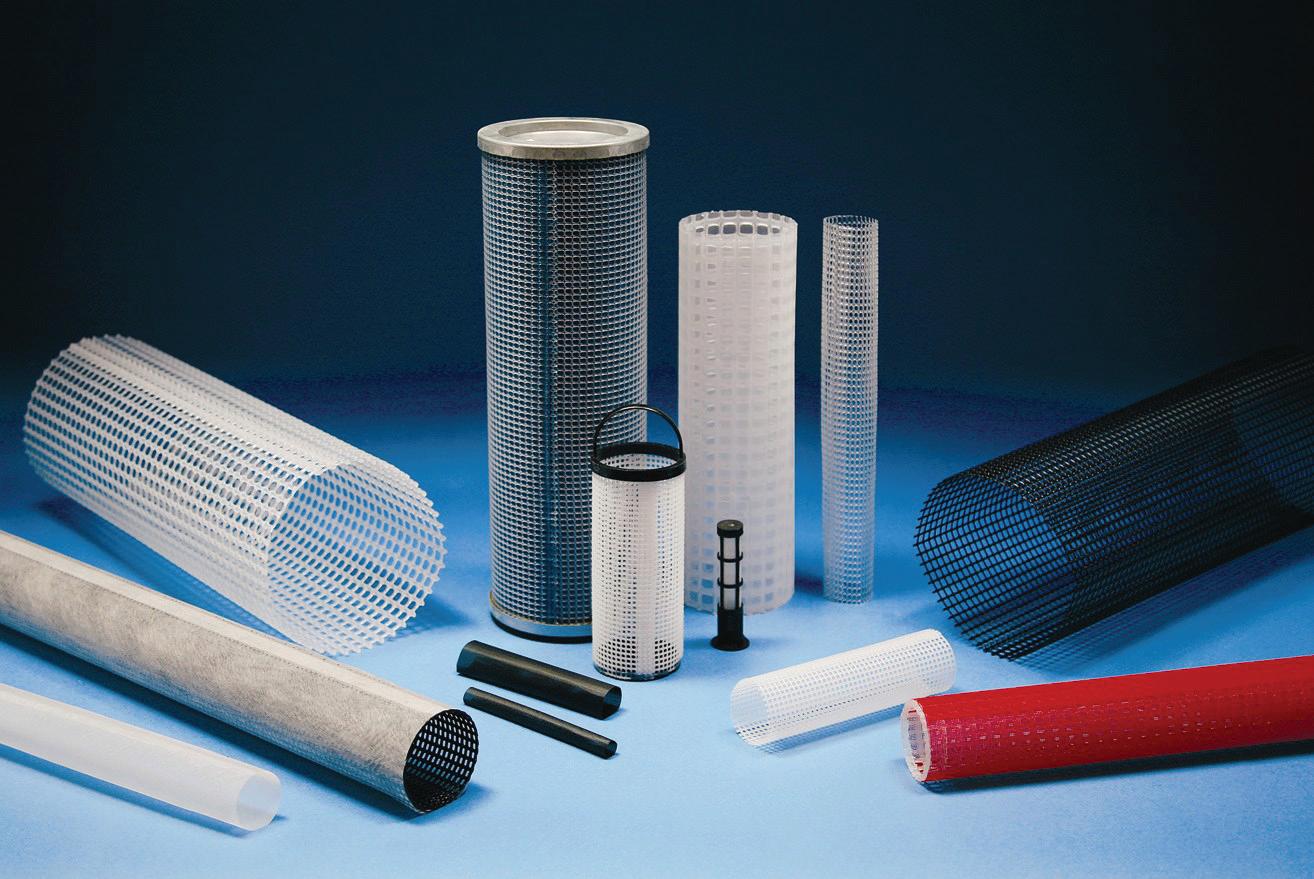
Industrial Netting offers the world’s largest in-stock selection of plastic netting, mesh, and rigid tubes for filtration applications. Our products serve customers across HVAC, water purification, hydraulic, fuel, beverage, medical, and food processing industries.
• Rigid Mesh Tubes: Nearly 100 configurations of diameter (0.312” to 4.74” OD), wall thickness, and open area—all available from stock as center core supports and outer cages.
• Flexible Tubular Sleeves: Protect and contain filter media with customizable mesh sizes, shapes, diameters, and lengths.
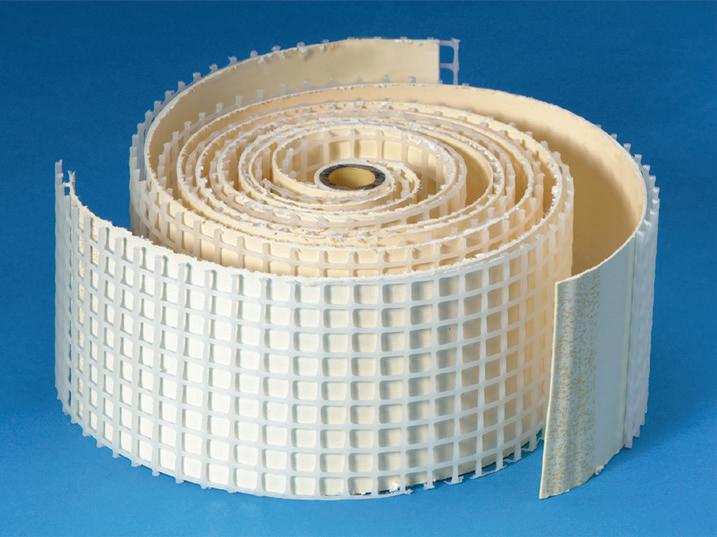
• Flow Channel Spacers: Diamond mesh creates separation between media layers for optimal gas or liquid flow.
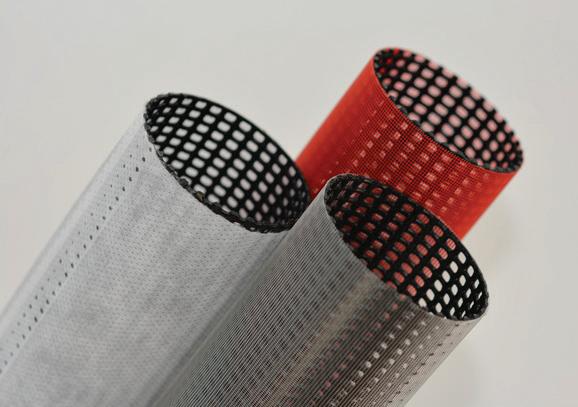
• Welded Tube Overwraps: We bond fine mesh netting or nonwoven fabrics directly to rigid tubes—combining structural support with filtration function in a single component.
The Real Cost of In-House Converting
Many engineers assume it’s easier to buy master rolls and handle converting internally. But that assumption has hidden costs:
• Floor time: Every time someone stops production to trim or modify mesh, you’re losing labor hours—and consistency.
• Inconsistency: Hand-cut parts vary. Precision die-cut components don’t. That variance shows up in reject rates and rework.
• Inventory burden: Buying full master rolls when you only need specific lengths ties up capital and warehouse space.
• Lead time delays: Waiting on internal scheduling slows your R&D cycles. Our custom converting keeps your projects moving.
The numbers tell the story: OEMs who switch to our custom-converted components typically cut rework by 25–40% and reduce assembly labor by up to 30%. One food equipment manufacturer achieved 25% faster assembly with zero rejects after switching to our die-cut sheets.
Engineering Partnership, Not Just Parts
What sets Industrial Netting apart isn’t just our inventory—it’s our technical team. When you’re in R&D, you need a supplier who understands your application, not one who just takes orders. Our sales experts help you select the right material, aperture size, and configuration for your specific filtration requirements. We speak your language: FDA compliance, USP Class VI certification, chemical resistance, temperature ratings, open area percentages. And when you need prototypes, we partner with you through the process to dial in the details. Precision slitting, sheeting, die cutting, tube cutting, and sonic welding are all handled in-house at our Minneapolis facility, with products proudly made in the USA.
Whether you’re developing a new filter cartridge or optimizing an existing design, we’re ready to help. Give us your specs—we’ll give you components that fit the first time.
industrialnetting.com | 800-328-8456
Quick Response. Fast Delivery. Superior Quality.
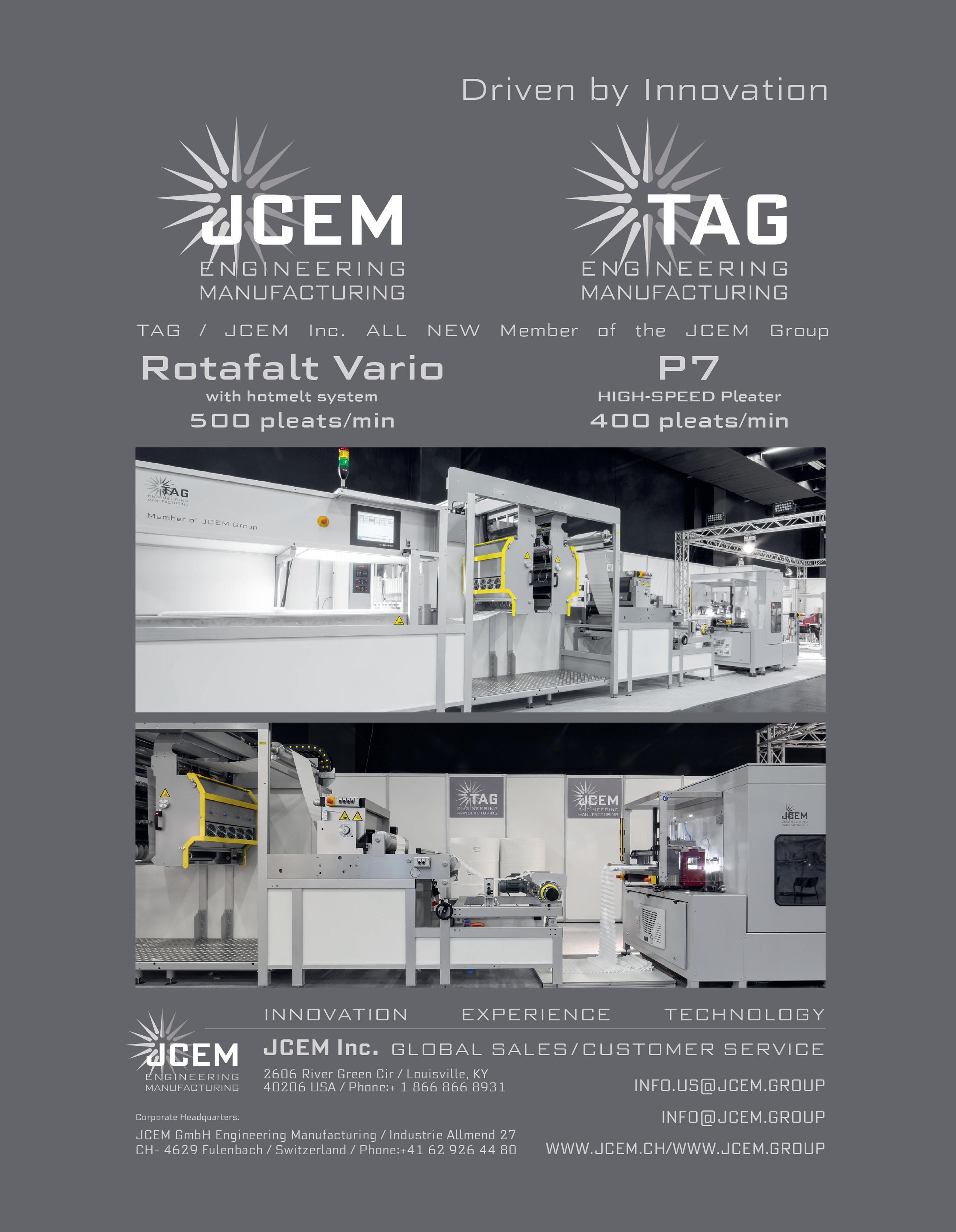
JCEM Group Announces All-New, High Performance, High-Speed Combi-Line Pleating System
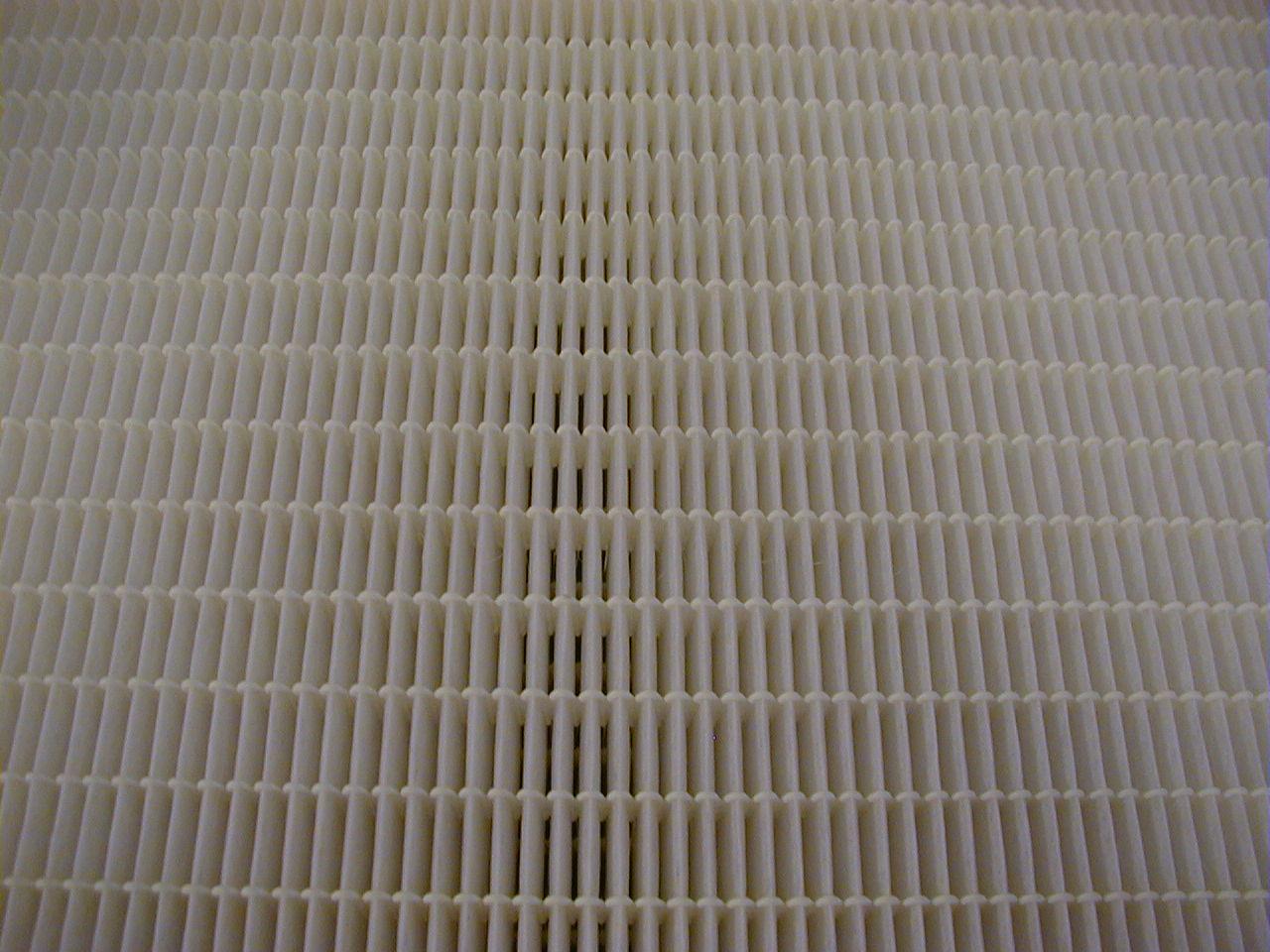
In 2017, JCEM introduced its P7 HighSpeed Blade Pleating machine, the world’s fastest blade pleating machine to date, with speeds of up to 350 pleats/ minute. And now, JCEM showcases its latest high-speed pleating machine, the all-new P8 with speeds of up to 500 pleats/minute!
The new P8 uses the latest Bosch Rexroth magnetic levitation technology that allows for record-breaking speeds previously thought to never be achieved in a blade pleating application. The P8 design has tremendously reduced the number of mechanical/moving parts that eliminate the need for greasing or cleaning, while still offering very good strength characteristics. The result is world-record pleating speeds with excellent pleat height tolerance and quality.
Simultaneously, TAG, part of the JCEM Group, has also just released its latest Mini-Pleating machine with completely new Beckhoff controls and Bosch Rexroth motors and drives. For customers, the
new platform offers many updates, such as higher pleating speeds (up to 30 meters/minute), improved web tension control, a new Servo Unwinder, full synchronization between Mini-Pleater and Blade Pleater, and much simpler integration of additional accessories or features in the future.
Another big advantage is the ability to change pleat heights completely onthe-fly without stopping the machine, which is quite revolutionary as this is a huge time saver, as well as a tremendous reduction in scrap. This allows the user to load an entirely new recipe with a
The P8 design has tremendously reduced the number of mechanical/moving parts that eliminate the need for greasing or cleaning, while still
offering very good strength characteristics.
different pleat height, glue pattern, pleat spacing, and pleat count without having to stop the machine to “reload.” Customers can also opt for an automated slitting system that adjusts slitting knives to desired slit-width positions with no operator involvement at all.
Together, the new P8 and updated TAG machine create an extremely highperformance Combi-Line Pleating system for applications requiring synthetic media with glue-bead separators. This was part of the overall strategy when JCEM acquired TAG GmbH, to create software, programming, and component commonality between all machinery for a more streamlined customer experience and offering the evermore popular Industrie 4.0 compatibility.
JCEM Group, including JCEM GmbH (Switzerland), TAG (Germany), and JCEM Inc. (USA), is the global leader for all types of pleating equipment, offering the world’s most innovative, efficient, and robust pleating systems available. www.jcem.group
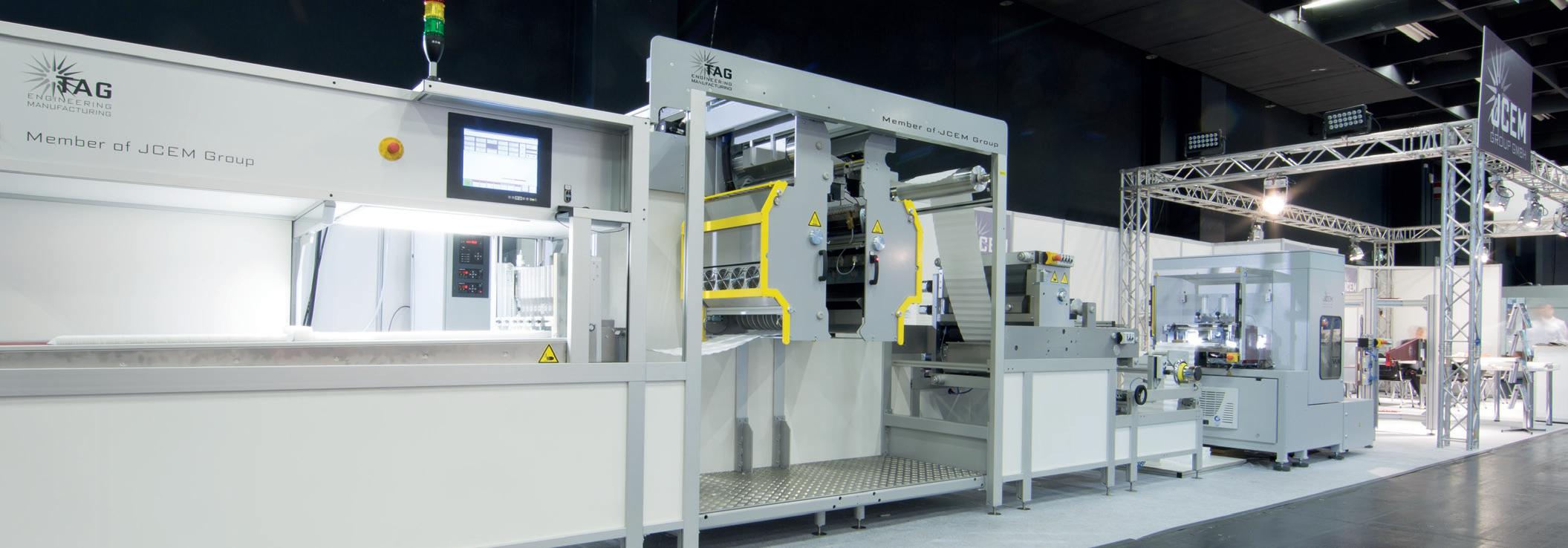
The JCEM P8 pleating machine with speeds up tp 500 pleats per minute.
By Philippe Wijns Principal at CleverSustainability, Filtration Expert and Sustainable Business Development Advisor
Circularity And Sustainability Trends In Filtration: A North American Perspective
When “Embracing Circularity in Filtration” was published in the November/December issue of International Filtration News , reactions were expected to come primarily from Europe where circular economy policy is becoming an operational reality for manufacturers and their supply chains. The region is now moving toward what many refer to as an EU “Circular Economy Act,” with a commission consultation launched in August 2025 and a legislative proposal expected in 2026. However, it was surprising how many substantive responses came from U.S. companies that are pursuing circularity and sustainability, but using approaches that are less prescriptive and more fragmented, with a focus on energy, supply security, affordability and innovation. Corporate actions often outpace policy, with sustainability reflected in operational reliability and cost control rather than strict compliance.
Philippe Wijns is principal at CleverSustainability, and serves as a Filtration Expert and Sustainable Business Development Advisor. He is a Certified Expert in Sustainable Finance, Climate Finance, and Renewable Energy from the Frankfurt School of Finance and Management. He began with global leaders in the nonwovens industry before transitioning to the filtration sector, where he specialized in filtration technologies across a wide range of applications and markets — including industrial and automotive systems, HVAC, household appliances, medical and life sciences, as well as power storage solutions such as fuel cells, hydrogen systems, and battery separators.
Wijns recently founded CleverSustainability, a consultancy dedicated to sustainable business development to help companies develop and implement sustainability strategies, ensure compliance with the EU legal reporting requirements, and enhance their sustainable business growth, product portfolio and development, and market positioning.
This contrast provided a practical impetus to conduct a follow-up study to examine the development of circularity in filtration in North America and its integration into the broader sustainability and energy context in the United States. I spoke with Mike Malloy — a U.S.-based filtration and market strategist, principal of Malloy Strategies LLC, and communications director for the World Filtration Institute — to critically assess prevailing assumptions and adapt circularity principles within a North American operational framework. Malloy highlighted several strategic shifts in the U.S. market, including evolving policy directions and the economic factors that influence the adoption and longevity of sustainability initiatives in procurement and operations.
The U.S. Sustainability Operating System: Energy First, Circularity As A Second-Order Effect
U.S. sustainability practices in filtration differ significantly from those in Europe. While European regulations prioritize sustainability, American approaches are driven by economic and reliability considerations. As a result, energy security, affordability, and infrastructure resilience are prioritized, with circularity considered primarily insofar as it supports these objectives. Filtration contributes to these goals by enhancing efficiency, protecting equipment and reducing costs. Its value is most evident in longer asset lifespans, decreased downtime and lower operating expenses. In the United States, circularity is embraced when it aligns with these outcomes, rather than as a mandatory, standalone requirement.
“There is an ongoing tension between circularity — which emphasizes a closed-loop, cradle to cradle material life cycle — and sustainability — which encompasses energy, environmental, social and economic impacts,” Malloy said. “In the United States, priorities for sustainability or circularity are typically defined in economic terms, often manifesting
p Mike Malloy, principal of Malloy Strategies LLC, and communications director for the World Filtration Institute.
as cost reductions or productivity gains. Filtration is essential for optimizing broader industrial processes, with its economic and environmental effects rippling throughout entire systems.”
Malloy continued: “Many economic activities incur costs that are not directly borne by their beneficiaries, resulting in externalities that are absorbed by society at large. While landmark policies like the Clean Air Act and Clean Water Act have explicitly linked environmental costs to industry, sustainability arguments in the United States are most persuasive when they connect to innovation and cost such as reduced energy consumption, extended equipment life, or increased productivity. Circularity in filtration is challenging to quantify, as its true impact is often enabling larger systems to be more sustainable, even if the filter itself is not circular. Furthermore, the decentralized nature of U.S. policymaking leads to ongoing competition among priorities and ideas, making widespread consensus rare.”
In summary, Malloy observed: “The interplay between circularity and sustainability in U.S. filtration is shaped by economic imperatives and a focus on system-wide outcomes. While circularity is difficult to monetize directly, filtration’s role in extending equipment life and reducing energy use is crucial to the sustainability of larger processes. In the United States, consensus on environmental priorities is rare, and policy effectiveness often hinges on clear links to innovation and cost savings.”
Circularity In Filtration: Why It’s Harder Than It Looks
Filters typically use a variety of materials and accumulate particulates, including oils, chemicals or biological contaminants, creating constraints around separability, contamination risk and validation. Multi-material construction complicates recycling; contamination increases handling and logistics challenges, especially for hazardous filters; and strict performance standards necessitate careful validation of any changes. Reverse logistics is another hurdle because reliable collection, identification, sort-
ing and routing systems remain fragmented in the United States. Infrastructure also is insufficient, making circularity difficult to scale across industries.
Malloy believes the purpose of a filter is to capture harmful matter, which makes it uniquely difficult to fit into a circularity model. “Filter media not only capture material, but draw it deep into its structure, extending filter life and reducing energy use, but making cleaning and reuse impractical,” Malloy noted. “Washable or otherwise reusable media often come with higher energy use, added maintenance, and second-order effects such as water consumption and pollution.
“In addition, single-polymer solutions are difficult because media require porosity and void volume, while housings and mounting hardware require dense materials, tight seals, and high structural integrity,” he continued. “Filtration also has highly technical products that rely on proprietary innovation and companies invest heavily to develop unique materials.”
Malloy also shared that reverse logistics is an even larger problem in the United States due to the large area and variation of population density and said it is not practical to ship used materials long distances to do “value-added” work to restore them and re-integrate them into the production cycle, and more space means lower landfill costs.
“Localized solutions for production and reuse are reasons for optimism and the high cost of transportation for low-density filtration products will continue to drive these efforts,” Malloy said. “Drylaid synthetic media is gaining share and processes like meltblown and electrospinning are well-suited to distributed production. This makes single-polymer solutions plausible and advances in biopolymers hold out the prospect of localized circularity through composting.”
Europe advances circularity through robust product traceability and standards such as Digital Product Passports, thereby facilitating measurement and verification. In the United States, circularity must compete on cost and risk in mature markets, often relying on commercial agreements and customer expectations to drive adoption.
Where Circularity Actually Advances In The U.S. Market
Despite significant obstacles, circularity in the United States continues to make headway — particularly when it aligns with established standards and practices valued by procurement and operations. Progress is most evident when circularity supports global original equipment manufacturer requirements, corporate ESG objectives influencing supplier evaluations, cost savings across the product life cycle, consistent uptime, and the mitigation of supply chain risks.
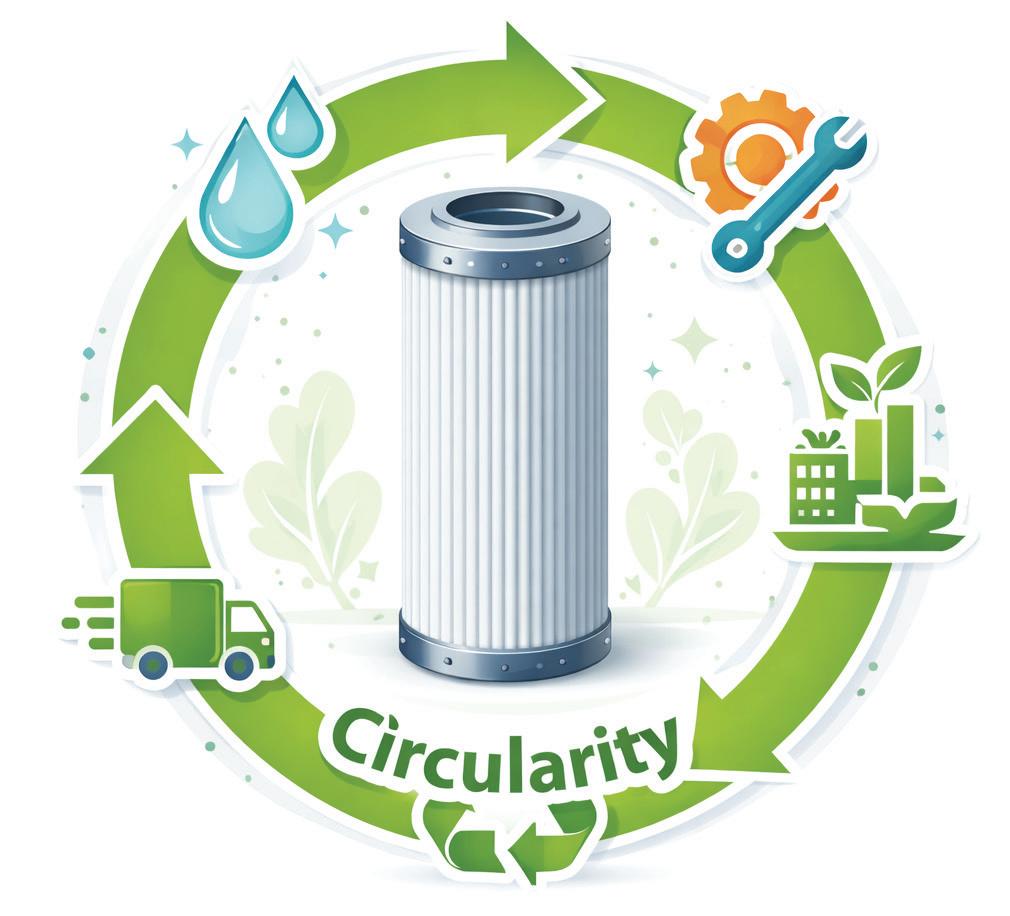
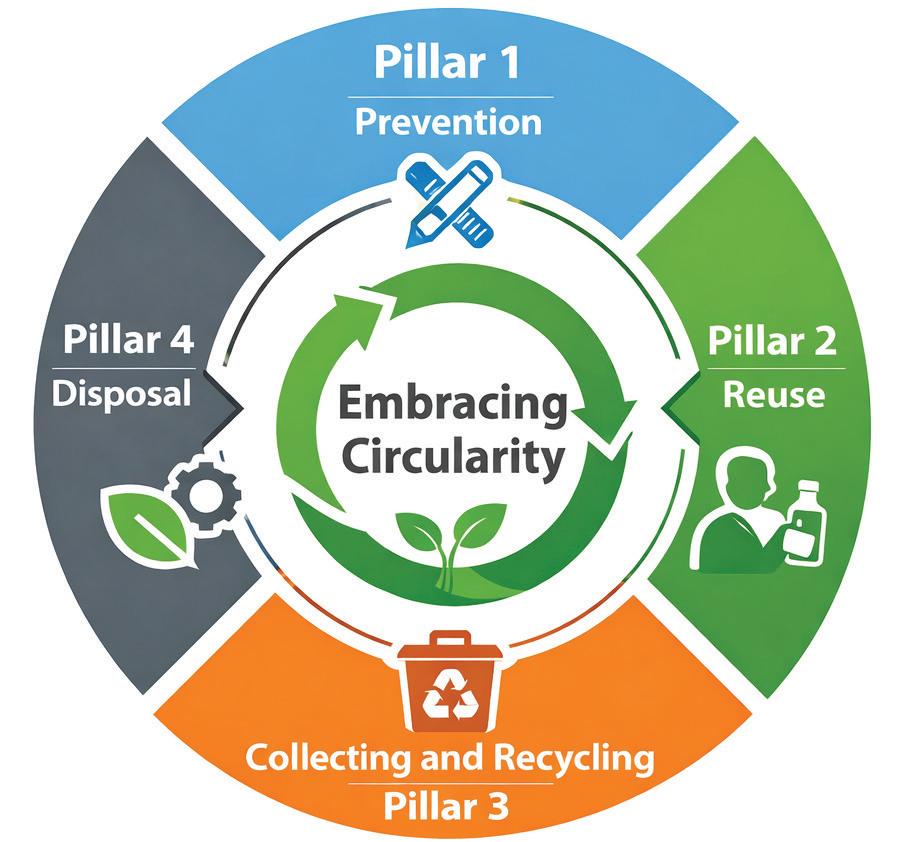
The four-pillar circularity model — Prevention, Preparing for Reuse, Collection & Recycling, and Disposal — proves most effective when tailored to U.S. decision-making. In the previously referenced article, “Embracing Circularity in Filtration,” this practical framework was described as encompassing the entire product life cycle, with each pillar serving as a lever to enhance performance and manage risk in the U.S. context.
Prevention extends well beyond waste reduction; it focuses on designing products with fewer failure modes, easier maintenance, safer materials and simplified disassembly. Incorporating single-material solutions, recyclable packaging, and smart monitoring technologies can extend product life and improve efficiency in HVAC, air, and water filtration systems, aligning circularity with business priorities such as reliability and operational excellence.
Prevention extends well beyond waste reduction; it focuses on designing products with fewer failure modes, easier maintenance, safer materials and simplified disassembly. Incorporating single-material solutions, recyclable packaging, and smart monitoring technologies can extend product life and improve efficiency in HVAC, air, and water filtration systems, aligning circularity with business priorities such as reliability and operational excellence.
According to Malloy, each pillar of circularity in the U.S. operates within the realities of competing business incentives, namely, the drive for productivity, the favorable tax treatment of capital investment, and relatively low disposal costs. “Preventive maintenance, while critical to both productivity and quality, often takes a back seat to the benefits of accelerated depreciation schedules, which incentivize investment in newer, more productive equipment rather than focusing on preparing for reuse,” Malloy said. “Furthermore, collection and recycling efforts are typically concentrated in dense urban areas, where logistics make them economical, but these initiatives are often limited to consumer-related materials rather than industrial products. A key distinction between the United States and the European Union lies in disposal; due to greater land availability and lower taxes, it remains much less expensive to dispose of waste in the United States than in Europe.”
Data Centers, AI, And Cooling Water: The Next Filtration Stress Test
U.S. sustainability and filtration innovations are crucial for data centers and artificial intelligence computing, which face energy, water, heat and reliability challenges. Effective air filtration protects equipment and enhances cooling; modular, reusable filters reduce waste and costs — one operator cut filter waste by 40 percent. Water filtration improves cooling efficiency and enables reuse, with some centers lowering water use by 30 percent. Circular filtration, featuring durable, regenerable components and takeback programs, increases uptime and lowers risks, delivering both technical reliability and cost savings.
Malloy emphasizes that the rapid expansion of data centers positions them as an ideal setting for advancing circularity efforts. He shared: “The large volumes of air and water filters used can be processed on site or aggregated for efficient shipment, with the uniformity of materials simplifying sorting and recycling. While filters play a key role in reducing energy consumption, the surging demand for electricity in data centers also accelerates the development of new, lower-impact energy sources, such as small modular nuclear reactors.”
This perspective is consistent with Malloy’s broader view that circularity in the U.S. is most successful when it aligns with business incentives like productivity, cost reduction, and operational efficiency, and when solutions are tailored to local operational realities and regulatory environments. Thus, the data center sector exemplifies how circular strategies can be integrated with business priorities to drive both sustainability and reliability.
Energy Storage And Adjacent Markets
That Pull Filtration Forward
Adjacent markets drive technology transfer, advancing filtration requirements like tighter contamination control and improved water management. Supply chain capabilities from advanced manufacturing often benefit wider filtration sectors, even with uneven market adoption. Malloy highlighted that lithium-ion and rare minerals retain strategic value and high priority.
Scarcity drives reuse in energy storage because materials like lithium, copper, and cobalt are rare and expensive. Despite being a relatively young industry, private companies in the United States, often with government encouragement, are solving the problems of return, sorting, and re-processing these “black materials,” which are seen as a strategic asset for a sustainable future. Filtration can learn from these processes even if we do not have the same urgency of scarcity.
That reality shapes where investment flows, how supply chains are localized or diversified, and how manufacturers think about process efficiency and yield. Filtration appears throughout that logic: air filtration to protect clean environments and reduce defect risk; liquid filtration and water treatment to control process chemistry; and utility filtration to protect equipment and reduce downtime.
Conclusions And Forward Outlook
Circularity will grow in the United States as material science creates more single-material, readily renewable products that will be aided by initiatives from economically powerful states like California that prioritize sustainability and circularity. In addition, many global companies set policies to meet the most stringent regional standards, thus normalizing European expectations. Tracing materials and measuring outcomes is critical to effective circularity, and current digitization, scanning, tokenization, and secure storage technology will help enable this.
Regardless of the region, aligning on basic principles, practical scorecards, and effective return systems enables circular solutions to deliver real operational value. The goal is not uniformity, but measurable progress that benefits the environment and sustainability goals.
As Living Filtration And Renewal Systems Considering CITIES

By Adrian Wilson, International Correspondent, IFN
For the 2010 World Expo in Shanghai, landscape architect Kongjian Yu designed Houtan Park as what he described as a “regenerative living landscape”.
Built on the polluted remains of a former steel factory and shipyard along the Huangpu River, the 35-acre park demonstrated that ecological repair, flood control and public space could be delivered simultaneously rather than in competition. Yu, who sadly passed away last year, was not just designing a park, but articulating a philosophy.
As a professor at Peking University in Beijing and later at Harvard University, and as the founder of the architectural design house Turenscape, Yu is widely credited with helping to catalyze the thinking behind China’s “Sponge City” program. His core insight was deceptively simple — urban resilience is not achieved by forcing nature into rigid systems, but by allowing cities to absorb, store and adapt to natural processes. That idea has since reshaped how China approaches water at the scale of entire metropolitan regions.
Slowing Water Down
The Sponge Cities program represents one of the most ambitious attempts anywhere in the world to rethink urban water management. Instead of channeling rainfall rapidly into concrete drains and underground pipes, Sponge Cities are designed to slow water down, cleanse it and reuse it where it falls. Permeable pavements, sunken green spaces, wetlands, green roofs and restored waterways work together to absorb stormwater, reduce peak runoff and improve water quality. Groundwater is recharged, urban heat is mitigated and flood risk is reduced not through resistance, but through integration. In effect, the city itself becomes a filtration and renewal system.
China’s speed and scale of implementation have been striking. Dozens of pilot cities, including Wuhan, Shenzhen and Xiamen, have tested the approach across new developments and dense historic neighborhoods alike. While challenges remain, particularly around maintenance, financing and the retrofitting of legacy infrastructure, Sponge City prin-
ciples have already been embedded into national planning standards and design practice. More broadly, they signal a shift in mindset, one that increasingly resonates far beyond China.
Wastewater
That same systems thinking has also shaped China’s approach to wastewater over the past decade. Wastewater treatment has become one of the most visible and measurable fronts in the country’s wider war on pollution, to the point that urban coverage is now close to universal. This transformation did not happen by chance. The 2015 Water Ten Plan provided political momentum and a clear compliance signal, tightening discharge standards, strengthening river basin management and accelerating enforcement. Substantial multi-year investment through the late 2010s and early 2020s followed, expanding treatment capacity while driving upgrades in operational performance. Crucially, wastewater has increasingly been reframed not as a standalone utility function, but as a core compo-
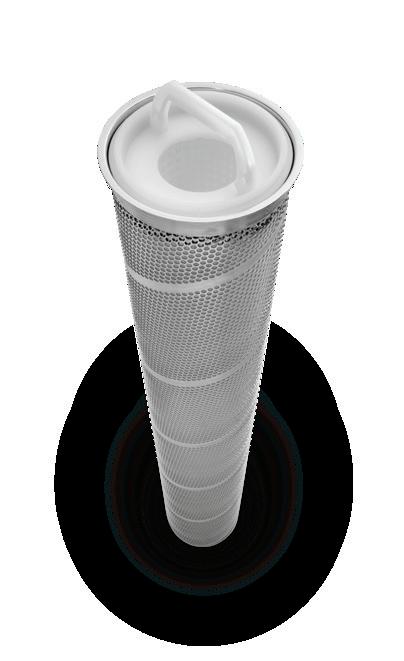
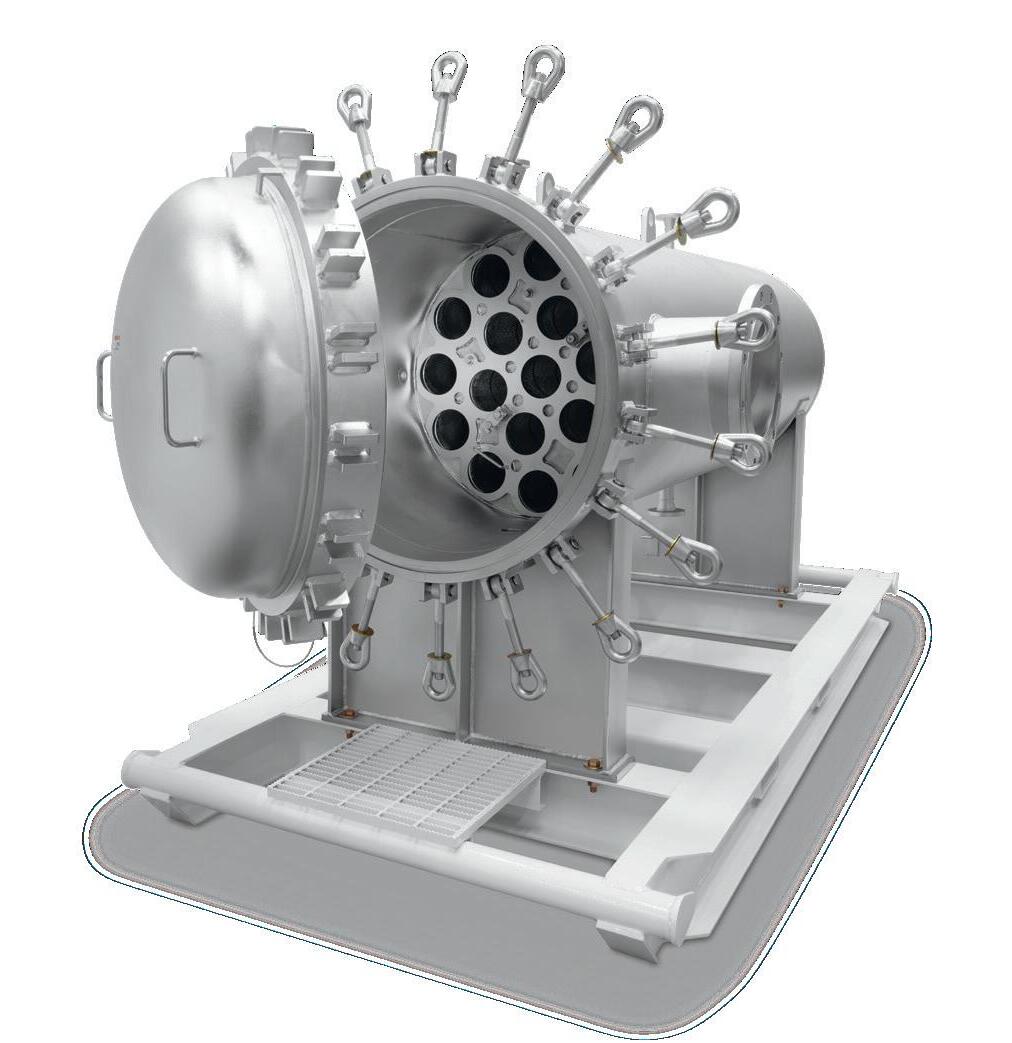

nent of urban resilience and water security. Sponge City measures, rainwater harvesting and wastewater reuse schemes now sit within a single conceptual framework that links drainage, treatment, reuse and environmental quality. The challenge for the coming decade is clear — treatment outcomes must continue to improve, but with lower energy use, reduced emissions and greater operational reliability.
Rapid Expansion
It is within this context that digitalization and artificial intelligence (AI) are beginning to play a decisive role. Wastewater treatment plants are complex, variable systems, influenced by fluctuating inflows, changing pollutant loads and ageing assets. Traditionally, their performance has depended heavily on experienced personnel — from process technicians and field inspectors to maintenance crews. That dependence increasingly represents a vulnerability, as ageing workforces, skills shortages and rising regulatory pressure converge.
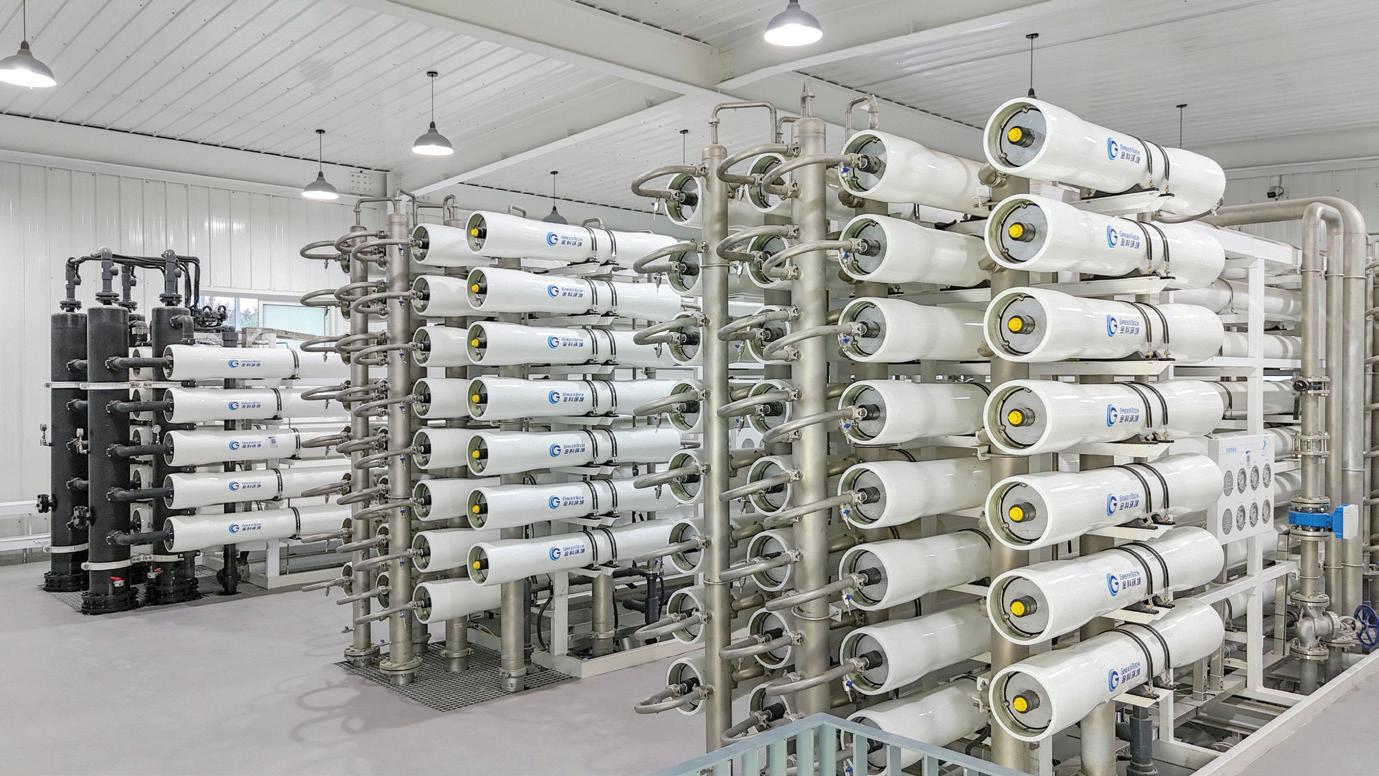
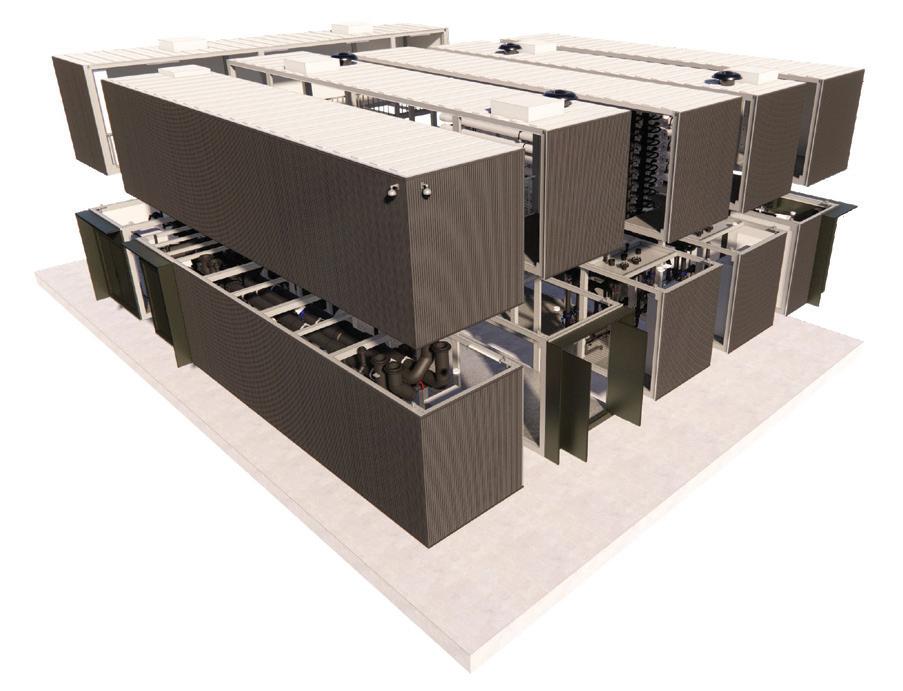
Beijing-headquartered GreenTech Environmental Co. Ltd. has spent the past two decades working across this evolving landscape as a membrane systems integrator and wastewater treatment specialist. Since 2017, the company has pioneered the use of digital twin technology based on Building Information Modeling (BIM), initially to optimize membrane system performance and reduce operating costs. In 2023, this capability was expanded to cover full-plant operations, integrating real-time monitoring, predictive maintenance and process simulation across critical systems, including its modular Newater House treatment solutions.
Critical Need
The next step has been the integration of artificial intelligence. In 2025, in collaboration with DeepSeek, GreenTech embedded its Waterbot AI agent into its digital twin platform, combining multi-modal AI models with the company’s accumulated operational knowledge. The objective was not automation for its own sake, but the creation of treatment plants capable of adaptive, autonomous decision-making
under real-world conditions.
Growing regulatory demands, higher reuse targets and increasing operational complexity are accelerating the need for AI-powered digital solutions that can deliver consistent effluent quality at lower cost and with fewer human interventions. Conventional wastewater plants typically rely on layered human oversight, from process control to field inspection and maintenance, creating exposure to response delays, inconsistency and safety risks. These pressures are being intensified by the retirement of experienced personnel, in China as elsewhere.
Complexity
Wastewater treatment is inherently complex, shaped by biological, chemical and mechanical interactions alongside external variables that are difficult to predict. This complexity, however, also creates an opportunity for digital transformation. AI-driven automation, enabled by IoT sensors and supervisory control and data acquisition (SCADA) systems, allows realtime optimization with a level of accuracy and responsiveness that manual control cannot match. Advanced analytics further support predictive maintenance and intelligent operational adjustments, improving efficiency and reliability across the treatment cycle.
By integrating artificial intelligence with digital twins and IoT connectivity, the Waterbot AI agent provides holistic
operational oversight of membrane systems, computer vision-based risk monitoring and enhanced automation across plant and field operations. Rather than replacing human expertise, the system codifies it, making high-level operational intelligence continuously available.
Benefits
Fouling and scaling, energy consumption and operational inefficiencies remain the most persistent challenges in ultrafiltration (UF) and reverse osmosis (RO) membrane systems used for wastewater reuse.
Fouling — the gradual accumulation of organic matter, biofilms, suspended solids and mineral scale on membrane surfaces — remains the most persistent challenge. Scaling, meanwhile, occurs when dissolved inorganic minerals such as calcium and magnesium salts precipitate and deposit on membrane surfaces, forming hard layers that restrict flow and reduce treatment efficiency.
The Waterbot AI agent incorporates a smart membrane module that applies deep learning to predict the evolution of critical operational parameters, particularly in respect of fouling and scaling. This allows cleaning-in-place strategies to be planned proactively, based on evidence rather than reaction, protecting membrane life and preventing unexpected shutdowns.
Automated remote inspections are also becoming increasingly important for plant
p GreenTech filtration plant in Wuxi.
©GreenTech Environmental
safety. Through AI-powered computer vision and sensorbased surveillance, the system can detect leaks, abnormal tempera tures, smoke, open flames or unusual vibrations at an early stage. Early risk identification reduces inter vention delays and supports the more efficient deployment of emergency resources.
In parallel, intelligent field management functions enable anomalies detected by the digital platform to trigger automated work orders matched to technician location and expertise. This reduces reliance on manual coordination and improves response times for on-site repair. Integration with DeepSeek’s large language model further allows operators to interact with the system using natural language, lowering the skills barrier for routine operation and maintenance.
C NTRACT PLEATING
Newater House modular wastewater treatment facility. ©GreenTech Environmental
Connectivity
Since early 2025, these capabilities have been deployed across five wastewater treatment plants in Wuxi, operated as a single, centrally managed cluster. The facilities run under unattended operation, with treatment processes and assets continuously monitored and optimized by AIpowered analytics. According to GreenTech, labor costs have been reduced by 58 percent, while energy consumption has fallen by 12.7 percent.
In many respects, this evolution mirrors the logic of Sponge Cities themselves. Just as Kongjian Yu argued that cities must work with natural systems rather than against them, digital water

infrastructure is increasingly designed to work with complexity rather than suppress it. Intelligence, adaptability and integration are replacing rigidity at every scale, from landscapes and drainage networks to treatment plants and control rooms.
As GreenTech looks beyond China, seeking partners to localize its digital solutions in international markets, the broader implication is clear. China’s experience is no longer only about capacity or speed of delivery. It is about how systemic thinking — applied consistently from urban design to plant operations — can redefine what resilience looks like in a water-stressed world.

Adrian Wilson is an international correspondent for International Filtration News. He is a leading journalist covering fiber, filtration, nonwovens and technical textiles. He can be reached at adawilson@gmail.com. t A
Mini-Pleat:
Pleat heights 1/2” to 12” upto 39” wide. Interrupted beads, many configurations.
Mini-Pleat:
Pleat heights 3/4” to 4” upto 25” wide. Interrupted beads, many configurations.
WMW INDUSTRIES: Weaving High-Performance, Technical Fabric & Mesh For Complex Industrial Challenges
By Arun Rao, International Correspondent, India
India-based WMW Industries Pvt. Ltd. — a BVK Group company — manufactures woven filtration fabric, woven meshes and filters that are used in a variety of applications and across global markets. Recent investments have expanded the company’s capacity for specialty filter elements used in fuel and polymer applications.
Arun Rao, IFN’s international correspondent in India, recently had the pleasure of speaking with WMW Industries' Director Harsh Khaitan to learn about the company and its capabilities.
IFN: Kindly provide a brief history of your company.
Harsh Khaitan: Our journey is rooted within the BVK Group, which has been active in the technical woven filtration fabric and mesh space since 1963. The group entered the sector at a time when woven metallic mesh was primarily used by the pulp and paper industry. With more than six decades of experience in manufacturing metal and synthetic woven filtration mesh, the group’s evolution has been driven by a focus on precision weaving, process discipline, and serving highly demanding industrial applications.
A major milestone was achieved in 2011 with the formation of GKD India Ltd., a joint venture between WMW Metal Fabrics and GKD Gebr. Kufferath AG, Germany, bringing together global weaving expertise with a robust local manufacturing and sales network. In 2024, the

IN THIS ISSUE:
HARSH KHAITAN
Director, WMW Industries Pvt. Ltd., India
joint venture was fully acquired by WMW Metal Fabrics Ltd. and consolidated under the WMW brand.
Today, WMW Industries serves a wide range of sectors including paper and pulp, distillation, pharmaceuticals, defence and space, automotive, hydraulics, energy, and general filtration, while also supplying specialized meshes for architectural applications. WMW Industries holds several industry firsts, including being the first wire mesh manufacturer globally to publish an Environmental, Social, and Governance (ESG) report, the first to operate a LEED Platinum-certified facility, and the first in
India to offer an integrated, end-to-end weaving-to-finishing capability.
IFN: Please share details about BVK’s manufacturing infrastructure and capacity.
Khaitan: We operate two manufacturing facilities spread across a total area of 32,000 square meters. Our infrastructure includes state-of-the-art German-made weaving machines, along with comprehensive in-house processing facilities where we treat, form, slit, clean and coat the filter media. We operate a fully equipped quality assurance laboratory and a government-recognized R&D department, with a strong focus on continual improvement.
Our annual production capacity is approximately 2 million square meters of woven filtration fabrics, covering metal, hybrid and synthetic variants. Additionally, we manufacture many filters, primarily in stainless steel, with elements of aluminium, bronze and copper. Our expertise lies in post-weaving processes that enhance filtration performance. We also offer knitted mesh filtration media for specialized applications and are among the few manufacturers with in-house heat treatment and flattening capabilities. Recent investments have further expanded our capacity for specialty filter elements used in fuel and polymer applications.
IFN : Please share features and applications for the various types of mesh WMW Industries produces .
Khaitan: We manufacture woven filtration fabric and woven meshes ranging from 10 microns to more than 6,000 microns. To put this into perspective, human hair measures between 70 and 100 microns, which means we routinely weave wires significantly finer than human hair. Material selection depends on the application, and we work with stainless steel, nickel, Inconel®, tungsten, bronze, copper alloys, glass fibers, synthetic materials, and hybrid constructions combining multiple materials in a single product ranging from multi shafts weaves to complex reverse twill Dutch weaves for niche applications with various seam types that make our products endless for use as conveyor for solid-liquid separation.
WMW produces a comprehensive range of high-performance technical meshes categorized into six functional types like filtration, separation, conveying or process belts, sifting or sieving, shielding or protection, forming or molding, and architectural meshes. These woven meshes and fabrics are engineered with precision features such as micron-rated aperture accuracy, high mechanical and thermal stability, chemical inertness, and electromagnetic conductivity.
By utilizing advanced materials, BVK ensures the meshes can withstand extreme industrial environments, from high-heat automotive and aerospace applications to chemically aggressive petrochemical filtration and green hydrogen generation.
These meshes are applied across a vast global market, in applications including water treatment for microplastics and sewage; healthcare in bioreactors; and the food and beverage industry for beverage, edible oil filtration and conveying. BVK also holds a strong presence in heavy industries like mining, pulp and paper, and automotive, providing critical components for hydraulic systems, mineral sifting, and paper forming, security watermarking, tableware, and fiber cement, among others.
Additionally, the company serves the energy and electronics sectors with specialized solutions for hydrogen electrolysis, solar cell printing, and EMI shielding
for mobile devices, while the architectural line provides both functional and aesthetic solutions for modern building facades.
WMW offers a sophisticated portfolio of precision-engineered mesh products designed to transform complex industrial challenges into reliable performance. Their diverse range includes everything from continuous mesh rolls and precision-cut strips to highly specialized components like laser-cut segments, punched parts, and shaped mesh elements. For specialized industrial systems, WMW provides structural solutions such as framed filter discs, screen cylinders, and hooked screens, alongside niche innovations like diagonal sieve mold covers for the paper & fiber cement industry and molded fabrics for shaped tray production.
Combining German engineering with innovative materials — including unique hybrid mesh parts — these products are tailored to maximize flow rates and particle retention across demanding sectors like aerospace, pharmaceuticals, and large-scale water treatment and automotive applications
IFN: How has your company expanded beyond traditional weaving to create added value for customers?
Khaitan: At our core, we are precision mesh weavers, and woven filtration media defines the filtration performance of any
system. While weaving forms the foundation, it is the post-weaving processes which we specialize in, to give the media its filtration ability such as heat treatment for formability, flattening for filtration efficiency, and sizing for fitments.
In recent years, we have expanded into finished filter products, allowing us to offer greater value by converting our woven filtration fabrics into ready-to-use filters. In addition, we now offer knitted filtration media in special alloys for select, demanding applications. We have invested significantly in building capabilities to manufacture specialty filters for highly demanding applications such as solar screen printing, defence, aerospace, fuel and hydraulic systems.
IFN : How does BVK Group ensure it supplies products of consistent quality?
Khaitan: We are certified under an Integrated Management System (IMS) and hold ISO 9001:2015, ISO 45001 and ISO 14001 certifications. We are also IATF 16949 certified for automotive applications and are in the process of obtaining AS9100 certification for aerospace. A robust and secure digital ecosystem enables full traceability from melt to mesh, including compliance with DFARS-regulated sourcing requirements.
Our ability to deliver consistent quality stems from disciplined control of inputs,
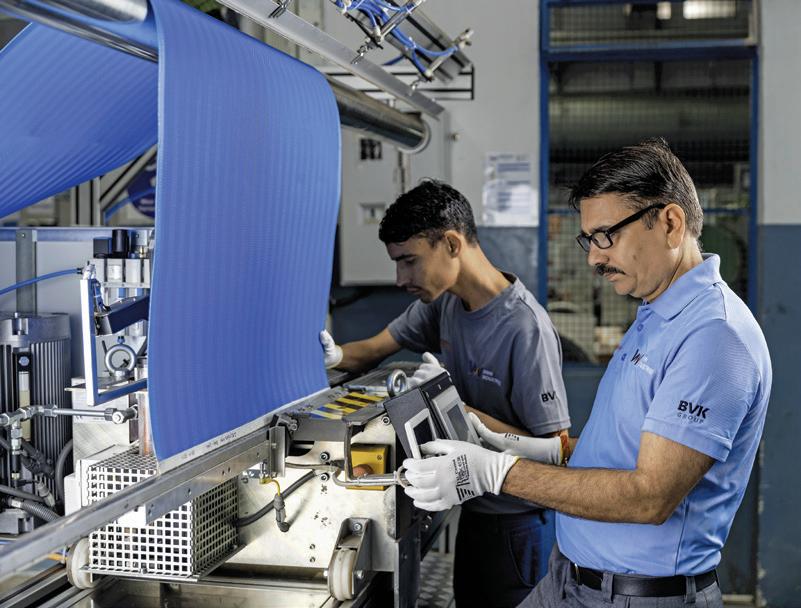
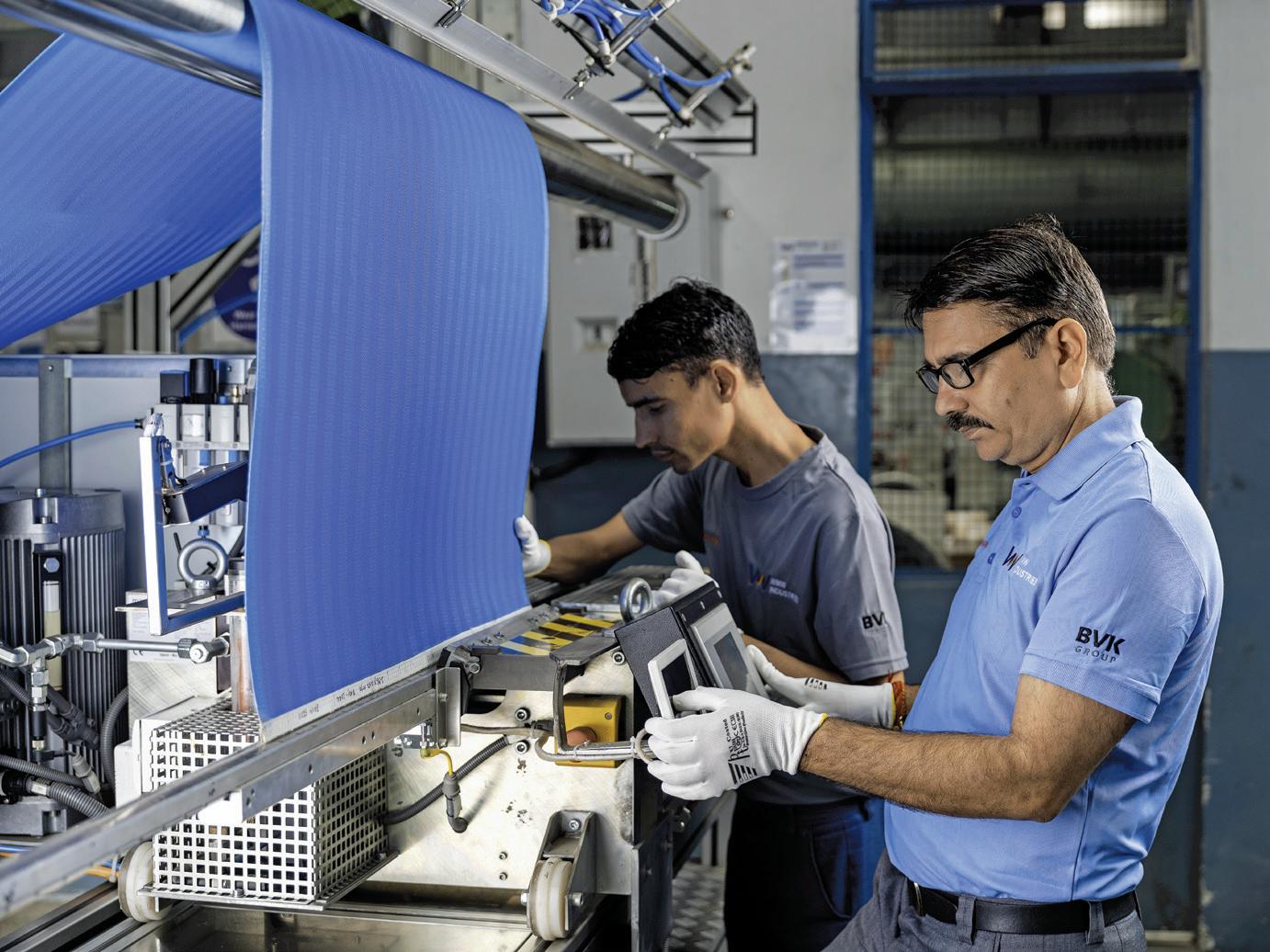
p Operators using a patented clipper PAD seaming machine. BVK Group
supplier partnerships, continual equipment upgrades — including artificial intelligence-enabled camera inspection systems — and structured workforce training. Our shop-floor and quality management systems are inspired by Japanese GEMBA principles, enabling us to consistently exceed customer-defined and ISO benchmarks.
Beyond quality certifications, we are the first wire mesh manufacturer globally to voluntarily publish a formal ESG report complying with global GRI standards. Sustainability is embedded into our manufacturing philosophy, from energy efficiency and waste reduction to responsible sourcing.
IFN: What are the advantages of the filter fabrics WMW offers?
Khaitan: The primary objective of a filter fabric is to ensure consistent and efficient filtration — retaining unwanted particulates while allowing the desired flow with optimal drainage. At WMW, we work closely with customers to fine-tune filtration fabric structures so they precisely meet application-specific requirements.
Filtration is rarely a plug-and-play solution; it requires close cooperation between supplier and customer. Our key differentiator is transparency and collaboration. We position ourselves as long-term partners, committed to developing reliable, efficient solutions through openness, technical support and shared growth.
IFN : Do you have a R&D lab to develop and innovate for new applications?
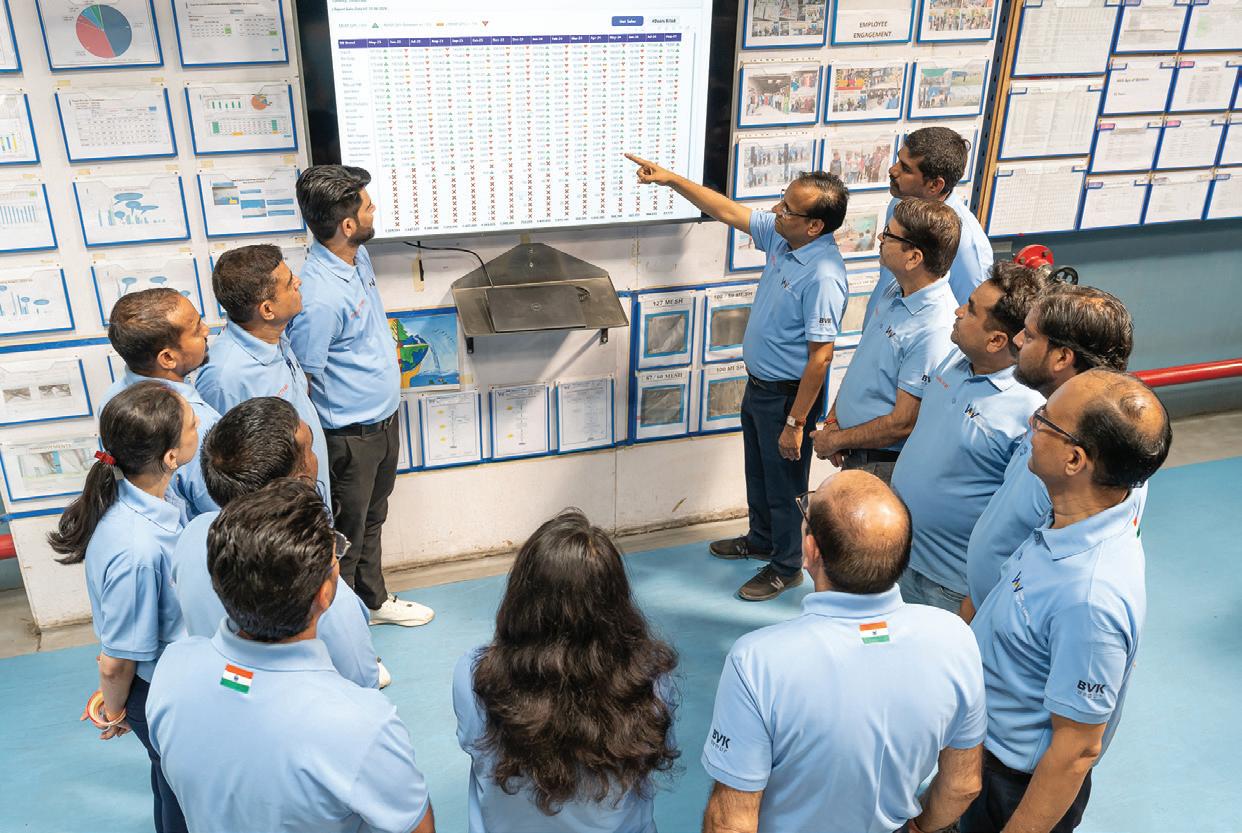
t Employees gathered in a daily meeting discussing production and other plant matters. BVK Group
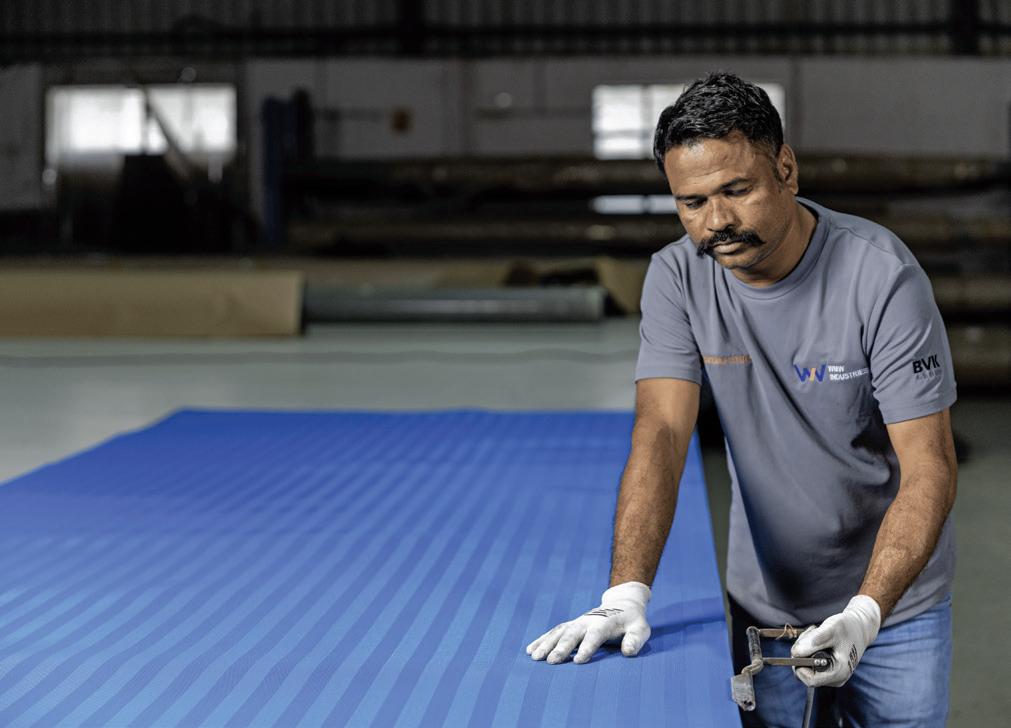
q An employee sealing the edges of a filtration fabric. BVK Group
Khaitan: We have a dedicated R&D laboratory recognized by the Department of Scientific and Industrial Research (DSIR), Government of India. We also collaborate with reputed technology institutes, allowing us to access a broad talent pool for development work. This has enabled us to develop and file for several patent pending innovations. Continual efforts are made to improve existing solutions and develop new ones.
In addition, we maintain strategic partnerships with testing facilities worldwide to validate our innovations and use advanced simulation software to develop and test new solutions. We view innovation as a challenge and as a learning opportunity that strengthens us as a technology-driven supplier.
IFN: How does WMW work to solve filtration challenges?
Khaitan: Improving filtration efficiency starts with understanding flow parameters, particulate characteristics and operating conditions. We then simulate the system internally or through partner institutes before developing optimized mesh structures.
In one polymer application, filters needed replacing every 24 hours due to choking. By redesigning the media structure, we extended filter life to 36 hours. In another case, a customer required an increase in particulate recovery from 30 to 40 percent without changing micron size. Through controlled weaving adjust-
ments, we achieved the target efficiency. In molded fiber applications, our locally developed filtration fabrics replaced imported media, improving drainage, consistency, and service life while reducing overall process water usage. Today, our meshes hold approximately 40 percent of the market share in this segment in India.
IFN: Are you planning any expansions or investments in the near future?
Khaitan: Our new 24,000 square-meter production facility including approximately 5,000 square meters of built-up area dedicated to the manufacturing of advanced filtration mesh will be completed by March 2026. This LEED Platinumcertified facility will support a dual-site manufacturing model designed to ensure continuity of supply and scalability for global customers. We are further investing in increasing our capacity for existing products too.
We are also investing in a separate 372-square-meter facility focused on specialized filters for hydraulic, oil and general filtration applications. Our continued investment in robust and secure IT ecosystem — including manufacturing execution system (MES), customer relationship management (CRM), document management system (DMS) and quality management system (QMS) — underpins our governance practices, ensuring data security, transparency and business resilience.
IFN: Can you share your thoughts on the future growth and opportunities in India, as well as in overseas markets?
Khaitan: WMW Industries has a strong presence across India, and internationally, we export to more than 25 countries serving filtration applications across North America, Brazil, Japan, Korea, Europe and Southeast Asia. Our growing export base reflects global confidence in our quality, consistency, and application-driven approach. India is expected to see sustained growth across several filtration-intensive industries, driven by increased manufacturing activity, infrastructure development, and a stronger focus on sustainability and process efficiency. As filtration requirements become more demanding, there is growing emphasis on high-quality woven filtration fabrics that deliver consistency and long-term reliability. With shifting geopolitical risks, there is a global shift where customers are seeking alter-
native supply chains and we at WMW can give them “Made in India” products, offering supply-chain resilience without compromising performance.
In overseas markets, particularly in Europe, North America, and parts of Asia, growth is being shaped by stricter environmental regulations, higher efficiency standards and the need for longer service life. These trends create opportunities for manufacturers that can combine application expertise, customization, and dependable global supply — areas where we see continued expansion of our international footprint.
IFN : WMW Industries will exhibit at the upcoming FILTECH in Cologne, Germany. Can you share some of your exhibit highlights?
Khaitan: At FILTECH, we will showcase filter products from our upcoming specialty filter facility, including solutions for

hydraulic systems, water filtration and solid-liquid separation. We will also present newly developed hydrophobic filtration fabrics for specialized electronic applications. Through this platform, we aim to strengthen WMW Industries’ position as a reliable, solutions-driven partner for global filtration markets.

Arun Rao started his career in the textile industry and has worked in spinning and weaving production. He forayed into sales, beginning with branded innerwear and later selling clothing of wellknown brands. He then joined Fibre2fashion, a B2B textile website, as news editor for seven years. Recently, Rao launched Taurus Communications, a public relations and advertising agency focused on the textile industry value chain. With a love for journalism, he freelances for textile magazines, along with managing the agency. He is the India foreign correspondent for IFJ



CUSTOM CONVERTING EQUIPMENT FOR THE FILTRATION INDUSTRY
• Unwinds / Rewinds
• Pocket filter machines
• Slitters (Ultrasonic, Laser or Conventional)
• Laminators (Ultrasonic,Thermal and Adhesive)
• Traverse and Spiral winders
• Membrane / Hollow fiber lines
• Festooners
• Accumulators
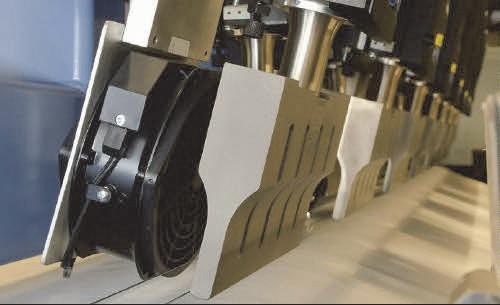
• Ultrasonic sewing machines
• Pleat welders
• Ring Welders
• Custom assembly machines

We employ our 70 years of web handling experience to benefit our customers. Contact Chase Machine today for your equipment needs!
A Patent-Led History Of Fibrous Filtration Media The DNA Of Clean Air:
By Dr. Yasar Kiyak

Fibrous materials have long played a central role in providing clean air. When examining recorded air-cleaning inventions, one notable commonality stands out — the use of fibers. As early as 1848, U.S. Patent No. 6,529 was granted to Lewis P. Haslett for the Inhaler or Lung Protector, widely considered as the first modern respirator, which utilized porous woolen fabrics to filter harmful substances from inhaled air1. Later, in 1879, Hutson Hurd was awarded U.S. Patent Nos. 217,691 and 218,976 for an inhaler and respirator design featuring a cup-shaped mask made of sponge or cotton-wool filtration media to block dust and toxic gases, a form still echoed in the structure of modern respirators today2
From these early innovations to today’s advanced HEPA systems, air media technologies have evolved rapidly in response to increasing air pollution concerns, airborne disease transmission, and indoor air quality. At the center of this progress, fiber science has had a deep impact. Over the past century, breakthroughs in material science, fiber and web formations, equipment advancements, web consolidation improvements, and polymer science have transformed filtration from a basic mechanical barrier into highly sophisticated technologies.
This evolution has followed multiple technological pathways in parallel. Traditional fibrous materials such as cellulose and fiberglass laid the groundwork for early air filtration media technologies, while modern advancements, ranging
from polymer innovations such as isotactic polypropylene to nanofibers and electrostatically charged materials, have pushed the boundaries of filtration science. As filtration applications broadened — from personal protective equipment to data centers — so did the requirements for thermal stability, chemical resistance, and fine particle retention.
Five key categories of filter media technologies have defined the trajectory of air filtration — expanded polytetrafluoroethylene (ePTFE) membranes, electrospun nanofiber coatings, electrostatic (electret) media, glass fiber media, and synthetic nonwoven materials. Below, each category is analyzed through its historical recorded milestones via key patents, performance characteristics and current applications.
Sandwish
Advances in fiber formation and post-processing techniques, equipment innovations, emerging biopolymers, modeling and simulation support, and artificial intelligence-assisted material design promise to accelerate the development of unique filter media for tailored needs.
ePTFE Membranes
The path to expanded ePTFE membranes in filtration begins with the serendipitous discovery of PTFE itself. In 1938, DuPont chemist Roy J. Plunkett experimented with tetrafluoroethylene gas in pursuit of safer refrigerants. He discovered that the gas was polymerized into a waxy white solid inside a pressurized cylinder. This new polymer was later patented as PTFE — U.S. Patent No. 2,230,654 — and quickly drew attention for its chemical inertness, low friction and electrical insulation3
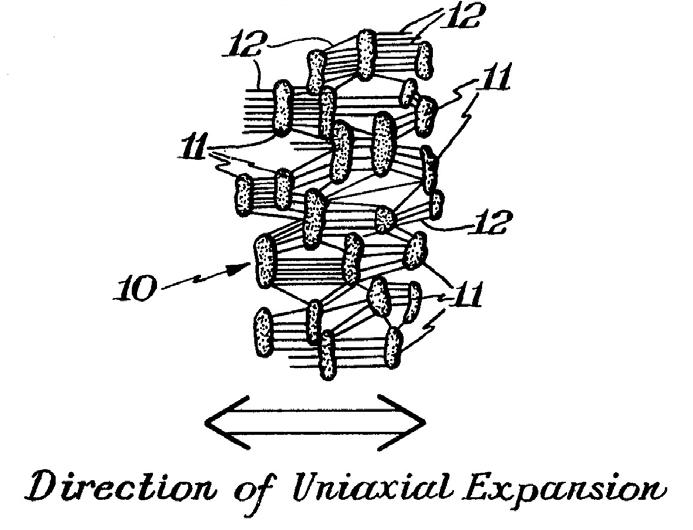
While PTFE became widely used in coatings, seals and wire insulation, its potential expanded exponentially when Robert W. Gore discovered a way to stretch it mechanically under specific conditions. This process created a microporous structure with nodes and fibrils now known as ePTFE, which was patented in 1976 — U.S. Patent No. 3,953,5663. The resulting fibrillated membrane could repel liquids while remaining gas-permeable, leading to its adoption in outdoor textiles, medical devices and later in air filtration.
For filtration applications, ePTFE membranes are generally laminated onto supporting substrates to produce composite media characterized by surface filtration behavior. Its stable pore structure supports long service life and efficient dust release during pulse cleaning, making it a highly effective solution in niche applications such as baghouse filters and industrial dust collectors, as well as highefficiency particulate air (HEPA)/ultralow particulate air (ULPA), cleanroom, pharmaceutical, and other critical air filtration systems where durability and stable performance are required.
Nanofiber Membranes
Electrospun nanofibers originate in the early 20th century. In 1900, John F. Cooley filed British Patent No. 6,385, describing
a method for producing fine fibers using electrostatic forces, one of the earliest disclosures of what is now known as electrospinning. In 1934, Anton Formhals refined the technique and patented the electrospinning of cellulose acetate — U.S. Patent No. 1,975,5044. Despite these early demonstrations, the technology languished for decades due to limited commercial interest. It wasn’t until the 1990s that Jayesh Doshi and Darrell H. Reneker reignited interest in electrospinning through academic research. Their work with polyethylene oxide solutions opened new possibilities in tissue engineering and potentially in air filtration5. By the early 2000s, Donaldson Co. Inc., Bloomington, Minn., leveraged the prior art to develop commercial nanofiber-coated filter media, supported by a robust intellectual property portfolio starting with U.S. Patent No. 6,673,136 (2004)6. Since then, nanofiber-coated media has become widespread across the air filtration market.
Nanofibers are typically not used as standalone media. Instead, nanofibers, often less than 1 micrometer (µm) in diameter, are deposited onto supporting substrates, creating a surface filtration layer. They achieve even higher efficiency through the “slip flow” effect, where the
fiber diameter is smaller than the mean free path of air molecules. Today, such media are used in minimum efficiency reporting values (MERV) 11-16 heating, ventilation and air conditioning (HVAC) filters, gas turbine intake systems, cabin air filtration, and dust collectors. Their primarily mechanical mode of filtration is a necessity, especially in commercial and industrial applications.
Electrostatic Filter Media
Electrostatic filtration is rooted in the discovery of electrets, materials capable of holding quasi-permanent electric charges. While Michael Faraday laid out the theoretical groundwork, the first practical electret was demonstrated by Mototaro Eguchi in the early 20th century. Eguchi’s thermo-electrets, made from dielectric waxes, retained electric fields after thermal treatment, laying out the conceptual framework for future electretbased filter media7
One of the earliest documented instances came in 1930, when Hansen was granted British Patent No. 384,052 for a triboelectric filter composed of wool and resin. This innovation marked the first use of frictional charging for particle capture8. By the 1980s, triboelectric effects were en-
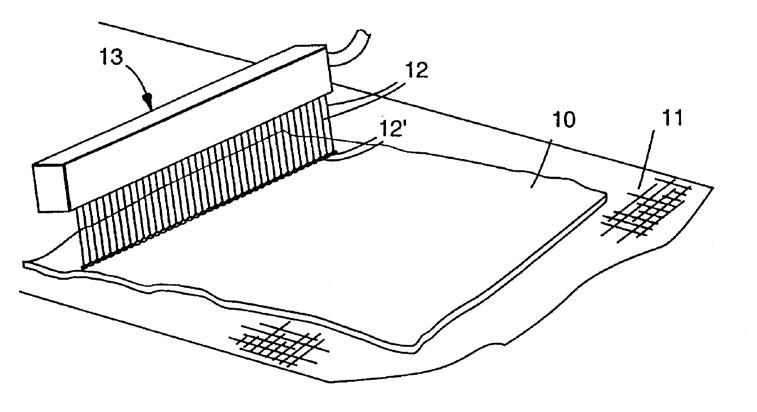
Figure 1: A plan view of a section of an expanded, amorphously locked tetrafluoroethylene polymer as seen under a microscope from U.S. Patent No: 3,953,566.
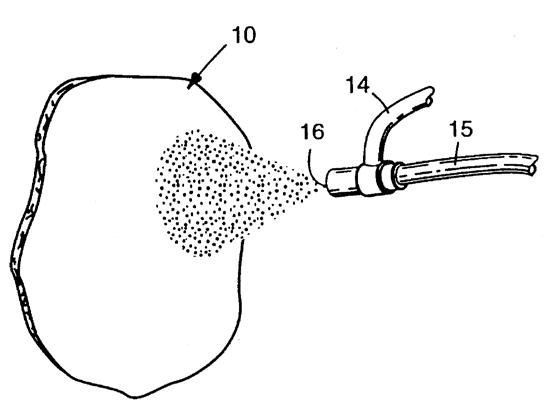
p Figure 2: Illustration of hydrocharging using water jets (left) and spray mist found in U.S. Patent No. 5,496,507.
hanced with the U.S. Patent No. 4,798,850 describing a nonwoven blend of modacrylic and polypropylene (PP) fibers.
The introduction of corona charging in the 1970s led to many novel air filtration products such as face masks. This method uses high-voltage electric fields to impart charges into polymeric fibers without altering their structure. An influential early patent in this field was British Patent No. 1,164,921, assigned to DuPont in 1969, which later opened the doors for modern N95 respirators and high-efficiency HVAC filters.
In the late 1990s, hydrocharging emerged as an environmentally friendly method for charge injection, enabling deeper charge penetration and higher charge density. This was initially disclosed in U.S. Patent No. 5,496,507 by 3M Corp. Since then, the technology has transformed and is now commercially available, including retrofitting onto existing meltblowing lines. Today, tribo, corona, and hydrocharged filter media are used in various applications such as N95/P95/ FFP2/KF94 respirators, MERV 8-16 filters, and cabin air systems, offering higher initial filtration efficiency at low resistance.
Glass Fiber Media
Glass fibers represent one of the oldest and most trusted materials in air filtration. The story began in the 1930s with James Slayter and John Thomas who developed a method to create fine fibers from molten glass using steam/gas attenuation. This process was described in U.S. Patent No. 2,121,802 (1938) and later refined in U.S. Patent No. 2,133,2368, leading to the first commercial use of glass fibers in insulation and eventually in air filters. Micro glass fiber media — typically made of borosilicate — became particularly important in HEPA and ULPA filtration during the mid-20th century. With the ability to constantly filter out particles as small as 0.3 µm with a greater than 99.97 percent removal efficiency throughout its lifetime, fiberglass media became a preferred choice in many applications such as nuclear power facilities. Despite the rise of synthetics, fiberglass remains irreplaceable in certain applications.
q Figure 3: Early illustration of a spunbond spinning head with a guide passageway for filaments from U.S. Patent No. 3,379,811.
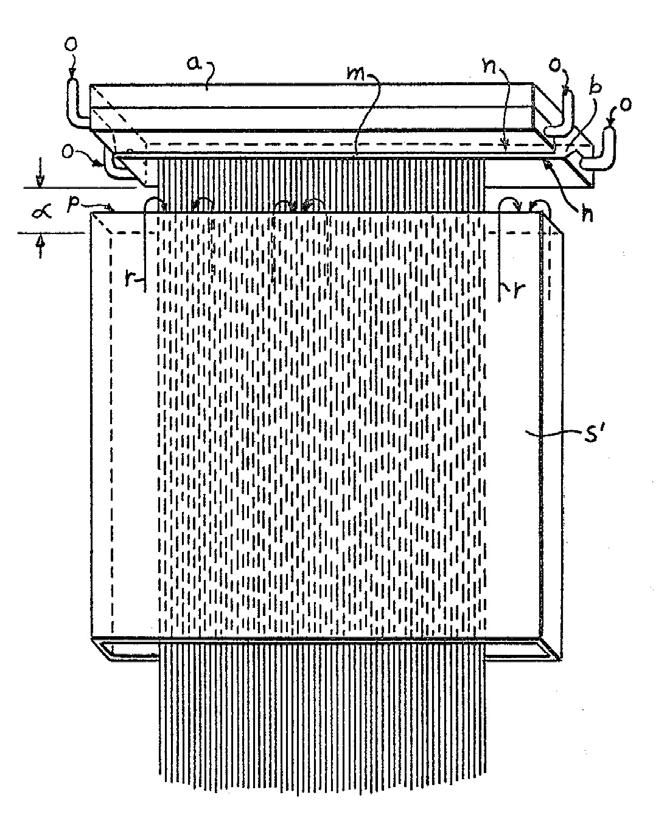
pirators and face masks. It is also worth noting the invention of polyethylene terephthalate (PET) in 1941 — British Patent No. 578,079; U.S. Patent No. 2,465,319 — which has likewise become a widely used polymer in filtration media applications.
Synthetic media can be broadly categorized by web consolidation methods such as thermobonded, needlepunched, spunlaced, and chemically bonded; and by fiber formation techniques such as meltspun and solution spun. Early synthetic media, often produced using wetlaid or drylaid processes with short-cut — frequently natural — fibers, were limited in their mechanical strength, durability and resistance to moisture.
The introduction of flash-spun (gel) webs, which was first described in U.S. Patent No. 3,081,519 in 1963, marked the
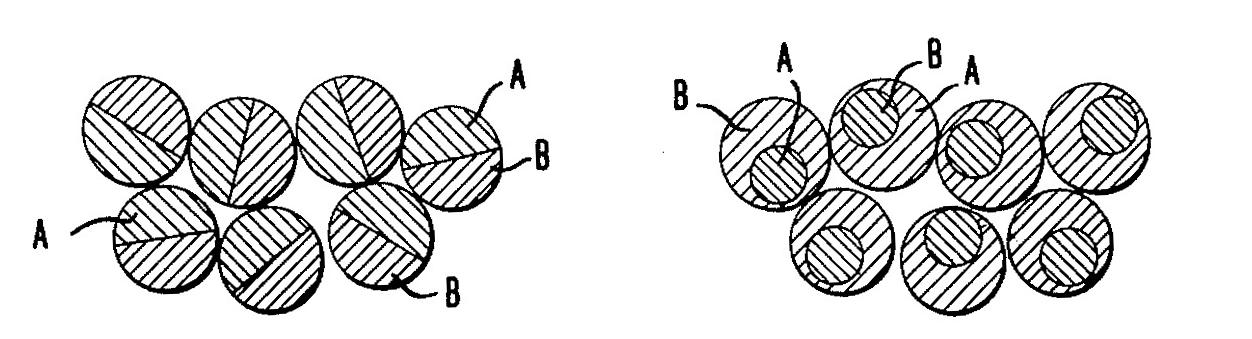
Figure 5: Some examples of the island components disposition in the transversal cross section of the filamentary fiber from U.S. Patent No. 3,705,226.
Synthetic Media
The development of synthetic nonwoven media has been one of the most rapidly advancing areas in air filtration. The discovery of novel polymers after World War II significantly accelerated progress in this field. For example, in the early 1950s, the invention of high-density polyethylene (HDPE) and isotactic polypropylene (iPP), enabled by Ziegler-Natta catalyst technology, had a profound impact on filtration media development. In 1963, Karl Ziegler and Giulio Natta were awarded the Nobel Prize in Chemistry for their contributions to polymer chemistry; however, Phillips Petroleum was entitled to the iPP patent rights — U.S. Patent No. 2,794,842 — due to earlier documentation of the polymer and recognition of its utility in the United States. iPP is the dominant polymer used in meltblown and spunbond filtration media and thus forms the backbone of electrostatic filter media, including res-
t Figure 4: Cross sections of melt-spinnable fiber-forming materials produced by the disclosed apparatus: juxtaposed (left) and eccentric core illustrated in U.S. Patent No. 3,200,440.
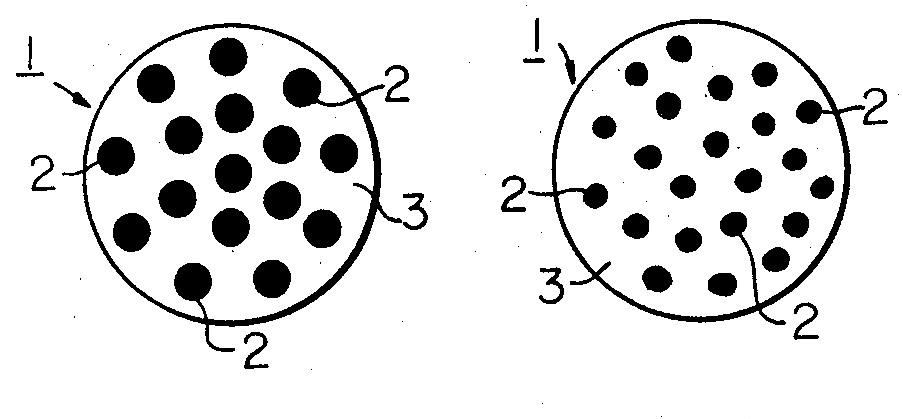
birth of solution-spun nonwoven structures. However, their application in air filtration has remained limited10. On the other hand, the advent of spunmelt technologies revolutionized the field by enabling scalable production of filtering fabrics with controlled fiber diameter, web uniformity, and porosity for a wide range of applications.
Spunbonded fabrics, as a spunmelt technology, exhibit excellent tensile strength and dimensional stability. Early patents for this technology date back to the 1960s. For instance, in 1967, DuPont was awarded U.S. Patent No. 3,319,309 for spunbonding using electrostatic forces, allowing uniform fiber control. The following year, Germany-based Freudenberg secured U.S. Patent No. 3,379,811 which refined the process into a high-
tainable systems, these core fiber-based technologies will remain foundational, while cutting-edge technologies continue to evolve disruptively, addressing the rapidly changing challenges of clean air. throughput, scalable solution for creating uniform and durable nonwovens. These spunbond fabrics now serve as respirator protective layers, pleat supports, cabin filters, and primary HVAC media in MERV 6-13 filters11.
The invention of meltblowing marked another leap. In 1974, ExxonMobil received U.S. Patent Nos. 3,825,380 and 3,849,241, introducing the first commercially viable meltblown process. By turning theory into practice, Exxon created a disruptive high-throughput single-step method for producing self-bonded, ultrafine webs — later combined with charging — ideal for MERV 11-16, cleanrooms and respirators12. Interestingly, the patent remains the most cited patent in the entire nonwoven or filtration space, underlining its widespread influence. Moreover, meltblowing patent landscape is still highly active, reflecting that the technology is still evolving, particularly in the die design and control of fiber formation.
The introduction of bicomponent synthetic fibers marked another milestone. While bicomponent filaments had already been explored in wet spinning technologies in the 1950s, the spunmelt industry quickly caught up as multiple melt-processable polymers were developed around the same time. In 1965, DuPont was awarded British Patent No. 994,336, covering early sheath/core and side-by-side spunmelt filament designs. This was followed by another important concept in 1972, when Japan-based Toray Industries received U.S. Patent No. 3,705,226 for seaisland bicomponent fibers, initially developed for synthetic leather applications. Since then, bicomponent fiber technology has enabled the production of inherently binder-free filter media with tailored porosity and mechanical strength. These materials are now widely used in many areas such as automotive cabin air filters and HVAC filters ranging from MERV 6-14, offering enhanced dust holding capacity and structural integrity without the need for chemical binders.
Future Outlook
The evolution of air filtration media is not just a record of material substitu-

tions; it is a chronicle of applied research and industrial collaboration. Each breakthrough has contributed to layers of functionality, efficiency and reliability. In doing so, these functional fiber structures have enabled the creation of filters that are more efficient, stronger and more environmentally adaptive than ever before.
The megatrend of air quality is driving demand for functional fibers that go well beyond simple particle capture. Modern fibers can also contribute to removing harmful gases through adsorption, adding an extra layer of protection. Today, these fibrous materials are essential components of filter units. Advanced filtration fibers now serve as frontline defenses against a wide range of undesired contaminants in the air.
Looking ahead, the future of air filtration media is characterized by rapid innovation. Advances in fiber formation and post-processing techniques, equipment innovations, emerging biopolymers, modeling and simulation support, and artificial intelligence-assisted material design promise to accelerate the development of unique filter media for tailored needs.
Fibrous structures remain the most versatile and effective media for capturing airborne contaminants. As air filtration enters the age of smart and sus-
References:
1. Sharma, N. M., & Chaudhary, A. R. (2020). Evolution of masks as public health intervention in the control of respiratory outbreaks. Natl J Community Med, 11, 138.
2. Majchrzycka, K. (Ed.). (2020). Nanoaerosols, Air Filtering and Respiratory Protection: Science and Practice. CRC Press.
3. Ebnesajjad, S. (2016). Expanded PTFE Applications Handbook: Technology, Manufacturing and Applications. Netherlands: William Andrew.
4. Arinstein, A. (2017). Electrospun polymer nanofibers. Jenny Stanford Publishing.
5. Doshi, J., & Reneker, D. H. (1995). Electrospinning process and applications of electrospun fibers. Journal of electrostatics, 35(2-3), 151-160.
6. Ko, F. K. (2006). Nanofiber technology. Nanotubes and nanofibers, 233
7. Huiming, X., Gangjin, C., Xumin, C., & Zhi, C. (2017). A flexible electret membrane with persistent electrostatic effect and resistance to harsh environment for energy harvesting. Scientific reports, 7 (1), 8443.
8. Wang, C. S. (2001). Electrostatic forces in fibrous filters — a review. Powder Technology, 118 (1-2), 166-170.
9. Inductees of the National Inventors Hall of Fame. (2006). United States: National Inventors Hall of Fame Foundation, Incorporated.
10. Handbook of Industrial Polyethylene and Technology: Definitive Guide to Manufacturing, Properties, Processing, Applications and Markets Set. (2017). United States: Wiley.
11. Russell, S. J. (2022). Handbook of Nonwovens. United Kingdom: Elsevier Science.
12. McCulloch, J. G. (1999). The history of the development of melt blowing technology. International Nonwovens Journal, (1), 1558925099OS-800123.

Dr. Yasar Kiyak, PMP, is a U.S. Patent and Trade Office-registered patent agent with expertise in fiber science, polymer engineering and nonwoven technologies. He holds a bachelor's and master’s degree in Textile Engineering from Istanbul Technical University, and a Ph.D. in Fiber and Polymer Science from NC State, Raleigh, N.C. Yasar can be reached at yasarekiyak@gmail.com.
Unlocking The Potential Of ECTFE Meltblown Media In Industrial Filtration
By Ray Whitby, Sales, Monadnock Non-Wovens LLC
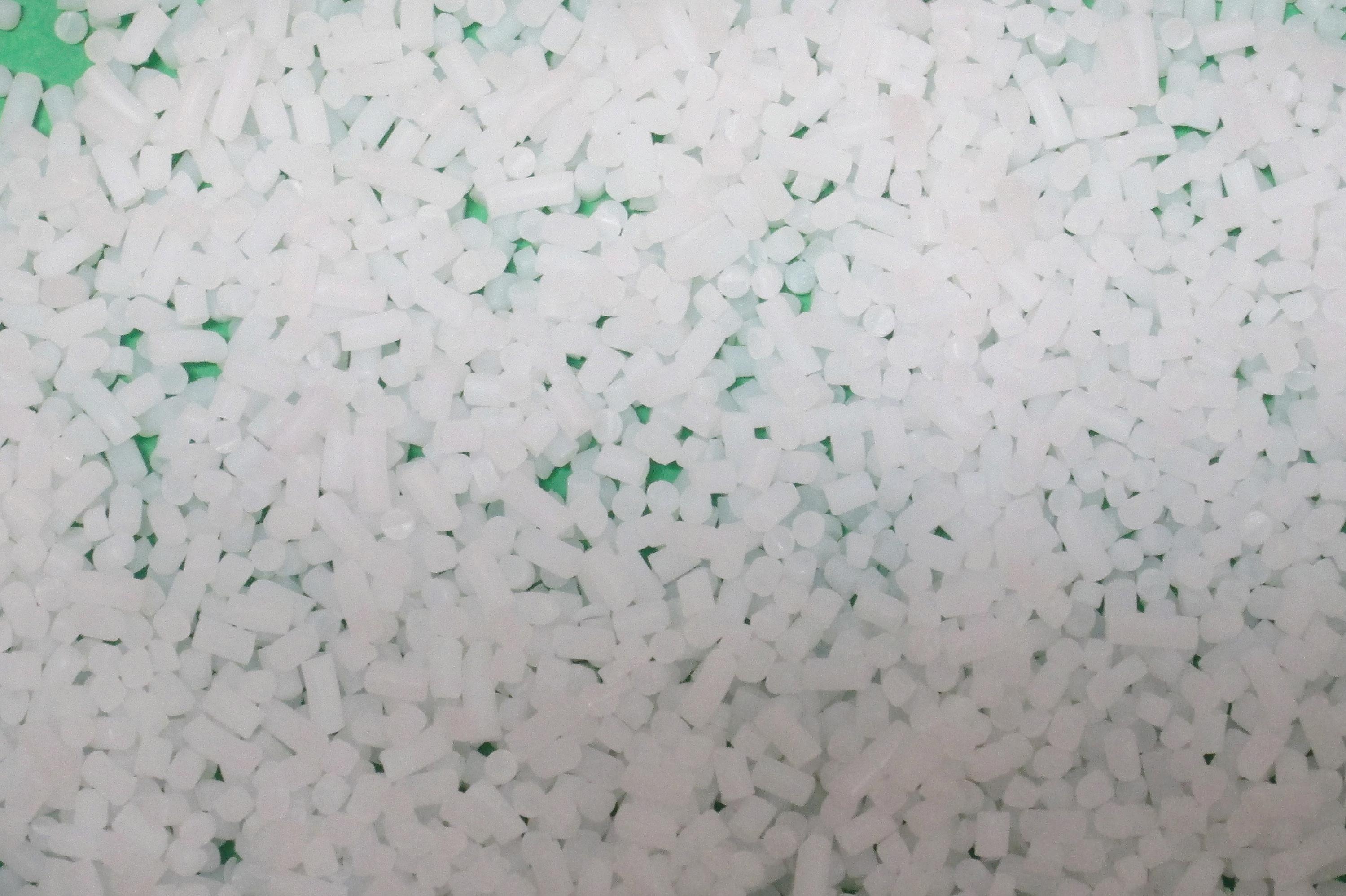
In the evolving landscape of industrial filtration, material innovation often determines the difference between incremental improvement and transformative performance. Among the most promising developments is the application of meltblown media fabricated from ethylene chlorotrifluoroethylene (ECTFE). This fluoropolymer, long recognized for its chemical inertness and resilience, is now being engineered into fine fiber structures that expand the boundaries of what filtration systems can achieve in demanding environments.
Inertness As A Foundation For Reliability
At the heart of ECTFE’s appeal is its exceptional chemical inertness. Unlike many conventional polymers, ECTFE resists attack from a wide spectrum of corrosive agents, including strong acids, bases and organic solvents. In filtration, this property translates directly into reliability: membranes and media can maintain structural integrity and performance even when exposed to aggressive chemical streams.
For industries such as chemical processing, pharmaceuticals, and semiconductor manufacturing — where purity
and consistency are paramount — inertness is not simply a desirable trait, it is a necessity. ECTFE meltblown fibers provide a safeguard against leaching, degradation or unwanted reactions, ensuring that the filtration process does not compromise the product or the system. This stability opens doors to applications where traditional polypropylene or polyester meltblown media would fal ter under chemical stress.

Temperature Resistance: Expanding The Operating Envelope
Industrial filtration often operates under elevated temperatures, whether in hot gas streams, heated liquids or sterilization cycles. ECTFE’s ability to withstand temperatures up to approximately 150°C without significant loss of mechanical properties makes it a standout candidate for such conditions.
This thermal resilience allows meltblown ECTFE media to function in environments where conventional polymers soften, deform or lose efficiency. For example, in power generation or petrochemical refining, hot gas filtration demands
p Ethylene chlorotrifluoroethylene (ECTFE) resin and ECTFE meltblown filter media (inset) MNW
materials that can endure prolonged exposure to heat without embrittlement. Similarly, in food and beverage processing, sterilization protocols often involve hightemperature steam; ECTFE media can withstand these cycles while maintaining pore structure and filtration efficiency. By extending the operating envelope, ECTFE meltblown products reduce the need for frequent replacement, lower maintenance costs, and enhance system uptime — critical advantages in industries where downtime translates directly into lost revenue.
Abrasion Resistance: Durability In Harsh Environments
Filtration media are not only challenged by chemical and thermal stresses but also by mechanical wear. Abrasion from particulates, high-velocity flows, or repeated handling can quickly degrade conventional fibers. ECTFE, however, exhibits notable abrasion resistance, a property that is amplified when engineered into meltblown structures.
This durability ensures that the media can withstand extended service in abrasive environments such as mining, metalworking, or wastewater treatment. In these contexts, filters are often exposed to sharp particles or turbulent flows that would erode weaker materials. ECTFE meltblown fibers resist fiber breakage and surface wear, preserving filtration performance over longer cycles. The result is a more robust solution that balances fine filtration efficiency with mechanical longevity.
Broader Possibilities Across Industries
The convergence of inertness, temperature resistance, and abrasion resistance positions ECTFE meltblown media as a versatile platform for industrial filtration. Its potential applications extend well beyond traditional chemical or thermal processes:
• Microelectronics and Semiconductor Manufacturing: Ultra-pure filtration is essential to prevent contamination in chip fabrication. ECTFE’s inertness ensures compatibility with aggressive cleaning agents and etchants, while its fine fiber structure enables high-efficiency particle capture.
• Pharmaceutical and Biotech: Sterile filtration often requires repeated exposure to steam or chemical sanitization. ECTFE media can endure these cycles without compromising pore integrity, supporting consistent product quality and regulatory compliance.
• Energy and Power Generation: Gas turbine intake filtration, hot gas cleanup, and emissions control benefit from materials that resist both
The introduction of ethylene chlorotrifluoroethylene (ECTFE) meltblown technology represents more than a material substitution; it signals a shift toward filtration solutions that are engineered for resilience across multiple stress domains.
heat and particle abrasion. ECTFE meltblown fibers offer a balance of efficiency and durability in these demanding roles.
• Food and Beverage Processing: Filtration systems must withstand cleaning-in-place (CIP) protocols involving caustic chemicals and high temperatures. ECTFE’s resilience ensures long service life and reliable performance in maintaining product purity.
• Water and Wastewater Treatment: Harsh chemical environments, abrasive particulates, and variable temperatures challenge conventional media. ECTFE meltblown products provide a robust alternative capable of delivering consistent filtration under diverse conditions.
• Industrial Gas Filtration: From corrosive exhaust streams to hightemperature process gases, ECTFE media can deliver fine particulate capture without succumbing to chemical or thermal degradation.
Toward A New Standard In Filtration Media
The introduction of ECTFE meltblown technology represents more than a material substitution; it signals a shift toward filtration solutions that are engineered for resilience across multiple stress domains. By combining chemical inertness, thermal stability, and mechanical durability, ECTFE fibers redefine expectations for service life and performance in industrial filtration.
Moreover, the meltblown process itself adds a layer of versatility. By controlling fiber diameter, pore size distribution and basis weight, manufacturers can tailor ECTFE media to specific applications — from coarse pre-filtration to fine par-
ticulate removal. This adaptability ensures that the material can be integrated into diverse system designs, whether as standalone filters or as part of multilayer composites.
Conclusion: A Material For The Future
Industrial filtration is a field where incremental improvements can yield significant operational benefits. The emergence of ECTFE meltblown media offers a leap forward, providing a material that is not only chemically inert but also resilient to heat and abrasion. Its broader applicability across industries — from semiconductors to energy — underscores its potential to become a new standard in filtration technology.
As industries continue to demand higher performance, longer service life, and greater reliability from their filtration systems, ECTFE meltblown media stands ready to meet those challenges. It is a material that embodies the future of industrial filtration: robust, versatile, and engineered for environments where compromise is not an option.

Ray Whitby is a seasoned expert in technical nonwovens and filtration textiles, with more than 30 years of experience spanning product development, operations and sales. Since joining Monadnock Non-Wovens LLC (MNW) in 2019 as Technical Sales manager, Whitby has played a pivotal role in advancing MNW’s capabilities and product portfolio. Over the past six years, he has leveraged deep knowledge of surface-charged enhanced media and fine fiber nonwoven technology to drive innovation across automotive, healthcare, facemask, and consumer filtration markets. He can be reached at rwhitby@mnwovens.com.
AIR AS FOOD
Elevating the Essential Role of Filtration in Human Health and Prosperity
By Dr. Iyad Al-Attar, Global Correspondent for Innovations and Technology, IFN
Professor Christof Asbach stands at the forefront of one of the most critical, yet invisible, frontiers of the 21st century — the air we breathe. As the head of the Department for Filtration and Aerosol Research at the Institute of Environment & Energy, Technology & Analytics (IUTA) in Duisburg, Germany, he has dedicated his career to decoding the behavior of particles that define health, industry and global prosperity. His journey into the microscopic world was born of serendipity. Originally an electrical engineering student in the late 1990s, a chance encounter with a blackboard announcement regarding atmospheric particle measurement diverted his path from traditional engineering to the dynamic field of aerosol science. That pivotal moment launched a decadesspanning career that has included time at the University of Duisburg-Essen, where he holds an honorary professorship today, to the University of Minnesota, where he helped pioneer contamination control for Extreme Ultraviolet (EUV) Lithography — a technology powering advanced microchips.
Since joining IUTA in 2006, Professor Asbach has become a central figure in the global filtration community. Whether investigating occupational exposure to nanoparticles or leading the charge on national and international standardization committees, his work bridges the often-wide gap between academic rigor and real-world application. He has served as president of the Association for Aerosol Research (GAeF), is editor of the scientific journals Aerosol Research and Aerosol and Air Quality Research and sits on the Scientific Advisory Board for the
Q+A
IN THIS ISSUE:
PROFESSOR CHRISTOF ASBACH
Head, Department of Filtration and Aerosol Research at the Institute of Environment, Energy, Technology & Analytics (IUTA)
Centre for Doctoral Training in Aerosol Science in the United Kingdom, actively shaping the next generation of scientists.
Beyond the lab, Professor Asbach embodies the principles he researches. A staunch advocate for the “air as food” philosophy, he challenges us to view clean air not as a luxury, but as a fundamental nutrient essential for human vitality. Whether arriving at the institute on his bicycle or cutting through the noise of modern media to deliver scientific truth, he remains a steadfast guardian of the atmosphere — proving that the smallest particles often hold the biggest impact on our future.
IFN ’s Global Correspondent Dr. Iyad Al-Attar recently had the opportunity to interview Professor Asbach. The objective was to unpack the critical, often invisible role of filtration in safeguarding humanity,
optimizing industrial processes, and driving global prosperity and public health.
Dr. Iyad Al-Attar: From a scientific and research perspective, what breakthroughs are needed to propel filtration to the forefront of air quality solutions?
Professor Christof Asbach: There are three parts to this question. Part one is the ubiquity of filtration and air as food. The role of filtration is frequently underestimated, largely because filters are ubiquitous yet often go unnoticed. Whether in a car or a vacuum cleaner, they are an integral part of daily life, yet the average consumer rarely thinks about them. However, when we describe the importance of filtration, we must also address the importance of air quality, which is frequently misunderstood or underappreciated.
I advocate for the concept of air as food. Consider our daily consumption: an adult inhales approximately 12 kilograms (kg) of air every day, compared to just 3 kg of liquid and roughly 1.5 to 2 kg of solid food. While the quality of our water and food is considered a priority worldwide, air quality is far less appreciated.
Studies clearly demonstrate that poor air quality has impacts beyond physical health issues such as lung and cardiovascular issues. There are significant economic implications as well. We know that cognitive function and productivity are heavily dependent on air quality. A 2019 study in the Proceedings of the National Academy of Sciences indicated that the economic negative impact of poor air quality in the United States amounts to several hundred billion dollars annually.
Given that we spend 90 percent of our lives indoors, this is where filtration becomes critical. While we can attempt to
control indoor emission sources, improving air quality through filtration is often more feasible. Although there is an upfront cost for filtration devices, the return on investment regarding health and productivity is substantial, creating a significant positive societal impact.
Part two is the question of innovation and testing. There are individual standards for almost any kind of filter, which is good, because of very different fields of application. This requires the filters to be tested at different settings, including flow rate as well as particle and aerosol properties. While these tests usually reflect the performance of new filters very well, representative filter ageing and determination of the corresponding change in performance in terms of filtration efficiency is much less understood and consequently not well represented in standard testing. However, the lifetime of a filter is an essential factor in assessing its sustainability.
Part three is the necessity for independent validation. I believe it is undeniable that they must be tested before utilization. When we look at novelty, most past developments focused on increasing filtration efficiency or maintaining efficiency while lowering pressure drop. However, other aspects — such as the durability of materials — must be verified before they are sold on the market.
Furthermore, specific applications involve unique environmental conditions, such as high humidity, high temperature, or — as we see in compressed air filtration — high pressure. This is where standard manufacturer testing often falls short, and where research becomes interesting. When requirements go beyond the standards, companies should turn to capable institutions for independent evaluation and validation of their new media.
Dr. Al-Attar: Do you foresee equipment, such as air handling units or HVAC systems, being equipped with analytical tools relevant to filtration?
Professor Asbach: Yes, specifically regarding low-cost sensors for particles and
gases. I think these can definitely be used to control and monitor filter performance during application.
We must distinguish between different types of filters. For mechanical filters, performance control is already being done using pressure sensors to monitor the differential pressure across the filter. If the pressure drop exceeds a certain value, that is the criterion for changing a classical, purely mechanical filter.
However, if we have an electret filter or charged media, the charge of the filter decays over time. This means the filtration efficiency decreases, yet the pressure drop is not a sufficient criterion for exchange because it doesn’t change significantly. In this case, the filtration efficiency must
versity in Düsseldorf where we looked at packed beds of activated carbon. As the activated carbon gets loaded, larger parts of the bed — from the upstream to the downstream side — become saturated with gas. The University in Düsseldorf had developed a small sensor that was installed inside the packed bed. Whenever the sensor — positioned towards the downstream side —started to detect the specific gas that was supposed to be adsorbed, we knew we were approaching the end of the bed’s life and it needed to be changed quickly.
I see many new opportunities arising from the miniaturization of sensor techniques and the drastic decrease in their cost.

be monitored. This could be done using simple particle sensors upstream and downstream of the filter; by calculating the ratio, you know the efficiency. If it falls below a certain threshold, that is the sign that the filter needs to be changed.
The behavior is very different when we talk about adsorption filters or molecular filters. These initially have high efficiency, but over time, the “breakthrough” increases, meaning the downstream concentration of specific gases rises. This is something that could be monitored with low-cost gas sensors to predict the end of the life cycle.
Quite some time ago, we had a project together with the Heinrich Heine Uni-
Dr. Al-Attar: If a young person today wanted to embark on a career in air quality or aerosol science, they would likely encounter a very noisy landscape. There are so many standards, initiatives, and conflicting voices — especially in the wake of the pandemic. What advice would you give to the next generation of researchers trying to cut through this noise and find the right scientific coordinates? Professor Asbach: That is a good and tough question. First of all — and this applies not just to aerosol research but to life in general — do not trust the loudest voices on social media. You must seek out the real experts to find the truth. Science is always about the truth, not about opinions, no matter how loudly they are expressed.
As researchers, when we try to convey our results to the general public, it is crucial to boil them down to the key findings. We measure many different concentrations and pollutants, but expecting the average citizen to understand all those details is impossible. This is why I believe it is vital to develop air quality indices. These try to weigh the different pollutant concentrations based on their effects and combine them into a single number: if it’s high, air quality is poor; if it’s low, it’s good. However, it is equally important to standardize these indices. It is counterproductive to have five different indices where each means something different;
p IFN 's Global Correspondent Dr. Iyad Al-Attar (left) shakes hands with Professor Christof Asbach.
people will just get lost. We need harmonized standards not only for the outdoors but also for indoor environments. And we must ensure that the background of each index — for example, how it is composed and how individual pollutants are assessed — is transparent. This clarity is what will help a young person get interested in the field — when the science is well-described and harmonized.
This leads to the role of standardization committees. The main requirement for developing good standards is a good committee. I am a member of several committees, and I can clearly see that the quality of the published standard correlates with the quality of the members. I recommend every expert to participate. It is a reciprocal process: the standard is improved by your expertise, but you also learn a lot from the other complementary experts in the room.
Dr. Al-Attar: How important is it to test filtration performance against real-world pollutants such as wildfire smoke and VOCs, compared to standard lab aerosols? We often assume that a filters tested in the lab will perform identically when installed in gas turbines or HVAC systems, but performance tends to deviate from the balance of the lab settings.
Professor Asbach: The filter test standards use standardized test aerosols, which are lab-generated. These may not reflect what is really in the air being filtered in the actual application.
That is always the big compromise you have to make when you develop a standard. You have to do something that, on the one hand, is doable and reproducible. It must deliver the same results if the same filter is tested by different laboratories. This is a crucial aspect of standardization: the result must not depend on the laboratory where it is tested. Therefore, we must use aerosols that can be produced in a very reproducible way.
Typically, these are salt particles — sodium chloride or potassium chloride — or di-ethyl-hexyl-sebacat (DEHS) droplets. However, these are rarely encountered in the real atmosphere, where you have, among others, soot particles, organic particles or mineral dust.
The shape of these real-world particles can be very different, which affects not only the deposition efficiency — via the interception mechanism — but also the long-term performance regarding the buildup of the filter cake.
There is a standardized way to test filter loading using standardized test dust, but depending on where you apply the filter, the actual aerosol may look completely different. This means the filter cake structure — and therefore the long-term performance — can be completely different from the lab prediction.
It is a constant trade-off between repeatability in the lab and representativeness of the real field. This is why it is so important to have complementary expertise in the standardization committees. We need to ensure we are not just relying on what has been done for decades, but are also bringing in new scientific findings — for example regarding these loading effects — to bridge that gap.
Dr. Al-Attar: This brings us to the topic of standards. Is there a need for universal standards to unify our efforts for a better understanding, implementation and optimal air quality outcomes?
Professor Asbach: There are a few aspects to this. First, regarding filtration standards for specific applications: if new applications arise, new standards will always be necessary.
However, the question I always ask myself is: do we really need so many national standards? Wouldn't it be better to join forces internationally, take the best elements from the national standards, and develop international standards that can be applied worldwide?
For example, this is currently being done with air cleaner standards. Previously, there were various national standards, but they are now being developed by my colleague Dr. Stefan Schumacher and the committee members into an international IEC standard. This harmonization would make life a lot easier for companies; they would no longer need to certify the exact same filter according to multiple different standards just to sell it in different regional markets.
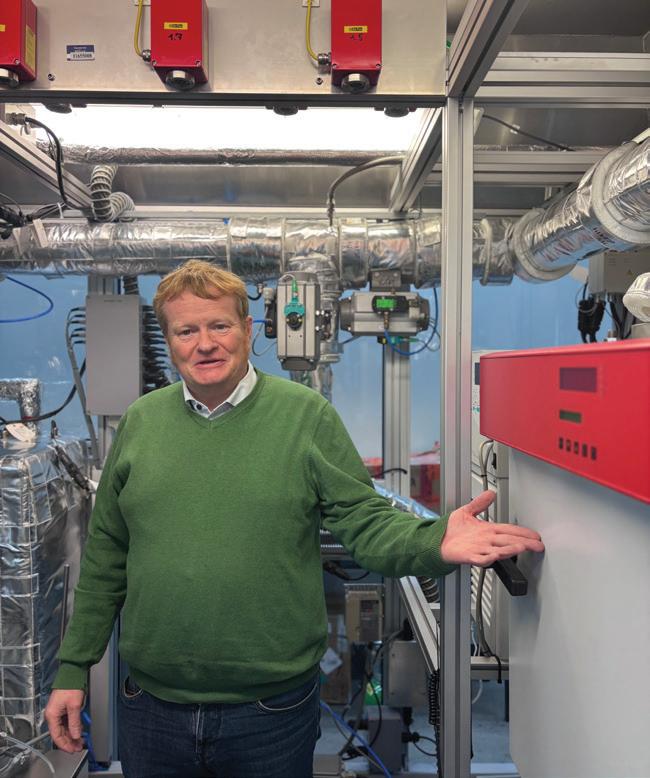
The third aspect is what is missing in the standards generally: are we using the right metrics?
We see new scientific developments, and I guess this will always affect standardization because committees must account for new evidence. In the field of air quality, we are seeing a shift of focus from larger particles towards smaller particles — specifically ultrafine particles (UFPs). The new European Air Quality Directive, published in late 2024, requires all EU member states to determine their concentrations in the atmosphere because there is evidence that they may cause stronger health effects than large particles.
Currently, this is not reflected in most filtration standards. Therefore, I expect that the size range for which filters — such as HVAC filters — are tested will eventually be extended toward smaller particles, specifically into the nanoparticle range.
Dr. Al-Attar: What are the biggest technical challenges that still need to be overcome in air filtration technologies?
Professor Asbach: One of the perpetual challenges we are always discussing in the field of filtration is achieving very high efficiency and low pressure drop simultaneously. However, that only considers the filter itself.
I think more focus should be placed on the operation of the filtration system. Very often, we see systems running at a constant flow rate, which does not necessarily meet the actual requirements. If there are few people inside the building, or if the
pollutant concentration is low, we can operate with lower flow rates. In other scenarios, you may need to increase the rate.
Controlling ventilation and filtration systems “on demand” can result in much lower energy consumption. We usually focus on lowering pressure drop to save energy, which is valuable, but considering that climate change is one of the biggest challenges humanity faces, we need to maximize energy efficiency in other ways. Implementing demand control using new sensor technologies — not just for the carbon dioxide concentration in the room, which is already done — but also for particles and other gases, can significantly improve system operation. We have investigated these opportunities in the project 6Demo, funded by the German Federal Ministry for Economic Affairs and Climate Action. The focus here is on ventilation systems in production facilities and the results are very promising.
To go a step further, we must consider not just indoor pollutant sources but also outdoor concentrations. If we have a fresh air supply system, we should measure both indoors and outdoors.
Consider this scenario: When people arrive at an office in the morning, indoor carbon dioxide levels rise, which typically triggers an increase in the ventilation flow rate to pump in fresh air. However, if this coincides with the morning rush hour, the outdoor air may have high concentrations of nitrogen oxides and particles, for example. By pumping in that “fresh” air, you are introducing new pollutants.
Therefore, based on a combination of indoor and outdoor measurements, we can better control the ventilation system — optimizing the ratio of fresh air supply versus recirculation based on intelligent data.
Dr. Al-Attar: What changes or advancements would you like to see in the air filtration field?
Professor Asbach: There is no need to pull out my entire wish list, but having spent most of my life in aerosol characterization and measurement techniques, I can point to a few specific desires.
The persistent difficulty is that measur-
ing a wide range of particle sizes requires using different instruments based on different measurement principles. This results in different equivalent particle diameters, making it always difficult to merge the results from these different instruments into a single coherent dataset.
Something that has always been on my wish list — though I don’t really have an idea on how to appropriately achieve it — is a single measurement device that gives you the size distribution from the very small nanometer range up to the large micrometer range. This would cover the full spectrum of particle sizes relevant for filtration. Currently, that is missing, at least with sufficient size resolution.
The second item is the combination of physical and chemical analysis. For general air quality measurements and filtration testing, it is crucial to know both the size and the chemical composition of particles. Devices for this exist, like Aerosol Mass Spectrometers, but they are incredibly complex, and the data evaluation is equally difficult. It would be nice to have something much simpler, and perhaps artificial intelligence can help here in the future, especially with the evaluation.
Finally, I would love to see a broader understanding by the public that besides the health effects, there is a massive economic impact of poor air quality. The costs of filtration are very likely to be overcompensated by the economic benefits. I hope this becomes better understood: by improving air quality, we not only improve our health but also the productivity of companies and society.
Final Thoughts
Dr. Al-Attar: Given your experience and our discussion today, do you have any final thoughts? Where would you like to see

air quality and aerosol research go in the coming years?
Professor Asbach: That opens up another big wish list! I think we have come a long way in terms of improving outdoor air quality. However, I would love to see indoor air quality (IAQ) come more into focus, because that is where we spend most of our time. Consequently, this is where poor air quality most often makes us sick or unproductive, simply because it represents the bulk of what we inhale.
As I mentioned at the very beginning, viewing air as food would really help bring people’s attention to its importance. I want to see more research done not just on improving IAQ, but on deeply understanding it — understanding the health effects and the technical possibilities for remediation. This naturally directs us toward better filtration and the use of effective devices. I believe this shift will have a massive impact on society, improving not only general public health but also the global economy.
A Concluding Reflection: The Architects Of Our Atmosphere
The time spent with Professor Asbach did far more than clarify the technicalities of aerosol science. It is clear that the responsibility toward the air we breathe is twofold: We are both the generators of the burden and the architects of the cure. Professor Asbach underscored a vital idea of air as food, and noted that progress depends on reducing the noise and tackling dynamic problems with more than static solutions. Our mandate is clear: to elevate filtration from a background utility to the forefront of human consciousness, ensuring that the air of tomorrow is cleaner, safer, and more nourishing than the air of today.
Dr. Al-Attar is IFN ’s Global correspondent, Technology and Innovation. He is a visiting academic fellow in the School of Aerospace, Transport, and Manufacturing at Cranfield University in England, consulting for air quality and filter performance relevant to landbased gas turbines. His expertise is on the design/performance of high-efficiency filters for HVAC and land-based gas turbine applications, focusing on chemical and physical characterization of airborne pollutants. Dr. Al-Attar is also the strategic director, instructor, and advisory board member of the Waterloo Filtration Institute. In 2020, Eurovent Middle East appointed Dr. Al-Attar as the first associated consultant for air filtration, as well as an IAQ patron for EUROVENT.
Iyad Al-Attar
Compiled By Dr. Iyad Al-Attar
From Data To Decisions: Why Air Quality Metrics Must Be Understandable To
Protect Health

Air pollution is now linked to more than 8.1 million deaths nationwide, with extensive evidence connecting poor air quality to respiratory and cardiovascular disease. Yet despite decades of research, many people still do not fully understand what air pollution means for their health or how to respond to it. Improved air quality (AQ) data can support better health outcomes — but only when people understand what the data are telling them.
AQ data is widely available, much like weather data. But access alone doesn’t translate to understanding, and this gap limits its impact. Nearly everyone checks the weather before heading out, but far fewer check the Air Quality Index (AQI). Weather patterns are intuitive and visually reinforced by changes in the sky. AQ is far less obvious. A clear blue sky can still mask elevated pollutant levels, and unlike smoke from a wildfire, most harmful pollutants have no smell at all.
It is important to note that exposure does not affect everyone equally. Some individuals experience symptoms immediately, while others may feel unaffected. However, repeated short-term exposures can accumulate over time and contribute to long-term health effects — even among those who appear resilient.
This is why understanding AQI matters. AQI is not just a number — it is a health communication tool. It combines multiple air pollutants into a single color-coded scale intended to guide action. When people do not understand this scale, they are less likely
to take timely protective measures. Thinking of AQI like a traffic signal helps: green means conditions are good; yellow signals caution and the need to prepare or limit outdoor activity. Importantly, yellow is not universally safe. Sensitive groups — children, the elderly, and individuals with preexisting respiratory conditions — may already be at risk at this level due to reduced immune or lung function. Anything beyond yellow — orange, red, purple or maroon — indicates unhealthy air. At these levels, everyone should reassess how they feel outdoors and reduce exposure. If people wait until air quality is labeled “unhealthy,” they’ve already missed an opportunity to reduce exposure.
So go the extra mile and check your AQI before you step outside. Go the extra mile to understand what those numbers and colors are telling you. And because most of your time is spent indoors, go the extra mile to ensure your indoor air is filtered efficiently. Clean air may require effort or investment, but going the extra mile for what you breathe is always worth it.
Elizabeth O. Babalola is an environmental health scientist specializing in air quality monitoring, exposure assessment, and health-focused risk communication. She currently serves as the Air Quality Product and Community lead at Salt Lake City-based Trace Air Quality, where she translates air quality data into actionable insights, supports product development, and works with communities and partners to strengthen air quality awareness and support healthier decisions.
Efficiency, Renewables, And The Future Of Air Quality

Air quality stands as one of the most critical determinants of human health and overall quality of life. While respiration is fundamental to existence, air pollution continues to pose pervasive risks to populations worldwide. Poor air quality is intrinsically linked to respiratory diseases, cardiovascular conditions, reduced life expectancy and escalating healthcare costs. Although its effects are often invisible, their impact is profound — disproportionately affecting children, the elderly, and individuals with preexisting health conditions.
When air quality deteriorates, the consequences on daily life are tangible and immediate. Individuals experience compromised breathing, reduced physical performance, and chronic health deficits, while institutions such as schools, workplaces, and hospitals bear the collective burden. Beyond public health, air pollution destabilizes economic productivity and disrupts essential environmental balances.
Energy production and consumption remain the primary drivers of atmospheric pollution. The widespread combustion of fossil fuels for electricity generation, climate control, transportation, and industrial activity releases a cocktail of harmful pollutants, including fine particulate matter, nitrogen oxides, and sulfur dioxide. Therefore, improving air quality requires a systemic approach that addresses how energy is generated and utilized, rather than merely treating the symptoms of pollution.
Renewable energy is instrumental in safeguarding air quality. By decoupling energy generation from fuel combustion, technologies such as solar, wind, and hydropower significantly reduce pollution at the source. The transition to renewable energy yields a triple dividend: cleaner air, healthier communities, and more resilient energy infrastructure.
Energy efficiency is equally pivotal. Enhancing efficiency mitigates emissions by lowering total energy demand. Efficient transport systems, high-performance buildings, and optimized industrial processes deliver both economic savings and substantial pollution reduction. In the built environment and cooling sectors specifically, efficiency improvements can generate immediate, measurable gains in air quality.
p Fadia Abdel Ghani
p Elizabeth O. Babalola
The essential framework for these advancements is established through robust standards and policies. Clean technologies deliver their most tangible, quantifiable benefits when supported by clear energyefficiency standards, rigorous performance objectives, and environmental regulations. Furthermore, these frameworks foster accountability and facilitate long-term strategic planning.
Ultimately, air quality is not solely an environmental challenge; it is a health, economic, and social imperative. By synchronizing improvements in energy efficiency with the expansion of renewable energy, societies can secure the integrity of the air we breathe and engineer a healthier, more sustainable future.
Fadia Abdel Ghani is head of the Engineering Industries Division at the Jordan Standards and Metrology Organization where she leads the adoption of EU Energy Efficiency standards into Jordanian legislation. An electrical engineer with expertise in Regulatory Impact Assessment, she manages green energy and climate mitigation projects across the Middle East and North Africa region.
Engineered IAQ
The mention of Indoor Air Quality (IAQ) often sends a chill through engineers and building owners when they are confronted with the potential energy impact and operational expenses of air filters. While it is true that air filtration accounts for the second-highest pressure drop in a ventilation system — surpassed only by the ductwork itself — the financial anxiety surrounding it is largely misplaced. Too often, this fear leads to half-measures rather than proper implementation, exacerbating costs
and potentially inflicting long-term damage on both the building and its systems.
Air filtration protects not only the occupants but also the building structure, the heating, ventilation and air conditioning (HVAC) system, and every piece of machinery and process housed within. I recall a recent inspection of an HVAC installation in a metro station where, after just two years of operation, a section of the filters was found submerged in water accumulated within the air handling unit (AHU). This failure was sending contaminated air directly through the ducts and into the station. My mental profit and loss sheet immediately began tallying the staggering costs for equipment replacement, duct decontamination, and the excessive energy waste resulting from such a dangerously compromised installation.
The truth is, we are hemorrhaging money not because of air filtration, but because of inadequate installation and maintenance. Tests have repeatedly demonstrated that high-quality air filters often operate with lower pressure drops than the low-cost alternatives flooding the market. As long as we refuse to accept that air filtration is a cornerstone of an HVAC system — rather than a luxury add-on — we will continue to do more harm than good. The price tag for that negligence is significantly higher than the cost of the filters themselves.
Eurovent — the European Industry Association for Indoor Climate, Process Cooling, and Food Cold Chain Technologies — has conducted extensive research to quantify the energy impact of air filters and currently operates the only certification program worldwide that couples filtration efficiency with energy efficiency, offering a distinct energy classification for each certified product. Based on the now widely adopted ISO 16890 standard, Eurovent has also published essential guidance on selecting air filters for general ventilation applications, titled “Eurovent Recommendation 4/23: Selection of ISO 16890-rated Air Filters for General Ventilation,” which is freely accessible on the association’s website. Together, standards and certification provide an excellent, user-friendly platform to secure the lowest energy impact while achieving the best filtration results. Once the target IAQ level is determined,
the standard specifies the required filtration efficiency; with certification, one can confidently select the best-in-class product on the market. Consequently, concerns that IAQ will inevitably inflate the energy bill are unfounded. Excessive energy usage is driven by inferior equipment, neglected maintenance, and flaws in building design and operation — it is never caused by proper air filtration.
Markus Lattner, Eurovent’s international director, has worked in the HVAC-refrigeration industry for more than 20 years in various roles advocating for collaboration and joint initiatives in the fields of decarbonization, energy efficiency and indoor air quality.
Gas Turbine Inlet Filtration — Evolution Or Revolution
In the past 20 years, gas turbine inlet filtration has transitioned from basic protection against large debris to highly sophisticated multi-stage systems.
Historically, operators relied on high-velocity systems with low-grade filters — F7 to F9 — whereas today, the industry has widely adopted high-efficiency particulate air (HEPA) filtration to capture particles that previously caused compressor fouling unless compressor washing was employed.
This shift reflects a move from “static” filtration to “dynamic” protection tailored to specific environmental conditions, such as offshore or desert climates.
While HEPA filters offer near-total removal of fine particulates, their implementation introduces a critical “performance paradox” regarding gas turbine power output through the restriction of air delivered to the compressor.
p Markus Lattner
p Paul Lambart
Compiled
By
Dr. Iyad Al-Attar
1. Initial Pressure Drop: HEPA media is significantly denser than standard filter grades to achieve a so-called greater than 99.95 percent efficiency. This density creates a higher initial resistance to airflow. Because gas turbines are high-mass-flow machines, any reduction in inlet pressure reduces the density of the air entering the compressor. Only 1 percent increase in inlet pressure drop can typically lead to a 1.5 to 2.5 percent reduction in total power output.
2. Rapid Loading: High-efficiency filters capture a massive volume of fine dust that would otherwise pass through the engine. This leads to faster “loading” of the filter media, causing a steep rise in differential pressure over time. In humid or rainy conditions, nonhydrophobic HEPA filters can absorb moisture, leading to sudden pressure spikes that may trigger a turbine trip to prevent compressor surge.
3. Parasitic Load: To overcome the increased resistance of HEPA filters, the compressor must work harder to pull in the necessary volume of air. This increased “non-productive work” consumes a larger share of the gas turbine’s generated energy, directly reducing the net electricity available for the grid.
Currently, operators treat filtration as a cost-benefit calculation. While it is now accepted that a HEPA filter reduces immediate power through pressure drop, it can prevent long-term fouling degradation, which could otherwise sap between 3 and 6 percent of a gas turbine’s power output in a matter of months. To alleviate this issue, operators are faced with expensive modifications to increase the size of the Inlet filter housings to compensate for HEPA’s higher resistance, or to increase the number of filter canisters to reduce face velocity, thereby balancing high-efficiency protection with the need for maximum power out-


put. These modifications are very expensive and, unless carried out during a planned outage, will impact availability.
What seems to have been forgotten in this “rush for HEPA” is that there has always been a very simple way to maintain the gas turbines’ power output through regular online compressor washing. This technology has been around for almost as long as gas turbines; some methods and applications are good, and some are bad.
Every gas turbine installation is unique, whether it’s the engine type and specification, the actual location, the air quality in the immediate area, or the weather.
A balanced approach would take into consideration all these factors and use the best technology, filter specification, and compressor washing method at the most economical price. Thereby, rather than technologies competing against one another, they support each other.
Paul Lambart is director at Englandbased consulting firm Treat-Mentor Ltd.


By Peter S. Cartwright, P.E.
Cartwright Consulting Co. LLC
Water Quality and Quantity Issues: The Next Environmental Crises?
The issues facing both the quality and quantity of water supplies demand immediate attention.
For millions of years, a fixed quantity of water has existed on this planet. We are neither gaining nor losing water in terms of quantity. Unfortunately, humankind is doing a great job of contaminating it.
Every time water goes down the drain, whether to a sewer, a septic system, a storm drain or wherever, it carries contaminants with it, which obviously affect quality. Included are unmetabolized pharmaceuticals, chemicals and particles from hand and face washing, bathing, laundry, the toilet, not to mention the almost innumerable contaminants from agriculture and industry activity. Many of the contaminants are in tiny concentrations, and as our ability to measure smaller concentrations — now at the nanogram per liter, or parts per trillion (ppt), level — more and more contaminants are discovered, some we were not even aware of. To put it into context, one part per trillion is equivalent to one second in 32,000 years. There is every reason to believe that as analytical chemists become capable of measuring even smaller concentrations — think parts per quadrillion, onethousandth of a ppt — even more contamination issues will be identified.
Links between these contaminants and human health are sorely lacking, but many risk assessment studies are ongoing, and, in this writer’s opinion, these links will surely come, and there is lots of anecdotal evidence supporting this belief.
As the global population continues to grow, the demand for additional quantities of water for personal use will increase proportionately. One estimate indicates that currently, 25 percent of the earth’s population is experiencing water shortages. Also, the huge influx of digital influences such as
artificial intelligence underscored by data center growth creates an even greater demand for water. It is estimated that each data center could use as much as 5 million gallons of cooling water per day. And climate changes are predicted to create many areas of regional water shortages.
This article addresses the sources of water contaminants, their possible health effects, and describes some of the technologies utilized to remove them. It also identifies strategies to address the issues associated with water shortages.
Water Quality: Dissolved Solids
Water supplies for residential, commercial and industrial applications almost always require some treatment. Generally, the minimum quality requirement is to drinking water quality standards. Many countries have set their own standards; however, most are based on those of World Health Organization or the U.S. Environmental Protection Agency.
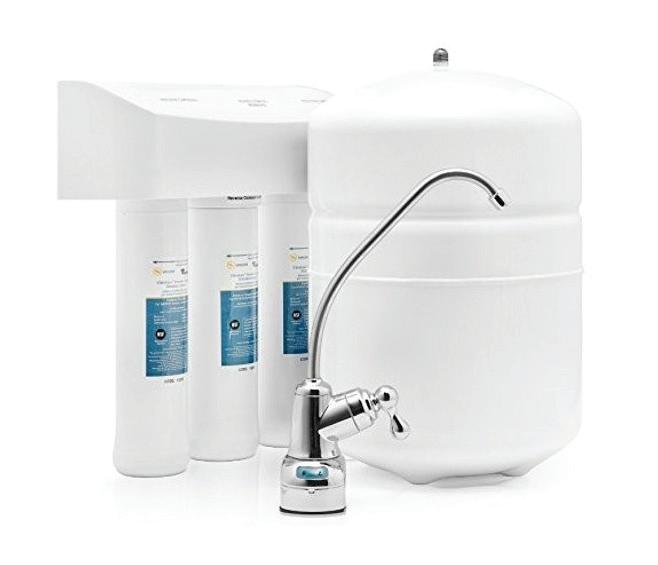
Peter Cartwright entered the water/wastewater treatment industry in 1974 and has had his own consulting engineering firm since 1980. He has a degree in Chemical Engineering from the University of Minnesota and is a registered professional engineer in that state. Cartwright has provided consulting engineering services to many global clients; and has authored more than 300 articles, written several book chapters, presented more than 300 lectures in conferences around the world, and is the recipient of several patents. He also provides extensive expert witness testimony and technology training. In addition, Cartwright is a recipient of the Award of Merit, Lifetime Member Award and Hall of Fame Award from the Water Quality Association, and received the Frank Tiller Award from the American Filtration & Separations Society. p Figure 2: Typical undersink RO unit. Whirlpool Corp.
The EPA National Primary Drinking Water Regulations lists less than 100 specific chemicals that can affect human health if the concentration in a water supply is above a specific maximum concentration level (MCL). Given that there are at least 85,000 chemicals in water supplies and less than 150 have gone through the required rigorous and complex risk assessment protocol, there is a long way to go to determine how many of these may be harmful.
It is important to note that although many contaminants are naturally in the water, the majority of harmful chemicals come from human activities, wastewater going down the drain.
In the home, no matter the water use, contaminants are carried down the drain. The same is basically true with most commercial activities. Industrial wastewater usually comes from manufacturing operations where it may be used for rinsing, cooling, or in the manufacturing process itself. Virtually all of the above ends up in a wastewater treatment plant along with sewage and other biodegradable waste, which is broken down into benign materials, mostly sludge. On the other hand, the vast majority of the soluble chemicals end up in wastewater that is directed to a river or other water body that becomes the water supply for a downstream community.
A particularly notorious class of chemicals commanding considerable media attention over the last several years is known as PFAS — per- and polyfluoroalkyl substances. They constitute a family of more than 16,000 manufactured chemicals which are water soluble and tend to bioaccumulate in humans.
If the wastewater is directed into a septic system, the treated water percolates into the earth where it usually enters an aquifer or other water supply and ultimately meets the same fate as above.
It’s a fact of life: virtually every time water goes down the drain, it is carrying contaminants that likely end up in someone’s drinking water.
Chemicals are used to manufacture 96 percent of consumer products; the average adult uses nine products per day containing 126 different chemicals.
Fertilizers, pesticides, herbicides and antibiotics are all also used in agriculture and animal husbandry operations. Weather events generating runoff from lawn and agricultural surfaces also contribute to this contamination.
Figure 1 illustrates the sources and fate of water-borne contaminants in the environment. It emphasizes pharmaceuticals, but represents all of the soluble contaminants.
PFAS Health Risk
PFAS can bind to blood proteins, penetrate the liver and have been associated with the following:
• Cancers;
• Pregnancy complications;
• Thyroid disease;
• Ulcerative colitis; and
• Numerous other issues, including tooth decay.
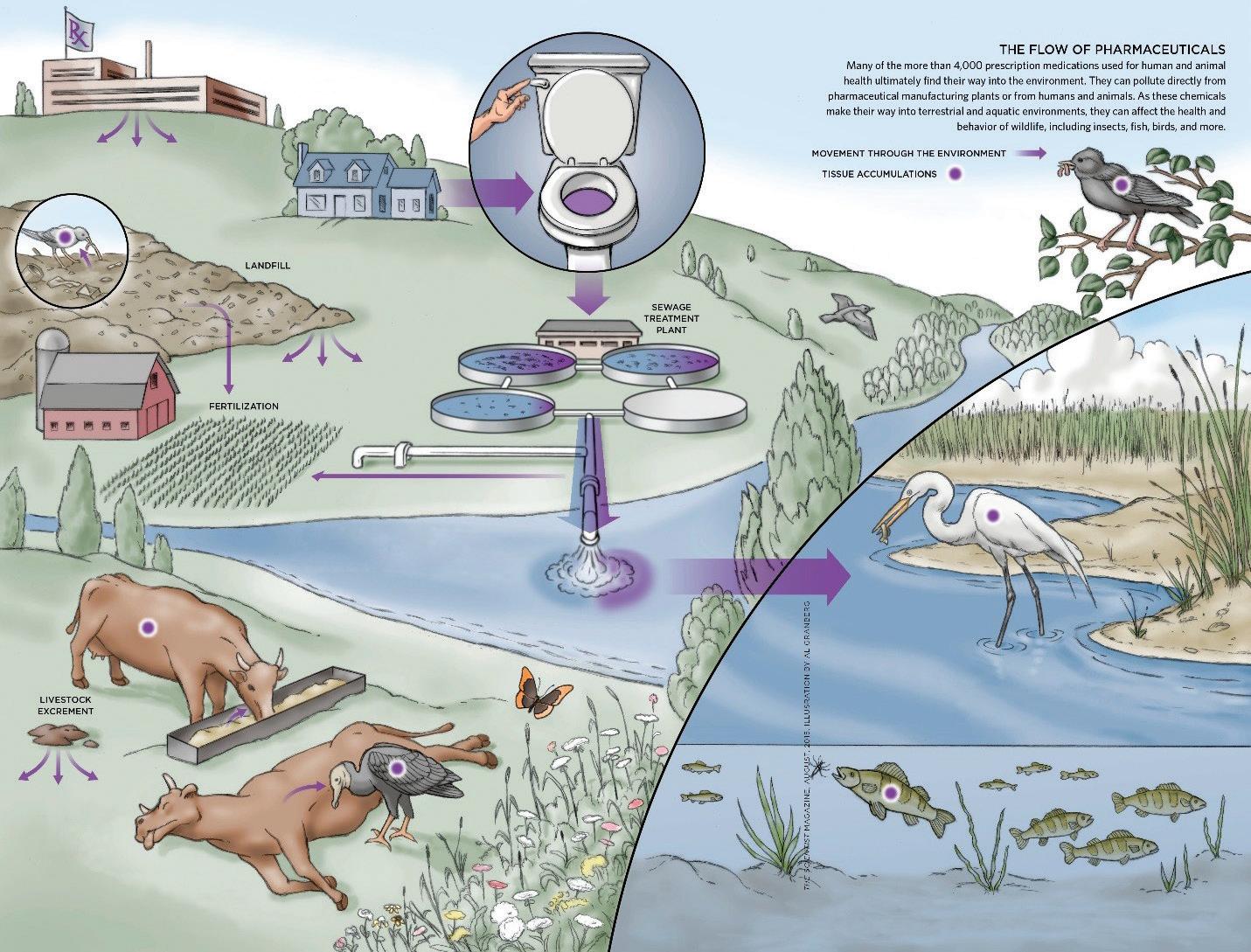
p Figure 1. Al Granberg
To date, there have been very few conclusive links between PFAS and a particular disease; however, two compounds, perfluorooctanoic acid (PFOA) and perfluorooctanesulfonic acid (PFOS) have recently been placed on the EPA’s Primary Drinking Water List. Effective in 2031, all U.S. municipal water must contain no more than 4 ng/L (ppt) of either compound. Of the greater than 16,000 different PFAS compounds in the environment, less than 10 have undergone risk assessment, and there is every reason to believe that many more will ultimately be considered health risks and end up on the Primary List.
Treatment
There are several technologies capable of removing and/or breaking down these dissolved chemicals. The vast majority are organic, and activated carbon adsorption is effective at removing many organic compounds. The “spent” carbon can often be landfilled and many of the non-PFAS contaminants are subject to biodegradation. PFAS are extremely difficult to break down chemically, but significant advancement is being made with technologies to reduce these compounds to their basic chemicals — fluoride, water and carbon dioxide — and at least two have been employed on an industrial basis.
p Table 1
Every time water goes down the drain, whether to a sewer, a septic system, a storm drain or wherever, it carries contaminants with it, which obviously affect quality.
and generally produce more benign chemicals. Depending on the characteristics of the chemicals resulting from these oxidation processes, they may or may not be less dangerous; however, the resulting chemicals may be more easily removed by the other processes. In the wastewater treatment industry, AOPs are often used to inactivate, or kill, microorganisms. It may be that harnessing the elusive hydroxyl radical (•OH) will be required to more completely break down some compounds. The technologies to produce this very powerful oxidant have escaped widespread practical application so far, but it should become reality in the not-too-distant future.
The family of membrane technologies — microfiltration (MF), ultrafiltration (UF), nanofiltration (NF) and reverse osmosis (RO) — is very effective for the reduction of a wide range of contaminants. MF and UF will target higher molecular weight pharmaceuticals and personal care products (PPCP) organic compounds, while NF and RO are most effective on the more ionic, or polar, and lower molecular weight organic compounds. These membrane technologies are designed to reject the contaminants into a separate concentrate stream that is usually discharged to drain. They are very effective when used to treat water specifically for drinking and
culinary purposes. Of course, these technologies don’t destroy PPCPs, they just redirect them into the drain. Such notorious contaminants as lead and nitrate are also readily removed by reverse osmosis.
Table 1 summarizes the PPCP treatment properties of both activated carbon and membrane technologies.
Distillation is also an effective technology for the reduction of water-borne contaminants. This process involves boiling the water and then condensing the water vapor to produce purified water. A potential problem is that those organics with boiling points close to that of water, volatile organic compounds, may also evaporate and end up in the distillate. Activated carbon can be utilized to help mitigate this problem. A downside of distillation is the energy required to boil water and to cool the distillate.
The technologies known as advanced oxidation processes (AOPs) utilize destructive technologies such as ultraviolet (UV) irradiation, ozone and hydrogen peroxide in various combinations and concentrations to break organic bonds,
The point of use (POU) “undersink” reverse osmosis (RO) units designed to treat drinking water for a single tap (see Figure 2) , readily available from water conditioning dealers and DIY stores, have been shown to be capable of removing an estimated 60 to 80 percent of all PPCPs. Because they all incorporate both activated carbon and RO membrane technology, they should all work equally well. This is the best possible solution to the PPCP issue for residential water treatment at this time.
A typical POU RO unit is commonly located under the kitchen sink, but can even be placed in the basement or another remote location. Tubing can also be directed from the storage tank to the refrigerator for ice and water-in-door applications. Although less commonly utilized, POU distillers are also available. Regardless of the treatment technology selected, they all require maintenance, primarily dictated by the characteristics of the water to be treated. Usually, the issue is suspended solids in the water supply, or certain chemicals that may become insoluble during the purification process. For example, POU reverse osmosis units and distillers should be fed with softened water.
Individual Behavior
Obviously, one can, and should, become a personal steward of our own environment. This includes diligence about what we throw down the drain, as well as our overall water usage. There is evidence that people are becoming more careful about how they dispose of unused pharmaceutical products. Many pharmacies accept them at no charge, and, at the very least, more consumers are disposing of them in the trash rather than the toilet.
Personal practices must be individually monitored regarding purchases and
disposal of personal care products. Fortunately, this attitude seems to be taking hold, albeit very slowly.
Water Quality: Suspended Solids AKA Microplastics
In addition to the plethora of dissolved chemicals in water, an equally concerning family of contaminants is categorized under the heading of microplastics. These are suspended solids consisting of tiny pieces of plastic which have become ubiquitous throughout the world.
It is said that plastics are the defin-
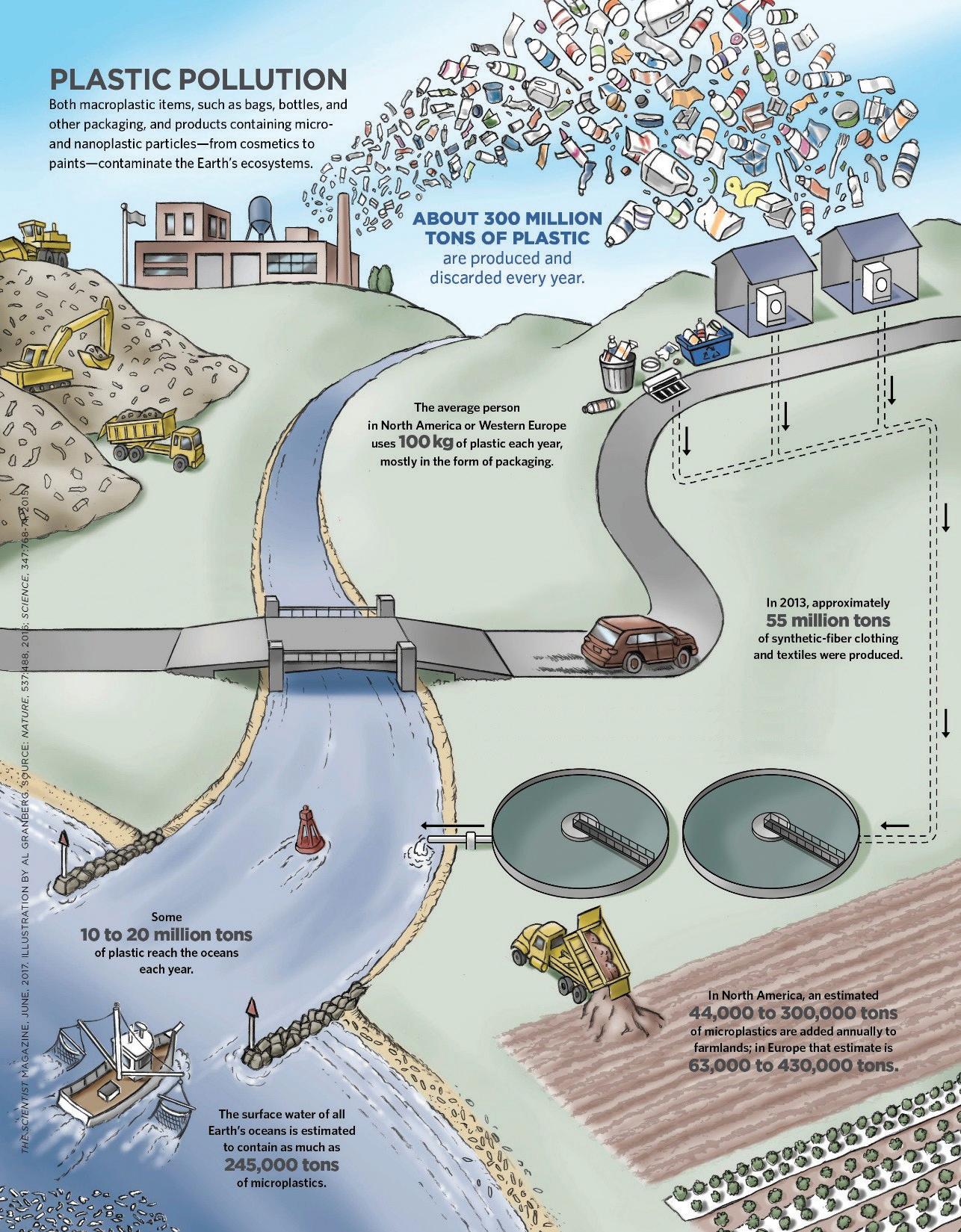
ing material of our age. An estimated 523 million tons were produced globally in 2022, and this quantity could easily double by 2050. More than 98 percent of plastics are made from fossil fuels and are not water soluble. The problem is that when exposed to sunlight, UV radiation makes them brittle, and they break down into tiny fragments less than 1 micrometer (µm) in size, but do not dissolve. When ingested, such nanoplastics can apparently enter the bloodstream of both humans and animals. Some studies have shown that the average human brain may contain as much as 7 grams — equivalent to the weight of a plastic spoon — of nanoplastics. In addition, there are approximately 16,000 chemical additives in plastic formulations that can be released into the water. Plastic surfaces also may adsorb chemicals and microorganisms from the water and release them once they enter a body. Nanoplastics can be fibrous and come from such articles as fleece clothing or vehicle tires. Most nanoplastics end up in the ocean, and it is predicted that without reducing the production of plastics globally, there will be more plastics by weight than fish by 2050.
Figure 2 illustrates the ubiquity of plastics and the quantities found in the environment.
It is estimated that almost half of plastics produced become single-use items, used once and then thrown away.
Of the plastic produced in the United States, three quarters is discarded. Just 9 percent is recycled, 12 percent is incinerated and the rest is either landfilled or just thrown on the ground.
So far, there is no proven link between nanoplastics and human health. Although many scientific studies are underway, there is a lack of conclusive proof. With so much absolute evidence of damage to marine life and other animals, it is only a matter of time before human health risks are identified.
The challenge is what can be done with the unimaginable quantity of nanoplastics on land, in the air, in our drinking water and in the oceans.
Extensive work is underway to develop
q Figure 2. Al Granberg
Obviously, one can, and should, become a personal steward of our own environment. This includes diligence about what we throw down the drain, as well as our overall water usage.
microorganisms that will consume these, but with the huge variety of plastic formulations and chemical additives, this is a daunting, if not impossible task.
Alternative Materials
Significant effort is underway to create biodegradable plastics. This is also a challenge and is facing a significant economic barrier because plastics are so inexpensive.
Although plastics are fundamentally ingrained in daily life, individual practices can have a significant and collective effect on the consumption of plastics, including:
• Refusing all single-use plastic bags and straws;
• Taking a reusable bag when shopping;
• Making an effort to recycle all discarded plastics;
• Promoting legislation for plastic bottle reuse, including bottle deposits, and to curtail plastics manufacturing; and
• Shopping only at retailers who promote environmentally sustainable practices.
We must resist the pressures of a “disposable society.”
The POU reverse osmosis technology is very effective at removing nanoplastics in drinking water. Because nanoplastics may be released inside a plastic water bottle, a stainless steel or glass bottle filled with RO water is a much safer choice. A submicron point-of-entry filter will remove most nanoplastics entering the residence.
Water Quantity
It is well understood that climate change will irreversibly affect rainfall patterns with drought in some areas and flooding in others. Decisions regarding the location of new manufacturing or residential developments are often based on availability of energy, trained personnel, and
available land, whereas the availability of freshwater supplies is not considered. To address this, unconventional approaches such as atmospheric water harvesting, graywater reuse or rainwater harvesting may be employed; however, one often overlooked approach is wastewater recovery and reuse. Whether the water use is for manufacturing semiconductor devices or as cooling water from a data center, there is no such thing as a wastewater supply too contaminated to be treated and reused. Extensive testing and perhaps piloting may be required, but it is even possible to employ zero liquid discharge technologies to ensure that all the water is reused and only solids leave the facility.
Too often, the decision-makers are not sufficiently knowledgeable about the availability of technologies to treat wastewater to facilitate complete reuse.
The Future
So, what does the future hold? It is this writer’s opinion that:
• The concentrations of all water contaminants will continue to increase in water supplies;
• Better defined risks to human health from water supplies will eventually be identified and quantified;
• POU RO systems will become a standard appliance in the home;
• People will become better water and plastic stewards; and
• There will be greater use of innovative processes for treating and reusing wastewater from virtually all sources.
Creativity and innovation are human characteristics, and once the chemistry of the problem is known, new products, processes and improvements will be developed. These are exciting times for the water and wastewater treatment industry, as the sector is just beginning to explore what’s possible.
SUBSCRIBE


Filtering the Future: FILTCON 26 Puts Energy Transition and Compliance Front and Center
This year’s FILTCON event — to be held in Pittsburgh, May 12-15, 2026 — will focus on the theme “Energy Transition & Regulatory Compliance.” Accordingly, the conference will spotlight the pivotal role of filtration and separation in clean energy systems and in meeting increasingly complex global standards. Organized by the American Filtration Society (AFS), FILTCON aims to tackle issues while also inspiring and educating attendees with its conference, short courses, networking opportunities and exhibit area showcasing the latest in filtration and separation technologies.
“FILTCON26 is designed to connect cutting-edge filtration science with the real-world challenges shaping energy and sustainability today,” said Wendy Beach, chair of the FILTCON Planning Committee. “We’re bringing together local universities, industry leaders, and experts from prestigious labs like the Oak Ridge National Laboratory to explore topics on data centers, critical minerals, water reuse, and emerging DOE and energy grant opportunities. Add in conversations on AI and digitalization in filtration, plus industry field trips, an opening night welcome reception on a river cruise, and a taste of the local Pittsburgh culture and cuisine, and FILTCON becomes as engaging as it is technically rich.”
Keynote Speakers; Educational Opportunities
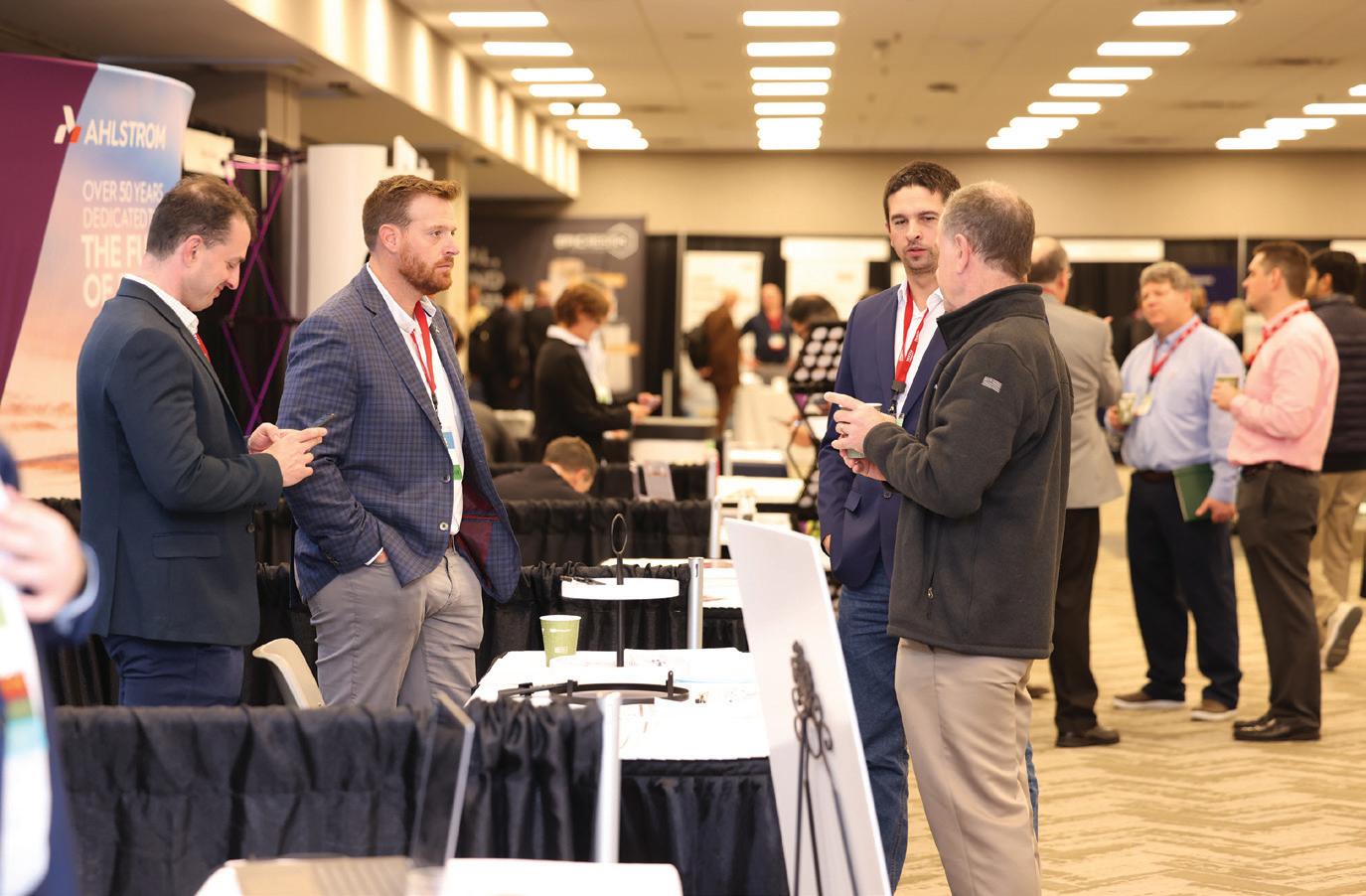
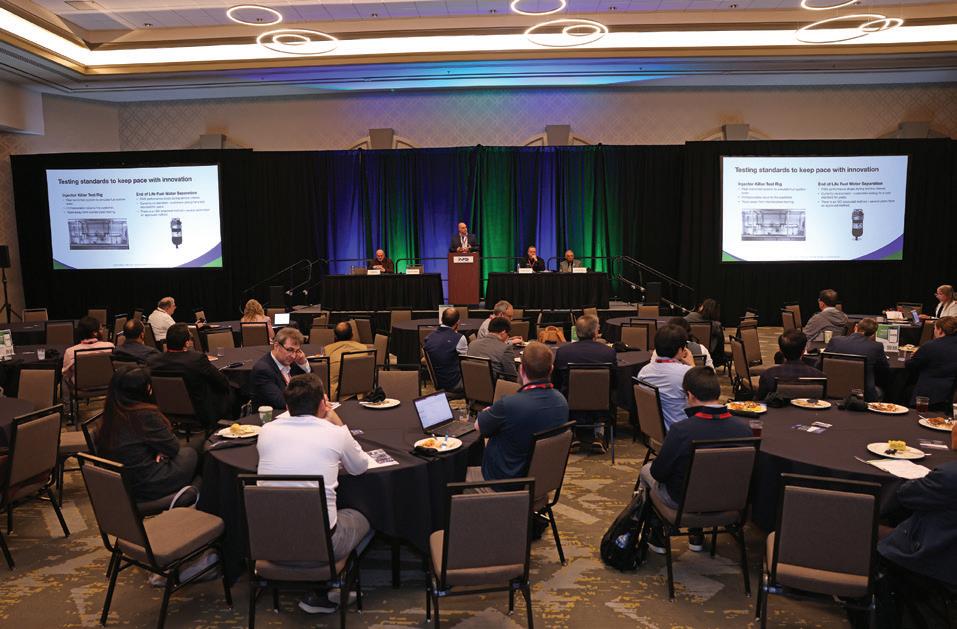
Opportunities.” Advincula will highlight advanced materials for manufacturing, as well as experimental methods and applications that use artificial intelligence/ machine learning-driven self-driving laboratories for critical mineral and rare-earth element (REE) recovery, among other ideas and funding opportunities.
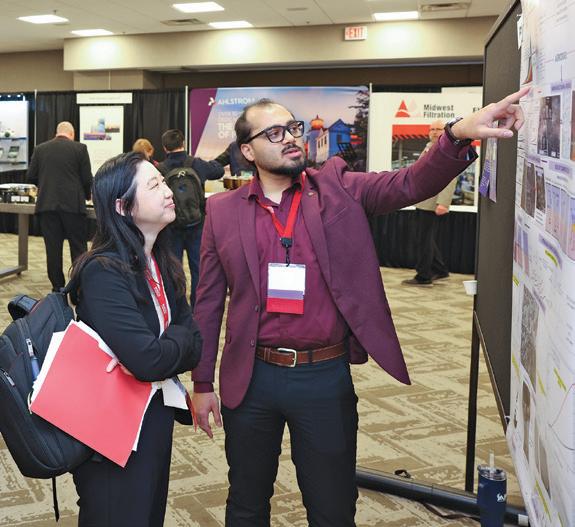
separation technologies support every facet of energy evolution, from renewables and hydrogen to advanced fuels and electrification.
Two keynote speakers have been announced for the event. The morning of Wednesday, May 13, Professor Rigoberto Advincula from Oak Ridge National Laboratory in Oak Ridge, Tenn., will present a talk on “Critical Minerals Separations: AI/ML-Driven Laboratories and DOE
On Thursday, May 14, Greg Hoverson, vice president and chief technical officer, Atmus Filtration Technologies Inc., Nashville, Tenn., will discuss “Filtration: The Unsung Enabler of the Energy Transition Protecting Efficiency, Compliance, and Reliability in a Changing Energy Landscape.” He will focus on how filtration and
During FILTCON, leading filtration and separation experts will host short courses on a variety of topics. Registrants will receive a certificate and earn EUC credit upon completion of a course. Topics include:
• 3D Printing and Membranes;
• Liquid Filtration General Overview;
• Introduction to Filter Media;
• Microfiltration Membrane;
• Polymer Aerogels as Filter Media;
• Introduction to Solid/Liquid Separation;

The Premier Conference for Filtration & Separations Professionals
Join researchers, engineers, and industry leaders from around the world for four days of cutting-edge technical exchange, collaboration, and innovation at FILTCON 2026.
Hosted by the American Filtration and Separations Society (AFS), FILTCON is the field’s premier annual event bringing together academia and industry to share breakthroughs, discuss emerging challenges, and explore realworld solutions across filtration, separations, and related technologies.
From technical sessions and short courses to exhibits and networking oppor tunities, FILTCON 2026 is where ideas turn into impact.
Why Attend FILTCON 2026?
Technical sessions featuring leading exper ts and emerging research
In-depth shor t courses for professional development
Plenary & invited speakers addressing the future of the industry
Exhibit hall showcasing products, technologies, and services
Unmatched networking with peers across academia and industry
Secure your place at the leading filtration and separations conference of the year.
• Understanding Activated Carbon: Production, Quality, Application;
• Introduction to Liquid Cartridge Filtration;
• Liquid Filter Testing; and
• Ultrafiltration Membrane.
Details on how to register and the dates and times for each course can be found on the FILTCON website.
Other highlights at FILTCON include a Technical Program, opening night net-
AFS adheres to a rigorous curated process for paper and presentation selection that minimizes and almost fully eliminates commercial content.
working reception, student poster competition and awards presentation.
The Wyndham Grand Pittsburgh Downtown will host the event. FILTCON26 attendees can take advantage of a discounted room rate at the hotel and guarantee to be at the heart of the action.
For more information about FiltCon26 including the complete conference agenda and technical program information, visit afssociety.org/filtcon26.
Why Attend FILTCON26?
By Dr. Matt O’Sickey, Director of Education and Technical Affairs, INDA
I’d like to share why FILTCON is a can’t miss opportunity for filtration professionals. I began attending FILTCON shortly after joining INDA in 2022 and came in with a deep material science background but little knowledge in filtration. Sometimes, I found presentations at technical conferences to be either thinly veiled marketing pushes for a company’s product du jour or an academic talk that was so tangentially related to the theme of the event or abstract as to be irrelevant. I can say without hesitation this has not been my experience at the AFS FILTCON events I have attended.
AFS adheres to a rigorous curated process for paper and presentation selection that minimizes and almost fully eliminates commercial content. Each talk has clearly delineated learning objectives that are then addressed with salient technical data. The content is organized into two or three tracks, each with a distinct unifying theme such as air-gas, solid-liquid, modeling, or standards and testing, for example. In recent years, there has been focus on both removal and remediation of PFAS from liquids as well as replacement of PFAS materials in filter media. There have been presentations on the increased adoption of the ASHRAE 52.2 Appendix J filter media conditioning/discharge step in other standards such as the ASHRAE 241 standard. Monitoring of filter life, efficiency, and performance also have been addressed. Other sessions have covered filtration of fuel and fluids in transportation applications; indoor air quality and healthy buildings; and mitigating impacts of particulate pollution from urban mass transportation.
This year will have significant focus on filtration and separation in context of energy transition and regulatory compliance. One minor challenge that FILTCON can present is the wealth of material presented via its multitrack format. AFS mitigates the challenge by adhering to themed tracks and avoiding overlapping sessions on similar topics. Still, a minimum two-person team at the event is useful to ensure coverage of as many topics
as possible. If I was unable to attend a talk I was interested in, AFS shares the presentations and speakers have been gracious in addressing questions after the fact.
Apart from the technical presentations, FILTCON includes company tabletop exhibits that are available throughout the day, but especially during breaks and lunch and evening receptions. Supporting this, AFS also recognizes that businesses need to sell products and have created one or two sessions for companies to pitch, in very brief presentations, their latest and greatest products for a more effective interaction between exhibitors and attendees. Also, during the breaks and receptions there is an opportunity to interact with students presenting their research via the student poster competition. Aside from the filtration research the students are presenting, it is a good way to evaluate potential new talent for one’s company. Lastly, in addition to from the abundance of state-of-the-art technical content, networking is facilitated via receptions, breaks, lunches, panel sessions and round tables. The networking and reception format adjusts each year, depending upon the venue.
The INDA and International Filtration News team looks forward to meeting you at the upcoming FILTCON26.

Dr. Matt O'Sickey is the director of Technical Affairs and Education at INDA, the Association of the Nonwoven Fabrics Industry. He has prior experience leading operations, R&D, marketing, and product management with RKW North America and Tredegar Corp. O'Sickey has multiple patents, has received industry innovation awards, provided innumerable presentations, is a training course instructor, and is a contributing columnist for International Fiber Journal and International Filtration News. He has a Ph.D. in Chemical Engineering and is an alumnus of Purdue University and Virginia Tech, where his studies had heavy emphasis on the processing-structure-property relationships of polymeric materials.

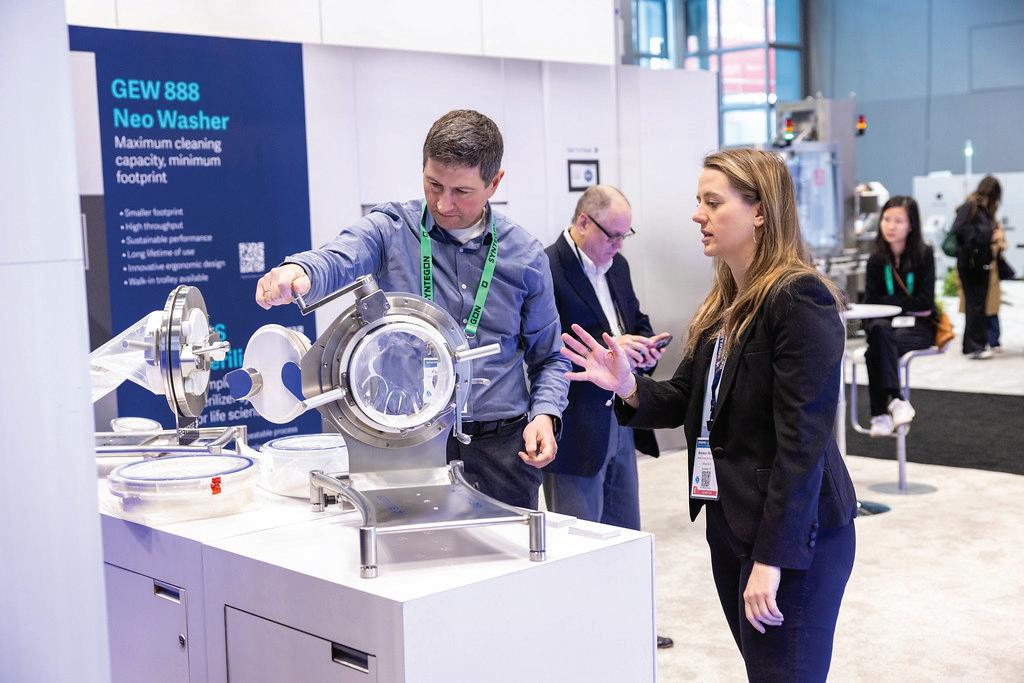

INDEX™26 & Filtration: How Nonwovens Are Shaping The Next Generation Of Filtration Technologies
By Murat Dogru, GNA CEO, and General Manager, EDANA
As filtration requirements intensify across industrial, environmental, automotive and medical applications, nonwoven materials continue to play a central enabling role. From fiber architecture and media durability to efficiency optimization and sustainability performance, filtration innovation is increasingly rooted in advances in nonwoven technology. Against this backdrop, INDEX™26, taking place from May 1922, 2026, in Geneva, positions itself as a relevant technical forum for filtration professionals seeking insight into material trends, application requirements and cross-sector developments
Owned by EDANA, the international association representing the nonwovens industry, and organized in collaboration with Palexpo SA, INDEX brings together the full value chain, including raw material suppliers, media producers, equipment manufacturers and end-use specialists. While the event spans a broad range of applications, filtration emerges at INDEX26 as a clearly defined technical theme, supported by dedicated seminar content and a strong concentration of filtration-relevant exhibitors.
Filtration As A Dedicated Technical Focus
The clearest signal of filtration’s importance within the INDEX26 program is the seminar “From Air to Industry: Nonwovens Powering Innovation Across Global Filtration Markets,” scheduled for Thursday, May 21, 2026.
This seminar will explore the key trends shaping the global filtration market, highlighting how nonwovens enable high efficiency, durability, and innovation in applications ranging from heating, ventilation, and air conditioning (HVAC)
and industrial filtration to automotive, medical, and environmental protection. Drawing on market insights and realworld applications, the presentation will examine how sustainability, material innovation, and evolving end-user needs are driving the next generation of filtration technologies — and where the most promising growth opportunities lie for the nonwovens industry.
Two speakers will present during the seminar. The first speaker, Martin Klein, senior vice president, Engineering Filtration Materials at Mann+Hummel, will present under the title of “Nonwovens at Work: Innovation in Filtration.” Klein will talk about how nonwoven media are at the heart of modern filtration, enabling cleaner air, fluids, and environments across automotive, industrial, and life science applications; will explore how advanced fiber engineering, digital media designs and innovations in nonwoven structures are pushing the limits of efficiency, capacity and sustainability; and will connect material science to application needs, outlining pathways for next-generation filtration solutions and competitive differentiation.
“The New Age of Sustainable Air Filtration” is the title of the presentation from the second seminar speaker, Sandra Schäfer, senior scientist, Hollingsworth & Vose. Attendees can expert to learn how innovative 3D-structured filter media can cut global air filter waste and support genuine sustainability gains; how filter media with beneficial pressure drop behavior throughout its entire service life reduces energy costs and total cost of ownership; and how extended service life and reduced material usage enable more sustainable air filtration without compromising on performance.
Nonwovens As The Backbone Of Modern Filtration Media
Nonwoven media have become integral to modern filtration systems due to their ability to combine structural control, functional performance and scalable manufacturing. The seminar framing at INDEX26 reflects this reality by focusing not on filtration as a standalone discipline, but on the interaction between material architecture and application needs.
It highlights how evolving end-user expectations — including higher efficiency, longer service life and reduced environmental impact — are driving the development of next-generation filtration media. These pressures are particularly visible in sectors such as automotive air filtration, industrial dust control and medical environments, where regulatory and performance thresholds continue to rise.
Rather than presenting filtration in isolation, the INDEX26 program situates filtration within a broader ecosystem of nonwoven innovation, acknowledging that fibre selection, bonding technology and media design are decisive factors in filtration performance.
Filtration will also be framed in the context of market and sustainability trends. The session on “Market Trends in Nonwovens — Insights Shaping the Future,” while not filtration exclusive, will also focus on providing relevant context for filtration professionals by situating filtration demand within overall nonwovens market dynamics, including sustainability pressures and shifting customer expectations. The inclusion of filtration within this high-level market analysis reflects its established position as a core growth and innovation area within nonwovens.
Sustainability considerations — addressed in the seminar “Sustainability in

Nonwovens: Key Developments & Perspectives” — also intersect directly with filtration, particularly in relation to material efficiency, lifecycle considerations and evolving regulatory frameworks affecting air and environmental protection systems.
Why INDEX™26 Matters To Filtration Engineers And R&D Teams
Beyond seminar content, the relevance of INDEX26 to filtration professionals is reinforced by the documented profile of exhibitors and visitors at the most recent completed edition, INDEX23. While not filtration-specific, these figures provide insight into the technical and decisionmaking environment in which filtration discussions take place.
INDEX23 brought together 610 exhibitors from 42 countries, with 12,017 on-site visitors from 103 countries, demonstrating a global concentration of suppliers and users of nonwoven technologies. Visitor profiles show strong representation from R&D, production, corporate management and purchasing, indicating that technical evaluation and strategic sourcing decisions are central motivations for attendance.
From an application perspective, 27 percent of visitors were employed in medical and surgical sectors, while 18 percent were linked to automotive applications, both of which rely heavily on advanced filtration solutions. The presence of these sectors reinforces INDEX’s relevance for filtration media developers and system integrators.
Technical Exchange Across The Filtration Value Chain
One of INDEX’s defining characteristics is its value-chain completeness. For filtration professionals, this means direct access not only to finished filtration media suppliers, but also to:
• fiber and polymer producers;
• nonwoven process and equipment manufacturers; and
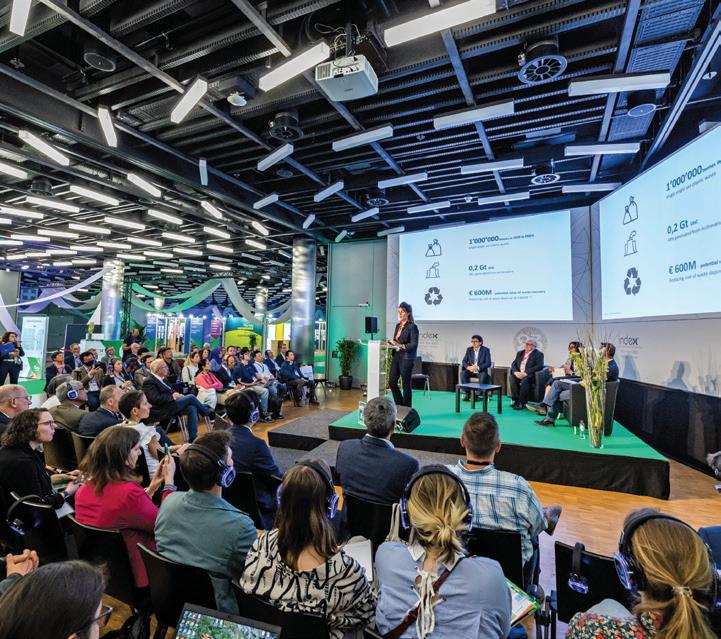
• bonding and finishing technology providers.
This structure supports technical exchange on issues such as media uniformity, scalability, production efficiency and material compatibility — topics that are often difficult to address in applicationspecific filtration conferences.
The high satisfaction scores reported at INDEX23 further underline the perceived technical value of this environment. Some 97 percent of visitors were satisfied with opportunities to meet all levels of the value chain, while 93 percent were satisfied with opportunities to identify solutions to business and technical issues.
A Technical Platform Rather Than A Promotional Showcase
Crucially for filtration professionals, INDEX26 is structured around technical discussion and peer exchange, rather than product promotion alone. The seminar program is positioned as a forum for examining underlying drivers — material innovation, performance requirements and sustainability constraints — that shape filtration media development.
For filtration engineers and R&D teams, one of the less immediately visible but structurally important aspects of INDEX lies in its positioning at the intersection of multiple application sectors that share common material challenges. Air filtration, industrial filtration and medical filtration increasingly draw on developments originally driven by adjacent nonwoven applications, including hygiene, medical disposables and mobility. INDEX’s application-spanning structure enables technical benchmarking across these domains, particularly in areas such as fibre consistency, media uniformity, scalability and process efficiency.
Survey data from INDEX23 indicates that visitors value this cross-application exposure — 96 percent reported satis-
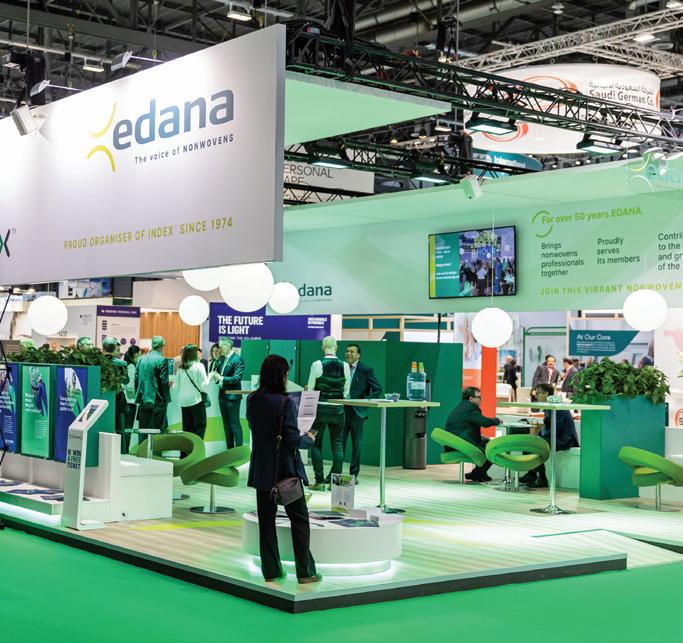
faction with networking opportunities, while 97 percent were satisfied with the ability to engage with all levels of the value chain. For filtration specialists, this environment supports early-stage technical dialogue with material suppliers and equipment manufacturers, often before solutions are formalized for filtrationspecific markets.
Filtration At The Core Of Nonwoven Innovation
For filtration professionals working with nonwoven media, INDEX26 offers a concentrated opportunity to engage with the material technologies underpinning next-generation filtration systems. Through dedicated filtration seminars, cross-application market analysis and a value-chain-wide exhibitor base, the event provides a technically grounded environment for understanding how nonwovens continue to shape filtration performance across industries.
Rather than positioning filtration as a peripheral topic, INDEX26 integrates it into the core discussion on material innovation, sustainability and applicationdriven design — reflecting the central role filtration now plays within the global nonwovens landscape.
For more information about INDEX™26, please visit indexnonwovens.com.
All data belongs to Palexpo SA indexnonwovens.com/the-exhibition/index-figures/

Murat Dogru is CEO of the Global Nonwovens Alliance (GNA), a strategic alliance bringing together global nonwovens associations to strengthen global industry alignment and cooperation. He also serves as general manager at Brussels-based EDANA, the international association representing the nonwovens industry.
Atlas Copco Acquires Zind In Germany
Stockholm-based Atlas Copco has acquired German filter distributor Zind Verfahrenstechnik for an undisclosed fee, boosting its profile in Europe’s largest economy.
Zind distributes filter cartridges and capsules for air, gas and process liquids, filter housings, and associated spare parts. Its customers are mainly industrial manufacturers in sectors such as pharmaceutical, water, electronics, food and beverage, as well as general industry.
“This acquisition is fully in line with our ambition to further enhance our process filtration solutions and will strengthen our presence in Germany,” said Philippe Ernens, Business Area president, Compressor Technique for Atlas Copco.
Zind joins the Medical Gas Solutions division within the compressor technique business area. Atlas Copco recently bought Florida-based Air Compressor Works and Centroar in Brazil. atlascopco.com
Nonwovenn Expands PFAS Free Ostomy Care
Nonwovenn, an England-based nonwoven fabric-tech companies, is developing per- and polyfluoroalkyl substances (PFAS)- free activated carbon filter media for ostomy pouches, addressing the medical sector’s increasing need for safer, compliant and more sustainable filtration materials.
Drawing on more than two decades of expertise in the industry, Nonwovenn’s latest work combines odor and gas adsorption with low pressure drop, carbon integration and regulatory readiness.
The development is driven by regulatory scrutiny of PFAS continuing to increase worldwide. PFAS free options can help to simplify global market access and future proof product portfolios. nonwovenn.com
Jowat SE Announces Change In Leadership In Asia
Jowat SE announced a change in the leadership of companies in Asia. Leonhard Ritzhaupt was appointed vice president, Asia-Pacific, effective January 1, 2026, and assumed responsibility for driving the strategic and operational development of Jowat’s business across the region.
“With Leonhard Ritzhaupt, we gain a leader who combines industry expertise, and strategic vision,” said Klaus Kullmann, of Jowat’s Board of Directors.
Ritzhaupt succeeds Dr. Ralf Schelbach, who has been instrumental in the expansion of Jowat’s Asia operations since 2009. Dr. Schelbach first joined the company as executive director of Jowat (Beijing) Adhesives Co. Ltd., took on additional responsibilities as regional manager Northeast Asia in February 2009, and was appointed vice president Asia-Pacific on January 1, 2014. jowat.com
Donaldson Elects Richard Lewis To Succeed Tod Carpenter As President And CEO
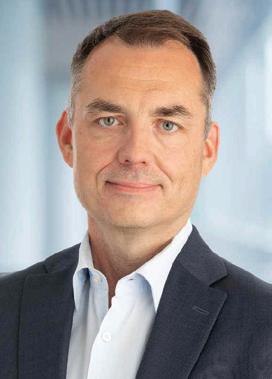
Donaldson Co. Inc., manufacturer of technologyled filtration products and solutions, announced that the company’s board of directors has elected COO Richard Lewis as president and CEO, effective March 2, 2026. Lewis succeeds Tod Carpenter, who will transition to executive chairman after a career spanning 30 years at the company, including the past 11 years as president and CEO. Lewis will also join the company’s board.
“I am excited about the opportunities in front of us,” Lewis said. “We have a strong leadership team, a clear strategy, and a culture deeply committed to our customers and operational excellence. I look forward to building on the momentum established under Tod’s leadership and continuing to deliver value for our employees, customers and shareholders.”
Lewis joined Donaldson in 2002 and became COO in August 2025. He has held a broad range of senior leadership roles across the company, including overseeing global operations as senior vice president and serving as president of the Mobile Solutions and Life Sciences businesses. donaldson.com
Cleanova Strengthens Filtration Portfolio With Strategic Acquisitions Of Airflotek And TES-Clean Air Systems
Cleanova, a global manufacturer of advanced industrial filtration solutions owned by London-based private equity firm PX3 Partners, announced the strategic acquisitions of Airflotek Inc. and TES-Clean Air Systems Inc. Founded in 1993 and based in Hoschton, Ga., Airflotek designs and manufactures custom air filtration and controlled-environment systems used in state-of-the-art cleanroom environments worldwide, serving industries with exceptionally stringent air-quality requirements, including semiconductor manufacturing, biotechnology and pharmaceuticals.

Tracy, Calif.-based TES-Clean Air Systems was founded in 1986, and is the exclusive distributor of Airflotek products and brings decades of cleanroom and semiconductor application expertise, supporting a global customer base. These acquisitions give Cleanova immediate entry into ultra-clean, controlled environments critical to artificial intelligence-driven semiconductor manufacturing, the rapid build-out of data centers and high-performance computing infrastructure, and aseptic pharmaceutical and biotechnology production, where reliability, performance, and contamination control are absolutely mission-critical. cleanova.com
Pfannenberg Products Meet BABAA Requirements

Lancaster, N.Y.-based Pfannenberg Inc., a thermal management and signaling technologies company, announced that a full line of products in its portfolio now meet the requirements of the Build America, Buy America Act (BABAA). This designation applies to select options within Pfannenberg’s DTS Cooling Units, PKS Air to Air Heat Exchangers, and PWS Air to Water Heat Exchangers, which are now BABAA-compliant and available for use in federally funded infrastructure projects across critical sectors including water and wastewater treatment, transportation, energy, and broadband.
Pfannenberg’s BABAA-approved solutions are engineered and assembled at its Lancaster facility, where each product achieves the mandated threshold of more than 55 percent U.S.-sourced content and domestic assembly. These cooling units and exchangers are designed for long-term reliability and optimal performance in harsh outdoor or washdown environments, making them ideally suited for safeguarding industrial control panels that house sensitive electronics such as variable frequency drives and programmable logic controllers. Customers choosing BABAA-compliant Pfannenberg products enjoy dependable thermal management that reduces the risk of overheating, ensures operational stability, and supports mission-critical infrastructure projects with confidence and quality that are backed by U.S.-based support. pfannenbergusa.com
Porvair Acquires Drache Umwelttechnik Of Germany
England-based Porvair Filtration Group has agreed to acquire the entire share capital of filtration company Drache Umwelttechnik GmbH, Germany. Founded in 1974, Drache Umwelttechnik is a supplier to the aluminum filtration market and specializes in filters, consumables and equipment for the molten metal industry. The transaction is estimated at 20.5 million euros ($24.2 million).
Drache Umwelttechnik employs around 100 people in Germany, the United States and the UAE, and the transaction is expected to take place immediately. porvairfiltration.com
Pentair Announces New Roles
Pentair Plc, announced New Strategic Appointments within its Executive Leadership Team (ELT) aimed at accelerating growth, strengthening innovation, and enhancing responsiveness to evolving customer needs.
The company made the following appointments to its ELT, to go into effect March 1, 2026: Adrian Chiu as executive vice president, and chief Strategy, Innovation and Digital officer. He assumes this role from his previous position as executive vice president and president, Pentair Water Solutions; and De’mon Wiggins as executive vice president and president, Pentair Flow And Pentair Water Solutions. He currently serves as executive vice president and president Of Pentair Flow and will assume expanded responsibilities to include oversight of Pentair Water Solutions.
Pentair also announced upcoming departures of two valued and longstanding leaders who will leave the company on March 1, 2026.
Steve Pilla, executive vice president, chief Supply Chain officer and chief transformation officer, will be leaving pentair after more than 20 years of dedicated service. Pilla began his career at Pentair in Sourcing and advanced through various global supply and business leadership roles.
Dr. Phil Rolchigo, executive vice presdient and chief technology officer, will be leaving Pentair after nearly 20 years of distinguished service leading the company’s technology and innovation strategy. Dr. Rolchigo was responsible for leading the company’s patent portfolio, further solidifying Pentair’s position as a leader in innovation. pentair.com
NONWOVENN Acquired By CorpAcq
England-based nonwoven fabric-tech company Nonwovenn has been acquired by CorpAcq, an England-based business acquisitions compounder backed by TDR Capital.
The acquisition also marks the successful exit of growth capital investor BGF Investment Management Inc.
Founded in 2003 by the current Chairman David Lamb, Nonwovenn manufactures and supplies technical fabrics for niche markets including filtration. The company has a strong focus on harm reduction with its product range including materials for protective clothing and wound treatment.
Following an initial multimillion-pound investment in 2016, BGF has supported the business through a period of significant growth.

p Nonwovenn has a strong focus on harm reduction across its product range, including materials for protective clothing and wound treatment.
The company has increased its annual turnover from £19 million ($26 million) in 2016 to £46 million ($63 million) in 2025 and has continued its strong growth into 2026. The business has now celebrated 19 consecutive years of profit and is a significant exporter of goods. It is a major employer in Somerset and recently invested a further £1.5 million ($2 million) in research and development to enhance its chemical, biological, radiological and nuclear protective solutions. nonwovenn.com
Atmus Completes Koch Filter Acquisition
Atmus Filtration Technologies, Nashvillle, Tenn., has closed its $450 million cash acquisition of Koch Filter Corp. from Air Distribution Technologies Inc., Plano, Texas. The acquisition establishes an industrial air filtration platform that extends Atmus’ portfolio into highgrowth segments such as commercial and industrial HVAC, data centers and power generation. The deal, which also created a new Industrial Solutions segment to house the Koch Filter business under existing Koch leadership, was financed through a combination
of cash on hand and borrowings under an amended and restated $1.5 billion credit facility that replaced Atmus’ prior arrangement with a $1 billion term loan and a $500 million revolving credit line. This potentially strengthens the company’s scale and positioning in industrial filtration markets while tightening financial covenants and leverage parameters for lenders and other stakeholders, according to reports.
The acquisition establishes the company’s new Industrial Solutions segment. The Koch Filter business will report into that segment and be led by Rakesh Gangwani, senior vice president, Strategy, and president, Industrial Solutions. Mark Mattingly, Koch Filter’s president, who has deep industry experience established over three decades, will continue to lead the Koch Filter business, reporting to Gangwani. atmus.com
Donaldson Makes $820 Million Deal To Buy Filtration Group’s Facet Business
Donaldson Co. Inc. has entered into a Securities Purchase Agreement to acquire all equity interests of Facet (Oklahoma) LLC and Facet Netherlands

B.V. for $820 million in cash, subject to customary purchase price adjustments for cash, debt, transaction expenses and net working capital.
Donaldson said the acquisition of Filtration Group’s Facet business will strengthen and diversify the company’s core product portfolio.
Bloomington, Minn.-based Donaldson expects the acquisition of Filtration Group’s Facet business to add about $110 million to Donaldson’s annual sales.
Founded in 1943, Facet mostly serves the aviation and marine industries in the United States and Europe.
Facet also fits with Donaldson’s business model, which is similar to selling razors to sell razor blades. About 70 percent of Facet’s annual revenue is from consumables that are required to be replaced at scheduled intervals due to regulations. donaldson.com
AD SALES CONTACTS

October 27-29, 2026
Minneapolis Convention Center Minneapolis, Minnesota
Step Into the Spotlight at FiltXPO™ 2026
FiltXPO™ 2026 is where breakthrough filtration technologies, industry leaders, and new business opportunities converge.
Whether you’re looking to showcase your innovations or discover the next big thing, FiltXPO is where filtration moves forward.
Why Exhibit at FiltXPO?
Grow your business by connecting with decision-makers across diverse industries who are actively sourcing advanced filtration and separation solutions.
• Engage with 1,200+ filtration professionals from around the world
• Expand your North American market reach
• Generate leads across high-impact sectors, including:
• Automotive & Aerospace
• Biotech & Pharmaceuticals
• Food & Beverage Production
• HVAC & Indoor Air Quality
• Water & Wastewater Treatment
• Power Generation, Oil & Gas, and more
Minneapolis offers direct flights from major international and domestic cities, making it the ideal location to meet top-tier prospects.
Reserve your space on the show floor today and make your mark at FiltXPO 2026.