Public Policy Corner: A Year Of Legal Firsts: How The Nonwovens Industry Is Navigating America’s Uncharted Tariff Terrain By Wes Fisher
Hybrid By Design: How Performance Biomaterials Are Reshaping Nonwovens Across Markets By Robert Green and Steve Davies
Meeting The PFAS Challenge: Drivers And Opportunities In Nonwovens By Jack Eaton
Medical Nonwovens Move Center Stage In The Push For Eco‑Friendly Disposables By Geoff Fisher, European Editor
Chief General Manager Q&A: ReNova™ Scales Recycled Cotton Fiber Production For Global Brands By Arun Rao, International Correspondent, India
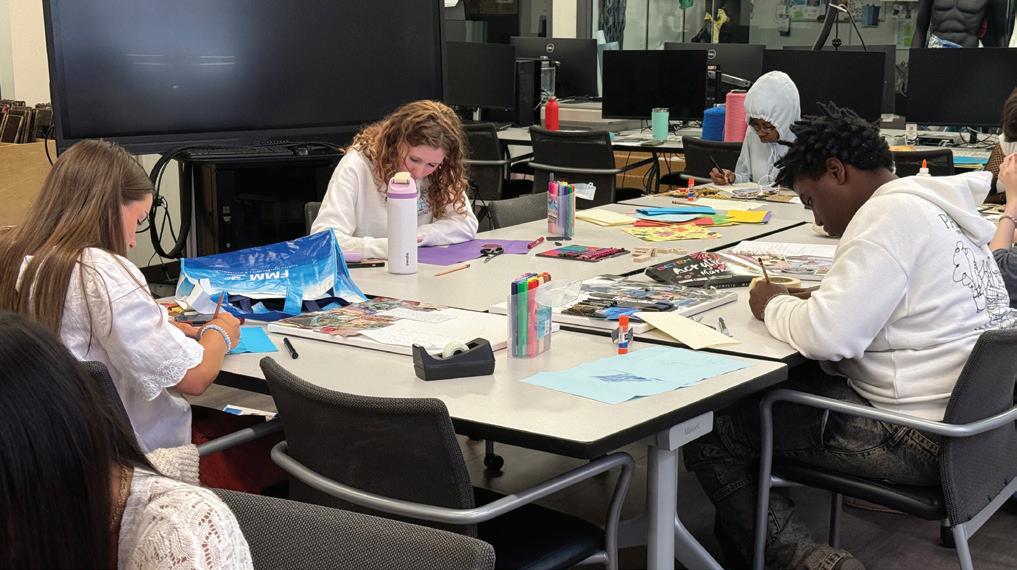
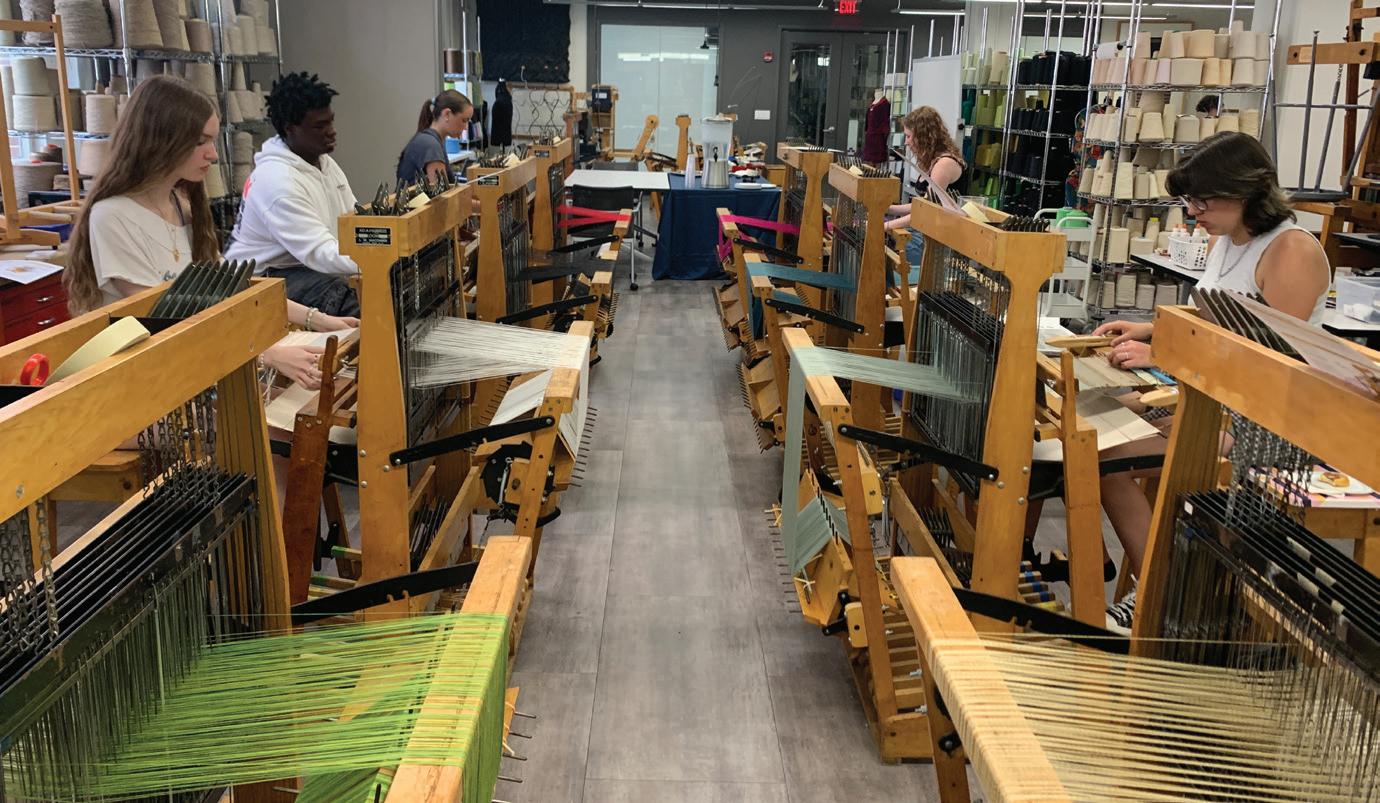
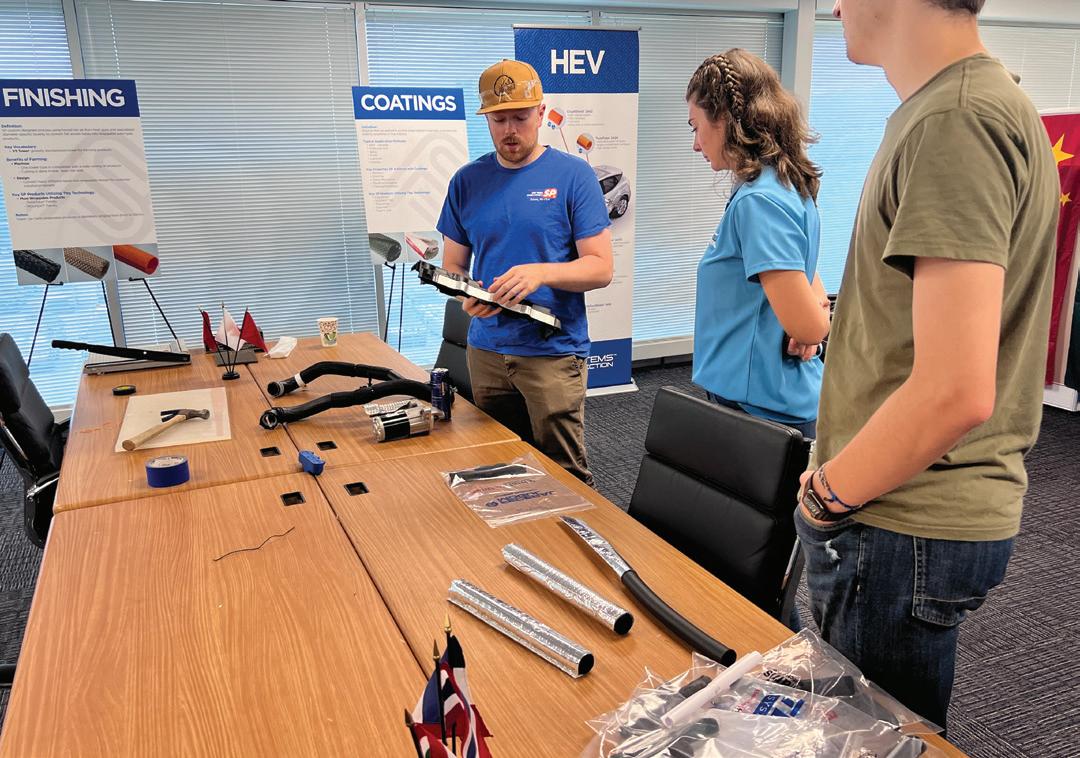
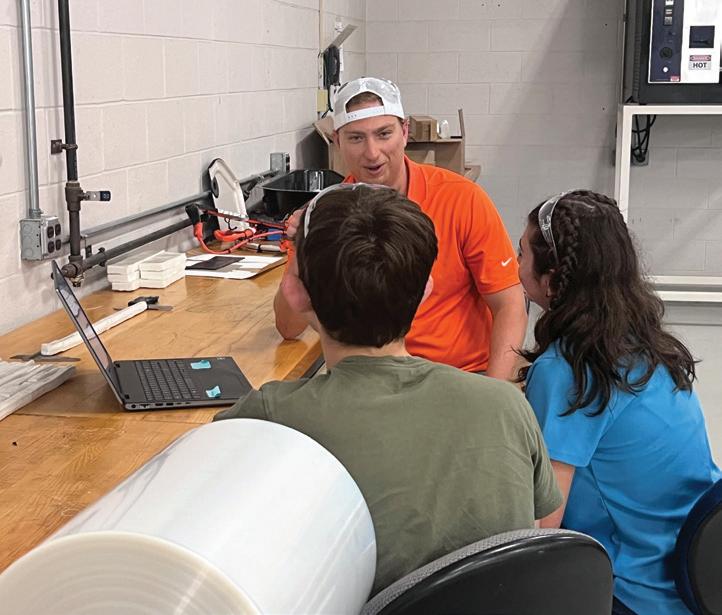
From Classroom To Industry: Growing The Future Textile Workforce By Meghan Kelly and Brian George
Scan the QR code for registration & more attendee info!
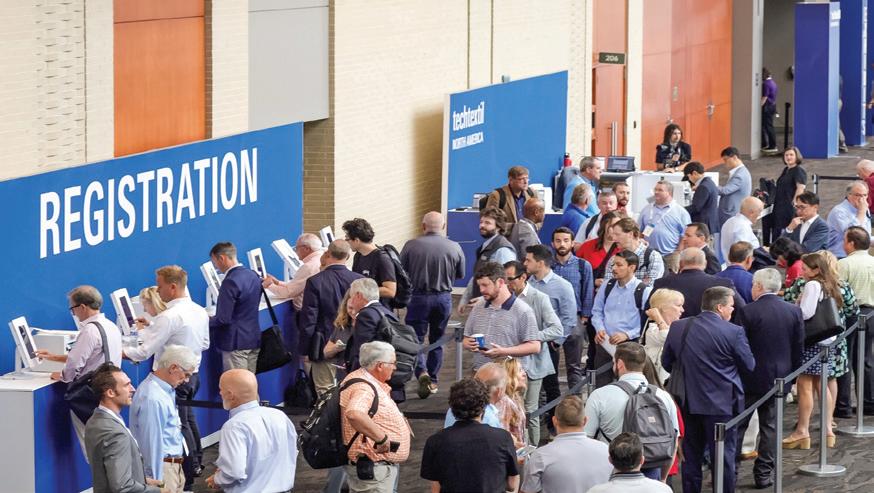
Step Into What’s Next at Techtextil North America
From performance materials and nonwovens to the latest manufacturing and textile innovations, Techtextil North America in Raleigh connects footwear professionals with the technologies shaping the future of the industry. Discover advanced materials, explore new sourcing opportunities, and connect with global suppliers helping drive comfort, durability, sustainability, and performance forward.
Register Today for the 2026 Edition of Techtextil North America!
AUGUST 4 – 6, 2026 RALEIGH, NORTH CAROLINA
Wes Fisher Director of Government Affairs, INDA wfisher@inda.org +1 919 459 3726
Arun Rao International Correspondent Owner, Taurus Communications arun@tauruscomm.net
Steve Davies Davies Advisors steve@stevencdavies.com linkedin.com/in/stevencdavies1/
Meghan Kelly Associate Professor of Textile Design, Thomas Jeffersion University meghan.kelly2@jefferson.edu
Robert Green Principal, Tru Green Solutions LLC +1 843.333.4735
Brian George Associate Professor of Engineering, Thomas Jeffersion University brian.george@jefferson.edu
Jack Eaton Chief Commercial Officer, NIRI jacke@nirigroup.com
Adrian Wilson International Correspondent adawilson@gmail.com +44 7897.913134
Introducing IFJ’s New INDA Public Policy Corner
Advocacy is defined by Merriam-Webster dictionary as “the act or process of supporting a cause or proposal.” Advocacy in Washington often means supporting or promoting a specific cause to influence decisions within political institutions with the goal of educating, creating positive change or protecting rights.
INDA, the Association of the Nonwoven Fabrics Industry, Cary, N.C., has two advocates in Washington working tirelessly to represent the nonwovens industry — Wes Fisher, director of Government Affairs and Kevin Conroy, senior manager of Government and Regulatory Affairs. In order to share more about their work and help readers understand how policy and regulation are impacting the nonwovens and broader textile industry, IFJ is excited to launch a new column named “INDA’s Public Policy Corner,” to be cowritten by Fisher and Conroy.
The contributors hope to provide context about what changed, why it matters, what’s next and how it may impact the industry as it relates to tariffs, trade rules, sustainability mandates, labeling requirements, product safety regulations and extended producer responsibility, among other issues. The goal is for the editorial to become an essential resource for readers interested in how happenings in Washington may impact their business.
About The Contributors
Fisher serves as the liaison between the nonwovens industry and government legislative and regulatory bodies by preparing formal submissions to the federal government articulating industry positions.
Geoff Fisher European Editor
gfisher@textilemedia.com +44 1603.308158
CALL FOR CONTRIBUTORS
International Fiber Journal is seeking contributed technical articles and editorial columns from qualified industry professionals and those allied to the fiber industry. If you would like to pitch an article for publication in IFJ, please contact Rachael Davis at rdavis@inda.org.
He also represents INDA on the Industry Trade Advisory Committee for Textiles and Apparel (ITAC 12), among other responsibilities in this key position.
He holds a degree in Political Science from James Madison University. Fisher’s background includes providing testimony on hundreds of bills and regulations for associations and creating policy position, notably on single-use plastics and sustainability. He has held positions at the Pet Advocacy Network, American Legislative Exchange Council and also the National Automatic Merchandising Association where he led state government relations and external affairs for the vending and retail industry with more than 1,000 members.
Conroy brings a deep understanding of public policy, intergovernmental affairs and political strategy to his position at INDA. He leads advocacy efforts that advance pro-innovation, promanufacturing policies and strengthen the voice of the global nonwovens industry.
Conroy began his career on Capitol Hill in the office of Congressman Chris Shays before working for Congressman David Dreier and the House Rules Committee. He has managed numerous political campaigns at both the state and federal levels, building coalitions and executing successful strategies in competitive races. He most recently served on the staff of former Maryland Governor Larry Hogan where he held multiple senior positions over the course of Hogan’s eight years in office, including director, chief of staff and assistant secretary of Agriculture for the State of Maryland.
Wes Fisher
Kevin Conroy
CONTENT | EDITORIAL
CHIEF CONTENT OFFICER & PUBLISHER
Rachael Davis
rdavis@inda.org | +1 404.518.9599
EDITOR & DIGITAL PRODUCTS MANAGER
Ken Norberg ken@ifj.com | +1 202.681.2022
ART DIRECTOR
Julie Flynn
EUROPEAN EDITOR
Geoff Fisher
INTERNATIONAL CORRESPONDENT, EUROPE
Adrian Wilson
SMART & ADVANCED TEXTILES CORRESPONDENT
Marie O’Mahony
INTERNATIONAL CORRESPONDENT, CHINA
Jason Chen
INTERNATIONAL CORRESPONDENT, INDIA Arun Rao
ADVERTISING | SALES
See Sales Representative Contact Details in Movers & Shakers Section
For Inquiries to Your Sales Representative, e-mail advertising@inda.media
Download the IFJ Media Kit at www.fiberjournal.com/advertise
International Fiber Journal is published by INDA Media, the B2B publishing arm of INDA, Association of the Nonwoven Fabrics Industry. +1.919.459.3700 info@fiberjournal.com | www.fiberjournal.com News & Press Releases to IFJNews@inda.media
BUYER’S
www.fiberjournal.com/subscription
MISSION
Designing For What Comes Next
Reading through the articles in this issue of International Fiber Journal highlights one clear trend — innovation in the fiber, textile and nonwovens industries is no longer only about improving an existing material or process. Innovation increasingly is about redesigning systems beginning with raw material selection and product performance while ensuring regulatory compliance, end-of-life responsibility, supply chain transparency and even workforce development. The ideas of rethinking and redesigning run throughout this issue.
The third installment in IFJ’s biopolymers series argues that the future of nonwovens will not be built on a simple one-for-one material substitution (See “Hybrid By Design: How Performance Biomaterials Are Reshaping Nonwovens Across Markets,” IFJ, page 16). Instead, progress will come from hybrid systems designed for performance, processability and end-of-life behavior.
Contributors Steve Davies and Robert Green note: “The nonwovens industry has always excelled at engineering structures to deliver performance. What is changing is the design criteria. Hybrid biomaterial systems represent a new design language — one that integrates sustainability with end-of-life responsibility.”
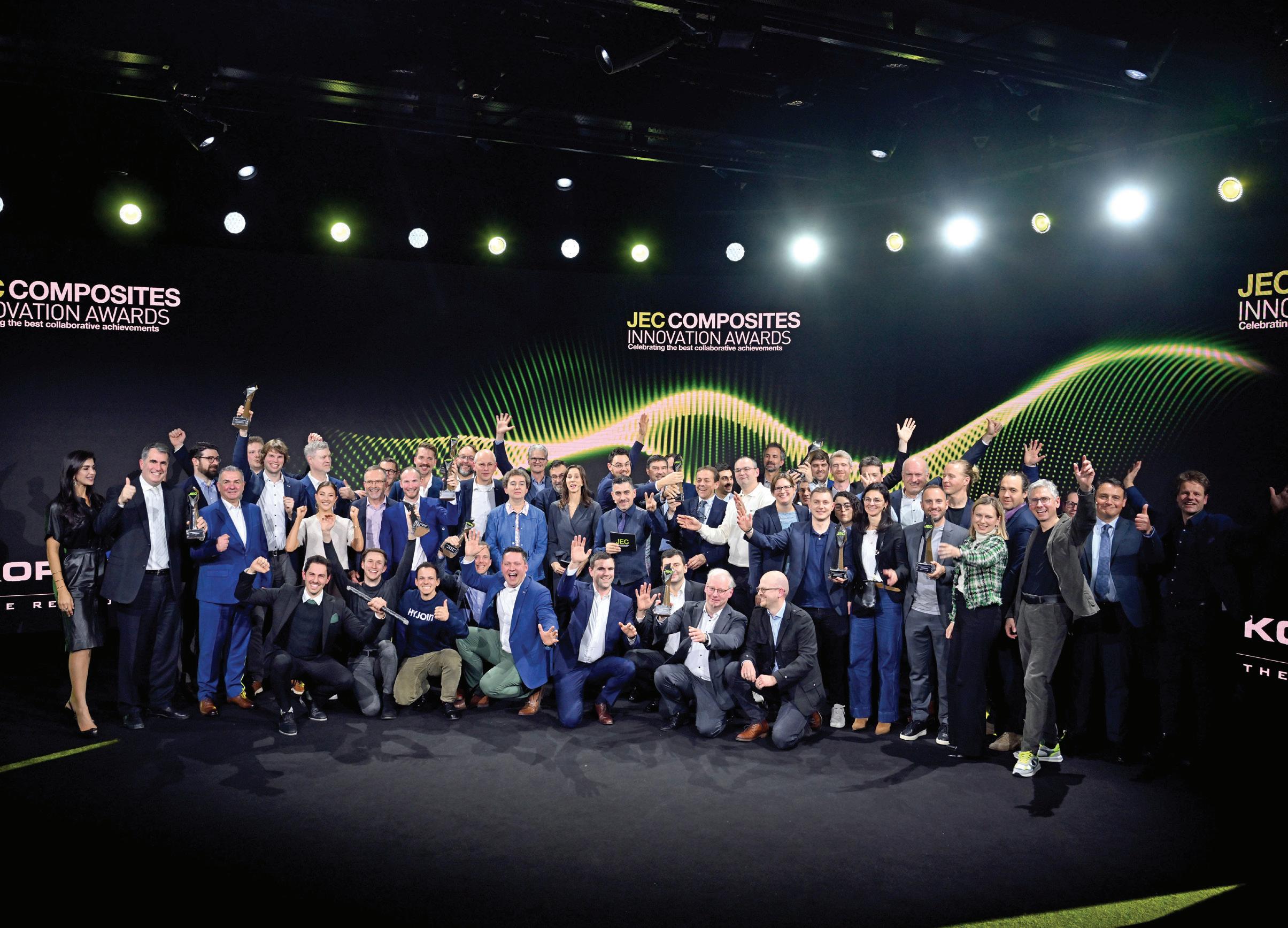
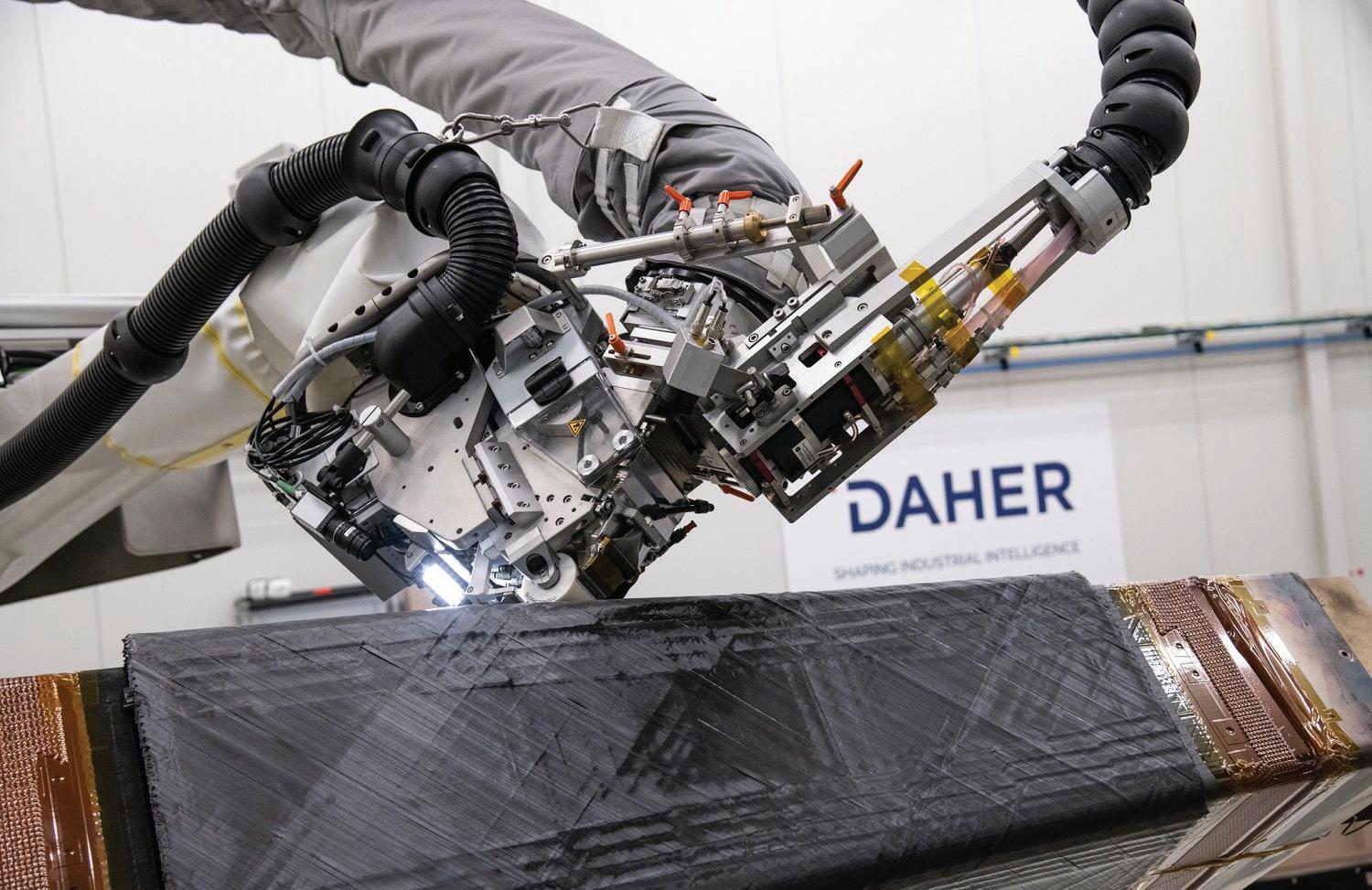
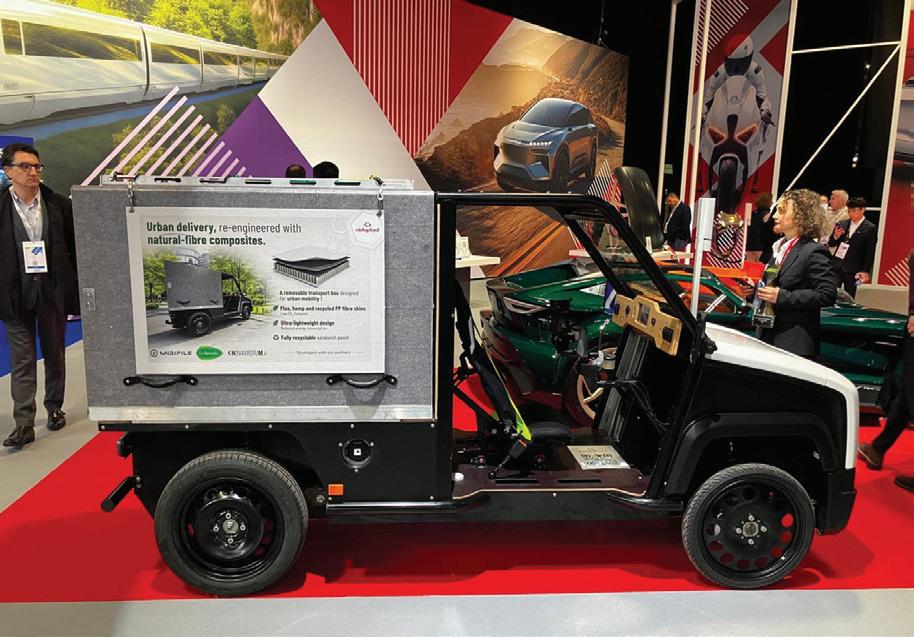
In his JEC World 2026 coverage, “Fibers Move To The Forefront As The Composites Industry Scales For The Future,” International Correspondent Adrian Wilson highlights a composites industry scaling production with advanced fiber engineering, circularity and digital integration as part of the conversation from the start. Wilson observes that, “JEC World 2026 made it clear that the future of composites will be defined not by isolated breakthroughs, but by the convergence of materials, processes and partnerships.” In medical nonwovens, the challenges
are no less complex. Infection-control and performance characteristics are always at the forefront of design, but there is growing pressure for more sustainable single-use materials. European Editor Geoff Fisher shares that developments in the medical sector “signal a sector in active reinvention, driven by both environmental expectations and the clinical need for consistent, reliable performance.”
Policy is also playing a larger role in shaping material decisions. NIRI’s Jack Eaton delves into the legislative landscape in Europe and the United Kingdom for per- and polyfluoroalkyl substances (PFAS) and “how forward-thinking companies can turn the PFAS challenge into a market opportunity.” Eaton emphasizes, “The companies that treat PFAS regulation as a design challenge, not a compliance burden, will define the next generation of highperformance materials.”
Speaking of policy, IFJ is excited to introduce a new regular column in the magazine titled “INDA’s Public Policy Corner.” The column, penned by INDA’s Washington influencers Wes Fisher and Kevin Conroy, is designed as an essential resource for readers interested in developments in Washington and how legislative issues may affect the nonwovens and broader fiber industries. Taken together, the stories in the issue point to an industry not simply adapting to change, but actively designing for it. That mindset — practical, collaborative and forward-looking — will be essential as fibers and nonwovens move into their next chapter.
Rachael S. Davis
Chief
Content Officer
& Publisher, INDA Media, IFJ
High Speed Flow Wrapping Redefined For Wet Wipes
et wipes manufacturers operate under some of the most demanding packaging conditions in the industry. Packages must be hermetically sealed to preserve product effectiveness. Thin films, high moisture content, and continuous operation often push conventional, single jaw flow wrappers beyond their limits — resulting in leaks, inconsistent seals, and costly downtime.
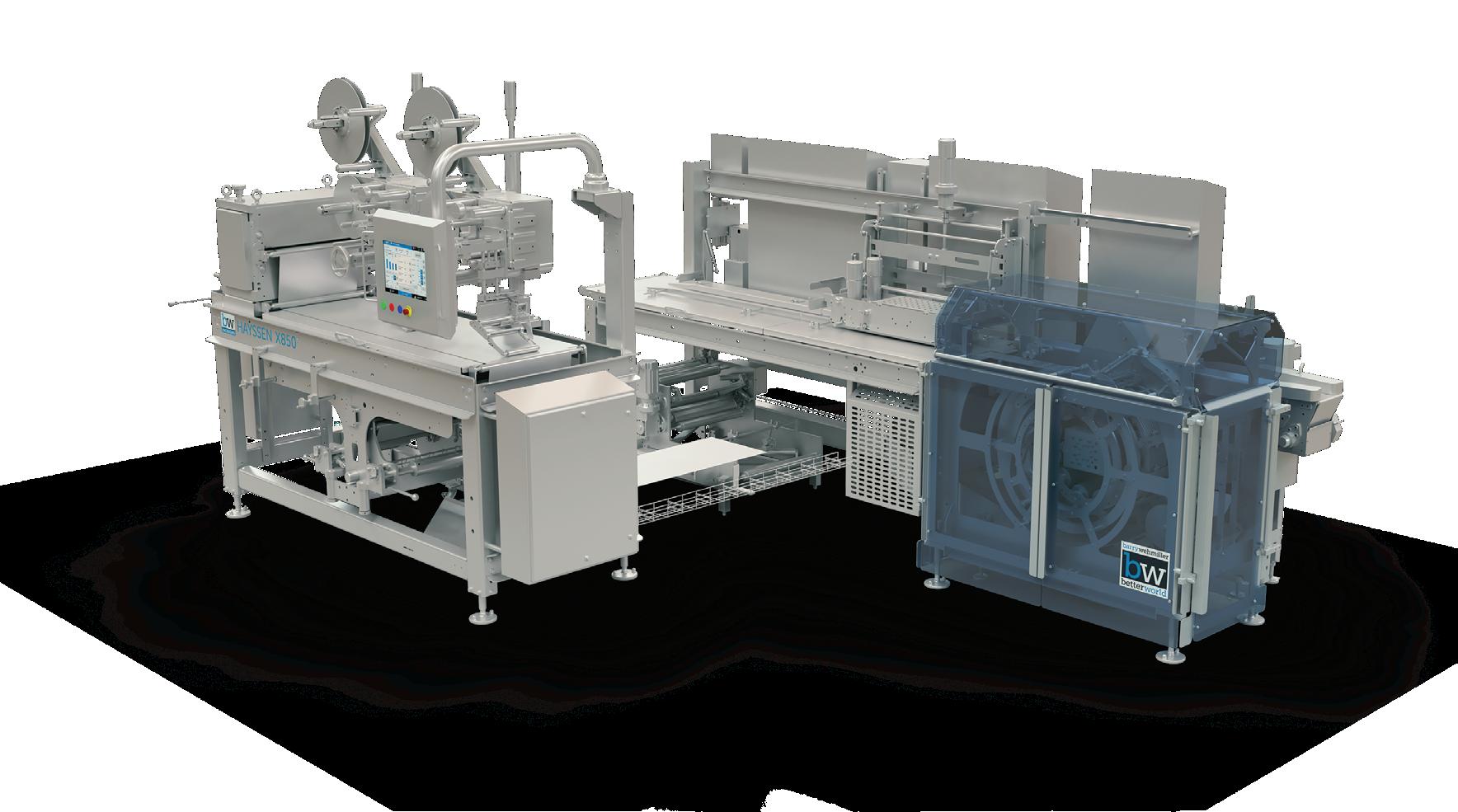
The Hayssen X850 flow wrapper was engineered to overcome these challenges. Developed through five years of market research, customer feedback, and structured innovation, the X850 represents one of the most advanced, fully wash down flow wrappers available today.
Designed and built in the USA, the X850 delivers up to 2x higher speeds while achieving superior seal integrity — representing a breakthrough in performance and quality for the wet wipes flow wrapping market.
Proven Innovation For High Speed Wet Wipes Packaging
Single jaw flow wrappers often force manufacturers to compromise — either sacrificing seal integrity to increase speed or slowing production to prevent leaks and jams. The Hayssen X850 eliminates this tradeoff through ground-breaking technology.
At the core of the system is a patented individual servo ring jaw wheel, new to the flow wrapping market. The jaws automatically accelerate and decelerate to precisely position each seal, minimizing wear and reducing maintenance through smooth, controlled motion. A centrally rotating jaw assembly allows each jaw’s temperature to be controlled independently and heated rapidly. Together, these technologies enable significantly
longer dwell time at very high speeds — allowing seals to form completely without excessive heat and delivering faster throughput, consistent results, and high quality, leak free packs.
Exceptional Seal Integrity For Moisture Sensitive Products
Seal failure is not an option in wet wipes packaging. The independent jaw temperature control ensures precise thermal consistency across every seal, while servo film edge tracking maintains accurate alignment. Servo controlled jaws reduce mechanical variation, enabling stable, repeatable sealing performance.
The result is significant improvement in seal integrity, protecting product quality, reducing rejected product, and safeguarding brand reputation.
Jam Free Reliability And Simple Operation
Smart anti-jam and auto-reject technol-
ogies keep production running smoothly. Auto splice on the fly with pivoting spindles eliminates stop start events during film changes, ensuring continuous output.
The award winning OpView™ HMI empowers operators through intuitive navigation, guided onboarding, and step by step instructions — making it easy to onboard or train team members, and optimize operation.
Built For Performance. Backed For Life.
Backed by lifetime support, BW Packaging Hayssen products deliver a complete, fully integrated wet wipes packaging solution with seamless upstream and downstream connectivity.
bwpackaging.com
Hayssen X850 Flow Wrapper with Accraply Die Cutter & Label Applicator
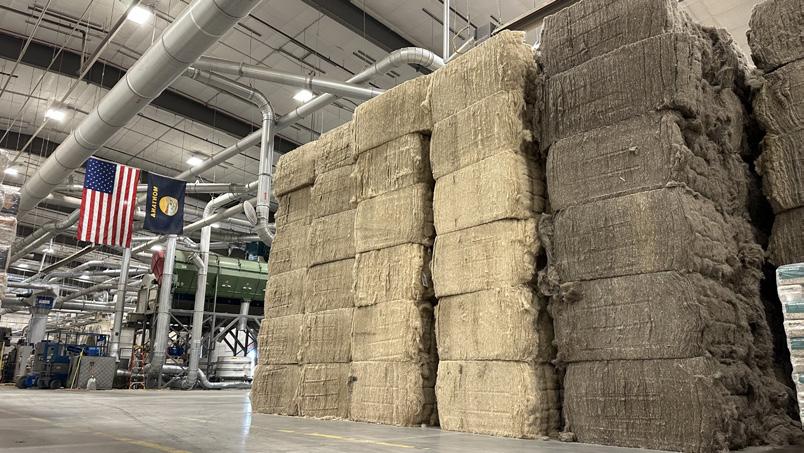
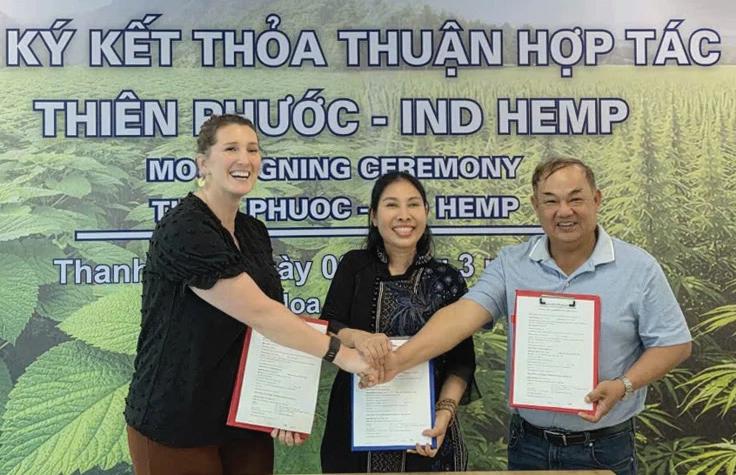
Supplying Industrial Hemp Fiber to Industry
ND HEMP is the leading supplier, processor and producer of industrial hemp in the United States, operating multiple hemp processing facilities in Montana that deliver sustainable natural fibers and nutritious foods worldwide.
IH Fiber™ operates industrial scale decortication processing, cleaning and mechanical refining of hemp fiber. Additionally, this fiber is upgraded or ‘cottonized’ with either, or both mechanical refining and wet processes- scouring and bleaching options. IH Fiber is available in multiple grades and specifications for wide adoption opportunities.
Proven Compatibility For Textiles And Nonwoven’s Systems
IND HEMP has invested their R&D $ to prove system compatibility of their fibers for spinning, textiles and nonwovens systems, so that their customers can spend their R&D $ developing and bringing products to market, confidently made with these materials. This work has evolved and defined the IH Fiber material specifications that align with known applications and processes.
Airlaid Thermal Bonded. Hemp fiber has great insulating properties and is widely used commercially in both Europe and the USA for making building insulation material, cold pac insulation and geotextiles.
Carded Needlepunched nonwoven fabrics made with natural fiber have multiple applications in automotive and acoustics. IH Fiber - Platinum is currently inside cars driving on both European and US roads and has also been incorporated into the headliner of a popular tractor. Platinum hemp fiber is proven and available consistently at scale to support growing adoption in these industries and the many places it can be used within an automobile or commercial application.
Carded Hydroentangled – Spunlace These systems require finer and more premium upgraded ‘cottonized’ hemp fibers,
and work well in blends with cotton or lyocell to provide 100% natural and plastic free wipes, dry towels, hygienics and fem care. IND HEMP has invested in additional capacity and refining capabilities in 2026 to support the proven compatibility of their premium hemp fibers for these systems and applications, in both the USA and Asia.
Sustainability Is Not Just A Story, It’s Verified
In many applications, sustainability, or plastic-free is a primary driver for adoption of hemp fiber. IND HEMP was founded with a mission to support farming communities while supplying the world with more sustainable materials and they can provide LCA’s for all of their materials to support your sustainability goals and reporting. Industries such as building, which use hemp fiber insulation can realize offset carbon credits for the avoidance of using more carbon intensive materials.
Whether your sustainability targets are mandated, legislated or intentional, hemp fiber can play a supporting role and IND HEMP can provide the receipts to verify.
Quality And Specifications Begin In The Field
IH Seed™ is a dedicated, year-round, inhouse agronomy team and seed seller that supports crop production for all IND HEMP inputs. This includes all that is required for raising these specialty crops from preseason field analysis and genetics selection, through full season agronomic planning and support and custom harvesting, including raking and baling. This ensures the crops are grown, retted and harvested to support scaling the consistent specifications and inventory required in the final product.
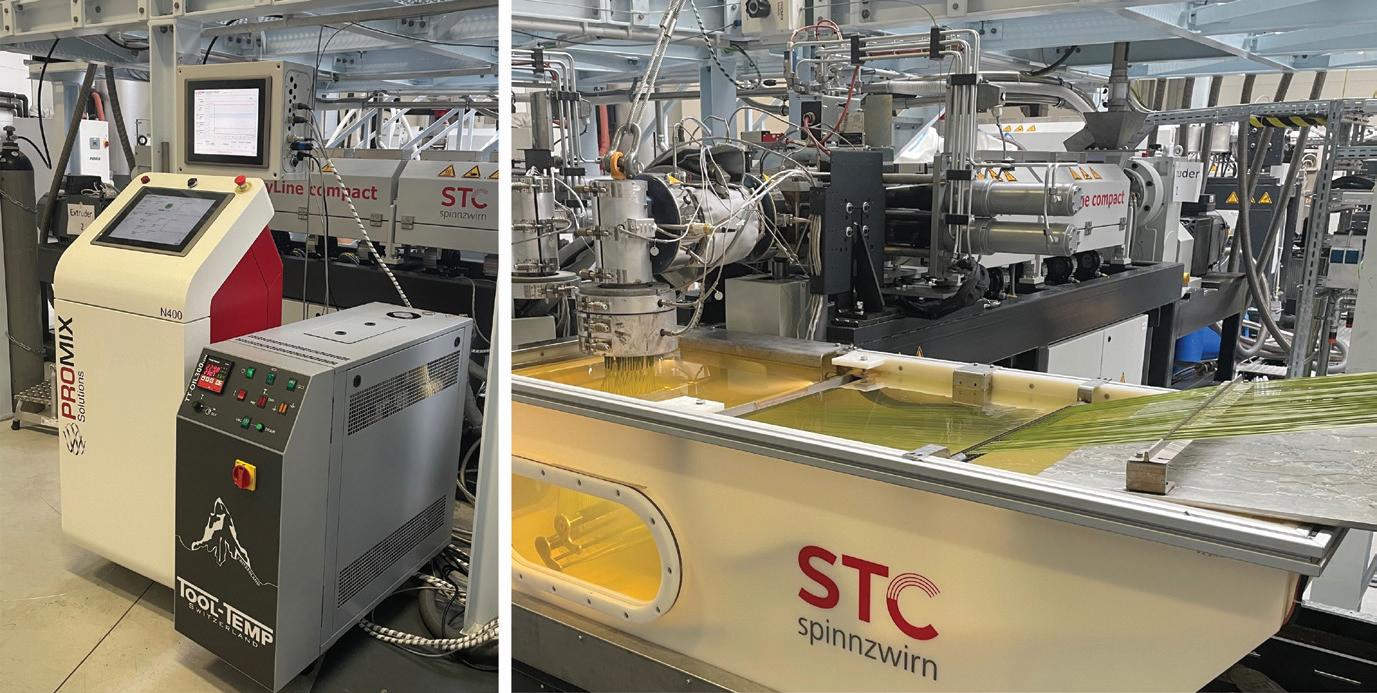
Promix Solutions has partnered with STC Spinnzwirn to develop a new spinning process for more voluminous artificial grass blades.
Artificial grass is a product in ever-increasing demand. It has long been used not only on soccer fields but also in hotel complexes and recreational areas. The advantages over natural grass in the age of climate change are obvious. Artificial grass conserves water resources and is low maintenance. But can artificial grass grow even denser?
Switzerland-based Promix Solutions AG and Germany-based STC Spinnzwirn GmbH have collaborated to develop a process that enables the production of more voluminous artificial grass blades.
The filaments and tapes used to produce the grass blades can be manufactured on special fiber extrusion lines from STC. In this process, monofilaments or tapes made of polyolefins are produced. These are cooled in a water bath and then mechanically stretched, heat-treated and finally wound onto spools. In a subsequent process step, the fibers are tufted together with a backing fabric to form an artificial grass mat. The more blades and the thicker the individual blades are, the denser the grass becomes. This is precisely where the new patentpending process comes into play.
STC’s fiber extrusion line has been equipped with Promix Microcell technology. This addition allows a very precise amount of benign gases such as carbon dioxide or nitrogen to be added to the melt during the extrusion process. The gas-laden melt is homogenized using a special cooling mixing technique, and the gas is completely dissolved in the melt. The melt temperature is further lowered and stabilized, and as the melt exits the spinneret, extremely fine
Surprisingly, it has been shown that the mechanical properties of the microcellular fibers differ only slightly from those of conventional fibers.
microcellular bubbles form within the fibers. The challenge lies in precisely controlling cell formation to achieve the finest possible and highly uniform cell structure. This filaments must then be drawn by a factor of four to 10 without any fiber breaks.
Tests have shown that Promix Microcell technology integrates well into STC fiber extrusion systems, allowing the systems to operate reliably at the same throughput. Depending on the size, the system produces between 100 and 600 kilograms of fiber per hour. However, the grass blades produced in this way are 10 to 20 percent thicker than conventional artificial grass fibers. During
tufting, this results in a denser grass carpet, or, at the same grass density, a 10 to 20 percent reduction in raw material usage. The process also gives the artificial grass blades a more natural appearance. The cells on the surface create a textured and slightly rougher feel. The green color of the blades shimmers and appears to be several different shades, giving the artificial grass a very natural appearance. If desired, this effect can be specifically prevented by using an outer skin without a cellular structure.
Surprisingly, it has been shown that the mechanical properties of the microcellular fibers differ only slightly from those of
Fiber extrusion line from STC Spinnzwirn with Promix Microcell technology for more voluminous artificial grass filaments
conventional fibers. The tensile strength and elongation at break of the fibers are at a very similar, or only slightly lower level. For a fiber manufactured from linear low-density polyethylene (LLDPE) using the monofilament process with approximate dimensions of 1.5 x 0.25 millimeters, the values were as follows:
However, microcell fibers are not expected to be used on soccer fields quite yet because they do not fully meet the high wear requirements. To improve wear resistance, encapsulation of the microcell structure with a conventionally manufactured outer layer is being tested.
Further potential applications of Promix Microcell technology in the field of fiber processing are currently being evaluated. As a result, carpets and clothing made from polyester, polypropylene or nylon fibers could become denser or lighter in the near future. For more information: www.promix solutions.com
With the 100% polyester-based TUBICOAT PET series, the CHT Group showcases its strong commitment to the circular economy. Their pure monomaterial solutions contribute perfectly to the sustainable transformation – without compromising functionality, process reliability or industrial scalability.
Left: Microscopic cross-sectional view of the microcell structure of a blade of grass
Below: Volume+ artificial grass
TECH
NOTES
Jones Family Of Companies Granted OEKO TEX® STANDARD 100 Certification For PureBlend™ Organic Cotton Blend
Orta, Archroma Launch Denim Collection Dyed Using Wool Waste
Archroma, a global leader in specialty chemicals, and Orta Anadolu — the Türkiye-based denim manufacturer behind the ORTA brand — announced a collaboration to bring circular dye chemistry into commercial denim production.
Jones Family of Companies — a manufacturer of sustainable, high-performance nonwoven materials based in Humboldt, Tenn. — has received OEKO-TEX® STANDARD 100 certification for its new organic cotton blend, PureBlend™ PureBlend highlights the purity of organically sourced materials blended to provide exceptional softness and comfort. The product is primarily used as a comfort layer in premium mattresses that emphasize both comfort and sustainability.
The OEKO-TEX STANDARD 100 is a globally recognized independent testing and certification system for textile products. Certification verifies that all components of a product have been tested against more than 1,000 regulated and non-regulated substances and are proven safe for human health.
“OEKO-TEX certification ensures high product safety and builds consumer confidence by providing a trusted, independent standard,” said Dennis St. Louis, chief sales officer of Jones Family of Companies. “This certification strengthens our commitment to delivering high-quality products while supporting our customers’ goals for safety, sustainability, and transparency.” jonesfamilyco.com
The partnership was showcased at Kingpins Amsterdam, where ORTA presented its first denim collection dyed with Archroma’s FiberColors® dyes.
FiberColors are synthesized using a minimum of 50 percent wool waste — specifically, fleeces that sheep farmers would otherwise pay to dispose of. By upcycling this unwanted material, patented Archroma technology replaces petroleum-based raw materials without compromising performance, water or energy consumption, or waste generation in the dye manufacturing process. The dyes deliver the same dyeing and fastness performance as conventional sulfur dyes and are GOTS-approved, according to Archroma.
Following a successful trial in late 2025, ORTA has selected three shades from the FiberColors palette: brown DIRESUL® FIBER-TEAK, blue-gray DIRESUL FIBER-SLATE and dark grey DIRESUL FIBER-GRAPHITE — for its debut collection. The selection reflects ORTA’s characteristic approach of combining distinctive aesthetics with responsible production and underscores the commercial readiness of FiberColors for premium denim applications. archroma.com
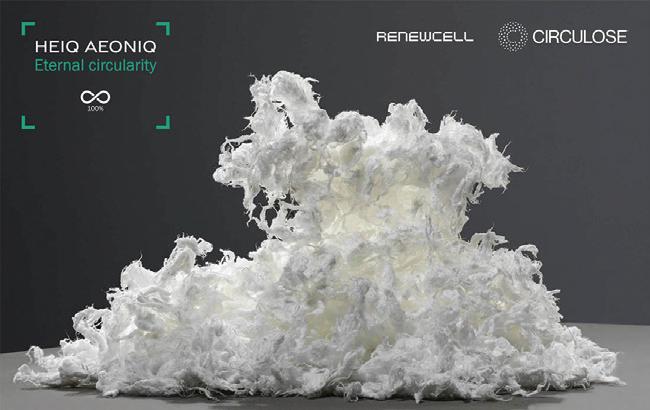
Circulose And CTA To Enable Lyocell Fibers Using CIRCULOSE® Pulp
Sweden-based Circulose recently announced an agreement with China Textile Academy Green Fibre (CTA) to offer lyocell fibers produced using CIRCULOSE ® pulp. Producing lyocell from recycled pulp at commercial scale is an important step in making textileto-textile recycled materials available across a wider range of textile applications.
Lyocell fibers are produced through a solvent-based spinning process and are valued for their strength, softness, and sustainability profile. The lyocell process operates in a largely closed-loop system, where the
solvent is recovered and reused, making it one of the environmentally favorable fiber production methods — even more so when
produced from recycled raw material instead of virgin wood.
Through the collaboration, CTA and Circulose will offer brand partners lyocell fibers of both standard and non-fibrillating grades, both produced using CIRCULOSE pulp. Supply will be limited in 2026, with the ambition to scale capacity to meet demand during 2027. Commercial volumes in 2026 will be available only to selected brands, while those seeking access in 2027 are invited to engage in product development at this time. www.circulose.com
Circulose pulp
Orta and Archroma launch denim collection dyed with wool waste
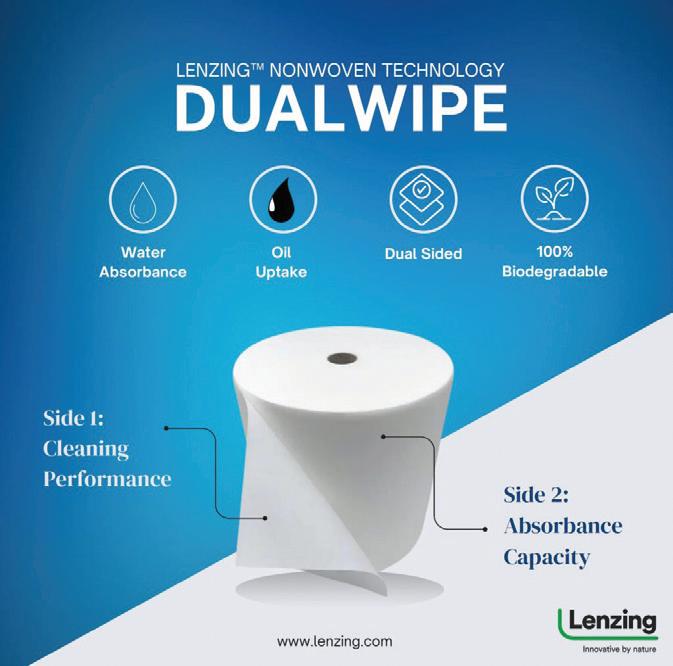
Award Nominated LENZING™ DualWipe Supports Europe’s Shift To Biobased Materials
The Lenzing Group, a global producer of regenerated cellulose fibers for the textile and nonwovens industries, recently introduced LENZING ™ DualWipe, its latest plastic-free wipe innovation and a nominee for the INDEX™26 Awards in the “Nonwovens Roll Goods” category. The nomination underlines Lenzing’s continued commitment to developing scalable, cellulose-based solutions for applications that have traditionally relied on fossil-based materials.
LENZING DualWipe, enabled by Lenzing’s Nonwovens Technology, integrates two functional surfaces within a single material: an abrasive side for effective removal of dirt and residues, and a soft, highly absorbent side for wiping and finishing. DualWipe contains no synthetic fibers, binders or finishing chemicals, and the wipe eliminates
the risk of plastic and microplastic shedding typically associated with conventional synthetic wipes. Its compatibility with standard converting processes supports broad applicability across industrial, professional and household cleaning segments. This innovation directly addresses the material demands discussed during a highlevel roundtable held in Brussels in early March, organized in cooperation with Euractiv, where policymakers, industry representatives and experts examined how biobased materials can enhance Europe’s economic resilience and accelerate the shift toward lower carbon, fossil reduced material systems. The conversations in Brussels highlighted the increasing relevance of cellulose based innovations as practical enablers of a more sustainable European materials landscape. lenzing.com
Airbus and composite material recycling startup Fairmat, both based in France, have signed a contract to explore how to recover carbon fibers from dismantled airframes and reuse them in aeronautical construction. The agreement comes amid efforts to recycle more materials from end-of-life aircraft and supports the trend toward keeping those materials in the sector. That circularity requires retaining the material’s properties, and therefore their value.
Initially, the joint effort will focus on the A350 widebody, a program that has not yet reached the aircraft retirement stage. The companies’ engineers will work on new approaches for the disassembly of carbon composites panels, while preserving the material’s value. The A350’s airframe relies on 53 percent carbon composites; Fairmat will center on wing structures and keel beam components.
Fairmat’s Infinity Recycling technology uses a cold plasma process to preserve the integrity of carbon fibers. Aerospace accounts for 50 percent by weight of the composites Fairmat processes. fairmat.tech
Custom Converting Equipment
•Unwinds / Rewinds
•Slitters (Ultrasonic, Laser or Conventional)
•Laminators (Ultrasonic, Thermal and Adhesive)
• Traverse and Spiral winders
•Membrane / Hollow fiber lines
•Festooners
•Accumulators
•Ultrasonic sewing machines
•Ring Welders
•Custom assembly machines
• Splicing equipment
LENZING™ DualWipe
EMERGENT
Textiles
IFJ Explores Trending Innovation
I
FJ highlights research from universities and institutions around the world. If you have a project you would like to be considered for inclusion in IFJ, e-mail rdavis@inda.org. Please send a press release and/or summary of the research as you would like it to be printed, as well as all high resolution photographs, charts or graphics. All selections may be edited for length.
GERMAN INSTITUTES OF TEXTILE AND FIBER RESEARCH (DITF)
HighPerCell® Process For Cellulose Staple Fiber Yarns
By Sabine Keller
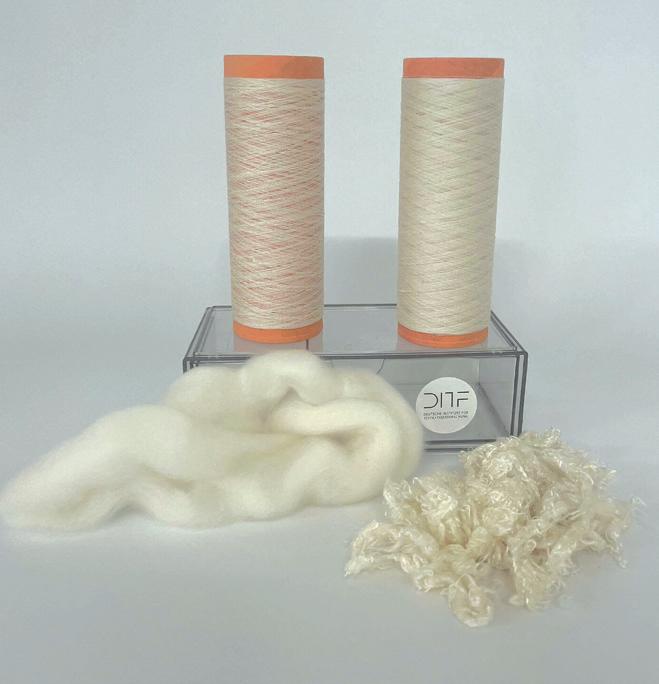
The German Institutes of Textile and Fiber Research (DITF) are breaking new ground with the production of staple fiber yarns made from cellulose. Using the HighPerCell® process — patented by DITF — highquality textile yarns for the apparel sector are produced from cellulose continuous filaments. A closed-loop recycling system and a low carbon footprint in production offer the apparel industry and consumers a particularly sustainable product.
The research and development project launched under the name “InnoCell” will drive the market-ready development of cellulose yarns for the apparel industry. In the HighPerCell process, cellulose fibers are produced as continuous filaments in a closed-loop system. It offers significant advantages over established industrial processes such as the viscose or lyocell process. The viscose process requires extensive chemical processing, which generates large amounts of waste. This is not the case with the HighPerCell process as it enables a closed-loop process with complete recycling of the solvent, and prevents waste products that are harmful to the environment and human health. The HighPerCell process also uses ionic liquids as solvents and is simpler and safer to control than the lyocell process. Furthermore, the cellulose fibers obtained in the HighPerCell process are less prone to fibrillation and nodule formation, offering advantages for use in the apparel sector.
Compiled by Ken Norberg, IFJ Editorial & Production Manager
The production of staple fiber yarns from the cellulose multifilaments obtained via the HighPerCell process opens up entirely new applications — and thus new markets — for this type of fiber. Staple fibers consist of short fibers that need to be spun into a continuous yarn. Producing yarns from staple fibers is technically demanding: it must be tailored to the physical and mechanical properties of the fiber type to ensure the creation of a stable yarn that is easy to process further. This step is carried out by the project partner Gebr. Otto Baumwollfeinzwirnerei GmbH & Co. KG, also known as Otto Garne. Crucial for smooth yarn spinning is a high-quality carded sliver, and the spinning process is designed to enable the highest possible yarn quality and is the basis for industrial upscaling. Otto Garne is also responsible for yarn dyeing and will develop a suitable methodology to achieve high color depth and colorfastness.
The resulting cellulose staple fiber yarns have different properties than the original continuous fibers. Staple fiber yarns have a fluffy and matte surface. This makes them softer and more breath-
able, which is especially desired for various fabrics in next-to-skin clothing.
The choice of raw material for fiber production is a key aspect of the development project. The laboratory samples produced so far utilized chemical pulp, which offers a high degree of purity. These raw materials are easy to process but have undergone extensive chemical treatment and are therefore not environmentally friendly. For upscaling to industrial use, locally sourced plants that are readily available will be used as raw materials. This makes the process both sustainable, as it reduces carbon dioxide emissions, as well as economically viable. The focus is on the use of regional beech wood, which is available in large quantities for cultivation. However, native annual plants such as hemp and flax will also be investigated for their suitability as raw materials. The HighPerCell process has already proven to be highly flexible with regard to various raw material sources. It is expected that the fiber production process can be adapted to the respective raw materials.
For manufacturers of apparel textiles, the source of raw materials is a key factor in marketing their products. In addition to fiber production within a fully closed recycling loop, the use of regional, sustainable raw materials enables product positioning that can be promoted as highly environmentally friendly.
The staple fiber yarns spun and dyed by Otto Garne are returned to DITF for further processing. This is where the first prototype is being produced as part of the project — a T-shirt that is extremely comfortable to wear and has an excellent environmental footprint.
For more information visit ditf.de
Filament yarns spun on DITF machines using the HighPerCell® process. DITF
UNIVERSITY OF GEORGIA
Your Clothes May Become Smarter Than You
By Sydney Barrilleaux
You’re probably used to the sight of smartwatches on people’s wrists. But what about smart clothes?
Researchers at the University of Georgia are exploring how the clothes people wear can potentially track and protect their health.
Smart textiles are fabrics that can monitor the body’s vitals and movement in real time. They’re flexible and lightweight, making them more comfortable to wear while moving.
The present publication focuses on MXenes, a class of 2D microscopic materials made from metals that can be coated or printed onto fabrics. The researchers conducted a comprehensive analysis of hundreds of published studies to examine the different properties of MXenes and how they could be used in smart textiles.
“MXenes have some advanced properties,” said Joyjit Ghosh, corresponding author of the study and a doctoral student in UGA’s College of Family and Consumer Sciences. Not only can they detect body temperature, blood pressure and heart rate, he said, but they are also antimicrobial, making them ideal for hospital settings.
A major focus of the review was the potential for using smart textiles in health care. With smart fabrics, wearers can track their health. Doctors and other health professionals could monitor a patient’s vitals and get alerts if the fabric detected irregular heart rate, blood pressure or temperature.
These fabrics could also react to changes in the body, helping to regulate body temperature. Being able to fend off bacteria could be a great asset in hospital settings as well, the researchers said.
“These MXene-based smart textiles can help prevent bacterial growth,” Ghosh said. “There is always a possibility of bacterial contamination with medical textiles. But if we use MXene-coated textile materials, we will get those antimicrobial properties, which are needed in hospitals.”
Smart textiles could also be ideal for
fitness enthusiasts who want to monitor their progress and improve their health.
Unlike most smartwatches, smart textiles gain power through the sun. This solar power could not only help the sensors work but also be used as a built-in power bank, the researchers said.
“We can store the energy we’re getting from the sun,” Ghosh said. “If we want, we could put our cellphone in our wearable textiles so that it can be charged. The fabric would have thin energy harvesting and storage layers built directly into it, functioning like a flexible, wearable power bank that could charge a phone or even a laptop in the near future.”
MXenes do have weaknesses, however, the review found.
The materials become less effective when exposed to oxygen or water, so they may not work as well after multiple wash ings. They are also produced using nonsustainable materials.
Ghosh is hopeful his lab will be able to overcome those challenges.
“We are working on how to reduce oxi dation and how to prepare MXenes using some sustainable and environmentally friendly materials,” Ghosh said. “MXenes are made from metal-based compounds that require energy-intensive processing. We are trying to prepare MXenes with biodegradable materials so that we can get a sustainable product as well as one which has longer durability.”
This review was published in ACS Omega and co-authored by Nishat Rupanty, Tas neem Noor, Tanvir Asif, Sayef Ahmed, Sad hin Howlader and Vladimir Reukov. For more information visit uga.edu
textiles house the next big smart technology? UGA researchers aim to find out. Chamberlain Smith
By Wes Fisher Director of Government Affairs
INDA, the Association of the Nonwoven Fabrics Industry
A Year Of Legal Firsts: How The Nonwovens Industry Is Navigating America’s Uncharted Tariff Terrain
The past 15 months have subjected the nonwovens industry to a tariff environment unlike anything in living memory, and not merely because of the top-line rates. What distinguishes this period is the degree to which the federal government has reached for legal tools that had never before been used, or not been used at the scale now being deployed. Companies within the nonwovens value chain that have any inputs sourced internationally have had to absorb not only the cost of the tariffs themselves but the operational uncertainty of not knowing which legal authority would govern their supply chains from one quarter to the next, not to mention the tariff rate itself.
February-April 2025: The Opening Salvo
The tariff cascade began within days of the second Trump administration taking office. On February 1, 2025, the president invoked the International Emergency Economic Powers Act, a 1977 statute designed to let presidents impose economic sanctions in response to foreign threats, to levy tariffs on imports from Canada, Mexico and China, citing national emergencies tied to fentanyl trafficking and border security. The move was immediately significant for the nonwovens sector, which sources polypropylene resins, polyester staple fiber, and nonwoven roll goods from all three countries. Then, on April 2, branded as “Liberation Day” in administration messaging, a sweeping regime of global reciprocal tariffs was announced under the same International Emergency Economic Powers Act (IEEPA) authority, imposing a baseline 10 percent surcharge on virtually all U.S. imports, with dramatically higher rates on goods from China.
The historical significance of this action was that IEEPA had never in its 48-year history been used to impose tariffs of any kind. Administrations of both parties had deployed the statute for sanctions, asset freezes, and targeted trade restrictions — but not tariffs. That unprecedented application, legal experts noted at the time, was precisely what made it legally vulnerable.
Wes Fisher is director of Government Affairs at INDA, the Association of the Nonwoven Fabrics Industry. Reach him at wfisher@inda.org.
The Section 232 Investigative Surge
Simultaneously, the administration launched a remarkable wave of investigations under Section 232 of the Trade Expansion Act of 1962, the national security statute that authorized the steel and aluminum tariffs of the first Trump term. The pace and scope were without parallel. Between January and July 2025 alone, the Department of Commerce’s Bureau of Industry and Security opened at least nine new Section 232 probes — covering copper, timber and lumber, semiconductors, pharmaceuticals, critical minerals, heavy trucks, polysilicon, unmanned aircraft and commercial aircraft. For context, in the nearly six decades between Section 232’s enactment in 1962 and 2020, Commerce initiated just 31 total national security investigations under the statute. The second Trump administration surpassed a significant fraction of that historical total within its first six months.
For the nonwovens industry, the most significant Section 232 investigation announced was the one on medical devices and personal protective equipment (PPE) announced in September 2025. The results of that investigation and implementation of tariffs related to it had not been finalized as of early May.
Many of the new tariffs implemented in 2025, stacked on top of existing Section 301 tariffs on Chinese goods, originally imposed during the first Trump administration following investigations into China’s intellectual property and technology transfer practices, had carried a set of product-specific exclusions that were subject to periodic renewal. In June and August 2025, the Office of the U.S. Trade Representative extended 178 such exclusions for another 90-day window, carrying them through November 2025. As part of a trade agreement between the Trump administration and China in early November, those exclusions were extended until November 2026. Notably, the extensions include multiple nonwoven roll goods, meaning those products have been coming into the United States without the additional 25 percent tariff since at least 2020. In the courts, the legal architecture underpinning
the administration’s broadest tariff powers was beginning to crack. In May 2025, both the Court of International Trade (CIT) and the U.S. District Court for the District of Columbia ruled that IEEPA does not authorize the president to impose tariffs, with the CIT issuing a permanent nationwide injunction. Those rulings were stayed pending appeal. In August 2025, the U.S. Court of Appeals for the Federal Circuit upheld the CIT’s decision. The government appealed to the Supreme Court, which accepted the consolidated cases in September and scheduled oral arguments for November 5, 2025.
February 20, 2026: The Supreme Court Rules
On February 20, 2026, the Supreme Court issued its decision in Learning Resources Inc. v. Trump, striking down the IEEPA tariffs in a 6-3 ruling authored by Chief Justice John Roberts and joined by Justices Sotomayor, Kagan, Gorsuch, Barrett and Jackson. The Court held that IEEPA’s grant of authority to “regulate . . . importation” does not include the power to impose tariffs. Roberts found it “telling,” in his words, that despite IEEPA’s enactment in 1977, no president had ever invoked it to impose tariffs until 2025, suggesting Congress had not understood the statute to carry that authority. The decision vacated more than $166 billion in collected duties and opened a potentially massive refund process for importers across all sectors.
For importers, the ruling did not mean relief was imminent. While the reciprocal tariffs were gone in the legal sense, they were replaced within hours.
February 20, 2026: Section 122 — Another First
Within hours of the Supreme Court’s decision, the president signed a proclamation imposing a new 10 percent global tariff under Section 122 of the Trade Act of 1974 — a statute that had never previously been used to impose import surcharges in its entire history. Section 122 authorizes the president to levy a temporary surcharge of up to 15 percent to address “large and serious United States balance-of-payments deficits,” but caps both the rate and the duration at 150 days without congressional action. The Section 122 tariffs took effect February 24, 2026, the same moment IEEPA duties ceased collection, and are currently set to expire July 24, 2026. The president announced plans to raise the Section 122 rate from 10 to 15 percent days after it was implemented, however that change had not been made by early May.
The administration justified the invocation by citing a $1.2 trillion annual goods trade deficit, a negative primary income balance for the first time in modern history, and a net international investment position of negative 90 percent of GDP. Critics, including economists and the 23 states that subsequently filed suit in the Court of International Trade, argued that these figures described a trade deficit, not the balance-of-payments emergency that Section 122 technically requires. Whether the statute applies remains an open legal question likely to be litigated into the summer.
The transition from IEEPA to Section 122 also included a carve-out for goods covered by the United States-Mexico-Canada Agreement (USMCA) preferential treatment, but it flattened the country-specific rate differentiation that had characterized the
IEEPA regime. Where IEEPA had allowed negotiated bilateral arrangements that set different effective rates for different trading partners, Section 122 applies a uniform 10 percent on all origins. That simplification cuts both ways for the industry: it eliminates some of the arbitrage opportunities that sourcing diversification created, while also reducing the uncertainty associated with bilateral deal negotiations, at least until July.
The Section 301 Path Forward — And Why It Matters
Administration officials, including Treasury Secretary Scott Bessent, have been explicit that combining Section 122, Section 232, and Section 301 tariffs is intended to replicate the revenue level previously generated by IEEPA. The key long-term instrument is expected to be Section 301. Shortly after the Supreme Court ruling, U.S. Trade Representative Jamieson Greer announced the initiation of new Section 301 investigations targeting major U.S. trading partners, including China, the EU, Mexico and several Southeast Asian countries, as the statutory basis for future country-specific tariffs to replace the reciprocal tariff architecture that IEEPA had provided.
Unlike IEEPA, Section 301 requires a formal investigative record demonstrating that a trading partner’s acts, policies, or practices are “unreasonable or discriminatory” and burden U.S. commerce. That process takes time, typically over 12 months, and subjects the administration’s conclusions to a higher degree of legal scrutiny than the emergency declaration pathway IEEPA appeared to offer. For nonwovens companies with sourcing relationships in Vietnam, India, Turkey or elsewhere that had been subject to elevated IEEPA reciprocal rates, the Section 301 investigation process introduces a new round of uncertainty. The outcomes of these investigations will be released on a highly expedited timeline, likely in July 2026, and will determine tariff rates well into 2027 and beyond.
What The Industry Faces Now
The net effect of 15 months of extraordinary tariff activity is a nonwovens trade environment that is simultaneously more legally constrained and more unpredictable than at any prior point in modern history. Section 232 tariffs on metals and derivative products — at rates of 25 to 50 percent — remain in full force and are not affected by the IEEPA ruling. Existing Section 301 tariffs on Chinese goods, and exclusions to those for many nonwovens, also remain. The Section 122 surcharge adds 10 percent on top, through at least July. And the Section 301 investigations launched in the wake of the IEEPA ruling may produce a new wave of country-specific duties before the year is out.
What is certain is that this is not a temporary turbulence. The statutory investigations that will determine the next chapter of U.S. tariff policy are already underway, particularly the new Section 301 probes designed to recreate the reciprocal tariff architecture on firmer legal ground. It is also clear that the use of tariffs as a policy tool will extend into future administrations of both parties. As always, INDA – the Association of the Nonwoven Fabrics Industry, is advocating for a fair approach to trade policy that allows the nonwovens sector to flourish.
Hybrid By Design: How Performance Biomaterials Are Reshaping Nonwovens Across Markets
Hybrid biomaterial systems are moving nonwovens beyond one-for-one material substitution toward performance-driven designs that account for processing, markets and end of life.
By Robert Green and Steve Davies
Building on previous IFJ articles focused on biopolymers, Robert Green and Steve Davies examine a fundamental shift from materials to systems in their third article in the series.
The nonwovens industry is undergoing a key transition — one that goes well beyond the adoption of new materials. For decades, innovation was driven by optimizing single-material systems, primarily fossil-based polymers such as polypropylene and polyester. These materials delivered unmatched scalability, consistency and cost efficiency.
But today, that model is under increasing pressure, with two forces driving this shift. Concerns over microplastics are expanding, from long-standing attention to
marine and environmental litter issues to now, human exposure and public-health concerns — a significantly more potent driver for change. More broadly, end-oflife accountability is dictating that it’s not enough that products work well in use, but it’s also about what happens to them after use.
It’s a welcome shift, as early attempts to make simple one-dimensional substitutions with biobased materials — polylactic acid (PLA) for polypropylene (PP), or viscose for polyethylene terephthalate (PET), as examples — have proven in-
sufficient. Performance gaps, cost challenges, and processing limitations have slowed adoption. It’s becoming clear that the future of nonwovens will be built not on material substitution, but on system redesign.
The New Design Framework: Three Complementary Material Classes
At the core of this shift is a simple but powerful design framework based on three complementary material classes: Natural fibers including cellulose, wood pulp, cotton, wool and alginates; Regenerated/bioactive fibers such as viscose, lyocell or chitosan; and
Biobased polymers such as PLA, polyhydroxyalkanoates (PHA), butylene adipate-co-terephthalate (PBAT), polybutylene succinate (PBS), emerging polyesters; melt blends and multicomponent fibers made from them.
Individually, each class has limitations. But when intelligently combined into hybrid systems, they can enable structure with functional performance — absorbency, filtration, softness or degradation, for example — processability at scale and designed end-of-life behavior.
The mindset that “no single material wins, rather, it’s systems that win,” is exactly what has successfully driven innovation in other industries such as composites and advanced materials.
Natural Fibers Reimagined: From Filler To Functional Component
Natural fibers are getting recognition, not as passive fillers or sustainability “add-ons,” but increasingly as engineered, functional components within high-performance nonwoven systems. Their value proposition is expanding to include features such as: intrinsic biodegradability; low carbon footprint; moisture management and tactile advantages; and favorable stiffness-to-weight characteristics.
In hybrid systems, these dimensions enable a diversity of benefits from improved acoustic and thermal performance to tailored fragmentation and biodegradation pathways — which is critical for microplastics mitigation — to reduced dependency on offshore oil-based supply chains.
This is a critical shift, with natural fibers moving from cost reducers to performance enablers.
Microplastics: A Driving Force For Redesign
If carbon reduction pressures largely defined the last decade, microplastics concerns are largely defining the next. Nonwovens are at the center of this issue due to their high production volumes, short product life cycles and fragmenta-
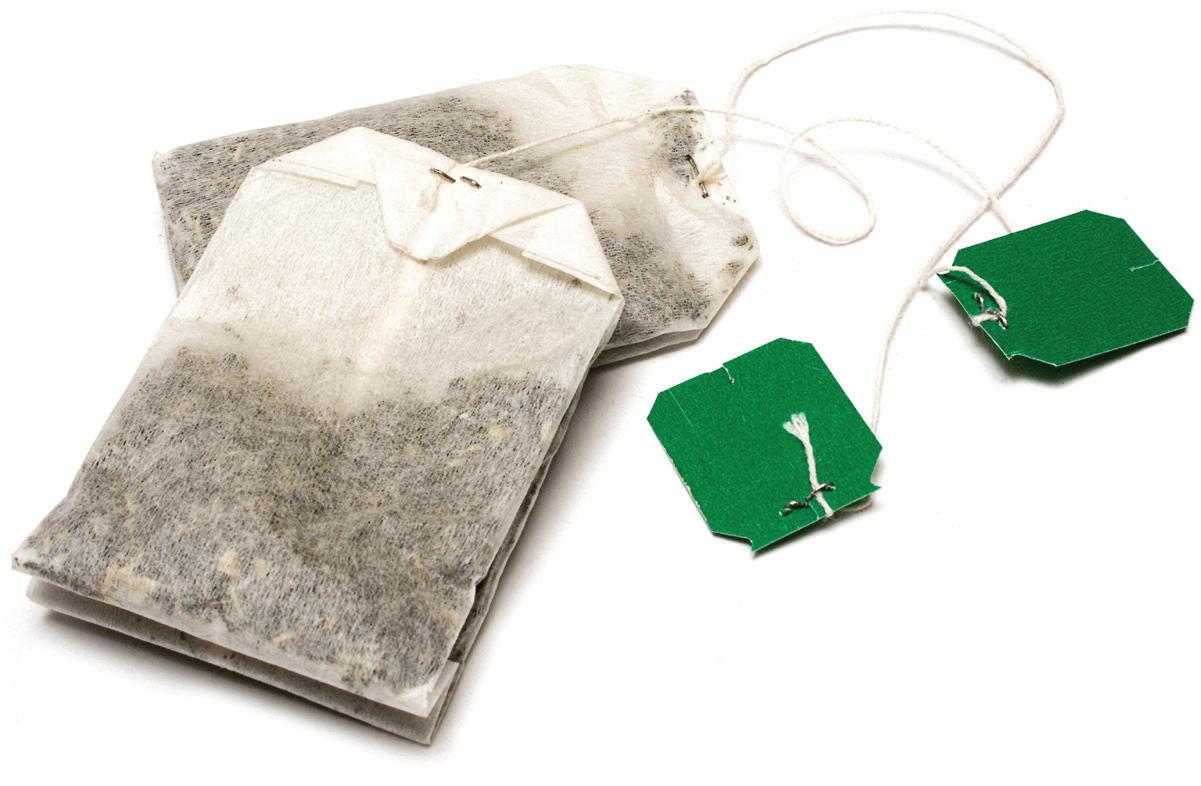
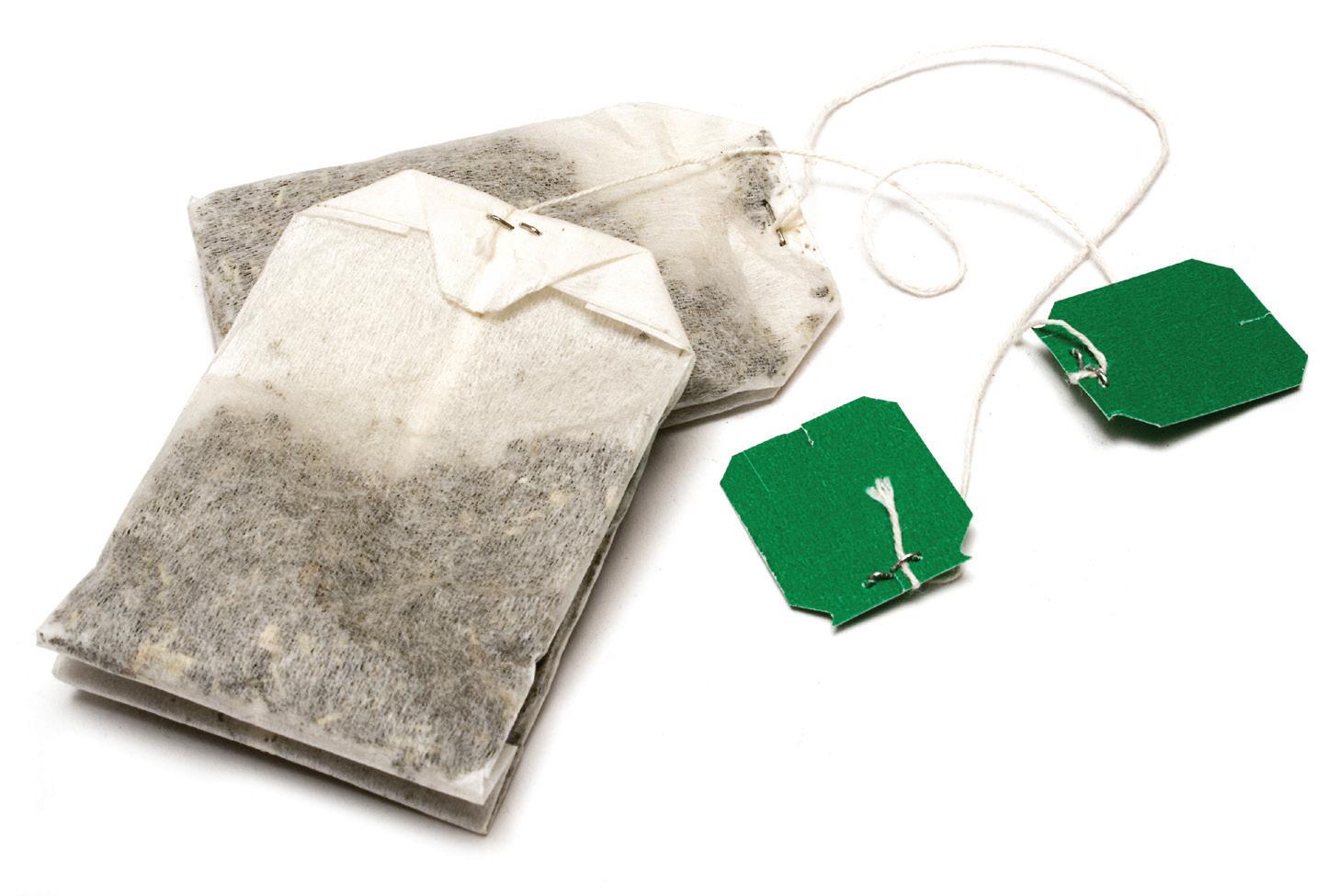
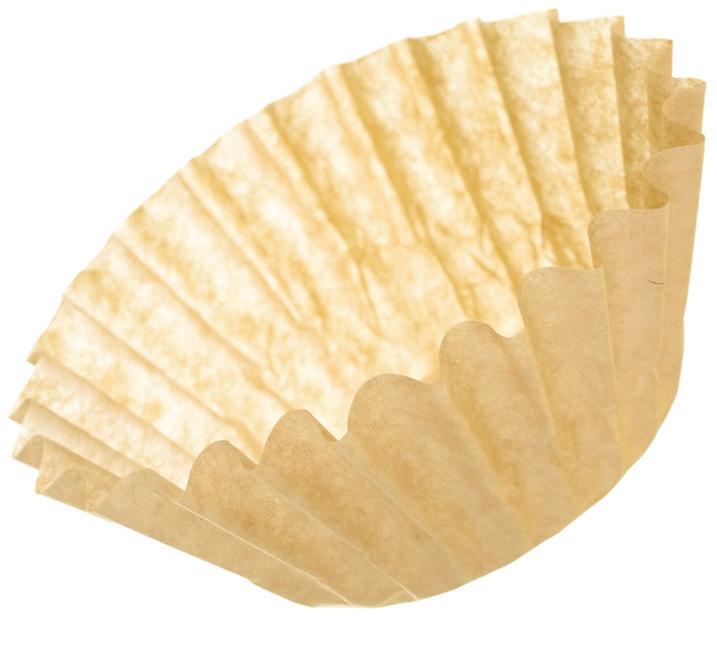
The beverage filtration market — including tea bags and coffee filtration products — is a mature, but underrecognized hybrid biomaterials market.
tion-prone fiber-based structures. Hybrid systems enable the new design requirement that materials must perform in use and behave responsibly after use with the design of structures that break down along controlled pathways, for example by incorporating biodegradable fiber fractions such as cellulose, PHA, PLA, or PBAT to reduce persistent synthetic microfiber content. As the market-specific examples below illustrate, the winning hybrid systems address concerns over microplastics persistence while simultaneously gaining performance advantage by playing to the specific attributes of each material in the hybrid system such as world-class fabric softness with the incorporation of a degradable material such as PBAT.
Rather than offering incremental or evolutionary product tweaks, hybrid structures allow a more fundamental redesign of the product architecture. Elegant solutions are also being developed by leveraging combinations of biopolymers either via blends or multicomponent fibers to address application and market needs.
Processing As The Enabler
Historically, variability in natural fibers and limitations in biobased polymers constrained adoption. That is changing, with advances on multiple processing fronts enabling hybrid systems to scale reliably.
These include advances in: hydroentanglement (binder-free bonding); airlaid and carding systems for natural fibers; spunmelt processing of PLA, more recently PBAT, and emerging polymers; process control technologies; and polymer blends and multicomponent fiber structures.
What it means is that processing is no longer the barrier; it is becoming “the unlock.”
Hybrid Systems By Market: Where The Shift Is Happening
Because each market is leveraging the three material classes differently, the most effective way to understand hybrid biomaterials is by looking at actual examples of how they are integrated into applications for specific markets.
1. Beverage Filtration:
Food-Contact, High Volume
This is one of the most mature, and underrecognized, hybrid biomaterial markets. Typical hybrid systems already used in tea bags and coffee filtration include:
iStock/winterling
The nonwovens industry has always excelled at engineering structures to deliver performance. What is changing is the design criteria. Hybrid biomaterial systems represent a new design language —one that integrates sustainability with end ‑ of‑ life responsibility.
natural fiber substrates → filtration media and compostability; and PLA fibers or mesh providing structural integrity and sealability. Such systems, increasingly produced at billions of units annually, are designed explicitly for a compostable end-of-life, and demonstrate that concerns over microplastics persistence can be addressed while still providing high-performance, taste-neutral filtration. With these structures, the industry has already proven hybrid biomaterials at scale, and these structures and systems design thinking are now beginning to translate into other filtration applications and markets.
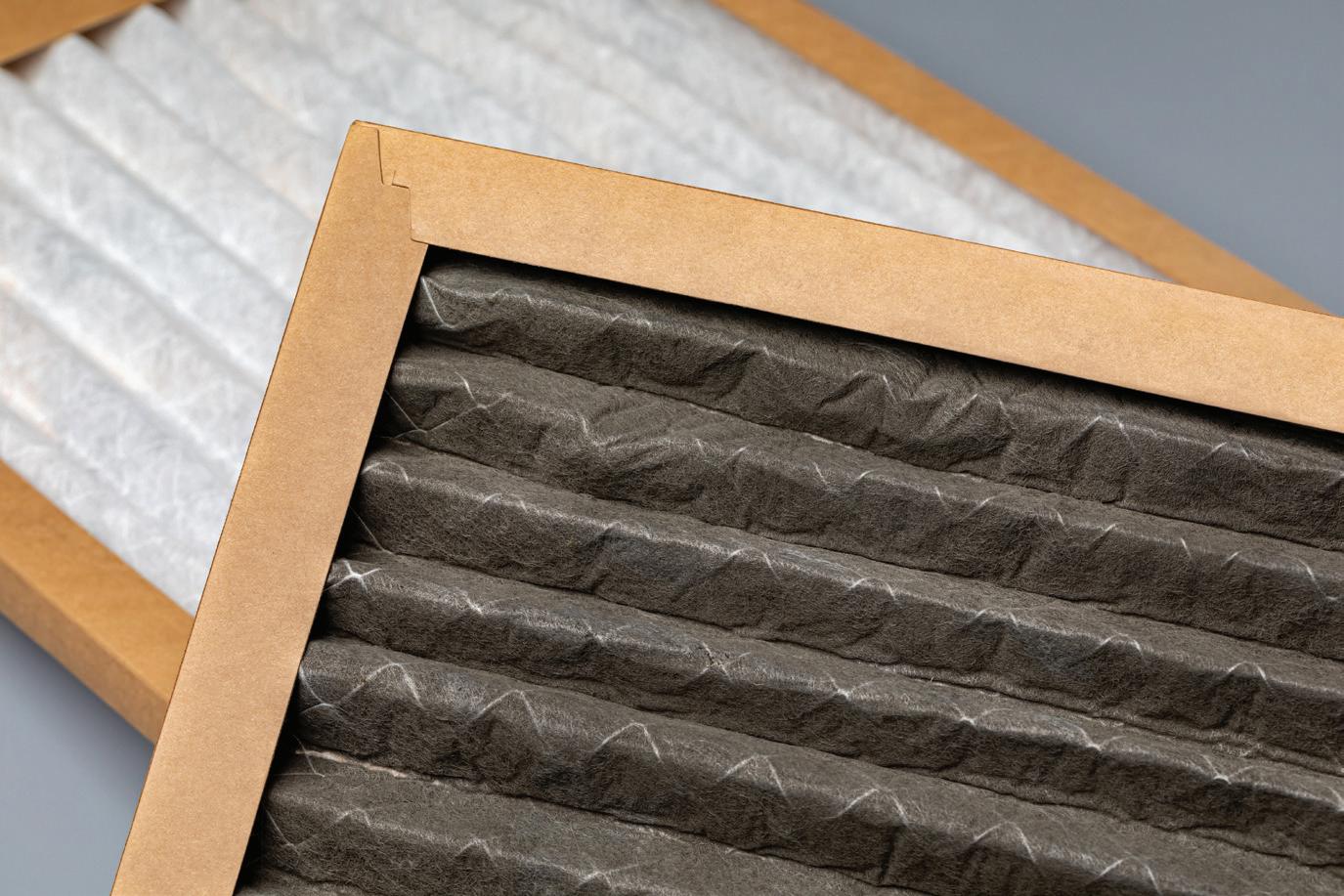
2. Technical Filtration: Heating, Ventilation and Air Conditioning (HVAC); Industrial And Consumer Air Hybrid systems are rapidly emerging in filtration, where performance demands are high and microplastics scrutiny is in-
creasing. Typical hybrid structures resulting from an integrated systems approach can involve:
biobased polymers such as PLA — fine fiber layer for efficiency, with PLA meltblowns now achieving competitive fine particle capture; natural fibers — cellulosic layers are replacing portions of synthetic substrates, providing depth filtration and moisture handling; and optional regenerated fibers for structural enhancement.
This is effectively a biobased rethinking of spunbond/meltblown/spunbond (SMS)-type architectures, with filtration moving from “all synthetic performance” to hybrid performance with reduced persistence.
3. Absorbent Hygiene Products (AHP) Hygiene represents one of the largest-volume opportunities — and one of the most
complex transition challenges. Hybrid systems in AHP include: natural fibers such as wood pulp or cotton for absorbency and bulk; biobased polymers such as PLA for bonding and structural components, PBAT for hand feel and softness; and regenerated fibers such as viscose/ lyocell for softness and skin contact performance.
With the recent introduction of grades specifically tailored for spunbond and meltblown processes, PBAT, in particular, is emerging as a new player in the nonwovens space. Its long-recognized flexibility and toughness in biodegradable films and fibers — with a prior presence in backsheet and structural components — is translating into topsheets with world-class softness, for example.
What’s changing is a stronger focus on reducing persistent microplastic load increasing the integration of biodegradable components, and hybridization to improve sustainability while simultaneously improving other attributes such as softness. AHP will not transition via a single material. The category will transition through multi-material hybrid systems optimized for cost, performance and end-of-life.
4. Wipes: Flushable, Personal Care and Industrial Wipes are at the epicenter of the microplastics discussion, and a primary driver of hybrid innovation. Addressing market demands for plastic-free or reduced-plastic formulations, typical hybrid structures are increasingly using hydroentanglement, as well as exploring PHA for improved environmental degradation profiles. Typical hybrid structures include:
cellulose/wood pulp for bulk, absorbency and flushability;
Hybrid systems are also emerging in technical filtration applications including HVAC, and industrial and consumer air filtration applications.
regenerated fibers such as viscose/ lyocell for softness and strength; and biobased binders or fibers, such as PLA or PHA, for wet strength and integrity.
Wipes are forcing the industry to consider and design for disintegration and degradation.
5. Medical Nonwovens: Advanced and Bioactive Applications
Medical applications are pushing hybrid systems into entirely new territory through functional hybridization. For applications such as wound care, tissue scaffolds and antimicrobial barrier materials, hybrid structures include: bioactive fibers such as chitosan and collagen → antimicrobial and healing response;
biobased polymers such as PLA and PHA → structural integrity and absorbability; and cellulosic components → purity and compatibility.
What’s different here with the hybrid systems shift is that materials are designed to interact with biological systems, and performance includes biological function, not just physical properties.
The Role Of Next-Generation Biopolymers
While PLA has led early adoption, the next wave of innovation will be driven by broader material sets, including: PHA, which offers biodegradability across a broad range of environments, including marine; PBAT for softness, flexibility, toughness and compatibility in blends and bicomponent structures;
emerging biopolyesters, which offer improved thermal and mechanical performance.
Expect these materials, along with melt blends and multicomponent fibers based on them, to be integrated into hybrid architectures tailored to specific applications.
Strategic Implications: Competing In A Hybrid World
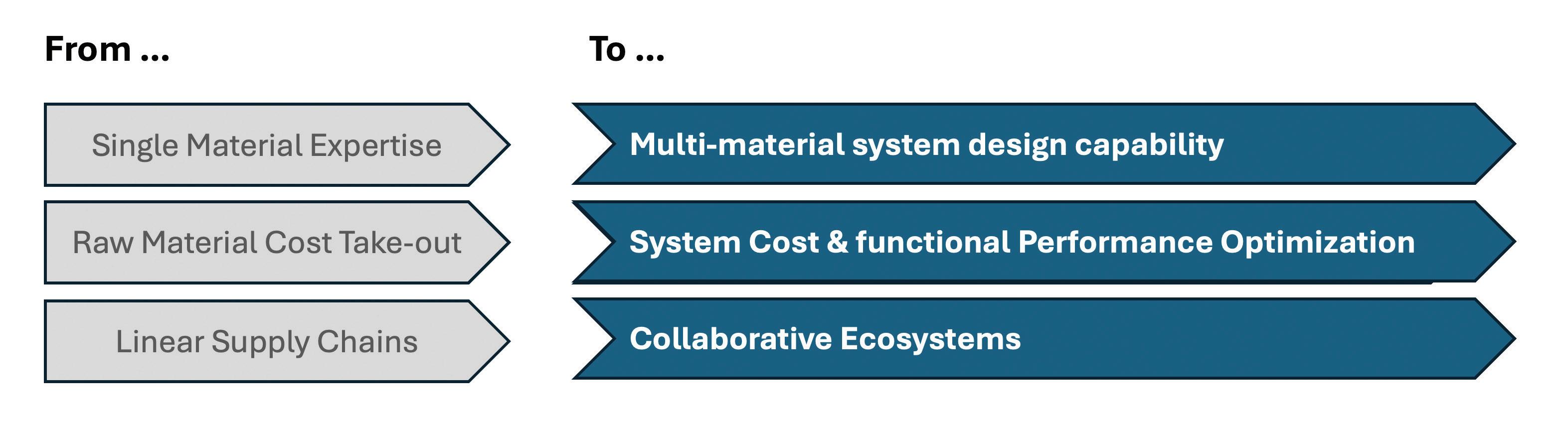
This transition has profound implications for how companies compete. The industry is moving as illustrated in Figure 1.
It’s a market environment where winning will require combining cross-material understanding, application-driven engineering, strategic partnerships across the value chain and end-of-life design integration.
Reference
Final Thought: A New Design Language For Nonwovens
The nonwovens industry has always excelled at engineering structures to deliver performance. What is changing is the design criteria. Hybrid biomaterial systems represent a new design language — one that integrates performance with sustainability and end-oflife responsibility.
The question is no longer whether biomaterials will play a role. The question is: Who will lead in designing the hybrid systems that redefine nonwovens across markets? The future will not be defined by better individual materials, but by better systems, designed intentionally from the start.
1. As an example, although not yet facing significant regulation, (unintentionally generated) microplastics are now seeing substantive discussion at US and EU policy levels. In April 2026 US HHS announced $144 million in funding over 5 years for human health related research. Such framing around reproductive health, chronic disease, endocrine disruption, fertility, etc., often precedes and sets the foundation for more aggressive regulation.
With more than 35 years leadership experience in the materials industry spanning fibers, plastics, and chemicals, Steve Davies is recognized for advancing circular economy solutions, commercializing novel materials, and building multi-sector partnerships that unite industry, government, academia, and non-governmental organization in his two decades at NatureWorks LLC. He now helps organizations evaluate and commercialize novel and advanced materials and solutions, providing business strategy development, go-to-market planning, stakeholder engagement, and issues management.
Robert Green is Business Development director, Americas, for England-based nonwoven fabric-tech company Nonwovenn, as well as a recognized leader in polymers, fibers and nonwovens. A former vice president at NatureWorks LLC and polyester industry veteran, he has more than 30 years of experience commercializing advanced materials and building global fiber and nonwoven businesses, including one of the first successful biopolymer platforms for fibers and nonwovens.
MEETING THE PFAS CHALLENGE: Drivers And Opportunities In Nonwovens
Regulatory pressure, public concern and materials innovation are creating innovation opportunities in the nonwovens sector.
By Jack Eaton
The health and environmental impact of per- and polyfluoroalkyl substances (PFAS) will only become an increasingly important consideration for all those in the nonwovens sector. As much as action is driven by regulatory changes, public attitudes are also forcing the agenda. At England-based NIRI — a developer of fibers, nonwovens and advanced materials — this is seen not only as a compliance challenge, but as a driver for innovation in materials design, product engineering and supply chain strategy. In this article, the legislative landscape in Europe and the United Kingdom is considered, as well as how forward-thinking companies can turn the PFAS challenge into a market opportunity.
Legislation And Regulatory Timeline: Why 2026 Is A Pivotal Year
Legislation is the primary catalyst for innovation in PFAS replacement and for companies looking to phase these “forever chemicals” out of their products. Regulatory demands are designed specifically to force the transition to less harmful alternatives and provide the certainty for investment in research and development.
The EU approach combines targeted bans alongside longer-term goals for more wide-ranging restrictions. For example, from April 2026, a toy safety ban comes into effect — initially those designed for children aged three and under — as does the prohibition of PFAS in food packag-
ing. And, the European Chemicals Agency (ECHA) is evaluating a proposal that could lead to the ban or restriction of between 7,000 and 10,000 PFAS compounds. ECHA has a stated aim of completing this evaluation by the end of the year.
Within the European Union, the restriction of PFHxA and related substances under Regulation (EU) 2024/2462 means that, from October 10, 2026, products placed on the market must not exceed:
• 25 parts per billion (ppb) for the sum of PFHxA and its salts; or
• 1,000 ppb for the sum of PFHxA-related substances.
This impacts a wide-ranging industrial base, including textiles, apparel, paper, cosmetics, packaging and supply chains involving recycled materials.
In the United Kingdom, while progress may be less proactive than across the European Union, the recently launched PFAS Plan indicates a decisive but proportionate approach. Emma Hardy MP, Parliamentary Under-Secretary of State, highlighted the vision: “to reduce and minimise the harmful effects of PFAS while transitioning to safer alternative substances.”1
This comes from the Minister for Water and Flooding, and points to a useful separation between those initiatives that are driven by specific water-related health and environmental concerns, and those focused on the issues with PFAS use in products and across the wideranging sectors already noted — differentiating between impact across the supply chain, from product production, through
processing, environmental leakage and pointing to the need for a circular economy approach.
Much of the new UK plan is focused on international collaboration, following EU guidelines and legislation alongside continued commitment to existing protocols such as the United Nations’ COP climate change conferences and the UN Stockholm Convention on Persistent Organic Pollutants (POPs). For example, the intention to “align UK REACH with closest trading partners, especially the EU, by December 2028,”2 and the implementation of UK obligations under the Stockholm Convention on POPs, including “restriction of LC-PFCAs to be implemented by end of 2026.”3
And, continuing support for PFAS is to be addressed as an Issue of Concern under the Global Framework on Chemicals (GFC), with the first conference of the GFC anticipated to make a decision on PFAS as an Issue of Concern this November.4 While regulation is the primary driver, it is increasingly reinforced by public expectations.
Public Opinion And Awareness Driving The Agenda
Although the UK PFAS Plan might be seen as lacking clarity for manufacturers, it does pinpoint the degree to which the PFAS agenda is increasingly determined by public opinion, citing the recent survey from the Royal Society of Chemistry (RSC) into public attitudes.5 Headline response data from this survey indicates:
• Nine out of 10 people surveyed want PFAS controlled in food, drinking water and the environment;
• Responsibility for reducing PFAS levels should lie predominantly with chemicals and product manufacturers — 74 percent and 73 percent, respectively — with government responsibility at 58 percent;
• Participants were willing to make sacrifices where it means avoiding the use of PFAS, including lower product performance — 61 percent — increased cost — 60 percent — and reduced availability —70 percent; and
• Some 77 percent support additional government funding for research and innovation.
RSC’s policy advisor Stephanie Metzger observed that the research “demonstrates clearly that people care about PFAS … Citizens expect their government to use its existing powers and make new laws where necessary in order to effectively manage the manufacture, use and disposal of these chemicals.”6
Compliance With Legislation: Looking To Transition Timelines
Transitioning away from PFAS is complex, particularly in sectors such as medical and food applications where development cycles are long. However, the trajectory toward more stringent legislation and PFAS bans is clear. And, according to recent data, one in three of the largest global chemical manufacturers are already committed to phasing out PFAS, based on legislative, reputational and litigation imperatives.7
Participants in the RSC survey’s focus groups indicated frustration around the lack of investment on the part of manufacturers when looking to PFAS alternatives, but, as already noted, they overwhelmingly agreed that additional government funding should support the transition as indicated by 77 percent of the responses.
The Scale Of The Opportunity
One theme that runs throughout the UK PFAS Plan is the scale of the economic opportunity for companies taking a proac-
tive approach, as opposed to a wait-andsee reactive response to PFAS legislation. The Plan references an EU-wide estimate that the PFAS-free market could reach $14.9 billion by 2040,8 while the SystemIQ report cited indicates that, “Existing policies and technologies could reduce combined harms by ~70%, delivering up to $1.9 trillion in annual global savings.”9
The sheer ubiquity of PFAS — and the size of the market — represents both a challenge and an opportunity. One overview has demonstrated that PFAS are present in more than 200 use categories and sub-categories, for more than 1,400 individual PFAS.10 Equally — and critically for those companies seeking to meet the challenges and invest in research and development to establish alternative technologies — legislation is increasingly being pushed to direct public funding towards supporting this development.
Again, the UK’s PFAS Plan points toward support as a means to drive innovation: “We already fund research into the development of PFAS alternatives. For example, for applications that support government capabilities, in 2025 the Ministry of Defence and Home Office jointly held an open competition to find alternatives to PFAS in protective materials.”11
The report contains several initial indicative actions, including:
“Action 2.16: Promote the innovation of safer PFAS alternatives in UK industry through collaborative events and forums, including through the government’s Chemicals Innovation Forum.
Action 2.17: Build a community of prac-
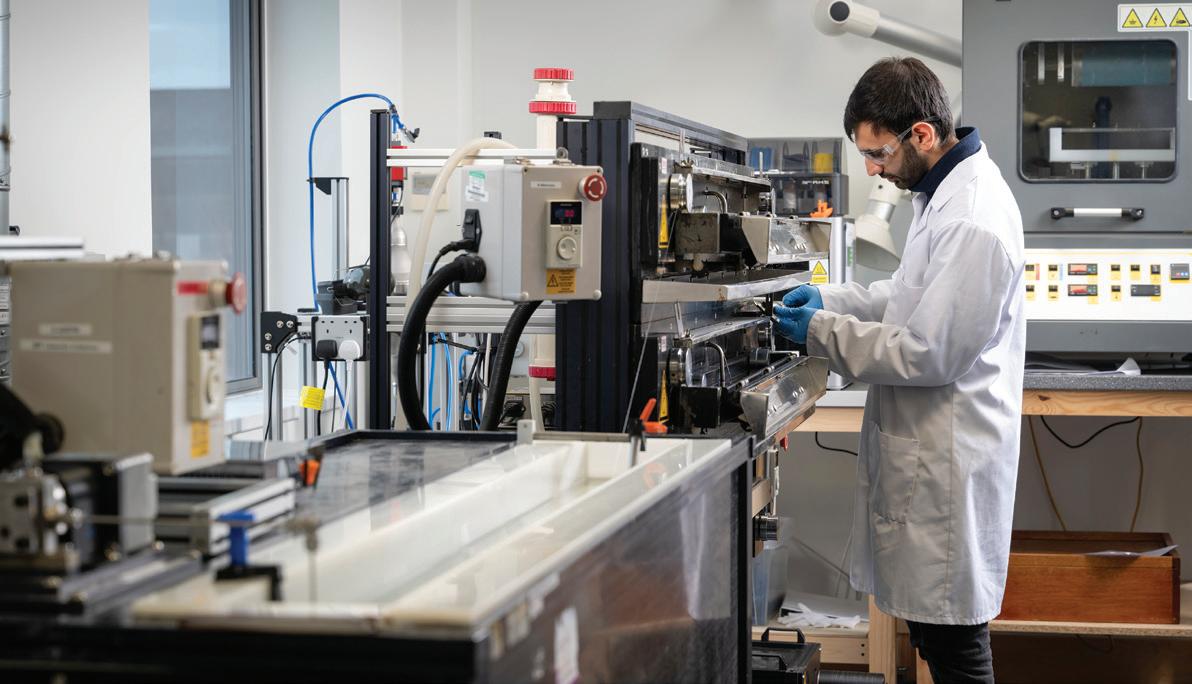
NIRI's analytical facilities are used to fast-track innovations.
NIRI's prototyping facilities are advanced facilities for diverse prototyping needs.
tice between industry and researchers, by adding PFAS as a focus area within existing innovation and alternatives platforms.”12
Here, echoing the RSC survey, public awareness and concern can help bolster governmental action and research and development investment to ramp up capability to meet the regulatory agenda.
Approaches To The PFAS Problem
Overspecification: NIRI has undertaken significant research into moving away from overspecification as one means to address the PFAS problem. For many products — including single-use food packaging which are significantly affected as of April — these may currently be overperforming and PFAS may be unnecessary. Equally, when looking to medical devices and drug delivery, interrogating real-world specifications can prove a positive alternative to a general reliance on PFAS, particularly if considered at the design stage. At the redesign stage, this approach relies not on direct chemical substitution, but on a holistic review of product engineering — for example, where other parts of a fabric system can contribute to performance, rather than placing total reliance on a chemical coating or membrane. In the RSC survey, respondents went even further, acknowledging that — in a balance between performance and using PFAS-free alternatives — they would accept lower performance rather than accept the known health and environmental hazards associated with forever chemicals.
3D thinking: A shift from 2D to 3D thinking can help transform products currently utilizing PFAS. Here, the entire product system is considered, rather than focusing on the like-for-like approach. In one research experiment at NIRI, an iterative approach was used: introducing a PFAS alternative coating, while laminating a woven fabric to a nonwoven. While neither approach was suitable in isolation, the combination of the two — tailoring the PFAS alternative parameters and structural properties — enabled the creation of a PFAS-free composite with performance comparable to that of the original PFAS-coated fabric.
Alternative Materials: While there is still
a distance to go in replacing PFAS for all applications — and this, undoubtedly, forms a major element of the EU’s rationale for taking an incremental approach to regulation rather than implementing the blanket ban that many in industry had previously feared — there are a range of alternative materials already in use and currently in development. These options include:
• biobased polymers, for example, genetically modified microorganisms that can produce biopolymers for use in plastic manufacturing and packaging, and which naturally biodegrade;
• fibers derived from agricultural waste offer a chemical-free alternative to synthetic textiles; and
• natural bast fibers including traditional fibers such as hemp, flax and jute, utilized for their inherent strength and durability.
What This Means For Industry
For manufacturers and material developers, several key implications are clear:
• PFAS transition is no longer optional — timelines are being defined by regulation;
• product redesign may be more effective than direct substitution;
• early investment reduces both regulatory and reputational risk; and
• collaboration across supply chains will be critical.
Above all, companies must shift from reactive compliance to proactive innovation.
How Regulatory Certainty Supports Innovation
With the proposed EU restriction on up to 10,000 PFAS seemingly on the near horizon, and given the governmental impetus to invest in research and development looking at PFAS alternatives — largely motivated by regulatory drivers and growing public awareness and demand for action — innovation is, and will continue to be, crucial. And there are significant business opportunities for those companies embracing innovation. But innovation is dependent on legislative certainty, to justify investment in research and development. That said, the imperative is clear: 2026 is a
pivotal year, and the impetus for innovation into PFAS-free alternative approaches and materials may be one of the most significant challenges — and opportunities — that will impact nonwovens and materials science for the foreseeable future. The companies that treat PFAS regulation as a design challenge, not a compliance burden, will define the next generation of high-performance materials.
Jack Eaton obtained a B.Sc. in Sports Materials Technology and a M.S.c in Advanced Textiles and Performance Clothing, both from the England-based University of Leeds. After graduating, Eaton gained extensive consultancy experience at NIRI over a seven-year period in various roles. He then went on to gain commercial experience in coatings, pigments and polymer processing for a diverse range of applications.
In March 2025, Eaton rejoined NIRI and is now responsible for the commercial development of the business, combining his technical textiles knowledge and commercial experience. He oversees marketing, sales, product development and customer service activities. He may be contacted at jacke@nirigroup.com.
June 29-July 2, 2026
Nashville, Tennessee
Teijin Frontier has developed nonwoven microcarriers that enable speedy, largescale, high-quality cell culture. This scaffolding material for a wide range of cell types facilitates adherence and growth in three dimensions.
MEDICAL NONWOVENS Move Center Stage
In The Push For Eco‑Friendly Disposables
Environmental targets, infection-control demands and supply-chain shifts drive renewed focus on single-use fabrics.
By Geoff Fisher, European Editor
Absorbent hygiene products continue to lead global consumption of disposable nonwovens, yet the healthcare and medical sector remains an essential market, underpinning steady growth and ongoing material innovation.
Developments in polyolefin chemistry, biopolymers and closed-loop waste systems are creating promising options that point toward the increased use of sustainable medical nonwovens, while continuing to satisfy stringent infection control, regulatory and supply chain requirements.
The COVID-19 pandemic underlined the importance of nonwovens in the medical and healthcare sectors when the global supply of personal protective equipment (PPE) was vital for keeping frontline workers safe. In addition, the wearing of multilayered nonwoven face masks, with their ultrafine-fiber meltblown inner layers, became an essential strategy for protection against the virus in public spaces.
Barrier Properties
In the surgical arena, single-use nonwovens are routinely employed for drapes,
gowns and masks owing to their effective barrier properties against fluids and pathogenic microorganisms, such as bacteria and viruses. They ensure a sterile environment in the operating room and reduce the risk of cross-contamination and surgical site infections, at the same time providing acceptable levels of durability, breathability, comfort and ease of movement.
Layered composites, which often combine spunbond and meltblown structures, offer soft inner surfaces for unobtrusive wear against the skin, together with du-
Teijin Frontier
rable outer layers that can withstand the abrasion and handling stresses of the operating room.
While the debate between single-use nonwovens and reusable woven fabrics continues, concerns over laundering efficiency, fabric wear and the risk of cross-contamination have pushed many hospitals toward disposable solutions.
By removing the variables of repeated washing and sterilization, disposables offer a level of consistency that
Infection Prevention In Wounds
Nonwovens are also used in many wound care products such as dressings, bandages and surgical sponges. Their high absorbency and breathability contribute to exudate management, promote a moist healing environment and prevent infection. Nonwoven dressings can be easily impregnated with antimicrobial agents to enhance protection, while their inherent softness and conformability enable them to be comfortably applied to a wide range of wound types and locations.
Magnera has introduced a new per- and polyfluoroalkyl substances (PFAS)-free fluid-repellent solution for nonwoven textiles, designed for healthcare and other industries requiring high protection standards.
busy clinical environments increasingly rely on. This is especially true in high-throughput surgical centers, where infection-control teams enforce rigorous hygiene standards and have little tolerance for uncertainty.
Also in the operating room environment, sterilization wraps and medical packaging made from nonwoven fabrics are designed to maintain the sterility of surgical instruments and medical devices. Many of the components in customized procedure trays, which contain items required for a specific surgical procedure, can be individually wrapped in nonwovens. These materials offer the required durability, tear and puncture resistance and breathability, and can withstand the rigors of current sterilization methods, such as steam, ethylene oxide and gamma radiation.
More recent nonwoven innovations include scaffolds for three-dimensional biological tissue engineering, implantable fabrics that can reinforce
Growing Demand
Against the backdrop of a rapidly evolving healthcare sector, an aging population and a growing incidence of chronic conditions, the global medical nonwovens market was estimated at $1.5 billion in 2023 and is projected to reach $2.1 billion by 2030, growing at a compound annual growth rate of 4.8 percent during the 2024–2030 period, according to Stratview Research. The key growth driver is the increasing need for infection control in healthcare settings, as medical nonwovens enable disposable, sterile and highly protective solutions that reduce contamination risks and improve patient safety.
Following the coronavirus outbreak, the increased awareness of health and safety has driven innovation in the development of nonwoven medical textiles. However,
natural tissues and nanofiber nonwoven filtration media offering enhanced particle capture properties.
Used as scaffolds in tissue engineering applications, composite nonwovens can provide high porosity and surface area, facilitating better cell attachment and growth, while nonwoven scaffolds used in wound care can influence the behavior of contractile cells in the wound bed, reducing scar formation. Further, polypropylene nonwoven materials are used as hernia meshes owing to their ability to integrate with tissue and minimize adhesion formation.
the market is now experiencing an oversupply of nonwoven materials, especially in spunmelt and meltblown capacity, impacting pricing and pushing manufacturers to focus on higher-value medical fabrics, digital quality control and sustainable technologies. As a result, many producers are now focusing on specialized medical nonwovens rather than commodity PPE.
Defining Priority
As in all technical textile sectors, sustainability is rapidly becoming a defining priority for medical product manufacturers and healthcare providers. Hospitals are
Magnera
Hospital staff in Scotland have helped to design theater caps made from plant-based material. Heriot-Watt University
The Optiveil range of lightweight polyester veils manufactured by Englandbased James Cropper Plc has passed critical medical testing, confirming its safety for human contact and suitability for use in wearable medical devices.
James Cropper
under increasing pressure to cut waste, original equipment manufacturers are rethinking supply chains through a greener lens, and product designers are searching for materials that meet environmental targets without compromising clinical performance.
WPT
A key challenge is the environmental footprint of single-use nonwoven products. The surge in disposable medical items has intensified waste volumes, sharpening the industry’s focus on developing more sustainable options.
With many healthcare organizations looking for renewable alternatives to petroleum-based disposables, biobased and compostable medical nonwovens, such as polylactic acid (PLA) and polybutylene adipate terephthalate (PBAT), are starting to gain momentum; there are indications of a shift toward the use of PLA-based and biopolymer nonwovens for gowns, masks, drapes and wound care products.
In the past, sustainable materials have struggled to match the performance of traditional, low-cost polypropylene. PLA, however, can offer breathability, softness and renewable sourcing while meeting medical-grade performance requirements.
Recent Developments
According to Beaver Dam, Ky.-based WPT Nonwovens Corp., recent developments
Developments in polyolefin chemistry, biopolymers and closed loop waste systems are creating promising options that point toward the increased use of sustainable medical nonwovens …
Self-adhesive, sterile dressings are used for the protection of acute and post-operative wounds, as well as absorption of exudate. Hartmann Group
have resulted in PLA-based medicalgrade nonwovens with higher-strength fiber bonding; better liquid-barrier control in spunbond-meltblown-spunbond (SMS) and spunbond structures; enhanced filtration efficiencies for face masks and clinical PPE; and specialized coatings that maintain breathability while supporting fluid resistance.
And as the demand for biodegradable and recyclable nonwoven materials in the medical sector grows, an increasing number of fiber and raw materials suppliers and nonwovens manufacturers that exhibited at the recent INDEX™26 nonwovens trade show in Geneva, Switzerland, are now opting for ISCC Plus certification for biobased feedstocks. These include BASF, ExxonMobil, Indorama Ventures, Magnera, Saudi German Nonwovens and Teijin Frontier.
A Sector In Active Reinvention
Medical nonwovens are developing rapidly as sustainability pressures, infection-control demands and materials-science innovation converge. Manufacturers are pushing into biobased and biodegrad-
able polymers, refining spunbond and meltblown processes for higher-performance SMS composites, and developing next-generation filtration layers that deliver stronger barrier protection with improved breathability.
Functional additives, from antimicrobial finishes to breathable barrier coatings, are expanding the capabilities of disposable fabrics, while new production lines and regionalized supply chains are enabling more specialized, higher-value materials.
Together, these developments signal a sector in active reinvention, driven by both environmental expectations and the clinical need for consistent, reliable performance.
Geoff Fisher is the European editor of IFJ and a director of England-based Textile Media Services, a B2B publisher of news and market reports on transport textiles, medical textiles, smart materials and emerging markets. He has 40 years of experience reporting on fibers and technical textiles and can be contacted at gfisher@textilemedia.com.
WPT Nonwovens serves the medical industry with nonwovens made from polyester, rayon, cotton and blends to meet any needs.
Nonwovens
ReNova™ Scales Recycled Cotton Fiber Production For Global Brands
Auro Spinning Mills’ Gurpreet Singh discusses the ReNova™ recycled cotton fiber expansion, traceability efforts and the quality challenges shaping demand from fashion and sportswear brands.
By Arun Rao, International Correspondent, India
ndia-based Auro Spinning Mills, a business unit of the Vardhman Group, established its first ReNova™ recycled cotton fiber spinning unit in 2022 with a capacity of six tons per day using both pre-consumer and post-consumer waste. This capacity has now grown to 12 tons per day. ReNova fibers are turned into yarns that are used in both knitting and weaving applications, with most of the fabrics going into fashion garments for several global fashion and sportswear brands. The yarns are also used in highend home textiles.
Arun Rao, IFJ ’s international correspondent in India, recently met with Gurpreet Singh, chief general manager of Auro Spinning Mills, to learn more about ReNova recycled fiber, as well as the company’s plans to establish two additional recycled cotton fiber lines in its mills in central India.
International Fiber Journal: Kindly provide a brief history of the Vardhman Group. Gurpreet Singh: ReNova, a cotton fiber recycling brand, was initiated by the Vardhman Group — one of the biggest textile groups in India with facilities beginning from spinning to garment making that operates in multiple locations.
The group had humble beginnings in 1965 when it started with just 6,000 spindles. Currently, the group manages 1.26 million spindles with an average count daily production capacity of 22,800 metric tons of yarn per month.
The group also has 1,790 advanced weaving looms with a capacity of 20 mil-
A
IN THIS ISSUE: GURPREET SINGH
Chief General Manager, Auro Spinning Mills, Vardhman Group, India
lion meters of fabric per month, fabric dyeing capacity of 18.6 million meters per month, and fabric printing capacity of 2.2 million meters per month. Production capacity of garments is approximately 165,000 shirts per month. In addition, the group also has a facility for producing performance fabrics with average manufacturing capacity of 1.5 million meters per month, which are used in jackets, bags, coats, parachute, bulletproof jackets, among other applications.
IFJ: Can you tell me about the ReNova cotton recycling project and how it got started? Singh: The first recycled cotton fiber pro-
duction line was installed with a capacity of 6 tons per day in 2022 and recycled cotton fiber was produced from the pre-consumer hard waste generated by the various textile mills operated by the Vardhman Group. We installed a second line also of 6 tons per day in 2025 to produce fibers from fabric clippings from post-consumer waste and now have a total production capacity of 12 tons per day. Fabric clippings are sourced from specialized suppliers as the conversion process is highly labor-intensive and not undertaken in-house. Our recycled fiber is used exclusively within the Vardhman Group, with additional volumes sourced from buyer-nominated partners if required. We operate state-of-the-art fiber processing technology, maintaining precise temperature and humidity control to prevent fiber rupture. Advanced air filtration systems refresh the unit’s air up to 50 times per hour, effectively managing dust and fly. We are among the very few facilities in India equipped with both integrated climate control and high-frequency air filtration systems.
Around 20 percent of our recycled cotton fiber comes from post-consumer waste, while 80 percent is derived from pre-consumer waste such as yarn and fabric residues generated within our mills and garmenting units. Recycled fiber from yarn waste offers superior quality compared to fabric or post-consumer sources, as fiber integrity declines further down the value chain. Nearly 90 percent of the recycled cotton yarns we produce are sold externally, with the remainder processed in-house through weaving, dyeing or printing.
IFJ: What prompted the recycling cotton fiber project?
Singh: Customers were not satisfied with the quality of yarns produced from re cycled fibers. Secondly, there also used to be a question of verification as to whether the yarn contains recycled cot ton. These two reasons led Vardhman to installing our own recycled cotton fibers plant under the brand name of ReNova. Another reason was that we have close to 1.3 million spindles and produce around 20 million meters per month of fabrics. Waste was generated from both these manufacturing processes that could be put to good use producing recycled fibers. Additionally installing this recycling plant gave more confidence to the fashion brands to buy our yarn.
quality of the feedstock. First the fabric clipping is passed through a cutter and then undergoes conditioning for 24 hours to ensure the moisture is consistent. Then it goes through the tearing line. After the tearing line there are some proprietary processes that make our fibers better than those available in the market.
We feel that with newer environmental regulations from the European Union and the United States, the demand for recycled fibers will increase in the future.
— Gurpreet Singh
ate solutions aligned with performance and aesthetic goals.
How much recycled content is currently going into the fashion apparel?
Currently recycled fiber is blended with virgin fibers in proportion as mandated by our buyers. We also follow Textile Exchange guidelines that set strict mandates for adding recycled fibers for producing various counts of cotton yarn. There is a limit on blending recycled cotton fibers with virgin cotton fiber due to the shorter length of recycled fibers in order to produce higher count yarns of good quality.
IFJ: Does ReNova provide traceability of its recycled cotton fibers?
Recycling post-consumer waste has been happening for decades in India and there are hundreds of such units in India. But these fibers are used only to produce carpets or towels typically. But over the past few years, a demand has been generated from fashion brands to produce apparel. There are very few recycled cotton fiber units like ours that supply to fashion brands.
IFJ: How do you maintain quality of the recycled cotton fibers and the yarns produced from them?
Singh: The fabric clippings sourced from suppliers are passed through ultraviolet ray chambers and sensors to detect material made from other fibers. Eighty percent of the quality of the final recycled
When fabric or hard waste is recycled, the basic character of the fiber is lost. The fiber length is short and there are more neps and short fibers. There is also more contamination since it is a mechanical recycling process. We are continuously researching how to recycle cotton fiber with minimum damage to the fiber properties. Secondly, we are also researching again on the spinning yarn front to produce a better yarn from the recycled fibers. We are investing heavily on both fronts.
Premium yarn quality is achieved by blending recycled cotton with high-grade virgin cotton to offset its natural limitations. The best results come through close collaboration between brand design teams, the ReNova research and development team, the product development team, and our spinning experts to co-cre-
Singh: One way of providing traceability is through following Textile Exchange guidelines and audits. Another way is that we add a tracer in our recycled fiber when a customer requests it. We are also working on providing traceability through a blockchain solution which is a foolproof method and are striving to achieve the desired results.
IFJ: What is the advantage of the fiber products that you offer compared to those offered by competitors?
Singh: ReNova fibers offers a 2 to 3 millimeter (mm) longer staple length than conventional market options, with 10 to 15 percent lower short fiber content. These are key differentiators that enhance yarn quality. The ReNova branding signifies our commitment to delivering consistently superior-quality yarn.
& Apparel samples made using ReNova™ recycled fibers on display in the ReNova Design Studio All images courtesy of ReNova.
IFJ: Do you have a research and development lab and how has it played a role in improving fiber length or quality?
Singh: Research and development is a continuous process at ReNova and we have installed state-of-the-art testing instruments in our lab. The research and development team has played a major role in developing fiber of the highest quality and ensures minimum rupture of the fibers, which includes length of the fiber, unopened fibers and reducing contamination. The team at ReNova has also done research and development on maintaining the correct climate control like maintaining the right humidity inside the plant. The length of our fibers has increased by 2 mm, and short fiber is 10 percent less today when compared with when we started the plant in 2022. Our spinning research and development team has reengineered processes to deliver superior yarn quality despite the inherent limitations of recycled fibers. In addition to our in-house laboratory, we collaborate with leading research institutes to drive continuous innovation.
IFJ: Which global fashion and sportswear brands work with ReNova?
Singh: ReNova has worked with multiple global fashion and sportswear brands including Decathlon, PUMA, Primark, H&M, Target, MUJI, and Marks & Spencer, among others.
IFJ: Does ReNova have any compliance certificates?
Singh: ReNova has ISO 45001:2018 — Occupational Health and Safety Management System— certification, ISO 14001:2015 — Environment Management System —certification and the Global Recycled Standard (GRS) certification.
IFJ: Please share details of sustainability initiatives undertaken by the Vardhman Group?
Singh: The Vardhman Group’s sustainability initiatives index expanding with each passing year. ReNova by itself is a sustainability initiative. In addition, we have 31.1 megawatt solar power energy installed to
generate green energy. We have sewage treatment plant installations at nine plant locations, four locations with effluent treatment with zero liquid discharge, and also rainwater harvesting systems. We have also been able to reduce greenhouse gases and carbon emissions, utilize husk as a fuel, and have planted 450,000 trees in the last several years. Vardhman Group also installed two biogas plants. In addition, we have initiated a global water partnership with GAP Inc. and Ckinetics to enhance operational efficiency, and have also reduced use of plastic packaging over the past few years.
IFJ: What are your expectations on the future growth and opportunities for recycled fibers?
Singh: We feel that with newer environmental regulations from the European Union and the United States, the demand for recycled fibers will increase in the future. However, the main challenge is the maturity in thinking of buyers who are of the opinion that recycled yarn is another certified yarn like organic or Fairtrade or Better Cotton Initiative (BCI) cotton. They expect the same quality of yarn made from recycled fibers as when using BCI or organic certified cotton. This is a major
challenge. The market has grown massively since we started in 2022. Now every fashion brand wants to include recycled fiber yarn in their fashion portfolio.
IFJ: Any planned capacity expansion or new investments in the near future?
Singh: We have plans to set up two more recycled fiber lines in our mills in central India where too we have major spinning and weaving capacities. We are working with technology partners to have more automation to control contamination and manufacture fibers with better length.
Arun Rao started his career in the textile industry and has worked in spinning and weaving production. He forayed into sales, beginning with branded innerwear and later selling clothing of well-known brands. He then joined Fibre2fashion, a B2B textile website, as news editor for seven years. Recently, Rao launched Taurus Communications, a public relations and advertising agency focused on the textile industry value chain. With a love for journalism, he freelances for textile magazines, along with managing the agency. He is the India foreign correspondent for IFJ
(clockwise from top): The ReNova™ recycled fiber processing plant; the bale press machine; and the equipment used to tear the fabrics during the recycling process.
From Classroom To Industry: Growing The Future Textile Workforce
Thomas Jefferson University programs use summer camps and industry shadowing to introduce students to textile design, engineering and career pathways.
By Meghan Kelly and Brian George
The textile and fashion industries are at an inflection point. Because of declines in U.S. manufacturing and enrollment, many of the textile programs in the United States have closed during the past 25 years. However, a recent wave of retirements among textile and apparel professionals has created renewed demand for qualified replacements across industry, education and research. The textile and fashion programs at Philadelphia-based Thomas Jefferson University, formerly Philadelphia University and Philadelphia College of Textiles & Science, are actively engaged in attracting more young people to the fashion and textile industries.
For the past five years, the Fashion Design (FD), Textile Design (TD) and Fashion Merchandising & Management (FMM) programs of the newly formed College of Fashion and Textiles have collaborated to host a weeklong summer camp for high school students. Participants attend because of their interest in fashion and related creative fields, though most are unaware of textiles as a concept beyond fashion or associated career paths. During the week, they are introduced to fashion
design, textile design and production processes, and the role of branding and marketing in consumer behavior.
The summer camp curriculum is structured around a shared theme that provides continuity across the week. Students begin in Fashion Merchandising & Management, where they create vision boards and develop an imaginary brand. Activities include discussions of color stories, trend forecasting and target demographics. Students then move to Textile Design, where they are introduced to basic weaving, knitting and surface design techniques. Over approximately a day and a half, they produce handwoven samples, machine-knit swatches and printed fabrics using their own hand-drawn motifs translated into re-
Given the evolving needs and expanding opportunities across the textile industry, enrollment in college textile and apparel programs must continue to grow.
peating patterns. They also receive a tour of the facilities and attend a presentation by current college students about their academic work and experiences.
The final portion of the week takes place in Fashion Design. In this section, students draw croquis and drape garments on dress forms using muslin, buttons and pins. On Friday afternoon, faculty from all three programs meet with the students and their families for a final presentation. Each student presents their vision board, discusses their intended customer, shows the textile samples developed during the week, and concludes by presenting their draped muslin garments.
Beyond The University
Last year, the director of the graduate technical textile programs gave a presentation on textile engineering at a nearby high school. Two students showed an interest in learning more, so the director reached out to alumni at Tenneco’s Systems Protection Group in Exton, Pa., to set up a shadowing program for these students over two days. The students, a rising senior and a rising junior from Twin Valley High School, shadowed employees of
Vision boards created by high school students during weeklong summer camps at Thomas Jefferson University.
Tenneco’s Systems Protection Group and learned about textile engineering and the process of making products from fibers, yarns, and fabrics. They also were introduced to mechanical engineering in the form of modeling material behavior, as well as quality control processes and the relevance of intellectual property to the development of processes and products. Feedback from the students was positive; they came away from the experience with a better understanding of textiles and the processes involved in making them. This collaboration between industry and academia to expose young people to textiles was deemed a success, and the university will look at expanding this program with Tenneco and industry contacts in other areas in the future.
Given the evolving needs and expanding opportunities across the textile industry, enrollment in college textile and apparel programs must continue to grow.
Jefferson’s legacy programs have sustained efforts to introduce prospective students to textile design processes, fashion and apparel studies, and advanced textile manufacturing, while simultaneously engaging with ongoing developments in technology and sustainability. One of our most signifi-
cant challenges is increasing the visibility of textile related career pathways among college seeking audiences. The university welcomes innovative strategies for broadening our outreach and for converting early interest in textiles and fashion into active enrollment in degree programs.
Meghan Kelly is an associate professor of Textile Design at Thomas Jefferson University, where her research focuses on weft knitting technology and advanced textile constructions at the intersection of material innovation, process and meaning. With a background in fine art and design, she integrates analog and digital technologies to investigate the structural, mechanical and functional potentials of knitted textiles through experimental and analytical methods. Her interdisciplinary practice bridges textile design, fine art, engineering and material science, optimizing knitted architectures for performance while maintaining sensitivity to form, use and context. She can be reached at meghan.kelly2@jefferson.edu.
Brian George is an associate professor of Engineering at Thomas Jefferson University who has specialized in the technical aspects of textile production and evaluation. He has taught a variety of technical textile courses, including nonwovens, composites, fiber production and characterization of textile materials. His research has focused on nonwovens, sustainability, and, most recently, flax and hemp applications across several fields including textiles. He may be reached at brian.george@jefferson.edu.
Left: During the summer camps, students are exposed to basic weaving, knitting and surface design techniques. Right: Two students also had the chance to participate in a two-day shadowing program at Tenneco's Systems Protection Group to learn more about textile and mechanical engineering.
Scales For The Future Fibers Move To The Forefront As The Composites Industry
At JEC World 2026, scalable production, advanced fiber engineering, digital integration and circularity showed how composites are moving from possibility to industrial reality.
By Adrian Wilson, International Correspondent, Europe
JEC World 2026 held at ParisNord Villepinte, Paris, offered a clear view of an industry broadening its horizons. While composites have delivered steady growth since the 1960s, recent expansion has been more measured, at around 2 to 3 percent annually. Even so, with fibers and resins now representing a global market worth approximately $41 billion annually and end-use parts valued at more than $100 billion, the sector remains strategically vital across aerospace, automotive, infrastructure and energy.
What defined this year’s JEC World event was not a single breakthrough, but the alignment of multiple forces — scalable manufacturing, advanced fiber engineering, digital integration and an increasing commitment to circularity. Across the exhibition halls, awards programs and startup showcases, the message was consistent. Composites are no longer just about achieving lightweight performance, but delivering that performance at speed and scale and with sustainability built in from the outset.
Fibers: The Backbone
Despite the growing visibility of resins and processing technologies, fiber and textile reinforcement materials remain the backbone of composites performance. Whether carbon, glass, aramid or natural fibers, it is their construction that ultimately governs mechanical behavior. Strength, stiffness, fatigue resistance and impact tolerance are all dictated by how the fibers are arranged, oriented and integrated within a structure.
This central role has driven increasing sophistication in textile design.
JEC World 2026 made it clear that the future of composites will be defined not by isolated breakthroughs, but by the convergence of materials, processes and partnerships.
Traditional woven fabrics continue to offer stability and ease of handling, but they are now complemented by non-crimp fabrics, multiaxial reinforcements and highly engineered fiber placement strategies. These approaches allow fibers to be aligned precisely along load paths, maximizing efficiency and minimizing waste.
Other constructions are also gaining traction. Braided reinforcements provide excellent damage tolerance and geometric flexibility, particularly in infrastructure applications, while unidirectional tapes enable peak performance in highly loaded directions. In thermoplastic composites, these reinforcements must also meet the demands of processes such as automated fiber placement (AFP) and high-speed consolidation, placing new constraints on material design.
The result is a closer integration between materials and manufacturing. Reinforcements are no longer passive components but active enablers of production efficiency, particularly as the industry shifts toward thermoplastic systems that can be rapidly heated, formed and welded and then disassembled at end of life.
Industrial Readiness
The JEC Composites Innovation Awards once again highlighted how the sector is evolving. Over nearly three decades, the program has attracted more than 2,200 company participants, with hundreds of collaborative projects recognized. This year’s winners reflected a clear shift toward industrial readiness, with multipartner teams working across borders to deliver solutions that can be scaled.
In the Aerospace Product category, France-based Daher’s winning thermoplastic wing rib program perfectly illustrated this transition. Developed with partners including the Netherlandsbased AniForm Engineering; Cetim,
the France-based technical center for mechanical industries; the Luxembourg Institute of Science and Technology; and England-based Victrex Plc, traditional metallic components are being replaced with a carbon fiber reinforced structure based on low-melt polyaryletherketones (LMPAEK™). This material has the toughness, chemical resistance and high-temperature performance associated with the PAEK family, while offering a lower processing temperature and improved weldability. These characteristics make it particularly well suited to automated manufacturing processes such as automated fiber placement (AFP) and infrared welding, enabling both weight reduction and high production rates.
A similar emphasis on scalability was evident in the Aerospace Process category, where the Sauber 4.0 project, led by Airbus subsidiary CTC GmbH, Germany, has focused on the production of large, integral wing structures for next-generation aircraft. By combining resin transfer molding (RTM) with inductively heated tooling and advanced preforming tech-
niques, the project aims to move aerospace composites beyond small-batch production toward fully industrialized manufacturing.
Moving Into The Mainstream
In the automotive sector, the push toward high-volume production is even more pronounced. Germany-based BMW M’s collaboration with Switzerlandbased Bcomp Ltd., Thailand-based Cobra Advanced Composites Co. Ltd., Germany-based PPG Wörwag Coatings GmbH & Co. KG and Germany-based SGL Carbon SE demonstrates how natural fiber composites are moving from niche applications into mainstream use. Flax-based materials, validated under demanding motorsport conditions, are now being applied to both interior and exterior components, offering reduced emissions alongside competitive performance and aesthetics.
Equally significant is the development of a lightweight battery housing by Germany-based Chemnitz University of Technology and its partners. Using
An automated fiber placement (AFP) machine at the Daher factory in Nantes, France. Daher
glass fiber reinforced thermoplastics and high-speed compression molding, the team achieved cycle times of under two minutes — a requirement for large-scale electric vehicle production. The resulting component delivers a 15 percent weight reduction and around 25 percent lower life cycle emissions compared to aluminum alternatives, while enabling wastefree manufacturing.
Daher, Toray Advanced Composites and France-based Tarmac Aerosave, which demonstrated the reuse of thermoplastic composite components from endof-life Airbus A380 aircraft. Carbon fiber reinforced parts are being repurposed into new structures for the A320neo, extending material life and avoiding landfill. This approach highlights one of the key advantages of thermoplastic composites
Composites are increasingly being designed not just for performance, but for compatibility with the rapid production cycles required by the automotive industry.
Practical Reality
Sustainability was a recurring theme throughout the JEC World 2026 Innovation Awards, with a growing focus on circularity. A notable example is a collaboration between France-based Airbus,
Queensland, Australia, in collaboration with Boeing Australia, France-based Dassault Systèmes and Australia-based MEMKO demonstrated a fully integrated digital network for aerospace structures. By linking inspection systems, automated damage detection, manufacturing data and validation processes, the platform creates a continuous digital thread throughout the life cycle of a component. This enables more efficient repairs, improved traceability and faster return-to-service times, illustrating how digitalization can enhance both performance and reliability.
Energy And Infrastructure
— their ability to be reheated, reshaped and reused. As environmental pressures intensify, such strategies are proving central to the industry’s development.
Digital Integration
Alongside advances in materials and processes, digital technologies are transforming how composites are designed, manufactured and maintained. A project led by the University of Southern
Composites are also playing an increasingly important role in emerging energy applications. The LeiWaCo project, led by CTC with a wide consortium of partners including the German Aerospace Centre, has addressed the challenge of cryogenic microcracking in liquid hydrogen tanks. By combining optimized lay-ups with thermoplastic matrices and advanced manufacturing techniques, the project produced a demonstrator capable of supporting future hydrogen mobility. Braided reinforcement constructions played a central role in delivering the required combination of strength and resilience for a thermoplastic composite cantilever system for railway electrification, developed by Englandbased Composite Braiding Ltd. in collaboration with Amey Ltd., England, and other partners, significantly reduces weight and simplifies installation.
Meanwhile, in renewable energy, Türkiye-based Metyx introduced a composite photovoltaic module designed for vehicle integration. By replacing glass with a transparent glass fiber composite front sheet and a carbon fiber sandwich back, the system offers improved impact resistance and flexibility, opening new possibilities for solar-powered mobility.
BMW is increasingly building Bcomp flax fiber composites in its vehicles. BMW
Beyond industrial sectors, composites are also evolving in consumer products. A German collaboration led by Fenix Composites introduced a repairable and recyclable road bike frame made from thermoplastic carbon composite tubes joined to titanium lugs through reversible induction welding. This design allows individual components to be replaced without discarding the entire structure, addressing one of the key challenges with high-performance sports equipment.
Startup Booster
The JEC Composites Startup Booster continues to highlight the role of emerging companies in driving innovation. This year’s winner, Orlando, Fla.-based Soarce, is developing biobased nanofiber reinforcements derived from agricultural feedstocks. By applying proprietary solvent treatments, the company produces nanocellulose fibers with tunable properties, improving adhesion and load transfer at the critical interface between fibers and resins.
This interface has long been a limiting factor in composites performance. Traditional sizing and binder systems have reached their limits, often forcing manufacturers to add extra layers to achieve the desired strength and increasing both weight and cost. Soarce’s approach addresses this issue directly, enhancing performance without additional material or processing complexity.
Other startups also demonstrated the growing importance of digital and sustainable technologies. Germany-based Nebumind GmbH’s software platform creates digital product twins by storing and visualizing manufacturing data, while AC Biode, which operates in Japan and Western Europe, has developed Plastalyst, catalysts that enable low-temperature depolymerization of plastic waste and offer new pathways for recycling.
Bio-Materials Village
The expanded Bio-Materials Village at JEC World 2026 underlined the rapid progress of natural fiber composites. Bringing together the full value chain,
from cultivation to finished products, applications ranging from mobility to construction and sports equipment were showcased.
Innovations included lightweight electric delivery vehicles using flax and hemp sandwich constructions, as well as advanced reinforcement technologies designed to improve the consistency and reliability of natural fibers. In automotive applications, natural fiber seatbacks developed for the Cupra Born VZ high-performance electric hatchback car demonstrated that these materials can meet the demands of series production while significantly reducing emissions.
In construction, biocomposite panels made from hemp fibers and bio-resins are already being used in high-profile buildings, offering a combination of structural performance and low environmental impact. Meanwhile, in sports and leisure, flax-based composites are gaining popularity for their vibration damping properties, which enhance comfort and reduce fatigue in applications such as surfboards, skis and tennis rackets.
Collaboration
JEC World 2026 made it clear that the future of composites will be defined not
by isolated breakthroughs, but by the convergence of materials, processes and partnerships.
Collaboration has become essential. The complexity of modern composite systems requires expertise across materials science, engineering, manufacturing and data analytics, often spanning multiple countries and organizations. As a result, innovation is increasingly measured not just by technical achievement, but by readiness for industrial adoption.
From high-performance thermoplastics and natural fiber reinforcements to biobased nanomaterials and digital manufacturing platforms, the composites industry is entering a new phase. It is a phase defined by practicality as much as possibility, where the challenge is no longer to prove what composites can do, but to deliver those capabilities efficiently, sustainably and at scale.
Adrian Wilson is an international correspondent for IFJ in Europe. As a journalist, he covers fiber, filtration, nonwovens and technical textiles. He can be reached at adawilson@ gmail.com.
The German Aerospace Centre is involved in the LeiWaCo project to improve liquid hydrogen tanks. DLR German Space Centre
Defense Spending Drives Innovation At Techtextil 2026
Advanced textiles are entering a new phase of strategic importance as they address economic, environmental and security challenges.
By Adrian Wilson, International Correspondent, Europe
Protective wear emerged as the defining theme of the Techtextil 2026 exhibition held recently in Frankfurt, driven in part by the rapid expansion of defense and security investments being made across Germany and Europe.
Over the past year, European governments have accelerated military spending programs in response to geopolitical instability, NATO commitments and an increasing emphasis on strategic resilience.
Germany has become Europe’s largest military spender, committing billions of euros toward modernizing equipment, infrastructure and personal protection systems for military and emergency personnel.
This renewed focus on preparedness is driving significant demand for advanced technical textiles capable of delivering protection, durability and comfort in increasingly challenging environments.
Growing Demand
Against this backdrop, protective wear was very visible throughout the exhibition halls at this year’s Techtextil, with manufacturers showcasing the latest developments in flame resistance, ballistic protection, chemical protection, thermoregulation and lightweight performance. More than 130 exhibitors in the Performance Apparel Textiles section alone presented materials for workwear, military garments, emergency response clothing and specialist outdoor applications.
Among key German participants was Rudolf Group, which specializes in textile chemistry and functional finishes, including water repellency, chemical protection,
durability enhancement and per- and polyfluoroalkyl substances (PFAS)-free performance technologies for protective garments.
Hero Textil exhibited fastening and belt systems designed for PPE, tactical gear and workwear applications, while Covestro also featured strongly with its polyurethane coating technologies for laminated protective fabrics.
Sandler represented the German nonwovens sector with materials particularly relevant for disposable medical personal protective equipment (PPE) and lightweight technical protective apparel.
Catwalk Presentations
Live “Performance Apparels on Stage” catwalk presentations also took place several times daily to put new developments in front of international buyers, original equipment manufacturers, sourcing teams and product developers.
Among German innovations here were many lightweight protective systems engineered for extreme operational conditions. RWTH Aachen, for example, introduced the Molotov Cocktail Protective Suit featuring breathable yarn structures for enhanced comfort under severe conditions. BASF and Fulgar presented a jacket based on loopamid nylon regenerated from textile waste and tires, and Karl Mayer showcased a warp-knitted ultraviolet (UV) protection jacket capable of achieving UV 50+ performance without chemical finishing. In addition, a 3D-knitted backpack with integrated functional polymer optical fibers for active lighting, marketed by Bache GmbH, was showcased.
Natural Ingredients
Modern protective garments must increasingly fulfill multiple functions simultaneously, combining safety, ergonomics, durability, wash resistance and circularity within a single textile solution. Natural and biobased fibers were another major focus, and more than 110 exhibitors taking part in the Performance Apparel Textiles section displayed products designed to reduce reliance on fossil-based materials while maintaining high-performance characteristics.
Austria-headquartered fiber producer Lenzing, for example, unveiled its new Solutions for Protective Wear portfolio, anchored by Lenzing FR fibers, providing the highest protection tier for inherent flame resistance and complementary solutions, including Tencel lyocell fibers for the first time. The launch marks the most significant expansion of Lenzing’s protective wear business since the company pioneered inherently flame-resistant (FR) cellulosic fibers in 1977, and comes as the global PPE market accelerates toward an estimated value of $130 billion by 2033.
Infrared And Thermal Shielding
The increasing threat of modern infrared sensors and thermal imaging cameras also requires effective solutions to protect troop movements and equipment from enemy detection. In response to this, Germany-based Shieldex offers metallized textiles that provide effective shielding due to their high reflectivity.
Protecting against electromagnetic interference and preventing signal interception attempts also are critical to modern
military operations, and Shieldex also supplies products specifically designed to suppress electromagnetic interference and prevent the detection of communications equipment or command posts.
Smart Stitch
While seemingly no longer center stage, recycling still remains a high priority and in Frankfurt, Belgium-based Resortecs — the developer of Smart Stitch, a heatdissolvable range of industrial sewing threads — announced a new partnership with the Germany-headquartered Amann Group, one of the world’s top three manufacturers of sewing thread.
The new partnership will see Smart Stitch actively developed via Amann’s industrial expertise and global distribution and allow brands and manufacturers to incorporate disassembly capability directly into garments without changing the design, production or performance of the item.
Smart Stitch is already being used by partners including leading Belgium-based protective wear manufacturer Sioen Industries, paving the way for the establishment of the first Smart Disassembly line, with an initial annual processing capacity of 3,000 tons, that will be located and operated in Belgium by Resortecs, hopefully by the end of 2026.
Smart Disassembly is a patented industrial-scale thermal disassembly system with a flexible capacity of 1 to 13 tons per day and a processing speed five times fast-
er than manual disassembly. It is based on low-oxygen chambers with no risk of oxidation damage, in a closed-loop heating system that maximizes energy recovery and minimizes carbon dioxide emissions.
The Smart Disassembly pre-processing line will integrate with existing sorting and collection infrastructure, as well as current and upcoming recycling technologies.
Renaissance
Italy-based Klopman, in partnership with sister companies TDV Industries and 4F Knits, has already established the Renaissance Textile recycling plant in France, which aims to regenerate 12,000 tons of polyester uniform waste to produce 42 million new garments this year.
In Frankfurt, in addition to its established range of flame-retardant woven and knitted fabric solutions, Klopman introduced Megaflex R-PES, a new workwear fabric developed with a recycled polyester blend and a PFAS-free waterrepellent finish, reflecting a continued focus on sustainable textiles.
Klopman’s marketing manager Thomas Sieber explained that when it comes to recycling, 98 percent of the company’s business is workwear for the global workwear rental industry and the laundry industry for this is in itself operating in a circular way, which is a concrete advantage in terms of logistics.
… protective wear was very visible throughout the exhibition halls at this year's Techtextil …
UK Involvement
Growing security concerns across Europe are also helping to strengthen cooperation between the United Kingdom and the European Union following Brexit. As defense spending rises and governments focus increasingly on military readiness and supply chain resilience, the United Kingdom’s advanced manufacturing and technical textiles sectors are once again becoming closely aligned with European priorities. Collaboration on defense procurement, aerospace programs and protective technologies has intensified over the past year, with both sides recognizing the strategic importance of shared industrial expertise.
Incentivized by these developments, the UK Fashion and Textile Association (UKFT) network supported a group of 42 UK exhibitors at Techtextil 2026.
Among them, Heathcoat Fabrics presented a new generation of engineered materials designed to meet increasingly complex operational requirements, produced at its fully integrated in-house production plant. The latest developments include PFAS-free materials for chemical, biological, radiological and nuclear (CBRN) protection, Ember-X technology for wildfire environments, and EVO-FR flame-retardant spacer textiles for transport and aircraft interiors.
EVO-FR, produced using polyetherimide (PEI) yarn, offers a high-performance
Germany’s Hero Textil exhibited fastening and belt systems designed for PPE, tactical gear and workwear applications. Messe Frankfurt
Shieldex offers metallized textiles that provide effective shielding against infrared sensors and thermal imaging cameras. Messe Frankfurt
Live “Performance Apparels on Stage” catwalk presentations took place several times daily.
Resortecs — the developer of Smart Stitch, a heat-dissolvable range of industrial sewing threads — announced a new partnership with Germany’s Amann Group. Pictured at Techtextil are Chief Technology Officer Acerina Trejo Machin and materials and textile Research and Development Engineer Djaber Gadi of the Resortecs team. Resortecs
Carrington’s new generation of inherent flame-retardant fabrics was said to have included proprietary blends that have not previously existed. Messe Frankfurt
alternative to conventional foams, degrading and carbonizing under heat to reduce smoke and eliminate molten drip, and has been developed to meet stringent flammability standards.
Alliance
Meanwhile, Pincroft Dyeing and Printing and Toray Textiles Europe — both established suppliers to NATO military programs — announced a new alliance specifically aimed at supplying printed woven technical textiles for the UK defense sector.
“The UK already sells to major forces across the world, from the Netherlands, Germany and France, across to Australia and New Zealand, so why not to the UK itself?” asked UKFT CEO Adam Mansell in Frankfurt. “The UK MOD [Ministry of Defence] and other UK procurement agencies need to be incentivized — or required — to source more of their products from reliable UK sources and see the bigger UK industrial picture.”
Pincroft’s sister company Carrington meanwhile introduced an entirely new generation of inherent flame-retardant fabrics, developed by integrating tech-
nologies including Lenzing FR and Xlance, a UK-developed polyolefinbased elastic yarn.
“Our latest collection of fabrics introduces proprietary blends that have not previously existed in the global textiles market and are engineered from the fiber stage to deliver durability, wearer comfort and long-term protective performance,” said Carrington Sales Director Paul Farrell. “These fabrics represent a genuine step change in inherent FR development. Each construction has been created to answer evolving garment engineering demands while maintaining permanent FR integrity throughout the full life cycle of the garment.”
Pressing Challenges
All in all, Techtextil 2026 served to illustrate how the technical textiles sector in Europe is being increasingly reshaped by changing geopolitical realities, evolving environmental priorities and rapidly advancing material technologies. Protective wear is becoming a strategically important industrial capability closely linked to national resilience, defense readiness and critical infrastructure protection.
unveiled its new Solutions for
portfolio. Messe Frankfurt
Heathcoat introduced a new generation of engineered materials designed to meet increasingly complex operational requirements. A.Wilson
At the same time, performance and sustainability are now advancing in parallel rather than in opposition. From biobased flame-resistant fibers and PFAS-free chemical protection systems to scalable textile recycling infrastructure, manufacturers continue to deliver solutions that satisfy both operational and environmental demands. The ability to combine durability, comfort, protection and recyclability within the same product is rapidly becoming a defining competitive advantage.
Techtextil 2026 showcased an industry entering a new phase of strategic importance. Whether addressing battlefield survival, industrial safety, wildfire protection or textile circularity, advanced textiles are now at the center of some of the most pressing economic, environmental and security challenges facing Europe, as well as the rest of the world, today.
Adrian Wilson is an international correspondent for IFJ . He is a leading journalist covering fiber, filtration, nonwovens and technical textiles. He can be reached at adawilson@gmail.com.
Lenzing
Protective Wear
Textile Recycling And Circularity In The Spotlight
The inaugural edition of Textiles Recycling Expo USA highlighted the growing momentum around textile-to-textile recycling, sorting technologies, reuse strategies and circular supply chains.
IFJ Special Report
The inaugural Textiles Recycling Expo USA held recently in Charlotte, N.C., was modeled after the Textiles Recycling Expo that was launched several years ago in Brussels by AMI, an organizer of international events for the recycling industry.
For a first-time event, the gathered crowd was impressive, illustrating the interest in and importance of textile recycling. A number of the 95 vendors shared that they had lines at their booths during the first day, with high levels of traffic continuing into the second day.
According to the organizer, a total of 1,858 visitors attended the event. Target, Walmart, Marc Jacobs, Sol de Janeiro, Ralph Lauren, Nike, Tesla, Belk, Macy’s, Kontoor Brands, New Balance, Amazon and On Running were just some of the brands represented by the attendees.
A series of presentations and panel discussions featuring 52 experts was held on the show floor, making the talks accessible to all attendees. Topics covered the latest in textile-to-textile recycling, material innovation and circular solutions. On the first morning, it was standing room only with chairs filled to capacity with many more attendees sitting or standing in the vicinity to hear the speakers.
Throughout the two-day event, discussions focused on scale, cost and infrastructure. Feedback pointed to meaningful discussions given that the entire textile recycling value chain was represented in one place.
Some key takeaways include:
• textile recycling technology has significantly improved since 2022;
• artificial intelligence is playing an increased role in sorting garments for
reuse and recycling — a recognized pain point in the cycle;
• there is a focus on improving the efficiency and logistics of existing processes rather than inventing new technologies;
• there is emphasis on driving cost out of the often multistep, multi-handoff processes; and
• certain U.S. states are ahead of the game, taking an early, active and controlled approach.
The textile recycling value chain is prioritizing options for dealing with textile waste with the first priority being how can
used apparel can be reused. From there, the next priorities are: remanufacturing; recycling into new yarns using mechanical, thermal or chemical recycling processes depending on the waste stream; recapturing non-useful fiber for use in nonwovens; recapturing non-useful fiber and scraps for other applications; converting unusable waste for energy applications; and as a last resort, sending waste to landfill or compost facilities.
For those interested in continuing the collaboration and discussion around textile recycling, the third edition of Textiles Recycling Expo Europe will be held in Brussels June 24-25, 2026.
The Textiles Recycling Expo USA will return to Charlotte next year, April 7-8, 2027, for the second edition. After its successful debut in the United States, AMI reports plans are already underway to expand the event further.
WOW 2026 To Explore Smart, Sustainable And Scalable Wipes Innovation
The annual conference will bring wipes industry leaders to Nashville for sessions on sustainability, regulation, materials and consumer trends and technology.
IFJ Special Report
The World of Wipes® (WOW) International Conference will convene at the Grand Hyatt Nashville in Nashville, Tenn., June 29-July 2, 2026. The annual event, organized by Cary, N.C.-based INDA, the Association of the Nonwoven Fabrics Industry, is dedicated exclusively to the wipes industry. Industry leaders, innovators, brand owners, suppliers and technical experts will gain insights into the rapid evolution of the wipes industry under the theme “Redefining Wipes: Smart. Sustainable. Scalable.”
The event will cover a variety of topics including sustainable packaging trends, legislative and regulatory developments, technical standards, emerging raw materials, chemistries and formulations, brand-owner perspectives, global market dynamics, consumer insights, disruptive technologies, as well as the impact of today’s challenging business environment.
WOW Highlights
Attendees new to the industry can take the Wipes Development course during WOW June 29-30. The 1.5-day development pre-conference course covers the full life cycle of wipes development including nonwovens, lotions and packaging — all the components necessary for a successful wipe — from product concept through commercialization. Participants will also learn about key test methods needed for U.S. Food and Drug Administration or Environmental Protection Agency approvals.
WOW officially kicks off with an evening welcome reception on June 29. The first two full days of proceedings offer presentations as well as tabletop exhibits. Companies confirmed to present during
the conference portion of WOW include CHT Corp., Clariant Corp., The Clorox Co., Euromonitor International, Rockline Industries and Soane Technologies. The complete conference lineup is available on the WOW website.
Attendees have the chance to engage with the tabletop exhibitors during two networking-focused evening receptions on June 30 and July 1. Prior to the evening receptions, exhibitors also have the opportunity to deliver five-minute “Lightning Talks” where they can highlight new products, technologies or solutions for the wipes industry.
In addition, WOW will honor one company with the World of Wipes Innovation Award. After presentations from the
finalists on June 30, attendees will vote for their favorite innovation that expands functionality and application with the winner announced and the award presented on the last day of the event.
Participants who are interested in small-group discussions may register for “lunch arounds.” These interactive lunchtime gatherings are designed to encourage conversation and collaboration offering attendees the chance to connect with peers, entrepreneurs and industry leaders.
For more information about WOW, the Wipes Development Course and a full list of conference presentations, please visit worldofwipes.com
Raleigh To Host The Next Wave Of Technical Textile Innovation
The 2026 edition of Techtextil North America will explore the latest in fibers, fabrics, nonwovens, manufacturing technologies and end-use applications.
IFJ Special Report
Techtextil North America returns to the Raleigh Convention Center in Raleigh, N.C., for the 2026 edition of the technical textiles trade show. During the event, to be held August 4-6, exhibitors will showcase their latest innovations in machinery and products for the industry. Techtextil North America is organized by Atlantabased Messe Frankfurt Inc. “We’re looking forward to returning to Raleigh, an ideal location for the technical textiles industry, bringing together a strong ecosystem of innovation, education, and manufacturing expertise,” said Julie Nickel, senior show manager for Techtextil North America.
Exhibits are categorized into 12 product categories: Research, Development, Planning, Consulting; Textile Production Technology and Processes; Fibers & Yarns; Woven Fabrics, Laid Webs, Braiding, Knitted Fabrics; Nonwovens; Coated Textiles; Composites; Bondtec; Textile Chemicals & Dyes; Performance Apparel Textiles; Associations, Institutions, Organizations; and Media.
To help attendees locate technologies they are most interested in, Messe Frankfurt also classifies exhibits according to 12 application areas: Agrotech, Buildtech, Clothtech, Geotech, Hometech, Indutech, Medtech, Mobiltech, Oekotech, Packtech, Protech and Sporttech.
Attendee Profile, Event Highlights
Visitors to Techtextil North America come from all aspects of the industry, including academia, consulting, government, manufacturing, military, business development, plant management, product development, purchasing, engineering and technical roles. Job titles
include managers, directors and corporate executives.
Techtextil North America includes a symposium, Tech Talks, Poster Program, Innovation Awards and opening night reception. “Along with our distinguished education committee, we continue to expand our programming through the Symposium, Tech Talks, and Student Poster
Techtextil North America website closer to the event date.
In addition, the Innovation Awards will be presented to the top entries as determined by a jury of industry experts. The awards — which recognize the latest advances in materials, technologies, products and applications — are divided into the following categories: New
Program, which consistently attracts strong engagement from the academic and industry communities,” Nickel noted. “We’re also excited to introduce the Econogy Sustainability Forum, reflecting the industry’s growing focus on responsible innovation. The program will feature a forum as part of the symposium and two Tech Talks on Thursday, August 6, followed by a guided tour of exhibitors showcasing sustainable products and solutions.” More details about the forum, symposium and Tech Talks will be available on the
Concept; New Material; New Application; New Product; New Chemicals & Dyes; New Recycled Materials & Recycling Technologies; and New Production Technology, Digitalization & AI Solutions.
The exhibit hall is open August 4 and 5 from 10 a.m. to 5 p.m., and on August 6 from 10 a.m. to 3 p.m.
For more information about Techtextil North America 2026 and to register, visit techtextil north america. us.messefrankfurt.com
KARL MAYER Opens Textile Innovation Center
ermany-based KARL MAYER recently inaugurated a new, state-of-theart Textile Innovation Center (TIC) with a four-day opening week. The highlight was the grand opening, which drew a strong turnout from the international textile industry, according to the company. Around 220 customers, brands, and partners from across the textile value chain came to the company’s headquarters for a first-hand look at the new hightech development environment and lively exchange with industry peers.
INDA Remembers Former President Rory Holmes With Gratitude And Affection
The TIC is embedded in a global network, with additional centers in China and Japan. Each location has its own focus, is closely connected worldwide, and is simultaneously aligned with regional strengths and needs. According to Karl Mayer, the network brings together the expertise of approximately 15 highly qualified experts in the fields of materials, processes, machine technology and textile applications, who are available to partners worldwide. karlmayer.com
Nonwovenn Appoints
Dr. Nisarg Tambe As Director Of Innovation
ngland-based nonwoven fabric-tech company
ENonwovenn has appointed industry expert, Dr. Nisarg Tambe, as director of innovation. With his career to date spent focusing on research and development in diverse applications within the nonwoven market, Nisarg will be central to driving forward the next phase of innovation and developing cutting-edge solutions, according to the company. In addition, Dave Hill will be transitioning from the role of Innovations director to the new role of Next Gen Products director.
Nisarg joins Nonwovenn after more than a decade in the industry, bringing his knowledge and experience of the sector at a key time for the business, which was recently acquired by CorpAcq. Prior to joining the Nonwovenn team, Nisarg was head of Research and Development for the Evolon product range at Germanybased Freudenberg Performance Materials.
With Nonwovenn already established in global markets serving a diverse range of customers, the appointment further strengthens Nonwovenn’s ability to develop highly technical cutting-edge solutions that contribute to improving safety, protecting health and saving lives.
Hill’s new role will involve the continuation and commercialization of existing Nonwovenn next generation product development activities, devising and developing new collaborative development partnerships, and ensuring greater business development alignment, awareness and influence around key global markets. He will also touch upon regulatory requirement changes and influences that will shape the basis of existing products to support new product timescales. nonwovenn.com
NDA, the association of the nonwoven fabrics industry, is remembering with deep appreciation Rory Holmes, a former INDA president who passed away recently at the age of 79.
Holmes led INDA from 2004 until his retirement in 2013, capping a fourdecade career in the nonwovens and engineered fabrics industry. Before joining INDA, he held leadership roles across operations, research, technology, sales, and marketing at Johnson & Johnson, Chicopee/PGI Nonwovens, as well as the Nonwovens Cooperative Research Center — now known as The Nonwovens Institute, Raleigh, N.C.
Holmes will be remembered not only for his professional accomplishments, but for the way he connected with people. He was known as someone who would readily lend a hand, offer guidance, and bring a sense of warmth and humor to every interaction.
“Although I did not have the privilege of knowing Rory personally, his impact is still very much felt today,” said INDA President and CEO Tony Fragnito. “I continue to hear from members and colleagues who speak highly of his leadership, his generosity, and the lasting mark he left on INDA and the industry.”
Holmes was honored with the INDA Lifetime Achievement Award in 2013 in recognition of his many technical and industry contributions. During his tenure, he helped shape INDA’s future by launching new events, expanding corporate membership, growing revenue, and enhancing the association’s services, research and communications.
Born in Omaha, Neb., Holmes earned a degree in mechanical engineering from the University of Nebraska-Lincoln. Outside of his professional life, he was an avid golfer, fisherman, and sportsman, and a trusted mentor and friend to many. inda.org
Left to right: Karl Josef Mayer, representative of the Karl Mayer family and member of the Supervisory Board; Melanie Bergmann, senior manager, Textile Innovation; CEO Lutz Wolf; and Sascha Müller, global head of Textile Innovation, at the official opening of the Textile Innovation Center in Germany.
Rory Holmes
Dr. Nisarg Tambe
IND HEMP Enters Vietnam Textile Supply Chain Through Partnership
Fort Benton, Mont.-based IND HEMP, Summit International Trading, Sugarland, Texas, and Vietnam-based Thien Phuoc Ramie Group have signed a Memorandum of Understanding (MOU) to integrate U.S.-grown hemp fiber into Vietnam’s textile manufacturing supply chain.
The partnership connects U.S. hemp production with Vietnam’s established spinning, weaving, and garment manufacturing base — creating a new, scalable supply chain for hemp yarns, fabrics, and finished goods.
Under the agreement:
• IND HEMP will supply decorticated hemp fiber grown and processed in Montana;
• Summit International Trading will manage import logistics and in-country coordination; and
• Thien Phuoc will handle degumming, spinning and textile production.
IND Hemp CEO Morgan Tweet, Thien Phuoc Owner Ms. Thuy and Summit International Trade Owner Mr. Thanh celebrate the signing of the MOU outlining a farm-to-fashion hemp fiber textile supply chain collaboration with U.S. grown hemp fiber supplying Vietnamese textile industry.
In December 2025, Summit International imported the first containers of raw U.S. hemp fiber into Vietnam, which was the first import of raw hemp fiber into Vietnam following recent policy changes that now allow hemp fiber imports. Previously, most hemp materials entering Vietnam were limited to yarns and fabrics, largely sourced from China. Brands, especially those in the U.S. and Europe, want sustainable supply chain transparency, which is achievable with U.S. grown fibers used in manufacturing in Vietnam. indhemp.com
INDA Releases 2026 North American Nonwovens Supply Report
INDA, the Association of the Nonwoven Fabrics Industry, Cary, N.C., has released its 13th annual North American Nonwovens Supply Report, highlighting industry performance, challenges and strategic shifts across the United States, Canada and Mexico.
The 2026 report shows a market shaped by global trade uncertainty, tariffs and geopolitical tensions. Production output slowed again in 2025, reflecting a cautious environment across the sector. Even so, the report points to continued resilience, with companies adapting to shifting market conditions while maintaining a focus on sustainability, environmental stewardship and longterm investment.
Developed through producer surveys and interviews with industry leaders, the report analyzes capacity, production, operating rates and regional trade across composites, roll goods and finished products.
“As part of INDA’s role as the industry’s trusted data source, this report delivers valuable insights for benchmarking, strategic planning and decisionmaking,” said Tony Fragnito, INDA president and CEO. “This year’s findings highlight a resilient industry that continues to expand capacity through ongoing investments across all regions and sectors. We are also seeing a clear shift toward sustainable, durable products, alongside continued innovation to meet evolving demand across North America.”
The full report is available at no cost to participating producers. INDA members receive the Executive Summary as part of membership. inda.org/market-intelligence
Symtech Acquires McDaniel Textile Services
Symtech, Spartanburg, S.C., has acquired McDaniel Textile Services, a longtime provider of spinning cot grinding and maintenance services to the U.S. yarn spinning industry. The move further expands Symtech’s growing technical services platform in the domestic textile market.
According to Symtech CEO Per Olofsson, the acquisition strengthens Symtech’s position as a key service and solutions provider to U.S. spinners while adding specialized capabilities built over decades by McDaniel Textile.
“McDaniel Textile Services has built an outstanding reputation in the U.S. spinning industry,” Olofsson said. “This acquisition allows us to combine their specialized expertise with Symtech’s broader offering, creating a stronger, more comprehensive partner for our customers.”
McDaniel Textile Services, based in the Chesnee area near Gaffney, S.C., was founded in the 1990s by Bill McDaniel to support the operational performance of spinning mills across the United States. The company specializes in grinding and maintaining spinning cots, critical components in yarn manufacturing that can directly affect yarn quality, consistency and machine efficiency. symtech-usa.com
Barnhardt Appoints Ingo Bernt To Lead Research And Development For Fiber Division
BBarnhardt Manufacturing Co. — a supplier of purified cotton based in Charlotte, N.C. — announced that Ingo Bernt, a fiber scientist with more than two decades of experience in cellulosic chemistry, nonwovens and hygiene applications, has joined the company as director of research and development in its fiber division.
Ingo Bernt
Bernt will work in Barnhardt’s European division, with offices in France and Germany, providing technical assistance, project management, process optimization and sustainability expertise across Barnhardt’s purification and pharmaceutical platforms — supporting both European and North American customers.
Bernt joins Barnhardt following two decades at Kelheim Fibres GmbH, Germany. Before Kelheim, he served as a product developer at Kimberly-Clark Europe, where he managed product life cycles, development projects and raw material qualification for the period products market.
Bernt’s appointment follows the recent addition of Richard Reid, a globally respected leader in absorbent fibers. Reid also joins Barnhardt from Kelheim. His role is designed as a hybrid position where he will focus on supporting sales, marketing, strategic planning and customer engagement working in business development, product innovation and technical services. He also will help guide the company’s next phase of growth.
The two hires continue what President and COO Lewis Barnhardt has described as “the year of the great American cotton comeback.” barnhardt.net
AD SALES
ADVERTISING | SALES General Inquiries: advertising@inda.media
Rachael Davis PUBLISHER rdavis@inda.org | +1 404.518.9599
Vickie Smead BUSINESS DEVELOPMENT SALES ASSOCIATE vsmead@inda.org | +1 919.459.3715
Zhang Xiaohua CHINA ifj_china@126.com | +86 13522898423 Ask for the 2026 Media Kit!
Record Order Intake For ANDRITZ, First Quarter Of 2026
Despite a challenging economic environment, international technology group ANDRITZ achieved a strong financial performance in the first quarter of 2026.
The order intake reached a record-breaking 3,597.8 million euros ($4,239.41 million), exceeding the level of the previous year (Q1 2025) by 54.3 percent, where orders reached 2,332.2 million euros ($2,748.11 million).
This exceptionally high figure was mainly due to the cumulated booking of several mid-sized orders, predominantly in the hydropower business area. Therefore, the company cautioned that the result should not be extrapolated to the coming quarters. andritz.com
Messe Frankfurt Commits Further To East Africa
Messe Frankfurt and its Texpertise Network continue their trajectory in the region of Africa. At the recent opening of Africa Sourcing and Fashion Week (ASFW), member of the Executive Board Detlef Braun announced that Messe Frankfurt is licensing its three leading international trade fair brands Texworld, Apparel Sourcing and Texprocess to Nairobi, Kenya for the first time in 2027. From now on, they will take place annually as part of the Africa Sourcing and Fashion Week (ASFW) Nairobi.
The East African region in general, and Kenya in particular, are up-and-coming areas of strong growth in the textile industry. Many factors make Kenya an attractive location for international textile companies: political support, a sustainable energy supply, innovative design skills and relatively short transport distances.
ASFW has developed into a major platform for international sourcing, industry networking and investment in the African textiles sector. By extending its existing partnership to Nairobi, Messe Frankfurt is highlighting the East African market’s growing importance. Messe Frankfurt has licensed the established international trade fair brands Texworld, Apparel Sourcing and Texprocess to be held within the existing ASFW structure, bringing steady growth and development. texpertise-network.com
ADVERTISER INDEX
March 23–25, 2027
Kansas City Convention Center
Kansas City, Missouri
Exhibit Where Global Nonwovens Business Happens
At IDEA®27, your booth is more than just space—itʼs your launchpad for new business. Over three powerful days, youʼll engage directly with decision makers from major nonwoven manufacturers, showcase your latest products and technologies, and build partnerships that drive results.
Why Exhibit at IDEA®27
Join thousands of professionals from over 60 countries who come to IDEA® to source solutions, form collaborations, and shape the future of nonwovens. Exhibiting at IDEA®27 positions your company at the center of it all.
IDEA®27 is the worldʼs preeminent event for nonwovens and engineered fabrics— where innovation meets opportunity.
• Connect with brand owners, converters, roll goods producers, material and equipment suppliers, and service providers.
• Achieve in three days what would take months of calls, emails, and travel.
• Meet current customers and new prospects ready to do business.
• Collaborate on solutions that improve product performance and sustainability.
• Expand into new markets and grow your business globally.