

nDryve™ is Americhem’s PFAS/PFOA free, in melt additive platform that delivers durable multi fluid repellency and stain resistance—engineered directly into the fiber structure for hygiene, medical, textile, carpet, turf, and industrial applications.
If your team is evaluating PFAS free solutions, Americhem’s experts are ready to guide you through material selection, testing, and implementation
Learn more:
PROVIDED BY

2
3
4
6
8 10 12 14 15 10 14
Elevating The Nonwovens Industry
By Tony Fragnito, INDA President and CEO
A New Global Chapter For The Nonwovens Industry
By Murat Dogru, GNA CEO, and General Manager, EDANA
Championing Consumer Safety: The Stewardship Programme For AHPs
By Luminita Barbu, Regulatory Affairs Director, EDANA
Harmonizing Industry Standards In Hygiene: The Quality And Audit Programme (QAP)
By Marines Lagemaat, Scientific & Technical Affairs Director, EDANA
Bridging The Gap: Harmonizing The Global Sustainability Dialogue
By Dr. Rawaa Ammar, Sustainability Director, EDANA
Better Together: Advancing Standards And The Nonwovens Industry
INDA and EDANA have a history of working together, which provides a good model for the Global Nonwovens Alliance.
By Dr. Matt O’Sickey, Director of Education and Technical Affairs, INDA
A New Era Of Global Unity: The Global Nonwovens Alliance Delivers Tangible Wins And A Brighter Future For The Industry By Wes Fisher, Director of Government Affairs, INDA
Future-Proofing The Workforce: Professional Development & E-Learning
By Hadrien Tournier, Global Director of Professional Development, GNA; and Dr. Matt O’Sickey
Meet The Board IFJ Special Report
Global Nonwovens Alliance
CEO Murat Dogru murat.dogru@edana.org
Supplement Provided By:
By Tony Fragnito, INDA President and CEO
hen I joined INDA, the Association of the Nonwoven Fabrics Industry, in late 2022 as president and CEO, I was new to the nonwovens industry, as was my European counterpart, Murat Dogru, managing director of EDANA, the international association representing the nonwovens industry. We quickly discovered our common background in international and regional association management including serving diverse professions and industries and managing programs and services with an emphasis in governmental and regulatory affairs. We also shared the belief that an association’s value is measured by the impact it delivers to the industry it represents and the members who support it. From the beginning, it was clear to us that INDA and EDANA possessed significant strengths — and equally significant opportunities — to elevate the nonwovens industry.
WPublished By:
CONTENT | EDITORIAL
PUBLISHER & CHIEF CONTENT OFFICER
Rachael Davis rdavis@inda.org | +1 404.518.9599
EDITOR
Felipe Cossio Cuartero felipe.cossio@edana.org
ART DIRECTOR & PRODUCTION MANAGER
Julie Flynn
GRAPHIC DESIGNER
Sean Miles
ADVERTISING | SALES
BUSINESS DEVELOPMENT SALES ASSOCIATE
Vickie Smead vsmead@inda.org | +1 919.459.3715
BUSINESS DEVELOPMENT ADMINISTRATOR
Angelica Gonzalez advertising@inda.media | +1 919.459.3718
The Global Nonwovens Alliance (GNA) Special Supplement is published by INDA Media, the B2B publishing arm of INDA, the Association of the Nonwoven Fabrics Industry. INDA Media also publishes International Fiber Journal
INDA Media
1255 Crescent Green Suite 145 Cary, N.C. 27518
During the first two years, we devoted ourselves to learning the industry and its challenges, understanding member priorities, and gaining visibility into the challenges and opportunities shaping the future of nonwovens. Throughout this period, Murat and I stayed in close communication. We shared lessons learned, challenges faced and progress achieved within our organizations. With every conversation, our conviction grew: the industry could be better served through deeper, more intentional collaboration between INDA and EDANA.
The formation of GNA is not only a milestone, it is a foundation for the future of the global nonwovens industry.
These discussions gradually evolved from informal exchanges to structured conversations with our respective Executive Committees. Their enthusiasm and guidance were instrumental in shaping a shared vision for the industry and the value GNA could provide. With their support, the concept of a more unified global framework took form, eventually culminating in the establishment of the Global Nonwovens Alliance (GNA). In late summer 2025, both associations approved joining GNA as founding members, a significant step for the industry and an opportunity to extend our formal collaboration and reach beyond the Americas and Europe to support a truly global perspective.
For me personally, the timing of GNA’s formation aligned with an important transition point in my career. As I look forward to dedicating more time to leisure travel and personal pursuits, the launch of GNA represents a meaningful opportunity to ensure long term continuity and progress. I will remain engaged over the coming months, albeit in a less visible role, where I will support Murat, GNA, the INDA Board and INDA members to ensure success. I am confident that Murat, as founding CEO of GNA, will provide the leadership needed to advance this shared vision and steward the alliance toward measurable results.
I want to extend my sincere appreciation to the INDA staff, volunteer leaders, and the broader INDA community for their support throughout this journey. It has been an honor to conclude my career in the nonwovens industry, and to do so in a way that I believe positions INDA, EDANA, and GNA for lasting success. The formation of GNA is not only a milestone, it is a foundation for the future of the global nonwovens industry.

Tony Fragnito, President & CEO of INDA, The Association of the Nonwoven Fabrics Industry. He can be reached at tfragnito@inda.org.
By Murat Dogru, GNA CEO, and General Manager, EDANA
On January 1, 2026, the nonwovens industry reached an important milestone with the official launch of the Global Nonwovens Alliance (GNA).
For the first time, the two leading associations representing the nonwovens industry have joined forces to create a platform designed to strengthen the industry’s global coordination and impact.
As a non-profit alliance jointly founded by EDANA — the international association representing the nonwovens industry — and INDA — the Association of the Nonwoven Fabrics Industry — GNA serves as a strategic response to the increasing complexity of global supply chains and the rapid acceleration of international regulatory pressures. GNA will work as a global enabler, preserving the regional strengths of its founding associations while providing a unified, global voice for the industry at large in key topics. This strategic alliance was born from a mutual recognition between EDANA and INDA that the challenges of the 21st century, ranging from circular economy mandates to chemical safety scrutiny, cannot be solved in regional isolation.
The trajectory of GNA began with the signing of a Letter of Intent in Rome in September 2024, followed by extensive consultation and formal board approvals in 2025. The alliance represents a shift from tactical cooperation to strategic alliance, designed to leverage the combined resources of the world’s two largest nonwoven associations. By aligning strategic priorities, GNA aims to accelerate innovation, optimize financial resources, and create operational synergies that directly benefit the global nonwovens value chain. The alliance is founded on the principle that a stronger, unified voice in advocacy and standardized industry programs will provide the necessary resilience to navigate a dynamic global marketplace. This will enable more effective representation of members’ interests at local, regional, and global levels.
While GNA is founded by EDANA and INDA, its ambition reaches beyond transatlantic cooperation. The alliance is designed as a platform that can progressively engage with other regional associations and industry stakeholders worldwide, strengthening dialogue and fostering greater alignment across global markets.
GNA aims for different objectives. On one hand, it will enhance the value of programs and services including representing and advancing the broader nonwovens industry. On the other hand, GNA will coordinate a robust educational program, integrated networking opportunities, and expanded industry insights. By creating operational synergies, driving efficiencies, optimizing resources, and diversifying the talent pool, we will be able to better support members and industry initiatives.
At its core, GNA is guided by industry leaders representing the breadth of the nonwovens value chain. The inaugural Board of Directors, composed of influential executives from across
the value chain, ensures that the alliance’s priorities remain grounded in the practical realities of nonwoven production and market demand (See “Meet The GNA Board,” page 15). By combining perspectives from diverse regions and application areas — including but not limited to hygiene, medical, filtration and construction — GNA is equipped to set up an industry agenda that prioritizes long-term growth and sustainability.
The strategic rationale for GNA also encompasses the need for harmonized data and standards. In an era where sustainability and safety are more important than ever, the alliance will provide the necessary structure to develop credible, sciencebased approaches. GNA acts as a catalyst for deeper, more intensive collaboration across the entire value chain, fostering an environment where innovation is powered by global partnership rather than isolated breakthroughs. This integrated approach is essential for maintaining the competitiveness of the nonwovens industry while meeting the rising expectations of regulators, retailers, and consumers alike.
As the nonwovens industry continues to expand its role in essential applications, the need for global coordination has never been greater.
GNA represents an important step forward in strengthening our collective ability to address shared challenges, seize new opportunities, and ensure that our industry continues to innovate and thrive in an increasingly interconnected world.
On a personal note, it is a true honor to serve as the first CEO of the GNA. The creation of GNA reflects the shared ambition of our industry to collaborate more closely, think more globally, and act more strategically. I am excited to work with our members, partners and industry leaders around the world to strengthen the role of nonwovens in addressing some of the most important challenges of our time, from sustainability to health and hygiene. This is only the beginning of the journey, and I am confident that the future holds many opportunities for our industry.

Murat Dogru is the GNA CEO. He also serves as general manager of EDANA, a position he has held since 2022, where he has led the association’s strategic development, policy engagement and member-driven initiatives across Europe and beyond. With more than 15 years of experience in international trade associations and public affairs, Murat works closely with C-level leaders across global markets to enhance competitiveness, sustainability, and long-term value creation throughout the nonwovens value chain.
By Luminita Barbu, Regulatory Affairs Director, EDANA
From parents raising children to women managing their monthly cycles and individuals facing incontinence, millions of people rely on absorbent hygiene products (AHPs) every day. These essentials have become indispensable allies in daily life, promoting better skin health and overall well-being. For families, the softness and absorbency of modern diapers mean comfort for the child and convenience for the parent. For women, menstrual products provide the freedom to remain active and independent. For individuals with incontinence and their caregivers, these products are transformative, enabling social participation, preserving dignity and simplifying care routines. The industry, therefore, has always chased the same objective: making the safety and transparency of these products their bedrock.
Building on a long-standing record of responsible product management, the AHP industry took a proactive step to enhance consumer trust and transparency through the establishment of the voluntary Stewardship Programme in 2020. This initiative was born from a desire to address public concerns regarding the potential presence of trace chemicals in AHPs when sensitive analytical methods are being used, and to demonstrate industry’s willingness to go voluntarily beyond existing product legislation to give consumers maximum confidence in the safe use of these products. The program was, therefore, established as a clear signal of the industry’s commitment to consumer reassurance.
The program itself is a comprehensive framework resting on three distinct pillars:
1. The CODEX™ serves as the core of the program, establishing an evolving list of trace chemicals and defining clear guidance values for each. These guidance values are developed through a tiered approach, consulting existing regulations like the regulation on the registration, evaluation, authorisation and restriction of chemicals (REACH) or standards in neighboring sectors like toys and textiles. It allows companies to voluntarily go beyond current European Union and national legislation, and the participants are free to go beyond the established criteria of the Stewardship Programme based on their specific quality assurance processes. Part of this first pillar includes the CEN CWA 18062 test method. This harmonized methodology was created to address a significant gap identified by regulators: the lack of recognized, peer-reviewed and consumer-relevant analytical methods for measuring low concentrations of trace chemicals that can be present at trace level. The method utilizes aqueous-based fluid simulants — mimicking urine for diapers and menses for feminine hygiene — to extract substances from homogenized prod-
uct materials. This approach produces conservative, safety-first results by simulating intensive extraction conditions that exceed real-world use.
2. The Industry Charter is the formal commitment document where signatories pledge to adhere to these guidance values and utilize harmonized test methods for self-assessment.
3. The Governance of the program is ensured by the AHP Committee and a Scientific Advisory Group (SAG), which provides the technical expertise necessary to keep the CODEX aligned with the latest scientific advancements.
The Stewardship Programme is a “living commitment” that constantly adapts to societal expectations and scientific progress. It has achieved significant market impact, with signatories — both EDANA members and non-members — representing the vast majority of AHPs placed on the European market. By adopt-

Luminita Barbu, Regulatory Affairs director at EDANA, has more than 15 years of experience in regulatory affairs, and brings expertise in chemical legislation, horizontal safety requirements, and complex product-specific regulatory regimes. In this role, she works closely with industry and authorities to shape effective, science-based regulatory frameworks that support both public health objectives and business innovation.
Barbu holds a bachelor’s degree in international relations, a complementary master’s in public health, as well as an MBA, bringing a strong multidisciplinary perspective to regulatory strategy, stakeholder engagement, and policy implementation.
By staying ahead of regulatory requirements and embracing transparency, the nonwovens sector demonstrates its profound commitment to responsible product management.
ing these voluntary standards, major industry players have effectively created a de facto benchmark for the entire sector, ensuring that product safety remains a priority.
Ultimately, the Stewardship Programme is a strategic investment in the industry’s long-term resilience. By staying ahead of regulatory requirements and embracing transparency, the nonwovens sector demonstrates its profound commitment to responsible product management. This proactive stance not only
builds credibility with regulatory bodies and consumer organizations but also earns the deep confidence of the millions of parents, women, and caregivers who rely on these essential products every day. As an ongoing and continuously evolving initiative, the Stewardship Programme will keep expanding and developing, with the ambition to progressively extend beyond Europe and be brought to a global level through GNA, further strengthening alignment, transparency and consumer trust worldwide.
with proven compatibility in textiles and nonwovens systems
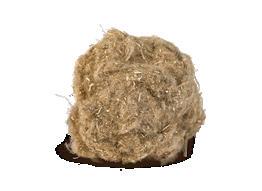
Wetlaid
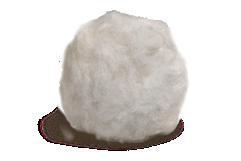
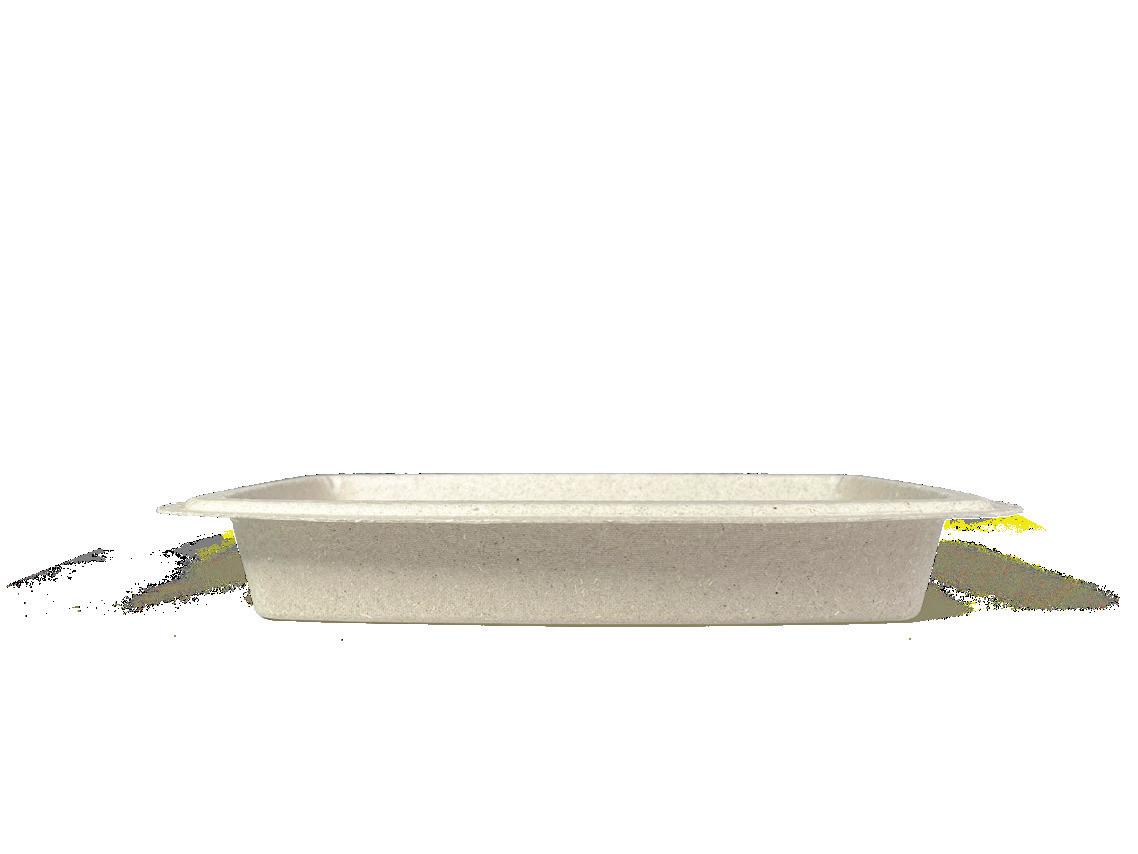
Molded Fiber
• Filtration
Thermal Bonded Find us at INDEX! BOOTH #4175
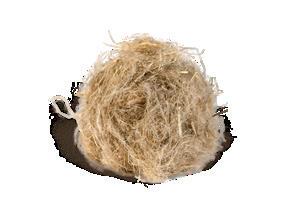
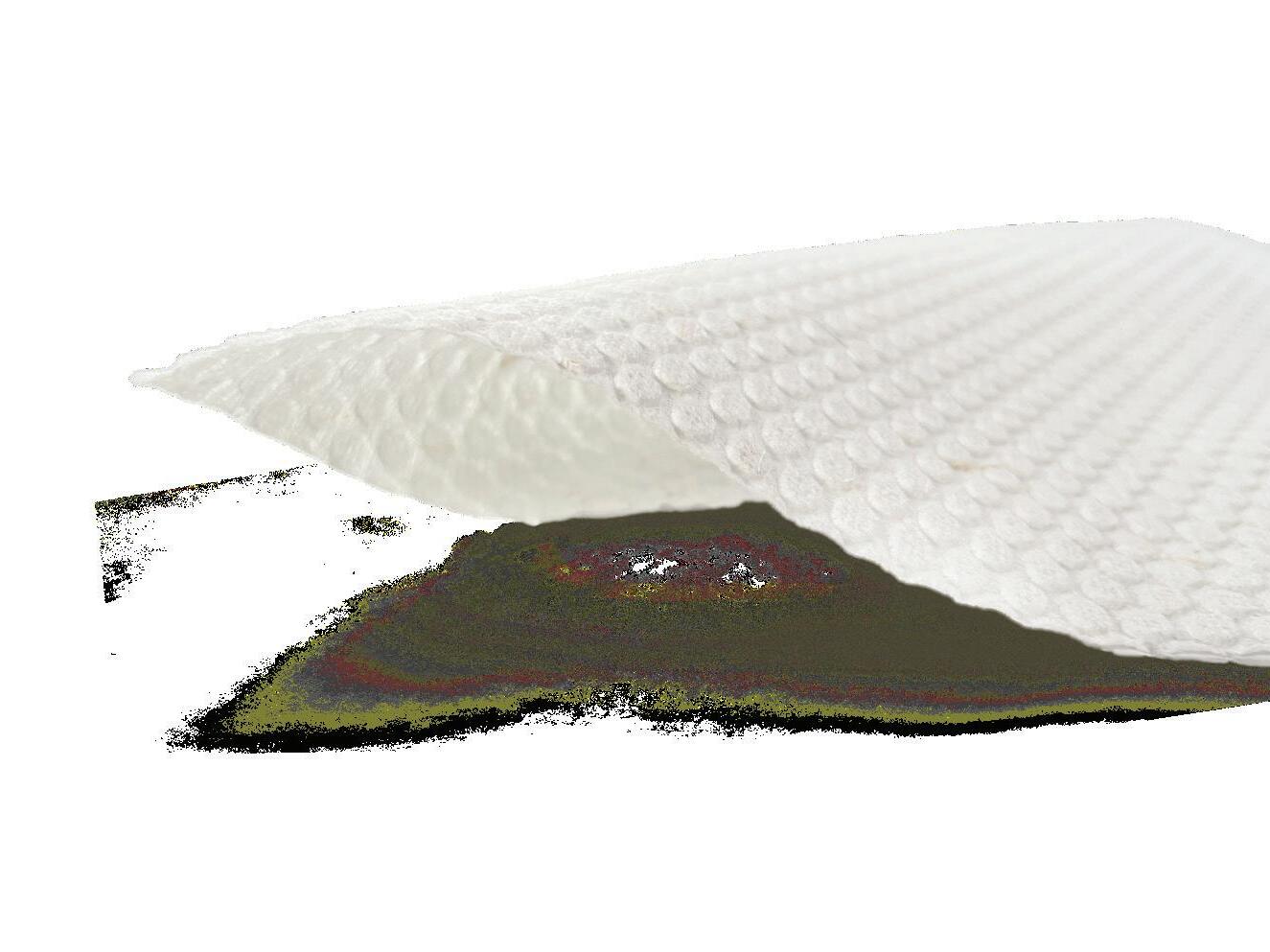
Hydroentangled (Spunlace)
• Wipes
• Hygienics
• Fem Care Carded
Carded
Needle-Punched
• Automotive
• Acoustic
• Geotextiles
• Building Insulation
• Carpet Padding
• Cold Pack Shipping Airlaid

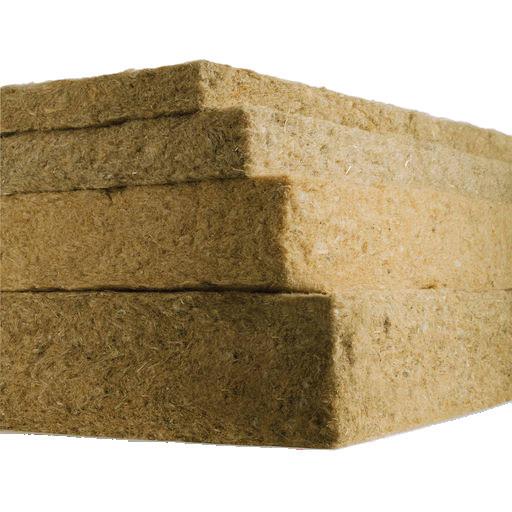
By Marines Lagemaat, Scientific & Technical Affairs Director, EDANA
The Quality and Audit Programme (QAP) officially falls under the umbrella of GNA, embodying the alliance’s commitment to operational efficiency and supply chain transparency. Conceived in early 2018 and formally launched in 2022, the QAP was designed to simplify and improve the efficiency of QA audits in the hygiene product supply chain. Before the implementation of this program, suppliers were subject to multiple, independent quality audits by various converters. These audits often followed standards that were essentially similar and differed only in detail. The QAP addresses these challenges through a voluntary, twopart framework — a harmonized industry standard and a structured third-party audit scheme. The “EDANA standard,” now transitioning to a GNA-wide benchmark, establishes a minimum quality management system requirement specifically tailored to the unique needs of the absorbent hygiene products and personal care wipes sectors. By focusing on verifying well described quality requirements rather than mere principles as described in quality management standards, the QAP provides a clear, reliable baseline that meets high consumer expectations while streamlining the compliance process for manufacturers.
A critical component of the QAP’s success is its partnership with independent, reputable auditing bodies, currently led by the British Standards Institution (BSI). The third-party auditors undergo a rigorous onboarding process and continuous professional development to ensure they possess the necessary expertise for the hygiene sector’s manufacturing environment. Internal stakeholders in the supply chain benefit from a recognized standard that eliminates the need for navigating multiple customer audits, while it shows the industry’s commitment to product quality and safety to external stakeholders.
The QAP operational model is built on transparency and supplier control. Audit results are managed through the BSI Connect Portal, a secure, cloud-based platform where suppliers can store their reports, as well as selectively grant access to chosen converters as they do business with them. This system fosters greater collaboration and trust within the supply chain while maintaining strict confidentiality; audit reports omit specific details that could reveal confidential supplier-converter relationships. The program also encourages continuous improvement, allowing companies to maintain flexibility to exceed established standards based on their specific quality systems.
In 2024, the QAP rating system was updated to provide a more accurate reflection of audit outcomes. The new system utilizes a 0 percent to 100 percent scale, moving away from older scoring methodologies that sometimes failed to align with the per-
… QAP serves as a testament to the nonwoven sector’s voluntary commitment to product safety and consumer trust, effectively functioning as a global benchmark for quality.
Based in Brussels, Belgium, Marines Lagemaat is responsible for managing the internal and external activities related to scientific and technical affairs at EDANA in order to support the nonwoven industry, in all its applications. This includes the management of the Nonwovens Standard Procedures, as well as the coordination of any development activities of international standards — both ISO and CEN. Lagemaat manages the Professional Development courses that EDANA is offering and is also an instructor. In addition, he convenes several of EDANA’s Working Groups.
Prior to his role with EDANA, Marines spent 18 years in the consumer goods industry, primarily dealing with personal and homecare products for brand owners. He has wide experience in quality assurance, product development, operations management and packaging technology. Educated as a material scientist, Lagemaat’s career began as a researcher, after which he held line-management positions in the steel and pharmaceutical industries before joining the fast-moving consumer goods (FMCG) industry.
ceived outcome of the evaluation. While the program does not mandate a minimum threshold score, the rating provides a valuable benchmark for converters to assess supplier performance and track quality improvements over time. This data-driven approach allows the industry to move beyond subjective assessments and toward a harmonized, risk-based framework for quality assurance.
The benefits of the QAP extend to the entire value chain. Suppliers experience a significant reduction in audit time, freeing them to focus on manufacturing excellence rather than audit preparation. Converters benefit from a consistent, high-standard evaluation of their raw material suppliers, conducted by experts with deep sector knowledge. For the broader industry, the QAP serves as a testament to the nonwoven sector’s voluntary commitment to product safety and consumer trust, effectively functioning as a global benchmark for quality. GNA will continue expanding the program’s reach in the years to come.
By Dr. Matt O’Sickey, Director of Technical Affairs and Education, INDA
One of the GNA initiatives that I, as a former supplier and nonwoven converter, find most exciting for many of our members is the Quality and Audit Programme (QAP). The organizations that I worked for prior to joining INDA would on one hand purchase resins, adhesives and nonwovens, and on the other hand, convert those materials into films and film-nonwoven laminates for the absorbent hygiene industry. In our position in the value chain, we both conducted and were subject to audits. While we had a handful of large volume customer-specific product offerings, we also provided a range of out-of-the-catalog or off-the-shelf options that were used by many absorbent hygiene converters throughout the world. In many cases, we manufactured both the custom and “out-of-catalog” products at multiple locations to provide a combination of regional supply and supply assurance. Considering the array of different product-customersupply source points, we experienced periods where it seemed like an audit was occurring every other week.
While this is a bit of hyperbole, it was a noticeable enough situation that it frequently engendered discussion amongst our team that there was likely an opportunity to simplify the process. The audits, regardless of customer, were based upon common principles such as ISO 9000 family standards, various Good Manufacturing Practices (GMP), food and medical packaging production guidelines, for example. Each of our customers’ forms were somewhat different and each customer had some specific nuances they put greater focus on, but otherwise the heart of the process was the same.
The opportunity as we saw it was two parts. First, in standardizing the process, less time and effort would be spent on deciphering bureaucratic and administrative differences, freeing more time for actual quality process improvement. Second, by considering and potentially combining those different nuances and areas of focus, greater overall quality system robustness could be achieved for all our customers and end consumers.
The GNA initiative reflects those two aspects and introduces a powerful third element — shared, third-party administered audits. This element further drives the emphasis on actual improvement and process robustness by reducing the number of redundant audits while simultaneously liberating resources for Corrective and Preventive Action execution. Ultimately, QAP will make the absorbent hygiene product value chain more reliable and efficient, which will benefit both consumers and the nonwovens industry globally as a whole.
Further, while QAP was born from the absorbent hygiene industry, it is readily expandable to adjacent industries that share similar ISO 9001-based quality and GMP approaches such as wipes and filtration products. The quality principles are applicable throughout these value chains and it is exciting to consider the benefits that will be gained as converters, suppliers, and suppliers of suppliers increasingly speak with one voice with respect to quality.
Please see page 11 for Dr. Matt O’Sickey’s bio.
By Dr. Rawaa Ammar, Sustainability Director, EDANA
As the nonwovens industry evolves to meet the demands of a changing planet, the Global Nonwovens Alliance (GNA) will serve as the vital connective tissue between regional innovation and global progress. In an era defined by a complex and often fragmented sustainability landscape, GNA’s primary mission is to act as a strategic enabler that will advance a common understanding that allows the nonwovens industry to thrive across borders.
The global sustainability journey is not a monolithic path. It is recognized that priorities, regulatory frameworks, differences in sustainability infrastructure maturity across the geography of operation, and market drivers differ significantly across regions. These differences often create a “language barrier” that can hinder trade, confuse investors and slow the adoption of sustainable practices. It begins by complicating operations across international supply chains, adding further complexity to global trade and slowing the adoption of sustainable practices. In some cases, this fragmented sustainability landscape can even contribute to greenwashing, sustainability fatigue, and growing consumer distrust, ultimately leading to confusion among investors.
In this context, GNA’s role is to facilitate a harmonized sustainability framework based on common terminology and minimum shared principles. By aligning core definitions, GNA can ensure that when a manufacturer in one region refers to concepts such as “resource efficiency” or “circular design,” the meaning is consistently understood by partners, regulators and customers across markets. Such alignment helps streamline international supply chains, reduce fragmented reporting requirements, and create a clearer and more credible foundation for sustainability claims, ultimately supporting more efficient

global operations and stronger trust among stakeholders.
Rather than a static classification system, GNA offers a dynamic platform to showcase global innovation. The organization is committed to highlighting the diverse ways its members are solving environmental challenges — whether through breakthroughs in biobased polymers, new end-of-life waste pathways designed to maximize material value, advancements in recycling technologies, or pioneering energy-reduction techniques in production. By acting as a global showcase, the GNA helps:
• Demystify complexity: It translates the “alphabet soup” of regional sustainability acronyms into clear, actionable insights for members.
• Stay ahead of the curve: GNA will serve as an early-warning system, helping companies stay up to date with emerging trends and shifting policy climates before they become barriers to business.
• Celebrate diverse solutions: It recognizes that sustainability isn’t “one size fits all.” Collaborative forums will allow
Dr. Rawaa Ammar is an internationally recognized sustainability expert specializing in circular economy and industrial transformation. As EDANA’s sustainability director, she leads the sector’s sustainability strategy and industry initiatives.
With a Ph.D. in Environmental Sciences and experience as a chief sustainability & impact officer in the textile innovation sector, she works at the intersection of science, business, and policy to advance practical solutions for circular value chains and climate action. Her expertise includes Life Cycle Assessment (LCA), sustainable materials, and sustainability strategy across global value chains.
In an era defined by a complex and often fragmented sustainability landscape, GNA’s primary mission is to act as a strategic enabler that will advance a common understanding that allows the nonwovens industry to thrive across borders.
members to share best practices that respect regional realities while striving for a net-positive global impact.
In a world where environmental claims are under increasing scrutiny, GNA provides the industry with a shared compass. By identifying the common threads within the current fragmented landscape, GNA helps members build operational resilience. This shared understanding reduces technical friction, streamlines global supply chain reporting, and ensures that the nonwovens
industry speaks with a credible, unified voice on the global stage. GNA’s commitment is to ensure that legislation remains proportionate and that the essential nature of nonwoven products is never lost in translation. Through collaborative workshops and policy analysis, we will work to ensure that the industry remains competitive, innovative and essential.
Ultimately, GNA is about connection. By bridging the gap between different regional perspectives, it turns a fragmented global dialogue into a powerful, collective movement toward a sustainable future.
INDA and EDANA have a history of working together, which provides a good model for the Global Nonwovens Alliance.
By
Dr.
Matt O’Sickey, Director of Education and Technical Affairs, INDA
hen the question is asked how two previously independent organizations such as INDA and EDANA will work together to both represent their unique stakeholders and deliver globally relevant outcomes that are cohesive, useful, and broadly relevant, one needs only look to the nearly 30-year-old standards and test method harmonization work undertaken by the two organizations.
WLooking back in history, both INDA and EDANA had been independently developing and promoting test methodologies and standards since the 1970s. The existence of competing standards created many instances of wasteful confusion between suppliers and converters of nonwoven fabrics conducting international business. This confusion even extended to multinational organizations where the existence of regionally specific test methods for common nonwoven properties was hampering effective intracompany collaboration.
Recognizing this, in the mid-1990s a joint working group was assembled to harmonize INDA’s and EDANA’s test methods. This project was, without exaggeration, easier said than done. Each test method required review to understand the genesis of the method because many were derived from test methods for textiles, paper or films. Each of those ancestor methods from standards setting groups such as the American Association of Textile Chemists and Colorists (AATCC), ASTM International, European Committee for Standardization (CEN), TAPPI, and the International Organization for Standardization (ISO) brought histories of specimen preparation and conditioning, test equipment and operational parameters, and ambient conditions. With a desired end-goal of having as many methods as possible upgraded into an ISO standard for nonwoven characterization, a significant step was adopting the use of SI units rather than imperial units.
In 2005, INDA and EDANA jointly released the first edition of the harmonized nonwoven test methods, many of which have been promoted to ISO standards. When the joint standards were released, INDA’s former Technical Director Cos Camelio noted: “INDA and EDANA both published their own book of standard test methods, and in the past most of these methods were different — different procedures and surely different units of measure. This difference created headaches for suppliers and customers alike, and even between different international locations of the same company.”
These harmonized standards have since been promoted under the World Strategic Partners logo and branding and are provided
without charge to members of INDA and EDANA. Many of these harmonized methods also have formed the basis for the ISO 9073 family of standards covering nonwoven test methods.
Since 2005, INDA and EDANA have been collaboratively maintaining the harmonized standards. This entails making editorial and technical corrections, updating test apparatus specifications, conducting additional work to merge parallel methods when appropriate, and eliminating methods when it is determined those methods are no longer relevant or sufficiently accurate and/or precise. This joint group has also been charged with adding new methods to support expanding uses of nonwovens and new regulatory compliance needs, such as methods for detection of new substances of interest and contamination, for example.
A notable example of introducing methods to address market needs is the creation of test methods developed to evaluate the “flushability” of moist toilet tissue or flushable wipes. These seven new test methods — commonly referred to as GD4 — cover toilet and drainline clearance, a household pump test, a municipal pump test, a settling test, an aerobic biodisintegration test, and an anaerobic biodisintegration test, and perhaps most famously, the slosh box disintegration test that evaluates how wipes disperse during simulated transport through drain and sewer lines.
These methods have been adopted by numerous countries throughout the world either wholly or as the principal inspiration for country-specific methods. Further, the GD4 methods are part of the backbone of an ISO Technical Specification for evaluating the suitability of a wipe to be disposed of via toilet that will be balloted in 2026.
Similarly, our organizations have collaborated on methods for evaluating the performance of superabsorbent polymers — polymers that have dramatically risen in use in absorbent hygiene products over the last 20 years. This work was initially spearheaded by EDANA’s working group for superabsorbent polymer producers and supported by INDA and EDANA members from the absorbent hygiene industry. The harmonized test methods developed later became part of the ISO standards for urinary incontinent products. This work is being conducted under the auspices of ISO Technical Committee 224 Working Group 10 (ISO TC224/WG10).
A recent and ongoing example of collaborative standardization
work related to regulatory impulses is the ongoing work to develop an ISO standard for determination of trace chemicals in absorbent hygiene products. The CEN CWA 18062 method was presented for this purpose in an issue of International Fiber Journal last year (see “CEN CWA 18062: A Consumer-Relevant Approach to Assessing Absorbent Hygiene Materials for Trace Chemicals,” IFJ, Issue 4, 2025).

INDA and EDANA as founding members of the Global Nonwoven Alliance (GNA) are actively supporting the promotion of an ISO standard based upon this CEN method. The work will be done by a joint working group of ISO Technical Committee 173 Sub Committee 3 (ISO TC 173/SC3), which focuses on aids for ostomy and incontinence, and ISO Technical Committee 338 Working Group 1 (ISO TC 338/WG1), which focuses on safety, performance and general requirements of menstrual products.
INDA and EDANA are both active in these ISO Technical Committees, EDANA’s Technical Director Marines Lagemaat is leading the joint working group, and I am one of the participating experts. It is important to note, that it’s not just the staff of INDA and EDANA that can participate on the ISO committees. Individual organizations are encouraged to join the national Technical Advisory Groups (TAGs) and mirror committees for these ISO groups. This can be of significant assistance to promoting both the interests of member companies and to also greatly enhance the voice of the nonwovens industry within this process.
In addition to the technical groups addressing incontinence products, menstrual products, super-absorbent polymers and flushable products, INDA and EDANA are also active as experts in technical committees for textile testing — ISO TC38/WG6 — and are the conveners and contributing experts to the technical committee specifically covering nonwovens — ISO TC38/WG9. INDA and EDANA have alternated the convenorship of this group for many years, and I currently lead this effort. The group primarily focuses on topics related strictly to nonwoven fabrics, but also on occasion will cover nonwoven containing products that do not otherwise fall within other ISO standardization groups. It is within this ISO working group that the nonwoven testing method standard, ISO 9073, is maintained; and also where the definition of and terminology related to nonwovens, ISO 9092, is managed. Within this group, the standard is jokingly known as “the standard for explaining what you are by explaining what you aren’t.” Finally, in considering how the organizations within GNA may
function on joint initiatives such as standardization, it’s worth noting that each individual organization will continue to spearhead and support efforts of regional rather than global interest. An example of this is INDA’s support of the standards developed in conjunction with the National Association for Continence (NAFC) to aid U.S. states in defining minimum quality performance levels for reimbursable adult incontinence products. Since this work was driven by a need exclusive to the United States, this work did not entail multi-organization collaboration. Instead, INDA has kept EDANA apprised of the activity for reference. EDANA has conducted similar efforts. In some instances, these efforts will remain local, while in others they may be the seed of a future collaborative, globally relevant effort.
In closing, the collaborative efforts pertaining to standardization have provided a good model for how GNA initiatives may be conducted. Both INDA and EDANA enthusiastically welcome volunteers from our members to support this work via both our internal and shared working groups and through participation on national standards organizations and ISO mirror committees and technical advisory groups.

Dr. Matt O’Sickey is the director of Technical Affairs and Education at INDA, the Association of the Nonwoven Fabrics Industry. He has prior experience leading operations, in R&D, marketing, and product management with RKW North America and Tredegar Corp.
O’Sickey has multiple patents, has received industry innovation awards, provided innumerable presentations, is a training course instructor, and is a contributing columnist for IFJ and International Filtration News Dr. O’Sickey has a Ph.D. in Chemical Engineering and is an alumnus of Purdue University and Virginia Tech, where his studies had heavy emphasis on the processing-structure property relationships of polymeric materials. For more information about joining a Technical Advisory Group, committee, or working group, please reach out to Dr. O’Sickey at mosickey@inda.org.
By Wes Fisher, Director of Government Affairs, INDA
As director of Government Affairs at INDA, the Association of the Nonwoven Fabrics Industry, I have focused on advocating for policies that support innovation, sustainability and growth in the nonwovens sector. Today, I am more optimistic than ever about the collective future — thanks to the Global Nonwovens Alliance (GNA). GNA represents far more than a formal partnership. It is a powerful platform that amplifies our voice on the world stage, coordinates advocacy across continents, and is already producing concrete results that strengthen our industry against regulatory, trade and environmental challenges.
GNA’s formation was a natural evolution of years of informal cooperation between INDA and EDANA. One of the most immediate and visible benefits of the GNA has been the expansion and elevation of government affairs and trade activities — efforts that were already growing at INDA but are now supercharged by transatlantic coordination. Over the past few years, INDA has significantly bolstered its advocacy capabilities. We have added additional talent to our government affairs team, including Kevin Conroy, to focus on critical issues like per- and polyfluoroalkyl substances (PFAS), plastics regulation and Environmental Protection Agency (EPA) engagement. We enhanced our U.S. Trade resources, providing members with real-time guidance on tariffs, import/export rules and supply-chain strategies. These internal investments positioned us strongly, but GNA has taken the advocacy global.
Another prime example came in April 2025, when EDANA and INDA issued a joint statement urging policymakers on both sides of the Atlantic to prioritize negotiations over escalating tariffs. We expressed shared concern about retaliatory trade measures that could disrupt interconnected supply chains in hygiene, healthcare and manufacturing. “While we understand the need to address unfair trade practices, we urge regions to prioritize negotiations and seek mutually beneficial resolutions,” said Murat Dogru, GNA CEO, at the time. INDA’s President and CEO Tony Fragnito added: “The nonwovens industry supports fair trade and a level playing field … to pursue policies that foster collaboration and free trade.”
This unified message carried far greater weight than separate voices ever could. It demonstrated to governments that the nonwovens sector — spanning Europe and North America — speaks with a single, consistent perspective on the need for open markets and supply chain stability. Early feedback from trade offi-
A unified global voice will give us enhanced influence in multilateral forums, from trade negotiations to chemical regulations and sustainability standards.
cials indicates this coordinated advocacy is already influencing discussions, helping to prevent unnecessary disruptions and preserving jobs and innovation across our value chain. Thanks to GNA, what began as separate, regional efforts is now a global campaign with real leverage.
The spirit of this collaboration was on full display during a recent visit to Brussels for EDANA’s Policy and Sustainability Forum. As someone deeply immersed in U.S. policy, the opportunity for me to engage directly with European counterparts was invaluable. We exchanged insights on emerging regulations, shared best practices for sustainability reporting, and aligned strategies for upcoming international forums. Conversations that once happened sporadically can now occur routinely under the GNA umbrella, creating a seamless flow of intelligence that strengthens our advocacy back home. Members on both continents benefit from this cross-pollination. The forum reinforced that our industry’s challenges are truly global, and GNA gives us the infrastructure to address them together.
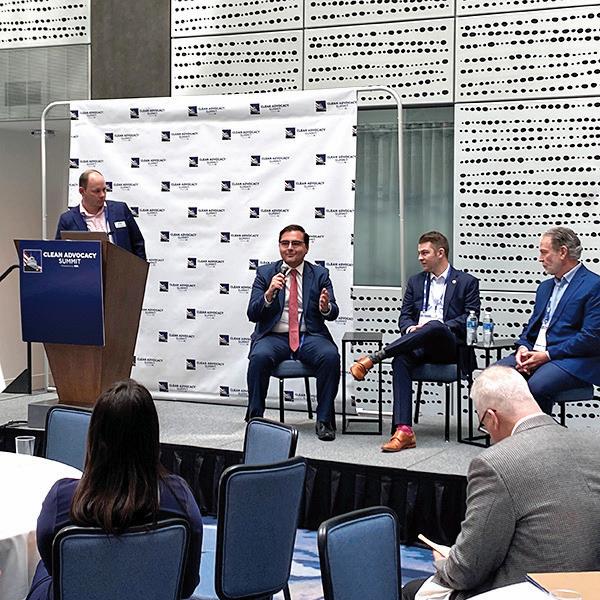
Closer to home, INDA’s Third Annual Advocacy and Fly-In Summit — co-hosted with ISSA in Washington in 2026 — showcased another dimension of GNA-enabled strength. Building on the success of the first two summits — that brought members face-to-face with lawmakers on issues like flushability standards, WIPPES Act legislation and PFAS restrictions — this year’s event arrived at a pivotal moment. Legislative uncertainty in the United States makes direct Capitol Hill engagement more critical than ever. Participants received advocacy training, heard the latest on key bills, and met with representatives to emphasize the nonwovens industry’s contributions to essential products.
Perhaps nowhere is GNA’s value more evident than in our coordinated work on the United Nations Plastics Treaty negotiations. INDA first gained United Nations Environment Programme (UNEP) accreditation in 2023, allowing me to observe
sessions and provide technical input on nonwovens-specific issues. EDANA brought complementary European expertise and longstanding sustainability programs, such as its Vision 2030, aligned with the UN Sustainable Development Goals. Together, under the emerging GNA framework, the two associations produced a joint statement on elements within the negotiations important to the nonwovens industry. This engagement emphasized the nonwovens industry’s role in delivering vital health, hygiene, and safety products while advocating for science-based definitions of plastics that recognize biodegradability and biobased innovations. We urged negotiators to consider “essential uses” in healthcare and hygiene to avoid supply disruptions, and to frame regulations that encourage rather than stifle innovation in polymers that reduce environmental impact.
These early successes are just the beginning of what GNA will deliver. Looking ahead, we anticipate even greater positive outcomes. A unified global voice will give us enhanced influence in multilateral forums, from trade negotiations to chemical regulations and sustainability standards. Members will gain access to shared intelligence on emerging policies — whether it’s EU PFAS restrictions informing U.S. state laws or North American recycling innovations accelerating European circularity goals. Operational efficiencies will scale: joint research, standardized advocacy toolkits, and cross-border education programs will reduce duplication while expanding reach. Innovation will accelerate as manufacturers collaborate more freely across regions, driving breakthroughs in biodegradable nonwovens, advanced filtration, and sustainable hygiene solutions. And perhaps most importantly, GNA creates an inclusive platform for allied associations worldwide, broadening our collective impact and ensuring the nonwovens industry remains resilient in an increasingly complex global landscape.
The good things already happening — joint trade statements shaping policy conversations, seamless knowledge exchange at forums like the EDANA Policy and Sustainability event, ampli-
fied advocacy at the Fly-In Summit, and a cohesive presence at the UN Plastics Treaty — prove GNA is not just aspirational; it is delivering real value today. As we move forward, this collaboration will help us navigate regulatory pressures, secure fair trade conditions, and lead on sustainability with confidence.
The nonwovens industry has always been defined by ingenuity and adaptability. Through GNA, we are now defined by something even stronger: unity. While INDA will continue to pursue a unique advocacy agenda tailored for the needs of North America, it will be in a better position to do so with EDANA and our GNA partners. We will not only meet today’s challenges — we can build a future of shared prosperity, innovation, and sustainability that will benefit the global nonwovens value chain. I look forward to continuing this journey and invite every stakeholder to join us in realizing the full potential of this historic alliance.

Wes Fisher is the director of Government Affairs at INDA, the Association of the Nonwoven Fabrics Industry, where he leads the association’s global and domestic government and regulatory affairs activities and manages strategic relationships with allied organizations, government officials, industry partners, and stakeholders in support of the nonwovens industry. Prior to joining INDA in 2022, Wes held senior government affairs roles at the Pet Advocacy Network and the National Automatic Merchandising Association (NAMA).
He received a bachelor’s degree in political science from James Madison University, is a member of the Board of Directors of the Washington Area State Relations Group (WASRG) and was appointed by the Governor of Virginia to serve on the Virginia Rare Disease Council. In 2023 he was honored as a Top Lobbyist by the National Institute of Lobbying and Ethics and the Advocacy Association.
By Hadrien Tournier, Global Director of Professional Development, GNA; and Dr. Matt O’Sickey, Director of Education and Technical Affairs, INDA
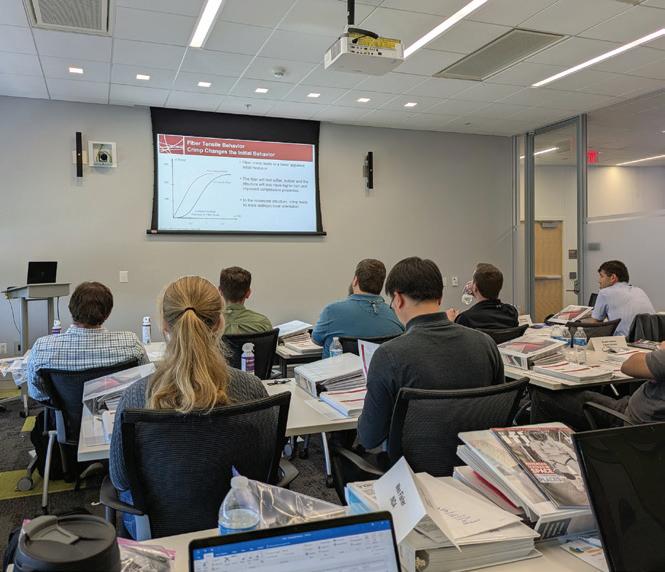
The Global Nonwovens Alliance (GNA) recognizes that the future of the industry depends on a workforce equipped with both foundational knowledge and advanced technical skills. In response to clear feedback from its members, the alliance has transformed its educational offerings to align with the contemporary professional environment. This evolution centers on a new suite of high-caliber e-learning modules, developed as a joint initiative between INDA and EDANA under the GNA umbrella to synthesize global expertise with regional relevance.
The addition of digital learning addresses the specific requirements of corporate members by providing operational scalability and measurable impact. E-learning allows for consistent, highstandard onboarding and upskilling across a global workforce, respecting the value of employees’ time by allowing them to learn at their own pace from any location. For business-to-business purchasers, the program will offer enhanced functionality for tracking team-level progress and performance data, providing clear evidence of return on investment for training budgets. Furthermore, the content is authored in easy-to-understand English and designed to be fully Web Content Accessibility Guidelines (WCAG)compliant, ensuring an inclusive experience for all learners.
Digital learning options will augment INDA and EDANA’s rich portfolio of in-person and virtual instructor-led learning options which will continue to be held throughout the year, often in connection with conferences and expositions. This multi-faceted approach is designed to accommodate the learning needs, schedules, and budgets of both individuals and organizations. The added flexibility of the modularized digital learning will additionally allow for more focused, discrete training topics to be addressed outside the scope of larger courses as well as customized professional development journeys.
GNA’s course catalog provides a full range of learning topics from basic introductions to the nonwovens industry to sustainability as well as highly specialized courses. The goal is to position GNA as a career partner, and support both technical and commercial professionals — including producers, suppliers, converters and retailers. By combining the collective wisdom of industry experts, research centers, pioneering companies, and internal expertise in adult training, GNA ensures that its courses remain at the forefront of technical innovation and market trends.
The sustainability component of the professional development program is particularly vital as environmental mandates increas-
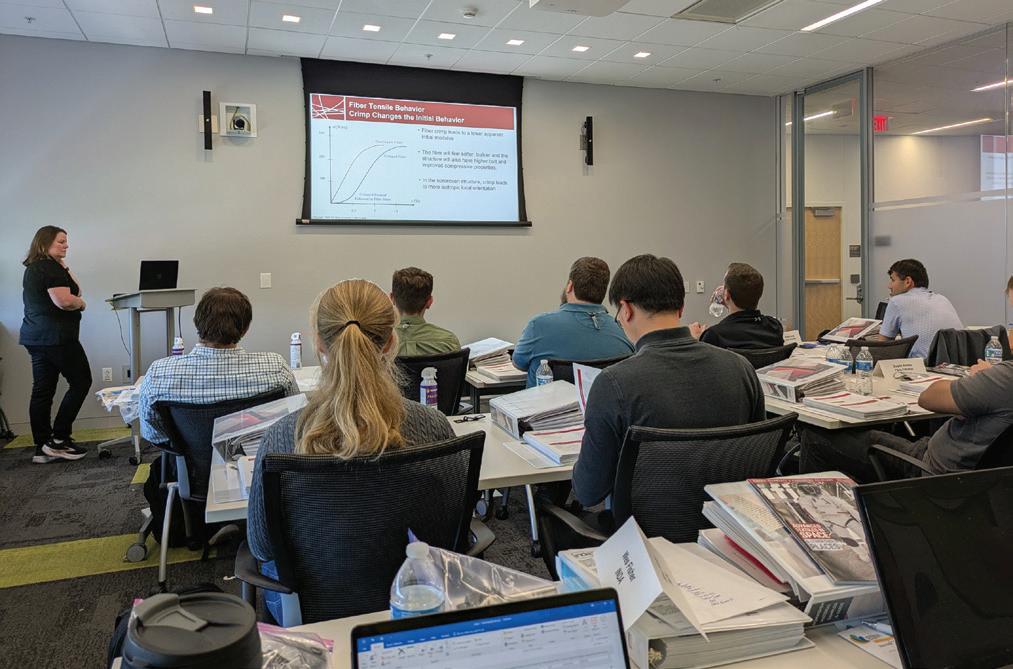
ingly impact all roles across the value chain. GNA’s “Sustainability Introduction” course provides professionals with the vocabulary and tools necessary to bridge the gap between high-level environmental strategies and daily operational tasks. Led by experts in circular economy, these courses help participants understand how their specific functions contribute to broader corporate sustainability goals and the reduction of greenwashing risks.
By offering a format that works for lower budgets and scales easily for corporate training, GNA’s e-learning initiative makes high-quality education more accessible than ever before. This approach ensures that the nonwovens community is well positioned to meet the dual challenges of innovation and sustainability in a rapidly evolving global marketplace. As the alliance continues to expand its course catalog, it remains dedicated to fostering the next generation of industry leaders through unparalleled networking and learning opportunities.

Hadrien Tournier is global director of Professional Development at GNA. He is responsible for defining and delivering the global learning strategy, as well as developing courses and bespoke solutions — from general processes to sustainability — to enhance workforce skills and elevate GNA members’ value proposition.
Tournier brings nearly 20 years of expertise in professional training and human capital development, having previously held leadership positions in both multinational corporations and nonprofit associations. His career includes extensive international experience across Europe, North America and Asia. Tournier is currently based between Belgium and North Carolina.
Please see page 11 for Dr. Matt O’Sickey’s bio.
IFJ Special Report
he newly appointed Global Nonwovens Alliance (GNA) Board of Directors unites leaders from North America and Europe to advance GNA’s core objectives: strengthening advocacy with a global voice, expanding education and networking opportunities, driving efficiencies, and promoting innovation and sustainability across the nonwovens sector.
GNA named 12 individuals to its inaugural board — six from INDA and six from EDANA. These influential executives from across the value chain bring their unique talents and experience to the board, where they will engage in a collective and collaborative process to ensure that GNA works with a clear direction and focused initiatives to deliver value to the nonwovens industry.
Mark A. Thornton, an INDA representative from The Procter & Gamble Co., serves as chair of the GNA board, while Mikael Staal Axelsen, an EDANA representative from Fibertex Personal Care/ Innowo Print, serves as vice chair.
INDA President and CEO Tony Fragnito and GNA CEO Murat Dogru shared comments when the inaugural board was announced.
“The launch of this board is a pivotal step in realizing the vision behind the Global Nonwovens Alliance,” Fragnito said. “With the guidance of these accomplished leaders, we will amplify the impact of INDA and EDANA’s work and ensure that the alliance quickly moves from concept to action on behalf of the entire industry.”
“This board reflects the global scale and diversity of the nonwovens sector,” Dogru added. “By combining perspectives from across regions and markets, GNA is equipped to set a forwardlooking agenda that prioritizes sustainability, innovation and long-term growth for our industry worldwide.”
IFJ recently had the opportunity to speak with the 12 board members. Read on to learn more about the individuals who have made a commitment to serve GNA. Here they share thoughts on the industry, GNA and what led them to get involved.

Mark A. Thornton, GNA Chair,
INDA Representative
Mark A. Thornton is vice president of North America Baby Care Product and Consumer Understanding at The Procter & Gamble Co. (P&G), Cincinnati. Over the course of his career, Thornton has held multiple leadership roles in Baby Care and has lived and worked around the world in Germany, China and Belgium. He currently serves as chair of INDA’s Board of Directors and now also as chair of the GNA board. Thornton also has served as an EDANA officer.
IFJ: Why was a global organization necessary at this stage of industry development?
Mark A. Thornton: The nonwovens industry has become truly global. Innovation, supply chains, regulatory frameworks, and consumer expectations now extend well beyond regional boundaries. While organizations like INDA and EDANA have done tremendous work advancing the industry regionally, there is a growing need for coordination at the global level. The creation of GNA allows us to align on common priorities, share knowledge more effectively, and ensure our industry speaks with a unified voice on the issues affecting our future.
IFJ: What are the top advocacy priorities where a unified voice could change outcomes in the next few years?
Thornton: One of the most pressing areas is sustainability and regulatory alignment. Around the world, governments are rapidly developing policies related to materials, waste management and Substance of Interest product stewardship. A unified industry voice can help ensure those policies are informed by sound science and a clear understanding of the value consumer products provide. We also see opportunities in advocating for innovation, supporting responsible product design, and improving public understanding of the critical role nonwovens play in hygiene applications.
IFJ: How does your company’s perspective influence how you view the role of a global association such as GNA?
Thornton: At Procter & Gamble, we serve consumers around the world, and we see firsthand how interconnected the global ecosystem has become. From raw material suppliers to equipment converters to quality systems, our success depends on strong collaboration across the value chain and delighting consumers. A global association like GNA provides a platform where industry leaders can come together, share perspectives, and work collectively on challenges that no single company or region can solve alone.
IFJ : Five years from now, what will define success for this association?
Thornton: Success will be defined by measurable impact. My hope is that five years from now GNA will be recognized globally as the trusted voice of the nonwovens industry. By then, GNA will have made a major impact by leading industry positions on major regulatory issues, accelerating sustainability innovation, and strengthening business growth across regions.
IFJ: Any message you would like to share with the stakeholders in the global nonwovens industry about GNA?
Thornton: The creation of GNA is a historic step forward for our industry. The world is changing and we are stepping up to lead solutions for the challenges. My message to stakeholders is simple: engage in the process, share your perspectives and help shape the future of our industry. Together, we can ensure nonwovens continue to improve lives around the world.
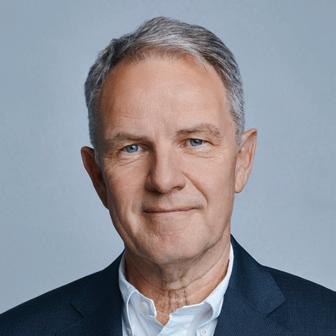
Mikael Staal Axelsen, GNA Vice Chair, EDANA Representative
Mikael Staal Axelsen is CEO of Denmarkbased Fibertex Personal Care, where he focuses on strategic leadership and sustainable growth. He is actively engaged in the nonwovens industry through his involvement with EDANA, and holds board positions at two industrial companies, contributing his expertise in corporate governance and industrial development.
IFJ: How will GNA balance regional interests while maintaining a unified voice on global issues?
Staal Axelsen: We will continue to uphold strong regional associations, such as INDA and EDANA, to ensure focused attention on regional needs, particularly regarding regulation and legislation. However, given the industry’s global nature and the challenges it faces worldwide, it is crucial to present a unified voice for clarity and effective implementation of industry developments.
IFJ: How does GNA define the “broader nonwovens industry” and who may be invited to participate that has not previously?
Staal Axelsen: Our objective is to expand GNA’s presence by forming additional global partnerships and encouraging broader participation across the value chain.
IFJ: How does your day-to-day experience as CEO for Fibertex Personal Care shape your approach to the GNA board?
Staal Axelsen: Currently, our company operates on a global scale in both sales and production. As such, it would be advantageous to provide certain services — currently offered regionally by associations — on a global basis. This is a key consideration for the GNA board.
IFJ : Are there any issues you think the industry underestimates right now?
Staal Axelsen: I’m not certain if the industry underestimates challenges, but it’s evident that the usual order from before COVID has changed drastically. This shift has greatly affected an industry that typically relies on high investments in return for stable, long-term business conditions.
IFJ: Is there any particular outcome that would make you feel proud by the end of your term?
Staal Axelsen: I envision a unified nonwovens industry that effectively communicates its diverse applications and substantial
benefits, ensuring that stakeholders outside the sector recognize and appreciate our contributions.
IFJ: Any message you would like to share with the stakeholders in the global nonwovens industry about GNA?
Staal Axelsen: I hope stakeholders view GNA as a catalyst for streamlining shared services like education, conferences, exhibitions and marketing, while ensuring the industry is globally represented through INDA and EDANA.

Mike Clark is a division president at East Walpole, Mass.-based Hollingsworth & Vose Co. (H&V), where he is responsible for advanced filtration and energy solutions. He joined H&V in 2003 and has held leadership positions in the United States and Germany. Before joining H&V, Clark was a strategy consultant working with Fortune 100 manufacturing companies. He is a current member of the World Filtration Institute advisory board and holds a B.S. in Mechanical Engineering from Rensselaer Polytechnic Institute.
IFJ: What role will GNA play in shaping sustainability standards or regulatory discussions?
Clark: GNA brings a global perspective and voice to the nonwovens industry. While laws and regulations vary by country, the long-term megatrends, challenges and opportunities facing our industry are truly global. GNA is uniquely positioned to provide a global forum for discussing how we can improve the sustainability of nonwovens for the end-to-end product life cycle: “What’s possible today?” “What’s possible tomorrow?” and “What key innovation breakthroughs are required in the mid-term and the long-term to have a major impact?” GNA will channel the voice of the industry and coordinate the development of a strategic sustainability roadmap. GNA can also coordinate and facilitate the regional outreach through INDA and EDANA to drive regional alignment and the adoption of new standards and regulations.
IFJ: What major shifts do you believe will redefine the nonwovens industry over the next decade?
Clark: The shifts I see redefining the industry include:
1. Sustainability: This core driver will create a large shift to ecomaterials and circularity.
2. Automation and smart manufacturing: Widespread use of artificial intelligence (AI), IoT and robotics to improve quality, yield, and productivity.
3. Functional and intelligent nonwovens: Innovation of highperformance active nonwovens with sensors, ultrafine fibers and functionalized coatings.
4. Increase in durables: New applications in healthcare, medical, apparel, safety, construction, renewables and energy storage.
IFJ: Why did you join the GNA board and what do you hope to achieve during your term?
Clark: I joined the GNA board because I believe in the GNA mission and I want to advocate for a united global nonwovens industry. I believe that the GNA alliance has the potential to advance our industry beyond what INDA or EDANA could achieve on their own. I hope during my term on the board that we will effectively represent the interests of our member companies, deliver on the planned operational synergies, and — aiming a bit higher — truly enhance industry leadership to drive innovation and sustainable growth.
IFJ: Any message you would like to share with the stakeholders in the global nonwovens industry about GNA?
Clark: GNA, INDA, and EDANA represent and work for the member companies. We want to hear from you, and we need to hear you. Please lean in to “our” global nonwovens industry alliance and make your voice heard!
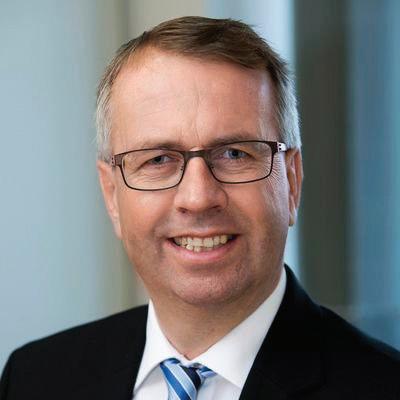
Dr. Thorsten Habeck, EDANA Representative
Dr. Thorsten Habeck has more than 30 years of experience at Germany-based BASF in leadership roles across research and development, production, procurement, marketing, and business management. He is currently business director, Fiber Bonding, Europe, Middle East and Africa, and has served on the EDANA Board since 2016 and as vice chairman since 2023.
IFJ: What operational synergies is GNA aiming for that members will notice?
Dr. Habeck: GNA is designed to think and act globally. Members will see stronger alignment of major industry events, globally consistent training and education programs, and a more unified approach to market intelligence. By connecting capabilities that were previously developed in parallel by INDA and EDANA, GNA creates scale, clarity and a truly global industry perspective.
IFJ: If you could solve one challenge faced by the nonwovens industry tomorrow, what would it be?
Dr. Habeck: Free trade. A predictable, open global trade environment would immediately accelerate innovation, strengthen supply chains, and allow the nonwovens industry to deploy solutions where they are needed most — without artificial barriers.
IFJ: Why did you join the GNA board and what do you hope to achieve during your term?
Dr. Habeck: I joined the GNA board to contribute more than 30 years of global experience in the chemical industry, combined with nearly a decade of close involvement with EDANA. My ambition is to help shape GNA into a strong, credible global voice from day one — one that delivers practical value, fosters trust across regions, and sets a clear long-term direction for our industry.
IFJ: Any message you would like to share with the stakeholders in the global nonwovens industry about GNA?
Dr. Habeck: GNA represents a new chapter for our industry. It enables global challenges and opportunities to be addressed collectively, with a scale and coherence that was not possible before. At the same time, EDANA and INDA remain strong, vital organizations, deeply rooted in their regions and essential for topics such as sustainability and regulatory advocacy. Together, this structure gives the nonwovens industry both a powerful global voice and strong regional foundations.

Jodi Russell, INDA Representative
Jodi Russell has spent her career leading global innovation across multiple categories in the consumer-packaged goods industry. She began her career at P&G after graduating from the University of California, Berkeley with a B.S. in Chemical Engineering, and has continued for more than 23 years at Clorox creating consumer-winning products in cleaning, foods, litter, trash, natural personal care and water filtration.
IFJ: What one thing do you think GNA can do to move the needle for the industry in the most impactful way?
Russell: GNA can have the greatest impact by creating a unified, global voice for the nonwovens industry that aligns innovation, sustainability and advocacy across regions and value chains. That alignment will enable the industry to shape standards, influence policy, and accelerate progress more effectively than EDANA or INDA could alone.
IFJ: Is there any one issue you think the nonwovens industry may not be talking about enough?
Russell: The industry is not talking enough about the tension between sustainability and the essential role plastics play in enabling the performance and functionality of nonwovens. We need more balanced, science-based dialogue that recognizes the value of plastics while advancing responsible innovation, circularity and end-of-life solutions.
IFJ: Why did you join the GNA board and what do you hope to achieve during your term?
Russell: I joined the GNA board because the industry is at an inflection point where global collaboration is essential. As a founding board member, I hope to help build a credible, inclusive organization that delivers real value and helps position nonwovens for long term relevance and growth.
IFJ: Any message you would like to share with the stakeholders in the global nonwovens industry about GNA?
Russell: GNA has been formed to represent you — your challenges, innovations, and ambitions for the future. We are committed to strengthening the collective voice of the global nonwovens industry and to provide a platform for meaningful advocacy, education, and collaboration for the future.

Dr. Giorgio Mantovani, EDANA Representative Dr. Giorgio Mantovani is CEO of CORMAN S.p.A., an Italy-based family company founded in 1947 and owner of the Organyc® brand. Previously CFO and head of the Personal Care Division, he now leads CORMAN’s global growth and sustainability strategy. Mantovani also serves as treasurer on the Board of Governors of EDANA. He holds a degree in Economics from Università Cattolica in Milan, and an MBA from SDA Bocconi.
IFJ: Where do you see alignment across regions — and where do priorities diverge?
Mantovani: We’re aligned on the big realities: sustainability expectations are rising, regulation is accelerating, and the industry needs better intelligence and a stronger voice. Where we diverge is maturity and structure — not intent. Europe operates in more centralized systems, and EDANA has built a stronger advocacy and technical backbone. The U.S. environment is more decentralized, and INDA has historically been strongest at convening. That’s useful — but convening isn’t the same as influence. GNA closes the gap by aligning globally on science, standards, and substantiation, while keeping regions agile on execution. One proof point is NWSP — shared EDANA/INDA standard procedures that create common technical language across markets.
IFJ: What trend is overemphasized, and which deserves more attention?
Mantovani: What’s overemphasized is simplified narrative — especially around plastics — where complexity gets flattened into headlines. That’s not how serious policy gets made. What deserves more attention is the infrastructure of trust — common definitions, credible life cycle metrics and risk frameworks regulators can rely on. EDANA’s CODEX™ Stewardship Programme and Exposure-based Risk Assessments (EBRA) are good examples of disciplined, science-led stewardship. And we should prove this approach on real issues. Wipes/flushability and PFAS are credibility tests. They demand standards, test methods, and risk-based decision-making that can stand up across regions.
IFJ: Why did you join the GNA board and what do you hope to achieve?
Mantovani: I joined because these challenges are global now — even when regulations are regional. Fragmentation guarantees reactive behavior, and reactive behavior is costly. My goal is measurable member value — stronger advocacy outcomes, better shared intelligence, deeper technical collaboration, and tighter alignment on the science and standards that underpin trust. Joint global market reporting is a practical example of that shared intelligence. Success is when members feel better represented, better informed, and better positioned to grow globally.
IFJ: What message would you like to share with global stakeholders about GNA?
Mantovani: GNA is not a rebrand and it’s not a takeover. EDANA and INDA remain independent. The point is that the issues have globalized — so credibility has to globalize too. GNA is built for authentic credibility — earned through science, expertise and repeatable proof. EDANA brings mature technical and stewardship frameworks, while INDA brings reach and the ability to execute in a decentralized U.S. policy environment. Judge GNA by outcomes: clearer standards, stronger substantiation, and earlier, more disciplined engagement on the issues that matter.

Jaren Edwards is co-CEO of Everra, a Charlotte, N.C.-based producer of sustainable polyester and PET solutions formerly known as Stein Fibers. Beginning as a sales representative at Everra, Edwards has developed deep expertise in the fiberfill and nonwovens markets, swiftly earning a reputation for insightful, relationship-driven growth. Today, he guides Everra through its next growth chapter — championing the core values of integrity, accountability, respect and empowerment — while pioneering real-time forecasting and organizational-health initiatives that keep the company agile.
IFJ: Are there issues that require deeper industry collaboration, even among competitors, and how can GNA help facilitate that collaboration?
Edwards: Yes, there are certainly issues that require deeper collaboration across the industry, even among competitors. One example is the growing push toward “plastic-free” initiatives. While the intention behind these efforts is understandable and often well-meaning, I believe we must be careful not to unintentionally limit innovation by restricting the resources companies can use to solve complex sustainability challenges. Materials, including polymers, can play an important role in creating durable, efficient and even more sustainable solutions when used responsibly. The real opportunity lies in collaboration across the entire value chain — producers, converters, brands, recyclers and policymakers. Before launching broad initiatives, it is important for the industry to align on foundational questions, including how “plastic” is defined and what the true root causes of environmental concerns are. Without that clarity, well-intentioned policies can sometimes lead to unintended consequences. Organizations like GNA can play an important role by bringing together diverse voices across the industry to focus on facts, data, and practical solutions. By encouraging open dialogue and collaborative problem-solving, GNA can help ensure that sustainability initiatives are both environmentally meaningful and supportive of continued innovation.
IFJ: Where do you predict the greatest growth in nonwovens over the next three to five years?
Edwards: One area where I see meaningful growth over the next three to five years is insulation, both thermal and acoustic.
Historically, many insulation applications have relied heavily on foam and polystyrene-based solutions. While those materials have served important roles, we are beginning to see a shift toward nonwoven structures that can provide comparable performance while offering advantages in sustainability, recyclability and lightweight design.
Nonwovens are uniquely suited for insulation because they allow engineers to precisely control fiber structure, density, and air entrapment, all of which are key factors in both thermal and sound management. As a result, we are seeing growing interest in nonwoven insulation across a range of applications. For example, the rapid expansion of temperature-sensitive home delivery, including food and pharmaceuticals, is creating demand for lightweight and sustainable thermal packaging solutions. At the same time, the automotive and energy sectors are exploring nonwoven materials for battery insulation and acoustic management in electric vehicles, as well as potential applications in energy storage systems. These emerging uses highlight the versatility of nonwovens. As industries look for materials that combine performance, weight reduction and sustainability, nonwoven technologies are well positioned to play an increasingly important role in next-generation insulation solutions.
IFJ: Why did you join the GNA board and what do you hope to achieve during your term?
Edwards: I joined the GNA board because I believe strongly in the role industry organizations play in bringing various stakeholders together to address challenges that no single company can solve alone. I also saw it as an opportunity to learn. After nearly 30 years with the same organization, serving on GNA’s board allows me to broaden my perspective and engage with leaders across different segments of our industry. The formation of GNA through the collaboration of INDA and EDANA makes this an especially exciting time. A unified global organization creates a meaningful opportunity to strengthen communication and alignment on key industry issues. During my term, I hope to help elevate the voice of the durable nonwovens sector. It is a highly fragmented but innovative segment that would benefit from stronger coordination and representation. If we can ask the right questions and better serve this side of the industry, I believe GNA can help unlock significant longterm growth and collaboration.
IFJ: Any message you would like to share with the stakeholders in the global nonwovens industry about GNA?
Edwards: The formation of GNA represents an important step forward for the global nonwovens industry. By bringing together the strengths of INDA and EDANA, we now have a more unified platform to collaborate, communicate, and align on the issues shaping our industry worldwide. Business today is also becoming increasingly complex, particularly from a geopolitical and trade perspective. Changing policies, regulatory developments, and global supply chain dynamics are creating challenges that many companies, especially smaller organizations, simply do
not have the resources to monitor and interpret on their own. That is where strong industry organizations like GNA become incredibly valuable. Stakeholders should take the time to truly understand and engage with their trade associations. Being an active member not only helps companies stay informed, but it also provides a voice in shaping the conversations that impact our industry. In an increasingly fluid global market, collaboration and shared insight through organizations like GNA can help companies better plan, adapt, and move forward with confidence. The more engaged our industry is with GNA, the better equipped we will be to navigate the complexity of a rapidly changing global marketplace.

Anke Renz, EDANA Representative
Anke Renz is vice president of Research & Development at Sweden-based Essity, overseeing product innovation strategies for personal care in global markets. With more than 25 years in the consumer goods industry, she has driven transformative product development and sustainability initiatives that align with evolving consumer and market demands. Renz has managed large R&D portfolios and led teams in Europe, Asia, and North America; and the work of her teams has contributed to several industry-first innovations. She is passionate about innovation, circular economy practices, and collaboration throughout the value chain. Renz holds a Master of Life Science and has completed executive programs related to innovation leadership.
IFJ: Are there industry insights that GNA is positioned to uniquely deliver?
Renz: From my point of view, GNA is positioned to uniquely deliver comparative and harmonized views across regions that historically operated in parallel. This is critical in multiple areas, for example in the currently very dynamic regulatory environment where it helps to strengthen advocacy with a unified crossregional voice. In addition, combining our strengths to produce market intelligence, education and technical knowledge will result in a unique offer for the industry.
IFJ: Do you perceive any bottlenecks preventing faster innovation in the nonwovens industry?
Renz: I think the nonwovens industry has not always been at the forefront of innovation in the past for different reasons. Having an organization that brings the entire supply chain together can help break some of the previous barriers by co-developing solutions, sharing risks and building on each other’s expert knowledge. To stay competitive in our highly demanding markets, we need to think ahead and push boundaries.
IFJ: Why did you join the GNA board and what do you hope to achieve during your term?
Renz: This collaboration represents a significant milestone for our industry, setting the stage for greater collective impact. It is a
partnership of purpose. I hope that we will be able to step-change our pace in terms of shared innovation, transparent reporting and continuous improvement. Using our combined strengths I also hope we will be able to provide best-in-class knowledge and advocacy for key topics relevant to our industry.
IFJ: Any message you would like to share with the stakeholders in the global nonwovens industry about GNA?
Renz: GNA represents a unique opportunity to take our industry to the next level with the great technical knowledge and capabilities we have across regions and along the value chain. Now we must turn ambition into action and create a unified global platform that strengthens the industry’s ability to innovate, advocate, and create efficiencies that set the stage for sustainable long term growth.
Paul Harmon, INDA Representative
Paul Harmon serves as the chief innovation and marketing officer at Charlottebased Magnera. Since joining Magnera in 2008 — originally through Polymer Group Inc.’s (PGI’s) nonwoven business — Harmon has advanced through a variety of roles spanning marketing, product development, strategy, and commercial leadership. Following PGI’s acquisition by Berry Global and the subsequent merger with Glatfelter that formed Magnera, Harmon became a key member of the executive leadership team. He is deeply committed to sustainability and champions collaborative innovation with Magnera’s partners to drive meaningful impact.
IFJ: From your personal perspective as a GNA board member, what do you think is most urgent right now?
Harmon: What feels most urgent to me is strengthening the alignment across our industry. We have tremendous capabilities spread across regions, companies and platforms, but the value only materializes when we operate with shared purpose. Right now, the priority must be alignment — aligning on standards, on sustainability pathways, on how we innovate with speed and on how we communicate our industry’s value to the broader world. If we can tighten that coordination, we’ll unlock scale, accelerate learning and raise the performance bar for everyone.
IFJ: What technologies do you see impacting the nonwovens industry the most over the next five years?
Harmon: I see three areas reshaping the landscape:
• Sustainable chemistry and materials: Advances in biobased polymers, recycling technologies, and lower impact chemistries are going to fundamentally change how we design and manufacture nonwovens. Sustainability isn’t a trend anymore, it’s a requirement, and technology is finally catching up to the ambition.
• Process digitization and automation: The integration of real time data, AI driven process control, and smarter converting
platforms will increase precision, reduce waste, and shorten development cycles.
• Functional performance innovation: Technologies that enhance softness, absorbency, strength, and barrier properties will continue to differentiate categories, especially as consumer expectations rise globally.
Together, these shifts will redefine what “best-in-class” looks like in our sector.
IFJ: Why did you join the GNA board and what do you hope to achieve during your term?
Harmon: I joined the GNA board because I believe our industry is at an inflection point, and that collaboration is the only way we move forward with the speed and scale required. Being part of GNA gives me the opportunity to help shape that direction alongside peers who share the same commitment to innovation and responsible growth.
During my term, I hope to help advance three things:
1. A more connected global innovation ecosystem, where insights flow more freely and best practices are shared rather than siloed.
2. Clearer, more unified sustainability frameworks that help accelerate adoption of next generation technologies.
3. A stronger, more visible voice for nonwovens, one that highlights our impact, our progress, and our potential.
IFJ: Any message you would like to share with the stakeholders in the global nonwovens industry about GNA?
Harmon: GNA exists to strengthen the industry, not just individual players within it. Our role is to create the platforms, partnerships and pathways that help everyone move faster and smarter. My message is simple — engage with us! Share your challenges, your perspectives and your ideas. The more diverse the input, the more powerful the outcomes. This industry has tremendous potential to shape better, more sustainable solutions for consumers around the world. GNA is here to help ensure we unlock that potential, together.

Dr. Ulrich Hornfeck is a long-standing executive at Germany-based Sandler AG. After completing his Ph.D. in physical chemistry, he joined Sandler beginning in product development. In 2002, he became sales director and was promoted to vice president of Sales, Logistics & Procurement in 2009. Since 2012, Dr. Hornfeck has served on Sandler’s Management Board. In his current role as executive board member, he oversees the company’s global commercial and sales activities, as well as product development, supply chain management and production.
IFJ: What do you think GNA will be known for in five years?
Dr. Hornfeck: GNA will be recognized as the industry’s unified global voice, strengthening advocacy and shaping a coherent in-
ternational agenda for our sector. It will stand for coordinated global nonwoven education, integrated networking and expanded industry insights, as defined in its founding objectives. GNA will also be known for driving operational synergies, resource efficiency, innovation, and long term sustainable growth across the worldwide nonwovens value chain.
IFJ: Are there misconceptions about nonwovens that would benefit from education?
Dr. Hornfeck: There remain fundamental misconceptions about nonwovens — particularly the belief that they are primarily “disposable” materials or lack technological sophistication. GNA’s commitment to robust educational programs and global industry representation positions it ideally to clarify the diversity, sustainability potential and advanced functionality of modern nonwoven solutions. A globally aligned education effort will help correct these outdated perceptions.
IFJ: Why did you join the GNA board and what do you hope to achieve during your term?
Dr. Hornfeck: I joined EDANA and later the GNA board to support the creation of a strong, globally coordinated platform capable of addressing rising cost pressures, economic volatility and intensifying global competition. With balanced representation from North America and Europe, GNA provides a unique opportunity to strengthen our industry’s strategic position. My goal is to help ensure that GNA delivers collective advocacy, shared market insights, sustainability leadership and innovation momentum, all of which are essential to maintaining competitiveness and advancing the nonwovens sector worldwide.
IFJ: Any message you would like to share with the stakeholders in the global nonwovens industry about GNA?
Dr. Hornfeck: The establishment of the GNA is not symbolic — it is a strategic, future oriented response to the challenges facing our industry. By aligning resources and strengthening cross regional collaboration, GNA enables us to speak with a stronger voice, accelerate innovation, expand international reach and reinforce long term industry resilience. I invite all stakeholders to actively engage in this global alliance, as our collective success will depend on deeper cooperation and shared commitment.

Douglas Dowdell, INDA Representative Dowdell currently is the director of Helix, Global Cellulose Fibers, Memphis, Tenn. He has a B.Sc. in Forestry and an MBA from Auburn University. Dowdell’s career spans 45 years with various companies including International Paper, P&G, Buckeye Technologies and Georgia-Pacific. Prior to joining International Paper, Dowdell was president, Nonwovens at Georgia-Pacific and executive vice president, Specialty Fibers, Buckeye Technologies.
IFJ: What tangible value should members expect from GNA in the first two years?
Dowdell: Tangible value is hard to quantify when considering all members in the global alliance. We should see value emerge as nonwovens issues, concerns and opportunities are synergistically addressed between INDA and EDANA. Since we represent the industry in major developed regions of the world, we should have good representation of member needs.
IFJ: What do you think it will take for scaled circularity in nonwovens?
Dowdell: It will take political support with reasonable and fair expectations supported by incentives that drive change and increase value for consumers.
IFJ: Why did you join the GNA board and what do you hope to achieve during your term?
Dowdell: Joining is an opportunity to see that the nonwovens industry is represented by a global organization that advocates for sustainability and fair competition, particularly in relation to China and other regions of the world that subsidize company efforts to the detriment of others.
IFJ: Any message you would like to share with the stakeholders in the global nonwovens industry about GNA?
Dowdell: The nonwovens industry owes the world sustainable solutions that drive environmental improvements and increase consumer value at the same time.
Jörg Ortmeier, EDANA Representative
Jörg Ortmeier is a seasoned professional known for his expertise and commitment in the nonwovens industry. He is the CEO of the Germany-based TWE Group. Ortmeier’s high degree of determination, strategic vision, sense of responsibility and strong communication skills contribute to TWE Group’s success in the nonwoven sector. He is also vice chair of EDANA’s board.
IFJ: Is there one standard or initiative that you would like to get the nonwovens industry aligned on during your time on the GNA board?
Ortmeier: One initiative I would like to support is a more coordinated industry approach to how sustainability and circularity are defined, measured and communicated within the nonwovens sector. At the moment, differing interpretations and assessment methods often make it difficult to compare solutions, evaluate progress, or speak consistently with customers and external stakeholders.
Greater alignment around common principles — such as how environmental performance is assessed, which data is considered meaningful and how results are interpreted — would help create a more reliable and transparent foundation for the entire industry. This is not about adding complexity, but rather about increasing
clarity and credibility in an area that is becoming increasingly important for markets, regulation and public perception.
From my point of view, a shared framework would also strengthen collaboration within the industry. It would make it easier to exchange knowledge, learn from one another, and build on collective expertise instead of working in parallel with different assumptions and metrics. In addition, it would enable GNA to represent the industry more consistently and effectively in external discussions. Ultimately, better alignment in this area would support innovation, reduce uncertainty, and help position nonwovens as a forward-looking and responsible industry.
IFJ: What capabilities and technologies will nonwovens companies need to remain competitive globally?
Ortmeier: To remain competitive globally, nonwovens companies will need a strong combination of advanced technical capabilities, sustainability expertise, and organizational agility. From a technology perspective, this includes continued investment in process innovation, material science and scalable manufacturing technologies that improve performance, efficiency and resource utilization. Equally important is the ability to generate, manage and interpret reliable technical and sustainability data. Capabilities such as standardized testing, life cycle assessment, and integration will be critical to support regulatory compliance, customer requirements, and transparent communication across the value chain. In addition, companies must strengthen their competencies in collaboration, education, and talent development. Leveraging shared industry knowledge, developing diverse technical skill sets, and fostering cross-industry partnerships will help accelerate innovation and optimize resources. By combining technical excellence with sustainability-driven innovation and a globally aligned mindset, nonwovens companies can strengthen industry leadership, enhance the value they deliver to customers and stakeholders, and support long-term, sustainable growth in an increasingly competitive global market.
IFJ: Why did you join the GNA board and what do you hope to achieve during your term?
Ortmeier: I decided to join the GNA board out of a strong conviction that the nonwovens industry benefits most when it works together across segments, regions and applications. The challenges we are facing today — from market volatility and
regulatory pressure to rapidly evolving customer expectations — are increasingly complex and interconnected. Addressing them effectively requires dialogue, cooperation, and a shared understanding that goes beyond individual company perspectives. During my term, I would like to contribute to further developing the GNA as a forum that actively brings people together, encourages exchange, and turns shared insights into tangible value for its members. Strengthening collaboration, fostering knowledge sharing, and creating opportunities for joint initiatives are, in my view, essential to helping the industry navigate uncertainty and remain competitive over the long term. An important aspect for me is also to ensure that the full breadth of the nonwovens industry is adequately represented within the GNA. While hygiene applications naturally play a significant role, I believe there is considerable potential in giving greater visibility and attention to non-hygiene segments such as durables. These areas are highly innovative, technically demanding, and economically important, yet they are sometimes less present in industry discussions. Supporting a more balanced view across applications would help reflect the true diversity and strength of the nonwovens world. Overall, my aim is to help position the GNA as an inclusive, forward-looking association that connects different perspectives, amplifies the industry’s collective voice, and supports sustainable growth across all nonwovens segments.
IFJ: Any message you would like to share with the stakeholders in the global nonwovens industry about GNA?
Ortmeier: My message to stakeholders across the global nonwovens industry is that GNA is, more than ever, a platform for connection, alignment and collective strength. In a time of market volatility, cost pressure and increasing complexity, the value of collaboration and shared direction cannot be overstated. GNA brings together a wide range of perspectives, expertise, and experience from across the nonwovens industry, creating a strong foundation for dialogue, learning, and constructive collaboration. By promoting alignment and open exchange, the association enables the industry to address shared challenges more effectively than any single organization could on its own. I see GNA as a trusted partner for both its members and stakeholders — one that strengthens resilience, unlocks synergies, and actively contributes to shaping a sustainable and competitive future for the global nonwovens industry.

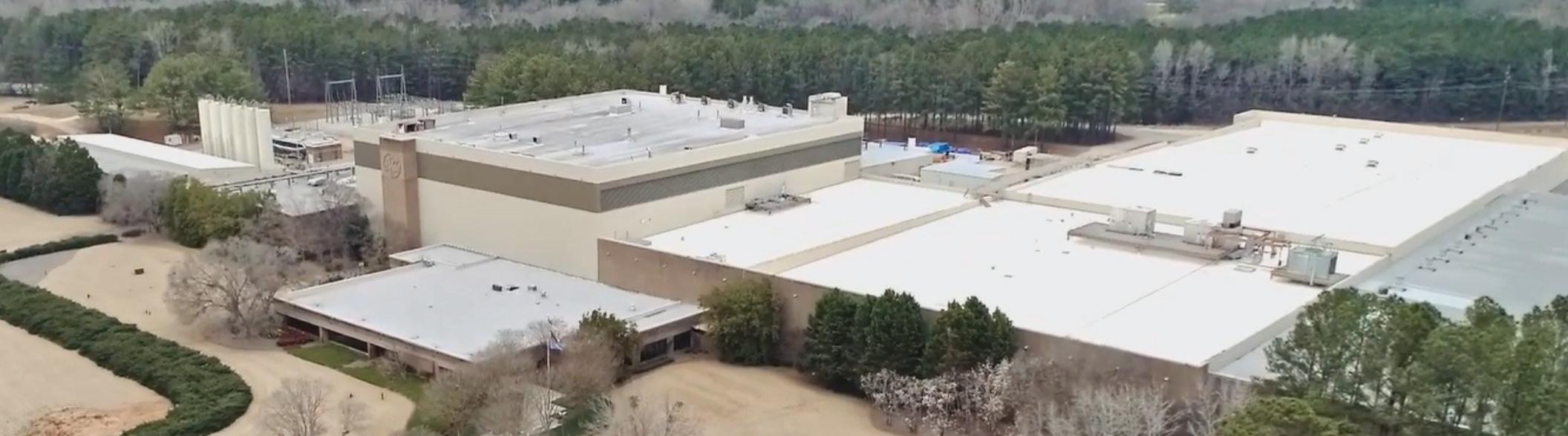
Building exceptional products takes more than materials. It takes the right partner. At Kimberly-Clark Partnership Products, we work alongside customers to combine material expertise, manufacturing capability, and proven science to deliver products that perform. Together, these capabilities help customers move faster, reduce risk, and stand out in their markets.
What sets Kimberly-Clark Partnership Products apart is not only the breadth of our technology portfolio, but how our people engage. By bringing together material science, engineering, operations, and commercial expertise, we support customers from early ideation through commercialization and help move ideas confidently from concept to production.
As one of the world’s largest manufacturers and users of nonwovens, Kimberly-Clark brings extensive experience in these technologies including Meltblown, Hydroknit, Spunbond, Spunbond Film Laminate (SFL), and Spunbond-Meltblown-Spunbond (SMS). These materials are engineered to deliver specific combinations of absorbency, strength, softness, durability, barrier performance, and metered fluid delivery for applications ranging from pre-saturated wipes and absorbents to filtration and building materials.
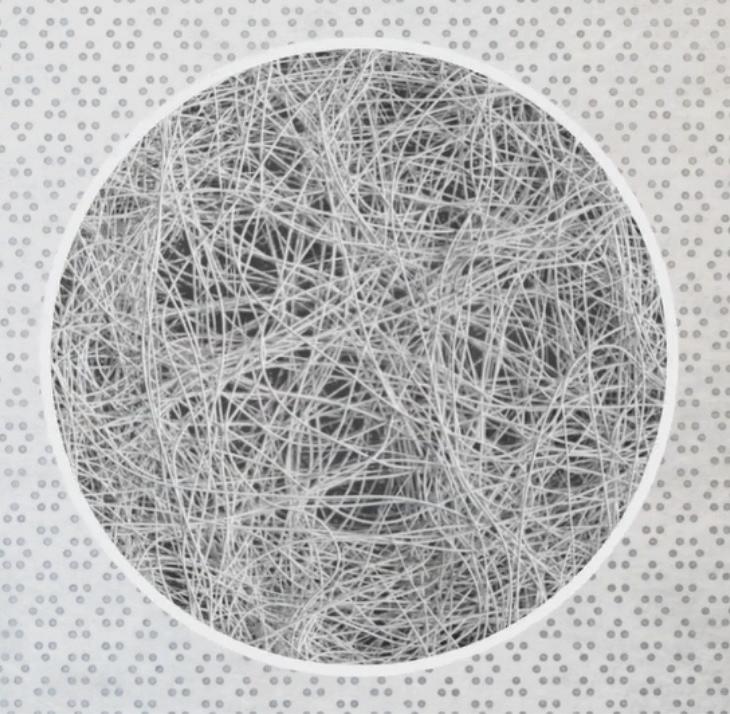
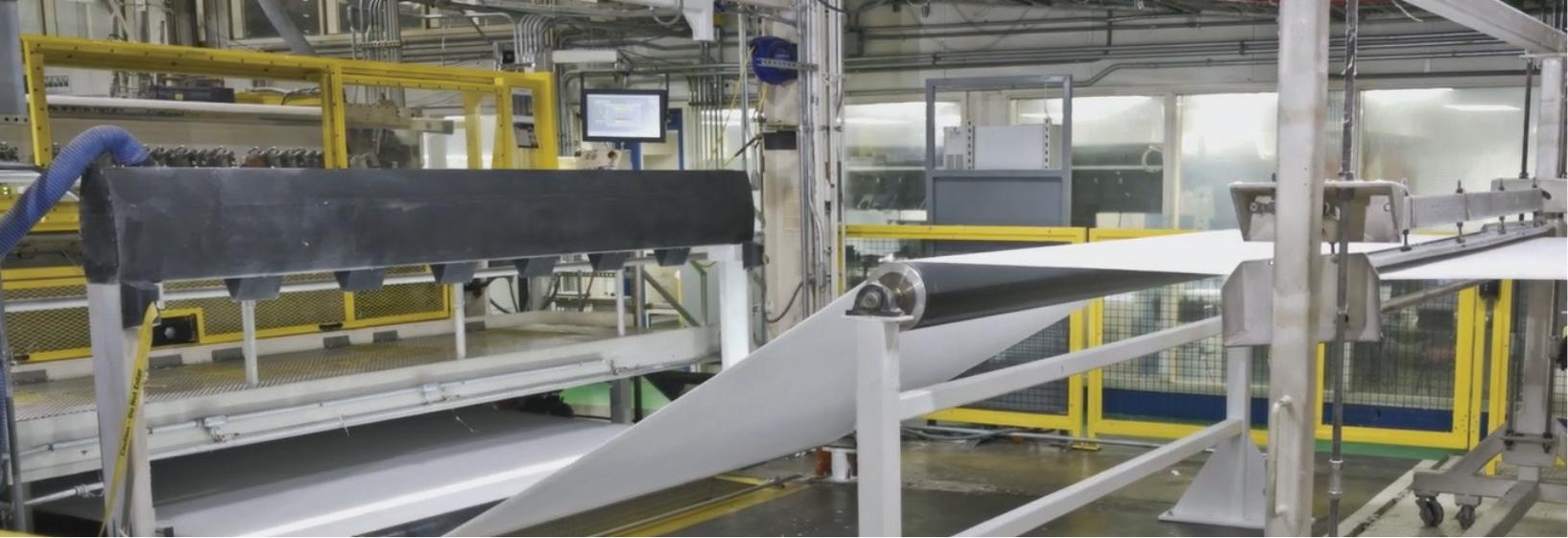
Kimberly-Clark Partnership Products is supported by manufacturing assets that provide scale and reliability. Key sites in Corinth, Mississippi, Hendersonville, NC, and LaGrange, Georgia bring established nonwovens expertise, strong operational discipline, and a shared focus on quality and customer service. This is reinforced by a resilient supply chain approach, with fibers sourced from domestic suppliers to help customers avoid disruptions and maintain consistent high-quality components.
Guided by Kimberly-Clark’s purpose of Better Care for a Better World, sustainability is embedded in how Kimberly-Clark Partnership Products operates. Through ongoing improvements across our manufacturing network, we help our
partners meet performance goals while supporting evolving sustainability expectations. Corinth and LaGrange both recycle 100% of pre-consumer waste, and LaGrange has invested in renewable energy through a solar project. Lean Six Sigma practices and a strong continuous improvement culture support efficient, consistent, and responsible operations.
Kimberly-Clark Partnership Products is more than a supplier of materials. Through collaborative problem-solving, proprietary technologies, and disciplined quality processes, our team partners with customers to turn challenges into highperforming products.
To learn how Kimberly-Clark Partnership Products works with customers to bring new ideas to life, connect with the Kimberly-Clark Partnership Products team (KCP.PartnershipProducts@kcc.com).
ND HEMP is the leading supplier, processor and producer of industrial hemp in the United States, operating multiple hemp processing facilities in Montana that deliver sustainable natural fibers and nutritious foods worldwide.
IH Fiber™ operates industrial scale decortication processing, cleaning and mechanical refining of hemp fiber. Additionally, this fiber is upgraded or ‘cottonized’ with either, or both mechanical refining and wet processes- scouring and bleaching options. IH Fiber is available in multiple grades and specifications for wide adoption opportunities.
IND HEMP has invested their R&D $ to prove system compatibility of their fibers for spinning, textiles and nonwovens systems, so that their customers can spend their R&D $ developing and bringing products to market, confidently made with these materials. This work has evolved and defined the IH Fiber material specifications that align with known applications and processes.
Airlaid Thermal Bonded. Hemp fiber has great insulating properties and is widely used commercially in both Europe and the USA for making building insulation material, cold pac insulation and geotextiles.
Carded Needlepunched nonwoven fabrics made with natural fiber have multiple applications in automotive and acoustics. IH Fiber - Platinum is currently inside cars driving on both European and US roads and has also been incorporated into the headliner of a popular tractor. Platinum hemp fiber is proven and available consistently at scale to support growing adoption in these industries and the many places it can be used within an automobile or commercial application.
Carded Hydroentangled – Spunlace These systems require finer and more
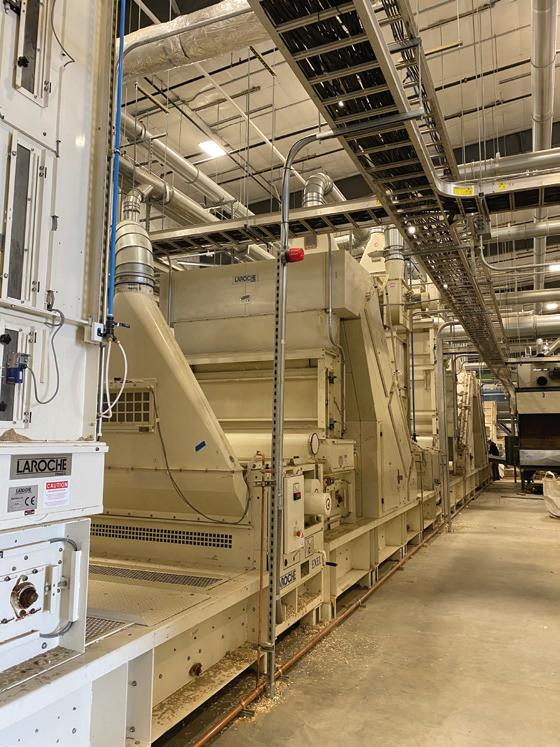
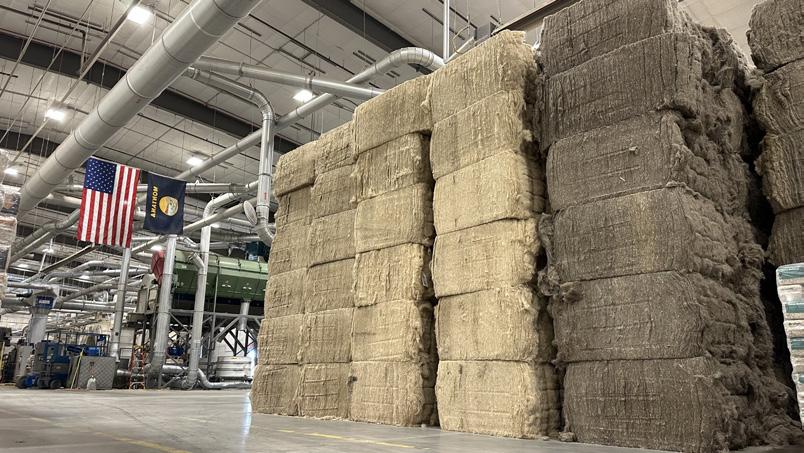
premium upgraded ‘cottonized’ hemp fibers, and work well in blends with cotton or lyocell to provide 100% natural and plastic free wipes, dry towels, hygienics and fem care. IND HEMP has invested in additional capacity and refining capabilities in 2026 to support the proven compatibility of their premium hemp fibers for these systems and applications, in both the USA and Asia.
In many applications, sustainability, or plastic-free is a primary driver for adoption of hemp fiber. IND HEMP was founded with a mission to support farming communities while supplying the world with more sustainable materials and they can provide LCA’s for all of their materials to support your sustainability goals and reporting. Industries such as building, which use hemp fiber insula-
tion can realize offset carbon credits for the avoidance of using more carbon intensive materials. Whether your sustainability targets are mandated, legislated or intentional, hemp fiber can play a supporting role and IND HEMP can provide the receipts to verify.
IH Seed™ is a dedicated, year-round, inhouse agronomy team and seed seller that supports crop production for all IND HEMP inputs. This includes all that is required for raising these specialty crops from preseason field analysis and genetics selection, through full season agronomic planning and support and custom harvesting, including raking and baling. This ensures the crops are grown, retted and harvested to support scaling the consistent specifications and inventory required in the final product.
March 23–25, 2027
Kansas City Convention Center
At IDEA®27, your booth is more than just space—it’s your launchpad for new business. Over three powerful days, you’ll engage directly with decision makers from major nonwoven manufacturers, showcase your latest products and technologies, and build partnerships that drive results.
IDEA®27 is the world’s preeminent event for nonwovens and engineered fabrics— where innovation meets opportunity.
Kansas City, Missouri Don’t let
Join thousands of professionals from over 60 countries who come to IDEA® to source solutions, form collaborations, and shape the future of nonwovens. Exhibiting at IDEA®27 positions your company at the center of it all.
• Connect with brand owners, converters, roll goods producers, material and equipment suppliers, and service providers.
• Achieve in three days what would take months of calls, emails, and travel.
• Meet current customers and new prospects ready to do business.
• Collaborate on solutions that improve product performance and sustainability.
• Expand into new markets and grow your business globally.
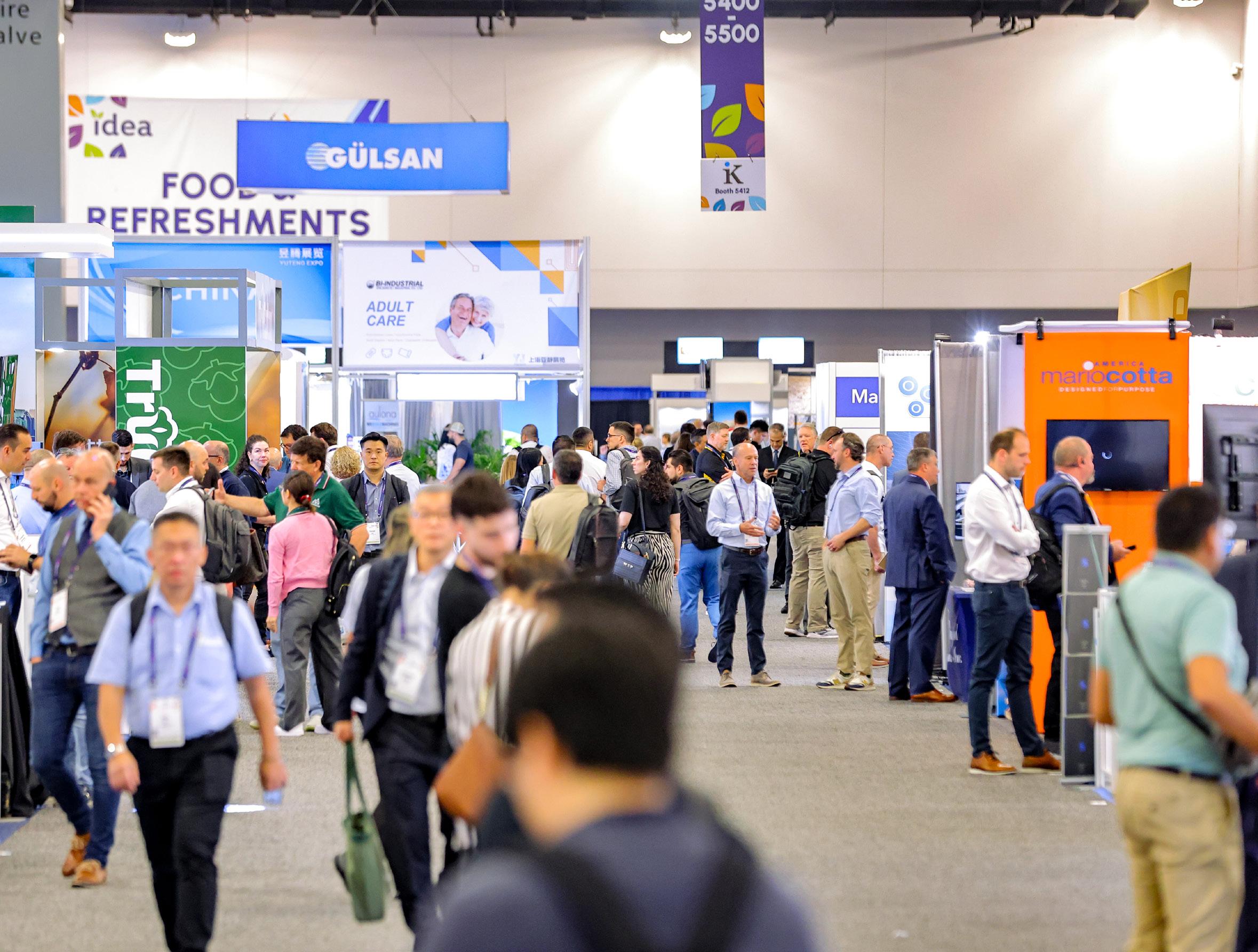
Reserve your exhibit space today and position your company at the center of the nonwovens world. ideashow.org
We are advancing together toward a future that prioritizes the well-being of people and the planet – with the aim to take meaningful steps to eliminate avoidable plastic* waste through the use of alternatives.



Meet us at INDEX May 19 - 22 booth 2631Geneva, Switzerland