It is with immense pride and excitement that we unveil the inaugural edition of Inclusive Impact Magazine, a publication dedicated to amplifying the voices, stories, and strategies that shape the field of community development. This launch marks the culmination of months of collaboration, visioning, and an unwavering commitment to creating a space where practitioners, organisations in community development, and community members converge to share insights, celebrate successes, and confront challenges head-on
This inaugural edition reflects the depth and diversity of
contributions from practitioners, academics, and community members
Highlights include compelling explorations of participatory development, professional portfolios, and the transformative power of performing arts in community building This issue also examines the integration of indigenous Zulu music, asset-based approaches, and tools like the Data Integration Matrix. Further topics include the role of human rights in fostering equity, CommunityEngaged Education (CCE), and strategic partnerships grounded in Ubuntu. A reflection
on the National Qualifications Framework (NQF) and neoliberal influences adds a critical perspective Lastly, we explore ethical practices and the professionalisation of community development.
A Mission Rooted in Inclusion and Impact
At the heart of Inclusive Impact Magazine lies a mission to champion the principles of inclusivity, equity, social justice, and sustainability
Our goal is to provide a dynamic platform where diverse perspectives and innovative ideas can flourish, reflecting the complexities and richness of community development practice.
Whether you are an academic, a Community Development Practitioner (CDP) in some form or another, a community- or corporate organisation, a policymaker, or a community member, this magazine is for you a spacetoexchangeknowledge,inspireaction,anddrivemeaningfulchange.
Acknowledgements
Our heartfelt thanks go to all the contributing authors who have made this inaugural issue possible. Your stories and insights are the foundation of this magazine We hope this issue inspires others to share their voices and contribute articles that reflect the diverse and dynamic nature of community development. This magazineistrulyforandbythesector aplatformthatamplifiesourcollectivevoiceandinterests.
FiveThemesThatAnchorOurVision
Each issue of Inclusive Impact Magazine is meticulously curated to explore critical facets of community development, structured around five core themes: (1) Stakeholders and Networks in Community Development, (2) Education, Training, and Practitioner Development in Community Development, (3) Ethical and Quality-Assured Community Development Practice, (4) Community Development Research, and (5)VoicesofPractitionersandCommunityMembers.
JoinUsonThisCollaborativeJourney
Inclusive Impact Magazine is not merely a publication; it is a collaborative endeavour Whether you ’ ve spearheaded a community project, conducted groundbreaking research, or navigated challenges in your work, your voice matters. Submit your work, suggest topics, or engage with this growing community. Together, let’s create a vibrant tapestry of ideas and solutions that reflect the spirit of collective impact and showcasetheresilienceandinnovationthatdefinecommunitydevelopment.
WhatYouCanExpect
Ineachissue,youwilldiscover:
Inspiring Features: Deep dives into innovative community development initiatives that redefine possibilities
Thought-Provoking Analyses: Articles that challenge norms and propose new paradigms for inclusive growth.
Spotlights on Change-Makers: Profiles of individuals and organisations making a tangible difference in theircommunities.
LookingAhead
As we embark on this journey, we remain guided by the belief that inclusive communities are the cornerstone of a better world. Together, let us celebrate the power of shared stories, collaborative action, and transformative impact As we grow, we look forward to sharing this platform with diverse voices, including guest editors and contributors. Here’s to the launch of a magazine that not only informs but inspires amagazinethatdarestoimagineandbuildamoreinclusivefutureforall WelcometoInclusiveImpactMagazine.
CornelHart
FOUNDING EDITOR
Cornel Hart is the Programme Coordinator for the Community Development (CD) Professional Degree and Evaluator for the Scholarship of Engagement (SoE) at UWC. With expertise in community well-being assessment, policy development, and SDG-aligned research, Cornel has played a pivotal role in advancing South Africa’s Community Development professionalization. She is an active member of CDSF, CDS, IACD and ACES, bringing her extensive experience and vision to the launch of Inclusive Impact Magazine.
STAKEHOLDERS AND NETWORKS IN COMMUNITY DEVELOPMENT
Community development thrives on partnerships, bringing together government, non-profits, businesses, and community members to drive collective action and transformative change. This section highlights the collaborative efforts and networks that strengthen community development practice.
Perspective
the Ubuntu philosophy offers a profound framework for understanding and implementing strategic partnerships.
Community development thrives on the principles of unity, collaboration, and collective action toward shared goals. Words like ‘coming together, ’ ‘working together, ’ and ‘collective effort’ are at the heart of its definitions. These ideals emphasise the critical role of in fostering sustainable community development Such development cannot occur in isolation it demands the combined efforts of multiple stakeholders working
together. Any partnership is built on the commitment to walk the road towards development and inclusive impact together. According to Yu (2016), strategic partnerships are defined as comprehensive, stable, and trust-based multidimensional collaborations among all participating entities They serve as powerful mechanisms to pool resources, foster innovation, and create lasting impact. Moreover, strategic
Mbiti (1969) eloquently capture the essence of Ubuntu: “I am, because we are; and since we are, therefore I am. ”
partnerships Ubuntu, a concept rooted in the African ethos, emphasises the interconnectedness of humanity and promotes the pursuit of the common good (Turaki, 2006). It teaches that individual well-being is inherently tied to the well-being of the community.
Mawere and Mabuya (2016) describe Ubuntu as fostering reciprocal relationships and building social capital, both essential elements for community cohesion and resilience Similarly, Gade (2012) highlights that Ubuntu is founded on principles of mutual support, empathy, generosity, and shared identity. The renowned words of Mbiti (1969) eloquently capture the essence of Ubuntu: “I am, because we are; and since we are, therefore I am. ”
FromtheUbuntu perspective,strategic partnershipsarenot merelyfunctional arrangementsbut moralnecessitiesto promoteshared growth,learning,and community development They encompass relationship-building, jointproblem-solving, andacommitmentto mutuality Additionally, strategicpartnerships, guidedbyUbuntu principles,aredesigned toachieveseveralkey objectivesthatreflect thephilosophy’s holisticandinclusive nature
Governance: Poorly defined roles or processes can create confusion Clear governance frameworks are vital for sustaining partnerships
By addressing these challenges proactively, strategic partnerships can achieve their transformative potential and drive meaningful, sustainable development. Towards unity and greater collaboration Strategic partnerships, when viewed through the Ubuntu philosophy, emerge as powerful vehicles for sustainable and inclusive community development. Rooted in
values of mutuality, empathy, and shared growth, they transcend traditional collaborations by fostering relationships that prioritise the collective good. By sharing resources, building trust, and empowering communities, these partnerships create a ripple effect of positive change that extends far beyond immediate goals.However, their transformative potential can only be fully realised when challenges are proactively addressed. By aligning goals, fostering inclusivity, ensuring adequate resources, and embracing cultural diversity, strategic partnerships can overcome barriers and maximise their impact. Trust, transparency,
and clear governance are critical to maintaining their strength, while building local capacity ensures their sustainability
In the spirit of Ubuntu, strategic partnerships remind us that true progress is not achieved in isolation but through collective effort As Mbiti’s timeless words remind us: “I am because we are ” (Mbiti, 1969). Thus, strategic partnerships can unlock new doors and open opportunities for both partners and the communities they aim to serve.
Together, through unity and collaboration, we can create communities that are not only resilient but also thriving, equitable, and sustainable for generations to come
Authors
Deborah Dreyer is the Director for Partnership Development at the Western Cape Department of Social Development Contact:DeborahDreyer@westerncapegovza
Marquin E. Smith is a lecturer and Work-integrated Learning (WIL) Coordinator in the Bachelor of Community Development (BCD) Programme at the University of the Western Cape. Contact: mesmith@uwcacza
Oftentimes, many people equate community representation in a committee to community participation. Some communities are too widespread to fully mobilise and have them engaged in community development interventions. As a result, the most logical, cost-effective, and time-saving solution is to constitute a committee to represent the entire community
on issues that affect them. However, these committees are often marred with accusations of misrepresentation and bias. This is not to say that such community committees or representatives cannot be effective if organised well
The main challenge comes with the natural instinct of people to look out for their own interests and the little consultation that occurs with the
broader community Consequently, the good intentions of community committees often end in frustration for some committee members and for the larger community Such was the case for a small organisation with a noble mandate and a widespread community too large to contain.
*The name of the organisation has been changed to maintain anonymity and protect confidentiality.
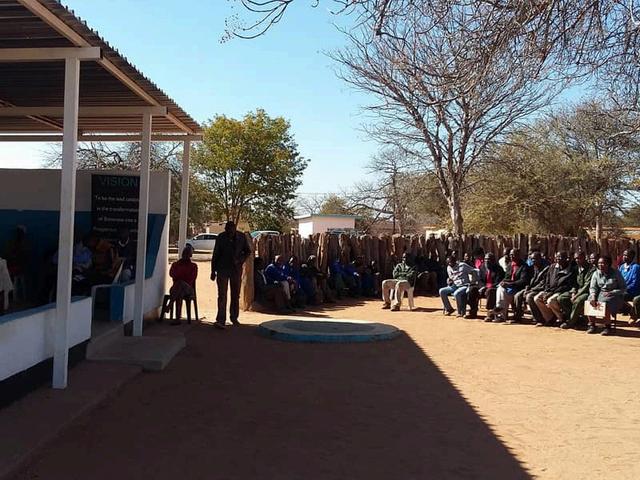
Botswana National Productivity Centre 20016 Bobirwa Sub District, Damochojena Kgotla Meeting and Community Service Day Available at: www.bnpc.bw/activities/" www.bnpc.bw/activities/ (Accessed 23 December 2024)
with the mandate of securing occupational compensation The association’s mandate also included addressing social determinants of TB in mining communities and promoting economic empowerment of exminers and their beneficiaries. At a time, the college I worked for, partnered with the Retired Workers Association* (RWA) to upskill beneficiaries of the ex-miners with entrepreneurship skills to enable them to invest wisely the funds they would have received as compensation from the mines. RWA approached the college to impart life skills to members and beneficiaries so they could better manage the meagre resources. The relationship emerged after the college conducted a
Retired Workers Association* (RWA) was an organisation comprised of former migrant mine workers and their beneficiaries community committees often end in frustration for some committee members
research study on TB in the mines and later invited RWA representatives to present their findings to ex-miners and their widows.
A series of engagement meetings ensued between the college and RWA to map out processes of cooperation. During these planning engagements, it became evident that the association’s committee was internally divided. One group within the committee expected the college to support them in their pursuit of compensation from South African mining companies. Another dynamic was the diversity of interest in he upskilling of exminers, a concern shared by only a few within the committee As a result, this initiative never saw the light of day beyond its initial proposal. Throughout these engagements, a few lessons were learnt
The first lesson is the importance of inclusion in such committees. It is crucial to have a good balance of those who are going through the problem, such as exminers who are battling TB and the widows of the ex-miners of varying economic status. Such a balanced, inclusive committee is able to drive the interests of a wide mix of people in the community.
The second lesson is the need for buy-in from all committee members and the community at large. A committee that picks and drops initiatives may not act in the best interest of the larger community they are representing This behaviour could also be a sign of little consultation and engagement with those they are representing The committee should strive to engage the community it represents through a series of community planning sessions. Lachapelle (2008) explained that community
participation in community planning and development efforts creates buy-in for a development proposal, plan, strategy, or decision.
The last lesson, which relates to the other two, is about enabling the community to shape the mandate of the association Chambers (1995) argues that development practitioners and communities have varying perspectives on problems and their solutions He states that the views of professionals are universal, simplified, reductionist, standardised, physical, quantified, and focused on income, poverty, and employment. Meanwhile, community views are local-specific, complex, holistic, diverse, experiential, and qualitative, focusing on multidimensional deprivation and livelihoods. Whose voice is heard in any development effort often determines who defines the problem or
Motlhakeng Lethapa is a Senior Lecturer and Course Director for Community Development at IDM She specialises in community participation and community-based research Contact: mlethapa@idmbls ac bw
References Chambers, R. (1995). Poverty and livelihoods: Whose reality counts? Environment and Urbanization, 7(1), 173–204. https://doi.org/10.1177/095624789500700106.
2.
1. Lachapelle, P. R. (2008). A sense of ownership in community development: Understanding the potential for participation in community planning efforts. Community Development, 39(2), 52–59. https://doi.org/10.1080/15575330809489730.
EDUCATION, TRAINING, AND PROFESSIONAL DEVELOPMENT
Empowering practitioners through education and training lies at the heart of sustainable community development. This section showcases transformative initiatives and continuous professional development opportunities that equip practitioners with the skills and knowledge to drive meaningful change.
“StartWhereYouAre!”and“DoWhatYouCan!”:
TowardsAsset-basedCommunityDevelopment (ABCD)
ABCD: It's the Music of Life!
“It’s
a beautiful noise And it’s a sound that I love And it fits me as well As a hand in a glove
Yes, it does, yes, it does” –Neil Diamond
Use what you have and build on it!’ ‘Start where you are!’ ‘Do what you can!’ These statements reverberated in my ears and caused me to shift my attention to the facilitator In that moment, I smiled broadly, feeling a strong connection with those statements. I popped and rolled my eyes, did an internal swaying sound, as a few thoughts surfaced. My perspective on practising community development changed forever in that moment
For three days of intense training in Asset-based Community Development (ABCD) in Gqeberha, I was immersed in the methodology. The training shifted my perspective, deepened my understanding, and encouraged me to adopt its practices. Using this new lens, I pondered peopledriven initiatives in my hometown, Paarl. The Premier Poultry and Horticultural Society (PPHS), Frank Pietersen Music Centre, and
Athlone Institute Trust seemed to align with ABCD principles
Peter Block, Cormac Russell, and other thought leaders in the community development space encourage us to focus on what is ‘strong’ and not what is ‘ wrong. ’ Since 2016, I have been advocating and promoting ABCD with this philosophy in mind. ABCD is best understood as a type of strengths-based approach (SBA) that appreciates the
community members must participate in and influence the decisionmaking processes of socioeconomic development
strengths, potentials, and capacities that communities inherently have to shape and drive their own development. The term ABCD was coined by Kretzman and McKnight (1993), who researched selforganised communities and their critical success factors They found that efforts are more effective and longer-lasting when community members dedicate their time and talents to creating the changes they desire rather than focusing on what is lacking The approach stimulates citizenship and spontaneity, uses minimal external stimulus to effect significant change, builds from the inside out, and develops a self-conscious framework for understanding how change happens.
By shifting the focus from what communities lack to what they already have, ABCD fosters a sense of pride, agency, and unity, paving the way for sustainable and inclusive community development
Belonging and Relationships: The Heart of ABCD
Over the years, I have come to recognise that a profound sense of belonging lies at the heart of the ABCD approach. It fosters an environment where community members feel empowered to interact openly, share opinions, and express disagreements all of which are essential for collectively reshaping and crafting practical, sustainable solutions Inclusion ensures that every individual’s unique ‘tune’ contributes to the harmony of community progress.
Equally important is the deliberate effort to build, restore, maintain, and strengthen relationships. These connections form the foundation for meaningful, robust conversations that drive the creation of innovative and sustainable initiatives.
Community leaders serve as pivotal bridges, linking diverse groups and stakeholders. Their collaboration extends to local institutions, community-based organisations, nongovernmental organisations, and entities from both the private and public sectors. Through these partnerships, the ABCD approach enables communities to harness their collective potential and achieve transformative, peopledriven change.
Mobilising Assets: Building Sustainable Solutions
The intended outcome of the ABCD process is the leveraging of assets into sustainable, people-led initiatives. Local community members must participate in and influence the decisionmaking processes of socio-economic development. In the current funding environment, support for community development may be limited, and therefore, identifying and mobilising community assets encourages people to be proactive rather than waiting for government or others to assist Such peopleled initiatives often
attract funders who see the value and choose to invest.
Furthermore, mobilising assets only achieves impact if there are linkages and connections among people and associations that lead to impactful social interventions and change. Social capital the glue that connects communities forms the foundation of this approach. It encourages collaboration and partnerships that benefit not only the participants but the broader society For long-lasting sustainable change, we must learn to listen to the ‘noises’ of others, see through those noises to understand both their perspectives and our own, and cocreate solutions that resonate with the community This process ensures that all assets and contributions are appreciated, and that people feel valued
For longlasting sustainable change, we must learn to listen to the ‘noises’ of others
The ABCD approach is not just a methodology; it is a mindset and a movement that recognises the immense potential within communities to create meaningful and sustainable change By shifting our focus from deficits to strengths, from external dependencies to internal capabilities, and from isolation to collaboration, ABCD unlocks the collective power of individuals and groups.
It fosters a sense of belonging, agency, and pride, paving the way for inclusive, peopledriven development that resonates far beyond the immediate community
ABCD invites us to reimagine community development as a symphony where every voice, talent, and resource contributes to the collective harmony It challenges us to listen, connect, and cocreate a vibrant and
inclusive future. As we continue this journey, let us celebrate the assets around us, harness the power of social capital, and inspire communities to rise together turning the music of life into a masterpiece of shared hope and success
Author
Gail Jacobs is the CEO of Feet2Grow, focuses on people-led socio-economic initiatives Contact: gail@feet2grow co za
References
Kretzmann, J P , & McKnight, J L (1993) Building communities from the inside out: A path toward finding and mobilizing a community's assets Chicago, IL: ACTA Publications
PlacingCommunitiesattheCentreofDecisionMakingThroughtheCommunityCapacity Enhancement(CCE)MethodologicalFramework Training
The CCE
Methodological Framework was developed by the United Nations Development Programme (UNDP) as part of a broader intervention strategy to combat the HIV/AIDS pandemic by empowering communities to address the epidemic's root causes through dialogue and collective action Today, the CCE methodology is used as an intervention strategy to address various social concerns,
including poverty, gender-based violence, and crime. By placing communities at the centre of decisionmaking, it returns power to the people, making it a critical approach in community development practice
Rethinking
our
Responses to Social Concerns
For decades, many interventions aimed at addressing social concerns have primarily focused on raising awareness and providing technical solutions
While these are critical components, they often fail to address the context-specific behaviours, attitudes, and social norms that perpetuate these issues.
The CCE approach bridges this gap, emphasising that sustainable change must come from within communities themselves. It builds on the understanding that local knowledge, cultural practices, and social structures are essential to creating lasting solutions.
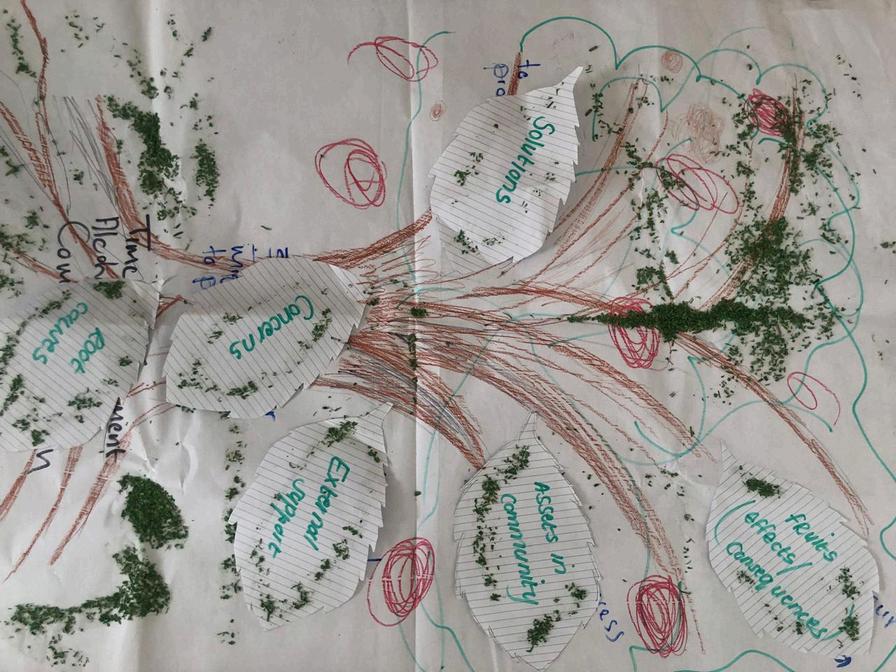
At the heart of the CCE methodology is the concept of Community Conversations a participatory process that enables communities to reflect on their concerns, identify root causes, and take ownership of solutions. This approach not only addresses the concerns but also fosters community resilience and self-reliance.
What Makes the CCE Approach Unique?
The CCE methodology is guided by several key principles that distinguish it from traditional interventions: Human Rights-Based Approach: Rooted in equity, inclusion, dignity, and nondiscrimination
By placing communities at the centre of decisionmaking, it returns power to the people
Delving deeper into identified issues to examine their interconnected ness and systemic implications
external solutions. Since 2017, approximately 1,500 people employed in local municipalities, non-profit organisations, and Western Cape Government Departments have been trained in the CCE methodological framework. Additionally, since 2024, all final-year Bachelor of Community Development (BCD) students at the University of the Western Cape (UWC) are trained in this methodology as part of their work-integrated learning (WIL) readiness.
Communities assess the outcomes of their actions, reflect on lessons learned, and identify areas for improvement.
The CCE programme introduces tools such as historical timelines, storytelling, and mapping exercises, enabling communities to document their progress and maintain ownership of the process
Communities at the Heart of Change
The CCE methodology represents a paradigm shift in how we approach complex social concerns By putting communities at
the centre of the process, it transforms them into agents of their own change
This participatory and rights-based methodology not only addresses the immediate challenges of HIV/AIDS but also lays the foundation for sustainable development and social cohesion.
As we continue to tackle global challenges, the lessons
from the CCE approach remind us that lasting change begins from within through the voices, actions, and resilience of communities themselves Let’s amplify these voices and work together for a healthier, more equitable future
Author Denver Moses, Project Coordinator, Department of the Premier, leads citizen-centric capacity-building initiatives Contact: denver moses@westerncape gov za
References
This article was inspired by the principles and practices outlined in the Community Capacity Enhancement Handbook For more information, contact Denver Moses at Denver Moses@westerncape gov za or Buyisile Makasi at Buyisile Makasi@westerncape gov za
Address: Cedar St, Sandown Rd, Milnerton Rural, Cape Town, 7441 Make an impact in your community with Cornerstone Institute, explore our Community Development Programmes study towards a Higher Certificate in Community Development and BA Honours in Community Development. APPLY TODAY!
www.cornerstone.ac.za
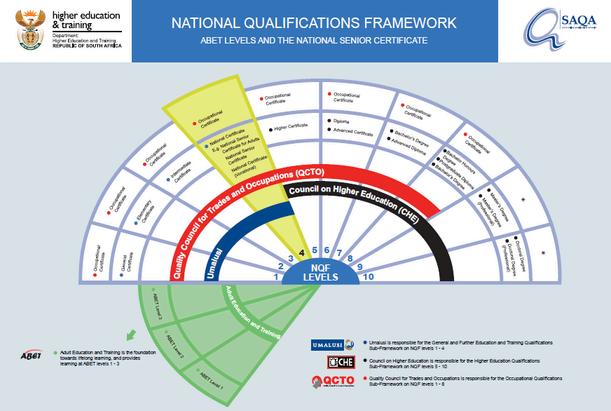
Navigating the Neoliberal Landscape: Community Development and the NQF Framework
My contribution and the decision to write an article stems from the statement: “Our mission is to provide a comprehensive platform for the exchange of knowledge, experiences, and best practices among professionals, practitioners, organisations, and community members.” I write to begin a conversation rather than to critique.
We are bound to embrace the National Qualifications Framework (NQF) as it is located in education policy, but we must seek to caution that our embracing of the NQF without critical discussion of and understanding of the role of the NQF in facilitating the Neoliberal Global Racial project [1].
We have to be very careful about our engagement with the NQF and policies that supposedly promote
redress I refer you to the Department of Higher Education and Training (DHET) policy on Recognition of Prior Learning (RPL) coordination in the Government Gazette Vol. 69 published on 31 March 2016. If our primary focus is redress in community development as part of the “professionalisation” project, then we must heed the words of the Minister of Education in the introduction of the Gazette, which states: “The previous laissez-faire approach that was adopted towards RPL meant
that RPL was not taken seriously enough and there were no incentives to implement and embed RPL in the education and training system” (Point 3 of introduction page 4). I draw upon this point as it speaks to the issue of “Our mission is to provide a comprehensive platform for the exchange of knowledge, experiences, and best practices among professionals, practitioners, organisations, and community members.” Our political liberation of South Africa in 1994 is built on the foundation of thousands of activists seeking to develop their communities, aiming to destroy the systemic collective experience of those activists to remind ourselves that, in working within the NQF framework, our primary objective is to use the framework to promote genuine change and not be complicit in the neoliberal agenda of using “professionalism” as a means of control. apartheid policies that sought to subjugate rather than promote development We must draw upon the
[1] A framework that critiques how neoliberal policies perpetuate systemic racial inequalities on a global scale by prioritising marketdriven agendas over social justice and equity
the collective experience of those activists to remind ourselves that, in working within the NQF framework, our primary objective is to use the framework to promote genuine change and not be complicit in the neoliberal agenda of using “professionalism” as a means of control Indigenous and functional knowledge is scorned in favour of examination-based processes because the agenda is to control the education space via professionalisation.
We are duty-bound to reflect on the struggles of the Global South and to draw upon the “diverse approaches and strategies that contribute to building inclusive, equitable, and sustainable communities” of community development in the Global South. We must base our conceptual knowledge of development within the thinking of the Global South and centre our case studies and academic discourses within the academia of the Global South Referring to the Global North as our reference point risks complicity in an assimilationist rather than inclusive agenda.
Our collective challenge in working within the imposed neoliberal NQF is to “contribute to building inclusive, equitable, and sustainable communities” by ensuring that, as professional bodies and institutes of learning, we work within the imposed system to create opportunities for inclusivity and access, and equally importantly, to provide institutional support for access beyond entry points
Our liberation legacy has created a need to provide redress for the historically disadvantaged as well as the democratically disadvantaged In catering for the historically disadvantaged, we must derive strategies of inclusion for those denied formal education. Critical, therefore, is the need to reflect on “standards” and evidentiary requirements, whether for matters of RPL or programmes offering age-based concessionary access. The challenge, therefore, is to rethink the notion of standards and how we develop and assess competencies within the paradigm of redress I think of my
great-grandfather, Mr Ahmed Jamaloodeen, identified as a master builder in KwaZulu Natal but illiterate His generation used a simple process of a triangle with sides of 3, 4, and 5 feet to mark foundations. He would be deemed non-
competent in the NQF framework because he could not explain the theory of Pythagoras at NQF Level 4 and would, therefore, be denied a permit to build and support his family.
Similarly, as we rethink standards for the
The Soofie Masjid, Ladysmith, KZN, RSA Picture supplied by the authors' aunt, granddaughter of Mr Ahmed Jamaloodeen – the ‘architect’
This results in learners being denied entry into educational institutions. The challenge is to use the NQF at various levels to develop competencies matching the “standards” required by educational
institutions In this scenario, we must create supported and continuing access to afford learners the opportunity to engage with the NQF, which, by its nature, acts as a gatekeeper of exclusion.
I write hoping to contribute to a foundational knowledge and understanding necessary before we grapple with issues of decoloniality As in law, which accepts that
context is central to understanding, we cannot forget our historical roots in engaging with and challenging imposed systems of oppression
We must work within such systems to liberate our minds Our mental liberation is necessary to develop community in our image, not that of an imposed Eurocentric one
we cannot forget our historical roots in engaging with and challenging imposed systems of oppression
Author Mahommed Sader is an educationist and community development activist for 40 years. He is deeply committed to advancing inclusive and equitable practices in education and professionalisation frameworks.
References
1. historically disadvantaged regarding formal schooling exclusion, we must consider the democratically disadvantaged who received inadequate “dumbed-down standards” schooling
Department of Higher Education and Training. (2016). National Qualifications Framework Act: Recognition of Prior Learning (RPL) Coordination Policy. Government Gazette, 39876, 31 March 2016. https://www.gov.za/sites/default/files/gcis document/201603/39876gon381.pdf.
ETHICAL AND QUALITY-ASSURED PRACTICE
Maintaining high standards and ethical practices is essential for impactful community development. This section delves into the standards, case studies, and frameworks that uphold integrity and ensure effectiveness in the field.
WhyHumanRights Matterin Community Development
It is an honour to contribute to the inaugural edition of this magazine, especially on a topic as vital as the role of the South African Human Rights Commission (SAHRC) in community development As a Chapter Nine institution under the South African Constitution, the SAHRC is not just a watchdog for human rights but a cornerstone of progress, social justice, and community empowerment.
In South Africa’s constitutional democracy, Chapter Nine institutions like the SAHRC are critical They safeguard democracy, uphold human rights, and hold the government accountable, shaping the foundation for vibrant, resilient communities. This article delves into the SAHRC’s unique role in fostering community
development, highlighting its contributions to social justice, inclusion, and empowerment.
Chapter Nine
Institutions: Guardians of Democracy and Human Rights
Chapter Nine of the South African Constitution establishes independent institutions to protect and promote constitutional democracy. These include the Public Protector, the SAHRC, the Electoral Commission, the Commission for the Promotion and Protection of the Rights of Cultural, Religious, and Linguistic Communities, the Commission for Gender Equality, and the Auditor-General.
transparency, and protect citizens' rights.
The SAHRC stands out in this group for its focused mandate on human rights, which serves as a cornerstone for community development.
Each institution plays a distinct role, but their shared mission is clear: to ensure accountability, uphold
The SAHRC’s Mandate: Advancing Rights and Empowerment
The SAHRC is tasked with promoting respect for human rights, protecting their development, and monitoring their observance. It investigates rights violations, educates the public, and ensures that all citizens understand and exercise their rights By empowering communities with knowledge and tools, the SAHRC fosters active participation in development processes and holds institutions accountable.
to build a more equitable society where every individual can thrive.
The SAHRC’s Broader Impact on Society
The SAHRC’s influence extends beyond individual communities. By championing human rights and advocating for transparency, the Commission strengthens trust in democratic institutions and encourages civic engagement. It fosters a culture where citizens feel empowered to participate in governance and development processes. Moreover, the SAHRC’s emphasis on accountability and equity enhances social cohesion Communities
human rights are not just ideals but practical tools for transformative community development.
become more resilient and collaborative,better equipped to address shared challenges
These ripple effects contribute to South Africa’s overarching goal of a democratic, inclusive, and equitable society
A Beacon of Hope for Community Development Chapter Nine institutions, particularly the SAHRC, are indispensable to
community development Through advocacy, capacity building, and facilitating dialogues, the SAHRC empowers individuals and drives progress in vulnerable and marginalised communities
As South Africa continues to grapple with its complex socioeconomic challenges, the SAHRC’s unwavering commitment to human rights ensures that no
one is left behind. Its efforts not only uphold the Constitution but also nurture communities where justice, equality, and dignity can flourish. In this pivotal role, the SAHRC exemplifies how human rights are not just ideals but practical tools for transformative community development. It reminds us all that when rights are respected, communities are empowered and when communities thrive, so does the nation.
Aseza Gungubele is a Commissioner of the South African Human Rights Commission (SAHRC). With extensive experience in public service, he is deeply committed to advancing human rights and empowering communities through systemic advocacy and engagement.
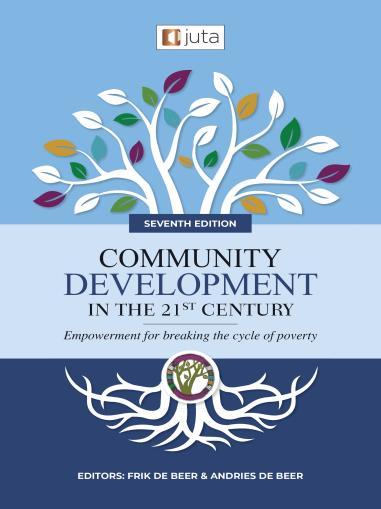
Community Development in the 21st Century: Empowerment for breaking the cycle of poverty 7e
About this publication
Edition: 7th
Published: 2023
Editors: FrikDeBeerandAndriesdeBeer
Format: SoftCover&eBook
Language: English
Extent: 652pages
Print ISBN: 9781485132479
eBook ISBN: 9781485132387
Retail - Print Price: R565.00
Print Link: Clickhere
eBook Price: R509.00
eBook Link: Click here
(Price valid until 30 June 2025, incl. 15% South African VAT and excl. courier delivery.)
Thisbookbuildsondecadesofpractice-experienceineducationforcommunitydevelopment.Witha clear focus on professionalisation, Community development in the 21st century: Empowerment for breaking the cycle of poverty is a definitive guide for community development practitioners, professionalsandstudentsalike.Inadditiontocontextandprocess,thebookdetailstheskillsrequired byacommunitydevelopmentpractitionerandexplainsthelocalgovernmentcontextof community developmentpractice.Practicalcasestudies,specificallyrelevanttotheSouthAfricanenvironment, illustrate important issues in community development. The book also provides an overview of the professionalisationprocessofcommunitydevelopmentinSouthAfrica.
The professionalisation of Community Development Practitioners (CDPs) is a pivotal step in enhancing the impact, integrity, and quality of community development practice. Professionalisation ensures that CDPs possess the necessary skills, knowledge, and ethical grounding to engage effectively with communities, fostering resilience and sustainable change At the heart of this process lies the development of a ‘professional portfolio’ a comprehensive record
of a practitioner’s qualifications, competencies, and adherence to standards
This article draws on insights from Chapter 27 of the recently published book Community Development in the 21st Century: Empowerment for Breaking the Cycle of Poverty (7th Edition), edited by Frik de Beer and Andries de Beer. While the book covers a wide range of community development topics, Chapter 27, provides an in-depth exploration of of the
professionalisation journey in South Africa
This chapter is featured in this issue, with details about the book’s discounted price from Juta Publishers included in the magazine.
The Journey to Professionalisation in South Africa
In South Africa, the professionalisation of community development has been a response to the need for standardised practices and quality assurance in a multidisciplinary sector. Historically, community
development lacked a cohesive framework, with practices varying across contexts and institutions. However, the introduction of the Community Development Practice Policy Framework (CDPPF) marked a turning point, providing a unified approach to defining norms, standards, and competencies for practitioners.
South Africa’s commitment to legislated professionalisation sets it apart globally. The Community Development
Professionalisation ensures that CDPs possess the necessary skills, knowledge, and ethical grounding to engage effectively with communities
but also enhances the credibility and confidence of practitioners.
Global Relevance and Local Leadership
South Africa’s approach approach to professionalising community development is notable for its balance of local relevance and global alignment The integration of RPL into the professionalisation process ensures inclusivity, recognizing the diverse pathways through which practitioners enter the field
Globally, professional portfolios have become a cornerstone of professionalisation in various disciplines
South Africa’s emphasis on structured portfolios and legislated frameworks positions it
as a leader in creating equitable pathways for professional recognition.
The professionalisation of Community Development Practitioners (CDPs) in South Africa represents a significant advancement for the sector, ensuring that practitioners are equipped to meet the evolving needs of communities The professional portfolio is a key element of this process, providing a structured and transparent way for practitioners to demonstrate their competencies, ethical grounding, and commitment to continuous learning. As the first country to implement a legislated
Authors
professionalisation framework for community development, South Africa sets a global example for how structured, regulated processes can enhance professional credibility and community outcomes
By emphasizing
portfolios and standards, the sector ensures that practitioners are not only prepared to meet local challenges but also contribute meaningfully to local, regional and global conversations on community development.
Cornel Hart, Programme Coordinator for Community Development at UWC, specialises in CD professionalisation and policy research. Contact: chart@uwc.ac.za.
References
2.
1. Department of Social Development. 2014. Community Development Practice Policy Framework (CDPPF). (Internal document). DSD: Pretoria.
Hart, C. 2023. Professional community development practice In Community Development in the 21st Century: Empowerment for breaking the cycle of poverty.7th ed. F. De Beer & M. De Beer. Eds. Juta and Company Ltd. 529-546.
RESEARCH AND THEORY IN COMMUNITY DEVELOPMENT
Theoretical frameworks and research enrich community development practice by bridging knowledge and action. This section explores groundbreaking studies, findings, and academic discourse that connect theory to impactful practice.
Enhancing Community Development Through Comprehensive Practitioner Training: Bridging
Gaps with a Data-Driven Approach
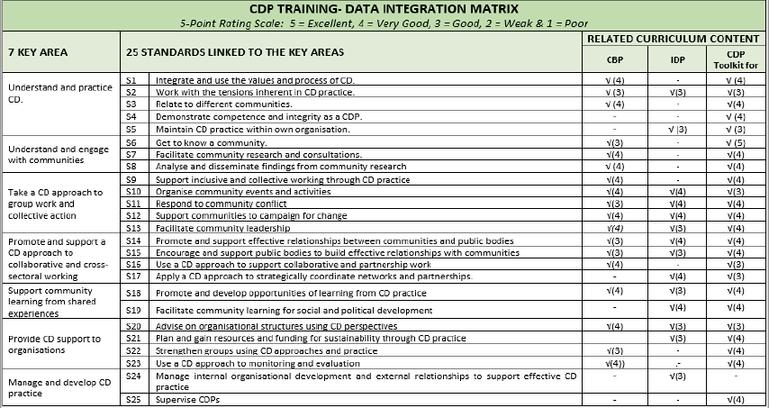
Example Application of DIM to a training programme of DSD CDPs between 2012 - 2014
In a world where societal challenges are increasingly complex and interconnected, the role of Community Development Practitioners (CDPs) has never been more vital Their work directly impacts the sustainability and resilience of communities, making it crucial to equip them with skills and knowledge grounded in both theory and practice.
TheDataIntegration Matrix(DIM): ATransformativeTool forCommunity Development
that training providers effectively equip CDPs to meet their professional roles and responsibilities while maintaining global adaptability
Example Application of DIM to a training programme of DSD CDPs between 20122014
The DIM uses a fivepoint scale to rate the extent to which training programme components align with values, principles, and standards for CD practice These components include content themes, such as working with tensions
in CD practice, promoting inclusive participation, and applying communitybased components include content themes, such as working with tensions in CD practice, promoting inclusive participation, and applying communitybased research methods The tool enables training providers to identify areas of strong alignment and gaps that require improvement, thereby fostering the development of highquality, contextrelevant programmes
The DIM has been applied to assess programmes such as the Community-Based Programme (CBP), Integrated Development Planning (IDP) training, and CDP Toolkit. Results revealed varying levels of alignment, with one curriculum achieving a 90% match to national standards and others demonstrating areas for improvement.
Aligning
Training with Global and South African Standards
The training of CDPs should align with international and
Equip Practitioners with Practical Competencies: CDPs are trained to manage community projects, navigate tensions, and facilitate participatory processes effectively.
Support Continuous Improvement: Providers gain actionable insights to refine their programmes and enhance their impact on practitioner readiness
DIM enables providers to adjust curricula to better meet the needs of CDPs.
Investing in the Future of Communities
As communities face evolving challenges, the role of well-trained Community Development Practitioners is pivotal. Tools like the Data Integration Matrix (DIM) exemplify how structured, data-driven approaches can bridge gaps between training and practice, enabling practitioners to address systemic challenges effectively.
By aligning training programmes with national and international standards, the DIM supports the professionalisation of community development and equips CDPs with the competencies needed to foster meaningful, sustainable change South Africa’s
leadership in developing and applying this tool highlights the importance of grounding training in local realities while ensuring global adaptability. This work underscores the importance of ongoing innovation and collaboration in
preparing community leaders to thrive in an increasingly interconnected world importance of ongoing innovation and collaboration in preparing community leaders to thrive in an increasingly interconnected world.
Authors
Mpontseng Kumeke, Community Development Policy Manager at Department of Social Development, specialisesincapacitybuildingofCDPsincludingCDprofessionalisation. Contact:kumekem@dsd.gov.za.
Cornel Hart, Programme Coordinator for Community Development at UWC, specialises in CD professionalisationandpolicyresearch.Contact:chart@uwc.ac.za.
References
2
1. Ross, C, Clarke, A, McConnell, C, Lachapelle, P and Stansfield, J (2018) Towards shared international standards for community development practice. Whanake: The Pacific Journal of Community Development,4(1),pp2-28
Department of Social Development (South Africa). (2013). Community Development Practice Policy Framework Pretoria:DSD
Ihave been a development sociologist by training. I have taught many courses on sociology, industrial development, and community development for more than nine years. A recurrent theme in all these courses is concepts such as solidarity, agency, social change, community development, community participation, and social movements including social movement unionism All these concepts are a
euphemism for resistance to neoliberal development impositions and support for a bottomup approach to development.
At the heart of all these seemingly different but overlapping development themes and concepts is the role of communities, the subaltern/marginalised /underclass in participatory democratic practices and their liberating potential My sociological background naturally drew me to community development theory
and practice. However, as I became an avid crusader for community development theory and practice, my orientation towards critical social theory prompted me to think constructively about community development and its participatory ethos I became aware of the tendency among development practitioners to romanticise community development and turn a blind eye to some of its drawbacks. Therefore, many development practitioners miss
opportunities to accurately capture the theoretical and practical underpinnings of community development.
This article is by no means a scepticism about community development practice as a whole development paradigm/practice but a critique of its participatory democratic ethos We must acknowledge the theoretical and methodological challenges facing community development in South Africa at this juncture as the sector moves towards full professionalisation. In other words, we need to be wary of sticky theoretical and methodological intricacies of
tendency among development practitioners to romanticise community development
community development While some of these issues have been addressed in publications, I will focus on the role of community participation or participatory development. This is largely because participatory development is the hallmark of community development, but it can also be its downfall.
Community development reflects people-centred and participatory democratic philosophy and practice in which local people are drivers of their own change. However, a litany of failed participatory development experiments remains a significant challenge for community development practice today In some cases, participatory experiments have left communities worse off
despitegenuine intentionstotransform thesecommunities The community developmentfraternity (students,researchers, practitioners,lecturers andothers)areatpains toexplainthefailures ofmanywellintentioned participatory development experiments Insome cases,participatory development/communi typarticipationisused asa ‘cosmetic label’/’window dressing’tomake communityprojects appeargoodand fundable.Insome cases,projectsuse community participationasacooptingpracticeto mobilisecheaplocal labourandreduce costs Againstthis backdrop,weideally strivefora participatory community developmentpractice thatissupposedtobe anempoweringprocess enablingcommunities toconducttheirown analysis,determine priorities,andmake decisionswith confidence.Thisneeds toberigorously pursuedifweareto convincenaysayersand pessimiststhat
community development represents the most progressive, participatory, and sustainable approach to development
community development practice must engage critically with how inequalities in power are sometimes reinforced through participatory development. Community development practitioners remain divided on the question of power. Scholars such as Cleaver (1999) argue that many practitioners prioritise ‘getting the techniques [of participation] right’ over addressing underlying power dynamics Conversely, Biggs (1995) suggested that a techniques-based approach inadequately addresses issues of power, control of information, and other resources Be that as it may, participatory development experiments should participatory development is the hallmark of community development, but it can also be its downfall.
In their seminal book titled ‘Participation: The New Tyranny?’ Bill Cooke and Uma Kothari (2001) remind us not to romanticise community participation/participat ory development We should be cautious of the challenges of community participation. We first need to pay attention to barriers to sustainable, inclusive development, such as intra- and inter-group conflict. Communities are often perceived as generic, homogenous and as ‘communities of solidarity’ To the contrary, they tend to be heterogeneous, divided, and influenced by unique politics and power dynamics Participation and the realisation of empowerment are affected by intracommunity conflicts of interest. Inclusive participatory development often reflects the views of dominant groups, excluding marginalised voices. Therefore,
a techniquesbased approach inadequately addresses issues of power, control of information, and other resources
power dynamics may undermine participatory development experiments and cast doubt on community development’s potential as a transformative paradigm
promote inclusivity and agency, ensuring that power dynamics foster solidarity rather than division
There are other power dynamics that affect relationships between development practitioners and local communities. These power dynamics may undermine participatory development experiments and cast doubt on community development’s potential as a transformative paradigm. Again, I refer to Bill Cooke and Uma Kothari’s (2001) seminal book It brings our attention to participatory development’s potential for tyranny as far as the relationship between local communities and development practitioners is concerned. The authors argue that development practitioners must reassess their role in promoting a set of practices that may appear naive about questions of power or even systematically reinforce, rather than
overthrow, existing inequalities.
A typology of community participation formulated by Barrow and Murphree (1998) highlights the elusive nature of the concept of community participation.
Participation spans a spectrum, from pseudo ‘Passive Participation’ to the empowering ‘Participation as Empowerment.’ We learn from these scholars that community participation varies greatly across different contexts, projects, and purposes it is not a one-size-fits-all concept Notably, many participation forms run counter to the ethos of community development, particularly inclusive and genuine participation. In such forms, local communities or project beneficiaries are merely treated as passive recipients of development efforts or as convenient participants, rather than people with full rights and
responsibilities for their own development
As the field progresses towards professional recognition and consolidation, standards, procedures, codes of conduct, and training must address the conundrum of participatory development. The former Community Development Professionalisation Steering Committee (CDPSC) and the current Community Development Task Team (CDTT) in South Africa have important roles to play. A strict yet adaptable code of conduct can give effect to the principles of community development, ensuring it does not fall into the trap of being reduced to misguided participatory paradigms
Participatory development, while central to many development paradigms, must be clearly distinguished in its application within community development The fraternity must actively guard against adulteration of the concept, as this opens participatory development to misuse and abuse
There are indications that participatory development has been misrepresented in many instances, tarnishing the image of community development and raising questions about its feasibility as a transformative practice. Community participation must be protected as the hallmark of community development theory and practice, with serious implications for education and training curricula. Many social sciences disciplines embrace participatory principles, but these efforts often lack the specificity and ethos that true community development requires Until recent efforts at professionalising the field, social science qualifications in sociology, environmental sciences, economics, resource management, social anthropology, development studies, political studies and development planning were assumed to suffice for community development practice. However, these qualifications often do not explicitly advocate for the participatory ethos of community development or focus on the relevant skills and competencies
necessary for facilitating sustainable projects and programmes I also recommend several important works by renowned development scholars in the field that should be considered canonical texts for community development training curricula Bill Cooke and Uma Kothari’s (2001) critique of community development is essential reading for students and researchers. Similarly, David Millar (2004) offers practical guidance on facilitating endogenous community development projects that avoid unjust exercises of power by
Author
development
practitioners Eirik Gjøstein Jansen, Richard Abila, and John P. Owino (2000) examine the constraints and opportunities for community participation from a global south perspective, using a
case study of Lake Victoria Fisheries in Tanzania. Additionally, Barrow and Murphree’s(1998) typology of community development remains invaluable for promoting inclusive and sustainable development practices Properly mandated and
Leo Mapira, Acting Head of Department for Sociology and Community Development at Cornerstone Institute His work focuses on the intersection of participatory development, critical social theory, and community empowerment
References Cooke, B., & Kothari, U. (Eds.). (2001). Participation: The new tyranny? Zed Books.
1. Cleaver, F. (1999). Paradoxes of participation: Questioning participatory approaches to development. Journal of International Development, 11(4), 597–612.
2. Biggs, S. (1995). Participatory technology development: Reflections on current advocacy and past technology development. World Development, 23(10), 1617–1632.
3. Barrow, E., & Murphree, M. (1998). Community conservation from concept to practice: A practical framework. In Community Conservation Research in Africa: Principles and Comparative Practice (Working Paper No. 8). Institute for Development Policy and Management, University of Manchester.
4. Lyons, M., Smuts, C., & Stephens, A. (2001). Participation, empowerment and sustainability: (How) do the links work? Urban Studies, 38(8), 1233–1251. https://doi.org/10.1080/00420980125039
5. Millar, D. (2004). Interfacing two knowledge systems: Local knowledge and science in Africa. In Bridging Scales and Epistemologies: Linking Local Knowledge and Global Science in Multi-Scale Assessments (pp. 1–17). Millennium Ecosystem Assessment.
7. constituted communities can achieve sustainable development but onlyif community development practitioners remain critical of the potential drawbacks of participatory approaches
6. Jansen, E. G., Abila, R. O., & Owino, J. P. (1999). Constraints and opportunities for community participation in the management of the Lake Victoria fisheries. IUCN Eastern Africa Programme.
Indigenous Zulu music has long been a cornerstone of the Zulu community's cultural identity, serving as a vehicle for social cohesion, cultural preservation, and empowerment This was supported by Yende (2024a), who points out that various cultural mediums, including music, poetry, and art, represent the Zulu culture's profound respect for the natural world
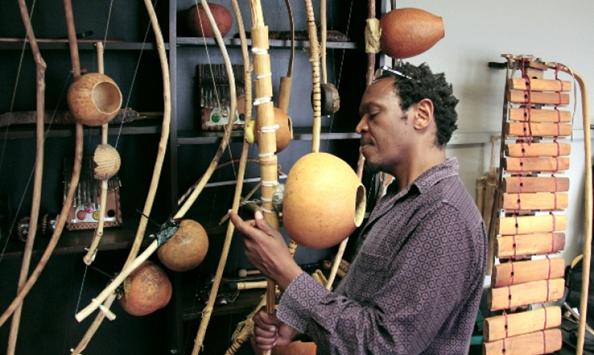
To emulate the sounds of animals, birds, and the natural world, Zulu music frequently uses natural rhythms and sounds Umakhweyana (musical bow) and isiginci (tiny stringed instrument) are examples of traditional Zulu instruments that are used to produce music reminiscent of the natural environment. Nature serves as more than just a food source in Zulu culture; it is also a spiritual and cultural touchstone that shapes their outlook on life
and their artistic creations (Mkhombo, 2019; Mugovhani, 2012; Yende & Ngema, 2022).
Indigenous Zulu music’s role in community development has been acknowledged in various contexts, including its contribution to mental well-being, social unity, economic development, and the passing down of cultural heritage (Yende & Ngema, 2022). However, there has been limited critical reflection on how Zulu
Dr Sazi Dlamini (UKZN) holding Umakhweyana (musical bow). https://www.musicinafrica.net/magazine/durban-host-first-international-bowmusic-conference
music specifically interacts with broader community development practices, particularly within contemporary social and economic challenges. This article aims to critically reflect on the role of indigenous Zulu music in community development, examining existing literature, identifying gaps in knowledge, and exploring why this area merits further research.
Nature serves as more than just a food source in Zulu culture; it is also a spiritual and cultural touchstone
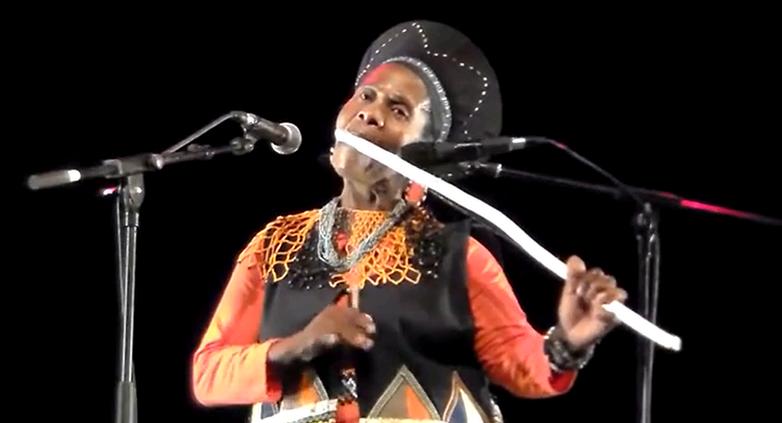
Mama Bavikile Ngema
is a renowned South African musician celebrated for her mastery and contributions to umakhweyana and umqangala music. These traditional musical forms, deeply rooted in South African heritage, have earned her recognition as a cultural icon, preserving and promoting the rich musical traditions of her community (Yende, 2024). The Zulu people's ancient beliefs and customs are strongly rooted in the cultural significance of Zulu music. It is a form of amusement, expression, and communication Zulu music is still a significant aspect of Zulu culture today, having been passed down through generations (Yende & Ngema, 2022).
Historical songs serve as a reminder of the significant responsibilities that the heroes played throughout their lifetimes, as well as of Amakhosi and Amakhosikazi (kings and queens) (Mkhombo, 2019; Mugovhani, 2012). For grieving families, there are native songs. These kinds of songs reassure the family and offer hope that their relatives, who have passed away, are still alive (Mapaya, 2014)
The ancestors will keep an eye out for the wellbeing of the surviving families. From the rhythms of drumming in initiation ceremonies to the harmonies of choral singing in religious services, music has been pivotal in marking key life events and reinforcing collective identity. This music has also provided a means for community solidarity, addressing social issues, and reflecting on personal and collective struggles.
Despite its growing commercial success and recognition, the role of Zulu music in community development particularly its contributions to improving social, economic, and cultural conditions for marginalized communities remains underexplored in academic discourse. A variety of studies have documented the significance of indigenous music in the
scholars have examined the therapeutic uses of music within the context of traditional healing practices and its impact on the mental health and wellbeing of individuals and communities (Izu & de Villiers, 2021; Yende, 2024b) Additionally, some works focus on the role of music in education, particularly in the preservation of indigenous languages and the transmission of cultural knowledge to younger generations.
In contemporary South Africa, Zulu music continues to evolve, with both traditional forms and modern genres such as Maskandi, Mbhaqanga, and Gospel music influencing wider cultural movements (Mapaya, 2014; Yende & Ngema, 2022).
cultural and social life of various African communities (Mapaya, 2014; Mkhombo, 2019; Mugovhani, 2012; Yende & Ngema, 2022). Much of this literature highlights the role of music in reinforcing social norms, fostering unity, and transmitting cultural values. Several
Performance by Mama Bavikile Ngema
Indigenous Zulu music has the potential to contribute meaningfully to discussions around sustainable community development
In the case of Zulu music, scholars like Coplan (2013) have explored the ways in which traditional music serves as a form of resistance, providing a platform for marginalized voices within society Other research, such as that of Mugovhani and Nawa (2019), has examined the economic impact of music, noting how it contributes to local economies through performances, music festivals, and the sale of musical products These works have paved the way for understanding music's role in cultural, social, and economic spheres, but there is still limited discussion on the direct link between Zulu music and community development practices such as poverty alleviation, education reform, and community resilience.
This article aims to fill the identified gaps by critically reflecting on the potential of Zulu music to contribute to community development, especially in the context of South Africa’s current developmental challenges. The motivation for this article arises from the need to bridge the divide between cultural heritage and community development practices. Indigenous Zulu music has the potential to contribute meaningfully to discussions around sustainable community development, yet this potential remains largely untapped in academic literature. Finally, this article seeks to stimulate further research into how indigenous Zulu music can be integrated into contemporary development strategies, particularly in the areas of education, social inclusion, and economic empowerment. By exploring the intersection of music and development, this work hopes to
contribute to a more holistic understanding of community development practices and promote the inclusion of cultural traditions as key drivers of social change Methodology
This article focuses on the Critical Reflection on the Role of Indigenous Zulu Music in Community Development. The specific question that arose in this article led to a qualitative desktop analysis that was based on a review of the scientific literature. The central question of this article is: How can indigenous Zulu music be leveraged to promote social cohesion and economic development within marginalized communities in South Africa? This question was significantly addressed using the qualitative desktop analysis method. The author has to take this approach to demonstrate how Zulu music may be a tactical instrument for longterm community development. Indigenous musicrelated literature and themes are examined using the qualitative desktop analysis
supporting local artists and music-related enterprises can create job opportunities and promote entrepreneurship, helping to uplift marginalized communities economically.
method (Clyne, Mininni, Norton & Rast, 2007)
The author also used narrative thematic analysis to generate and display the article's findings in themes.
Vaismoradi, Turunen, and Bondas (2013) outlined five steps for the narrative thematic analysis, which the author follows: Collecting data, achieving a general logic of the data, coding the data, identifying themes, and interpreting and characterizing the data are the steps involved Because it helped the writers gather precise, pertinent, and accurate data to interpret and report in the conclusions of this article, the narrative theme analysis approach was important Findings
How can indigenous Zulu music be leveraged to promote social cohesion and economic development within marginalized communities in South Africa?
Indigenous Zulu music can be leveraged to
promote social cohesion by serving as a communal activity that brings people together through shared cultural experiences. This was substantiated by Netshivhambe (2023), who states that Indigenous performances are important teaching resources that provide understanding of these communities' cultural heritage, customs, and wisdom (Mugovhani, 2012). They also add to the creative arts industry's rich tapestry by bringing in a variety of genuine emotions that can enthrall audiences and enhance urban settings' cultural landscape Music performances and festivals provide platforms for community members to celebrate their heritage, fostering a sense of unity and belonging (Mugovhani & Nawa, 2019). Economic development can be facilitated through the creation of cultural tourism opportunities, where music events attract visitors and generate income for local artisans, musicians, and
lyrics, melodies, and rhythms (Mkhombo, 2019) Mugovhani (2012) mentions that through songs, traditional stories, and rituals, music communicates historical knowledge, moral teachings, and societal norms to younger generations This ensures that important cultural practices are kept alive and remain relevant within the community It is evident that integrating music into community development initiatives reinforces the preservation of language, customs, and identity, empowering communities to maintain their cultural distinctiveness while adapting to modern societal changes.
music communicates historical knowledge, moral teachings, and societal norms to younger generations.
Empowering Communities Through Music
Indigenous Zulu music holds significant potential for promoting social cohesion and economic development within marginalized communities. Fostering unity and cultural pride through shared musical experiences reinforces social bonds and creates platforms for economic opportunities, such as cultural tourism and music-driven entrepreneurship. The findings of this article demonstrate that indigenous music plays an essential role in experiences reinforces social bonds and creates platforms for economic opportunities, such as cultural tourism and music-driven entrepreneurship. The findings of this article demonstrate that indigenous music plays an essential role in community
Author
development, including economically This article focused on the Critical Reflection on the Role of Indigenous Zulu Music in Community Development The role of Zulu music in transmitting cultural values ensures the preservation of heritage while empowering younger generations with a deep sense of identity. Integrating contemporary genres
like uMaskandi and Gospel into educational and social programs can address developmental challenges, providing skills training and inspiring entrepreneurship Ultimately, leveraging Zulu music can holistically support community growth and resilience.
Sakhiseni Joseph Yende, Postdoctoral Fellowship at the Centre for Humanities Research, Faculty of Arts and Humanities, University of the Western Cape, Contact Details: 6404116@myuwc.ac.za / sakhiseniyende@gmail.com.
References
1.
Coplan, D. B. (2013). Thula Mabota: South African jazz and popular music since 1994. SAMUS: South African Music Studies, 33(1), 49-60.
3.
Izu, B. O., & de Villiers, A. (2021). The Functional Role of Traditional Music and Dance in Xhosa Traditional Healers’ Ceremonial Rites. South African Journal of Psychiatry, 27(1), 1-9.
2. Malan, S. F., & Strydom, A. J. (2019). ‘Musiconomy’: a framework for the socio-economic development of a rural South African context. African Journal of Hospitality, Tourism and Leisure, Volume 8 (2)
4. Mkhombo, S.M. (2019). The status of indigenous music in the South African school curriculum with special reference to IsiZulu [PhD thesis]. South Africa: University of South Africa. Available from: https://uir.unisa.ac.za/bitstream/handle/10500/25896/thesis mkhombo sm.pdf
Mapaya, M. G. (2014). The study of indigenous African music and lessons from ordinary language philosophy. Mediterranean Journal of Social Sciences, 5(20), 2007-2014.
5. Mugovhani, N. G. (2012). African Renaissance, Indigenous African Music and Globalisation: Collusion or Collision?. African Musicology Online, 6, 1-13.
6. Mugovhani, N. G., & Nawa, L. L. (2019). The socio-economic challenges of South African indigenous musicians: A case study of Venda-based Vho-Ntshengedzeni Mamphodo Southern African Journal for Folklore Studies, 29(1), 18-pages
8
7. Ngema, V (2012) Informal interview (April 11, 2012) at Tshwane University of Technology, Pretoria
9
10
Netshivhambe, N E (2023) Indigenous African music performance re-imagined in public spaces African Language Media 3, 243–258 DOI: https://doi org/10 4324/9781003350194- 23
Yende, S J (2023) Challenges Experienced by South African Indigenous Musicians: A Critical Discourse Analysis E-Journal of Humanities, Arts and Social Sciences (EHASS) 1404 – 1414 DOI: https://doi org/10 38159/ehass 20234118
Yende, S J (2024a) Harnessing the Power of Indigenous Zulu Music to Promote Language, Culture, and Diversity Forum for Linguistic Studies 6(3): 171–183 DOI: https://doi org/10 30564/fls v6i3 6603 11
12
Yende, S J (2024b) Exploring Amahubo Akwazulu: Bridging Past, Present, and Future through Indigenous Zulu Music Southern African Journal for Folklore Studies, 17-pages
VOICES FROM THE FIELD
Real stories from practitioners and communities bring community development to life. This section elevates personal experiences and practical insights from those at the forefront of transformative change.
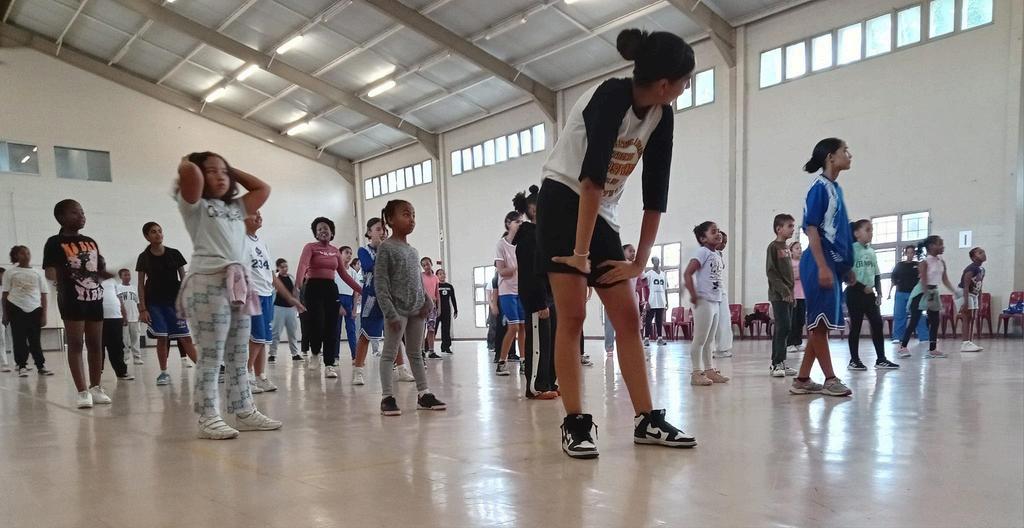
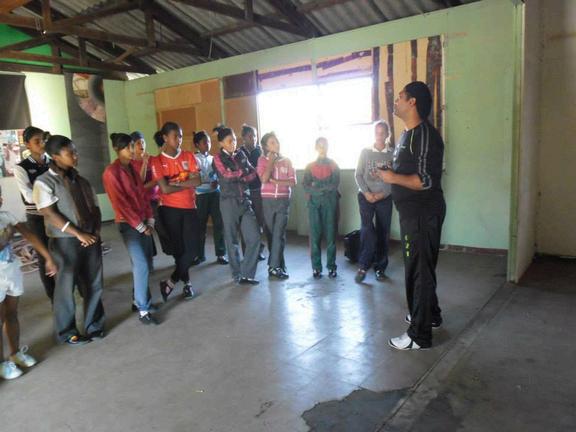
Since the establishment of Project 021 in 2013 and subsequently working with various communities across Cape Town, I have observed that the general perception of performing arts particularly community-based initiatives is limited to providing entertainment, keeping children occupied, or serving as a hobby for those not involved in sport.
Over the past 12 years of actively using the principles and disciplines of performing arts, I have seen how performing arts initiatives have
successfully contributed to community cohesion, tackled social issues, and significantly impacted the holistic development of young people the latter being the focus of this article. Our programmes have been implemented in public schools as part of the school curriculum and as extra-curricular activities at community centres These programmes target children aged 7–16 years old in diverse communities and, as such, transcend social, religious, and racial groups
Children constantly compete for social acceptance at school, within playgroups, and
in family structures. For children who excel academically, there is acknowledgment and an expectation of a successful future. Similarly, children who are gifted in sports are often identified and placed in progressive schools, clubs, or programmes designed to nurture their talent. Public schools often prioritise academic achievements and sporting excellence, boosting the confidence of these learners and enhancing their sense of belonging and value
In contrast, creative abilities are rarely identified, nurtured, or celebrated in public schools Creative learners may be called
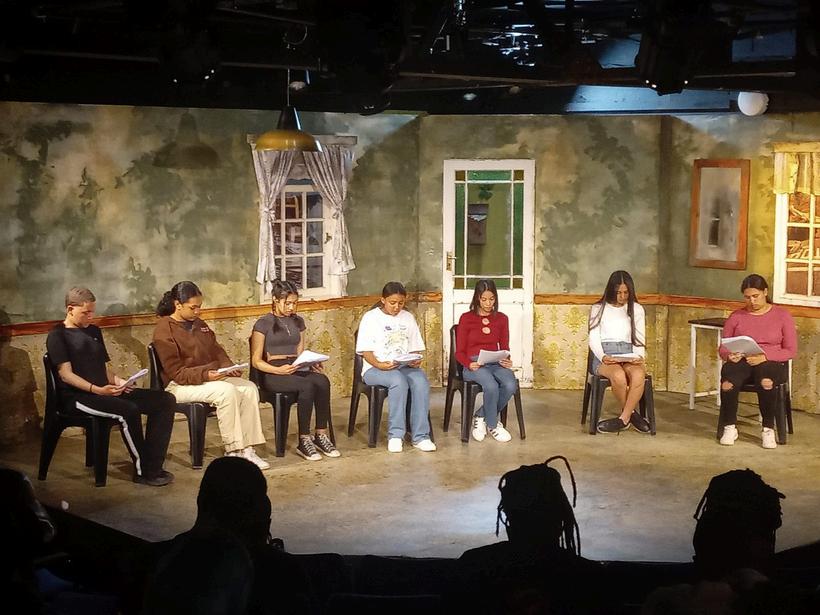
upon to recite a poem at an assembly, sing at special occasions, or participate in school concerts held every few years. However, there is seldom a deliberate effort to showcase their talents in the same way academic and sporting achievements are highlighted When learners in our programmes participate in theatre or dance events, they are usually applauded at the end of the show. This recognition of their talents significantly boosts their confidence While some children take longer to improve their skills, simply participating in an activity where they feel
recognition boosted their confidence, earned them acceptance and value among their peers
seen and valued helps them develop a sense of belonging.
Many parents have shared how their children’s academic performance improves after joining our programmes In nearly every case, there has been noticeable progress in their oral presentation skills Performing before an audience teaches learners to overcome the fear of public speaking, making classroom presentations less daunting Often, it’s not a lack of ability but a lack of confidence that causes a child to appear withdrawn or shy
Earlier in 2024, we registered 48 of our dancers for a competition, 13 of whom attend the same school. The competition offered opportunities to achieve provincial colours and national recognition. All 13 dancers earned provincial colours,
prompting the school’s School Governing Body (SGB) to discuss supporting the learners selected to represent the Western Cape The learners were acknowledged during an assembly and performed for their peers. This recognition boosted their confidence, earned them acceptance and value among their peers, and gave them a sense of pride in their accomplishments. For these learners, their participation in the dance competition will
non-confrontational. Opportunities to build confidence help them make decisions based on their values and strengths Through these experiences, they learn that their voices matter, even when spoken softly
Challenges in the Community Arts Space
Despite the evident benefits, communitybased performing arts programmes often face significant challenges Theatres and dance studios are rarely prioritised in town
which limits our ability to offer consistent programming.
Moreover, some parents and families do not see the value of their children’s participation in dance or drama classes, offering little support or encouragement This lack of understanding and engagement can hinder learners from fully embracing their potential.
Despite these challenges, it remains an absolute joy to work
likely remain a highlight of their year.
As children develop, they grow in personality and gravitate towards environments they perceive as safe and
planning or infrastructure development. For example, in Kuils River, where we primarily operate, there are no designated spaces for performing arts We rely on shared spaces,
confidence help them make decisions based on their values and strengths.
with children in the community arts space Providing opportunities for their holistic development and witnessing their growth is profoundly fulfilling. There is no greater reward than seeing a child rise to heights they never imagined, empowered by their creativity and selfconfidence
As these children grow, they will become the next generation of community leaders, contributors, and change-makers By nurturing their talents and confidence today, we are building the foundation for stronger, more vibrant communities tomorrow. Investing in their development is an
investment in the future of community development, where creativity, resilience, and self-assured voices will shape a more inclusive and equitable society
Providing opportunities for their holistic development and witnessing their growth is profoundly fulfilling.
All photographs of children included in this article were shared with the full consent of their guardians, obtained through signed partner agreements.
Author David Cornelson is the Founder and Director of Project 021, an NPO focused on the holistic development of children and youth through performing arts Featured as a modern-day “champion for children” in the book Madiba – Our Children’s Champion, published by the Centre for Early Childhood Development, David has dedicated over a decade to nurturing the creative potential of young people