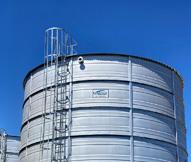
Maximising utilisation on existing water treatment assets
SABITA’s
GEOMATICS
Surveying in a BIM world for a smart city transition
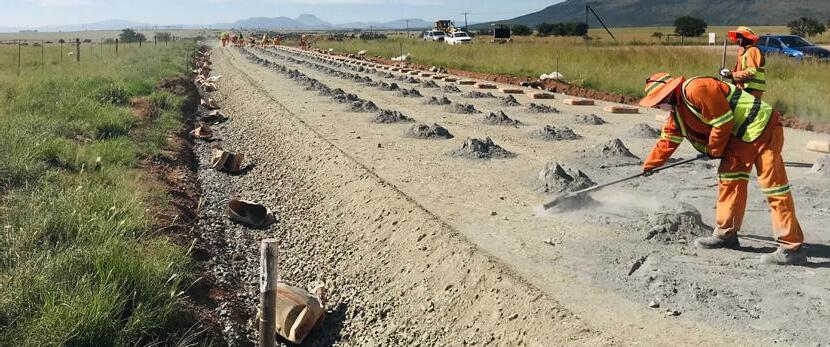
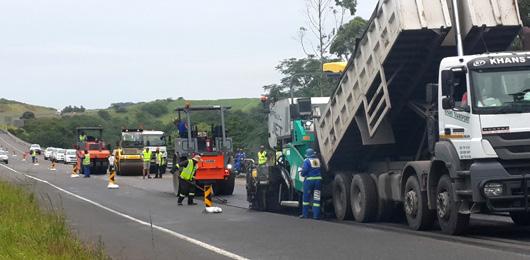
BITUMEN & ASPHALT
PIPE SYSTEMS
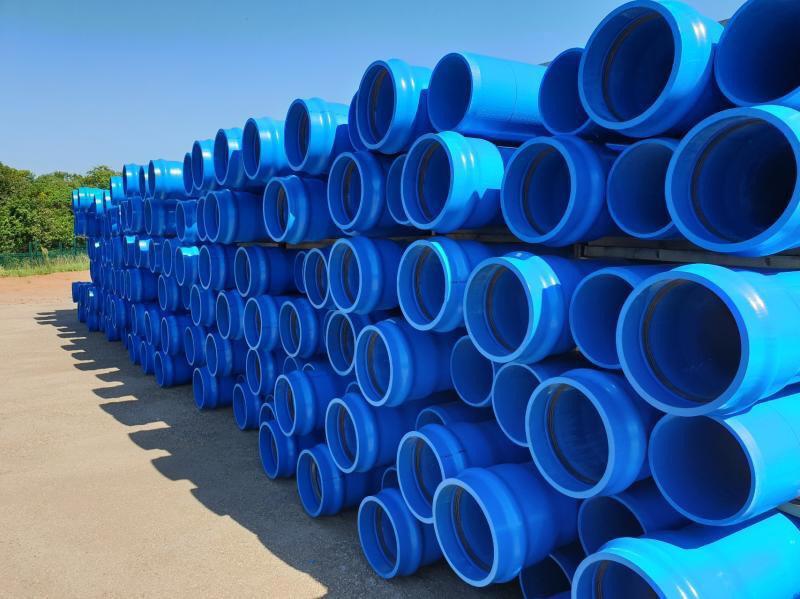
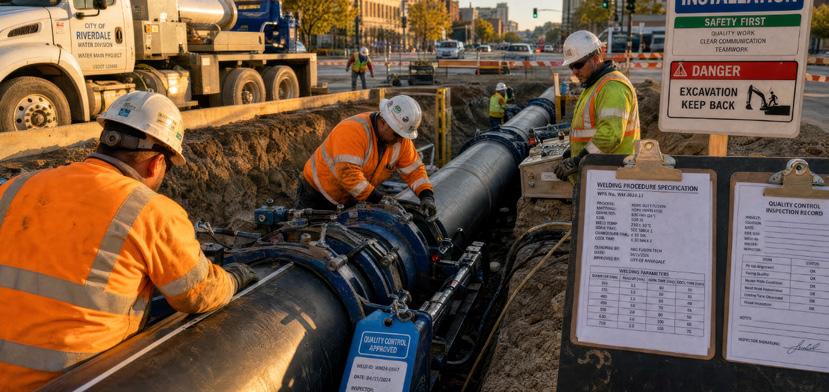
The lifecycle cost of unverified thermoplastic piping systems
WHY CHOOSE TOM500 PVC-0?
Sustainability
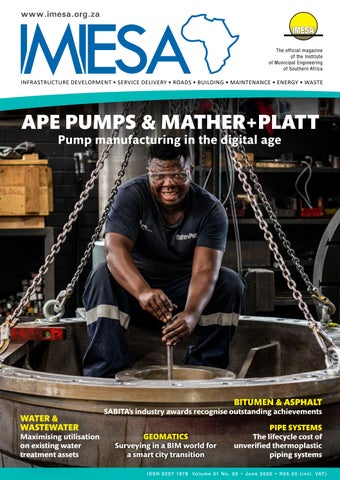
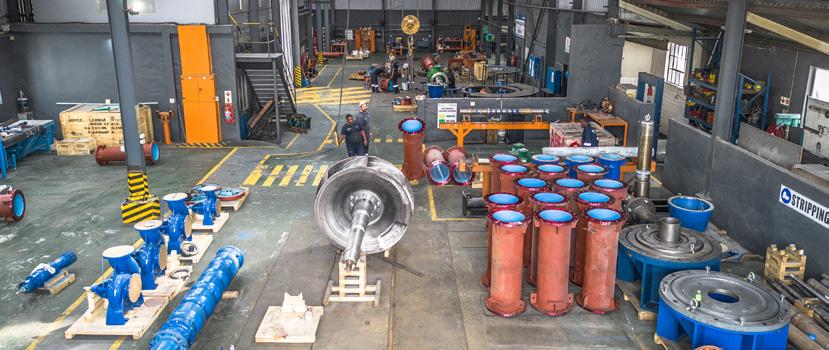
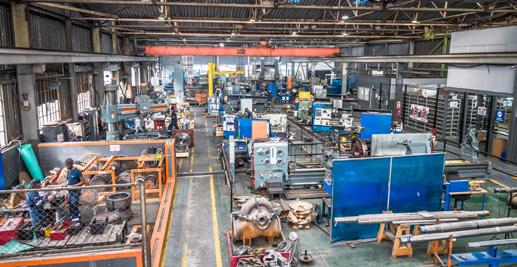
The fluid transfer leaders in South Africa and Southern Africa since 1952, APE Pumps and Mather+Platt continue to set the benchmark for bestin-class performance. IMIESA speaks to John Montgomery, Group General Manager, about a series of information technology and production ramp-up programmes designed to meet evolving industry needs. P6
Contaminated Land Management
Remediation
Transportation Engineering
Smart cities need smart decisions, not just big data. Turning complex transport information into clear insight for informed decision-making
material herein IMIESA is copyright protected and may not be reproduced without the prior written permission of the publisher. The views of the authors do not necessarily reflect those of the Institute of Municipal Engineering of Southern Africa or the publishers.
Taxation and funding models must enable growth
Finding the optimal balance between taxation that simulates socio-economic growth as opposed to one that constrains it is an ongoing challenge for all governments, particularly in developing markets that have a bias towards imported goods and services.
This is especially the case within the context of the current Middle East conflict, which has contributed to an uptick in global inflationary pressures after a progressive decline in recent years. For both developing and developed countries, this also has an influence on public debt servicing costs within a constrained trading environment impacted by escalating oil prices. That has inevitably led to interest rate hikes by central banks across the board, which constrain short-term growth pending a peaceful resolution. Either way, experts predict that markets will take a year or more to normalise once the Middle East debacle ends.
A good time to refocus
For our South African municipal and state-owned entities, there is now an even greater need for fiscal discipline and performance-driven policies to weather present and future local and global market shocks. Simply put, inefficient processes and backlogs in infrastructure maintenance must be urgently tackled, and wasteful and irregular expenditure eradicated to free-up meaningful socioeconomic investment.
Concluding foreign or domestic loan support should be carefully considered and strictly ringfenced to ensure municipalities can permanently “leapfrog” and get on top of the problems they face. Priority number one is to clear their financial debt or at least reduce it to manageable levels. Otherwise, it’s a case of “throwing good money after bad”.
Tariff hike pressures
For households and industries, the upcoming 1st July municipal tariff increases for the 2026/2027 period remain a burning issue when services continue to decline while the cost for essential commodities like electricity, sanitation and water spiral upwards. Within a challenging economic climate, this is cause for concern, considering that widespread non-payment for services – especially electricity – is a contributing factor for tariff hikes to sustain struggling municipal operations and maintenance budgets. However, within high performing South African metros and local municipalities that demonstrate sound underlying growth metrics, these tariff increases can be more willing
absorbed. That’s because they are translating into world class infrastructure services and employment.
National
initiatives and loan support
In parallel, national government initiatives such as the Operation Vulindlela Phase II economic reform programme are working in sync to unlock enabling public-private partnership mechanisms. Focus areas include energy, ports and rail logistics, water infrastructure, equitable housing and local government reform.
At a national level, a series of recent international loans are geared towards accelerating and effecting implementation. Examples include the conclusion of a US$150 million development policy loan agreement between the South African government and the OPEC Fund for International Development.
Within South Africa’s economic heartland, another highly positive milestone is the signing of a landmark loan agreement between Kreditanstalt für Wiederaufbau (KfW), the German state-owned development bank, and the City of Johannesburg. Valued at around R3,8 billion, this facility will finance critical electrical infrastructure investments at Johannesburg’s entity, City Power, across the 2025/26 to 2027/28 medium-term financial period.
In June 2026, BRICS’s New Development Bank also announced the approval of an up to US$1 billion loan facility to help advance South Africa’s drive to upgrade infrastructure services across its eight metros. Ongoing funding is subject to respective metros meeting strict performance targets.
Local government leads the way
In the meantime, the countdown continues ahead of South Africa’s Local Government Elections, which will be officially held on 4th November 2026. It’s another vital milestone on our 1994 democratic transition, with some 28.5 million citizens currently registered with the Electoral Commission of South Africa.
We’re all invested, so it is our civic duty to make sure we recognise the best municipal leadership that works. That will have a major influence on how loans and tariffs yield the dividends we need to crowd-in investment.
Cover opportunity
Celebrating innovation and excellence at the IFME 2026 World Congress
Within the global municipal engineering community, South Africa holds its own as a world class champion of infrastructure excellence.
This was underscored at the International Federation of Municipal Engineering’s (IFME’s) 2026 World Congress, held between 9th and 11th June in Helsinki, Finland under the theme “Future Liveable Cities” where we were front and centre alongside our IFME counterparts.
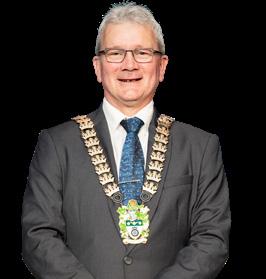
I attended as IMESA President and IFME’s South and Southern Africa representative, along with Professor Kobus du Plessis from Stellenbosch University’s Department of Civil Engineering. Kobus also serves in a voluntary capacity as IMESA’s Technical Director: Training & Skills Development and presented a paper entitled “Investigating the trends in magnitude and frequency of extreme short duration rainfall depths across South Africa”.
IFME Awards
A conference highlight was the highly coveted IFME Awards ceremony. Entries are judged in two categories, namely Construction or Development projects, with eligibility for either a gold or silver award.
For the first time, a special IFME China Awards section was introduced alongside international entries from other IFME countries. This recognises the distinctive nature of the projects carried out there in terms of scale and impact in a country which is home to some 20% of the world’s population.
A gold for South Africa
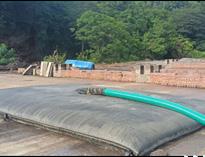
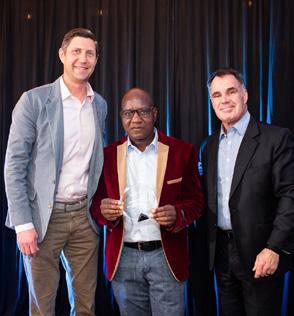
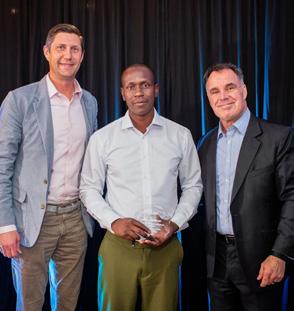
Competing in a highly competitive field, South African engineering company, Tecroveer, won the IFME Gold Award in the Construction projects category for its entry entitled, “Calabash solution for Hammanskraal Emergency Water Treatment Project”. This was presented by Graeme Taylor, Group Engineering Mentor at Tecroveer Holdings and Technical Director at Kalabas. As IMESA, we would like to convey our hearty congratulations.
In turn, the IFME Silver Award in the Construction category was won by New Zealand for the “Huarahi Tū to Wimbledon Route 52 Upgrade”.
In the Development category, the Gold Award went to the United States for “The Ballona Creek, Los Angeles
County, CA, Trash Interceptor Pilot Project”, with the Silver Award going to Italy. The latter’s project was entitled “Digital twins applied to risk management in anthropogenic contexts”, an applied study of the regional government of Tuscany.
Then for the IFME China Awards section, the Construction category was won by the “Qingdao New Airport Expressway Connection (Shuangbu to Xiazhuang Section) Project”, with the Development category awarded to the “Wuhan 100-mile Yangtze River Ecological and Cultural Corridor”.
Showcasing public and private sector collaboration
The conference opening session set the tone, with remarks delivered by Sari Multala, Finland’s Minister of Climate and the Environment, and Eveliina Heinäluoma, Chair of the Helsinki City Council. The key message was the role of infrastructure in positively impacting the lives and livelihoods of global citizens as a collective partnership between government and the private sector.
This was again reflected in all the ensuing keynote addresses and presentations by leading Finnish and international academics, social scientists, municipal engineers, architects and allied built environment practitioners, all dedicated to advancing enabling infrastructure delivery.
A major emphasis was placed on the responsibility of urban designers, scientists and engineers to develop social and physical infrastructure solutions that prioritise both form and function for future generations. In other words, aesthetic elements are key, whether it’s a community centre or a Bus Rapid Transit system within the grey and blue-green infrastructure context. Here nature-based elements and urban biodiversity need to be seamlessly integrated. Within South Africa, these considerations are all fundamental in closing
inequality gaps and truly transitioning affected communities still experiencing the legacy of apartheid town and city planning. That includes sustainable housing close to employment opportunities, and safe and affordable public transport.
Technical tours in Stockholm and Bergen
At the end of the conference, delegates had the opportunity to visit neighbouring countries to experience first-hand how their definition of liveable cities work. I joined the group visiting Bergen and Stockholm and it was an eye-opening experience.
Landmark projects visited included brownfield industrial and landfill sites that have been converted into vibrant commercial and residential nodes, with a strong focus on natural landscaping. In fact, these cities place major emphasis on protecting green urban spaces that promote community recreation.
In this respect, Bergen was the standout example of innovative citizen centric projects. From a waste management perspective, the city has installed waste recycling disposal points (accessed via key tags) that drop down into an extensive underground waste pipe collection system. This feeds through to a central collection point where any recoverable materials are separated for downstream processing. In addition to facilitating a circular economy, cost savings are achieved through a marked reduction in waste truck utilisation.
Bergen is also home to the world’s longest pedestrian and bicycle tunnel, measuring 3 km in length and tunnelled through a mountainous section connecting two parts of the city. Inside, the distinctive coloured lighting creates the impression of movement, and it underscores the proactive measures by Bergen’s public officials and engineers to add value wherever practical. Ultimately, that was the major takeaway from the conference, namely the power of infrastructure to change community commitment and behaviour for the better. Essentially, happy citizens are engaged citizens, and that’s a core priority for us to focus on in South Africa.
Geoff Tooley, Pr Eng
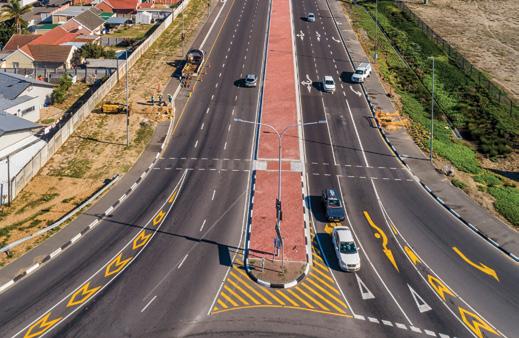
BUILD IT ONCE.
BECAUSE THE WAY HOME SHOULD BE A SMOOTH RIDE
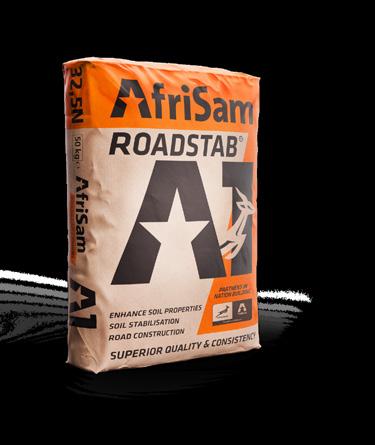
AfriSam Roadstab Cement is a specially engineered, high-quality composite cement for use in road stabilisation. Trusted for over 90 years, this specialist, locally produced cement will smooth out the road ahead. If you want to build it only once, use the A1 Choice. Use AfriSam Roadstab Cement.
Ask for AfriSam.
LEADERS IN FLUID TRANSFER INNOVATION
PUMP MANUFACTURING IN THE DIGITAL AGE
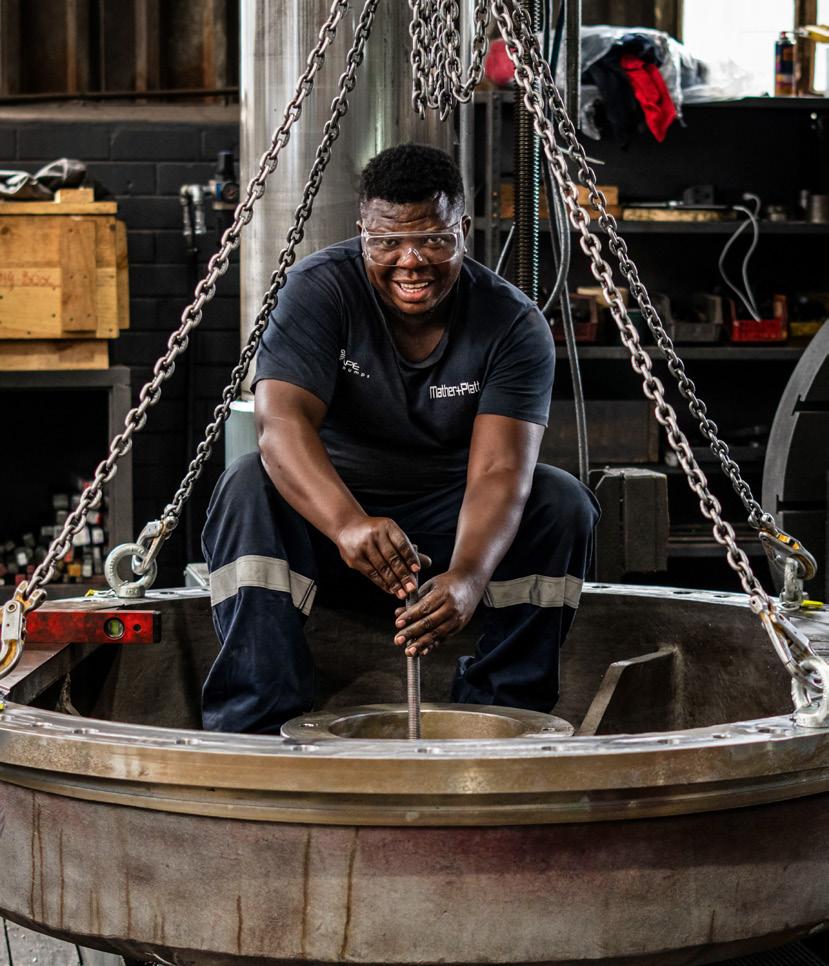
The fluid transfer leaders in South Africa and Southern Africa since 1952, APE Pumps and Mather+Platt continue to set the benchmark for best-in-class performance. IMIESA speaks to John Montgomery, Group General Manager, about a series of information technology and production ramp-up programmes designed to meet evolving industry needs.
Key among them is the phased introduction of a new cloud-based Enterprise Resource Planning (ERP) system as APE Pumps and Mather+Platt transition towards a fully integrated digital platform within a holistic solutions environment where everything except outsourced foundry work is executed in-house.
As for the past 74 years of operation, the Group’s commitment is to local fabrication, employment and skills development as a Proudly South African company.
“The massive volume of information produced in the modern computing age is unprecedented, and will continue to grow,” explains Montgomery.
“This is particularly the case as we incorporate increased levels of artificial intelligence and machine learning into our business model, shift to higher levels of automation (such as CNC machinery), and train the current generation of artisans, technicians and engineers on key technologies, such as 3D scanning, 3D printing, digital twinning and predictive maintenance modelling.”
“However, the foundation hasn’t changed, and sound technical competency remains the mainstay of our business. A classic example is our pattern making shop, where specialist artisans translate the final engineering drawings into the wooden moulds for foundry casting as they would have done 100 years ago.
“But now these final dimensions are simulated and modelled in the 3D realm by our engineers and CAD technicians using computer-aided engineering. 3D printing of items like impeller vanes has also significantly accelerated mould developments and foundry turnaround times.”
As Montgomery points out, the same principle holds true for the Group’s fitters and turners, thanks to the enhanced precision of computer-aided manufacturing (CAM) software developments within the CNC environment that add rather than detract from their skills sets. Final drawings from the design office are downloaded to respective CNC units for automated fabrication.
Ongoing Time Studies form part of the ERP refinement process to improve aspects like
All components used in APE Pumps and Mather+Platt’s fluid transfer systems are fabricated in-house
routing and scheduling that help to minimise internal production wastage.
“Increased focus on pre-machining quality, for example, means less time spent on postmachining. That has immediate time and cost benefits for clients, and everything is tracked in real-time via our intelligent Quality Management System,” he explains.
“Then from a pump refurbishment and upgrade perspective, every aspect of the pre and post installation is comprehensively mapped out via a 3D twin model, with all costings and production steps imported into the ERP framework. This creates a transparent audit trail both for us and our clients.”
Contracting capabilities
Recent modifications at APE Pumps and Mather+Platt’s Wadeville factory in Gauteng
during 2026 support the Group’s strategy of providing a comprehensive turnkey solution within the broader fold of its holding company, WPIL Limited.
Headquartered in India, WPIL has a worldwide footprint, with its subsidiary companies focused on pump manufacturing, turnkey fluid transfer project delivery, and advanced water treatment technologies.
Current wholly owned subsidiary companies within the WPIL South Africa stable comprise APE Pumps and Mather+Platt; and Eigenbau –a civil and mechanical engineering contractor with Construction Industry Development Board (CIDB) 8CE, 8ME and 7EP gradings. Eigenbau’s core specialisations include water and wastewater infrastructure.
During 2025, WPIL South Africa also acquired a 55% shareholding in a local water treatment company. A 9ME and 7CE contractor, the latter provides a comprehensive range of services that include process design, plant design, project management, OEM manufacturing, materials supply, installation and commissioning.
While these companies operate as independent entities, future opportunities exist for collaboration on brownfield and greenfield infrastructure projects, including potential Engineering, Procurement and Construction (EPC) developments, complementing APE Pumps and Mather+Platt’s OEM specialisation and its CIDB 8ME grading.
Enhanced production
In line with its ongoing factory modernisation programme, in June 2026 APE Pumps and Mather+Platt’s SCHIESS vertical boring mill was retrofitted from conventional to full CNC operation to meet production demand for key components that include larger impellers and pump fans within the water and energy sector. This has subsequently been followed by the acquisition
APE Pumps and Mather+Platt’s pattern making shop employs specialist artisans to produce exact model replicas for component and pump casting
of a new CNC lathe. This unit significantly expands APE Pumps and Mather+Platt’s in-house capabilities, enabling the Group to machine pump shafts up to 2 m in length and around 727 mm in diameter.
An extension to the factory footprint has also been supported by the installation of a new 30 tonne overhead crane, a 2 tonne crane within its quality inspection department, and 0,5 tonne job cranes within the machine shop section. Work on the Group’s modular pump test bay project is also ongoing, initially aimed at smaller units and thereafter the complete product range. Once finalised, application will be made for SANAS accreditation.
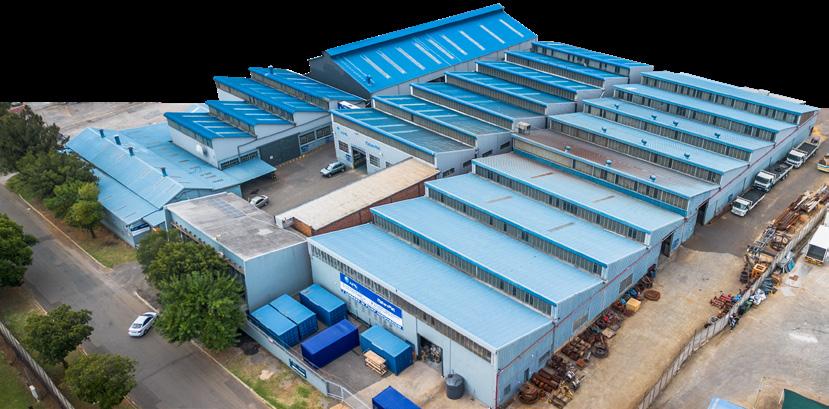
A bird’s eye perspective of APE Pumps and Mather+Platt’s factory in Wadeville, Gauteng
Major contract awards
These machinery investments form part of APE Pumps and Mather+Platt’s multipronged strategy to enhance their technological capabilities, respond to rising production demand and win new work.
A case in point are two new contacts in the South African power generation segment, as well as the renewal of existing ones in this sector where constant uptime is of paramount importance. Typically, these are service level agreements (SLAs) for fixed terms encompassing outsourced operations and maintenance (O&M) on APE Pumps and Mather+Platt’s installed systems, as well as the refurbishment or replacement of older OEM pumps.
Similar agreements are in place with a number of South Africa’s leading Water Boards, some of whom – like Rand Water and uMngeni-Thukela Water – have APE Pumps and Mather+Platt units that have been operating continuously for 40 years or more prior to refitment.
Meanwhile, other potential work includes an O&M agreement for a major Ports Authority on their fire pump systems, alongside allied industrial fluid transfer installations.
In parallel, cross-border projects are ongoing. A recent example is a pump upgrade project completed by APE Pumps and Mather+Platt for the Blantyre Water Board in Malawi. This entailed the installation and commissioning
Pumps and components at various stages of servicing, assembly and shipping
of six new raw water intake pumps, as well as an upgrade of the overall system to increase flow and head capacities.
“We completed the first two pump installations in conjunction with the Water Board’s technical team, who then subsequently installed the remaining four units as part of our skills transfer process,” says Montgomery, adding that APE Pumps and Mather+Platt also supplied
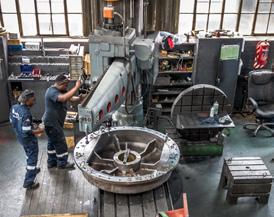
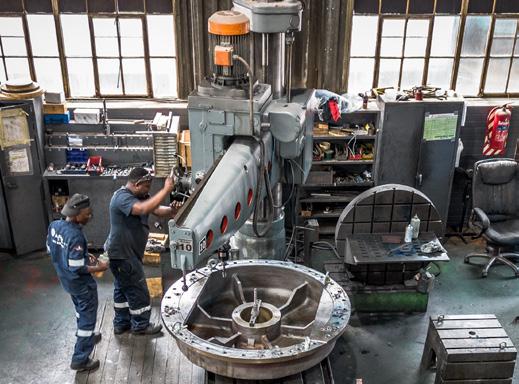
A perspective of APE Pumps and Mather+Platt’s machine shop section
OEM spares for pump station installations completed by the Group in the past.
Conclusion
“We’re seeing a real shift in the market locally and regionally, as clients seek to standardise their OEM equipment with a single-source supplier, backed by SLA agreements that enhance predictive and preventative maintenance strategies,” adds Montgomery.
“As APE Pumps and Mather+Platt, our commitment to the market is underscored by sustained investments in our personnel and technologies to ensure we remain the industry’s preferred partner as the class leader for more than seven decades,” Montgomery concludes.
GREEN BUILDINGS
GREYWATER REUSE STANDS AS A PROMISING
METHOD FOR FOSTERING WATER CONSERVATION
Switching to greywater reuse storage systems for garden irrigation significantly reduces domestic and commercial expenditure on potable water
The incorporation of greywater reuse systems within green building designs is a sustainable imperative
Greywater provides essential nutrients such as total nitrogen (2.75 to 21.00 mg/ℓ) and total phosphorus (0.062 to 57.00 mg/ℓ)
Water scarcity is becoming a worldwide issue rather than a remote concern. This is exacerbated by continuous strain on the limited supply of water due to urbanisation, population growth and the increasing effects of climate change.
According to the International Water Management Institute, urban water consumption was forecasted to increase from 1995 to 2025 by 62%. Thus, with additional increases in population and climate change, water shortage is likely to manifest in 2050.
For these reasons, it has become imperative that we find adaptable solutions in which we can maintain our existing water resources while seeking methods in which we can reduce the demand for potable water.
Greywater reuse is receiving more traction as a solution to urban water management as it offers a straightforward on-site but effective option to shift our water-use patterns.
What is greywater?
Greywater is used water collected from bathtubs, showers, washing machines and even sinks, which can be reused/recycled for other purposes. Greywater makes for as much as 70% of all residential buildings’ water use.
Although greywater and blackwater are typically combined, separating the two, greywater on its own provides several reuse opportunities such as toilet flushing and garden irrigation. This can additionally assist in lowering potable water use in arid areas by up to 30% for households and up to 60% for corporate buildings. Furthermore, saving money on garden irrigation through reuse can boost household savings by 40%.
Greywater can be collected from the source by installing a plumbing system from an outlet of a bathroom/kitchen to a garden or for toilet flushing
or using a bucket to collect greywater from the bathroom and directly to your garden. To this, a greywater treatment system such as wetlands green walls can be installed to help filter large particles, nutrients and pump treated water through irrigation pipes. Blackwater, on the other hand, is toilet water that contains faecal matter and urine. Faecal matter is a breeding ground for harmful bacteria and pathogens that can cause diseases.
Advantages of using greywater for green buildings
• Water Conservation: The use of greywater provides us with an opportunity to use an average of approximately 35 to 234 litres (per person per day, depending on lifestyles) of greywater, which can be repurposed for garden irrigation or toilet flushing where little human contact is achieved.
• Enhancing the EDGE (Excellence in Design for Greater Efficiencies) standard: The incorporation of a greywater reuse system can play a pivotal role in diminishing the reliance on potable water, consequently elevating the overall EDGE score of the green building.
• Cost-effective: The use of greywater is inexpensive and for this reason water bills can be drastically reduced while investing in a greener future.
• Lush landscapes: Watch your garden flourish! Greywater provides essential nutrients such as total nitrogen (2.75 to 21.00 mg/ℓ) and total phosphorus (0.062 to 57.00 mg/ℓ) that mainly originate from the kitchen (kitchen residues/waste) and hand basins (soap), respectively. These nutrients nourish our soil and plants, promoting healthier growth and vibrant blooms.
• Resilience to drought: Water-efficient measures (greywater reuse) make green buildings more resilient to water scarcity and drought conditions, ensuring continued operations during challenging times.
Safe and sustainable use of greywater
• Greywater has been shown to be a potential hazard to human health. Its handling must be done with care to reduce the risk of infection. Use gloves when handling greywater.
• Greywater containing potentially infectious pathogens should not be used for overhead irrigation. This includes water used to wash nappies or soiled sheets.
• To reduce odour and bacteria, greywater should be used within 24 hours of collection.
• To avoid waterlogging and prevent root damage, it’s critical to disperse greywater uniformly in your landscape (and not just in one spot).
• When irrigating with greywater, it is not advisable to use spray irrigation. This is primarily due to the increased risk of exposing people to greywater.
THE LIVING RESOURCE OF
The concept of sustainable water systems reframes water not as something we control, trade and use without consequence, but as a living system with which a symbiotic relationship is vital to secure future health, economic opportunities and life prospects
‘unproductive’ – ignoring the multitude of benefits they provide – and groundwater is mined with little regard for its renewability. The result is declining water quality and availability, rising treatment costs, ecosystem collapse, deepening social conflict over scarcity, and a damaged legacy blighting prospects for younger and future generations.
This utilitarian and exploitative mindset is symptomatic of a broader unsustainable world view that fragments all living systems – soils, forests, seas, air and more – into commodities, externalising damage and discounting values underpinning secure futures in favour of immediate gain. When water is treated as inert, its degradation is tolerated until failure becomes unavoidable.
The ethics of water as a living resource
Water covers 71% of the Earth’s surface, roughly 97% of which is saltwater. Most of the remaining 3% of fresh water is locked up in ice caps and glaciers, with available surface and shallow groundwater a far scarcer commodity circulating through soils, wetlands, rivers, aquifers, plants, animals and humans both biologically and through our economic and other activities.
Water flows shape landscapes, sustain biodiversity, regulate climate and enable life’s capacity to adapt and evolve. Its vitality lies not in volume alone but in condition, timing, connectivity and meaning.
No wonder that the uses and control of this limited resource of fresh water have played such vital roles in the founding and evolution of civilisations, or that water carried diverse and ubiquitous spiritual and cultural meanings.
Professor Mark Everard*
Water is vital for life. Humans comprise an average 60% water, and 50–75% of even the most solid of trees comprises water. Water circulates locally and globally, vectoring energy, dissolved substances and nature’s productivity. By
Devaluation of water
The tendency of markets to reduce this diversity of inherent, cultural, ecological and wider meanings into narrow utilitarian terms is therefore of critical concern. Perceptions of water purely in narrow volumetric and financial terms, to be abstracted, priced, transferred and disposed of, severs consciousness from its many functions and relationships.
Contracting conception of water as a purely economic input or a technical problem encourages management solutions prioritising short term supply, efficiency or profit while neglecting the long term health of entire ecosystems, including their capacities to sustain human needs into the future.
Rivers consequently become managed as conduits for waste or floodwater; wetlands are drained as
Recognising water as a living resource demands a different ethic. The word ‘sustainability’ may have been overused but, in essence, defines a state in which resources can be perpetuated indefinitely: hardly a metaphor for the troubles facing the world today. ‘Sustainable development’ is an evolutionary process orienting society towards that state.
The concept of sustainable water systems reframes water not as something we control, trade and use without consequence, but as a living system with
Professor Mark Everard is an ecosystem and systems scientist with over five decades of experience within multiple disciplines, working across regions that include Europe, Asia, Africa (including South Africa), Australia and the USA
which a symbiotic relationship is vital to secure future health, economic opportunities and life prospects. While the water cycle is inherently renewable, it has finite limits. Respecting those limits – such as balancing exploitation with regeneration, waste emission with capacities for self-purification, and harvesting from aquatic resources within renewable limits – is an act not of altruism but of securing enduring wellbeing and value.
When limits are breached, system breakdown includes escalating vulnerability to flooding and drought, pollution and the proliferation of diseases, resource shortages inciting competition and potential conflict, and erosion of life opportunities for younger and future generations. Degradation of water and other natural systems is far from a victimless crime. It is also a clear market failure.
Regenerating South Africa’s water resources
Water challenges in landscapes with low rainfall, high evaporation, uneven spatial distribution and rising demand are often conceptually reduced to issues of scarcity. Scarcity is then often addressed mechanically, for example through dam-and-transfer schemes and increasingly deep groundwater extraction, rather than by management of landscapes that naturally store and cycle water. Volume is only part of this picture. Across South Africa, water quality is also declining through direct pollution from insufficient or underinvested wastewater treatment systems and effluent, including from acid mine drainage, sedimentation from poor agricultural practices, increasing nutrient concentrations driving algal blooms and other problems, and the loss of habitat with its purification and flow-buffering properties.
Erratic though generally sparse rainfall and increasingly localised storm intensity, driven by a changing climate, compounds these problems,
including through lack of dilution. When I was advising the South Africa government on water management in the mid-2000s, we had a saying “Climate mitigation is about air; climate adaptation is about water”. This heuristic is increasingly played out today, with farmers, households, municipalities, businesses and ecosystems suffering the consequences of insufficient mitigation and poor adaptation.
Against this trend, South Africa’s impressive Working for Water (WfW) programme is a global exemplar of the integration of environmental restoration with social development. Since 1995, this multi-departmental programme has tackled the rapid spread of fast-growing ‘thirsty’ invasive alien plants (IAPs) that pose threats to biodiversity but also water supply and land productivity, simultaneously providing employment and training for employability to help tackle entrenched poverty, inequality and water scarcity.
By placing environmental restoration at the heart of a programme for social upliftment, integrating healthcare and education, water is conceived as a living system. Large scale removal of IAPs through mechanical, chemical, biological and integrated control methods is linked with outcomes for water resource enhancement, biodiversity and environmental functioning, agriculture and economic activities as a basis for community sustainability.
In addition to removing over one million hectares of IAPs since inception, WfW has altered landscape hydrology, fire risk, soil stability and erosion trends, and protected biodiversity and ecosystem functioning. Around 20 000 jobs have been created annually, generally for marginalised communities with around 50% female participation, creating green jobs and improving livelihoods through skills development and training.
WfW stands as a global exemplar but, regrettably, its underpinning principles remain lacking in much of the mainstream of water management. Still, commodification of water tends to dominate, with excessive reliance of electromechanical engineering solutions disregarding water as a living system that connects all areas of society and nature.
Whole-system economics
Treatment of wastewater is expensive, so cost savings are understandable if viewed through a narrow lens. However, the underpinning principles of WfW demonstrate wider ramifications.
When wastewater treatment works discharge partially treated or untreated effluent into rivers, as is commonplace in South Africa but also more widely, as for example the deteriorating state of British rivers due to how the privatised water industry operates, loadings of pollutants exert a far wider spectrum of societal costs.
Organic waste and nutrient loadings harm fisheries and biodiversity, entail greater clean-up costs of water abstracted downstream, can fuel disease outbreaks with associated costs from lost employment days and medical treatment, and spread pollution across floodplains and into estuaries during flood conditions.
Deteriorating conditions are exacerbated by erosion, which also depletes productive soils with future threats to food security, landscape hydrology, carbon storage and biodiversity. Soil, like water, is far from an inert medium but is a living system that also requires protection of its chemical, structural, microbial and wider biological constituents if it is to continue to support human needs into the future.
Good agricultural practices are an investment; poor tillage practices when the land is overgrazed or otherwise depleted of stabilising root systems results in soil being stripped from fields during intense rainfall or high winds. One of the downstream consequences is turbidity in rivers suffocating aquatic life, bearing with it nutrient and agrochemical residues harming human uses of the water and ecosystem health, more rapidly infilling dams with reductions in storage capacity and increasing the costs of treating abstracted water.
Sprawling agricultural, urban and built infrastructure development blind to the functional importance of natural habitats explains the loss of a significant proportion of wetlands, wider river corridor habitat and riparian ‘buffer zones’ that attenuate pollutant entry into streams and rivers and moderate their flows.
South Africa, as for many countries, has seen substantial losses of this vital natural infrastructure, overlooking its multiple benefits in pursuit of narrow maximisation of crop production or other
Dams form an essential component in water security and demand management within a sustainably managed ecosystem
forms of land take. Recognition of the diverse roles these habitats play and the benefits that accrue from them – for example natural regulation of flooding and drought, groundwater recharge, carbon storage, nutrient recycling, soil formation, erosion protection, fishery recruitment, biodiversity enhancement, aesthetic landscapes and recreational opportunities – posits them not as impediments to economic progress but as valuable resources contributing significantly to social security and wellbeing.
Water in soils and aquifers is often ‘out of sight and out of mind’ yet is vital for the functioning of the whole water cycle. The WfW programme demonstrates on a scientific basis how having regard to the whole of the water cycle can enhance water availability.
As an often-invisible resource, groundwater is poorly protected in South Africa and more widely around the world. My work in India includes promoting traditional and nature-based approaches to enhance the infiltration of monsoon and other episodic rainfall into soils and groundwater to provide a secure resource during long dry seasons.
This is increasingly necessary as the ‘tube well revolution’ with increasing energised extraction of groundwater progresses with little or no focus on resource regeneration, particularly in arid and semi-arid India and Africa but also pervasively across the world.
Energised borewells are extending to increasingly greater depths, chasing receding aquifers and often accessing geologically contaminated groundwater with associated health risks. In South Africa, groundwater supplies a growing proportion of rural and municipal water, yet explicit balancing management to ensure that it is seasonally recharged is often lacking. Furthermore, protection of recharge zones is weak, with risks of pollution from sanitation, industry and mining: Remediation is complex and expensive but also, not uncommonly, impossible.
Surface water and groundwater catchments span municipal and provincial boundaries, and the many uses and interests in water span multiple policy and departmental areas. This has resulted in a fragmented
approach to governance, with split responsibilities – for example between water supply, wastewater treatment, agriculture, environmental protection, mining and other sectors – which tend to compete to maximise their sectoral interests, and with lack of accountability for the vitality of the water cycle as an integrated and multi-beneficial entity.
Reframing management of water as a living system
For South Africa, as indeed the entire world, to navigate into a sustainable future protecting living resources vital to sustain people and the ecosystems essential to support them, the current trajectory of incremental and disciplinary-bound fixes reacting to emerging problems is entirely insufficient.
Water, as indeed soil and other living and life-support systems, has no disciplinary boundaries. Managing these living resources solely as commodities or sources of risk overlooks their multi-beneficial nature, their inherent renewability but also their vulnerabilities.
A fix to a discrete problem can unintentionally create disbenefits across the system. For example, a dam erected to store water for supply also stops flows of habitat-reinforcing and soil-regenerating sediment fluxes down a river, blocks fish migration and reproduction, can promote waterborne diseases in stilled flows, and changes traditional and spiritual landscapes amongst other disbenefits.
Systemic awareness is vital for the regeneration of living, connected water systems, from the points at which rain falls and downwards through soils, wetlands, groundwater and rivers, and the reefs and coastal seas into which it flows. Healthy natural forests, for example, play significant roles in capturing moisture from the air and then recirculating and purifying it in cycles of evaporation and precipitation. Critically, these processes maintain it in the landscape. Wetlands store and purify water, playing host to wildlife and supporting a diversity of human needs.
While South Africa generally has a drier climate with episodic rainfall, this is a natural condition requiring adaptation of human uses and management rather than representing a fundamental problem. Rather, unsustainable uses and management are the fundamental problems, applying wasteful,
damaging and depleting practices inappropriately adapted to prevalent environmental conditions.
The failures lie primarily in landscape use and governance, aridifying catchments and eroding soils that manifest as problems of water shortage, pollution and compromised support for biodiversity and livelihoods.
Rivers run brown after storms not simply due to more intense rainfall but because of excessive tillage and removal of covering vegetation from compacted soils and drained wetlands. Wastewater treatment works overflow not through technological inadequacy but through insufficient investment and maintenance.
These failures impose real costs on downstream constituencies and future generations that are rarely, if ever, integrated into up-front land use and investment decisions and policies. This is far from a unique criticism of South Africa but manifests in different ways across the world under a paradigm of utilitarian and siloed exploitation without regard to water as a living and integrated system.
‘Joining up’
If the term ‘sustainability’ is overused, ‘joined up governance’ is weakened through repetition but is also generally entirely misunderstood. Joining up does not mean sporadic conversations between departments and institutions with weak aspirations of finding compromises. The water cycle and its myriad linked benefits and beneficiaries, or disbenefits and victims under fragmented uses and policies, is entirely joined up and is a model for wisely informed thinking, policy and action. Get it right, and synergistic co-benefits span multiple interest and policy areas optimising net societal value.
RAWES (Rapid Assessment of Wetland Ecosystem Services) was developed for and adopted globally in 2018 by the intergovernmental Ramsar Convention (on wetlands) to operationalise and inform systemic thinking. RAWES simplifies assessment of the multiple beneficial flows generated by wetlands, water and other ecosystems, enabling identification of the systemic ramifications of policies, decisions and actions.
Systemic insights can inform innovations that avert or avoid unintended disbenefits. They also help frame ‘systemic solutions’ that seek to optimise societal value across
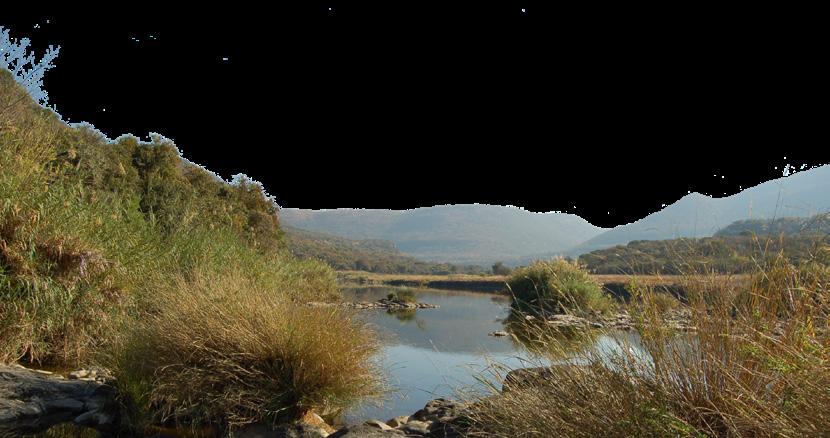
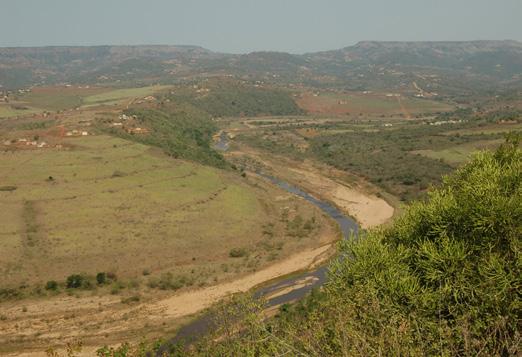
A section of the Tugela River in KwaZulu-Natal. Valuing the natural infrastructure of wetlands and river habitats can protect or restore natural services
diverse policy outcomes, rather than driving narrowly disciplinary fixes that may have unintended negative ramifications. For example, development plans may initially perceive a wetland as ‘wasteland’, but RAWES evaluation may reveal its flood regulation, nature and tourism, spiritual, natural food and medicinal, erosion prevention and other benefits that warrant collaborative funding across policy areas for its protection not as an altruistic gesture but as a wise, multi-beneficial and resilient investment.
Where inherently destructive development is necessary, such as a ring road around a town, RAWES assessments can inform routing to avoid the most functionally important and societally beneficial landscape units providing floodwater attenuation, quiet and educational places and other benefits, also highlighting residual damage requiring mitigation.
Water should not be conceived as belonging entirely in discrete dams, lakes, rivers and aquifers, as posited by the utilitarian mindset. It pervades and cycles through soils, the atmosphere, biota and water bodies, providing benefits for food production, moderated microclimate, soil formation, biodiversity support, sense of place and economic resources.
Tools such as RAWES can help policy staff and other decision-makers think laterally – joining up mindsets in the way that the water cycle joins up across disciplinary interests and outcomes –such that safeguarding or restoring its supportive functions can yield optimal and ideally sustainable societal benefits.
Policy measures and development practices favouring revegetation of barren land and reduced grazing on vulnerable slopes can slow water flows, protecting or restoring soils and enhancing the multiple supportive properties of entire landscapes, as for example in parts of the Eastern Cape where community led rangeland restoration initiatives have reversed severe gully erosion and improved downstream water clarity and seasonal spring regeneration.
Valuing floodplains and promoting connections with river channels – reversing years of land drainage and ‘flood protection’ banks – restores natural hydrology, reducing flood peaks, trapping sediment and improving river ecology. This has been seen, for example, in floodplain rehabilitation projects linked to IAP clearance along sections of the uMngeni river system that have reduced sediment loads entering dams and improved downstream biodiversity and recreational value.
Fixing pollution through pre-treatment at or closer to source, as well as separating stormwater from sewage, can avert excessive expenditure on ‘clean up’ downstream and, crucially, recognises treated wastewater not purely as a ‘waste’ but as a vital resource for reuse in irrigation, industry or aquifer recharge.
Across South Africa, water quality is declining through direct pollution as well as from insufficient or underinvested wastewater treatment systems
Valuing the natural infrastructure of wetlands and river habitat features can protect or restore natural services – water purification, flood moderation, water resource storage, sediment trapping and habitat provision among them – that would cost millions to replicate mechanically, as seen in wetland rehabilitation schemes in Mpumalanga that have improved downstream water quality and restored grazing and biodiversity benefits for local communities.
Joining up requires vision – for this, RAWES can help to recognise the needs and integrate the voices of local communities – but also an enabling ‘top down’ policy environment displacing today’s globally dominant, disciplinary-bound and narrowly financially focused model. Real and enduring societal value stems from protecting or restoring the supportive functions of catchments, rather than in fragmented technical fixes.
Localised management agencies with delegated authority are required to achieve this, as envisaged under South Africa’s National Water Act 36 of 1998 that was abandoned under subsequent regimes but still provides a valuable statutory framework for systemic and participatory action.
Joining up also requires economic insight beyond the narrowly financial, recognising the multiplicity of values conferred by healthy ecosystem processes, optimising net societal value and often doing so at lower total cost where natural processes perform vital tasks and when cross-departmental budgets can be amalgamated. Localisation of decision-making can build on local knowledge of needs, values and environmental specifics, reducing the potential for conflict over water.
We live in a complex world currently lacking many of the institutional and practical tools to achieve this ideal vision immediately. However, sustainable development is a journey – vital today and increasingly so into the future – and we are equipped to start taking wiser steps now if we have the political vision and courage.
South Africa’s water challenge goes far beyond limited rainfall. It is about how to manage within the carrying capacity of an inherently regenerative water cycle that is the source of a multiplicity of human benefits. It is about understanding water and using its natural intelligence to inform wise uses of land, aquatic and other resources in ways that are synergistic or restorative of water as a ‘joined up’, life-giving system.
*Co-Director at Pundamilia Ltd, a visiting Professor at Bournemouth University and Associate Professor at UWE Bristol.
Glendale KwaZulu-Natal. Collective catchment management is essential for river health
REMEDIATION FAILS WHEN WE TREAT CONTAMINATED LAND AS ONLY A TECHNICAL PROBLEM
Contaminated land is rarely a contained technical problem. A site may have a defined boundary on a map, but its risks can change as groundwater moves, land use shifts, climate conditions become less predictable, and surrounding land uses change over time. Regulators, landowners, communities and developers may also have different expectations and different ideas of what a successful outcome is.
That is why remediation success cannot be measured only by whether a selected technology works. The more important test is whether the remedy can work in the setting where it is placed, over the period for which it is needed, and under the practical, regulatory, environmental and stakeholder conditions that will shape the site long after the project team has left.
In my experience, some of the most useful lessons in contaminated land management come from projects that did not behave exactly as expected. A remedy may fail because the technical assumptions were incomplete. Still, it may also fail because the site was poorly understood, future land use was unclear, the maintenance burden was underestimated or the solution lacked sufficient resilience to changing environmental conditions.
The lesson is not that remediation is becoming impossible, but that we need to be more honest about what success requires.
By Dr Heidi Snyman
Success has to be designed for context
Around the world, contaminated land professionals are dealing with a more complex operating environment. Water scarcity, extreme weather events, temperature fluctuations and emerging contaminants such as PFAS and microplastics are changing the way we think about remediation and long-term site management.
These issues are not separate from the remedy. They shape whether the remedy will remain effective. In an African context, that point is especially important. The challenges around contamination and remediation are shaped by local site conditions, water constraints, regulatory expectations, available technical capacity and the practical need to return land to safe and useful purpose.
Dr Heidi Snyman, Strategic Technical Advisor, WSP in Africa and NICOLA representative
The best remedy is not always the most complex or technology-heavy option. It is the option that reduces risk in a way that can be implemented, monitored, maintained and understood.
Through my work with the Network for Industrially Contaminated Land in Africa (NICOLA), I see the value of bringing industry, academia, service providers and regulators into the same conversation. NICOLA supports science-based, sustainable best practices in contaminated land management across the continent. That kind of cooperation matters because a single party rarely makes remediation decisions.
Sustainable remediation is not a slogan
Sustainable remediation should mean more than choosing a greener technology. It should reduce unacceptable risk while taking account of water use, resource demands, implementation practicality and what the site must support afterwards. In essence, we need to always ask ourselves what the net environmental benefit (NEB) of a remediation plan is.
Nature-based and low-carbon solutions have an important place in this conversation, but they are not automatically suitable in every case. Technology should not be selected because it sounds more advanced. It should be selected because it fits the contamination risk profile, groundwater conditions, exposure pathways, the people affected by the site and the site's future.
The same applies to engineered interventions. Containment, removal, treatment, monitoring or managed risk reduction may each be appropriate. The critical question is which option is most likely to keep protecting people and the environment over time. Again, it boils down to the solution with the best NEB.
This is where lessons from both remedy failures and successes become useful. Failures show us where assumptions were too optimistic. Successes show us where technical design, implementation, governance and long-term land use thinking came together.
From clean-up to productive land use
The Delta E.M.D site in Mbombela is a useful example. The former electrolytic manganese dioxide manufacturing facility required decommissioning, demolition, remediation and redevelopment. In projects of this nature, the value of remediation is not only in addressing contamination. It is also about making it possible to repurpose land safely and productively.
That is a more demanding way to think about contaminated land. It requires a broad technical team to understand the contamination, regulatory expectations, stakeholder confidence and what the site must be able to support afterwards.
This is where remediation success becomes visible beyond the specialist community. A well-managed project can reduce environmental risk, unlock constrained land and support redevelopment. A poorly matched remedy can leave a site technically “managed” but practically limited.
The questions that matter before a remedy is chosen
Before deciding on a remedy, we should be asking harder questions, such as what does success look like after five, ten or twenty years? Who will be responsible for monitoring and maintenance? What happens if rainfall patterns change, water becomes scarcer or the site is used differently from what was originally intended? Are emerging contaminants part of the risk profile? Does the remedy reduce long-term liability or does it simply move the burden into the future? And can we prove NEB? Remediation will always require science, data, modelling, engineering and professional judgement. But technical competence alone is not enough if the remedy cannot remain effective in the real world.
The real test of a remedy is not whether it looks elegant in a design report. It is whether it continues to protect people, water, ecosystems and future land use after the obvious work is done.
SMART CITIES NEED SMART DECISIONS, NOT JUST BIG DATA
TURNING COMPLEX TRANSPORT INFORMATION INTO CLEAR INSIGHT FOR INFORMED DECISION-MAKING.
Smart cities promise efficiency, connectivity and intelligence, often underpinned by vast amounts of data used to inform quality decision-making.
Yet the transport sector is increasingly confronted with a paradox: as the volume and complexity of information increases, so too does the difficulty of extracting the insights required to make timely, accurate and defensible decisions.
Data that is aggregated incorrectly, communicated poorly, does not make technical sense, or is presented without context can quickly become overwhelming rather than empowering.
Smart cities do not need more data; they need smarter ways of using it.
Built on decades of experience
Although Thoir 76 is a newly established consultancy, the thinking behind the business has been shaped by more than 45 years of combined experience across the public and private transport sectors.
Based in Durban and working nationally and internationally, the consultancy draws its Gaelic name Thoir (East) from the pronunciation (Her) of founder Rocky Herrmann’s surname.
A Transport Engineer and Urban Technologist with more than 25 years of experience, Rocky holds qualifications in Applied Science and
Transportation Engineering and has worked across transport planning, mobility systems and infrastructure programmes in South Africa and abroad.
He is joined by Michael Cairns, a Transport Economist with more than two decades of experience across transport, infrastructure and project delivery environments both locally and internationally. Michael brings extensive expertise in transport economics, analytics and project controls, further strengthening the consultancy's multidisciplinary capability.
Beyond conventional thinking
At Thoir 76, transport is viewed as part of a much broader system of people, places and economic activity. Whether working in a large metropolitan area, an industrial hub, a small town or a peri-urban environment, the focus is always on understanding how movement, infrastructure and public spaces interact to improve accessibility, efficiency and quality of life.
This philosophy is built around what the team refers to as “doing the unusual” – problem solving, future thinking and looking beyond conventional engineering approaches to find practical solutions that create added value.
As Rocky often reminds clients, transport is about people, not vehicles. Transport systems do not exist in isolation; they shape the places people
use, and the economies they rely on, and underpin the principles of integrated urban development.
This thinking underpins Thoir 76’s broad range of specialised capabilities, spanning transport planning and traffic engineering; public transport planning and infrastructure design; infrastructure implementation (with a focus on traffic management plans, traffic accommodation plans and implementation strategies); active mobility; safety and risk-informed planning; integrated urban solutions; project management and, increasingly, data analytics and decision support.
Which brings us back to the smart city paradox. Much of the conversation around smart cities revolves around “big data”. However, according to Rocky and Michael, volume alone has little value.
“Data only becomes useful when it answers a question. The objective is not simply to collect more information, but to identify the right data to be collected, understand why it matters and communicate it in a way that enables action,” says Rocky.
Turning information into understanding
Over many years of presenting transport studies, operational analyses and project reports, the Thoir 76 team has learnt a simple truth: decisionmakers do not have the time, nor the need, to wade through hundreds of pages of information.
A mentor once advised Rocky, “If you cannot tell the story on one A4 page,
Michael Cairns is an Associate at Thoir 76. A Transport Economist with more than two decades of experience across transport, infrastructure and project delivery environments, Michael brings extensive expertise in transport economics, analytics and project controls
Thoir 76 founder, Rocky Herrmann. A Transport Engineer and Urban Technologist with more than 25 years of experience, Rocky has worked across transport planning, mobility systems and infrastructure programmes in South Africa and abroad
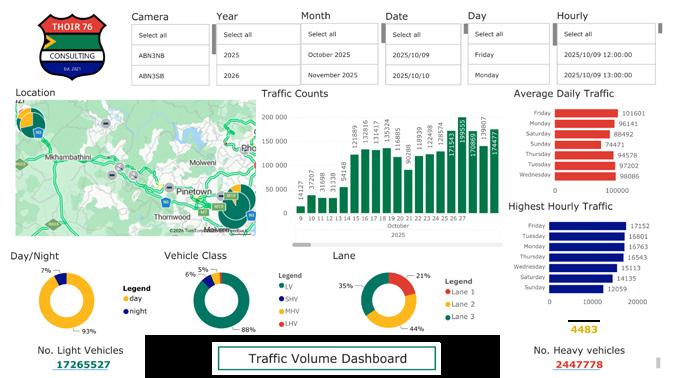
Bulk & Trip Generation Summary Page
The real value of data lies in transforming complex datasets into meaningful intelligence that supports better, faster and more defensible decisions
Behind every dashboard, report or analytical tool sits a database where vast amounts of information are collected, processed and stored. And while the backend is where the data lives, the frontend is where decisions are made. The objective is therefore not more data. The objective is the right data.
Before collecting information, the first question should always be: what decision needs to be made and what question are we trying to answer?
Equally important is understanding who needs the information, how they need to consume it
and whether it should be aggregated to provide a strategic overview or disaggregated to provide operational detail.
Ultimately, data should tell a story. It should communicate what is happening, why it is happening and what action needs to be taken. It should provide a snapshot that captures the bigger picture while allowing users to drill down into the level of detail required.
For Thoir 76, the value lies not in the database itself, but in the ability to transform complex information into understanding. Information must
be timeous, accurate and, above all, defensible. Because in the end, data only creates value when it enables better decisions.
From information to intelligence
Thoir 76 has developed reporting platforms and analytical tools that transform complex information into meaningful intelligence, unpacking the story behind the data and answering the questions that matter: Who? What? Where? When? How? And, most importantly, Why?
• Traffic intelligence
Using CCTV and camera-based information, raw traffic movements can be converted into detailed reports showing monthly, daily, hourly and peak-period traffic volumes, lane utilisation and network performance. The result is a clearer understanding of traffic behaviour, enabling informed transport planning and operational decisions.
These insights also support more sustainable and integrated forms of development. By understanding how, when and where people travel, planners can prioritise infrastructure investments, encourage shifts towards public transport and active mobility, and identify opportunities for higher-density, transit-oriented development (TOD), creating more efficient, accessible and environmentally responsible urban environments.
• Project intelligence
Construction and infrastructure projects can be monitored at both strategic and highly detailed levels. Whether viewed holistically or in 20-metre segments, project teams can track quantities, productivity, schedules, budgets, billing and remaining works, providing powerful visibility across programme delivery platforms and enabling proactive decision-making.
• Safety intelligence
Accident and obstruction data can be analysed spatially and presented through heat maps and trend reporting, helping identify highrisk locations to understand the causes and impacts of incidents, and to support targeted interventions that improve safety and network resilience.
• Development optimisation
While trip generation estimates are typically derived from empirical research across various land use types, the true transportation impact of a development only becomes apparent once it is operational. Continuous collection of 24-hour traffic data, analysed alongside land use patterns and occupancy levels, provides valuable real-time insight into how places actually function.
This information reveals opportunities for more efficient land use and supports decisions around densification, access and development rights. More importantly, it enables planners and designers not only to understand the dynamic “heartbeat” of a development, but to actively manage and influence it, optimising performance, flow and overall functionality.
Insight into action
For Thoir 76, the future of transport planning lies not in collecting more data, but in unlocking the value of the right data and communicating it in ways that people can understand, trust and act upon.
This goes beyond numerical analysis. It is grounded in a deep understanding of engineering principles, how different elements interact, and how they connect to real-world outcomes.
By combining technical understanding with effective communication, complex information can be transformed into clear and actionable intelligence. Data is placed in context, enabling stakeholders to make informed decisions with confidence, ensuring that information is not only understood, but effectively applied to achieve better outcomes.
Because ultimately smart cities and better mobility systems are not created by data and technology alone. They are created when information becomes understanding, and understanding enables timely, accurate and defensible decision-making.
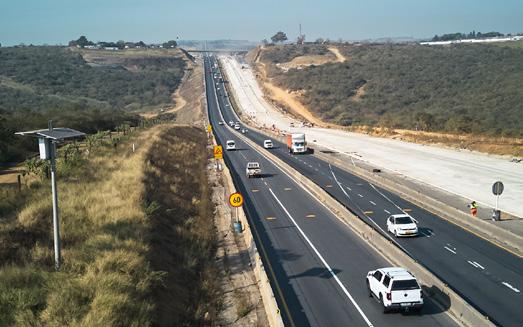
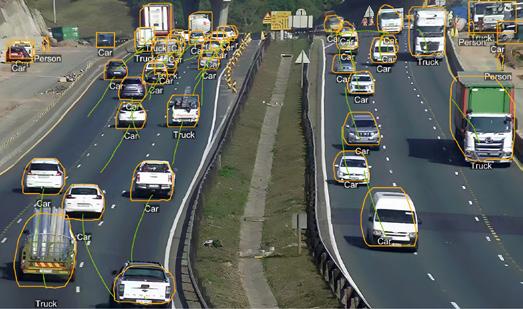
The traffic analytics camera on the left picks up real-time traffic data that is used to classify vehicles and provide the base data for reporting.
SURVEYING IN A BIM WORLD FOR A SMART CITY TRANSITION
As geomatics specialists, at 5D Geo we take our name from the five dimensions of Building Information Modelling (BIM) –3D geometry (XYZ), time and cost. It is a deliberate statement of intent since a 3D survey model of existing conditions is only the starting point. Thereafter it’s what you do with it that matters, and whether it was built accurately enough to be trusted in the 5D domain. By Chris Kirchhoff*
Essentially, the starting point for an accurate 3D scan-toBIM model is the degree of certainty about the as-built conditions at the right level of detail. This is a crucial requirement because the implications of discovering, mid-construction, that the model is inaccurate can get expensive.
A flawed model might look complete when imported and opened in Revit but does a poor job of removing risk from the design process, which is the primary reason for commissioning the 3D survey in the first place. To avoid this, it’s essential for the client to verify a checklist of all required survey elements upfront.
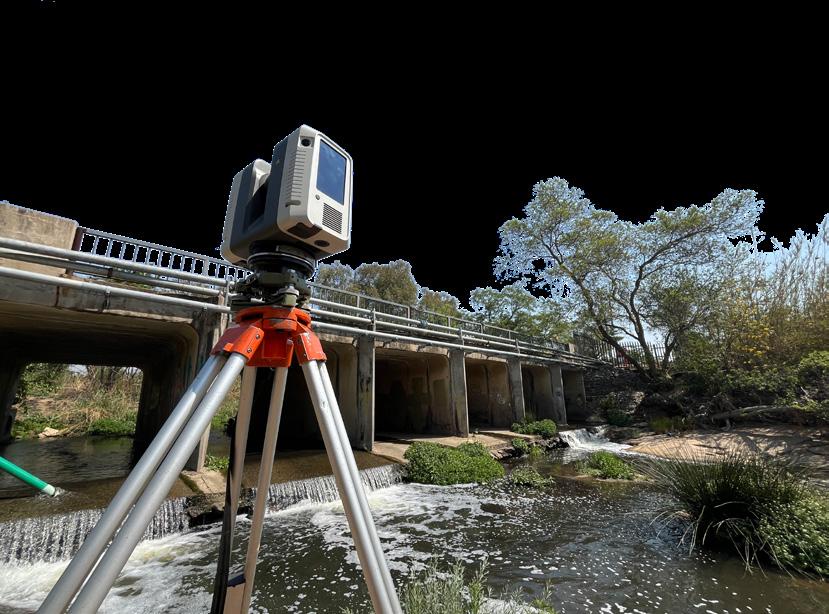
A detailed 3D scanning process for an underground parking garage to understand the load bearing of the columns for extensions above, including the installation of solar panels. The end output is as-built plans of the structure
It’s also important to emphasise that not all survey firms are equal. Some are competent in commercial offices and straightforward buildings. Far fewer have genuine experience modelling live industrial plants, dense pipework, running equipment, confined access, hazardous environments, etc. These require a different skills set entirely, and there is a real learning curve to doing them well. Some buildings are also genuinely difficult to scan. Elements such as specular surfaces, polished stainless steel, glass vessels and chrome pipework scatter laser returns and introduce noise into the point cloud (defined as a set of data points in a three-dimensional coordinate system).
Aspects like dense pipework also pose significant challenges because they create occlusions that no single scan position fully resolves. To counter this requires a specific methodology. A case in point is a past project requiring a 3D scan at a petrochemical plant in Secunda. Here careful pre-planning of scan
A detailed 3D scan converted into a Revit model showing a 3D point cloud of an underground services room. (Image credit: Jacek Kwiatkowski)
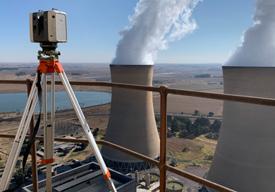
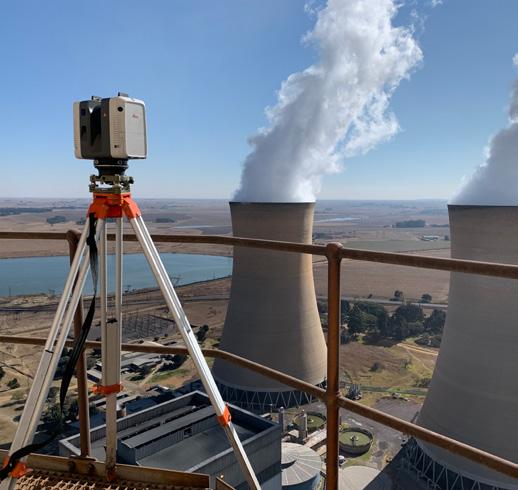
3D scanning of industrial water cooling towers. There were no existing as-built plans, and the client required structural assessments to be carried out by their engineers
positions before site attendance was the difference between a complete dataset and one full of shadows in exactly the wrong places.
Harnessing the value of data as a digital twin
Prior to the digital revolution, in the past we would survey with a total station and deliver ±3mm accuracy across 200-500 carefully selected points. Wall positions, floor levels, column location, and so on. Today that process is still both efficient and disciplined, but the data sets then have to be manually captured to create the BIM model.
Now with 3D laser scanning we can capture the complete geometry in “one go”. However, it’s definitely not a case of semi-automated extraction with minimal oversight – specialist geospatial expertise is essential. Otherwise, you end up as stated earlier with a model that looks comprehensive but has unknown positional accuracy, which defeats the entire point of using scan data for coordination.
A 5GB point cloud needs judgment to become a 1GB federated BIM model that makes sense and adds value for both the build programme and future lifecycle management phases, whether it’s a warehouse or a road. That’s
SOUTH AFRICAN GEOMATICS INSTITUTE (SAGI)
Redefining the built environment within a digital landscape
SAGI is a Public Benefit Organisation comprising registered experts in the fields of land surveying, engineering surveying, GISc, planning, land management, photogrammetry and remote sensing. Collectively, these disciplines all fall within the scope of the evolving geomatics profession. All SAGI members comply with a strict Code of Conduct and are statutorily registered with the South African Geomatics Council, with specific services legally prescribed. In all instances, always employ the services of a registered practitioner.
For further information visit www.sagi.co.za
the realm of 5D BIM, which moves beyond the physical XYZ world rendered in 3D BIM by integrating real-time cost data and budget estimations to create a virtual operational model – the digital twin – providing us with both reactive and predictive feedback. That’s the role of the geomatics professional, to convert data into actionable information.
Let’s illustrate this practically. Once an accurate 3D representation has been captured – be it a factory, sewage works, a portion of the CBD or an entire city – we next add the fourth dimension of how this world and its surrounding environment function. The latter can include sensor derived datasets such as weather, traffic patterns, population growth and movement. Add a further financial and budgetary layer (e.g., income, expenses and flow of money) and you enter the fifth dimension
You can look at a digital twin as a Wi-Fi enabled LEGO ® set. Imagine, for example, putting together a LEGO® model of a planned taxi rank. As you make changes you have a dashboard of data showing you how many people you can move through the rank, how peak time traffic flows around the rank will change and, critically, how your residents can save time moving through the rank.
Once the taxi rank is built you can add sensors such as traffic count, temperature, water and sewage flows and CCTV cameras. This allows your digital twin to suggest, in real-time, how to reactively use the resources in the rank most efficiently.
Survey and modelling evolution
There are three main mapping tools to consider on the 3D to 5D journey. Within the subsurface world, ground penetrating radar is the main one. Radar and electromagnetic pulses reveal the location of services such as electrical and communication cables.
Above ground, terrestrial laser scanning allows you to collect accurate street and ground level information such as roads, building footprint service access points, street furniture and terrain models.
For larger areas, traditional aerial mapping, using a combination of lidar (laser) and photogrammetric techniques, is the best way to build the 3D model upwards from ground level. Recent advances in cameras now also allow the vertical view and the sides of buildings to be captured.
Across the board, drone mapping and installed sensors offer cost efficiency, simple data collection, and continual updates as the environment changes.
It’s vital to stress that without a strong foundation of good continually updated 3D data, the trust in the predictive ability of the digital twin will be eroded.
Benefits for municipal infrastructure
To appreciate the influence that digital twins can have on improving municipal management, consider the following possibilities: Clear insights for improved infrastructure: A digital twin consolidates what municipal departments currently track separately –water pressure logs, road maintenance schedules, energy consumption patterns –into a single spatial model. When a district shows unusual water demand, engineers can immediately correlate it with population density shifts, new development approvals, and aging pipe infrastructure. Predictive algorithms can then flag which trunk mains will fail within 18 months, allowing planned replacement rather than emergency repair at three times the cost.
Make infrastructure last longer and be more resilient: By understanding how the built environment is being used and where the pressure points are, it is possible to plan for early maintenance that will allow the infrastructure to last longer. Rather than reacting to failures in infrastructure, the digital twin will model the cost of early maintenance and assist in the justification of an improved maintenance budget.
Public engagement: Residents typically see infrastructure decisions as fait accompli – the road closure notice arrives, work begins, complaints follow. Digital twins flip this sequence. A municipality considering three route options for a new Bus Rapid Transit corridor, for instance, can publish the models online, showing noise impact, traffic disruption during construction, and journey time savings for each option. Residents can click through the scenarios, see how their street features in each, and comment with local knowledge that engineers might miss, for example that Service Road B floods every winter, rendering Option 2 unworkable. Public consultation becomes genuine dialogue rather than a box-ticking exercise.
Improved planning: Historic data from digital twins reveals patterns invisible in static reports. Take stormwater management. Three years of rainfall data, combined with surface runoff measurements and underground pipe capacity, can model how a proposed 200-unit development will stress existing infrastructure during a 1-in-50-year storm event. Engineers can test various detention pond sizes, permeable paving options, and pipeline upgrades within the model with each scenario showing capital cost against flood risk reduction. The best solution emerges before a single excavator arrives on site.
Improved coordination: When roads and infrastructure departments operate in separate data silos, chaos follows. As a hypothetical example, Roads schedules resurfacing work for Tuesday. Water discovers a trunk main leak Monday night and tears up the same street Wednesday. The newly laid asphalt gets excavated within 48 hours. With a digital twin, both teams see each other’s scheduled interventions, utility locations, and asset conditions simultaneously. A road engineer planning resurfacing spots that water mains beneath the route are 60 years old and nearing failure. One coordinated project replaces pipes and resurfaces together, halving disruption and cost. The street gets opened once, not twice. Digital twins succeed because they dissolve the boundaries that fragment municipal decisionmaking. When surveyors, engineers, planners and finance officers all work from the same spatial model – updated in real-time, historically consistent, and financially transparent –infrastructure management shifts from reactive firefighting to strategic stewardship. South African municipalities, already wrestling with crumbling infrastructure and shrinking budgets, can ill afford to ignore this shift. Here the role of the geomatics professional is an integral part of the transition process.
*Professional Land Surveyor, Principal at 5D Geo and SAGI EXCO member
A detailed 3D scan in progress for a bridge upgrade and integrity check. The end output is a detailed 3D model in Revit and plans of the existing structure indicating cracks and other areas of weakness noted
SMARTER SLUDGE DEWATERING FOR WASTEWATER TREATMENT WORKS
Wastewater treatment works are essential infrastructure, but many facilities across South Africa are operating under pressure. Increased inflow, ageing civil structures, overloaded drying beds, limited maintenance budgets and growing environmental compliance demands have made sludge handling one of the most difficult parts of day-to-day operations.
In many cases, sludge is still treated as a problem to be stored rather than a resource stream that can be managed. Ponds, lagoons and drying beds become overloaded, water is locked up in sludge for long periods, and valuable operational space is lost. When sludge cannot be removed efficiently, the entire treatment process can be affected.
Terravua was established to support this exact type of challenge through practical geosynthetic and dewatering solutions for the municipal, mining, industrial and environmental sectors. Our focus is not only to supply products, but to help clients understand the behaviour of their sludge, select the correct treatment method and implement a system that works on site.
TITANtube
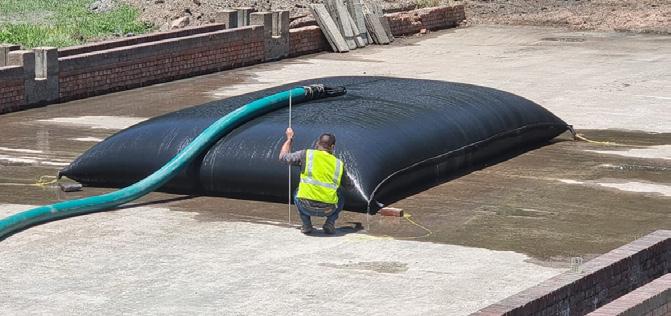
For wastewater treatment works, Terravua offers TITANtube engineered geotextile dewatering systems. These systems are designed to receive conditioned sludge, allow water to filtrate through the geotextile fabric, and retain the solids inside the tube. Over time, the retained solids consolidate into a more manageable material that can be handled, removed or disposed of more effectively.
The process starts with testing. Every sludge behaves differently, which is why Terravua places strong emphasis on sample
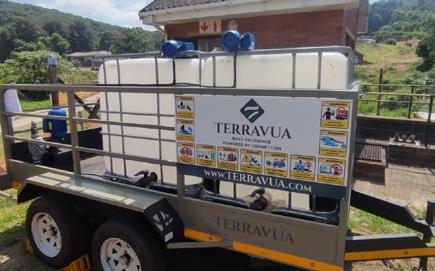
Terravua Mobile Dosing Systems are trailer-mounted polymer make-up and dosing units designed for rapid site deployment. They provide controlled mixing, hydration and accurate dosing into sludge or slurry lines to improve solids capture and stabilise filtrate quality. They are ideal for temporary campaigns, remote sites and operations that need fast mobilisation with consistent results
TITANtube geotextile tubes are used to dewater municipal sludge, industrial sludge, lagoon waste, pond sediment and process waste. Water filters through the engineered fabric while solids are captured inside the tube
evaluation, polymer selection and filtration performance. By testing the sludge before implementation, the correct flocculant, dosage approach, fabric behaviour and expected drainage performance can be better understood. This helps reduce guesswork and supports a more reliable site solution.
Applications
TITANtube dewatering can be applied where drying beds are overloaded, sludge ponds require cleaning, lagoon capacity needs to be recovered or where municipalities require a lower-civil-footprint alternative to conventional sludge handling. The system can be used as a temporary intervention, a phased clean-up method or as part of a longer-term sludge management strategy. What makes the solution effective is the combination of the right tube, the right polymer, the right filling method and the
right site layout. Terravua supports clients through this full process, including sludge testing, polymer evaluation, TITANtube sizing, layout planning, dosing equipment, installation guidance and technical support.
Beyond wastewater treatment works, Terravua’s solutions also serve industries
Terravua places strong emphasis on sample evaluation, polymer selection and filtration performance
where waste streams, slurry, silt, sludge or process water need to be managed more efficiently. This includes mining, dredging, agriculture, food processing, abattoirs, industrial ponds and environmental rehabilitation projects.
A simple but powerful approach
As infrastructure owners look for practical ways to improve performance without unnecessary complexity, geotextile dewatering offers a simple but powerful approach. It helps reduce sludge volumes, recover water, improve site housekeeping and free up valuable operational space.
Terravua brings engineered geosynthetic thinking, field testing and practical site support together under one solution-driven approach. With TITANtube, sludge is no longer just something to store. It becomes something that can be tested, treated, dewatered and managed.
Wastewater treatment works can use dewatering tubes to manage sludge backlogs, emergency clean-outs, drying bed overloads and lagoon maintenance. The system reduces sludge volume and improves handling for disposal or further treatment
CELEBRATING THE AQUA PROS WHO KEEP THE WORLD’S WATER MOVING
Xylem Africa is proud to announce that two of its professionals from its Water Solutions & Services (WSS) division are Xylem Champions Circle inductees.
Xylem’s management team nominated Mpho Madzonga, Elite/Lead Field Service Technician, and Musa Matibhiri, Senior Service Centre Technician, who were subsequently selected by the Service Professional Steering Committee for their commitment to excellence, teamwork and customer success.
As part of this recognition, the winners and their guests travelled on an all expenses paid trip to Cancún, Mexico, where they joined 2025’s other winners to celebrate their achievements.
Leading water as AQUA pros
Both professionals are part of an elite internal group called the AQUA pros. Xylem’s AQUA pro community represents service professionals from WSS, Water Infrastructure (WI) and Applied Water (AW) across multiple regions.
These professionals are highly trained, certified, and equipped to handle any water treatment crisis with precision and efficiency, from emergency mobile solutions to planned maintenance,
remote monitoring, commissioning and on-site operations. There are over 2 000 AQUA pros active in more than 150 countries.
AQUA pros commit to uptime, on time, first time, every time. For customers in South Africa, that means access to a globally proven standard of service excellence, delivered locally.
“AQUA pro is Xylem’s commitment to developing skills for water development and investment, and provides a clear career path for employees who want to grow and make an even bigger impact. We have an established community of AQUA pro Service Professionals in South Africa, and we’re very proud of Mpho Madzonga and Musa Matibhiri’s achievements. They show we are actively a part of SA’s water excellence and future,” says Gerhard Coetzee, Services and Rental Leader, Xylem - Southern Africa.
Earning their place in the Champions Circle
Mpho and Musa's focus, dedication, teamwork and customer centricity encouraged their nominations for the Champions Circle.
To qualify, they must be in a service professional career role for at least five years, which covers a wide range of positions, including Driver Technician, Field Service Technician, Service Centre Technician, Service Supervisor, Operations Support Coordinator, and Service Centre Specialist. They are nominated by their manager or by another leader within Xylem and selected by divisional and segment leadership.
A Champions Circle nominee must excel across four criteria:
• Safety Role Champion: Sets the standards and tone for safety in the field.
• Xylem Ambassador: Utilises customer relationships to help expand Xylem engagement in the field.
• Outstanding Performer: Performs in a way that provides significant contributions to division goals.
• High-Impact Role Model: Demonstrates high-impact values through behaviours and encourages others to replicate success.
Congratulations to South Africa’s latest AQUA pro Champions Circle inductees. At a time when water is a critical resource, and South Africa needs more water professionals, they are distinguished examples for their peers and newcomers in the water sector.
“At Xylem, we talk about solving water and how water connects us all in every sector, community and walk of life. Being an AQUA pro is not just a job. It represents our vision: that what we achieve through water excellence improves the lives of those around us,” says Vishal Maharaj, Operations Manager, Xylem - South Africa.
“Seeing fellow South Africans being inducted into the Champions Circle shows we’re moving in the right direction here at Xylem, and we’ll keep working with our partners, communities and citizens to make sure that clean, potable water is always a part of our collective future.”
For more information on Xylem AQUA pro Service Professionals, visit https://www.xylem.com/ en-za/info/xylem-aqua-pro-service-professionals/
From left: Joe Johnston, Senior Vice President, WSS at Xylem Inc.; Musa Matibhiri, Senior Service Centre Technician, WSS, Xylem - South Africa; and Rodney Aulick, President of WSS, Xylem Inc.
From left: Joe Johnston, Senior Vice President, WSS at Xylem Inc.; Mpho Madzonga, Elite/Lead Field Service Technician, WSS, Xylem - South Africa; and Rodney Aulick, President of WSS, Xylem Inc.
ESSENTIAL TIPS FOR WATER LEAK DETECTION, FIXING AND MAINTENANCE
During winter, property owners must be prepared for the challenges that cold weather brings. One of the most pressing issues is water leaks, which can lead to significant damage if not addressed promptly.
Leaks, amongst others, are the main factors that exacerbate water scarcity, which results from network failures caused by incorrect installation, lack of maintenance, aging infrastructure and too-high water pressure. For instance, a constantly dripping tap or a leaking toilet can result in an average daily water wastage of 30 to 60 litres. Therefore, effective water leak detection, fixing and maintenance are crucial in ensuring the longevity and safety of any building.
Here’s a guide to winter-proofing your property against water leaks.
Early detection: The first line of defence
Detecting water leaks early can prevent extensive damage. Modern technology offers innovative solutions for early leak detection:
1 Smart leak detectors: These devices can be installed throughout your property, alerting you to potential leaks through your smartphone. They are particularly useful in bathrooms and kitchens where leaks are most common.
2 Regular inspections: Schedule professional inspections at the start of winter. Professionals are able to use advanced tools such as
thermal imaging cameras to spot hidden leaks behind walls and under floors.
3 Water meter monitoring: Reading your water meter at the beginning and at the end of each week or at least monthly can help you gauge your household/property’s water consumption while allowing you to quickly detect any unusual spikes in usage, which can indicate a hidden leak.
Tackling leaks head-on
Once a leak is detected, timely repairs are crucial to prevent further damage and water loss. Here are some steps to take:
1 Immediate action: Turn off the water supply to the affected area to prevent further leakage, which in turn can also cause damage to carpets, cupboards and even walls.
2 Professional repair services: Hire certified plumbers who can accurately diagnose and fix the leak. Avoid DIY fixes, as they may only provide temporary relief and could lead to more significant issues. Again, insurance may not cover leaks that are repaired using the DIY process.
3 Quality materials: Ensure that any repair work uses high quality materials designed to withstand cold temperatures. Insulated pipes and frost-resistant materials are essential for winter repairs.
Maintenance: Preventing future leaks
Preventive maintenance is key to avoiding leaks during the cold months. Here are some tips:
1 Pipe insulation: Insulate all exposed pipes to prevent them from freezing and bursting.
Foam pipe insulation is affordable and easy to install.
2 Regular maintenance checks: Schedule regular maintenance checks, especially for older properties. Focus on areas prone to leaks, such as roofs, bathrooms and exterior walls.
3 Gutter and drain maintenance: Keep gutters and drains clear of debris to ensure proper water flow and prevent ice dams, which can cause leaks in roofs and walls.
In
conclusion
Effectively managing water leaks in the built environment during winter requires a combination of proactive detection, timely repairs and regular maintenance. Utilising modern technology, such as smart sensors and thermal imaging, can significantly enhance leak detection capabilities.
By putting these examples and efforts into practice, Rand Water believes people and organisations may contribute to the promotion of a more ethical and sustainable use of water in both personal and professional situations.
www.randwater.co.za 0860 10 10 60
Foam insulation is a cost-effective way to protect exposed pipes from freezing and bursting
Commissioned around 1995, the Bushman’s River Mouth municipal desalination plant provides some 75% of potable water volume requirements for surrounding towns and communities
Maximising utilisation on existing water treatment assets
Whether for existing or new water treatment facilities, Sizwe Amanzi’s operating philosophy of recover, enhance and replace passes on key operational cost benefits for municipal utilities. IMIESA speaks to Sizwe Amanzi’s CEO, NJ Bouwer, about a desalination plant upgrade project for a coastal Eastern Cape municipality that supplies a major portion of the potable water for surrounding communities.
We’ve undertaken a fundamental shift in our business model. In the past, we have been strong advocates of decentralised modular water and wastewater treatment package plants in terms of design and execution – either as a standalone or augmented solution to increase existing capacity,” Bouwer explains.
“Our focus now in parallel is to work with public sector clients to revitalise existing treatment works as the primary goal to leverage the utilisation of current assets to maximise value, taking a recover, enhance and replace approach that incorporates operations and maintenance (O&M) under accountable performance contracts.”
A level 6EP and 6ME Construction Industry Development Board (CIDB) contractor, Sizwe Amanzi recovers assets where value remains, and boosts systems where performance can be structurally improved. Sometimes, however, Bouwer says that replacement is the only viable option to counter escalating process risks or
costs, a case in point being ageing pipeline distribution networks to combat non-revenue water (NRW). The same applies to mechanical items like pumps, plant instrumentation, screening and
Desalination case study
A prime example is Sizwe Amanzi’s present contract for an Eastern Cape municipality, comprising a series of towns that are not connected through a single network. Key centres rely predominately on potable water supplied from a desalination plant based in Bushman’s River Mouth commissioned around 1995 and owned by the municipality, which is currently managed by Sizwe Amanzi and provides some 75% of total volume available.
The remaining 25% has traditionally been sourced from groundwater resources with strict abstraction permits in place. Any disruption to the plant would therefore be a critical concern and underscores the responsibility of Sizwe Amanzi’s contract.
Sizwe Amanzi replaced a previous operator at the Bushman’s River Mouth desalination plant. The starting point was to evaluate the current maintenance budget and to assess condition health.
The existing facility comprises three reverse osmosis (RO) filtration skids that have a combined capacity to produce approximately 2,5 Mℓ/day. The bulk of the more recent system component upgrades range in date between 2005 and 2009 prior to Sizwe Amanzi’s contract.
“Critical components now under evaluation include high pressure pumping systems, energy
NJ Bouwer, Chief Executive Officer of Sizwe Amanzi
recovery and management systems, and modern-day instrumentation packages that provide accurate standardised data readings,” says Bouwer.
“To date, our interventions include sitewide leak reduction, an overhaul of the high pressure pumping systems, partial membrane replacement, a SCADA upgrade, plus remote monitoring and access systems that enable predictive and preventative O&M. This supports future decisions such as further membrane replacements to increase water output, quality and process efficiencies that incorporate lower pressure, lower power and reduced chemical consumption.”
In terms of its contract, Sizwe Amanzi wasn’t originally responsible for the pipeline distribution network. However, it became apparent that improvements in plant throughput were being negated in part by NRW technical losses. Simply put, some degraded bulk pipeline sections couldn’t cope with the higher pumped volumes. This led to pipeline bursts and leaking valves due to increased flow and pressure.
In response, Sizwe Amanzi undertook the cost of replacing affected sections of the bulk line traversing the R72 bridge that connects Bushman’s River with Kenton-onSea and the latter’s storage reservoir. Valued at around R700 000, these repairs resulted in a leak reduction of some 5,5 litres per second – equating to a water saving of around R4,4 million annually in the current phase.
Energy and plant reconfiguration phase
Currently, the plant runs on conventional grid power, with investigations now in place for
an integrated hybrid solar installation sourced from an identified site location some 8 km away. Work is in progress in conjunction with a renewable energy specialist, the municipality and Eskom to advance this initiative. Based on initial estimates, this could reduce the overall cost of water produced by some 10%.
“When you consider that in a desalination plant energy represents approximately 70% of the overall operating cost, that is a major saving,” says Bouwer.
Meanwhile at the plant, major infrastructure upgrades to be undertaken by Sizwe Amanzi include the replacement of the intake system, which presently consists of 13 wells. The latter setup is highly power inefficient, excessively maintenance intensive and is a
theft risk in terms of components. The plan is to consolidate this into a single ringfenced system.
“Our next major upgrade is the pre-filtration system, ensuring that the best possible water is sourced for this desalination plant for the next seven to ten years of its productive life in the current O&M phase,” Bouwer continues.
Conclusion
Ultimately, as Bouwer points out, the priority for any public entity worldwide is to optimise the return on investment for all assets. In fiscally constrained countries like South Africa this becomes an even greater imperative in meeting immediate needs while bridging infrastructure funding gaps.
“Contracted utility grade water treatment performance means that Sizwe Amanzi is entirely responsible for all predetermined supply chain costs in terms of its O&M agreements. That ensures both budget and audit certainty for municipalities. It also translates into sustained supply on demand and we are rolling out this model to industrial, mining, municipal and residential estate clients nationally, either with existing facilities or a requirement for greenfield works,” Bouwer concludes.
An existing reverse osmosis installation taken over by Sizwe Amanzi
A schematic of a proposed ultrafiltration plant upgrade configuration
A latest generation ultra filtration system designed, installed and commissioned by Sizwe Amanzi
VEGA’s portfolio of instrumentation combine proven measurement technology with advanced diagnostics, intuitive operation and seamless integration capabilities
CONNECTIVITY VERSUS OPERATIONAL INTELLIGENCE
WHAT TRULY DEFINES A SMART INSTRUMENT IN THE ERA OF DIGITAL AUTOMATION?
In the age of Industry 4.0, almost every field device seems to carry the label “smart”. Pressure transmitters, level sensors, flow meters and switches are routinely marketed as “intelligent instruments” capable of transforming industrial operations.
But as the term becomes increasingly common and used so often, an important question comes to mind: what actually defines an instrument as smart, and does adding digital communication automatically make it smart? The distinction matters more than ever.
Across industries such as water and wastewater, mining, energy and manufacturing, organisations are under pressure to reduce downtime, drastically improve their operating efficiency and, overall, make better choices.
Achieving these goals requires more than simply collecting data; it requires instrumentation that delivers meaningful, reliable information and supports action.
At its most fundamental level, an instrument is a device that measures, monitors or controls a physical process variable. Whether it is pressure, level, temperature or flow, the instrument serves as the interface between the physical world and operational decision-making.
Historically, the role of instrumentation was straightforward: measure accurately and communicate reliably. The instrument's value was determined by its precision, reliability and its durability. These fundamentals still remain as important today as they were decades ago, but the rise of digitalisation has expanded expectations. Modern instruments are no longer expected just to report process values, they are also required to provide diagnostics,
support predictive maintenance, simplify commissioning and integrate seamlessly into broader automation systems.
This evolution has given rise to the concept of the “smart instrument”. But let’s be honest, not all smart instruments are created equal, and for many devices, smart functionality is largely limited to communication protocols.
An instrument may be capable of transmitting data digitally, connecting to a control system or supporting remote configuration. However, while these features without a doubt provide benefits, they do not necessarily make the instrument intelligent. True intelligence lies in the ability of an instrument to deliver actionable information, rather than raw data alone.
Operational awareness and insight
A genuinely smart instrument understands its own operating condition. It can identify process anomalies, recognise potential measurement issues, provide meaningful diagnostics and help operators resolve problems before they escalate into failures. It reduces complexity rather than adding to it.
This distinction is becoming increasingly important within water and wastewater infrastructure.
Rapid urbanisation, ageing assets and growing sustainability requirements are
placing significant strain on water networks throughout Africa. Utilities face mounting pressure to reduce water losses, improve energy efficiency and maximise the lifespan of existing infrastructure. In such environments, instrumentation is no longer simply a measurement tool; it has become a critical component of operational resilience.
Pressure monitoring provides a clear example. A conventional pressure sensor may accurately report system pressure. However, a truly intelligent instrument does far more than that. It helps operators understand changing process conditions, identify developing problems and optimise system performance before costly failures occur.
This is where the next generation of pressure instrumentation is changing the conversation. Modern devices such as VEGA’s portfolio of instrumentation combine proven measurement technology with advanced diagnostics, intuitive operation and seamless integration capabilities. Features such as IO-Link communication, Bluetooth accessibility, remote configuration and selfdiagnostic functions provide operators with greater visibility into both process conditions and instrument health.
Predictive, proactive and consistent
The benefit is not connectivity for its own sake. The value lies in transforming measurement data into operational insight. For example, pressure monitoring can help utilities detect leaks before they become catastrophic failures, identify inefficient pumping conditions, monitor filter performance and optimise chemical dosing processes. When measurement systems provide actionable information rather than simply numbers, maintenance becomes proactive rather than reactive.
Importantly, intelligence must never come at the expense of reliability. The most sophisticated digital features become meaningless if the underlying measurement is inaccurate or unstable. Smart functionality
The VEGAWELL 52 hydrostatic pressure transmitter is ideal for level measurement within water and wastewater applications, as well as for level measurement in deep wells, with a maximum cable length of 1 000 m
FIVE QUESTIONS TO ASK ABOUT ANY “SMART” INSTRUMENT
Before investing in new instrumentation, operators should ask:
1 Is the measurement reliable?
No amount of digital functionality can compensate for poor measurement accuracy.
2 Does it provide actionable diagnostics?
Can the device identify process issues or instrument health concerns before failure occurs?
3 Is it easy to configure and maintain?
Complex technology should simplify operations, not complicate them.
4 Can it integrate with existing systems?
Seamless communication is essential for modern plant environments.
5 Will it reduce total cost of ownership?
The smartest instrument is often the one that lowers maintenance requirements and extends service life.
VEGA’s pressure sensors helps operators understand changing process conditions, identify developing problems and optimise system performance before costly failures occur
can only create value when built upon sensing technology capable of performing consistently in demanding environments. This is particularly relevant in water and wastewater applications where instruments are often exposed to abrasion, chemical attack, fluctuating pressures and difficult environmental conditions. Long-term measurement stability remains the foundation upon which every intelligent capability is built.
Perhaps the industry’s definition of a smart instrument needs some refining. A smart
instrument is not simply a sensor with a communication protocol. It is also not a device that generates more data. True intelligence lies in the ability to provide reliable measurement, meaningful diagnostics and practical insights that support better decisions.
As utilities and industries continue their digital transformation journeys, the focus should shift from asking whether an instrument is smart to asking whether it makes operations smarter. Ultimately, that is the real measure of intelligence.
TRANSLATING MINING GRADE RESILIENCE TO MUNICIPAL INFRASTRUCTURE
THE LIFECYCLE COST OF UNVERIFIED THERMOPLASTIC PIPING SYSTEMS
The South African municipal engineering sector is currently beset by a systemic crisis in fluid conveyance infrastructure. Potable water losses and stormwater network failures frequently stem not from extreme operational loads, but from a fundamental flaw in the tender environment: the conflation of initial capital expenditure (CAPEX) with long-term infrastructure value. By Ian Venter
When consulting engineers and asset owners evaluate procurement packages, the prevailing paradigm disproportionately rewards the lowest-bidding contractor, often at the direct expense of verified material integrity. To resolve this, the municipal sector must adopt the rigorous forensic mindset applied in the mining industry.
In highly abrasive mining environments – such as the transport of diamondiferous kimberlite slurry – pipeline failure mechanisms like erosive wear, vacuum collapse and material fatigue are acutely understood. In these applications, a saving of 10% on unverified High-Density Polyethylene (HDPE) compounds routinely results in catastrophic failure within the first year of operation, obliterating any upfront commercial benefit.
The same principle holds true when transferring this resilience operating philosophy to the public infrastructure arena. Here, the failure mechanisms in municipal networks can also be mitigated when engineers trust that the specified polymers have verified molecular resilience, ensuring confidence in long-term performance.
The legal framework
There is also a legal mandate. Under the Consumer Protection Act (CPA) – Act 68 of 2008, specifically Section 61, strict liability is imposed on the supply chain for product failure and unsafe goods. Ignorance of material non-compliance is not a legal defence.
While statutory strict product liability under the CPA targets the supply chain (manufacturers and distributors), the broader regulatory and risk burden of ensuring that thermoplastic systems –whether PE100 (SANS ISO 4427-2:2023), PVC-U (SANS 966-1) or PVC-O (SANS 16422) – meet explicit longevity parameters remains a critical shared exposure for the client, the consulting engineer and the manufacturer alike.
Furthermore, the Standards Act – Act 8 of 2008 protects the legal truthfulness of standardisation claims, meaning that falsely declaring compliance with a SANS standard carries severe statutory consequences.
True value in municipal infrastructure is therefore found not in the lowest tender, but in the lowest Total Cost of Ownership (TCO), secured through uncompromising quality assurance. That’s the
distinction between a pipeline that lasts 50 years or more and one that fails prematurely.
The testing deficit: Batch release versus type testing
A critical oversight in municipal procurement is the reliance on batch release testing (BRT) rather than comprehensive type testing (TT). BRT evaluates basic parameters such as density, carbon black content/dispersion, and melt flow rate (MFR). While necessary, BRT does not predict long-term structural resilience. Conversely, TT (CEN/TS 12201-7:2014) evaluates the material’s resistance to slow crack growth (SCG) through the notched pipe test (NPT) and long-term hydrostatic strength (ISO 9080) test.
If a contractor or supplier proposes an alternative thermoplastic compound or submits a tender based on a highly discounted pipe, claiming it is “fit for purpose”, the burden of evidence falls entirely on them. They must provide rigorous statistical evidence (≥ 95% confidence) from independent SANAS ISO/IEC 17025 accredited laboratories. Furthermore, clients should demand a Supplier's Declaration of Conformity (SDOC) aligned with SANS 17050-1:2013, linking batches to accredited TT reports to verify material integrity. To maximise municipal budgets, consulting engineers must therefore implement systemic remediation and eliminate risks from unverified materials. This involves deploying a Plan-DoCheck-Act (PDCA) quality loop aligned with ISO 9001:2015 Clause 8.4 (Control of externally provided processes, products and services), ensuring ongoing verification of material quality and testing standards.
Structural and hydraulic defence mechanisms
Ian Venter is a consultant specialising in polymer piping systems, representing Polymers and Piping (fittings) Systems South Africa (PPfSSA). With extensive experience in quality assurance and industry collaboration, Ian is dedicated to advancing standards and promoting compliance throughout the pipe manufacturing supply chain.
For further information, phone +27 82 770 8244 or e-mail: IanVenter@PPfSSA.com.
In large-bore municipal water mains, the failure mechanism is often linked to the physical constraints of the pipe wall against external loading or internal vacuum. The critical buckling pressure of a thermoplastic pipe decreases cubically with an increase in the standard dimension ratio (SDR) and pipe diameter. The critical buckling pressure, P_crit, is approximated by:
P_crit = (2E_0 / (1 - ν²)) × (1 / (SDR - 1))³
Where:
• E_0 = Long-term modulus of elasticity of the specified polymer (MPa).
• ν = Poisson’s ratio (denoted as ν to prevent confusion with fluid velocity).
• SDR = Standard dimension ratio (outside diameter/wall thickness).
If a municipality accepts a downgraded SDR to lower tender costs, the P_crit drops by a cubic factor. Without properly engineered and calibrated dual-acting air/vacuum valves, a routine pump trip or rapid line drainage will result in instantaneous vacuum collapse.
Joint integrity and fabrication
The integrity of a pipeline is only as robust as its weakest weld. In this respect, municipalities must enforce strict adherence to SANS 10268 for heated-tool butt fusion and electrofusion. No welding may commence without a formal Welding
Procedure Specification (WPS) (SANS 10270). Additionally, all operators must present valid qualifications per SANS 10269.
Post-weld quality control must include destructive tensile testing to ensure a ductile, rather than brittle, failure mode across the fusion zone.
Redefining TCO
The perceived “value” of a heavily discounted pipe is a mathematical fallacy. If a PE100 pipe is procured at a 15% discount but lacks SCG resistance (failing the 8 760-hour NPT requirement), the pipe may fail within three to five years due to rock impingement. The cost of excavation, dewatering, emergency reinstatement and the socio-economic damage of water outages will exceed the initial material savings by several orders of magnitude.
Genuine value is engineered by paying the market premium for verified, Type-Tested PE100-RC or strictly audited PVC-O (SANS 16422), thereby guaranteeing a 50 to 100-year maintenance-free lifecycle.
Conclusion and strategic industry roadmap
The recurring failure of municipal potable water and stormwater infrastructure is not an inevitability of harsh operating environments; it is a direct consequence of a compromised, price-driven tender system. The mining industry has clearly demonstrated that infrastructure resilience is
Slow crack growth (SCG) Point loading from rock impingement in unselected bedding; trenchless dragging.
achieved exclusively through empirical data, rigorous material testing and uncompromising quality assurance. Municipalities must adopt this exact methodology.
To achieve sustainable infrastructure, the South African civil engineering sector must implement the following strategic roadmap:
• Eradicate “supplier documentation risk”: Municipalities must reject any thermoplastic pipe delivery that is not accompanied by a formal SDOC (SANS 17050-1:2013) and an independent, SANAS-accredited TT report validating long-term hydrostatic strength and SCG resistance.
• Enforce strict liability: Consulting engineers must remind all contractors and manufacturers of their exposure under the CPA Act 68 of 2008, Section 61. If a pipe fails prematurely due to an unverified resin change, the manufacturer is strictly liable for the entire consequential damage.
• Mandate industry oversight: Procurement policies must be restricted to manufacturers who are active members of recognised oversight bodies (e.g., SAPPMA or IFPA) and who subject themselves to unannounced, independent factory audits.
True engineering value is not found at the bottom of a tender adjudication spreadsheet. It is established in the polymer matrix, verified in the laboratory and protected by the rigorous application of South African National Standards.
Use of standard PE100 instead of PE100-RC; missing NPT documentation.
Brittle weld failure Joint rupture under surge/water hammer in potable water mains. Incorrect welding parameters; non-certified operators.
Thermo-oxidative degradation Pipe stored above ground in intense UV before installation. Insufficient carbon black dispersion or low oxidation induction time (OIT).
NPT ≥ 8 760 hours at 80°C under 5.0 MPa (SANS ISO 4427-1:2023).
Vacuum collapse A large-bore stormwater or bulk water main is draining rapidly. Wall thickness (SDR) is inadequate for external pressure/vacuum loads. Geometric buckling calculations; lack of air-release valves.
COMMON CAUSES OF FAILURE
SABITA’S INDUSTRY AWARDS RECOGNISE OUTSTANDING ACHIEVEMENTS
Each year at the SABITA Awards, special recognition is bestowed on an individual or team for outstanding achievement in two specific categories. These comprise the Excellence Award in the Sustainable Use of Bituminous Products, and the CEO Merit Award for Health and Safety. At the 2026 event held on 22nd April at the CSIR in Pretoria, that recognition was bestowed on Herman Mostert, and the Spraypave Alrode Team, respectively, for their contributions in 2025.
Outstanding Achievement in the Sustainable Use of Bituminous Products
Aseasoned practitioner, Herman Mostert Pr Tech Eng, Pr CPM, is the Regional Director: Western Cape at ROMH Consulting and was nominated for the Outstanding Achievement in the Sustainable Use of Bituminous Products category as the engineering lead on a series of key projects.
These comprise:
NRA X.002-127-2019/1: Introduction of Nano-Modified Emulsion (NME) Slurry – Trial Section on N14-13 (Eastbound, km 23.8) near Ventersdorp, North West.
NRA R.030-090-2020/1F: The Improvement of National Road R30 Section 9 from Ventersdorp (km 0.0) to km 29.0.
NRA R.380-020-2024/2F: Consulting Engineering Services for the Upgrade from Gravel to Surfaced on National Route 380 Section 2 from Santoy (km 8.40) to McCarthy’s Rest (km 118.46).
Across the three projects, Mostert demonstrated outstanding leadership in the practical advancement of bituminous technology through technically rigorous decision-making, credible evidence generation, and a clear focus on durability and whole-of-life value.
On the N14 NME slurry trial, he drove a controlled, benchmarked trial methodology to evaluate nano-modified binder technology. The latter was aimed at improving moisture resistance and durability while reducing dependence on conventional additives and improving binder utilisation,
Herman Mostert Pr Tech Eng, Pr CPM, is the Regional Director: Western Cape at ROMH Consulting and winner of the SABITA 2025 Outstanding Achievement in the Sustainable Use of Bituminous Products category
culminating in implemented and evaluated trial sections that provide a defensible platform for future replication and specification development.
On the R30 Section 9 and R380 initiatives, he ensured that innovation was matched with engineering discipline. Ambitious NM pavementlayer concepts were evaluated through a structured TRH24-aligned process, including material compatibility screening and laboratory performance benchmarking, with results transparently guiding optimisation and further verification rather than premature adoption.
In parallel, he is championing context-appropriate, sustainable designs by prioritising locally available materials (Kalahari sand, calcrete) and investigating the use of nano-modification to enhance performance in a remote, resource-constrained environment – delivering a robust, economically and socially beneficial concept with clear potential to influence future rural and low-volume road rehabilitation.
Collectively, these projects demonstrate excellence against the award criteria through innovation with measurable intent, strong technical governance, and solutions that are practical, scalable, and capable of lifting industry practice.
On acceptance of the award, Mostert expressed his sincere appreciation for the recognition by peers and the broader industry. He acknowledged the collective effort behind the achievement, extending his gratitude to his colleagues at ROMH Consulting for their continued support and collaboration.
He emphasised that success in engineering practice is seldom the result of individual effort, but rather the outcome of strong teamwork, shared expertise, and a common commitment to excellence.
“The sustainable use of bituminous products extends well beyond traditional applications such as seals and asphalt. It requires a conscious
THE ROAD TO CAPSA 2027
Preparations are now well underway for the 14th Conference on Asphalt Pavements for Southern Africa (CAPSA 2027), which will be held between 19th and 22nd September 2027 at Sun City under the theme “Circularity and Resilience in African Roads: Engineering Practical Pathways to Sustainability”
The overarching message is that optimisation of the future benefits of asphalt pavements will lie in maximising circularity in the road sector – where material reuse and recycling, innovation and digital solutions converge to cut emissions, close material loops, and help in the transition to a climate neutral, circular and more resilient road network and economy.
CALL FOR ABSTRACTS
Abstracts can now be submitted through the CAPSA 2027 website in respect of any of the following focus areas:
• Pavement design
• Materials
• Digitalisation and smart technologies
• Manufacturing, construction and operations
• Policy, finance and skills
IMPORTANT DATES
• Deadline for abstract submissions: 31st July 2026
• Acceptance notification for submission of paper: 14th August 2026
• Deadline for submission of full paper for review: 4th December 2026
For further information visit www.capsa2027.co.za
consideration of the broader environmental and societal impacts associated with engineering decisions,” said Mostert.
He emphasised the need for a curious and progressive mindset within the industry in pursuit of improved, practical, and sustainable engineering solutions.
Added outgoing SABITA CEO, Phil Hendricks, who retired at the end of May 2026: “We are proud of Herman’s achievements and extend our hearty congratulations. He is indeed a very worthy recipient of the 2025 Excellence Award in the Sustainable Use of Bituminous Products and sets an example for others to follow.”
CEO Merit Award for Health and Safety
Underscoring the value of collaboration, the 2025 CEO Merit Award for Health and Safety was presented to the Spraypave Alrode Team.
“This nomination recognises a team that has embedded health and safety as a core business discipline, not a compliance exercise,” explained Hendricks.
Through exceptional housekeeping standards, disciplined processes and strong leadership, the team achieved the Internal Housekeeping Award for two consecutive years
and earned Sabita Certification with outstanding auditor commendation. Indeed, an impressive achievement!
“For us, health and safety is not just a priority, it’s part of who we are. It’s in the way we look out for each other, the way we take responsibility, and the way we ensure that everyone goes home safely to their families every single day,” said Farhad Subjoo, Spraypave Operations Manager, who accepted the award on behalf of the team.
“This award belongs to every single team member who follows procedures, who speaks up, who takes ownership and who leads by example. This is yours. It’s your daily commitment that makes achievements like this possible.”
Ultimately for SABITA, the 2025 category winners underscore the collective vision, passion and commitment of its members to deliver world class products and health and safety execution on local projects.
ROADS START WITH
Municipal road networks are critical to service delivery, economic growth and community well-being.
For more than four decades, SABITA has supported the roads sector through technical excellence, knowledge sharing, training and the advancement of bituminous materials and technologies.
Whether you are responsible for planning, design, maintenance, rehabilitation or asset management, SABITA provides access to:
Technical manuals and best-practice guidance
Industry-recognised training and skills development
Research and technology transfer
Health, safety and environmental best practice
Industry collaboration and networking opportunities
Access to leading expertise in bituminous materials and asphalt technology
The Spraypave Alrode Team: winners of the 2025 CEO Merit Award for Health and Safety. From left: Caroline Marais, Koos Mofokeng, Stoffel Coetzee and Farhad Subjoo
SABITA WELCOMES THEIR NEW CEO
As the Southern African Bitumen Association’s (SABITA’s) incoming CEO, effective 1 st June 2026, Melanie Hofmeyr takes over the reins from Phil Hendricks, who officially retired at the end of May.
Aprofessional civil engineer and strategic leader, Melanie has extensive experience in the South African transport and infrastructure sector. Here she has held a number of senior leadership roles within the Western Cape Government: Department of Infrastructure, including her last position before joining SABITA as Specialist Engineer in the Office of the Head of Department.
With a career spanning strategic planning, programme delivery, pavement engineering, asset management and governance, she has built a strong reputation for collaborative leadership and industry engagement across both the public and private sectors.
She has also been actively involved in key industry forums, including SABITA and CAPSA, as well as a range of professional and technical initiatives focused on infrastructure resilience and sustainable infrastructure delivery in South Africa.
Known for her systems-based approach, Melanie is passionate about strengthening infrastructure institutions, fostering industry partnerships, advancing technical excellence and supporting long-term sector growth and innovation. Her leadership style combines technical depth with a strong focus on governance, stakeholder collaboration and people development.
Personal insights
“My first real exposure to the roads industry came while working with the paving team on the N2 in Knysna with Power Construction. Thereafter I joined PD Naidoo and Associates as an Assistant Resident Engineer on rehabilitation projects for the Western Cape Government involving CIR, BTB and SMA works, before later also working on the N3 Heidelberg to Warrenton project,” Melanie explains.
“Some of my strongest memories from those years are the teamwork, mentorship and camaraderie that existed on site and within the broader project teams.
Melanie Hofmeyr, CEO of Sabita
Those experiences shaped both my technical foundation and my appreciation for the people within the industry.”
Expanding on her passion for the sector, Melanie says that roads have a unique way of touching every person’s life. “Whether it is the catalytic role they play in connecting communities, supporting economic growth, or giving children access to schools, healthcare and opportunities, roads are truly part of the lifeblood of any community. The roads sector also combines long-term public value, systems thinking, problem solving and practical delivery in a way that I find both challenging and rewarding.
“Recent years have also highlighted the critical role that transport infrastructure plays during disasters and emergencies. Roads are often the first and most visible link to recovery, enabling access for emergency services, supporting communities and helping restore economic activity. Building resilient infrastructure networks that can respond to these challenges is becoming increasingly important across the sector.”
Expanding on the motivation for taking on her new position, Melanie says that SABITA has played an important role within the industry for many years and has built a strong reputation for technical excellence, collaboration and industry leadership.
“The opportunity to contribute to the next phase of that journey, while supporting the sustainability and long-term growth of the sector, was something I found deeply meaningful,” she explains.
“Over many years, I have had the privilege of learning from respected industry leaders and mentors, many of whom contributed significantly to SABITA. Their passion for the industry and commitment to technical excellence helped shape my appreciation for the important role that SABITA continues to play.
“I have also been humbled by the encouragement and confidence shown by colleagues and stakeholders across the industry who believe in the important role SABITA continues to play and the opportunities that lie ahead for the organisation and the sector."
Having worked closely with municipalities, provincial government, industry and academia throughout her career, Melanie believes that many of the challenges facing infrastructure owners today require greater collaboration across the broader transport and infrastructure ecosystem. She sees SABITA as playing an important role in supporting these partnerships through technical leadership, knowledge sharing and practical solutions.
Infrastructure networks
People remain central to the industry, and Melanie believes the continued growth and success of the sector will depend on strong partnerships, knowledge sharing and investing in the next generation of industry contributors — whether in supporting roles, technical practice or professional leadership.
“Beyond this, there is also the broader infrastructure and transport ecosystem that we support, contribute to and form part of as an industry. These interconnected relationships and responsibilities will continue to become increasingly important in the years ahead,” adds Melanie.
For SABITA’s members, Melanie’s appointment as CEO marks an exciting new chapter, positioning the organisation to respond proactively to the evolving challenges and opportunities within the infrastructure, transport and bituminous sectors.
Sponsor a unique aspect of the conference and enjoy
such as: free exhibition stands complimentary delegate registrations brand representation at the event, promotion of your company in the conference proceedings magazine and online free entry for guests at the social evening and much more.
Terms and conditions apply
Can residents compel multiple state entities to fix failing infrastructure?
Residents across South Africa face chronic infrastructure failures. Flooding, exposed sewer lines, collapsing riverbanks and stormwater mismanagement are increasingly common. When residents approach their local municipality for help and are met with nothing more than buck-passing between government departments, what can they do? By Richard Hoal
Can they obtain a court order compelling the state to act? And if so, which state entity is responsible?
These questions were considered first by the Supreme Court of Appeal (SCA) in a judgment delivered on 22nd March 2024, and then on remittal by the High Court in a judgment delivered on 29th May 2026.
The Featherbrooke Estate Case
Featherbrooke Country Estate is a residential complex situated in the Mogale City Local Municipality in the western part of Gauteng. The Muldersdrift se Loop River traverses through the estate and ends in the Hartbeespoort Dam. What was historically a manageable stream became a torrent after heavy rains due to increased urban development, hard surfaces, climate change and inadequate stormwater management by the relevant municipalities.
Since approximately 2010, Featherbrooke experienced increasingly frequent and severe flooding. The flooding exposed sewer infrastructure, underground power cables and caused the collapse of riverbeds and embankments. Featherbrooke’s security fence was left hanging “by a thread” and residents faced risks of electrocution, exposure to sewage, property damage and security threats. A previous occasion when the fence came down resulted in a resident being shot by robbers and a R35 million damages claim against the Homeowners Association (HOA).
For over ten years, Featherbrooke sought assistance from the Department of Water and Sanitation, Mogale City and the City of Johannesburg. No steps were taken by any department except to shift the blame from one to another.
The
Application
In May 2020, Featherbrooke launched an application in the High Court against six respondents: Mogale City, City of
Johannesburg, the Minister of Water and Sanitation, the MEC for Agriculture and Rural Development, the Johannesburg Roads Agency, and the West Rand District Municipality. Featherbrooke sought a structural interdict compelling the respondents, jointly and severally and in the alternative, to repair the riverbeds and embankments, insert gabions, moderate the volume and flow of stormwater, repair exposed state-owned infrastructure, and draft a stormwater management plan.
Every respondent denied responsibility
Each state entity pointed the finger at someone else. Mogale City argued that managing floods was not within its competence and that Featherbrooke should look to the minister under the National Water Act. The City of Johannesburg and Johannesburg Roads Agency argued that since the estate was in Mogale City's jurisdiction, they had no role to play. The minister argued that the damage was due to poor planning by the developers and that Featherbrooke was required to apply for a water licence at its own expense.
The High Court's initial order
The High Court found that there was a constitutional duty on all spheres of government to prevent and mitigate disaster situations. However, it inexplicably made an order only against Mogale City, without deciding the case against the other respondents.
The Full Court
Mogale City appealed. The Full Court upheld the appeal, set aside the order entirely and dismissed Featherbrooke’s application with costs. It reasoned that Featherbrooke was required to obtain a water licence from the department and, having failed to do so, its case had to fail.
The Supreme Court of Appeal
The SCA (Makgoka JA, with the full bench concurring) upheld Featherbrooke’s appeal, set aside the Full Court’s order, and remitted the matter to the High Court. The SCA was critical of both courts below. It held that Featherbrooke had carefully cast its net wide to include all relevant state entities and had asserted a case against each one in the alternative. The High Court was obliged to resolve the dispute in respect of each of those entities and its failure to do so was “bafflingly inchoate”.
The SCA did not decide the merits. It directed the High Court to determine whether, in addition to Mogale City, any of the originally cited state entities was responsible for the remedial work, and to make an appropriate order against each.
The High Court on Remittal
The matter returned to the High Court (Mahalelo J) and judgment was delivered on 29th May 2026. This time, the court found against multiple respondents.
The court found that there was very little contradictory evidence to Featherbrooke’s
Richard Hoal, Partner: Construction, Engineering and Insurance Law, Cox Yeats
version. None of the respondents had taken any positive or immediate steps to address the situation, apart from bald denials.
On Mogale City, the court found that it had clear constitutional and statutory obligations to manage stormwater and promote a safe and healthy environment. It was contravening its own precinct plan and had no stormwater management plan for the area.
On the City of Johannesburg and the Johannesburg Roads Agency, the court rejected the argument that they owed no duty because the estate was not in their jurisdiction.
Stormwater originating from the City of Johannesburg’s jurisdiction flowed into the river and contributed to the flooding. The principle of cooperative government required the City of Johannesburg to coordinate its actions with neighbouring municipalities. It could not simply ignore stormwater originating from its jurisdiction because the impact was felt across a municipal boundary.
On the minister, the court found that the river was owned by the minister and that the National Water Act imposed a clear duty to take reasonable measures to prevent pollution of water resources. Critically, the court pointed to evidence that at
a meeting on 24th March 2016, department officials had themselves recommended issuing a directive to Mogale City and the City of Johannesburg to address the very problems before the court. To date, the department had failed to issue that directive. The minister could not simultaneously acknowledge the need for intervention and then argue she owed no legal duty to act.
The court held that Featherbrooke satisfied all the requirements for a final interdict: a clear right, an injury committed or reasonably apprehended, and the absence of any other remedy.
The order
The court ordered Mogale City, the City of Johannesburg and the Johannesburg Roads Agency, jointly and severally, to repair, underpin, remediate and manage the riverbeds and embankments, including inserting gabions and moderating the flow of water through attenuation dams and culverts. Mogale City and the City of Johannesburg were ordered to draft and implement a stormwater management plan. The minister was ordered to mitigate, remediate and prevent flooding, including moderating the flow from the Walter Sisulu Botanical Gardens and
preventing erosion of the riverbank. All parties were ordered to repair exposed state-owned sewer and power infrastructure. Costs were awarded against the respondents.
Conclusion
This case reinforces the principle that courts will intervene where the state fails to discharge its constitutional obligations to maintain critical infrastructure and protect residents from environmental harm. It is not sufficient for government departments to point fingers at one another. The duty of cooperative government means that where stormwater and flooding cross municipal boundaries, all relevant state entities bear responsibility and may be compelled to act.
Residents and homeowners’ associations facing chronic infrastructure failures should take note. It is not necessary to wait for a disaster to occur. The Disaster Management Act adopts a forward-looking approach focused on managing future risks. Where residents can show extensive complaints, years of inaction and real threats to life, health and property, the courts will grant orders compelling the state to act, regardless of budgetary excuses or attempts to shift responsibility.
Holding Africa’s Water 30 Countries and Counting
Direct engagement between the BCCEI, principal contractors and subcontractors helps create greater clarity around labour obligations and employment conditions
BCCEI
ENCOURAGES COLLABORATION TO STRENGTHEN AWARENESS
OF COLLECTIVE AGREEMENTS
The Bargaining Council for the Civil Engineering Industry (BCCEI) continues to play an important role in supporting stability, compliance and fair labour practices across South Africa’s civil engineering sector. One area where this role is increasingly valuable is in raising awareness and understanding of the industry’s collective agreements among contractors and subcontractors operating on construction projects.
The civil engineering sector relies heavily on collaboration between principal contractors and a wide network of subcontractors. These subcontractors often provide specialised skills and services that are critical to the successful delivery of infrastructure projects. However, many smaller or emerging subcontractors may not always be fully familiar with the requirements and obligations contained in the industry’s collective agreements.
According to Lindie Fourie, Operations Manager at the BCCEI, improving awareness of these agreements benefits the entire sector. “When all parties understand the applicable wage determinations, employment conditions and compliance requirements, projects can operate more smoothly and avoid unnecessary disputes or misunderstandings,” she explains.
Importantly, this responsibility does not rest solely with principal contractors. While main contractors typically engage subcontractors as part of project delivery, the BCCEI itself provides a range of resources and support mechanisms
Information sessions and induction briefings play an important role in ensuring that emerging contractors understand the sector’s collective agreements
to help industry participants understand the collective agreements that govern the sector.
Through its established structures, the BCCEI offers guidance, information sessions and engagement opportunities aimed at ensuring that both established and emerging contractors have access to accurate and practical information.
These initiatives are designed to strengthen compliance while also supporting a more inclusive and transparent operating environment within the industry.
One practical step that can further strengthen this awareness is for main contractors to consider inviting the BCCEI to participate in briefing sessions or induction programmes for prospective subcontractors.
“These engagements create an opportunity for the BCCEI to explain the collective agreements directly, answer questions and clarify expectations before work begins on site,” Fourie notes.
Such sessions are particularly valuable for subcontractors who may be entering the civil engineering environment for the first time or who operate across multiple sectors where labour frameworks differ. Direct engagement with the BCCEI helps ensure that contractors and subcontractors receive consistent, authoritative information from the body responsible for administering the agreements.
This collaborative approach benefits all stakeholders. Subcontractors gain clarity on their obligations and rights, main contractors reduce the risk of compliance challenges on their projects, and the industry as a whole strengthens its commitment to fair and lawful employment practices.
“The BCCEI’s role is not only regulatory but also supportive,” Fourie adds. “By working alongside contractors and providing accessible information, the BCCEI aims to build a culture of understanding and cooperation within the sector.”
As South Africa continues to prioritise infrastructure development, ensuring that all participants in the civil engineering value chain understand the framework that governs labour relations will remain essential. Through continued engagement and partnership with industry stakeholders, the BCCEI is well positioned to assist contractors and subcontractors alike in navigating the collective agreements that underpin the sector’s stability and growth.
Lindie Fourie, Operations Manager at the BCCEI
REPUTATION RISK
THE THREAT MANY ORGANISATIONS OVERLOOK
Most organisations recognise financial, operational and compliance risks, yet reputation risk often receives less attention until a crisis occurs.
In an environment where stakeholder perceptions can shift rapidly and information spreads instantly, reputational damage can become one of the most significant consequences of misconduct, governance failures, or organisational missteps.
Understanding how reputational harm develops and the broader impact it can have is essential for building long-term resilience. When misconduct or governance failures occur, organisations usually focus on the financial impact first.
How much money was lost?
What penalties might follow?
What will the investigation cost?
But in many cases, the financial loss is only the beginning.
“The real cost often lies in reputation, and reputational damage spreads in ways that are less visible but far more difficult to repair. Once confidence is shaken, organisations may find themselves facing consequences that reach far beyond the original incident,” says Elani Vogel, Senior Forensic Manager at Loxton Forensics.
Instead of appearing all at once, reputational damage tends to unfold through a series of ripple effects.
What reputational damage can trigger Loss of stakeholder confidence: Investors, partners and regulators may begin questioning leadership decisions and governance structures.
Increased regulatory scrutiny: Incidents often attract closer oversight from regulators or industry bodies, leading to more audits, reviews and compliance pressure.
Strained business relationships: Suppliers, partners and clients may reassess their exposure and reconsider future collaborations. Internal cultural impact: Employees may feel uncertain about leadership credibility, which can affect morale, retention and productivity.
Leadership distraction: Senior management may spend months dealing with investigations, media attention and crisis management instead of focusing on strategy and growth. Higher operational costs: Legal processes, regulatory compliance requirements and reputational recovery efforts can significantly increase operational expenditure.
Difficulty attracting new talent: Organisations facing reputational challenges may struggle to recruit high-calibre employees who prioritise stability and strong governance.
Long-term brand damage: Public perception can take years to recover, even after an incident has been resolved.
Why reputation often suffers more than finances
Financial losses can be quantified and recovered over time. Reputation, however, is built on trust, and trust can erode quickly when stakeholders feel that transparency or accountability has been compromised.
This is why the organisational response to a crisis matters as much as the incident itself.
Strong responses typically include: Swift, independent investigations that establish credible facts.
Transparent communication with stakeholders. Visible leadership accountability.
Clear corrective actions to strengthen governance and controls.
Ongoing monitoring to prevent repeat incidents.
When organisations respond with clarity and integrity, they are far better positioned to protect stakeholder confidence and stabilise their reputation.
Ultimately, reputational resilience is built before the damage actually hits, through strong governance, ethical leadership and investigative readiness that ensures organisations can respond decisively when difficult questions arise.
Organisations that treat reputation as a strategic asset rather than an afterthought are better equipped to navigate uncertainty and maintain stakeholder confidence when challenges arise.
By investing in strong governance, ethical decision-making and effective response mechanisms, organisations can not only reduce the likelihood of reputational damage but also strengthen their ability to recover when incidents occur.
In a world where trust is increasingly difficult to earn and easy to lose, protecting reputation remains a critical component of sustainable success.
BELL B25E ADT BOLSTERS NYANDENI MUNICIPALITY’S SOLID WASTE MANAGEMENT
A local municipality in the Eastern Cape has set such a high benchmark for its solid waste management site that it has won an award for it a mere three years after the site’s inception.
The Nyandeni Local Municipality covers two towns – Libode, which lies east of Mthatha on the R61 road to Port St. Johns, and Ngqeleni, which is closer to Mthatha. Libode serves around 1 500 households within the town’s boundaries while Ngqeleni has approximately 2 500 households spread further afield in a peri-urban fashion.
“We have three compactor trucks, a skip loader and a bakkie with a trailer. This doesn’t constitute a big fleet, but what makes our waste collection so efficient is that we collect solid waste seven days a week, including public holidays,” explains Lunga Mashiyi, Nyandeni Local Municipality’s Solid Waste Manager.
“Then, too, we’re very proud of our new solid waste dump site, situated northwest of Libode, as it was professionally designed and preceded by an
environmental impact assessment and strict water licensing guidelines.
“The site is lined with plastic and submerged pipes relay water to a leaching pond. The water is tested every quarter, and we undergo annual audits of the entire site, which are conducted by independent environmental consultants.”
Upon arrival at the waste site, recyclable material such as plastic and glass bottles, cans and cardboard is removed by registered recyclers.
The residue is then dumped on the site where it is compacted using a bulldozer. Once compacted, it is covered with soil. Until 2024, the site was using a tipper truck to dump the soil, but the truck was shared with the municipality’s infrastructure department, which at times rendered it unavailable to the waste site, impacting its fluent operation.
“We then decided to source our own dedicated truck for the waste site, and we considered using an articulated dump truck (ADT) as we already had
Nyandeni Local Municipality’s Bell B25E ADT in operation at its solid waste dump site, situated northwest of Libode
Nyandeni Local Municipality Solid Waste Manager, Lunga Mashiyi (left) with Bell Equipment Sales Representative, Fundile Ntsinde, holding the framed award the municipality won for its waste management site
The municipality’s Bell B25E ADT is used to fetch soil from a nearby borrow pit for spreading on compacted waste layers, as well as to transport waste material and building rubble to the landfill site
two older Bell B20D ADTs, which we had bought back in 2004,” Lunga explains. “These two Bell B20D ADTs have given us such solid and sustained service that we thought to stay with the Bell brand.”
“Fortunately, Bell Equipment is registered as a preferred supplier under the RT57 facility, which we were then able to leverage.”
Bell Equipment’s B25E ADT model is listed under the RT57 facility, and this suited the Nyandeni Local Municipality well as they now could look forward to a haulage vehicle with a larger payload. The new Bell B25E ADT was delivered in December 2024 and put straight to work.
“It was also easy to reach out to Bell Equipment’s Sales Representative, Fundile Ntsinde, as he had been calling on us for around three years. Through him, we were familiar with the many excellent products that Bell Equipment sells and supports, especially their articulated dump trucks,” Lunga says.
According to Lunga, other criteria also played a role in their choice of the Bell B25E ADT, such as its competitive pricing, availability, and the fact that Bell Equipment has a fully-fledged branch in Mthatha staffed with qualified mechanics and a comprehensive parts holding for servicing and repairs.
“The good care our two existing Bell B20D ADTs receive from Bell Equipment’s mechanics and support staff in Mthatha is proof that the Bell brand is built to last. These trucks date back to 2004 and are still in good enough working condition to be used daily by our roads department to maintain existing gravel roads and build new ones,” Lunga adds. “We now, however, have an ADT with an increased payload of 15 cubic metres heaped, which is a lot more soil to cover the compacted waste and shortens the time it takes to cover a layer of waste.”
The Bell B25E ADT has other roles as it is used to fetch soil from a borrow pit nearby to the waste site and transport waste material and building rubble that has been dumped illegally. Lunga says that while they don’t monitor the ADT’s fuel consumption to the hour, they fill the 302-litre tank three times a month, and this fits their business plan.
“The new Bell B25E ADT has become an integral part of our waste management processes and helps us maintain the high standard of service delivery to our citizens that we’ve achieved,” Lunga concludes. “We’re proud to say that other local municipalities in the Eastern Cape regularly visit our waste site to glean information on how such an important asset should be run.”
CAPE TOWN’S FIRST ELECTRIC BUS DUE TO ARRIVE IN Q3 2026
The City of Cape Town’s Urban Mobility Directorate is scheduled to take delivery of its first electric bus in August 2026, with another 13 e-buses to arrive between October and December this year.
The city intends to roll-out the electric bus fleet along the MyCiTi routes that operate in the metro southeast, including the new routes that will form part of Phase 2A. All-in-all, the city will take delivery of 30 low-floor electric buses between August 2026 and June 2027.
These are 12-metre Volvo BZRLE electric buses and the first where the bus bodies are manufactured locally in Johannesburg.
“The delivery of the electric bus fleet cannot be more timeous, given the volatility of the energy markets and uncertain geopolitical environment. Apart from lowering our carbon emissions, an electric bus fleet could offer multiple other benefits, especially as far as maintenance and operational costs are concerned,” says the city’s Mayoral Committee Member for Urban Mobility, Councillor Rob Quintas.
“Some countries operating e-buses have noted a reduction of up to 70% in operating costs and we will be conducting research soon to determine what type of savings Cape Town can look forward to.”
Research study
The city, together with the University of Cape Town, will undertake research to test and understand how electric buses will operate as part of the MyCiTi bus fleet. This e-bus research is funded by the City of Cape Town and through a grant from the Urban Electric Mobility Initiative (UEMI).
The e-buses will be tested on existing MyCiTi routes for a period of about 12 months to determine how the buses perform on different route profiles; how long the batteries last once charged; the impact of passenger numbers, the route profile and climate on the battery discharging; how long it takes to charge the batteries, and so forth.
“This information will assist us with planning and preparations, such as the training of the bus drivers, maintenance requirements, passenger loads and fault reporting,” adds Councillor Quintas. If all goes as planned, the first e-buses will start operating by 1st July 2027 between Mitchells Plain and Khayelitsha, Wynberg and Claremont, as well as the Cape Town CBD.
The acquisition of more electric buses remains a priority but will depend on the availability of budget from the National Government.
HEAVY RETAINING SOLUTIONS FOR MODERN SHOPPING CENTRE DEVELOPMENTS
Shopping centres across South Africa face unique challenges when developing sites with challenging topography. Creating adequate parking facilities, managing steep slopes and maximising usable space while maintaining structural integrity requires engineered solutions that combine strength, efficiency and cost-effectiveness.
Here Terraforce ® L11 blocks have emerged as the preferred choice for these demanding applications. In addition to installation flexibility, the system’s ability to incorporate geogrid reinforcement, concrete infill and proper drainage solutions makes it ideal for creating stable, long-lasting retaining structures that provide the exceptional loadbearing capacity essential for supporting parking areas, building platforms and managing significant height differentials.
Two recent projects, expertly installed by Terraforce ® recommended contractor LFC Construction at the Vergelegen Plein Shopping Centre in Somerset West and the Market Square Shopping Centre in Plettenberg Bay, demonstrate how Terraforce® walls provide practical results.
Both sites utilised L11 blocks manufactured by Terraforce® licensed manufacturers. “This is particularly important for projects of this scale and complexity, as licensed manufacturers adhere to strict production standards. This consistency in block quality directly impacts 2 1
1 Retaining walls were constructed to build up and support the basement parking structure, providing the foundation for this essential facility. Wall heights on site range from 6 to 8 m
2 Embankment Terraforce ® retaining walls extended to the boundary fence, creating level parking platforms while managing the significant grade changes across the site
installation efficiency, structural integrity and the long-term performance of these loadbearing walls,” explains Karin Johns, Director of Marketing and Business Development at Terraforce®
VERGELEGEN PLEIN SHOPPING CENTRE
PROJECT TEAM
Engineer: iCOS Engineers
Main Contractor: Stabilid Cape Construction
Sub-Contractor: LFC Construction
Terraforce® licensed block supplier: Klapmuts Concrete | Cape Retaining Systems for the Cape Peninsula region
3 To create additional space for parking, sections of the existing embankment behind the shopping centre were removed and subsequently stabilised with a Terraforce® L11 round face retaining wall system
4 The wall’s height necessitated a robust foundation design with reinforced concrete, with additional reinforced concrete in the lower sections of the wall structure to handle the substantial loads
VERGELEGEN PLEIN SHOPPING CENTRE
The Vergelegen Plein Shopping Centre project presented significant engineering challenges due to the extremely steep terrain, which required comprehensive site reshaping. This necessitated the construction of multiple retaining walls across the site – reaching heights of 6 to 8 m – to establish usable platforms and safe access throughout the property.
Fred Laker from iCOS Engineers developed a comprehensive design that transformed the challenging topography into a workable site by addressing multiple critical areas:
• Basement parking: Retaining walls were constructed to build up and support the basement parking structure, providing the foundation for this essential facility.
• Perimeter parking: Embankment retaining walls extended to the boundary fence, creating level parking platforms while managing the significant grade changes across the site.
• Detention pond platform: The most challenging aspect involved a detention pond area with slopes exceeding 6 m, designated for the new Builders Express building. This required a sophisticated double-skin retaining wall system filled with 4 200 m³ of G7 calcrete material. The design was particularly critical as buildings and yard walls were constructed right to the edge of these retaining walls, with parking bays on the western side requiring the walls to withstand additional surcharge loads.
Additional retaining structures were built along street slopes to prevent soil erosion into roadways, protecting both the site and surrounding infrastructure.
Installation process
Excavation extended down to competent in-situ material with adequate bearing capacity to prevent foundation sliding – a critical consideration given the wall heights and loading conditions.
MARKET SQUARE SHOPPING CENTRE 3
PROJECT TEAM
Architect: Boogertman and Partners Engineer: iCOS Engineers
Quantity Surveyor: Kobus Roos
Main Contractor: Ruwacon
Sub-Contractor: LFC Construction
Terraforce® licensed block supplier: Mobicast, for the South Cape Region
Reinforced concrete foundations were installed throughout, with Y12 starter bars positioned in every block up to specific design heights. The taller wall sections utilised double-skin wall construction, reinforced and filled with concrete to achieve the required structural capacity.
Geogrid tiebacks were incorporated into the bulk backfilling at varying lengths, installed every second or third row depending on the surcharge design parameters for each wall section.
An approved G7 backfill material was used throughout the project, with a 400 mm drainage layer installed behind all walls. Additionally, an agricultural drainage system with weep holes spaced at 2 m
centres ensured proper water management and long-term wall stability.
Logistical challenges
The project presented numerous logistical obstacles. Site access proved problematic, particularly when delivering materials to elevated platforms. Working 6 m down in the
5 XGrid PET-C-0 55/20 geofabric tiebacks were installed throughout the backfill zone to reinforce the retained soil mass
6 Completed perspectives of the wall sections. LFC Construction installed 12 392 Terraforce® L11 blocks and placed 2 040 m³ of engineered fill behind the wall. Rapid completion allowed the shopping centre to bring the additional parking capacity online quickly
detention pond area required concrete pumps for foundation placement. The construction team also had to build temporary access roads and ramps to accommodate delivery trucks and allow backhoe loader equipment access throughout the various work areas.
Despite these challenges, the project progressed through phases, with construction beginning in October 2022 and reaching completion in March 2023. A total of 22 000 Terraforce® L11 blocks were installed across the multiple retaining wall structures.
MARKET SQUARE SHOPPING CENTRE
The Market Square Shopping Centre in Plettenberg Bay required additional parking capacity to serve its growing customer base. Located behind the shopping centre on the western side, below the N2 freeway, the project involved excavating the existing area and repositioning the embankment closer to the boundary line to maximise usable space.
Construction commenced in May 2025 and reached completion in July 2025.
To execute the works, the retaining wall’s height necessitated a robust foundation
design incorporating reinforced concrete, with additional reinforced concrete in the lower sections of the wall structure to handle the substantial loads. XGrid PET-C-0 55/20 geofabric tiebacks were installed throughout the backfill zone to reinforce the retained soil mass and ensure long-term stability under the parking area’s operational loads.
From the project’s inception, the installation team faced significant pressure to complete the programme within an extremely limited time frame. However, despite the scale and intricacy of the work, the entire project was completed in just 57 days – a remarkable achievement that demonstrated both the efficiency of the Terraforce® system and the expertise of the installation team.
During this compressed schedule, the team installed 12 392 Terraforce® L11 blocks and placed 2 040 m³ of engineered fill behind the wall. The rapid completion allowed the shopping centre to bring the additional parking capacity online quickly, minimising disruption to ongoing operations.
Conclusions
“What these projects demonstrate is foremost about Terraforce®’s comprehensive technical support services, engineering assistance and quality assurance delivered via our recommended contractors and licensed manufacturers, in conjunction with the client’s professional team,” says Johns.
“For critical infrastructure projects like shopping centres where public safety and structural reliability are paramount, sourcing genuine Terraforce® blocks through licensed manufacturers provides essential peace of mind and protection,” Johns concludes.
CHRYSO R&D ALLOWS SCALED ROLLOUT OF CALCINED CLAY CEMENT
Abundant deposits of clay across Africa make limestone calcined clay cement (LC³) a popular lower carbon option for the continent and Chryso Southern Africa is finding innovative solutions to the challenges posed by clay variability.
While South Africa has access to traditional supplementary cementitious materials (SCMs) like fly ash and slag, most African countries need to rely on natural clay deposits to reduce the clinker in cement, according to Chryso Southern Africa’s Research and Development Manager, Mpume Mabaso-Mlalazi. This is driven by the cement industry’s commitment to decarbonise production by reducing the proportion of carbon-intensive clinker in cement.
“LC³ has the potential to transform cement production across Africa,” Mabaso-Mlalazi argues. “However, this requires that we manage the variability and performance of clay holistically – from raw material selection through to final concrete.”
She highlights that Chryso has invested heavily in research and development (R&D) into LC³ solutions – analysing over 30 calcined clays to characterise variability in mineralogy, fineness, reactivity and water demand. The company has developed advanced testing methodologies, including a proprietary clay test to assess polymer intercalation and its impact on admixture efficiency.
“Clays have a high affinity for water, but we don’t want excess water in concrete because it compromises strength,” she explains. “Managing that balance therefore becomes critical to the application and scalability of LC³.”
This challenge is closely linked to rheology, or how the material flows, and ultimately impacts both workability and strength development. In addition,
Mpume Mabaso-Mlalazi, Research & Development Manager at Chryso Southern Africa
interactions between clay particles and chemical admixtures – particularly superplasticisers – can reduce admixture efficiency.
“Where clay absorbs the admixture, much higher dosage may be needed to achieve the same effect,” Mabaso-Mlalazi explains. “This has cost implications for producers, so should be avoided.”
Leveraging this insight, Chryso designs tailored polymer chemistries and specialised product ranges to stabilise performance, control rheology and optimise strength development. Its work bridges laboratory research and industrial application, enabling customised, cost-effective solutions that support consistent, scalable adoption of LC³ across diverse raw material conditions.
“Industry is now transitioning from research to industrial deployment, so the need for practical, scalable solutions is becoming increasingly urgent,” she says. “This was highlighted once again at the International Conference on Calcined Clays for Sustainable Concrete (ICCCSC 2026) held earlier this year in Cape Town, which called for more collaboration and real-world implementation support.”
Chryso Southern Africa is well positioned to meet this need, combining global R&D expertise with local application knowledge, she argues. By addressing the technical complexities of LC³ – particularly its variability, rheology and admixture interaction – the company is enabling producers to adopt low clinker systems with confidence.
“By doing this, Chryso is not only supporting decarbonisation targets, but also helping to build a more resilient and sustainable construction ecosystem for Africa,” Mabaso-Mlalazi says.
Different clay materials can behave very differently during processing, making consistency and process control an ongoing challenge
The slump test highlights the water sensitivity of LC³ blends and the importance of precise mix control to achieve consistent performance characteristics
The Chryso Clear Test quantifies clay–admixture interactions to support optimal concrete mix design and improved performance consistency
“We make the technology easier to use, more reliable and more affordable, which will ultimately enable the scaling up of LC³.”
Water Institute of Southern Africa wisa@wisa.org.za
Wam Technology CC support@wamsys.co.za
Zimile info@zimile.co.za
Zutari charmaine.achour@zutari.com
SMART CITIES MUST BE SECURE BY DESIGN
Smart cities like Masdar City in the UAE, Freiburg in Germany and Songdo in South Korea are prime examples of futuristic environments built on sustainability practices and green technologies.
But, like most things in life, there is always a caveat, says Taru Madangombe, Vice President for Power and Grid Segment, MEA at Schneider Electric. “With progress – and in particular technological progress – there’s always risk. For example, in Columbus, Ohio, a major ransomware attack hit the city's digital infrastructure some two years ago, compromising the data of half a million residents.”
As he points out, this incident underscores the need to safeguard integrated digital infrastructure, with the risk particularly dire in the context of energy systems.
“As power grids evolve to become smarter and more interconnected – featuring distributed energy resources (DERs) and digital monitoring platforms – they also become more reliant on secure data exchange and control systems,” he explains. “If these systems are not effectively protected, the consequences could extend beyond operational disruption to impact public safety, economic stability and trust in critical infrastructure.”
For this reason, Madangombe stresses that it is vitally important for cybersecurity to be embedded into a town or city’s intelligent system architecture from the onset. Additionally, every component entering the network must be secure by design.
“Utilities, municipalities and infrastructure developers must therefore integrate cybersecurity requirements directly into procurement policies and supply chain processes. This means selecting technology solutions that are designed with cybersecurity at their core; verifying the integrity of suppliers and components; and carefully managing vendor access to operational systems,” Madangombe continues.
Within the mix he points out that it’s not just major systems like substations, grid management platforms and industrial control systems that require rigorous cybersecurity scrutiny. This must also apply to smaller components, which often receive far less attention. “However, it’s these seemingly minor devices that may ultimately provide the easiest path for attackers,” he adds.
“Ultimately, the success of smart, green cities will depend not only on their ability to harness digital technologies, but also on their capacity to secure them,” Madangombe concludes.
Taru
Madangombe, Vice President for Power and Grid Segment, MEA at Schneider Electric
Dismantling the old US 181 Harbour Bridge
In a classic display of engineering innovation, the Texas Department of Transportation (TxDOT), in coordination with project developer Flatiron/Dragados LLC (FDLLC), successfully completed the safe removal of the US 181 Harbour Bridge’s centre span during its decommissioning in 2025.
Amajor landmark in Corpus Christi for more than 60 years, this truss-style steel bridge has been replaced by a modern cable-stayed structure designed with safety improvements to better serve maritime traffic, roadway users, pedestrians, and the surrounding community.
Multiple removal options were evaluated, including piece-by-piece dismantling and controlled explosive demolition. However, after thorough analysis, the project team selected a lift-and-lower method that allowed the entire centre span to be removed in one piece and placed onto a barge. The latter works were carried out by Mammoet, a world leader in heavy-lift and transportation solutions. This approach offered several key benefits. It enhanced safety by reducing the number of workers required to operate at height. Furthermore, it reduced the project’s environmental impact by protecting a nearby aquarium and the surrounding
marine environment, as well as allowing shipping lanes to reopen in the shortest possible timeframe.
Removal methodology
Four 900 t strand jacks, two positioned at either end of the bridge, were used to take the full weight of the span so that the connection points could be cut.
“Before the initial lift, an ‘eyebrow cut’ was made above the pin to allow a small opening that enabled us to lift the span until we saw daylight,” explains Bobby Martija, Mammoet Project Manager.
“This gave us an opportunity to check the deflection of the bridge and ensure everything was stable. Once everyone was satisfied that all the clearances were correct, the cutting began.”
The night before the daytime lowering operation, a barge was fully equipped with winches, support grillages, and Mammoet self-propelled modular transporters (SPMTs). Once secured beneath the bridge, a tightly managed 36 hour operational window began to lower the span and clear the navigation channel.
The span weighed 2 300 tonnes, a figure estimated from historical records. However, the engineers added a contingency to ensure the strand jacks had sufficient capacity in the event of a deviation.
“We had two ways of setting up the strand jacks. Initially, it was a simple umbrella configuration, with the strand wires resting on the deck of the bridge,” adds Martija.
The approximately 2 300 tonne centre span being lowered onto the SPMTs positioned on the barge
“We realised that this would be too timeconsuming, with people required to manage and arrange them, so we decided it would be better to pre-coil the wires instead. We used two coilers, which we sub-assembled at our yard in Rosharon and brought directly to the site.”
Once the span was safely loaded onto the barge, it was shipped ten nautical miles to a nearby dock, where it was offloaded and then placed onto supports, ready for final decommissioning.
For this phase, 2 x 54 lines of SPMTs were used to lift the structure and transport it from the barge deck. Prior to lifting, the underside of the span had to be reinforced with steel, with welding carried out on the barge.
Opened to traffic in June 2025, the new cablestayed bridge upriver from the old structure now adds a new chapter to Corpus Christi’s transportation evolution.
Once the span was safely loaded onto the barge, it was shipped 10 nautical miles to a nearby dock
Mammoet’s SPMTs completing the transfer of the span to the dock for final decommissioning
www.imesa.org.za
IMIESA , weekly newsletters , social media posts and www.imesa.org are the platforms used by your target audience for information on infrastructure
TO ADVERTISE
Joanne Lawrie
c +27 (0)82 346 5338
e joanne@infraprojects.co.za
TO SUBSCRIBE
e distribution@infraprojects.co.za
Contact us for content marketing
Pressure measurement for your process?
Leave it to us!
Our technologies offer everything you need for process, hydrostatic, and differential pressure for drinking water supply. Around the world, VEGA pressure solutions stand for proven reliability and trend-setting innovation. Our pressure measurement solutions go beyond just efficient, optimised processes – they provide you with peace of mind, knowing that you’ve chosen the best technology available. Everything is possible. With VEGA.