Isabelle Martins
SELECTED WORKS FROM M. ARCH AND B.S. ARCH PROGRAMS AT THE UNIVERSITY OF VIRGINIA
2020-2026
SELECTED WORKS FROM M. ARCH AND B.S. ARCH PROGRAMS AT THE UNIVERSITY OF VIRGINIA
2020-2026
e: ifm3mw@virginia.edu | c: 703-395-8429
Architecture offers the opportunity to connect people who may not otherwise interact in everyday life. It is a realm that offers innovative and unique spaces, which abide by no singular rule.
believe that architecture is a powerful form of expression, one that serves the community and also looks to the future well being of the environment. As an aspiring designer and architect, I hope to follow a sustainable path. My interests are inspired by the idea of creating spaces that invite individuals from diverse backgrounds to gather and learn from one another. Whether designing for public or private spaces, believe that every square foot should possess a sense of individuality.
02 BRIDGING THE GAP
WILLIAM SHERMAN | FALL 2025| ARCH 7020|
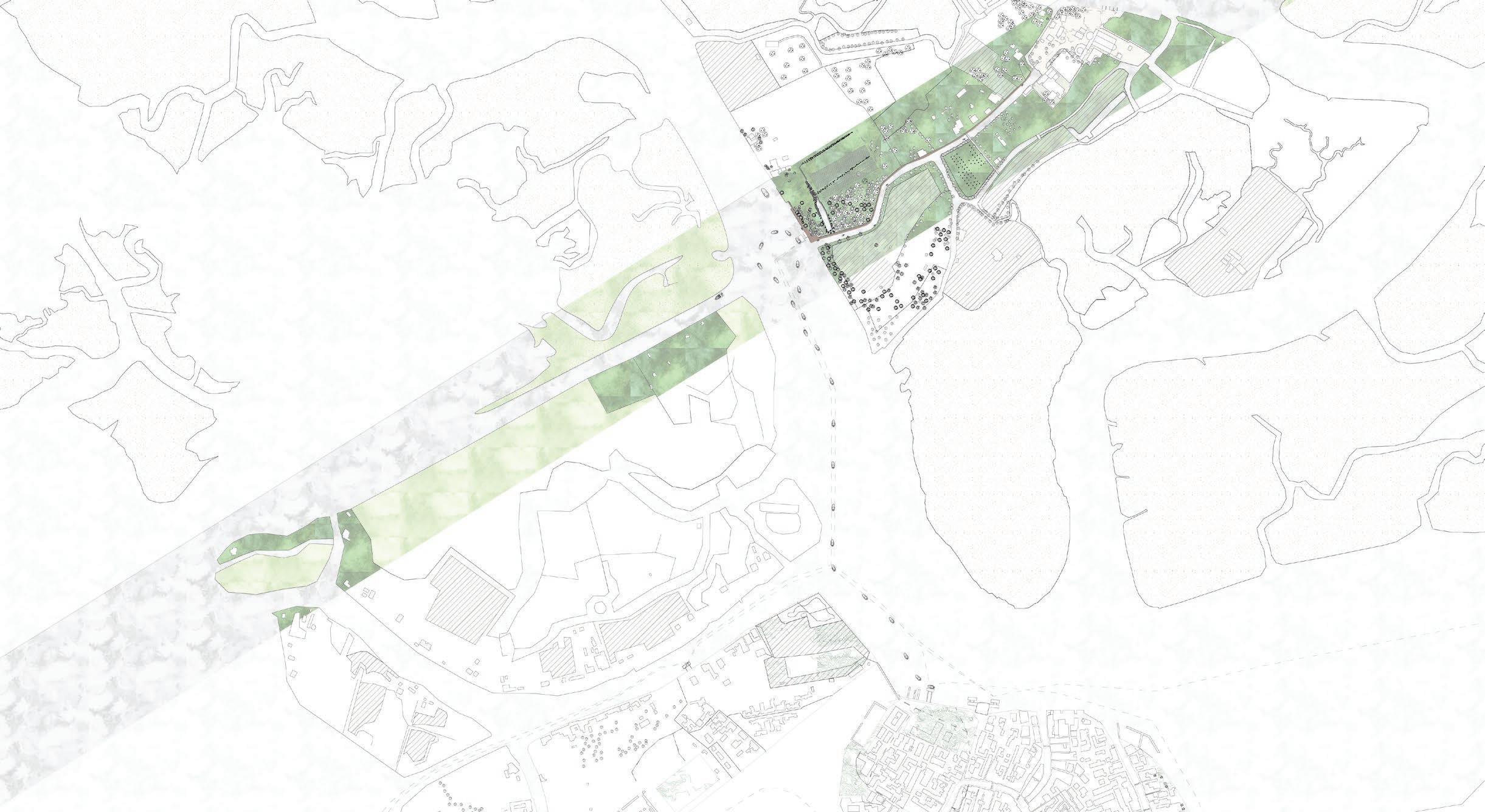
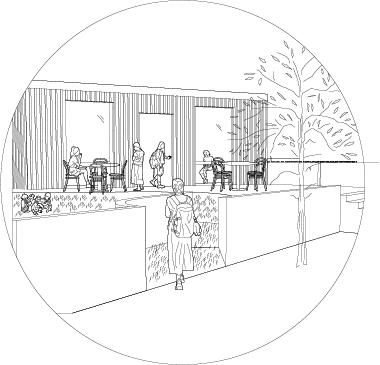
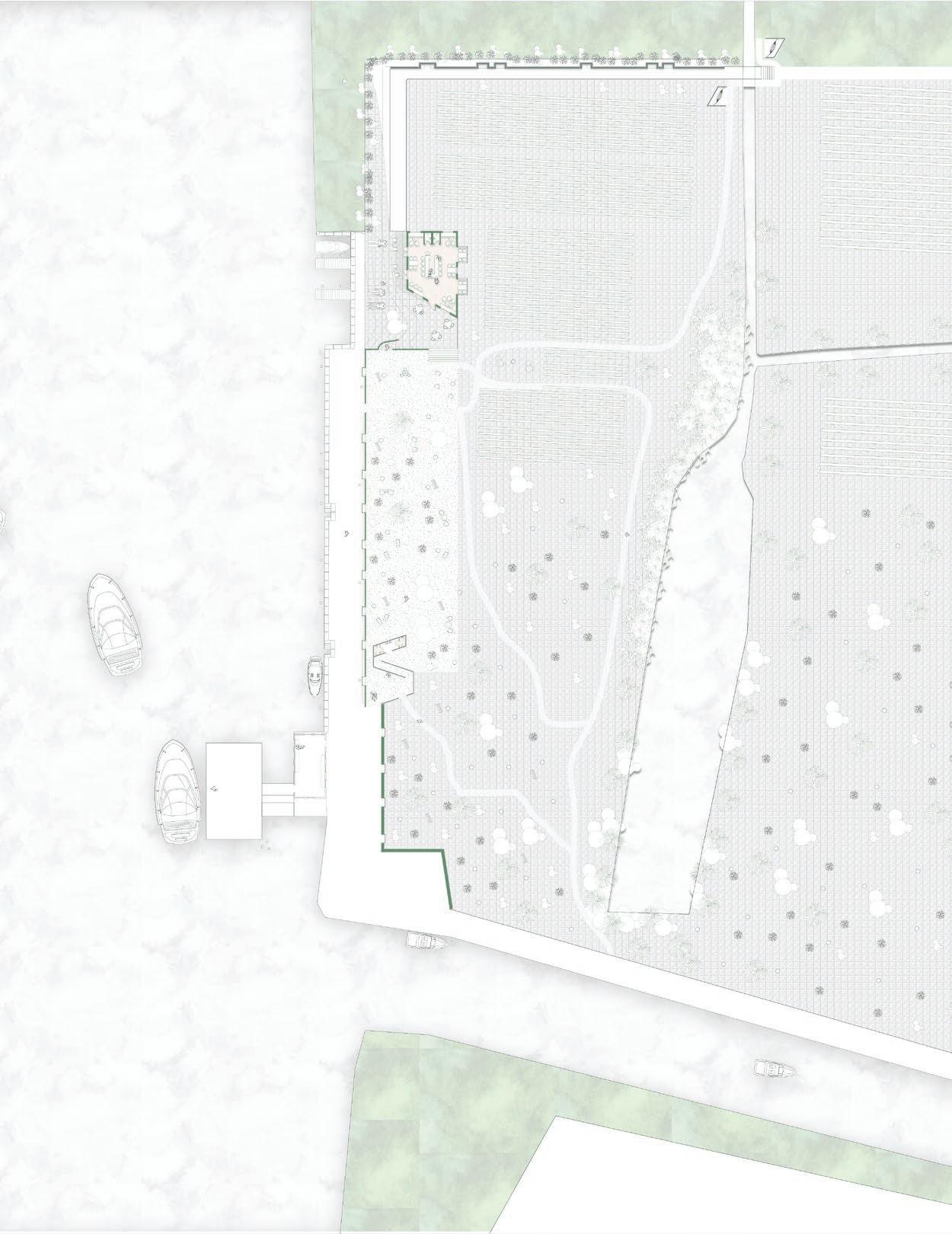
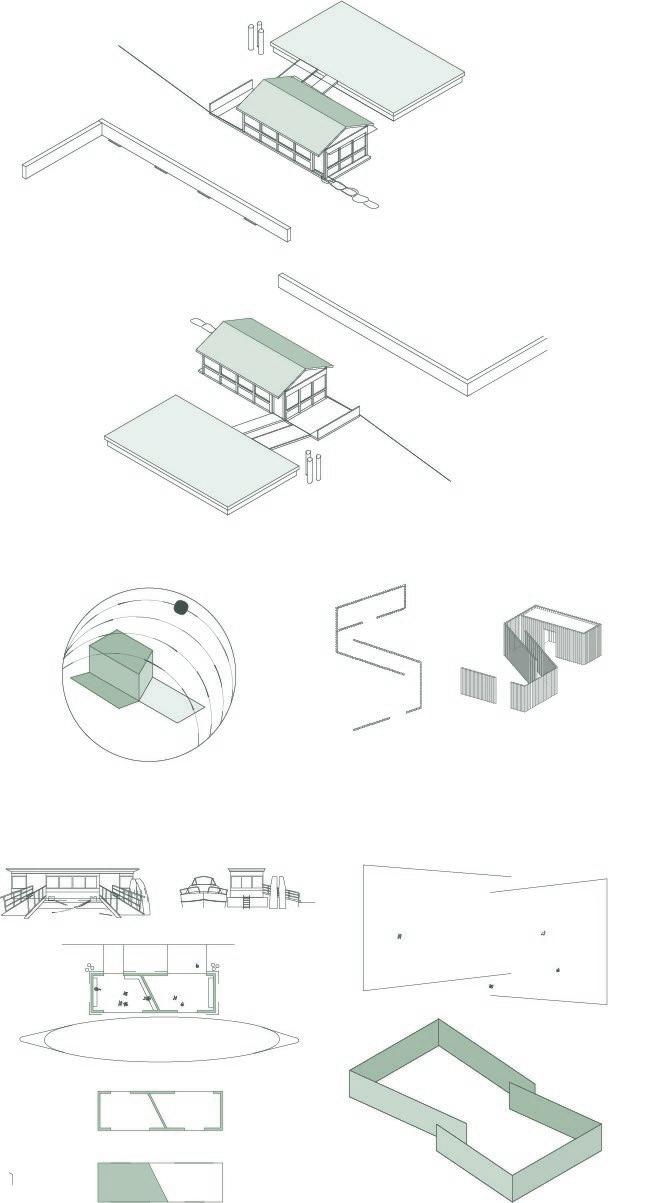
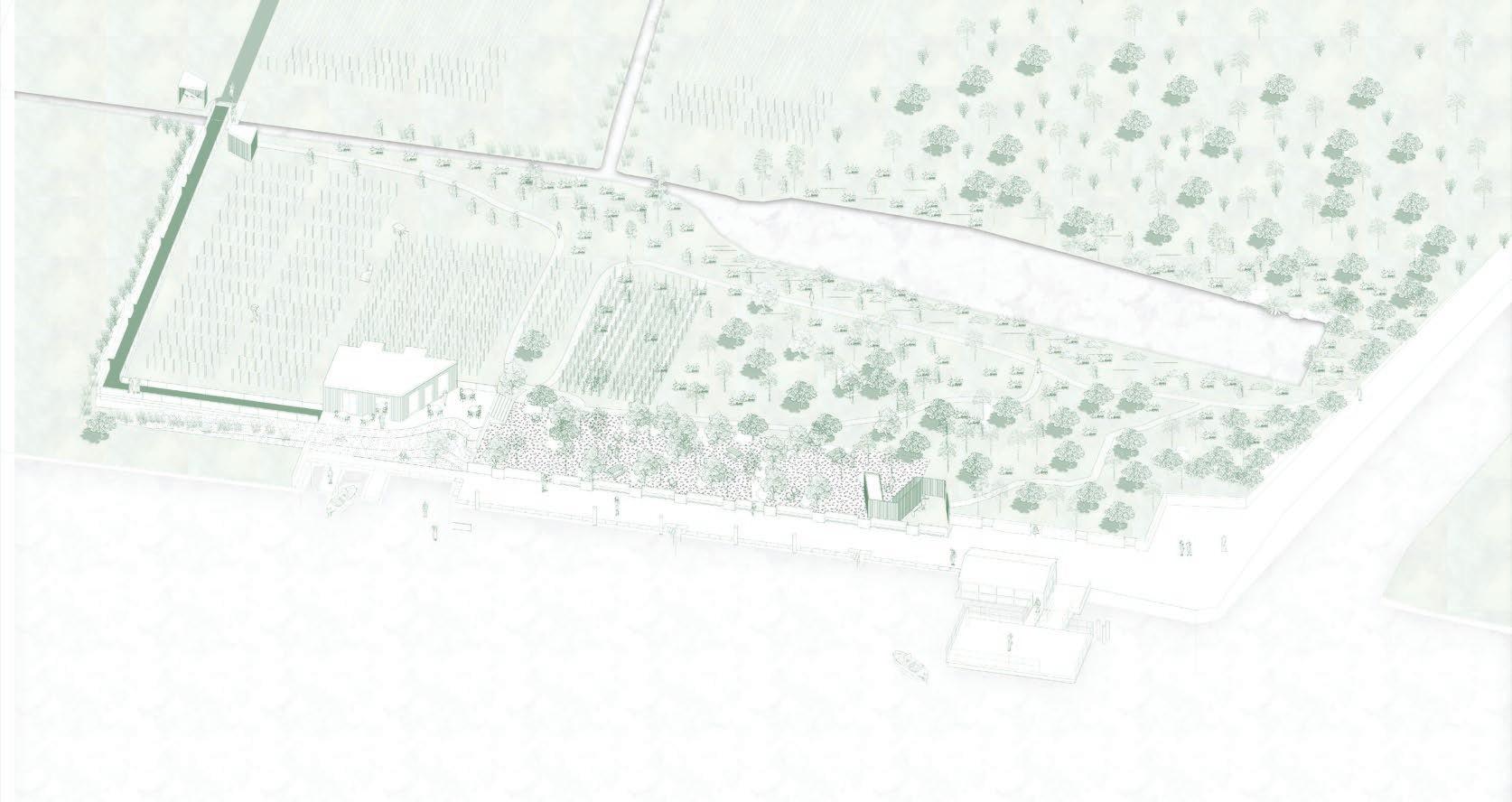
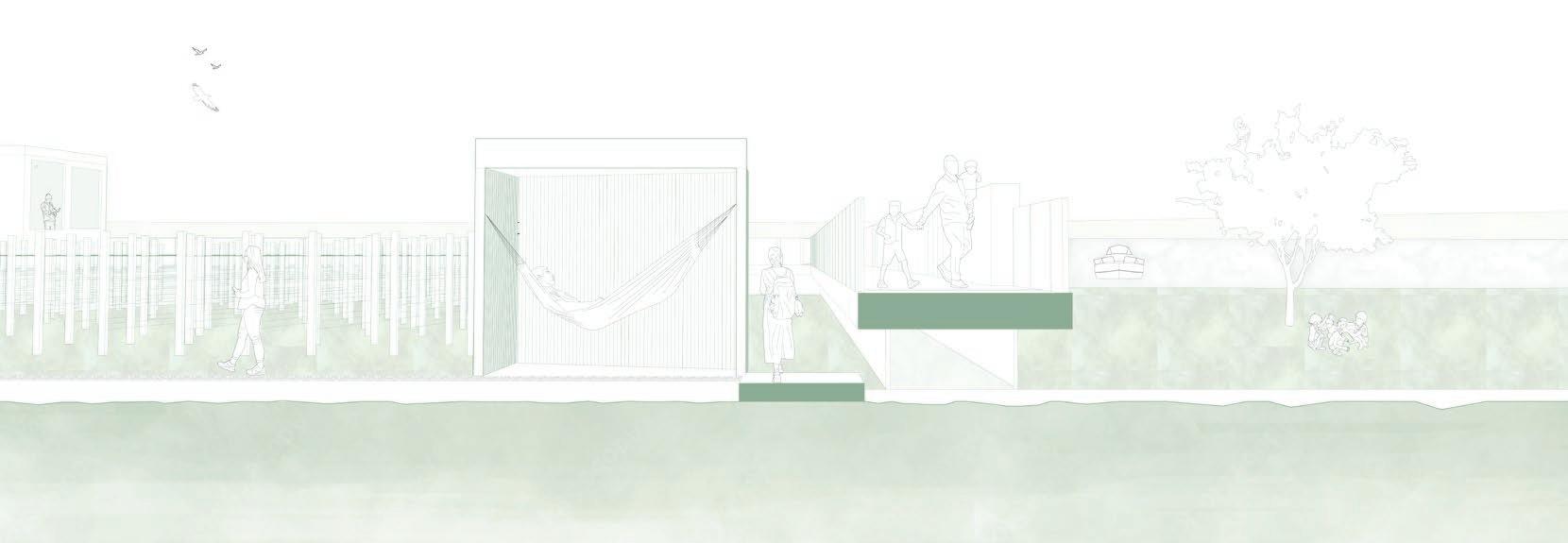
This project reimagines Torcello’s lagoon edge as an expanded landscape of arrival, movement, and social life. Building upon the island’s existing agricultural and hydrological systems, the proposal introduces an alternative path that moves through groves, vineyards, and back channels of the lagoon, offering a parallel experience to the island’s primary route. By opening the existing brick wall, extending the protective berm, and transforming it into a public beach, the project establishes a new landing point for residents and visitors arriving by water. A café, docks, and flexible seating spaces activate the edge, fostering informal gathering and reinforcing Torcello’s relationship to Venetian café culture and the lagoon. Through a series of interconnected paths and social thresholds, the project reveals Torcello not as a singular destination, but as a layered landscape that invites choice, pause, and communal engagement.
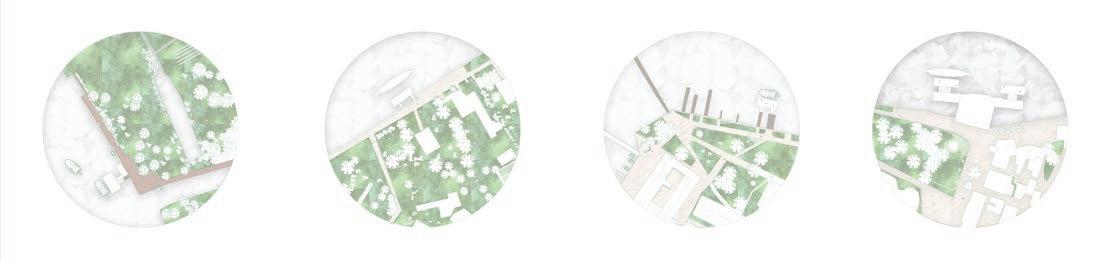
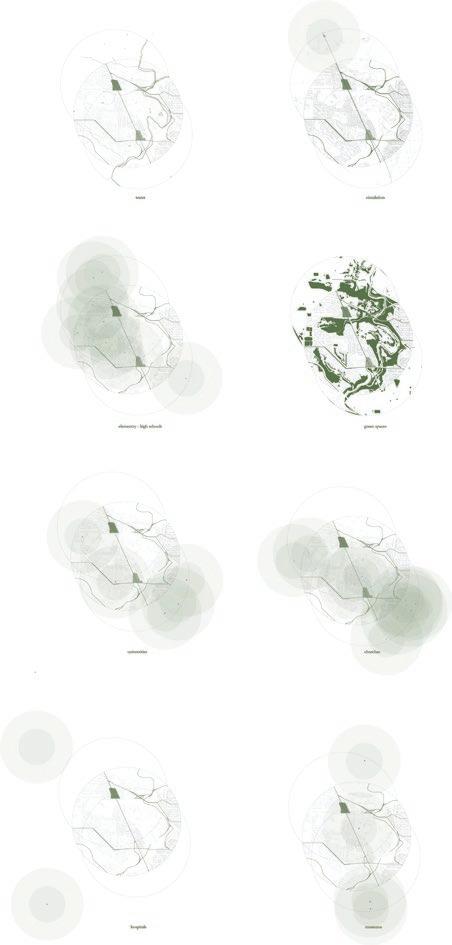
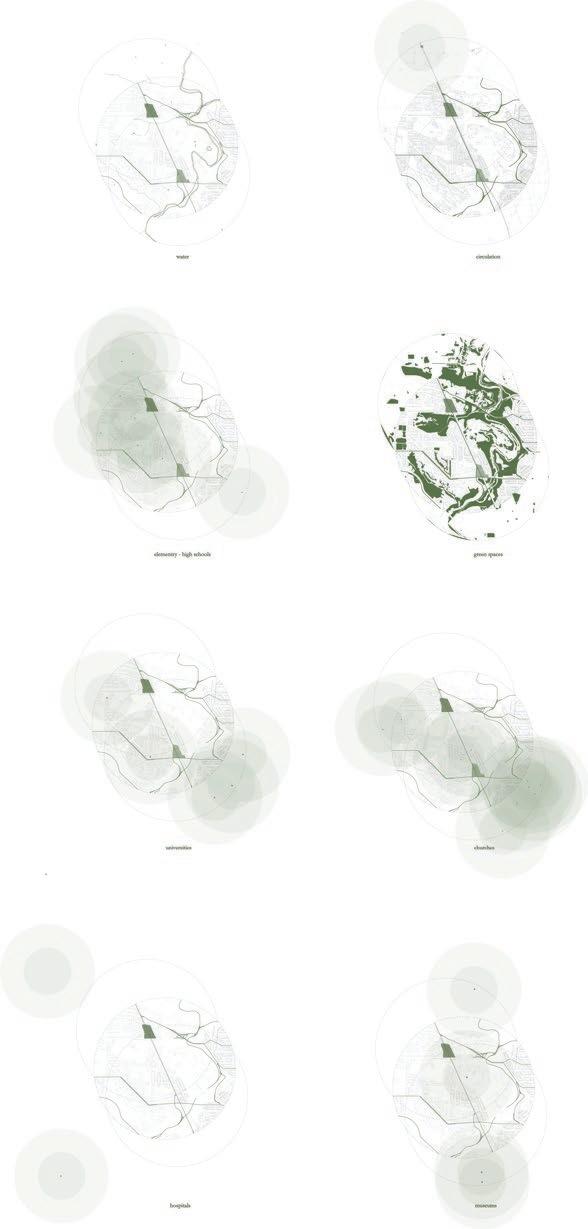
These diagrams above are a part of an investigation made on the vaporetto stops of Torcello, Mazzorbo, and Burano. These three islands are constantly visited in the same circulation pattern, which inspired this exploration to understand the site conditions around the vaporetto stops.
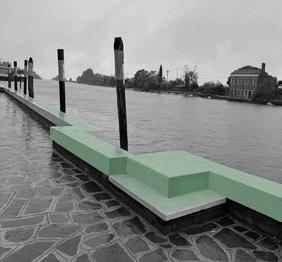
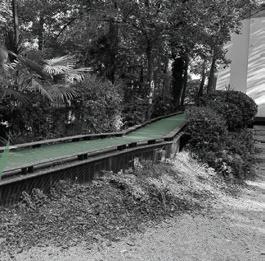
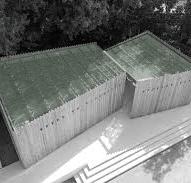
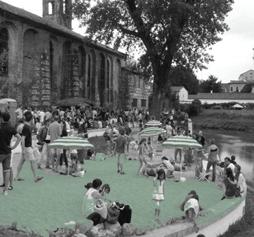
Precedent Examples
These four images above are compiled of small urban interventions playing on the geometries of the site to accomodate human interaction and behavior. These were useful to understanding what approach the beach cafe means in Torcello.
MONA EL KHAFIF | SPRING 2024 | ARCH 4020|
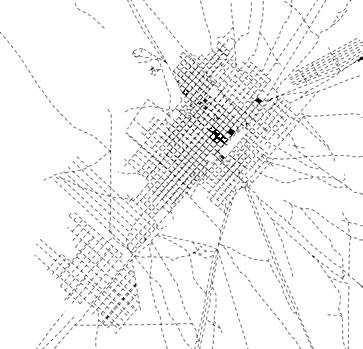
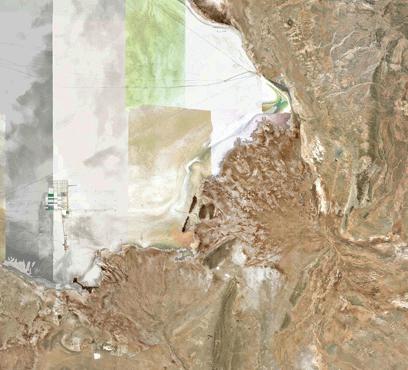
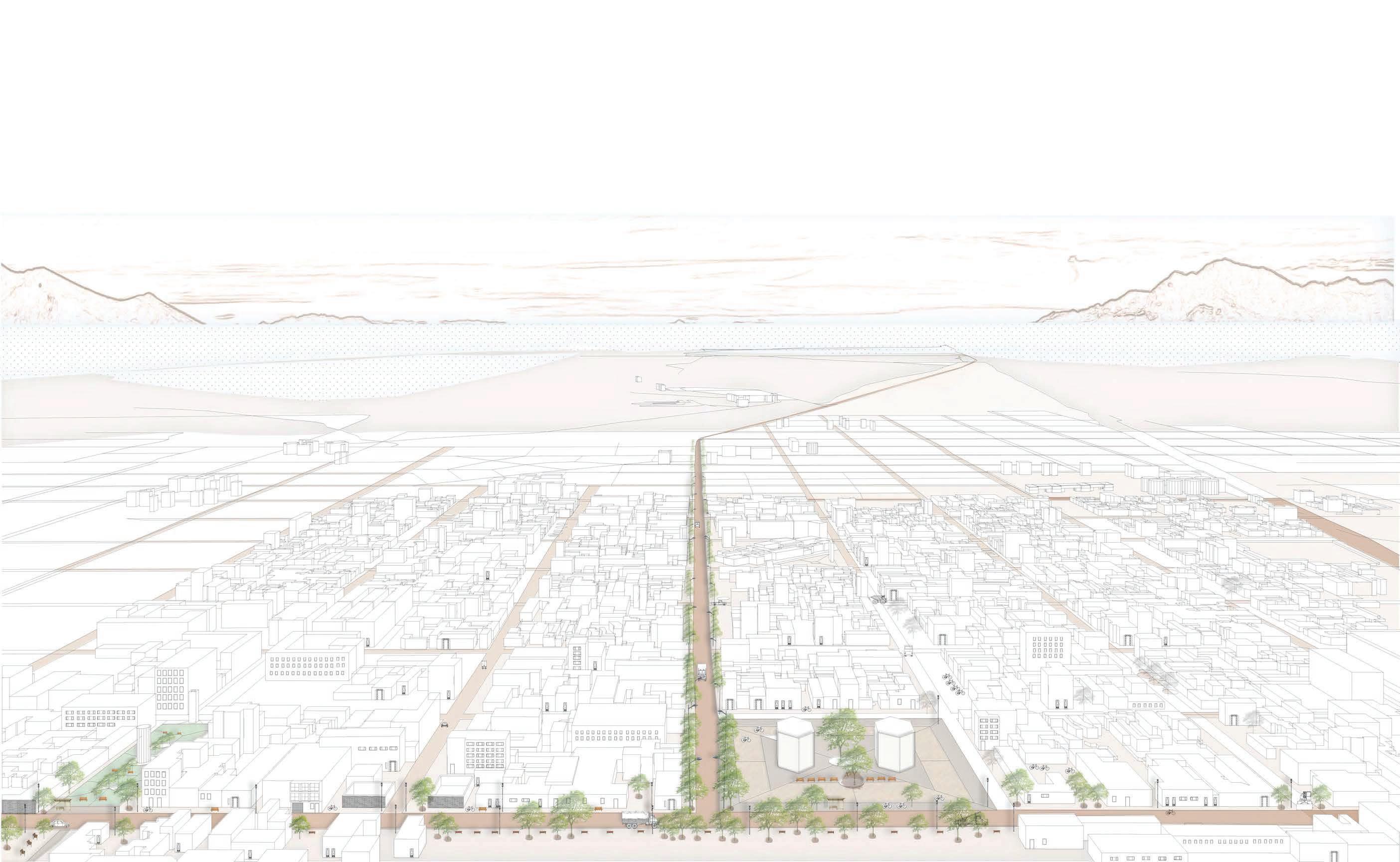
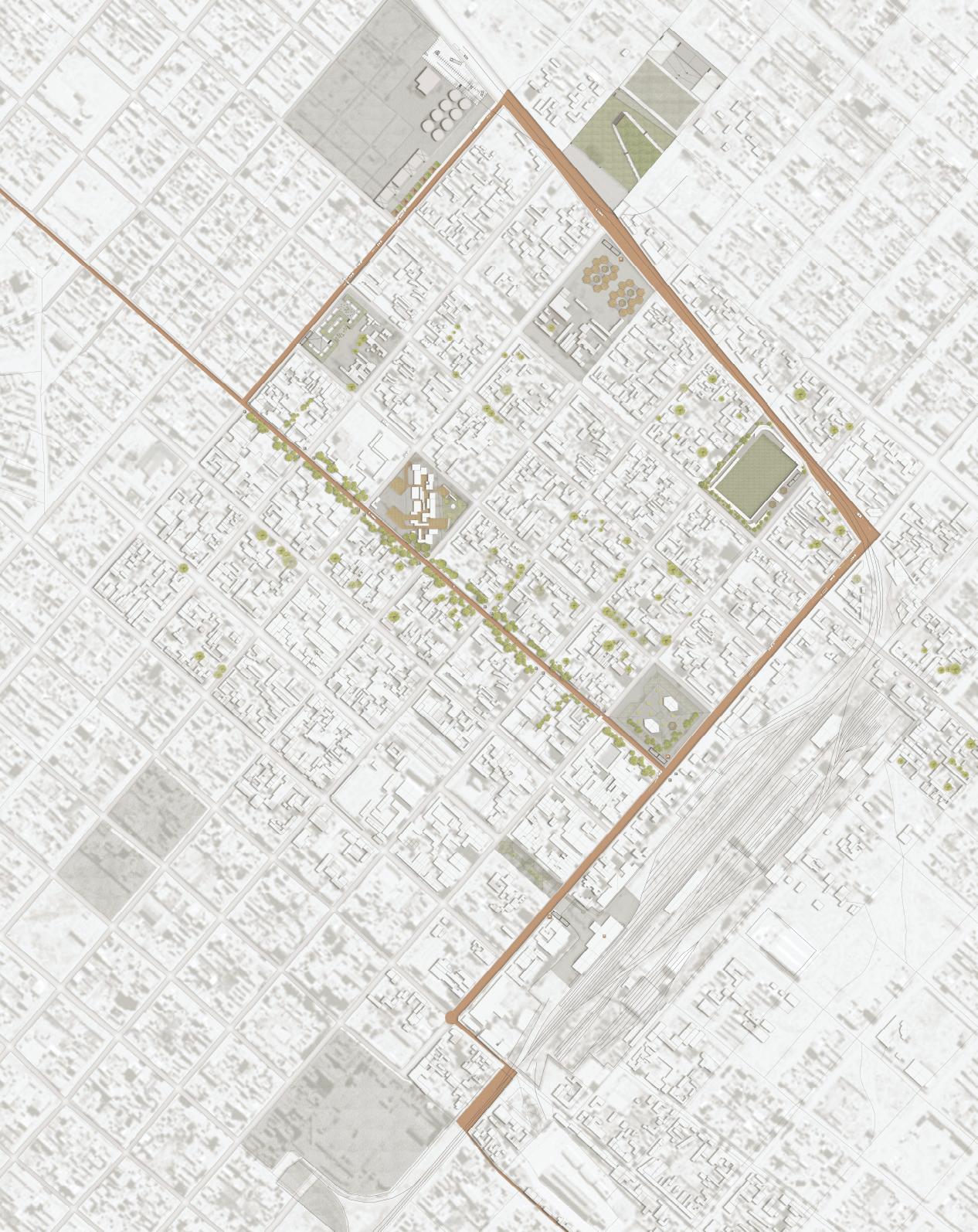
This thesis contends that tourists visit ing Uyuni miss out on experiencing the authen tic Bolivian culture and lifestyle. Similarly, it ar gues that the locals of Uyuni don’t reap substantial benefits from the enchanting salt flats or the tourism industry. Hence, the primary objective of this thesis is to bridge the gap between tour ists and locals to facilitate development in the city of Uyuni. The methodology employed in this project involved intervening in the local tourist route across the entire area, with a spe cific focus on the town itself. Nine plazas were identified as crucial urban development sites, though detailed designs were crafted for only three. These designs introduce concepts such as water harvesting, local agriculture, farm er’s markets, and hybrid housing with commu nal courtyards. The overarching strategy aims to enact incremental improvements on vacant lots through strategic street interventions, alongside gradual enhancements to the city infra structure, including the addition of bus stops and extensive tree planting initiatives.
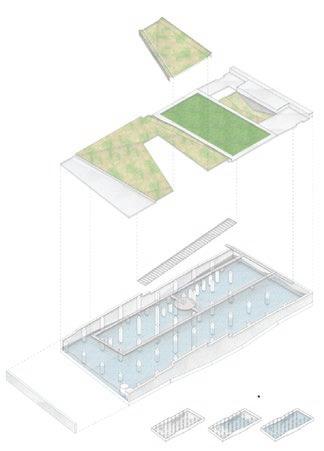
This plaza is an investment for the community of Uyuni because it brings upon several benefits for the city in the short and long term future. The main purpose is to harvest water from rainfall so that it may be used for other purposes, such as irrigating farm fields or laundry water. It is always meant to give back to the community and that is also done by giving them a space of leisure and gathering. The surface of this plaza holds several programs that encourage this, such as soccer fields, elevated stages, and even peaceful seating
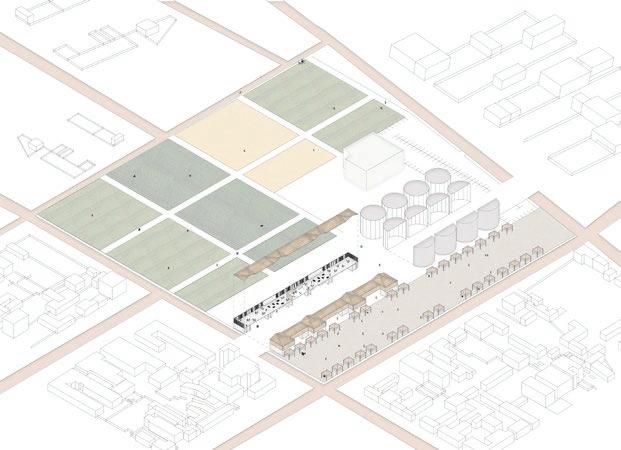
This plaza is inspired by the current agriculture sector in Uyuni that thrives from the growth of quinoa and potatoes. To strengthen the tourist path, the design implements a permanent and temporary market with a restaurant on the upper level to invite tourists to experience local cuisines.
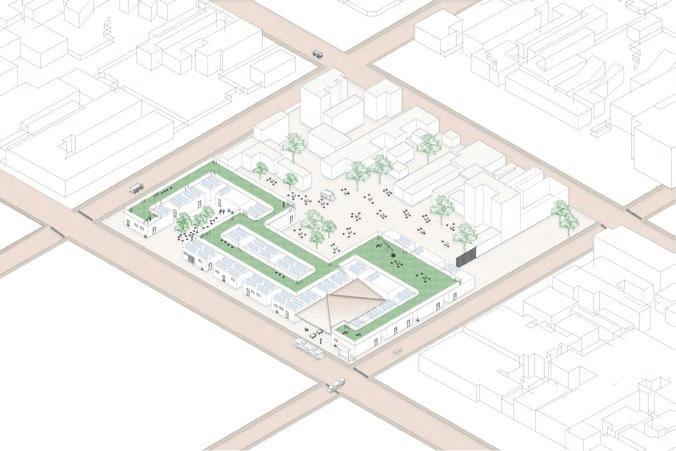
This implemented housing system plays on the current density in the city grid, while also maintaining the importance of courtyards. The hopes of this plaza is to allow tourists and locals to interact while also giving them the simple amenities they currently lack.
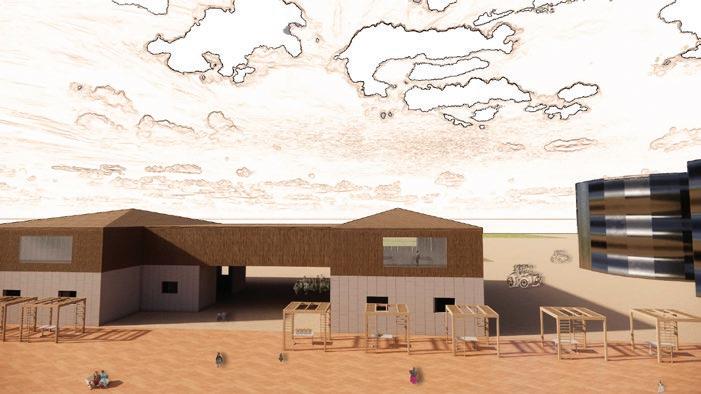
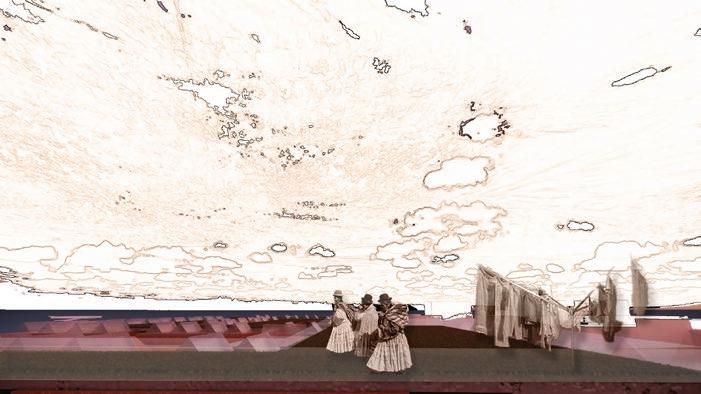
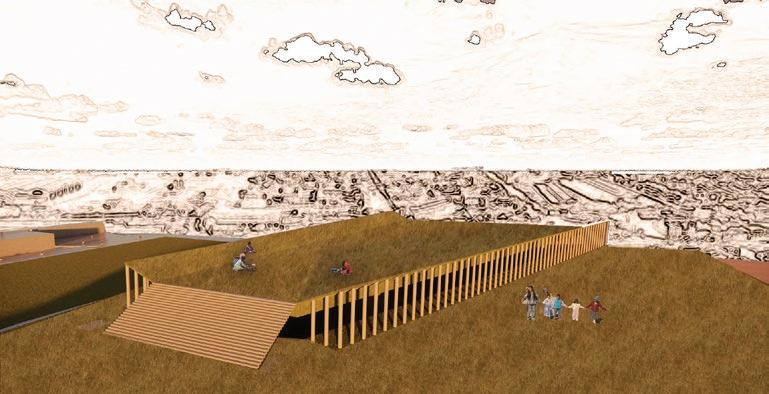
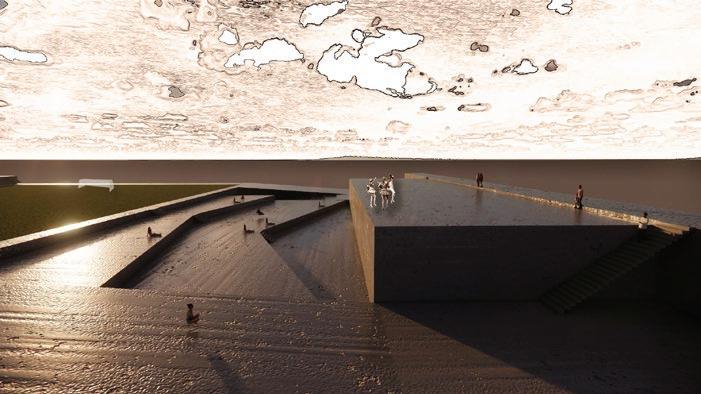
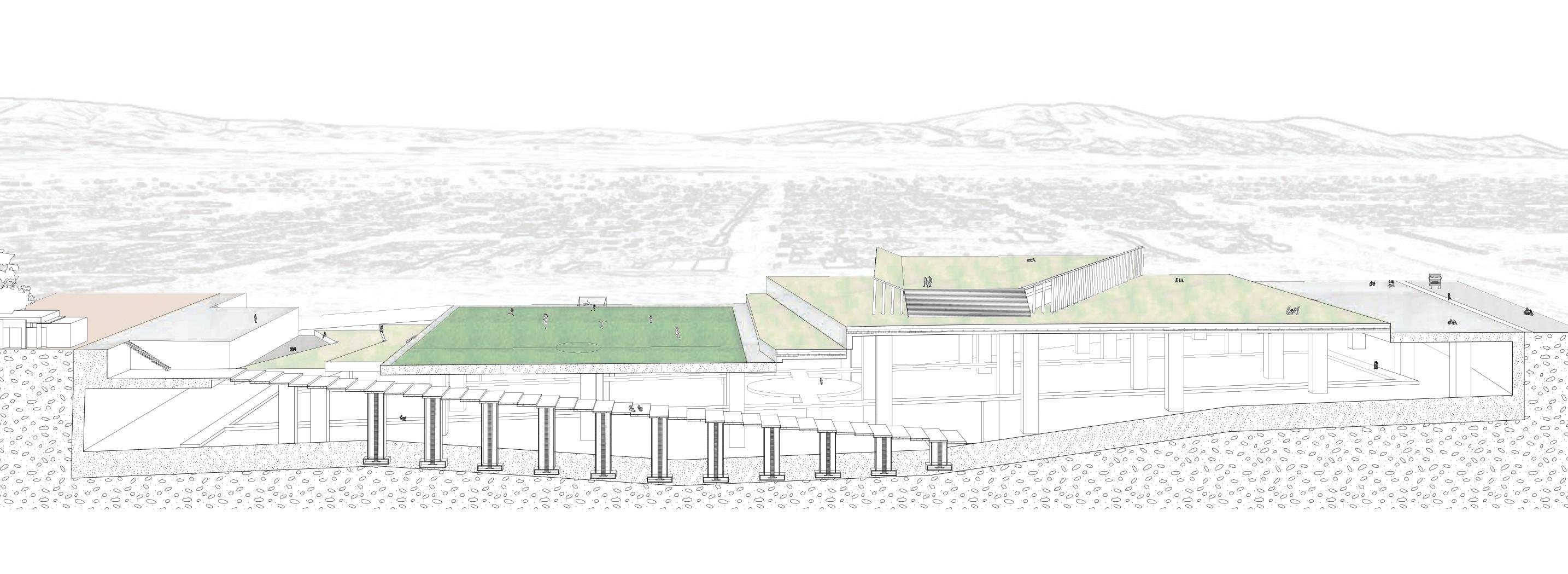
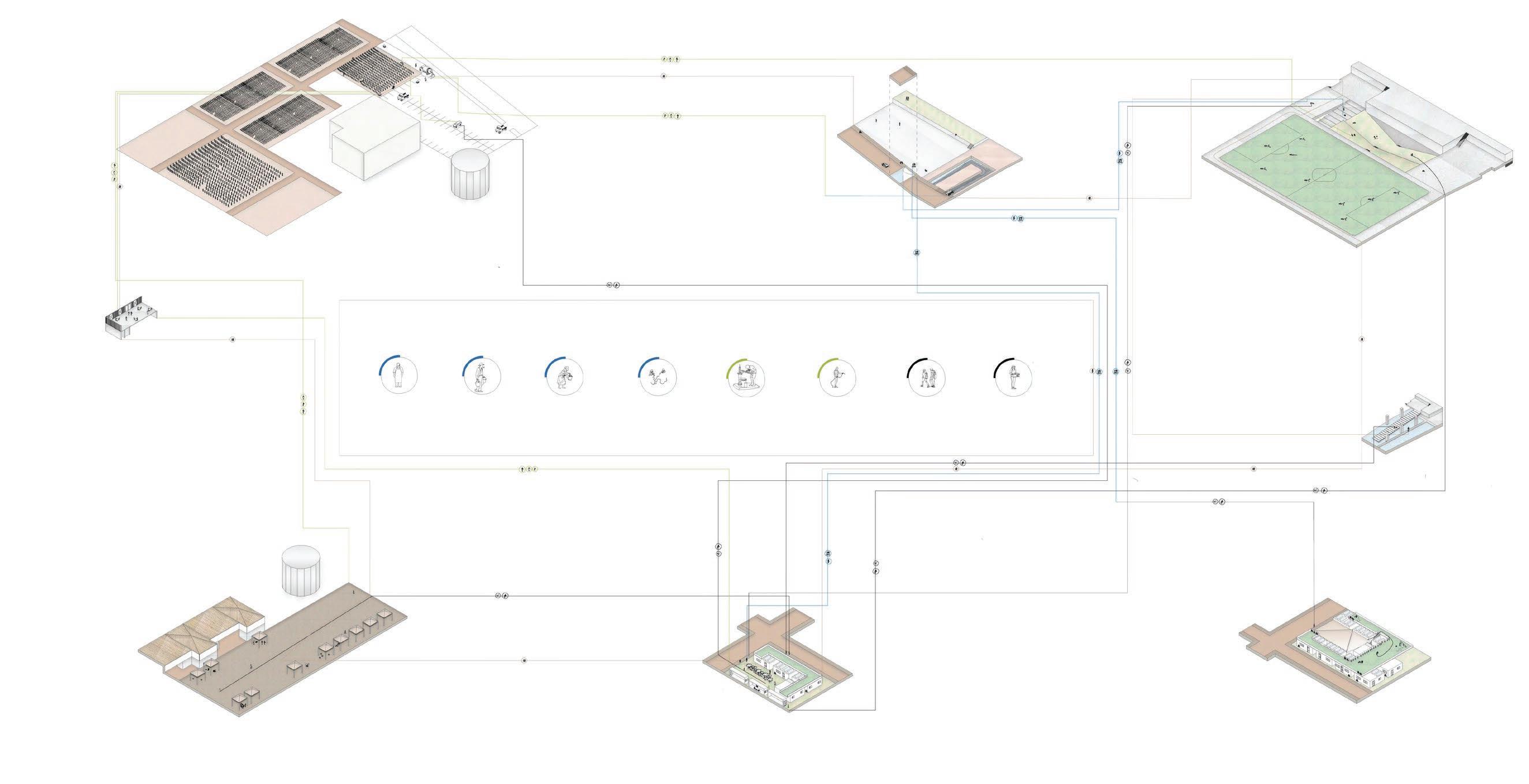
These three plazas bring a sense of community amongst the locals and tourists by connecting their local industries and the products or services they introduce. A lot of these spaces create job opportunities, giving meaning to the lives of these poor inhabitants.
In such a poor area with limited resources, it is critical that these community members practice sustainable habits so that their environment and energy is conserved. Such practices that are present in these designs mainly root from water harvesting. This therefore applies to many other activities, such as using water to cook or do laundry at home, or irrigating plants on the farmland.
While designing this, materiality was a large component since it must have cultural important but also something with easy access. These plazas were also opportunities for people to engage with one another without having to spend much money at all. It also was an attempt to make the route walkable and also safe for families and children to move around.
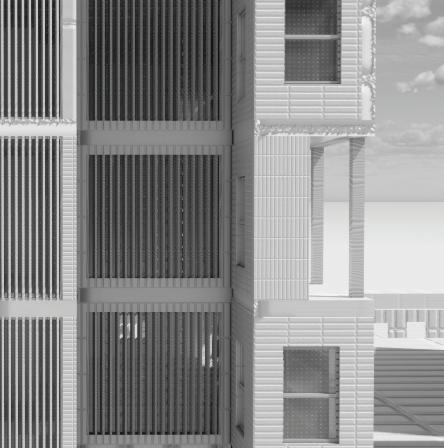
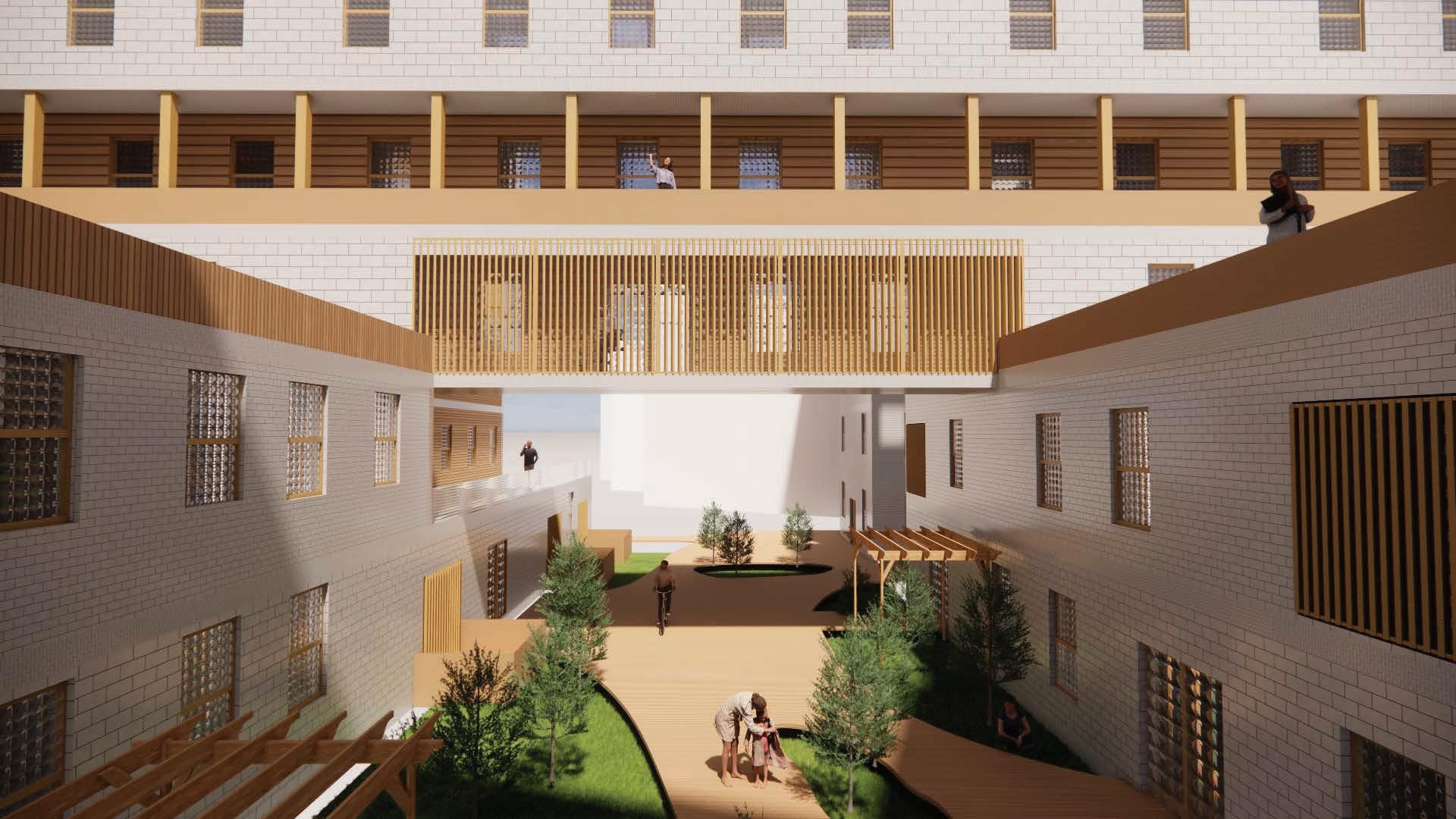
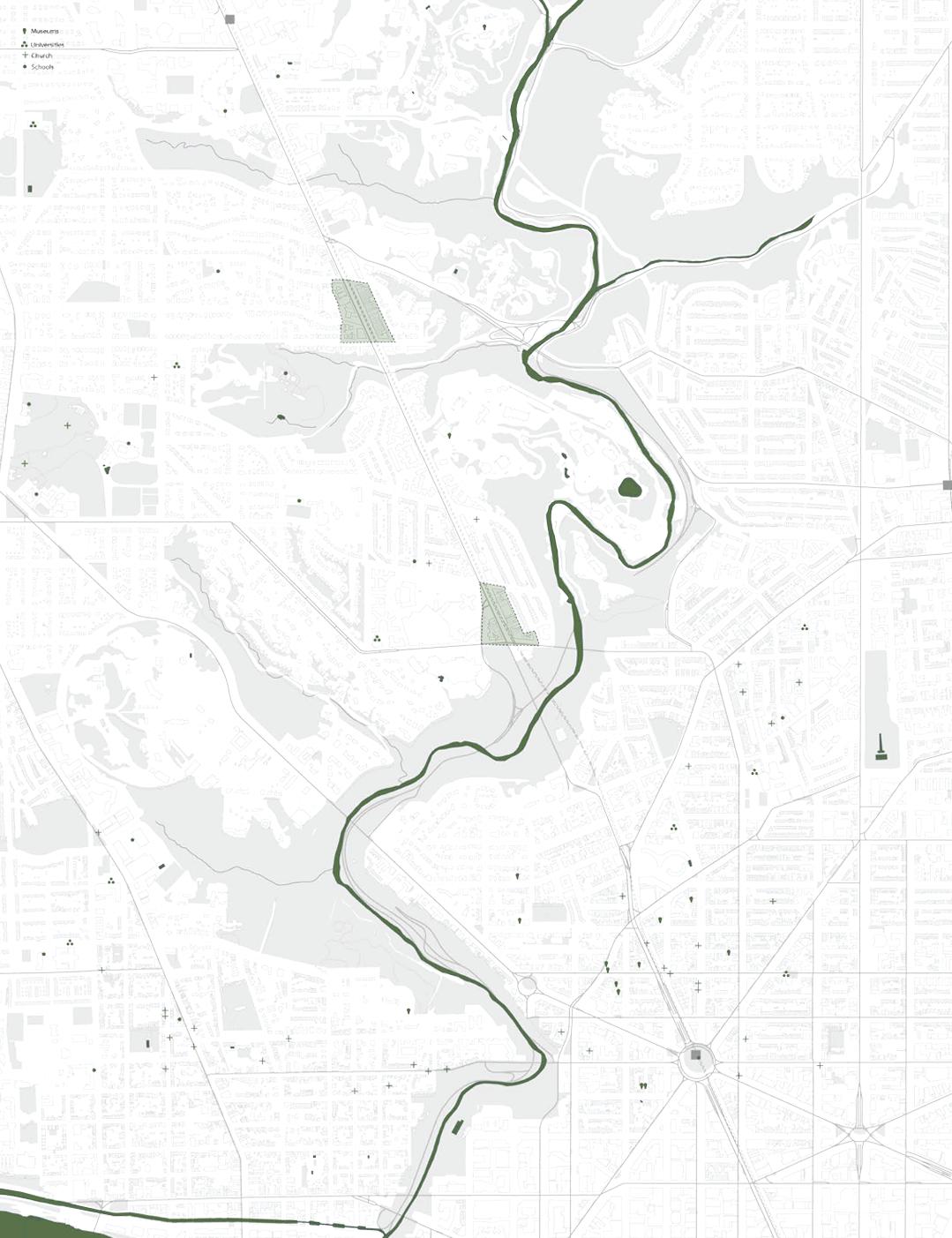
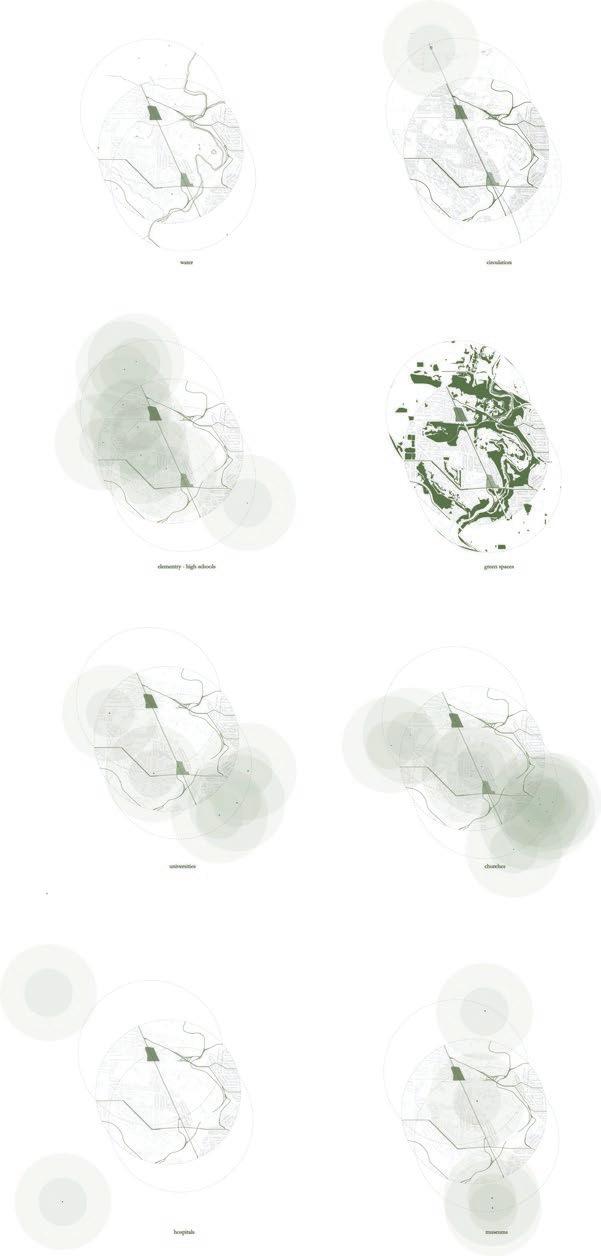
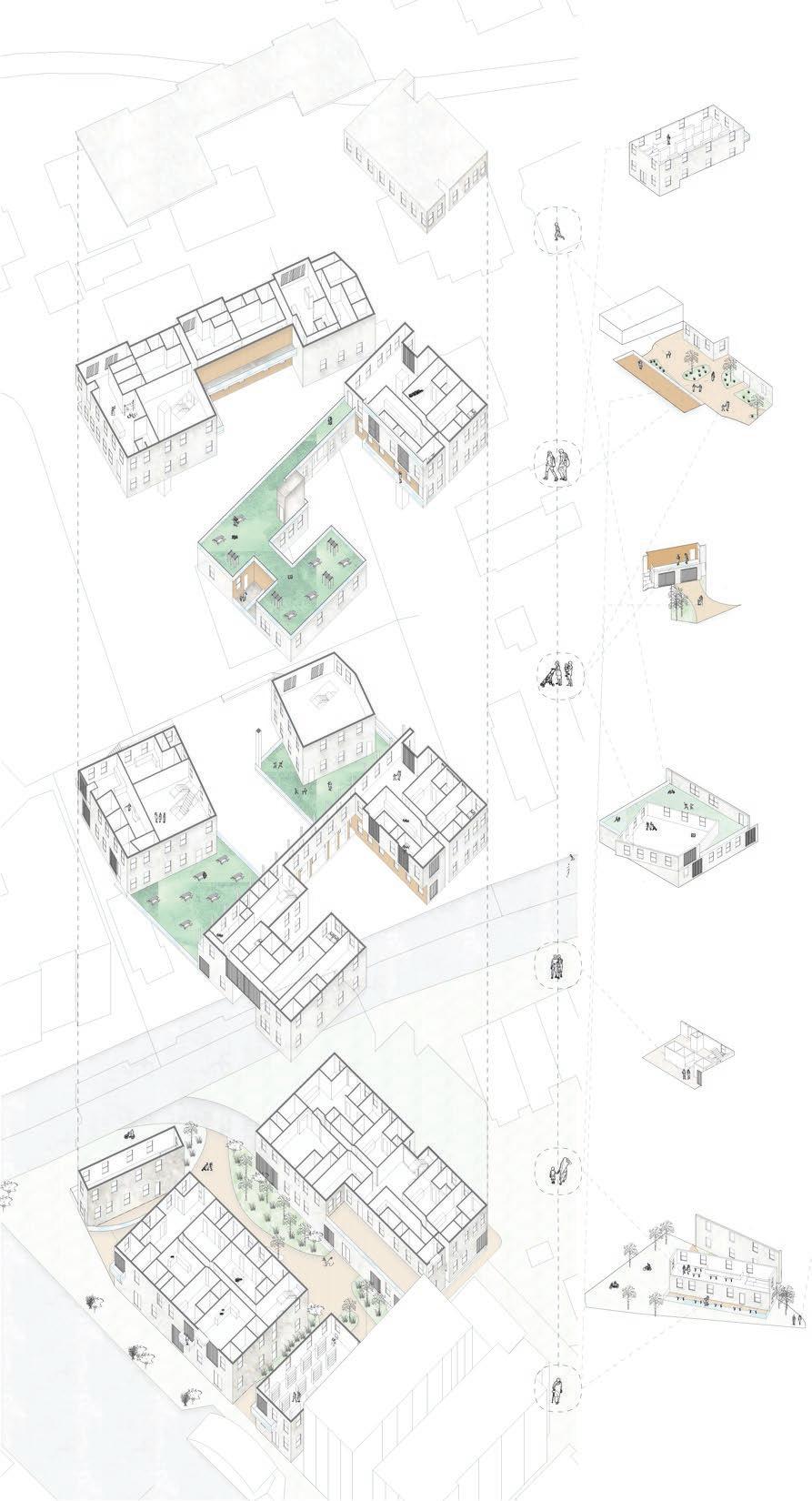
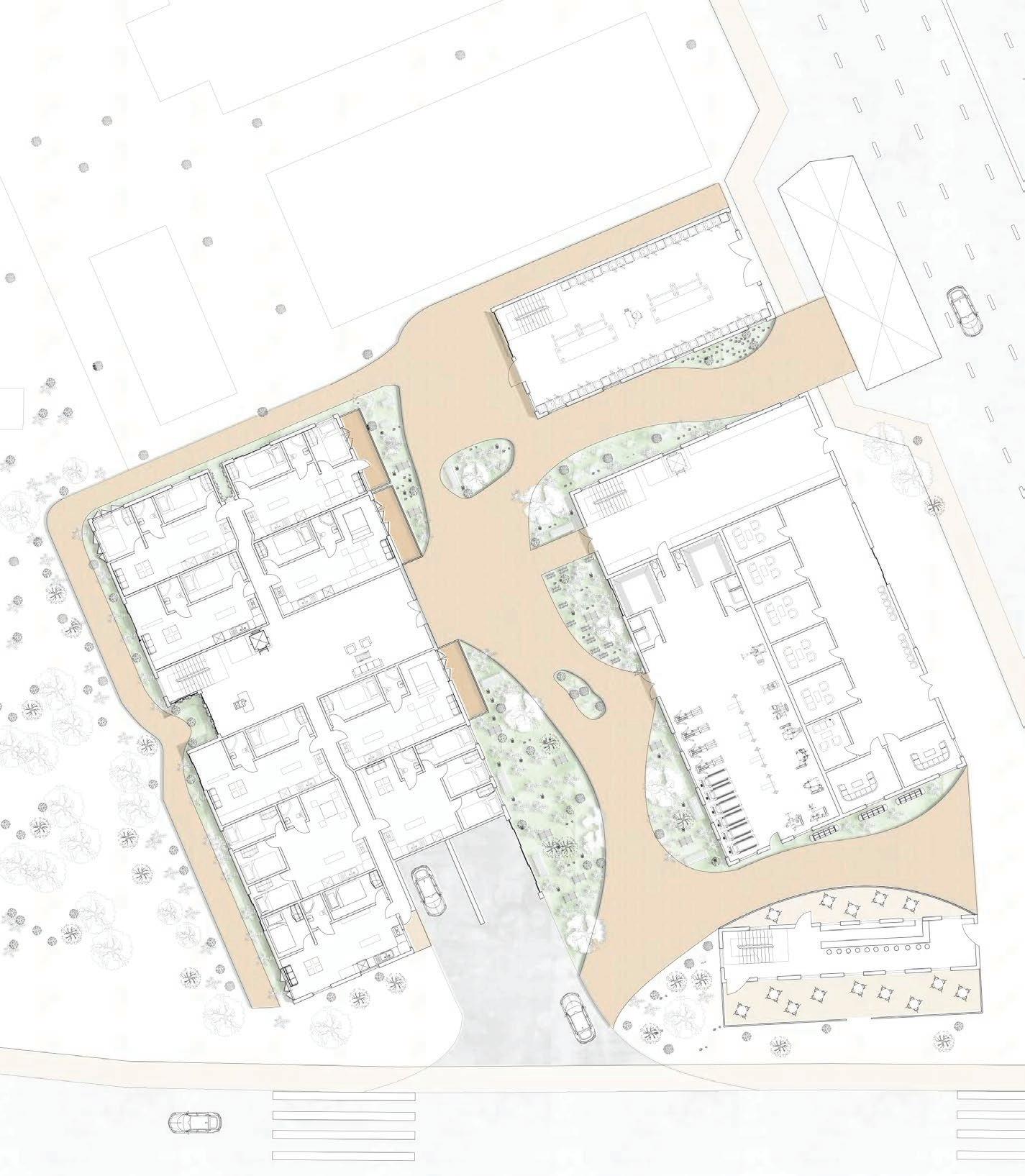
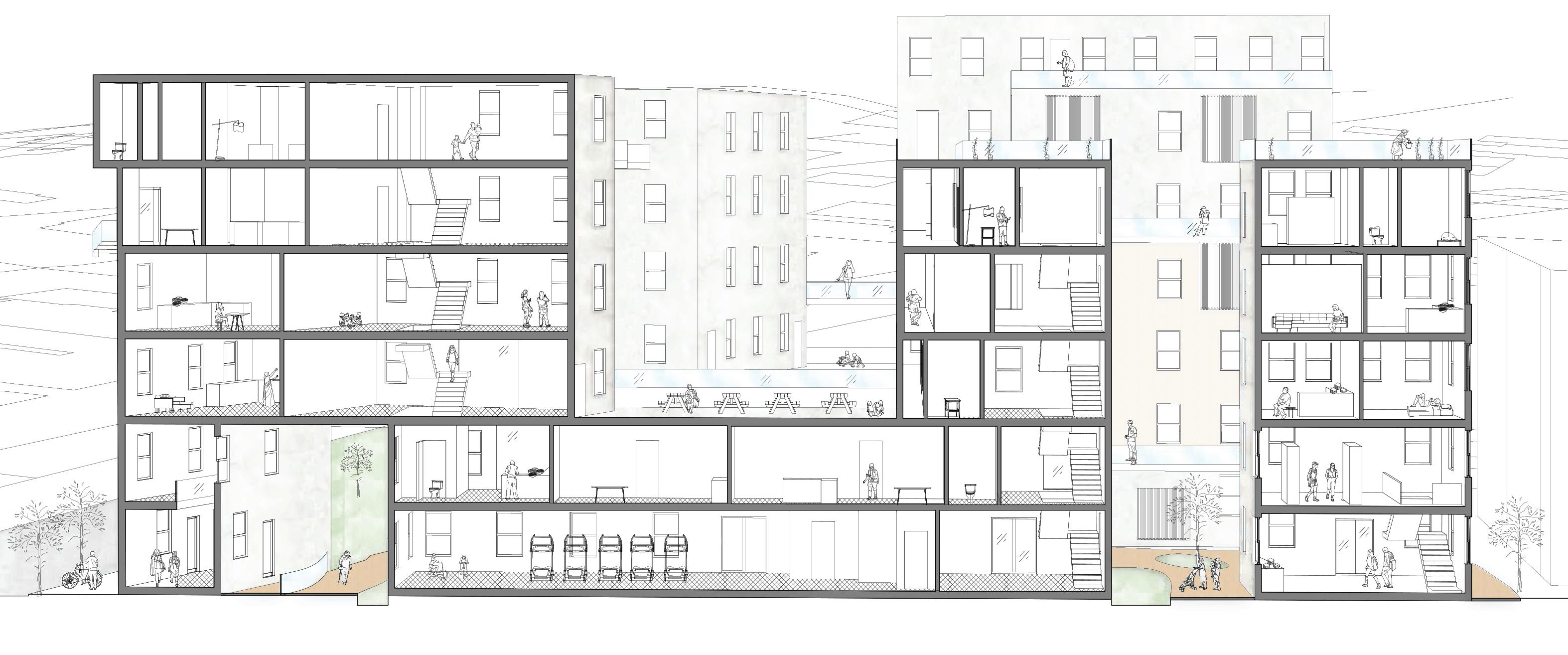
This designed for three different constituent groups in NW DC area: elderly people, small families, and young working/ studying adults. This therefore presents intergenerational relationships, with a variety of needs that are covered by unique spaces. In this design, there is a shared court yard, but there are also semi-private/public spaces as you go es, and study rooms.
building the third gives access to the residents and their kids to play and be cared for while they work. There are a total of 65 units, that can account for around 150 residents.
The two unit types above are considered small with the square footage ranging from around 500 - 700 square feet. There are two types considered due to the different needs within constituent groups, such as an individual/couple which requires less privacy compared to two roommates cohabitating.
The two unit types above are considered medium with the square footage ranging from around 700 - 1000 square feet. There are two types considered due to the different needs within constituent groups, such as a couple with a child versus 2-3 roommates cohabitating.
The two unit types above are considered large with the square footage ranging from around 1000 - 1250 square feet. There are two types considered due to the different needs within constituent groups, such as a small family with children and grandparent(s) versus individuals cohabitating that might need remote working space.

ACRYLIC PAINT, OIL PAINT, COLORED PENCIL, GRAPHITE PENCILS, CHARCOAL, MODELMAKING
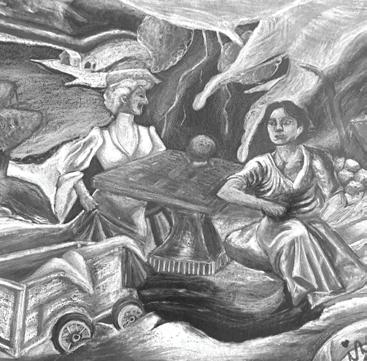
I have embraced art and its unlimited boundaries since I was a child and have constantly looked for new and creative ways to visually represent moments of life. It is what led me to my passion of architecture because I see design as a form of art, that caters more to the user and its experience. In a way, it felt like bringing my paintings and drawings to life because people could then inhabit the spaces.
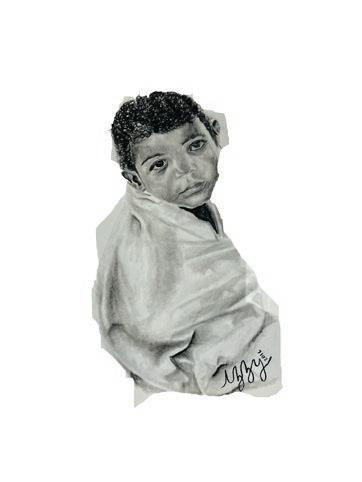
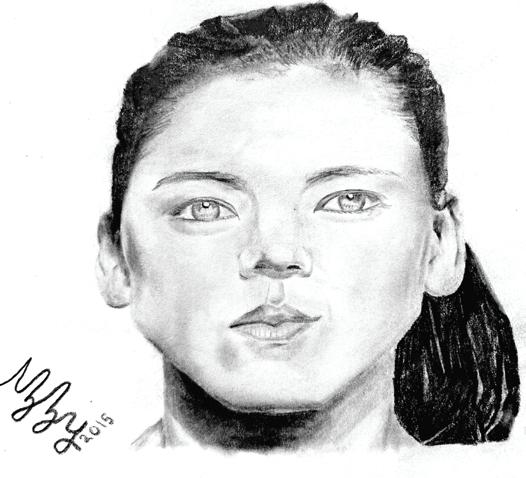
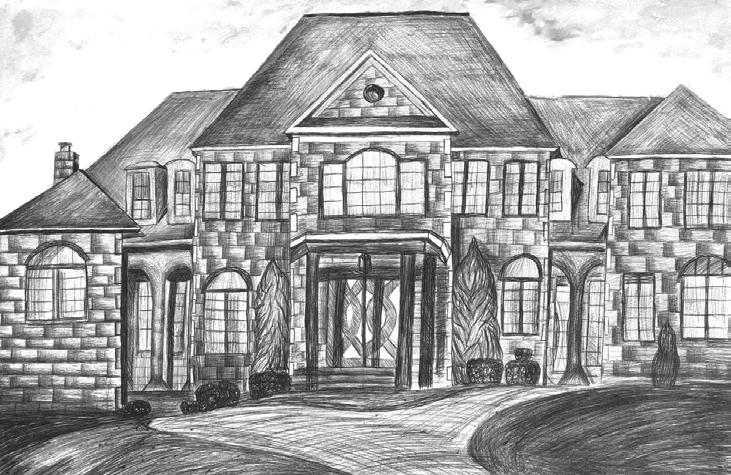
From the ages of 8 - 17, portraiture was a strong interest of mine. I began drawing people I knew, celebrities, and magazines. Throughout the years, my skills developed greatly and it was enjoyable to do. Below is a drawing of a young boy my aunt had photographed on her travels. On the top right is a drawing of US Goalkeeper, Hope Solo. From ages 18 - 22, wanted to strengthen my painting skills, especially with acrylic paint and occasionally oil. This also aligned with penship skills, which is demonstrated in this drawing in the bottom right.
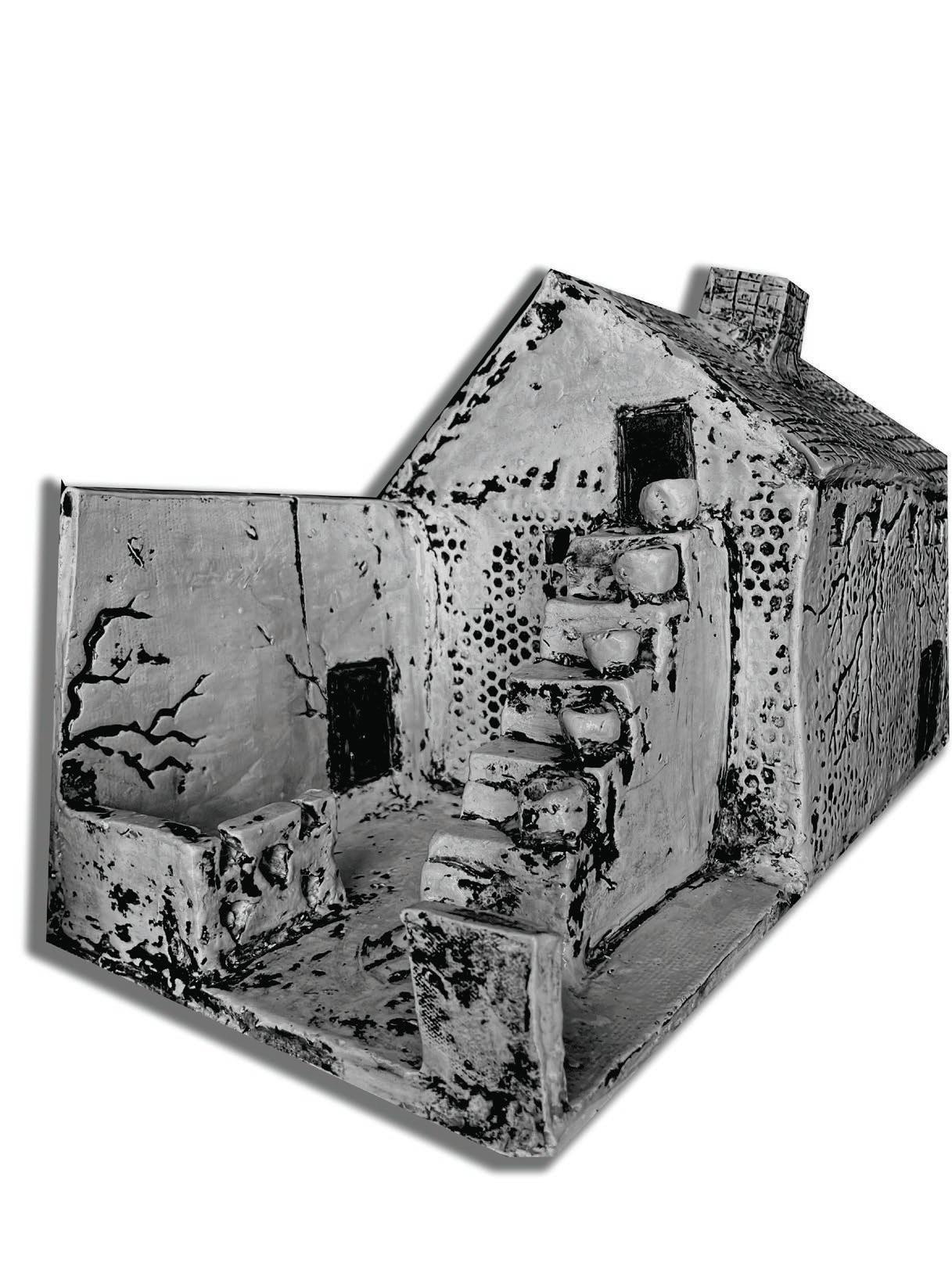
Lastly, modelmaking has been a technique acquired over the years , especially through the studio spaces. This model on the far right is of my father’s family home in Braga, Portugal, made in clay and then painted in glaze.