






Earned Income: Money you earn from working (e g , wages, salaries, tips).
Unearned Income: Money you receive without working for it (e.g., interest, dividends, gifts, scholarships).
Fixed Expenses: Regular, unchanging costs (e.g., rent, insurance, loan payments)
Variable Expenses: Costs that change month-to-month (e.g., groceries, entertainment, transportation).
Discretionary Expenses: Non-essential spending (e.g., dining out, shopping, hobbies)
Tip: Use a budgeting app or create a spreadsheet to track your income and expenses.

A budget is a financial plan that outlines how you will spend and save your money. It helps you stay in control of your finances and avoid overspending.
1.Calculate Your Income: Include all sources of income (e.g., job earnings, financial aid, parental support).
2.List Your Expenses: Include fixed, variable, and discretionary expenses
3.Set Financial Goals: Define short-term (e.g., saving for a trip) and long-term goals (e.g., building an emergency fund).
4.Allocate Your Money: Assign a portion of your income to each category, ensuring that expenses do not exceed your income.
50% Needs: Essentials like rent, food, and utilities.
30% Wants: Non-essential spending such as entertainment and dining out.
20% Savings/Investments: Money set aside for emergencies, retirement, or other financial goals.

Saving money helps you prepare for unexpected expenses and achieve financial goals It also reduces the need to rely on credit or loans.
Aim to save at least 3-6 months’ worth of living expenses
Start with small, achievable goals, and gradually increase your savings over time.
Investing is the process of putting your money into assets (e.g., stocks, bonds, mutual funds) with the goal of growing your wealth over time.
Investment Basics:
Stocks: Shares of ownership in a company. Potentially high returns but come with higher risk.
Bonds: Loans to companies or governments with fixed interest rates. Lower risk but usually lower returns.
Mutual Funds/ETFs: Pooled investments that spread risk across multiple assets.
Tip: Consider starting with low-risk investments or robo-advisors to begin investing gradually.

4.1
Credit is money borrowed that you must pay back, usually with interest. Good credit management helps you qualify for loans, rent apartments, and secure lower interest rates.
Credit Terms to Know:
Credit Score: A numerical representation of your creditworthiness (ranges from 300 to 850)
Credit Report: A detailed record of your credit history.
Interest Rate: The percentage charged for borrowing money.
Credit Cards: Allow you to borrow up to a certain limit and repay it monthly. Be cautious of high interest rates.
Student Loans: Used to pay for education expenses. Understand the terms and repayment options before borrowing.
Pay More Than the Minimum: Always try to pay more than the minimum amount due to reduce interest costs.
Avoid High-Interest Debt: Be cautious with credit card debt as it can accumulate quickly.
Tip: Regularly check your credit report for errors and monitor your credit score.


Short-Term Goals: Goals you aim to achieve in less than a year (e.g., saving for a vacation).
Medium-Term Goals: Goals with a 1-5 year timeline (e.g., buying a car, paying off debt).
Long-Term Goals: Goals that take more than five years to achieve (e.g., buying a house, retirement savings).
Start saving early, even if it’s a small amount, and take advantage of employer-sponsored retirement plans like 401(k)s or individual retirement accounts (IRAs).

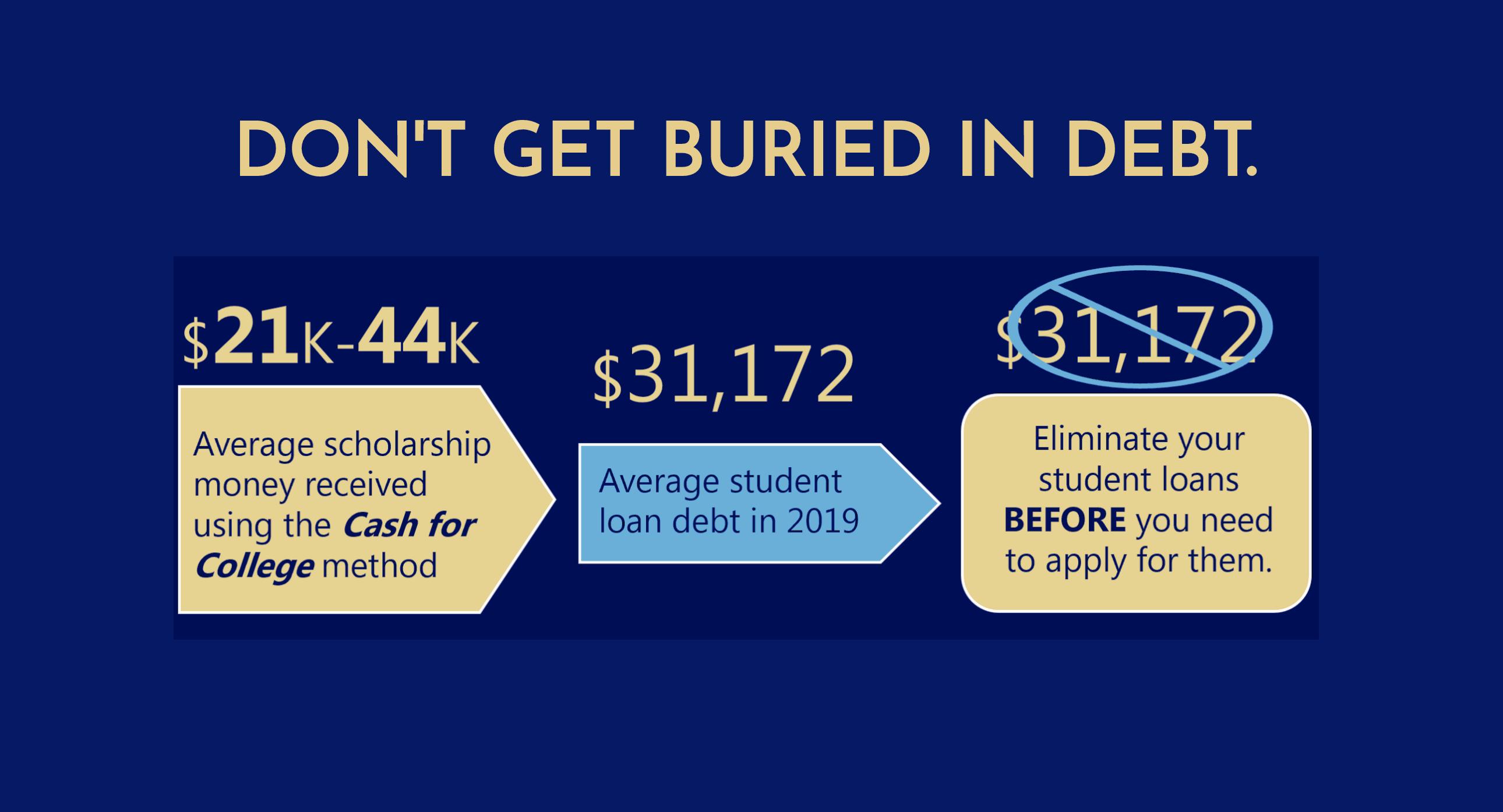
Applying for scholarships and grants can significantly reduce the amount you need to borrow or spend on college.
6.2
Imagine Scholarships is an excellent resource that offers access to over $9 billion in scholarships, internships, and other financial aid opportunities. By using Imagine Scholarships, you can explore various funding options to reduce your college expenses. How to Get Started with Imagine Scholarships: Visit Imagine Scholarships to create an account. Complete your profile to start receiving personalized scholarship matches. Use keywords to get more specific in your search. Apply to scholarships and use the Imagine Scholarships tracker to monitor deadlines and submissions.
Pro Tip: Regularly check for new scholarships, and don’t hesitate to apply for multiple opportunities.
Monitor Your Accounts: Regularly check bank and credit card statements for unauthorized transactions. Use Strong Passwords: Create complex passwords for financial accounts, and avoid using the same password across multiple sites.
Be cautious of phishing emails or unsolicited phone calls asking for personal or financial information. Research any organization or individual before sharing sensitive information.

Financial literacy is an essential skill that empowers you to manage your money wisely, reduce debt, and build wealth over time. By mastering budgeting, saving, investing, and using resources like Imagine Scholarships, you’ll be well-equipped to make sound financial decisions that set you up for long-term success.


"I know many students who have paid for their entire education through scholarships. There are scholarships for everyone. For a list of scholarships that have been filtered and organized just for you, check out Imagine Scholarships."