ILC Claims Essentials Thursday 25 April 2024 etc.venues Manchester New Generation in Claims Conference 2024 Better Tomorrow iloveclaims.com
04 Event Feedback 06 Conference highlights opportunities for positive change James Lambert 05 CEO’s note Sue Whyte 08 Perception Vs reality: redefining careers in Insurance Catherine Carey 10 A revolutionary approach to recruitment Lee McQueen 12 Winning the talent war with military spouses Heledd Kendrick & Cerise Upham 14 Time for change in the world of recruitment Lee McQueen, Heledd Kendrick, Nicky Sutherland & Sarah Pickerill 20 Engage to succeed James Lambert 22 Outsmart the tech skills crisis: reskilling Andrew Metcalfe & Xanthe Marmion 24 Unlocking your internal talent pool Martin Goodwill 26 Tapping into existing talent Andy Cain, Martin Goodwill, Nicky Sutherland & Holly Llewellyn 28 An interview with… Sarah Pickerill DISCLAIMER Contributors The views and opinions expressed within Better Tomorrow are reported from live events and are those of the individual contributor/s. They do not necessarily reflect the official policy or position of the contributor’s employer, organisation, committee or other group or individual. ILC While every effort has been made to ensure the accuracy of information, ILC will not accept responsibility for errors or omissions or for consequences arising from reliance on information published. The opinions expressed in Better Tomorrow are not necessarily the opinions of, or endorsed by ILC unless otherwise stated. COPYRIGHT All rights reserved. No part of the material contained within this publication may be reproduced or copied in any form or by any means without written permission from ILC. 2 Better Tomorrow
Claims Essentials
New Generation in Claims 2024
Sponsors




3 New Generation in Claims Conference 2024
Ambassadors
Event Feedback
“Such a positive day at the ILC New Generation in Claims 2024”
“Loved how inclusive it felt”
“A brilliant event all-round - hats off to all involved”
“Thank you to ILC for a brilliant and very insightful day”
“Loved the variety of speakers – very inspiring”
“Met some fabulous people and came away with lots of food for thought, new ideas and plans for the future”
“Thanks ILC for organising another great event!”
“Great day - met lots of great people and really interesting speakers”
iloveclaims.com ILC 4 Better Tomorrow
CEO’s note
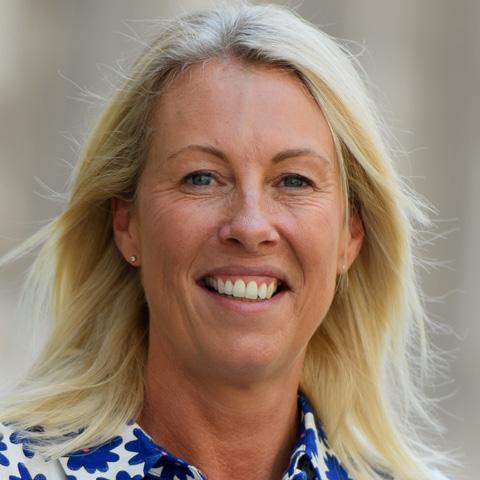 SUE WHYTE
Chief Executive Officer ILC
SUE WHYTE
Chief Executive Officer ILC
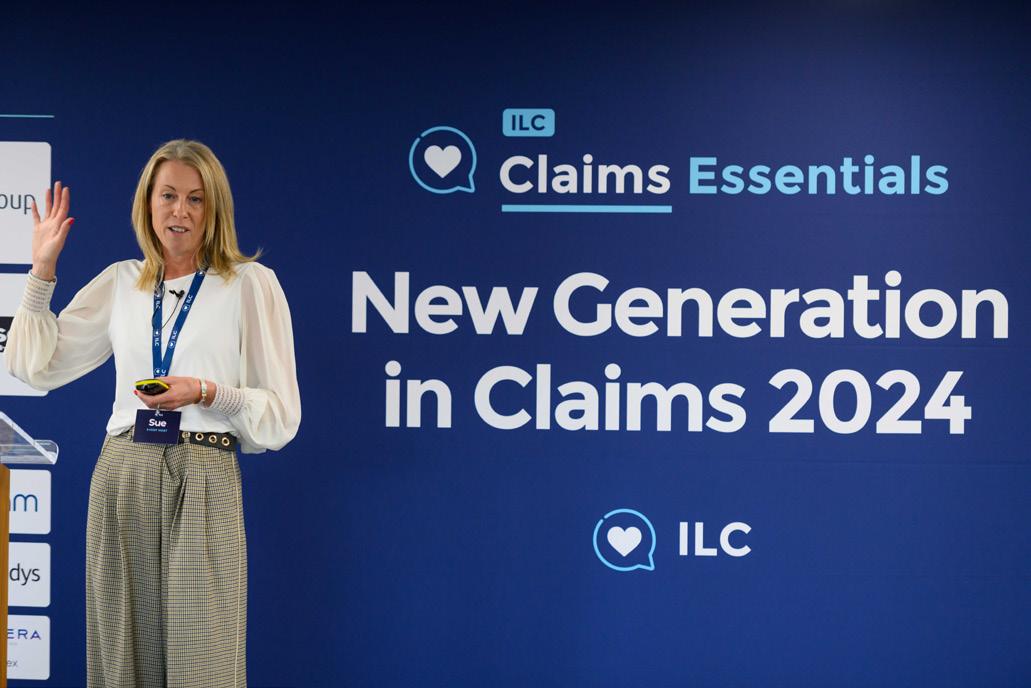
Welcome to the New Generation in Claims Better Tomorrow postevent review.
This was only the second year for our New Generation in Claims initiative, and I’m delighted to see how momentum has continued to build. Carpenters Group and Enterprise Mobility – sponsors from day one – continue to add weight to the increasing sway of interest in the programme.
As part of this uplift in support we now have a growing pool of New Generation in Claims Ambassadors: Activate Group, Edam Group, Gemini ARC, Kennedys, S&G Response and Solera Audatex all keen to offer their support for positive change within the sector.
Not only was the event content itself truly valuable but arguably more so was the feedback we received from delegates during and post event with almost half of attendees offering up their thoughts as to the ‘next move’.
This priceless input not only helps reassure us we’re ‘on the right track’ in trying to proactively encourage new generation talent to the sector but also provides strong foundations by which to develop the next move for the programme.
We are really excited and honoured to help shape what the next move is for new generation of talent into our industry.
I’d also just like to say ‘well done’ to Georgia Lysaght, Talent Acquisition Specialist at Acorn Insurance who won a ticket to ILC’s newly launched Summer Networking Event on the day.
We are delighted to bring this event to life – proactively supporting and reiterating the New Generation in Claims message that this industry is open to all and provides some incredible opportunities along the way.
Kind regards Sue
5 New Generation in Claims Conference 2024
Conference highlights opportunities for positive change
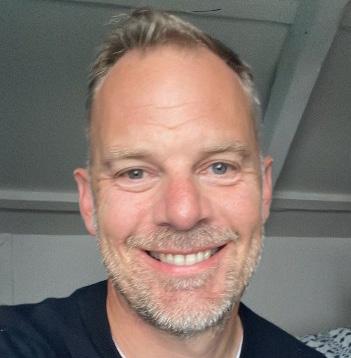
Welcome to this New Generation in Claims special edition of Better Tomorrow.
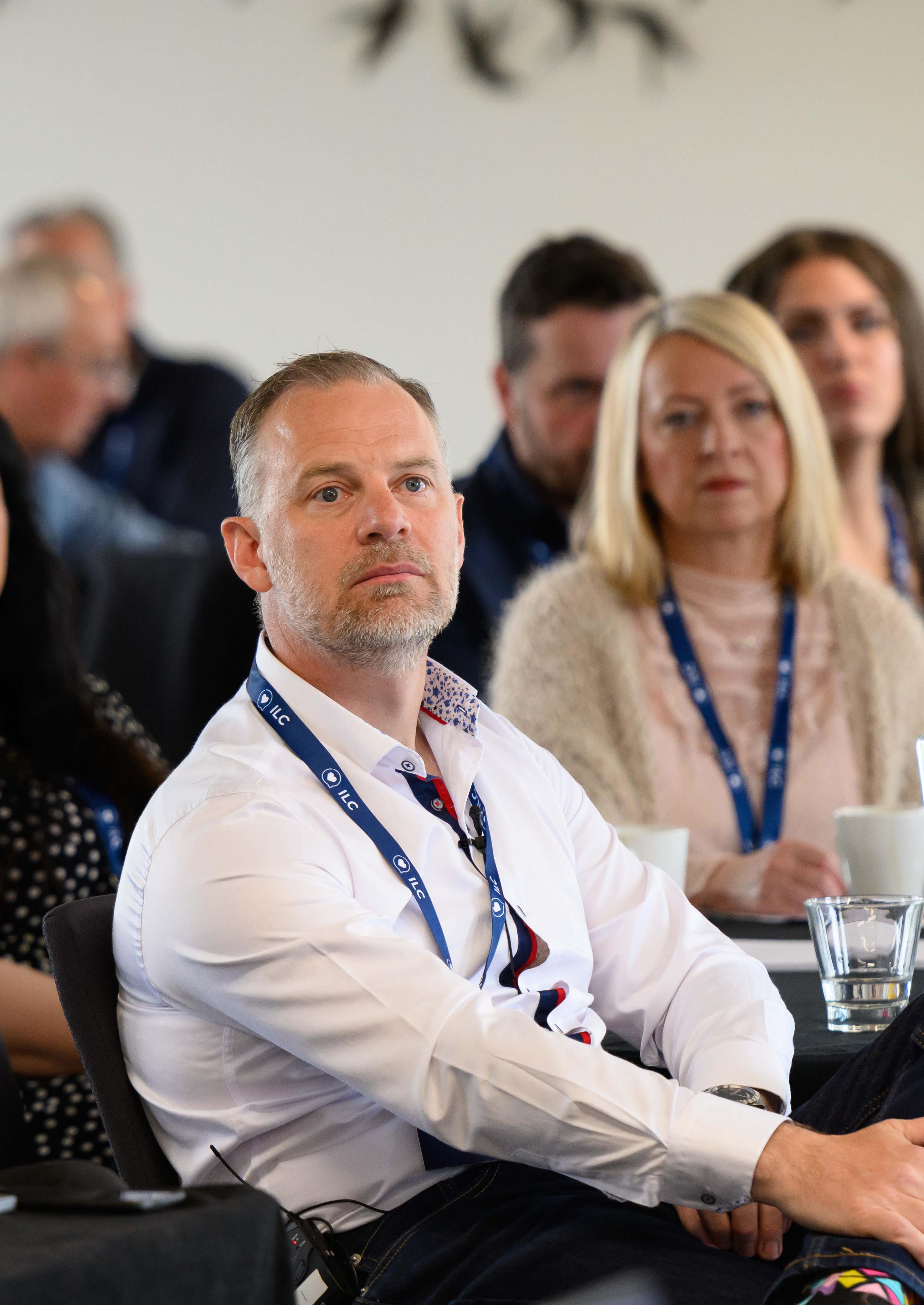
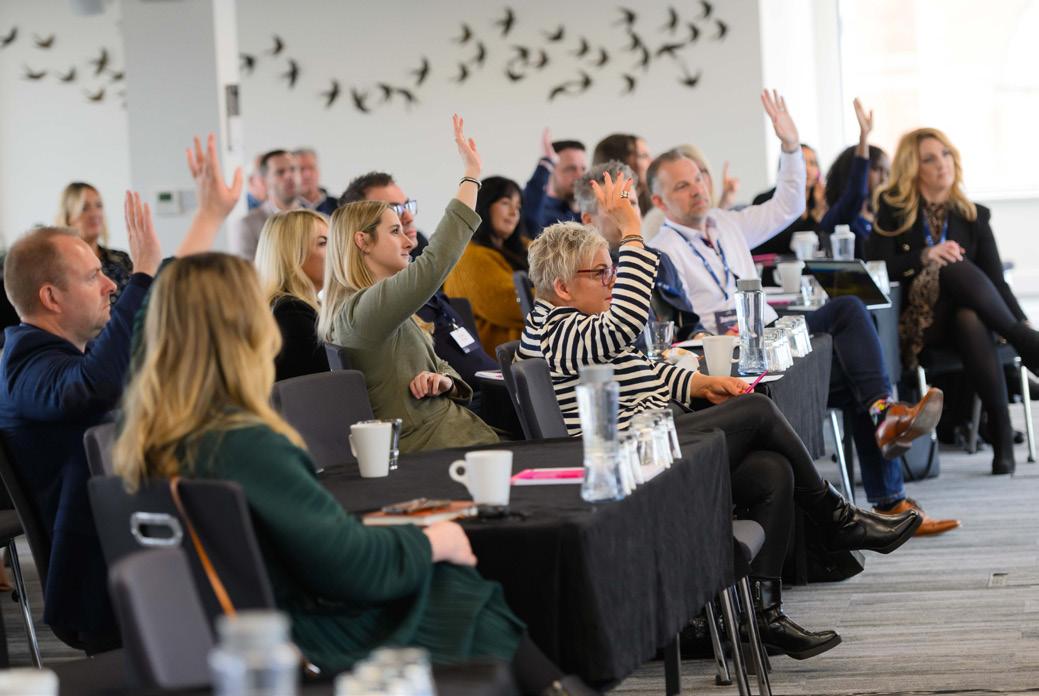
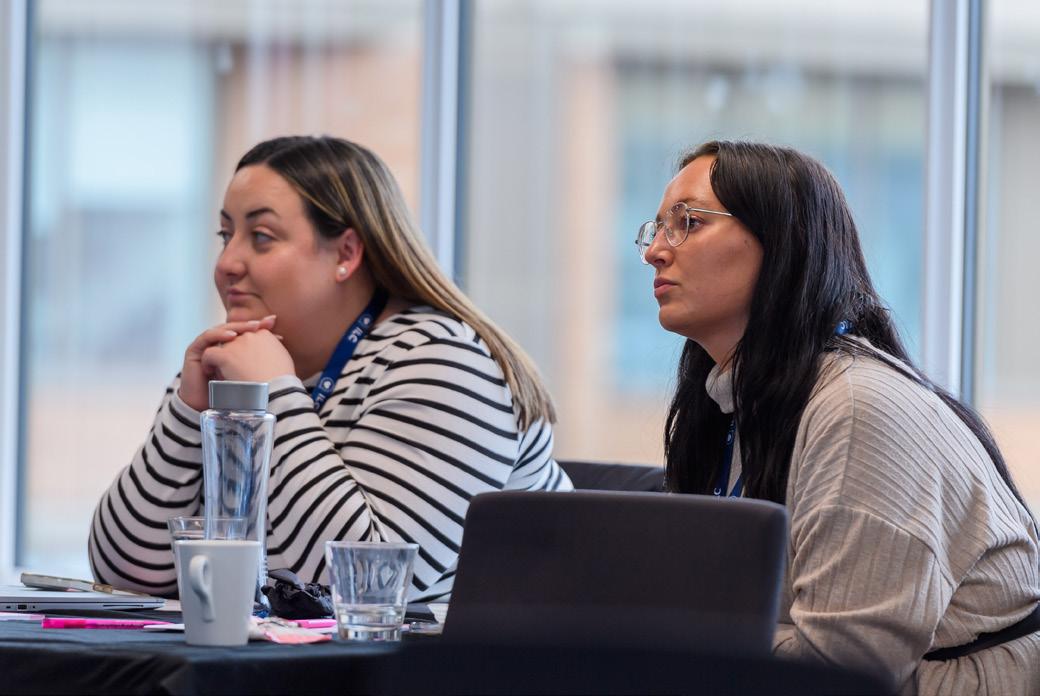
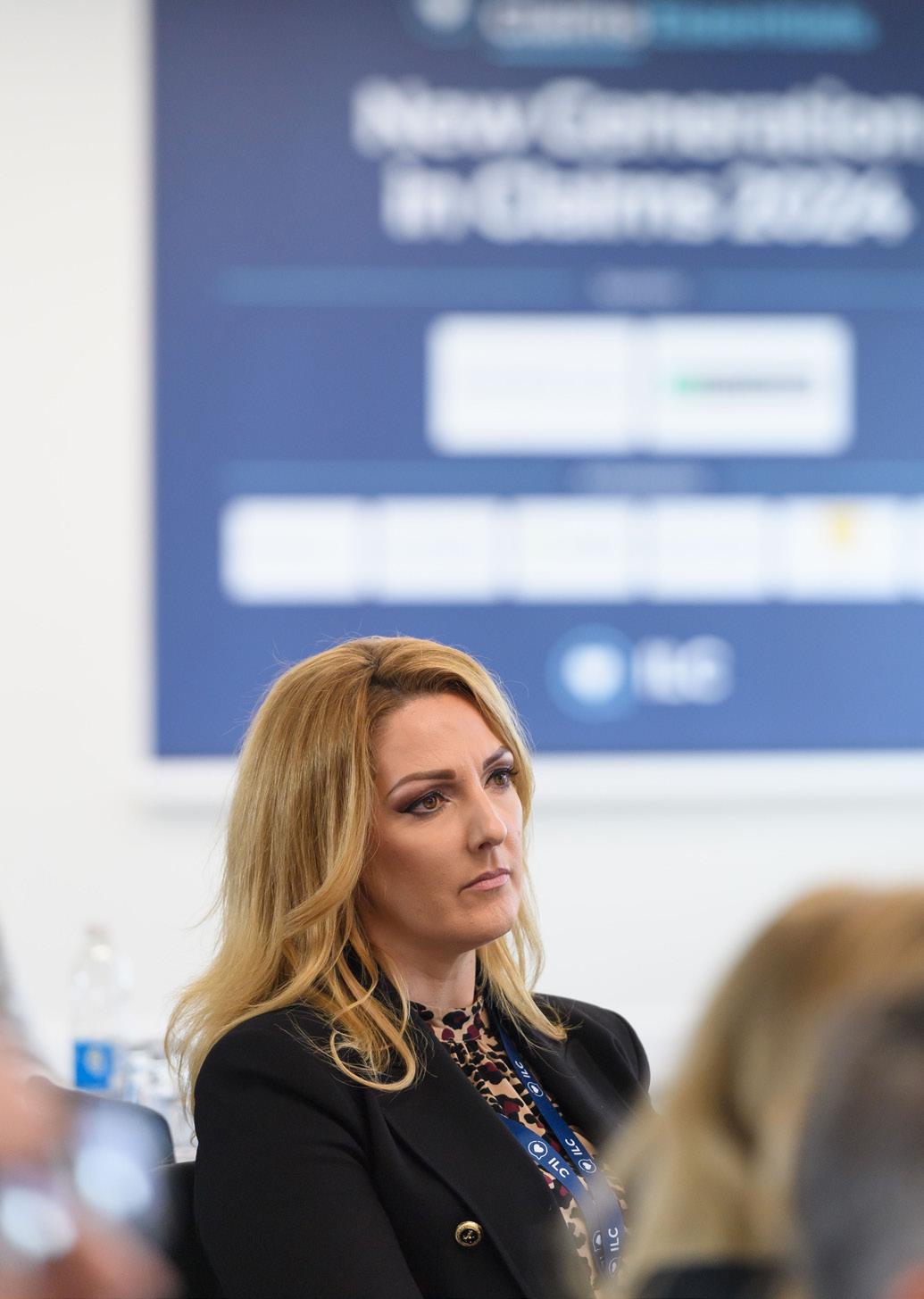
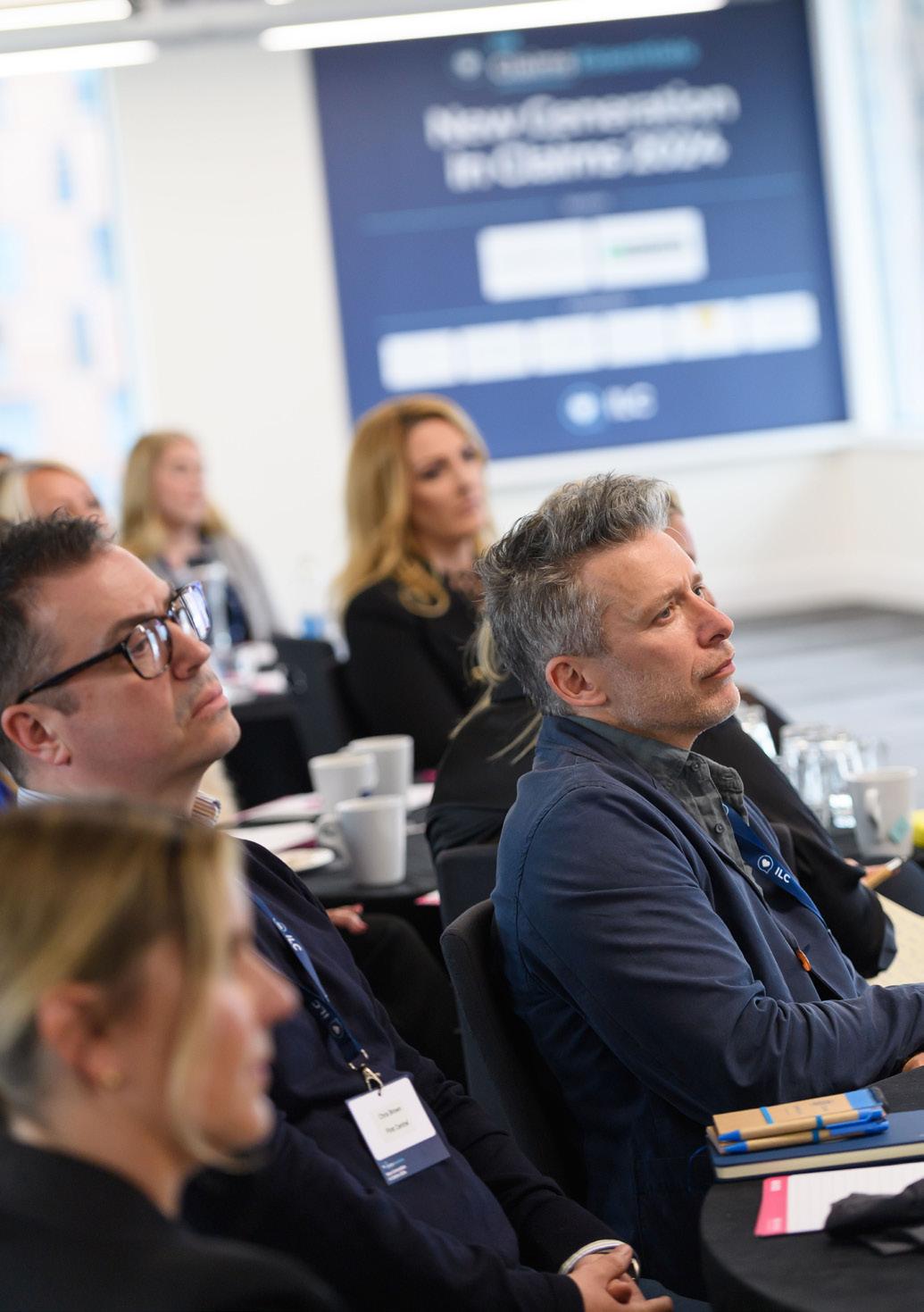
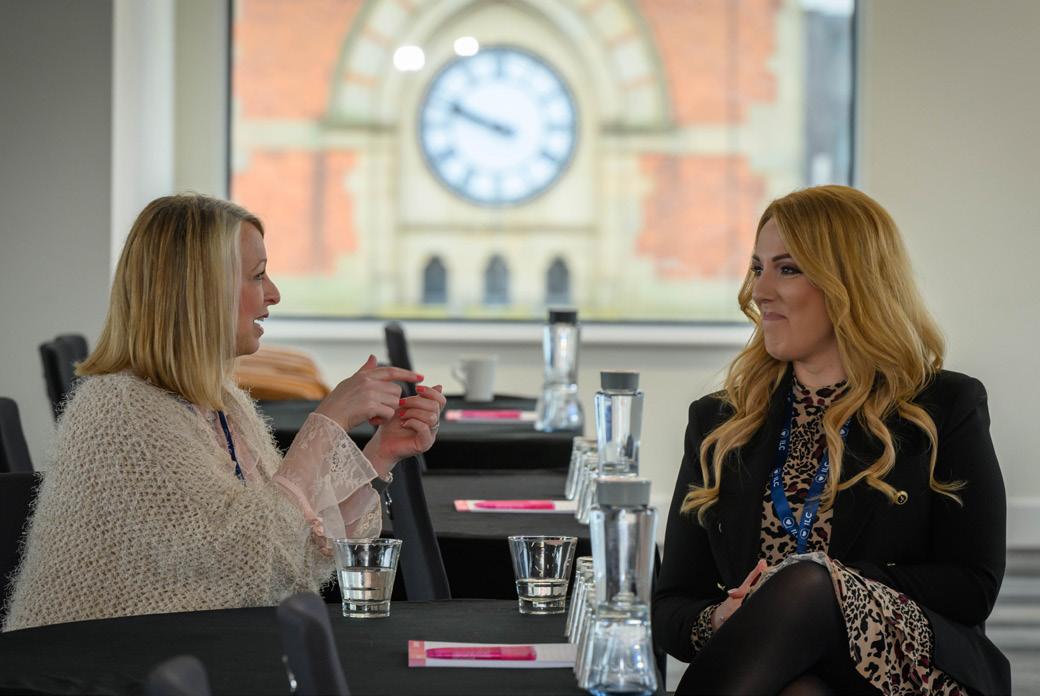
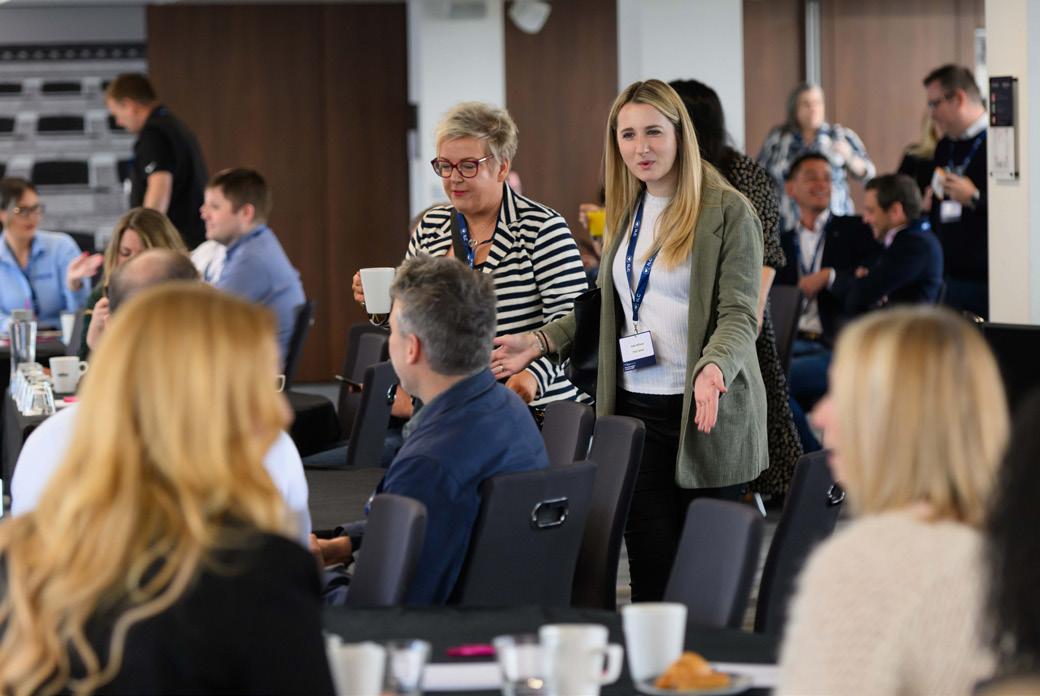
This year’s conference, held at etcvenues Manchester proved a great success – helping to highlight the opportunities available to positively influence how the industry can best attract and retain future talent.
As Henry Ford once famously said: “If you always do what you’ve always done, you’ll always get what you’ve always got” and this was very much front and centre of thinking throughout the day.
Helping to set the scene for the day, Catherine Carey, Head of Marketing at Consumer Intelligence, revealed results of research carried out in partnership with the British Insurers Brokers Association (BIBA) that highlighted just how great the chasm is between those who work in the sector and those on the outside.
She said, “Almost everyone working in the industry fell into their careers. We have a problem attracting new talent and to change that we need to change the narrative. But the first step is understanding what the perceived barriers are.”
JAMES LAMBERT
New Generation Sector Lead
Delegates were then taken on a journey which included explorations of how new approaches to recruitment can reap rewards; the availability and benefits of the largely untapped military spouses’ talent pool; how to accelerate the pace of change with new talent; and the steps to help unlock internal talent pools.
I must express a huge thank you to all of our speakers and especially those industry experts: Andy Cain, Head of Claims - Customer Operations at Saga plc; Holly Llewellyn, Head of L&D Operations and Digital Learning at First Central; Sarah Pickerill, Head of People at Carpenters Group; and Nicola Sutherland, Director of People & Culture, Steer Automotive Group who joined panel debates during the day to provide sector specific context to discussions.
Finally, these events would not be possible without the ongoing support and commitment of our Sponsors Carpenters Group and Enterprise along with the newly introduced New Generation in Claims Ambassadors: Activate Group, Edam Group, Gemini ARC, Kennedys, S&G Response and Solera Audatex.
Enjoy this issue of Better Tomorrow which provides an overview of discussions throughout the day.
Kind regards James
6 Better Tomorrow
7 New Generation in Claims Conference 2024
Perception Vs reality: redefining careers in Insurance

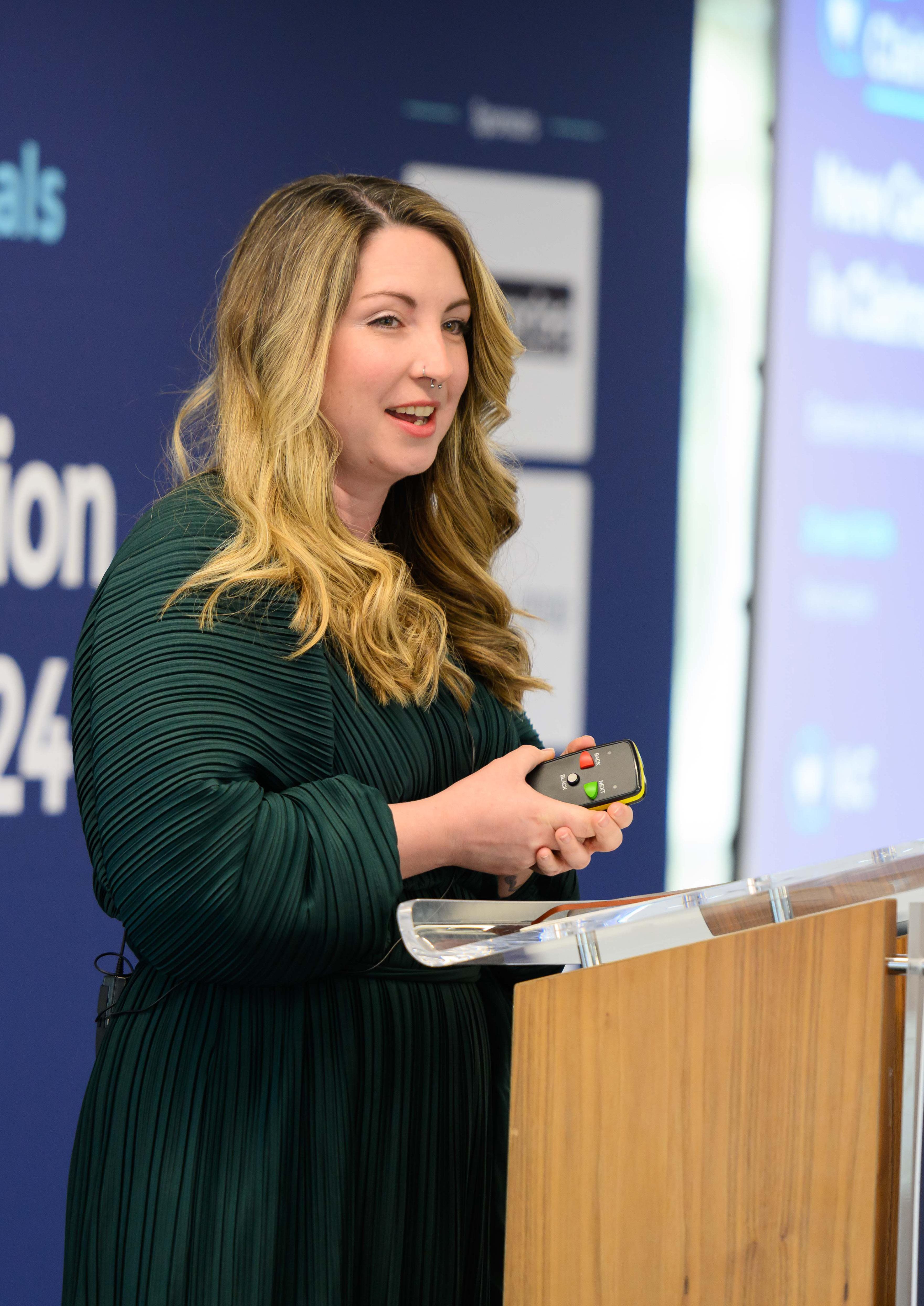
Recruitment and retention is a perennial and growing concern among insurers; speaking at the event, Catherine Carey, Head of Marketing at Consumer Intelligence, highlighted the wide divide between the perception and reality of a career in the industry.
In her session, Perception versus reality: redefining careers in insurance, Catherine revealed results of research carried out in partnership with the British Insurers Brokers Association (BIBA) that highlighted just how great the chasm is between those who work in the sector and those on the outside.
She said, “Almost everyone working in the industry fell into their careers. We have a problem attracting new talent and to change that we need to change the narrative. But the first step is understanding what the perceived barriers are.”
She pointed to results of a survey of 314 people aged between 18 and 25, 12% of whom work in the industry, conducted by Consumer Intelligence and BIBA.
CATHERINE CAREY
Head of Marketing
Consumer Intelligence Ltd
It found that of those not working in insurance, 36% said they had considered it as a potential career but 39% of that number viewed the sector as dull, boring and old-fashioned and therefore not a good fit for them. Meanwhile, a quarter admitted they did not know enough about insurance to form an opinion – partly due to the fact that many young people have never taken out policies and have no first-hand experience.
More worryingly, driven perhaps by negative media coverage, 17% said they did not trust insurers to do the right thing for their customers.
However, these figures were in stark contrast to the reality experienced by those who are already working for insurers – 69% of whom said they were fulfilled and would remain in the sector, with 59% pointing to the substantial opportunities for career development as a key factor.
Catherine added that for many young people, financial rewards were not a priority, with job security and flexible working often cited as more important considerations.
She said, “Insurance can offer that, but maybe we don’t promote that enough.”
8 Better Tomorrow
9 New Generation in Claims Conference 2024
A revolutionary approach to recruitment
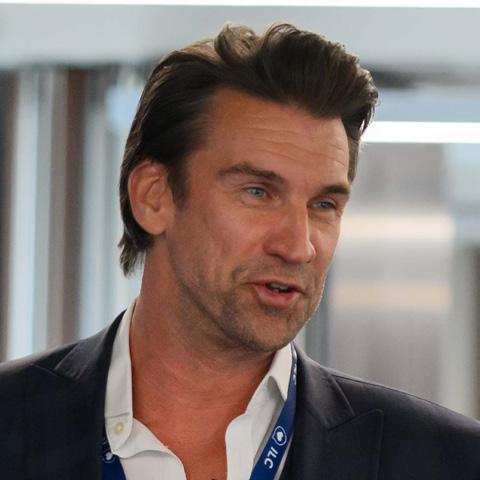
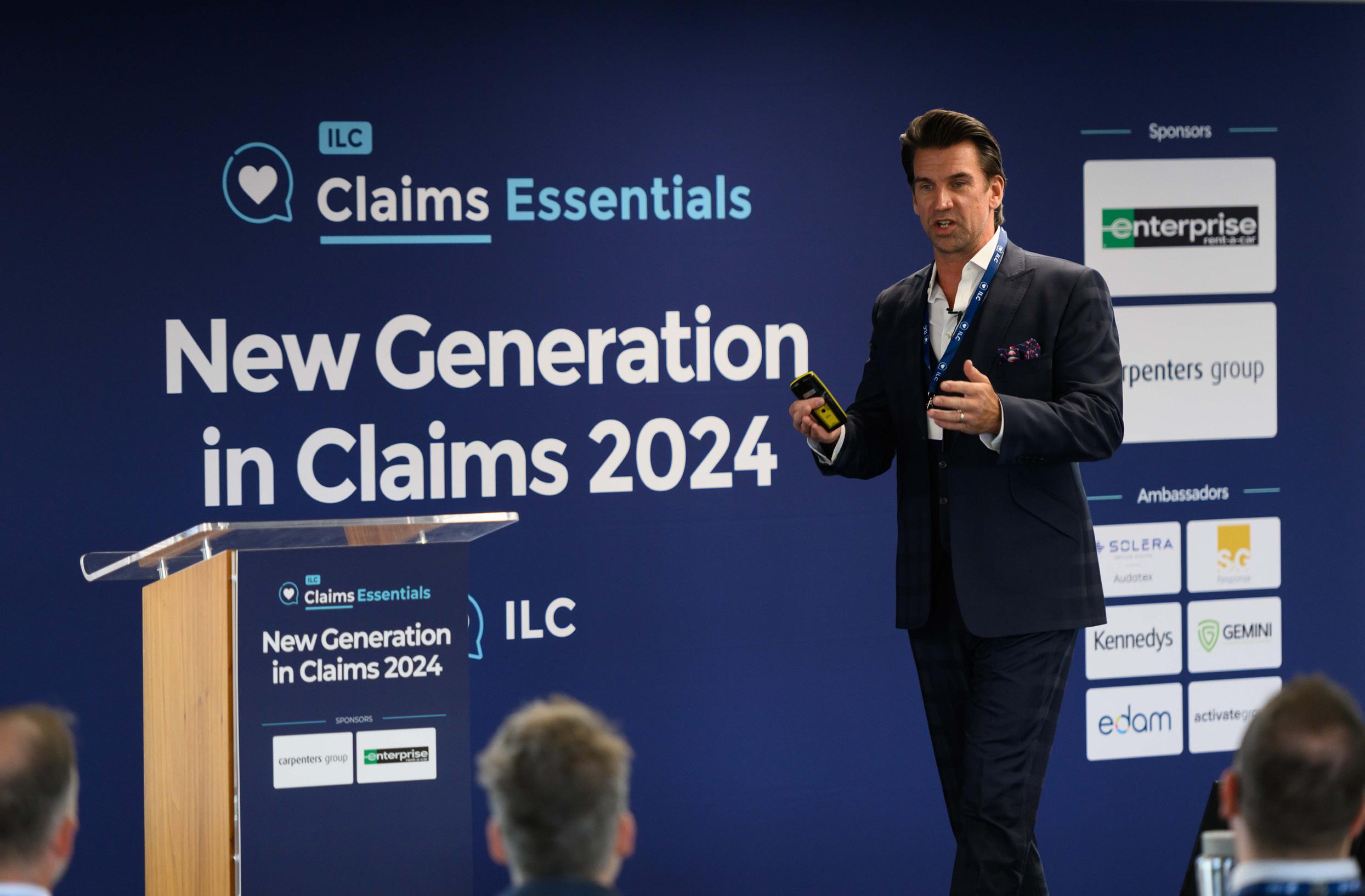
BBC The Apprentice winner and successful recruitment entrepreneur Lee McQueen has urged businesses to ditch the CV when it comes to finding new talent.
Delivering a keynote address to delegates, he said finding the right fit requires a profound assessment of the person rather than judging them by what is written on a piece of paper.
He said, “People put too much emphasis on education. Every time we interview a young person without much experience we base it on their qualifications. That shouldn’t matter. What should matter is the personality, the behaviour, the competence of the person we’re bringing into our organisation.”
Lee speaks from experience. From humble beginnings, he left home at 17, bought his first house at 18, and had a thriving career at Capita before going on and winning The Apprentice.
LEE MCQUEEN
Founder & CEO
Phoenix51
“That changed my way of thinking,” he said. “I got poor marks at school, but that didn’t matter on The Apprentice because it’s all about what you can do. It puts you under pressure every day and assesses whether you can actually do the job rather than letting a CV make the decision.”
Recruitment
Two years after winning the show, he put the lessons he learned there into practice by launching his own recruitment business, Raw Talent, which set about challenging the status quo by asking clients to ditch the CV approach to recruitment and focus instead on finding people with the right personality, behaviour, and competences.
The approach worked, with Raw Talent attracting major organisations in the media, in finance, and in software services.
10 Better Tomorrow
Lee explained, “Diversity and inclusion isn’t just about male or female, ethnicity or age. It’s also about education, background. Who are they? What are they like? We wanted to get a deeper make-up of the person and it worked; employers were ready to change the way they recruited because they knew it would also have a profound impact on how they retained talent.”
Tech
Lee’s second business, Phoenix51, built on that concept and was borne out of the digital transformation that occurred during Covid. Phoenix51 is a tech platform that allows customers to set their own recruitment framework based on values, cultures, behaviours and competences. Through online assessments of the qualities that really matter to them, companies are not only exposed to a wider, more diverse talent pool but are also able to identify those candidates who will be the best fit.
Lee said that retention rates 18 months after hiring are now near 90% – and with a study by Harvard Business School estimating that every unsuccessful new hire costs a company between £12,000 and £30,000, the business argument is a compelling one.
He said, “89% of successful permanent hires are successful because of their values and cultures, not their skills. You can teach skills, you can’t teach values and culture. We are human beings. We are born to interact and talk. So start doing that with recruitment and talent pools.”
Three takeaways:
• If you want to change your recruitment process, it’s up to you to change it.
Hire based on what matters most to your business.
• Give candidates a good experience during recruiting, so even if unsuccessful they will reapply.
11 New Generation in Claims Conference 2024
Winning the talent war with military spouses
 HELEDD KENDRICK CEO
Recruit for Spouses (RFS)
A thread running through the event was the need to approach recruitment differently in order to access a more diverse talent pool.
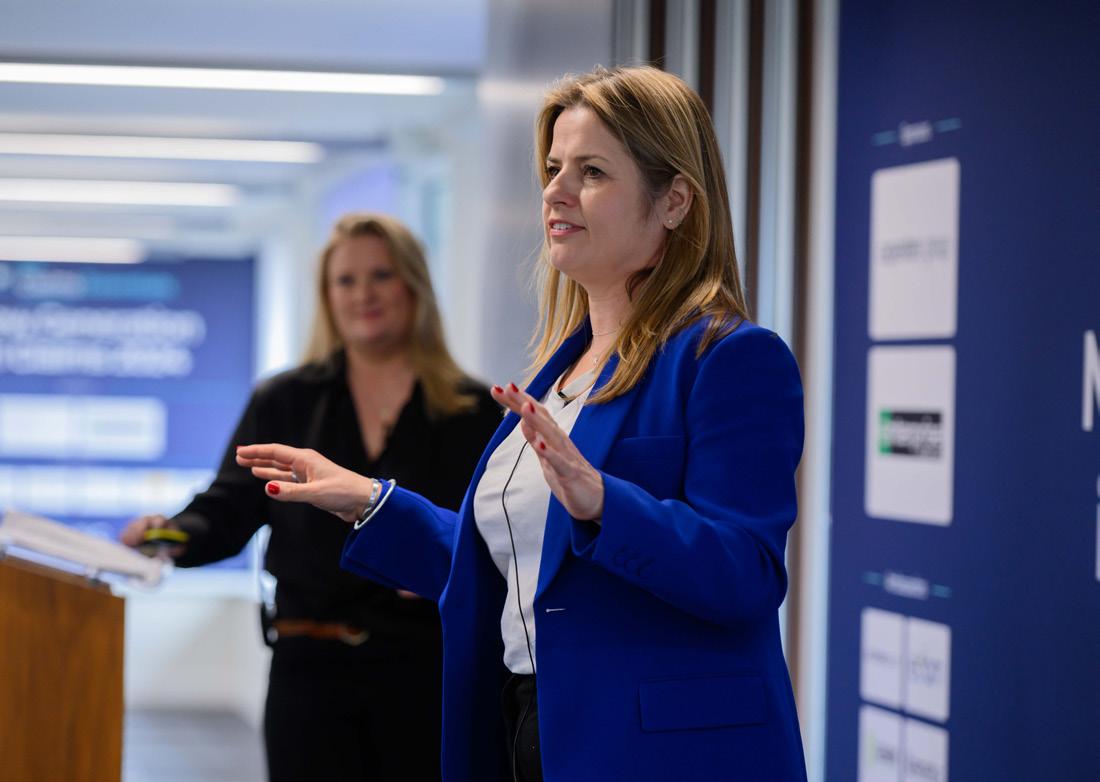
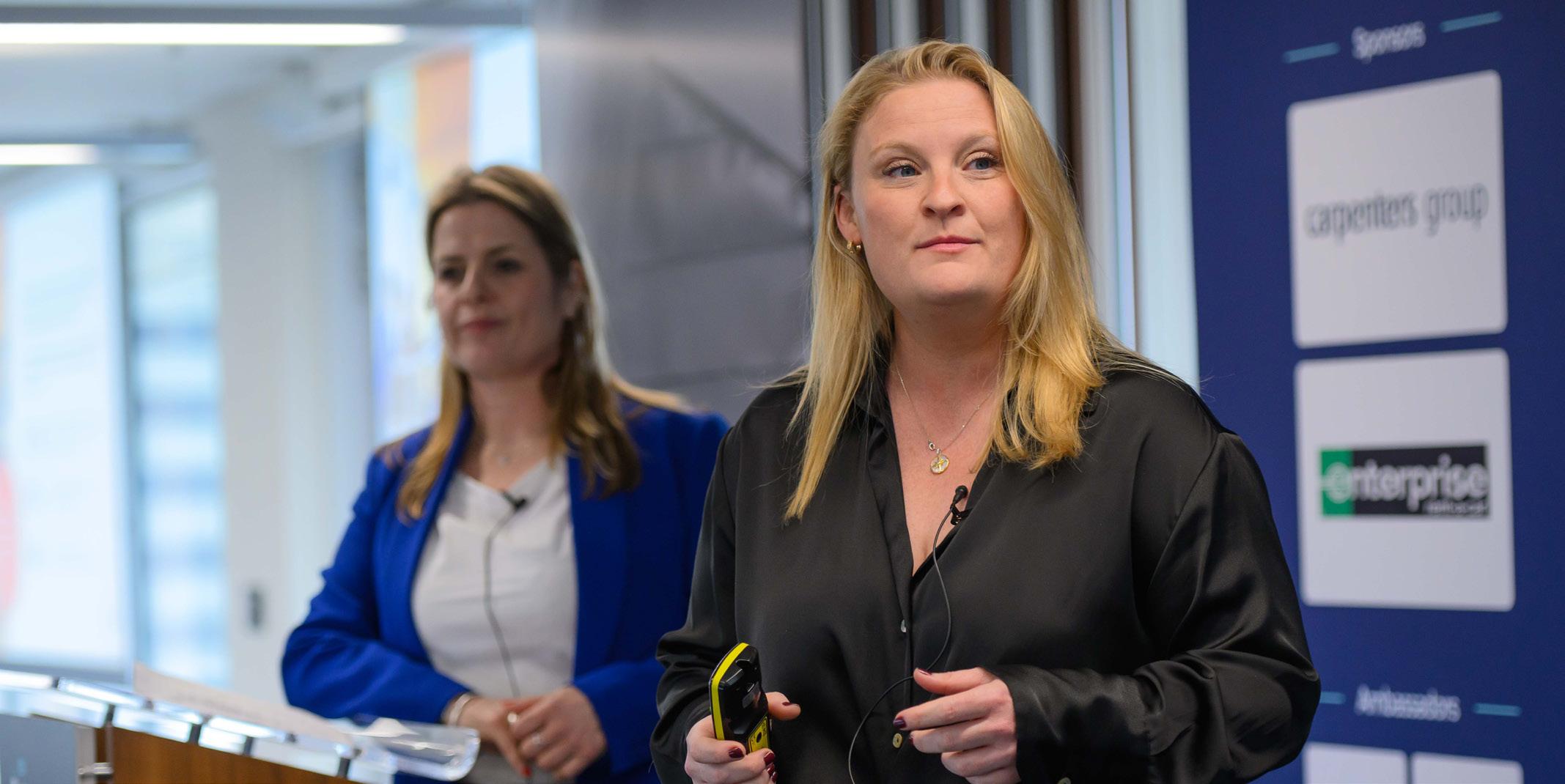
Heledd Kendrick and Cerise Upham, CEO and Managing Director of Recruit for Spouses (RFS), revealed that thousands of highly skilled and flexible employees were just a phone call away.
RFS was set up in 2009 to help the spouses of those serving in the armed forces connect with employers on either or a temporary or permanent basis. Many have incredible qualifications, but all, says Heledd, have the resilience and resourcefulness needed to be a military partner.
Discrimination
She herself was an experienced journalist but discovered after marrying into the forces and living on base that it was impossible to get a job.
She explained, “Employers wouldn’t hire anyone married to someone serving in the forces because they could move on at any time.”
In fact, she discovered that a large proportion of military spouses weren’t working at the time and as such she established RFS, initially to help the wives

CERISE UPHAM
Managing Director
Recruit for Spouses (RFS)
and partners on her base find employment. But it wasn’t straightforward. Regulations at the time restricted the work that military partners were able to do, and Heledd faced a battle both politically and within the military to change things.
She said, “As military spouses we are seen as dependents. Because I was setting up a social business I had to go the House of Lords to change a rule which would allow us to work from home. I also started petitions and got responses from people all over the world.”
Her persistence paid off, and now RFS has helped more than 10,000 military partners into employment.
She said, “We’ve become a recruitment agency. The great thing is we help and support those of who are serving, but we also offer employers access to candidates who are resourceful, resilient, and able to adapt to new situations quickly. We know how to get a job done, so if you can support these people, you’ll get an amazing worker.”
12 Better Tomorrow
Skills
However, RFS is not just about unemployment; it is also about underemployment. Its survey of 8,000 military partners found that 70% have degrees but 30% earn less than £20,000.
Cerise said, “We have some people with phenomenal talents but they’re not being used, they’re working for the minimum wage doing jobs that don’t match their skills. So we have an immense talent pool that is accessible. They might need the understanding of an employer, but remote and hybrid working enables employers to reach out to candidates with different circumstances.”
To smooth the journey, RFS operates a liquid workforce, which enables spouses to ease back into employment gradually by working the hours that are appropriate to them, and then building up as confidence grows and circumstances change.
However, it’s not just the employee who benefits.
Cerise explained, “It also enables employers to be more nimble with their workforce, allowing them to scale up and scale down when necessary. They are also able to take on employees without paying a fee when they’re ready, and 99% of the liquid workforce get offered permanent work.”
The Armed Forces Covenant:
The Armed Forces Covenant is a promise that together we acknowledge and understand that those who serve or have served in the Armed Forces, and their families, should be treated with fairness and respect in the communities, economy, and society they serve with their lives.
To find out more visit: https://www. armedforcescovenant.gov.uk/
13 New Generation in Claims Conference 2024
Time for change in the world of recruitment
LEE MCQUEEN
Founding Director
Raw Talent Academy & Phoenix51
The
HELEDD KENDRICK CEO
Recruit for Spouses (RFS)
first panel debate during the event emphasised that recruitment processes have not evolved with the changing workforce
and there is an urgent need to take a different approach.
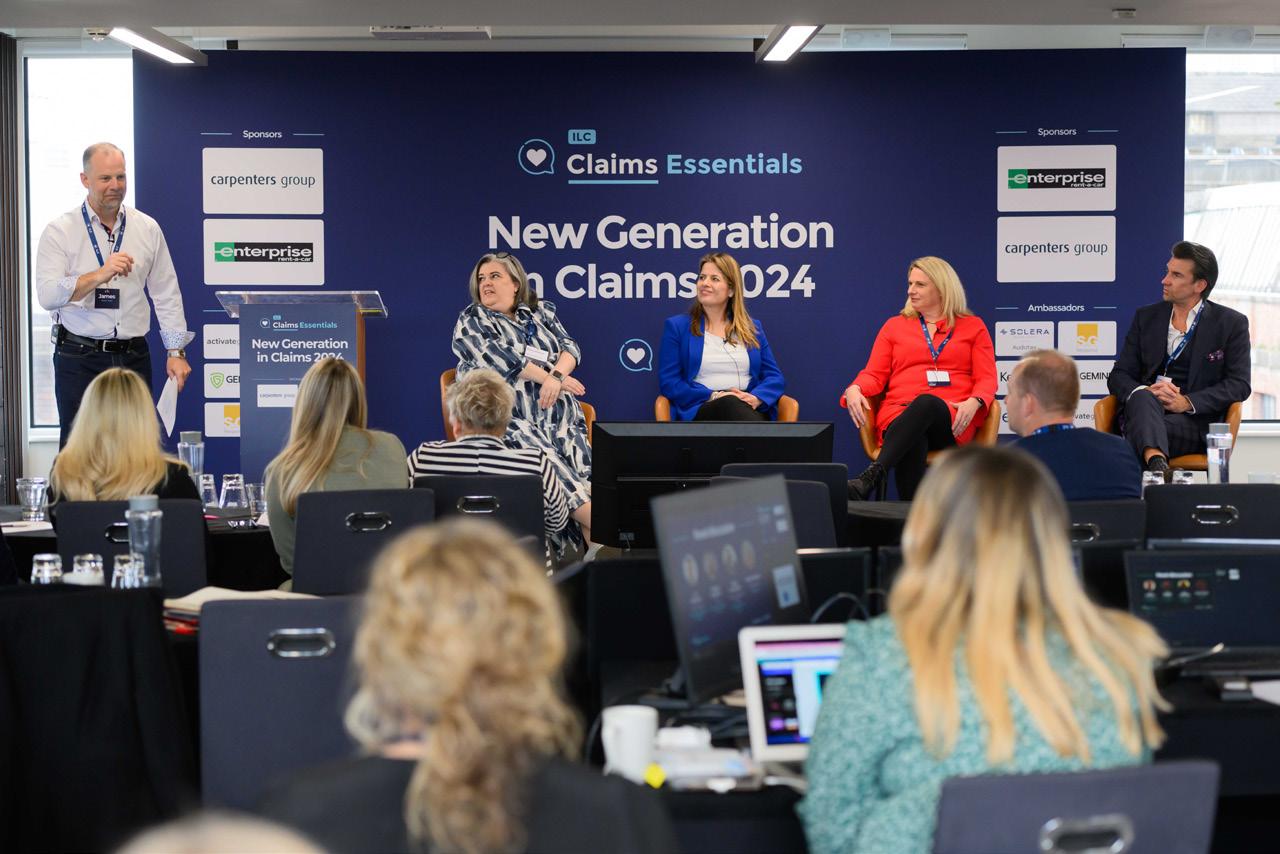
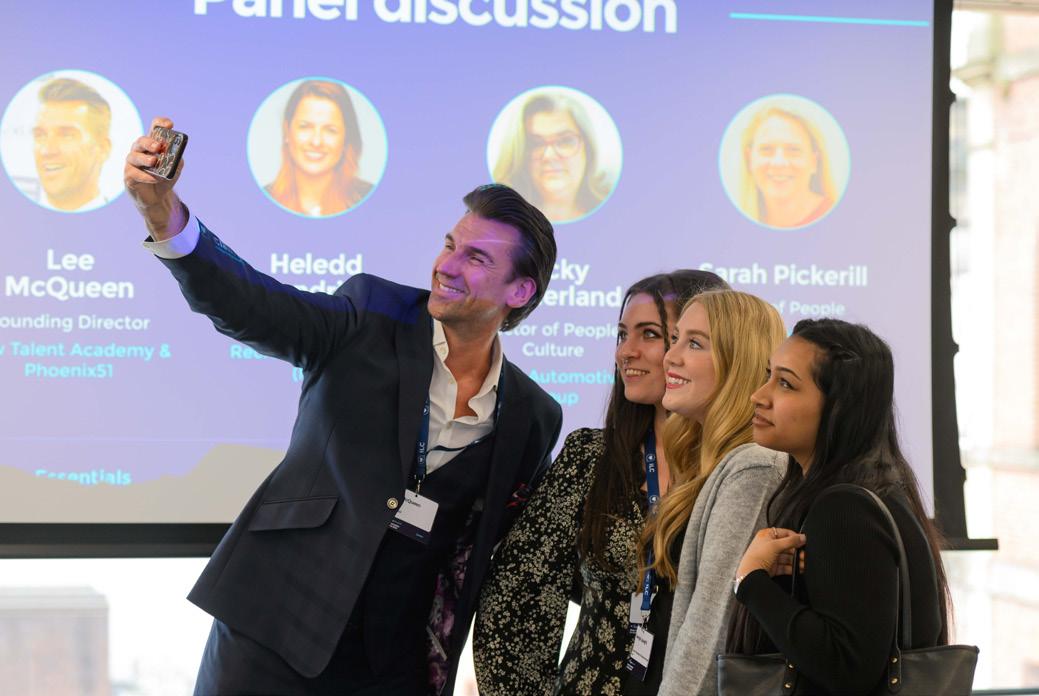
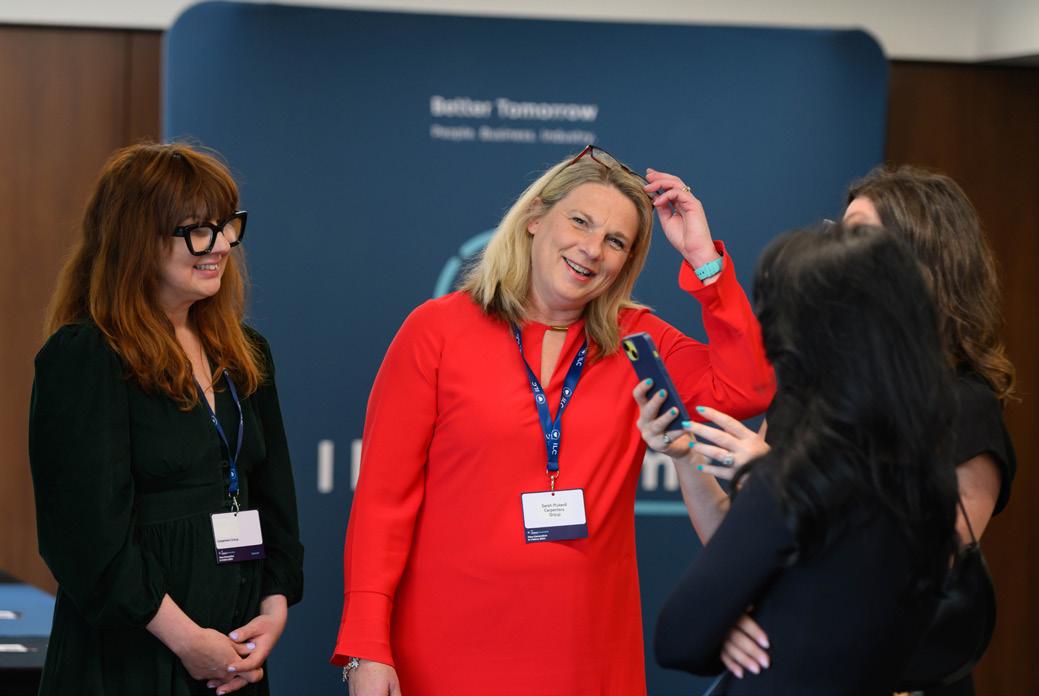
Taking part in the discussion were BBC The Apprentice winner and founder of Raw Talent and Phoenix51 Lee McQueen; CEO of Recruit for Spouses Heledd Kendrick; Director of People & Culture at Steer Automotive Group Nicky Sutherland; and Sarah Pickerill, Head of People, Carpenters Group.
They said that the traditional methods of finding new talent are effective up to a point, but not designed to meet modern challenges around retention, increasing diversity, and tapping into a wider talent pool.
Lee said, “The most important decisions we make in our business is who we bring in to our workforce, so we need to get to know the candidates better. Everyone here is in the same industry, but every one of us would say our business is different. What
SUTHERLAND
Director of People & Culture
Steer Automotive Group

Head of People Carpenters
makes us different is our core values, so we need to start hiring based on that. That’s also how you tap into different talent pools, which do exist out there. There are amazing people in this country, but if we’re all doing the same things then we’ll all be choosing from the same people.”
He repeated the point he made in his keynote address about ditching CVs and suggested instead using video technology with a few carefully selected questions to filter out candidates initially.
“Most applicants won’t do that,” he said, “so it’s a self-screening process in itself.”
Traditional
However, Sarah said that the sheer volume of applicants for jobs these days meant CVs can still play a role, although she agreed that taking a fresh approach is important and said that at Carpenters recruiting teams are encouraged to do at least one thing different when seeking new people.
She said, “Are we all attracting talent from the same places? If so, is there another place we can go to look for talent?”
NICKY
SARAH PICKERILL
14 Better Tomorrow
But while many people may appreciate the need for change, insurance is by its nature a risk-averse industry and new ideas that are not tried and tested are not always embraced. This, said Heledd, is a challenge she has come up against at Recruit for Spouses.
She said, “Saying and doing are two very different things. It’s become a tick-box exercise but we need to think outside the box, push the boundaries and be more dynamic. From our perspective, we need corporates to be more ambitious when it comes to making a change, to be willing to try small pilots and be open to changing the way they think. Risk is not always a bad thing.”
That is the approach Nicky is taking at Steer. To support the group’s continued expansion she wants to introduce a more flexible and innovative recruitment process that introduces the possibility of significant improvements.
She said, “I want to take a much more experimental test-and-learn approach. So instead of rolling something out that I’ve spent months developing, I’d rather be less corporate, take a risk and just try something different.”
Diversity
Change is critical not just for future-proofing workforces, but also in terms of meeting diversity and inclusion targets. Here too, Nicky is eager to adopt new processes.
She said, “There is a big challenge around diversity and inclusion. I was at an event recently and someone said that 60% of men and 40% of women think it has gone too far, so diversity fatigue is real.
“That presents a challenge because the problem hasn’t gone away, but we need to reframe the issue. We can’t just continue rolling out unconscious bias training and inclusive training for leaders. There has to be a better approach. Lee spoke about disrupting recruitment, and I think the diversity and inclusion space is ripe for that as well.”
Carpenters is more proactive than many is this arena. While Sarah says that the insurance sector has made good progress in some areas, particularly around the number of women in the workplace, the industry does not yet provide a proportionate ethnic representation of its clients.
Addressing that, Carpenters dedicates both time and energy to visiting schools and colleges and promoting the sector to pupils aged 14-16 from all backgrounds.
She said, “We spend a lot of time building up relationships with schools and exposing young people to the industry. It’s also an opportunity for them to find out about our company, and it’s added hugely to the diversity of our workforce.”
Nicky concluded, “The first step is data. You need to have the data around the demographic of your workforce so you can identify the hot-spots and where you need to make a change.”
15 New Generation in Claims Conference 2024

16 Better Tomorrow
17 New Generation in Claims Conference 2024
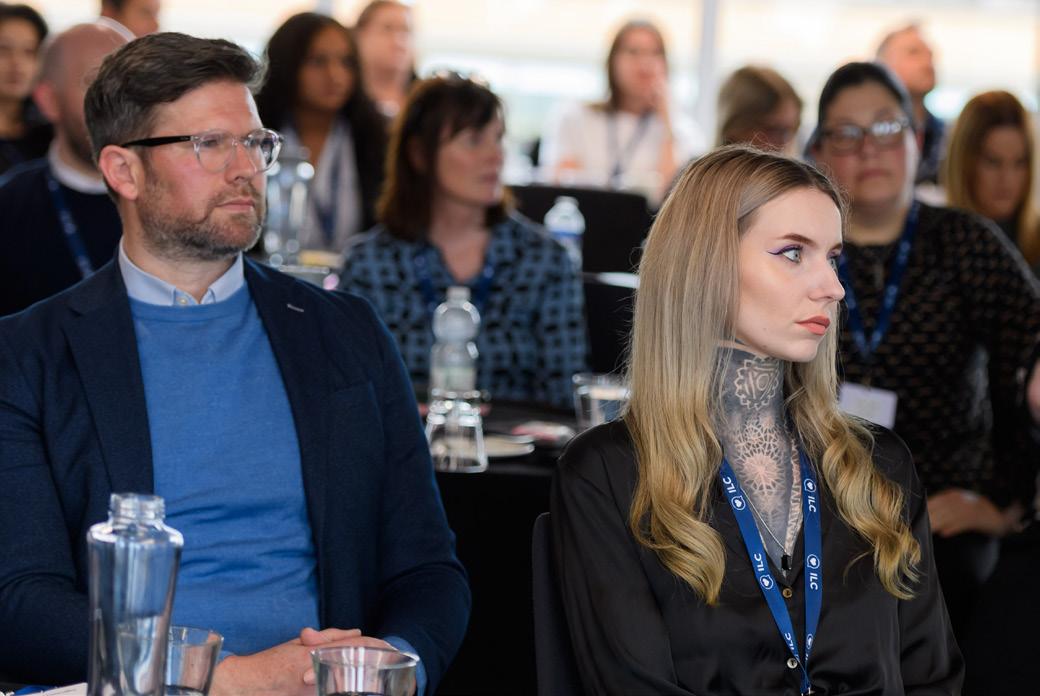
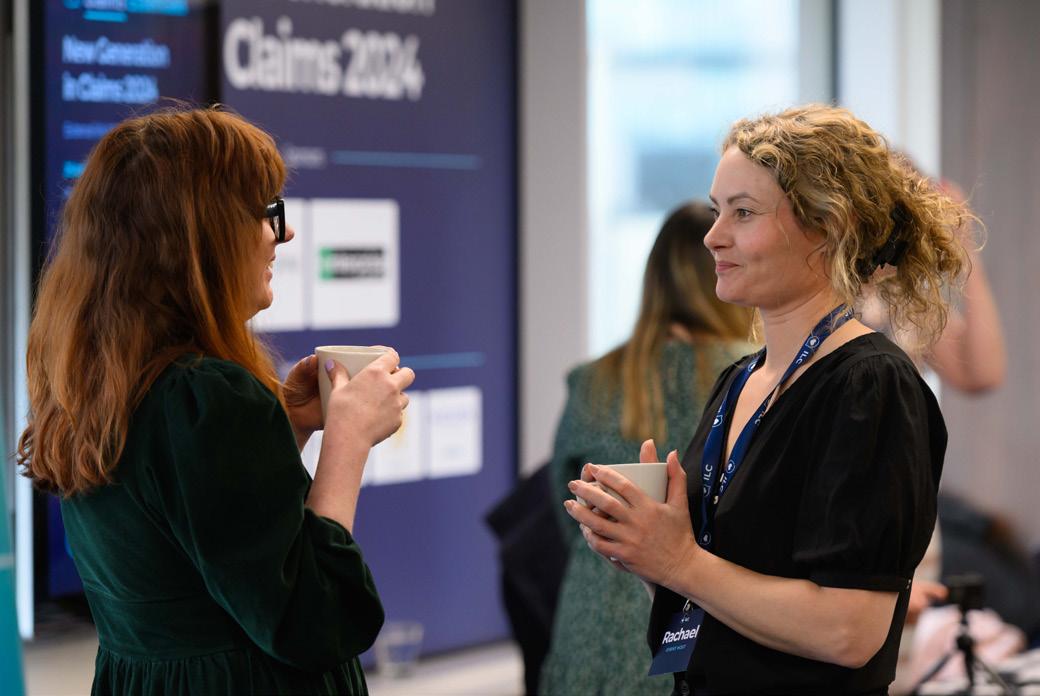
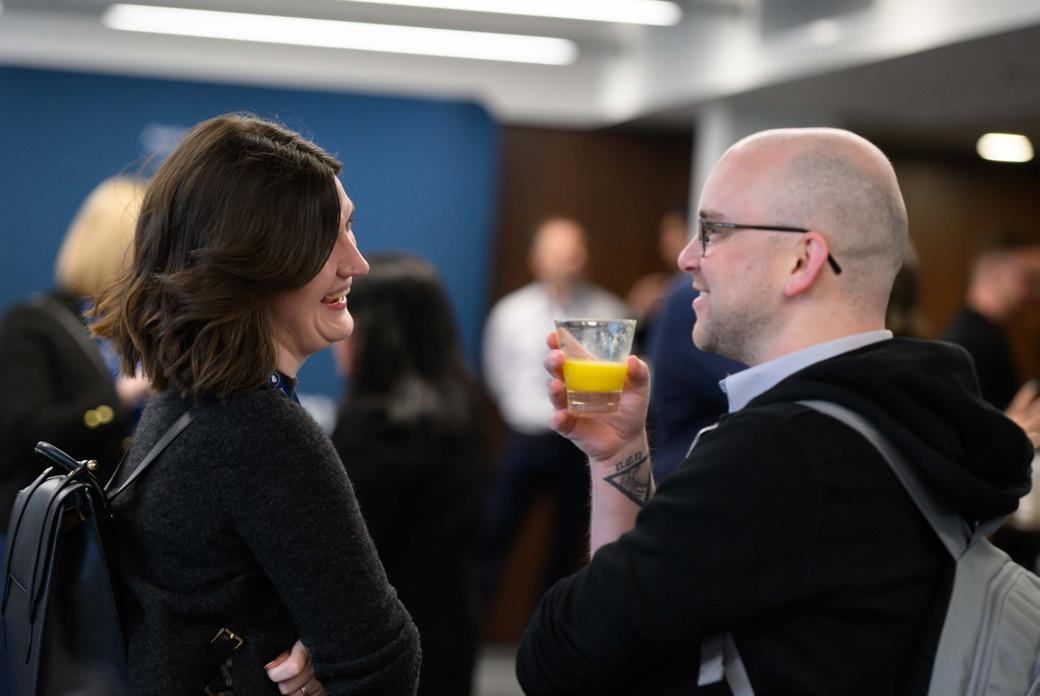
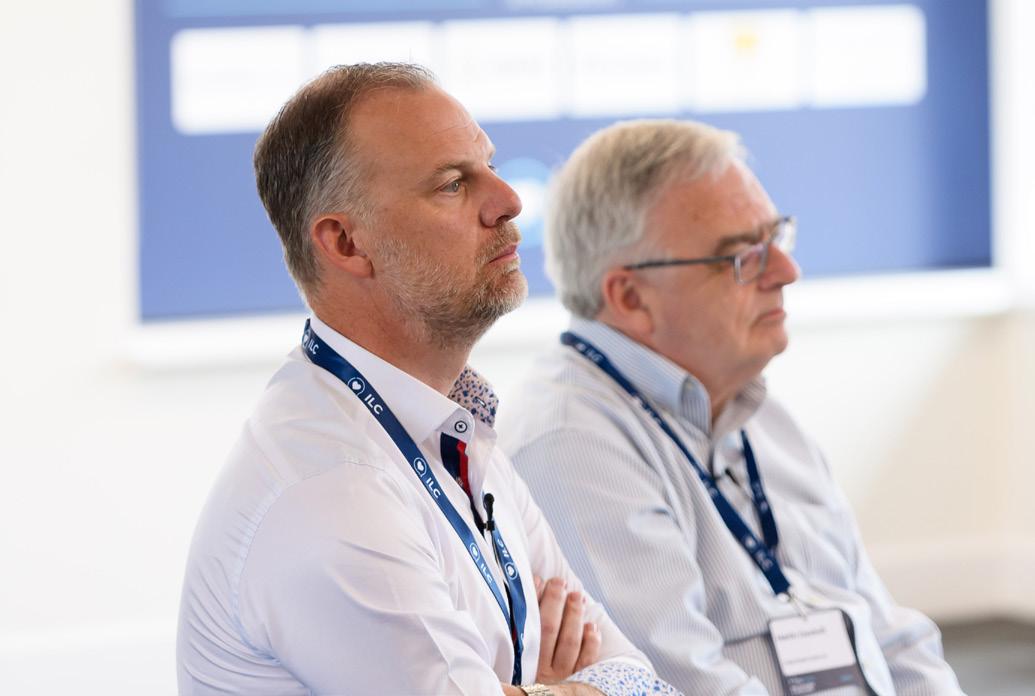
18 Better Tomorrow

19 New Generation in Claims Conference 2024
Engage to succeed
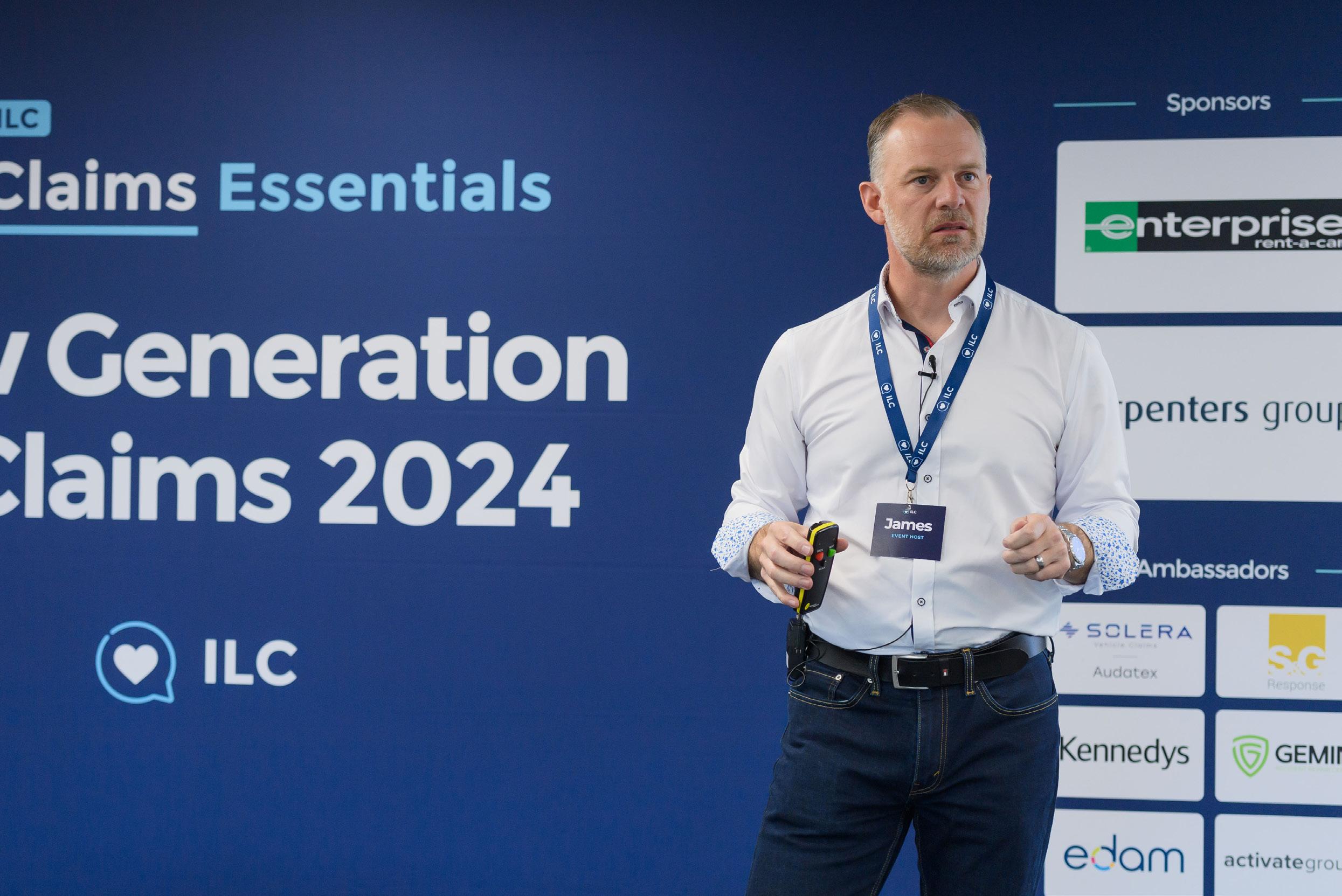
A compelling presentation by ILC New Generation Lead and founder of Engage to Succeed James Lambert revealed just how costly a disengaged employee is to a business, and emphasised the strong links between performance and passion.
James began by highlighting the price organisations pay in lost output and income as a result of poor engagement within the workforce.
Citing figures produced by respected global research company Gallup, he revealed that:
• 20% of employees are disengaged.
• An engaged employee is 21% more productive than a disengaged colleague, the equivalent of 48 working days a year.
Only 16% of employees have effective conversations with their manager every week.
James said, “The cost to a business is obvious, so why don’t organisations focus on engagement more instead of viewing it as a tick-box exercise? Engagement needs to be meaningful and relevant to that individual. Individuals are motivated by different things, so if you’re trying to create a single engagement plan for your entire workforce you’re failing before you even start.”
He explained that the first step to successful engagement is recognising that performance and passion are intrinsically linked, and that passion includes not just enthusiasm for the work but also life passions.
“If I’m not doing the things I love outside of work it will impact how I work,” he explained. “We pay people to come to work but there are all sorts of influences in their life that have an impact on how they do their job. So we need to think about engagement as a broader topic.”
 JAMES LAMBERT
20 Better Tomorrow
New Generation Sector Lead
He said there are four levels of engagement:
• Level one; On The Up – an employee just starting out in a new job or on a new challenge, they typically have high passion but low performance.
• Level two; Flying High – an employee is good at their job and enjoying it, working with high passion and high performance.
Level three; Rollercoaster Ride – an employee is working well, but time for life passions is limited and they begin to bring dissatisfaction to work. Often they will leave their jobs and return to level one.
• Level four; Stuck in a Rut – the quiet quitters whose passion wanes and their performance dips, but they remain in their roles.
Incredibly, about half the workforce is on ‘the Rollercoaster Ride’, with 20% ‘Stuck in a Rut’ and only 20% ‘Flying High’.
James said, “You need to know why people are leaving to know what you need to do to reduce attrition and increase retention. Does the engagement survey truly give you the answers? It gives you a baseline of data to work from, but it doesn’t engage employees.”
He urged organisations to invest in training for managers to help them engage with their teams better, to gain a deeper understanding of their passions and what they would like their career paths to look like.
He concluded, “Every manager has a team under them and they should know them as individuals better than they do. Imagine if employees loved their jobs and lives more every day because of what we were doing to engage them, understand them, and make their working lives meaningful.”
21 New Generation in Claims Conference 2024
Outsmart the Tech Skills Crisis: Reskilling
 ANDREW METCALFE CEO Hatch
Digital
The shortage of technical skills is predicted to reach 85 million people globally by 2030, leading to a loss of revenue in excess of £6.8tn.
This figure takes into account not just the number of job roles unfilled, but also the cost of hiring people into positions they are either unqualified for or too inexperienced to execute successfully.
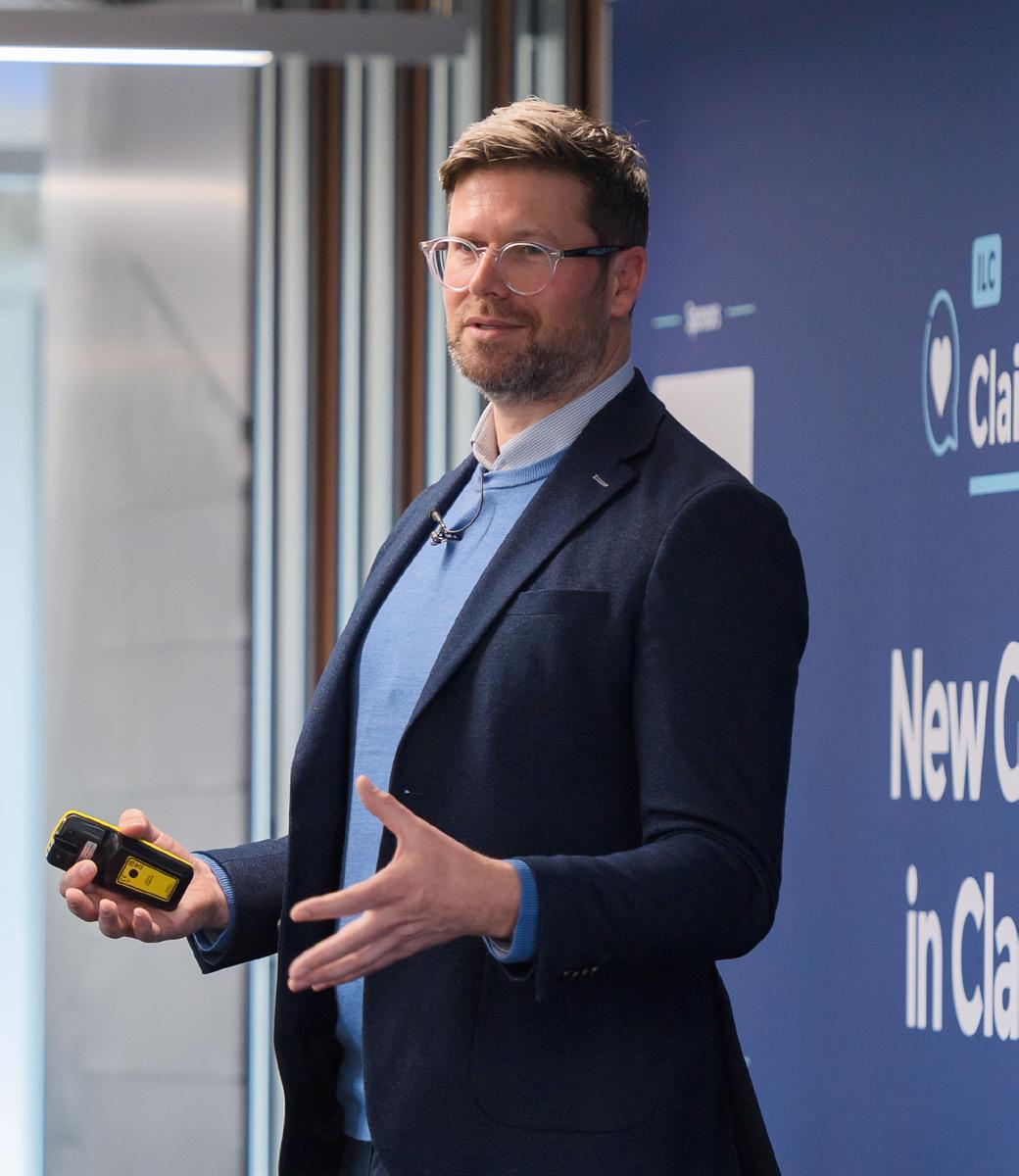
“The lack of available skills is worrying,” said Andrew Metcalfe, CEO of Hatch Digital Skills, “but the lack of experience is even worse. People are now getting hired for jobs they’re unable to do.”
Endless
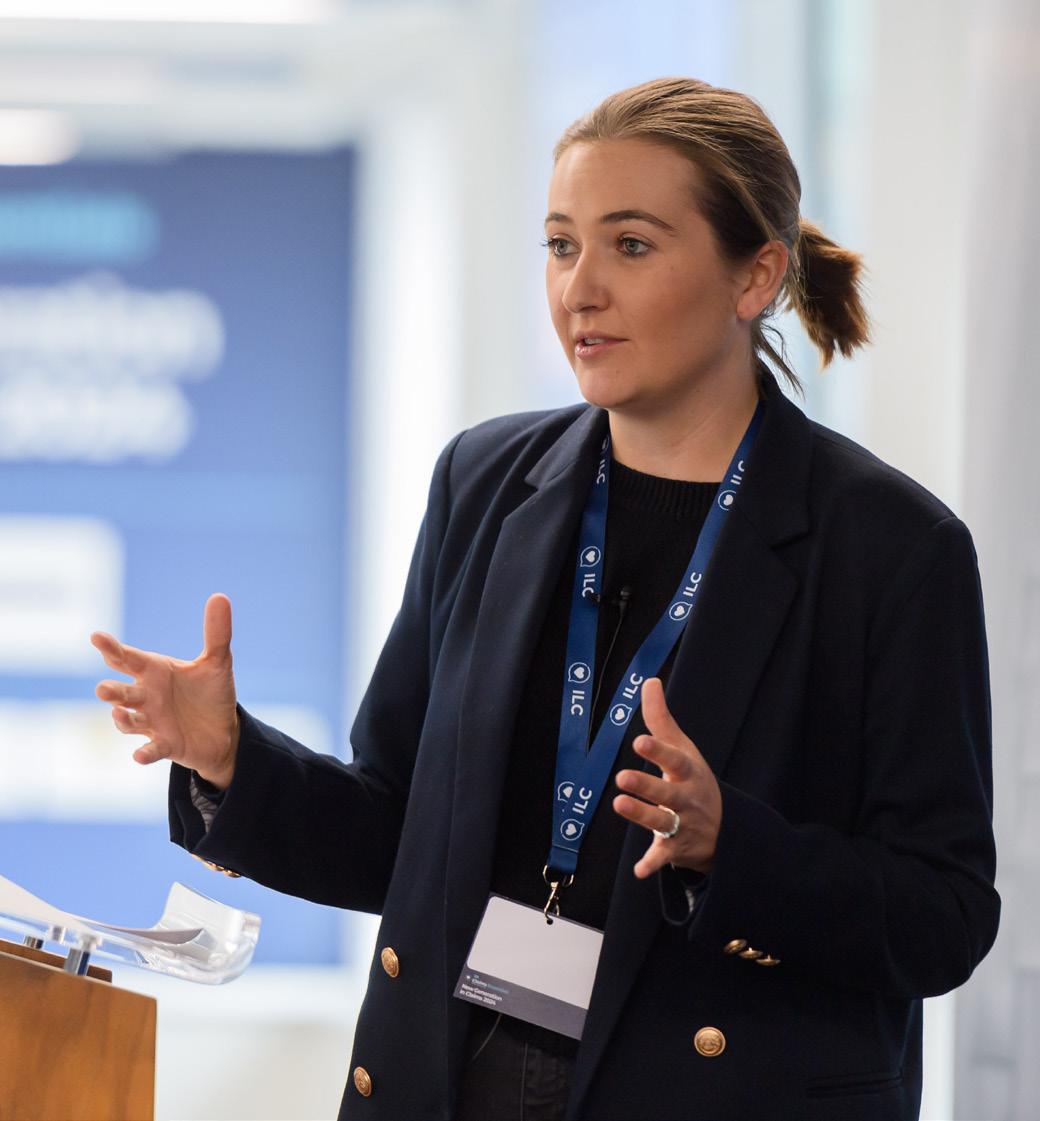
Hatch Digital Skills Commercial Director Xanthe Marmion agreed. She said, “We don’t have enough data analysts, we don’t have enough cyber technicians, the list is endless. On top of that, we don’t have enough people with those skills who also have enough experience. Consequently, we’re seeing an enormous lack of talent entering the market – we estimate there are 7.5 million people in tech roles who don’t have the skills their roles demand. This is leading to huge inefficiencies
 XANTHE MARMION
Commercial Director
Hatch Digital
in terms of inflated wages, a heavy reliance on consultants, and endless recruitment cycles as retention levels plummet.”
She continued, “There aren’t enough people in the UK tech talent market to supply industry demand. There are too few people coming in, too many going out, and a very small, poor-quality pool in the middle that everyone is fighting over. That’s the challenge we all face.”
New approach
To overcome it, Hatch Digital Skills has urged companies to think differently, to abandon the CVled approach to tech recruitment and be more flexible in terms of career progression instead of following the traditional linear route.
They said that in a world now dominated by technology, people are developing valuable digital skills in their everyday lives. Companies must learn to value transferable skills acquired in less formal environments and, as such, gain access to a much wider talent pool.
22 Better Tomorrow
Andrew said, “The first thing to do is demystify how complex tech roles are. We hire mainly into entry level roles and by breaking them down we make them more accessible to people. We’ve placed nurses, police officers and teachers. Companies also have deep internal talent pools of people who don’t think they can do these roles because they don’t understand what they are.
“We specialise in tech skills, but we don’t use CVs to identify talent. We look for the right qualities in people such as leadership, resilience, managerial experience, and communication. If they have those qualities, we can teach them the tech. It’s a proven model and it works.”
Training
Hatch helps companies turn themselves into learning organisations by first carrying out a business-wide digital skills audit. This helps them identify all the relevant skills that are in the organisation but not being exploited. It then offers a range of training options to help those people develop further. Learning options include self-paced e-learning pathways, skills-based cohorts which exposes colleagues to data jobs one day a week, and eight-to-12-week role-based cohorts, an intense programme focussed on a particular job with a guaranteed position at the end.
Andrew said, “Data and tech will be in every role very shortly, if it’s not already. Once the data shortage hits you will all be fighting over the same people. We’re tying to encourage our clients to create a learning organisation that can adapt to new skills and future tech. There are already amazing internal people, but you need to create the right culture to embrace it, and that means putting reskilling into action. It will give you a massive competitive advantage by taking the pressure off hiring new people when actually they don’t exist, and instead creating a sustainable pipeline of talent from your own people.”
23 New Generation in Claims Conference 2024
Unlocking your Internal Talent Pool

Most employers are making decisions about who to recruit based on just a quarter of the information available on a candidate.
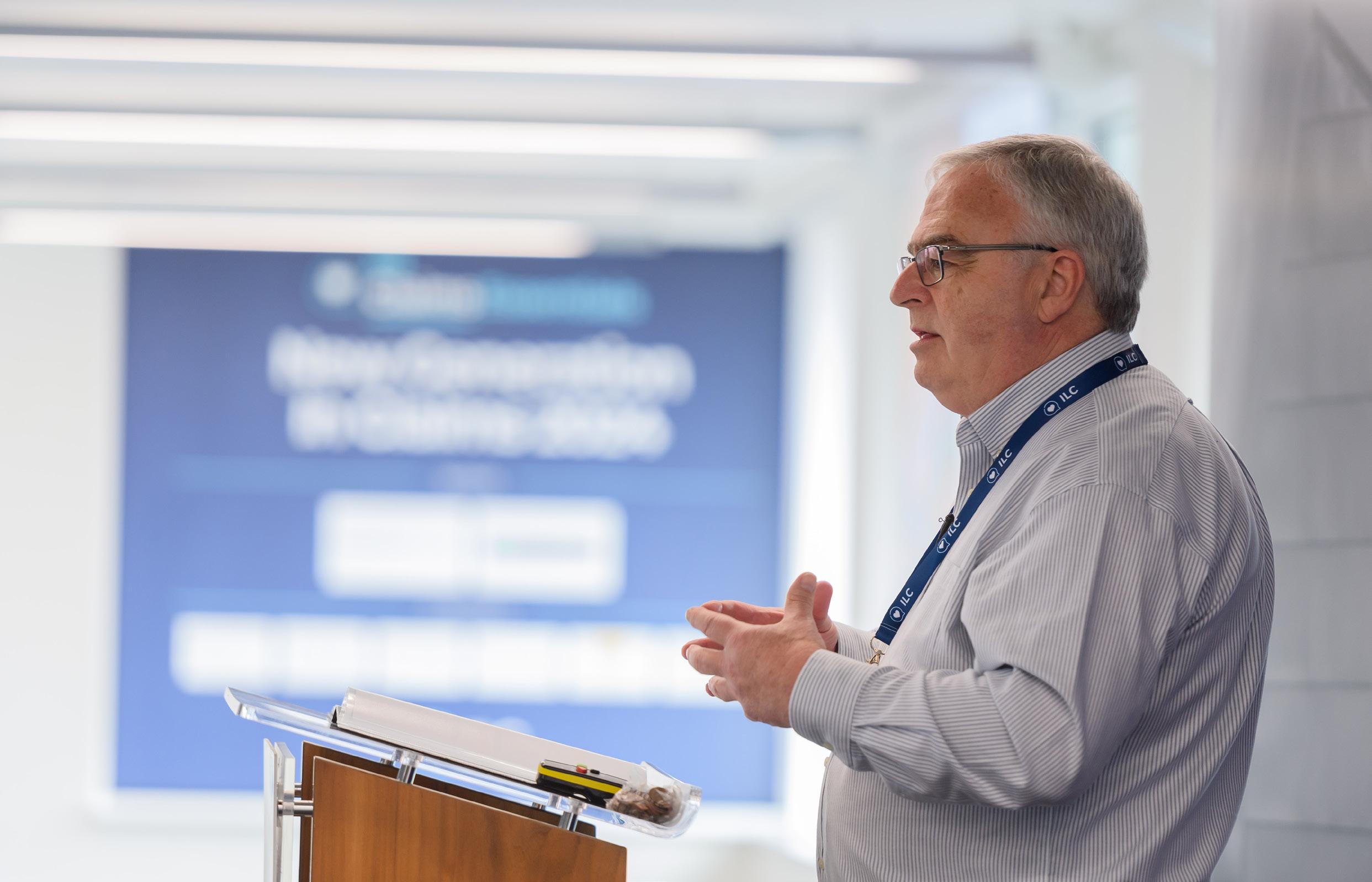
According to Martin Goodwill, CEO of Great People Inside UK, the amount businesses find out about a potential employee before hiring them is so limited they would actually be better off flipping a coin.
He said, “Most of the information we use comes from CVs and you end up rejecting people based on the most spurious things, like key words. Worse still, 56% of people admit to being economical with the truth on their CVs, so how much value is there on the CV in the first place?
“Then there are interviews. A lot of managers are not as good at this as they think they are. Think about the last time you interviewed someone who exceeded your expectations and the last time you interviewed someone who failed – what was the difference in process? Almost invariably there was no difference at all. It was just luck, and trusting to luck is not good enough for one of the most important (and expensive) business processes.
MARTIN GOODWILL CEO
Great People Inside UK
“It’s all about information and risk. But CV, interviews and even background checks only amount to 26% of the information you could have to make a decision. That means 74% is a risk. Flipping a coin would give you a better chance of getting it right.”
Attitude
He said that part of the problem was that employers approach the recruitment process looking for aptitude, not attitude, at the outset.
They ask a single question: can the person do the job?
That means that not only do they not identify skills in the candidate that may be valuable further on in their careers with the company, but they could also employ a person who is not a good cultural fit.
He said, “Good recruiters do try to find out more about the person, but they are rewarded on the basis of bums on seats so we have to decide if that’s more important than long-term retention.”
24 Better Tomorrow
Ultimately, he added, good retention is based on the information garnered during the recruitment process and employers do not find out enough about the people they hire and the skills they bring with them to make the most of their talents and unlock their internal talent pool.
Insights
At Great People Inside UK, psychometric tests provide a much deeper insight into the person, identifying not just existing skills, but interests, attitudes and potential. Further, these tests can be tailored to suit individual organisations, enabling them to measure what is most relevant to them.
That means when a new position becomes available, companies can set the criteria they want, measure their entire workforce against those skills at the touch of a button, and find out almost immediately if there is a good internal candidate or if they will have to look externally. And they can use top performers in their company as benchmarks and test candidates against their skills, not slightly “iffy” ‘Industry Standards’.
Furthermore, the tests are cross-departmental, meaning the best person to manage the sales team might be found in accounts.
Martin said, “A lot of internal recruiting is done in silos so we promote our best sales person to sales manager. But there are two words in that job title, and that person might not be a good manager. Then you’re stuck with a bad manager, plus you’ve lost your best sales person. Maybe the better manager is not even in the sales department.”
He concluded, “It’s important to let the workforce know that when there is a vacancy they are being actively considered. Always recruiting from outside is not just expensive, it can also affect the morale of your existing employees and they could end up leaving if they don’t see much chance for career progression. That is a cost you need to measure.”
25 New Generation in Claims Conference 2024
Tapping into existing talent
 ANDY CAIN
Head of Claims – Customer Operations Saga plc
 MARTIN GOODWILL CEO
Great People Inside UK
One way organisations can overcome the recruitment challenge is to retain the people they already have and maximise their talents through innovative and flexible development initiatives.
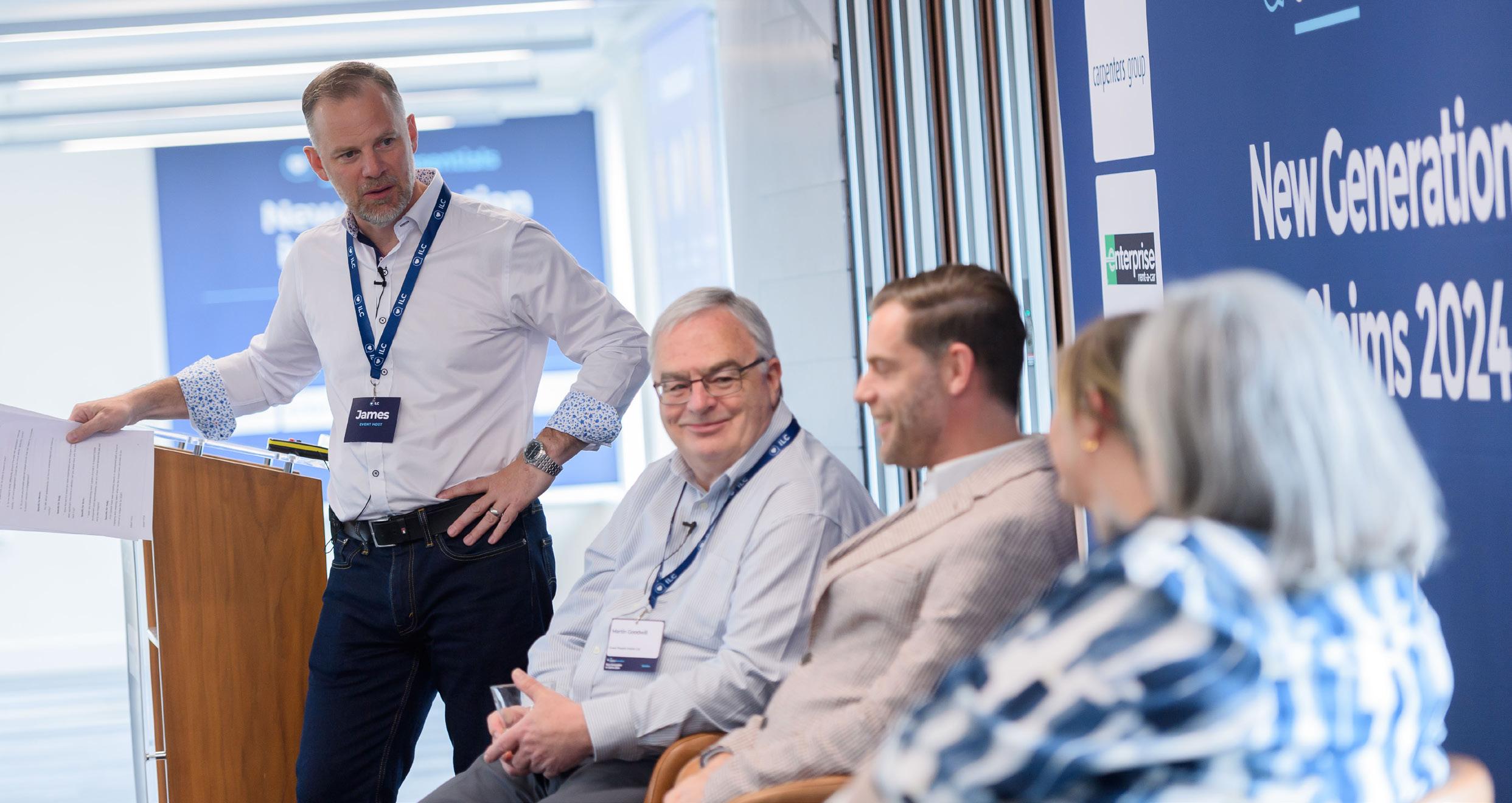
That was the message of the second panel discussion held during the event which featured: Andy Cain, Head of Claims – Customer Operations, Saga; Martin Goodwill, CEO of Great People Inside UK; Nicky Sutherland, Director of People & Culture, Steer Automotive Group; and Holly Llewellyn, Head of L&D Operations & Digital Learning, First Central.
All in their own ways have faced the skills challenge head on by introducing new working practices or development programmes.
Hybrid
working
For example, Saga has introduced remote working and shifted the focus of recruitment to a candidate’s core values to ensure they are hiring someone who fits in with the company culture.
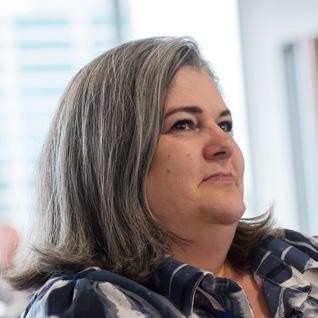 NICKY SUTHERLAND
Director of People & Culture
Steer Automotive Group
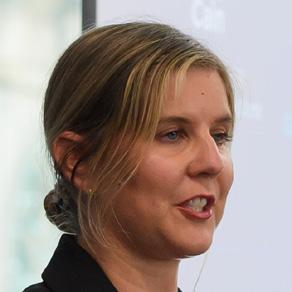 HOLLY LLEWELLYN
Head of L&D Operations & Digital Learning
First Central
Andy said, “We had a significant attrition challenge 18 months ago but have reduced that by 50% now. Going remote has definitely played a part in that. It’s been a huge journey but we don’t make people come into work now, it’s completely flexible. But if they’re working from home, we wanted to ensure we still offered an environment of learning so we’ve invested a lot in virtual support and virtual floorwalking. We’ve also invested in our managers so they are able to have better conversations with their teams to build better connections, find out what they want, and create career pathways for the individual.”
He does admit though that home and office working both bring advantages and disadvantages, and weighing them up against each other is not an exact science.
Andy said, “Can we quantify the benefits of office working versus remote working? Our attrition rates have gone down significantly, but I’m a huge fan of the team dynamic and I don’t know whether we truly understand the benefits of having people in the office and making those human connections.”
26 Better Tomorrow
Development
Certainly it is easier to support career progression for colleagues who are on site at least some of the time, and continuous development is critical to engagement and retention.
Recognising that, First Central has introduced a number of gig projects that pull people from different teams to work collaboratively on projects lasting from 30 minutes to seven weeks.
Holly said, “We say, these are the skills we are looking for on this project and then invite anyone to apply. We want 20% of the skills to be developing skills, things people are not already good it. That way they are trying something different, learning new skills, collaborating more and making internal connections.”
The company has also introduced job-shadowing to expose colleagues to unfamiliar roles, and introduced a platform that gathers people’s skills; it now has skills profiles for more than half the workforce.
Training
Steer Automotive has also ramped up the focus on development. Apprentices are offered enhanced training opportunities with suppliers while learning journeys have been created for technicians that incorporate e-learning, accredited courses, and partnership training.
Nicky said, “It’s all optional, but we’re giving our technicians a learning opportunity while at the same time enhancing the skills within our organisation. It’s future-proofing our business for new technologies.”
Identifying existing or potential talent within the workforce is a fundamental aspect of securing the skills needed to thrive in the future. Untapped talent is a huge, wasted resource and the business argument for making the most of what you have is a compelling one.
Martin concluded, “Assessments aren’t just for recruitment. You can identify who does something well within your company, why they do it well and what separates them from people who do it less well. You can then decide then whether it’s worth investing in other people to bring them up to that level, which introduces both a developmental and motivational aspect.”
27 New Generation in Claims Conference 2024
An interview with…
 SARAH PICKERILL Head of People, Carpenters Group

Here we catch up with Sarah Pickerill, Head of People at New Generation in Claims sponsor Carpenters Group. Sarah provides an insight into creating cultures to enable people the thrive; the positive impacts of a focused approach to DE&I; and the benefits of apprenticeships.
Celebrating 30 years in business this year, tell us more about Carpenters Group today?
What a milestone we’ve reached! Obviously there has been significant growth within the last 30 years at Carpenters Group, but thankfully we have retained the ethos of a family business with values being at the heart of decision making.
We have grown significantly, particularly over the last two years, with over 1,400 people across offices in Merseyside, Glasgow, Manchester, Leeds and Haywards Heath. We are proud to say that we are the market-leader for outsourced claims services.
Carpenters Group has built its reputation by doing the right thing in the most efficient and effective way for our clients. We always pride ourselves on being innovative and pragmatic and give back to the communities
in which we operate. Giving back whether that be through education, fundraising or volunteering is a huge part of what is important to us as a business and to me personally.
How
does
the
Carpenters culture encourage people to thrive?
To create a thriving culture we must have leaders who listen, empathise, and demonstrate
ILC 28 Better Tomorrow
understanding and honesty. We are a people business and with people comes life, and as we know at times life is tricky to navigate!
We pride ourselves on listening to people and at times listening to things which may be difficult, but we know not one person has all the answers and do respect differences in a safe environment, which is so important for growth. Ensuring people feel heard and valued is vital for any business to succeed. At Carpenters Group we encourage innovation and creative thinking and also understand that mistakes can happen and learning can be created from that.
How do you get the right balance between an internal Vs external approach to skillsets?
At Carpenters Group we focus heavily on internal career pathways and have clearly defined progression routes in all of our teams. We have an established leadership and development programme for all experienced, new and aspiring managers. We also champion apprenticeships in all areas of our business.
Equally, we recognise that new talent brings new ideas, diversity of perspective and change. Our talent strategy is about supporting our internal talent, whether that be our apprentices, future leaders or those who have worked with us for a time, whilst recognising bringing in new people is vitally important to the
success of our business in the longer term.
What one thing do you feel has made the greatest positive impact with
your
approach to ‘people’?
For me having the right people, doing the right job. I’m very proud of our wider people team who work really hard in supporting both managers and employees to work in ways to get the best from them for the positive impact on the business. I am equally proud of the work that our senior leadership team do to help support our people. Our Operations Board works cohesively to prioritise what will get the best out of our people, whether that be development initiatives, well-being or investing in technology.
Diversity,
equity and inclusion (DEI) is a multifaceted opportunity, how do you see the positive momentum here impacting your own business and the wider industry?
Our DEI agenda continues to evolve and gather momentum. It is a legitimate and real priority for us as a business. We are an incredibly diverse business by virtue of where we are located and also because of the various roles and careers we have to offer. Being truly diverse as a business
is about being open to and willing to change. This is key to the people agenda, being open to change and also accepting that you need other people’s input for progress to happen. Whether that be generational viewpoints and expectations, gender, age, race, religion, disability or sexual orientation. On the whole our industry is definitely more aware and getting better, but there is still a lot of work to be done on improving what we look like and how we are as an industry to work within.
Tell us more about some of the great initiatives you have underway with engaging young people…
Apprenticeships are a vital part of our business. We currently have 32 apprentices across our business. That is a mix across our legal, insurance and professional services teams. Educating and improving access to our profession is a vital element of our talent agenda. We have a dedicated apprenticeship lead who looks after our apprentices pastoral and development needs. We also run an incredibly busy schools’ engagement programme which takes us out to schools in our local communities delivering skills workshops, running mock interviews and attending careers’ fairs.
29 New Generation in Claims Conference 2024
What role do apprenticeships play in your people strategy and why?
Apprenticeships are core to our talent and retention strategy. The aim of this agenda is to inspire people (of all generations, apprenticeships aren’t just for school leavers anymore) to develop their career and achieve their full potential. We work closely with parents and teachers to help with understanding the wide variety of apprentice opportunities and help change mindsets around apprenticeships. We have apprentices, in all areas of our business, all of whom are progressing successfully onto the next stage of their career within professional roles.
What’s your overarching vision for ‘people’ within the business?
With the backdrop of how challenging the socio-economic climate is at the moment, our overarching vision is to ensure that we are doing everything to support our people so they can succeed in their role and help grow our business. We want our people to feel valued and invested in the success of the business, so they are truly engaged and can achieve great things. As a result we continually review all aspects of how we motivate and retain employees; not just through our reward package, but also through engagement, well-being, development and utilisation of technology. Through employee DEI groups and forums we encourage conversation and feedback, and when and where we can, we commit to action.
Gifted the ‘magic wand of industry change’… what one thing would you do around ‘people’?
I would like to see greater progress around understanding the importance of diversity, particularly within more senior levels within our industry. If I had a magic wand I probably use it to speed up our progress in these areas. Being able to tangibly demonstrate progress and evaluating just how important a diverse perspective is to the success of the business is becoming increasingly important for potential and existing employees and clients, alongside feeling valued and recognised, so therefore this needs to be at the top of any business and people agenda.
30 Better Tomorrow

Team. Contact ILC Rachael Hunt To discuss an ILC Corporate Partnership, as well as other ways that we can help in the marketing and brand awareness of your company at an ILC event, please contact: rachael@iloveclaims.com 07813 146944 Events Director Liane Price liane@iloveclaims.com 07850 220714 Sales & Accounts Manager Mark Hadaway mark@iloveclaims.com 07843 538559 Content Director 31 New Generation in Claims Conference 2024
Events 2024 19/01 Networking Lunch Motor Claims 14/02 ILC Day I Love Claims 07/03 Specialist Subsidence Conference Home & Property Claims 17/05 Networking Lunch Home & Property Claims 06/06 Partner Day I Love Claims 25/04 New Generation Claims Essentials ILC
03/10 Exclusive Conference Motor Claims 07/11 Conference MGA Claims 12/09 Summer Networking Event I Love Claims 03/07 (early afternoon finish) ClaimsTech Claims Essentials 27/06 Conference 28/11 Conference Home & Property Claims iloveclaims.com ILC Further events dates to be confirmed soon.
iloveclaims.com ILC Claims Essentials New Generation in Claims 2024
Sponsors
Ambassadors