The views and opinions expressed within Better Tomorrow are reported from live events and are those of the individual contributor/s. They do not necessarily reflect the official policy or position of the contributor’s employer, organisation, committee or other group or individual.
ILC
While every effort has been made to ensure the accuracy of information, ILC will not accept responsibility for errors or omissions or for consequences arising from reliance on information published. The opinions expressed in Better Tomorrow are not necessarily the opinions of, or endorsed by ILC unless otherwise stated.
COPYRIGHT
All rights reserved. No part of the material contained within this publication may be reproduced or copied in any form or by any means without written permission from ILC.
Stuart
Shaping the future of MGA claims
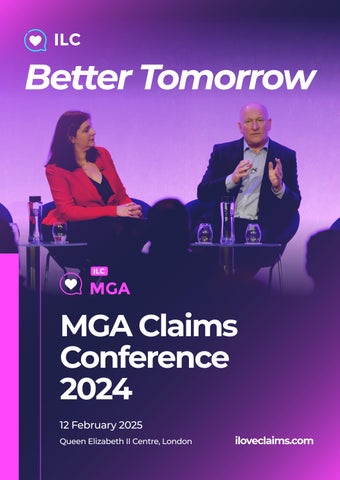
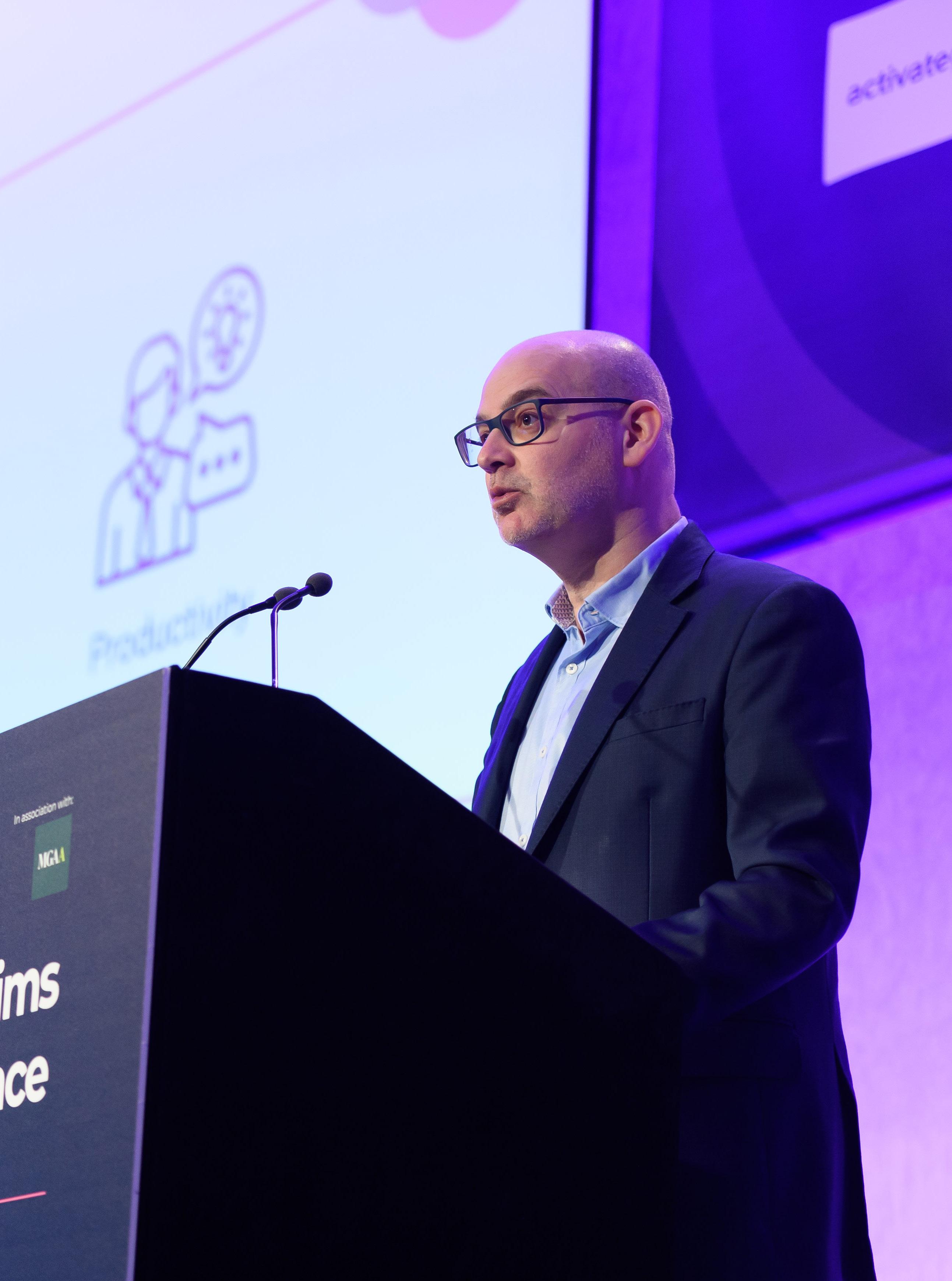
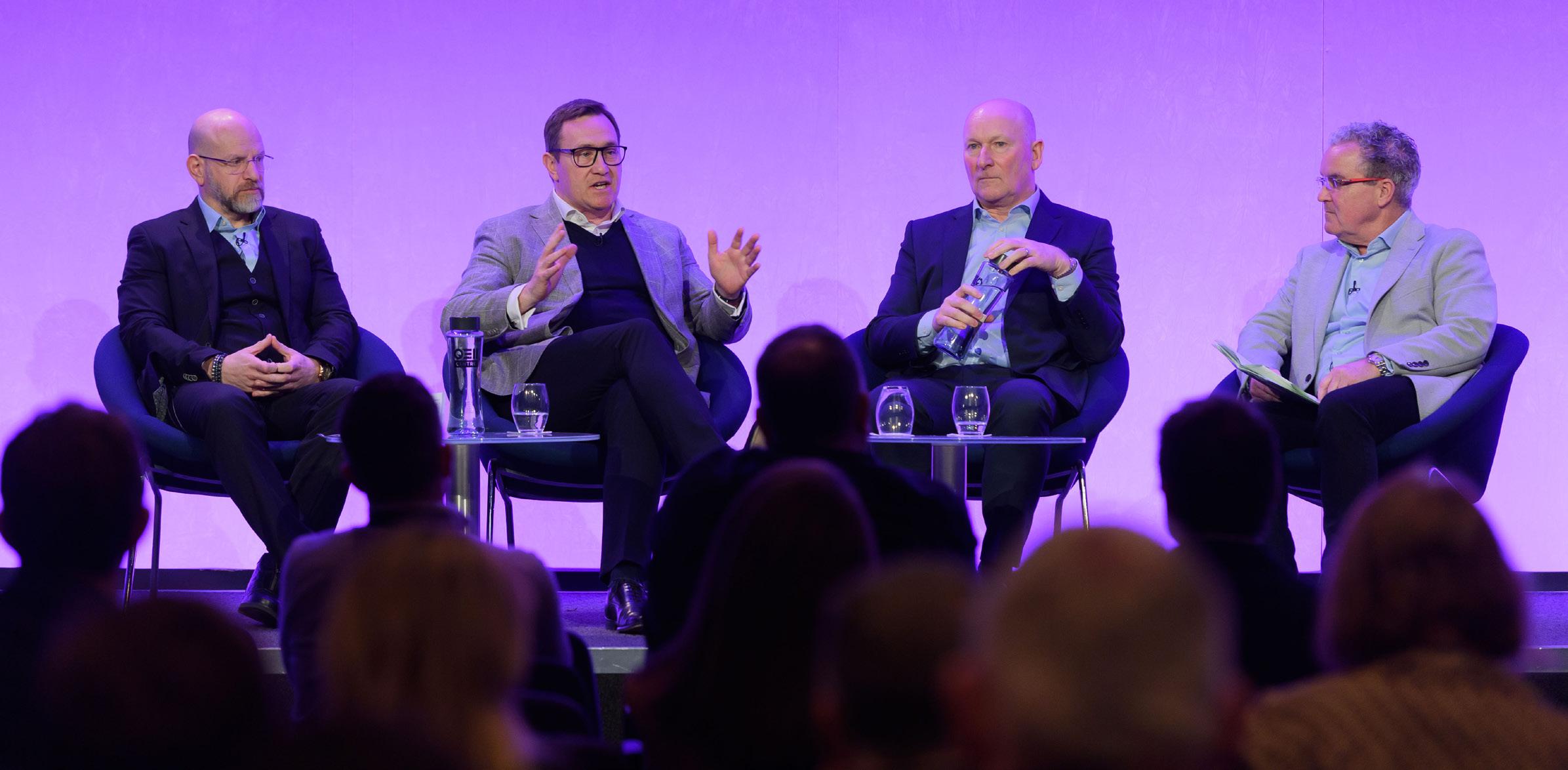
The third annual ILC MGA Claims Conference, held in association with the MGAA, marked a powerful milestone for the UK claims sector.
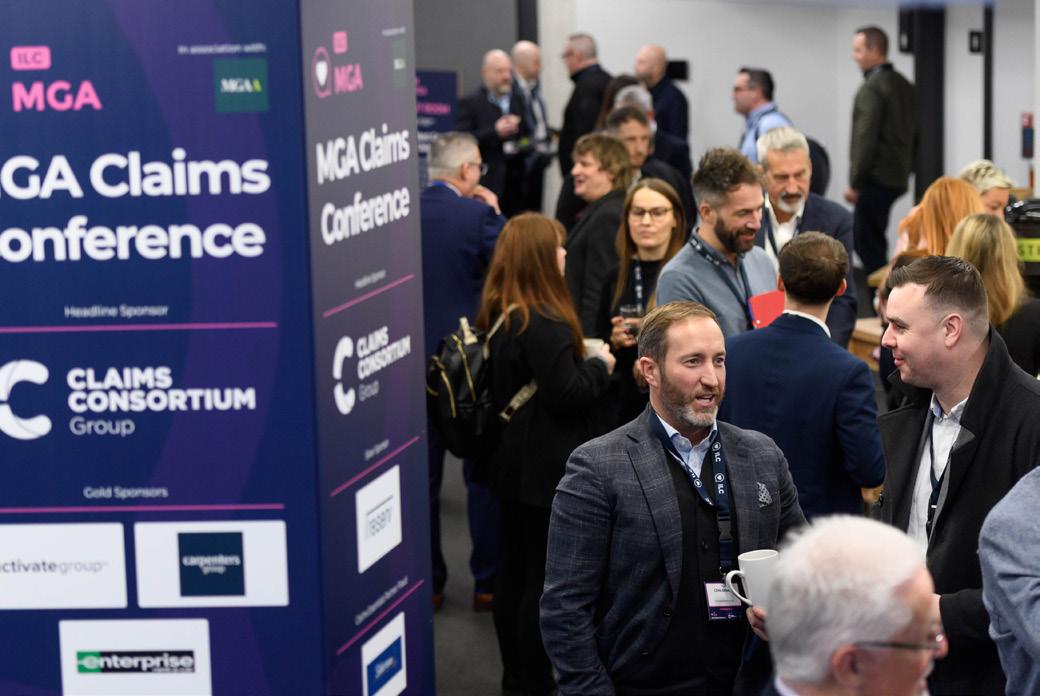
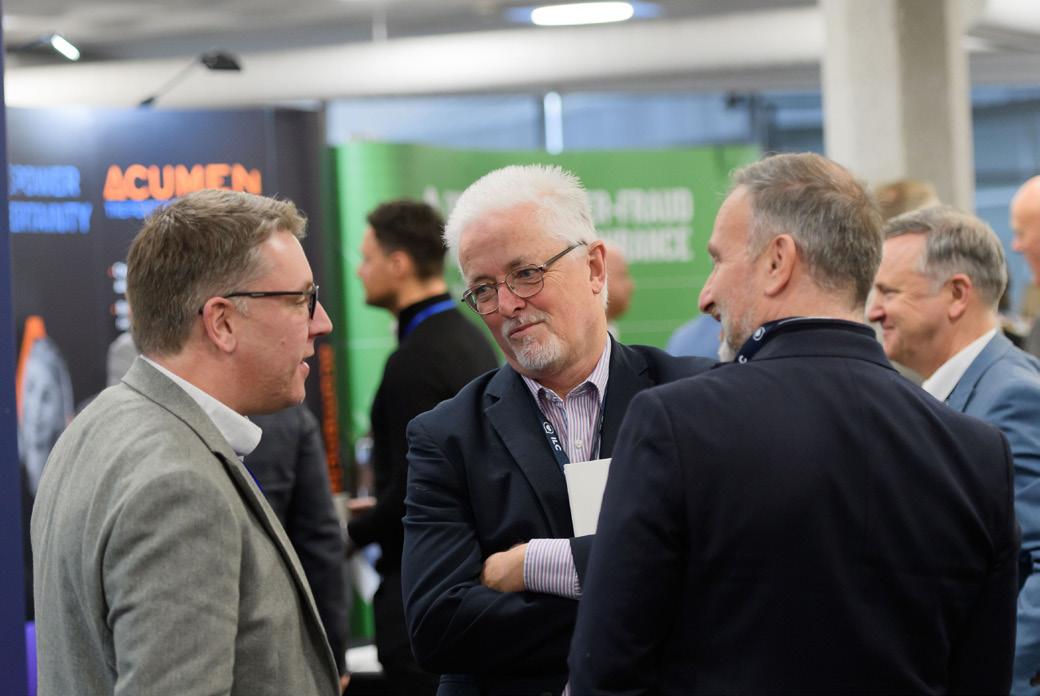
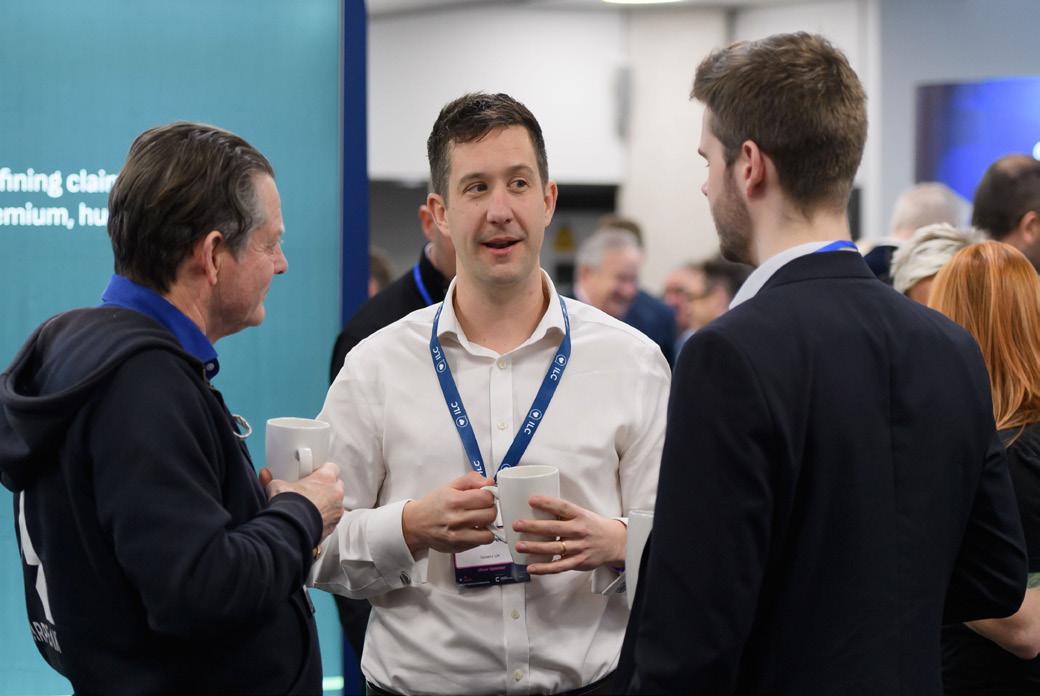
Set against the vibrant backdrop of London in February, the event brought together a record-breaking sold-out audience of over 300 professionals from across the insurance and MGA landscape.
Under the theme ‘Building world class MGA claims solutions’, this year’s conference focused on delivering strategic insights, practical innovations, and collaborative dialogue - ensuring the MGA community continues to evolve and thrive.
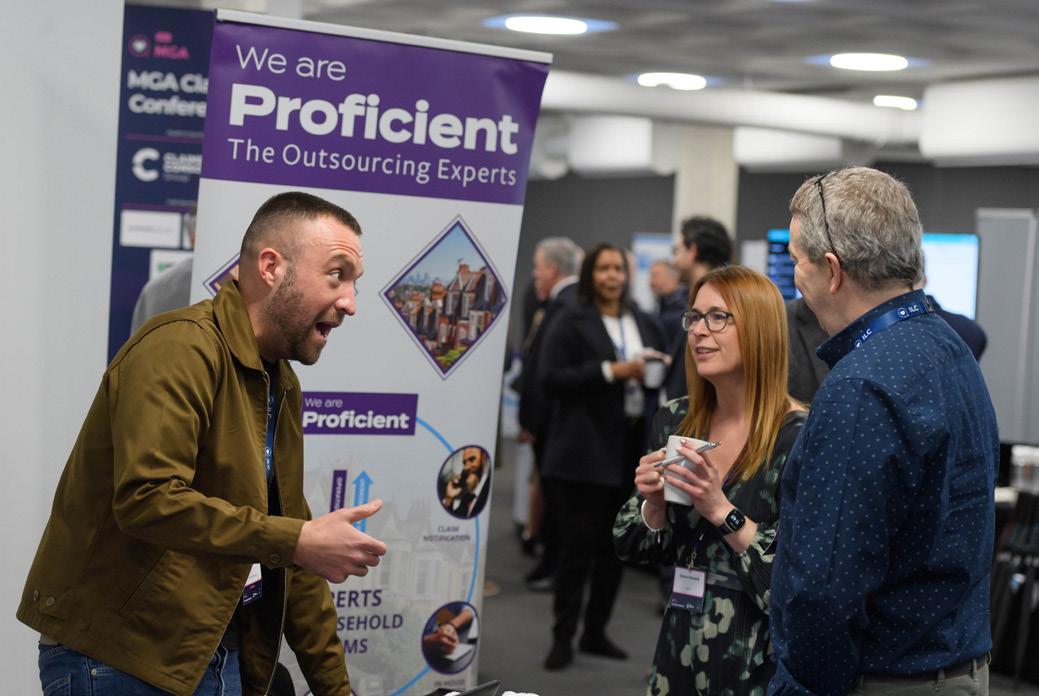
The landmark gathering saw more than 85 insurance-related leading organisations - ranging from top-rated insurers to agile MGAs and tech pioneers - converge to address the pressing challenges and bold opportunities that lie ahead. With expert panels, keynote addresses, and cutting-edge ClaimsTech showcases, the event provided a rich environment for knowledge-sharing, future-gazing, and relationship-building.
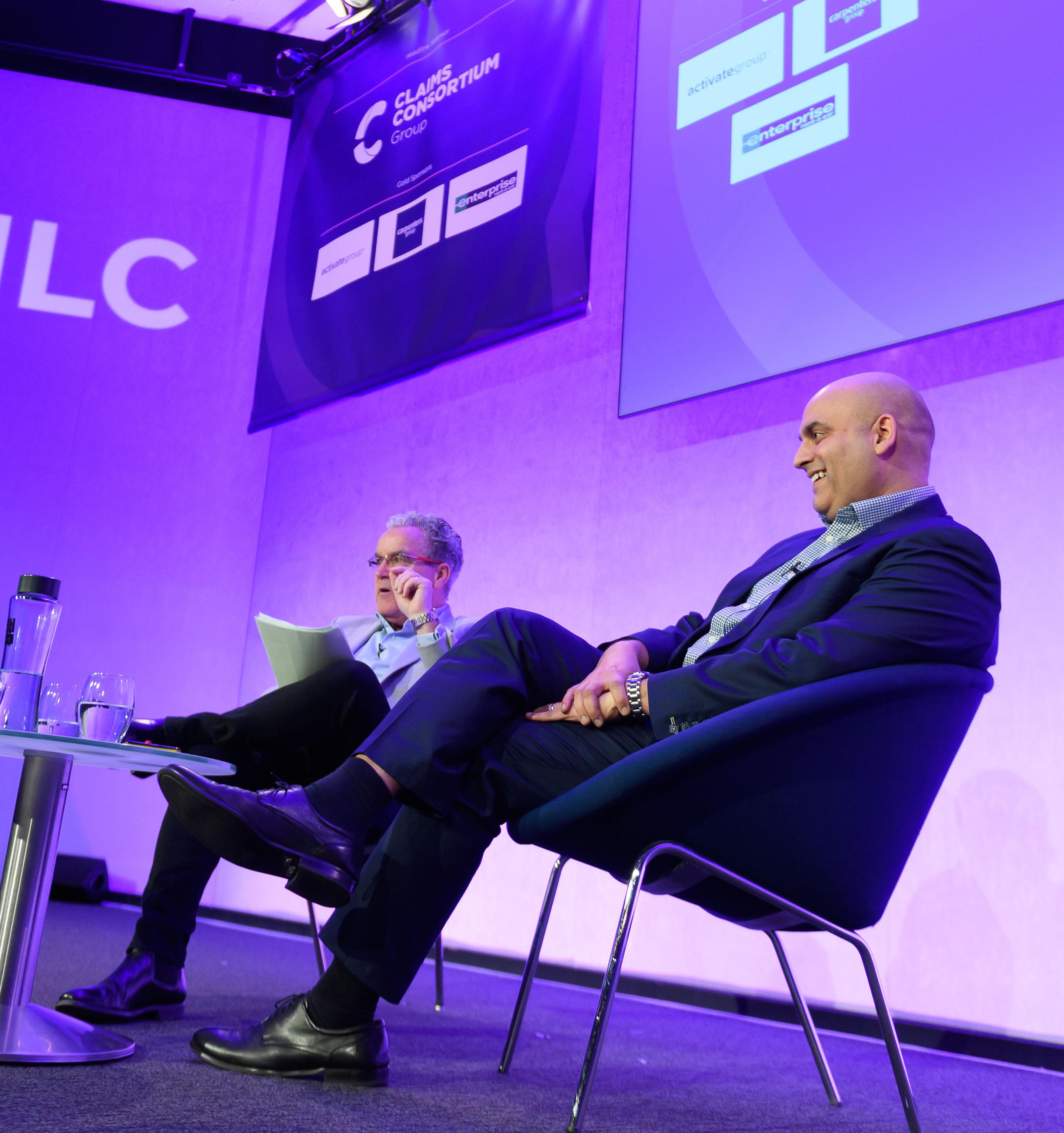
We extend our heartfelt thanks to our incredible sponsors, without whom this event would not have been possible. We are especially grateful to our Headline Sponsor, Claims Consortium Group (CCG), whose support helped set the tone for a world-class experience. Our Gold Sponsors - Activate Group, Carpenters Group, and Enterprise too provided generous backing. Special thanks go to Robertsons, our Fraud Claims Essentials Partner, for their insight into one of the most complex areas in claims. Finally, we would like to acknowledge our Silver Sponsor, Reserv UK, for their commitment to innovation and excellence within the MGA sector.
When we first envisioned this joint claims conference, we saw huge value in bringing MGAs, insurers, and suppliers together. This event again served to validate that vision.
With the sector facing rapid technological advancements, regulatory change, and evolving consumer expectations, the importance of events like this - where expertise meets opportunity - has never been greater.
This issue of Better Tomorrow offers an in-depth overview of the conference: the themes explored, the thought leaders who inspired, and the solutions that are shaping tomorrow’s claims landscape.
We look forward to continuing the journey with you over the next three years and beyond.
Stuart Ballantyne
ILC Partner & MGA Lead
Investing in the future: a vision for claims transformation
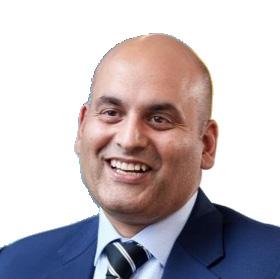
Waseem Malik Chief Claims Officer
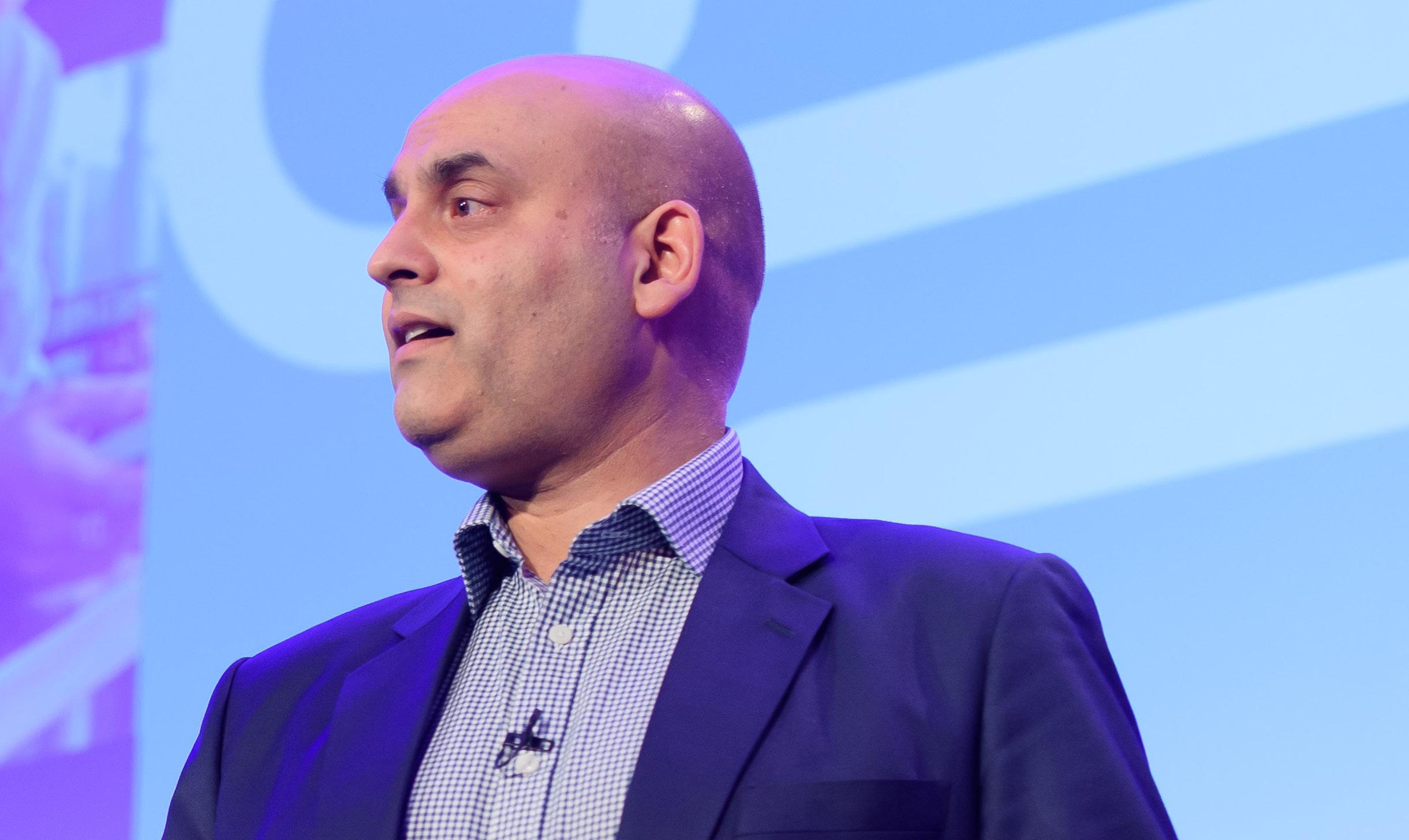
At the heart of the conference was a keynote address by Waseem Malik, Chief Claims Officer at Aviva, who provided valuable insight into the evolving claims landscape and the necessity for investment, innovation, and strategic partnerships.
Aviva
“We can’t see suppliers as just suppliers anymore—they are partners, and we need to invest in them to ensure the longevity and effectiveness of our industry.”
Waseem began by outlining the key challenges currently facing the insurance claims sector, emphasising the need for a sustainable and responsive supply chain. He noted that several key areas within the industry, such as loss adjusting and motor repairs, are suffering from an ageing workforce and a lack of incoming talent.
“We need a healthy supply chain to function and to be there for our customers,” Waseem stated. “We can’t see suppliers as just suppliers anymore - they are partners, and we need to invest in them to ensure the longevity and effectiveness of our industry.”
Climate change has also added pressure, with Waseem citing an increase in extreme weather events leading to greater demands on insurers.
“We’re seeing more frequent and severe floods and storms, and that’s going to continue. This isn’t speculation - it’s happening now,” he remarked. “We need to be prepared, particularly in areas where supply chains are already strained.”
Regulation, another significant challenge, was also discussed. Waseem acknowledged that while regulation is essential, there needs to be proportionality.
“The Consumer Duty landscape has changed expectations, and the industry is hugely supportive of better customer outcomes whilst ensuring it remains fair and balanced,” he said.
Customer expectations and digital transformation
One of the most critical shifts in recent years has been the changing expectations of consumers. Waseem emphasised that with the rise of real-time banking and instant digital services, customers now demand a similar level of efficiency from insurers.
“Our customers are expecting faster, more seamless digital interactions, and we need to invest in technology to meet those expectations,” he said. “Insurance is lagging behind banking in terms of digitisation, and we need to catch up.”
Aviva has already made strides in this direction, integrating artificial intelligence (AI) and data analytics into claims processing. Waseem shared examples of how AI is streamlining processes, such as reducing call handling times through real-time claim summaries and automating claim evaluations.
“We’re using AI-driven models to analyse claims in real time, allowing us to provide quicker, fairer settlements,” he explained. “It’s about improving the experience for the customer while also making our operations more efficient.”
“Claims is not a back-office function—it’s where real value is delivered.”
Strategic partnerships and supply chain integration
A recurring theme in Waseem’s address was the need for insurers, MGAs, and TPAs (third-party administrators) to build strategic partnerships rather than operating in silos.
“We can’t do everything ourselves,” he acknowledged. “As a large insurer, we have economies of scale and can negotiate better supply chain deals. But rather than duplicating efforts, we should be leveraging these partnerships to create best-in-class solutions.”
This extends to MGA partnerships as well, where Waseem urged greater alignment between MGAs, TPAs, and insurers to ensure a shared strategic vision.
“Alignment is key,” he said. “If an MGA is providing expertise in a niche area, we need to understand how that expertise fits within the broader claims ecosystem.”
Balancing investment in people and technology
While technology is playing an increasing role in claims handling, Waseem stressed the importance of balancing tech investments with investment in people.
“AI and automation are not about replacing people - they’re about enhancing their ability to do their jobs better,” he clarified. “We’re using AI to remove mundane tasks so that our handlers can focus on providing empathy and expertise where it’s needed most.”
Aviva has been proactive in investing in its workforce, with initiatives such as largescale apprenticeship programmes aimed at attracting new talent to the industry.
“We need to bring in the next generation of claims professionals,” he urged. “This industry has a noble purpose, and we need to communicate that to young professionals entering the workforce.”
“Technology will be the key differentiator between those who succeed and those who fall behind.”
Regulatory landscape and the role of insurers
On the subject of regulation, Waseem acknowledged that while insurers pay out an estimated 96-97% of all claims, the industry is still subject to intense regulatory scrutiny. He attributed this to inconsistencies in interpretation of reporting practices and in some instances consumer misunderstandings about policy coverage.
“There’s a perception that insurers look to underpay claims, but that’s not the reality,” he stated. “Our focus is on fair settlements and customer satisfaction. However, we need to do a better job of educating consumers about what their policies cover and ensuring transparency.”
He also called on the industry to take a more unified stance when engaging with regulators and government, particularly on pressing issues like climate resilience and flood insurance.
“We need to come together as an industry to advocate for responsible policy changes that protect both insurers and consumers,” he said.
Final takeaways: the future of claims management
In closing, Waseem emphasised three key areas that stakeholders in the claims sector should focus on moving forward:
1. Claims as a front-office function: “Claims is not a back-office function - it’s where real value is delivered. Insurers and MGAs must prioritise claims investment.”
2. Investing in technology: “Technology will be the key differentiator between those who succeed and those who fall behind. The industry must embrace AI, analytics, and digital transformation.”
3. Talent development: “We need to invest in people. Apprenticeships, training, and professional development are critical to the sustainability of our industry.”
As the session concluded, Waseem left attendees with a clear message: those who embrace change, invest in innovation, and build strong partnerships will be the ones who lead the next generation of insurance claims management.
Navigating claims excellence
Gary Barker Managing Director
Trinity Claims (TPA for Policy Expert)
During his session ‘Claims – a view from the top’ Gary Barker, Managing Director at Trinity Claims (TPA for Policy Expert), shared valuable insights into the evolving claims landscape and strategies for building an effective claims operation.
Gary opened by highlighting the rapid expansion of Policy Expert, which now serves over 1.5 million customers. Despite its growth, he emphasised that the company maintains a start-up mentality, enabling it to remain agile.
“We are growing into something more mature, but we still have that entrepreneurial ‘get stuff done’ approach,” he explained.
One key topic of discussion was the impact of regulation on claims management. Gary noted that while regulatory scrutiny has intensified, much of this oversight is selfinflicted, arising from industry practices rather than shifting consumer demand.
“The regulator is much more active in our market than before, but a lot of that is down to how insurers behave rather than customers’ expectations changing dramatically,” he said. “We need to focus on building real value for customers in every decision we make, whether it’s managing our supply chain or investing in technology.”
Challenges in supply chain control
One of the biggest hurdles for MGAs, according to Gary, is maintaining control over the supply chain. He observed that many MGAs and insurers struggle with maintaining oversight, particularly when claims handling and underwriting teams do not share mutual objectives.
“Often, claims handlers are working for a fixed fee that does not incentivise them to drive the right outcomes for customers or underwriters,” he said. “That lack of alignment leads to inefficiencies and a disconnect in supply chain management.”
Gary stressed that claims handling should be focused on tangible solutions.
“Claims is about fixing things - whether it’s a car or a house. The sharper the control over the supply chain, the better the outcome for the customer,” he added.
Avoiding pitfalls in industry practices
Gary cautioned against outsourcing critical claims processes to third-party administrators (TPAs) who may have conflicting objectives.
“We only want people working on our claims who have two key priorities: getting the customer sorted out quickly and ensuring costs are managed effectively,” he said. “If a business is structured to generate fee income rather than manage loss ratios, it won’t align with our objectives.”
Managing extreme weather and fluctuating workloads
Weather events continue to be a significant challenge for the household claims market, Gary noted. He highlighted how Policy Expert has built resilience into its claims operations to handle fluctuating workloads caused by unpredictable weather patterns.
“My team is currently dealing with 60% more claims than in August. We don’t have 60% more staff, so we have to be smart about how we manage that workload,” he said. “Controlling our supply chain helps us triage effectively and focus on the most urgent cases first.”
Leveraging technology while maintaining a human touch
Technology was another focal point of the discussion. While automation and AI offer efficiencies, Gary warned against relying too heavily on technology for claims decisions.
“AI can be a fantastic tool to help triage claims, but decisions that affect a customer’s outcome should ultimately be made by a person,” he said.
“We only want people working on our claims who have two key priorities: getting the customer sorted out quickly and ensuring costs are managed effectively.”
Policy Expert has invested in proprietary technology solutions that integrate third-party applications, enabling better damage assessment and claims management. However, Gary maintained that technology should enhance human expertise rather than replace it.
“We have technology that can identify stock images, analyse metadata, and assess whether photos submitted for claims are genuine. But fraud prevention and customer service still require human oversight,” he said.
Lessons learned from customer experience challenges
Reflecting on a past challenge where a claims decision led to customer dissatisfaction, Gary acknowledged the importance of balancing technical correctness with moral fairness.
“Sometimes, a strict policy interpretation doesn’t pass the ‘reasonable person’ test,” he admitted. “That experience led us to review our approach and ensure we take a fair and practical stance when handling claims.”
Future growth and strategic focus
Looking ahead, Gary confirmed that Policy Expert is expanding its motor and pet insurance offerings, though its primary focus remains on household claims.
“Motor insurance is a steady growth area for us, but our core business remains home insurance,” he said. “The supply chain in motor is more mature, so the opportunities to create efficiencies aren’t as pronounced as in home claims.”
He also highlighted how customer satisfaction remains a key performance indicator for the company.
“The only way a claims handler at our company can earn any extra money is by getting a five-star Trustpilot review,” he revealed. “We don’t reward staff for reducing claim costs or turning claims down-our priority is customer outcomes.”
Conclusion
Gary’s insights reinforced the need for greater ownership of supply chains, aligning incentives between claims handlers and underwriters, and leveraging technology without losing sight of the human element in claims handling.
With an industry facing increasing regulatory scrutiny, shifting customer expectations, and complex supply chain dynamics, the ability to navigate these challenges while maintaining customer focus will be critical in shaping the future of claims management.
“Sometimes, a strict policy interpretation doesn’t pass the ‘reasonable person’ test.”
Breaking barriers in claims: nurturing the next generation of industry leaders
Host:
“There is quite a wide perception across the industry that to be successful in claims, you need to have started at entry level and worked your way up.”
Jess Woodhouse, Homeprotect
The event featured a wealth of insights on how to foster the next generation of claims professionals, overcome barriers to entry, and balance technical expertise with customer service.
Opening the discussion – ‘Next Gen in MGA Claims’ which was chaired by Kaj Pankhania, Director, DA Strategy and past-Chair of the MGAA Next Gen Committee – Jess Woodhouse, Chief Operating Officer at Homeprotect, addressed the industry’s barriers to entry. She noted that a widely held perception exists that professionals must have a claims background to succeed in the sector.
“There is quite a wide perception across the industry that to be successful in claims, you need to have started at entry level and worked your way up,” she said.
Jess emphasised the need for a dual approach: continuing to develop entry-level technical expertise while also opening doors for professionals transitioning from other areas of the insurance business. She encouraged hiring managers to take a broader view when assessing candidates’ backgrounds, recognising the potential contributions of those without a traditional claims foundation.
“A mentor is great to have, especially as a young person.”
James Mather, Gallagher Bassett
Empowering claims professionals through growth opportunities
Chris Brown, Natural Resources Claims Manager at Aon, shared his perspective on fostering professional growth. With only a month in his managerial role, he acknowledged the importance of offering opportunities at the right time.
“You need to strike a balance between ensuring that your team has the capability to handle assignments while also giving them the learning opportunities to get there,” he explained.
Chris advocated for mentoring and shadowing as key development tools. He highlighted his own experience of being given early opportunities that allowed him to learn and develop, which he now aims to replicate for his team.
James Mather, Claims Consultant, Gallagher Bassett, supported Chris’ views of mentorship. “A mentor is great to have, especially as a young person. When I first started I would speak to people with five, 10 or 15 years of experience and it’s so helpful. You want to improve, you want challenge yourself and try to do things independently but having a mentor guide you is invaluable.”
The role of company culture
Zara Williams, Outward Reinsurance Manager at Rokstone, underscored the significance of company culture in retaining talent. She highlighted the importance of employees feeling they are part of a shared goal.
“When you look around and see people with similar levels of experience and diverse backgrounds in senior positions, it’s encouraging,” Zara remarked.
She pointed out that a strong company culture fosters internal career progression, reducing the need for employees to seek new roles elsewhere. Furthermore, it encourages mentorship and learning opportunities, ensuring that talent remains engaged and motivated.
Blending technical claims expertise with customer service
Discussing the intersection of technical claims skills and customer service, Jess reflected on the challenges of bringing a customer service perspective into claims.
“I’ve been told more than once, ‘You can’t run a claims operation like a contact centre,’” she noted. “But what’s wrong with contact centres? There are amazing people there, and they provide valuable lessons on efficiency, customer engagement, and problem-solving. Likewise, contact centres have a lot to learn from those with claims expertise around managing a very technical and fragmented process. The power and benefits come in the sum of the parts.”
She advocated for blending the best practices from both fields, using customer service insights to enhance claims operations while still recognising the technical nature of claims handling.
The
importance of mentorship in the
claims sector
Jess also addressed the need for greater mentorship opportunities, particularly for those transitioning into claims roles from other areas. She encouraged experienced professionals to support newcomers and help them navigate the complexities of claims.
“When I asked the room who was a mentor, only a few hands went up, and even fewer were mentoring someone from outside claims,” she observed. “We need to change that if we want to build a more dynamic and diverse industry.”
She called for more participation in mentoring schemes, such as the MGA Next Gen mentorship programme, which aims to provide support and career guidance for emerging talent in the sector.
Recognising achievements and driving innovation
Chris, who won the rising star award at the British Claims Awards, spoke about the importance of recognising achievements.
“Achievements matter because they help people feel valued,” he said. “But they also come from taking opportunities and challenging yourself.”
He encouraged young professionals to focus on technical excellence as a foundation for success. “Networking is valuable, but being good at your job is what ultimately sets you apart,” he added.
James added, “The opportunity to gain qualifications is a real encouragement for young people and a great benefit to their employers.”
Technology and the future of claims careers
During the audience Q&A, David Morris from BDEO raised a question about whether AI and emerging technology might deter people from entering the claims industry. Jess responded by framing technology as an opportunity rather than a threat.
“AI won’t replace our people - it will support them,” she asserted. “We see it as a tool to help our team deliver better outcomes for customers.”
She emphasised that companies leading in technology, such as Homeprotect, could attract ambitious professionals eager to be part of a forward-thinking industry.
“You need to strike a balance between ensuring that your team has the capability to handle assignments while also giving them the learning opportunities to get there.”
Chris Brown, Aon
The language of leadership in claims
Another audience member, Michael Lewis Claim Technology, questioned whether it was time to stop referring to employees as ‘resources’ or ‘assets’. This sparked a discussion on professional identity in the claims sector, with many agreeing that the industry should move toward language that better reflects the human-centric nature of the profession.
“We are a profession, not just a resource,” one audience member noted, reinforcing the idea that claims professionals should be recognised for their expertise and contributions.
Barriers, growth, culture and technology
Key takeaways included the need to break down entry barriers, create growth opportunities, foster a strong company culture, and integrate technology while maintaining a human-centred approach. The importance of mentorship, recognition, and a fresh perspective on industry language also emerged as significant themes. As the claims sector continues to evolve, embracing these strategies will be crucial to attracting and retaining top talent.
Fighting fraud in MGA claims: tackling ghost broking, AI threats, and industry
collaboration
Host:
Partner
Kennedys Ami
David
Director
Robertsons
The conference provided a vital platform for industry experts to discuss emerging fraud trends and the strategies required to combat them.
Highlighting key challenges such as ghost broking, the misuse of artificial intelligence (AI), and the need for improved industry-wide collaboration the panel discussion featured Ami North, Chair of the Insurance Fraud Investigators Group (IFIG) and Motor Policy Application Fraud Lead at Direct Line Group; Ruth Needham, Partner and Head of Fraud at Kennedys; Victoria Wallace, Head of Fraud at Zego; and David Eldridge, Director of Client Services and Innovation at Robertsons.
The session was chaired by Stuart Ballantyne, Partner at ILC.
Ghost broking – an escalating threat
One of the dominant themes of the discussion was the rise of ghost broking - fraudulent intermediaries selling fake or invalid insurance policies, often targeting vulnerable individuals. Ruth emphasised the scale of the issue, citing a recent experience involving her teenage daughter and friends who had unknowingly engaged with ghost brokers through social media.
“I was shocked at how readily young drivers believe they can get cheaper insurance from a social media ‘influencer.’ There is a huge education piece missing here,” she said.
Victoria added that insurers and MGAs need to play a more active role in public awareness.
“We’ve seen ghost broking advertisements in garages and community shops. If fraudsters can use social media effectively, we should be doing the same to educate the public,” she argued.
David highlighted the increasing frequency of ghost broking cases his firm has investigated and called for a more robust approach to prevention.
“We’ve been instructed on more cases than ever before, running test purchases and uncovering entire operations. The industry must take this threat seriously,” he said.
AI: a double-edged sword in fraud detection
AI was another major talking point, with panellists discussing both its advantages and the risks it poses. Ami noted that while AI is a powerful tool for fraud detection, fraudsters are using it at an unprecedented pace.
“Our challenge is that we have governance and processes, whereas fraudsters don’t. They can move quickly, experiment with AI-generated fake claims, and adapt faster than we can,” she explained.
David echoed this concern, pointing out that generative AI has made it easier to fabricate documents and manipulate evidence.
“A person in their bedroom can now generate fraudulent insurance documents in minutes. AI has moved fraud from being an opportunistic activity to an enterprise-level threat,” he warned.
Victoria, however, highlighted the potential of AI-driven tools in counter-fraud strategies. “AI can help us validate claims more efficiently. We’re already using tools that verify document authenticity, identify metadata inconsistencies, and highlight potential fraud risks in real-time,” she said.
Ruth urged caution in over-reliance on AI and stressed the need for a human element in fraud detection.
“Technology is a great enabler, but it won’t replace skilled fraud investigators. AI should support, not replace, expert judgment,” she said.
“AI should support, not replace, expert judgment.”
Ruth Needham, Kennedys
Balancing fraud prevention with customer experience
A key challenge raised during the session was balancing fraud prevention efforts with the need for a seamless customer journey. David highlighted the tension between robust fraud controls and delivering efficient claims service.
“We need to focus on fast-tracking genuine claims while identifying fraud in the background. The goal should be to reduce friction for honest customers, not add unnecessary layers of verification,” he said.
Ami agreed, reinforcing that fraud detection should not come at the expense of customer satisfaction.
“The vast majority of claims are genuine. Our job is to ensure that fraud detection methods don’t inconvenience legitimate customers,” she said.
Victoria shared an example from Zego, where they have a one customer view within their platform by merging customer support, policy management, and claims handling into a single view which will aid fraud management.
“For us, having a one-customer view is a game-changer. We can detect anomalies early and avoid unnecessary delays for genuine customers,” she said.
Cross-industry collaboration –the key to success
The session concluded with a call for greater industry collaboration. Panellists acknowledged that while insurers and MGAs have traditionally been protective of their fraud intelligence, sharing insights is crucial in combating organised fraud.
David pointed to the importance of engaging with supply chains and fraud specialists.
“You don’t have to fight fraud alone. Engage with your partners - whether it’s investigators, legal teams, or data providers. Leaning into your supply chain for insights can make a significant difference,” he said.
Ami emphasised the role of organisations like IFIG in fostering collaboration and urged MGAs to engage with industry bodies.
“If you’re not at the table, fraudsters will quickly work out which companies are vulnerable. Sharing intelligence is our best weapon,” she stated.
Ruth highlighted recent improvements in cross-industry cooperation, citing instances where multiple insurers had come together to address shared fraud risks.
“The days of working in silos are over. Insurers are now proactively reaching out to each other to tackle fraud collectively,” she said.
“If you’re not at the table, fraudsters will quickly work out which companies are vulnerable. Sharing intelligence is our best weapon.”
Ami North, IFIG
Conclusion
The session underscored the growing complexity of fraud in the insurance sector. From the rise of ghost broking to the dual role of AI as both a threat and a solution, the discussion highlighted the urgent need for collaboration, education, and technological advancement in fraud prevention.
With fraud losses continuing to rise, industry players must strike a balance between innovation and vigilance, ensuring that fraud detection efforts do not compromise customer experience. By working together, engaging with technology, and maintaining a proactive stance, insurers and MGAs can better protect their businesses and customers from fraud.
“A person in their bedroom can now generate fraudulent insurance documents in minutes. AI has moved fraud from being an opportunistic activity to an enterprise-level threat.”
David Eldridge, Robertsons
“If fraudsters can use social media effectively, we should be doing the same to educate the public.”
Victoria Wallace, Zego
Revolutionising claims: how AI is transforming insurance for the future
Host: Jonathan Valentine
ClaimsTech Lead
ILC
CTO
Thingco
Tanya Kukreja Lead Architect Aventum Group
Owen Pugh Chief Operating Officer
Claims Consortium Group
Yemi Oluseun Programme Director The Change Hive
“AI is like the cleverest intern who works 24/7 and doesn’t expect a coffee break.”
Tanya Kukreja, Aventum Group
One of the key discussions during the event centred on the role of artificial intelligence (AI) in claims processing and the challenges associated with its
implementation.
Kicking off the discussion, Jonathan Valentine, ClaimsTech lead at ILC and CTO of ThingCo, set the tone by addressing the rapid adoption of AI. “AI has been a buzzword for a while now, but we are finally seeing real-world applications that are reshaping claims handling,” he noted.
Tanya Kukreja, Lead Architect at Aventum Group, shared insights into how her organisation is integrating AI to streamline processes. “AI is like the cleverest intern who works 24/7 and doesn’t expect a coffee break,” she remarked, underscoring its potential in automating repetitive tasks.
Aventum, traditionally an entrepreneurial business, has embraced AI by fostering a dedicated innovation team. “We’ve ring-fenced a team that focuses solely on research and development, ensuring that when a solution reaches our production teams, the heavy lifting has already been done,” she explained. This approach allows the business to maintain agility while mitigating risks associated with adopting emerging technologies.
“Risk is something we can manage with controls, but fear can prevent progress.”
Owen Pugh, Claims Consortium Group
AI in practice: real-world applications
A prime example of AI’s impact is Aventum’s use of AI-powered translation for underwriting. “One of our underwriters was spending significant time translating slips from Spanish and Portuguese to English. While Azure’s translation services provided a base solution, they lacked industry-specific context,” Tanya explained. By training AI models with a glossary of terms specific to insurance, Aventum significantly reduced manual workload and increased accuracy.
Jonathan reinforced the importance of such AI applications, adding, “In my experience, AI doesn’t always get it right. I once lost an entire codebase when an AI decided to start from scratch. That’s why structured implementation and oversight are crucial.”
Owen Pugh, Chief Operating Officer at Claims Consortium Group, highlighted the potential for AI in enhancing customer interactions. He shared a personal experience where an AIpowered customer service tool resolved his mobile phone billing issue without human intervention. “The AI recognised my issue, processed a solution, and had it sorted in minutes. It was a better experience than dealing with a human agent,” he admitted.
For insurance claims, similar AI-driven efficiencies can be achieved by automating common inquiries. “In a claims journey, a significant number of customer interactions are FAQ-driven - questions like ‘When is my repair scheduled?’ or ‘Has my payment been processed?’ These are areas where AI can reduce friction and enhance customer experience,” stated Owen.
Balancing AI adoption with compliance and consumer expectations
Despite AI’s benefits, the insurance industry remains cautious, given regulatory constraints. “We operate in a highly regulated space, so our risk tolerance is different from fintech or retail,” noted Yemi Oluseun, Programme Director at The Change Hive.
Yemi explained that AI adoption should start internally with non-customer-facing applications before expanding. “We focus on structuring business transformation programmes through clear business process definition, automation, and data-informed insights to measure and ensure continuous improvement,” explained Yemi. “This allows organisations to refine processes, improve efficiency, and ensure compliance before rolling out customer-facing AI solutions.”
Ensuring ethical AI use and data protection is also a priority. Tanya emphasised the importance of governance: “We rigorously test AI models with diverse data sets to mitigate biases. We also implement AI governance frameworks before regulators impose external rules.”
Owen echoed these sentiments, distinguishing between risk and fear. “Risk is something we can manage with controls, but fear can prevent progress. The key is to take calculated risks while maintaining oversight.”
The future of AI in claims processing
Looking ahead, AI’s role in claims will likely expand beyond automation to include predictive analytics and hyperpersonalisation. “The ability to analyse vast amounts of data and identify patterns can help insurers anticipate customer needs and optimise claims processing,” noted Yemi.
Tanya highlighted how AI is already being used for claims triage. “AI can categorise claims based on urgency, allowing human handlers to focus on high-emotion, complex cases. For example, a minor vehicle dent claim can be fully automated, whereas a life-changing injury claim requires human empathy.”
Owen added that integrating AI with existing legacy systems remains a challenge. “Many insurers have multiple policy and claims systems that don’t communicate effectively. AI can bridge this gap by extracting and structuring data, making it actionable.”
Conclusion
The discussion at the ILC MGA Claims Conference underscored the growing importance of AI in claims processing. While AI offers substantial benefits in efficiency and customer service, its implementation must be balanced with ethical considerations and regulatory compliance. As Tanya aptly summarised, “AI doesn’t replace human expertise; it enhances it.”
“AI doesn’t replace human expertise; it enhances it.”
Tanya Kukreja, Aventum Group
As the discussions highlighted, with structured implementation, robust governance, and a willingness to embrace change, it would seem the insurance industry is primed to harness AI to build world-class claims solutions that deliver efficiency without compromising customer trust.
“AI
adoption in claims should ideally start with backoffice efficiencies before expanding to customer-facing applications. This allows insurers to refine processes, ensure compliance, and mitigate risks before wider rollout.”
Yemi Oluseun, The Change Hive
Reclaiming control: a vision for the future of insurance claims
Peter Graham Non-Executive Chairman
Markerstudy Insurance Services
The insurance industry is in a state of flux, with new technologies, regulatory changes, and evolving consumer expectations reshaping the landscape.
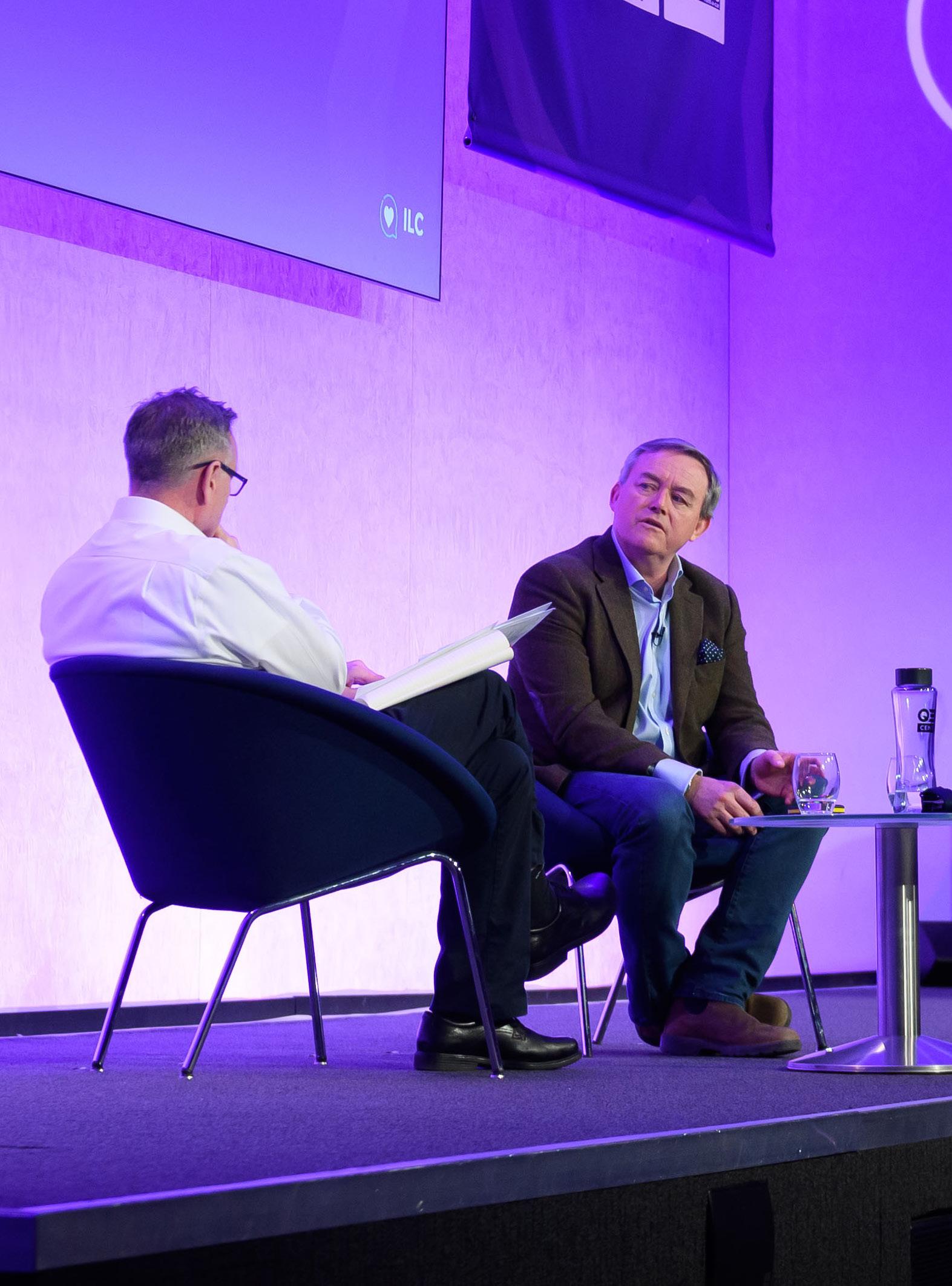
Industry veteran Peter Graham, Non-Executive Chairman of Markerstudy Insurance Services, provided an unvarnished view on the state of insurance today.
Interviewed by Charlotte Halkett, Senior Consultant at Milliman, Peter offered a candid perspective on the challenges and opportunities in the sector, reflecting on his extensive career and his insights into claims, regulation, and market evolution.
A career shaped by change
Peter’s career has been defined by transformation and innovation. Beginning as a COBOL programmer, he moved into the Lloyd’s market before joining Direct Line in the mid-1990s during its high-growth period. He later worked with Direct Line’s Founder, Peter Wood, to establish insurance businesses in the US before being the CEO of esure when it launched in the UK in 2000.
His experience in both start-ups and corporate turnaround scenarios has given him a unique perspective on what it takes to drive change. His most ambitious venture, Kudo, a mobile telemetry-led managing general agent (MGA), ultimately failed due to difficulties in securing institutional funding. However, Peter believes that Kudo was ahead of its time and remains confident in the potential of technology-driven solutions in insurance.
“If you want to be in UK motor, get big, get niche or get out,” he stated, referencing Martin Long’s philosophy at Churchill Insurance. This, he argued, remains true today, as scale and data dominance increasingly define the competitive landscape.
The challenges of change in insurance
Change in the insurance sector is often met with resistance. While many insurers talk about the need for innovation, Peter expressed scepticism about the extent to which they are genuinely willing to embrace it.
“You’ve got to have absolute sheer, utter determination and belief in what you’re trying to achieve,” he said. “The amount of obstacles thrown in your way is far too many to mention.”
He cited the early days of Direct Line, when many doubted the viability of selling car insurance over the telephone. “People would tell Peter Wood it would never work and instead work with brokers. Then, it becamethe norm.”
“If you want to be in UK motor, get big, get niche, or get out.”
One of the biggest barriers to change, he argued, is data accessibility. Institutional investors are reluctant to back new MGAs that lack substantial historical claims data, creating a paradox where only large incumbents can afford to innovate.
“If I were to do Kudo again, I think I’d approach it from the opposite end - using mobile telemetry to help on claims rather than risk selection,” Peter suggested, emphasising the importance of early claims intervention.
The claims challenge: who controls the process?
One of the most pressing issues Peter highlighted was the industry’s loss of control over claims handling. He recalled an experience from esure in the early 2000s when a credit hire company pitched its services, claiming it could generate revenue from non-fault customers.
“I sat there thinking, ‘But what happens when it’s our customers at fault? We’re going to be on the receiving end of this.’ Yet, insurers ceded control, and now we complain about it.”
Similarly, he reflected on the early days of price comparison websites (PCWs), when MoneySuperMarket began scraping esure’s website for quotes. Initially, insurers resisted. “But then one broke rank, went onto PCWs, and that was the end. Control of distribution within the he market was lost.”
This loss of distribution control has had long-term consequences. “PCWs have commoditised the product. How do we, as insurers, provide differentiation? It’s incredibly difficult.”
Regulation: a growing concern
Peter issued a stark warning about the increasing regulatory burden on UK insurers, comparing it to the heavily regulated US market.
“Waseem Malik from Aviva said we’re at an eight out of 10 in terms of regulatory intrusiveness. Having worked in the US, I’d say we’re more like a four - but we’re heading for a nine or 10 if we’re not careful.”
In the US, he explained, insurers must seek approval for every rate change from State by State insurance commissioners, a process that can take months. The UK market still enjoys relative flexibility, but excessive regulation could stifle innovation and competition.
Consumer Duty, introduced by the Financial Conduct Authority (FCA), was another topic of discussion. “In the early days, I don’t think the industry really embraced it. At that time, it felt like insurers were asking, ‘How can we get around this?’ instead of genuinely addressing customer outcomes.”
The need for collective action
Looking ahead, Peter called for greater collaboration within the industry to address systemic challenges.
“We are shockingly bad at explaining the societal good that we do,” he said. “Where else in the world can you get an unlimited liability policy for £500? We should be shouting about this, yet we’re terrible at self-promotion.”
He also highlighted the industry’s failure to combat misinformation on social media. “We see ghost brokers exploiting consumers via social media, yet we don’t fight fire with fire. We should be pushing back online, explaining what we do, and having a stronger voice.”
A market in need of stability
A question posed to Peter was about the insurance cycle, where profitability swings lead to pricing volatility. “It seems we have one year of profit, then half the industry slashes rates for no real reason, and we’re back to loss-making,” an audience member observed.
Peter identified expense ratios as a key issue. “Insurers don’t have dynamic expense bases. They see most costs as fixed, so they chase volume to maintain a competitive expense ratio. If you can’t make your expenses variable, you’re trapped in this cycle.”
Conclusion
Peter’s experiences, from launching esure to the struggles of building an MGA from scratch, highlight both the potential and the pitfalls of transformation. His warnings on regulation, his critiques of market inefficiencies, and his call for greater industry collaboration provide a wake-up call for those looking to build truly worldclass claims solutions.
As the conference theme suggested, the industry must evolve to stay competitive. The question is whether insurers are willing to take the necessary steps to regain control over distribution, embrace innovation, and collectively tackle regulatory and operational challenges.
“We are shockingly bad at explaining the societal good that we do.”
“PCWs have commoditised the product—how do we, as insurers, provide differentiation? It’s incredibly difficult.”
Driving claims innovation and financial growth
Dan King Co-Founder
Insurance DataLab
Among the speakers on the day was Dan King, Co-Founder of Insurance DataLab, who presented an in-depth analysis of MGA financial performance and service delivery. His session examined the key trends shaping the MGA landscape and what the future holds for these increasingly influential market players.
Opening his session, Dan highlighted the rapid growth of the MGA community both in the UK and globally. “MGAs have become a driving force in the general insurance market, often excelling when it comes to offering specialist products and delivering high levels of service,” he noted.
Insurance DataLab, which tracks more than 1,000 firms across various performance metrics, launched its MGA Ratings three years ago to provide credible insights into MGA financial health. Dan outlined the methodology used to assess MGA performance, which focuses on three pillars:
• Growth: Year-on-year growth in revenue and operating profits
• Profitability: A three-year aggregate EBITDA margin
• Productivity: Staff costs as a percentage of turnover and turnover per employee
Dan revealed that in the most recent research published last year, average annual MGA revenues grew by 8.5%, reaching nearly £855 million, following a 25% increase the previous year. However, operating profits dropped by almost 40%, falling to £51 million, which led to a slight dip in the MGA Growth Score from 55.7% to 55.5%. This drop in profits is though skewed by a few very large losses within the cohort and 80% of the MGAs analysed reported a profitable three-year aggregate EBITDA.
Productivity factor and market segmentation
Encouragingly, the productivity score has improved in each of the last three years, rising to 55.4% in the most recent period. This was driven by an increase in the average turnover per employee, which grew by almost 2.5% to exceed £164,000, a 25% rise from 2022 levels.
This all means that the overall Insurance DataLab MGA Performance Rating fell slightly in the most recent research, by 0.8 percentage points to 52.7%, but is still higher than the overall rating achieved in both 2022 and 2021.
Dan explained that as part of Insurance DataLab’s analysis, MGAs are split into three revenue bands:
• Small (up to £5 million turnover)
• Medium (£5-15 million turnover)
Large (above £15 million turnover)
“Perhaps unsurprisingly, the larger MGAs tend to outperform the rest of the market” explained Dan. However, small MGAs saw revenues increase by six per cent, the only segment to record a higher growth score than the previous year.
Best-performing MGAs
The top-performing MGA based on Insurance DataLab’s research, for the second year running, is Volante International.
Other high-performing MGAs, all of which are recognised with an Insurance DataLab Gold Award, include Euclid Transactional, Castel Underwriting, Sutton Specialist Risks, and Optio Underwriting.
Dan also highlighted MPR Underwriting, the only small-sized MGA to make the list of Gold Award winners. “It’s particularly impressive that MPR not only excels in financial performance but has also been awarded a five-star rating in the Insurance Times MGA survey for the fifth consecutive year,” he said.
Broker satisfaction and service excellence
The Insurance Times five-star ratings, based on an annual broker satisfaction survey, reinforces MGAs’ strong market position.
Dan noted that MGAs received an average rating of 4.47 out of 5, up from 4.36 the previous year. “This is 15% higher than the average rating brokers give to insurers but
encouragingly the average scores for both are on an upward trajectory,” he remarked.
Seven MGAs achieved the maximum fivestar rating, including Lorega, Renovation Underwriting, Generis Underwriting, CFC Underwriting, KGM Underwriting and Bspoke, alongside MPR. In contrast, only five insurers - Markel, Arch, Zurich, Covea, and Aviva - achieved comparable ratings, with the highest insurer score at 4.36, still below the lowest five-star MGA.
What lies ahead for MGAs?
Looking ahead, Dan highlighted three key trends that will shape MGA performance in the coming years:
• Increased innovation in claims – More MGAs are investing in parametric insurance solutions to enable instant claims settlements.
• Agility and adaptability – Unlike traditional insurers, MGAs are unburdened by legacy systems, allowing them to respond swiftly to market changes.
• Financial sustainability – Despite a softening market, MGAs remain well-positioned to maintain growth, particularly in specialist risk areas.
Early analysis of 2024 financial results suggests a steep rise in profit margins, indicating improved scores in the next set of Insurance DataLab MGA Performance Ratings - to be released in July – are likely.
The ILC MGA Claims Conference reaffirmed the crucial role MGAs play in the insurance sector, combining financial performance, broker satisfaction, and innovation to stay ahead. While the market faces pressures, MGAs continue to demonstrate resilience and adaptability.
As Dan concluded: “The future looks very bright for MGAs as they continue on their seemingly unstoppable journey in becoming increasingly major players in the world of insurance.”
“MGAs have become a driving force in the general insurance market, often excelling when it comes to offering specialist products and delivering high levels of service.”
“The average Insurance Times FiveStar Rating given to MGAs is around 15% higher than the rating for insurers.”
“Early analysis of 2024 financial results suggests a steep rise in profit margins, indicating improved scores in the next set of Insurance DataLab MGA Performance Ratings - to be released in July – are likely.”
Revolutionising claims management: strategies for a world-class future
Host: Mike Keating CEO
Managing General Agents’ Association
Hamish McBride
Global Claims Director SiriusPoint
Mike Joseph Group Chief Executive
Lucida Group
Peter Graham Non-Executive Chairman
Markerstudy
Insurance Services
A keynote panel, chaired by Mike Keating, CEO of MGAA, featured distinguished industry leaders: Peter Graham, Non-Executive Chairman at Markerstudy Insurance Services; Hamish McBride, Global Claims Director at SiriusPoint; and Mike Joseph, Group Chief Executive at Lucida Group. The discussion centred on the fundamental principles of effective claims management, the balance between automation and human decision-making, and the need for transparency across the claims supply chain.
Mike Joseph highlighted the importance of maintaining oversight when outsourcing claims handling, stating, “It’s about getting the balance right. You need to use the best expertise available, whether in-house or through a third-party administrator (TPA), but you must always maintain control.”
He warned against simply delegating claims handling and assuming responsibilities were covered, stressing that the process must align with an MGA’s strategic objectives.
Hamish McBride echoed this sentiment, adding that successful claims handling is about “getting the basics right.” He elaborated, “Technology is important, but we must never forget that, at the end of the day, a customer is waiting for a resolution. In the search for innovation, we cannot lose sight of the promise we’ve made to policyholders.”
Balancing technology and human oversight
With the increasing role of artificial intelligence (AI) and automation in claims processing, the panel explored the necessity of maintaining human oversight to ensure fairness and accuracy.
Peter Graham voiced his support for human decision-making in claims, noting, “Technology should enable, not replace, human judgement. A human touch remains critical, not just for loss ratio management but also for maintaining consumer trust.”
The panellists agreed that while automation has led to significant efficiencies, it must be implemented carefully.
Hamish cautioned against losing sight of customer-centricity, pointing out that automated responses to frequently asked questions could be useful but should not replace proactive customer updates. “If we know what stage a claim is at, we should be updating the customer before they have to ask,” he said.
“Technology should enable, not replace, human judgement. A human touch remains critical, not just for loss ratio management but also for maintaining consumer trust.”
Peter Graham, Markerstudy Insurance Services
Trust and transparency in claims partnerships
A key theme that emerged was the necessity of trust and transparency between MGAs, TPAs, and insurers. As Hamish explained, “The first word that comes to mind in managing claims relationships is trust. These partnerships are built on confidence in the process, and that starts with involving claims teams early.”
Mike reinforced this perspective, adding that MGAs must take full ownership of their claims process. He explained, “When we moved into the MGA space, we assumed a greater level of responsibility and accountability. That meant ensuring we had the right expertise, whether in-house or outsourced.”
Mike emphasised that the MGA’s role extends beyond underwriting, highlighting that claims management is integral to maintaining profitability and service excellence.
Peter stressed the importance of aligning stakeholders across the entire claims ecosystem, from distribution to reinsurance. “Everyone must share the same goal: writing profitable business at scale while ensuring fair claims outcomes,” he said.
The role of supply chain mandates in claims
One of the most debated topics was whether insurers and MGAs should mandate specific suppliers within their claims process. Hamish noted that, in some cases, mandating suppliers can be beneficial, but he preferred to allow MGAs to use their own trusted networks, provided they meet competency and quality standards. “You need to know who you’re working with and ensure they align with your claims philosophy, rather than imposing a one-size-fits-all approach,” he said.
Mike added that true partnership means ensuring all parties share the same risks and rewards. “If your supply chain doesn’t feel accountable in the same way you do, it’s not a true partnership,” he noted.
The future of claims handling: prevention over reaction
Looking ahead, the discussion turned to how claims management is shifting towards prevention rather than mere indemnification. Mike highlighted the growing role of AI and predictive analytics in reducing claims frequency. However, he cautioned against over-reliance on automation, sharing a personal experience where rigid claims rules led to a nonsensical decision. “You need automation, but you also need common sense. There’s always a risk of ‘computer says no’ outcomes if human judgement isn’t integrated,” he warned.
“The first word that comes to mind in managing claims relationships is trust. These partnerships are built on confidence in the process, and that starts with involving claims teams early.”
Hamish McBride, SiriusPoint
Hamish spoke about the importance of claims advocacy and how claims teams are becoming more central to underwriting decisions. “Claims teams provide valuable insights that help underwriters refine risk selection and pricing. This integration is vital for achieving sustainable profitability,” he said.
Autonomous vehicles and future challenges
Audience participation touched on future industry challenges, including the impact of autonomous vehicles. Mike pointed out that one of the main concerns will be determining liability in claims. “If an autonomous vehicle is involved in an accident, is the manufacturer liable? Or is it down to the owner’s maintenance habits? These are questions we still need to answer,” he said.
Peter added that while autonomous vehicles will grow in number, their current market share remains small, and the industry has time to adapt to the challenges they present.
Conclusion
The ILC MGA Claims Conference provided a comprehensive examination of the evolving claims environment, with key takeaways centring on alignment, transparency, and the balance between technology and human oversight. The panellists underscored that while outsourcing can be effective, MGAs must maintain control and ensure claims partners share their strategic vision.
As the market shifts towards more automated solutions, the industry must prioritise customercentric claims handling. As Peter aptly put it, “Technology is the informer, but human judgement remains paramount.”
The consensus was clear: MGAs, insurers, and suppliers must work in unison to drive efficiency while preserving the trust of policyholders.
“You need automation, but you also need common sense. There’s always a risk of ‘computer says no’ outcomes if human judgement isn’t integrated.”
Mike Joseph, Lucida Group
WHAT WAS SAID
“ The Conference was of a very high calibre with excellent and insightful speakers”
“ The sessions - great content, thought leadership and valuable insights. Lots to ponder on. ”
“Content was fantastic throughout the whole day and the structure worked really well”
“ This was my most appreciated lLC event to date, the subject matter was relevant and thought provoking and the guest speakers very good”
“ The speakers this year were great! It was great to get to hear from the C- Suite as well as managers and consultants (the next gen talk was great)”