
Better Tomorrow ILC Home & Property Claims 7 March 2024 MTC Coventry Specialist Subsidence Conference 2024 HEADLINE SPONSOR: iloveclaims.com
- where are we now?
Subsidence Claims Conference: Where are we now?
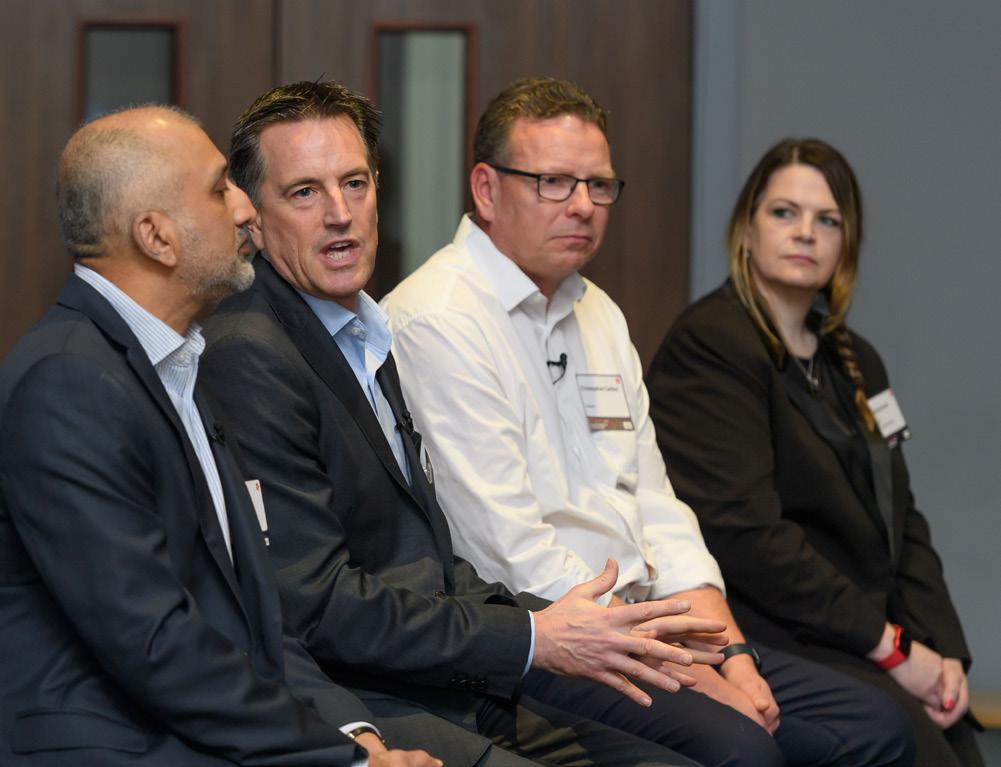
Chris Carlton, Alex Finch, Sne Patel & Jemma Garrett
main blocks & challenges - insurers & loss adjusters
Steve Winks, Suzanne Reid & Kevin Williams
main blocks & challenges – suppliers
Liam Hanlon, Ron Mace, Steve Wright & Alan Perry

issues and tree management challenges
Anthony Byars, Sarah Dodd, Richard Rollit & Freya Chapman
Contents 04 Welcome: Subsidence
Alan Soutar 06
08 The
14 The
16 Environmental
DISCLAIMER Contributors The views and opinions expressed within Better Tomorrow are reported from live events and are those of the individual contributor/s. They do not necessarily reflect the official policy or position of the contributor’s employer, organisation, committee or other group or individual. ILC While every effort has been made to ensure the accuracy of information, ILC will not accept responsibility for errors or omissions or for consequences arising from reliance on information published. The opinions expressed in Better Tomorrow are not necessarily the opinions of, or endorsed by ILC unless otherwise stated. COPYRIGHT All rights reserved. No part of the material contained within this publication may be reproduced or copied in any form or by any means without written permission from ILC. ILC 2 Better Tomorrow
Home & Property Claims Specialist Subsidence Conference 2024






 Headline Sponsor
Gold Sponsors
Silver Sponsors
Headline Sponsor
Gold Sponsors
Silver Sponsors
3 Home & Property Specialist Subsidence Conference 2024
Subsidence – where are we now?

Welcome to the latest edition of ILC’s Better Tomorrow event report, developed to provide readers with an overview of discussions and insights shared at ILC’s specialist Home & Property Subsidence Conference 2024.
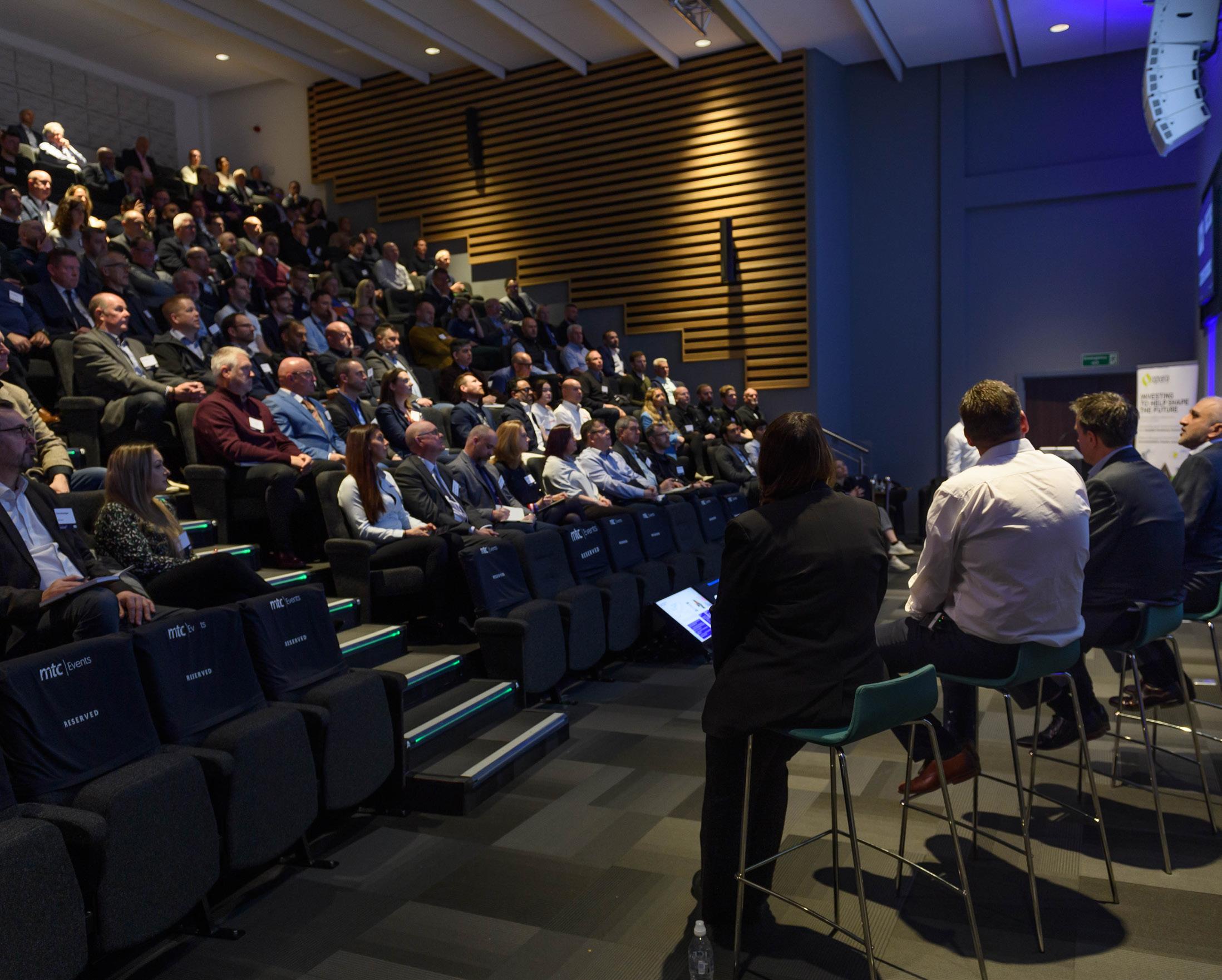
Hosted at the Manufacturing Technology Centre (MTC) Coventry on Thursday 7 March 2024 the event - which followed on from subsidence events in 2018 and 2022 - shone a spotlight on the challenges and opportunities within the sector from the perspective of all involved.
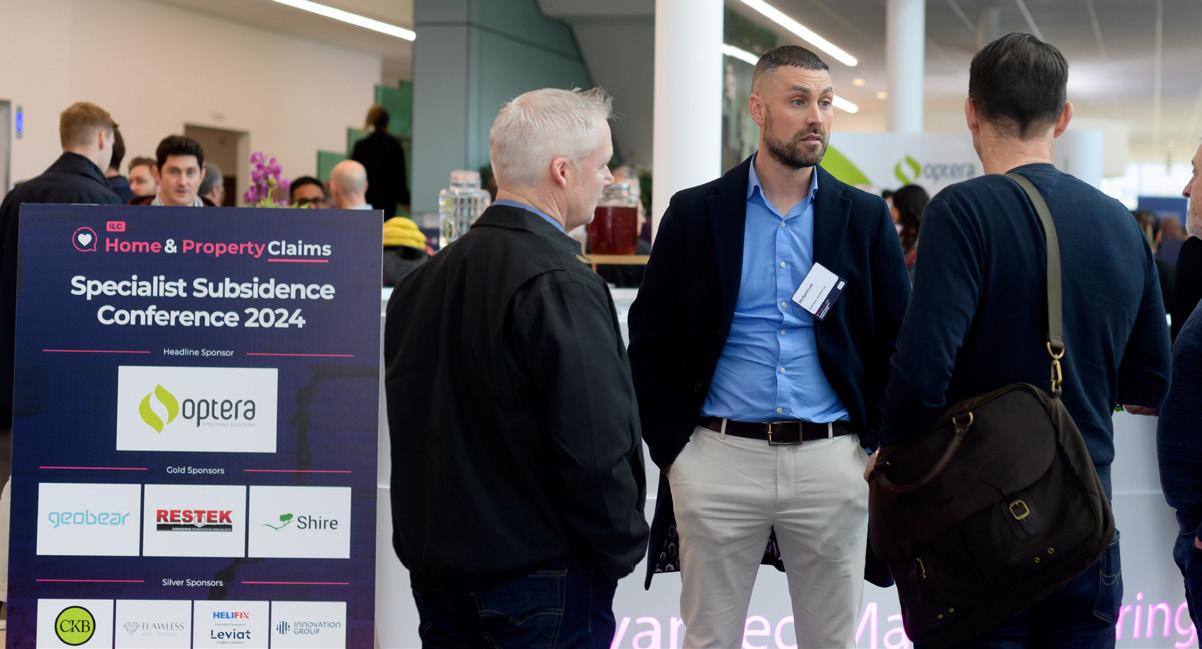
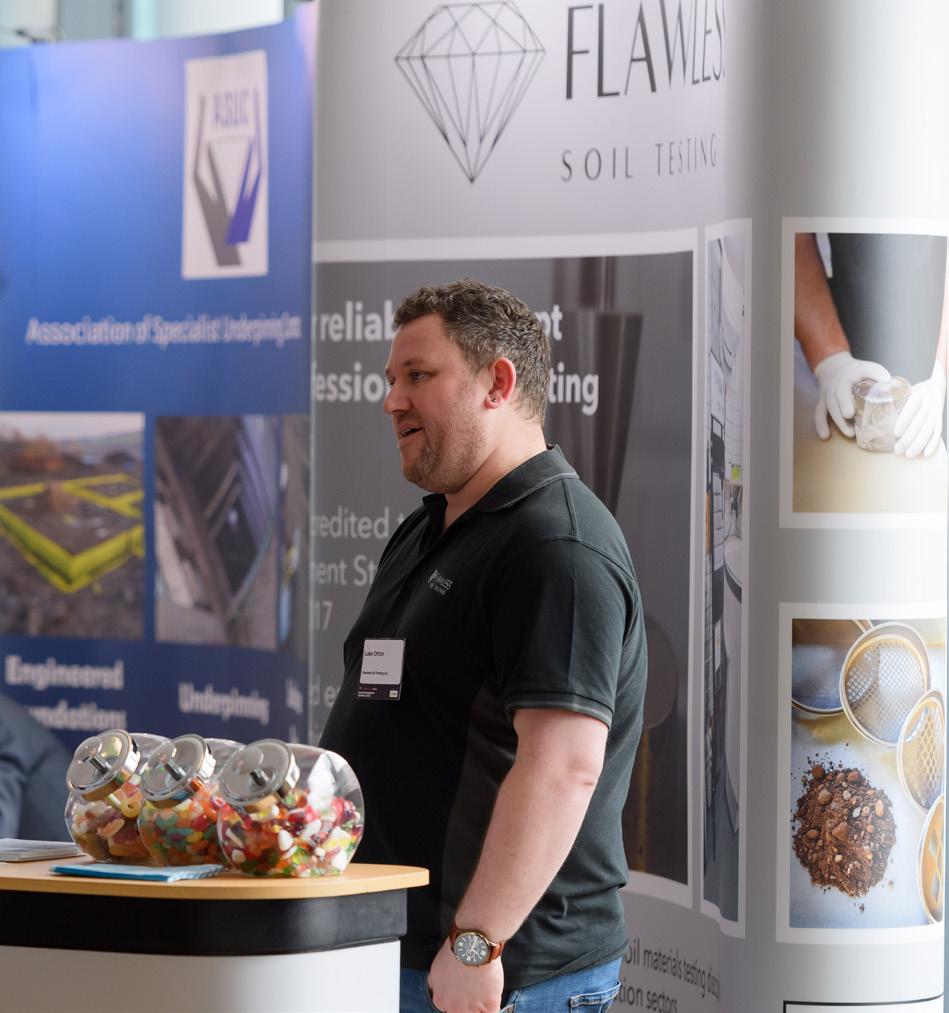
Returning for the second consecutive year, the event was again headline sponsored by Optera Structural Solutions, along with Gold Sponsors Geobear, Shire Structures Ltd and Restek UK Ltd; and Silver Sponsors Courtesy Kitchens & Bathrooms, Flawless Soil Testing, Innovation Group, Leviat Ltd, Mainmark, Sedgwick and Vivre Stays Ltd. I would like to express a sincere thank you to all for the support.
ALAN SOUTAR Chair of ILC Home & Property
I would also like to thank our contributors to the agenda throughout the day. Having such expertise on hand and the willingness to discuss sometimes ‘challenging’ subjects, in such an open format, is truly valued.
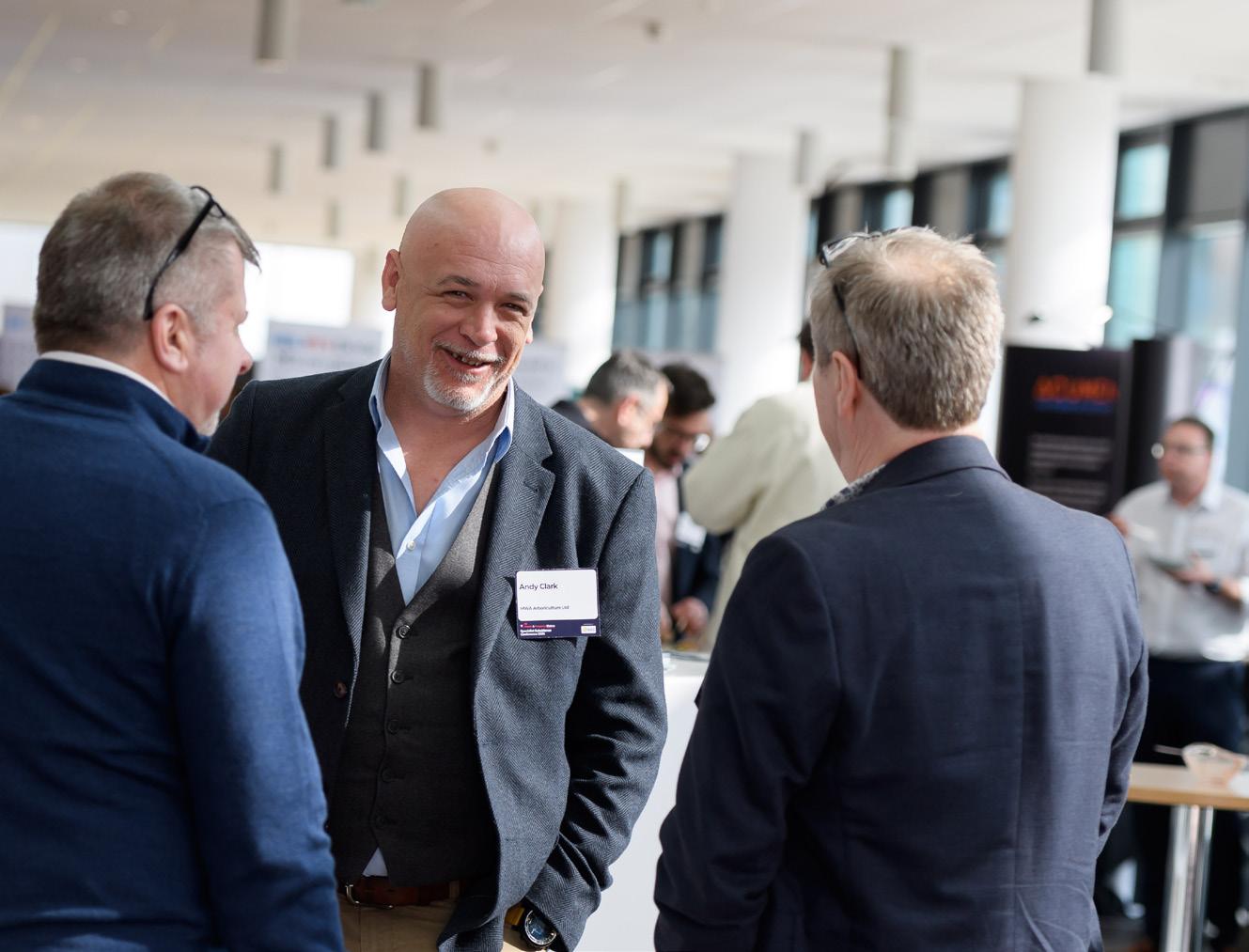
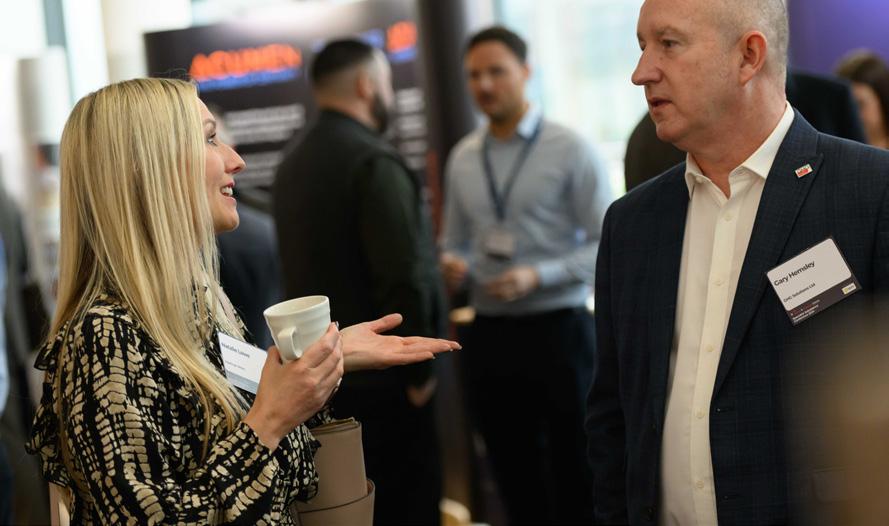
The specialist event saw over 230 key representatives from across the sector gather, keen to follow-up on discussions from the previous year’s event which carefully examined the impacts of the 2018 and 2022 surges. Throughout the day our expert panelists addressed three key questions: where are we now?; what are the major blocks and challenges?; and what are the environmental and tree management challenges?
Over the following pages you will find insights from the day which I hope you find of value, and as always, I would be delighted to hear your thoughts so please do not hesitate to get in contact via alan@ iloveclaims.com
I hope you enjoy this issue of Better Tomorrow.
Kind regards, Alan
4 Better Tomorrow
Home & Property Claims Specialist Subsidence Conference 2024

5 Home & Property Specialist Subsidence Conference 2024
Subsidence Claims Conference: Where are we now?

CHRIS
CARLTON
New Business & Key Client Director
Geobear

ALEX
FINCH
Commercial Director
Optera Ltd

SNE
PATEL
Innovation Group

JEMMA
GARRETT
Founder / Director
Flawless Soil Testing Ltd
The speed of processing subsidence claims has remained largely unchanged between the surges of 2018 and 2022. That was the verdict of a frank panel debate during ILC’s third Specialist Subsidence Conference 2024.
The first session of the day asked the question, where are we now?, with panellists Chris Carlton, New Business and Key Client Director, Geobear; Alex Finch, Commercial Director, Optera Ltd; Sne Patel, Subsidence Consultant, Innovation Group; and Jemma Garrett, Founder and Managing Director, Flawless Soil Testing, sharing insights from different industry perspectives.
However, the consensus was that not much has moved on in recent years.
Decisions
Chris said that at Geobear new claims projects were still coming through following the most recent surge, suggesting decisions were not being made any quicker, while Sne said that in many cases repairs have not started yet.
He said, “After the initial bubble of assessment and validation we’re now in the midst of mitigation, trying to persuade people to stabilise the building so we can move to repair. The landscape has changed since 2018 and there are different challenges, but the 2022 claims progression is slower than in 2018.”
Alex agreed, suggesting that when it comes to street trees the industry is no further forward than it was nearly 30 years ago.
“Are we better than we were in 2018? No, I don’t think we are. Street tree claims are obviously the most complex and that’s where the pain comes, but if you go back to the surges of 1995 and 2003, the way we deal these claims is pretty much the same. We need to make a step change to how we manage them otherwise it’s going to be the same in 10 years’ time too.”
Subsidence Consultant
6 Better Tomorrow
He said that insurers had a big part to play in this and argued that in some cases, not all, early intervention could go a long way to preventing claims dragging on over a number of years.
Change
However, there is evidence of change.
Sne pointed out that the 2018 surge was more dramatic in terms of claims volumes than both 1995 and 2003, and the 2022 surge was higher again, which has put unprecedented pressure on adjusters. Meanwhile, new remote technology has moved the pain point on from assessment to site investigation (SI) and, more critically, mitigation.
He said, “You have to do the physical SI and collection of information. You can’t do that remotely. But the real pain point is mitigation. Mitigation holds the key to the claim, it is the critical point because if we don’t get mitigation done we’re pushing the claim on to others and the property may not be stable.”
The slowest category in mitigation is Local Authority Public Body Vegetation, with claims ratios compared to 2015 up 350% in 2018 and 480% in 2022. These claims are being processed 21% slower than normal clay shrinkage claims.
Driving up these dramatic increases is significantly more tree planting by councils, alongside a growing appetite for pruning trees rather than removing them when problems occur, meaning the issue is likely to return.
Sne said, “You’re going to have larger trees and more trees going forward. And the 10 hottest years have happened in the last 11 years. So what’s happening is not a surprise.”
Jemma suggested that in some cases site visits had to be repeated as initial visits were not carried out correctly, which also adds time and costs to the process.
She said, “We are being asked to go out to site twice, often with six months apart, and then being questioned as to why the results were different.”
Early intervention
Backing that up, Chris said that he had examined data from over 600 projects that Geobear had received from insurers and found that on average the age of the soil investigation when received was 617 days old.
“That tells a story to me,” he said.
He added that it then takes an average of 197 days to deliver the project (from receipt to completion of a treatment), and suggested that a more detailed conversation and the right information at the outset would enable quicker decision-making and reduce time periods.
It’s certainly true that early intervention is the key, but change is needed to facilitate it.
Alex said, “It starts with insurers. They’ve got to empower their adjusters. The adjusters don’t have the power to suddenly go down a different path and make an early intervention. They need to be encouraged to make those decisions.”
However, early intervention can be a risk to insurers and leave them vulnerable to increased recovery costs if decisions are made based on experience, without the evidence to back it up.
While that may be the case in some circumstances, it’s also true that costs mount up through longwinded processes, and the option not to make early interventions due to cost risks may be taken out of insurer’s hands soon as a result of Consumer Duty.
7 Home & Property Specialist Subsidence Conference 2024
The main blocks & challenges - insurers and loss adjusters
 STEVE WINKS Supply Chain Executive AXA
 SUZANNE REID Technical Claims Manager, Property & Liability esure
 KEVIN WILLIAMS Head of Subsidence Sedgwick
ILC’s Specialist Subsidence Conference 2024 considered the key sticking points adding time and complexity to subsidence claims.
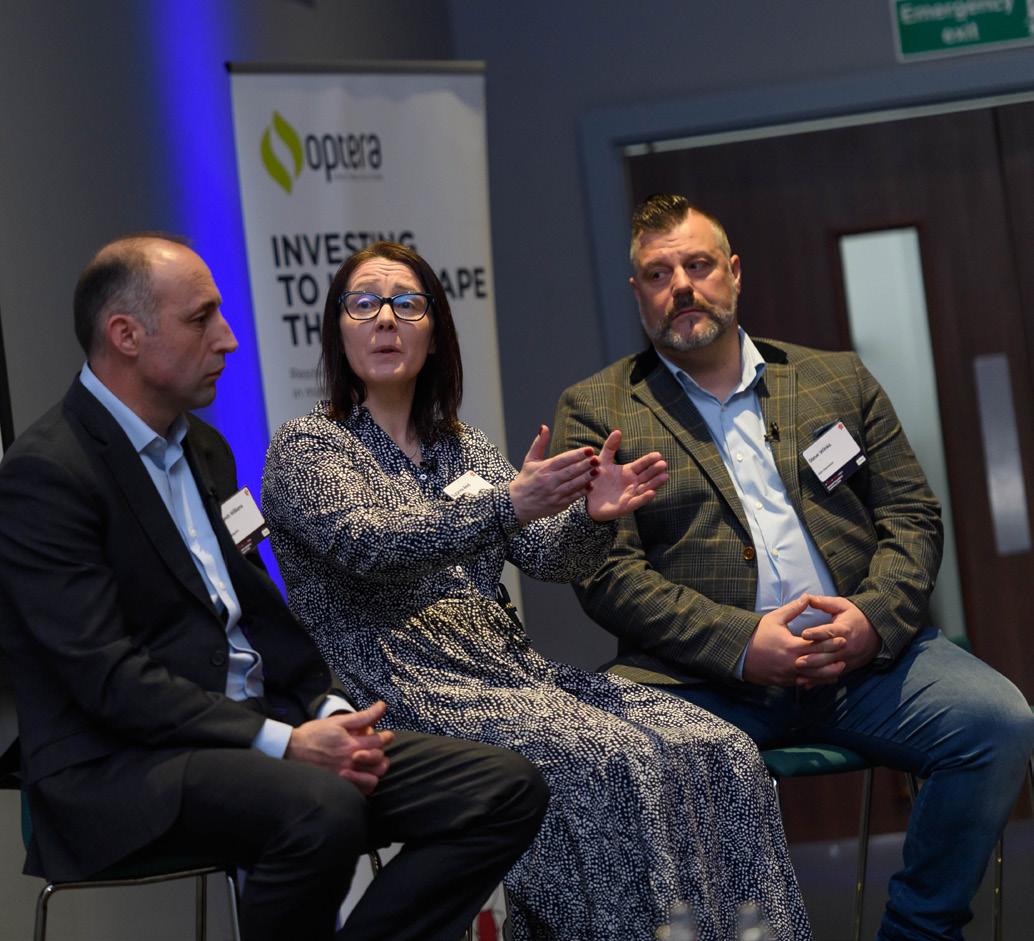
During a session entitled, ‘ What are the main blocks and challenges? ’, experts from insurers, loss adjusters and contractors shared their insights during two panel debates.
Taking part in the first of these – featuring representatives from insurers and a loss adjuster - were Steve Winks, Supply Chain Executive, AXA; Kevin Williams, Head of Subsidence, Sedgwick; and Suzanne Reid, Technical Claims Manager, Property and Liability, esure.
Right path
They agreed that fundamental to achieving the smoothest subsidence claim possible is ensuring that there is experience and expertise at the start
of the process. They said it takes a skilled handler to gather the right information at the outset, to interpret that information correctly to separate simple claims from more complex ones, and then ensure the right decisions are taken at the right time to set the claim off on the right path.
Steve said, “How much information is gained from FNOL is critically important because the level of information shared with our preferred partners sets them up to succeed. And with the complexity of subsidence cases, you need to start on the right foot. But I’m confident that insurers have the level of knowledge and experience within their teams to get the right information at the outset.”
8 Better Tomorrow
Of course, the challenge to triage correctly is exacerbated during spikes in volumes following a surge, yet that is precisely when the benefits of identifying and quickly processing simple claims are greatest.
Kevin said, “Everyone wants to get those early wins out of the way and the focus on those simple claims is a key thing. It frees up resources for more complex claims.”
Suzanne added, “The biggest challenge is finding the distinction between simple and complex claims, and that gets harder when there are more claims to digest. But even if we do that, we tend to pursue one route rather than looking at more efficient options. As an industry we need to do things differently. Doing what we’ve always done isn’t working because it’s not allowing us to get through jobs quick enough.”
Skills
Another thorny issue – and one that is not restricted to this sector – is skills. Working habits and attitudes have changed dramatically since Covid and insurance is not alone in facing a growing talent gap.
Kevin said, “There is a skills shortage across all claims, and subsidence is no different. We know that anyone in our team could get a job with a competitor so it can become a salary competition, but you have to offer more than that.”
He said that support and career development is essential to staff retention, and by cross-training colleagues – enabling them to work in other areas of the business during quiet times but adding subsidence resource when required – can also provide resilience in times of surges.
Kevin continued, “There aren’t enough people out there, so we need to bring new people into the industry and train them up. And we need to do it now because it can take up to a year to train someone who has the technical skills but not the insurance skills.”
Customer
In amongst all this are the policyholders themselves. No two policyholders have the same priorities, and it’s true to say that in some cases they can inadvertently be responsible for delays – either by having no knowledge of subsidence or just enough to be problematic.
Steve said, “Customers can be a blockage in the early stage if they have a preconceived idea of how the claim should be processed. That’s why communication is so important. But if you’ve not been living and breathing subsidence for years then the language around it can be difficult, so we need to simplify that and make it easy to understand what we’re doing and why.”
Suzanne agreed. She said, “We need to be better at sharing with the customer what subsidence is and what the options are and why we’ve chosen the one we have. It’s about giving the customer assurance. If we say we’re going to remove a tree and two years down the line we still haven’t done it, it looks like nothing has happened but probably a lot has happened behind the scenes. So communication can be hugely improved to bring the customer along on the journey.”
9 Home & Property Specialist Subsidence Conference 2024
Home & Property Claims Specialist Subsidence Conference 2024


10 Better Tomorrow



11 Home & Property Specialist Subsidence Conference 2024
Home & Property Claims Specialist Subsidence Conference 2024


12 Better Tomorrow
13 Home & Property Specialist Subsidence Conference 2024
The main blocks & challenges – suppliers
LIAM HANLON
Managing Director
The Forshaw Group Chair
The Subsidence Forum
RON MACE
Director
Shire UK
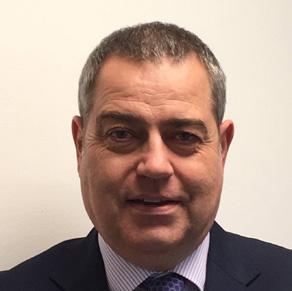
STEVE WRIGHT
Head of Technical Services
GHG Solutions Ltd
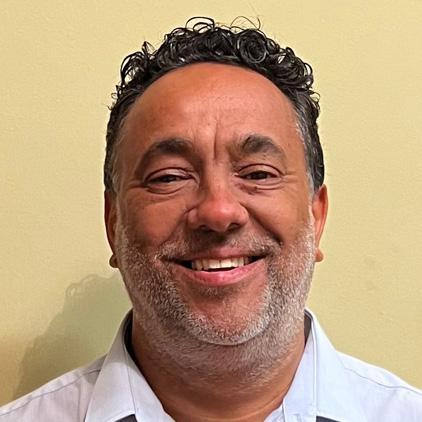
ALAN PERRY
Technical Director
Restek Ltd
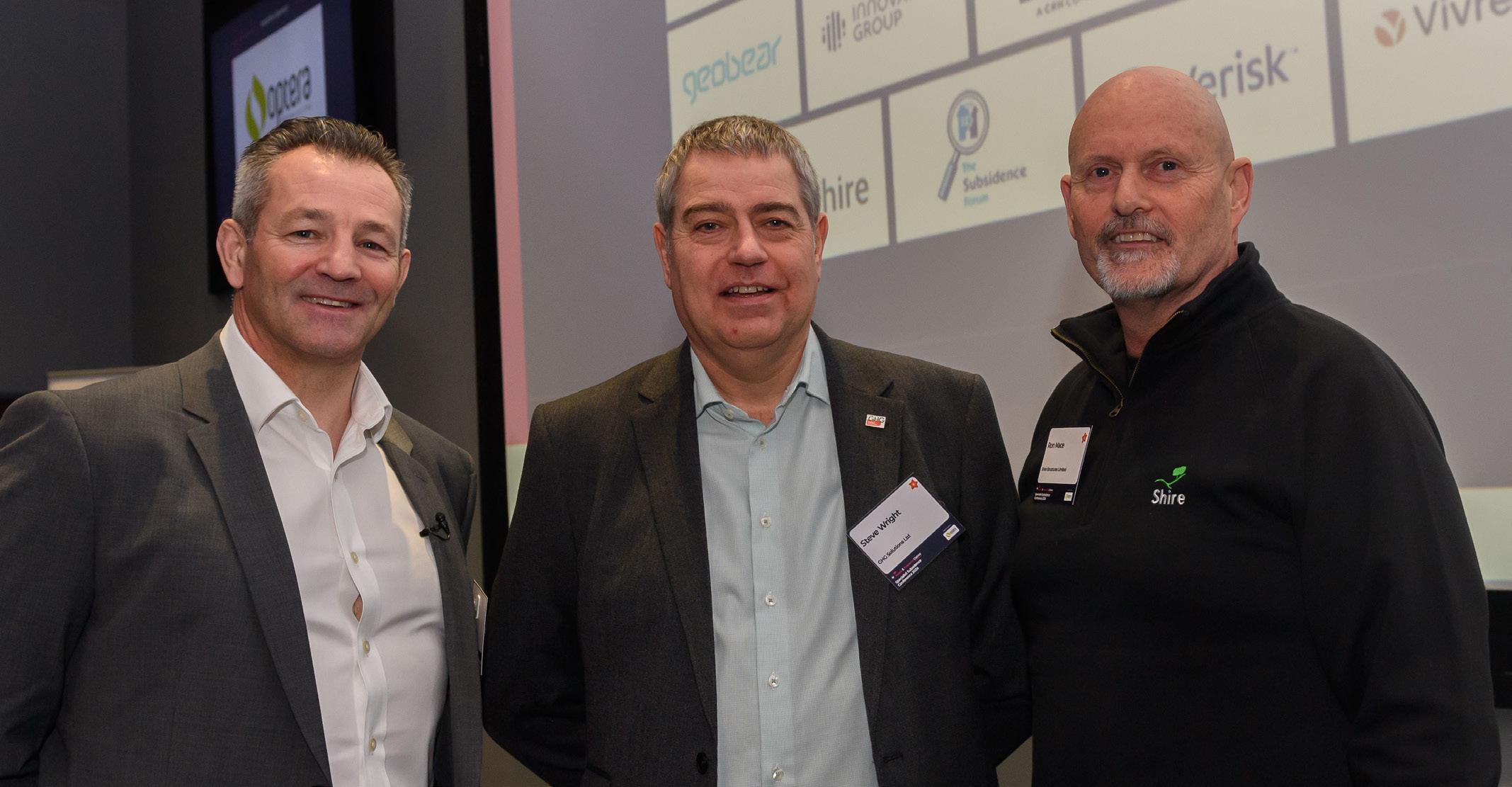
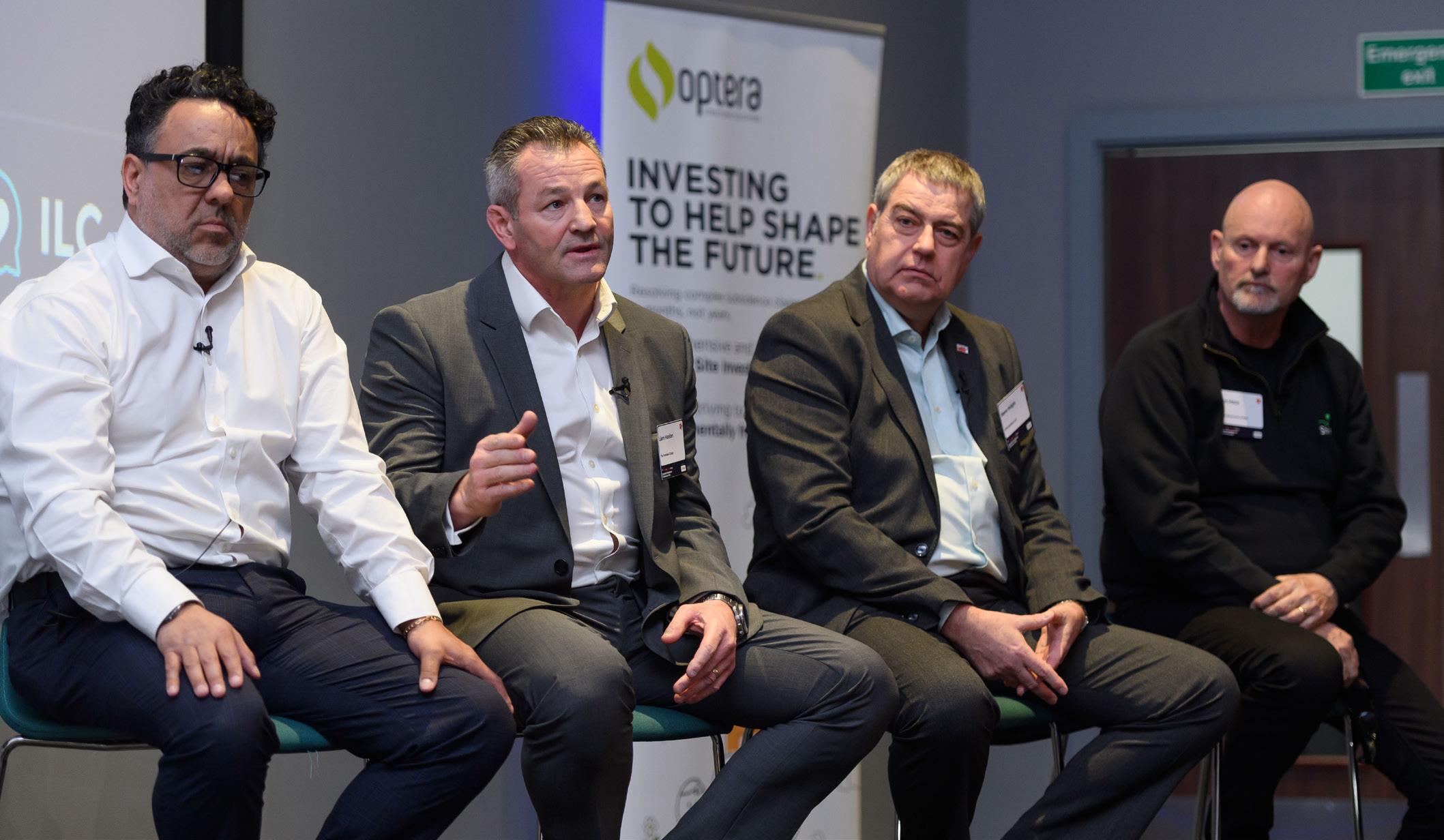
During the second part of the session entitled, ‘ What are the main blocks and challenges? ’, a panel of contractors shared their insights around the key sticking points adding time and complexity to subsidence claims.
Contributing to discussions were: Liam Hanlon, Managing Director, The Forshaw Group and Chair of The Subsidence Forum; Steve Wright, Head of Technical Services, GHC Solutions; Alan Perry, Technical Director, Restek; and Ron Mace, Director, Shire UK.
Unsurprisingly, many of the issues they raised were the same as those previously expressed by the insurer and loss adjuster experts and chief among them was the question of skills.
Liam revealed that construction will need 225,000 new workers by 2027 to meet demand. He said a lack of apprenticeship opportunities was limiting new talent entering the sector, but added that reducing apprenticeships from five to two years has meant many new starters join the industry without the necessary knowledge.
He also pointed out that only 19% of construction workers are under the age of 25, a point which was echoed by Steve.
14 Better Tomorrow
Steve said, “We have to generate new people and new skills. There is no two ways about it. We’re an aging workforce and a lot of people won’t be in the industry in five or 10 years’ time. Who is coming behind them?”
Decision-making
Good information to enable quick decisions was also identified as an integral part of removing blockages and processing subsidence claims in a quick and efficient way.
Ron said, “The key is making sure we get the right information so we can review a claim and give the right information back. It might even be that no repairs are needed. We don’t need to rush out and underpin everything. Even if there has been structural movement, it might be very small. So why repair it?”
He said it was about education; having the expertise to identify a complex claim and the wider knowledge to select the right person for the right project.
Steve agreed, “You can’t treat every claim the same way. Every claim is different technically, geographically, and because of the different personalities of the policyholders, so if it doesn’t start off on the right path it will go off the rails. That’s why receiving the right advice at the right stage is so important.”
But, as with all industries, people deal with people and collaboration and trust is one area where improvements need to be made.
Alan Perry concluded, “Expectations vary from insurer to loss adjuster to customer, so managing those expectations is key. Early involvement can help, but there can be a trust issue there with insurers not accepting that a lot of contractors have the specialist knowledge in house.”
15 Home & Property Specialist Subsidence Conference 2024
Environmental issues and tree management challenges
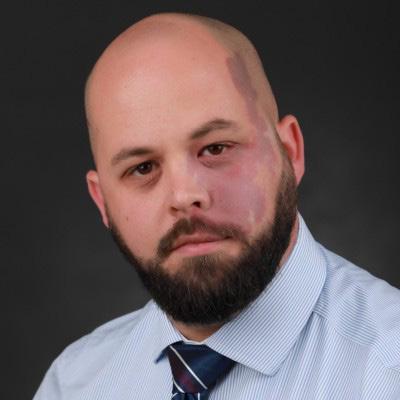 ANTHONY BYARS
Liability Risk Consultant Zurich Resilience Solutions
ANTHONY BYARS
Liability Risk Consultant Zurich Resilience Solutions
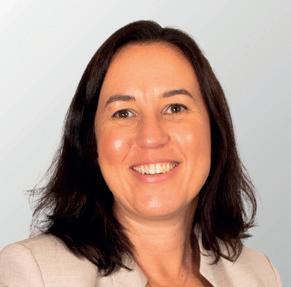 DODD Founder Tree Law Ltd
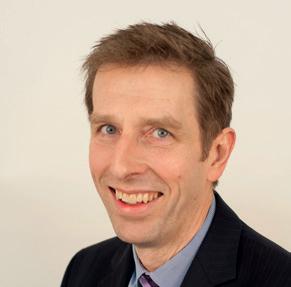
 Technical Director Innovation Group
Residential Lead Mainmark
Technical Director Innovation Group
Residential Lead Mainmark
Experts taking part in ILC’s third Specialist Subsidence Conference have warned of increased instances of subsidence as climate change accelerates, and urged all stakeholders to take a more proactive approach to tree management challenges.
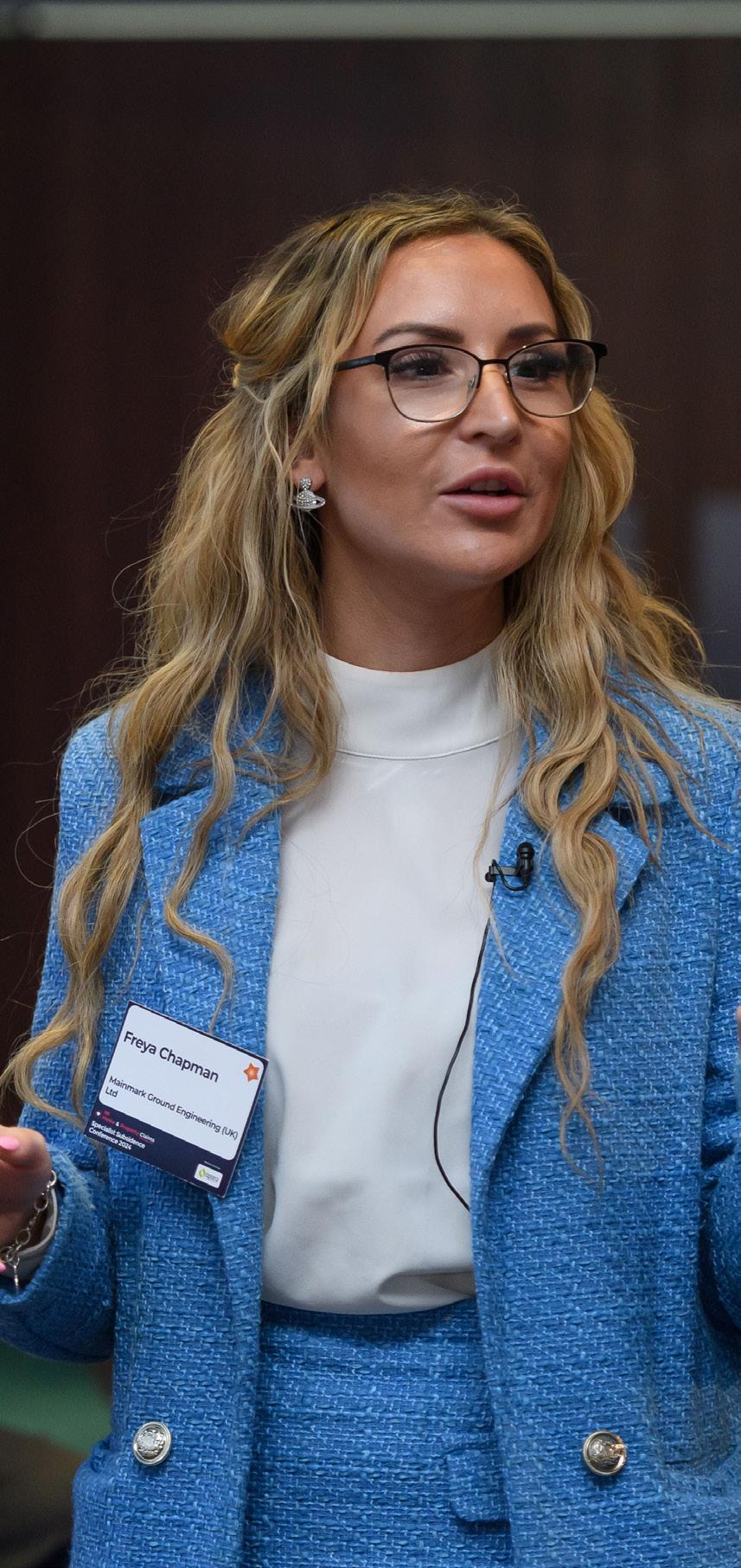
Taking part in the panel debate, ‘Environmental issues and tree management challenges’, were Anthony Byars, Liability Risk Consultant, Zurich Resilience Solutions; Richard Rollit, Technical Director, Innovation Group; Sarah Dodd, Founder, Tree Law; and Freya Chapman, Residential Lead, Mainmark.
Costs
Richard revealed that subsidence claims costs have risen twice as quickly as other general peril claims since 2020. He said that general inflation and higher material costs account for about half of that rise, but the other 50% is the result of changes in case law making it more difficult to remove council-owned trees.
He said, “This will become a greater issue as climate change leads to wetter summers, warmer winters, and an increase in subsidence surges, although they will be shorter in duration.”
Anthony agreed. One of his primary roles is to grade risk factors within local authorities and to attribute a score according how well those risks are being managed, with a special focus on tree risk management and subsidence.
He said, “One of the alarming things I’ve found when engaging with local authorities is they don’t have a joined-up strategy when it comes to tree risk management. When these claims come in they tend to expect all the guidance to come from the insurer, and that’s fundamentally wrong. It’s a failing in proactive risk management because the primary responsibility rests with the council.”
While he acknowledged that budget constraints have put pressure on councils, he insisted that more and more storms across the UK are already having a ‘massive’ impact on subsidence, and trees could no longer be regarded as an after-thought.
SARAH
RICHARD ROLLIT
16 Better Tomorrow
FREYA CHAPMAN
He said, “Proactive risk management with regular inspections and maintenance is the first step, because if councils don’t have that in place they will be on the back foot when claims come in, and slower to react.”
Legislation
Meanwhile, more legislation is expected to be introduced shortly which will further impact the market.
A review of the Joint Mitigation Protocol, which sets out what evidence must be provided to councils to consider removing a tree for subsidence, was launched in 2018 and Sarah revealed that amendments will soon be announced.
She said, “The protocol now has political clout with support from DEFRA, the Forestry Commission, the Subsidence Forum, and the ABI. A draft is going out to insurers and then it will be ready for consultation.”
Additionally, the Duty to Consult was introduced late last year, which stipulates that councils need to consult with local residents before a tree is removed. Residents are then given 28 days to respond and although results of the consultation are not binding, the council will be expected to publish not only the decision it has come to around an individual tree, but the reason for that decision.
This could add more time and cost to the process, with a real fear that ‘roving’ campaign groups will monitor cases nationwide and argue against the removal of trees in every instance.
Sarah said, “I often come across claims where the tree was removed when the damage was negligible compared to the overall value of the tree. Taking the tree out because it’s the quickest and cheapest solution is short-termism when they will help us prevent future and varied perils.”
However, she admits there are also cases of the public intruding to keep trees even when it’s not the best solution, and says this will be a greater issue under Duty to Consult.
She said, “It is still unclear how councils will be expected to move forward if residents are not in agreement; the guidance on this isn’t out yet. And we also don’t know how much manpower councils will be able to dedicate to this or if they’ll get additional funding.”
Efficiency
What is clear though, is that councils will need to be more efficient to enable them to respond more quickly.
Anthony said, “They don’t have those efficiencies in place now and are falling further and further behind. They’re just waiting for the claim to come in and then responding to it.”
He said the skills crisis impacting insurance is also a factor within councils, meaning they don’t have the expertise to identify potential problem claims quickly enough, but a greater problem is a lack of trust.
“There is basic mistrust between all parties and their data,” he explained, “that is one of the greatest inefficiencies we’ve got. That’s partly the reason why this process is so long and why we get these arguments.”
That lack of collaboration extends to specialist contractors, and Freya suggested that as these types of claims become evermore complex adopting a mixand-match approach might lead to a quicker and more sustainable resolution.
She said, “As contractors we box ourselves off and only offer certain solutions. There needs to be greater collaboration between contractors to look at different methods and not view it as an us versus them situation, because often a combination of methods can be the most effective.”
Richard supported this viewpoint. He said, “The idea that we can have one solution is naïve. Freya is right, we need to look at combining different techniques because there is no one magic bullet. It doesn’t exist. Some customers will want the tree removed and others will look at its holistic benefits. We need to engage more with the customer to find out what they want, and then make common sense decisions. We can’t take a onesize-fits-all approach.”
17 Home & Property Specialist Subsidence Conference 2024
Event Feedback
“ One of the best events so far in my opinion... ”
“ Fantastic Subsidence Conference discussing industry challenges and solutions ”
“ Gained valuable knowledge and insights, making it an informative and enjoyable event ”
ILC 18 Better Tomorrow
Event Feedback
“ Plenty of serious discussion and engaging networking ”
“ Really well attended and the sessions educational and stimulating ”
“ I thought the event was excellent ”
“ Great interaction and gritty debates ”
iloveclaims.com 19 Home & Property Specialist Subsidence Conference 2024
19/01
Upcoming events 2024
Motor Claims
Networking Lunch
14/02
ILC Day I Love Claims

07/03
Home & Property Claims
Specialist Subsidence
Conference
25/04
Claims Essentials
New Generation
17/05
06/06
Home & Property Claims
Networking Lunch
Partner Day I Love Claims
27/06 Conference
03/07 (early afternoon finish) ClaimsTech Claims Essentials
12/09
03/10
07/11
Summer Networking
Event I Love Claims
Exclusive Conference Motor Claims
Conference MGA Claims
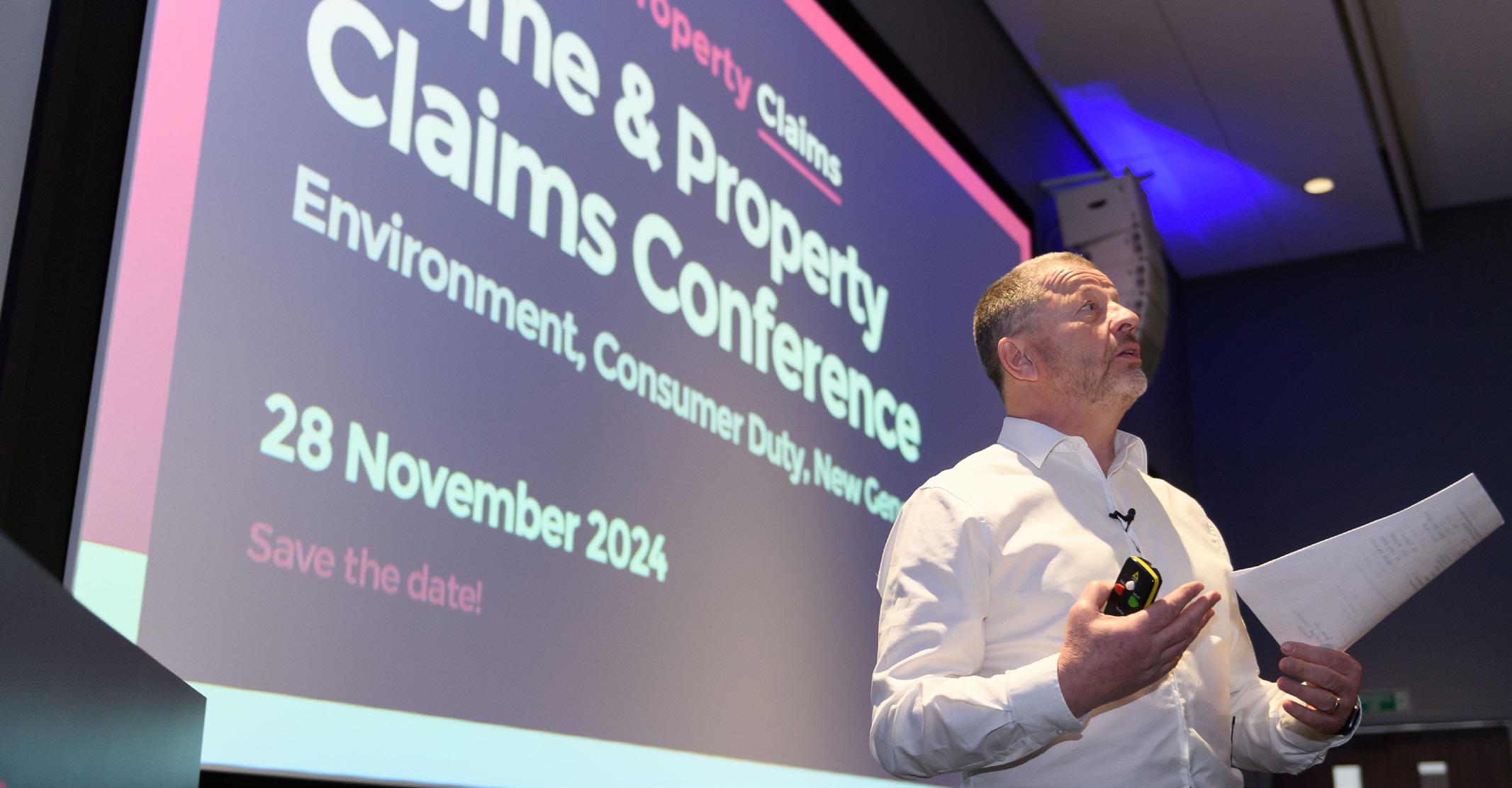
28/11 Conference Home & Property Claims
iloveclaims.com ILC
Further events dates to be confirmed soon.

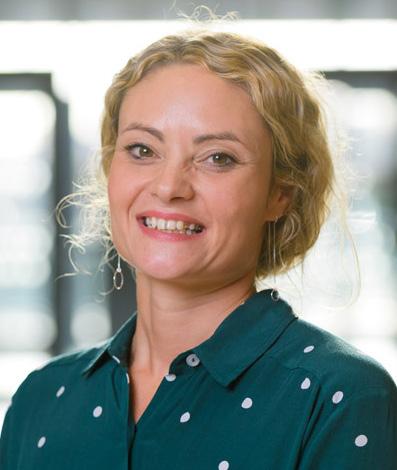
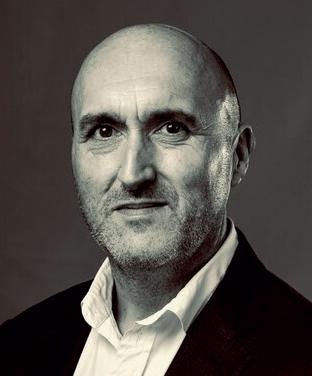
Team. Contact ILC Rachael Hunt To discuss an ILC Corporate Partnership, as well as other ways that we can help in the marketing and brand awareness of your company at an ILC event, please contact: rachael@iloveclaims.com 07813 146944 Events Director Alan Soutar alan@iloveclaims.com 07792 309554 ILC Chairman - Home & Property Nic Sproul nic@iloveclaims.com 07710 112292 Home & Property Sector Consultant 22 Better Tomorrow










Home & Property Claims Corporate Partners iloveclaims.com ILC 23 Home & Property Specialist Subsidence Conference 2024
iloveclaims.com ILC Headline Sponsor Gold Sponsors Silver Sponsors Home & Property Claims Specialist Subsidence Conference 2024