


















JONATHON VALENTINE
ClaimsTech Lead
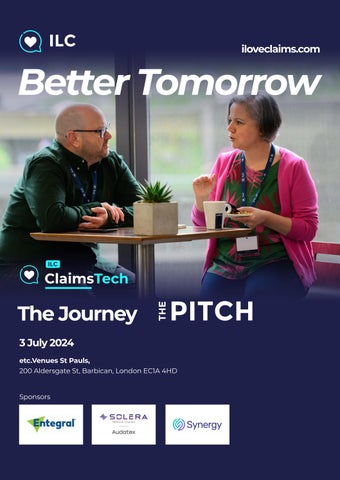
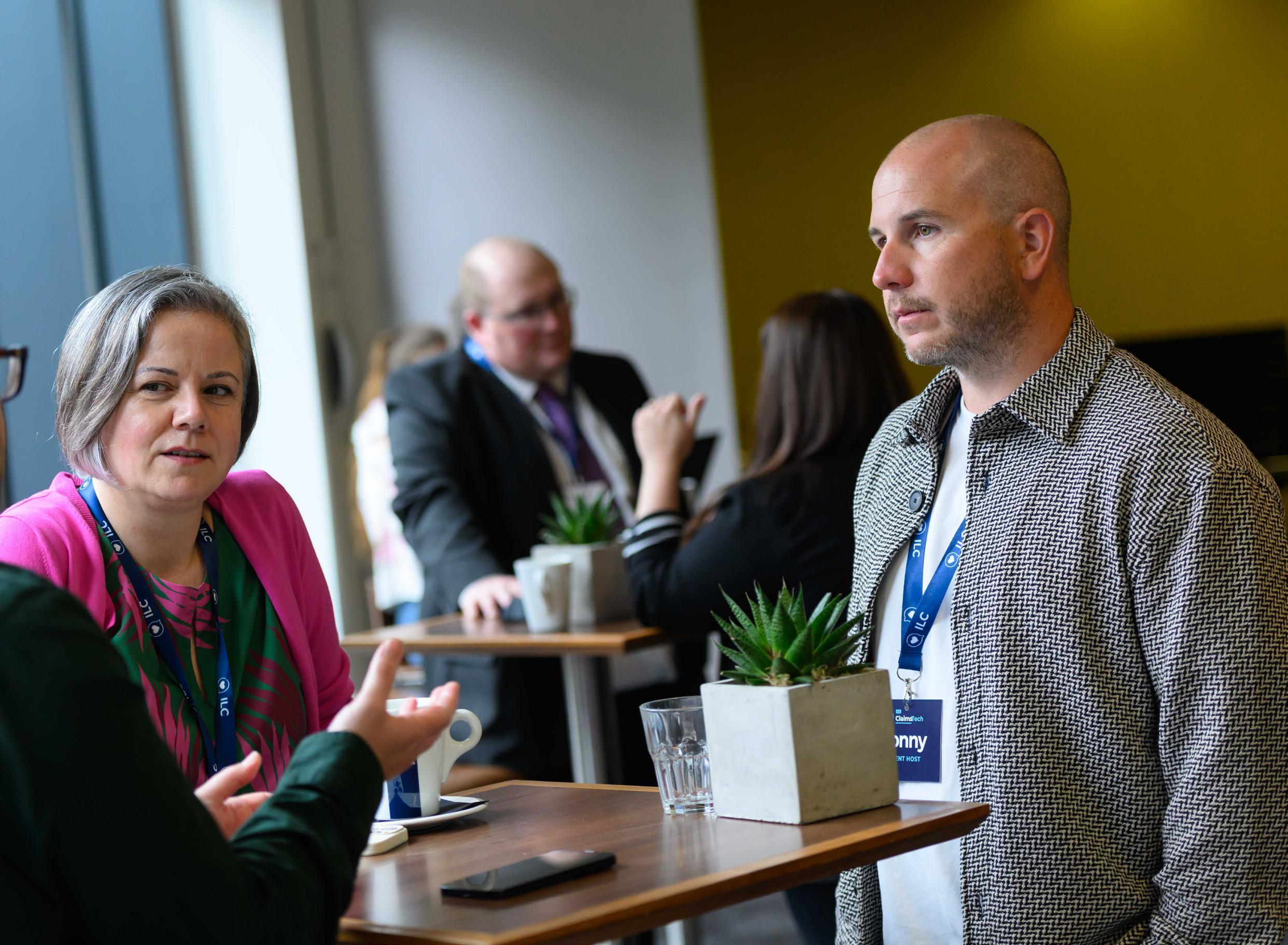
ILC’s ClaimsTech events – The Pitch and The Journey – took attendees on a journey, exploring the latest technologies, usage cases and impacts on claims.
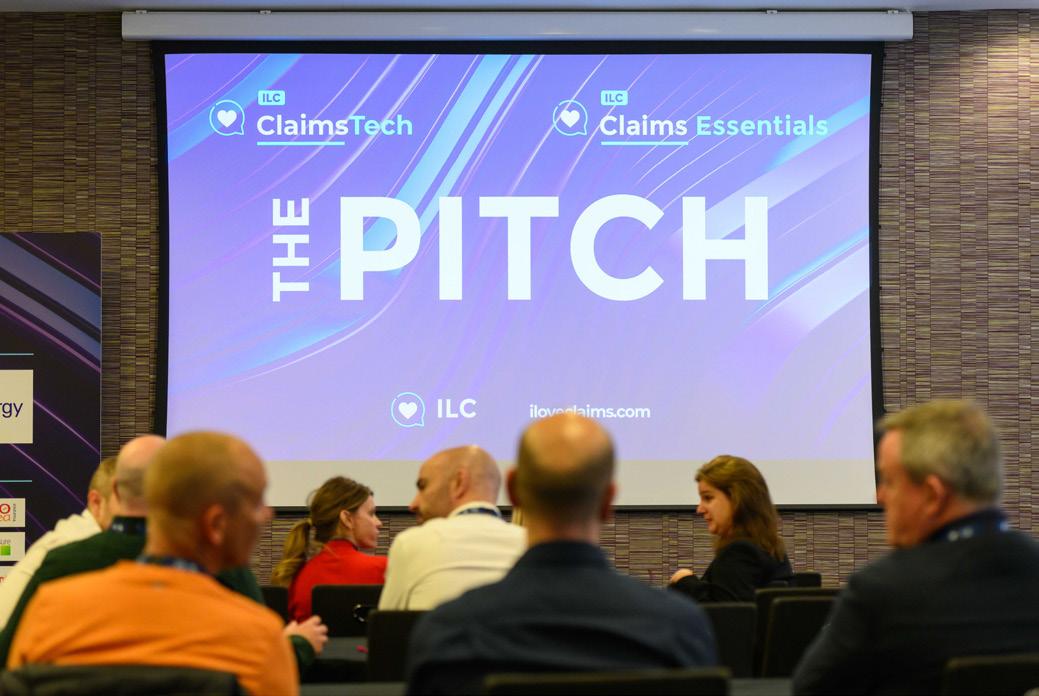
During the morning, ClaimsTech – The Pitch, backed by supporting partners Corniche, finpro and Insurtech UK, saw seven start-up/scale-up technology offerings pitch to an audience of insurance claims experts and investors.
Fast paced, engaging and insightful the session proved a major success with all concerned. There, of course, can only be one winner and Enviro Trees UK was named the winner of this year’s ILC ClaimsTech – The Pitch Experts and Investors Award for its Verifii technology.
We’ll be hearing a lot more from Enviro Trees UK throughout the next 12 months as we continue to follow their journey.
Meanwhile, the afternoon saw separate streams – Home & Property and Motor – discuss how current technology was influencing the sector and being put to best use across the various stages of the claims process.
Centred around the customer journey, through the lense of perception Vs reality the afternoon sessions really delivered on bringing to light just how interconnected technology and human skillsets are. Much was discussed around the need for both to be working in harmony to truly optimise service.

Key sponsors onboard for the event were Solera Audatex, Entegral, and Synergy Cloud, and a huge thank you goes to these organisations for having the vision to support such an innovative event.
Of course, a massive thanks also goes to all those who participated throughout the day – new entrants, claims experts and business leaders – all helping to provide fascinating insight into how the landscape is changing.
On the following pages, you’ll find a full ‘run-down’ of the day which we hope proves of great value and helps continue to push the boundaries of what’s possible within claims.
Enjoy the issue.
Jonathan

Enviro Trees UK was named the winner of this year’s ILC ClaimsTech – The Pitch Experts and Investors Award for its Verifii technology.
Seven claims technologies made it through to ILC’s ClaimsTech – The Pitch event where insurance claims experts cast their vote on which they believed may have the greatest impact on the sector.
Created in partnership with Insurtech UK, the technologies showcased were:
• ClaimSorted
• Klaimy
• Paperbox
• Enviro Trees
• Mitigrate
• Bdeo
• BHR Assist
Enviro Tree’s Verifii system was voted the ultimate winner on the day. Verifii accelerates and improves subsidence claim decisions by providing early, datadriven recommendations. The system helps reduce the traditional 9 -12 months it takes to fulfil mitigation works from FNOL, to 1-2 months or even days. This supports clients in reducing claim lifecycle and claim costs, while improving policyholder experience.
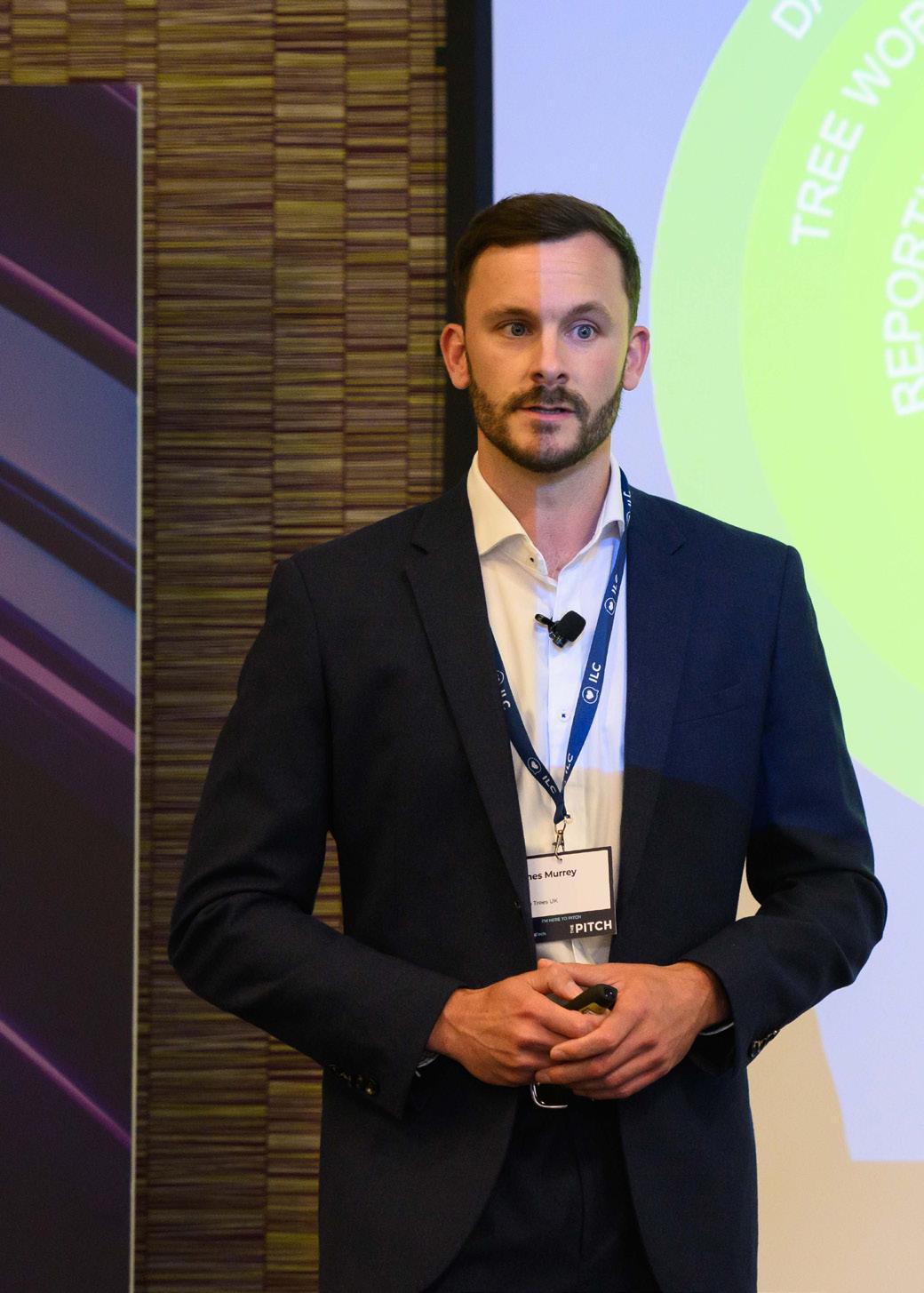
James Murrey, Chief Operating Officer
who presented to an audience of 30 leading insurance claims experts and
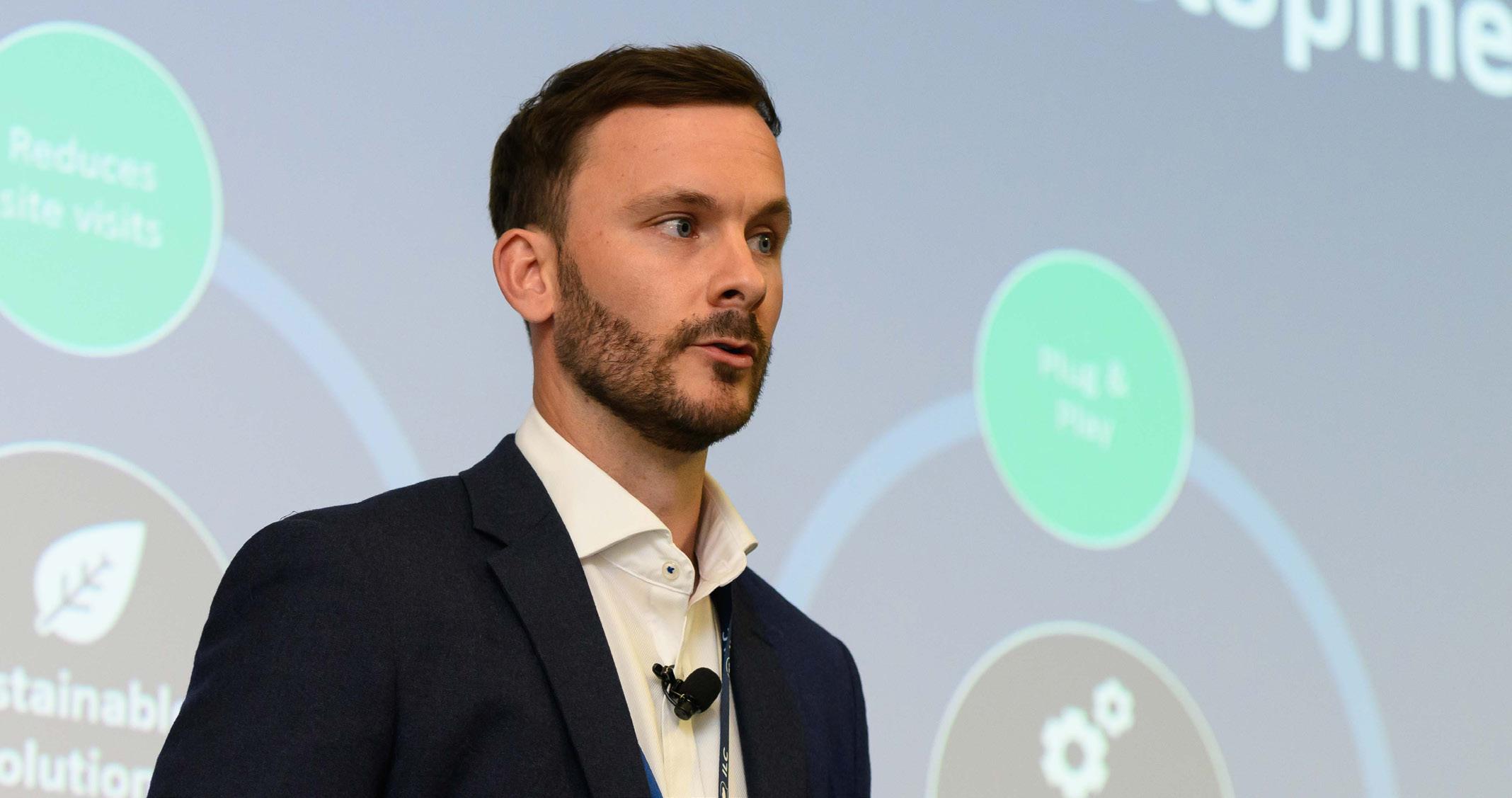
investors on the day said, “We are delighted to have received the good news and all the positive feedback. We are constantly looking at ways to positively impact the cost, quality and lifecycle of a subsidence claim, whether it be through our services business or innovative technology.
Receiving this award after only 18 months in the UK really helps to validate that we’re ticking the right boxes.”
Peter Dubiez, Chief Executive Officer who joined James on stage for the questions and answer element said, “Thank you for the excellent news, we really appreciate the feedback and the opportunity.”
Feedback from the experts on the day, who rated each pitch for innovation, potential success, and recommendation within their own businesses included: ‘great idea’; ‘keen to see more’; and ‘great approach to a costly problem’.

Enviro Trees UK is an innovative leader in tree services management. Founded in Sydney, Australia, back in 2010 by Kylie and Peter Dubiez the business rapidly expanded into the insurance sector, with requests to provide emergency response services to deliver a national service across rural and regional Australia.
From its success in delivering services to Australian global insurance clients, Enviro Trees UK was invited in December 2022 to establish its model and technology into the UK.
Supporting organisations


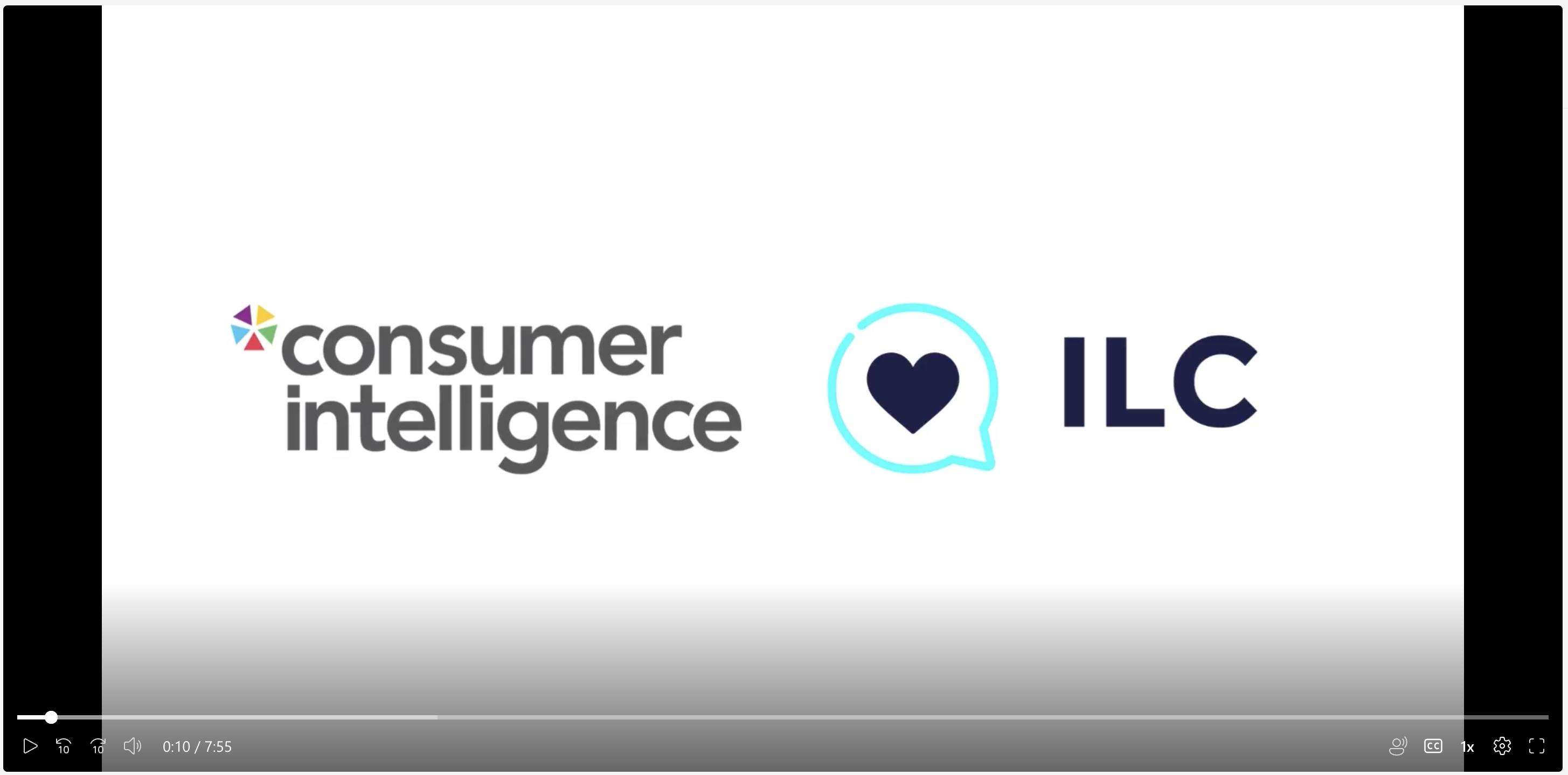
Shared across both streams during the afternoonmotor and home & property - Consumer Intelligence got the afternoon underway with some exclusive research it had undertaken seeking insight into consumers’ experiences, perceptions and thoughts on the use of technology within insurance and claims.
Full of facts, figures and anecdotes the video provided the perfect anchor for discussions throughout the rest of the day.



Co-founder and Head of Operations Bolt Cover
Sponsored by
Head of Home Claims First Central
While technology continues to develop, offering customers choice through a blend of digital solutions and human interaction must remain the priority for insurers.
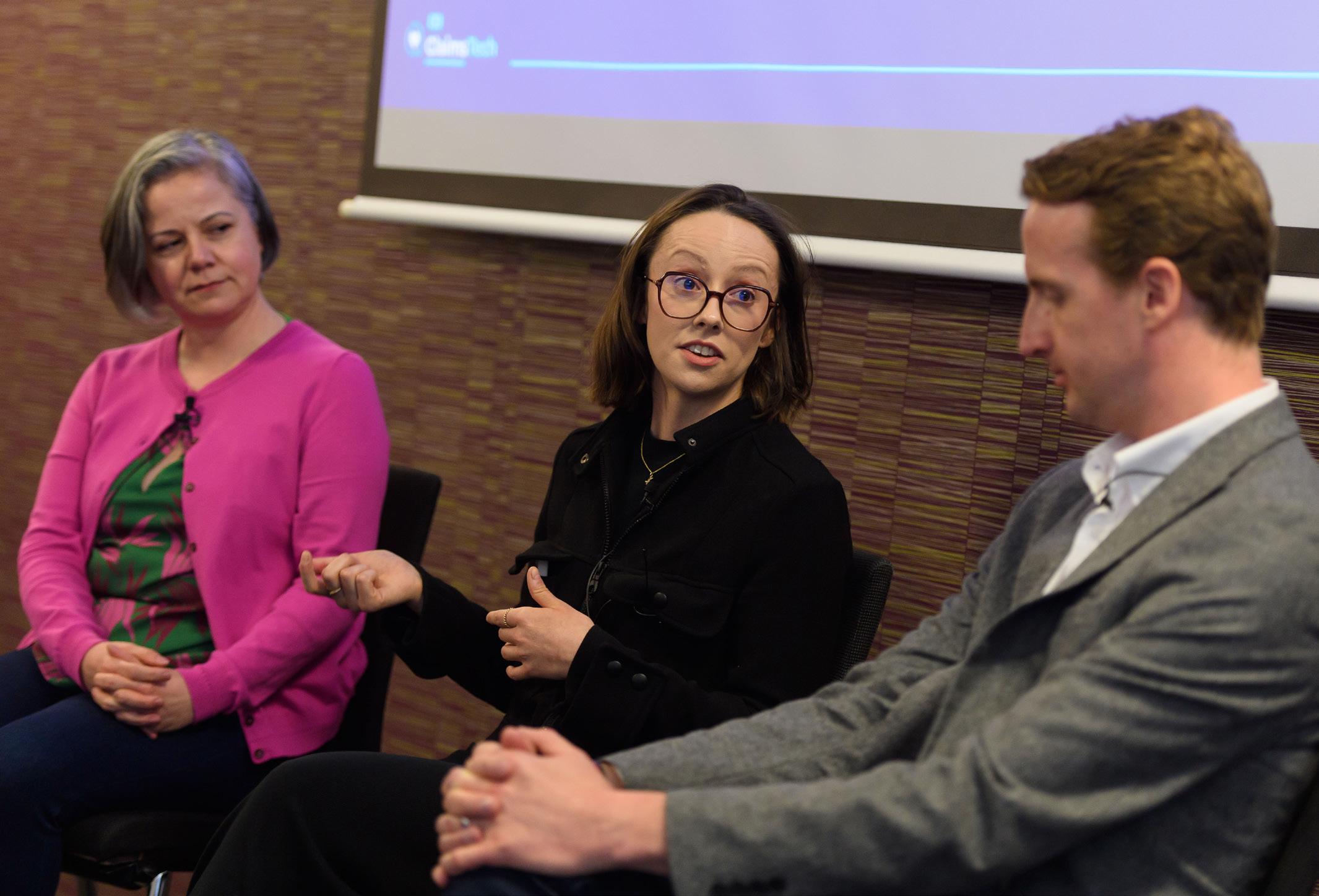
Speaking during a session focused on first notification of loss (FNOL) in home claims, sponsored by Synergy Cloud, during ILC’s recent ClaimsTech – The Journey 2024, panellists: Tori Hutchinson, Head of Operations, Bolt Cover; Connie Beasley, Head of Home Claims, First Central; and Tom Burroughs, Chief Technology Officer, Synergy Cloud, all agreed that when it comes to the customer, convenience is key.
Tom said, “Do customers want a full digital FNOL journey? It depends on the individual and the
Chief Technology Officer Synergy Cloud
nature of the loss. We need to be careful about making assumptions and find out what is the right journey for each individual customer and then ensure we deliver that.”
Connie agreed: “Choice is important. When something happens a lot of people want to know first of all if they’re covered. AI can help with that and answer those questions quickly, but customers still want to speak to someone in a time of stress and we need to accommodate them with the human touch when necessary.”
However, with Consumer Duty putting service into even sharper focus, the challenge for insurers is to ensure that a consistent service leading to fair outcomes is delivered regardless of what channel the customer uses to make a claim.
Tom said, “One of the key things to solve at FNOL is to understand the product they’re making a
claim about, the details of the policy, and the actual incident. You need to bring those three things together to make a quick assessment, consistently, irrespective of the channel.”
That, added Tori, is one area where technology can be valuable.
She said, “What customers want to know at FNOL is whether they are covered and what is going to happen next. Technology can give them those answers quickly and ensure a consistent level of communication. It does get more complicated after that because that’s when you have various systems that need to talk to each other.”
However, using technologies such as AI at the point of claim to extract the right information can support effective triage, therefore streamlining the rest of the claims journey.
Tom continued, “We can use AI to extract as much value and information out of the notification as possible, and that can help us pick out subtleties and give us insights into what journey we want to take the customer on.
“Once you have that right and are able to set the claims journey off on the right path, it becomes about communication and collaboration throughout the process. And as systems get better, we can also use what know about the customer to personalise the service even further and inform future decisions.”
Ultimately, the panel agreed, technology in isolation is not the whole solution. It needs to work in tandem with human expertise to provide streamlined solutions when possible and deeper, more personalised support when necessary.
Connie concluded, “If it’s used properly, technology can empower our customers and our claims handlers.”
Sponsored by

STEVEN WILLIAMS
Head of EV Strategy and Connected Insurance Direct Line Group
The use of digital technology to handle first notification of loss has been compared in both scale and transformative impact to the switch to telephony 30 years ago.
Speaking during the session sponsored by Solera Audatex, Tim Rankin, Managing Director - Accident Management, The AA, said that electronic notification of loss (ENOL) is ‘the next big step’ and there is still a lot of work to do to deliver a service that meets customer demands.
He said, “This is a transformative stage, but as an industry we’re still locked into dealing with customers how we want to deal with them rather

TIM RANKIN
Managing Director - Accident Management The AA
than how they want to deal with us. We need to look at external benchmarks.
“At Amazon they can track their package. At Uber they can see exactly where their car is. Why can’t we do that in an insurance claim?
“The start of the journey is understanding what the customer wants. It’s difficult because when you take the investment case to your board they want to know what the return of capital will be. That will come, but that is not reason to do this.”
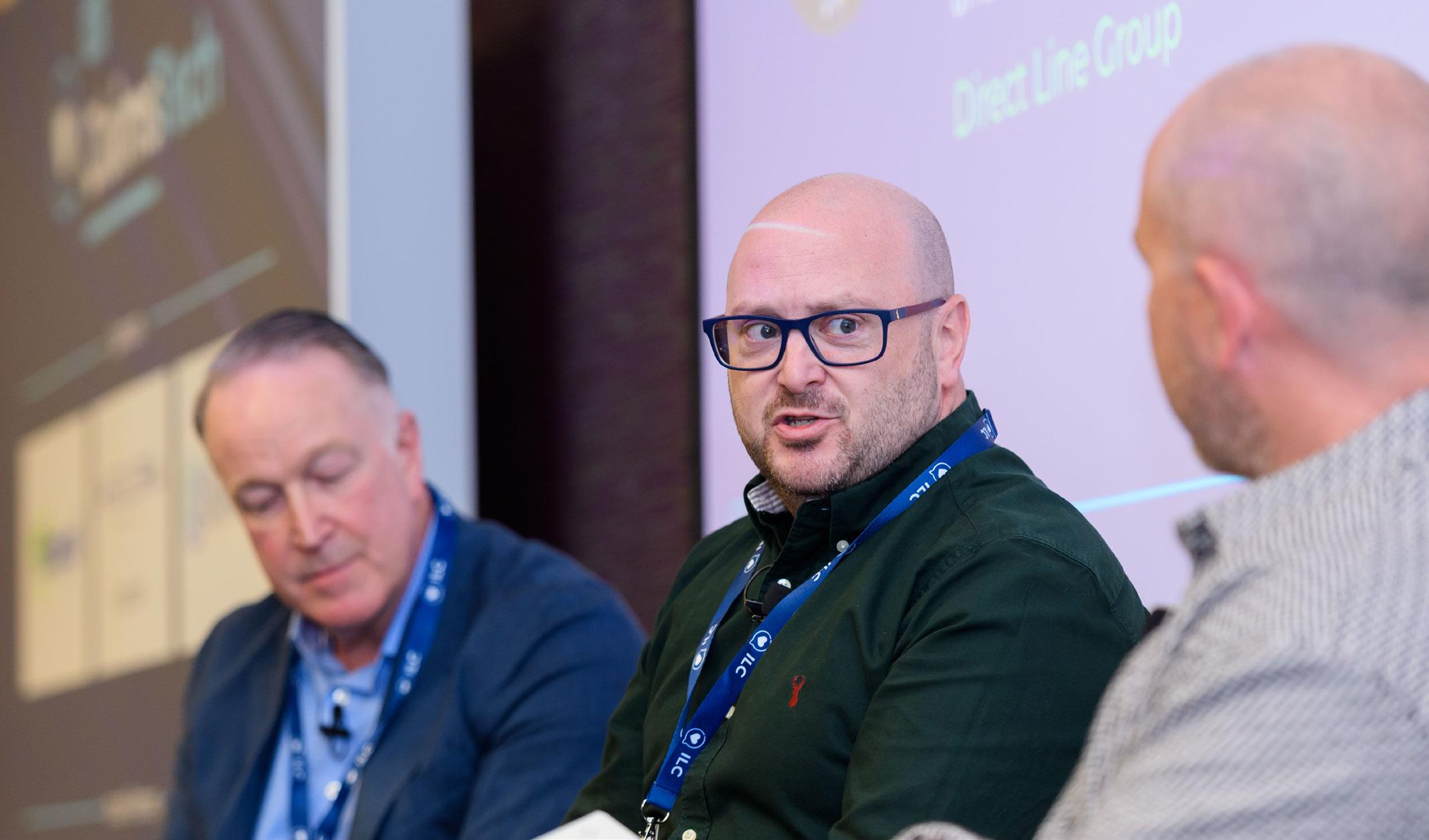
Tim was joined on stage by Steven Williams, Head of EV Strategy and Connected Insurance, Direct Line Group.
Being new to claims has enabled him to see the process with a fresh outlook, and he agrees that customer expectations are extremely high and driven by industries that set the digital benchmark.
He said, “We need to remember that as insurers we don’t set the customer’s digital expectations. They see digitalisation working smoothly in other industries and expect the same level when making a claim. The industry isn’t there yet, but there is so much scope for us to do things differently and better. There is so much technology out there that we, as an industry, should be using more.”
He suggested that with connected cars the industry could work towards a ‘dream scenario’ where the claim is already completed by the time the customer gets out of their vehicle following an incident. By then, in-car data has determined fault, diagnosed damage and assessed whether the vehicle is still roadworthy. In cases where it is not, recovery for the vehicle to an appropriate repairer and alternative transport for the customer has already been arranged.
He said, “Essentially it is about removing all the stress from the customer so they can carry on with their day. The fact that there are multiple systems that would need to talk to each other and that it is incredibly difficult to do shouldn’t stop us having that aspiration.”
If that is the end-goal, the first step is ENOL and Tim said The AA has made significant progress in this regard, with both customer satisfaction and information accuracy higher when the process is digital.
He explained, “Accuracy is the big win because it means we can start to build an AI understanding around what to do next with the claim and put in automation and triage behind the scenes.
“But this is a very much a learning process. We only launched ENOL a year ago and it’s been surprising how often we have needed to make changes. We’ve already had eight upgrades following customer feedback, because you have to ask the questions they want to answer in their moment of need.”
He concluded, “It isn’t an invest and stop. You have to regularly change and enhance your process to make it slicker and better, and we’ve still got work to do.”


WILL QUIBELL JENNIFER GREENE-KERNAN
Head of Claims (Home) Ageas

Personal Lines Property Claims Operations Manager Ageas
While home claims are far more complicated that motor claims, meaning expert handlers often play a greater role, there is still more insurers can do with technology to streamline first notification of loss (FNOL) and accelerate accurate triage.
This is according to William Quibell, Head of Claims (Home), Ageas, who was speaking alongside Ageas colleague Jennifer Greene-Kernan, Personal Lines Property Claims Operations Manager, during a session entitled, Triage and FNOL – Decision Time, at ILC’s ClaimsTech – The Journey 2024.
He suggested that triage in the home claims space can be a ‘bit clunky’, but this means there is plenty of room for insurers to improve their processes and benefit from greater efficiencies.
William said, “Home claims can be more challenging than motor because there are so many more complexities, particularly with buildings related claims. That means there are things that technology won’t always be able to do. But it’s definitely true that
not enough is being done to deploy it with the many claims out there that are simple and low complex.”
Jennifer agreed, saying that no one can confidently say they have ‘effectively-designed triage processes’ in place yet despite substantial development around ENOL (electronic notification of loss) in the last three or four years. But she said progress was happening fast, and it wasn’t just the simple claims where insurers can look to make improvements.
She said, “We should have one eye on the easy claims when it comes to adopting more technology, but we shouldn’t shy away from using it with more complex claims as well because that is where the greatest friction can be and that’s where insurers can really differentiate themselves.”
Regardless of how technology develops though, Consumer Duty means keeping the customer front and centre of priorities. That means giving them choice. However, that brings complications as not all policyholders know what the best solution is. The onus then is often on the claims’ handler.
William said, “We need to give the customer choice, but often the claims handlers making those decisions can be the least experienced claims people within an insurer. They may be young and therefore might not own their own homes so won’t always understand how best to drive the claim – but a customer will already be stressed when making a claim and if we send them down the wrong route we’ll just increase that stress.
“A lot can be done with AI to determine the right route for them. Technology is coming in that can point claims handlers in the right direction.”
In many ways, insurers have adapted far quicker than expected to a changing landscape. In other areas the industry has been slow-moving. But with ever-more stringent regulation and increasing cost pressures, William says that prudence is understandable.
He explained, “It could be risky for insurers to move the dial on undeveloped technology at the moment. Costs per claim are in a different place to four years ago and loss ratios are under strain, so for established insurers with large books it’s tricky and they need to be careful. It’s ok to be brave, but you can’t be reckless.
“Also, after banking we’re the most regulated industry in the UK. So insurers can be naturally risk-averse and we need proper insights before we know which way to move in claims.”
Jennifer concluded, “The biggest challenge around triage remains satisfying the regulator by delivering consistent service to customers. There is definitely an opportunity to use technology to identify initially if the customer is able to claim, but the landscape gets more complex after ENOL or FNOL. That’s where my focus is: where is the opportunity to triage, to develop clear communications, and access to information to ensure the right parties are working on the claim.”
ILC’s ClaimsTech – The Journey was held at etc.Venues, in London, sponsored by Solera Audatex, Entegral, and Synergy Cloud.

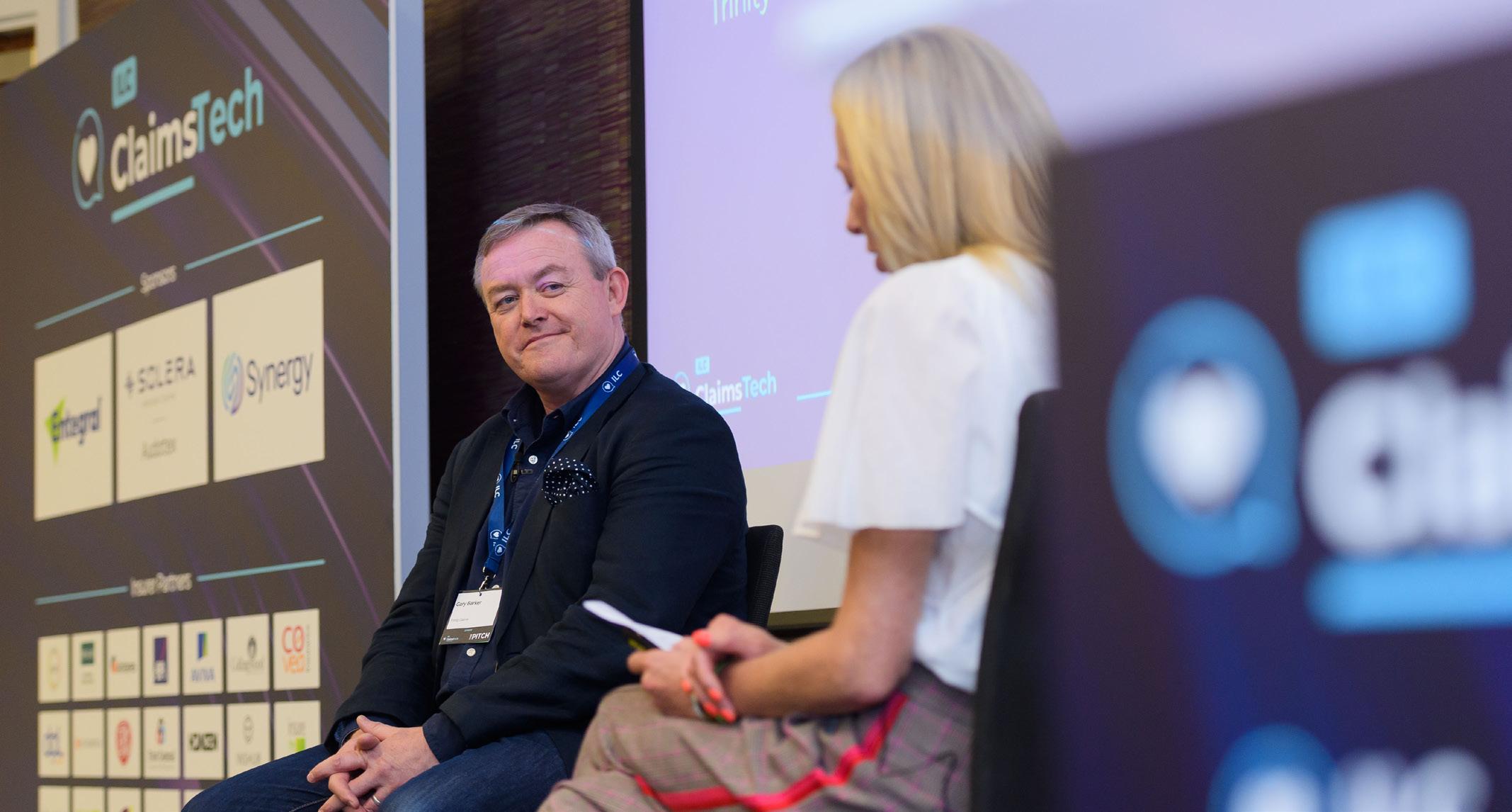
GARY BARKER
Managing Director Trinity Claims
Insurers need to answer customers’ questions before they are asked if they hope to match the digital standards being set by other industries.
And actually, when it comes to motor claims this is not as complicated as it sounds.
Gary Barker, Managing Director, Trinity Claims, explained: “What customers need when they come to the point of triage hasn’t really changed. They want to know if they are covered, if they are safe, does their car need fixing, is it fixable, and do they need another car.
“I don’t think that will ever change so we can try to put ourselves in the customer’s shoes and answer those questions before they’re asked. If we can do that, then I think we’re most of the way there.”
Gary also suggested that there were good examples to be found in other industries, such as banking, and that although insurance is now starting to catch up – driven partly by Consumer Duty and partly by a fiercely competitive market –there is still plenty of work to do.
He said, “Consumer Duty and pressure from the regulator is a good thing. It has made the industry recognise that it wasn’t doing enough and it’s a positive that the industry is now starting to address this.
“Doing it at scale is difficult though, because most people want to be informed about how things are progressing. And they want these updates through their smartphones because digital engagement is higher than some of the research suggests. We’re making progress in insurance, but generally we’re still quite poor at it; expectations are low, trust is low, and in many cases customer experiences are not good.”
But this means that in a fiercely competitive market insurers who get it right can gain a competitive advantage over their rivals. Not only will effective automation deliver a quicker and more accurate claim, but also it will reduce costs.
However, in the rush to automate, Gary has reminded insurers that digital solutions will not suit every customer and the onus will be on them to identify vulnerable customers and offer them the sort of support they want.
He said, “A vulnerable customer could be someone stranded on the side of a busy motorway or someone who doesn’t know what the next step is. They will always want to speak to someone directly and the
industry needs to get better at identifying them and supporting them because I haven’t seen very much innovation in this area yet.”
For all customers though, the principle is the same: insurance is a grudge purchase and at the point of claim the customer is already stressed. It is up to insurers to deliver a service that is as simple, convenient and stress-free as possible.
Gary concluded, “Most of the time you’re dealing with someone who’s never made a claim before, so the best thing you can do for them is your job, properly and quickly. If you do that, if you make things clear, do it fast, and set expectations clearly, that will be enough. The problems come when you don’t set expectations, or you set them and don’t live up to them.”
ILC’s ClaimsTech – The Journey was held at etc.Venues, in London, sponsored by Solera Audatex, Entegral, and Synergy Cloud.

Head of Property Verisk Claims
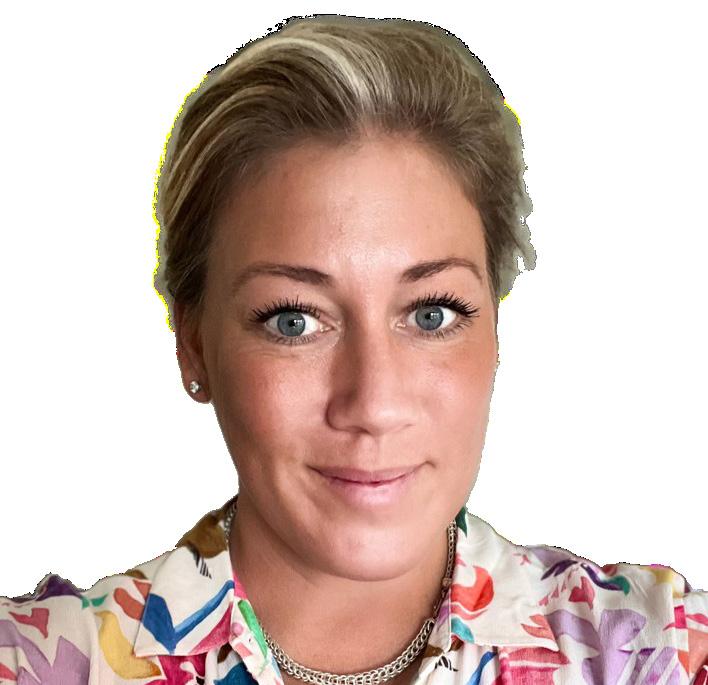
Head of Personal Lines Claims Zurich Insurance
To make the most of technology already available in the market insurers needs to map out the entire claims journey, identify the touch points with customers and the supply chain, and then embed digital solutions to streamline processes.
That was the view of Ben Blain, Head of Property, Verisk Claims, and Chloe Porter, Head of Personal Claims, Zurich Insurance, who were talking during a session, Managing the Claim, during ILC’s ClaimsTech – The Journey 2024.
ILC’s ClaimsTech – The Journey was held at etc. Venues, in London, sponsored by Solera Audatex, Entegral, and Synergy Cloud.
Ben and Chloe told delegates that while home claims can be complicated, there are still opportunities to use technology better to deliver a quicker claims journey and improved outcomes for customers.
Ben said, “Technology has opened up the channels for better communication, but it won’t solve the problem on its own. Where we’ve seen it work
is when insurers have mapped out the end-toend journey and identified the touchpoints with the supply chain and customer, and then set the right best practice for communication, using our technology as the facilitator, with functionality such as instant messaging and shared calendars.
“Where it doesn’t work is when it’s not deployed and integrated properly and you don’t have the buy-in at all levels, including supply chain. It’s not just about building or buying tech, it’s about investing in the change.”
Chloe suggested that the first step to leveraging technology effectively was gaining a clear understanding of what is available, where it can help, and who is responsible at each point of the claim.
She said that in some cases insurers are not clear about what they want from technology, both internally and in the wider supply chain.
She said, “It feels like there is a lot of clarity still to be gained within the insurer about what technology is available and how it can be used.
“We know that getting building work done on a home is difficult because there are a lot of people involved, but there is some good technology out there and we need to use it properly. We need to be clear what we want out of it and what we expect from suppliers.
“The main complaint from home claims customers is around a lack of communication from customers and insurers sometimes blame suppliers for this. But they need to be clear with suppliers about when the customer wants to be informed, in what way, and who is responsible for informing them.
“In my experience, I’ve found that the supply chain is extremely keen and willing to help. They have been willing to tell insurers where technology has worked elsewhere and how it has benefitted the customer journey - maybe insurers need to be humble and accept the suppliers have insight and knowledge that can prove invaluable.”
Banking is one industry which is getting it right despite the fact it is regulated even more strictly than insurance. While the two sectors are not directly relatable, Chloe said there are definitely lessons to be learned.
“Banking has made a significant change in a short period of time and is a shining light of what can be achieved if we are prepared to pay for it.”
She continued, “In insurance, technology should be able to flip the claims process on its head so it’s not a reactive process. If we map out the milestones and let the technology monitor them and then alert the claims handler when one is missed, their energy and effort will go into the claims that need their support. That makes their role far more proactive, and the software exists to do that, but you need to map out the milestones and change your operations to use it.”
With Consumer Duty turning a sharp focus on customer service, insurers are under everincreasing scrutiny and the onus is on them to use every resource available to achieve compliance. Technology, used in conjunction with human interaction when necessary, is a fundamental part of that.
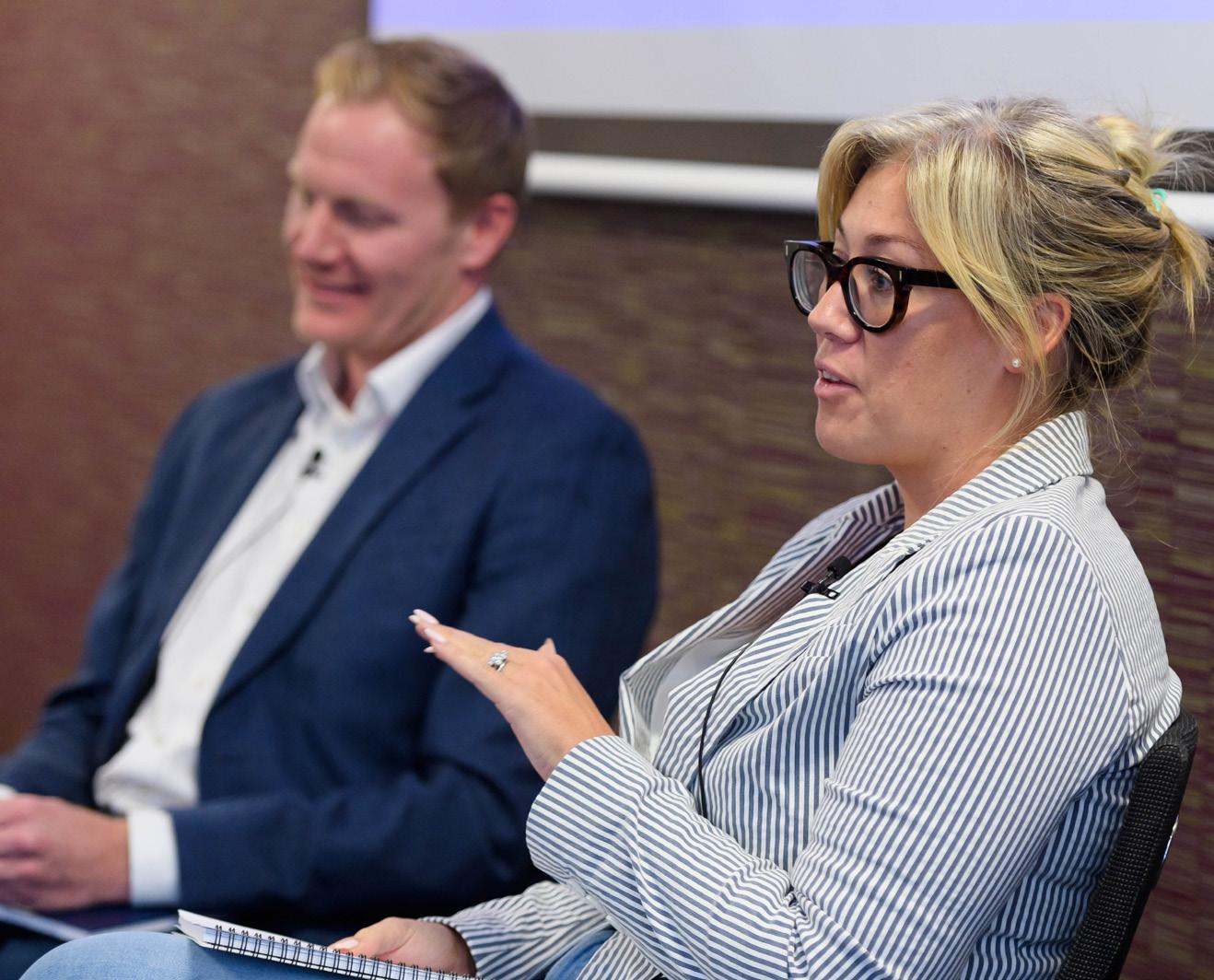
Ben concluded, “Customers are tech-savvy and their expectations are incredibly high. Home insurance claims is complex with many variables, but the customers still have the same expectation. We can learn from other industries and there are phases that can be improved with technology. For example, we have just launched a solution that optimises the scheduling for supplier visits, which updates the customer when they are due to arrive, similar to that of a pizza delivery service. However, we need to appreciate we can’t do the whole thing digitally so it’s about finding the balance and identifying the right areas for automation and digital improvement.”
Sponsored by

While effective use of technology can go a long way in reducing wastage in motor claims and delivering an efficient straight-through claims journey, it can only work alongside experienced claims handlers.
Greg Cole, Claims Director at Aioi Nissay Dowa Europe (ANDE), said that technology will not ‘solve anything’ by itself but needs to be developed with the customer in mind and then deployed in parallel with skilled handlers who are able to identify potential issues and then intervene.
Speaking at ILC’s ClaimsTech – The Journey 2024, during the managing the claim in motor session sponsored by Entegral, Greg said, “Technology offers a huge opportunity around automation, but if it’s not built around the customer then it’s not going to solve anything. And it can’t do it alone. You will always need very good claims handlers who are accountable for claims and empowered to proactively intervene.”
GREG COLE
Claims Director ANDE
ANDE, he said, has found a good balance. By partnering with respected vehicle manufacturers such as Toyota and Lexus, it is expected to deliver a ‘premium’ claims service to match these brands’ values, and achieves this with a team of dedicated claims handlers who leverage technology to ensure a seamless journey.
He said, “I’m sure many claims departments still get a significant amount of failure demand coming in, so as an industry we haven’t quite got that seamless ecosystem where we pull everything together.
“At ANDE we have dedicated claims handlers who proactively contact the customer to make sure the claim is progressing satisfactorily. It sounds like a big investment, but we find it more than pays for itself by reducing complaints and jobs coming back in.
“But this is dependent on technology. Through integrations and portals we’re able to see where service level agreements (SLAs) are at risk of being missed, so there is a good integration between the human element and technology.”
As well as investing in the technology, ANDE also puts continued resource into training to ensure that its handlers are able to identify vulnerable customers who may need further support.
He continued, “We use GenAI in the back end of the claim to support fraud detection, but now we’re also looking at using it more at the front end to identify anomalies and then consider if it’s a vulnerable customer or just an issue with the claim that needs expert intervention.
“We’re not there yet, but it’s really promising and is another a great example of technology complementing the handler, enabling them to intervene where they can really add value.”
One of the main challenges in motor claims is the number of parties involved. This places a great emphasis on data sharing and integration, and Greg suggested that lessons can be learned from Amazon which, although enjoying a monopoly in its market, is able to manage multiple suppliers to provide a co-ordinated and seamless ordering and tracking service.
He said, “It’s challenging getting that consistency, but I think we can do it. It’s about insurers establishing strategic partnerships with suppliers so there is a shared benefit around reducing waste and delivering a better customer journey.
“There are good solutions emerging around aligning different technologies and platforms so it looks seamless from a customer perspective – and it not just about ENOL, but taking the customer as far down the digital journey as possible.”
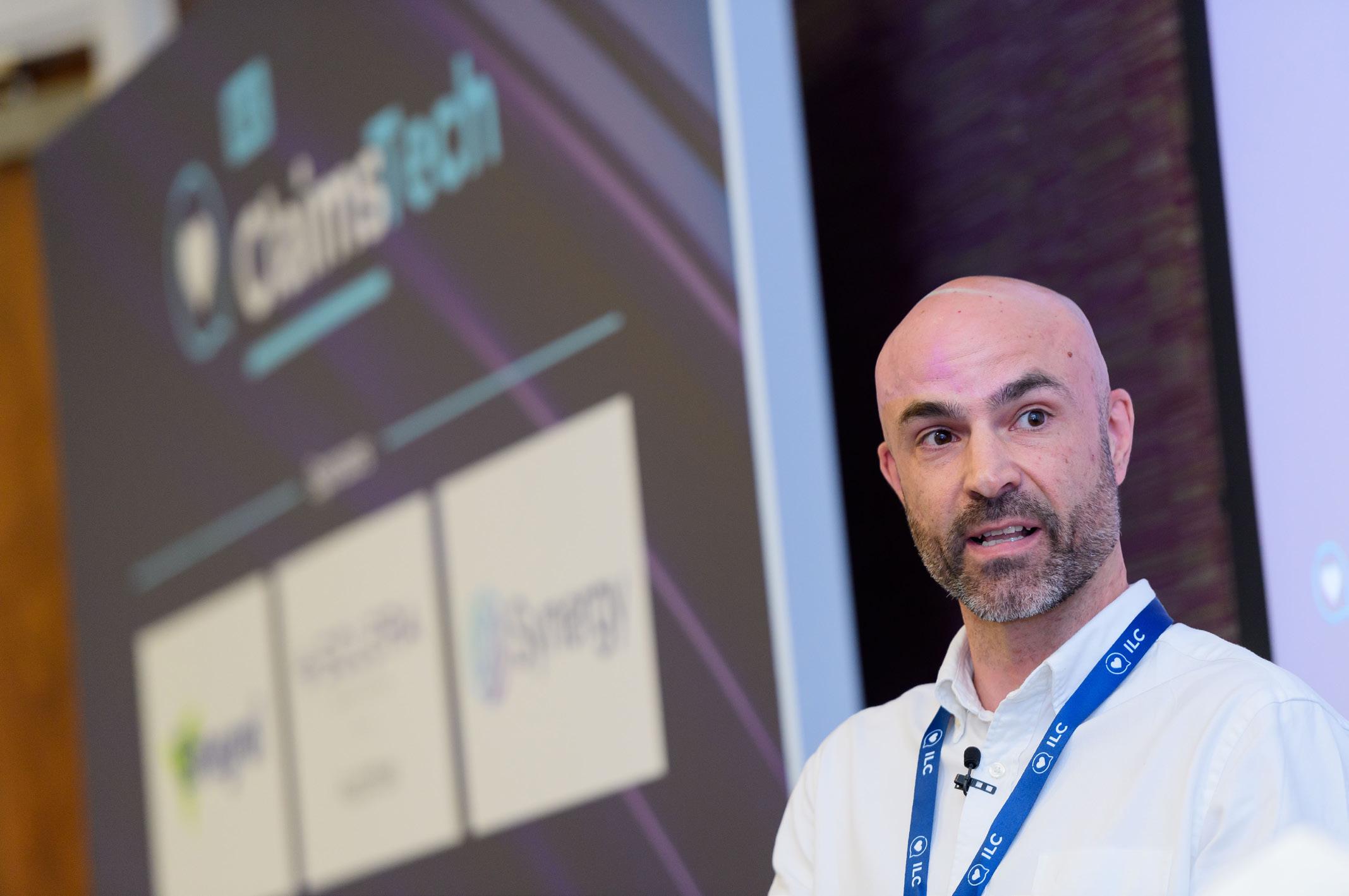

LIZ LATTER
CEO Qlaims
Liz Latter, CEO of Qlaims, has urged insurers to remember that it is the policyholder’s claim and to put them at the centre of their decision making, not their own internal processes or SLAs.
Speaking to attendees at ILC’s ClaimsTech – The Journey 2024, which was held at London’s etc.Venues and sponsored by Solera Audatex, Entegral, and Synergy Cloud, Liz said that many customers making a claim feel like they are alone on one side and on the other side is ‘an array of people including the insurer, the adjuster, and others including trades. As an industry we need to restore the balance’.
She said, “At Qlaims we are in a privileged position, we represent the client through the lifecycle of the claim, so we see it through the eyes of the customer but without the emotion. They are the ones who have experienced the loss, and need to make a claim, and are going through a difficult time, and we see what the reality is of all our [the insurance market’s] processes.”
She said that if the claims journey could be reimagined then far more support would be offered to the customer, but even now it was possible to make a big difference to their experience by delivering a service that is personal, efficient, and suited to their individual needs.
She explained, “It’s the customer’s claim so we should not measure our success on whether we beat our own internal service level agreements (SLAs), but theirs. It should be about customer outcomes. But we’ll only know what those are if we find out what is important to them. Sometimes we’re so busy looking at what the computer is telling us to do we don’t listen to the customer.
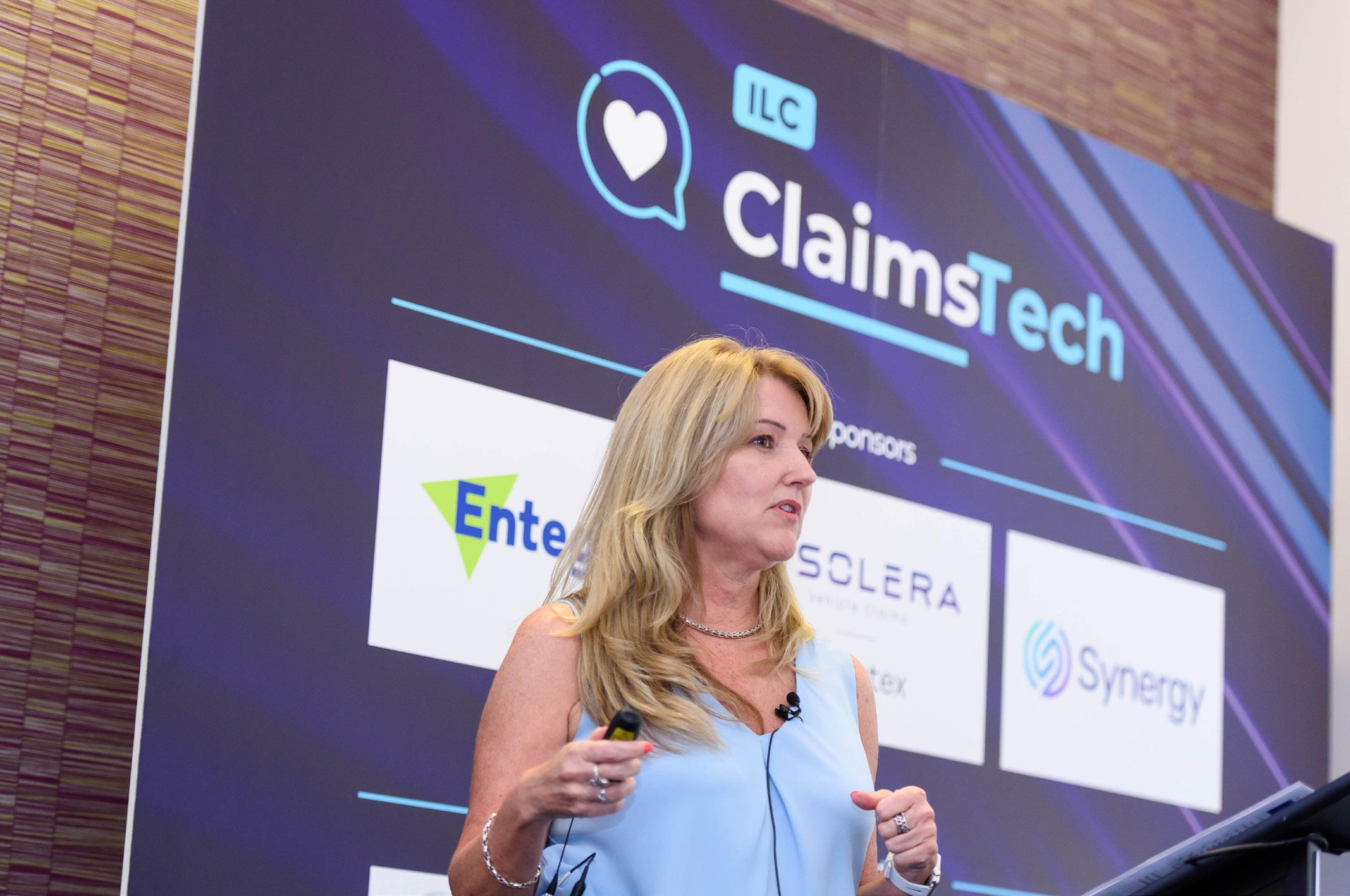
“As Qlaims we aim to respond to every first notification of loss within 24 hours, either with a physical visit or using technology like video streaming. The big advantage of that is simply that we can talk to the customer and find out what they want, help with immediate mitigation, and understand what’s important from the outset. One size does not fit all.”
Understanding the type of claim, the severity of loss, and the customer’s priorities enables the company’s claims specialists to shape their service accordingly, using technology to expediate simple claims and offering human support when the claim is more emotional or complex.
Liz continued, “Home insurance is about protecting the things you’ve worked hard for and the memories they hold. It’s not just a transaction and how we handle that emotional claim will really make a difference as to whether they stay and renew with us [the insurer or broker].
“But some claims are not emotional and can be managed completely digitally with digital portals allowing the customer to keep track of progress. Not knowing what is happening is one of the biggest frustrations, so it’s just common sense enabling them to track their claim and it shouldn’t be difficult to achieve.”
Ultimately, it is the customer who should shape their own claims journey, with insurers offering a service that is flexible enough to fit around it.
Liz concluded, “Understanding what customers want makes a real difference to the outcome. Technology is incredibly powerful, but we should use it to augment rather than replace the human touch, because technology doesn’t provide empathy and some claimants will need and want this.”


GEORGE BEATTIE ED GAZE Head of Innovation CFC CEO Innovative Risk Labs
Insurers need to develop products that are simple and clear, with obvious and immediately understood benefits if they want to appeal to an often ‘aggressively disinterested’ customer base.
George Beattie, Head of Innovation, CFC Underwriting, said that the industry is confusing to many policyholders and insurers don’t help themselves by over-complicating policies and processes.
Instead, he argued that the focus must be on delivering products that customers can instantly understand and see how they can help them.
He said, “Just because you can doesn’t mean you should. Your target market doesn’t care how clever insurance can be unless it helps them get to where they are going. We can be overly clever sometimes, but simplicity can be really good.”
George was speaking during a session, ‘Post event –what now?’ at ILC’s ClaimsTech – The Journey 2024.
He continued, “People hate buying insurance. When we approach the market we assume the target market is aggressively disinterested in what we have to say. Assume people don’t want to hear from you, so explaining the claims benefits has to be so explicitly obvious straightaway.”
Joining him on stage was Ed Gaze, CEO, Innovative Risk Labs. He agreed that the insurance industry to most people is obscure, and said this lack of understanding has created a lack of trust in the sector.
He said, “Customers don’t understand the industry. They don’t know the difference between a broker and insurer, and the way we operate also alienates them. It’s too confusing and results in them not trusting us.”
In principle, parametric products should go some way to alleviating that by offering fixed payouts for set levels of damage. Here too though, Ed believes the industry has undermined itself.
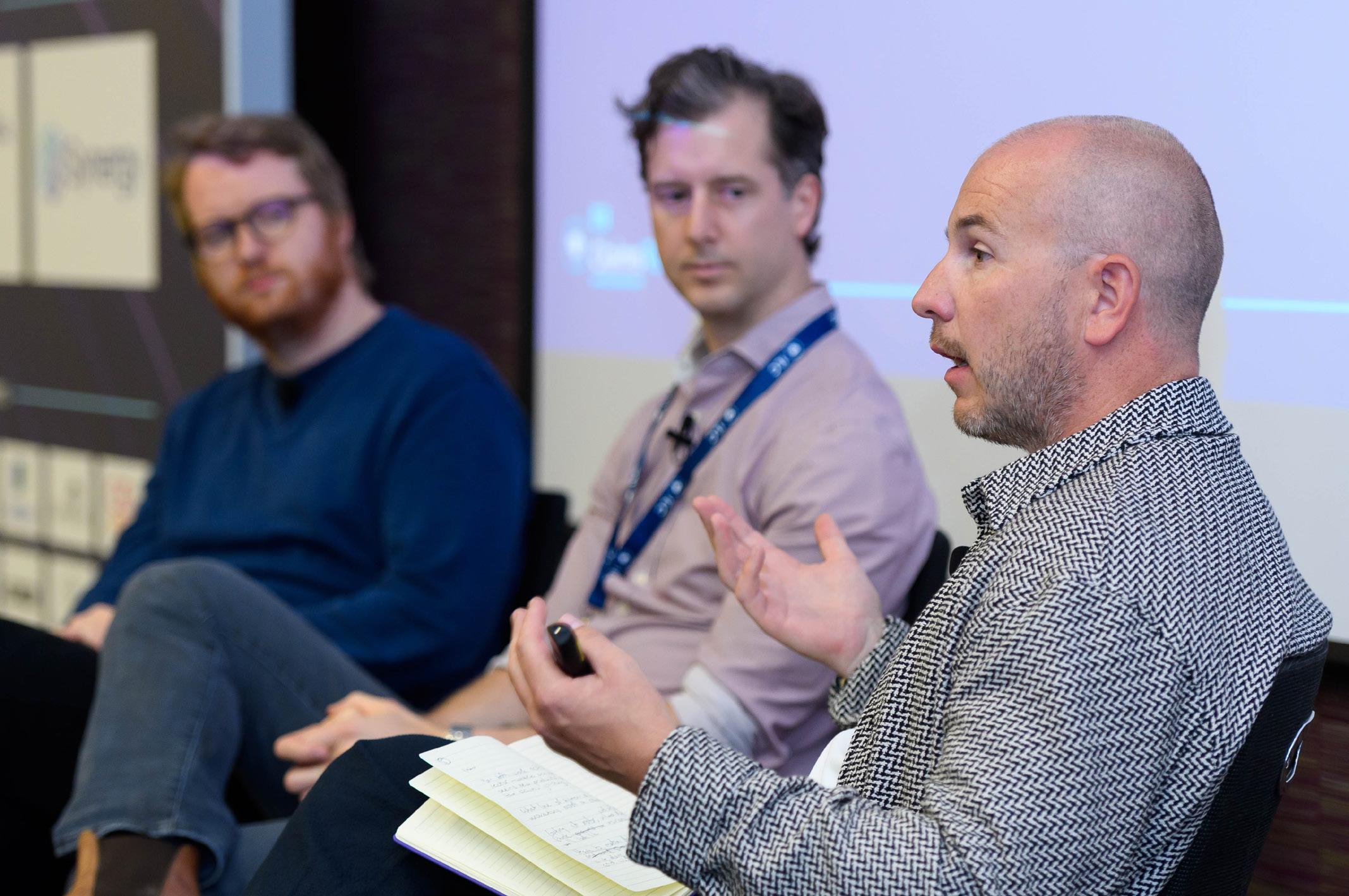
He explained, “Customers don’t know if these policies will cover their losses. Also, many policies include wording around loss adjustments, which just defeats the object. Parametric insurance seems simple, but many products haven’t done well and I think that’s because the customer doesn’t understand them.”
Ed went on to discuss JustParent, a parental leave product designed for SMEs. Accepting that many SMEs offer only statutory parental leave pay because they can’t predict or budget for the number of employees who might go off, the policy makes up the difference to basic salaries for a time period set by the employer.
Simple and easy to understand, he said the policy allows SMEs to offer enhanced parental leave benefits without risking spiralling costs.
“It is also an incredible tool in their recruitment armoury,” he added.
Meanwhile, George revealed how CFC Underwriting is changing the way it presents insurance to customer by bundling products in with retail aspects. Not only does this enhance the proposition, but it makes it ‘feel different to insurance’ in the customer’s eyes.
He said, “We have an app that goes out to all our policyholders that gives them free advice on their information set structure and pre-warnings of attacks on their business. Often we will have actually resolved the problem by the time we notify them.
“So we’ll say, your business was attacked by this malware, we shut it down and here is the incident report. If you look at that within motor, there are lots of different things you can do to position the product more attractively than just insurance.”
ILC’s ClaimsTech – The Journey 2024 was held at London’s etc.Venues and sponsored by Solera Audatex, Entegral, and Synergy Cloud.
“Thank you for a great event yesterday!”
“Really enjoyed the sessions at the conference yesterday”
“What a fantastic event!”
“Some really insightful speakers and honest conversation about all things digital in claims”
“Excellent event from ILC with lots of insightful takeaways from each session!”
“Great to hear thoughts and opinions of other insurers”
Journey
3 July 2024
etc.Venues St Pauls, 200 Aldersgate St, Barbican, London EC1A 4HD