Measuring the downturn: making sense of repair volumes in decline
Paul Sell
Understanding the manufacturing reality: a global vehicle industry under pressure
Chris
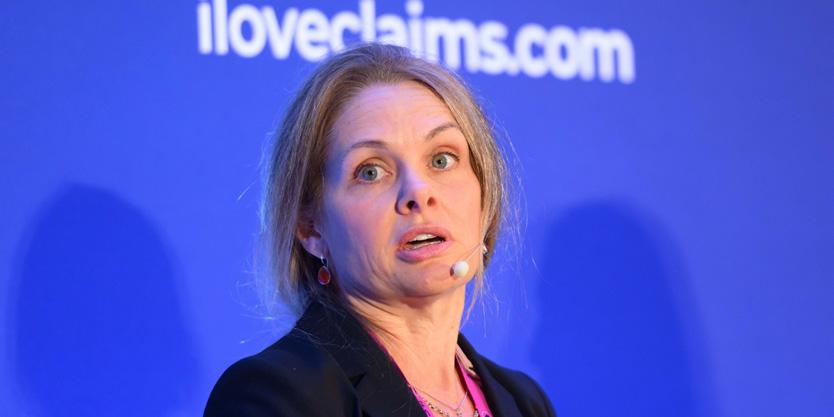
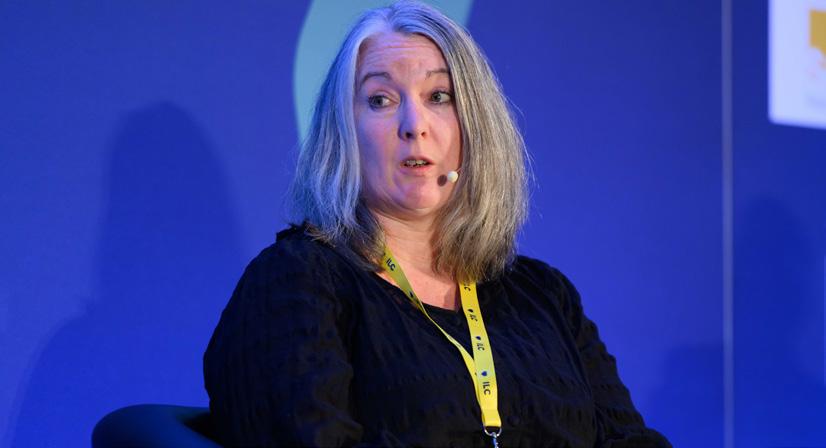
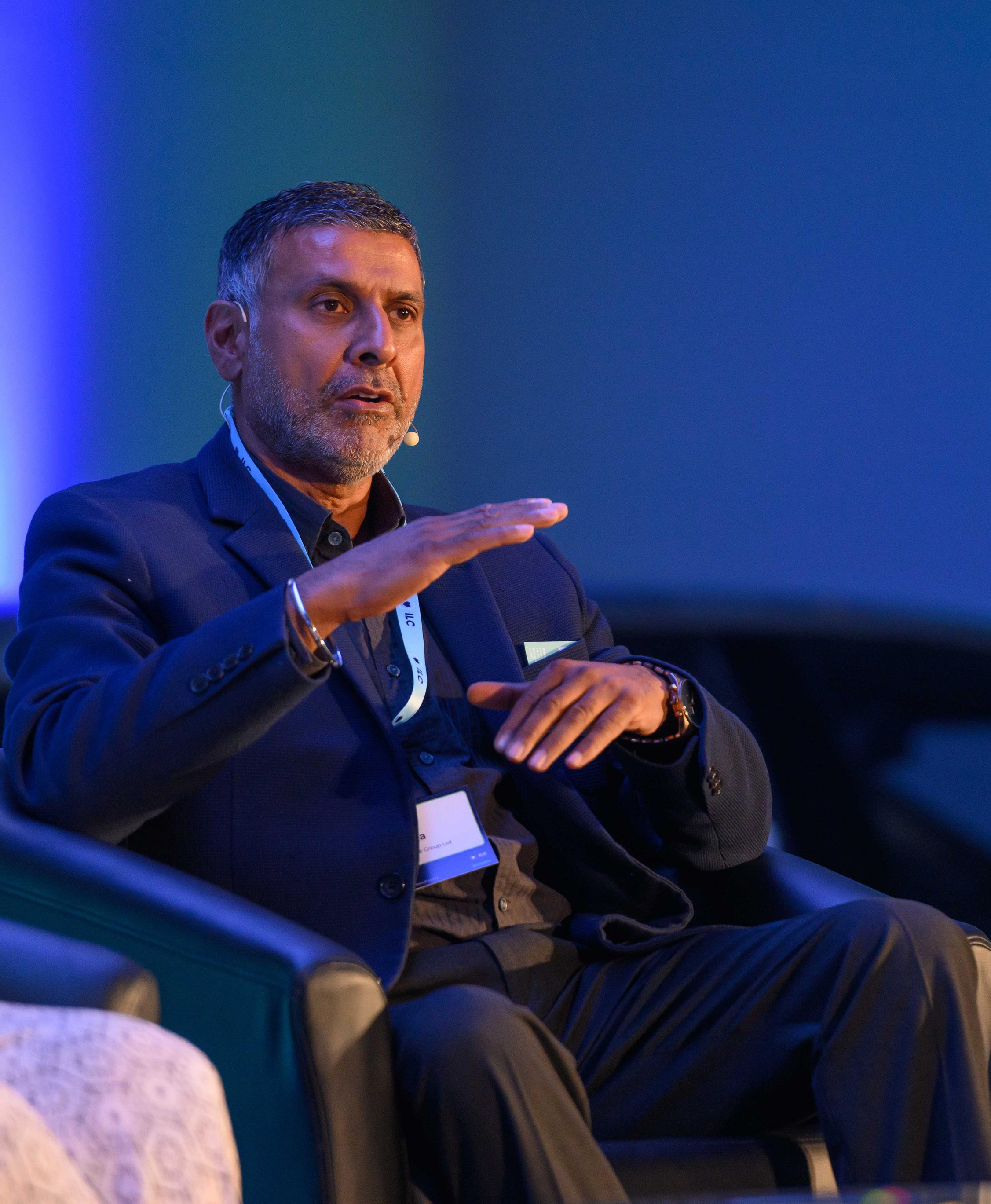
ESG in focus: an urgent and shared responsibility
Peter Randhawa, Kate Nash and Sally Jones
Reframing the future: building a talent-ready sector
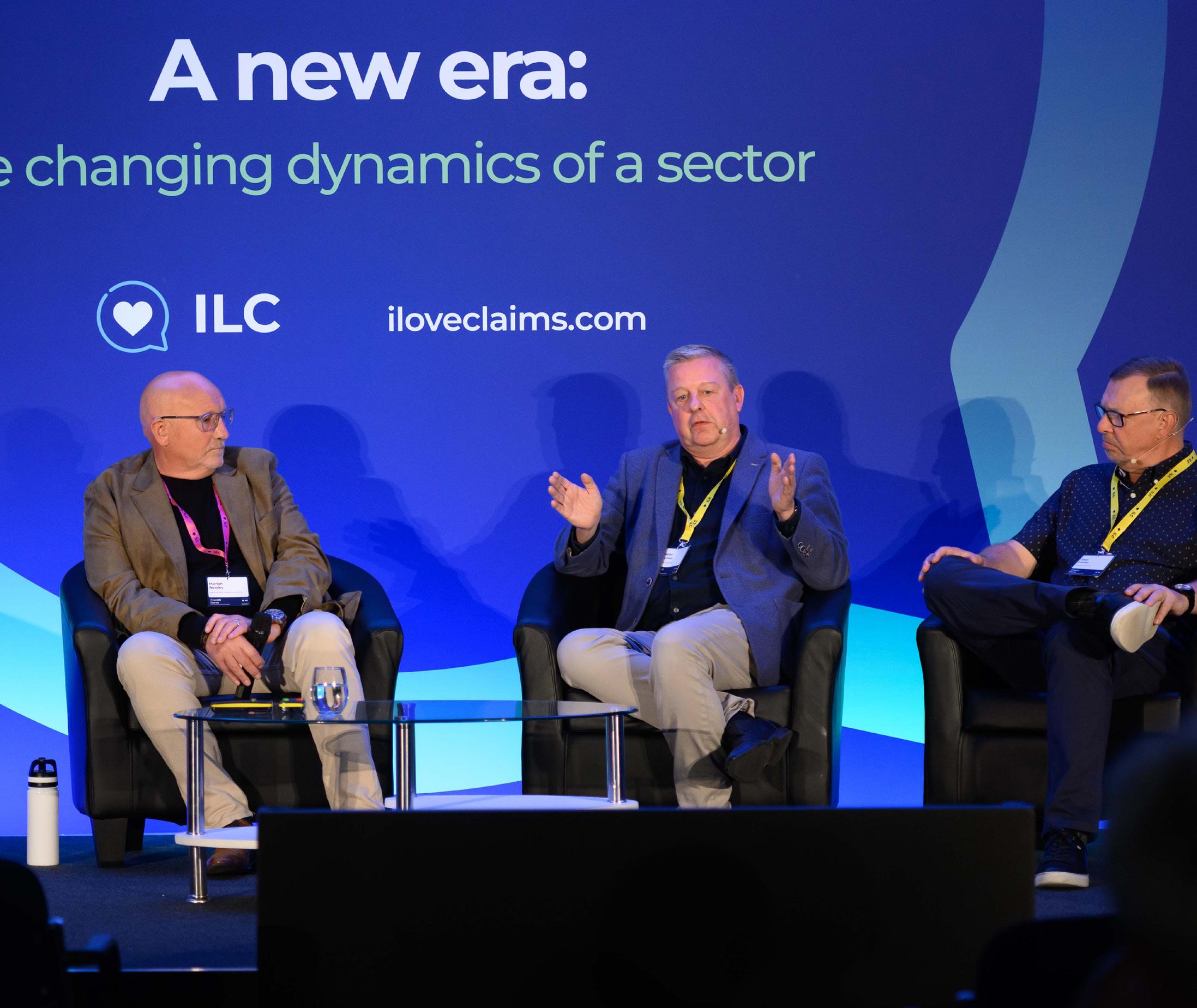
Sue Whyte, Adrian Furness, Martyn Rowley and Dean Lander
Showcase
ADAS evolution and remote diagnostics: Repairify redefines the future of vehicle repair
Satty Nanuwa
Showcase Setting the standard for commercial vehicle repair
Tom Hudd, Steve Oakley, Terry Warshow and Jason Mole
Showcase
Preparing vehicle damage
Dean Lander
A star in the spotlight: Ronan Pearson
Ronan Pearson
Market IntelLigen
Observations from the insurers side: navigating pressure and identifying opportunities
Michael Golding
Market IntelLigen
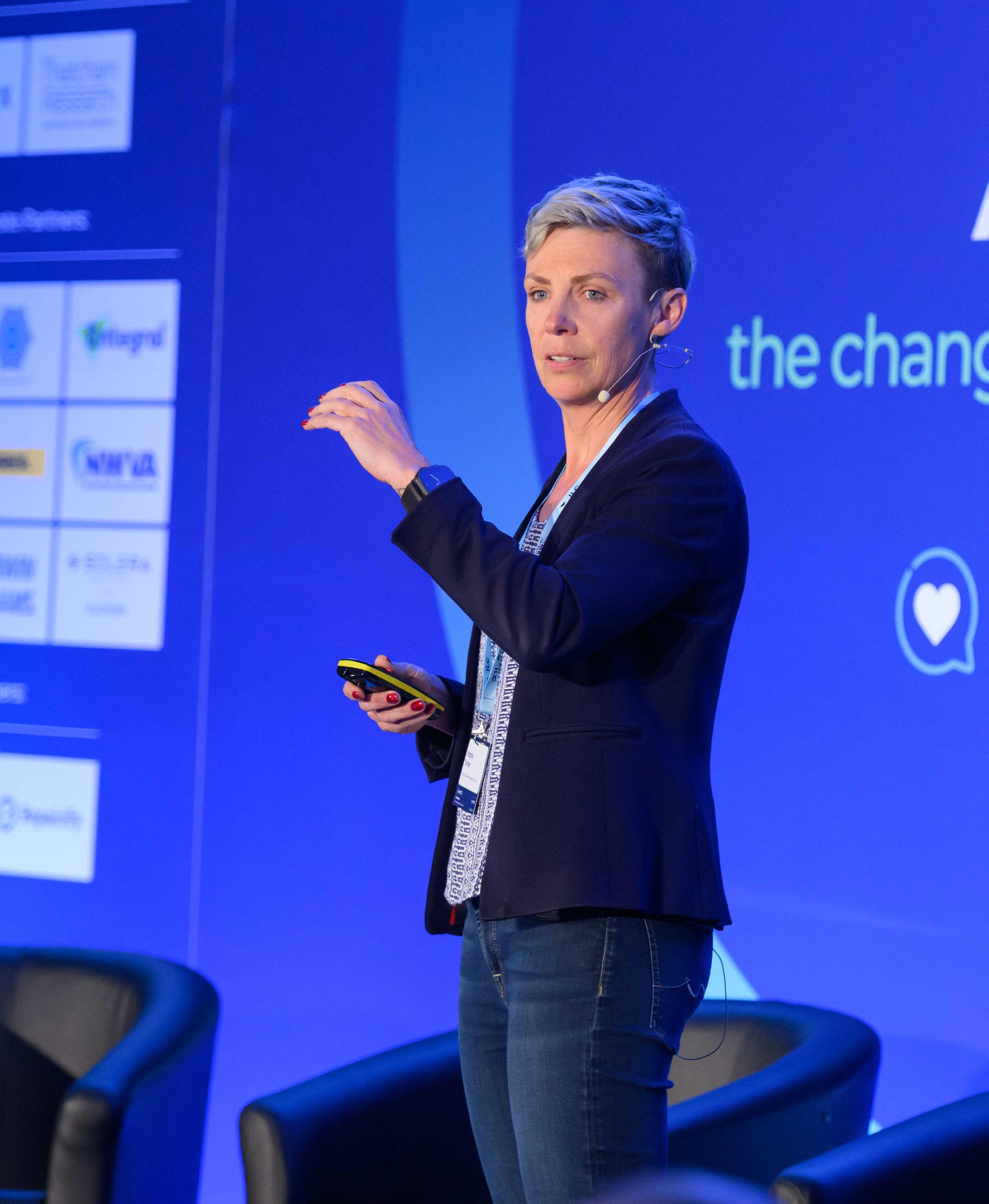
A decade in motion: making sense of the market through the eyes of a repairer
Victoria Turner
From salvage to strategy: reframing the salvage and recycled parts debate
Eddie Longworth, Paul Llewellyn and Martyn Rowley
Facing forward: strategies for a sustainable, profitable future
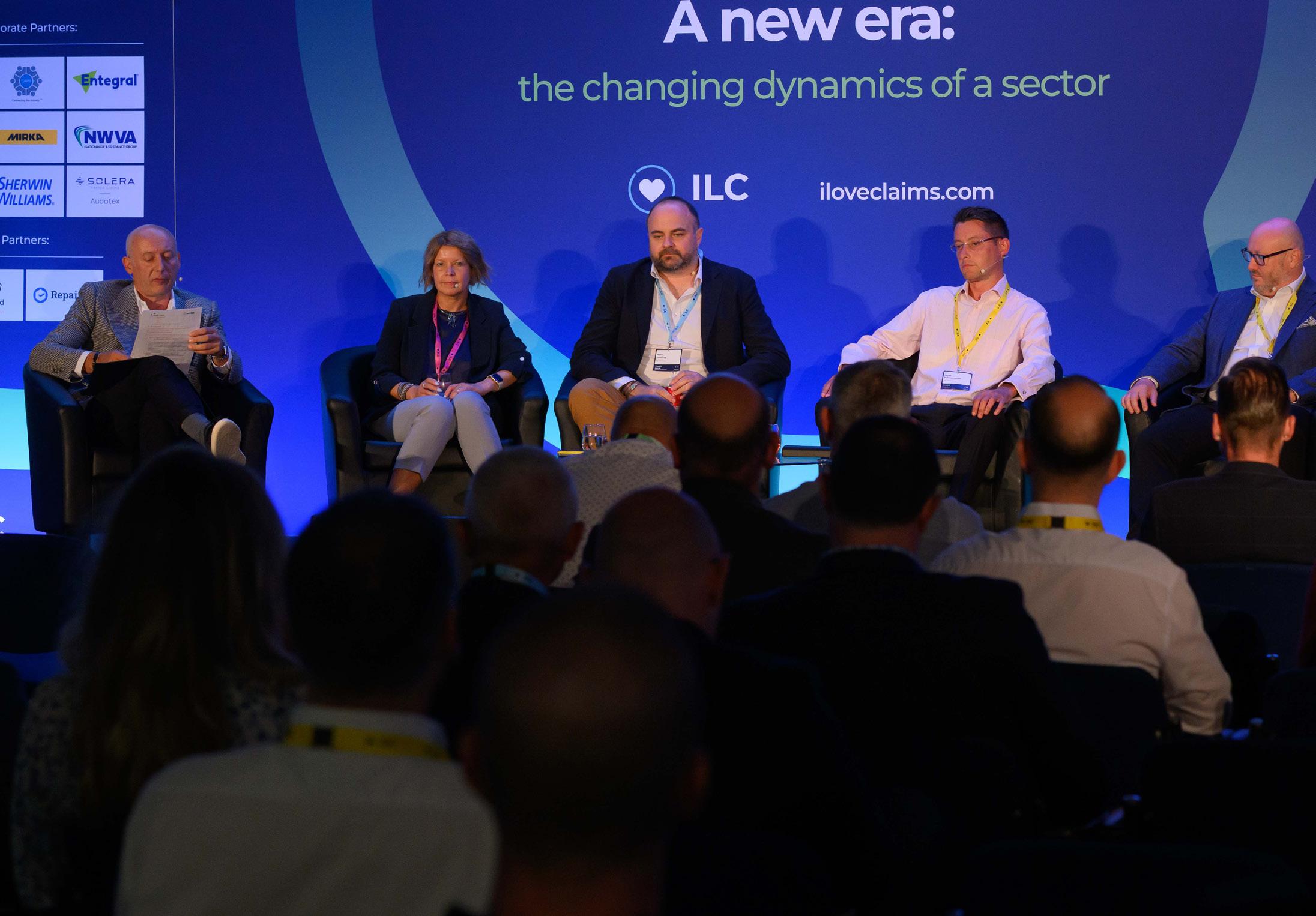
Chris Ashworth, Clare Davies, Andy Whatmough, Shaun Hopkins, Carl Cripps and Marc Holding
Entegral’s evolving vision: driving connectivity across the claims ecosystem
Sam Newman
Showcase
Unlocking the potential of recycled parts: automation, simplicity and scale
Eddie Longworth
Showcase
Embracing the power of data: Solera Analytics leads the way
Joe Baynham
DISCLAIMER
Contributors
The views and opinions expressed within Better Tomorrow are reported from live events and are those of the individual contributor/s. They do not necessarily reflect the official policy or position of the contributor’s employer, organisation, committee or other group or individual.
ILC
While every effort has been made to ensure the accuracy of information, ILC will not accept responsibility for errors or omissions or for consequences arising from reliance on information published. The opinions expressed in Better Tomorrow are not necessarily the opinions of, or endorsed by ILC unless otherwise stated.
COPYRIGHT
All rights reserved. No part of the material contained within this publication may be reproduced or copied in any form or by any means without written permission from ILC.
Landmark event for repairer community
Mark Hadaway Co-founder ARC360
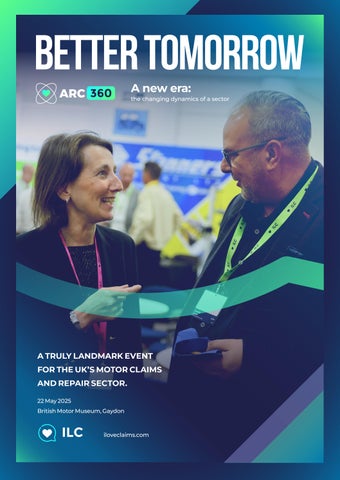
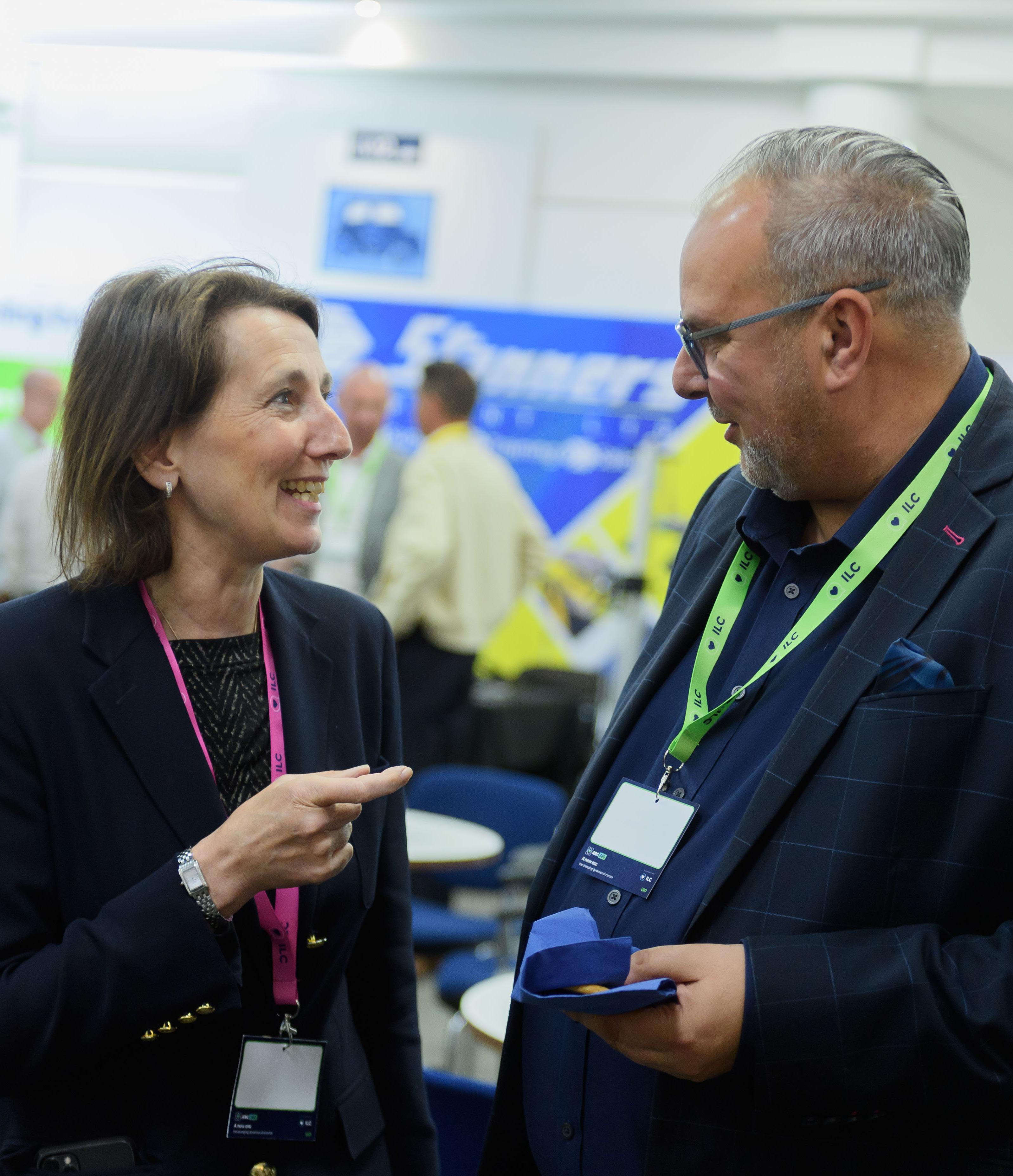
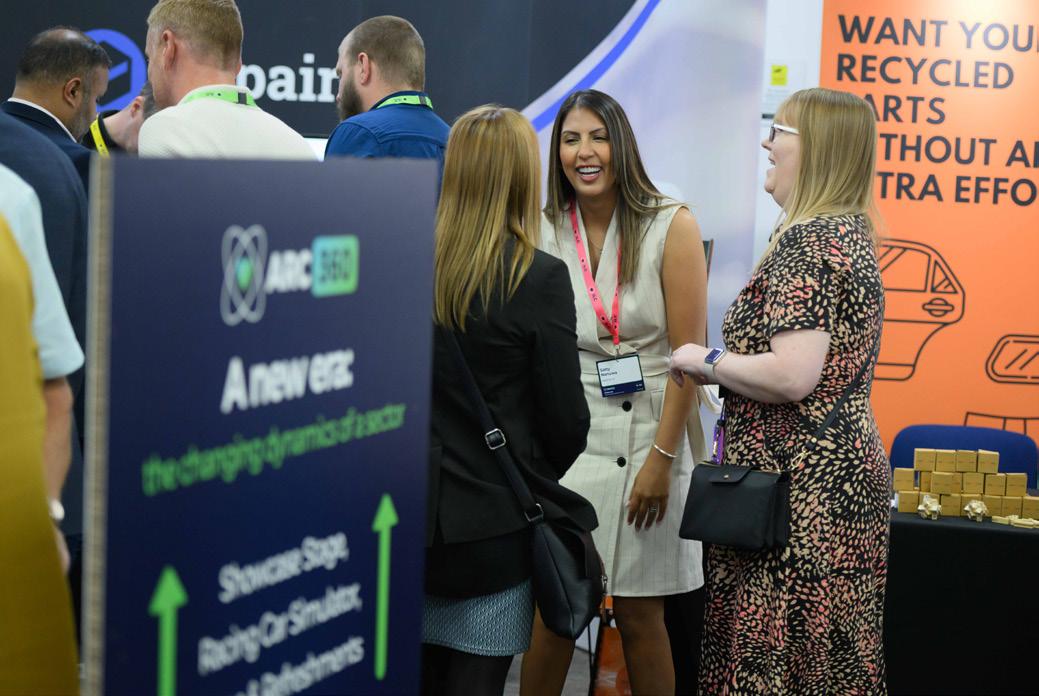
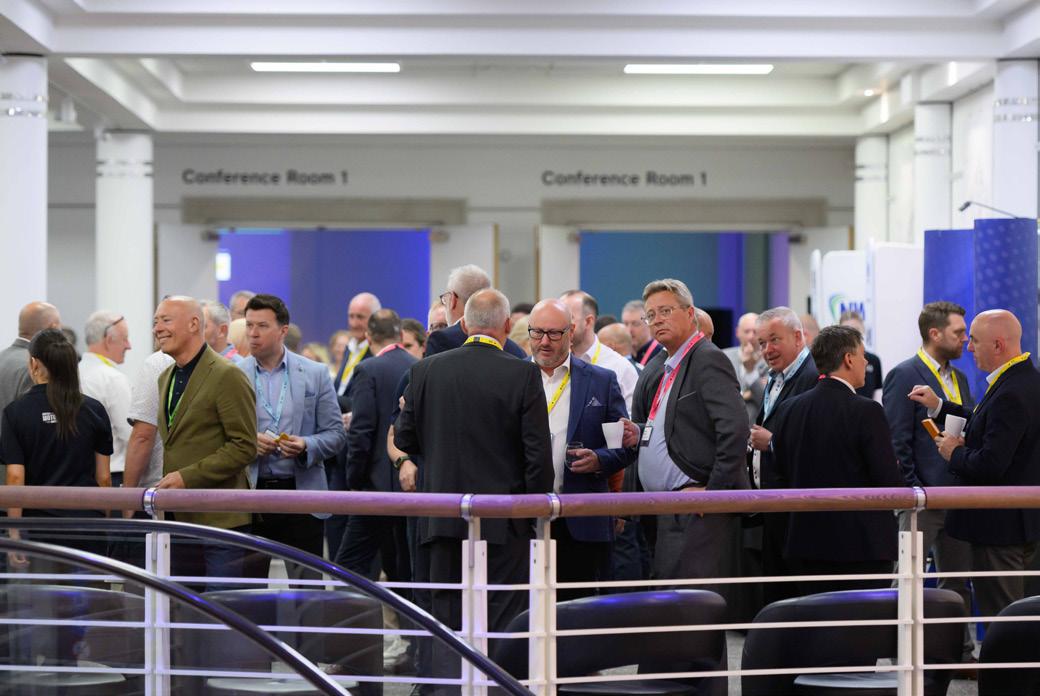
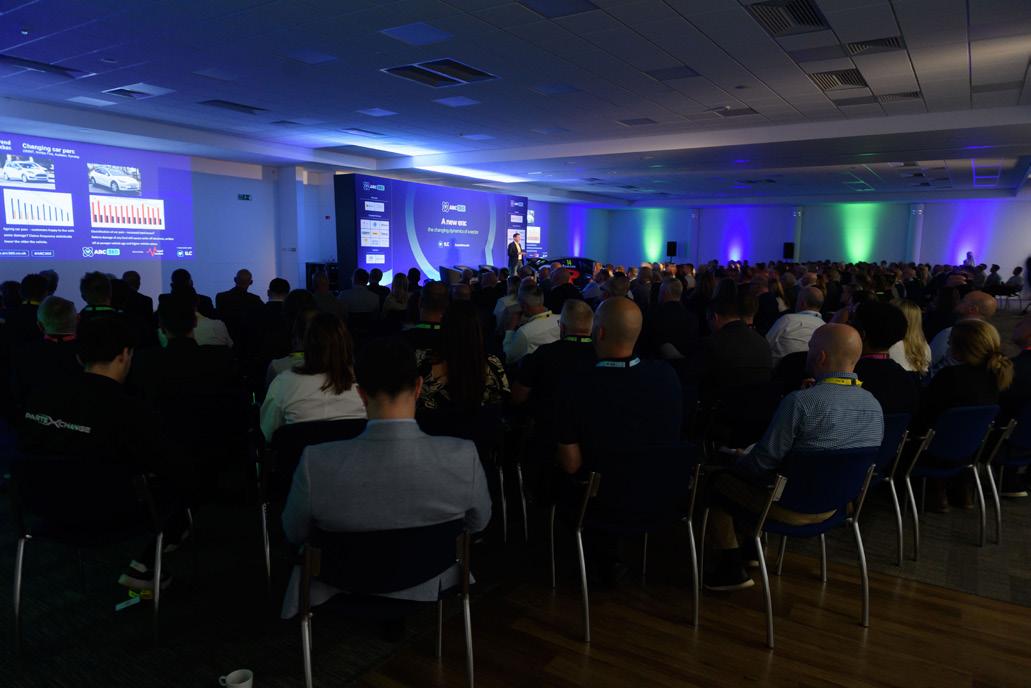
ARC360 2025, held at the British Motor Museum, Gaydon, proved a truly landmark event for the UK’s motor claims and repair sector.
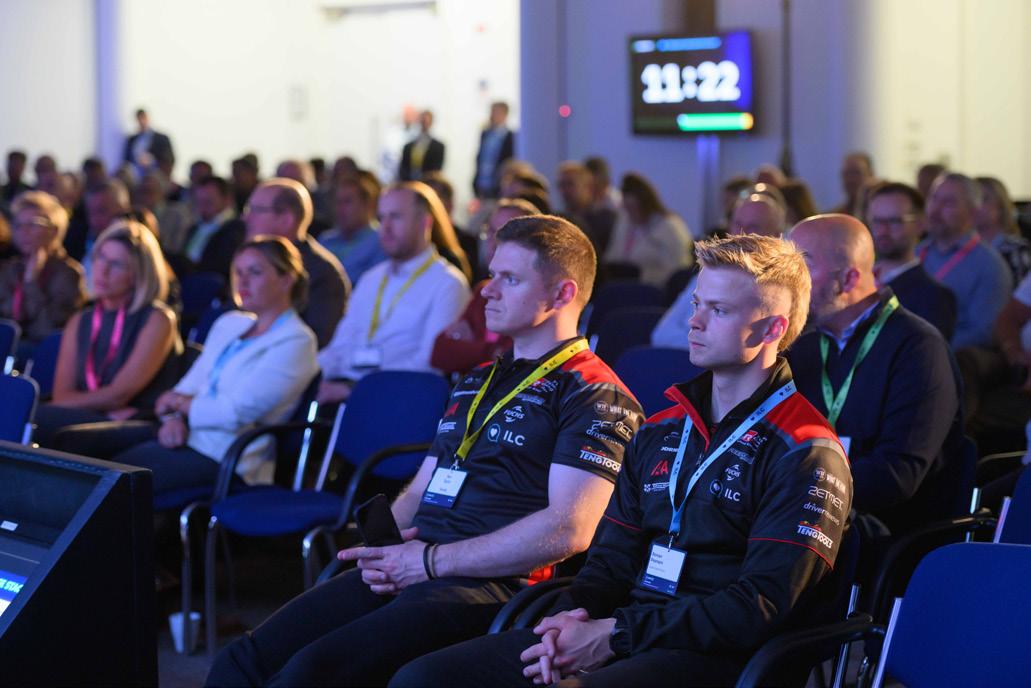
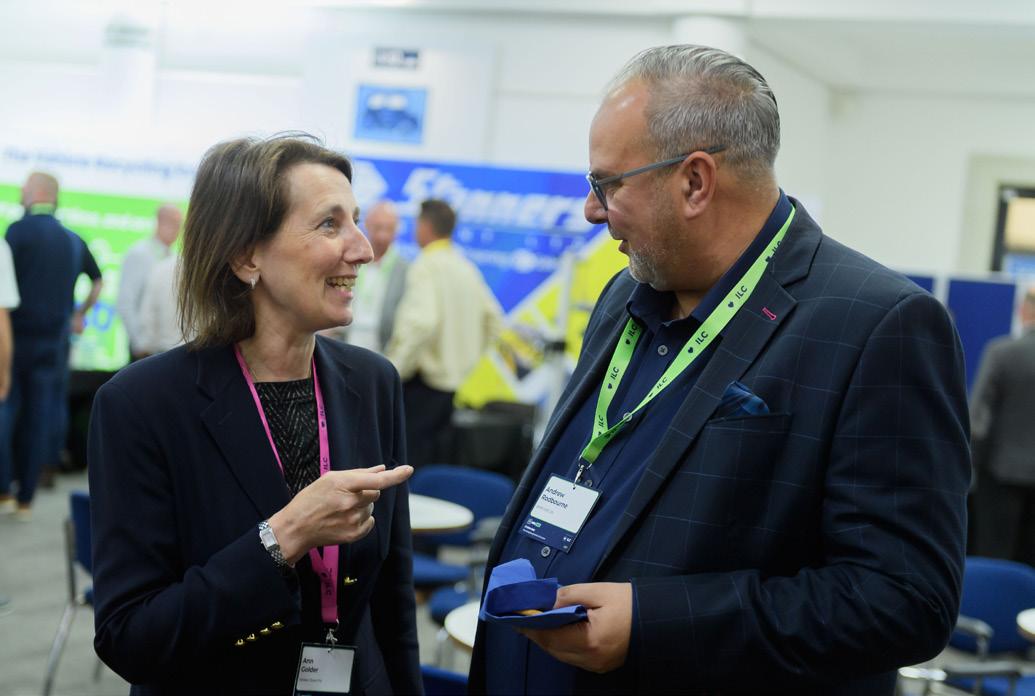
With a packed agenda, industry-leading speakers, vibrant networking, and spirited collaboration, ARC360 once again demonstrated its role as a catalyst for innovation, conversation, and connection.
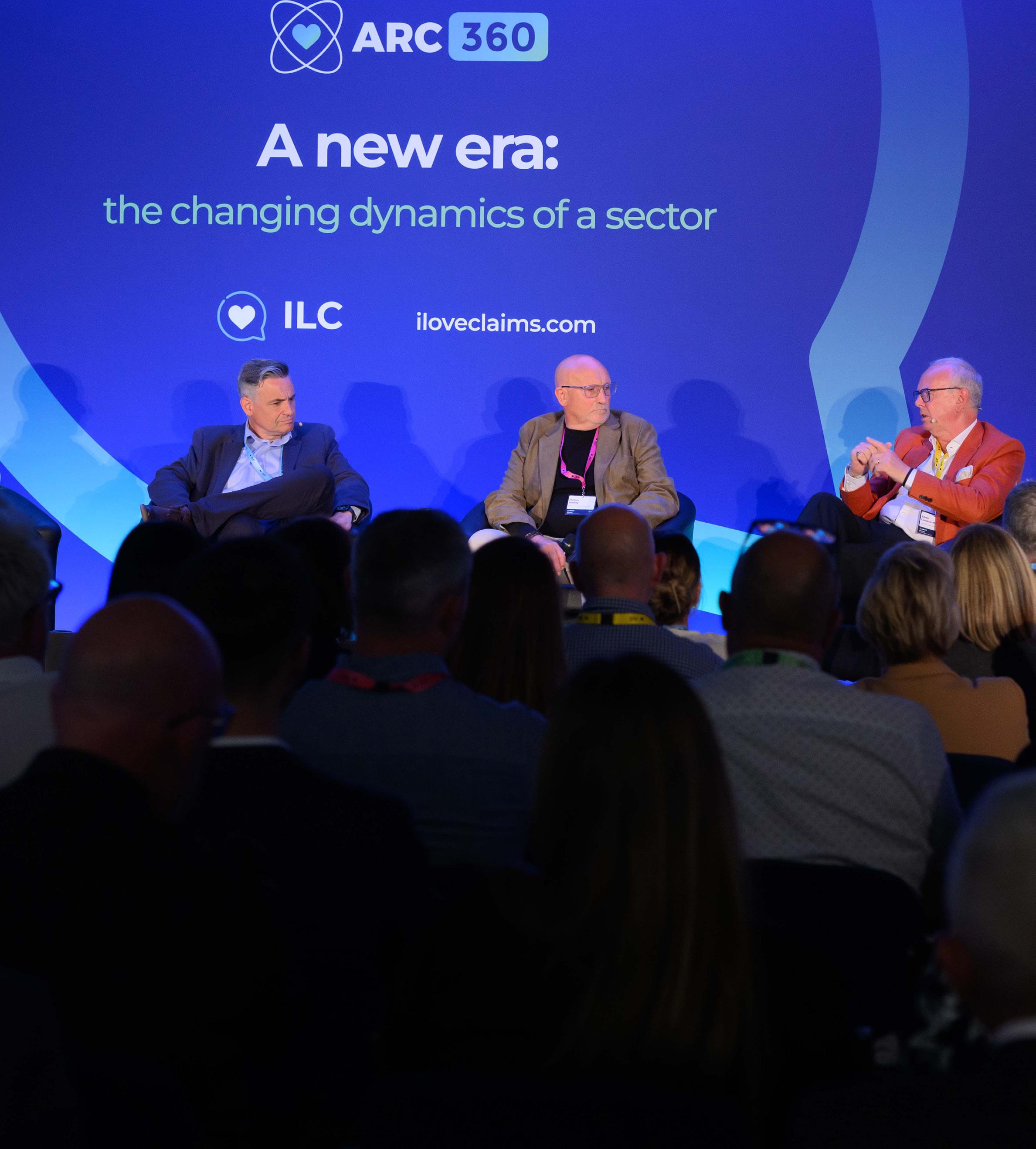
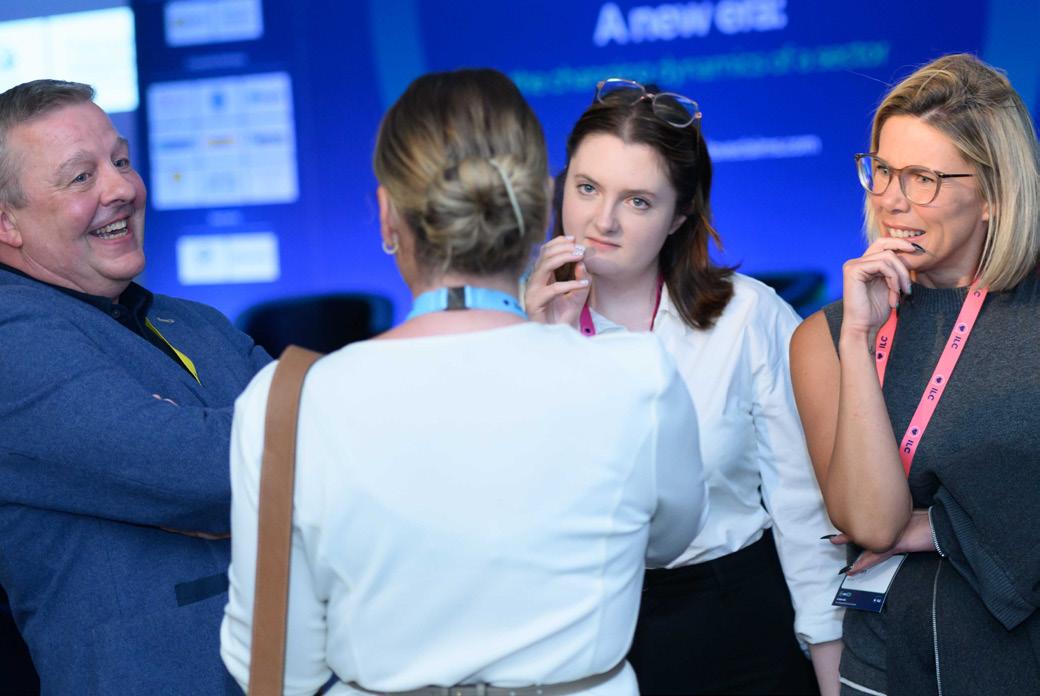
This year’s theme – ‘A new era: the changing dynamics of a sector’ - couldn’t have been more fitting. Against a backdrop of rapid technological change, evolving consumer expectations, and increasing cross-industry convergence, the conference delivered a compelling mix of insight, challenge, and opportunity.
From strategic conversations with senior insurers and supply chain leaders to future-focused discussions with vehicle manufacturers and technology innovators, the day served as a timely reminder that transformation is not just inevitable - it’s already here.
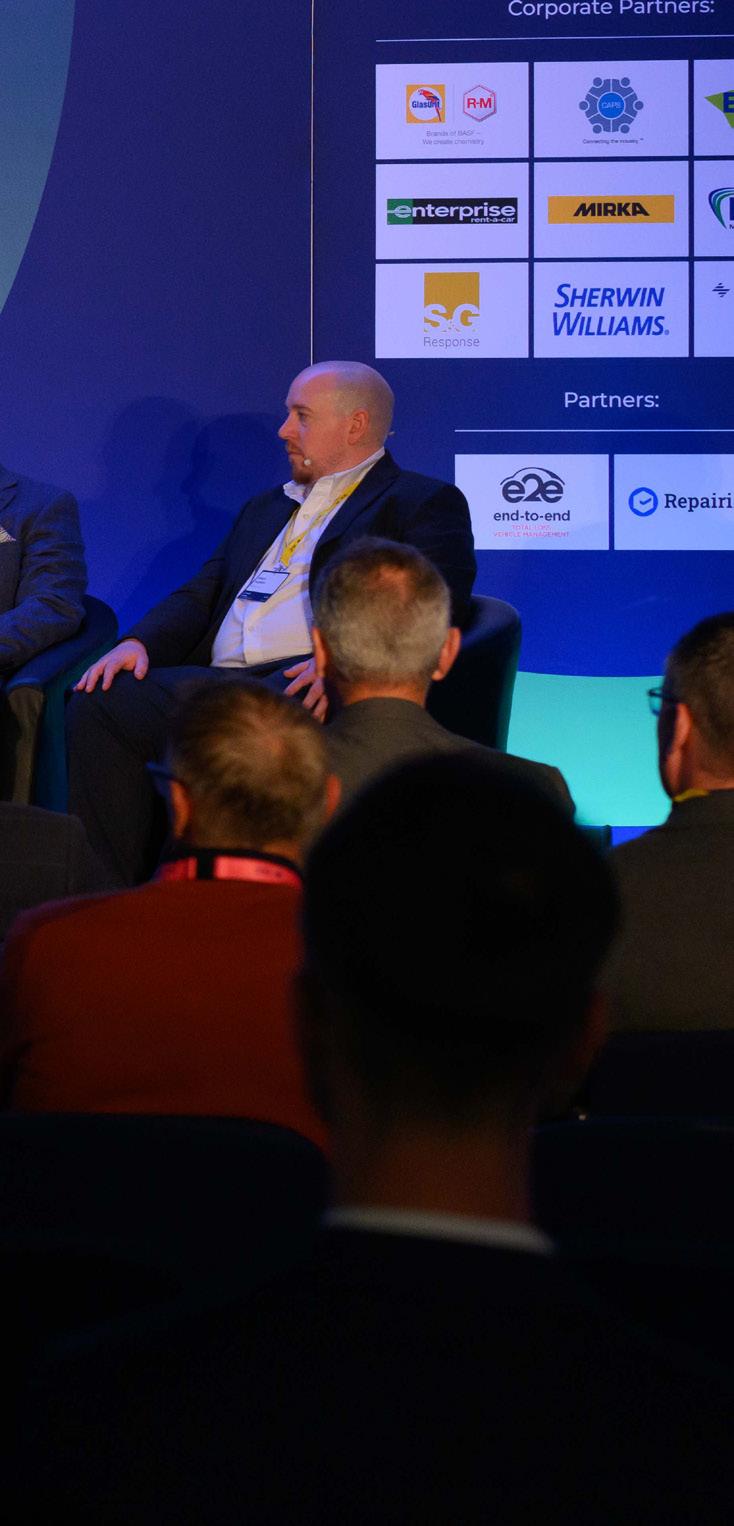
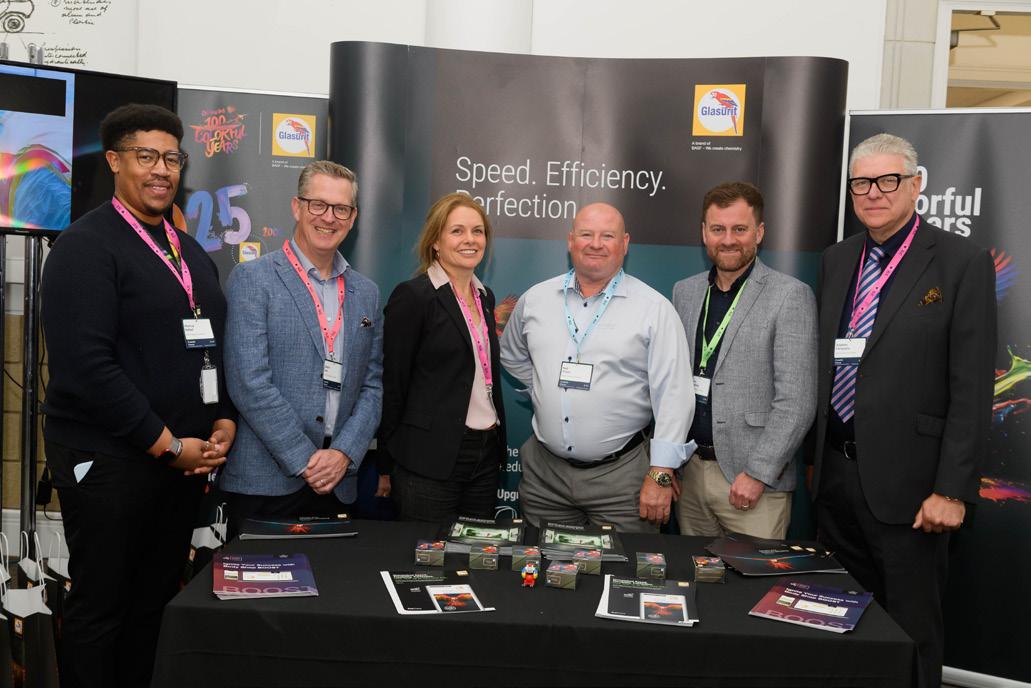
None of this would have been possible without the unwavering support of our partners and sponsors. We extend our sincere thanks to our Corporate Partners: BASF, CAPS, Entegral, Enterprise, NWVA, Mirka, S&G Response, Sherwin Williams, and Solera Audatex. We are equally grateful to our Partners: e2e and Repairify, and to our Vehicle Manufacturer Partner, Stellantis, whose participation brought invaluable OEM insight. Our appreciation also goes to Event Sponsors: Onyx and Thatcham Research, whose contributions helped bring the event to life.
These organisations do more than support the event - they help drive our year-round programme of activity. From insights and reports to exclusive roundtables and partner briefings, their involvement helps push the sector forward in meaningful ways.
A special thank you also goes to our speaker line-up, who shared experience, perspective and vision with clarity and candour. Their willingness to debate, challenge, and inspire helped shape one of the most engaging ARC360 programmes to date.
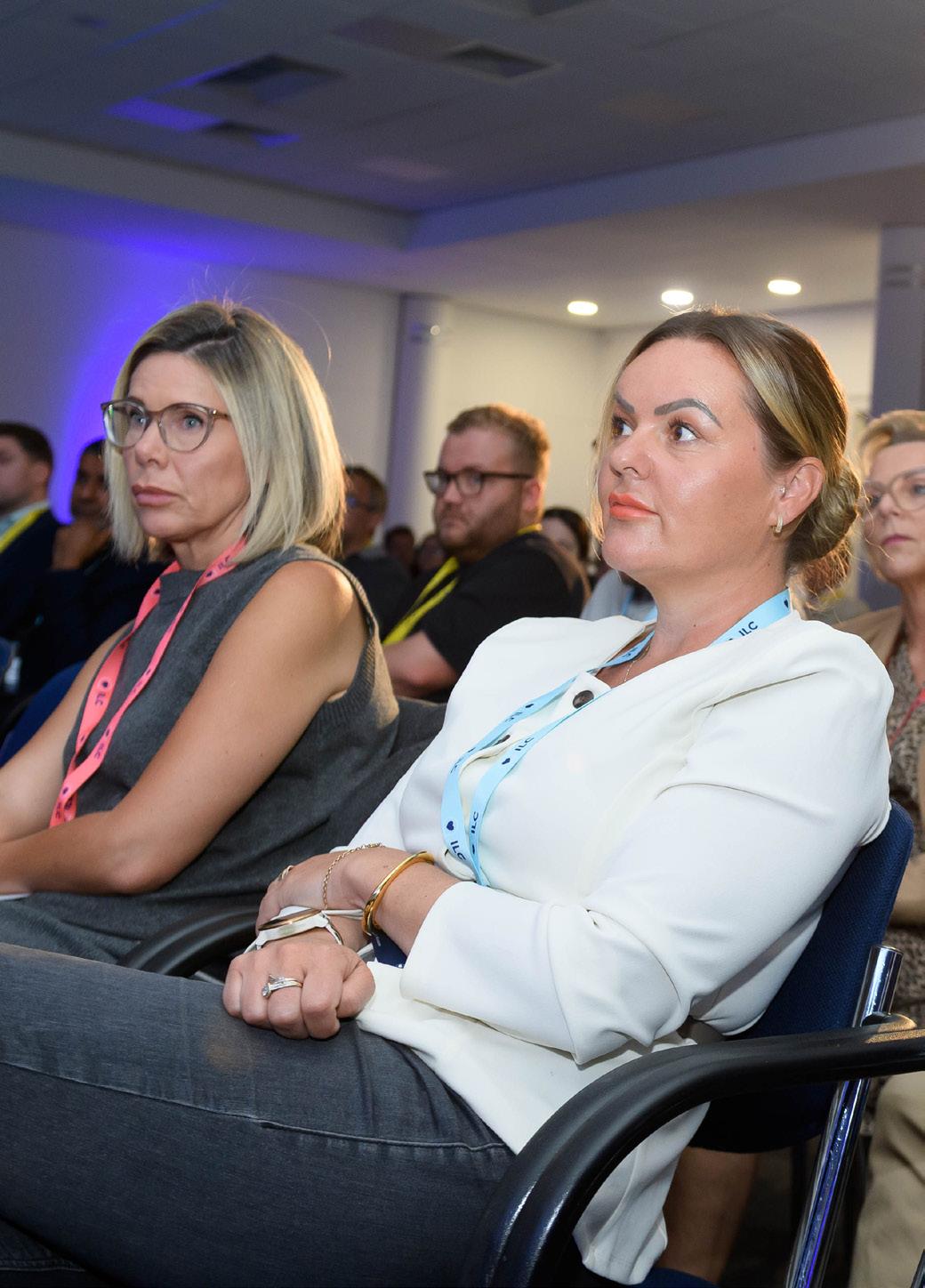
And finally, thank you to you – the ARC360 community. Your energy, curiosity and willingness to engage made for a ‘buzzing’ atmosphere from start to finish. Whether you joined as a long-standing industry stakeholder or as a first-time attendee, we hope you left feeling better informed, more connected, and excited about what comes next.
We look forward to continuing these conversations throughout the year and seeing many of you again soon at one of our upcoming ARC360 or ILC events. Until then - keep collaborating, keep innovating, and above all, keep gaining ground together.
Kind regards
A star in the spotlight: Ronan Pearson
Ronan Pearson
Toyota Gazoo Racing UK
BTCC
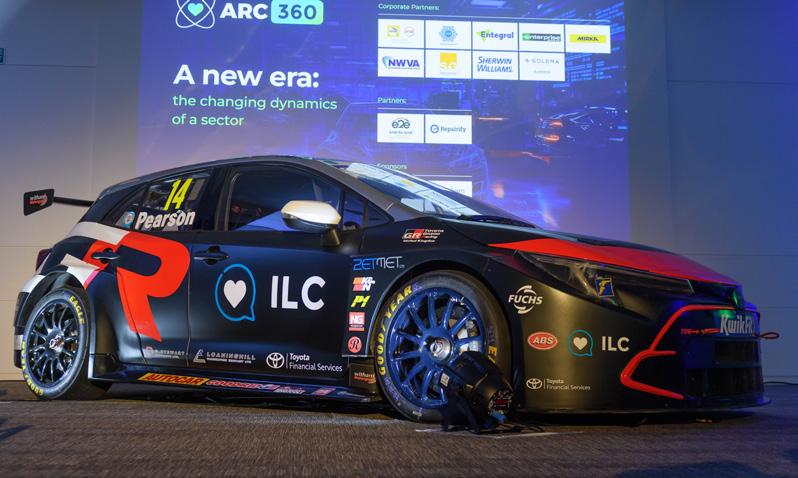
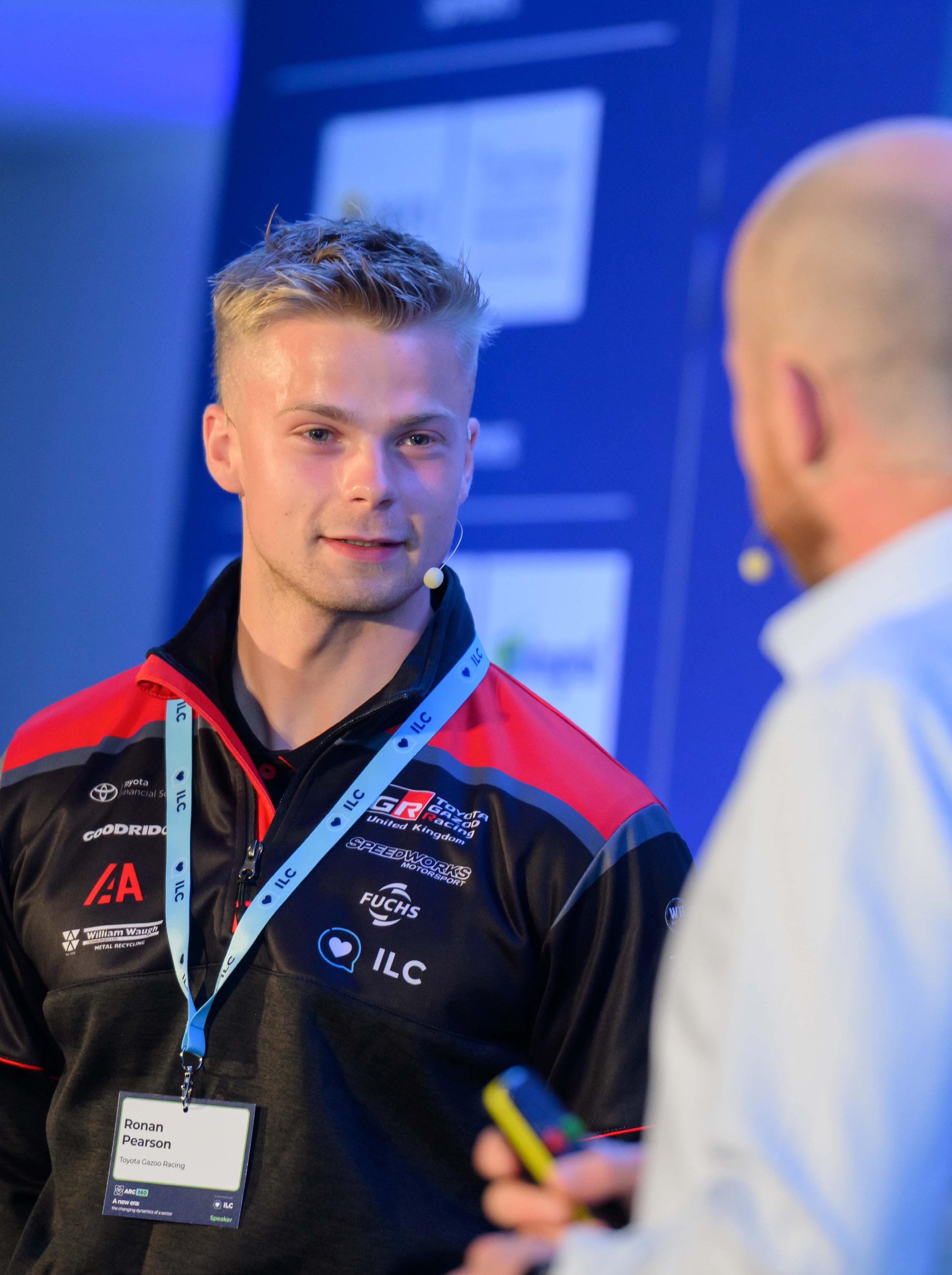
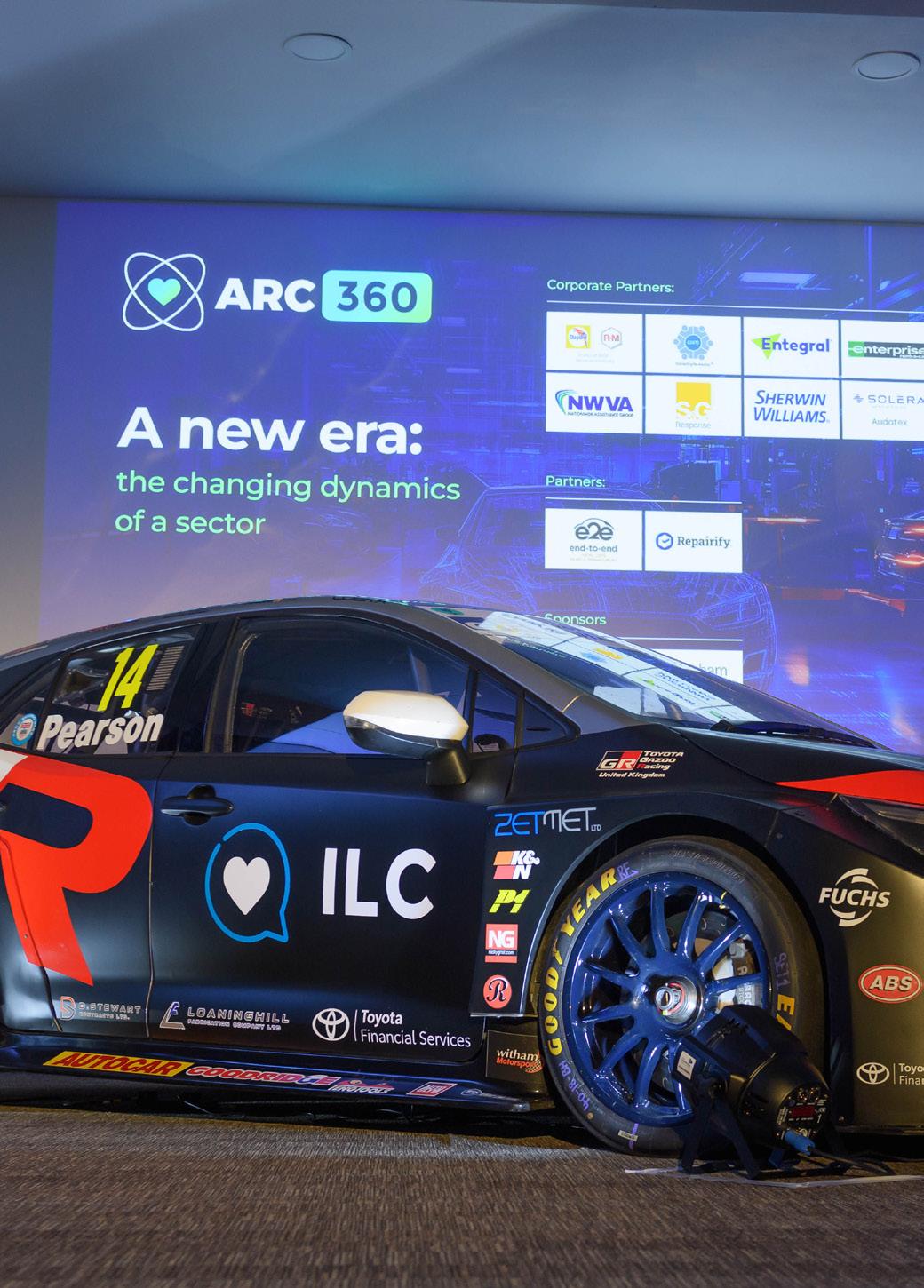
One of the standout features of ARC360 2025 was the presence of Ronan Pearson, British Touring Car Championship (BTCC) rising star and Toyota Gazoo Racing UK driver. Ronan brought an exciting dose of motorsport energy to the day - and not just because of the gleaming Corolla race car parked within the conference hall.
Representing the dynamic link between vehicle technology, driver performance, and the automotive supply chain, Ronan captivated attendees with his story of progression through the motorsport ranks. From humble beginnings in karting to his current third season in the BTCC, Ronan has steadily earned a reputation as one of the most promising young talents on the grid.
In an engaging session, Ronan shared insights into the reality of life in elite motorsport - from the physical demands of racing to the engineering complexity of his 400bhp Corolla race car.
He explained the strategic role of ‘pushto-pass’ systems, the necessity of routine post-race strip-downs, and how preparation and mindset play a key role in race weekend success.
Crucially, Ronan also underlined how sponsorship is a lifeline in professional motorsport. His partnership with ILC, which includes vehicle branding and shared media days, reflects a genuine alignment of values - innovation, performance, and community.
Delegates also had the chance to test their mettle against Ronan on a racing simulator stationed at the event. Dozens queued to beat his lap time (with mixed success), with the fastest lap of the day earning VIP tickets to a live BTCC race weekend.
Ronan’s participation added a new dimension to ARC360, embodying the conference’s drive for excellence and relevance across every part of the automotive value chain.
The ARC360 community wishes Ronan continued success as the race season unfolds - and look forward to cheering him on from both trackside and paddock.
Market IntelLigenCe
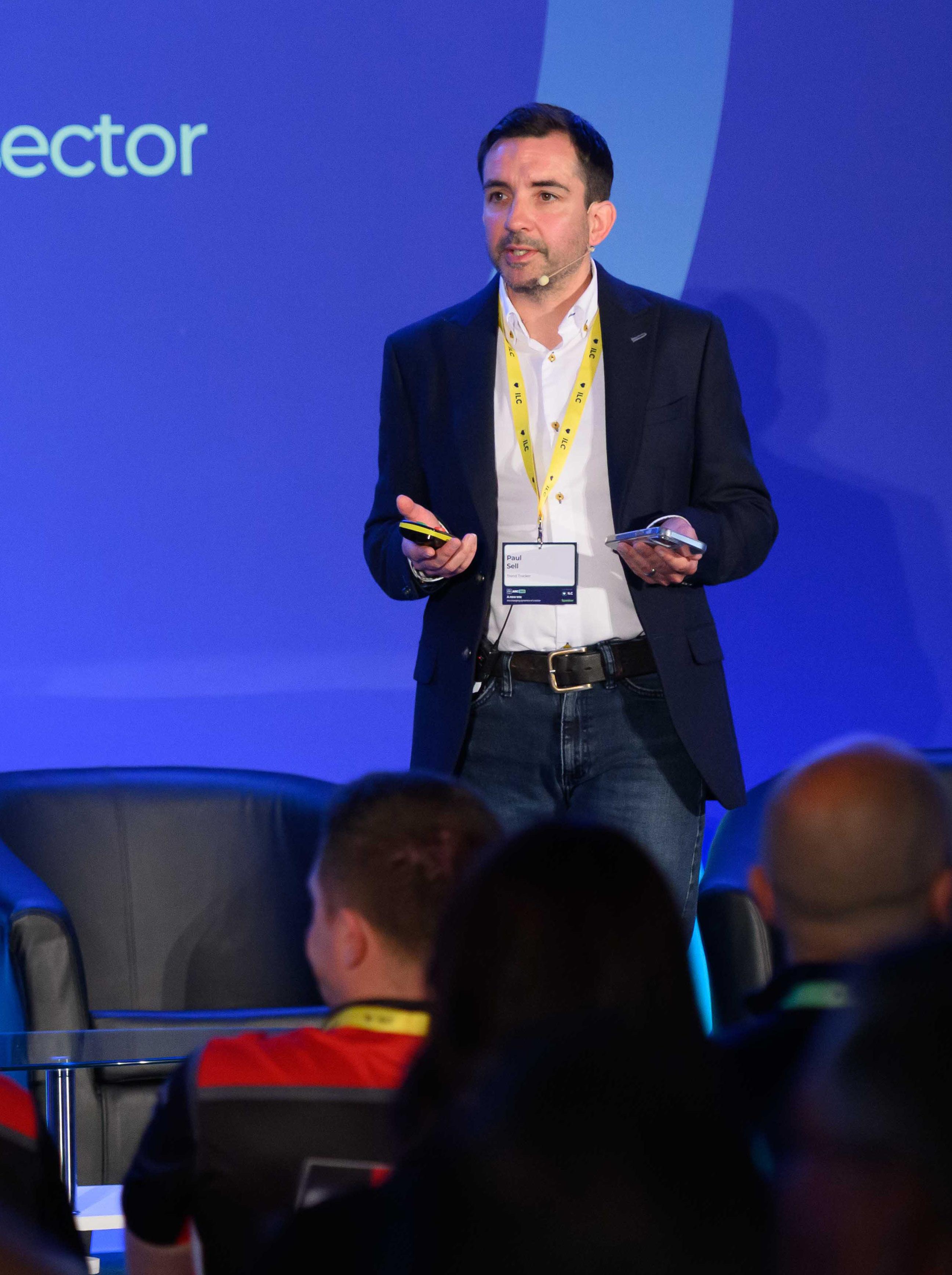
Measuring the downturn: making sense of repair volumes in decline
Paul Sell Director Trend Tracker
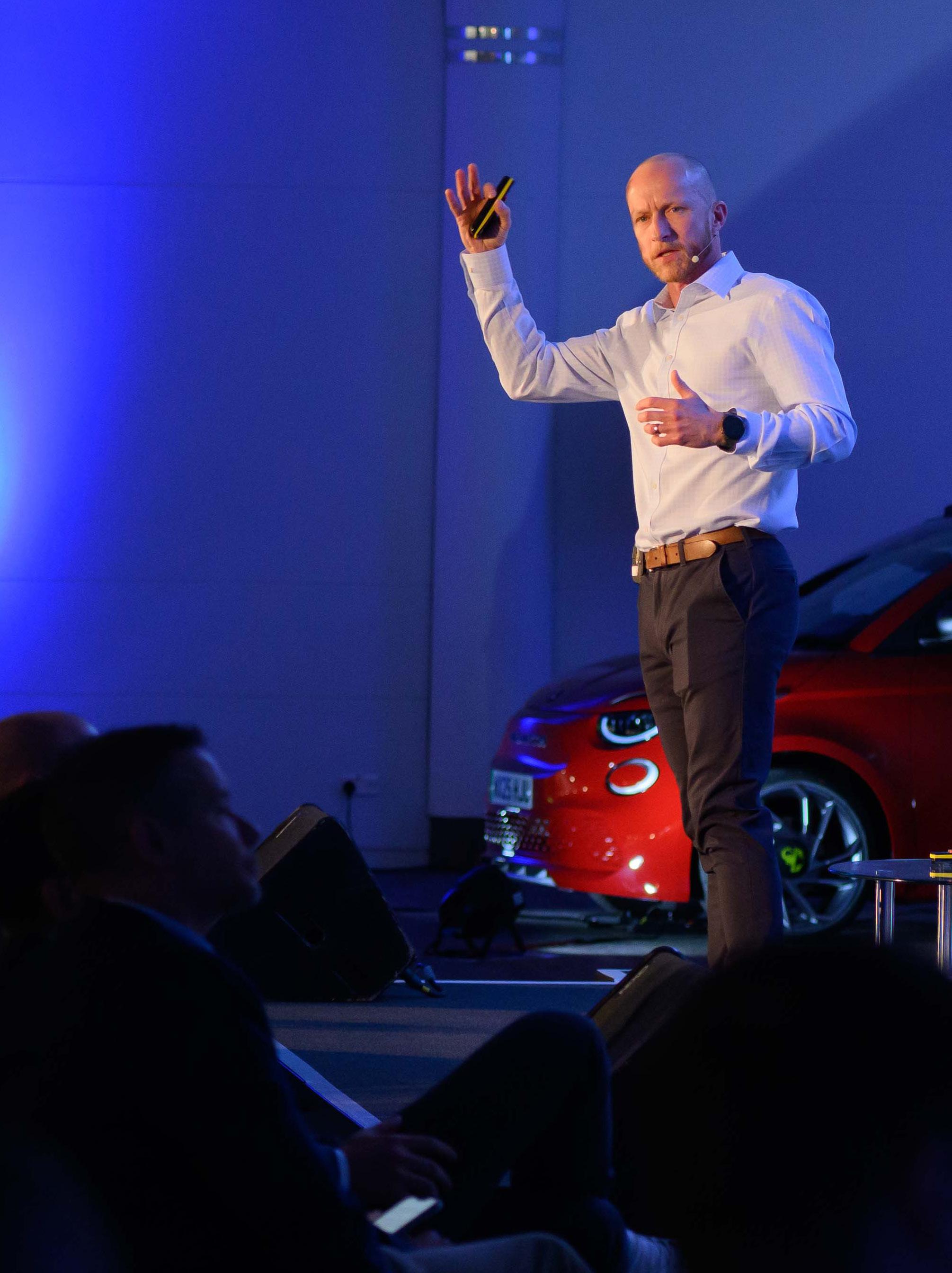
Paul Sell, Director at Trend Tracker, delivered a data-backed, long-view analysis of the UK repair volume landscape - past, present, and future.
Paul opened with the core question: If there are more vehicles on the road, and more miles being driven, why are repair volumes trending downward? Focusing primarily on the insurance sector, his presentation set out to answer this with precision and clarity.
Using ABI claims frequency data from 2014–2024 and projections debated (humorously) with ChatGPT, Paul illustrated how a decade of repair volume fluctuations has been driven by more than just random market turbulence. From COVID-19 to legislative reform, pricing to car parc demographics, the answer is cumulative and multifaceted.
“More cars on the road. More miles driven. And stillfewer repairs. That’s the paradox we’re living in.”
Five underlying drivers of decline
1. Road safety legislation and awareness
Paul traced a line from the Road Safety Act of 2006 through to more recent 20mph urban zones. Initiatives like ‘20 is Plenty’, supported by the World Health Organisation, now cover approximately 30 million UK residents. Meanwhile, the UK is home to 7,000+ speed cameras, generating over £400m annually in fines and reshaping driver behaviour.
The message was clear: the UK’s road safety efforts are working - collisions, particularly at lower speeds, have declined. With fewer minor accidents, naturally, fewer claims enter the insurance pipeline.
2. ADAS and vehicle technology
Advanced Driver Assistance Systems (ADAS), especially Autonomous Emergency Braking (AEB), have played a major role. Mandated in new cars since 2022, these systems have been in circulation in various forms since 2016. Their mission? To prevent or mitigate low-speed collisions - the very bread and butter of high-volume, lower-value repair jobs.
Paul praised Thatcham Research’s ongoing efforts to study the impact of ADAS more comprehensively, acknowledging that while the numbers vary across studies, the trend is consistent: fewer accidents equals fewer claims.
3. Consumer economics and insurance pricing
A significant part of the decline in claim frequency is economic. The insurance pricing surge of 2022–2024, driven by post-pandemic inflation and repair cost increases, has caused many drivers to rethink claiming altogether. This is reflected in falling notifications and a shift toward self-funded or deferred repairs, especially when coupled with high excess levels.
Interestingly, Paul noted windscreen claims have not been as adversely impacted, a reduction also, but not to the same extent (lower excess charges and no impact on renewal pricing). It was suggested perhaps this could be a future case study in consumer incentives.
“ADAS doesn’t eliminate accidents - but it has fundamentally reshaped their frequency and severity.”
4. New car sales and fleet influence
The UK’s new car market crash during 2020–2022 continues to ripple through current repair volumes. Fewer new cars sold means a smaller pool of vehicles reaching peak claim frequency (typically in years one to three of their life). Even as the market stabilises, the recovery is uneven.
The mix is also changing. Fleet and company car sales are rising, while retail sales lag. Paul noted that with corporate vehicles often channelled through inhouse or preferred repair routes, their repairs don’t always follow traditional patterns - adding further complexity to repair forecasting.
5. An ageing car parc and changing behaviour
UK vehicles are now, on average, over nine years old. The Ford Fiesta, the UK’s top-selling model nine years ago then sold 133,000 units, while in 2024 the Ford Puma was the UK’s top-selling model - selling only 48,000 units. The difference in volume highlighting the significant difference in the market.
In addition to an ageing car parc, electrification of the vehicle parc is happening too with the Tesla Model Y topping the charts in 2024. However, as an industry there is still a problem with potential battery damage creating a higher than average write-off threshold (on average five to six years old Vs 11+ for ICE vehicles).
Older vehicles are statistically less likely to be ‘claimed for’ when damaged - especially when damage is cosmetic or borderline. Many owners either ignore the damage or seek out-of-pocket repairs.
The data speaks: downward trends with few reversals
Paul shared compelling numbers: between January and April 2025, repair estimates per working day were down to circa 82% of the same period in 2024, which was already down on 2023 - a continuation of a now multiyear decline in insurance repair volumes.
Even if insurance prices fall again and EV uptake grows, the macro trends - safety technology, economic caution, changing car parc - are locked in, suggesting volumes will not rebound to historic norms.
Shifting market composition
Despite the volume declines, total repair market value is levelling off - a consequence of higher repair costs, more complex vehicles, and a shift away from minor repairs – set against the falling volumes.
The market is splitting subtly across:
• Retail repair, as consumers increasingly opt to fix (or not fix) damage outside of insurance.
• Fleet repair, where relationships and routes are different.
• Insurance repair, still the largest segment but feeling the sharpest decline.
Paul highlighted a Consumer Intelligence study, commissioned by Trend Tracker in 2024, showing just 17% of motorists would notify their insurer after a non-third-party incident. “That’s a powerful insight,” he remarked, noting how it reflects changing perceptions of insurance claims at that time.
Collaboration as the future: where the industry must focus
Despite the somewhat grim volume data, Paul closed with a hopeful message. "The industry isn’t powerless - we just need to collaborate in the right areas to seek the opportunities that exist in a market still worth north of £8.5bn," he said.
Among the priorities he outlined:
• Battery diagnostics and EV repairs: Helping reduce unnecessary EV writeoffs by developing robust diagnostics.
• Green parts usage: Supporting sustainable repair pathways that also reduce total losses.
• Insurance design and consumer incentives: Rethinking pricing, excess structures, and cover levels to encourage appropriate claiming.
Finally, he advocated for repairer diversification - working with fleets, retail customers, and insurers to reduce dependence on any one channel.
“Build flexibility into your model,” he advised. “Because this market will continue to shift.”
“The car parc is ageing. The claim frequency is dropping. Retail behaviour is changing. It’s all connected.”
“Collaboration is the answer - but only if we look at the data and act on what it tells us.”
“Insurers are under pressure, but so are consumers. The data says they’re choosing not to claim.”
Market IntelLigenCe
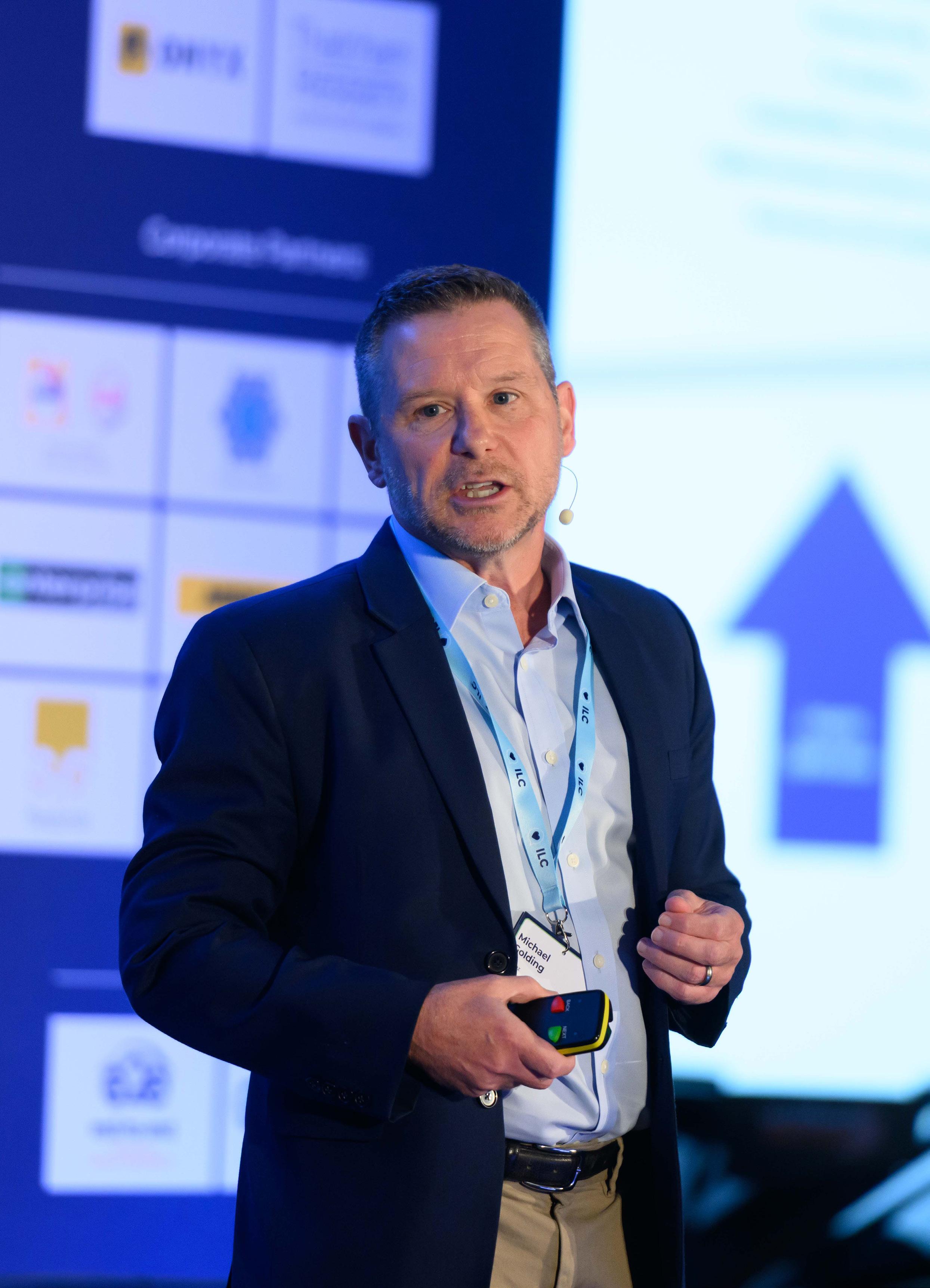
Observations from the insurers side: navigating pressure and identifying opportunities
Michael Golding Network Manager Allianz
Delegates were treated to a thoughtful and experience-rich session from Michael Golding, Network Manager at Allianz as part of the event.
Providing the insurer’s view of a sector in transition, Michael explored how market forces are shaping repair volumes, partnership strategies, and future planning across the motor claims supply chain.
Michael began by acknowledging the shared realities the industry now faces - staff shortages, rising costs, market consolidation, and the complexity of EV repairs. These are not challenges isolated to repairers; insurers feel the impact just as deeply.
He pointed out the increasingly visible labour market fragility: technicians moving between businesses, increasing salary demands, and a still-lagging inflow of new talent. “Yes, it’s great to see the work being done to attract young technicians,” Michael said, “but it needs to scale further.”
Additionally, repairer consolidation shows no signs of slowing. Michael observed, “The only consistency we’re seeing is inconsistency” - a warning to all stakeholders to remain agile as business ownership and structures continue to evolve.
“Customer duty is not just a regulatory requirement - it’s a collaboration opportunity.”
EV repair and sustainability: the pressure to adapt
The electrification of the UK car parc is another clear trend, albeit with challenges still to overcome. While EV volume growth is relatively slow, the pressure to invest in EV readiness, battery diagnostics, and technician training is not. For insurers, these factors impact network planning, risk management, and the customer journey.
Michael linked this closely to the sustainability agenda, which he said is “only going to intensify”. For Allianz and its peers, sustainability isn’t just a compliance issue; it’s becoming a differentiator in customer experience, investor appeal, and brand reputation.
“It’s going to be increasingly important that repairers align with work providers and insurers on environmental priorities,” he said, citing areas like green parts, energy efficiency, and waste reduction as essential elements in future collaborations.
Customer journey focus: more than just repair
Turning to customer expectations, Michael highlighted the role repairers play in the end-to-end claims journey - a role that’s often underestimated. He asked a challenging but constructive question: “How often do repairers ask insurers: ‘What can we do to make your customer’s experience better?’”
With Consumer Duty regulations now embedded across the industry, repairers’ role in enhancing the claims experience is more critical than ever. Michael encouraged repair partners to see this momentwhere repair volumes are down - as an opportunity to fine-tune processes, reduce friction, and explore improvements that can drive satisfaction and efficiency.
He cited digital integrations and data flows as another opportunity area. A seamless, transparent exchange of claim and repair status data between repairers, insurers, and customers leads to fewer queries, better NPS scores, and fewer delays.
Governance and compliance: not glamorous, but essential
While few in the audience would describe governance as an exciting subject, Michael insisted on its importance. Insurers are under regulatory and reputational pressure to maintain high standards across their networks - not just in terms of repair quality but around data security, customer handling, and transparency.
Compliance is not, as he put it, “just a box-ticking exercise,” but a way to build trust and long-term partnerships.
He also acknowledged that governance goes both ways. “It needs to be focused on for the right reasons,” he said - namely, improving outcomes, not adding bureaucracy.
“Profit shouldn’t be a dirty word - we want our partners to succeed, but we need to see investment too.”
Realigning for recovery: the future of volumes and value
Michael echoed the insights shared earlier in the day by Trend Tracker’s Paul Sell, affirming that repair volumes have declined significantly and may not rebound quickly. However, this drop should be viewed not as a crisis but as a call to reset expectations and realign business models.
From Allianz’s perspective, the emphasis now is on “rightsizing” and forecasting - whether for individual bodyshops or national repair networks. In a low-volume environment, each touchpoint matters more, each claim costs more, and each inefficiency cuts deeper.
Importantly, Michael reiterated that insurers recognise repairers need to be profitable. “Profit shouldn’t be a dirty word,” he said. “We want our repair partners to succeedbut we also need to see investment in the right areas: EV capability, sustainability, and people.”
Forecasting, collaboration, and constructive dialogue
To wrap up, Michael offered three clear takeaways for repairers and supply chain partners:
• Talk to your insurer and network managers. Understanding each other’s pressures - customer expectations, repair KPIs, claims leakage - make collaboration more productive and outcomes more consistent.
• Plan ahead. Whether it's a six-month or three-year horizon, businesses that forecast and prepare are far better positioned to weather market swings and seize opportunities.
• Focus on value creation. As volumes fall, the industry must find new ways to create value: through better customer experiences, reduced cycle times, greener operations, and smarter network performance.
He acknowledged that the path ahead will not be easy, but the sector has the knowledge and the relationships to adapt: “This is an evolving landscape. If we keep the conversations going, we’ll all be in a better place when volumes do eventually rebound.”
“The only consistency we’re seeing is inconsistency.”
“If volumes return, the best time to prepare for that is now.”
“EV readiness and sustainability will define the next generation of repair partnerships.”
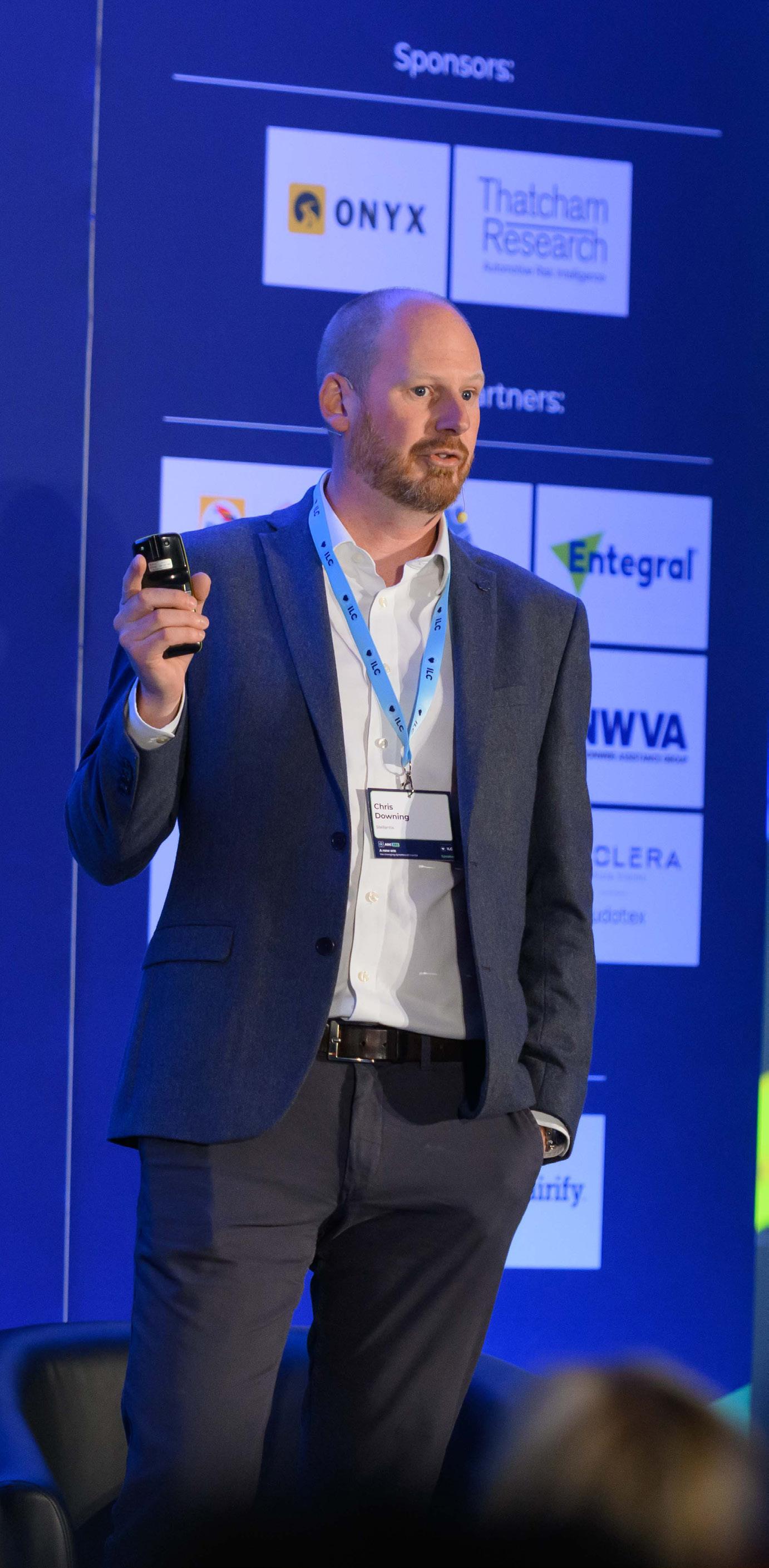
Understanding the manufacturing reality: a global vehicle industry under pressure
Chris Downing Franchising Director Stellantis
One of the most comprehensive and hard-hitting sessions came from Chris Downing, Franchising Director at Stellantis, who presented a frank, datarich examination of the vehicle manufacturing landscape - from zero-emission mandates to new entrants and disruptive tariffs.
Chris began by addressing a unique truth underpinning the current shift: unlike previous industry revolutions, today’s change is not being led by manufacturers or market trends, but by legislation. And the strain this is putting on the automotive manufacturing sector is substantial - affecting not only vehicle brands but the entire supply chain network of thousands of businesses.
“This isn’t just tough - it’s crippling. Legislative pressure is reshaping our entire model.”
“You can either slash EV prices and lose money or stop selling ICE vehicles. That’s the choice manufacturers face today.”
Navigating the ZEV Mandate: clarity, complexity, and compliance
The centrepiece of Chris’s talk was the UK’s evolving ZEV (Zero Emission Vehicle) Mandate, which will see the complete phase-out of new internal combustion engine (ICE) vehicle sales by 2035. However, significant milestones precede that date.
From 2030, manufacturers will only be allowed to sell battery electric vehicles (BEVs) and some form of hybrid - although the government has yet to define which types of hybrids will be permissible.
With mandated BEV sales quotas - 28% for 2025, rising sharply toward 2035 - manufacturers must either comply or face steep fines (£12,000 per non-compliant unit). While the government has provided flexibility via credit borrowing (ie deferring fines against future compliance), Chris cautioned this is a “dangerous strategy” and not one Stellantis is relying on.
Further nuance arises from rules allowing manufacturers to offset emissions by mixing in lower CO2-emitting vehicles, and by credit trading between vans and passenger vehicles. For a group like Stellantis, which has strong van market share through brands like Citroën, Fiat, and Vauxhall, this offers some reprieve. However, Chris underscored that staying ahead of the mandate is a daily, resource-intensive task: “We have people tracking registration data daily to ensure we stay compliant”.
Despite the pressure, Stellantis remains one of the few mainstream OEMs to have met its BEV mix targets in 2024 - and is on track again in 2025. “We’re one of the only manufacturers to have achieved our target last year,” Chris confirmed.
The profit dilemma: margins under siege
While compliance is possible, it’s not without cost. Chris explained that Stellantis - and indeed many manufacturers - have been forced to sacrifice margins in pursuit of EV targets.
“If demand doesn’t match the BEV quotas, you have two options,” he explained. “Cut your EV prices and lose money, or restrict sales of ICE vehicles - even if the cars are built and sitting on forecourts. That’s a real-world consequence of legislative pressure,” Chris added.
These market distortions are compounded by persistent consumer hesitation, with current BEV marketshare in the UK still below 21%, falling short of the 2025 28% mandate target.
“We’re tracking registration data daily. That’s how closely we need to monitor ZEV mandate compliance.”
Battery innovation and circular technology
Looking beyond regulation, Chris turned to technology innovation. Stellantis has heavily invested in new battery solutions, with several initiatives due for rollout over the coming years. These include:
Solid-state batteries (via $75m investment in partner Factorial): promising better energy density, lighter weight, and ultra-fast charging (15–90% in 18 minutes).
• Sodium-Ion and Lithium-Sulphur technologies: more environmentally friendly alternatives to traditional lithium-ion, reducing mining impact.
• Stella AutoDrive: progressive rollouts of Level 2 and Level 3 autonomy (handsoff, eyes-off driving up to 60mph), pending regulatory approval.
• Vehicle-to-load power transfer: allowing EVs to act as power sources - for camping, tools, or emergency power.
• Centralised ‘Stella Brain’: a 4-in-1 computing module integrating control of powertrain, cockpit, body, and ADAS functions - reducing system redundancy and weight.
Circular economy themes also featured, with Stellantis now remanufacturing ADAS cameras, supporting lower repair costs and environmental impact.
Chinese OEM disruption: a rising tide
Arguably the most sobering insight of the session came with Chris’s analysis of the new wave of Chinese vehicle manufacturers entering the UK and European markets. With brands such as BYD, MG, Ora, and others aggressively expanding retail footprints, the UK is now on the front line of a value-driven electric onslaught.
“These aren’t niche players - they’re well-funded, ambitious brands aiming to dominate,” Chris warned. For every BEV sold by a Chinese OEM, legacy manufacturers like Stellantis must sell more BEVs of their own to maintain mandate balance. The result: additional downward pressure on prices and volumes.
In response, Stellantis has partnered with Leapmotor, a fast-growing Chinese brand, launching a joint venture (51% owned by Stellantis) to develop and distribute its vehicles globally. “We saw this as a way to stay competitive in the low-cost BEV market,” Chris noted. The Leapmotor T03 - a compact EV - was even pitched as an ideal courtesy car.
“The Chinese brands aren’t here to take a slicethey’re here to take the whole pie.”
Tariffs, Trump, and trade shockwaves
No global vehicle strategy session would be complete without addressing the elephant in the geopolitical room: tariffs. Chris walked attendees through the domino effects of sudden tariff changes, such as the Trump administration’s moves to penalise Mexico- and Canada-based production.
In response, Stellantis had to temporarily shut down production plants in all three countriesincluding a transmission plant in the US that supplied parts across the network. “That’s how quickly things can change in this industry,” Chris observed.
Tariffs also compound costs by layering duties on parts, materials, and finished vehicles - raising the stakes for international supply chains and making competitive pricing even harder to achieve.
“Tariff changes can shut down factories overnight. That’s how fragile this ecosystem is.”
Market IntelLigenCe
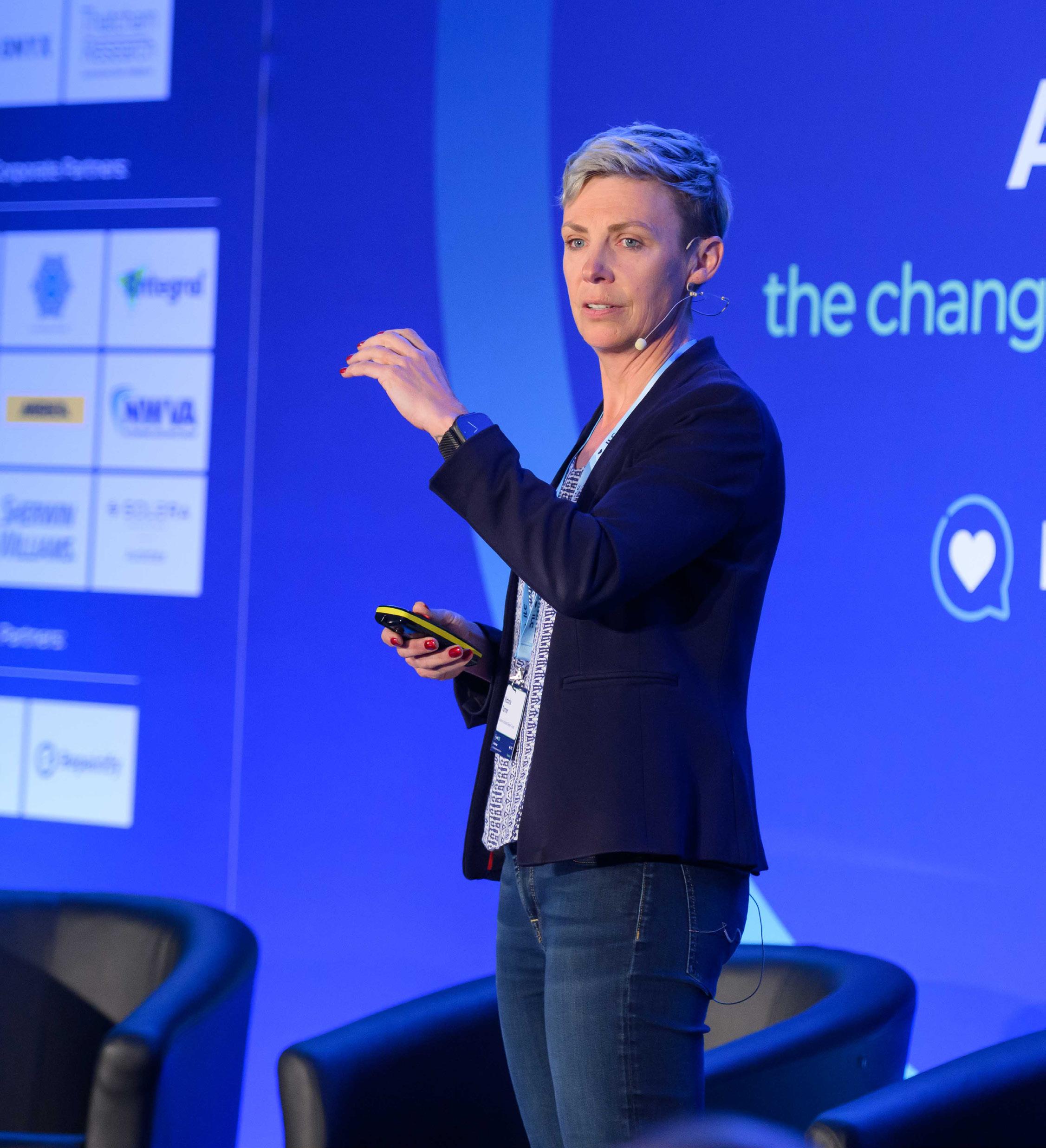
A decade in motion: making sense of the market through the eyes of a repairer
Victoria Turner CEO NARG
The ARC360 Conference 2025 welcomed one of the industry’s most grounded and pragmatic voices, Victoria Turner, CEO of the National Accident Repair Group.
With a presentation that was honest, engaging, and at times wryly humorous, Victoria offered a wide-angle lens on the last six years of upheaval and a grounded forecast for what lies ahead for the UK repair sector.
Victoria opened with a retrospective, charting the sector’s highs and lows since 2020. Pre-COVID, repairers operated in a volume-based, supplydemand market with standard terms and structured performance expectations. Then came the pandemic, followed closely by Brexit and the Ukraine war, which together catalysed technician shortages, parts delays, supply chain disruption, and economic fragility.
“There’s no big lightbulb moment - but we can’t keep waiting for things to go back to how they were.”
During the worst of COVID, volumes disappeared overnight. Repair shops furloughed staff, technicians exited the industry, and survival replaced strategy. When work began returning in 2022, it brought a surge in demand but collided with reduced capacity and underinvestment. Repairers faced rising costs and elongated cycle times while navigating an increasingly complex customer and insurer landscape.
By 2024, many were negotiating rates againoften for the first time in over a decade. There was temporary relief as insurers ‘paid to play’ in order to push claims through clogged pipelines. But as the backlog cleared, it became apparent that volumes had fallen off a cliff - by as much as 20–30% in some regions.
In 2025, the reality hit: there is now more repair capacity than demand.
A parallel view of the ecosystem
Victoria’s view was not limited to the repair lane. She also described dynamics across insurers and the so-called ‘middle lane’ - the world of accident management.
Insurers, she argued, are constrained in how they can respond. Premium increases have already taken place, but higher excesses have squeezed claim volumes and alienated customers. Insurers are stuck in a hyper-competitive market with demanding policyholders and limited room to move.
In the ‘middle lane’, accident management companies have evolved to provide critical support - not just to insurers, but to repairers as well. Initially established to manage overflow or lack of inhouse capability, they are now crucial partners in coordinating performance, compliance, and ESG objectives across increasingly fragmented operations.
What went wrong and what could go right?
Victoria’s narrative moved from reflection to resolution. Her message was clear: the sector cannot keep waiting for a return to ‘normal’. The world has changed. Customer expectations have changed. Technician demographics have changed. The cost and complexity of operating a repair business have changed. The KPIs of the past no longer reflect operational reality.
“There’s no big lightbulb moment here,” Victoria said. “But if we’re going to move forward, we have to stop pretending it’s 2020.”
Key takeaways included:
• You can’t deliver standard KPIs with a nonstandard book. If the jobs coming through are increasingly complex, non-drivable, or delayed by parts shortages, then expecting average performance outcomes is unrealistic and counterproductive.
• Performance does matter - but context is key. Elongated cycle times and high key-to-key figures aren’t always the fault of the repairer. Exceptions must be recognised, not penalised.
• Leakage and waste must be addressed. When vehicles arrive, repairers must ensure they’re maximising efficiency and minimising unnecessary write-offs. Technicians must be empowered and trusted to determine what is and isn’t repairable.
“You can’t deliver average outcomes from a book that isn’t average.”
Rewriting the rulebook: from KPI pressure to long-term sustainability
Victoria offered a candid diagnosis of current market conditions. The temptation to apply short-term fixes - such as chasing outdated KPIs or making reactive commercial decisions - may do more harm than good. She called on the entire industry to move past ‘my turn, your turn’ thinking, and instead build a shared understanding of each stakeholder’s constraints and goals.
She particularly cautioned against what she termed ‘self-harming behaviours’ - wellintentioned efforts that create unintended consequences. For example, enforcing strict key-to-key targets may incentivise repairers to decline complex cases, even if the vehicle could ultimately be saved. Likewise, a rigid approach to total loss matrices may result in perfectly repairable vehicles being written-off simply because the system can't process exceptions.
As volumes remain low, and as vehicle technology and regulation continue to add cost and complexity to the repair process, Victoria made the case for realigning expectations, incentives, and data usage across the board.
A future built on support, visibility, and collaboration
Victoria’s roadmap for moving forward included tangible steps across all layers of the value chain:
Insurers should reconsider how they define and measure performance, factoring in exceptions, and recognising the non-linear nature of modern repair processes.
• Accident management companies must remain flexible and agile - providing not just workflow distribution, but also training, support, and ESG oversight.
• Repairers must audit their operations for inefficiencies, invest in systems that improve data visibility, and revisit their business models to ensure long-term sustainability.
She stressed the importance of communication and trust - ensuring that insurers, repairers, and intermediaries work together, not in silos. Stakeholders need to understand not just their own economics, but each other’s pain points. “There’s only so much money that comes in at the top,” Victoria reminded attendees. “And it has to be shared all the way down.”
Her closing message was one of realismbut also resilience. The last six years have taught the sector how to survive. The next phase, she argued, is about learning how to thrive - together.
“We need to understand each other’s economics. There’s only so much money at the top - and it has to reach the bottom.”
“Avoid short-term reactions. They often lead to long-term damage.”
“If we’re going to move forward, we need to go again - with new plans, new expectations, and a shared vision.”
ESG in focus: an urgent and shared responsibility
Peter Randhawa Director of ESG & Special Projects
Steer Automotive Group
Kate Nash Head of Outsourcing & Supply Chain Management
Tesco Insurance
Sally Jones Managing Director – Coatings UK BASF
“Scope 3 is only going to work through circular economy. We can’t fix it alone.”
Peter Randhawa, Steer Automotive Group
One of the most future-facing sessions of the day was also one of the most collaborative with a diverse and expert panel convening for a focused, fastpaced session titled ‘ESG – what does it really mean for the sector?’
Led by ARC360 Co-founder Mark Hadaway, the panel explored the environmental, social and governance challenges and opportunities facing stakeholders across the claims and repair supply chain.
Joined by Sally Jones, Managing Director –Coatings UK, BASF; Peter Randhawa, Director of ESG & Special Projects, Steer Automotive Group; and Kate Nash, Head of Outsourcing & Supply Chain Management, Tesco Insurance, Mark set the tone early: “We can’t keep looking back to what we once were. This is a moment to embrace change and ask ourselves how we want to do business differently.”
Moving beyond the ESG stereotypes
For many in the industry, ESG - particularly the ‘E’ - can feel abstract or bureaucratic. But as Sally pointed out early on, this view is increasingly outdated. “In reality,” she said, “we’ve already made huge progress.” From ambient and lowtemp cure coatings to UV-cured products, BASF has helped bring carbon-conscious materials into daily workshop use. These innovations aren’t future concepts - they’re already standard practice for many progressive repairers.
“ESG isn’t a tick-box. It’s a roadmap for delivering long-term customer value.”
Kate Nash, Tesco Insurance
Sally also introduced BASF’s biomass balanced approach, which targets the harder-to-reach Scope 3 emissions. “We’re delivering real reductions for repairers - not just in Scope 2, but into Scope 3,” she explained, encouraging attendees to engage with BASF for more detail.
Why Scope 3 matters - and why no one can do it alone
For Peter, the ESG discussion has become increasingly strategic at Steer Automotive. Having spearheaded one of the most comprehensive ESG rollouts in the repair sector, he shared the realities of working within the SBTi framework, which has been the organisation’s newly adopted standard as a recognised path to Net Zero alignment, following the retirement of PAS2060 later this year.
“Most repairers have focused on Scope 1 and 2,” Peter said. “They’re easier to control - energy, travel, fuel. But Scope 3? That’s the real challenge. And the only way we’ll meet it is through circular collaboration.”
He gave an illustrative breakdown: a typical repair includes four key components - labour, parts, paint/ materials, and ‘other’. While repairers can manage the first, the carbon footprint of parts and materials is inherited from the supply chain.
“If I buy a door from an OEM, I carry the emissions of that door. The only way that number changes is if the OEM reduces their own production emissions,” Peter explained.
The takeaway? Scope 3 is not something any single business can solve. True carbon reduction will only happen when every stakeholder - from vehicle manufacturer to part distributor to repairer - shares data, tracks improvements, and co-develops new supply protocols.
ESG, risk, and return: the commercial imperative
While ESG might be framed as a moral or societal obligation, Peter and Kate made it clear: it’s also a commercial reality. “Over 50% of private equity investors now request ESG disclosures,” Peter noted. “Some banks are even offering better lending rates to businesses with ESG frameworks in place.”
From Kate’s perspective as an insurer, the relevance of ESG is both brand-led and operational. “Being part of Tesco Group, there’s a baseline expectation around sustainability,” she said. “But even beyond that, there’s increasing weight given to ESG credentials in our supplier selection processespecially in Requests for Proposal (RFPs).”
While Scope 3 reporting isn’t yet mandatory for insurers, Kate believes it soon will be. “We're preparing for that now. Our supply chain must be aligned to those goals. That includes expectations around emissions reporting, governance, and ethical sourcing,” she said.
Building a smarter, safer ESG culture
One of the consistent themes across the panel was the importance of data. From energy audits to recycling contracts, capturing and using credible data is essential for measuring impact and setting reduction targets.
Sally emphasised the importance of data governance, especially in distributed environments: “A lot of our products are delivered through partners, so we need clear, secure data-sharing frameworks that protect our IP and serve our clients' reporting needs.”
Kate agreed, saying insurers are not looking for a tick-box exercise, but for structured, long-term partnerships. “We want to see credible roadmaps. This isn’t just about 2025 - it’s about whether we can still deliver affordable, high-quality claims service in 2030,” she said.
Getting started: the practical ESG playbook
For many in the room, the biggest question was: ‘Where do we begin?’
Peter offered a grounded, step-by-step guide from his own experience at Steer.
1. Benchmark the baseline: Pick a 12-month period - ideally your financial year - and gather data across energy, waste, materials, and logistics. This becomes your foundation year.
2. Set a measurable reduction target: A five per-cent annual reduction is a practical first step.
3. Target easy wins first: “If it’s Scope 2, switch to renewable energy. That’s a huge impact with low effort,” Peter said.
4. Engage upstream: Find out where your parts and materials come from, and what your suppliers are doing to reduce emissions.
5. Choose a framework: Whether it’s PAS2060, SBTi, ISO 14068, or the new ARIES repair industry standard, select a structured reporting standard and follow it. This gives your programme credibility and comparability.
“Ambient cure, lowtemp, and UV coatings aren’t the future. They’re the now.”
Sally Jones, BASF
The role of collaboration - and why the clock is ticking
The panellists agreed that cross-sector collaboration is non-negotiable. Scope 3 cannot be managed in silos. It demands partnerships, transparency, and shared accountability.
Kate noted that ESG collaboration must be long-term and integrated. “This isn’t a campaign - it’s a cultural shift. We need to plan for the next five to 10 years. Every decision we make - procurement, training, reporting - needs to align with that view.”
“Start with your own data. Benchmark it. Develop an action plan to reduce it. Then ask your suppliers to do the same.”
Peter Randhawa, Steer Automotive Group
From salvage to strategy: reframing the salvage and recycled parts debate
Eddie Longworth CEO e2e
Paul Llewellyn
Head of Claims (Motor) Ageas
Martyn Rowley
Executive Director
NBRA & VBRA Commercial
“We’re no longer just salvage processors - we’re becoming part suppliers.”
Eddie Longworth, e2e
One of the most candid and constructive conversations took place under the session title ‘A Salvageable Situation’.
Chaired by ARC360 Co-founder, Mark Hadaway, the panel brought together salvage, insurance, and repair experts to dig into the changing role of recycled parts, the future of total loss management, and how the sector must modernise to meet the sustainability and cost-efficiency imperatives of a new era.
Joining Mark were three thought leaders with unique perspectives: Eddie Longworth, CEO of e2e; Paul Llewellyn, Head of Motor Claims at Ageas; and Martyn Rowley, Executive Director of the NBRA/ VBRA Commercial. With green parts now central to both environmental and economic conversations, the panel offered a frank look at how the industry can harness the power of salvage more effectively - and collaboratively.
A market in transition: from scrap to circular supply
Opening the discussion, Eddie painted a picture of a salvage industry that is currently ‘robustly healthy’ but undergoing significant evolution. While volumes are down slightly - around 10% on budget - the rise of EVs, coupled with shifting insurance economics, has kept the sector busy.
“It wasn’t about cost. It was about values. The commercial benefit followed.”
Paul Llewellyn, Ageas
But Eddie made it clear: the real transformation lies in the repositioning of salvage from end-of-life to circular supply chain. “We’re no longer just salvage processors. Increasingly, we are parts suppliers,” he said, noting how some of e2e’s network members now refer to themselves that way.
However, Eddie was also candid about the current limitations. “It’s still semi-professional,” he admitted. “In five years, the recycled parts sector will be unrecognisable - more efficient, integrated, and accepted.”
Beyond the balance sheet: a valuesdriven strategy
For Paul, the journey into recycled parts was never about margin - it was about mindset. “It wasn’t a commercial decision to start. It was the right thing to do,” he said. With over 35% of Ageas repairs now including a recycled element, and 40% of those parts coming from Ageas’ own salvaged vehicles, the circular model is working. “The customer wins, the repairer wins, the insurer wins, the environment wins - it’s a win-win-win-win,” Paul said.
But he warned against top-down implementation. “It didn’t work when insurers tried to force it. Everyone needs to be in the room - repairers, suppliers, engineers. And everyone needs a share of the value,” he added.
Bottlenecks in practicality: from supply chain to systemic fit
Martyn provided a vital repairer’s perspective. While he fully supported the direction of travel, he pointed to real barriers in sourcing and logistics. “There’s no unified platform. If I need a green part for a specific VM, I’ve got to search many various green part suppliers and their individual systems. It’s inefficient,” he said.
The call for a centralised, universal green parts portal was echoed across the panel. Without it, parts coordinators are left navigating a fragmented and inconsistent process.
Martyn also raised concerns about delivery standards and post-removal quality degradation, calling for tighter processes and more investment from suppliers to match the efficiency of OEM distribution networks.
The middle ground: reducing total loss and unlocking value
One of the most passionate parts of the session centred on vehicles that fall between clear repair and clear total loss. “We’re losing too many cars,” Paul said. “The middle ground has always been the missing piece. Now we have a chance to get it right.”
Martyn agreed, stating that at least 20% of current write-offs should still be in repair lanes. “We see them leave workshops every day that could - and should - have been repaired,” he said, calling on insurers to be more agile during lean times.
Both Martyn and Eddie pointed to legacy systems and decision models that can lead to premature write-offs. Once a vehicle is in the salvage stream, “it’s gone,” Eddie said. “We don’t get paid to send it back.”
“We don’t have a customer problem with recycled partswe have a systems problem.”
Martyn Rowley, NBRA
Algorithmic advantage - or pitfall?
Another interesting dimension came from Eddie, who discussed the growing use of imagery analytics and automated triage. While the speed is impressive - decisions made in seconds - it also creates risk. “Sometimes our total loss trigger thresholds are lower than the insurer’s,” he said. “We end up with vehicles declared total loss that might have been repairable, especially with recycled parts factored in.”
He acknowledged that insurers face a complex task balancing speed, customer satisfaction, and cost control. But as systems evolve, there’s a clear need to build green part availability into automated repair Vs total loss decisions, something that isn’t happening widely today.
The consumer is ready
Despite myths to the contrary, the panel agreed that customers are increasingly comfortable with recycled parts. “Most absolutely support it - especially when they understand the environmental benefit,” Paul said.
Martyn reinforced that recycled part quality is better than ever - and is equal to OEM parts and probably better fit to the non-OE. “These aren’t scrapyard bits anymore. These are cleaned, boxed, tracked parts from modern facilities. The standards have come a long way,” he said.
System-level integration: the next horizon
As the conversation drew to a close, the panel returned to the theme of integration. “Salvage isn’t a side business - it’s a core part of the claims journey,” Eddie said. “We need to be at the same table, not off to one side.”
Martyn suggested enhancements to estimating platforms, where both OEM and recycled parts pricing could be displayed side-by-side. This would allow estimators to make informed, ESG-aligned decisions without adding friction to the process.
Eddie concluded that the next few years will see a consolidation of suppliers and a normalisation of recycled parts within everyday repair cycles. “Today it’s called ‘green’ because it’s novel. Tomorrow it’ll just be a part,” he said.
“There are too many cars being lost. The middle ground needs saving.”
Paul Llewellyn, Ageas
“The industry needs to sit at one table. Salvage and repair are not separate stories.”
Eddie Longworth, e2e
Reframing the future: building a talent-ready sector
Host: Sue Whyte CEO ILC
ILC
Adrian Furness
Managing Director, Motor Repair Network Activate Group
Martyn Rowley Executive Director NBRA & VBRA Commercial
Dean Lander Head of Repair Sector Services Thatcham research
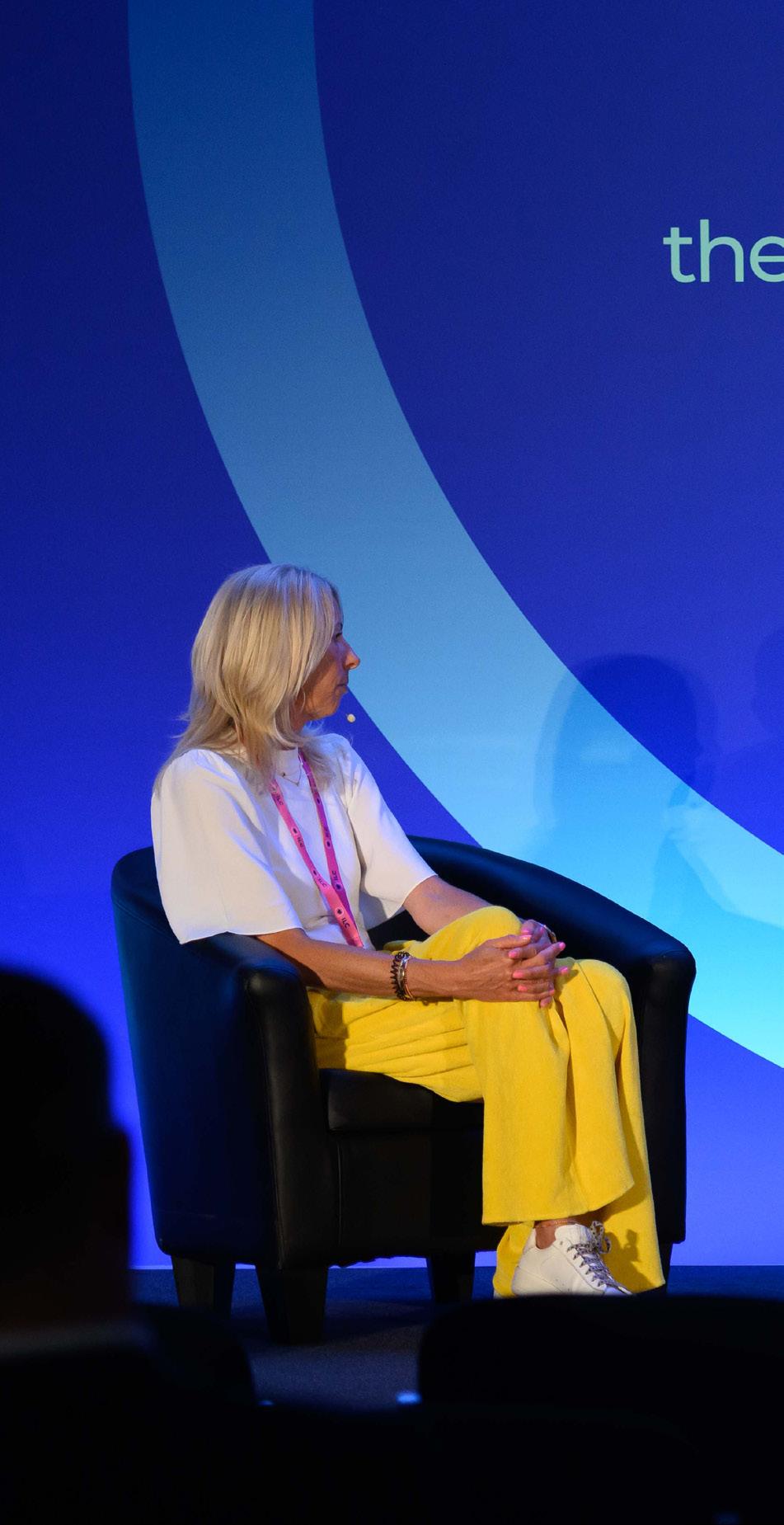
In a session packed with honesty, urgency, and optimism, the ILC New Generation in Claims panel tackled one of the industry’s most critical and complex challengesattracting and retaining talent.
Set against the conference backdrop of ‘A New Era – The Changing Dynamics of a Sector’, the panel, chaired by Sue Whyte, CEO of ILC, brought together three leading figures to examine what’s broken - and what’s fixablein the journey to building a more dynamic, appealing, and sustainable workforce across claims, repair, and insurance.
Opening the session, Sue shared insights from ILC’s latest research, supported by UCAS and Consumer Intelligence. The project surveyed over 2,000 individuals aged 17–30, asking how they perceive the insurance and claims industry. The results were stark: the most common descriptors for the sector were ‘boring’, ‘bureaucratic’, and ‘unethical’ - with some even going as far as ‘predatory’. Shockingly, only construction fared worse in the list of least appealing sectors.
Yet, as Sue noted, these perceptions conflict with the reality of a sector filled with purpose, progression, and innovation. “Everything they say they want in a career - we already offer,” she said. “But they just don’t see it.”
“We’re not selling repairs - we’re solving problems.”
Adrian Furness, Activate Group
“You’re not competing with the shop next door anymore. You’re competing with every industry for the same person.”
Dean Lander, Thatcham Research
Industry voices react: from research to responsibility
The panel - which included Adrian Furness, Managing Director – Motor Repair Network, Activate Group; Martyn Rowley, Executive Director, NBRA & VBRA Commercial; and Dean Lander, Head of Repair Sector Services, Thatcham Research - agreed the issue was urgent, but also surmountable. Adrian, drawing on his experiences in both insurance and repair, described the sector as competitive, complex, and customer-focusedall qualities that should appeal to ambitious earlycareer professionals.
“We’re not selling repairs - we’re solving problems,” he said. “We need to get that message across.”
Martyn, speaking from the repairer’s perspective, provided a contrasting - but equally importantinsight. He shared that school career days often attract huge interest in motor-related careers. “We don’t have a problem attracting talent - we have a problem absorbing it,” he said, pointing out that many repairers resist hiring apprentices due to cost, perceived effort, or lack of time.
A call for cultural change
Dean brought a systems-level view, arguing that while the talent is out there, the industry’s mentality around recruitment and retention must shift. “We attract one type of individual from schools,” he observed. “It’s not just about finding talent - it’s about how relatable we are, and how diverse our entry routes are.”
He also questioned whether the industry is targeting the right audience. “Do we need to be speaking to students - or to their parents and teachers, the people shaping their decisions?” he asked. With social media platforms like TikTok cited by Sue as the most influential communication channels for Gen Z, the panel agreed that traditional outreach isn’t cutting through.
From insight to action: the path forward
Having defined the challenge, the conversation turned toward practical solutions. Sue outlined the next step in ILC’s New Generation initiative: a full report, compiling the voices of those surveyed, and laying out recommended actions for industry, academia, and regulators. But she also called for sector-wide involvement: “We don’t just want to keep talking about this - we want to do something about it. And we want the industry to come with us.”
Adrian suggested creating cross-sector secondments, giving young professionals exposure to different parts of the claims ecosystem to foster engagement and understanding. “Talent attracts talent,” he said. “If you want people to believe this is an exciting place to build a career, show them all the moving parts - not just one desk job.”
Martyn argued for a more robust industry requirement around apprenticeships. He controversially suggested insurers should mandate that any repairer on their network must employ at least one apprentice, or be incentivised to do so. “It’s not about forcing - it’s about enabling,” he said, pointing to real-world examples of training pipelines that have gone underused or unfunded, despite strong student demand.
Collective responsibility: breaking down silos
A recurring theme across the panel was collaboration. The entire claims chain - from OEMs to salvage, insurance to logistics - must act as one ecosystem, not siloed operations.
“A customer doesn’t see 15 companies,” Adrian said. “They see one brand experience. That’s how we need to start thinking.”
Dean reinforced this idea, proposing the formation of regional talent hubs - groups of local repairers, insurers, and suppliers working together to promote the sector, share apprenticeship placements, and engage with schools.
“You’re no longer competing with the shop next door. You’re competing with every other industry for the same people. So why not work together?” he asked.
Reaching the audience where they are
Sue brought the session back to communication. One of the clearest findings from the survey was that early careers professionals simply don’t know what the industry does. “They don’t understand our purpose. They don’t know what a claims handler is, or what a repair technician does. They’re not exposed to our stories,” she said.
Part of the issue lies in platform. “Most brands in the room don’t use TikTok. We’re not even showing up in the places where young people spend their time,” she added. As the room acknowledged the generation gap, Sue suggested that young professionals themselves should be the ones leading outreach - bringing their voice and experience to the table to reshape perceptions.
“It’s not a pipeline issue - it’s a perception issue.”
Martyn Rowley, NBRA
A shift in mindset
The discussion concluded with a shared commitment to move from awareness to action. Sue emphasised that claims has a high retention rate - once people are in, they stay. “The problem isn’t with keeping talent - it’s with getting them through the door in the first place,” she said.
Dean offered a final pledge: Thatcham Research will actively support any regional hub initiative, including working with organisations like AutoRaise to develop toolkits and best practices. “We can’t solve the problem alone,” he said. “But we can support those who want to take that first step.”
“Talent doesn’t see 15 suppliers. They see one brand experience. So why are we acting like we’re not connected?”
Adrian Furness, Activate Group
Facing forward: strategies for a sustainable, profitable future
Host:
Chris Ashworth Founder ILC
Clare Davies Chief Operating Officer Solus ARC
Andy Whatmough Managing Director S&G Response
Shaun Hopkins Motor Supply Chain Manager AXA Insurance
Carl Cripps Claims Director DCL
Marc Holding Managing Director The Vella Group
The final session of the conference brought together six industry leaders to tackle one of the sector’s most pressing questions: how do we future-proof the repair and claims industry amidst soaring costs, evolving technologies, and uncertain volumes?
“Gone are the days we can model against 2019. We need new plans - and new thinking.”
Marc Holding, The Vella Group
Under the guidance of ILC Founder Chris Ashworth, the panel featured a wide range of perspectives - insurers, repair networks, bodyshop operators, and supply chain managers - offering a rounded and unfiltered view of today’s challenges and tomorrow’s opportunities.
Adapting in an unstable landscape
The panel wasted no time digging into the challenges that repair businesses face today. Shaun Hopkins, Motor Supply Chain Manager, AXA Insurance highlighted collaboration as a common thread across successful ESG and data-sharing initiatives, but stressed that “these only work in partnership.”
Carl Cripps, Claims Director, Direct Commercial Ltd (DCL) added that this year's event gave him “a genuine sense that people want to do things differently,” citing inspiration from earlier sessions. However, he cautioned that commercial pressure remains high, especially when balancing economic and ethical decisions.
Andy Whatmough, Managing Director, S&G Response offered a sharp reality check, outlining how S&G Response is managing over £1m in additional unplanned overheads compared to pre2022 levels. From salary inflation to interest rate shocks and increasing regulation, he said, “these aren't temporary costs - they’re the new normal.”
Business models under pressure
Marc Holding, Managing Director, The Vella Group echoed Andy’s view, noting that modern repair businesses are increasingly difficult to forecast. “Gone are the days where we can just model against 2019,” he said. “We don’t know what the sales line looks like, or the margin, or even the mix of vehicles we’ll get in.”
With EVs, new OEM brands, and parts constraints all adding to the unpredictability, Marc warned that traditional planning tools are fast becoming obsolete. “We need new plans,” he added. “The sector is good at change - but we need anchors we can build around.”
Clare Davies, Chief Operating Officer, Solus ARC agreed, sharing that even with the advantage of owning 24 repair centres, surprise capacity and volume shifts still unsettle the business. She said. “Repairability can be our biggest challenge, especially with new vehicle types. We – as an industry - don’t always have the data, training, or parts needed to fix them as efficiently as we probably could.”
Collaboration, communication, and customer-centricity
The theme of tri-party collaboration - between insurer, repairer, and customer - emerged as a crucial strategy. Carl explained how DCL brings customers into strategic planning to avoid assumptions and ensure transparency. “Especially with commercial vehicles, customers want repairseven when the economics are marginal,” he said.
This human-centred approach extends to claims triage too. The panel agreed that total loss decisions are being made too early or with too little nuance. “It seems we’re throwing cars away that potentially could be fixed,” suggested Chris - a sentiment the panel supported.
Andy suggested recalibrating triage tools to reflect today’s market, rather than sticking to 2022 or 2023 assumptions. He suggested, “That middle 20%where it could go either way - is where we can make the biggest difference.”
A changing claims mix: lower frequency, higher complexity
With data from earlier presentations predicting a significant drop in claims frequency over the next decade, the panel examined how this will reshape repair economics. Shaun noted that while frequency is down, severity is up due to increasingly complex vehicles. “This affects our pricing models and feeds all the way back to premiums and excess,” he said.
That has implications for bodyshops, too. Higher excess means fewer smaller repairs reach the shop floor, creating a case for more retail repair services to fill the volume gap. Andy added, “There’s still an asset that needs to be repaired - it’s just the funding mechanism that’s changing.”
“There’s still an asset to repair - the only thing that’s changing is who pays for it.”
Andy Whatmough, S&G Response
“Customers want their vehicles repaired. Even if it’s borderline, we make it work.”
Carl Cripps, DCL
“Repairability can be a challenge, especially with new brands.”
Clare Davies, Solus ARC
Consolidation: growth Vs survival
The panel also tackled consolidation, with Marc noting that distressed businesses are already coming to market. “Last year was expensive for buyers. This year, valuations are coming down, and that creates opportunity,” he said.
However, he warned that acquisition should be strategic, not opportunistic. “You’ve got to ask: will this improve our offering to the customer and our sustainability as a business?” he said.
Clare shared that even larger networks like Solus are unsure how consolidation will evolve. “There are so many cost pressures now - some shops won’t survive.”
The bodyshop of the future
Looking ahead, Chris challenged the panel to describe what the next-gen bodyshop will look like. Clare envisioned a facility capable of handling all repairs in-house - minimising subcontracting and complexity in the supply chain. She highlighted how new vehicle technologiesbattery repair as an example - could and should provide news opportunity for the industry to collaborate to secure the most seamless journey for the customer.
Marc said the sector must avoid cost-cutting traps that could undermine service. “We can’t let KPIs like key-to-key drive the wrong behaviours,” he warned. “Measuring the wrong thing could push shops to cut corners just to hit numbers.”
Andy noted that “every new initiative comes with new bureaucracy,” pointing out the growing cost of ESG compliance. “We’re adding people just to manage reporting,” he said.
Bringing it all together
As the session concluded, Chris praised the panel for their candour and clarity. “It’s obvious that everyone here cares about the future - and wants to build it together,” he said.
From evolving business models and emerging technologies to smarter triage and greater collaboration, the session offered one of the most holistic views on where the industry isand where it must go.
“The collaboration piece isn’t optional anymore. It’s the only way these initiatives succeed.”
Shaun Hopkins, AXA Insurance
SHOWCASE ADAS evolution and remote diagnostics: Repairify redefines the future of vehicle repair
Satty Nanuwa
National Sales and Partnership Manager Repairify
Among the standout contributions on the Showcase Stage was a presentation titled ‘The UK ADAS Evolution: Remote Solutions for a Connected Future’ delivered by Satty Nanuwa, National Sales and Partnership Manager at Repairify.
The session offered a compelling exploration of how remote diagnostics and calibration technologies are transforming the UK’s approach to Advanced Driver Assistance Systems (ADAS) in vehicle repair.
Satty opened the session by tracing the evolution of ADAS from its early days in the 1990s - starting with basic features like parking sensors - through to the fully
“ADAS is changing fast, and staying ahead means embracing the right tools.”
integrated autonomous systems now embedded in most modern vehicles. UK adoption, she explained, is growing rapidly, with Autonomous Emergency Braking (AEB) currently leading the way at 67% adoption, followed by Adaptive Cruise Control at 52%. Forecasts predict that 40% of the UK car parc will feature ADAS by 2027.
Luxury and mid-range vehicles are seeing widespread uptake of these features, while commercial and electric vehicles are catching up fast due to safety and efficiency demands.
As Satty highlighted, ADAS is no longer a niche consideration - it’s an operational imperative. It’s vital not only for compliance (EuroNCAP 5-star rating requires ADAS), but also for consumer demand, with 78% of UK drivers prioritising these features in their vehicle choices.
“Imagine completing advanced diagnostics on-site, in real time - no delays, no towing, no extra cost.”
From challenge to opportunity: The case for remote solutions
Satty posed a pointed question to the audience: are your technicians frustrated by delays caused by towing vehicles off-site for diagnostics and calibrations? What if those same jobs could be completed in real time, on-site, without delay?
The answer lies in remote solutions - cloudbased, over-the-air platforms that allow technicians to carry out complex diagnostics and calibrations with live, remote support from experienced ADAS specialists.
Satty outlined the key advantages:
• Cost savings: 30–50% reduction in equipment and training costs.
• Service speed: Real-time job completion, in minutes rather than days or weeks.
• Accessibility: Remote services function anywhere in the UK - urban, rural, or remote.
• Broader coverage: Access to secure gateways and support for newer vehicle systems.
• Reduced overhead: No need to invest in expensive specialist equipment.
• Expertise on demand: Live technical support whenever and wherever needed.
Usage of these remote solutions is growing rapidly, with 58% of UK repairers now using remote calibration tools - up from just 22% in 2020.
The Repairify approach
Repairify has established itself as a key enabler in this space, offering a full suite of remote diagnostics, calibrations, and technical support services. With the largest UK remote support team, the company partners with insurers, bodyshops, and automotive stakeholders to enhance compliance, reduce key-to-key times, and minimise operational costs.
Satty concluded with a clear call to action: as ADAS complexity increases, staying ahead of the curve means embracing connected, remotefirst solutions. Repairify’s commitment to the industry is to make the complex simple.
“58% of repairers now use remote calibration tools - up from just 22% in 2020.”
“Repairify is here to help you every step of your ADAS journey.”
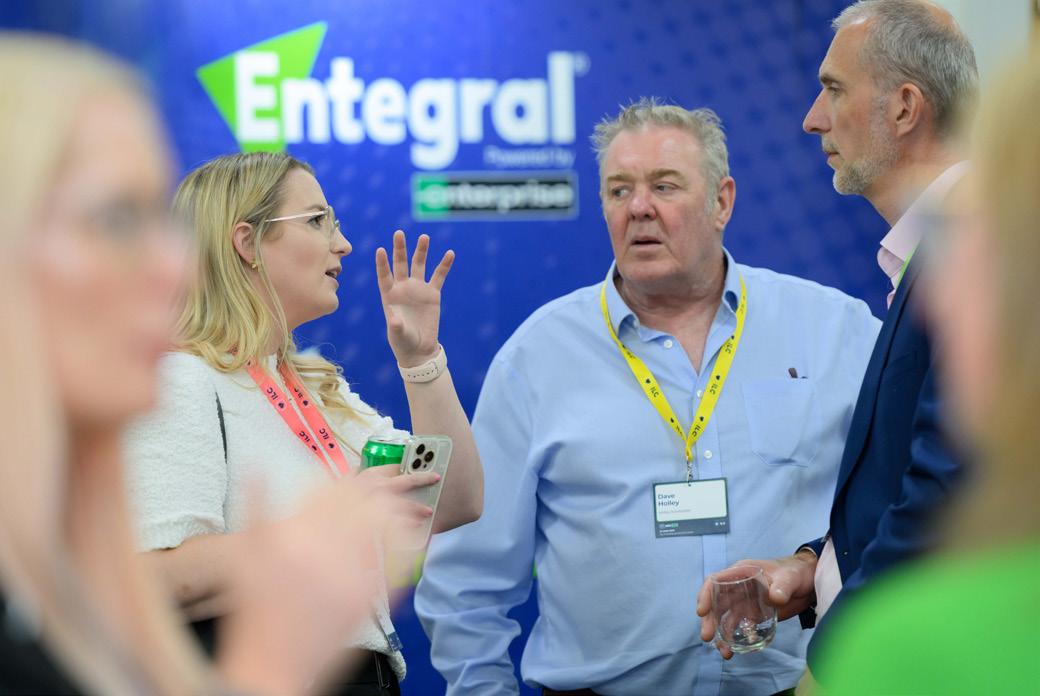
SHOWCASE Entegral’s evolving vision: driving connectivity across the claims ecosystem
Sam Newman Sales & Business Development Manager Entegral
“Long gone are the days of manual processes and sticky notes.”
Among the highlights was a dynamic presentation titled ‘Entegral – Insights & Evolution Update’, delivered by Sam Newman, Sales & Business Development Director at Entegral.
In a high-energy, data-rich session, Sam outlined the critical role Entegral is playing in harmonising the claims journey through smarter technology and deeper integration.
From fleet to function: the Enterprise context
Sam began by grounding the audience in Entegral’s origins, born out of Enterprise Mobility, a global brand with a fleet of over two million vehicles. Initially created to streamline Enterprise’s own repair processes, Entegral’s suite of products has since evolved to serve insurers, repairers, and OEMs alike - each facing similar challenges around data, communication, and efficiency.
As Sam put it, “Enterprise didn't just invest in technology - they created tools that insurers began asking for.” That same technology is now being used to bridge the gaps across the repair and claims ecosystem.
Industry insights: challenges and changes
Backed by Entegral’s own platform data and powered in part by CAPS, Sam offered a snapshot of current UK market dynamics. Despite ongoing bodyshop closures, connectivity across the repair network is increasing - suggesting that shops are prioritising technology investment. “Long gone are the days of manual processes and sticky notes,” Sam noted, pointing to the growing adoption of bodyshop management systems.
“EV repairs are taking longer - and it’s not just perception; it’s in the data.”
Key metrics shared included:
• Rising non-drivable claims: An upward trend in claims involving non-drivable vehicles, driven by increased accident severity (linked to ADAS complexity) and higher insurance excesses.
• Improved key-to-key stability: After a volatile 2023, key-to-key repair times are beginning to stabilise, with exceptions around predictable seasonal peaks such as Christmas.
• EV repair trends: One EV brand’s repairs show a three-day increase in key-to-key times versus average vehicles, likely due to parts availability, lower insurer coverage, and growing fleet usage. Sam pointed out, “You don’t just fix an EV - you usually need to order something new.”
The Entegral ecosystem: seamless, scalable, smart
Sam then moved into a walk-through of Entegral’s product offering - positioned as a unifying platform designed to harmonise systems, workflows, and data across all participants in the claims journey.
Starting from claim intake, Entegral can ingest data from your claims system and rapidly convert it into a standardised digital format. This enables seamless transfer of information into the repair network, reducing reliance on manual emails and accelerating time-to-action.
At its core, Entegral is a database of over 2,000 UK repairers, complete with deep insight into their ADAS capabilities, EV specialisms, and OEM accreditations. This intelligence enables smart allocation, giving customers and insurers the ability to match vehicles with suitable repairers instantly.
The journey doesn’t stop at instruction. Entegral tracks jobs in progress, flags delays or missed communications, and pushes updates to fleet managers, claims handlers, and customers - ensuring transparency and control at every touchpoint.
The future of connected claims
Sam closed with a vision for an even more integrated ecosystem. Rather than using dozens of portals or relying on fragmented communications, Entegral’s next phase is focused on becoming a single integration point across the value chain including salvage agents, parts suppliers, glass providers, and recovery services.
With partners in salvage and recovery now onboard, and further integrations underway, Entegral is positioning itself as a central hub for connected claims, helping stakeholders reduce cost, improve visibility, and simplify workflows.
“Entegral helps repairers, insurers, fleet companies and OEMs move faster, stay informed, and do more with less.”
SHOWCASE Setting the standard for commercial vehicle repair
Host:
Tom Hudd
National Technical Manager NBRA/VBRA
Steve Oakley
National Technical Manager Scania Trucks
As commercial vehicles evolve in complexity, the repair sector is under pressure to match pace - technically, procedurally, and culturally.
The ARC360 2025 session on commercial vehicle (CV) repair and ADAS (Advanced Driver Assistance Systems) calibration –hosted by NBRA/VBRA - brought these pressures to the fore, offering a vital stateof-the-nation view on repair standards, technician training, and operational readiness across the CV landscape.
Terry Warshow Essex Site Manager Spectrum VR
Jason Mole
Managing Director - Commercial Vehicle Steer Automotive Group
“The Elite Standard ensures repairs are not only done correctlybut by the right people, with the right tools.”
Jason Mole, Steer Automotive Group
“The industry has had fatalities where ADAS systems weren’t calibrated after repair. This is no longer optional.”
Steve Oakley, Scania Trucks
Chaired by Tom Hudd, National Technical Manager at NBRA/VBRA, the session featured practical insights from OEMs, major repairers, and operational leaders, as they examined how CV repair must adapt to meet the demands of a more regulated, data-rich, and autonomous future.
The urgent need for standards
Tom opened the discussion by spotlighting the Elite Truck and Van Standard - developed by VBRA to address the absence of a formalised, auditable framework for repairing vehicles over five tonnes.
Unlike the well-established BS10125 for passenger cars and vans, CVs have historically lacked consistent requirements around technician competency, equipment, and process.
“It’s frightening that you could still take a 44-tonne truck to a shed with no credentials,” said Jason Mole, Managing Director – Commercial Vehicle at Steer Automotive. “The Elite Standard ensures repairs are not only done correctly -but by the right people, with the right tools”.
With only 40–45 sites in the UK currently capable of meeting full structural requirements, uptake is growing but limited. “We’ve got 10 certified already, and another 15 in the pipeline,” Jason added.
Complexity and calibration: repairing the next generation of vehicles
As Steve Oakley, National Technical Manager at Scania Trucks, outlined, modern trucks are more advanced than many cars, especially in their integration of electrification and ADAS. “We bring new products to market every 12 to 24 months, and the standards evolve just as fast,” he said.
Steve explained that even slight deviations in repair processes can have critical safety implications.
“Recalibrating cameras and radars isn’t optional - it’s essential. Sadly, the industry has seen investigations into fatalities where systems were improperly reinstalled or not recalibrated,” he warned.
To mitigate risks, Scania has already developed a free portal for independent repairers with guidance on welding zones, battery safety, and sensor placement. However, access to full OEM methods requires investment and is often prohibited by ease of access, cost and inconsistencies across brands.
Barriers to progress: training, methods & manufacturer access
Terry Warshow, Essex Site Manager at Spectrum VR, shared insights from a recent £7m site investment aimed at future-proofing infrastructure. Despite state-of-the-art equipment, he noted: “We’re still hitting a brick wall when it comes to accessing OEM methods and training. You can’t safely repair what you don’t fully understand”.
Jason echoed the concern. “With some manufacturers, method access costs £8,000 to £20,000 a year. That’s unaffordable for many smaller bodyshops, and it discourages compliance,” he said.
Beyond cost, both Jason and Terry highlighted a lack of relevant training courses. Most apprenticeships are geared toward cars - leaving a shortage of certified CV technicians, especially for electrified systems.
“You get an EV certification for cars and think you’re covered. But CVs often have two or more shutdown systems - it’s a whole different level,” Jason said.
“You can’t safely repair what you don’t fully understand - and we’re still hitting walls on method access.”
Terry Warshow, Spectrum VR
“Training isn’t a cost - it’s a safety investment. We need to treat it like one.”
Steve Oakley, Scania Trucks
ADAS & autonomy: closing the calibration gap
The session also focused on the rapid integration of ADAS into CV fleets - and the widening gap in repairer readiness. “Trucks are now rolling out with systems more complex than most cars,” said Tom, “but our calibration procedures and technician training are nowhere near where they need to be”.
Steve reinforced this point, citing growing cases of failed ADAS functionality due to improperly reinstalled systems after minor collisions. “Even a windscreen replacement requires calibration, and if that’s skipped, the consequences can be deadly,” he said.
The discussion introduced the forthcoming ADAS Guidance for Commercial Vehicles, built in partnership with DVSA, OEMs, insurers, and repairers. This new framework outlines when and how calibration must be conducted and is expected to become the benchmark across the sector.
ESG in the CV sector
When asked about ESG (Environmental, Social and Governance) progress, Jason noted that efficiency and sustainability are now customer imperatives. “A truck off-road isn’t just inconvenient - it’s costing someone a business. Fast, safe, compliant repairs matter. That’s ESG in action,” he said.
Tom praised recent advancements such as solar-powered workshops and low-energy paint systems, adding, “Some CV centres are actually more advanced than passenger car shops in terms of sustainability measures”.
A collective call to action
The session closed with a shared recognition that collaboration is non-negotiable moving forward. OEMs, insurers, repairers, and regulators must align to raise standards, reduce safety risks, and ensure the CV sector is no longer the “poor cousin” of the car repair world.
“If there’s one thing we need to do in the next 12 months - it’s invest in training,” Steve concluded. “It’s not a cost. It’s an investment in lives, in safety, and in the future of our industry”.
“Some CV centres are leading the way on ESG - solar roofs, energy-saving systems. They’re not behind anymore.”
Tom Hudd, NBRA/VBRA
SHOWCASE Unlocking the potential of recycled parts: automation, simplicity and scale
Eddie Longworth CEO e2e
One session highlighting the changes afoot came from Eddie Longworth, CEO of e2e, who delivered a passionate and pragmatic update on PartsMarket - a transformative platform that’s automating and mainstreaming the use of recycled vehicle parts across the claims and repair industry.
Eddie opened by challenging the longstanding view of recycled parts as a peripheral or niche solution. “They should be front and centre,” he said, explaining that PartsMarket is about bringing high-quality, recycled parts into the mainstream - seamlessly and at scale.
“It’s the same parts, just coming from a slightly different direction.”
At its core, PartsMarket connects claims professionals and repairers with a growing nationwide stock of more than 400,000 recycled parts, sourced from a diverse network of suppliers. Currently at seven vendors and projected to reach 11 by year-end, the platform includes wellknown names like Silverlake and Charles Trent, alongside smaller, regional players.
But Eddie was quick to point out that stock volume isn’t the real problemit’s accessibility and integration. The recycled parts supply chain remains fragmented, heavily manual, and often misunderstood. PartsMarket addresses this by offering full automation: when a repair estimate is created in systems like Audatex, the platform reads the parts list in real time, matches it to available stock, and returns a quote in seconds - no phone calls, emails, or paperwork required.
“Recycled parts should be front and centre, not sitting on the sidelines.”
Automation at its best
The power of the system lies in its automationfirst philosophy. As soon as a repairer finalises an estimate, the software instantly identifies the relevant parts required, scans the national database, and pushes back availability, pricing, and delivery options directly into the repairer’s inbox or parts procurement system.
This not only streamlines the ordering process but also ensures that recycled parts become as easy to source as OEM or aftermarket parts. “You want a Fiesta door? PartsMarket finds it in a millisecond and returns the price before you’ve even left the screen,” Eddie enthused.
The system is already fully integrated with Solera/Audatex and is expanding to include GT Motive - allowing PartsMarket to cover over 90% of the UK estimating market, with full coverage on the horizon.
Repairer flexibility, insurer alignment
Crucially, the system is designed to meet both repairer preferences and work provider conditions. It includes flexible search filters such as maximum delivery distance (eg within 30 miles), exclusion of structural parts, or preferences for specific colours. Eddie emphasised: “We can build in blacklists, whitelists - whatever makes it easier for you to say yes to using green parts.”
The financial model is equally simple. Parts are priced at a national discounted rate against RRP, with terms agreed either with work providers or directly with repairers. Delivery is fast - typically 24 to 48 hours - and quality is guaranteed to meet industry standards.
A platform built for growth
Eddie acknowledged that while the penetration of green parts usage is still low - estimated around two per cent - the opportunity is massive. With the average UK vehicle age now nine years, the alignment between vehicle age and available parts stock is increasingly favourable. “These are the same parts, just coming from a slightly different direction,” he noted.
Looking ahead, e2e is open to collaborating with more suppliers - including those outside its own network - and expanding platform capabilities to support more integration partners. Eddie even fielded questions about European expansion, noting that while it’s not an immediate priority, the infrastructure is ready when the time comes.
“We’ve automated the recycled parts process - if you can create an estimate, you can order green parts in seconds.”
“You don’t need to go looking - PartsMarket brings the part to you.”
SHOWCASE Preparing vehicle damage assessors for the EV Shift
Dean Lander Head of Repair Sector Services Thatcham research
Dean Lander, Head of Repair Sector Services at Thatcham Research, offered a vital and timely presentation titled ‘EV for VDA – essential insights for managing electric vehicles when evaluating and assessing vehicle accident damage’.
Dean’s presentation addressed a significant - and often overlooked - skills gap: the mismatch between traditional damage assessment techniques and the unique demands of electric vehicles (EVs). While many repairers are now investing in high-voltage (HV) repair training, fewer have equipped their Vehicle Damage Assessors (VDAs) with the specialised knowledge required to triage and assess EVs safely and effectively.
“The difference between a repair going smoothly and one causing delays or even damage lies in how that vehicle is assessed at the very start,” Dean explained. It’s not about teaching VDAs how to perform electrical repairs - it’s about helping them make informed decisions from the outset so that the right actions are taken by the right personnel at the right time.
“If your VDA gets it wrong at the start, everything downstream becomes harder.”
“It’s not about teaching repairs - it’s about making the right triage decisions.”
A new training approach
To address this need, Thatcham Research has launched a dedicated EV insights course for VDAs, motor engineers, and others involved in accident damage evaluation.
The course aims to:
• Enhance safety awareness for those approaching HV vehicles.
• Sharpen damage assessment skills with EVspecific considerations.
• Improve understanding of battery architecture and vulnerability.
• Provide practical knowledge of manufacturer repair strategies.
• Enable users to better interpret Thatcham’s EV Alert data within its escribe platform.
Dean stressed that this is not a practical or technician-level course, but rather an intelligence- and process-focused programme that ensures EV assessments support the safe and efficient flow of repairs through the workshop.
Real-world relevance and data integration
Through pilot courses involving repairers, insurance engineers, and claims professionals, the programme has been fine-tuned to reflect industry realities. Delegates learn to identify if a battery is structural, what diagnostic equipment may be needed, and what repair protocols must be followed - even for routine operations like removing a door, which on some EVs requires pre-isolation of the battery to avoid long-term faults.
A key component of the training is alignment with Thatcham’s escribe ‘EV Alert’ functionality, which now prominently flags essential vehiclespecific repair considerations.
“It takes all the buried technical data and puts it front and centre,” Dean said, helping VDAs avoid the common pitfalls of misjudging EV repairability.
Accessible, scalable, and impactful
The EV for VDA course is available both inperson at Thatcham and virtually via Teams, with reduced group sizes online to encourage engagement. It can also be delivered on-site at bodyshops or claims centres with sufficient delegate interest.
Like all Thatcham Research Academy training products, EV for VDA benefits from a direct pipeline to cutting-edge research. This gives course content a unique advantage - access to the latest insights and technologies shaping the automotive landscape.
Ultimately, Dean’s message was clear: a smart start ensures a safer, more effective outcome. By empowering VDAs with the knowledge to make the right call from the beginning, the industry can move more work into bodyshops and reduce unnecessary salvage - a win for repairers, insurers, and sustainability goals alike.
“Our EV Alert data puts the manufacturer’s repair strategy right where it needs to be: front and centre.”
SHOWCASE Embracing the power of data: Solera Analytics leads the way
Joe Baynham
Business Development Manager Solera | Audatex UK
“Whether you’re a data scientist or not, there’s benefit here for everyone.”
Among the highlight contributions was a presentation titled ‘Solera Analytics for Repairers –Harness the Power of Data to Drive Business Success’, delivered by Joe Baynham, Business Development Manager at Solera Audatex UK.
The session offered delegates a compelling look at how repairers can unlock the value of their operational data to make smarter, faster, and more informed business decisions.
In a concise and engaging 10-minute presentation, Joe unveiled a powerful data analytics platform designed specifically for vehicle repairers. Solera Analytics, a modern and more intuitive successor to AudaIntel, empowers businesses to
transform operational data into actionable insights - providing a clear advantage in an increasingly competitive landscape.
Data, delivered with clarity
Solera Analytics is a web-based, userfriendly platform offering a series of configurable dashboards and self-service reporting tools. Joe explained how the system, updated daily with real-time data from Audatex and with its unique position to benchmark data at an industry-wide level - enables repairers to easily visualise and interpret their own business metrics.
At the core of the system is the Overview Dashboard, which delivers a dynamic snapshot of business performance. Repairers can toggle between year-on-year, month-by-month or even weekly insights across totals, averages, and operational KPIs - customised through a flexible range of filters.
“You’re not just looking at data - you’re getting insight that can change procurement, training, and profitability.”
Meanwhile, the Self-Service Reporting functionality allows users to create and schedule tailored reports, which can be shared across teams. This means repairers can collaborate more effectively, reduce duplication, and streamline decision-making based on shared, real-time intelligence.
Premium tools, tangible value
Joe highlighted several premium features that set Solera Analytics apart. The Parts Analysis Dashboard allows businesses to identify cost concentrations by vehicle section, manufacturer, or part type - providing the intelligence needed for smarter procurement and supplier negotiation.
The recently added Paint Dashboard delivers visibility into claims involving paint materials and labour. “You can identify all associated processes and benchmark paint performance within your operation,” Joe explained, underlining the tool’s value in capturing overlooked revenue.
Another premium highlight is the Repairability Index, a visual tool that helps repairers assess repair versus replace decisions by technician, part, or shop location. It supports training decisions, operational improvement, and realtime scenario testing to see how changes would impact key metrics.
“Sustainability analytics are coming next - and they’ll be fully integrated within the same powerful platform.”
Throughout, Joe stressed that Solera Analytics is designed to be intuitive - not just for data specialists, but for everyday users too. “Whether you're a data scientist or not, there’s benefit here for everyone,” he reassured the audience.
Affordable and accessible
One of the most compelling aspects of the session was Joe’s clarification that Solera Analytics’ entry-level package is included for all repairers paying their software and solutions fee to Audatex. For many attendees, this meant the only barrier to adoption was taking the first step.
Looking ahead, Joe also hinted at new sustainability-linked dashboards currently in development - further extending the platform’s relevance in a sector where ESG metrics are rising in importance.
“This platform gives repairers the ability to track, benchmark, and act - all within a few clicks.”
A new era: the changing dynamics of a sector
WHAT WAS SAID
“Very well organised and very informative. I enjoyed the day very much.”
“Really enjoyed it, probably the best for me and the best conference for ARC360 too – so well done.”
“As always with ILC / ARC360, just the right mix of content and networking.”
“I thought the flow for the whole day was very good and well thoughtout.”
“It was very interesting hearing from different points of view in regards to bodyshops, insurers and work providers.”
“When an event is organised well, everything falls into place. There was a good mix of people, stands and talks so catered for all sides of the automotive sector.”