

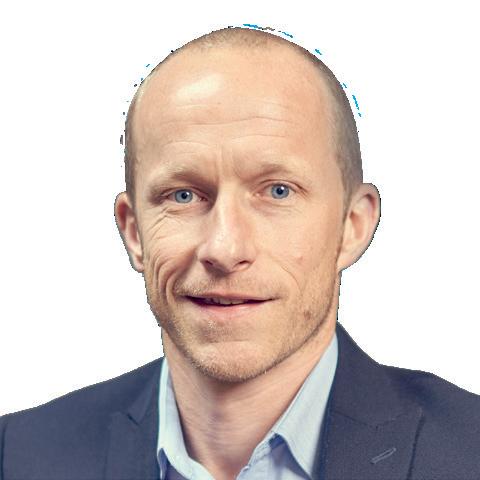
MARK HADAWAY
Co-founder - ARC360
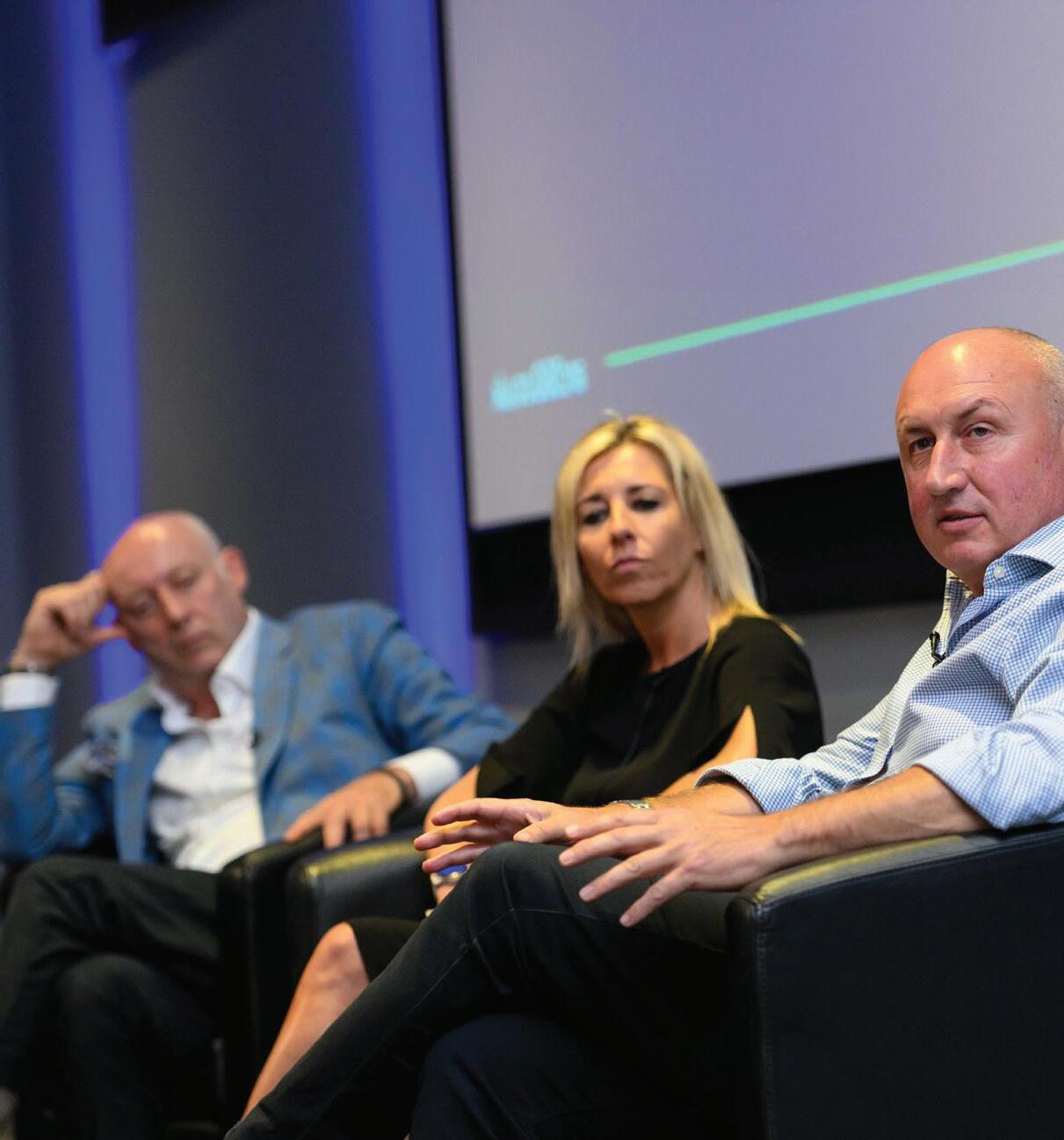
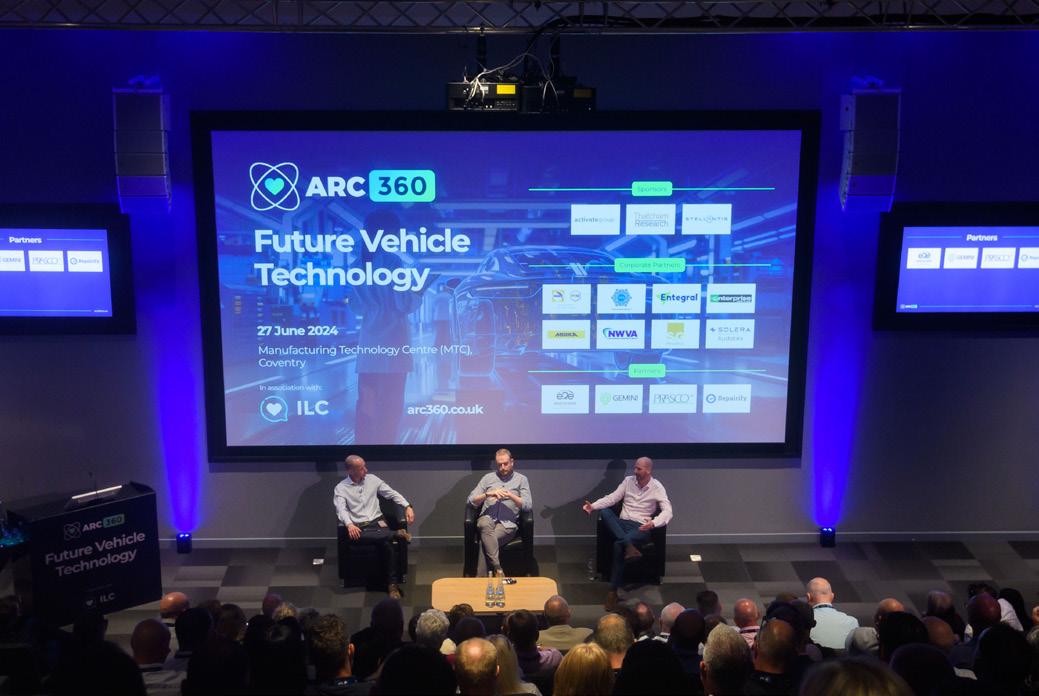
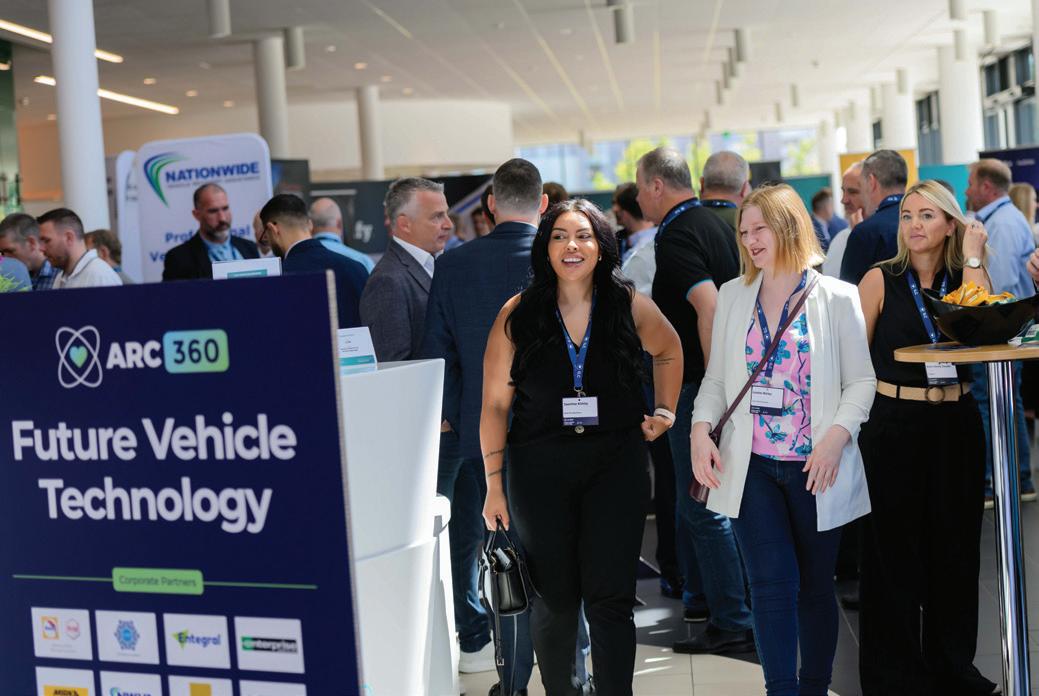
ARC360’s Future Vehicle Technology themed conference delivered on its promise of providing the highest calibre of attendees, contributors and debate in the UK body repair industry calendar.
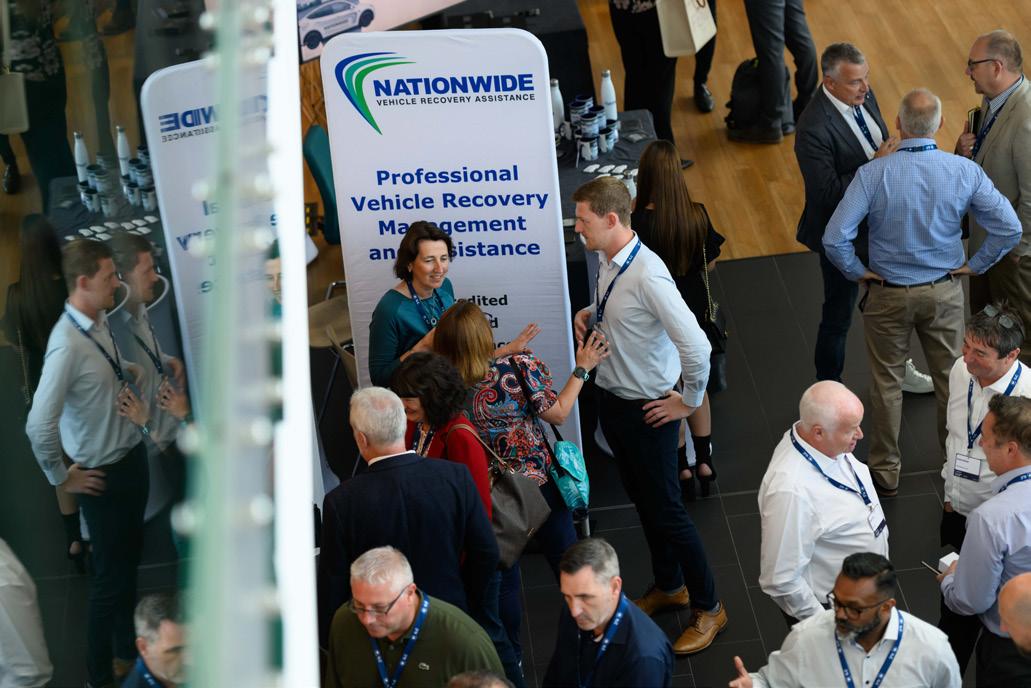
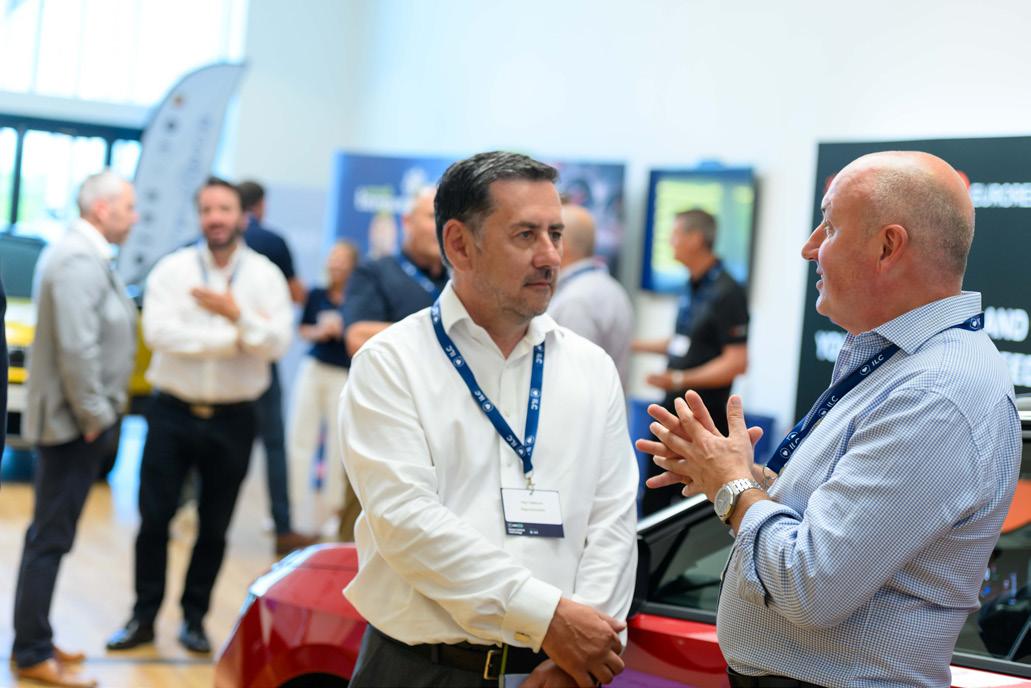
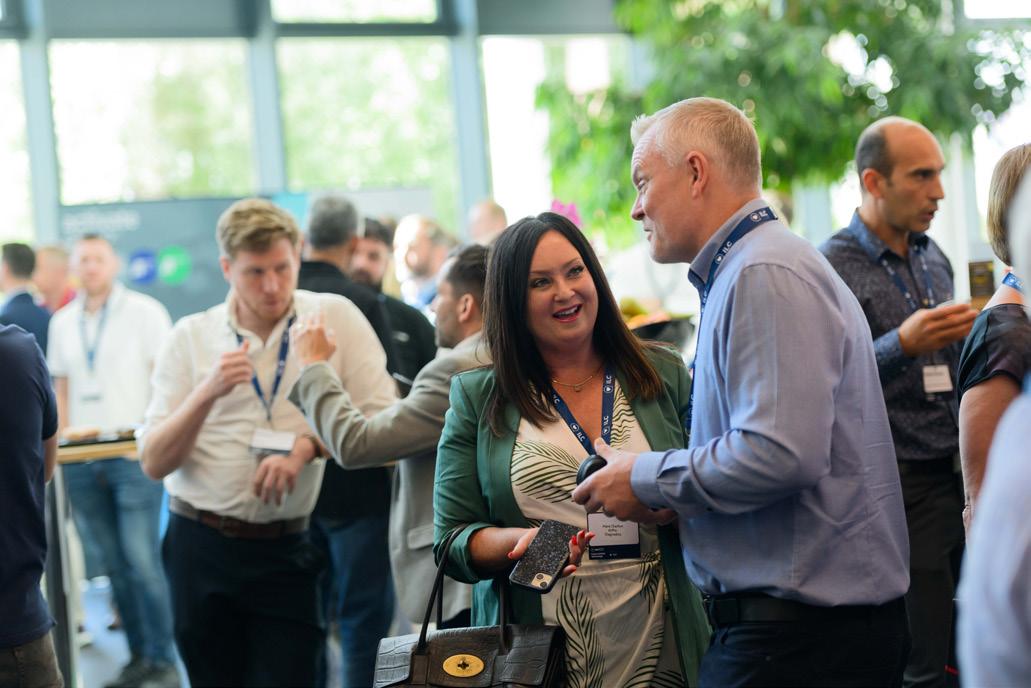
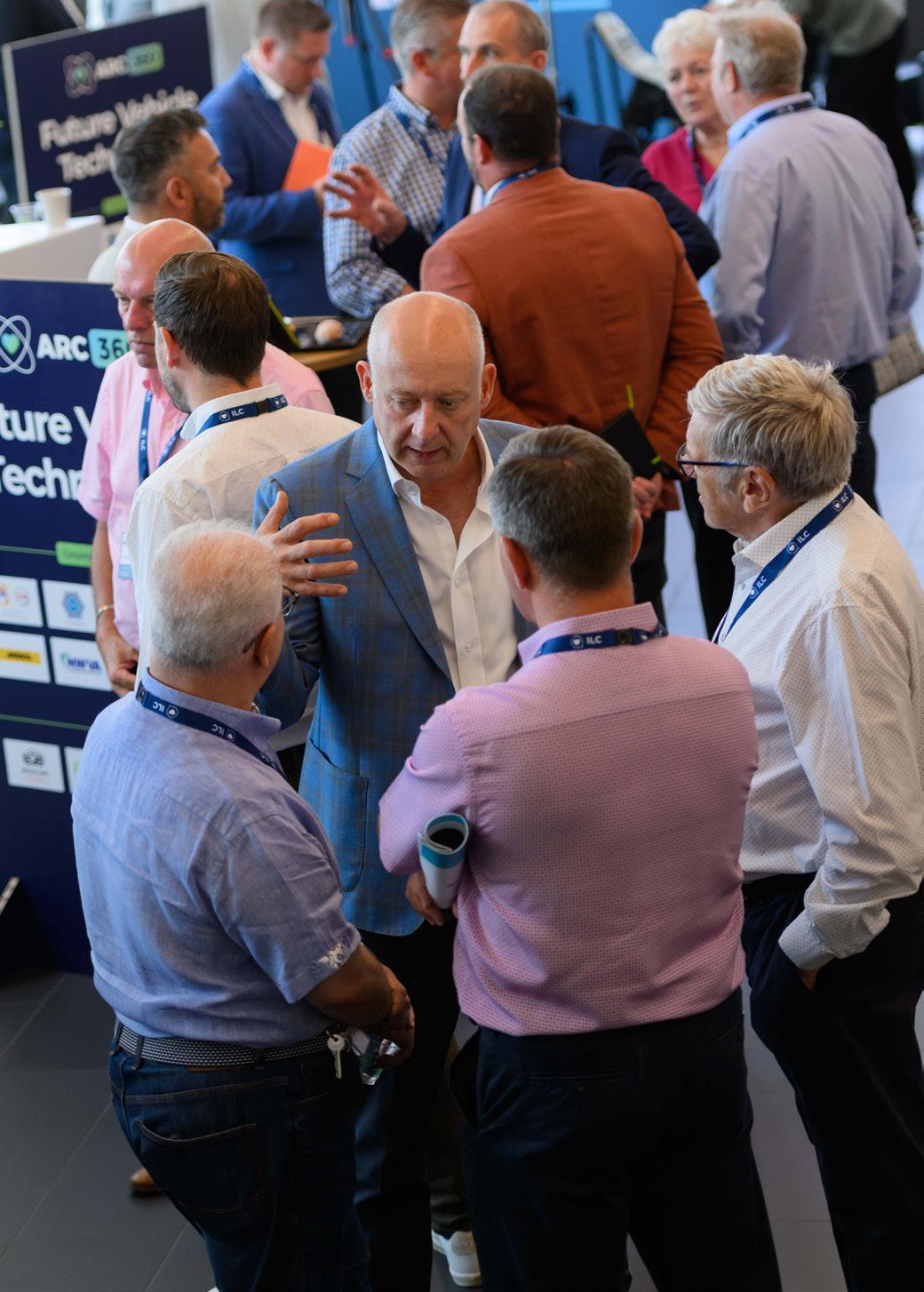
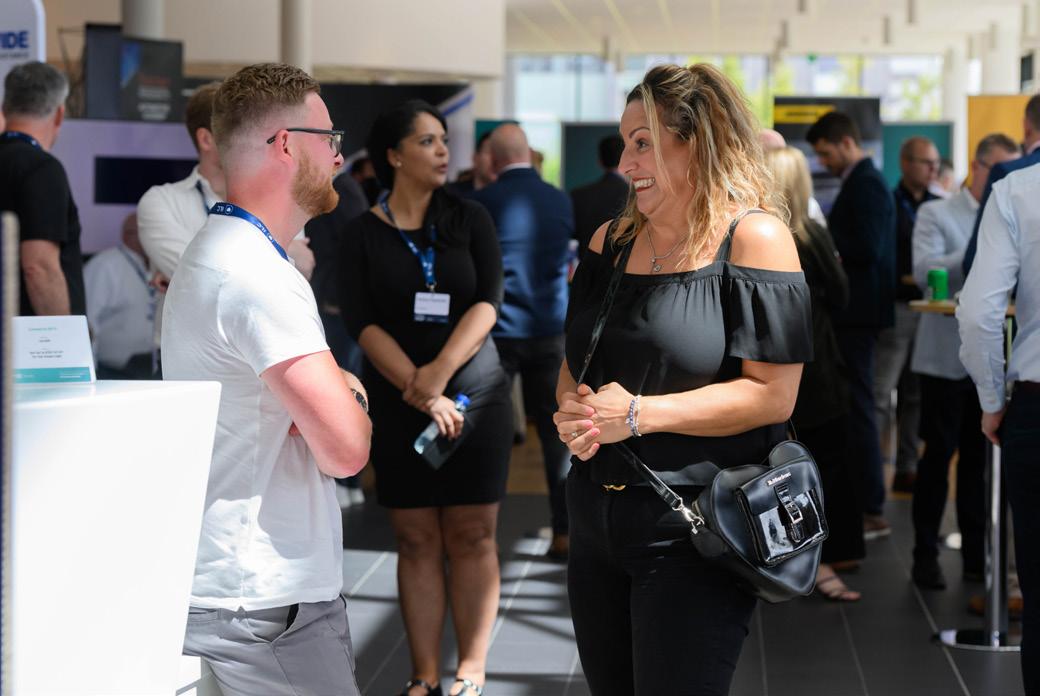
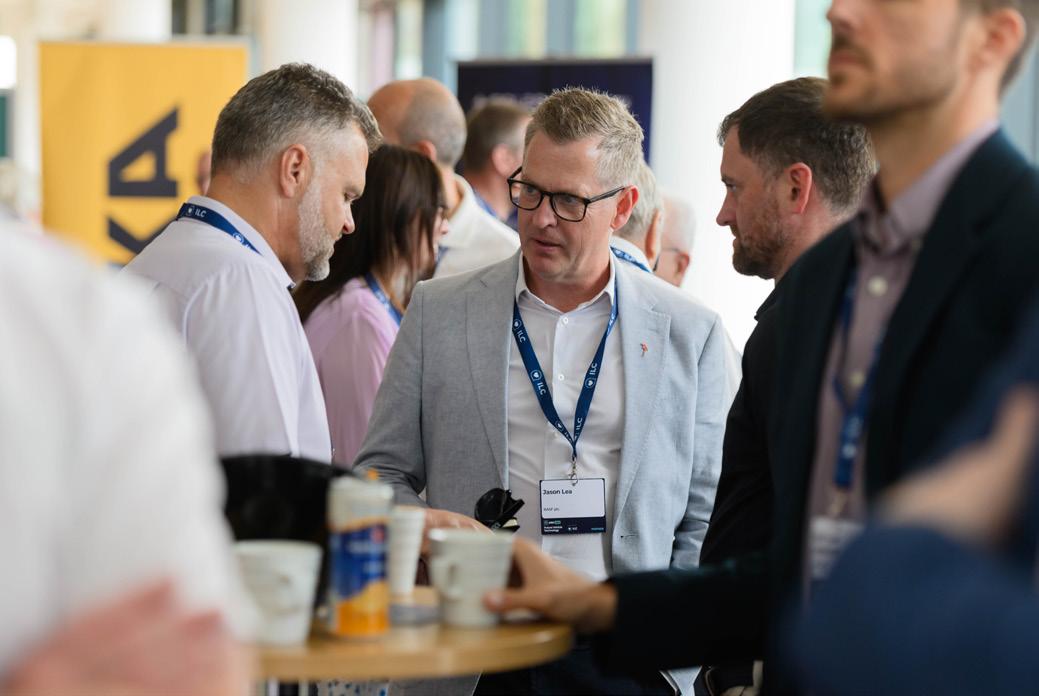
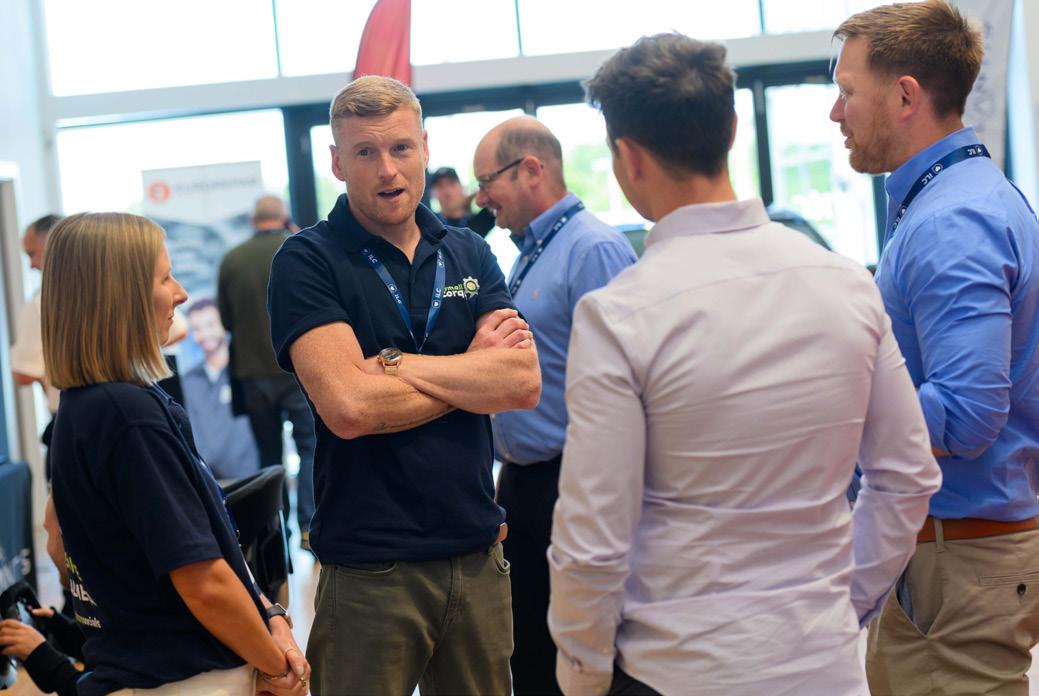
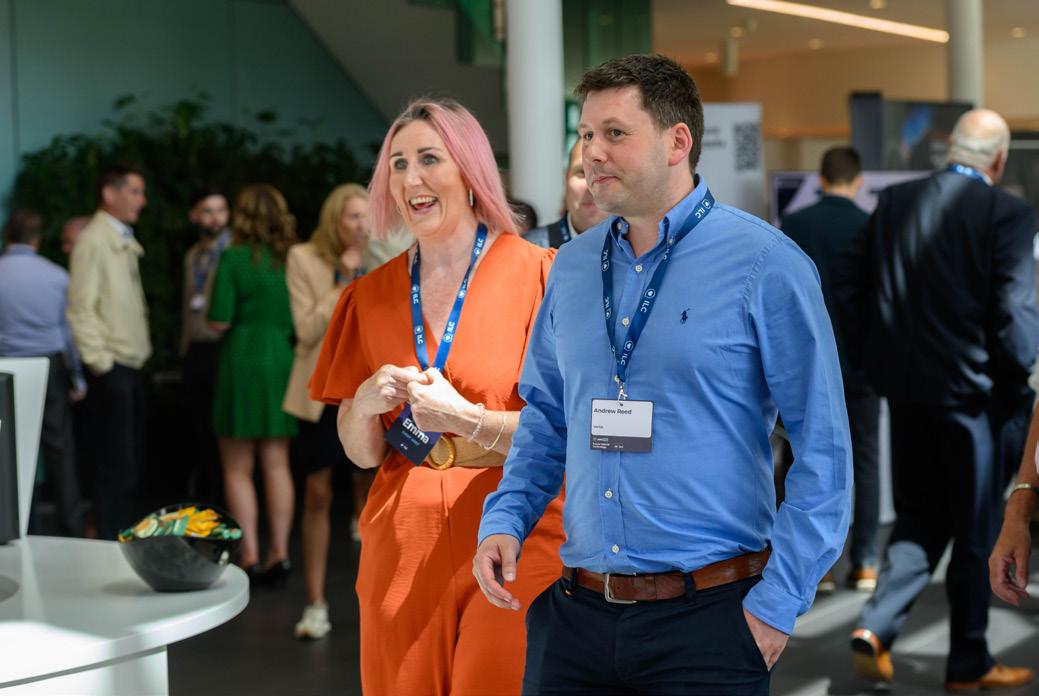
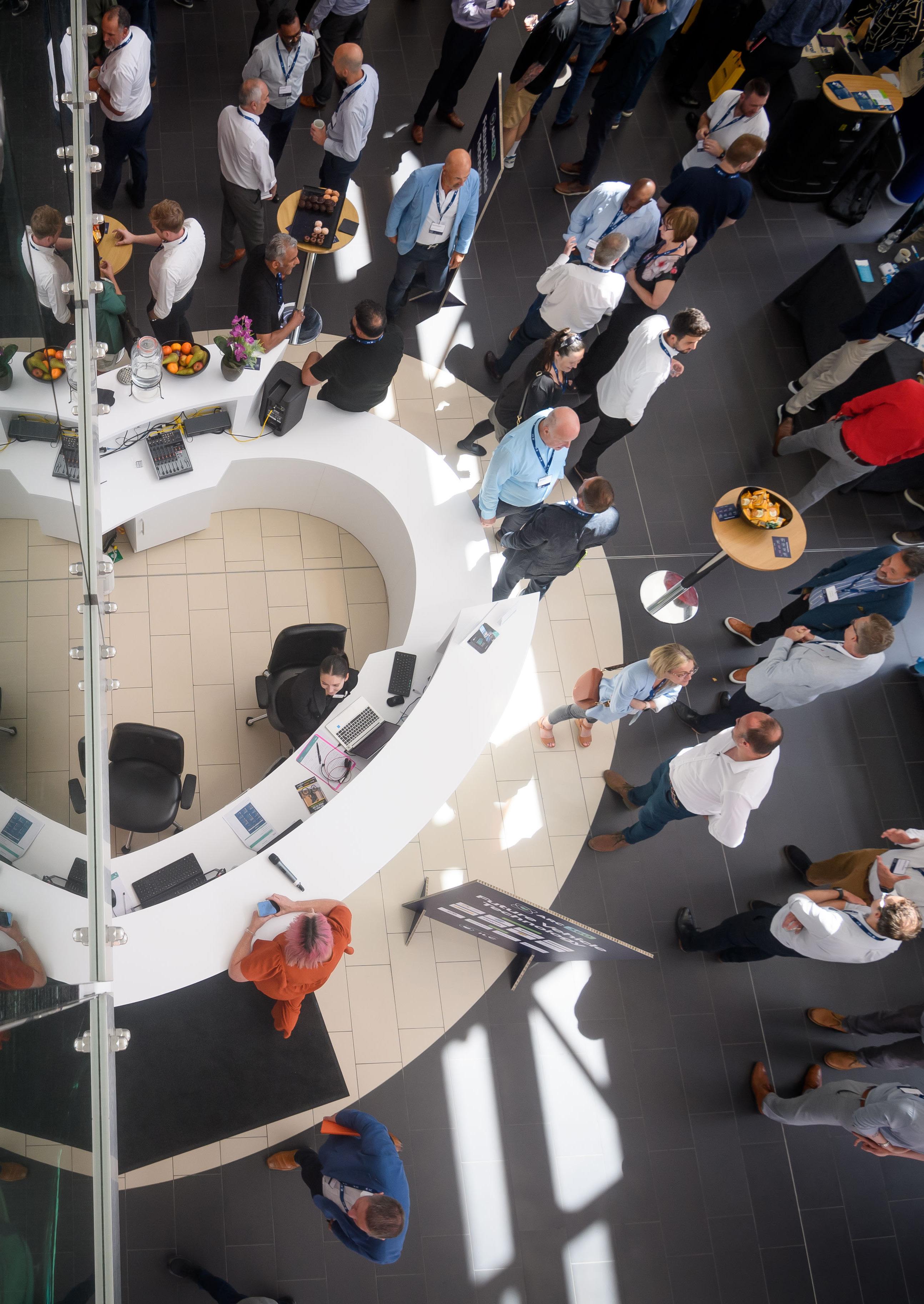
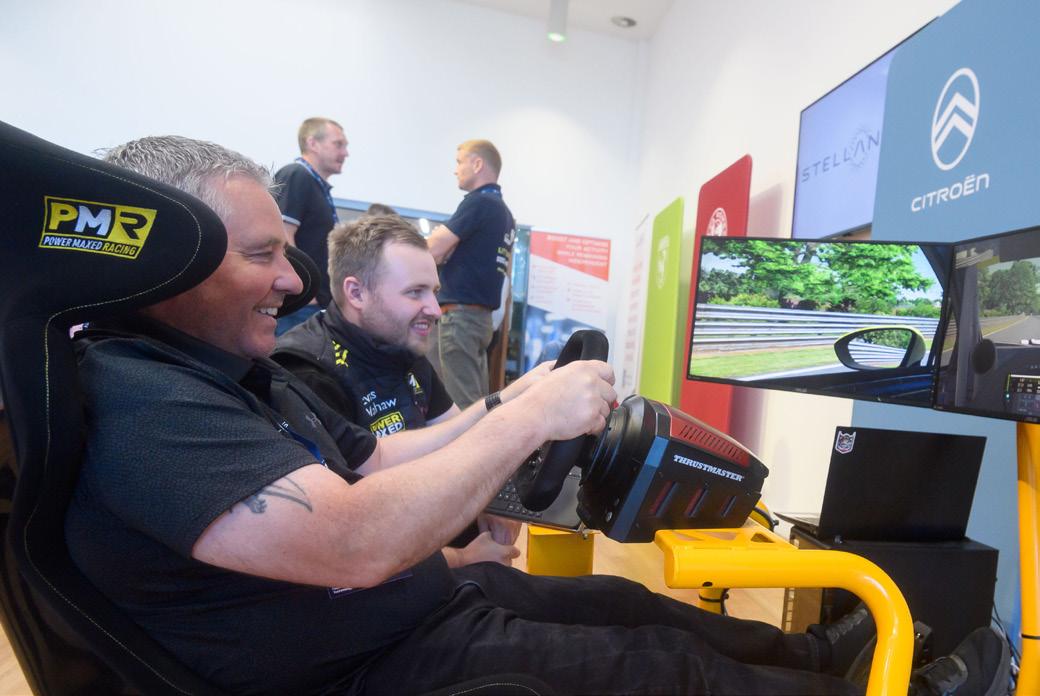
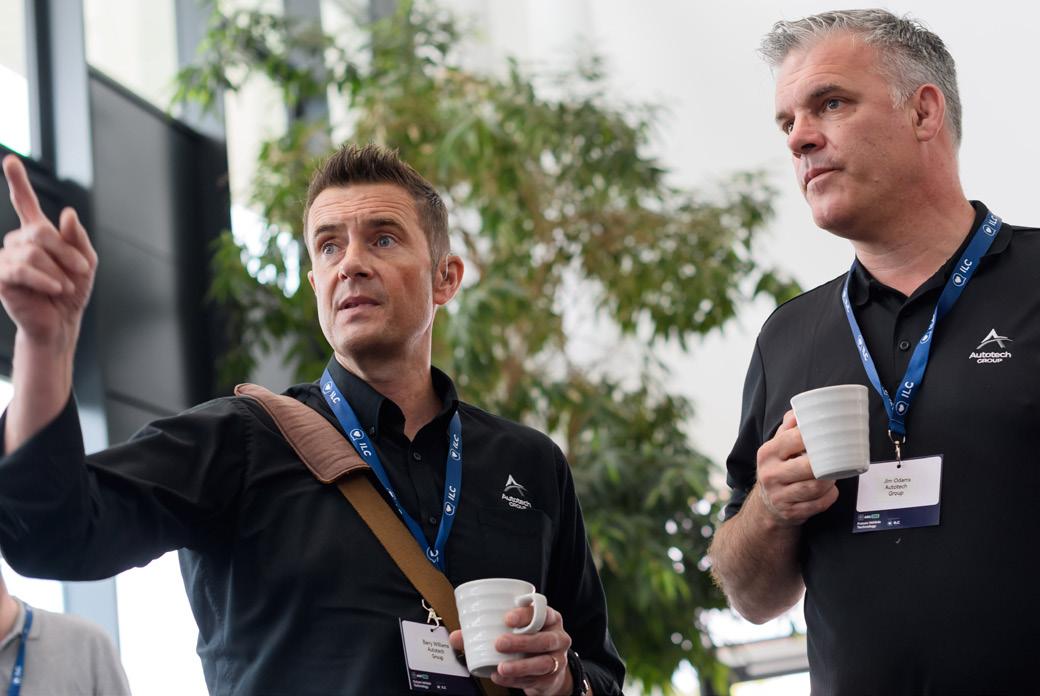
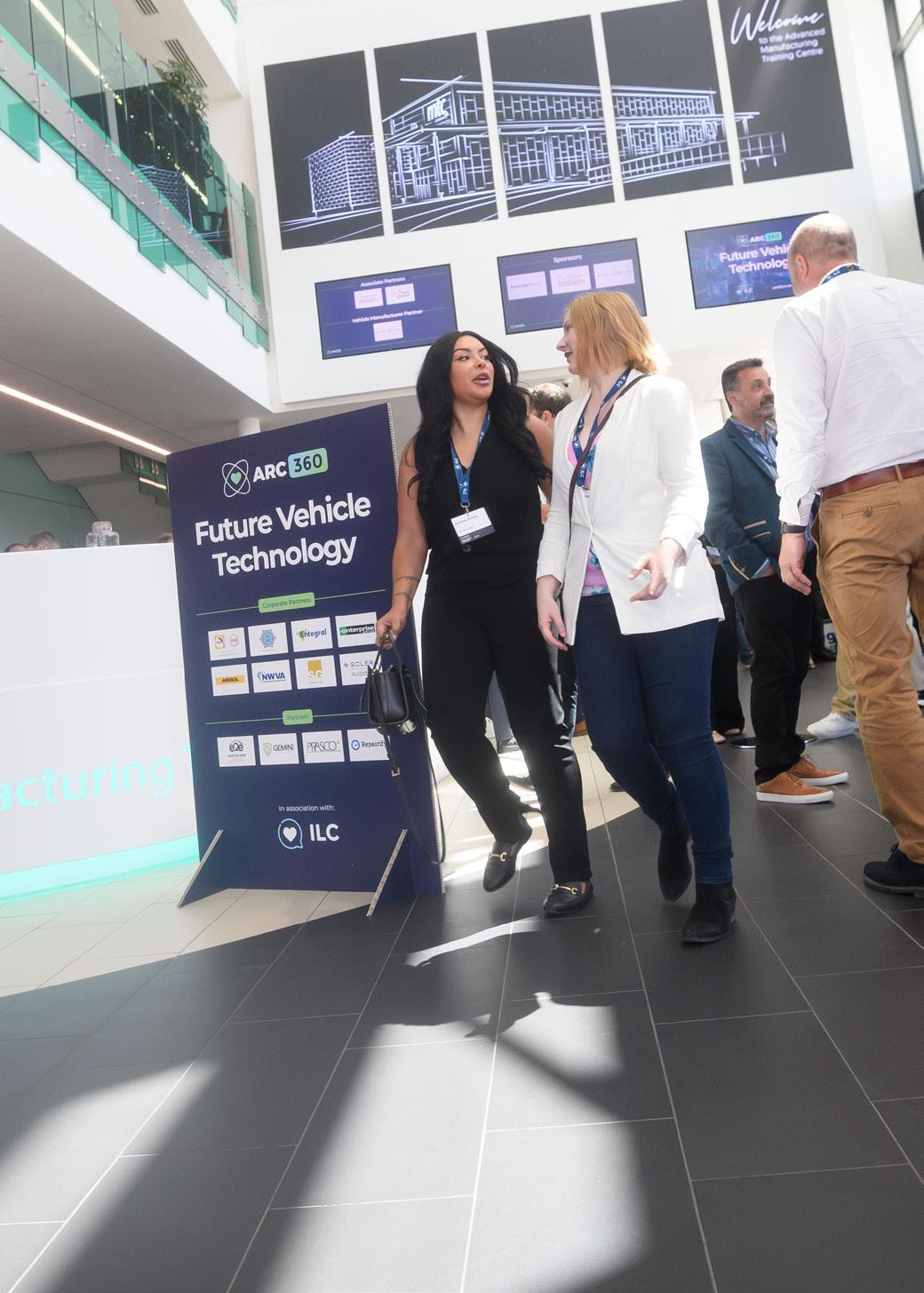
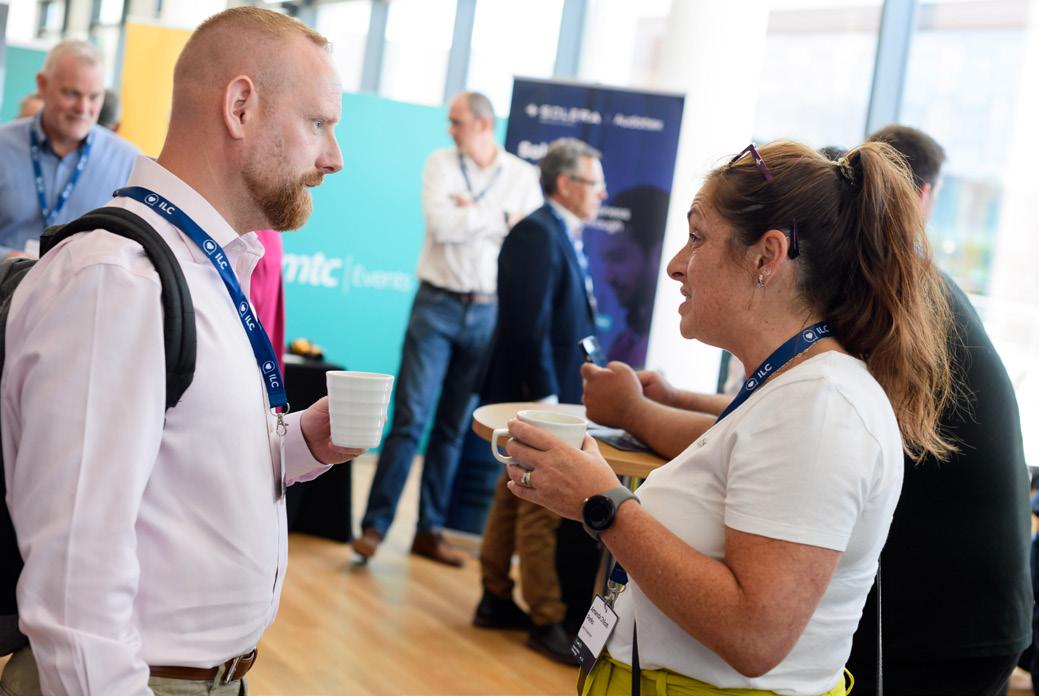
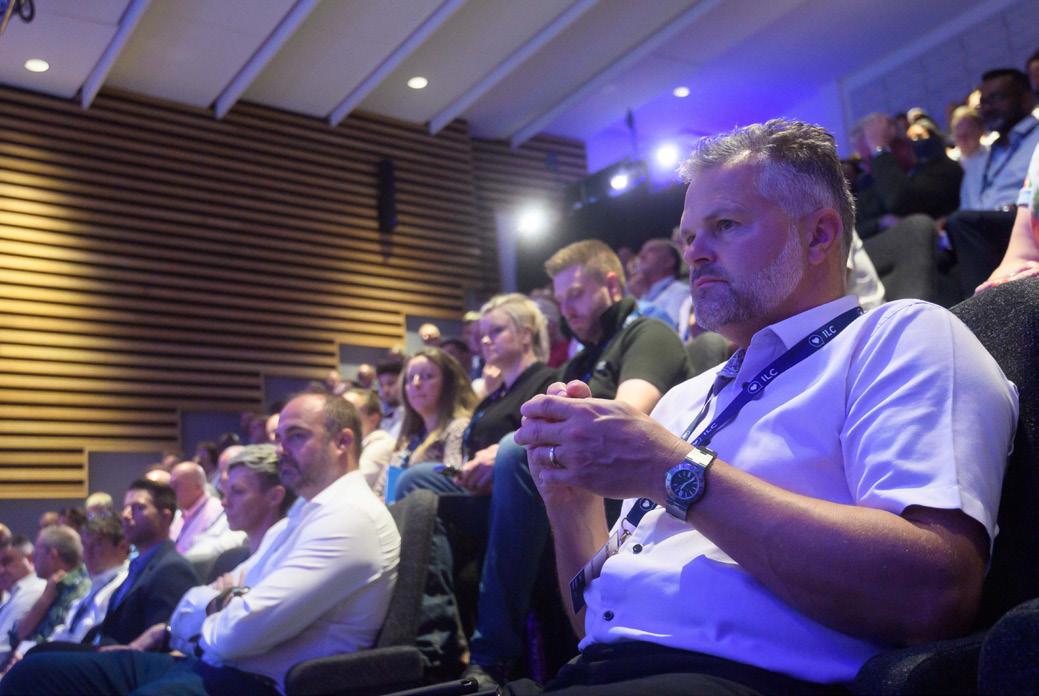
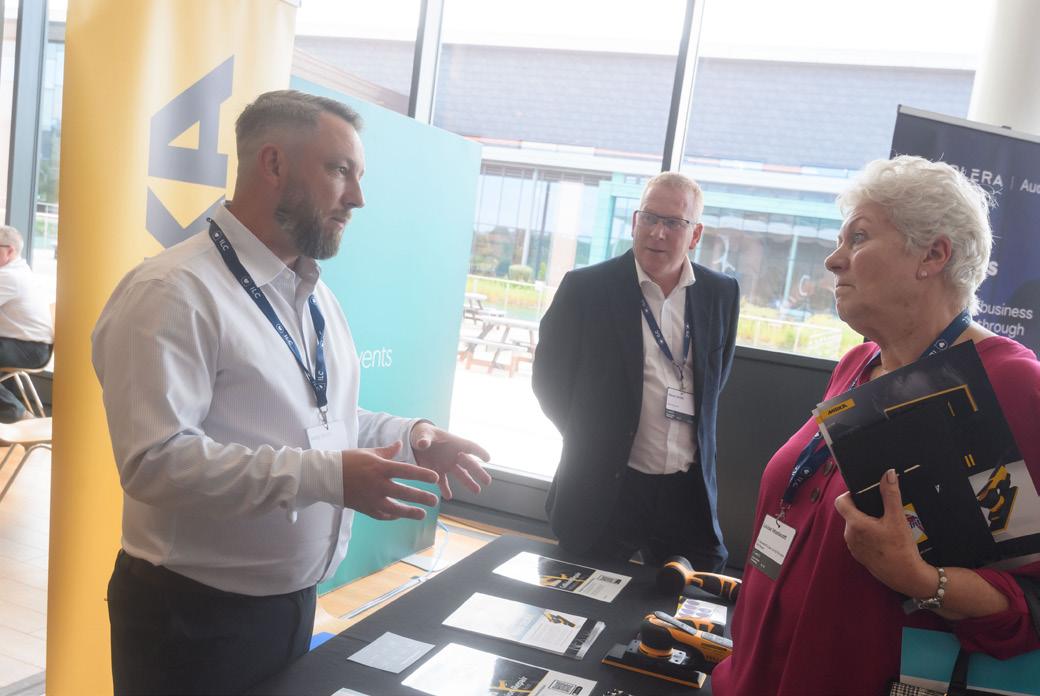
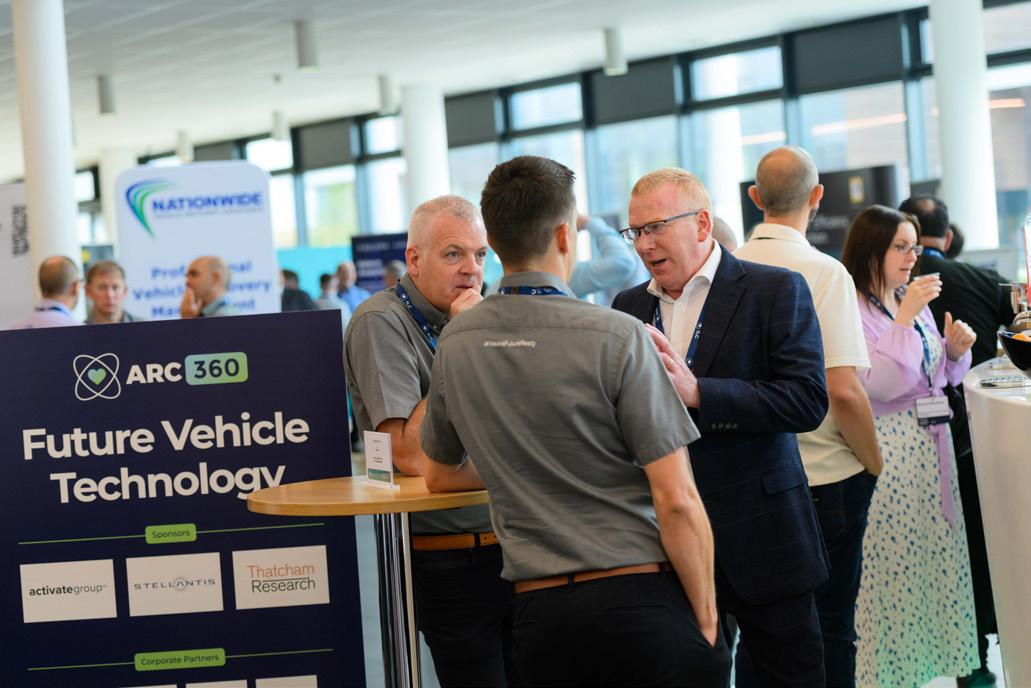
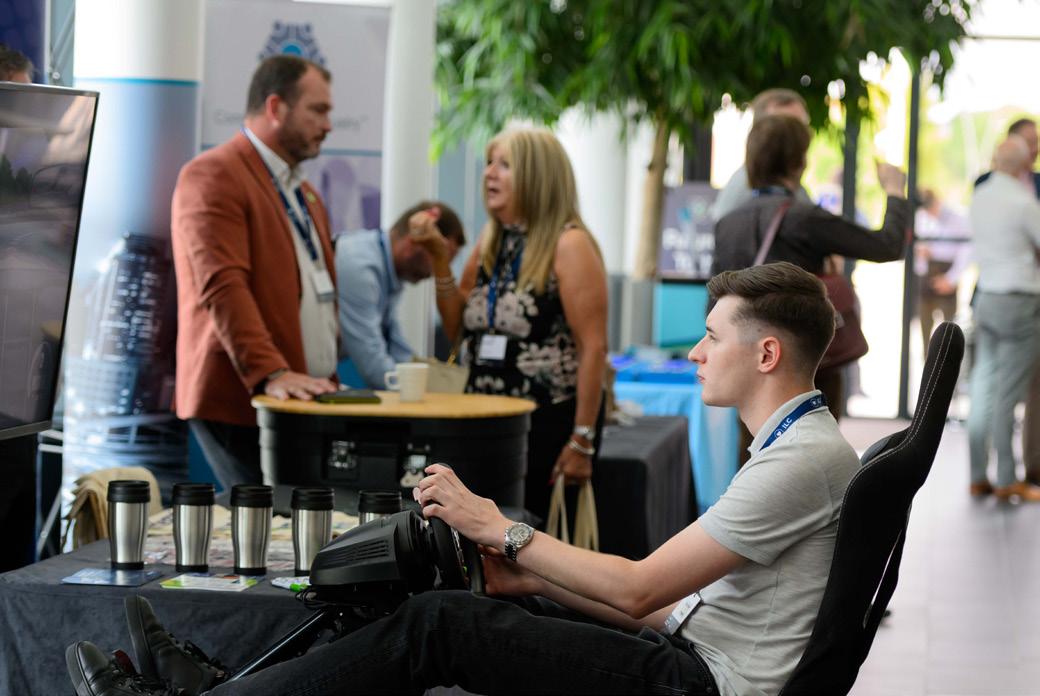
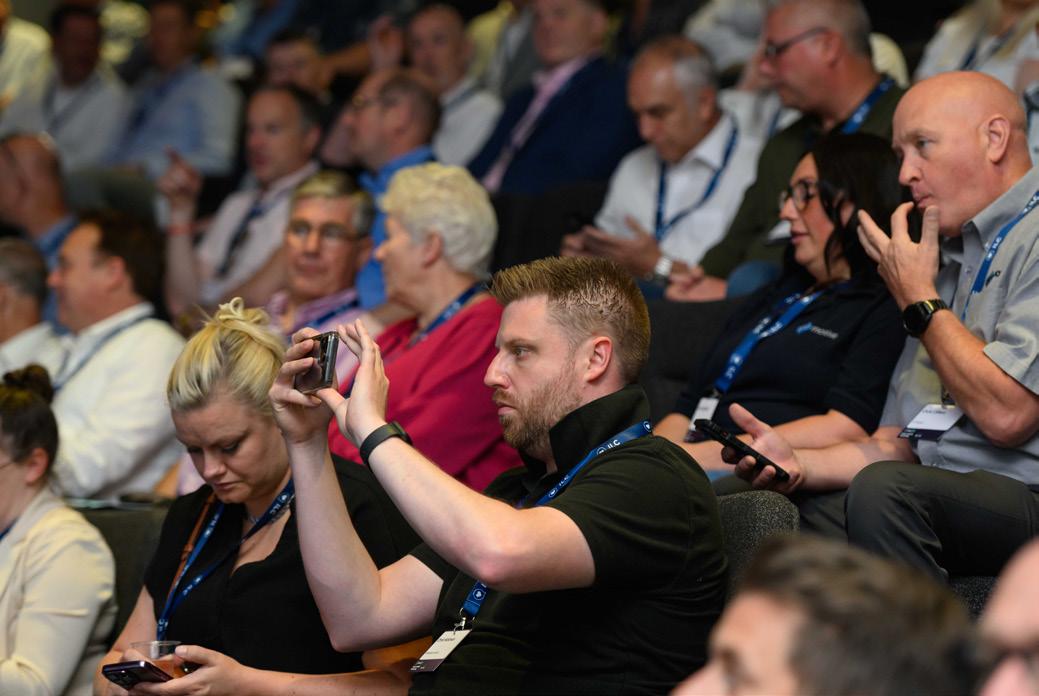
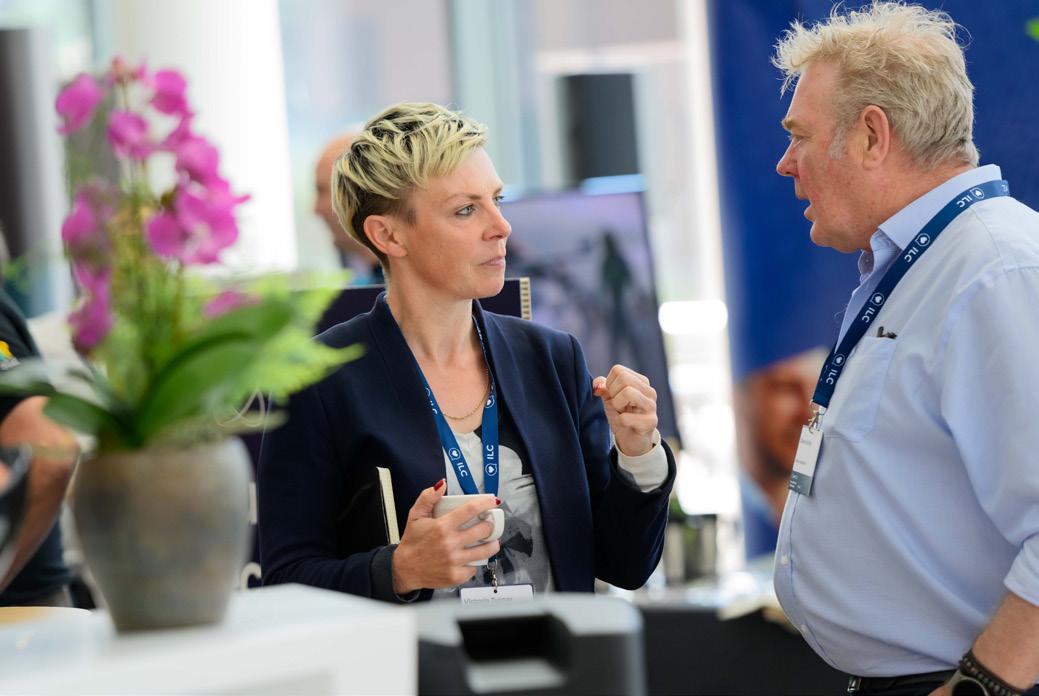
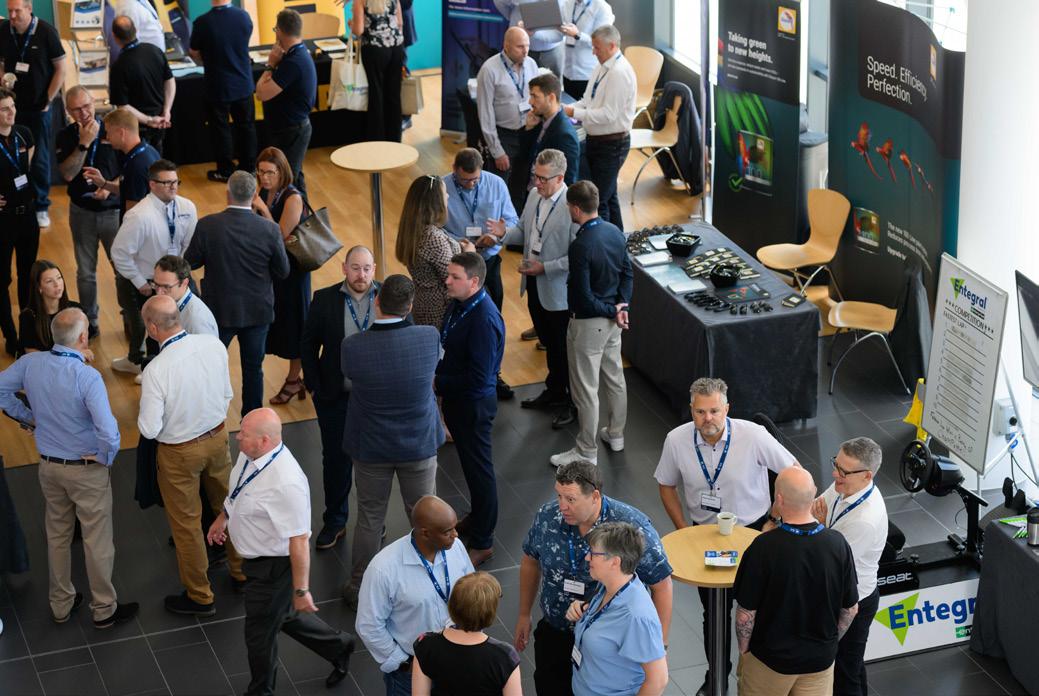
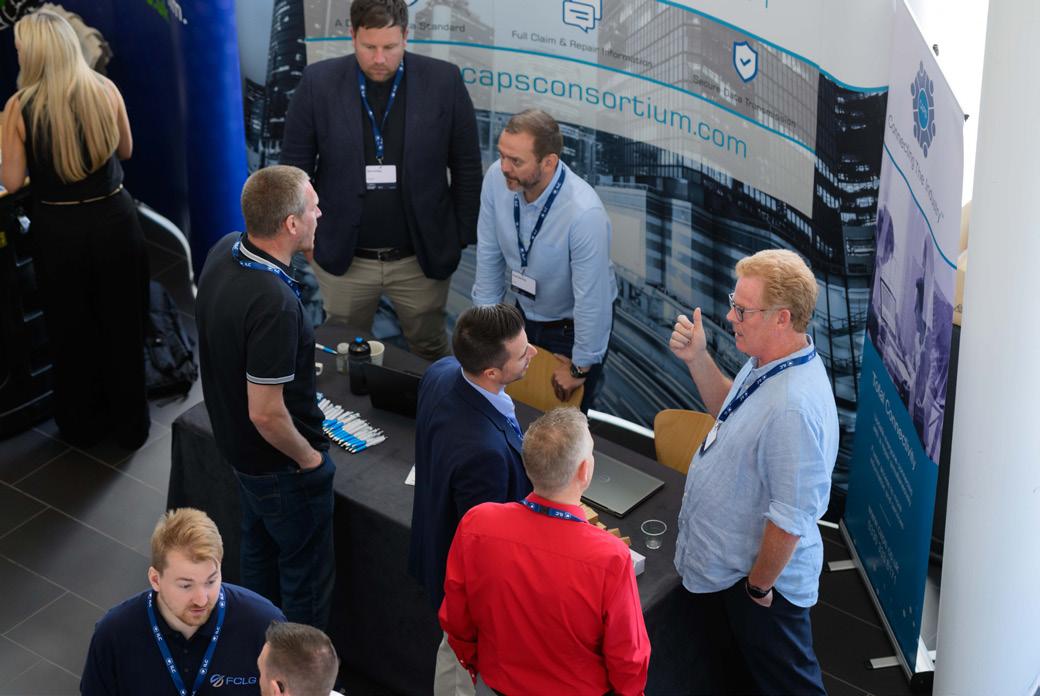
Taking place on Thursday 27 June 2024 at the Manufacturing Technology Centre (MTC) in Coventry, the sell-out event provided shared insights, interactive exhibits and networking opportunity for the UK’s key persons of influence from across the UK vehicle incident repair and insurance claims sector.
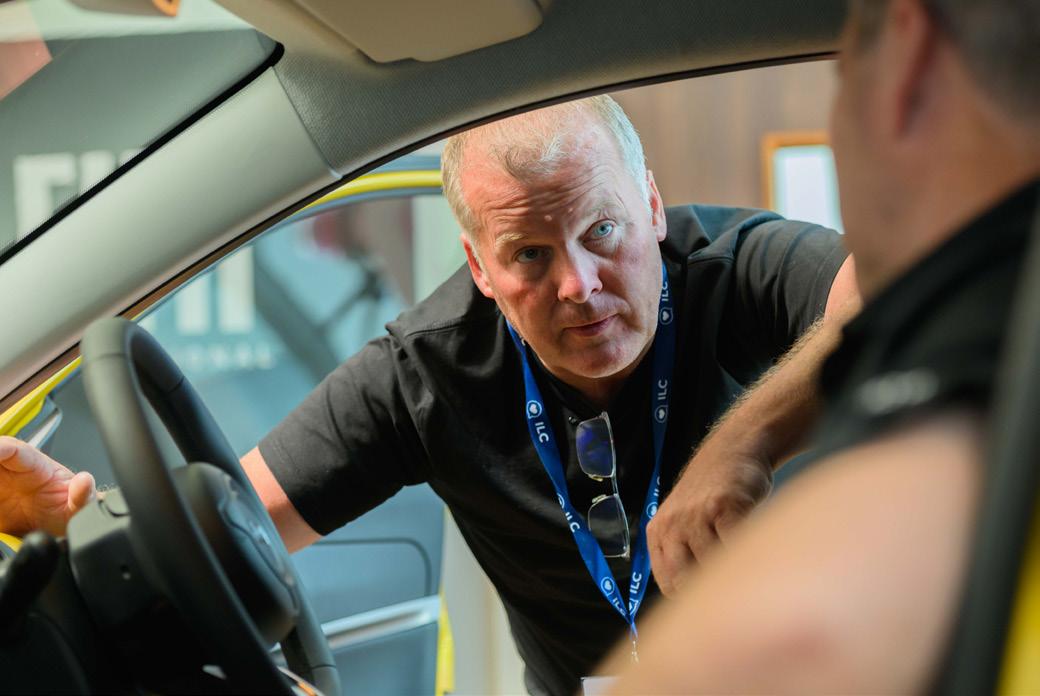
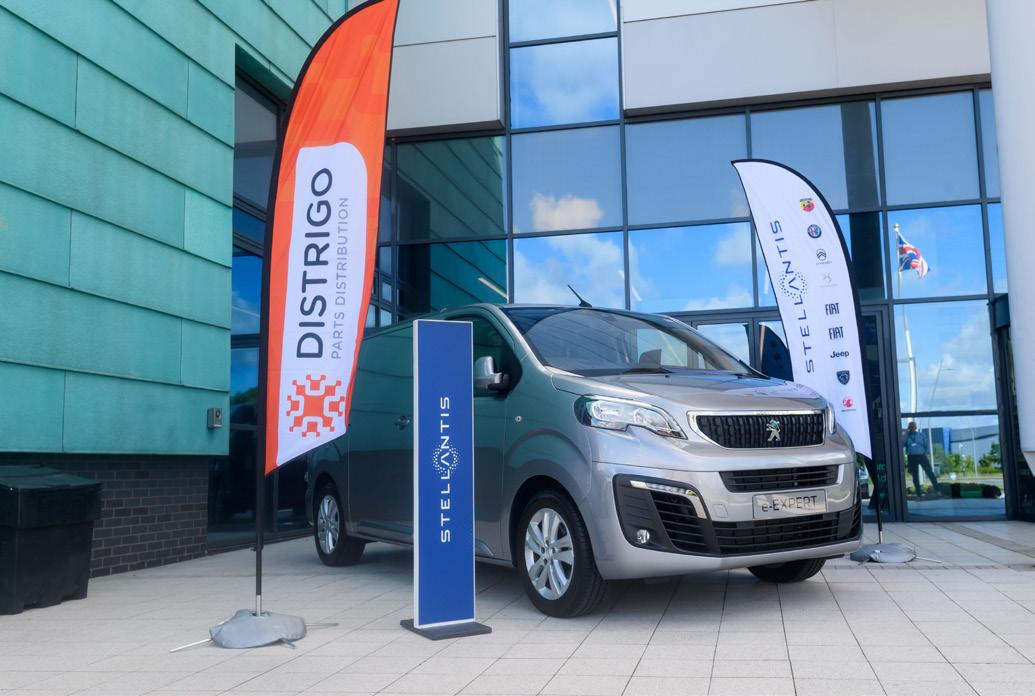
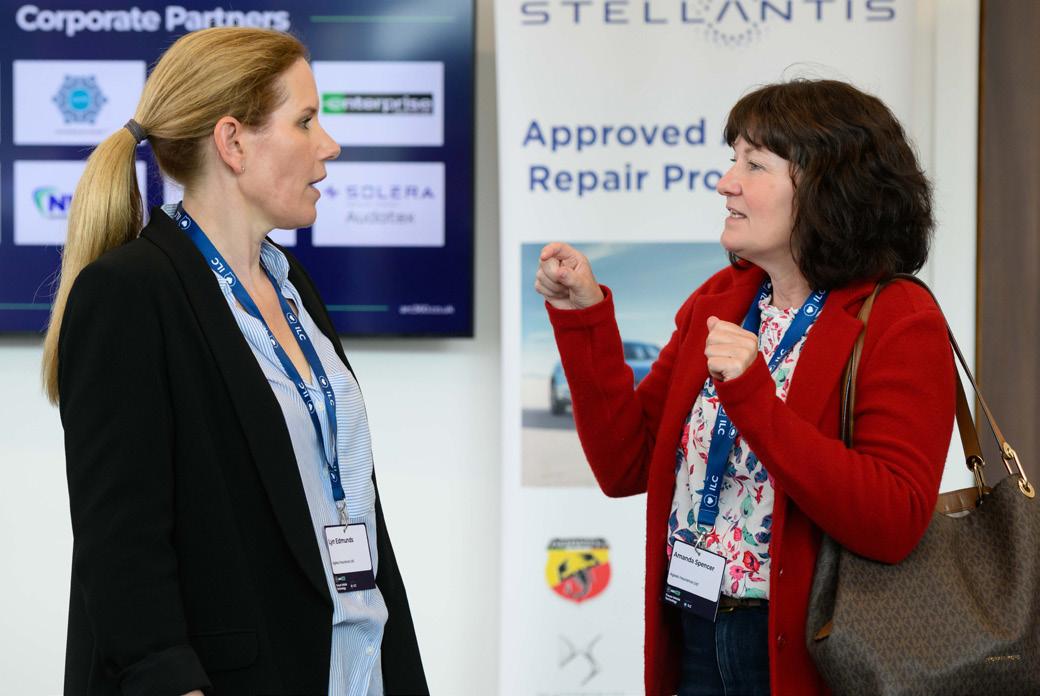
Supported by Corporate Partners: BASF, CAPS, Copart, Entegral, Enterprise, Mirka, Nationwide Vehicle Assistance, S&G Response, Solera Audatex; along with Partners: e2e, Gemini ARC, Repairify and Prasco, the event was sponsored by Activate Group and Thatcham Research along with vehicle manufacturer – Stellantis which hosted the ‘Stellantis Zone’ which amongst other things featured a number of its latest BEV models.
A huge thank you to all of those supporting organisations who helped the make the event the success it was.
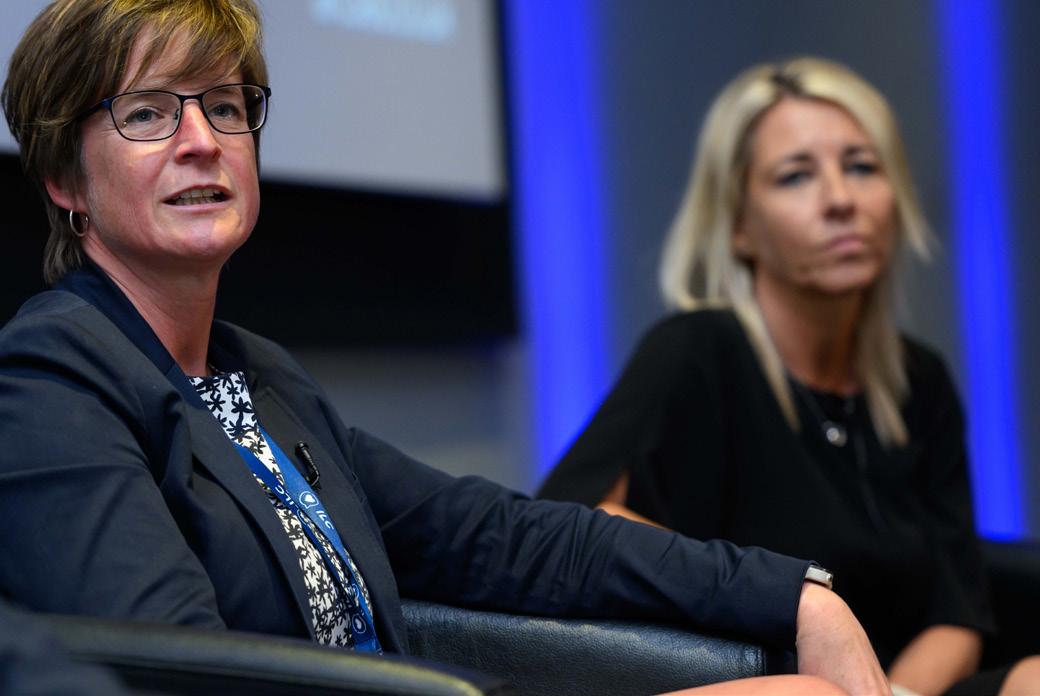
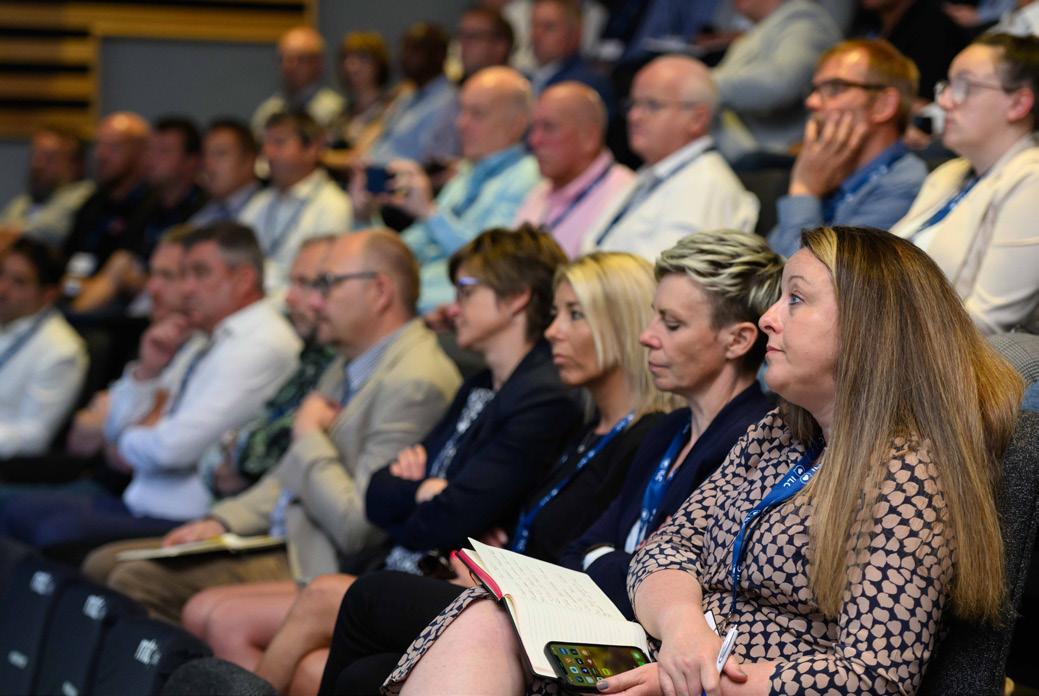
The agenda too was brimming with insightful sessions – exploring some of the key topics impacting the sector currently and openly discussing ways in which the sector can gain ground together. Sessions included thoughts from insurers, vehicle manufacturers, repairers and other key persons of influence from across the sector – all of which are highlighted within this issue of Better Tomorrow
Another huge thank you goes to all those who contributed towards the day’s agenda.
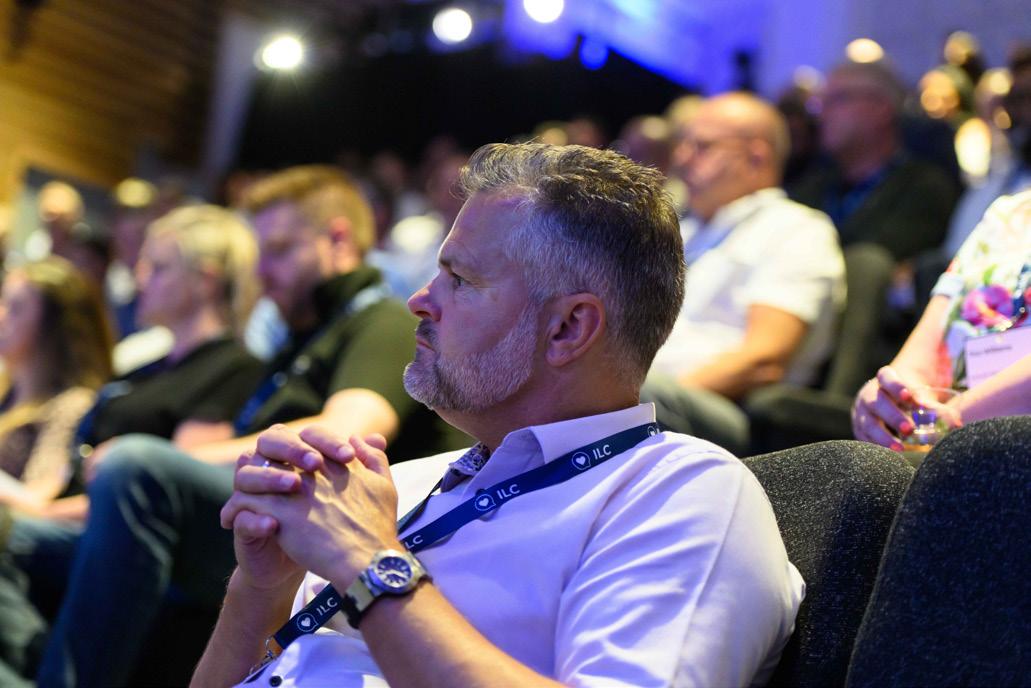
Of course, our gratitude too goes to all those who attended the event which this year included the highest number of repairers we have seen to date. It really is pleasing to see ARC360 increasingly establish itself as the ‘go to’ forum for the automotive incident repair sector.
Of all the incredibly humbling and positive feedback received post-event, I wanted to share just one as it encapsulates much of what we aim to achieve here at ARC360:
“Your events are always great and you always find something we haven’t thought about before... it’s the only event that we can really network with different sides of the bodyshop industry.”
To find out more about the opportunities available to get involved on an ongoing basis with ARC360 contact mark@iloveclaims.com or liane@iloveclaims.com.
Many thanks to you all once again for making the 2024 conference such a positive experience.
Kind regards
Mark
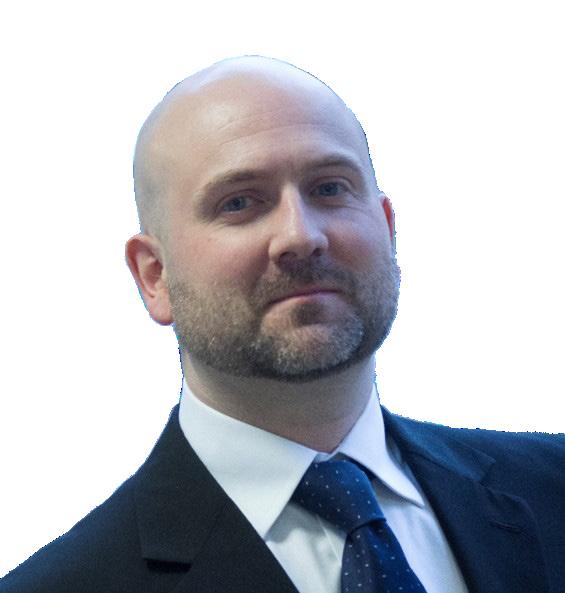
The used car market, electric vehicles, and new technologies were the subject of a keynote address delivered by Matt Freeman, Managing Consultant, cap hpi.
Focusing first on the used car market, Matt said that values remained fairly-stable until the pandemic struck, typically falling three to six per cent a year through the life cycle of a vehicle.
However, in the wake of the pandemic used car values spiked by nearly a third. They peaked in March 2022 at 31.2% and then remained at that level for nearly a year.
Since this time the market has returned to ‘normal’, with correction taking place throughout 2023, although cap hpi data indicates that values have not fallen back to pre-pandemic levels and remain 13.8% up on February 2021 levels.
The fall in values has been most noticeable in electric vehicles, with average values plummeting by 60% since September 2022. In fact, half of the 10 fastest depreciating models since then are electric.
MATTHEW FREEMAN
Managing Consultant cap hpi
In contrast, used petrol and diesel models remain 16% and 14% higher than they were in 2021, with hybrids also tracking at similarly inflated levels.
In terms of EV numbers, Matt said that about five per cent of the total UK car parc is now electric (eight per cent in the car sector), which equates to more than a million vehicles.
But when looking at new registrations, electric models account for well over a third of the sales, with pure battery electric vehicles more than half of that (16.5%).
He said, “We've seen a very significant change in the kind of cars that are flowing through into the parc and will ultimately then flow through from the new market into the used market. And that’s obviously going to accelerate because of the ZEV (zero emissions vehicle) mandate which is going to have a significant impact on the shape of the vehicle parc.”
He suggested that if OEMs get anywhere near meeting ZEV targets it could drive EVs towards a 20% share of the parc by 2030.
The growing number of EVs is clearly going to impact both values, not least because the rapidly advancing innovations around battery technology is accelerating obsolescence.
Matt explained that as batteries develop, even the latest versions are being left behind in a matter of years. This is impacting their value dramatically, as is the continued concerns around a lack of charging infrastructure.
However, although there are only around 60,000 public charging stations in the UK today, that is expected to reach the 100,000 milestone by next August, which Matt suggests could have a psychological impact on customer confidence and a tangible impact on their driving experience.
But innovation is not limited to powertrains.
Matt said, “This is an industry which prides itself on innovation, but I don't think we’ve had a pace of change and a concentration of change like this in the 30 years I’ve been in the automotive industry.”
There is an argument though that the speed of innovation is making vehicles difficult to value in the eyes of customers, who are not prepared to pay for what they can’t see, don’t understand, and don’t believe they will use regularly.
For example, Matt pointed to research carried out by Ford around its self-parking function. It found that customers rarely use the feature and as such the brand is now removing it from many models.
While many similar features around autonomy are in-built, many are available as a ‘function on demand’, which is also creating confusion for the customer.
Matt said, “Function-on-demand sounds great, the ability to add technology. But you’ve got to pay for it usually and customers value the wheels that are already on a car, not the wheels you potentially can add.”
Alongside this, there are a number of new brands entering the market, with many Chinese manufacturers poised to enter the UK market with 10 models in a range. UK customers have traditionally been open to new entrants from Europe, Japan and Korea, but there is uncertainty around how they will value many Chinese brands in an already crowded market.
Matt concluded, “We’re in an era of unprecedented change. But the path is set and the external forces like government legislation are going to move consumers into these new technologies, as well as the manufacturers introducing them and wanting to profit from them.
“But there are many, many factors which create uncertainty and we should expect continuing turbulence. Data is vital to signpost those changes. We need to look across the industry for that data to take the opportunity to use new and mix datasets to better understand what's going on around us.”
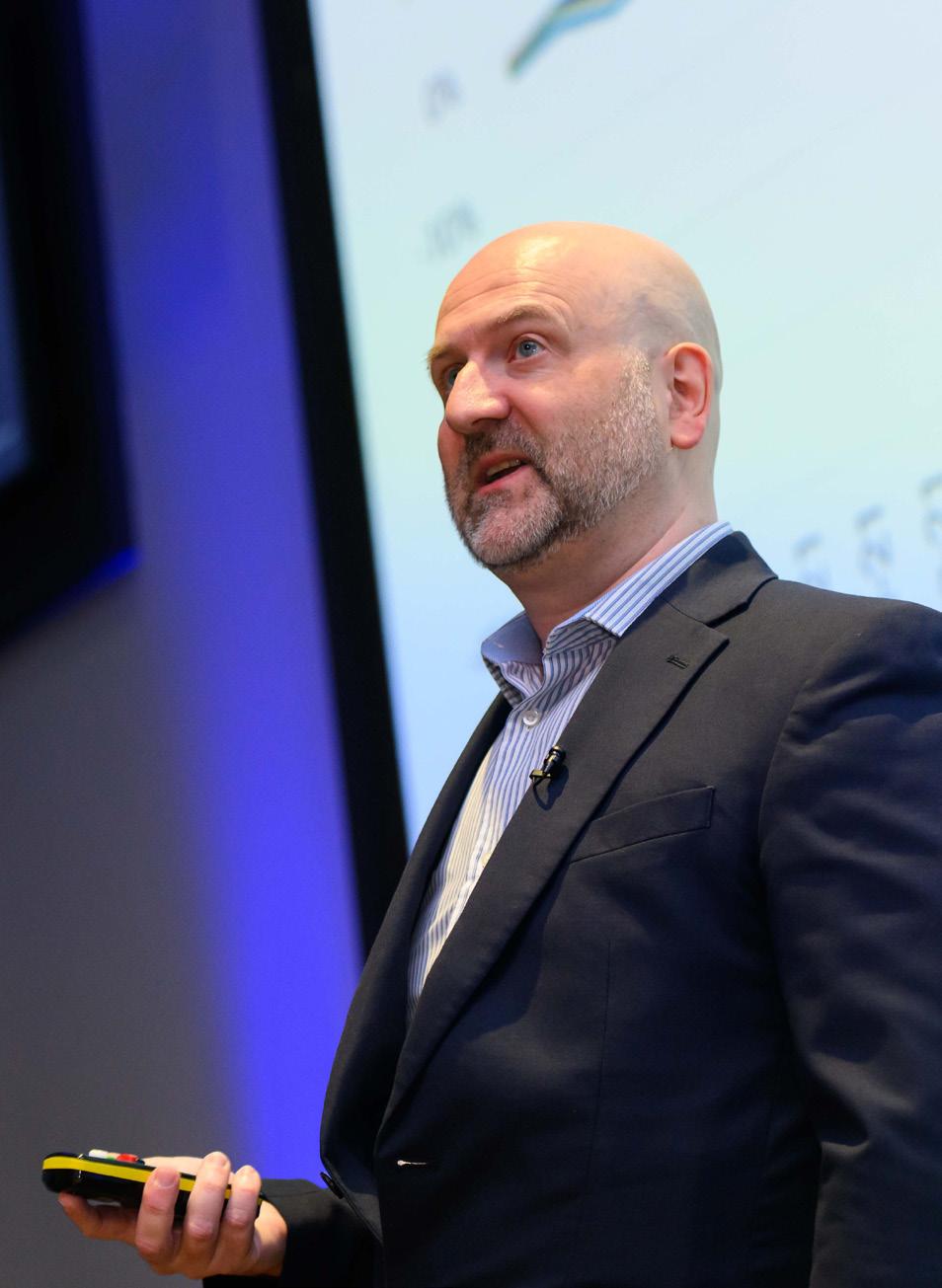
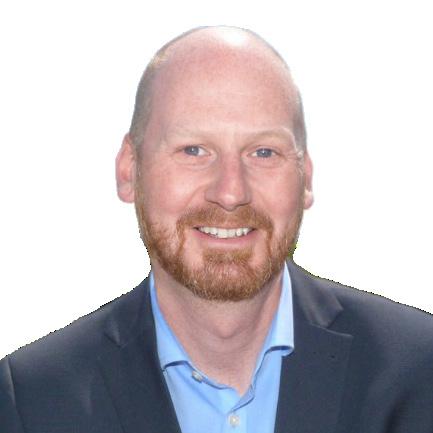
CHRIS DOWNING
Head of Sales & Operations Stellantis
In a far-reaching debate, Chris Downing, Head of Sales and Operations, Stellantis, warned that the ZEV (zero emission vehicle) Mandate is the single biggest challenge facing manufacturers today.
The ZEV Mandate sets EV targets around the proportion of total sales each manufacturer has to meet annually. The targets increase incrementally to 80% of total sales by 2030 and 100% by 2035.
Chris, who was joined on stage by Activate Group Director
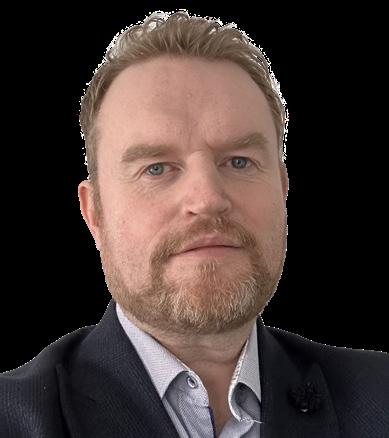
PETE THOMPSON
Director of Product Activate Group
of Product Pete Thompson, said, “The ZEV Mandate is the biggest threat to our industry from a manufacturer point of view that we’re facing today. The target this year is 22% and the fines are huge for failing to comply; £15,000 for each car and £18,000 per van. So you can see they are prohibitive from a volume manufacturer perspective.”
He warned that the number of BEVs (battery electric vehicles) a manufacturer sells will have a ‘direct’ impact on the number of petrol and diesel models it makes available to market, with the very real possibility of manufacturers being put under pressure to restrict ICE (internal combustion engine) models to
customers, either retail or fleet.
Chris continued, “At the current YTD sales mix, we now have to sell approximately one BEV car to sell three ICE cars. We are absolutely facing the prospect at the end of the year of telling customers they may have to wait until 2025 to take delivery unless it’s a BEV.”
Meanwhile, he revealed that the ZEV Mandate is having a substantial impact on production in the UK. Stellantis has invested £100m in its Ellesmere Port to support EV production, and its Luton plant will be electrified next year.
However, he suggested that if natural demand for BEV does not increase in order to meet targets, there is a fear that some difficult decisions may have to be taken in regard to UK production.
Chris said, “If manufacturers are not selling the volume and not making the profit, ultimately you have to consider shutting the doors to right-size production capacity against sales. That’s the level of seriousness that we’re facing at the moment from a from a manufacturing point of view.”
Manufacturers are not the only ones facing the implications of EVs. Pete said that he had created a word cloud from recent articles considering EVs and the two words most prominent were ‘fear’ and ‘uncertainty’.
Activate Group handles about 80,000 repairs a year. Only six or seven per cent of them are EVs, which the group is able to take in its stride. But that doesn’t mean there is not concern among its customers.
Pete said, “The questions we’re getting from fleets are around vehicle off-road times, average repair costs, green parts availability and overall repair times. We are reaching out to get additional data because our customers, whether they be fleet or insurance, are asking.”
Possibly the most significant issue around EVs now is higher repair costs. It is well-established that EV repairs are more expensive than their ICE counterparts, and these costs were only going to increase.
Pete explained, “The biggest challenge with EVs is the lack of aftermarket and green parts at this moment in time for the majority of models. We manage that through the Activate Parts side of our business.”
The other pressing issue is a lack of skills. This impacts the entire car parc but is most acute when it comes to EV repairs.
Pete said, “There is a technician shortage in general, and specifically when it comes to repairing EVs. So when you look at repair capacity, it’s also the capability and as an industry we need to ensure we are investing in this area.”
To help manage costs, he suggested that FNOL (first notification of loss) has never been more important in ensuring the right jobs are triaged to the right repairers and the correct processes are followed ‘first time’ to prevent delays.
He said, “If you get it right first time, you got your best chance of controlling the cost of claim. With Consumer Duty, we need to ensure the customer is always at the centre of whatever technical decision we make, but we need to consider how much can we realistically automate?
“Accurate triage will help us down the line and if we can routinely deal with the easy-to-do stuff, we can apply more time to the more complex cases where ADAS functionality is involved for example.
“We know it takes longer to repair vehicles with more advanced technology, so we need to make more time in the claims journey by making data-led decisions earlier. And you can do that by automating the simple cases and allowing experienced handlers to manage the complex ones.”
Meanwhile, manufacturers also have a role to play in reducing costs, and Chris said that Stellantis is trying to soften the financial strain through a number of initiatives around green parts, battery remanufacturing, and battery repair.
He said, “We’ve invested in a platform for green parts across Europe and will start working with some UK recyclers soon. We’re now also working with European recyclers to get hold of the end-oflife vehicle and bring it back into our manufacturing chain, whether that is reusing or remanufacturing the parts and then recycling materials.”
Looking ahead, they agreed that the traditional car ownership model could change with more and more customers opting to lease instead of buy.
One opportunity this can create is around manufacturing cars with components that can be updated at the end of the lease.
Chris explained, “As a manufacturer we can take that car back and upgrade it. We might put an updated battery in it or an updated infotainment system or change the front bumpers.”
The other key factor going forward would be data. Pre-collision data from connected cars can enhance claims following a collision by determining immediately if it is a fault or nonfault claim, while good use of data can also be used to support better decision-making throughout the supply chain.
Pete concluded, “One of the challenges is how we can make more data-informed decisions to help repairers in our network who are considering becoming EV capable or getting vehicle manufacturer approval.
“But data can be used to support all our customers. If there is uncertainty and fear, we have to remove that and sharing data, and being transparent is one of the key parts of that.”

ANDREW JOBLING
Supply Chain Lead, UKGI Supply Chain
Aviva


ULRIKE LUCAS DAWN MARSDEN
Head of Procurement & Supply – Allianz Claims
Allianz Insurance plc
Head of Claims Supplier Management and Engineering Services esure
Co-operation with the supply chain was the fundamental message of a session entitled, ‘The new dynamics in insurance claims ’.
Apart from greater efficiencies, cost savings and improved sustainability, the session emphasised how important the supply chain is in helping insurers achieve Consumer Duty compliance.
Taking part in the panel discussion were Andrew Jobling, Supply Chain Lead, UKGI Supply Chain, Aviva; Ulrike Lucas, Head of Procurement and Supply, Allianz Claims, Allianz; and Dawn Marsden, Head of Claims Supplier Management and Engineering Services, esure.
Andrew said, “Consumer Duty has reared its head again because we’ve got to provide our annual summary to the FCA (Financial Conduct Authority). For us, it means producing good outcomes for our customers in every facet of the claim and then being able to evidence it to the FCA.
“Ultimately, it’s our supply chain that delivers the service and there is a big requirement to evidence the quality of that service. So, if you aren’t already being asked for more evidence, that is 100% coming because it is a critical part of Consumer Duty.”
Dawn agreed and said a symbiotic relationship between insurers and their repair network had to be a primary objective.
She said, “We need to collaborate more. Repairers aren’t regulated but insurers are and although we can outsource the repair we can’t outsource our obligations. That means we need to work together. We need to support those repairers we share data with in terms of security from cyberattack for example, and they need to support us with managing our regulatory requirements.
“There is also a challenge around rising costs and the need to bring premiums down. That will also require more efficiency and working together. But that goes two ways; we want them to challenge us back. So, where we’re doing things that might be creating inefficiencies, talk to us and let’s work through it together.”
Encouragingly though, Ulrike said she had noticed improved collaboration throughout the industry and was hopeful this new approach was here to stay.
She said, “The old days of the confrontational relationships are over. I really hope that this collaborative model is here to stay because we need each other. But it needs to spread across the wider supply chain to take friction out of the process whenever we can. There is definitely more to explore in the wider ecosystem.”
for higher excesses to reduce premiums.
She said, “A lot of customers are choosing excesses at £600-plus, so they aren’t claiming. There has also been an increase in total loss ratios driven by high salvage and repair costs. We’ve been up near 40% total loss ratio, although that’s dropped back in the last month so that should bring some of the volume back.”
One solution to reduce repair costs is using more green parts. This can also go some way to combating any lingering challenges in parts supply while helping organisations meet their sustainability goals.
Andrew said that alongside developing strategic partnerships around EV battery recycling, Aviva was also refocussing its attention on its green parts programme.
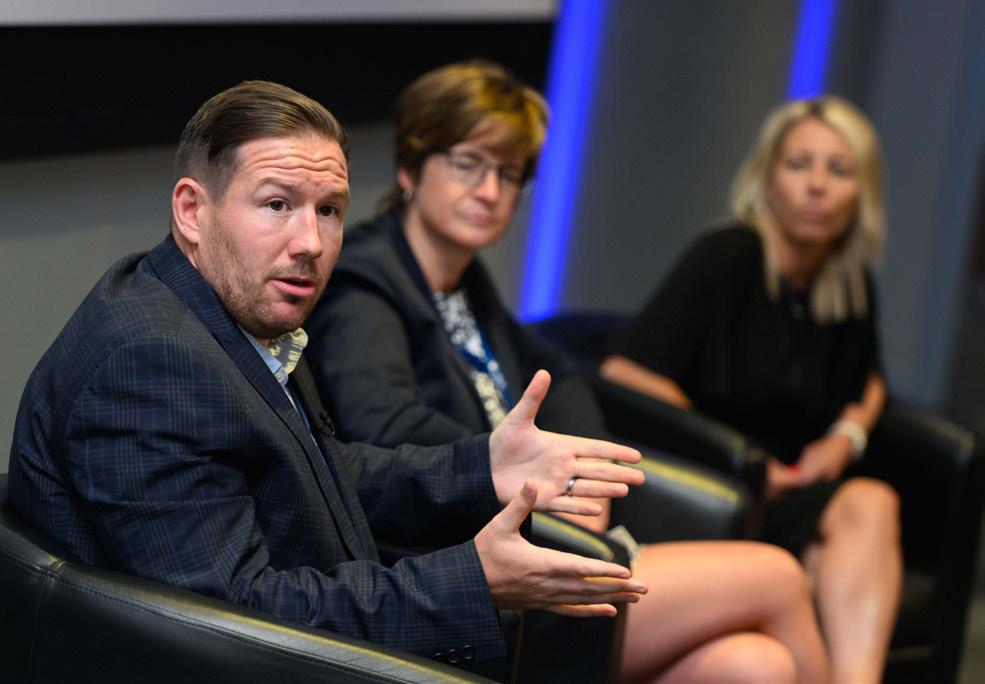
Meanwhile, other industry trends include falling volumes caused in part by the cost-of-living crisis. Dawn revealed that esure had seen a circa 20% drop in volumes, with many customers opting
Ulrike added, “Parts availability has improved but the skills shortage is still a problem and it is very competitive. That drives up labour costs which links back to the premium debate and costof-living pressures leading to higher excesses and lower volumes. We need to invest more in skills as an industry. There are good examples of repairers investing in their workforce but it’s not widespread enough. We can support them by offering long-term partnerships to
support their planning and stability.”
Meanwhile, better communication is not just an external focus. Dawn said the challenges in the market today have driven closer collaboration between separate departments within insurers, which is helping to improve both customer service and profitability.
She explained, “One of the shift changes that I have seen is working a lot closer with our underwriting team. That means making sure that whatever vehicles we are underwriting, they understand the claims process and we have repair methodologies available.
“We’ve never had those conversations before. Previously, traditional insurers underwrote whatever they wanted and claims had to deal with the problems down the line. But now we don’t underwrite vehicles that we can’t repair or we can’t get parts for.”
This, added Andrew, is all part of improving communication and sharing data to deliver better outcomes.
He said there is a genuine commitment at Aviva to develop a win/win relationship with its repairers and the best use of data is fundamental to delivering that.
“We need to embrace it,” he said, “but the same approach needs to be taken by the whole industry. We need manufacturers to join the data journey too.”
MARC HOLDING
Managing Director The Vella Group

VICTORIA TURNER
Executive Director Ryemarc Group
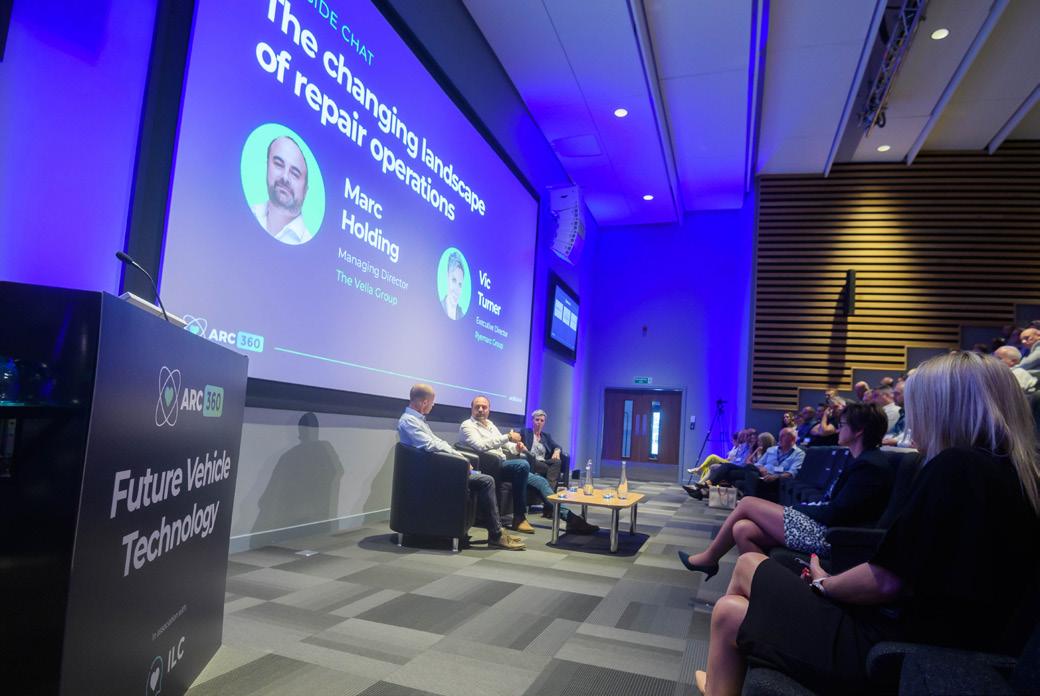
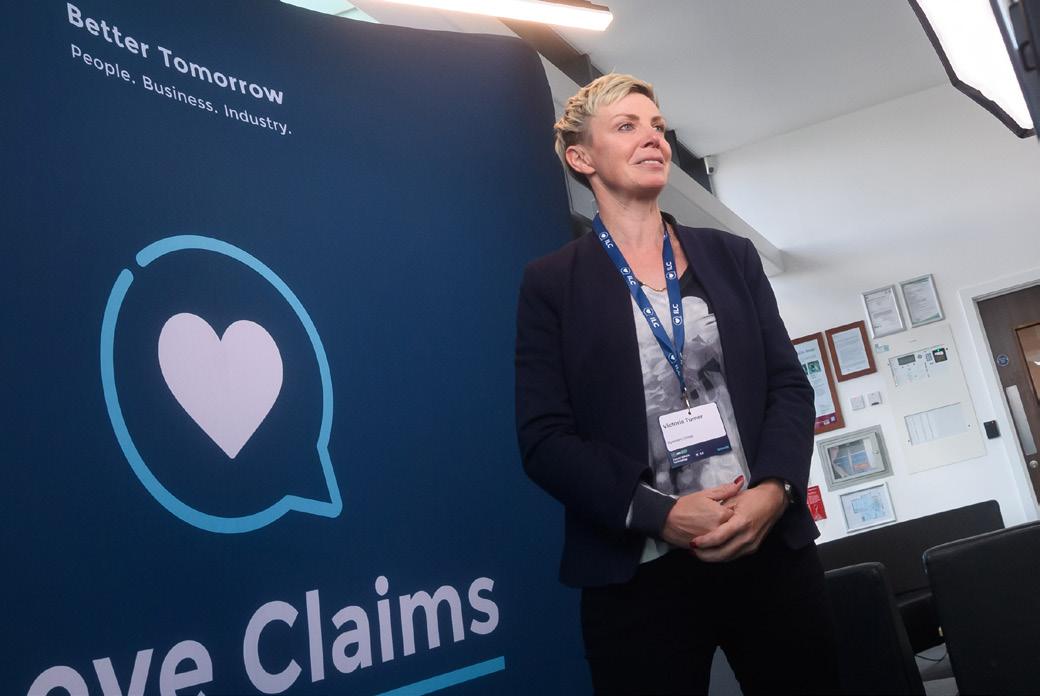
As consolidation of the sector continues apace, some of the secrets to a successful strategy of acquisition were revealed during a session entitled ‘The changing landscape of repair operations ’.
Sharing the stage were Marc Holding, Managing Director, The Vella Group; and Victoria Turner, Executive Director, Ryemarc Group.
Marc explained how the Vella Group has expanded from five sites to 15 in just three years by shifting focus from new builds back to acquisitions.
He said, “Some repairers have unique operating models that would suit a new-build strategy more than an acquisition strategy. We try to keep our business model simple which allows us to have a two-pronged approach. But often the market dictates which way to go and if you do a
new-build you have to attract staff and work. Those things are a bit of challenge at the moment so we looked at acquisitions instead.”
Victoria said that Ryemarc has also gone down the acquisition route, but said expansion is no longer simply about getting bigger.
She explained, “We have a very fixed, clear operating model and that makes it easy to make an acquisition rather than a build, but we have to find acquisitions we can add value to. It’s not just about footprint growth now. You don’t make acquisitions purely for scale in this environment. Instead
they will be driven by skillsets and geographical reasons.”
However, this year has posed specific challenges around acquisitions. Many bodyshops enjoyed their best ever year in 2023. This has seen many raise their valuations. In some cases they have priced themselves out of the market and both Marc and Victoria said that for every successful acquisition there are many others that do not get off the ground.
Marc said, “For every one that gets legs, there are eight or nine that fall down. A lot of bodyshops had their best ever year last year and
are basing their valuations on that and they’re maybe a little on the high end.”
Victoria agreed, “Last year was a great year for bodyshops and valuations, but this year frequencies have dropped off a cliff. Those numbers aren’t going to come back, so what do you do with those valuations? It’s getting harder and harder to make good acquisitions. We’ve looked at a lot and nine times out of 10 walked away.”
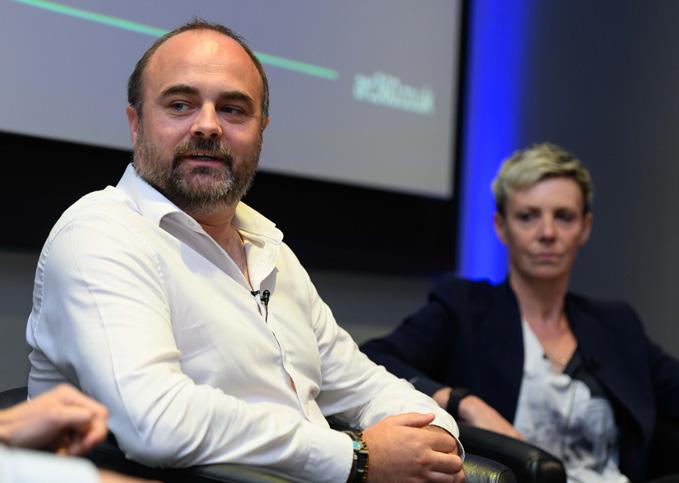
But while an honest valuation must be the starting point, the most critical area of any successful integration is cultural alignment. Marc and Victoria both agreed that even if everything falls into a place, if the culture does not match the acquisition is doomed to failure.
Victoria said, “One of the biggest walk-aways is culture. If it doesn’t fit culturally with your business then you’re going to lose everything that had value in the first place. But culture and loyalty are the two most important things whether you are looking to sell, acquire or just improve. You need loyalty from your customers and you need loyalty from the people that are working for you. Without those two things, you haven’t got a business.”
When an acquisition is successful though, it generally fits into two camps. Either the business was targeted for purchase because it was successful, or because it was struggling and presented an opportunity to add value. In each case the strategy is different.
Marc explained, “The approach is different if you acquire a business that is doing well or if it’s a distress purchase. If it is already successful you don’t want to rock the boat. You can look for some easy wins around integration but you only want to merge that business in slowly and steadily.
“But if it’s a distress purchase, you don't want to be carrying a loss-making business for very long so you're going to implement changes quite quickly. You’re looking for excess costs, processes that don’t work, clients that don’t align with your business, and suppliers that haven’t been reviewed for a while.”
Victoria agreed. She said that before acquiring a failing business it is important to identify the areas that need investment and be ready to act immediately. However, if the business is already doing well the process of integration needs to be far more delicate.
She said, “There are two versions of events. One is where you can improve something and that's where you bring in your blueprint and make investment quickly. The other version is where you’ve got a good business and you bought it for a reason. In that case you’ve got to tread so carefully because if you lose the people, it doesn’t matter how much investment you put into that site,
you’ve devalued your acquisition overnight. There are benefits of being part of a group and you can introduce those, but if the business is working don’t tear it apart.”
But while consolidation continues to dominate the market, there is still a place for independents – although that place may be shrinking.
Both agreed that as the industry evolves at a pace never seen before, understanding and preparing for the future has never been more important. That requires investment, but also insight into the trends impacting the sector and for smaller businesses that can prove a challenge.
Victoria said, “You’ve got to have one eye on five years down the road so you need to be out there networking and finding out what is happening. That is harder for smaller groups. At Ryemarc we hear a lot about Consumer Duty, about emerging technologies and data, and what matters to insurers. If you put all those things together there’s a service layer that sometimes repairers don’t always spend a lot of time looking at. I think we have an opportunity to expand into spaces in the market that have challenges.”
Marc concluded, “Growth isn’t for everyone and there will always be a place for small businesses. For us, it's about trying to make sure we stay relevant today but also then starting to lay the groundwork for the future because you don't want to be playing catch-up in this industry.”
CHRIS ASHWORTH
DAWN MARSDEN ROBERT SNOOK Founder ILC Head of Claims Supplier Management and Engineering Services esure CEO
Business Success Global
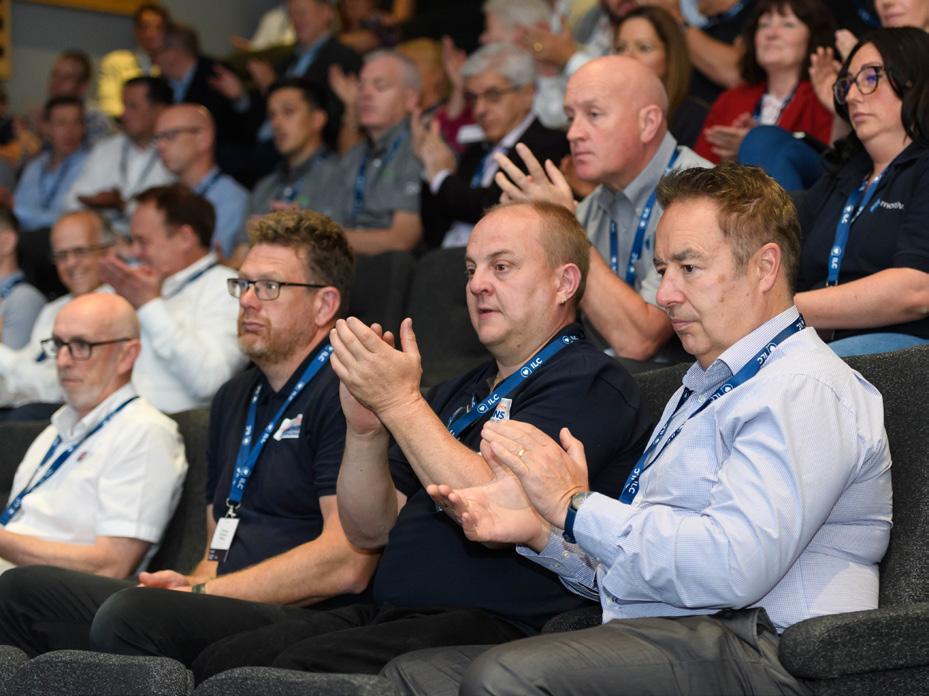
In an era of consolidation within the automotive aftermarket repair sector, there are still opportunities for growth for businesses not interested in acquisition. That was the message of a panel debate, ‘Getting in shape to win more business ’.
Taking part in the conversation were Chris Ashworth, Founder, ILC; Dawn Marsden, Head of Claims, Supplier Management and Engineering Services, esure; and Robert Snook, CEO, Business Success Global, who all shared their insights into how bodyshops can continue to thrive going forward.
Resource
Robert said that increasing profitability did not have to be about a broader footprint, but making more of what it already in place.
He said, “Business growth is something we get suckered into and we think to achieve it we have to get bigger. But there is growth around what you do now and you should look at that first. It’s around vision, intent, and culture. They are the sources of the revenue stream and that is where growth and tomorrow’s profit will come from.”
To achieve this, he urged businesses to focus on three things, capability, functionality and capacity.
Without the capability to action a plan, it is doomed to failure. Businesses also need to consider the type of work they do and where they can improve to become ‘world beaters’, while capacity, Robert added, was not about doing more work but ensuring you are gaining the most profit from the work you already do.
He explained, “All work streams are available, you just have to decide which one to target. You need to know who your customer is and, more importantly, who your customer is not. If you target a customer
who your business is not set up to serve you will always play second fiddle, so stopping is more important than starting. Don’t just do more work. Understand what you need to stop doing so you can focus more energy on what you can be the best at.”
Meanwhile, Dawn said that the first step to growing profitability is removing wastage and inefficiency from processes. That involves greater collaboration to ensure there is no duplications of work.
Selecting partners who are aligned to your goals is therefore critical. For esure, that is digitalisation.
Dawn said, “We want a repair partner who wants to grow their business, but in line with our own goals. We want to be a leading digital insurer. Repairers are delivering our customer service so if they can’t interact with us and our customer in the way we want it’s not going to work.
“Our reputation depends on them, so goals need to be aligned when selecting a partner. And, of course, we need to know they are sustainable and will still be there in five years.”
Chris agreed that when it comes to achieving growth, repairers need to be astute in which work providers they select as partners. He said that ultimately sales is the key to growth and the work provider will act as the repairer’s sales team, so they need to ensure they are working for networks that will bring in volume.
He said, “If you work for a network, pay attention to the contract. Take more time to understand who you are working for and to really understand the profitability of that account. Pick networks that are going to be winners because they will be your sales team.”
One of the most critical aspects of a developing a successful partnership in today’s marketplace is technology. Dawn explained that alongside digital capability, esure would seek repair partners able to meet their needs around EVs, while Chris revealed
that some dealerships in Germany who still have attached bodyshops are getting 22% of their work via manufacturer apps.
However, he urged the industry to work together to deliver more integration and connectivity so repairers are not asked to operate different systems for each work provider.
He said, “For repairers wanting to work with networks, technological capability is critical. But the biggest challenge they have is being asked to do things seven different ways. As an industry we need to find a common denominator, so technology is not a competitive advantage or disadvantage.”
Robert agreed. He said the temptation for bodyshops is to invest in new technology simply because it is there without fully understanding how it will deliver a return on investment.
“We’re in a digital world and need to be digital,” he said, “but you have to be selective about what you want and why you need it. Don’t be suckered into buying technology just because it’s new; first establish what problem is it going to solve and for whom?”
But greater technology, he continued, is no guarantee of growth. Far more important is the human element of the business.
He encouraged business owners to look at themselves first and assess their own roles, arguing that if they are leading the business well their people will follow.
He said, “People will grow the business for leaders that inspire them. If you want to grow as an organisation, grow the people and they will grow the business for you. And provide them with context, so they understand why they are doing something. You need to provide them with a vision, and then commit to it fully.”
The session concluded with each panellist providing their top three tips for growth:
Chris:
Build a good profitability calculator so you can make the right decisions about who you work with
Be curious, ask a partner what their plans are
Study the form so you pick the right partner
Dawn:
Invest in digital
Invest in people
Build trust with partners
Robert:
Create a vision so you know the end goal
Develop a robust and pressure-tested strategy
Commit to it fully
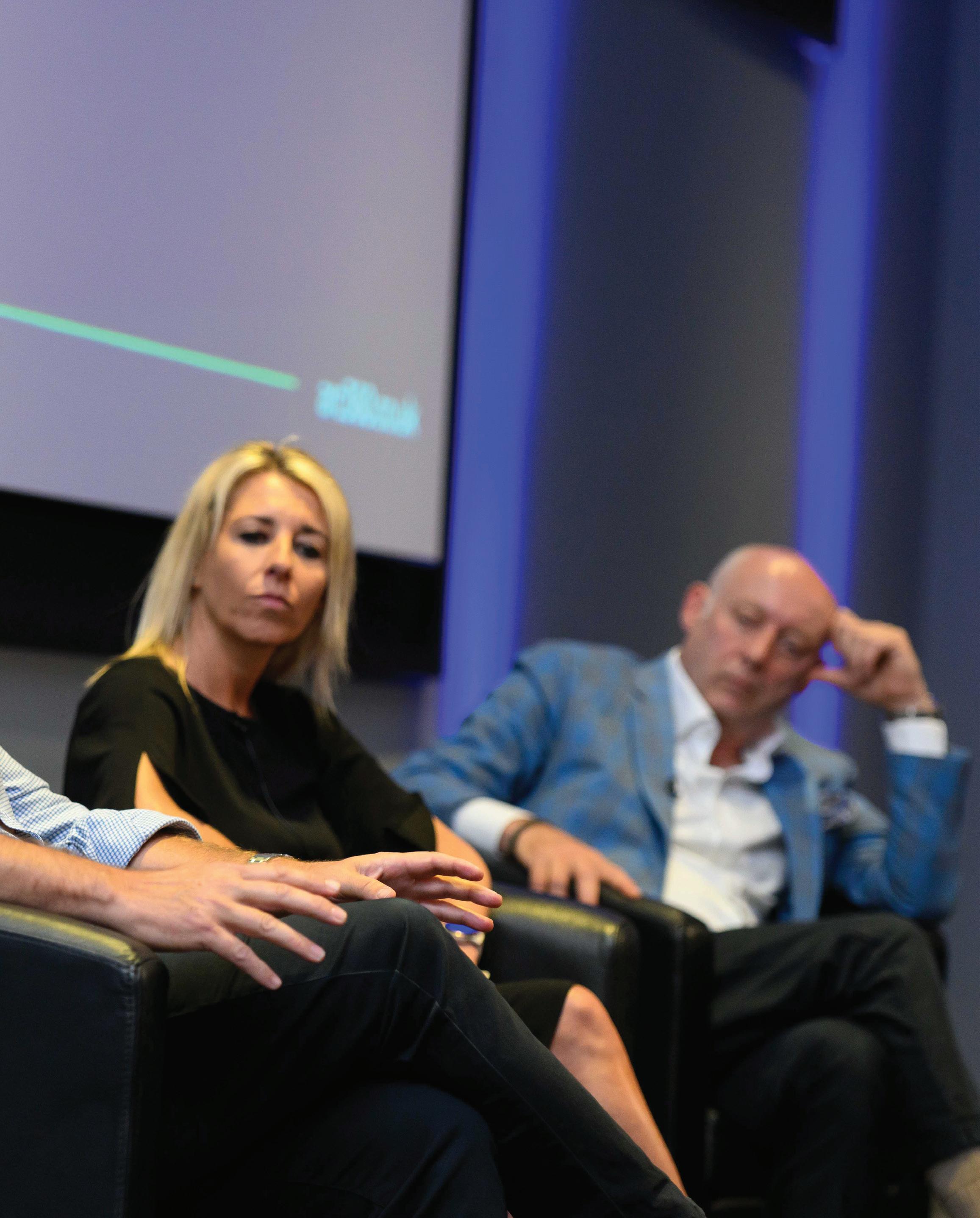

Thatcham Research’s Vehicle Technology Manager, Tom Leggett considered how autonomous, connected and electric vehicles (ACE) will impact the market in the coming years in his session, A glimpse into the future.
Thatcham Research has coined the term ACE+ to describe the three key technologies influencing vehicles – autonomy, connectivity and electrification plus anything else – and Tom believes all are here to stay.
More and more assisted driving and autonomous features are being added to new models, and Tom warns that understanding the difference and ensuring that drivers are clear about where their responsibilities lay is critical to safety on the roads.
He highlighted the ‘hands off, eyes on’ system, which allows drivers to take their hands off the wheel but not their eyes off the road. Liability remains with the driver and Tom expects this feature to be included in almost all new models by the middle of next year, although much of the technology will be a subscription service.
TOM LEGGETT
Vehicle Technology Manager
Thatcham Research
He said, “All vehicle manufacturers are developing this system and it will be a big trend in the middle of next year, but it’s critical to explain to drivers that this is not self-driving because the line between assisted and automated is blurring and more difficult to manage and understand.”
The ‘hands off, eyes on’ system is part of a wider trend of advanced ADAS (advanced driver assistance systems) features which is going to make calibration one of the most fundamental parts of vehicle repair.
Tom said, “Systems will get more advanced and more complicated. This is partly being driven by demand from regulators around increasing safety standards, and a lot of tech is now fitted as standard. We’ve not yet seen the reduction in claims frequency we’d like to, but there has been a reduction in severity.”
But while assisted driving will become more prevalent, Tom believes autonomy is still some way off.
This is not a technological challenge but a financial one. He revealed that Waymo, an established autonomous taxi service in North America, made a loss of nearly $900m last year and Tom said that until autonomy becomes profitable manufacturers will not deploy it.
He explained, “Manufacturers have been pulling away from full automation because there’s no money in it, and focussing on highly assisted systems instead. There is one caveat to that. If a Chinese manufacturer penetrates the market with high-tech vehicles and is brave enough, it could do an over-the-air update. That is possible.”
Meanwhile, Tom revealed that BMW has 22 million connected vehicles on the road and gets 145 terabytes of data per day from its network. He said that the challenge has now moved from generating data to interpreting it, and believes this is where AI comes in.
He said, “Data is the oil and AI is the engine. It can provide a lot of solutions, but it’s also something we are watching out for because when we’re feeding it so much information, we have to be careful. One big prediction is that AI will be legislated really hard in the next few years, from a UN and UK level.”
Tom’s second prediction was the continued overlap of cars and smart phones. He said that manufacturers are moving towards seamless integration between productivity, entertainment and payment, with mobility as a service one of the industry’s mega trends.
He explained, “Manufacturers are all moving to this model, so the customer is pulled into their whole ecosystem and is not just buying their car but all their products.”
Features on demand is part of this, allowing customers to turn systems on and off to suit their tastes, but Tom warned that regardless of whether a feature is used or not, repairers will still need to restore the vehicle to its full spec capability.
Electric vehicle sales to private buyers may have stalled this year, but Tom is expecting registrations to accelerate again as a fleet of budget EVs launch into the market. He said that the affordable EV is just around the corner, with ‘an incoming wave of EVs priced under the £20,000 and £15,000 mark.’
Tom pointed to the BYD – which model name is as yet unknown - as a prime example, which is predicted to be available for under £15,000 and offers a range of 200 miles and full ADAS specifications.
“That car can completely change the adoption of privately owned EVs,” Tom said.
However, one potential stumbling block is the sustainability issue around EV batteries, with the focus on recycling rather than repairing. Tom suggested that until battery repair was possible, collisions involving budget EVs would almost always result in a total loss.
But as battery technology continues to advance, he said that repairing them would become possible –particularly those used in more premium vehicles.
“Really interesting and one of the best events I’ve been to”
“Great event. Insightful sessions, interesting topic and good discussions.”
“The content of the event was top drawer, in fact I would go so far to say that it was the best event I have been to in a number of years”
“Great event. Probably the best I have attended. strong content and agenda and well attended”
“Format was superb”
“Your events are always great and you always find something we haven’t thought about before... it’s the only event that we can really network with different sides of the bodyshop industry”
“The agenda and guest speakers for this event were absolutely fantastic. Thoroughly enjoyable and educational”
“Great to have the industry come together at an event that gave off a positive and energetic vibe throughout.”
27 June 2024