On the pulse of this season’s fashion, culture, travel, beauty, food and drink highlights
34 FASHION
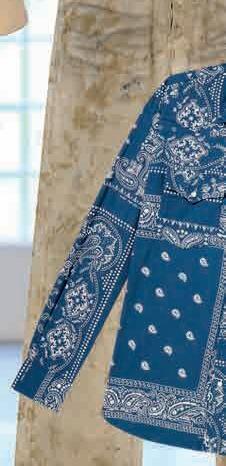
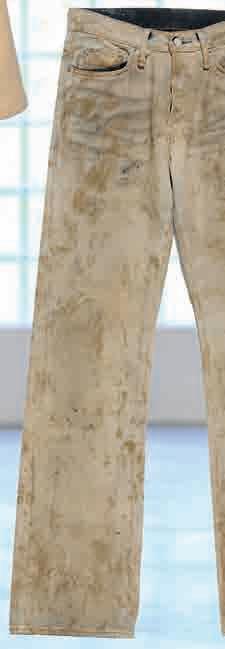
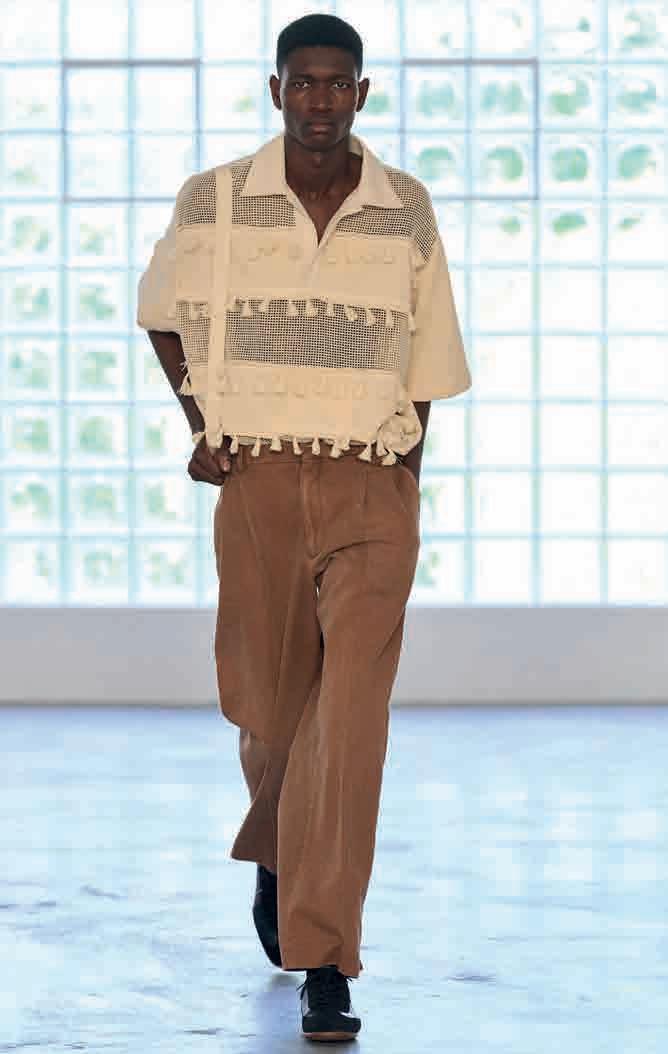
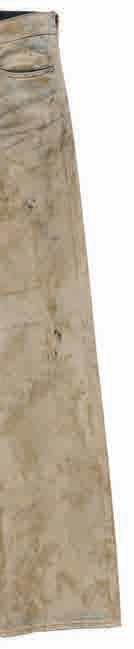
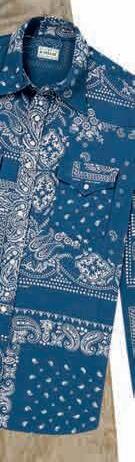
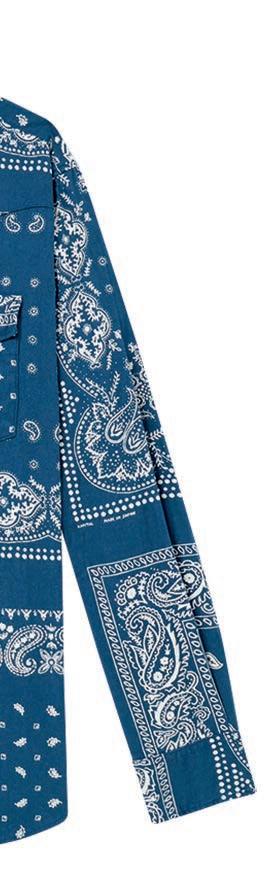
Tra c-stopping primary colours for women, and laidback boho style for men
76 JEWELLERY
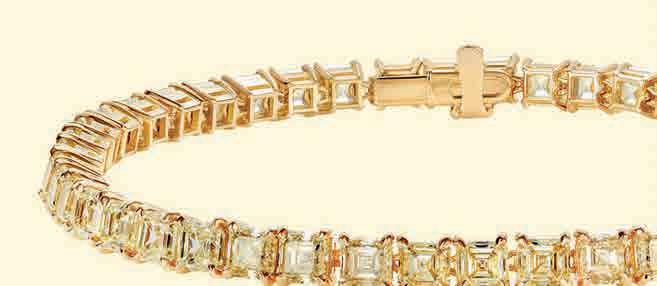
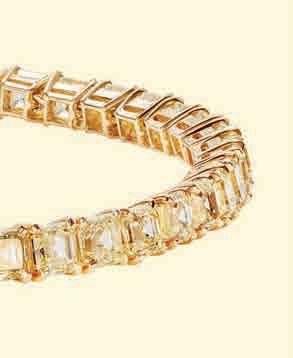
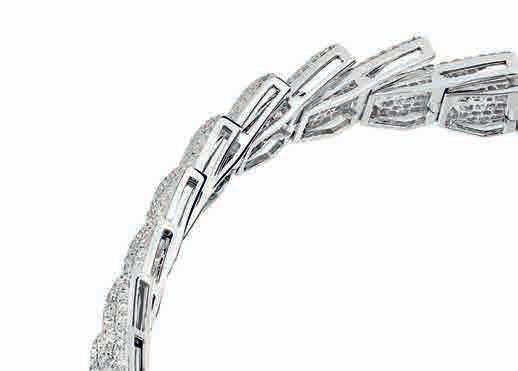
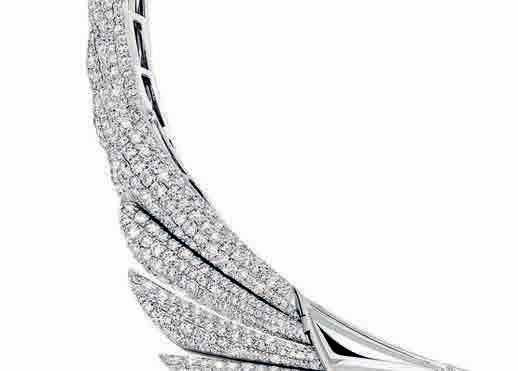
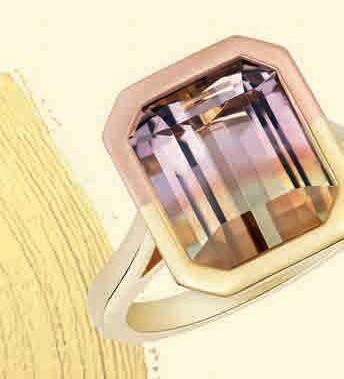
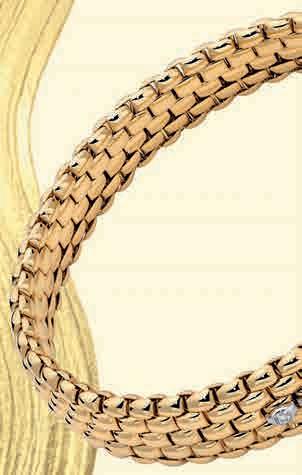
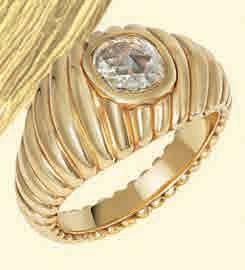
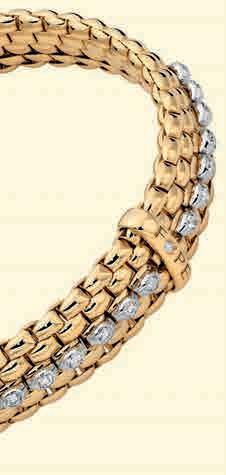
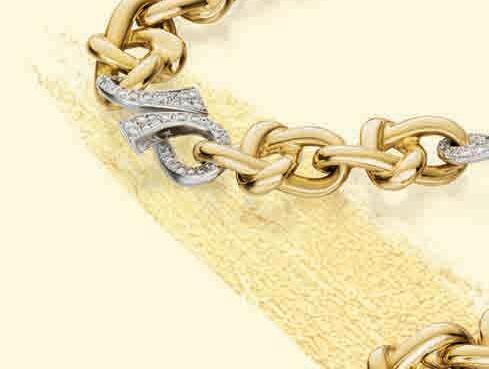
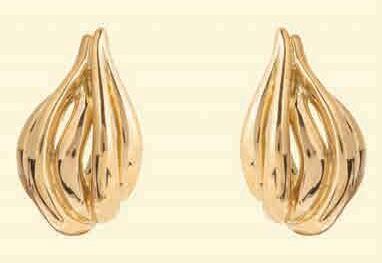
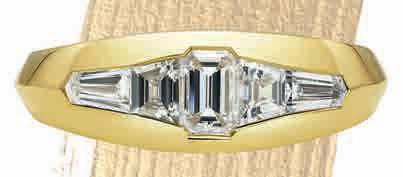
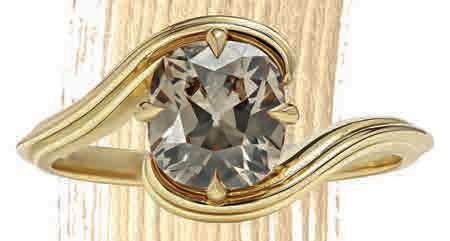
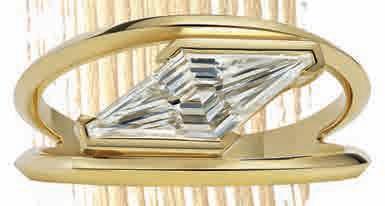
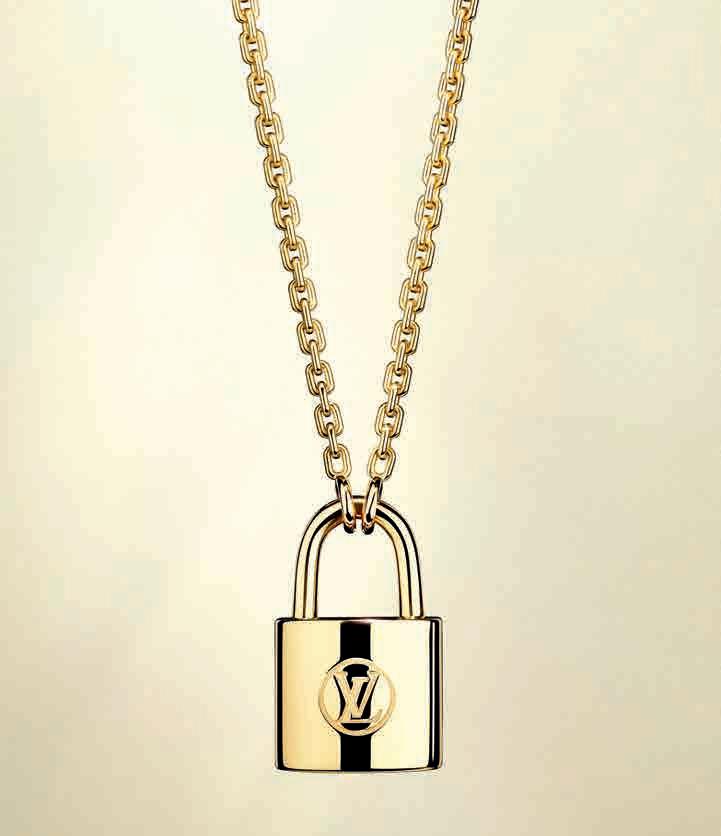
Avril Groom on how rising gold prices are sparking a new wave of creativity in the middle jewellery market
89 SPHERE LIFE
A treasure trove of wellness, interiors, nature and gifting inspiration
FEATURES
38 PROOF OF CONCEPT
As the Polestar 5 revs up for its debut, we go behind the scenes of the Swedish EV maker
44 FEVER PITCH
From Mexico City to New York, a guide to ve exceptional cities scoring away from this summer’s FIFA World Cup
52 A SEAT AT THE TABLE
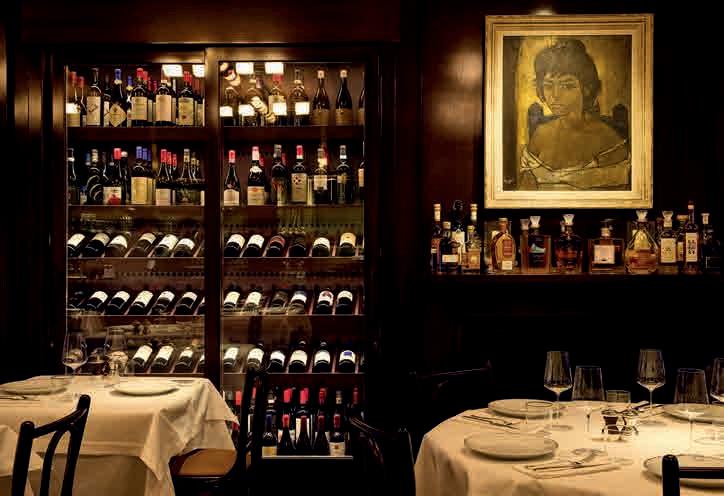
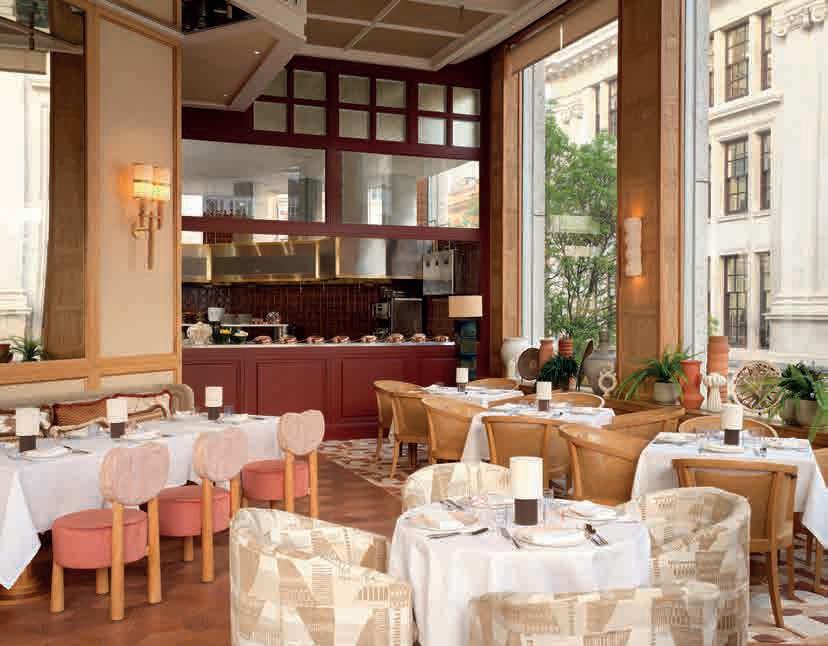
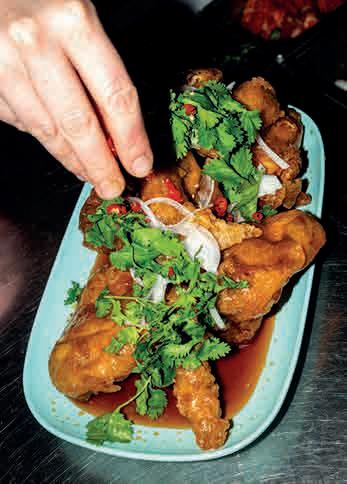
Can a new generation of the capital’s restaurant enterprises discover the secret ingredient to add to their portfolio without creating a chain? Ben McCormack nds out
58 FASHION STATEMENT
How luxury brands are harnessing the power of lmmaking and creative partnerships to amplify their global reach and presence
64 GOOD LIBATIONS
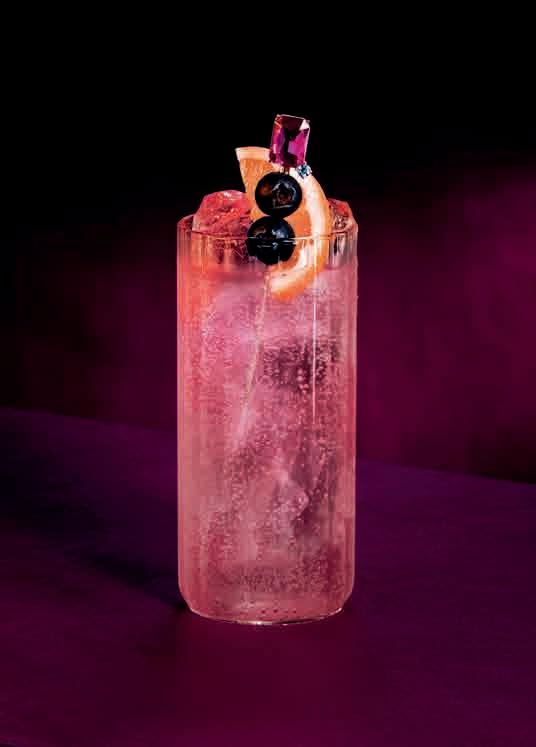
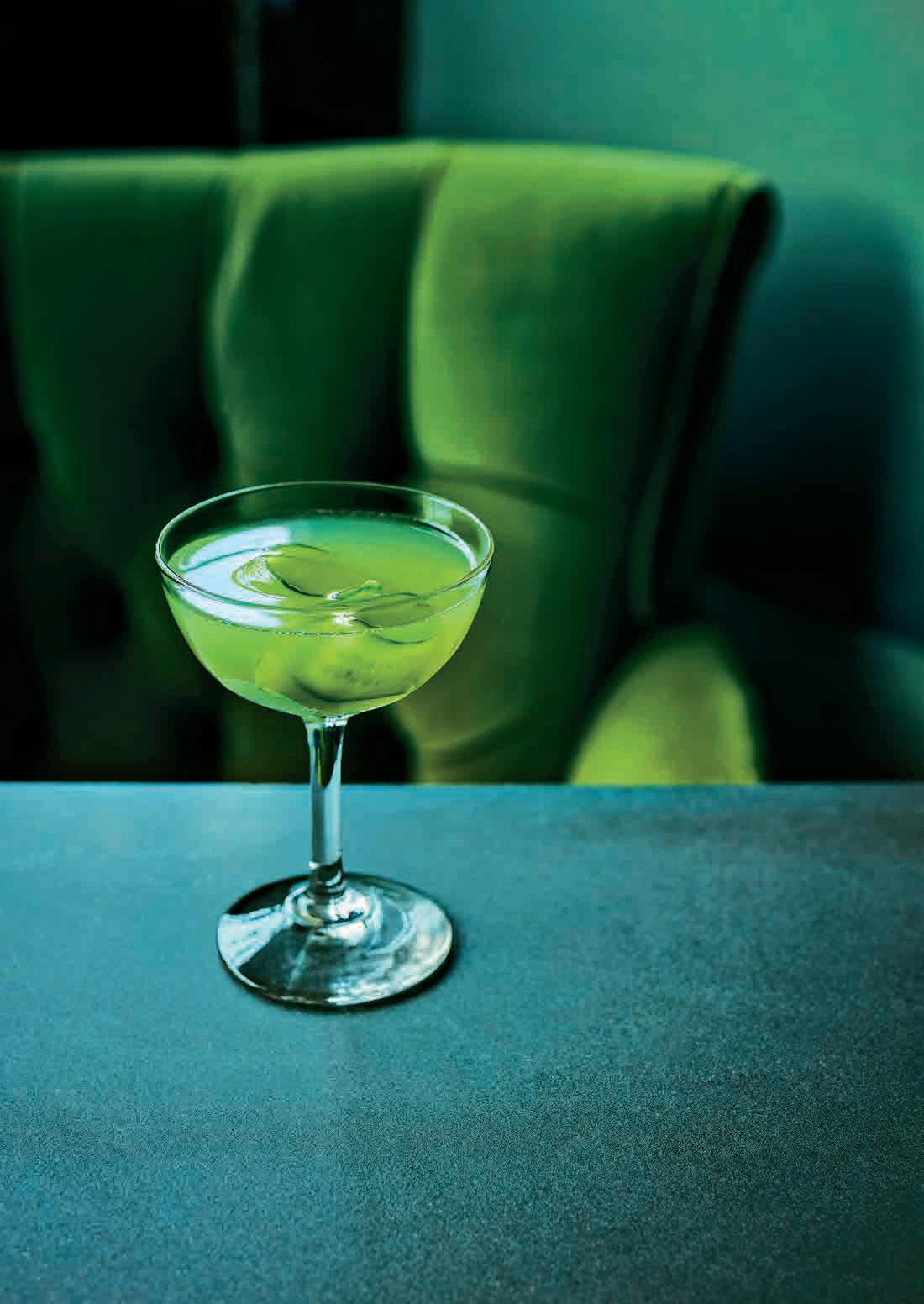
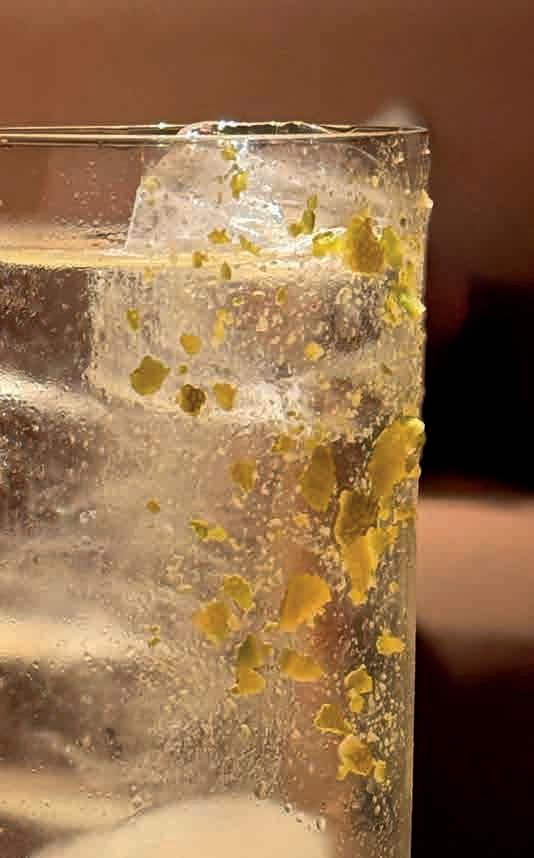
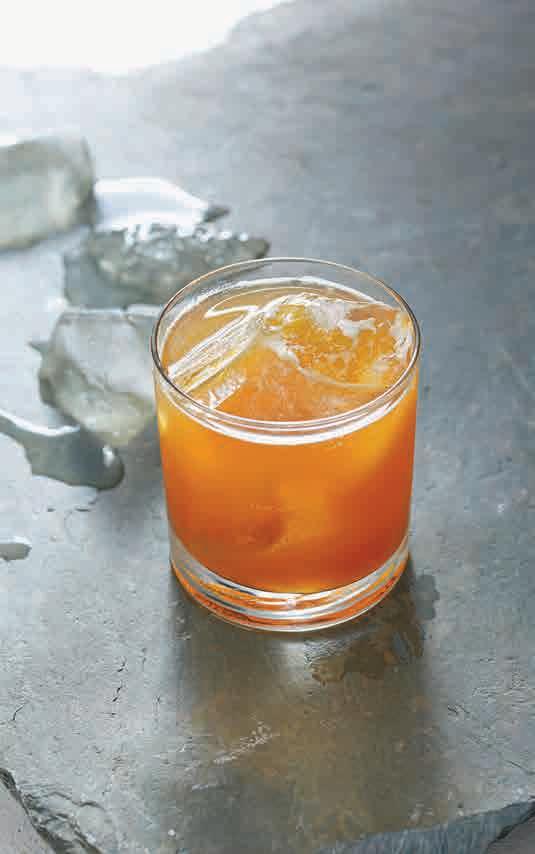
Springtime cocktails that banish the winter blues with uplifting colours and scents
70 STAR POWER
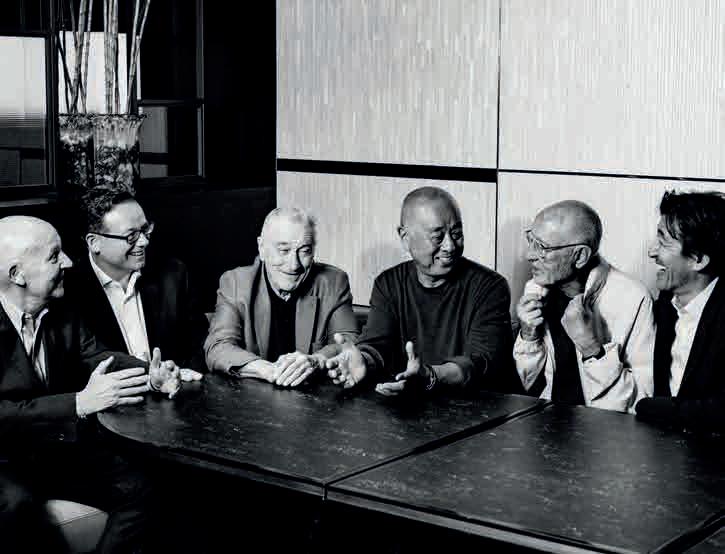
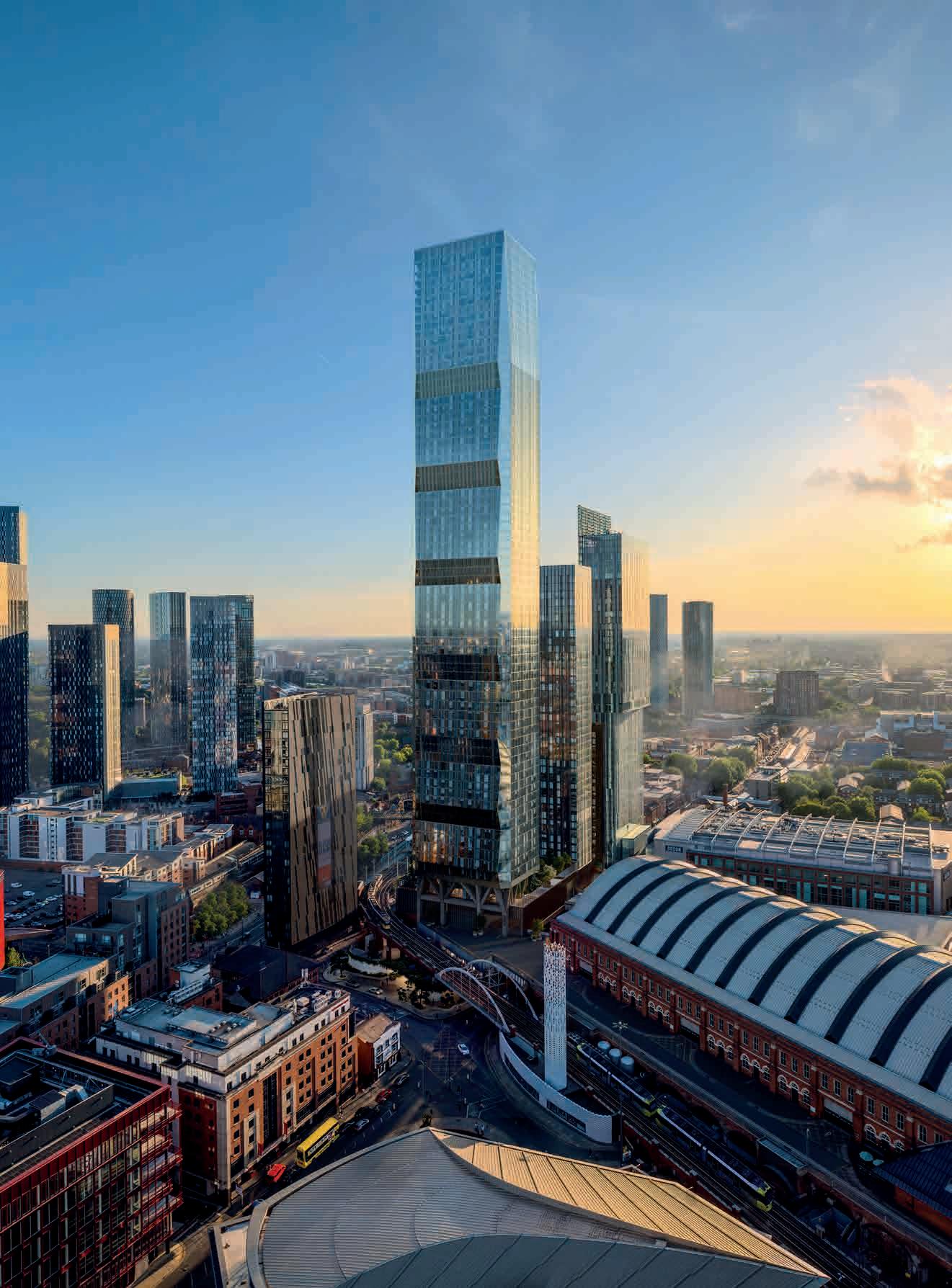
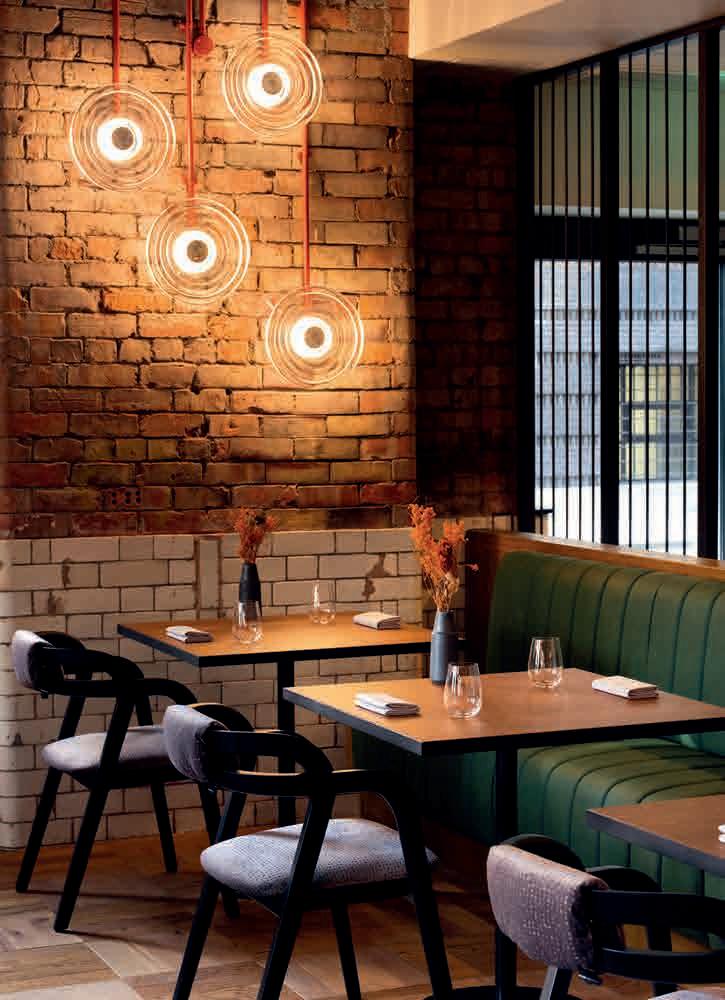
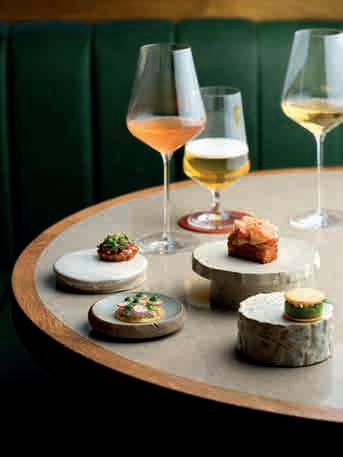
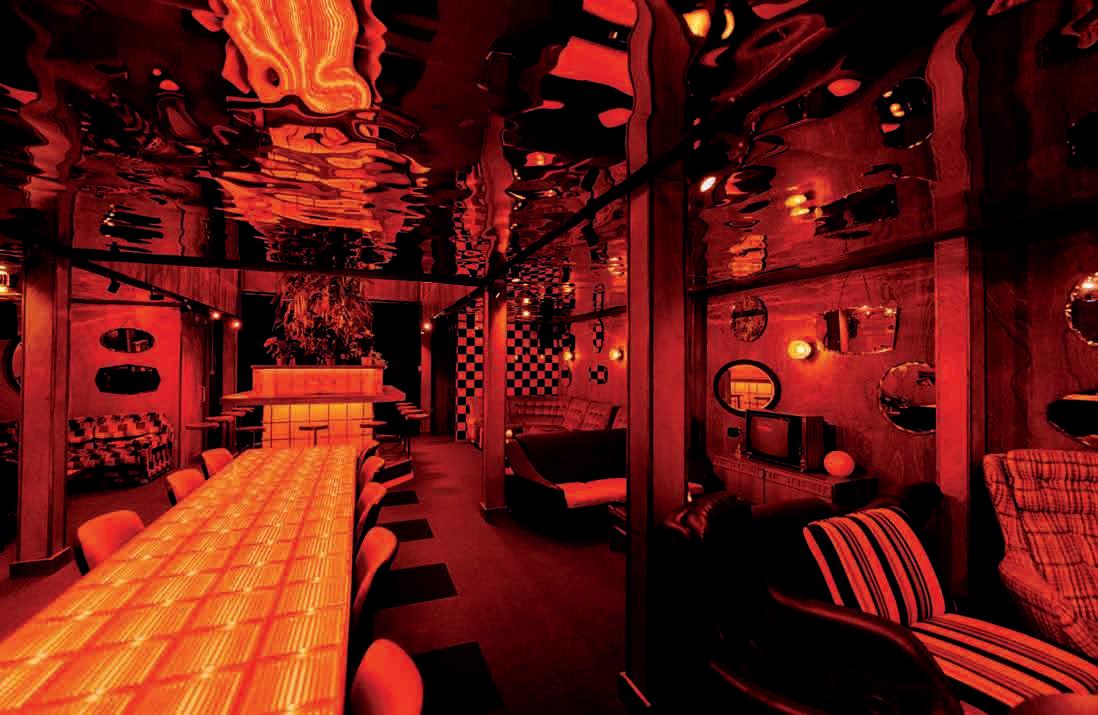
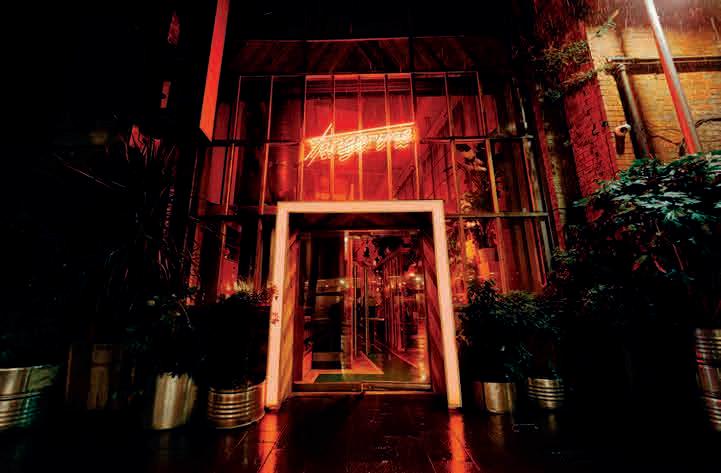
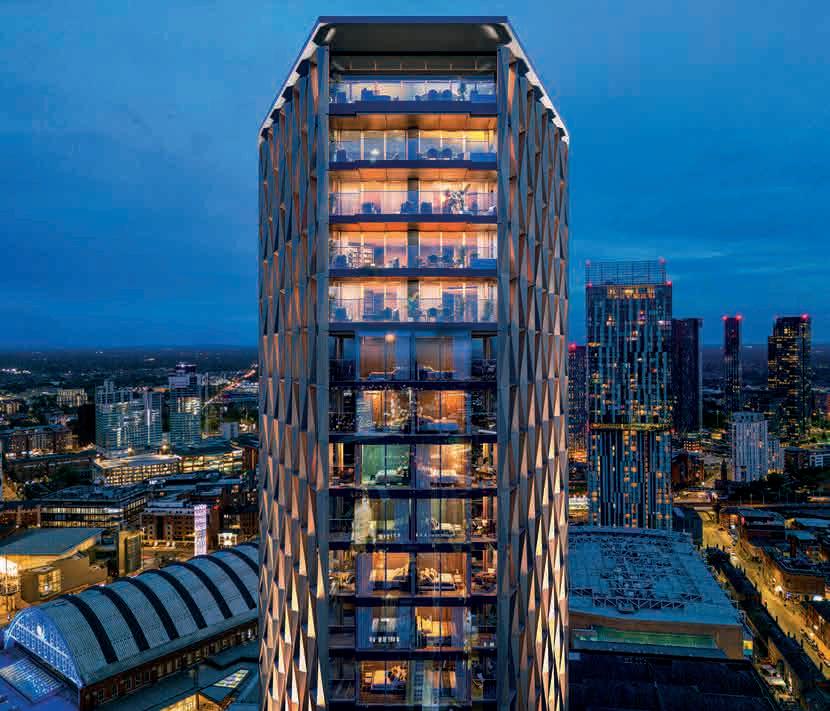
Hollywood legend Robert de Niro brings the Nobu brand to Manchester, a city already in the spotlight for its astounding property scene renaissance
82 ALL THE WORLD’S A STAGE
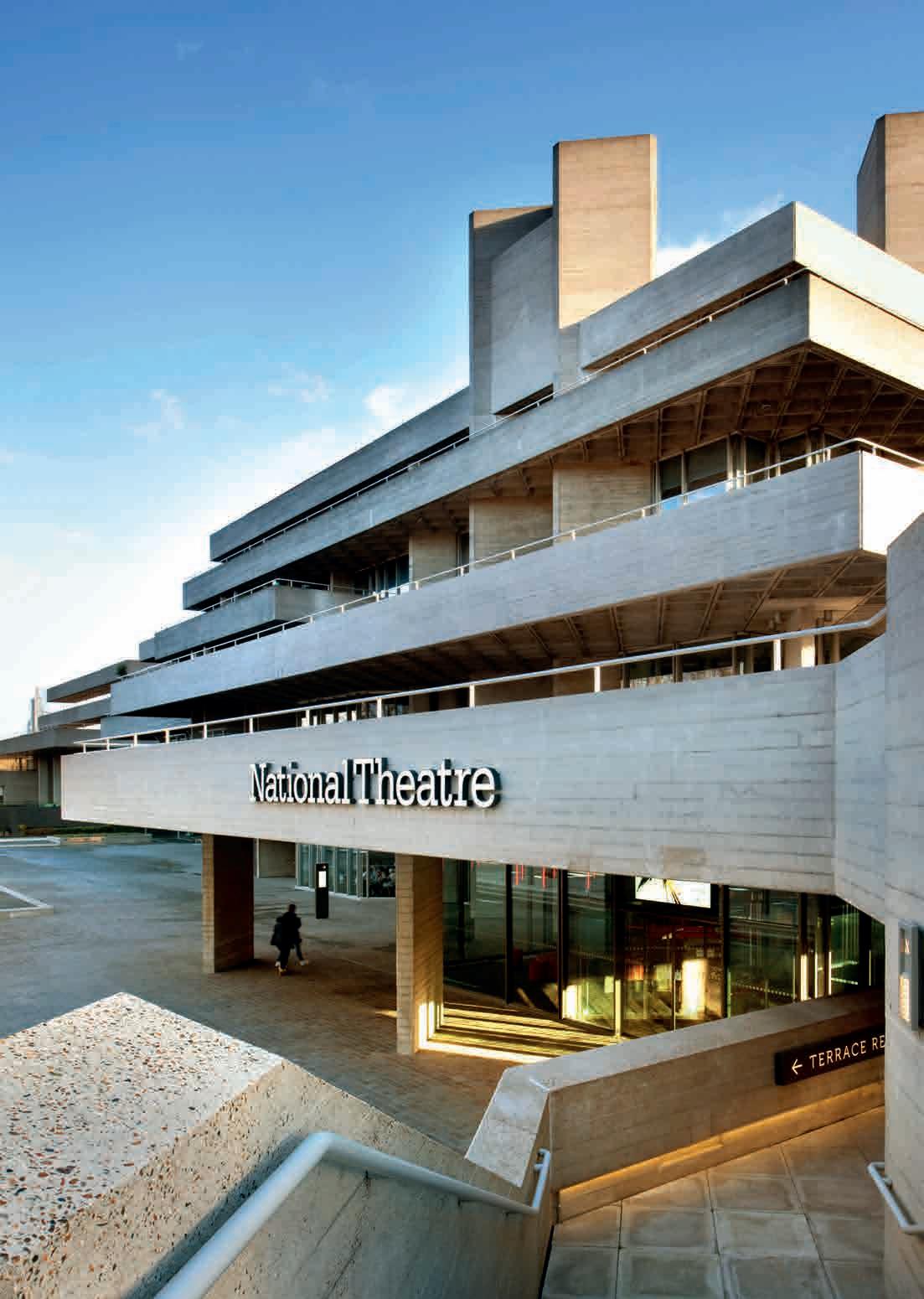
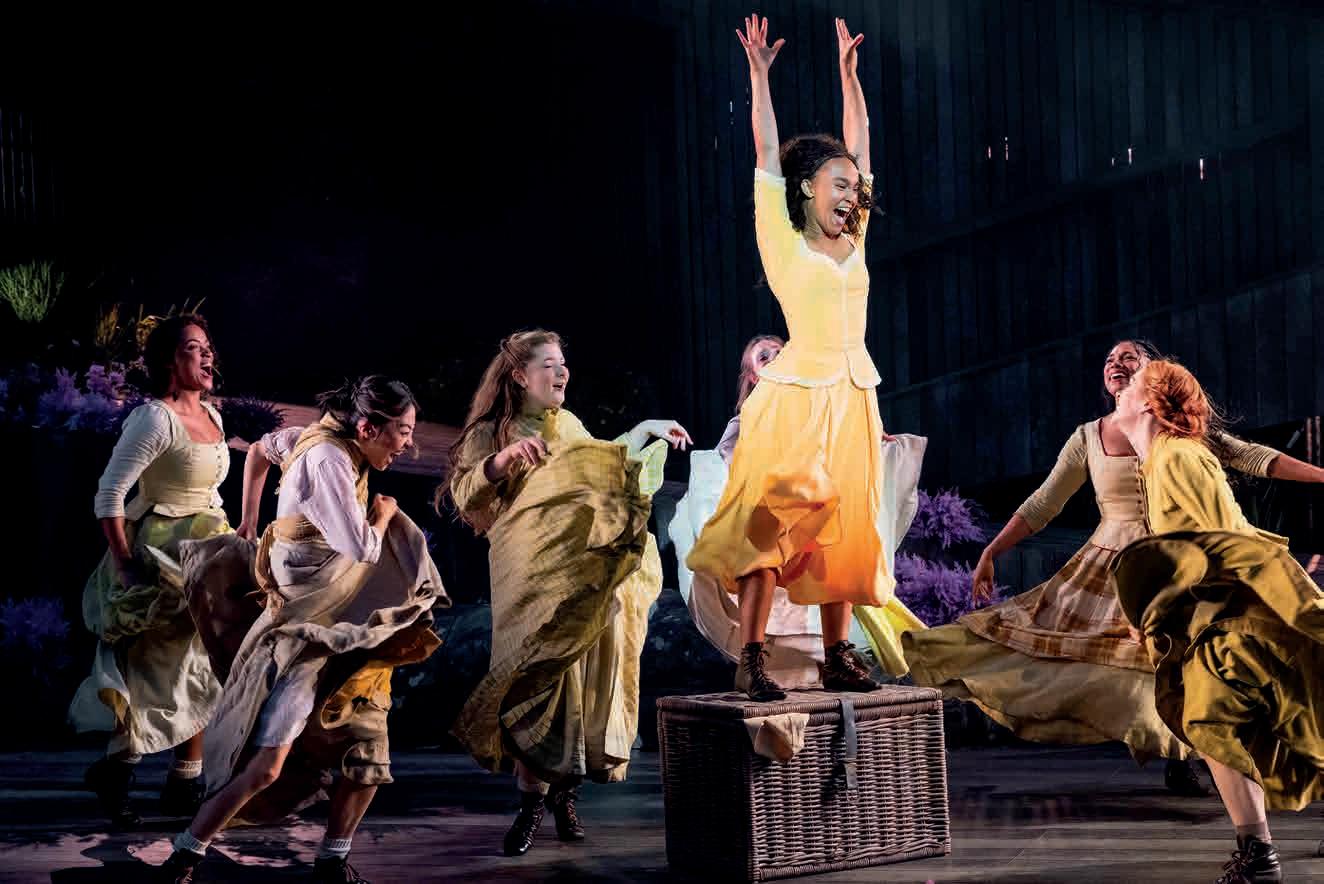
Why British theatre is set for rave reviews in 2026, thanks to a big-name cast and a drive for universal appeal
98 A RECIPE FOR SUCCESS
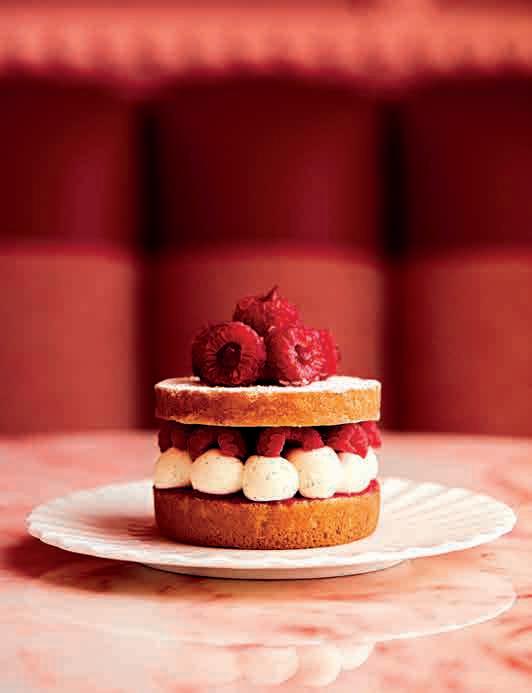
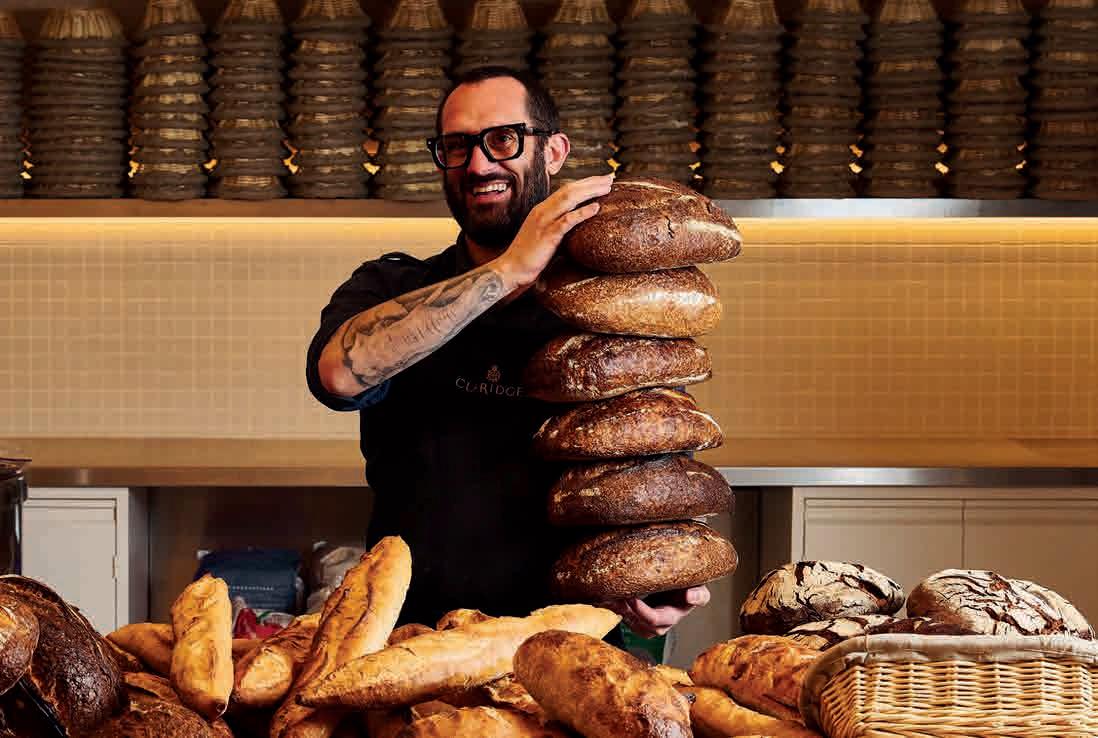
Richard Hart, Executive Baker & Creative Director of Claridge’s Bakery, on the perfect crust and the sweet taste of nostalgia
EDITOR’S LETTER
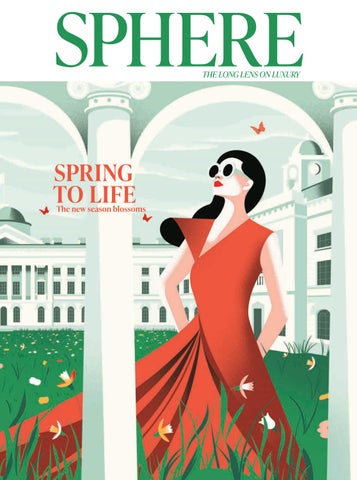
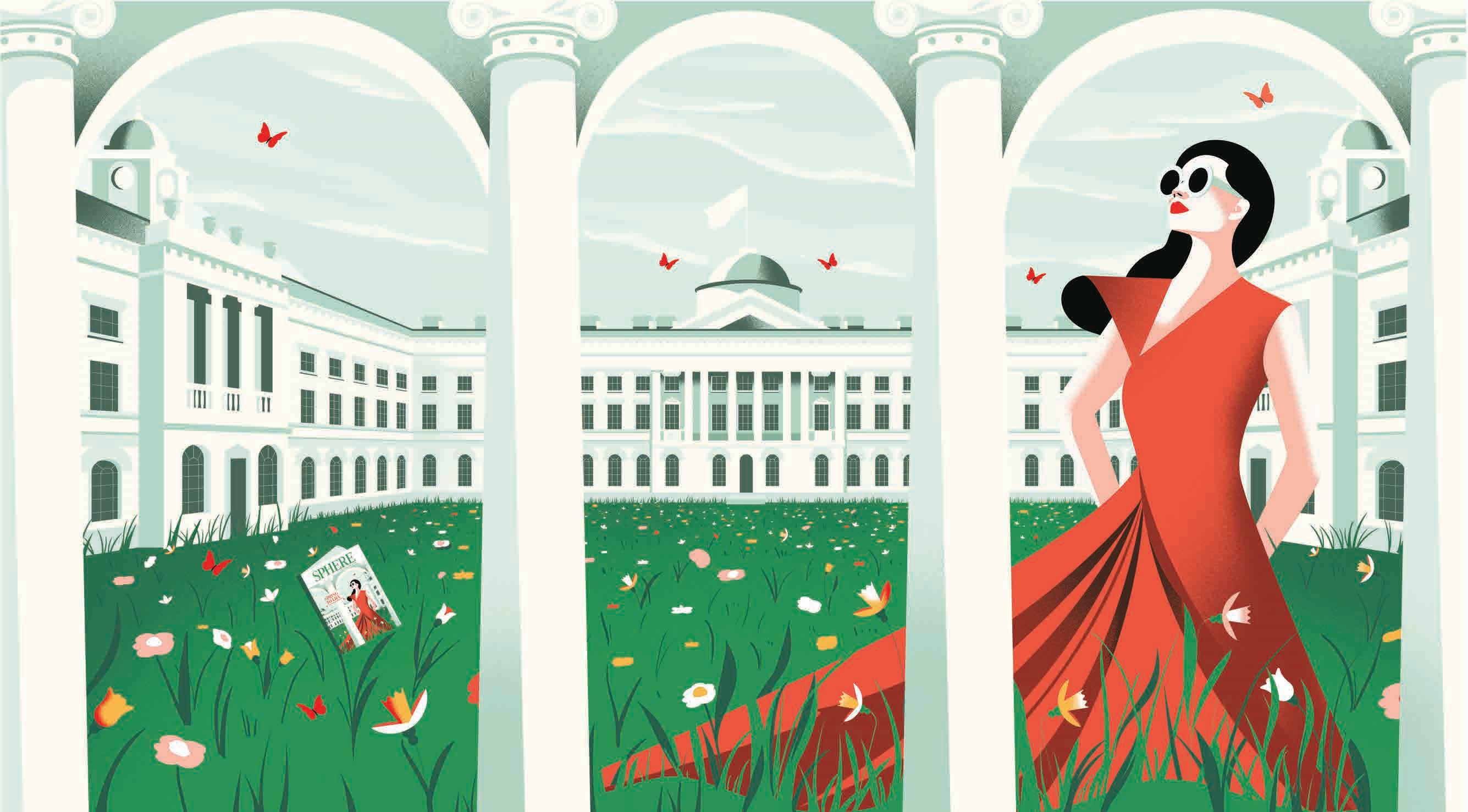
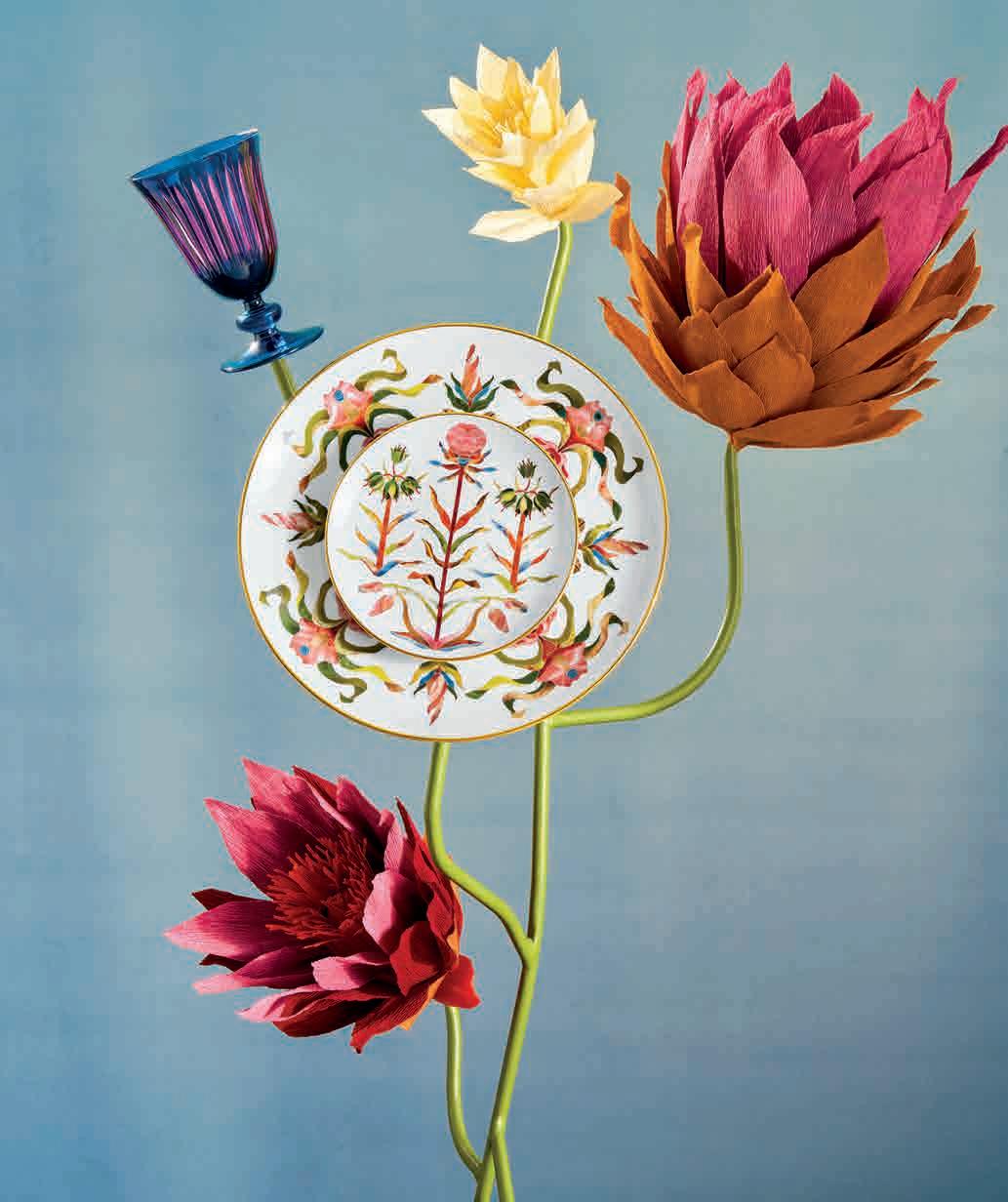
Welcome to our spring edition of SPHERE with our partners Polestar and the FT Business of Luxury Summit 2026. The season is brought to life with our beautiful botanical bespoke cover by Nathalie Lees.
As one of the most exciting luxury automotive brands to launch in recent years, Jonathan Bell gives the lowdown on the new Polestar 5. In our culture-packed issue, Charlotte Metcalf explores how new wave theatre takes centre stage while Simon Brooke puts a lens on luxury brands’ partnerships with the lm industry. With the FIFA World Cup on the horizon, Izzy Schaw Miller explores where to stay, eat and what to seek out in some of the most popular destinations hosting the games. Closer to home, Ben McCormack reports on the restaurant dynasties making London’s dining scene sing, Zoe Dare Hall travels north to discover Manchester’s new luxe living and Nina Caplan pulls up a stool to sample the best spring cocktails.
As ever, we unearth the latest leaders in style, culture, food, drink, travel and wellness. For weekly access to the hottest news and insights, don’t forget to subscribe to our newsletter at spherelife.com, and if you would like to receive the magazine in the future, simply scan the QR code below. Enjoy the read!
SPHERE
Editor Jemima Sissons
Art Directors
Dominic Murray-Bell
Jo Murray-Bell
Sub-Editor
Rachel Roberts
Account and Production Director
David Gyseman
Colour Reproduction
Lorna Wilson
Group Advertising Director
Jane Washbourn tel: +44 (0)7920 821 577 email: jane.washbourn@iln.co.uk
Lisa Barnard tel: +44 (0)7887 823 116 email: lisa.barnard@iln.co.uk
Contributor
Lucia Ferigutti
SPHERE PARTNERS POLESTAR polestar.com
FT BUSINESS OF LUXURY SUMMIT 2026 luxuryglobal.live.ft.com
website: spherelife.com
instagram: @sphere_life
email: sphere@iln.co.uk
CONTRIBUTORS
NATHALIE LEES
The work of London-based freelance illustrator Nathalie Lees has been published in The Economist TIME magazine, Le Monde Die Zeit and The Washington Post, among others. She aims to distil complex themes and communicate ideas through the use of simple forms and bold colours.
BEN MCCORMACK
London-based Ben McCormack has been the restaurant expert for Telegraph Luxury since 2013. His work was shortlisted in the Restaurant Writer category at the 2020 Fortnum & Mason Food and Drink Awards. He is also a regular contributor to The Standard, Food and Travel and Decanter
A writer specialising in architectural and transportation design, Jonathan Bell is transport and technology editor at Wallpaper*. His books include Concept Car Design and The New Modern House and he also contributes to international lifestyle and design magazines. He lives in South London with his family.
AVRIL GROOM
Avril Groom writes about luxury jewellery, watches and fashion for a number of upmarket publications and websites, including the Financial Times HTSI magazine, Condé Nast Traveller and Telegraph Time. She also edits Country and Town House magazine’s jewellery and watch supplement.
CHARLOTTE METCALF
Writer and award-winning filmmaker
Charlotte Metcalf contributes to various publications, is the editor of Great British Brands, an associate editor at Country and Town House, and co-presents the Break Out Culture podcast. Her book Walking Away is about her time making television documentaries in Africa.
SIMON BROOKE
Simon Brooke is an award-winning journalist, copywriter and media trainer who writes about the luxury sector, business, wealth management, property and travel. Publications include the Financial Times, The Sunday Times and The Daily Telegraph, while brands range from Montblanc to Johnnie Walker.
Printed by: Paragon SPHERE Magazine is published by Illustrated London News Limited, Soho Works, 4th Floor, The Tea Building, 56 Shoreditch High Street, London E1 6JJ Registered in the United Kingdom No. 15725542 Website: iln.co.uk
ISSN: 2040-5316
or
Jemima Sissons
JONATHAN BELL
NUCLEUS
SIMPLE PLEASURES
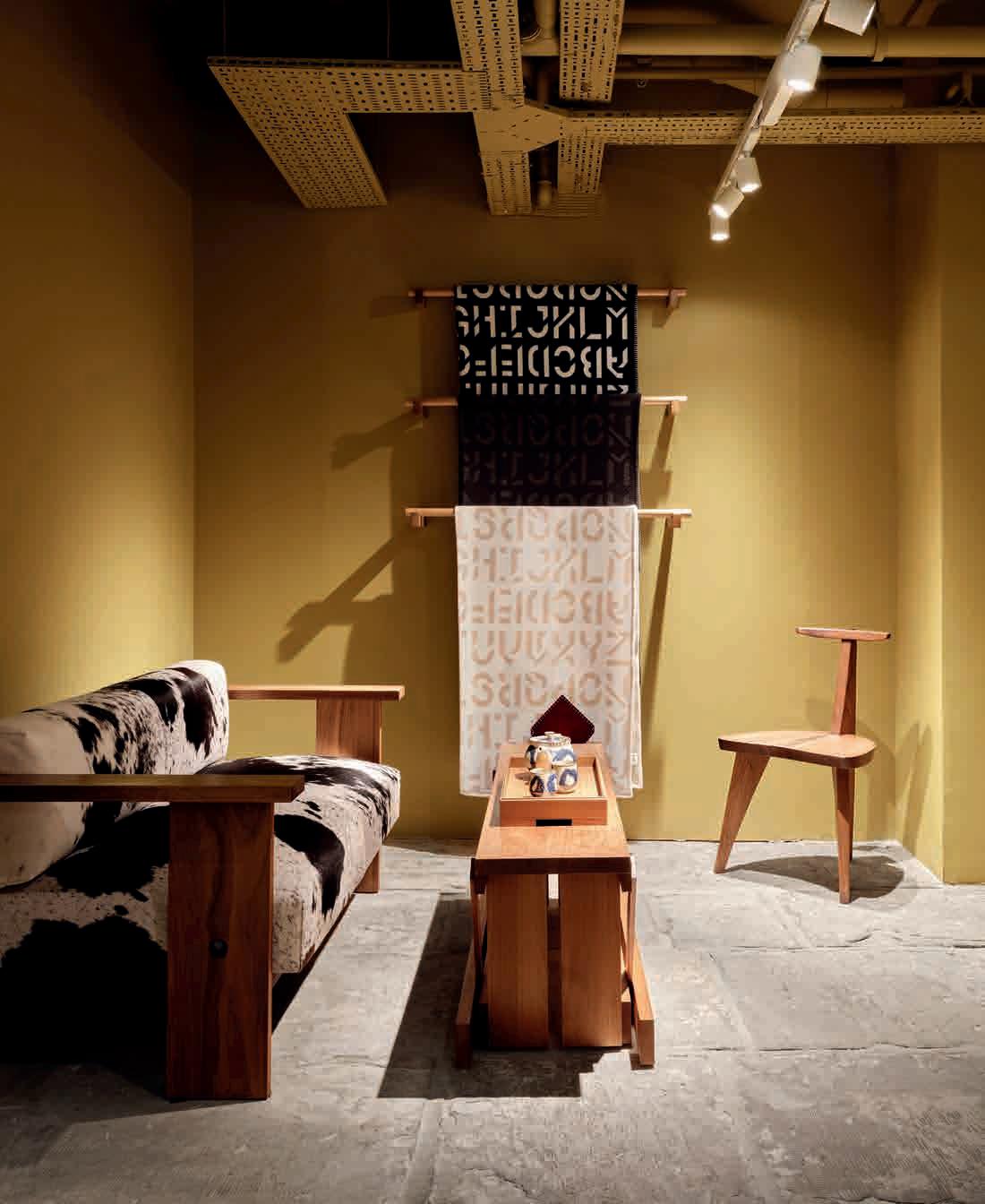
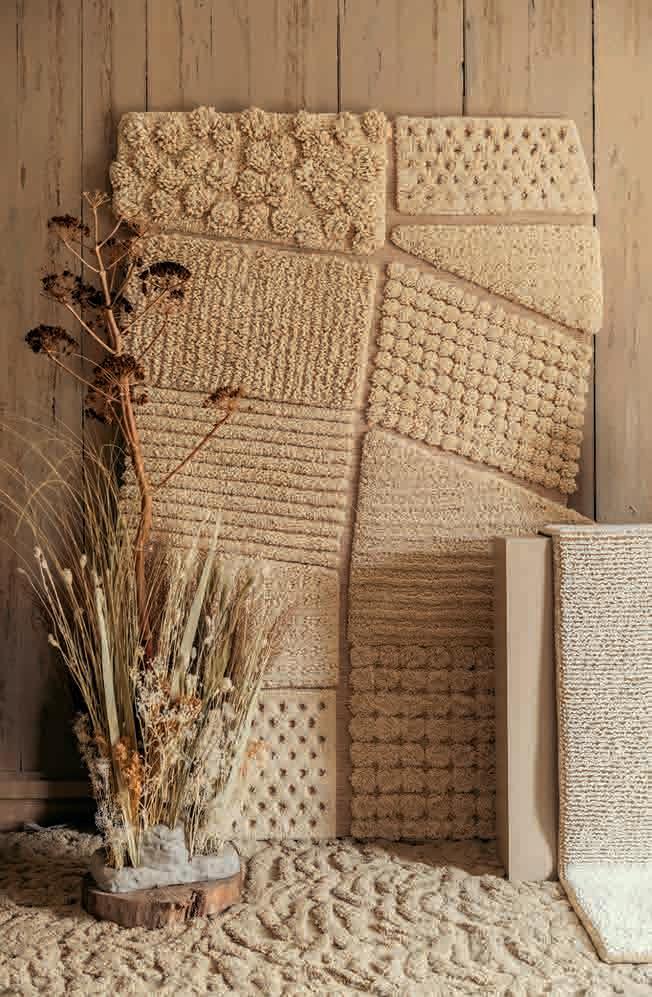
Known for its slick unisex branding and minimalist Scandinavian design, Byredo now brings its lotions, potions and Eau de Parfums to the heart of Mayfair. The store is set over two floors to beautifully showcase the collections, from candle niches in warm tones to sculptural displays. A tactile ‘blanket bar’ features woven pieces from Sweden with bespoke Kasthall rugs inspired by the Röllakan weaving technique. Personal consultations are available. Byredo Covent Garden, Unit 6 Market Building, Covent Garden Piazza, London, WC2E 8RA. byredo.com
IN THE ROUND
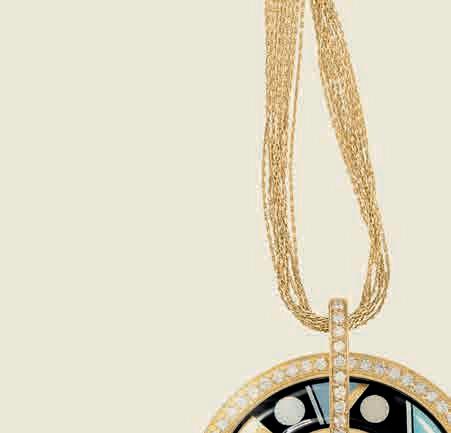
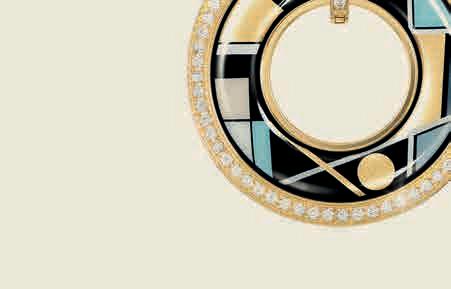
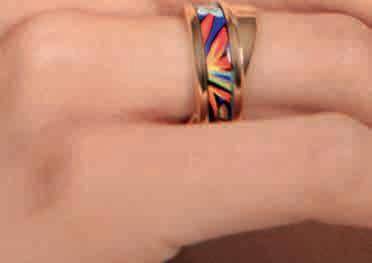
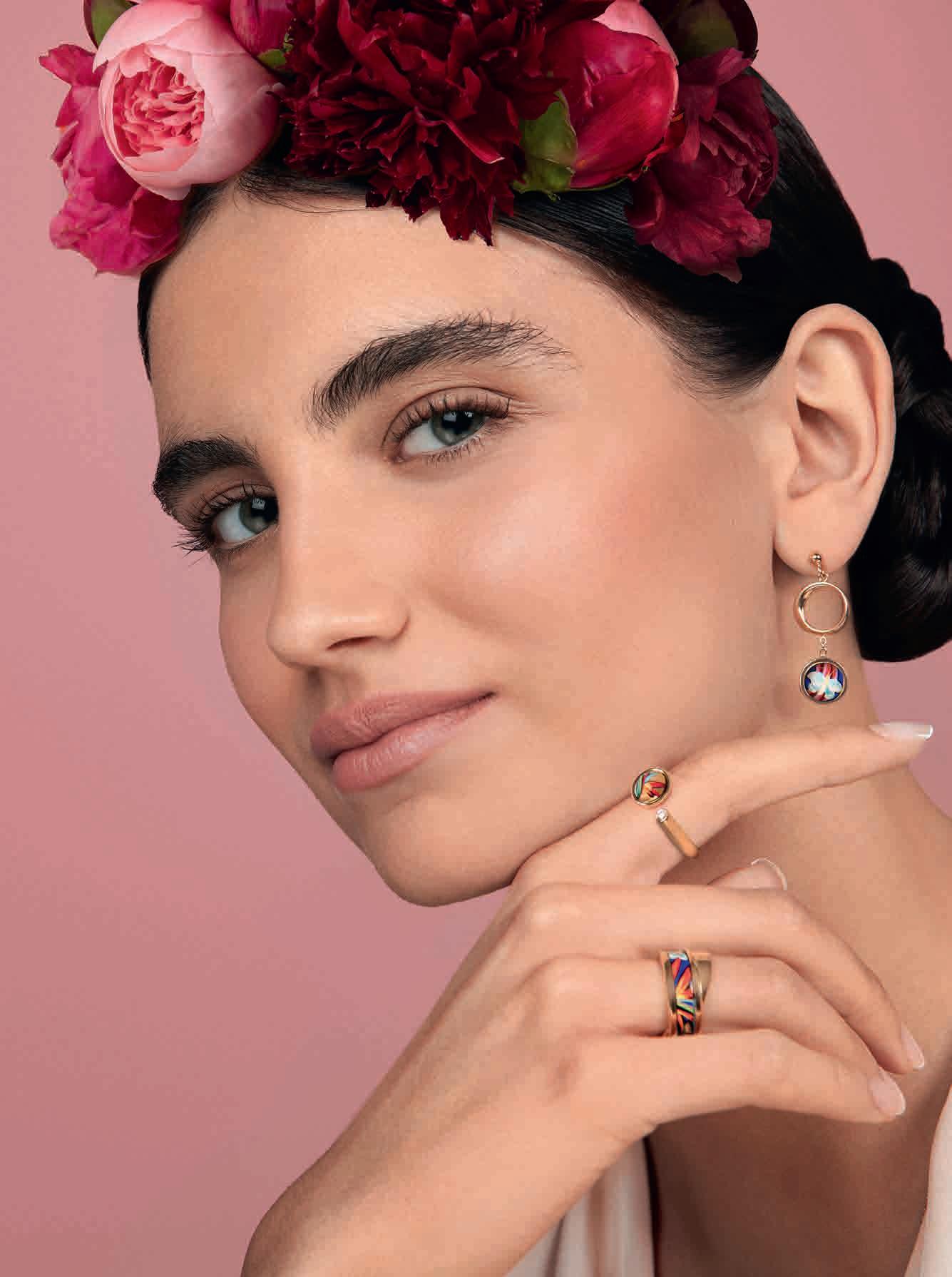
Inspired by the harmony of the perfect circle, turn heads with the 18kt Gold Helena Pendant with diamonds, accompanied by an Angel Hair chain, from the Hommage à Sophie Taeuber-Arp — DADA Dance Evening Collection by Frey Wille. Sparking with a halo of 60 diamonds around an intricate fire enamel motif, pair it with other pieces from the range or let it stand out on its own. Total price, including the chain, is £14,603. shop.freywille.com
TAKE A PEW
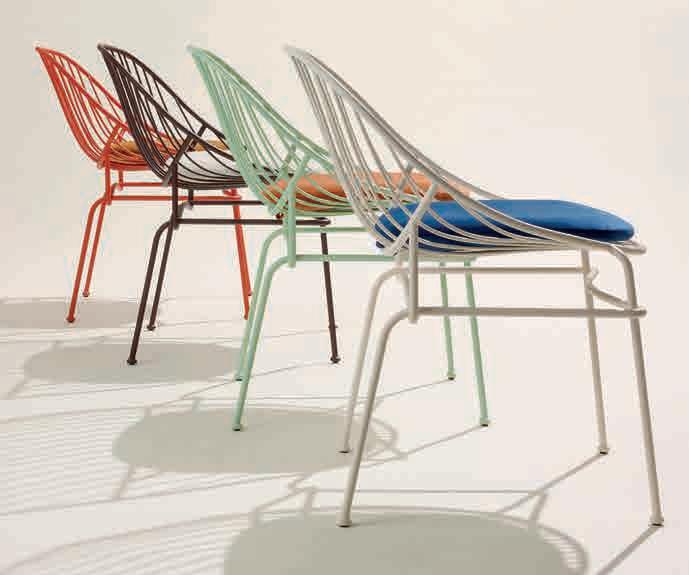
Sit pretty with the new capsule Domus Collection from Ginori 1735 by Luca Nichetto. The brand, known for its finely crafted porcelain, unveiled its first furniture range — spanning seats, side tables, bookshelves, lighting and objects — at Paris Déco O 2026. Nichetto, who cut his teeth at Hermès and Molteni, brought in artisans from Murano to fabric house Rubelli for the collaboration. He was inspired by classical art, such as LaVenus chair (shown), which alludes to the shell from Botticelli’s masterpiece. ginori1735.com
CHAPTER AND VERSE
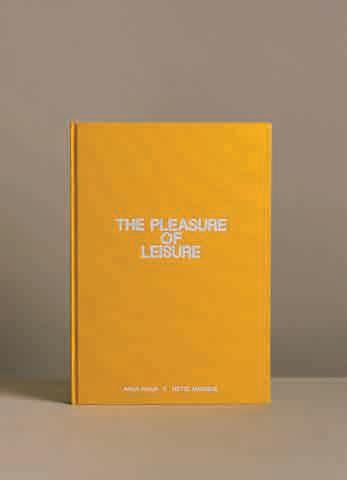
Upgrading gift-giving, the new platform Luxe Bureau o ers a mix of well-loved brands and hidden treasures, from silk pyjamas by Olivia von Halle and Assouline books to flowers and champagne — or this playful book by Anna Pihan and Hôtel Magique. Founded by two former Burberry alumni, each item arrives in bespoke packaging with hand-pressed stationery. theluxebureau.com
NUCLEUS
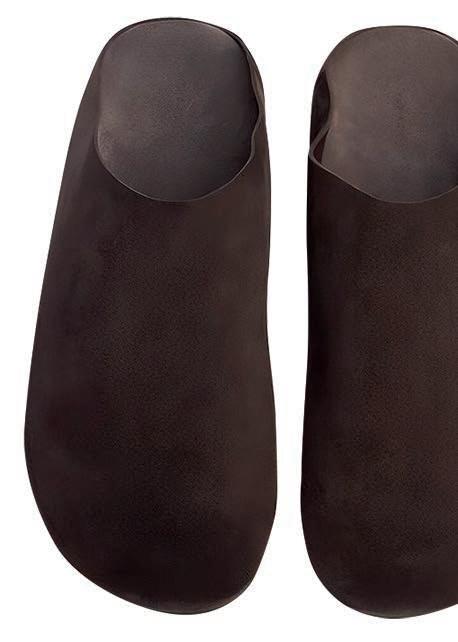
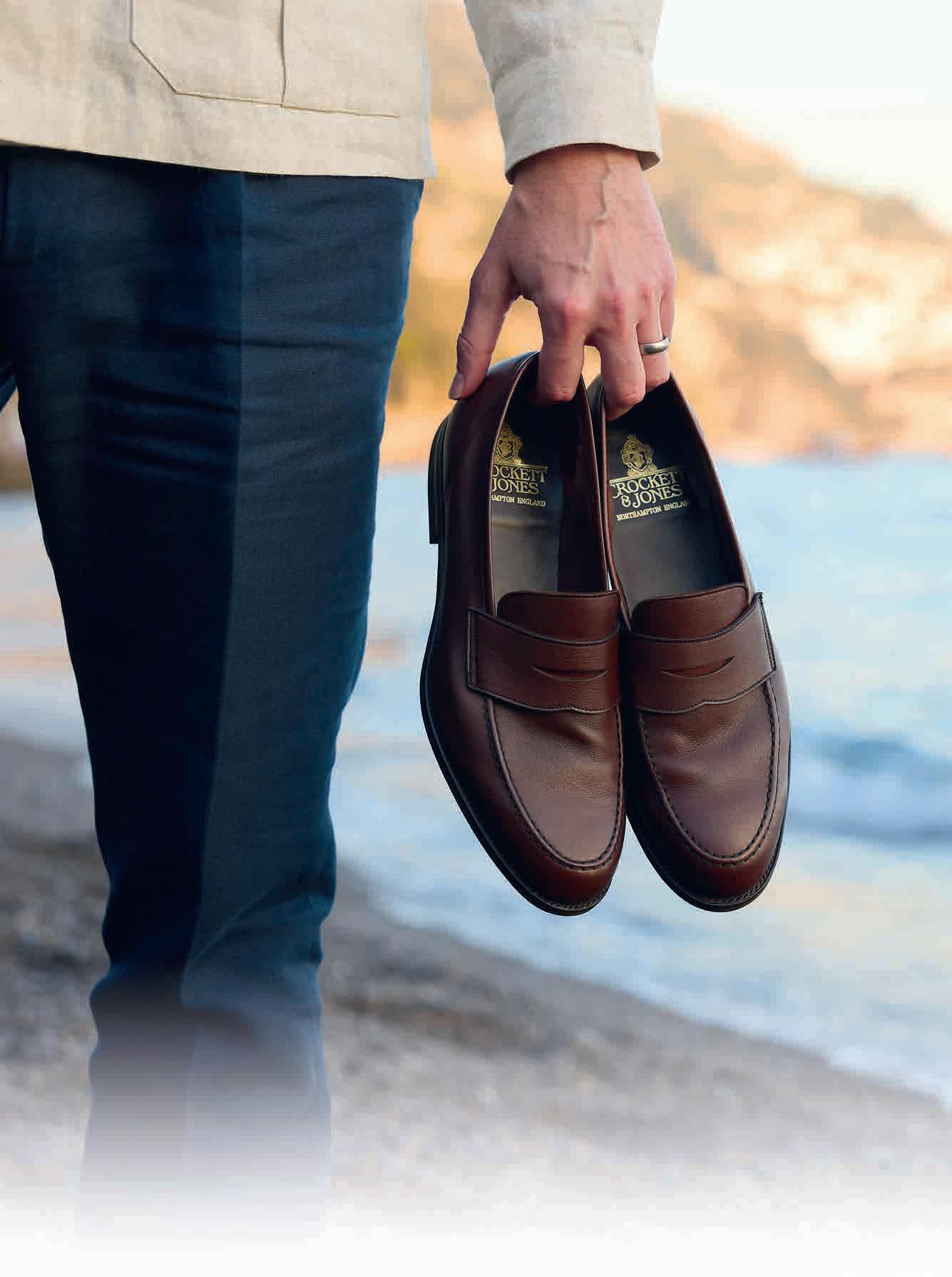
IF THE SHOE FITS
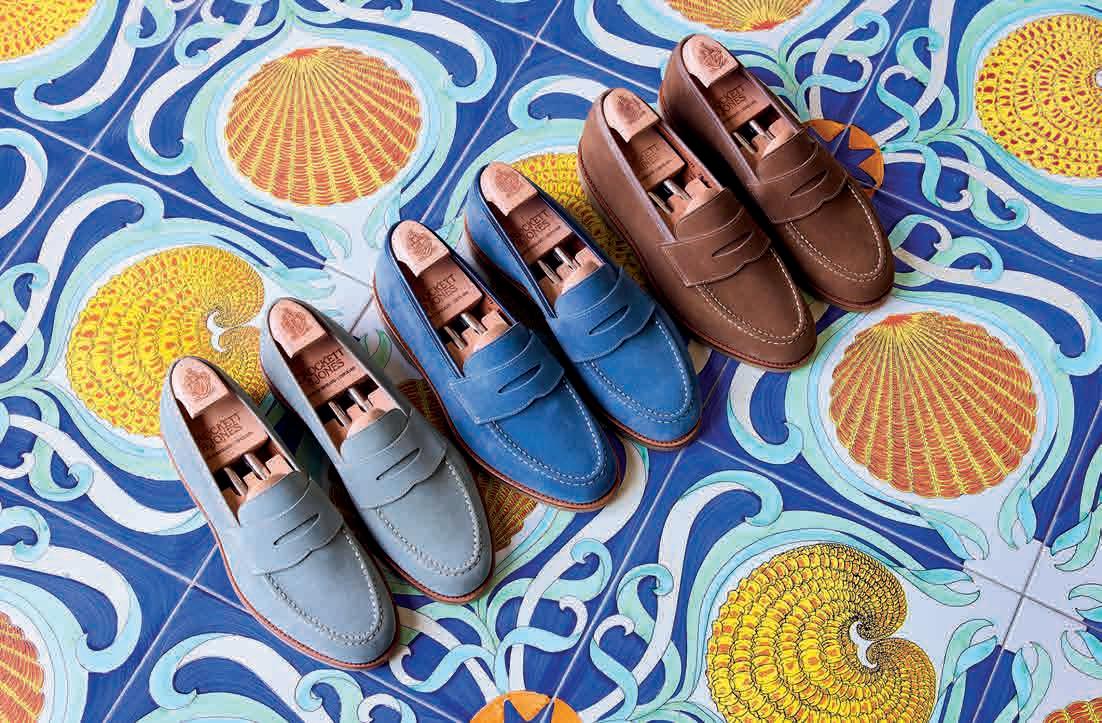
Put some dolce vita into your step this spring with Crockett & Jones’ Summer Suede Collection, perfect for elegant passeggiata. This season, the shoes come in two new styles — Salcombe 2, a plain-front loafer with a raised seam, which is available in Dark Brown and Ocean, and Sorrento, featuring lightweight ribbing, which comes in Desert, Pistachio and Pastel Blue Suede. £500, crockettandjones.com
CLEANING UP
If one company can make household washing products chic, it’s Daylesford. The pioneer of organic, sustainable living has launched a new all-natural, fully recyclable collection, using the same botanical fragrances that have become synonymous with the brand, including wild blue basil. We love the Natural Washing Up Liquid and Natural Ironing Water. daylesford.com
DRESS TO IMPRESS
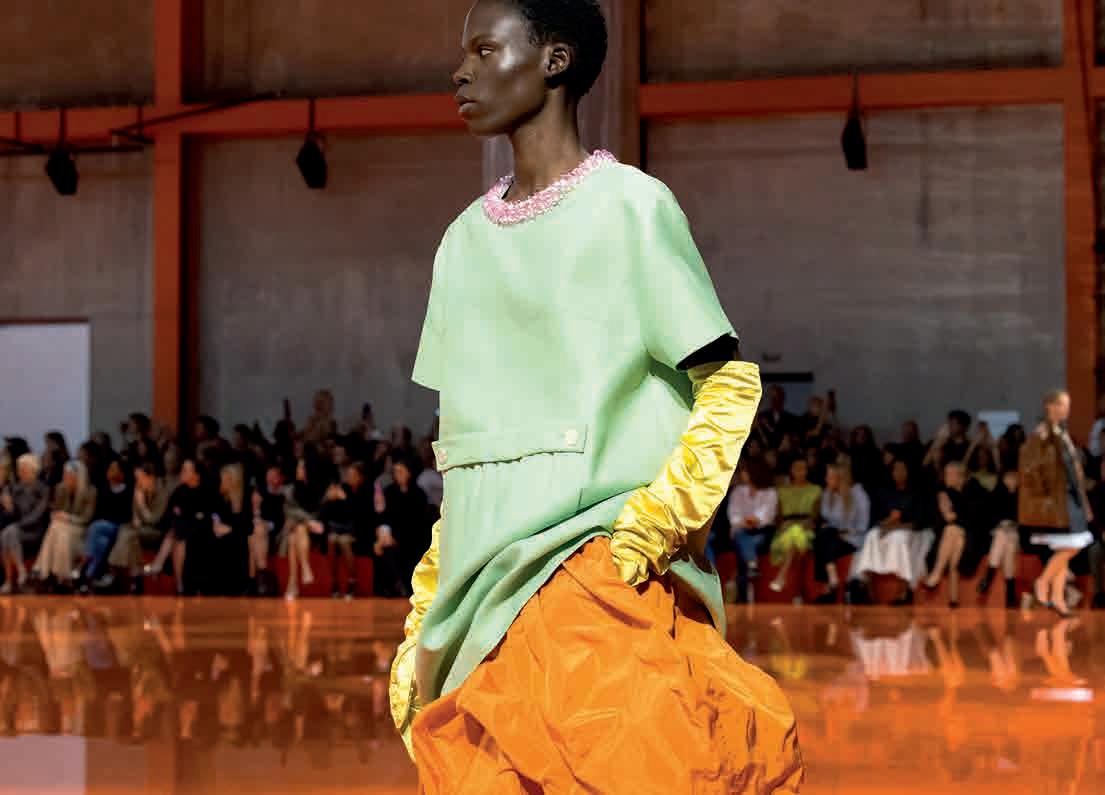
Turn heads with Prada’s new season attire, created to be worn from day to night, with unconventional shapes that give a sculptural edge. Designed by Miuccia Prada and Raf Simons, the pieces turn fashion on its head with oversized satin dresses and skirts adorned with collages, and even structureless brassieres. Orange ta eta skirt, £2,400; Green slabbed silk Gazar dress, £5,100; Yellow satin gloves, £1,710. prada.com
COUNTRY PURSUITS
Sourcing ingredients from the terroir of North Wales, The Bryntirion Inn has opened on the Pale Hall estate, serving up robust classics such as black pudding Scotch egg with brown sauce, Jerusalem artichoke, potted shrimps or, to nish, forced rhubarb, candied ginger and custard tart. Located a 10-minute walk from the grand Pale Hall house, there are six cosy bedrooms, with rates starting at £140 a night. Set in the heart of Snowdonia and overlooking the Dee Valley, it is ideally situated for some of the nest walks in the county. Guests of the four-legged variety are also welcomed, with dog beds and treats provided. thebryntirion.co.uk
NUCLEUS
ONE TO WATCH
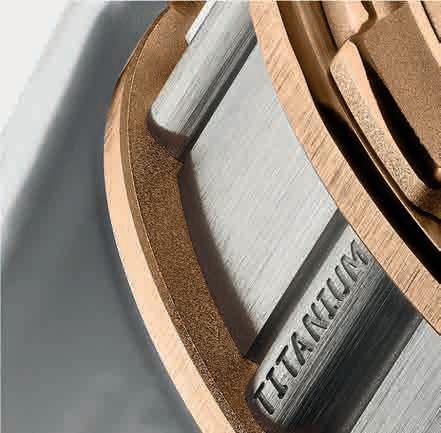
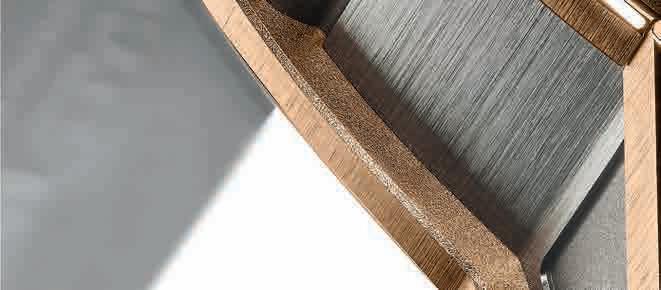
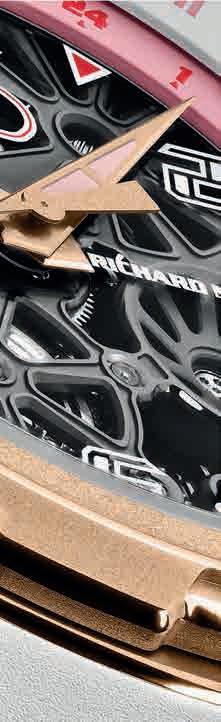
Designed for horologists on the move, the new RM 63-02 Automatic Worldtimer is developed entirely in-house and features a monumental bridge with a smart black rhodium coating and exposed moving parts. The watch offers water resistance to 30 metres and a continuous power reserve of 50 hours — meaning you are always fashionably on time. POA, richardmille.com
A STROKE OF GENIUS
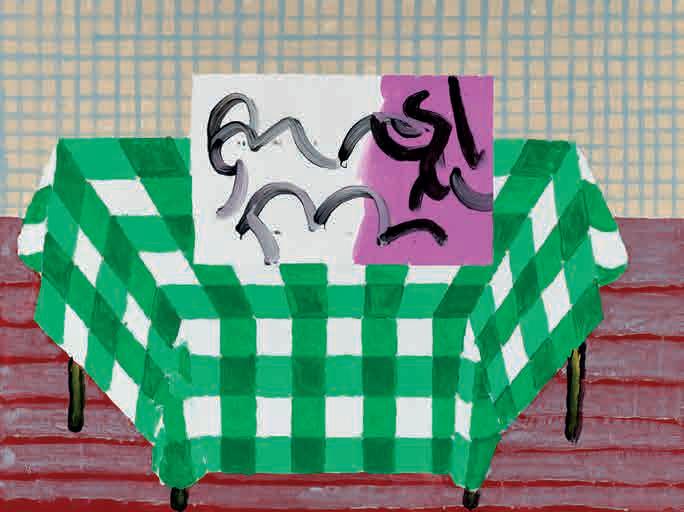
Showcasing the much-loved Bradford artist David Hockney’s latest works, the Serpentine Gallery presents A Year in Normandie and Some Other Thoughts About Painting, running until 23 August. Comprising five still lifes, as well as images of family members and friends, the works combine abstract and figurative expressions, alongside a large mural in the Serpentine Garden. serpentinegalleries.org
NUCLEUS
FLYING HIGH
Travel in speed and style aboard the new Bombardier Global 8000, the fastest passenger jet since Concorde. Reaching Mach 0.95 with an 8,000-nautical-mile range, it’s designed to go further and faster. Wellness is a key feature, with four full living spaces, the industry’s lowest cabin altitude, and air-filtration and seating systems that reduce jet lag. bombardier.com
GENERATION GAP
With one in 10 children now expected to live beyond 100, ageing has become a key talking point. The new Wellcome Collection exhibition, The Coming of Age, explores how we get older, through the lenses of art, science and popular culture. It examines how we can best approach ageing to benefit society as a whole. Exhibits include a solid-silver sake cup, an example of those presented to Japanese centenarians between 1963 and 2014. Today, it has now been replaced by a cheaper silver-nickel alloy version, reflecting how many people are reaching the golden age. wellcomecollection.org
COMING UP ROSES
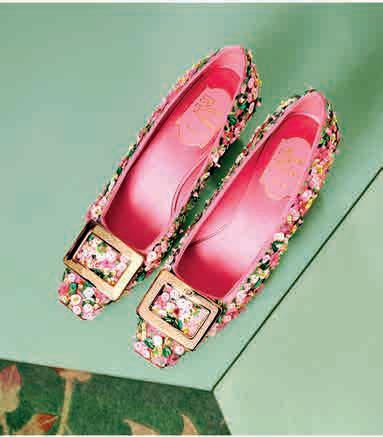
Celebrating 60 years of the shoe maison’s most iconic creation, Roger Vivier has added new styles to its Belle Vivier range. Under creative director Gherardo Felloni, the signature pump has been given a oral twist, with re ned textures and jewel-like details. Filmed in the maison’s own garden with actress Marie Colomb, the new campaign brings the new botanical-themed pieces to life. There are also new patent shoes and clutch bags, o ering a complete look. rogervivier.com
Collection/Anna Maria
Maiolino, Por um fio
(By A Thread)
NUCLEUS
DISH OF THE DAY
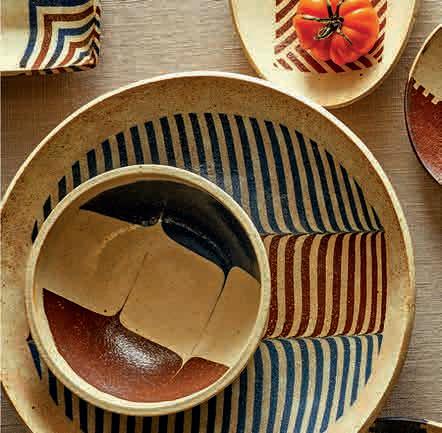
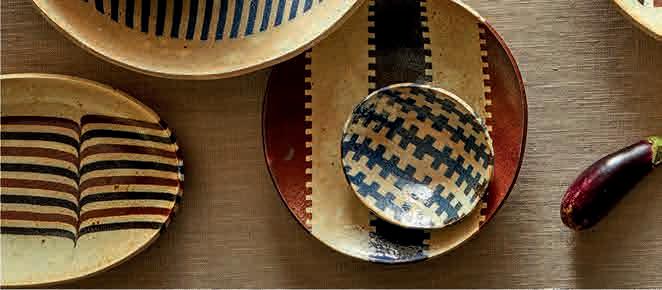
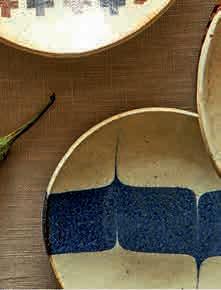
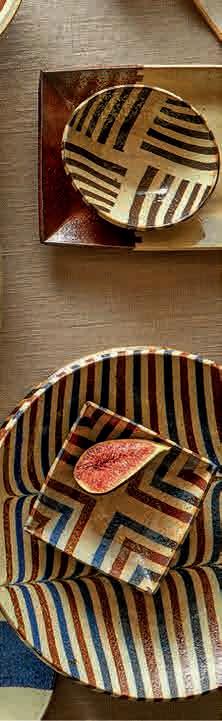
Sourcing some of the finest artisanal products from around the globe, Abask’s spotlight this season is on Japan. These finely turned Makidani-gama ceramics are created by craftsman Yoshikuni Sugimoto from his studio in Tottori prefecture. With geometric designs, they are made using the nerikomi technique, in which layers of coloured clay are stacked. From £405 for a plate, abask.com
IN THE BAG
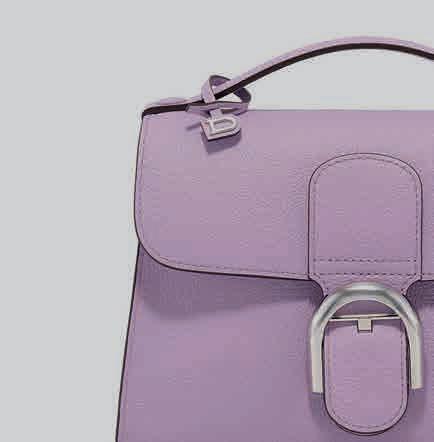
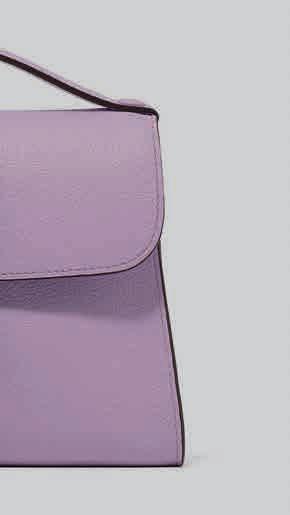
Belgian luxury leather goods house Delvaux unveils its new Brillant Tempo S in this stylish mauve shade — featuring its signature Brillant buckle and top handle as well as a slim, removable shoulder strap for added versatility. A soft goatskin lining adds another layer of softness and the bag comes in a choice of neutrals and pastels. £4,200, delvaux.com
NUCLEUS
TALES OF THE CITY
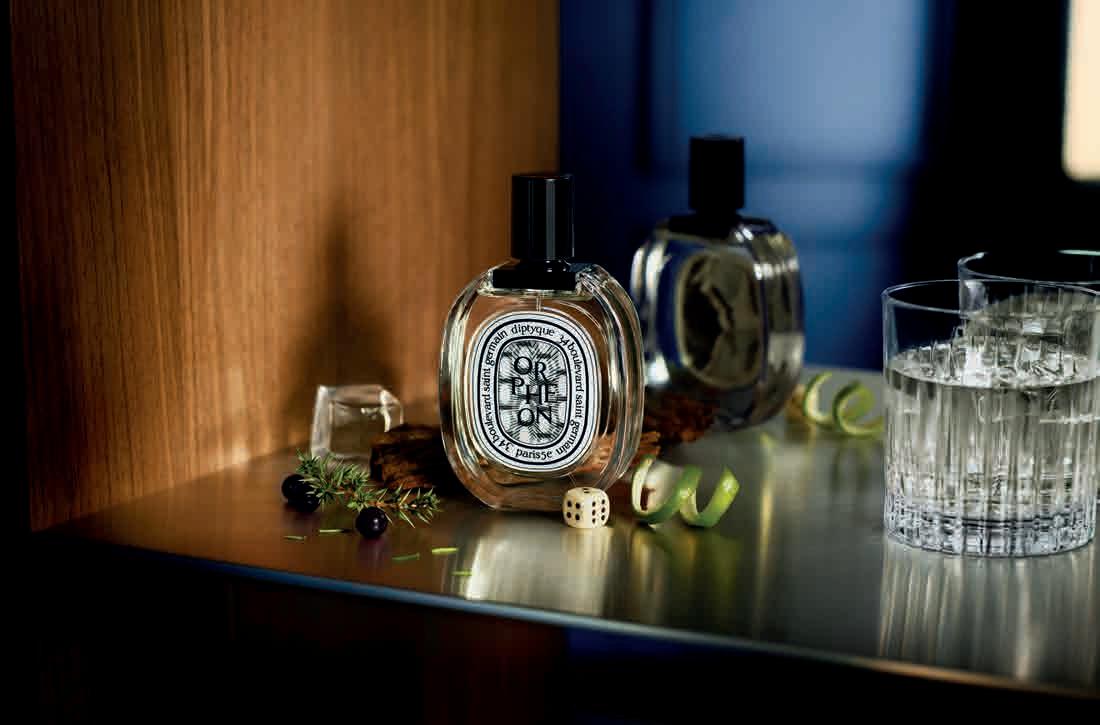
One of Diptyque’s most iconic fragrances, Orphéon, has been given a new twist. The scent – named after the jazz bar underneath Diptyque’s first store in Paris – captures the capital after dark. Citrus notes blend with floral to create a perfume suitable for day to evening wear. Pair it with the hair mist, evoking 1960s Saint Germain. Eau de Toilette, £145. diptyqueparis.com
ARM CANDY
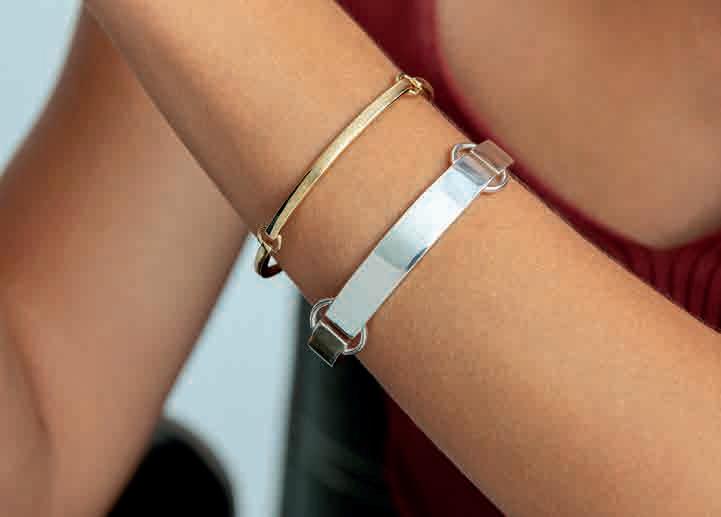
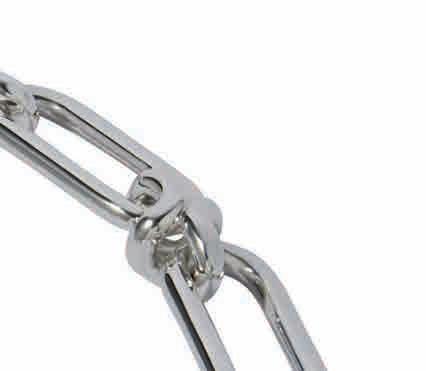
Formed by two sisters, Otiumberg jewellery offers well-priced pieces that are perfect for gifting, milestone occasions, or simply treating yourself. Crafted from recycled silver, the Sculptural Affina Bracelet includes 10mm bars and a secure fold-over strap. Pair it with the 14kt gold vermeil Affina Bond bracelet. From £320, otiumberg.com
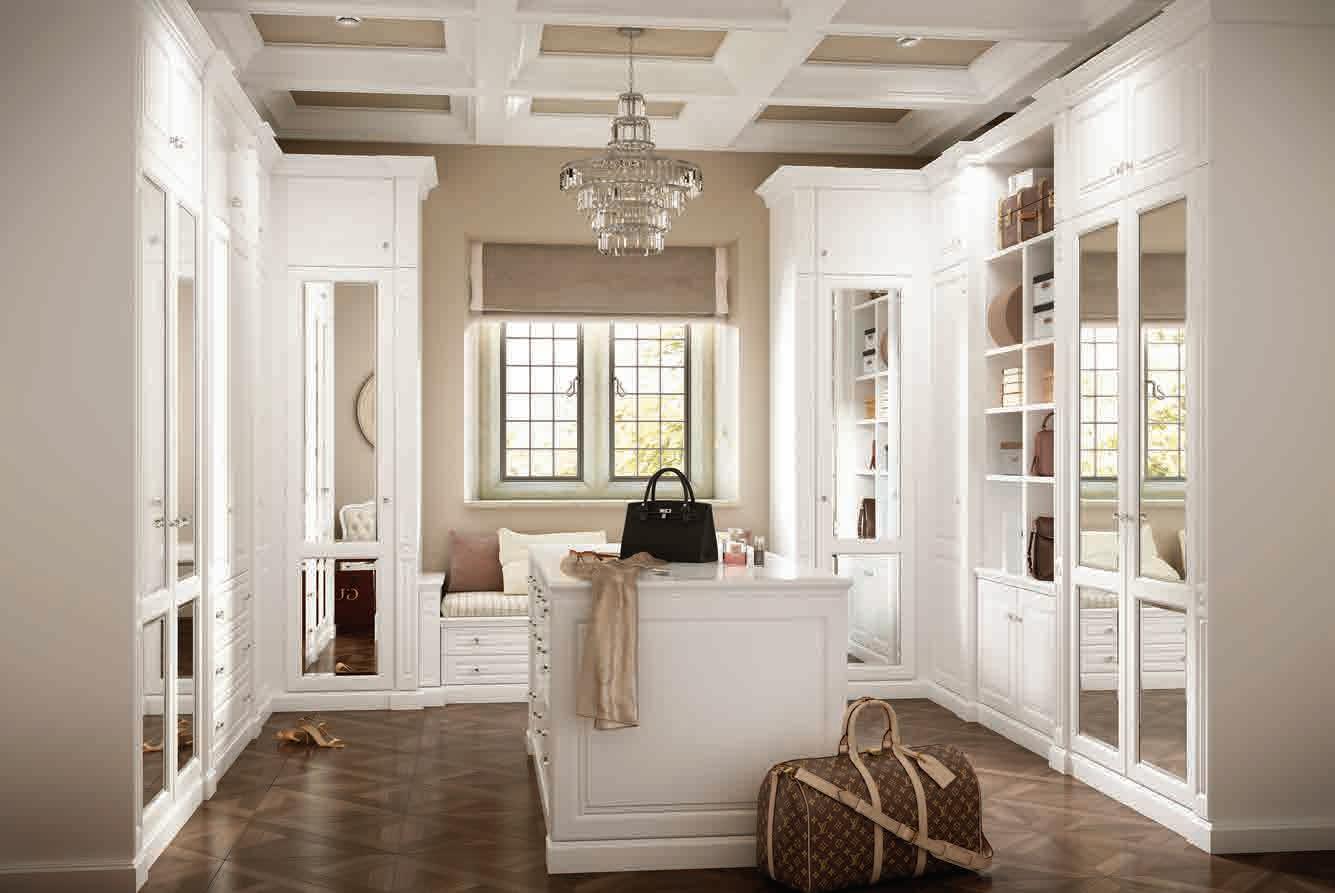
Our spring savings make this the perfect opportunity to transform your home and invest in Strachan luxury fitted furniture. Our wide range of designs include everything from bespoke bedrooms and walk-in wardrobes to hardworking home offices, elegant lounges and indulgent dressing rooms. So whatever your vision may be, our expert designers will help you realise it to perfection.
Strachan
NUCLEUS FOOD AND DRINK
A CAPITAL IDEA
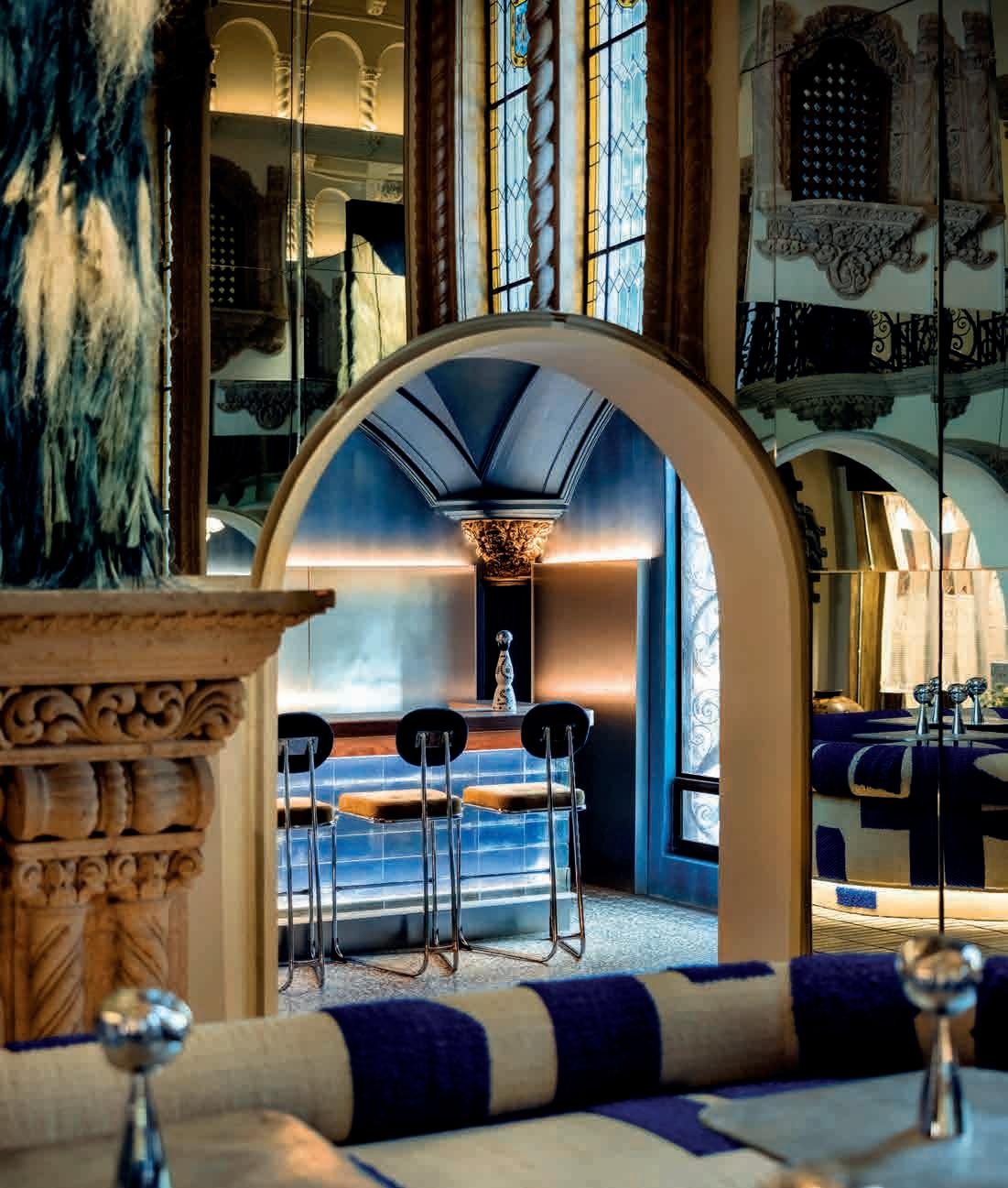
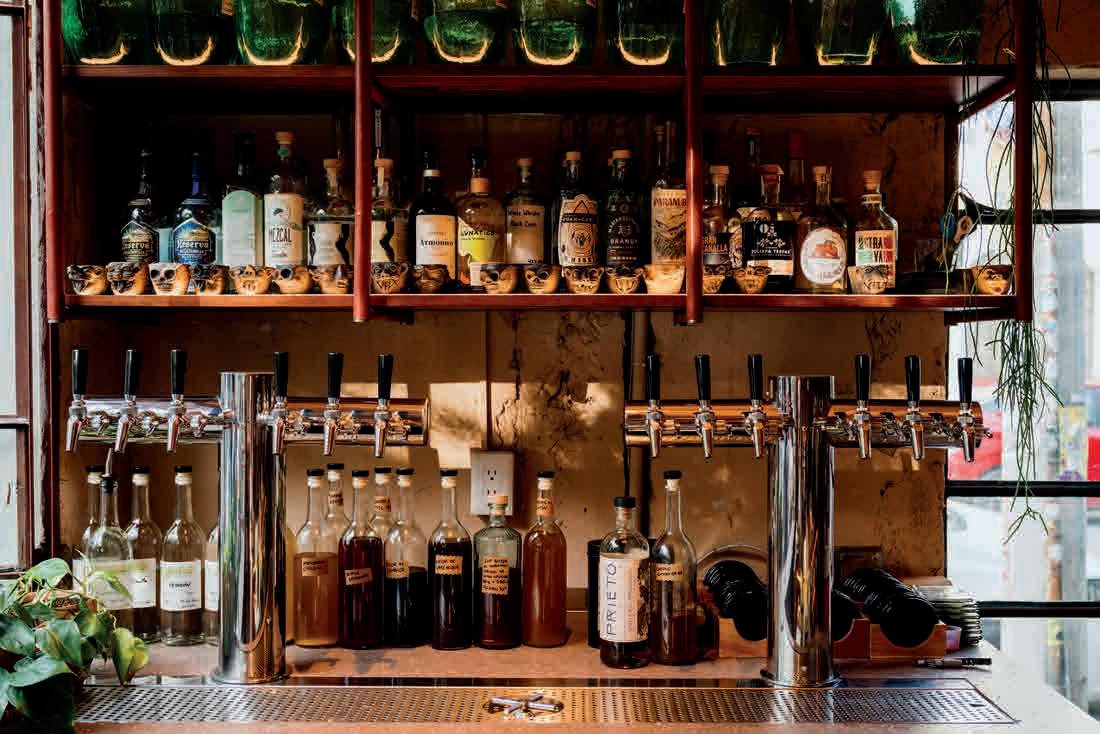
Mexico City’s ascent as one of the world’s coolest cities shows no sign of slowing down. Offering a window into the country’s vibrant design, craftsmanship and hospitality, Casa de los Leones by tequila house Clase Azul México has now opened in the trendy Polanco district. The storied mansion features a rotating art installation, with the first by contemporary Oaxacan artist Amador Montes. There are, of course, guided tastings of the five bottles and curated pairings alongside bar bites. claseazul.com
Image: Santiago Baravalle
SWEET DREAMS
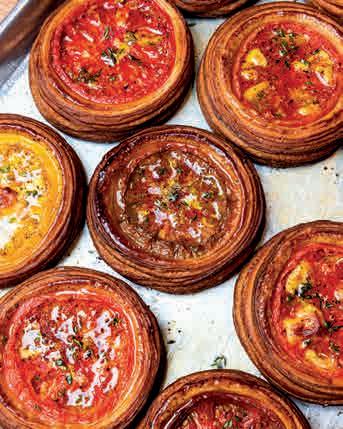
Run, don’t walk, to snap up some of the finest gooey chocolate cookies you’ll ever taste at the new dining spot, Le Café, in Burlington Arcade. Chef Nicolas Rouzaud, an alumnus of Le Bristol and the Connaught hotels, creates everything from his signature brioche à tête, a childhood favourite consisting of a brioche filled with whatever was in the fridge. Here, they come with ham and egg or cheese fondue and rocket, or delicate pastries alongside co ee. nicolasrouzaud.com
TURN OVER A NEW LEAF
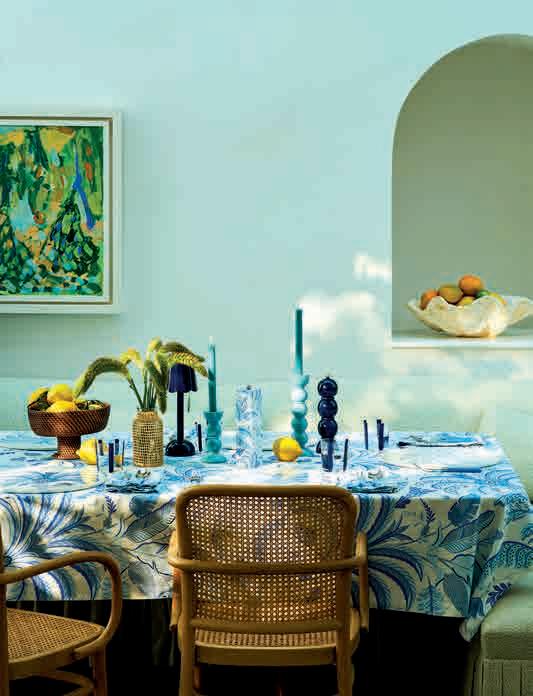
Keep your indoor dining table jaunty even if spring showers persist this season. The new Palm Beach collection by Addison Ross spans tablecloths, napkins, cutlery and salad servers in a joyful tropical print. O ered in blue, green or pink colourways, the range was inspired by a Christmas trip to the Floridian enclave by founders Sarah and David Ross. They will also add backgammon sets and salt and pepper grinders. From £35 for salad servers, addisonross.com
KEEPING IT IN THE FAMILY
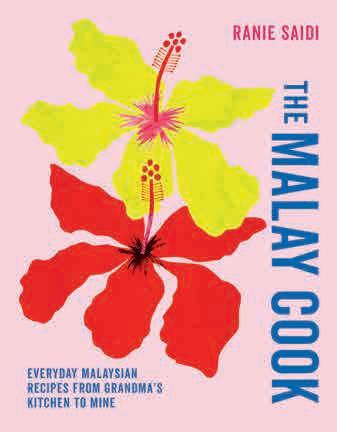
Paying tribute to his grandmother, a Malay village chef, Ranie Saidi’s cookbook, The Malay Cook, is a testament to his childhood. Growing up learning to make the dishes alongside her, he later shared his heritage when he moved to London through supper clubs, Malay sauces and recipe writing. His debut cookbook includes heartwarming, tummy-filling dishes. A large helping of the recipes are plant-based and vegetarian, from Tofu Bergedil (crispy potato-stu ed tofu pu s) and Glass Noodle Salad with Laksa Leaves & Mushroom Tempura to Rose Bandung Burnt Cheesecake. Meat-eaters will love the Guinea Fowl Royal Wedding Pesamah. £25, rylandpeters.com
NUCLEUS FOOD AND DRINK
LOCAL HERO
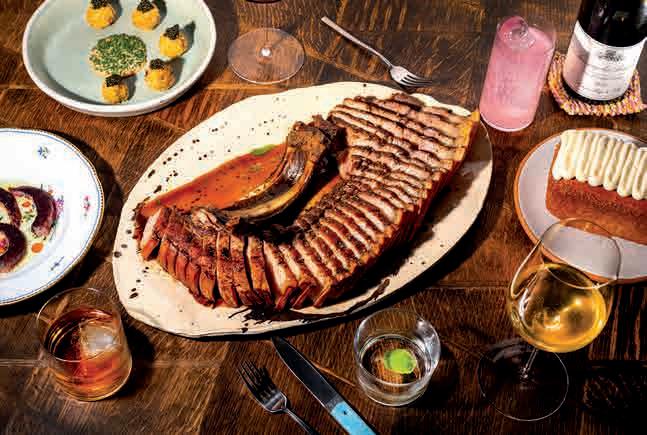
Bringing Neapolitan homestyle cooking to the heart of Queen’s Park on the villagey Salusbury Road, Casa Felicia is a vibrant new trattoria with warmth at its core. On our visit, almost entirely Italian clientele tucked into shimmering slivers of sea bass crudo doused in the most peppery olive oil, finely sliced salami and plates of silky mushroom pappardelle. This is the place where midday Negronis give way to convivial three-bottle lunches, with plates of shared Bistecca and the wonderful tiramisu to top it off. casa-felicia.com
NEW BEGINNINGS
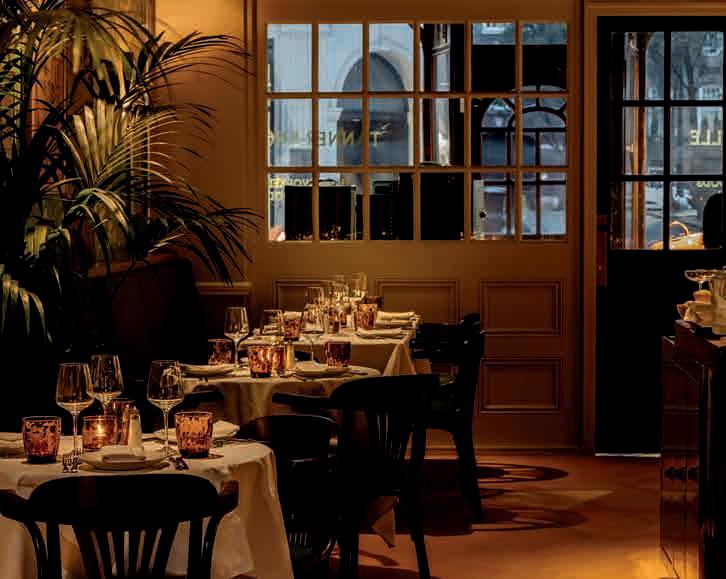
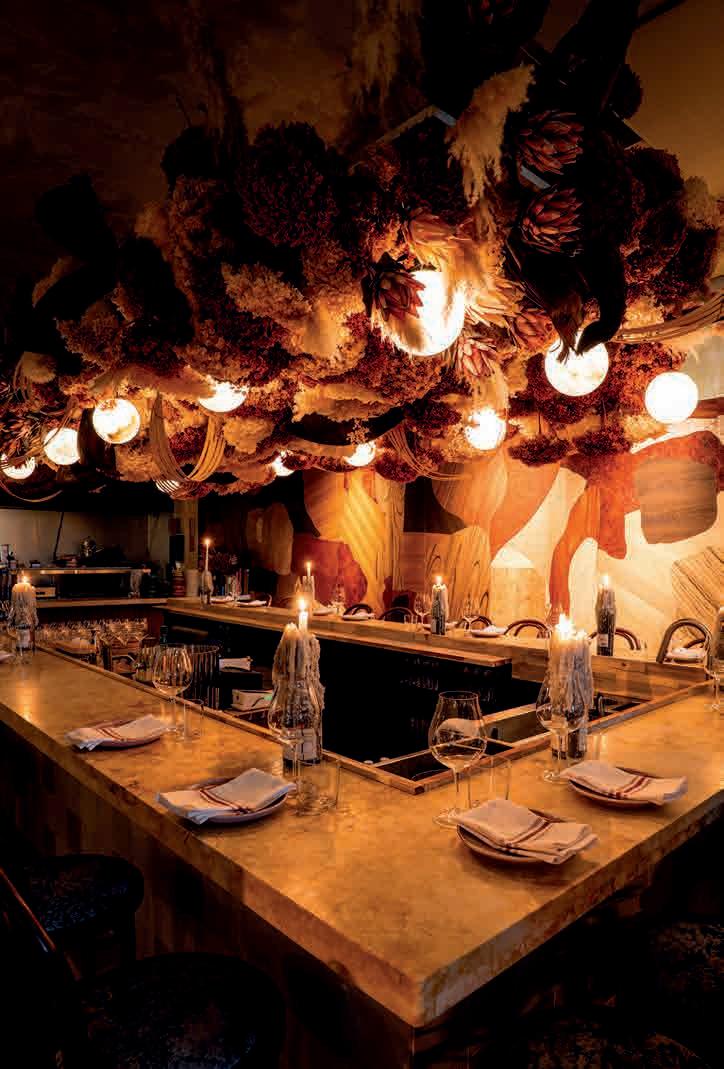
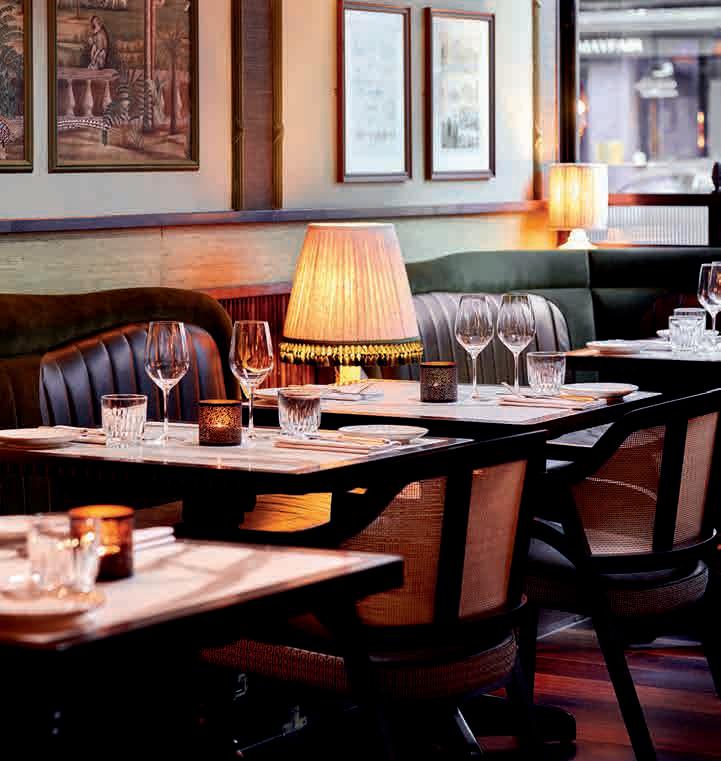
We have all enjoyed the pleasures of a cocktail speakeasy — now the trend has evolved with the arrival of the hidden restaurant. Located at the back of the Tanner Krolle store on Mount Street, Automat turns out upscale American classics in its 58-cover dining room. The much-loved restaurant was a staple of the Dover Street dining scene for many years, where expats flocked for its famous burger and fries. These remain on the menu, alongside lobster roll in brown butter with a side order of a dirty Martini. A sports-themed club has also opened on the lower ground. automatdining.com
NUCLEUS FOOD AND DRINK
EASTERN PROMISE
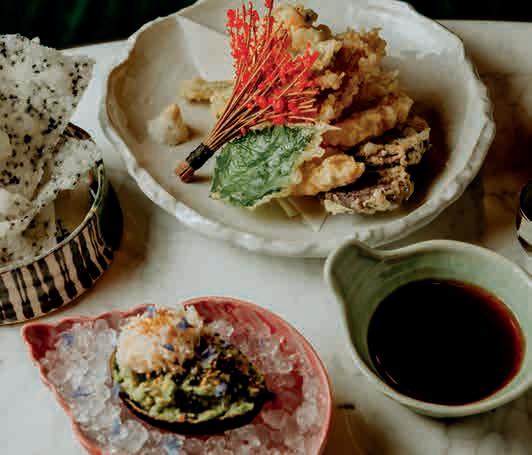
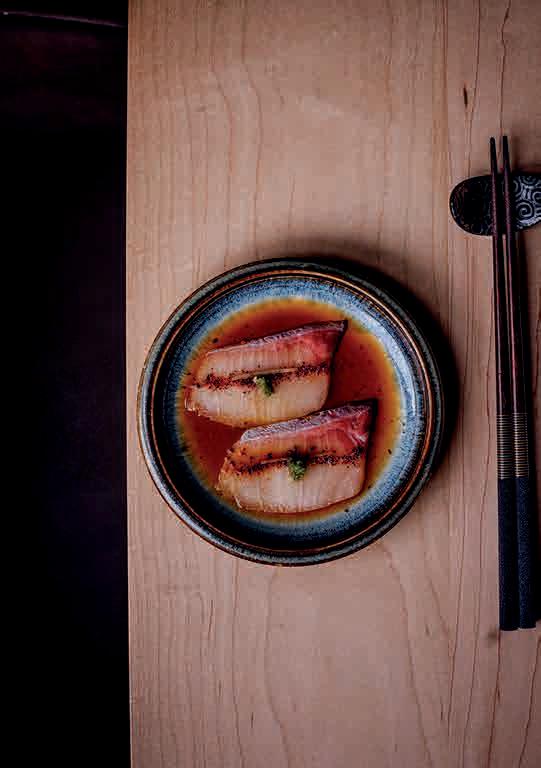
Bringing fine Kyoto cuisine to Mayfair, Aki is housed in a storied Grade II listed building in Cavendish Square, formerly a bank. Gourmands can enjoy delicious Kyoto-inspired omakase feasts featuring wagyu beef and tuna tartare, along with Hamachi maki rolls wrapped in ohba leaf. Shrimp tempura is the crispiest way to kick o , paired with a Sakura cocktail. Aki also o ers an excellent business lunch, and a low-lit bar will open later this year. akilondon.com
MOVER AND SHAKER
Something of a desert when it comes to five-star hotels, Fitzrovia now has a new kid on the block that will put socialising centre stage. The Newman hotel, which opened its doors in February, o ers a welcoming all-day dining destination, Brasserie Angelica, with crowd-pleasers such as gravlax with fermented cucumber salad and chicken pie. The bar below, the Gambit, serves stylish drinks, from True Gift, made with tequila, lime, bird’s eye chillies, blood orange and smoked salt, to London ale Two Tribes from King’s Cross. thenewman.com
A CURE ALL
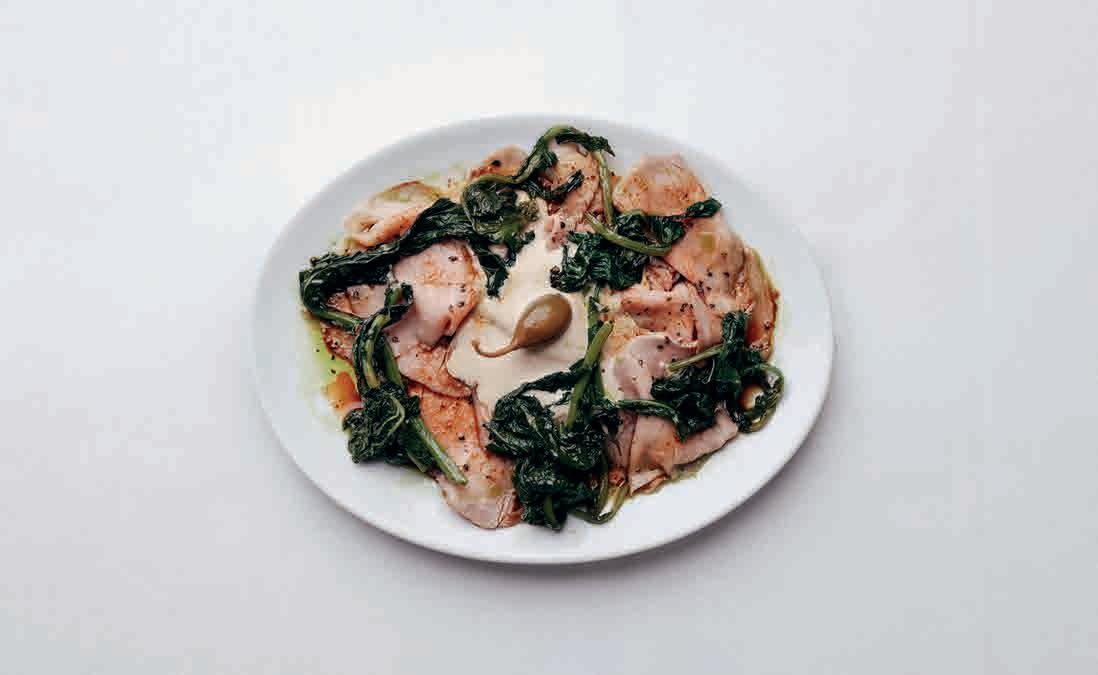
Bristol’s food scene continues to thrill, attracting some of the most exciting chefs in the country. Caper & Cure in Montpelier is a real neighbourhood gem, o ering heartwarming and tummy-pleasing plates. Start with a comforting Caerphilly and shallot crumpet, followed by Dartmoor venison with ratte potatoes. Its sister property, the Carmen Street Wine Bottle Shop, is a corker for a special drop, bar snacks and weekend bacon rolls. caperandcure.co.uk
NUCLEUS TRAVEL
MODERN MASTER
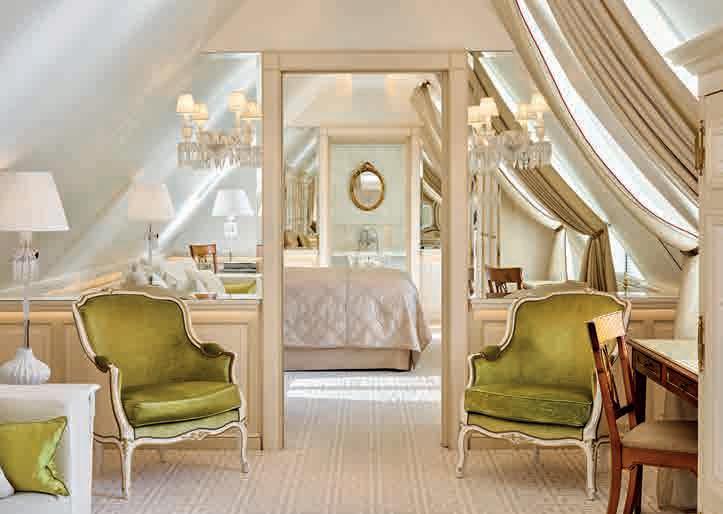
If these walls could talk… Now fully open after — one presumes — a thorough de-bugging, The Chancery Rosewood occupies Grosvenor Square’s arresting modernist enclave that played host to the American Embassy from 1960 until building works began in 2018 (acquired by Rosewood Hotel Group in September 2017). The Eero Saarinen building has been reimagined under the slick eye of Joseph Dirand and David Chipperfield Architects, with 144 suites, eight restaurants and one of the city’s most noteworthy bars, alongside a capacious marble-clad spa and members’ club.
Suites o er soaring floor-to-ceiling views, replete with mid-century furniture and accents, from a trolley bar with house pours to bespoke onyx-lined cocktail cabinets stocked with complimentary soft drinks, Savoursmiths crisps in natty tins and Coco Salted Caramel chocolate bars. Children are warmly welcomed, with mini bathrobes, a custom tepee, backpacks and soft toys
representing the hotel mascots, Coco the dog and Quill the eagle (a reference to the majestic gold eagle that tops the building and gives name to the panoramic bar).
Moving down to the spa, the taupe-hued space is vast, with top-of-the-range Artis Luxury Technogym equipment, Pilates reformer machines and classes for members and guests. The food o erings are equally impressive. Serra is the all-day destination for breakfast and lunches and dinners of thin crust flatbread and smoky aubergine baba ghanoush. The much-lauded Carbone arrived with huge fanfare and has a nightly waitlist for its spicy rigatoni vodka and table-side Caesar. Meanwhile, Peking duck tacos and spicy chicken salads keep a sake-fuelled crowd sustained at Masa.
The crowning glory here is the penthouse suites – known as Houses – with landscaped terraces, dining area for 10 and a fully stocked kitchen. Regular suites start from £1,520 per night. rosewoodhotels.com
OUT OF THIS WORLD
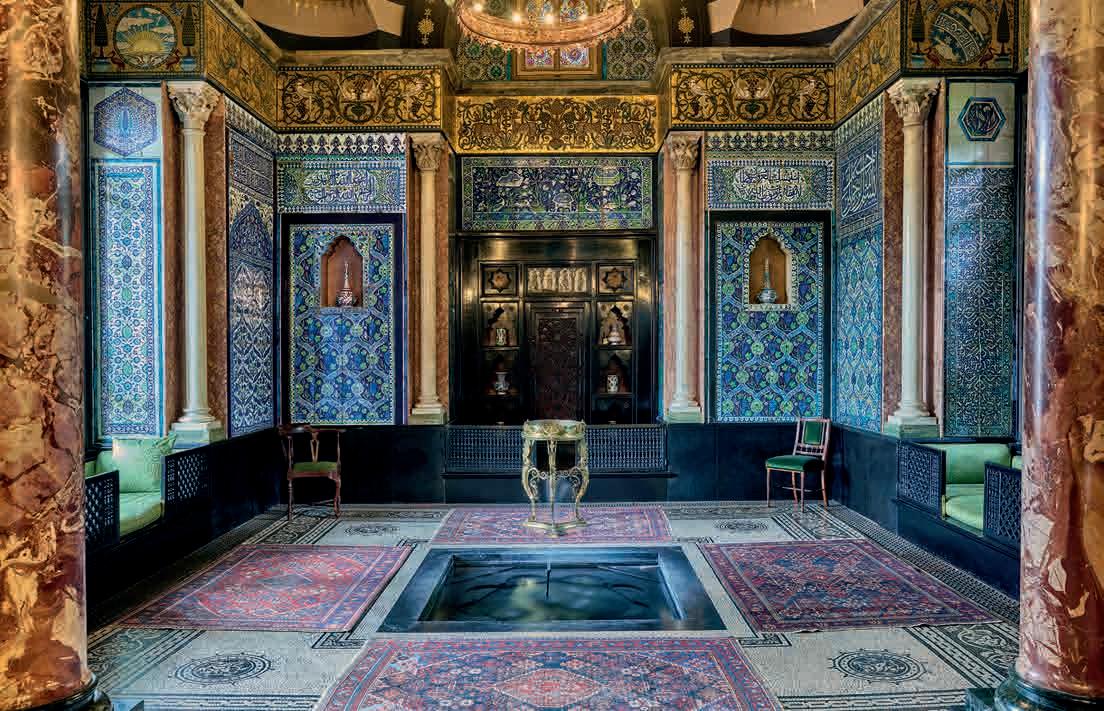
This year marks the centenary of Leighton House, the remarkable Holland Park mansion created by Victorian artist Frederic Leighton, who was inspired by his travels across the Middle East and Asia. The house’s most iconic room is the Arab Hall, where walls are lined with vibrant tiles from Damascus, Iran and Turkey. A new exhibition, The Arab Hall: Past and Present, runs until 4 October. rbkc.gov.uk/museums
A FRESH START
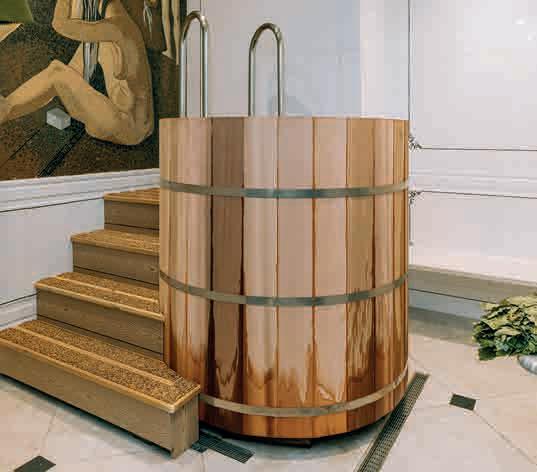
Spring cleaning isn’t just for the cupboards. Treat yourself to a thorough renewal and recovery session at The Bath house at Belgravia. The traditional banya session spans the oak-lined sauna to the icy plunge pool. Those looking for a full detoxification can opt for the Parenie experience, where a therapist directs steam at the body before brushing it with bundles of oak, birch and eucalyptus leaves. Parenie from £65pp, banyalondon.co.uk
LET IT SNOW
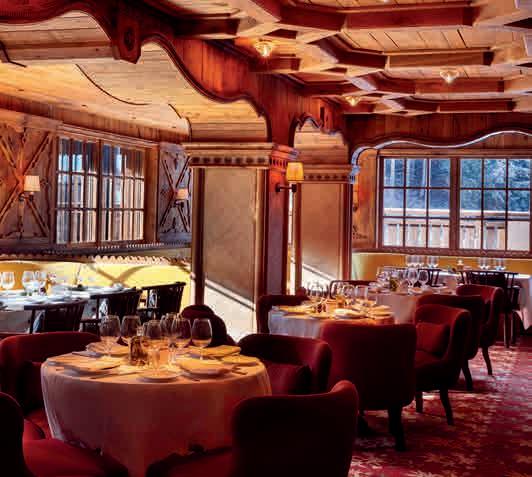
It has swiftly become one of the hottest tables — and beds — in town. Fouquet’s Courchevel has emerged fresh following a rebrand (it was previously Hôtel Barrière Les Neiges), o ering some of the tastiest plates in its slope-side restaurant, Loulou. The Italian trattoria o ers up aubergine parmigiana and delicious sea bass carpaccio. Meanwhile, the expansive spa is the go-to destination for luxurious facials and post-ski massages. hotelsbarriere.com
NUCLEUS TRAVEL
TAKE IT EASY
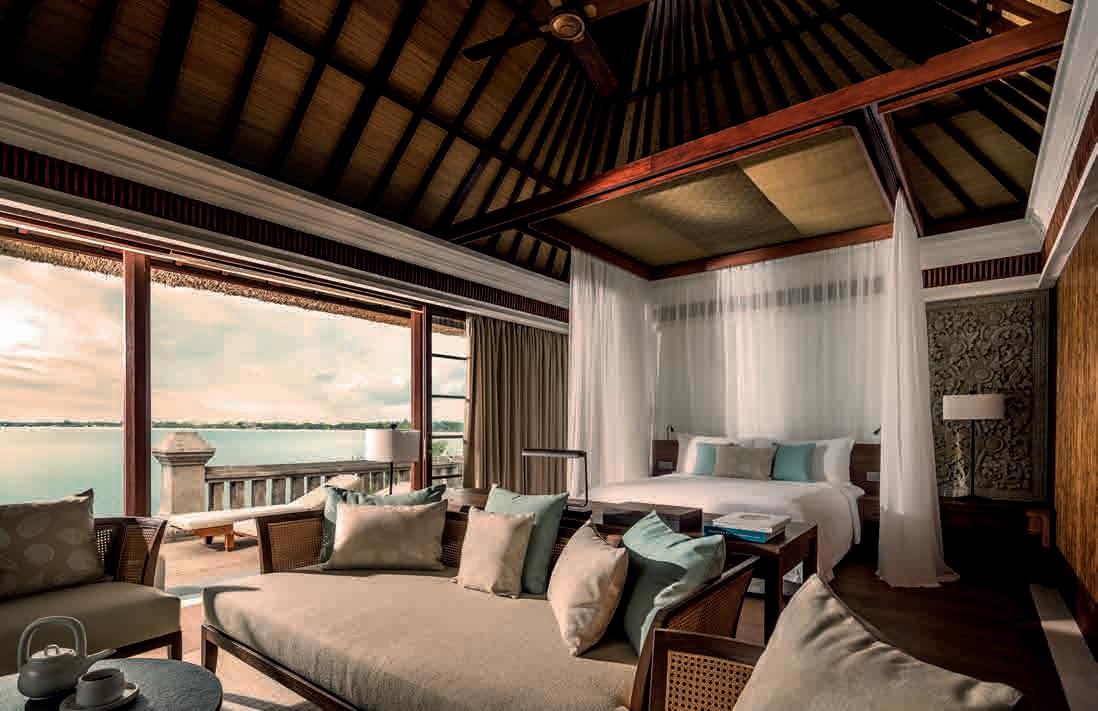
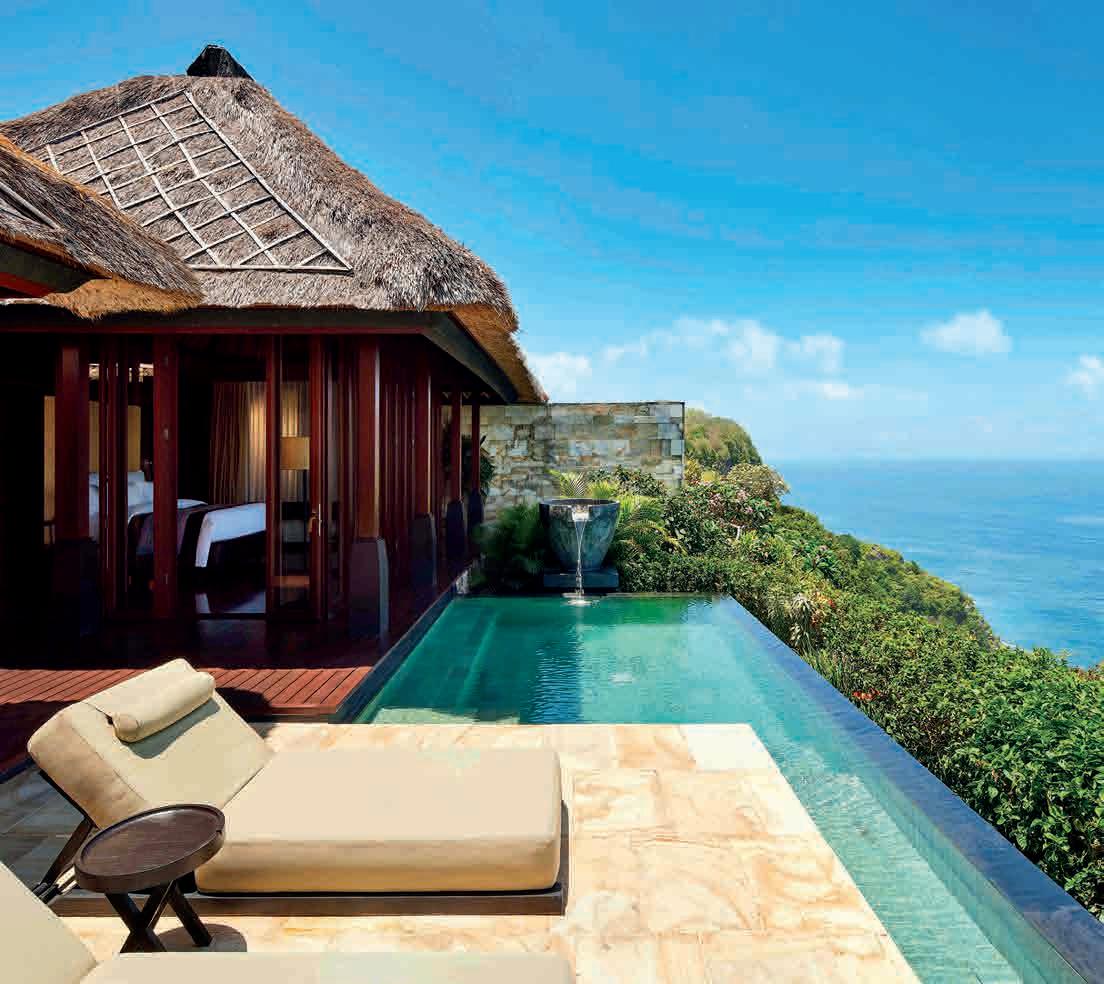
Located close to the airport, the Four Seasons Resort Bali at Jimbaran Bay is the ultimate place for jet lag recovery. Bathed in sunlight, with sheltered gardens, villa pools overlooking the ocean and a spa to soothe travel pains, it is a haven of calm amid the busy island. This season, it launches Bali: Unplugged & Unscripted, unlocking authentic local connections. Rooms from £631, fourseasons.com/jimbaranbay
ROYAL TREATMENT
It has hosted everybody from the King of Montenegro to Salvador Dalí, who stayed for a month a year with his pet cheetahs. Now, Le Meurice in Paris — a Dorchester Collection hotel already known for its epic dining scene — offers a new lunch menu, with pastries by Cedric Grolet. Keep faces fresh with the Spa Valmont’s new HYDRA3 lymphatic drainage facials. dorchestercollection.com
Image: Mark Read
BEAT A RETREAT
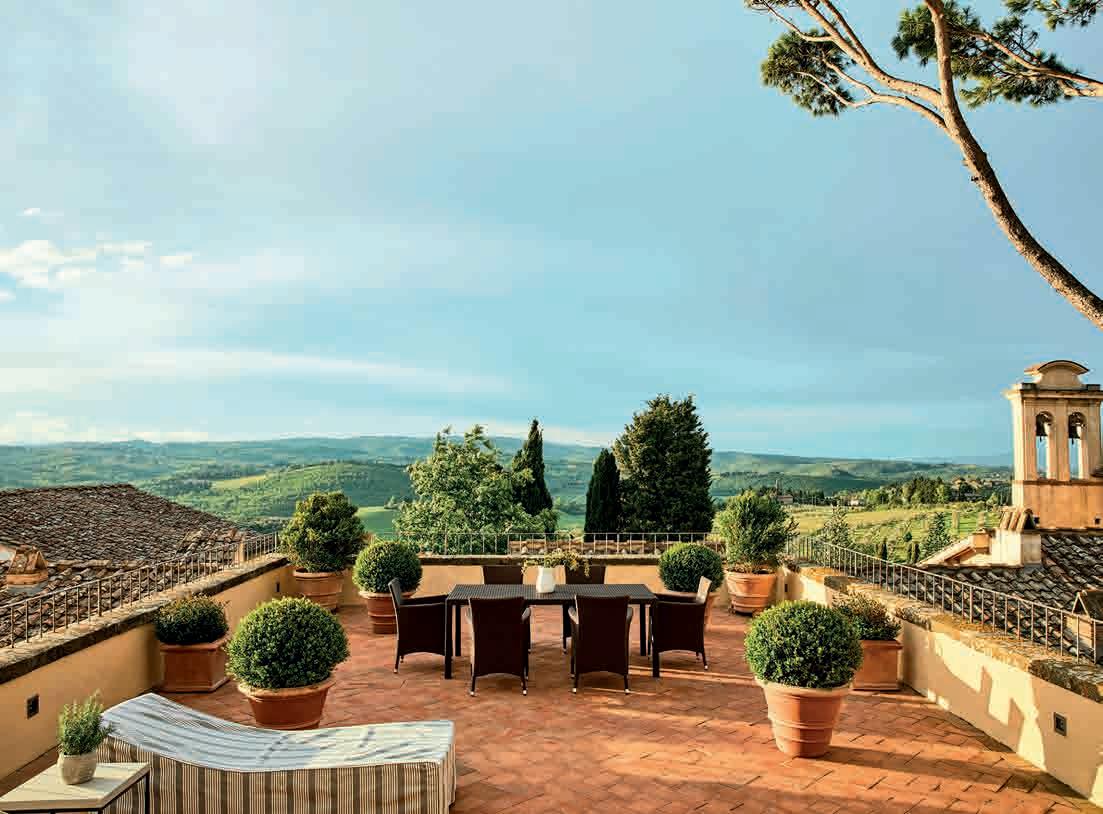
With its own peppery estate olive oil, stupendous views over rolling fields and medieval villages, and expansive suites with windows framing these painterly vistas, COMO Castello Del Nero lets you play lord or lady of the manor for a few days. The 50-room hotel features its own chapel, private woods for tru e foraging during the season (an absolute must for autumn), and this spring launches its Sip and Paint in Tuscany series — a guided art lesson with a glass of wine in hand. From £720 a night, comohotels.com
THE HIGH LIFE
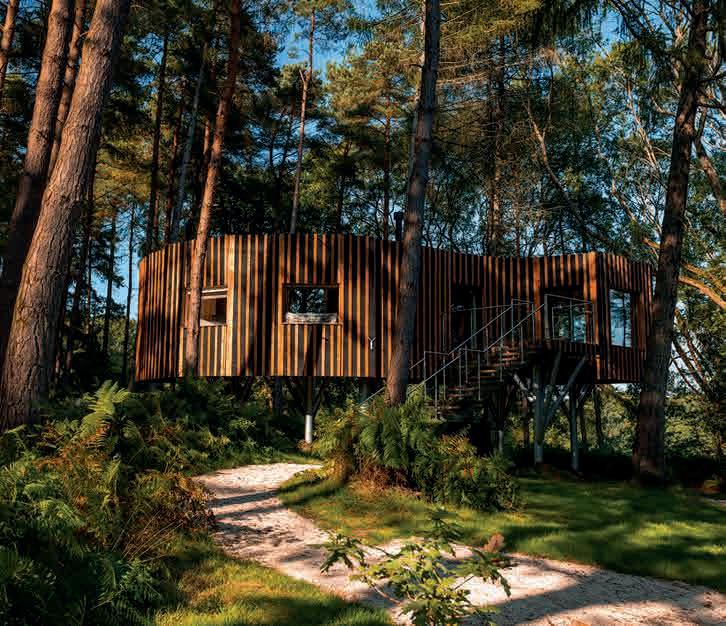
Celebrate the arrival of warmer days with a leafy stay set in 1,700 acres of lush Oxfordshire woodland at TreeDwellers — a collection of seven architectdesigned treehouses. Settle into a lofty arboreal perch, where you can track owls, deer and squirrels, or if you must, pile through work (there’s fast wifi) before unwinding in a wood-fired sauna and hot tub, or for the brave, a cold plunge. All stays include a locally sourced welcome hamper. From £250, treedwellers.com
Images: George Fielding, Martin Morrell
NUCLEUS BEAUTY
HEAD START
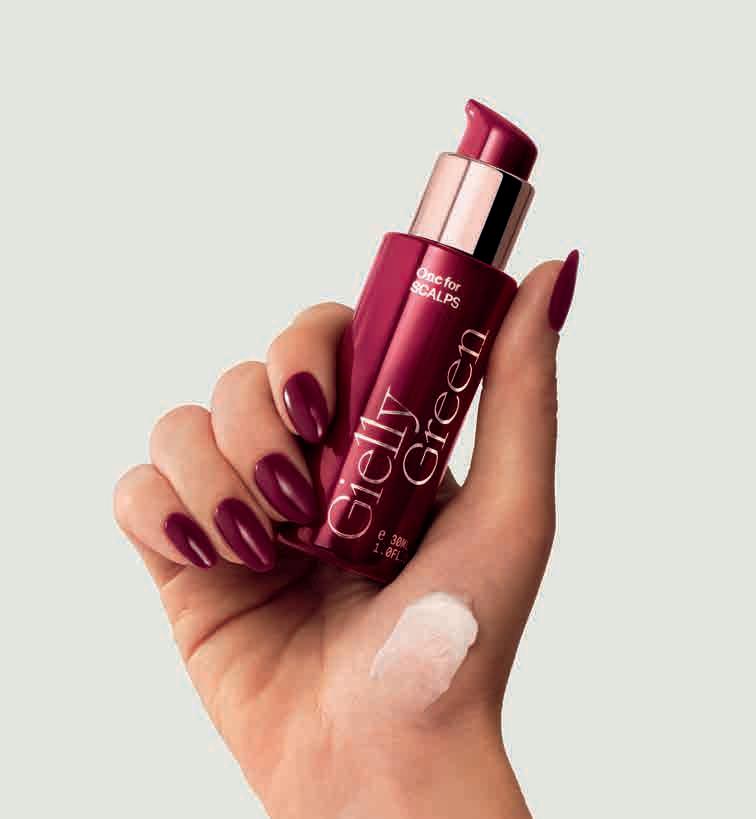
Overhaul your hair care routine with Gielly Green’s The One System, a curated product range including a single shampoo, conditioner and mask, formulated with moringa, sa ron and rice water to shield hair from pollution, restore radiance and promote scalp health. Finish o with one of four leave-in boosters, targeted to your main hair concern — from smoothing frizz to preventing breakage. From £32, giellygreen.co.uk
SAVE FACE
If winter has left your skin feeling tired and dull, it’s probably time to swap serums. Formulated with a blend of peptides and amino acids, Dr Barbara Sturm’s new Peptide Serum is designed to enhance collagen and elastin production — targeting fine lines and sagging — for fresher, more radiant, hydrated skin. £185, drsturm.com
SMOOTH OPERATOR
Treat your skin and prep for the warmer months with Saltair’s new HA Body Hydrator Body Serum. A fast-absorbing body serum that can be applied on its own or layered under a body moisturiser, it instantly improves skin texture while boosting elasticity and strengthening the skin’s moisture barrier over time. £25, spacenk.com
TAKE A PEEP
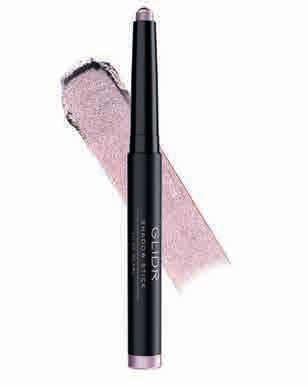
Easy to use and mess-free, Anastasia Beverly Hills’ new Glidr eyeshadow sticks can be applied on the go without a brush. They are easy to blend and are formulated to stay in place for 12 hours. With 25 gorgeous shades — from everyday matte neutrals and shimmery champagne pinks to bold metallic hues — there’s something for everyone. £27, anastasiabeverlyhills.com
A bold move
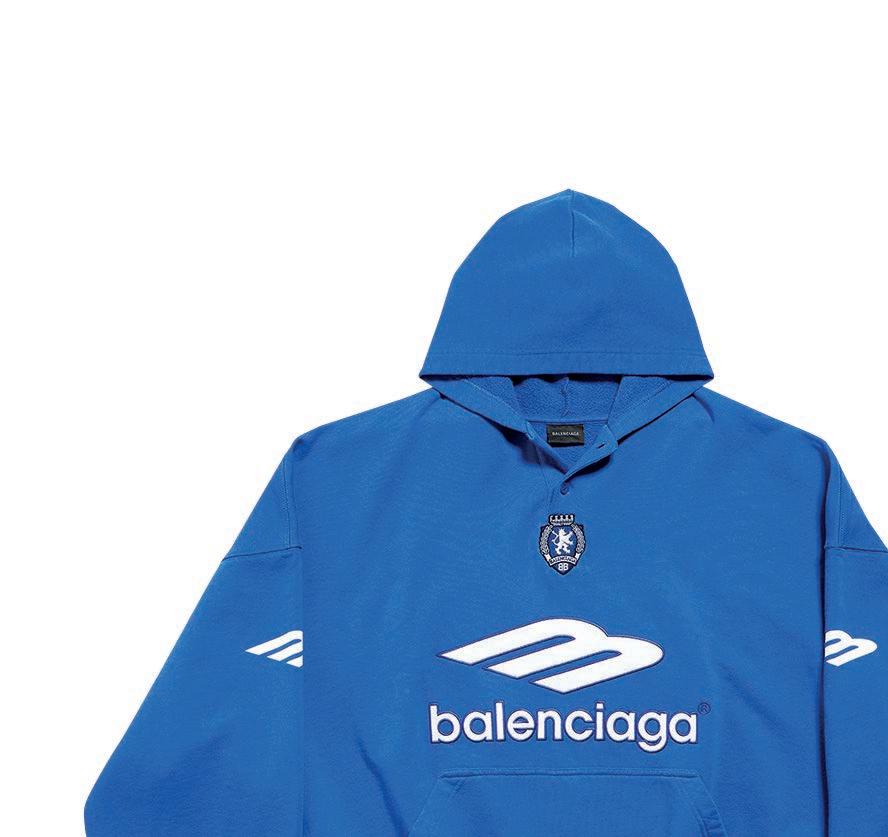
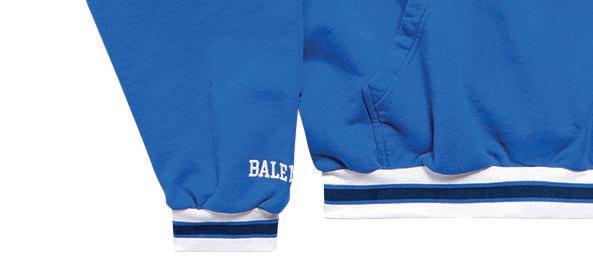
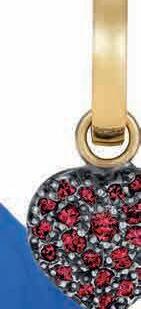
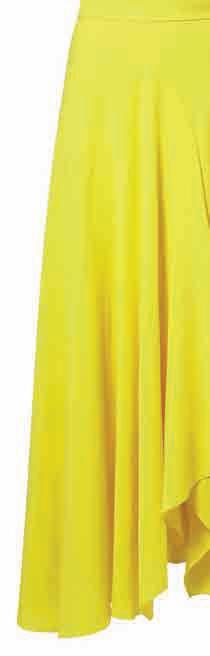
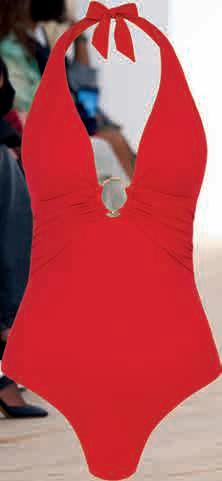
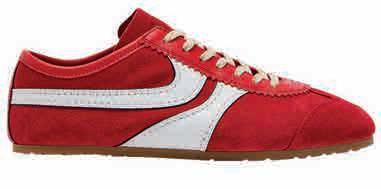
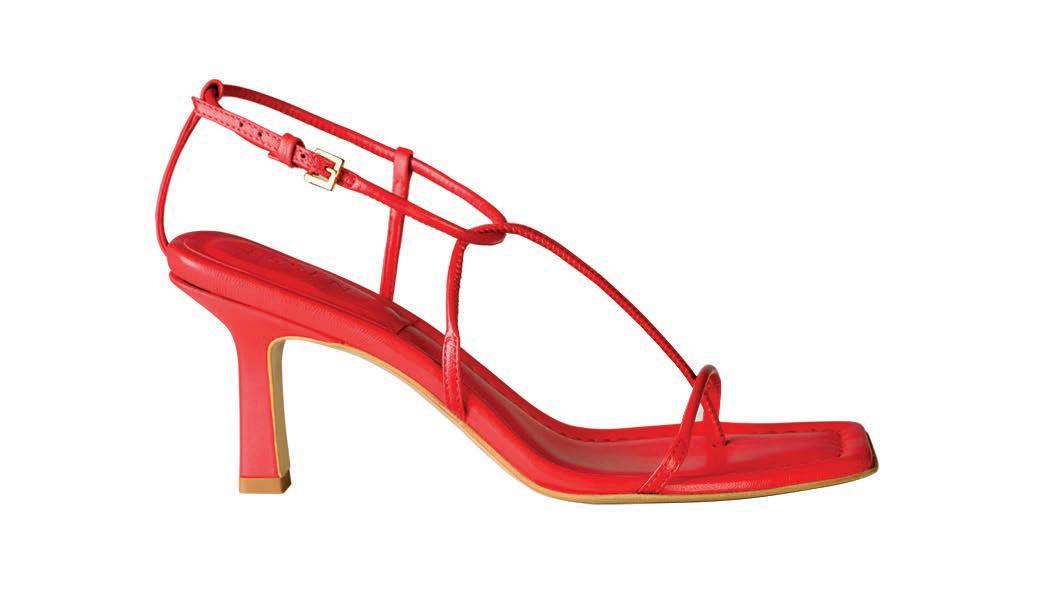
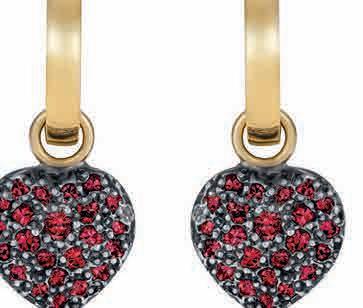
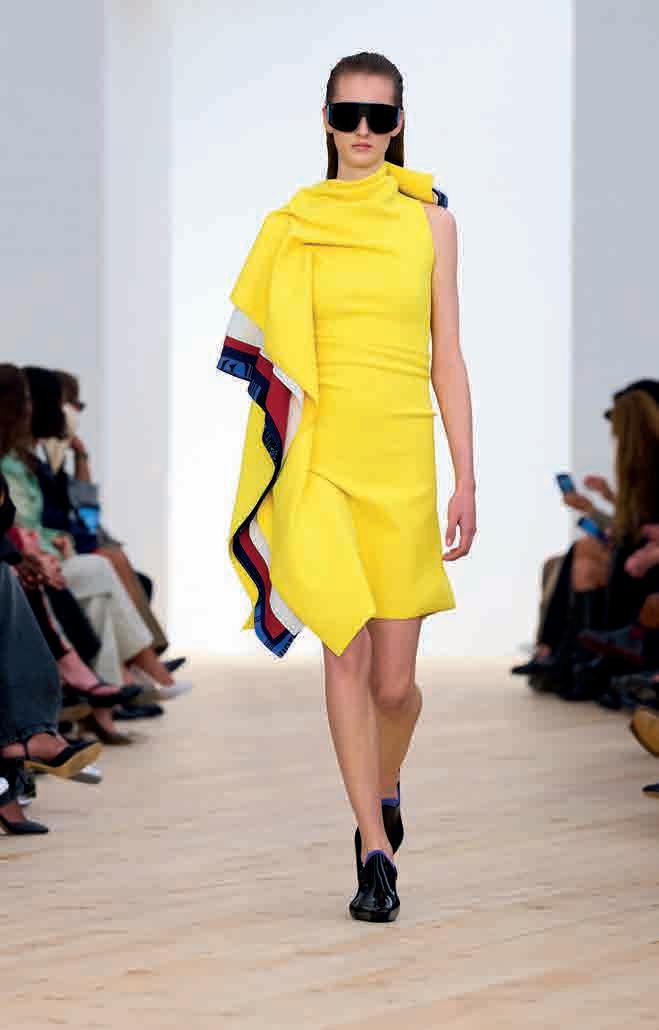
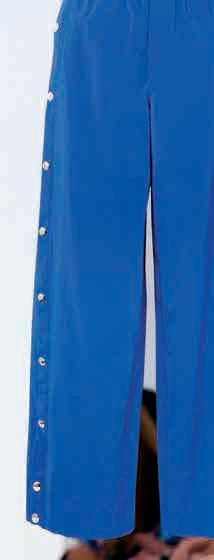
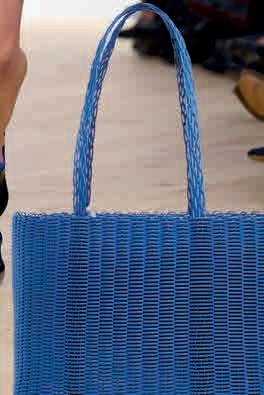
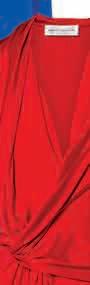
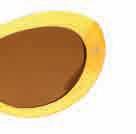
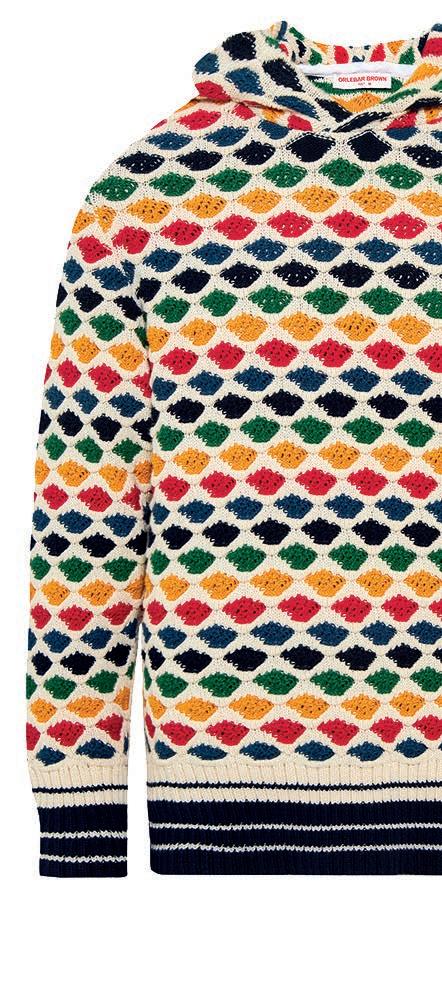
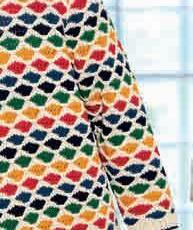
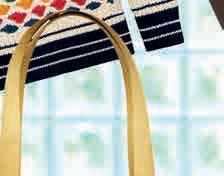
1 Bear Brooksbank 9ct gold hoops with detachable ruby, silver and 9ct gold drops, £1,450, bearbrooksbank.com 2 ESSEN the Label The Strappy Sandal, £250, essenthelabel.com 3 Tibi Shell wide-leg pants, £550, net-a-porter.com 4 Dolce & Gabbana Maiolica Gialla sunglasses, £175, dolcegabbana.com 5 Victoria Beckham Gathered silk-trimmed jersey maxi dress, £990, mytheresa.com 6 Rayas Collective Large woven basket bag, £169, luisaviaroma.com 7 Dries Van Noten Dustin panelled suede sneakers, £425, harveynichols.com 8 Heidi Klein Petalia Ring Halterneck Swimsuit, £265, heidiklein.com 9 Roksanda Asha crêpe maxi skirt, £780, mytheresa.com 10 Pomellato Iconica Ring in 18K rose gold with three London blue topazes, £3,500, pomellato.com 11 Balenciaga Oversized logo hoodie, £1,090, harrods.com Primary colours run riot this season, with zingy shades of red, yellow and blue taking centre stage. Shrinking violets need not apply
SPHERELIFE.COM | SPRING 2026
The sleek beauty of the soonto-be launched Polestar 5: this flagship model’s origins can be traced back to the inception of the innovative car brand in 2017
Proof of CONCEPT
As the Swedish EV maker gears up to introduce the agship Polestar 5, SPHERE delves into the history of the design and technology pioneer
WORDS JONATHAN BELL
What does it take to create a new car brand from scratch? To the casual observer, Polestar might seem strikingly new, but the company has its roots in the late 1990s. From its origins as a Swedish motorsport team, it morphed into a performance-focused Volvo sub-brand, with the Polestar name appended to several uprated Volvo models at the turn of the last decade.
Polestar as we know it now rst emerged in 2017, when the company was spun o from Volvo to create a standalone brand, one that fused its parent company’s vast knowledge of safety with the dynamic spirit of its past and a forward-looking commitment to electric mobility. Under the umbrella of the Geely Group and helmed by founding CEO Thomas Ingenlath — former head of design at Volvo — the company revealed the Polestar 1 in 2017. A svelte 2+2 hybrid coupé, it was built in limited numbers between 2019 and 2021.
The Polestar 1 was a proof of concept, with styling drawn from Volvo’s 2013 Volvo Concept Coupé, an Ingenlath design, and not intended
for mass-market appeal. Polestar 2 was di erent. Again, it drew on a Volvo design study overseen by Ingenlath, the Concept 40.2 from 2016. Yet this time it was a pure EV, setting new benchmarks for performance and technology, incorporating Google’s Android Automotive Operating System, for example. Launched in 2020 and still in production, the Polestar 2 was subsequently joined by the 3 and 4. Now the Polestar 5 is imminent. This new agship model has origins that go all the way back to the company’s early years of independence. Ingenlath, together with Head of Design Maximilian Missoni(also previously at Volvo), knew that a clean-sheet design was needed to cement Polestar’s values and its three core pillars: performance, design and sustainability.
Now led by CEO Michael Lohscheller, Polestar will have a four-car line-up by the end of 2026, with more models to come. Christian Samson has been part of the Polestar project from the very start. “I’ve gone from noisy blue cars to silent white ones,” he notes dryly. An experienced engineer, with stints at BMW and Saab before joining Volvo and subsequently
Polestar, Samson oversees the brand’s essential Product Identity team, with further responsibility for the Attributes, R&D and Projects teams. “I’m in charge of making Polestars feel like Polestars,” he explains, “Polestar 5 will be the top of the line, our agship. It’s the ultimate performer for us.”
From the outset, Polestar has sought to carve out a niche that recognises and accommodates the blistering performance of modern EV drivetrains, while also setting itself apart from everyone else. When it came to de ning the physical attributes, market segment and potential competitors, all of this had to be taken into account. “It is about controlling 900hp in a way that makes sense,” says Samson, “not short-term impressions, but rewarding those who really appreciate driving.”
A set of parameters was established to create a de ning character within the wider Polestar car family. “We have relaxed the suspension to give the 5’s ride some plushness,” says Samson. “It’s still rm; we’ve taken it back just a tad.” With just two drive modes — Range and Performance — the
Polestar 5 driving experience conveys the engineering acumen and accumulated knowledge of the team in a straightforward, no-nonsense way. “It’s about being a bit sensible — that might sound Scandi and ‘safe’, but for us it’s about demonstrating con dence and trust,” says Samson. “We know what we are doing.”
Under Samson’s watch, Polestar has carved a niche that attracts like-minded innovators and pioneers, both in the company itself and in the showroom. The Polestar 5 is the unequivocal agship, blending smoothness, re nement and brute force in one elegant package. “It exceeds all other Polestars in every sense,” says Samson, adding that Polestar drivers are passionate, curious and desiring of something di erent — “they want to be part of what we o er.” This feeling is shared by Polestar’s own employees, particularly when it comes to the brand’s sustainability ethos, which has been at its heart since inception.
Fredrika Klarén is the company’s Head of Sustainability, a position she has held since 2020. Before that, she worked at IKEA and the Nordic fashion brand Kappahl. The switch from furniture and fashion to industrial manufacturing has not dimmed Klarén’s passion for ensuring sustainability is more
than a narrative or a tick box, but an integral part of the process — from product planning to end of life. “Our cars are powerful climate solutions,” Klarén says. “My job is to make them truly sustainable. We collaborate with everyone across the whole company, securing our sustainability ambitions and bringing them to life.”
One of Polestar’s most important tools is transparency, supported by an intensive focus on R&D. “We want to fundamentally change the industry,” Klarén acknowledges. “The way forward for all businesses is to be more transparent, and this ensures our value chain becomes more sustainable.” Bringing suppliers on this journey is essential, and a good deal of Klarén’s time is spent ensuring Polestar’s broader network are just as thorough in their processes — for example, using Blockchain technology to create a traceable pathway for materials like cobalt.
In 2020, Klarén’s team undertook a pioneering lifecycle assessment of the Polestar 2. “It taught us so much about the value chain around the car,” she says. Over time, the attention to detail — the granularity of the data — has increased, helping the company on its road towards a net-zero target of 2040. The 2020 study showed that the cradle to gate emissions for
Fredrika Klarén, Head of Sustainability
“Through transparency, sharing information and using open-source data, Polestar is paving a new way forward”
Polestar
image: Stefan Isaksson
a Polestar 2 were around 26.1 tonnes of CO2 By 2023, that had already been reduced to 23.1 tonnes, thanks to increased recycled content, production e ciencies and more renewable energy usage, especially in the area of battery production.
“In 2023, we did a ‘sustainable upgrade’ rather than a traditional facelift,” she says of the Polestar 2, an overhaul of the model that included extending the range and lowering the lifetime CO2 output. Rather than resort to styling tweaks inside and out, Polestar 2 was recon gured internally, shifting from a front-wheel-drive arrangement to rear-wheeldrive. Unprecedented in the industry (and economically unfeasible for a combustionengined car), the upgrade highlights the impressive lengths to which Polestar goes to meet its targets.
Above all, Klarén stresses that not only is sustainability highly achievable but also best practice. “I really want people to understand that there are so many solutions out there — it’s not rocket science,” she says. The oldfashioned , hair-shirted image of recyclability and sustainability must also be addressed. “For us, it’s a challenge in a positive way,” says Klarén. “We’re trying to ensure that customers don’t have to compromise on quality, design or aesthetics.” The sleek, modern look of the Polestar line-up exempli es this, with recycled aluminium indistinguishable from virgin aluminium, for example.
It’s not all plain sailing, however — cultural and political pushback against the net-zero agenda persists. “There’s a weird narrative around sustainability today,” Klarén agrees, “but it’s not the case in reality. The train has left the station. We are only seeing business value in sustainability, with a whole ecosystem growing up around circularity, for example. We’ve identi ed this as a huge business opportunity for us.”
Polestar remains heavily immersed in research and collaboration, including with the extended Geely family. “We have the luxury of working with these brands, and their support helps us,” Klarén admits. “In Polestar, Geely saw the potential for a brand to really accelerate the process of innovation. But we still have much to learn. Through transparency, sharing information and using open-source data, Polestar is paving a new way forward.”
The Polestar 5 continues this journey with unmistakeable style. Nahum Escobedo, Polestar’s Chief Exterior Designer, has been an integral part of the company’s design team
The overhaul of the Polestar 2 included extending the range and lowering the lifetime CO2 output
Clockwise from left: The Polestar 5 design draws from aviation design with its panoramic roof creating a cockpit-like space; the 5’s brake calipers are finished in signature Swedish gold; Christian Samson oversees the Product Identity team; Head of Sustainability, Fredrika Klarén
Christian Samson, Head of Product Identity
since its inception. Working with Ingenlath and Missoni, Escobedo played a pivotal role in bringing the Polestar 5 and 3 to life. Based in Polestar’s impressive hilltop design studio in Gothenburg — formerly the HQ of Volvo Trucks — Escobedo explains the visual genesis of the company.
“I always get emotional when talking about Polestar 5,” he says, before outlining the timeline. “Our vision really started back in 2018. We wanted to make a strong statement early on, so we designed a car from scratch, something with unique proportions that was strong and di erent to the rest of the industry.” The result was the Polestar Precept concept — a “vision” car that embodied the brand’s core values. Both Polestar 1 and Polestar 2 had their origins in concept cars that Ingenlath had overseen at Volvo. Precept was di erent. A clean-sheet design, it demonstrated the brand’s intent. The 2020 Precept was a striking statement of purpose.
“We didn’t want a traditional concept car, but a vision car that was within reach of customers and didn’t let them down,” says Escobedo. At about the midpoint of the design process, the team realised that a production version was possible. “The Precept represented a balance where design was a key focus, without losing the importance of function, aerodynamics and design,” he
explains. “It’s a car that broke certain rules.”
To achieve the required look, feel and capabilities, a bespoke engineering platform was required. As a result, the Precept’s key qualities carried into the production Polestar 5. “It’s like sitting in a sportscar. Low, very sculptural but also very simple,” says Escobedo, pointing out how strong graphic elements accentuate the long, low form, while muscular fenders appear to increase the car’s width and stance. “It’s a beautiful and perfect balance between Scandi design, product design and architecture,” he adds. “It really showcases the brand’s progressive, pure, technological approach.”
Like many car designers, inspiration and in uence can come from a broad range of sources. “Scandinavian design is all about making con dent choices — removing lines and elements. We really own this aesthetic with Polestar 1 and 2,” Escobedo says. The design team explored product design, electronics, graphic design and even architecture. “Santiago Calatrava is one of my idols,” he continues, “there’s a purity to his expressive architecture. What is it about that language and how can I incorporate it?”
Other reference points include aviation design — particularly in how the panoramic roof creates a cockpit-like ambience — and the natural world. “A shark is a very con dent,
“We didn’t want a traditional concept car, but a vision car that was within easy reach of customers”
Images: Stefan Isaksson, Peter Jademyr
Nahum Escobedo, Chief Exterior Designer
majestic form — it demands a certain respect through its simplicity and presence,” Escobedo notes. One notable statement is the absence of a rear window, a quality shared with the Polestar 4. Instead, a high-resolution camera feeds a wide-angle view into a screen in place of the traditional rearview mirror.
Escobedo and his fellow designers — in particular the interior team — have become highly adept at working within a sustainable framework. “As a designer, using new materials really shifts your way of thinking. Recycled materials must be treated di erently, and that opens the creative window. It’s exciting but also challenging,” he says.
In 2025, Polestar sold more than 60,000 cars. Later this year, Polestar 5 will be joined by a new variant of Polestar 4, with a next generation Polestar 2 arriving in 2027. A newly announced Polestar 7 compact SUV will follow in 2028. “This model is a dream come true as a designer. Only a few get to create a car from scratch with a new platform, so I’m very lucky,” says Escobedo.
It might look e ortless, but Polestar expresses its strong character and meaningful values through intensive e orts in design, resourcing and manufacturing. Polestar 5 will only brighten the company’s status as a guiding light within the industry.
polestar.com
Clockwise from far left: Design details of the 2020 Precept, the concept that paved the way for the Polestar 5; the Polestar 5, with its panoramic roof and pioneering rear window-less design; Polestar’s Chief Exterior Designer, Nahum Escobedo
FEVER PITCH
SPHERE kicks o an alternative guide to ve major 2026 FIFA World Cup host cities this summer, as North America braces itself for the largest sporting spectacle of all time
If there’s a romance between America and football, it’s a thorny one. Doubts over the seriousness of soccer were only validated at the previous US-hosted FIFA World Cup in 1994, when Diana Ross monumentally missed the opening penalty as she cavorted around the pitch, singing I’m Coming Out. Recently, ahead of its second hosting, FIFA president Gianni Infantino’s decision to award a gleaming inaugural Peace Prize to Donald Trump raised eyebrows about the organisation’s political neutrality. Teasingly dubbed the ‘Appease Prize’, it further strained the country’s shaky footing in the tournament.
But the beautiful game’s power to unite is as mighty and enduring as the sport itself. Excitement is mounting as 16 cities across the US (hosting 78 of 104 matches), Canada and Mexico are set to electrify over the summer of 2026 as they welcome up to an estimated six million international visitors to the largest World Cup in history.
Avid fan, casual observer or planning to skip the games in style? Here’s where to stay, where to dine and what to do in ve major host cities this summer, from the kick-o in Mexico City on 11 June to the grand nale near New York on 19 July.
Image: David Alvarado Media
WORDS IZZY SCHAW MILLER
Where to stay
Opening doors this March, El Cortés o ers a re ned refuge for football enthusiasts and urban explorers alike in its pristinely restored 1915 presidential residence. Clad in the cream colours of Paris, the building’s chamfered exterior blends seamlessly into the historic, bohemian character of the Roma Norte district. With just 15 keys, each unlocking its own leafy patio, the hotel makes a serene escape from bustling markets and afternoon showers. While Mexico City rains more than London — with summer its wettest — downpours often interrupt otherwise sunny, temperate days, making it possible to plan activities (or siestas t for a presidente) accordingly.
Where to dine
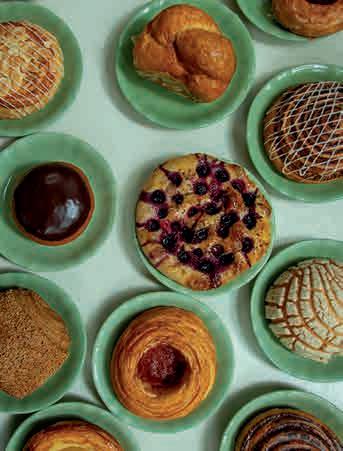
Hailing from Austria’s much-fêted restaurant, Steirereck, Luc Liebster is the chef behind El Cortés’ streetside restaurant, Lotti, ring up polished Swiss twists on local dishes. Exposed wooden beams and draped white tablecloths create a warmly rustic atmosphere, as light spills in through open, ornate-railed windows. For breakfast, female-led bakery Panadería Rosetta serves up a sublime pastry hit a few doors down, alongside its renowned Italian restaurant, Rosetta, which is housed in a graceful neoclassical setting opposite.
British chef Douglas McMaster closed the doors of Hackney’s pioneering Silo to spread its zero-waste message beyond the walls of one restaurant. Now ensconced in Condesa at Baldío, he’s proving garbage bins are obsolete — the Aztecs didn’t use them, after all — with onion skins or lime peels reincarnated into sauces and other complex avourings. For a nightcap, Handshake Speakeasy in the Juárez district promises a trip back to the dusky days of the Prohibition era, albeit with meticulously crafted infusions and top-notch service.
What to do
It might be tempting to while away your Mexico City adventure in the comforting con nes of Roma and Condesa, but that would be like leaving a knockout game at halftime. Pretty pockets of the city beyond these well-trodden areas are plentiful, from upscale dining in Polanco, home to both the revered Pujol and Quintonil, to the vibrant San Rafael neighbourhood, awash with budding galleries and retro theatres.
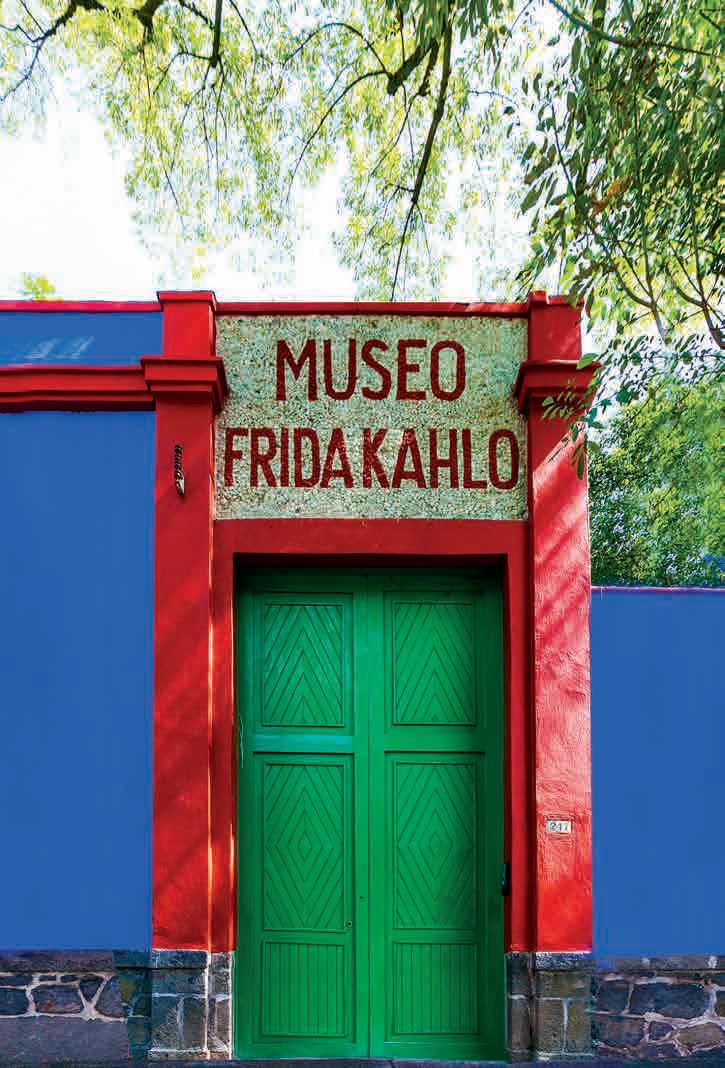
Mexico City Stadium — the very spot Maradona scored the ‘Hand of God’ goal against England — lies in Coyoacán. This colourful neighbourhood is also home to the houses of Frida Kahlo and her lover, Leon Trotsky; both have been turned into fascinating museums that are well worth a visit.
from far left: Baldío’s waste-free bar; the unmistakeable vibrant exterior of artist Frida Kahlo’s home-turned-museum; delicious pan dulce at Panadería Rosetta
Clockwise
MEXICO CITY –
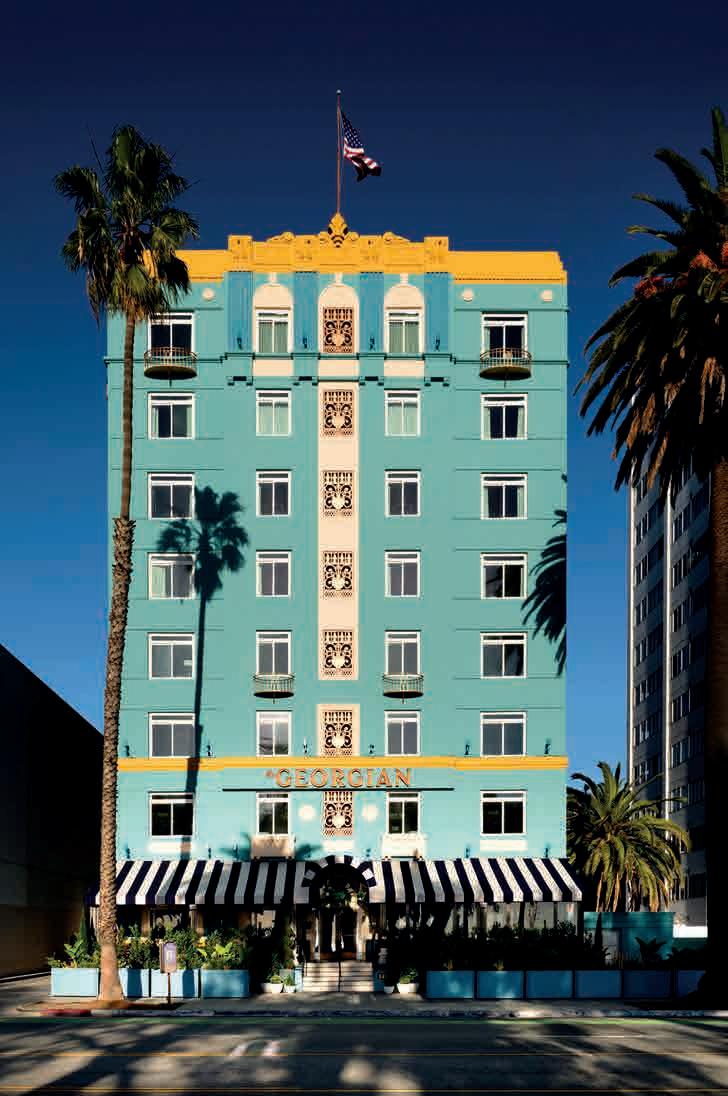
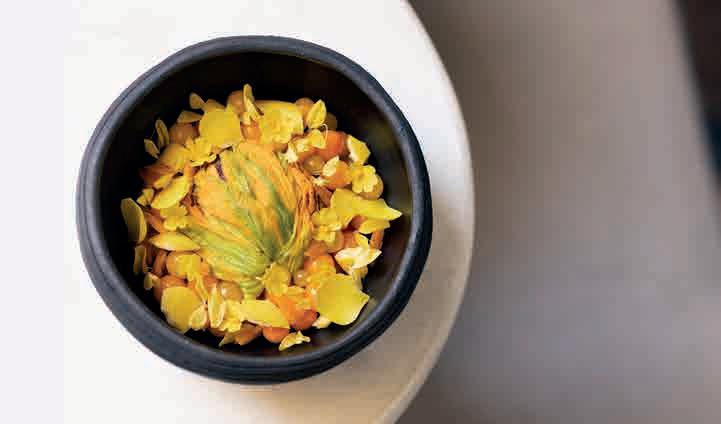
Clockwise from top left: The Georgian Hotel, dubbed the First Lady of Santa Monica, resplendent in the sun; the David Ge en Galleries at LACMA; a delicious dish served at Meteora
LOS ANGELES –
Where to stay
Along Santa Monica’s sandy, palm-treelined shore, The Georgian stands proudly. Newly refurbished and wearing an exterior of elegant baby blue, the hotel delivers a tranquil stay with a splash of LA splendour. Inside, Hollywood glamour dazzles in moody, feathery hues, while the soothing swish of the Paci c Ocean keeps you grounded. Its alfresco terrace, adorned with drooping crimson petals and pastel yellow and pink seating, makes for a wellspent, sun-dappled afternoon, before you head inside for a airs of a more hedonistic nature in the plush, velvety surrounds of the dining room.
Where to dine
Korean barbecue ranks among LA’s hottest culinary treats, with Park’s BBQ serving up some of its nest ame-licked dishes. New to the scene, Restaurant Ki comes with a 10-seater counter and the serious credentials of chef Ki Kim, of Atomix and Jungsik fame. For the adventurous, Meteora’s branchdrenched exterior hints at its ambitions, as lofty as the rocks it’s named after. From smoky murasaki yam to mandarin sorbet crowned with tigernut mousse, it hits the culinary mark.
What to do
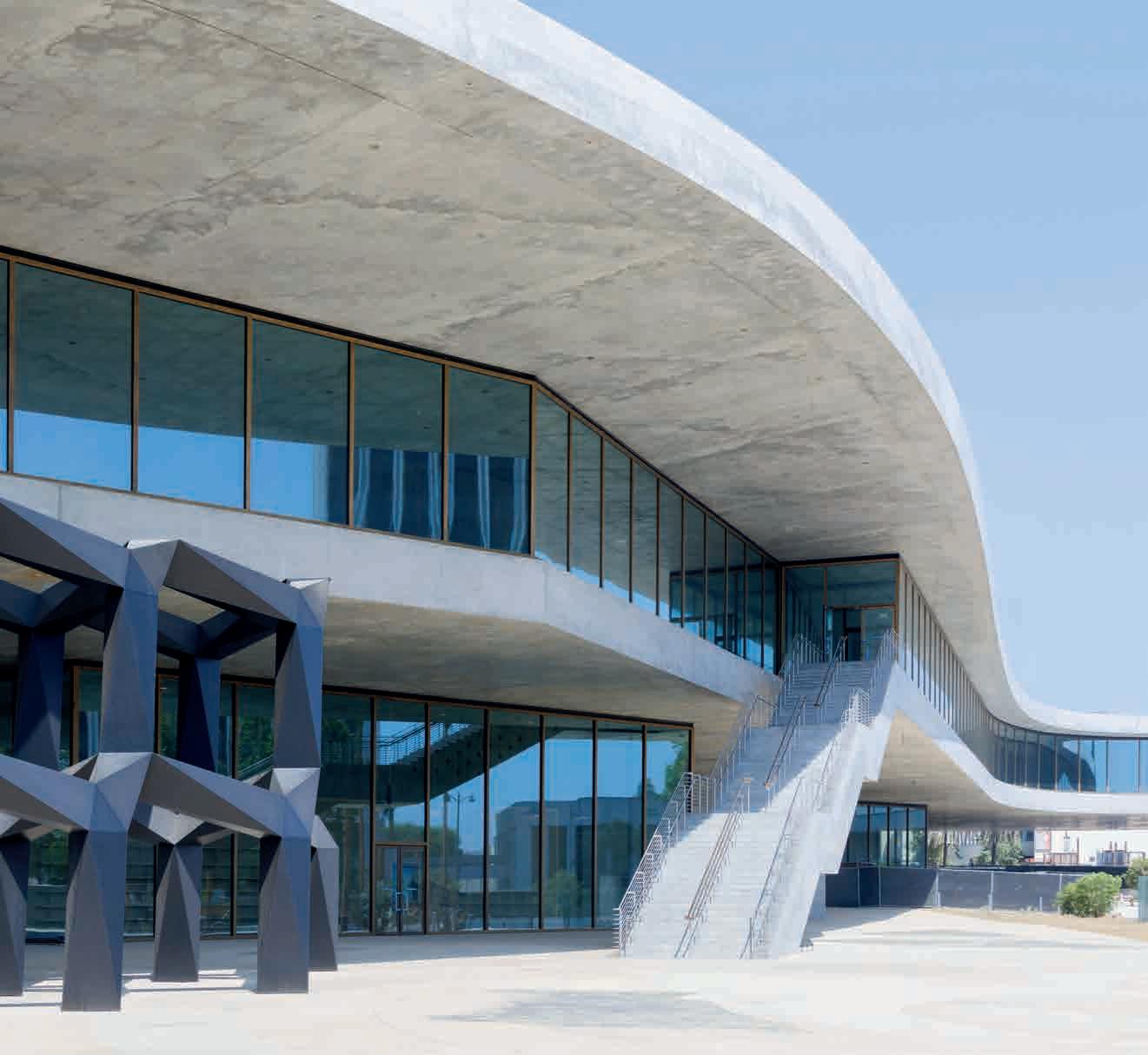
Los Angeles County Museum of Art (LACMA) recently underwent a futuristic facelift , with
the Pritzker Prize–winning architect Peter Zumthor knocking down its sprawling buildings to create a single- oor, amoebalike structure on legs. Now, the museum is transforming into a world of its own. Further expansion this April will bring a theatre, plazas and restaurants to the site. Exhibitions remain at its heart, with Fútbol Is Life, a celebration of the FIFA World Cup’s arrival in the city, on display until 12 July.
This year also marks 100 years of the iconic Route 66, so it’s only tting to take America’s most storied road trip up The Mother Road from Santa Monica, whose rugged desert terrain and neon signs evoke nostalgia — even if you’ve never set foot (or pedal) there before.
TORONTO –
Where to stay
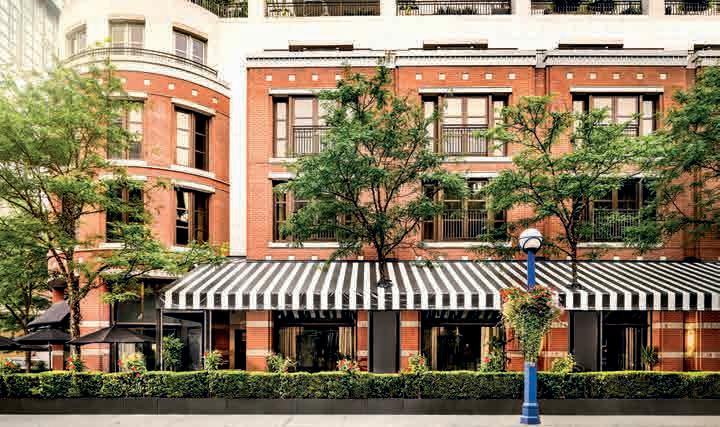
The choice of stay for Toronto is as breezy as the whispering air from nearby Lake Ontario, with The Hazelton Hotel Toronto’s intelligent swankiness t for a 21st-century king or queen. Rooms and suites are equipped with walk-in wardrobes, heated oors and honeymoonworthy granite bathrooms, with either a walk-out or Juliet balcony overlooking the upscale Yorkville neighbourhood. Though venturing outside might feel like a chore: the hotel’s luxurious cinema, bliss-inducing spa and critically acclaimed ONE restaurant and bar will more than keep you busy. If you do get a moment to spare, there’s always the football set on display on ONE’s wraparound patio.
Where to dine
Canada’s most populous city boasts a vibrant, multicultural food scene. Playful dishes such as rasta pasta or sushi pizza abound in Little Jamaica or Little Italy, while well-orchestrated food tours through Chinatown and Kensington Market ensure you t local delicacies such as peameal bacon sandwiches and Canada’s beloved butter tart into the itinerary.
It’s worth checking out Toronto’s laid-back, industrial Distillery District, which remains uniquely uncommercialised, welcoming independent local eateries only. For an occasion that demands classier surrounds, the recently opened Antylia mesmerises with a statement ower-light installation and whimsical Latin American dishes.
What to do
Nature runs deep in the Canadian psyche, so a stroll or cycle along the scenic shoreline or a swim at the sandy Blu er’s Park just outside the city will make you feel like a native in no time. For a culture x, the Luminato Festival is lighting up the city from 3-28 June and marking its 20th anniversary with music, art, theatre and immersive experiences.
Image: Gillian Jackson
Clockwise from left: Strong style vibes in Antylia; a red-brick exterior in the Distillery District; The Hazelton Hotel Toronto’s ONE patio, perfect for an alfresco drink
MIAMI –
Where to stay
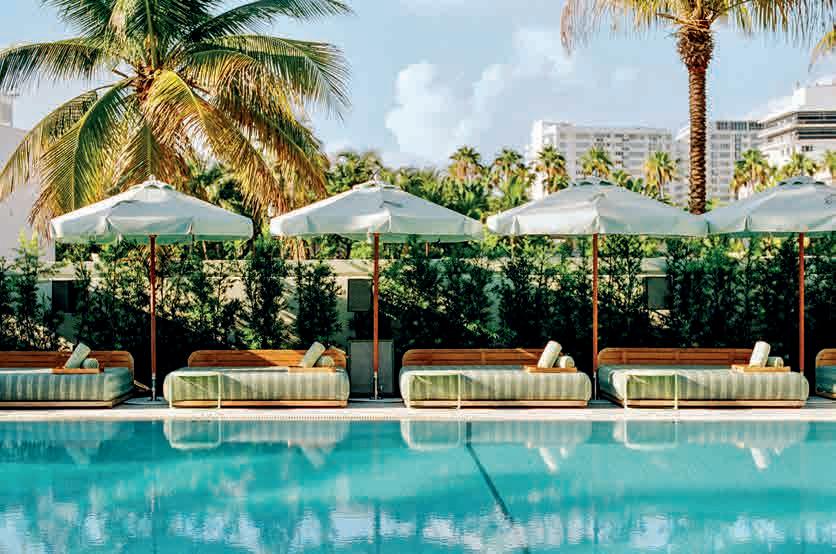
When a $100 million budget and expert designers come together, the results should sparkle — and The Shelborne By Proper on South Beach Miami does just that following its ADC & Tuneu-led renovation. Once a little tired from its Sinatra-and-Marilyn heyday, the refreshed design balances eclectic heritage with modern Miami. Curved sofas, soft pinks and oranges, and clean marble and wood create an e ervescent, tropical mood. Outside, ice-blue umbrellas and mint-striped sunbeds complete poolside days in utmost style.
Where to dine
With 70 per cent of the population identifying as Hispanic or Latino, especially Cuban, sampling a vaca frita or pastelito is essential to the Miami experience. Start with a pressed Cuban sandwich at Playa Café, then move to Cafe La Trova to move to the rhythm of nightly live music. For one of the city’s latest openings, Massimo Bottura’s Torno Subito serves pastas and martinis alongside all the theatricality expected from a celebrity chef.
What to do
Known for its glittering nightlife, Miami’s rooftops come alive as day gives way to night, including Selva above Amazónico, Japanese Yamashiro Miami and the MediterrAsian MILA. If daytime is when you thrive, rent a scarlet cabana at Faena Miami Beach for a decadent spot to gaze at the emerald ocean, or join the see-and-be-seen crowd frolicking at Thomas Keller’s The Surf Club. For something more energetic, the city opens its 131-acre Miami Freedom Park in April, the new home of Inter Miami CF, a golf course, adventure park and more.
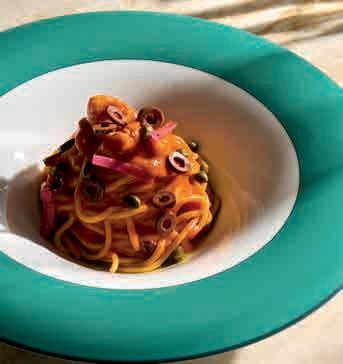
Bottom left and right: Torno Subito’s inside venue and lobster puttanesca Top left: Poolside at The Shelborne By Proper
NEW YORK
–
Where to stay
Whether it’s portion sizes, gas-guzzling trucks or the ability to dream, Americans are known for going gloriously big on everything they do. That’s why it’s only right to stay in the crème de la crème in the Empire State. Measuring up for the task is the Waldorf Astoria, uniquely occupying its own block in the wealth-laden business district. Moving from one lavishly soaring room to the next, reaching the pièce de résistance — Peacock Alley Bar — feels like waltzing into New York’s Wharton-esque drawing room, with its grand gold centrepiece clock, smooth piano player and suitably suave guests sipping martinis.
Where to dine
From egg-yolk yellow taxis whirring past to the gratifying Helvetica font of the subway,
grittiness and excitement pervade New York. For the cosiest wine bar in town, Elvis is found in the trendy NoHo neighbourhood, among its homely red-bricked, laddered buildings. Nearby, Kabawa serves inventive Caribbean dishes, with equally imaginative cocktails in the adjoining Bar Kabawa, while ‘culinary monster’ Lee Ha-sung’s farm-totable Oyatte in Murray Hill is one of the most anticipated openings this year.
Crossing the bridge to Brooklyn, Green Point is becoming cooler by the day, with the artisanal Radio Bakery there to prove it. On warm nights, head to Red Hook Tavern for sizzling burgers, then kick back outside at Compound Art & Sound Gallery for cool drinks, board games, and a hip, masterfully curated soundtrack.
What to do
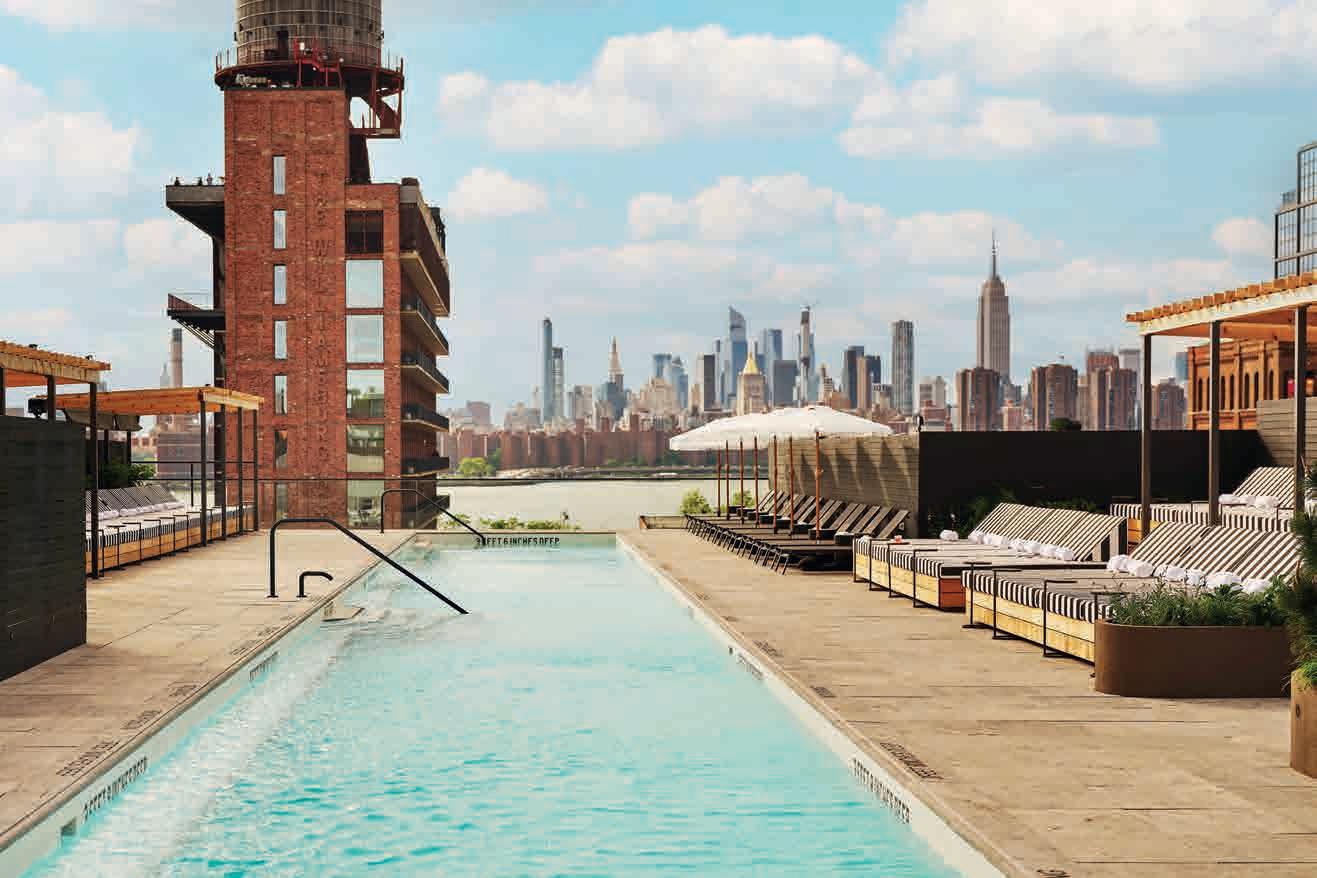
Bright lights, fast cars — the city that never sleeps is alive on every level, whether it’s o -the-radar live music at subterranean Aman Jazz Bar or a lofty dip in Bathhouse’s rooftop pool. This summer, the 82nd Whitney Biennial will inject an artistic high to the city, alongside open-air events from Prospect Park concerts to Rooftop Cinema Club screenings. Once you inevitably need a rest from it all, The Roundtree Amagansett in the Hamptons o ers home-away-from-home cottages in American dream suburbia, where even the crashing waves seem well-tempered. The Virginia Hotel in Cape May is an equally blissful escape and within reach of the New Jersey stadium, helping you remember why you came in the rst place.
Clockwise from far left: The Bathhouse rooftop pool; the grand entrance at The Waldorf Astoria; tartlets at Radio Bakery; Atlantic Avenue Beach in Amagansett; Chuletas Can-Can (pork chops cooked in Puerto Rican style) at Kabawa
A seat at the TABLE
A new generation of restaurant enterprises is in town, all with the same ambition: to build a portfolio without creating a chain. Can it be done?
WORDS BEN MCCORMACK
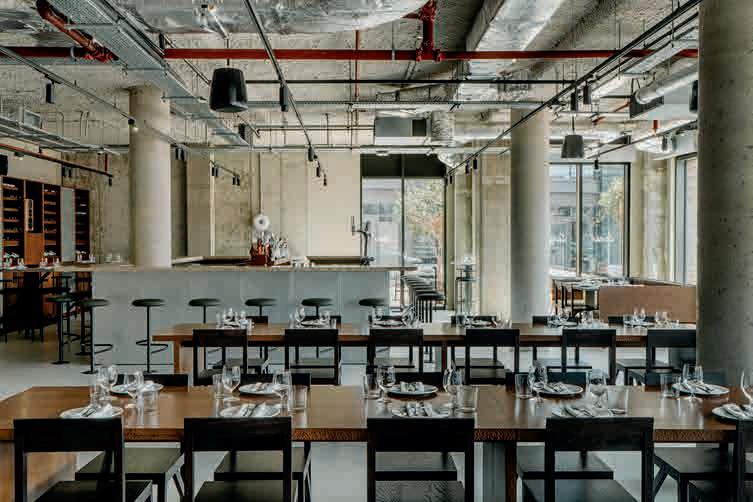
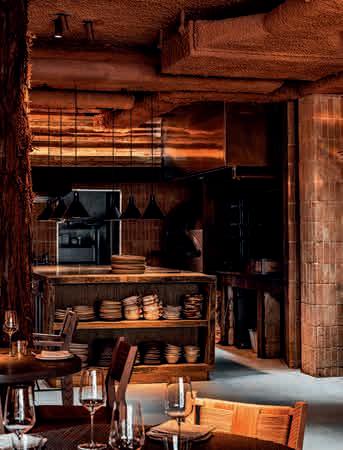
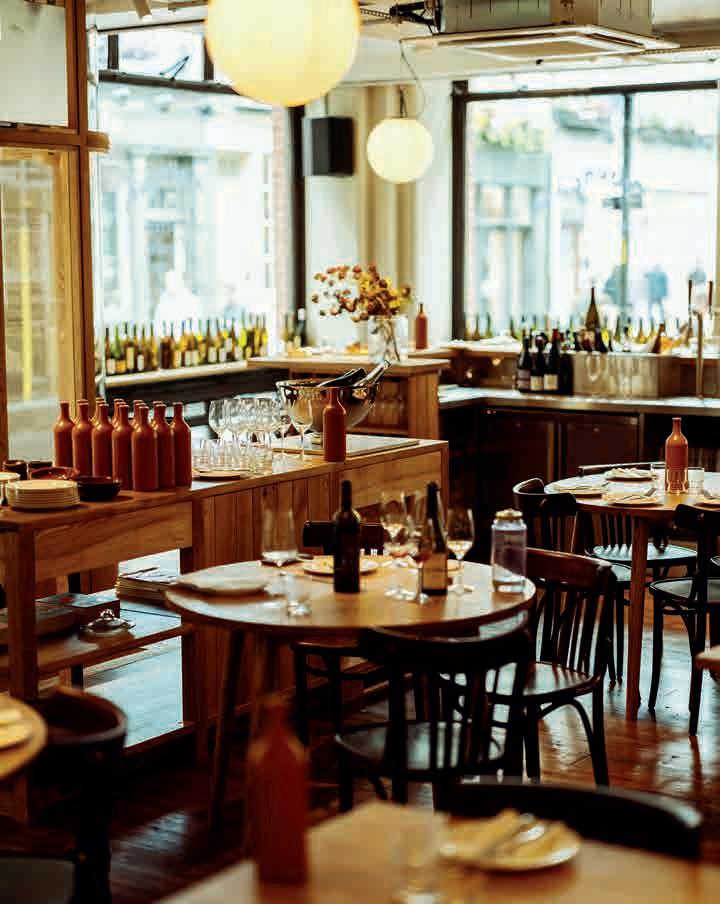
Restaurant groups have existed for almost as long as people have paid to go out to eat. Yet the noughties heyday of Caprice Holdings — when one group could de ne London’s entire high-end dining culture — is over. Now, groups such as JKS (Gymkhana, Kitchen Table) and MJMK (Kol, Anglothai) have proven that diversity is the recipe for success — and a wave of ambitious operators have followed, each attempting to perfect the most challenging of all hospitality formulas: how to build a restaurant group without creating a chain.
Take George Bukhov-Weinstein and Ilya Demichev. The two schoolfriends began their restaurant careers with Goodman steakhouse in Mayfair in 2008 before co-founding the Burger & Lobster chain, which they left in 2025. However, the pair have also been building what is informally known as the Wild Group, a collection of restaurants that have colonised London’s most exclusive neighbourhoods. While the venues share family traits, each feels individual.
“Building a chain or a group was never a goal, and every project is a completely new process,” Bukhov-Weinstein says. “Expansion has happened naturally for us, and every year we say ‘no more’. But then an interesting location or concept comes up.”
From the suit-friendly Sardinian seafood
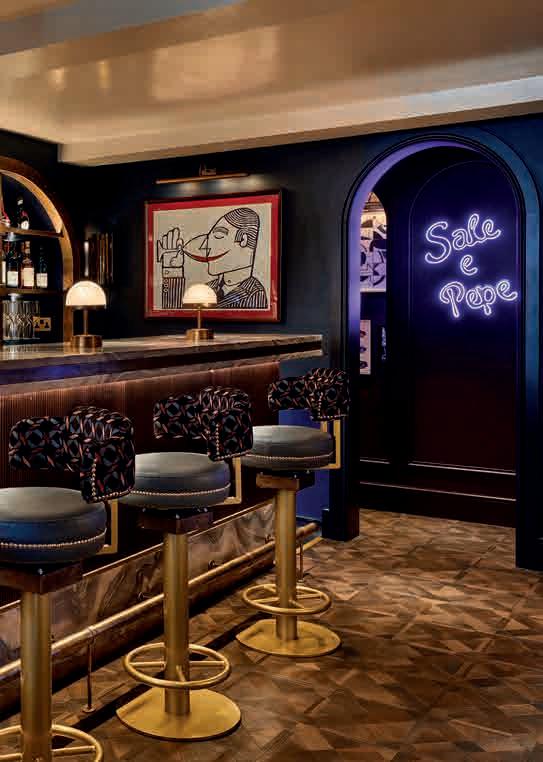
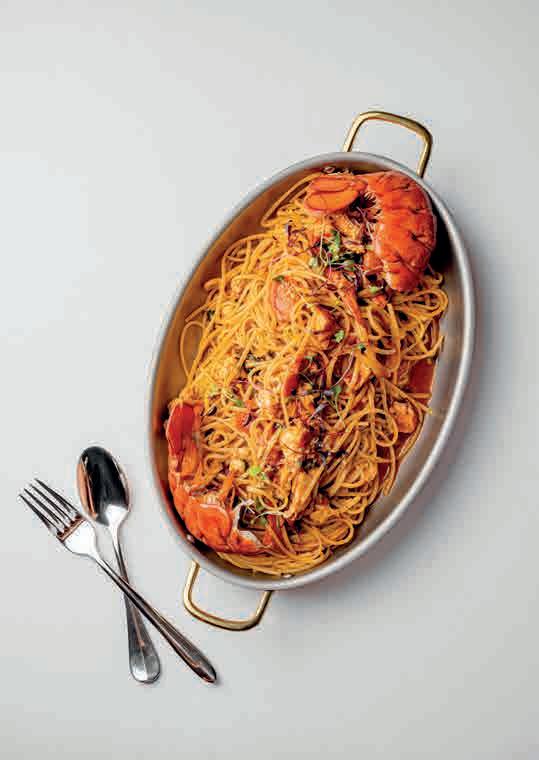
Clockwise from opposite: Gymkhana has won two Michelin Stars since it opened in 2013; Sale e Pepe and one of its dishes, linguine all’aragosta; the Japanese MA/NA opens in Mayfair in March; Los Mochis in the City
served at Pinna in Mayfair to the familyfriendly Belvedere in Holland Park, each restaurant is precision-tuned to its location. New this year is Wild Izakaya, where traditional Japanese cuisine is served in a modern setting, which will be followed by seafood pub The Albatross; both are located on Old Jewry in the City. “We live and breathe each restaurant until it feels like home,” Demichev says. “We love handcrafted restaurants with soul.”
Arian and Alberto Zandi’s ambition is more systematic. The 29-year-old Spanish twins launched EmeraldHospitality Group in 2018. Arian explains, “Our clear ambition was to build one of the de ning premium hospitality groups to come out of London. We wanted to do it through variety rather than repetition.”
Working together since birth creates operational advantages. “We can be very direct without it becoming personal,” says Alberto. “Most co-founders spend years learning how to communicate under pressure. With a twin, you begin with a lifetime of context.” Their philosophy of “distinct brands, shared standards” will manifest most strongly in their Peterborough Building project this July, which will see three restaurants open simultaneously in the former Fleet Street o ces of The Daily Telegraph: Casa Como (Italian), Wild Fire (a live- re steakhouse) and Sushi Club (a rooftop Japanese). The twins also own a trio of Italian and Mediterranean restaurants: Bottega 35 and Como Garden in Kensington, and Riviera in St James’s.
The brothers might be Spanish but have
pragmatically adopted Italian-accented concepts as a concession to what travels well. Other operators, however, lean into their family heritage. Markus Thesle ’sconnection to Japan runs deep: his grandfather was the Finnish ambassador there, and his father was born in Tokyo. That background infuses Thesle Group’s operating philosophy around the Japanese concept of ikigai, which Thesle de nes as “ nding meaning in what you devote your life to, and improving by small increments every day.”
Thesle Group was founded in 2019. Two
years ago, it relaunched Sale e Pepe, the 52-year-old Knightsbridge Italian restaurant where Thesle was taken as a child. February saw the brand expand with Sale e Pepe Mare, a seafood-focused dining room at The Langham, London. “Within Thesle Group, heritage and innovation co-exist by design,” he says. His Japanese concepts, meanwhile, range from six-seat Juno Omakase in Notting Hill and Luna Omakase, the only Omakase in the City, to the 472-cover Los Mochis London City and MA/NA, opening in Mayfair in March. Now, Thesle is going international, taking
Anti-clockwise from above:
Sardinian restaurant Pinna; Riviera in St James’s, part of the Emerald Hospitality Group, and one of the dining venue’s elegant dishes
Images: Jack Hardy, Ryan O’Donaghue, Wild Group
his Japanese-Mexican hybrid Los Mochis to the USA. While other operators such as JKS, Hawksmoor and Dishoom have opened their rst stateside ventures in New York, Thesle has chosen Beverly Hills because, he says, Southern California’s wellness-conscious lifestyle is more aligned with the group’s DNA. Los Mochis should be a natural t in the home of Hollywood. “We see ourselves as part of the entertainment business,” Thesle says. “Time is the new luxury, and our role is to make that time meaningful.”
French-born Aymeric Clemente has likewise parlayed his roots into a restaurant portfolio that balances international ambition with neighbourhood intimacy. He co-founded Bagatelle in New York in 2008, building it into a brand of 14 global outposts, with Lisbon, Malta and Manchester coming soon. Yet Clemente hasn’t lost his taste for the smallscale projects that represent his childhood growing up in his parents’ restaurant in the south of France. “Bagatelle started out as a humble bistro,” he explains, “and while it has evolved into the vibrant brand it is today, our philosophy remains strongly rooted in that original spirit.”
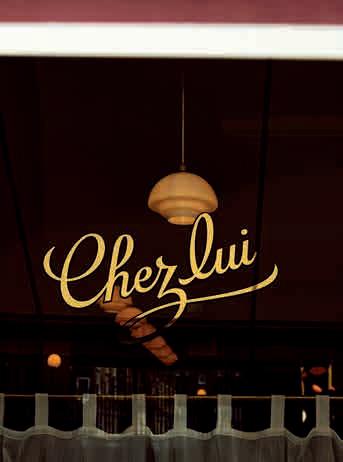
Clemente’s new La Bistrot Collection channels that philosophy: Chez Luiopened in Notting Hill last August as what he calls “intimate dining that feels like home,” with a Belgravia follow-up launching this summer and potential plans for sites in Hampstead, Marylebone and Primrose Hill. “Our aim and vision,” he says, “is to open exceptional local bistros that thrive within their own
“We see ourselves as part of the entertainment business. Time is the new luxury, and our role is to make that time meaningful”
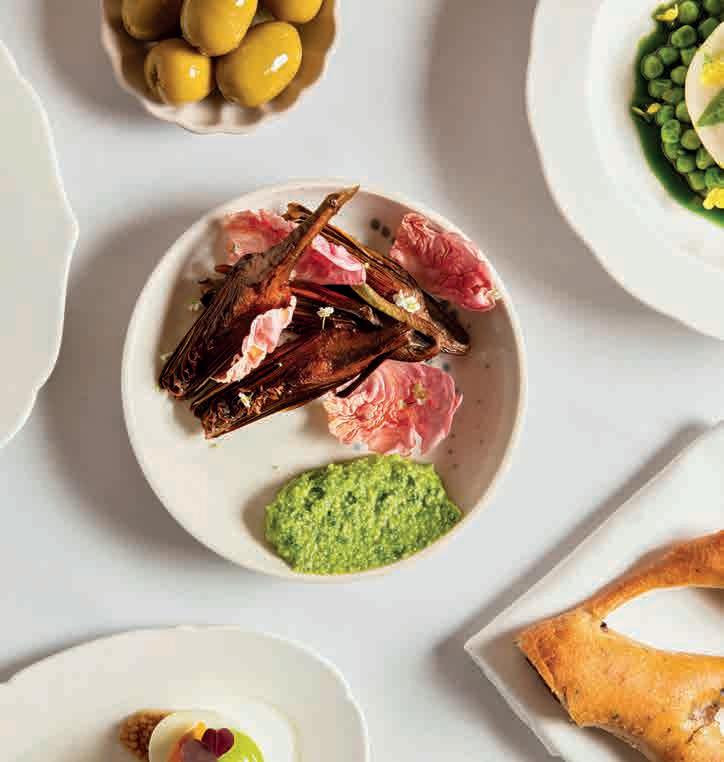
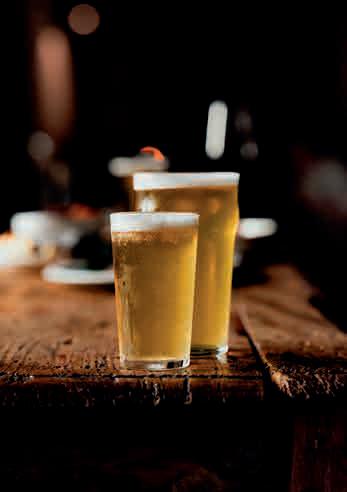
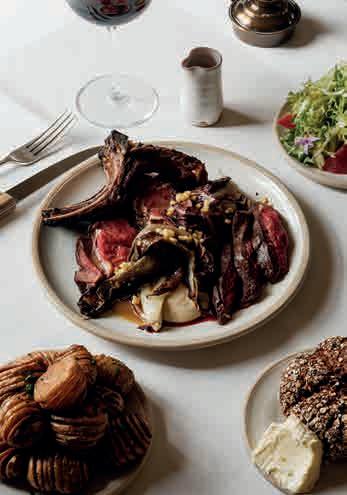
Clockwise from left: Roasted purple artichokes at Chez Lui; a hearty dish at The Fat Badger and refreshing drinks at The Bull, both founded by James Gummer and Phil Winser of Public House
communities, acting as social anchors where residents feel at home, and visitors can feel connected.”
A more typically British kind of London local is being revived in the city’s neighbourhoods by Public House’s James Gummer, Phil Winser and Olivier van Themsche. The trio is reinventing the neighbourhood pub as social infrastructure. “We treat pubs like social clubs without the membership,” Winser says. “You can come in for a pint or a big birthday dinner. We spend a lot of time thinking about how each building is used — from casual weekday lunches to events like life drawing and even Pilates.”
Public House’s in-house design studio, led by Winser, strips each building back to nd its unique character, using traditional methods and UK-only sourcing, such as reclaimed wood. Ingredients, where possible, come from the trio’s Oxfordshire Bruern Farms market garden, close to where Winser and Gummer grew up, in the days before they transformed their village local, The Bull at Charlbury, into the Cotswolds’ most famous pub.
Gummer describes Public House’s culinary o ering as “elevated comfort food that celebrates tradition and creativity, with menus led by what’s available from local farmers and our own growers.” Since The Pelican opened in Notting Hill in 2022 and Italian restaurant Canteen in 2024, four pub sites, including The Hero in Maida Vale, The Fat Badger in North Kensington and The Hart in Marylebone, have followed. “We’re expanding carefully and intentionally,” Van Themsche says. “The team doesn’t rush growth and focuses on doing each project right.”
This year, Public House is launching Pub Club, a hospitality school near Charlbury. Proving that hospitality can be a viable career is an ambition shared by Dominic Hamdy, the founder and managing director of Ham Restaurants. The 33-year-old’s journey began with a Scotch egg stall on Berwick Street
Images: Eleanora Boscarelli, Matthew Hague
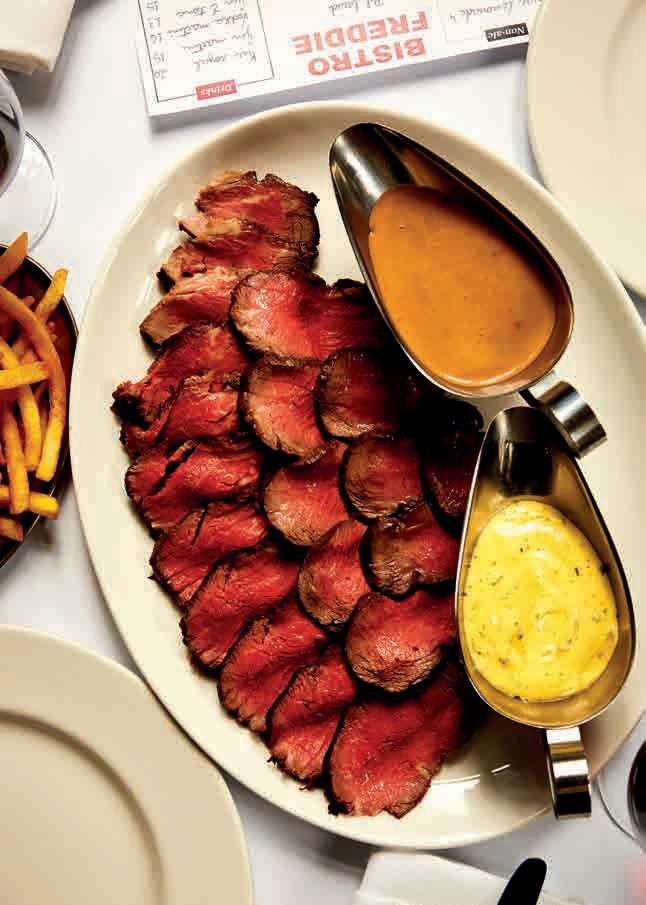
Above and below: Ham Restaurants, founded by Dominic Hamdy, boasts several establishments, including Bistro Freddie and Canal in west London Above right: Moi, the Japanese o ering from MAD Restaurants
Market while studying at UCL, which led to Borough Market, wholesale in Selfridges, and eventually, in 2018, the launch of Crispin restaurant. “I certainly didn’t set out to become a restaurateur,” he says. “It just sort of happened, and once it did, I realised it really spoke to me.”
Now with ve restaurants — including Crispin’s seasonal small plates in Spital elds and its wine bar o shoot in Soho, Bistro Freddie, an inspired French bistro celebrating British ingredients in Shoreditch and, most recently, the all-day Canal in west London — Hamdy’s own route into hospitality may have been unconventional, but he is determined to create the career infrastructure that the industry can lack. “We’re trying to create a safe, supportive and enjoyable environment for our team,” he says, which includes a plan to o er private healthcare by the end of the year. Happy sta make for happy customers, he says. “That energy is always re ected in the food and the atmosphere.”
Hamdy’s focus on employee welfare hints at something more radical — what if sta
weren’t just supported, but became actual stakeholders in the business? Ben Chapman, the co-founder of Super 8, which includes Brat, Mountain, Kiln and Smoking Goat, is a passionate advocate for that model. Head chefs and GMs build pro t shares through what he calls a “key partners programme”, which includes full nancial transparency of pro t and loss. “We train them to run their own restaurant,” Chapman says. “Our goal is to get to a point where we are providing genuine opportunities at the top so our leaders can a ord good homes and lifestyles in London.”
Growth for the group happens only when both produce and people are ready. “For a new Super 8 restaurant,” Chapman explains, “you’re talking about a head chef and GM with a minimum of four years’ experience at our restaurants, then a further two years of putting the supply chain together and two years building the concept.” Impala, a charcoal grill restaurant with in uences spanning from North London to North Africa, opens in March. Its head chef and co-owner, Meedu Saad, has been with Super 8 for
Super 8 supports sta to become stakeholders in its outposts, including Mountain and the Smoking Goat
nine years and was Kiln’s executive chef. Each of these operators pays tribute to the restaurant groups that have gone before them, from Conran Restaurants to Corbin & King. But new kid on the block Artem Login captures the essential distinction: “I respect groups like Caprice Holdings for how they built timeless institutions, and JKS for their understanding of energy and modern London dining. But I don’t want to copy anyone. Those are not templates. Every era needs its own language.”
Login’s MAD Restaurants points to a future in which controlled growth feels more like con dence than caution.MAD launched last year, with two restaurants in Soho: the Japanese Moi and Spanish Alta. “I never think in terms of rolling out a concept,” Login says. “I’d rather have a smaller group I’m proud of than a large one I barely recognise.”
It’s a sentiment echoed by Dominic Hamdy. “That sense of individuality is essential. There’s nothing worse than walking into a place and immediately recognising the brand behind it. If it feels formulaic, we’ve failed.”
FASHION STATEMENT
The creative coalition of luxury brands and lmmakers is here to stay, serving as an immersive showcase for the craftsmanship, artistry and stories behind the curtain
WORDS SIMON BROOKE
They’re both a celebration of glamour, striking visuals, creativity and craftsmanship. It’s hardly surprising, therefore, that over the last few years, luxury brands have been growing closer to the world of cinema. However, this year, that connection is set to be stronger than ever, with funding for movies increasing, and collaborations becoming closer and more imaginative.
The Fondazione Prada has recently announced that it will invest €1.5 million annually in lmmaking, with a group of projects to be announced in February this year, while 2024 saw the launch of LVMH’s subsidiary 22 Montaigne Entertainment (named after its Paris HQ). The new venture, created in partnership with Superconnector Studios, which describes itself as being at the “nexus of brands and entertainment,” will create connections between LVMH and leading entertainment creators, producers and distributors to co-develop, co-produce and co- nance entertainment projects.
“LVMH and our 75+ Maisons are creators of culture, constantly innovating to connect
centuries of heritage and savoir-faire with current audiences,” says Anish Melwani, Chairman and CEO, LVMH North America.
“We created 22 Montaigne Entertainment as a vehicle to work with the entertainment industry, with the world’s best storytellers, to lend depth and authenticity to premium lm, television and audio formats.
“Entertainment has an ability to generate emotions in a way that advertising simply can’t. When we invest in world-class lmmaking and content creation, there is a real opportunity to represent the craftsmanship, artistry and human stories behind our work into modern culture.”
Saint Laurent Productions launched in 2023, making it the rst luxury brand with its own fully edged lm production. One of its cinematic projects was Pedro Almodóvar’s Strange Way of Life. Cartier has partnered the Venice International Film Festival since 2021, but next year will see its largest investment.
Chanel has supported its ambassador Kristen Stewart’s directorial debut, The Chronology of Water, backing its premieres at the Cannes and Deauville lm festivals.
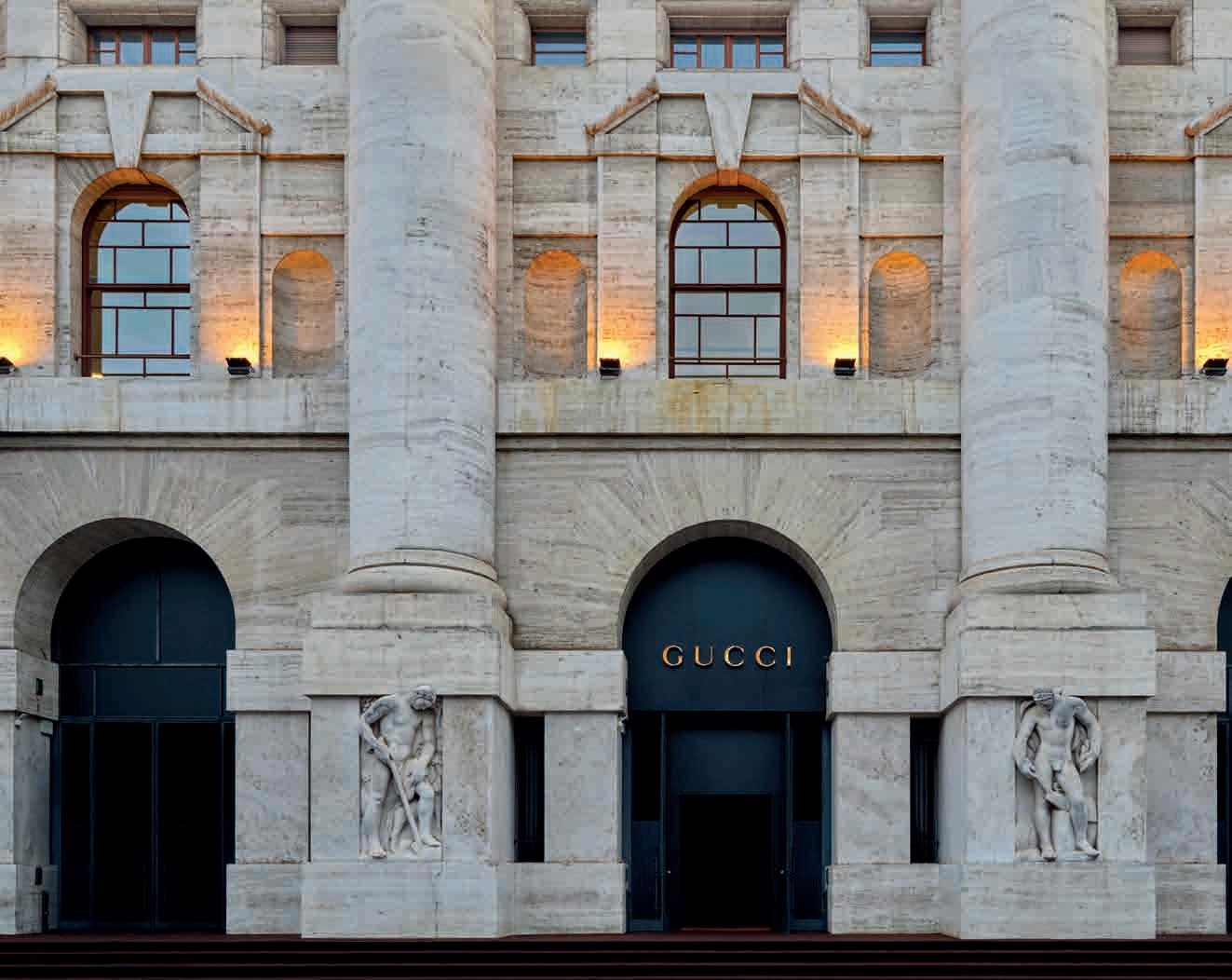
Gucci provides another example of the way
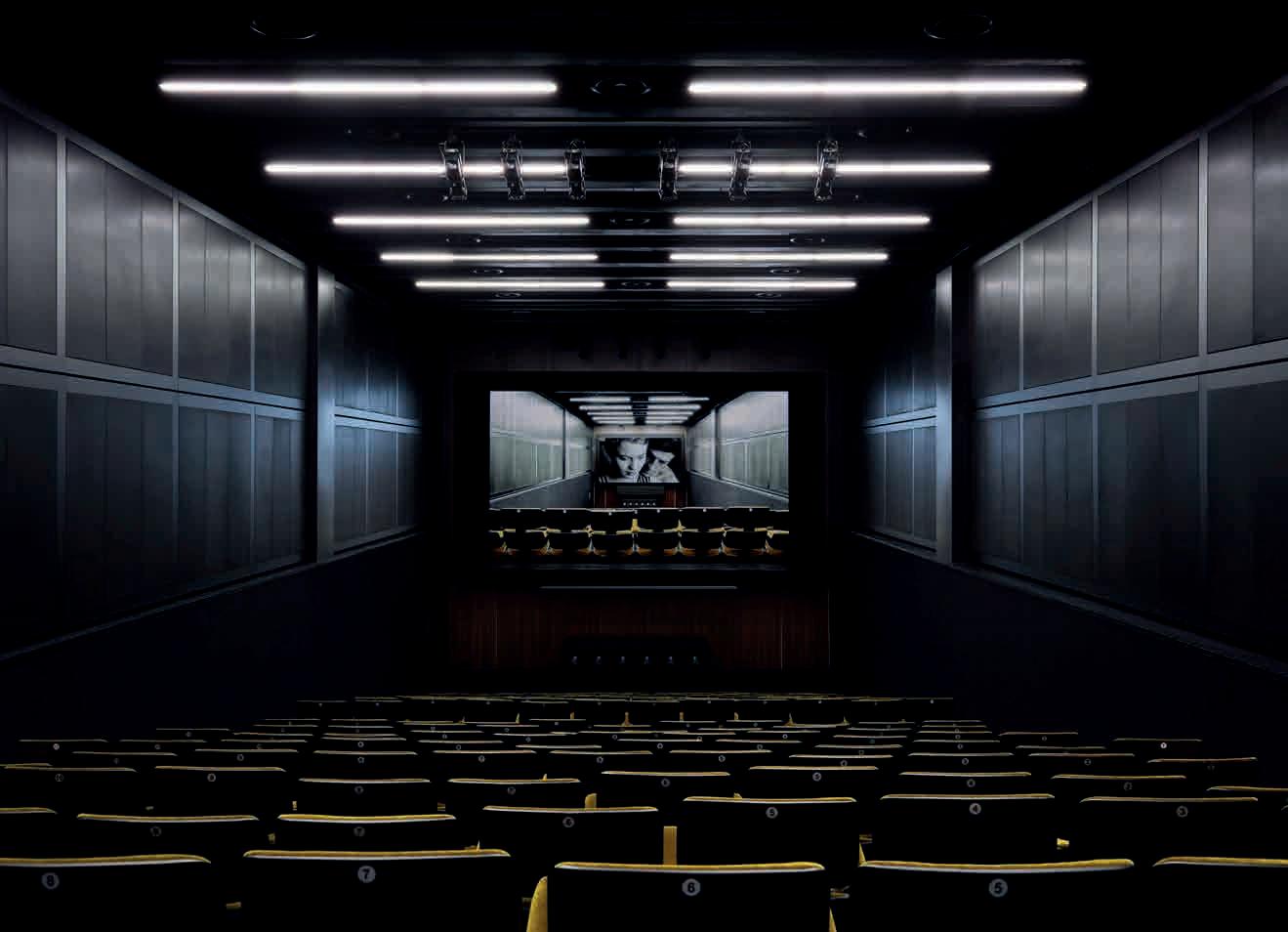
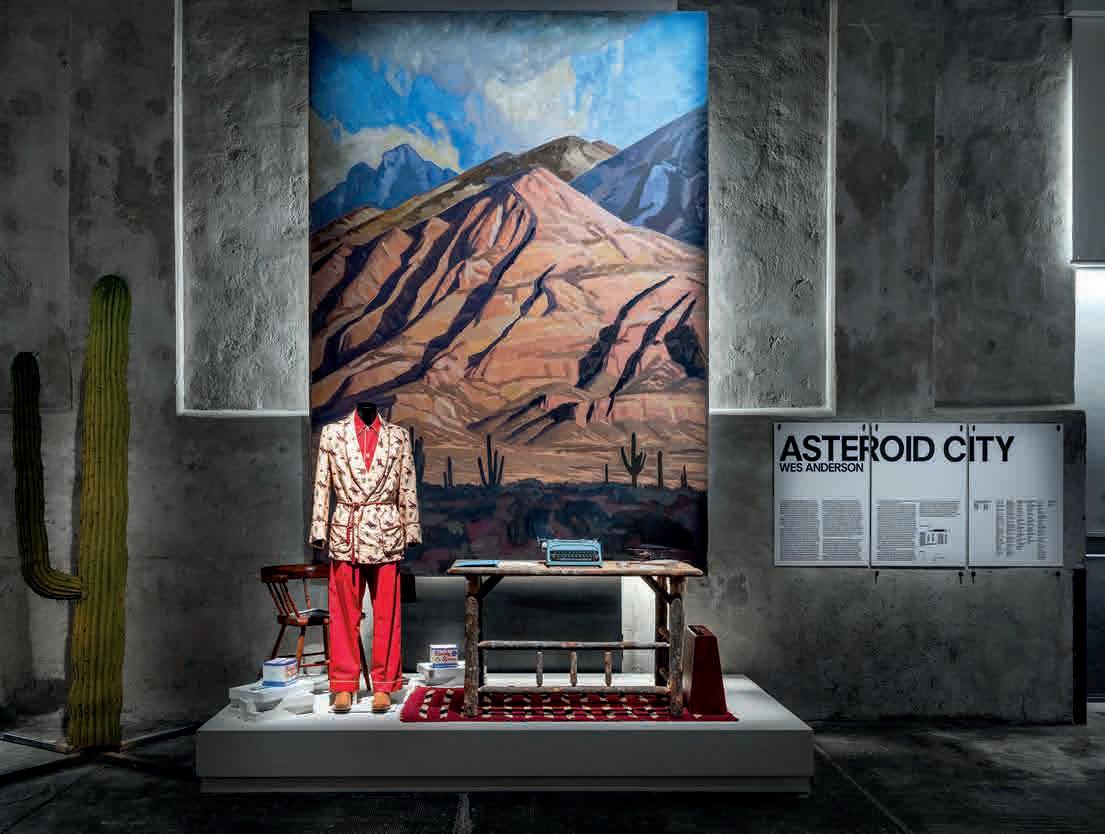
Clockwise from opposite: Fondazione Prada renamed its Milan movie theatre Cinema Godard in honour of late film director Jean-Luc Godard; the Italian fashion house curated an exhibition in partnership with long-time collaborator and filmmaker Wes Anderson
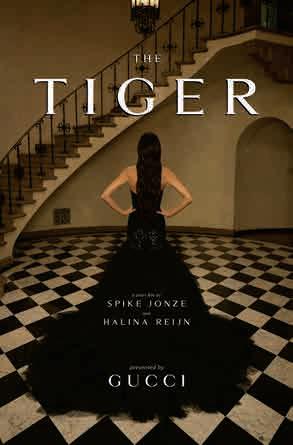
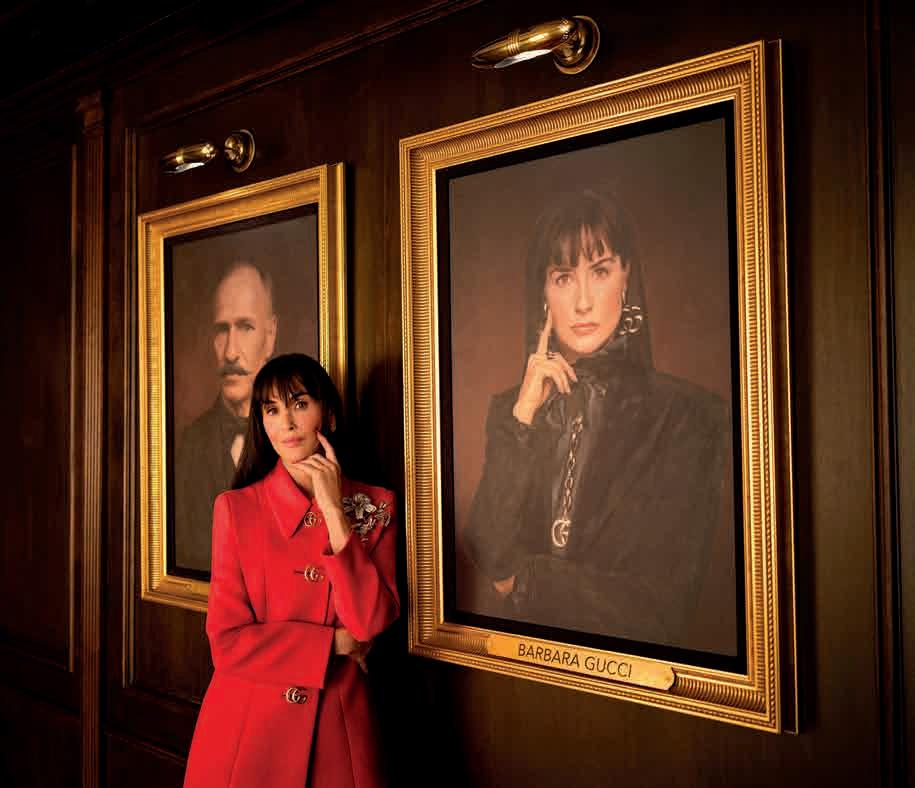
in which the movies are becoming an integral part of luxury fashion. Newly appointed creative director Demna used a recently released short lm, The Tiger, starring Demi Moore, Edward Norton and Ed Harris, to showcase his rst collection for the brand.
Meanwhile, Artémis, which has assets of over $40 billion and controls brands such as Gucci and Saint Laurent, as well as Christie’s, recently agreed to buy a majority stake in the Hollywood talent giant Creative Artists Agency (CAA). Founded in 1975, CAA represents some of the biggest names in the movie industry, including actor Salma Hayek, the wife of Artémis founder François-Henri Pinault.
While advertising will always have a place, these large-scale productions give brands more time and space to tell their stories and to celebrate their histories. A major movie
has visibility and the ability to generate media coverage that a conventional commercial could never achieve, while an arthouse movie taps directly into a sophisticated, in uential audience. Moviemaking also gives luxury houses more control than they could ever have with social media.
“Film creates arguably one of the most holistic and most authentic means of showrooming and building the world you want the customer to see your brand as,” says Emma Ellis, President at global branding consultancy Interbrand London. “If eyeballs are the currency of mass marketing, perhaps this shift towards deliberate and in-themoment focus, diving deeply into the brand world, is what the high-end customer is craving. The medium of lm is the epitome of storytelling and escapism, out of the
A major movie has visibility and the ability to generate media coverage that a conventional commercial could never achieve
mundane into a curated world we can all escape into — we can invest in characters, in plot lines, in the dynamics that interplay, and importantly the art direction, styling and environment. It is a shift to create the ultimate brand lm — away from the old school stock imagery and o -the-shelf soundtracks — and who better than the luxury brands to elevate this into lm?”
The Fondazione Prada Film Fund, an annual initiative aimed at supporting independent cinema, is shortly to make an announcement of the winners of its latest funding round. Each year, 10 to 12 feature lms are selected, regardless of geography, theme, genre or language. The criteria, says Paolo Moretti, Head of Fondazione Prada Film Fund, will be “quality, originality and vision, with the intent to support directors, screenwriters, and
producers across the three crucial phases of lmmaking: development, production and post-production.”
According to Miuccia Prada, President and Director of the foundation, “Cinema is for us a laboratory for new ideas and a space of cultural education. This is the reason we have decided to actively contribute to the realisation of new works and to the support of independent cinema.”
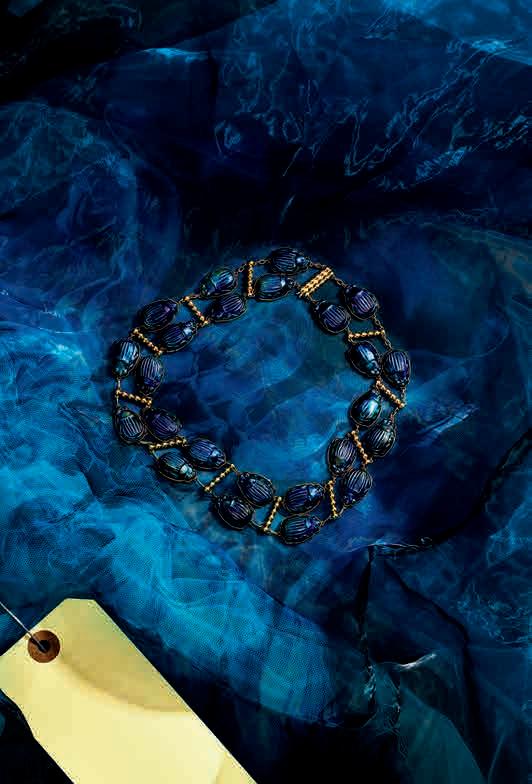
Although product placement has a relatively long history in lmmaking, brands, as well as producers and directors, are now taking a more considered approach to featuring items in movies. Historical pieces from the archive of jeweller Ti any & Co have added authentic period detail to Net ix’s Frankenstein, directed by Oscar winner Guillermo del Toro. The lm features some
Clockwise from above: Demi Moore plays the imaginary head of Gucci International in The Tiger, a showcase for creative director Demna’s first collection; the Palazzo Mezzanotte in Milan served as a pop-up space for his La Famiglia debut collection
27 Ti any & Co jewels and objects, including necklaces, bracelets, rings, earrings, brooches, pendants, sterling silver objects, a hair comb and a pocket watch.
In this retelling of the Gothic horror story, the endish doctor’s ancée, Elizabeth Lavenza, takes a more prominent role, developing her own relationship with the monster. “Ti any’s jewellery became its own creative contribution, similar to hair design, makeup, wardrobe, sets and props, and was integral to completing the design space,” says Kate Hawley, the lm’s costume designer. “It was not just an accessory but an essential element speci cally to Elizabeth’s character, enhancing the colour palette and overall interpretation of her world.”
Champagne house Ruinart has supported the rst three episodes of a new visual podcast called Upstairs With…, an intimate conversation series presented by awardwinning chef Adam Byatt and recorded in the dining room above Trinity, his Michelinstarred London restaurant. Each episode invites a guest to revisit the most in uential meal they’ve ever had — not the fanciest nor the most famous, but the one that has the most personal signi cance. Byatt cooks the dish exactly as they remember it, to open deeper conversations about
“identity, belonging, ambition and success.”
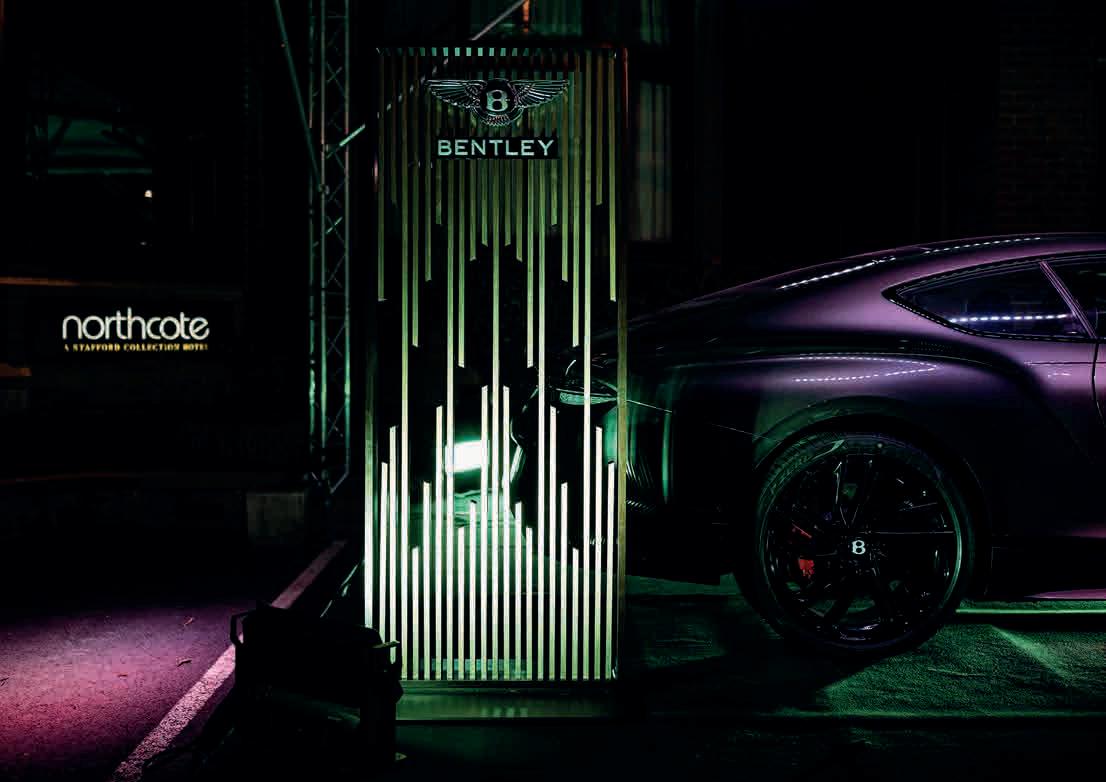
The same production company, 7Fifty, has also worked with Bentley Motors to document Obsession, the food and wine festival. The lm follows chef director Lisa Goodwin-Allen as she explores the Bentley factory to discover the similarities between her cooking and passion for British produce and the way in which Bentley makes its cars.
“It’s about digging deeper into what a brand stands for, its values, and how to re ect them in content that sits adjacent to what they are selling, as opposed to directly forcing products into view,” says 7Fifty founder Rosa Brough. “Someone watching a lm made by Prada might never have thought about aspiring to own a designer handbag, but if they love the lms, they then love the brand, and one day might become a loyal fan. And yes, quality lmmaking is about beauty, excellence and aspiration. We watch lms to fall in love, dream and escape. They make us feel something, in the same way that luxury brands do. Watching a lm of stunning cinematography is a similar experience to gazing with awe at a diamond necklace through a shop window.”
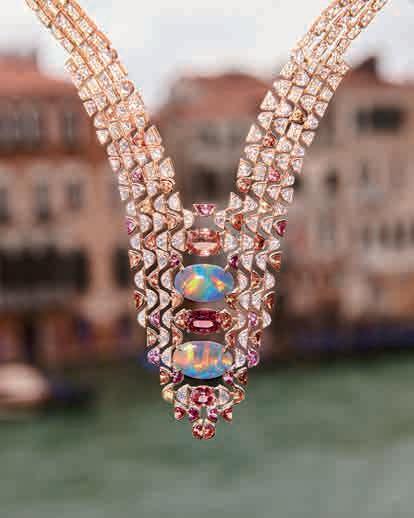
An o cial partner of the Venice International Film Festival for the fth consecutive year, in 2025, Cartier further
strengthened its support for the festival by sponsoring a series of masterclasses on the o cial festival programme. The Art and Craft of Cinema masterclasses share the skills and expertise of preeminent lmmakers, while putting the spotlight on those who work behind the camera as well as the people who appear on the screen — an interesting way of putting craftsmanship ahead of pure glamour and celebrity.
Cartier presented a series of panels featuring world-leading talents across the various disciplines of lmmaking to explore the often-invisible aspects behind the collaborative aspect of the industry. Most recently, four new masterclasses were held on the Venice Lido, featuring conversations between directors including So a Coppola, Jane Campion and Alfonso Cuarón.
According to Research Nester, a global strategic market research and consulting rm, the movie and entertainment market, including cinema and streaming, will be worth approximately $119 billion this year, reaching $231.7 billion by 2035. As luxury brands look to engage with new audiences and go beyond simple product development and runway collections to showcase their creativity, their work in the movie industry will open up even more exciting new opportunities.
“Tiffany’s
jewellery became its own creative contribution, similar to hair design, makeup, wardrobe, sets and props”
Clockwise from left: As Elizabeth in Frankenstein, Mia Goth wears a dazzling array of Ti any jewels, including the inky blue Scarab necklace; Bentley Motors has stepped into the brand/filmmaking space; the stunning Cartier High Jewellery En Équilibre Necklace, worn by Riley Keough on the red carpet at the 82nd Venice International Film Festival
GOOD LIBATIONS
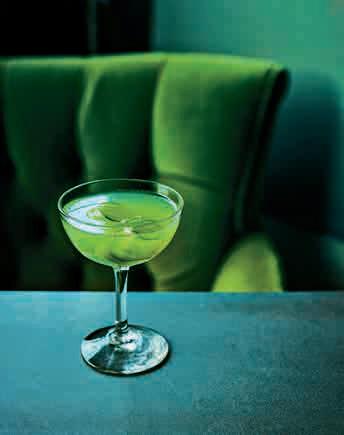
Celebrate the lengthening, brighter days after the gloom of winter with vibrant cocktail choices that o er the perfumes and avours of springtime. Nina Caplan selects her favourites
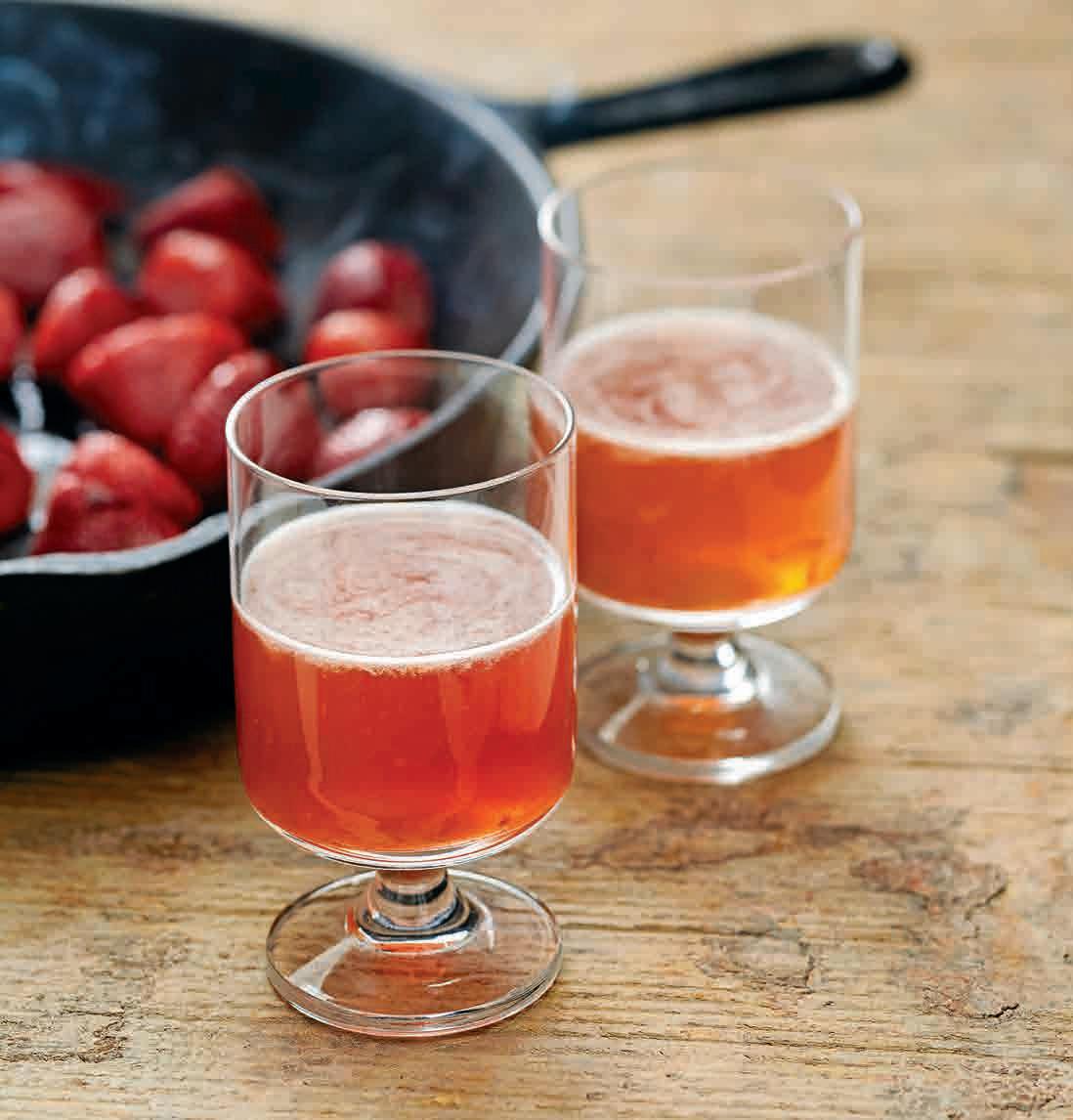
, includes roasted strawberries; the Gimlet is such a classic that in Melbourne, they’ve named a restaurant after it
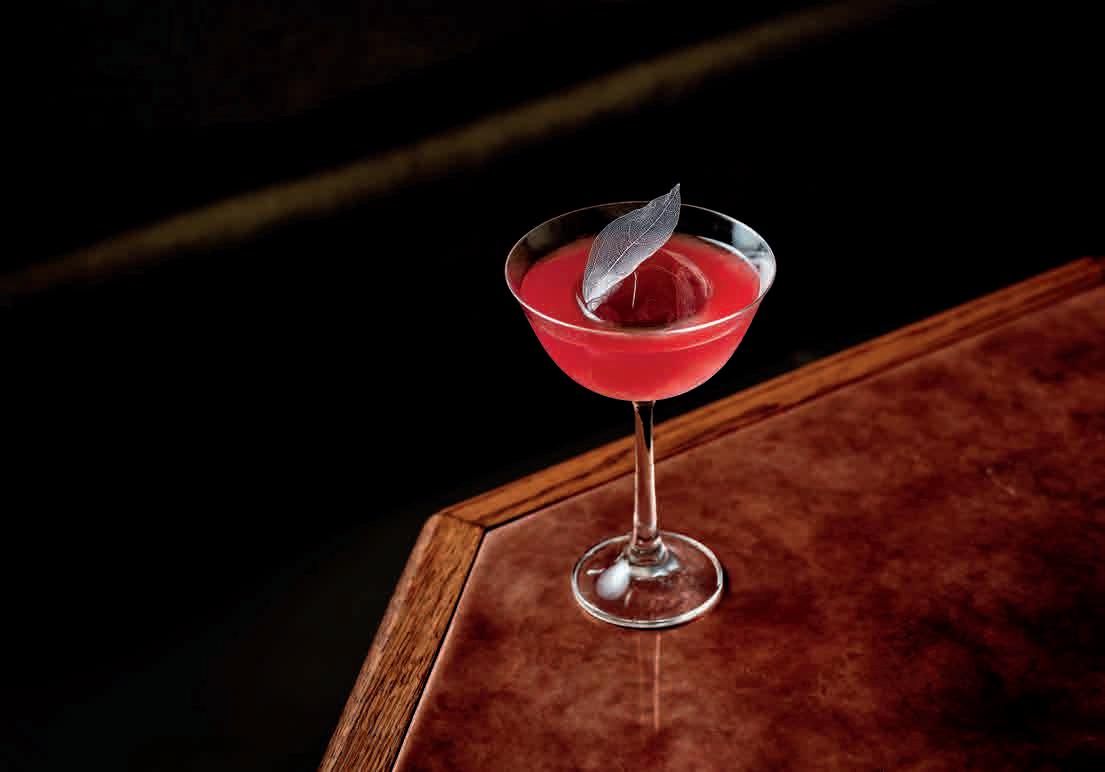
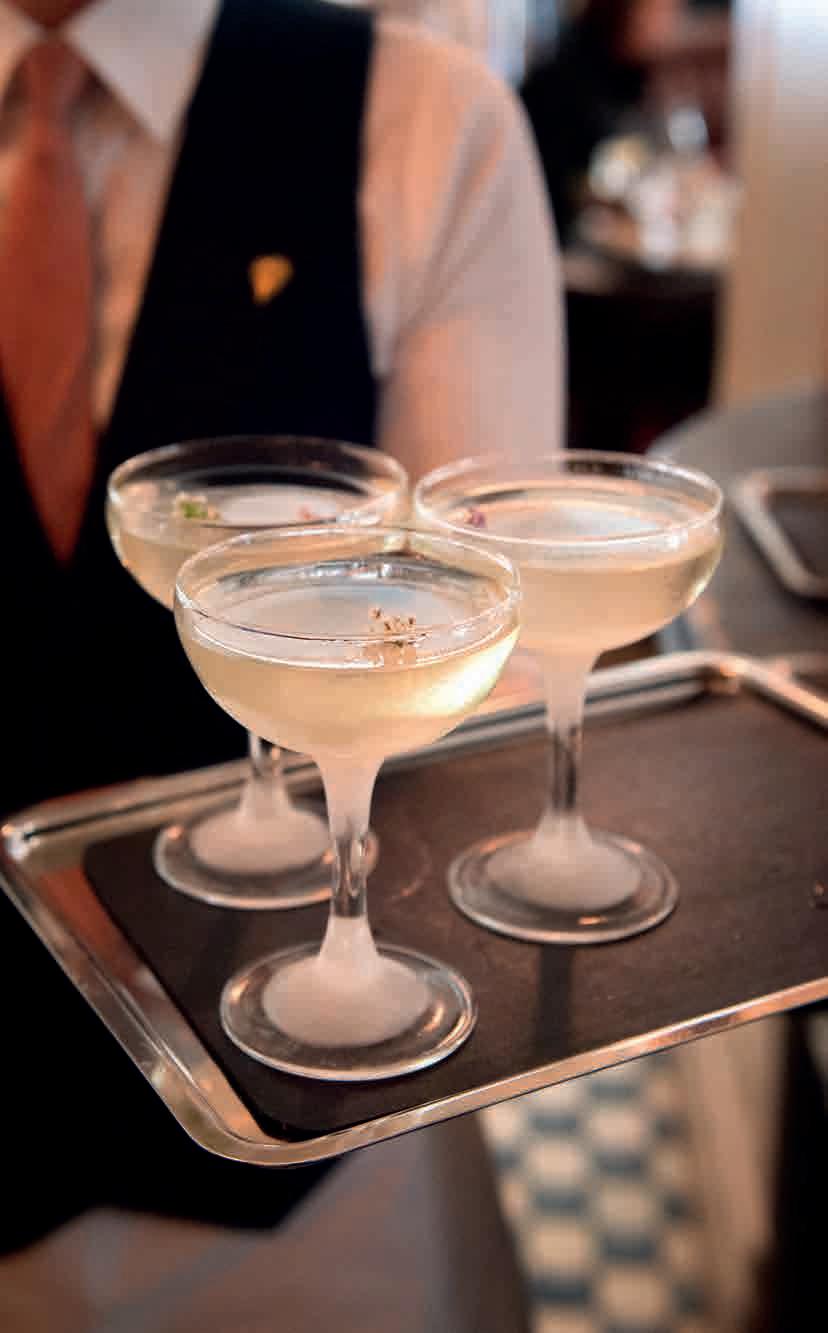
Here comes spring, the sweetest time of year. No need now for the kind of cocktail that keeps you warm; instead, with buds unfurling and fruit beginning to ripen, this is a time for scent and colour, in the glass and in the air. From the blush of a raspberry Mojito to the scarlet pout of a Cosmopolitan and the rich rouge of a Bloody Mary, spring is the year putting its face on and preparing to party.
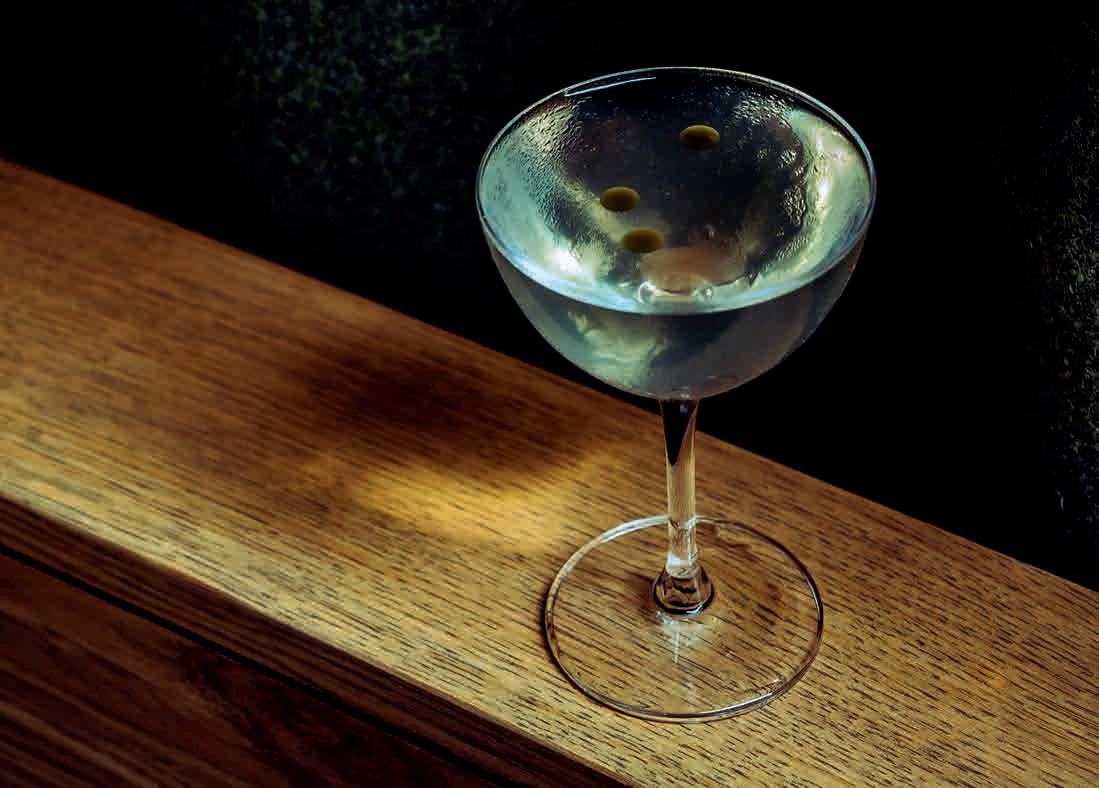
The classic that says springtime to me is the Gimlet, which was invented to supply scurvystricken 19th-century sailors with vitamin C. Winter’s end is a time of pallor and frailty: what could be more appropriate than a cocktail that is practically a health drink? The original was probably gin and lime juice, the former an enticement to consume the latter, but the rst popular version, published by legendary Paris bartender Harry MacElhone in Harry’s ABC of Mixing Cocktails in 1922, substituted Rose’s Lime Cordial. This was logical, since the kind of superstar bar ies who hung out at Harry’s New York Bar — Coco Chanel, Ernest Hemingway and Jean-Paul Sartre — were not looking to top up their vitamin levels.
I prefer to take my lead from Australia, a country almost overendowed with summer sunshine, speci cally from Melbourne, which has a restaurant named for the Gimlet. The restaurant makes its own citrus cordial: “We nd this is more elegant than the shaken fresh juice versions, which are more like a Gin Daiquiri, and it bridges the gap between sweeter citrus cocktails and a Martini,” says Lachlan Bentley, Gimlet’s bar manager. Incorporating local ingredients such as a tincture of Geraldton wax ower, desert lime and nger lime is out of the range of most of us, as is the Melbourne Gin Company’s excellent gin. But here is an invitation to experiment, with more accessible kinds of citrus and owers that are easier to nd. Plus, perhaps, a light sprinkling of schadenfreude: after all, spring here is autumn in the southern hemisphere, and at least some of their bountiful sunshine is now heading our way.
Another drink designed to kick winter rmly out the back door is the Sidecar, a glowing combination of brandy, triple sec and lemon juice. In The Savoy Cocktail Book, Harry Craddock, head barman of The Savoy’s legendary American Bar when the Americans were all eeing Prohibition (and reputed to have shaken New York’s last legal cocktail
From left: The Rye Whisky Slushee, from The Craft Cocktail Compendium
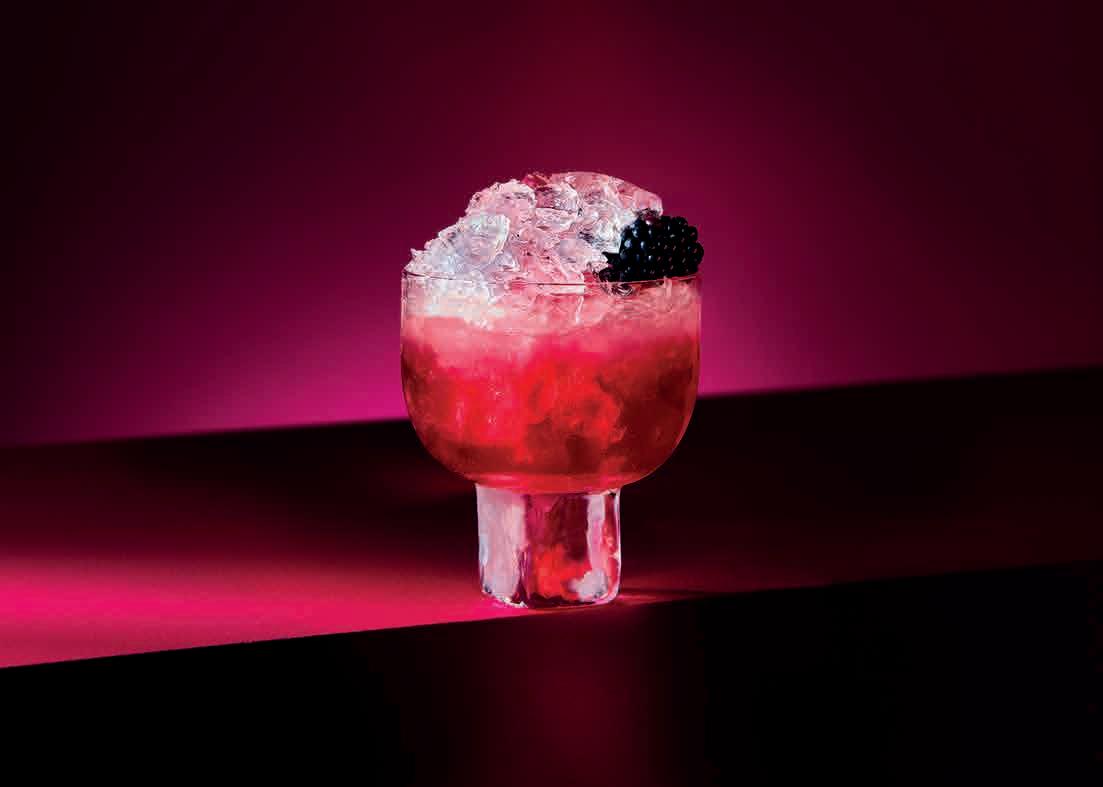
before the 1920 ban came in), calls it as two parts brandy, one triple sec liqueur and one lemon juice, and traditionally uses Rémy Martin VSOP, but if you’re feeling very decadent, its luxurious XO would be even better. Simon Di ord of comprehensive cocktail website Di ord’s Guide prefers three parts Cognac — he suggests Louis Royer — one part each of triple sec, lemon juice and Pineau des Charentes, an aperitif from western France that blends grape juice and eau-de-vie (unaged Cognac). Di ord then suggests three drops of saline solution or a tiny pinch of salt: perfect for adding a beachbound tang. There are many fruit cocktails with which to celebrate the coming seasonal bounty, but my rst choice is generally the Bramble, created by the late, great bartender Dick Bradsell with gin, lemon juice, sugar syrup and crème de mûre (blackberry liqueur), because it reminded him of picking the berries during his Isle of Wight childhood. To stay with the current season, since the blackberries don’t ripen until summer, try a version using Johnnie Walker Black Ruby, a cocktail-friendly version of its bestselling whisky that has notes of dark berry. The Black Ruby Bramble consists of 35ml Johnnie Walker Black Ruby, a teaspoon each of granulated sugar and honey, and 25ml of lemon juice. It is shaken without ice, muddled thoroughly, then shaken with cubed
ice and double-strained into a tumbler and garnished with fruit. A rather di erent fruit and whisky cocktail, featuring a berry that ripens earlier than the blackberry, is the Rye Whisky Slushee with Roasted Strawberries, from Warren Bobrow’s The Craft Cocktail Compendium (Fair Winds Press). This includes Rhubarb Tea Liqueur — more vitamin C! — and a stew of roasted strawberries and rhubarb. While Bobrow’s recipe suggests rye whiskey with an e — that is, made in the USA — in our house, we drink Canadian: Lot 40 is a ne example, with more spice and fewer vowels.
In the chill of a Soho November, I found warmth at Paradise, Dom Fernando’s aptly named Sri Lankan restaurant, with a Rambutan Daiquiri, made with curry leafinfused Aluna Coconut Rum (a blend of Guatemalan and Caribbean rums and coconut water) and rambutan, the sweet scarlet fruit from south-east Asia.
December took me to The Delany Drawing Room, the new bar at Dukes London, for another pre-emptive taste of summer: a jubilant Jasmalita, its take on the Tequila Tonic. The spirit is milk-washed, which involves adding whole milk and citric acid or lemon juice, then straining o the resulting curds and whey. I was wary — I’m not a fan of milk anything — but the result was delicious, not milky at all, just richer somehow, as if
Images:
Bhavya
Pansari, Di ord’s Guide
Clockwise from above: The Rambutan Daiquiri served at Sri Lankan restaurant Paradise; Johnnie Walker Black Ruby has notes of dark berries; the Sidecar blends brandy, triple sec and lemon juice
The kind of superstar barflies who hung out at Harry’s New York Bar — Coco Chanel, Ernest Hemingway and JeanPaul Sartre — were not looking to top up their vitamin levels
Image: Laura Edwards/ The Martini by Alice Lascelles
an extra layer of colour had been added to a photograph. And the jasmine infusion made me think, instantly, of springtime. As did the wall decorations, paper collages of owers by the 18th-century artist Mary Delany, for whom the new bar is named.
As the season warms, I love the meltwater clarity of a Martini — but why not one coloured the juicy green of new grass? In her book, The Martini: The Ultimate Guide to a Cocktail Icon (Quadrille), Alice Lascelles gives the recipe for the Lucky Jim, named for Kingsley Amis’s famous novel, which is as dry as a good martini and twice as funny. (Lascelles writes, and I agree, that it contains one of the nest hangover descriptions ever committed to print: it begins “consciousness was upon him before he could get out of the way” and only gets better.) Because the vodka and dry vermouth are accessorised with peeled and chopped cucumber, the pieces muddled in the shaker rst to extract the juice, the drink has an appearance that Amis describes as “rather mysterious... the green wine of the Chinese emperors come to vigorous life.”
As for which vodka, I’d probably go for Grey Goose, which has an understated elegance
appropriate to its origins (it is made from French wheat). Amis, the old rogue, suggested using the cheapest vodka possible, which may be one of the reasons his hangovers were so bad.
Finally, since this is a celebration of warmth and light and ourishing, let’s end with a Champagne cocktail: that perennial favourite, the Kir Royal. It is impossible to argue with the feel-good factor of Crême de Cassis — blackcurrant liqueur — and Champagne, a blend of berries, grapes and e ervescence that seems like a liquid equivalent of those stop-motion lms of owers unfolding into bloom. Moët & Chandon’s Ice is made speci cally for cocktails, and Veuve Clicquot Rich, intended to be served with ice, would work, too. For an especially summery twist, start with a dash of sloe gin in the bottom of the glass: Sipsmith do a good one, as do Berry Bros. & Rudd.
But be careful: this deceptively delicious combination packs a punch. Hangovers should wait until the nights lengthen; right now, every day is brighter and longer than the one before, and it would be a shame to miss out on a single minute.
From left: Novelist Kingsley Amis described the Lucky Jim Martini’s appearance as “rather mysterious… the green wine of the Chinese emperors come to vigorous life”; Dukes London’s Jasmalita; Late Summer Fizz from The Craft Cocktail Compendium
STAR POWER
Hollywood legend Robert de Niro is bringing the Nobu brand to Manchester, a city already earning its own plaudits for its dazzling regeneration
WORDS ZOE DARE HALL
obert de Niro and Manhattan are legendary bedfellows. Travis “You talkin’ to me?” Bickle in Taxi Driver. The Tribeca Film Festival he co-founded. The rst-ever Nobu restaurant and the cool crowd’s Greenwich Hotel, both part of his hospitality empire. The world’s most famous lm star — well, one of, certainly — has played a pivotal role in shaping the cultural landscape of the place he has always called home.
Manc-hattan, on the other hand — the nickname some marketeers are giving to the centre of Manchester, where the regenerating skyline is starting to take on the lofty heights of its New York namesake — is a new addition on De Niro’s radar. “I haven’t seen the city yet.
I won’t have a chance this time, but I will come back. I don’t know enough,” the 82-year-old lm star says with a sheepish smile at the recent launch of Nobu Manchester — the hospitality brand’s rst foray into residences in the UK, following hot on the heels of similar hotel, restaurant and residential projects in Los Cabos and Toronto.
To be fair to the super-rich superstar, he and his Nobu co-founders — Nobu Matsuhisa, the chef who has taken Japanese-Peruvian cuisine to stratospheric levels, and Meir Teper, the Hollywood lm producer whose movie plaudits include What’s Eating Gilbert Grape, which gave Leonardo DiCaprio his breakout role — are feeling a little weary after a fastpaced European tour that covered ve cities
From left: Nobu founders Robert de Niro, Nobu Matsuhisa and Meir Teper at the recent launch; the 40-storey Viadux, one of Manc-hattan’s new, towering skyscrapers
in six days. The previous day, De Niro had been given the highest award bestowed by the city of Rome. “I was honoured. I didn’t expect it,” he says, padded in coat and scarf to protect against the wintry Mancunian chill.
But De Niro’s mere presence in the capital of the North — and the power of association with the Nobu brand, which now has 50+ restaurants and more than 40 hotels, plus a dozen or so residential projects built or in the pipeline around the world — is sprinkling some glitzy stardust on a city that’s already doing a good job of thriving while much of the country wallows in economic and existential gloom.
Manchester’s property market has seen prices double in the last decade. “The North-West is expected to be the strongest performing region in the ve years to 2030, with house prices to increase by 27.6 per cent compared to a UK average of 22.2 per cent,”
comments Jamie Adam, head of Northern England — Residential Development Sales at Savills, which secured the city centre’s highest priced sale last year: the £3m penthouse at Viadux, the rst phase of local developer Salboy’s £360m scheme that includes the Nobu Residences in phase two.
“Manchester is home to a rich and diverse population, with more than seven million people living within an hour of the city centre. It’s an economic powerhouse,” Adam adds.
Nobu Manchester’s 452 branded residences — which go on sale later this year, ranging from around £600,000 to £10m, an unheard-of price in these parts — will sit above the brand’s hotel in a 76-storey tower located in the central Deansgate area.
By partnering up with Salboy rather than bringing in out-of-towners (i.e., Londoners), Nobu’s three gureheads — who all play a part
“Manchester is extremely welcoming and multicultural. It’s half the price of London, half the cost of living; you can walk across the city in 10 minutes”
in deciding where and what to build next — have stayed true to their ethos to respect and use local experience and expertise. Of the synergy between their brand and the city, Teper comments: “Our vision has always been to bring together exceptional design, cuisine and hospitality in destinations that have a true sense of soul. In Manchester, you can feel that energy everywhere.”
Matsuhisa naturally has an eye on the city’s restaurant scene (its hottest tickets currently include the hard-to-get-into Skof, led by chef Tom Barnes in the regenerated NOMA district).
“Even on a short visit, I can sense how much passion there is for food here,” says Matsuhisa.
Until recently, few would have imagined that a global brand like Nobu would nd a home in Manchester — including Salboy’s co-founder, Simon Ismail. “They used to throw the food at you here,” he says of its
restaurants. “No one wanted to do the job. Now people take a pride in it. There are two Michelin-starred restaurants in Manchester now, and Nobu will take the ne dining scene to the next level.”
Ismail lists some of Manchester’s big selling points: “It’s extremely welcoming and multicultural. It’s half the price of London, half the cost of living; you can walk across the city in 10 minutes; and it has Europe’s biggest student population.”
It is also, thanks in no small part to its football heritage, “a global brand in its own right,” he adds, “which makes it an easier sell because people have heard of it. We’re selling to expats in the Middle East who are bringing their money home, or to the Hong Kong and Singapore market,” says Ismail, who is one of the key developers behind Manchester’s high-rise reinvention, bringing what he calls
From left: The Blade’s crowning glory is its 49th- and 50th-floor penthouse, The Haworth; Skof is currently one of the hottest tickets on Manchester’s dining scene
Wellness — from the likes of sauna and ice bath facility Fix MCR — is the new clubbing for Manchester’s disposable income-rich young things
“sophisticated investors worldwide” to the metropolis. The city’s footballer-belt millionaires are on the move too, he explains, with the new tier of luxury towers o ering hotel-style living persuading people to sell their Cheshire mansions and move into the city centre instead.
Although no one who lives and/or works in the city centre seems to know exactly where Manchester’s “skyscraper district” — a name that has been coined recently in property investment circles — starts or ends, it undoubtedly includes New Jackson, whose Club de Padel (currently closed and set to reopen later this year in a new Manchester location) is as much about its branded sportswear by UN:IK as its on-court action. New and thrustingly named high-rises include The Blade, featuring three oors of private amenities such as a Peloton spin studio and
Images:
Sam Corcoran Photography
From above: Speakeasy vibes in Tangerine, a recent addition to Manchester’s buzzy social scene. The arthouse, music hall and canteen destination is set in two historic railway arches
a private dining suite. The apogee is the 49th- and 50th- oor penthouse, called The Haworth, on sale for £1.7m.
The real groundbreaker, however, is the W Residences, the UK’s rst branded development outside of London. Also built by Salboy in partnership with former footballer Gary Neville’s Relentless Developments (he spent 15 years getting planning permission), the 217 apartments, interior designed by Bowler James Brindley, have all sold well before autumn 2027 completion, including the £6m penthouse. Nearby are all the touchpoints of moneyed central Manchester, including Sexy Fish, Gordon Ramsay’s Lucky Cat and the newly opened Soho House — the private members’ club’s rst Northern branch.
The luxury brands may be piling in, but key to Manchester’s success is “doing the right thing in the right place for the right reasons. Then the whole city is behind you,” says Andy Windsor, CEO of the marketing and design company Want Studios. Recent projects from Want Studios include the launch of Tangerine, a food hall and music venue that hosts events such as big-name DJ sets and speakeasies (its version of TED talks). Cupra City Garage Manchester is another new arrival. And like Nobu and W, the luxury car marque has chosen Manchester as its rst UK location outside of London, with a showroom that hosts immersive music, design and lifestyle experiences. “These are global brands working with local independents to develop the right thing for the city,” Windsor comments.
You don’t have to live in a Nobu tower to live the luxury lifestyle though. Wellness — from the likes of the city’s sauna and ice bath facility Fix MCR — is the new clubbing for Manchester’s disposable income-rich young things, adds Holly Moore, founder and CEO of Make Events.
“People’s spending habits have changed here. It’s not just about nightclubs anymore,” says Moore, 48, who lives in Cheshire but has a crash pad in one of Salboy’s earlier city centre schemes, Local Blackfriars. “In uential brands, including many beauty and fashion brands, and experimental events have started to come here since 2020,” she adds.
Sheltering within the Victorian railway arches that will soon house a Nobu restaurant, De Niro says he never envisaged the brand would extend beyond one restaurant in a converted Tribeca warehouse — “with mice running around” Matsuhisa recalls. “We had no idea,” says De Niro. “I just thought it would be wherever we found the spot.”
He certainly could never have imagined that, three decades later, he would be building £10m apartments on an old industrial site in central Manchester. No one could. But this is most likely just the start of Manchester’s luxury branded story. And there’s no one better quali ed to play the starring role.
From above: W Residences, the UK’s first branded development outside of London; luxury car marque Cupra’s showroom blends lifestyle experiences
Precious METAL
As the price of gold continues to rise, luxury jewellers are leaning in to investment pieces, while the middle market gets creative to hold its ground
WORDS AVRIL GROOM
f you’ve been following recent news, you might have a feeling of déjà vu. One story keeps repeating — virtually identical except for the date and the amount. It highlights the rapidly rising price of gold, and every iteration reports a new record, which, according to the World Gold Council (WGC), was broken 53 times last year. At the beginning of 2025, gold was a little over £2,150 per ounce; this year it was over £3,300, an increase of more than 53 per cent. As we go to press, the price stands at £3,712.
Throughout human history, gold has been a safe haven for wealth, initially because of its portability, but today it is far more organised because investors can choose between personally owning gold as jewellery or coins, taking fractional ownership of large gold bars or buying shares in mining rms and investment funds that track the price of gold.
The drivers behind the rises have little to do with the jewellery industry. They result, says John Mulligan, head of sustainability strategy at WGC, from “global reactions to current
geopolitical instability, con ict and potential moves away from the world order established since the second world war. Uncertainty causes everyone from institutional investors to individuals to move wealth to the proven safest material, and gold remains the barometer of risk. Demand for new gold is outstripping supply, and there is less recycled material than expected as people keep unwanted gold, hoping the price goes higher.”
Jewellery is the area most visible to ordinary consumers, and the e ect of price rises on the industry is seismic, though there are positives. Charlie Betts, managing director of his family rm, one of the UK’s main gold processors and co-founder of Single Mine Origin gold, which helps both independent designers and responsibly run artisanal mines, notes: “Higher prices support producers, improving margins and resilience, giving stable employment, better wages and investment in environmental, safety and community programmes. But this can result in greater expectations from governments, communities and investors.”
For jewellers, terms like “terrifying” and “insane” are often bandied about, and no one is immune. Yet, there is a divide. The luxury end remains bullish, with some doubling down on bold, solid gold pieces that attract investment interest; the middle market must be ingenious to compete. “Some are becoming more considered, altering carat weights, mixing metals, or shifting emphasis to craftsmanship and complex design,” says Betts. “Others are holding their ground. Luxury brands are championing gold as consumers trust it as an investment. Brands like Messika, Emefa Cole and L’Atelier Nawbar are embracing the gold rush with bold designs, and jewellery is outpacing fashion as consumers demand long-term value.”
Claudia Piaserico, creative director of Vicenza-based gold specialist FOPE, known for its secret system that creates expanding gold chains, says, “you either use good quality but less expensive materials, from silver to platinum, to express creativity and contain the price rises or, like us, you appeal to
“Demand for new gold is outstripping supply, and there is less recycled material than expected as people keep unwanted gold, hoping the price goes higher”
Left: Hirsh Grand Slam tennis bracelet, 14.30 carats asscher-cut yellow diamonds in 18 carat yellow gold, POA Right: Messika Akh-Ba-Ka necklace, Beyond the Light high jewellery collection, 2,550 diamonds totalling 71.49 carats, plus 33 carat cushion cut diamond, in Single Mine Origin 18 carat white gold, POA
high-spending clients who are less a ected by the rise and demand high craftsmanship and intrinsic value.” While she is cautious about the retail e ect, signs are positive — last year, the almost century-old company produced its best-ever gures.
Top independent jewellers agree. Sophia Hirsh, managing director of Mayfair family rm Hirsh, known for rare, coloured stones and unusual diamonds, believes “design comes rst, and we think about setting o the gems, not the price. We o er clients a choice, and frequently they choose the more gold version because it brings out the stone. If the item is for a meaningful occasion — whether a gift or self-investment — people want the best to give now, or to pass on years later.”
For rings, she adds, “price rises make a small di erence compared to the cost of stones and craftsmen’s time. And a slightly smaller stone can be just as beautiful. I’m not optimistic that prices will stabilise this year, so I’d advise anyone who is thinking about proposing — don’t put it o !”
Her Mayfair colleague, Charlie Pragnell, managing director of his family’s rm, also nds international clients seeking substantial
items of high jewellery. “We are seeing a major style shift,” he says. “The past ve years have seen a swing to yellow gold, starting with stacking bracelets and necklaces. Now, people seek chunkier gold pieces, and demand for high jewellery is rising.”
Pragnell also believes “that a business like ours, founded on relationships between our customers, creativity and craftsmanship, will become more highly valued as AI increasingly ful ls previously human roles. But the price of gold tripling in the last two to three years is a major in uence.”
“We are seeing a major style shift… Now, people seek chunkier gold pieces, and demand for high jewellery is rising”
This sentiment echoes Mulligan’s view that “Western customers increasingly focus on the value of materials in gold jewellery, as was always the case in the East.” Josh Collins, director of Kent family retailer and designer G Collins, nds that “upper end clients are choosing solidity over scale, preferring fewer pieces but with real substance and investing more deliberately, and our own In nity collection re ects this, celebrating weight and timelessness.” That poses issues for individual designers who have good relationships with bespoke clients, not necessarily HNWIs, and who now pay fast-rising prices for materials,
Left: Large Knuckle necklace in 925 grade silver, £995 Below: Two Whoopsie Daisy stacking eternity rings, diamonds in 18 carat gold, white and rose respectively, £3,900 each; all Annoushka
inevitably passing these on to clients. Mulligan says this is increasing global creativity and innovation. “We see mixed metals in ne jewellery, silver used in imaginative ways and marketed as enduring pieces, and the use of less traditional materials like resin, enamel and wood.”
Multi-level designer Annoushka Ducas, who has recently added a bespoke salon to her Chelsea agship but also creates wide-ranging ready-to-wear jewellery, has used most of those materials. “It is hard to know how our home market will react because Britons are not as attuned to gold prices as Middle East or Asian clients,” she says. “I’ve always believed that jewellery should work hard and be as exible as possible, so I’ve included materials like wood or carved hardstone, and I’ve done my chunky Knuckle chain range in 14 carat gold and now silver. I’m using mixed metals and ‘negative space’ — metal-free areas — to enhance a design while making it more accessible.”
Rachel Boston, best known for her distinctive, contemporary yet understated engagement rings featuring top-quality diamonds, is enjoying the creative challenge of designing more space into her pieces, “where you want to feel the weight of solid gold but not to be dragged down,
Clockwise from top left: Emefa Cole ring in sculpted and engraved 18 carat yellow Single Mine Origin gold; Hirsh Venus ring with emerald-cut bi-colour tourmaline, 5.90 carats, in 18 carat rose and yellow gold, £13,750; FOPE Panorama Flex’it expandable mesh bracelet, diamonds in 18 carat yellow gold, £10,330; Lylie Diamond Wave ring with antique rose-cut diamond in 14 carat yellow reclaimed gold, £7,425; Pragnell Eclipse ring, diamonds in 18 carat gold, £5,400
Images: Kalory Ltd
Clockwise from top: G Collins twist chain bracelet, diamonds in 18 carat yellow and white gold, £17,800; L’Atelier Nawbar Diana earrings, diamonds in 18 carat white and yellow Single Mine Origin gold, approx. £1,700; Jessie Thomas Overlap earrings, 14 carat yellow gold, £3,300; Cassandra Goad Meandros Greek key pattern cu in 9 carat yellow gold, £15,950
“I’m slightly constrained by the price of materials when my ideal is being inspired by a beautiful gem to create a truly unique design”
even more important for earrings, especially in delicate, ready-to-wear pieces.” She thinks the chunkier designs are in uenced by celebrity culture and inevitably had to raise prices last year. “I wasn’t sure how customers would react,” she says, “and currently I can only guarantee prices for 30 days, but last year was one of my strongest. While I can’t compete with the middle market, I can o er unique design and impeccable service.”
Jessie Thomas, who works by appointment from her Belgravia studio, in a light yet architectural, sometimes abstract style based around gold and good quality diamonds, says she nds “pricing tricky now, especially for clients who maybe shop once or twice a year and are not following rises. I can’t hold quotations for too long, but I can send their redundant gold pieces for melting and give the client their value, which helps a little.”
Thomas is working with good quality pavé for sparkle value and notes more requests for yellow diamonds (“unlikely to be lab-grown”) set in yellow gold, sometimes 14 carat, for maximum impact. “But I’m slightly constrained by the price of materials when my ideal is being inspired by a beautiful gem to create a truly unique design,” she explains. This is the heart of it for many individual jewellers. Sloane Street-based designer Cassandra Goad nds “my clients often buy for a special occasion or to make a memory tangible, which is why passing jewellery down is natural, and I design pieces to last with exceptional craftsmanship, handmade in London. While prices have risen, clients still see gold as perfect to hold those memories, and its increasing value reinforces that suitability while encouraging people to consider their choices thoughtfully.”
So for many, careful consideration is preferable to a gold rush. Betts cautions that “no one can predict price movements and gold is always volatile in the short term, with corrections normal in any commodity cycle. But with factors such as debt and geopolitical upheaval unresolved, the long-term outlook is constructive.” Mulligan believes “there will be some correction if and when the risks diminish. But after past crises like the 2008 crash or the sovereign fund crisis of 2012, it settles at a higher level.” Which, in the long term, should make jewellery lovers and buyers feel a warm, golden glow.
From top: Hedone ring, geometric-cut diamonds, in 18 carat yellow gold, POA; Cascade ring,
A LL the world’s A STAGE
With a starry cast of names set to tread the boards and a major drive to attract new audiences, 2026 promises to be an exceptional year for British theatre
WORDS CHARLOTTE METCALF
Much of Britain’s cultural soft power emanates from our exceptional theatre and Kate Varah, Co-CEO and Executive Director of the National Theatre, insists that the National is the best in the world. So, it was to her that I rst turned to discover what we could expect from British theatre in 2026.
“Rather than focusing on trends, our audience is our Pole Star,” says Varah, “and our absolute goal is making audiences feel welcome at an a ordable price. We want people to come into the theatre from school and continue throughout their lifetime.”
Like Varah, every artistic director I spoke to was intent on banishing the outdated perception that theatre is the exclusive domain of the well-heeled and well-educated. If there’s one unifying trend, it’s an obsession with making theatre exciting and available to absolutely everyone.
Some have pursued stars to stir up excitement. “There’s a lot of emphasis on big names and familiar faces this year,” admits Varah, “and we have some amazing actors leading our 2026 programme, like Lesley Manville with Aidan Turner in Les Liaisons Dangereuses, Sandra Oh in The Misanthrope and Cate Blanchett in Electra/Persona.”
Similarly, Kenneth Branagh is returning to the Royal Shakespeare Company (RSC) at Stratford after more than 30 years. Richard
Eyre directs him in the role of Prospero in The Tempest, and then Branagh stars in The Cherry Orchard alongside Helen Hunt. Expect big names in the West End too. We’ve had Breaking Bad’s Bryan Cranston in All My Sons and Hugh Bonneville as C.S. Lewis in Shadowlands. Now, after starring in Stoppard’s Indian Ink at Hampstead Theatre, Felicity Kendal will be in High Society at the Barbican, while Ralph Fiennes takes the lead in Grace Pervades at Theatre Royal Haymarket.
Meanwhile, younger international stars are being lured to London: Hollywood heartthrob Chris Pine makes his stage debut in Ivanov at The Bridge, and Sadie Sink appears in the West End for the rst time in Romeo and Juliet at the Harold Pinter Theatre.
Further a eld, theatres like Theatre Royal Bath are employing well-known faces from television, such as John Simm, Sir David Suchet and Maureen Lipman, alongside established stage actors like Tracy-Ann Oberman.
Yet this sprinkle of stardust is underpinned by a concerted and ambitious nationwide e ort to engage audiences. “Drama helps make sense of the world, and we’re intent on having a dialogue with our city and the world — trends are just a temporary label,” says She eld Theatres’ Artistic Director, Elizabeth Newman.
“As the national theatre of the North, with the largest theatre complex outside London, my job is to ensure we’re constantly creating
The National Theatre on London’s South Bank, described by Co-CEO and Executive Director Kate Varah as “the best in the world”
theatre that inspires, moves and challenges everyone. Whether it’s a babe in arms at a Christmas show, a four-year-old at their rst panto or Auntie Sue watching a Noël Coward play, there’s always something for everyone.”
She eld Theatres’ showcase play for 2026 is The Ladies Football Club, adapted from the verse poem by Stefano Massini (who wrote The Lehman Trilogy), and set in the rst world war, before women were banned from playing by the FA — a restriction not lifted until the 1970s.
The Royal Exchange theatre, Manchester, celebrates its 50th anniversary with its A Homecoming programme, bringing back artists who’ve worked in the theatre over the past ve decades. The highlight is a production of Jim Cartwright’s The Road, starring Johnny Vegas, with Sir Tom Courtenay making a special appearance.
The theatre was severely damaged by the 1996 IRA bombing, but its unique glass box construction — within the vast Grade II listed Victorian Great Hall — was lovingly restored. “The glass module is suspended from the walls like a spaceship,” explains Selina Cartmell, Artistic Director. “There are no
wings or aisles, so there’s a direct connection between actors and audiences, like a crucible in the round. It feels like sharing stories around a camp re. And The Road is a classic masterpiece and a love letter to the north, set in Lancashire during Thatcher’s era of 1986. It was written to be immersive, and we’re doing an ambitious takeover of the space so that the audience can pick and choose where they travel to. If theatre is to lure audiences away from Net ix and other platforms, it’s no longer enough just to ask them to sit and watch. The beauty of our space is that no seat is more than 10 metres away from an actor. You feel inside the play, rather than outside looking in, which creates a whole new energy.”
Musical theatre is on the rise too. “There’s a de nite appetite for musicals,” says Tamara Harvey, Co-Artistic Director at the RSC, which is staging the Malawi-set musical The Boy Who Harnessed the Wind. “We’re also excited about a series of four plays by Whitney White with music, exploring Shakespeare from the perspective of a black American woman — half Shakespeare, half rock concert.” Meanwhile, the National is staging Stephen Beresford’s
Clockwise from far left: Kenneth Branagh returns to the RSC to play Prospero in The Tempest (from 13 May); Louis Gaunt as Don Lockwood in Singin’ in the Rain at the Royal Exchange theatre, Manchester; The Ladies Football Club at She eld’s Crucible Theatre
“If theatre is to lure audiences away from Netflix and other platforms, it’s no longer enough just to ask them to sit and watch”
Pride, set in 1984, based on the award-winning lm and directed by Matthew Warchus.
Increasingly, theatregoers are being treated to dazzling choreography. Steven Knight, currently writing the next James Bond lm and behind Digbeth Loc, Birmingham’s new studio complex for lm and television production, has long championed ballet — witness the success of Rambert Dance’s production of Knight’s Peaky Blinders: The Redemption of Thomas Shelby (now touring). Or look at Hull’s theatres, o ering a feast of opera, musicals and ballet, from Mamma Mia! to Matthew Bourne’s The Car Man
In 2024, London’s Regent’s Park Open Air Theatre appointed choreographer Drew McOnie as its artistic director. McOnie was already renowned for choreographing the sell-out production of Jesus Christ Superstar (which runs again at London’s Palladium this summer), and his 2025 production of Lerner and Loewe’s 1947 musical Brigadoon attracted rave reviews for its beautiful Celtic dancing. Now McOnie is reviving Cats. “I don’t know if it’s really a trend, but dance is exploding,” he says. “Dance was probably the earliest form
“The increasingly isolated, polarised nature of our society makes coming together and turning off your phones in a shared space a meaningful experience”
of communication and expression. People were dancing around camp res way before anybody was documenting it, and now dance is starting to be properly celebrated as a meaningful part of the toolkit of expression.
“Besides, restrictive times like Covid always lead to an explosion of more expressionistic art forms. As we emerged from the constraints of lockdown, the image of somebody ying through the air and landing in the arms of somebody else, or even a group of dancers, felt — and continues to feel — heightened and more thrilling than ever.”
One of the theatre’s unanimous goals is to engage more schools and young people. RSC has 280 associate schools and has launched a new digital learning platform, the Shakespeare Curriculum, to which close to 800 schools have signed up. Phyllida Lloyd and Harriet Walter are reuniting to revive their Julius Caesar and will be taking it into eight schools, before bringing it back for a run at The Other Place in the autumn.
Meanwhile, the National is turning to what Varah describes as “puppetry galore” this year to engage family audiences, with The Jungle Book and a return for War Horse as it marks its 20th anniversary.
New trends are being forged by emerging producers, like 30-year-old Kit Bromovsky. In the last couple of years, she has collaborated with writer and actor Keelan Kember and their productions, Thanks for Having Me and Da Vinci’s Laundry at Riverside Studios in London’s Hammersmith, met with delighted audiences and rave reviews.
Echoing Kate Varah, Bromovsky says, “People do want to see famous people — that’s what sells tickets. But beyond that, deep down, my generation wants to laugh and be distracted because life is tough and depressing. They also want shorter plays because we’re not programmed to sit still for hours. We also need to get away from overt political correctness because often the points that plays are making can feel forced and stuck on.
“Keelan’s plays are taking o because they’re about relationships and are easy to follow. Thanks for Having Me was all about connections between ordinary people, so required no knowledge from the audience except a universal experience of relationships. That meant no screen whatsoever between audience and subject matter. When you watch a play that’s about how one person connects with another, audiences love it because then they feel truly connected themselves.”
Bromovsky’s next production is Patrick Marber’s After Miss Julie. Explaining why, she says, “The world is confusing right now, so people want zero pretence and to understand stu . Marber’s plays, like Closer, enable them to do just that.”
“There’s something about the increasingly isolated, polarised nature of our society that
makes coming together and turning o your phones in a shared space a meaningful experience,” concludes Tamara Harvey of the RSC. “People are craving stories that deepen our understanding of ourselves, each other and the world around us. Those stories deepen our empathy, which is ever more necessary.”
“The National is committed to broadening its reach to every area of the country, via schools and local communities, even those previously bereft of theatre,” says Varah. “Beyond that, and what few people talk about, is that British theatre has the widest reach in the world and we need to celebrate that more.
The National’s digital reach is now 28 million in 184 countries. It’s how we share UK stories and showcase our culture and extraordinarily rich theatrical heritage globally.”
The world might be in turmoil, but British theatres are embracing this uncertain era as an opportunity, as people increasingly turn to them for distraction and to make sense of the chaos around us. Never has British theatre felt more buoyant, exhilarating or purposeful.
Clockwise from far left: The RSC musical, The Boy Who Harnessed the Wind, will transfer to Soho Place, London, at the end of April; Drew McOnie’s 2025 production of Brigadoon at Regent’s Park Open Air Theatre garnered rave reviews for its choreography; close to 800 schools have signed up to the RSC’s new digital learning platform
GIVING | LIVING | NATURE | NURTURE
COMPANION PIECE
Layered over lightweight dresses or worn with a shirt, By Søren’s Frida sleeveless gilet, made from 100 per cent pure new wool, is the perfect transitional piece for chilly spring evenings. The entire By Søren collection is handmade in Great Britain by an all-female collective of creators and makers, using organic, natural and recycled materials. Fabrics, buttons and trimmings are also sourced in the UK from female-owned suppliers. £260, bysoren.com
CHAIN REACTION
To celebrate its decade-long partnership with UNICEF, which has raised $28 million so far, Louis Vuitton has released a limited edition of the Silver Lockit pendant — inspired by the padlock on the 1901 Steamer Bag — in 18ct yellow gold. For each pendant purchased, $800 is donated to the charity. Silver Lockit Exclusive Gold Edition Pendant, Yellow Gold, £2,330, louisvuitton.com
TAKE THE PLUNGE
Solpardus bikinis and costumes are made in England from sustainably sourced natural bamboo, and are a chic but gentler and less-irritating alternative to synthetic swimwear for those su ering from psoriasis and other skin conditions. Its resort wear is crafted from soft European linen. solpardus.co.uk
WALK THE TALK
Wear your heart on your sleeve with a bespoke embroidered jumper. Fund’s knits are handmade in England with wool spun in Scotland and dyed with natural pigments using recycled loch water, using a zero-waste approach, before being hand-embroidered in Cornwall with a bespoke message. Every jumper sold funds 100 school meals for children living in poverty across 26 countries. From £295, fundjumpers.com
A REAL GEM
Parisian fashion editor and artistic director Tamara Taichman’s line of jewellery draws inspiration from pieces found and collected throughout her life, from the Saint Ouen flea market to Morocco. Handwoven by Indian artisans, her friendship bracelets are set with sapphires, peridots and tourmalines, while joyful ‘Cubix’ beaded necklaces are made with multicoloured hard stones and a cubic bead spelling out the word L-O-V-E in 9ct gold and diamonds. Cubix necklace, £1,286, tamarataichman.com
LIVING
BLOOMING MARVELLOUS
Taking inspiration from when aristocrats, thinkers, poets and polymaths would take a cultural voyage across Europe to pursue art, knowledge and beauty, the Grand Tour has long captured the imagination. Now, it has been reimagined in ceramic form by L’OBJET, with its Grand Tour collection featuring porcelain adorned with botanical patterns, inspired by the pietra dura stone inlay technique celebrated by the ancient Romans and revived in Renaissance Florence. Finished with hand-applied 24k gold, the colourful designs mimic semi-precious stones such as jade, lapis and malachite. Putting elegance centre stage for dinner parties and afternoon teas, the set includes side plates, serving bowls, teapots and platters. From £50, uk.l-objet.com
Images: Valerio Geraci, Nuno Miguel Queiroz
READ ALL ABOUT IT
We are the greatest devotees of glossy print, and what better way to keep it stylish than Albion Nord’s Knole Magazine Rack. The solid bamboo-turned legs are patinated with a warm, antiqued finish and paired with a supple, hand-stitched leather sling. At £2,275, it’s a proper investment piece and it will elevate any living space. Pair it with one of the new Fenton armchairs in soft linen. albion-nord.com
BACK TO NATURE
Using decades-old techniques and artisanal hand-crafting, Portuguese rug manufacturer Ferreira de Sá has launched its new Alem Tejo collection. The work fuses heritage methods with modern design and pays homage to Portugal’s Alentejo region, home to cork forests, endless plains and sun-drenched buildings. Crafted on manual looms, the range includes Planura, an organic rustic design that uses undyed materials to echo the vastness of the rural wilderness and the hand-woven design, Solo (above), echoes the uneven layout of rural boundaries, stone walls and textured fields. POA, ferreiradesa.com
SHAPE UP
Upgrade your walls with these graceful tiles — a collaboration between West One Bathrooms and Ann Sacks X Studio McGee. Mixing ceramic and stone-e ect looks with sculptural forms and soft finishes, the range spans Ashton Meadow, with scalloped edges and five colourways, to Novah, an architectural collection with clean lines to complement more minimalist spaces. Linen Weave takes inspiration from textiles, translating woven fabric into tile form. From £270 per sq m, westonebathrooms.com
NURTURE
WELLBEING | FAMILY | SPA
PARADISE FOUND
Away from the fray of the surf beaches and superstar DJs on the cli s of Uluwatu lies a sanctuary of calm. The Bvlgari Resort Bali opened its doors 20 years ago this year, and with its ultra-private pool villas, cable car to a hidden beach and the seamless service that you would expect from the Italian luxury brand, it is one of the most upscale options on the Indonesian island. One of the resort’s standout highlights is the pastel-hued, serpent-adorned kids’ club, Little Gems, where the indoor slide provides hours of fun. For faultless Italian cooking, head to Il Restorante Niko Romito — the slow-cooked tomato sauce is ambrosial. The villas are immense, all o ering spectacular ocean views. Rates at Bvlgari Resort Bali start from 25,107,500 IDR (approximately £1,097) per night on a B&B basis. bulgarihotels.com
GUARDIAN ANGEL
Replete with blush pink marble, sculptural lights and themes of mythology, you may be forgiven for thinking you have stepped into an art gallery. Le Petit Saint is a new addition to Mayfair’s beauty o erings — a cool, light space that is a one-stop shop for face, mind and body. From aesthetic medicine to curated facials such as the Red Carpet Facial, it also o ers wellness treatments such as hyperbaric hydroxy therapy, exomind and a curation of IV drips. lepetitsaint.com
CREAM OF THE CROP
Crafted from organic cotton, Wheat’s baby collection is designed to be gentle on the skin, using no chemicals and all-natural materials. Soft wool clothing is perfect for the colder months, while the durable all-year-round outerwear collection can withstand even the most intrepid adventures. Featuring hand-drawn Danish designs, these pieces are as beautiful as they are practical — such as this soft baby wrap cardigan in almond and rose. Prices from £19.95, wheat.co.uk
SCENT OF SUCCESS
Distinctive for its citrus notes and frequently gracing the most stylish folk in town, Acqua di Parma celebrates 110 years since its first fragrance was created in 1916 by Baron Carlo Magnani. Still produced in Parma, the historic capital of perfumery, the scent’s legacy continues with its latest iteration, Colonia Il Profumo Millesimato, crafted by perfumer Alexis Dadier. Fragrant with notes of 2024’s ylang ylang harvest in Madagascar, it is also blended with bergamot and blood orange. £250, acquadiparma.com
Image: Ryan Wicks
NATURE
THE GREAT OUTDOORS |
PURE AND SIMPLE
Water, air, fire and earth are the four elements that inspired Brunello Cucinelli’s Spring/Summer 2026 Women’s Collection. The result is a colour palette ranging from earthy shades of sand and white clay, to fiery hues of lava red and firebrick tones. The breezy textures of lace, mesh and gauze are complemented by sparkling embroidery that echoes sunshine shimmering on water and seashells: naturally elegant indeed. brunellocucinelli.com
| SUSTAINABILITY
CATCH OF THE DAY
A picturesque historic fishing village in Norway’s Lofoten archipelago, Nusfjord Village & Resort’s guest accommodations are authentic rorbuer (fishermen’s cabins) dating back to the late 19th century. This spring, Nusfjord will host Swedish chef Niklas Ekstedt (of Michelin-starred Stockholm restaurant Ekstedt), for a culinary experience for 50 guests, which will include a fishing trip, foraging, seaweed gathering and open-fire cooking. 28-31 May. From €4,870, nusfjord.com
ETERNAL FLAME
Hand-poured in Derbyshire using 100 per cent natural plant-based wax made from coconut oil and rapeseed oil, Toorak candles are designed to capture the essence of a destination. From the peony, rose and smoky oud blend reminiscent of Ubud, to the pine, eucalyptus and musk of Tromsø, relive your travels through these unique scents. £27, toorakcandleco.com
STATUS SYMBOL
Lito celebrated its 25th anniversary with Cosmic Guardians, a collection of 14 scarabs set in 18-carat gold with diamonds and gemstones, representing rebirth and renewal. Each piece comes with a white porcelain “habitat,” created by Athens-based sculptor Diana Alexander, to display the piece when not worn. POA, litofinejewelery.com
Image: Francesco Bandini
A recipe for success
Richard Hart, Executive Baker & Creative Director at the recently opened Claridge’s Bakery, shares his love of bread and nostalgic bakes
What is the ‘easiest’ bread to make, if you have never made it before?
Before you get into the complexities of sourdough, there’s an easy tin loaf that I love. It’s in my book, Richard Hart Bread, and it’s from my friends at Ballymaloe, the brilliant cookery school in Ireland. It’s a super-simple brown bread recipe that you can make in a day.
And the hardest loaf you can ever attempt? Panettone — it’s called the King of Bread for a reason. I failed hundreds of times, no joke, before I got the recipe right.
In your eyes, what makes a perfect loaf?
A loaf of bread that comes out of the oven four times the size of the dough you put in. The crust will be crisp, chewy and shatter, like Chicharron. It should have every colour, from the white of the our to black from the edges of the score, into gold and reds, with delicate bubbles that pop on the surface. Inside, it’s open, with irregular bubbles, full
of life and air. The taste is complex. It gives you everything; a full spectrum of avour.
What is the best way to store bread at home? In a canvas bag, wrapped in a tea towel, or in a wooden bread bin. What you don’t want is to keep it airtight or wrapped in plastic and de nitely not in the fridge.
How long can you keep di erent breads?
A baguette is best eaten within the day you buy it, ideally warm from the oven. Sourdough lasts for four to ve days (but after the rst day it’s best for toasting). The granary loaf, because it’s a mixture of fermentations, doesn’t last quite as long, about three days. A good rye bread lasts for many days, as long as a week.
What’s your favourite way to enjoy each of your signature loaves?
I love to eat sourdough fried in a very hot skillet like a steak, with butter or olive oil. A bloomer toasted with marmalade makes
me think of my grandparents. A baguette still warm from the oven with ham and cheese. A granary loaf sliced thick, with rare roast beef in a sandwich. Malt loaf with a thick slice of cold butter.
What is the best use for stale bread?
Rip or cut it up and fry it in a pan to make croutons, adding olive oil and seasoning with garlic, salt and pepper and maybe some fresh herbs like rosemary or thyme.
What is your favourite nostalgic bakery item and why?
In the new Claridge’s Bakery, these are all my nostalgic favourites. I used to eat Belgian buns all the time as a kid. A granary loaf and a bloomer was the bread I grew up with. But these are not all replicas of the past. The French Fancies, for example, are reimagined. They hit a soft spot in our collective memory, and I hope they will bring a new delight in terms of avour. claridges.co.uk