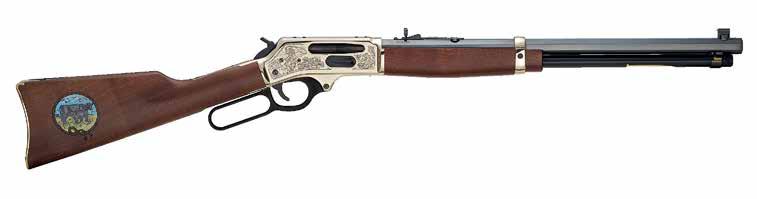
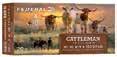
Introducing the American Cattleman Tribute Edition Rifle
From the wide-open ranges of the 19th-century Western frontier to the family ranches that have stood steadfast for generations, America’s story has always included the men and women who sweat and toil to raise the cattle that feed our nation. The American Cattleman Tribute Edition Rifle is our tip of the hat to this enduring way of life.
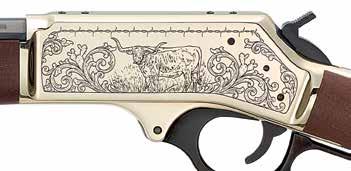
Built on our brass-framed .30-30 lever action platform, this rifle is made for those who put in the long, hard hours from sunup to sundown, and it stands as a testament to the animals and their stewardship at the heart of it all. Featuring genuine American walnut furniture paired with an engraved, highly polished brass receiver, every detail honors the grit and tradition that define the cattleman’s trade. Long live the American Cattleman.
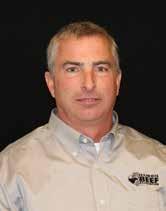
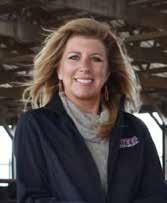
Shannon Welsh, Illinois Beef Association President
Happy May Beef Month
As President of the Illinois Beef Association let me be the one to remind you that May is a special month for our industry. It’s May Beef Month! In this issue of Illinois Beef, you will discover the various ways your Checkoff dollar is being extended to the consumer to keep demand for beef up, including a glimpse into how we are using May Beef Month to maximize promotions. That 40-year high? You can thank your Checkoff and above all of course, your gritty hard work.
To reach Chicago we partner with other state commodity organizations through Illinois Farm Families to maximize an in-person appearance (see “In the News” for photos from a recent Wolves hockey game). This is the second year for the program.
Further in the issue you will see our “May Beef Month Special Edition” of Checking in with the Checkoff. From some producer-focused Checkoff encouragement to unique recipes that include various cuts and even tallow, plus an update on a new project, I am certain you will be intrigued to see the shine of our Checkoff programing. Just wait until you see the summer grilling project our staff has up their sleeves. Amidst our early-year win of beef at the top of the food pyramid, with Checkoff-funded research being used in the decision, it is important we continue to share the viability and essentiality of the program in the success of our industry. It is the quintessential beef advocacy tool.
To help spread awareness of the programs, I think we are due for another blip about Checkoff basics. Below is a great summary from the CEO of Cattlemen’s Beef Board, Greg Hanes. CBB administers the National Checkoff funds.
For three-and-a-half decades the Beef Checkoff has existed to promote beef, but unless you are actively engaged in the program, you may not fully understand its management and oversight. Those duties are clearly assigned to the Cattlemen’s Beef Promotion & Research Board by the Beef Promotion and Research Act. Even with separate boards, staffs, and offices, two common misperceptions remain: the belief that the National Cattlemen’s Beef Association (NCBA) oversees the Checkoff — and that CBB and NCBA are one and the same. Nothing could be further from the truth.
The 1985 Farm Bill created the CBB to administer the Beef Checkoff program. Through the dollar-a-head assessment on the sale of all cattle, and equivalent amount on imported beef and beef products, each year the CBB funds promotion, research, and education proposals presented to the Beef Promotion Operating Committee (BPOC) by established, national, non-profit beef or cattle industry-governed organizations. Once a proposal is approved by the BPOC, the organization becomes a Checkoff “contractor” and conducts the work according to guidelines and program evaluation that ensures proposal objectives are met.
ANSWERING THE BIG QUESTION
By law, absolutely no Checkoff funds can be used for policy or lobbying efforts. That said, the Beef Checkoff’s largest contractor, NCBA, does have a policy division. So, how does that work? Through closely monitored processes and a “firewall” that keeps policy work and Checkoff-funded work separate.
As a trade association representing U.S. cattle producers, NCBA is like a coin with two sides. One side, the Policy Division, works to advance the political interests of its members. Any discussion of NCBA and policy is valid, but that’s NCBA’s Policy Division at play and has nothing to do with the CBB or Checkoff.
The other side of NCBA is qualified to contract with the BPOC to conduct Checkoff promotion, research, and education work as an established, national, non-profit beef or cattle industry governed organization. To be clear, it is not the organization’s policy side that competes in this arena.
Just like any other Checkoff contractor, NCBA must adhere to all rules and processes, and its contract work is managed by the CBB. Each year, it must submit Authorization Requests (program proposals) that fully outline the project work it wants to do. It must file progress reports, quarterly oversight evaluations, and regular reviews. It can only receive Checkoff dollars on a costrecovery basis, which means it pays expenses up front and is only reimbursed after the CBB reviews invoices and documentation proving the money was spent appropriately and within the parameters of the Authorization Request. A dedicated compliance officer ensures all provisions of the Act and the Order are followed, that the “firewall” is maintained, and that no Checkoff funds are used for policy or lobbying.
So, in a nutshell, the CBB oversees operation of the Beef Checkoff and its contractors, including NCBA. The “beef world” is not uncomplicated, but each organization that does Beef Checkoff-funded work on behalf of producers has a unique area of expertise. In the end, it all contributes to a great big, coordinated effort to drive demand for beef.
There you go. Happy May Beef Month! Have a wonderful summer of shows and family and farming.
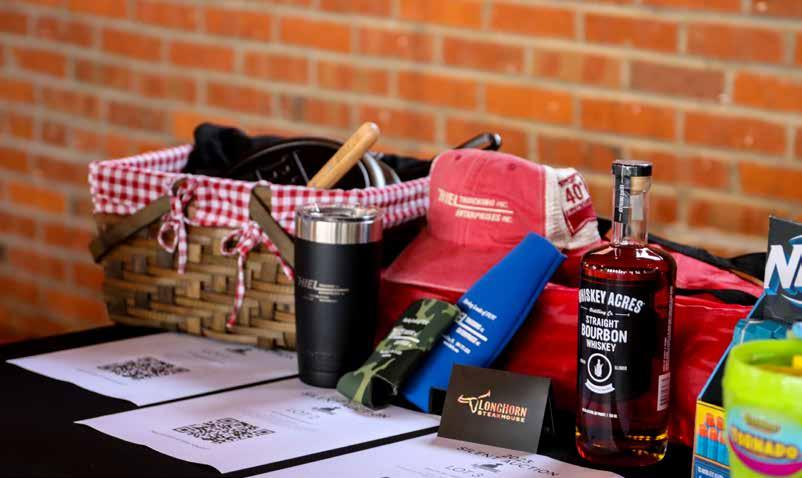
Silent Auction
For questions on donating, bidding, or the Foundation, please contact Devin Bollman at the IBA Office. devin@illinoisbeef.com (217) 787-4280
Tuesday, June 2, 2026
Silent Auction hosted by SC Online Sales
Bidding available online June 2.
ILLINOIS BEEF FOUNDATION
The Illinois Beef Foundation, Inc. was created by action of the Illinois Beef Association Board of Governors on November 20, 2015. The foundation is a non-profit corporation and operates exclusively for educational and charitable purposes within the meaning of Section 501(c) (3) of the Internal Revenue Code. The Illinois Beef Foundation, Inc.’s purpose is to engage in educational, promotional, and charitable activities dedicated to the improvement of beef production in Illinois and the social and financial advancement of beef producers in Illinois. The Foundation’s primary purpose is to award college scholarships.
VP Thoughts
Larisa Willrett, Illinois Beef Association Vice President
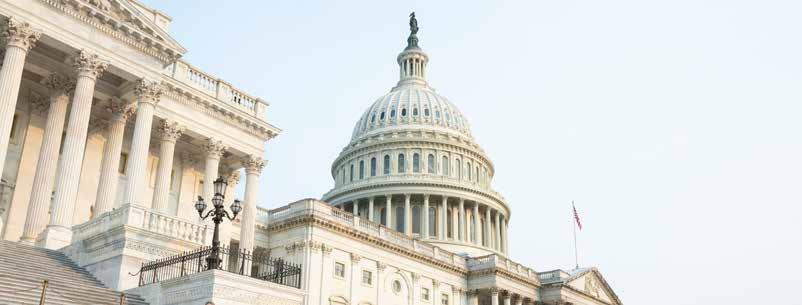
On April 8, I left the farm at 5 a.m. to travel down I-39 to Springfield for a day of IBA Policy Board meetings and to spend some time in the Capitol. Touring the Capitol was a first for me. What an impressive building, boasting one of the tallest non-skyscraper domes in the United States. It’s fitting that such a remarkable structure is the site where important and impactful policy decisions are made every day legislators are in session.
Those decisions have a direct and meaningful impact on Illinois agriculture, particularly the cattle and beef industry. Policies developed in Springfield influence everything from environmental regulations and livestock transportation rules to taxation and land use. For example, the 2025 creation of the Farmland Transition Commission aims to improve access to land for younger farmers, which could influence the long-term sustainability of livestock operations and family farms. For cattle producers, state-level decisions on issues like animal welfare and health protocols, property and estate taxes, and support for agricultural infrastructure can affect
designed three years ago to cultivate the next generation of young beef leaders who will become board members, community leaders and maybe even policy members themselves. The goal is to guarantee a future for beef in our state through the people leading the charge and showing up to serve the industry.
That day, young beef producers met with legislators and learned how policy in Illinois works, with the intention of creating enthusiasm in BLA participants for the world of policy and showing them the importance of being a part of organizations like IBA.
If you have yet to hear of the program, let me shed some light on the subject. This year-long, four-part program includes educational sessions, hands-on team building and industry tours to grow industry and real-life knowledge and develop leaders who will be able to use skills and relationships from their time in the BLA in future leadership
My family has had the privilege of hosting a couple of the BLA groups at our operation. If you have yet to reach 40 years of age, let me recommend joining the Beef Leadership Academy for the 2026-2027 calendar year. You will not regret
Executive Edge
Josh St. Peters, Illinois Beef Association Executive Vice President
We recently made a staffing announcement here at the Association, with Annie Hadden being promoted to a new role as Director of Livestock Development. This is a recently added position in Springfield and is a sign of great opportunity not just for our beef industry, but for all Illinois farm families. The role Annie has moved into this month is part of a new partnership with the Illinois Livestock Development Group (ILDG), aimed at supporting the momentum for expanding all livestock production across the state.
IBA has long been a member and supporter of the ILDG coalition, alongside Illinois Pork, Illinois Milk Producers, Illinois Farm Bureau, Illinois Corn and Illinois Soybean. Through the investment of Checkoff and other industry promotion dollars, this entity has spanned nearly two decades working to develop the animal agriculture sector of our state’s largest industry. Earlier this year, the board of farmer-leaders at ILDG decided to expand resources and broaden their investment in supporting potential and growing livestock operations, by creating a full-time opportunity for this livestock developer role.
Annie, a four-year employee of IBA, is a perfect fit – and carries not only her beef experience, but truly a lifetime of
knowledge growing up in and around the Midwestern livestock industry.
Through this staffing partnership, she keeps an office here at IBA and will still be part of our employee team – but her mission delivers opportunities across a broader span of species, from beef and dairy cattle to hogs and poultry. We are a unified team under the ILDG umbrella, with all of Illinois’ primary farm organizations and commodity groups aligned through the cause of supporting your needs and family livestock farmers.
I would encourage each of our members to save Annie’s contact information. You may not have a need today, but in the future as you are considering growth and expansion, or upgrades and updates on your cattle operation, use her as a resource. In the new position, she is charged with networking farmers with technical and industry experts to help operations with decision-making and navigating regulatory processes. She will be able to come to your farm and visit about growth, and investments, and how Illinois’ agriculture
industry can support your needs for today and tomorrow.
The beef industry is getting a lot of attention now around market signals pressing us to grow. We need more cattle to produce more beef. In this magazine, we have dedicated a lot of ink in the last few years to the record low supply numbers we have seen in cattle inventories across the U.S. Your IBA board of governors and your IBA staff are committed to supporting growth in this state, when and where it makes sense for farm families to make such investments. Our new partnership with ILDG leverages shared industry funds to elevate a staff member into a role where we know they can help advance the state’s farm economy. Let us know how
we can bring that to your community, and to your farm, to support the planning and the development that your family needs for your next year or next generation.
This development fuels our momentum at your cattlemen’s association and within our Checkoff programming, too. Annie’s move to this role serving ILDG has given our leadership the opportunity to look at how we keep growing IBA, to deliver on our missions for members and beef producers across the state.
In the next issue, you will read more about how we have backfilled the Programs and Services Manager position to continue meeting the needs of our affiliates, local beef producers and industry partners. It is an exciting opportunity for this Association, and for our entire team at the office in Springfield.
Meanwhile, please do consider reaching out to Annie if ILDG can help you with any projects on your farm. Her new e-mail is annie@illinoislivestock.org and she can be reached directly at (217) 883-7099. You can always contact the IBA office and we will drop a note on her desk to give you a call, too.
I am incredibly proud of her work to this point and want to end today’s column thanking her for the tremendous job she has done for the last four years as our point person on affiliate resources, industry programs and IBA events, among many other tasks.
As always, the Association and our staff are here to help, so please reach out to let me know what we can be doing to support your family farming operations. And do not forget to join us in Springfield on June 2 for the IBA Annual Meeting and Awards program. It’s going to be another great event!
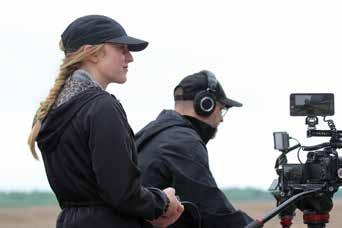
Annie during award winner video shoots her first year (2022).
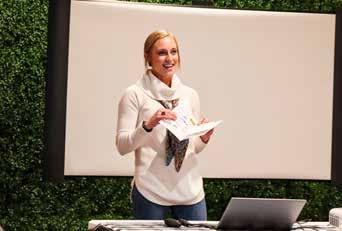
Introducing a speaker at a winter 2023 Cattlemen Connect Education Series meeting.
Extension Update
Travis Meteer, University of Illinois Extension Beef Specialist
Should I buy hay or grow my own hay?
Feeding hay is often just part of the cattle business. It is almost an afterthought to some. Habit and routine can sometimes overshadow a piece of your cattle business that deserves further evaluation.
Intuitively, we know that hay cost is a primary factor in deciding whether to purchase hay or grow your own hay. However, it is common for those growing their own hay to not include the value of time, cost of labor, or equipment maintenance and depreciation costs. So, comparing apples to apples sometimes is difficult for farmers to accomplish. Even so, there are many more reasons that go into making the correct decision on your farm. Here are a few factors that you may consider:
Buy Hay
• Limited land resources to use for hay production
• Busy, limited time to devote to hay production
• Short on labor
• Must purchase hay equipment, update old equipment
• Set-up to handle by-product/alternative feeds
• Have access to reliable hay source
• Limited market for excess hay
• Unable to store and carryover hay with little waste
• Low acreage in hay that cannot self-support investment in equipment
Grow Hay
• Land available for hay production
• Adequate time and flexible schedule to accommodate hay production
• Labor needs are adequate or labor can be sourced economically
• Some equipment costs can be shared with other enterprises
• Absolutely need to control harvest time and hay quality
• Lack of flexibility in feeding set-up, infrastructure is geared towards feeding hay
• Good demand for hay, potential diversification of farming business
• Can store excess hay, carryover hay with little waste
• Hay acreage supports equipment payment and regular update of equipment
Even in cases where some aspects of the farm may support growing your own hay, the opportunity cost is too high and buying hay can allow better use of time and equipment to focus on more profitable portions of the farming operation. Farming practices like spraying or fertilizing row crops may be more economically important when compared to baling hay. Are there other uses of your time and labor that could yield more benefit to the farm?
If you are purchasing hay, the fertilizer value of hay is important to consider, realizing that if these nutrients are evenly spread over pastures during winter feeding,
the benefit could be quite large to helping distribute additional nutrients to poorer fertility sections of a pasture. With a little thought and management when feeding hay, producers can build pastures up, reduce manure handling, and help make the most out of purchased hay. Rolling out hay or bale grazing on low fertility land can offer some added benefit to the nutrient value in hay. With current fertilizer prices, a 1200lb. round bale contains approximately $18 USD of fertility.
Land price and availability are big constraints on herd expansion. Diverting hay ground to managed pastures can be beneficial for allowing your herd to add numbers. Converting hay ground to pasture or avoiding haying established pastures can result in more grazing acres. Properly managed pastures can allow increased herd size or stocking rates and can result in lower fertilizer and fuel needs to support the cattle operation.
Even if you do not plan to expand cow numbers, adding grazable acres could allow you to entertain custom grazing. Custom grazing other cattle or sheep could be a far more profitable enterprise than making hay. It could also better match limited labor scenarios or add flexible stocking rates in times of drought.
Now, one big hurdle when purchasing hay from others is the variability. Variable quality, palatability differences, and unfamiliarity of plants within the hay bale can be concerns when buying hay. It is best to ask questions about the forage species and demand a nutrient analysis on the hay you purchase. Sometimes this is hard to obtain, and if buying “cheap” hay, the seller is unlikely to pay for testing. So, if your animals depend on high quality, palatable forages to meet animal performance goals, purchasing hay may not be the best option.
Unfamiliarity with the source of the hay can also increase risk of presence of poisonous plants, contaminants, or even metal or wire.
Purchasing hay during a drought comes with a slightly heightened level of risk. While not normally common in normal production environments, in times of drought, the risk for elevated nitrate levels in hay increases.
Every farm is different. There are good reasons to grow your own hay, and good reasons to purchase hay. Look at what your farm does best and what synergies may exist with harvested forages and your cattle operation. The ability to market extra hay at a premium and share equipment with another farm enterprise is likely needed to make it profitable on your farm. In my experience, those producers that reduce the need for purchased feeds and limit hay feeding are more profitable than those that devote significant time, money, and resources to producing and feeding hay.
Gate Cuts
Paul Walker, Professor Emeritus, DI Walker Consulting
Food Safety and the Beef Checkoff
Recently I attended the 24th Beef Industry Food Safety Summit (BIFSS) held in Fort Worth, Texas. This annual event funded by the NCBA as a contractor to the Beef Checkoff and in partnership with the Beef Industry Food Safety Council (BIFSCo) focused on how the U.S. cattle and beef industry can continue to strengthen food safety and protect consumers. Throughout the Summit, participants addressed challenges facing beef products with a strong emphasis on how to make critical decisions to prevent pathogens and foreign material contamination. Discussions also examined emerging concerns, including the potential threat of New World Screwworm in the U.S. It is important to note that food (beef) safety is an issue where the beef packing industry comes together to freely discuss best practices, both pre-harvest and post-harvest, that promote freedom from pathogens and contamination in beef products. The major packers as members of BIFSCo have decided that beef safety is not a competitive issue; beef safety is in everyone’s best interest.
Date Milestone
1993 A major E. coli O157:H7 outbreak was tied to ground beef served at Jack in the Box. In response, the Beef Checkoff funded a Blue Ribbon Task Force of scientists to identify new ways to improve beef safety.
1994 The beef industry, with funding support from the Beef Checkoff*, initiated research that over the next 10 years would investigate more than 25 different harvest-level beef safety inventions, including organic acid washes, acidified sodium chlorate, steam or thermal pasteurization, and hide washes.
1995 A Checkoff-funded* microbial mapping study identified where bacteria on the carcass can enter the food chain and was used to facilitate effective HACCP plans.
1997 Beef Industry Food Safety Council (BIFSCo) formed. Members of BIFSCo range from farmers and ranchers to processors and retailers who collaborate to solve food safety challenges.
2002 Checkoff-funded research* examined the initial effects of on-farm management practices on pathogen shedding.
2003 The Beef Checkoff* and BIFSCo hosts its first E. coli O157:H7 Summit where leaders convened to discuss solutions and refine “best practices” for each segment of the industry.
2003 During the early 2000s, Checkoff-funded* research focused on understanding the dynamics of E. coli O157:H7 in feedlot settings.
2004 The initial best practice for beef producers (E.coli O157 Solutions: The Pre-harvest Commitment) was released by BIFSCo and The Beef Checkoff Program*. Updates continued over the next two decades.
2004 Pre-harvest* research continued to exam the effectiveness of sodium chlorate on reducing pathogen shedding in cattle.
2005 Industry-funded research continued to focus on processing level safety interventions, but efforts also evolved to focus on more pre-harvest interventions*, such as cattle washing, on-farm ecology, sodium chlorate, vaccines, neomycin, as well as direct-fed microbials. Research also evolved to establish more baseline data regarding pathogen prevalence during transportation to a harvest facility and at lairage.
2005 Checkoff-funded research* established baseline data on pathogen prevalence during transportation to a harvest facility and at lairage.
2008 The Beef Checkoff* and BIFSCo hosted sixth annual Beef Industry Safety Summit and distributed a video on best practices for collecting beef samples for E. coli testing; the video was sent to 675 processing facilities across the United States.
2008 The Beef Checkoff* began the “Safe and Savory at 160” program, educating consumers about the safety and quality benefits of using a meat thermometer when cooking with ground beef.
2011 From 1999 through 2011, cattlemen invested more than $30 million of their Beef Checkoff dollars to beef safety efforts. In addition, the beef community as a whole invests an estimated $550 million-plus yearly, to implement, maintain and validate safety controls and conduct product testing.
2011
BIFSCo and the Beef Checkoff* host the 10th Beef Industry Safety Summit. The keynote session reflected on the progress the beef industry had made in food safety and future challenges with Dave Theno, Ph.D., former senior vice president and chief product safety officer for Jack in the Box and Bill Marler, the personal injury attorney who made his mark when he represented the most seriously injured survivor of the 1993 jack in the Box E. coli O157:H7 outbreak.
2012 Checkoff-funded research* continues a decade long investigation of Salmonella harborage in beef carcass as well and known novel interventions, detection methodology improvement, and management strategies to reduce pathogen load (including for strains of E. coli in cattle.
2015 Beef Checkoff research* results focused on antimicrobial resistance formation, detection, and prevention, and are shared with food industry decision makers at international conferences and published in peer-review journals.
2017
2017
The American consumer assumes that any food, including beef, that is purchased in a grocery store, from a locker plant or in a meat shop is wholesome (safe to eat). That is assumed as fact and 98% or more of the time that is a valid assumption. But that assumption does not just happen. A lot of time, effort and expense has gone into making American beef the wholesome pathogenfree product it is. The table a timeline of selected events and interventions, developed by Dr. Mandy Carr-Johnson with many funded by the National Beef Checkoff, that have occurred since 1985 to make eating American beef the safe experience it is.
Beef Checkoff* and BIFSCo host the 15th Beef Industry Safety Summit. Sessions focused on the advancements in pathogen detection systems including Whole Genome Sequencing, antimicrobial use, stewardship and resistance, and best practices to produce safe non-intact beef products.
Beef Checkoff-funded initiative* leads educational programs to inform the industry about the latest technology used to detect foodborne pathogens. Genome sequencing is used by USDA, FSIS, and the beef industry to identify genomic differences between bacterial strains to assist in source tracking of bacteria to improve safety systems.
2018 Checkoff-funded research* evaluates the evolving cattle supply for differences in pathogens that impact final product safety. Evaluations continue into the future to better understand the role of cattle type, and pre-harvest management systems on beef trim safety.
2020
2022
Checkoff-funded research* in the late 2010s focused on Salmonella virulence factors and antimicrobial resistance, Salmonella transmission networks in the animal, alternatives to antibiotics, and feedlot management practices. Research continued to monitor the evolving virulence of E. coli
Beef Checkoff* and BIFSCo hosted the 20th anniversary of the Beef Industry Safety Summit. The agenda reflected on progress made over the last 20 years and focused on Salmonella research updates and insights from other proteins, evaluating risk, and updates in testing method technologies.
2024 Checkoff-funded research* initiated to investigate options to reduce foreign material contamination initiating in pre-harvest environment.
*Funded or partially funded through the NCBA as a contractor to the CBB (National Beef Checkoff)
As the Summit approaches its 25th anniversary next year, the Beef Industry Food Safety Council and its partners, including NCBA with funding from the CBB through National Checkoff monies, remain committed to advancing industry capabilities and strengthening preventive strategies that protect beef products. This work is essential to maintaining consumer confidence and sustaining strong demand for U.S. beef both domestically and globally.
The 1985 U.S. Farm bill provided for a National Beef Checkoff. In 1987 cattle producers approved the $1:head National Beef Checkoff and the Cattlemen’s Beef Board was developed to administer the funds for beef education, promotion and research.
As the Summit approaches its 25th anniversary next year, the Beef Industry Food Safety Council and its partners, including NCBA with funding from the CBB through National Checkoff monies, remain committed to advancing industry capabilities and strengthening preventive strategies that protect beef products. This work is essential to maintaining consumer confidence and sustaining strong demand for U.S. beef both domestically and globally.
Remember, there are two ways to travel through life; as a pilot or as a passenger. The Beef Checkoff affords the collective beef industry to travel as the pilot. Have a great day. Doc
Cattle Health
Teresa L Steckler, PhD, University of Illinois Extension
Another Invasive Plant Has Taken Hold in Southern Illinois1
There seems to be an undeniable stream of new and emerging problems for all livestock producers stemming from invasive plants, animals, and/or pests. Examples of invasive species include Asian longhorned tick, kudzu, bushy honey suckle, constrictor snake species in the gulf states, nutria and Russian olive. These are just a few of the thousands of invasive species in the U.S. Some species were brought in and promoted by federal government agencies, others as part of the legal (and sometimes illegal) pet trade or movement of pets, horses and livestock internationally, while some were just inadvertent introductions. Regardless of the invasive species, habitat(s) throughout the U.S. can resemble the invasive’s native habitat resulting in easy establishment and sometimes total habitat dominance due to lack of predators (e.g. constrictor snakes in the Florida Everglades).
The U.S. has a national register for all introduced and invasive species established within three areas: Alaska, Hawaii, and the lower 48 states. The master list contains 14,700 records, of which 12,571 are unique scientific names. The database lists 545 records for Alaska, 5,628 records for Hawaii, and 8,527 records for the lower 48 states. It is also quite possible that these are only the records of known invasive species and many more await finding.
Unfortunately, laws to control invasive species in the U.S. generally came after the invasives become established. For example, the Lacey Act passed by Congress in 1900. This act made it illegal to import starlings, English sparrows, and other “injurious” species not native to the U.S. Nevertheless, farmers are left to “deal with” these injurious species that can cause economic and environmental harm.
This past fall I was made aware of another invasive plant species in a southern Illinois pasture that establishes very quickly, spreads easily and is hard to eradicate once established. The newly identified invasive is fountain grass. This plant is not new as University of Missouri in 2019 (https://ipm.missouri.edu/cropPest/2019/11/newGrass/ ) and Illinois Extension in 2024 (https://extension.illinois.edu/ invasives/invasive-fountain-grasses) wrote articles on the scourge. However, due to the reproductive nature of fountain grass it is possible for this plant to spread rapidly and become a problem in pastures and hay meadows throughout the state.
Cenchrus alopecuroides, fountain grass, is a warm season perennial grass native to meadows and open woods, alongside streams of Eastern Asia (mainly China and Japan) and Australia. Deep green foliage forms a dense clump 12-48″ tall, depending on the cultivar. As the plant begins to grow, leaves are upright, but as the leaves mature, they arch to resemble a fountain. The blades of the grass are tapered and long with serrations, but blades vary greatly between cultivars. The leaves turn orange-bronze in autumn, eventually fading to a dull beige.
Fountain grass was intentionally introduced via the
horticultural trade from Asia as an ornamental grass. There are numerous cultivars: C. americanus (Pennisetum glaucum)
‘Purple Majesty’ ornamental millet and C. setaceus (P. setaceum), crimson or purple fountain grass which varies in color depending on cultivars, including ‘Rubrum’ (red) and ‘Atrosanguineum’ (purple).
Fountain grass seems to grow even under harsh conditions. It does favor moderately fertile, draining, moist to wet soils in full sun. However, I was called to the field last fall during the moderate drought conditions. Suffice it to say that it was the only green “grass” growing in the field and had prevented growth of all other grasses. The “grass” was also growing along the roadside, and in several fields near the primary infested field.
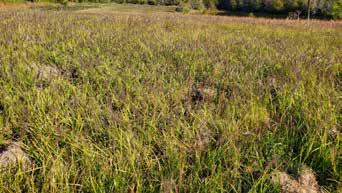
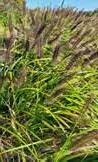
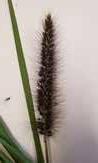
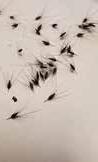
When I visited the field (in Johnson County) in the fall (Picture 1), the “grass” had already developed seeds after being mowed. Each clump had numerous seed heads –reminding me of foxtail (Picture 2 and 3). The producer told me that it took less than 4 years for the 20 acre field to become completely infested with fountain grass. In fact, the field was mowed for hay in the spring then sat unused due to lack of rain. The fountain grass was dark green in color but had completely overtaken the field. In fact, the grass had grown so thick that it stalled a 70 horsepower tractor mowing the field.
Note the large number of seeds heads.
Picture 1. Picture from fall of 2025 of field overtaken by fountain grass. The field had been mowed; however, note development of new seed heads.
Picture 2. Fall 2025 picture of fountain grass in an area that had not been mowed.
Picture 3. Close up of fountain grass seed head.
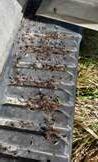
While walking the field, I observed that the seeds had long bristles (Picture 4), allowing the seed to hitch a ride on animals, clothing, birds, trucks (Picture 5), mowing equipment, hay, etc. Literature details how wind, especially during gusts, is a very good disperser of seeds. I was also showed another field several miles away that had been sprayed heavily in an attempt to control the fountain grass. I do not know how heavy the infestation was, but fountain grass could still be seen growing near the filed edges.
Ornamental plantings serve as the primary way fountain grass can be spread. Even varieties of fountain grass mistakenly sold by nurseries as being infertile can still become pollinated by fertile varieties or closely related plant species and develop viable seed. Some USDA research suggests that plants in this genus have seed that can remain viable for up to 7 years.
Fountain grass will be burdensome once well established. Mowing will reduce the number of seed heads but makes the leaves tougher and the plant will persist due to its rootstock. I suspect though, based on my observations in the Johnson County field, the fountain grass will produce more seed
heads that are much shorter and go unnoticed unless the field is walked. With current diesel prices, many producers may not be willing to mow the field several times to minimize seeds dispersal.
The young leaves appear to be palatable to herbivores, but amount of leaf serration may impact palatability. Cattle will typically ignore the fountain grass for more palatable plants. Information on the effectiveness of field burning is not available. But field burning may reduce the number of viable seeds. If considering burning a field consult local regulations and/or seek professional help to ensure the fire does not spread.
Control options seem limited – manual removal or spraying seem to be the best options. Very small populations may be effectively controlled by careful hand pulling (ensuring all roots are removed). Larger populations may warrant foliar spray application. All managed infestations should be monitored for several years to manage any germination of new seedlings or re-sprouting of remaining roots. New seedlings can be hand pulled or sprayed.
A foliar spray of glyphosate or quinclorac during growing season is most effective at controlling infestations of fountain grass. When considering the use of pesticides, it is your responsibility to fully understand the laws, regulations and best practices required to apply pesticides in a responsible manner.
As with any newly introduced unwanted plant species, producers who discover fountain grass should make every effort to proactively eradicate these plants before a much bigger problem develops. All available mechanical, cultural, and chemical options should be exploited when implementing a management program.
Picture 4. Fountain grass seeds with large burrs that allow for easy attachment to passing animals or clothing
Picture 5. Fountain grass seeds on running boards of truck after driving in pasture.
NCBA Connections
Colin Woodall, NCBA CEO
Roll ‘em Back
Mid-term election primaries are yielding interesting results. Runoffs, surprise retirements, and candidates pulling out of races illustrate how competitive and crazy this election cycle is. It’s not surprising given the political climate, but if you are a member of the House of Representatives or part of the onethird of the U.S. Senate up for re-election, your focus is on winning your election.
While there is plenty of legislative business Congress should tend to, I don’t expect them to get much more done this year because of their desire to be on the campaign trail. Once a plan is concocted to fund the rest of the government for this fiscal year, we will hear a lot of House and Senate rhetoric but will see very little action. Now, let’s keep in mind that this is not a unique situation. A Session of Congress lasts for two years. For quite some time, the first year of the session has been about legislating and the second year about running for re-election. When we have a favorable Congress, losing that second year takes away opportunities to advocate for NCBA’s policy priorities. When it is a challenging Congress, however, it can help us stop a lot of bad ideas.
With this in mind, how do we continue to advocate for you? Well, campaign season allows us to put even more emphasis on rolling back over-burdensome rules and regulations. Many federal rules can be changed without Congressional action, and President Trump has been a willing partner in helping ease the regulatory burden on agriculture. The Endangered Species Act, or ESA, is a great example of where we need improvement.
In late February, we delivered a delisting of the lesser prairie-chicken. This means the U.S. Fish and Wildlife Service removed the Northern and Southern Distinct Population Segments of the lesser prairie-chicken from the list of endangered species. NCBA, the Public Lands Council (PLC), and our state partners in Texas, Oklahoma, Kansas, Colorado and New Mexico have spent countless hours pointing out the legal and scientific flaws that led to the lesser prairie-chicken being listed. We were also able to clearly show that the lesser prairie-chicken thrives where cattle graze on rangeland. Delistings are rare, so this is a significant victory for us and shows we can be successful in delisting species.
This win bolsters the long-standing effort NCBA and PLC have put into addressing wolves and their impact on producers who are forced to deal with them thanks to federal government action and inaction. Over the years, NCBA and PLC have worked with our state partner organizations to
support multiple delisting rules and engage in litigation defending the delisting decisions. We have shared the horrific stories and photos of cattle killed and maimed by wolves, in addition to describing the emotional and financial toll it takes on many of you. The Trump team has the ability to take action now, and we are providing them the support and cover they need to make the decision. Getting action on wolves leads the list of NCBA’s regulatory rollback priorities.
Over at the Environmental Protection Agency (EPA), we have a friend in Administrator Lee Zeldin. He has been firm in his resolve to slash regulations. His work to redefine the Waters of the U.S. (WOTUS) led to a proposal that protects producers from worrying about whether a ditch would be regulated. The WOTUS fight has been going on for more than a decade, so we are diligently working with the EPA to finalize this proagriculture definition.
In what was heralded as the “single largest deregulatory action in U.S. history,” President Trump and Administrator Zeldin eliminated the 2009 Greenhouse Gas (GHG) Endangerment Finding that drove so many of the U.S. government’s environmental actions, especially changes to engine emission standards. This action resets climate discussion and will ease the economic burden caused by rules implemented under the finding.
I’ve just listed these few rules and regulations because the total list would fill my monthly article through election day. The point is that our work to implement the policy you pass as members never slows down. I don’t know what exactly will happen on Election Day 2026. While time seems to fly by these days, it is a political lifetime between now and November considering a short soundbite or video can change the course of any campaign. Regardless, we know the president will continue his deregulation work right up to his last day in office. We will be there to support him and keep him focused on our deregulation priorities. This may well be the best time we’ve had, or will ever have, in rolling back so much of the government burden you face.
Colin is planning to attend our 2026 Annual Meeting & Awards Ceremony on June 2. We hope you all will join us too!
2025 POLICY SCORECARD
HOW DID WE DO?
PURSUE REGULATORY ACTIONS THAT ENHANCE PRODUCER PROFITABILITY
Remove harmful regulations instituted during the Biden Administration that harm cattle producers, including:
• ESA rules
• NEPA rules
• WOTUS
• 2001 Roadless Rule
• BLM Public Lands Rule
• Packers and Stockyards rulemakings
Roll back climate policies that create unnecessary regulatory burdens.
Fight to keep beef on the plate and pursue Dietary Guidelines and federal nutrition policies that reflect the excellent nutritional value of our product.
Ensure that all labeling requirements for fake meat products are transparent, accurate, and fair.
Protect the U.S. cattle herd from the incursion of foreign animal diseases and support heightened preparedness actions.
Ensure access to the use of antimicrobial drugs that will allow veterinarians to prevent, control and treat diseases in cattle.
Push for further hours-of-service flexibility and continue delaying ELD requirements for livestock haulers.
Fight for meaningful long-term relief from the burdensome reporting requirements of the Corporate Transparency Act.
Work with USDA to implement the reformed “Product of USA” label to promote voluntary,
verified, trade-compliant labeling that returns greater value to producers.
Expand market access for U.S. beef exports and ensure equivalent animal health and food safety standards for imported beef.
Keep working lands working by protecting family farms from undue regulatory burdens under the ESA, NEPA, CWA, CAA, and other regulations.
Streamline the federal permitting process and increase flexibility to adapt to local conditions.
Safeguard the U.S cattle and beef supply chain by working with the administration to ensure there is a strong workforce to limit processing disruptions for producers.
WORK WITH CONGRESS TO STRENGTHEN PRODUCER PROFITABILITY
Work to retain core wins in the 2024 House Agriculture Committee-passed Farm Bill.
Preserve family farms and ranches for future generations by advocating for essential tax relief for cattle producers.
Enhance wildfire prevention utilizing targeted grazing, controlled burns, and forest management practices to protect grazing lands.
Secure resources to support cow-calf producers as industry works to implement current disease traceability requirements.
Protect producer access to voluntary conservation tools to support their long history of science-based resource stewardship.
Support effective predator control measures and compensation programs for livestock depredations and ensure depredation standards work with ranchers utilizing federal lands and not against them.
Affiliate News
Crossroads Beef Producers hosted a meal and informational meeting on March 5 at Kountry Kitchen in Teutopolis. FerAppease representative, Joe Meggison, sponsored the meeting and spoke about the FerAppease product. This affiliate is hosting monthly meetings so make sure to attend if you are a part of Effingham, Clay, Fayette or Shelby counties. Reach out to Mareah Rauch for more information at (618) 553-6839.
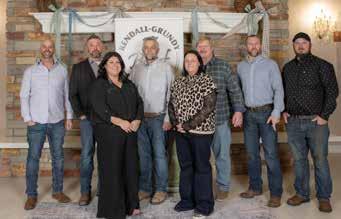
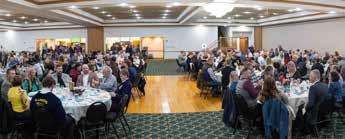
Kendall -Grundy Beef Association's "Raising the Steaks for Our Youth" 64th Annual Banquet was held on March 7 in Morris at Jennifer's Garden Banquet and
Convention Center. The evening was a night for raising money for scholarships through a silent and live auctions of items donated by generous donors. Other highlights include a delicious steak dinner and trivia.
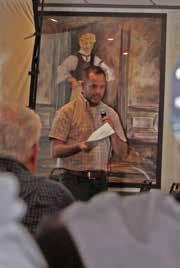
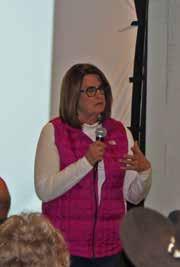
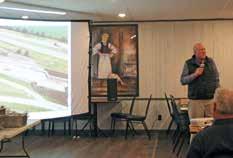
Monroe County Cattlemen's Association met for their March meeting on March 12 in Mayestown at Hank & Lilli's Creekside. Speakers included Illinois Department of Agriculture Director, Jerry Costello, IBA EVP, Josh St. Peters, and a Corteva brush range pasture management specialist.
Join the Association for the Cattlemen's Showdown Points Show on May 23 at the Monroe County Fairgrounds. Contact Melinda Braun at (618) 799-8341 for more information.
Knox County Cattlemen's Association's annual meeting and banquet was held on March 21 in Galesburg. The night was spent in fundraising, fellowship and great food. Tasha Bunting of Illinois Farm Bureau was the keynote speaker for the evening and representatives Norine Hammond and Dan Swanson were in attendance.
The Association also recently made a generous donation of beef to the Turning Point Child Advocacy Center in Galesburg for their golf tournament fundraiser.
Woodford County Beef
Improvement Association hosted their annual meeting and banquet at The Outpost banquet room, dinner included ribeyes "cooked your way" with baked potatoes and green beans. They had a near-record attendance with almost 70 people present. WCBIA President, Dan Grebner, hosted and introduced the guests and junior award winners. The first speaker was IBA Board of Governors member, Joan Harrison. Harrison shared with WCBIA the accolades of the IBA and their joy in supporting the affiliate. It was partnered with a call to support the Association.
Keynote speaker of the evening was Mike Martz of the Larson Farms Partnership, a robust grain and cattle feeding operation in Maple Park. Martz and his wife
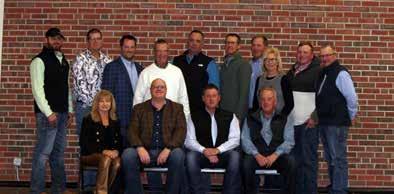
Pictured left are Kendall-Grundy Beef Association Board members Jeff Bleuer, Dave Wheeler, Gina Wix, Jake Cooper, Shelley Meisel, Dan Nicholson, Andy Covert and Bryan Steininger.
Dan Grebner
Joan Harrison
Lynn were recently honored as Master Farmers by Prairie Farmer for their leadership and involvement across the agriculture industry. Their approach to innovation is looking "for 100 things you can do one percent better" and viewing time as our only limiting factor. The culmination of his presentation was an encouragement to all producers of the importance of showing up and building relationships in the industry, providing examples from his life.
Adams County Cattle Association's Beef Bonanza was held on March 28 in Quincy at The Ambiance. Dinner is the star of the show at this event with items from multiple businesses in the area, including multiple beef dishes to try like roast beef, tenderloin, Italian beef, ribeyes and beef bowls. In attendance were numerous sponsors, FFA members and community members alongside cattlemen and women. It was a great night of fundraising, delicious food and music from the
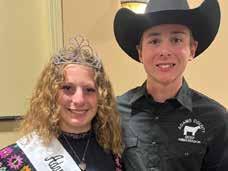
Queen and Ambassador
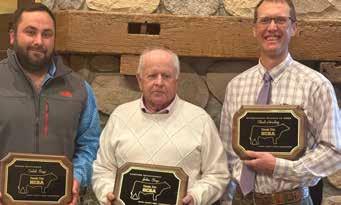
Henry County Cattlemen's Association hosted their sixty-third annual banquet on March 28. One main highlight was the auction made possible by generous donors for scholarships. Scholarship recipients include Mallory Dwyer and Hunter Wexell. Also recognized were senior ambassadors Hadley Curry and Kylee McKeag and junior ambassadors Avery Seys and Emma Schroeder. Award winners include Young Producer of the Year, Caleb Seys, Lifetime Acheivement award winner, John Seys, and finally, Outstanding Member of the Year, Chad Horsley.
Whiteside County Cattlemen's Association met for their annual spring banquet on March 28 in Sterling. From the silent and live auctions encouraging generosity to a classic ribeye dinner, a great time was had by all. Grain farmer Rob Sharkey, "The Shark Farmer," a podcaster and radio host, was the featured speaker of the evening, giving insight into the Illinois agriculture industry.
Mike Martz
2026
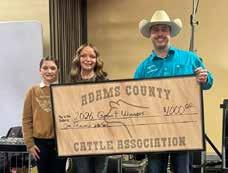
2026 Grant Winners
In the Know
Prairie Farmer names 2026 Master Farmers, including IBA members, Mike and Lynn Martz
March 12 in Bloomington was Prairie Farmer's annual Master Farmers award ceremony. For over 100 years, the award has recognized exceptional agricultural production skills that accompanies a commitment to family and community involvement. Two of the five producers honored include IBA members, Mike and Lynn Martz of Maple Park.
“The Master Farmer award is Illinois agriculture’s lifetime achievement award,” said Holly Spangler, Prairie Farmer editor. “These farmers are at the top of their agricultural game. They’ve built farms and families, and they are as committed to community as they are to commodities.”
Candidates are nominated by family, farmers, neighbors, agribusiness leaders and farm organizations throughout the state. Judges for the awards were Karen Corrigan, McGillicuddy Corrigan Agronomics; Germán Bollero, University of Illinois College of Agricultural, Consumer and Environmental Sciences dean; Doug Schroeder, 2022 Master Farmer; Brad Zwilling, Illinois FBFM; Mike Gunderson, Farm Credit Illinois chief credit officer; and Mike Wilson, Farm Progress.
Some Master Farmers serve in state and national farm leadership positions. Others chair prestigious boards or serve with honor at the highest levels of government. Still others build their farms or businesses to regional or national prominence. However, all serve their communities — building churches, chairing little-known but important committees, leading the township — and continue the service-minded commitment that earned them the Master Farmer distinction in the first place.
“There’s a saying that if you want something done, ask a busy person to do it — because they’ll get it done,” Spangler says. “These Master Farmers have succeeded not just in their business, but they also freely give their time and talent to the larger community. Those are the values that make rural communities special.”
Mike and Lynn surely embody Spangler's words. On their operation, Mike manages the cattle, while Lynn oversees the crops, creating a seamless partnership. Together, they have built Larson Farms Partnership and Larson Grain Farms into a 7,100-acre operation producing corn, soybeans and finishing 7,000 cattle annually. Their family, including their son and Lynn’s parents and brothers, play a vital role in the farm’s success.
The Martzes are known for meticulous financial management, resource stewardship and community involvement. Lynn and her father, Ray Larson, are the first father-daughter pair to be named Master Farmers, with Ray earning the title in 1970.
The farm operates two distinct divisions. The cattle side, managed by Mike, includes a 3,300-head feedlot and advanced ultrasound technology to optimize feeding efficiency and product quality. They’ve ultrasounded cattle for 30 years, sorting them into feeding groups, feeding efficiently and improving relationships with packers. Renowned animal behaviorist Temple Grandin designed their cattle facilities, enhancing safety and animal welfare.
The grain side, led by Lynn, produces corn, soybeans, and wheat, with 800,000 bushels of storage. Lynn handles financials, marketing, and innovative practices like selective spraying technology and non-GMO soybeans for premiums.
Beyond the farm, Mike and Lynn contribute to conservation and the Illinois beef industry. As IBA president, Mike helped pass a state Beef Checkoff in 2014, adding another 50 cents to the dollar collected across the country. Both Mike and Lynn
Holly Spangler (right) presents the Master Farmer award to Mike and Lynn Martz.
Larson Farms partnership, Martz family.
aim to leave a legacy of faith, hard work, and excellence in agriculture, embodying the best of Illinois farming.
Master Farmers Ceremony
That March 12 day was warm and sunny, and so were the various speeches given by stand-up farmers. Mike and Lynn's was no different. After a video played commemorating the history of the Larson Farms partnership, Lynn's hand in paving the way for women in agriculture and the details of their operation today, specifically with Temple Grandin's cattle handling design, Mike and Lynn took the stage with a thankful attitude.
After thanking IBA staff for the nomination, and Prairie Farmer's staff for their work on the award, they thanked their own parents and descendants for the support and being a part of the reason they received the recognition. Both emphasized the importance of family and community in their speeches.
"We have been blessed to be on boards and committees that have accomplished a lot," Lynn says. " The relationships we have made mean the world to us, and family partnerships have allowed us to do things we could never have done if we were farming on our own."
Mike spoke next. He emphasized their mutual thankfulness for every member of his family, and also all the employees who have worked on their operation throughout its years. "You see me and Lynn here today, but what you do not see is all the people that helped us get where we are at," he says. "It has been an honor to follow [Lynn's dad] Ray as a Master Farmer, and an honor to be a Master Farmer together with my wife."
Master Farmers were sponsored by the Illinois Farmers Council.
IBA Vice President Larisa Willrett, Mike Martz, Lynn Martz, IBA Past President, Dave Duzan, and IBA EVP, Josh St. Peters.
Illinois Association of Meat Processors contest awards Illinois beef members
Last issue, we shared the exciting involvement IBA was asked to play at the annual Illinois Association of Meat Processors convention earlier this year.
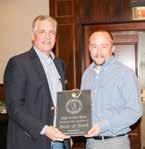
Right are photos of the award winners who also happen to be IBA members. We are proud to support every segment of our industry.
Beef Patty, award sponsored by IBA: Grand Champion - Turasky Meats, Reserve Grand Champion - Jones Meat & Locker, and Third Overall - Raber Packing Company.
A winter of Wolves games promotes Illinois agriculture to Chicago residents
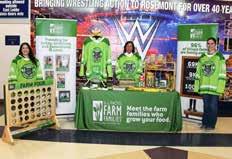
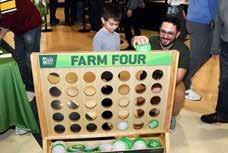
For years, Illinois Beef has been a coalition member of Illinois Farm Families, focused on connecting Chicago audiences with agriculture through education, interaction and media. This year's in-person activation was a second year of Wolves hockey sponsorships, and game-day promotions. Illinois Beef staff attended the March 15 game where Beef. It's What's for Dinner. and Illinois Farm Families goodies were given to game goers. Activations at the game included a farmer tv interview, IFF jersey giveaway, giant Connect-4 complete with farming facts and farmer/consumer conversations.
Ag Legislative Day honors retired ag teacher and IBA member, Betsy Pech
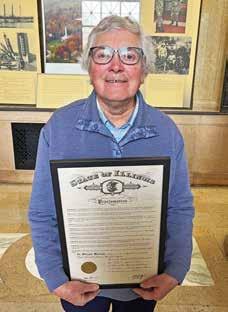
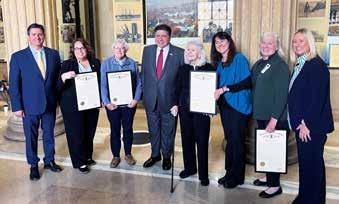
On March 24, the Illinois Department of Agriculture hosted Agricultural Legislative Day at the Howlett Building in downtown Springfield. The included a proclamation made by Governor JB Pritzker declaring 2026 as the International Year of the Woman Farmer. Betsy Pech was one of five women recognized, her statement as follows:
Whereas, Betsy Pech was the first female agriculture teacher in Illinois, dedicating 34 years to her students and opening the door to female agriculture teachers who now make up a significant portion of the ag education workforce.
As in past years, speakers at Ag Legislative Day were Illinois Senate and House leaders of their respective agriculture communities, Senator Doris Turner, Representative Sonya Harper and Representative Charlie Meier, who is a proud IBA member. Youth leaders from 4-H, FFA and MANRRS, plus 2026 Miss Illinois County Fair Queen, Krista Phillips of Effingham county, each shared about their accolades the agriculture industry helped them acheive.
IBA Membership & Marketing Manager, Devin Bollman, farmer LuAnn Matejcak, and Illinois Farm Bureau Consumer Engagement Manager, Gracie Pierson, staff the IFF booth.
The giant Connect-4 game allows game attendees to get competitive while learning farm facts!
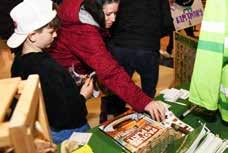
The March 15 night was family night so Illinois Beef was well represented with coloring books and sticker sheet giveaways.
Illinois Department of Agriculture Director Jerry Costello, Illinois Association FFA Executive Director, Mindy Bunselmeyer, Illinois beef producer and Illinois' first female FFA advisor, Betsy Pech, Governor JB Pritzker, first woman Illinois 4-H Director, Janice Seitz, and first female director of the Illinois Department of Agriculture, Becky Doyle.
Best of Beef went to Turasky Meats of Springfield and was presented by IBA Board Member, Ted Prehn (left).
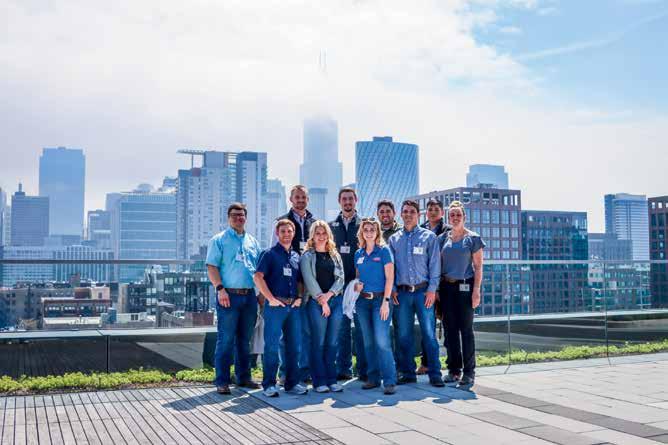
Beginning April 7, this year's class of Beef Leadership Academy participants engaged in learning about Illinois politics through programs and relationship building. The two-day excursion began at the President Abraham Lincoln Doubletree in Springfield with a Legislative 101 Learning Session with lobbyists IBA EVP, Josh St. Peters, and Kristin Rubbelke. The other session for the afternoon was a panel discussion titled "Advocating for Rural Illinois" which focused on the long road to protecting Illinois farms for coming generations through the repeal of the "Death Tax," as it is often called. Dinner that night was beef wellington at the historic Maldaner's Restaurant in downtown Springfield.
The next morning began with a breakfast for mingling with various legislative guests from both the Illinois House and Senate. BLA participants talked IBA lobbying efforts and important beef issues with IBA Board of Governors members and legislators, including IBA members and beef producers — Representatives Dan Swanson, Representative Jason Bunting, Charlie Meier and Chris Miller. Following a successful breakfast, a breakout session with Representative Bunting allowed participants to learn the importance of taking every opportunity that is handed to you and better understand the process of politics. Bunting also animated his journey to the House floor, sharing his passion for politics and Illinois family values. The star of the twodays was a tour of the Illinois Capitol, ending the day with some time in the House Gallery where Representative Swanson announced IBA's presence at the Capitol. To become a beef leader call the IBA office today!
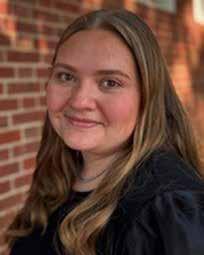
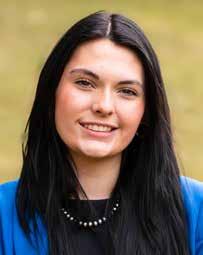
Meet IBA summer interns, MacKenzie Engel
and Meagan Davis
The IBA will welcome two interns for summer events and programing beginning in May.
Miss Meagan Davis from Joilet began to further her education at Joliet Junior College before transferring to her now school, University of Illinois where she studies agricultural leadership, education and communication. Her academics have included internships in the livestock industry and she has spent time judging livestock. "These opportunities have strengthened my appreciation for the livestock industry and
Meagan Davis Mackenzie Engel
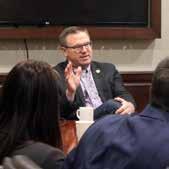
Representative Bunting shares his journey to the Illinois House.
Representative Miller talks with two BLA participants.
Dan Swanson with BLA participant, Elise Maine.
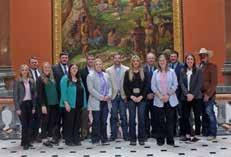
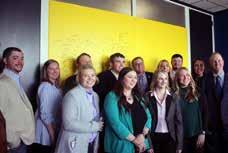
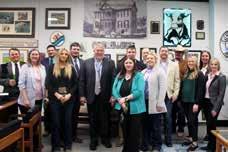
Class of 2025-2026 take a group photo in front of the Capitol building's famous mural.
BLA participants signed Representative Bunting's popular yellow FFA wall.
the dedication of producers across Illinois," Davis says. She is looking forward to her upcoming internship and the interaction with producers in includes.
Miss MacKenzie Engel of Hampshire is a junior at Western Illinois University studying agricultural business with a minor in communication. She grew up showing cattle, which gave her an interest in, and dedication to, the industry. "I cannot wait to gain hands-on experience, build connections and continue learning about how the IBA supports and advocates for producers in Illinois," Engel says. She is excited to grow both personally and professionally during her time at IBA.
NCBA joins White House to celebrate working farm and ranch families
On March 27, leaders and members of the National Cattlemen’s Beef Association joined a White House event celebrating the Working Families Tax Cuts included in the One Big Beautiful Bill. NCBA played a key role in advancing this legislation, advocating for its passage and building on years of effort to expand the estate tax exemption, also known as the Death Tax, to help preserve family-owned cattle operations.
“One of NCBA’s longest standing priorities was expanding the Death Tax exemption and delivering much needed tax relief to rural America. Thanks to the Working Families Tax Cuts, American cattle producers are in much better shape this tax season than last year,” said NCBA President and Virginia cattle producer Gene Copenhaver. “This tax relief protects countless family farms and ranches from being sold off to pay tax debts and the money that producers are now saving can be reinvested in these cattle operations for future generations. NCBA thanks President Trump for supporting America’s farming and ranching families.”
The White House event also highlighted the real world impact of the Working Families Tax Cuts on cattle producers across the country. Several NCBA members in attendance shared how the provisions have strengthened their operations, including a first-generation ranching family from South Dakota who have benefited from small-business and Section 179 deductions that make critical ranching investments such as equipment and fencing, tax deductible. Those savings helped them expand their cow herd and launch a directto-consumer retail beef business. A ranching family from Pennsylvania also underscored the long-term benefits of the legislation, noting they are opening a Trump Account for their newborn child, an investment they say could kick-start opportunity for the next generation.
Earlier in the day, NCBA participated in a tax roundtable with the Treasurer of the United States Brandon Beach discussing the opportunities created by the Working Families Tax Cuts.
BACKED BY EXPERIENCE
DRIVEN BY YOUR FUTURE
LIVESTOCK MARKETING EXPERTISE
From backgrounders to finishers, UPI’s cattle marketing team knows what drives today’s market and what keeps producers competitive.
Our experience works for you—helping you market efficiently, maximize value, and protect your future.
Your local UPI Illinois markets:
• Shelbyville
• Salem
RISK MANAGEMENT SOLUTIONS
Market volatility is unpredictable—your protection shouldn’t be. UPI’s Risk Management Solutions give cattle producers the tools to safeguard revenue, stabilize margins, and plan with confidence.
UPI Risk Management services include:
• Feeder Preference Marketing Agreement
• Forward Contracting
• Long-term Marketing Arrangements
• Livestock Insurance
• Rainfall Index (Pasture, Rangeland and Forage Insurance)
• Daily market report and analysis
The First Step Toward Better Grazing: Understanding Rest
By Laura Nelson, Noble Research Institute
Most of us can feel the difference between rest and true recovery.
We sit down at the end of a long day, scroll on the phone for 20 minutes and stand back up feeling as worn out as when we sat.
Or, we can rest in a way that actually rejuvenates our bodies and spirits — a quiet cup of coffee, a good conversation, a reflective walk through our livestock, a small power nap. Same amount of time. Very different result.
Hugh Aljoe, director of ranches, outreach and partnerships at Noble Research Institute, says this experience translates to our land, too.
“Rest is just the time period that a pasture doesn’t have livestock in it,” Aljoe says. “It’s the absence of grazing. Recovery only occurs when the forages and plants are actively growing.”
We can look at our grazing plan and say we gave a pasture plenty of “rest” on paper — and still not see recovery. True recovery is a restoration of plant health and vigor.
Read Your Leaves To Time Re-grazing
One of the best ways to observe recovery is to watch individual plant performance.
“We have a habit of looking out across the pasture and saying there’s a lot of grass or there’s not enough grass,” Aljoe says. “But what we need to do is look down and look closely at what the grass species we want to manage for are actually doing.”
He suggests starting by identifying a few key indicator plants of ecosystem health — likely the native grasses that will provide essential nutrition for livestock and soil cover — and get a good picture of what “ideal” looks like for that plant at different stages of growth.
Pay close attention to the leaves, Aljoe says.
In general, broader, wider, more robust and abundant leaf structure signals healthy photosynthetic opportunity. As leaves mature, the tips — the oldest part of the plant — will begin to brown and senesce. This is the signal that plants have fully recovered and are ready to be grazed again.
“If we top them off at that stage during good growing conditions, grazing just the top 20%-30% (less than 50%) of the leaf structure, we’re leaving the plant at full operation for recovery,” Aljoe says. “There remains enough leaf material to
keep the entire root system functioning. When we remove more than half the leaf area, the roots stop growing and slows recovery.”
The Noble team aims to think and plan at least 30 days ahead in terms of growth and recovery during the growing season. When the dormant season approaches, we begin plans to manage our grazing so that the grass will last 30 days into spring.
“We can’t graze everything off completely. We’ve got to leave enough residual matter to protect the crown of the plant through the dormant season,” Aljoe says. “That’s what gets them started the next growing season, and it’s what protects the land.”
If pastures didn’t make a full recovery before frost, give them time to finish the process before a spring graze.
Why Overgrazing Happens, Even With Plenty Of Acres
Overgrazing occurs on a plant-by-plant basis when an animal takes a second bite before the plant has fully recovered. This is a function of time, rather than space or intensity.
Still, getting an accurate read on your stocking rate and carrying capacity offers the surest bet to aid in proper recovery. The challenge is these numbers are constantly changing.
“We all want to stock for the average year, but the average year never happens,” Aljoe says.
That’s where a ”rest rotation” grazing system without adjusting stocking rates with rainfall patterns often falls short, and adaptive management where stocking rate is actively adjusted with carrying capacity has an advantage. If rainfall — and therefore, carrying capacity — falls short, but the stocking rate isn’t adjusted to meet that flux, it’s unlikely to allow plants to achieve a reasonable recovery.
“For every year that you’re overstocked, you can expect to need two years of understocking or abundant rainfall to rebound,” Aljoe says.
Even in an ideal year, overgrazing occurs due to distribution issues — livestock allowed to loiter in high-use areas and re-graze the grasses or forbs they like best.
This is where the number of paddocks or pastures you have available comes into play. Most think of this as their
grazing plan, but the true aim of increasing the number of pastures is about a recovery plan.
Calculating True Recovery Into Every Acre
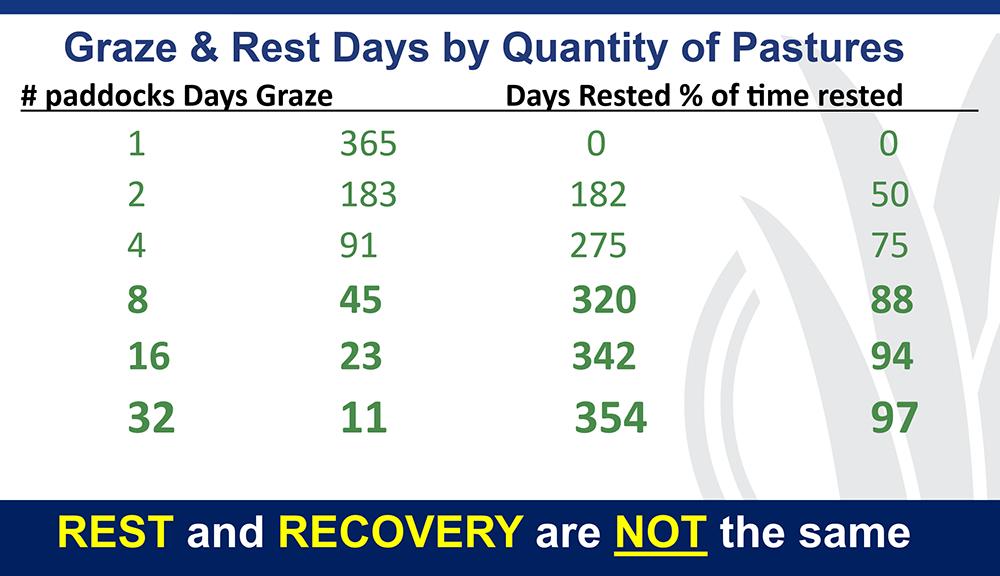
Consider the simple math in this sliding scale: One pasture with 365 days of livestock access has zero chances of any rest or recovery. Split that pasture in half, and you can automatically grant each pasture 182 or 183 days of rest. Break that same amount of land into 32 paddocks, and each one gets 354 potential days of rest, which means you’re now able to grant rest during the growing season and allow for active recovery.
He’s seen the power of true recovery at work. On Coffey Ranch when Noble first took possession, Noble implemented rangeland restoration through adaptive,
multi-paddock grazing. Over the course of ten years, the ranch transitioned from eight pastures to 42, allowing true recovery throughout the growing season and adjusting stocking rate with carrying capacity. Along the way, he witnessed a 350% increase in animal unit days (animal unit day is 26 pounds of dry matter) through increased forage capacity.
“Recovery accelerates everything,” Aljoe says.
Just like people need more from downtime than a mindless scroll, land becomes more resilient when rest is more than the absence of livestock. Real recovery makes room for growth, and it’s a quietly powerful process. “When we do the right things right — stocking within carry capacity, allowing full recovery when possible, maintaining residual — we’re well on our way,” he says.
Thank You! to our generous sponsors: Thank You! to our generous sponsors:
8:30-9:00 Registration
8:30-4:30 Tradeshow Open
9:00-9:15 Opening Ceremony
denoted by ***
9:15-10:15 CES General Session I: Risk Management Strategies in the Beef Business
10:20- 11:10
Breakout Session I: Managing Bulls for Herd Success (1 BQA CE Credit) OR Selecting Varieties: Profitable Forages for You
11:15-12:30 Lunch & Illinois Beef Association Annual Business Meeting & Policy Update
12:30-1:30 CES General Session II: A Word from NCBA CEO
1:35-2:25
2:30-3:10
Breakout Session II: Managing High Risk Cattle (1 BQA CE Credit) OR The Impact of Calving Distribution on the Producers Bottom Line
Breakout Session III: Supplementing Trace Minerals to Cows (1 BQA CE Credit) OR Livestock Marketing Seminar
3:15-4:00 CES General Session III: New World Screw Worm: Where do we stand? 4:00-5:00 Illinois Beef Hall of Fame Reception: *Hall of Fame induction at 4:30 pm * 5:00-6:00 Supper
6:00-8:00 Awards Ceremony
High Quality Forage and Strong Cattle Health
begin with Solid Pasture Management
Get ahead of weeds this spring to set your operation up for success.
As winter gives way to spring and fields begin to green up, it is critical to have a plan in place to control weeds before they become a problem. “We see longterm impacts throughout a season that if you don't get to weeds early, we see residual effects of that later into the season,” says Abe Smith, Corteva Agriscience range and pasture specialist. “This has impacts in terms of seed production or getting additional weed seeds produced if they don't remove those weeds early in the season.”
Smith says the true benefit of managing weeds in range and pasture is really maximizing the amount of forage that producers have available and the economic benefits play out pretty simply if producers look at pastures as pounds of grass.
“Pounds of grass correlate to pounds of beef at the end of the day,” says Smith. “I have generally used the math that if
we remove a pound of weeds through control measures from the pasture, we can put a pound or more of grass back into the pasture.”
John Sparks, who owns and operates a beef stocker business near Paris, Kentucky, understands the value of highquality pasture since it’s the basis for his operation. “High quality forages are really just foundational for everything in our business,” says Sparks. “It's just like the health of the cattle. You really don't have anything if you don't have a good, healthy calf. And the same is true if you don't have a good forage. You can't produce pounds without quality forage and we're after pounds at the end of the day.”
Sparks purchases 300- to 400-pound bull calves from sale barns throughout Kentucky. Established on-arrival protocols leveraging Zoetis vaccines and anti-infectives, along with strong management and solid nutrition are key to the operation’s success.
Colten Collier, LPS
CCollier01@landolakes.com (618) 697-0404
Mark Johnson, Sales Specialist MKJohnson@landolakes.com (815) 274-6096
“Cattle arrive at one of our locations the same day they are purchased. That’s non-negotiable,” says Sparks. “They are offered soft hay and clean water, along with plenty of room to rest when they arrive. We use our highest quality hay in our receiving program because the first 35 days are the most important time for those calves. The calves may not know what a feed bunk is or a water tank, but they know what a hay
“I think it all relates all the way through the whole entire process that you have to start with the quality forage to maintain that healthy animal at the end,” says Scott Birker from Iowa. Birker leverages technology from John Deere to help him harvest high-quality forage to sell and use with his own cow herd.
Mark Mette, Sales Specialist MMette@landolakes.com (217) 821-0559
Getting ahead of weeds and creating a plan early is key when it comes to high quality forage and pasture. Work with your local agricultural retailer or pasture specialist to identify local weed pressures and develop a plan that works for you.
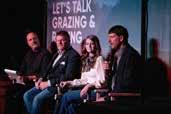
The Grazing and Raising event, hosted by Corteva Agriscience, John Deere and Zoetis, was held during 2026 Cattle Industry Convention in Nashville,
John Sparks, right, discusses how he manages herd health for his beef stocker business at the Let’s Talk Grazing & Raising event in Nashville.
Feed Representative
Livestock
Customize your livestock financing needs and protect your livelihood all under one roof with Farm Credit Illinois.
new livestock facility construction or refinance livestock real estate purchases livestock operation improvement
customized cattle and feed inventory operating lines of credit
against a decline in livestock prices with Livestock Risk Protection (LRP)
acres used to feed livestock with Pasture, Rangeland, Forage (PRF)
Learn more about livestock lending and insurance options: www.farmcreditil.com/livestock
TIPS
for Elevating Your Brand
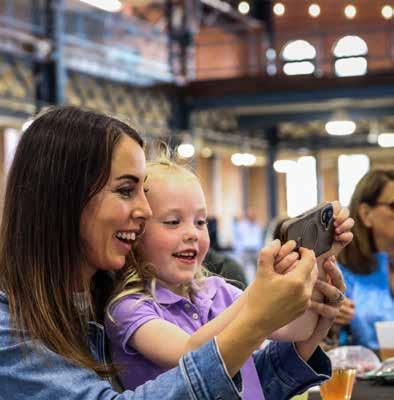
Today's smartphone cameras have come a long way. Here are some tips for how to best use yours to tell your ranch's story.
Story by Rob Mattson, Noble Research Institute
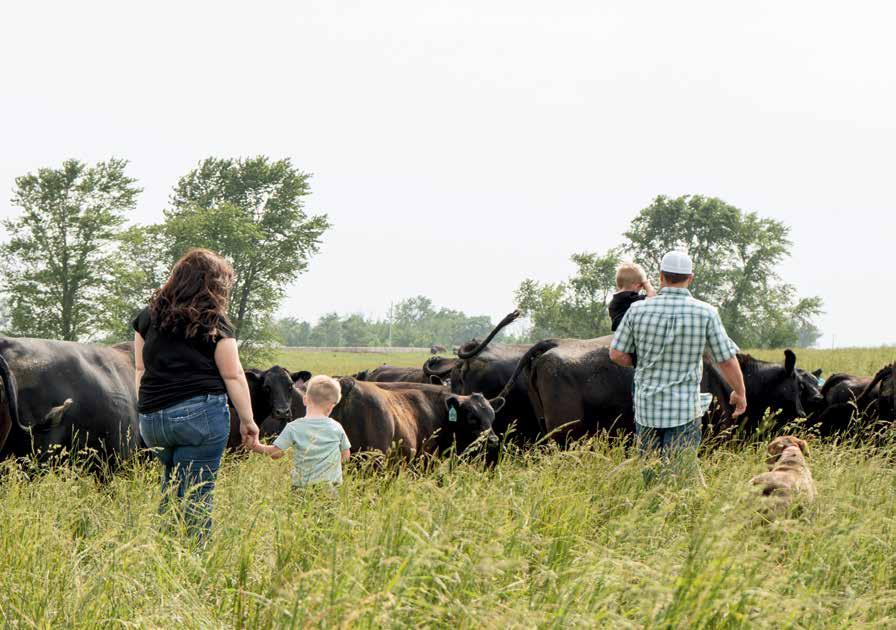
Human brains are optimized for visual information. We are capable of seeing and understanding six to 12 images in the same amount of time it takes to read and register one word of text. Well-made photographs can multiply the impact of words and brands by informing and enlightening viewers through an emotional response. Roughly 94% of the 1.9 trillion photos from 2024 were made with a smartphone. It’s forecast that these devices will be used to make another 2.1 trillion in 2025. That’s a lot of pictures, and the number is only going to get bigger, so it’s more important now than ever to produce images that stand out.
Here are a few technical tips and tricks that will immediately make your smartphone photographs better:
1. Clean your lenses with either a microfiber cloth or a 100% cotton shirt that is free of dust and sweat. Fabrics like polyester, fleece, rayon, silk, nylon and blends tend to smear grease and can even add to it.
2. Make sure the brightness of your phone screen is turned all the way up, so you know what you’re seeing is what you’re getting.
3. Do not zoom with the pinch-zoom function, which is a digital zoom and leaves images soft, pixelated and generally not high quality. Zoom only with your feet when you can (get closer to your subject).
4. Turn off the flash unless absolutely necessary, as it tends to produce redeye and is otherwise unflattering. If you are making horizontal pictures and it becomes essential to use the flash, consider turning your camera so the flash is above the lens.
5. Consider using the Portrait mode for photographs of groups or individuals. You have to be close enough – 6 to 8 feet – for this
function to work, but the results are usually really nice. If you end up disliking the blurring effect this mode creates, it can be reduced or eliminated in your phone’s photoediting app.
6. When using your iPhone camera, a single tap on the screen will produce a yellow box that you can use to adjust exposure (light) and focus on the point where you tapped. Drag your finger up or down to adjust the exposure of the picture.
7. Tap and hold on the iPhone camera screen to produce a yellow box with the words “AE/AF LOCK” (auto exposure/auto focus) at the top of the screen. Not only will this adjust light and focus on the spot you tapped, but it will also stay there for you to shoot until you tap the screen again.
8. If you have enough free space in your phone, turn on the “RAW” option in camera settings. Each photo takes up a bit more storage, but this format retains more data in each photo and gives you more detail in brighter brights and darker shadows.
The Human Element
We can program cameras to read and measure light, focus on faces and automate everything. But we can’t teach any camera how to see, think, feel or interpret what we see. And we certainly can’t program them to connect with our viewers for us.
That’s when photo composition — how we line things up in the frame — comes into play. I rely on these three elements when it comes to making a great photo: light, moment and composition. Here’s how to nail them.
1. Light: Smartphones make balancing light easier, but even auto settings can’t save a photo shot into the sun.
Be sure to keep the light source in front of, above or on the side of your subject, rather than behind it.
2. Moment: Telling a story through an image is about capturing the right moment. People don’t relate until they see themselves, so we’re best served by making pictures that reflect honest moments. Rather than staging a photo, look for candid scenes that reflect the subject’s personality. Watch how people interact with others and move in space, try to predict the moment, and don’t be afraid to get close or shoot from a new, lower or higher angle.
3. Composition: This one is a complex dynamic that varies in the eyes of visual storytellers. Knowing which composition to use and when to use it will become clearer with practice. Below is a truncated list of compositional guidelines you may find useful when making photos:
• Isolate Subject: Use light, color, angle and selective focus to help a subject stand out from its surroundings. This could include using foreground or background elements, lines or peripheral objects to help your subject stand out.
• Layers: Be mindful of what is in your fore-, middle and background.
• Rule of Thirds: Avoid placing your subject in the middle of your screen. Instead, mentally divide your screen – vertically and horizontally – into thirds and place your subject at intersecting lines.
• Space: Give your landscape or subject room to “breathe” visually, and beware of getting so locked into your subject that you forget to consider visual context that can add so much to the story your photo tells.
Hometown: Mount Carroll
Hometown: Buckingham
Hometown: Avon
Hometown: Paris
Macie Carroll
Ella Eathington
Aiden Knobloch
Lane Perry
Hometown: Rockford School: Lakeland College
Hometown: Fairbury Future School: Lakeland College
Hometown: Pontiac School: Oklahoma State University
Hometown: Clinton School: Butler Community College
Kendall Boatman
Ellie Drach
Grace Lemenager
Conley Shick
Checking in with the Checkoff .
May Beef Month
Illinois Beef Association
State and National Beef Promotion and Research Programs
Information is required by 7 CRF 1260.201. Failure to report can result in a fine. Information is held confidential per 7 CRF 1260.203.
Today’s Date ID Number (if known)________________________
Seller’s Name
Seller’s Signature
Buyer ’s Name
Buyer ’s Signature
Both the seller & the buyer are responsible for making sure that the $1.50 per head assessment is collected and remitted to the Illinois Beef Association.
Date of Sale
Total Number of Cattle Sold: X
*State of Origin
$1.00 per Head Federal Checko = Total Checko Payment for Federal and State
$0.50 per Head State Checko =
Person remitting form : Seller Buyer Phone Number:
*If the cattle purchased came from another state within the last 30 days, indicate from which state the cattle were purchased.
Send Report and Remittance to:
For additional information: call 217- 787- 4280or email dan@illinoisbeef.com
The Illinois Beef Association (IBA) collects the Illinois Beef Checko in accordance with the Illinois Beef Market Development Act. IBA also collects the national beef checko ful lling its role as the Quali ed State Beef Council for Illinois as designated by the Cattlemen’s Beef Board.
Beef is having its moment Beef is having its moment
By Charlyn Fargo-Ware
A recent New York Times article affirmed that Americans consumed $45 billion of beef in 2025, up more than ten percent from the previous year.
Ground beef is driving sales but steak sales are up as well, according to the article. U.S. Secretary of Health and Human Services, Robert Kennedy Jr., thinks so much of beef he eats it twice a day – and has beef at the top of the Food Guide Pyramid. Beef’s health benefits are part of the reason – its role in maintaining energy and building muscles and strength along with its plethora of vitamins and minerals. Kennedy has said it even helps his mental clarity.
With the popularity of shows like Yellowstone, Marshals and1923, meat eating has become a symbol of Old-West masculinity and patriotism. Remember when then-President George H.W. Bush ordered a rare T-bone steak and shunned broccoli? President Donald Trump is a meat eater as well, preferring his steak well done.
Beef has not always been held in such high regard. The debate can be traced back to the 1800s. History finds that during the Civil War, physicians prescribed minced beef for strength or elixirs derived from meat. At the same time, vegetarianism began to grow. When William and John Harvey Kellogg, both Seventh Day Adventists and vegetarian, invented Corn Flakes in the 1890s, it was intended to be a substitute for bacon, ham and sausage at breakfast. The Kellogg’s encouraged clean-living for their guests at their health spa and prohibited meat, tobacco and alcohol.
Since then, meat’s health benefits have been seen as contradictory. Meat eating has been associated with cardiovascular disease as well as certain cancers, however a high protein, low carbohydrate diet has also been shown to help with weight reduction and in the treatment of type 2 diabetes. As more Americans have turned to GLP-1s for weight loss, protein from meat has been seen as beneficial.
The bottom line is how healthy meat is for you -- depends on you. Are you sick or well, is there a predisposition to disease, what kind/cuts of meat do you eat and how much you exercise. Like many questions and answers in nutrition, there is no one answer that fits everyone.
If you’re looking to make sure that steak you’re grilling is going to be the best, here are a few tips to cooking it. Riko Rodriguez is the store manager at a newly opened Butcher Shop in LaBelle, Fla (where I’ve spent the winter). All of their meat is shipped in from the Midwest as Florida is more of a cow-calf state, shipping its calves to the Midwest to be finished.
He starts with a prime cut of steak, seasons it and lets it “dry” in the refrigerator for a couple of hours or overnight.
“Any kind of moisture on the surface – that’s what burns,” he says. “So, you want the meat to be dry before you grill it.”
Then he uses beef tallow on his grill, which has a higher smoke point compared to butter or oils. He heats the grill on high to “sear” the steak, then lets it cook to whatever temperature is desired.
Letting the steak “rest” is critical, ideally for the same amount of time as you cook it to seal in the juices. As it rests, it continues to cook another 5 degrees or so, says Rodriguez.
Should you spend the extra money for a prime steak?
“Honestly, I do,” says Rodriguez. “I would rather than steak less often and have higher quality vs having it more often and lower quality.”
Below is a modified recipe from Ina Garten’s “How Easy Is That” for Grilled Steak & Arugula. It blends the best of both worlds – great protein with a cold arugula salad.
Grilled Steak & Arugala | Serves 4
Ingredients:
• 2 (1-inch-thick) boneless rib-eye steaks
• Salt and pepper
• ½ cup olive oil
• ¼ cup lemon juice
• ½ teaspoon Dijon mustard
• 8 ounces baby arugula
• 1 (4-ounce) chunk
Parmesan cheese
Directions:
• Prepare your grill to medium-high heat. Brush the steaks lightly with oil and sprinkle both sides with salt and pepper. Set aside for 15 minutes.
• Meanwhile, whisk together the ½ cup olive oil, lemon juice, mustard, 1 teaspoon salt and ½ teaspoon pepper. Set aside.
• Grill steaks for five minutes on each side and close the lid, make sure the vents are open slightly. Cook another 5-15 minutes for medium rare. Move to plate and cover with foil, rest for ten minutes then slice.
• Toss the arugula in a large bowl with the dressing; then serve alongside the steak and shaved Parmesan to your guests for a delicious summer treat.
TEAM BEEF Work & Work MAKE THE DREAM WORK
Her heart beats strong as she realizes the finish line is just one half mile away. A flood of memories return, and a smile beams across her face as she feels another runner’s high and remembers all that went in to train for another race – early mornings and nutritious (and delicious) meals galore. Will she place? Maybe, she thinks, but it is the smile of her husband and two-year-old son that she’s awaiting at the finish line. One step, then another, until she turns the final corner. “He’s clapping,” she thinks to herself. “I think he sees me.” As she crosses the finish line, her husband and son fall into her arms. For this runner, her family make every step worth it.
Racing with Purpose
Fueling the human body with beef is a long-held practice among fitness enthusiasts. That is probably why the Beef Checkoff program Team Beef has become such a success. As producers continue to remind consumers of the value their product provides to our bodies –providing ten essential nutrients such as high protein levels which guarantee increased energy – there is bound to be commotion surrounding the benefits their product provides.
The Team Beef program offers the perfect blend of the entire beef industry supply chain – aka beef industry advocacy paired with nutritional awareness surrounding the beef product. Nichole Ring of Virginia, Illinois, is the perfect embodiment of both things – from working on the farm and raising her son to running competitiveness. Each bring embody Nichole’s lifestyle and purpose.
Team Beef
Nichole is someone who has been running for as long as she can remember, even doing track in high school. After that she has “leisurely” participated in many 5Ks and has not stopped running since. It’s cemented into the fabric of her day-to-day life, and since she lives on her husband’s cattle operation, she knew Illinois Beef’s Team Beef program would be the perfect fit.
After taking part in the program in 2021, she returned last year for the
Team Beef runners Jamie Martz, Nichole Ring, Deena Sledge and Johnny Reel.
program’s rebuild. “It’s a shared connection of running and beef,” Nichole explains.
The pinnacle of her running career was the 2022 Chicago Marathon. Preparation for the race included logging miles, even those of jogging from farm property to farm property for feeding or equipment.
Another aspect of training for Nichole includes nutrition and fueling herself. “I was eating a lot more protein and beef,” she says.
Family and Farm Life
This athleticism and nutrition are things she hopes to pass onto her son, beginning with what she feeds him at home. Their family often enjoys Crockpot meals like potatoes and sliders.
Juggling being a farm wife with her job at Syngenta and being a mom, Nichole is always on the go, making is extremely necessary for her to be her best self physically and nutritionally. She ultimately loves teaching her son about farming and nutrition and working as a team with her husband on their farm.
So, when does Nichole have time for running?
“I like to run in the morning,” she says,” when there is calm and peacefulness, and I can have a moment of quiet.”
She explains that since there is not much traffic on the country roads in the morning, and the sun is rising, it is the perfect time to gather energy for her day of farm, work and mom life with her “crazy” two-year-old.
Nutrition is also important for Nichole. “Being able
to be properly fueled is important,” she says. “Especially in recovery from long runs.” She often incorporates local products and food from her own garden, plus protein from her own farm’s beef cattle and chickens.
“We are a family who eats real food and ingredients,” Nichole expresses. She loves that her young son is already showing enthusiasm for cooking too, playing with the pans and helping her cook. From tater-tot casserole to a veggie-topped burger, delicious meals are made in the Ring household’s kitchen.
Family nutrition is easy for Nichole – “make it fun and creative,” she says. She is excited for her son to soon discover a sport or exercise he likes to stay healthy. “Promoting longevity, that kind of lifestyle is a big thing in our household.”
Nutrition Prioritization Leads to Beef Advocacy
Advocacy for the beef industry is a large part of Nichole and her husband’s life since their livelihoods depend on beef consumption, and the product fuels her running passion. She says knowing and sharing with others their farm's beef story is essential for their family.
Because they often sell direct-to-consumer, Nichole keeps active on their social media account. She is often sharing on-the-farm stories and letting customers know when there are quarters, halves and wholes ready to be bought.
“We enjoy our customers, both old and new,” Nichole shares. “I especially enjoy educating them on what to expect when buying beef in bulk, and making sure the whole process is easy so they will want to come back to us.”
The Next Mile
Up ahead on the road for Nichole is another marathon in Des Moines, which she plans to run in the fall. She has the “marathon bug” and is prepping already, now with motherhood and Team Beef a part of it.
There are a few other Illinoisans who are a part of the Team Beef. “The variety of people both seasoned and new make it a great program,” Nichole says. She is seeking industry and athletic growth in being a part of the team. With Illinois Beef on her side and miles of country roads to run on, Nichole will have many more races both in life and a in a jersey to race!
Nichole with her son William and some of their family's purebred Angus cattle.
THE PERFECT
Maroulosalata with Feta & Dill
Salad Ingredients:
• 2 tbsp lemon juice
• 1/3 cup olive oil
• 1/2 tsp minced garlic
• 1 tsp dijon
• 1 cup green onion
• 1 cup feta
• 2 heads of butter lettuce
• 1/2 cup dill
• 1/2 cup parsley
Steak Ingredients:
• 2 thinly-sliced ribeye steaks
• salt & pepper
• 1 tbsp butter
• thyme
• minced garlic
Directions
1. Whisk together lemon juice, olive oil, minced garlic, and dijon mustard. Set aside, this will be your dressing.
2. Chop your lettuce, then add 1 cup of diced green onion, feta, chopped dill and chopped parsley.
3. Set salad in the fridge.
4. Season the steaks with salt and pepper on both sides, let sit 10 minutes. Heat some oil in a pan on your stove at medium-high heat.
5. Place one steak in the pan, cooking for two minutes on both sides, then add a 1/2 tbsp of butter, some minced garlic and thyme to the pan, scooping the flavors onto the steak. Remove from pan and let sit for twenty minutes. Repeat this step for the second steak.
6. Mix your salad up and add steak to the top of the salad. Serve and enjoy!
Fresh Pita Pockets with Sirloin Steak
Pita Ingredients:
• 2 cups diced cherry tomatoes
• 5 mini cucumbers
• 1 red bell pepper
• 1/2 red onion
• 1/4 cup parsley
• 1 tbsp garlic
• 1 tbsp lemon juice
• 1 tsp oregano
• Pita Pockets
• Hummus
Steak Ingredients:
• 2 Top Sirloin Steaks
• salt & pepper
• 1 tbsp butter
• thyme & minced garlic
Directions
1. Into a medium-sized bowl mix tomatoes cut into fourths, diced cucumbers, diced red bell pepper, diced red onion, and parsley.
2. To dress this salad, top with garlic, lemon juice, and oregano.
3. Season the steaks with salt and pepper on both sides, let sit 10 minutes. Heat some oil in a pan on your stove at medium-high heat.
4. Place one steak in the pan, cooking for two minutes on both sides, then add a 1/2 tbsp of butter, some minced garlic and thyme to the pan, scooping the flavors onto the steak. Remove from pan and let sit for twenty minutes. Repeat this step for the second steak.
5. Spoon a thin layer of hummus on a pita round, then romaine lettuce and your greek salad. Top with steak slices to enjoy!
MEAL
IBA staff recipes for a beef-filled Mediterranean inspired meal to celebrate May Beef Month.
Grape Leaves (Rolled and Stuffed)
Ingredients:
• 1 lb. ground round extra lean
• 1 cup white rice
• 1/4 stick of butter
• salt, pepper & cinnamon
• 2 lemons
• 30 grape leaves
Directions
1. Combine cooked meat and rice with salt, pepper and cinnamon to taste. Mix well.
2. Roll into the grape leaves and stack criss-cross in a pot. Add water to top layer, then add the lemons and more salt and pepper.
3. Cover with an inverted dish. Bring to a boil and cook on low for 35 minutes, until tender.
4. Serve with greek yogurt.
Cooks tip: Don't have grape leaves? This recipe also works with cabbage or stuffed in bell peppers!
Cozy Butterfly Cinnamon Rolls
Directions:
Roll Ingredients:
• 1 package of dry yeast
• ¼ cup warm water
• ¼ cup milk
• ¼ cup sugar
• 1 tsp & 1/3 cup brown sugar
• 2 tsp ground cardamom, divided
• 1 egg
• 3 tablespoons butter, divided
• 3 tablespoons tallow, divided, plus more for greasing
• 1 ½ cup & 1/3 cup flour, plus more for dusting
• 1 tsp butter extract
• Salt & Cinnamon
Icing Ingredients:
• 2 cups powdered sugar
• ¼ tsp orange extract
• 3 tablespoons orange juice
• 1 tsp vanilla bean paste
• Milk to taste
1. In warm water, dissolve one package of active dry yeast and 1 tsp of brown sugar. Let sit for ten minutes to activate yeast.
2. Scald milk and remove from heat, immediately adding 2 tablespoons of butter, 2 tablespoons of tallow, ¼ cups of sugar and a good pinch of salt. This should make the fats melt and cool the milk.
3. Using a stand mixer, beat one egg. Next add the milk mixture and beat until blended, follow with ½ cup and 1/3 cup of flour, 1/3 cup of brown sugar, and 1 tsp of cardamon spice. Beat again then replace attachment with the dough hook. Add the final cup of flour and scrape down the edges then turn mixer to medium-high to incorporate all the flour. Pour onto a floured surface and knead until smooth and prepped. Place in a tallow-greased bowl and let rise for 40 minutes (up to 1.5 hours). While your dough is rising, prepare the filling.
4. Blend 1 tsp butter extract, 1 tsp cardamom, 1/3 brown sugar and cinnamon to taste. *Use your sniffer to get the perfect spice blend, you will know when there is enough cinnamon.
5. Uncover and punch down then roll out on a floured surface to ½ inch thick. Evenly spread one tablespoon of butter and one tablespoon of tallow on the flat dough and then sprinkle the cinnamon sugar mixture on top. Roll the dough and cut into twelve even pieces.
6. Place pieces on their flat side and use a thin cylindric object (maybe a spatula) to press the center and create the butterfly roll shape. Let rise for another hour, preheating the oven to 350 degrees. Once rolls are done rising, bake for ten minutes on a center oven rack.
7. Now make your icing. Combine all ingredients, use the milk to create your preferred texture. Drizzle rolls with icing to enjoy!
Proven in studies, FerAppease improved feed intake, daily gain, and carcass quality, delivering stronger results and higher returns for feedlot operations. Where proven science meets real feedlot results.
+3.4% daily gain +0.89 lb/ day feed intake
lb carcass weight +7% more Choice & Prime carcasses
IN THIS ISSUE:
May/June 2026
OF DIRECTORS
President: David Mool
Vice President: Brad Evans
Secretary: Clay Sellmeyer
Business Manager: Doug Turner
Past President: Carla Jurgenson
Auxiliary Pres.: Cindy Anderson
Junior Advisor: Stacy Lemenager
Bureau County: Vaughn Kiner
Central Illinois: Luke Lemenager
Logan County : Carla Jurgenson
Northern Illinois: Jarad Carroll
Wabash Valley: Open
Directors at Large:
Eric McClure
Aaron Schafer
Travis Fruhling
T J Curtin
Chris Cassady
Bodee Schlipf
Brad Evans
Tracey Rawlings
Chad Horsley
Sam Brumleve
Scott Anderson
Dan Naughton
UPCOMING EVENTS
Visit the Events page at www. illinoisangus.com for a list of other upcoming events and Angus sales this season.
CONTACT
To place advertisements or your latest Angus news contact:
ON THE COVER
Photo taken at Horsley Brothers operation, the 2025 Illinois Beef Association Seedstock Producer of the Year. Photo by Devin Bollman.
EDITORS NOTE
In the March/April issue of Illinois Angus News the Board of Directors list in the Annual Banquet section was incomplete. Below is the finished version.
2026 IAA Board of Directors. Back row (left to right): Sam Brumleve, Vaughn Kiner, Chris Cassady, Doug Turner, Jarad Carroll, Chad Horsley, Travis Fruhling, Tracy Rawlings, Garrett Handsaker, Luke Lemenager. Front row (left to right): Carla Jurgenson, Clay Sellmeyer, Dave Mool, Brad Evans.
JUNE 4 - 6 |
TWO SHOWS, ONE GREAT ANGUS EVENT
ENTRIES OPEN NOW NO EXHIBITOR FEES
EXHIBITOR GIFTS
THURSDAY: PIZZA & GAMES HOSTED BY IJAA
FRIDAY: BRISKET MEAL SPONSORED BY CIAA
GRAND & RESERVE STEERS, BULLS, HEIFERS & COW/CALF PAIRS
TOP 5 FEMALES (CIAA)
TOP 5 OWNED FEMALES (IJAA)
TOP 5 BRED & OWNED FEMALES (IJAA) PLUS! SHOWMANSHIP, TEAM FITTING & QUIZ BOWL
In the News
Penny Wars with Purpose
NJAA Announces 2026 Angus Impact Project in Support of Colon Cancer Research
By Molly Biggs, Angus Communications
The National Junior Angus Association (NJAA) has announced the 2026 Angus Impact Project, a service initiative supporting the Colon Cancer Foundation through a fundraising competition known as Penny Wars. Led by NJAA Vice Chairman Anne Dameron, this year’s effort carries personal significance as it honors her late mother, Jennifer, who passed away from colon cancer.
The Angus Impact Project serves as the NJAA’s official service outreach, engaging junior members in meaningful acts of community support at state and national levels. Past efforts have included school supply drives and assembling care kits for Ronald McDonald House Charities. The program inspires service and camaraderie among juniors, often strengthened by friendly competition among state associations. “In the past, the competitive element has really brought states together,” said Anne Dameron, National Junior Angus Association Vice Chairman and leader of this year's Angus Impact Project.
Ambitious teamwork was evident during the 2024 National Junior Angus Show (NJAS), when juniors delivered the largest donation received by the Ronald McDonald House of Madison, Wisconsin. The 2026 project focuses on raising funds and awareness for colon cancer research, early detection and advocacy, with the hope of capturing the same driven spirit of members in honor of one of their own.
“A little over a year ago, my mom passed away from the disease,” she said. “Cancer is something so many people unfortunately deal with or know someone who has battled.”
Anne emphasizes the importance of the mission behind it. She recalls the support she received from the Angus family following her mother’s passing, including junior board members wearing blue colon cancer awareness ribbons in Louisville during the 2024 North American. “That meant so much to me and my family,” she said. “It shows how the Angus family shows up for each other. This year’s Angus Impact mission brings that full circle.”
Colon cancer remains one of the deadliest but most preventable cancers in the United States. Early screenings dramatically improve survival, and awareness plays a critical role in encouraging individuals to seek preventive care. “My family has tried to stay positive and do what we can, so others don’t have to face the same situation,” Anne said. “This project’s goal is to help advocate for screenings or bring awareness to someone who needs it.”
In preparation for the July event, junior members are encouraged to collect spare change from barns, vehicles and their homes. At the show, Penny Wars will take center stage as jars labeled with the names of well known Angus staff, regional managers and National Junior Angus Association Board members such as Casey Jentz, Ty Murray, Blake Pillars and Caitlyn Brandt, invite contributions throughout the week. The individual whose jar collects the greatest amount will be recognized during closing ceremonies and receive a pie to the face on stage.
As juniors prepare for NJAS, Anne hopes everyone recognizes the impact their participation can make.
“Angus Impact is bigger than one person or one board,” she said. “It’s about coming together for something larger than ourselves.” For more information about the 2026 Angus Impact Project or NJAA programs, visit www.njaa.info
Jack, Anne, Max and Jeff Dameron of Dameron Angus in Towanda.
Ella Eathington earns Junior Bronze and Silver Awards
Ella Eathington, Avon, has earned the National Junior Angus Association’s Bronze and Silver awards. She is the 18-year-old daughter of Kevin and Patricia Eathington and attends Spoon River Valley High School. Ella is a member of the NJAA and the Illinois Junior Angus Association, where she has served as director and secretary, and has participated in state, regional, and national Angus shows.
Eathington has submitted weight data to the Angus Herd Improvement Records and submitted DNA samples for Genomic Profile Testing through Angus Genetics Inc. The Bronze and Silver awards are the first two levels of the NJAA Recognition Program that began in 1972. Junior Angus breeders must apply for the award, then meet point requirements in many areas of participation before receiving the honor. Applicants are evaluated in areas of junior Angus association activities and leadership, participation in showmanship, contests and shows, using performance testing to improve their herd and their progress in producing and merchandising Angus cattle.
Henry C. Gardiner Scholarship Award Winners Announced, two of Illinois
Henry C. Gardiner scholarships have been awarded to elite undergraduates since 2012. This year, 29 applicants competed for six scholarships. The applicants represent diverse interests throughout animal science and industry, production agriculture and the beef industry, and are academically elite undergraduates enrolled at K-State planning to continue careers in agriculture. In addition to a written essay, applicants compete in a rigorous, in-person interview with a panel of K-State faculty and industry leaders. Academic excellence, work ethic, community service, written and verbal communication skills and future goals are considered. Dr. Dave Nichols, Professor Emeritus, Dept. of Animal Sciences and Industry stated, “The Henry Gardiner Scholarships are the largest scholarships we give in the department. Students that have received the scholarships are the who’s-who in their collegiate endeavors and have gone on to become young industry leaders."
When asked to comment on the Henry C. Gardiner scholarship winners, Mark Gardiner said, “As agriculture is challenged to provide viable options for the next generation of decision makers, these students are embracing the challenge by taking advantage of every opportunity. Their curiosity, critical thinking, community service and extensive resumes, even before they launch their careers, is remarkable. Henry Gardiner believed in hard work. But he also believed in curiosity, lifetime learning and using those skills to improve, leaving his sphere better than he found it. The 2025-2026 Henry Gardiner scholars are examples of his perpetual pursuit for excellence.”
The Henry C. Gardiner Scholarship is made possible through the generous contributions of Gardiner customers, friends and family continuing the legacy of Henry Gardiner. Two Illinois juniors were selected as 2026-2027 Henry C. Gardiner Scholars, Drew Mickey of Taylorville and Anna Webel of Farmington.
Gardiner Angus Ranch is a family-owned ranching operation that produces registered and commercial Angus cattle. The original ranch was homesteaded near Ashland, Kansas, in 1885 by Henry Gardiner’s grandfather. Today, the ranch encompasses more than 48,000 acres. The Gardiner operation sells approximately 2,500 bulls and 2,000 registered and commercial females each year. One hundred percent of the sale offering each year is the result of artificial insemination or embryo transfer. The ranch is also a founding member of U.S. Premium Beef, the producer-owned limited liability corporation with minority ownership in National Beef, the nation’s fourth largest beef processing company. More information can be found at www.gardinerangus.com.
Illinois Angus juniors attend NJAA Raising the Bar Conference
The 2026 National Junior Angus Association (NJAA) Raising the Bar conference was held April 9–12, 2026, at Iowa State University in Des Moines, Iowa. The three-day leadership event, designed for high school-aged members and older, featured campus tours, industry visits, and networking workshops focused on animal science and agriculture. Five Illinois Junior Angus members were represented at the event.
Show Results
Mid-Atlantic Junior Angus Classic Regional Preview Show
Region 4 attendees: Blake Pillars, *Anne Dameron (NJAA Board Member), *Anna Parr, *Macie Carroll, *Claire Kuipers, Tucker Bayer, *Mady Bergmann, *Dani Alberts, Maggie Mindemann, Ava Leibfried, Gabe Mindemann.
*denotes Illinois Junior Angus members”
Western National Angus Futurity Super Point ROV Show & Western Regional Junior Angus Show
Reno, Nev. | March 28-29 | Judges: Steve Royer, Ind. (ROV) & Luke Lemenager, Ill. (Juniors)
Owned by Ashton Dillow
Photo by Next Level Images
Owned by Ashton Dillow
TO
(Ages 5-21 as of 1.1.26)
Opens 4 1 2026
ICLA (Ages 5-21 as of 9.1.25) Entr y
(Ages 4-21 as of 1.1.26) Top 5 in each species, breeding and market animals. Top 2 for each Breed/Division Cash Payouts
Top 2 Showman in each age division for each species.
(Ages 5-21 as of 1.1.26)
IJBA (Ages 8-21 as of 1 1 26)
The ILLINOIS BULLETIN
PRESIDENT
Travis Meteer
217-430-7030
VICE PRESIDENT
Tammy Boatman
770-354-4195
MEMBERSHIP SERVICES
Noah Benedict
217-372-8009
nojo1132@gmail.com
TREASURER
Buddy Edenburn 217-649-0108
BOARD OF DIRECTORS
Chad Crane - 815-712-5739
Yale Young - 815-867-7333
Lucas Stumpf - 618-830-0971
Mark Stephens - 217-825-7913
Matt McCaskill - 217-779-0775
Corey Perry - 217-294-2934
Robbie Duis - 815-858-4129
Gage Campbell - 217-259-1986
Kyle Yoder - 217-5856-3275
PRESIDENTIAL PERSPECTIVE
The week of the Illinois Beef Expo is always a busy one for me, but I was re-energized as I sat with my family at the Illinois Hereford Association banquet with over 150 other attendees. What a crowd of people that have a passion for Hereford cattle. From catching up with old friends, to association updates, fundraising, and a really good meal, the annual meeting is a must-attend event. If you are not attending the annual meeting and banquet, please put it on your calendar for next year. A full recap of the annual meeting was in the March/April issue.
Thank you to Craig Crutcher for this past year of service as the IHA president and thank you to Tammy Boatman for signing on as our vice-president this year. We have a great group on the board and even better folks serving in our member services and treasurer roles. The IHA is very active, and we continue to extend the invitation to join IHA. See the benefits of belonging to a vibrant association that is working to help its members market their cattle.
If you are a commercial producer, have you looked at the opportunities a Hereford bull can bring to your herd? From vigorous calves that get up and nurse, to better calf health, heavier weaning weights, to stronger fertility in the females… the list goes on. Remember when buying replacements, there is good reason that the black baldy cow is still the standard at which all commercial beef cows are measured.
I hope your summer is filled with satisfied cows grazing plentiful pastures. Good luck to all the juniors in their show season endeavors and my praise for their parents for giving youth an opportunity to engage in animal agriculture and all the life skills it teaches.
-Travis Meteer
Travis Meteer, Illinois Hereford Association President
FROM THE FIELD
Since I last wrote you all, record-setting sales have taken place, rain is becoming more prevalent in the forecast, grass is starting to bounce back, and we are in full swing of breeding season. It’s a time of excitement, anticipation, and quite honestly a lot to consider as we keep trying to move our operations forward.
If you’re like me when making breeding decisions, you want to evaluate all available information: look at available pictures of the bulls and relatives, contact the breeders/owners to discuss their background and cow families they come from, and study the data presented on their genomic tabulations. The good news for Hereford breeders is we have a resource catered to exactly this. I invite you all to take a look at the 2026 AHA AI Sire Book. The AI Book contains a powerful set of bulls from breeders across the country featuring some of the best their programs have to offer.
Another major highlight of the impending months ahead will be the inaugural Best of the Midwest sale on Memorial Day weekend. Benedict Marketing and Consulting has put a monumental amount of thought and effort into putting this set of breeders together and offering. This will be an event any Hereford enthusiast will not want to miss. Special thanks to the Perks Ranch crew for being willing to host this sale. Mark your calendars and plan to join us in Rockford on May 23!
5 Field Staff
Before long, the IJHA will gather in Salem, Illinois, on Father’s Day weekend for the annual Illinois Herford Preview Show. It’s a given that this weekend always brings about good camaraderie, great cattle, and an unforgettable experience. I look forward to seeing everyone and getting to visit with all as we recap the last 365 days while also getting ready for another great JNHE in Madison, Wisconsin, in July.
If I can be of any assistance, please do not hesitate to reach out. All the best,
-Corbin Cowles
JUNIOR EVENTS
BOLD CONFERENCE BUILDS NEXT GENERATION OF HEREFORD LEADERS
CMT Artist of the Year, Cody Johnson, helped pave the motivational foundation for Hereford youth attending the fifth annual Building on Leadership Development conference in Desdemona, Texas, March 26-29.
“Pray for roadblocks and be comfortable with them coming,” Johnson encouraged the 26 BOLD participants. “Don’t ever let your vision get blurry by fame and success.”
National Junior Hereford Association members from across the country forged foundational leadership skills and industry connections during the leadership event hosted by Gary and Kathy Buchholz of GKB Cattle at their Hi Point Ranch. Tyson Durfey, world champion rodeo athlete; Shane Bedwell, American Hereford Association director of breed improvement and chief operating officer; and Tyler Norvell, president of Norvell Consulting and CEO of Oklahoma Youth Expo and Cattlemen’s Congress, provided participants with valuable insights and expertise.
“Your mind will give you the power to do anything that you want to do, even if there’s no money, even if it’s hard, even if it’s difficult, even if in the moment it looks like you can’t do it, you just take one step.” Durfey said. “You don’t have to think about the million steps after, but just the one step, and then the next step.”
Along the way, BOLD participants had plenty of opportunities to explore career opportunities and learn how to better position themselves for their future careers.
Lauren Perez, of LEP Associates, led a session focused on resume writing and mock job interviews. Participants received advice from industry mentors based on their personal experiences during career roundtables. These roundtable discussions included: Gary Buchholz, GKB Cattle; Bruce Everhart, Everhart Herefords and Hereford Youth Foundation of America board member; Dr. Remy Wyatt, Ph.D., BioZyme Inc.; and Cody Mahan, Merck Animal Health.
“You are a product of the people you place around you. You elevate each other,” Johnson reminded attendees. “You’ve been gifted with an opportunity to be on a different level than others and that comes with pressure, but pressure can make a diamond.”
Corbin Cowles, American Hereford Association Territory
Rhett Lehman (center), an Illinois junior member from Sullivan, was able to attend the BOLD conference.
2026
SATURDAY, JULY 4
2 p.m. Gates open for tack trailers to arrive and set up in barns - New Holland Pavilions
6 p.m. Cattle may arrive into tie-outs through the night
SUNDAY, JULY 5
7 a.m. NJHA Board and Candidate Orientation Breakfast
8:30 a.m. Hereford Bowl Check-In & Written Test - W3 & W4
6-8 p.m. Bridging the Gap College & Career Fair - Exhibition Hall Atrium
TUESDAY, JULY 7
8a.m. State Group of 3 & 5 Classes - Veterans Memorial Coliseum
9a.m. Sullivan Supply National Showmanship Contest - Veterans Memorial Coliseum Senior, Intermediate and Senior Finals - Ring 1 Junior and Peewee - Ring 2
WEDNESDAY, JULY 8
7 a.m. NJHA Membership Update, Breakfast & New Board Election
9 a.m. Bred-and-Owned Show - Veterans Memorial Coliseum
Cow-Calf Pairs, Bred-and-Owned Females, Produce of Dam Group - Ring 1
Steer Show followed by Bred-and-Owned Bulls - Ring 2
*Buckle and Awards Ceremony honoring CHB Cooking Challenge, Photo & Poster, prior to selection of the Bred-and-Owned Top Five Females
THURSDAY, JULY 9
7:30 a.m. Owned Female Show - Veterans Memorial Coliseum
*Buckle and Awards Ceremony honoring Future Professionals, Speech and Judging Contests, will follow the selection of the Division 3 Polled Females
7:30 a.m. Conclusion of Owned Female Show - Veterans Memorial Coliseum
*Buckle and Awards Ceremony recognizing Herdsman of the Year, Walter and Joe Lewis High Point Senior, GKB Super States, Golden Pitchfork and the Bob Norton Excellence Award will be held prior to the champion drives
2026 PREVIEW SHOW UPDATES
ENTRY DEADLINE JUNE 1--NO LATE Entries
“GET Wicked FOR HEREFORDS”
ADDRESS:
Marion County Fairgrounds
1800 Fairground Rd Salem, IL 62881
LODGING:
There is a block of rooms available at:
Holiday Inn Express & Suites (Group Code - JHA)
102 Holiday Ln Salem, IL 62881
618-740-0913
Cutoff deadline 5/18/2026 for group rate $139 00
Other Hotels in Salem:
Comfort Inn & Suites
1800 W Main St Salem, II 62881
618-312-1055
Super 8 by Wyndham 118 Woods Lane Salem, IL 62881
618-740-4313
Camping spots available-$25/night
ENTRY PROCESS:
SHOWMAN APP
Entries will open May 1 and close June 1--NO Late Entries
SCHEDULE:
THURSDAY: June 18
6:00 p.m. - Grounds open for set up.
FRIDAY: June 19
1:00-3:00pm - Check-in & Hereford Bowl Test
3:00 - 4:00pm - Fitting Demonstration
4:30pm - Fitting Contest
6:00-7:30pm - IJHA Fun Night
SATURDAY: June 20
CHANGE: 8:00 a.m. - Opening Ceremonies
8:15 a.m. - Showmanship (youngest to oldest, Pre PeeWee at the end)
Bred and Owned Show begins at the conclusion of showmanship
Show Order: Cow/Calf, Bulls, B&O Heifers, Steers (All Non-Fit)
Approximately 30 minutes after the conclusion of the show Scholarship Interviews Speeches
5:30 p.m. - Junior Meeting
7:00 p m - Banquet
SUNDAY: June 21
7:45 a m - Group photo
8:00 a.m. - Owned Heifer Show (Non-Fit)
2026 PREVIEW SHOW UPDATES
Additional Opportunities: Due June 1, 2026
See more details on Showman.app
Scholarships
Harr y & George T jardes Memorial Scholarship
Wayne Sage Memorial Scholarship
Faces of Leadership Travel Scholarship
Junior Prospect Award
IJHA Board of Director Application (4 Spots Open)
Speech Contest
sponsored by the IL Hereford Women
Illustrated Speech
Advanced Speech
Queen & Princess Contest sponsored by the IL Hereford Women
Kendall Boatman , Secretary:
Phone: (779) 774-5141
Email: ijha secretary@gmail com
Tom and Tammy Boatman, Advisors
Tom: 404-372-6754
Tammy: 770-354-4195
Craig and Brenda Crutcher, Advisors
Craig: (815) 712-5735
Brenda: (815) 289-6325
Jacob and Brittany Chapman, Advisors
Jacob: 815-587-4061
Brittany: 815-712-6578
Illinois Hereford Association 20 26 Tour
August 29th, 2026 - South Central IL
Eubank Farms 10:00 am - 11:00 am
Breakfast stop
Additional Hosts: Newbold Farms
Address: 13521 N 2175th St - Willow Hill, IL 62480
J. Lidy Herefords 11:30 pm - 1:00 pm
Lunch Stop
Address: 6750 E 2200th Ave - Jewett, IL 62436
Crutcher Livestock 1:30 - 2:30 pm
Additional Hosts: Dobbs Cattle Company and Warfel Family Farms
Address: 1523 E 2160th Ave - Montrose, IL 62445
Goldstein Farms 3:00 pm - 4:00 pm
Additional Hosts: Siemer Livestock
Address: 18092 N 1400th St - Effingham, IL 62401
Second Creek Cattle 4:30 pm
Dinner Stop
Update from the American Hereford Association
Address: 9595 N 650th St - Altamont, IL 62411
* Anyone who attends all 5 tour stops will be entered for the chance to win a $250 sale credit for the 2026 IHA Winter Classic Sale *
Royal Oaks Cattle Company, Stanford Craig Nafziger - 309-824-6237
Marvin Schnitzler, Elizabeth
This edition of “Webel’s Wanderings” comes from Anna Webel. Anna is currently an animal science and industry major at Kansas State University and competes as a member of their livestock judging team. She is also serving her second term as a member of the American Junior Simmental Association Board of Directors.
Cultivating Intentional Relationships Through Junior Associations
From the time I was eight years old, my dad made it a priority for me to be involved in the Illinois Junior Simmental Association. Fortunately for him, that did not take much convincing because I was drawn to everything the IJSA had to offer: the cattle, the educational contests, and most importantly, the people. No matter where I have gone or what activities I have pursued, the people have always been the defining factor in my experience. That has certainly held true through my involvement in the American Junior Simmental Association and collegiate livestock judging.
The AJSA consistently provides opportunities for juniors to grow through educational contests, leadership conferences, and social events. One of the most rewarding aspects has been watching individuals develop over time. At the AJSA National Classic, it is especially meaningful to see participants transition from mentees to mentors, often within just a few years. These experiences do more than build skills; they foster relationships that shape future decisions and cultivate the next generation of leaders in the cattle industry.
Beyond the Simmental breed, I have found it essential to connect with individuals across other associations. While it is exciting to see the continued growth of Simmental juniors, some of the most impactful relationships I have built have been with leaders in the Charolais, Hereford, and Angus breeds. These connections are often formed by stepping outside of your comfort zone, whether that be attending conferences like the Youth Beef Industry Congress or simply starting a conversation with someone new.
Through my involvement in the IJSA and AJSA, I have also developed a strong passion for livestock evaluation. This interest was sparked by older peers I admired, strengthened by mentors who challenged me, and fueled by the competitive nature of the industry. Again, the common thread is the people. Any leadership roles I have held or success I have achieved in collegiate livestock judging can be directly attributed to the individuals who pushed me to grow, often through both encouragement and tough love.
If you are hesitant about joining a breed association, attending field days, or fully committing to junior national events, my advice is simple: take the leap. These opportunities provide far more than a chance to show cattle. They build interpersonal skills, strengthen leadership abilities, and expand your understanding of the industry. Most importantly, they connect you with people who will influence your life far beyond the show ring. I would not be the person I am today without the persistent encouragement from my parents to get involved and the relationships I have built along the way.
For more information, contact ISA President, Joe Webel. (217) 621-7362 | joe.webel@gmail.com
Purebred Breeders
Advertiser’s Index
Illinois Beef, printed bi-monthly, is the official publication of the IBA. It serves as the voice of Illinois’ 12,000 beef producers.