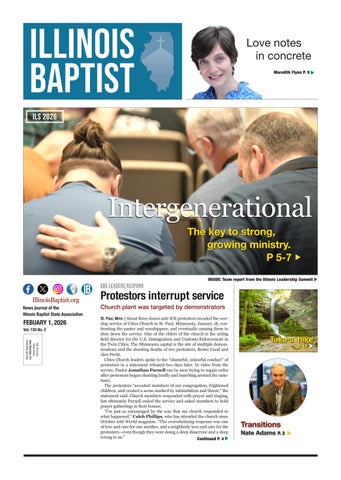
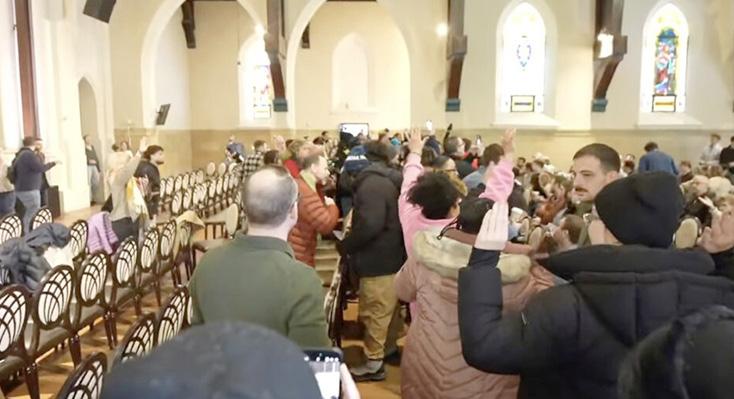
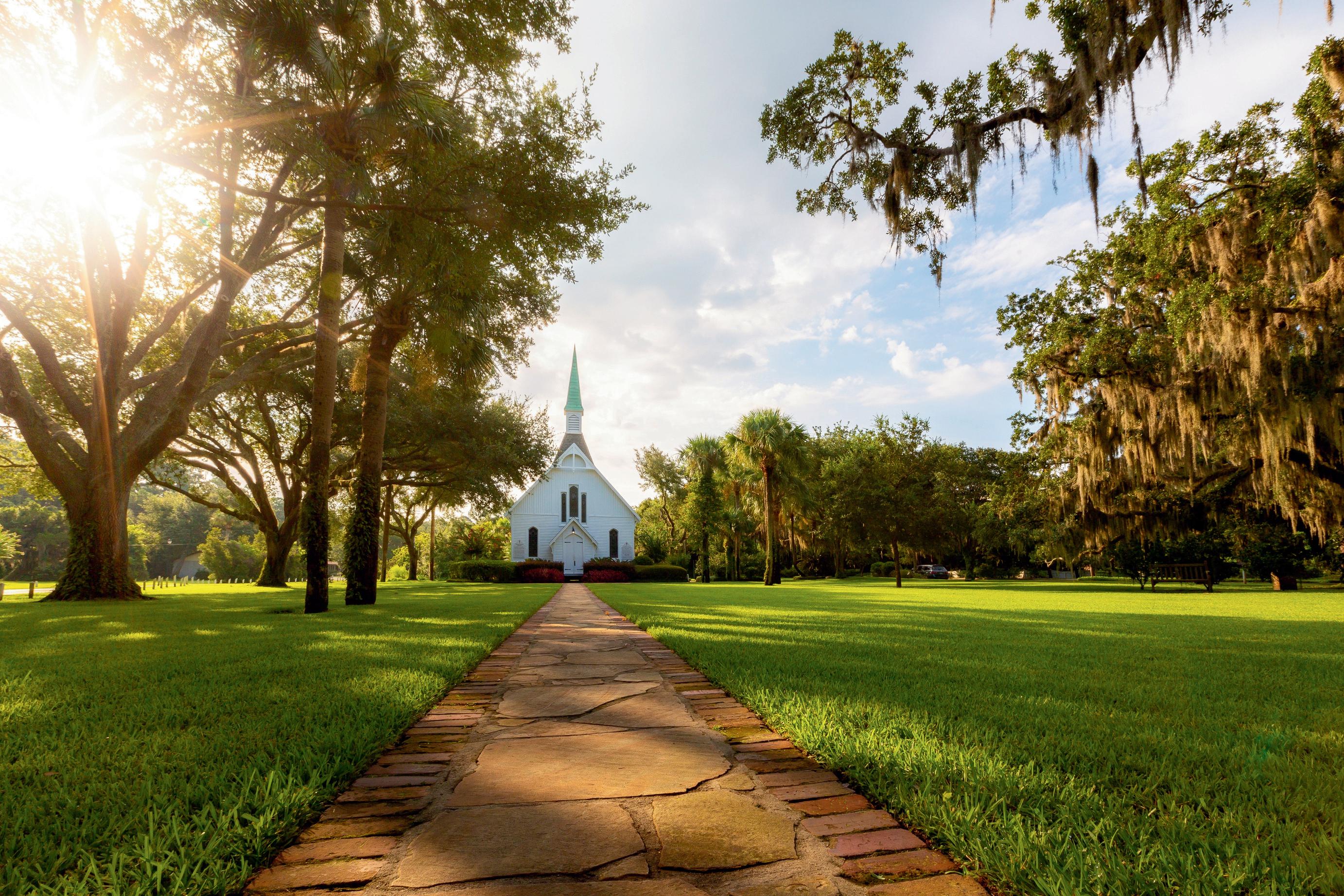
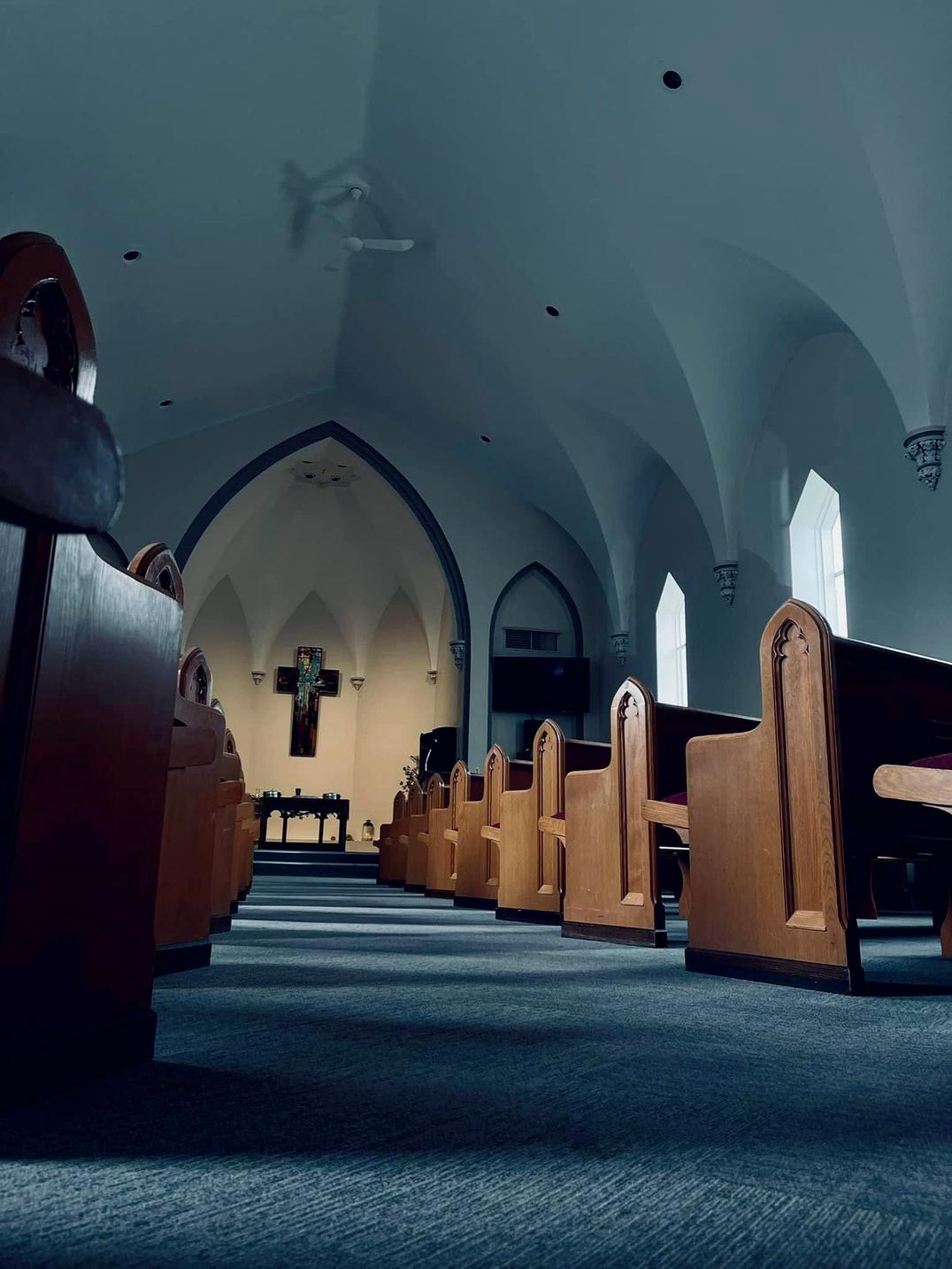
St. Paul, Minn. | About three dozen anti-ICE protestors invaded the worship service of Cities Church in St. Paul, Minnesota, January 18, confronting the pastor and worshippers, and eventually causing them to shut down the service. One of the elders of the church is the acting field director for the U.S. Immigration and Customs Enforcement in the Twin Cities. The Minnesota capital is the site of multiple demonstrations and the shooting deaths of two protestors, Renee Good and Alex Pretti.
Cities Church leaders spoke to the “shameful, unlawful conduct” of protestors in a statement released two days later. In video from the service, Pastor Jonathan Parnell can be seen trying to regain order after protestors began chanting loudly and marching around the sanctuary.
The protestors “accosted members of our congregation, frightened children, and created a scene marked by intimidation and threat,” the statement said. Church members responded with prayer and singing, but ultimately Parnell ended the service and asked members to hold prayer gatherings in their homes.
“I’m just so encouraged by the way that my church responded to what happened,” Caleb Phillips, who has attended the church since October told World magazine. “The overwhelming response was one of love and care for one another, and a neighborly love and care for the protesters—even though they were doing a deep disservice and a deep wrong to us.”
Meredith Flynn P. 9
The Illinois Baptist staff
Editor - Eric Reed
Contributing Editor - Lisa Misner
Graphics & Production Manager - Nic Cook Team Leader - Ben Jones
The general telephone number for IBSA is (217) 786-2600. For questions about subscriptions, articles, or upcoming events, contact the Illinois Baptist at (217) 391-3127 or IllinoisBaptist@IBSA.org
The Illinois Baptist is seeking news from IBSA churches. E-mail us at IllinoisBaptist@IBSA.org to tell us about special events and new ministry staff.
POSTMASTER: The Illinois Baptist is owned and published every month by the Illinois Baptist State Association, 3085 Stevenson Drive, Springfield, Illinois 62703-4440. Subscriptions are free to Illinois Baptists. Subscribe online at IBSA.org.
Total giving by IBSA churches as of 12/31/25 $5,226,214 2025 Budget Goal: $6 Million 2026 Goal: $6 Million
WORD SEARCH: February
LNATE ADAMS
Transitions
eadership transitions are common in life. A boss retires. An incumbent loses an election. A pastor moves to another church. A parent leaves or passes away.
When those transitions happen, the employees, the citizens, the church members, or the family face some uncertainty, especially if the transition is sudden or unexpected. Who will the new leader be? How will things be different? What might this mean for me, or us? Is this a good thing, a bad thing, or simply an inevitable thing?
Having experienced all those leadership transitions, I’ve learned they can be both good and bad, depending on the people, the situations, and how well the transition is planned and implemented. That’s true of transitions we see in the Bible too. Think of the Old Testament transitions from Moses to Joshua, from Saul to David, from Elijah to Elisha, or from king to king to king.
In the New Testament, John the Baptist declared to his followers that the baptizer who was coming after him was to be far greater and more powerful. In John 3, when others’ questions implied competition or rivalry between John and Jesus, John refused to take the bait. He reminded them that his role was to help prepare the way for the Messiah, that he did so with joy, and now that Jesus was ready to lead, “He must become greater; I must become less.”
In Scripture we find consistency in leadership change can produce a fruitful future.
As my season with IBSA draws to a close after 20 years, that’s how I feel about the leadership transition that Scott Foshie and I are sharing. He must lead more and more, and I must lead less and less. The IBSA Board’s search process has allowed us the blessing of three months’ overlap through March. I have been busily sharing everything I know about this role with my friend who is excited to serve and lead IBSA into the future. I’m therefore hopefully confident this will be one of those good leadership transitions.
As helpful as it may be though, I don’t think John the Baptist left us with the Bible’s best example of a leadership transition. As we might expect, Jesus did.
Jesus started talking with his disciples about his upcoming departure long before his crucifixion and resurrection. When he told his disciples in John 14 that he would be leaving, they, especially Thomas, were understandably concerned. Who will the new leader be? How will things be different? What might this mean for me, or us? Is this a good thing, a bad thing, or simply an inevitable thing?
But then Jesus told them this amazing truth. They would do greater things without him than they could do with him. When those who believed in him received the Holy Spirit and continued to live with that indwelling power and obeyed his teachings, they would be amazed how wonderful the leadership transition from invisible God to living Messiah to indwelling Spirit would be, for everyone. In fact, they would find complete consistency in leadership, with an even better and more fruitful future.
IBSA’s leadership transition can’t compare with the one Jesus modeled perfectly for us, any more than John the Baptist could feel worthy to carry Jesus’ sandals. But I believe Scott and I can still feel confident praying that the disciples in our Illinois Baptist churches will be so filled with the Spirit of God, and so obedient to his teachings, that any transitions in human leadership can be navigated positively. Why? Because our true leadership as disciples of Jesus comes from the true Leader who dwells within each of us.
Nate Adams is executive director of the Illinois Baptist State Association. Respond at IllinoisBaptist@IBSA.org.
Jessica Cray joined the IBSA Operations Team as bookkeeper in January. She follows Carole Doom in the role that provides finance support for the network of churches. Cray has a background in business. She is a member of Raymond Baptist Church. Learn more about Cray on page 9 under “Meet the Team.”
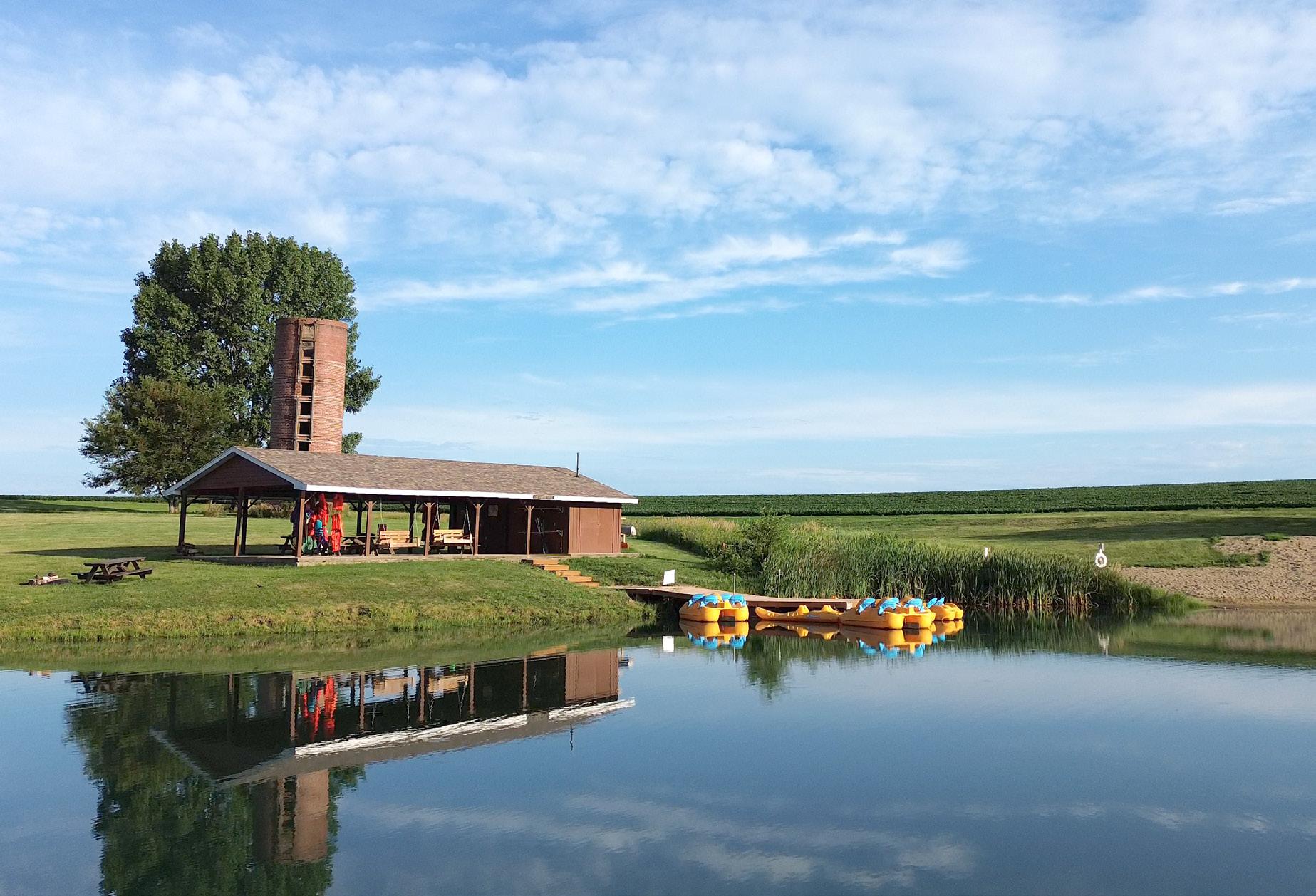
Streator | Anthony Heathcoat is the new manager at Streator Baptist Camp. Heathcoat will move north to Streator from southern Illinois after serving as Assistant Professor at SIU Carbondale in the School of Automotive Technology. He also led the men’s ministry at First Baptist Church of Sesser.
“We are excited about Anthony getting started at the camp,” IBSA Associate Executive Director Mark Emerson said. “He has a great mix of practical know-how and heart for ministry. We expect him to continue to make Streator Baptist Camp a wonderful retreat property for northern Illinois Baptist churches.”
Heathcoat fills the vacancy created as Jacob Kimbrough, who served as Streator Camp Manager since July 2020, moved to Lake Sallateeska Baptist Camp in downstate Pinckneyville. Kimbrough has been managing both camps during the slower winter months.
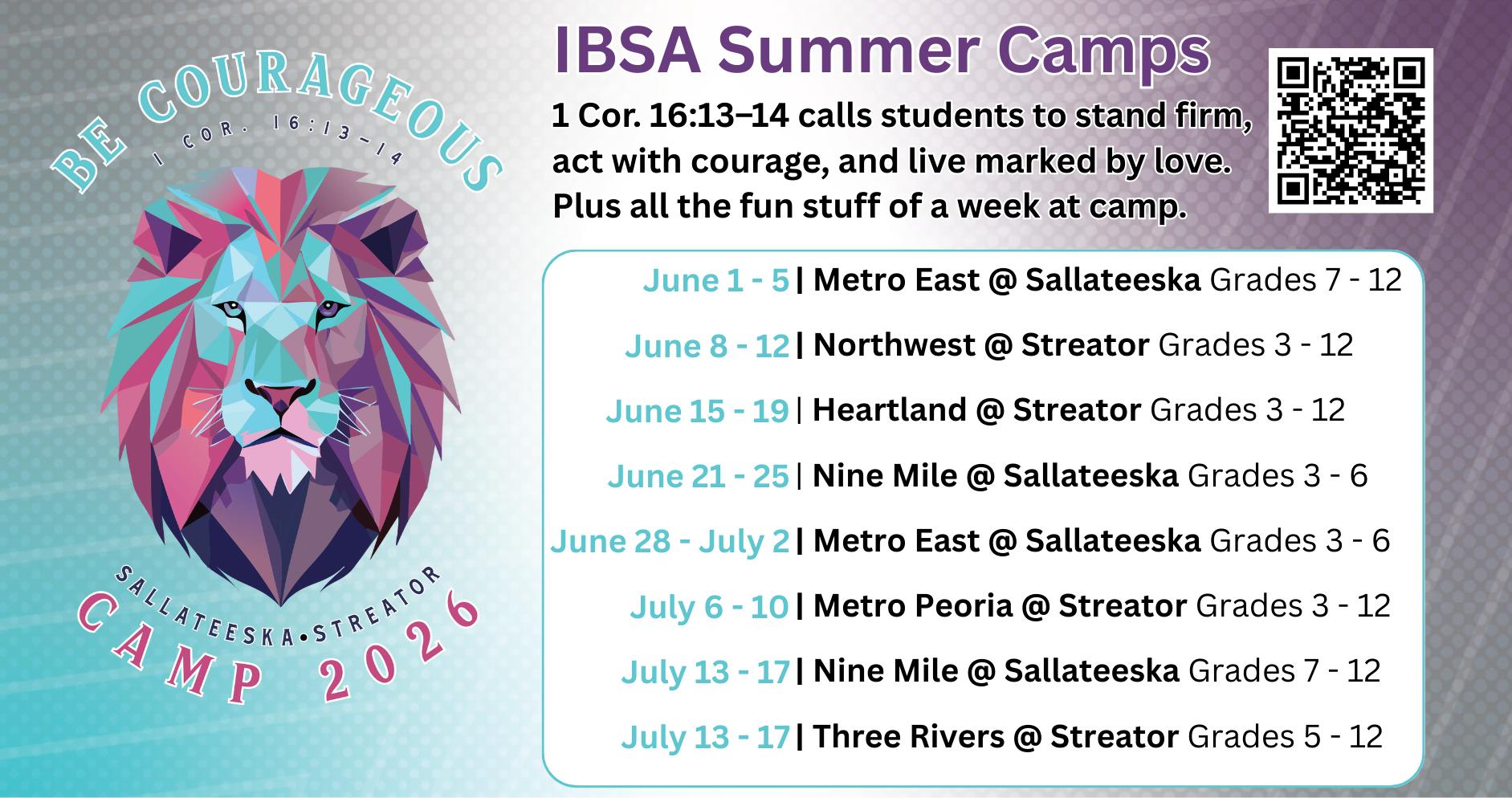
Combined, the two lakeside retreat facilities hit record attendance in 2025 of 1,175 at IBSA summer camps and hosted more than 4,100 people from over 240 IBSA churches.
Heathcoat was commissioned for his service by FBC Sesser in January. He and his German Shepherd, Clair, reported for duty February 1.
Daniel Good is the new Collegiate Ministry Catalyst, a role created this year to help create and manage church partnerships strategically reaching students on Illinois university campuses. He joined the team January 15. Good is also lead pastor of Cornerstone Church in Savoy, where they are engaging students at the nearby University of Illinois campus. Good is originally from Colorado, holds a Master of Divinity from Midwestern Seminary, and is currently working on a D.Min. in church revitalization.
Chris Nolin rejoins IBSA as Regional Consultant of the newly created Northern Region. Nolin previously served as Zone Consultant and as Associational Mission Strategist for the Sinissippi Association. The former IMB missionary to Asian Peoples continues to serve Emmanuel Baptist Church in Sterling as pastor since 2019. Nolin holds degrees from University of South Florida (BA), Southwestern Seminary (M.Div), and Luther Rice Seminary (D.Min). IBSA has consultants serving in five regions in the state.
CLAIR
‘Across State Lines’ ministry may benefit Illinois
ERLC places sonogram machines for pro-life outreach
Illinois | A new pro-life initiative by the SBC’s Ethics and Religious Liberty Commission (ERLC) could save the lives of unborn babies in Illinois. The initiative launched late last year is called Across State Lines.
This special emphasis of the ERLC’s Psalm 139 Project partners Baptist state conventions in pro-life states with Baptists in pro-choice states to deliver gospel hope and ultrasound technology to areas with widespread abortion access and minimal protections for life. By funding ultrasound placements with a missional focus, Psalm 139 equips pregnancy resource centers to offer women a window into the womb, often influencing choices toward life.
In states such as Illinois, which have rallied legal protections for abortion since the U.S. Supreme Court reversed the Roe v. Wade decision, additional pro-life services could make a big difference.
“Where darkness advances, the light of Christ must shine brighter. Where confusion and fear drive desperate decisions, the Church must be present with compassion, truth, and tangible help,” wrote Gary Hollingsworth, interim ERLC president in a Baptist Press column. “And where life hangs in the balance, the people of God must act.”
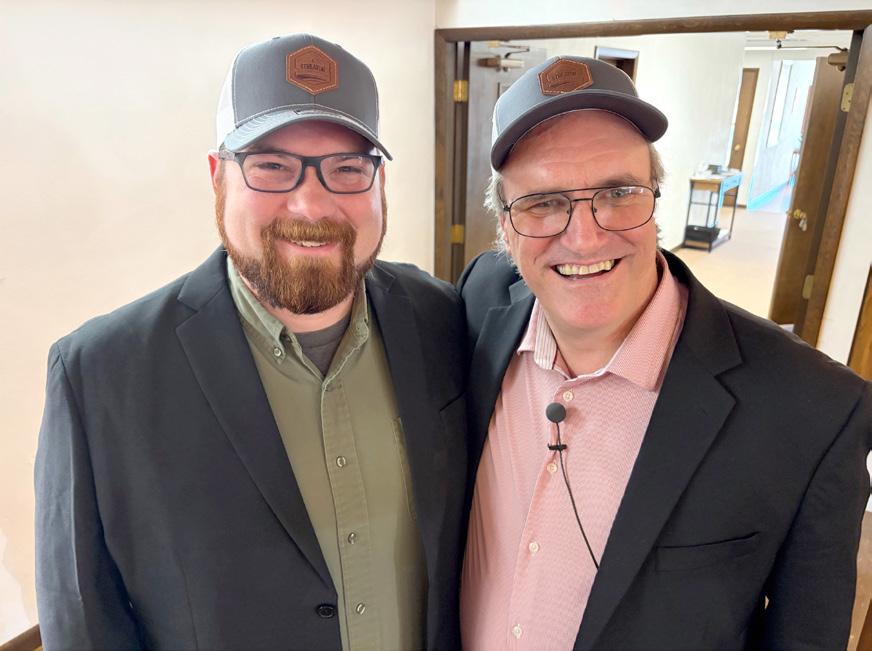
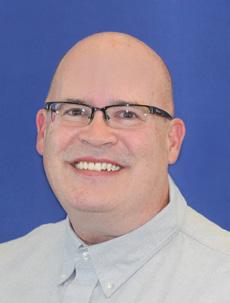
Scott Foshie, IBSA Executive Director Elect and
FROM THE FRONT: PROTEST REACTION
Continued from page 1
Cities Church has ties to the SBC Send Network, part of the SBC’s North American Mission Board. In its founding, the church was also connected to Bethlehem Baptist Church pastored by legendary John Piper.
NAMB President Kevin Ezell criticized the protest within hours, calling it harassment. “No cause—political or otherwise—justifies the desecration of a sacred space or the intimidation and trauma inflicted on families gathered peacefully in the house of God,” Ezell said. “What occurred was not protest; it was lawless harassment.”
current ERLC Board Chair, aims to apply the initiative in Illinois. “In February, I’m going to be reaching out to fellow state executives to see if there will be a partner who will provide support through the ERLC,” he told the Illinois Baptist
While pro-life needs exist statewide, Foshie plans to begin in the Carbondale area, where he sees the greatest urgency. “I will be convening a summit of southern Illinois Baptist leaders and BCHFS (Baptist Children’s Home and Family Services) leaders to consider how God might be calling us to make a difference for life,” he said.
In the three years since surrounding states enacted restrictions, Carbondale has become an abortion center with three clinics, drawing 11,000 women a year for abortions. Many come from Midwest and southern states in what is called “abortion tourism.”
“Illinois Baptists cannot turn a blind eye to our state becoming an abortion destination,” Foshie said. “The weapons God has given us to end this tragedy are prayer, his love, and the unchanging gospel that can transform lives.”
The Illinois Department of Healthcare and Family Services announced a $4 million Medicaid investment in family planning services to offset federal defunding of Planned Parenthood in December. And as the spring session of the Illinois General Assembly began January 13, Rep. Amy Briel introduced a bill to create the Women’s Reproductive Health Care Fund by amending the Health Care Right of Conscience Act. The bill would make it mandatory for a health care provider to transfer the patient or provide written information about other providers who may offer a refused service—such as abortion— despite any conscience-based objections.
In the meantime, the ERLC has written to President Trump urging increased action to protect the unborn. Hollingsworth called on the administration to include Hyde Amendment protections in any renewal of Affordable Care Act subsidies, to remove harmful chemical abortion drugs from the market, and to ensure Title X funding does not go to large abortion providers such as Planned Parenthood. Lisa Misner
Ezell said, if needed, NAMB would pay for security for the congregation.
“This is something that just shouldn’t happen in America,” Vice President Miles Mullin said on behalf of the SBC’s Ethics and Religious Liberty Commission. “For Baptists, our worship services are sacred.”
Southern Seminary President Al Mohler posted, “The unspeakably evil intrusion of a leftist mob into a Christian worship service today in Minneapolis must be called out for what it is—and Federal authorities should be fast and effective in response
The Department of Justice announced Jan. 19 that it is investigating the disruption, including potential violations of the Freedom of Access to
Clinic Entrances Act (FACE Act).
“I just spoke to the Pastor in Minnesota whose church was targeted,”
U.S. Attorney General Pam Bondi posted on X on the day of the invasion.
“Attacks against law enforcement and the intimidation of Christians are being met with the full force of federal law.”
Christian Post reported that the protestors included representatives of the Racial Justice Network and Black Lives Matter Minnesota.
Anti-ICE protests in Chicago and other cities have been confined to the streets, often outside ICE facilities such as the one in Maywood, Illinois. This is the first account of protestors disrupting a church service. It followed the shooting death of Renee Good by a federal immigration officer.
Good had driven her car to a protest and was blocking traffic when a confrontation ensued.
The church leader connected to St. Paul ICE field office is David Easterwood, a pastor-elder of the congregation. His participation in the church dates back a decade.
Easterwood wrote in court filing Jan 5, two days before Good’s death that “…the followers use their vehicles to block the road and to box in ICE vehicles as soon as they are able… “This behavior is not safe and impedes ICE officers from effecting arrests. Prior to 2025, this type of behavior was virtually nonexistent. Now, it occurs almost daily.”
Whether Easterwood was specifically targeted in this protest has not been documented. It is unclear
TARGET— Anti-ICE demonstrators interrupted worship at Cities Church Jan. 18 with verbal confrontation. Three were later arrested.
whether Easterwood was present at the church service when protestors entered.
The church invasion is the latest in the escalation of protests against ICE actions nationally, and in Minneapolis in particular.
Cities Church belongs to the Minnesota-Wisconsin Baptist Convention. Executive Director Trey Turner called for a pastoral response. “I believe we must be resolute in two areas: encouraging our churches to provide compassionate pastoral care to these (migrant) families,” Turner said, “and standing firm for the sanctity of our houses of worship.”
Announcing the arrest of three protestors, Bondi posted, “We will protect our pastors. We will protect our churches. We will protect Americans of faith.”
At an earlier service, the pastor had preached a sermon from John 15:3235 titled “Love One Another.”
“It’s what I would have said at the 10:30 service,” Parnell wrote. “And I believe all of it.”
IB staff, with additional reporting by Baptist Press, Christian Post, ABC News, and World magazine
View from the top
Nate Adams likened leadership to climbing mountains—very tall mountains. For church leaders, the challenge is more than scaling the heights. “Our job is not only across geography—it’s across generations,” Adams said.
The outgoing IBSA Executive Director has told many stories about climbing 14,000-foot mountains in Colorado— “14-ers,” they’re called. His venture began with the need to connect with one of his sons who struggled with faith. A teenager at the beginning, the adventure of climbing 14-ers captured the young man’s imagination, and the travels from Illinois to Colorado gave the father time with his son. Today, the son is strong in his faith, and the whole family has conquered many, many 14-ers. And for the senior Adams, mountain climbing has produced insight into conquering large leadership challenges—like reaching the next generation.
At the Illinois Leadership Summit, Adams challenged church leaders to use five lessons from mountain climbing in this quest.
“The hard part is always application and execution,” he said at the beginning. The “hard thing” of reaching the next generation is complicated by the place where our churches are located. “Being Baptist in the upper Midwest is not easy,” Adams said. Christianity is counter-cultural here. While Illinois may be flat, leading people to faith and effective church membership is an uphill climb—especially when it is complicated by the gaps between generations.
To those engaging with that call, Adams advised packing worthwhile supplies, like the hiker with the right boots, climbing poles, and energy bars. He offered these categories.
1. Motivation. “Why do I care about doing this hard thing?”
Adams shared the stories of two churches encountered by Rob Peters, the church revitalization expert who has consulted with IBSA. Both churches said they had an evangelism problem. They were seeing no growth.
Continued P. 6
IN FOCUS
Not just ‘next’
Change that lasts focuses on all generations
The young woman seated in the overflow room at the Illinois Leadership Summit says she appreciates her church’s emphasis on young people. Her pastor often brings them to the platform. But she wants to know more. “I’m here to learn more about the next generation, and how we can lead,” said Azia Provine, “because we are the church today.”
Her pastor, Bruce Kirk, is known for reaching men and bringing them into church life. Provine and a group of younger men and women from Alpha Missionary Baptist Church in Bolingbrook made the three-hour trip to Springfield to build up their ministry with next generation adults. Even churches that connect well with young people know that there’s always a next ‘next generation.’
“Anything we can do to minister with all the generations, we are willing to do that,” Provine said.
Before Provine and her group leave the room, they discuss the topics of the breakouts. The team wants to make the most of the 21 sessions available to them—in addition to the four large keynote gatherings.
The next time we saw Provine, she was listening intensely to Salt Church Pastor Daniel Nemmers’ breakout training session on campus ministry.
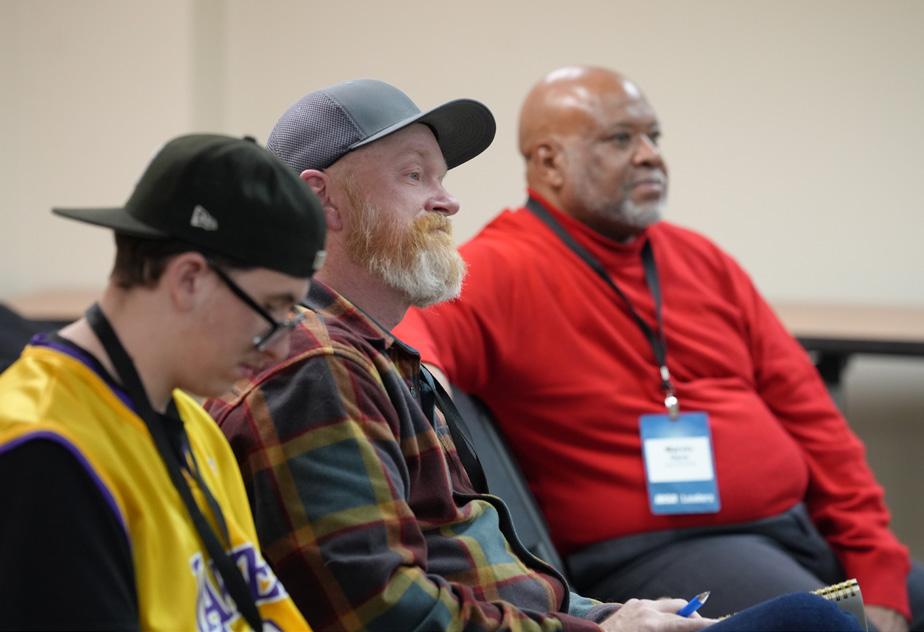
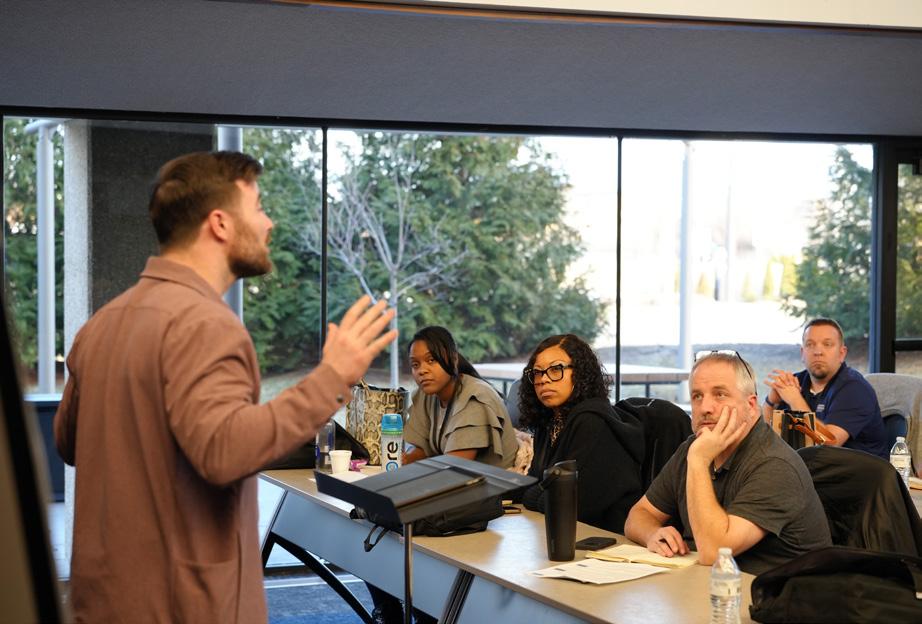
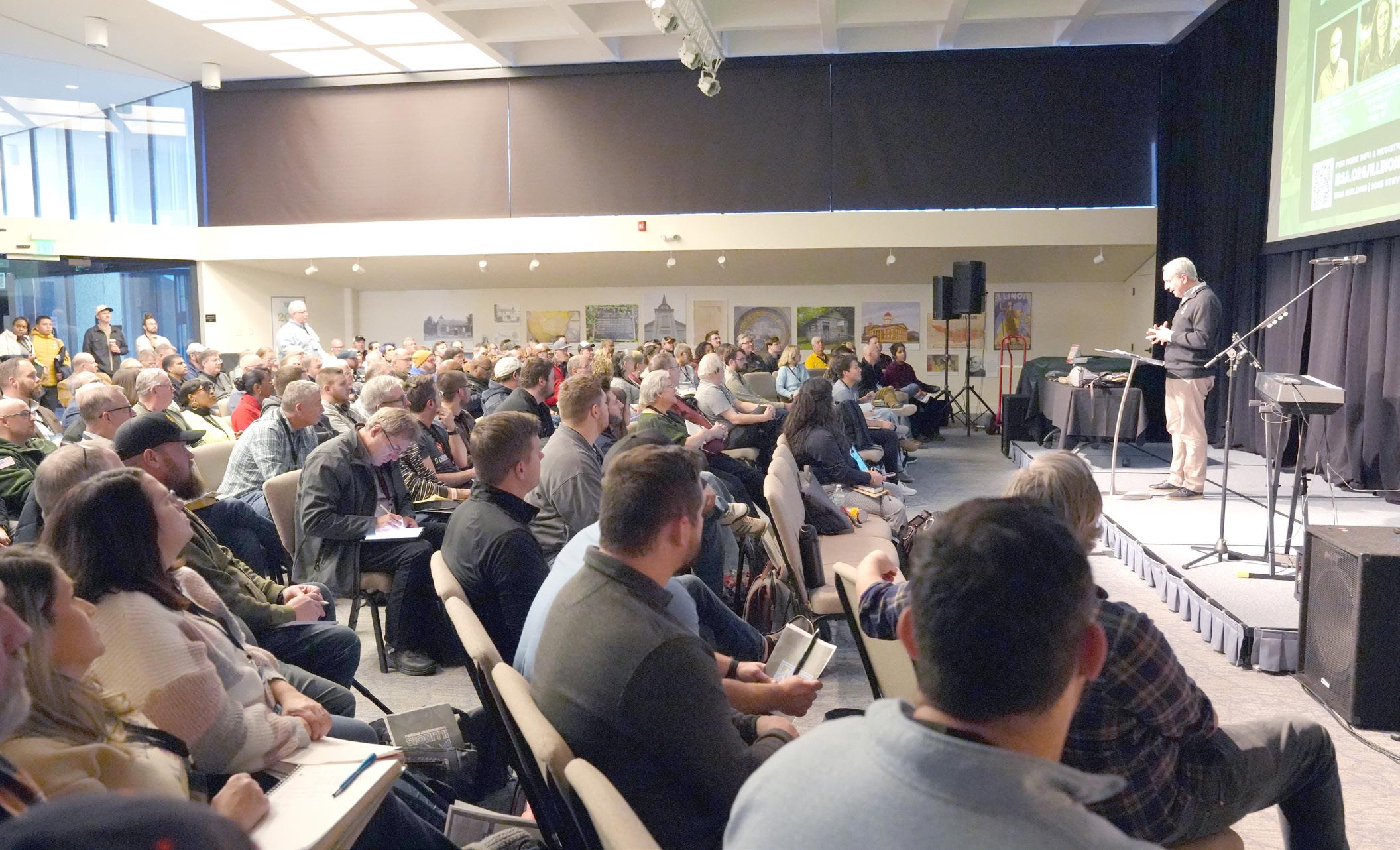
Over 200 church leaders were present for the two-day event at the IBSA building January 20-21. The keynote speakers were
• Nate Adams, outgoing IBSA Executive Director
• Andy Addis of a multi-site church in rural Kansas
• Seth Conerly of Metro Community Church in Metro-East, and
• Rayden Hollis of Red Hill Church in Edwardsville.
Bridging the gap
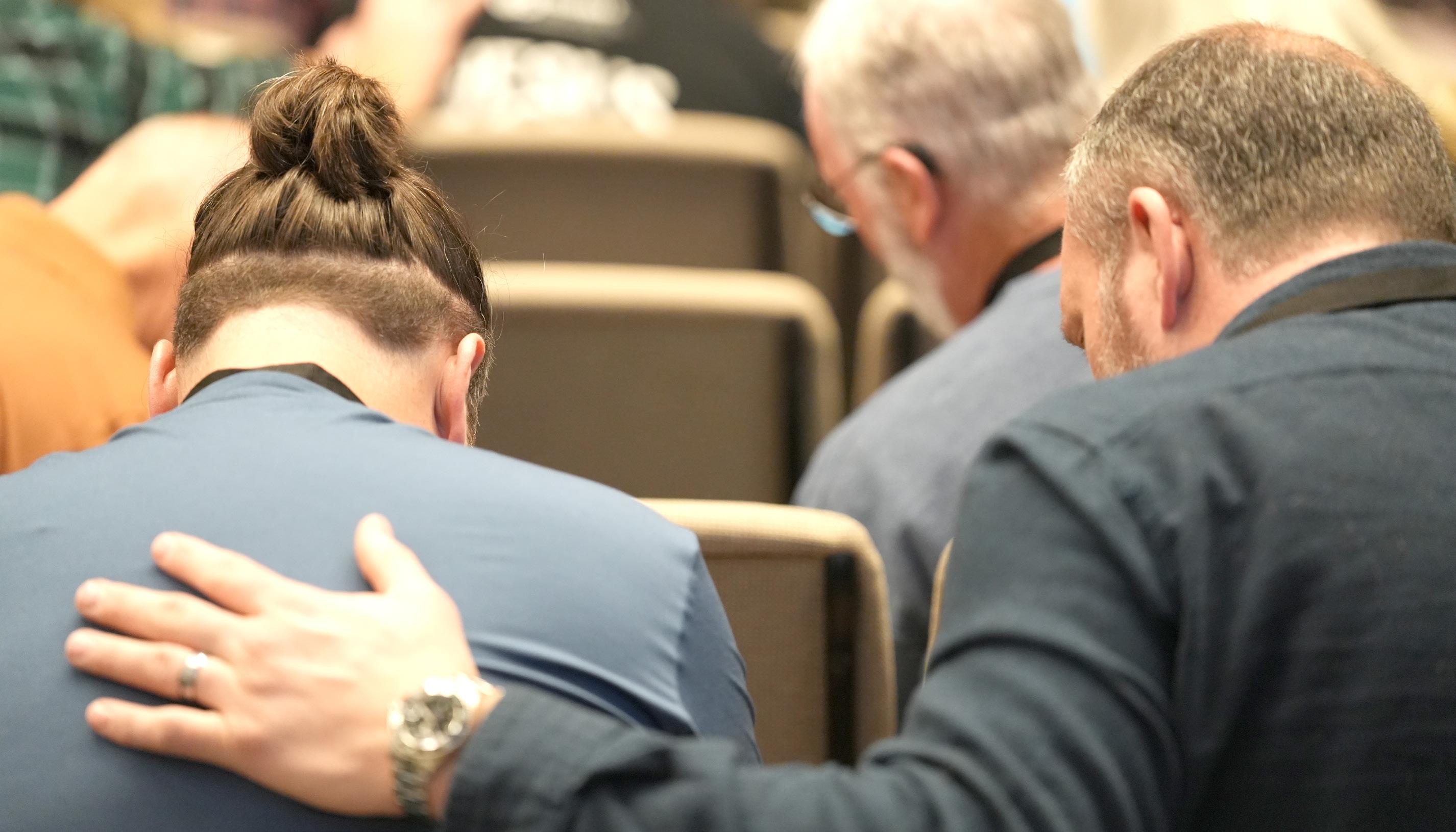
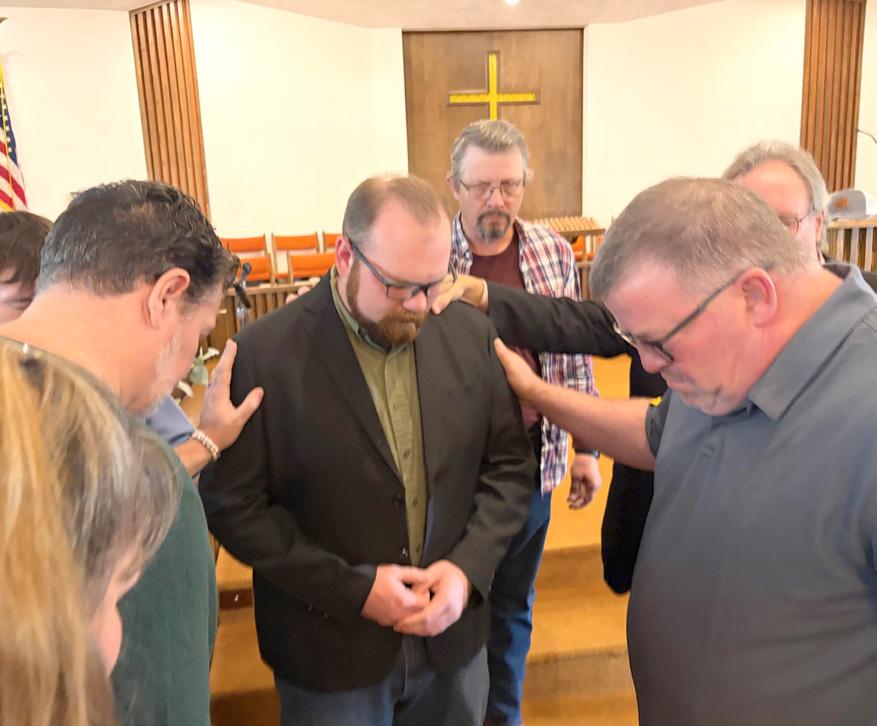
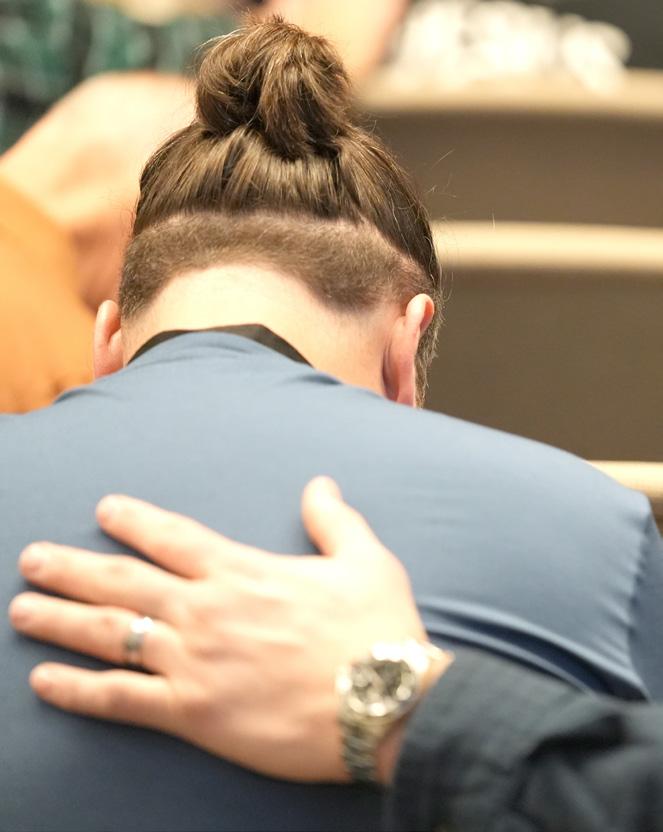
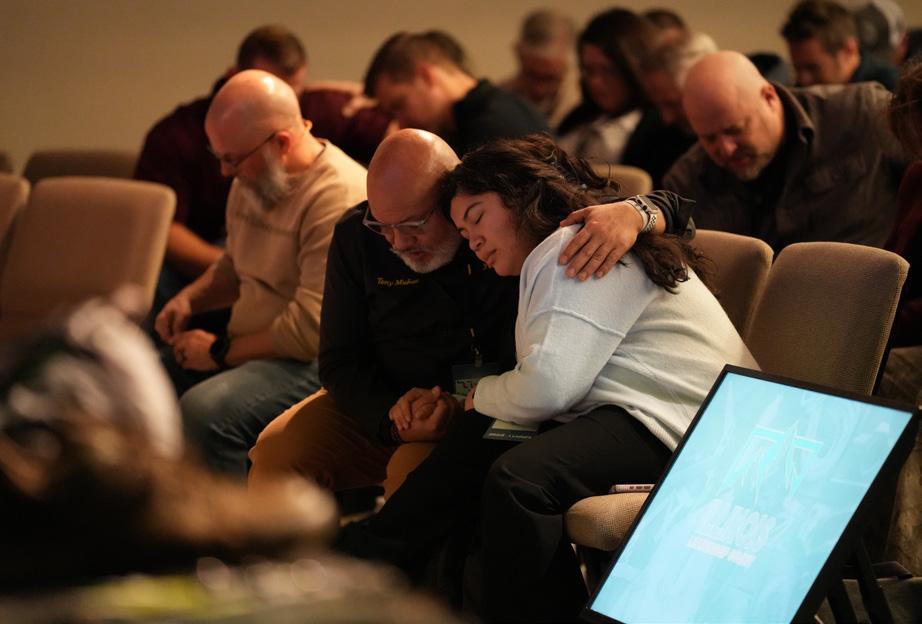
This photo of prayer time at the Illinois Leadership Summit (also on page 1) demonstrates the issue: the generations seem far apart, and someone has to reach across the gap. But reaching is not one-way, and it’s not only for one generation. The 2026 Summit brought church leaders of all ages together to learn more.
ADAMS
ILLINOIS BAPTIST TEAM REPORT
Adams continued from page 5
The people at the first church said that they didn’t believe God would save people through their church, because they weren’t seeing it.
Peters concluded, “You don’t have an evangelism problem, you have a faith problem.” They didn’t expect God to use them to fulfill his salvation commission.
The second church said they weren’t really concerned about the lack of growth, because they were comfortable with the church at its present size.
Peters concluded, “You don’t have an evangelism problem, you have a compassion problem.” They weren’t moved by the future of lost people.
In both cases, the issue was motivation. As leaders commit to reach the next generation, we need to ask why we’re doing it.
2. Preparation. “How will I prepare?”
On steep and dangerous climbs, Adams said, “we’ve seen a mom and dad and two or three toddlers, with a candy bar and no water. They were completely unprepared. Adams showed his boots, climbing poles, and headlamps for climbs that must start long before sunrise. “How you get ready for hard things makes all the difference.”
3. Cooperation. “Who will share this hard thing with me?”
Adams told the story of a climb with his son Caleb. At one point, he decided to wait while Caleb finished the last especially steep bit. It turned into a very anxious five-hour wait, as he asked every climber headed down if they had seen his son.
With no cell signal and nightfall coming, “I decided then, I will never hike another mountain alone,” he said. Or allow others to go alone.
“Don’t pastor alone,” Adams said, quoting the slogan of another association.
4. Celebration. “When will I stop and stare, and behold how far we have come?”
At the top of every 14-er, it’s the Adams family’s practice to stop and eat a chocolate bar. They carry candy with them to the top, for the express purpose of celebration. “Recognizing progress gives you strength for the rest of the journey,” he said. And as most climbers will tell you, the second half is an even greater challenge. And often more dangerous.
Adams told the story of a Baptist church leader he knew whose three daughters were scattered across the globe. Each of them had walked away from her faith. While it grieved the man, he was investing in kids in hopes someone will invest in his.
“I am amazed what God has done with this old man,” the fellow told Adams as he shared stories of many young people accepting Christ and growing as disciples. His point: serve where you can, and celebrate whoever you can.
5. Determination. “How much will I dare?”
“When you are at the summit, you are only halfway home,” he said. “With hard things, you find yourself in a place where you have to come back from that.
While we may think the hard thing is just one mountain, Adams explained that hard things are usually a series of mountains. Some 14-ers have a false summit. When the climber reaches what he thinks is the peak, he sees another higher peak, and often a treacherous valley between these serial summits.
Reaching the next generation will be like that. “You are in it for the ascent, you are in it for the descent, you are in it for the next mountain,” the experienced climber said. “Many adjustments that it will take to reach the next generation come even after the celebration,” he said, because there is always another next generation.
“Do hard things—to reach the next generation,” Adams urged, “and to grow your church younger to reach the next generation.”
‘Not fake or fabricated’
Young people want authentic experiences of God
Redefine your measurements for success if you want to reach the next generation, said Seth Conerly, pastor of Metro Community Church. Conerly, who has served in church planting, megachurch ministry, and revitalization settings across the South and Midwest, told ILS attenders that many pastors feel pressure to measure effectiveness by attendance growth, expansion, and visible results. That mindset, he said, often leads to burnout, discouragement, and misplaced motivation.
“God does not measure success by tangible results, but by faithful follow-through,” he said. “Growth is a gift, but faithfulness is the call.”
Reading from Isaiah 6, Conerly highlighted the story of the prophet Isaiah, who willingly accepted God’s call without being promised visible success. Isaiah, he noted, was sent to proclaim the truth to people who would largely reject it.
“We often stop the story at ‘Here am I, send me,’” Conerly said. “But we don’t talk about what Isaiah was actually sent to do, or how little fruit he saw in his lifetime.”
He warned against equating obedience with outcomes, saying pastors and churches are not failures simply because their efforts do not result in rapid growth or cultural influence. Faithfulness, Conerly said, may involve laboring in difficult places, serving resistant congregations or investing in future generations without seeing immediate results.
He also challenged leaders to examine whether they are truly called to their current ministry con-
DECEPTIVE— Some climbs are steeper and harder than they look from the starting point. Adams offered his climb of the Manitou Incline as one example. Next-gen ministry is another.
text. Discernment of calling, he said, should come before strategy, programming, or generational outreach plans.
“If you are not called to where you are serving, you will do no good there long-term,” Conerly said. “But if you are called, then stay and be faithful, regardless of the metrics.”
Conerly said young adults today are hungry for authenticity rather than performance-driven or attraction-based models of church. They want genuine encounters with God, not manufactured experiences.
“We’re in a unique season where people are tired of fake and fabricated,” he said. “They’re looking for an authentic interaction with a living God.”
Conerly emphasized that churches do not need to rely on trendy strategies or specific ministry “vehicles” to reach the next generation. Instead, he encouraged leaders to focus on cultivating “biblically grounded environments” that are relationally honest and spiritually formative.
While practical systems and organization still matter, Conerly said they must flow from a deeper commitment to spiritual faithfulness rather than institutional success.
“Christ doesn’t define ministry success by numbers,” he said, “but as being faithful people, pursuing him in our hearts, in our minds, in our souls.”
“Our responsibility,” he said, “is to be faithful to who God has called us to be and trust him with the results—even if we never see them.”
Intergenerational continued from page 5
College age adults are part of the next-gen picture. But the term has come to mean a broader age-range including Gen-Z and Gen Alpha, from middle school to well after the old designation of “college and career.”
Instead of calling this “reaching the next generation,” pastor and author Andy Addis recommended the phrase “stewarding the current generations.” He gave pastors of churches a key definition for successful ministry: intergenerational.
Many Illinois pastors first met Addis several years ago at the Midwest Leadership Summit, the larger multi-state version of the IBSA event. Addis leads a church that grew into multi-site congregations with video preaching venues in rural settings. In unlikely locations, Addis connected with young people.
“The median age of Christians is 54,” Addis pointed out, 10 years older than a decade ago. “In the average congregation, more than 40% of the congregation is over 60.” Churches are aging faster than the American population. That’s not the fault of the older members, but the failure to make younger disciples.
Addis identified as major issues
• Replacement failure (few newer members)
Leaders of a certain age latched onto Hawaiianshirt wearing rock-and-roll seekers, and held on well beyond retirement. 1980s and 90s cutting edge became mainstream, then old hat. Then just old.)
• Cultural time-locking (holding on to a certain timeframe and letting the world go by)
• Program gravity (so many programs that they steer the church)
• Leadership aging (often matching the age of the pastor)
• Conflict avoidance (keeping the peace seems more important that shaking things up to reach new people).
“Pursuing the next generation is good, but stewarding the current generations is a more biblical response,” Addis said. His use of the plural “generations” is important. Frustrated by the absence of young people, some churches turn away from the current generations in their pews. (Or chairs.)
As a result, they try to create ministries for young adults, and end up siloing them as if church were one big youth group. Ultimately, this becomes cultural time-locking.
(There are many megachurch examples of this.
Reinvention should not mean repeating this with a new generation. Let’s not do the time warp again. Instead, Addis, himself in his 50s, points to the success of churches without silos, his own included.
Addis studied national demographics. Church membership is older than the national population by about 10 years. People are living longer, and the church isn’t bringing in new members in proportion to the aging of the nation. In the average church, 40% of adults are over 60. That information was expected.
What wasn’t expected is Addis’s distillation of statistics that show focusing on next-gen ministry isn’t enough. Churches that reach young adults successfully are not those that create age-graded silos for them, but those who bring young people fully into body life, including leadership.
It’s all about building meaningful intergenerational relationships. Research shows that young adults who stayed in church after graduating and leaving home had intergenerational friendships at church. That’s about 20% of young adults. The other 80% left. This intergenerational approach is the least pursued version of “next gen.”
Among Illinois churches, Addis concluded that
• 30-40% are siloed with age-defined ministry.
• 45-55% are multi-generation, with various ages sharing the space, but not much else.
• 8-12% are cross-generational, with efforts to bring age groups together for specific ministries (such as adopt-a-college student).
• 2-6% are intergenerational, with full engagement of all ages.
Honest assessment of its “next gen” vision can help a church move from anxious focus on recruiting young people to becoming a truly intergenerational church that is always incorporating the next generations.
View the full videos of speakers at youtube.com/@IllinoisBaptist
5 big
struggles
with Next-Gen connections
Churches hoping to engage younger generations must move beyond comfort, familiarity, and fear, according to Rayden Hollis, lead pastor of Red Hill Church. Hollis, also a church planter and revitalization leader, said many congregations fail to reach the next generation not because of limited resources, but due to misplaced priorities and a reluctance to embrace risk.
At the Illinois Leadership Summit, Hollis outlined five common reasons churches fail to connect.
1. Churches have “abandoned the call to open water” by focusing too heavily on caring for existing believers rather than engaging those outside the faith. While discipleship is essential, Hollis said, churches were commissioned to actively share the gospel in everyday life, where many people may never otherwise hear it.
2. Churches prefer comfort and conflict-free environments over shared mission. “The absence of conflict is not necessarily a sign of health,” Hollis said, warning churches can mistake quiet stability for spiritual vitality. True unity, he said, is formed through obedience and movement, not avoidance.
3. Churches tend to feel morally or culturally superior rather than bearing the burdens of those who don’t know Christ. He criticized attitudes that treat cities, younger generations, or cultural change as problems to complain about rather than mission fields. “Lost people are not the enemy,” he said, and criticism accomplishes little without action.
4. Churches forget the urgency of time. Citing Psalm 90, Hollis reminded attenders that life and ministry opportunities are limited. Passing faith to the next generation, he said, cannot be assumed or delayed. “Christianity is always one generation away from extinction,” he noted, emphasizing the responsibility to disciple intentionally.
5. Churches give up too soon. Reaching the next generation is slow, costly, and can be discouraging, but quitting before fruit appears prevents long-term impact. Faithfulness, he noted, matters more than immediate results.
Hollis, who planted Red Hill Church to reach the community at SIU Edwardsville, challenged leaders to treat reaching young people as an obedience issue rather than a strategy debate. Start by loving one person, building consistent relationships outside church walls, and taking the initiative rather than waiting for others to come to them.
Hollis urged leaders to give young people real authority, allow them to try and fail, and publicly honor their efforts. Churches, he said, should celebrate sending people out on mission rather than clinging to attendance numbers or comfort.
Hollis concluded telling the leaders to continue with perseverance and prayer. “Don’t be the link in the chain that breaks… Just go and do,” he said, and faithfully pass hope to those who come next.
ADDIS
CONERLY
HOLLIS
Belmont Bible Church / 5430 Belmont Rd. Downers Grove, Illinois
Legal Guidance for Churches & ministries
The ADF Church & Ministry Alliance is an affordable membership program designed to ensure churches and ministries can operate, teach, and serve in accordance
Through legal guidance and practical resources, we equip you to confidently pursue your mission:
Chief Financial Officer Baptist Foundation of Illinois
BFI has an immediate opening for a full-time CFO who will work closely with the Executive Director. This person will handle all bookkeeping, audit preparation, regular financial reports to board and investors, and compliance with government regulations and standard business and accounting procedures. This is a Springfield-based position with health insurance, retirement, and other benefits. BA required, CPA license preferred.
Full job description at https://www.baptistfoundationil.org/about/employment-opportunities
Contact: BFI Executive Director Doug Morrow Doug.morrow@baptistfoundationil.org
MEET THE TEAM
Jessica Cray
Bookkeeper
Home: Raymond
Family 411: Hubby Jeremy, 2 children (Lexus and Colin), 2 grandchildren (Adalyn and Madden)
Church ministries: hospitality, cleaning, and tech leader
Salvation story: I was attending Grief Share at Raymond Baptist Church and while enjoying the treats, our very own Carmen Halsey-Menghini started talking to me about Jesus.
Verse: “And you will seek me and find me when you search for me with all your heart” (Jeremiah 29:13).
Favorite Bible person: Martha, because I feel I can relate to her more times than not.
Ice cream: PB&J ice cream (from Poogan’s in Raymond).
Fair food: Elephant ears
Movie: “Fireproof”
Desert island download: “Made for More,” Josh Baldwin
Superhero I’d like to be: Superman. I always wanted to fly, but I am terrified of heights.
Hat of choice: Stocking caps when it’s cold out.
Secret talent: Not really a secret, but I love baking and seem to be pretty good at it.
Pets: Pitbull mixes Darla May and Luna Goon, and husky mix Daisy Pooh.
INSIGHT
Love note: Now I can say we’re time-tested A
few nights ago, I woke up to the sound of wind howling outside our windows. Tree branches bowed and scraped against the side of the house. A loose shutter thumped rhythmically and loudly enough to wake two of the four of us inside.
“At least this house can weather the storm,” I thought as I tried to go back to sleep. “The last one wouldn’t have fared as well.”
Our first home was perfect for us as newlyweds. But any storm or particularly gusty wind would send pieces of siding and soffit flying into the yard. I didn’t know the word “soffit” until we lived in that house, but we talked about it a lot those first few years because we kept needing to replace it.
It was a good house with a solid foundation, but large parts of it were still fragile. Its exterior was prone to fall apart when things got tough. This house, the second one we’ve lived in as a family, is made of stronger materials. When storms rage outside, it doesn’t lose pieces of itself as easily as the first one.
Our marriage is similar. A conflict that might have sent us to our separate corners in the beginning doesn’t do that as easily now. We’re now made of stronger stuff too, thanks to the examples of our own parents and the church community with which God has blessed us. Also, and mostly, we’ve had time to build something that can withstand more pressure.
Later this year, we will celebrate our 15th wedding anniversary. That’s not long compared to many marriages, but it still feels like a
I can’t believe it’s been 15 years since we married.
milestone. I can see the parts that are stronger now than they were at the beginning, and the parts that we’re still building. More accurately, the parts that God is still building. Because if we have learned one thing over the past 15 years, it is that he must be the architect of this marriage. If we put anything else in the center, we’ll be picking up pieces of soffit the next morning.
The traditional anniversary gift for 15 years is crystal, which makes me smile. Not that it’s not a lovely present (we’ll happily accept all gifts of crystal this year). But it seems a little delicate for something that has seen 15 years of highs and lows. Concrete
“I
hope when I’m their age, I can afford a better ‘date night.’”
might be a better gift.
Fifteen years isn’t a fussy anniversary, not glamorous like 10 or 20. But I find myself marveling at God’s grace to give us this time. More than crystal or concrete, the gift I treasure most is the time he’s given us to keep building, to strengthen what we started 15 years ago.
The Bible is clear that time is precious. “Teach us to number our days carefully,” the Psalmist says, “so that we may develop wisdom in our hearts” (Psalm 90:12).
I am far more mindful of time, and the gift it is, than I would have been 15 years ago, when I was unpacking actual gifts of crystal from our wedding. Back then, we tended to look ahead six months, a year, two years down the road. Where would we be living; what jobs would we have; when would we start a family?
All of that planning for the future strikes me now as a natural and necessary part of early marriage. But it kept us racing ahead instead of numbering our days wisely. Thankfully, God has done so much work, bending us slowly toward his will through patient transformation of our hearts.
When you put it in one sentence, that transformation sounds easy. But we all know it’s not, achieved only through apologies and sacrifice and humility we can’t muster on our own. Even when we weren’t paying attention, perhaps mostly when we weren’t, God was creating a marriage far more time-tested than the relationship we started with 15 years ago.
We’re not promised any length of time on earth, Scripture tells us. We’re not in control of what we will do or where we will go (James 4:1315). We don’t even know whether we’ll be here tomorrow (Psalm 27:1).
But what is clear—crystal clear— is that every good gift is from our Father in heaven (James 1:17). In that list of gifts, this year I’m counting time. Time to build something that can weather a storm. Time to praise an architect capable to designing something that is built to last.
Meredith Flynn is a wife and mother living in Springfield.
EVENTS
February 28-March 6
IBW Mission Trip
Where: Laredo, TX
What: By partnering with the Texas Baptist River Ministry, Send Relief’s ministry center in Laredo provides displaced families along the U.S. Mexico border with food, clothes, hygiene kits, and the hope of new life in the gospel. Limited spots available.
Info: ibsa.org/events/laredo-trip/
Contact: Jillmac664@gmail.com
March 1-8
Annie Armstrong Week of Prayer and Offering
What: This Easter season offering is for church planting and compassion ministries in North America, through NAMB.
Where: Your Church
Info: anniearmstrong.com
April 17-18
Student Discipleship Retreat
Where: Streator Baptist Camp
Cost: $25 per person
Contact: MichaelAwbrey@IBSA.org
Disaster Relief Training
4/10-11 Emmanuel BC, Carlinville 8/28-29 Lake Sallateeska Camp
What: Courses vary but may include childcare and chaplaincy, flood recovery, chainsaw, and incident management.
Cost: Current members, free. New members or expired badges, $50.
Info: IBSA.org/events
Contact: JanetSheley@IBSA.org
June 7-10
SBC Annual Meeting & Pastors’ Conference
What: Four days of worship, preaching, missions, and SBC business. 200 gatherings during the week.
Where: Convention Center, Orlando Info: sbcannualmeeting.net/
June 16-20
Super Summer
What: Camp to help students grow toward their fullest potential as Christians. This year’s theme, One Body. One Mission., is based on Ephesians 4:15-16.
Where: Greenville College, Greenville
Cost: Students: $250 (add $20 after May 25).
Adults: $150 (add $20 after May 25).
Info: IBSA.org/supersummer
Contact: TammyButler@IBSA.org
July 20-26
Go Chicago
What: Student missions in the Windy City. Info: Watch for more details coming soon!
August 3-4
Associational Roundtable
What: Two-day gathering for local assoc. leaders.
Where: IBSA Building, Springfield Info: Coming soon!
August 21-22
Priority: Hispanic Women’s Conference
What: Leadership development
Where: Lake Geneva, Wisconsin
Contact: CarmenHalsey-Menghnini@IBSA.org
August 22
Tech Conference: So. Region
What: Specialized training for pastors, tech/ worship leaders, volunteers.
Where: TBD
Contact: CarmenHalsey-Menghnini@IBSA.org
Send NetworkiNg items to IllinoisBaptist@IBSA.org
Big Creek Baptist Church in Anna is seeking a bi-vocational or fulltime pastor. Contact Gene Plott at (618) 697-5756 for more information.
Search more church openings at IBSA. org/pastor-search or scan this code.
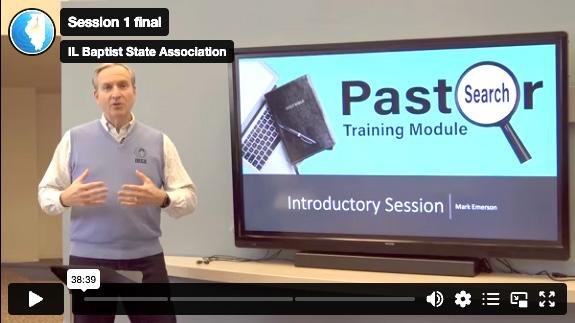
Pastor Search Training. Looking for a pastor? IBSA created a seven-session training course to help your church work through the process from saying goodbye to a departing pastor to setting the next one up for success. Follow the QR code or web address above.
ILLINOIS pulpit
“Made for More” Ecclesiastes 3:9-15
How often do you think about your death and where you will be after you die? This is something that I have thought about more recently. It was something that terrified me as a kid.
The average American believes that heaven and hell are real, but that majority say they will be entering heaven because that is “where people who have led good lives are eternally rewarded.” This majority also says that hell is the place “where people who have led bad lives, and die without being sorry, are eternally punished.”
In this quest to find meaning, the author of Ecclesiastes points out that everyone’s days are numbered from their beginning to their end. He gave us a glimpse, saying that everyone will endure various seasons in their lives. He wants the reader to see that God stands at the center of all time and eternity: He has complete control and there is nothing that can frustrate what has been written for all of time.
Here is the reality that I want us to see: God has placed within our hearts a longing for something greater, something more meaningful even if we do not fully understand it. If God has limited our under-
standing about the work he is doing, he has shown us three unchanging truths.
Life is a gift from God (vv. 9-10).
We like to use the phrase, “I am the master of my own destiny,” that we hold everything together because we are organized. We know what’s best. In reality, we do not hold our lives like we think we do. God is the one who gives us what we have. They are his blessings to us.
God has you here for a good reason. He is working in our quest to find meaning in the meaningless.
Life is connected to eternity (v. 11).
The things that we see happening all around us — even in our lives — may not always feel good or right. They seem contradictory to that which is good. We see that happening in our culture: school shootings, war in Ukraine, the assassination of Charlie Kirk, and more. We see the evil in our world and wonder, where was God in all of this? God cannot really be in control of all this evil, can He?
God appoints each person to eternity, but we will never fully grasp
this concept. God has placed a longing within our souls that we are on a quest to retrieve. The problem with this quest is that we are never going to fully grasp what God is doing in this life, even though we try so very hard to know. We are so limited because God uses that to draw us closer to him in faith.
The best way that I can explain this is a young child in their “why” stage of their life. That child will always ask “why” when you try to explain something to them or tell them what to do. That’s their response to almost anything and everything. “Why, Mom?” or “Why, Dad?”
When it comes to God’s control over time and eternity, we are always asking that eternal question of “why?” We take the role of the child to fully understand why God works in the way he does. The answer is always the same: we will never fully understand from beginning to end. We will never grasp what God is doing, but faith isn’t about seeing,
We are a lot like a young child in their “why” stage of life.
but about believing in the One who works all things for our good.
Let eternity shape how you live in the present (vv. 12-13).
Joe Rigney urges Christians to “embrace your creatureliness. Don’t seek to be God. Instead, embrace the glorious limitations and boundaries that God has placed on you as a character in his story.”
To fear God rightly is to remember our humanity. When we can’t see around the dark corner of life yet to come or understand the eternal question “why” — no matter how much we want to — we remember our humanity. We remember that God is God, and we are not. He controls all things at all times at all places, and he is good.
Tyler Shipley is pastor of Fillmore Baptist Church. This sermon is from a series on Ecclesiastes.
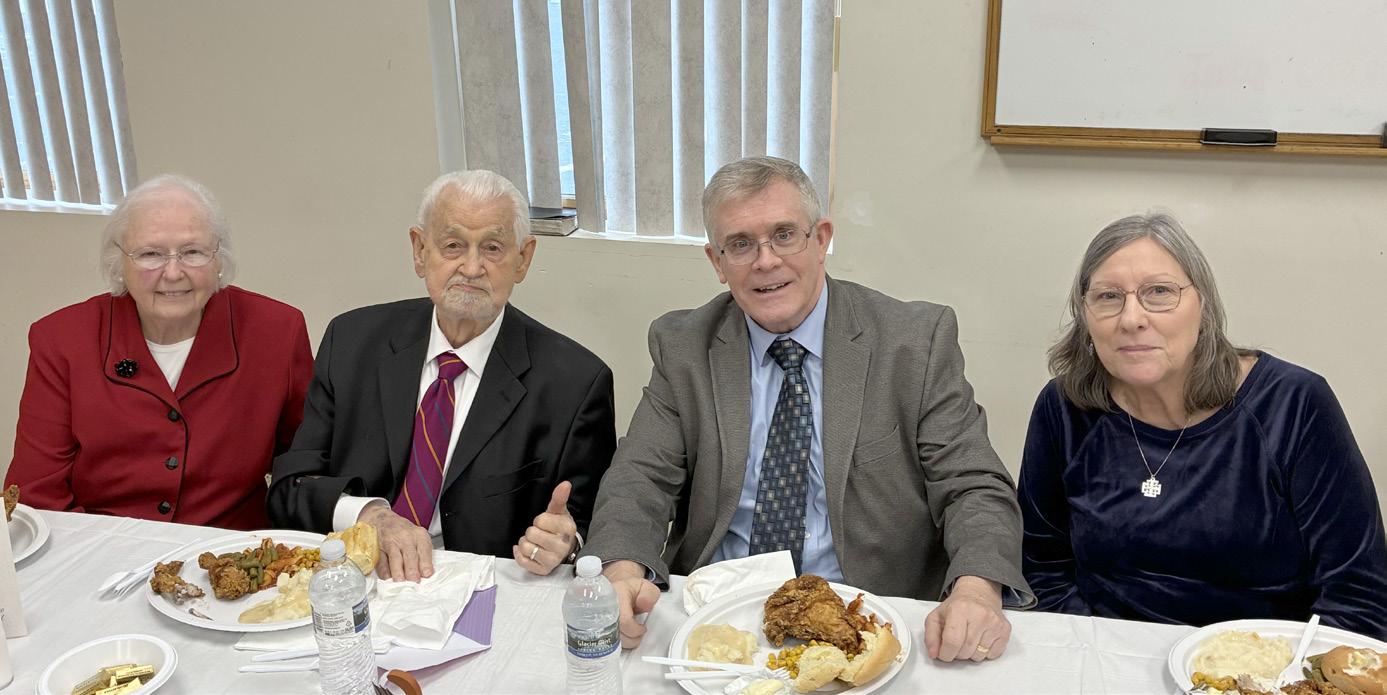
Parsley retires (again)
Harold Parsley has retired. When he was 81, the Chicago-area pastor came out of retirement to lead First Baptist Church of Tinley Park. That was 17 years ago. For Harold and his wife, Lydia, this unexpected chapter in ministry has been active and productive. Most notable was successfully settling a dispute with Cook County over building codes that could have resulted in closure of the church.
A deacon said in addition to preaching, teaching, and visitation, the pastor, now 98, “was always ready when needed for weddings or funerals; even mopping up after a water-back up in the church or making coffee for church members before Sunday
School. He allowed God to use him wherever or whenever was needed.”
The Parsleys will be serving closer to home in Channahon.
The church held a reception in December celebrating the Parsleys’ service and welcoming new pastor Michael Miller and his wife, Carolyn. The Millers planted two churches in Minnesota, and in Darrien, Illinois. They served two stints with the International Mission Board in Taiwan, and retired from IMB in 2022. He holds degrees from Union University and Southwestern Seminary. They have five children and six grandchildren.
Mission ILLINOIS
Yes, Lord, walking in the way of your laws, we wait for you; your name and renown are the desire of our hearts.
─Isaiah 26:8
Rockford & Benton: Why it’s all about YAMs
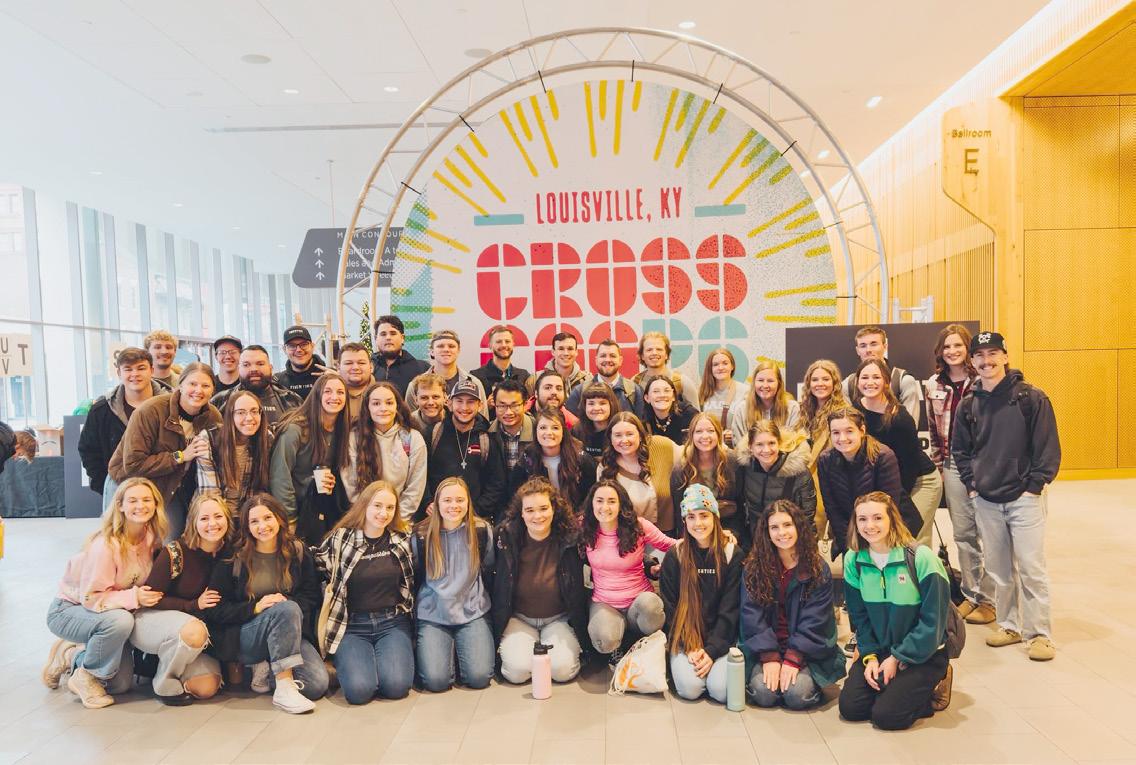
“Camp” isn’t only for summer. And it isn’t over after youth group. Winter conferences are proving effective in next-gen ministry after the adolescent years. Redeemer Church in Rockford took a large group to Cross Con in Louisville, Kentucky, a discipling experience for 18- to 25-year-olds and their leaders. The next event is set for St. Louis, Dec. 26 - Jan. 2.
“The Lord is raising up a generation passionate for his name,” Redeemer’s Facebook editor posted.
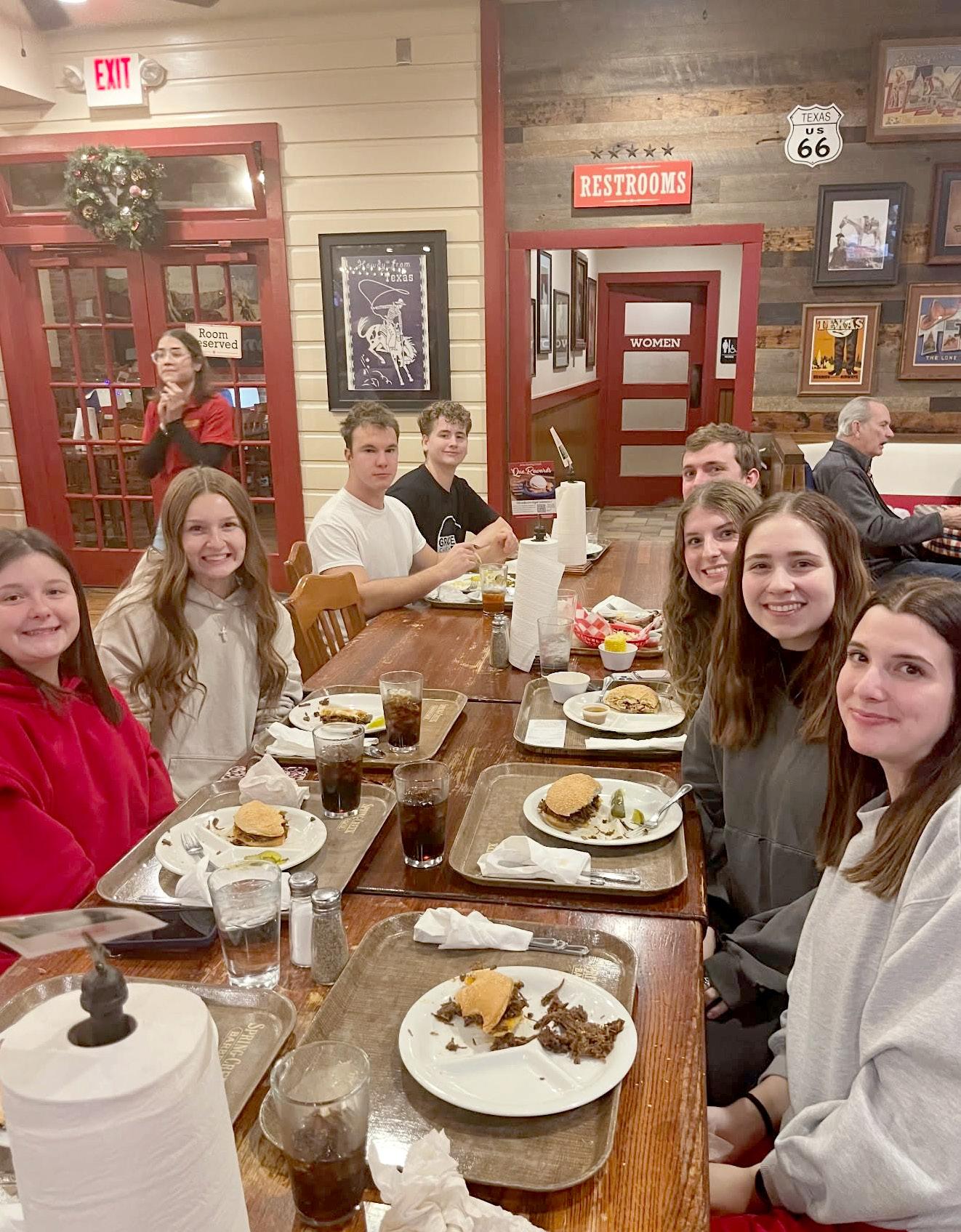
The Young Adult Ministry (YAM) from Immanuel Baptist in Benton joined 45,000 young adults for Passion268 in Arlington, Texas. The Louie Giglio-founded worship and teaching conference is going strong after nearly 30 years. For some from IBC, their first experience at a Texas BBQ joint was a hit.
Palos: Scripture marathon
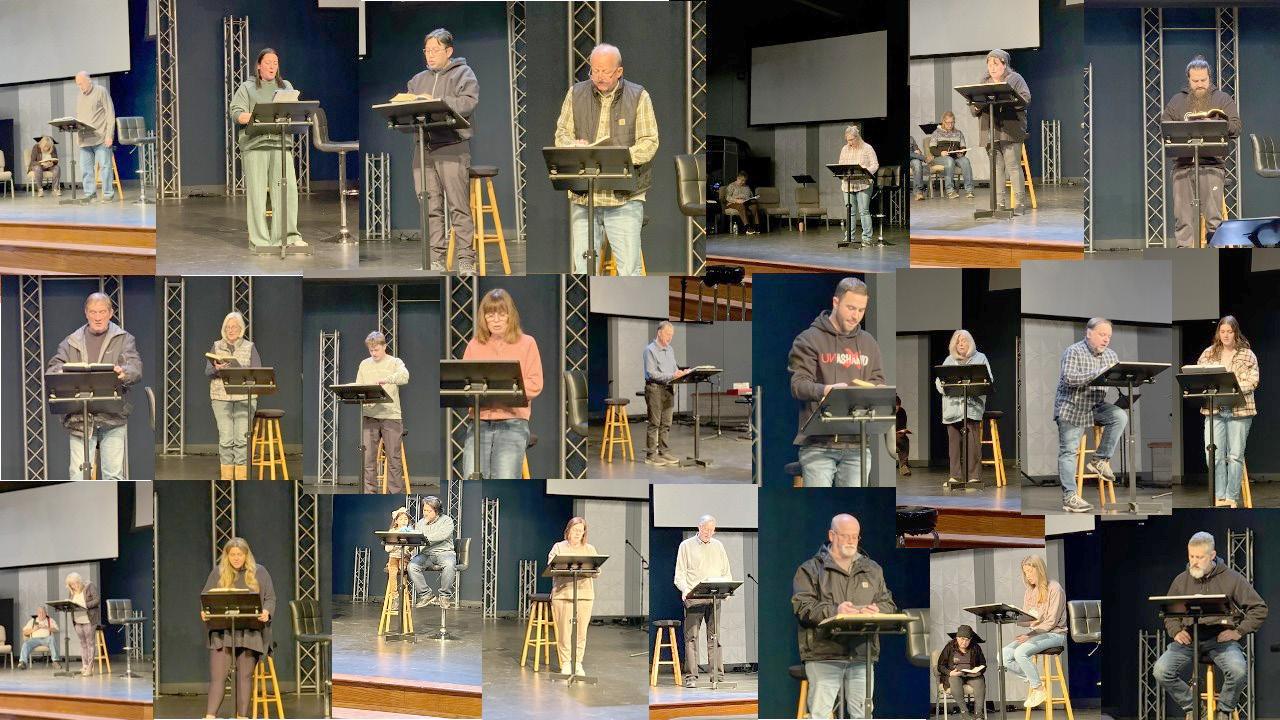
Anchor Church launched the year with the word: 24/7. This is the third year the church has led off with a round-the-clock Scripture reading. From Sunday morning through Wednesday evening, members took turns as they read the whole Bible aloud at their suburban Chicago location. “What a powerful way to start 2026!”
Eldorado: Happy trails
Faith Walkers is a hiking group started by First Baptist Church of Eldorado. The beauty of nature provides great opportunity to talk about faith-related matters, the organizers said. They frequent the trails in the Shawnee National Forest. This is an excellent outreach for friends and co-workers. And there are plenty of hiking walking options around here.