landscape habitat
[pond park & multifamily housing] arch 3016 // fall 2025
instructor: Katherine Wright location: Over the Rhine, Cincinnati 3
liquid space
[artist gallery & residency] arch 3017 // summer 2025
instructor: Michael Stradley location: West Atlanta
urban oasis
[thermal spa & event space]
arch 2017 // spring 2025
instructor: Christina Shivers location: Midtown Atlanta
4
regenerative flow
[material reuse center] arch 1017 // spring 2024
instructor: Yeinn Oh location: West Atlanta 5
presidio project
[miyawaki-style urban reforestation] fall 2025 in collaboration with SCA location: Presidio, TX
landscape habitat
[pond park & multifamily housing] arch 3016 // fall 2025
instructor: Katherine Wright location: Over the Rhine, Cincinnati
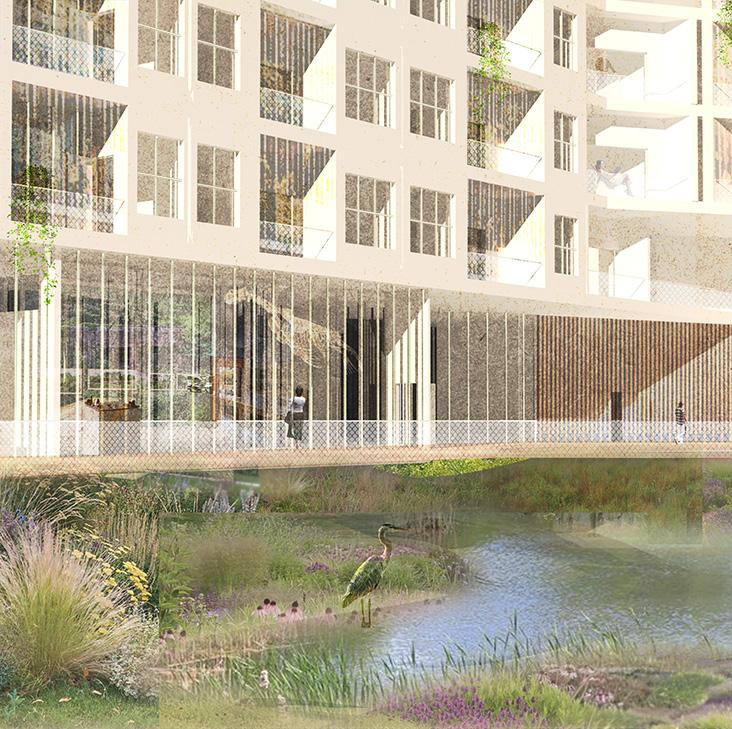
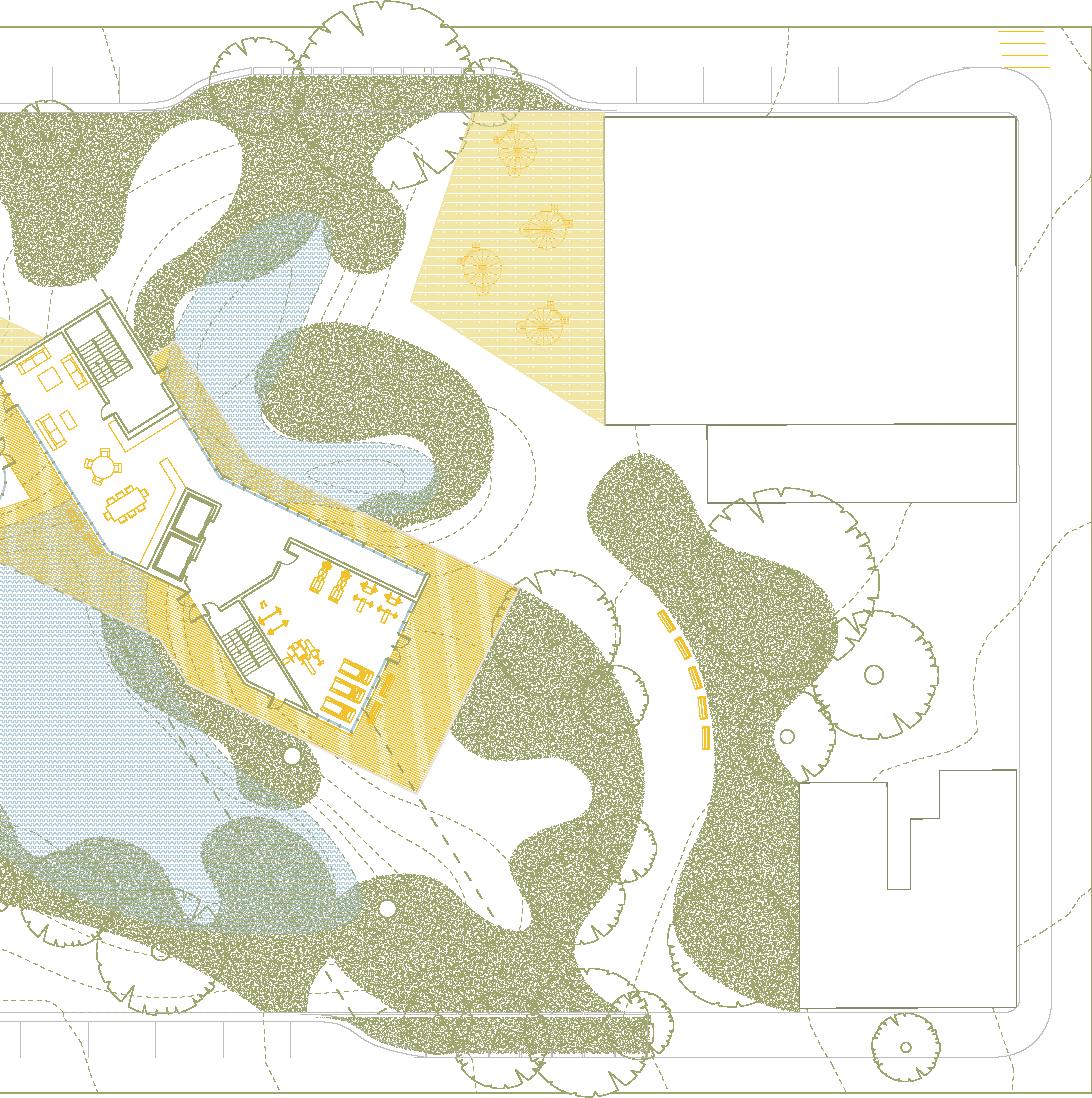
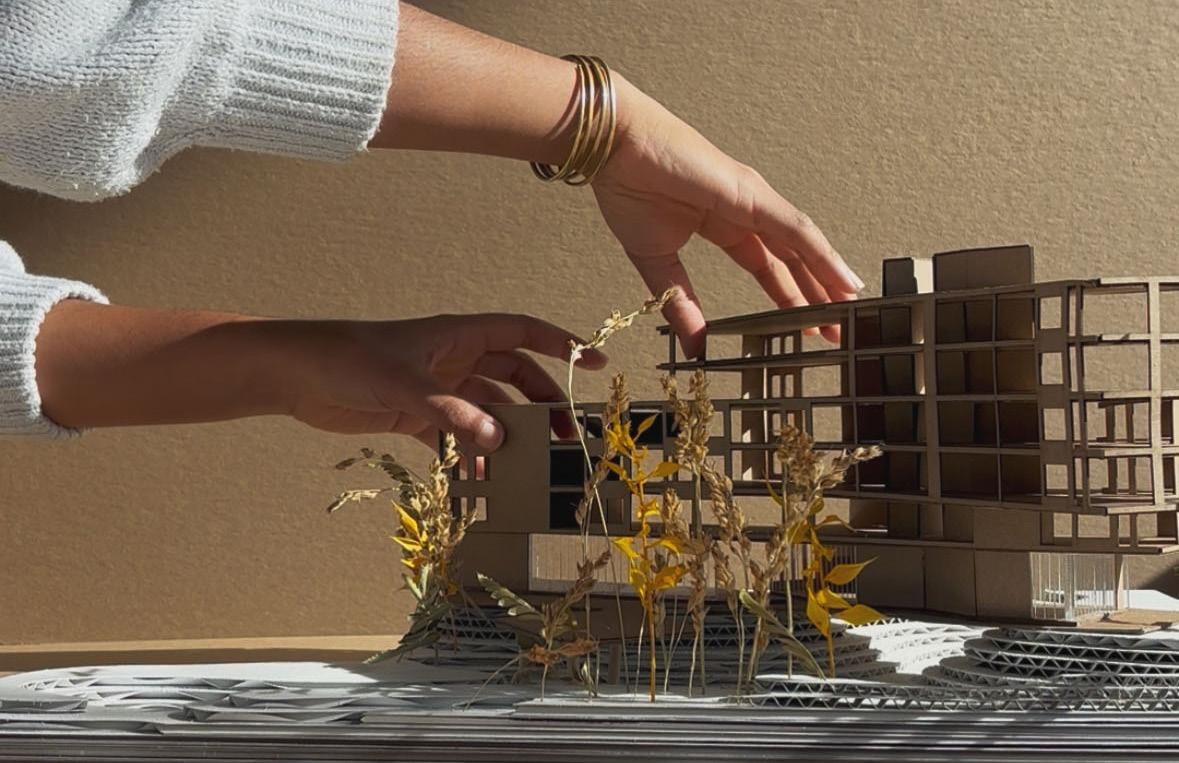
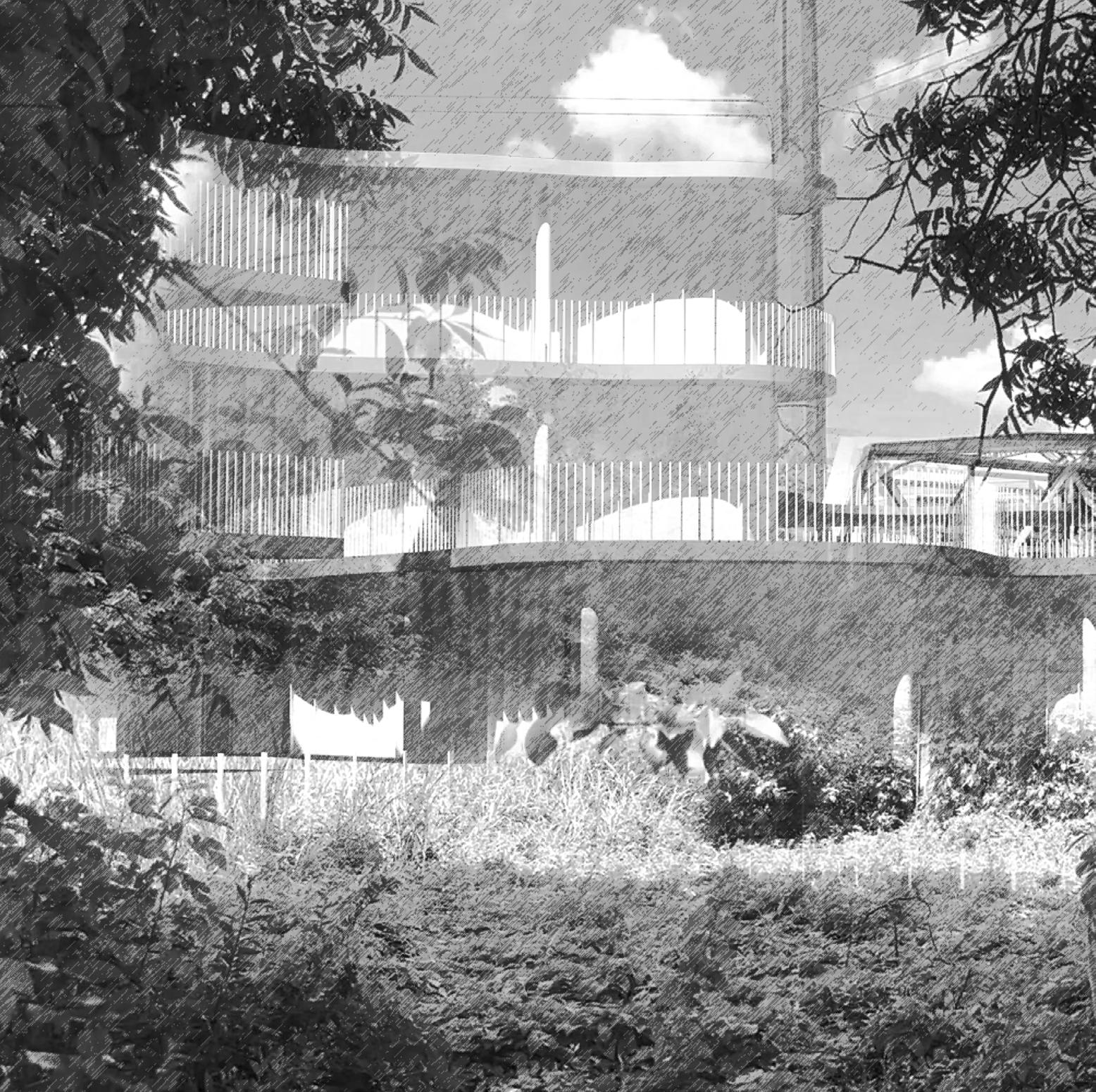
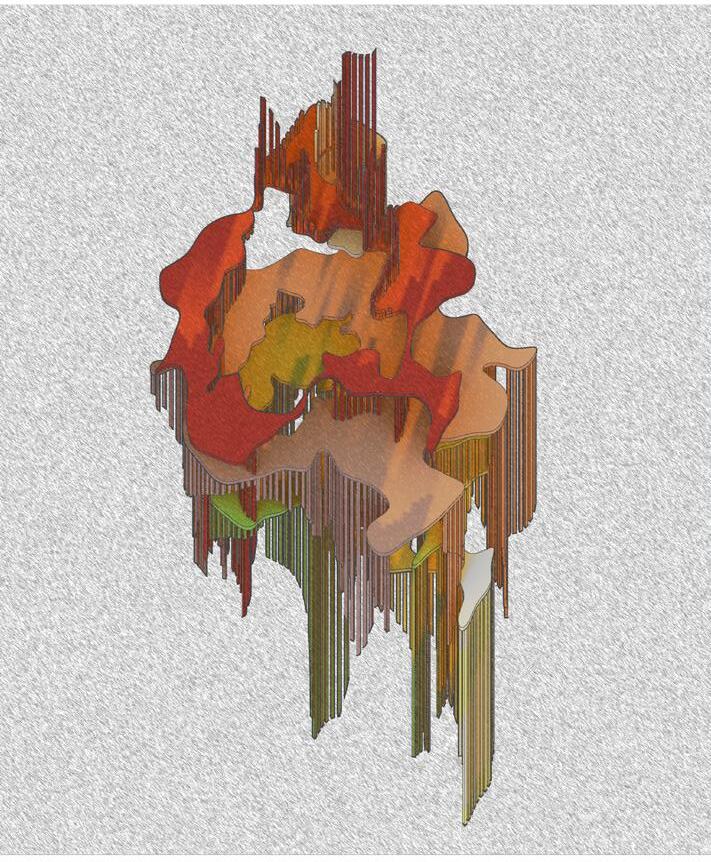
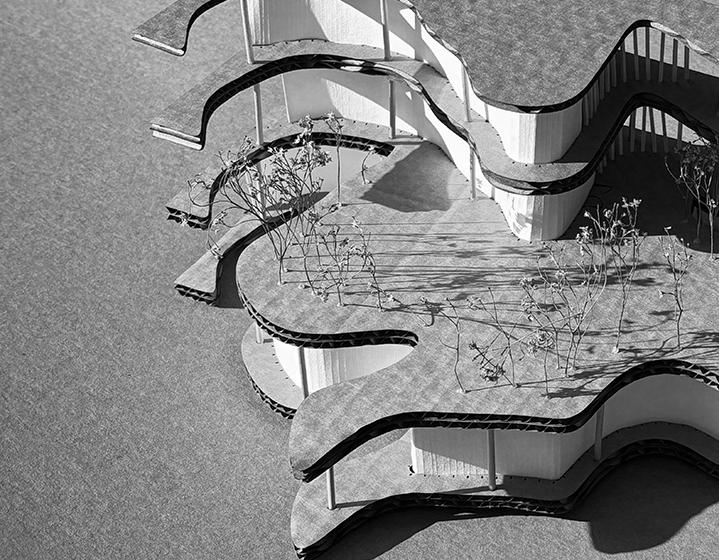
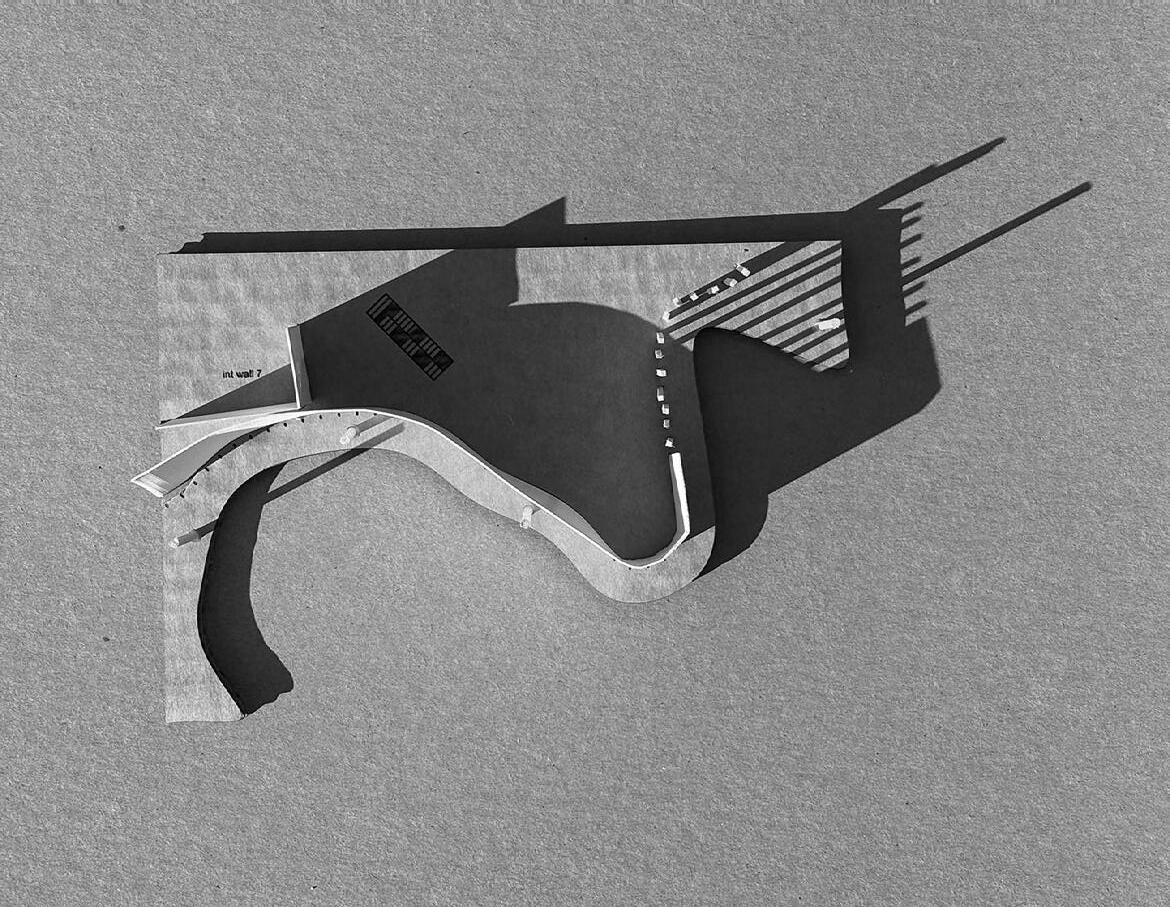
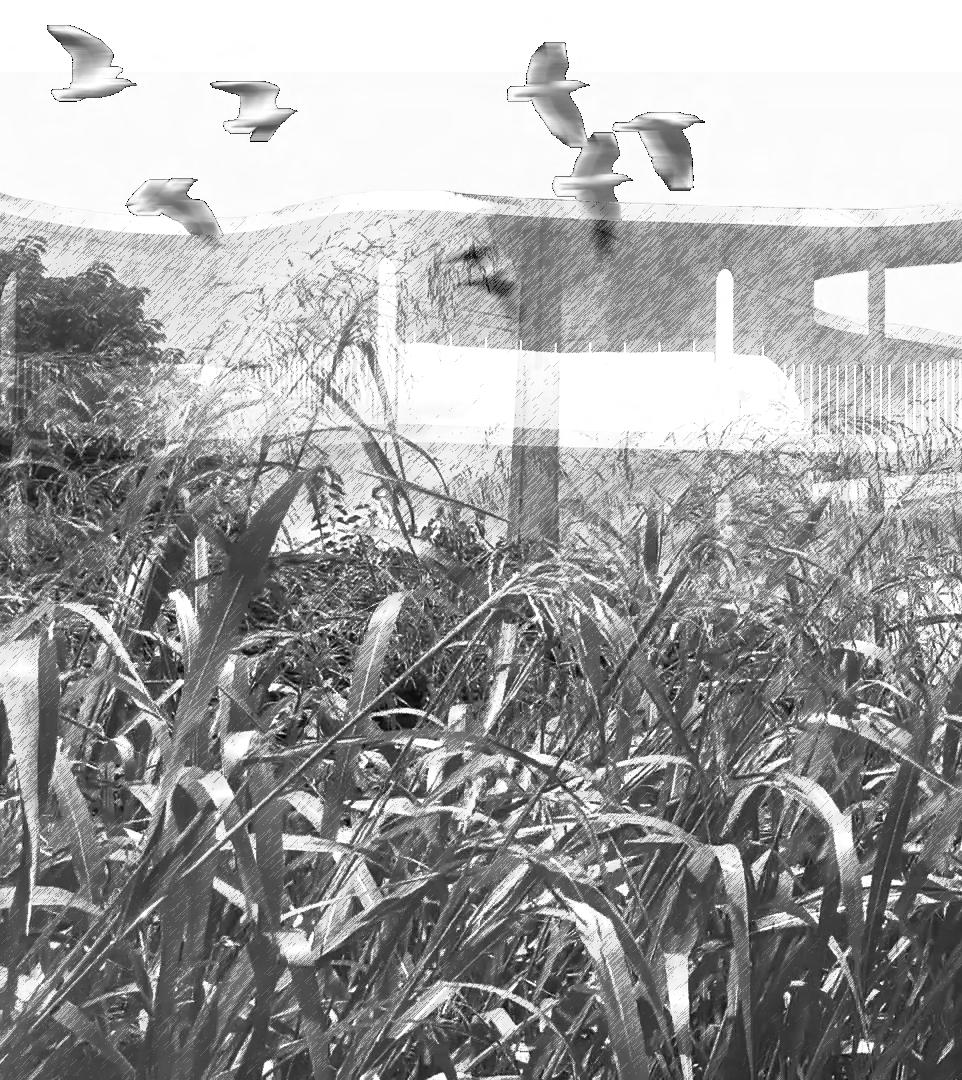
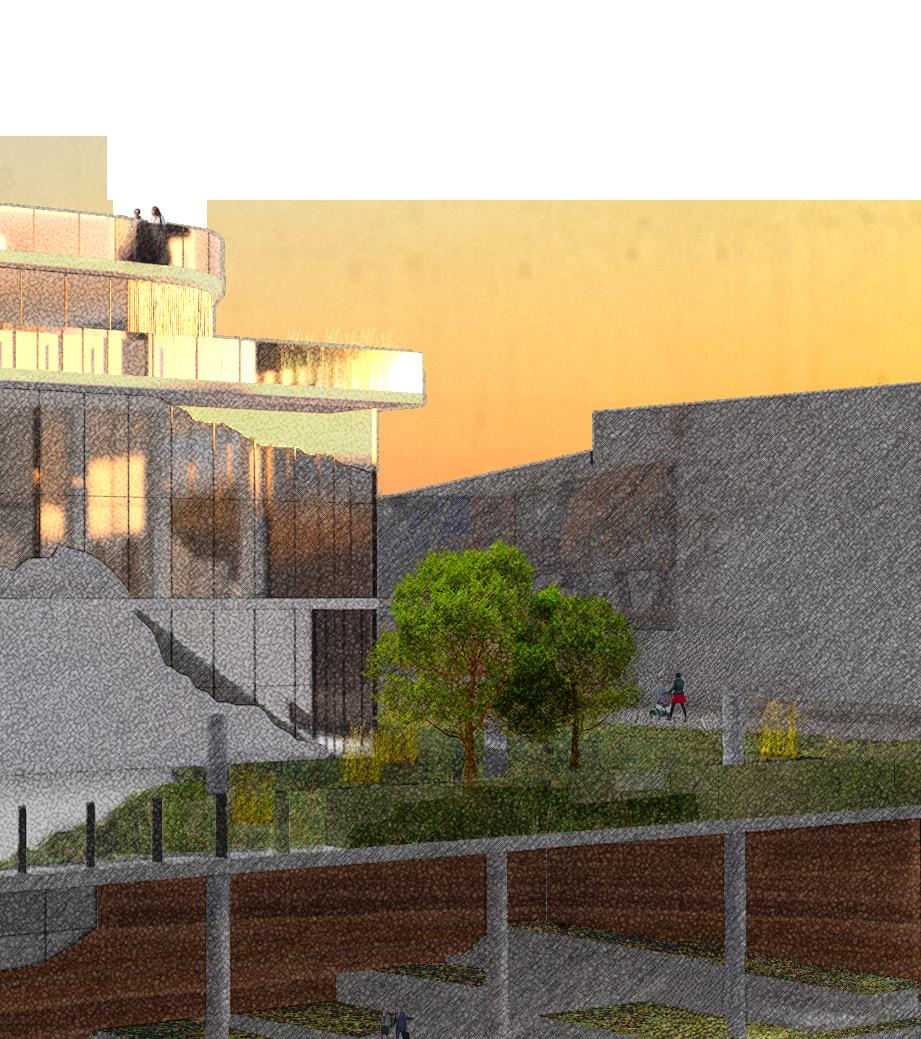
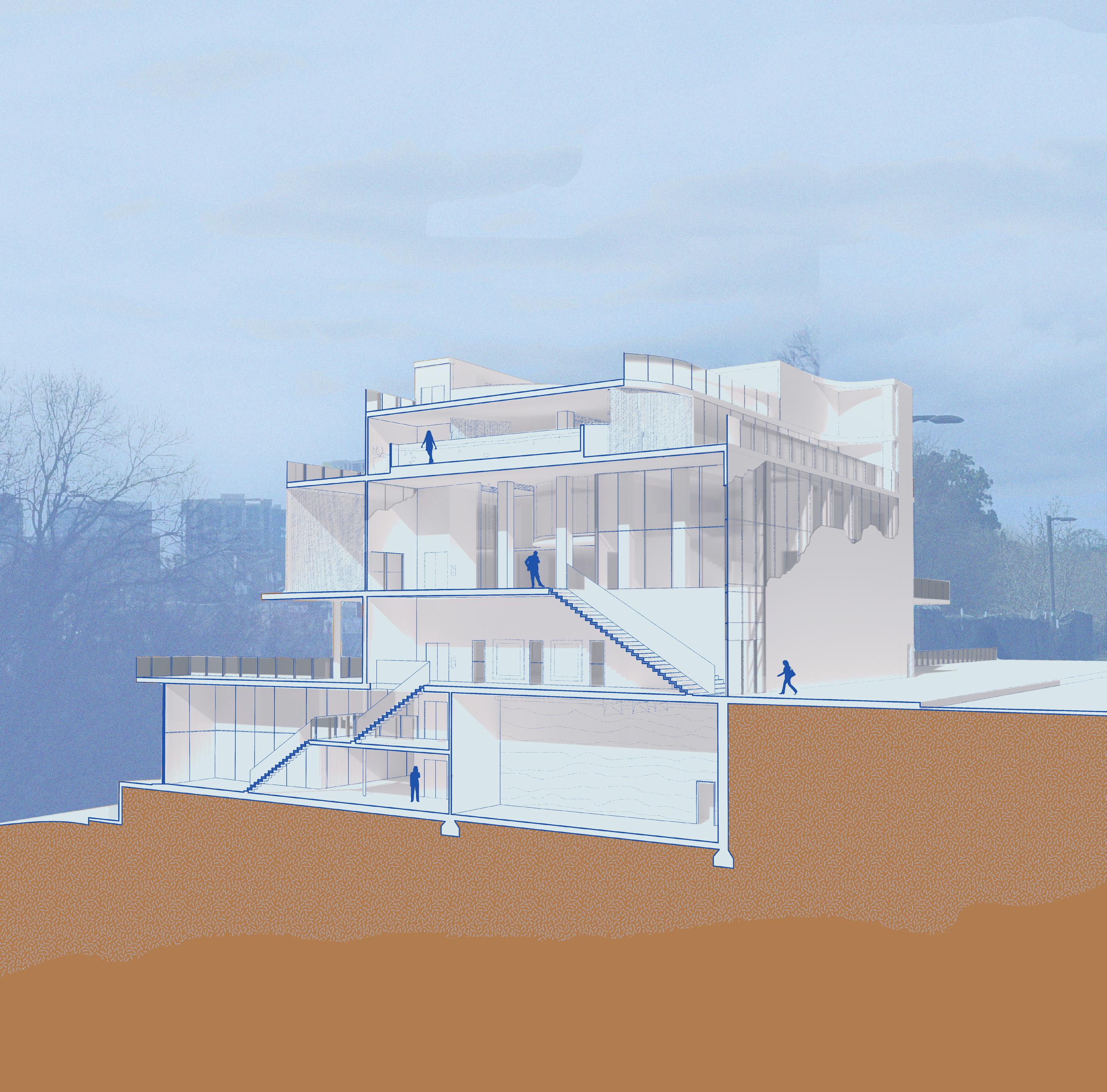
Landscape Habitat addresses water-quality inequity in Cincinnati by reimagining stormwater infrastructure as a public and ecological commons. The project is situated within neighborhoods where aging lead lines, industrial runoff, and chemical contaminants - such as arsenic and trihalomethanes - continue to compromise public health. The proposal makes water treatment visible, spatial, and accessible.
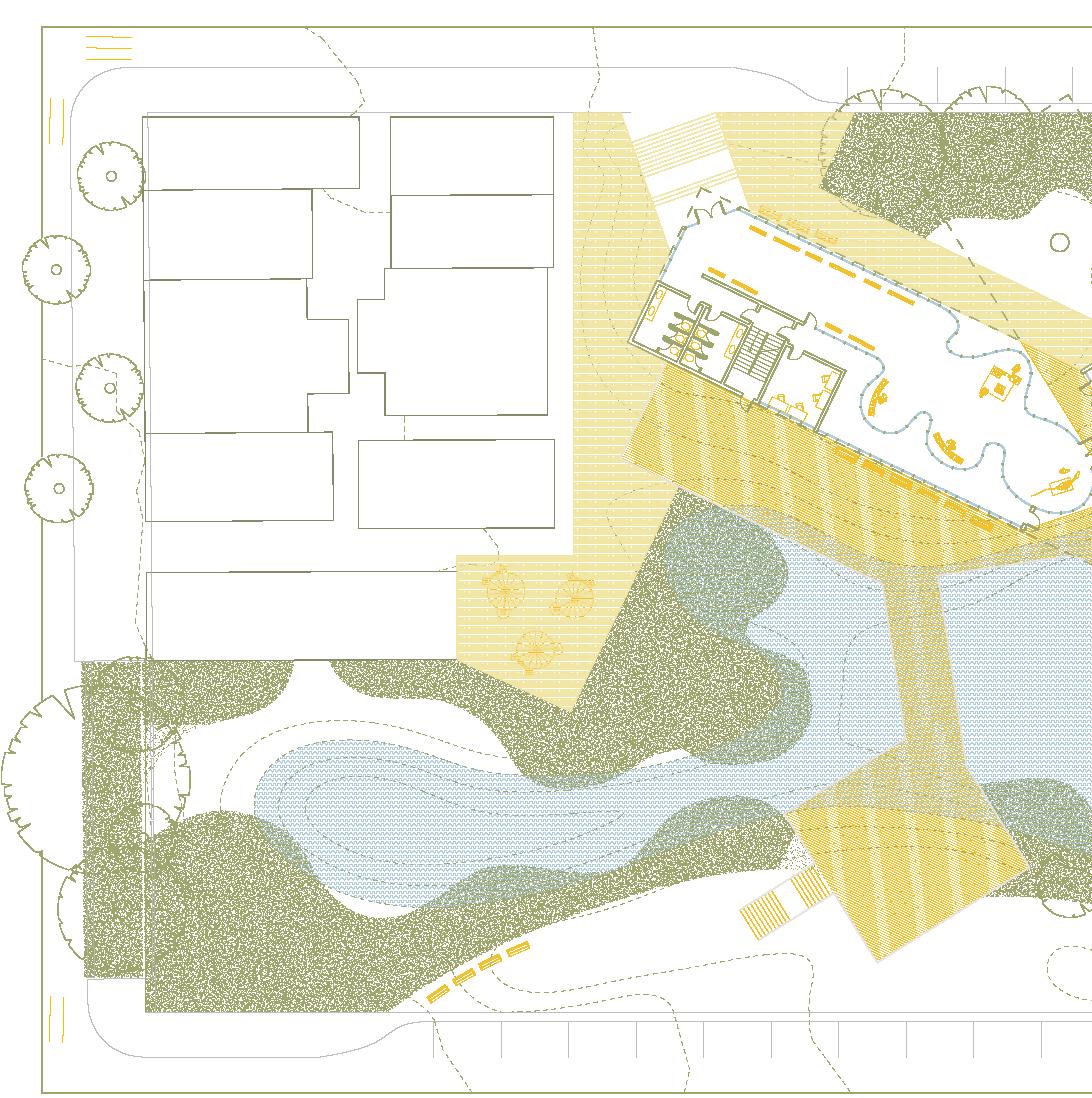
A large retention pond and network of native filter gardens collect and remediate stormwater from the surrounding urban fabric, transforming runoff into a productive landscape. This system operates as both environmental infrastructure and civic space, offering residents direct access to restored ecologies while improving downstream water quality. The ground-floor ecomuseum functions as an educational extension of the landscape, housing a native seed bank and rotating exhibits on Ohio Valley ecologies and watershed systems.
The building’s form responds directly to topography, vegetation, and hydrological flow, positioning architecture as a mediator within a larger living system. Landscape Habitat proposes a model in which housing, education, and ecological repair co-evolve - where landscape is the primary driver of social and environmental resilience.
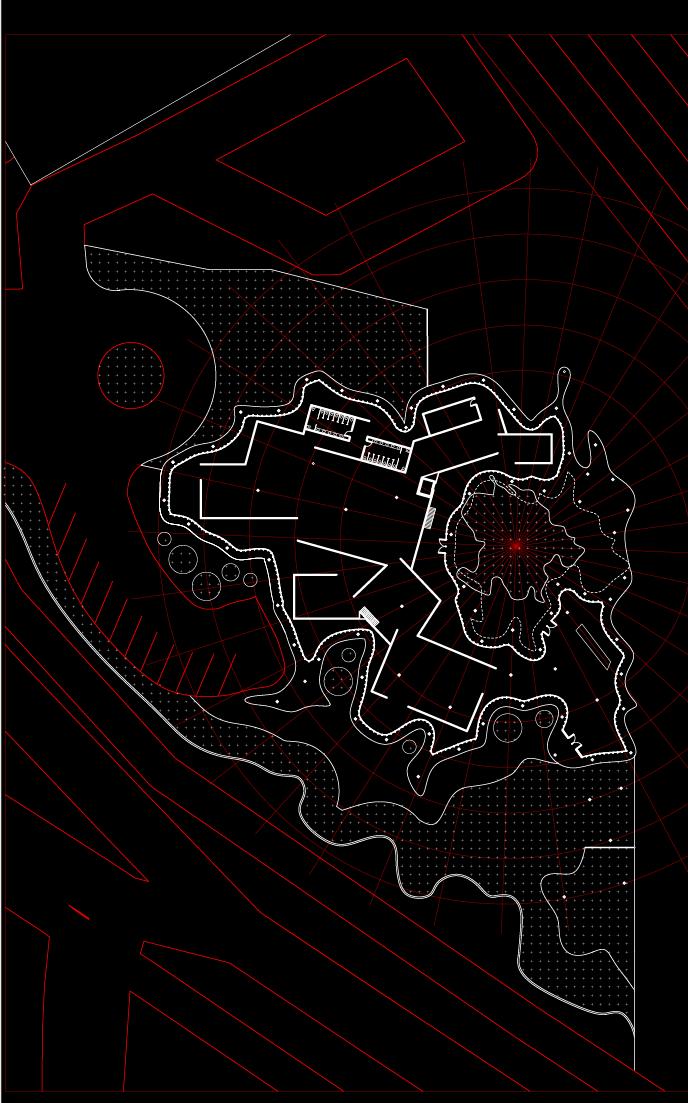
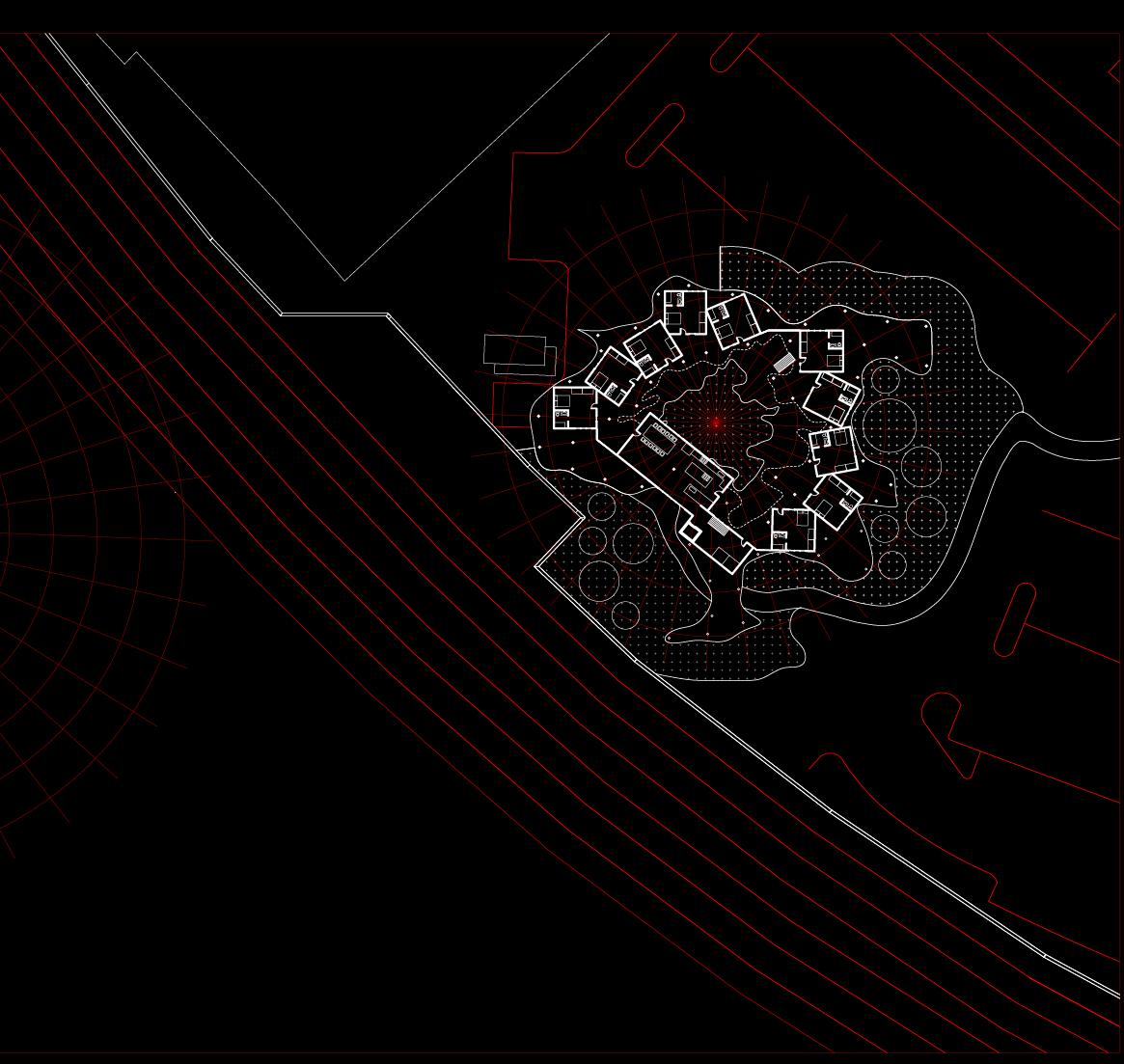
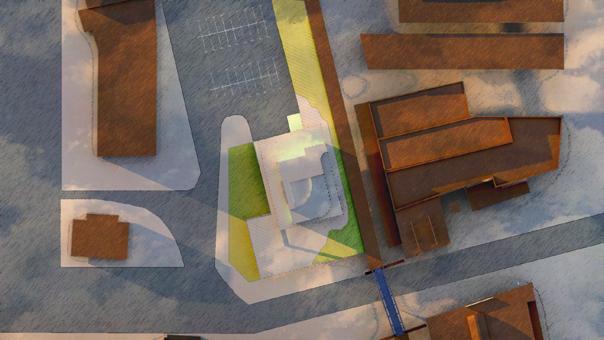
An analysis of ‘third spaces’ within a mile radius of the site reveals a rich fabric of greenspace, food culture, and community, but also a lack of educational spaces. Imperviousness and topography surrounding the site result in a zone where water collects, creating runoff that travels down towards site bounds, carrying pollutants along with it.
residential lobby, lounge, and gym
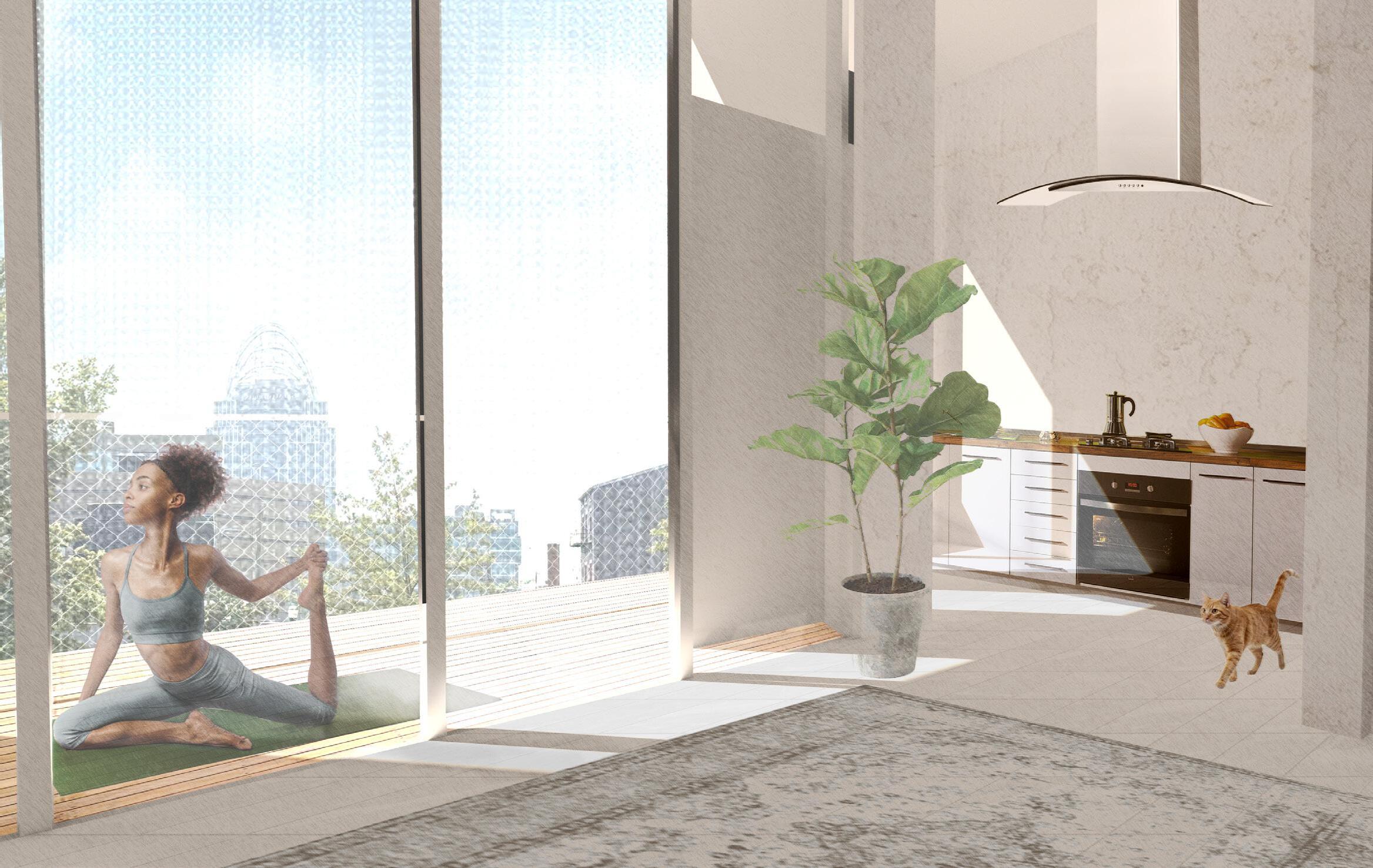
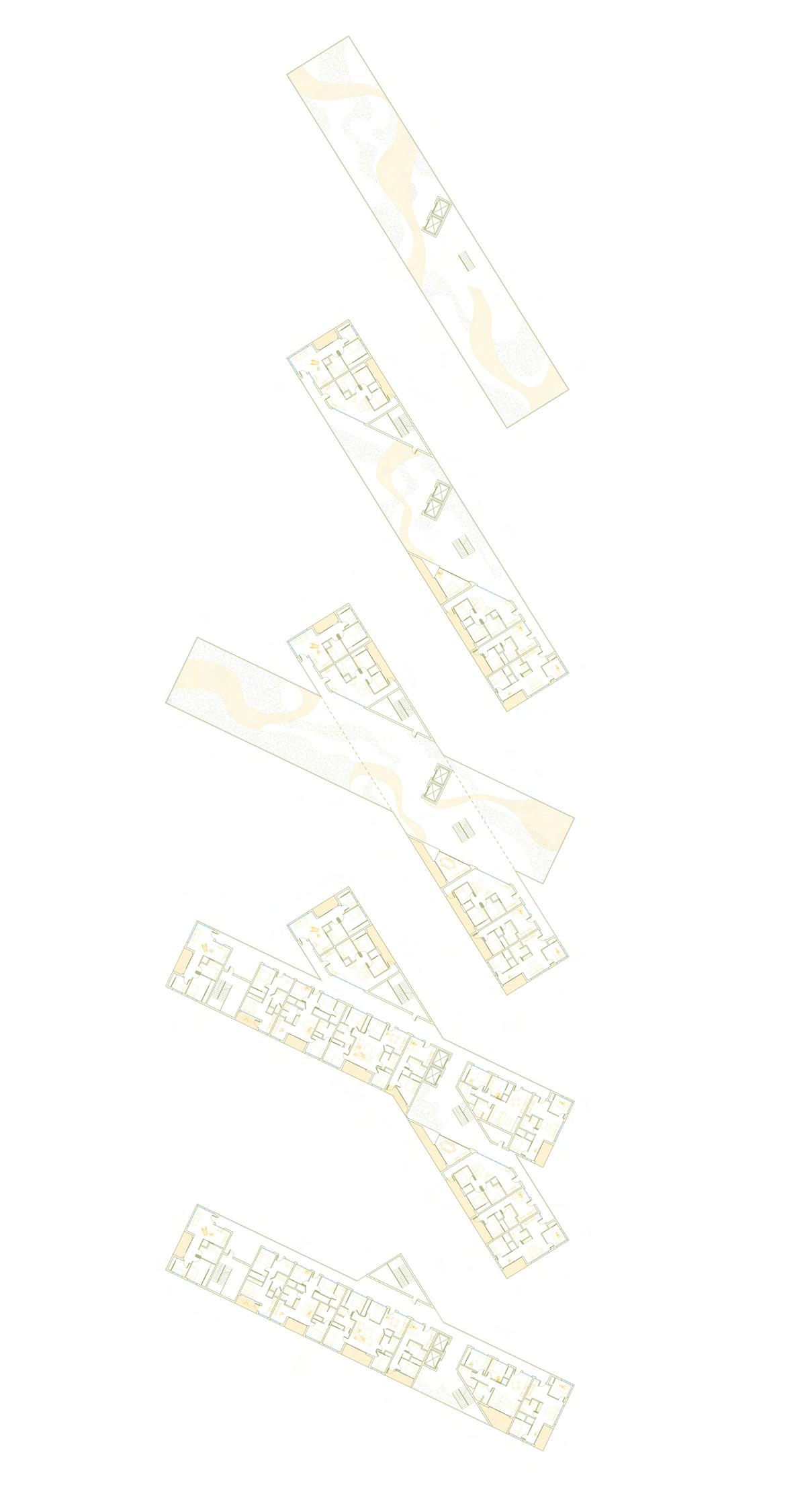
tranquil unit (1b/1b)
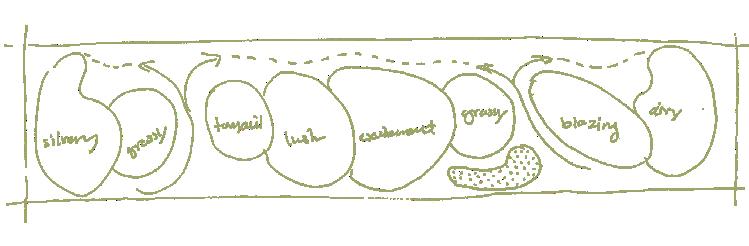
tranquil lush exuberant airy
and exuberant, and is placed beside another that naturally complements it; this adjacency encourages social exchange, softening isolation.
These relationships unfold as a gradient, from the quieter, airier ends to the more lively and exuberant center. The architecture provides a structure for community to root and grow on its own.
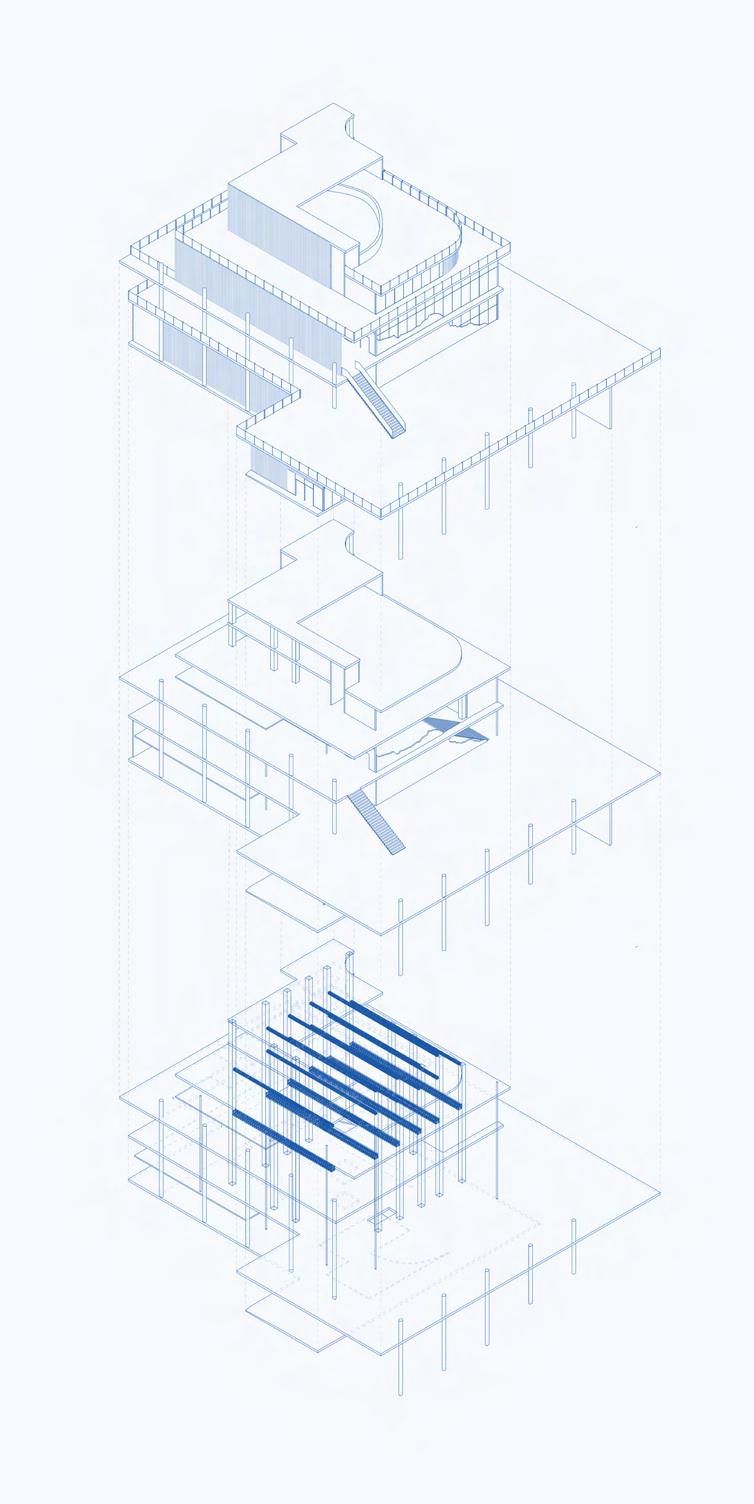
lvls 3 & 4
lvl 2
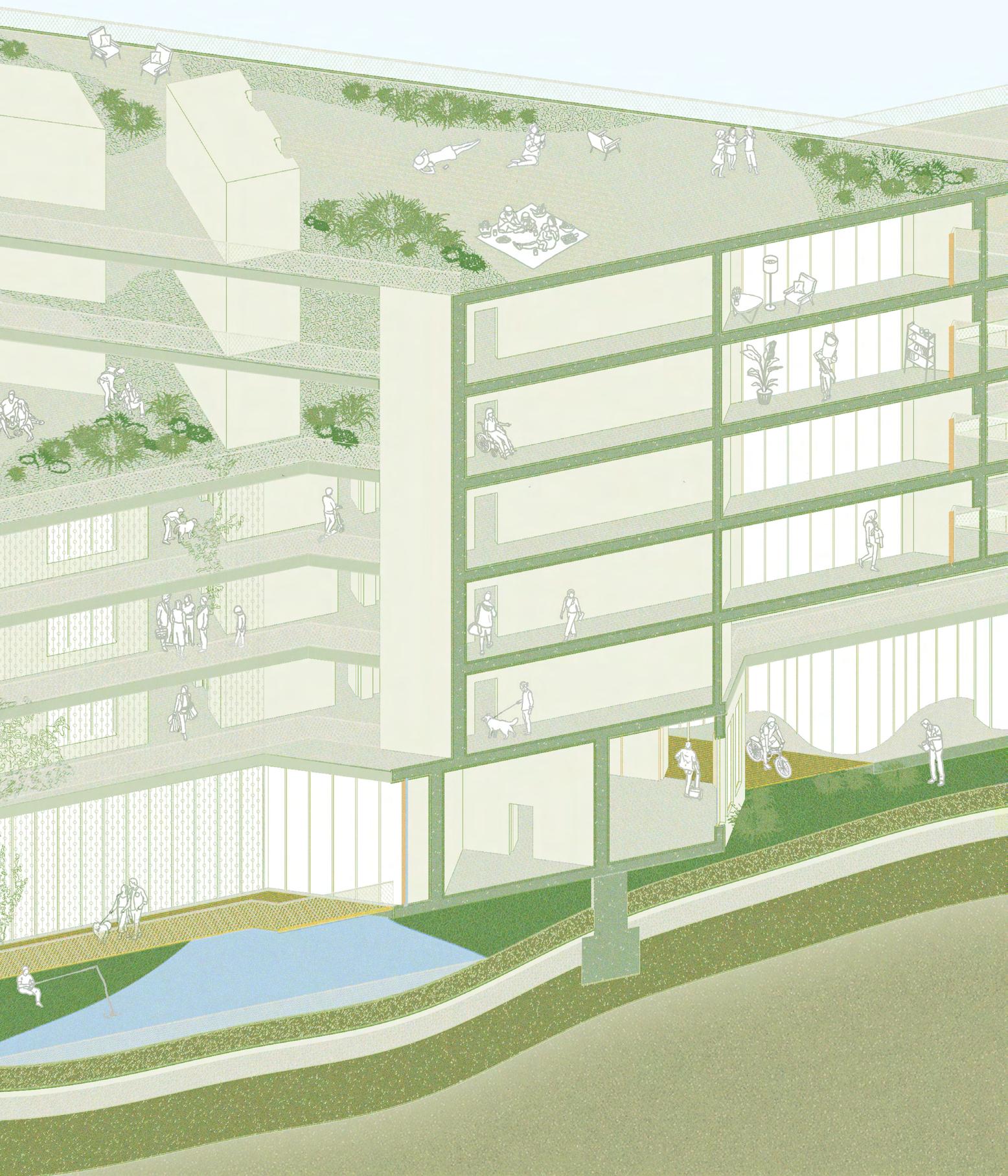
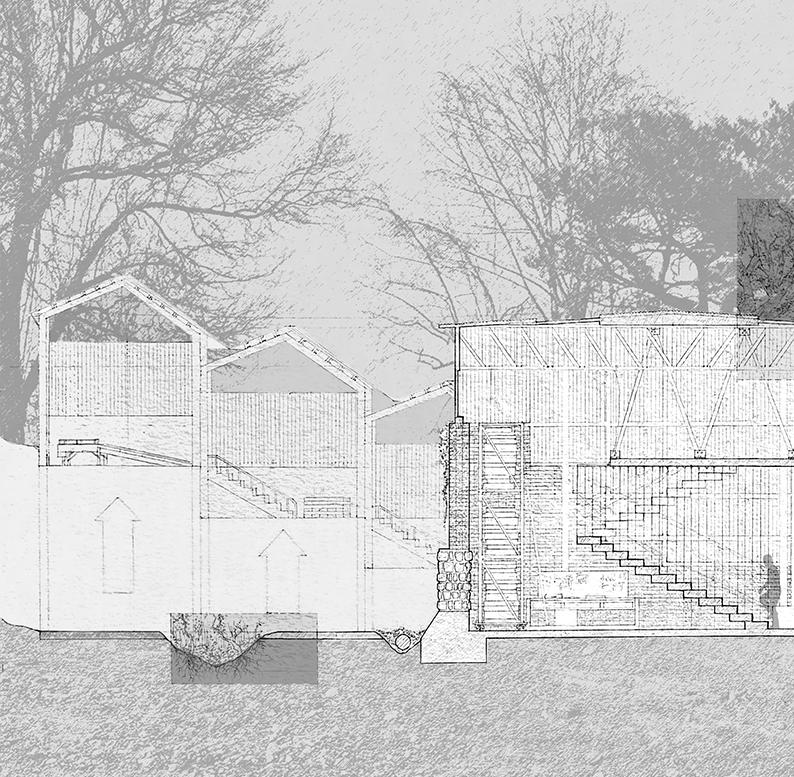
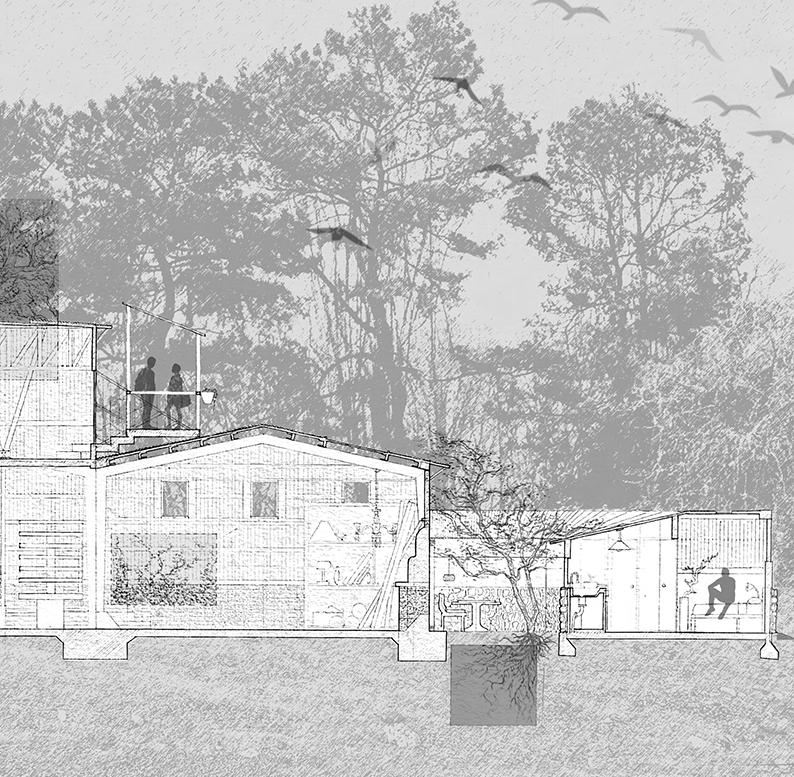
Building elements facilitate water flow - collecting on green roofs, filtering through rain chain screens, and settling in the remediation pond, supported by subsurface layers: a bioretention layer, a transition layer of coarse sand, a gravel bed, and native soil.
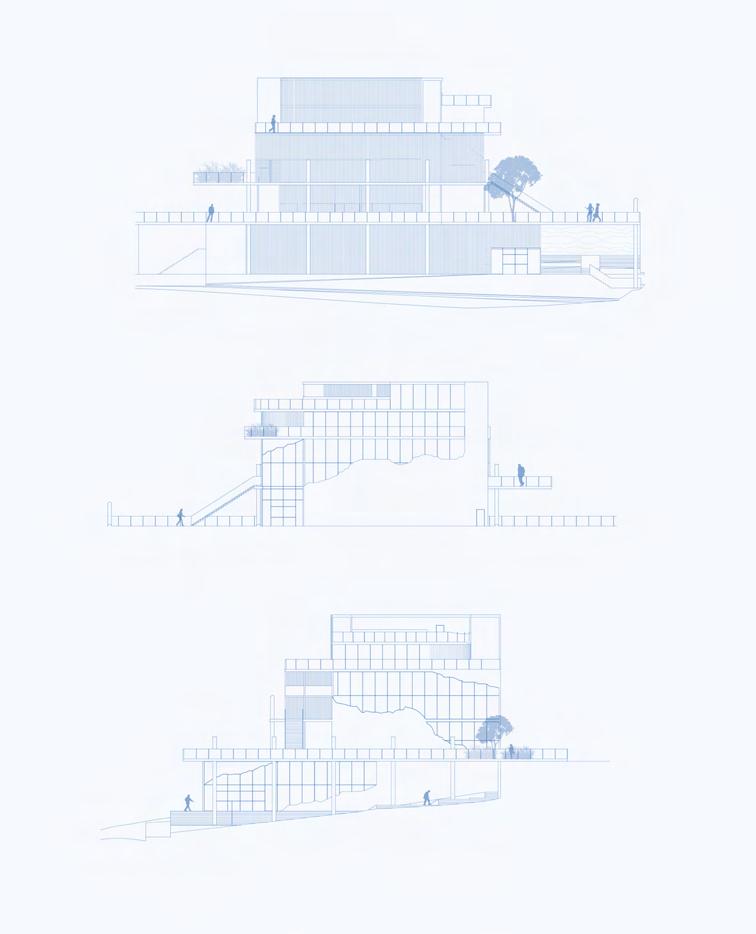
(top) 1’ = 1/16” short section facing northwest
(bottom) 1’ = 1/16” long section facing southeast
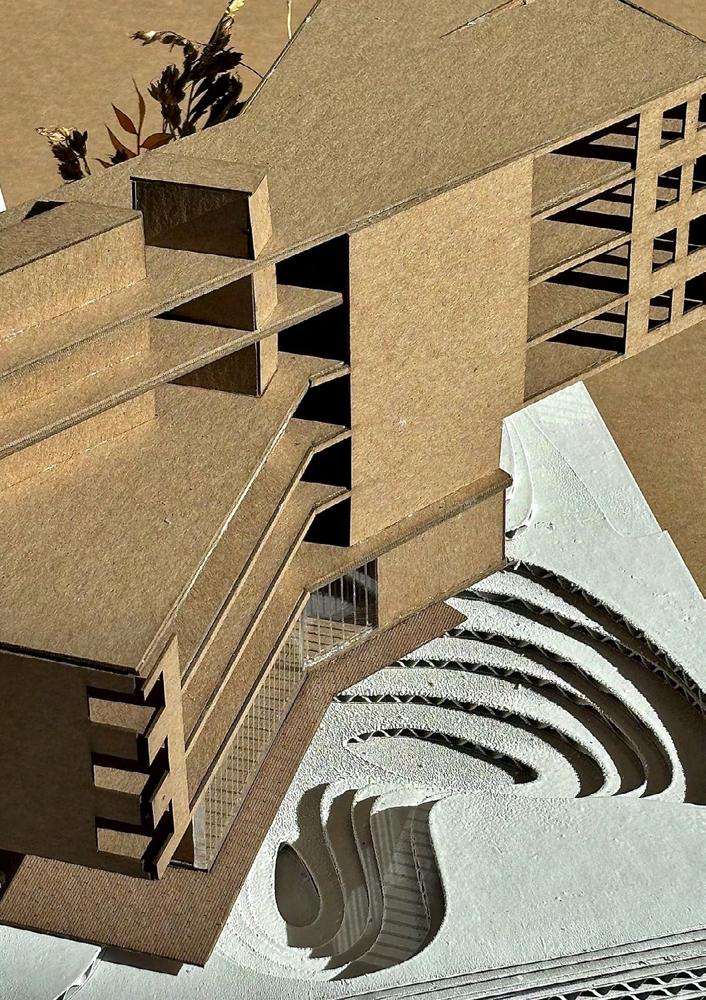
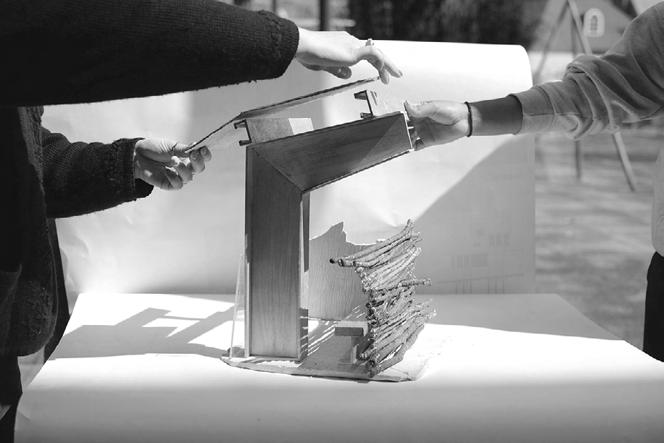
final model (1’ = 1/16”)
liquid space
[artist gallery & residency] arch 3017 // summer 2025
instructor: Michael Stradley location: West Atlanta
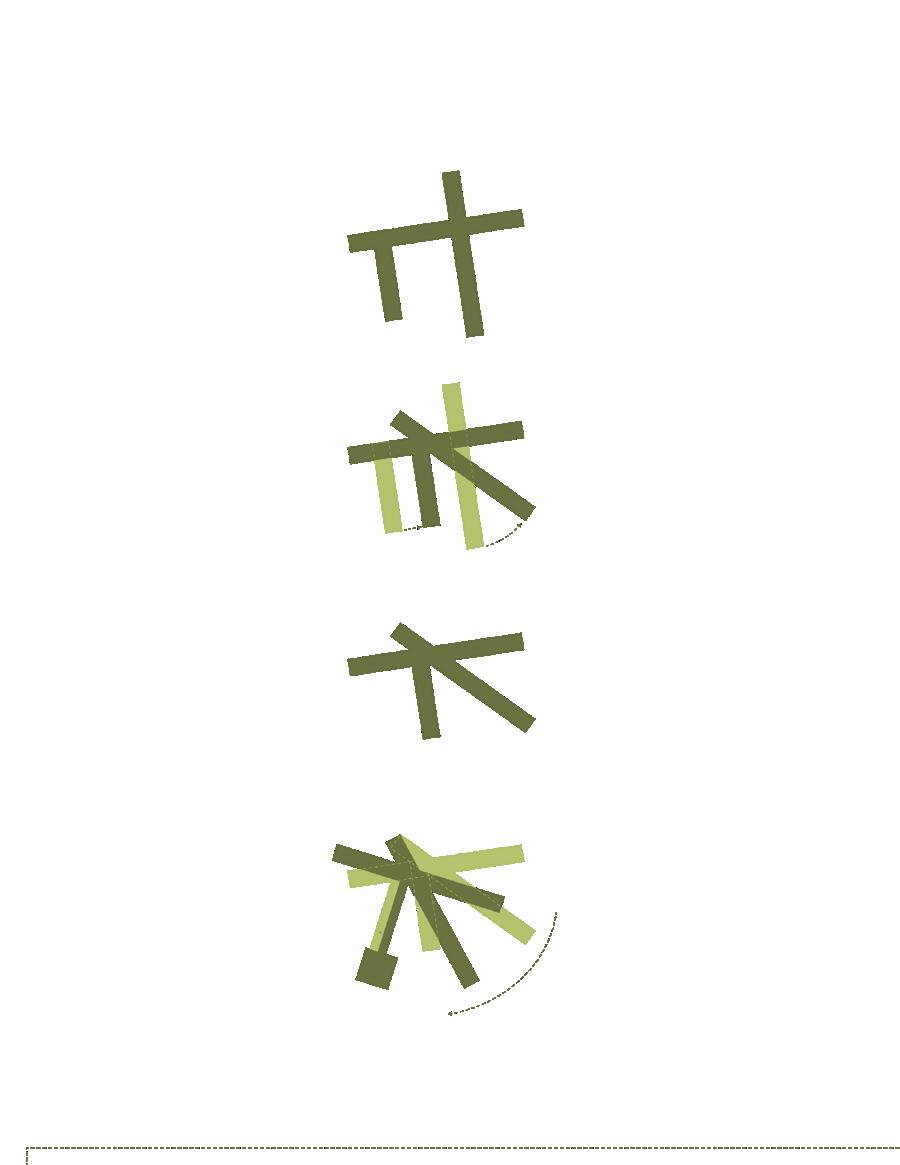
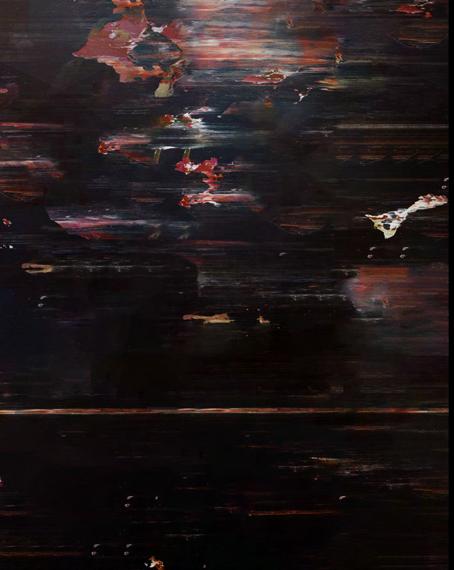
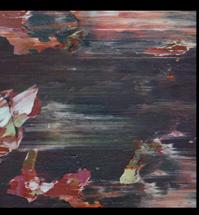
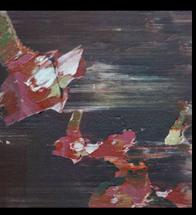
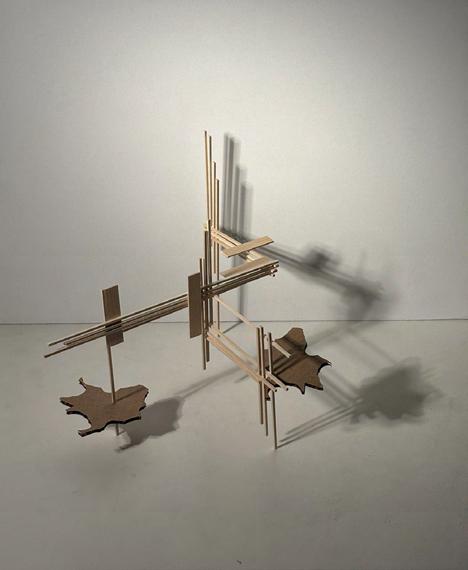
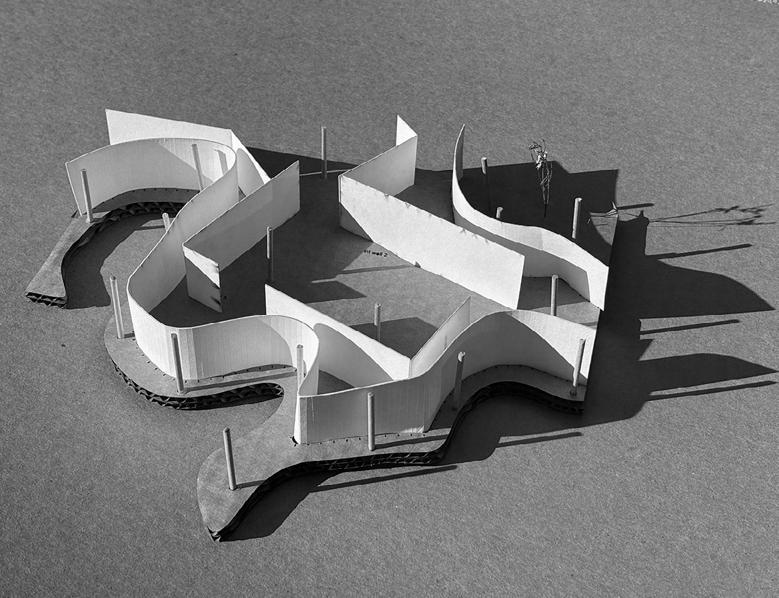
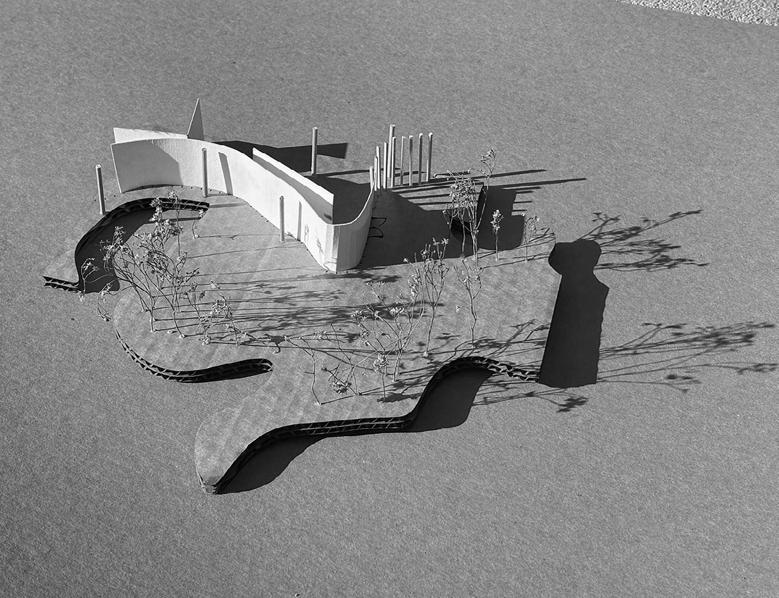
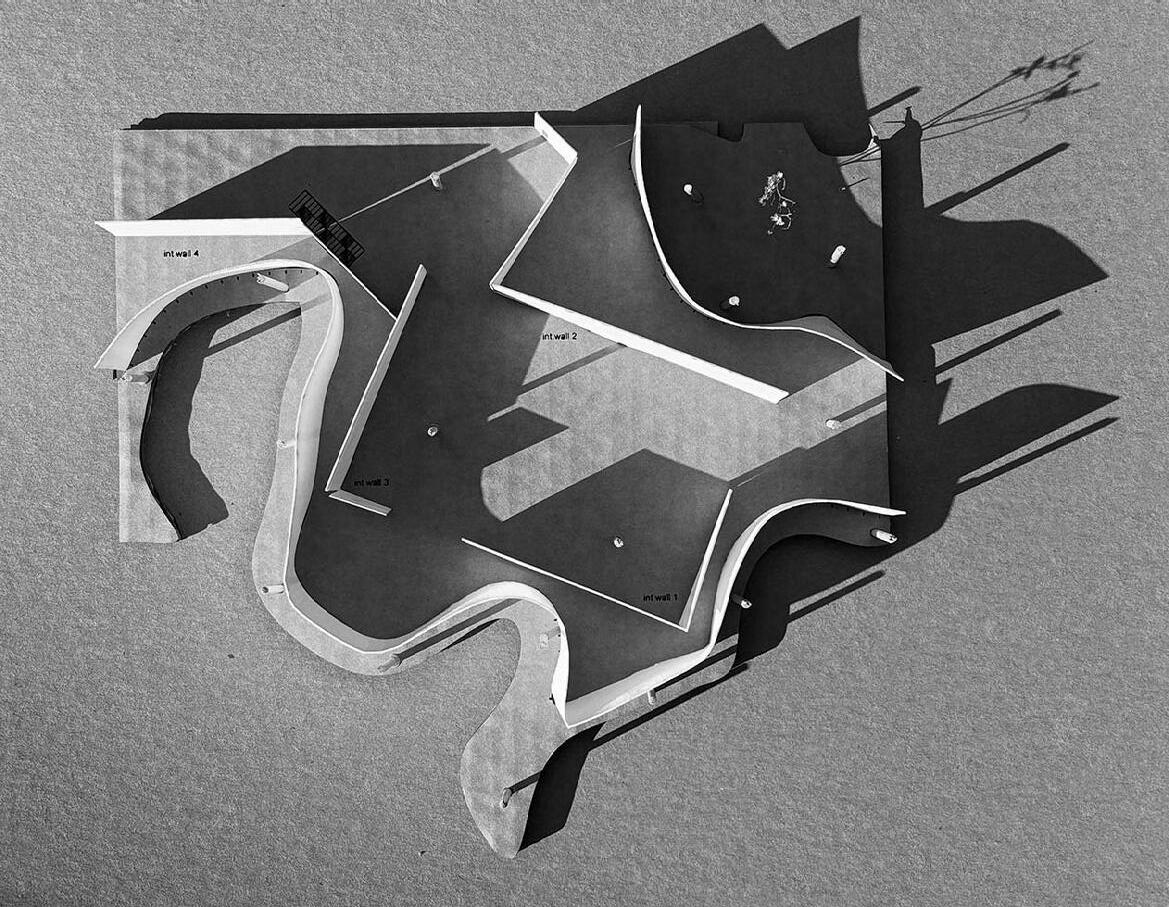
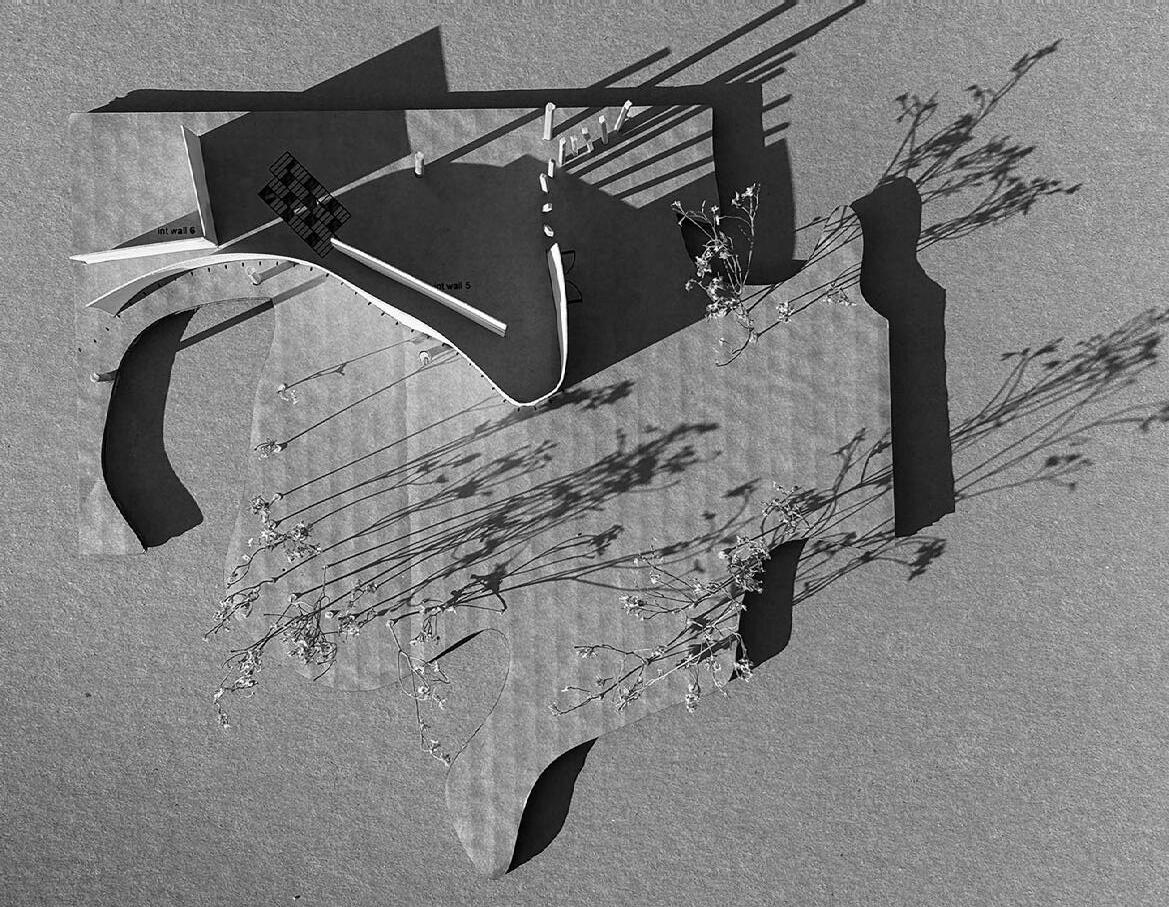
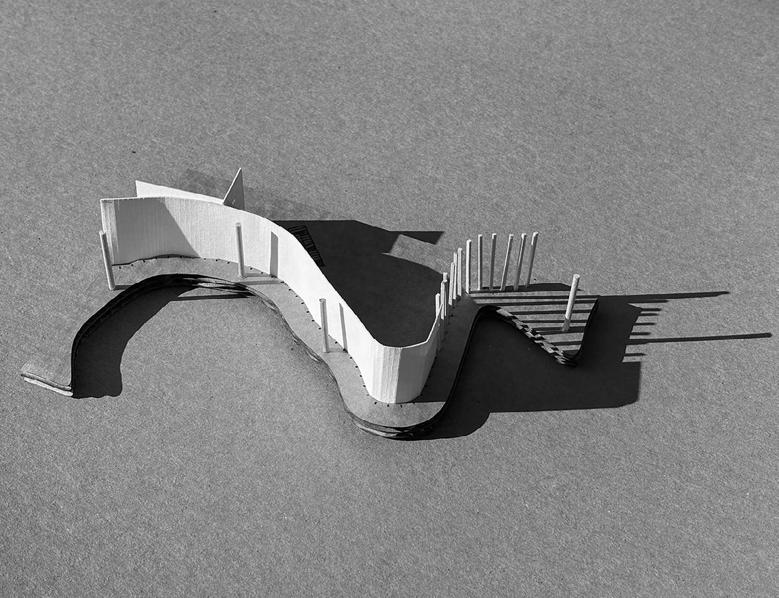
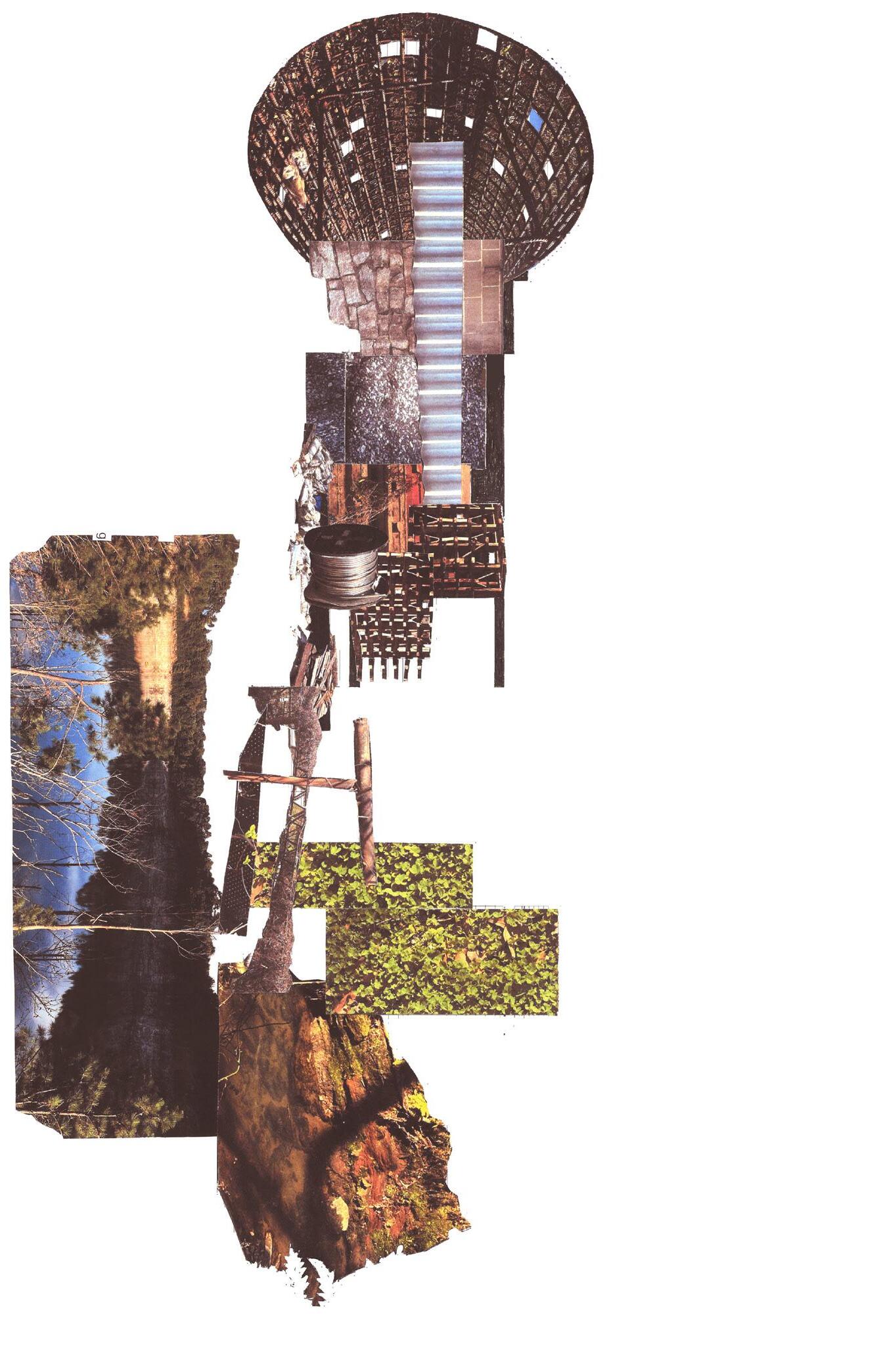
Liquid Space investigates how material processes can be translated into architectural and landscape systems through iterative physical modeling. The project draws from Jack Whitten’s Siberian Salt Grinder as a process-based generative framework: one that treats material manipulation, chance, and repetition as spatial drivers.
The design process begins with a regeneration of Whitten’s painting technique, extracting two spatial conditions from the act of painting itself. These conditions are tested through a sequence of physical and experimental models, progressively shifting from abstract material studies toward habitable form.
Landscape operates as a parallel system of selective intervention. This approach maintains ecological continuity, provides privacy for residential spaces, and reinforces the project’s broader interest in working with existing conditions.
Liquid Space positions architecture as an extension of material and ecological processes, allowing spatial organization, program, and landscape to coalesce through iteration and regeneration. The project proposes a framework for integrating making, inhabitation, and environmental stewardship within a shared spatial system.
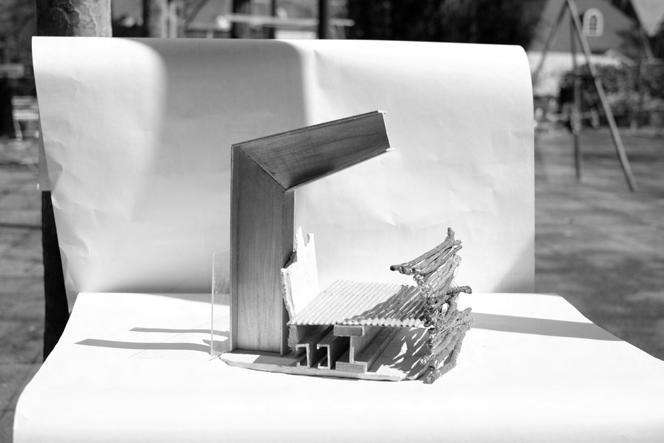
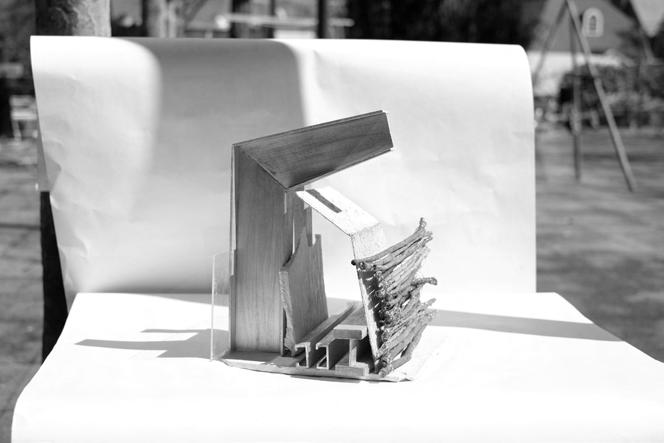
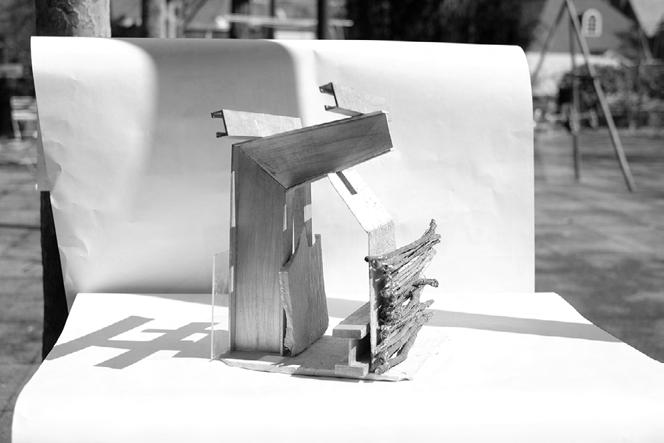
A regeneration process translates material manipulation into spatial conditions used to generate architectural form.
Four possible painting ‘sites’ emerge, emphasizing the material process and movement of paint.
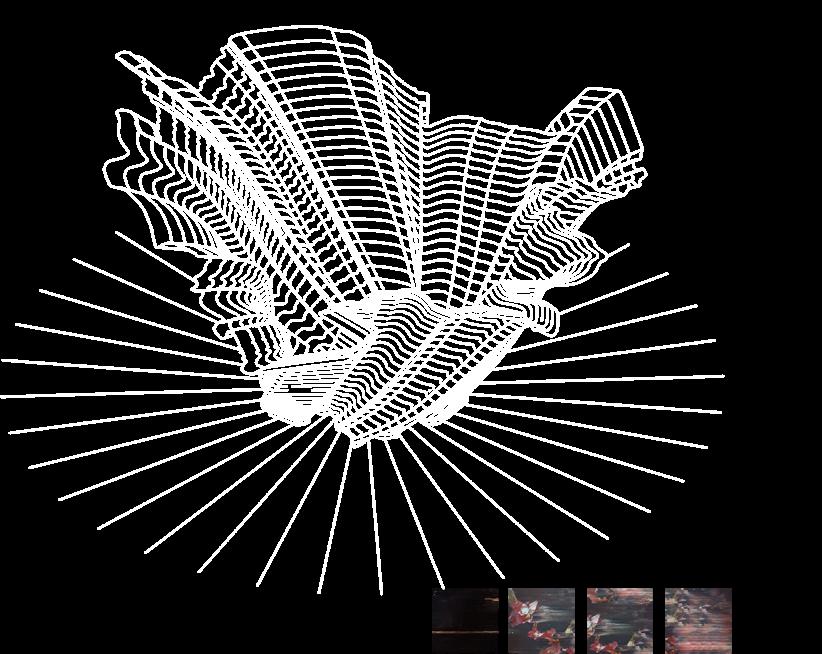
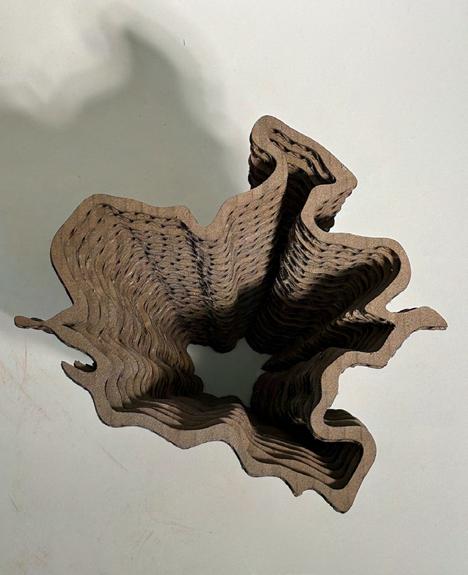
Vessel emerges from a radial thickening of material, producing moments of compression and enclosure.
Field arises from another identified moment - the dragging of the paintbrush, resulting in repeated linearity and horizontality.
(1) REGENERATION
(3A) EXPERIMENTAL MODEL: VESSEL
(3B) EXPERIMENTAL MODELFIELD
The first physical model explores a disjointed Field - one more 3-dimensional - interspersed with moments of solidity, some taking the shape of paint splotches as informed by Vessel.
A second physical model materializes Vessel, resulting in a stepped, organismal object.
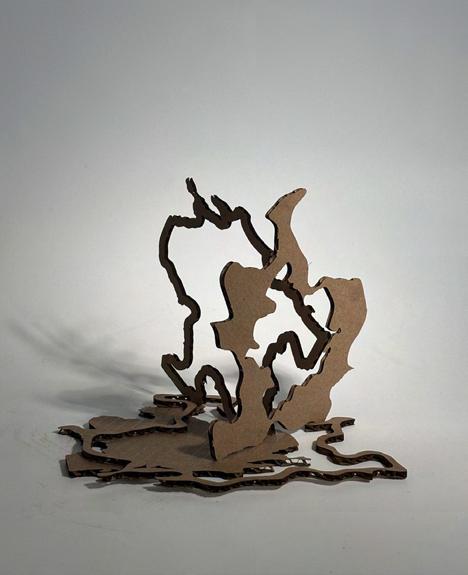
A third physical model explores a disjointed Vessellikewise, one more 3-dimensional - made of scraps from the original Vessel
A last digital iteration combines aspects of all the previous material and digital models, taking the first leap into creating enclosed, habitable space.
(4B) PHYSICAL MODEL - VESSEL
(4C) PHYSICAL MODELDISJOINTED VESSEL
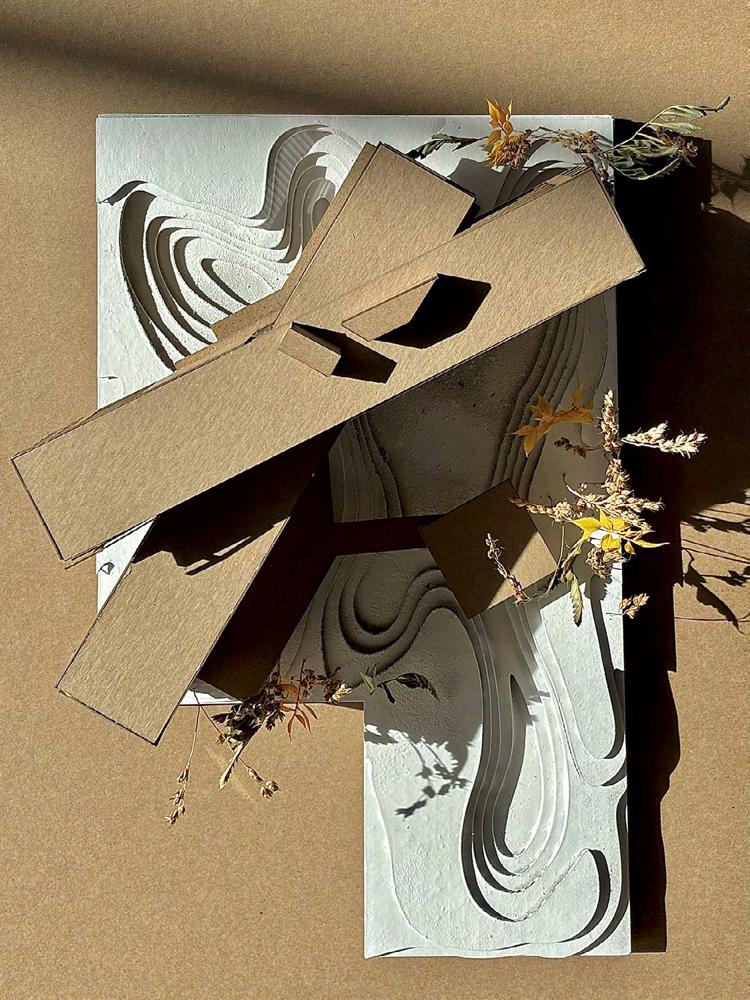
(5) FINAL EXPERIMENTAL MODEL
space
Floorplates adopt the irregular geometries produced through the modeling process, allowing program to emerge from material logic. Gallery spaces occupy more expansive, porous conditions, where walls pull and pivot to generate multiple circulation paths.
Residences consolidate around a courtyard beneath an irregular roof, balancing privacy and shared space. A bridge at the second level connects the two buildings, housing shared studio programs.
final section model (1’ = 1/16”)
A piecemeal planting strategy preserves the site’s existing vegetal density, prioritizing conservation of native species while removing and replacing invasive growth. This maintains ecological continuity while also providing privacy.
urban oasis
[thermal spa & event space] arch 2017 // spring 2025
instructor: Christina Shivers location: Midtown Atlanta
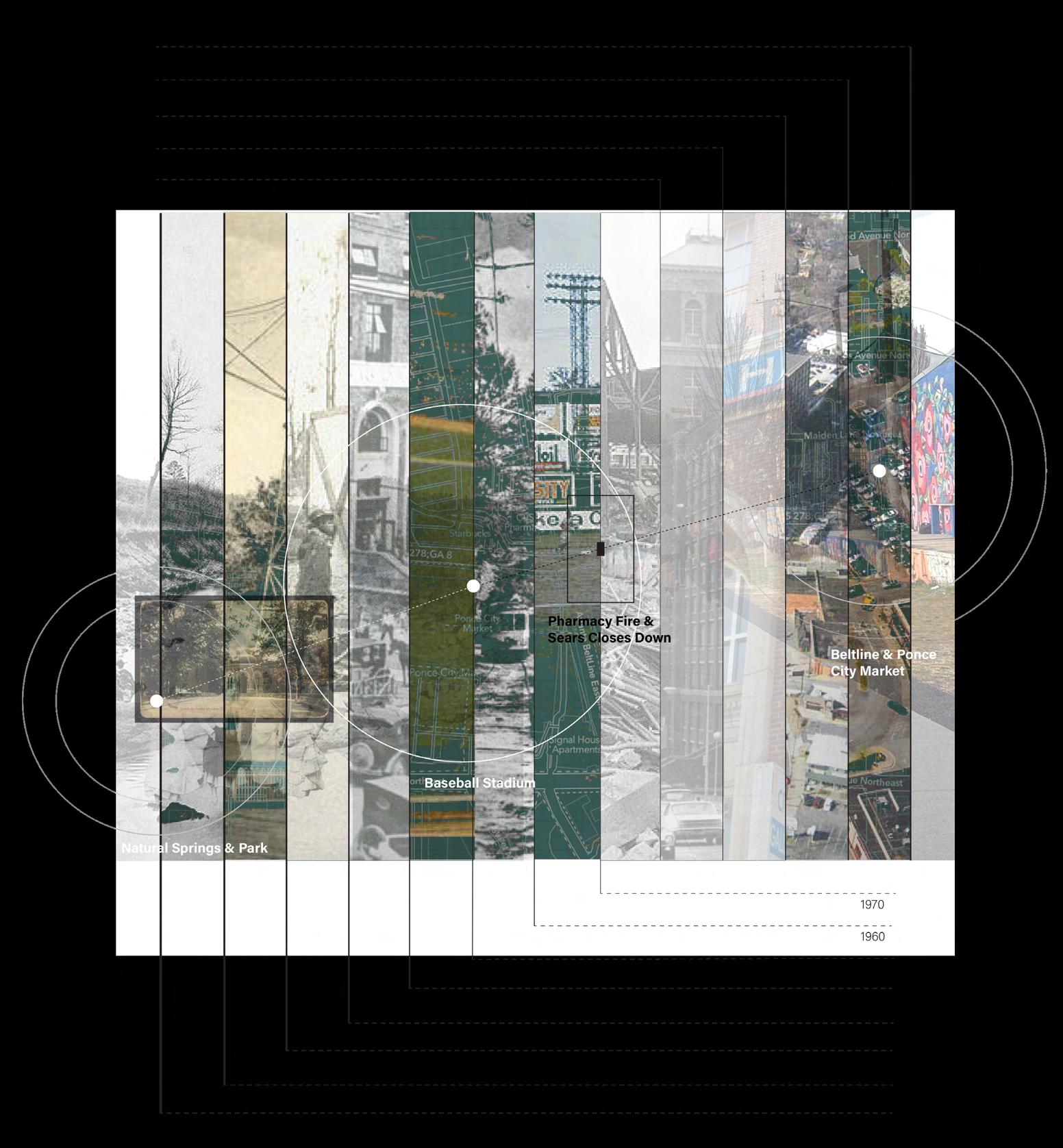
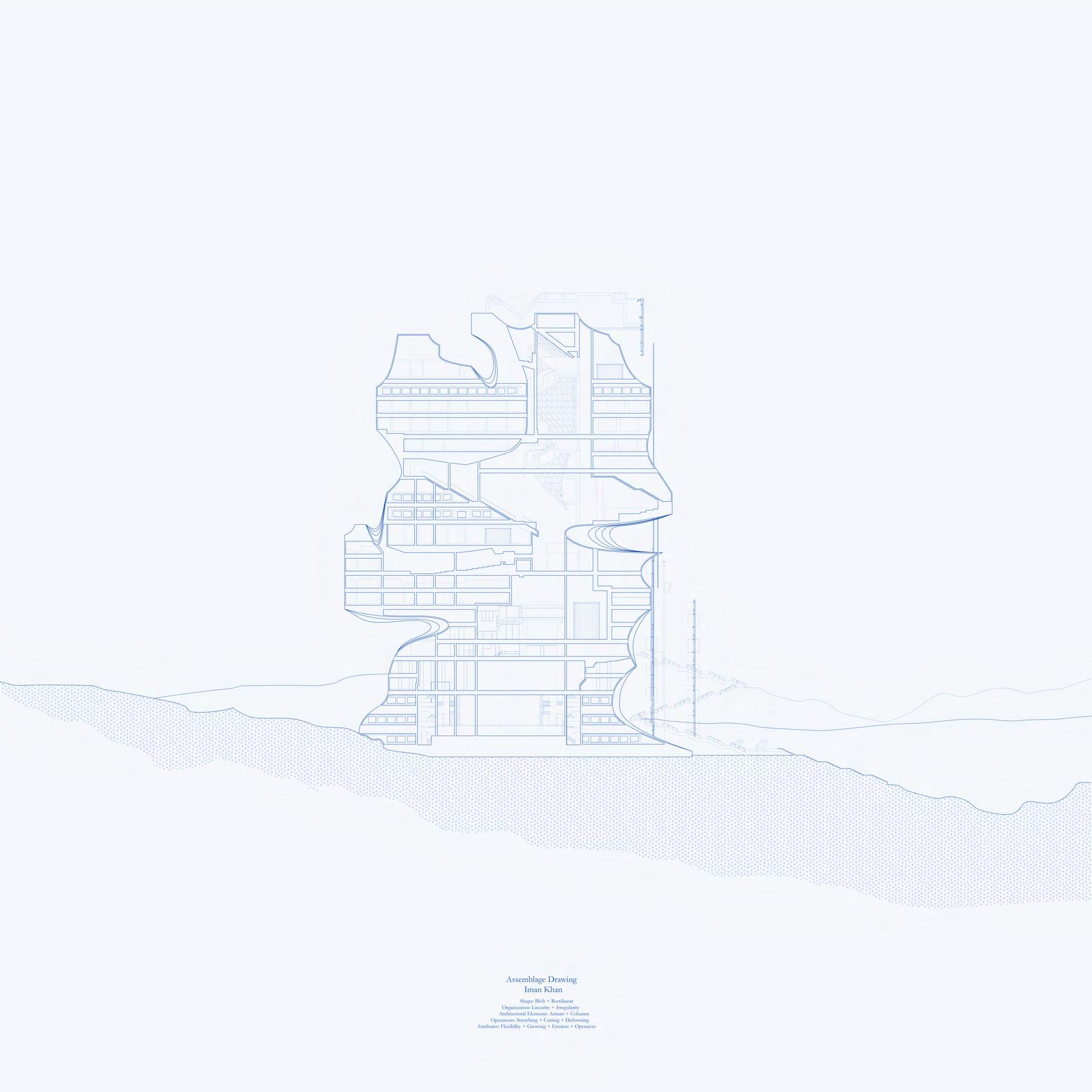
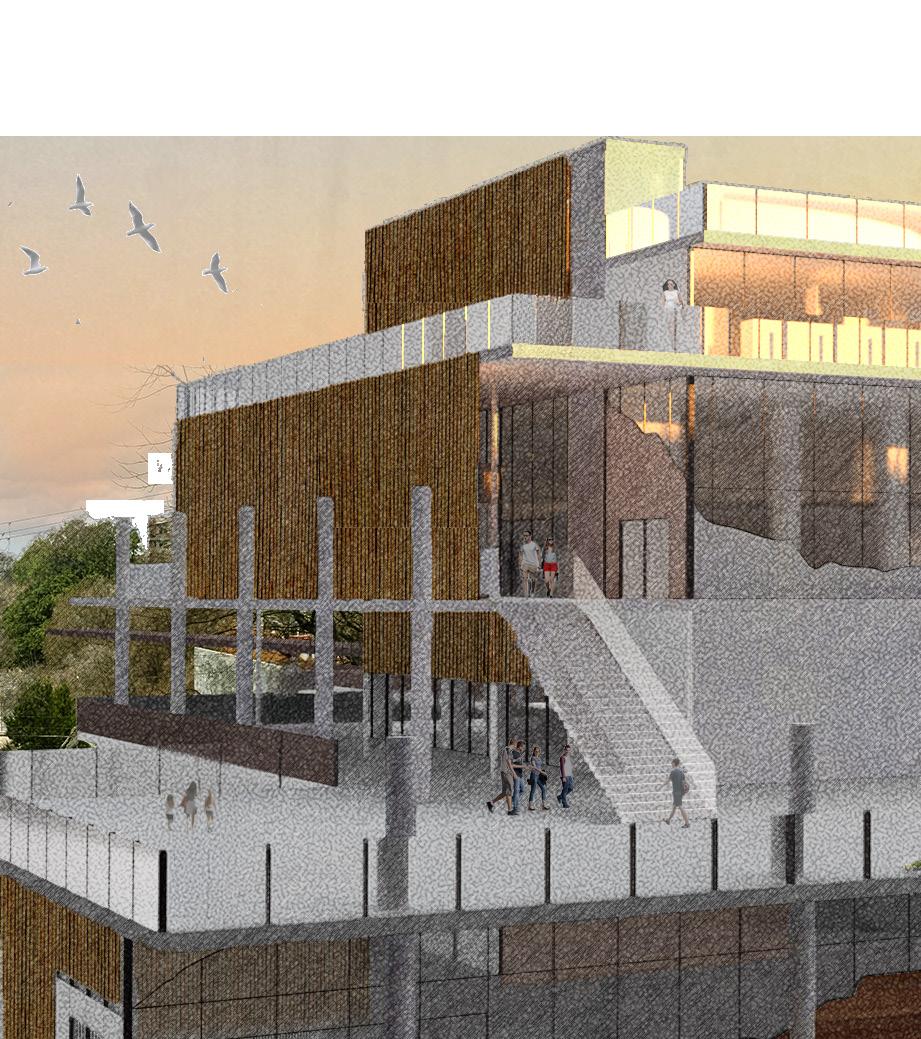
Urban Oasis reintroduces a historic thermal spa to Midtown Atlanta by positioning erosion as a spatial and environmental organizing principle. Located along the BeltLine adjacent to Ponce City Market, the site has shifted repeatedly over the past century - from natural springs to public park, from commercial development to partial abandonment. The project responds to this layered history by treating architecture as a process of gradual carving shaped by climate, access, and public life.
Erosion operates as a legible spatial system that organizes circulation, enclosure, and public access. Environmental performance is embedded within this logic through orientation, deep overhangs, operable glazing, and screened facades that promote passive ventilation in Atlanta’s warm, humid climate.
Multiple access points anchor the project within its urban context. In this way, Urban Oasis functions as a porous public landscape: one that restores collective access to climate relief and
The site has repeatedly shifted between public gathering, commercial use, and neglect. These cycles of activation and erosion inform the project’s spatial logic and material strategy.
Assemblage drawing: spatial composition generated through erosion, subtraction, and deformation.
Form Drivers
• Erosion as subtraction and exposure
• Compression and release through section
• Porosity between public and private space
Geometry
• Blob + Rectilinear Organization
• Linearity + Irregularity
Architectural Elements
• Atrium
• Columns
Spatial Operations
• Stretching
• Cutting
• Deforming
Performance Attributes
• Flexibility
• Openness
• Growth
• Erosion
As floorplates recede vertically, density concentrates toward the ground, accommodating a gradient of program - from highly public event spaces to more intimate thermal baths above.
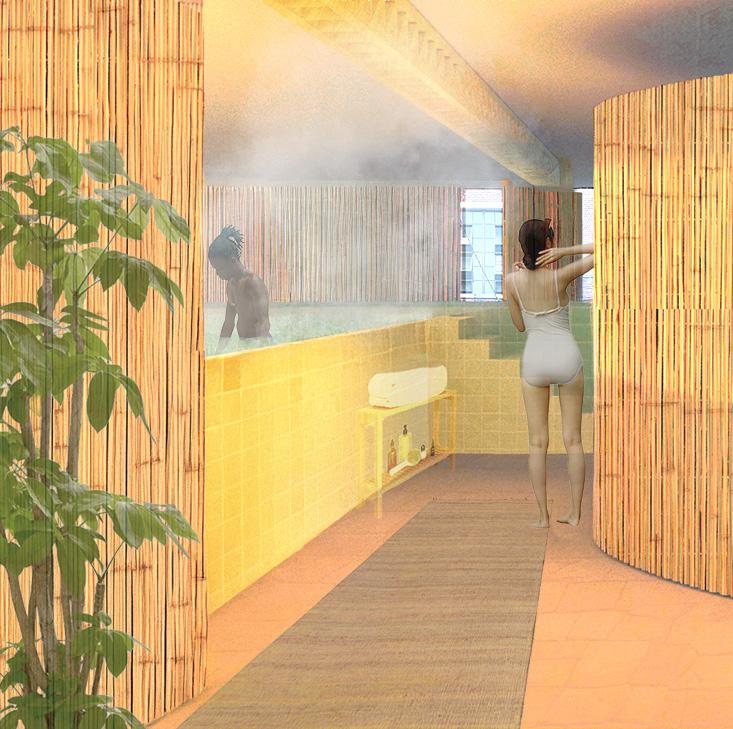
Semi-enclosed “porch” spaces emerge along each level, creating thresholds that mediate between interior program and the public life of the BeltLine.
Structural columns, floorplates, and trusses create the building’s skeleton; non-structural walls and staircases provide circulation paths; and custom facade elements create enclosure.
Ground-level entry accommodates vehicles and pedestrians, while direct connections from the BeltLine allow visitors to enter the building at elevated levels, collapsing distinctions between infrastructure and architecture.
Rammed earth walls at the base provide compressive strength, moisture regulation, and thermal mass, while bamboo screens filter sunlight.
regenerative flow
[material reuse center]
arch 1017 // spring 2024 instructor: Yeinn Oh location: West Atlanta
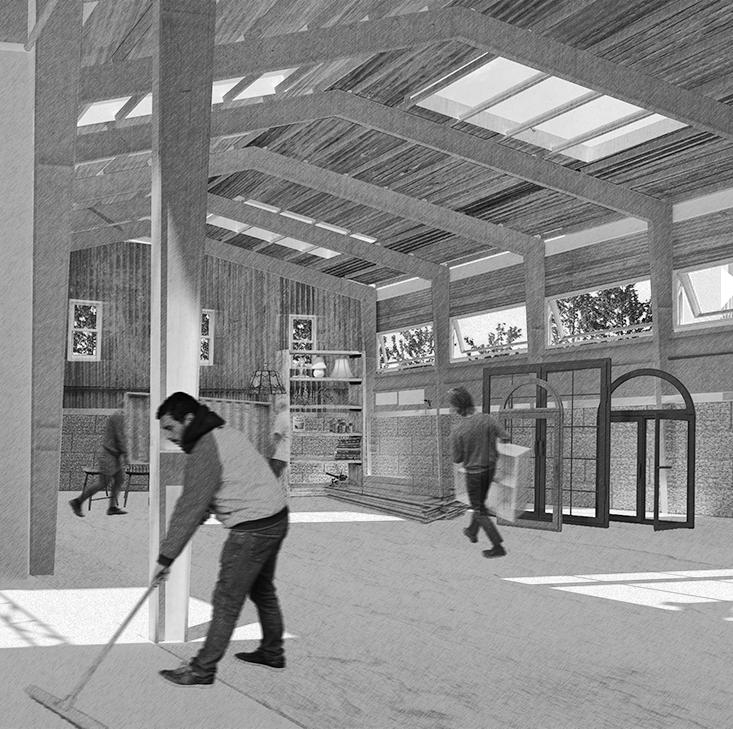
Regenerative Flow explores material reuse as a landscape-driven process shaped by topography, materiality, and time. Located on a sloped site in West Atlanta, the project reimagines a warehouse as a material bank - one in which existing structures are dismantled, redistributed, and reassembled according to environmental flow.
The project adopts a piece-by-piece reuse strategy, maintaining the material memory of the original warehouse within a new configuration. Landscape and architecture are designed to evolve together - the building changes with the landscape as time progresses.
Regenerative Flow positions material reuse as a spatial and ecological system - one that links construction, landscape processes, and education within a shared framework of regeneration.
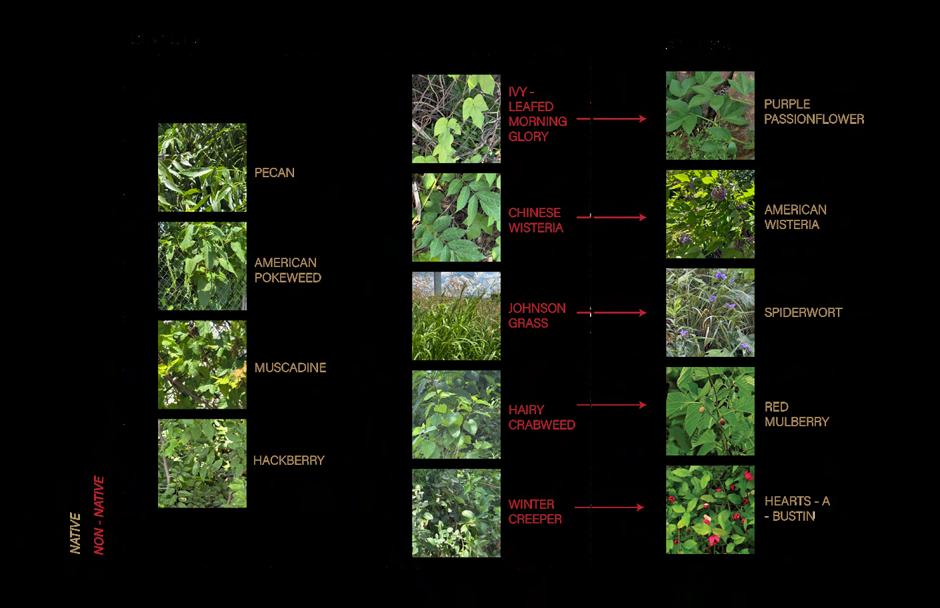
The site holds volumes of recoverable steel, concrete, aluminum, and timber across the site, alongside swaths of vegetation and a retention pond. Man-made materials concentrate at higher elevations, while existing vegetation and the pond occupy lower ground.
This gradient informs both the spatial organization of the project and the movement of materials from high to low, establishing a logic of flow that connects landform, structure, and reuse.
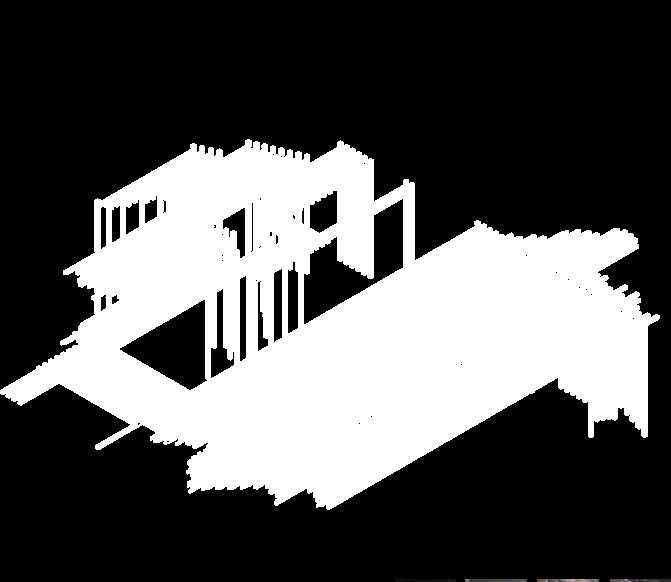
Material charrettes explore the possibilities of regeneration, informing the building’s composition through structure, form, and facade.
Physical models developed in collaboration with Janice Kim regenerative
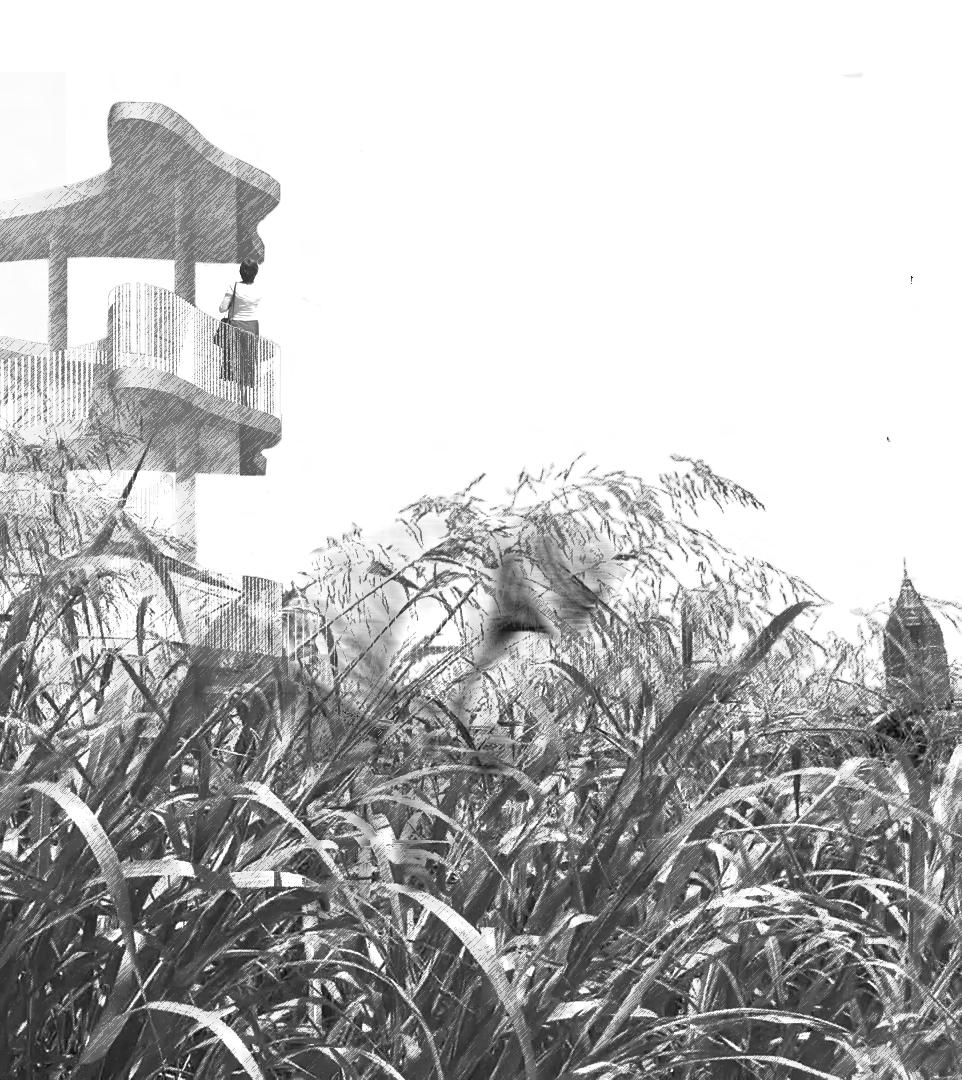
Bioswales filter runoff, vegetation grows over gabions, and invasive kudzu is repurposed as a living facade for classrooms. Over time, the building allows plant growth, material weathering, and reuse cycles to visibly register change.
presidio project
[miyawaki-style urban reforestation] fall 2025 in collaboration with SCA location: Presidio, TX
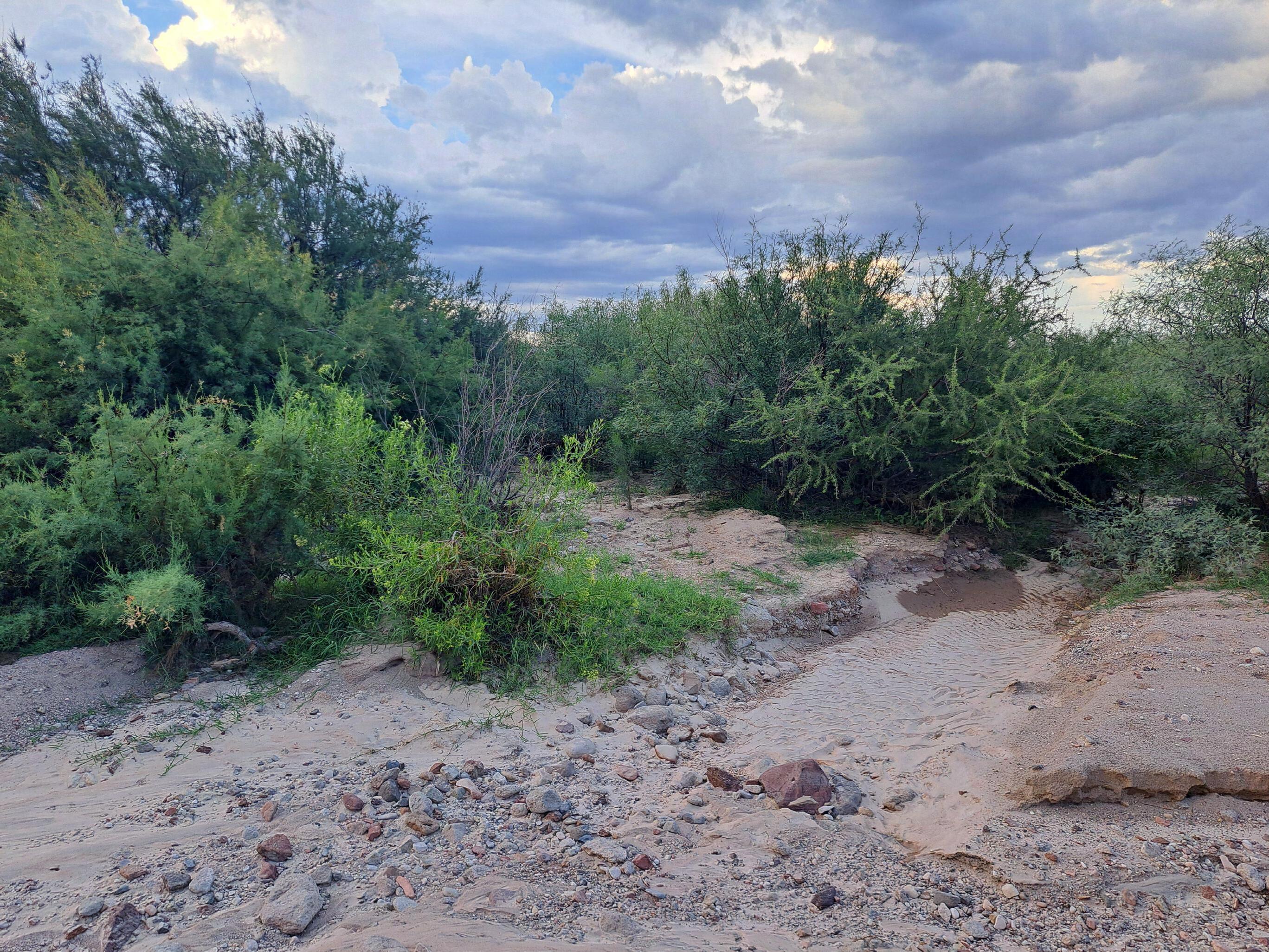
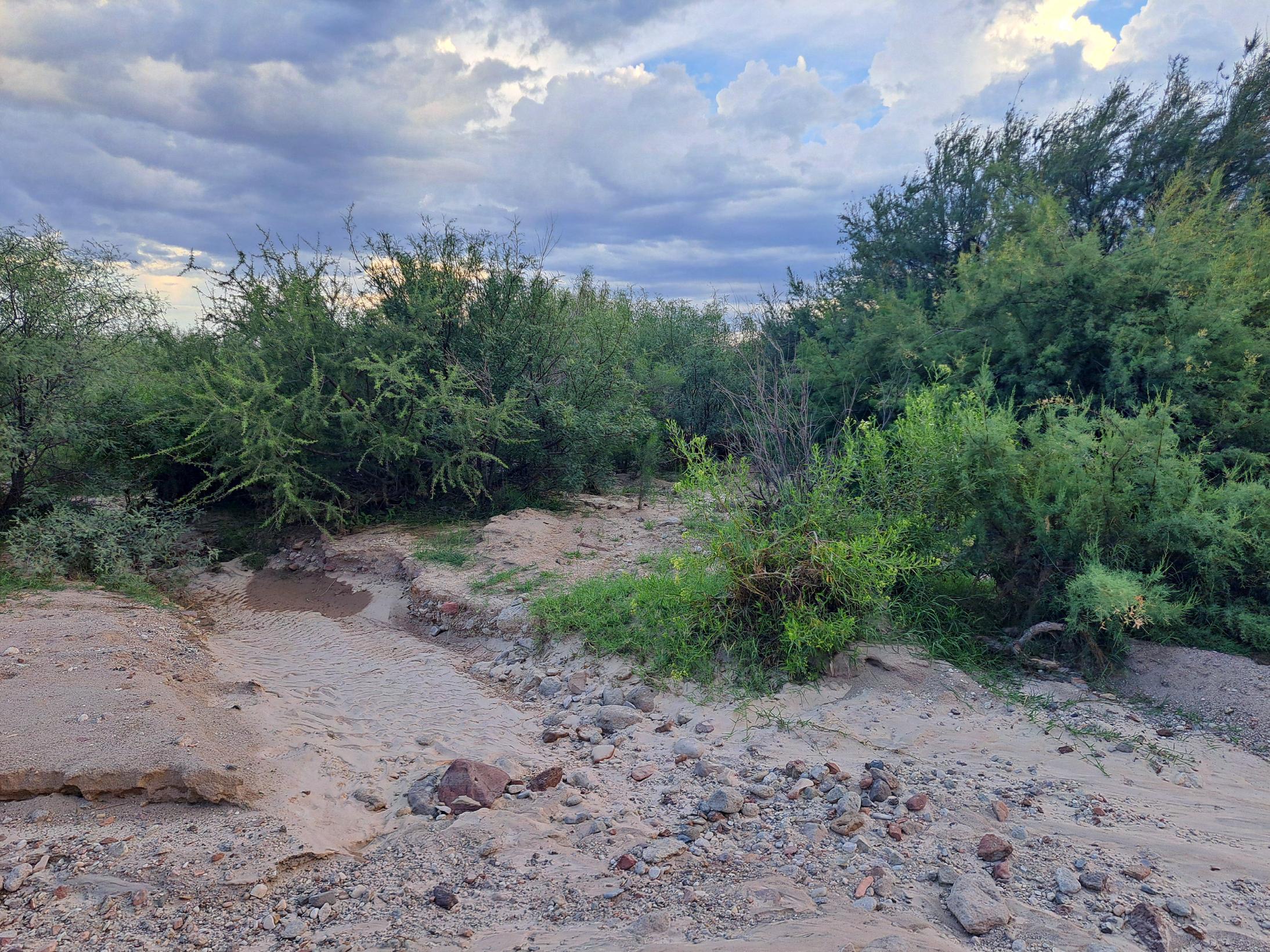
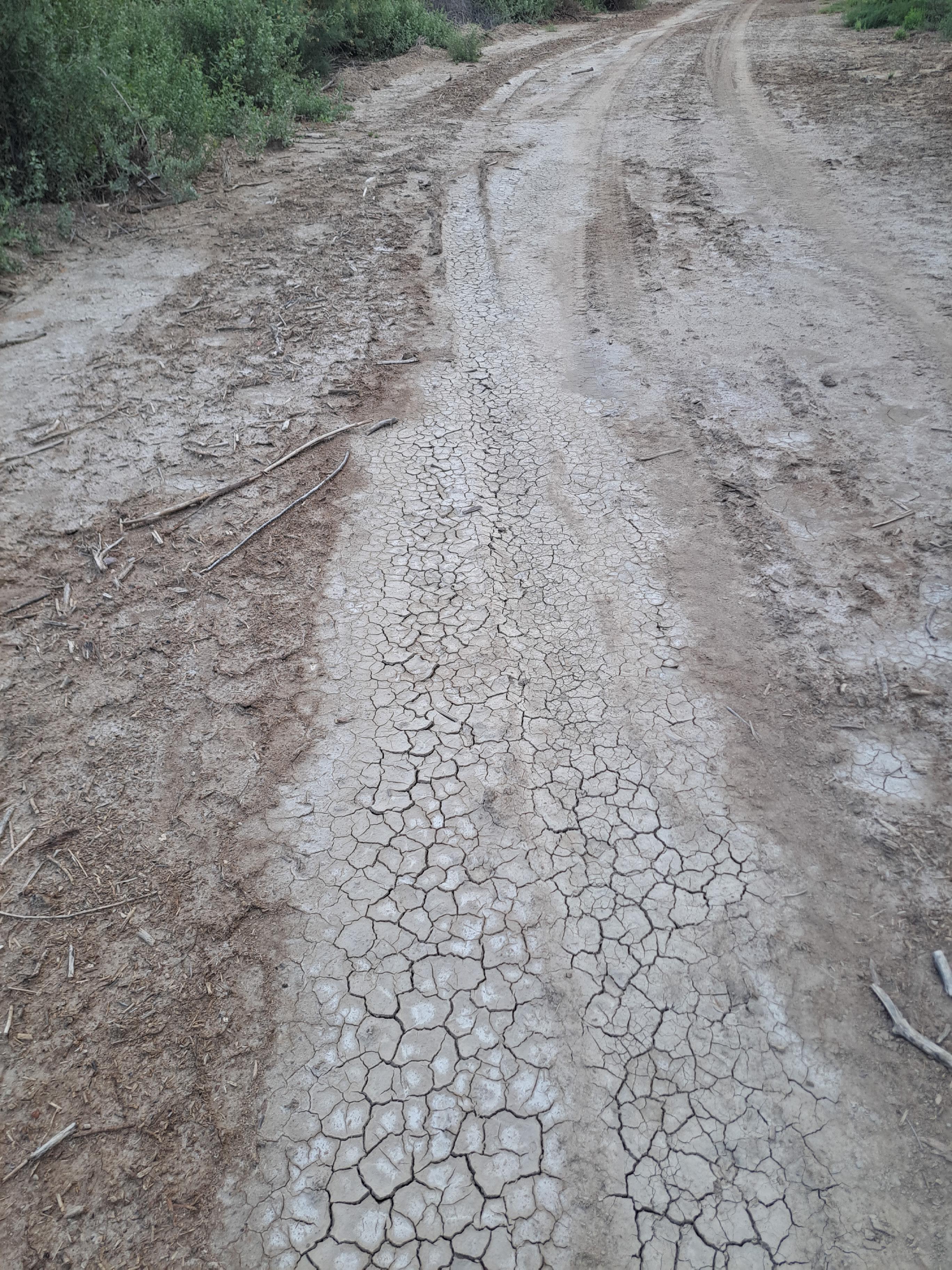
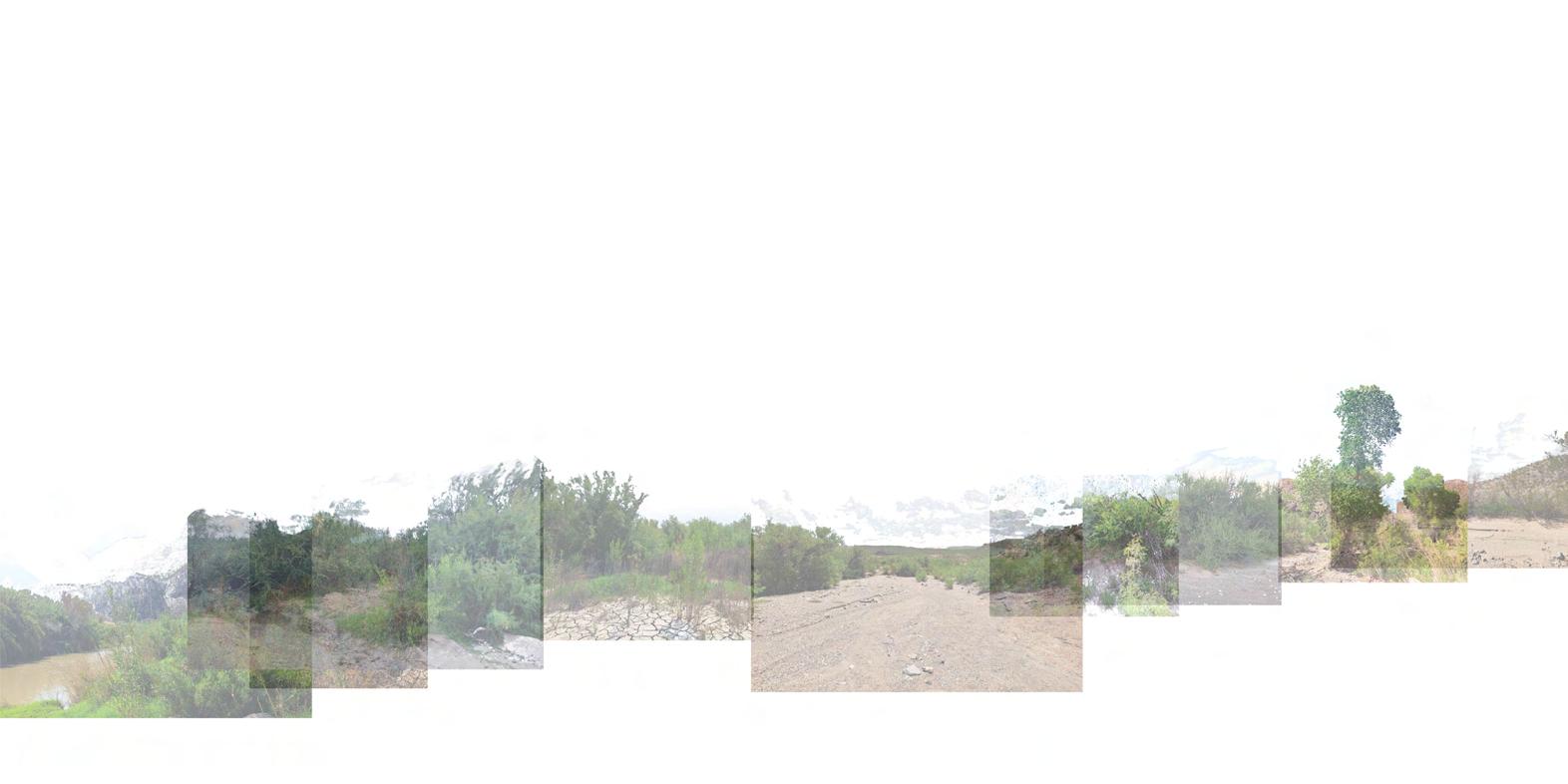
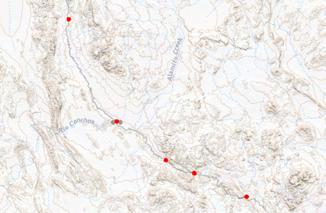
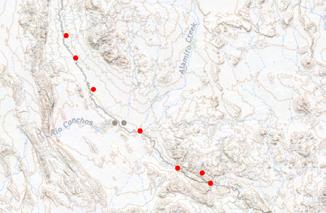
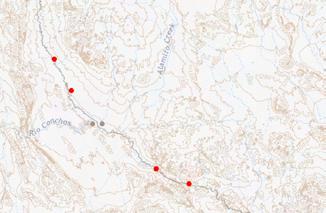
The Presidio Project investigates reforestation as a cross-border landscape strategy for mitigating flooding and desertification along the Rio Grande. Working across the sister cities of Presidio, Texas and Ojinaga, Mexico, the project responds to increasingly volatile hydrological cycles by grounding design decisions in ecological research, site analogs, and community-scaled implementation.
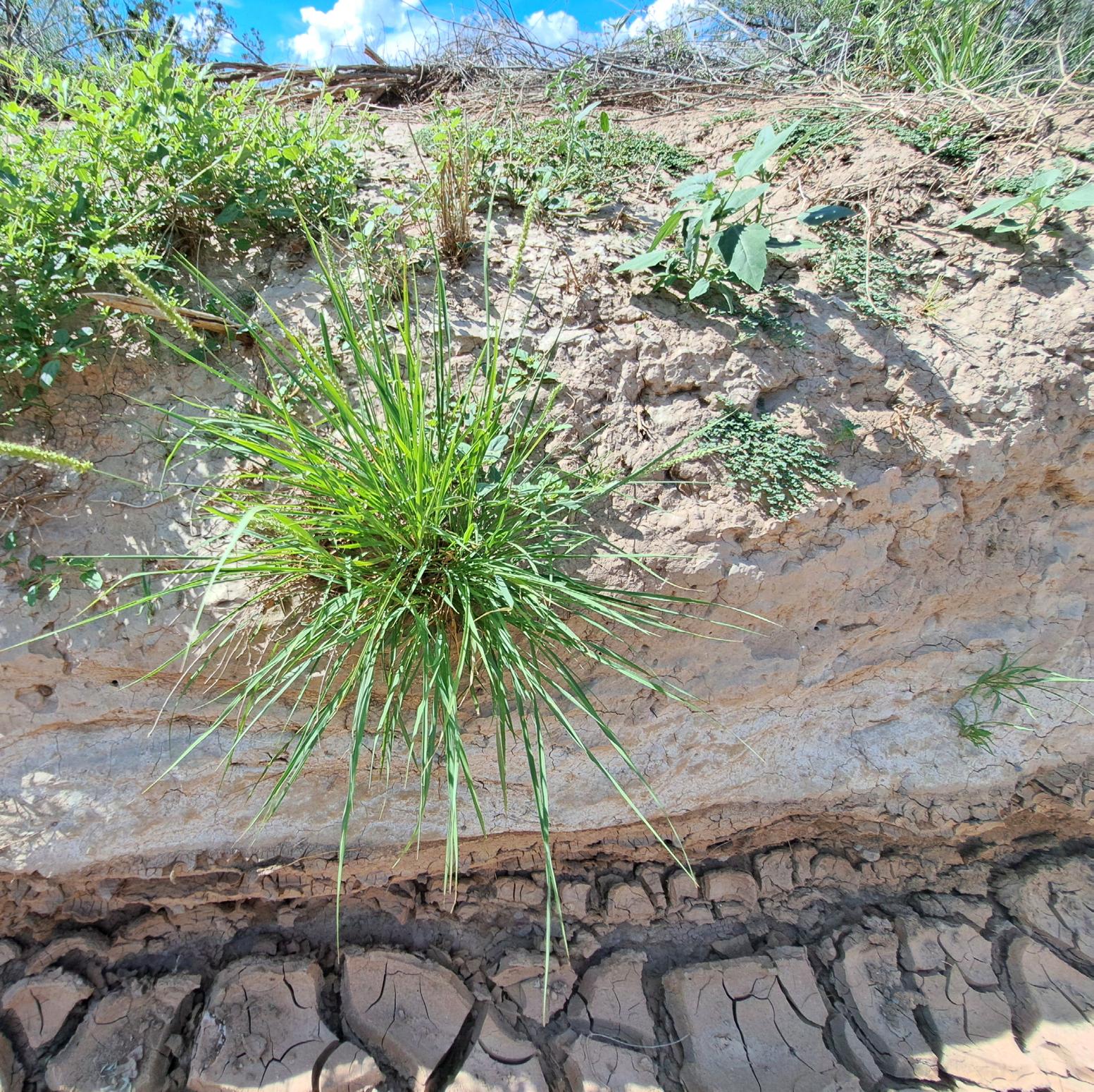
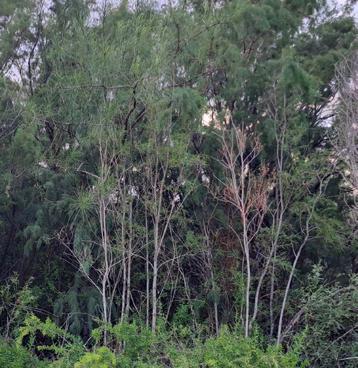
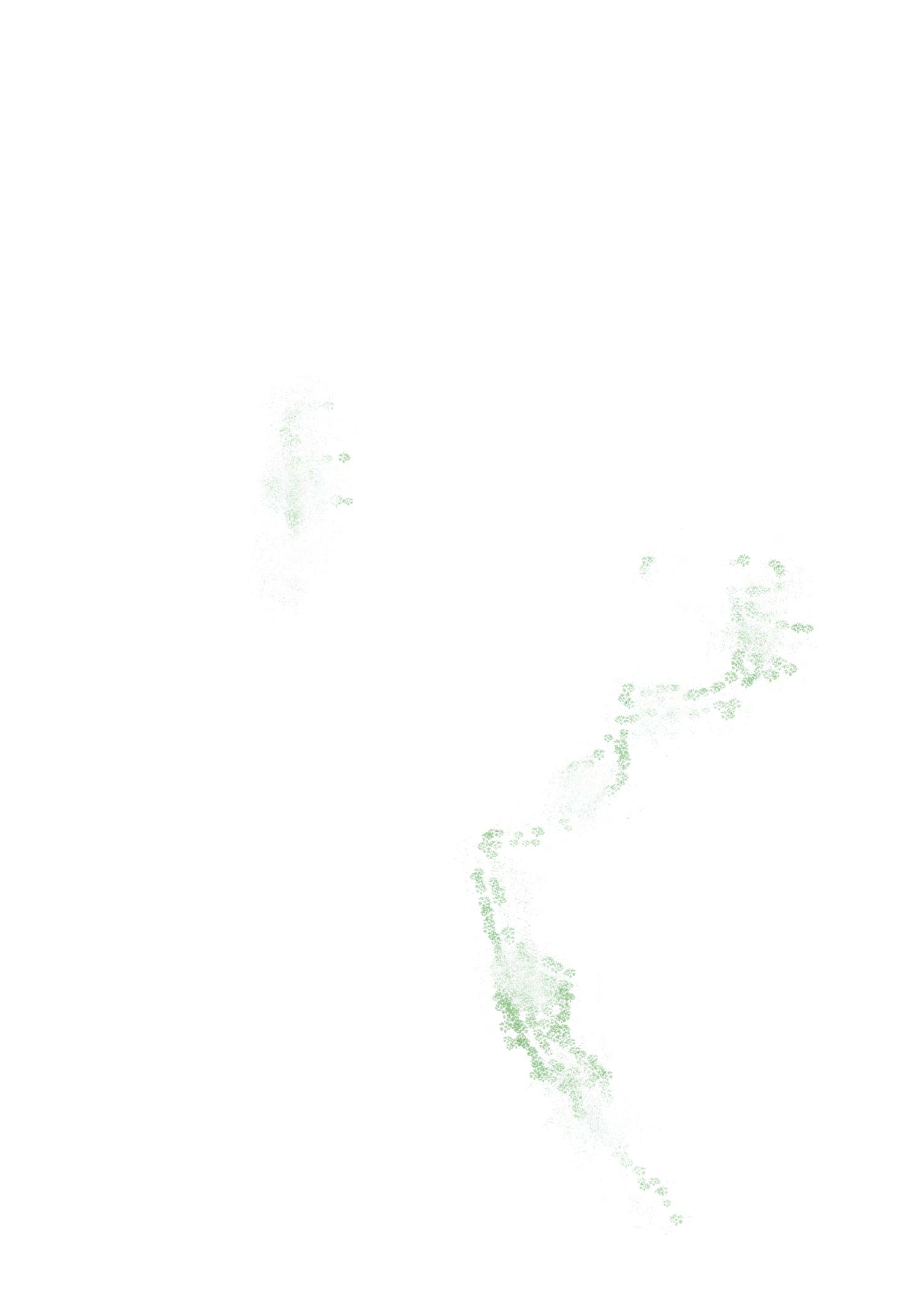
Using the Miyawaki method as a framework, the project begins by identifying potential natural vegetation (PNV) through the study of analog sites across the Chihuahuan Desert region. These sites are analyzed according to topography, flooding regime, soil stratification, and existing vegetation, allowing late-stage successional native species to be identified as the foundation for reforestation. Species are organized into ecozones - riparian, ephemeral riparian, and desert highlands - and further grouped into guilds that reflect complementary growth patterns, water needs, and canopy structures.
My role - visualization - plays a critical role in public engagement. Mappings of ecozones, species distribution, and successional timelines are designed to be legible to non-expert audiences, supporting community participation and long-term stewardship. The Presidio Project positions landscape architecture as a mediating practice between ecology, infrastructure, and communityframing reforestation as an evolving, collective process of cross-border resilience.
PALO VERDE
Palo Verde
Parkinsonia aculeata
ECOZONES : RIPARIAN, EPHEMERAL RIPARIAN
CANOPY LAYER T2 (short / medium trees)
GUILDS :
RIPARIAN
Candelaria
• Godding Willow, Tamarisk, Chenopodiodeae, Torrey Wolfberry
• Godding Willow, Tamarisk, Chenopodiodeae, Torrey Wolfberry, Silverleaf Nightshade
Madera
• Lotebush, Carrizo
• Carrizo
• Tamarisk, Baccharis Willow, Thorny Apple
• Carrizo, Baccharis Willow
• Tamarisk, Tree Tobacco, Thorny Apple, unknown grass sp.
Tepado
• Honey Mesquite, Huisache
• Tamarisk, Carrizo, Honey Mesquite
EPHEMERAL RIPARIAN
Presidio
• Tamarisk, Honey Mesquite, Bsccharis Willow
• Tamarisk, Climbing Milkweed, Honey Mesquite