It’s such a joy to introduce you to the 2025 Year in Review. I find each year a wonderful opportunity to reflect back on all of the progress we’ve made together. And this year is no exception. I’m struck by just how far we’ve come in building safer communities for families around the world.
When I first traveled to the Philippines to meet with some of our colleagues, I remember an evening that defined progress for me at the time. While we were together, a rescue operation was unfolding. Children trapped in the horrors of online sexual exploitation were finally being brought to safety.
Today, I’m in awe that we’re now training tens of thousands of government officials to scale freedom and protection to a point where these children are never harmed in the first place.
While the numbers show progress, the real impact can be felt in the stories behind the numbers. Your support means survivors can experience moments of freedom that you’ll encounter throughout these pages: like watching their baby take their very first steps, attending school for the first time and boldly advocating for change in their community without fear of violence.
I hope as you read through each page, you’ll understand how vital you are to this work. We truly could not progress in our mission without incredible partners like you who are committed to stopping violence against people in poverty and building communities where everyone can be safe and free.
On behalf of all who are free today because of you—thank you!
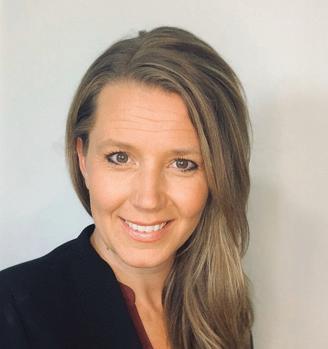
Amanda Vohs Senior Vice President of Strategic Partnerships International Justice Mission
FACES OF FREEDOM
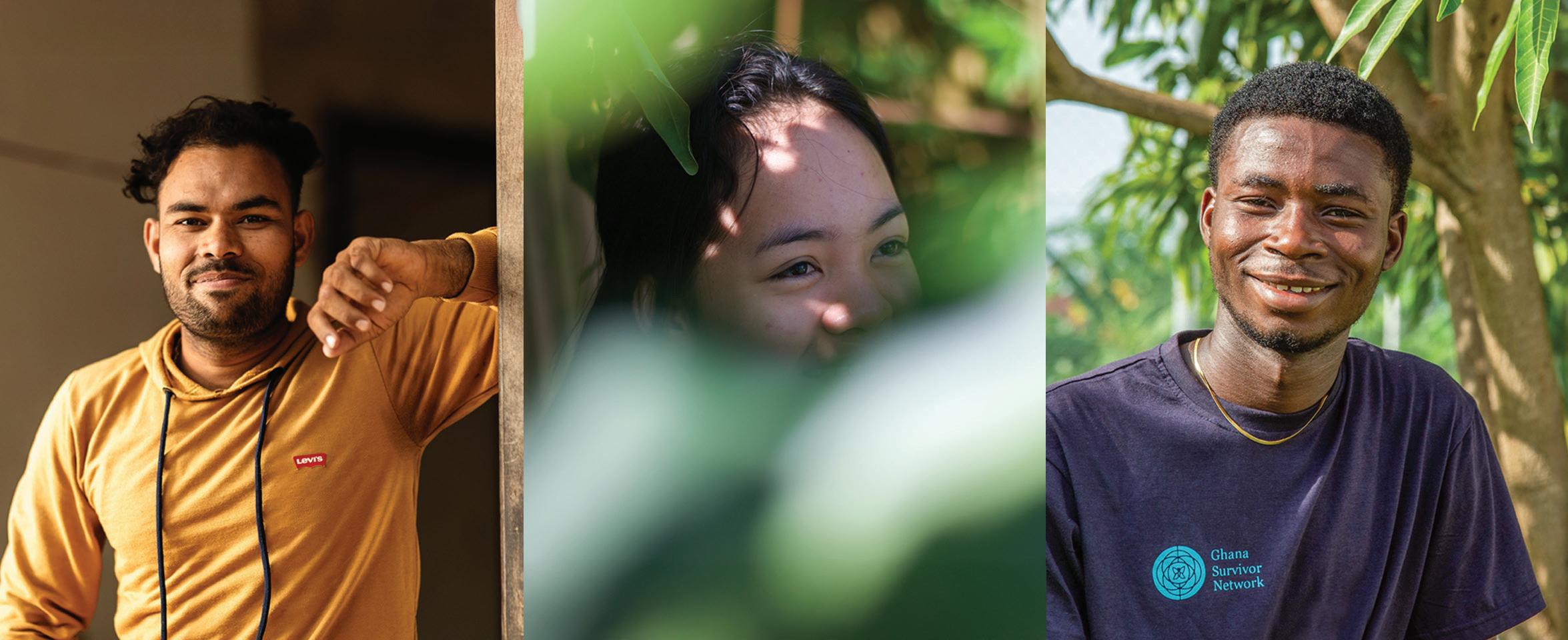
Babulal – South Asia
SURVIVOR OF BONDED LABOR
“Today I am very happy. One thing I can say is we worked hard after we came out of bondage. Right now we are coming up slowly.”
Lee* – The Philippines
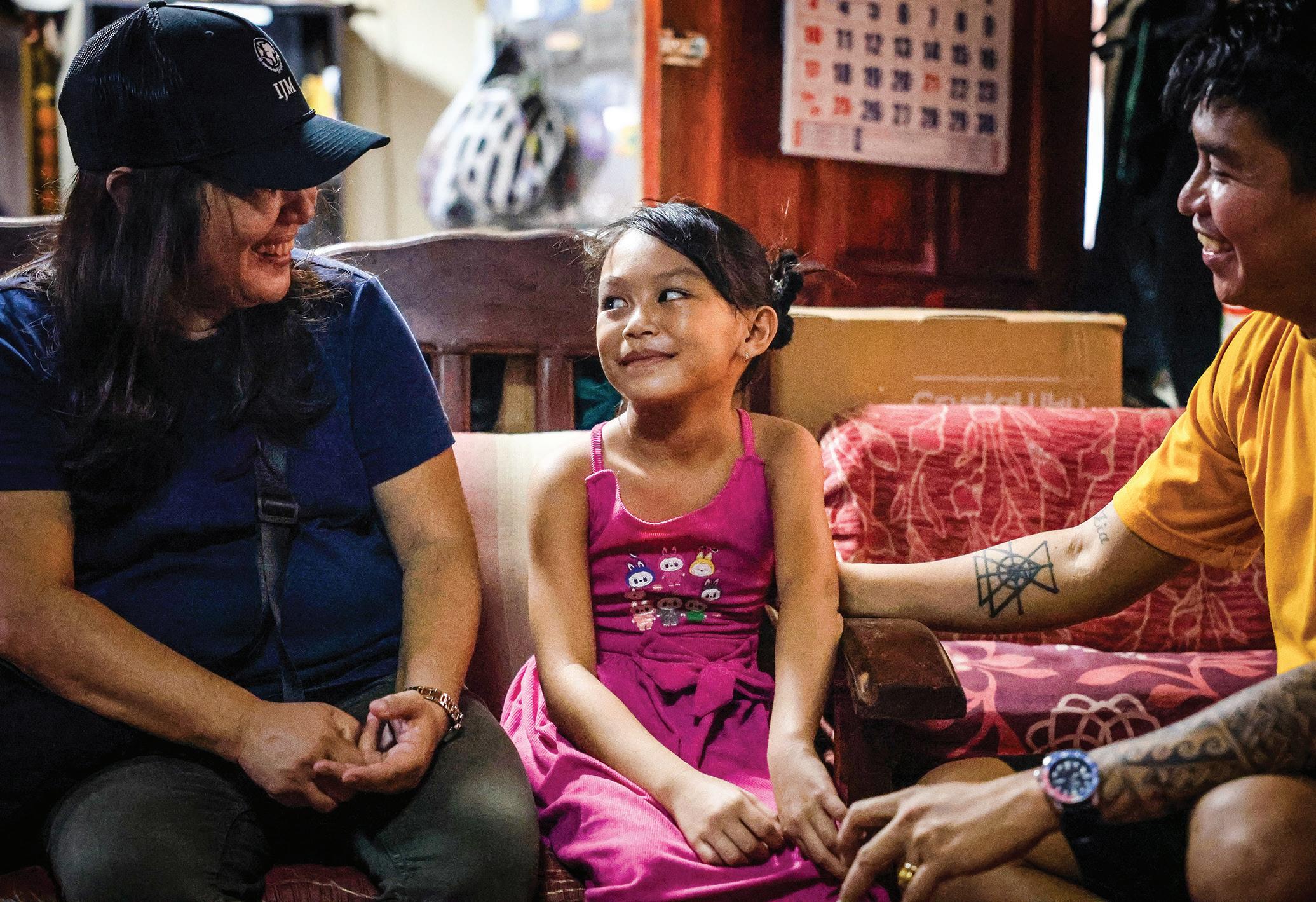
SURVIVOR OF ONLINE SEXUAL EXPLOITATION OF CHILDREN
“When you have the ability to inspire others, you can also give them hope that it’s not too late to change. That what they’ve gone through can be inspiring, and you can talk to them with encouragement.”
James – Ghana
SURVIVOR OF LABOR TRAFFICKING
“Our stories have power, and our voices have the power to create change in our communities.”
*Pseudonym
Meet some of the survivors who are building new lives in freedom today because of supporters like you.
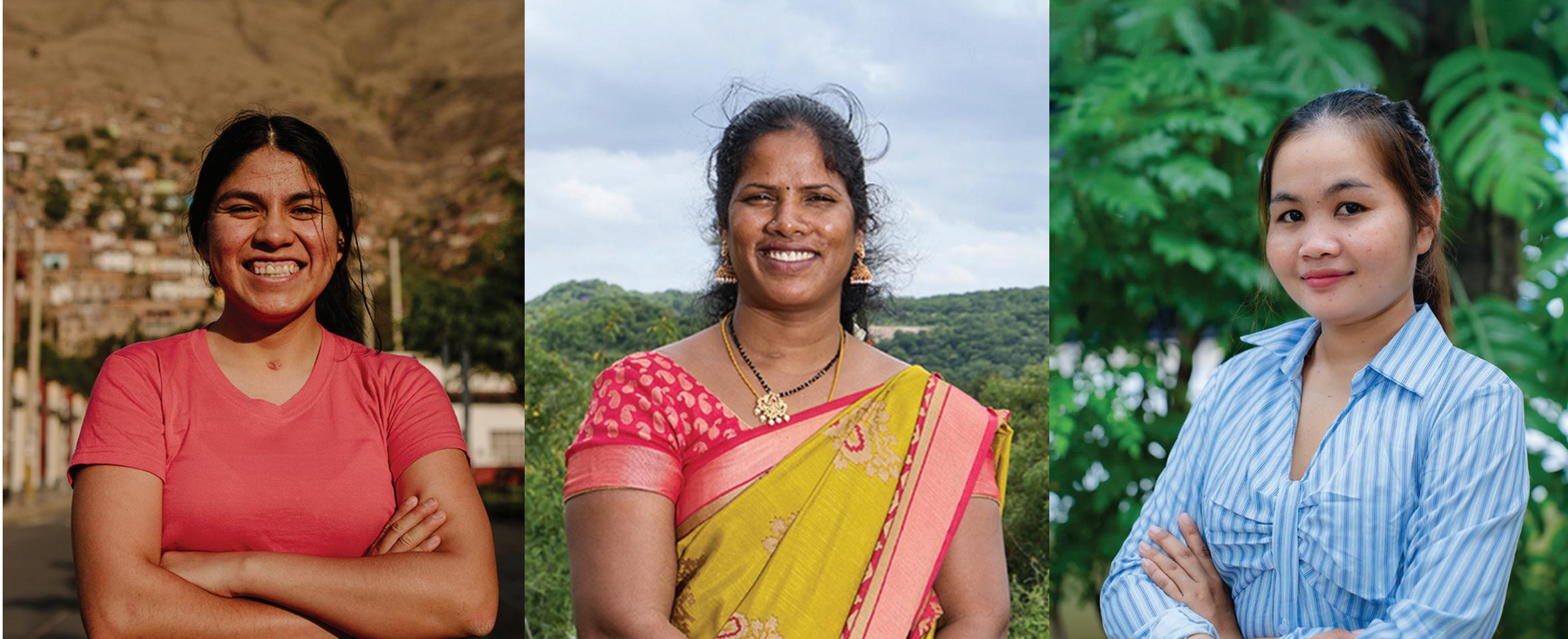
Xiomara – Peru
SURVIVOR OF SEXUAL VIOLENCE
“I am learning, growing and slowly becoming a leader who speaks not only for herself, but also for those who are still finding their voice. And I am not alone, there are many of us walking this path together, with courage, faith and the hope of real change.”
Thenmoyi – South Asia
SURVIVOR OF BONDED LABOR
“IJM has played a lifechanging role in my story, from the painful days of bondage to becoming a survivor and now standing as a confident survivor leader. Their support has been present at every step of the journey.”
Thida* – Cambodia
SURVIVOR OF FORCED LABOR
“I dream of experiencing new cultures, learning new skills and ultimately opening a small business selling cosmetic or skincare products.”
PROTECTION THAT LASTS
When justice systems are ineffective, entire communities remain at risk of exploitation and violence. IJM has a global model to strengthen justice systems so that survivors can flourish in freedom and entire communities can be protected from harm. Your partnership helps put our model into practice to stop slavery and violence at a pace and scale the world has not yet seen.
COLLABORATIVE CASEWORK
At IJM, we are committed to working on specific cases of violence to secure freedom and justice for victims. In addition to helping the “one,” casework also identifies gaps within the justice system and provides hands-on training opportunities with local authorities and partners.
Based on casework insights and an assessment of justice system effectiveness, we design targeted programs to address key gaps. This may include training for police, prosecutors and judges; implementing traumainformed practices that help survivors trust the system; or establishing specialized units or courts to focus on specific crimes. The tools are consistent, but their application is tailored to each local context.
Local advocacy is critical to bring attention to the brutality of violence in the local community and increase pressure on justice officials to be part of the solution. There are no better advocates than survivors who have experienced restoration, as they have the credibility and lived experience that inspire action. Empowering survivors is critical for scaling impact.
To accelerate impact and develop sustainable solutions, IJM staff work with local partners to help implement programs and engage community leaders, international agencies and corporations to advocate for strengthening the justice system.
MEASURING THE IMPACT
IJM invests in third-party assessments to determine the prevalence of crimes and the effectiveness of the justice system. This is critical for designing our programs and securing outside validation on the level of impact at the end of a project.
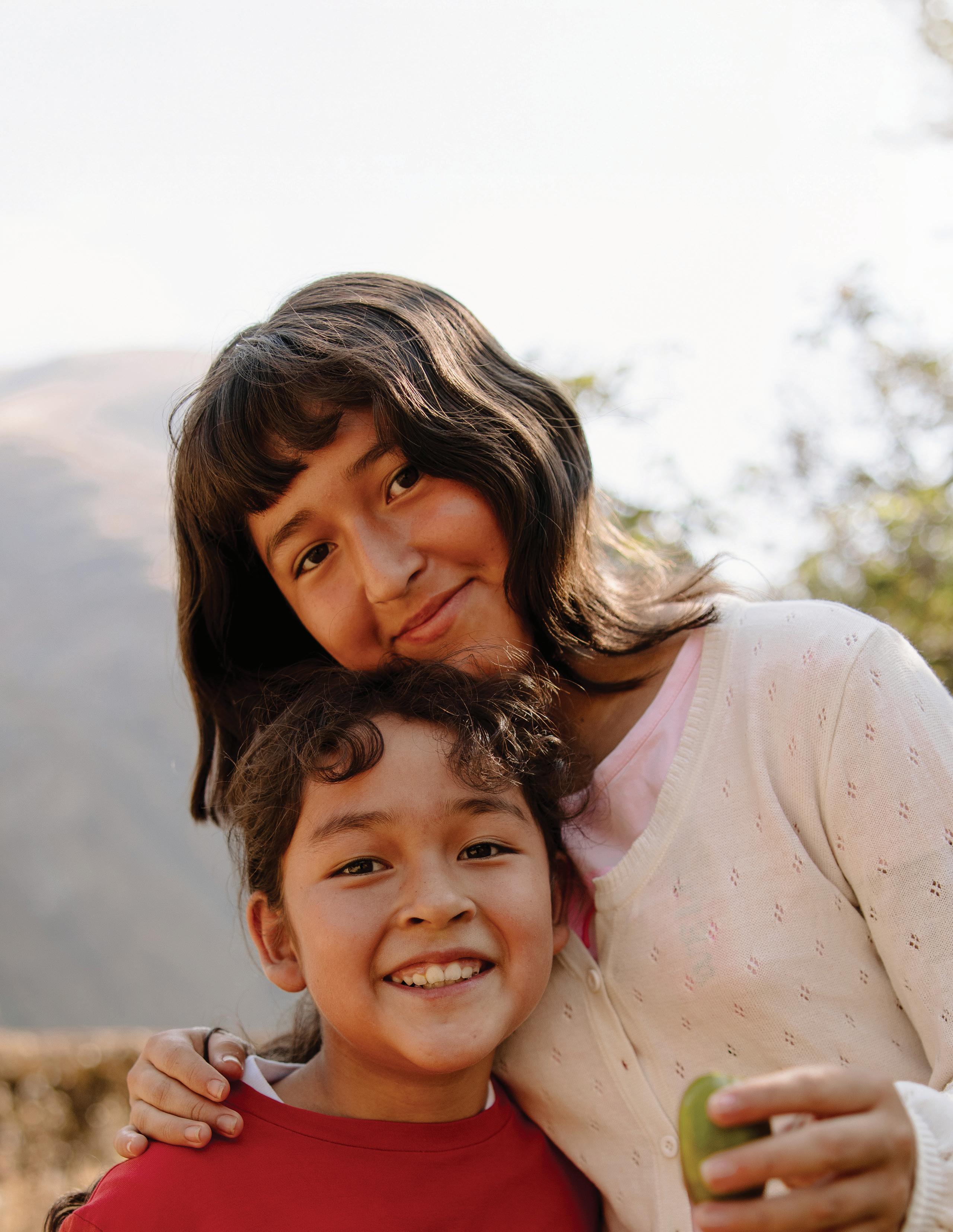
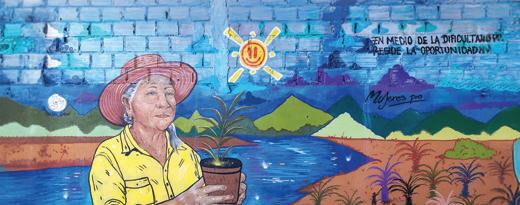
This photo was taken in Huánuco, Peru, a region where IJM partners with Paz y Esperanza (Peace and Hope) to serve women and children who have experienced sexual or physical violence.
WHERE WE WORK
We are a global team of lawyers, social workers, community activists and other professionals working in 33 communities across 19 countries to protect people in poverty from violence.
OUR MISSION: Protect people in poverty from violence by rescuing victims, bringing the criminals to justice, restoring survivors to safety and strength and helping local law enforcement build a safe future that lasts.
OUR VISION: Rescue millions. Protect half a billion. Until all are free.
GHANA
BULGARIA
ZAMBIA
PROTECTION AT SCALE
Through your partnership in 2025, IJM helped protect vulnerable people from violence by working with local justice systems to keep communities safe.
To date, nearly half a million children, women and men have been freed from violence and 10 million people are now protected from abuse.
PROGRESS YOU HELPED MAKE POSSIBLE IN 2025:
12,224
3,287
382*
44,946
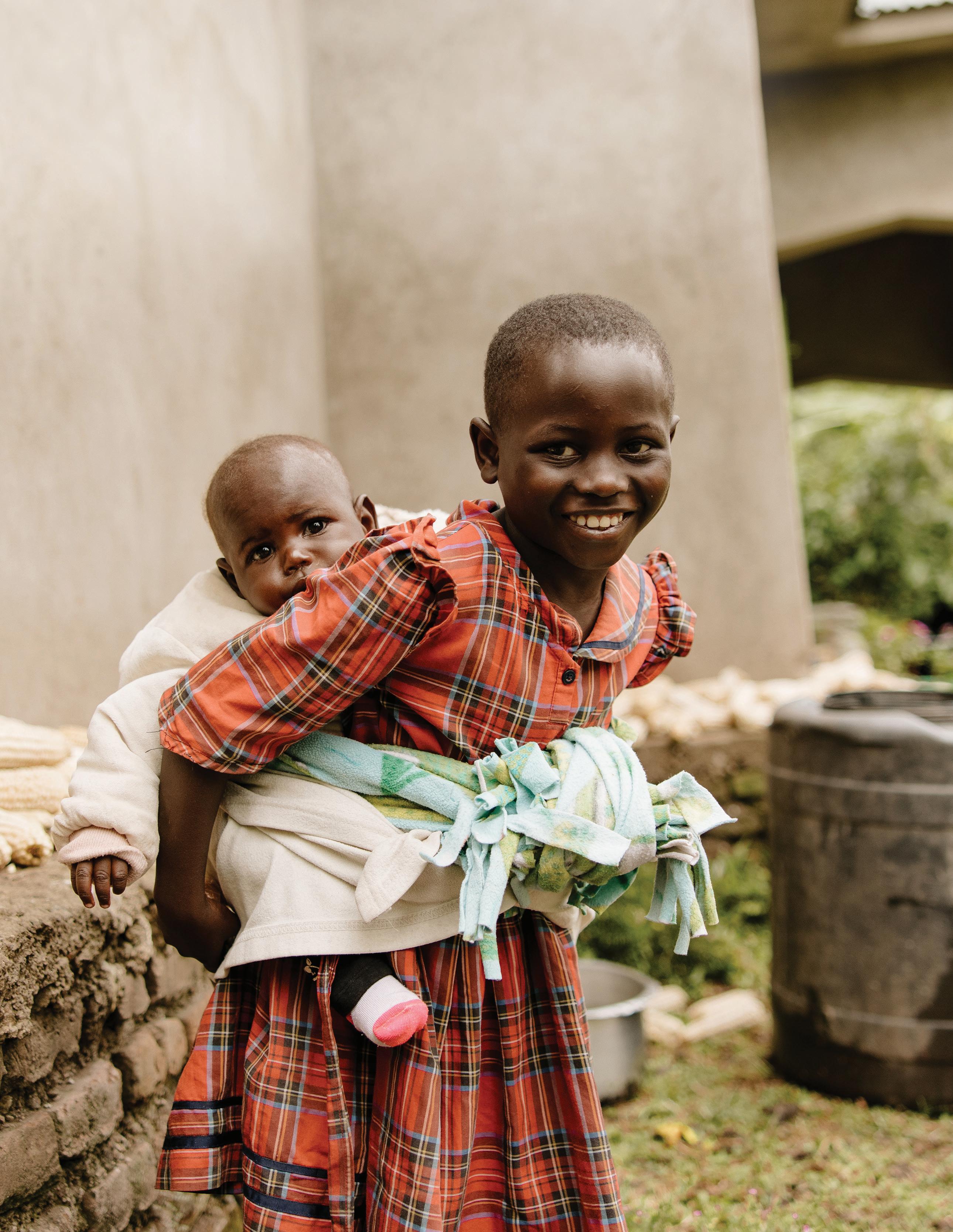
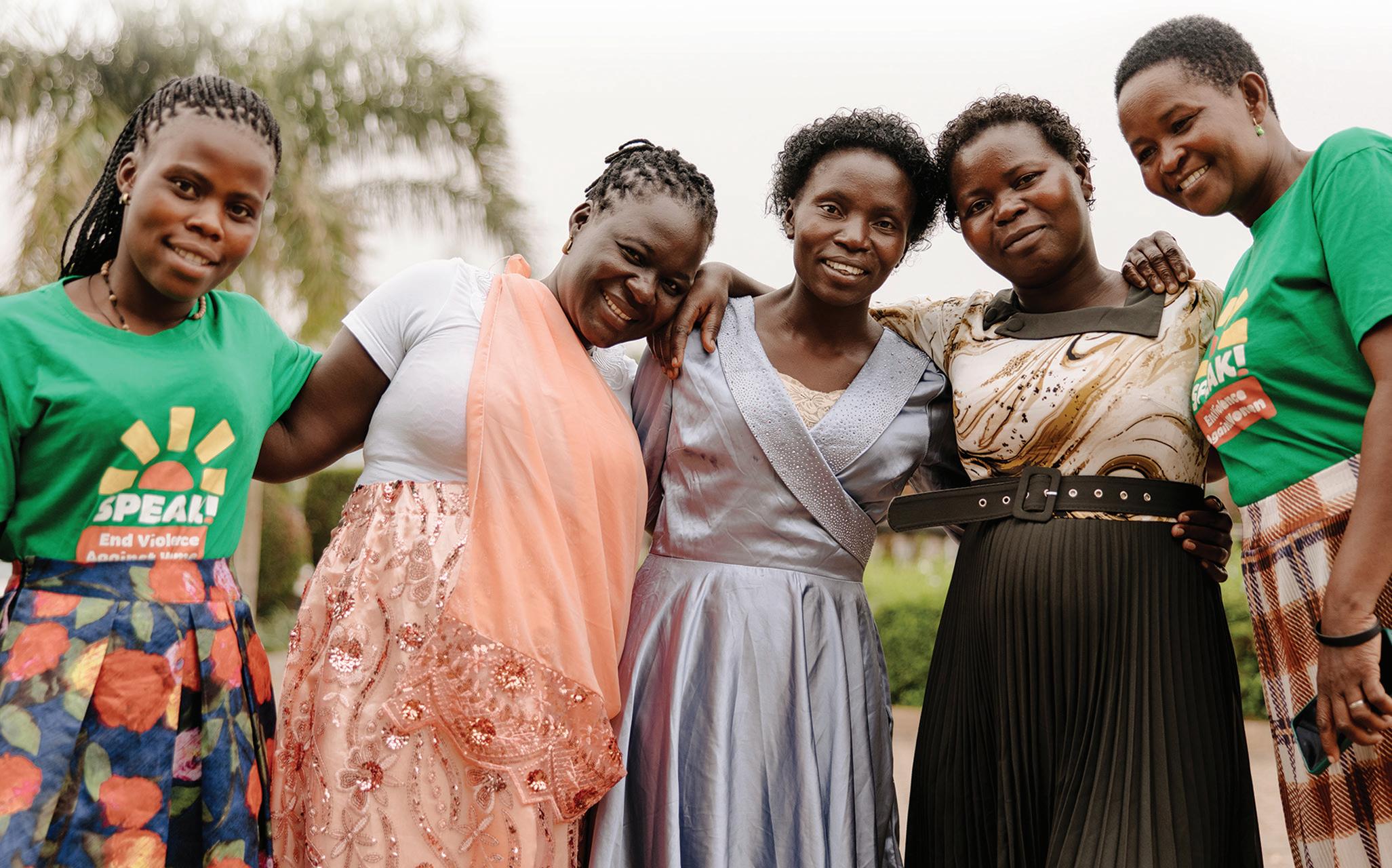
Children of the women in the Mukunyu Women Survivor Network (GSN) in Kasese, Uganda.
children, women and men freed from violence
perpetrators restrained from committing acts of violence as a result of strengthened justice systems
survivors restored through critical support and aftercare
local officials and community members trained to better protect their communities and care for survivors
local officials and community members trained to better protect their communities and care for survivors
Note: Numbers reflect internal reports as of March 2026 for the calendar year of 2025.
*This number represents survivors “fully restored” using IJM’s externally validated Assessment of Survivor Outcomes (ASO) tool. There are thousands more survivors currently receiving support and participating in ongoing aftercare programs. Read more about ASO on page 13.
ADVANCING FREEDOM
BANGLADESH
IJM supported its first rescue since the launch of its new program to end the commercial sexual exploitation of children in Bangladesh. In this operation, Dhaka Police, in partnership with IJM, rescued 12 victims of sexual exploitation and arrested six traffickers.
This milestone reflects years of faithful work by IJM, and a growing commitment across Bangladesh to protect vulnerable people, hold traffickers accountable and help survivors move toward lasting freedom. Building on months of training for police, lawyers and survivor leaders, IJM is now supporting the legal case and providing aftercare to the survivors. This momentum is a significant victory for all girls and women, marking a growing intolerance for human trafficking across the country.
INDIA
Twenty-two people in Tamil Nadu, India, are finally free after years of bonded labor. Entire families had been trapped on a sugarcane farm, held by predatory debts and abuse. When the owner learned that officials were coming to inspect the farm, he beat the laborers and sent them away to hide his crimes.
The officials with IJM’s local partner, Adhibommi Charitable Trust, refused to give up and alerted high-ranking authorities who ordered a full investigation. They found the hidden workers, restored their freedom, canceled their false debts and issued release certificates.
Among the rescued was Nikita, a young mother forced to work throughout her pregnancy. Freed from bondage, she gave birth the very next day to a healthy baby she named Anuska. With her daughter in her arms, Nikita and her family experienced freedom together after a decade. It was a joyous beginning to rebuilding their lives with dignity and hope.
A release certificate is a government-issued document that formally clears bonded laborers of false debts and legally affirms their freedom.
RESTORATION FOR SURVIVORS
COLOMBIA
Twenty-one survivor leaders in Colombia took part in a resilience and leadership workshop designed to support them through grief and major life changes. For many, it was the first place where they felt they could speak without fear.
During the workshop, participants engaged in an art therapy exercise, using simple prompts to express the pain they still carried. Some sketched sharp lines or scattered dots to represent stress, others drew butterflies, loved ones or symbols of hope. Sharing their drawings in pairs, they released emotions, connected as a community and experienced a safe, dedicated space for self-care.
For survivors of violence, some of the biggest steps in the restoration journey are to process grief, reclaim agency and connect to a community of others who are moving forward with strength and purpose.
THE PHILIPPINES, THAILAND AND MYANMAR
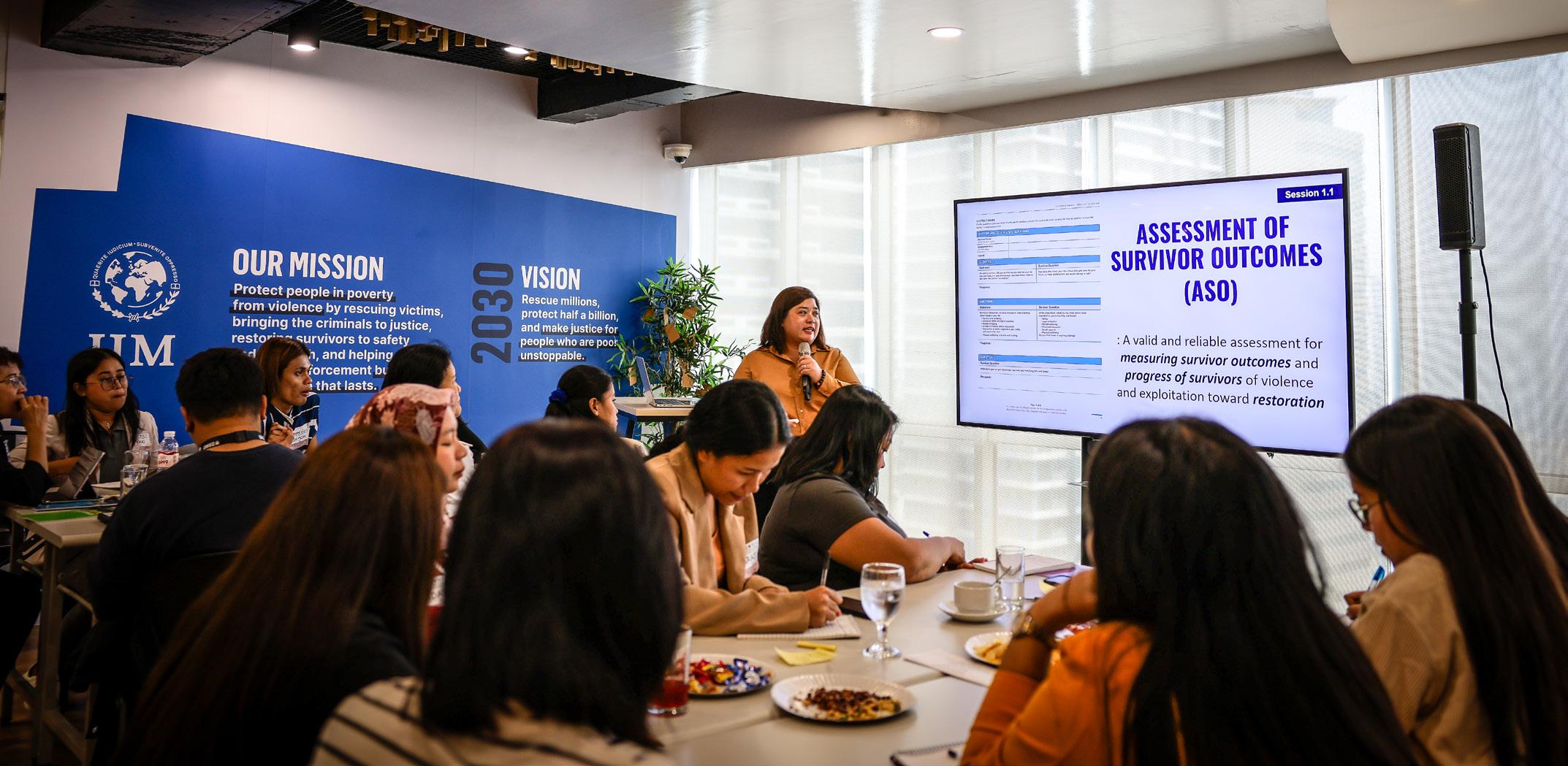
Survivors of trafficking and violence can face many challenges on the path to healing. Tools like IJM’s Assessment of Survivor Outcomes (ASO) help change that by giving care providers a clear way to understand each survivor’s needs and track their progress toward recovery. This insight means survivors can be given personalized support for their physical, emotional, legal and economic needs, helping them recover stability and independence.
In the Philippines, the Department of Social Welfare and Development is partnering with IJM to train social service providers nationwide, expanding access to this survivor-centered approach. Thailand and Myanmar have integrated ASO into their national systems, providing survivors with consistent, compassionate support on their journey toward healing and restoration.
CAMBODIA
IJM joined government leaders and survivors in Cambodia to address the ongoing challenge of securing compensation for victims of trafficking and forced labor, an outcome that can be important for healing and long-term stability. At the National Consultation on Civil Compensation, survivors urged the government to establish simpler and more effective mechanisms to enforce payments, sharing powerful testimonies about the lengthy legal processes they endured without receiving promised compensation.
During the event, officials acknowledged that, although courts often award compensation, survivors rarely receive it. This recognition—that survivors are too often denied what they are rightfully owed—is a significant step forward in our work to advance clear, enforceable pathways that make recovery and justice tangible.
IJM’s aftercare teams use a resource called the Assessment of Survivor Outcomes (ASO) to measure a survivor’s progress toward restoration. This IJM-built tool sets the standard for determining improvement in a survivor’s ability to live in freedom without fear of being trafficked again.
STRENGTHENED JUSTICE SYSTEMS
EL SALVADOR
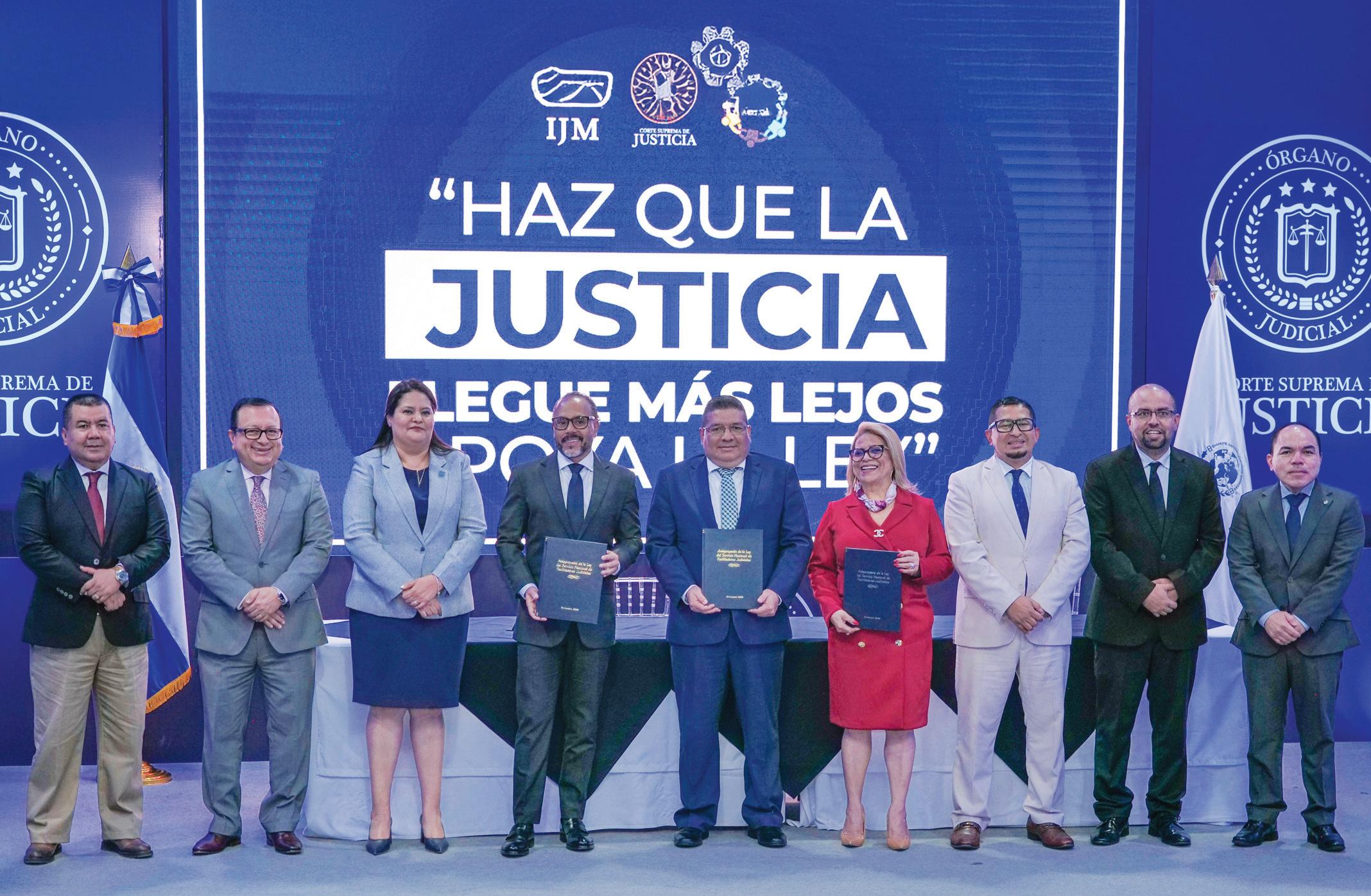
El Salvador took a historic step toward transforming access to justice for millions of survivors. In November 2025, IJM presented a groundbreaking draft bill that would make the country’s Judicial Facilitator program permanent and available in every community. Judicial Facilitators are trusted local volunteers trained to help survivors report abuse, connect with judges and access essential services. In remote communities, they are often the only lifeline making it possible to report violence and seek protection.
IJM helped shape the bill as an expert advisor, integrating our trauma-informed Community Accompaniment model. This approach ensures survivors receive guidance and care throughout the legal process, and it is already showing results. In the past year alone, facilitators helped connect more than 300 cases of domestic violence and abuse with the justice system.
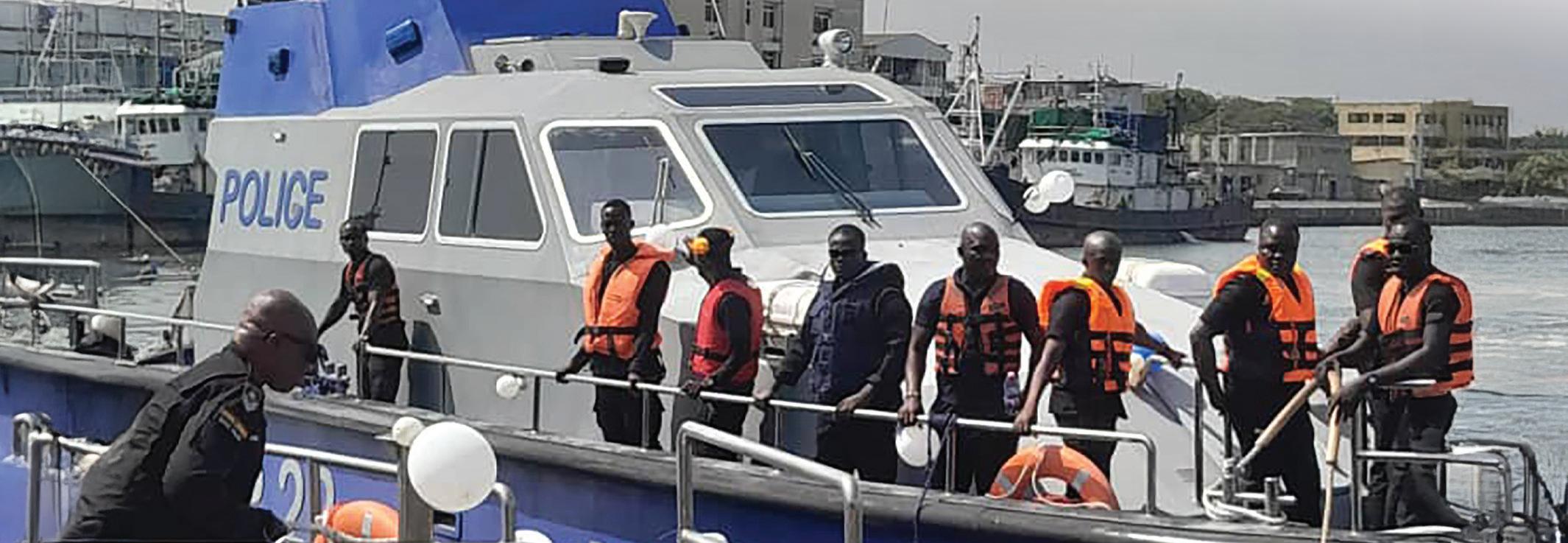
In Ghana, thousands of children have been trafficked into forced labor within Lake Volta’s fishing industry, making protection for children who are vulnerable more urgent than ever. In November 2025, the Ghanaian government strengthened the Marine Police Unit by commissioning four additional patrol boats, expanding their ability to combat child trafficking on the lake.
In 2021, IJM helped equip and launch the first ever patrol team, providing boats, vehicles and logistical support. Today, more boats means greater capacity for rescues, helping more children live in safety and freedom. A stronger patrol presence discourages traffickers from operating on the lake, preventing children from being trafficked before harm ever begins.
INDIA
Years of IJM’s persistent advocacy are producing real change for survivors of bonded labor in India. In one recent victory, the government of Karnataka has committed to appointing bonded labor protection officers in each of the state’s 31 districts. This means more than 1,600 officials are now dedicated to helping survivors secure justice and reclaim what was once taken from them.
These officers will help ensure that survivors do not have to seek justice alone. They will coordinate government responses, support investigations, help move cases through the courts and ensure survivors receive the compensation and services they are legally entitled to.
This statewide mandate marks a historic shift. For the first time, thousands of officials across Karnataka will have clear responsibility to protect vulnerable workers and support survivors on their journey toward lasting freedom.
GHANA
TRANSFORMED COMMUNITIES
LATIN AMERICA
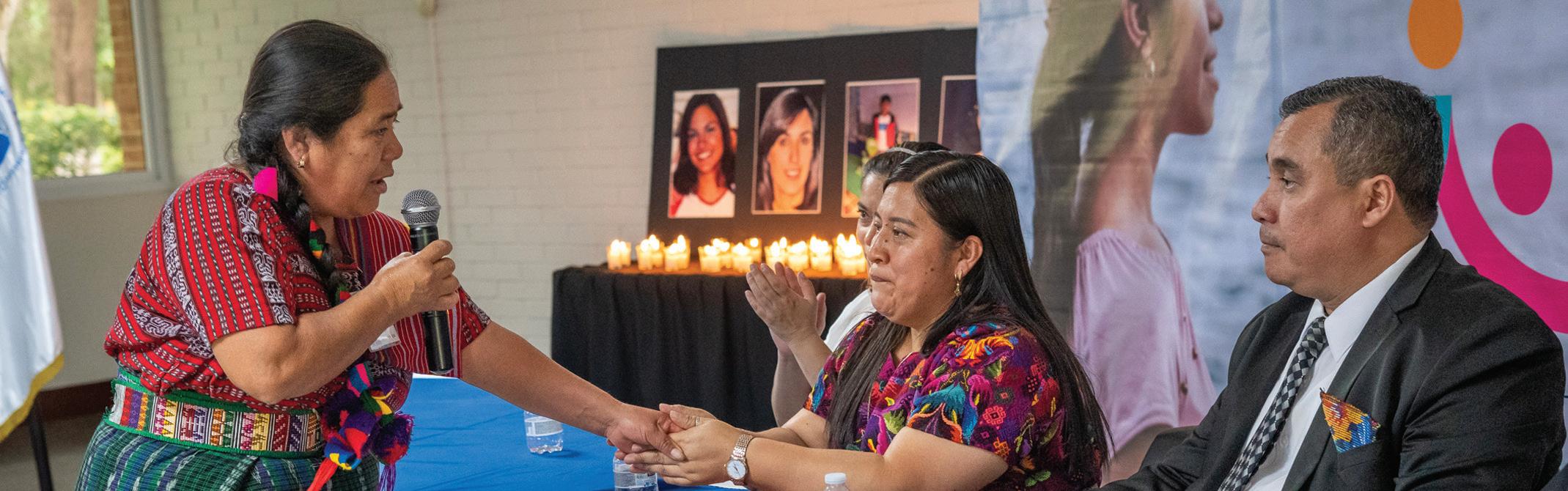
In El Salvador, Guatemala and Honduras, IJM-trained Community Guides are protecting survivors of sexual and physical violence. Trained to recognize signs of abuse and take swift, informed action, Community Guides are often the first point of contact for someone suffering violence. They provide survivors with compassionate, informed support in times of crisis: helping them to safety, connecting them with the justice system and supporting their restoration.
Community Guides are part of IJM’s work to build bridges between communities and justice systems in the region. This work was on full display at the landmark “Weaving Ways of Justice and Restoration” event that united Judicial Branch representatives from all three countries with local Community Guides to deepen partnerships, continue training and identify barriers to justice. Now, more women and children are protected from violence and have a viable path to justice if they experience abuse.
PERU
In early 2025, 17 survivor leaders—representing 88 survivors from across the country—came together to form Peru’s first national survivor network. Now part of the Global Survivor Network, these women are connected to a worldwide network of empowerment and advocacy. Together, they are building community, sharing their stories and raising their voices to help prevent violence against women and children nationwide.
The network brings together survivors with a wide range of experiences, including women with disabilities, whose voices are too often overlooked despite facing heightened vulnerability to violence. By speaking out, they are helping ensure that protection efforts reach those most at risk. These leaders are creating space for survivors to be heard, believed and supported while also advocating for stronger systems of protection across Peru.
THE PHILIPPINES
In the Philippines, a notorious online sex trafficker was convicted and received multiple life sentences, marking significant progress in our work to combat online sexual exploitation of children (OSEC). A concerned citizen reported suspected OSEC which set the wheels of justice into motion, detaining a suspected perpetrator far from home in the United Arab Emirates. This resulted in at least 11 human trafficking charges and 15 charges for violation of the Anti-Online Sexual Abuse or Exploitation of Children (OSAEC) and Anti-Child Sexual Abuse or Exploitation Materials (CSAEM) Act.
IJM remains committed to protecting children from online predators and strengthening awareness and justice system intervention. A 2022 prevalence study by IJM and a university partner estimated that nearly half a million Filipino children—approximately 1 in 100—were trafficked to produce child sexual exploitation materials for profit. This conviction marks progress, but our work continues.
GLOBAL MOVEMENT OF JUSTICE
UGANDA AND KENYA
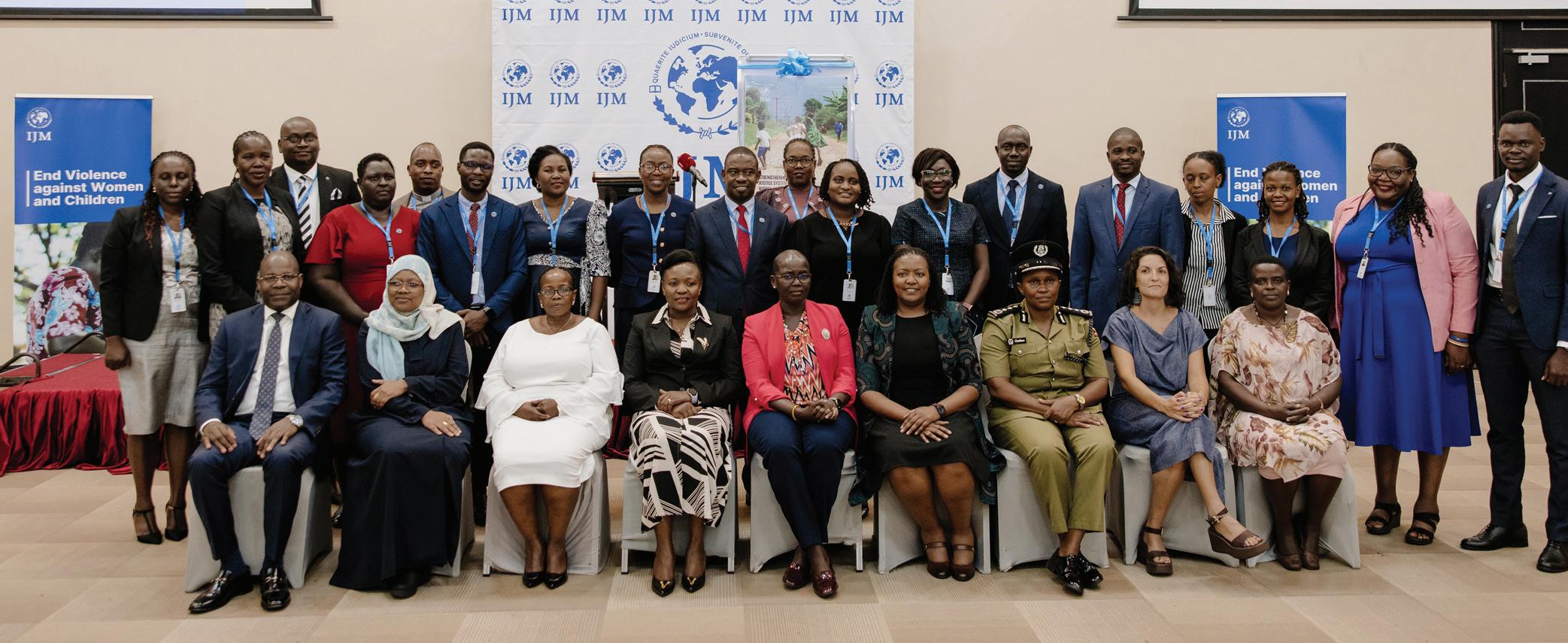
Uganda and Kenya reached key milestones with the release of national studies measuring the prevalence of violence in their communities. These reports are part of a global, first-of-its-kind effort to track violence and justice system performance, as IJM advances 30 studies assessing performance, prevalence, reliance and confidence across 22 justice system strengthening projects.
The results of both studies provide unparalleled insight into the realities of violence, and opportunities to strengthen justice systems, helping inform IJM’s programs while providing a benchmark to demonstrate protection as these projects continue.
In Uganda, the study revealed sobering realities about the scale of violence facing women and children. It also revealed shared resolve to strengthen reporting, investigations and trauma-informed responses so survivors can access protection.
In Kenya, IJM partnered with justice institutions and community members to release a national report on police accountability, revealing widespread experiences of misconduct and offering clear, actionable steps to strengthen accountability and rebuild public trust.
Together, these efforts demonstrate IJM’s commitment to pairing evidence with courageous partnership to bring Uganda and Kenya closer to justice and scalable protection.
UNITED STATES
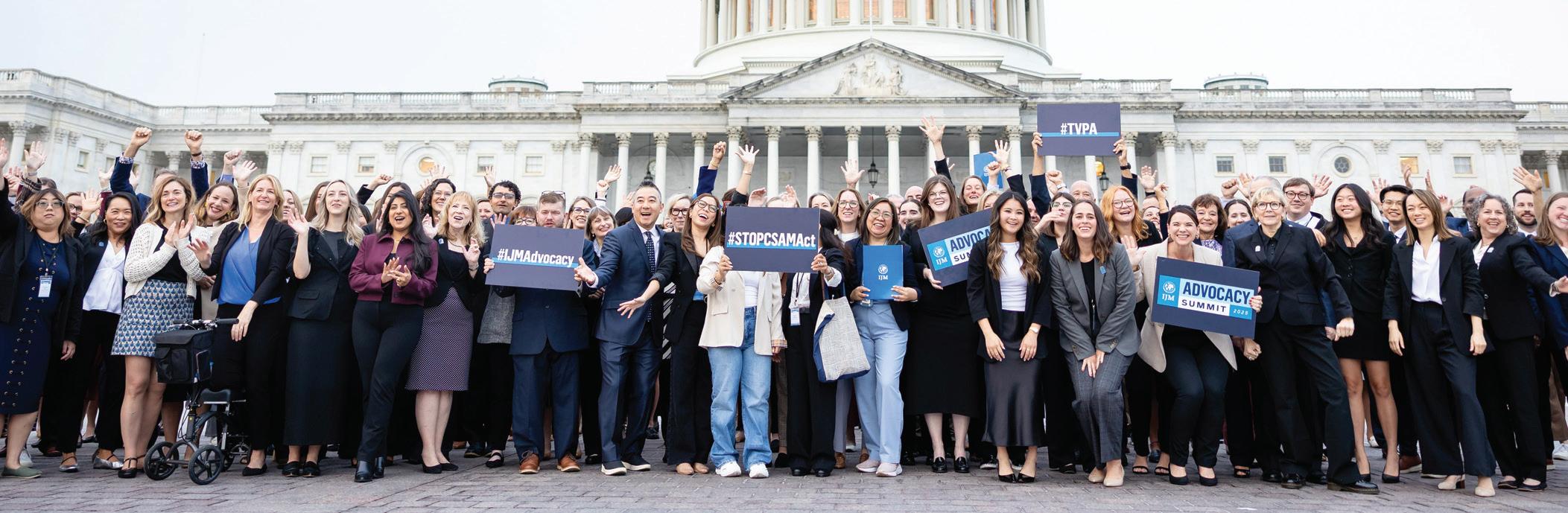
In September 2025, more than 288 advocates from 42 states traveled to Washington, D.C., to urge Congress to strengthen the U.S. response to human trafficking, particularly online sexual exploitation of children (OSEC). Their message was clear: the fight against trafficking is global, and U.S. leadership plays a critical role in protecting victims both at home and around the world.
That advocacy is already driving progress. As of February 2026, IJM’s two priority bills have secured 18 Senate and 37 House co-sponsors. The legislation would strengthen protections for children by improving how tech companies report exploitation to law enforcement, and would reauthorize critical U.S. funding for anti-trafficking efforts worldwide. These efforts show that when everyday citizens raise their voices, they can help drive a worldwide pursuit of justice.
EUROPE
In October 2025, more than 100 anti-trafficking professionals from over 20 countries gathered in Brühl, Germany, for a week-long training hosted by IJM and the Organization for Security and Co-operation in Europe (OSCE). Police, prosecutors, social workers and investigators aligned on a shared, survivor-centered approach in countries where IJM supports casework, including Bulgaria, Romania and the newly launched office in Poland.
Through realistic cross-border simulations, participants practiced identifying victims, coordinating across agencies and applying trauma-informed care. This gathering marked concrete progress in a global response. By aligning standards and strengthening cross-border collaboration, it helps close the gaps traffickers exploit—advancing a more unified fight against human trafficking worldwide.
THE STAFF MAKING PROTECTION POSSIBLE
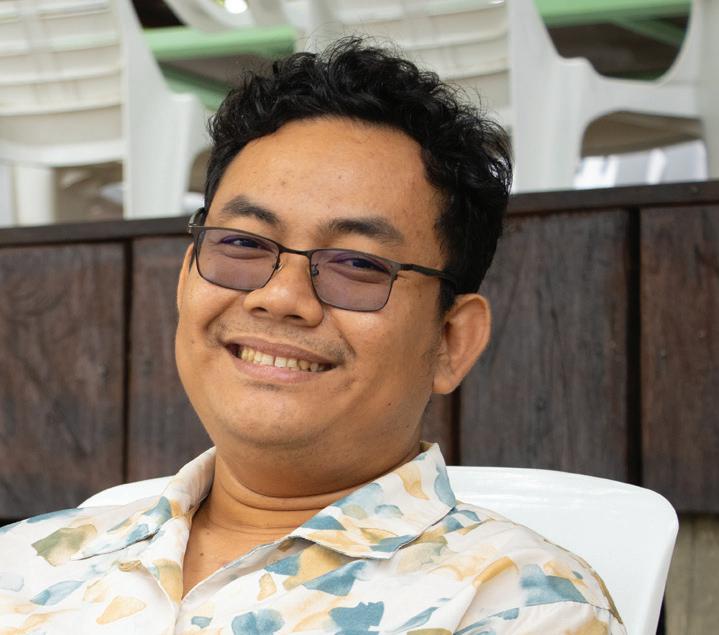
Vannaro Ry – Cambodia
Associate, Casework
“I was a Bible school student. I was trained to be a servant of God. This background shaped me very well. I learnt how to submit, be faithful, humble and patience. In addition, I also learned to love what I do and do it faithfully.”
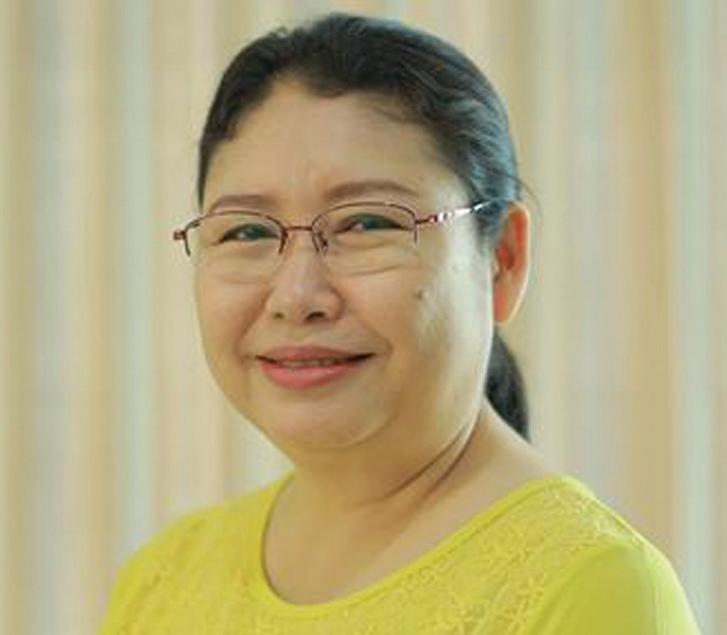
Country Director
“This work is not easy, but it is sacred. We believe this is God’s mission for us, and we’re grateful to be part of it. Every step we take is for the protection of vulnerable workers and the restoration of dignity.”
Senior Manager, Justice System Interventions
“In this field there are many frustrations and it requires deep resilience. But when I remember that I am using the skills God has given me to stand in the gap for those who need protection most, it keeps me moving forward.”
90% of IJM program staff are local leaders changing the future of protection in their home countries. Last year alone, our work was carried forward by nearly 1,500 experts in 19 countries around the world.
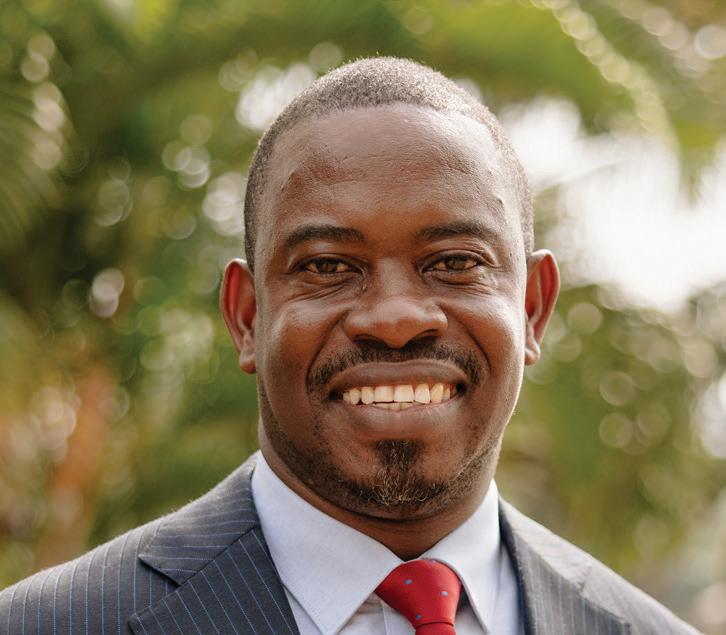
Byron Mwanje – Uganda
Naw Emerald Sin Minn – Myanmar
THANK YOU
You are a vital extension of our global team and we are grateful for your prayers and support. Thank you for trusting us with your generosity. Because of you, people who have experienced violence and exploitation are finding protection and stepping into lives of freedom and hope.
What comes next?
Protecting the millions. Through a growing network of local partnerships, IJM has identified dozens of justice system strengthening initiatives across 25 countries with the potential to reduce violence by 50 to 85 percent. As justice systems grow stronger, protection multiplies and reaches millions more people with safety, freedom and the promise of a self-determined future.
As we pursue our vision of rescuing and protecting millions of people from violence, we are grateful to share the progress and impact of this mission with you.
Until all are free.
INTERNATIONAL JUSTICE MISSION is a global organization that protects people in poverty from violence. IJM partners with local authorities in 33 program offices in 19 countries to combat slavery, violence against women and children and other forms of abuse against people who are poor. IJM works to rescue and restore victims, hold perpetrators accountable and strengthen public justice systems. Until all are free.
Your impact doesn’t stop here. Visit us online for an even deeper look at the lives and communities you help transform.