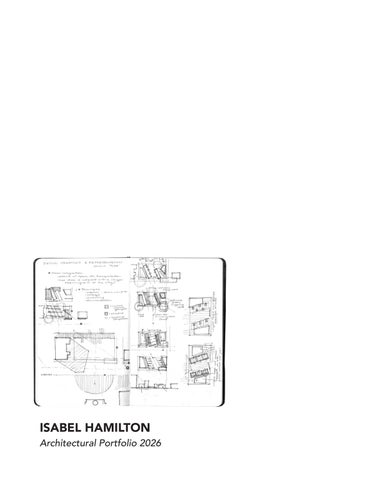
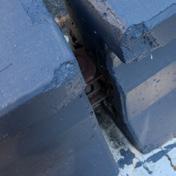
My designs are grounded in place, concept, and people, aiming to create energetic, interactive moments in space. The beginning stages of the design process are the most valuable to me, with quick drawing, analysis, and sketch models acting as a strong foundation for each project.
Environmental education center in Richmond, VA
System for landfll park design in Kearny, NJ
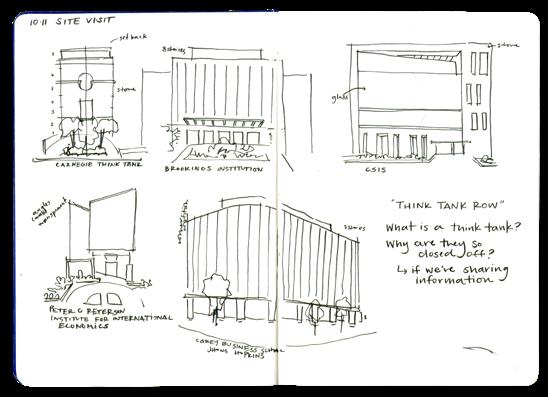
Think-tank for the Anthropocene in D.C.
Community centered living in Richmond, VA
Trailhead pavilion in Charlottesville, VA
DUPONT LAYERSCAPE
DeKORTE PARKFILL
WONDER WANDER
KITCHEN+GARDEN
MORVEN PAVILION
Isabel Hamilton
EDUCATION
University of Virginia; Charlottesville, Virginia — May 2026
isblhmltn@gmail.com (864) 748 1383
- Bachelor of Science, Architecture, with minors in Architectural History and Global Sustainability
Stenhus Gymnasium; Holbæk, Denmark — May 2022
- International Baccalaureate Diploma Programme
DESIGN EXPERIENCE
Research Assistant, Waste Not Want Not — June-August 2025, January 2026- Present
- Streamlined material processing to convert waste from UVA Labs into sheet material
- Collaborated with a team to calculate carbon emissions of local waste streams and design practical applications for recycled sheet material at a local scale
Winter Intern, Murphy Burnham & Buttrick Architects, New York City — January 2026
- Assisted with Design Development drawing set edits, topography model creation, and on-site documentation in one-week intensive internship
Student Instructor Assistant, Lessons In Making, UVA — August-December 2025
- Guided First-Year students through a series of design exercises, creating lesson plans, leading discussion, and grading student work weekly, culminating in a final exhibition of student work
Design and Advancement Associate, Lakeside Chautauqua — May-August 2024
- Spearheaded graphics strategies for local newspaper, synthesizing financial and historical information into a straightforward and clear format
- Coordinated with local organizations and businesses to create advertisements, articles and graphics for regular use with patrons
OTHER EXPERIENCE
Resident Advisor, Housing and Residence Life, UVA — August 2023-Present
- Supported and furthered university academic mission, creating an inclusive, welcoming community through programming and communication with First-Year and Upperclassman residents
- Facilitated safe living and learning environment as campus security authority
Coffee Shop Attendant and Baker, Rookies — August 2023-Present
- Created a friendly, welcoming environment, honing communication and organization skills
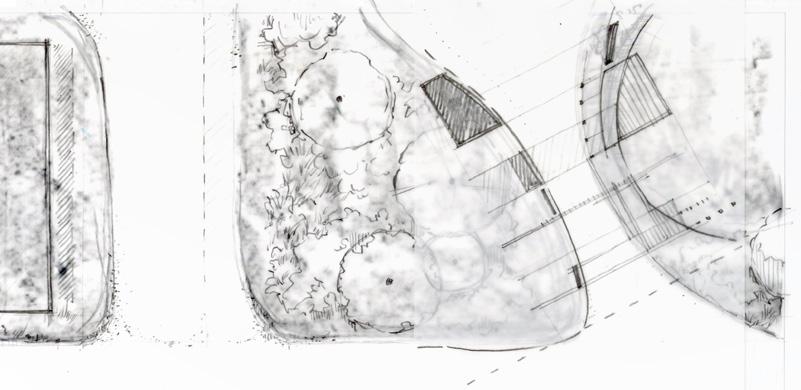
How can a center for learning engage the site to foster a sense of curiosity and exploration in all visitors?
This project is driven by curiosity, exploration of site, and the goal of rekindling a child-like sense of wonder. By questioning and reacting to traditional educational spaces and museums, the design offers a starting point for exploration and experiential learning
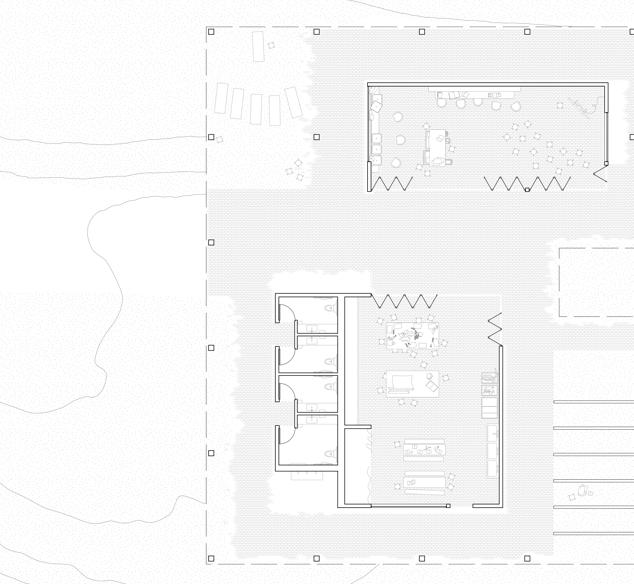
These themes are explored through program, views, materiality, and landscape. Four main programmatic elements make up the design. Workshops for making and meeting, a cafe, and an amphitheater each work to provide a starting point from which to experience the site in different ways. These spaces are gathered towards the center of a canopy uniting the space, and arranged around a central courtyard of native plantings. This arrangement frees up the edge of the building to allow the site to creep back in and encourage movement out into the world. From this courtyard, views are provided out into the site towards hiking trails, canals, and the pump house.
Materiality and landscape were chosen with climatic conditions and growth in mind, creating a canvas and medium by which nature can make its way into the design over time. This center for education provides a hub to inspire and guide exploration of the surrounding site with a design grounded in curiosity, discovery, and place.
Lindsay Duddy
Richmond, VA
Spring 2025
Foundation Studio IV
Experiential Sketches
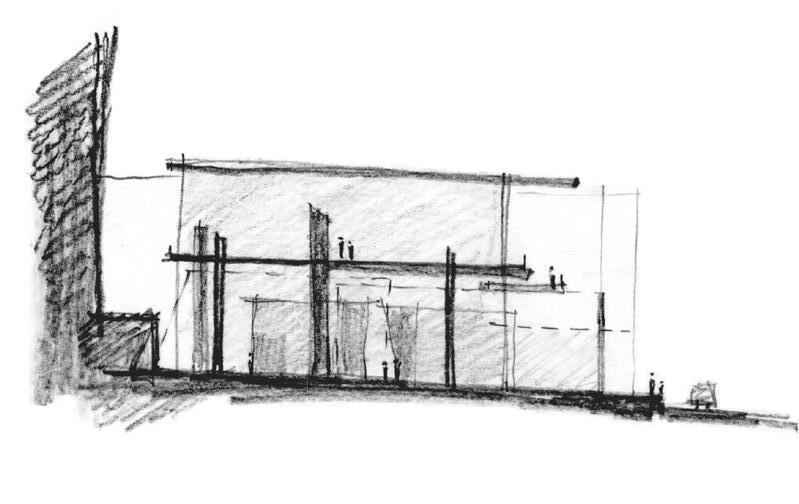
Early Section Sketch
Programmatic Section Sketch
Precedent Study
Collage
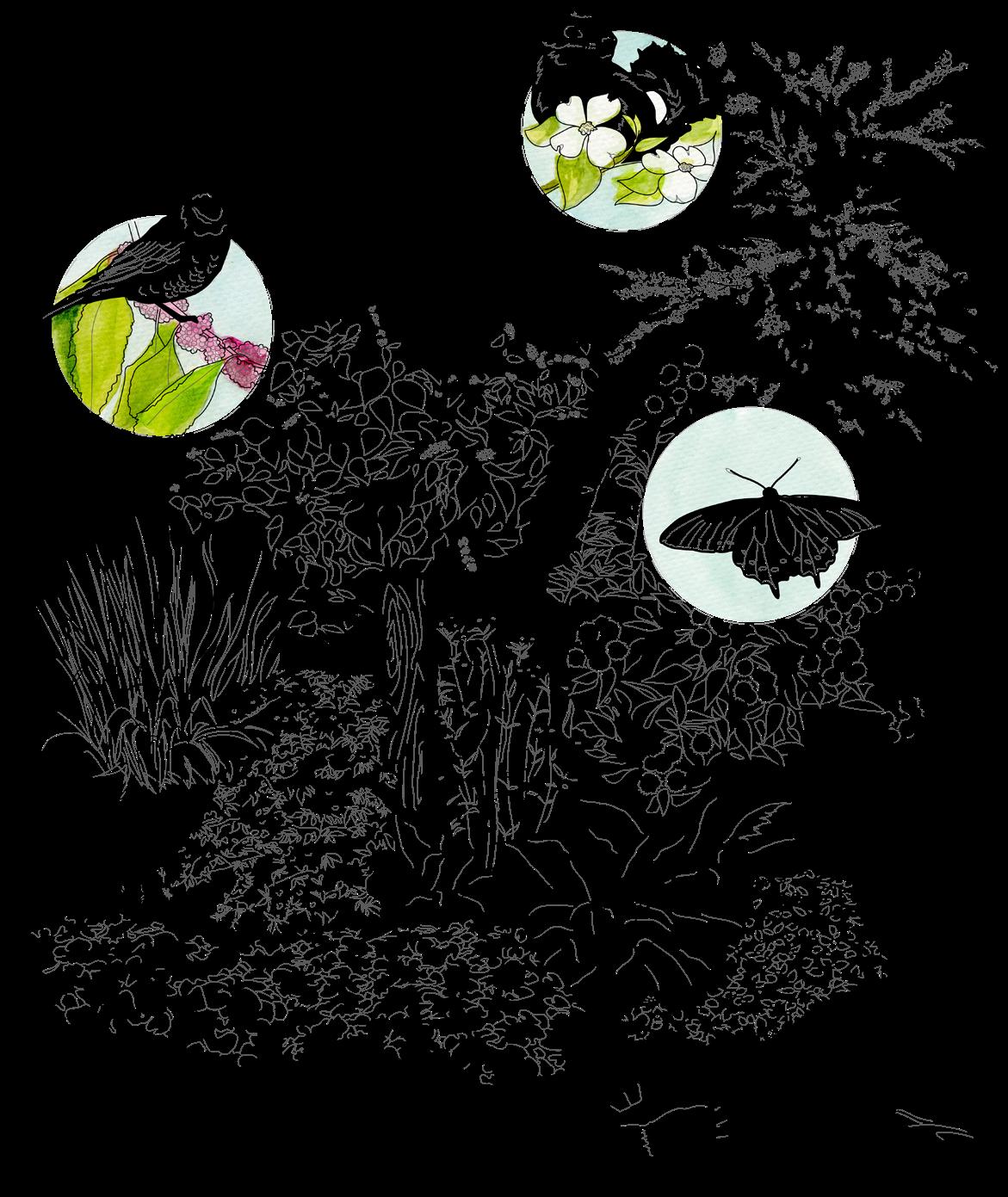
Native Flora and Fauna
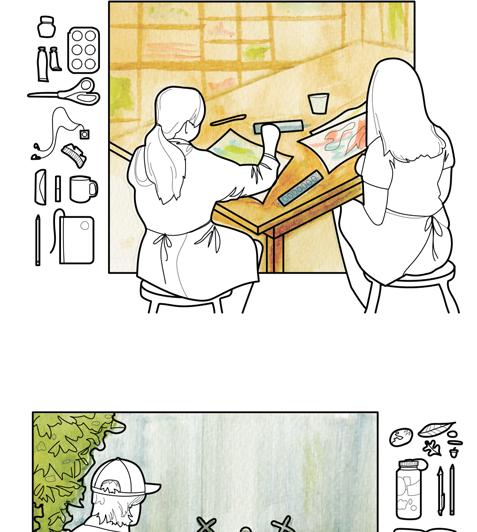
Visitor Interactions
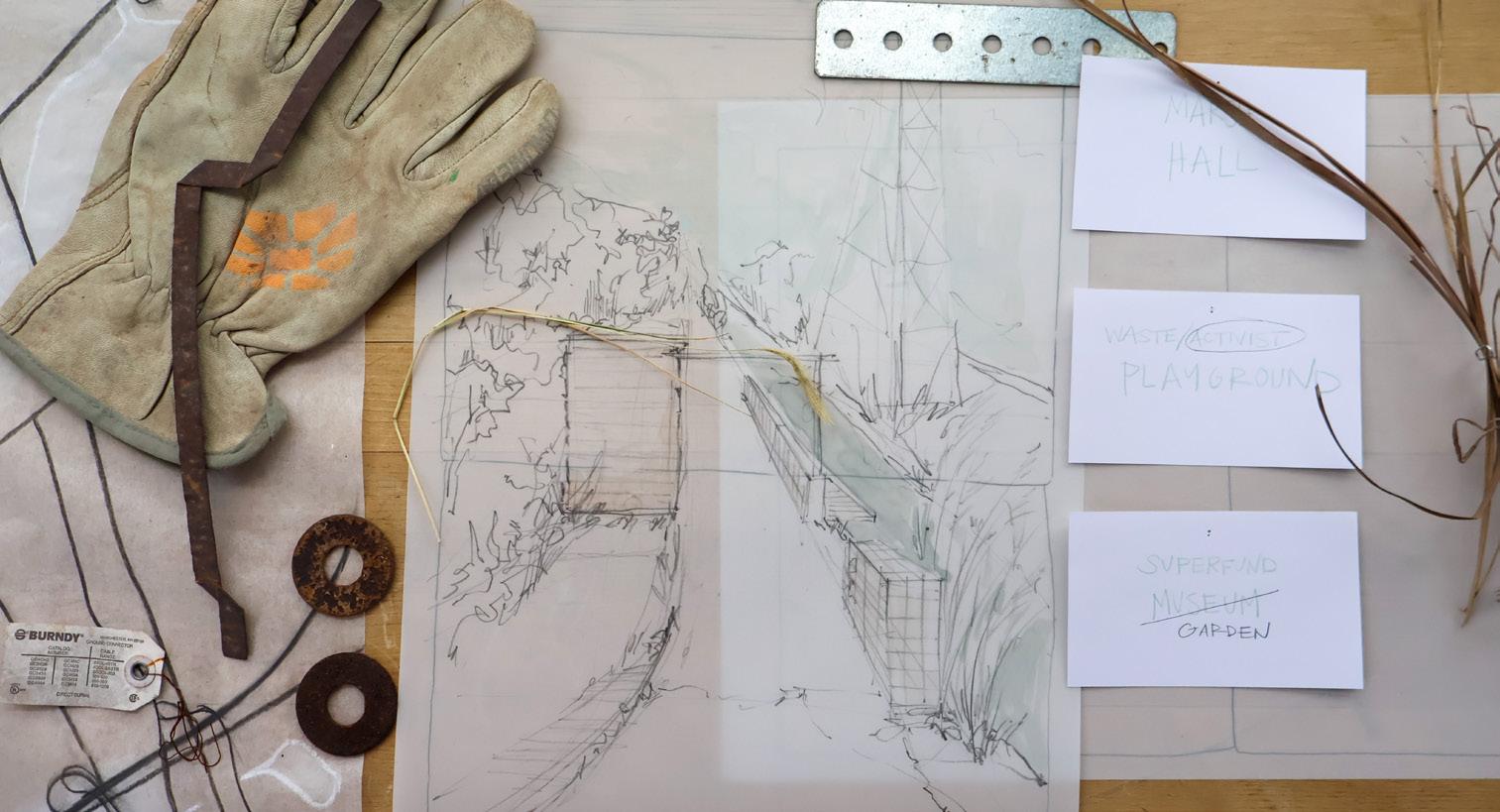
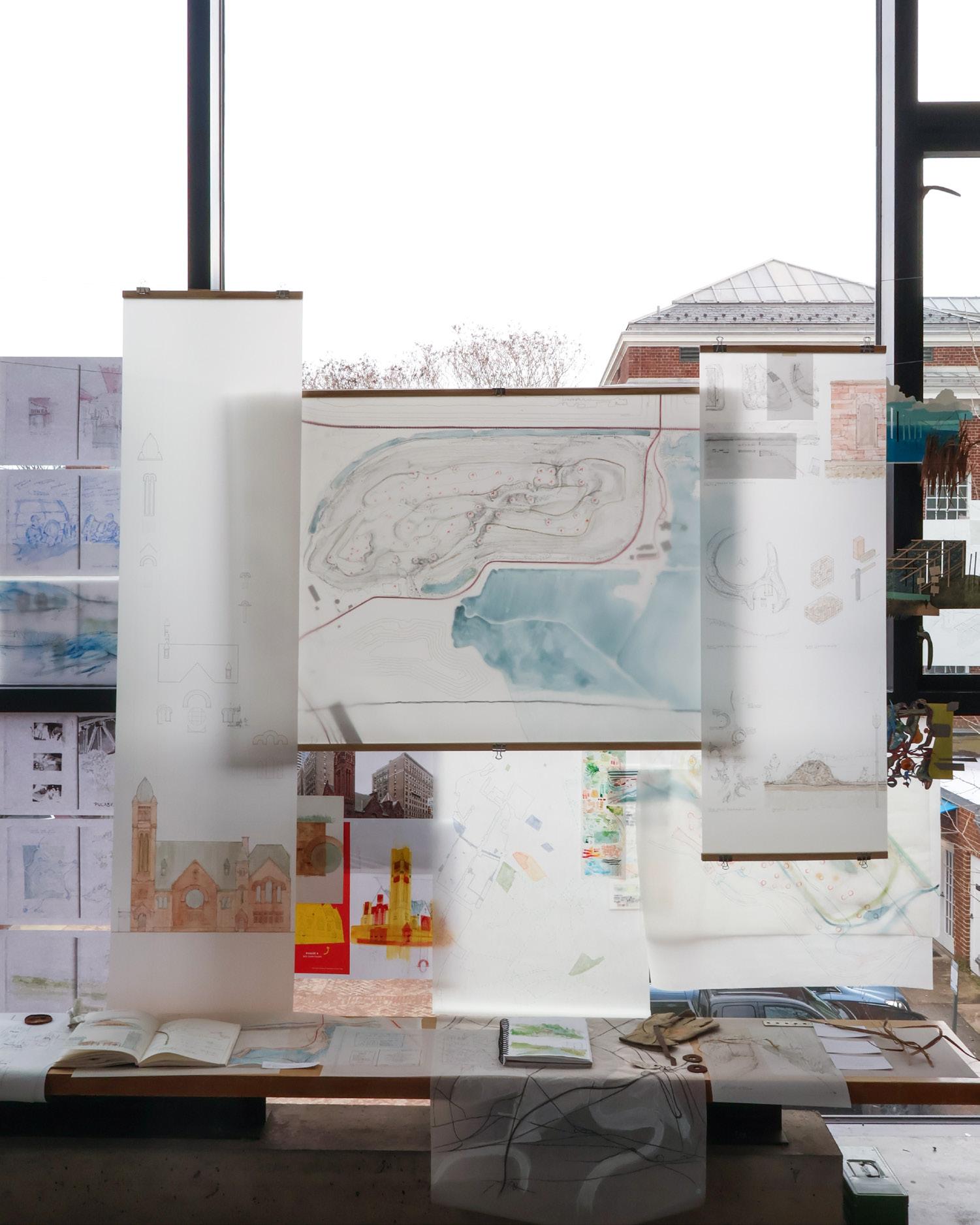
DeKORTE PARKFILL
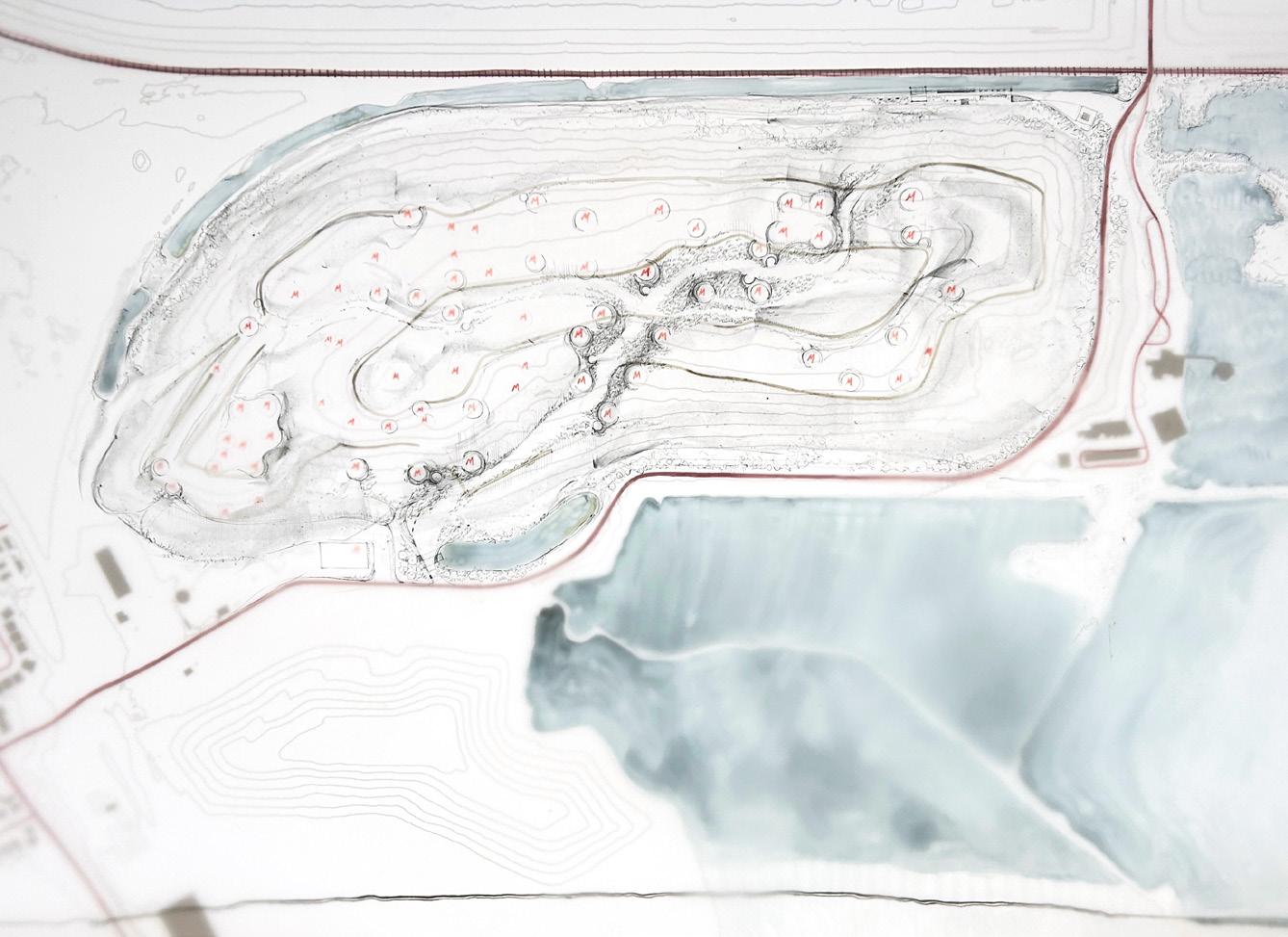
How can construction waste create new public space on a landfll in the New Jersey Meadowlands?
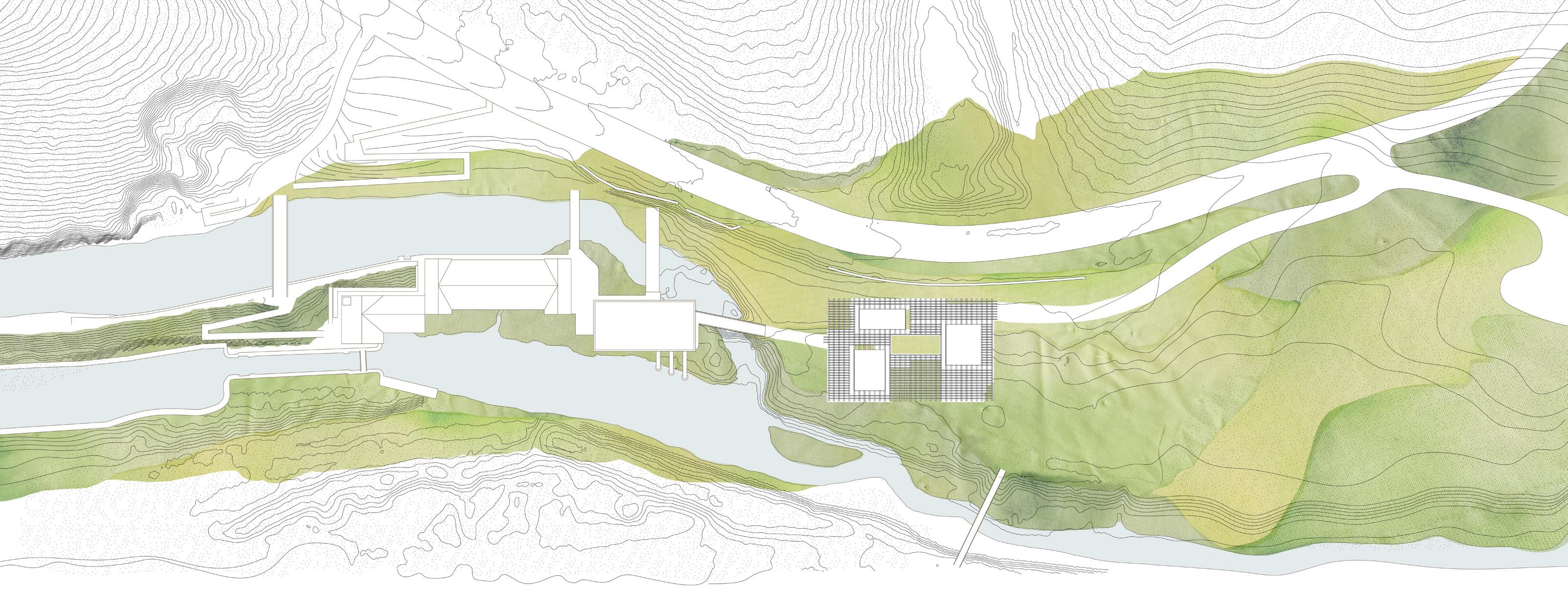
The New Jersey Meadowlands are a landscape of extraction and dumping, where landflls outnumber public spaces. This design proposal embraces its unique site conditions by converting one of the Meadowlands’ oldest landflls into a park using construction and demolition waste from New York City to design a specifc starting point and a proposed future.
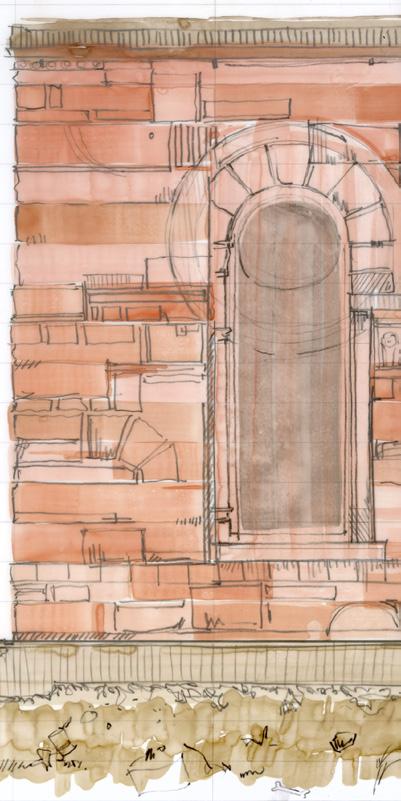
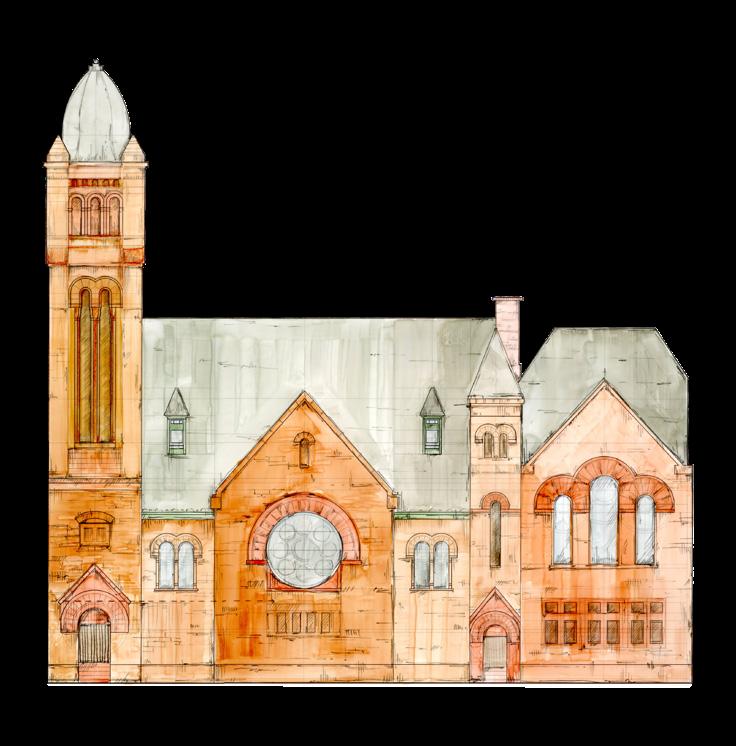
Situated on Kingsland Landfll, this project is comprised of three programs; Entry, Play, and Path, which welcome visitors to engage with the industrial nature of the site, an intersection of park and landfll. These programs are interwoven with methane wells and utility spaces, allowing the landfll to continue its monitoring and safety measures. The programmatic system is also designed to evolve as the site welcomes construction and demolition waste from New York City, beginning with materials from West Park Presbyterian Church.
By embracing spolia, or the use of architectural fragment in new contexts, and the reality that the Meadowlands should continue to welcome waste in order to sustain New York City’s ever-evolving character, DeKorte Parkfll acts as a space for waste and visitors alike. This proposed system is designed to evolve with the site and its many possible futures.
Research Studio I
Emily
Wettstein
New Jersey Meadowlands Fall 2025
Early Plan Diagrams
Site Section Study
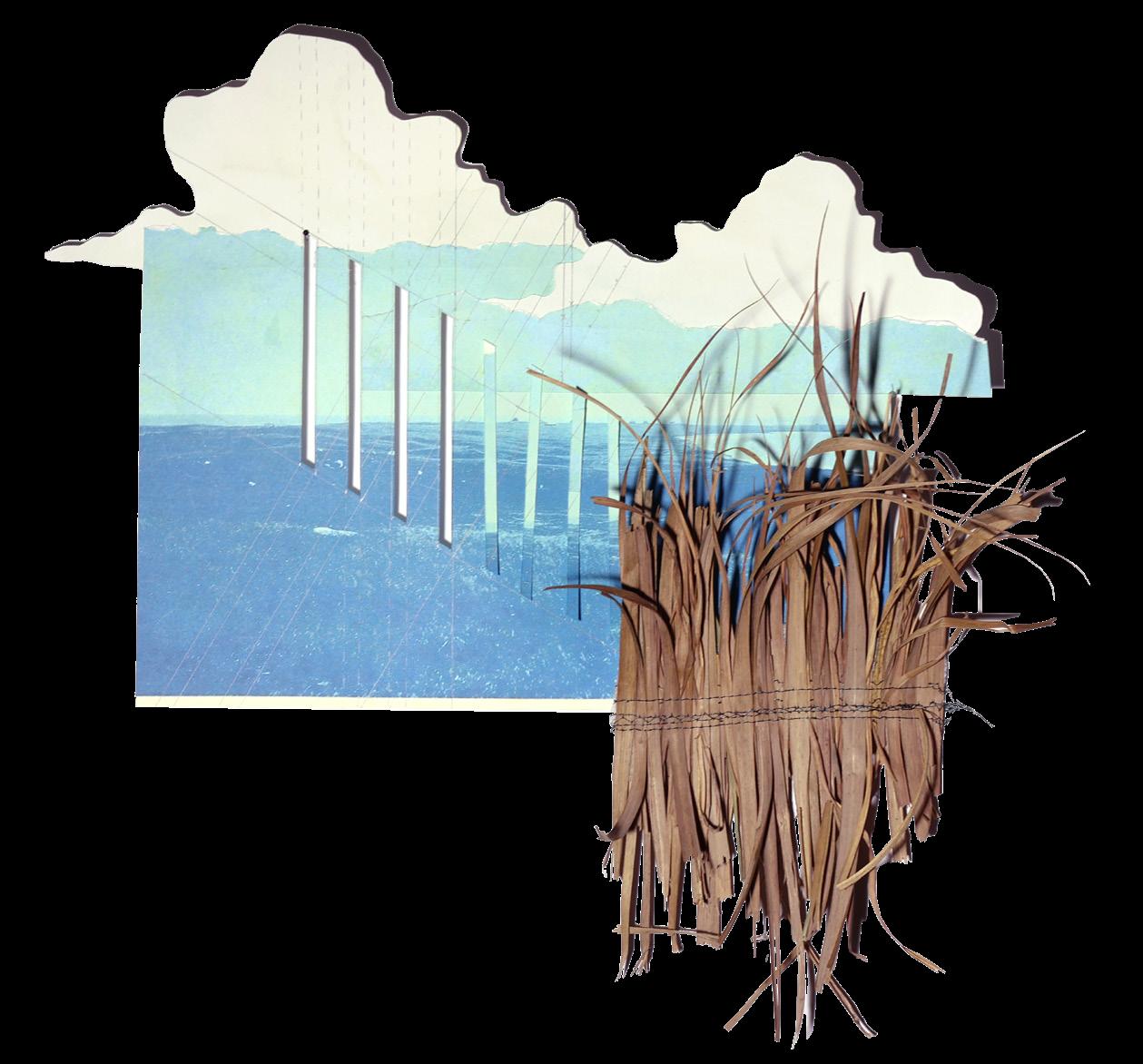
Program Ideogram Collages
Re-imagined Facade Entry Sequence Diagrams
Found Objects and Future Sketches
Material and Light Interaction
Hand-Drawing Process
DUPONT LAYERSCAPE
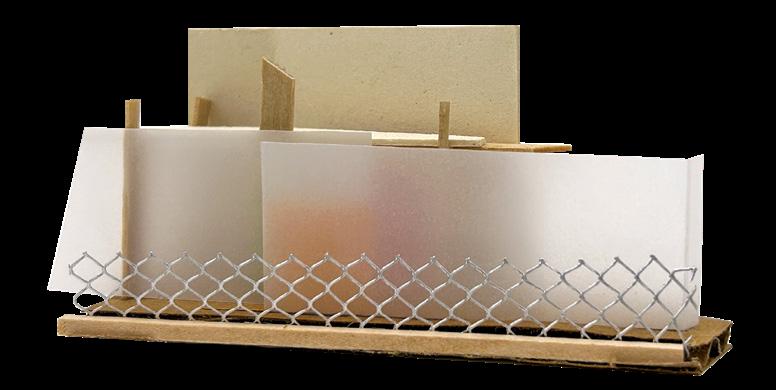
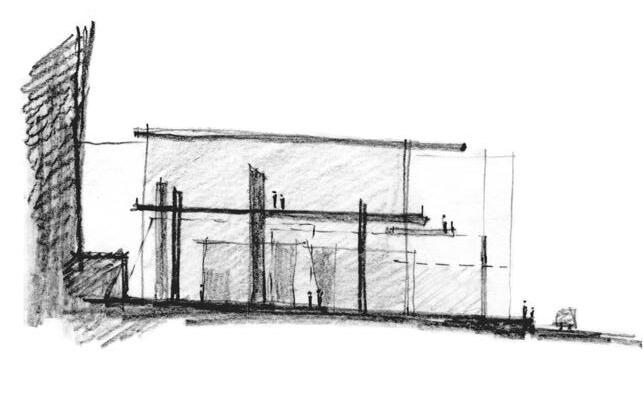
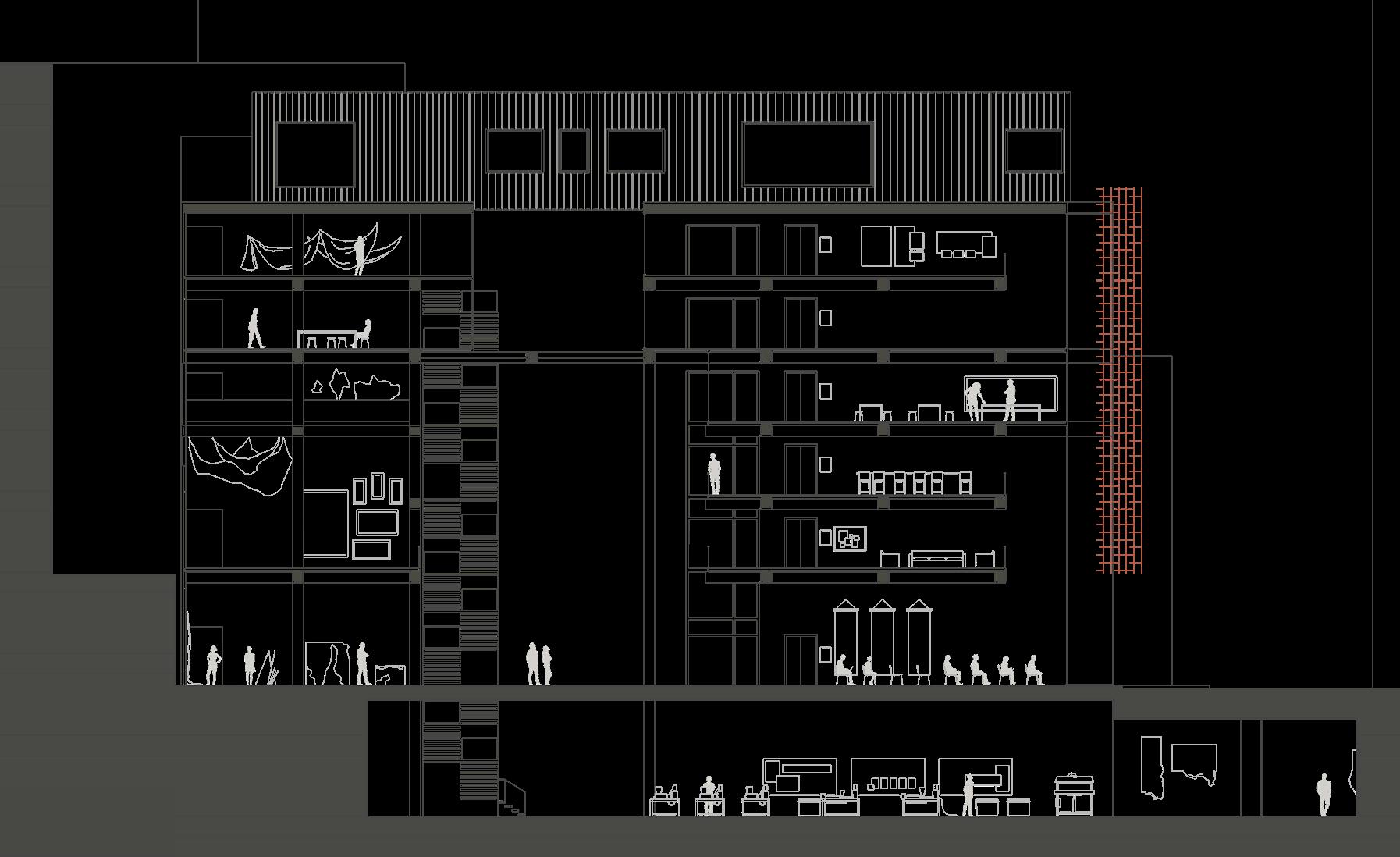
What elements of city fabric and systems can infuence and inspire a building that engages the community?
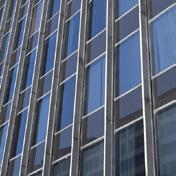
This project is comprised of a system of layers which defne the experience of a think tank on Dupont Circle. On the exterior, these layers defne the facade, mediating interaction between the street and the interior. On the interior, the layers are scaled into bigger moves defned by programmatic needs.
The primary layer is the structural grid, followed by a screen layer spanning the entire facade. The next layer flters light, and the next blurs the layers and volumes beyond. Lastly, the thinnest and most fexible layer provides space for display.
Also based on the structural grid are three interior volumes, dividing the site into programmatic zones. On the left, the most solid, opaque volume houses gallery and making spaces, along with associated offces and utility space. On the right, closest to Dupont Circle, a translucent volume houses space for meeting and discussion and provides views out to the park. These two zones meet in a fully transparent central atrium which pushes out into the sidewalk, drawing visitors through the layers and to the interior.
JT Bachman
Foundation Studio III
Early Study Model
Sectional Sketches
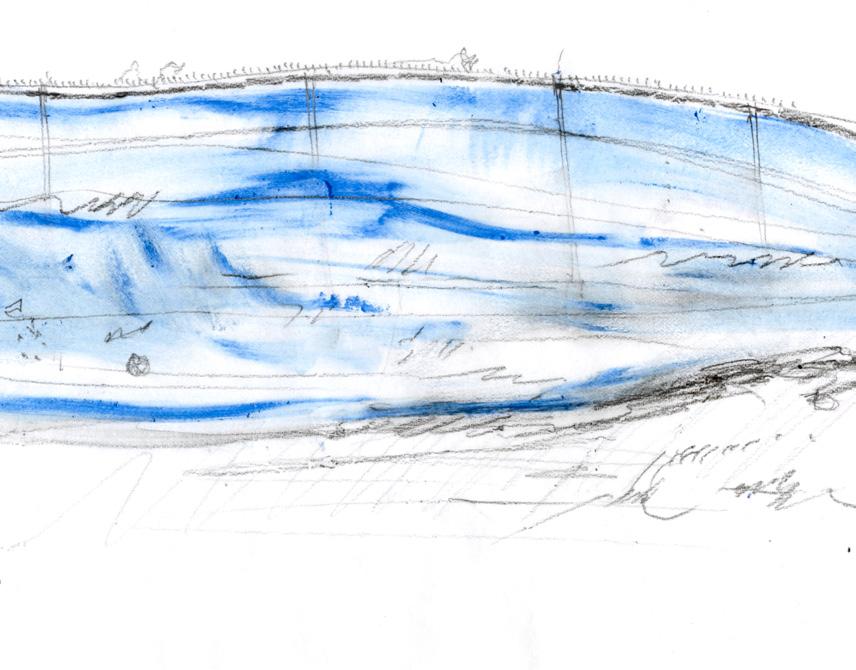
Sketchbook Studies
Site Observations
Textures of D.C.
Research Collage
Longitudinal Section
Study Model Sketches
KITCHEN+GARDEN
How can shared elements of kitchen and garden space
create community in a busy urban environment?
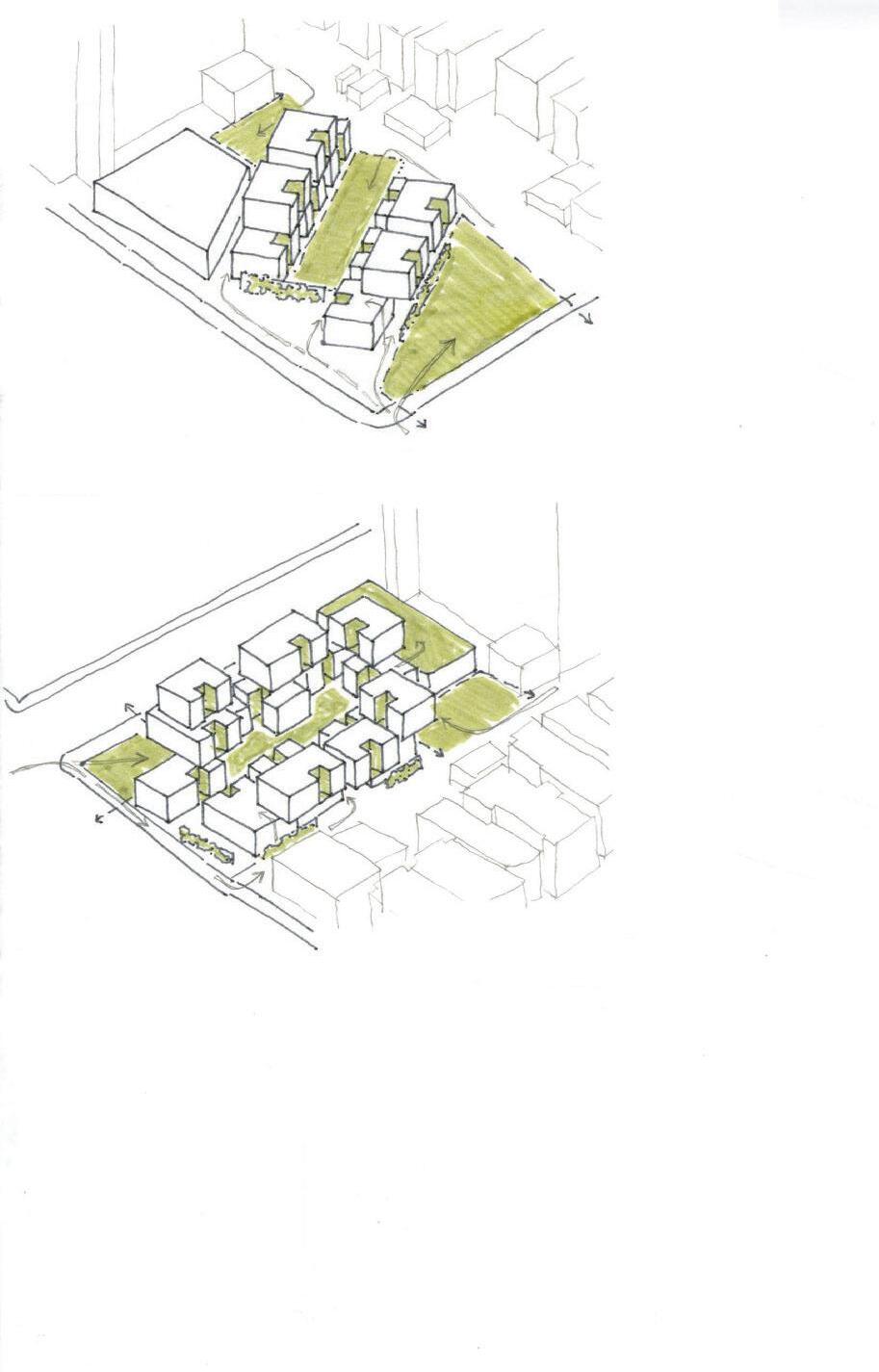
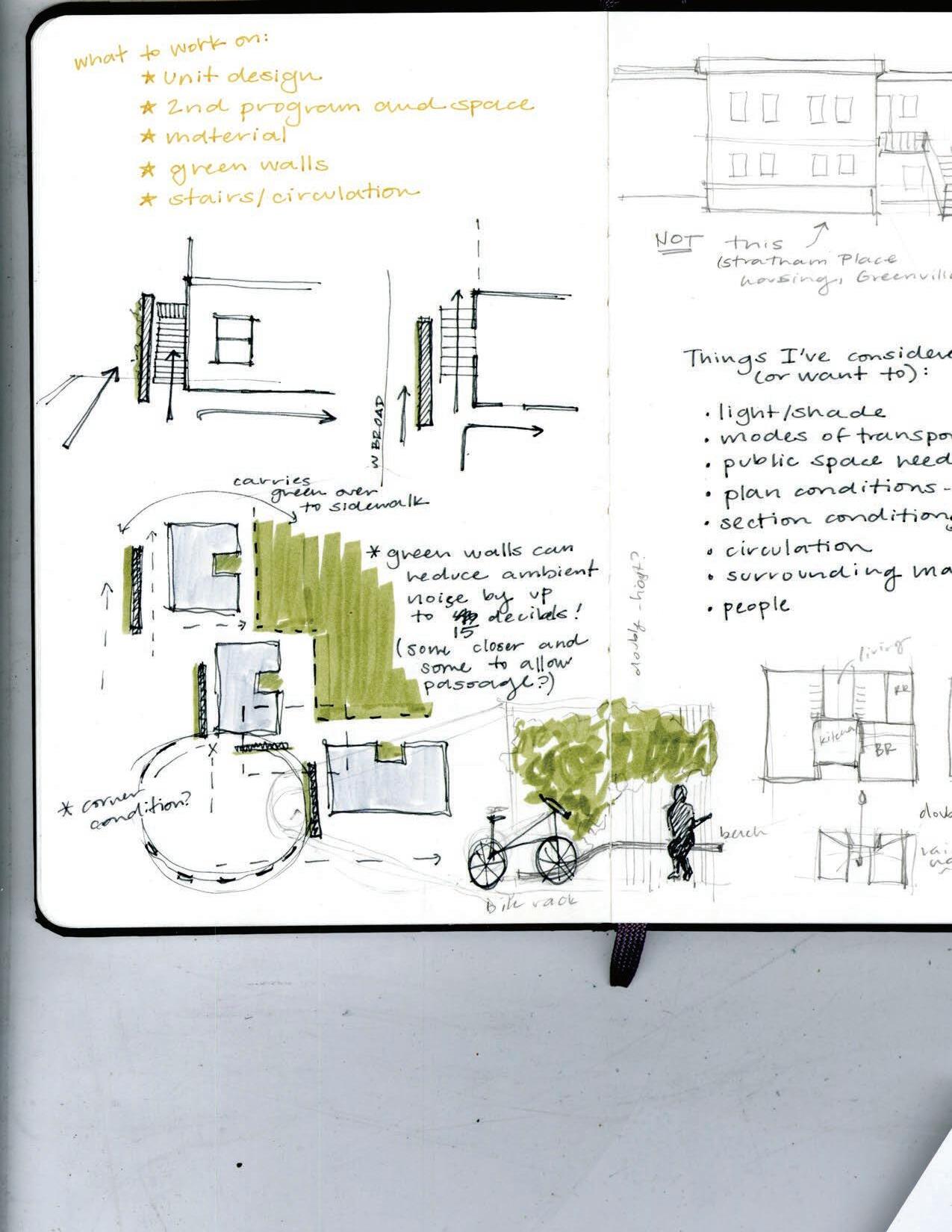
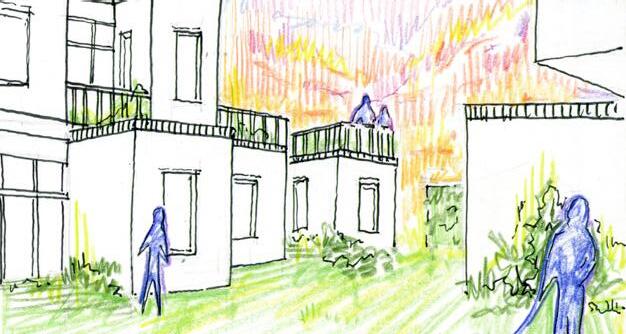
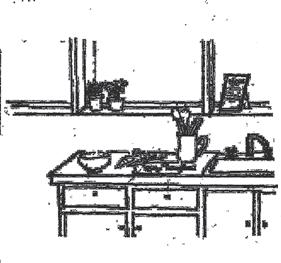
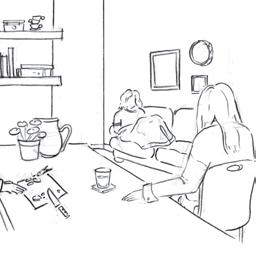
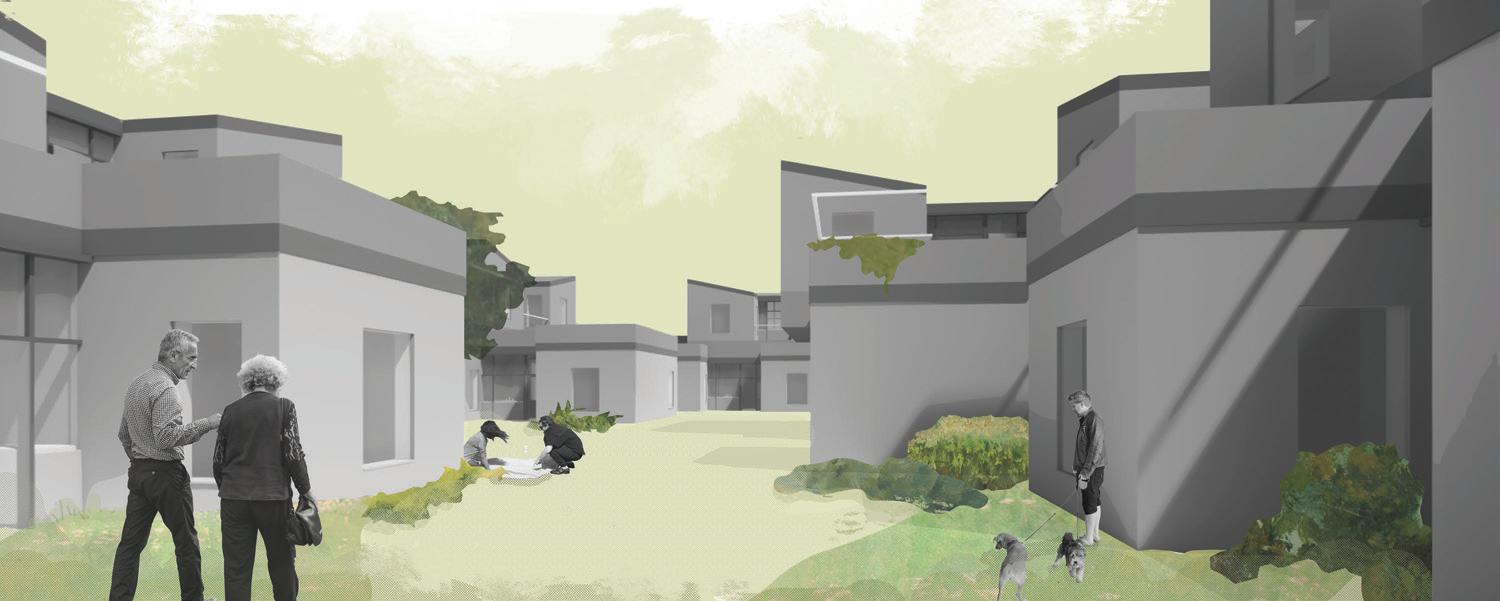
Centered around kitchens and gardens as vital spaces in creating stronger connections among neighbors, this design utilizes a pattern of adaptable public and private space to form a collective whole. This pattern in turn draws from and enhances existing urban fabrics and orients itself according to climate.
On the unit scale, cooking and eating together is emphasized because it is a daily act with the power to facilitate important moments and conversations. In addition, interaction with nature has been proven to improve mental health and well-being. Together, these programmatic elements provide shared space which grounds interaction and is echoed in the aggregation of units surrounding a larger courtyard, giving space back to the community and its occupants.
Richmond, VA Spring 2024
Foundation Studio II
Tom Knight
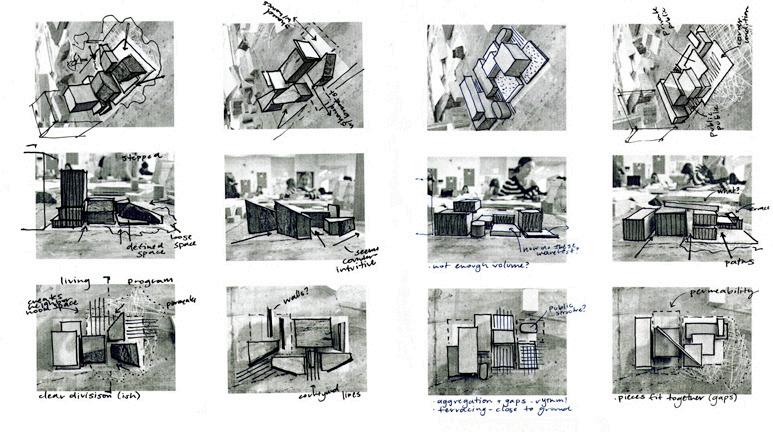
Early Axonometric Sketch Corner Condition Studies
Massing Model Iterations
Aggregation Diagrams
Axonometric
Long Section
Second
MORVEN PAVILION
In collaboration with Alan Watts, Nick Kaperday, Jack Allison, and Professor JT Bachman
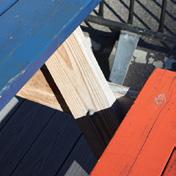
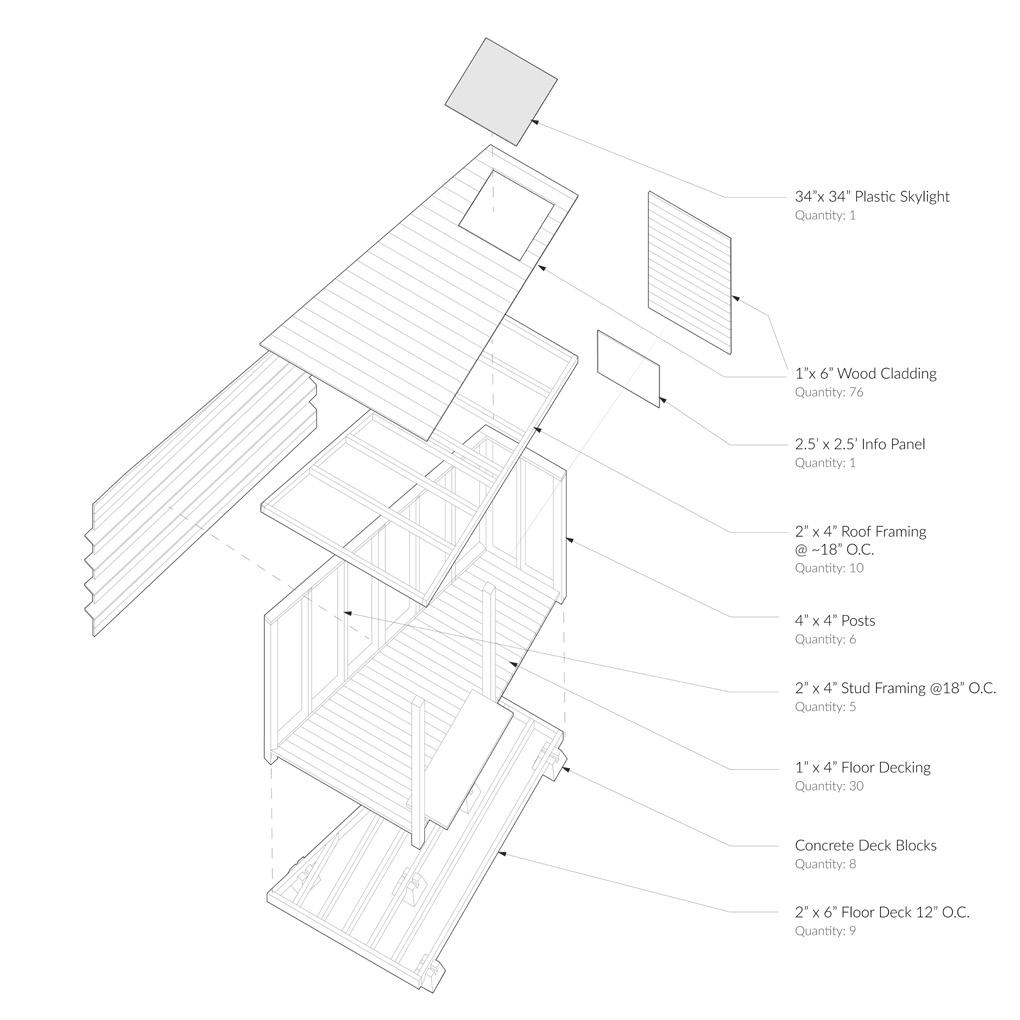
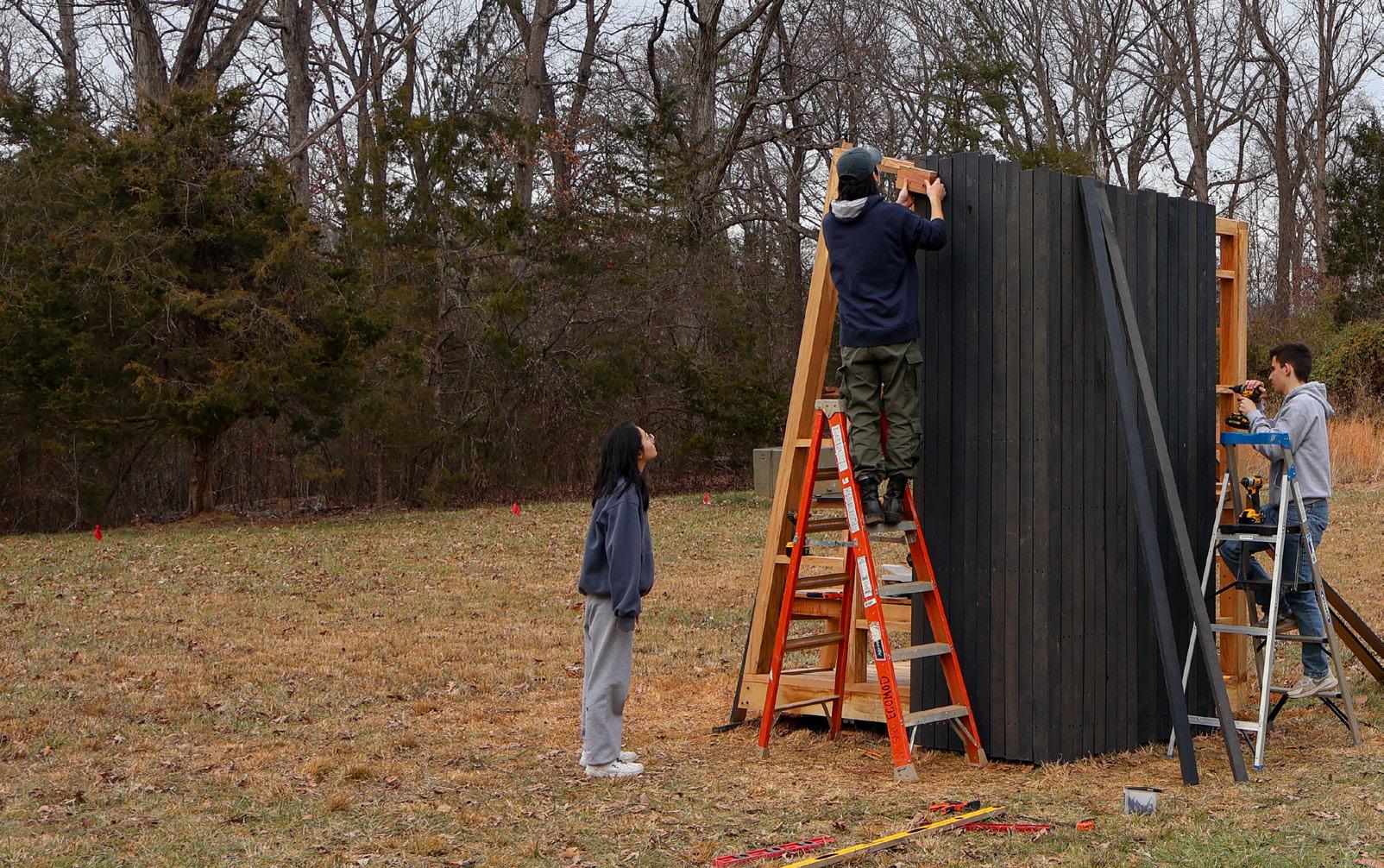
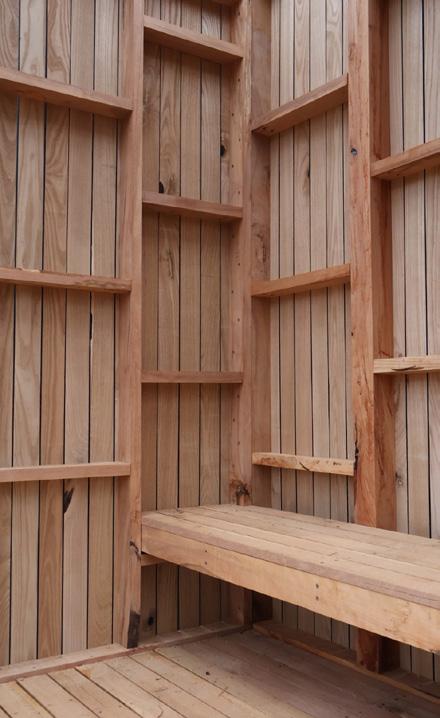
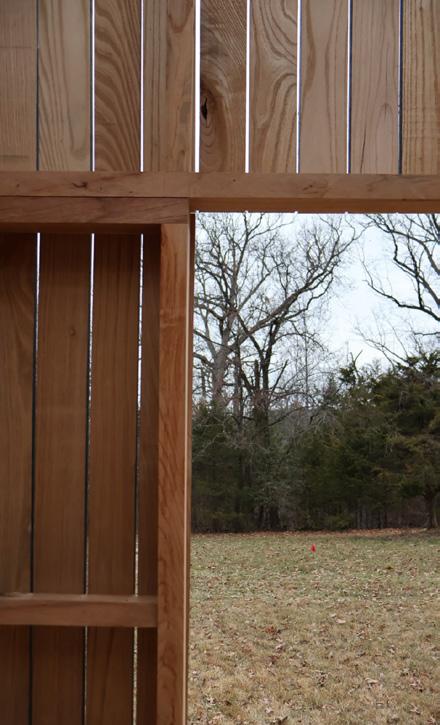
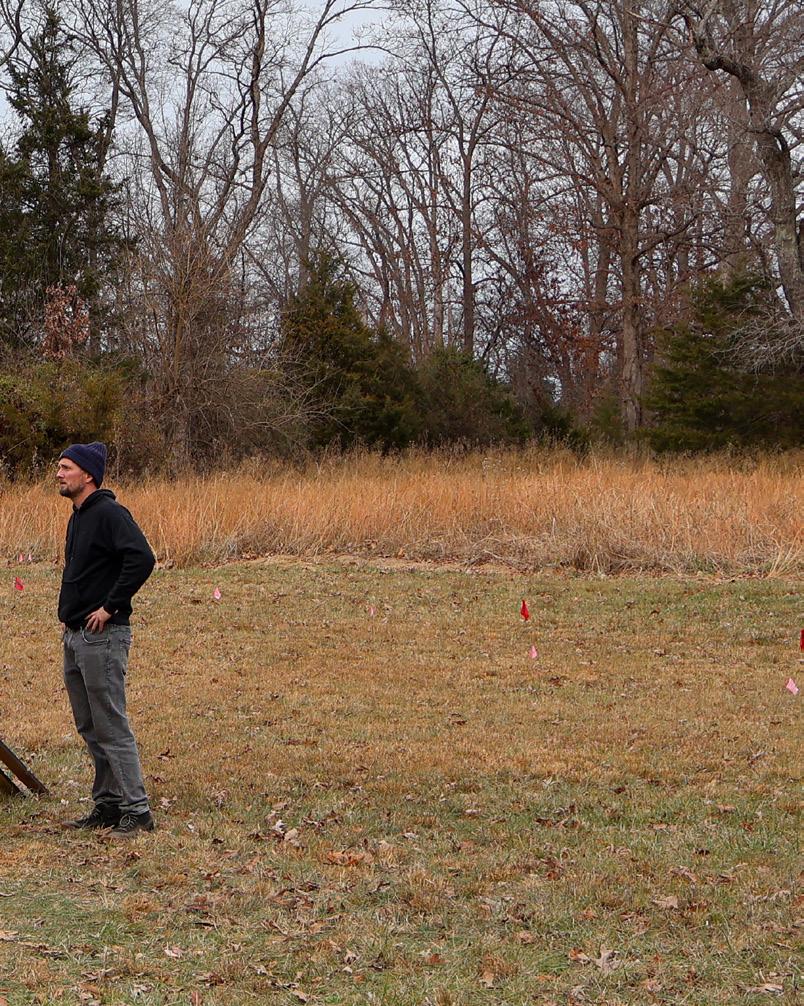
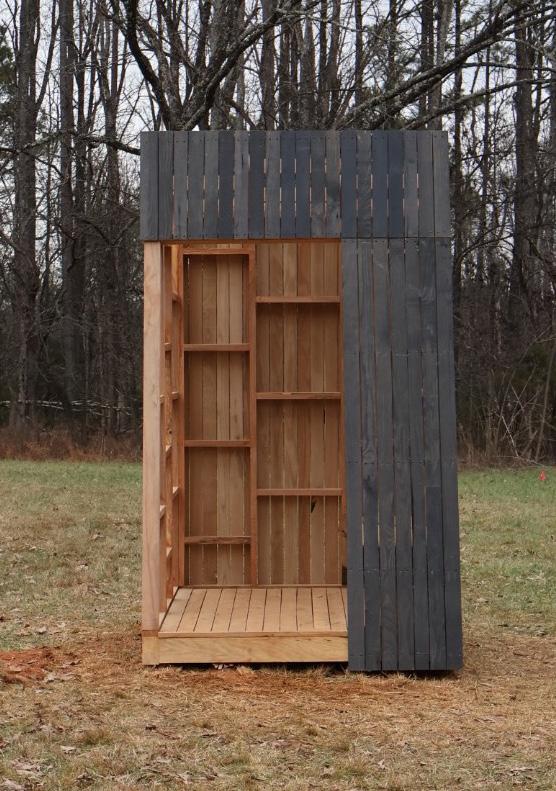
This trailhead pavilion for Morven Sustainability Lab was designed to act as a space for meeting and refection, framing visitors’ experience of the site.
The original schematic design phase feautred three pavilions organized on the axis between a historic path and a future rotational grazing pasture. The Meeting, Personal, and Pasture pavilions each welcomed visitors to contextualize the site before continuing on the trail network.
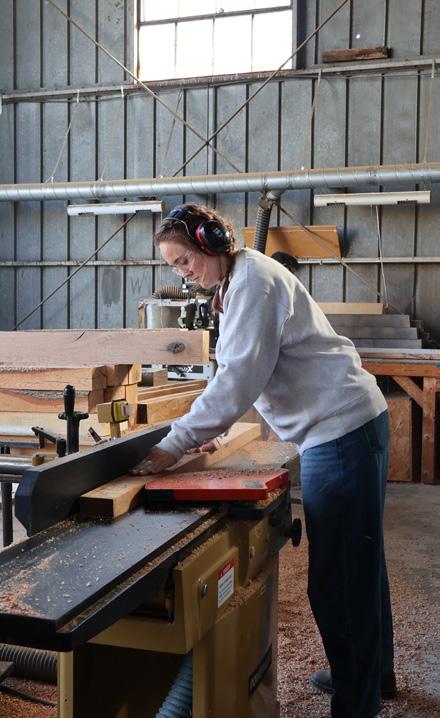
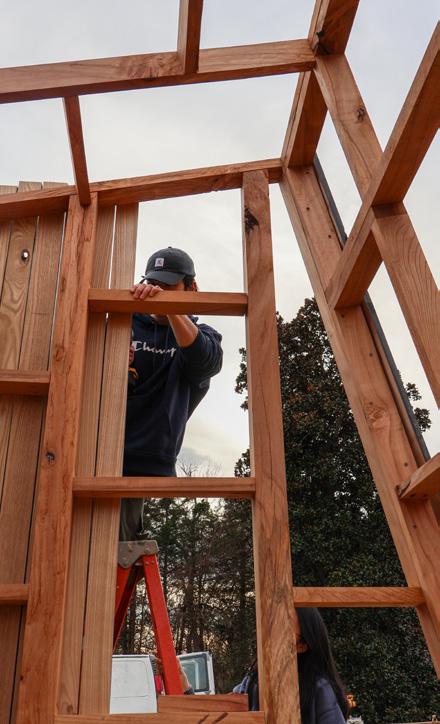
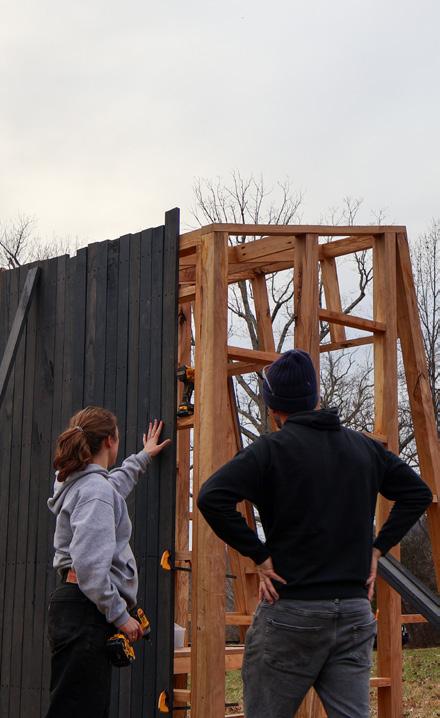
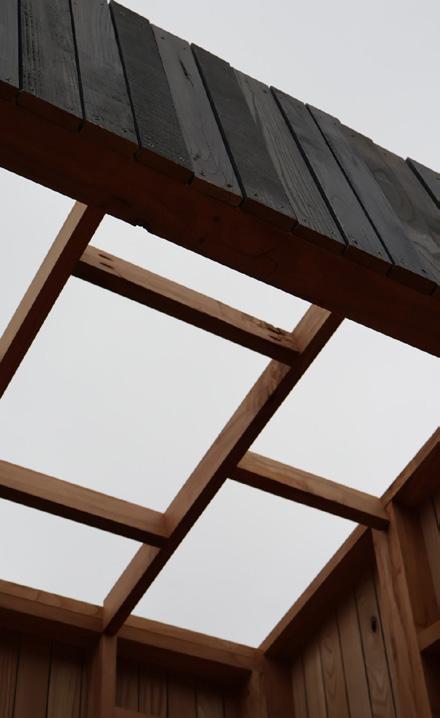
Working with stakeholders at Morven and the University of Virginia, the three pavilions were synthesized into one, combining purposes of meeting and refection and considering material and structural requirements. The pavilion is constructed of lumber milled and fnished from logs cut down around U.Va., and was assembled on site. The Morven Pavilion will fnish construction in April of 2026.
Design Seminar 5500
JT Bachman
Charlottesville, VA In Construction
Concept Sketch
Meeting and Personal Pavilion Sections - Drawings by