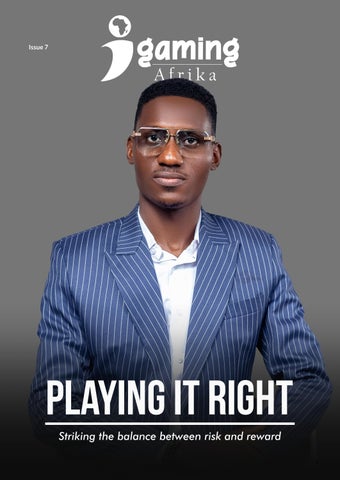

PLAYING IT RIGHT
Striking the balance between risk and reward



NAIROBI 2026

4 - 6 May 2026
Sarit Expo Centre Nairobi, Kenya







EDITOR’S NOTE
A New Year, A Bigger Game: Africa’s iGaming Momentum Continues
Welcome to a new year and another defining chapter for Africa’s iGaming industry.
As we usher in this new year with the seventh issue of iGaming AFRIKA Magazine, one thing is abundantly clear: the African iGaming ecosystem is not just growing, it is accelerating, evolving, and maturing at pace. Across the continent, the stories shaping gaming today are stories of momentum, innovation, and possibility.
Africa is not a single market; it is a mosaic of diverse jurisdictions, cultures, regulatory frameworks, and consumer behaviours. Understanding these nuances is critical. Through this issue, we have curated insights from knowledgeable thought leaders who unpack what it truly takes to enter, operate, and scale sustainably across African markets, from compliance and localisation to partnerships, technology, and responsible engagement.
Anchoring this issue is an enthralling cover story featuring Fisayo Oke, Chief Executive Officer of Gamble Alert, a leading responsible gaming advocacy organisation. In this candid and timely conversation, Fisayo reflects on a landmark recognition from the Lagos State Lotteries and Gaming Authority, the growing public health risks posed by underage gambling, and the urgent need for collective action across Nigeria’s betting ecosystem.
The discussion goes beyond advocacy, exploring the critical intersection of research, regulation, treatment, technology, and public awareness. It offers rare and valuable insight into what it will take to build a safer, more responsible, and more sustainable gaming industry, not only in Nigeria, but across Africa as a whole.
As we begin this new year, Issue 7 stands as both a reflection of how far the industry has come and a call to action for where it must go next. Growth, after all, must be matched with responsibility, collaboration, and long-term vision.
Thank you for reading, for engaging, and for being part of the iGaming AFRIKA journey. We look forward to shaping the conversation with you throughout the year ahead.


Baraka Jefwa Editor, iGaming AFRIKA

Leading With Purpose: A Pan-African Vision for Responsible and Sustainable Gaming
In an in-depth interview with iGaming AFRIKA, Olabimpe Akingba, Regional Manager Africa, Business Development & Regulatory at pawaTech, explores the remarkable journey of a leader whose career bridges law, compliance, advocacy, responsible gaming, and panAfrican regulatory engagement. She shares candid reflections on her path, milestones, challenges, and aspirations for Africa’s rapidly evolving gaming ecosystem.
From Europe to Africa: Shaping the Future of Gaming
Zsuzsanna Zeibig, General Manager at EGT, stands at the centre of Africa’s rapidly evolving gaming landscape, where innovation, localisation and regulatory shifts are reshaping opportunities across the continent. In this interview, she shares her journey, the lessons learned from expanding across multiple African markets, and her vision for the future of gaming in the region.
Africa’s Gaming Boom: Trends, Lessons & What Comes Next
In this discussion, Graham Etyang, Commercial Manager at EGT Digital, explores, the trends reshaping the industry and what the next five years of iGaming in Africa are poised to look like.
Promoting Responsible Gaming through Player Protection & Regulatory Compliance: Eastern Cape Gambling Board’s Wins
Zuko Phandle, Manager: Audit and Compliance at Eastern Cape Gambling board, reflects on the Board’s clean audit streak, technology-driven risks, and the collaborative fight to protect vulnerable communities from unregulated gaming.
Where Creativity Meets Technology: Exploring Africa’s Gaming Momentum
In this piece, Ekaterina Mayorova, Head of Region for Africa at QTech Games, shares insights on market evolution, inclusivity in esports, and the unique dynamics influencing player behaviour across the continent. Her perspective offers a fresh lens into the opportunities, challenges, and innovations steering Africa’s next gaming chapter.



KEYFEATURES
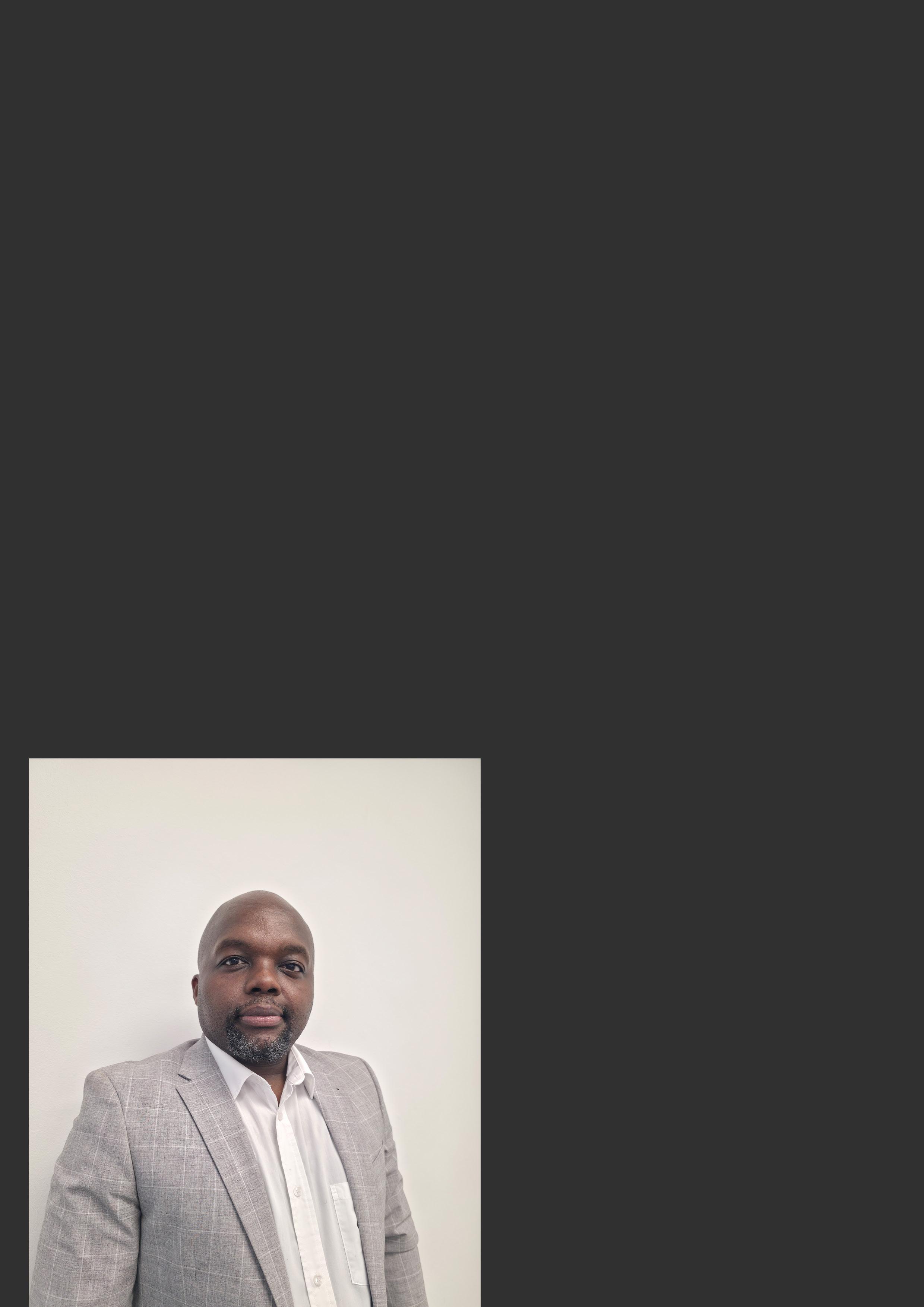
Olabimpe Akingba
Zsuzsanna Zeibig
Brian Ondieki
Zuko Phandle
Ekaterina Mayorova
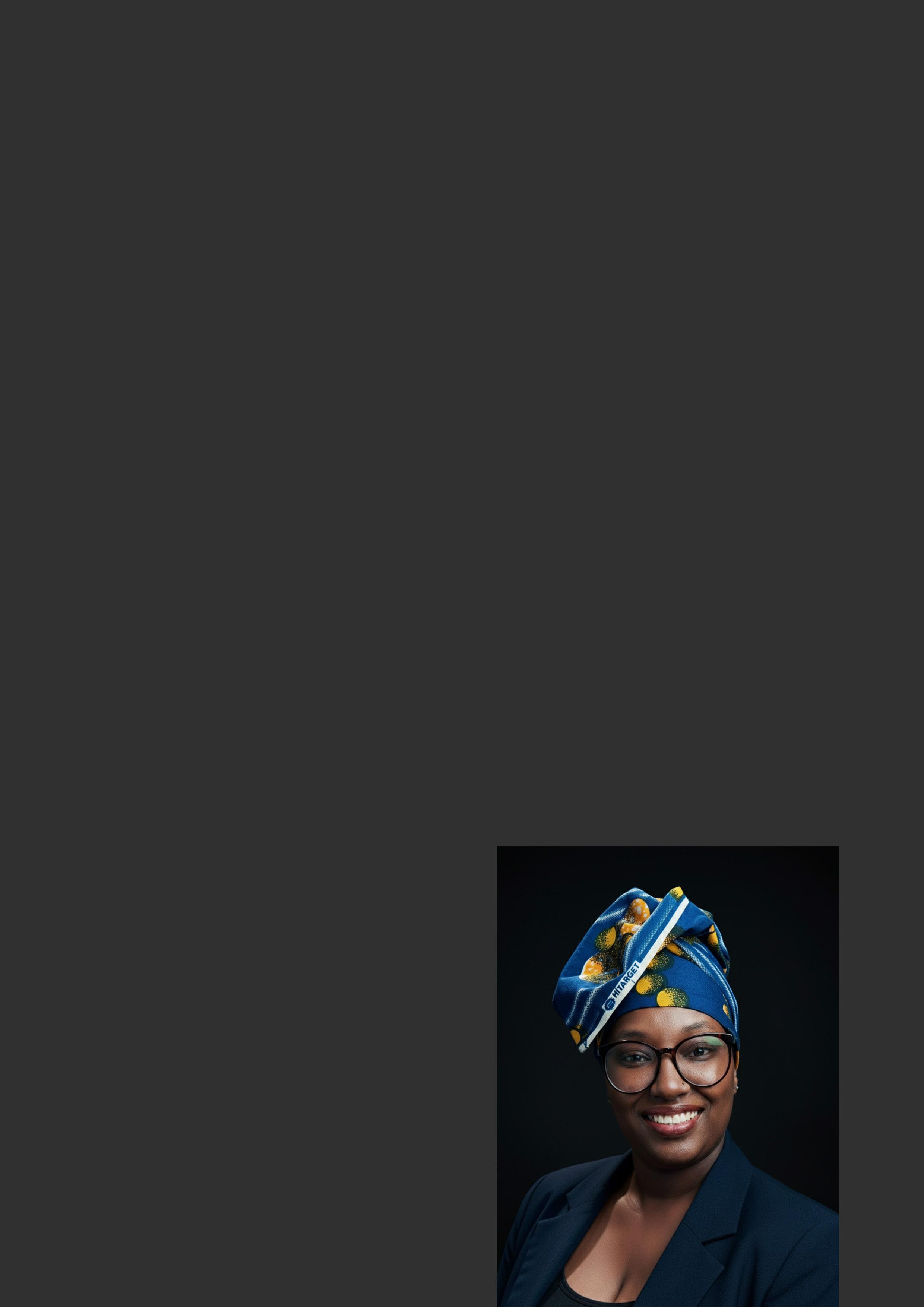
Syombua A. Kibue KEYFEATURES
John Erastus
Fisayo Oke
Angelica Amina
Vivi Mwendwa

CEO’S NOTE
It is truly an honor to present the 7th edition of iGaming AFRIKA Magazine. As we begin 2026, this special issue offers a moment to reflect on valuable lessons from 2025 and to look ahead at the key developments shaping the year to come.
2026 is a landmark year for iGaming AFRIKA. We are excited to host the inaugural iGaming AFRIKA Summit, a groundbreaking event of its kind in Africa. Boasting an unparalleled experience for delegates, the summit features unprecedented access and engagement opportunities that have never been seen before in the African gaming industry.
This summit will serve as a vital platform for African operators to access cutting-edge technology solutions, including top-tier games from leading global studios, innovative platform providers, payment service providers, and affiliate management system developers, among others.
Bringing together our extensive community of followers from across the globe, the summit anticipates welcoming over 3,500+ delegates, 350+ affiliates, 500+ industry operators, and more than 100 sponsors and exhibitors. These participants will showcase their products within our 3,300-square-meter exhibition space at the Sarit Expo Centre between the 4th and 6th of May 2026. Attendees will also engage in insightful discussions led by key figures in Africa's iGaming sector, gaining valuable industry insights.
We look forward to making your stay in Nairobi a memorable and rewarding experience. Karibu Kenya and enjoy the read!
Jeremiah Maangi CEO, iGaming AFRIKA



“
As we unveil the seventh issue of iGaming AFRIKA Magazine, we celebrate an industry in motion, dynamic, innovative, and full of promise. This edition explores the forces driving Africa’s gaming landscape, from a tech-savvy, digitally native population to expanding market opportunities and regulatory evolution. Through insightful features and conversations with thought leaders, we examine the delicate balance between growth and responsibility, highlighting the strategies, partnerships, and innovations shaping sustainable success across diverse African markets.

Anne Jelagat
Editorial Designer, iGaming AFRIKA
Leading With Purpose: A Pan-African Vision for Responsible and Sustainable Gaming
In this exclusive interview between iGaming AFRIKA Magazine and Olabimpe Akingba, Head of Responsible Gaming at pawaTech, we explore the remarkable journey of a leader whose career bridges law, compliance, advocacy, responsible gaming, and pan-African regulatory engagement. With over fifteen years of experience shaping gaming policy, advancing responsible gaming standards, and championing women and young professionals across the continent, she shares candid reflections on her path, milestones, challenges, and aspirations for Africa’s rapidly evolving gaming ecosystem.
Her insights offer a rare blend of strategic depth, industry foresight, and personal conviction, shedding light on how integrity, collaboration, and human-centred innovation can drive a more sustainable and responsible future for gaming in Africa.
You’ve built an impressive career spanning law, compliance, and regulation. Could you walk us through your journey and what foundational lessons prepared you for the high-level strategic work you do today?
My career journey has been anything but linear, it’s been a blend of law, compliance, advocacy, and an evolving passion for responsible gaming. I began over fifteen years ago in legal practice. Those early years gave me a strong footing in structure, attention to detail, and an appreciation for the rule of law. But venturing into the gaming industry marked the moment my professional path truly came alive.
My early years working in-house with some gaming operators were truly formative, they expanded my role beyond legal advisory into compliance management, human resources, and day-to-day operations, giving me a holistic view of how businesses function and grow. I later transitioned into industry advocacy as Executive Secretary of the Association of Nigerian Bookmakers, representing operators and engaging directly with regulators to foster the policy dialogue that helped shape Nigeria’s gaming landscape. That experience reinforced the importance of collaboration, transparency, and trust, principles that continue to guide my work and leadership approach today.
My journey then took a pan-African turn when I joined PawaTech (owners of the betPawa brand) as Regional Manager, Africa (Business Development & Regulatory), working across diverse markets to support expansion and strengthen regulatory relationships. Today, as Head of Responsible Gaming, I focus on ensuring that growth and responsibility go hand in hand, helping markets design frameworks that protect players while sustaining business integrity.
Looking back, each stage of my journey has added a layer to the strategic work I do today. Law gave me structure; compliance instilled discipline; advocacy taught me the value of collaboration; and business development sharpened my foresight. Above all, the gaming industry itself, with its vibrancy and constant evolution, has taught me adaptability, empathy, and the importance of staying curious.
Katika mahojiano haya ya kipekee kati ya Jarida la iGaming AFRIKA na Olabimpe Akingba, Mkuu wa Mchezo wa Kubahatisha kwa Uwajibikaji pawaTech, tunachunguza safari ya ajabu ya kiongozi ambaye taaluma yake inaunganisha sheria, kufuata, utetezi, michezo ya kubahatisha inayowajibika, na ushiriki wa udhibiti wa Afrika. Akiwa na uzoefu wa zaidi ya miaka kumi na tano katika kuunda sera ya michezo ya kubahatisha, kuendeleza viwango vya michezo ya kubahatisha vinavyowajibika, na kutetea wanawake na wataalamu wachanga kote barani, anashiriki tafakari za wazi juu ya njia yake, hatua muhimu, changamoto na matarajio ya mfumo ikolojia wa michezo ya kubahatisha unaobadilika kwa kasi barani Afrika.
Maarifa yake yanatoa mchanganyiko adimu wa kina cha kimkakati, utabiri wa tasnia, na imani ya kibinafsi, ikitoa mwanga juu ya jinsi uadilifu, ushirikiano, na uvumbuzi unaozingatia binadamu unaweza kuendesha mustakabali endelevu na unaowajibika zaidi wa michezo ya kubahatisha barani Afrika.
Umeunda taaluma ya kuvutia inayohusu sheria, kufuata na kanuni. Unaweza kututembeza katika safari yako na ni masomo gani ya msingi yaliyokutayarisha kwa kazi ya kimkakati ya kiwango cha juu unayofanya leo?
Safari yangu ya kazi haijafwata mstari ulionyooka, imekuwa mchanganyiko wa sheria, kufuata, utetezi, na shauku inayobadilika ya michezo ya kubahatisha inayowajibika. Nilianza zaidi ya miaka kumi na tano iliyopita katika utendaji wa kisheria. Miaka hiyo ya mapema ilinipa msingi thabiti katika muundo, umakini kwa undani, na kuthamini utawala wa sheria. Lakini kujitosa katika tasnia ya michezo ya kubahatisha kuliashiria wakati njia yangu ya kitaaluma ilipokuwa hai.
Miaka yangu ya mapema ya kufanya kazi ndani ya nyumba na waendeshaji wengine wa michezo ya kubahatisha kwa kweli ilinijenga , walipanua jukumu langu zaidi ya ushauri wa kisheria katika usimamizi wa kufuata, rasilimali watu, na shughuli za kila siku, na kunipa mtazamo kamili wa jinsi biashara zinavyofanya kazi na kukua. Baadaye nilibadilika na kuwa utetezi wa tasnia kama Katibu Mtendaji wa Chama cha Watengenezaji Vitabu wa Nigeria, nikiwakilisha waendeshaji na kushirikiana moja kwa moja na wasimamizi ili kukuza mazungumzo ya sera ambayo yalisaidia kuunda mazingira ya michezo ya kubahatisha ya Nigeria. Uzoefu huo uliimarisha umuhimu wa ushirikiano, uwazi, na uaminifu, kanuni ambazo zinaendelea kuongoza kazi yangu na njia ya uongozi leo.
Safari yangu ilichukua mkondo wa Afrika nilipojiunga na PawaTech (wamiliki wa chapa ya betPawa) kama Meneja wa Mkoa, Afrika (Maendeleo ya Biashara na Udhibiti), nikifanya kazi katika masoko anuwai kusaidia upanuzi na kuimarisha uhusiano wa udhibiti. Leo, kama Mkuu wa Michezo ya Kuwajibika, ninazingatia kuhakikisha kuwa ukuaji na uwajibikaji vinaenda pamoja, kusaidia masoko kubuni mifumo ambayo inalinda wachezaji wakati wa kudumisha uadilifu wa biashara.
Kuangalia nyuma, kila hatua ya safari yangu imeongeza safu kwa kazi ya kimkakati ninayofanya leo. Sheria ilinipa muundo; kufuata kulisisitiza nidhamu; Utetezi ulinifundisha thamani ya ushirikiano; na maendeleo ya biashara yaliimarisha uwezo wangu wa mbele. Zaidi ya yote, tasnia ya michezo ya kubahatisha yenyewe, pamoja

Head of Responsible Gaming at pawaTech
Olabimpe Akingba
The foundational lessons that continue to anchor me are simple: integrity in action, kindness in leadership, and the courage to keep learning. These principles guide how I navigate complex markets, lead teams, and contribute to shaping a more responsible and sustainable gaming ecosystem across Africa.
From your time as Executive Secretary of the Association of Nigerian Bookmakers to your current role at pawaTech, what would you say has been the most defining milestone of your career so far?
While every role has shaped my growth, my time as Executive Secretary of the Association of Nigerian Bookmakers laid the foundation for the strategic work I do today, sharpening my skills in advocacy, regulatory engagement, and stakeholder collaboration.
The most defining milestone, however, has been transitioning into my current role at PawaTech. It brought the challenge of understanding the gaming industry across multiple African jurisdictions, each with its own cultural nuances, regulatory frameworks, and cross-border complexities, while adapting to the dynamics of an international company.
This milestone stands out not only for the scope of responsibility but for the opportunity it gave me to shape markets, influence strategy, and promote responsible gaming across Africa. It has been one of the most rewarding chapters of my professional journey this far.
You’ve helped shape conversations on gaming regulation in Nigeria and beyond. In your view, what are the biggest challenges both regulators and operators face today in achieving a fair, transparent, and sustainable market?
Gaming operators across Africa face a range of challenges, such as complex and sometimes inconsistent regulatory frameworks, high taxation, the persistent presence of illegal operators, market monopolies and the absence of a dedicated gaming regulatory body in some jurisdictions. Together, these factors create high market volatility, making long-term planning, strategic investment, and sustainable growth difficult. Operators must constantly adapt to changing conditions, often without a clear roadmap, which underscores the importance of stability and predictability in the market.
Regulators, meanwhile, have their own hurdles too. Combating illegal gambling, particularly through remote and digital channels, is a constant challenge. Many also face knowledge gaps in understanding new technologies, innovative gaming products, or emerging business models. Keeping pace with the rapidly evolving industry and ensuring effective enforcement across all markets can be difficult, and gaps in oversight usually lead to unfair practices or imbalances.
Addressing these challenges requires collaboration. I have always advocated for structured engagement between regulators, operators, and governments. In many countries, regulators do not have the authority to independently make or amend certain policies, such as tax laws, which are typically set at higher levels of government, such as the tax authorities, legislative houses and/or the presidency. Regular dialogue among all stakeholders can help identify gaps, align expectations, and create frameworks that are fair, transparent, and sustainable.
na uchangamfu wake na mageuzi ya mara kwa mara, imenifundisha kubadilika, huruma, na umuhimu wa kukaa na hamu ya kutaka kujua.
Masomo ya msingi ambayo yanaendelea kunitia nanga ni rahisi: uadilifu katika vitendo, fadhili katika uongozi, na ujasiri wa kuendelea kujifunza. Kanuni hizi huongoza jinsi ninavyopitia masoko changamano, kuongoza timu, na kuchangia katika kuunda mfumo ikolojia wa michezo ya kubahatisha unaowajibika zaidi na endelevu kote Afrika.
Kuanzia wakati wako kama Katibu Mtendaji wa Chama cha waendeshaji wa ubashiri wa Nigeria hadi jukumu lako la sasa katika pawaTech, ni nini unaweza kusema kimekuwa hatua muhimu zaidi ya kazi yako hadi sasa?
Ingawa kila jukumu limeunda ukuaji wangu, wakati wangu kama Katibu Mtendaji wa Chama cha Waendeshaji ubashiri wa Nigeria uliweka msingi wa kazi ya kimkakati ninayofanya leo, kuimarisha ujuzi wangu katika utetezi, ushiriki wa udhibiti, na ushirikiano wa wadau.
Hatua muhimu zaidi, hata hivyo, imekuwa kubadilika kwa jukumu langu la sasa katika PawaTech. Ilileta changamoto ya kuelewa tasnia ya michezo ya kubahatisha katika mamlaka nyingi za Kiafrika, kila moja ikiwa na nyanza yake ya kitamaduni, mifumo ya udhibiti, na utata wa kuvuka mpaka, huku ikibadilika kulingana na mienendo ya kampuni ya kimataifa.
Hatua hii muhimu sio tu kwa upeo wa uwajibikaji lakini kwa fursa iliyonipa kuunda masoko, kushawishi mkakati, na kukuza michezo ya kubahatisha inayowajibika kote Afrika. Imekuwa moja ya sura zenye kuridhisha zaidi za safari yangu ya kitaalam hadi sasa.
Umesaidia kuunda mazungumzo juu ya udhibiti wa michezo ya kubahatisha nchini Nigeria na kwingineko. Kwa maoni yako, ni changamoto gani kubwa ambazo wasimamizi na waendeshaji wanakabiliwa nazo leo katika kufikia soko la haki, la uwazi na endelevu?
Waendeshaji michezo ya kubahatisha kote Afrika wanakabiliwa na changamoto mbalimbali, kama vile mifumo changamano na wakati mwingine isiyolingana na udhibiti, ushuru mkubwa, uwepo unaoendelea wa waendeshaji haramu, ukiritimba wa soko na kukosekana kwa chombo maalum cha udhibiti wa michezo ya kubahatisha katika baadhi ya mamlaka. Kwa pamoja, mambo haya huunda tete kubwa ya soko, na kufanya mipango ya muda mrefu, uwekezaji wa kimkakati, na ukuaji endelevu kuwa mgumu. Waendeshaji lazima wabadilike kila wakati kwa hali inayobadilika, mara nyingi bila ramani ya barabara wazi, ambayo inasisitiza umuhimu wa utulivu na kutabirika katika soko.
Wadhibiti, wakati huo huo, wana vikwazo vyao pia. Kupambana na kamari haramu, haswa kupitia njia za mbali na za dijiti, ni changamoto ya mara kwa mara. Wengi pia wanakabiliwa na mapungufu ya maarifa katika kuelewa teknolojia mpya, bidhaa bunifu za michezo ya kubahatisha, au miundo ya biashara inayoibuka. Kuendana na tasnia inayobadilika kwa kasi na kuhakikisha utekelezaji mzuri katika masoko yote inaweza kuwa vigumu, na mapungufu katika uangalizi kawaida husababisha mazoea yasiyo ya haki au usawa.
Kushughulikia changamoto hizi kunahitaji ushirikiano. Siku zote nimekuwa nikitetea ushirikiano uliopangwa kati ya wasimamizi, waendeshaji, na serikali. Katika nchi nyingi, wasimamizi hawana mamlaka ya kujitegemea kutunga au kurekebisha sera fulani, kama vile sheria za ushuru, ambazo kwa kawaida huwekwa katika ngazi za juu za serikali, kama vile mamlaka ya ushuru, nyumba za kutunga sheria na/au urais. Mazungumzo ya mara kwa mara kati
You’ve been recognised among iGaming Business’s Most Influential Women in Gaming (2022), Top 50 Women in Gaming Africa (2024), and the ELG 40 Under 40 (Class of 2026). What do these honours mean to you, and how have they shaped your sense of purpose?
I am deeply grateful and humbled by all the recognition and awards I have received from various national and international organisations, such as iGaming Business, AGE, ELG, Gamble Alert, to name a few. These honours are a testament not only to my own efforts but to the collective work of many behind the scenes, all striving to promote a fair, responsible, and thriving gaming industry. They serve as a powerful reminder that the contributions I make are making a meaningful difference.
Beyond the accolades, these honours have strengthened my sense of purpose. They motivate me to push boundaries and reinforce my commitment to inspiring the next generation of gaming professionals as well as empowering women and young professionals to thrive in the industry, as I have done and will continue to do personally and through platforms like Women in Nigeria Gaming (WING) and Women in Gaming Africa (WIGA).
For me, recognition is not just a reflection of past work; it is a call to continue shaping the future, sharing knowledge, and creating opportunities for those coming up behind me.
You’ve been a consistent advocate for responsible gaming and mental wellness, even highlighting betPawa’s partnership with behavioural health institutions such as Tranquil and Quest Behavioral Limited. Why does this intersection between gaming and mental health remain such a critical focus for the industry, and how can such partnerships be scaled or structured to create meaningful, long-term impact within the gaming ecosystem?
Responsible gaming has always been more than a compliance requirement for me; it’s a moral and social responsibility. The intersection between gaming and mental wellness is critical because gaming, when not properly managed, can impact individuals’ emotional and psychological well-being. As industry stakeholders, we have a duty to create environments that prioritise the player’s safety and balance enjoyment with responsibility.
At betPawa, we recognise that mental wellness and responsible gaming go hand in hand, and that’s why our responsible gaming framework goes beyond messaging; it’s about real, accessible support. Through partnerships with behavioural health institutions across our markets, we provide confidential counselling and rehabilitation support to customers who need it. These partnerships are intentionally localised rather than “one-size-fits-all.” For instance, we work with Tranquil and Quest Behavioral Limited in Nigeria, Baks-Calmare Enclave Foundation in Ghana, and Imanzi Counseling and Rehabilitation Centre in Rwanda, among others. Each organisation understands its cultural context and the nuances of the communities it serves, which makes the intervention far more effective.
To create lasting impact, I believe the industry must continue to localise its mental wellness partnerships and view player protection not as a box to tick but as a shared commitment to people’s wellbeing.
washikadau wote yanaweza kusaidia kutambua mapungufu, kuoanisha matarajio, na kuunda mifumo ambayo ni ya haki, ya uwazi na endelevu.
Umetambuliwa kati ya Wanawake Wenye Ushawishi Mkubwa katika Biashara ya iGaming katika Michezo ya Kubahatisha (2022), Wanawake 50 Bora katika Michezo ya Kubahatisha Afrika (2024), na ELG 40 chini ya 40 (Darasa la 2026). Heshima hizi zinamaanisha nini kwako, na zimeunda vipi hisia zako za kusudi?
Ninashukuru sana na kunyenyekezwa na utambuzi na tuzo zote ambazo nimepokea kutoka kwa mashirika mbalimbali ya kitaifa na kimataifa, kama vile iGaming Business, AGE, ELG, Gamble Alert, kutaja chache. Heshima hizi ni ushuhuda sio tu kwa juhudi zangu mwenyewe lakini kwa kazi ya pamoja ya wengi nyuma ya pazia, wote wakijitahidi kukuza tasnia ya haki, inayowajibika, na inayostawi. Zinatumika kama ukumbusho wenye nguvu kwamba michango ninayotoa inaleta mabadiliko ya maana.
Zaidi ya sifa, heshima hizi zimeimarisha hisia zangu za kusudi. Wananihamasisha kuvuka mipaka na kuimarisha dhamira yangu ya kuhamasisha kizazi kijacho cha wataalamu wa michezo ya kubahatisha na pia kuwawezesha wanawake na wataalamu wachanga kustawi katika tasnia, kama nilivyofanya na nitaendelea kufanya kibinafsi na kupitia majukwaa kama Women in Nigeria Gaming (WING) na Women in Gaming Africa (WIGA). Kwangu mimi, utambuzi sio tu onyesho la kazi ya zamani; Ni wito wa kuendelea kuunda siku zijazo, kubadilishana maarifa, na kuunda fursa kwa wale wanaokuja nyuma yangu.
Umekuwa mtetezi thabiti wa michezo ya kubahatisha inayowajibika na ustawi wa akili, hata kuangazia ushirikiano wa betPawa na taasisi za afya ya tabia kama vile Tranquil na Quest Behavioral Limited. Kwa nini makutano haya kati ya michezo ya kubahatisha na afya ya akili yanasalia kuwa lengo muhimu kwa tasnia, na ushirikiano kama huo unawezaje kuongezwa au kupangwa ili kuunda athari ya maana na ya muda mrefu ndani ya mfumo ikolojia wa michezo ya kubahatisha?
Michezo ya kubahatisha inayowajibika daima imekuwa zaidi ya hitaji la kufuata kwangu; ni jukumu la kimaadili na kijamii. Makutano kati ya michezo ya kubahatisha na ustawi wa akili ni muhimu kwa sababu michezo ya kubahatisha, isipodhibitiwa ipasavyo, inaweza kuathiri ustawi wa kihisia na kisaikolojia wa watu binafsi. Kama wadau wa tasnia, tuna jukumu la kuunda mazingira ambayo yanatanguliza usalama wa mchezaji na kusawazisha starehe na uwajibikaji.
Katika betPawa, tunatambua kuwa ustawi wa akili na michezo ya kubahatisha inayowajibika huenda pamoja, na ndiyo maana mfumo wetu wa michezo ya kubahatisha unaowajibika huenda zaidi ya ujumbe; ni kuhusu usaidizi halisi, unaoweza kupatikana. Kupitia ushirikiano na taasisi za afya ya tabia katika masoko yetu yote, tunatoa ushauri wa siri na msaada wa ukarabati kwa wateja wanaohitaji. Ushirikiano huu umejanibishwa kwa makusudi badala ya "ukubwa mmoja-unafaa-wote." Kwa mfano, tunafanya kazi na Tranquil and Quest Behavioral Limited nchini Nigeria, Wakfu wa Baks-Calmare Enclave nchini Ghana, na Kituo cha Ushauri na Urekebishaji cha Imanzi nchini Rwanda, miongoni mwa wengine. Kila shirika linaelewa muktadha wake wa kitamaduni na nyanza ya jamii inazohudumia, ambayo inafanya uingiliaji kati kuwa mzuri zaidi.
Ili kuleta athari ya kudumu, ninaamini tasnia lazima iendelee kubinafsisha ushirikiano wake wa ustawi wa akili na kuona ulinzi wa wachezaji sio kama sanduku la kuweka alama lakini kama kujitolea kwa pamoja kwa ustawi wa watu.

With the gaming industry straddling rapid expansion and increasing regulatory oversight, how can operators across Africa strike the right balance between innovation, growth ambitions, and the need for compliance, ethical responsibility, and strong consumer protection?
Balancing innovation, growth, and compliance in Africa’s fast-evolving gaming industry requires foresight and discipline.Operators must see compliance not as a barrier but as a foundation for sustainable success by fostering a culture of integrity, investing in technology that streamlines compliance processes and fostering a responsible gaming culture. Growth should never come at the expense of ethics and customer trust.
Finally, when introducing innovations, gaming operators should be mindful of existing regulations as innovations should be pursued within a responsible framework, and also consider collaborating with gaming regulators and industry associations.
The gaming industry remains largely male-dominated. What challenges have you faced as a woman in leadership, and what advice would you give to other women aspiring to build careers in gaming, law, or tech regulation?
Early in my career, the gaming industry was overwhelmingly male-dominated, and women’s voices were often missing from decision-making tables. It sometimes meant working twice as hard to be seen, heard, and taken seriously or even get equal pay as male counterparts. What helped me overcome those barriers was consistency, excellence, and an unwavering self-belief. Over time, credibility is built not by demanding a seat at the table, but by demonstrating why your voice deserves to be there. I must also commend how far the industry has come; we are seeing more women take on leadership roles, drive innovation, and shape policy across the continent. I’m a strong advocate for fairness in all forms, especially equal pay for equal work, because talent and impact have no gender.
My advice to women aspiring to build careers in gaming is simple: stay grounded, be curious, and never doubt the power of your voice. Beyond competence, relationships matter; it is easier for people to work with those they like and trust, therefore, build meaningful connections, maintain integrity, and be genuinely collaborative. Keep learning, master your craft, and surround yourself with mentors and allies who see your potential even before you do. Most importantly, lift others as you rise because every woman who breaks a barrier makes it easier for the next to walk through.
Through your active participation in initiatives such as the “Rise of Women in Gaming” panels and your involvement with the DEIB Allyship programme at ICE Barcelona. In what ways do you see mentorship and allyship shaping the future of leadership and innovation within Africa’s gaming ecosystem?
I firmly believe that mentoring, both informally and through structured platforms, creates a ripple effect: it not only empowers individuals but also strengthens the broader talent pipeline and propels sustainable growth in the industry. Personally, I mentor many emerging professionals, and I have seen firsthand how shared knowledge, allyship, and a genuine commitment to developing talent make a meaningful difference. As gaming continues to evolve, the leaders who will shape its future are those who have been guided, challenged, and empowered to build with integrity, creativity, and bold vision.
Huku tasnia ya michezo ya kubahatisha inavyozunguka upanuzi wa haraka na kuongezeka kwa usimamizi wa udhibiti, waendeshaji kote Afrika wanawezaje kupata usawa kati ya uvumbuzi, matarajio ya ukuaji, na hitaji la kufuata, uwajibikaji wa kimaadili, na ulinzi thabiti wa watumiaji?
Kusawazisha uvumbuzi, ukuaji, na utiifu katika tasnia ya michezo ya kubahatisha inayobadilika kwa kasi barani Afrika inahitaji kuona mbele na nidhamu. Waendeshaji lazima waone kufuata sio kama kizuizi lakini kama msingi wa mafanikio endelevu kwa kukuza utamaduni wa uadilifu, kuwekeza katika teknolojia inayorahisisha michakato ya kufuata, na kupachika michezo ya kubahatisha inayowajibika na ulinzi wa wachezaji katika kila uvumbuzi. Ukuaji haupaswi kamwe kuja kwa gharama ya maadili au uaminifu wa watumiaji.
Hatimaye, wakati wa kuanzisha ubunifu, waendeshaji michezo ya kubahatisha wanapaswa kuzingatia kanuni zilizopo kwani ubunifu unapaswa kufuatwa ndani ya mfumo unaowajibika, na pia kuzingatia kushirikiana na wasimamizi wa michezo ya kubahatisha na vyama vya tasnia.
Sekta ya michezo ya kubahatisha inasalia kutawaliwa na wanaume kwa kiasi kikubwa. Ni changamoto gani umekumbana nazo kama mwanamke katika uongozi, na ungetoa ushauri gani kwa wanawake wengine wanaotamani kujenga taaluma katika michezo ya kubahatisha, sheria, au udhibiti wa teknolojia?
Mapema katika kazi yangu, tasnia ya michezo ya kubahatisha ilitawaliwa na wanaume wengi, na sauti za wanawake mara nyingi zilikosekana kwenye meza za kufanya maamuzi. Wakati mwingine ilimaanisha kufanya kazi mara mbili kwa bidii ili kuonekana, kusikilizwa, na kuchukuliwa kwa uzito au hata kupata malipo sawa na wenzao wa kiume. Kilichonisaidia kushinda vizuizi hivyo ni uthabiti, ubora, na kujiamini bila kuyumbayumba. Baada ya muda, uaminifu haujengwi kwa kudai kiti mezani, lakini kwa kuonyesha kwa nini sauti yako inastahili kuwa hapo. Lazima pia nipongeze jinsi tasnia imefika; Tunaona wanawake zaidi wakichukua majukumu ya uongozi, kuendesha uvumbuzi, na kuunda sera katika bara zima. Mimi ni mtetezi mkubwa wa haki katika aina zote, haswa malipo sawa kwa kazi sawa, kwa sababu talanta na athari hazina jinsia.
Ushauri wangu kwa wanawake wanaotamani kujenga taaluma katika michezo ya kubahatisha ni rahisi: kaa msingi, kuwa na hamu ya kutaka kujua, na usiwe na shaka na nguvu ya sauti yako. Zaidi ya uwezo, mahusiano ni muhimu; Ni rahisi kwa watu kufanya kazi na wale wanaowapenda na kuwaamini, kwa hivyo, kujenga miunganisho ya maana, kudumisha uadilifu, na kuwa na ushirikiano wa kweli. Endelea kujifunza, jifunze ufundi wako, na ujizunguke na washauri na washirika ambao wanaona uwezo wako hata kabla ya wewe kufanya hivyo. Muhimu zaidi, inua wengine unapoinuka kwa sababu kila mwanamke anayevunja kizuizi hurahisisha yule anayefuata kupita.
Kupitia ushiriki wako kikamilifu katika mipango kama vile paneli za "Rise of Women in Gaming" na ushiriki wako na mpango wa DEIB Allyship huko ICE Barcelona. Je, unaona ushauri na ushirika ukiunda mustakabali wa uongozi na uvumbuzi ndani ya mfumo ikolojia wa michezo ya kubahatisha barani Afrika?
Ninaamini kabisa kwamba ushauri, kwa njia isiyo rasmi na kupitia majukwaa yaliyoundwa, huunda athari mnyororo: sio tu kuwawezesha watu binafsi lakini pia huimarisha bomba pana la talanta na kukuza ukuaji endelevu katika tasnia. Binafsi, ninawashauri wataalamu wengi wanaochipukia, na nimejionea mwenyewe jinsi maarifa ya pamoja, ushirika, na kujitolea kwa kweli kukuza talanta kuleta mabadiliko ya maana. Kadiri michezo

“
Operators must see compliance not as a barrier but as a foundation for sustainable success by fostering a culture of integrity, investing in technology that streamlines compliance processes and fostering a responsible gaming culture. Growth should never come at the expense of ethics and customer trust.
In your recent interview with SBC News, you described localisation in Africa not merely as language adaptation but as “connectivity” Can you elaborate further on what “connectivity” entails in this sense?
While language adaptation is important, true localisation in Africa goes far beyond translation. Each African market has its own cultural, social, and even infrastructural nuances, and “connectivity” to me means building genuine bridges across those differences. It’s about ensuring that platforms don’t just operate in Africa but truly connect with Africa.
Connectivity starts with access, which is achieved by making sure platforms function seamlessly across varying mobile networks, optimising for low-bandwidth environments, and integrating payment options that reflect the financial realities of local consumers. But it also extends to emotional and cultural connection. The gaming experience should feel familiar, from the themes and tone to the customer support offered in local languages.
“
ya kubahatisha inavyoendelea kubadilika, viongozi ambao wataunda mustakabali wake ni wale ambao wameongozwa, kupingwa, na kuwezeshwa kujenga kwa uadilifu, ubunifu, na maono ya ujasiri.
Katika mahojiano yako ya hivi majuzi na SBC News, ulielezea ujanibishaji barani Afrika sio tu kama urekebishaji wa lugha lakini kama "muunganisho" Je, unaweza kufafanua zaidi juu ya nini "muunganisho" unahusisha kwa maana hii?
Ingawa urekebishaji wa lugha ni muhimu, ujanibishaji wa kweli barani Afrika huenda mbali zaidi ya tafsiri. Kila soko la Kiafrika lina nyanza zake za kitamaduni, kijamii, na hata miundombinu, na "muunganisho" kwangu inamaanisha kujenga madaraja ya kweli katika tofauti hizo. Ni juu ya kuhakikisha kuwa majukwaa hayafanyi kazi tu barani Afrika lakini yanaungana kweli na Afrika.
Muunganisho huanza na ufikiaji, ambao unapatikana kwa kuhakikisha kuwa majukwaa yanafanya kazi bila mshono kwenye mitandao tofauti ya simu, kuboresha mazingira ya kipimo data cha chini, na kuunganisha chaguo za malipo zinazoonyesha hali halisi ya kifedha ya watumiaji wa ndani. Lakini pia inaenea kwa uhusiano wa kihisia na kitamaduni. Uzoefu wa michezo ya kubahatisha unapaswa kuhisi kufahamika, kutoka kwa mandhari na sauti hadi usaidizi wa wateja unaotolewa katika lugha za kienyeji.
Over time, credibility is built not by demanding a seat at the table, but by demonstrating why your voice deserves to be there.
Since you joined the industry, Africa’s gaming landscape has evolved dramatically, from retail dominance to digital integration. How have you personally evolved alongside this change, and what shifts do you see coming next?
The rise of technology has transformed Africa’s gaming industry, unlocking exponential growth and positioning digitisation as the key driver of future potential. When I joined the sector over twelve years ago, it was largely retail-driven, and few could have anticipated the scale of digital adoption we are witnessing today.
Personally, I have evolved by staying ahead of trends, embracing continuous learning, attending industry events, and cultivating strong relationships with stakeholders across the ecosystem. Adaptability and willingness to embrace change have been central to navigating this fast-paced evolution.
Looking ahead, I see several exciting shifts on the horizon. The regulation of cryptocurrencies and blockchain technologies will shape how African markets operate, while esports and virtual reality will continue to gain momentum. At the same time, investment in locally developed content will grow, offering more culturally resonant experiences for players.
Staying connected to these trends, understanding the local context, and integrating innovation responsibly will remain critical for operators and for anyone seeking to contribute meaningfully to the continent’s gaming future.
Tangu ujiunge na tasnia, mazingira ya michezo ya kubahatisha barani Afrika yamebadilika sana, kutoka kwa utawala wa rejareja hadi ujumuishaji wa kidijitali. Je, wewe binafsi umebadilikaje pamoja na mabadiliko haya, na unaona ni mabadiliko gani yanafuata?
Kuongezeka kwa teknolojia kumebadilisha tasnia ya michezo ya kubahatisha barani Afrika, kufungua ukuaji mkubwa na kuweka uwekaji dijitali kama kichocheo kikuu cha uwezo wa siku zijazo. Nilipojiunga na sekta hiyo zaidi ya miaka kumi na miwili iliyopita, kwa kiasi kikubwa ilikuwa inaendeshwa na rejareja, na wachache wangeweza kutarajia kiwango cha kupitishwa kwa dijiti tunayoshuhudia leo.
Binafsi, nimebadilika kwa kukaa mbele ya mitindo, kukumbatia ujifunzaji endelevu, kuhudhuria hafla za tasnia, na kukuza uhusiano thabiti na washikadau katika mfumo wa ikolojia. Kubadilika na nia ya kukumbatia mabadiliko imekuwa msingi wa kuabiri mageuzi haya ya haraka.
Kuangalia mbele, naona mabadiliko kadhaa ya kusisimua kwenye upeo wa macho. Udhibiti wa sarafu za siri na teknolojia ya blockchain utaunda jinsi masoko ya Afrika yanavyofanya kazi, wakati esports na ukweli halisi utaendelea kushika kasi. Wakati huo huo, uwekezaji katika maudhui yaliyotengenezwa ndani ya nchi utakua, ukitoa uzoefu wa kitamaduni zaidi kwa wachezaji.
Kukaa kushikamana na mwenendo huu, kuelewa muktadha wa ndani, na kuunganisha uvumbuzi kwa uwajibikaji kutasalia kuwa muhimu kwa waendeshaji na kwa mtu yeyote anayetaka kuchangia kwa maana katika mustakabali wa michezo ya kubahatisha ya bara.
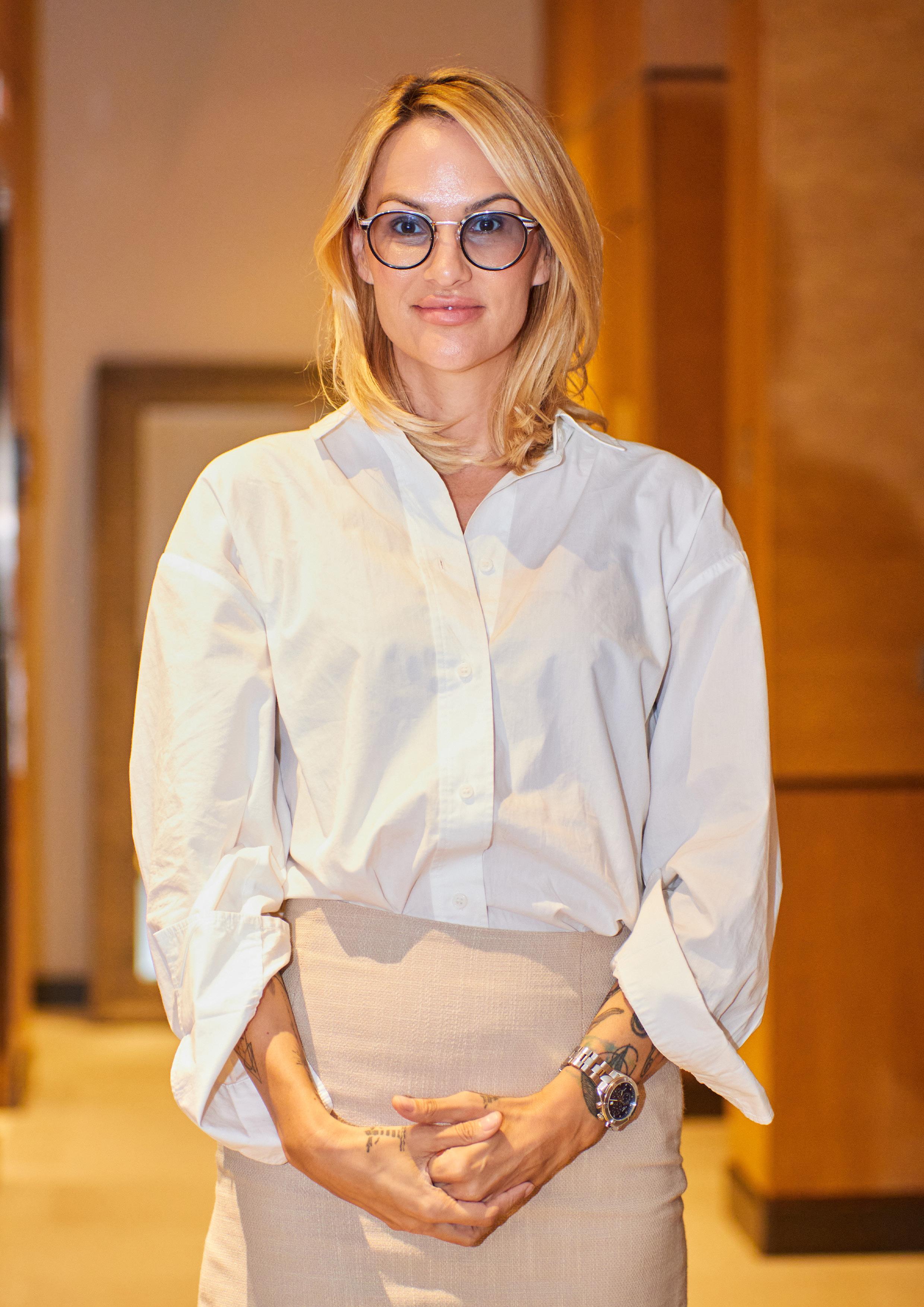
General Manager, EGT
Kenya
Zsuzsanna Zeibig
From Europe to Africa: Shaping the Future of Gaming
With more than two decades of industry experience spanning land-based casinos and digital transformation, Zsuzsanna Zeibig has built a career rooted in insight, adaptability, and cultural understanding. As General Manager at EGT Kenya, she stands at the centre of Africa’s rapidly evolving gaming landscape, where innovation, localisation, and regulatory shifts are reshaping opportunities across the continent. In this interview, she shares her journey, the lessons learned from expanding across multiple African markets, and her vision for the future of gaming in the region.
You’ve built a remarkable career in gaming, currently serving as General Manager at EGT KENYA. What initially attracted you to the industry, and what continues to motivate your work today?
I began my career in the gaming industry over 20 years ago, working in land-based casinos. Since then, I’ve gained extensive experience and insight into the field, and what continues to inspire me is the fact that there’s always something new to learn.
EGT Digital recently extended its collaboration with Bangbet to Tanzania, making over 150 of its in-house slot titles available to players there after success in Kenya and Nigeria. As General Manager, what were the biggest challenges you faced in launching in Tanzania, and how did you leverage learnings from previous markets to drive this rollout?
Out of Africa’s 54 countries, we’re actively exploring 50 promising markets for online gaming. Tanzania, in particular, stands out as a vibrant and rapidly growing market that truly excites us. Our content is already live in two casinos, and we’re eager to expand our footprint as we see tremendous potential ahead.
From East to West Africa, player preferences and operational realities differ significantly. How do you and your team adapt EGT Digital’s solutions to meet these local market dynamics?
We believe it’s essential to maintain a local presence in each market, as we understand that every country is unique. Each nation has its own culture, language, traditions, level of internet access, and economic landscape. It’s important to us that we don’t view this large and diverse continent as a single, uniform market. Our diverse portfolio includes a wide range of products, and we’re proud that our classic jackpot slots, both land-based and online, have become favourites among players throughout the continent.
Beyond business growth, you’ve often emphasised collaboration and cultural understanding. How do you maintain that balance between global brand identity and local relevance?
With more than 50 offices offices around the world, our company values being close to the markets we serve in, as it’s key to truly understanding local cultures. I live in Nairobi, Kenya, because I believe our success in Africa would not have been possible if we were managing operations from Europe. We’re also passionate about working with local talent, who know their markets better than anyone else.
Kwa zaidi ya miongo miwili ya uzoefu wa tasnia inayohusu kasino za ardhini na mabadiliko ya kidijitali, Zsuzsanna Zeibig amejenga taaluma iliyojikita katika ufahamu, kubadilika, na uelewa wa kitamaduni. Kama Meneja Mkuu wa EGT Kenya, anasimama katikati ya mazingira ya michezo ya kubahatisha yanayobadilika kwa kasi barani Afrika, ambapo uvumbuzi, ujanibishaji, na mabadiliko ya udhibiti yanaunda upya fursa katika bara zima. Katika mahojiano haya, anashiriki safari yake, masomo aliyojifunza kutokana na kupanuka katika masoko mengi ya Afrika, na maono yake ya mustakabali wa michezo ya kubahatisha katika eneo hilo.
Umejijengea taaluma adhimu katika michezo ya kubahatisha, kwa sasa unahudumu kama Meneja Mkuu katika EGT KENYA. Ni nini kilikuvutia kwenye tasnia, na ni nini kinachoendelea kuhamasisha kazi yako leo?
Nilianza kazi yangu katika tasnia ya michezo ya kubahatisha zaidi ya miaka 20 iliyopita, nikifanya kazi katika kasino za ardhini. Tangu wakati huo, nimepata uzoefu mkubwa na ufahamu katika uwanja huo, na kinachoendelea kunitia moyo ni ukweli kwamba daima kuna kitu kipya cha kujifunza.
EGT Digital hivi majuzi ilipanua ushirikiano wake na Bangbet hadi Tanzania, na kufanya zaidi ya majina yake 150 ya yanayopangwa ndani kupatikana kwa wachezaji huko baada ya mafanikio nchini Kenya na Nigeria. Kama Meneja Mkuu, ni changamoto gani kubwa ulizokabiliana nazo katika kuzindua nchini Tanzania, na ulitumiaje mafunzo kutoka kwa masoko ya awali kuendesha uchapishaji huu?
Kati ya nchi 54 za Afrika, tunachunguza kikamilifu masoko 50 ya kuahidi ya michezo ya kubahatisha mtandaoni. Tanzania, haswa, inajitokeza kama soko zuri na linalokua kwa kasi ambalo linatusisimua sana. Maudhui yetu tayari yanapatikana katika kasino mbili, na tuna hamu ya kupanua nyayo zetu tunapoona uwezo mkubwa mbele.
Kutoka Afrika Mashariki hadi Magharibi, mapendeleo ya wachezaji na hali halisi ya uendeshaji hutofautiana sana. Je, wewe na timu yako mnarekebishaje suluhu za EGT Digital ili kukidhi mienendo hii ya soko la ndani?
Tunaamini ni muhimu kudumisha uwepo wa ndani katika kila soko, kwani tunaelewa kuwa kila nchi ni ya kipekee. Kila taifa lina utamaduni wake, lugha, mila, kiwango cha ufikiaji wa mtandao, na mazingira ya kiuchumi. Ni muhimu kwetu kwamba tusiangalie bara hili kubwa na tofauti kama soko moja, linalofanana. Jalada letu tofauti linajumuisha anuwai ya bidhaa, na tunajivunia kuwa nafasi zetu za kawaida za jackpot, za ardhini na mkondoni, zimekuwa vipendwa kati ya wachezaji kote barani.
Zaidi ya ukuaji wa biashara, mara nyingi umesisitiza ushirikiano na uelewa wa kitamaduni. Je, unadumishaje usawa huo kati ya utambulisho wa chapa ya kimataifa na umuhimu wa ndani?
Ikiwa na zaidi ya ofisi 50 kote ulimwenguni, kampuni yetu inathamini kuwa karibu na masoko tunayohudumia, kwani ni ufunguo wa kuelewa kweli tamaduni za wenyeji. Ninaishi Nairobi, Kenya, kwa sababu ninaamini mafanikio yetu barani Afrika yasingewezekana ikiwa tungesimamia shughuli kutoka Ulaya. Pia tuna shauku ya kufanya kazi na talanta za ndani, ambao wanajua masoko yao bora kuliko mtu mwingine yeyote.
The African gaming landscape is evolving rapidly, with technology and regulation advancing in parallel. What do you see as the most exciting opportunities in the next phase of development?
I think it’s very important for us to be here from the start, while the gaming industry is still developing and taking shape. Being part of its early growth helps us learn, adapt, and understand where the market is heading. I also draw inspiration from European markets, using their guidelines and experience as a roadmap for building a strong foundation here.
The shift toward digital and online integration continues to reshape the gaming industry. How is EGT Kenya positioning itself to thrive in this hybrid environment?
We have over 4,000 people at our headquarters in Bulgaria providing essential support. We conduct thorough market research and equip our team with comprehensive information to ensure the successful development of our products. Constant communication is key, both with colleagues and clients. Our digital content mirrors our land-based offerings, which have been highly popular globally over the past two decades.
You’ve attended several international gaming events. How important are platforms like trade shows and expos in driving collaboration, learning, and innovation across regions?
Attending gaming shows and expos is crucial for meeting partners in person, especially since we often operate from different parts of the world. These face-to-face interactions help us build stronger relationships, which can lead to successful and lasting partnerships.
The concept of responsible gaming is expanding beyond player protection to include sustainability and corporate responsibility. How does EGT Kenya contribute to this broader mission?
Player protection is essential for sustainable, long-term growth in the gaming industry. Gaming companies should not promote the illusion of rapid financial gain, but rather provide a safe and enjoyable form of entertainment. While monitoring problematic behaviour is easier in land-based casinos, it is much more challenging online. In some African markets, operators require minimal information—sometimes only a phone number—for registration, and players may access unregulated or illegal gambling sites. This makes it difficult to identify unusual behaviour and provide timely support to those who need it. Operators should implement responsible gambling policies on their platforms and consider allocating a portion of gaming taxes to support rehabilitation programs. In this context, technology can play a major role. That is why our platform is built with responsibility at its core, making it easy for operators to comply with local regulations and promote safer gaming environments.
“ Gaming companies should not promote the illusion of rapid financial gain, but rather provide a safe and enjoyable form of entertainment.
Mazingira ya michezo ya kubahatisha ya Kiafrika yanabadilika kwa kasi, huku teknolojia na udhibiti ukiendelea sambamba. Unaona ni fursa gani za kusisimua zaidi katika awamu inayofuata ya maendeleo?
Nadhani ni muhimu sana kwetu kuwa hapa tangu mwanzo, wakati tasnia ya michezo ya kubahatisha bado inaendelea na kuchukua sura. Kuwa sehemu ya ukuaji wake wa mapema hutusaidia kujifunza, kuzoea, na kuelewa soko linaelekea wapi. Pia ninapata msukumo kutoka kwa masoko ya Uropa, nikitumia miongozo na uzoefu wao kama ramani ya barabara ya kujenga msingi thabiti hapa.
Mabadiliko kuelekea ujumuishaji wa kidijitali na mtandaoni yanaendelea kuunda upya tasnia ya michezo ya kubahatisha. Je, EGT Kenya inajiweka vipi ili kustawi katika mazingira haya ya mseto?
Tuna timu ya watu zaidi ya 4,000 katika makao makuu yetu nchini Bulgaria wanaotoa usaidizi muhimu. Tunafanya utafiti wa kina wa soko na kuandaa timu yetu na habari kamili ili kuhakikisha maendeleo ya mafanikio ya bidhaa zetu. Mawasiliano ya mara kwa mara ni muhimu, pamoja na wenzangu kazini na wateja. Maudhui yetu ya kidijitali yanaakisi matoleo yetu ya ardhini, ambayo yamekuwa maarufu sana duniani kote katika miongo miwili iliyopita.
Umehudhuria matukio kadhaa ya kimataifa ya michezo ya kubahatisha. Je, majukwaa kama maonyesho ya biashara na maonyesho yana umuhimu gani katika kuendeleza ushirikiano, ujifunzaji, na uvumbuzi katika maeneo yote?
Kuhudhuria maonyesho na maonyesho ya michezo ya kubahatisha ni muhimu kwa kukutana na washirika ana kwa ana, hasa kwa vile mara nyingi tunafanya kazi kutoka sehemu mbalimbali za dunia. Mwingiliano huu wa ana kwa ana hutusaidia kujenga uhusiano thabiti, ambao unaweza kusababisha ushirikiano wenye mafanikio na wa kudumu.
Dhana ya michezo ya kubahatisha inayowajibika inapanuka zaidi ya ulinzi wa wachezaji ili kujumuisha uendelevu na uwajibikaji wa shirika. Je, EGT Kenya inachangiaje katika dhamira hii pana?
Ulinzi wa wachezaji ni muhimu kwa ukuaji endelevu, wa muda mrefu katika tasnia ya michezo ya kubahatisha. Kampuni za michezo ya kubahatisha hazipaswi kukuza udanganyifu wa faida ya haraka ya kifedha, lakini badala yake kutoa aina salama na ya kufurahisha ya burudani. Ingawa ufuatiliaji wa tabia yenye matatizo ni rahisi katika kasino za ardhini, ni changamoto zaidi mtandaoni. Katika baadhi ya masoko ya Kiafrika, waendeshaji wanahitaji taarifa ndogo—wakati mwingine nambari ya simu tu—kwa ajili ya usajili, na wachezaji wanaweza kufikia tovuti za kamari zisizodhibitiwa au haramu. Hii inafanya kuwa vigumu kutambua tabia isiyo ya kawaida na kutoa usaidizi kwa wakati kwa wale wanaohitaji. Waendeshaji wanapaswa kutekeleza sera zinazowajibika za kamari kwenye majukwaa yao na kuzingatia kutenga sehemu ya ushuru wa michezo ya kubahatisha ili kusaidia programu za ukarabati. Katika muktadha huu, teknolojia inaweza kuchukua jukumu kubwa. Ndiyo maana jukwaa letu limejengwa kwa uwajibikaji katika msingi wake, na kuifanya iwe rahisi kwa waendeshaji kutii kanuni za ndani na kukuza mazingira salama ya michezo ya kubahatisha.
When you look at Africa’s future in gaming, what gives you the most optimism, and what message would you share with emerging professionals entering this vibrant industry?
There is a clear and promising future for the gaming industry across this continent. Achieving a robust and sustainable market will depend on continuous insights into player behaviour, combined with providers and operators developing efficient methods to collaborate and operate cohesively.
With a well-established gaming sector, there exists a considerable network of professionals and experts capable of collaboratively shaping the industry’s future. It is equally important for regulators in each country to coordinate efforts, establishing clear and reliable frameworks that both support businesses and uphold industry standards.

Unapoangalia mustakabali wa Afrika katika michezo ya kubahatisha, ni nini kinachokupa matumaini zaidi, na ungeshiriki ujumbe gani na wataalamu chipukizi wanaoingia kwenye tasnia hii angavu?
Kuna mustakabali wazi na wa kuahidi kwa tasnia ya michezo ya kubahatisha katika bara hili. Kufikia soko thabiti na endelevu kutategemea ufahamu endelevu juu ya tabia ya wachezaji, pamoja na watoa huduma na waendeshaji kutengeneza njia bora za kushirikiana na kufanya kazi kwa mshikamano.
Pamoja na sekta ya michezo ya kubahatisha iliyoimarishwa, kuna mtandao mkubwa wa wataalamu na wataalam wenye uwezo wa kuunda mustakabali wa sekta hiyo kwa kushirikiana. Ni muhimu pia kwa wasimamizi katika kila nchi kuratibu juhudi, kuanzisha mifumo wazi na ya kuaminika ambayo inasaidia biashara na kudumisha viwango vya tasnia.


Promoting Responsible Gaming through Player Protection & Regulatory Compliance:
Eastern Cape Gambling Board’s Wins
In an industry where trust, transparency and player protection are paramount, robust oversight is the foundation that keeps gambling system fair and accountable. In an exclusive interview with iGaming AFRIKA Magazine, Zuko Phandle, Manager: Audit and Compliance at Eastern Cape Gambling Board reflects on the Board’s clean audit streak, technology-driven risks, and the collaborative fight to protect vulnerable communities from unregulated gaming.
Could you please briefly introduce yourself and what you do?
I am Zuko Phandle (MPHIL (Master of Philosophy) - IT Governance, Nelson Mandela University), working for the Eastern Cape Gambling Board in South Africa as the Manager: Audit and Compliance, responsible for three critical regulatory units, namely:
Inspections, Law Enforcement, Responsible Gambling and Public - ensure continuous compliance with laws, regulations, rules, and conditions of licence, eradicate illegal gambling, handle patron complaints & disputes, registration and deregistration of gambling equipment, as well as drive initiatives that ensure responsible gambling.
Audit & Compliance Services - ensure financial integrity i.e., revenue collected by the Board (taxes and fees), as well as continuous compliance with laws, regulations, rules, and conditions of licence, and analysis of annual financial statements of licensees.
Gaming Control, Regulatory Affairs and Systems - approvals of Gambling & Betting Systems, software, contingencies, and related equipment, conduct systems (web, app, etc.) audits and reviews, analyse and review industry systems resilience (penetration and vulnerability and information security management reviews), as well as ensure continuous compliance with laws, regulations, rules, and conditions of licence.
You lead the Audit and Compliance function at the Eastern Cape Gambling Board. How has your approach to compliance evolved in response to recent industry trends especially with technology and unregulated gaming activities?
As the ECGB, as early as 2015 we transitioned from a compliance focus to a Risk-based Approach regulation which is founded on but not limited to, Agility, dynamism, collaborations with like-minded stakeholders. This has matured with years and technological evolution, despite the economic climate that impacts on financial resources. This mindset has helped, and continues to help, from strategic direction down to operations and back up to vision.
Katika tasnia ambayo uaminifu, uwazi na ulinzi wa wachezaji ni muhimu, uangalizi thabiti ndio msingi unaoweka mfumo wa kamari kuwa sawa na kuwajibika. Katika mahojiano ya kipekee na
Jarida la iGaming AFRIKA, Zuko Phandle, Meneja: Ukaguzi na Uzingatiaji katika bodi ya Kamari ya Eastern Cape anaangazia mwenendo safi wa ukaguzi wa Bodi, hatari zinazotokana na teknolojia, na mapambano shirikishi ya kulinda jamii zilizo hatarini dhidi ya michezo ya kubahatisha isiyodhibitiwa.
Tafadhali unaweza kujitambulisha kwa ufupi na kile unachofanya?
Mimi ni Zuko Phandle (MPHIL (Mzamili wa Falsafa) - Utawala wa Teknolojia, Chuo Kikuu cha Nelson Mandela), ninafanya kazi katika Bodi ya Kamari ya Eastern Cape nchini Afrika Kusini. Meneja: Ukaguzi na Uzingatiaji, anayehusika na Vitengo vitatu muhimu vya udhibiti, ambavyo ni:
Ukaguzi, Utekelezaji wa Sheria, Kamari ya Kuwajibika na Umma - inahakikisha utiifu unaoendelea wa sheria, kanuni, sheria na masharti ya leseni, kukomesha kamari haramu, kushughulikia malalamiko na mizozo ya walezi, usajili na kufutwa kwa usajili wa vifaa vya kamari, na pia kuendeleza mipango inayohakikisha uwajibikaji wa kamari.
Ukaguzi na Huduma za Uzingatiaji - kuhakikisha uadilifu wa kifedha, yaani, mapato yanayokusanywa na Bodi (kodi na ada), pamoja na utiifu endelevu wa sheria, kanuni, sheria na masharti ya leseni, na uchanganuzi wa taarifa za fedha za kila mwaka za wenye leseni.
Udhibiti wa Michezo ya Kubahatisha, Masuala ya Udhibiti na Mifumo - uidhinishaji wa Kamari na Mifumo ya Kuweka Dau, programu, dharura na vifaa vinavyohusiana, ukaguzi na ukaguzi wa mifumo (wavuti, programu, n.k.), uchanganuzi na uhakiki uthabiti wa mifumo ya tasnia (kupenya na kuathiriwa na ukaguzi wa usimamizi wa usalama), pamoja na kuhakikisha utiifu unaoendelea wa sheria, kanuni, sheria na masharti ya leseni.
Unaongoza kazi ya Ukaguzi na Uzingatiaji katika Bodi ya Kamari ya Eastern Cape. Je, mtazamo wako wa kufuata umebadilikaje kulingana na mitindo ya hivi majuzi ya tasnia haswa na teknolojia na shughuli za michezo ya kubahatisha isiyodhibitiwa?
Kama ECGB, mapema mwaka wa 2015 tulihama kutoka kwenye mwelekeo wa utiifu hadi kwenye kanuni ya Mbinu ya Kukabiliana na Hatari ambayo imeanzishwa lakini sio tu, wepesi wa kubadilika, mabadiliko ya mara kwa mara, ushirikiano na wadau wenye nia moja. Hili limepevuka kwa miaka na mageuzi ya kiteknolojia, licha ya hali ya kiuchumi inayoathiri rasilimali za kifedha. Mtazamo huu umesaidia, na unaendelea kusaidia, kutoka kwa mwelekeo wa kimkakati hadi shughuli na kuunga mkono hadi maono.
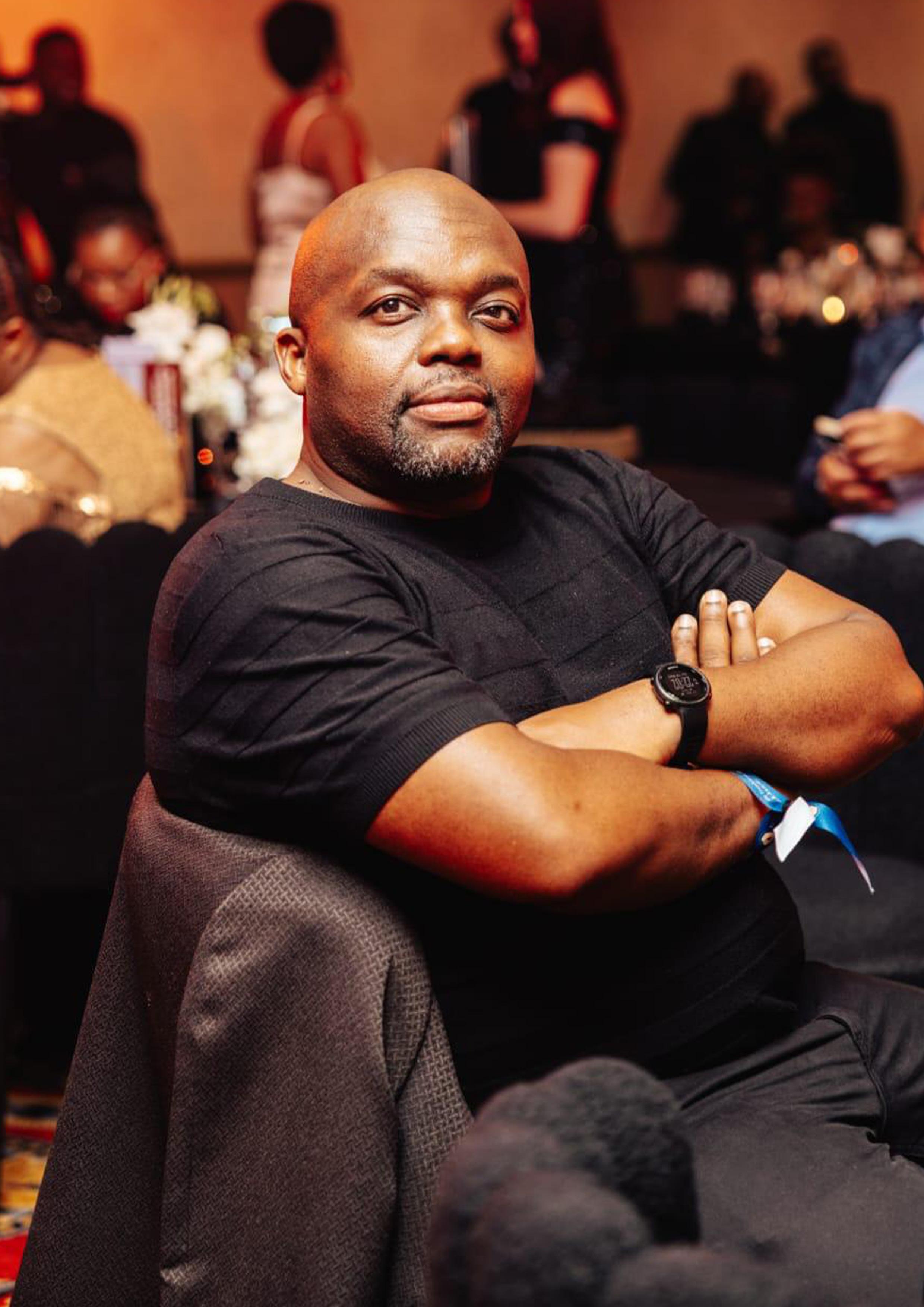
Zuko Phandle
Mangager,: Audit & Compliance at Eastern Cape Gambling Board
The Eastern Cape Gambling board recently celebrated 11 years of clean audit outcomes. From your perspective, what internal governance practices have been most critical to maintaining compliance integrity year after year?
As the ECGB, we pride ourselves on great and visionary leadership under the stewardship of the Accounting Officer, the Chief Executive Office Mr. Reuben Mabutho Zwane. Also, this can be attributed to the stability at the Board (Accounting Authority) level which has ensured that the Executive discharges its tasks without fear or interference. Lastly, the human capital sourced by the leadership is also another aspect which demonstrates the visionary leadership referred to earlier.
You recently led the destruction of dozens of illegal gambling machines in the province. Can you share key challenges ECGB faces in identifying and combating “Chinese Roulette” and other unregulated devices, and how enforcement strategy might adapt going forward?
Firstly, thank you for the coverage of this event we truly appreciate. The Eastern Cape province is a big, rural and scattered area with some areas not easy to access or have internet access. Just like any other jurisdiction, illegal gambling is a criminal offense and this then triggers the need for law enforcement agencies and courts to come into play, not an easy part but we have seen some improvements. The issue of poverty is another dimension that these illegal syndicates have used that the locals feel indebted to them.
Beyond equipment destruction, what collaborative efforts with law enforcement or community stakeholders have proven effective or remain under-utilised in curbing illegal gambling operations?
We are pleased to see institutions of government in other sectors also taking interest in the fight against criminality caused by illegal operations. These include the Municipalities, Churches, Property Owners/Landlords’ Association, Traditional Leaders, Business Associations, NGOs, as well as Financial Intelligence Centre, South African Responsible Gambling Foundation, and SAPS.
Illegal operators deprive the province of tax revenue and protections that regulated operators must provide. Do you think current penalties are adequate preventive measures or should regulatory frameworks be strengthened further?
Yes, the penalties to a certain degree under normal circumstances are adequate, however, as we shared earlier, illegal gambling is a crime and it steals from the poor therefore should be treated as such. For this reason, the regulatory framework definitely needs to be strengthened, but must be able to work, through ensuring that Law Enforcement Agencies and Courts as competent institutions to deal with criminality are part of the process and equipped.
How does the Board balance robust regulatory oversight with efforts to educate the public about responsible gambling particularly in communities that may be most exposed to unlicensed gambling?
The ECGB appreciates and understands that its role is dual (licence and regulate). Licensing means the province stands to benefit from that licence, in revenue generated, job creation, economic growth, etc., while regulating includes protecting the public more so the vulnerable groups.
Bodi ya Kamari ya Eastern Cape hivi majuzi iliadhimisha miaka 11 ya matokeo safi ya ukaguzi. Kwa mtazamo wako, ni taratibu zipi za utawala wa ndani zimekuwa muhimu zaidi ili kudumisha uadilifu wa kufuata mwaka baada ya mwaka?
Kama ECGB (Bodi ya Kamari ya Eastern Cape), tunajivunia uongozi bora na wenye maono chini ya uwakili wa Afisa Masuuli, Ofisi ya Mtendaji Mkuu Bw. Reuben Mabutho Zwane. Pia, hii inaweza kuchangiwa na utulivu uliopo katika ngazi ya Bodi (Mamlaka ya Uhasibu) ambayo imehakikisha kuwa Mtendaji anatekeleza majukumu yake bila woga wala kuingiliwa. Mwisho, mtaji wa watu unaotokana na uongozi pia ni kipengele kingine kinachoonyesha uongozi wenye maono uliotajwa hapo awali.
Hivi majuzi uliongoza uharibifu wa makumi ya mashine haramu za kamari katika jimbo hilo. Je, unaweza kushiriki changamoto kuu zinazokabili ECGB katika kutambua na kupambana na "Roulette ya Kichina" na vifaa vingine visivyodhibitiwa, na jinsi mkakati wa utekelezaji unaweza kubadilika kuendelea?
Kwanza, asante kwa utangazaji wa tukio hili tunashukuru sana. Jimbo la Eastern Cape ni eneo kubwa, la mashambani na lililotawanyika huku baadhi ya maeneo si rahisi kufikiwa au kuwa na ufikiaji wa mtandao. Kama tu mamlaka nyingine yoyote, kucheza kamari haramu ni kosa la jinai na hii basi inasababisha hitaji la vyombo vya kutekeleza sheria na mahakama kuchukua jukumu, sio sehemu rahisi lakini tumeona maboresho kadhaa. Suala la umaskini ni mwelekeo mwingine ambao makundi haya haramu yametumia ambayo wenyeji wanahisi kuwa na deni kwao.
Zaidi ya uharibifu wa vifaa, ni juhudi gani shirikishi na kutekeleza sheria au washikadau wa jumuiya ambazo zimethibitisha kuwa zinafaa au zimesalia imani kwa kiwango cha katika kuzuia shughuli haramu za kamari?
Tunafurahi kuona taasisi za serikali katika sekta nyingine pia zikionyesha nia katika mapambano dhidi ya uhalifu unaosababishwa na operesheni haramu. Hizi ni pamoja na Manispaa, Makanisa, Chama cha Wamiliki wa Mali/Kabaila, Viongozi wa Kimila, zao la Biashara, kulinda Yasiyo ya Kiserikali, na vile vile Kituo cha Ujasusi wa Kifedha, Wakfu wa Kamari wa Kujibika wa Afrika Kusini, na SAPS.
Waendeshaji haramu hunyima mkoa ushuru na ulinzi ambao waendeshaji wanaodhibitiwa lazima watoe. Je, unafikiri adhabu za sasa ni hatua za kutosha za kuzuia au mifumo ya udhibiti kuimarishwa zaidi?
Ndiyo, adhabu kwa kiwango katika hali ya kawaida inatosha, hata hivyo, kama fulani tulivyoshiriki hapo awali, kucheza kamari haramu ni uhalifu na inawaibia maskini kwa hiyo ni kutendewa hivyo. Kwa hii, mfumo wa mamlaka kwa hakika unahitaji kuimarishwa, lakini lazima ufanye kazi, kwa kuona kwamba zana ya Utekelezaji wa Sheria na Mahakama yenye uwezo wa kufanya uhalifu ni sehemu ya mchakato na vifaa.
Je, Bodi inasawazisha vipi usimamizi thabiti wa udhibiti na juhudi za kuelimisha umma kuhusu uchezaji kamari unaowajibika hasa katika jamii ambazo zinaweza kukabiliwa zaidi na uchezaji kamari bila leseni?
ECGB inathamini na kuelewa kuwa jukumu lake ni la pande mbili (leseni na kudhibiti). Utoaji wa leseni unamaanisha kuwa mkoa utafaidika na leseni hiyo, katika mapato yanayotokana na mapato, uundaji wa ajira, ukuaji wa uchumi, n.k., wakati udhibiti ni pamoja na kulinda umma zaidi na vikundi vilivyo hatarini. Wepesi na ari tuliyotaja hapo awali iliyojumuishwa na IGA RBA Bodi iliyopitishwa mwaka 2015 imetusaidia kuwa na ushirikiano
The agility and dynamism we mentioned earlier infused with theIGA RBA the Board adopted in 2015 has helped us to have continuous stakeholder engagement made up of (PROG), public, fellow regulators, operators, and government, in various forms.
During the recent iGaming AFRIKA webinar on online betting regulation in South Africa, you highlighted the complexity of regulating a market that is both provincial and increasingly digital. From a compliance perspective, where do you believe the biggest regulatory blind spots currently lie?
Absence of live and real-time data management, due to lack of RegTech that many jurisdictions, ourselves included, do not have.
Do you believe that current industry contributions and responsible gambling programmes are sufficient to mitigate harms, or is there more the Board can do with partners like NGOs or national bodies?
Yes, they are sufficient, however, like is the case in any case management in law/finance/health, etc., environments evolve and so are the problems, therefore, responses ought to appreciate that but not reactively. For this reason, additional sources will definitely assist.
Emerging technologies such as mobile betting platforms and data analytics change how gambling is offered and monitored. How is ECGB’s audit function adapting to ensure compliance in a rapidly digitalising ecosystem?
ECGB recognises the rapid rate in which the betting ecosystem is evolving and challenges or risks associated with such. It is for this reason that we are exploring various available RegTech that could help us, parallel to that have been working on our processes reengineering in line with digital era needs.
Looking ahead, what would you identify as the single largest compliance risk for the Eastern Cape gambling sector over the next 3–5 years, and how is the Board preparing to address it?
ECGB recognises the rapid rate in which the gambling ecosystem, including the brick-and-mortar sector, is evolving and challenges or risks associated with such. Our response is the same as above in terms of process reengineering, resource capacitation, and procuring RegTech to compliment our human capital and processes in place.
“
The regulatory framework definitely needs to be strengthened, but must be able to work, through ensuring that Law Enforcement Agencies and Courts as competent institutions to deal with criminality are part of the process and equipped.
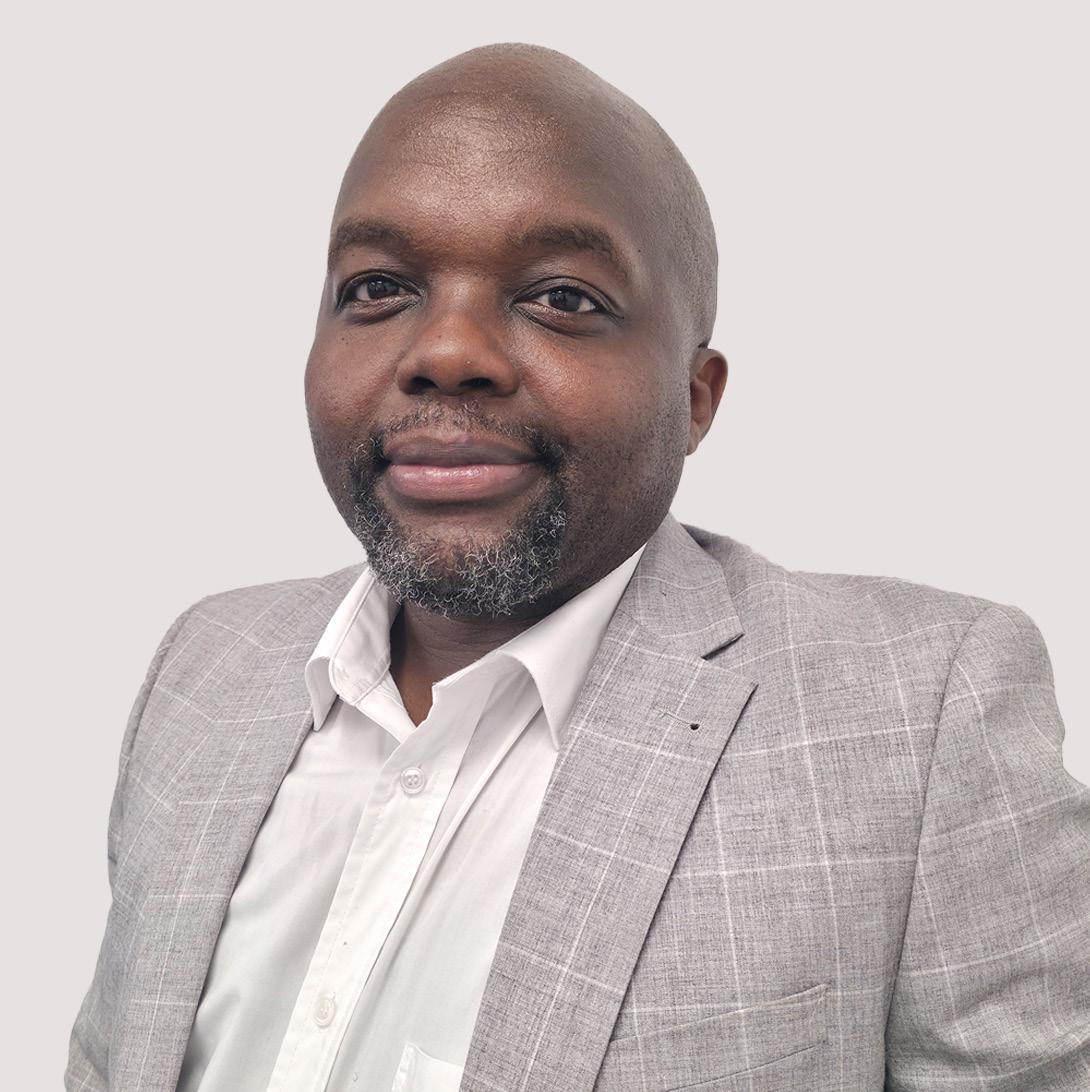
endelevu wa wadau unaojumuisha (PROG), umma, wadhibiti wenzetu, waendeshaji na serikali, kwa njia mbalimbali.
Wakati wa toleo la hivi majuzi la mtandao wa iGaming AFRIKA kuhusu udhibiti wa kamari mtandaoni nchini Afrika Kusini, uliangazia utata wa kudhibiti soko ambalo ni la kimkoa na linalozidi kuongezeka dijitali. Kwa mtazamo wa utiifu, unaamini maeneo makubwa zaidi ya udhibiti yapo wapi kwa sasa?
Kutokuwepo kwa usimamizi wa data wa moja kwa moja na wa wakati halisi, kwa sababu ya ukosefu wa RegTech ambayo mamlaka nyingi, pamoja na sisi wenyewe, hazina.
IGA: Je, unaamini kwamba michango ya sasa ya tasnia na programu zinazowajibika za kamari zinatosha kupunguza madhara, au kuna mengi zaidi ambayo Bodi inaweza kufanya na washirika kama NGOs au mashirika ya kitaifa?
Ndiyo, zinatosha, hata hivyo, kama ilivyo katika hali yoyote ya usimamizi katika sheria/fedha/afya, n.k., mazingira yanabadilika na pia matatizo, kwa hivyo, majibu yanapaswa kuthamini hilo lakini si kwa vitendo. Kwa sababu hii, vyanzo vya ziada hakika vitasaidia.
Teknolojia zinazoibuka kama vile mifumo ya kamari ya simu na uchanganuzi wa data hubadilisha jinsi kamari inavyotolewa na kufuatiliwa. Je, kazi ya ukaguzi ya ECGB inabadilikaje ili kuhakikisha utiifu katika mfumo ikolojia unaokua kwa kasi wa kidijitali?
ECGB inatambua kasi ambayo mfumo wa kamari unabadilika na changamoto au hatari zinazohusiana nazo. Ni kwa sababu hii kwamba tunachunguza RegTech mbalimbali zinazopatikana ambazo zinaweza kutusaidia, sambamba na ambazo zimekuwa zikifanya kazi katika mchakato wetu wa uhandisi upya kulingana na mahitaji ya enzi ya dijiti.
Ukiangalia mbeleni, unaweza kutambua nini kama hatari kubwa zaidi ya kufuata kwa sekta ya kamari ya Eastern Cape katika kipindi cha miaka 3–5 ijayo, na Bodi inajiandaa vipi kuishughulikia?
ECGB inatambua kasi ya mfumo wa kamari ikijumuisha sekta ya matofali na chokaa, inabadilika na changamoto au hatari zinazohusiana nazo. Jibu letu ni sawa na hapo juu katika suala la uhandisi upya wa mchakato, uwezeshaji wa rasilimali, na ununuzi wa RegTech ili kupongeza rasilimali yetu ya wafanyikazi na michakato inayotekelezwa.
During a discussion with iGaming AFRIKA, Ms. Ekaterina Mayorova, Head of Region for Africa at QTech Games, pointed out that Africa’s gaming landscape is entering a defining moment shaped by youth-driven creativity, rapid mobile adoption, and an increasingly interconnected digital culture. In this interview, she shares insights on market evolution, inclusivity in esports, and the unique dynamics influencing player behaviour across the continent. Her perspective offers a fresh lens into the opportunities, challenges, and innovations steering Africa’s next gaming chapter.

Katika majadiliano na iGaming AFRIKA, Bi. Ekaterina Mayorova, Mkuu wa Mkoa wa Afrika katika QTech Games, alidokeza kuwa mazingira ya michezo ya kubahatisha barani Afrika yanaingia katika wakati muhimu unaoundwa na ubunifu unaoendeshwa na vijana, kupitishwa kwa haraka kwa simu za mkononi, na utamaduni wa kidijitali unaozidi kuunganishwa. Katika mahojiano haya, anashiriki maarifa juu ya mageuzi ya soko, ushirikishwaji katika esports, na mienendo ya kipekee inayoathiri tabia ya wachezaji kote barani. Mtazamo wake unatoa lenzi mpya katika fursa, changamoto, na ubunifu unaoongoza sura inayofuata ya michezo ya kubahatisha barani Afrika.
Congratulations on your new role as Head of Region for Africa at QTech Games. How does this expanded responsibility align with your vision for strengthening connections and growth within Africa's dynamic gaming landscape?
Thank you so much! I’m really excited about this new chapter. For me, this role is about more than just business growth; it’s about connection and understanding what truly makes each African market unique.
Africa is the youngest continent in the world [with a median age of around 19.7 years and a high percentage of its population under 30], and that brings an incredible burst of creativity, energy, and innovation. What works in Europe or Asia doesn’t always work here, and that’s exactly what makes it so exciting. Even the most popular global games might not resonate the same way, which opens a real opportunity to collaborate with local studios, content creators, and entrepreneurs who understand their audiences best.
With QTech Games, we have a strong foundation, a diverse portfolio of global content, robust technology, and a Hybrid retail-online solution that’s uniquely adaptable to local markets. My goal is to use that foundation to build real bridges between international innovation and Africa’s creative pulse, helping the region grow in a way that’s authentic, sustainable, and proudly local.
Your journey in the iGaming industry has been extensive. How would you summarise your career path and the experiences that have shaped your approach to this sector?
It’s definitely been quite a journey! I started in the tech world, working at Microsoft in Malta, where I managed infrastructure, internal IT systems, and data for several clients in the iGaming industry. That experience gave me a deep understanding of how technology supports operators behind the scenes, and even back then, I was attending iGaming events, meeting clients, and witnessing how fast the industry was evolving. It also taught me the importance of building trust, delivering consistency, and nurturing long-term relationships.
From there, I moved into fintech with Trustly, focusing on open banking and payment solutions for iGaming operators. That role gave me a front-row seat to the financial side of the industry, and I learned a lot about compliance, licensing frameworks, and regulatory nuances across major markets like the UK, Sweden, and Finland. Trustly had a very strong compliance-first culture, which helped me understand how crucial transparency and responsibility are in iGaming. It was also my true introduction to the full iGaming ecosystem, as I was directly involved in managing the entire payment cycle for top-tier operators in regulated jurisdictions.
Eventually, I found my real passion at the intersection of gaming, esports, and innovation, first with PandaScore, where I learned how esports odds data is created through a combination of traders’ expertise and AI technologies. That experience gave me a deep understanding of data production, integrity, and how esports represent an entirely new direction within the broader sports and entertainment space. It opened my eyes to how technology, data, and creativity come together to shape the future of gaming.
Now at QTech Games, I have the chance to bring all those experiences together on a broader, global scale, combining my background in technology, payments, and data with a focus on new market growth, especially across Africa. Working across Europe, Africa, and Asia has shown me how diverse this industry truly is, and how important it is to adapt to local realities.
Hongera kwa jukumu lako jipya kama Mkuu wa Mkoa ya Afrika katika Michezo ya QTech. Je, jukumu hili lililopanuliwa linalingana vipi na maono yako ya kuimarisha miunganisho na ukuaji ndani ya mazingira ya michezo ya kubahatisha ya Afrika?
Asante sana! Nimefurahishwa sana na sura hii mpya. Kwangu mimi, jukumu hili ni zaidi ya ukuaji wa biashara tu; ni juu ya unganisho na kuelewa ni nini hufanya kila soko la Kiafrika kuwa la kipekee.
Afrika ndilo bara changa zaidi duniani [lenye umri wa wastani wa karibu miaka 19.7 na asilimia kubwa ya wakazi wake chini ya 30], na hiyo inaleta mlipuko wa ajabu wa ubunifu, nishati, na uvumbuzi. Kinachofanya kazi Ulaya au Asia hakifanyi kazi hapa kila wakati, na hiyo ndiyo hasa inafanya kuwa ya kusisimua sana. Hata michezo maarufu zaidi ya kimataifa inaweza isisikike kwa njia ile ile, ambayo hufungua fursa halisi ya kushirikiana na studio za ndani, waundaji wa maudhui na wajasiriamali wanaoelewa hadhira yao vyema.
Katika QTech Games, tuna msingi thabiti, kwingineko tofauti ya maudhui ya kimataifa, teknolojia thabiti, na suluhisho la rejareja la mtandaoni la Mseto ambalo linaweza kubadilika kwa njia ya kipekee kwa masoko ya ndani. Lengo langu ni kutumia msingi huo kujenga madaraja halisi kati ya uvumbuzi wa kimataifa na mapigo ya ubunifu ya Afrika, kusaidia eneo hilo kukua kwa njia ambayo ni ya kweli, endelevu, na ya kujivunia ya ndani.
Safari yako katika tasnia ya iGaming imekuwa ndefu. Je, unaweza kufupishaje njia yako ya kazi na uzoefu ambao umeunda mtazamo wako kwa sekta hii?
Hakika imekuwa safari ndefu! Nilianza katika ulimwengu wa teknolojia, nikifanya kazi katika Microsoft huko Malta, ambapo nilisimamia miundombinu, mifumo ya ndani ya IT, na data kwa wateja kadhaa katika tasnia ya iGaming. Uzoefu huo ulinipa ufahamu wa kina wa jinsi teknolojia inavyosaidia waendeshaji nyuma ya pazia, na hata wakati huo, nilikuwa nikihudhuria hafla za iGaming, kukutana na wateja, na kushuhudia jinsi tasnia ilivyokuwa ikibadilika haraka. Pia ilinifundisha umuhimu wa kujenga uaminifu, kutoa uthabiti, na kukuza uhusiano wa muda mrefu.
Kutoka hapo, nilihamia fintech na Trustly, nikizingatia suluhisho wazi za benki na malipo kwa waendeshaji wa iGaming. Jukumu hilo lilinipa kiti cha mstari wa mbele kwa upande wa kifedha wa tasnia, na nilijifunza mengi juu ya kufuata, mifumo ya leseni, na nuances ya udhibiti katika masoko makubwa kama Uingereza, Uswidi, na Finland. Trustly ilikuwa na utamaduni thabiti sana wa kufuata, ambao ulinisaidia kuelewa jinsi uwazi na uwajibikaji ni muhimu katika iGaming. Pia ulikuwa utangulizi wangu wa kweli kwa mfumo kamili wa iGaming, kwani nilihusika moja kwa moja katika kusimamia mzunguko mzima wa malipo kwa waendeshaji wa kiwango cha juu katika mamlaka zilizodhibitiwa.
Hatimaye, nilipata shauku yangu ya kweli katika makutano ya michezo ya kubahatisha, esports, na uvumbuzi, kwanza na PandaScore, ambapo nilijifunza jinsi data ya odds ya esports inavyoundwa kupitia mchanganyiko wa utaalam wa wafanyabiashara na teknolojia za AI. Uzoefu huo ulinipa uelewa wa kina wa utengenezaji wa data, uadilifu, na jinsi esports inavyowakilisha mwelekeo mpya kabisa ndani ya nafasi pana ya michezo na burudani. Ilifungua macho yangu jinsi teknolojia, data, na ubunifu zinavyokusanyika ili kuunda mustakabali wa michezo ya kubahatisha.
Sasa katika QTech Games, nina nafasi ya kuleta uzoefu huo wote pamoja kwa kiwango kipana cha kimataifa, nikichanganya historia yangu katika teknolojia, malipo, na data kwa kuzingatia ukuaji mpya wa soko, haswa kote Afrika. Kufanya kazi kote Ulaya,
My approach today is rooted in connection, curiosity, and collaboration, finding solutions that truly fit each region’s unique rhythm rather than applying a one-size-fits-all model.
You’ve mentioned the previous organisations you worked with during your career journey, including major brands like Microsoft, Trustly, and PandaScore. How has that background influenced the way you approach partnerships and market development in emerging regions?
Each of those experiences shaped a different side of how I approach partnerships today. At Microsoft, I learned the power of structure, trust, and long-term collaboration. Managing large enterprise clients taught me that successful partnerships are built on reliability and shared vision, not just quick wins.
At Trustly, I developed a deep appreciation for compliance and transparency, especially when working across regulated markets. It showed me how important it is to build credibility and respect local frameworks, something that’s essential when developing new regions.
And with PandaScore, I discovered the innovative side of gaming, how data, technology, and creativity can come together to create new experiences and open up fresh opportunities, like in esports.
So now, when I look at emerging regions like Africa, I bring all of that together, a structured and ethical approach from Microsoft and Trustly, and an innovative, adaptable mindset from PandaScore. My focus is always on listening first, understanding the local ecosystem, and building partnerships that are sustainable, mutually beneficial, and culturally aligned.
Your academic background in cyberpsychology offers a unique perspective on player behaviour. How does this lens influence your strategies in sales, product development, and player engagement?
I actually just graduated from my master’s in Cyberpsychology recently, and I’m really grateful to my university, my lecturers, and everyone who supported me along the way. It’s been such an eye-opening journey that has given me a deeper understanding of how people think, feel, and behave in digital environments.
In sales and market development, that perspective is invaluable. I focus a lot on empathy and trust, understanding motivation, perception, and decision-making. It’s about seeing the human side behind data and metrics. Cyberpsychology helps me understand my markets better, how players think, how partners and platforms operate, and how to tailor communication to different audiences. It also gives me insight into the dynamics between aggregators, operators, and providers, helping me build stronger, more authentic relationships.
And it goes beyond clients, even in how I communicate with my own team online, I find myself using the same principles to connect more effectively, understand emotions behind messages, and keep collaboration positive and motivating.
It’s also helped me elevate my social media presence, being more intentional about how I express ideas, connect with audiences, and build a personal brand that feels real and relatable. So overall, cyberpsychology is something I apply daily, in leadership, communication, and strategy; it’s really about understanding people first, then building everything else around that.
Afrika, na Asia kumenionyesha jinsi tasnia hii ilivyo tofauti, na jinsi ilivyo muhimu kuzoea hali halisi ya ndani. Njia yangu leo imejikita katika unganisho, udadisi, na ushirikiano, kutafuta suluhisho ambazo zinafaa kabisa mdundo wa kipekee wa kila mkoa badala ya kutumia muundo wa ukubwa mmoja.
Umetaja mashirika ya awali uliyofanya kazi nayo wakati wa safari yako ya kazi, ikiwa ni pamoja na chapa kuu kama Microsoft, Trustly, na PandaScore. Je, historia hiyo imeathiri vipi jinsi unavyoshughulikia ushirikiano na maendeleo ya soko katika maeneo yanayoibuka?
Kila moja ya uzoefu huo iliunda upande tofauti wa jinsi ninavyoshughulikia ushirikiano leo. Katika Microsoft, nilijifunza nguvu ya muundo, uaminifu, na ushirikiano wa muda mrefu. Kusimamia wateja wa biashara kubwa kulinifundisha kuwa ushirikiano wenye mafanikio umejengwa juu ya kuegemea na maono ya pamoja, sio tu ushindi wa haraka.
Katika Trustly, nilikua na shukrani kubwa kwa kufuata na uwazi, haswa wakati wa kufanya kazi katika masoko yaliyodhibitiwa. Ilinionyesha jinsi ilivyo muhimu kujenga uaminifu na kuheshimu mifumo ya ndani, jambo ambalo ni muhimu wakati wa kuendeleza mikoa mipya.
Na PandaScore, niligundua upande wa ubunifu wa michezo ya kubahatisha, jinsi data, teknolojia na ubunifu vinaweza kukusanyika ili kuunda matumizi mapya na kufungua fursa mpya, kama vile esports.
Kwa hivyo sasa, ninapoangalia maeneo yanayoibuka kama Afrika, ninaleta yote hayo pamoja, mbinu iliyopangwa na ya kimaadili kutoka kwa Microsoft na Trustly, na mawazo ya ubunifu, yanayoweza kubadilika kutoka kwa PandaScore. Lengo langu daima ni kusikiliza kwanza, kuelewa mfumo wa ikolojia wa ndani, na kujenga ushirikiano ambao ni endelevu, wenye manufaa kwa pande zote, na unaolingana kitamaduni.
Historia yako ya kitaaluma katika saikolojia ya mtandao inatoa mtazamo wa kipekee juu ya tabia ya wachezaji. Je, lenzi hii inaathiri vipi mikakati yako katika mauzo, ukuzaji wa bidhaa, na ushiriki wa wachezaji?
Kwa kweli nimehitimu kutoka kwa shahada yangu ya uzamili katika Cyberpsychology hivi karibuni, na ninashukuru sana chuo kikuu changu, wahadhiri wangu, na kila mtu aliyeniunga mkono njiani. Imekuwa safari ya kufungua macho ambayo imenipa ufahamu wa kina wa jinsi watu wanavyofikiria, kuhisi, na kuishi katika mazingira ya kidijitali.
Katika mauzo na maendeleo ya soko, mtazamo huo ni muhimu sana. Ninazingatia sana huruma na uaminifu, kuelewa motisha, mtazamo, na kufanya maamuzi. Ni juu ya kuona upande wa kibinadamu nyuma ya data na vipimo. Cyberpsychology hunisaidia kuelewa masoko yangu vyema, jinsi wachezaji wanavyofikiri, jinsi washirika na majukwaa yanavyofanya kazi, na jinsi ya kurekebisha mawasiliano kwa hadhira tofauti. Pia inanipa ufahamu juu ya mienendo kati ya wajumlishaji, waendeshaji, na watoa huduma, kunisaidia kujenga uhusiano thabiti na halisi zaidi.
Na inapita zaidi ya wateja, hata katika jinsi ninavyowasiliana na timu yangu mwenyewe mkondoni, ninajikuta nikitumia kanuni sawa kuungana kwa ufanisi zaidi, kuelewa hisia nyuma ya ujumbe, na kuweka ushirikiano mzuri na wa kutia moyo.
Pia imenisaidia kuinua uwepo wangu kwenye mitandao ya kijamii, kuwa na nia zaidi kuhusu jinsi ninavyotoa mawazo, kuungana na hadhira, na kujenga chapa ya kibinafsi ambayo inahisi kuwa halisi na inayohusiana.

“
Cyberpsychology helps me understand my markets better, how players think, how partners and platforms operate, and how to tailor communication to different audiences.
You’ve been passionate about esports. What makes esports such a powerful entry point for understanding African digital culture and trends?
Esports is something I’m genuinely passionate about, because it’s so much more than gaming; it’s culture, community, and creativity all coming together. In Africa, it’s a perfect window into how digital culture is evolving, especially because it’s driven by the continent’s young, connected, and tech-savvy generation.
Esports show how quickly African audiences are embracing digital entertainment, mobile-first experiences, and social connection online. It reflects local identity, music, and style, blending global trends with a unique regional flavour. That’s why I see esports not just as a business opportunity, but as a cultural movement, one that tells us a lot about how people engage with technology, competition, and belonging.
For me, it’s also an entry point into understanding what motivates this generation, their creativity, entrepreneurial mindset, and desire to be seen globally while staying true to local roots. Esports captures that energy perfectly, and it’s why I believe it will continue to play a huge role in shaping Africa’s digital future.
Gender inclusivity in esports is a growing topic globally. What are some of the challenges you have observed for women in esports across Africa, and how can we foster a more inclusive environment?
That’s a really important question, and one that’s very close to my heart. Across Africa, I’ve met so many talented women in gaming and esports, like Faith Dorothy from Uganda, who truly inspires me. There’s incredible potential, but also real challenges, from limited visibility and access to opportunities, to social stereotypes that still make it harder for women to be recognised in this space.
What’s unique about esports, though, is that it breaks many of the barriers found in traditional sports. In standard sports, physical ability often divides men’s and women’s competitions, but in esports, teams can be mixed gender. That creates more equal opportunities for women to compete at the same level, be part of the same teams, and show that skill, strategy, and teamwork matter more than physical differences.
The good news is that change is already happening. More women are stepping forward as players, casters, creators, and organisers, and they’re building strong communities that empower others to follow. To make the ecosystem more inclusive, we need to continue creating safe, visible spaces, invest in mentorship and education, and amplify women’s success stories.
I truly believe diversity is the foundation of innovation. When women are represented equally, esports become richer, more creative, and more authentic, and Africa has a real opportunity to lead that change on a global scale.
Having worked in both African and Eastern European markets, what similarities and contrasts do you notice in how players in these regions engage with digital entertainment?
That’s a great question, and one I’ve thought about a lot, having worked closely with both African and Eastern European markets. What stands out first are the similarities: in both regions, players are incredibly passionate, community-driven, and resourceful. They love competition, creativity, and social connection, and they engage deeply with digital entertainment as a way to express identity and connect with others.
Kwa hivyo kwa ujumla, cyberpsychology ni kitu ninachotumia kila siku, katika uongozi, mawasiliano, na mkakati; Kwa kweli ni juu ya kuelewa watu kwanza, kisha kujenga kila kitu kingine karibu na hiyo.
Umekuwa mwenye shauku kuhusu esports. Ni nini hufanya esports kuwa sehemu yenye nguvu ya kuingia kwa kuelewa utamaduni na mitindo ya kidijitali ya Kiafrika?
Esports ni kitu ambacho ninashauku nayo, kwa sababu ni zaidi ya michezo ya kubahatisha; ni utamaduni, jamii, na ubunifu vyote vinakuja pamoja. Barani Afrika, ni dirisha kamili la jinsi utamaduni wa kidijitali unavyobadilika, hasa kwa sababu unaendeshwa na kizazi kichanga cha bara hili, kilichounganishwa na ujuzi wa teknolojia.
Esports inaonyesha jinsi watazamaji wa Kiafrika wanavyokumbatia burudani ya kidijitali, uzoefu wa kwanza wa simu na muunganisho wa kijamii mtandaoni. Inaonyesha utambulisho wa ndani, muziki, na mtindo, ikichanganya mitindo ya kimataifa na ladha ya kipekee ya kikanda. Ndio sababu ninaona esports sio tu kama fursa ya biashara, lakini kama harakati ya kitamaduni, ambayo inatuambia mengi juu ya jinsi watu wanavyojihusisha na teknolojia, ushindani, na mali.
Kwangu mimi, pia ni mahali pa kuingilia kuelewa ni nini kinachochochea kizazi hiki, ubunifu wao, mawazo ya ujasiriamali, na hamu ya kuonekana ulimwenguni kote huku wakiendelea kuwa waaminifu kwa mizizi ya ndani. Esports inachukua nishati hiyo kikamilifu, na ndiyo sababu ninaamini itaendelea kuchukua jukumu kubwa katika kuunda mustakabali wa kidijitali wa Afrika.
Ushirikishwaji wa kijinsia katika esports ni mada inayokua ulimwenguni. Je, ni changamoto gani ambazo umeona kwa wanawake katika esports kote Afrika, na tunawezaje kukuza mazingira jumuishi zaidi?
Hilo ni swali muhimu sana, na ambalo liko karibu sana na moyo wangu. Kote Afrika, nimekutana na wanawake wengi wenye vipaji katika michezo ya kubahatisha na esports, kama Faith Dorothy kutoka Uganda, ambaye ananitia moyo sana. Kuna uwezo wa ajabu, lakini pia changamoto za kweli, kutoka kwa mwonekano mdogo na upatikanaji wa fursa, hadi maoni potofu ya kijamii ambayo bado hufanya iwe vigumu kwa wanawake kutambuliwa katika nafasi hii.
Kilicho cha kipekee kuhusu esports, ingawa, ni kwamba inavunja vizuizi vingi vinavyopatikana katika michezo ya kitamaduni. Katika michezo ya kawaida, uwezo wa kimwili mara nyingi hugawanya mashindano ya wanaume na wanawake, lakini katika esports, timu zinaweza kuchanganywa jinsia. Hiyo inaunda fursa sawa zaidi kwa wanawake kushindana katika kiwango sawa, kuwa sehemu ya timu sawa, na kuonyesha kuwa ustadi, mkakati, na kazi ya pamoja ni muhimu zaidi kuliko tofauti za kimwili.
Habari njema ni kwamba mabadiliko tayari yanatokea. Wanawake zaidi wanasonga mbele kama wachezaji, waigizaji, watayarishi na waandaaji, na wanaunda jumuiya zenye nguvu zinazowawezesha wengine kufuata. Ili kufanya mfumo wa ikolojia ujumuishe zaidi, tunahitaji kuendelea kuunda nafasi salama, zinazoonekana, kuwekeza katika ushauri na elimu, na kukuza hadithi za mafanikio za wanawake.
Ninaamini kweli utofauti ndio msingi wa uvumbuzi. Wakati wanawake wanawakilishwa kwa usawa, esports inakuwa tajiri, bunifu zaidi, na halisi zaidi, na Afrika ina fursa halisi ya kuongoza mabadiliko hayo kwa kiwango cha kimataifa.
Baada ya kufanya kazi katika masoko ya Afrika na Ulaya Mashariki, ni kufanana na tofauti gani unazoziona katika jinsi
The key difference often lies in context. In Eastern Europe, infrastructure like internet coverage and payment systems has been established for longer, so digital entertainment is more standardised and mature. In Africa, the growth is much more dynamic and mobile-first; people are leapfrogging directly into digital ecosystems, often blending entertainment, community, and entrepreneurship in one space.
What excites me most about Africa is its youthful energy and the sense of discovery — players are not just consuming content; they’re shaping it, localising it and turning it into something uniquely their own. Both regions share resilience and creativity, but Africa’s digital entertainment scene feels like it’s writing a new chapter in real time, and that’s what makes it so inspiring to be part of.
As iGaming and esports continue to converge, how do you foresee player experiences evolving, especially in mobile-first markets like Africa?
This is another question I’m really passionate about. As iGaming and esports continue to converge, I think we’ll see a new generation of experiences that are more interactive, social, and mobile-driven, especially in regions like Africa.
Africa is already a mobile-first continent, and players here love experiences that are fast, social, and easily shareable. The lines between watching, playing, and betting are starting to blur. Fans want to engage with their favourite games or tournaments in real time, whether that’s through live odds, mini-games, or community-driven competitions.
I see the future moving toward platforms that combine the excitement of esports with the accessibility of mobile iGaming, where engagement becomes more personalised, gamified, and community-centred. It’s not just about placing a bet anymore; it’s about participation, identity, and belonging in the digital entertainment ecosystem.
With the right technology and local understanding, Africa has the potential not only to adopt these trends but to redefine how mobile entertainment looks globally.
Reflecting on the recent iGaming AFRIKA Webinar on "Women in Gaming" webinar, what key challenges and opportunities for women in Africa’s iGaming industry stood out to you the most, and how can companies actively support their growth?
First of all, thank you so much for inviting me to your webinar; it was a real honour to be part of it. I’m genuinely grateful that platforms like iGaming AFRIKA are giving women in the industry a voice and a space to speak openly about both challenges and opportunities.
What stood out to me most during the “Women in Gaming” webinar is that Africa has an incredible pool of talented and ambitious women, but visibility and access are still key barriers. Many women are capable and qualified, yet they often lack the same mentorship, exposure, and opportunities to grow into leadership or technical roles.
wachezaji katika maeneo haya wanavyojihusisha na burudani ya kidijitali?
Hio ni swali mzuri, na ambalo nimefikiria sana, baada ya kufanya kazi kwa karibu na masoko ya Afrika na Ulaya Mashariki.
Kinachoonekana kwanza ni kufanana: katika mikoa yote miwili, wachezaji wana shauku ya ajabu, inaendeshwa na jamii, na mbunifu. Wanapenda ushindani, ubunifu, na uhusiano wa kijamii, na wanajihusisha sana na burudani ya kidijitali kama njia ya kueleza utambulisho na kuungana na wengine.
Tofauti kuu mara nyingi huwa katika muktadha. Katika Ulaya Mashariki, miundombinu kama vile chanjo ya mtandao na mifumo ya malipo imeanzishwa kwa muda mrefu, kwa hivyo burudani ya kidijitali ni sanifu zaidi na imekomaa. Barani Afrika, ukuaji ni wa nguvu zaidi na wa rununu kwanza; Watu wanaruka moja kwa moja kwenye mifumo ikolojia ya kidijitali, mara nyingi huchanganya burudani, jumuiya na ujasiriamali katika nafasi moja.
Kinachonifurahisha zaidi kuhusu Afrika ni nguvu zake za ujana na hisia ya ugunduzi - wachezaji hawatumii tu maudhui; wanaiunda, kuiweka ndani na kuigeuza kuwa kitu chao cha kipekee. Mikoa yote miwili inashiriki uthabiti na ubunifu, lakini eneo la burudani la kidijitali la Afrika linahisi kama linaandika sura mpya kwa wakati halisi, na hilo ndilo linaloifanya iwe ya kutia moyo kuwa sehemu yake.
Wakati iGaming na esports zinaendelea kuungana, unaonaje uzoefu wa wachezaji ukibadilika, haswa katika masoko ya kwanza ya rununu kama Afrika?
Hili ni swali lingine ninalopenda sana. iGaming na esports zinapoendelea kuungana, nadhani tutaona kizazi kipya cha matumizi ambayo yanaingiliana zaidi, kijamii na yanayoendeshwa na simu, haswa katika maeneo kama Afrika.
Afrika tayari ni bara la kwanza la rununu, na wachezaji hapa wanapenda uzoefu ambao ni wa haraka, wa kijamii na unaoweza kushirikiwa kwa urahisi. Mistari kati ya kutazama, kucheza, na kuweka kamari inaanza kufifia. Mashabiki wanataka kujihusisha na michezo au mashindano wanayopenda kwa wakati halisi, iwe ni kupitia odds za moja kwa moja, michezo midogo, au mashindano yanayoendeshwa na jamii.
Ninaona siku zijazo zikielekea kwenye majukwaa ambayo yanachanganya msisimko wa esports na ufikiaji wa iGaming ya rununu, ambapo ushiriki unakuwa wa kibinafsi zaidi, uliochezewa, na unaozingatia jamii. Sio tu juu ya kuweka dau tena; Ni kuhusu ushiriki, utambulisho, na mali katika mfumo ikolojia wa burudani ya kidijitali. Kwa teknolojia sahihi na uelewa wa ndani, Afrika ina uwezo sio tu wa kupitisha mitindo hii lakini kufafanua upya jinsi burudani ya rununu inavyoonekana ulimwenguni.
Nikitafakari juu ya webina ya hivi majuzi ya iGaming AFRIKA ya "Women in Gaming", ni changamoto gani muhimu na fursa kwa wanawake katika tasnia ya iGaming barani Afrika zilikuvutia zaidi, na kampuni zinawezaje kusaidia ukuaji wao kikamilifu?
Kwanza kabisa, asante sana kwa kunialika kwenye webina wenu; Ilikuwa heshima kubwa kuwa sehemu yake. Ninashukuru sana kwamba majukwaa kama iGaming AFRIKA yanawapa wanawake katika tasnia sauti na nafasi ya kuzungumza kwa uwazi juu ya changamoto na fursa.
Kilichonivutia zaidi wakati wa webina ya " Women in Gaming" ni kwamba Afrika ina kundi la ajabu la wanawake wenye talanta na wenye tamaa, lakini mwonekano na ufikiaji bado ni vizuizi

Ms. Ekaterina Mayorova
of Region for Africa at QTech Games
Head
At the same time, Africa’s iGaming landscape is still young, and that’s the real opportunity. We can build inclusivity into its DNA now, rather than trying to correct inequalities later. Companies can make a big difference by promoting women internally, supporting mentorship programs, highlighting female success stories, and being intentional about diversity in hiring and partnerships.
It’s also so important for us, as women, to support each other. Celebrating one another’s successes, making introductions to the right decision-makers, and sharing contacts or opportunities can truly change the game. That collective support builds confidence, visibility, and momentum, and that’s how we create lasting change together.
For me, inclusion isn’t just about fairness; it’s about innovation, connection, and empowerment. When women are equally represented in leadership, product, and creative decisions, the entire ecosystem becomes stronger, more relatable, and more sustainable.
During the webinar, you emphasised curiosity, open-mindedness, and visibility as important traits for career advancement. How do you personally implement these principles, and what advice would you give to women aspiring to leadership positions in gaming?
During the webinar, I mentioned curiosity, open-mindedness, and visibility because they’ve been the core of my own career journey.
For me, curiosity means never assuming you know everything, whether it’s learning about new markets, emerging technologies, or even listening to different perspectives within your team. The iGaming and esports industries evolve so fast that staying curious keeps you relevant and adaptable.
Open-mindedness is about embracing diversity, not just in people, but in ideas and approaches. I’ve learned the most when I stepped outside my comfort zone, worked across cultures, and listened to partners who see things differently.
And visibility is something I had to learn over time. It’s not about self-promotion; it’s about sharing your work, your ideas, and your story so others can connect, learn, and get inspired. Especially for women, being visible opens doors not only for yourself but for those who come after you.
My advice to women aspiring to leadership in gaming is be brave enough to ask questions, be open enough to keep learning, and make yourself visible, because your voice matters. And most importantly, support other women along the way. Collective visibility and collaboration are how we rise together.
Looking ahead, where do you see the greatest opportunities for the African region in the next phase of iGaming’s evolution, and what personal impact do you hope to make in that journey?
That’s a great question, and one that really excites me. I think the greatest opportunities for Africa lie in localisation, mobile innovation, and community-driven growth. The continent has a young, tech-savvy population that’s embracing digital entertainment faster than ever, but success here isn’t about copy-pasting global models. It’s about building products, payment systems, and content that truly reflect African realities, local languages, preferences, and cultural identity.
muhimu. Wanawake wengi wana uwezo na wamehitimu, lakini mara nyingi wanakosa ushauri sawa, mfiduo, na fursa za kukua katika uongozi au majukumu ya kiufundi.
Wakati huo huo, mazingira ya iGaming ya Afrika bado ni changa, na hiyo ndiyo fursa halisi. Tunaweza kujenga ujumuishaji katika DNA yake sasa, badala ya kujaribu kurekebisha ukosefu wa usawa baadaye. Kampuni zinaweza kuleta mabadiliko makubwa kwa kukuza wanawake ndani, kusaidia programu za ushauri, kuangazia hadithi za mafanikio ya wanawake, na kuwa na nia juu ya utofauti katika kuajiri na ushirikiano.
Pia ni muhimu sana kwetu, kama wanawake, kusaidiana. Kusherehekea mafanikio ya kila mmoja, kufanya utangulizi kwa watoa maamuzi sahihi, na kushiriki mawasiliano au fursa kunaweza kubadilisha mchezo kweli. Msaada huo wa pamoja hujenga ujasiri, mwonekano, na kasi, na hivyo ndivyo tunavyounda mabadiliko ya kudumu pamoja.
Kwangu mimi, ujumuishaji sio tu juu ya haki; ni juu ya uvumbuzi, muunganisho, na uwezeshaji. Wakati wanawake wanawakilishwa kwa usawa katika uongozi, bidhaa, na maamuzi ya ubunifu, mfumo mzima wa ikolojia unakuwa na nguvu, unaohusiana zaidi, na endelevu zaidi.
Katika webina, ulisisitiza udadisi, nia wazi, na mwonekano kama sifa muhimu kwa maendeleo ya kazi. Je, wewe binafsi unatekelezaje kanuni hizi, na ungetoa ushauri gani kwa wanawake wanaotamani nafasi za uongozi katika michezo ya kubahatisha?
Katika webina, nilitaja udadisi, nia wazi, na mwonekano kwa sababu zimekuwa msingi wa safari yangu ya kazi.
Kwangu mimi, udadisi unamaanisha kamwe kudhani unajua kila kitu, iwe ni kujifunza kuhusu masoko mapya, teknolojia zinazoibuka, au hata kusikiliza mitazamo tofauti ndani ya timu yako. Sekta ya iGaming na esports hubadilika haraka sana hivi kwamba kukaa na hamu ya kutaka kujua hukufanya uwe muhimu na kubadilika.
Nia wazi inahusu kukumbatia utofauti, sio tu kwa watu, lakini kwa maoni na mbinu. Nimejifunza zaidi nilipotoka nje ya eneo langu la faraja, kufanya kazi katika tamaduni zote, na kusikiliza washirika wanaoona mambo tofauti.
Na mwonekano ni jambo ambalo nilipaswa kujifunza kwa muda. Sio juu ya kujitangaza; ni juu ya kushiriki kazi yako, maoni yako, na hadithi yako ili wengine waweze kuunganishwa, kujifunza na kupata msukumo. Hasa kwa wanawake, kuonekana hufungua milango sio kwako tu bali kwa wale wanaokuja baada yako.
Ushauri wangu kwa wanawake wanaotamani uongozi katika michezo ya kubahatisha ni kuwa na ujasiri wa kutosha kuuliza maswali, kuwa wazi vya kutosha kuendelea kujifunza, na kujifanya uonekane, kwa sababu sauti yako ni muhimu. Na muhimu zaidi, kusaidia wanawake wengine njiani. Mwonekano wa pamoja na ushirikiano ni jinsi tunavyoinuka pamoja.
Ukiangalia mbele, unaona wapi fursa kubwa zaidi kwa eneo la Afrika katika awamu inayofuata ya mageuzi ya iGaming, na unatarajia kufanya athari gani ya kibinafsi katika safari hiyo?
Hilo ni swali zuri, na ambalo linanifurahisha sana. Nadhani fursa kubwa kwa Afrika ziko katika ujanibishaji, uvumbuzi wa rununu, na ukuaji unaoendeshwa na jamii. Bara hili lina idadi ya vijana, wenye ujuzi wa teknolojia ambao wanakumbatia burudani ya kidijitali kwa kasi zaidi kuliko hapo awali, lakini mafanikio hapa hayahusu kunakili-kubandika miundo ya kimataifa. Ni kuhusu kujenga bidhaa, mifumo ya malipo, na maudhui ambayo
And Africa is incredibly diverse. To truly understand it, you have to work closely with local people and partners, and that’s exactly what I do. I collaborate directly with stakeholders across West, East, and Southern Africa, because every region, and even every country, has its own rhythm, culture, and business environment. What works in Kenya might not work in Nigeria or Ghana, and North Africa is a completely different story. There, iGaming isn’t as encouraged or widely regulated, and the cultural and legal landscapes require a much more cautious, tailored approach.
That’s what makes the continent so fascinating: it’s not one market; it’s a collection of unique ecosystems. I see huge potential in mobile-first gaming, hybrid retail-to-online solutions, and locally inspired content, whether through game studios, esports leagues, or collaborations between global and regional brands. Africa has the chance not just to follow global trends, but to redefine them.
On a personal level, my goal is to help build that bridge, connecting global innovation with local creativity, and empowering African operators, developers, and players to thrive in a sustainable ecosystem. I want my impact to be about connection, opportunity, and visibility, helping Africa’s gaming story be told on its own terms, to the world.
yanaonyesha kweli hali halisi ya Kiafrika, lugha za kienyeji, mapendeleo, na utambulisho wa kitamaduni.
Na Afrika ni tofauti sana. Ili kuielewa kweli, lazima ufanye kazi kwa karibu na watu wa eneo hilo na washirika, na ndivyo ninavyofanya. Ninashirikiana moja kwa moja na washikadau kote Magharibi, Mashariki, na Kusini mwa Afrika, kwa sababu kila eneo, na hata kila nchi, ina mdundo, utamaduni, na mazingira yake ya biashara. Kinachofanya kazi nchini Kenya kinaweza kisifanye kazi nchini Nigeria au Ghana, na Afrika Kaskazini ni hadithi tofauti kabisa. Huko, iGaming haihimizwi au kudhibitiwa sana, na mandhari ya kitamaduni na kisheria inahitaji mbinu ya tahadhari zaidi, iliyolengwa.
Hilo ndilo linalofanya bara kuvutia sana: sio soko moja; ni mkusanyiko wa mifumo ya kipekee ya ikolojia. Ninaona uwezo mkubwa katika michezo ya kubahatisha ya kwanza ya rununu, suluhisho za mseto za rejareja hadi mkondoni, na yaliyomo ndani ya nchi, iwe kupitia studio za mchezo, ligi za esports, au ushirikiano kati ya chapa za kimataifa na za kikanda. Afrika ina nafasi sio tu kufuata mwenendo wa ulimwengu, lakini kuzifafanua upya.
Kwa kiwango cha kibinafsi, lengo langu ni kusaidia kujenga daraja hilo, kuunganisha uvumbuzi wa kimataifa na ubunifu wa ndani, na kuwawezesha waendeshaji, watengenezaji, na wachezaji wa Kiafrika kustawi katika mfumo endelevu wa ikolojia. Ninataka athari yangu iwe juu ya muunganisho, fursa, na mwonekano, kusaidia hadithi ya michezo ya kubahatisha ya Afrika kuambiwa kwa masharti yake yenyewe, kwa ulimwengu.




Mr. John Erastus
Chief
Executive Officer
(Ag) of the Gambling Board of Namibia
Shaping Africa’s Regulatory Future: Insights from Namibia’s Rising Star
In an in-depth interview with iGaming AFRIKA Magazine, Mr John Erastus, the Chief Executive Officer (Ag) of the Gambling Board of Namibia, provides a rare look into the country’s regulatory journey. Recently celebrated as a Rising Star Regulator and listed among the Top 50 Men in Gaming, he opens up about the responsibility that comes with such recognition, Namibia’s commitment to responsible gambling, and the strategic reforms aimed at protecting players while attracting ethical investment.
You were recently listed among the Top 50 Men in Gaming in 2024, and at the Gaming Tech Summit, you received the Rising Star Regulator of the Year award. Could you share your vision for the gaming industry, and also tell us how these recognitions made you feel and what impact they have had on your career?
As I mentioned earlier in my interview, receiving the award during the day was a great honour and a privilege. It was a wonderful recognition for such a young man. My vision for the industry is to have a unified gaming sector for Africa that adheres to best international practises and promotes harmonious standards compatible with all countries or jurisdictions within Africa. I'm deliberate with Africa, not that I'm ignorant of the other international jurisdictions, but we feel that Africa has attracted quite a large significant number of investors, and also perceived by some as a dumping site, and I think the time is now. For far too long, as I always mentioned, we have been taken advantage of. I believe that we need to put an end to that so that we put our industries in the best format, so that our people can benefit locally, and our economies can equally thrive with those multi-millions that are being shipped out of Africa daily. We should make sure those revenues do not leave our countries and that they develop the social-economic sectors and that those funds are ploughed back to the community, especially the vulnerable communities that do not have privileges like in Western countries.
Responsible gambling is a key pillar of sustainable regulation. What are some of the strategies, policies, or frameworks that the Gambling Board is implementing to foster responsible gambling in Namibia?
There is a new jurisdiction that is being put in place that speaks to treatment of addiction, public awareness campaigns, and making sure that we sensitise our continuous awareness on the effects of gambling and how much it can affect our socio-economic livelihoods. We do have a strategic theme that caters for responsible gambling, and we are at advanced stages to activate and ensure that we reach out to all our communities and also provide services and platforms where people can apply and also provide continuous awareness campaigns and sensitising our masses on the effects that gambling can have on their families and communities, and of course households at large.
Given concerns about mobile betting and accessibility among young and unemployed populations in Namibia, how is the board working to enforce age restrictions and raise awareness to address the problem of gambling and underage gambling in the region?
Like any other jurisdiction, as I indicated, remember we are a
Katika mahojiano ya kina na jarida la iGaming AFRIKA Magazine, Bw. John Erastus, Afisa kuu Mtendaji wa Gambling Board of Namibia, anatoa mwanga wa kipekee kuhusu safari ya udhibiti nchini humo. Akiwa ametunukiwa hivi karibuni kama Rising Star Regulator na kujumuishwa kwenye orodha ya Top 50 Men in Gaming, anafunguka kuhusu uwajibikaji unaokuja na heshima hiyo, dhamira ya Namibia katika kukuza michezo ya kubahatisha yenye uwajibikaji, na mageuzi ya kimkakati yanayolenga kulinda wachezaji huku yakivutia uwekezaji wenye maadili.
Hivi majuzi uliorodheshwa kati ya Wanaume 50 bora katika Michezo ya Kubahatisha mnamo 2024, na katika Mkutano wa Teknolojia ya Michezo ya Kubahatisha, ulipokea tuzo ya Rising Star Regulator of the year. Je, unaweza kushiriki maono yako kwa tasnia ya michezo ya kubahatisha, na pia utuambie jinsi utambuzi huu ulivyokufanya ujisikie na ni athari gani imekuwa nayo katika taaluma yako?
Kama nilivyosema hapo awali katika mahojiano yangu, kupokea tuzo wakati huo ilikuwa heshima kubwa na fursa. Ilikuwa ni utambuzi mzuri kwa kijana kama huyo. Maono yangu kwa tasnia ni kuwa na sekta ya umoja ya michezo ya kubahatisha kwa Afrika ambayo inafuata mazoea bora ya kimataifa na kukuza viwango vya usawa vinavyoendana na nchi au mamlaka zote ndani ya Afrika. Nina makusudi na Afrika, sio kwamba sijui mamlaka zingine za kimataifa, lakini tunahisi kuwa Afrika imevutia idadi kubwa ya wawekezaji, na pia inatambuliwa na wengine kama tovuti ya kutupa, na nadhani wakati ni sasa. Kwa muda mrefu sana, kama nilivyotaja kila wakati, tumechukuliwa faida. Ninaamini kwamba tunahitaji kukomesha hilo ili tuweke viwanda vyetu katika muundo bora, ili watu wetu waweze kufaidika ndani ya nchi, na uchumi wetu uweze kustawi sawa na mamilioni hayo ambayo yanasafirishwa nje ya Afrika kila siku. Tunapaswa kuhakikisha mapato hayo hayaondoki katika nchi zetu na kwamba yanaendeleza sekta za kijamii na kiuchumi na kwamba fedha hizo zinarejeshwa kwa jamii, haswa jamii zilizo hatarini ambazo hazina marupurupu kama ilivyo katika nchi za Magharibi.
Kamari inayowajibika ni nguzo muhimu ya udhibiti endelevu. Je, ni baadhi ya mikakati, sera, au mifumo gani ambayo Bodi ya Kamari inatekeleza ili kukuza kamari inayowajibika nchini Namibia?
Kuna mamlaka mpya ambayo inawekwa ambayo inazungumza juu ya matibabu ya uraibu, kampeni za uhamasishaji wa umma, na kuhakikisha kuwa tunahamasisha ufahamu wetu endelevu juu ya athari za kamari na ni kiasi gani inaweza kuathiri maisha yetu ya kijamii na kiuchumi. Tuna mada ya kimkakati ambayo inahudumia kamari inayowajibika, na tuko katika hatua za juu za kuamilisha na kuhakikisha kuwa tunafikia jamii zetu zote na pia kutoa huduma na majukwaa ambapo watu wanaweza kutuma maombi na pia kutoa kampeni endelevu za uhamasishaji na kuhamasisha raia wetu juu ya athari ambazo kamari inaweza kuwa nayo kwa familia zao na jamii, na kaya kwa ujumla.
Kwa kuzingatia wasiwasi kuhusu kamari ya simu ya mkononi na upatikanaji kati ya vijana na wasio na ajira nchini Namibia, bodi inafanyaje kazi kutekeleza vikwazo vya umri na kuongeza uelewa wa kushughulikia tatizo la kamari na kamari ya umri mdogo katika eneo hilo?
Kama mamlaka nyingine yoyote, kama nilivyoonyesha, kumbuka sisi ni soko la bikira. Sisi ni wapya katika tasnia hii, haswa kitabu
virgin market. We are new to this industry, especially the sportsbook and online betting, and our law has not addressed this much.
So, what we have tried to do as a board, and as a country, for online and sportsbook betting in terms of age control, is to roll out our electronic central monitoring system, which we believe will be built with all the tools and mechanisms to control underage gambling and verify all players participating in that space. This will be mandatory and a requirement. We believe that this will be essential in curbing underage gambling.
Recently, a Namibian court ruled that all gambling operators in the region are required to pay their taxes. Could you share what factors influenced this decision, and how the existence of unregulated black markets impacts the government’s ability to capture potential gambling revenue?
As per our law, all gambling establishments or licenced operators should pay levies to the board, of which non-compliance will result in withdrawal or suspension of licences. As far as the court issue is concerned, I don't want to delve much into it because the Association or the group that was ruled against by the court have appealed the decision, and they have gone to the Supreme Court. I don't want to prejudice the court case; hence, I cannot speak on that.
Could you walk us through the key steps, requirements, and procedures for obtaining the different types of gaming licences in Namibia?
In our country, we have a variety of different types of licences, and each of these licences comes with its own requirements and regulations. The types of licences that we have in Namibia include a casino licence, a gambling house licence, a bookmaker licence, and a totalisator licence, which, as I mentioned, are mostly available online. There is also a manufacturer or supplier licence for those who wish to provide gaming equipment to operators within Namibia.
Anybody interested in participating in our industry is strongly encouraged to visit our website. The Gaming and Entertainment Control Act No.13 of 2018, along with its 2021 regulations and the Gaming and Control Act Amendment of 2020, contains the steps to apply for a licence of whichever type or category one wishes.
You mentioned the Gaming and Entertainment Control Act. Since its enforcement, over 280 previously unlicensed operators have submitted applications for licences. What progress has been made in transitioning these operators from non-compliance to operating fully within the legal framework?
Ours is very simple. We have the Windhoek Agricultural and Show Exhibition Showgrounds in Namibia, where there was a large stand dedicated to sensitising our industry. What we want is to cooperate and work hand in hand with industry operators. We need them as much as they need the board. Therefore, we do not want to fight the industry; we want to establish a harmonious process that brings everyone together so we can coexist in this sector. We need operators in the country to start complying. We have been reaching out to them, and they have been reaching out to us, intending to cascade this down to other illegal operators so they feel isolated and left out, and see the benefit of joining the “winning team”—the compliant side of the law.The integrated strategic business plan of the Gambling Board, which is a five-year strategy, recognises that we will not see miracles overnight. We are moving in steps, and gradually we aim to reach a level where a significant percentage of the industry is compliant, if not 100%.
kamari mkondoni, na sheria yetu haijashughulikia hii sana. Kwa hivyo, kile ambacho tumejaribu kufanya kama bodi, na kama nchi, kwa kamari mkondoni na vitabu vya michezo katika suala la udhibiti wa umri, ni kusambaza mfumo wetu wa ufuatiliaji wa kielektroniki, ambao tunaamini utajengwa na zana na mifumo yote ya kudhibiti kamari ya watoto wadogo na kuthibitisha wachezaji wote wanaoshiriki katika nafasi hiyo. Hii itakuwa ya lazima na mahitaji. Tunaamini kuwa hii itakuwa muhimu katika kuzuia kamari ya umri mdogo.
Hivi majuzi, mahakama ya Namibia iliamua kwamba waendeshaji wote wa kamari katika eneo hilo wanatakiwa kulipa ushuru wao. Je, unaweza kushiriki ni mambo gani yaliathiri uamuzi huu, na jinsi kuwepo kwa masoko haramu yasiyodhibitiwa kunaathiri uwezo wa serikali wa kunasa mapato yanayowezekana ya kamari?
Kulingana na sheria yetu, taasisi zote za kamari au waendeshaji wenye leseni wanapaswa kulipa ushuru kwa bodi, ambayo kutofuata kutasababisha kuondolewa au kusimamishwa kwa leseni. Kwa kadiri suala la mahakama linavyohusika, sitaki kuzama sana kwa sababu Chama au kikundi ambacho kiliamuliwa dhidi ya mahakama wamekata rufaa dhidi ya uamuzi huo, na wameenda Mahakama ya Juu. Sitaki kuathiri kesi ya korti; kwa hivyo, siwezi kuzungumza juu ya hilo.
Je, unaweza kutuelekeza kupitia hatua muhimu, mahitaji na taratibu za kupata aina tofauti za leseni za michezo ya kubahatisha nchini Namibia?
Katika nchi yetu, tuna aina mbalimbali za leseni, na kila moja ya leseni hizi inakuja na mahitaji na kanuni zake. Aina za leseni tulizo nazo nchini Namibia ni pamoja na leseni ya kasino, leseni ya nyumba ya kamari, leseni ya watengenezaji wa vitabu, na leseni ya jumla, ambayo, kama nilivyosema, zinapatikana zaidi mtandaoni. Pia kuna leseni ya mtengenezaji au msambazaji kwa wale wanaotaka kutoa vifaa vya michezo ya kubahatisha kwa waendeshaji ndani ya Namibia.
Mtu yeyote anayetaka kushiriki katika tasnia yetu anahimizwa sana kutembelea tovuti yetu. Sheria ya Udhibiti wa Michezo ya Kubahatisha na Burudani Na. 13 ya 2018, pamoja na kanuni zake za 2021 na Marekebisho ya Sheria ya Michezo ya Kubahatisha na Udhibiti ya 2020, ina hatua za kutuma maombi ya leseni ya aina yoyote au kategoria ambayo mtu anataka.
Umetaja Sheria ya Udhibiti wa Michezo ya Kubahatisha na Burudani. Tangu utekelezaji wake, zaidi ya waendeshaji 280 ambao hawakuwa na leseni hapo awali wamewasilisha maombi ya leseni. Ni maendeleo gani yamepatikana katika kubadilisha waendeshaji hawa kutoka kwa kutofuata hadi kufanya kazi kikamilifu ndani ya mfumo wa kisheria?
Yetu ni rahisi sana. Tuna Viwanja vya Maonyesho ya Kilimo na Maonyesho ya Windhoek nchini Namibia, ambapo kulikuwa na stendi kubwa iliyojitolea kuhamasisha tasnia yetu. Tunachotaka ni kushirikiana na kufanya kazi bega kwa bega na waendeshaji wa tasnia. Tunawahitaji kadiri wanavyohitaji bodi. Kwa hivyo, hatutaki kupigana na tasnia; Tunataka kuanzisha mchakato wa usawa ambao unaleta kila mtu pamoja ili tuweze kuishi pamoja katika sekta hii. Tunahitaji waendeshaji nchini kuanza kutii. Tumekuwa tukiwafikia, na wamekuwa wakitufikia, wakikusudia kusambaza hii kwa waendeshaji wengine haramu ili wajisikie kutengwa, na waone faida ya kujiunga na "timu inayoshinda"—upande unaotii sheria. Mpango mkakati wa biashara uliojumuishwa wa Bodi ya Kamari, ambao ni mkakati wa miaka mitano, unatambua kwamba hatutaona miujiza mara moja. Tunasonga kwa hatua, na hatua kwa hatua tunalenga kufikia kiwango ambacho asilimia kubwa ya tasnia inatii, ikiwa sio 100%.
“
For far too long, as I always mentioned, we have been taken advantage of. I believe that we need to put an end to that so that we put our industries in the best format, so that our people can benefit locally, and our economies can equally thrive with those multi-millions that are being shipped out of Africa daily.

What is the current status of Namibia’s proposed National Gaming Policy? Could you also share the projected timelines for its rollout and highlight the key components aimed at addressing gambling addiction and rehabilitation?”
Well, I will take you back to my earlier response, as these matters are closely intertwined. As the board, we recommend amendments to the minister responsible, namely the Minister of Environment, Forestry and Tourism. Once we submit the proposed amendments, they are reviewed by the ministry’s legal affairs unit to ensure full alignment with the country’s laws and Constitution. After that, the amendments are forwarded to the Cabinet and subsequently to Parliament for approval. That process has already been initiated and is currently with the Ministry. For now, all these policies and the associated future legislation remain limited until the process is complete.
Gaming technologies are evolving every day. From mobile betting to AI to crypto integration. How is the board positioning itself to regulate these innovations? And what proactive measures are in place to address the risk that these technologies will pose?
In our current amendment recommendation to the minister for parliament approval, we have included and catered for all the necessary futuristic online challenges that we may anticipate. We know the world is moving fast into e-sports. To avoid changing the law now and then, because that could be quite a lengthy and tedious process, we are now waiting for those amendments to be passed in parliament, and once they have been effected, we will then activate our systems and processes in ensuring that we are ready to accept or challenge the fast-evolving technological advancements.
In your opinion, what makes Namibia an attractive destination for investment in the gaming sector? And maybe share a message with potential local and international investors.
Namibia is one of the most peaceful and economically friendly countries. We provide a safe environment for all our investors. The other one, I believe, is that we are a small population of around three million, which has a lot of disposable income. If you look at our numbers, you could attribute them to the numbers that are in Botswana. My message to the international community and the local community is that we encourage compliance in advancing our industry. As we all know, as I emphasised earlier, a well-regulated industry can only benefit and allow those who have made investments in this industry to reap and ensure that this industry becomes sustainable for the investors.
The international colleagues are more than welcome to invest and also share the revenue and profits with our locals to benefit the Namibians, and not just ship out all the profits. Lastly, I will overemphasise this point every time I get a chance. Namibia refuses to be a dumping site for obsolete technology. By that I mean old technologies and all the technology that is in the market. We want the best international practices. If you come to our country with the idea that Namibia is a small economy, we are just going to drop everything, then you are in the wrong jurisdiction. So, with that, we are more than open to welcoming foreign direct investors, provided they cooperate with our locals and are ready to share skills.
Je, ni hali gani ya sasa ya Sera ya Kitaifa ya Michezo ya Kubahatisha inayopendekezwa ya Namibia? Je, unaweza pia kushiriki ratiba zilizotarajiwa za uchapishaji wake na kuangazia vipengele muhimu vinavyolenga kushughulikia uraibu wa kamari na ukarabati?"
Nitakurudisha kwenye jibu langu la awali, kwani mambo haya yameunganishwa kwa karibu. Kama bodi, tunapendekeza marekebisho kwa waziri anayehusika, yaani Waziri wa Mazingira, Misitu na Utalii. Mara tu tunapowasilisha marekebisho yaliyopendekezwa, yanapitiwa na kitengo cha masuala ya sheria cha wizara ili kuhakikisha upatanisho kamili na sheria na Katiba ya nchi. Baada ya hapo, marekebisho hayo yanapelekwa kwa Baraza la Mawaziri na baadaye kwa Bunge ili kuidhinishwa. Mchakato huo tayari umeanzishwa na kwa sasa uko na Wizara. Kwa sasa, sera hizi zote na sheria zinazohusiana za siku zijazo zinabaki kuwa na kikomo hadi mchakato ukamilike.
Teknolojia za michezo ya kubahatisha zinabadilika kila siku. Kutoka kwa kamari ya rununu hadi AI hadi ujumuishaji wa crypto. Je, bodi inajiweka vipi kudhibiti ubunifu huu? Na ni hatua gani madhubuti zilizowekwa ili kushughulikia hatari ambayo teknolojia hizi zitasababisha?
Katika pendekezo letu la sasa la marekebisho kwa waziri wa idhini ya bunge, tumejumuisha na kuhudumia changamoto zote muhimu za mkondoni ambazo tunaweza kutarajia. Tunajua ulimwengu unasonga kwa kasi katika e-sports. Ili kuepuka kubadilisha sheria mara kwa mara, kwa sababu hiyo inaweza kuwa mchakato mrefu na wa kuchosha, sasa tunasubiri marekebisho hayo kupitishwa bungeni, na mara tu yatakapotekelezwa, basi tutawasha mifumo na michakato yetu katika kuhakikisha kuwa tuko tayari kukubali au kupinga maendeleo ya kiteknolojia yanayoendelea haraka.
Kwa maoni yako, ni nini kinachoifanya Namibia kuwa kivutio cha kuvutia kwa uwekezaji katika sekta ya michezo ya kubahatisha? Na labda kushiriki ujumbe na wawekezaji wa ndani na wa kimataifa.
Namibia ni moja wapo ya nchi zenye amani na rafiki kiuchumi. Tunatoa mazingira salama kwa wawekezaji wetu wote. Nyingine, naamini, ni kwamba sisi ni idadi ndogo ya watu karibu milioni tatu, ambayo ina mapato mengi yanayoweza kutumika. Ukiangalia nambari zetu, unaweza kuzihusisha na nambari zilizoko Botswana. Ujumbe wangu kwa jamii ya kimataifa na jamii ya wenyeji ni kwamba tunahimiza kufuata katika kuendeleza tasnia yetu. Kama tunavyojua, kama nilivyosisitiza hapo awali, tasnia iliyodhibitiwa vizuri inaweza tu kufaidika na kuruhusu wale ambao wamefanya uwekezaji katika tasnia hii kuvuna na kuhakikisha kuwa tasnia hii inakuwa endelevu kwa wawekezaji.
Wenzetu wa kimataifa wanakaribishwa zaidi kuwekeza na pia kushiriki mapato na faida na wenyeji wetu ili kuwanufaisha Wanamibia, na sio tu kusafirisha faida zote. Mwishowe, nitasisitiza sana hoja hii kila wakati ninapopata nafasi. Namibia inakataa kuwa eneo la kutupa kwa teknolojia ya kizamani. Kwa hiyo ninamaanisha teknolojia za zamani na teknolojia yote iliyo sokoni. Tunataka mazoea bora ya kimataifa. Ukija katika nchi yetu na wazo kwamba Namibia ni uchumi mdogo, tutaacha kila kitu, basi uko katika mamlaka mbaya. Kwa hivyo, pamoja na hayo, tuko wazi zaidi kukaribisha wawekezaji wa moja kwa moja wa kigeni, mradi wanashirikiana na wenyeji wetu na wako tayari kubadilishana ujuzi.

From Advocacy to Action: Building a Safer Gaming Ecosystem
During an interview with iGaming AFRIKA Magazine, Fisayo Oke, Chief Executive Officer, Gamble Alert, a leading responsible gaming advocacy organisation, reflects on a landmark recognition from the Lagos State Lotteries and Gaming Authority, the growing public health risks posed by underage gambling, and the urgent need for collective action across Nigeria’s betting ecosystem.
The conversation explores the intersection of research, advocacy, treatment, regulation, and technology, offering rare insight into what it will take to build a safer, more sustainable gaming industry in Nigeria and across Africa.

Wakati wa mahojiano na Jarida la iGaming AFRIKA, Fisayo Oke, Afisa Mtendaji Mkuu, Gamble Alert, shirika linaloongoza la utetezi wa michezo ya kubahatisha linalowajibika, anaangazia utambuzi wa kihistoria kutoka kwa Jimbo la Lagos na Mamlaka ya Michezo ya Kubahatisha, hatari zinazoongezeka za afya ya umma zinazosababishwa na kamari ya umri mdogo, na hitaji la dharura la hatua za pamoja katika mfumo ikolojia wa kamari wa Nigeria.
Mazungumzo hayo yanachunguza makutano ya utafiti, utetezi, matibabu, udhibiti na teknolojia, yakitoa maarifa adimu kuhusu kile kitakachohitajika ili kujenga tasnia salama na endelevu zaidi ya michezo ya kubahatisha nchini Nigeria na kote Afrika.
Congratulations on receiving the Lagos State Lotteries and Gaming Authority Responsible Gaming Advocacy Award. What does this recognition mean for you and for Gamble Alert? And how do you see it influencing your future initiatives in promoting responsible gaming across Nigeria and potentially beyond?
Thank you very much. We see this award as a meaningful recognition of the work we do. Personally, I believe that public protection, education, and policy advocacy must work hand in hand. This recognition affirms that Gamble Alert’s efforts, combining research, advocacy, and treatment, are making an impact and are not being overlooked by the industry. It reinforces our mandate in the responsible gaming space and motivates us to expand our initiatives further, building across Nigeria and eventually extending to other African markets.
Recent data from Gamble Alert points to a worrying trend: underage gambling, with nearly one in three teenagers aged 13 to 15 already participating, often influenced by peers, family members, and pervasive gambling advertising. Considering these social and media pressures, what strategies is Gamble Alert prioritising to prevent early exposure to gambling, and how can parents, schools, and regulators take a more proactive role in addressing this growing public health concern?
The data you're referring to truly states that one in three teenagers between the ages of 13 and 15 are already gambling, and that’s an urgent public health concern for us and for everyone in the country. But to be fair, that data was collected from a particular local government. So, while we may be able to extend that to the entirety of Lagos, caution must be taken to say that this is focused on the community, and we also focused on public secondary schools. So, it may not be the same for private secondary schools in the same region. Generally, it shows us that whether it is one in three or four, a lot of teenagers are already involved in gambling activities. And we think, as I said earlier, that's an urgent public health concern.
We're expanding our school-based curriculum, moving to different communities in the country. We've already done about four states in the whole Southwest, and there are six states in the Southwest. We are looking to comb through the entire Southwest and then more to the Southeast, which are aspects that are part of Nigeria. We believe that because children are increasingly exposed to gambling, we could equip them daily with the right information to use.
Apart from that, we are currently engaging with gaming regulators across different regions, and we are advocating for responsible advertising. First is the law and policy; giving operators distance buffers when it comes to advertising in areas where students or teenagers are more likely to be; and we think that the places where they are more likely to be are schools, cyber cafes, research centers, just about any place where you would find children in good numbers, there should be restriction of advertisement in that environment.
There are certain provisions already in the laws, but we are asking for even more. Let's have something even more solid, in terms of the distance between sites and operating platforms, betting shops, retail outlets, and school environments. So, we're looking at that. The third one is community and parental engagement. We’ve been expanding our academic tours, and we've done several of them for five years, and seven editions, close to 30,000 students. We're expanding this to even involve the community and the parents themselves.
Hongera kwa kupokea Tuzo ya Utetezi wa Uchezaji wa Kuwajibika kutoka Mamlaka ya Bahati Nasibu na Michezo ya Kubahatisha ya Jimbo la Lagos. Hii kutambuliwa kunamaanisha nini kwako na kwa Gamble Alert?
Asante sana. Tunaona tuzo hii kama utambuzi wa maana wa kazi tunayofanya. Binafsi, ninaamini kwamba ulinzi wa umma, elimu, na utetezi wa sera lazima ufanye kazi bega kwa bega. Utambuzi huu unathibitisha kuwa juhudi za Gamble Alert, zinazochanganya utafiti, utetezi, na matibabu, zinaleta athari na hazipuuzwi na tasnia. Inaimarisha mamlaka yetu katika nafasi inayowajibika ya michezo ya kubahatisha na inatuhamasisha kupanua mipango yetu zaidi, kujenga kote Nigeria na hatimaye kuenea hadi masoko mengine ya Afrika.
Data ya hivi majuzi kutoka Gamble Alert inaashiria mwelekeo wa kutia wasiwasi: kamari ya umri mdogo, na karibu kijana mmoja kati ya watatu wenye umri wa miaka 13 hadi 15 tayari anashiriki, mara nyingi huathiriwa na wenzao, wanafamilia, na utangazaji wa kamari ulioenea. Kwa kuzingatia shinikizo hizi za kijamii na media, ni mikakati gani Gamble Alert inatanguliza kuzuia kufichuliwa mapema kwa kamari, na wazazi, shule, na wasimamizi wanawezaje kuchukua jukumu kubwa zaidi katika kushughulikia wasiwasi huu unaoongezeka wa afya ya umma?
Data unayorejelea kwa kweli inasema kwamba kijana mmoja kati ya watatu kati ya umri wa miaka 13 na 15 tayari anacheza kamari, na hiyo ni wasiwasi wa haraka wa afya ya umma kwetu na kwa kila mtu nchini. Lakini kwa haki, data hiyo ilikusanywa kutoka kwa serikali fulani ya mitaa. Kwa hivyo, ingawa tunaweza kupanua hiyo Lagos nzima, tahadhari lazima ichukuliwe kusema kwamba hii inalenga jamii, na pia tulizingatia shule za sekondari za umma. Kwa hivyo, inaweza kuwa sio sawa kwa shule za sekondari za kibinafsi katika mkoa mmoja. Kwa ujumla, inatuonyesha kuwa iwe ni mmoja kati ya watatu au wanne, vijana wengi tayari wanahusika katika shughuli za kamari. Na tunafikiria, kama nilivyosema hapo awali, hiyo ni wasiwasi wa haraka wa afya ya umma.
Tunapanua mtaala wetu wa shule, tukihamia jamii tofauti nchini. Tayari tumefanya karibu majimbo manne katika Kusini Magharibi kote, na kuna majimbo sita Kusini Magharibi. Tunatazamia kupitia kwa kina eneo lote la Kusini Magharibi na kisha zaidi Kusini-mashariki, ambayo ni mambo ambayo ni sehemu ya Nigeria. Tunaamini kwamba kwa sababu watoto wanazidi kukabiliwa na kamari, tunaweza kuwapa kila siku taarifa sahihi za kutumia.
Kando na hayo, kwa sasa tunashirikiana na wasimamizi wa michezo ya kubahatisha katika maeneo mbalimbali, na tunatetea utangazaji unaowajibika. Kwanza ni sheria na sera; kuwapa waendeshaji bafa za umbali linapokuja suala la utangazaji katika maeneo ambayo wanafunzi au vijana wana uwezekano mkubwa wa kuwa; Na tunafikiri kwamba mahali ambapo wana uwezekano mkubwa wa kuwa ni shule, mikahawa ya mtandao, vituo vya utafiti, karibu mahali popote ambapo ungepata watoto kwa idadi nzuri, kunapaswa kuwa na kizuizi cha matangazo katika mazingira hayo.
Kuna vifungu fulani tayari katika sheria, lakini tunaomba hata zaidi. Wacha tuwe na kitu thabiti zaidi, kulingana na umbali kati ya tovuti na majukwaa ya uendeshaji, maduka ya kamari, maduka ya rejareja, na mazingira ya shule. Kwa hivyo, tunaangalia hilo. Ya tatu ni ushiriki wa jamii na wazazi. Tumekuwa tukipanua ziara zetu za kitaaluma, na tumefanya kadhaa kati yao kwa miaka mitano, na matoleo saba, karibu wanafunzi 30,000. Tunapanua hii hata kuhusisha jamii na wazazi wenyewe.
What our research showed us is that the normalisation of gambling by parents or important others significantly impacts whether children will end up gambling or not. In fact, most of the students who spoke to us during our research started gambling because their parents sent them to gamble, or an elderly neighbour in the community, sent them to gamble.
So, we're expanding to ensure that the communities themselves and the parents learn about the risks of underage gambling and the dangers inherent in it. And we're expecting that by doing that, we would have reduced the amount of underage gambling participation in the entire country. We believe that schools also must begin to incorporate in their curriculum now gambling prevention amongst their students. When we were in high school or secondary school, we used to have counselors in schools who would talk to us. So, we think that that should be brought back so that these students get to know what to do better, and that's what we are currently working on.
Lagos and the Southwest are major hubs for Nigeria’s betting industry, with many operators competing for market share. In this competitive environment, how does Gamble Alert ensure its responsible gaming initiatives reach both operators and players effectively? And which strategies have proven most successful in creating meaningful impact?
Gamble Alert’s strategy is very clear; we don’t want to exist simply as critics of the gaming industry, pointing out what has or hasn’t been done. At the same time, we also do not want to be an organisation that operators engage with merely to tick a compliance box. Our goal is to be a value-adding partner in the sustainability of the industry. That's why, in everything we do, we deliberately carry the industry along. We do not work from a distance or in isolation; we actively involve operators, regulators, and other stakeholders. If the industry has contributed to certain challenges, then the industry must also be part of the solution, and we have positioned ourselves to facilitate that.
What we've realised in the past five years is that when operators see that responsible gaming is being positioned as part of a long-term business viability, they respond better. And that's what we've been doing. So, you could see Gamble Alert training gaming operators, and we've done several of those. So rather than looking at the policy and then condemning it in its entirety, we will draft, share with them and then ask for their opinion. We send in our opinion on the creation of interventions, and we've realised that this has proven very successful. And it also speaks about the quality of work that we do.
It helps us also to find out exactly the pain points of gaming operators and regulators, as much as we're looking at the pain points of the players themselves. Also, when it comes to the outreach and helpline services, we work together with industry stakeholders. For instance, if you go to about 15 to 20 gaming platforms currently in Nigeria, you will find Gamble Alert listed as the responsible gaming helpline. That happened because we've been working together with these organisations, and players get the opportunity to receive the help they need.
We got the opportunity of getting players directly reaching out to Gamble Alert for help because when they go on a betting platform, they see Gamble Alert as the responsible gaming organisation they are to reach out to. We get a volume of customers who can speak to us, and they can get all the help that they need. Also, most people who are reaching out to us are those who are actively involved in it, and they need help.
Kile utafiti wetu ulituonyesha ni kwamba kuhalalisha kamari na wazazi au wengine muhimu huathiri sana ikiwa watoto wataishia kucheza kamari au la. Kwa kweli, wanafunzi wengi ambao walizungumza nasi wakati wa utafiti wetu walianza kucheza kamari kwa sababu wazazi wao waliwapeleka kucheza kamari, au jirani mzee katika jamii, waliwapeleka kucheza kamari.
Kwa hivyo, tunapanua ili kuhakikisha kuwa jamii zenyewe na wazazi wanajifunza juu ya hatari za kamari ya watoto wadogo na hatari zilizomo ndani yake. Na tunatarajia kwamba kwa kufanya hivyo, tutakuwa tumepunguza kiwango cha ushiriki wa kamari ya watoto wadogo katika nchi nzima. Tunaamini kwamba shule pia lazima zianze kuingiza katika mtaala wao sasa kuzuia kamari kati ya wanafunzi wao. Tulipokuwa katika shule ya upili au sekondari, tulikuwa na washauri shuleni ambao wangezungumza nasi. Kwa hivyo, tunafikiri kwamba hiyo inapaswa kurudishwa ili wanafunzi hawa wajue nini cha kufanya vizuri zaidi, na ndivyo tunavyofanyia kazi kwa sasa.
Lagos na Kusini-Magharibi ni vitovu vikuu vya tasnia ya kamari ya Nigeria, na waendeshaji wengi kushindana kwa sehemu ya soko. Katika mazingira haya ya ushindani, Gamble Alert inahakikishaje Mipango yake ya michezo ya kubahatisha inayowajibika huwafikia waendeshaji na wachezaji kwa ufanisi? Na ni nini ambayo mikakati imethibitisha mafanikio zaidi katika kuunda athari ya maana?
Mkakati wa Gamble Alert uko wazi sana; Hatutaki kuwepo kama wakosoaji wa tasnia ya michezo ya kubahatisha, tukionyesha kile ambacho kimefanywa au ambacho hakijafanywa. Wakati huo huo, pia hatutaki kuwa shirika ambalo waendeshaji wanajihusisha nalo ili tu kuweka alama kwenye kisanduku cha kufuata.
Lengo letu ni kuwa mshirika wa kuongeza thamani katika uendelevu wa tasnia. Ndio sababu, katika kila kitu tunachofanya, tunabeba tasnia kwa makusudi. Hatufanyi kazi kwa mbali au kwa kutengwa; Tunahusisha kikamilifu waendeshaji, wasimamizi, na washikadau wengine. Ikiwa tasnia imechangia changamoto fulani, basi tasnia lazima pia iwe sehemu ya suluhisho, na tumejiweka katika nafasi ya kuwezesha hilo.
Tulichogundua katika miaka mitano iliyopita ni kwamba wakati waendeshaji wanaona kuwa michezo ya kubahatisha inayowajibika inawekwa kama sehemu ya uwezekano wa biashara wa muda mrefu, wanajibu vyema zaidi. Na ndivyo tumekuwa tukifanya. Kwa hivyo, unaweza kuona Gamble Alert ikiwapa mafunzo waendeshaji wa michezo ya kubahatisha, na tumefanya kadhaa kati ya hizo. Kwa hivyo badala ya kuangalia sera na kisha kulaani kwa ukamilifu, tutaandaa, shiriki nao na kisha kuuliza maoni yao. Tunatuma maoni yetu juu ya uundaji wa uingiliaji kati, na tumegundua kuwa hii imefanikiwa sana. Na pia inazungumza juu ya ubora wa kazi tunayofanya.
Inatusaidia pia kujua haswa pointi za maumivu ya waendeshaji na wasimamizi wa michezo ya kubahatisha, kama vile tunavyoangalia pointi za maumivu ya wachezaji wenyewe. Pia, linapokuja suala la huduma za uhamasishaji na nambari za usaidizi, tunafanya kazi pamoja na wadau wa tasnia. Kwa mfano, ukienda kwenye takriban majukwaa 15 hadi 20 ya michezo ya kubahatisha kwa sasa nchini Nigeria, utapata Tahadhari ya Kamari iliyoorodheshwa kama nambari ya usaidizi inayowajibika ya michezo ya kubahatisha. Hiyo ilitokea kwa sababu tumekuwa tukifanya kazi pamoja na mashirika haya, na wachezaji wanapata fursa ya kupokea msaada wanaohitaji.
Tulipata fursa ya kuwafanya wachezaji wawasiliane moja kwa moja na Gamble Alert kwa usaidizi kwa sababu wanapoenda kwenye jukwaa la kamari, wanaona Gamble Alert kama shirika linalowajibika la michezo ya kubahatisha ambalo wanapaswa kufikia. Tunapata idadi kubwa ya wateja ambao wanaweza

Mr. Fisayo Oke Chief Executive Officer, Gamble Alert
Finally, we get data, which is very important to us. When customers reach out to Gamble Alert for help, we're able to generate insights from our conversation with them, then share anonymized data insights with the industry to let them know what the trends look like, and again, what they need to do better to reach the goal of having a healthy gaming environment. That's what we've been doing in the past five years.
At the recent Enugu Gaming Conference 2025, you described Gamble Alert’s approach as combining advocacy, research, and treatment all at once. In practice, which of these areas currently presents the biggest challenge, and how do you prioritise efforts without compromising impact?
I think that everyone in this responsible gaming space will tell you easily that treatment and support services will pose the biggest challenge to anyone any day, and that treatment is more expensive compared to prevention. When you go to the hospital, the amount you spend getting yourself treated will be significantly higher than the cost of an apple in a day.
Across the responsible gaming ecosystem, treatment and direct support services are, without question, the most challenging to deliver sustainably. They are complex, resource-intensive and require trained professionals, clinical governance, and continuity of care. Treatment is also significantly more expensive than prevention. Much like healthcare generally, the cost of intervening once harm has already occurred is far higher than the cost of early education and risk reduction.
That reality, however, does not mean treatment can be deprioritised. At Gamble Alert, we recognise that for individuals already experiencing harm, support is not optional. It is urgent. What we have done instead is to apply structured prioritisation. We focus our clinical and helpline capacity on calls, cases, and communities where harm is most acute and where intervention can prevent further deterioration. This includes individuals in distress, cases involving financial or psychological crisis, and environments where vulnerability is clearly elevated.
At the same time, we use data from our support services to inform prevention and advocacy efforts, ensuring that our education and policy work is grounded in real-world evidence. In this way, advocacy, research, and treatment are not competing priorities, but reinforcing ones. Our approach is to direct intensive resources where they are most urgently needed, while continuing to invest in prevention and systemic reform so that over time, fewer people require treatment in the first place.
The recent Responsible Gaming Symposium by Gamble Alert highlighted gaps in regulation, operator safeguards, and public awareness. From your perspective, what are the systemic barriers that prevent responsible gaming initiatives from being truly effective, and how do You plan to address them?
Thank you for mentioning the symposium. What we did at that symposium was necessarily just to bring all relevant stakeholders together. In fact, we brought regulators across different states and operators across the country. And then we had healthcare professionals, persons with lived experiences, and communities being represented, including the media. We wanted people to ask all the questions that they would have, so that the stakeholders, the persons who are particularly in charge of the activities of the industry, can hear directly from the horse’s mouth what the problem is that is currently ongoing in the country.
kuzungumza nasi, na wanaweza kupata usaidizi wote wanaohitaji. Pia, watu wengi ambao wanatufikia ni wale ambao wanahusika kikamilifu katika hilo, na wanahitaji msaada.
Hatimaye, tunapata data, ambayo ni muhimu sana kwetu. Wateja wanapowasiliana na Gamble Alert kwa usaidizi, tunaweza kutoa maarifa kutoka kwa mazungumzo yetu nao, kisha kushiriki maarifa ya data yasiyojulikana na tasnia ili kuwafahamisha jinsi mitindo inavyoonekana, na tena, kile wanachohitaji kufanya vyema ili kufikia lengo la kuwa na mazingira mazuri ya michezo ya kubahatisha. Hivyo ndivyo tumekuwa tukifanya katika miaka mitano iliyopita.
Katika Mkutano wa hivi majuzi wa Enugu Gaming 2025, ulielezea mbinu ya Gamble Alert kama Kuchanganya utetezi, utafiti, na matibabu yote mara moja. Kwa mazoezi, ni ipi kati ya maeneo haya Hivi sasa inatoa changamoto kubwa zaidi, na unawezaje kutanguliza juhudi bila athari ya kuhatarisha?
Nadhani kila mtu katika nafasi hii ya michezo ya kubahatisha atakuambia kwa urahisi kwamba huduma za matibabu na usaidizi zitaleta changamoto kubwa kwa mtu yeyote siku yoyote, na matibabu hayo ni ghali zaidi ikilinganishwa na kuzuia. Unapoenda hospitalini, kiasi unachotumia kujitibu kitakuwa kikubwa zaidi kuliko gharama ya tufaha kwa siku.
Katika mfumo ikolojia wa michezo ya kubahatisha unaowajibika, matibabu na huduma za usaidizi wa moja kwa moja, bila shaka, ndizo zenye changamoto zaidi kutoa kwa uendelevu. Ni ngumu, zinazotumia rasilimali nyingi na zinahitaji wataalamu waliofunzwa, utawala wa kliniki, na utunzaji unaoendelea. Matibabu pia ni ghali zaidi kuliko kuzuia. Kama huduma ya afya kwa ujumla, gharama ya kuingilia kati mara tu madhara tayari yametokea ni kubwa zaidi kuliko gharama ya elimu ya mapema na kupunguza hatari.
Uhalisia huo, hata hivyo, haimaanishi kuwa matibabu yanaweza kupunguzwa kipaumbele. Katika Gamble Alert, tunatambua kuwa kwa watu ambao tayari wanakabiliwa na madhara, msaada sio hiari. Ni haraka. Tulichofanya badala yake ni kutumia kipaumbele kilichopangwa. Tunazingatia uwezo wetu wa kliniki na nambari ya usaidizi kwenye simu, kesi, na jamii ambapo madhara ni makubwa zaidi na ambapo uingiliaji kati unaweza kuzuia kuzorota zaidi. Hii ni pamoja na watu walio katika dhiki, kesi zinazohusisha shida ya kifedha au kisaikolojia, na mazingira ambayo mazingira magumu yameinuliwa wazi.
Wakati huo huo, tunatumia data kutoka kwa huduma zetu za usaidizi kufahamisha juhudi za kuzuia na utetezi, kuhakikisha kwamba kazi yetu ya elimu na sera inajikita katika ushahidi wa ulimwengu halisi. Kwa njia hii, utetezi, utafiti, na matibabu sio vipaumbele vinavyoshindana, lakini vinavyoimarisha. Njia yetu ni kuelekeza rasilimali kubwa ambapo zinahitajika haraka, wakati tunaendelea kuwekeza katika kuzuia na mageuzi ya kimfumo ili baada ya muda, watu wachache wanahitaji matibabu kwanza.
Kongamano la hivi majuzi la Michezo ya Kuwajibika la Gamble Alert liliangazia mapungufu katika udhibiti, ulinzi wa waendeshaji, na ufahamu wa umma. Kwa mtazamo wako, ni nini kimfumo vizuizi vinavyozuia mipango ya michezo ya kubahatisha inayowajibika kuwa na ufanisi wa kweli, na jinsi gani Unapanga kuzishughulikia?
Asante kwa kutaja kongamano hilo. Tulichofanya kwenye kongamano hilo lilikuwa lazima tu kuwaleta wadau wote husika pamoja. Kwa kweli, tulileta wasimamizi katika majimbo tofauti na waendeshaji kote nchini. Na kisha tulikuwa na wataalamu wa afya, watu walio na uzoefu wa kuishi, na jamii zinazowakilishwa, pamoja na vyombo vya habari. Tulitaka watu waulize maswali yote ambayo wangekuwa nayo, ili wadau, watu ambao wanasimamia
At that symposium, gaming operators, regulators, and community stakeholders were able to identify some of the persistent barriers in the industry, one of which would be the fragmented regulation of gaming activities across different states. So, it means that across different states, you find different standards for responsible gaming enforcement. For instance, if Lagos state has a very strong and solid responsible gaming regulation, you may go to a different state, and they don't have it at all. Some unscrupulous gaming operators may take advantage of that by going to a state where they have a lax responsible gaming framework, operating there without incurring any cost, and continuing to get patronage from vulnerable populations. And we think that this is a challenge.
We also learned from the conversation that there's a limited enforcement capacity even where the policies exist. So, some of the states have come up with fantastic gaming policies. But then, when it comes to enforcement, because Nigeria is quite a big country, and then even the states are quite large, and you know that in different communities, especially in the suburban areas where gambling exists, you see that because of the limited amount of resources, enforcement may not extend to those environments.
Furthermore, think about having twenty, thirty licensed operators in the country, and only a few of them are doing significantly well in terms of responsible gaming. It doesn't encourage them because they think that if they invest money and time in responsible gaming, and others are not doing it, and there is no repercussion for not doing it, there's no incentive for doing it. So, it discourages them as well.
Another point raised by participants at the symposium was the absence of a unified self-exclusion portal or framework. And we are happy that after that symposium, we saw that the Lagos State Lotteries and Gaming Authority launched the SafePlay platform. I'm sure you are aware of that. It is a unified self-exclusion platform for the entire gaming industry, particularly in Lagos State.
We're hoping that extends to other states. So, when a person excludes themselves on the Safe Play platform, they are automatically excluded from all other gaming platforms across different categories.
As I said, we're happy that SafePlay is already coming on, and we're hoping to work with them to achieve that. We are currently working very hard with the industry stakeholders, talking about regulators and the operators alike, to ensure that there is industry-wide adoption of this responsible gaming, particularly all the issues that I have highlighted at this symposium that they addressed.
We're also happy that the Association of Nigerian Bookmakers, that is, the trade unions of all the sports betting companies in the country is working with Gamble Alert hand in hand, and we're addressing all these barriers one after the other. We are making significant progress in that regard. We've, in fact, been going on different advocacy programs together. We are also working with them to ensure that there is long-term investment in public education, treatment, and research.
We're currently building stronger partnerships with regulators, operators, civil societies, and communities. So, for us, the objective is that we want to shift responsible gaming to a long-term gesture. We want it to be a mandatory thing. There should be shared accountability amongst all stakeholders.
shughuli za tasnia, waweze kusikia moja kwa moja kutoka kwa wahusika wenyewe shida ni nini ambayo inaendelea nchini.
Katika kongamano hilo, waendeshaji michezo ya kubahatisha, wasimamizi, na washikadau wa jamii waliweza kutambua baadhi ya vizuizi vinavyoendelea katika tasnia, mojawapo ikikuwa udhibiti uliogawanyika wa shughuli za michezo ya kubahatisha katika majimbo tofauti. Kwa hivyo, inamaanisha kuwa katika majimbo tofauti, unapata viwango tofauti vya utekelezaji wa michezo ya kubahatisha inayowajibika. Kwa mfano, ikiwa jimbo la Lagos lina kanuni thabiti na thabiti ya michezo ya kubahatisha inayowajibika, unaweza kwenda katika jimbo tofauti, na hawana kabisa. Baadhi ya waendeshaji michezo ya kubahatisha wasio waaminifu wanaweza kuchukua fursa hiyo kwa kwenda katika jimbo ambalo wana mfumo wa michezo ya kubahatisha unaowajibika, kufanya kazi huko bila gharama yoyote, na kuendelea kupata ufadhili kutoka kwa watu walio katika mazingira magumu. Na tunafikiri kwamba hii ni changamoto.
Pia tulijifunza kutoka kwa mazungumzo kwamba kuna uwezo mdogo wa utekelezaji hata pale ambapo sera zipo. Kwa hivyo, baadhi ya majimbo yamekuja na sera nzuri za michezo ya kubahatisha. Lakini basi, linapokuja suala la utekelezaji, kwa sababu Nigeria ni nchi kubwa sana, na kisha hata majimbo ni makubwa sana, na unajua kwamba katika jamii tofauti, haswa katika maeneo ya miji ambapo kamari ipo, unaona kwamba kwa sababu ya kiwango kidogo cha rasilimali, utekelezaji hauwezi kuenea kwa mazingira hayo.
Kwa kuongezea, fikiria juu ya kuwa na waendeshaji ishirini, thelathini walio na leseni nchini, na ni wachache tu kati yao wanafanya vizuri sana katika suala la michezo ya kubahatisha inayowajibika. Haiwatii moyo kwa sababu wanafikiri kwamba ikiwa watawekeza pesa na wakati katika michezo ya kubahatisha inayowajibika, na wengine hawafanyi hivyo, na hakuna athari ya kutofanya hivyo, hakuna motisha ya kuifanya. Kwa hivyo, inawakatisha tamaa pia.
Jambo lingine lililoibuliwa na washiriki kwenye kongamano hilo lilikuwa kutokuwepo kwa bandari au mfumo wa kujitenga uliounganishwa. Na tunafurahi kwamba baada ya kongamano hilo, tuliona kwamba Bahati Nasibu na Mamlaka ya Michezo ya Kubahatisha ya Jimbo la Lagos ilizindua jukwaa la SafePlay. Nina hakika unafahamu hilo. Ni jukwaa la umoja la kujitenga kwa tasnia nzima ya michezo ya kubahatisha, haswa katika Jimbo la Lagos.
Tunatumahi kuwa hiyo itaenea kwa majimbo mengine. Kwa hivyo, mtu anapojitenga kwenye jukwaa la Safe Play, hutengwa kiotomatiki kutoka kwa majukwaa mengine yote ya michezo ya kubahatisha katika kategoria tofauti.
Kama nilivyosema, tunafurahi kwamba SafePlay tayari inakuja, na tunatarajia kufanya kazi nao ili kufanikisha hilo. Kwa sasa tunafanya kazi kwa bidii sana na wadau wa tasnia, tukizungumza juu ya wasimamizi na waendeshaji sawa, kuhakikisha kuwa kuna kupitishwa kwa tasnia nzima ya michezo hii ya kubahatisha inayowajibika, haswa maswala yote ambayo nimeangazia kwenye kongamano hili ambalo walishughulikia.
Tunafurahi pia kwamba Chama cha Watengenezaji Vitabu wa Nigeria, yaani, vyama vya wafanyakazi vya makampuni yote ya kamari ya michezo nchini hufanya kazi na Gamble Alert bega kwa bega, na tunashughulikia vikwazo hivi vyote moja baada ya nyingine. Tunafanya maendeleo makubwa katika suala hilo. Kwa kweli, tumekuwa tukiendelea na programu tofauti za utetezi pamoja. Pia tunafanya kazi nao ili kuhakikisha kuwa kuna uwekezaji wa muda mrefu katika elimu ya umma, matibabu, na utafiti.
Collective action was a central theme of the Symposium, but lasting change requires measurable outcomes. How does Gamble Alert plan to track and evaluate whether thecommitments made by operators, regulators, and advocacy groups are genuinely reducing gambling-related harm over time?
Evaluation for every nonprofit is always a tough task, but then, for us, how we have started it is to divide it into three tiers for monitoring and evaluation. The first thing is that we want to assess operator readiness. Currently, we train gaming operators, even regulators. What that does is that the standard for responsibility is being defined by Gamble Alert, guided by the law.
The regulations and laws provide the framework and standards, but we go a step further by bringing stakeholders together across different states. We train them on what is expected and connect these requirements to industry best practices. Once trained, operators have a clear standard to follow, they understand how to manage different situations, know who to contact when customers need support, and can implement the necessary tools. We then monitor compliance by reviewing their platforms and visiting retail outlets to ensure that the responsible gaming measures we have taught are actively in place.
There is also an assessment of the responsible gaming policies. Every gaming operator is expected to have responsible gaming policies on their platform. We look at these policies. We assist some of them in drafting these policies on their different platforms. Their customer interaction protocols are very important to us.
Customers now contact us directly with complaints, some of which (non-RG) we then forward to operators to ensure timely and effective responses. In Lagos State, for example, there is robust regulation outlining how operators should manage customer interactions and the technical systems they must have in place. Our role is to monitor compliance with these standards, assessing whether operators are implementing them correctly. Where gaps are identified, we ensure that corrective action is taken, because meeting these requirements is not optional, it is mandatory.
For regulators, we monitor the level of enforcement being carried out. For example, in Ibadan, we identified a gaming operator displaying misleading gambling content, in violation of responsible gaming policies. We reported this to the regulator, who took prompt action. Additionally, we discovered that the same operator was allowing underage children into their outlets, which we also reported for corrective measures. This process is part of how we actively track and ensure the enforcement of responsible gaming policies.
We review the regulatory requirements, and whenever we identify gaps, we raise them with the relevant regulators. For example, we have identified loopholes in laws across different states that could be exploited by unscrupulous operators, and we engage regulators to address these issues. This feedback is taken into account to ensure that future drafts of laws and regulations incorporate necessary improvements. We also monitor the level of compliance being recorded by regulators, which allows us to effectively track and evaluate the commitment to responsible gaming.
Kwa sasa tunaunda ushirikiano thabiti na wasimamizi, waendeshaji, asasi za kiraia, na jamii. Kwa hivyo, kwetu, lengo ni kwamba tunataka kuhamisha michezo ya kubahatisha inayowajibika kwa ishara ya muda mrefu. Tunataka iwe jambo la lazima. Kunapaswa kuwa na uwajibikaji wa pamoja kati ya wadau wote.
Hatua ya pamoja ilikuwa mada kuu ya Kongamano, lakini mabadiliko ya kudumu yanahitaji matokeo yanayoweza kupimika. Gamble Alert inapangaje kufuatilia na kutathmini ikiwa Ahadi zilizotolewa na waendeshaji, wasimamizi, na vikundi vya utetezi zinapunguza kweli Madhara yanayohusiana na kamari kwa muda?
Tathmini kwa kila shirika lisilo la faida daima ni kazi ngumu, lakini basi, kwetu, jinsi tumeanza ni kuigawanya katika viwango vitatu vya ufuatiliaji na tathmini. Jambo la kwanza ni kwamba tunataka kutathmini utayari wa waendeshaji. Hivi sasa, tunatoa mafunzo kwa waendeshaji michezo ya kubahatisha, hata wasimamizi. Kinachofanya ni kwamba kiwango cha uwajibikaji kinafafanuliwa na Gamble Alert, ikiongozwa na sheria.
Kanuni na sheria hutoa mfumo na viwango, lakini tunaenda mbali zaidi kwa kuwaleta wadau pamoja katika majimbo tofauti. Tunawafundisha juu ya kile kinachotarajiwa na kuunganisha mahitaji haya na mazoea bora ya tasnia. Mara baada ya kufunzwa, waendeshaji wana kiwango wazi cha kufuata, wanaelewa jinsi ya kudhibiti hali tofauti, wanajua ni nani wa kuwasiliana naye wakati wateja wanahitaji usaidizi, na wanaweza kutekeleza zana zinazohitajika. Kisha tunafuatilia utiifu kwa kukagua majukwaa yao na kutembelea maduka ya rejareja ili kuhakikisha kuwa hatua zinazowajibika za michezo ya kubahatisha ambazo tumefundisha zimewekwa kikamilifu.
Pia kuna tathmini ya sera zinazowajibika za michezo ya kubahatisha. Kila opereta wa michezo ya kubahatisha anatarajiwa kuwa na sera zinazowajibika za michezo ya kubahatisha kwenye jukwaa lao. Tunaangalia sera hizi. Tunasaidia baadhi yao katika kuandaa sera hizi kwenye majukwaa yao tofauti. Itifaki zao za mwingiliano wa wateja ni muhimu sana kwetu.
Wateja sasa wanawasiliana nasi moja kwa moja na malalamiko, ambayo baadhi yake (yasiyo ya RG) tunawapeleka kwa waendeshaji ili kuhakikisha majibu ya wakati na madhubuti. Katika Jimbo la Lagos, kwa mfano, kuna kanuni thabiti inayoelezea jinsi waendeshaji wanapaswa kusimamia mwingiliano wa wateja na mifumo ya kiufundi ambayo lazima wawe nayo. Jukumu letu ni kufuatilia utiifu wa viwango hivi, kutathmini ikiwa waendeshaji wanazitekeleza kwa usahihi. Ambapo mapungufu yanatambuliwa, tunahakikisha kwamba hatua za kurekebisha zinachukuliwa, kwa sababu kukidhi mahitaji haya sio hiari, ni lazima.
Kwa wasimamizi, tunafuatilia kiwango cha utekelezaji kinachofanywa. Kwa mfano, huko Ibadan, tuligundua mwendeshaji wa michezo ya kubahatisha anayeonyesha maudhui ya kupotosha ya kamari, kwa kukiuka sera zinazowajibika za michezo ya kubahatisha. Tuliripoti hii kwa mdhibiti, ambaye alichukua hatua haraka. Zaidi ya hayo, tuligundua kuwa mwendeshaji huyo huyo alikuwa akiruhusu watoto wadogo kuingia kwenye maduka yao, ambayo pia tuliripoti kwa hatua za kurekebisha. Utaratibu huu ni sehemu ya jinsi tunavyofuatilia kikamilifu na kuhakikisha utekelezaji wa sera zinazowajibika za michezo ya kubahatisha.
Tunakagua mahitaji ya udhibiti, na wakati wowote tunapogundua mapungufu, tunayaibua na wasimamizi husika. Kwa mfano, tumegundua mianya katika sheria katika majimbo tofauti ambayo inaweza kutumiwa na waendeshaji wasio waaminifu, na

The final area I want to highlight is player harm indicators. When people reach out to us, we collect data to monitor treatment cases and identify emerging trends. In addition, during our community outreach across multiple states, we gather feedback, not to instruct, but to understand public perceptions of gambling, gambling-related harm, and where support is most needed. It’s one thing to provide help; it’s another to ensure that people actually feel supported. This feedback also informs our public awareness efforts and helps us measure impact. All of this forms part of our broader five-year plan, spanning 2023 to 2028.
So, our strategy is to show the outcome that gambling harm is decreasing across different populations. We want to know which interventions are working. So, at the end of the five years, we want to be sure that these interventions worked, or if they did not work, what additional reforms will be needed. So that's how we track some of these metrics.
Events like the Responsible Gaming Summit in South Africa have set a high continental standard. From your perspective, how does Gamble Alert view these kinds of events, as potential collaborators, as benchmarks to learn from, or as spaces youhope to complement with your own large-scale initiatives?
We viewed the summit’s set-up, and we loved the entire event. We view events as a collaborative space. We also see them as an essential benchmark for different responsible gaming organisations.
It helps us in many ways to compare progress across different regions and the continent. But we have a responsible gaming symposium that we started this year. Next year, we will be holding another edition of the responsible gaming symposium, which is in June 2026, and it's going to be African-focused, not just Nigeria now. So, we are inviting a lot of people across the region, across the continent to share notes, compare notes, you know, bounce ideas off each other. And for us, we don't want to compete with existing events; we want to complement them.
Our goal is to build a strong, Africa-focused network of responsible gaming institutions, integrating policy, research, and practice. This is a step forward in creating a continental framework for responsible gaming. We do not see this as competition; rather, we learn from existing events, using them as benchmarks. We aim to complement these initiatives by developing our own Africa-centric programs that strengthen collaboration and shared standards across the continent.
Essentially, we bring all stakeholders together. The symposium is not just for operators and regulators, it also includes the community, media, and all key stakeholders, including public health practitioners. At our last event, participants included the Ministry of Health, psychiatric hospitals, mental health advocates, academics, and treatment centres. The goal is for everyone to examine gambling-related issues through a public health lens and collaborate on solutions to emerging challenges such as gambling addiction in the industry.
Is Gamble Alert considering extending its work beyond Nigeria? If so, are there particular African markets you are looking at first, and what factors would guide those decisions?
We are planning to expand and are already in early discussions with Ghana and Kenya. We are looking at South Africa, Rwanda, Zambia, and Uganda too. Our criteria for expansion include the existing regulatory frameworks, the readiness of the industry, and the level of interest from operators in responsible gaming and related investments. We aim to enter markets where the regulatory environment supports our work and where operators are committed to sustainable, responsible practices.
tunashirikisha wasimamizi kushughulikia maswala haya. Maoni haya yanazingatiwa ili kuhakikisha kuwa rasimu za baadaye za sheria na kanuni zinajumuisha maboresho muhimu. Pia tunafuatilia kiwango cha kufuata kinachorekodiwa na wadhibiti, ambayo inatuwezesha kufuatilia na kutathmini kwa ufanisi kujitolea kwa michezo ya kubahatisha inayowajibika.
Eneo la mwisho ninalotaka kuangazia ni viashiria vya madhara ya wachezaji. Watu wanapotufikia, tunakusanya data ili kufuatilia kesi za matibabu na kutambua mitindo inayoibuka. Kwa kuongezea, wakati wa ufikiaji wetu wa jamii katika majimbo mengi, tunakusanya maoni, sio kufundisha, lakini kuelewa maoni ya umma juu ya kamari, madhara yanayohusiana na kamari, na mahali ambapo msaada unahitajika zaidi. Ni jambo moja kutoa msaada; Ni jambo lingine kuhakikisha kuwa watu wanahisi kuungwa mkono. Maoni haya pia yanafahamisha juhudi zetu za uhamasishaji wa umma na hutusaidia kupima athari. Haya yote ni sehemu ya mpango wetu mpana wa miaka mitano, kuanzia 2023 hadi 2028.
Kwa hivyo, mkakati wetu ni kuonyesha matokeo kwamba madhara ya kamari yanapungua kwa watu tofauti. Tunataka kujua ni hatua gani zinafanya kazi. Kwa hivyo, mwishoni mwa miaka mitano, tunataka kuwa na uhakika kwamba hatua hizi zilifanya kazi, au ikiwa hazikufanya kazi, ni mageuzi gani ya ziada yatahitajika. Hivyo ndivyo tunavyofuatilia baadhi ya metriki hizi.
Matukio kama vile Mkutano wa Kuwajibika wa Michezo ya Kubahatisha nchini Afrika Kusini yameweka viwango vya ju ya bara. Kwa mtazamo wako, Gamble Alert inaonaje aina hizi za matukio, kama washirika wanaowezekana, kama vigezo vya kujifunza kutoka, au kama nafasi inazotarajia kukamilisha na mipango yake mikubwa?
Tulitazama mpangilio wa mkutano huo, na tulipenda tukio zima. Tunaona matukio kama nafasi ya kushirikiana. Pia tunawaona kama alama muhimu kwa mashirika tofauti ya michezo ya kubahatisha yanayowajibika.
Inatusaidia kwa njia nyingi kulinganisha maendeleo katika mikoa tofauti na bara. Lakini tuna kongamano la michezo ya kubahatisha ambalo tulianza mwaka huu. Mwaka ujao, tutakuwa tukifanya toleo jingine la kongamano la michezo ya kubahatisha linalowajibika, ambalo ni Juni 2026, na litalenga Afrika, sio Nigeria pekee sasa. Kwa hivyo, tunawaalika watu wengi katika eneo lote, kote bara kushiriki maelezo, kulinganisha maelezo, unajua, kutoa maoni kutoka kwa kila mmoja. Na kwetu, hatutaki kushindana na hafla zilizopo; Tunataka kuwakamilisha.
Lengo letu ni kujenga mtandao thabiti, unaolenga Afrika wa taasisi za michezo ya kubahatisha zinazowajibika, kuunganisha sera, utafiti na mazoezi. Hii ni hatua mbele katika kuunda mfumo wa bara wa michezo ya kubahatisha inayowajibika. Hatuoni hii kama ushindani; badala yake, tunajifunza kutoka kwa matukio yaliyopo, tukiyatumia kama vigezo. Tunalenga kukamilisha mipango hii kwa kuendeleza programu zetu zinazozingatia Afrika ambazo zinaimarisha ushirikiano na viwango vya pamoja katika bara zima.
Kimsingi, tunaleta wadau wote pamoja. Kongamano hilo sio tu la waendeshaji na wasimamizi, pia linajumuisha jamii, vyombo vya habari, na washikadau wote muhimu, ikiwa ni pamoja na watendaji wa afya ya umma. Katika hafla yetu ya mwisho, washiriki walijumuisha Wizara ya Afya, hospitali za magonjwa ya akili, watetezi wa afya ya akili, wasomi, na vituo vya matibabu. Lengo ni kwa kila mtu kuchunguza masuala yanayohusiana na kamari kupitia lenzi ya afya ya umma na kushirikiana katika suluhu za changamoto zinazoibuka kama vile uraibu wa kamari katika tasnia.
We look at that where responsible gaming is something that is paramount to the operators and regulators in that market. We also want to look at the availability of local partners for counselling and treatment. As much as we want to replicate the Gamble Alert model in these markets, we know that the sensibilities of these local markets are also important. And that's why, for treatment, we want to have partners who can tailor the treatment system to the cultural needs of the people.
Additionally, we assess the demand for research and public education, understanding the level of awareness around gambling, the existing data and studies we can leverage, and where new initiatives may be needed. Our approach is not about rapid expansion; it is about strategic and sustainable scaling, ensuring that the Gamble Alert model adapts effectively to the local context. This forms the core of our expansion plan.
Some observers suggest that technological innovation in African gambling markets may be Advancing faster than regulation can keep up. From your perspective, do you see this as a real risk, and if so, what would you say is the single biggest risk currently being overlooked?
I would say that, yes, technology innovation is certainly outpacing regulations. In fact, I believe our regulators are merely playing catch-up. You see, it continuously outpaces regulation. There is the risk, and it's growing, of technological innovation certainly, outpacing regulation.
For me, the biggest overlooked risk will still be the emerging class of invisible high-risk players. You will see those individuals whose gambling continues to be motivated by data-driven engagements, and personalised algorithm packaging. You may sit in the comfort of your room and then the gaming operator sends you a bulk SMS, asking you to gamble, you know, all these notifications, personalised promotions, all of these actually have a way of worsening the risk of gambling harm in the country. We think that this is one of the biggest risks.
We believe that without any proactive measures, these players will represent the next wave of problem gamblers on the continent, and that's why it is a risky thing. Some of them are not even gambling yet; they are just there, trying to enjoy sports. And then, because of push notifications and personalized promotions, they are drawn to gambling. And because they're not necessarily gambling for fun, they become vulnerable, and they become harmed by gambling.
Across Africa, if you could enforce just one non-negotiable responsible gaming standard, one rule every operator must abide by, what would it be, and why do you consider it themost urgent?
One non-negotiable responsible gaming standard that I would add for the industry is that every gaming operator must have a responsible gaming manager at the top management level. If we took data protection and anti-money laundering very seriously, then there is no reason not to take player protection seriously too, to have someone at the top management level who will respond to, or who will be accountable to the regulator. That person will feel the heat when there is laxity and noncompliance with responsible gaming standards, rules, and regulations.
If we have something like that, I believe that the gaming operators will begin to do better because they will be called to account, and every month, as they send suspicious transaction reports to regulators, they will file responsible gaming reports in the same way in partnership with solid organisations recognized by the regulators. This is one standard that is non-negotiable for me.
Je, Gamble Alert inazingatia kupanua kazi yake zaidi ya Nigeria? Ikiwa ndivyo, kuna masoko fulani ya Kiafrika unayoangalia kwanza, na ni mambo gani yanaweza kuongoza maamuzi hayo?
Tunapanga kupanua na tayari tuko kwenye majadiliano ya mapema na Ghana na Kenya. Tunaangalia Afrika Kusini, Rwanda, Zambia, na Uganda pia. Vigezo vyetu vya upanuzi ni pamoja na mifumo iliyopo ya udhibiti, utayari wa tasnia, na kiwango cha maslahi kutoka kwa waendeshaji katika michezo ya kubahatisha inayowajibika na uwekezaji unaohusiana. Tunalenga kuingia katika masoko ambapo mazingira ya udhibiti yanaunga mkono kazi yetu na ambapo waendeshaji wamejitolea kwa mazoea endelevu na ya uwajibikaji.
Tunaangalia hilo ambapo michezo ya kubahatisha inayowajibika ni jambo ambalo ni muhimu kwa waendeshaji na wasimamizi katika soko hilo. Tunataka pia kuangalia upatikanaji wa washirika wa ndani kwa ushauri nasaha na matibabu. Kwa kadiri tunavyotaka kuiga mfano wa Gamble Alert katika masoko haya, tunajua kuwa hisia za masoko haya ya ndani pia ni muhimu. Na ndio sababu, kwa matibabu, tunataka kuwa na washirika ambao wanaweza kurekebisha mfumo wa matibabu kulingana na mahitaji ya kitamaduni ya watu.
Zaidi ya hayo, tunatathmini mahitaji ya utafiti na elimu ya umma, kuelewa kiwango cha ufahamu kuhusu kamari, data na tafiti zilizopo tunazoweza kutumia, na ambapo mipango mipya inaweza kuhitajika. Njia yetu sio juu ya upanuzi wa haraka; ni juu ya kuongeza kimkakati na endelevu, kuhakikisha kuwa muundo wa Gamble Alert unabadilika vyema kulingana na muktadha wa ndani. Hii ni msingi wa mpango wetu wa upanuzi.
Waangalizi wengine wanapendekeza kuwa uvumbuzi wa kiteknolojia katika masoko ya kamari ya Afrika unaweza kuwa unasonga mbele kwa kasi zaidi kuliko udhibiti kunavyoweza kuhimili. Kwa mtazamo wako, unaona hii kama hatari halisi, na ikiwa ni hivyo, unaweza kusema ni hatari gani kubwa zaidi inayopuuzwa kwa sasa?
Ningesema kwamba, ndio, uvumbuzi wa teknolojia hakika unazidi kanuni. Kwa kweli, ninaamini wasimamizi wetu wanacheza tu kukamata. Unaona, inaendelea kupita udhibiti. Kuna hatari, na inakua, ya uvumbuzi wa kiteknolojia hakika, kuzidi udhibiti.
Kwangu mimi, hatari kubwa zaidi iliyopuuzwa bado itakuwa darasa linaloibuka la wachezaji wasioonekana katika hatari kubwa. Utaona wale watu ambao kamari yao inaendelea kuhamasishwa na ushiriki unaoendeshwa na data, na ufungaji wa algorithimu ya kibinafsi. Unaweza kukaa katika faraja ya chumba chako na kisha mwendeshaji wa michezo ya kubahatisha anakutumia ujumbe mfupi nyingi, akikuuliza ucheze kamari, unajua, arifa hizi zote, matangazo ya kibinafsi, yote haya yana njia ya kuzidisha hatari ya madhara ya kamari nchini. Tunafikiri kwamba hii ni moja ya hatari kubwa.
Tunaamini kwamba bila hatua zozote madhubuti, wachezaji hawa watawakilisha wimbi linalofuata la wacheza kamari wenye matatizo barani, na ndiyo maana ni jambo hatari. Baadhi yao hata hawana kamari bado; Wapo tu, wakijaribu kufurahiya michezo. Na kisha, kwa sababu ya arifa za kushinikiza na matangazo ya kibinafsi, wanavutiwa na kamari. Na kwa sababu sio lazima wacheze kamari kwa kujifurahisha, wanakuwa hatarini, na wanadhurika kwa kucheza kamari.
Kote Afrika, ikiwa ungeweza kutekeleza kiwango kimoja tu cha michezo ya kubahatisha kisichoweza kujadiliwa, sheria moja ambayo kila mwendeshaji lazima atie, itakuwa nini, na kwa nini unaiona kuwa Haraka zaidi?
Kiwango kimoja cha michezo ya kubahatisha kisichoweza kujadiliwa ambacho ningeongeza kwa tasnia ni kwamba kila mwendeshaji wa michezo ya kubahatisha lazima awe na meneja wa michezo ya kubahatisha anayewajibika katika kiwango cha juu cha usimamizi. Ikiwa tulichukua ulinzi wa data na kupambana na utakatishaji fedha kwa umakini sana, basi hakuna sababu ya kutochukulia ulinzi wa wachezaji kwa uzito pia, kuwa na mtu katika ngazi ya juu ya usimamizi ambaye atajibu, au ambaye atawajibika kwa mdhibiti. Mtu huyo atahisi joto wakati kuna ulegevu na kutofuata viwango, sheria na kanuni za michezo ya kubahatisha zinazowajibika.
Ikiwa tuna kitu kama hicho, ninaamini kuwa waendeshaji michezo ya kubahatisha wataanza kufanya vizuri zaidi kwa sababu watawajibishwa, na kila mwezi, wanapotuma ripoti za shughuli zinazotiliwa shaka kwa wadhibiti, watawasilisha ripoti za michezo ya kubahatisha zinazowajibika kwa njia ile ile kwa kushirikiana na mashirika thabiti yanayotambuliwa na wasimamizi. Hiki ni kiwango kimoja ambacho hakiwezi kujadiliwa kwangu.



2. Research: Providing Nigeria with the Data it Has Never Had
Gamble Alert is not just an advocacy organization; it is a research institution. We have produced some of the most important gambling-related data in Nigeria’s history. Our major research achievements include Nationwide Prevalence Study (34 states), the most geographically comprehensive gambling prevalence mapping ever conducted by a Nigerian-led organization; Underage Gambling Studies (Ogun & Lagos), detailed data from hundreds of secondary school students, informing state-level policy conversations; Gambling Harm & Motivation Studies (Ibadan), a community-based analysis of gambling behaviour, psychological motivators, and harm patterns. Gamble Alert is increasingly seen as the empirical backbone of responsible gaming in Nigeria.
3. Treatment: A Safety Net for Those Who Need Help
Gamble Alert is officially listed as the Responsible Gaming partner on at least 15 gaming platforms in Nigeria, showing a remarkable recognition of credibility and trust.
What We Do
• Receive calls and reports from affected players
• Provide 24/7 clerking and triage
• Match clients with licensed psychologists
• Offer psychological evaluations, brief interventions, ongoing support, and referrals
• Maintain confidential data to track outcomes
Impact
• A consistently growing demand curve
• High recovery rates among cases who complete their treatment cycles
• Families and operators now rely on Gamble Alert as the first line of help
This positions Gamble Alert not only as an educator and researcher but also as a treatment and recovery hub for gambling-harm victims.
Other Significant Achievements & Leadership Impact
Beyond the core pillars, Gamble Alert has contributed in additional transformative ways:
i. Training for Operators & Regulators: Delivered professional responsible gambling training to management and frontline staff of major gaming companies.
ii. Worked with multiple state gaming boards to improve regulatory understanding of layer protection.
These trainings have shaped internal policies, inspired corporate responsibility budgets, and strengthened regulatory expectations across the industry.
Recognition & Influence
a. Meritorious awards from multiple state gaming regulators, including Enugu, Lagos and Oyo states.
b. Invitations to speak at national and international conferences
c. Increasing recognition as the most credible voice on gambling harm prevention in the country. Influence that now extends to Ghana, where expansion conversations are ongoing.
The Bigger Story:
From classrooms to corporate boardrooms, from community streets to national policy tables, from radio waves to research labs, Gamble Alert has grown into a movement powered by courage, data, compassion, and a refusal to ignore the silent harms affecting millions of Nigerians. Gamble Alert is not just part of the responsible gaming ecosystem. Gamble Alert is shaping it.


Human Resource Manager at Stellar Bets
Ms. Angelica Amina
Shaping Africa’s Future Talent: Insights from the HR Frontline in iGaming
Africa’s iGaming sector is expanding at an unprecedented pace, creating a rising demand for skilled, adaptable, and culturally aware talent. In this environment, HR leadership has become central to driving sustainable growth. In this conversation, Ms. Angelica Amina, Human Resource Manager at Stellar Bets, speaks to iGaming AFRIKA, offering insights into the evolving recruitment landscape, the importance of skills-first hiring, and the realities of building strong teams across diverse African markets.
Congratulations on your recent role as Human Resources Manager at Stellar Bets. Many young professionals in Africa are still discovering career opportunities in iGaming. What inspired your own journey into this industry, and how did your path lead you to join Stellar Bets?
Thanks a lot! My journey into iGaming started with curiosity. I had a friend already in the industry, and I really admired their passion and drive. That pushed me to explore it too, and over time, I have worked with many betting companies, mostly in HR roles. The experience has helped me see how important people management is in a fast-paced industry like this. Joining Stellar Bets just felt like the right step since I am really drawn to a brand that values both growth and people, and to be honest, I love it here.
You’ve often emphasised the importance of prioritising “skills over experience” in recruitment. How do you evaluate a candidate’s true potential beyond their work history, especially in an industry like iGaming?
That’s true, and I keep emphasising this even to my fellow HR professionals. Sometimes, we lose great talent by focusing too much on years of experience. I haven’t said it is not important, but I believe ability carries much weight. Skills show what a person can do and how quickly they can grow. In the iGaming industry, things move fast, and learning is a continuous process, so there is always something new to master. I pay close attention to how candidates think, communicate and solve problems. I also like giving short scenarios to see their approach
Given Africa’s diversity in infrastructure, culture, and regulation, how do you balance between recruiting globally experienced talent and nurturing local hires?
For me, it is about blending both sides. Global professionals bring structure, exposure and technical expertise while local talent understands the market and connects better with players. So, I focus on building teams where both can learn from each other. Africa’s iGaming landscape is unique, from culture (for example, what appeals to players in Kenya might not work the same in Nigeria or even in South Africa) to player behaviour( some might prefer live games while others focus more on sports betting), and even regulations differ from one market to another. (Each country has its own gaming and licensing rules.)
Sekta ya iGaming barani Afrika inaendelea kukua kwa kasi ambayo haijawahi kushuhudiwa, na hivyo kuongeza uhitaji wa vipaji vyenye ujuzii, vinavyoweza kubadilika na vinavyofahamu kitamaduni. Katika mazingira haya, uongozi wa HR umekuwa msingi wa kukuza ukuaji endelevu. Katika mazungumzo haya, Bi. Angelica Amani, Meneja wa Rasilimali Watu katika Stellar Bets, anazungumza na iGaming AFRIKA, akitoa maarifa kuhusu mazingira yanayobadilika ya kuajiri, umuhimu wa kuajiri ujuzi kwanza, na hali halisi ya kujenga timu zenye nguvu katika masoko mbalimbali ya Afrika.
Hongera kwa jukumu lako la hivi majuzi kama Meneja Rasilimali Watu katika Stellar Bets. Wataalamu wengi wachanga barani Afrika bado wanagundua fursa za kazi katika iGaming. Ni nini kilichochea safari yako mwenyewe katika tasnia hii, na njia yako ilikuongoza vipi kujiunga na Stellar Bets?
Asante sana! Safari yangu katika iGaming ilianza na udadisi. Nilikuwa na rafiki tayari kwenye tasnia hii, na nilivutiwa sana na shauku yao. Hiyo ilinisukuma kuichunguza pia, na baada ya muda, nimefanya kazi na kampuni nyingi za kamari, haswa katika majukumu ya HR. Uzoefu umenisaidia kuona jinsi usimamizi wa watu ulivyo muhimu katika tasnia inayoenda kasi kama hii. Kujiunga na Stellar Bets kulihisi kama hatua sahihi kwa kuwa ninavutiwa sana na chapa inayothamini ukuaji na watu, na kusema ukweli, ninaipenda hapa.
Mara nyingi umesisitiza umuhimu wa kuweka kipaumbele "ujuzi juu ya uzoefu" katika kuajiri. Je, unatathmini vipi uwezo wa kweli wa mgombea zaidi ya historia yao ya kazi, haswa katika tasnia kama iGaming?
Hiyo ni kweli, na naendelea kusisitiza hili hata kwa wataalamu wenzangu wa HR. Wakati mwingine, tunapoteza talanta kubwa kwa kuzingatia sana uzoefu wa miaka. Sijasema sio muhimu, lakini ninaamini uwezo hubeba uzito mkubwa. Ujuzi unaonyesha kile mtu anaweza kufanya na jinsi anavyoweza kukua haraka. Katika tasnia ya iGaming, mambo yanasonga haraka, na kujifunza ni mchakato unaoendelea, kwa hivyo daima kuna kitu kipya cha kujua. Ninazingatia sana jinsi wagombea wanavyofikiri, kuwasiliana na kutatua matatizo. Pia napenda kutoa matukio mafupi ili kuona mbinu yao
Kwa kuzingatia utofauti wa Afrika katika miundombinu, utamaduni, na udhibiti, unasawazishaje kati ya kuajiri talanta zenye uzoefu ulimwenguni na kukuza waajiri wa ndani?
Kwangu mimi, muhimu ni kuchanganya pande zote mbili. Wataalamu wa kimataifa huleta muundo, ufunuo na utaalam wa kiufundi wakati talanta ya ndani inaelewa soko na kuelewana vyema na wachezaji. Kwa hivyo, ninazingatia kujenga timu ambapo wote wanaweza kujifunza kutoka kwa kila mmoja. Mazingira ya iGaming ya Afrika ni ya kipekee, kutoka kwa utamaduni (kwa mfano, kile kinachowavutia wachezaji nchini Kenya kinaweza kisifanye kazi sawa nchini Nigeria au hata Afrika Kusini) hadi tabia ya wachezaji(wengine wanaweza kupendelea michezo ya moja kwa moja wakati wengine wanazingatia zaidi kamari ya michezo), na hata kanuni hutofautiana kutoka soko moja hadi jingine. (Kila nchi ina sheria zake za michezo ya kubahatisha na leseni.)
In a recent interview with iGaming AFRIKA at SiGMA Africa 2025 Conference, you mentioned challenges such as finding top talent and inconsistent internet access. How have you adapted your recruitment, onboarding, and training strategies to effectively operate in regions where these limitations still exist?
Yes, those challenges are real, especially in some African regions where Internet access and digital infrastructure aren’t always stable, but that is manageable.
For recruitment, we use platforms like LinkedIn, WhatsApp and Telegram, which are more data-friendly and widely used across Africa. For onboarding and training, we use Google Meet for virtual sessions and to record the meetings so that new hires can rewatch them later if they face connectivity issues. Sharing training materials and summaries via email or telegram helps with easy access.
Could you tell us some of the lessons you learn as a recruiter from more developed countries or continents when it comes to recruitment, especially now that most companies in the iGaming space are starting to see the need for them to engage professionals such as HR firms?
Honestly, one of the biggest lessons I've learned from recruiters in more developed regions is the importance of being intentional; they don’t just hire to fill a position but to build culture, and that really stood out to me. They take time to understand the candidate’s mindset beyond the CV, and I have tried to bring the same approach into my own recruitment style. Also, the key lesson is to value proper systems and consistency. From structured interviews to feedback. Having clear processes makes recruitment more human and not less.
The African iGaming landscape is changing rapidly, especially with more operators entering digital markets. From an HR perspective, what structural or policy changes do you believe are most urgent for the continent to sustain this growth?
First, I think companies must focus more on employee welfare and compliance, proper contracts, job security and fair pay structures. The industry moves quickly, and without the basics, we risk turnover and burnout. Also, we need to see more standardisation across countries, clearer labour guidelines and consistent policies that protect both employees and employers in the iGaming space. With this place, Africa’s iGaming workforce will not just grow, but it will be mature. Short contracts, unclear policies, and sudden restructuring affect motivation and long-term growth. For me, one of the biggest priorities right now is job security.
Employer branding has become essential in attracting quality candidates. How can African gaming companies strengthen their reputation to compete with global operators for top talent?
That’s very true. Employer branding is now just as important as marketing the product itself. For African gaming companies to compete globally, they have to start building trust both internally and externally. It starts with how employees are treated; a company’s best brand ambassadors are the people who work there. When staff feel valued, respected and heard, they naturally speak positively about the company. Also, companies need to communicate their culture and success stories more openly through social media, the iGaming media group and industry events. Some African brands do amazing work but stay too quiet about it.
Katika mahojiano ya hivi majuzi na iGaming AFRIKA katika Mkutano wa SiGMA Africa 2025, ulitaja changamoto kama vile kutafuta vipaji vya juu na upatikanaji wa mtandao usio thabiti. Je, umebadilishaje mikakati yako ya kuajiri, utangulizi kwa wafanyakazi wapya, na mafunzo ili kufanya kazi kwa ufanisi katika maeneo ambayo mapungufu haya bado yapo?
Ndio, changamoto hizo ni za kweli, haswa katika baadhi ya maeneo ya Afrika ambapo ufikiaji wa mtandao na miundombinu ya kidijitali si thabiti kila wakati, lakini hiyo inaweza kudhibitiwa. Kwa kuajiri, tunatumia majukwaa kama LinkedIn, WhatsApp na Telegram, ambayo ni rafiki zaidi wa data na hutumiwa sana barani Afrika. Kwa mafunzo, tunatumia Google Meet kwa vipindi vya mtandaoni na kurekodi mikutano ili waajiriwa wapya waweze kuitazama tena baadaye ikiwa wanakabiliwa na matatizo ya muunganisho. Kushiriki nyenzo za mafunzo na muhtasari kupitia barua pepe au telegramu husaidia kwa ufikiaji rahisi.
Je, unaweza kutuambia baadhi ya masomo unayojifunza kama mwajiri kutoka nchi au mabara yaliyoendelea zaidi linapokuja suala la kuajiri, hasa sasa kwa kuwa makampuni mengi katika nafasi ya iGaming yanaanza kuona haja ya wao kushirikisha wataalamu kama vile makampuni ya HR?
Kusema kweli, moja ya masomo makubwa ambayo nimejifunza kutoka kwa waajiri katika mikoa iliyoendelea zaidi ni umuhimu wa kuwa na makusudi; hawaajiri tu kujaza nafasi lakini kujenga utamaduni, na hiyo ilinivutia sana. Wanachukua muda kuelewa mawazo ya mgombea zaidi ya CV, na nimejaribu kuleta njia sawa katika mtindo wangu wa kuajiri. Pia, somo muhimu ni kuthamini mifumo sahihi na uthabiti. Kutoka kwa mahojiano yaliyopangwa hadi maoni. Kuwa na michakato wazi hufanya uajiri kuwa wa kibinadamu zaidi na sio chini.
Mazingira ya iGaming ya Kiafrika yanabadilika haraka, haswa na waendeshaji zaidi wanaingia kwenye masoko ya kidijitali. Kwa mtazamo wa HR, ni mabadiliko gani ya kimuundo au sera ambayo unaamini ni ya haraka zaidi kwa bara kuendeleza ukuaji huu?
Kwanza, nadhani kampuni lazima zizingatie zaidi ustawi wa wafanyikazi na kufuata, mikataba inayofaa, usalama wa kazi na miundo ya malipo ya haki. Sekta inasonga haraka, na bila mambo ya msingi, tunahatarisha mauzo na uchovu. Pia, tunahitaji kuona usanifishaji zaidi katika nchi zote, miongozo wazi ya kazi na sera thabiti zinazolinda wafanyikazi na waajiri katika nafasi ya iGaming. Mahali hapa, wafanyikazi wa iGaming barani Afrika hawatakua tu, lakini watakuwa wamekomaa. Mikataba mifupi, sera zisizo wazi, na urekebishaji wa ghafla huathiri motisha na ukuaji wa muda mrefu. Kwangu mimi, moja ya vipaumbele vikubwa hivi sasa ni usalama wa kazi.
Chapa ya mwajiri imekuwa muhimu katika kuvutia watahiniwa bora. Je, kampuni za michezo ya kubahatisha za Kiafrika zinawezaje kuimarisha sifa zao ili kushindana na waendeshaji wa kimataifa kwa vipaji vya juu?
Hiyo ni kweli sana. Chapa ya mwajiri sasa ni muhimu kama uuzaji wa bidhaa yenyewe. Ili kampuni za michezo ya kubahatisha za Kiafrika zishindane ulimwenguni, lazima zianze kujenga uaminifu ndani na nje. Huanza na jinsi wafanyikazi wanavyotendewa; Mabalozi bora wa chapa ya kampuni ni watu wanaofanya kazi huko. Wakati wafanyikazi wanahisi kuthaminiwa, kuheshimiwa na kusikilizwa, kawaida huzungumza vyema juu ya kampuni. Pia, kampuni zinahitaji kuwasiliana na utamaduni wao na hadithi za mafanikio kwa uwazi zaidi kupitia media ya kijamii, kikundi cha media cha iGaming na hafla za tasnia. Baadhi ya chapa za Kiafrika hufanya kazi ya kushangaza lakini hukaa kimya sana kuhusu hilo.

“
For African gaming companies to compete globally, they have to start building trust both internally and externally. It starts with how employees are treated; a company’s best brand ambassadors are the people who work there.
I

“
measure success by looking at how well new hires perform, how fast they adapt and how long they stay. If a person grows and mentors others, that's a real impact.

Ms. Vivi Mwendwa
Head of International & Government Relations –Africa at SiGMA Group
Where Policy Meets Innovation: A Discussion on Africa’s Regulatory Evolution
In a discussion with iGaming AFRIKA Magazine, Ms. Vivi Mwendwa, Head of International & Government Relations –Africa at SiGMA Group, offered deep insights into the regulatory shifts, market dynamics, and innovation pressures shaping the continent’s gaming industry. She highlights the urgent need for coordinated stakeholder engagement, evidence-based policy frameworks, and long-term investment strategies that position Africa as a leader, not a follower, in global gaming development.
Congratulations on your recent appointment as Head of International & Government Relations for Africa at SiGMA World. Operating at the intersection of regulation, industry advocacy, and cross-border collaboration, what vision guided your acceptance of this role, and what immediate goals are you pursuing?
Stepping into the role of Head of International & Government Relations for Africa at SiGMA World is both an honour and a strategic responsibility. My decision was guided by a clear vision of supporting the development of a sustainable, transparent, and economically impactful gaming and tech ecosystem across the continent. Africa is experiencing rapid growth in digital infrastructure, fintech adoption, and emerging regulatory frameworks. I saw an opportunity to help ensure that this growth is structured in a way that encourages innovation while protecting consumer and national interests.
I am actively engaging with government agencies, regulators, operators, and associations across key African markets to understand their priorities, challenges, and regulatory environments. This ensures that SiGMA is aligned with national development agendas rather than operating in parallel to them.
Africa is often spoken about but not always represented at the decision-making table. One of my immediate priorities is to ensure that African voices, case studies, successes, and innovations are visible and valued at SiGMA’s forums, including upcoming SiGMA Africa 2026, taking place from March 3rd to 6th, 2026, at Sun Exhibits, Grand West, Cape Town. Ultimately, my vision is to contribute to a more coordinated, trusted, and future-driven regulatory environment that supports responsible gaming and sustainable industry growth across Africa.
You’ve moderated panels and spoken publicly on issues such as diversity, inclusion, and innovation in gaming. How have these experiences shaped your perspective on the relationship between industry actors and regulators across Africa?
Moderating discussions and speaking on diversity, inclusion, and innovation across the gaming landscape has reinforced something very clear to me: the relationship between industry players and regulators is most effective when it is rooted in collaboration, transparency, and mutual understanding.
In many African markets, the gaming and digital sectors are evolving faster than regulatory frameworks. When I engage with both regulators and industry stakeholders, I see that they often share the same objectives: protecting citizens, ensuring responsible industry conduct, promoting economic participation, and enabling sustainable growth.
Katika majadiliano na Jarida la iGaming AFRIKA, Bi. Vivi Mwendwa, Mkuu wa Mahusiano ya Kimataifa na SerikaliAfrika katika SiGMA Group, alitoa maarifa ya kina kuhusu mabadiliko ya udhibiti, mienendo ya soko, na shinikizo la uvumbuzi linalounda sekta ya michezo ya kubahatisha barani. Anaangazia hitaji la dharura la ushiriki ulioratibiwa wa wadau, mifumo ya sera inayotegemea ushahidi, na mikakati ya uwekezaji ya muda mrefu ambayo inaiweka Afrika kama kiongozi, sio mfuasi, katika maendeleo ya michezo ya kubahatisha duniani.
Hongera kwa uteuzi wako wa hivi majuzi kama Mkuu wa Mahusiano ya Kimataifa na Serikali kwa Afrika katika SiGMA World. Kufanya kazi katika makutano ya udhibiti, utetezi wa tasnia, na ushirikiano wa mpaka, ni maono gani yaliyoongoza kukubali kwako jukumu hili, na unafuata malengo gani ya haraka?
Kuingia katika nafasi ya Mkuu wa Mahusiano ya Kimataifa na Serikali kwa Afrika katika SiGMA World ni heshima na jukumu la kimkakati. Uamuzi wangu uliongozwa na maono wazi ya kusaidia maendeleo ya mfumo endelevu, wa uwazi, na wenye athari za kiuchumi wa michezo ya kubahatisha na teknolojia kote barani. Afrika inakabiliwa na ukuaji wa haraka wa miundombinu ya kidijitali, kupitishwa kwa fintech, na mifumo ya udhibiti inayoibuka. Niliona fursa ya kusaidia kuhakikisha kuwa ukuaji huu umeundwa kwa njia ambayo inahimiza uvumbuzi wakati wa kulinda masilahi ya watumiaji na kitaifa.
Ninashirikiana kikamilifu na mashirika ya serikali, wasimamizi, waendeshaji, na vyama katika masoko muhimu ya Kiafrika ili kuelewa vipaumbele vyao, changamoto, na mazingira ya udhibiti. Hii inahakikisha kwamba SiGMA inalingana na ajenda za maendeleo ya kitaifa badala ya kufanya kazi sambamba nao.
Afrika mara nyingi huzungumzwa lakini sio kila wakati inawakilishwa kwenye meza ya kufanya maamuzi. Mojawapo ya vipaumbele vyangu vya haraka ni kuhakikisha kuwa sauti za Kiafrika, tafiti za kesi, mafanikio, na ubunifu zinaonekana na kuthaminiwa katika vikao vya SiGMA, ikiwa ni pamoja na SiGMA Africa 2026 ijayo, itakayofanyika kuanzia Machi 3-5, 2026, katika Sun Exhibits, Grand West, Cape Town. Hatimaye, maono yangu ni kuchangia mazingira ya udhibiti yaliyoratibiwa zaidi, yanayoaminika na yanayoendeshwa na siku zijazo ambayo yanasaidia michezo ya kubahatisha inayowajibika na ukuaji endelevu wa tasnia kote Afrika.
Umesimamia paneli na kuzungumza hadharani juu ya maswala kama vile utofauti, ujumuishaji, na uvumbuzi katika michezo ya kubahatisha. Je, uzoefu huu umeunda vipi mtazamo wako juu ya uhusiano kati ya watendaji wa tasnia na wasimamizi kote Afrika?
Kusimamia majadiliano na kuzungumza juu ya utofauti, ujumuishaji, na uvumbuzi katika mazingira ya michezo ya kubahatisha kumeimarisha jambo lililo wazi kwangu: uhusiano kati ya wachezaji wa tasnia na wasimamizi ni mzuri zaidi wakati umejikita katika ushirikiano, uwazi, na uelewa wa pande zote.
Katika masoko mengi ya Afrika, sekta za michezo ya kubahatisha na dijiti zinabadilika haraka kuliko mifumo ya udhibiti. Ninaposhirikiana na wasimamizi na wadau wa tasnia, naona kwamba mara nyingi wanashiriki malengo sawa:
The difference sometimes lies in perspective and in the speed at which change is expected to happen.
These public dialogues have shown me the importance of creating inclusive consultation processes. When regulators invite industry, civil society, and community voices to the table early, policies become more practical, enforceable, and reflective of market realities. Furthermore, industry actors must proactively share data, market trends, and responsible gaming practices to support informed policymaking. This helps regulators feel confident that compliance is not being treated as an afterthought. Diversity and inclusion of conversations remind us that regulation is not just a legal requirement but rather a social safeguard. Sustainable gaming markets depend on ethical conduct, community empowerment, and consumer protection.
Overall, these experiences have shaped my belief that Africa’s most successful regulatory environments will emerge from partnerships where regulators lead with clarity and authority, and industry aligns with responsibility, innovation, and integrity. When the two work hand in hand, the result is stability, investment confidence, and growth that benefits the wider society.
In a recent iGaming AFRIKA webinar on the state of crash games in Kenya, you discussed the regulatory challenges surrounding these games. From your perspective, what key steps should operators and regulators take to ensure innovative gaming products can thrive while maintaining player protection and compliance?
The conversation around crash games in Kenya highlighted a broader issue we are seeing across many African markets: innovation in gaming is moving very quickly, while regulation is still adapting to new product categories that do not fit traditional models. From my perspective, there are three key steps both regulators and operators should focus on to ensure that innovative products can thrive responsibly:
•Clear Product Classification and Licensing Guidance:
Regulators play a critical role in defining where these products sit within existing frameworks, whether they are considered betting, gaming, or digital entertainment. When classification is clear, compliance becomes more achievable, and licensing can be enforced consistently. This clarity also reduces disputes and regulatory uncertainty for operators.
•Robust Player Protection Measures Built into Product Design:
Operators need to go beyond minimum compliance. Tools such as betting limits, mandatory self-exclusion options, real-time affordability checks, and age verification should be standard, not optional. The faster the game mechanics, the stronger the consumer protection safeguards need to be. Innovation should never come at the expense of player welfare.
•Structured Dialogue and Data-Sharing Between Industry and Regulators:
Many misunderstandings occur simply because regulators do not have access to real-time market data, and operators do not always fully understand regulatory reasoning. Regular consultation sessions, data transparency, and impact assessments can help both sides make informed decisions. This creates a regulatory environment that is proactive, rather than reactive.
kulinda raia, kuhakikisha mwenendo wa tasnia unaowajibika, kukuza ushiriki wa kiuchumi, na kuwezesha ukuaji endelevu. Tofauti wakati mwingine iko katika mtazamo na kwa kasi ambayo mabadiliko yanatarajiwa kutokea.
Mazungumzo haya ya umma yamenionyesha umuhimu wa kuunda michakato ya mashauriano jumuishi. Wakati wasimamizi wanaalika tasnia, asasi za kiraia, na sauti za jamii mezani mapema, sera huwa za vitendo zaidi, kutekelezeka, na kuakisi hali halisi ya soko. Zaidi ya hayo, watendaji wa tasnia lazima washiriki data kwa bidii, mitindo ya soko, na mazoea ya michezo ya kubahatisha yanayowajibika ili kusaidia uundaji wa sera sahihi. Hii husaidia wasimamizi kujiamini kuwa kufuata hakuchukuliwi kama wazo la baadaye. Utofauti na ujumuishaji wa mazungumzo unatukumbusha kuwa udhibiti sio tu hitaji la kisheria bali ni ulinzi wa kijamii. Masoko endelevu ya michezo ya kubahatisha yanategemea mwenendo wa kimaadili, uwezeshaji wa jamii, na ulinzi wa watumiaji.
Kwa ujumla, uzoefu huu umeunda imani yangu kwamba mazingira ya udhibiti yenye mafanikio zaidi barani Afrika yatatokana na ushirikiano ambapo wasimamizi wanaongoza kwa uwazi na mamlaka, na tasnia inalingana na uwajibikaji, uvumbuzi, na uadilifu. Wakati wawili hao wanafanya kazi kwa bega, matokeo yake ni utulivu, ujasiri wa uwekezaji, na ukuaji ambao unanufaisha jamii pana.
Katika warsha mtandaoni wa hivi majuzi wa iGaming AFRIKA kuhusu hali ya crash games nchini Kenya, ulijadili changamoto za udhibiti zinazozunguka michezo hii. Kwa mtazamo wako, ni hatua gani muhimu ambazo waendeshaji na wasimamizi wanapaswa kuchukua ili kuhakikisha bidhaa bunifu za michezo ya kubahatisha zinaweza kustawi huku wakidumisha ulinzi na utiifu wa wachezaji?
Mazungumzo kuhusu crash games nchini Kenya yaliangazia suala pana tunaloliona katika masoko mengi ya Afrika: uvumbuzi katika michezo ya kubahatisha unasonga haraka sana, wakati udhibiti bado unabadilika kulingana na kategoria mpya za bidhaa ambazo haziendani na miundo ya kitamaduni. Kwa mtazamo wangu, kuna hatua tatu muhimu ambazo wasimamizi na waendeshaji wanapaswa kuzingatia ili kuhakikisha kuwa bidhaa za ubunifu zinaweza kustawi kwa uwajibikaji:
•Uainishaji wazi wa bidhaa na mwongozo wa leseni: Wadhibiti wana jukumu muhimu katika kufafanua mahali ambapo bidhaa hizi zinakaa ndani ya mifumo iliyopo, iwe zinachukuliwa kuwa kamari, michezo ya kubahatisha au burudani ya kidijitali. Wakati uainishaji uko wazi, kufuata kunafikiwa zaidi, na leseni inaweza kutekelezwa mara kwa mara. Uwazi huu pia hupunguza mizozo na kutokuwa na uhakika wa udhibiti kwa waendeshaji.
•Hatua thabiti za ulinzi wa wachezaji zilizojengwa katika muundo wa bidhaa: Waendeshaji wanahitaji kwenda zaidi ya kufuata kiwango cha chini. Zana kama vile vikomo vya kamari, chaguo za lazima za kujitenga, ukaguzi wa uwezo wa kumudu wakati halisi, na uthibitishaji wa umri zinapaswa kuwa za kawaida, sio za hiari.Kadiri mbinu za mchezo zinavyokuwa za kasi zaidi, ndivyo hatua za ulinzi wa watumiaji zinavyohitajika kuwa imara zaidi.Ubunifu haupaswi kamwe kuja kwa gharama ya ustawi wa wachezaji.
Having led regulatory and compliance initiatives, how has your experience in that role informed your approach to fostering collaboration between operators, regulators, and investors across diverse African markets?
Having led regulatory and compliance initiatives across several African markets, I’ve learned that sustainable collaboration depends on aligning interests around long-term industry growth rather than short-term transactions. Each stakeholder group comes in with different pressures: regulators aim to protect consumers and preserve public confidence, operators want flexible frameworks to innovate, and investors seek stable, predictable environments.
In my role, I’ve often acted as a connector. For example, I’ve supported operators in interpreting regulatory requirements and embedding compliance into product design early, rather than reacting after the fact. I’ve worked with regulators by sharing insights on emerging market trends and co-developing responsible gambling and AML frameworks. And with investors, I’ve focused on clarifying the regulatory landscape so they can make informed decisions and feel confident in market entry or expansion.
What has worked well is creating structured dialogue whether through stakeholder roundtables, bilateral policy discussions, or industry working groups where everyone can articulate priorities and agree on common standards. This fosters transparency, reduces friction, and builds trust. Ultimately, the result is a more stable, responsible, and commercially viable gaming ecosystem that supports innovation while protecting players
in many African jurisdictions, gambling is often a contested issue among policymakers, media, and civil society. From your engagements, what are the most common misunderstandings you encounter, and how do you address them?
In many markets I’ve worked in, the gambling sector is often viewed through a very narrow lens. A common misunderstanding is that all gambling is inherently harmful and that the industry’s goals are misaligned with public interest. But what I’ve seen is that the challenge is usually not the existence of gambling itself but the absence of structured regulation, player safeguards, and public education.
Another misconception is around the commercial side, for example, how revenue is generated, how odds work, and how responsible gambling tools are designed to protect players. Sometimes policymakers assume operators don’t want regulation, when reputable operators want clear and predictable regulation because it creates a fair market and reduces the influence of illegal operators.
The way I address these misunderstandings is by bringing stakeholders together and grounding discussions in data, transparency, and real examples. I focus on explaining how regulated frameworks, monitoring systems, and responsible gambling programs work in practice, not just in theory. I also try to show that regulation doesn’t have to be restrictive; it can be enabling if it’s built collaboratively.
Most importantly, I approach these conversations with empathy. I acknowledge the concerns, especially around youth protection and addiction, and show how policy, technology, and operator responsibility can be aligned to address those issues. Once people see that there are practical safeguards and shared goals, the conversation becomes much more constructive.
Mazungumzo yaliyopangwa na kushiriki data kati ya tasnia na wasimamizi:
Kutokuelewana nyingi hutokea kwa sababu wasimamizi hawana ufikiaji wa data ya soko la wakati halisi, na waendeshaji hawaelewi kikamilifu hoja za udhibiti kila wakati. Vipindi vya mashauriano ya mara kwa mara, uwazi wa data, na tathmini ya athari zinaweza kusaidia pande zote mbili kufanya maamuzi sahihi. Hii inaunda mazingira ya udhibiti ambayo ni makini, badala ya tendaji. Hatimaye, lengo sio kukandamiza uvumbuzi; ni kuhakikisha kuwa uvumbuzi unachangia mapato ya kitaifa, ushiriki wa kiuchumi, na uaminifu wa watumiaji. Wakati wasimamizi wanatoa uwazi na uangalizi, na waendeshaji wanaonyesha uwajibikaji na uwazi, bidhaa mpya za michezo ya kubahatisha zinaweza kustawi kwa njia iliyopangwa na endelevu.
Baada ya kuongoza mipango ya udhibiti na kufuata, uzoefu wako katika jukumu hilo umefahamisha vipi mbinu yako ya kukuza ushirikiano kati ya waendeshaji, wasimamizi na wawekezaji katika masoko mbalimbali ya Afrika?
Baada ya kuongoza mipango ya udhibiti na kufuata katika masoko kadhaa ya Afrika, nimejifunza kuwa ushirikiano endelevu unategemea kuoanisha maslahi karibu na ukuaji wa tasnia ya muda mrefu badala ya shughuli za muda mfupi. Kila kikundi cha wadau kinakuja na shinikizo tofauti: wasimamizi wanalenga kulinda watumiaji na kuhifadhi imani ya umma, waendeshaji wanataka mifumo rahisi ya kuvumbua, na wawekezaji hutafuta mazingira thabiti na yanayotabirika.
Katika jukumu langu, mara nyingi nimekuwa nikifanya kama kiunganishi. Kwa mfano, nimeunga mkono waendeshaji katika kutafsiri mahitaji ya udhibiti na kupachika kufuata katika muundo wa bidhaa mapema, badala ya kujibu baada ya ukweli. Nimefanya kazi na wasimamizi kwa kushiriki maarifa juu ya mwenendo wa soko unaoibuka na kuendeleza pamoja mifumo ya kamari inayowajibika na AML. Na pamoja na wawekezaji, nimezingatia kufafanua mazingira ya udhibiti ili waweze kufanya maamuzi sahihi na kujiamini katika kuingia sokoni au upanuzi.
Kilichofanya kazi vizuri ni kuunda mazungumzo yaliyopangwa iwe kupitia meza za wadau, majadiliano ya sera ya nchi mbili, au vikundi vya kazi vya tasnia ambapo kila mtu anaweza kuelezea vipaumbele na kukubaliana juu ya viwango vya kawaida. Hii inakuza uwazi, hupunguza msuguano, na hujenga uaminifu. Hatimaye, matokeo yake ni mfumo ikolojia thabiti zaidi, unaowajibika, na unaofaa kibiashara ambao unasaidia uvumbuzi huku ukilinda wachezaji.
Katika mamlaka nyingi za Kiafrika, kamari mara nyingi ni suala linaloshindaniwa kati ya watunga sera, vyombo vya habari, na asasi za kiraia. Kutoka kwa ushirika wako, ni kutokuelewana gani kwa kawaida unakutana nao, na unashughulikiaje?
Katika masoko mengi ambayo nimefanya kazi, sekta ya kamari mara nyingi hutazamwa kupitia lenzi nyembamba sana. Kutokuelewana kwa kawaida ni kwamba kamari yote ina madhara na kwamba malengo ya tasnia hayalingani na maslahi ya umma. Lakini nilichoona ni kwamba changamoto kawaida sio uwepo wa kamari yenyewe lakini kutokuwepo kwa kanuni zilizopangwa, ulinzi wa wachezaji, na elimu ya umma.
Dhana nyingine potofu iko karibu na upande wa kibiashara, kwa mfano, jinsi mapato yanavyozalishwa, jinsi uwezakano unavyofanya kazi, na jinsi zana za kamari zinazowajibika zimeundwa kulinda wachezaji. Wakati mwingine watunga sera hudhani waendeshaji hawataki udhibiti, wakati waendeshaji wanaoheshimika wanataka udhibiti wazi na unaotabirika kwa sababu inaunda soko la haki na kupunguza ushawishi wa waendeshaji haramu.


Player protection and responsible gaming remain central concerns across African markets, while trust and transparency are essential for effective regulation. From your experience, what measures should be embedded in legal frameworks to safeguard players, and what practices help build government trust, or risk undermining it?
In my experience, strong player protection and trust really depend on the quality of the legal framework and how consistently it’s enforced. There are a few measures that I believe should be embedded in regulation as a baseline across African markets.
First, clear Know-Your-Customer (KYC) and age verification requirements. A lot of risks, especially around underage gambling and fraud, can be reduced simply by ensuring operators verify identity properly and use reliable onboarding systems, not just basic ID uploads.
Second, deposit limits and self-exclusion tools should be mandatory and easy for players to use. These tools work best when players can adjust their own limits or take a break without friction, and when operators are required to honour self-exclusion across the market, not just on one platform.
Third, there needs to be transparent communication of odds, risks, and terms. Many disputes or mistrust come from players not fully understanding how products work. When information is clear, trust increases naturally.
On the side of building trust with the government, I have found that the most effective operators are the ones who are proactive rather than reactive. They share data when requested, they report suspicious activity, they consult regulators early when introducing new products, and they show that compliance is part of their business model, not just a tick-box afterthought.
Consistency is key. When operators comply only when they are being watched, or when they try to game the system, trust erodes quickly, and regulators respond with more restrictions, audits, and sometimes even blanket bans.
So, for me, responsible gaming and government trust are closely linked: when operators demonstrate transparency, good record-keeping, and a willingness to collaborate, regulators feel more confident to allow innovation. And that is ultimately what creates a sustainable, well-balanced industry.
Njia ninayoshughulikia kutokuelewana huu ni kwa kuwaleta wadau pamoja na kuweka majadiliano katika data, uwazi, na mifano halisi. Ninazingatia kuelezea jinsi mifumo iliyodhibitiwa, mifumo ya ufuatiliaji, na programu za kamari zinazowajibika zinavyofanya kazi kwa vitendo, sio tu kwa nadharia. Ninajaribu pia kuonyesha kwamba udhibiti sio lazima uwe na vikwazo; inaweza kuwezesha ikiwa imejengwa kwa ushirikiano.
Muhimu zaidi, ninakaribia mazungumzo haya kwa huruma. Ninakubali wasiwasi, haswa karibu na ulinzi wa vijana na uraibu, na kuonyesha jinsi sera, teknolojia, na uwajibikaji wa waendeshaji unaweza kuunganishwa kushughulikia maswala hayo. Mara tu watu wanapoona kuwa kuna ulinzi wa vitendo na malengo ya pamoja, mazungumzo yanakuwa ya kujenga zaidi.
Ulinzi wa wachezaji na michezo ya kubahatisha inayowajibika inasalia kuwa wasiwasi mkuu katika masoko ya Afrika, wakati uaminifu na uwazi ni muhimu kwa udhibiti mzuri. Kutokana na uzoefu wako, ni hatua gani zinapaswa kupachikwa katika mifumo ya kisheria ili kulinda wachezaji, na ni mazoea gani yanayosaidia kujenga uaminifu wa serikali, au kuhatarisha kudhoofisha?
Kwa uzoefu wangu, ulinzi thabiti wa wachezaji na uaminifu hutegemea sana ubora wa mfumo wa kisheria na jinsi unavyotekelezwa mara kwa mara. Kuna hatua chache ambazo ninaamini zinapaswa kuingizwa katika udhibiti kama msingi katika masoko ya Afrika.
Kwanza, Know-Your-Customer (KYC) angavu na mahitaji ya uthibitishaji wa umri. Hatari nyingi, haswa linalohusu kamari kwa wadogo chini ya umri na ulaghai, zinaweza kupunguzwa kwa kuhakikisha waendeshaji wanathibitisha utambulisho ipasavyo na kutumia mifumo ya kuaminika ya kuabiri, sio tu upakiaji wa kitambulisho cha msingi.
Pili, mipaka ya amana na zana za kujitenga zinapaswa kuwa za lazima na rahisi kwa wachezaji kutumia. Zana hizi hufanya kazi vyema wakati wachezaji wanaweza kurekebisha mipaka yao wenyewe au kuchukua mapumziko bila msuguano, na wakati waendeshaji wanatakiwa kuheshimu kujitenga kwenye soko, sio tu kwenye jukwaa moja.
Tatu, kuna haja ya kuwa na mawasiliano ya uwazi ya uwezekano, hatari, na masharti. Migogoro mingi au kutoaminiana hutoka kwa wachezaji wasioelewa kikamilifu jinsi bidhaa zinavyofanya kazi. Wakati habari iko wazi, uaminifu huongezeka kawaida.
On the side of building trust with the government, I have found that the most effective operators are the ones who are proactive rather than reactive. “
Kwa upande wa kujenga uaminifu na serikali, nimegundua kuwa waendeshaji bora zaidi ni wale ambao ni makini badala ya tendaji. Wanapeana data wanapoombwa, wanaripoti shughuli za kutiliwa shaka, wanashauriana na wasimamizi mapema wakati wa kuanzisha bidhaa mpya, na wanaonyesha kuwa kufuata ni sehemu ya mtindo wao wa biashara, sio tu mawazo ya kisanduku cha tiki.
Uthabiti ni muhimu. Wakati waendeshaji wanatii tu wakati wanatazamwa, au wanapojaribu kucheza mfumo, uaminifu huharibika haraka, na wasimamizi hujibu kwa vizuizi zaidi, ukaguzi, na wakati mwingine hata marufuku ya ujumla.
Kwa hivyo, kwangu mimi, michezo ya kubahatisha inayowajibika na uaminifu wa serikali inahusishwa kwa karibu: wakati waendeshaji wanaonyesha uwazi, utunzaji mzuri wa rekodi, na nia ya kushirikiana, wasimamizi wanahisi ujasiri zaidi kuruhusu uvumbuzi. Na hiyo ndiyo hatimaye inaunda tasnia endelevu, yenye usawa.
In your capacity with SiGMA Group, you liaise with government agencies and international partners. What approaches have proven most effective in strengthening collaboration between African regulators and global investors?
In my role with SiGMA, I’ve had the opportunity to sit in the middle of conversations between African regulators and global investors, and one thing that has proven consistently effective is creating spaces for direct, structured dialogue rather than letting assumptions drive decisions. A lot of the hesitation from investors comes from uncertainty around regulation, while regulators sometimes worry about market saturation or social impact. When we bring both sides together early, the tone of the conversation shifts from cautious to collaborative.
Another approach that has worked well is framing investment around capacity building and long-term value, rather than just market entry. Investors that come in offering technical assistance, training, shared data systems, or support with licensing infrastructure are received very differently from those who arrive purely with commercial goals. Regulators appreciate it when investors demonstrate respect for local context and are willing to invest in strengthening institutions, not just operations. I also focus on translating expectations clearly. Global investors sometimes assume regulatory processes will be fast or standardised, while regulators may expect investors to already understand market sensitivities. By clarifying timelines, decision-making processes, policy priorities, and compliance expectations on both sides, we avoid misunderstandings and reduce friction.
Overall, the most effective collaborations have come from building trust slowly, aligning incentives, and ensuring both sides feel heard. When regulators see that investors are committed to responsible growth and not just short-term gains, they are far more open to partnership, and that’s where meaningful, sustainable investment occurs.
Regulatory frameworks often lag technological innovation. In your view, what mechanisms can governments adopt to remain responsive without stifling innovation in the iGaming sector?
The pace of technological innovation in iGaming will always be faster than the pace of lawmaking. This is a global reality, not just an African one. The key is not for regulations to catch up entirely, but to build mechanisms that allow governments to respond adaptively and confidently, without stifling innovation or compromising public interest.
One effective approach is to set up regulatory sandboxes. These allow operators to test new products or technologies under supervision, with clear conditions and data-sharing requirements. Regulators get insight into how the product works and what risks may arise before it hits the general market, and operators get a pathway to innovate responsibly.
Another mechanism is continuous consultation, not just when drafting a new law. Regular roundtables, technical working groups, and open policy review processes help regulators stay updated on emerging trends and allow industry experts to contribute constructively, rather than lobbying reactively.
Also, principles-based regulation can be more sustainable than trying to write rules for every new product. Instead of saying this game type is allowed and this one isn’t, frameworks can focus on outcomes: transparency, fairness, responsible play safeguards, data protection, and auditability. That way, when technology evolves, the core principles still apply.
Katika uwezo wako na SiGMA Group, unawasiliana na mashirika ya serikali na washirika wa kimataifa. Ni mbinu gani ambazo zimeonekana kuwa bora zaidi katika kuimarisha ushirikiano kati ya wasimamizi wa Kiafrika na wawekezaji wa kimataifa?
Katika jukumu langu na SiGMA, nimepata fursa ya kukaa katikati ya mazungumzo kati ya wasimamizi wa Kiafrika na wawekezaji wa ulimwengu, na jambo moja ambalo limeonekana kuwa na ufanisi mara kwa mara ni kuunda nafasi za mazungumzo ya moja kwa moja, yaliyopangwa badala ya kuruhusu mawazo kuendesha maamuzi. Kusita sana kutoka kwa wawekezaji kunatokana na kutokuwa na uhakika kuhusu udhibiti, wakati wasimamizi wakati mwingine wana wasiwasi juu ya kueneza kwa soko au athari za kijamii. Tunapoleta pande zote mbili pamoja mapema, sauti ya mazungumzo hubadilika kutoka kwa tahadhari hadi kushirikiana.
Njia nyingine ambayo imefanya kazi vizuri ni kutunga uwekezaji karibu na kujenga uwezo na thamani ya muda mrefu, badala ya kuingia sokoni tu. Wawekezaji wanaokuja kutoa usaidizi wa kiufundi, mafunzo, mifumo ya data iliyoshirikiwa, au usaidizi wa miundombinu ya leseni hupokelewa tofauti sana na wale wanaofika kwa malengo ya kibiashara pekee. Wasimamizi wanathamini wakati wawekezaji wanaonyesha kuheshimu muktadha wa ndani na wako tayari kuwekeza katika kuimarisha taasisi, sio shughuli tu.
Pia ninazingatia kutafsiri matarajio kwa uwazi. Wawekezaji wa kimataifa wakati mwingine hudhani michakato ya udhibiti itakuwa ya haraka au sanifu, wakati wasimamizi wanaweza kutarajia wawekezaji tayari kuelewa unyeti wa soko. Kwa kufafanua ratiba, michakato ya kufanya maamuzi, vipaumbele vya sera, na matarajio ya kufuata kwa pande zote mbili, tunaepuka kutokuelewana na kupunguza msuguano.
Kwa ujumla, ushirikiano mzuri zaidi umetokana na kujenga uaminifu polepole, kuoanisha motisha, na kuhakikisha pande zote mbili zinahisi kusikilizwa. Wakati wasimamizi wanaona kuwa wawekezaji wamejitolea kwa ukuaji wa kuwajibika na sio tu faida ya muda mfupi, wako wazi zaidi kwa ushirikiano, na hapo ndipo uwekezaji wa maana na endelevu hufanyika.
Mifumo ya udhibiti mara nyingi huchelewa uvumbuzi wa kiteknolojia. Kwa maoni yako, ni njia gani ambazo serikali zinaweza kupitisha ili kubaki msikivu bila kuzuia uvumbuzi katika sekta ya iGaming?
Bi Mwendwa: Kasi ya uvumbuzi wa kiteknolojia katika iGaming daima itakuwa haraka kuliko kasi ya utungaji sheria. Huu ni ukweli wa ulimwengu, sio tu wa Kiafrika. Muhimu sio kwa kanuni kupata kabisa, lakini kujenga mifumo ambayo inaruhusu serikali kujibu kwa kubadilika na kwa ujasiri, bila kukandamiza uvumbuzi au kuathiri masilahi ya umma.
Njia moja bora ni kuanzisha sanduku ‘sandbox’ za udhibiti. Hizi huruhusu waendeshaji kujaribu bidhaa mpya au teknolojia chini ya usimamizi, na masharti wazi na mahitaji ya kushiriki data. Wasimamizi hupata ufahamu juu ya jinsi bidhaa inavyofanya kazi na ni hatari gani zinaweza kutokea kabla ya kuingia kwenye soko la jumla, na waendeshaji hupata njia ya kuvumbua kwa uwajibikaji.
Utaratibu mwingine ni mashauriano endelevu, sio tu wakati wa kuandaa sheria mpya. Meza za mduara za mara kwa mara, vikundi vya kazi vya kiufundi, na michakato ya ukaguzi wa sera wazi husaidia wasimamizi kusasishwa juu ya mwenendo unaoibuka na kuruhusu wataalam wa tasnia kuchangia kwa kujenga, badala ya kushawishi kwa vitendo.

When we invest in developing people early, we not only build stronger professionals, but we also create an industry culture that prioritises responsibility, transparency, and long-term sustainability.

Transforming Talent into Power: The Vision Driving Africa’s Next Era of Sport
Africa’s sports ecosystem is on the brink of a transformation, one driven by a new generation of leaders who understand that sport is more than competition; it is identity, opportunity, and economic power. Few embody this mission more clearly than Syombua A. Kibue, Founder and CEO of SKEIYA, a pioneering African sports commercialisation company, and the visionary behind RISE HER GAME, a movement reshaping visibility, leadership, and equity for women in sports. Recently recognized as one of the 50 most influential African women in sports, the East Africa Community Representative for The VTEC VR Tennis and Commercial Partner for Lioness Rally Club - An all women Safari Rally Club
In this exclusive iGaming AFRIKA Magazine interview, she takes us inside her journey, her bold ambition for African youth, and the systems she is building to ensure athletes across the continent are not only seen, but empowered, protected, and positioned as global leaders. From innovation and commercialisation to responsible gaming, AI, and youth culture, she breaks down what it truly takes to build Africa’s sporting future from the ground up.
Could you briefly introduce yourself and tell us what drives your work in youth and sports development?
I am Syombua A. Kibue. the Founder and CEO of SKEIYA, a pioneering African sports commercialisation company dedicated to building sustainable systems for talent, innovation, and equity in sport. I’m also the founder of RISE HER GAME, a flagship initiative focused on advancing the visibility, leadership, and economic power of women in sports across the continent, Recently recognized as one of the 50 most influential African women in sports, the East Africa Community Representative for The VTEC VR Tennis and Commercial Partner for Lioness Rally Club - An all women Safari Rally Club.
What drives me is the deep knowledge that Africa holds not just unmatched athletic talent but untapped brilliance in ideas, resilience, and cultural force. I see sport as a tool to unlock opportunity, dignity, and self-determination, especially for youth and women who have long been excluded from the decision-making table. For me, sport is more than competition. It’s a platform for rewriting narratives, building futures, and anchoring identity. Every young athlete we support, every structure we build, and every partnership we forge it’s all part of a larger mission to ensure African youth are not just participants in the global sports economy but owners and leaders within it.
What defining moment or insight motivated you to create SKEIYA, and how did you envision its role in transforming African sports?
SKEIYA was born from frustration with a broken system that fails African athletes and the knowledge that there is a better way. Time and again, I have watched talented young athletes fall through the cracks due to a lack of infrastructure, investment, and visibility. Today, less than 1% of African athletes make it abroad, and many face exploitation, instability, or disappointment.
Mfumo wa ikolojia wa michezo barani Afrika uko ukingoni mwa mabadiliko, unaoendeshwa na kizazi kipya cha viongozi ambao wanaelewa kuwa mchezo ni zaidi ya ushindani; ni utambulisho, fursa, na nguvu za kiuchumi. Wachache wanajumuisha dhamira hii kwa uwazi zaidi kuliko Syombua A. Kibue, Mwanzilishi na Mkurugenzi Mtendaji wa SKEIYA, kampuni ya upainia ya biashara ya michezo ya Kiafrika, na mwenye maono nyuma ya RISE HER GAME, harakati inayounda upya mwonekano, uongozi, na usawa kwa wanawake katika michezo. Hivi majuzi alitambuliwa kama mmoja wa wanawake 50 wa Kiafrika wenye ushawishi mkubwa katika michezo, Mwakilishi wa Jumuiya ya Afrika Mashariki kwa Tenisi ya VTEC VR na Mshirika wa Kibiashara wa Klabu ya Lioness Rally - Klabu ya Safari Rally ya wanawake pekee.
Katika mahojiano haya ya kipekee ya Jarida la iGaming AFRIKA, anatupeleka ndani ya safari yake, azma yake ya ujasiri kwa vijana wa Kiafrika, na mifumo anayounda ili kuhakikisha wanariadha kote barani sio tu wanaonekana, bali wanawezeshwa, kulindwa, na kuwekwa kama viongozi wa ulimwengu. Kuanzia uvumbuzi na biashara hadi michezo ya kubahatisha inayowajibika, AI, na utamaduni wa vijana, anavunja kile kinachohitajika ili kujenga mustakabali wa michezo wa Afrika kutoka chini kwenda juu.
Je, unaweza kujitambulisha kwa ufupi na kutuambia ni nini kinachoendesha kazi yako katika maendeleo ya vijana na michezo?
Mimi ni Syombua A. Kibue. Mwanzilishi na Mkurugenzi Mtendaji wa SKEIYA, kampuni ya upainia ya biashara ya michezo ya Kiafrika iliyojitolea kujenga mifumo endelevu ya talanta, uvumbuzi, na usawa katika michezo. Mimi pia ndiye mwanzilishi wa RISE HER GAME, mpango mkuu unaolenga kuendeleza mwonekano, uongozi, na nguvu za kiuchumi za wanawake katika michezo kote barani.
Kinachonisukuma ni maarifa ya kina kwamba Afrika haina tu talanta ya riadha isiyo na kifani lakini uzuri ambao haujatumiwa katika mawazo, uthabiti, na nguvu ya kitamaduni. Ninaona mchezo kama chombo cha kufungua fursa, utu, na kujitawala, haswa kwa vijana na wanawake ambao kwa muda mrefu wametengwa kwenye meza ya kufanya maamuzi. Kwangu mimi, mchezo ni zaidi ya ushindani. Ni jukwaa la kuandika upya simulizi, kujenga siku zijazo, na kutia nanga utambulisho. Kila mwanariadha mchanga tunayemuunga mkono, kila muundo tunaojenga, na kila ushirikiano tunaounda yote ni sehemu ya dhamira kubwa ya kuhakikisha vijana wa Kiafrika sio tu washiriki katika uchumi wa michezo wa ulimwengu lakini wamiliki na viongozi ndani yake.
Ni wakati gani wa kufafanua au maarifa yaliyokuchochea kuunda SKEIYA, na ulifikiriaje jukumu lake katika kubadilisha michezo ya Kiafrika?
SKEIYA ilizaliwa kutokana na kuchanganyikiwa na mfumo uliovunjika ambao unashindwa wanariadha wa Kiafrika na ujuzi kwamba kuna njia bora zaidi. Mara kwa mara, nimewatazama wanariadha wachanga wenye talanta wakianguka kwenye nyufa kwa sababu ya ukosefu wa miundombinu, uwekezaji, na mwonekano. Leo, chini ya 1% ya wanariadha wa Kiafrika wanafanikiwa nje ya nchi, na wengi wanakabiliwa na unyonyaji, ukosefu wa utulivu, au kukatishwa tamaa.
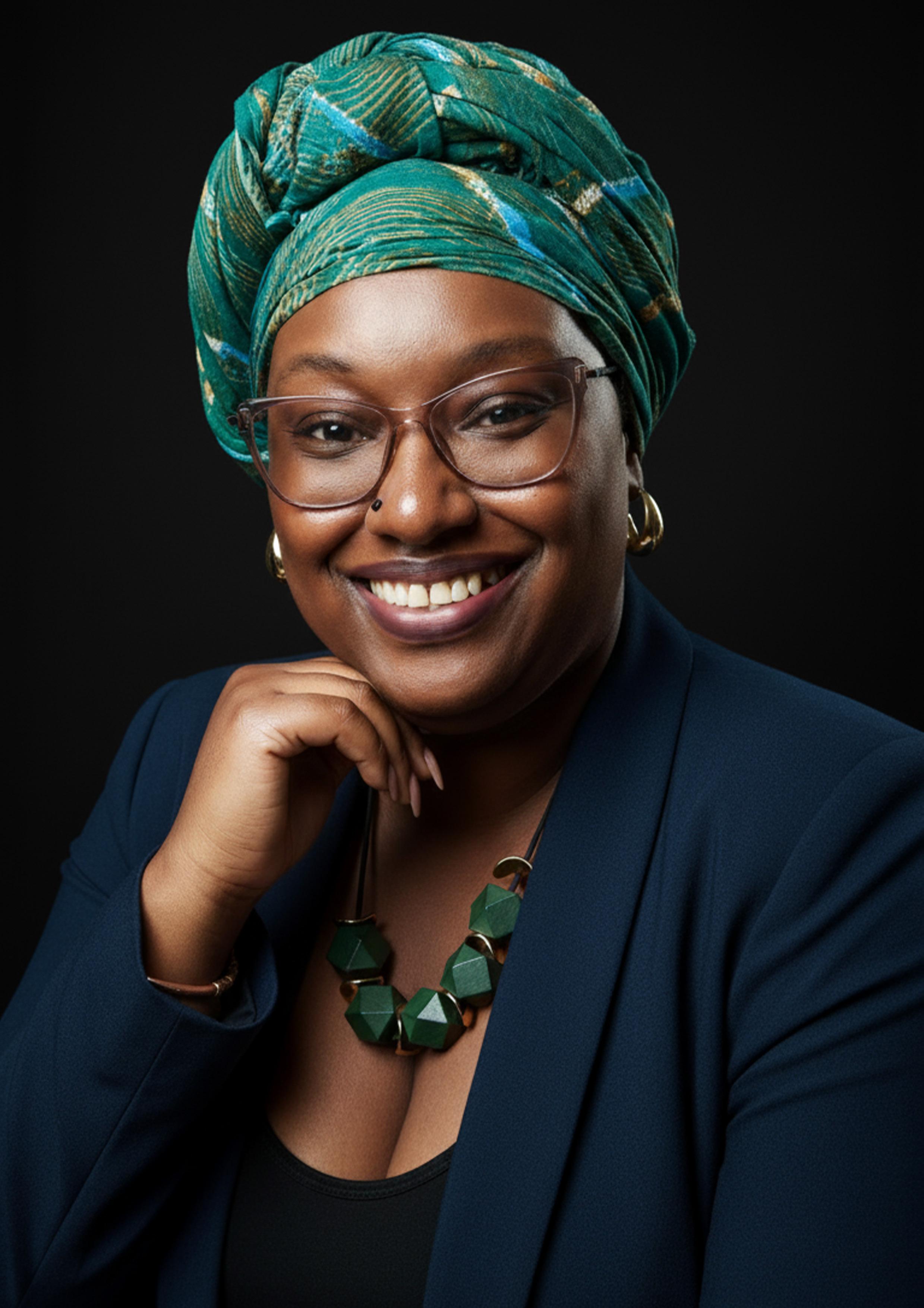
Syombua A. Kibue
Founder and CEO of SKEIYA
I started SKEIYA to change that narrative. We aim to build strong, homegrown systems where athletes can thrive on their own terms. Global opportunity should be an option, not an escape plan. At SKEIYA, we’re creating sustainable ecosystems: investing in infrastructure, tracking performance data, unlocking funding, and establishing commercial pathways that elevate athletes locally.
This approach is working; countries like South Africa, Morocco, and Egypt demonstrate local success, attracting international attention and investment. That’s the model we’re scaling across the continent. We’re not just filling a gap, we’re reimagining what’s possible. SKEIYA is a proactive blueprint for how African sports can grow into a powerful, self-sustaining force, one that retains talent and reinvests in it, building legacies, communities, and futures.
As a woman in sports and innovation, what barriers have you seen women face in SportsTech and iGaming?
As a woman in the business of sports and innovation, I’ve witnessed how women are systematically shut out at nearly every level. Female athletes receive less than 4% of global sports media coverage, and fewer than 15% of leadership roles in SportsTech and iGaming are held by women. Moreover, girls rarely see career paths in these industries that reflect their potential. The message is clear: women can participate, but they’re not meant to lead. That narrative must change.
That’s why I created RISE HER GAME, to challenge these disparities and reframe possibilities for African women in sport. It’s about creating pipelines where women are equally represented in coaching, tech development, data science, sports business, governance, and storytelling. We're training the next generation of female developers, analysts, and executives, because the future of sport must be built by diverse minds. At SKEIYA, we’re not waiting for inclusion; we’re building systems that demand it.
We’re creating media platforms that celebrate African women shaping sport behind the scenes and leading education programs that empower girls to code, lead, and think commercially. Most importantly, we’re ensuring that young girls know they don’t have to choose between being on the field or in the boardroom; they can own both. The barriers are real, but so is the brilliance of African women. Real change happens when we stop asking for space and start designing it ourselves.
What challenges have you faced building a sports commercialisation company in Africa, and how have you overcome them?
Building a sports commercialisation company in Africa is challenging. Less than 1% of global sports investment reaches the continent, athlete data is often inaccessible, and many federations operate in silos with limited transparency. African talent has historically sought opportunities abroad due to insufficient local support.
At SKEIYA, we navigate these systems while refusing to accept them as permanent. We've earned trust where exploitation is common, pushing to create infrastructure from scratch in communities rich in talent, and educated stakeholders on why African athletes are valuable investments, not charity cases. We are doing things differently. We partnered with local and international organisations to expand access, improve financial inclusion, and create opportunities for athletes at home. We are developing our digital ecosystem, The tribe, to support over 10,000 athletes across multiple sports in Africa. We are working to implement smart contracts to streamline processes and
Nilianza SKEIYA kubadilisha simulizi hiyo. Tunalenga kujenga mifumo thabiti, ya nyumbani ambapo wanariadha wanaweza kustawi kwa masharti yao wenyewe. Fursa ya kimataifa inapaswa kuwa chaguo, sio mpango wa kutoroka. Katika SKEIYA, tunaunda mifumo endelevu ya ikolojia: kuwekeza katika miundombinu, kufuatilia data ya utendakazi, kufungua ufadhili, na kuanzisha njia za kibiashara zinazoinua wanariadha ndani ya nchi.
Njia hii inafanya kazi; nchi kama Afrika Kusini, Moroko, na Misri zinaonyesha mafanikio ya ndani, na kuvutia umakini wa kimataifa na uwekezaji. Huo ndio mfano tunaoongeza bara zima. Hatujazi pengo tu, tunafikiria upya kile kinachowezekana. SKEIYA ni ramani makini ya jinsi michezo ya Kiafrika inaweza kukua na kuwa yenye nguvu, inayojitegemea, ambayo huhifadhi talanta na kuwekeza tena ndani yake, kujenga urithi, jumuiya na mustakabali.
Kama mwanamke katika michezo na uvumbuzi, ni vikwazo gani umeona wanawake wakikabiliana navyo katika SportsTech na iGaming?
Kama mwanamke katika biashara ya michezo na uvumbuzi, nimeshuhudia jinsi wanawake wanavyofungwa kwa utaratibu karibu kila ngazi. Wanariadha wa hupokea chini ya 4% ya utangazaji wa vyombo vya habari vya michezo duniani, na chini ya 15% ya majukumu ya uongozi katika SportsTech na iGaming yanashikiliwa na wanawake. Kwa kuongezea, wasichana mara chache huona njia za kazi katika tasnia hizi ambazo zinaonyesha uwezo wao. Ujumbe uko wazi: wanawake wanaweza kushiriki, lakini hawakusudiwa kuongoza. Simulizi hilo lazima libadilike.
Ndiyo maana niliunda RISE HER GAME, ili kupinga tofauti hizi na kuweka upya uwezekano kwa wanawake wa Kiafrika katika michezo. Ni juu ya kuunda mabomba ambapo wanawake wanawakilishwa kwa usawa katika kufundisha, ukuzaji wa teknolojia, sayansi ya data, biashara ya michezo, utawala, na kusimulia hadithi. Tunafundisha kizazi kijacho cha watengenezaji wa, wachambuzi, na watendaji, kwa sababu mustakabali wa michezo lazima ujengwe na akili tofauti. Katika SKEIYA, hatusubiri kujumuishwa; tunaunda mifumo inayodai.
Tunaunda majukwaa ya vyombo vya habari ambayo yanasherehekea wanawake wa Kiafrika wanaounda michezo nyuma ya pazia na kuongoza programu za elimu zinazowawezesha wasichana kuweka msimbo, kuongoza na kufikiria kibiashara. Muhimu zaidi, tunahakikisha kwamba wasichana wadogo wanajua sio lazima wachague kati ya kuwa uwanjani au kwenye chumba cha mikutano; wanaweza kumiliki zote mbili. Vizuizi ni vya kweli, lakini pia uzuri wa wanawake wa Kiafrika. Mabadiliko ya kweli hutokea tunapoacha kuomba nafasi na kuanza kubuni sisi wenyewe.
Ni changamoto gani umekumbana nazo kujenga kampuni ya biashara ya michezo barani Afrika, na umezishindaje?
Kujenga kampuni ya biashara ya michezo barani Afrika ni changamoto. Chini ya 1% ya uwekezaji wa michezo duniani hufikia bara, data ya wanariadha mara nyingi haipatikani, na mashirikisho mengi hufanya kazi kwa kutengwa na uwazi mdogo. Vipaji vya Kiafrika kihistoria vimetafuta fursa nje ya nchi kwa sababu ya msaada usiotosha wa ndani.
Katika SKEIYA, tunapitia mifumo hii huku tukikataa kuikubali kuwa ya kudumu. Tumepata uaminifu ambapo unyonyaji ni wa kawaida, tukisukuma kuunda miundombinu kutoka mwanzo katika jamii zenye talanta nyingi, na kuelimisha wadau juu ya kwanini wanariadha wa Kiafrika ni uwekezaji muhimu, sio kesi za hisani. Tunafanya mambo tofauti. Tulishirikiana na mashirika ya ndani na ya kimataifa kupanua ufikiaji, kuboresha ujumuishaji wa
enhance accountability in a fragmented ecosystem.
Our 92% athlete retention rate is built on honesty, consistency, and community, prioritising people over profit and using innovation to create effective systems. The challenges remain, but we’ve shown that when trust meets innovation, African sports can flourish. We’re not just building a company. We're rebuilding belief.
How can iGaming support the growth of grassroots sports in Kenya and across Africa?
iGaming, encompassing fantasy sports, sports betting, and online games, offers a powerful, untapped revenue stream that can significantly support the growth of local sports and motorsport when channeled effectively. This generated revenue can provide crucial funding for grassroots initiatives, infrastructure, and underserved communities, such as our work at SKEIYA, where we are helping to build the first community basketball court in Kuresoi, and our involvement with the trailblazing Lionesses Club, the first all-women Safari Rally club, proving women not only belong in motorsport but can lead it. Funding from iGaming platforms could amplify this impact dramatically, accelerating the growth of women's motorsport and providing resources like specialized training, equipment, and safety gear. The need for this support is urgent, as the open spaces we once played in are rapidly being replaced by new development, and modernization is erasing essential communal hubs and the simple joy of neighborhood sports. Purposeful partnerships with the iGaming industry offer a sustainable solution to restore, protect, and expand these vital spaces, ensuring future generations have reliable access to both traditional sports and the rapidly growing world of motorsport.
With iGaming growing, how can we protect young people from gambling risks?
Protection starts with honest conversations. We can't celebrate iGaming's excitement without acknowledging its risks, especially for young players. Education is key; young people need to understand how these platforms work, what responsible gaming looks like, and how to recognise harmful patterns early.
But education alone isn’t enough. Strict regulation is essential, including proper age verification, spending limits, and the removal of predatory mechanics that make gambling addictive. Platforms must also be accountable for the messages they promote, shifting away from flashy, profit driven marketing to content that encourages balance and awareness.
At SKEIYA, we believe reinvestment is crucial. If platforms benefit financially from youth engagement, they should contribute to programs that protect and empower youth like mental health support, financial literacy training, and community sports development.
Finally, there must be shared responsibility across tech, government, sports organizations, and communities. We all have a role in ensuring that innovation doesn’t come at the cost of our youth’s well-being.
What are the opportunities and risks with gamification, fantasy sports, and digital betting among youth?
Gamification, fantasy sports, and digital betting provide new ways for young people to engage with sports, creating jobs, sparking creativity, and building fan communities. Youth learn data analysis, digital storytelling, and entrepreneurial skills through these platforms. For African youth, who are mobile-first and tech-savvy, this space presents an exciting opportunity.
ikolojia wa kidijitali, iLali, ili kusaidia zaidi ya wanariadha 10,000 katika michezo mingi barani Afrika. Tunafanya kazi kutekeleza mikataba mahiri ili kurahisisha michakato na kuimarisha uwajibikaji katika mfumo wa ikolojia uliogawanyika.
Kiwango chetu cha uhifadhi wa wanariadha cha 92% kimejengwa juu ya uaminifu, uthabiti, na jamii, kuwapa kipaumbele watu kuliko faida na kutumia uvumbuzi kuunda mifumo bora. Changamoto zinabaki, lakini tumeonyesha kuwa wakati uaminifu unakutana na uvumbuzi, michezo ya Kiafrika inaweza kustawi. Hatujengi kampuni tu. Tunajenga upya imani.
Je, iGaming inawezaje kusaidia ukuaji wa michezo ya mashinani nchini Kenya na kote Afrika?
iGaming, ikiwa ni pamoja na michezo ya njozi, kamari ya michezo, na michezo ya mtandaoni, inaweza kusaidia kwa kiasi kikubwa michezo ya ndani inapotumiwa kwa ufanisi. Majukwaa haya yanaweza kuzalisha mapato ambayo yanafadhili programu za mafunzo ya vijana, vifaa vya timu za ndani, na mashindano katika maeneo yasiyo na rasilimali.
Kwa mfano, katika SKEIYA, tunasaidia kujenga uwanja wa kwanza wa mpira wa vikapu wa jamii huko Kuresoi, kuruhusu watoto na jamii kufurahia mchezo huo. Ufadhili kutoka kwa majukwaa ya iGaming unaweza kuongeza athari hii. Tumegundua maeneo kadhaa ya kukuza miundombinu ya michezo ya jamii, Nafasi nyingi tulizocheza hapo awali zimebadilishwa na vitalu vya ghorofa. Uboreshaji umefuta vituo vingi vya jumuiya na furaha ya michezo ya ujirani. Ushirikiano wa makusudi na iGaming unaweza kusaidia kurejesha na kulinda nafasi hizi muhimu kwa vizazi vijavyo.
Huku iGaming ikiendelea kukua, tunawezaje kuwalinda vijana dhidi ya hatari za kamari?
Ulinzi huanza na mazungumzo ya uaminifu. Hatuwezi kusherehekea msisimko wa iGaming bila kutambua hatari zake, haswa kwa wachezaji wachanga. Elimu ni muhimu; Vijana wanahitaji kuelewa jinsi majukwaa haya yanavyofanya kazi, jinsi michezo ya kuwajibisha inavyoonekana, na jinsi ya kutambua mifumo hatari mapema.
Lakini elimu pekee haitoshi. Udhibiti mkali ni muhimu, ikiwa ni pamoja na uthibitishaji sahihi wa umri, mipaka ya matumizi, na kuondoa mifumo yenye madhara inayosababisha uraibu katika kamari. Majukwaa lazima pia yawajibike kwa ujumbe wanaokuza, wakihama kutoka kwa uuzaji wa kuvutia, unaoendeshwa na faida hadi yaliyomo ambayo yanahimiza usawa na ufahamu.
Katika SKEIYA, tunaamini uwekezaji upya ni muhimu. Ikiwa majukwaa yanafaidika kifedha kutokana na ushiriki wa vijana, yanapaswa kuchangia programu zinazolinda na kuwawezesha vijana kama vile usaidizi wa afya ya akili, mafunzo ya kusoma na kuandika kifedha, na maendeleo ya michezo ya jamii.
Hatimaye, lazima kuwe na uwajibikaji wa pamoja katika teknolojia, serikali, mashirika ya michezo na jamii. Sote tuna jukumu la kuhakikisha kuwa uvumbuzi hauji kwa gharama ya ustawi wa vijana wetu.
Je, ni fursa na hatari gani za gamification, michezo ya njozi, na kamari ya kidijitali miongoni mwa vijana?
Uboreshaji, michezo ya njozi, na kamari ya kidijitali hutoa njia mpya kwa vijana kujihusisha na michezo, kuunda kazi, kuibua ubunifu na kujenga jumuiya za mashabiki. Vijana hujifunza uchanganuzi wa data, usimulizi wa hadithi za kidijitali, na ujuzi wa ujasiriamali kupitia majukwaa haya. Kwa vijana wa Kiafrika, ambao wana simu ya kwanza na ujuzi wa teknolojia, nafasi hii inatoa fursa ya kusisimua.
“
The biggest misconception is that African athletes and the sports industry need saving. We don’t. What we need is access. Talent has never been the issue; across villages, urban centres, refugee camps, and schools, Africa is overflowing with raw, world-class athletic potential.
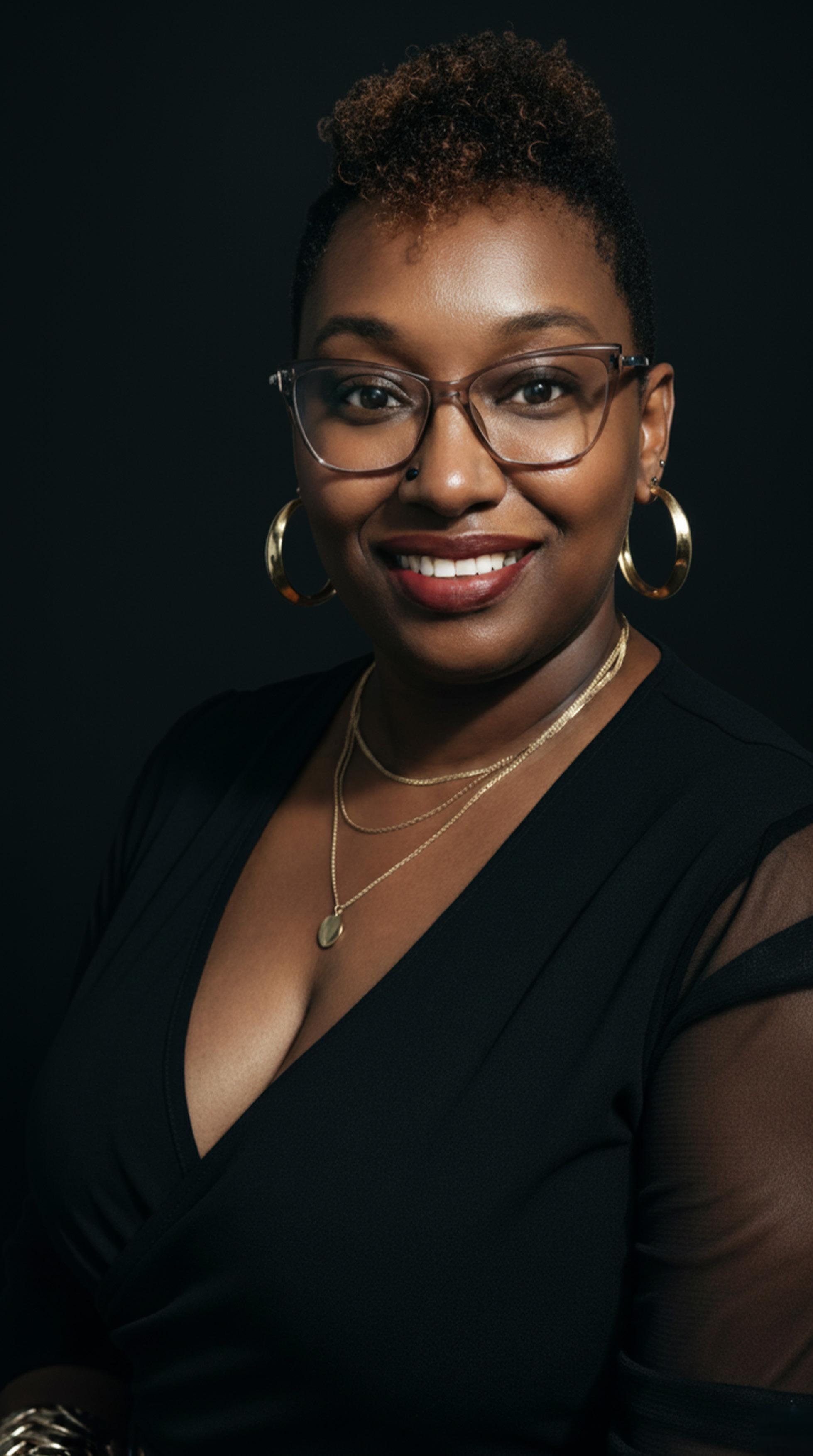

However, this opportunity comes with real risks. These platforms are designed to be addictive, and constant notifications, reward loops, and high-stakes environments can easily trap young users, especially those in vulnerable economic situations. Financial harm, mental health strain, and a distorted understanding of risk versus reward are potential dangers.
At SKEIYA, we believe the solution lies in intentional design. These platforms must prioritise youth well-being with clear age controls, spending limits, educational prompts, and real-time mental health support. We need to shift the focus from profit to purpose, creating digital ecosystems that promote learning, community, and growth.
This industry wields power. The question is whether that power will empower youth or exploit them, a choice for designers, regulators, and leaders alike.
How can industries like iGaming support youth wellbeing beyond profit?
Supporting youth wellbeing shouldn't be an afterthought; it must be integral to how the industries operate. If iGaming platforms target youth for engagement, they also carry a responsibility to contribute meaningfully to their development and safety.
This begins with rethinking the business model. Profit and purpose can co-exist, but only if well-being is treated as a core metric of success and not just a CSR checkbox. This means integrating mentorship programs, digital skills training, financial literacy, and mental health support directly into the user experience. Youth should leave these platforms having gained something valuable, not just lost time or money.
Industries also need to invest in safe spaces, both online and offline. At SKEIYA, for example, our work goes beyond talent exposure. We're helping build community sports infrastructure and safe physical spaces where young people can grow, connect, and be seen. iGaming platforms can support initiatives like this by reinvesting part of their revenue into grassroots programs that promote health, education, and opportunity.
Finally, accountability matters. Companies must regularly assess the social impact of their platforms and be transparent about how they protect young users. If the youth audience drives engagement, then their well-being must drive decision-making. In short, if you’re profiting from youth culture, you should help shape it for the better.
What’s the biggest misconception about grassroots talent in Africa?
The biggest misconception is that African athletes and the sports industry need saving. We don’t. What we need is access. Talent has never been the issue; across villages, urban centres, refugee camps, and schools, Africa is overflowing with raw, world-class athletic potential. What’s missing are the systems to nurture it, structured training environments, reliable data tracking, proper coaching, medical support, policies implementations that work and commercial pathways to help athletes grow sustainably into professionals and the industry thrive.
Too often, the narrative is built around charity or rescue; most sports clubs are created with an NGO mentality and not a business, but our athletes don’t need pity; they need platforms. They need investment, belief, and visibility.
Hata hivyo, fursa hii inakuja na hatari halisi. Majukwaa haya yameundwa kuwa ya uraibu, na arifa za mara kwa mara, vitanzi vya zawadi, na mazingira ya juu yanaweza kunasa watumiaji wachanga kwa urahisi, haswa wale walio katika mazingira magumu ya kiuchumi. Madhara ya kifedha, shida ya afya ya akili, na uelewa potofu wa hatari dhidi ya thawabu ni hatari zinazoweza kutokea.
Katika SKEIYA, tunaamini suluhisho liko katika muundo wa kimakusudi. Majukwaa haya lazima yape kipaumbele kwa ustawi wa vijana kwa udhibiti wazi wa umri, mipaka ya matumizi, vidokezo vya elimu, na usaidizi wa afya ya akili kwa wakati halisi. Tunahitaji kubadilisha mwelekeo kutoka kwa faida hadi kusudi, kuunda mifumo ikolojia ya dijiti ambayo inakuza ujifunzaji, jamii, na ukuaji.
Sekta hii ina nguvu. Swali ni ikiwa nguvu hiyo itawawezesha vijana au kuwanyonya, chaguo kwa wabunifu, wasimamizi, na viongozi sawa.
Je, tasnia kama iGaming inawezaje kusaidia ustawi wa vijana zaidi ya faida?
Kusaidia ustawi wa vijana haipaswi kuwa wazo la baadaye; Lazima iwe muhimu kwa jinsi tasnia zinavyofanya kazi. Ikiwa majukwaa ya iGaming yanalenga vijana kwa ushiriki, pia hubeba jukumu la kuchangia kwa maana maendeleo na usalama wao.
Hii huanza na kufikiria upya mtindo wa biashara. Faida na kusudi zinaweza kuwepo pamoja, lakini tu ikiwa ustawi unachukuliwa kama kipimo cha msingi cha mafanikio na sio tu kisanduku cha kuteua cha CSR. Hii inamaanisha kuunganisha programu za ushauri, mafunzo ya ujuzi wa kidijitali, ujuzi wa kifedha, na usaidizi wa afya ya akili moja kwa moja kwenye uzoefu wa mtumiaji. Vijana wanapaswa kuondoka kwenye majukwaa haya wakiwa wamepata kitu cha thamani, sio tu kupoteza muda au pesa.
Viwanda pia vinahitaji kuwekeza katika maeneo salama, mtandaoni na nje ya mtandao. Katika SKEIYA, kwa mfano, kazi yetu inakwenda zaidi ya mfiduo wa talanta. Tunasaidia kujenga miundombinu ya michezo ya jamii na nafasi salama za mwili ambapo vijana wanaweza kukua, kuungana, na kuonekana. Majukwaa ya iGaming yanaweza kusaidia mipango kama hii kwa kuwekeza tena sehemu ya mapato yao katika programu za msingi zinazokuza afya, elimu na fursa.
Hatimaye, uwajibikaji ni muhimu. Kampuni lazima zitathmini mara kwa mara athari za kijamii za majukwaa yao na kuwa wazi juu ya jinsi wanavyolinda watumiaji wachanga. Ikiwa watazamaji wa vijana wanaendesha ushiriki, basi ustawi wao lazima uendeshe kufanya maamuzi. Kwa kifupi, ikiwa unafaidika na utamaduni wa vijana, unapaswa kusaidia kuiunda kuwa bora.
Ni dhana gani potofu kubwa juu ya talanta ya mashinani barani Afrika?
Dhana potofu kubwa ni kwamba wanariadha wa Kiafrika na tasnia ya michezo wanahitaji kuokolewa. Hatuhitaji. Tunachohitaji ni ufikiaji. Talanta haijawahi kuwa suala; katika vijiji, vituo vya mijini, kambi za wakimbizi, na shule, Afrika imejaa uwezo mbichi, wa kiwango cha kimataifa wa riadha. Kinachokosekana ni mifumo ya kuilea, mazingira ya mafunzo yaliyopangwa, ufuatiliaji wa data wa kuaminika, mafunzo sahihi, msaada wa matibabu, utekelezaji wa sera zinazofanya kazi na njia za kibiashara kusaidia wanariadha kukua endelevu kuwa wataalamu na tasnia kustawi.
Mara nyingi, simulizi hujengwa karibu na hisani au uokoaji; vilabu vingi vya michezo vimeundwa na mawazo ya NGO na sio biashara, lakini wanariadha wetu hawahitaji huruma; wanahitaji majukwaa. Wanahitaji uwekezaji, imani, na mwonekano. 93
At SKEIYA, we’ve seen firsthand what happens when that shift in perspective takes place. Once they’re given structure, opportunity, and trust, young athletes don’t just rise; they excel. They compete, they win, and they represent their communities with pride and power. We need to stop underestimating grassroots talent in Africa and start recognising it for what it truly is, one of the most untapped and undervalued forces in global sport.
How should sports, gaming, and tech take responsibility for shaping youth culture?
It starts with being intentional. These industries aren’t just creating products; they’re shaping mindsets, values, and aspirations. Every game, app, campaign, and sports moment contributes to a larger story that young people absorb about their identity, values, and possibilities. Sports, gaming, and tech hold immense power in influencing youth culture today.
They determine how young people communicate, what they celebrate, and where they feel they belong. With that power comes the responsibility to create content and experiences that uplift, educate, and include, rather than just extract attention or profit. This involves showcasing diverse role models, telling authentic stories, and building platforms that reward growth as much as hype.
At SKEIYA, we’ve seen how quickly youth culture responds when young people are met with respect and opportunity. Whether in sports, digital games, or emerging tech platforms, the influence is real, and so is the responsibility. Youth culture isn’t just happening; it’s being built in real time. If industries truly care about the next generation, they must go beyond “what sells” and start asking, “what shapes?” Whatever we create today will echo in who young people become tomorrow.
What role do you hope AI will play in African sports and what role shouldn’t it play?
AI has the potential to transform African sports significantly. From talent scouting and injury prevention to performance analytics and fan engagement, AI can provide local athletes access to the same data-driven tools used by elite global teams. Imagine a rural coach analysing game footage with AI-powered breakdowns or a grassroots athlete gaining visibility because an algorithm identified patterns in their performance data. These innovations can enhance talent visibility and development.
AI can also improve fan experiences, personalise content and create new revenue models that benefit both athletes and communities. In Africa, where traditional infrastructure may be limited, AI can help overcome barriers if implemented correctly. However, it must be approached carefully. AI should not replace the human elements that make African sport powerful, community spirit, cultural rituals, storytelling, and emotional ties to the game. It must not become a cold substitute for mentorship, local wisdom, or lived experience. Africa’s sports ecosystem is not just data. it’s heart, history, and hustle.
The role of AI should be to support and amplify what works, not to overwrite it. The goal is to strengthen existing systems, making them smarter and more inclusive. AI must work for Africa, preserving what makes its sporting spirit unique.
Katika SKEIYA, tumejionea kile kinachotokea wakati mabadiliko hayo ya mtazamo yanafanyika. Mara tu wanapopewa muundo, fursa, na uaminifu, wanariadha wachanga hawainukiki tu; wanafaulu. Wanashindana, wanashinda, na wanawakilisha jamii zao kwa kiburi na nguvu. Tunahitaji kuacha kudharau talanta ya mashinani barani Afrika na kuanza kuitambua kwa jinsi ilivyo, moja ya nguvu ambazo hazijatumiwa na zisizothaminiwa katika mchezo wa ulimwengu.
Je, michezo, michezo ya kubahatisha, na teknolojia inapaswa kuwajibika vipi kuunda utamaduni wa vijana?
Huanza na kuwa na makusudi. Viwanda hizi haziundi tu bidhaa; wanaunda mawazo, maadili, na matarajio. Kila mchezo, programu, kampeni na wakati wa michezo huchangia hadithi kubwa ambayo vijana huchukua juu ya utambulisho, maadili na uwezekano wao. Michezo, michezo ya kubahatisha, na teknolojia zina nguvu kubwa katika kushawishi utamaduni wa vijana leo.
Wanaamua jinsi vijana wanavyowasiliana, kile wanachosherehekea, na wanahisi ni wapi. Pamoja na nguvu hiyo inakuja jukumu la kuunda yaliyomo na uzoefu ambao huinua, kuelimisha, na kujumuisha, badala ya kutoa umakini au faida. Hii inahusisha kuonyesha mifano mbalimbali ya kuigwa, kusimulia hadithi halisi, na kujenga majukwaa ambayo yanazawadia ukuaji kama vile ushushi mkubwa.
Katika SKEIYA, tumeona jinsi utamaduni wa vijana unavyojibu haraka wakati vijana wanakutana na heshima na fursa. Iwe katika michezo, michezo ya kidijitali, au majukwaa ya teknolojia yanayoibuka, ushawishi ni wa kweli, na ndivyo ilivyo wajibu. Utamaduni wa vijana haufanyiki tu; inajengwa kwa wakati halisi. Ikiwa tasnia zinajali kizazi kijacho, lazima ziende zaidi ya "kile kinachouza" na kuanza kuuliza, "kile kinachoumba?" Chochote tunachounda leo kitasikika kwa vijana wanakuwa kesho.
Unatumai AI ichukue jukumu gani katika michezo ya Kiafrika na haipaswi kuchukua jukumu gani?
AI ina uwezo wa kubadilisha michezo ya Kiafrika kwa kiasi kikubwa. Kuanzia utafutaji wa talanta na kuzuia majeraha hadi uchanganuzi wa utendakazi na ushiriki wa mashabiki, AI inaweza kuwapa wanariadha wa ndani ufikiaji wa zana zile zile zinazoendeshwa na data zinazotumiwa na timu za wasomi wa kimataifa. Hebu fikiria kocha wa vijijini akichambua picha za mchezo na uchanganuzi unaoendeshwa na AI au mwanariadha wa mashinani akipata mwonekano kwa sababu algoriti ilitambua ruwaza katika data yao ya utendaji. Ubunifu huu unaweza kuongeza mwonekano na maendeleo ya talanta.
AI pia inaweza kuboresha matumizi ya mashabiki, kubinafsisha maudhui na kuunda miundo mipya ya mapato inayowanufaisha wanariadha na jamii. Barani Afrika, ambapo miundombinu ya kitamaduni inaweza kuwa mdogo, AI inaweza kusaidia kushinda vizuizi ikiwa itatekelezwa ipasavyo. Hata hivyo, ni lazima ishughulikiwe kwa uangalifu. AI haipaswi kuchukua nafasi ya vipengele vya kibinadamu vinavyofanya mchezo wa Kiafrika kuwa na nguvu, roho ya jamii, mila za kitamaduni, usimulizi wa hadithi, na uhusiano wa kihisia na mchezo. Haipaswi kuwa mbadala baridi wa ushauri, hekima ya ndani, au uzoefu wa kuishi. Mfumo wa ikolojia wa michezo barani Afrika sio data tu. ni moyo, historia, na msukosuko.
Jukumu la AI linapaswa kuwa kusaidia na kukuza kile kinachofanya kazi, sio kuibatilisha. Lengo ni kuimarisha mifumo iliyopo, na kuifanya kuwa nadhifu na jumuishi zaidi. AI lazima ifanye kazi kwa Afrika, ikihifadhi kile kinachofanya roho yake ya michezo kuwa ya kipekee.
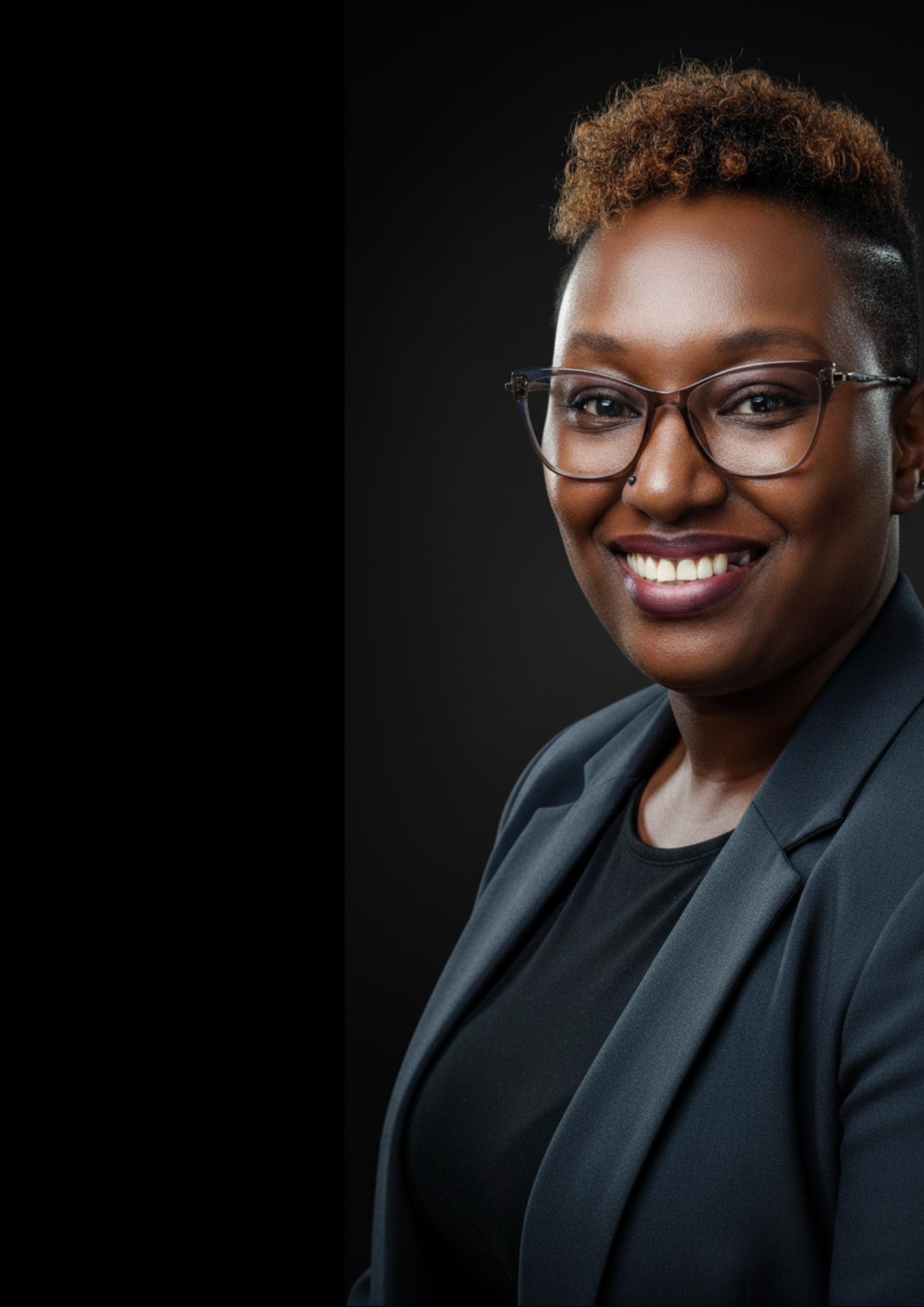
What does the five-year trajectory for SKEIYA look like, and how do you plan to scale its impact across the continent?
In five years, SKEIYA will be firmly rooted and recognised as the leading force in African sports commercialisation, a trusted African engine powering athlete careers, shaping policy, building infrastructure, providing the best fun and end-user experience, and driving innovation across the continent. But our vision goes far beyond that; we’re here to reimagine how youth, sport, and digital culture intersect across Africa and to do it in a way that’s sustainable, inclusive, and deeply rooted in our communities.
A major part of that is sports tourism. Africa is rich in culture, history, climate, and talent, but the sports tourism market is still largely untapped. At SKEIYA, we want to change that. We’re building pathways for people to travel not just for competition, but for training camps, youth exchange, showcases, and fan experiences. Imagine families travelling across Africa for grassroots tournaments or fans flying in to watch elite women athletes in well-branded leagues. This kind of movement doesn’t just grow sport, it grows local economies, hospitality sectors, and pride in African excellence.
Through RISE HER GAME, we also want to be the driving force behind the rise of women’s sports on the continent, not just calling for inclusion but building platforms where women are centred, invested in, and celebrated as athletes, leaders, and entrepreneurs. From grassroots to elite levels, from policy to media rights, we’re making sure women take their rightful place in every arena. This is more than a business for us; it’s a mission to elevate sport as a catalyst for opportunity, connection, and ownership. SKEIYA isn’t here to follow global trends; we’re here to lead Africa into its next golden era of sports, and we’re just getting started.
Je, mwelekeo wa miaka mitano wa SKEIYA unaonekanaje, na unapangaje kuongeza athari zake katika bara zima?
Katika miaka mitano, SKEIYA itakita mizizi na kutambuliwa kama nguvu inayoongoza katika biashara ya michezo ya Kiafrika, injini inayoaminika ya Kiafrika inayowezesha taaluma za wanariadha, kuunda sera, kujenga miundombinu, kutoa uzoefu bora wa kufurahisha na wa mtumiaji wa mwisho, na kuendesha uvumbuzi katika bara zima. Lakini maono yetu yanakwenda mbali zaidi ya hapo; tuko hapa kufikiria upya jinsi vijana, michezo, na utamaduni wa kidijitali unavyoingiliana kote Afrika na kuifanya kwa njia endelevu, jumuishi, na iliyokita mizizi katika jamii zetu.
Sehemu kubwa ya hiyo ni utalii wa michezo. Afrika ina utamaduni, historia, hali ya hewa, na talanta, lakini soko la utalii wa michezo bado halijatumiwa. Katika SKEIYA, tunataka kubadilisha hilo. Tunaunda njia za watu kusafiri sio tu kwa mashindano, bali kwa kambi za mafunzo, kubadilishana vijana, maonyesho na uzoefu wa mashabiki. Hebu fikiria familia zinazosafiri kote Afrika kwa mashindano ya mashinani au mashabiki wakiruka kutazama wanariadha wa wasomi katika ligi zenye chapa nzuri. Aina hii ya harakati haikui tu michezo, inakuza uchumi wa ndani, sekta za ukarimu, na kujivunia ubora wa Kiafrika.
Kupitia RISE HER GAME, tunataka pia kuwa nguvu inayoongoza nyuma ya kuongezeka kwa michezo ya wanawake barani, sio tu kutoa wito wa kujumuishwa lakini kujenga majukwaa ambapo wanawake wamezingatiwa, wamewekeza, na kusherehekewa kama wanariadha, viongozi, na wajasiriamali. Kutoka mashinani hadi ngazi za wasomi, kutoka sera hadi haki za vyombo vya habari, tunahakikisha wanawake wanachukua nafasi yao sahihi katika kila uwanja. Hii ni zaidi ya biashara kwetu; Ni dhamira ya kuinua mchezo kama kichocheo cha fursa, muunganisho, na umiliki. SKEIYA haiko hapa kufuata mwenendo wa ulimwengu; tuko hapa kuiongoza Afrika katika enzi yake ijayo ya dhahabu ya michezo, na ndio kwanza tunaanza.

It Means for Operators and Investors

Brian Ondieki Managing Partner at
A Turning Point for Kenya’s Gambling Industry
Kenya’s gambling industry has expanded rapidly over the past decade, fueled by widespread mobile money adoption, increased smartphone penetration, and aggressive digital marketing. What was once a niche, loosely regulated activity has evolved into a significant commercial sector with deep economic and social implications. The enactment of the Gambling Control Act, 2025 represents the most comprehensive regulatory intervention the industry has experienced to date and marks a decisive shift in how gambling will be governed in Kenya. For operators and investors, the new law is not a routine legislative update. It fundamentally redefines licensing standards, regulatory oversight, and the role of technology in gambling operations. The Act signals a clear intention by the state to move the sector away from fragmented oversight toward a more structured, transparent, and enforceable regulatory regime.
Why the Old Law Was No Longer Fit for Purpose
For many years, gambling in Kenya was regulated under the Betting, Lotteries and Gaming Act, commonly referred to as Cap. 131. That law was enacted in a very different era, long before the emergence of online sportsbooks, digital casinos, jackpots, and cross-border gambling platforms. While Cap. 131 provided a basic licensing framework, it lacked the tools necessary to regulate modern gambling ecosystems, particularly those driven by technology. As online gambling grew, regulatory blind spots became increasingly evident, especially in areas such as platform oversight, consumer protection, and enforcement capacity. The Gambling Control Act, 2025 was introduced to address these shortcomings by replacing the outdated framework with a modern, comprehensive statute that regulates not only gambling operators, but also the systems and platforms that facilitate gambling activity. This shift reflects global regulatory trends and aligns Kenya more closely with international best practice.
The Gambling Regulatory Authority and Stronger Oversight
One of the most significant changes introduced by the Act is the establishment of the Gambling Regulatory Authority of Kenya. The new Authority replaces the former Betting Control and Licensing Board and is designed to operate as a more autonomous and technically capable regulator. Its mandate extends beyond issuing licences and includes continuous supervision of gambling operations, enforcement, inspections, and oversight of responsible gambling measures. For the industry, this represents a move from reactive regulation to ongoing regulatory engagement, particularly in the digital space, where real-time oversight is increasingly critical.
A More Structured and Demanding Licensing Regime
Licensing under the new Act is clearer, more structured, and significantly more demanding. The law introduces distinct licensing categories for different gambling activities, including bookmaking, pool betting schemes, online gambling, casinos, and remote platform services. Applicants are required to demonstrate financial capacity, transparent ownership structures, tax compliance, and adherence to prescribed Kenyan ownership thresholds. Security bonds and capital requirements are expected to be materially higher than under the previous regime. While these requirements raise the barrier to entry, they also provide greater certainty and predictability for compliant operators and serious investors.
Technology Regulation Moves to the Forefront
Technology regulation is one of the defining features of the Gambling Control Act, 2025. For the first time, Kenyan law explicitly regulates online gambling platforms and remote technology providers. The introduction of remote platform authorization brings white-label providers, shared backend systems, and gambling software suppliers within the scope of regulatory oversight. These entities are now required to meet standards relating to system security, data protection, auditability, and regulatory access. This development significantly alters the operating environment for offshore and technology-driven gambling businesses that previously functioned with limited local supervision.
Advertising Controls and Responsible Gambling
Advertising and responsible gambling are central pillars of the new framework. The Act introduces tighter controls on gambling advertising, including restrictions on timing and content. Operators are required to include responsible gambling messaging and to implement safeguards such as self-exclusion mechanisms and robust age verification systems. Credit betting and misleading inducements are curtailed, signaling a shift away from high-intensity promotional strategies toward a more controlled and socially conscious market. These measures are intended to balance commercial activity with consumer protection and public interest considerations.
What the Transition Means for Existing Operators
The Act contains transitional provisions designed to manage the shift from the old regulatory regime to the new one. Existing licenses issued under the repealed law remain valid for a limited period, either until their expiry or until they are replaced under the new framework. However, existing operators are required to comply immediately with key operational provisions of the Act and must reapply for licenses within the prescribed transition period. In practice, this is likely to result in market consolidation, as smaller or undercapitalized operators struggle to meet the new financial, technical, and governance standards.
Implications for Investors
For investors, the Gambling Control Act, 2025 reshapes the commercial landscape. Compliance costs will increase, and speculative or short-term market entry will become more difficult. At the same time, the law offers improved regulatory clarity, reduced enforcement uncertainty, and stronger institutional oversight. These factors are particularly attractive to long-term investors seeking stable, well-regulated markets. Kenya remains one of Africa’s most commercially significant gambling jurisdictions, but the new framework clearly favors’ well-capitalized, compliance-focused participants.
A Market That Has Matured, Not Closed
Ultimately, the Gambling Control Act, 2025 should be understood as a signal of market maturity rather than market closure. While the law imposes higher standards and tighter controls, it also creates a more sustainable foundation for the industry’s future. Operators and investors who adapt early and invest in compliance, technology, and governance are likely to benefit from increased credibility and long-term opportunity. Kenya’s gambling market has not been shut down; it has entered a more disciplined and regulated phase of its evolution.



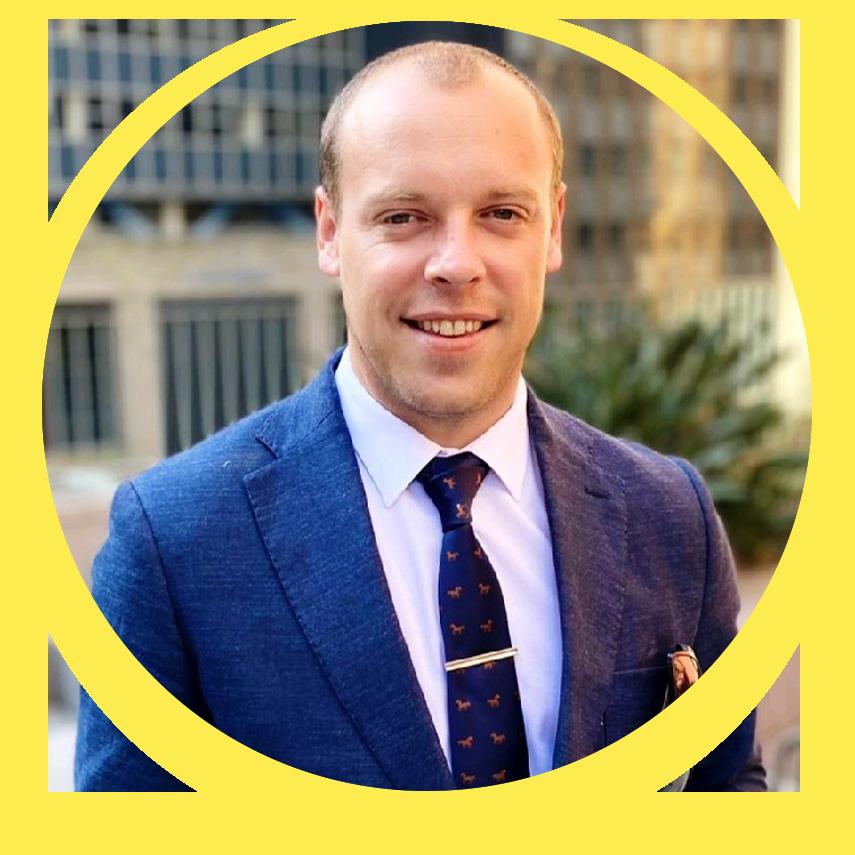
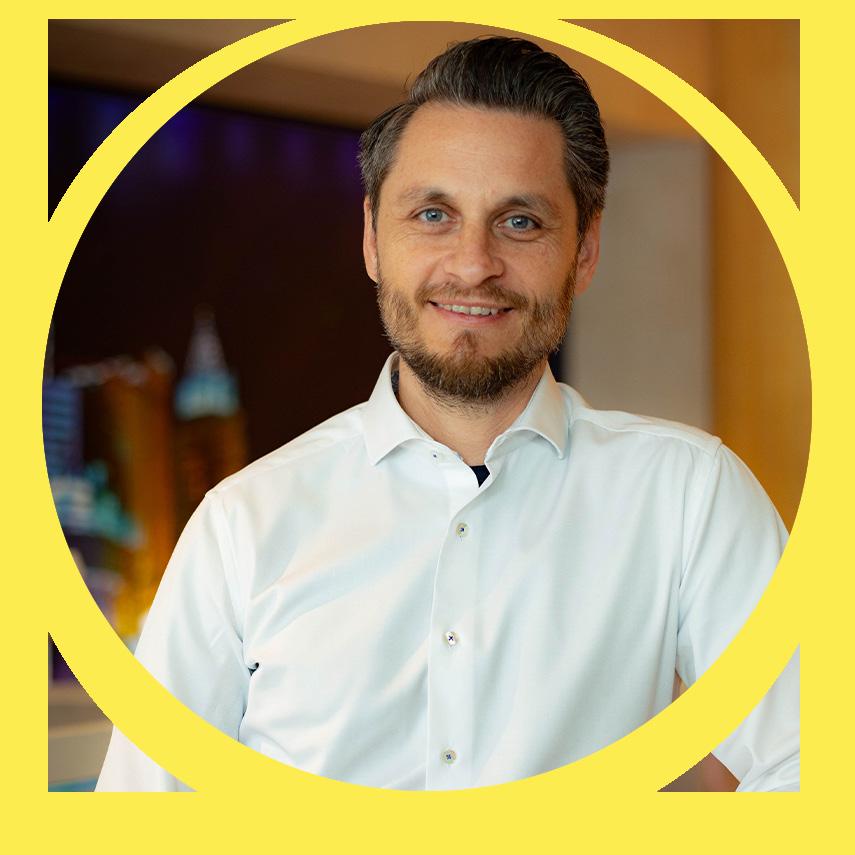

iGaming's Next Frontier? AFRICA
While Latin America has stolen the spotlight in recent years, a lower-profile success story has been unfolding 2,000 miles away in Africa. With a fast-improving technical infrastructure and increasing appetite for online gambling, the continent remains one of iGaming's most promising growth areas.
iGaming AFRIKA spoke exclusively with James Everett, VP Africa & LatAm at BetGames, Michael Bauer, CPO/CRO at Greentube, Brendon Jeacocks, Regional Director at Altenar, Toni Karapetrov, Head of Corporate Communications at Habanero, and Joe Andrews, Head of Sales – Africa at SIS, to find out the most significant challenges currently facing African markets, the importance of differentiating between countries, and how suppliers can tailor their offering to maximise impact in the region.
How have
African iGaming markets evolved in recent years? What key milestones stand out?
James Everett: The African online gambling market was valued at approximately US$1.62 billion in 2023 and reached close to $1.85 billion in 2024, showing a compound annual growth rate of 5.87%. With the market projected to hit $1.94 billion by 2025, it continues to indicate an upward trajectory over the coming years. Infrastructure development has improved significantly, with the expansion and continuously maturing coverage of mobile networks across key regions on the continent. The rise of affordable smartphones and 4G/5G networks has been a key contributor to fuelling the impressive growth rates from a historical and projected perspective.
Football continues to lead the way as far as iGaming verticals are concerned; however, live games, slots, virtual and augmented reality betting experiences are fast gaining traction, with the potential to attract 10 million new users annually. Technological and payment innovations have facilitated secure and convenient transactions, boosting online gambling growth. The shift to omnichannel platforms, combining retail, mobile, and online gambling, has also catered to a wide range of consumer needs. Socio-economic factors have had a significant impact on driving growth in the industry. Africa's youthful population and a rising middle class have also driven market expansion across the continent.
Michael Bauer: Over the past few years, Africa’s iGaming landscape has undergone a remarkable transformation. We’ve seen firsthand how mobile technology has reshaped consumer behaviour in the continent. In many African markets, mobile isn’t just the primary digital touchpoint; it’s the only one. This has powered the meteoric rise of mobile betting, supported by fintech innovations like M-Pesa in East Africa and a range of digital wallet solutions in West Africa that make instant deposits and withdrawals accessible to millions.
Historically, the market was dominated by retail, particularly sports betting shops. But with growing internet penetration, affordable smartphones, and increasing digital literacy, there’s been a rapid migration to mobile-first platforms.
Regulatory frameworks have also matured. Countries like South Africa, Nigeria, Kenya are leading the way in licensing and
compliance, creating more stable environments for operators and investors. What’s particularly encouraging is the increased collaboration between regulators and industry players to balance consumer protection with innovation.
Brendon Jeacocks: It’s interesting how we as South Africans sometimes refer to 'African markets' as if we’re not part of it. That said, and somewhat ironically, it does make sense to separate my response.
In South Africa, the most significant shift has been the increased access to online games which have helped expand the industry. The growth is very apparent, not only in the media, which has increased significantly, but also in the numbers that are reflected by the annual statistics published by the National Gambling Board (NGB).
Beyond South Africa, a few markets have developed to a point where they’re earning greater trust from operators. While their regulatory frameworks may not be as mature as those in Europe, there’s clear progress toward more structured and consistent oversight. Key milestones include Nigeria’s regulatory consolidation, along with emerging markets like Ghana and Ivory Coast establishing and strengthening their licensing frameworks.
Toni Karapetrov: Africa has grown into a more connected and digitally engaged region in recent years, with mobile technology playing a significant role in that transformation. This shift has opened up real opportunities for suppliers that can meet the needs of mobile-first audiences. For many online suppliers such as ourselves, the rise in smartphone use and improved internet infrastructure across countries like South Africa, Nigeria, and Kenya has been a game-changer.
Our presence in South Africa has grown significantly, and we are now seeing promising momentum across several other fast-developing regions. Building strong partnerships with local operators has helped us create a solid foundation, and we have seen considerable growth in player engagement as a result. On top of that, the regulatory landscape is beginning to evolve in a number of territories, signalling a more stable and scalable future for iGaming on the continent.
Joe Andrews: The biggest shift has undoubtedly been the accelerated migration from retail to online betting. For many years, Africa was traditionally dominated by its retail landscape due to limited smartphone penetration and broadband access. That picture has since changed dramatically. Improvements in mobile technology and connectivity have opened up online wagering to a far larger customer base, without diminishing the continued importance of retail.
From a SIS perspective, the ability for bettors to access our three product verticals online, Racing, Competitive Gaming and 49’s, has accelerated company growth across the continent and provided operators with fresh ways to engage audiences with well-paced, consistent content. SIS has customers all over the globe and our focus is always delivering 24 hour a day betting events, ideal for the digital consumer.
What are the biggest hurdles currently facing suppliers looking to enter and scale in Africa?
James Everett: Regulatory inconsistencies, fraud, unreliable internet in some regions, and outdated devices all contribute to significant challenges faced by operators and providers alike. However, these issues are being addressed. For example, Governments in Ghana and Tanzania are offering incentives to attract international investors, Uganda's National Lotteries have also made progress in formalising the iGaming sector, and the rollout of 5G networks is expected to positively impact user engagement.
Michael Bauer: First of all, we need to be clear that Africa isn’t a single market—it’s over 50 unique jurisdictions, each with its own infrastructure, regulations, and consumer behaviour. There’s no universal playbook here. Every country requires its own market-entry strategy, much like Europe or the regulated markets in the U.S., but often with greater operational complexities.
Regulation is highly fragmented, with varying licensing requirements, tax policies, and compliance expectations. Payment integration is challenging. While mobile money is widespread, the systems, APIs, and transaction reliability differ by country. The tech environment also needs to be considered. Many users rely on entry-level Android devices and inconsistent internet connectivity. Products must be lightweight, adaptive, and mobile-first. Beyond the tech, localisation is non-negotiable—not just in language, but in pricing models, content, bet types, and customer service style.
Lastly, trust is a real barrier. Due to past issues with unregulated operators, players are cautious. Credibility is earned through transparent operations, visible compliance and strong local partnerships.
Brendon Jeacocks: It’s important to distinguish between South Africa and the rest of Africa. Locally, the competition is tough, the market has well-established suppliers and customers maintain high expectations. Suppliers must bring reliability, innovation, and solid local support in order to stand out and succeed.
Across the rest of the continent, the main challenge is grasping what local operators need and then adjusting to those specific conditions. Issues like unreliable internet, low smartphone penetration, and high data costs make it difficult to connect with users beyond the major cities. International operators and suppliers often enter these territories with the same strategies and technology used elsewhere which isn’t always the best approach. The mismatch can lead to poor results or early exits. Making market-specific solutions with low latency is essential for success.
Toni Karapetrov: Africa’s diversity is what makes it exciting, but it also comes with its challenges. Each country has its own approach to regulation, infrastructure, and player behaviour, which means suppliers need to be flexible and well-informed to succeed. One of the biggest hurdles is making sure content works smoothly across different devices and varying internet conditions.
Understanding how regulations are changing and being ready to adapt is just as important. For us, these are not seen as barriers; they are essential parts of building a sustainable, long-term presence in the region. Lightweight, engaging titles will be attractive to players, but regulatory adherence will be a catalyst for success.
Joe Andrews: As is well documented, the continent is made up of varying market preferences. That means you cannot expect one product to resonate everywhere. The advantage for SIS is that our portfolio is extremely diverse, with each vertical appealing to different audiences. Competitive Gaming’s offering of over 225,000 short-form eBasketball and eSoccer events, via a dynamic low-latency experience, directly caters for Africa’s deep love of sport, which is why it is trusted by a host of leading African operators including Bet King and Dafabet.
South Africa is an established racing territory, also making it ideal for our partners who benefit from over 60,000 annual horse and greyhound races from more than 170 of the world’s leading tracks.
As for SIS owned 49’s, our fixed odds numbers draws, this product is hugely popular thanks to its higher-frequency format and small-stake, bigger-win appeal. Over half of the traffic on 49s.co.uk comes directly from Africa, with 888AFRICA and Betway among our trusted live draw partners. We have extended our long-term partnership with Hollywoodbets, South Africa’s leading operator, providing our 39’s and Fast 15’s live draws to its players. Trust and integrity also have an integral role to play, which is why 49’s and Racing, which carry a longstanding UK brand reputation, resonate with bettors and bookmakers throughout Africa.
As with most territories delivery and deployment of your content can be a challenge but strategic partnerships have also helped push the SIS products to operators. For example, our collaborative work with Bitville Gaming has allowed us to develop region-specific iframes for all our content, ensuring a tailored experience for consumers and a quick and easy integration for platforms and operators.
How significant is the contrast between markets across the continent, and how do consumer preferences differ by nation?
James Everett: Markets like South Africa and Nigeria have greater scope due to higher disposable incomes and larger urban populations. In contrast, smaller economies like Tanzania and Uganda have smaller but rapidly growing markets. There are also demographic drivers, such as a much lower median age on the continent, which indicates a youthful population in comparison to other markets.
The mature landscape in South Africa is well-regulated as a result, with licenses issued by provincial governments. In comparison, Kenya and Tanzania have progressive regulations fostering growth through mobile betting oversight. Countries such as Egypt and Somalia impose strict bans on gambling due to religious and cultural factors. Emerging markets in Nigeria and Ghana are adapting laws to combat fraud and attract investment, with the former's lack of a unified regulatory body currently leading to reliance on offshore operators.
From a player perspective, South Africa is very much a diversified market, with football, horse racing, lotteries and online casino making up a relatively even split. Mobile platforms account for almost 75% of traffic. Nigeria remains football-focused, with a particular emphasis on in-play betting that offers quick payouts. This region accounts for almost 80% of mobile traffic. In Kenya, players prefer sports betting, especially football, with around 64% of adults surveyed participating. Virtual sports and casino verticals are growing, but still appear to be secondary. Similarly, Tanzania, Ghana and Uganda are very much sports (football) focused, with lotteries and casino appearing to be growing verticals.
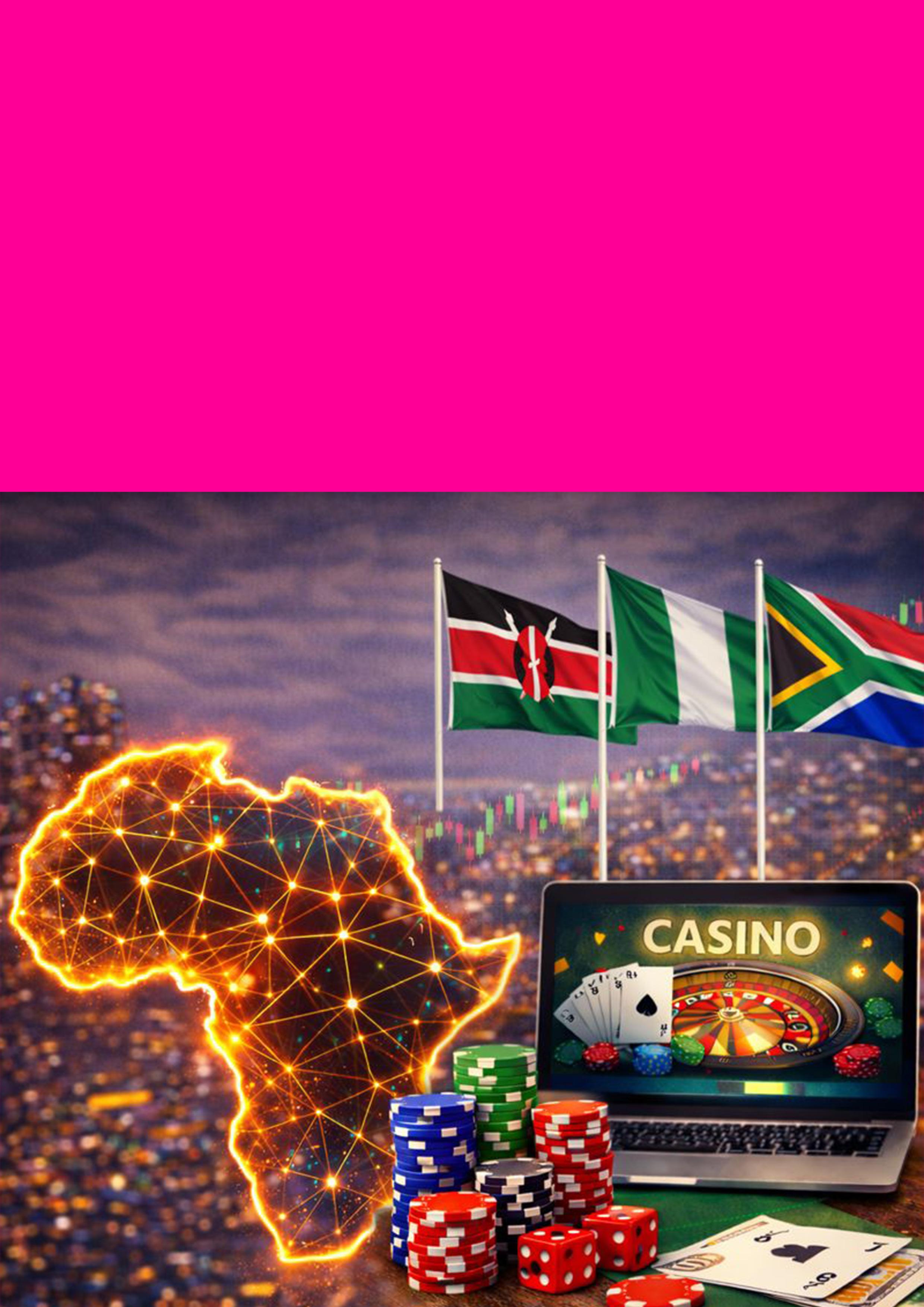
iGaming's Next Frontier? AFRICA
In part one of our exploration into Africa’s iGaming landscape, we examined the continent’s rapid digital growth and increasing appetite for online gambling. Now, we continue the conversation with insights from key industry figures who are actively shaping the region’s future. James Everett, VP Africa & LatAm at BetGames, Michael Bauer, CPO/CRO at Greentube, Brendon Jeacocks, Regional Director at Altenar, Toni Karapetrov, Head of Corporate Communications at Habanero, and Joe Andrews, Head of Sales – Africa at SIS.
They share their views on which African markets hold the most potential over the next decade and why cultural, regulatory, and economic differences make tailored, localised strategies essential for long-term success.
How significant is the contrast between markets across the continent, and how do consumer preferences differ by nation?
James Everett: Cultural, regulatory, and economic differences across Africa are substantial and must be considered when adapting products to specific markets. Each country offers a distinct set of conditions that directly influence how players engage with iGaming platforms.
For instance, mobile betting is prevalent in markets like Kenya, Nigeria, and Tanzania due to mobile-first internet access and widespread use of mobile money solutions such as M-Pesa. Conversely, South Africa’s more developed infrastructure supports a balance between mobile and desktop usage, along with a broader range of payment options including cards and e-wallets.
Regulatory environments also vary significantly. South Africa has a mature and structured licensing system, whereas Nigeria lacks a unified regulator, resulting in dependence on offshore operators. Meanwhile, Kenya and Tanzania feature more progressive frameworks that foster growth through mobile oversight.
Effective localisation, therefore, involves more than simply launching in a market — it entails adapting product accessibility, payment integration, promotional strategies, and user experience to mirror local behaviours and expectations. This approach not only ensures compliance with regulations but also enhances relevance and engagement with the target audience.
Michael Bauer: Africa’s diversity makes market-specific tailoring not just important, but critical. Cultural attitudes toward gambling vary widely. In some regions, it’s part of everyday entertainment; in others, it’s approached more cautiously. This affects everything—from the imagery in marketing campaigns to the tone of customer communications. Not understanding the complexities of regulations can lead to fines and failure altogether.
True localisation does not just mean translating existing structures for the new market, it means offering odds and
formats players are familiar with, designing jackpot structures that align with local spending power, building lightweight mobile-first platforms, and offering customer support in relevant local dialects and via the channels widely used in those areas. The goal isn’t to retrofit a global product—it’s to build with local realities at the core.
Brendon Jeacocks: A product might cover the usual localisation basics like language, currency, and odds, but it can still miss the mark if it doesn’t reflect how people want to interact with operators. Cultural differences shape everything from risk tolerances to betting behaviours. Localisation should be deeper than the basics, it’s about building a product that can integrate smoothly with people’s daily lives and habits. As the newly appointed Regional Director at Altenar, this is part of my role. I am based in Cape Town and I have worked in the industry for almost a decade. By having my ear to the ground locally, I can advise on what local customers need so we can be first movers.
Toni Karapetrov: Each market across Africa comes with its own set of cultural, regulatory, and economic realities, and understanding those is key to getting it right. A game that resonates in one country might not connect in another unless it has been adapted to fit the local context.
For us, successful localisation means creating games that feel completely natural to the player - from the language and visuals to the way the game performs on their device - while ensuring every launch is fully compliant from day one. This careful balance is what helps Habanero deliver products that stand out and succeed across such a varied region.
Joe Andrews: Simply dropping a product into a market and expecting it to succeed does not work. It takes time for customers to engage, particularly in retail environments where shop space and connectivity can be stretched. Suppliers are fighting for TV and marketing space and convincing a shop manager to turn off a tried and tested game to trial a new one is a challenge, and a fair one. When launching something new like our number suite we try to work with the operator at the shop level to build awareness and offer marketing support. With the continual improvement of connectivity across the continent our live streaming will ensure the digital appeal of our products will grow even further and people can bet and watch racing, live lotto draws and SIS Competitive Gaming.
Successful localisation can mean tailoring products to the targeted market. Earlier this year, we expanded our 49’s partnership with Betway to deliver two additional daily live draws specifically for the South African market. The move was a testament to the impressive popularity our fixed-odds live draws have generated and is something we are keen to replicate moving forward. Its initial success highlights the impact of bespoke content in accommodating the local preferences of a market and the crucial role of integrity, for which 49’s is well known.
Which African markets hold the most potential for the coming decade?
From Right: James Everett, Michael Bauer, Brendon Jeacocks,Toni Karapetrov, Joe Andrews

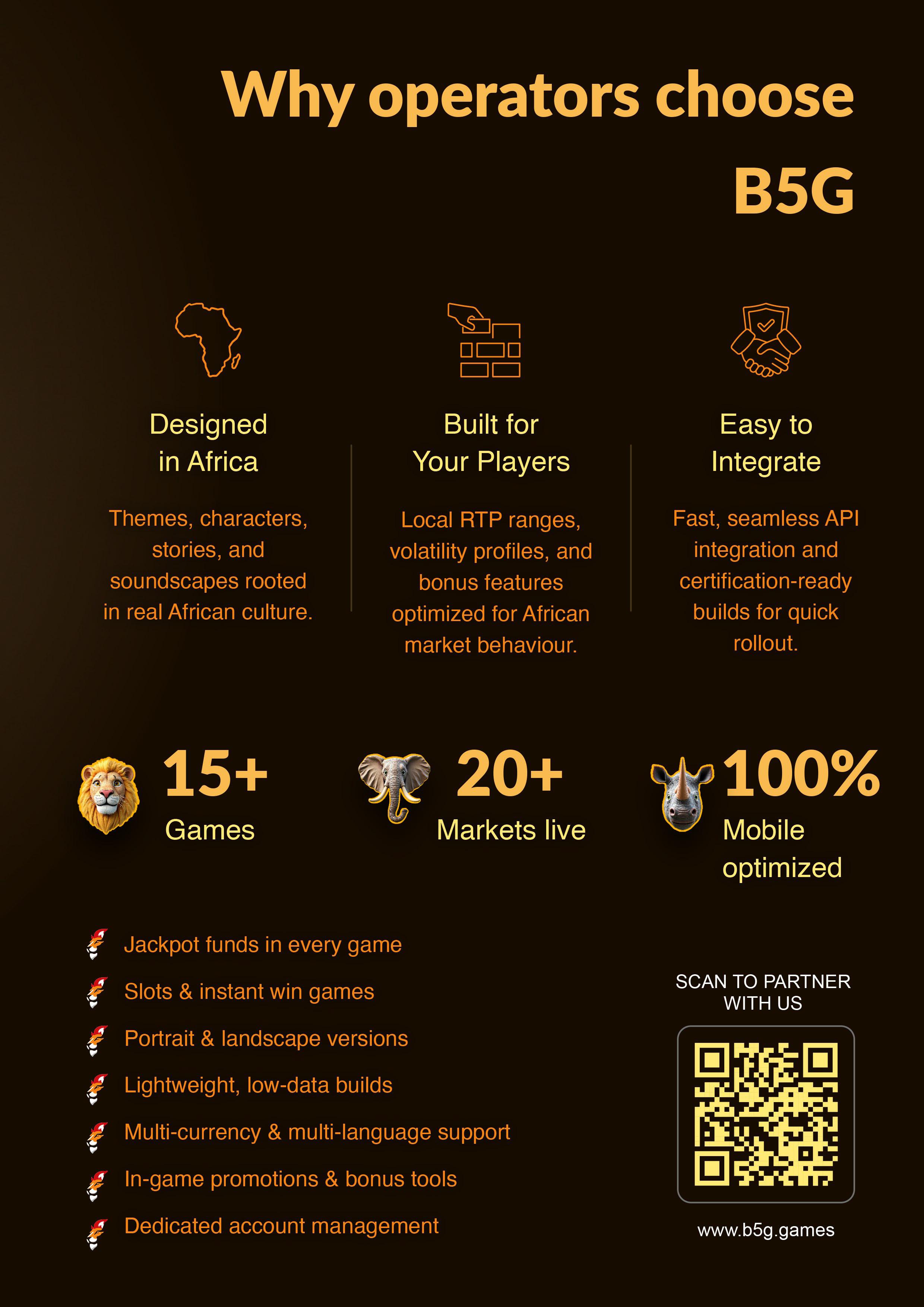
When we talk about responsible gambling, most people immediately think about protecting players. That makes sense as gambling can lead to addiction, heavy debt, ruined relationships, and even mental-health crises. But the story does not end there. The gambling industry is a delicate ecosystem, and keeping it healthy means looking beyond just the players. Licensed operators, regulators, and the integrity of the system all play a role in making sure the industry works for everyone.
Licensed operators are the backbone of a healthy gambling industry. They follow strict rules, invest in secure technology, and uphold fair play. Yet, the biggest threats often come from outside the regulated space. Illegal operators, unlicensed online platforms, and fraudulent sites exploit both players and legitimate businesses.
According to recent reports in South Africa, around 62% of all online gambling activity occurs on unlicensed platforms, diverting over R50 billion in revenue offshore every year. There are more than 2,000 unlicensed sites actively targeting South African users, with roughly 16 million people engaging with these platforms in the past year alone.
Insights from Industry Leaders
Robin Bennett, Head of Department, Regulatory and Compliance at the Western Cape Gambling and Racing Board, recently shared his thoughts on LinkedIn, reminding the industry that protection isn’t just about players. He emphasized that licensed operators and regulators form the backbone of a trustworthy gambling ecosystem. As he put it, “Safeguarding licensed operators and maintaining regulatory credibility are critical for the long-term sustainability and integrity of the gambling sector.”
Bennett also highlighted that responsibility is shared across the ecosystem. “While regulators play a key role, operators and players must also act responsibly to ensure a fair and sustainable gambling ecosystem,” he said. In his view, operators are not just service providers but stewards of a system that affects millions of consumers, while players themselves carry the responsibility to engage within their means. This collective approach, he argues, is essential for maintaining public trust and ensuring the industry can grow responsibly.
Adding to the conversation, Laurence Michel, Chairman at Betway Africa, underscored the importance of accountability and consistency in regulation. He argued that illegal operators should not be allowed to “apply for licenses when it suits them”, warning that selective enforcement undermines the credibility of the entire system. Michel also pointed out the uncomfortable reality that some national sporting bodies continue to accept sponsorships from unlicensed operators, despite the clear risks this poses to the industry’s integrity. He urged authorities to pursue illegal operators with the same vigor they use to police licensed ones, noting that a fair and transparent approach is vital if the market is to remain credible and competitive.
Jonathan S., Head of Commercial Finance at ParentPay Group, raised serious concerns about affordability in gambling, noting that some players are able to deposit five or even ten times their salary in a single month without sufficient checks. He argued that gambling deposits should be treated “exactly like applying for a loan, with proper credit checks and clear affordability limits.” Jonathan added that while technology and data already make this possible, “the problem is not the tools but the will as no operator wants this because their EBITDA will go backwards.”
Jonathan’s comments tap into one of the most pressing challenges facing the modern gambling industry. That is the gap between regulation and real-life player behavior. His call for pre-deposit affordability checks reflects a growing belief that responsible gambling must start long before the first wager is placed. By treating gambling deposits more like financial transactions subject to affordability assessments, he argues, operators could prevent harm before it happens. It is a practical, data-driven approach that aligns with global trends, particularly in markets like the UK, where affordability and player risk profiling are becoming regulatory priorities.
Speaking exclusively to iGaming AFRIKA during his feature in Issue 5 of iGaming AFRIKA Magazine, Duncan Garvie, Founder and Trustee of BetBlocker, reflected on what drives his commitment to player protection. “Too often, the people most affected by gambling harm are the ones who can least afford help,” he said. “That’s why BetBlocker will always be free. No one should have to pay to regain control of their life.”
He spoke passionately about the importance of inclusion and accessibility in addressing gambling harm across Africa, stressing that support tools must reflect the realities of the people they aim to help. “When someone is in crisis, even small barriers like an unfamiliar language can stop them from getting help,” he explained. “If we can remove that barrier, we give people hope.” Garvie believes that true progress in responsible gambling begins with understanding local contexts and ensuring that every individual, regardless of language or background, can easily access the support they need.
Protecting the Whole Ecosystem
Player safety is important, but it’s just one part of the bigger picture. Education, awareness, and access to responsible gambling tools help players engage with gambling as entertainment rather than risk. Yet industry integrity and regulatory credibility matter just as much. The South African Bookmakers’ Association (SABA) has recently urged stronger safeguards for vulnerable groups, including social and student grant recipients, who are often targeted by illegal online operators. Working alongside government and banking partners, SABA is pushing for data-led protections such as payment blocking and deposit monitoring to stop the misuse of grant funds.
Meanwhile, authorities like the National Gambling Board continue to acknowledge broader challenges. The Board notes that the industry faces structural issues, including slow transformation, high market concentration, limited access for new entrants, and persistent enforcement gaps. Protecting the gambling industry means tackling all of these issues together, ensuring fairness for players and long-term sustainability for the market.
A Shared Responsibility
For gambling to thrive safely, everyone has to play their part. Regulators must enforce rules fairly and consistently, operators need to uphold compliance, fairness, and responsible gambling practices and players should gamble responsibly within their means. When all of this happens, everyone benefits, that is, players enjoy fair and safe experiences, operators compete in a trusted market, regulators maintain credibility, and public confidence grows.
R esponsible Gambling:

Is It Just About the Players?
Mary Wanja Content Manager, iGaming AFRIKA
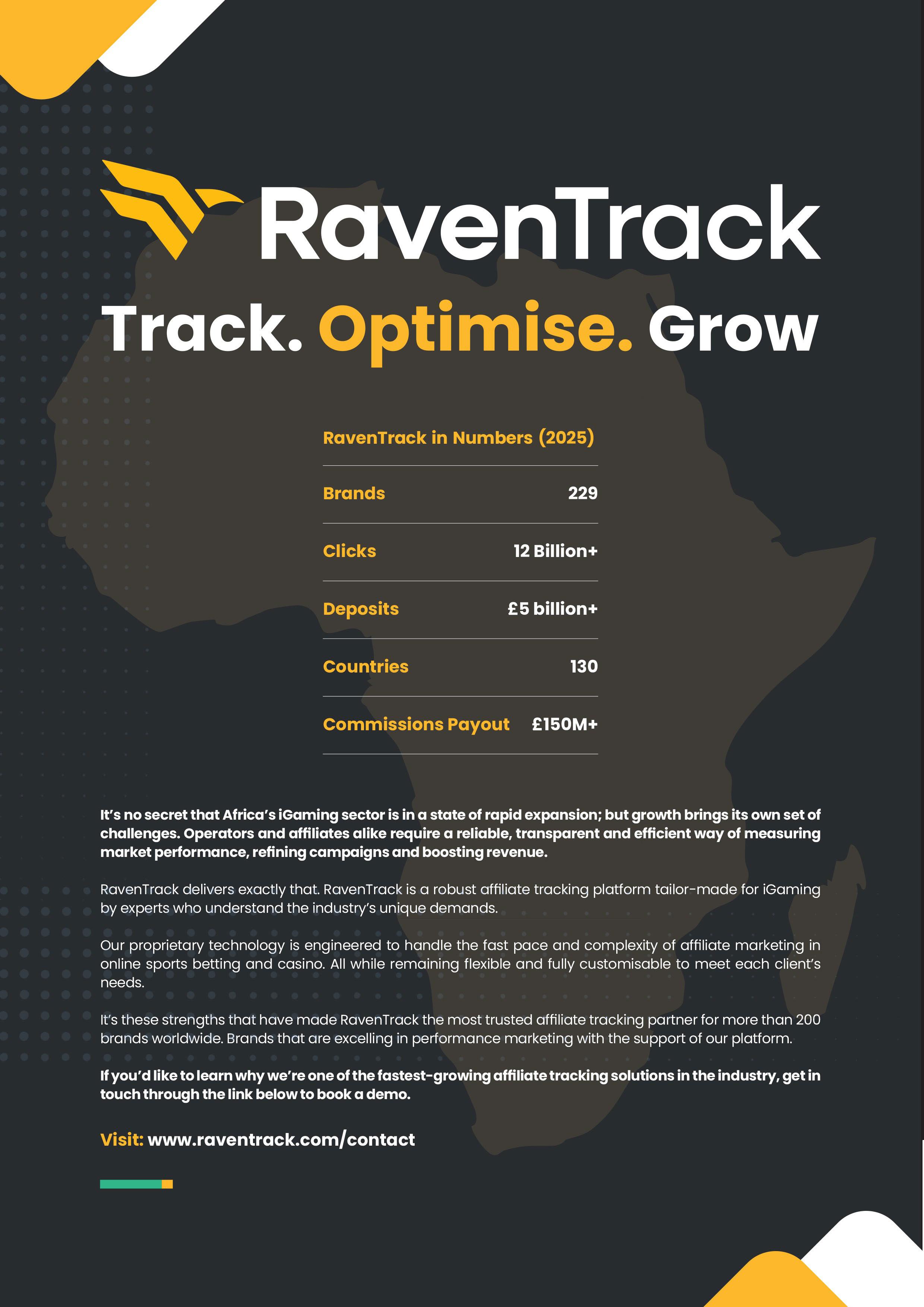
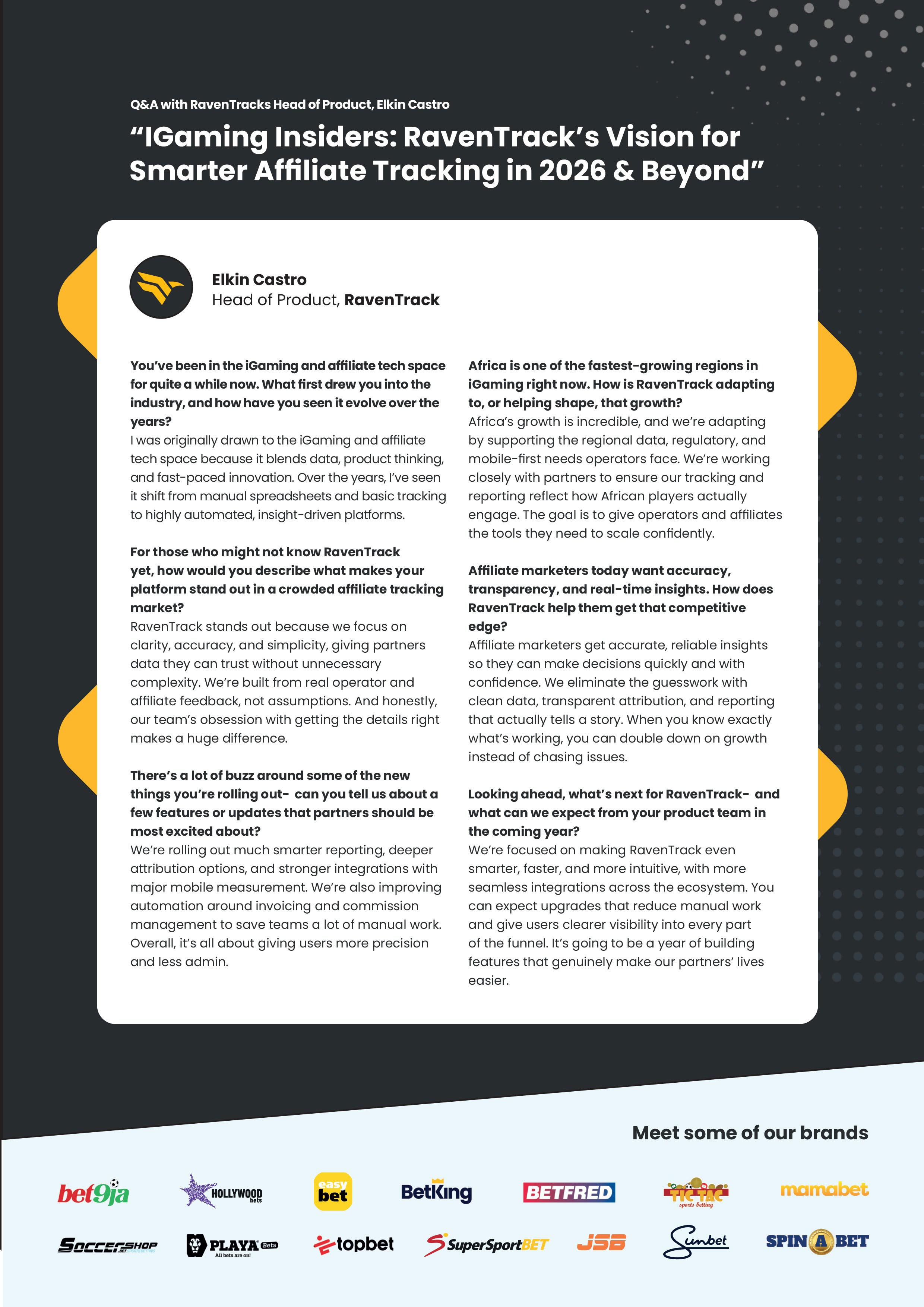
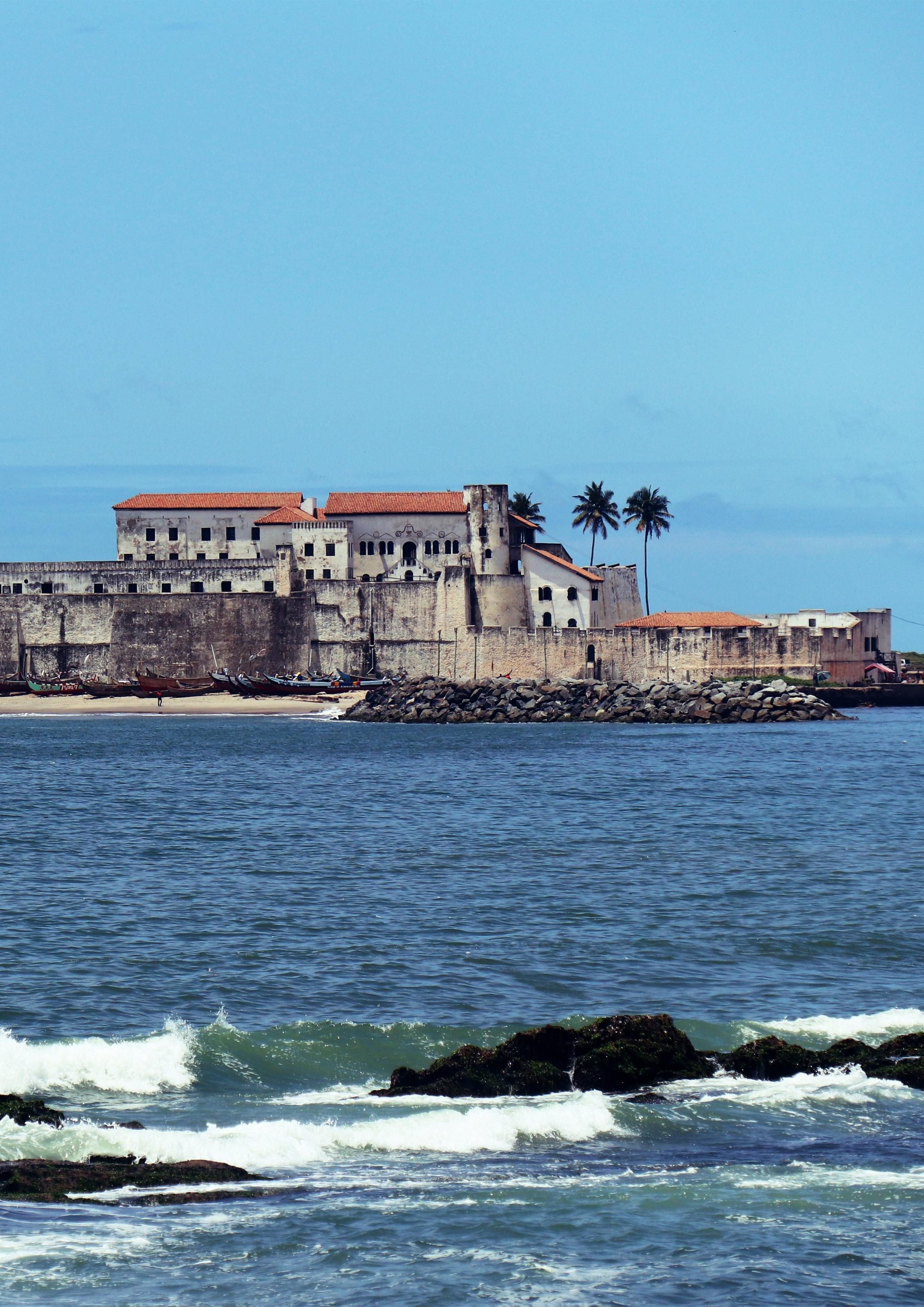
winning in african gaming
"The Attribution Gap: Why Most African Operators Can't Measure Their Agent Networks"
Most iGaming operators obsess over digital metrics: Facebook CPMs, Google conversions, influencer ROAS. Meanwhile, across Africa, millions of new players are being acquired somewhere your analytics can't see them, in betting shops, by street agents, and through community networks that run on WhatsApp, Telegram and word-of-mouth.
In the biggest markets like Nigeria, Kenya, Ghana, Tanzania and South Africa, land-based agents are responsible for a sizable portion of player sign-ups. The split varies dramatically by country. South Africa, the most digitally mature market, shows a 70/30 split in favour of online. Tanzania, with lower internet penetration, is the reverse, 70/30 in favour of offline. Nigeria, Ghana and Kenya sit closer to 50/50.
These aren't temporary numbers. Agent networks will remain dominant for at least the next 5-7 years across most African markets, driven by cash preferences, trust dynamics, and infrastructure gaps that digital channels can't bridge alone. Without proper tracking of promo codes, agent commissions, and offline conversion funnels, operators cannot optimize spend, identify top performers, prevent fraud, or calculate true acquisition costs.
The Hidden Cost of Blind
Spots
Example: A player registers in a shop using an agent's promo code. They deposit through mobile money at home, place bets on their phone, and withdraw at a different location three days later.
Which agent recruited them? How much are that agent's players worth? Who deserves higher commission?
If your platform can't ingest data from QR stickers or handwritten promo codes, you're leaking revenue (up to $50,000 monthly across mid-sized operators according to RavenTrack data) and making decisions in the dark.
Why Offline Endures
Africa isn't "Europe with lower internet penetration." Over 60% of the population is under 25. Trust and discovery happen in community networks, taxi ranks, barbershops, and betting kiosks, not banner ads.
Agents aren't just transaction points, they're brand ambassadors and educators, onboarding players who may never have bet online before. Without visibility into this channel, operators either overpay everyone or under-reward top performers. Both erode margins. Commission optimization alone can drive 27% growth in affiliate income (Source: RavenTrack).
The most successful operators use blended strategies leveraging agents for cash handling and local market penetration while building digital affiliate networks for scalable, lower-cost acquisition among connected users. However, the blend only works if both channels are measured equally.
Performance Marketing Meets Street Level
Most iGaming operators obsess over digital metrics: Facebook CPMs, Google conversions, influencer ROAS. Meanwhile, across Africa, millions of new players are being acquired somewhere your analytics can't see them, in betting shops, by street agents, and through community networks that run on WhatsApp, Telegram and word-of-mouth.
In the biggest markets like Nigeria, Kenya, Ghana, Tanzania and South Africa, land-based agents are responsible for a sizable portion of player sign-ups. The split varies dramatically by country. South Africa, the most digitally mature market, shows a 70/30 split in favour of online. Tanzania, with lower internet penetration, is the reverse, 70/30 in favour of offline. Nigeria, Ghana and Kenya sit closer to 50/50.
These aren't temporary numbers. Agent networks will remain dominant for at least the next 5-7 years across most African markets, driven by cash preferences, trust dynamics, and infrastructure gaps that digital channels can't bridge alone. Without proper tracking of promo codes, agent commissions, and offline conversion funnels, operators cannot optimize spend, identify top performers, prevent fraud, or calculate true acquisition costs.
Unified Attribution
The real unlock: one dashboard, all channels. Paid media, affiliates, app installs, and street agents in a single view.
African player journeys aren't linear. In Kenya, a user might discover your brand via an agent, deposit via M-Pesa, and play on a tablet at home. Legacy systems lose the thread. Modern platforms like RavenTrack keep attribution intact across web, app, and offline with flexible commissions, regional currencies, and fraud prevention built for African realities.
Africa's iGaming market is in its early innings. Operators who can track, reward and scale offline acquisition will dominate the next phase. The question isn't whether to measure it, it's whether you can measure it yet, and what you're losing while you can't.

Richard Metcalf
Sales and Mentorship Manager at RavenTrack
The Growth Enabler:
How Modern Affiliate Management Platforms Support BothMarket Leaders and New Entrants
If you still see Africa as "Tier-3 with potential," you've already missed the narrative shift. With 60%+ of the population under 25, mobile penetration accelerating, and sports deeply woven into culture, Africa isn't the future of iGaming. Indeed, it's happening now.
The market is expanding fast enough that success isn't zero-sum. Established leaders like HollywoodBets, Bet9ja, and BetKing continue growing while new entrants simultaneously capture their share. What separates operators who scale profitably from those who burn budgets? Understanding local nuances and choosing platforms built for African market realities.
A Rising Tide Market
Africa's iGaming expansion creates room for multiple winners. The addressable market is growing faster than any single operator can capture, audiences forming, digitalisation accelerating, regulations maturing across key markets.
The operators already winning at scale understand something crucial: African markets reward operational excellence and adaptability. As we covered in Part 1, offline acquisition channels drive 50-70% of sign-ups in major markets, yet most legacy systems can't track them. Operators who solved this early whether market leaders or new entrants gained a lasting advantage.
But market success has complexity requirements. Kenya, Nigeria, South Africa, Ghana, Tanzania each operates differently. Payment preferences (M-Pesa vs. bank transfers vs. mobile money), regulatory frameworks and player behavior vary dramatically.
South Africa's 70/30 online-to-offline split differs from Kenya's 50/50 or Tanzania's 30/70. Operators need platforms that adapt to these nuances, not fight against them.
Successful operators, regardless of size, prioritise operational readiness: local PSPs, functional KYC compliance, reliable payout systems and multilingual support. These fundamentals matter more than marketing spend.
What Winning Operators Have in Common
Market leaders and successful new entrants share a pattern: they choose platforms enabling speed and customisation rather than creating bottlenecks.
Africa's fastest-growing markets reward agility, adding payment methods quickly, launching localized campaigns, adapting to regulatory changes. Operators stuck with inflexible systems fall behind regardless of their market position or budget size.
This is why 55 African brands from established leaders like HollywoodBets, Bet9ja and BetKing, to fast-growing new entrants such as SuperSportBET work with RavenTrack. The platform delivers what African operators actually need:
• Real-time tracking across digital AND offline channels (critical in markets with varied online/offline splits)
• Customization for both operator backend and affiliate frontend without lengthy development cycles
• Transparent fixed-fee pricing that scales with growth
• Concierge-led onboarding and free migration reducing switching friction
• 24/7 support understanding African market timing and challenges
Whether you're an established operator optimising existing programmes or a new entrant building from scratch, the platform requirements are similar: measure all channels accurately, reward performance transparently, adapt quickly to market changes and scale without technical debt.
What Modern Platforms Enable
One South African operator launched in a market where established players held dominant positions. Their challenge wasn't competing head-on with larger brands, it was executing well in a market they understood.
They needed to track both online affiliates and offline agents accurately in South Africa's 70/30 market split. Fast customization mattered: QR-coded stickers for shops and agents, localised commission structures, dashboards matching their operational approach.
With a platform built for rapid deployment and iteration, they launched efficiently and optimized based on real attribution data. Result: 1,200% growth trajectory, reaching 1% market share
Platform Choice Compounds Over Time
African iGaming's growth phase creates opportunities for operators at every stage. Market leaders maintain dominance through continuous optimisation. New entrants capture beachheads through operational excellence. Both require platforms that enable rather than constrain.
The operators pulling ahead, established and emerging, made strategic platform choices early. They recognised that affiliate management platforms aren't just tracking tools; they're growth enablers that either unlock optimization opportunities or create technical debt that slows adaptation.
As acquisition costs rise across African markets, the operators with superior attribution, transparent performance data and rapid deployment capabilities compound their advantages. Those stuck with inflexible systems pay increasing opportunity costs.

Leading with logic:
How Africa’s top tech exec is shaping SOFTSWISS’s next phase
It’s been a breakthrough year for global iGaming software provider SOFTSWISS. Following a strong debut at Africa Tech Week and CTO Sergey Kastukevich being named CTO of the Year for the EMEA region at the 2025 Oracle Excellence Awards, the company has cemented its African ambitions. But while Kastukevich has scaled software systems across four continents, he sees South Africa as more than just another expansion opportunity.
“South Africa is a very interesting region,” he says. “Despite the challenges, there are strong digital fundamentals – Amazon, Oracle and major data centres are already here. Growth is outpacing other African markets. It reminds me of the UAE, where 80% of GDP now comes from tech, finance and tourism, not oil.”
This aligns with SOFTSWISS’s core strategy: establishing itself in developing but digitally advanced markets.
“There’s a strong engineering community we want to tap into, entirely new product niches emerging, and space for fresh ideas. We don’t just want to participate – we want to help shape the ecosystem,” Kastukevich explained.
in SA
The pace of change means engineers need space to try, fail and try again – fast. My job is to provide that space and make sure the board understands why it matters.”
Building in, not just expanding to Innovation, not for novelty’s sake
SOFTSWISS is applying its learnings from scaling operations in Latin America to the South African market – but there’s no copy-paste approach. “There’s no playbook,” says Kastukevich. “We treat every market as a process of continuous adaptation –and security comes first.” That means building from the ground up using a secure-by-design model. “We strictly manage both virtual and physical access, run secure code reviews, vulnerability testing, and behavioural monitoring. If there are repeated failed logins, our SOC is immediately alerted. These are non-negotiables – every market launch, every business line, begins with these foundations.”
Locally, SOFTSWISS has adapted its systems to South Africa’s diverse connectivity landscape – where everything from 3G phones to high-end devices must be supported. “People shouldn’t be held back by infrastructure limitations. Our frontend is optimised for fast loading, even on slower connections.
We use CDNs and partner servers to localise static content and deliver speed. UX consistency is critical.” This technical flexibility is matched by a leadership philosophy that prioritises experimentation over rigidity. “
While Kastukevich embraces emerging technologies, he’s wary of hype cycles. “AI’s having its moment again, but we’ve been here before – in the 1980s and 2000s. The difference now is we finally have the computing power. Still, it’s not about novelty. We only implement what solves real problems.”
SOFTSWISS uses an internal “tech radar” to manage this: a system to track technologies at various stages – being observed, tested, adopted, or discarded. “We measure everything. For example, with AI-assisted coding, tasks are tagged and developers log how long it would’ve taken without AI. That way we can calculate time saved, effort reduced, and actual ROI.” And ethics remains central. “We embed transparency, data control, and explainable algorithms into everything we build. That’s the only way to scale responsibly – especially across jurisdictions.”
From
CTO to translator-in-chief
While Kastukevich leads a large technical team, he sees his role as less about directing every solution and more about enabling them. “I don’t need to be on the front lines of every cutting-edge tool. I need to build an environment where the best ideas emerge – and where they get supported.” That means translating tech into business logic.
“When I present something like data governance to the board, I don’t talk about frameworks. I show how it improves reporting, speeds up operations, and increases accuracy. It becomes a business priority, not just an IT one.”
“That’s what innovation leadership looks like, in my mind –turning strategy into culture, and culture into capability.” For SOFTSWISS, this combination of global best practice, local responsiveness, and human-centred tech leadership is helping lay the groundwork for a resilient South African operation. And if the past year is anything to go by, it’s a model built to scale.




webinars
Playing the Long Game: Strategies for Success in Africa’s Diverse iGaming Markets
Africa’s iGaming scene is heating up fast, but beneath the excitement lies a maze of rules, regulations, and realities that can make or break a new entrant. Everyone wants a piece of the action, yet few understand the groundwork it takes to launch and operate successfully across such diverse markets.
That is exactly what industry leaders explored during episode 28 of the iGaming AFRIKA webinar, “Demystifying the Requirements for Setting Up and Operating in Key African Markets.” Moderated by Zzini Ekeh and co-hosted by Jeremiah Maangi, CEO at iGaming AFRIKA, the session featured seasoned experts, including Martin Sack, Co-Founder & Chief Strategy Officer at Gaming Advisory Partners (GAP); Job Weku, Business Development Manager at FAZI Company; Samuel Rowland, Chief Operating Officer at Lagos State Lotteries and Gaming Authority; and Brian Ondieki, an iGaming Consultant in Africa.
The panel offered candid insights on everything from licensing and taxation to local partnerships and market-specific nuances. They covered what it really takes to enter African markets, navigating multi-layered regulatory frameworks, adapting to regional cultures, and choosing the right partners. The verdict? Africa’s potential is undeniable, but success demands careful research, regulatory compliance, and a deep understanding of each market.
West Africa: Opportunities Amid Regulatory Complexity
West Africa presents significant opportunities for gaming investors, but the region is also characterised by regulatory complexity. Nigeria, one of the continent’s largest and most prominent gaming markets, exemplifies both the promise and the challenges of the region. A landmark Supreme Court ruling in November last year clarified that gaming regulation now falls within the jurisdiction of individual states, rather than the federal government. Each of Nigeria’s 36 states regulates gaming independently, meaning operators, investors, and service providers must secure state-specific licenses and comply with the unique requirements of their chosen jurisdiction.
“Before now, it was the federal government and the state government that regulated gaming activities in Nigeria. Up until November last year, the Supreme Court gave the judgment that gaming activities fall within the purview of states, and the state should be the one to regulate gaming activities. So, which means I, as an investor, can decide to say I’m coming into Nigeria, but I’ve done my research and I’m looking at which state I can start this business from, and I decide to either go to Lagos, to Oyo State, and all that. Now, each of these states has its own regulatory requirement,” commented Samuel.
To reduce the challenges of navigating multiple state regulations, several Nigerian states have collaborated to form the Federation of State Gaming Regulators of Nigeria (FSGRN), which can issue a single license valid across participating states. Rowland highlighted the practical benefits of this development: “Instead of applying for 10, 20, or even 30 state licenses individually, you can now obtain a single license that covers all participating states,
streamlining your operations and enabling rapid growth. At the same time, the Central Gaming Bill seeks to establish a unified national framework. If passed, it could override aspects of the Supreme Court decision, illustrating how quickly regulatory conditions can evolve.
Taxation is another crucial factor, as operators are subjected to VAT, gaming taxes, withholding taxes on winnings, and corporate income tax, all varying depending on license type and state. In Nigeria, Samuel provided specifics on the complex landscape operators navigate, from VAT at 7.5% and withholding tax on winnings at 5%, to Lagos State gaming taxes ranging from 2.5% to 11% of GGR depending on license type, alongside company income tax of 20–30%. Recent reforms announced by the FSGRN, effective from January 1, 2026, will standardise this to a flat rate of 11% on GGR across all gaming categories in the state.
Ghana, another key West African market, has attracted investor attention due to its growing gaming sector and evolving regulatory framework. Unlike Nigeria, Ghana operates under a centralised regulatory body, the Gaming Commission of Ghana, which oversees both sports betting and casino operations. The country recently abolished the 10% betting tax, a move aimed at improving access for younger players.
Explaining the motive behind the abolition, Lamtiig Apanga, Managing Partner at Prestige Partners in a recent interview with iGaming AFRIKA said, “There was a survey, one of the key concerns from the youth was the burden of the betting tax. They felt it limited their access to a form of entertainment.”
East Africa: Mobile-First Markets and the Need for Localisation
In East Africa, Kenya, Uganda, and Tanzania dominate the gaming conversation. Brian Ondieki noted that Kenya is largely a mobile-first market, with online platforms far outpacing physical betting shops. Uganda has a strong retail presence, while Ethiopia historically had many retail shops but recently implemented a ban, highlighting the volatility operators must navigate in the region.
Successful operators invest heavily in localisation, ensuring platforms run smoothly on local internet infrastructure, payments are seamless, and customer care is responsive. Brian emphasised, “International brands often fail because they don’t adapt their customer service or product to local needs. Local languages, cultural references, and reliable payment systems are non-negotiable for scaling in East Africa,” Job Weku added, “the product itself, payments, customer care, these are aspects new operators must get right. Players turn off if the response comes after 2–3 hours.”
Taxation is a key consideration for operators entering East Africa. As the panel noted, countries like Kenya impose multiple levies, including VAT, withholding taxes on winnings, license fees, and PAYE for employees.Under the Finance Act 2025 in Kenya, the excise duty on bets was reduced from 15% of the amount wagered to 5% of funds deposited into a player’s betting wallet, while the withholding tax on withdrawals was lowered to 5% from the previous 20% on net winnings.
Licensed operators also remain liable for a 15% gaming tax on gross gaming revenue and 30% corporate income tax on profits. Recently, under the Gambling Control Act 2025, Kenya introduced mandatory SHIF and pension deductions, making gambling costlier.
Brian underscored the evolving nature of African taxation: “If you look across Africa, most countries are trying to get the right way of taxing the gaming industry. The African gaming market is less than 15 years old in most of these countries, so regulators and governments are still learning, trying to find ways of collecting taxes from these industries. Let’s give them time, and I’m sure in the next five years we could have a stable taxation environment across Africa.”
Operators must integrate these costs into their business models from day one to ensure profitability. Licensing structures differ widely by country and type, and as Job noted, “Some licenses cover only sports betting, while others include online casino. Misunderstanding the coverage can be costly, so proper planning is essential before entering the market.” Smooth platform performance, frequent wins, and a localised user experience remain central to player retention in the region. As Brian noted, “Accessibility, payment reliability, and a tailored experience directly influence whether players return.”
Southern Africa: Established Hubs and Emerging Opportunities
Southern Africa offers a diverse landscape for gaming operators, from mature markets like South Africa to emerging opportunities in Zambia, Angola, and Mozambique. Investors must prepare for varying levels of regulatory complexity, startup costs, and market competition. South Africa remains the most developed market in the region. According to Martin Sack, “One of the things I would advise clients coming into South Africa to operate is that 2–3 million dollars is probably the minimum investment. If they bring less than that, I personally think they’re going to lose their money. Of that number, about a third goes on staffing, a third on marketing, and the rest is made up of platform fees and other operational costs.”
Licensing in South Africa is relatively straightforward, though regulators require proof of funds or a bank guarantee to ensure operators can sustain their activities. Martin noted, “The boards do put requirements on operators to have a bank guarantee or funds in the bank, but that’s almost negligible in the greater terms of things. Getting to market and getting players in the door gets expensive. The more we can do on that upfront, the better you are.”
South Africa’s gaming sector remains robust. The country was recently removed from the Financial Action Task Force (FATF) grey list, a move that boosted investor confidence. The market generated ZAR 75 billion in gross revenue on a total turnover of ZAR 1.5 trillion in the 2024/25 financial year, reflecting strong demand across both online and retail channels. Online betting, in particular, saw a 60% year-on-year growth in gross gaming revenue, fueled by high levels of internet penetration and the widespread adoption of mobile betting. The industry directly supported 33,160 jobs and contributed ZAR 5.8 billion in taxes and levies, underlining its significance as both an economic driver and a source of public revenue.
Zambia is increasingly being recognised as a strong emerging market. Job Weku highlighted its potential: “Zambia is not slept on. We have big brands launching there; 888 Africa launched about two years ago and is doing well. We also have brands like Bolabet doing very well. Once you go below the top-tier markets
like Kenya, Nigeria, and South Africa, Zambia is right below them in terms of potential. It’s also well regulated.”
Angola and Mozambique were highlighted as nascent but promising markets. Job explained, “These countries are gaining attention from operators exploring new frontiers. While regulations are still evolving, there’s growing gaming activity and opportunities for those who do their research and come prepared.”
Across Southern Africa, panellists emphasised that operational planning must account for multiple factors beyond licensing: staffing, marketing, platform costs, local adaptation, and regulatory compliance. As Martin summarised, “Getting to market with the right investment, the right staffing, marketing, and platform is critical. If you underprepare, you risk losing your investment before you even gain traction.”
Responsible Gambling and Data Protection
Panellists emphasised that responsible gambling and data protection are fundamental obligations for any operator in African markets. Samuel highlighted that, in Nigeria, operators must comply with frameworks covering both areas: “We also have responsible gaming regulation and the Nigerian Data Protection Act. Your job is to ensure registration and annual audit.”
Beyond Nigeria, operators are expected to align with similar standards across the continent, including Kenya’s Data Protection Act, South Africa’s Protection of Personal Information Act (POPIA), and regional AML/CFT regulations that overlap with player safety and transaction monitoring. Compliance with these frameworks ensures operators manage player information securely, uphold trust, and meet regulatory expectations from day one. Embedding responsible gaming and robust data protection is, therefore, essential to building credibility and sustainable operations in Africa.
Building Trust and Market Fit
Across Africa, a recurring theme is trust. Players expect platforms to pay winnings promptly and operate transparently. In Nigeria, Rowland noted, failure to deliver reliable payouts or ensure smooth gameplay can quickly erode a brand’s reputation. Similarly, he stressed that the frequency of winnings and accessible ticket purchase mechanisms play a key role in attracting and retaining players.
Emerging trends, including cryptocurrency, are also influencing market dynamics. With Kenya and Nigeria, and most recently Ghana and Morocco, drafting regulations for crypto platforms, operators who adapt early may gain a competitive advantage.
The Importance of Local Partnerships
Another clear takeaway from the webinar is that local partnerships are super essential. Across African markets, collaborating with locally registered entities provides critical insight into regulatory frameworks, consumer behaviour, and cultural nuances. As Job Weku explained during the session, operators benefit from local expertise in ways that go far beyond legal requirements. “It’s critical to have good local partners to help navigate the regulatory bureaucracy and build a profitable business. They provide insights you simply cannot get from reading laws or reports.”

Martin Sack reinforced the point, highlighting how understanding local dynamics can mean the difference between success and failure, stating: “You can’t just parachute in and expect success. You need people who understand the market, the language, and even the informal dynamics. That’s where local partnerships make the difference between surviving and thriving.”
Partnerships between international providers and local African operators have proven pivotal in shaping thriving gaming ecosystems across the continent. EGT Digital expanded its collaboration with Bangbet in Nigeria and Tanzania, giving players access to more than 140 popular slot titles. Kiron Interactive teamed up with SportPesa to launch its virtual football game, Turbo League across Kenya and Tanzania. FAZI has accelerated its African expansion through content supply agreements with Odibets in Kenya and Chopbet across West Africa. Likewise, Booming Games has most recently partnered with SportPesa, delivering a wide array of mobile-optimised games to local audiences.
Rowland emphasised the importance of local partnerships, saying it is important to work with people who understand the landscape. “It’s vital to work with people who understand the Nigerian market, not only the regulatory framework but also cultural norms and operational nuances. This ensures your business is set up correctly and can sustain itself.” These collaborations not only help operators navigate regulatory and technical requirements but also ensure platforms are adapted to local payment methods, network conditions, and player preferences.
Building for Longevity, Not Just Entry
Africa is not a single market but a continent of 54 countries, each with unique opportunities and challenges. While Nigeria, Kenya and South Africa often dominate the conversation, emerging markets like the DRC, Angola, and Mozambique are steadily gaining traction. Investors must avoid the common mistake of treating Africa as a monolith and instead approach each country with careful research, local expertise, and flexibility, as no two African markets are the same. Brian stressed the importance of understanding these nuances: “You can’t apply a one-size-fits-all approach here. What works in Kenya may not fly in Tanzania or Zambia, even within the same region, you’ll find completely different interpretations of what’s legal and what’s not.”
Panellists agreed that while regulatory complexity can be a barrier, it is not insurmountable. With proper planning, local partnerships, and market-fit strategies, Africa presents a promising landscape for gaming operators. As Samuel Rowland summarised, “The market is open, competitive, and growing. There are no monopolies, but with the right strategy and trust, the rewards can be significant.”
For those considering entry into the African market, the panellists encourage them to do their homework, understand local regulations, prioritise localisation, and build trusted partnerships.
Africa is not one market; it’s 54 unique opportunities, a continent to understand, respect, and grow with.

Bridging the Gender Gap in iGaming:
Strategies for Inclusion and Growth
Africa’s iGaming industry has grown remarkably in the past decade, driven by rapid digital transformation, mobile penetration, and an expanding youth population embracing online entertainment. The continent’s gaming market is now one of the fastest-growing globally, with regulators, operators, and technology providers shaping a thriving digital economy. According to annual analysis from Carry1st and Newzoo, Africa’s gaming market is expanding six times faster than the global average, adding an estimated 32 million new gamers in 2024 alone, most of them on mobile.
Yet, despite this impressive momentum, women remain noticeably underrepresented across leadership, technical, and product development roles, an imbalance the industry is increasingly working to address. The latest All-In Diversity report underscores this gap: women occupy only 29% of C-suite positions, while men hold 71%. Overall female participation in the iGaming workforce sits at roughly 27%, and just 20% of senior management positions are held by women.
In response to this disparity, and to elevate the voices of women shaping the industry, iGaming AFRIKA, in partnership with iGaming Consult Africa, the iGaming AFRIKA Summit, and Women in Gaming Africa, convened a dedicated webinar showcasing women’s experiences across the sector. Supported by Digitain, EveryMatrix, Kiron Interactive, RavenTrack, and SOFTSWISS, the session brought together influential female leaders to explore opportunities, challenges, and pathways for advancing women’s participation and leadership in Africa’s iGaming ecosystem.
Panellists included Kate Wainaina, Head of Growth and Partnerships at EuroVirtuals Limited; Akinade Bukola, Group Head of Sales at Winners Golden Group; Neha Hiralal, Head of Digital at World Sports Betting; Philisiwe Bhengu, Founding Director of Research iGaming; and Ekaterina Mayorova, Head of Region, Africa and CIS at QTech Games and Lynn Gitau, Moderator.
As iGaming becomes more data-driven and technologically advanced, the demand for skilled professionals has surged. Yet, expertise in coding or design alone no longer guarantees success. Philisiwe Bhengu emphasised the importance of developing both technical and strategic skills, noting that women must understand the broader business landscape to stay competitive. “When you understand how the business works, you gain an advantage,” she said, encouraging women to make use of online learning and AI-driven tools to upskill.
With the rise of Artificial Intelligence (AI), automation, and advanced analytics, the global gaming industry is undergoing a major transformation. However, true innovation thrives when diverse perspectives are included. Neya Hiralal highlighted how inclusion is shaping the next phase of digital entertainment: “AI is reshaping everything at an incredible pace,” she said. “When diverse voices, especially women, are part of creative processes, the results are more authentic and profitable.”
Networking has long been a cornerstone of career growth in iGaming, where visibility often leads to opportunity. Many women, however, still hesitate to take up space in this highly connected industry. Akinade Bukola urged women to embrace confidence and courage, saying, “You have to take that bold step, that’s how you represent women in a good light.”
Ekaterina Mayorova reinforced this point, emphasising the value of building relationships across the ecosystem. “Gaming offers incredible opportunities to build networks through events,” she noted. “You don’t need to tick every box to apply for a role. Take the chance, you might be exactly what the company needs.”
Representation remains one of the most powerful tools for change. In Africa’s gaming market still heavily influenced by traditional gender norms, seeing women in leadership and technical roles can inspire a new generation to join the industry. Kate Wainaina pointed out that cultural perceptions often discourage women from pursuing such paths. “It is naturally skewed to a male-dominated field,” she said, “but things are changing. Initiatives like Women in Gaming programs and webinars such as these are helping shift the narrative.”
She added that visibility in marketing and recruitment is equally critical: “Representation matters. When women see other women in gaming campaigns, they start to imagine themselves in those roles.” Africa’s iGaming ecosystem is no longer limited to betting and casino operations. It now encompasses technology, compliance, marketing, content creation, and responsible gaming. “There are no limitations in the industry anymore as long as you have a certain skill,” said Kate. “The opportunities are countless, from compliance and marketing to product design and AI.”
Philisiwe echoed this, emphasising that iGaming “is bigger than just gambling. It’s a digital ecosystem full of niches.” She encouraged women to explore emerging roles, build expertise, and challenge outdated assumptions about the industry.
The rise of mobile gaming and localised content has opened space for African innovation. Ekaterina Mayorova noted that homegrown creativity could transform the continent’s global footprint in iGaming. “If you can create a game from Africa, for Africans, that’s innovation,” she said, highlighting new opportunities for storytellers, developers, photographers, and videographers.
Neya emphasised that personal growth in the iGaming industry comes from embracing risks, stepping outside one’s comfort zone, and remaining adaptable in a constantly evolving environment. She explained that the industry rewards those who are willing to learn, experiment, and take bold initiatives, even when the outcome is uncertain. According to her, every decision to pursue new opportunities or challenges reflects confidence in one’s potential and helps build resilience.
The panellists agreed that Africa’s iGaming industry is growing quickly, and women are becoming a key part of its progress. They noted that the sector is still developing, offering plenty of room for growth to those who are eager to learn and adapt. For newcomers, the speakers advised networking, keeping up with trends, and building transferable skills. They also encouraged attending industry events and joining online communities to learn, connect, and discover new opportunities.
THE AFRICAN iGAMING PLAYBOOK
Strategies for Growth and Innovation in 2026
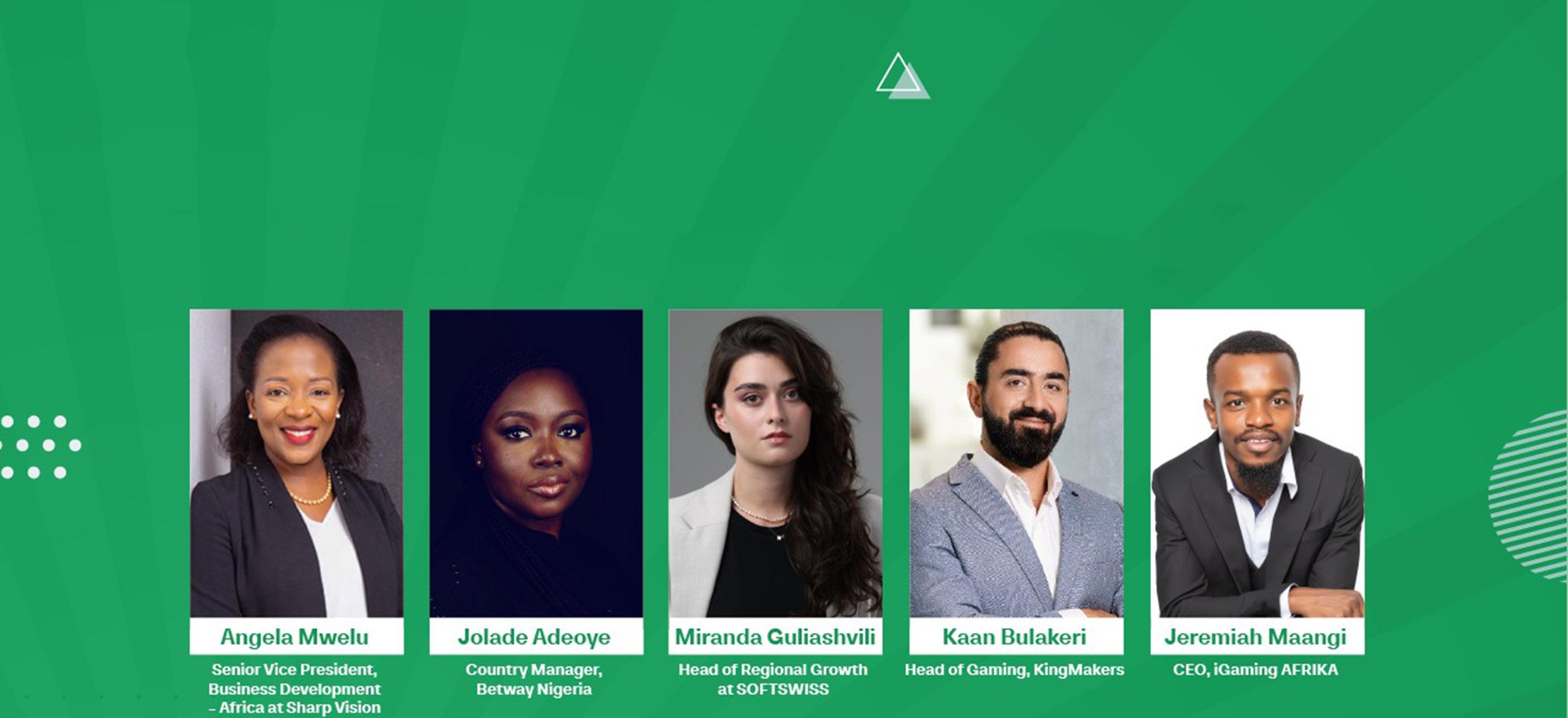
Africa’s iGaming industry has grown rapidly, driven by digital transformation, mobile penetration, and a young, tech-savvy population. The continent is now one of the fastest-growing gaming markets globally, but today, success demands more than simply launching products. Operators, regulators, and technology providers must master a complex ecosystem of understanding players, harnessing cutting-edge technology, and navigating regulatory frameworks to stay ahead in this rapidly evolving landscape.
Recognizing these evolving dynamics, iGaming AFRIKA, in partnership with iGaming Consult Africa and the iGaming AFRIKA Summit hosted a webinar titled, “2026 iGaming Trends: An African Perspective“uniting industry leaders to explore the challenges, opportunities, and emerging trends set to shape Africa’s iGaming landscape in 2026. The discussion, supported by Digitain, EveryMatrix, Kiron Interactive, RavenTrack, and SOFTSWISS, offered a forward-looking platform for insights, dialogue, and strategic perspectives from the continent’s leading voices in gaming.
The panel featured Jolade Adeoye, Country Manager at Betway Nigeria, Kaan Bulakeri, Head of Gaming at Kingmakers, Miranda Guliashvili, Head of Regional Growth at SOFTSWISS and Angela Mwelu, Senior Vice President of Business Development – Africa at Sharp Vision. Jeremiah Maangi, CEO of iGaming AFRIKA moderated the session.
Putting the Player First
A central theme that resonated throughout the webinar was the critical importance of understanding and segmenting the player base. African markets are highly diverse, and the panelists repeatedly emphasized that a uniform, one-size-fits-all approach is destined to fail. Success in one market does not automatically translate to success in another, even if the markets appear similar on the surface. Each country and even regions within countries presents unique cultural, economic, and technological landscapes that directly influence player behavior, preferences, and engagement. As Kaan put it, "One-size-fits-all doesn’t work in terms of markets, the peoples of certain markets and countries."
Jolade reinforced this by highlighting the need for tailored offerings that reflect different customer segments. "You have to look at different segments, from mid-tier to VIP customers, and provide tailored solutions." Segmenting the player base is not merely about categorizing customers by spend, it also involves understanding behavioral patterns, product preferences, and
even payment adoption trends. For instance, while Nigeria and Ghana share similarities as Anglophone West African markets, the way players interact with platforms, deposit funds, and engage with products is strikingly different. Mobile money penetration is higher in Ghana, while Nigerian players may prefer alternative Payment Service Providers (PSPs), particularly for higher-stake transactions. These nuances influence everything from bonusing strategies and content personalization to responsible gaming education.
Panelists stressed that a data-driven approach is essential. By analyzing historical player behavior, platforms can anticipate customer needs, deliver the right content to the right segment, and mitigate potential risks such as bonus abuse or churn. The ability to understand and act on these insights is increasingly what separates successful, sustainable operators from those that struggle to gain traction.
Personalized content and player-centric experiences are the natural extension of this segmentation. Kaan emphasized that delivering the right content to the right player segment is essential for engagement and long-term retention. “In Africa, personalized and localized content is the future,” said Kaan. “It’s about customizing games, lobbies, and promotions for different segments, female players, high-stake users, and younger demographics.”
Harnessing Tech and Strategy for Africa’s iGaming
In Africa, technology is only as effective as the strategy behind it. Far from being a mere operational tool, it forms the backbone of both business success and player engagement. Platforms, software, and AI systems provide the infrastructure, but without a deliberate approach tailored to diverse markets, their full potential remains untapped. What excites players in one region may fall flat in another, making local insights, real-time analytics, and strategic deployment essential for operators seeking to thrive in this dynamic environment.
Operational efficiency and strategic use of technology go hand in hand. While platforms provide the framework, their effectiveness depends on how operators integrate them into daily operations and decision-making. Real-time analytics, machine learning, and AI empower operators to detect unusual betting patterns, flag potential bonus abuse, and prevent fraudulent activity before it escalates. Yet, as highlighted by Jolade, human teams remain essential as local staff can respond to anomalies, resolve disputes,
and act on insights faster than any automated system alone. “You need automated verification tools, fraud detection systems, AI-driven insights, and local teams equipped to act fast. Technology and operational capacity must go hand in hand,” she noted.
Intelligent use of platforms is equally vital. Operators cannot simply rely on default features, they must actively filter offerings, monitor behavior, and integrate insights into everyday decision-making. As Miranda emphasized, “It’s really important that those bonus offerings or any other kind of activities can be filtered out from the operator's perspective. Because while the providers take the responsibility to customize everything, it’s also important from the operator's perspective to make sure that they are filtering out because the operator knows their audience the best.”
Beyond security and risk mitigation, technology is driving personalization across the player journey. Operators are leveraging analytics, machine learning, and AI not only to detect unusual betting patterns or prevent bonus abuse but also to deliver customized experiences from tailored casino offerings to localized sports betting and gamified engagement. Integrating these insights into promotions, content, and gameplay ensures that players feel recognized and engaged at every touchpoint. “It’s not just about having technology, it’s about using it intelligently. Platforms can help identify patterns and provide insights, but operators need to integrate those tools into their daily operations and decision-making,” Miranda added.
Navigating Regulation in Africa’s iGaming Boom
Regulation and taxation remain pivotal forces shaping the trajectory of Africa’s iGaming industry. As the sector expands, operators must not only focus on technology, player engagement, and content, but also carefully navigate regulatory frameworks that vary significantly across the continent. Angela Mwelu, highlighted the diversity and complexity of African markets, “Operators need to integrate with emerging technologies to detect suspicious behavior, ensure compliance, and protect players. Each African market has its own rules, timelines, and interpretations, and operators must adapt accordingly.”
A central challenge highlighted during the session is the limited real-time visibility many regulators currently have. Batch reporting, still prevalent in several jurisdictions, can delay the detection of risks such as tax leakage, fraud, and underage or problem gambling. Angela noted that tools like Centralized Monitoring Systems and AI-powered Analytics are essential to give regulators timely oversight: “Central Monitoring Systems provides a unified view of the entire ecosystem, allowing regulators to track transactions as they occur, identify anomalies instantly, and quantify tax liabilities in real time. This level of visibility empowers authorities to detect risks early, close any compliance gaps, and also make faster evidence-based decisions,” she said.
Panelists also stressed the value of proactive collaboration between operators and regulators. Sharing aggregated data insights, participating in compliance initiatives, and maintaining open communication fosters trust, reduces operational friction, and strengthens adherence to local laws. Angela highlighted that advanced regulatory frameworks require continuous skills development: “Regulators must identify gaps and invest in tailored training for operational staff and governing boards. Technology is evolving rapidly, and so must regulatory expertise.” Taxation remains another key factor influencing market growth and consolidation. According to Jolade, recent updates in
Nigeria, including clarifications around state and federal licensing and the introduction of URL licenses, have simplified operations and allowed operators to scale more confidently. Conversely, markets with high or inconsistent taxation may force smaller operators out, leaving only those with sufficient capital and operational resilience. Malawi, for example, has proactively reduced tax rates to encourage investment and innovation, creating a more favorable environment for operators.
Angela further highlighted the importance of localized compliance strategies. Operators must adapt to differences in reporting cadence, advertising standards, payment systems, and data sovereignty requirements in each country. Integration of behavioral analytics, AI monitoring, and predictive tools allows operators to flag unusual betting patterns, detect potential fraud, and intervene early in responsible gaming cases. Such proactive measures not only protect players but also align operators with regulator expectations, supporting sustainable growth.
Why Adaptation and Simplicity Will Shape the Future of iGaming Innovation in Africa
Personalisation is rapidly reshaping the iGaming experience, from recommendation engines and playlists to lobby design and how games are matched to specific player segments. Much like a TikTok-style ecosystem, content is increasingly curated to individual preferences, making this an area operators and suppliers must closely watch and actively invest in.
“I think the horizon ahead will have to be far more technology-driven. While we are already producing custom games, the next step is truly personalising the player experience. I’ve participated in panels with highly technical experts who are focusing specifically on this space. Today, most websites still present more or less the same lobby to every user. So think of the very commonly given Netflix examples, think of Spotify examples of how they are really able to personalize your experience in their playlists, in their recommendation engines. Think of a TikTok world, right? So even to the extent of the lobby experience, all the way to which games are addressed to which customer segment is an absolute area to watch and invest in,“ noted Miranda.
When it comes to understanding where the industry is headed, Miranda encouraged industry stakeholders to explore the 2026 iGaming Trends Report by SOFTSWISS, which brings together insights from leading voices across the sector. Developed with significant time and input from industry opinion leaders, the report spans key themes such as responsible gaming and artificial intelligence, offering a practical reference point for navigating emerging trends.
She also warned against blindly applying global trends to African markets, noting that while artificial intelligence dominates industry conversations, innovation must follow adaptation, not the other way around. “Everyone is talking about trends and AI, and AI is everywhere. But when we speak about Africa as a market, we can’t simply implement or push operators, or even players to accept every new trend. First, everything has to be adapted, and only then does innovation make sense. This market demands simplicity above all else, especially given realities such as internet infrastructure.
We’ve seen a lot of discussion around ideas like VR casinos and sweepstakes, but we always need to take a step back and do a reality check. This is Africa, where simplicity is key and adaptation to each individual country matters more than innovation alone,” she said.

POdcast iGaming AFRIKA

Regulation: Finding the Balance
In Zambia’s case, this concern has already manifested, as major operators, including Betway and betPawa, temporarily halted operations after the excise duty was enacted under the Customs and Excise Act. The constitutional petition they filed against the tax was dismissed, and the Zambia Revenue Authority defended the levy as a “consumption tax on players.” Operators, however, argue that the measure effectively makes regulated play unviable, pushing customers toward offshore platforms where, as Martin put it, they’re “not getting that fair experience.”
The situation, he noted, highlights the need for more balanced regulation across African markets, one that protects state revenue without stifling legitimate operators or driving players into the shadow economy. The result of such heavy taxation, he added, is predictable: operators withdraw, regulators lose visibility and revenue, and players turn to unregulated markets. Most operators, Martin emphasised, want to operate within the law, but they need “fair, balanced, regulated” frameworks that encourage compliance rather than punish it.
South Africa as a Model of Regulatory Balance
In contrast, South Africa provides an example of regulatory balance. “If we’re looking at an average across the country of 6% or 6.5% in tax,” Martin said, “that’s not an issue for anybody to pay, from an operator’s perspective or a player’s perspective, it’s fair.” South Africa’s gambling industry surged to ZAR 75 billion in gross revenue in 2024–25, with online betting alone up nearly 60%. That fairness, Martin believes, has kept the sector both profitable and compliant, fostering a collaborative relationship between regulators and operators.
Communication & Collaboration
Beyond regulation, Martin believes the next frontier for Africa’s iGaming success lies in open conversation. Miscommunication, he noted, often stands in the way of progress. Regulators and operators, in his view, share common goals; that is, to ensure fairness, protect players, and sustain the industry’s growth. The problem, he argued, isn’t intention but communication. Regulators are increasingly open to dialogue; what’s needed now is more structured, transparent engagement that builds trust and collaboration rather than tension.
For Martin, dialogue must move beyond conference panels and become a structured, continuous engagement. When regulators and operators share insights, they can design systems that safeguard consumers while supporting innovation. He commended African regulators already taking this approach, engaging directly with experts and studying global best practices to strengthen their oversight.
Localisation: Africa Plays by Its Own Rules
If regulation and collaboration form the backbone of Africa’s gaming industry, localisation is its heartbeat. For global operators eyeing the continent, Martin stressed that Africa cannot be understood from a boardroom in London or Malta. True success, he said, comes only through immersion, walking the streets, visiting betting shops, and understanding local realities. “If you haven’t walked into a sports betting shop. You don’t know enough to put a plan together,” he noted.
When it comes to reaching players, Africa plays by its own rules. “Africa is kind of different,” Martin said. “It’s not just Google Ads.” Across the continent, the gaming conversation unfolds in WhatsApp chats, Telegram groups, and local kiosks, places where trust and community matter more than clicks, and where
real connections often outperform algorithms.
Knowledge, Skills, and Industry Education
Martin views conferences and workshops as “absolutely invaluable” platforms for fostering knowledge exchange and professional development across Africa’s gaming ecosystem. While large-scale events like SiGMA Africa and SBC Summit bring global exposure, he believes the next phase should focus on deeper learning “workshop-level” sessions and masterclasses that equip African professionals with practical, technical and regulatory skills.
iGaming as a Catalyst for SocioEconomic Growth
For Martin, the impact of iGaming extends far beyond the industry itself. He sees it as a catalyst for socio-economic transformation, a way to nurture skills, build businesses, and create meaningful opportunities. “Gaming can educate youth, create new industries, and give people hope,” he said. “We’re a fresh, young, dynamic continent full of smart people, and it’s about taking that and channelling it.”
He pointed to homegrown success stories such as Betway and Hollywoodbets, brands that have expanded beyond Africa as proof that the continent is not only ready to host global operators but to export innovation and talent. Africa, he argued, has evolved from being seen as an emerging market to becoming a source of global inspiration.
The Future: Complexity, Creativity and Cross-Border Cooperation
Martin believes Africa’s complexity is also its strength. “Every market here has been forced to innovate out of necessity,” he said. From integrating mobile money to building lightweight apps that run on low bandwidth, African operators have turned constraints into creativity. “Nigerian operators,” he added, “are some of the smartest in the world. The consumer there is demanding, well-educated, and expects excellence.”
In his view, Nigeria’s mix of ambition and intelligence makes it a powerhouse, while Kenya and Tanzania are steadily building regulatory consistency and technical maturity. He also sees untapped potential in emerging markets like Angola and Mozambique, describing them as “markets that are still new but full of opportunity if done right.” For Martin, these nations represent the next wave of Africa’s gaming evolution, markets with growing digital access, youthful populations, and increasing regional investment.
Ultimately, Martin believes Africa’s iGaming future will be shaped by communication, fairness, education and a deep understanding of local realities. Regulators and operators, he urged, must work together to “provide that safe, wonderful playing experience” for all. With greater collaboration, commitment to responsible gaming, and investment in skills, Africa has the potential not only to grow its iGaming industry but to lead it.

The Future of Affiliate Marketing in Africa: Why Tracking Matters
A Podcast with RavenTrack
Aron Myerthall
Max Bennet
Affiliate marketing in Africa’s iGaming industry is undergoing a meaningful transformation, one that extends far beyond traffic volumes and short-term player acquisition. This evolution was a key focus in Episode 12 of the iGaming AFRIKA Podcast, where the team from RavenTrack, an advanced affiliate tracking platform, explored the emerging opportunities and challenges redefining the space.
Their insights come at a pivotal moment. Africa’s iGaming sector is accelerating at an unprecedented pace, with affiliate marketing quickly becoming a central pillar of this growth. A youthful, mobile-first population and rapidly rising digital
adoption continue to fuel expansion, positioning the continent’s online gambling market at $1.85 billion in 2024 and on track to reach $2.36 billion by 2028. This momentum creates a crucial window for operators and affiliates to establish strong strategic positions before the market matures.
The conversation brought together three of RavenTrack’s key experts: Max Bennett, Technical Account Manager, Aron Myerthall, Head of Sales and Partnerships and Warren Blake Vercueil, the Customer Success Manager. Together, they painted a clear picture of why the future of affiliate marketing in Africa lies in trust, community, and long-term relationships, —and why
Warren Blake Vercueil
retention, not just acquisition, is the real measure of success.
Traditionally, affiliates have been seen as acquisition partners, focused only on bringing in new players. But as RavenTrack’s experts highlighted, the real value comes when affiliates are viewed as growth partners. This shift changes the conversation entirely: it’s no longer about how many players can be pushed through the funnel, but about how affiliates and operators can collaborate to ensure those players remain engaged, loyal, and valuable over time.
In a market like Africa, where many players are entering the online betting ecosystem for the very first time, the need for education, trust, and long-term engagement is even more pronounced. Affiliates who act only as acquisition engines risk high churn and wasted spend, while those who focus on retention build lasting revenue streams. “Retention is the bread and butter of sustainable business,” explained Warren Blake Vercueil. “One client we work with didn’t bring in the most signups, but their net revenue was significantly higher because their players kept coming back. That’s where the real growth happens.”
Unlike Europe, where affiliate marketing is highly digital and data-driven, Africa’s affiliate ecosystem is built on personal, community-driven relationships. Affiliates are often the first point of contact for new players, serving not just as promoters but also as trusted guides. They operate through local shops, call centerscentres, taxi ranks, and even WhatsApp groups, embedding betting into everyday social interactions. In many cases, these affiliates act as educators, explaining how platforms work, helping with sign-ups, and ensuring that new customers feel confident in making their first wagers.
The financial infrastructure of the continent has also shaped this model. With mobile money deeply embedded in daily life, affiliates have adapted strategies to make deposits and withdrawals simple and familiar, dramatically lowering barriers for first-time players who may not have access to traditional banking. As Aron Myerthall put it, “Africa is buzzing with energy. It’s youthful, fast-moving, and built on trust. You can have the fanciest tech in the world, but if it doesn’t fit the culture, it won’t work.”
The data backs this up. Warren Blake Vercueil noted that the biggest growth stories in Africa don’t come from brands with the most registrations but from those with the strongest retention. “One client’s net revenue was far higher than others, not because they signed up more players, but because their players kept coming back,” he explained. “Retention is where sustainable growth lies.”
For RavenTrack, this means shifting the focus away from vanity metrics like clicks or impressions toward what truly drives revenue: player lifetime value, traffic quality, and cross-vertical behaviorbehaviour. Data privacy is equally critical. By assigning anonymous IDs, RavenTrack ensures all tracking is fully General Data Protection Regulation (GDPR) compliant, safeguarding sensitive information while still delivering the insights affiliates and operators need to optimize optimise performance. Or as Warren summed it up: “We’re not just counting numbers, we’re looking at the real story behind them.”
When it comes to marketing campaigns in Africa, authenticity is everything. Warren pointed to Betika’s “Bet on Yourself” campaign in Kenya, which featured Brazilian football legend Ronaldinho Gaucho. The campaign stood out not just because of the global star power, but because Ronaldinho genuinely engaged with local communities, meeting fans, creating memorable moments, and sparking conversations offline that quickly spilled spilt over into online buzz. This blend of cultural connection and star appeal turned the campaign into more than just an advertisement; it became an experience that players felt part of.
As Aron Myerthall explained, success comes from more than visibility. “Successful campaigns need three things: a strong brand, a clear hook, and modern technology adapted to local culture,” he said. In a continent where trust and community drive adoption, campaigns that resonate on a personal and cultural level carry far more weight than glossy, one-size-fits-all promotions.
With fragmented and tightened regulation across the African markets, operators are understandably cautious. But for affiliates, regulation is an opportunity to prove long-term value. Those who focus on compliance, transparency, and sustainable relationships will outlast the “smash and grab” operators. “It’s like dating,” Aron joked. “You can be the one-night stand, or you can be the guy who sticks around, meets the family, and gets invited to weddings. Long-term affiliates are the ones who survive.”
Max Bennett added that, beyond creative execution, the real differentiator is how campaigns are measured and optimizedoptimised. “It’s not enough to launch a flashy campaign; —you need to track whether it’s actually building long-term relationships with players,” he noted. For Max, that means evaluating not just initial sign-ups but also repeat engagement, cross-product activity, and whether players stick around once the hype fades. In other words, authentic campaigns must be backed by smart tracking and retention-focused strategies to deliver real business value.
RavenTrack will be exhibiting at SBC Summit in Lisbon from September 16 to 18 at Stand F911, where the team will be available to connect and discuss the platform’s innovations.


Underage gambling has quietly become one of the fastest-growing concerns in Lagos State, and new evidence from Gamble Alert’s latest research tour shows just how deeply the issue has taken root. In its newly released research report, the organisation presents one of the most detailed examinations to date of adolescent gambling in Lagos, drawing on a study conducted during the 7th edition of its Advocacy Tour.
The research team surveyed 800 students across four public secondary schools in Alimosho Local Government Area. The process was carried out with the full cooperation of school administrators and the active participation of the Lagos State Lotteries and Gaming Authority (LSLGA), the Association of Nigerian Bookmakers, WYS Solicitors, and several industry operators.
Gender was established as one of the strongest behavioral predictors in the dataset. Although the distribution among respondents was fairly balanced, with 55.4% male and 44.6% female, boys dominated actual gambling activity, accounting for more than two-thirds, 68%, of underage gamblers. The research noted that boys were twice as likely to gamble as girls. This disparity suggested that interventions aimed at reducing underage gambling might need to be tailored differently for boys and girls, focusing on the social and cultural factors that made boys more susceptible. Moreover, understanding why boys were more inclined to engage in gambling could help policymakers, educators, and parents develop targeted prevention strategies and early intervention programs.
What stood out immediately was how familiar students already were with gambling. Almost all the respondents had not only heard about it but could clearly define it. A striking 91.4% said they had heard about gambling, and 96.6% could define what it was. This high level of familiarity did not exist in a vacuum. It indicates that gambling is already a recognizable concept among minors, even before participation occurs. Exposure to advertising may have reinforced this familiarity, with 209 respondents reporting that they had seen gambling advertisements
Peer pressure emerged as one of the other strongest driver of underage gambling, shaping participation more than individual curiosity. Among the students surveyed, 53.7% of underage gamblers reported engaging in betting because of friends or peers, while only 30.6% gambled independently. Overall, 35.3% of students said they had participated in gambling, and the study found that peer influence effectively doubled the likelihood of involvement.
Adult- mediated activities and family dynamics added another significant layer to underage gambling behavior. The frequency with which children were sent to bets by adults showed a clear relationship with participation. Students who were never sent to bet had the lowest involvement at 31.1%, those rarely sent reported 51.9%, those that were sent sometimes 71.4%, and those sent very often reached the highest levels of participation.
Fisayo Oke, Chief Executive Officer at Gamble Alert said, “While harm awareness does help steer some young people away from gambling, the broader risks remain significant. Gambling behaviour is rarely accidental; it grows out of social dynamics, family patterns, financial curiosity, and media exposure that (indirectly) normalize betting from an early age.”
The gap between exposure and understanding among underage gamblers is striking. While gambling is widespread, nearly half of minors, 48%, reported being unaware of its dangers, and only about one-third demonstrated a clear understanding of the risks involved. Participation is largely shaped by peer influence, family involvement, and community normalization, with advertising further reinforcing familiarity and acceptance.
Enforcement gaps in Lagos State allow minors to access both physical and online betting platforms, while common practices such as children being sent to betting shops normalize the behavior. Schools rarely provide structured education on gambling harms or early identification mechanisms, and persistent exposure to outdoor and digital advertisements ensures that awareness alone is insufficient to prevent engagement. In this environment, peer networks, family practices, and community exposure converge, making gambling accessible and socially normalized long before adolescents fully appreciate its financial, social, or emotional consequences.
Tackling underage gambling in Lagos State demands a coordinated, multi-layered effort that brings together the Lagos State Lotteries and Gaming Authority, schools, families, community leaders, and NGOs. Strengthening enforcement through rigorous age verification at betting outlets, regulating the placement and content of gambling advertisements, and embedding gambling-harm education into school programs are vital steps. At the same time, community outreach and sensitization campaigns can reshape local norms, discourage risky practices, and offer young people safer alternatives for recreation.
Nigeria’s Online Gambling Market
Hits 5.6 Trillion Naira Amid Surge in Mobile Betting
Nigeria’s online gambling sector has experienced unprecedented growth, reaching an estimated 5.6 trillion (€3.3 billion) in 2025. The boom reflects the rapid adoption of mobile betting apps, online casinos, and sports wagering platforms, making digital gambling accessible to millions of Nigerians nationwide.
Smartphones and mobile payment services have removed traditional barriers, allowing Nigerians to participate in online gambling with unprecedented ease. Sports betting, particularly football, continues to dominate the market, reflecting the nation’s passion for the game and a broader appetite for high-risk, fast-return activities. According to recent data from the Securities and Exchange Commission(SEC) of Nigeria, over 60 million Nigerians place bets daily, spending an estimated $5.5 million each day on online gambling platforms.
At the heart of this growth is the everyday Nigerian, particularly those between 18 and 35. This demographic faces some of the toughest economic pressures in the country, including high unemployment, rising living costs, and limited upward mobility. Against such uncertainty, gambling often appears, rightly or wrongly, as a quick escape or a potential supplement to shrinking incomes, though experts caution that it also brings risks, including debt, compulsive behaviour, and social strain.
The rapid rise of online gambling has triggered growing concern among policymakers. Lawmakers in the House of Representatives have pointed out that daily betting activity now far exceeds participation in Nigeria’s formal capital markets, where fewer than three million adults actively invest.

This shift toward short-term, high-risk speculation rather than long-term investment is seen as contributing to Nigeria’s persistent $150 billion infrastructure shortfall.
Despite its economic significance, Nigeria’s online gambling industry continues to operate amid regulatory uncertainty. Following the Supreme Court ruling in November 2024, oversight of gaming was shifted to the states, limiting the National Lottery Regulatory Commission to the Federal Capital Territory (FCT).
The Nigerian Senate recently passed the Central Gaming Bill 2025, which now awaits presidential assent, after clearing its third reading in the upper chamber. The legislation is designed to repeal the National Lottery Act and establish a National Gaming Commission to provide a unified regulatory framework for online and remote gambling, with the aim of standardising licensing, taxation, compliance, and player protection across the country.
Proponents argue that the bill modernises Nigeria’s gaming laws to better reflect the rapid growth of digital betting and to improve revenue collection and oversight. However, it has sparked significant opposition from state governments and gaming regulators, who contend that it exceeds constitutional limits and encroaches on powers affirmed for state authorities by a 2024 Supreme Court ruling. Critics describe the bill as overreaching and potentially unconstitutional, arguing that expanding federal authority into state-regulated gaming matters undermines the existing legal framework.


A groundbreaking new study commissioned by GambleAware in partnership with IFF Research has uncovered the often-overlooked connection between neurodivergence and gambling harm, revealing how people with ADHD, autism, and other neurodevelopmental differences experience gambling in ways profoundly shaped by their cognitive and emotional worlds.
The accounts gathered show that neurodivergent people gamble for complex and deeply personal reasons. For many autistic interviewees, gambling offered a temporary escape from chronic loneliness and social exclusion. One participant described it as “an escape from bullying they faced and a way to pass time as a result of social isolation they experienced,” illustrating how gambling can provide a brief sense of relief or connection that everyday life often denies.
Others, particularly people with ADHD, described being pulled in by the rapid feedback loops of digital gambling platforms. The instant outcomes, bright interfaces, and fast-paced play aligned closely with the impulsivity and stimulation-seeking that characterise the condition. Several participants reported that hyperfocus could take over, locking them into long sessions that were difficult to step away from. One individual explained, “when I lose I want to try again,” highlighting the compelling nature of these games even when losses mount.
These behaviours, while understandable given the neurological profiles of participants, often led to significant harm. Financial consequences were the most widespread, with rapid, unplanned spending sometimes spiralling into debt or jeopardising essential expenses. The emotional toll was equally profound. Many spoke of intense shame, anxiety, and distress feelings amplified by pre-existing mental health conditions or by the sensory and social pressures they already navigated daily. Relationships frequently suffered too, as secrecy, guilt, or conflict around money created distance between partners, family members, and friends. Employment challenges also emerged, with some participants gambling during work hours or losing sleep to late-night sessions, which in turn affected performance and stability.
Quantitative analysis of the ALSPAC dataset reinforced these lived experiences. Individuals with ADHD or autistic traits were statistically twice as likely to experience gambling-related harm compared to those without such characteristics. This alignment between data and personal testimony highlights that neurodivergence is not merely a background factor but a central determinant in how gambling risk develops and unfolds.

Previous research from GambleAware has found that online casino games carry one of the highest levels of risk of gambling harm. The new report also found that the speed and style of gambling, particularly forms such as online slots, which involve repetition and sensory stimulation, could contribute to people with ADHD or autism being at greater risk. This is due to factors such as being more likely to gamble online, having sensory sensitivities, engaging in repetitive behavior, and processing information differently.
Yet neurodivergent people face significant barriers to seeking help. Many did not recognise their gambling as harmful until the consequences became severe, while others feared being judged, misunderstood, or dismissed by services not designed with their needs in mind. Rigid appointment structures, overwhelming assessments, inaccessible communication styles, and sensory-unfriendly environments all contributed to the feeling that services were built for a neurotypical user, leaving many neurodivergent people unable to access the help they needed.
Key Findings from the Research
Higher Risk: Neurodivergent individuals, particularly those with ADHD or autism, face a significantly greater risk of gambling harm than neurotypical people.
Evidence from ALSPAC: Individuals with ADHD or autistic traits are twice as likely to experience gambling-related harm.
Underlying Factors: Impulsivity and difficulties in assessing risk, common in ADHD and autism, contribute to increased vulnerability.
Support Gaps: Most gambling treatments and messaging are designed for neurotypical users, leaving neurodivergent individuals underserved.
Need for Adapted Interventions: Approaches such as autonomy-supportive strategies and cognitive behavioural therapy (CBT) may better address the needs of neurodivergent gamblers.
Research Gaps: Experiences of other neurodivergent groups (dyslexia, dyspraxia, dyscalculia) are underexplored. Intersectional factors including gender, ethnicity, and socioeconomic status require further study.
The report argues that genuine change must begin with rethinking support systems from the ground up. Services need to be flexible, personalised, and accessible, offering clear communication, adaptable session formats, and alternatives to overstimulating environments. Support should also be rooted in autonomy.
The report emphasises that treatment should prioritise the interests and goals of the persons being supported ensuring people feel heard rather than managed. Peer support models emerged as particularly powerful, giving neurodivergent individuals the chance to engage with others who share similar experiences and can offer validation without judgement.
Equally important is building a workforce that truly understands neurodiversity. The research recommends training that goes beyond awareness and one that is co-designed and delivered by neurodivergent people themselves. Better data collection and long-term research will also be essential, especially for neurodivergent groups like those with dyslexia, dyspraxia, or dyscalculia, who remain almost entirely absent from current gambling harm literature.
Highlighting the urgency of these findings, Haroon Chowdry, GambleAware Director of Evidence and Insights in a press release said: “Gambling harms can affect anyone. However, this research shows that people who are neurodivergent are particularly at risk of experiencing gambling harm, and may have specific needs in terms of treatment and support. The research also shows that the way many gambling games operate, particularly online casino games with repetition and sensory stimulation, can especially contribute to people with ADHD and autism experiencing gambling harm. It is vital that people know the risks associated with gambling, which is why we are urging the introduction of better signposting and mandatory health warnings on gambling advertising, so people know where to go for help and support.”
Clare Palmer, Associate Director at IFF Research, emphasised the collaborative approach of the study: “We spoke directly with neurodivergent individuals who gamble to understand their gambling journey, first-hand experiences of gambling harms, and perspectives on how treatment and support can best be shaped to work for them. We are excited now to be in the thick of the third and final phase of this research, co-designing tools with Ara and our Advisory Panel of professional and lived experience experts. This key step will ensure the research has a meaningful impact on the future delivery of gambling support services for neurodivergent people.”
Whether the sector chooses to act on these insights will define whether neurodivergent people continue to fall through the cracks or finally receive support shaped with their minds and experiences at the centre.


South Africa’s Gambling Industry Surges
to ZAR75 Billion as Lawmakers Sound Alarm Over Black Market
South Africa’s gambling industry has reached a new milestone, generating ZAR75 billion ($4.3 billion) in gross revenue for the 2024–25 financial year. However, the strong growth was overshadowed by mounting concern in Parliament over the rapid expansion of illegal online gambling, which regulators say is being fuelled by mobile access and offshore operators.
The figures were presented to the National Assembly Portfolio Committee on Trade, Industry and Competition by the National Gambling Board(NGB)) and the National Lotteries Commission (NLC). According to the report, the total gambling turnover hit ZAR1.5 trillion.
The NGB’s data revealed that online betting gross gaming revenue rose by 60% compared to the previous year — the largest increase across all gambling verticals. Taxes and levies collected from the industry reached ZAR5.8 billion ($335 million), with the betting sector accounting for 59% of the total.
Casinos followed with 30% of tax contributions, while Limited Payout Machines (LPMs) and bingo contributed 9% and 2%, respectively. The Western Cape continued to lead in gambling revenue generation, representing 30% of national totals, followed by Mpumalanga and Gauteng.
Overall, the industry directly employed over 33,000 people, underscoring its economic importance as both a source of public revenue and employment.
NGB Acting Chairperson Lungile Dukwana, who recently replaced former head Caroline Kongwa after a forensic audit uncovered irregular expenditures, told MPs that the rise in digital betting is reshaping the sector’s structure and affecting land-based casinos.
The National Lotteries Commission also reported a solid performance, with ticket sales rising from ZAR1.8 billion to ZAR1.96 billion over the same period. The increase was attributed to stronger digital engagement, marketing initiatives, and larger jackpot draws.
While operational costs rose to ZAR651 million, grant disbursements also nearly doubled to ZAR958 million, reflecting a stronger focus on community funding. Notably, irregular expenditure dropped sharply from ZAR44.9 million to ZAR6.8 million, signaling efforts to improve financial governance and transparency.
NLC Commissioner Jodi Scholtz said the body was expanding its operations nationwide, with new offices across all nine provinces to better serve local communities and strengthen oversight.
Lawmakers voiced concern over the increasing prevalence of illegal gambling, particularly from offshore betting sites targeting South Africans. Regulators said most of these unlicensed operators appear to be registered in Curaçao, where looser licensing standards allow them to bypass local laws.
The NGB told the committee that it plans to enhance monitoring of the Provincial Licensing Authorities (PLAs) to ensure that national gambling norms and standards are applied consistently across all provinces. Part of the regulator’s 2025 strategy involves identifying and shutting down unlicensed operations, particularly those using mobile platforms to reach South African consumers.

Zimbabwe Introduces 20% Gambling Tax Amid Rapid Growth in Online
Betting
Zimbabwe is preparing to implement one of the most significant changes to its gambling sector in recent years, as the government announces substantial tax increases set to take effect on January 1, 2026. Bookmakers will face a sharp rise in taxes, with levies on gross gambling revenue jumping from 3% to 20%, while bettors will see individual winnings taxed at 25%, up from 10%. The move comes as part of a broader effort by authorities to capture more revenue from the rapidly growing industry while also attempting to address social concerns linked to gambling.
Finance Minister Mthuli Ncube unveiled the sweeping changes during the presentation of the 2026 National Budget at the New Parliament Building in Harare on November 28. To ensure compliance, the Minister clarified that the new 20% will be treated as a final tax, meaning that companies subject to it will no longer be required to pay Corporate Income Tax.
According to iHarare, Ncube said, “The tax hike is meant to enhance fairness and ensure that the beneficiaries of the sector’s growth also contribute meaningfully to public revenue. The new rate applies to all licensed betting companies, lotteries, and casino operators, representing a 17-percentage-point increase.”
The gambling sector in Zimbabwe has expanded quickly, driven in large part by the rise of online betting, where easy access via smartphones and increasing internet penetration have attracted a younger and more tech-savvy audience.
Traditional operators, including casinos and lottery organizers, have also reported consistent growth over the past few years, creating a lucrative environment for the government to increase tax revenue.
By introducing a final tax on operators, the authorities aim to simplify the taxation process, ensuring that revenues are collected efficiently while discouraging underreporting. For bettors, however, the changes will significantly reduce the net returns on winnings, particularly affecting high-stakes players and frequent participants. The heightened tax burden may also encourage some gamblers to seek alternative platforms or cross-border betting options, raising challenges for regulation and oversight.
According to a report by The Herald, the sector generated approximately $120 million in 2023, with online operations contributing around $45 million during the same period. Active online bettors reportedly surpassed 300,000 in 2024, with roughly 60% aged between 18 and 35.
The industry recorded annual revenue growth of8% to 10% from 2023 to 2024, with online betting emerging as the fastest-growing segment. Analysts attribute this rise to changing consumer preferences and wider internet access across the country, noting that the sector’s expansion has begun to outpace existing regulatory controls.

Undraping Excellence in iGaming Reporting: iGaming AFRIKA

In the expanse of iGaming media, one name stands out as a beacon of excellence—iGaming AFRIKA. As a leading media publication, we have news across the African continent. Our journey, marked by passion, as the go-to source for all things iGaming in Africa.

Our History
Founded with a vision to elevate the iGaming conversation in Africa, iGaming AFRIKA embarked on its journey in 2022. Over the years, we have cultivated a rich history marked by insightful reporting, industry-shaping interviews, and a dedication to fostering a deeper understanding of the iGaming landscape. One of the key milestones is our commitment to reaching the entire continent with our content. Our journey with the iGaming AFRIKA magazine—a ground-breaking initiative that is quickly becoming the cornerstone of our commitment to providing localised, Africa-centric content.

Why Choose iGaming AFRIKA
Distinguishing ourselves from the norm, we here at iGaming AFRIKA stand out not merely for the content we deliver but, more importantly, for the distinctive way we approach reporting. At the heart of this distinctiveness lies our team of dedicated professionals, a collective force fuelled by a passion for iGaming and a commitment to journalistic excellence. Beyond the conventional boundaries of reporting, we delve into the intricacies of the iGaming space, presenting our readers with a depth of insight that surpasses surface-level narratives. Moreover, our network of industry insiders, cultivated over time, enables us to go beyond the obvious and access exclusive perspectives, insider knowledge, and behind-the-scenes narratives that add a layer of richness to our coverage.
The iGaming AFRIKA Vision
Embedded within the foundational principles of iGaming AFRIKA lies an unwavering commitment—an earnest pledge to ascend to the pinnacle of iGaming journalism in Africa and stand as the undisputed leader within the continent. This commitment is not merely a proclamation but a deeply rooted vision that propels us forward, steering our endeavours toward a future where our platform goes beyond its current standing. In this envisioned future, iGaming AFRIKA emerges as the unparalleled primary source of information, a beacon that illuminates the iGaming landscape across the African continent.
Our vision extends beyond the dissemination of news; it encompasses a holistic role where we become architects of industry dialogue. We see
By assuming a central role in industry discourse, we aim to foster a celebrated, and challenges are met with collective solutions.
In this envisioned future, our platform becomes more than a news provider—it becomes a dynamic hub that facilitates a robust exchange of ideas, insights, and expertise, fostering an ecosystem that propels the growth and maturation of the iGaming sector on the African continent.
iGaming has become a global phenomenon, and our unwavering dedication to delivering localised, Africa-centric content is the cornerstone of our commitment. It ensures that our readers not only stay abreast of the latest developments in the dynamic realm of iGaming but also receive news and insights meticulously tailored to iGaming landscape.
facets of the African gaming industry, we go beyond the surface, providing a comprehensive and insightful understanding of the challenges, innovations, and opportunities that shape the ever-evolving iGaming sector within the African continent. In essence, our approach transcends the globalised norm, allowing our readers to engage with content that resonates with the rich tapestry of Africa’s gaming culture and industry trends.
The Best in Africa
As the premier iGaming media publication in Africa, we takeication to journalistic integrity, timeliness, and the highest editorial standards has garnered the trust of industry stakeholders, making iGaming AFRIKA the go-to platform for the latest and most reliable iGaming news on the continent.
In a world where iGaming is constantly evolving, iGaming AFRIKA remains steadfast in its mission to inform, educate, and inspire. We aim to have Africa and the rest of the world embark on this exciting journey with us as we continue to be the heartbeat of iGaming news in Africa, setting the standard for excellence in journalism.
By assuming a central role in industry discourse, we aim to foster a celebrated, and challenges are met with collective solutions.

In May 2026, Nairobi will take center stage as it hosts the inaugural iGaming AFRIKA Summit (iGA Summit 2026) from 4th to 6th at the Sarit Expo Centre. Under the slogan 'The Heart of Gaming in Africa,' this landmark event will unite gaming industry players from around the world, creating an unparalleled platform for networking, innovation and business in Africa’s booming gaming market.
The iGA Summit is breaking new ground as the first-ever event of its scale within the iGaming industry to offer a free entry pass on the continent. This bold and inclusive move is aimed at enhancing accessibility and opening doors to everyone in the industry. Kenya's recent decision to eliminate visa requirements for citizens of most African and Caribbean nations, further strengthens this accessibility, allowing attendees from over 100 countries to participate without Electronic Travel Authorization (ETA), lengthy forms, or visa fees.
With over 3,500 delegates, 100 speakers, 500 operators, and more than 100 exhibitors and sponsors expected, the iGaming AFRIKA Summit will serve as a pivotal convergence point for industry leaders and innovators. Attendees will gain vital insights across key verticals, including regulation, affiliate marketing, emerging technologies, and fintech innovations, among others, through curated sessions and expert panels.
As Nairobi’s largest and most advanced exhibition venue, the Sarit Expo Centre spans an impressive 3,300 square meters, offering a world-class platform for exhibitors and delegates to connect, showcase their innovations and product offerings. The summit provides a variety of options and packages for exhibitors, who can choose between the ready-made Shell Scheme and Space-only options with booth sizes range from 2x2 meters to a spacious 6x5 meters.
Beyond opportunities for connecting and networking, attendees can elevate their brand visibility by choosing from our sponsorship packages. These packages provide maximum exposure to industry leaders across the continent, ensuring your brand stands out and leaves a lasting impression. With over 35 sponsorship packages to choose from, including opportunities for the soccer tournament, safari tour, awards categories, the closing night event, and expo venue branding, there is definitely something for everyone.
iGaming AFRIKA Summit 2026
Delegates can now choose their Summit experience based on the event's tiered ticketing system that ranges from the Standard Pass which is perfect for first-time attendees and startups eager to explore opportunities, to premium VVIP packages tailored for seasoned professionals and executives seeking exclusive networking, private meetings, and elevated experiences.
With only a business email registration, first-time attendees can unlock a wide range of benefits at no cost. The Standard Ticket grants access to the welcome reception, the pre-registration and networking event, and even a soccer tournament ticket. Most importantly, free-ticket holders receive full access to the exhibition floor and the Main Stage, where some of the industry’s most insightful sessions will be held.
For those seeking a more comprehensive experience, the Premium Ticket, priced at $200, alongside all the free-ticket benefits, unlocks entry into Conference Hall 2, providing deeper insights through exclusive sessions. These ticket holders also enjoy access to iGaming AFRIKA Closing Party, the iGaming AFRIKA Awards Dinner, and a \$50 meal voucher.
At the top tier, the Executive/VVIP Ticket, priced at $600, offers the ultimate summit experience. In addition to all the benefits included in the Free and Premium categories, VVIP attendees enjoy exclusive access to the iGaming AFRIKA Konnect Space, VIP Lounge, and VIP Networking Events, all designed to facilitate high-value interactions with over 200 C-Suite executives. This package also includes access to private meeting rooms and the exciting Safari Tour that will giving them a chance to experience Kenya’s incredible wildlife and stunning landscapes.
Affiliates and operators are eligible for the free pass. Operators will however get the VIP experience that is specially curated for them. What’s even more exciting is that delegates now have the flexibility to customize their experience by selecting the benefits they want for each ticket option and will only be billed for the features they choose.
Poised at the intersection of innovation, opportunity, and cultural vibrancy, the iGaming AFRIKA Summit 2026 is set to redefine the continent’s gaming narrative. With Nairobi as its dynamic backdrop, this landmark event promises a curated experience where global vision meets African ingenuity.
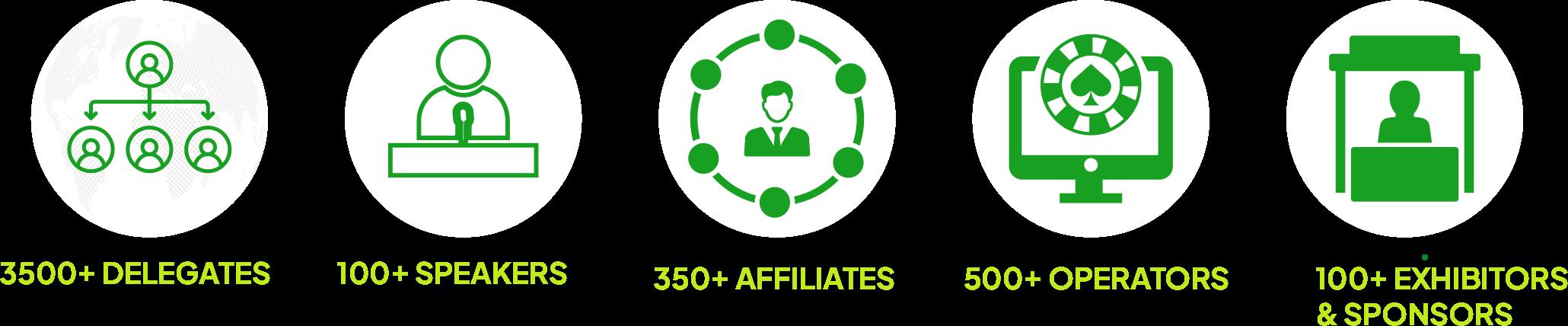
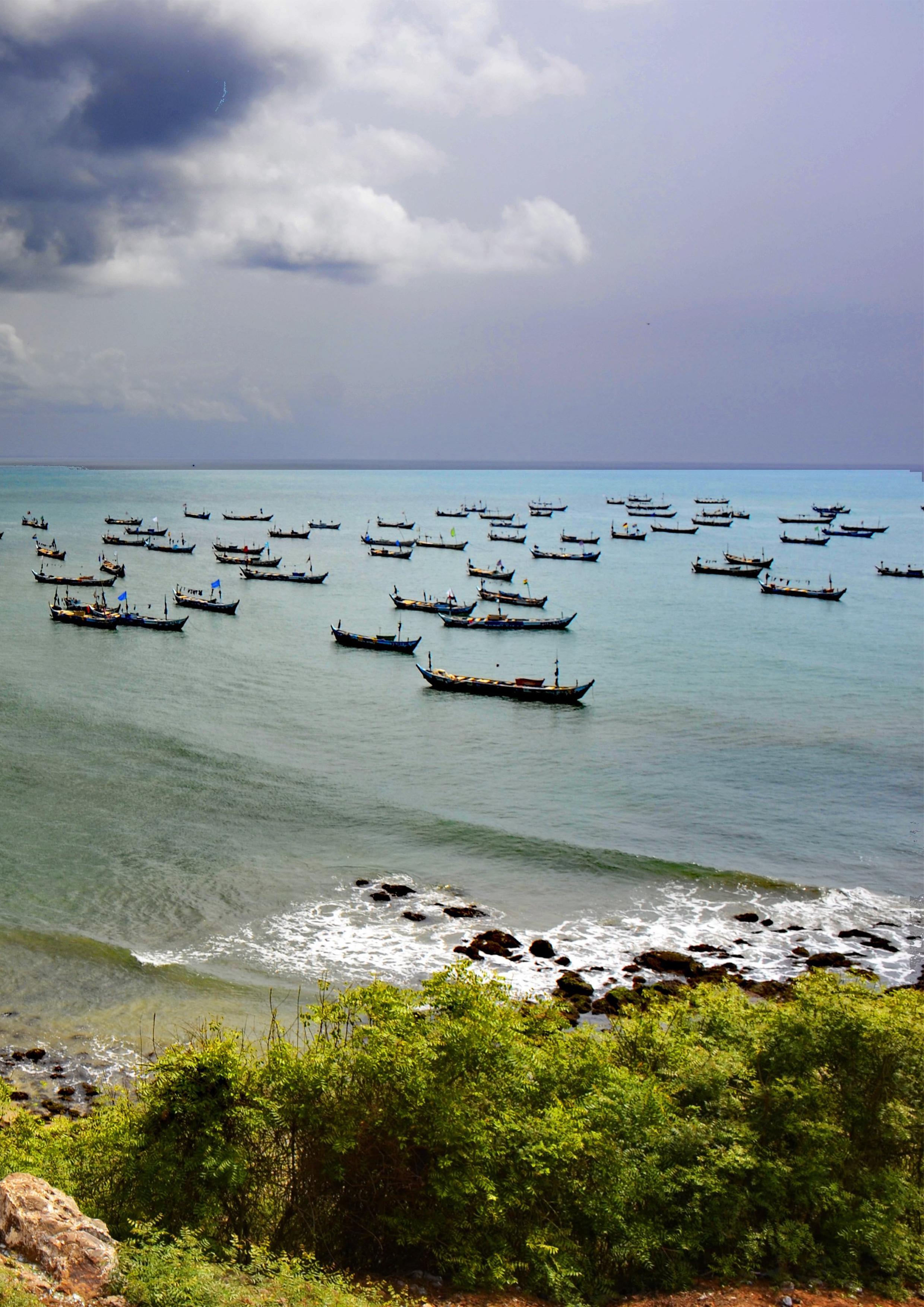
Important Quotes Important Important Important Quotes Quotes Quotes “ “
“
What makes me so optimistic is the sheer amount of growth, development and maturation that still lies ahead in this market. As a man that speaks to operators, speaks to regulators, and looks at markets and tries to grow businesses in these various markets, I’m excited by all that remains to be done, not just in terms of elevating GGR, but in the broader impact gaming can have across the continent. If governments allow it to be done properly, gaming can educate youth, create new industries, generate export opportunities, and provide people with life-changing opportunities especially from the lottery side. We can give our communities hope. There is so much potential. Africa is a young, dynamic, and incredibly smart continent, and it’s about channeling that energy to make things better for all of us.
Martin Sack, Co-Founder and Chief Strategy Officer at Gaming Advisory Partners (GAP)
“
Operators need to integrate with emerging technologies to detect suspicious behavior, ensure compliance, and protect players. Each African market has its own rules, timelines, and interpretations, and operators must adapt accordingly
Angela Mwelu, Senior Vice President of Business Development – Africa at Sharp Vision
“
Tracking postbacks is really important, as it allows for real-time conversion data and improves performance insight. They also help eliminate tracking discrepancies as well as enabling better automated reporting and campaign management. And one of the key things that has benefited both operators and their affiliates, is that postbacks support more advanced affiliate marketing strategies. They do this by allowing immediate data-driven decision making on product placement within PPC campaigns. It puts a plug in revenue leakage, allowing affiliates to optimise and perform at their highest level.
Max Bennett, Technical Account Manager at RavenTrack

“
I think we have an unconscious bias as women. Culturally, we’ve always had to prove ourselves. In iGaming, which is still a very male-dominated industry, that can sometimes lead to self-doubt. But initiatives like Women in Gaming and programmes such as this webinar are really helping. Slowly, step by step, we’re starting to change the narrative, and I believe we’re heading in the right direction
Kate Wainaina, Head of Growth and Partnerships at EuroVirtuals Limited
Women’s inclusion has become just as critical as innovation. When diverse voices are present in rooms and creative processes, when women from different cultures and perspectives are represented, the results are far more engaging, authentic, and profitable. I truly believe that inclusion fuels creativity and drives success in our industry
Neha Hiralal, Head of Digital at World Sports Betting

The regulatory landscape in Africa is complex. Because of factors such as cultural norms, religion, and local practices, we may not be able to achieve a fully unified framework at this time. What I think is most important is reciprocity, which is something Nigeria is currently promoting. For example, the Lagos State Lotteries and Gaming Authority has signed a Memorandum of Understanding with the UK Gambling Commission. This means that if a UK-licensed operator enters the Nigerian market without the required local license, the UK Gambling Commission can help enforce regulations on our behalf because that operator is licensed in their jurisdiction. To me, reciprocity is key: if I have an operator in your jurisdiction flouting the law in my jurisdiction, regulators can step in and ensure the operator is held accountable. This approach helps maintain compliance without requiring a fully unified regulatory framework.
Samuel Rowland, Chief Operating Officer at Lagos State Lotteries and Gaming Authority
It’s not just about having technology, it's about using it intelligently. Platforms can help identify patterns and provide insights, but operators need to integrate those tools into their daily operations and decision-making
Miranda Guliashvili, Head of Regional Growth at SOFTSWISS
In Africa, personalized and localized content is the future. It’s about customizing games, lobbies, and promotions for different segments, female players, high-stake users, and younger demographics.
Kaan Bulakeri, Head of Gaming at Kingmakers
COMMUNITY COMMENTS