Sparking Change: Exploring organizational change around GEI among IDRC’s research partners
Sparking Change: Exploring organizational change around GEI among IDRC’s research partners
• Key gender equality and inclusion (GEI) changes: The organization shifted from minimal, ad hoc women’s participation (8–10%) and male-dominated structures to institutionalized GEI systems, including gender indicators in planning, cross-functional integration, and increased women in leadership and technical roles.
• The main accelerators of change were strong leadership commitment, government performance contracts requiring gender indicators, donor influence, and structural reforms
• GEI change became sustainable only when it moved beyond awareness, training, and a reliance on isolated gender-focused interventions into mandatory institutional systems
Gender issues are not slogans; they appear in our documents and are taken into account.”
The organization is a semi-state-owned agency (majority public ownership) specializing in agricultural and rural advisory services. Its core mandate is to professionalize farmers and their agricultural organizations to improve living conditions in rural areas. Its main areas of work include agricultural and rural advisory services, planning and local development, training and capacity building, and rural engineering and agricultural mechanization. The organization operates nationwide, covering the entire national territory and serving an estimated population of 13 million people.
There is no direct funding relationship with the International Development Research Centre (IDRC); rather collaboration was established through a separate organization who held an IDRC grant. This collaboration has focused on areas such as gender equality, climate change adaptation, agricultural cooperatives (particularly in cocoa farming), and agricultural insurance. In an earlier phase of work, there was a focus on gender equality and strengthening agricultural cooperatives in cocoa farming. More recently, this focus has expanded to climate change adaptation, integration of gender equality into cooperative development strategies, and advancement of agricultural insurance.
The organization went through a gradual, nonlinear institutional change process on GEI, shaped by the interaction of entrenched sociocultural gender norms, internal resistance, and later external policy and donor pressures. Historically, gender equality was largely absent from formal systems, and women’s participation remained minimal (8–10%) because recruitment, leadership pathways, and field
supervision structures were implicitly male-dominated and guided by unexamined norms. Organizational practices that treated gender as incidental rather than strategic reproduced broader societal inequalities. As training and advocacy increased awareness, resistance emerged, particularly due to misunderstanding gender equality as “replacement of men by women.” At the same time, financial constraints and crisis conditions deprioritized GEI activities. These factors constrained early institutional uptake and limited synergy between technical departments and the emerging gender unit.
Over time, however, external shocks and institutional reforms created enabling pressure points that shifted GEI from isolated initiatives to systemic integration. A performance contract with government (2020) and the introduction of gender indicators into planning systems forced the organization to formalize GEI within accountability frameworks, while a 2021 quality management reform embedded gender into monitoring and evaluation systems. This institutionalization meant that GEI moved from being project-based to becoming embedded in organizational performance logic. Consequently, gender considerations were no longer optional and instead became a measurable component tied to strategic outcomes.
The restructuring of the Gender Directorate in 2022 further deepened this shift by embedding GEI into a cross-functional structure that connected gender with geomatics, climate change, mechanization, and digitalization. This structural integration reduced fragmentation and enabled gender considerations to influence decision-making across departments rather than remaining siloed.
As a result, women’s participation increased in leadership roles, gender focal points were institutionalized, gender-responsive planning tools were adopted, and recruitment and training practices were adjusted to improve inclusion. This also enabled behavioural and normative change, where gender began to be recognized as a core organizational
value rather than an external requirement. External shocks such as COVID-19 further accelerated digital transformation, indirectly strengthening GEI implementation by necessitating new inclusive outreach mechanisms. The organization transitioned from ad hoc awareness of gender inequality to having a structured, indicator-driven, cross-functional GEI system embedded in governance, planning, and accountability structures.
Organizational culture and leadership
• Commitment from senior management and leadership to institutionalize GEI.
• Organizational restructuring creating crossfunctional integration of gender units.
• Introduction of gender focal points across departments and regions.
• Development of planning and monitoring tools with embedded gender indicators.
Learning, reflection, and capacity strengthening
• Capacity building, training, and awareness sessions improving conceptual understanding of gender.
External factors
• External sociocultural shifts and national gender policies like quotas, gender units in ministries.
• Government performance contracts requiring gender indicators and accountability mechanisms.
• Donor influence, such as funding conditions, prioritizing GEI integration.
• Crisis moments (political-military crisis and COVID-19) that forced institutional adaptation.
Organizational culture and leadership
• Embedding GEI into strategic plans (2026–2030) and long-term organizational vision.
• Institutionalizing gender indicators in planning, Monitoring, Evaluaion and Learning (MEL) and performance contracts.
• Existence of a dedicated, cross-functional Gender Directorate with decision-making access.
• Leadership ownership and continuous advocacy from senior management.
Learning, reflection, and capacity strengthening
• Integrating GEI into recruitment, training, and project cycle management.
• Gradual cultural shift recognizing gender as a core organizational value.
• Developing organizational processes, such as annual gender training plans, gender budgeting.
• Alignment with national gender policies and donor frameworks.
• GEI transformation is long-term, iterative, and non-linear, requiring persistence through resistance phases.
• Institutionalization matters more than standalone projects, embedding gender in systems (MEL, budgeting, human resources) is key.
• Leadership commitment is critical in moving GEI from rhetoric to practice.
• Legal/policy frameworks (e.g., quotas, contracts) are powerful drivers of internal organizational accountability.
• Sustainable GEI requires both technical tools and cultural transformation within institutions and communities.
• Structural integration (e.g., cross-functional departments) of GEI is more effective than isolated gender units.
• Capacity building must be continuous; one-off training is insufficient for deep cultural change.
• External actors (e.g., government, donors) can catalyze change but is not a substitute for internal ownership.
Sparking Change: Exploring organizational change around GEI among IDRC’s research partners
• The organization transitioned from incorporating gender equality and inclusion (GEI) primarily at the project level to full institutional integration. GEI now shapes policies, programs, and organizational culture.
• Long-term engagement with partners such as the International Development Research Centre (IDRC) played a significant role in strengthening the organization’s commitment to integrating GEI across programs and institutional practices.
• Major drivers in translating GEI commitments into practical workplace and programmatic changes included internal leadership, particularly women leaders who prioritized GEI, as well as having a dedicated gender expertise within the organization.
• The organization focused on context-sensitive approaches to GEI, including co-designing with communities and addressing cultural sensitivities, which advanced inclusion and navigated resistance while working in diverse and sometimes socially conservative settings.
• Sustainable GEI transformation requires alignment between leadership, policies, internal culture, and program design rather than isolated interventions.
The organization is an interdisciplinary global health institute established in mid-2017, with a mandate to address complex health challenges in the Global South through context-responsive research, innovation, and communitybased engagement. The organization operates through three main divisions that collectively drive its mission to advance health equity, strengthen systems, and promote innovation in global health across the region.
So every time we have a new project, we incorporate gender-disaggregated data and gender-sensitive indicators. We focus on inclusive frameworks in research. But with time, as the institute grew, we recognized that transformation required moving beyond gender as only a data point in our research projects, towards embedding equity and inclusion in the lens of the whole institute and its mission and vision. ”
The organization’s operations are structured to support research, training, and service delivery collectively. A key component of its work involves communitybased initiatives designed to address the needs of vulnerable populations, including women, youth, refugees, and socioeconomically marginalized groups. Through partnerships with civil society organizations, research institutions, and development partners, the organization aims to generate evidence and solutions that are locally grounded and sustainable.
The organization’s relationship with IDRC has evolved since its establishment, with IDRC serving as the founding and consistent funder. Over time, the organization has received multiple grants from IDRC and has primarily engaged as a direct grantee. Beyond financial support, its collaboration with IDRC has also included participation in seminars, conferences, technical discussions, and knowledge sharing, which have contributed to its institutional growth and technical capacity.
Since its early years, the organization has collaborated closely with multiple donors as a direct grantee and long-term partner. Through these collaborations, the organization has deepened its understanding of GEI, embedding these learnings across projects, research methodologies, and internal organizational systems. The partnerships have played both a financial and catalytic role in shaping the organization’s evolving approach to inclusive development and institutional transformation.
The organization’s GEI journey was gradual but transformative. GEI organizational changes began with internal recognition of the incongruence between the organization’s desired vision to institutionalize strong pillars of equity, inclusion, and social justice in its work and approaches and the realization that the organization was narrowly focused on collecting gender-disaggregated data and indicators and addressing gender only at the project level rather than as part of an institutional approach. This led to a shift towards institutionalizing gender.
In the first phase, the focus was on building awareness and ensuring equitable representation and inclusion among staff, including the recruitment of women researchers, with the goal of promoting gender equality and equity in research and in evidence generation during implementation. This was accompanied by changes in internal policies to support women’s reproductive and caregiving roles. This shift was motivated by women in leadership and their personal experiences with reproductive needs in the workplace. GEI change in this phase focused on bringing women and other underrepresented groups into spaces where they had previously been excluded and addressing their needs. This also included mentorship and support for early-career women researchers. This gender-sensitive approach was an important entry point into more gendertransformative work, where inclusion is supported by tangible actions.
In the second phase, GEI change came from the integration of GEI into organizational processes and programs, as reflected in proposals developed at the time. The main driver for this change was the desire to move from having gender as an optional add-on component to ensuring gender was
firmly integrated. This change happened through participation and co-design between the organization and target marginalized populations. During this period, contextualization focusing on those being served was a key motivator, given the political nature and sensitivities around gender in both global and local contexts.
In the third phase, GEI was institutionalized as a crosscutting theme, with a clear organizational shift from GEI in projects to GEI within organizational approaches and leadership. The organization’s identity also began to evolve, positioning itself strongly as an institution with a solid GEI foundation.
Organizational culture and leadership
• Women in management using their own challenges with reproductive roles and childcare to advocate for better responsiveness to the needs of all female employees.
• Proactive support from directors such as welcoming breastfeeding mothers on work trips setting a cultural precedent that eliminates the maternity penalty and inspires similar support across the team.
• Institutionalizing supportive practices for parents, allowing the organization to actively address systemic gaps in childcare ecosystems and demonstrating a practical commitment to equity and inclusion.
• A flexible organizational mindset allowing gender considerations to cascade directly into research programs, such as adjusting study designs to account for the impact of household power dynamics on women’s decision-making.
Learning, reflection, and capacity strengthening
• Internal gender experts and focal points acting as consistent resources, providing hands-on support to ensure all new project proposals and grant applications are gender-responsive by design.
• Organizational investment in continuous staff development, using specialized consultants to help employees deepen their understanding of gender dimensions and apply them to their specific work.
External factors
• Foundational donors like IDRC mandating the integration of gender equality into both organizational programs and the institute’s core ethos, creating a powerful incentive for structural alignment.
Organizational culture and leadership
• A commitment to continuous self-assessment and openness, allowing the team to consistently question power dynamics, moving beyond tokenistic gestures to achieve transformative inclusion and developing a strong organizational commitment to GEI becoming a “very clear” and “sacred” principle.
• The presence of a diverse staff, including clinicians, data scientists, and policy experts, ensuring that rich, intersectional perspectives are baked into all organizational practices and research approaches.
• Dedicated women leaders within the institute championing intersectional issues like disability and displacement, ensuring that internal expertise remains visible, actionable, and measurable across all projects.
• The strengthening of monitoring and evaluation processes within both programs and human resources, ensuring that equity and inclusion are tracked through specific quantitative and qualitative indicators.
Learning, reflection, and capacity strengthening
• Dedicating funding for training, workshops, and mentorship programs, empowering staff to become ambassadors for GEI within their own specific technical fields.
• Positive male engagement in the workplace, having men champion women’s issues within the organization, male mentors and leaders supporting the advancement of women’s careers.
• Co-creative processes for system improvements, fostering a sense of collective ownership that ensures GEI remains a permanent institutional priority and enhances context responsiveness.
External Factors
• Being part of a global institution, providing a buffer against some of the regional structural barriers and social norms that might otherwise slow down the pace of gender-inclusive change.
• Partnerships with donors and founders who share the organization’s core principles of equity, fostering a consistent environment for refining gender-responsive frameworks.
• Selection as a regional hub for responsible AI, reinforcing the institution’s commitment to genderresponsive technology and sustainability and acting as a catalyst for deeper intentionality.
• Consistent application of the same GEI strategy across all funders and organizational levels with clear and assertive articulation of GEI ethos and approach in proposals.
• Men at home (e.g., husbands) supporting women’s professional growth and caregiving responsibilities.
• Integrating gender equity requires structured changes across policies, budgets, HR, and accountability mechanisms:
“Entrenching the concept of equity in a structured way requires a structured approach … structural changes in policy, to budgets, to HR policies and creating accountability mechanisms.”
• GEI must be championed by leadership at the highest levels.
“You cannot be in a workplace where you believe in GEI principles, but your director is someone who’s not aware of this. So, leadership is non-negotiable. It has to be there.”
• Sustaining GEI requires a culture of regular reflection and adaptation through structured processes.
• Regular monthly, quarterly, and annual reviews help track progress and ensure alignment with GEI principles.
Sparking Change: Exploring organizational change around GEI among IDRC’s research partners
• The organization transitioned from project-level gender equality and inclusion (GEI) efforts toward recognizing the need for formal, institution-wide GEI systems and frameworks.
• Practice-led learning, particularly through donor-funded initiatives, has been a key driver in shaping the organization’s evolving understanding and application of GEI.
• External partnerships, especially with the International Development Research Centre (IDRC), have played a catalytic role in strengthening institutional capacity and introducing structured, gender-responsive approaches.
• Flexible work environments, safeguarding systems, and efforts to encourage inclusive participation have created a foundation for GEI, but a lack of formalization limits their transformative potential.
• Key lesson: Sustainable GEI transformation requires moving beyond informal practices and representation targets toward intentional, structured, and organization-wide approaches.
The organization is a non-profit entity established in 2014 focused on the sustainable management of landscapes and seascapes to support local and Indigenous communities. It operates across multiple regions, with a strong emphasis on smallholder farmers, forest-dependent populations, women, and youth. Its core mandate is to generate practical, evidence-based solutions through applied research and translate these into scalable models that strengthen farming systems, enhance local institutions, and inform policy. The organization integrates research, capacity strengthening, policy engagement, and field implementation, working closely with civil society organizations and government actors at subnational and national levels.
I will mostly speak from our experience with IDRC projects … we develop SOPs to cover how we will work with both women and men to ensure inclusion for women. ”
The organization engages with external partners, particularly IDRC and other donors, through direct grant funding, collaborative implementation, and capacity-strengthening initiatives that combine research, community engagement, and institutional development. These partnerships are both financial and technical, shaping how the organization designs, implements, and reflects its work.
The organization has been a partner of IDRC since the early 2020s, receiving direct funding for a climate change mitigation and adaptation initiative that contributed to the establishment of a national alliance of grassroots organizations focused on climateresilient agriculture and livelihoods. Beyond funding, representatives of the organization recognize that its partnerships, including with IDRC, have contributed to strengthening the organization’s systems, including project management, technical capacity, and the adoption of structured approaches such as standard operating procedures (SOPs) for inclusive programming. These engagements have played a catalytic role in shaping the organization’s emerging approach to GEI.
The organization’s GEI journey is best understood as a gradual, practice-driven transition, where learning from externally funded projects has begun to influence internal systems and thinking, highlighting the need for more structured and institutionalized approaches. At its inception, the organization was primarily research-focused, with GEI addressed largely at the project level rather than as an institutional priority. Gender considerations were most visible in
externally funded initiatives, where requirements for gender-disaggregated data, participation targets, and inclusion of women and youth shaped implementation.
Internally, there was no formal GEI framework or policy. Instead, gender was addressed through human resource processes, including safeguarding systems and representation guidelines. While these ensured a balance between men and women in staffing, they limited GEI to compliance and “counting the women” without addressing deeper issues such as power relations, gender norms, or structural inequalities.
At the same time, the organization’s strong engagement with communities meant that gender issues were highly visible in practice. However, this created a disconnect between external implementation and internal systems, where GEI was actively practiced in projects but not institutionalized within the organization. As a result, GEI remained informal, unstructured, and dependent on individual awareness rather than standardized approaches.
External partnerships have played a critical role in shaping the organization’s GEI journey, acting as both entry points and accelerators of change by embedding gender-responsive requirements within project implementation. Beyond compliance, partnerships exposed the organization to new frameworks, tools, and participatory approaches, building technical capacity and encouraging reflection, especially around GEI.
As the organization transitioned from a researchfocused entity to one combining research and implementation, its exposure to real-world gender dynamics increased. This exposure led to deeper internal reflection on gender and inclusion, as staff began to observe inequalities and participation gaps in the communities they worked with. In response,
GEI considerations began to emerge in internal practices. Flexible work arrangements were introduced to support women and young professionals, safeguarding systems were strengthened, and open conversations around gender and inclusion became more common. These changes contributed to a more inclusive and supportive organizational culture. However, because these practices were informal and not guided by a formal framework, their application remained inconsistent and difficult to scale across the organization.
Internal dynamics also revealed persistent gender norms. In some cases, women took on disproportionate workloads due to internalized expectations. This highlighted that representation alone was insufficient and led to growing recognition of the need for structured, system-wide approaches to GEI. As one staff member noted, the absence of a framework made it difficult to guide behaviour and decision-making consistently, reinforcing the need for formalization.
GEI integration was most visible at the programmatic level, particularly through externally funded projects. These initiatives introduced structured approaches such as SOPs for inclusive engagement, as well as targeted training programs for women and youth. This led to more intentional inclusion of women in project activities and increased their participation in economic and leadership spaces.
The organisation’s move from a research-only focus in 2015 to combining research with implementation in 2022 enabled GEI to be built into actual programs delivered with communities, rather than staying at policy level. This made GEI visible in practice through
structured work plans and training activities, leading to increased women’s participation and emerging leadership roles within community programs.
Over time, repeated exposure to gender-responsive programming resulted in observable outcomes, including improved confidence, skills development, and peer learning among women. These outcomes demonstrated the value of GEI beyond compliance, shifting organizational perception toward understanding GEI as a driver of program effectiveness. For example, women who participated in training programs began mentoring others, and community members took on roles as trainers and facilitators.
This indicated a shift from participation to agency and leadership. These experiences created a feedback loop: successful GEI implementation at project level → internal learning → recognition of the need for institutionalization. As a result, the organization began to intentionally incorporate GEI considerations into annual work planning processes and expand the use of SOPs, marking the beginning of a transition from project-based practice toward more structured organizational approaches.
The organization is currently at a transitional stage in its GEI journey. There is growing recognition of the limitations of informal and project-based approaches, alongside a commitment to developing more structured systems. Efforts are underway to strengthen internal processes, including the development of SOPs and the exploration of a formal GEI framework. GEI priorities are increasingly integrated into planning processes, with annual work plans used to guide and monitor inclusion efforts.
From our experience, seeing the structures on the project level has pushed us as an organization to see the need to formalize our structures around gender implementation. ”
Organizational culture and leadership
• Practice-based learning from project implementation acting as a key internal driver, with repeated exposure to gender-responsive approaches shaping organizational awareness and influencing internal practices.
• Safeguarding systems and human resource processes, providing a foundation for representation, inclusion, and protection, ensuring that women and men are supported within the organization.
• Organizational values around safety, dignity, and inclusion, motivating leadership and staff to create enabling work environments, to enhance equality and inclusion for all.
Learning, reflection, and capacity strengthening
• Continuous staff development, including training and performance reviews, help to build staff capacity to understand and integrate GEI across different programs and roles.
External factors
• Donors such as IDRC requiring the integration of gender equality within project design and implementation, creating a strong incentive for adopting structured and inclusive approaches.
• External partnerships introducing tools such as SOPs and participatory approaches, strengthening the organization’s ability to operationalize GEI in practice.
• Collaboration with grassroots organizations and community actors reinforcing the importance of context-sensitive and inclusive approaches, particularly in addressing local gender norms and ensuring participation.
• Normalizing internal conversations on gender and inclusion, shaping organizational culture and promoting shared understanding across staff.
• Human resource systems, including safeguarding mechanisms, providing ongoing protection and support for staff, particularly women and young people, and reinforcing GEI initiatives.
• Integration of GEI priorities into annual planning processes, ensuring GEI is not treated as a standalone practice but is embedded throughout the organizational systems and helping institutionalize attention to women’s participation and inclusion across programs.
• Organizational commitment to creating safe and enabling environments, ensuring inclusion remains a practical priority in day-to-day operations.
• Normalizing internal conversations on gender and inclusion, ensuring gender experiences are expressed freely for consideration in planning and processes.
• Integrating GEI priorities into annual planning processes.
Learning, reflection, and capacity strengthening
• Continuous training and capacity-building efforts, ensuring staff remain equipped to integrate GEI into their work.
External factors
• Ongoing engagement with donors and partners, reinforcing accountability and maintaining momentum for gender-responsive approaches.
• Practice can drive institutional change but requires formalization. Projectlevel implementation can generate momentum, but without formal systems, progress remains fragmented. This calls for institutionalizing GEI through clear policies, frameworks, and accountability mechanisms.
“Of course … with a framework and a policy, we would be well guided to know how to operate.”
• Representation alone is insufficient for transformative change. “Counting the women” does not address underlying inequalities. There is need to address structural and cultural dimensions of gender inequality within both programs and internal systems.
• Informal practices provide a foundation but cannot replace structure. Flexible and inclusive practices are important but difficult to sustain without formalization. Strengthening these practices through formal policies and monitoring systems will go a long way into sustaining the change.
• Addressing internalized gender norms is essential. Unspoken expectations and socialization can reinforce inequality in the workplace. Organizations should prioritize creating structured spaces for dialogue, reflection, and training to promote equitable work distribution.
• External partnerships can catalyze internal transformation. Donor engagement can shape systems, thinking, and accountability. Organizations should leverage partnerships for institutional learning and long-term strategic alignment for change and sustainability.
Sparking Change: Exploring organizational change around GEI among IDRC’s research partners
• The organization’s gender equality and inclusion (GEI) journey demonstrates that change is non-linear and highly dependent on active drivers, including donor influence, leadership commitment, and staff agency.
• External partnerships, particularly with the International Development Research Centre (IDRC) and other funders, have played a critical catalytic role in advancing GEI from project-based compliance toward more intentional institutional practice.
• While crises, such as funding shocks, can disrupt progress, they also create opportunities for reflection, adaptation, and accelerated learning.
• Shifts in organizational culture and attitudes toward gender equality increases as a result of staff awareness, safe spaces for dialogue, and leadership engagement.
• Key lesson: Sustaining GEI transformation requires moving beyond donor- and personality-driven efforts toward institutionalized systems, accountability, and collective ownership.
The organization is a non-profit entity established in the year 2000 in a post-authoritarian context, with a core mandate to promote good governance, democratic systems, and anti-corruption efforts. Initially formed as a partnership under an international organization, it transitioned into an independent national NGO in late 2000 and has since implemented programs focused on strengthening democratic institutions and processes. The organization works closely with government institutions, civil society actors, and local NGOs, supporting marginalized and Indigenous communities through governance and inclusion-focused programming. Its work integrates program implementation with gender-inclusive monitoring, evaluation, and learning (MEL), including regular field engagement and partnerships with grassroots organizations.
The presence of ‘safe spaces and consistent conversations’ has made learning possible without defensiveness, which creates an enabling environment for norms to shift.”
The organization engages with external partners through grant funding, technical support, and collaborative programming, with IDRC being a key partner. The IDRC-funded initiative (from 2021 onward) marked a turning point in strengthening GEI integration, introducing capacity-building, systems strengthening, and structured approaches to GEI. Donor-funded projects have played a significant role in shaping GEI approaches by embedding requirements for gender-responsive design, implementation, and reporting. Beyond funding, partners have contributed technical tools, frameworks, and learning processes that have supported the organization’s transition toward more intentional GEI practices.
At its early stages, the organization had limited integration of GEI within its institutional systems. Gender and inclusion were not part of core programming, as the primary focus remained on governance and democratic strengthening. GEI efforts were largely project-based and compliance-driven, with minimal institutional guidance, limited staff capacity, and no formal policies or frameworks. Data was not disaggregated by sex, and staff lacked clarity on how to integrate GEI into their work.
Although some initiatives addressed marginalized groups, including persons with disabilities and LGBTQ communities, these efforts remained fragmented and undocumented at the organizational level. Staff often relied on informal practices and external (donor and partner) guidance, particularly in complex, patriarchal community contexts where gender discussions were sensitive.
GEI integration began to emerge through externally funded projects, particularly from around 2015 onward. Early interventions introduced social inclusion approaches, but these remained largely at the project level and were often treated as compliance requirements. A significant shift occurred in the early 2020s with the introduction of an IDRC-funded initiative that prioritized capacity assessments, targeted GEI training, and technical support for both staff and partner organizations. This phase marked a transition from awareness (inclusion) to intentional GEI integration, supported by tools such as action plans, e-learning platforms, and gender-disaggregated monitoring systems.
The organization also strengthened its engagement with local NGOs, creating peer-learning and coordination platforms that reinforced inclusive approaches and expanded impact at the community level.
Internally, the organization began to experience gradual but meaningful shifts in culture, systems, and leadership engagement. The introduction of a Gender, Equality, and Social Inclusion (GESI) policy and action plans around 2021 signalled movement toward a more institutional approach to GEI, supported by capacitybuilding efforts and improved monitoring systems. Staff awareness increased significantly, with many reporting a deeper understanding of gender dynamics and inequalities. Organizational culture also evolved, with open conversations on gender becoming normalized, including in informal spaces. Leadership played a key role in reinforcing this shift, actively encouraging dialogue and making GEI an organizational priority.
Representation improved, particularly in leadership, with more women and people living with disabilities in decision-making roles. At the same time, attitudinal shifts among staff, including male colleagues, reflected growing sensitivity and engagement with GEI issues. Despite these gains, challenges remain. GEI
continues to compete with other internal priorities, and implementation is not always consistent. The organization is currently at a transitional stage, where awareness and technical capacity have improved but full institutionalization is still evolving, mostly due to limited resources for GEI implementation.
At the implementation level, GEI has become more visible in how programs are delivered and communities are engaged. The organization continues to strengthen its engagement with grassroots partners, conducting regular monitoring visits, facilitating dialogue with community leaders, and adapting interventions based on local realities.
There is a growing emphasis on inclusive participation, capacity-building for marginalized groups, and peerlearning approaches. However, limitations remain in measuring impact, with monitoring systems still focused more on participation and activities than on bigger changes in agency, power, and well-being.
Currently, the organization has made significant progress in advancing GEI, particularly in terms of awareness, capacity, and cultural change. GEI is no longer questioned as a priority; instead, the focus has shifted toward sustaining practice and ensuring consistency. However, the organization remains in a transitional phase. While systems, policies, and capacities have improved, GEI is still influenced by donor priorities and individual champions.
External partnerships have been central to the organization’s GEI journey, acting as both entry points and drivers of change. Donor requirements introduced structured approaches, including gender policies, safeguards, and monitoring systems, which strengthened GEI integration at the project level. IDRC, in particular, played a critical role in advancing organizational learning through training, technical support, and reflection processes.
The broader ecosystem surrounding the organization played an important role in advancing its GEI efforts. Collaboration with women’s organizations, disability groups, and local NGOs helped broaden staff perspectives and enhance their advocacy capacity. Through these partnerships, the organization gained a deeper appreciation of the diverse experiences and challenges faced by Indigenous peoples, including issues such as sexual harassment. This increased understanding influenced both organizational practice and engagement with government actors and contributed to the shift from a GEI-focused approach to a more inclusive GEI framework.
There have, however, been setback and barriers. External shocks, such as the 2025 USAID funding cuts, exposed the organization’s vulnerability to donor dependency and slowed GEI implementation as resources were redirected to other priorities. While disruptive, this also triggered reflection and a renewed focus on strengthening internal systems. At the same time, limitations persist in measuring impact, with monitoring still focused more on activities than on meaningful changes in people’s lives.
Organizational culture and leadership
• Leadership engagement and support, fostering organizational prioritization of GEI, encouraging open dialogue and reflection.
• Capacity-building initiatives, including training, assessments, and technical support, strengthening staff knowledge and skills in GEI.
• Staff agency and commitment to challenging norms and advancing inclusive practices, extending GEI beyond technical compliance to personal reflection.
Learning, reflection, and capacity strengthening
• Practice-based learning from project implementation, enabling staff to observe and reflect on gender dynamics, deepening understanding beyond compliance.
External factors
• Partnerships with grassroots organizations and civil society actors, prompting the organization to appreciate holistic GEI implementation, thus reinforcing inclusive, context-responsive approaches.
• External donor requirements, particularly from IDRC and other partners, creating strong incentives for integrating GEI into project design and implementation.
• External shocks, such as funding disruptions, acting as catalysts for reflection and adaptive learning.
Organizational culture and leadership
• Shifting organization culture from awareness of GEI to responsibility and accountability, sustaining organizational cultural norm shifts, leadership commitment, resourcing, and collective ownership.
• An increasingly open organizational culture, normalizing and encouraging gender discussions.
• Strong leadership engagement, reinforcing GEI as a priority in both formal and informal spaces.
• Integrating GEI considerations into organizational processes, including planning and MEL systems.
Learning, reflection, and capacity strengthening
• Ongoing capacity-building and learning processes, including training and reflection.
External factors
• Continued engagement and mutual alignment with donors and partners, reinforcing accountability and momentum.

The challenge now isn’t awareness, it’s follow-through. ”
Lessons learned and recommendations
• GEI change is non-linear and requires active drivers. Organizations must prioritize leadership commitment, resourcing, and accountability mechanisms.
• Donors can catalyze but cannot sustain change. External partners are important but insufficient for long-term transformation.
“Donors push us, but they won’t always be there ... If we don’t own this internally, it won’t last.”
• Change must occur beyond leadership influence. Strengthening internal ownership and institutional systems is key to sustaining progress beyond leadership cycles.
“Leadership is key, and although a change in leadership does not automatically mean GESI will be deprioritized, there is ongoing concern that leaders who do not actively prioritize GESI could weaken momentum.”
• Measurement of impact needs to go beyond participation. Focusing on activities rather than GEI outcomes is inefficient. Monitoring systems must be strengthened to capture transformative changes in power, agency, and well-being.
• Institutionalization is key to sustainability. GEI must be embedded into policies, frameworks, and accountability structures to ensure consistency and long-term impact.
• Institutionalizing GEI reflection and documenting these processes strengthens institutional memory and GEI growth and learning.
“I have never spoken about our GESI journey before, but with this study, it is good that it will be documented and show the journey and lessons.”
• Organizational culture is a critical enabler of GEI change. Interest, adoption, and translation of GEI in organizations will always differ among staff, making norm shifts and open conversations essential to deeper transformation. GEI requires consistent negotiation, continuous learning, safe and brave reflection spaces, and shared agreements that go beyond tools and frameworks.
Sparking Change: Exploring organizational change around GEI among IDRC’s research partners
• External partnerships are a major driver of momentum. Strong partners, including funders, can help keep gender and inclusion visible, support learning, and expand influence across different countries and policy areas.
• Change is not only institutional, but also personal. As gender and inclusion becomes part of organisational systems and priorities, staff also shift how they think and work, which reinforces the change from within.
• The strongest and most lasting GEI progress happens when structures (strategy, funding, tools), relationships (partners and coalitions), and people (staff attitudes and learning) evolve together rather than in isolation.
The organization is a multilateral partnership platform that brings together governments and civil society organizations to advance governance reforms. Its mandate is to promote governance principles through cocreated national and local commitments. It operates as a platform for governments and civil society to jointly design and implement reform commitments across thematic areas such as gender equality and inclusion, digital governance, justice, civic space, and data transparency. Global in scope, the organization is currently comprised of 74 national governments, 130 subnational governments, and over 1,000 civil society organizations.
Because of the global context, we’re focusing more on youth right now, but not leaving aside the gender work. That’s something that we always try to bring to conversation and to our sessions. ”
The organization has a direct granting and strategic partnership relationship with the International Development Research Centre (IDRC). The collaboration primarily supports research and evidence generation, gender equality and inclusion, implementation and scaling of member government commitments, and capacity building, technical guidance, and knowledge sharing across member countries.
The organization received its first IDRC grant supporting foundational GEI and programming in 2018–2019. In 2020–2022, it received continued funding to expand research and implementation of inclusive governance reforms. In 2023–2025 there was a renewed grant focusing on deepening GEI integration, supporting research in priority countries, and increasing commitments. Post-2025, there were no new external research grants to partners within member countries, but GEI work remains embedded in the organization’s programming, with sustained commitment and institutionalized focus rather than expansion.
The organisation’s gender and inclusion work (GEI) started when a member country co-chaired the organisation in 2018–2019 and made gender and inclusion a key focus as part of its feminist foreign assistance approach.
In 2018, the organisation’s support unit received funding from IDRC to expand work on feminist approaches to transparent government. This work was done with several partners, including a research organisation and a global open data network, and in
collaboration with a government department and the same international development partner.
Gender and inclusion became one of the most common focus areas in the following year’s action plans, after at least 30% of members took meaningful action on being gender inclusive thereby achieving the target. This was driven by a campaign launched in 2019 during the organisation’s global summit, which aimed to strengthen gender focus in member country commitments and increase women’s participation in transparent government work. The campaign was supported by the formation of a gender and inclusion coalition.
From 2020 to 2022, the organisation continued and expanded this work through another grant from IDRC. During this time, it developed a toolkit to help countries and local members design more genderresponsive action plans and improve how they work with communities during planning. The organisation brought together countries and local governments working on similar issues. This space was used for peer learning and sharing experiences on common challenges. During the same period, the organisation improved how it collected and organised data on gender and inclusion commitments, including areas such as LGBTQ issues, gender-based violence, disability, and youth. This helped it better understand the types of work members were doing.
In 2023, the organisation launched a new strategy (2023–2028) and introduced a new approach which encouraged countries and local members to make ambitious commitments in key areas, including gender and inclusion, without needing to wait for a new action plan cycle.
In 2023–2024, the organisation received another grant from IDRC. This supported continued work on gender and inclusion and added a stronger focus on research
in selected countries where there was an opportunity to advance reforms. This phase also supported more commitments and focused on areas such as genderbased violence and harassment, gender-responsive justice, inclusive digital governance and AI, inclusive participation and civic space, and gender data.
In 2025, at the end of the grant, the organisation stopped launching new externally funded research projects on gender and inclusion with members due to funding cuts. However, because of the past described above, gender and inclusion continue to be included in the organisation’s activities and are understood as relevant to transparent government. The organisation is ensuring gender considerations are included in youth-focused work, even as youth becomes a stronger focus area, recognising the ways in which age and gender overlap and the implications for inclusion.
Organizational culture and leadership
• The national government when it co-chaired the organisation prioritised gender equity and inclusion in the late 2010s, creating the enabling policy direction for GEI work.
• The organisation and its members integrated gender equity and inclusion into commitments and reforms across policy areas.
• The organisation and country/subnational members created and participated in a gender and inclusion-focused coalition, strengthening collaboration across governments.
• The organisation and members applied a ‘challenge’ approach to encourage and incentivise ambitious GEI commitments across policy areas.
• Over time, the organisation integrated GEI into its routine work, leading to a stable and sustained level of activity.
Learning, reflection, and capacity strengthening
• The organisation, supported by funding from IDRC developed feminist approaches, and later, GEI toolkits, to support countries and local members. Countries and local members used the toolkits to develop gender-responsive action plans and improve co-creation processes.
• The organisation and participating members formed a Gender Coalition to enable peer learning and exchange between countries and subnational governments.
• The organisation improved GEI data collection systems to better understand the types of commitments made by countries and local members, including intersections such as LGBTQ, gender-based violence, disability, and youth.
• Research projects in selected countries generated evidence on intersectional GEI issues and informed reforms.
• The organisation and members used learning from earlier implementation phases to increase the number and quality of GEI commitments over time.
External factors
• IDRC provided funding that enabled the initial project (2018), expansion of GEI work (2020), and later research-focused activities.
• Country and subnational governments participated as implementing actors, developing and delivering GEI commitments.
• The global policy environment increasingly emphasised gender equality, inclusion, and intersectionality, reinforcing GEI relevance.
Organizational culture and leadership
• Embedding GEI into the 2023–2028 core strategy, shifting from project-based to institutional mandate.
• Integrating GEI into cross-cutting policy areas (justice, digital governance, AI, civic space), ensuring GEI is not siloed.
• Independent reporting mechanism providing continuous monitoring and accountability for commitments.
• Accumulated tools, frameworks, and documented case studies reducing dependence on external funding for replication.
• Established member expectations and norm internalization making GEI a “default” consideration in action plans.
Learning, reflection, and capacity strengthening
• Staff expertise and organizational learning reinforcing continuity through human capital.
• Catalytic, time-bound funding is most effective when it builds systems, not just projects. Tools, coalitions, and processes must outlast grants for GEI to be successfully mainstreamed within an organization.
• Institutional embedding sustains change under funding decline.
• Cross-cutting integration of GEI prevents its marginalization within an organization but this agenda risks being diluted if not paired with accountability mechanisms.
• Organizational change is also personal change. Staff learning and perspective shifts reinforce institutional transformation and help sustain long-term commitment.
• Peer learning accelerates diffusion more effectively than top-down mandates.
• Having strong thematic partners helps to maintain momentum, share learning, and increase the visibility of GEI.
Sparking Change: Exploring organizational change around GEI among IDRC’s research partners
• The organization’s gender equality and inclusion (GEI) journey demonstrates the importance of early institutional commitment combined with long-term investment in systems, people, and culture.
• Sustained leadership commitment and dedicated gender expertise have been critical in moving from fragmented efforts to structured, organization-wide GEI integration.
• GEI change is both technical and deeply social, requiring continuous engagement with norms, power relations, and community realities.
• External partnerships and policy environments have supported progress, but internal ownership and institutionalization remain key to sustainability.
• Key lesson: Transformative GEI change requires embedding gender into institutional systems while simultaneously investing in people, learning, and context-sensitive approaches.
The organization is a non-governmental organization development organization established in 1985, working to strengthen cooperatives and mutual enterprises as drivers of sustainable development. It operates across multiple countries, supporting over 1,000 cooperatives, mutual societies, and associations, with a focus on improving livelihoods for underrepresented communities, particularly women and Indigenous peoples. Its approach is grounded in cooperation and inter-cooperation, bringing together civil society, government, and private sector actors to promote inclusive economic development. The organization works across multiple sectors, including organizational development, agri-environment, agricultural risk management, and gender equality, integrating GEI across its programming.
Gender
equality is everyone’s business. It is important to find a balance between valuing what we have and trying to increase and improve it. When you want to bring about meaningful change, you have to start with expertise. We have gender equality advisors working on this issue. Budgets must be allocated for specific actions. We must also adapt to each context and people’s realities. Change is built together. ”
The organization has received funding from the International Development Research Centre (IDRC) as a lead implementing agency, particularly for projects focused on gender equality and inclusion. IDRC-supported initiatives, including those starting in the late 2010s, have contributed to strengthening structured approaches to GEI, including project-level strategies and institutional reflection. External funding and partnerships have supported capacity building, implementation of gender strategies, and scaling of inclusive approaches while complementing existing institutional commitments.
From its earliest phase, the organization’s engagement with gender equality was marked by strong intent but limited structural grounding, emerging from a broader commitment to cooperative development that already aligned conceptually with inclusion. In the 1990s, this intention began to take form through the introduction of a gender and development advisor and the creation of initial tools and guidance, signaling the first attempt to translate values into practice.
However, this early move did not alter the underlying organizational architecture: gender expertise remained scarce, concentrated in a few specialists, and implementation was uneven across projects and regions. In effect, gender equality existed as an aspirational add-on rather than an embedded system. Internally, this meant that while awareness was present, it had not yet been converted into institutional routines, accountability structures, or shared organizational ownership. Externally, this
limited internal capacity interacted with deeply entrenched gender norms in agricultural value chains, where leadership and decision-making were predominantly male dominated, further constraining women’s participation and reinforcing the gap between intention and outcome. The result was a formative stage characterized by “high intent but low institutional depth,” where early building blocks existed but had not yet accumulated into sustained organizational change.
A decisive shift occurred when gender equality moved from an advisory function into a formalized institutional priority, particularly with the establishment of a formal gender equality policy in 2018. This marked a structural turning point: what had previously depended on individual expertise and fragmented initiatives was now anchored in an organization-wide framework endorsed by leadership.
Leadership commitment became the critical change driver, transforming GEI from a technical concern into a strategic organizational mandate. As senior management actively mobilized resources and legitimacy, gender work expanded beyond a small specialist niche into broader staffing structures, including recruitment of gender advisors across headquarters and country offices. This change in leadership stance altered the incentive and accountability environment inside the organization, enabling GEI to become resourced, monitored, and operationalized rather than merely encouraged.
As a result, policy intent translated into systemwide mechanisms such as mandatory staff training, integration of gender strategies into all project design, safeguarding and anti-gender based-violence codes of conduct, and inclusive communication guidelines. The causal effect of this institutionalization was a cultural shift: as GEI practices became routine rather than
exceptional, staff began to internalize gender equality as a shared responsibility rather than an external requirement imposed by specialists.
This institutional consolidation then enabled a deeper transformation in how change was designed and delivered, shifting from isolated interventions to a multilevel strategy that simultaneously targeted individuals, cooperatives, and broader institutions. By working at the micro-level (households and individuals), the meso-level (cooperative structures), and the macro-level (policy and institutional environments), the organization effectively aligned interventions with the layered nature of gender inequality itself. This change in design logic meant that improvements at one level could reinforce shifts at another. For example, empowering women individually increased their capacity to participate in cooperatives, while cooperative governance reforms created institutional space for that participation to be sustained. The development of tools such as the Women’s Empowerment Index further reinforced this transition by shifting measurement from purely economic outputs to multidimensional empowerment outcomes, thereby reshaping what success meant and how it was tracked. In practice, targeted capacity building within cooperatives led to observable increases in women’s leadership and participation, which in turn began to normalize women’s public roles in community and economic life.
As these systems matured, implementation became more intentional, structured, and embedded within everyday organizational operations, supported further by donor-funded initiatives and international partnerships that reinforced learning, resources, and legitimacy. However, this deepening did not occur in a vacuum: persistent structural constraints, including restrictive social norms around land ownership and decision-making, male-dominated value chains, and uneven resource allocation, continued to limit the pace of transformation. These constraints meant that progress was incremental rather than linear, requiring sustained engagement and adaptive strategies such as dialogue, continuous training, and community-level negotiation. Over time, however, the accumulation of institutional policies, capacitybuilding systems, and multilevel interventions produced a compounding effect: GEI became
embedded not only in formal frameworks and tools but also in organizational culture, where it was increasingly understood as “everyone’s responsibility.”
In this way, the organization’s trajectory reflects a progression from early fragmented intent to policydriven institutionalization to system-wide integration, where each stage of change expanded the conditions that made deeper and more sustained gender equality outcomes possible.
Organizational culture and leadership
• Strong leadership commitment and political will, enabling resource allocation and institutional prioritization.
• Early investment in gender expertise, including dedicated advisors and specialists.
• Developing formal policies, tools, and frameworks, including the gender policy and empowerment index.
• Integrating GEI into organizational values and cooperative principles.
Learning, reflection, and capacity strengthening
• Continuous staff training and capacity building, supporting shared understanding and ownership.
External factors
• External support from donors and international frameworks, reinforcing technical capacity and accountability.
• Ongoing engagement with communities and partners, ensuring context-sensitive and grounded approaches.
Organizational culture and leadership
• Putting in place strong institutional frameworks, including policies, strategies, and accountability mechanisms.
• Integrating GEI into organizational culture, where it is seen as “everyone’s business.”
• Creating alignment between values, policies, and practice, reinforcing consistency and credibility.
• Using tools such as the Women’s Empowerment Index to track progress and inform learning.
• Continued resource allocation, including genderresponsive budgeting.
• Ongoing efforts to address social norms and structural barriers in partner communities.
Learning, reflection, and capacity strengthening
• Continuous capacity building and training, ensuring staff remain equipped to implement GEI.
• Early investment in gender expertise is critical. Investment in specialized and dedicated technical capacity lays the foundation for long-term institutional change.
• Institutionalization strengthens sustainability. GEI must be embedded across all structures, processes, and strategies, including policies, tools, and systems to ensure that GEI is not dependent on individuals.
• GEI change requires both technical and social transformation. Combining tools and frameworks with continuous engagement on social norms and behaviours to address norms and power relations is as important as technical integration.
• Capacity building must be continuous and inclusive. Learning is essential for shifting mindsets and practices.
• Context matters for effective GEI integration. Approaches must be adapted to local realities and partner dynamics. Organizations must ensure flexibility and context-sensitive implementation in all GEI strategies.
• Resources are essential for meaningful change. Ambition must be matched with adequate funding and budgeting for effective GEI implementation.
Sparking Change: Exploring organizational change around GEI among IDRC’s research partners
• The organization’s most important change in gender equality and inclusion (GEI) was the shift from fragmented, project-based experimentation to a more visible and structured gender equality, disability, and social inclusion (GEDSI) approach, including trainings, a dedicated team, and initial integration into organizational processes.
• Change is non-linear, with progress emerging gradually through experimentation, external influence, and internal adaptation rather than a single reform moment.
• People can catalyze change but cannot sustain it alone; individual commitment can initiate momentum, but systems are needed to maintain it.
• Sustaining GEI work requires recognizing and supporting the emotional labour and human effort behind it.
• Despite progress, sustainability remains constrained by the lack of a dedicated budget and full institutionalization, keeping GEI partly project dependent.
• Lasting GEI change requires moving from individual-driven efforts to formal systems, resourcing, and organization-wide accountability.
The organization is an independent, non-profit research think tank that is part of a broader global network, working to generate evidence and translate it into practical action. Its core mandate is to support sustainable and inclusive socioeconomic development by producing research, tools, and partnerships that address interconnected issues such as climate, natural resources, energy, cities, governance, and the ocean, linking environmental sustainability with economic opportunity and human well-being. The organization primarily focuses on a single country context, with operations across multiple regions within the country, while also engaging in regional collaboration and contributing to global initiatives through its wider network.
Many donors are now requiring each organization or project to have a GEDSI focus. ”
The organization has received multiple grants from the International Development Research Centre (IDRC) and continues to engage with IDRC through researcher networking platforms. In addition, the organization contributes to IDRC-supported research through ongoing collaborative research activities and technical support.
Organizational change took place through a gradual, adaptive process rather than a single reform, marked by a shift from informal experimentation of GEI to partial institutionalization of GEI. In 2019, staff applied a gender lens in a collaborative research project with a global institute, which created space for learning-bydoing. At this stage, GEI was fragmented, embedded in isolated projects, and driven by individual initiative, meaning inclusion was inconsistent and limited within the organization. Donor expectations were a key external driver of change, with one staff member noting, “Many donors are now requiring each organization or project to have a GEDSI focus,” while global developments provided both timing and legitimacy, as reflected in the rollout of GEDSI 101, which happened at “the same time that the organization globally launched its training module.” This momentum led to more structured efforts, including short, projectresponsive trainings, alongside GEDSI 101, certification, and the establishment of a dedicated GEDSI team. Staff viewed this as tangible progress. As awareness and exposure increased, GEI began to move beyond isolated projects into organizational processes such as hiring and procurement. This shift created the conditions for broader integration, increased leadership attention, and external recognition. While GEI is not yet fully institutionalized due to the absence of a dedicated budget and fully implemented policy, the organization has moved from ad hoc inclusion to an emerging system, making more sustained and organization-wide integration possible, if uneven.
Organizational culture and leadership
• Centring people-driven leadership, having a committed GEDSI team acting as internal champions driving training, advocacy, and integration efforts despite constraints.
• Management increasingly recognizing the importance of GEI, creating space for dialogue and gradual uptake support extending GEI from specific thematic areas into broader portfolios such as urban, ocean, and climate work.
Learning, reflection, and capacity strengthening
• Increasing staff exposure through GEI trainings, such as GEDSI 101 and certifications, gradually building awareness and shifting attitudes over time.
• A learning-by-doing approach, enabling early experimentation through projects, allowing for contextual adaptation and the generation of practical lessons.
External factors
• External pressure and incentives through donor requirements and global organizational frameworks pushing GEI uptake and helping legitimize action.
Organizational and contextual factors that contributed to the long-term sustainability of GEI changes:
Organizational culture and leadership
• Integration of GEI into organizational systems, strengthening sustainability by embedding GEI into hiring, procurement, and program design processes.
• Creating dedicated structures, particularly the presence of a formal GEDSI team (even without a budget), helping anchor continuity and coordination.
Learning, reflection, and capacity strengthening
• Ongoing capacity building through continued training and certification, helping normalize GEI practices across the organization.
External factors
• Donor alignment reinforcing sustainability, continued prioritization by funders driving accountability and indirectly supporting resourcing.
• External validation from global partners, strengthening both legitimacy and motivation to sustain GEI efforts.
• Institutionalization matters. Without formal policy, budgets, and systems, GEI remains fragmented and project dependent.
• Change happens gradually through experimentation, external influence, and internal adaptation rather than through a single moment.
• Individual commitment is essential to catalyzing change, but systems are needed to maintain it.
• Resourcing is critical. The lack of dedicated funding undermines motivation, reach, and long-term impact.
• Sustaining GEI work requires recognizing and supporting the human effort behind it.
• External drivers can unlock internal change. Donor and global pressures act as catalysts where internal momentum is limited.
Sparking Change: Exploring organizational change around GEI among IDRC’s research partners
• Gender equality and inclusion (GEI) evolved from small pilots and experimentation to full integration across program systems, becoming embedded in design, delivery, and learning.
• Sustained progress was enabled by global momentum on gender in climate policy, funder expectations, dedicated expertise, and strong internal learning spaces and staff commitment.
• GEI change becomes durable when external pressure is matched by deep internal ownership, learning, and institutional embedding, not just compliance.
• The strongest shift happened when GEI moved from a “project add-on” to a core way of working across the program cycle.
• Program experimentation is the entry point for organizational change: innovation at the program level generates practical, context-specific evidence that challenges existing assumptions and reveals what works in practice.
• GEI change is sustained in the short term by committed individuals, but long-term transformation requires institutional funding, leadership ownership, and integration into core operations.
The organization is a medium-sized, multidisciplinary, non-profit organization. As its core mandate, it supports climate-resilient development in the Global South through policy engagement, knowledge brokering, capacity strengthening, and resource mobilization. It works across resilient systems, climate finance, innovation/knowledge, and multilevel governance, and hosts and implements a flagship program that has shaped the organization’s approach to climate action, inclusive development, and gender and social inclusion. Its geographic focus is Africa, South and South-East Asia, Latin America, the Caribbean, and the Pacific.
GEI became real when it stopped being an add-on and became how we work. ”
The organization’s relationship with the International Development Research Centre (IDRC) has been a longstanding direct grant partnership since 2018, delivered through successive funding phases. Over this period, support has included multiple rounds of funding, enabling continuity of work across different stages of engagement. Beyond funding, the partnership has involved joint learning, co-development of research and policy approaches, and regular knowledge exchange. This engagement has helped strengthen organizational capacity in areas such as knowledge brokering, applied research, integrating gender and social inclusion, and influencing policy with evidence. The relationship has been mutually reinforcing, supporting ongoing learning and strengthening practice over time.
The program has gradually evolved its approach to GEI at a time when gender was also becoming more prominent in global climate policy spaces, including within the UN climate negotiations. Across the development and climate sectors, gender experts and advocates were increasingly emphasizing that climate responses could unintentionally reinforce existing inequalities if social justice considerations were not built in. This broader global shift, together with expectations from funders, created conditions for stronger attention to GEI within the program.
In this early phase, the program began to integrate gender more deliberately into its research, knowledge work, and technical assistance. This was supported by the introduction of dedicated gender expertise within the implementing team, which helped develop early staff training materials aligned with emerging international gender mainstreaming approaches. It also supported comparative, community-based research across several country contexts, generating practical
insights on gender and climate dynamics. During this period, different teams experimented with pilot initiatives, including tools that integrated gender into climate risk analysis and participatory approaches that enabled women in rural areas to document and share their climate experiences. At the global level, the program also partnered with international organizations working on gender and climate to generate evidence on gender gaps and strengthen the link between gender equality agendas and global frameworks.
This phase marked the beginning of a more structured gender mainstreaming journey, although engagement varied across regions and was not yet consistent across the organization. The key outcome was the establishment of early foundations for integrating GEI into program thinking and practice rather than treating it as a stand-alone or peripheral issue.
In the second phase, the program shifted towards a more explicitly Southern-led and GEI-centred approach. GEI became a more visible thematic pillar, supported by the development and wider dissemination of tools and resources across different contexts. A dedicated technical lead for GEI played an important role in strengthening implementation and ensuring more consistent application across workstreams. Capacity strengthening also became more intentional and long-term, increasingly engaging multiple stakeholders rather than focusing only on internal staff.
External funding partners played an important role in sustaining this momentum by encouraging genderresponsive and gender-transformative approaches and supporting experimentation and learning-bydoing. As a result, GEI work became more structured and systematic within the program, moving beyond isolated pilots toward more coordinated application.
In the third phase, the program established a standalone objective focused specifically on strengthening the integration of GEI in climateresilient development policies and practice while
also contributing to broader regional and global GEI agendas. This phase placed stronger emphasis on locally led climate action and the development of national-level communities of practice to support cross-sectoral learning and coordination.
GEI considerations were increasingly embedded across the full program cycle, including in monitoring, evaluation, and learning (MEL) systems, indicators, outcome reporting, and adaptive learning processes. There was also continued investment in strengthening internal staff capacity and practice, alongside the creation of structured internal learning spaces that supported reflection and peer exchange. Over time, GEI became more fully integrated into how the program was designed, delivered, and assessed rather than being treated as a separate stream of work.
External influence created some tension, as in certain cases GEI integration was driven more by compliance with donor requirements than by fully internalized organizational commitment. At the same time, internal drivers, such as strong staff commitment to addressing inequality, growing emphasis on tracking and learning from GEI outcomes, and the development of internal mechanisms such as peer-learning spaces and reflective forums, were equally important. Together, these internal and external conditions created an enabling environment for sustained change in both the organization and the program while also
highlighting the ongoing balance between externally influenced practice and deeper institutional ownership.
Organizational culture and leadership
• Organizational openness to iterative and adaptive learning rather than fixed models.
• Introducing dedicated technical expertise to support GEI design and implementation.
• Pilot initiatives and applied tools enabling early experimentation and evidence generation.
• Community-based and comparative research, grounding GEI in context-specific realities.
• Emergence of Southern- and locally led approaches, strengthening contextual relevance.
Learning, reflection, and capacity strengthening
• Internal learning mechanisms such as peer exchange, working groups, and reflection spaces.
• Strong linkage between research, implementation, and policy engagement.
External factors
• External shifts in global climate governance increasing emphasis on GESI.
• Donor influence encouraging experimentation, learning, and integration of GEI into programming.
To fully capture how GEI has evolved organization-wide, and to more accurately represent the interplay between program-level innovation and institutional change, further engagement with a broader set of the organizational stakeholders would be required. This suggests that sharing organizational GEI change processes is a continuous, neverfinished process of sense-making and reflexivity. ”
Organizational culture and leadership
• Embedding GEI into core program systems (design, MEL, indicators, learning cycles).
• Developing dedicated roles and structures sustaining GEI focus over time.
• Shifting from tool-based approaches to contextresponsive and adaptive frameworks.
• Integrating intersectionality and inclusion into broader organizational thinking.
• Reinforcing feedback loops between implementation practice and institutional learning.
Learning, reflection, and capacity strengthening
• Institutionalizing reflective and peer-learning spaces supporting continuous adaptation.
• Ensuring continuous staff capacity strengthening and experiential learning processes.
External factors
• Aligning external funding priorities and internal organizational values.
• Evidence from practice is more influential than predefined frameworks in shifting institutional norms.
• Program experimentation is the entry point for organizational change. Innovation at the program level generates practical, contextspecific evidence that challenges existing assumptions and reveals what works in practice.
• Evidence from programs reshapes organizational thinking. When program insights are captured and reflected on, they shift organizational perceptions—from seeing approaches as technical add-ons to recognizing them as strategic and structural priorities. Reflective spaces are essential for turning experience into institutional learning.
• Organizations translate practice into systems. Organizational processes (frameworks, policies, MEL systems) play a critical role in codifying program learning, turning successful approaches into replicable and scalable models.
• Organizational structures enable scale and consistency. While programs innovate, organizations provide the architecture resources, systems, and learning spaces that allow those innovations to be sustained, expanded, and applied across contexts.
• GEI becomes durable when embedded across systems, not delivered as isolated activities.
• Change is non-linear and depends on the coexistence of structured systems and organic learning.
• Dedicated expertise accelerates change but must be accompanied by organizational ownership.
• Context-specificity is critical. GEI approaches must be adapted rather than standardized.
• Organizational transformation is sustained through continuous feedback between practice and systems.
Sparking Change: Exploring organizational change around GEI among IDRC’s research partners
• The organization’s gender equality and inclusion (GEI) journey highlights a shift from policy-driven compliance to institutionalized, organizational integration of gender and inclusion.
• External partnerships, particularly with the International Development Research Centre (IDRC) and peer councils, have been critical in building technical capacity and advancing an intersectional understanding of GEI.
• Early approaches focused on gender parity and representation but evolved toward recognizing deeper structural and intersectional inequalities.
• Leadership commitment and institutional positioning have enabled GEI to become embedded within core functions such as research funding and evaluation systems.
• Sustainable GEI transformation in public institutions requires contextualization of national frameworks into operational systems, supported by continuous learning and institutional ownership.
The organization is a national public institution established through an Act of Parliament, mandated to coordinate and facilitate research development. It operates as both a strategic coordinator of the national research agenda and a science granting institution, mobilizing resources, funding research, and ensuring impact through monitoring and evaluation. Its structure includes divisions responsible for research coordination, innovation and technology development, and grants management, supported by corporate services such as human resources, finance, and information technology. The organization funds research across Science, Technology, Engineering, and Mathematics (STEM) and social sciences, reflecting a growing recognition of the intersection between scientific innovation and social inclusion.
Since mid-2010, the organization has maintained a direct partnership with IDRC, receiving multiple grants alongside non-financial support. IDRC’s engagement includes capacity strengthening, peer-learning platforms, and knowledge exchange, which have significantly influenced GEI integration. Additionally, through participation in national, regional, and international knowledge exchange platforms, the organization has been exposed to emerging global practices on gender and inclusion, strengthening institutional learning and adaptation.
Before institutionalizing GEI, the organization’s approach was largely shaped by national gender policies and affirmative action frameworks rather than internal systems tailored to its operational context. While these frameworks supported gender parity goals, they were insufficient for addressing institution-specific needs, particularly in research funding, partnerships, and internal systems. GEI efforts were therefore limited in both policy and practice. There were no formal gender policies or institutional systems, and gender was primarily understood in binary terms (male/female), with a focus on representation and sex-disaggregated data.
Early practices reflected this limited conceptualization. Although gender-disaggregated data existed, and staffing showed relative parity, inclusion was not systematically integrated into programming, grantmaking, or institutional processes. GEI was perceived primarily as a human resources concern rather than a cross-cutting organizational priority. Broader dimensions of inclusion, such as disability and geographic disparities, were largely overlooked. As a result, systemic inequalities remained unaddressed, despite apparent progress in meeting gender parity indicators.
Eventually, the organization transitioned from externally driven GEI compliance to greater institutional ownership and contextualization, largely due to leadership and organizational culture. A supportive and collaborative work environment, coupled with leadership openness and evidence-based decision-
making, has facilitated gradual but sustained change. However, this is constrained by limited human resources and the absence of in-house technical expertise. Staff awareness and understanding of GEI has improved significantly, supported by continuous learning and exposure to global and regional practices, leading to a shift in organizational mindset from viewing gender as a human resource issue focused on numbers to understanding it as a cross-cutting institutional priority.
The organization also demonstrated increasing institutional agency, adapting donor-driven frameworks to fit its national and operational context while maintaining alignment with broader policy environments. Policy-level changes followed. Revisions to national sector policies for example, the nation, science and technology and information policy incorporated gender considerations, while institutional frameworks began promoting women’s empowerment, representation, and participation in science and innovation.
Despite these gains, limitations, including a lack of a formal GEI policy, limited gender expertise and procurement constraints, slowed the pace of institutionalization.
The organization’s engagement in externally supported GEI initiatives, particularly through IDRC and peer councils, marked a turning point in its trajectory. Initially, GEI-related programming focused on women’s empowerment. A key example was a national innovation initiative designed to support women’s participation in science, technology, and entrepreneurship.
Through these initiatives, staff participated in capacitystrengthening programs, contextualized GEI training, and peer-learning exchanges, which expanded their understanding of gender beyond representation to include intersectionality and systemic barriers.
GEI began to be integrated into research funding processes, with requirements for applicants to incorporate gender and inclusion considerations into proposals. This shift positioned GEI as a core criterion within the funding cycle rather than an addon requirement. Additionally, improved monitoring systems began to capture broader inclusion dimensions, including geographic location and disability,
strengthening the organization’s ability to track and respond to inequalities.
At the implementation level, GEI has become increasingly embedded in how the organization designs and delivers its work. For example, grant applications now require GEI integration, evaluation criteria include GEI indicators, and monitoring systems intentionally track participation across gender, geography, and disability. There is also a stronger emphasis on reaching marginalized populations, particularly those in underserved areas and persons with disabilities. For example, programs have evolved to include accommodations such as interpretation services for participants with hearing impairments.
Despite these remarkable milestones, challenges persist. Accessibility remains uneven across some program settings, with limited accommodations for persons with disabilities affecting full participation; gaps in data management and the lack of centralized systems constrain effective tracking and use of GEI data for decision-making; limited availability of local GEI expertise, particularly on intersectionality, has led to reliance on external consultants and slowed implementation; and resource constraints, including limited funding and human capacity, continue to affect the scale and consistency of GEI implementation.
External partnerships have played a central role in shaping the organization’s GEI journey and advancing GEI understanding and practice. IDRC and other partners provided both financial resources and technical support, enabling capacity building, institutional reflection, and adoption of new GEI tools and frameworks. National frameworks contributed to GEI changes primarily by institutionalizing gender parity early on, which influenced how the organization
initially understood and implemented inclusion. For example, national employment regulations, which required institutions to promote gender inclusivity, resulted in balanced staffing from the outset. Participation in national and regional councils and peer networks facilitated knowledge exchange and comparative learning, helping the organization identify gaps in its approach and strengthen its intersectional perspective. At the same time, the organization maintained the ability to contextualize donor requirements, ensuring that GEI approaches align with national systems and institutional realities. The relationships between the organization and external partners has been described as a “funding marriage,” reflecting mutual accountability and shared commitment to advancing GEI objectives.
• Strong commitment from the organization’s leadership, including representation of women in senior management, reinforcing organizational prioritization of GEI.
• Institutional agency and adaptability allow the organization to contextualize GEI approaches within its operational mandate.
Learning, reflection, and capacity strengthening
• Continuous staff learning and reflection, supporting shifts from compliance-based to a transformative understanding of GEI.
• National policy frameworks, providing an enabling environment for affirmative action and inclusion.
We thought we were being inclusive enough, but after the interactions with other partners and funders, especially IDRC, we realized we were not very intersectional. ”
• External funding and technical support from IDRC and partner councils, enabling capacity strengthening and institutional learning.
• Participation in peer-learning platforms, expanding understanding of intersectionality and global GEI practices.
Organizational and contextual factors that contributed to the long-term sustainability of GEI changes:
Organizational culture and leadership
• Integrating GEI into the research funding cycle, requiring applicants to incorporate inclusion considerations into their proposals, reflecting a shift from optional to mandatory practice, i.e.
“embedding GEI at the design stage rather than treating it as an add-on.”
• Increasing GEI awareness within the organization, shifting attitudes and everyday practices.
“Staff are increasingly conscious of inclusion in their day-to-day work, not just in formal requirements.”
• Embedding GEI across program design, decisionmaking, and monitoring systems, positioning it as a cross-cutting institutional priority rather than a standalone activity, with one account noting that
“it is now part of how programs are conceptualized and assessed from the beginning.”
• Progressively strengthening data systems to capture more nuanced and intersectional dimensions of inclusion, including geography and disability, enabling more responsive programming, as reflected in observations that
“we are now looking beyond gender numbers to who is actually being reached.”
• Continuing engagement with national, regional, and international partners sustained momentum, reinforcing both learning and accountability through exposure to evolving frameworks and expectations, described as
“ongoing support that keeps the institution aligned with emerging best practices.”
• Institutional change requires contextualization of national frameworks. While national policies provide an important foundation, they are insufficient on their own and must be adapted to fit organizational systems and realities.
• An exclusive focus on gender parity can obscure deeper and overlapping inequalities. It is important for organizations to intentionally integrate intersectional analysis into funding mechanisms, program design, and monitoring systems.
• Commitment from an organization’s leadership is a key enabler. Strong and visible leadership plays a critical role in advancing GEI by signaling its importance across the organization.
• Embedding GEI in core systems, such as funding processes, decision-making structures, and monitoring frameworks strengthens longterm impact and supports sustainability.
• Shifts in GEI understanding and practice are enabled by sustained capacity-building and exposure to new ideas. Investments in ongoing training, peer-learning platforms, and reflective processes can reinforce institutional change.
• Partnerships enhance institutional learning and accountability. External collaborations provide both technical support and strategic direction, and it would benefit organizations to leverage these partnerships.
Sparking Change: Exploring organizational change around GEI among IDRC’s research partners
• Integrating gender into governance structures, rules, and workflows is what converts gender equality and inclusion (GEI) from policy intention into operational reality, making it resistant to political or funding shifts.
• Financial institutions can reposition themselves as ecosystem drivers, using their tools and influence not only to signal or even mandate private-sector action, but also to mobilize and align stakeholders around genderinclusive finance priorities.
• Deep, member-driven ownership can protect priorities even amid global backlash. In this context, funding diversification goes beyond a financial strategy and becomes a form of mission safeguarding. This, in turn, enables moments of external regression to be leveraged as opportunities to strengthen positioning and scale leadership, especially when others retreat.
• Global frameworks (SDGs) and partnerships created pressure, support, and scaling capacity.
The organization is a member-owned global network of financial organizations with a management unit that provides technical support, coordination, and implementation assistance. Its core mandate is to advance financial inclusion through policy development, peer learning, and technical cooperation. It has a global focus, with 90 member institutions across 83 emerging and developing countries.
The transformational aspect is that the financial institution for the first time saw itself as an ecosystem mover on this issue. Through their own tools, they could signal the private sector, sometimes mandate actions, and now understand and encourage other stakeholders to join the gender-inclusive finance journey.”
The organization had an early funding and intellectual partnership with International Development Research Centre (IDRC) that combined policy and research collaboration, with a strong emphasis on linking regulators and researchers. The relationship began following the organization’s transition to an independent, member-owned organization that was initially confined to the Latin America and the Caribbean region, and later expanded into a global, multiphase collaboration. The relationship progressed from financial inclusion and gender-inclusive finance to broader themes including inclusive green finance, women’s economic empowerment, small- and medium-sized enterprise finance, and the intersection of financial inclusion with financial and monetary stability. IDRC played a catalytic role in attracting additional aligned funding partners and strengthening the overall ecosystem for gender-inclusive finance.
A combination of internal institutional evolution, member demand, leadership advocacy, strategic partnerships, and global policy developments drove the integration of gender into the organization’s core mandate. A key catalyst was the recognition that the absence of sex-disaggregated data limited the ability of policymakers to identify gender gaps and design effective interventions. This triggered a strong push to strengthen data systems and integrate genderresponsive policymaking.
At the same time, growing awareness among members experiencing persistent gender disparities generated bottom-up demand for inclusion, reinforcing internal legitimacy and urgency. Evidence
of women’s significant economic contributions further reframed gender inclusion from a social concern into an economic and financial stability priority. In parallel, global trends in gender equality and financial inclusion created external pressure and alignment, accelerating institutional change.
As these forces converged, the organization redefined gender from a niche issue into a core strategic priority, enabling its integration across policy areas. Members began systematically collecting and using sex-disaggregated data, making gender gaps visible, measurable, and actionable, and strengthening evidence-based policy design and monitoring. Leadership advocacy, particularly at the 2015 Maputo Forum, further elevated the agenda by positioning gender inclusion as both economically and systemically significant. Governance reform in 2016, which introduced a member-owned structure, reinforced collective ownership and strengthened institutional capacity to mainstream gender across decision-making processes.
A major milestone in this process was the 2016 Action Plan on Gender Inclusive Finance, which translated broad commitments into concrete and measurable policy actions. It established clear requirements, including sex-disaggregated data collection, integration of gender into national financial inclusion strategies, support for women-owned micro, small, and medium-sized enterprises, and regulatory reform, thereby reducing ambiguity and increasing implementation pressure. This enabled member states to align reforms more consistently and monitor progress more effectively.
Implementation was further strengthened through the creation of a dedicated Gender Inclusive Finance Committee, which provided formal coordination and oversight. This mechanism enhanced capacity through continuous monitoring, peer accountability,
and strategic alignment across institutions. The appointment of senior leaders, such as deputy governors, as committee chairs increased political legitimacy and ensured gender considerations were embedded within core financial governance. In addition, board-level requirements for women’s representation diversified leadership perspectives, improving the identification and integration of gender-related constraints in policymaking.
Despite these advances, structural challenges persist. Deep-rooted sociocultural barriers continue to limit progress, particularly in areas such as asset ownership and intra-household financial decision-making, demonstrating that regulatory reforms alone are insufficient. Funding constraints and shifting global priorities also limit scalability and create dependence on cyclical donor support. Emerging pressures such as climate change, displacement, and digital financial transformation add further complexity, requiring continuous adaptation. Institutional resistance and slow behavioural change further contribute to uneven implementation across contexts.
In 2025, as global pushback began to reshape how gender and diversity are framed, many institutions shifted toward more neutral language, reflecting a broader system-level challenge. However, the organization’s ability to maintain and even strengthen its commitment to gender-inclusive finance, supported by diversified funding and strong alignment with like-minded partners and its members, signals that gender inclusion has become deeply embedded rather than donor-driven.
Organizational culture and leadership
• Rising member demand for gender inclusion providing internal political legitimacy, transforming gender from a technical concern and top-down agenda into a collectively owned priority.
• Empirical recognition of women’s economic contribution reframing gender inclusion from a welfare issue into a macroeconomic stability and growth imperative, shifting its position within institutional priorities.
• Leadership advocacy (notably at the 2015 Maputo Forum) acting as a framing mechanism, reclassifying gender inclusion as a systemic financial governance issue rather than a peripheral social concern.
• Governance reform in 2016 redistributing authority toward member ownership, increasing institutional buy-in and embedding gender priorities through collective decision-making rather than a central mandate.
• Introducing sex-disaggregated data systems, transforming gender inequality from invisible to measurable, enabling policy precision and making accountability possible through quantification.
• Embedding gender focal points across structures, institutionalizing gender expertise, reducing fragmentation, and ensuring mainstreaming rather than siloed treatment.
• Internal gender balance improvements increasing institutional coherence between external advocacy and internal practice, strengthening legitimacy and reducing credibility gaps.
• Global gender equality norms and financial inclusion agendas creating external policy pressure, aligning gender inclusion with dominant development paradigms and reducing resistance to adoption.
• The SDG framework elevating gender inclusion into a globally mandated development outcome, increasing normative obligation and strengthening policy diffusion.
• Evidence from global development discourse linking women’s inclusion to macroeconomic resilience, reframing gender equality as a financial stability concern and increasing urgency among financial institutions.
• Strategic partnerships with development agencies providing technical capacity and legitimacy, accelerating implementation by reducing resource and knowledge constraints.
• Demonstrated success and visibility of early initiatives reinforcing donor confidence, creating a reinforcing loop between performance, funding, and scaling.
• Building institutional ownership, ensuring gender inclusion is internally demanded rather than externally imposed, increasing resilience to shifting donor priorities.
• Embedding gender into governance structures and decision-making systems, transforming it from a program into an institutional ruleset, making reversal structurally difficult.
• Creating formal committees with senior leadership oversight, ensuring gender remains a strategic priority rather than a technical or peripheral issue.
• Mainstreaming gender across all policy and technical domains, creating horizontal diffusion, preventing siloing, and embedding gender as a cross-cutting governance principle.
• Generating feedback loops with sex-disaggregated and supervisory data systems, enabling targeted policy and justifying further investment in data infrastructure.
Learning, reflection, and capacity strengthening
• Creating peer learning and network diffusion, reducing dependence on external funding cycles and enabling self-reinforcing policy adoption across members.
• Building member-driven, needs-based programming, ensuring contextual relevance and increasing the likelihood of implementation and long-term uptake.
• Aligning with national strategies, increasing policy compatibility and embedding gender inclusion within existing institutional architectures rather than parallel systems.
• Expanding resource and knowledge bases through multistakeholder partnerships, enabling scaling through coordination rather than centralized expansion.
• Providing normative anchoring through global frameworks such as the SDGs, ensuring longterm continuity even as political or funding environments shift.
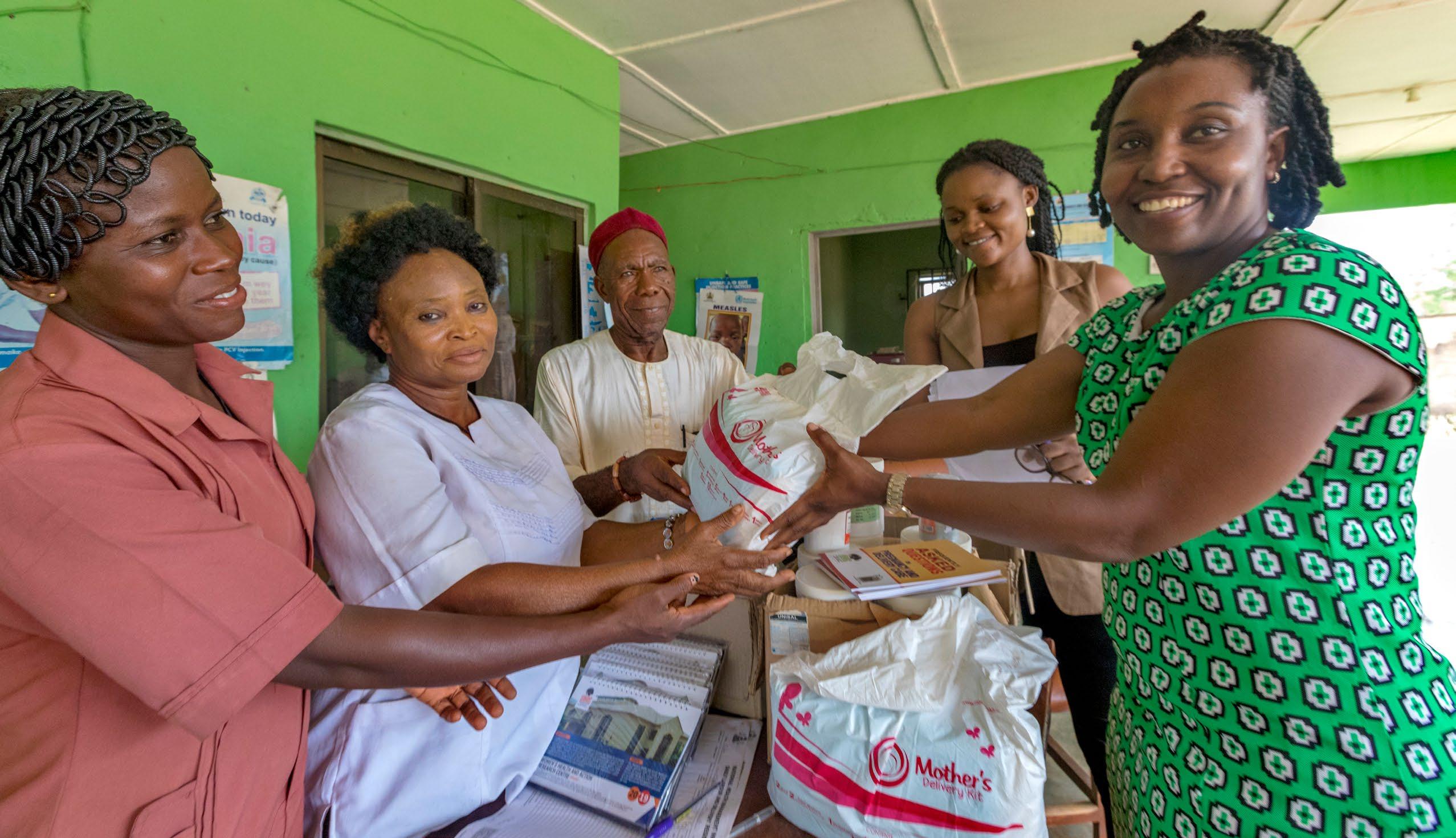
• GEI is most sustainable when driven by member institutions themselves. Internal ownership shifts an externally funded agenda to a selfreinforcing institutional priority.
• Institutionalization matters more than commitment. Integrating gender into governance structures, rules, and workflows converts GEI from policy intention into operational reality, making it resistant to political or funding shifts.
• Sex-disaggregated data is not just technical, it redistributes decision-making power by making inequality visible, measurable, and therefore governable, shifting policy from assumptions to evidence.
• Deep, member-driven ownership can protect priorities even amid global backlash. Funding diversification moves beyond a financial strategy to become a form of mission safeguarding, enabling moments of external regression to be leveraged as opportunities to strengthen positioning and scale leadership, especially when others retreat.
• Positioning GEI as an economic growth and financial stability issue elevates it from a social objective to a core macro-financial concern, increasing political urgency and institutional buy-in.
• Leadership enables translation not just direction. High-level advocacy converts technical agendas into strategic priorities and ensures implementation within core decision-making structures.
• GEI becomes most effective when treated as a system-wide reform (data + governance + accountability) rather than isolated interventions, creating reinforcing feedback loops.
• Financial institutions are ecosystem actors. A key transformation is the shift from institutions as service providers to ecosystem shapers, where they influence markets, private-sector behaviour, and broader financial structures.
• External alignment accelerates internal change. Global frameworks and partnerships do not drive change alone but reduce resistance, provide legitimacy, and accelerate adoption by aligning incentives across actors.
Sparking Change:
Exploring organizational change around GEI among IDRC’s research partners
Learn more at idrc-crdi.ca
The Sparking Change Synthesis report is available in English and French: https://issuu.com/idrc_crdi/docs/sparking_change_report_en_ https://issuu.com/idrc_crdi/docs/declencherlechangement_rapport_fr_