The Home News




By HOME NEWS STAFF
Feeling sluggish isn’t always a sign that you need more caffeine. It’s often a clue that your body needs better fuel. The foods you choose each day play a big role in how steady and sustainable your energy levels feel.
Whole, nutrient-dense foods provide long-
lasting energy without the crash. Complex carbohydrates like whole grains, oats, fruits and vegetables break down slowly, keeping blood sugar stable. Pairing them with protein from sources like eggs, beans, yogurt or lean meats helps you stay full and focused longer. Healthy fats, such as those found in avocados, nuts and olive oil, also support sustained energy and brain function.
Alternatively, heavily processed foods and sugary snacks can lead to quick spikes in energy followed by an even faster crash. While they may feel helpful in the moment, they often leave you feeling more tired and unfocused shortly after.
Office Location: 255E S. Best Ave. (Rt. 145), Walnutport, PA 18088
Phone: 610-923-0382 • Fax: 610-923-0383
E-mail: AskUs@HomeNewsPA.com
Paul & Lisa Prass - Publishers
Savannah Brown - Associate Publisher & Editor
Tony Pisco - Art Director

Danielle Tagliavia - Delivery Driver & Marketing Advisor
Hydration matters too. Even mild dehydration can cause fatigue, headaches and difficulty concentrating. Drinking water consistently throughout the day supports circulation and nutrient delivery, helping your body run more efficiently.
Eating for energy doesn’t require strict rules—just mindful choices. By focusing on balanced meals, limiting added sugars and staying hydrated, you can fuel your body in a way that keeps you energized, alert and ready for the day ahead.

(StatePoint)
Living to be 100 may sound extraordinary, but research suggests it’s more achievable—and enjoyable—than many people think. Studies show the majority of centenarians rate their health as good, and large numbers of people in this age group are mobile, active and optimistic.
According to the American Medical Association, adopting these seven habits can improve longevity and quality of life:

1. Eat healthy: Think of food as medicine. Choose nutritious, whole foods. Eat more fruits that are dark in color (blue, purple and red) to get the most nutrients, as well as fiber-rich vegetables, especially non-starchy vegetables such as broccoli, carrots and leafy greens. Incorporate whole grains, nuts, seeds, lean meats and fish. Drink more water, or as an alternative, flavored or sparkling water with no added sugar.
Reduce your intake of sugar-sweetened beverages and unhealthy ultra-processed foods, especially those with added sodium and sugar. Drinking sugary beverages, even 100% fruit juices, is associated with a higher mortality risk, according to a study published in JAMA Network Open. Eat fewer processed meats, which tend to be high in fat and heavy on added salt and preservatives. Limit your intake of refined grains, such as breads, crackers, baked goods and white rice. Drink less alcohol.
2. Exercise: Adults should aim for at least 150 minutes of moderate-intensity activity or 75 minutes of vigorous-intensity activity weekly. A recent study published in JAMA found that putting down the television remote and walking can improve healthy aging, highlighting the importance of small everyday habits.
3. Get enough sleep: Adequate sleep improves memory, reduces stress, improves mood and primes the body’s natural defenses against disease. But sleep quality decreases with age. Improve your sleep quality by setting a regular bedtime and wake-up time, insulating your bedroom against noise, avoiding exercise within an hour of bedtime, maintaining a cool and dark bedroom and limiting fluids within two hours of bedtime. Also avoid alcohol before bedtime and make your bedroom a tech-free zone as screenContinued on Page 5

Continued from Page 4 time can impact your ability to fall asleep and stay asleep.
4. Live with purpose: A sense of purpose can lead to increased energy, motivation, emotional stability and resilience. Take time for selfreflection and try meditation or yoga. Prioritize your values and beliefs and put them into action toward a goal that’s meaningful to you and benefits others.
5. Stay positive: To bust stress, take a break from decisions, connect with others, pet your dog or cat, write a to-do list (stick to three items), take time to recharge, laugh, sing, curb clutter, set boundaries, perform mindfulness exercises, practice gratitude and seek help from a professional when stress becomes overwhelming.
6. Stay connected: Research shows that having social connections is a significant predictor of longevity and better physical, cognitive and mental health, while social isolation and loneliness are significant predictors of premature death and poor health. Unfortunately, there is a nationwide loneliness epidemic that medical experts consider a major public health concern. Combat loneliness with social clubs and community groups, or by
taking up a hobby, learning something new or volunteering. If you’re struggling with loneliness, reach out to a professional, your doctor, family member or friend. You can also call the 988-crisis helpline for support
7. Get screened: Schedule preventive care, tests and health screenings to help your doctor spot certain conditions before they become more serious. Your doctor can recommend needed tests based on your age, gender and health conditions, including colonoscopies, mammograms, gynecological and prostate exams, and vision screenings.
For more resources on staying healthy, visit http://www.ama-assn.org.

Sports & Eyeglass Specialist •Eye Examinations •Contact Lenses



Authorized Dealer


The Certified Senior Advisors at CarePatrol of the Lehigh Valley & Upper Bucks are dedicated and committed to finding optimal choices for seniors transitioning into senior living.
Our experienced and empathetic team offers expert guidance to families navigating the complexities of transitioning into senior living. We specialize in identifying the safest and most suitable senior care options, including In-Home Care and organized tours of Independent Living, Assisted Living and Memory Care Communities.
At CarePatrol, we prioritize your family’s peace of mind and ease of transition. Our personalized support and trusted senior care advisory are offered at no cost to you, ensuring the safety, happiness and well-being of your elder loved one.
Community partners since 2014.
Our trusted experts are here to help find the Right Care Option
LehighValley.CarePatrol.com 610-509-0445 / 610-509-7050
By SAVANNAH BROWN
As we age, our skin tells the story of our lives— sunny days, sleepless nights, stress, laughter and time itself. Wrinkles, uneven texture and changes in tone are a normal part of that story, yet many people wonder which changes are expected, and which may signal something more. Understanding what’s normal can help reduce anxiety and guide smarter skincare choices.


Wrinkles are one of the most common and visible signs of aging. Fine lines often appear first around the eyes and mouth, areas where the skin is thinner and moves more frequently. These lines are largely due to natural collagen and elastin loss that begins as early as our 20s and gradually increases with age. Sun exposure accelerates this process, making wrinkles deeper and more pronounced over time. In most cases, wrinkles—whether fine lines or deeper creases— are completely normal and not a sign of poor skin health.
Changes in skin texture are also common. Skin may feel rougher, drier or less firm than it once did. This happens as cell turnover slows and oil production decreases, especially after midlife. Mild unevenness, enlarged pores and a slightly crepey appearance are typical age-related changes. Seasonal dryness, dehydration and harsh skincare products can temporarily worsen texture, but these issues are usually manageable with gentle care and proper hydration.
Pigmentation changes are another normal shift. Age spots, sunspots and uneven skin tone often develop after years of sun exposure. While these marks are usually harmless, any sudden changes in color, size or shape—especially dark or irregular spots—should be checked by a Continued on Page 7

Continued from Page 6
medical professional to rule out skin cancer or other conditions.
So, what’s not normal? Persistent redness, itching, bleeding, scabbing or sores that don’t heal deserve attention. Sudden changes in texture, rapid wrinkling or severe dryness may signal underlying issues such as hormonal imbalances, chronic inflammation or skin conditions like eczema or rosacea. Likewise, acne-like breakouts later in life that don’t respond to basic care may need professional evaluation.
It’s also important to separate normal aging from unrealistic beauty standards. Filters, heavy editing and aggressive marketing can make natural skin changes seem like flaws rather than expected transitions. Healthy skin doesn’t mean wrinkle-free skin—it means skin that functions well, feels comfortable and protects your body.
Caring for aging skin doesn’t require extreme measures. Consistent sun protection, gentle cleansing, moisturizing, good nutrition, hydration, quality sleep and stress management all support skin health. Professional treatments can be helpful for some, but they’re personal choices—not necessities.
Wrinkles, texture and change are signs of living, not something to fear or “fix.” Knowing what’s normal empowers you to care for your skin with confidence, recognize when something needs attention and appreciate the beauty of skin that reflects a full, evolving life.
By SAVANNAH BROWN
When it comes to long-term health, dramatic overhauls aren’t usually what make the biggest difference. In fact, it’s the small, consistent choices we make every day that quietly shape how we feel years down the road. These simple habits don’t require special equipment, extreme discipline or a packed schedule—just a little intention.
Here are 10 daily choices that can have a lasting impact on your overall health.
1. Drink water first thing.
Starting your day with a glass of water helps kickstart hydration, supports digestion and can boost energy levels before caffeine even enters the picture.
2. Move your body—even briefly. A short walk, gentle stretching or a few
minutes of movement improves circulation, supports joint health and reduces stiffness. Every bit counts.
3. Eat with balance, not perfection.
Prioritizing whole foods like fruits, vegetables, lean proteins and healthy fats help support heart health, digestion and stable energy levels.
4. Get consistent sleep.
Quality sleep helps regulate hormones, strengthen immunity and support mental clarity. Going to bed and waking up at similar times each day makes a big difference.
5. Manage stress in small ways.
Deep breathing, quiet moments or stepping outside for fresh air can help lower stress levels and protect both mental and physical health.
6. Protect your skin.
Daily sun protection isn’t just about appearance—it helps prevent skin damage and lowers the risk of skin cancer over time.
7. Practice good posture.
Sitting and standing with proper alignment reduces strain on muscles and joints, helping prevent chronic pain and fatigue.
8. Check in with your body.
Noticing changes like lingering pain, fatigue or mood shifts can help catch health issues early, when they’re easier to manage.
Continued on Page 8
jacqueline.leclaire@gmail.com
• Stop Smoking/Lose Weight with Hypnosis
• Esogetic Colorpuncture
• Intuitive/Angel Card & Mediumship Readings
• Past Life Regression
• Hypnotherapy & Reiki Certifications
• Integrative Energy Therapy/ Holy Fire Reiki
• Life & Mindset Coaching

Owner Jacqueline LeClaire has been a Holistic Lifestyle Coach for over two decades.
She is certified in:
• Hypnotherapist and Master Trainer
• Usui Reiki Master and IE T Practitioner (Integrative Energy Healing)
• Esogetic Colorpuncture Practitioner
• Yoga Instructor and Personal Trainer
Jacqueline is a hypnotherapist certifier with the International Association of Counselors and Therapists. She also certifies in all levels of Reiki.

Continued from Page 7
9. Stay connected.
Maintaining social connections supports emotional well-being and has been linked to lower stress, improved immunity and longer life expectancy.
10. Be kind to yourself.
Self-compassion reduces stress and supports mental health. Progress, not perfection, is what keeps healthy habits sustainable.
Long-term health isn’t built overnight. It’s shaped slowly, through everyday moments and repeated choices. By focusing on small, manageable habits, you create a foundation that supports your body and mind for years to come—one day at a time.


For the millions of Americans touched by Alzheimer’s disease, 2025 brought major advances in understanding of brain health and progress in diagnosis and treatment. Here are the year’s biggest advances, along with how you can take action with this knowledge in 2026:
1) A structured plan can sharpen brain health. In a major U.S. clinical trial of older adults at risk for cognitive decline, two healthy lifestyle plans in the Alzheimer’s Association’s U.S. POINTER study improved memory and thinking skills over two years. Both interventions included exercise, brain-healthy nutrition, cognitive training and heart health monitoring. However, participants in a highly structured program that also included regular coaching and peer support showed significantly greater brain health gains, demonstrating that when brain-healthy habits are organized and supported, people stick with them and thinking skills benefit.
Next steps for families: Start small but structured: aim for 150 minutes of weekly exercise of at least moderate intensity, Mediterraneanstyle meals, 7–8 hours of sleep per night, and 2–3 short brain-training sessions each week. Put goals on a shared calendar, find an exercise or brain-health buddy, and schedule regular checkins with your clinician or healthcare professional.
2) Simple blood tests can help spot changes earlier. In 2025, the U.S. Food and Drug Administration (FDA) cleared two blood tests that detect Alzheimer’s-related brain changes, offering a less invasive, less expensive option for those experiencing memory changes to support diagnosis and potentially reduce the need for PET scans or spinal taps. Blood tests are not stand-alone diagnostic tools, but their use can help guide next steps for testing, treatment and planning. The Alzheimer’s Association has developed clinical guidelines to help specialists determine when to use blood tests alongside established “gold standard” tests and clinical judgment.
Next step for families: Ask your health care team whether an Alzheimer’s blood test makes sense for you or a loved one, and how your results would affect lifestyle and health care plans. If they recommend testing, ask them to refer you to a specialist who can explain the results and next steps.
3) Americans want to know and act sooner. A recent Alzheimer’s Association national survey
A woman-owned novelty shop in the Lehigh Valley, created to nourish mind, body, home, and spirit. Wander among candles, crystals, jewelry, selfdevelopment books, oracle and tarot decks, and thoughtfully curated magical tools designed to bring a little enchantment into everyday life. Come for a gift, a ritual, or a moment of calm and leave feeling comfy, cozy, and magical.




Continued from Page 9
of adults 45 and older found most want to learn early if they have Alzheimer’s before symptoms impact their lives, and 9 out of 10 would take a simple test, if available, to clarify next steps. Nearly 3 in 5 respondents said they would accept a moderate or high level of risk to take medication that could slow the disease’s progression.
Early awareness unlocks time to live healthfully, organize support, consider treatment options, and plan finances and care preferences.
Next step for families: Bring your top concerns, what’s changed (memory, mood, function), and goals for the next three months to your next appointment.
4) Treatment can be easier to take. The August 2025 FDA approval of Leqembi for delivery via weekly subcutaneous injections may ease treatment for some patients. Those who complete initial infusion treatments as directed for 18 months can now receive their subsequent weekly treatment using at-home autoinjectors.
Fewer infusion clinic visits can mean less travel and lower caregiver burden, making it easier to stick to treatments for eligible patients. Decisions depend on eligibility, monitoring requirements,
side-effect profile and your clinician’s judgment. The Alzheimer’s Association encourages clinician participation in ALZ-NET, a nationwide program collecting real-world data on Alzheimer’s treatments.
Next step for families: If treatment is on the table, ask whether at-home injections might be an option after the initial phase, and what monitoring you’d still need.
5) A new clinician hub helps care teams stay current. When clinicians have fast access to evidence-based resources, patients get clearer answers and more consistent care. The new centralized professional portal, ALZPro, launched by the Alzheimer’s Association, now curates practice guidelines, professional training and point-of-care tools for earlier detection, appropriate test use, treatment eligibility and safety monitoring.
Next step for families: Let your health care professional know that the Alzheimer’s Association has new research, training and support materials for professionals.
For information, support, research and public policy, visit The Alzheimer’s Association at alz.org or call 800.272.3900.
From new diagnostic tools and treatments to proven lifestyle plans, major advances in Alzheimer’s in 2025 can change how you manage the disease in 2026.


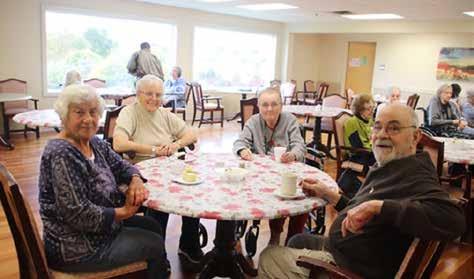
Life is better when you share it with others! At Traditions of Hanover, you’ll find plenty of things to do and plenty of new friends to share everyday moments—from shared meals and group activities to social events and volunteer projects— all in a vibrant community that chooses joy every day.
To arrange a tour, call Megan at 610-674-0573 or email msedlock@traditionsofhanover.com.
PA 18017






In Northampton County, neighbors care for each other. At Lehigh Valley Hospital–Hecktown Oaks, we do the same. Our clinicians aren’t just experts in advanced treatments and technology, they’re also experts in caring for neighbors, families and friends. Discover care that is truly dedicated to you.