


By SAVANNAH BROWN
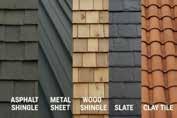
Replacing a roof is one of the largest investments a homeowner will make, and choosing the right material can have long-term impacts on cost, durability and appearance. From budgetfriendly asphalt shingles to premium slate, each option offers advantages and trade-offs that homeowners should carefully consider.
In Pennsylvania and across the Northeast, climate is a major factor. Snow, ice and frequent freeze-thaw cycles can accelerate wear, making durability and proper installation especially important.
Asphalt shingles remain the most common.
Asphalt shingles continue to be the most widely used roofing material in residential construction, largely due to their affordability and ease of installation.
Typically lasting between 15 and 30 years, asphalt shingles are available in a wide range of colors and styles. They are relatively simple to repair and replace, making them a practical choice for many homeowners.
However, they have a shorter lifespan than other materials and can be vulnerable to high winds and severe weather.
Metal roofing offers long-term value.
Metal roofing has grown in popularity in recent years, particularly among homeowners planning to stay in their homes long term.
With a lifespan of 40 to 70 years, metal roofs are known for their durability and resistance to fire and extreme weather. They also reflect sunlight, which can help reduce cooling costs during warmer months.
While the upfront cost is higher than asphalt, the long lifespan and low maintenance requirements can offset the initial investment over time. Some

homeowners note that metal roofs can be noisier during rainstorms, though proper insulation can minimize the effect.
Tile roofs provide durability and style.
Clay and concrete tile roofs are often found on higher-end homes and offer a distinctive appearance along with exceptional longevity, often lasting 50 years or more.
These materials are highly durable and fireresistant, but they are significantly heavier than other options. In some cases, additional structural support may be needed before installation. The cost is also considerably higher than asphalt or metal roofing.
Wood shingles offer a natural look.
Wood shingles and shakes are valued for their natural, rustic appearance and are commonly used on historic or traditional-style homes. They typically last 20 to 30 years and provide good insulation, but they require more maintenance than other materials. Untreated wood also poses a higher fire risk, although

255E S. Best Ave. (Rt. 145), Walnutport, PA 18088
Phone: 610-923-0382 • Fax: 610-923-0383
E-mail: AskUs@HomeNewsPA.com
Continued from page 3
treated options are available.
Slate remains a premium option:
Slate roofing is considered one of the most durable and long-lasting materials available, with a lifespan that can exceed 100 years.
Often seen on historic or upscale homes, slate offers a classic appearance and excellent resistance to fire and weather. However, it is among the most expensive roofing options and requires specialized installation due to its weight and fragility during handling.
Choosing the right material:
Selecting the best roofing material depends on several factors, including budget, how long the homeowner plans to stay in the house and the desired appearance.
Asphalt shingles are often the best choice for those seeking an affordable, reliable option. Metal roofing appeals to homeowners looking for long-term durability and energy efficiency. Tile and slate provide high-end aesthetics and longevity but come with higher costs.
Local considerations matter:
In colder climates like Pennsylvania, roofing materials must be able to withstand snow loads
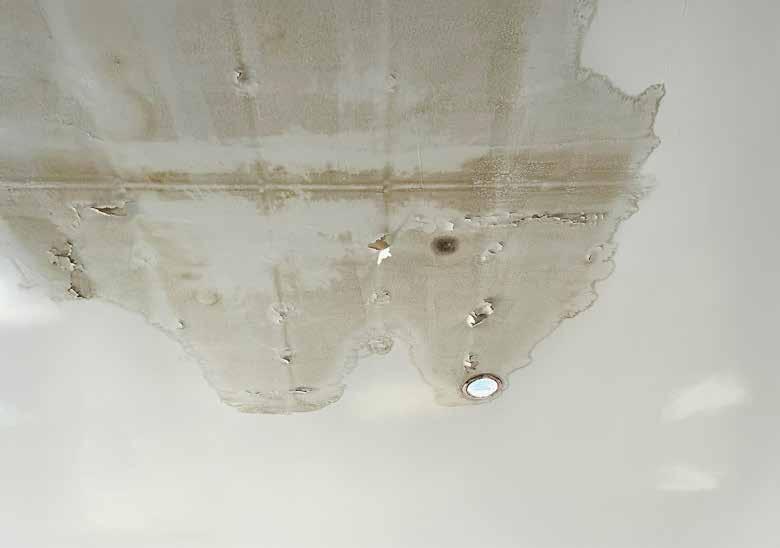
and prevent issues such as ice dams, which can cause water damage if not properly managed.
Proper ventilation, insulation and installation are just as important as the material itself. Experts emphasize that even the highest-quality roofing products can fail prematurely if installed incorrectly.
“A roof is only as good as its installation,” is a common refrain among industry professionals. Beyond shingles:
A roofing system includes more than just the visible outer layer. Components such as underlayment, flashing, ventilation and drip edges all play critical roles in protecting a home from water infiltration and structural damage.
Homeowners are encouraged to work with licensed and insured contractors, obtain multiple estimates and ensure all aspects of the roofing system are addressed during replacement.
With the right material and proper installation, a new roof can provide decades of protection, while enhancing a home’s value and curb appeal.




Keeping your garden healthy doesn’t require strong chemical pesticides. With the right approach, you can manage common pests naturally while protecting pollinators, pets and your soil.
1. Start with prevention: Healthy gardens are far less attractive to pests.
• Choose disease-resistant plants
• Rotate crops each season
• Space plants properly for airflow
• Remove dead or diseased plant material promptly
• Water at the base to avoid fungal issues
Why it matters: Strong plants can better withstand minor pest damage without intervention.
2. Invite beneficial insects: Not all bugs are bad—many are your best defense.
• Ladybugs eat aphids
• Lacewings target soft-bodied pests
• Praying mantises control a variety of insects
• Bees and butterflies support pollination
Tip: Plant dill, fennel, yarrow, marigolds and other pollinator-friendly flowers.
3. Use natural sprays and remedies: Simple, homemade solutions can be very effective.
• Neem oil: Controls aphids, mites and fungal
issues
• Insecticidal soap: Safe for most plants and targets soft-bodied insects
• Garlic or pepper spray: Repels many chewing pests
Tip: Apply early morning or evening to avoid harming beneficial insects.
4. Hand-picking and physical removal: It’s low-tech, but it works.
• Remove caterpillars, beetles and egg cluster by hand
• Spray pests off plants with a strong stream of water
• Drop insects into a bucket of soapy water
Best for: Small gardens or early infestations.
5. Create physical barriers: Keep pests away before they become a problem.
• Row covers protect young plants
• Garden netting keeps out deer and birds
• Copper tape deters slugs and snails
• Collars around stems prevent cutworms
6. Companion planting: Some plants naturally repel pests or attract beneficial insects.
• Basil near tomatoes helps deter hornworms
Continued on page 7
• Ticks can transmit serious diseases such as Lyme disease, Ehrlichiosis and Anaplasmosis.
• March marks the start of peak tick season (March–May), when adult ticks and nymphs actively seek hosts.
• Flea/Tick & Heartworm preventatives should be given year-round
Prevention tips:
• Avoid tick-prone areas.

• Check pets daily for ticks, including under the collar, in ears, & between toes.
• If you see signs of Lyme disease, contact your veterinarian ASAP!
• Signs of Lyme disease in dogs: fever, loss of appetite, pain, sudden lameness or signs of


• Signs of Lyme disease in cats: fever, loss of appetite, pain, stiffness, lameness, fatigue, sudden collapse, or trance-like behavior.
• Do not use home remedies such as petroleum jelly or touching the rear of the tick with a match, to remove ticks. This can cause the tick to salivate and increases the risk of transmitting disease.
• Ask your veterinarian about the Lyme disease vaccine for dogs. arthritis, fatigue, or swollen joints or lymph nodes.




Continued from page 6
• Marigolds can reduce nematodes
• Nasturtiums attract aphids away from vegetables
• Chives and garlic deter certain insects
7. Target specific pests naturally: Different pests require different approaches.
• Slugs/snails: Beer traps or crushed eggshell barriers
• Aphids: Spray with water or insecticidal soap
• Japanese beetles: Hand-pick early in the morning
• Cabbage worms: Use row covers or remove manually
8. Keep it balanced: A few pests are normal and even beneficial.
• Avoid trying to eliminate all insects
• Monitor regularly instead of reacting too late
• Focus on control, not perfection
Natural pest control is about working with your garden, not against it. With consistent care and a watchful eye, you can protect your plants while keeping your outdoor space safe, sustainable and thriving.









If you’re new to houseplants or just want greenery without the hassle, these forgiving plants thrive on minimal care and are perfect for busy households.
Snake Plant (Sansevieria)
• Tolerates low to bright light and irregular watering
• Needs watering every 2–3 weeks
• Helps improve indoor air quality
• Great for bedrooms and offices
Why it’s great: Nearly impossible to kill.

Watch out: Overwatering is the fastest way to kill it.
Pothos (Devil’s Ivy)
• Grows in almost any light
• Tells you when it’s thirsty (leaves droop)
• Can trail or climb beautifully
• Fast-growing and very

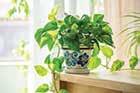
forgiving
• Great for shelves and hanging pots
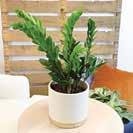
Watch out: Too little light can make it leggy. ZZ Plant (Zamioculcas zamiifolia)
• Thrives in low light
• Needs very little water
• Water every few weeks
• Resistant to most pests
Best for: Busy households and offices
Watch out: It prefers to be ignored, so don’t fuss over it.
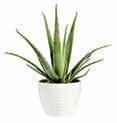
Aloe Vera
• Loves bright, indirect sunlight
• Water sparingly (every few weeks)
• Gel can soothe minor burns
Best for: Sunny windowsills and kitchens
Watch out: Too much water
Continued on page 10







Join us for our much-anticipated opening weekend, May 2-3!
We’ll have hundreds of varieties of healthy vegetable starter plants, colorful annuals, beautiful hanging baskets, and ready-to-go planters — everything you need to kick off a successful garden this season.
While you’re here, stop by the barnyard to say hello to our friendly sheep, fluffy alpacas, and playful goats. Don’t miss this year’s adorable cuddly lambs — perfect for kids and adults alike!
Come for the plants … stay for the smiles and fresh air!
For more information and to see what we’re growing, visit our website or follow us on facebook @mistyvalleyfarminc.
Continued from page 8 causes root rot quickly.
Spider Plant
• Adapts to most light conditions and environments
• Easy to propagate
• Produces baby plants you can replant
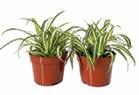
• Very forgiving with watering
• Tolerates occasional neglect

Best for: Hanging planters and bright rooms
Watch out: Brown tips can mean inconsistent watering.
Peace Lily
• Tolerates low light
•Dramatically droops when it needs water
• Improves indoor air quality
• Produces elegant white blooms

Best for: Living rooms and shaded spaces
Watch out: Don’t let it stay dry too long.
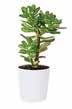
Jade Plant
Best for: Sunny spots and desks
Watch out: Needs good drainage to thrive.
Succulents
• Require very little watering
• Thrive in bright light
• Come in many shapes and colors
Why it’s great: Low care and visually interesting.
Common beginner mistakes and how to avoid them
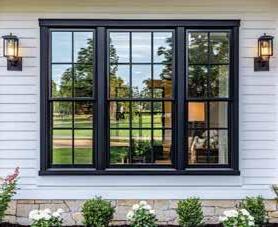
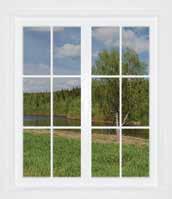
Insulation pane windows only have one they’re not as good as double insulating your home from and temperatures. If you live with temperate weather, then fine opting to save money windows. However, if you’re noise and other external the comfort of your home, you go with double pane, though note that even a double pane going to be able to completely outside noise and temperatures.
Let’s start with cost, since that’s definitely going to be one of the primary deciding factors when you’re choosing between single pane or double pane windows. According to HomeAdvisor, the initial purchase and installation cost of a single pane window is about $50 to $75 per window, while a double pane window runs closer to $350 to $400 per window.
• Loves bright light
• Requires little, infrequent water
• Long-lasting and slow-growing

Because single pane windows only have one layer of glass, they’re not as good as double pane windows at insulating your home from outside noises and temperatures. If you live somewhere quiet with temperate weather, then you may be just fine opting to save money with single pane windows. However, if you’re concerned about noise and other external factors affecting the comfort of your home, you should probably go with double pane, though it’s important to note that even a double pane window isn’t going to be able to completely block out all outside noise and temperatures.
• Overwatering: Most houseplants die from too much water, not too little

• Ignoring drainage: Always use pots with drainage holes
Energy Efficiency loss through windows is 25 to 30 percent of a home’s cooling usage. With that in mind, why double pane windows, with insulation due to an extra pane of option for a layer of insulating, are a good option for reducing This reduction in heat gain and hundreds of dollars a year, offsetting the cost of purchasing and double pane windows in the first

• Giving up too quickly: Plants take time to adjust—be patient
Simple rules for success
• Water only when the top inch of soil is dry
• Wrong light placement: Match plants to your home’s light conditions
• Doing too much: Constant moving, watering or repotting stresses plants
Double pane windows certainly require a larger upfront investment. That being said, they’re often recommended because of the advantages they provide—including cost savings later on related to better energy efficiency. Double pane vinyl or wood-framed windows are said to reduce energy usage by as much as 24 percent in cold climates during the winter and up to 18 percent in warm climates in the summer when compared to single pane windows. To get those savings though you’ll have to make a pretty major investment, since it will require that all of the windows in your home are double pane and not just a few of them.
• Start with 2–3 plants, not a whole jungle
Heat gain and loss through windows is responsible for 25 to 30 percent of a home’s heating and cooling usage. With that in mind, it’s easy to see why double pane windows, with their added insulation due to an extra pane of glass and the option for a layer of insulating, non-toxic gas, are a good option for reducing energy waste. This reduction in heat gain and loss can save you hundreds of dollars a year, over time offsetting the cost of purchasing and installing the double pane windows in the first place.
• Pay attention to your plant’s signals (drooping, yellowing, etc.)
• Keep it simple—consistency beats perfection
Single Pane Windows with Double Pane windows are pretty much newer homes, including new builds. If you’re living in or have purchased an older home though and haven’t been replaced recently, chance they’re single pane. homeowners and renovators have limited with, and need to decide if double pane windows are going
Double pane windows are pretty much standard now in newer homes, including new construction builds. If you’re living in or have recently purchased an older home though and the windows haven’t been replaced recently, there’s a good chance they’re single pane. Most homeowners and renovators have limited budgets to work with, and need to decide if single pane or double pane windows are going Should You Go For a SinGle
Continued on Page 14
Pet safety note: Some popular houseplants (like snake plants, pothos and peace lilies) can be toxic to cats and dogs if ingested. If you have pets, consider safer options like spider plants or consult your vet before bringing new plants home.
Final thought
The secret to houseplants isn’t a green thumb— it’s choosing the right plants and avoiding the most common mistakes. Start with these beginner-friendly options, and you’ll build confidence (and a thriving indoor garden) in no time.
By KERI LINDENMUTH
Creating a safe home for pets goes beyond toys, treats and lots of cuddles (though they’re important too!). Whether you’re bringing home a new furry friend or looking for ways to make your space more comfortable for your aging, fourlegged companion, there are simple steps you can take to create a home that is safe, comfortable and still feels like your own.
For puppies & kittens:
Adding a new pet to your family is exciting, but before your puppy or kitten arrives, it’s important to make sure their environment is safe. Here are some essential tips:
● Keep medications & cleaning supplies out of reach: Pet-proof your home by storing toxic materials like medications and cleaning products on high shelves or in locked cabinets. Puppies, in particular, love chewing on plastic lids and bottles.
● Secure doors and windows: As the weather warms up, we tend to open windows more often. Make sure all of them have secure screens and aren’t open wide enough for a curious puppy or kitten to squeeze through.
● Watch for choking hazards: While your floors may already be covered with pet toys, young animals are often drawn to non-toys like coins, paper clips, hair ties and shoelaces. Keep small items picked up and out of reach.
● Remove toxic plants: Some popular houseplants, like lilies and snake plants, can be dangerous for pets. Instead, opt for petsafe options such as African violets, calathea, phalaenopsis orchids or spider plants.
● Hide electrical cords, blind cords, and fringed rugs: Teething puppies may chew on cords, creating a risk of choking or electrocution. Cats are also drawn to dangling strings. Keep cords tucked away and consider replacing fringed rugs with flat, machine-washable options. (Bonus: darker colors help hide potty-training accidents.)
● Protect your floors: If you have hardwood floors, sealing them with polyurethane can help prevent odors from soaking in during potty training. If you’re installing new flooring,
Continued on page 12




Continued from page 11
consider easy-to-clean options like tile, sheet linoleum or laminate.
● Make mealtime easier: Our furry friends can be messy eaters at any age! Place an absorbent mat or placemat under their food and water bowls to catch spills and make cleanup easier.
And while we spend a lot of time and effort pet-proofing our home, we can sometimes forget about the dangers our own backyards may pose.
● Keep grass and brush trimmed: Ticks are more likely to hide in long grass, so regular yard maintenance helps reduce exposure.
● Fence in your yard and pool: If possible, install fencing to prevent your puppy from wandering into the street. Pools should also be fenced off, as they can pose a serious safety risk.
● Remove toxic outdoor plants: Common plants like daisies, geraniums, daffodils, holly, hydrangeas and lilies can be harmful to dogs. Consider replacing them with pet-safe alternatives like marigolds, sunflowers, magnolia bushes, basil and rosemary.
For senior pets:
Our beloved senior pets may need a few extra adjustments to keep your home safe, comfortable and easy to navigate as they age.
● Use non-slip rugs or mats: Hardwood and linoleum floors can be slippery, increasing the risk of falls and injury. Place non-slip rugs or mats near doorways, beds, favorite resting spots and food areas to give your pet better traction.
● Use pet gates for safety: While gates are often used to contain puppies, they’re just as helpful for senior dogs. Use them to block off potentially dangerous areas like stairs.
● Make furniture easier to access: Senior pets still love to snuggle, but jumping onto beds or sofas can become difficult. Pet stairs or ramps can help them safely reach their favorite spots.





It’s also best to avoid rearranging furniture too often, as changes can confuse pets experiencing vision loss or cognitive decline.
● Keep food and water within easy reach: Ensure your pet’s food and water bowls are easily accessible. Placing an additional water bowl near their bed can encourage hydration without requiring them to walk as far.
● Choose accessible litter boxes: For senior cats, use litter boxes with lower sides or add a ramp to make entry and exit easier.
● Maintain a comfortable temperature: Older pets are more sensitive to the cold, so keep your home comfortably warm and provide cozy resting areas.
● Provide plenty of supportive resting spots: Make sure your pet has multiple soft, comfortable beds in quiet, easily accessible areas throughout your home.
● Create easy access to outdoor areas: If your dog needs frequent bathroom breaks, make sure the path outside is clear and easy to navigate. Ramps or small steps can help if there are stairs at entryways.
From their playful beginnings to their golden years, our pets are part of the family. Like any loved one, we want them to feel safe, comfortable, and happy at home. A few small changes can make a big difference in their well-being. By adapting your space to meet their needs at every life stage, you can help ensure a happier, healthier life for your furry companion.



You don’t need a full renovation to give your kitchen a fresh, updated look. These simple, affordable upgrades can make a big impact without breaking the bank.
1. Paint cabinets instead of replacing them: A fresh coat of paint can completely transform dated cabinets.
Tips:
• Use light, neutral colors for a bright, modern feel
• Don’t skip sanding and priming for a smooth finish
• Consider two-tone cabinets (darker lowers, lighter uppers)
Why it works: Dramatically updates the space at a fraction of replacement cost.
2. Update hardware: Swapping out knobs and pulls is quick and inexpensive.
Popular finishes:
• Matte black
• Brushed nickel
• Warm brass
Why it works: Small details make cabinets look brand new.

3. Improve lighting: Better lighting can completely change the feel of your kitchen.
Easy upgrades:
• Replace outdated fixtures
• Add stick-on or plug-in under-cabinet lighting
• Use brighter, warm LED bulbs
Why it works: Makes the space feel cleaner, larger and more inviting.
4. Add a peel-and-stick backsplash: A backsplash upgrade doesn’t have to involve tile and grout.
Options:
• Subway tile styles
• Mosaic patterns
• Modern geometric designs
Why it works: Adds texture and visual interest with minimal effort.
5. Refresh countertops (without replacing): If new countertops aren’t in the budget, consider alternatives.
Ideas:
• Countertop paint kits
• Butcher block overlays for sections
• Contact paper for a temporary refresh
Why it works: Updates one of the most

Continued from page 14
noticeable surfaces in the kitchen.
6. Polish or replace the faucet: An outdated faucet can date the entire sink area.
• Replace with a modern style
• Or clean and polish existing fixtures
Why it works: A subtle upgrade that improves both function and style.
A kitchen refresh doesn’t require a major investment. With a few smart, budget-friendly changes, you can create a space that feels brighter, more modern and more enjoyable to use every day.

Beautiful things from the past
For beautiful homes in the present!
Vintage * Antique * Artisan
126 S. Chestnut St., downtown Bath
Open Saturdays and Sundays 12-5 pm



March-Nov., Tuesday 7 p.m.
Dryland UCC • 4415 Newburg Rd., Nazareth
Featuring educational gardening-related speakers
Annual membership $25
Visitors always welcome!
Annual Plant Sale May 30, 2026
Schoeneck Moravian Church from 9 am to 1 pm
Annual Flower Show Sept. 11 & 12, 2026
Schoeneck Moravian Church
FMI: Call Janet Farole 484-221-0047 nagcinfo@gmail.com

Nazareth Area Garden Club
Mr. Paver Construction is the top concrete contractor for driveways, walkways, patios and Custom Concrete Borders in the Lehigh Valley Area. We use the highest grade materials and modern equipment to deliver superior long lasting craftsmanship--Big or Small Jobs.



Many common plants and everyday household products can pose serious risks to cats and dogs. Knowing what to avoid and how to store things safely can prevent emergencies.

Toxic houseplants to watch for:
These popular plants can be harmful if chewed or ingested:
• Peace lily – can cause mouth irritation and drooling
• Pothos (Devil’s ivy) – toxic to cats and dogs
• Snake plant (Sansevieria) – may cause nausea and vomiting
• Aloe vera – harmful if eaten (despite human benefits)
• Sago palm – extremely toxic; even small amounts can be fatal
Tip: If you’re unsure about a plant, keep it out of reach or avoid it altogether.

Common household items that are dangerous:
Many everyday items can be just as dangerous as toxic plants:
• Cleaning products (bleach, disinfectants,
toilet cleaners)
• Antifreeze (has a sweet taste but is highly poisonous)
• Laundry pods & detergents
• Essential oils (especially tea tree, eucalyptus, peppermint)
• Human medications (pain relievers, antidepressants, etc.)
• Rodent poisons & insecticides
Toxic foods often found at home:
Even small amounts of these foods can be dangerous:
•Chocolate
• Grapes and raisins
• Onions and garlic
• Foods containing xylitol (sugar-free gum, candy, peanut butter)
• Alcohol
• Avocado (especially for some animals)
Warning signs of poisoning:
If your pet has been exposed, watch for:
• Vomiting or diarrhea
• Drooling or foaming at the mouth
• Lethargy or weakness
• Loss of appetite
• Seizures or tremors
Act quickly—contact your veterinarian or an emergency animal clinic right away.
How to keep your pets safe:
• Store chemicals in closed cabinets or high shelves
• Use pet-safe cleaning alternatives when possible
• Keep houseplants out of reach or choose petfriendly varieties
• Avoid leaving food unattended on counters
• Read labels before using new products
Pets are naturally curious, and even small exposures can be dangerous. A little prevention and knowing what to keep out of reach goes a long way in keeping your home both clean and pet-safe.

Whether you’re starting your first garden or refreshing your beds, these popular plants are reliable, beautiful and well-suited for Pennsylvania’s growing season.
Roses
Light: Full sun (6+ hours)
Water: Deep watering 1–2 times per week (more in heat)
Care tips:

• Water at the base to prevent disease
• Prune in early spring
• Fertilize regularly for strong blooms
• Watch for pests like aphids and Japanese beetles
Marigolds
Light: Full sun
Water: Light to moderate; about 1 inch per week
Care tips:

• Allow soil to dry slightly between watering
• Deadhead to encourage more blooms
• Easy to grow from seed
Tulips
Light: Full to partial sun
Water: Moderate; keep soil moist during growth, then reduce after blooming
Care tips:
• Plant bulbs in fall

• Ensure well-drained soil to prevent rot
• Do not overwater dormant bulbs
Sunflowers
Light: Full sun
Water: About 1 inch per week; more while establishing
Care tips:

• Water deeply to encourage strong roots
• Drought-tolerant once established
• Provide support for tall varieties
Hydrangeas
Light: Partial sun (morning sun, afternoon shade)
Water: Frequent; 2–3 times per week or more in heat
Care tips:
• Keep soil consistently moist but not soggy
• Mulch to retain moisture

• Avoid letting plants dry out completely
Hostas
Light: Shade to partial shade
Water: Moderate; about 1 inch per week
Care tips:
• Water more during hot, dry periods
• Avoid soggy soil
• Watch for slugs
Petunias
Light: Full sun
Water: Regular; may need daily watering in containers
Care tips:
• Keep soil evenly moist
• Fertilize for continuous blooms

• Trim back if plants become leggy
Tomatoes
Light: Full sun
Water: Deep watering 2–3 times per week (more during fruiting)
Care tips:

• Water consistently to prevent cracking and disease
• Avoid wetting leaves
• mulch to retain moisture
• Stake or cage plants for support
General watering guidelines:
• Most gardens need about 1 inch of water per week (rain + watering)
• Water early in the morning to reduce evaporation and disease
• Always water at the base of plants, not the leaves
• Check soil moisture before watering—don’t rely on a schedule alone
• Containers dry out faster and need more frequent watering
Watering is one of the most important and misunderstood parts of gardening. With the right balance, these popular plants will thrive and reward you with a vibrant, healthy garden all season long.

If you’re planning upgrades, focus on projects that deliver a strong return on investment (ROI) and broad buyer appeal. These renovations consistently add value, especially in markets like Pennsylvania where practicality and condition matter.
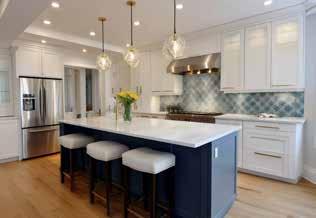
1. Kitchen upgrades: The kitchen is often the most important room to buyers.
• Replace or paint cabinets
• Upgrade countertops (quartz, granite or butcher block)
• Install modern appliances
• Add a backsplash
ROI insight: Minor kitchen remodels often return a high percentage of their cost compared to full gut renovations.
2. Bathroom remodels: Clean, updated bathrooms are a major selling point.
• New vanities and fixtures
• Updated tile or flooring
• Improved lighting
• Fresh caulk and grout
ROI insight: Even small bathroom updates can significantly boost perceived value.
3. Interior and exterior paint: One of the
most cost-effective improvements.
• Neutral interior walls
• Trim, doors and baseboards
• Exterior siding or shutters
ROI insight: Fresh paint makes a home feel well-maintained and move-in ready.
4. Curb appeal improvements: First impressions can influence a buyer before they step inside.
• Landscaping and lawn care
• New front door or updated entryway
• Exterior lighting
• Power washing siding and walkways
ROI insight: Strong curb appeal can increase perceived value and attract more buyers.
5. Energy-efficient upgrades: Buyers are increasingly focused on long-term savings.
• New windows
• Improved insulation
• Energy-efficient HVAC systems
• Smart thermostats
ROI insight: Lower utility costs make homes more attractive and marketable.
Continued on page 20

Continued from page 18
6. Flooring replacement: Worn or outdated flooring can turn buyers away quickly.
• Hardwood or engineered wood
• Luxury vinyl plank (LVP)
• Updated tile in kitchens and bathrooms
ROI insight: Consistent, modern flooring throughout the home adds a polished look.
7. Finished basement or added living space: Extra usable space increases a home’s functionality.
• Family room or entertainment space
• Home office
• Guest bedroom
ROI insight: More livable square footage typically increases home value.
8. Lighting and fixture updates: Outdated fixtures can age a home.
• Modern light fixtures
• Updated faucets and hardware
• Coordinated finishes throughout ROI insight: Small details help create a cohesive, updated feel.
9. Renovations to approach carefully: Not all upgrades guarantee a strong return.
• Overly personalized or luxury upgrades
• Removing bedrooms to expand other spaces
• High-end improvements in modest neighborhoods
The best renovations balance cost with broad appeal. Focus on clean, functional and modern updates that improve everyday living—those are the changes buyers notice most and are willing to pay for.