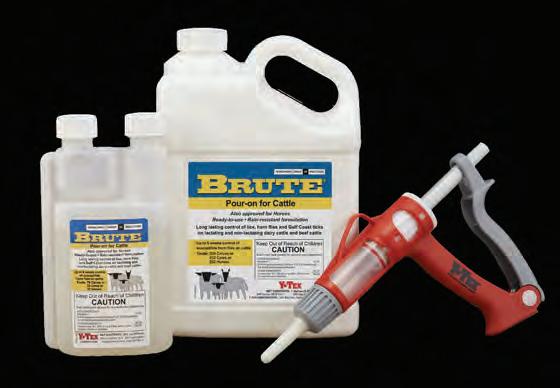
Save money on pest control with fast-acting, long-lasting BRUTE® Pour-on for Cattle.
Why waste money on high-priced IGR pour-ons when you can get all the fly control you’ll ever need with BRUTE® Pour-on for Cattle?
Just one application of rain-resistant BRUTE® controls biting flies for up to six full weeks. When applied as directed, BRUTE® controls horn flies, face flies, horse flies, stable flies, deer flies, house flies, black flies and mosquitoes without the added cost of an IGR. In fact, super-concentrated BRUTE® costs about half as much per head as IGR pour-ons. Plus, BRUTE® provides up to eight weeks of proven lice control.
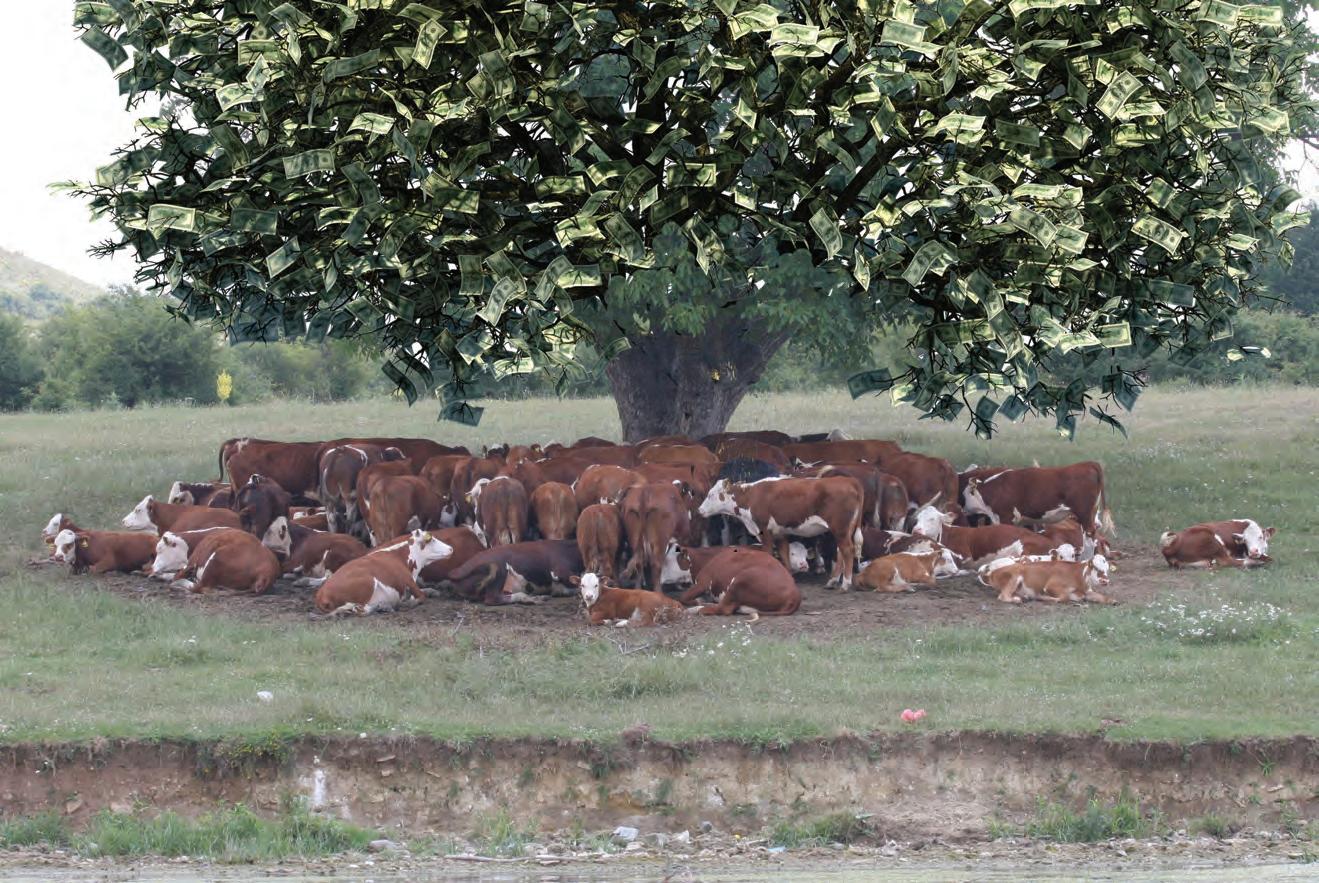
So, unless you have money trees growing on your ranch, switch to BRUTE® for effective, economical fly control. To learn more, see your livestock products supplier or visit www.y-tex.com today.
For advertising sales, contact: idahocattlepublications@gmail.com
The Line Rider is the official publication of the Idaho Cattle Association. It is published 10 times each year, in January, February, March, April/May, June, July/August, September, October, November and December.
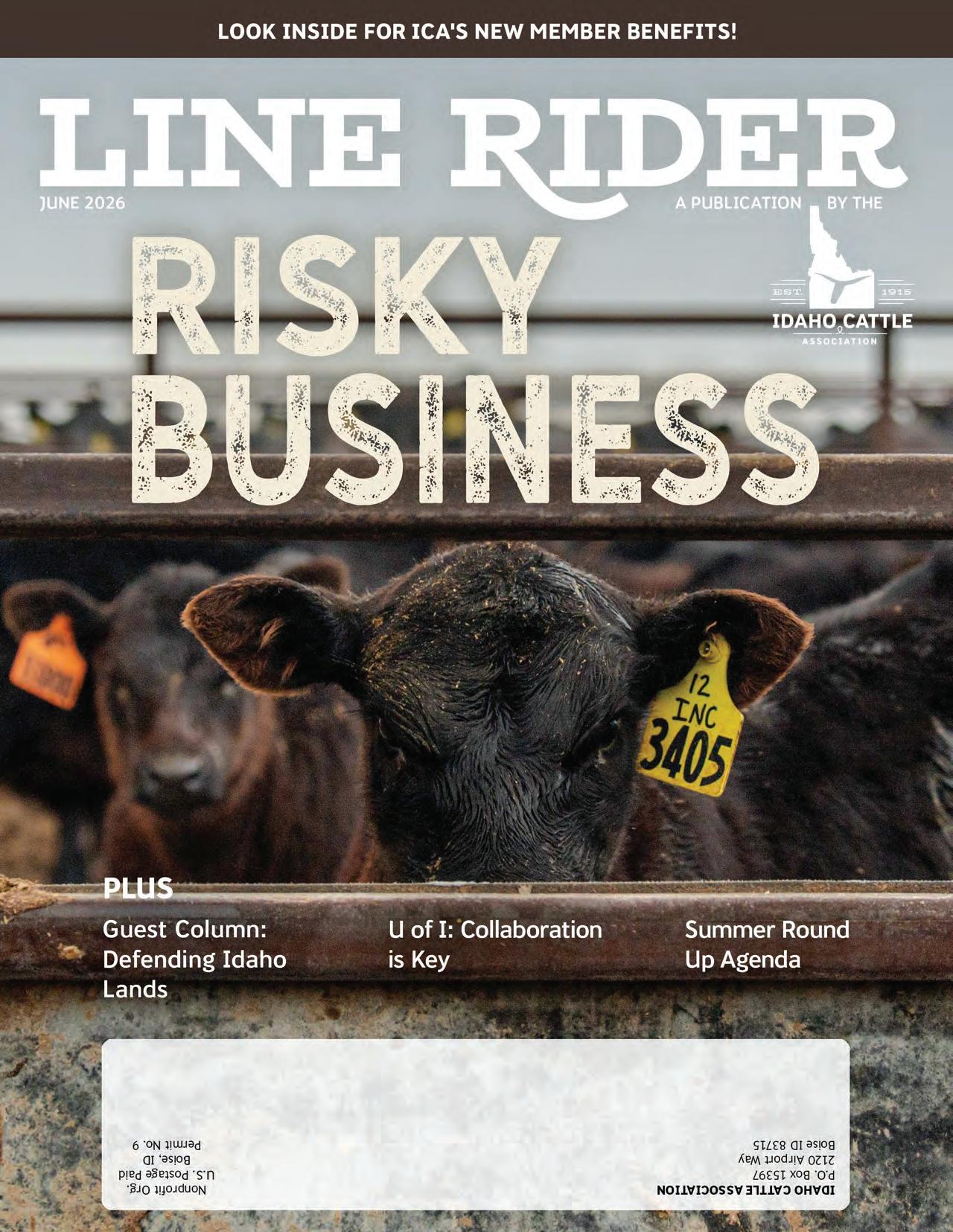
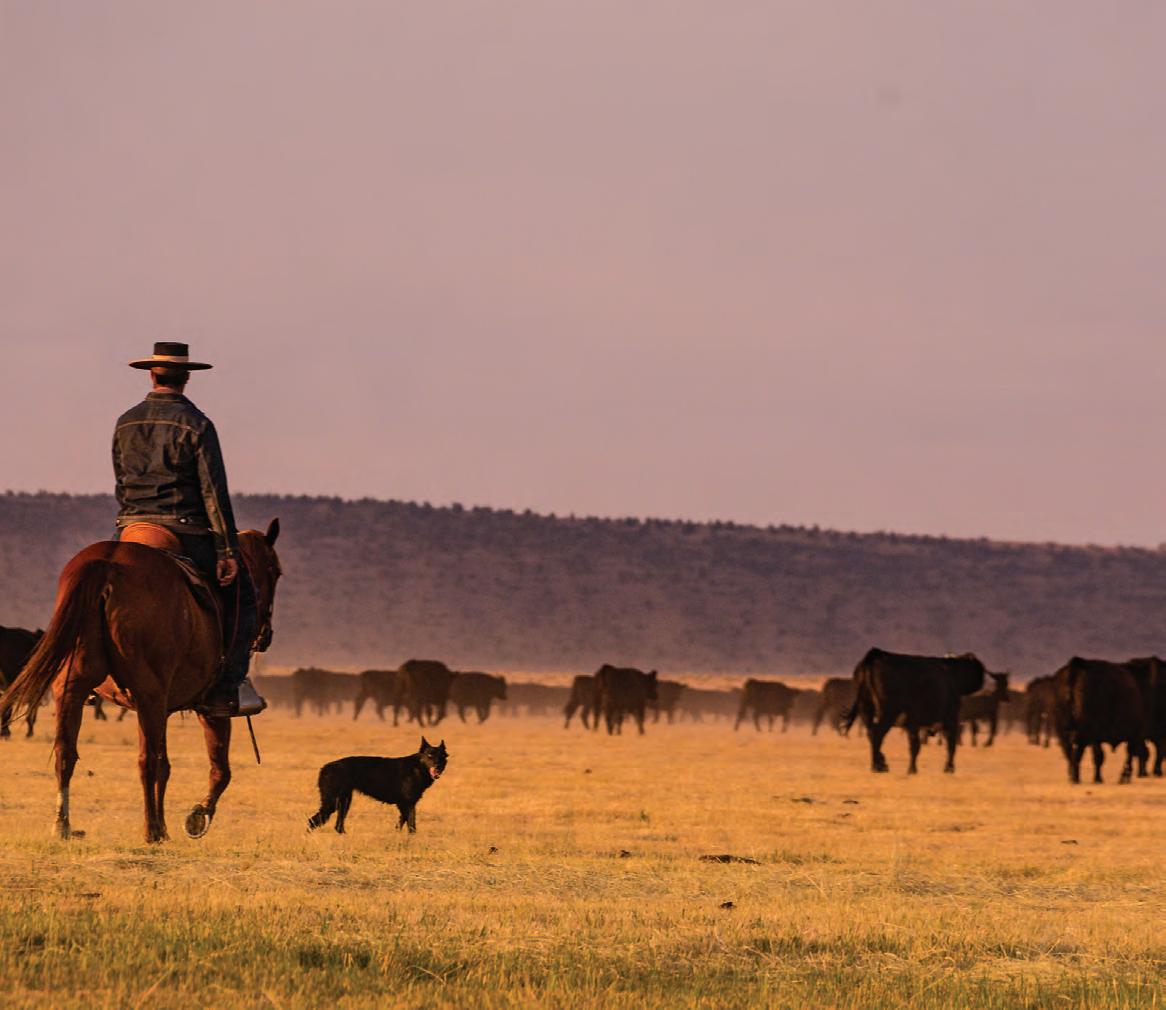
Cover photo by Angela Vesco Photography
We are not in this alone
A network of support to help us be better
Acouple of years ago on a beautiful fall day, we spent the morning gathering cows—preparing to haul them home from their summer pasture on Bureau of Land Management and US Forest Service permits. We finished ahead of schedule and were waiting for the trucks to arrive. As they started rolling in about 30 minutes before they were scheduled (standard trucker time) I remember having a sense of gratitude for them and the service they provide us. Many of our truckers have become good friends over the years. One in particular,
For many of our allied partners, their work is not just an occupation. They live a life devoted to serving our industry.
Lyle Youngstrom, a neighboring rancher, had been hauling cows as long as can remember. All I had to do was make one phone call to Lyle and he would round up a convoy of trucks to get the job done. Many were fellow ranchers who added to their ranch cash flow by hauling a load of cattle when time would allow. They were great to jump in and help if we were shorthanded, and patient when we were running behind. Lyle has since retired but has handed the baton off to another great neighbor and friend, so the legacy of partnership continues.
I reflect back on that day and the feeling of gratitude as we turn our focus to the allied industries in this issue of Line Rider . I remember thinking, “what would we do without them and
BY VAL CARTER ICA President
the service they provide?” As I contemplated the services we rely on in the cattle industry, it struck me that we are not in this alone, and there are many “Lyles” out there that go above and beyond to help ensure our success. Some of our industry partners include veterinarians, animal health suppliers, nutritionists, livestock marketing reps, livestock auctions, financial institutions, extension agents, feed suppliers, and even insurance agents. These are just a few of the people that can play a significant role in a successful beef operation.
For many of our allied partners, their work is not just an occupation. They live a life devoted to serving our industry. Most large animal veterinarians I know work long hours taking calls at night or on weekends to accommodate our animal emergencies. Our veterinarian and his staff have repeatedly treated our colicky horses, prolapsed cows, and injured dogs at any time of the day or night. Our vet even accommodated my failure to schedule far enough ahead of grass turn out, by preg-checking our fall cows at 6 o’clock in the morning, before the clinic opened and his workday started. Not to mention that he barbecues the meat for the county’s annual 4-H market animal sale buyers’ dinner and FFA scholarship fundraising auction and dinner. It’s clearly not about money for him.
As we have increased our commercial cow herd over the past couple of years, we have relied on video and other networks to represent our cattle and help us get them sold and shipped. Our marketing reps are a great help before, on, and after shipping day. They make all the arrangements and show up early with breakfast pastries, sorting sticks, and a wealth of experience to make the day go smoothly. If there are
ever problems on the receiving end, they take care of it and minimize the stress level. They were friends before we started, but we appreciate the friendship more for the service they provide.
Although some of these allied industries are large corporations, their employees live among us and contribute to our local economies and communities. They sponsor local and regional rodeos and livestock events, purchase 4-H and FFA projects at the county market animal sale and provide financial support for various educational opportunities. Many of these allies across the state have offered their board room facilities and refreshments for our Idaho Cattle Association board meetings and events.
One of the most valuable partners in the cattle business is a trusted lending institution. There are many great agricultural lenders that specialize in the needs of farmers and ranchers, offering loan options that are flexible and tailored to fit our needs. Our lending institution has been a great asset for almost 40 years and have become trusted friends. They even bring us drinks and donuts to our brandings!
To our allied industry partners and friends, thank you on behalf of the Idaho cattle industry for all you do to
Be careful what you wish for
Where should true influence lie?
We have all heard the line, “Be careful what you wish for,” a time or two in our lives. Usually, it is a warning that getting exactly what we asked for may come with consequences we did not fully expect. But there are also times when what we wished for is exactly what we hoped it would be. Which of these are we living in today?
The microscope has been turned on the industry, and social media voices seem to be continually at odds with each other.
We have record cattle markets, but at what price? The microscope has been turned on the industry, and social media voices seem to be continually at odds with each other. The issue is that, with the internet and our current state of the world, anyone with a strong social media following can make a statement, gain influence, and suddenly have a voice that impacts the conversation. Some of those voices are leading us toward things we should be cautious of, while others are helping move the industry in the right direction.
The beef cattle industry, and the process of taking a live calf and getting beef into the hands of an American citizen, is truly like no other process in the world. Every segment of that chain has people who influence the industry, but who is vetting or endorsing those voices? More and more, it is the general public
BY CAMERON MULRONY ICA Executive Vice President
who, through clicks and likes, are influencing markets, policies, and decisions. So, with the ability to spread information instantly through technology, are you careful with your wishes, or pleased with the outcome?
When I look at cattle producers, I still agree with my past Line Rider article entitled, “It Takes All Kinds of Kinds,” and that will not change. But when we are looking at who influences the nation’s non-beef and non-agricultural consumers, do we need the person with the largest social media following, or the person who truly has the long-term interests of the industry in mind?
I will let you decide which one is for you, as this is America. But as I travel, I often look at the West and get frustrated when decision makers creating policy for Idaho have never traveled or lived west of the Mississippi. All that being said, I would not weigh in too heavily on the hardwood industry because most of our timber in this region does not fit that market. Yet cattle production exists across the nation, and my concern is that “influence” will eventually come with a price.
In Idaho, our association is the voice in the statehouse. Our members may not agree on every aspect of the industry, but on most issues, I would not want policy direction to come only from the largest social influencers.
All of this is to say that you can always hear the loudest voice, regardless of the message. Knee-jerk reactions to loud voices should carry caution when responding to important issues. Meanwhile, the calm and steady voice that has been present across weeks, months, years, and even decades often gets us much closer to the answers we are looking for.
Membership and involvement have positioned your association to be a calm, consistent voice in meaningful conversations at many levels of policy making, from local communities to the nation’s capital. There are others who have the spotlight right now and are loud voices in a crowded room. However, screamers often wear out their voices and lose influence when leadership changes.
Here is the beauty of it all: sometimes a loud voice can bring attention to an issue that your association has worked consistently on for years. The perfect storm can happen and move a long-standing issue forward, much like some of the tax relief realized in the “Big Beautiful Bill.” But influence can still be a double-edged sword.
My hope is that, as you finish reading this, you can identify who has been here for the long haul and who will continue navigating issues in the best interest of our industry — and who may simply be chasing more clicks. We are not the same.
And if the issue of “now” is not currently reflected in ICA policy resolutions, then please engage and help craft a solution for membership review at our annual meeting in November. Idaho needs your influence, both on social media and in reality, as we face a changing demographic and an increasingly crowded social media landscape.
ICA Washington report
Bringing top priorities to the nation’s capital
This spring, Idaho Cattle Association leadership and staff, along with Idaho Public Lands Council leadership, made the cross-country trip to Washington, D.C. As we do so annually, the purpose in our travel is to bring our top priorities and concerns to the forefront of key agency leaders’ minds and seek solutions to issues that impact Idaho’s cattle industry. Our trip was timed to coincide with additional industry-wide meetings of the Public Land Council and National Cattlemen’s Beef Association.
Our time in our nation’s capital was both well spent and necessary in informing key decision makers.
With a slate of promising regulatory reforms on the docket, we arranged meetings with leadership at the U.S. Departments of Agriculture (USDA) and Interior (DOI). First on our schedule was a visit with USDA Undersecretary for Natural Resources, Michael Boren. Boren is a Trump appointee who hails from Idaho and has a strong sense of the root causes for our issues of concern, particularly those roadblocks in government that prevent active management of our natural resources, including timber and rangelands. In his role as Undersecretary, he oversees the U.S. Forest Service and so our discussion with him centered on suggestions to improve the management of grazing on Forest Service land. With the recent signing of the Grazing MOU between USDA and DOI and its stated goal of securing more efficient and responsive grazing management, we presented ways that the grazing permit management could be altered
BY KAREN WILLIAMS ICA Natural Resources Policy Director
to achieve that goal including allowing for flexibility in both preference and permit numbers and seasons of use, finding ways to limit frivolous litigation, opening vacant allotments to grazing, and allowing Forest Service range staff the ability to perform roles that in the past have required various -ologists (such as providing archeological clearance so range improvement maintenance and construction can occur in a timely manner). One idea that the Undersecretary is considering to improve management and coordination across the Forest Service and Bureau of Land Management (BLM) is to have an interdepartmental plan that would allow for the sharing of staff, such as one range conservation officer to manage adjoining BLM and Forest Service permits. In our meeting, we also discussed the newly created Wildland Fire Service, which is intended to better coordinate fire suppression efforts across land management jurisdictions. We wanted to receive assurance that, with the creation of this new fire agency, Idaho’s Rangeland Fire Protection Associations (RFPAs) are able to continue working seamlessly with the federal government.
One of the most promising things to come from this meeting was a guarantee that, under Undersecretary Boren’s and Forest Service Chief Tom Schultz’s leadership, they are trying to fix systemic problems in the agency from the ground up. The Undersecretary directly asked me to provide him with a list of specific concerns related to permit management including roadblocks that have prevented an increase in permit numbers on specific permits and have restricted the implementation of range improvements. Their stated goal is to fix problems from the ground up so that they can then know how to correctly fix regulations and policies from the top down. I am working to compile this list. If you have hit a roadblock in using your
grazing permit, please send an email to me at karen@idahocattle.org with the details so I can use your experience to seek correction and improvement.
While we were focused on Forest Service issues, we had a follow-up meeting with Gilbert Jackson who serves as the national Rangeland Management Program Manager for the agency. In this role, Gilbert has specifically been charged with working on the implementation of the USDA/DOI Grazing MOU. The agency is planning on holding a grazing plan implementation summit for Forest Service employees at the conclusion of the Public Lands Council roundtable sessions that are being held across the west, including one that occurred in Twin Falls on May 29, to gain insight into the roadblocks that grazing permittees face in using their permits. In addition, in light of the BLM’s pending grazing regulation revision, the Forest Service is also planning to revise their grazing regulations, so look for opportunities to weigh in on this in the future.
Moving to the other side of the National Mall, we went to the DOI for a meeting with BLM leadership including Principal Deputy Director Bill Groffy and some of his key staff members. A key topic of discussion at this meeting related to staffing issues. At both the national and state level, BLM has been operating under acting directors for too long. Stable leadership is needed to continue to steer the ship in the direction being laid out by administration officials. Related to the multitude of staffing cuts that have been made across the agency, we asserted that as cuts are made, it is important that it is done in a thoughtful manner and with precision rather than a blanket approach and that the remaining staff on the ground need to be given the tools to be and feel successful in their efforts to work cooperatively with permittees.
Another key point that we raised with BLM leadership related to ongoing permit renewals within our state. We asserted that as permit renewals take place, it is important that the agency take the time to do them correctly—to achieve both the goals of the resource and permittee’s goals, and those are not mutually exclusive. Permits should be renewed individually, based on site-specific monitoring, and not grouped together which can preclude localized decision making, based on the conditions on the ground. While in DC, we also took the time to check in with each member of Idaho’s congressional delegation to make sure they were aware of key issues relating to Idahoan’s ability to make a
living raising cattle. Their hands are tied on a number of issues due to the Congress’s general inability to act, and the fact that they are only two voices among 100 senators and two among 435 representatives. In spite of that, it is good to know that Idaho is represented by four individuals who have an appreciation for our industry and a genuine desire to do what they can, however limited their capacity may be at the moment, to improve conditions for our industry. And while bills stall in Congress, our delegation have staff members who are continually on the phone with agency leadership raising our issues of concern and making recommendations for action for improvements. Key congressional issues for us that may, or more likely may not, make it out of Congress include amendments to the Endangered Species Act, passage of the Farm Bill, Equal Access to Justice reform, oversight of wildfire suppression efforts and budgets, and more.
Our time in our nation’s capital was both well spent and necessary in informing key decision makers of needed improvements and of their actions’ impact on both the livelihoods of Idaho’s cattle producers and on Idaho’s landscape. As always, we will continue to forge ahead in representing Idaho cattlemen and women on issues of importance and will continue to lead the charge in advancing proposals that could improve your ability to raise cattle and pursue your way of life.
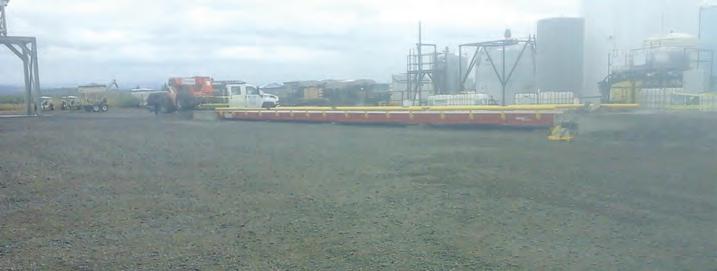
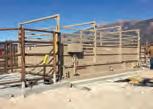
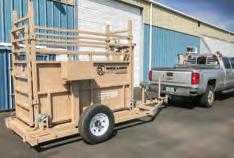
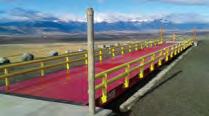
Specializing in Truck and Livestock Scales
Established in 1959, Scales NW offers a wide range of equipment, from precision lab balances to high capacity rail scales, as well as certified scale service and installation.
Contact Steve Orr for more information today!
Email: steveorr@scalesnw.com
Phone: (503) 510-3540
www.scalesnw.com • (800) 451-0187 Scales NW is proud to
Working smarter
Adopting a new management tool
When you think of AI, what comes to mind? Has that answer changed recently? Not long ago, someone mentioned their “AI tech,” and my first thought was a person working in artificial intelligence, not breeding cattle. It was a small moment, but it reminded me just how quickly both technology and terminology are evolving. Historically, the cattle industry has been cautious about adopting new tools, and that hesitation is understandable. Change can feel risky, especially in an industry where margins are tight and experience matters. But one saying has always stuck with me: work smarter, not harder. That mindset is exactly where today’s AI tools can bring real value to everyday operations.
Change can feel risky, especially in an industry where margins are tight and experience matters.
In many ways, AI may already be influencing your ranch today. Many ear tags on the market have become “smart” tools that monitor cattle behavior and collect data over time. Those systems can help identify health concerns early through learned algorithms, usually before cattle show noticeable symptoms.
This same technology is making its way into other parts of the beef industry as well. Last September, Line Rider featured an article on how AI-driven systems are advancing beef processing efficiency and improving decision-making. AI is also being used to analyze satellite imagery, helping monitor pasture conditions and manage grazing resources more effectively.
AI helps simplify complex information and sup-
BY ELENA MONTEMAGNI Allied Industries Representative
ports better decision-making. It can also take on projects that may have never been prioritized due to time or resource constraints. Whether it’s summarizing market trends, analyzing production data, comparing ROI scenarios, predicting weather or optimizing forage utilization, these tools bring clarity and efficiency to everyday decisions.
The good news is this technology is already at our fingertips. Several AI platforms are available today — many of them free — including ChatGPT, Microsoft Copilot, Google Gemini, and Claude. Most are accessible through both web browsers and mobile apps.
If you’ve never used AI before, the key thing to understand is this: your prompt matters. AI is only as useful as the information you provide. Good data in, good answers out. Clear prompts that include context, measurable values, and descriptive details will usually produce the best results.
Here are a few examples that might spark ideas to get started:
1 Bull sale analysis
Upload a bull sale catalog and ask:
“Identify the top five maternal lots that still maintain strong terminal traits.”
2 Drought planning
“As an Idaho rancher, do I protect grass and liquidity now while calf prices are historically strong?”
3 Marketing Decisions and Transportation
“Based on current fuel prices in Idaho today and hauling costs, what price spread per head do I need in another market to justify moving cattle?”
4 Administrative tasks
Upload a picture of handwritten notes and ask: “Transcribe this into a Word document”
One important thing to remember is that AI is conversational by design. If you ask a question, it may respond with follow-up questions or request additional information. This simply means the system needs more detail to provide a better answer.
I like to think of AI as a personal assistant. It requires some training and a willingness to learn, but it can help process information, organize ideas, support decisions, and reduce emotional bias.
That said, AI is not perfect. Outputs should always be reviewed and validated before making management decisions. Most importantly, AI should never replace trusted advisers, veterinarians, nutritionists, consultants, or financial professionals. Instead, it should be viewed as another tool that can help operate smarter.
Play around with it. Experiment a little. At the end of the day, you know the market, you know your grass, and you know what your balance sheet needs. AI doesn’t replace your instincts, it strengthens them. See where it might help your operation save time or improve efficiency. There will be a learning curve, but like anything worthwhile in business, gaining efficiency and insight takes time. As our industry continues to evolve, the need to work smarter, not harder only becomes more important.
BY MONTANA MacCONNELL
RISKY
Cutting corners or cutting costs?
It seems like when we look at the news right now in the agricultural world, all we hear is “economy, economy, economy.” Truth is, in this day and age, there is a specific financial balance to being successful in the agricultural realm. With input prices through the roof, but cow prices doing their best to compete with record-setting highs, walking the tightrope is risky business. The cattle industry is currently profitable, but with tighter feed supplies and dry weather conditions, efficiency matters.
One common reaction when our margins tighten is to cut expenses. Trim a little here, spend a little less there, and you’re sure to make more on the backend. Right?
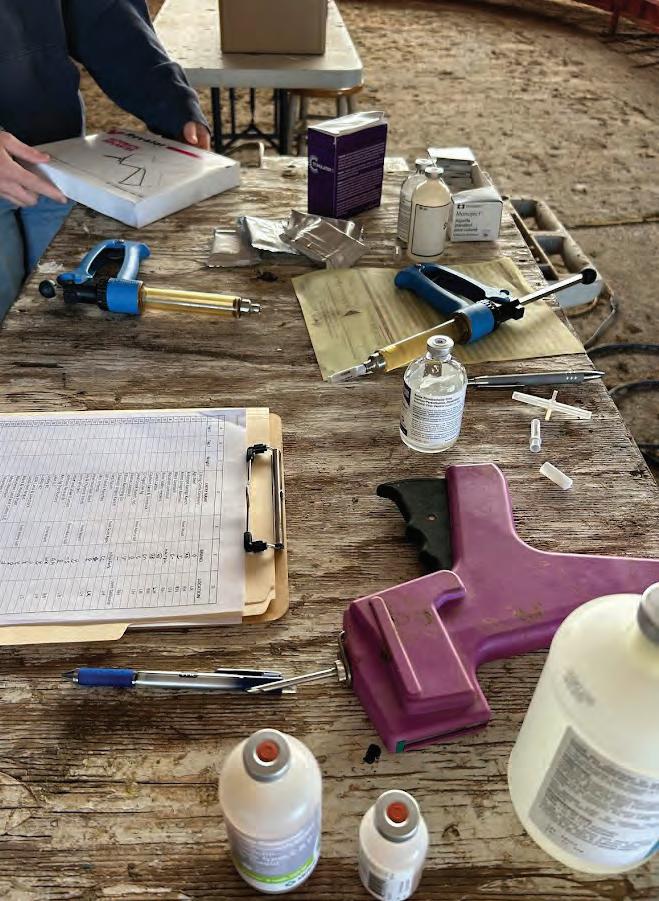
The challenge with walking that fine line between the green and the red in the cattle business is that there are so many factors to evaluate when it comes to making cuts. There are a variety of allied industries that play into this decision-making process. Nutrition, feed additives, reproductive costs, vaccinations, medications, preventative measures, fertilizer, farming costs, vet bills, infrastructure updates, paperwork, not to mention the cost of your own time and energy. It’s a lot.
So, what’s the difference between expenses and investments? Stepping back and doing an audit of your inputs and outputs isn’t a bad thing, but it’s important to be intentional so as not to end up a cautionary tale. Idaho
producers are no strangers to managing during times of volatility, and sometimes the cheapest decision on paper doesn’t turn out to be the cheapest decision long-term.
The important thing to do is ask the right questions:
• What does this cost?
• What does it return?
• What happens if I leave it out?
Feed and nutrition are often the first place producers look when trying to trim costs, but they can also be the easiest place to accidentally create hidden expenses. Feed commonly represents one of the largest costs in a cattle operation, which is why even small changes in feed efficiency can have significant impacts.
CONTINUED, PAGE 18
Introducing
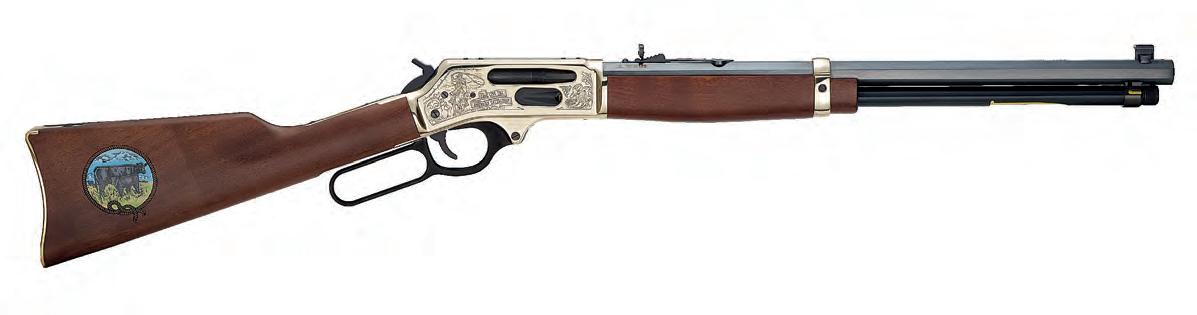
American Cattleman Tribute Edition Rifle
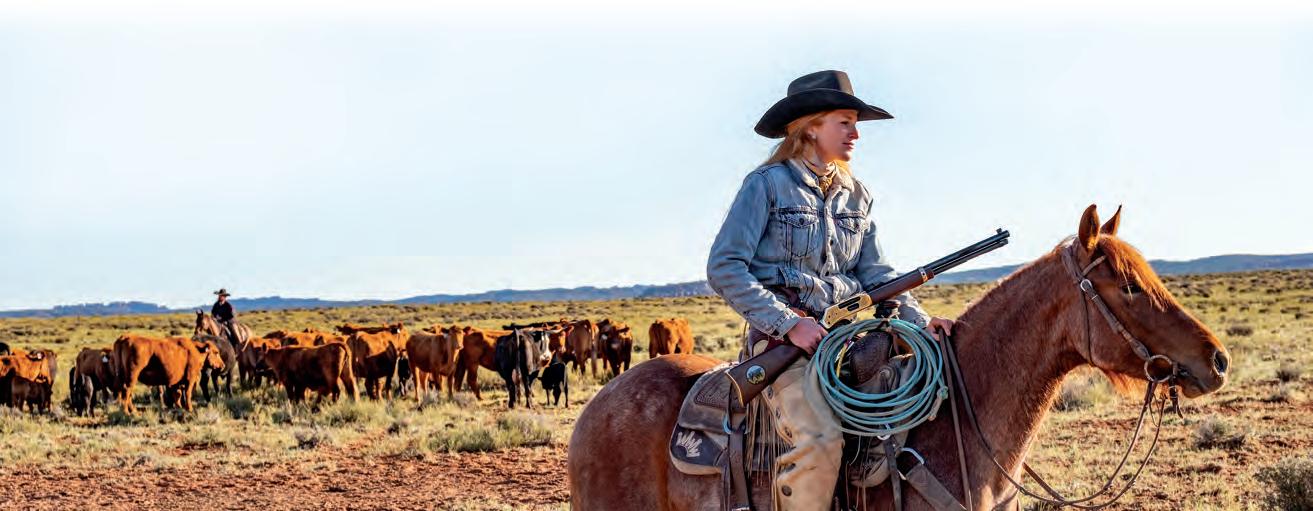
From the wide-open ranges of the 19th-century Western frontier to the family ranches that have stood steadfast for generations, America’s story has always included the men and women who sweat and toil to raise the cattle that feed our nation. The American Cattleman Tribute Edition Rifle is our tip of the hat to this enduring way of life.
Built on our brass-framed .30-30 lever action platform, this rifle is made for those who put in the long, hard hours from sunup to sundown, and it stands as a testament to the animals and their stewardship at the heart of it all. Featuring genuine American walnut furniture paired with an engraved, highly polished brass receiver, every detail honors the grit and tradition that define the cattleman’s trade. Long live the American Cattleman.
Look at feed additives and supplements. Do they improve feed efficiency? If you’re cutting $0.10 per day of input and affecting your feed conversion, you may actually just increase your total cost. It’s important to look at how much you are saving per day to cut it, but also how many more days will you have to keep cattle on feed to achieve the same results.
What’s more costly: high-quality hay, or low-quality hay plus the supplements to make it worthwhile? Sometimes products don’t necessarily create obvious gains overnight, but instead help prevent inefficiency, feed waste, or performance setbacks that quietly eat into profitability over time.
Minerals are another hard one because they don’t show an immediate return on investment, but without them things can go wrong. They may be an easy target on the input list, but they may not be the best to cut. For Idaho especially, when hay prices rise and cows are turned out, minerals are important. Selenium and copper are crucial to your cattle’s health. Calf vigor, immune performance, reproductive rates… these all require a solid health base.
Extension research has consistently shown that trace mineral deficiencies often appear indirectly through reproduction, immunity, or calf vigor rather than dramatic immediate symptoms. Imagine a breeding season where everything is off just enough to bring down your conception rate 5%. That’s calves on the ground you’re missing out on.
Auditing a ration can be valuable too, taking the time biannually or quarterly to ensure that all of your additives are still necessary. Why was this added in the first place? Does that problem still exist? Was the result achieved? Is it still the best option to achieve that result?
Health programs can fall into the same category. Sure, a scours vaccine might be an added cost, but if it’s a bad scours year, getting the upper hand on an outbreak can mean the difference when you go to sell your calves in the fall. Sacrificing those preventatives might mean sacrificing pounds down the line.
Medicine is another area worth evaluating carefully: what’s the price difference between prevention and treatment? Many veterinarians will tell you that prevention often costs less than trying to correct widespread sickness after performance has already been affected.
Respiratory diseases are a big one to never sacrifice prevention of, specifically in the feedlot. In both cow-calf and feeding settings, preventative health programs continue to trend as more economical than widespread treatment after cattle are already behind.
A lot of products that might be considered “optional” are actually designed to prevent losses you may never visibly see, like stress, sickness, reduced efficiency, or performance loss that quietly chips away at your bottom dollar.
Labor is another hard one—how can you measure the value
THERE ARE MANY CONSIDERATIONS FOR CATTLE ON THE RANGE.
of your time compared to someone else’s on your dime? Infrastructure can be similar. How many times does a cow pushing through a bad piece of fence constitute replacing it? Frankly, there’s no right or wrong answer, but the specific situation makes a difference. Is the cow by a roadside? A new fence is worth alleviating the risk of her getting hit. But a leaky fence between some of your own pastures? As long as it’s not majorly affecting management decisions, it may not be high on the priority list.
Knowing your cost per head can be an important tool for making these evaluations. It can be a tough calculation, but even having a rough idea gives you a baseline to make spending decisions on the front end instead of reacting later on the backend. Don’t forget to consult your team. Use your vet, feedstore, and nutritionist well—pick their brains when you’re not sure. Allied partners are there for a reason.
The role of allied industries is crucial to the input-output conversation because they provide the products and services that are going to help you make or break it. Ask for the performance metrics, data analysis, and professional perspective. Lean on them for accountability and insight in return for your business. At the end of the day, they want you to make money too. In a year like this, good partners are hard to beat.
Industry trends, university extension research, and performance records can all help provide perspective when evaluating whether something is truly helping profitability or simply adding cost. Paying attention to your own records matters too. Sometimes the best audit tool is your own historical performance data.
Steps to a Good Audit:
• Why was this added in the first place? Does that problem still exist? (record keeping is super important)
• Was the result achieved?
• Is it still the best option to achieve that result?
• Pay attention to research and records, and use unbiased advisors.
• Calculate affordability: does this bring a return, or cost? Every cent matters. However, so does every decision behind every cent. The goal isn’t necessarily to spend less, it’s to spend better.
None of this is meant to be expert advice; the goal is simply to put decision-making into perspective. Sometimes laying it all out in one place is enough to help identify what’s truly creating value—and what might just look expensive on paper.
SOMETIMES THE BEST TOOL IS YOUR OWN DATA.
WHEN YOU WALK THE PATH BETWEEN INPUTS AND OUTPUTS, WALK IT CAREFULLY.
Your Beef Checkoff at Work
Driving demand and supporting Idaho’s beef industry.
The Idaho Beef Council (IBC) is committed to meeting the needs of stakeholders and beef producers throughout Idaho to grow Idaho beef demand. Their efforts are focused on developing practical, statewide resources that serve the interests of all industry stakeholders as they look to educate and promote Idaho beef.
The IBC listened to feedback from field brand inspectors and sale/auction yards and recognized a need for clear resources that better communicate the purpose and process of Idaho Beef Checkoff funds. There was a particular demand for materials that explained the breakdown of Beef Checkoff collections, illustrated how checkoff dollars are used, and clarified which activities are funded. To address these concerns, the IBC aimed to provide straightforward resources and contact information, ensuring that brand inspectors and auction yards are not required to answer these questions directly. In response, the IBC created an info sheet that brand inspectors and sale yards can share
with producers who have questions about the checkoff. Cody Burlile, State Brand Inspector, anticipates that this resource will become “a go-to tool for field brand inspectors when addressing questions about the checkoff and the allocation of producers’ dollars.” It removes uncertainty for inspectors when questions arise chute side and places information and contacts directly in the producers’ hands.
The info sheet is printed double-sided and bound for easy transport in vehicles. Additionally, larger posters are in development for use in auction yards. Kade Rogge, Manager of the Burley Livestock Auction, emphasized the importance of information coming directly from the Idaho Beef Council and expressed that “the new info sheets will be a significant help in achieving this goal.”
IBC appreciates the feedback it receives from producers, brand inspectors and livestock auction teams. They look forward to serving Idaho producers as we grow the demand for Idaho BEEF!
Driving Demand and Supporting Idaho’s Beef Industry Your Beef Checkoff at Work
$3.5 Million in Beef Sales Major Retailer E-Commerce Campaign
Provided by retail partner
9.5 Million Online Social Media Campaign Impressions
Paid and organic efforts, Aug 2025 – Feb 2026
$266 Million in Fresh Meat Sales in 2025—an Increase of 13.6% From 2024
Source: Circana, data ending 12/28/2025
Your Partner in Progress
$13.41 ROI Back to the Industry for Every Beef Checkoff Dollar Invested
Source: BeefBoard.org/ROIstudy
82% of Consumers in Idaho Have a Positive Perception of Beef Consumer Beef Tracker, 2025
Milano Cortina 2026 “Hero” Commercial Aired 410 Times Across Platforms
Provided by SRG.com through Idaho NBC channels—Feb 2026
2.8 Million Servings of Beef Distributed Since the Launch of the Beef Counts Program Visit idahofoodbank.org/beef-counts
Six Ways the Idaho Beef Council Works for Our Industry
The Idaho Beef Council collects $1.50 for each cattle sale to support beef and dairy producers through education, promotion, and research. The mission is to build trust in beef products, enhancing demand both globally and domestically while highlighting beef’s importance in healthy diets and Idaho’s economy.
CONSUMER MARKETING
The national Beef. It’s What’s For Dinner. brand gives Idaho’s multi-generational ranching heritage a platform. We connect with shoppers through influencer partnerships and retail campaigns so they reach for beef products, not a substitute.
RETAIL PARTNERSHIPS
Idaho Beef Council (IBC) partners with retailers to educate consumers at the point of purchase, building the confidence needed to move beef cuts. By providing expert guidance on beef cuts and quality traits, we ensure shoppers choose Idaho-raised beef with confidence.
INTERNATIONAL MARKETING
IBC increases global market share and trust in U.S. beef, ensuring Idaho-raised products remain a premium, high-value choice in international markets.
INDUSTRY SUPPORT
IBC provides Idaho’s cattle and dairy producers with the training, insights, and resources needed to strengthen their operations. By focusing on market efficiency and practical tools, we work to ensure the long-term viability and success of Idaho’s beef industry.
FOODSERVICE DEVELOPMENT
To keep beef a top-tier menu item, IBC provides chefs and foodservice operators with specialized training and consumer insights. This investment builds professional confidence in beef prep and presentation, ensuring every cut—from steak to brisket—is a success for the diner.
RESEARCH
IBC invests in research on utilization, nutrition, and food safety to provide the foundation for all Beef Checkoff programs. By backing every claim with hard science, we protect the reputation and value of Idaho-raised beef.
Collaboration is Key
Working with agency partners during drought.
BY JIM SPRINKLE, P h .D. Extension Beef Specialist
University of Idaho Nancy M. Cummings Research, Extension & Education Center
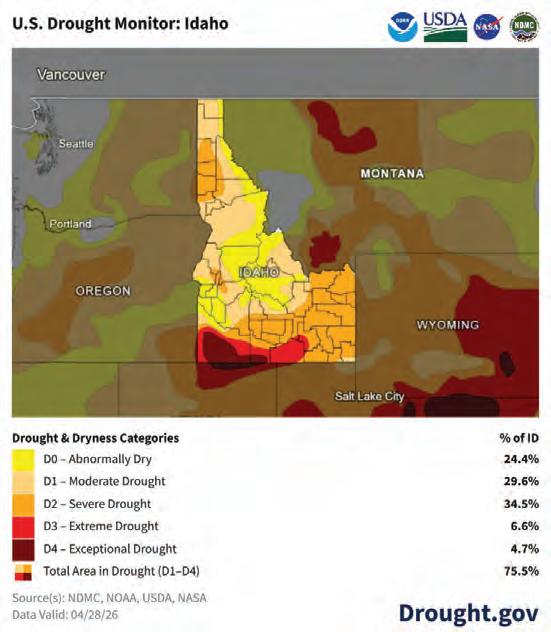
Unfortunately, as I write this, all of Idaho except for a tiny triangle near Lost Trail Pass is under some stage of drought, and Owyhee County is experiencing “Exceptional Drought.” This requires careful coordination between land management agency employees and grazing permittees for the upcoming grazing season. I hope that summer rains are sufficient to lessen the impact of the drought, but it is wise to do some forward planning and to engage in collaborative discussions with your agency range management specialist and district manager or district ranger.
BLM POLICY ON DROUGHT
Sustaining Public Lands and Resources During Drought Conditions https://www.blm.gov/how-we-manage-during-drought
BLM RANGE GUIDELINES
(FROM WEBSITE LISTED ABOVE)
• L ivestock grazing on public lands is vulnerable to the impacts of drought and aridification, including reductions in forage growth and water availability.
• L ivestock operators recognize the need for adjustments in livestock use of public lands during drought to protect the long-term health of the range.
• Based on the condition of the land, the BL M may work cooperatively on a case-by-case basis with permittees and other stakeholders to adjust livestock use through a mutual agreement. These adjustments can include delaying turnout, changing season of use or shortening period of use, adjusting stocking levels, and using rested pastures, among other options.
• In cases where mutual agreement on necessary actions cannot be reached, it may be necessary for BLM to issue a decision; however, that is a last resort.
• The BLM allows for water hauling, when appropriate
https://www.drought.gov/states/idaho
water rights exist, for livestock in areas that have good land health and adequate forage. The BLM can also authorize the use of salt, minerals, and certain mineral supplements as necessary to overcome natural shortages and provide for proper range management.
• The BL M generally prohibits supplemental feeding on the lands it manages, with the exception for emergencies (e.g. for livestock that are trapped by a snowstorm).
• Supplemental feeding concentrates animals, which can cause trampling and soil compaction as well as lead to increased soil erosion and reduced water quality in an area. In addition, supplemental feed could lead to the spread of invasive species.
SHORT TERM PLANNING
By engaging with your agency partners early on, you can agree upon adaptive management actions to employ as the grazing season advances. The BLM guidelines above indicate a space that is available for collaborative
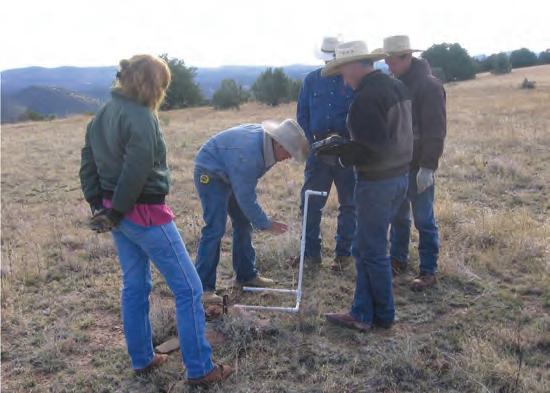
COLLABORATION IS KEY. US FOREST SERVICE, BUZZARD ROOST RANCH, AND THE UNIVERSITY OF ARIZONA EXTENSION ENGAGE IN THE READING THE RANGE MONITORING PROGRAM.
decision making. For example, you could seek to change the grazing rotation to use lower elevation pastures or pastures with more southern and western facing landscapes first in the grazing rotation. Similarly, pastures with more marginal water sources could be used first before things heat up later in the summer.
You could also collaboratively decide upon acceptable triggers (based upon monitoring data such as forage utilization) for necessitating a pasture move or stocking rate reduction. Be actively engaged in this process and look for adaptive responses to address conditions on the ground.
Thirty years ago, I attended a workshop in Albuquerque, New Mexico. A rancher from Colorado said something quite profound, “A rancher needs to be trilingual. He needs to speak the language of ranchers, which is anecdotes; he needs to speak the language of agency employees, which is data; and he needs to speak the language of environmentalists, which is poetry.” Your gateway to a common language with your agency range management specialist is data. If you are not already collecting range monitoring data (such as utilization data), this is a good year to start. With forage production data, you can do forward planning for how many days you can stay in a particular pasture to ensure the ecological resilience of rangeland pastures. Resources such as data forms and spreadsheets for determining forage production and utilization and stocking rates are available at Google Drive cloud folder at https://drive. google.com/drive/folders/17KY1mXi3Frp537u8Zi7acMMeE_ZZSlcn. A written worksheet for calculating stocking rates is also available at that site. For more information or for more information about educational workshops on these topics, please contact me.
ARIZONA CASE STUDY
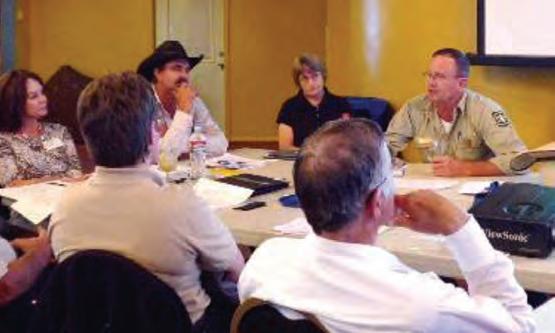
From November 2001 to 2002, an Arizona drought was considered one of the six worse droughts in the last 1,000 years (according to tree ring data). The drought was severe enough to kill juniper trees on shallow soil depth, south facing slopes. The Coconino National Forest instituted case-bycase, on the ground examinations of grazing allotments for livestock removal. The Tonto National Forest mandated that all cattle be removed from grazing allotments. As a University of Arizona Extension Agent, I was asked to meet a rancher with several grazing allotments and the district Ranger in the Globe Ranger District for a review and discussion. On the field trip, I explained how we could set some sideboards for acceptable range management during the drought by implementing forage utilization monitoring. I demonstrated the correct monitoring protocol using the USFS Utilization Gauge in the field. The District Ranger decided to allow grazing with agency employees doing spot checks on the utilization data we collected. He was a courageous individual who was belittled by several of his colleagues over the next two years. The year following the Tonto National Forest livestock removal of 2002, the US Forest Service Chief did an investigation and field trip to the Tonto National Forest. In this August 12, 2003 meeting, Dr. George Ruyle (Extension Range Management Specialist, University of Arizona) stated the following: “An underlying view that I frequently encounter is that cows are bad and that any sign of grazing is bad. The view reflects an ideology, not objective resource management. Research and experience supports the notion that carefully managed grazing is a viable landscape process.”
In subsequent permittee/agency employee meetings, it was decided that case-by- case evaluations of allotments should have been pursued and that whenever possible, core herds should have been allowed to remain on the grazing allotments.
LONG TERM PLANNING
With improved relationships, a long-term co-development plan for drought was developed between the Tonto National Forest and ranchers of Gila County. An initial workshop was led by Dr. Mitch McClaran of the University of Arizona School of Renewable Natural Resources in 2013. With grant funding from the National Oceanic and Atmospheric Administration, Dr. McClaran helped facilitate a team of people (ranchers, TNF, UA) who worked on the Guide to Co-Developing Drought Preparation Plans for Livestock Grazing on Southwest National Forests from 2014 to 2018 which is available at https://cales.arizona. edu/droughtandgrazing/guides.html. Although this guide was developed in Arizona, the methodology and planning tools contained therein are worthy of inspection and emulation. Contained below is a brief excerpt from the guide.
MOVING TOWARDS THE CO-DEVELOPMENT PLANNING EFFORT
(pg. 28)
With the help of exercises and worksheets presented in the next section, the Forest Service staff and grazing permittee are expected to work together to co-develop a drought prepa ration plan by identifying potential impacts to an allotment from drought, identifying proactive practices that will increase preparation to flexibly cope with drought impacts, and charting an expected path through the NEPA review process in prepara tion for submitting the proposed plan to the District Ranger.
OTHER RESOURCES
Keeping Idaho farms safe and productive since 1968. Our employee owners are dedicated to ensuring you
WE PROUDLY SUPPORT
There are several online tools, including geospatial im aging tools that can help you get near real time estimates of drought and forage production. This can help you identify less impacted areas of the landscape and assist in pasture moves. For instance, see https://cales.arizona.edu/droughtandgrazing/tools.html and https://rangelands.app/. I did an article on “Online Drought and Climate Assessment Tools to Assist with Management” in the October 2020 issue of Line Rider There are also a series of videos on livestock drought management that the UI produced in 2021 that can be found at https://bit.ly/UIDrought. Other UI drought resources can be found at https://www.uidaho.edu/extension/water/drought.
CONCLUSION
Hopefully, you have a good relationship with your agency partners. For those of you lucky enough to have a long-term relationship over several years, you should already have had many productive collaborative meetings regarding range management. For those with newer agency employees they interact with, be respectful of their position and recognize that they may be more cautious about adaptive management opportunities. Remember, the language you need to speak is data. If you don’t already speak that language, learn to do so. Agency employees are required to consider and use data in their management decisions.
PHOTO BY J. BRUGGER; UA PUB AZ1764
160+-ACRES Zoned: Agriculture, Sage brush grazing with fencing around perimeter. Aberdeen: $240,000
74.691+-ACRES 66.73+- Irrigated, 75.27+- TFCC water Buhl: $1,680,000
320+-ACRES Zoned: Agriculture, dryland, surrounded by BLM Carey: $400,000
657.72 +- ACRES 367 +Carey: $7,900,000
160 +- ACRES 128+-Irrigated, IDWR, Pivot/Handlines Pingree: $1,995,000 Call Mark Jones 208.308.3030 We Specialize
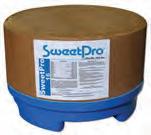
100lb No-Melt formula in biodegradable and edible packaging.
Complete year-round vitamin, mineral and protein supplement.
Support for maximum performance and efficiency at all production stages.
Improve digestion, body condition, reproduction and fetal growth.
Contains Availa 4 and Boviacillus Production Plus option.
In addition to a full vitamin and mineral package it has 30% crude protein along with high levels of mono and poly unsaturated fat and a live multispecies probiotic for improved immunity and reproduction
NOW WITH MULTI-SPECIES LIVE PROBIOTIC!
Has all the benefits of a quality mineral and vitamin package with 20% all-natural protein and the same high mono and poly unsaturated fat and live probiotic combination to boost immunity and reproduction
NOW WITH MULTI-SPECIES LIVE PROBIOTIC!
Defending Idaho lands and our way of life
Efforts to strengthen the agricultural community
Ranching communities and the Idahoans who sustain them are the bedrock of our great state. They power our economy, spearhead the responsible stewardship of our lands, and uphold the way of life that has defined Idaho for generations.
For these men and women, hard work, ingenuity, and perseverance aren’t just values; they are requirements for success. As a rancher, I know firsthand what’s at stake.
We can improve the management and use of our public lands without sacrificing access to millions of acres.
Last year, I led the effort to stop a proposal that would have sold off large tracts of public lands across the West. These lands are central to who we are as Idahoans and Americans. They form the basis of our way of life, whether it is for agriculture, hunting and fishing, or the simple privilege of enjoying their natural beauty. The idea that they should be sold to the highest bidder was completely unacceptable, and I was proud to oppose this unwanted provision.
There are many ways we can improve the management and use of our public lands without sacrificing access to millions of acres.
Grazing permits are a clear example. For more than a century, grazing permits have been a cornerstone of how our producers have cared for the land and sustained their livelihoods. They have enabled responsible stewardship, supported multigeneration ranching families, and ensured our public lands remain healthy and productive. Yet, too often, grazing permits are not recognized as a valuable tool for conservation and land manage-
BY JIM RISCH U.S. Senator
ment, leading to disagreement and tension among those who do not understand our industry.
We continue to push the U.S Departments of Interior and Agriculture to elevate the importance of grazing permits. With their support, we have taken meaningful steps to streamline permitting into a more workable process and provide ranchers with the certainty they need to plan, invest, and operate.
I remain committed to protecting Idaho’s use of grazing permits and pushing back on burdensome federal overreach. That is why I introduced the Resiliency for Ranching and Natural Conservation Health (RANCH) Act, which aims to cut through bureaucratic red tape and give permit holders the stability and predictability they deserve.
The future of Idaho’s ranching communities depends on protecting and bolstering the tools that make responsible stewardship possible. At the federal level, that means improving access, removing unnecessary one-size-fits-all mandates, and focusing on what works for our lands and our people.
Decisions about our public lands should not be dictated solely by Washington, D.C. As we in Idaho know all too well, the best oversight is done by the men and women on the ground – our ranchers, farmers, and local experts.
Fortunately, there are already laws on the books that allow us to take the tailored, commonsense approach to land management that Idahoans deserve. That long-standing tradition of multiple use has served the West for generations, and it is one I will continue to defend.
Strengthening Idaho’s ranching and agricultural communities is and will always be at the forefront of my efforts. By continuing to work together, we can continue to protect multiple use, support our ranching families, and ensure our public lands remain productive, accessible, and well-managed for generations to come.
New and renewed ICA members
AgWest Farm Credit
Alan Clark
Alan Johnstone
Alex Vipham
Audra & Casey Cochran
Bailey Storms
Becky Harshbarger
Beverly Bryan
Bob Prosser
Brantly Hatch
Brett Barfuss
Brian Kossman
Bryce Thurgood
Cameron Williams
Caribou Cattlemen’s Association
Carl & Carolyn Crabtree
Carl Hatch
Chet Nicholas
Chris Johnstone
Cody Barfuss
Cody Hendrix
Crae Williams
Dallin Greer
Dan & Charlotte Mulkey
Dan & Lisa Stephenson
David Banks
David Van Buren
Debbie Johnson
Derek Walker
Doug & Sharon Boggan
Dr. Bob Monroe
Dustin Orr
Emma Atchley
Erma Banks
Frank & Pam McIntire
George Colwell
Glen Christiansen
Grant Simons
Guy Kaster
Gwenna Prescott
Hank Fitch
Jake & Jennifer Zollinger
Jayson Hatch
Jennifer Zollinger
Jestin & Barb Croft
Jodie Mink
John, Shawn & Chris Banks
Josh Huff
Justin & Jodie Mink
Karl Loveland
Kenneth Mortensen
Kevin McLain
Lake Family Ranches, Inc.
Layne Hamilton
Lee & Sherry Satterwhite
Lee Muench
Lester Barfuss
Lillian Cerise
Lowell Cerise
Marianne Josephson
Mark & Amy Munsee
Matt & Sarah Thomson
Michael Wright
Muriel Judge
Nick Colwell
Orie & Kortne Cockrell
Paul Niehaus, DVM PC
Rhitt Hamilton
Roger W. Clark
Roscoe Lake
Roxie Holsten
Runyan Appraisal Service
Rusty Nye
Sara Somsen-Fowler
Sarah Baker
Scott & Eric Bedke
Scott Scheer
Shane Hamilton
Shawn Oleson
Sherry Satterwhite
Shryl Simons
Stephen J. Blaser
Stephen Shiner
Stockman Genetics LLC
Talyss Holloway
Todd Holbrook
Tom Hamilton
Tony Holsten
Travis Lammers
Ty Barfuss
Tyler Gray
Wade & Gwenna Prescott
Wayne Perkins
James & Dawn Anderson 208-280-1505 208-280-1509 Beverly Bryan
PRIVATE TREATY SALES HEREFORD & RED ANGUS
2 Year Olds & Spring Yearling Bulls Spring Yearling Hereford & Red Baldy Heifers
Check out our offering at jbbalherefords.com
JBB/AL HEREFORDS 1973 S 1500 E GOODING, ID 83330 jbbalherefords@gmail.com
Bryan & Charly Anderson 208-280-1964 Jae Anderson
Hang’n A Cattle Company
Alan and Leslie Alexander
(509) 727-9151 - Alan(509) 432-4802 - William PASCO, WA
Bulls and Females available Private Treaty
Email : william@hangnacattle.com hangna@owt.com
KNIPE LAND COMPANY
• Farm, Ranch, Recreation, Large Land Parcels, and High Net-Worth Real Estate • 1031 Tax Deferred Exchanges
www.hangnacattle.com Follow Us on Facebook
Your Northwest Source for Quality Charolais Cattle
Our experienced sales team is ready to solve your real estate needs. Ready to buy or sell? Call today!
Nampa ID 83686 (208) 989-1612 2 miles west of Hwy. 45
Dennis Boehlke
1971 LEGENDARY SINCE
ROZOL GROUND SQUIRREL BAIT
Build your legacy with the legendary Rozol® Ground Squirrel Bait. Brought to you by Liphatech Ag, your Most Valuable Partner for effective rodent control.
WE HAVE YOUR BACKS, BARNS AND BOTTOM LINES.
Rozol Ground Squirrel Bait is a restricted use pesticide.