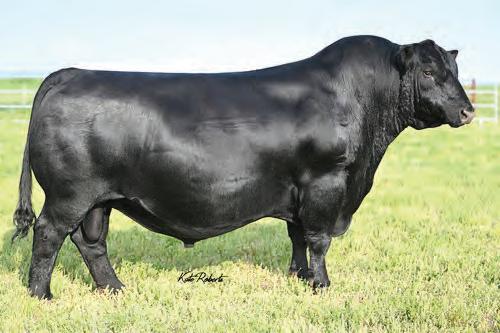
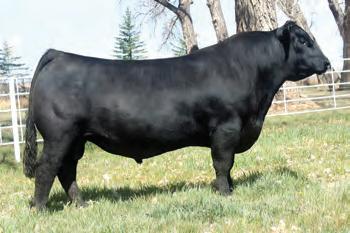
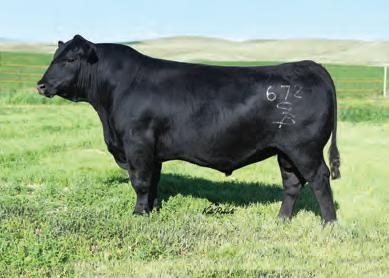
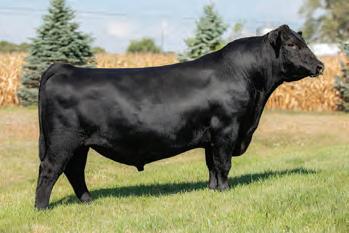
For advertising sales, contact: idahocattlepublications@gmail.com
The Line Rider is the official publication of the Idaho Cattle Association. It is published 10 times each year, in January, February, March, April/May, June, July/August, September, October, November and December.
Bob Harrell, Jr. 541-403-2210 Don Schafer 541-403-0008
Oregon
605-391-6230
Sharing the voice of Idaho’s ranchers
ICA is positioned to make a genuine impact
HAPPY NEW YEAR!
I hope the Christmas season was memorable for you and your families. As I sit to write this, Christmas is yet a couple of weeks away. It’s hard to believe that in 2 short weeks it will be over. Time seems to go faster when you get old. Don’t get distracted by things that don’t matter and take time to make the most of opportunities with friends and family, so you live with no regrets.
Not all change is good, so it is important that we get involved and weigh in when legislation affects us adversely.
With January comes a new opportunity to make life changes. It is also the beginning of a new legislative session, which allows our lawmakers an opportunity to make governing changes. Not all change is good, so it is important that we get involved and weigh in when legislation affects us adversely. It’s not a time of year when ranchers typically have a lot of disposable time, so for me it is reassuring knowing that the Idaho Cattle Association is monitoring the statehouse and, if necessary, protecting our interests. Cameron Mulrony (Executive Vice President), Patxi Larrocea-Phillips (Government Affairs) and Karen Williams (Natural Resources Policy) are at the forefront, working tirelessly to keep us informed and up to speed on the issues. They all have fam -
BY VAL CARTER ICA President
ily ties to the beef industry, so they have skin in the game and are passionate about what they do.
A couple of years ago, the Western Martingale was established at ICA as a way for our members to engage more quickly in the political process. It provides a platform for members to more easily comment on and give input regarding proposed legislation that affects our industry. Input from actual producers at the grassroots level is far more meaningful than comments coming solely from industry leaders or lobbyists. If you are receiving the Executive Update, you will see opportunities to make comments through the Western Martingale. I encourage you to take a moment to weigh in on these issues. You can add your name to ICA-prepared comments or create your own. If we all participate, I truly believe we can make a genuine impact.
I feel fortunate to work alongside such dedicated people striving to preserve, promote, and protect our industry, culture, and way of life. I appreciate everything they do. I am honored to serve with them this year and represent our membership. The ranching community and its allied partners are among the finest people I could hope to be associated with. As a member-governed organization, it is our goal to ensure every voice is heard. If there are issues you feel need attention, please contact your district board member, the appropriate council chair, the ICA office staff, or me. As the familiar phrase goes, “If you see something, say something.” If you’re interested in serving the cattle industry, ICA is a great place to start. Come on in.
Once again, thank you for the opportunity to serve as your president. 2026 is shaping up to be another great year in the cattle business.
The year ahead
Where will the ICA be in 2026?
Happy New Year! It’s 2026 and a new dawn, a new day! Will we see new legislation this session? Yes. Will we see a rerun of some past legislation? Yes. But one thing is for sure: it’s not 1986 in the cattle industry.
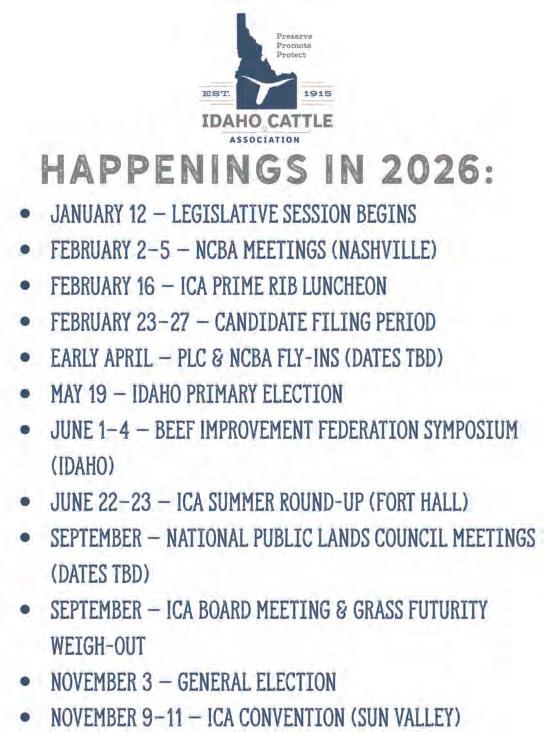
As we look ahead to the upcoming legislative session, midterm elections, and all of the other events and happenings of 2026, I want to lay out a list of dates for you that are important to our membership and our industry. This is not a comprehensive list of the 2026 calendar at the Idaho Cattle Association (ICA) office, but instead some of the important highlights of where our staff and leadership will be engaged on your behalf.
These events provide opportunities for us to help send our message across state and national platforms.
The 2026 legislative session will kick off on January 12th and has a goal to adjourn before to the beginning of April. Funding and budgets will most likely be the hot topics of the session, but we also anticipate that there will be plenty of other work done that could impact our industry and those that serve our needs.
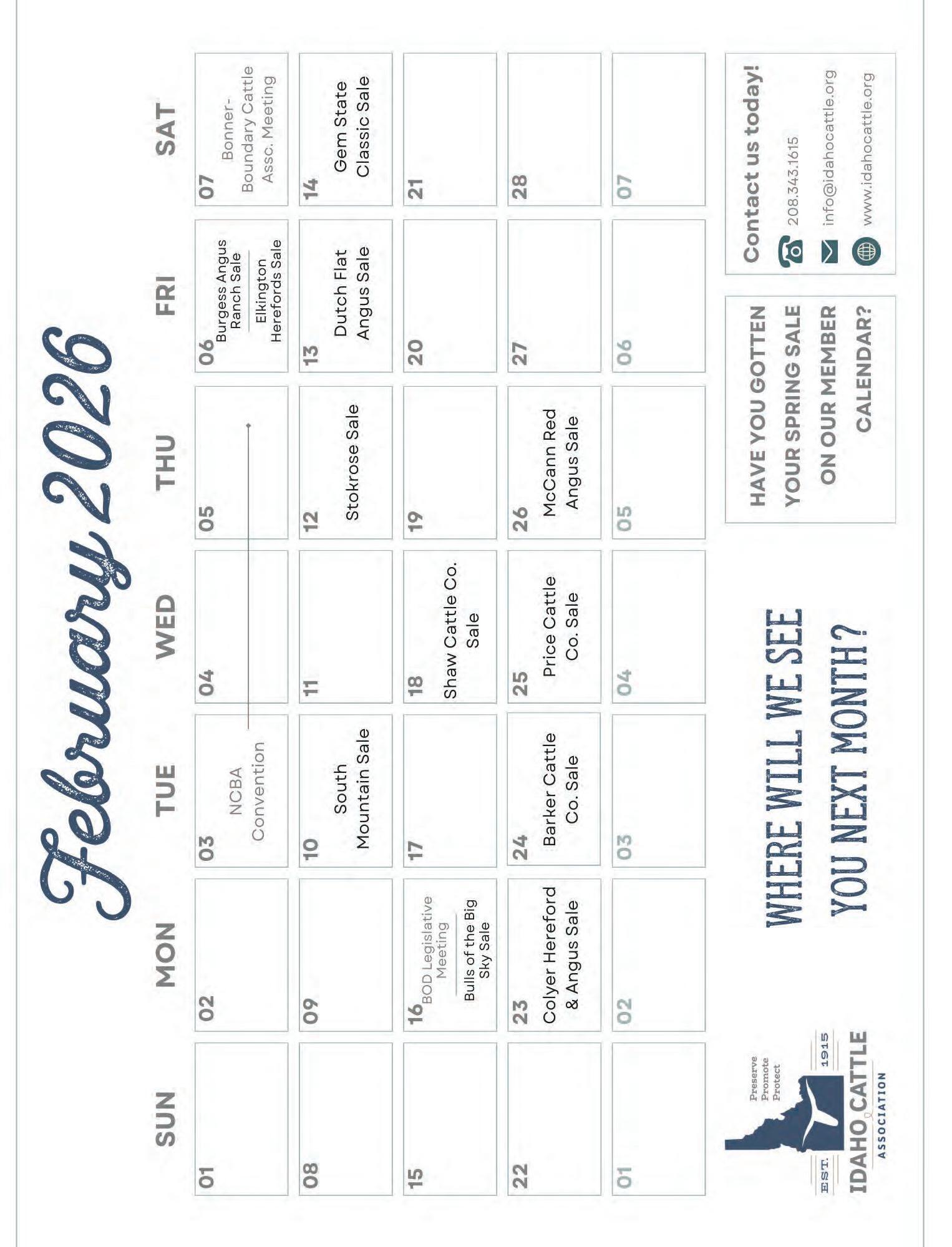
On February 16th, we’ll host our annual ICA Prime Rib Luncheon in Boise, where the ICA Board of Directors gathers with lawmakers to discuss how items from the session may affect our operations. It’s been a great tradition over the years and is a welcomed event on the legislative calendar.
In the midst of the session, ICA staff and leadership will travel to Nashville for the National
BY CAMERON MULRONY ICA Executive Vice President
Cattlemen’s Beef Association (NCBA) meetings, where they will represent Idaho on the national stage. Our very own past President Kim Brackett will be running for election as the President-Elect of the national organization. These meetings take place February 2nd - 5th.
Also happening in February is the Idaho candidate filing period. This opens the 23rd and closes the 27th. If you have any interest in serving in the state legislature, this is your chance!
Once the legislative session has wrapped up, staff and leadership will be en route to our nation’s capital for the annual Public Lands Council and NCBA fly-ins, typically held during the first part of April, although the specific dates have not yet been determined. This trip provides us a great opportunity to meet with our congressional delegation and agency leaders to discuss how their work in D.C. impacts our livelihoods. The benefit of these relationships, as well as the respect gained for our association and the state, are far-reaching as we navigate various administrations across the decades.
The ICA Executive Committee will also meet in April, depending on the timing of the fly-in, to discuss and evaluate the messages we will be carrying to Washington.
Fast forward to May, where we will have the Idaho Primary Election on the 19th. In many contested races, this is where the magic happens, not in November as we often think. Please mark this date on your calendar and reach out to our board members if you have a candidate in mind that you think warrants ICA’s support. Another fun May activity is the gathering of calves to kick-off of the ICA’s Grass Futurity Fundraiser, where cattlemen compete throughout the summer to have the top gainer at the
Nancy M. Cumming Research and Extension Center. Don’t hesitate to join us, as we aim for a donation of 50 critters to vie for prize money and awards.
The first days of June will bring a unique opportunity to Idaho. The Beef Improvement Federation (BIF) will be hosting its annual symposium in Idaho for the first time. Join them June 1st through the 4th with your local hosts— the University of Idaho and your very own Idaho Cattle Association—for a look at how they are working to coordinate and advance all segments of the cattle industry.
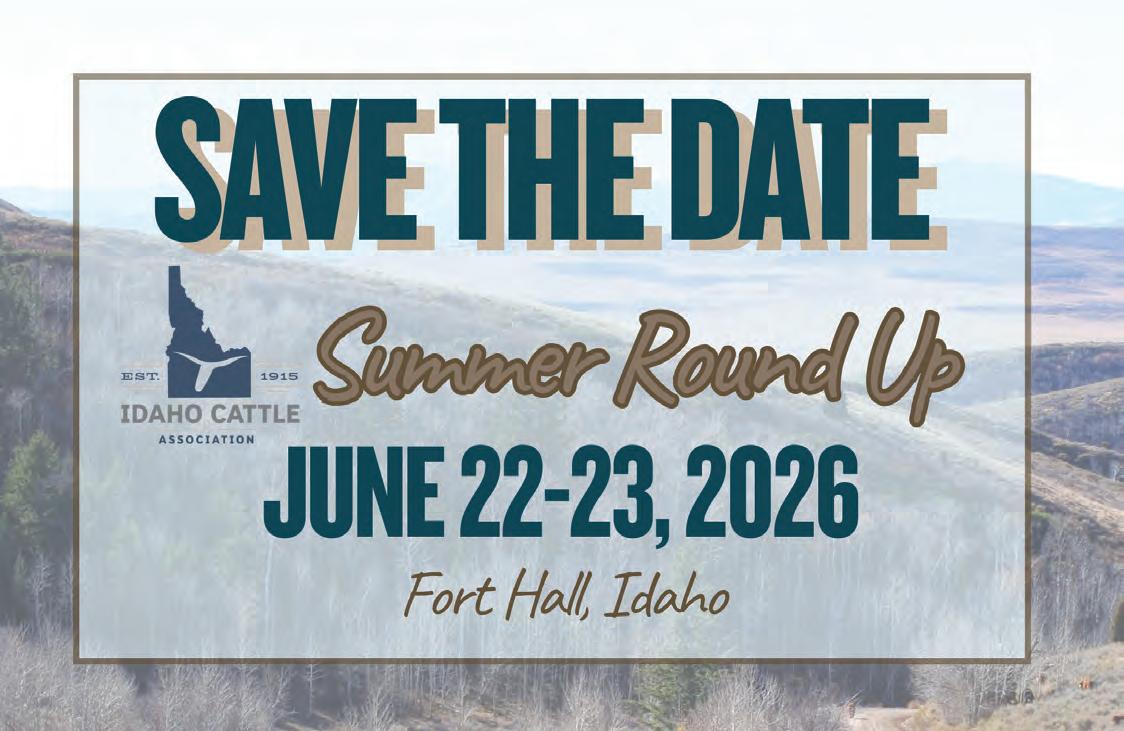
June will only get busier from there, with the ICA Summer Round-Up taking place June 22nd-23rd. This event travels around the state each year depending on the hometown of our president... this year will take us to Fort Hall, where we will handle our mid-year business and host educational sessions and policy discussions related to our work in-state. This event also hosts our mid-summer board meeting.
August’s events include a meeting of the ICA Executive Board as we prepare to look forward to FY27 for our association.
September brings the National Public Lands Council meetings. As Idahoans, with more than 60% of our state in public ownership, our presence matters. Dates and location are still pending, so stay tuned. We’ll also hold a full board meeting in September and conduct the weighout dinner for our annual Grass Futurity fundraiser.
The first Tuesday in November brings the 2026 General Election, with state races, House seats, and one Senate seat on the ballot, as well as the Idaho Governor’s election. This is another date to circle as we exercise our right to vote.
Well, as no surprise, we will be back in Sun Valley for our annual meeting, next November 9–11th. This is our feature event that we host to celebrate the previous year and elect our new leadership, as well as craft policy to guide the organization for years to come. We are working to hit our target of 500 attendees and another full trade show, a true highlight of the Northwest. Bring your family and enjoy a few days away from the ranch!
This list isn’t all-inclusive, especially as things in politics seem to be fluid, but as an ICA member, your input is always welcome. These events provide opportunities for us to help send our message across state and national platforms, so I’m hopeful that, if you have input, you can share it so that we can make your voice heard when the time is right. All in all, it looks like 2026 will shape up to be a good one, and we are thankful that you are an active and engaged member of our industry. We look forward to seeing many of you at events and meetings across Idaho in the coming months.
2026 Priority Issues
Where will the ICA focus its attention this year?
It has been scientifically proven that if you write down your goals, you have a significantly greater likelihood of achieving them. As we individually take stock of our lives, with the beginning of a new year, and consider ways to improve, the Idaho Cattle Association (ICA) is likewise writing down our goals with the aim of protecting and bringing about needed improvements to both our business environment and the landscape which we are proud to call home.
The process of setting our annual priorities allows ICA to focus its resources on the areas that have the greatest potential to affect Idaho’s cattle industry.
The process of setting our annual priorities allows ICA to focus its resources on the areas that have the greatest potential to affect Idaho’s cattle industry and on those issues that we can have the greatest effect on. The process starts with our members, who have the opportunity to submit, review, discuss, and set our policy, in the form of resolutions at our annual meetings. From there, ICA Committee Chairmen identify the key issues, and associated resolutions, from their respective committees. Rankings are then assigned to each issue after thorough review by the ICA Executive Committee. In turn, the recommended priority rankings are submitted to
BY KAREN WILLIAMS ICA Natural Resources Policy Director
the ICA Board of Directors for their approval. These top issues are ranked in priority order of 1, 2, and 3. A ranking of number one is considered a top priority for ICA staff and leadership and we will do all that we can to accomplish the needs of that issue. These issues are those that are the most urgent and most timely. The number two and three rankings follow sequentially in order of the amount of staff time and emphasis ICA will place on those issues.
The finalized priority list is listed below with a brief explanation of our key issues. Please feel free to contact any ICA staff, board member, or committee leader at any time if you have questions about our efforts on any of these, or other issues.
J TOP PRIORITIES (RANKING #1)
(Presented alphabetically according to ICA Committee/Council)
• Changes to Federal Lands Grazing Permit Management (Federal & State Lands Committee) – The change in presidential administrations presents opportunities to seek needed updates and improvements to the regulations which oversee the management of federal grazing permits. The Trump administration is particularly interested in streamlining federal land management, and this has opened the door to changes for many of our key priorities. Primarily, we have been working towards revision of the Bureau of Land Management’s (BLM) grazing regulations and new Department of Interior (DOI) leadership have also prioritized this issue. We expect the proposed regulations to be issued in early 2026, which will require a dedicated effort by our
industry to provide comments and support the long-overdue regulation update, because the anti-grazing advocates will come out in full force to oppose the changes. We will also seek to review the Forest Service’s grazing handbook to pursue course corrections for issues that inhibit sound grazing management. In general, we will pursue any avenue that will allow more flexibility in grazing management and site-specific decision making.
• Equal Access to Justice Act (Federal & State Lands Committee) – The Equal Access to Justice Act (EAJA) has been notoriously abused by the environmental activist community to fund their efforts to litigate against land use and then recover their attorney fees to turn around and sue again, and collect money again, repeated on a cycle. EAJA reform has repeatedly stalled in congress, despite our efforts to support them, however, there is new momentum on the issue, and a new bill is receiving attention in congress. We will continue to lobby to bring transparency and accountability to this well-intended but often abused law which has funded extremist groups’ ability to repeatedly attack on our industry.
• Federal Grazing Permit Litigation (Federal & State Lands Committee) – The protection of grazing rights on federal lands remains an ever-present issue for ICA. At times, when the land management agencies propose decisions that could have repercussions across the west for permittees, we engage in litigation in cooperation with the affected permittees. We remain involved in litigation seeking protection of continued grazing on federal lands, including the Owyhee 68 permits and the BECO BLM permits. On their way out the door, the Biden administration brought some unwanted attention and unhelpful proposal to the Owyhee 68 permits, and ICA spent 2025 cleaning up the mess, which also opened the door for productive discussions on these permits with new DOI staff. ICA will need to make a hard push in 2026 for out-of-courtroom solutions to come to fruition. We will also seek similar administrative solutions and agreements to other federal grazing permit litigation that we are involved in.
• Grazing Improvement Program (Federal & State Lands Committee) – During the 2023 Idaho legislature, the Grazing Improvement Program was established in Idaho code to be used to coordinate across land ownership types to facilitate range improvement projects and provide for continued grazing use of Idaho’s lands. The fund should enable the state and permittees to better
leverage available government dollars and private grants to achieve its purposes. As ISDA begins implementation of this program, ICA will need to remain heavily involved to get this new program off the ground and running in the most effective and useful manner possible.
• Trade (Marketing Committee) - Over the course of 2025, cattle industry trade issues received increased public attention as a result of President Trump’s position on international trade and tariffs and his direct efforts to open up beef import markets. Our industry has much at stake in these discussions. In addition, the ability to get our product to foreign trading partners provides a lot of opportunities for American beef producers. This has become increasingly evident and pressing as our beef processing capacity in the state has dramatically increased and a significant amount of those products are exported to foreign countries. ICA should continue to engage in NCBA’s trade-related efforts and policy actions to best position our industry and influence policy makers.
• Producer Data Privacy (Private Lands & Environment Committee) – Information related to the location, health, and movement of livestock can now be recorded on an electronic platform. As technology available to our industry adapts and becomes more widely available, it is important that any production data collected remains private and the property of the producer and not subject to public information requests. This legislative session, ICA will work to pass state legislation which will protect information collected through state programs by providing a records request exemption for data collected through any technological device, be it livestock collars, electronic identification tags, or other emerging technologies.
Additionally, new technologies, such as virtual fence collars, are presenting tremendous management opportunities for livestock producers. ICA should engage in making these technologies available to producers who
can benefit from their use, while at the same time protecting against mandatory enforcement of or requirements for such technologies.
• Idaho Fish & Game Department (Wildlife Committee) – It is important for ICA to foster goodwill between our industry, Idaho Fish & Game Department (IDFG), and sportsmen. ICA will need to continue to focus on maintaining a good working relationship with IDFG to effectively address our concerns. Pervasive issues such as respect for private land, elk depredation, wolf management, and landowner appreciation & assistance underscore this need. We will also continue discussions with IDFG to encourage them to recognize and utilize the importance of continued grazing to manage land the department owns.
• Sage Grouse (Wildlife Committee) – In November 2024, the Biden administration released their final revision to the BLM’s sage grouse land use plans. Those plans had some improvements over the existing 2015 plan, but there remained some strong concerns. This summer, the Trump administration issued some changes to the 2024 draft and accepted public comment. The final plan is expected to be released shortly. We continue to maintain that grazing provides a net benefit to the species and sufficient regulatory mechanisms are already in place to manage grazing within sage grouse habitat. Additional regulatory burden related to grazing is not only unnecessary, but would prove harmful to our industry and the species. The recently finalized University of Idaho Grouse and Grazing research concluded that livestock grazing had no negative impact on the species, which solidifies our position, and we will work to implement these findings into policy and continue explaining the benefits of grazing to sage grouse.
• Predator Management (Wildlife Committee) – The effects of wolf and grizzly predation are not adequately
mitigated in the state. Only a fraction of livestock losses can be confirmed, other negative impacts on livestock production are not adequately accounted for, and opportunities for big game hunting are reduced. The continued listing of the grizzly bear as an endangered species continues to present challenges to adequately managing the species in the presence of livestock. ICA has engaged in discussions with agencies and stakeholders to consider possible solutions to frustrations related to predator management and will continue to work toward solutions that will limit the impacts of predator depredations on livestock or at least ensure they are adequately recorded and accounted for. ICA will need to find ways to help ranchers protect their livestock from depredation and push for delisting for the grizzly bear.
• Grass Futurity (All Committees) –2026 will mark the 14th annual ICA Grass Futurity contest. This fun and competitive event has grown into the primary fundraising source for ICA, which also provides significant contributions to our Political Action Committee and our Legal Fund. Because of this, combined with the staff and leadership time required to make it happen, this has become a top priority for our association.
• Membership (All Committees) – Membership is the lifeblood of ICA and will always be a top priority for our association. Without sustaining and increasing our membership, it will be difficult to give adequate attention to these top issues facing our industry.
• Public Outreach Through Education (All Committees) – It remains important for ICA to be in front of the public presenting accurate information related to our industry. As the population of Idaho expands and our citizenship gets further removed from agriculture, we must redouble our efforts to share the importance of a stable cattle industry in Idaho, both to our economy and
our environment. ICA staff and leadership will pursue new and innovative ways to share our stories with the public, whether that be through podcasts, social media, or unique partnerships.
J SECOND PRIORITY RANKINGS
• University of Idaho Agriculture and Natural Resources Programs (Several committees contain related resolutions) – Several ongoing activities keep our relationship with the University of Idaho College of Agricultural and Life Sciences (CALS) and College of Natural Resources (CNR) a priority. We will need to continue to pursue equitable returns from CALS for our industry and we will work to maintain a good relationship with the department with the addition of a new dean. Additionally, the Rangeland Center has the potential to provide great assistance to Idaho ranchers who graze on rangelands but could benefit from our direction to make it a useful tool for our industry. As a foundational supporter of Rock Creek Ranch, ICA will need to continue to support and encourage the University of Idaho’s involvement in the development and management of the ranch to operate a premier, oneof-a-kind rangeland, wildlife, and livestock research facility that pursues priority research important to the cattle industry. Further, the new Meat Science and Innovation Center is under development and merits the support of ICA.
• Wildfires & Fuels Management (Federal & State Lands Committee) – Catastrophic wildfire has increasingly plagued the West and our industry. Failed federal land management policies bear a large share of the blame for the growing threat of catastrophic wildfires across the West. Improving those policies has been a priority for our association and in 2025, President Trump issued clear direction aimed at streamlining firefighting efforts and changing failed federal policies. ICA will continue to be a leader on this issue in encouraging the use of prescriptive grazing, fuel breaks, fuel load removal, and other methods to better control and prevent wildfires. Reducing fuel loads on our rangelands and in our forests is critical, and barriers that prevent flexible and nimble management should be removed. We also must continue to lend support to Rangeland Fire Protection Associations (RFPAs) and support the Idaho Department of Lands (IDL) as the lead agency in the state for managing fire.
• Cattle Market (Marketing Committee) – Disruptions to the cattle market by outside economic forces continue to highlight the need for clear policy on market
influences and price discovery. While it is important to be aware of and monitor market competition, ICA does not believe that government intervention is the means to positively affect competition. This has become even more pressing as President Trump has publicly weighed into cattle prices and cattle marketing issues. ICA will need to remain engaged in the conversation to ensure that our current policy opposing artificial intervention measures in the marketplace is upheld and that elected officials are better informed so that political statements do not result in market disruptions.
• Commodity Commissions (Marketing Committee) – There are political factions in Idaho, in concert with the state legislature’s DOGE Task Force, that have placed increased scrutiny on the existence of industry commodity commissions and mandatory assessments. There are efforts underway to remove government oversight of commodity commissions and transition them to voluntary non-profit organizations. Our industry has long valued the marketing and education forces created through the beef checkoff and the Idaho Rangeland Resource Commission’s rangeland assessment and we must be engaged to protect their continued existence and resist any efforts that would weaken their efficacy.
• Land Conversion to Non-Agricultural Uses (Private Lands & Environment Committee) – Idaho is growing in population at the fastest rate in the nation. This is not welcome news, but is something that we must plan and prepare for as a state and an industry. We must work toward the implementation of laws and policies in Idaho that better promote and protect continued agricultural use and open spaces. At the same time, we must guard against government land acquisition that takes land out of production, along with private enterprise purchasing of land with the intent of removing agriculture. We also want to help our members be aware of the various
opportunities for keeping ag land in production and will continue to provide information and education regarding those opportunities, including conservation easements.
• Endangered Species Issues (Wildlife Committee) –
Implementation of the Endangered Species Act (ESA) continues to be a concern for our industry. Efforts to update and amend the act have repeatedly fallen short in Congress and meanwhile, the act continues to grow by regulation which typically results in undue burden on our industry—these efforts are now being revisited by the Trump administration, who has issued some rules to clean up the act’s implementation, and Congress is again working on amendments. We continue to seek for the delisting of grizzly bears—the species has surpassed recovery goals and flexibility in management of depredating bears is greatly needed. ICA will stay on top of issues related to ESA-listed species in our state to engage with the managing agencies to prevent unnecessary limitations on land management and livestock production practices.
J THIRD PRIORITY RANKINGS
• Nutrient Management Plans (Feeder Council) – ICA will need to continue to actively monitor state legislation, rulemaking, county rules, and the nutrient management plan process for all animal feeding industries to keep guard over permitting policies, limit undue or overly aggressive fines, and monitoring and to ensure information is kept private. It remains important that implications are not placed on beef facilities due to practices conducted in other ag industries. Additionally, we will continue to monitor litigation and implementation regarding the Resource Conservation and Recovery Act (RCRA) which is a law that gives the Environmental Protection Agency (EPA) authority to control hazardous and non-hazardous solid waste. Activist groups have tried to use this law to control agricultural operation, which is far beyond the law’s scope. We will work to limit the law’s scope to its original intent and away from agricultural production.
• Brucellosis (Cattle Health & Wellbeing Committee) – In late 2024, the United States Department of Agriculture (USDA), Animal and Plant Health Inspection Service (APHIS) announced that Brucella will be removed from its list of Biological Select Agents and Toxins. This action removed the regulatory barriers to advance research on vaccines and diagnostics and improve efforts to control the disease in animal populations. It remains expected that this will trigger the release of a draft rule from APHIS which will change and relax requirements related to brucellosis vaccinations and tracing within the state of Idaho. This will require the state of Idaho to make adjustments to its brucellosis program, including the possibility of moving away from a statewide mandate to a more geographically focused program. If these changes come as anticipated, ICA will need to determine how to respond regarding the new program requirements, whatever they might be, and be in the driver’s seat regarding how we want to regulate brucellosis vaccination management and treatment in the state.
• Idaho Brand Department (Cattle Health & Wellbeing Committee) – As state officials have considered ways to streamline state government, one idea to come out of these discussions was to eliminate the Idaho Brand Board and move the Idaho Brand Department to the Idaho State Department of Agriculture (ISDA). ICA voiced strong concerns regarding the ramifications of such changes, and, for now, it appears that the move has been put to rest, but we must remain engaged in this issue. The 2025 state legislative passage of the brand fee cap increase provided the department with an increase in funds, and we must allow time for this change to be incorporated before making further changes. Because the department is industry driven and is an industry-paid service, any changes to it should come based on industry recommendations. Meanwhile, ICA will continue discussions with the department as they review their management and consider efficiencies to allow them to continue operating on a tightening budget.
• New World Screwworm (Cattle Health & Wellbeing Committee) – New World Screwworm (NWS) was eradicated from the United States in the 1960s. However, in recent years, NWS has moved northward through Central America and Mexico, creeping closer to the USA’s southern border, with the most recent occurrence being found just 120 miles below our border. It will remain critical for our industry, state, and federal government to operate under a scientifically-sound management plan, refine detection efforts, and closely regulate the flow of livestock across the border to minimize its impact on our livestock and the cattle market. NCBA is taking a strong lead on this effort and we will lend our support and assistance as needed as we try to keep this threat out of our country and respond accordingly if it enters.
• Open Range, Trespass, and Fencing Issues (Federal & State Lands Committee) – ICA will staunchly resist any efforts to weaken Idaho’s open range law, while acknowledging the need to ensure livestock owners are appropriately managing their animals within the law. There continue to be discussions regarding fencing and trespassing livestock issues around the state, and we will need to closely monitor the state legislature for any proposals that may come forth. ICA will likely also need to continue to engage ranchers in discussions with landowners and new Idaho residents who have concerns about open range.
• Clean Water Act/WOTUS (Private Lands & Environment Committee) – In 2011, EPA issued new regulations for “Waters of the United States.” The regulations, known as WOTUS, had the potential to increase federal jurisdiction of water and greatly impact private property rights. Following years of litigation, in 2019, the WOTUS rule was repealed. In 2020, WOTUS was replaced with the Navigable Waters Protection Rule (NWPR) which, overall, was beneficial to the cattle industry compared to the 2011 rule.
At the end of 2022, EPA issued their final rule to rescind the NWPR, replacing it with yet another new definition for “Waters of the United States.” In May 2023, the U.S. Supreme Court ruled unanimously against EPA in favor of the Sackett family in Sackett v. EPA. This case, supported by our industry, challenged the “significant nexus” test. In November of 2025, the Trump administration published a proposed definition that would limit the scope of WOTUS under the Clean Water Act. The proposed rule provides important clarification and removes confusing regulations that have been onerous
for ranchers. ICA will continue to work with the National Cattlemen’s Beef Association (NCBA) to support efforts that streamline this rule and protect our industry from federal overreach.
• Water Rights (Private Lands & Environment Committee) – The general protection of water rights is also an increasing concern with a growing population. Several factors currently in play lead water to be a hot topic in Idaho agriculture. As the agreement regarding groundwater use and curtailment is implemented, ICA will continue to stand by its policy which supports the allocation of water rights based on the Idaho constitution. Another ongoing specific issue relates to the protection of stockwater rights. In recent years, the Idaho legislature has codified the Joyce Livestock Supreme Court decision to make it available to permittees across the state of Idaho to file for stock water rights on federal lands, to authorize
IDWR to engage in forfeiture proceedings, and to allow permittees to claim to be an agent of the federal government to avoid forfeiture process. Consequently, BLM and Forest Service issued agent agreements for permittees to sign. Then, in 2022, the federal government filed an additional suit that contends that the state’s forfeiture procedure violates the U.S. Constitution’s supremacy clause and seeks to nullify Idaho’s stockwater laws. In 2024, the judge ruled in the industry’s and the state’s favor on the two main statutes that were at the heart of the case and against us related to appurtenance. The U.S. appealed to the 9th Circuit. The case is there and will be fully briefed within the next month. ICA must continue to facilitate discussion between state leadership and the federal agencies to ensure that the right to water livestock on federal land and to develop water improvements is protected.
As always, please feel free to contact ICA staff or leadership if you have any questions about our efforts on any of these issues. Rest assured that we are doing our best to work on your behalf every day in protecting your ability to raise livestock and pursue your livelihood. These priorities help keep us focused in doing so. Here’s to a prosperous new year for Idaho cattle producers!
307+-ACRES 206+-Irrigated
Wendell: $4,500,000 PEN D I N G!
156+-ACRES 141+- Irrigated
Shelly: $2,700,000 SO L D !
165+-ACRES 124+- Irrigated
Buhl: $2,000,000 SO L D !
39.08 +-ACRES 1500 CAFO Feedlot, 2400+-SF building Paul: $1,290,000
657.72 +- ACRES 367 +Carey: $7,900,000
160 +- ACRES 128+-Irrigated, IDWR, Pivot/Handlines Pingree: $2,100,000 New Price!
Call Mark Jones
Angus Ranch
35th Annual Bull Sale Monday, March 30, 2026 ~ Lunch @ Noon, Sale @ 1pm
Selling Sons of….
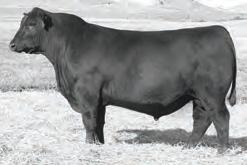
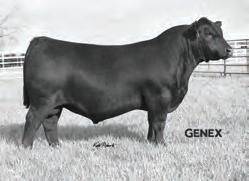
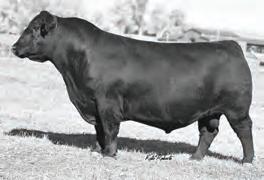
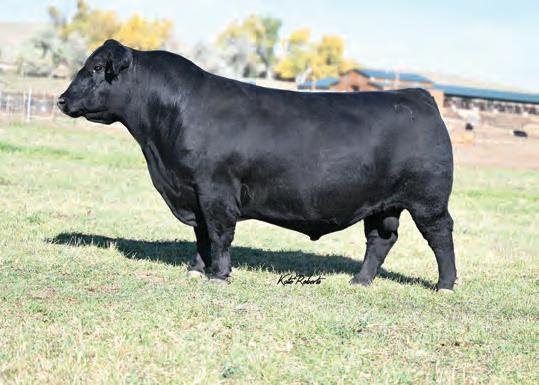
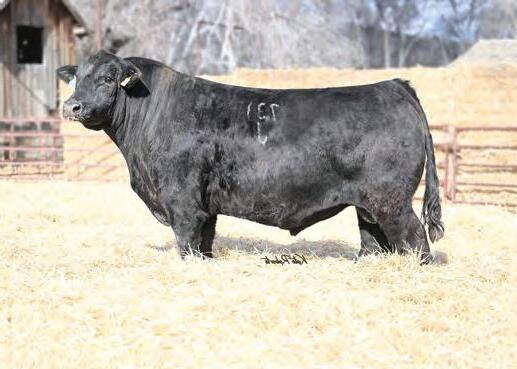
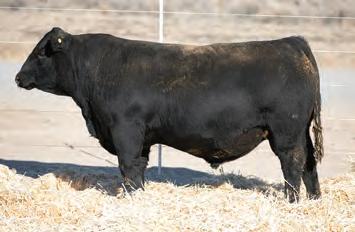
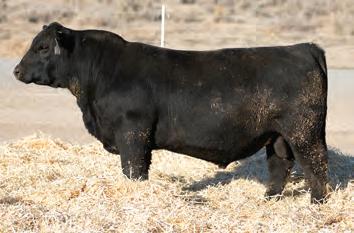
Silver Bit Bulls sire calves that gain, convert, & grade at the top end of thousands of calves in feedlots they’ve gone to. Silver Bit sired calves have consistently been the top selling calves on the summer Superior Livestock Video Sales.
Silver Bit Bulls come from one of the strongest herds of Angus cows anywhere. Wide based, easy fleshing, good footed, good milking, with tight udders & small teats. Lots of generations of breeding like kind to like kind for a consistent maternal package.
Embryo Program based on the best proven Angus Genetics
Silver Bit Ranch AI’s to only the Best Proven Sires!
Low to Moderate birth weights for consistent, easy calving!
PAP Tested ~ Semen Tested ~ Ultrasound Carcass Tested ~ BVD PI Free Tested
What our customers have to say about Silver Bit bulls…….
“I have been buying Silver Bit bulls for over 30 years and have always been happy with how they put pounds on calves, produce mother cows with good bags and mothering ability, hold up on our range that is over 6000 ’ altitude. Scott and Gwen are always great to deal with and always stand behind the bulls they sell. ” ….
Herb Whitworth, Elkhorn Ranch, Mackay, ID
“We have bought bulls from Scott & Gwen for several years and never been disappointed with the cattle. Being able to buy a set of bulls in volume that are full and half brothers from one place is great for us. We come back year after year for th ese bulls because they survive on the high desert we run on and that has also carried over and helped put longevity into our replacements Since implementing Silver Bit Angus bulls, we have notices our carcass reports getting better & better, that has earned us repeat b uyers on the calves. The docility of the bulls has improved greatly over the years, and anyone can appreciate that. These are truly good bulls from outstanding people. ”
Pat Hendren & McCall Hopkins, Hendren Farms, Monteview, ID
“Small Ranches have bought bulls from Silver Bit for more than 25 years. The bulls are easy to handle and produce some really nice calves. The calves have always done very well for us. They are easy to handle, they have good confirmation & gain well. The replacement heifers do well in our mountainous terrain. We have been very satisfied with the bulls we have purchased & plan on conti nuing to add their lineage to our herd. ”
Kevin Small, Small Ranches, Dubois, ID
100lb No-Melt formula in biodegradable and edible packaging.
Complete year-round vitamin, mineral and protein supplement.
Support for maximum performance and efficiency at all production stages.
Improve digestion, body condition, reproduction and fetal growth.
Contains Availa 4 and Boviacillus Production Plus option.
BOVIBOX
In addition to a full vitamin and mineral package it has 30% crude protein along with high levels of mono and poly unsaturated fat and a live multispecies probiotic for improved immunity and reproduction
NOW WITH MULTI-SPECIES LIVE PROBIOTIC!
BOVIBOX NATURAL
Has all the benefits of a quality mineral and vitamin package with 20% all-natural protein and the same high mono and poly unsaturated fat and live probiotic combination to boost immunity and reproduction
NOW WITH MULTI-SPECIES LIVE PROBIOTIC!
dlevans.com
RUMAX
COVER STORY
BY JOSEY CARTER
Self-Made, Founded in Tradition
Meet the man whose patience, perseverance, and vision shaped a family ranch—and now ICA
V AL CARTER grew up the third of eight kids in Pingree, Idaho. He grew up working with his dad and brothers caring for their dairy herd and running range cows on the Fort Hall Reservation.
After graduating from high school in 1979, Val served a church mission to South Africa. Upon his return, he attended one semester at Ricks College where he met my mother, Heather Caldwell, from Vernal, Utah. They were married in 1984 on Friday, the 13th of July. He was in a brief partnership with his dad and brothers, but after a year or so it became apparent the operation wasn’t big enough to support 4 families, so they dissolved the partnership and divided the cattle and debt. Val & Heather ended up with 30 dairy cows and half interest in a hay stacker. They leased his father’s dairy barn and did custom hay stacking in the summer.
It is impressive to see ranches passed down from generation to generation. However, I want to brag just a little bit about my dad. He is pretty well self-made. It wasn’t long before an opportunity came along to grow, when he was able to lease and eventually purchase the farm and ranch we all grew up on. It is a beautiful place on the Snake River with 612 acres (400 irrigated), two small homes, and a dairy barn—all for $205,000. The dollar worked pretty hard for you back then.
After buying the place, he continued to run the same type of operation as his dad. He milked cows and ran a small herd of beef cows on the side. Many people may not know that he was a dairyman before starting the seedstock operation, but he was for 14 years! The financial ups and downs that come with agriculture eventually led to him selling out of the dairy business. Milk prices were low, and as the dairy was on the river, some spendy environmental improvements were going to have to be made in order to continue operating. It was at that time that he sold the dairy cows and bought purebred Angus cows. That is about the time I came along. I asked my dad what led him to getting seedstock cattle over the regular commercial cattle, and he told me that he saw an opportunity to sell livestock above their weight value. That added value comes with a lot of tedious work: tracking birth weights, weaning weights, DNA, and keeping detailed records of all of it. I admire that my dad saw the opportunity and did everything he could to achieve his goal, rather than just follow the same business plan as the rest of the industry. My dad only attended college
for one semester, but I think he had more business savvy than a lot of college graduates do. Of course, everyone has to make mistakes in their business, and I know this only led him to make better decisions later and shape the business he owns today.
My brother Colter works with my dad every day, as they are now partners. There probably isn’t anyone who can tell you better than him what kind of a businessman our dad is. Colter has observed his patience in business. He never makes a rash decision on something. He makes sure to do his research and look at the opportunity from every angle before making a choice. He does this when choosing which genetics to introduce into his herd, so that his customers can have access to some of the top bulls. Colter mentioned that many of his picks in the bull sales they attend are the top sellers.
Though his main operation has been seedstock for many years, when Dad and Colter formed a partnership in 2022, they brought in Colter’s commercial cows, which they have expanded to about 600 mother cows. They have really come full circle on that too, as they have in recent years started running them on the Fort Hall Reservation just as he did growing up. He feels like having a
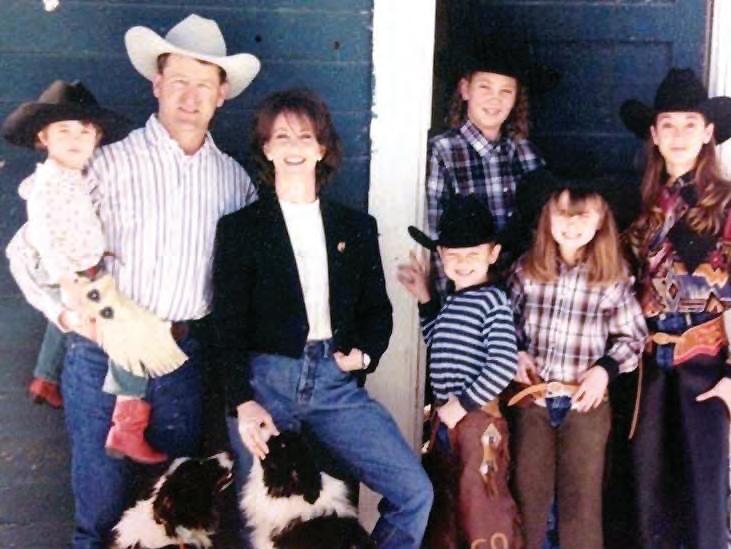
THE FAMILY BACK IN THE DAY. (FROM LEFT TO RIGHT) JOSEY, VAL, HEATHER, COLTER, CASSIDY, QUINCY, AND CHEYENNE.
commercial background helps him to better understand what his customers’ needs are. He makes sure his cattle pass the test so that Carter bulls will hold up in whatever range conditions the commercial breeder places them in.
Not only is he good with cattle, but he is good with people. I have observed him and Colter working with customers to help them get what they need. They will point them to good bulls that may not be topping the sale, but that will produce well. Customers who can’t attend the sale often call him up to pick a few and bid for them. Many customers come back because they know from personal experience that this is a man and a business they can trust.
Who is Val outside of business? Being the youngest of his kids (4 girls and 1 boy) I can offer some perspective. If
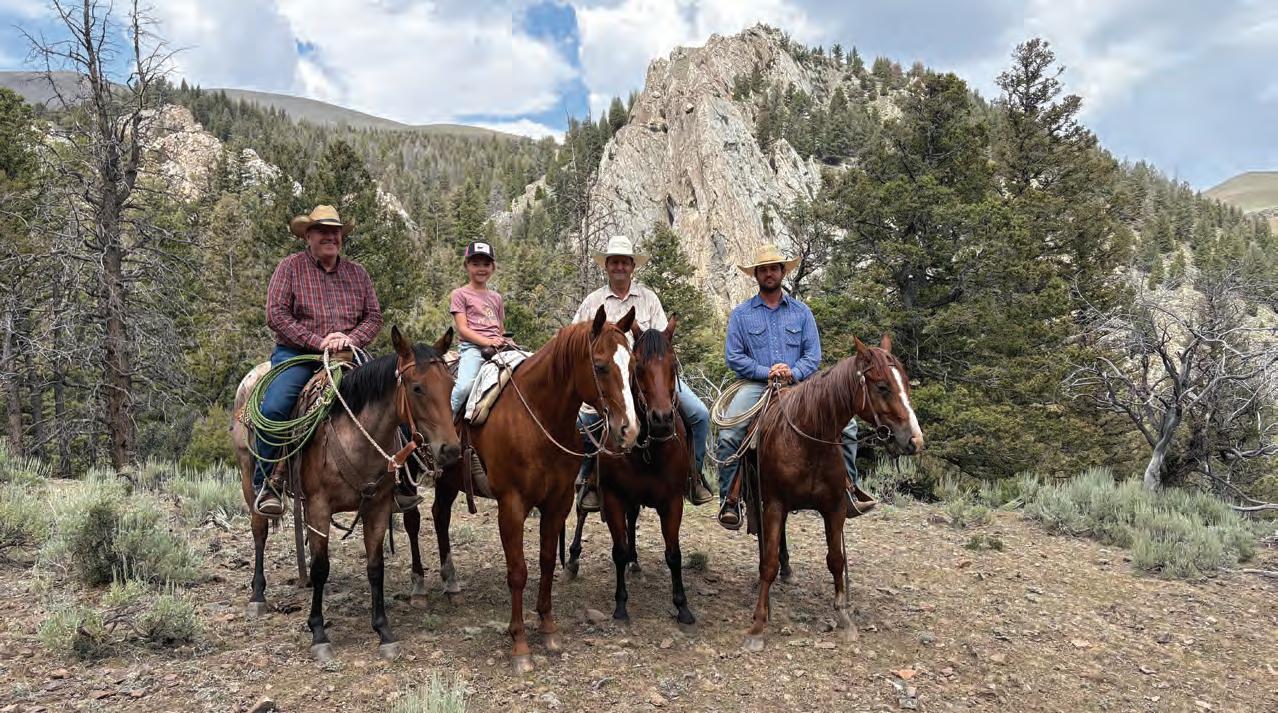
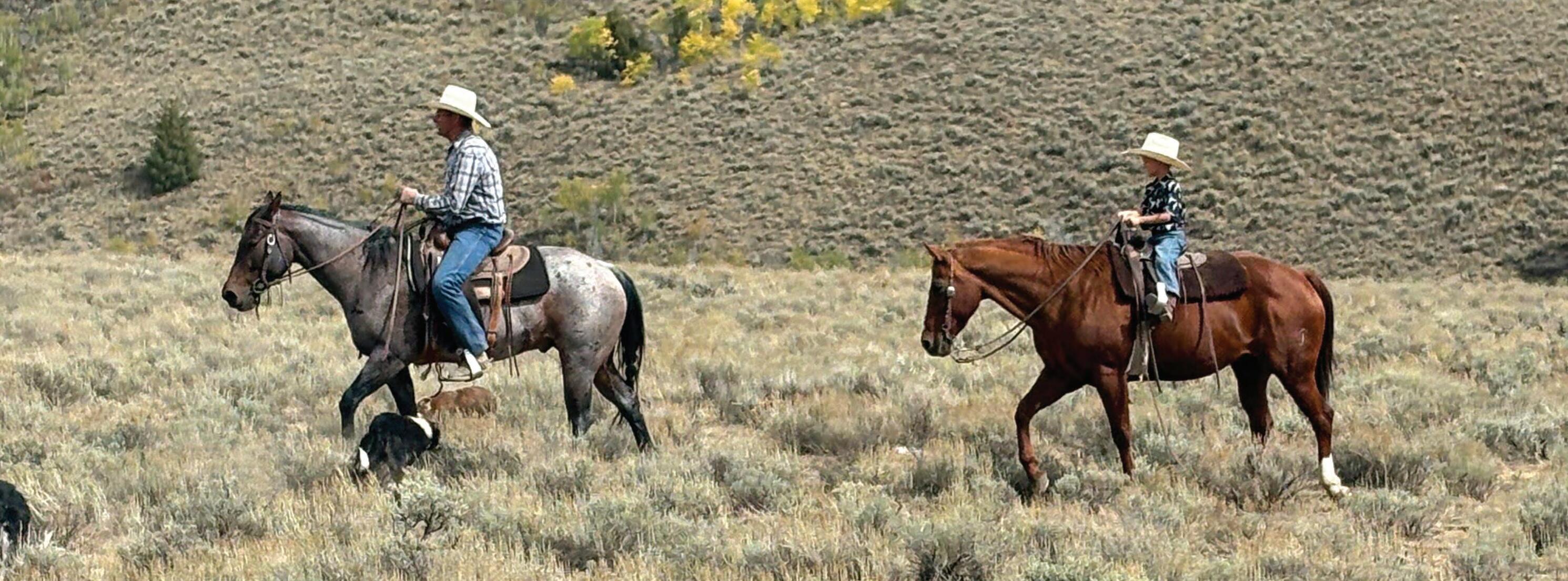
ABOVE: TRAVIS HENDERSON, JUNE, VAL, AND COLTER IN THE MOUNTAINS. BELOW: VAL LEADING THE WAY THROUGH THE BRUSH TO GET SOME WORK DONE.
he ever wished he had all sons instead, he never showed it. My sisters and I were as capable as any boy in his eyes, and I think he taught us well because none of us combined has caused as much equipment damage as some of his hired help over the years. There aren’t many people you will meet that work harder. Saying he worked from dawn ‘til dusk is an understatement. Depending on the time of year, he is up earlier than the sun and out later. And often, after returning home for the evening, he would retire to his office to work on his books and cattle records. This makes him sound like a workaholic (maybe just a little bit), but it
JUNE, HOLDEN, PETE, AND VAL ON A DUSTY WORK DAY.
didn’t feel like it when you got to tag along. I think that his favorite thing about ranching was how involved we all got to be with the business.
There is no doubt that it would have been easier to leave us kids at home to get a job done, but that is not the way things were. He would rather saddle all the horses and listen to us bellyache than leave us behind. In fact, a story involving my two oldest sisters illustrates my point, and I am sure many other ranching dads have had similar experiences. One morning my dad went out with Cheyenne and Cassidy to catch and saddle horses to go move cows. While the girls were saddling their horses, he loaded his horse in the trailer and went inside for breakfast and was soon joined by them. They finished eating, loaded up in the pickup, and headed down the road. About halfway to their destination a neighbor drove up alongside him and waved his arms, trying to flag him down. He looked in the rearview mirror and saw the trailer door swinging wide open. He pulled over and ran to the back of the trailer and discovered the girls’ horses missing. For a moment he feared they had fallen out along the way, but it was soon found that they were still tied in the barn and never loaded. What a privilege it is to have a parent—or parents, in my case, as my mom was usually the one making sure we stayed on our horse—who are less concerned about convenience and more about the experiences their children can have.
sort, roping at brandings, and as long (and sometimes miserable) as the days can be moving cows on the mountain, that was fun too. Val grew up with horses and passed that love and unfortunate addiction on to us kids. I remember when we started head/heel branding, I wasn’t quite comfortable enough to take part. He set up a little pen next to the opening of the main trap with a few calves, so I could still practice and drag calves. Val still does that sort of thing for his family. We will take a few extra hours branding calves so that his grandkids are able to get experience and have fun.
I have mentioned it several times, but Val is a very patient person. Us kids being his main help over the years was, I’m sure, frustrating at times. Even when we had some big wrecks working cows, he hardly ever yelled. I am not sure I can fill even one hand with the times I have seen him angry in my life. If you were doing something wrong, he would try and help us understand what was causing the problem and what we needed to do instead. Having a temper myself I have admired these qualities about him, as many lesser things have made me angry.
Val likes to do things traditionally. He cares about good cattle handling, but he also doesn’t coddle the cows. We have fun working on the ranch, using horses to
The Idaho Cattle Association is very fortunate to have Val as President in 2026. They couldn’t ask for someone with more experience with cattle in so many different aspects of the industry. Idaho is getting a sound thinker who seeks to understand new concepts and perspectives. I hope I have helped you all get to know Val a little bit better, and I hope you may have the opportunity to rub shoulders with him over this next year.
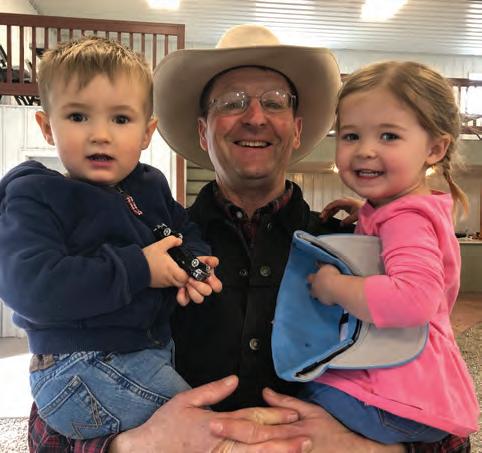
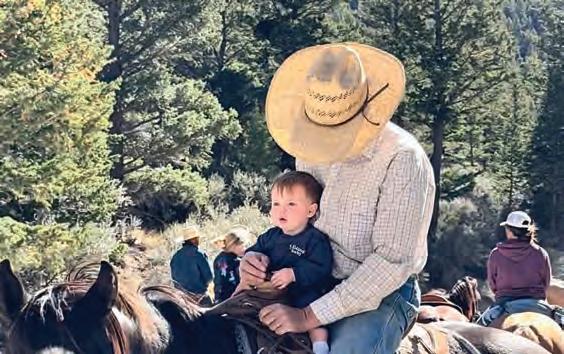
VAL WITH GRANDKIDS KIA AND JUNE.
THE CARTER FAMILY IS FOUNDED IN CARRYING ON A LEGACY OF TRADITION IN RANCHING.
Bull Sale
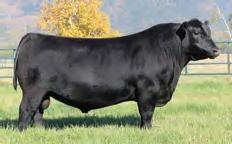
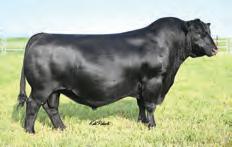
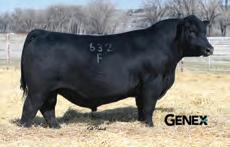
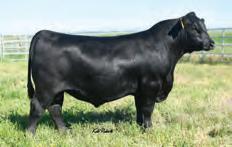
SELLING LIM-FLEX AND ANGUS BULLS
All bulls will be parent verified and have genomically enhanced EPDs.
2
2026 ICA Board of Directors
VAL CARTER
PRESIDENT
Pingree
ARNOLD CALLISON
PRESIDENT-ELECT
Blackfoot
JESSE HUMAN
VICE PRESIDENT
Jerome
LOGAN PETERS
FEEDER COUNCIL CHAIR
Boise
CHASE LANTING
PUREBRED COUNCIL CHAIR
Twin Falls
SPENCER BLACK
PAST-PRESIDENT
Almo
SCOTT BUNDERSON
TREASURER
Grand View
ROYCE SCHWENKFELDER
COW-CALF COUNCIL CHAIR
Cambridge
CHRISTIE PRESCOTT
CATTLEWOMEN
COUNCIL CHAIR
Fairfield
MERANDA SMALL
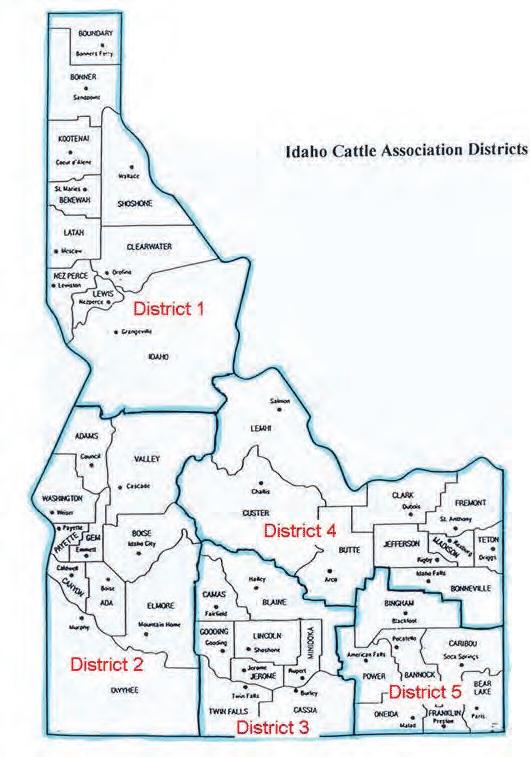
DISTRICT I
Grangeville
CECE BALDWIN
DISTRICT I
Coeur d’Alene
MARK MOURA
DISTRICT II
Cambridge
BRODEN MATTHEWS
DISTRICT III
Oakley
VALENE CAUHORN
DISTRICT III
Jerome
DANNA BECKMAN
DISTRICT IV
Idaho Falls
SHANE ROSENKRANCE
DISTRICT IV
Mackay
REX HOAGLAND
DISTRICT II
Melba
TIM MUNNS
DISTRICT V
Snowville, UT
MATT THOMSON
DISTRICT V
Idaho Falls
ELENA MONTEMAGNI
ALLIED INDUSTRY
REPRESENTATIVE
Caldwell
BAILEY STORMS CATTLEWOMEN REPRESENTATIVE
Idaho Falls
RANDALL RAYMOND
DIRECTOR AT LARGE
Grand View
CASEY SCOTT
DIRECTOR AT LARGE Clarkstown, WA
Keeping Idaho farms safe and productive since 1968. Our employee owners are dedicated to ensuring you get the best tires and auto service.
From Idaho to Japan
Sharing the American beef story abroad.
Idaho beef is shaping menus halfway across the globe—and one recent trip to Japan showed just how powerful producer-to-consumer connections can be. Idaho Beef Council (IBC) board member Jared Brackett traveled to Japan as part of the United States Meat Export Federation’s (USMEF) producer mission, joining two beef producers each from Oregon and Washington. The goal: strengthen relationships with international consumers, showcase the value of U.S. beef, and highlight the people and production practices behind it. Guided by USMEF’s exceptional staff, the group received market insights, cultural context, and hands-on opportunities to tell the story of American beef directly to the people who buy, cook, and influence demand for it. Jared noted, “When we share the story of American beef abroad, we’re doing more than marketing a product—we’re building trust, opening doors, and securing long-term demand for generations of producers.”
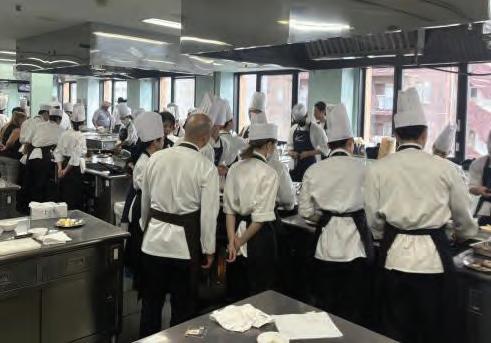
The visit began in Tokyo with an overview of Japan’s beef market and its highly specific consumer preferences, before the team flew north to Hokkaido for an immersive culinary experience. At a local culinary school, a Michelin-star chef demonstrated Prime U.S. New York steaks, explaining what sets American beef apart—marbling, consistency, and versatility across cuisines. After the demonstration, students moved into a handson lab, each cooking their own U.S. steak. Producers circulated from station to station offering cooking tips, answering questions about U.S. production, and taste-testing finished dishes. The interaction allowed students—soon-to-be professional chefs—to connect personally with the people behind American beef, building trust and enthusiasm that will influence future menu decisions.
the people behind their food. The steakhouse later launched a public promotion centered on U.S. beef dishes, building on the excitement sparked by the event.
Back in Tokyo, the group spent a full day learning how Japanese chefs approach steak differently than U.S. chefs, exploring preferred cuts, plating techniques, and preparation styles. Producers then joined a high-end steakhouse for an exclusive demonstration featuring Prime U.S. sirloin prepared for an audience of 60 guests—who had to win tickets to attend. In Japan, sirloin is considered a premium cut, often more prized than ribeye, and the chefs emphasized its tenderness and flavor. Throughout the event, producers shared personal stories about their families and operations, reinforcing what Japanese consumers value most: reliability, quality, and knowing
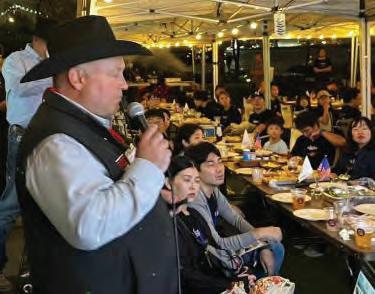
Even with high cattle and beef prices at home, USMEF staff noted that demand for U.S. beef remains strong in key markets such as Japan and Korea. That demand was on full display during one of the trip’s most memorable events: a community grilling competition in a Tokyo park. Because most Japanese homes lack yard space, many residents join “grill clubs” that meet in public parks with rental grills. These gatherings attract everyone from college students pooling money for U.S. beef to affluent families who treat grilling as a shared hobby. Hosted by local TV personalities, the event required attendees to enter a lottery just to participate—and a second drawing to be paired with a U.S. producer for the cooking competition. The Idaho team ultimately won, turning the experience into a fun highlight while strengthening meaningful, one-on-one consumer connections.
These outreach efforts are more than memorable—they directly support global demand. According to board member Brackett, “International demand is one of the strongest drivers of the U.S. beef economy. When consumers in places like Japan and Korea choose American beef, they’re supporting every rancher, feeder, processor, and community behind it.”
JARED BRACKETT SPEAKING AT THE CONSUMER BBQ GRILL CONTEST.
Today’s international consumers want more than a great eating experience; they want transparency, authenticity, and a clear understanding of how beef is raised. Japan values consistency, safety, and reliability, all areas where U.S. beef excels. Export markets also allow U.S. producers to maximize carcass value by marketing cuts less commonly consumed at home—intestines, liver, tongue, and short plate—which command strong demand overseas. Brackett shared the example of the Japanese greater consumption of beef offals: “Export markets allow producers to capture the full value of the animal and ensure nothing goes to waste.” He also noted that Japan’s strong preference for sirloin— compared to the U.S. preference for ribeye—enhances overall carcass value, as producers can capture a premium for a cut that is not as highly prioritized domestically. With sirloin regarded as the premier cut in Japan, U.S. consumers retain their preferred ribeye while international markets generate added value for cuts we traditionally place lower emphasis on. Export value per fed
head remains well above pre-COVID levels at roughly $400 per head, with Japan and Korea leading that value.
U.S. beef also continues to earn a strong price premium abroad. From January through August, exported American beef averaged $1.05 more per pound than product imported to the U.S.—second only to the record premium set in 2024. This reflects Japan’s ongoing appetite for high-quality U.S. chuck, rib, round, and plate cuts. While the premium softened slightly after market access issues with China, demand in Japan and Korea remains historically strong, underscoring the importance of building lasting relationships in these cornerstone markets.
For Idaho—and for the entire Pacific Northwest—producer participation in trips like this is invaluable. It strengthens trust in U.S. beef, elevates regional producers on the global stage, and connects consumers with the people who raise their food. As international markets evolve and the U.S. beef industry navigates price dynamics, supply shifts, and changing preferences, producer voices matter more than ever.
The takeaway is clear: Idaho’s presence in global markets strengthens demand for U.S. beef. To keep that momentum growing, we must continue investing in international outreach, producer participation, and the stories that show why American beef—and the people behind it—stand apart.
CULINARY STUDENTS PREPARE U.S. PRIME NEW YORK STEAKS WHILE PRODUCERS INTERACT.
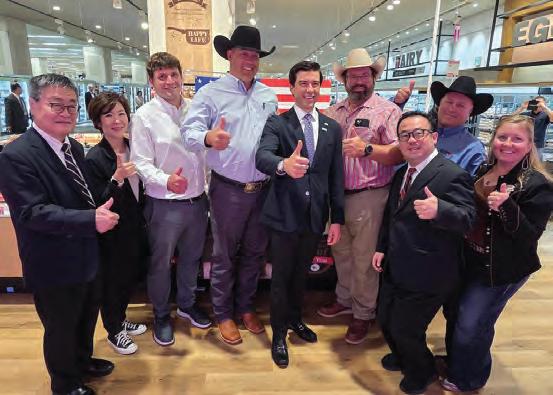
PNW REPRESENTATIVES AND USMEF STAFF MEETS WITH USDA UNDERSECRETARY FOR TRADE AND FOREIGN AGRICULTURAL AFFAIRS, LUKE LINDBERG, AT A SUPERMARKET IN TOKYO.
For more information on the Beef Checkoff, or to see where your Checkoff dollars are invested, visit IDBeef.org or contact us at BeefCouncil@IDBeef.org or (208) 376-6004.
Tehama District Fairgrounds Red Bluff, CA
Consignment Deadline: January 21 January 29
WVM Headquarters Cottonwood, CA
Consignment Deadline: February 19 February 27
Western Video Market is the premier livestock auction business in the western United States, offering internet and video marketing services for commercial cattle and sheep producers.
We have a team of field representatives who are second-to-none, and will represent your interests with old-fashioned values.
SALE MANAGER: Matt Macfarlane
(916) 803-3113 (cell)
m3cattlemarketing@gmail.com
www.m3cattlemarketing.com
FEBRUARY
18-MONTH OLD ANGUS BULLS A SELECT GROUP OF BRED AND OPEN FEMALES
Our age-advantaged bulls are available in volume! These bulls out of top sires can increase consistency and marketability in your calf crops.
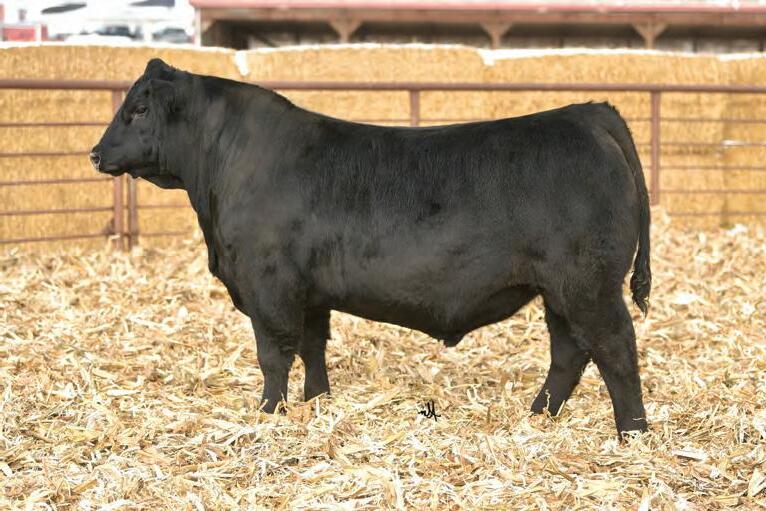
As the second-largest registered Angus cowherd in Oregon calving out 600-plus females a year, you get the Advantage of only the cream-of-the-crop! The top 50% of our bulls have extremely large contemporary groups to increase predictability, consistency and quality for our customers, and are from a cowherd that has been around for nearly 40 years.
Ruthless culling for feet and legs, plus structure gives you the Advantage when it comes to bull selection. Our bulls are extremely athletic. They run in big pastures over the summer after weaning. They are developed in extremely large lots that require them to travel up and down hills over rocky, hard ground everyday between a high-roughage feed source and water to ensure soundness and longevity.
Our intense AI program utilizes the most current and sought-after genetics in the Angus breed, with herdsires infused and utilized that rival the most popular AI sires in the breed for genetic value and potency.
Volume and repeat discounts are available, and delivery is free. Bulls are backed by a Zoetis HD50K DNA evaluation, ultrasounded with complete performance and fertility evaluation, and backed by an industry best guarantee. Many bulls qualify for the CAB Targeting the Brand Program.
AUCTIONEER Rick Machado (805) 801-3210 2175
Jerry Baker (208) 739-3449 Samuel Mahler, Herdsman (208) 739-0475
MOOving Through Maturity
Accelerated bone development in beef cattle.
BY KATIE SHIRA, P h .D. 1; BRENDA MURDOCH, Ph .D. 2; PHIL BASS, P h .D. 3; and GORDON MURDOCH, P h .D.4
Developing replacement heifers demands time, money, and management. Each year’s heifer crop carries the genetic potential that will shape future herd productivity and long-term operational success. Over time, many of us have selected heifers to grow faster and reach reproductive readiness earlier. This has delivered benefits such as a tighter calving window, improved production efficiency, stronger rebreeding rates, and ultimately greater lifetime revenue. Selecting for early developing females doesn’t just influence the future cow herd, it also impacts the rest of the calf crop that is destined for feeding and harvest. Enhanced growth efficiency has helped producers streamline their operations, boost performance, improve uniformity and increase profitability.
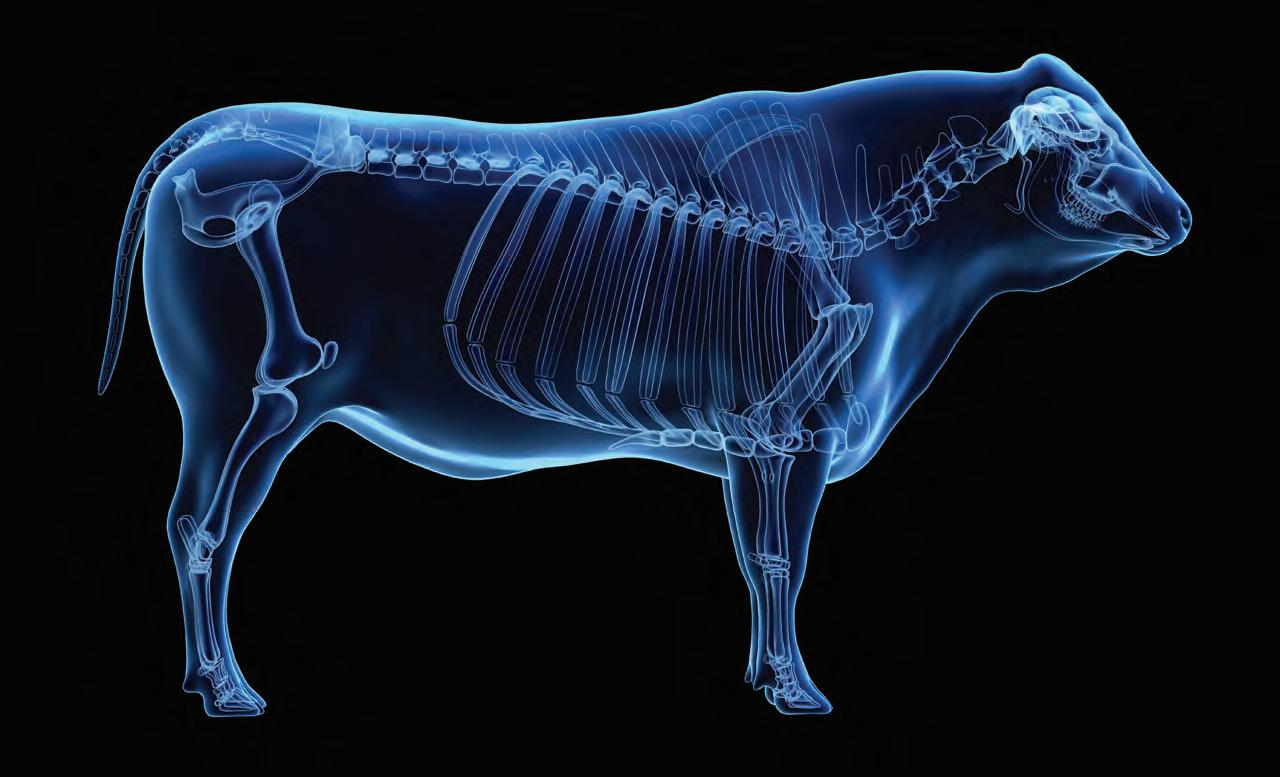
However, as we push for quicker growth and early reproductive maturity, we may have also been unintentionally selecting another trait: accelerated bone development.
Prior to 2017, early bone maturation created costly challenges for finished cattle headed to the packer. At that time, the skeletal system was used as the primary means to estimate an animal’s physiological age at harvest. They were assigned a maturity grade as seen in the table below. These letter grades (A-E) were associated with how many months of age each animal appeared to be based on bone maturity (level of mineralized bone). This age was factored into the final USDA quality grade. However, when cattle that were truly under 30 month of age appeared 30-96+ months of age, their carcasses had reduced value at harvest. Research at the University of Idaho by Hoffman et. al, 2020 revealed that even though the skeletal system was more mature, the quality of beef from these animals was not adversely impacted. The industry changed grading standards to incor-
porate either birth records or dentition (tooth development) to determine age at time of harvest. The USDA standards were amended in 2017 to use these methods of determining animal age rather than the level of bone development. This change did resolve the economic losses of the maturity grading issue but did not address the underlying physiological changes related to bone growth and the development of beef cattle. Young cattle still experience early bone maturity. This may not necessarily be a bad thing, and we have taken a closer look at the genetics and environment that could be impacting this accelerated bone development in a population of beef heifers at harvest.
Maturity Grade
Months of Age
A 9-30 B 30-42 C 42-72 D 72-96 E Over 96
Through two Idaho Beef Council grants, the Murdoch labs discovered genetic variants in bone mineralization genes in harvest age beef heifers that are linked to early, advanced bone maturation. Our study consisted of 900 heifers with 300 A, B, and C maturity grades. Even though they graded across those different categories and appeared to be up to 72 months old based on bone maturity, they were all confirmed to be less than 30 months of age by dentition. In this heifer population, we further evaluated whether FDA approved hormonal implants may be contributing to the accelerated bone maturity. We found that heifers given implants with higher levels of estrogen during the finishing phase in the feedlot are more likely to experience accelerated bone development in association with the novel genetic variants we identified. These variants are in genes that control estrogen binding and signaling in cells, which aligns with our finding regarding the implants. Our study suggests that the rate of advanced bone development may be reduced by providing implants with lower amounts of estrogen during the animals finishing phase prior to harvest. Producers could also choose not to provide implants to cattle with these genetic variants. We do have the capacity to evaluate these genetic variants further because we developed and validated custom tests as part of this project that was completed by Shira et. al, 2023.
There is a possibility that having the skeletal system develop early is advantageous to our cattle production. The whole animal is growing quicker earlier, and the skeletal system needs to support that rapid physical development. If it doesn’t, there will be more bone related soundness issues in our fat cattle and we
would likely see more lameness. In addition, the skeletal system needs to develop early enough for our breeding heifers, as the bones help support pregnancy and lactation while serving as a critical and dynamic mineral reserve. As often happens in research, we made some discoveries, but we are ultimately left with more questions. Do these same genetic variants influence age of puberty in our beef heifers, given that the genes identified influence reproductive tissues and bone? Do these genetic variants also influence longevity of our breeding stock? How might implants be used to support bone growth and health of other organs in the body? The genetic tests we designed can help us answer some of these questions. In future studies, we would like to serve the cattle industry and examine more thoroughly the physiological and genetic contributions to optimal beef cattle growth and development.
1Postdoctoral Fellow in the Livestock Genetics and Genomics Lab at the University of Idaho (Murdoch Lab); 2Professor, College of Agricultural and Life Sciences, Animal, Veterinary and Food Sciences, University of Idaho; 3Associate Professor — Meat Science, Animal, Veterinary and Food Sciences, University of Idaho; 4Professor and Chair, Animal Science, Washington State University
Is Proud To Support
PERFORMANCE
Selling Sons of time tested Performance Sires
CUSTOMER
INTRODUCING
2.27.26
75 Two-Year-Old and Fall Yearling Angus and SimAngus Bulls, along with a select number of Yearling Bulls
20 Yearling Registered SimAngus and Commercial Angus Females
21251995 Linz Exemplify 71124 x Rathbun Timeless D507 CW
CEDBWWW YW MILKDOC
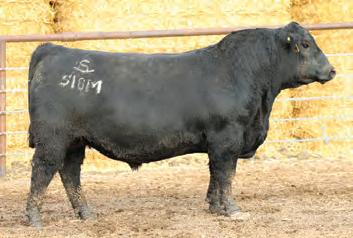
STOKROSE TANKER 613M
21254966 LVVF
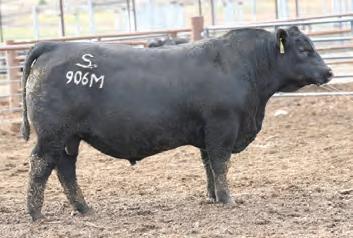
STOKROSE STATESMAN 906M
21254984 Virginia Tech Statesman x S Whitlock 179
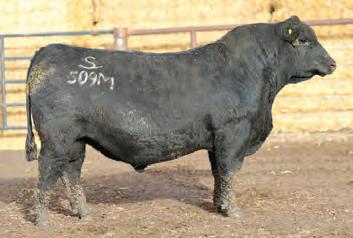
STOKROSE EXEMPLIFY 594M
21256033 Linz Exemplify 71124 x S A V Cattlemaster 4873
McCann Red Angus Lewiston, Idaho
6th Annual Bull Sale
Lewiston Roundup Grounds
February 26th, 2026 • 1pm PST
Office: 208-743-5517
Jason: 208-790-0646
Scan to be added to our mailing list today!
NCBA 2026 Policy Outlook
What producers need to know for the upcoming year.
2025 was a busy policy year for NCBA, with final passage of the ‘Big Beautiful Bill” (BBB) in July. When this legislation was signed into law, many of the policy priorities that NCBA has been working on for years were accomplished. This includes the permanent increase of the Death Tax and the 20% small business deduction, along with equipment expense deductions being raised to $2.5 million under Section 179. When these provisions are coupled with the newly permanent 100% upfront bonus depreciation, producers in 2026 and beyond will now be able to keep more of what they earn and reinvest in their own operations. The BBB also strengthened the “threelegged stool” by increasing annual funding from 150 million to 233 million through 2030. This funding goes directly to housing the vaccine bank and emergency supplies for responding to a foot-and-mouth disease (FMD) outbreak, which protects the cattle industry from foreign animal disease.
As we look ahead to 2026 and the second session of the 119th Congress, the first order of business for Congress will be working to fund the government. Last year, we saw the longest government shutdown in U.S. history that lasted a total of 43 days, and the impacts were felt across America, despite
the Trump administration working to lessen the negative impacts. Congress reopened the government by passing a Continuing Resolution that partially funded the government through January 30, 2026. While it is unlikely that the government will shut down again in January, if there is a funding lapse it would not impact USDA because the Continuing Resolution also included a one-year extension of the 2018 Farm Bill and a full-year FY2026 Agriculture, Rural Development, Food and Drug Administration appropriations bill. This legislation provides $26.65 billion in total funding, with key investments in nutrition, rural development and agricultural research and expires on September 30, 2026.
2026 is a midterm election year and historically Congress does not get a lot of legislative work done during election years. This midterm season is shaping up to be particularly contentious and, aside from those two must-pass funding bills in January and September, we do not expect to see Congress accomplish as much in 2026 as they did in 2025. After next September, members of Congress will most likely leave D.C. to campaign
back home for all of October, giving one last pitch to their constituents on why they should be reelected. It is still too far out to predict with any certainty what the balance of power will look like in Congress after the midterms, but NCBA is experienced in working with full Republican and Democrat controlled Congresses, as well as divided government.
Even with the midterm elections, there will still be quite a lot of policy work to do in 2026. NCBA will be releasing the annual policy priorities at convention in Nashville in February, with more details on the legislative agenda for the year, and there will for sure be a focus on executive branch rulemakings. One of the rulemakings that is expected to be finalized in the first half of 2026 is the recission of BLM’s “Conservation and Landscape Health” rule, also referred to as the “Public Lands Rule.” In September, BLM announced they have started the process to rescind this onerous rule that would have paved the way for the federal government to remove cattle from public lands. This was another big win from 2025, and we are looking forward to it being finalized next year. No matter if it is an election year or an off-year, NCBA continues the fight against overregulation and is working to provide the best possible environment for producer profitability.
Public Lands Council Update
Celebrating successes and gearing up for challenges
NBY KAITLYNN GLOVER PLC Executive Director
ot too long ago, I read that by the end of January more than 80% of New Year’s resolutions will have been abandoned, cast aside as idealistic notions that seemed workable in the wee hours of January 1, but look a bit bleaker by February. Each year, we commit to going to the gym, giving up a vice, or starting a new hobby, only to realize that there’s no magic change that happens when the calendar turns to a new year.
Unlike my resolution to drink less coffee, Public Lands Council (PLC) work began as soon as the President and new Congress were sworn in by the end of January. PLC had already started conversations with the Trump transition team, and our “resolutions” called on the new administration to act on a long list of priorities for federal lands grazing permittees. By the end of February, we had already started seeing meaningful policy change.
PLC’s early wins included working with BLM to rescind an Instructional Memorandum that would have prevented renewal of grazing permits and directed the agency to take unscientific action in sage grouse plans. At PLC’s urging, Bureau of Land Management (BLM) immediately took steps to rescind the ill-fated Public Lands Rule. United States Department of Agriculture (USDA) announced plans to
rescind the 2001 Roadless Rule that has certainly exacerbated – if not been directly responsible for – some of the worst forest conditions in the West over the last 25 years. The Trump Administration stripped National Environmental Policy Act (NEPA) back to its original and most efficient form, requiring agencies to decrease NEPA delays and make environmental reviews more effective. U.S. Fish and Wildlife Service rescinded some of the most problematic changes to the Endangered Species Act from the Biden-era rules, restoring common-sense and efficient process to identification and designation of habitat and critical habitat.
Certainly, 2025 had its share of challenges.
As part of PLC’s priorities for this administration, PLC provided a clear set of recommendations to BLM as part of our request for them to move as early as possible on reforming grazing regulations. We’ve been working with U.S. Forest Service for the last number of years to improve the directives that govern grazing program administration, and there is potential in this administration to enshrine some of the most positive changes in regulation. Never inclined to be left out of the conversation, the first session of the 119th Congress delivered on grazing priorities in a way we haven’t seen for
decades. This last year was the friendliest I have ever seen for grazing priorities. From bipartisan support of bills like the Ranching Without Red Tape Act to enable permittees to move forward with maintenance of range improvements, to House passage and Senate progress on the Fix Our Forests Act to increase the use of targeted grazing across National Forest System lands to prevent wildfire, the message from Congress was clear: they heard permittees’ message loud and clear, and they want to deliver lasting policy change.
PLC supported 7 witnesses who testified before Congress in 2025. This record-setting number is a clear recognition from Congress that they value federal lands grazing permittees’ perspective on a wide range of issues. PLC President Tim Canterbury testified on the “State of the Rangeland” at the beginning of the year. Hearings included the need for ESA reform, gray wolf delisting, producer burdens resulting from inefficient federal policy, the consequences of catastrophic wildfire, and the need for meaningful reform to litigation incentives like the Equal Access to Justice Act. Witnesses came from across the West: California, South Dakota, Colorado, New Mexico, Washington, and more.
Certainly, 2025 had its share of challenges, but we begin 2026 with strong relationships with Congress, federal agencies, and the White House. When faced with challenges, PLC meets them head-on, advocating for producer confidence, security,
and profitability. We see the light at the end of some decades-long tunnels like restoring grazing to vacant allotments, improving grazing regulations, and resolving regional inconsistencies in management flexibility. This year also provides a once-in-a-generation opportunity to highlight the history, culture, and value of federal lands grazing as part of the International Year of Rangelands and Pastoralists. This global effort makes connections between ranchers in Oregon, herders in Mongolia, and producers in Ethiopia – and everywhere in between.
This year, PLC will celebrate our 58th anniversary. This year, like all the others before it, we don’t need New Year’s “resolutions” because we have a policy book full of strong directives. Last year showed us what working with the federal government can look like when stakeholders provide clear priorities and are met with agencies willing to listen.
I hope you all had a restful holiday season and are ready to get back at it – there’s work to do!
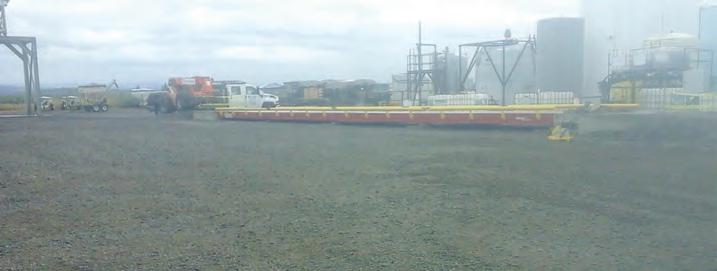
Specializing in Truck and Livestock Scales
Established in 1959, Scales NW offers a wide range of equipment, from precision lab balances to high capacity rail scales, as well as certified scale service and installation.
The work ahead
Preparing for the 2026 legislative session
As we approach the 2026 legislative session we must be prepared to engage at a level that creates transparency and a deep understanding of the issues at hand.
As Vice-Chairman of the House Agricultural Affairs Committee and a member of the Resource & Conservation and Revenue & Taxation Committees, I am privileged to have a front row seat as we draft legislation that affects every Idaho ranching family.
As with most legislation, time illuminates where there are places that can be improved.
I hope that there are no surprises, but there could be challenges!
First, I want to give kudos to our Idaho State Department of Agriculture (ISDA) leadership and range staff. In the 2024 legislative session, we passed the Idaho Range Act, which gives Idaho’s Central Grazing Board broad latitude in decisions that are intended to improve range conditions state-wide. This bill was enacted without state funding, but enables grant money, both public and private, to be used in range improvement projects.
I am so pleased with what our ISDA staff has been able to do in such a short period of time!
As with most legislation, time illuminates where there are places that can be improved. Many of these grants that make improvements possible have time constraints. Our state budgeting process requires us to look months in advance, in many cases long before we are even aware of potential
BY JERALD RAYMOND Idaho State Representative & ICA Past President
funding for spending authority. In some cases, the funding deadlines have expired before we receive spending authority. We hope to streamline that process in this upcoming session.
Myself and six other legislators, along with several other agriculture professionals, recently returned from Washington D.C., where we discussed in depth our commitment to water security for Idaho. Idaho’s congressional delegation understands and agrees that we must protect and expand water storage. You can expect legislation this session to reflect that commitment.
Every year during the first week of December, the Associated Taxpayers of Idaho holds their annual meeting. It is considered the “unofficial” start of the legislative session. This year’s meeting was extremely enlightening, as Idaho’s tax policy will be abnormally affected by federal tax policy.
Almost without exception, Idaho conforms with IRS tax policy, meaning that the state tax code runs linear to the IRS code. This is one of the first bills that the legislature considers each year. However, this year is unique. While we are only about halfway into our fiscal year, it appears that revenues projected
to come into the general fund are lagging, creating a budget shortfall. While sales and personal income taxes are holding steady, corporate income tax receipts are lower than expected.
Combine that fact with President Trump’s “One Big Beautiful Bill,” and the legislature has its work cut out for this session. While tax conformity in past years has been a “no brainer,” this year is different. Never, to my recollection, has Idaho had to consider new tax deductions that could make a projected budget shortfall of tens of millions of dollars become, potentially, hundreds of millions of dollars.
To be clear, I support the concepts found in the “Big Beautiful Bill,” but returning to my opening statement; we must be engaged at a level that creates transparency and a deeper understanding of the consequences of our actions before implementing. Idaho always has, and this legislature will, balance its budget before we adjourn Sine Die! That is a constitutional mandate that we honor with pride.
While we are grappling with those challenges, we will stay focused on what Idaho does so well… education, water, infrastructure and getting our products to market.
We are a livestock state, still more cows than people! I am so privileged to represent this industry! Please reach out to your state Senator or Representative with any questions or concerns. We are here to serve you.
Idaho Cattle Assoc & Idaho Public Lands Council
INTERNSHIP
OPPORTUNITY INTERNSHIP OPPORTUNITY
Deadline for application Deadline for application
JANUARY 31, 2026
VISIT WWW . IDAHOCATTLE . ORG FOR F LL POSTING AND APPLICATION
VISIT WWW . IDAHO ATT E . ORG FOR FU POSTING APP I ATION
New and renewed ICA members
Loosli Red Angus
Rance Butler
MaCade Bingham
Idaho AgCredit
Woodrow W. Butler Family Trust
Schroeder Law
Knipe Land Company Inc.
Paradise Valley Hay & Cattle
Eric Davis
D & B Supply Corporate Office
Lazy TY Livestock
Michael Miller
River Ranch Angus
Dobson Ranch
Jack & Ava Rubelt
CJ Mosman & Son
Ipsen Cattle Company
Barker Cattle Company
Dallan Johnson
Kaylee Lierman
Wyatt & Whitney Jolley
Sabala Farms Inc.
Meranda Small
Small Cattle
Burgess Angus Ranch
Holmes Ranch
Valene & John Cauhorn
Ag Proud
Graning Ranch & Co
Graning Ranch & Co.
Justin & Jessie Jarvis
Allen & Kim Thompson
CS Beef Packers
S/S Cattle Co.
Wittman Farms Inc.
Wayne Clark
Phillips Brothers Cattle Company
Sutton Livestock Co Inc.
Tom Hennessey
Broken Circle Cattle Co.
Dangerous Edge Ranch
Greg Garatea
Bettis Livestock LLC
Pine Tree Ranch
Pine Tree Ranch
Robert & Rhea
Colter Carter
Carter Cattle Co.
Steve Ireland
Tom & Ann Moedl
Brown’s Meadow Creek Ranch
Jim Minor
MT Cattle
4-T Ranch
Hans Carstensen
Hall and Hall Ranch Brokers
Burtenshaw & Sons Ranch, LLC
Salmon Tract Angus
Idaho Angus Association
Marg Chipman
Louis Skaar & Sons Inc.
Vernon Kershner
Riley’s River Ranch
Healthy newborn calves and improved conception rates start with cow herd nutrition. Vitalix tubs are the ideal delivery system to provide essential nutrition for calving. Vitalix uses technologies that are proven to improve colostrum quality, calf health and immunity, all while supporting the mother cow now, and more offspring to come. Learn more from your local sales manager today! Northern ID • Jason Bean • 509-794-9059 • jbean@vitalix.com Southern ID • Owen Albrecht • 385-335-1745 • oalbrecht@vitalix.com
James & Dawn Anderson 208-280-1505
208-280-1509
Beverly Bryan
PRIVATE TREATY SALES
HEREFORD & RED ANGUS
2 Year Olds & Spring Yearling Bulls Spring Yearling Hereford & Red Baldy Heifers
Check out our offering at jbbalherefords.com
JBB/AL HEREFORDS 1973 S 1500 E GOODING, ID 83330 jbbalherefords@gmail.com
Bryan & Charly Anderson 208-280-1964 Jae Anderson
Hang’n A Cattle Company
Alan and Leslie Alexander
(509) 727-9151 - Alan(509) 432-4802 - William PASCO, WA
Bulls and Females available Private Treaty
Email : william@hangnacattle.com hangna@owt.com
KNIPE LAND COMPANY
• Farm, Ranch, Recreation, Large Land Parcels, and High Net-Worth Real Estate • 1031 Tax Deferred Exchanges
www.hangnacattle.com Follow Us on Facebook
Your Northwest Source for Quality Charolais Cattle
9351 Lake Shore Drive Dennis: Nampa ID 83686 (208) 989-1612 2 miles west of Hwy. 45
AMERICAN ANGUS 9
BAKER ANGUS 41
BB CATTLE 16
BELL KEY ANGUS 61
BULLS OF THE BIG SKY 35
BURGESS ANGUS RANCH 54
CARTER CATTLE CO.................. IFC
CKP INSURANCE 3 COMMERCIAL
5 IDAHO BEEF COUNCIL 38
Our experienced sales team is ready to solve your real estate needs. Ready to buy or sell? Call today!