For advertising sales, contact: idahocattlepublications@gmail.com
The Line Rider is the official publication of the Idaho Cattle Association. It is published 10 times each year, in January, February, March, April/May, June, July/August, September, October, November and December.
• LargeSire Groups
• Backed by a “No Questions Asked” Guarantee
At the ranch in Shoshone, ID
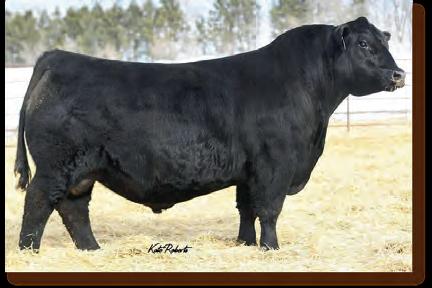
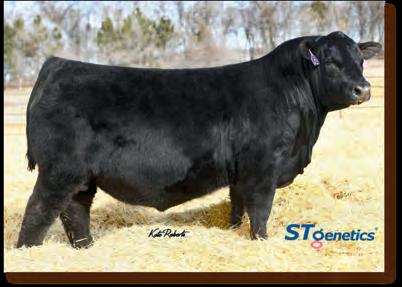
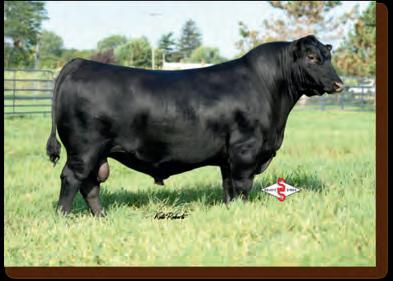
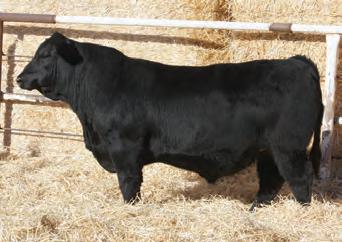
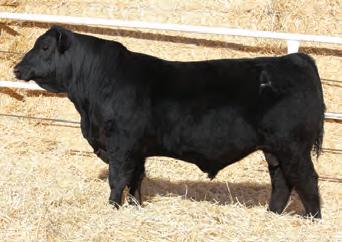
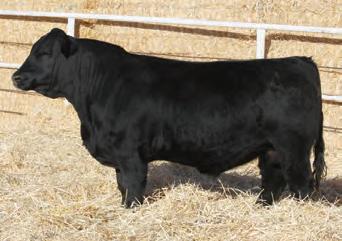
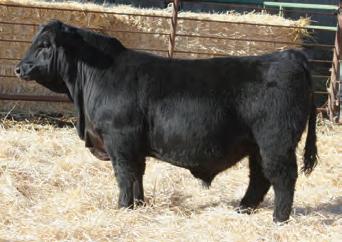
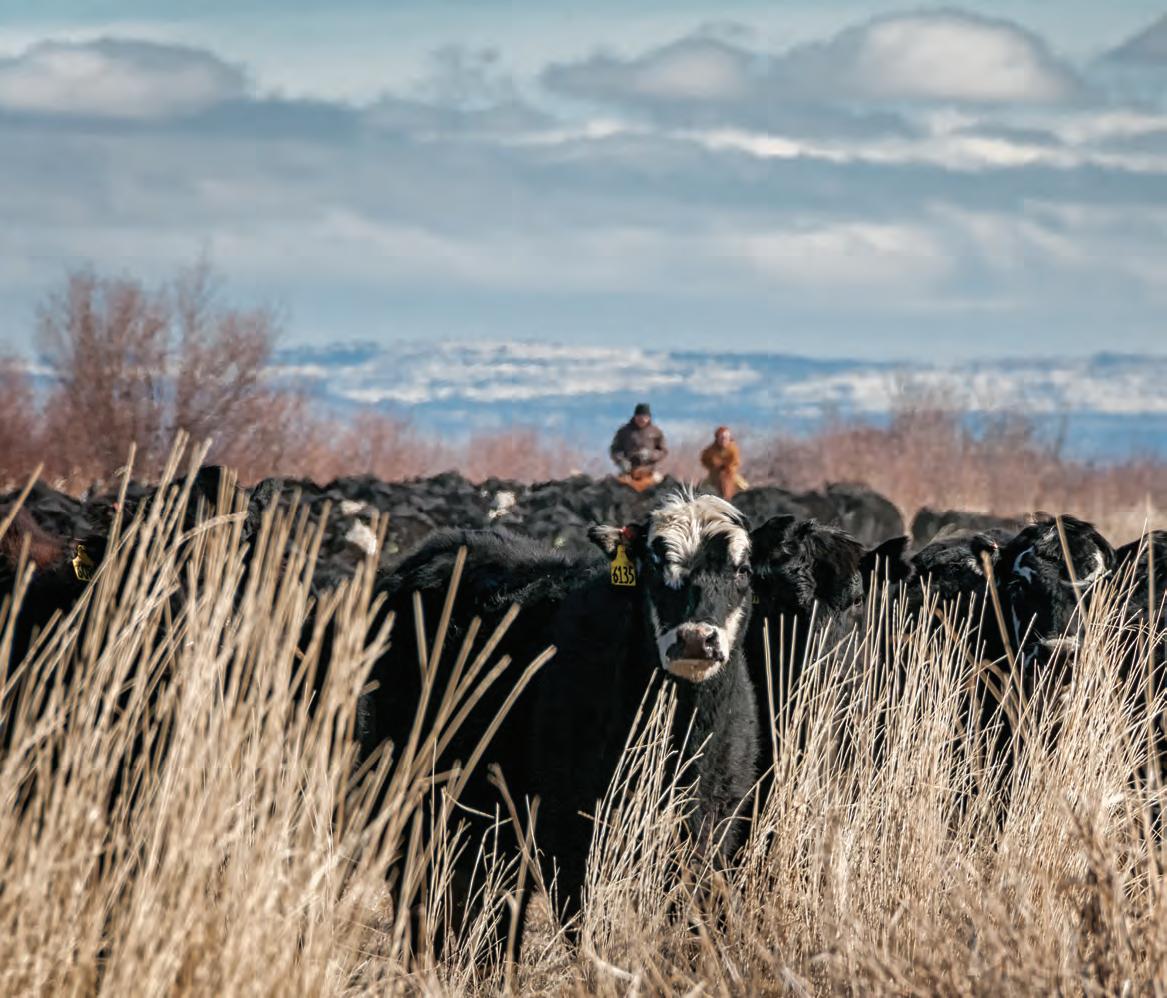
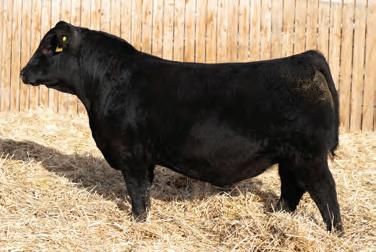
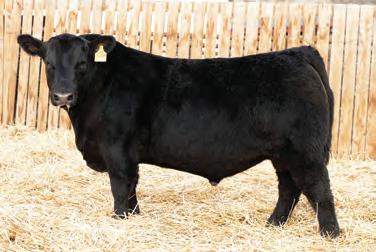
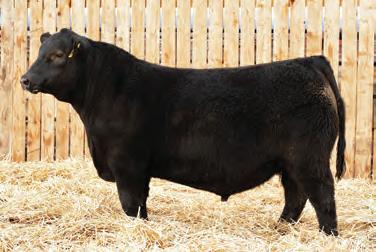
3-String Cattle Company, is an established, REPUTATION commercial and purebred cow/calf ranch in the high desert region of southern Idaho. We operate a substantial sized commercial cow-calf operation. Angus-based cow herd; focused on an accountable breeding philosophy. First and foremost, our cowherd is fundamentally BUILT TO THRIVE and hold up in our range environment. Yet, we understand we are the backbone of the beef industry, so we stay as grounded as possible on maximizing genetic output for growth, carcass merit and yield, all while keeping the maternal traits the FOUNDATION of our success.
It all starts at the ranch
Cow-calf considerations for calving season
As February rolls around, the days get longer and, for many ranches, it signals the beginning of calving season. Like most seedstock operations, we try to get a headstart and began calving the purebred cows in mid-January. I’ve often asked myself in a blinding snowstorm why we call it “spring calving.”
Taking care of cattle has always given me a great sense of satisfaction and a reason to get up in the morning.
As a boy, my family always calved later, when it was truly spring. It was my favorite time of the year, with the new calves, green grass, and branding. To be honest, it was what made me choose this profession. I was hooked from the beginning. Watching those baby calves being born and instinctively struggle to their feet to get their first meal was a lesson on life. It was then I determined that life was by design, not chance. Taking care of cattle has always given me a great sense of satisfaction and a reason to get up in the morning. It must be hereditary; my dad kept at least a few bucket calves around until the last year or two of his life when he died at age 94.
This month we wish to express our appreciation to our cow-calf producers. They are truly the heart of our beef industry, as they provide the cattle that help feed Idaho and the world. They endure sleepless nights during calving season, disease outbreaks, wildlife predation, range fires, drought and severe weather events, just to name a few. Many graze on public lands, which brings
BY VAL CARTER ICA President
another onslaught of challenges with endangered species restrictions, permitting regulation, and environment and water issues. We appreciate their dedication to producing the quality cattle that drive our industry, because “back at the ranch” is where all beef production begins.
As cow-calf producers, they stand alone as the only entity that can change the genetic influence of our nation’s cowherd. We work with many industry partners, including University Extension programs, breed associations, public and private research centers, allied industries, and seedstock operations. These partners provide education, research, genomic testing, semen, and breeding stock. However, it is on the ranch where all of these tools and research come together. Genetic selection decisions are made in commercial cow-calf operations, and those decisions impact the entire beef industry. Every ranching operation is different and unique with their own set of advantages and challenges. Breeding decisions will also be different depending on time of calving, available facilities, resources, and range conditions, as well as marketing time and method. Expected Progeny Differences, or EPD’s, is the standard tool used for selecting the right genetic traits for your cowherd. There are
EPD’S available for a long list of different traits, so as you shop for breeding stock, it is important to prioritize those most important to your individual operation.
It is good to take advantage of the different resources available when making breeding decisions, but it can also be overwhelming with the many methods, breed traits, and breeding philosophies available. Consulting potential buyers to help determine what traits help make your cattle the most marketable, can be informative. Any good feeder wants to buy cattle that will gain and grade, but keep in mind that we also need to maintain fertility and sustainability in our cowherd and maximize overall economic return and not just sale day receipts.
Some cattle traits can be antagonistic of each other. For instance, to choose the bull with the highest EPD for yearling weight or maternal milk may have an adverse effect on the fertility or longevity of the resulting daughters. The effect of many of these traits are greatly influenced by the quality and quantity of available forage, so it is important to find the right balance on your ranch for a particular EPD trait. The overall influence of potential breeding stock may not be realized for several years to come.
Sometimes we make decisions because of tradition or because the neighbors do it that way, but in the end, the choices are yours to make. Have a great calving season!
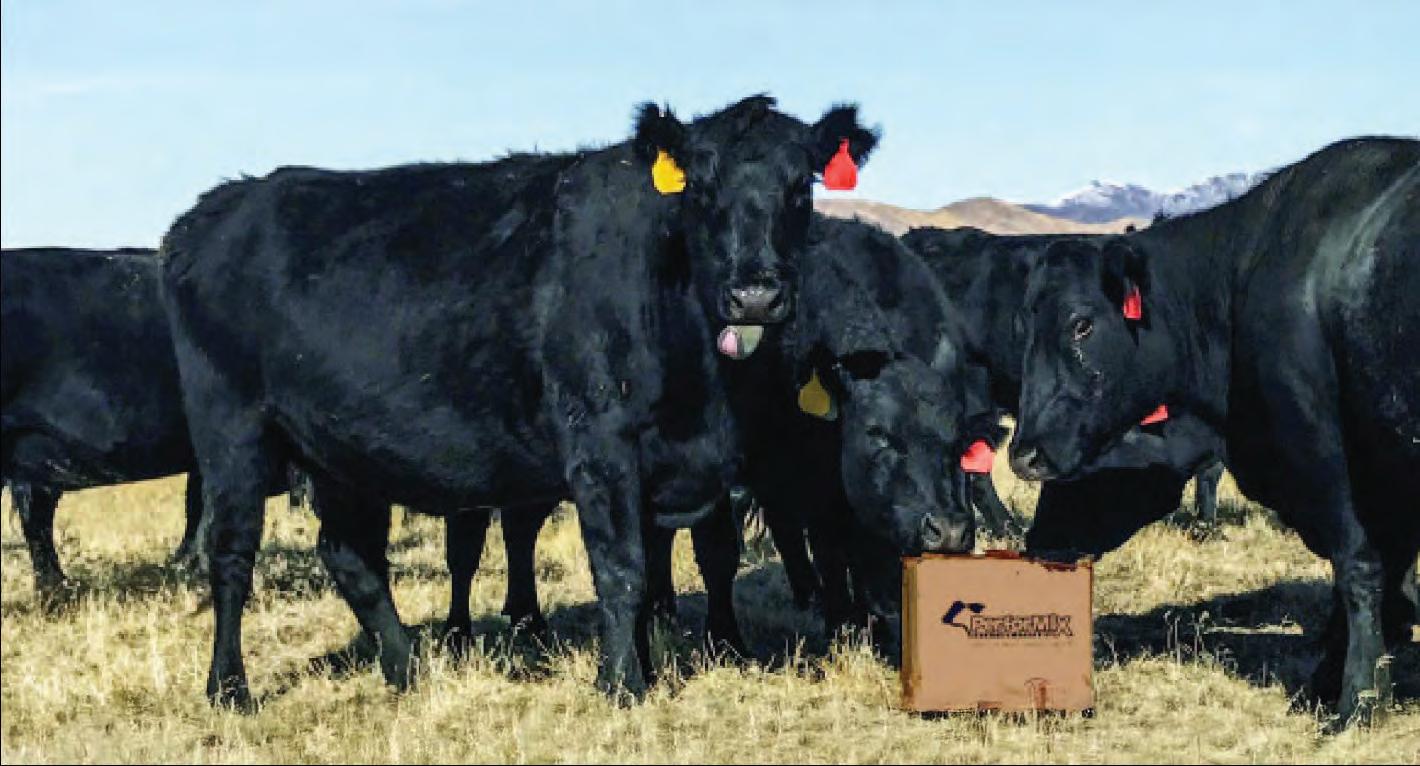
100lb No-Melt formula in biodegradable and edible packaging.
Complete year-round vitamin, mineral and protein supplement.
Support for maximum performance and efficiency at all production stages.
Improve digestion, body condition, reproduction and fetal growth.
Contains Availa 4 and Boviacillus Production Plus option.
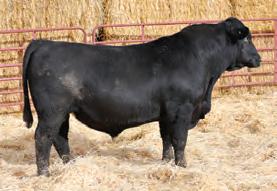
OFFERING A GREAT SELECTION OF REGISTERED ANGUS BULLS SEMEN TESTED AND READY FOR SERVICE
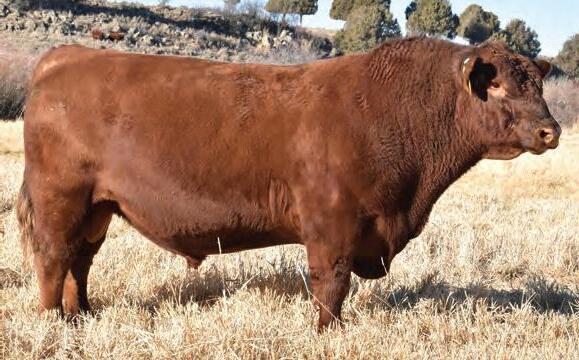
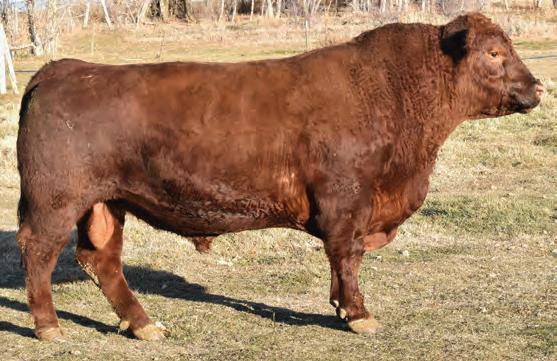
Selling sons of these and other maternal breed leaders:
Please join us at the ranch for complimentary lunch at 12:00 NOON, followed by a live bid close-out at 1:00 PM
THOMSON LAND & LIVESTOCK
Matt and Sarah Thomson
2020 Riverton Road, Blackfoot, ID 83221
Matt 208-589-6901
Sarah 208-716-9456 matt83401@yahoo.com
In addition to a full vitamin and mineral package it has 30% crude protein along with high levels of mono and poly unsaturated fat and a live multispecies probiotic for improved immunity and reproduction
NOW WITH MULTI-SPECIES LIVE PROBIOTIC!
Has all the benefits of a quality mineral and vitamin package with 20% all-natural protein and the same high mono and poly unsaturated fat and live probiotic combination to boost immunity and reproduction
NOW WITH MULTI-SPECIES LIVE PROBIOTIC!
RUMAX BOVIBOX
BOVIBOX NATURAL
Fanning the flames
Staying vigilant during the legislative session
WAn alarm can’t tell the difference between a house fire and a piece of burning toast. “
here there’s smoke, there’s fire!” That statement has been made time and time again in discussions about the things we overhear across the table or in the hallway. We will hear it again and again throughout this season, though we try our best to dispel concerns and avoid a gossip queen’s status.
BY CAMERON MULRONY ICA Executive Vice President
most air moves when those that are speaking up are the constituents of the decision-makers.
We need to make sure that, if we see smoke, then we investigate for flames. Or is it just a false alarm—are the neighbors just burning too much incense? On social media, whether we are listening to the latest market update, ranching podcast, or beef interview, we see many eye-catching headlines and with some investigation, we may find they are just that. I have had many cases recently where the headline reads well (and I am intrigued and tune in), but too often there is never actually a mention of the items in the headline once I start reading. Oftentimes, I may have already received a call from members related to the title, asking for details!
It seems that in today’s world it is really just a line of smoke signals, and there is nobody willing to fan the flames; instead, they send up more smoke. As you read this, we will have been in the legislative session for about a month, and although there will be smoke, the amount that is fueled by an actual fire is unknown at the time of authoring. That being said, the smoke will linger, and, in many cases, the nature of the fire is to be determined.
The headlines seem to be all that people read these days, jumping from one story to the next without reading beyond the title. The issue is never vetted or put into practice, but in many cases, the damage is done. We have worked hard to ensure that our membership is well informed on what we as an organization are involved in. We even make sure to focus on the issues that are cattlemen-specific to keep our positions strong. It is easy to get slightly off the path when too many issues are involved, as it dilutes our efficacy when we are asked by decision-makers about items that are not pertinent to our industry. I hope that you are getting our weekly Executive Update email and are following The Western Martingale website as we roll through session. We need to fan the flames sometimes, and the
Just to be clear, the call is not an issue; we as a staff need to be aware of all the issues that could impact our industry. My problem lies with the content provider; their goal is not to provide information, it is to get followers and likes, as that is how they get to monetize their “show.” That seems to be what many of these stories are turning into: smoke shows. No flames, no heat, no fire!
As we move through the session, we are working to provide our members and industry advocates with meaningful flames to keep the fires burning and our industry moving forward. We will ask our membership to help boost these efforts from time to time. However, it is also important that when we see smoke, we look to see if there is indeed a fire or if it is a deceptive headline waiting to prey on anyone who will click, followed by some smoke signals to see if they can gather a posse, let the incense burn, and never actually provide anything other than some smoke and smell.
Never hesitate to call when you see some smoke and we will continue to work and determine if there is truly a fire. Remember, an alarm can’t tell the difference between a house fire and a piece of burning toast—but you can.
The state of the industry
Last year’s wins and upcoming obstacles
It is that time of year where we hear a lot about the state of things. In January, Governor Little gave his State of the State address to begin the 2026 Idaho legislative session. In a couple of weeks, we will hear President Trump pontificate during the annual State of the Union tradition wherein the sitting president talks about his accomplishments and provides an outline of his ideals and goals for the coming year. In thinking about these addresses from our top elected officials, it got me reflecting on the state of the cattle industry.
Although you can always find something to worry about if you so choose, there is much to be hopeful about right now.
With all the national rhetoric about our industry and beef prices that have come out of Washington leaders and political pundits over the past few months, we have certainly been given cause to focus on the current circumstances we find ourselves in.
So, what is the state of our industry? If I were the president of America’s cattle industry, what would I say in a public address? I think the message would be one of optimism. Although you can always, always, find something to worry about if you so choose, especially in a volatile industry like ours, there is much to be hopeful about right now. Right now, the U.S. cattle market is at historical highs. Consumer demand of our beef is also high despite those high prices, and we have new federal dietary guidelines that recommend a focus on protein intake, which can only serve
BY KAREN WILLIAMS ICA Natural Resources Policy Director
to fortify that demand. Market fundamentals point to sustained high prices for cattle. Pair these facts with the potential for some legislative and regulatory relief, and we have much to feel good about. If ever we had a time to say a little goodbye to our constant companion, “woe is me,” it is now.
Where this year’s State of the State speech had to focus on the state’s need to tighten its belt due to budget deficits and the State of the Union speech will have to address deficit spending, because apparently that’s all Congress knows how to do, those in our industry are not quite in the same boat this go around. Certainly there are debts, but hopefully the usual companion of financial strain felt by cattlemen and women has eased to an extent as we find ourselves in a changed marketplace.
I am sure my state of the industry speech would echo some familiar strains of the past several years. There are many problems, seemingly perennial, that just do not go away, such as endangered species management, predator predation on livestock,
illogical management of federal lands, burdensome regulations driven by outdated laws, activist groups’ efforts to restrict the industry, marketplace volatility, animal disease that threatens our borders, rising input costs, and countless other threats. However, this would be followed by a statement of belief that solutions could be right around the corner, and we will certainly be advocating for them.
I have worked for the industry for a long time—more years have passed than I can believe possible. When I started my career, former Department of Interior Secretary Bruce Babbitt’s ill-gotten Rangeland Reform regulations were hot off the press. We have spent the past 30 years working to repeal and improve on those regulations. Now, we are promised that new grazing regulations are right around the corner, expected to be released within the next couple of months.
In that same amount of years, sage grouse have seemingly been my near constant companion. But now we have a new plan, released just before Christmas and accompanied by new science disproving negative impact of livestock grazing on the species, that may allow the issue to be put to rest. Is the plan perfect? No. Will it be litigated? Almost certainly. But there are action items underway that will provide clearer guidance to the way the plan is implemented when it comes to grazing management and we will not rest until those improved instructions are released.
Meanwhile, within the halls of the upper levels of government, they are finally talking about ways to open more lands to grazing and increase the number of cattle on grazing lands, according to the land’s actual carrying capacity rather than being dictated by anti-cattle organizations. Livestock grazing is being acknowledged for the invaluable tool it is in reducing fuel loads to restrict catastrophic wildfire proliferation.
I will echo that there is much to be hopeful about in our industry right now. The state of the industry is on more solid footing than it has been for many years. We will remain vigilant in seeking for the finalization of the above-mentioned, and other needed improvements to our operating environment and the regulation of our industry.
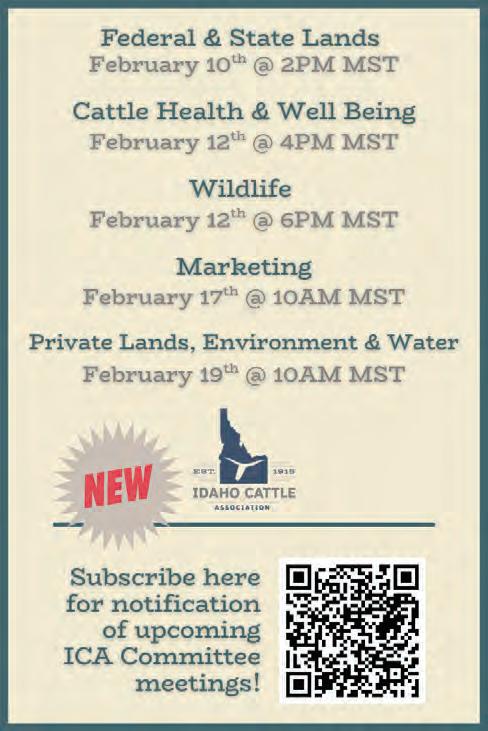
This is far from a complete list of happenings for the cattle industry right now. But there are ways for you to learn more. During the month of February, each ICA committee will hold a virtual meeting to discuss current issues and potential solutions, including state legislative actions. This is your chance to hear about those issues, provide your input on their potential impact, and offer ideas to improve upon them. Your participation in these committee meetings will offer you with more complete information to gain a sense of the true state of the industry right now. Those meetings are listed above right and I encourage your participation if you have any questions or thoughts to share on the state of our industry. Meanwhile, allow yourself to take a measure of comfort in high prices and steady demand.
Motivation
Standing up for the Idaho cattle industry
The fall of 2025 was one of the best seasons I’ve experienced in my 46 years of ranching. Timely rains followed by warm weather brought much-needed grass after a dry summer, allowing the range to recover and setting us up for a strong spring in cow country. The great weather helped us tackle projects, and even add more to the list. Now, we hope winter delivers snow in the high country.
The cattle business is never one where we can afford to be “comfortable.”
Ranching is a life and business built on a perennial wish list: grass, rain, health, markets, and countless other factors that vary by location. We do everything we can to monitor these conditions and plan our grazing and management strategies accordingly. The cattle business is never one where we can afford to be “comfortable.” Success—ours and that of future generations—depends on staying alert and proactive.
In my view, cattlemen have always been a humble group, sometimes hesitant to engage with those who
BY ROYCE SCHWENKFELDER Cow-Calf Council Chair
don’t fully understand what we do. Too often, we shy away from advocating for our industry in positive, non-confrontational ways. But showing up, speaking up, and having conversations matters. We need to help others understand our perspective and what it takes for this industry to survive, while also listening to their views and finding common ground.
Our work benefits Idaho in ways that go far beyond cattle. By using rangelands—both private and public—we keep open spaces open and support wildlife populations. Our water developments help too. Ranching promotes stewardship that improves soil health, controls weeds, regenerates landscapes, and yes, provides consumers with a healthy, high-quality protein source. These contributions may seem obvious to us, but they need to be communicated and championed with the same passion we bring to our daily work. Our message is a good one, so let’s be loud and proud in sharing it.
Idaho’s demographics are changing, and cowcalf producers make up a shrinking percentage of the population. Politically, we must explain our industry to earn support from those who don’t understand our positions or history. Many of these folks could become strong allies if we approach them with openness and a willingness
to listen. Sure, some will never agree with what we do, but they’re the minority. The rest deserve our engagement.
The issues we face are numerous and often complex: land use planning, water, air quality, carbon, scenery, access for sportsmen and recreationists, economic viability, culture, education, rural character—the list goes on. When these topics arise, consider how we respond and how others perceive our reactions. We have more friends than foes in this business, but it takes motivation. Don’t be complacent. Get involved, even in small ways that feel comfortable: start a conversation, attend a meeting, participate in a local effort. Do something for the industry we love.
Consider joining the Idaho Cattle Association (ICA), or if you’re already a member, encourage your neighbor to join. ICA does an excellent job protecting our interests, but don’t rely on them alone. Make it personal. Take action in your own way. It’s better to be in the game than sitting on the sidelines.
AMERICAN QUALITY
PROUDLY BUILT WITH PRECISION IN THE USA.
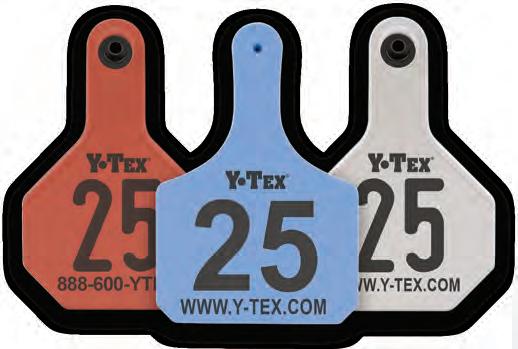
At Y-TEX ® , we take pride in American craftsmanship. Our All-American ® two-piece and Y-Tags ® one-piece ear tags are made in the USA from advanced thermoplastic polyurethane for exceptional durability, flexibility and retention.
Featuring 100% PureLaser™ imprinting with readability guaranteed for the life of the animal, our tags deliver American-made quality ranchers trust.
BY MONTANA MacCONNELL
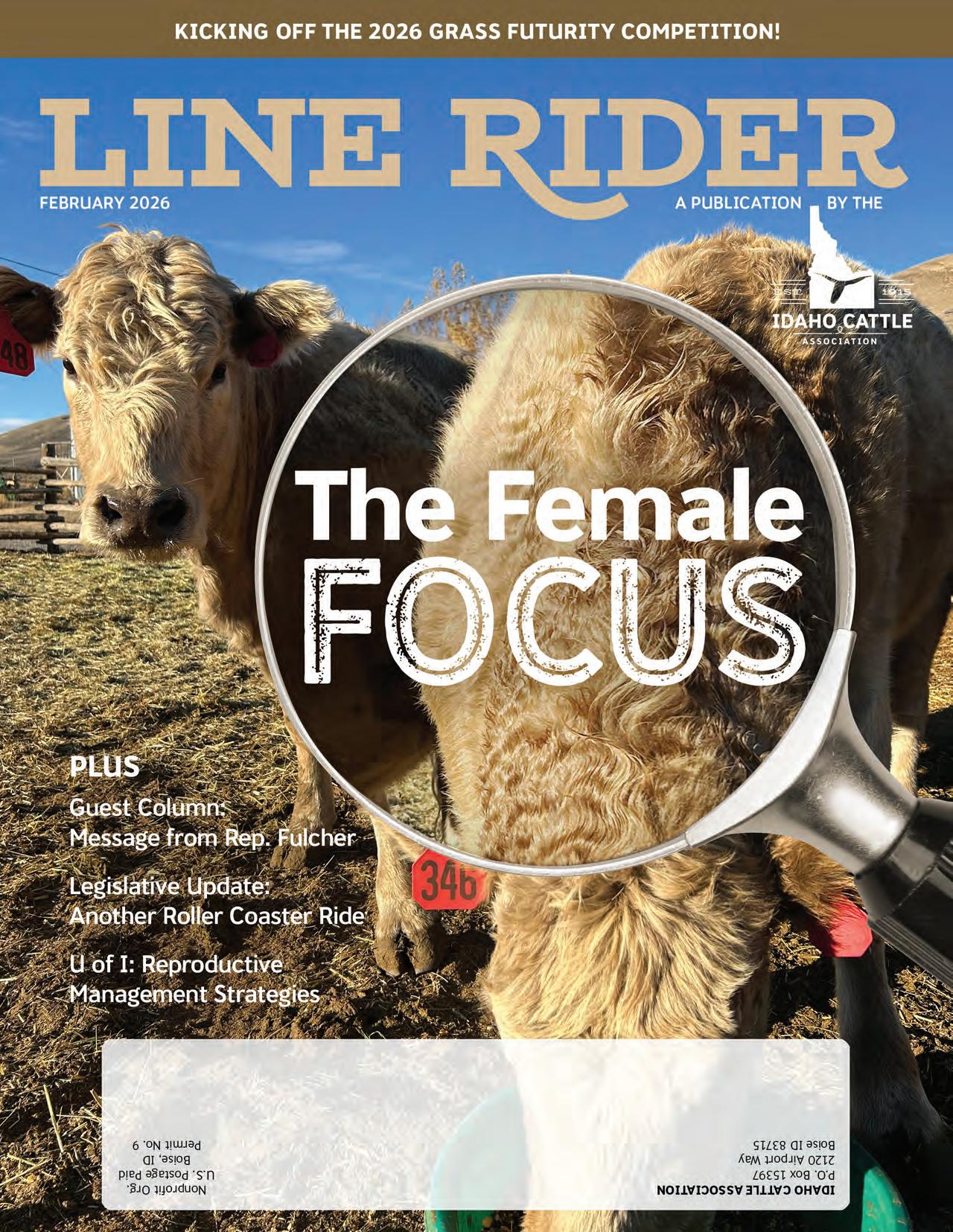
The Female FOCUS
The Ins and Outs of Heifer Development
Every cow-calf operator knows the feeling: you spot a cow in the field who’s just had a new calf. She’s your favorite cow in the whole herd, so when you get closer, you just have to check—and it’s a heifer. There’s no elation quite like the opportunity to continue a strong genetic line and see how the daughters of your best cows will fare someday. That moment represents hope, progress, and the future of the ranch.
However, a lot needs to happen before that baby calf wobbling on her new legs can become part of the legacy of your operation. Heifer development is one of the most critical and most expensive components of the cow-calf sector. In a business where the maternal line is the lifeline, longevity and productivity are the name of the game. Replacement heifers are not just another generation of cattle; they are long-term investments that determine herd performance, profitability, and sustainability for years to come.
Each retained heifer is an opportunity to move the herd forward.
calving success, rebreeding ability, and cow longevity. Heifers that calve early, breed back on time, and stay structurally sound tend to wean more calves over their lifetime. Those additional calves are where profitability is found. Conversely, heifers that struggle to breed, calve late, or fall out of the herd early rarely pay for themselves.
Before a heifer ever raises her first calf, she must be carefully selected, managed, and developed in a way that sets both the producer and the animal up for success.
THE ECONOMICS OF HEIFER DEVELOPMENT
Especially with last year’s record cattle prices, there is a temptation to expand the national herd and retain heifers at the ranch level. The economic impact of heifer development on a cow-calf operation cannot be overstated. A replacement heifer represents one of the largest upfront investments a ranch makes, often requiring two years of feed, labor, health costs, and management before she generates any return. Because of this, the goal is not simply to get a heifer bred, but to develop cows that remain productive in the herd for many years.
Proper heifer development directly influences fertility,
Replacement heifers also play a central role in herd expansion and genetic progress. Each retained heifer is an opportunity to move the herd forward; improving efficiency, adaptability, disposition, and maternal traits that fit the production environment. The decisions made during heifer development ripple through the herd for generations.
SELECTION IS THE FOUNDATION
Heifer development begins long before breeding season. Selection is the foundation, and mistakes made here are difficult and costly to fix later.
The focus should be on moderate-framed, structurally sound heifers with good feet and legs, acceptable udders in their dams, and calm dispositions. Heifers that fit the ranch environment and management style are far more likely to succeed long-term. Selecting replacements based solely on size or weaning weight can unintentionally push mature cow size higher, increasing maintenance costs without adding productivity.
The performance and longevity of the dam matter. Cows that consistently calve early, maintain condition, and raise
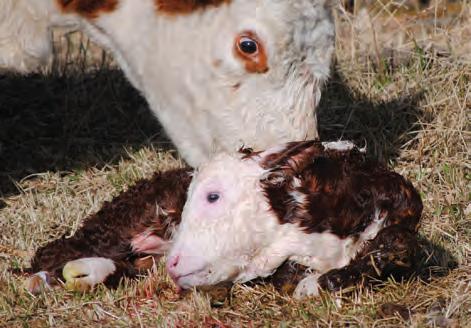
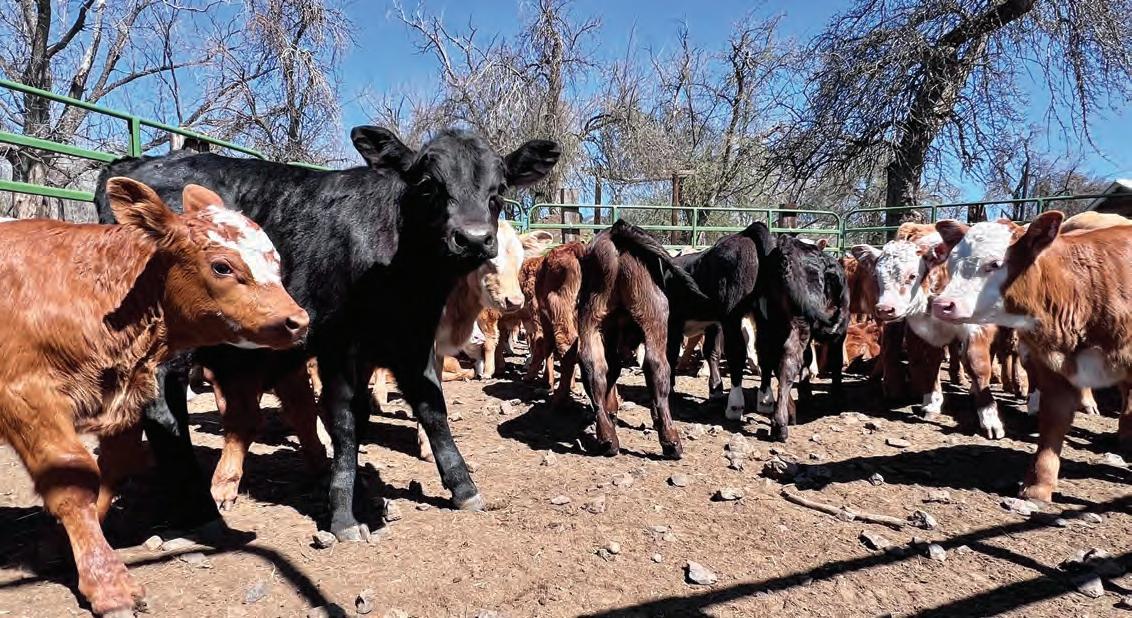
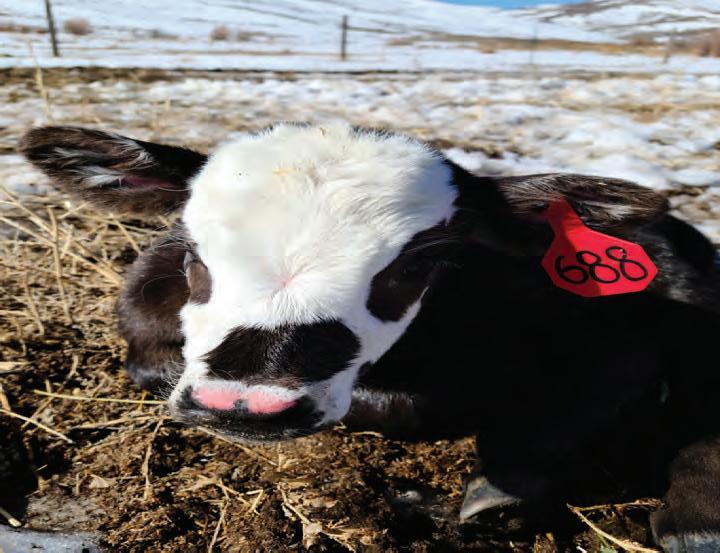
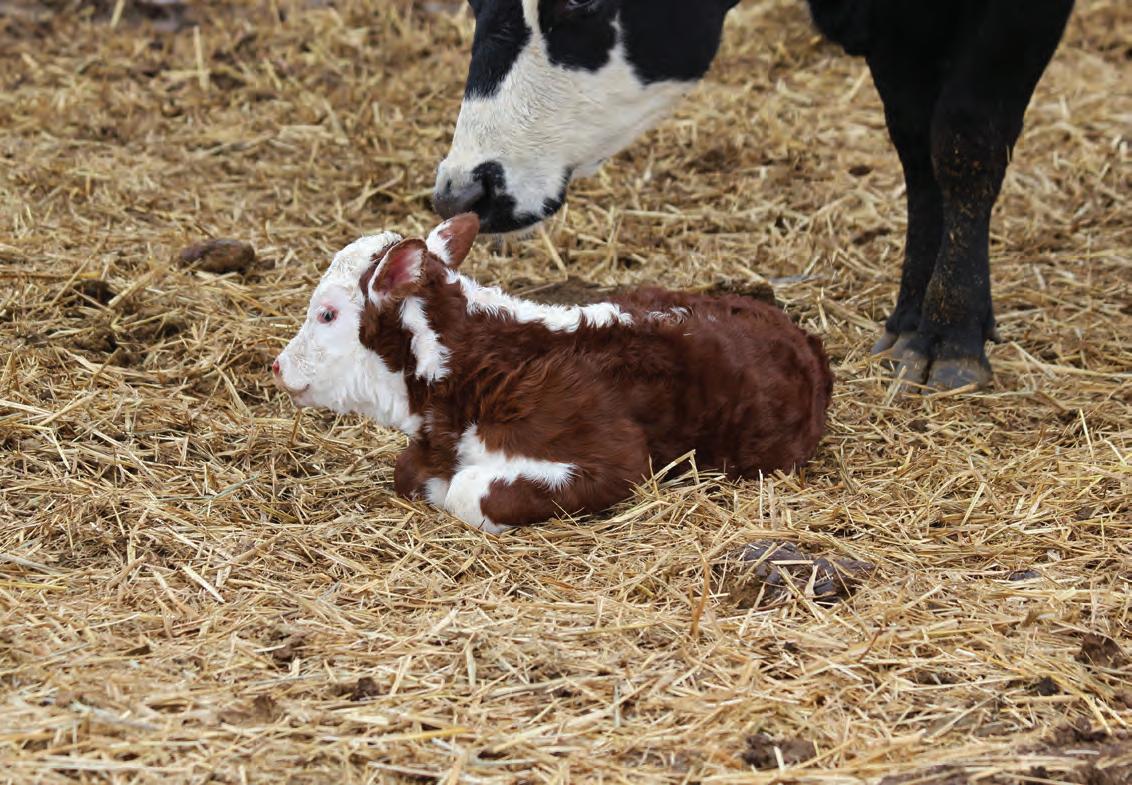
A HEIFER’S SUCCESS ALL STARTS WHEN SHE FIRST ENTERS THE WORLD AND BECOMES A PART OF YOUR CALF CROP.
calves without extra inputs are the kind worth replicating. Environment matters just as much as genetics. Heifers developed under similar conditions to where they’ll eventually live tend to be more resilient and productive.
Selection timing also plays a role. Most calves are weaned around six months of age, which can bias selection toward faster-growing, heavier heifers. Without careful targets, this can lead to selecting cattle that grow well early but mature into larger, higher-maintenance cows. Thoughtful selection criteria help avoid that trap.
DIFFERENT STRATEGIES FOR DEVELOPMENT
A large part of a heifer’s success is tied to her weight and condition at breeding and calving. Traditionally, the rule of thumb has been that a heifer should reach at least 65% of her mature weight by her first breeding. Roughly 200 days lie between weaning and breeding, and hitting that target has been associated with improved cycling and fertility.
However, achieving that level of gain can be costly, often requiring significant supplementation. In many commercial conditions, research and field experience suggest heifers can be managed to around 55% of their mature weight at breeding without negatively affecting conception rates or longevi-
Many heifers no longer require high-energy rations between weaning and breeding.
ty. This approach reduces development costs while still producing functional, fertile cows.
As genetics continue to improve efficiency, some producers are rethinking intensive heifer development programs altogether. Many heifers no longer require high-energy rations between weaning and breeding. By keeping heifers on pasture and developing them in less confined systems, producers in this school of thought believe they are raising fitter, more adaptable females. These heifers may grow more slowly, but they are often better matched to forage-based environments and require fewer inputs as mature cows.
This shift has raised concerns about delayed puberty if gains are too low during critical growth periods. Institutions such as the University of Idaho have examined this issue, exploring how different development strategies affect puberty, fertility, and long-term productivity. The takeaway is that there is no single “right” target; successful heifer development depends on REGARDLESS
genetics, breed type, forage resources, and management goals. Some argue that most heifers have historically been overdeveloped. Others point out that heifers can be developed to weights even higher than the traditional 65% target without sacrificing efficiency or longevity. Breed type matters as well. Larger-framed, later-maturing cattle may successfully breed at lower percentages of mature weight, while crossbred heifers often reach puberty earlier due to heterosis. Ultimately, what works best is determined by the cattle and the operation itself.
FIRST BREEDING AND CALVING
Breeding management is where development decisions are put to the test. Many producers breed heifers ahead of the mature cow herd, giving them extra time to recover and rebreed after their first calf. Selecting calving-ease bulls is critical to reduce dystocia and ensure a smooth transition into motherhood. Short breeding seasons are another powerful management tool. A 75-day breeding window is often sufficient to identify fertile heifers while allowing open females to be marketed as yearling feeders before they lose value. Heifers that conceive early tend to calve early, and that advantage compounds throughout their lifetime.
Ultimately, what works best is determined by the cattle and the operation itself.
Weight and condition at first calving are just as important as at breeding. Heifers should weigh roughly 80–85% of their mature weight at calving and maintain a body condition score of 5 to 6. This period deserves special attention, as extra time and resources invested here can pay dividends in future performance.
After first calving, heifers should be managed separately when possible. Their nutritional demands during lactation are higher because they are still growing. Setting them up for timely rebreeding is critical, and heifers that fail to breed back for their second calf should be culled.
THE BIGGER PICTURE
Heifers are moneymakers—they are the animals responsible for generating future cash flow and product. That means they must produce more value than they cost. Feed, pasture,
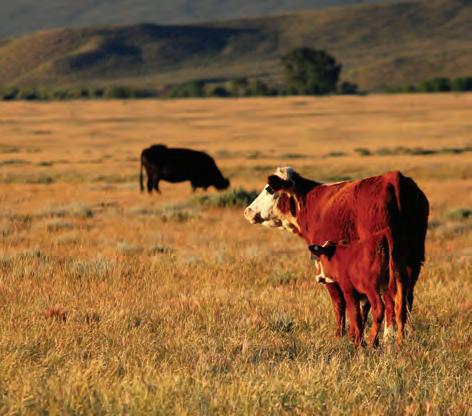
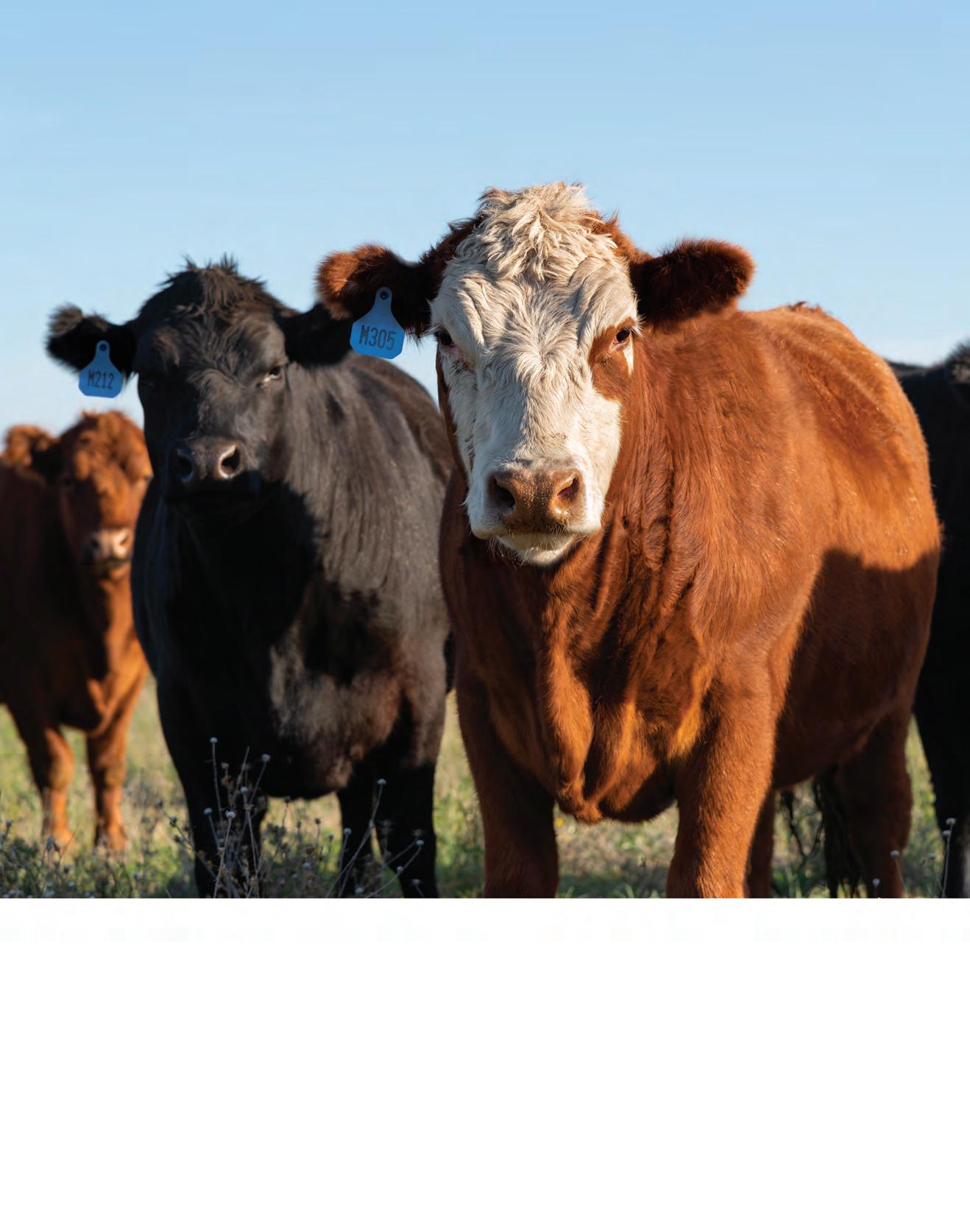
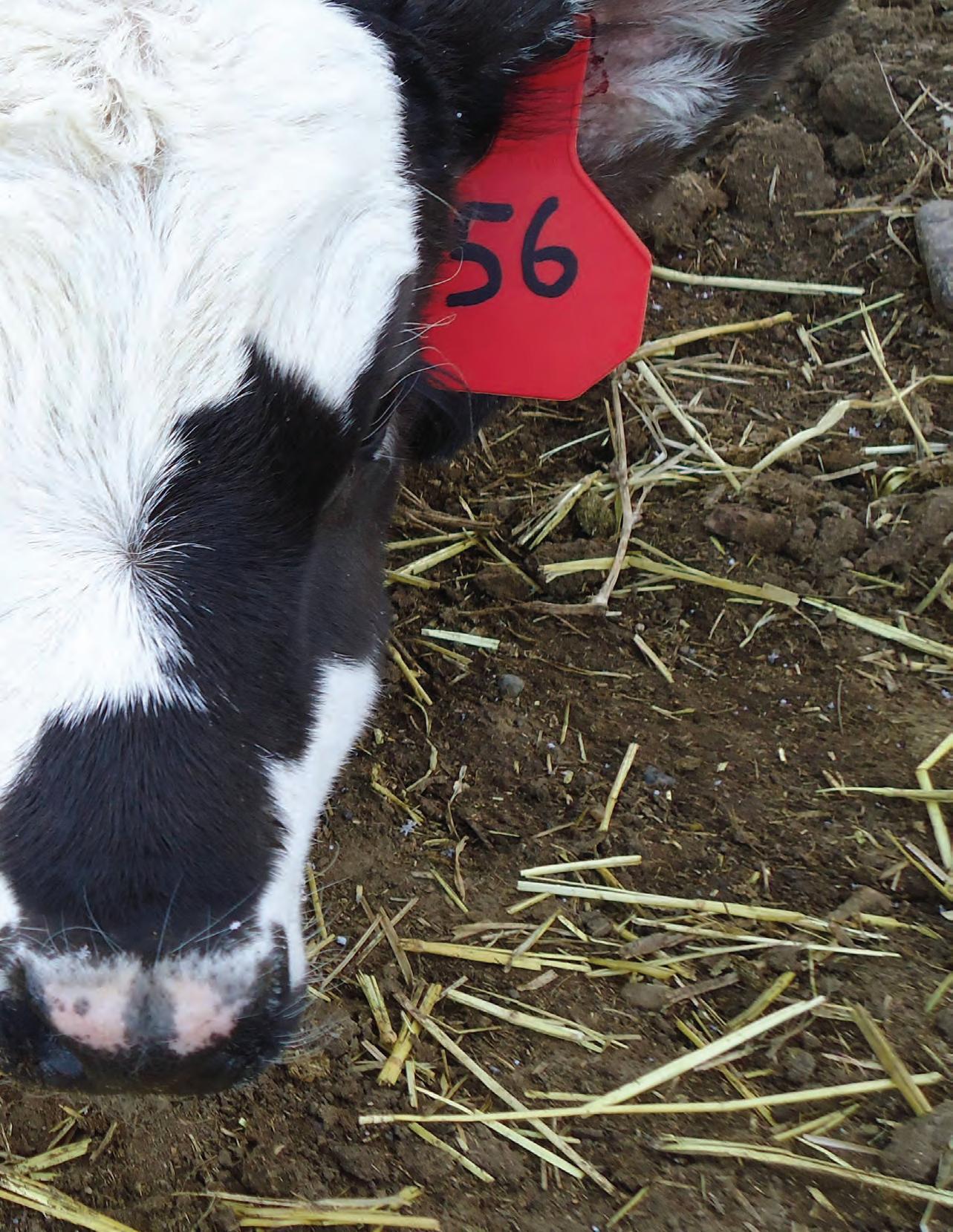
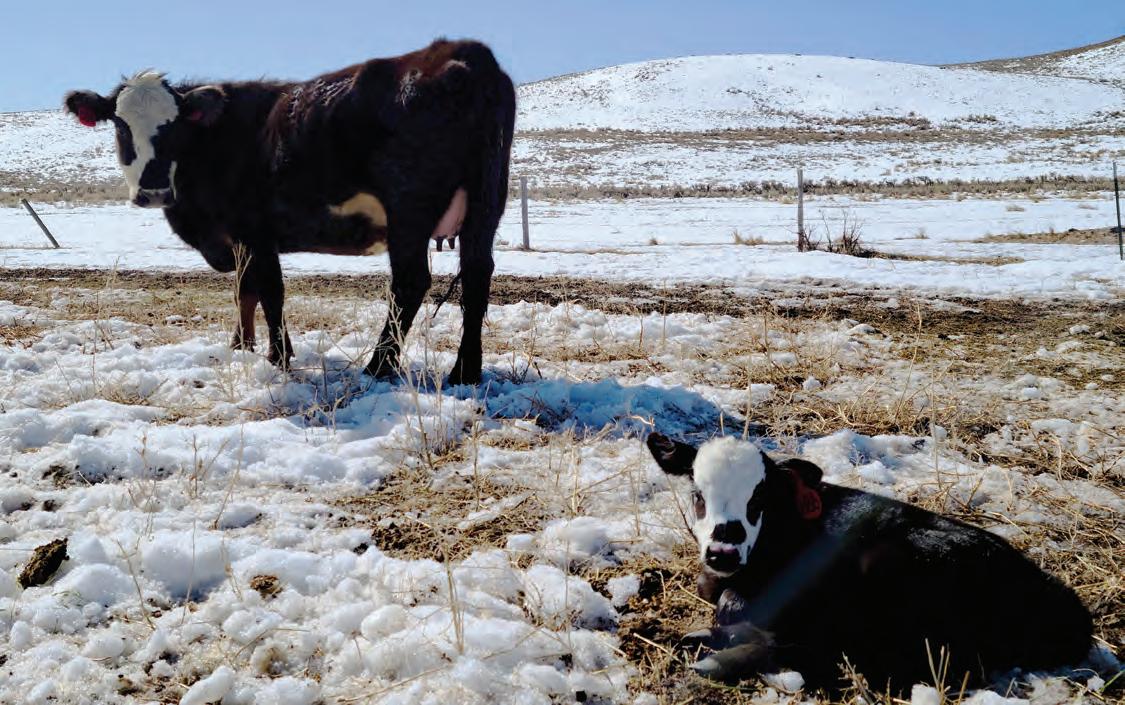
THE COW HERE IS ACTUALLY THE SAME BROCKLE-FACED CALF THAT IS PICTURED ON PAGE 18 AND 19 AS A FIVE-YEAR-OLD COW WITH HER OWN HEIFER CALF.
labor, health, and development expenses add up quickly, and the only way to recoup those costs is through longevity.
A good heifer eventually pays for herself, repaying the time, money, and effort invested in her development. Heifers that calve in the first 21 days of their first calving season have a clear advantage, staying ahead of the production curve year after year.
Genetic testing is an evolving tool that can help refine selection decisions, but it does not replace good management. Heifers must still be developed correctly to reach their genetic potential. Keeping a few key traits in mind, rather than chasing every metric, helps shape a functional, profitable herd.
Overall, heifer development is one of the most important considerations in a cow-calf operation. Replacement heifers are the cornerstone of the ranch, carrying forward genetics, management philosophy, and long-term goals.
The most successful programs build heifers for the long term. Consistency and moderation outperform extremes. And heifers that truly fit the ranch environment are far more likely to stay, produce, and build a lasting legacy.
Every operation is different. The best decisions are the ones aligned with your land, your cattle, and your economics. When done right, heifer development doesn’t just produce cows—it builds the future of the ranch.
Ranch-Ready Financing Ag L oans
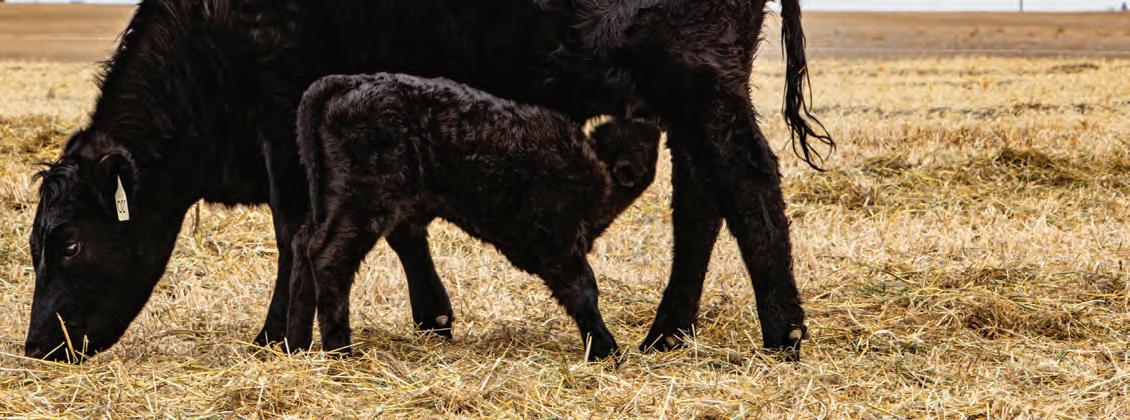
THIS CALF IS NOW A THIRD-GENERATION REPLACEMENT HEIFER, CARRYING ON A LEGACY OF REPRODUCTIVE SUCCESS.
McCann Red Angus Lewiston, Idaho
6th Annual Bull Sale
Lewiston Roundup Grounds
February 26th, 2026 • 1pm PST
Office: 208-743-5517
Jason: 208-790-0646
Scan to be added to our mailing list today!
The Idaho Beef Story Comes To Life on Screens This Spring
The Idaho Beef Council (IBC) is bringing the state’s ranching heritage to the spotlight with a new flagship hero video launching in February 2026. The Idaho Beef Story: Rooted in Land, Legacy, and Local Lives captures the journey of Idaho beef from pasture to plate through cinematic visuals, real ranchers, and stories that honor the connection between cattle, land, and community.
The Idaho Beef Story video will premiere across digital, retail, and streaming TV and mobile platforms with expanded reach tied to the 2026 Winter Olympics. Designed to inspire consumers and reaffirm pride across Idaho, the campaign delivers a powerful message: Idaho beef isn’t just raised here- it’s rooted in everything that makes Idaho home.
IBC continues to work to showcase the Idaho beef story, from multi-generation families stewarding rangelands to the processors and consumers who complete the cycle in many different ways. The stories on IDBeef.org highlight the role beef plays in sustaining local economies, protecting working lands, and feeding families statewide, all while underscoring producers’ deep commitment to animal care and environ mental responsibility.
QUESTIONS ABOUT THE IDAHO BEEF COUNCIL AND OUR WORK?
Visit our website to learn more about things like up coming BQA trainings, and other resources, or reach out directly by email!
For more information on the Beef Checkoff, or to see where your Checkoff dollars are invested, visit IDBeef.org or contact us at BeefCouncil@IDBeef.org or (208) 376-6004.
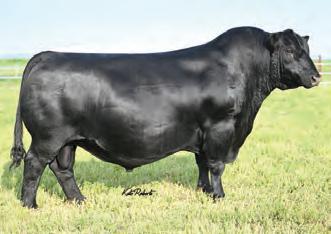
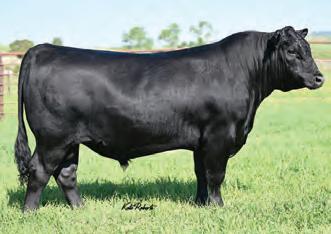
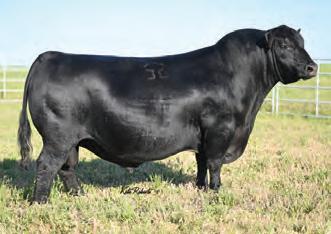
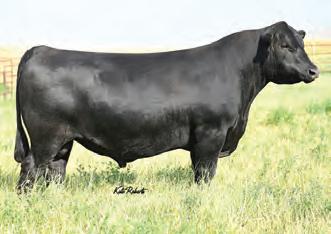
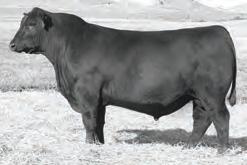
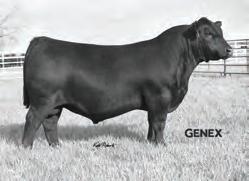
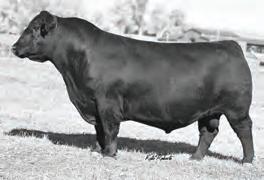
SITZ ESSENTIAL 731J • G A R HOME TOWN B A R DYNAMIC
Angus Ranch
Silver Bit Bulls sire calves that gain, convert, & grade at the top end of thousands of calves in feedlots they’ve gone to. Silver Bit sired calves have consistently been the top selling calves on the summer Superior Livestock Video Sales.
Silver Bit Bulls come from one of the strongest herds of Angus cows anywhere. Wide based, easy fleshing, good footed, good milking, with tight udders & small teats. Lots of generations of breeding like kind to like kind for a consistent maternal package.
Embryo Program based on the best proven Angus Genetics
Silver Bit Ranch AI’s to only the Best Proven Sires!
Low to Moderate birth weights for consistent, easy calving!
PAP Tested ~ Semen Tested ~ Ultrasound Carcass Tested ~ BVD PI Free Tested
What our customers have to say about Silver Bit bulls…….
“I have been buying Silver Bit bulls for over 30 years and have always been happy with how they put pounds on calves, produce mother cows with good bags and mothering ability, hold up on our range that is over 6000 ’ altitude. Scott and Gwen are always great to deal with and always stand behind the bulls they sell. ”
Herb Whitworth, Elkhorn Ranch, Mackay, ID
“We have bought bulls from Scott & Gwen for several years and never been disappointed with the cattle. Being able to buy a set of bulls in volume that are full and half brothers from one place is great for us. We come back year after year for th ese bulls because they survive on the high desert we run on and that has also carried over and helped put longevity into our replacements Since implementing Silver Bit Angus bulls, we have notices our carcass reports getting better & better, that has earned us repeat b uyers on the calves. The docility of the bulls has improved greatly over the years, and anyone can appreciate that. These are truly good bulls from outstanding people. ”
Pat Hendren & McCall Hopkins, Hendren Farms, Monteview, ID
“Small Ranches have bought bulls from Silver Bit for more than 25 years. The bulls are easy to handle and produce some really nice calves. The calves have always done very well for us. They are easy to handle, they have good confirmation & gain well. The replacement heifers do well in our mountainous terrain. We have been very satisfied with the bulls we have purchased & plan on conti nuing to add their lineage to our herd. ”
ID
Kevin Small, Small Ranches, Dubois,
Reproductive Management Strategies That Make Sense
How various management tools can fit into your operation.
BY JOHN B. HALL, P h .D. Extension Beef Specialist University of Idaho
Recently, I was asked, “which reproductive management strategies make sense for most operations.”
Well, while they all make sense to me, certain reproductive technologies may not be for every operation. Certainly, I am a proponent of artificial insemination and embryo transfer, and I will be glad to help anyone that wants to incorporate these into their management options. However, these may not fit into every commercial operation, so it got me thinking, “what are the reproductive management strategies that should be used by every operation?”
SIMPLE STRAIGHT FORWARD RECORDS
The old adage that you can’t manage what you don’t measure is especially true for reproduction. However, the reproductive records needed are pretty simple:
1. How many cows were in the herd at the start of the breeding season (cows exposed)
2. How many cows were pregnant at final pregnancy check (cows pregnant)
3. How many cows produced live calves (# live calves) at 48 hours after birth
4. How many calves were born in the 1st 21 days, 30 days, 45 days and overall (distribution)
5. Number of calves weaned (# calves weaned)
These records can be used to calculate important measures of reproductive efficiency so you can target areas for management.
By examining the records, producers can determine what areas may need to be considered. For example, a herd that has high pregnancy rate but a low % calves born by 30 days may need to consider if cows were in good body condition at the start of the breeding season or if a high number of calves died within 24 hours of birth. This
gives the manager areas of reproductive management to consider for areas of emphasis or improvement.
BODY CONDITION SCORING
Nutrition is the number one factor influencing reproduction. Over the last 18 years, you’ve probably grown tired of hearing about this from me. However, body condition at calving is the most critical factor determining pregnancy rates in the subsequent breeding season. Body weight change and body condition during the breeding season is second. A huge amount of research has determined that cows calving in body condition score (BCS) 5 or 6 have higher pregnancy rates and conceive earlier in the breeding season than cows in body condition score 4 or less. For 1st calf heifers the ideal is BCS is 6 to 7.
Body condition scoring at weaning and 60 to 90 days before calving are the most critical times to score the herd in order to be able to make changes to the post-weaning/ pre-calving nutrition program. For a good refresher on body condition scoring see
the OSU fact sheet https://extension.okstate.edu/fact-sheets/ body-condition-scoring-of-cows.html or the video on Angus TV https://www.youtube.com/watch?v=BfW97OH02E0.
TRACE MINERAL AND VITAMIN SUPPLEMENTATION
Copper, selenium, manganese and zinc are all trace minerals that are important to successful reproduction and neonatal calf health. Many of these trace minerals are deficient in Idaho and/or there are high levels of antagonists (iron, molybdenum and sulfur) to uptake of these important trace minerals. Every region, and almost every county, in Idaho has a different mineral profile in the forage. Ranchers should work with their nutritionist or Extension Educator to ensure the mineral meets the needs of cattle in their part of Idaho. Vitamins A, D, and E impact reproduction as well. While these vitamins are plentiful when there is growing forage and sunshine readily available, they will need to be supplemented
Table 1. Useful measures of reproductive success
Table 2. Key points for condition scoring beef cows
in the winter. In addition, Vitamin A is subject to degradation by heat, so it is better to buy the winter supply of mineral containing Vitamin A in the fall.
VACCINATION PROGRAMS
Bovine viral diarrhea (BVD), infectious bovine rhinitis (IBR), leptospirosis (lepto), campylobacter vibriosis (vibrio) and brucellosis (bangs) can all cause abortions in cattle. Effective vaccines are available for all these diseases. These vaccines should be included in health programs for breeding cattle including bulls. All vaccines except brucellosis can be administered by the ranch crew. Brucellosis must be administered by a veterinarian. Currently, there is discussion by the Idaho Department of Agriculture of potentially not requiring brucellosis vaccination in the future. Work with your local veterinarian on developing a vaccination program.
BREEDING SOUNDNESS & TRICHOMONIASIS TESTING
Trichomoniasis (Trich) is a venereal disease of cattle that results in high number of open cows. There is no cure or vaccination for Trich in bulls. Annual testing of non-virgin bulls for trichomoniasis is required by law in Idaho. The test must be performed by a veterinarian and preputial swab samples are sent in for testing. Bulls that pass receive a Trich certification tag, but bulls that fail must be sold for slaughter. Cows often clear the infection, but usually only after aborting and often infecting bulls. Vaccinations are available for cows.
While the veterinarian is on the ranch trich testing, it is good management to have a breeding soundness exam conducted on all bulls. Approximately, 15% to 25% of bulls fail breeding soundness exams. Bulls can fail for a variety of reasons including physical factors, infections or semen quality. Bulls that pass are not guaranteed breeders; however, passing indicates there are no obvious reasons for bull to fail to settle cows. Bulls should be observed early in the breeding season to ensure they are finding cows in heat and successfully breeding them. Bulls that develop infections (i.e. foot rot) or become injured should be replaced.
CONTROLLED BREEDING/ CALVING SEASON
Keeping the breeding/calving season restricted to 60 to
90 days results in more cows having recovered from calving and cycling by the start of the breeding season. In addition, calves will be heavier and more uniform at weaning. Controlled calving seasons allow for performing management procedures such as vaccinating and branding in large groups.
Although it is ideal to remove bulls to control the length of the breeding season, it is not always feasible in extensive grazing conditions. Identifying cows that will calve outside the desired calving window via pregnancy detection and marketing those cows is an alternative to bull removal. Certainly, for the next few years, bred cows will be a valuable commodity so selling cows that breed outside a ranch’s desired calving window to others should be profitable.
SELECTION FOR CALVING EASE AND FERTILITY
Most ranchers pay attention to calving ease when selecting bulls. The calving ease (CE) EPDs (expected progeny difference) or birth weight EPD are excellent tools, and ranchers have emphasized this for years. The percentage of cows that need assistance due to calves being too big for the cow has declined in the last 20 years.
If an operation is selecting calving-ease bulls for use on heifers but is still pulling more than 10% to 15% of the calves, it may be time to consider measuring pelvic areas. Using a Rice Pelvimeter to measure pelvic areas in heifers is easy to learn or you can have the veterinarian measure heifers. The key is not to select heifers with bigger pelvises, but to cull the ones with small pelvises. At 12-14 months of age a heifers should have a minimum pelvic area of 140 to 150 square centimeters.
Using EPDs to select for fertility is still challenging despite the release of some fertility related EPDs. One of the best ways to select for fertility is to retain heifers that breed early in their first breeding season. These early breeding/calving heifers will stay in the herd longer, produce more calves in their lifetime and generate more pounds of beef.
RENDERING CALVING ASSISTANCE EARLY
When cows or heifers need assistance calving, it should be done earlier rather than letting her struggle. Once labor has started and membranes appear cows should be making good
progress in 30 to 40 minutes. For heifers, allow 1 hour for progress to be made but check her soon after that time. Most ranchers would like to check cows and heifers more frequently during calving, but at some point, you need sleep and to get other chores completed. If it has been several hours since cows were last checked, giving help earlier is better.
Research from Miles City, Montana, demonstrated that cows that were assisted earlier in the calving process started cycling sooner in the breeding season and had 5% to 10% higher pregnancy rates. In all cases, cows were fully dilated before calves were pulled. Allowing cows to struggle also results in reduced calf vigor and greater calf losses in the first 24 to 48 hours after calving.
PREGNANCY TESTING
Only 25% of US beef operations pregnancy test cows according to the last USDA- NAHMS survey. The percentage is 50% to 70% in large herds and in the western states. Pregnancy testing reduces post-weaning feed costs as well as allows for strategic marketing of cull cows. If feed resources are limited (drought, poor hay crop) then marketing cows quickly may be beneficial. If open cows are retained for a few months to hit a better cull cow market or increase sale weight, open cows can be fed a cheaper ration than the pregnant cows. Pregnancy testing also allows for sorting of cows into early and late calving groups which helps with monitoring cows and reduces disease pressure on calves. Pregnancy testing time is a great time to BCS cows, make culling decisions and discuss herd health and vaccination programs. Importantly, it gives an early indication of herd fertility and points towards potential remedies.
Let’s look at two scenarios. First is a herd with an 85% pregnancy rate, and after looking at the records, most of the open cows are young cows in poor body condition. Clearly, nutrition for these young cows is insufficient and the producer will need to develop a plan to keep it from happening next year. But what about this year? There are several options: 1) retain the open young cows and rebreed them next year, or 2) feed them and sell at a later date or 3) increase nutrition on these young cows, breed them for calving in a different season and market them. The right answer is what the producer determines is best for the ranch, but now these decisions can be made early.
The second scenario is a herd with a 92% pregnancy rate. The open cows are a variety of
ages, and a few are old and in thin body condition. Current cull cow prices are at the seasonal low, but there is a special open cow sale in a few months. There is no clear reason that explains the open cows. One option would be to sell the old thin cows now and feed the other open cows for the special sale. Again, there are many options that may work for any ranch, but the key is by knowing which cows are open at weaning time it widens the variety of options.
ESTRUS SYNCHRONIZATION FOR NATURAL SERVICE
While this reproductive management technique may not be for everyone. It is something producers should strongly consider. There are many advantages such as increasing the percentage of calves born early in the calving season or getting more cows bred to bulls before going out to range. In some cases, it can induce cycling in cows. UI has a new publication “Estrus Synchronization for Natural Service in Western Cow Herds.” Look it over and think about it.
These management tools are just a few key aspects of reproductive management. Consider how they may fit in your operation.
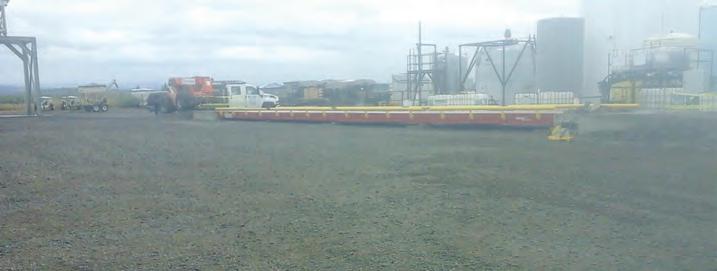
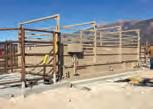
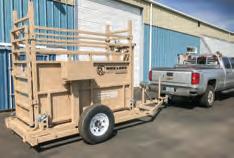
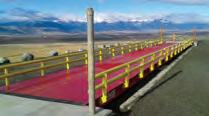
Specializing in Truck and Livestock Scales
Established in 1959, Scales NW offers a wide range of equipment, from precision lab balances to high capacity rail scales, as well as certified scale service and installation.
• Full genomic enhanced EPDs and multipurpose indexes
• Rigorous breeding soundness evaluation including a sort for feet, legs, and disposition
• Individual performance gain data with ratios
• First year breeding season guarantee on functional fertility
Another roller coaster ride
A look at the 2026 legislative session
Could the 2026 Legislative Session exhibit the same Roller Coaster Ride as the 2025 Cattle Market?
Highly likely yes. Here’s why – a tight budget, an impending election for all statewide and legislative officials, and a polarizing political climate that runs the gamut from local municipalities and transparency to the federal government and its spending. In 2025 ranchers saw returns that were unheard of, but for better or worse, government intervention in the form of social media saw those returns reduced in the middle of the year. Hence the roller coaster rather than the plateau of cattle markets in 2025. I anticipate the legislative session will follow the same pattern. The hope would be that we end on the high note by the beginning of April, but that may be lofty. Time will only tell. It should be noted that we have seen a couple shifts in legislative members. Representative Todd Achilles (D –Boise) stepped away from his seat in the legislature to switch political affiliations and run against Senator Jim Risch as an independent candidate on the federal level. Additionally, Representative Kevin Andrus (R – Lava Hot Springs) has stepped down from his post in the legislature to take a position as the Idaho Farm Service Agency Director. Representative Andrus was also the chairman of the House Agricultural Affairs Committee. Filling Representative Andrus’s seat will be Michael Leman Veile. Next, we saw Representative Lance Clow (R – Twin Falls) resign towards the end of November. In his place, Don Hall was appointed by Governor Little. Finally, Representative Wendy Horman (R - Idaho Falls) resigned at the end of 2025, to take a federal job in Washington D.C. Her replacement was named several days ago as Erin Bingham. All three of the republican legislators that have resigned were committee chairs. This has resulted in some shifting of committees. Just fresh off the presses is showing that Representative Jerald Raymond (R – Menan) will assume the role of House Agricultural Affairs Chairman with Representative John Shirts (R – Weiser) assuming the Vice Chairman position. Both are
BY PATXI LARROCEA-PHILLIPS
Idaho Cattle Association (ICA) members. Additionally, we saw a shift in House leadership and Representative Doug Pickett (R – Oakley) was voted into leadership as Assistant Majority Leader. This is also a beneficial move for our industry as Representative Pickett is an ICA member.
Idaho’s DOGE Task Force has been meeting through the interim with the purpose of suggesting efficiencies in state government. The Task Force is preparing to recommend potential state employee position eliminations as well as agency, board, and commission repeals or mergers. The Idaho Brand Board, Office of Species Conservation, and wildlife boards are on the list and at some point, will be discussed, if they have not been already. The most likely candidate moving forward at this time is the merger of Office of Species Conservation with the Office of Energy and Mineral Resources. Through the merger discussions, ICA staff has been at the table having the conversation and towing the line to make sure that we can maintain services of cattle producers across the state. The Office of Species Conservation has been instrumental in applying for federal grants for wolf depredation payments and prevention control for producers while also spearheading state comments on sage grouse plans.
There will likely be discussions regarding agriculture commissions. The Idaho Cattle Association has policy supporting the Idaho Beef Council and the Idaho Rangeland Resource Commission. In the cattle sphere, both commissions have refund provisions that would allow a producer to seek their money back if they are not in alignment with the commissions policy. Additionally, we have heard of several potential constitutional amendments dealing with how the state department of lands manages its public lands and whether the Department of Lands should look at leases and generating revenue through different lenses. More to come as the session transpires.
Finally, we will be watching for harmful legislation that may come forward that would prevent ranchers from running their businesses.
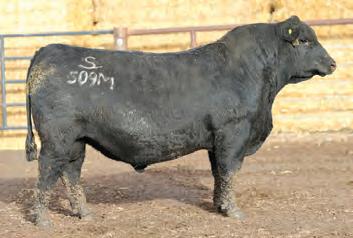
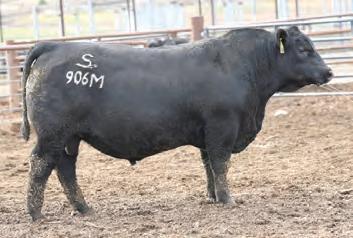
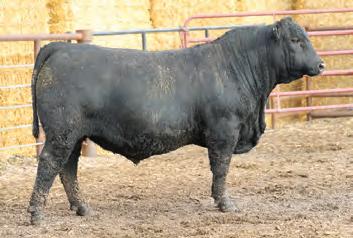
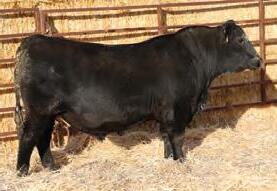
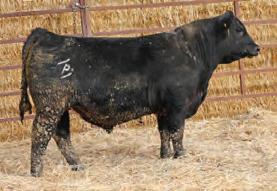
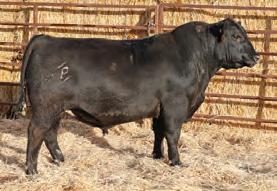
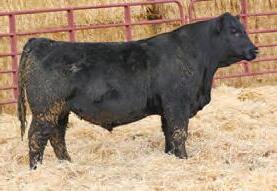
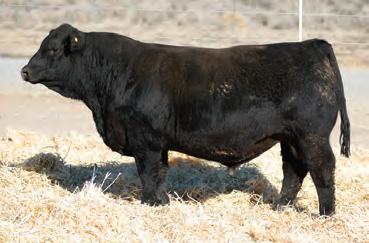
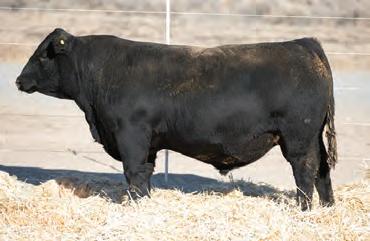
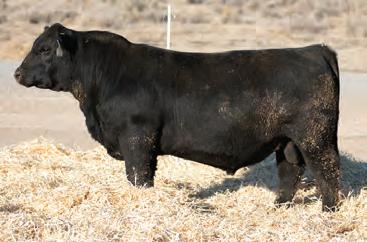
18-MONTH OLD ANGUS BULLS ALSO INCLUDING A DOZEN SIMANGUS BULLS AND A SELECT GROUP OF BRED AND OPEN FEMALES
Our age-advantaged bulls are available in volume! These bulls out of top sires can increase consistency and marketability in your calf crops.
As the second-largest registered Angus cowherd in Oregon calving out 600-plus females a year, you get the Advantage of only the cream-of-the-crop! The top 50% of our bulls have extremely large contemporary groups to increase predictability, consistency and quality for our customers, and are from a cowherd that has been around for nearly 40 years.
Ruthless culling for feet and legs, plus structure gives you the Advantage when it comes to bull selection. Our bulls are extremely athletic. They run in big pastures over the summer after weaning. They are developed in extremely large lots that require them to travel up and down hills over rocky, hard ground everyday between a high-roughage feed source and water to ensure soundness and longevity.
Our intense AI program utilizes the most current and sought-after genetics in the Angus breed, with herdsires infused and utilized that rival the most popular AI sires in the breed for genetic value and potency.
Volume and repeat discounts are available, and delivery is free. Bulls are backed by a Zoetis HD50K DNA evaluation, ultrasounded with complete performance and fertility evaluation, and backed by an industry best guarantee. Many bulls qualify for the CAB Targeting the Brand Program.
2175
Jerry Baker
(208) 739-3449
Samuel Mahler, Herdsman (208) 739-0475
BASIN JAMESON 1076
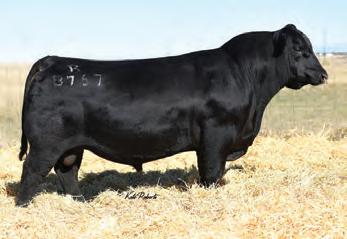
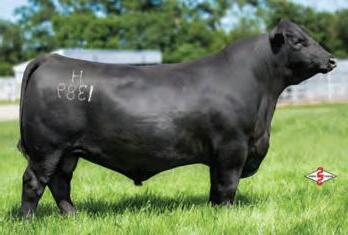
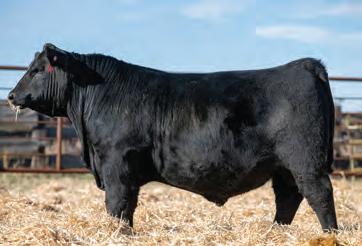
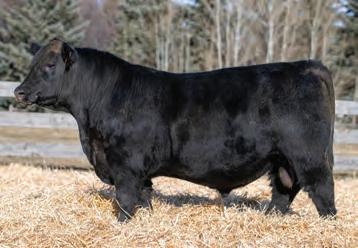
Sires represented include:
We strive to produce cattle that are balanced for ALL TRAITS. Calving-ease, performance and carcass value are important. We also emphasize productivity, fertility, longevity, maternal functionality and docility. Foot quality, soundness and udder quality are mandatory to stay in the program. Come by and see the bulls and the cowherd anytime - we would love to show you our program.
Northwest Hereford Breeders Bull Sale
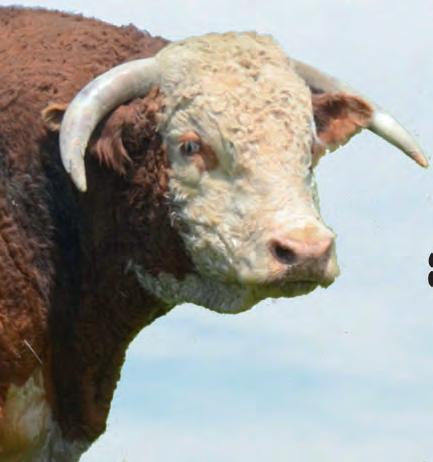
60+ Bulls, Horned & Polled
Performance Tested Fall & Spring Yearlings
8 Pens of 3 Replacement Heifers
Registered Hereford
Commercial Red Angus X Hereford
New Additions
Angus Bulls
Single lot registered Hereford Heifers
Consignors:
Alder Livestock • Bird Herefords
430 Cattle Company • Stephenson Herefords
Limestone Blue • MDB Polled Herefords
Wagenblast Richardson Ranch
Wilcox & Family Cattle Company
Mon. Mar. 9, 2026•1pm (PST)
Double M Ranch Sale Facility
30256 Stanfield Meadows Rd., Stanfield, Oregon
Rep. Fulcher: ‘Agriculture is deeply woven into Idaho’s way of life’
An update on happenings in the nation’s capitol BY
RUSS FULCHER
U.S. Representative
Agriculture is deeply woven into Idaho’s way of life. From our multigenerational family farms to the countless jobs that make up our agribusiness sector, agriculture reaches into nearly every part of the Gem State.
Yet while Idaho agriculture continues to evolve, federal regulations have too often failed to keep pace. Outdated, one-size-fits-all rules remain “on the books,” driving up costs and creating uncertainty for the very people who feed and fuel our great nation. Idaho’s cattlemen, in particular, need policies that provide herd protection and long-term stability, reduce unnecessary regulatory burdens, and support opportunities to compete in global markets.
As a fourth-generation Idahoan who grew up on a dairy farm, I will continue to do everything I can to ensure that the policies coming out of D.C. have the backs of our farmers and ranchers as I represent you in the U.S. Congress.
The newly enacted H.R. 1, the Working Families Tax Cuts, achieved multiple provisions to support our agriculture community. This landmark package delivered tax relief to protect generational family farms by increasing the estate tax exemption and making the small business deduction permanent. It also encourages grazing to prevent wildfire risk and increases the Livestock Indemnity Program (LIP) to 100 percent of fair market value for an animal that is lost due to a federally protected species—providing real relief and long-term certainty for Idahoans.
Other legislation we have made headway on is H.R. 845, the Pet and Livestock Protection Act, which recently passed the House and is now with the Senate for consideration. This bill rightfully restores authority to state lawmakers to responsibly manage gray wolf populations. In 2020, under President Trump, this initiative was achieved, and the gray wolf was delisted in the lower 48 United States due to clear data demon-
strating success in restoring this species. But, in 2022, it was reversed by a California judge who moved to relist the gray wolf under the Endangered Species Act (ESA). By putting decisions back in the hands of Idaho’s wildlife experts, H.R. 845 provides assurance and protections for ranchers, farmers, and rural landowners. I have also advocated for legislation to remove the Yellowstone population of grizzly bears from the ESA through H.R. 281, the Grizzly Bear State Management Act. States—not D.C. bureaucrats—are best equipped to manage local wildlife.
An issue that continues to burden Idahoans is the federal estate tax, better known as the “death tax,” which unfairly affects family-owned businesses, ranches, and farms by leaving them no choice but to sell land and assets to cover the tax bill when a loved one passes away. In Idaho, over 95 percent of our farms are family-owned. Nationwide, that number grows to 97 percent. I am proud to co-sponsor H.R. 1301, the Death Tax Repeal Act, which would abolish the Death Tax. Family farms are the heartbeat of the Gem State’s communities, which is why I have also signed on to legislation to preserve the stepped-up basis tax provision. House Resolution 206 safeguards the generational transfer of family farms by preventing individuals from being crushed by high capital gains taxes on inherited assets such as land, buildings, or equipment. For cattlemen, this means peace of mind when it comes to transferring assets across generations.
While we have made great progress on a multitude of issues, there is a lot more to be done. I remain committed to advancing commonsense reforms that protect the economic well-being of U.S. producers and to ensure Idaho’s values and voice are heard in D.C. Thank you for the work you do every day to keep our nation fed, our Idaho strong, and our communities thriving.
For over a century we’ve served customers who can do just about anything. You deserve a financial partner who works as hard as you do.
Bob Harrell, Jr. 541/403-2210 Ranch 541/523-4402 Baker City, Oregon
Jay George, ULB, Inc.605/391-6230 M3 Marketing, Matt Macfarlane, 916/803-3113
ROZOL GROUND SQUIRREL BAIT
BALANCEMore EXTREMES LESS
Cattle are available to view at the ranch at all times. Contact us for a list of pedigrees and EPDs. Please give us a call anytime to ask questions or come walk through the cattle. You can expect the same quality as always.
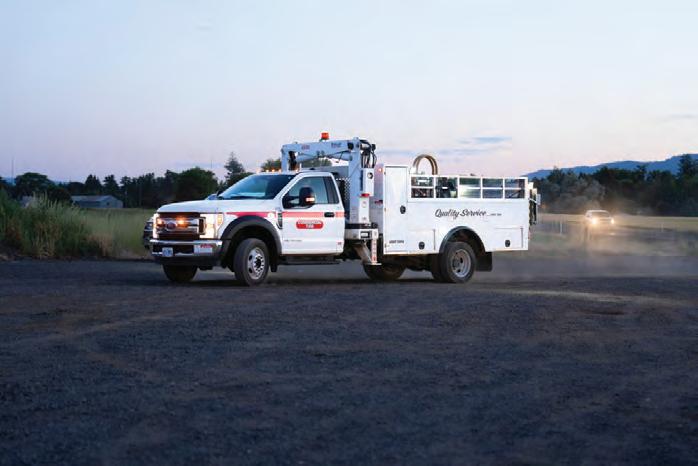
Healthy newborn calves and improved conception rates start with cow herd nutrition. Vitalix tubs are the ideal delivery system to provide essential nutrition for calving. Vitalix uses technologies that are proven to improve colostrum quality, calf health and immunity, all while supporting the mother cow now, and more offspring to come. Learn more from your local sales manager today!
Northern ID • Jason Bean • 509-794-9059 • jbean@vitalix.com
Southern ID • Owen Albrecht • 385-335-1745 • oalbrecht@vitalix.com
307+-ACRES 206+-Irrigated Wendell: $4,500,000 S O L D !