







For over a century we’ve served customers who can do just about anything. You deserve a financial partner who works as hard as you do.
For over a century we’ve served customers who can do just about anything. You deserve a financial partner who works as hard as you do.
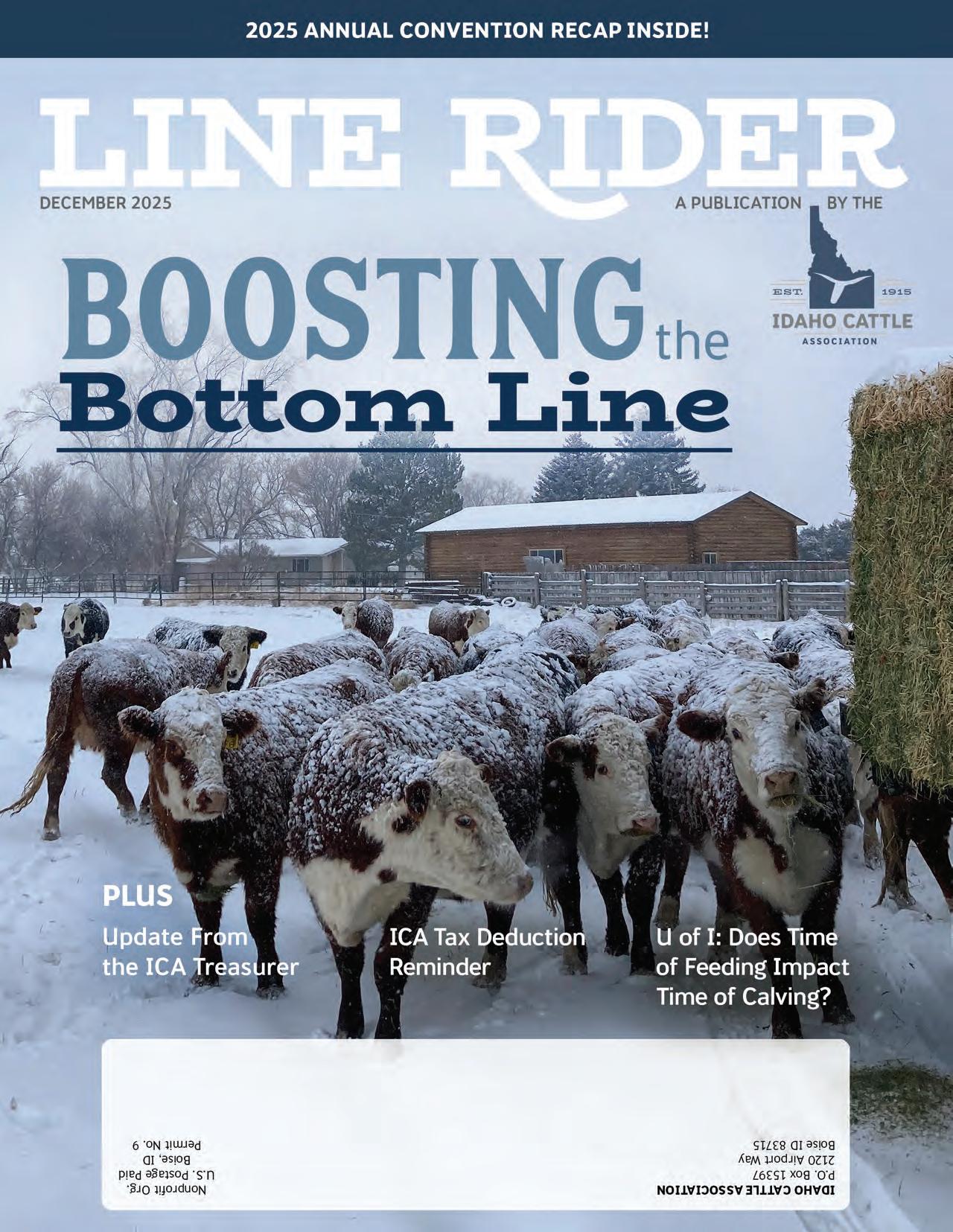
Cover Story: Boosting the Bottom Line 12
Idaho Beef Council: Keeping Beef at the Center of the Plate 18
U of I: Does Time of Feeding Impact Time of Calving? 22
Student Idaho Cattle Association: I’ll Be Home for Christmas 26 2025 ICA Convention Recap: Idaho Cattlemen Take on Convention 30

Please scan this QR
PRESIDENT Val Carter (Pingree) 208-390-4811
PRESIDENT-ELECT
Arnold Callison (Blackfoot) 208-681-8441
VICE PRESIDENT
Jesse Human (Jerome) 208-358-1277
PAST PRESIDENT
Spencer Black (Malta) 208-647-8130
TREASURER
Scott Bunderson (Grand View) 208-250-7549
FEEDER COUNCIL CHAIR
Logan Peters (Boise) 208-999-2584
PUREBRED COUNCIL CHAIR
Chase Lanting (Twin Falls) 208-539-4371
COW-CALF COUNCIL CHAIR
Royce Schwenkfelder (Cambridge) 208-550-2200
CATTLEWOMEN COUNCIL CHAIR
Christie Prescott (Fairfield) 208-420-3548
DISTRICT 1 REPRESENTATIVES
Meranda Small (Grangeville) 208-816-2004
Cece Baldwin (Coeur d’Alene) 208-699-6611
DISTRICT 2 REPRESENTATIVES
Mark Moura (Cambridge) 208-830-5417
Rex Hoagland (Melba) 208-800-2798
DISTRICT 3 REPRESENTATIVES
Broden Matthews (Oakley) 208-431-3263
Valene Cauhorn (Jerome) 208-571-9086
DISTRICT 4 REPRESENTATIVES
Shane Rosenkrance (Mackay) 208-589-3110
Danna Beckman......(Idaho Falls) 208-201-9902
DISTRICT 5 REPRESENTATIVES
Tim Munns (Snowville) 435-279-4420
Matt Thomson (Idaho Falls) 208-589-6901
ALLIED INDUSTRY REPRESENTATIVE
Elena Montemagni (Caldwell) 559-786-3627
CATTLEWOMEN BOARD REPRESENTATIVE
Bailey Storms (Idaho Falls) 208-973-2710
DIRECTORS AT LARGE
Casey Scott...............(Clarkston) 208-431-3024
Randall Raymond (Grand View) 208-599-0391
EXECUTIVE VICE PRESIDENT
Cameron Mulrony cameron@idahocattle.org
DIRECTOR OF COMMUNICATIONS & INDUSTRY RELATIONS
Morgan Lutgen morgan@idahocattle.org
MEMBER PROGRAMS & SERVICES MANAGER
Montana MacConnell montana@idahocattle.org
ADMINISTRATIVE ASSISTANT
Michelle Johnson michelle@idahocattle.org
NATURAL RESOURCES POLICY DIRECTOR
Karen Williams karen@idahocattle.org
Contact Idaho Cattle Association:
Mailing address: P.O. Box 15397, Boise, ID 83715
Location: 2120 Airport Way, Boise, ID 83705
Phone: 208-343-1615
For advertising sales, contact: idahocattlepublications@gmail.com
The Line Rider is the official publication of the Idaho Cattle Association. It is published 10 times each year, in January, February, March, April/May, June, July/August, September, October, November and December.

























Taking the opportunity to keep the next generation in ranching
Not too long ago, my 4-year-old grandson was preparing to perform a stunt capable of causing bodily harm. I reminded him that his dad had warned him against it because of the danger, to which he replied with a confident grin, “ah, he doesn’t know.” Well, folks, just know I won’t be offended if this phrase enters your thoughts as you read through this article.
Now more than ever, our young people need opportunities.
I had assumed that the Idaho Cattle Association (ICA) President wrote about whatever was currently on their mind. That must have proven too reckless, so to limit the random wandering that I am capable of, my assigned topic is the focus of this December issue: finances. Montana did say that I could go in whatever direction I felt inspired, so I’m still not too bridled up to stay out of trouble. To be honest, I’m not an expert on finances. I did one semester of accounting in college, but while I was there, I met a pretty girl who agreed to marry me. So, I quit school and started “ranching,” therefore most of what you are about to read was learned the hard way.
As I reflect on how tough the first years were when we started out, I get concerned about the incoming generation. My wife Heather and I have five children and 18 grandchildren. They all love ranch life and the culture surrounding it. In a perfect world, we would like to set them all up on a “Ponderosa” – the dreamy family ranch in Bonanza – of their own, but it isn’t realistically possible. We are just one of many ranch families with this dilemma. I’ve also talked with many first-genera-
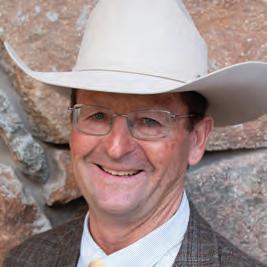
BY VAL CARTER ICA President
tion ranch families with this same dream who struggle working a day job, patiently trying to acquire the financial capital to purchase the land, livestock, and machinery needed for livestock production. These can be overwhelming financial investments.
As the older generation ages out, the average rancher keeps getting older because fewer young people are stepping in. Some say it’s a lack of interest or work ethic. I would respectfully disagree. Our young people have great enthusiasm and passion for careers in the cattle industry. Often, we “old timers” misjudge their work ethic. They’re just quicker to embrace technology and to look for easier, more efficient ways to accomplish the jobs that once wore out our backs.
A successful second-generation rancher once told me the only things his parents ever gave him were opportunities. Now more than ever, our young people need opportunities. If we don’t help provide them, there is much at stake. It’s not the cattle industry that’s in danger — corporate ranches can produce beef just fine. It’s the family ranch we’ll lose: being raised on a ranch you gain an appreciation for the land and how amazing and beautiful life truly is, surrounded by God’s creations.
We moved onto the place we now call home in 1985, ten months after we were married. The farm had been foreclosed on, and we were able to lease it from FSA (then called Farmer Home Administration) for two years. In 1987 we were able to purchase the land—612 total acres, 400 irrigated, two small homes, and a dairy barn—for $205,000. The maximum loan limit for farm ownership was $200,000, so we borrowed $5,000 from the bank, and “Uncle Sam” loaned us the rest on a 40-year note at 9.25% interest. That was opportunity one. The payment on the irrigated ground was $48 per acre (all hand lines)
with a house to live in and a dairy barn. Opportunity two. In accordance with family tradition established with my two older brothers, my parents gave us 10 dairy cows. Opportunity three. Over the next several years we were able to lease two farms with pivots next to us for $60–80 per acre, and we were eventually able to purchase them. Opportunities four and five.
I share this history to make two points. First, we were given opportunities. Second, in 1985, our payment was $48 per acre. Later, we installed pivots that added about $30 per acre, but our payments still stayed within a few dollars of lease rates. Even in 2009, when we bought the last farm, our payments remained comparable to lease rates.
Today, comparing local sales, it would cost roughly three times the current lease rate to purchase land. Granted, these are farm ground comparisons, but most ranches include a mix of irrigated ground, range, and grazing permits. When I look at ranches and compare their carrying capacity, the inflation rate follows a similar pattern. I don’t share this to discourage anyone — but to encourage persistence. The key is to explore different options that can create opportunity.
I’ll admit — I used to think land trusts locked up productive ranches from production, rather than preserved them for production. But among the many lessons I’ve gathered after getting involved in ICA, I learned that an easement could actu-
ally help with ranch expansion or generational transfer. I was intrigued. When I got home from a Public Lands Council meeting, I reached out to Eric Glenn, President of the Partnership of Rangeland Trusts, to learn more. He shared examples of family ranches that were able to expand and include all their children by using easements. One family he spoke of had four children. They placed an easement on the home ranch, which allowed them to purchase the neighboring place. They repeated that process several times until they had grown enough to provide for each family. According to Eric, easements typically generate 30% to 50% of the land’s appraised value, and those payments can be used in a 1031 exchange. Easement payments can also help with generational transfer — allowing the retiring generation to receive full market value, while the next generation purchases at a 30% to 50% reduced price. The ranch’s production capacity stays intact, but the financial hurdle is lowered.
This is just one example of creative ways to maneuver financial roadblocks. I’d encourage anyone interested to talk with a professional. More information is available through the Partnership of Rangeland Trusts: rangelandtrusts.org.
As we now see record cattle prices, I’ll leave you with financial advice I once received from a seasoned cattleman:
“It isn’t the hard times that break you — it’s the good times.”
May you all have a wonderful and Merry Christmas!

100lb No-Melt formula in biodegradable and edible packaging.
Complete year-round vitamin, mineral and protein supplement.
Support for maximum performance and efficiency at all production stages.
Improve digestion, body condition, reproduction and fetal growth. Contains Availa 4 and Boviacillus Production Plus option.
In addition to a full vitamin and mineral package it has 30% crude protein along with high levels of mono and poly unsaturated fat and a live multispecies probiotic for improved immunity and reproduction
NOW WITH MULTI-SPECIES LIVE PROBIOTIC!
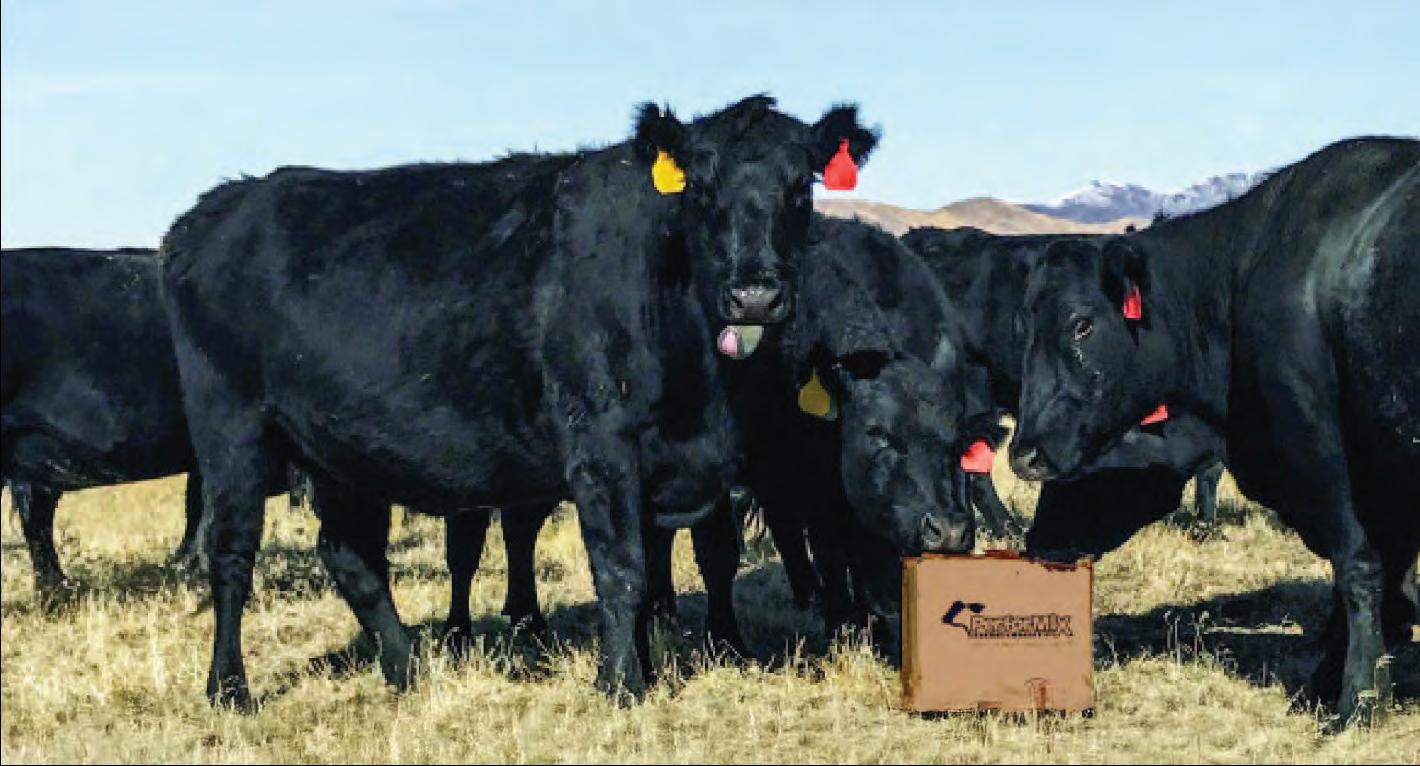
Has all the benefits of a quality mineral and vitamin package with 20% all-natural protein and the same high mono and poly unsaturated fat and live probiotic combination to boost immunity and reproduction
NOW WITH MULTI-SPECIES LIVE PROBIOTIC!
What to consider when you go to cast your vote
“
What have you done for me lately?” This used to be the question that was top of mind when I looked at campaigns and candidates. There would always be a line about what they had accomplished — the latest move they felt would benefit voters and sway the election in their favor.
Boy, how things have changed. As I write this article, we’ve just tallied the votes from the 2025 election this November, and we’re already looking ahead to a 2026 election here in Idaho that will impact our state legislature, as well as our constitutional officers and congressional delegation.
Now is the time to look at what individuals can and will do with their elected positions, whether they can serve your views and earn your vote.
As you may know, Idaho’s primary election is a closed election by party, while the general election each November casts the final vote. However, some races are essentially decided in the primary. This brings me to the point of this article as we wrap up 2025: I wish we could return to the days of asking “what have you done” rather than focusing on the current climate, where candidates from all sides seem to downgrade and accuse one another.
When’s the last time you received a mailer that highlighted a policy a candidate stood behind — something they worked to move through the process? I feel like I haven’t seen one since 2020. The latest successful campaigns seem to
BY CAMERON MULRONY ICA Executive Vice President
sling as much mud as possible, apply as many condescending labels as imagination allows, and make accusation after accusation toward their opponents. Why? Because it wins.
When I was traveling and marketing myself to sponsors, a friend gave me some wise words: “It takes ten good responses to overcome one poor one.” That seems to hold true in politics today.
As Americans, we have the right to vote for the candidate of our choosing — an important right we should all exercise by getting to the polls not only in November, but also in May. We should have the opportunity to be represented by our leaders.
You may think, “But Cameron, there aren’t any candidates who represent my views.” Why is that? Well, the folks who hold the same values as many of you reading this are real people. They’ve made mistakes, built successes, worked hard, and stayed diligent. Yet every April, they open their mailboxes and say, “Not me!”
I have the utmost respect for our currently elected officials and understand how hard it is to

serve the public in today’s world. If you are in a position in your life to serve, please do so. The intent of this message isn’t to discourage future or current elected officials, but rather to ask you, as voters and as Americans, to vote based on what has been done for you lately. Don’t focus solely on the negativity that floods your mailbox or social media feed. The time to consider who will earn your vote — or whether you’re willing to serve yourself — should start now as we approach the legislative session. Are your current officials serving your needs? If so, ask them to continue their service with your vote. Unsure? Ask them about issues that directly impact you and your family, and ask their opponents the same.
Now is the time to look at what individuals can and will do with their elected positions, whether they can serve your views and earn your vote. I urge you to weigh each positive position against each negative. The “1-to-10” ratio doesn’t seem to be serving our state or our country, but it’s the world we live in. As we close out 2025, I ask each of you to begin considering the 2026 election and to take a closer look at the candidates.
In closing, I wish each of you a Merry Christmas and a Happy New Year! Let’s make 2026 a great one and focus on all of the awesome things that are in our lives.


Who doesn’t remember the magical, anticipatory childhood feelings of receiving gifts at Christmastime? Looking through Christmas toy catalogs, making wish lists of desired items, behaving especially well during the season to curry favor with Santa Claus, shaking colorfully wrapped boxes under the tree, the mad dash to the living room on Christmas morning—all key moments and core memories of a child’s Christmas. For those of us in the cattle industry, 2025 has felt, in just a small way, like being a kid at Christmastime. We have received the promise of good things to come from elected officials and continue to anticipate their arrival.
Sometimes, the promise of a gift is just as exciting as the gift itself.
Some of these gifts have already been opened, some are yet to be wrapped, and some just need the final trimmings of a bow. Meanwhile, we continue to advance our wish lists (industry priorities) and provide feedback and comments to decision makers regarding changes we deem necessary to foster a more hospitable working environment for our industry.
Perhaps the most noticeable gift of the year was the lack of catastrophic wildfires across the nation. Discussion is merited on whether this is due to new, more aggressive fire suppression tactics or was simply mother nature giving us a break. But the timing is certainly suspicious. Overly dry and hot weather conditions this summer seemed ripe for a furious fire season, but
BY KAREN WILLIAMS ICA Natural Resources Policy Director
that never really materialized. Statistically, there were more fire starts this year than the historical average, but fewer acres burned, lower than the ten-year average. I would like to hope that this is not just coincidence. President Trump made wildland fires a big priority with his adoption of an Executive Order that consolidated federal wildland fire programs and promoted “commonsense” prevention and response. The U.S. Departments of Agriculture and Interior followed up with the recent announcement of the U.S. Wildland Fire Service Plan to Modernize Wildfire Management Nationwide. We will maintain hope that this plan will continue to provide us with the gift of better wildland fire response and suppression equating to fewer catastrophic fires in the future.
Another gift we have received relates to the implementation of the Endangered Species Act (ESA). The ESA, however well-intended, has outgrown its original intent and has become the primary tool for anti-land use activists in pursuing frivolous litigation against landowners and land users. The Trump administration has proposed some rules this year which would fix some of the problems that have made the ESA so overly burdensome. A rule proposed this spring will rescind the definition of harm in its regulatory definition of take. Another proposed rule was just announced that would change the way species that are listed as threatened are managed. Meanwhile, although many attempts have been made in Congress over the years, there have been no meaningful amendments made to alter the incorrect implementation of the ESA. It could be that the ESA is finally going to see the
light of day in Congress as the House of Repre sentatives are considering the Endangered Species Act Amendments Act of 2025, which would improve species recovery, streamline the permitting process, and give more power to state and local government—all top priorities of ours in improving the law. This gift remains partially wrapped as we have not yet seen anything reach finalization yet, but hope remains.
A crowd-favorite gift received this year was the an nouncement that the Bureau of Land Management’s (BLM) Conservation and Landscape Health Rule, also known as the Public Lands Rule, would be rescinded. The rule would have classified conservation as a use and would have elevated that use about all other existing multiple uses of BLM land, not the least of which is livestock grazing. The comment period on the rule’s recission ended last month and we expect the bow to be placed on it right away.

els reduction, and better compensation for wildlife depredation. This plan highlights most of the top priorities that have been our focus, and those which our industry has been in frequent communication with the administration on.
As it turned out, this was like one of those small gifts under the tree that does not look too promising initially, but when unwrapped, proves to contain the most valuable present. We will continue in our communication with administration officials to ensure the plan’s goals come to fruition and that its implementation is done in such a way as to be most effective and most beneficial for Idaho’s cattle industry.
Sometimes, the promise of a gift is just as exciting as the gift itself. We have received solid assurances that other key regulation revisions are soon to be gifted to us. These long-sought-for issues include revisions to the BLM’s grazing regulations, an update to the BLM’s sage grouse management plan, and perhaps most importantly, significant modification to the way the National Environmental Policy Act (NEPA) is implemented. This modernization would involve significant streamlining and would keep the regulations more faithful to the original intent of the act, including limiting the activities wherein NEPA review is required, reducing the paperwork required, shortening the review process, and generally enabling productive work to move forward.
Another gift we received this year caused us to be slightly more circumspect initially. While it appeared to be a white elephant gift, given some of the rhetoric of the President preceding its release, when unwrapped, the USDA’s plan to strengthen the beef industry, issued in late October, turned out to be a genuine gift. The plan, titled “USDA Plan to Fortify the American Beef Industry: Strengthening Ranches, Rebuilding Capacity, and Lowering Cost for Consumers,” among other things, provides a roadmap to solutions for many of the grazing and natural resource issues we have faced. In that vein, the plan calls for the opening of vacant allotments to grazing, alignment of USDA and DOI regulations with a unified permitting framework, a no net loss of AUMs policy, streamlined grazing permitting, using grazing as a tool in wildfire fu -
Let’s all hope the gifts continue to come for our industry while the fleeting opportunity exists for action from the executive and legislative branches of government in Washington DC. Meanwhile, may you and your families be the recipients of plentiful gifts this season and throughout the year in the form of the hope, comfort, and peace offered by Him whose birth we celebrate.
BY MONTANA MacCONNELL
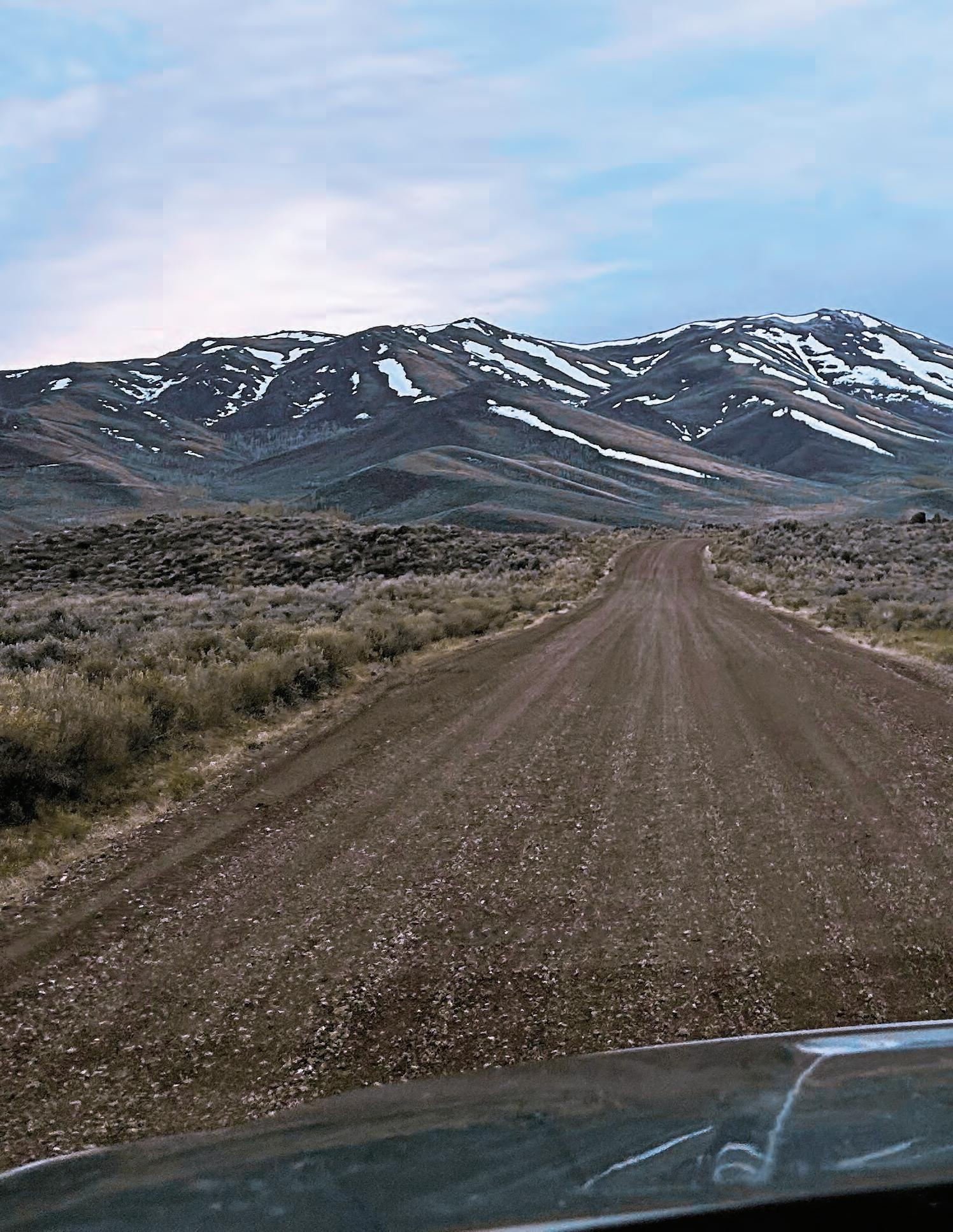
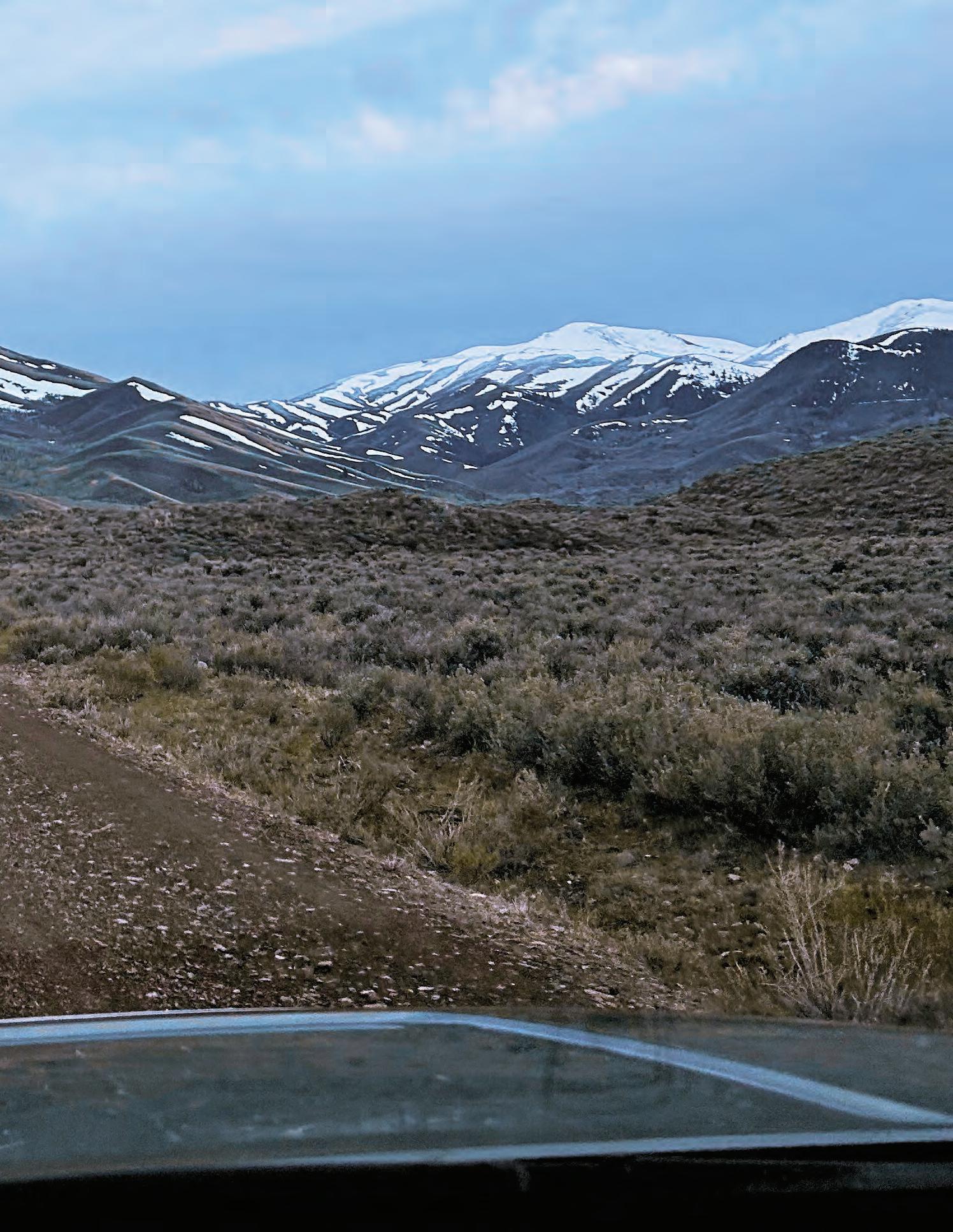
here are 178 miles between the ICA office in Boise and the ranch where I grew up, so every time I drive home to help with the cows— which is often—I get plenty of highway time to think. My mind wanders through the usual useless topics, but as I scan the horizon, dotted with cows for much of the drive, I always circle back to one question: What can we do to improve our ranch?
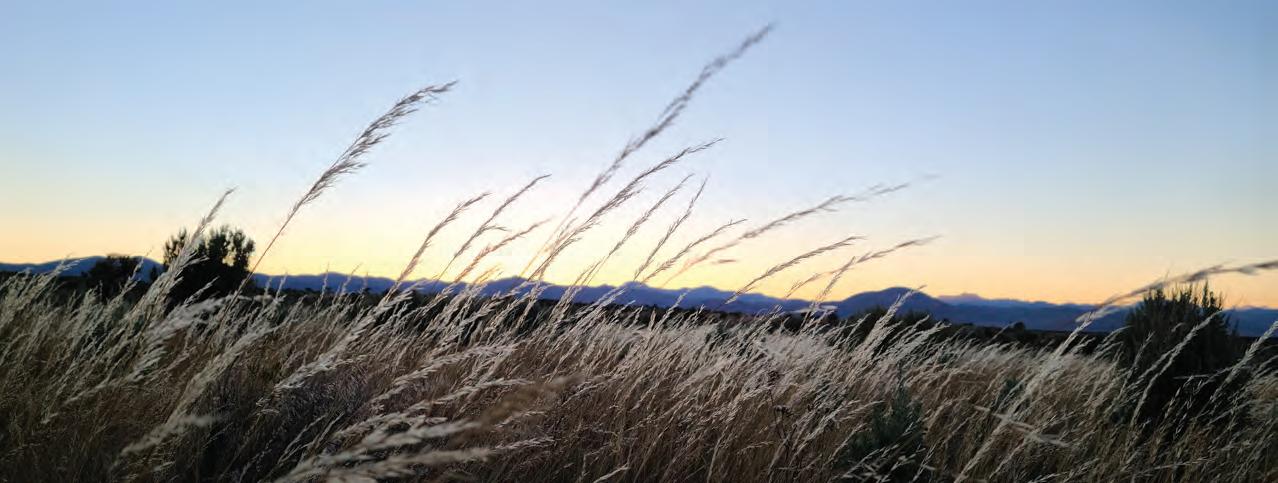
In the spring, a glimpse of lingering snow in the mountains sparks thoughts about water improvements. How long will the springs run this year? Are the troughs in top condition? A herd of elk watching from a hillside reminds me of a stretch of fence they destroy every winter—and makes me wonder whether switching to wildlife-friendly fencing would finally solve the problem.
But no matter which idea I turn over, the road always seems to lead to the same hard truth: improvements cost money. In an industry where margins are tight and every decision feels like a balancing act, major projects often stay stuck in the “someday” category.
Yet there are ways to make those goals more attainable and even strengthen your bottom line in the process. And with the recent federal shutdown now officially in the rearview, agencies are once again opening their doors, processing applications, and funding projects producers have been waiting on.
The idea behind many federal and state programs is simple: healthy landscapes create healthy cattle and healthy wildlife, which benefits everyone, from the ranching family to the public. But the real value to ranchers is financial. A cost-share on a $60,000 water system or a $25,000 fencing project can be the difference between “can’t afford it” and “let’s do it this year.”
Below is a practical, no-nonsense guide to the programs Idaho ranchers use most—what they offer, how they help, and what to know before diving in.
USDA’s Natural Resources Conservation Service (NRCS) can be considered the backbone of financial assistance opportunities. Through the Environmental Quality Incentives Program (EQIP) and Conservation Stewardship Program (CSP), ranchers can access funding for:
• Water development: pipelines, troughs, spring boxes, wells
• Cross-fencing and wildlife-friendly fencing
• Prescribed grazing support
• Riparian improvements & erosion control
• Fuel reduction and rangeland restoration
Water developments improve grazing distribution, add AUMs, and reduce stress on cattle. Wildlife-friendly fencing lowers annual maintenance and prevents further wildlife-related damage, and with financial assistance can be the perfect way to upgrade an old fence. Riparian work protects critical water sources for both livestock and wildlife. These projects all represent a win-win scenario for ranchers involved! However, NRCS programs can be competitive. Your ranking score matters. And paperwork takes time. The shutdown slowed activity briefly, but offices are now taking appointments and scheduling field visits again.
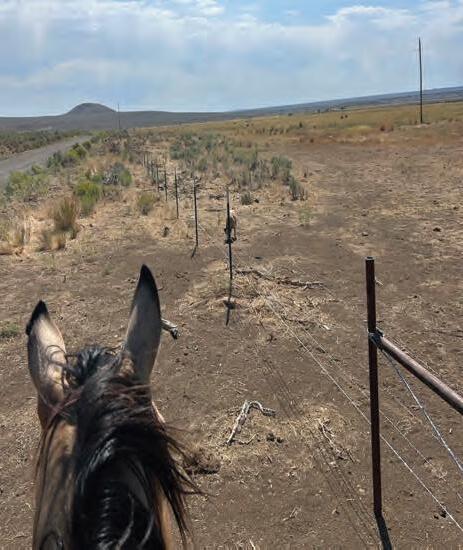
For Idaho ranchers who run cattle on public land, the Bureau of Land Management (BLM) and U.S. Forest Service (USFS) offer funding and technical assistance for:
• Pipeline repairs and trough upgrades
• Exclosures and riparian fencing
• Spring developments and maintenance
• Brush management, juniper removal, and post-fire rehab
• Water storage and haul-reducing systems
These projects aren’ t just boxes to check—they protect forage and improve conditions for livestock, while maintaining compliance with permit requirements. Federal agencies often supply material, labor, or both, cutting the producer’s cost dramatically. In some cases, ranchers only cover in-kind work.
It is important to note that timelines can be slow. NEPA reviews, wildlife timing restrictions, and agency workload affect how quickly projects move. Expect patience to be a necessary tool for these projects.
Less talked about is the Idaho State Department of Agriculture’s Rangeland Improvement Program, which supports:
• Water systems on state or private rangeland
• Structural repairs after fire or wildlife damage
• Noxious weed control
• Fence replacement and targeted grazing projects
Because it’ s statewide and not federal, the program tends to move faster than its federal counterparts. Producers can leverage ISDA funds with NRCS or BLM funds for larger, multi-year projects. It’s one of the most flexible tools available to Idaho ranchers.
For ranchers who want to preserve their operation long-term, working with a land trust can unlock significant financial value. Idaho land trusts regularly partner with USDA-NRCS to implement the Agricultural Conservation Easement Program (ACEP).
Through ACEP-ALE funding, landowners can receive payment for:
• Permanently conserving working rangeland
• Restricting subdivision or development rights
• Maintaining agricultural use and grazing
A conservation easement is not a fit for every ranch. But for those committed to long-term ranch continuity—and wanting a sizable infusion of capital to expand, pay debt,
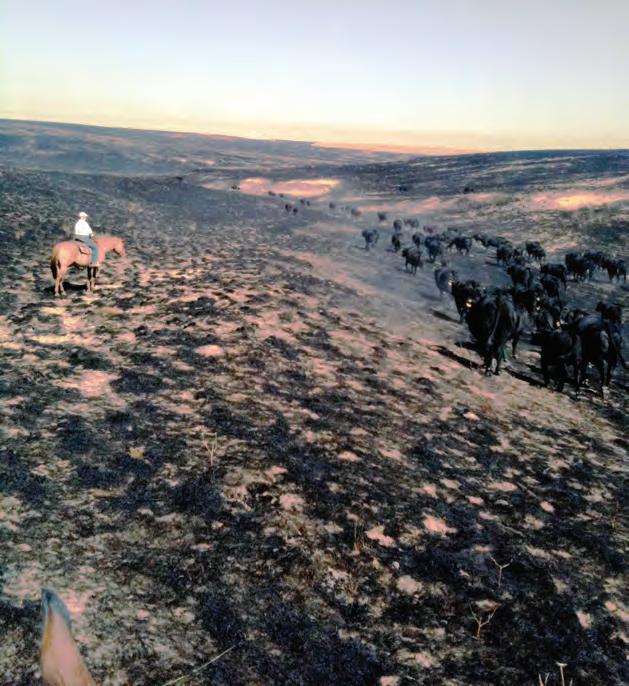
LEANING INTO PROGRAMS CAN BE A VITAL STRATEGY FOR IMPLEMENTING FIRE RECOVERY PLANS.
or reinvest in infrastructure—it can be transformative. What to consider:
• Easements last forever and can restrict future non-agricultural development.
• Grazing flexibility can usually be preserved, depending on the land trust.
• Payments can be substantial enough to change the financial trajectory of a family business.
USFWS isn’t just about endangered species, it has several voluntary programs built to support ranching operations that provide wildlife habitat. The Partners for Fish and Wildlife Program is specifically designed to work with private landowners to manage wildlife that uses their land. Common offerings include:
• Cost-share for wildlife-friendly fencing
• Sage-grouse habitat projects
• Wet meadow restoration
• Riparian enhancements
• Invasive species control
These programs can be layered on top of NRCS or state funding. If wildlife is already on your place—elk, deer, sage-grouse, wolves, waterfowl—you’re eligible for
support that reduces the financial burden of coexisting with them.
A few practical steps:
• Call your local NRCS office first. They often know about partnerships with other agencies and cross-agency funding.
• Line up your projects for the next 3–5 years. Most funding cycles require foresight, so think ahead.
• Keep everything documented. Maps, photos, grazing plans—these all help ranking scores in NRCS programs and make it easier for federal and state agencies to justify funding.
• Don’t be discouraged by “no” or “not this year.” Funding
cycles and agency priorities change, so even if you can’t get funding this year, persistence often pays off in the long run.
At the end of the day, every producer has their own version of that long highway drive: those quiet miles where ideas surface, problems untangle, and the future of the ranch comes into view. The questions we ask ourselves are familiar: How do we stretch our water? How do we steward our range better? How do we protect wildlife, cattle, and our checkbooks all at once?
The answer doesn’t come from any single program, agency, or funding source. It comes from knowing what’s available, asking the right questions, and working with state and federal partners to piece together solutions that fit the landscape you call home. Whether it’s NRCS financial assistance for water systems, BLM or USFS range improvements, ISDA’s on-theground support, land trusts and ACEP easements that keep working lands working, or USFWS partnerships that balance production and habitat—each tool helps make those “someday projects” a little more reachable.
And so, the next time you’re driving your own 178 miles, you might look out at the cows, the snowline, the elk-torn fence, and realize that improvement isn’t just wishful thinking. With the right mix of programs and partnerships, the projects that once seemed out of reach may finally be within grasp, making your operation stronger for the next generation of travelers on that same road.
Keep an eye on your weekly executive update emails for upcoming deadlines and additional program information. Interested in how these programs may apply on your operation? Reach out to the ICA office at (208) 5207241 or email me at montana@idahocattle.org.

Beef Checkoff programs drive demand to keep beef front and center with consumers.
Consumers have a lot of choices when grocery shopping for their families, and economic pressures often impact their buying behaviors. The Idaho Beef Council (IBC) and the Beef Checkoff are working together to keep beef on the menu at home and in restaurants in Idaho and beyond.
Despite tighter supply and elevated retail prices, consumer demand for beef remains robust, as indicated by consumer-reported consumption and retail sales data. A large majority of consumers (71%) eat beef at least once per week.1 Looking ahead, more than 80% of consumers plan to maintain or increase their beef consumption, driven primarily by taste and nutritional value. Beef leads the way in taste, convenience and versatility, driving its demand and influencing consumption and preference. 1
Fresh meat retail sales have seen significant growth overall, both in dollars and pounds sold, primarily driven by beef. The total value of fresh meat sales rose by 8.9% year-to-date, driven by both a price increase and an increase of total pounds of fresh meat sold.2 Within the beef category, steak, roasts and ground beef performed well, seeing year-over-year gains in both value and pounds sold.2 These trends reflect continued shopper willingness to purchase beef, even as prices climb.2
Faced with persistent inflation and higher food costs, consumers are becoming more deliberate about where and how they spend their money on food. Dining out has become more occasional, with consumers enjoying more home-cooked meals to better manage their budgets. In fact, about 34% of consumers are reportedly having more meals at home and plan to continue this trend.1
While consumers are cooking more at home, foodservice remains a vital channel for beef consumption. Beef appears

NATIONAL RETAILER CAMPAIGN DRIVING $350 RETURN ON BEEF CHECKOFF INVESTMENT FOR EACH $1 IN IDAHO.

NATIONAL RETAILER CAMPAIGN DRIVING $350 RETURN ON BEEF CHECKOFF INVESTMENT FOR EACH $1 IN IDAHO.
in 75% of online restaurant orders with burgers, tacos and steaks topping the list of online orders.1 It is also important to note that beef quality remains high, with 9 out of 10 consumers reporting a positive eating experience when eating steak at home and in restaurants.1
The IBC is reaching consumers where purchasing decisions are made by partnering with major national retailers to promote beef through digital advertising, retailer websites, and mobile apps. These efforts build upon nationwide campaigns coordinated by the National Cattlemen’s Beef Association (NCBA), a sub-contractor to the national Beef Checkoff.
In spring 2025, IBC joined NCBA and a national retail partner to highlight beef’s nutritional value to consumers across the country. The wellness-themed campaign generated $238 million in attributable beef sales — a return of $608.62 for every dollar invested — and achieved 74 million impressions nationwide. These results reflect beef purchases made by households that viewed the ads and bought beef in-store or online within 14 days.
In addition to participating in the national campaign, Idaho was one of 20 states that leveraged localized promotions to reach consumers within the state. The retailer delivered 1.82 million ad impressions to Idaho audiences and reported $3.5 million in attributable beef sales — demonstrating an impressive $350 return for every IBC dollar invested.
1Consumer Beef Tracker, January – June 2025. 2Circana, Fresh Beef Sales by Volume and Value, Data Ending 7/13/2025.
From mid-May through mid-July, another campaign targeted consumers in a leading grocery retailer with a strong regional presence in the Pacific Northwest. The campaign targeted Seattle, Portland, and Intermountain divisions — spanning Oregon, Washington, Idaho, Montana, North Dakota, northern Nevada, northern Utah, and western Wyoming — to promote Pacific Northwest beef. Ads appeared on the retailer’s website and mobile app, as well as on popular consumer websites, Pinterest, and in-store digital screens.
The campaign generated 8.4 million impressions and $44 million in attributable beef sales. Overall, the beef category experienced a 6.67% year-over-year increase in sales and a 4.59% increase in units sold compared to the same period the previous year. In Idaho specifically, beef sales grew 8.75% year-over-year, reflecting strong regional engagement with the promotion.
This promotion built on a collaborative training initiative between the Idaho Beef Council, University of Idaho, True West Beef, and a national retailer, designed to strengthen the knowledge and skills of grocery store meat managers and cutters across Idaho and neighboring states. Given the high turnover within this sector, continued training is essential to ensure that meat department staff—those directly engaging with consumers at the point of purchase—are equipped with accurate, up-to-date beef information to confidently share with customers.
“These promotional campaigns and hands-on beef trainings for retailers have directly increased beef sales in our state,” said T.K. Kuwahara, CEO, Idaho Beef Council. “Our investments in targeted advertising campaigns are impacting consumer behavior in Idaho as well as across the country.”
As today’s beef consumers adapt to economic pressures, it is important to keep beef top of mind and at the center of the plate. The Idaho Beef Council remains committed to promoting beef to consumers within the state and from coast to coast, with a goal of driving demand for the high-quality product Idaho cattle producers are known for.
Established in 1959, Scales NW offers a wide range of equipment, from precision lab balances to high capacity rail scales, as well as certified scale service and installation.










WESTERN Martingale


ACCESS TO Cattle Theft Reward


WILDFIRE Relief Fund


FULL TIME Staff Support

? tax deductible?

Join or renew before December 31st to get your tax benefit for 2025!
Join or renew before December 31st to get your tax benefit for 2025!
The relationship between feeding practices and parturition.
BY J. BENTON GLAZE, JR., Ph.D
Extension Beef Cattle Specialist
Animal, Veterinary and Food Science Department
University of Idaho
Calving season, which is just around the corner for many beef cattle producers, is one of the most critical times of the year for the beef cow-calf operation. The loss of calves results in a lack of potential products available for sale and can have a profound impact on an operation’s bottom line. According to a western Canada survey, the average death loss of calves within the first 24 hours after birth (from cows and heifers) was 3.1%. Calving difficulties were noted as the major causes of those calf deaths. Management during this phase of the production cycle must be at its best. Adequate supervision at calving has a significant impact on reducing calf mortalities. In general, the best super-
vision occurs during the daylight hours and the poorest supervision occurs during the middle of the night.
Results from the 2017 USDA National Animal Health Monitoring System (NAHMS-Beef 2017) survey provide some insight regarding the amount of time beef producers spend checking their heifers and cows during the calving season. The percentage of beef producers checking their heifers 1, 2, 3-4, and 5 or more times during a 24-hour period was 22.5%, 33.8%, 22.9%, and 20.7%, respectively. The survey results suggest that cows were monitored a little less frequently. The percentage of beef producers checking their cows 1, 2, 3-4, and 5 or more times during a 24-hour period was 38.0%, 31.2%, 19.2%, and 11.5%, respectively.
To provide the best care possible and reduce calf losses, some beef producers hire additional labor to handle the night calving chores. Others have found this

not to be an economically feasible option and opt for long days and sleepless nights. Few producers would argue that calves born during the day are a much more welcomed sight than those born during the middle of the night. Calving in the daylight hours facilitates better monitoring, quicker assistance when needed, fewer complications, and higher levels of calf survivability. Daylight calving reduces the risk of unnoticed calving problems/issues when visibility and staffing are low. Cows and heifers calving during the day help producers cut labor expenses and reduce the number of sleepless nights. Is it possible to program heifers and cows to calve during the day? Several studies have shown that beef producers may increase the number of females calving during the day by altering the time at which they are fed.
Gus Konefal, a beef producer from Manitoba, Canada, was one of the first individuals to investigate the possibility of changing calving time by manipulating feeding time. He established two different feeding programs for his cows and continued the feeding protocols from about one month prior to the start of calving until the completion of calving. During this period, feeding times and the time of day each calf was born was recorded. The results of Konefal’s efforts are presented in Table 1. Cows fed later in the day (11 a.m. to noon and 9 to 10 p.m.) had 80% of their calves during daylight hours, compared with 38% of those fed earlier in the day (8 to 9 a.m. and 3 to 4 p.m.).
To examine the effect of feeding time on calving time, Iowa State University conducted a survey of beef cattle producers that fed their cows at various times during the day. To be included in the study, producers had to be clearly classified as either feeding their cows early in the day (before noon) or late in the day (5 to 10 p.m.). The results of the study are presented in Table 2. Eightyfive percent (85.1%) of the evening-fed cows calved during the day, while only forty-nine percent (49.8%) of the morning-fed cows calved during the day.
Some producers may be utilizing/ considering the Konefal method and find that feeding two times a day does not match their management situations. A study was conducted at Kansas State University where cows were fed forage sorghum hay daily between 4 and 6 p.m. As births were recorded, the day was divided into six 4-hour periods (6 to 10 a.m., 10 a.m. to 2 p.m., 2 to 6 p.m., 6 to 10 p.m., 10 p.m. to 2 a.m., and 2 to 6 a.m.). The percentage of cows calving in these time periods was 34.23%, 21.23%, 29.83%, 8.41%, 4.4%, and 1.91%, respectively. It is interesting to note that more than 85% of the calves in this study were born in the daylight hours of 6:00 a.m. to 6:00 p.m. In addition to looking at the effect of feeding time on calving, this study examined the possibility of predicting the time of calving. The data in the study showed that for most of the cows in the research herd, the time that calving would occur could be predicted within ±3 hours based on the average time of day that cow had previously given birth. Depending on the size of the operation, and the available labor resources, it may be physically impossible to feed all cows and heifers after 5 p.m. each day. In these instances, producers should use this management tool for specific groups of the cow herd. Generally, firstcalf heifers need more assistance and supervision during calving than mature
cows. Therefore, some producers may opt to feed the mature cows earlier in the day and feed the first calf heifers late in the day. This would result in the majority of the first calf heifers calving during the day when the best/most supervision (care) is available.
To implement the Konefal method in a beef cattle herd, producers should start the timed feeding approximately one month ahead of calving. Then a feeding time needs to be chosen. The classic Konefal method would include two feeding times (once around midday and once later in the evening). However, the Kansas State Study suggests that benefits of the method could be achieved with a single feeding (late afternoon). Once the times and feeding have begun, producers should be consistent with the program. Changes in the routine may reduce effectiveness of the program.
The results of these studies suggest that feeding cows late in the day results in an increased percentage of calves being born during daylight hours. However, feeding cows late in the day does not altogether eliminate nighttime calving. Therefore, beef producers still need to be
on their toes and prepared to provide adequate supervision for their beef females late at night and early in the morning.








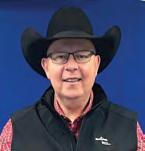
All,
I would like towelcome allof you to Lance Jones!
Lance is our newest addition to the Beef Sales Team and will be based out of our Caldwell, ID SWS retailfacility. He will be responsible for drivingsales in his territory to meet company goals. His territory will be everythingSouth of InterstateI-84, spanning from Boise to Ontario and Westerly into SW Oregon.

Lance grew up the youngest of seven siblings in Garden Valley, ID.

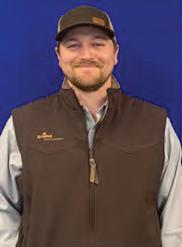

Lance,his wife, andbaby daughter live in New Plymouth.He enjoys spendingtime with family, roping, basketball, woodworking projects, andmost of all, being weird to make his baby, Charlotte, smile andlaugh Lancehas been employed with SWS since 2017, whenhe started as an intern, assistingin our accounting department and then moving into retail sales. His most recent role has been Caldwell Retail Manager.
Here’s his contact information.
Lance Jones Lance.jones@simplot.com 208-505-7605 Cell
Welcome Lance!



University of Idaho students share their families’ holiday traditions.
BY MADISON OREM
University of Idaho SICA president
The agriculture industry constantly faces challenges, from market fluctuations to unpredictable weather. Yet through it all, we continue working side by side with our families to overcome the tough times. As the weather turns colder, members of the Student Idaho Cattle Association return home to their family operations. This season reminds us to be truly grateful—not only for the joys and hardships that shape our industry, but for the people who make it all worthwhile. As the holidays approach, we asked our members to share some of their favorite traditions that make this season special on their family ranches and farms.
“My family and I started this tradition when I was in the fifth grade during Thanksgiving. My boy cousins wanted to do something outside for fun. Being the energetic group of kids that we were, we asked my dad if he would do some target practice outside. He said that we had a box of old clay pigeons in the shop and a handheld thrower. We got our grandpas, uncles, and a couple aunts to come outside, and we set up a cou-
ple of haybales to lean against. My dad and my uncle switched off and on to throw clay pigeons. Ever since that Thanksgiving, we have done it every year.
We decided to also do this tradition on Christmas too. We always go out to my grandparents’ house with all my cousins and aunts and uncles. We started doing it into the dark too with the headlights of trucks facing out onto the field. My grandma always brings us out hot cocoa and hot coffee. This tradition has turned into something we all really enjoy. It gets a bunch of us wiley teenagers out of the house and it kills time until we get to dinner. I love my families’ traditions
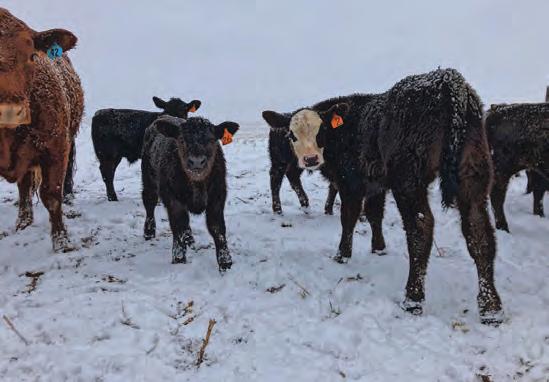
because it allows us to always spend quality time together and create great family memories.”
“The MacConnell family loves their traditions during Christmas! We spend the majority of Christmas break working on the ranch, depending on why we can get done due to the weather. One of my favorite family traditions is when we all bundle up and head out with our backhoe and loader to pile up old trees and brush for our New Year’s bonfire. We spend hours building the pile before the sun goes down and we go back home to a delicious home cooked meal! After hours of being in 20-degree weather, we come home, build a fire, warm up some cocoa, turn on Christmas carols, and play a card game. Around Christmas every year we butcher a few open heifers to fill our freezers, and, of course, we have a big meal of trip-tip to celebrate Christmas dinner.”
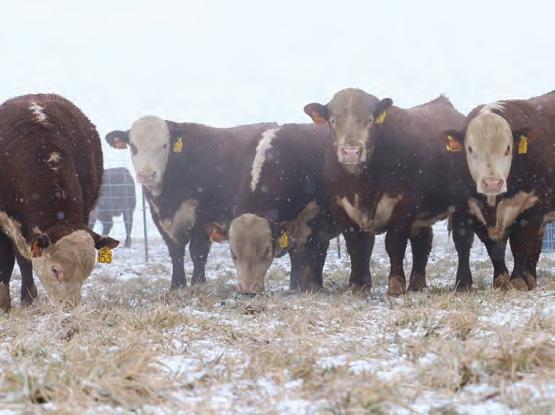
“I have a few of my family’s Christmas traditions! Christmas Eve dinner has consisted of prime rib every year ever since I could remember. Another thing we do is make popcorn balls, my great grandma has since passed the tradition on of making the syrup for them to me, which is a very tedious job as it must be just right, not too hard, and not too soft. And lastly, we do 12 nights of Christmas for the elderly in our community. We prepare home baked and homemade goodies to be delivered secretly to the elderly people of the community to help spread Christmas cheer.”
“One of my favorite Christmas traditions starts the same way every year. We wake up on Christmas morning, have breakfast together, and then head out to the ranch for our annual “Christmas Hayride.” Dad likes to overromanticize it
by calling it a hayride, and I suppose he’s not entirely wrong, there is hay involved. We hurry to feed out the TMR ration for the calves, and then, instead of using the tractor and bale feeder like usual, we fire up our old army cargo truck and load the hay bales onto the back. We all pile in, singing Christmas carols as we roll across the pastures, tossing hay to the cattle. What’s normally an average winter chore has turned into one of my favorite Christmas memories.”
“My family’s Christmas tradition is one of my favorite parts of the holiday season. Each year, my mom and grandma give us a special ornament to add to our growing collection, making our tree full of memories from past years. We also spend time together baking cookies—my favorite are the delicate, crispy rosette ones that always disappear first. And of course, we always get a real Christmas tree, filling our home with the fresh scent of pine and the warmth of the season.”
“Every year at the beginning of December, my family makes a trip to the mountains to find the perfect real Christmas tree. While we’re up there, we build a fire, enjoy the crisp mountain air, and spend time with friends. On Christmas Eve, we gather at my grandparents’ house to celebrate with our cousins and play lots of cribbage before heading to midnight mass, a tradition we cherish every year. Christmas morning is filled with joy as we open presents together and then head out to feed the animals, bundled up in warm clothes. Later in the day, go back into town to enjoy a delicious Christmas dinner surrounded by family and laughter.”
No matter how you celebrate, this time of year serves as a reminder of the values that unite us: family, hard work, and a shared passion for agriculture. From all of us at the Student Idaho Cattle Association, we wish you a safe, joyful, and meaningful holiday season!


















































January 6
North Platte Stockyards
North Platte, NE
Consignment Deadline: December 29
January 29
Tehama District Fairgrounds
Red Bluff, CA
Consignment Deadline: January 21
Western Video Market is the premier livestock auction business in the western United States, offering internet and video marketing services for commercial cattle and sheep producers.


We have a team of field representatives who are second-to-none, and will represent your interests with old-fashioned values.

BY MONTANA MACCONNELL
WITH CONTRIBUTIONS FROM INTERNS
Esme Aguilar
Kaylee Lierman
Levi Wood
Kloe Campbell
Jasper Bilbao
Photos by Allison Eliason
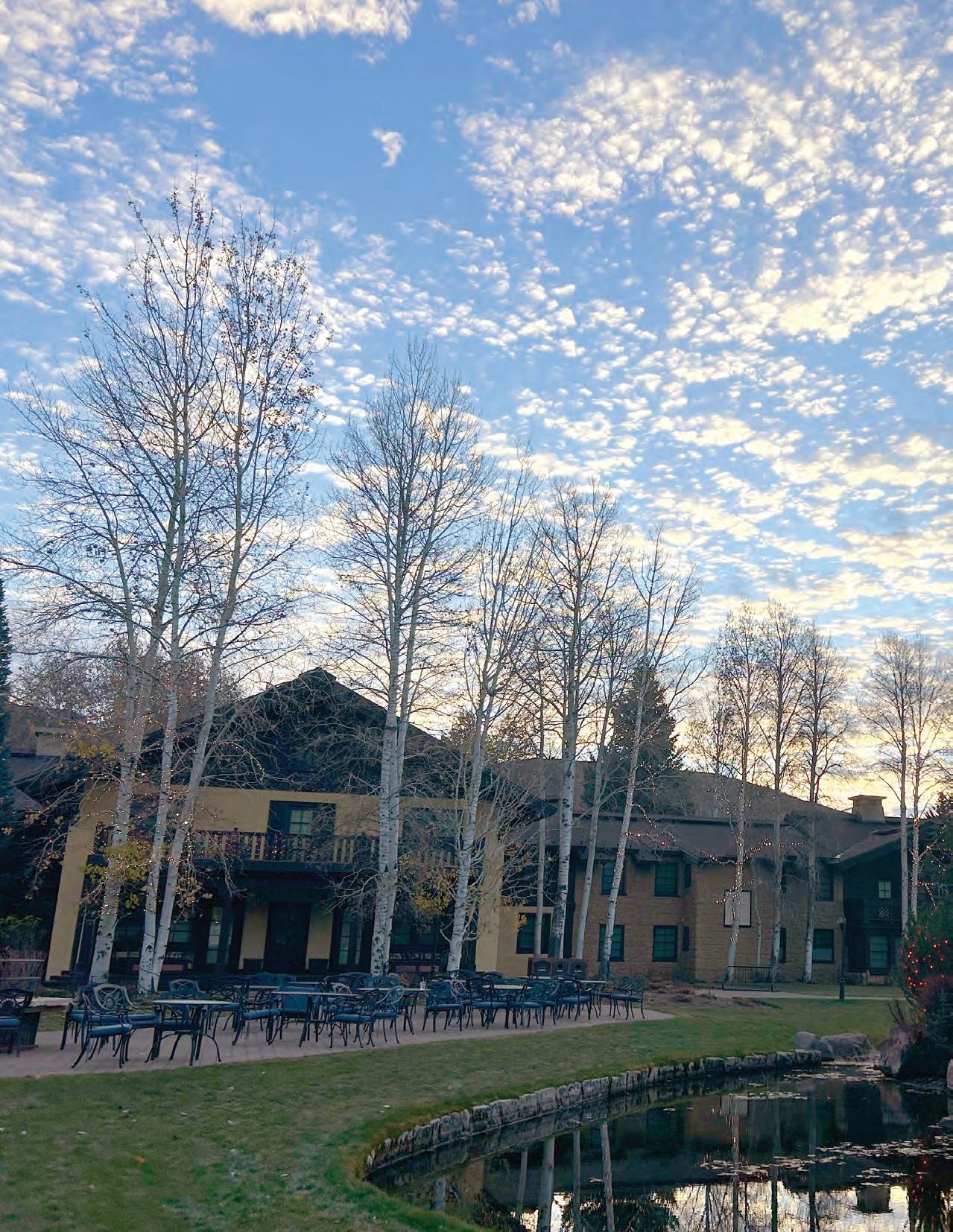
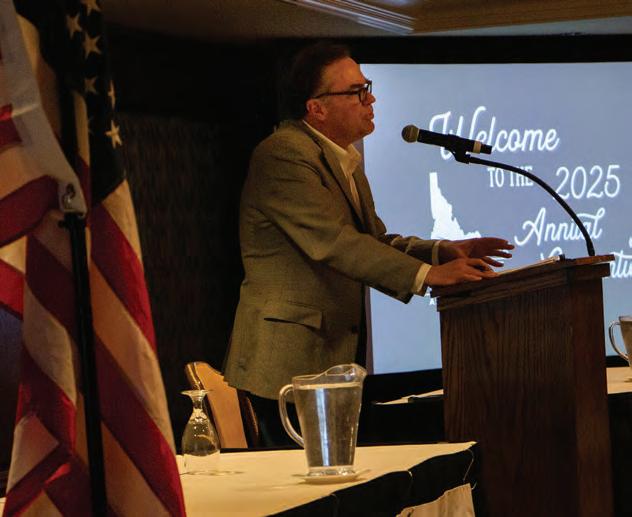
November 10–12, Idaho’s cattle industry gathered for the Idaho Cattle Association (ICA) Annual Convention—a yearly tradition that brings producers, students, industry partners, and leaders together in Sun Valley, Idaho. Convention is always a time for education, connectivity, and community, but this year’s event carried an especially strong sense of momentum. Attendees came ready to engage in policy discussions, explore new technology, and celebrate the people who move Idaho’s cattle industry forward.
Students from the University of Idaho (U of I) and the College of Southern Idaho (CSI) joined convention attendees, bringing fresh energy and new perspectives. A dedicated student session in the morning gave them an opportunity to explore career paths across the beef industry. They also had exclusive time in the trade show, allowing them to visit with vendors one-on-one, ask questions, and learn about internship and career opportunities. The students also competed in the third annual Student Quiz Bowl, with CSI taking home the win! The student participation throughout convention showed how strong the next generation of Idaho cattle leaders will be.
The Keynote session kicked off with an inspiring message from Lucas Mack, a brand developer who has worked for large companies like T-Mobile, Microsoft, and Google. He currently serves as the Head of Global Brand Strategy for Kubota North America. Mack grew to be a powerful leader in the marketing world by starting his own creative agency, working television roles, and publishing his own book. He shared a powerful message on how different generations consume information and what they value when it comes to media. He explained that each generation (Baby Boomers, Gen X, Gen Z, etc.) has preferred methods of digesting information, which can be utilized to best connect with audiences. Mack implored cattle producers to understand these differences to better communicate with consumers. By tailoring marketing decisions to a specific group, producers
can make better connections and build brand loyalty. He concluded his message by asking the audience to know their own stories and to be authentic in everything they do.
At the end of the session, Idaho Congressman Russ Fulcher took the stage to meet directly with producers and address several pressing industry issues. He spoke about the recent government shutdown, emphasizing ongoing efforts to find a compromise. Fulcher also acknowledged rising concerns over increased beef imports from Argentina, which is a proposed approach aimed at addressing the nation’s declining cattle inventory. He reassured ranchers that he does not want American producers to suffer because of imports and emphasized that U.S. health and quality standards will continue to prevail. Fulcher noted that the Department of Justice is actively investigating meat packers for potential price collusion, urging that the White House is not blaming American ranchers for current market challenges. He concluded his visit with an open forum, allowing producers to ask questions, share experiences, and offer input on recent events. Fulcher listened, provided feedback, and ensured every voice in the room was heard.
The Cattlemen’s College was led by Shane White, the national sales manager for Ceres Tag. Ceres electronic ear tags are the world’s first animal health intelligence platform that delivers constant tracking of animal location and behavior through satellite technology directly to the producer’s handheld device. White emphasized that with technology “automation is key.” With Ceres Tag, producers receive reliable data that can evolve alongside technological advancements.
The ear tag is programmable based on operational needs, such as tracking feed intake and activity levels. It can send alerts signaling high-speed movement linked to predator threats or stolen cattle, as well as reduced movement or GPS changes indicating separation from the herd or calving behavior. Producers can also set breakout points within their property, which immediately notify them if cattle are on the loose. Additionally, the Ceres ear tag allows users to monitor animal feed intake trends, such as cattle working harder to find edible forage, and to track ambient temperatures that may indicate heat stress. While the Ceres ear tag is a significant investment at $199 per tag, each unit is guaranteed to last up to three years, includes a warranty, and can be redeployed within the herd. The University of Tennessee has been studying
1 finally pulled the Brand Department out of its 33-month deficit, and the agency is now roughly $50,000 in the black just four months into the new fiscal year. He also discussed progress on the department’s new digital brand inspection platform, designed to modernize and streamline inspections. While the system is fully developed and has undergone successful test runs, it was delayed due to the state’s IT system being shut down. It will begin in North Idaho on a limited basis before expanding statewide once staff are trained and system support plans are finalized.
Greg Brandhorst with Commodity & Ingredient Hedging (CIH) highlighted tight supplies across the country.
The U.S. beef cow herd is down 3 million head, replacement heifer levels are at an extreme low, and feeder numbers have seen the sharpest percentage drop since 2014.
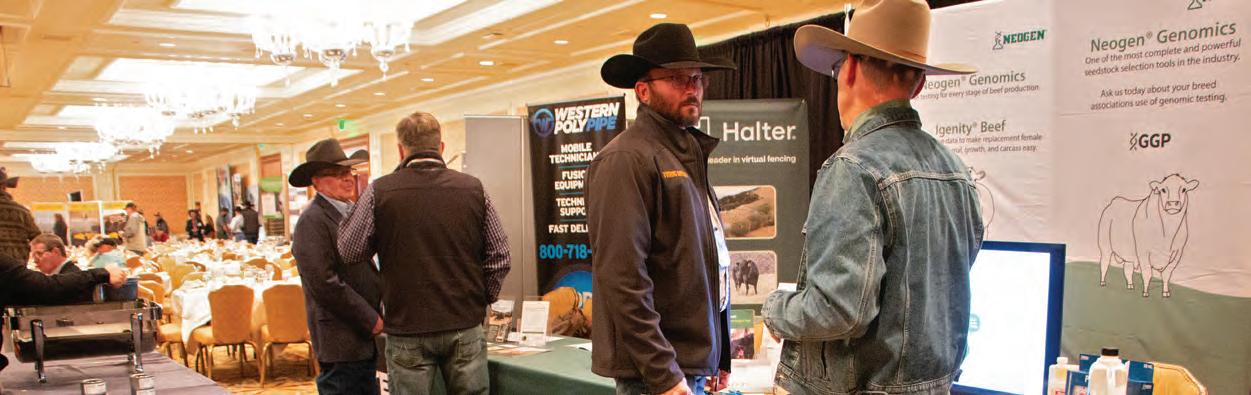
THE ANNUAL CONVENTION TRADE SHOW PROVIDES AN OPPORTUNITY FOR NETWORKING, LEARNING, AND DISCUSSION AROUND NEW TECHNOLOGIES IN THE BEEF INDUSTRY.
animal efficiency using electronic tags and has reported an overwhelming number of positive, verifiable results.
This session highlighted how innovations like the Ceres ear tag are reshaping livestock management. By integrating automation, data intelligence, and sustainability, producers can make smarter, faster, and more informed decisions that enhance both animal welfare and operational profitability. As technology continues to advance, tools like the Ceres Tag are setting a new standard for the future of the cattle industry.
The Feeder Council session offered a straightforward, numbers-heavy look at Idaho’s feeding sector. Idaho State Brand Inspector Cody Burlile reported that inspectors worked more than 2.1 million head this year—only about 60,000 fewer than last year—marking five strong years in a row. He noted that the fee changes put in place on July
Brandhorst said true herd rebuilding likely won’t begin until 2026, and the results may not be seen until 2028. Idaho State Veterinarian Dr. Scott Leibsle provided an animal-health update, confirming brucellosis remains controlled and that avian influenza is still present in dairy cattle, but is causing minimal production loss. He also noted that Idaho is taking the lead as a pilot state for a new system allowing trained non-veterinarians to issue movement documents, which should speed up transport. Additional regulatory updates and a fast-paced federal policy briefing from NCBA rounded out the meeting, showing that Idaho feeders remain alert, informed, and ready to navigate the challenges and opportunities ahead.
In the joint Cow-Calf and Purebred Council session, National Cattlemen’s Beef Association (NCBA) representatives Kaitlynn Glover and Sigrid Johannes outlined key
points from the USDA’s new beef revitalization plan. A central goal of the plan is to bolster producer confidence by supporting market-driven solutions rather than new regulations. Even with high prices, consumer demand for beef remains strong, showing continued support to the U.S. beef producers. This plan also provides new support for small and independent processors, including lower inspection fees, expanded access to USDA’s grading system, and additional processing grants in under-served regions. USDA will also encourage local labeling programs to boost sales of locally raised beef. Both speakers emphasized that the plan is separate from recent comments about Argentina trade and that NCBA continue to work with USDA to ensure policies benefit all sectors of the beef supply chain. Sarah Baker from the University
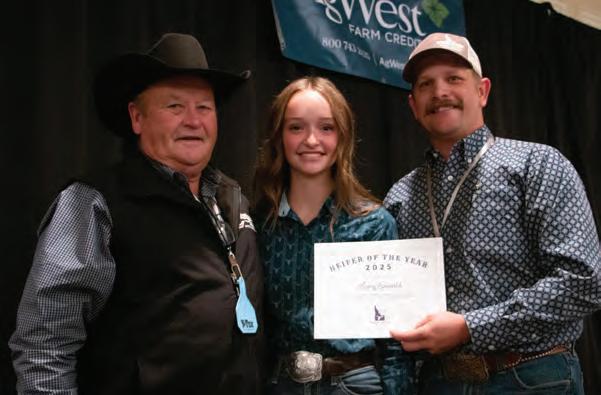
AVERY OSWALD POSES WITH GUY COLYER OF COLYER HEREFORDS AND CHASE LANTING, ICA PUREBRED CHAIR, TO RECEIVE HER HEIFER OF YEAR CERTIFICATE.
of Idaho Extension and state co-coordinator for the Beef Quality Assurance (BQA) program gave an update on upcoming BQA trainings, including sessions in Twin Falls on November 18th, and another on the 20th. She announced new Spanish-language BQA trainings with fully translated materials and other events like winter beef schools. More information is available at idahobeefquality.com.
Idaho Department of Fish & Game also provided updates focused on legislative priorities, wildlife management, and agency operations. They anticipate a quiet legislative session, with their main goal being to expand Good Neighbor Authority, which enables cooperation with federal agencies for forest and wildlife habitat work. The department seeks continuous appropriation authority to utilize outside funding for these projects. The speaker also addressed ongoing wolf and grizzly bear policy challenges, and the recent court rulings on the subject. Idaho State Brand Inspector Cody
Burlile provided an update on the State Brand Department’s operations and financial status. Burlile also announced that Idaho’s new electronic brand-inspection system is finished and ready for rollout, starting in North Idaho.
Convention-goers enjoyed a lively evening during the strolling supper, where the trade show came to life with conversation, mingling, and plates of finger foods that encouraged everyone to wander the maze of vendor booths. The Heifer of the Year competition added excitement with an announcement that Avery Oswald, a high schooler from Rigby, was this year’s champion, who will be receiving a heifer donated by Colyer Herefords. The night was wrapped up with the PAC auction—which once again brought spirited bidding and strong support for ICA’s advocacy
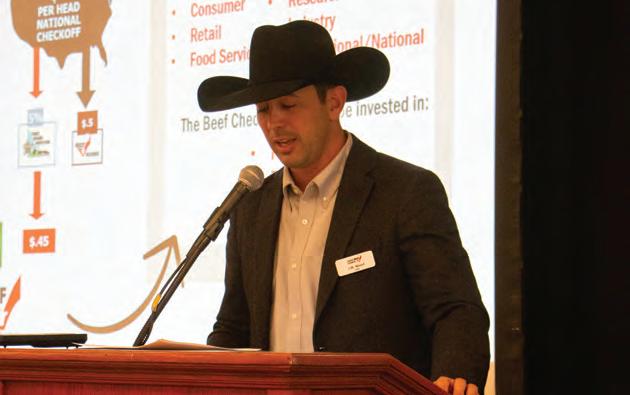
JW WOOD, A MEMBER OF THE IDAHO BEEF COUNCIL BOARD OF DIRECTORS, SHARES AN UPDATE ON THE BEEF CHECKOFF PROGRAM.
efforts. It was a relaxed and upbeat evening that highlighted the fellowship and generosity that defines ICA members.
Tuesday morning began with a breakfast and NCBA update from Kaitlynn Glover, Executive Director of the Public Lands Council (PLC) and NCBA Natural Resources. Glover highlighted recent tax provisions such as depreciation extensions and improvements to Section 179 that offer producers more predictability when planning investments. She also highlighted crucial progress on federal conservation programs. One significant detail allows ranchers to be compensated at 100% of market value for any livestock lost to federally protected predators. This is a huge improvement from the previous 65-70%! Glover noted this big change as a huge win for producers that manage wildlife conflicts on public lands. Other updates included drought assistance, regulatory reforms, and trade opportunities. Efforts are currently being carried out to unwind the 2001 rule
to improve land access and flexibility. Glover also provided insight into the prolonged government shutdown, which officially ended later that day. The new funding bill that advanced to end the shutdown allows crucial agencies like the Natural Resources Conservation Service (NRCS), Bureau of Land Management (BLM), and Farm Service Agency (FSA) to resume their normal operation. Glover finished off by encouraging members of the industry to stay engaged and informed as policy discussion continues. She stressed that cattle organizations such as ICA are gaining traction on long standing issues, offering a positive outlook heading into a new year.
Snake River quagga mussel infestation—and discussed improved federal relationships around grazing, meat processing, and wildlife policy. Overall, the discussion offered attendees a grounded outlook on the coming year and underscored the value of strong partnerships between agriculture, state leadership, and federal agencies.
At this breakout session, presenters Jason Thomas and Danielle Gunn with University of Idaho Extension showcased how artificial intelligence (AI) can enhance efficiency and innovation in ranching operations. The session aimed to make AI tools more approachable for producers. Jason Thomas, who holds a master’s in entomology, encouraged
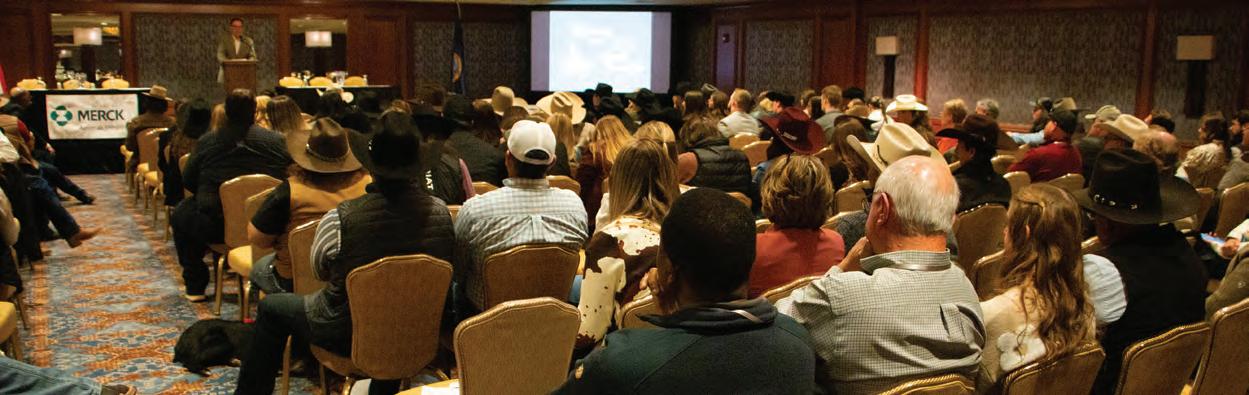
This session featured a panel discussion with State Senator Kelly Anthon, Idaho Department of Agriculture Director Chanel Tewalt, and Idaho Department of Lands Director Dustin Miller, who provided a clear look at the policy and operational landscape shaping 2026. The panel highlighted the importance of coordinated land and resource management across state and federal agencies, noting ongoing progress through tools like the Good Neighbor Authority. They reported a light wildfire year in 2024, crediting aggressive initial attack strategies and improved collaboration.
Water and development pressures were a central topic, with panelists emphasizing the need to protect long-established agricultural water rights while balancing Idaho’s rapid population growth. They also encouraged more agricultural engagement in the state legislature to support informed decision-making as out-of-state political influence continues to rise. The panel addressed invasive species progress—specifically Idaho’s success in reducing the
ranchers to approach AI with an open mind. He demonstrated practical ways AI can assist with record keeping, marketing, and data analysis. Danielle Gunn shared her experience using ChatGPT and Google Gemini to streamline tasks such as consolidating research, generating reports, and even creating marketing materials like Facebook posts and video ads. Participants watched AI in action as the presenters chose a volunteer to simulate 12 pregnancy checks while voice-recording each observation and fed the recordings into an AI system that transformed the information into clear, organized notes. This quick and easy presentation demonstrated how AI tools can be implemented into different tasks around the ranch. The speakers also discussed copyright and verification best practices, emphasizing the importance of fact-checking AI-generated content. Both Thomas and Gunn described AI as a powerful, time-saving tool that’s not a replacement for human expertise, but an assistant that helps ranchers work more efficiently while maintaining accuracy and professionalism.
Over a lunch of beef cheek pasta, the Idaho Beef Council highlighted how Beef Checkoff dollars are being invested to promote beef, educate consumers, and strengthen retail partnerships across Idaho and the nation. Each time cattle are sold, $1.50 per head is collected through the Beef Checkoff program. Of that, $0.50 remains in Idaho to fund local promotional and education efforts, while $1 goes to the national program, half of which is reinvested back into state-level initiatives. The Idaho Beef Council oversees how those dollars are allocated and participates in national committees that guide investment decisions. Speakers from NCBA showcased marketing successes such as the “Beef. It’s What’s for Dinner.” campaign, which continues to drive strong brand awareness more than 30 years
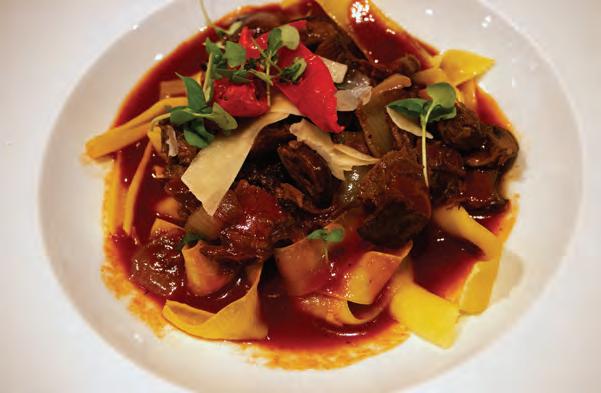
THE BEEF COUNCIL LUNCH FEATURED A UNIQUE “BEEF CHEEK RAGOUT” DISH.
after its launch. Recent efforts include a video series titled “Real People, Real Stories,” featuring Idaho ranching families and small-town traditions that celebrate beef’s role in community life. Channel marketing initiatives were also discussed, with emphasis on e-commerce growth and retail partnerships that help inspire consumers online and instore. Collaborative programs with grocers like Albertsons and Associated Food Stores have helped train meat department staff and boost sales, while consumer demand for beef remains strong despite rising costs. The session closed with recognition of the Idaho Beef Counts program, which has provided over 2.8 million servings of high-quality beef to Idaho families in need since 2010.
This session began with an introduction by John Nalivka, a market analyst who outlined key trends shaping current
U.S. beef production and pricing. Emphasizing efficiency, he broke down the numbers behind today’s beef supply chain, showing how far production efficiency has come. “In 1951, we averaged about 200 pounds of beef per cow. Now it’s about 700,” he noted, a reflection of decades of progress in genetics, feed, and management. He described today’s cattle production as “having the best demand the industry has ever seen as a result of consistent beef quality, and for that, producers can pat themselves on the back.” But with production gains come new challenges. Nalivka pointed out that while demand remains strong, higher output and global market shifts have put pressure on prices. He discussed meat packer competition, processing capacity, and the ripple effects that international trade has had on the beef industry.

REPRESENTATIVES FROM THE NATIONAL LEVEL SHARED BEEF CHECKOFF UPDATES ON A COUNTRY-WIDE SCALE.
Next on the microphone was Nick Smith, the head of finance for the company Ranch2Retail, who shared how, over the past decade, retailers such as Walmart and others in the supply chain have begun adapting marketing techniques to better advertise beef. In this session, consumer trends such as steady demand for quality beef, retailer efforts to balance cost volatility, and the importance of storytelling in earning customer loyalty were discussed. Overall, the session painted a clear picture of an industry balancing efficiency and innovation while staying true to what matters most, delivering high-quality beef and maintaining consumer confidence.
The Idaho Public Lands Council session was an impactful discussion. Marty Gill opened before turning it over to Kaitlynn Glover, who gave a strong update on federal progress.
Earlier this year, NCBA submitted 20–27 pages of policy recommendations, and PLC added another 14–15 pages focused on public lands—many already moving forward. One major update is the likely removal of the BLM Public Lands Rule, opposed by over 60 groups. New grazing regulations are also expected before Christmas. Glover stressed the urgent need to rebuild staffing in BLM and the Forest Service, as some ranchers have gone years without a consistent range conservationist. She emphasized restoring staff to handle National Environmental Policy Act (NEPA), range inspections, and permitting work while cutting red tape. This aligns with the ICA resolution supporting the reopening of vacant allotments, adding AUMs, and reducing regulatory barriers. Glover explained that many allotments remain closed due to outdated NEPA, fire damage, or broken infrastructure.
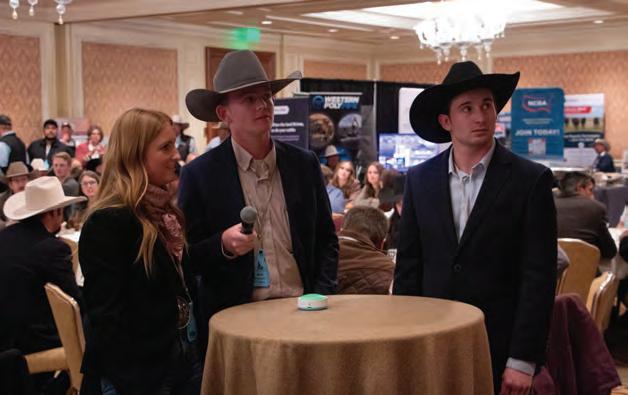
STUDENTS TRAVELED TO SUN VALLEY FROM ACROSS THE STATE TO TEST THEIR KNOWLEDGE IN THE THIRD ANNUAL QUIZ BOWL.
PLC recommends reopening them in small groups, starting with the easiest cases. Wildfire management was another priority. Agencies plan to expand fuels work and use targeted grazing to control fine fuels. The Fix Our Forests Act will help agencies rebuild fences and use vacant allotments faster after fires. California was highlighted as the first state to formally adopt grazing as a fire-mitigation tool. Predators were also discussed, with wolf conflicts rising across western states. The Fish & Wildlife Service declined to create a new national wolf recovery plan, saying wolves are already recovered. ESA updates for wolves and bears are expected soon, and APHIS Wildlife Services is reviewing depredation standards, with Idaho’s model considered the most reliable. Dr. Karen Launchbaugh of the University of Idaho presented Idaho’s 10-year sage-grouse study covering 29,000 acres, 1,325 hens, and 1,000 nests. Results showed grazing did not harm sage-grouse—nest success and survival were equal or slightly better in grazed pastures. The meeting closed by rec-
ognizing Idaho’s leadership, with Brenda Richards and Dr. Launchbaugh receiving national PLC awards. With major changes underway, many producers left optimistic about the future of Idaho ranching and public-lands grazing.
In Tuesday’s general session about animal health, we were joined by Idaho’s State Veterinarian Dr. Leibsle and Sigrid Johannes with NCBA who shared updates on herd health, disease management, and other ongoing challenges that are currently being faced by Idaho cattle producers. A major focus was screwworm prevention. Producers were urged to carefully inspect cattle and submit any suspicious larva in alcohol for testing, emphasizing that identification and prevention is crucial to protect the cattle industry. Transporting and buying
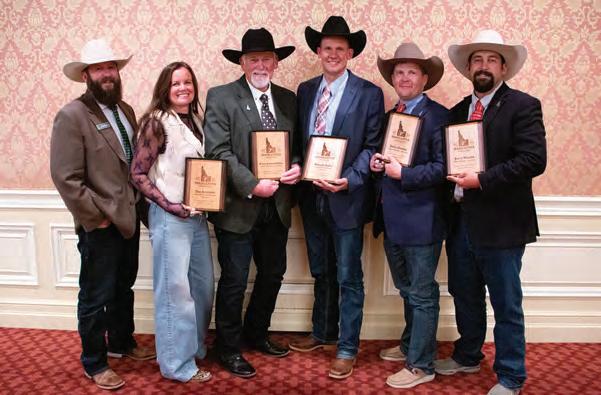
THANK YOU TO ICA BOARD MEMBERS WHO HAVE COMPLETED THEIR TERMS, OR MOVED INTO NEW POSITIONS (LEFT TO RIGHT): SPENCER BLACK, TAY BRACKETT, ROYCE SCHWENKFELDER, ROSCOE LAKE, JESSE HUMAN, JERRY WROTEN.
cattle safely was also highlighted as crucial, with reminders to “do your homework,” as well as planning ahead. Dr. Leibsle also discussed how the state is at the frontlines along with other western states discussing pest and wildlife management. Avian influenza (H5N1) also remains present in Idaho’s backyard flocks. Bovine tuberculosis also remains a monitored disease through slaughterhouse inspections, which has reduced the widespread usage of on-farm testing. Idaho’s brucellosis programs remain effective, identifying single infected animals to reduce transmission to large herds. Vaccination is important to protect pregnancies rather than preventing infection itself. Federal support and further veterinary research are essential to continue the program forward. Speakers stressed the importance of coordination and collaboration among producers and agencies, the importance of science focused strategies, and federal funding to keep Idaho’s cattle industry healthy.
Convention wrapped up with a full room, a delicious prime rib dinner provided by Agri-Beef, and cheesecake to finish the meal. Throughout the night, ICA honored interns, staff, board members, committee leaders, and the many individuals who dedicate their time to serving Idaho’s cattle industry. The Grass Futurity winners were celebrated, along with the Idaho Cattle Foundation, silent auction and photo contest participants, and ICA staff. The premier awards—kept secret until the moment of announcement—honored industry members for exceptional service. Carl Ellsworth and Jerald Raymond each received a Beef Industry Leader award, while John Hall and Rick Waitley were both named Friend of the Industry. A highlight of the evening was the recognition of 2025 ICA President Spencer Black, honoring his leadership
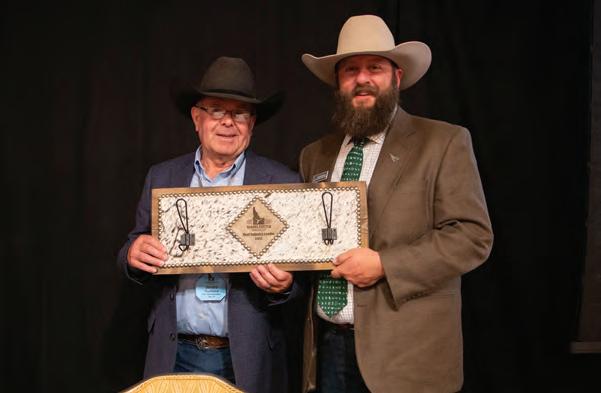
JERALD RAYMOND RECEIVES THE BEEF INDUSTRY LEADER AWARD FOR HIS WORK FOR THE ICA, IN THE STATEHOUSE, AND SETTING AN EXAMPLE OF EXCEPTIONAL INDUSTRY ENGAGEMENT.
and commitment throughout the year. His sister, Miranda, served a healthy “roast,” as well as shared heartfelt remarks before Spencer offered closing comments of gratitude and reflection. Incoming ICA President Val Carter was then welcomed to the stage to share his expectations and hopes for the year ahead. The banquet concluded with the end-of-year slide show showcasing ICA’s accomplishments and, of course, the much-anticipated CattleWomen Saddle Raffle to close out the night.
Wednesday morning’s session, “Red Meat Yield: Is It Time for an Adjustment,” gave us insight into how the beef sector measures carcass value and why today’s yield grading system may no longer reflect the realities of modern cattle. In 1926, the USDA first began examining carcass yield to determine how much edible product could be ex -
pected from a beef animal. This early work laid the foundation for formal yield grades, which were adopted in the 1960s as retailers and packers pushed for standardized systems to predict the amount of product moving through the food distribution chain. These yield grades were built around cattle that, at the time, were much smaller framed and more compact than today’s. In a modern cutting trial conducted at West Texas A&M University, roughly 100 beef carcasses were evaluated and found that today’s yield grades are only about 40 percent accurate. Similar tests at the University of Arizona found that current yield grades are roughly 52 percent accurate. This data gained the attention of the NCBA.
The red meat task force, established in 2023 and consisting of 25 different industry personnel such as meat packers,
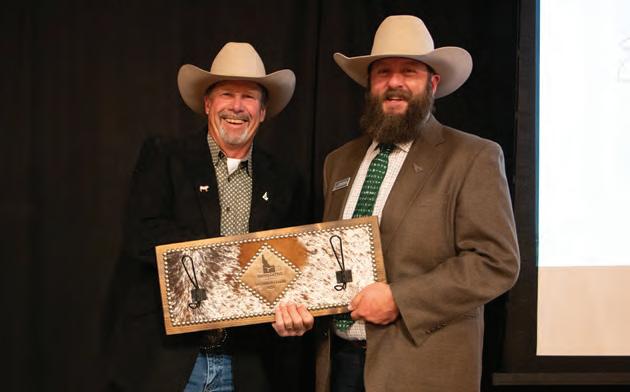
CONGRATULATIONS TO CARL ELLSWORTH, WHO ACHIEVED THE BEEF INDUSTRY LEADER AWARD, HONORING HIS CONTINUED DEDICATION TO THE INDUSTRY, INCLUDING TIME WITH THE ICA AND ON THE STATE BRAND BOARD.
retailers, cow calf producers, and feedlot operators, is performing its first cutting test in Jerome, Idaho to gather more data supporting the need for updates to the U.S. yield grading system. Results from these cutting tests are expected by the end of 2026. These efforts emphasize the industry’s commitment to ensure yield grades accurately reflect today’s cattle and deliver fair value to producers.
This year’s ICA Annual Convention brought together cattle producers, students, industry partners, and leaders from across Idaho to learn, connect, and celebrate the work that keeps the state’s cattle industry strong. As the industry looks toward 2026, the conversations, ideas, and relationships built in Sun Valley will continue driving progress for Idaho’s beef industry and the people who feed the world.
In an industry defined by strong earnings often matched by soaring input costs, protecting and growing the Idaho Cattle Association’s (ICA) financial standing is our highest priority. The ICA Board of Directors is satisfied with our current cash position, which reflects a year of careful management and strategic planning. Read on for details about our balance sheet growth and a decision to potentially purchase, rather than lease, vital office equipment to ensure
Cattle producers have been blessed with a strong beef market, but the costs of maintaining these operations more often outpace earnings.
your dues are working as efficiently as possible. My first year on the Executive Committee was eye-opening in a good way. Cody Hendrix left me in a solid position after his six-year hitch as Treasurer and has been willing and available to answer questions and provide guidance for a smooth transition. Likewise, we as members can rely on an exceptionally dedicated group of individuals from many different backgrounds that comprise our Executive Committee and Board of
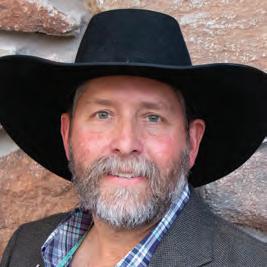
BY SCOTT BUNDERSON ICA Treasurer
Directors. It’s a privilege to serve you and our industry in this capacity.
As in prior years, the organization finished off in a favorable cash position and our balance sheet reflects such a year. As a board, we are satisfied with the financial position and growth of the association but continue to look for new ways to increase revenue while building our investments as quickly and safely as possible. In today’s market, that can be a challenge.
Cattle producers have been blessed with a strong beef market, but the costs of maintaining these operations more often outpace earnings. New equipment, repairs, vaccines, and supplies in general have soared recently, and the effects of these prices can be seen when the books are caught up for the year-end. Trying to decide where and when to spend money isn’t very straightforward in any operation.
Along those lines, a proposal from the Executive Committee was brought to the board this year to evaluate purchasing some capital equipment for the office. With the amount of publications the association is now responsible for producing, it’s critical we evaluate all available options. The ICA has been leasing printing/copying equipment and the corresponding service plan through Pacific Office Automation for numerous years. With that contract coming to an end, Cameron took it upon himself to crunch the numbers to
show how purchasing a new copier might save us money down the road. After reviewing the information, and considering our current favorable cash position, the board considered the three-plus year cash flow to be a considerable cost saving and voted to approve the purchase.
Financials and accounting standards can often be confusing. When dealing with fiscal year accounting, tracking actual to budgeted expenditures can be less than straightforward. With many of our incoming and outgoing contributions, book to actual figures can differ from month to month. One such example is the ICA Fire Fund. Contributions to the Fire Fund are not always consistent in timing or distribution. So, when looking at the financials, it shows a deficit for 2025, as a majority of the contributions were towards the end of fiscal year 2024, but the larger distributions came out in 2025. There’s no easy way to always reflect these conditions on the financials, but I will continue to answer questions and distribute information as often as possible.
The success of this association lies in its membership. Thank you for your financial commitment and support, for it is your dues and participation that truly help to make the Idaho Cattle Association a national voice in the cattle industry.





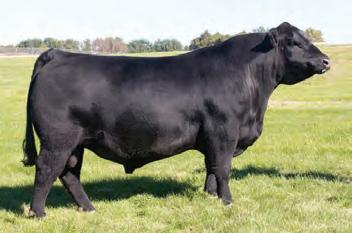
100 CHAROLAIS BULLS SIRED BY:
• OW Lead Time 6294 - AICA M875419
• OW About Time 9502 - AICA EM923782
• FINK COWTOWN 231 ET - AICA EM977299
• SS Rimrock 9089 - AICA M948860
• NG MR 8741 844H2 - AICA M959617
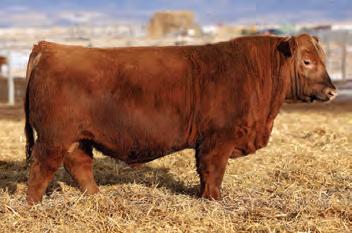
20 RED ANGUS/CHAROLAIS CROSS BULLS SIRED BY:
• EGL Guidance 9117 - RAA 4208972
60 SIMANGUS BULLS SIRED BY:
• KBHR Global J138 - ASA 3295296
• C-3 Next Up NS B220 J939 - ASA 4038066
• BAR CK C154 1401J - ASA 4027170
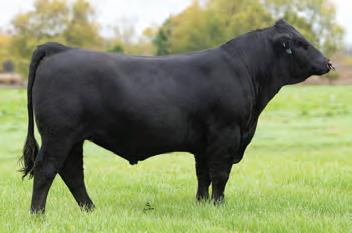
45 ANGUS BULLS SIRED BY:
• Tehama Patriarch F028 – AAA 18981191
• GDAR Justo 2711 - AAA 2039678
• GDAR Recap 0746 - AAA 19748537
• Big Dry-JDM Cool G25 - AAA 19689988
The bulls in this offering are bred, selected, and sorted to work in a high-desert environment with minimal inputs. We run our registered cow herd in the same terrain as many of our commercial customers to ensure these bulls not only survive in this environment; they thrive.
All bulls are on test at Sandhills Cattle Feeders, 12 miles North of Winnemucca, NV. They can be viewed at any time through the morning of the sale. We have a satisfaction guarantee with all bulls selling, and if we can be of any service to assist in selection, please don’t hesitate to contact us.
EVERY BULL SELLING COMES COMPLETE WITH:
• Full genomic enhanced EPDs and multipurpose indexes
• Rigorous breeding soundness evaluation including a sort for feet, legs, and disposition




• Individual performance gain data with ratios
• First year breeding season guarantee on functional fertility










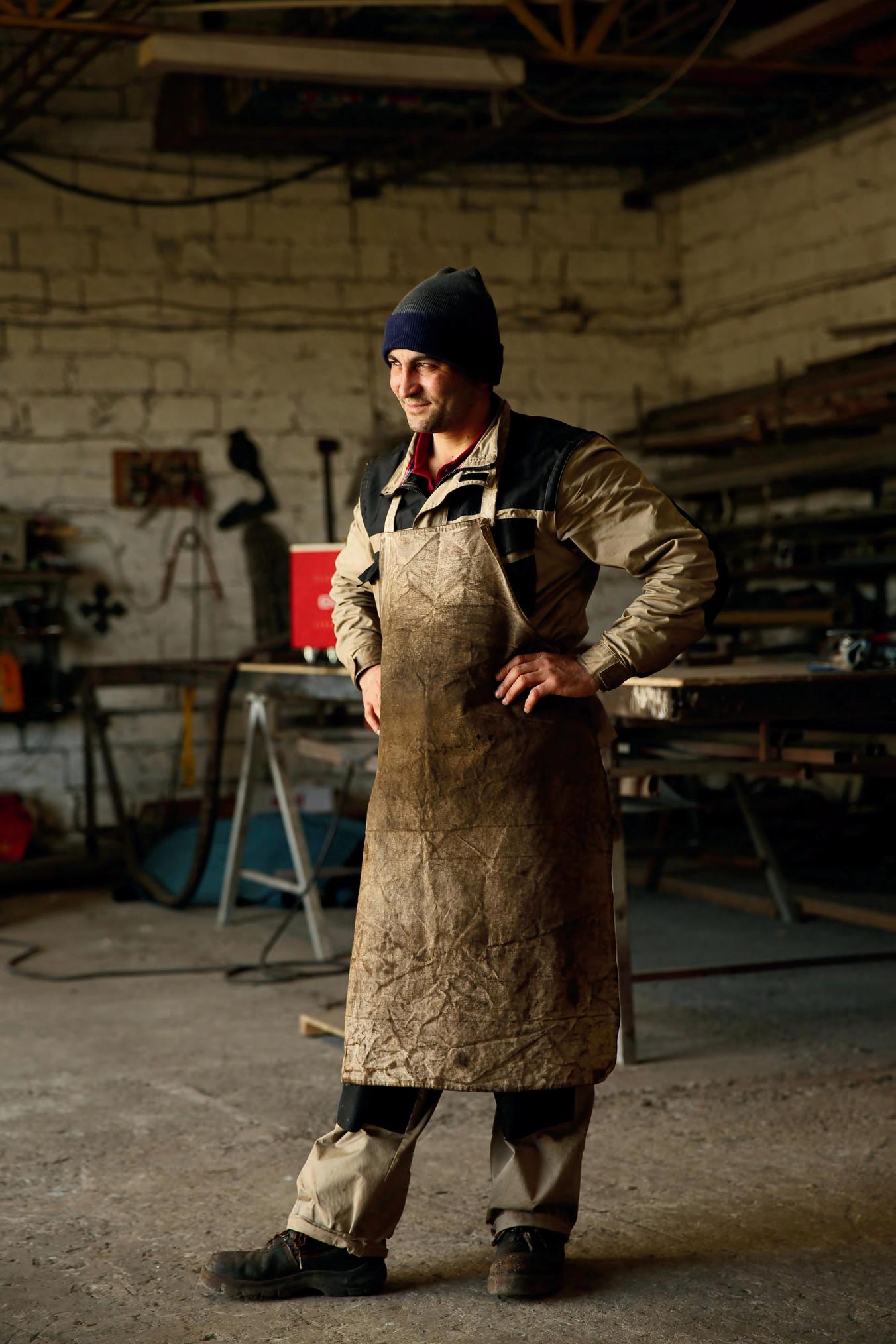
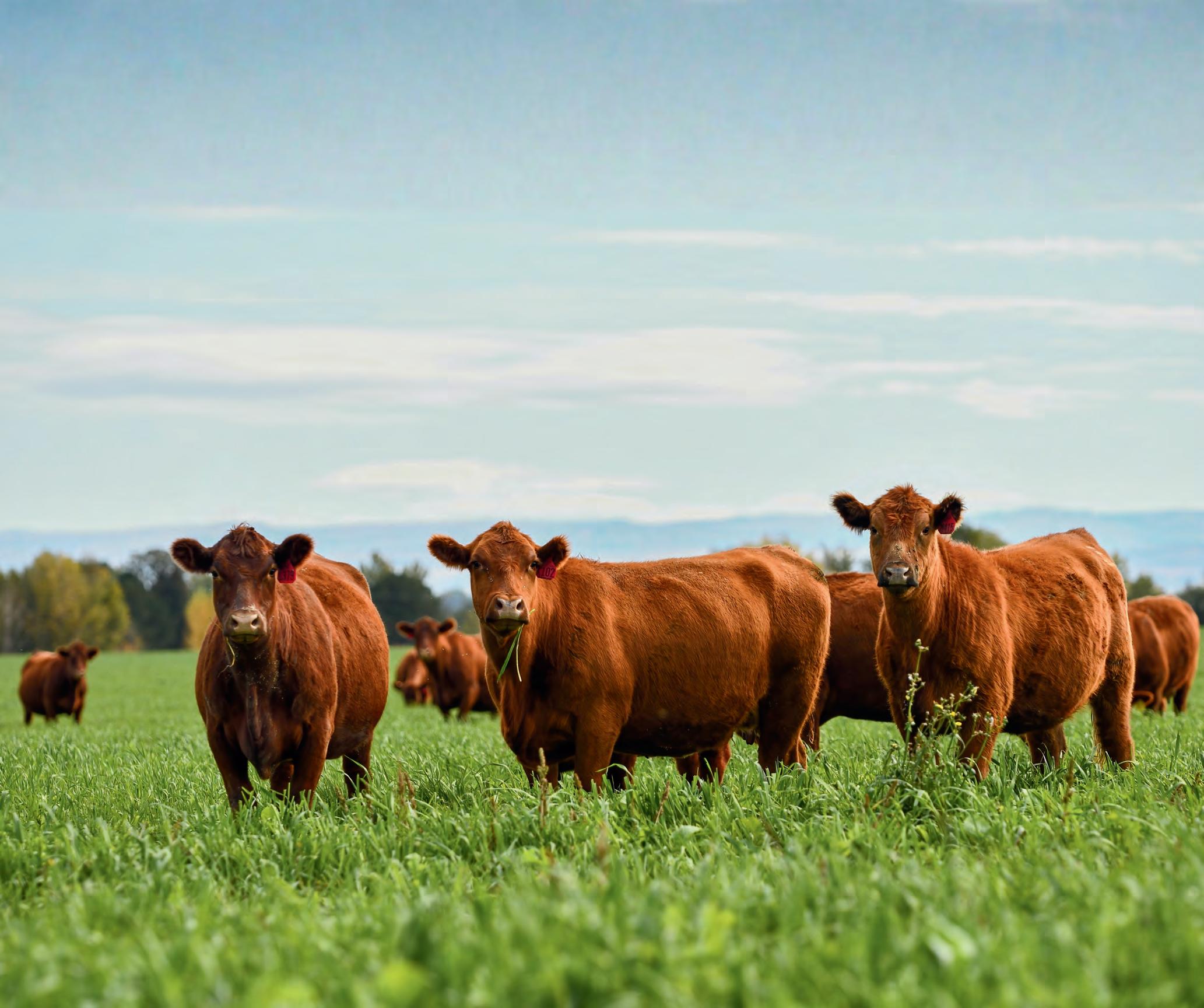
Alan & Leslie Alexander
Amie Halstead
Ann Mulkey
Ava Glaser
Blain Wheatley
Braydon Drake
Bruce & Ann Mulkey
C. Ray & Vickie Turnbull
Chandra Kay
Chris Macaw
Christopher Gill
Codi Cunningham
Cody & Britney Chandler
Danielle Stahlke
Dave Coates
Dee Conrad
Faith Powers
Gauge Bloomer
Great Basin Seed
Greg Brandhorst - CIH
Hannah Moos
Harley Engle
Helen & Ron Ford
Hubert Miller
Hunter Carter
Izaak Krohn
James & Hannah Boggan
Jan Ford
Jayne Ward
Jesse & Shae Human
Jim & Diane Meeks
Joe & Dee Conrad
John Peters
Joseph Bendel
Josie MacConnell
Kaiden Warda
Kennedy Farden
Key Ag Distributors
Kirk & Sherry Southern
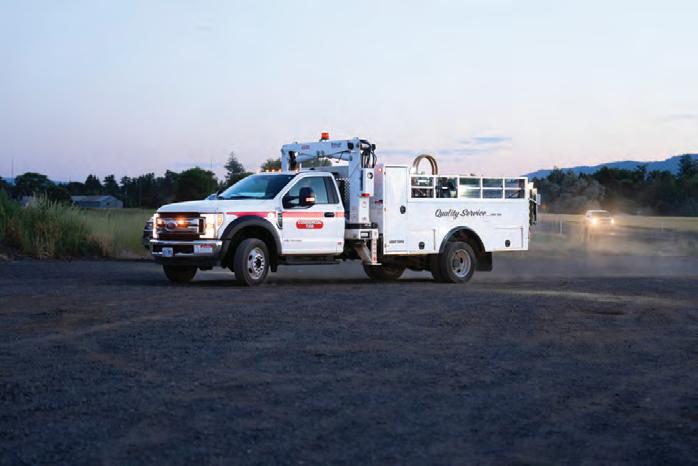
Keeping Idaho farms safe and productive since 1968. Our employee owners are dedicated to ensuring you get the best tires and auto service.


Laurie Munns
Lex Carter
Matt Baxter
Mike & Ronda Macaw
MWI Animal Health
Neogen
Nick Waldher
Pat Hawkins
Phoebe Hamilton
PhytoCare
Rachel Cahill
Rohl Hipwell
Ronda Macaw
Sarah & Sam Damele
Scales Unlimited Inc.
Scott & Michele Rigby
Shae Human
Sky Reinhardt
Stan Harder
Tegan Macy
Thomas Rountree
Till Insurance
Tim & Laurie Munns
Timber Oakley-Walch
Tom Olsen, Jr.
Valerie Brock
Wesley Woolery Jr.
Westerra Real Estate
Zane Uptmor
307+-ACRES 206+-Irrigated Wendell: $4,500,000 P E ND I NG !

156+-ACRES 141+- Irrigated Shelly: $2,700,000 S O L D !
165+-ACRES 124+- Irrigated Buhl: $2,000,000 P E ND I NG !
39.08 +-ACRES 1500 CAFO Feedlot, 2400+-SF building Paul: $1,290,000
657.72 +- ACRES 367 +Carey: $7,900,000
160 +- ACRES 128+-Irrigated, IDWR, Pivot/Handlines Pingree: $2,200,000 Call Mark Jones

Hang’n A Cattle Company

Alan and Leslie Alexander (509) 727-9151 - Alan(509) 432-4802 - William PASCO, WA
Bulls and Females available Private Treaty
Email : william@hangnacattle.com hangna@owt.com
Your Northwest Source for Quality Charolais Cattle PRIVATE TREATY
www.hangnacattle.com Follow Us on Facebook
9351 Lake Shore Drive Dennis: Nampa ID 83686 (208) 989-1612 2 miles west of Hwy. 45
2 Year Olds & Spring Yearling Bulls Spring Yearling Hereford & Red Baldy Heifers James & Dawn Anderson 208-280-1505
Bryan & Charly Anderson 208-280-1964 Jae Anderson Check out our offering at jbbalherefords.com
• Farm, Ranch, Recreation, Large Land Parcels, and High Net-Worth Real Estate • 1031 Tax Deferred Exchanges
Our experienced sales team is ready to solve your real estate needs. Ready to buy or sell? Call today!
info@knipeland.com • 208-345-3163 • www.knipeland.com
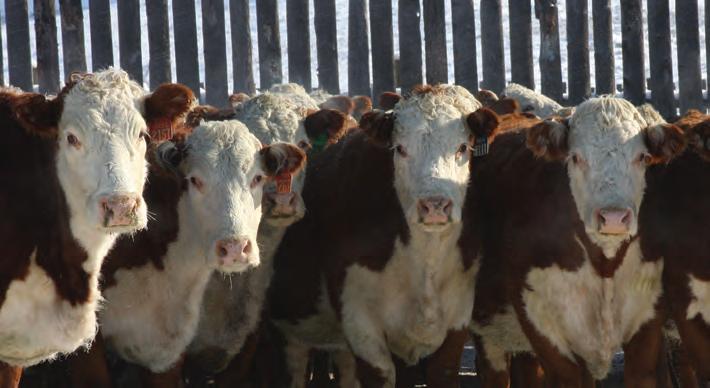



















Wherever and whenever you need us, we provide the rodenticide products and services you desire — and then some. We roll up our sleeves, we seek first to understand the issue, and we put in the hours — as many as it takes — to provide farmers and producers with peace of mind.