For advertising sales, contact: idahocattlepublications@gmail.com
The Line Rider is the official publication of the Idaho Cattle Association. It is published 10 times each year, in January, February, March, April/May, June, July/August, September, October, November and December.
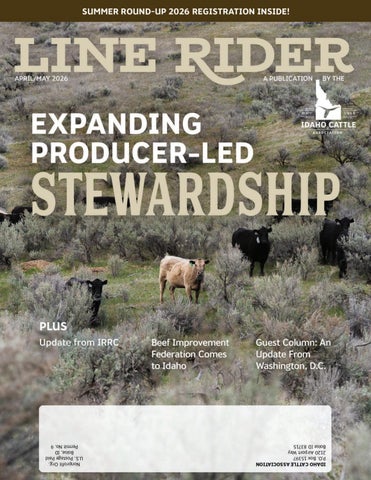
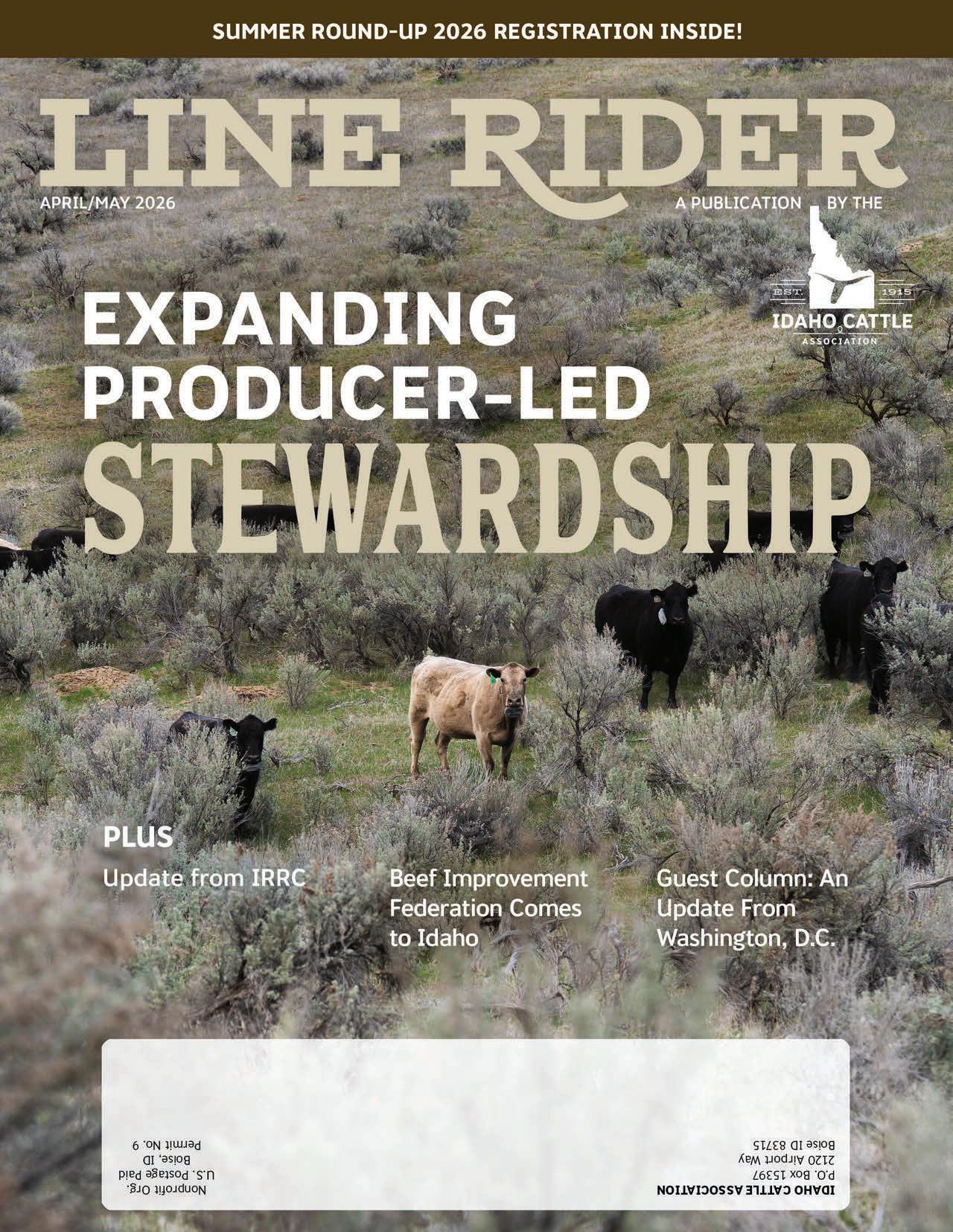
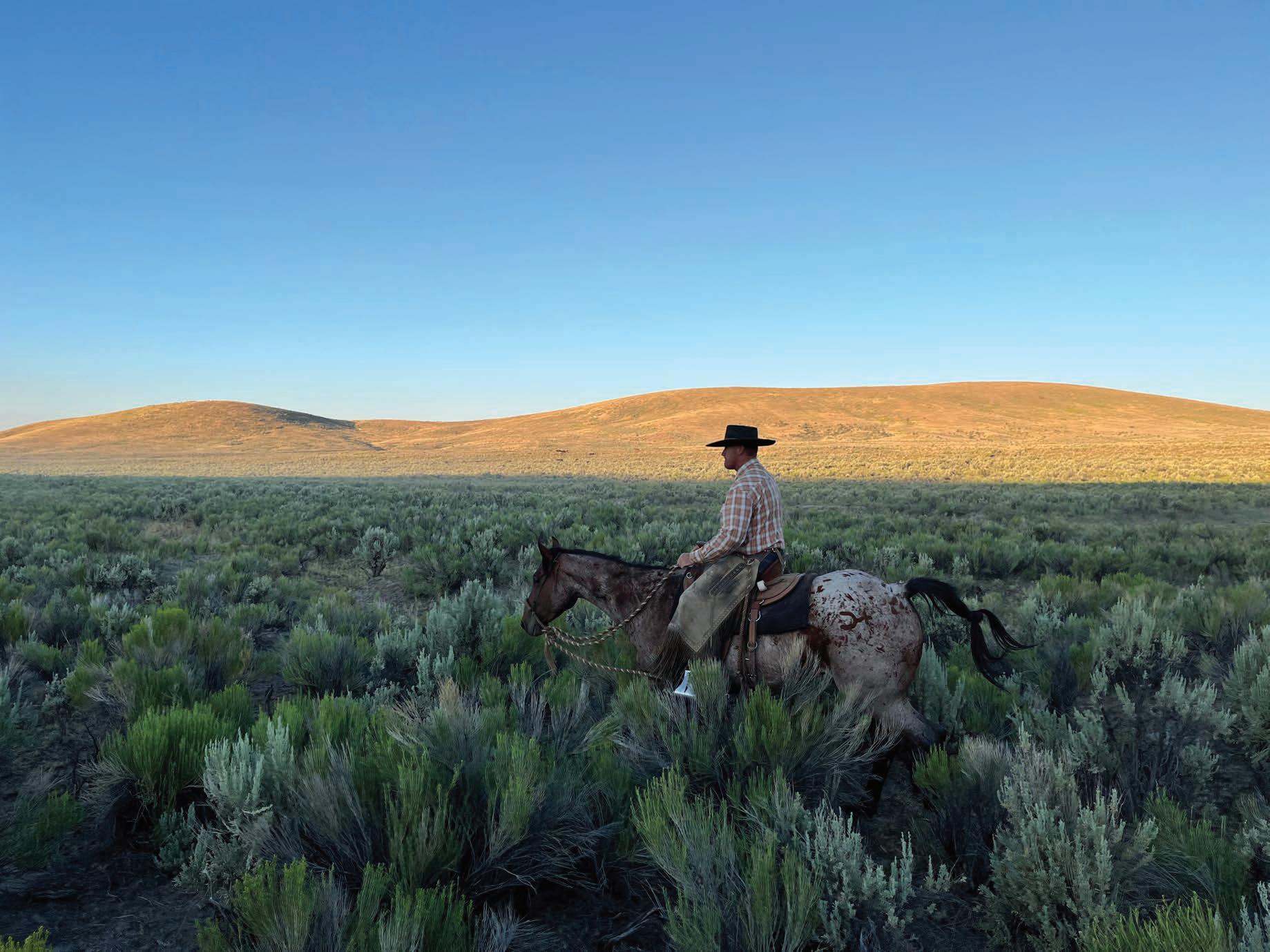
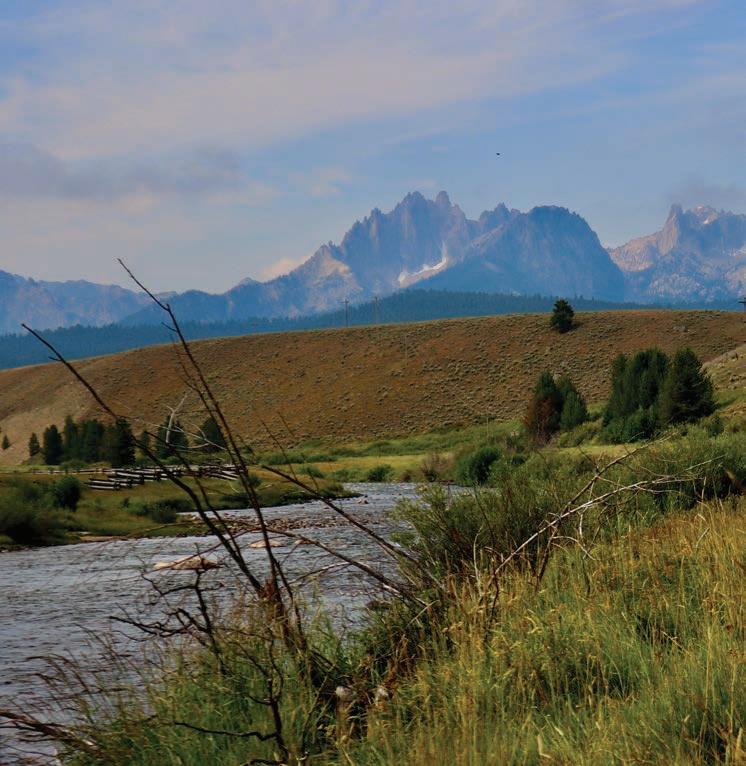
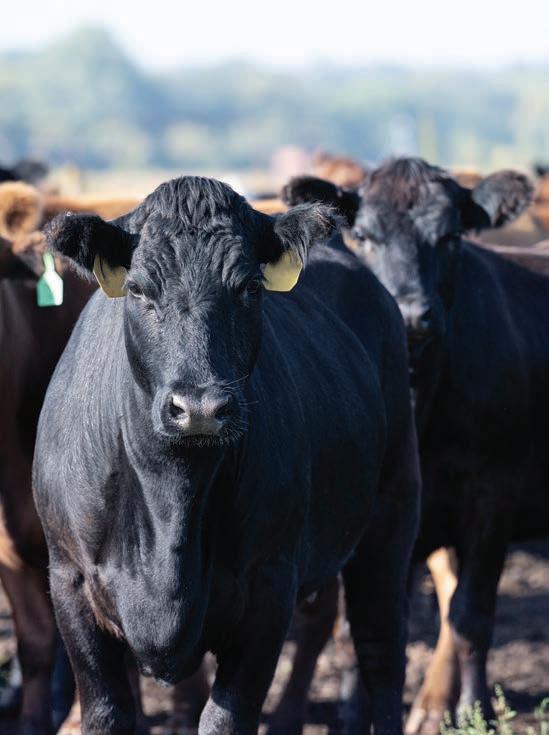
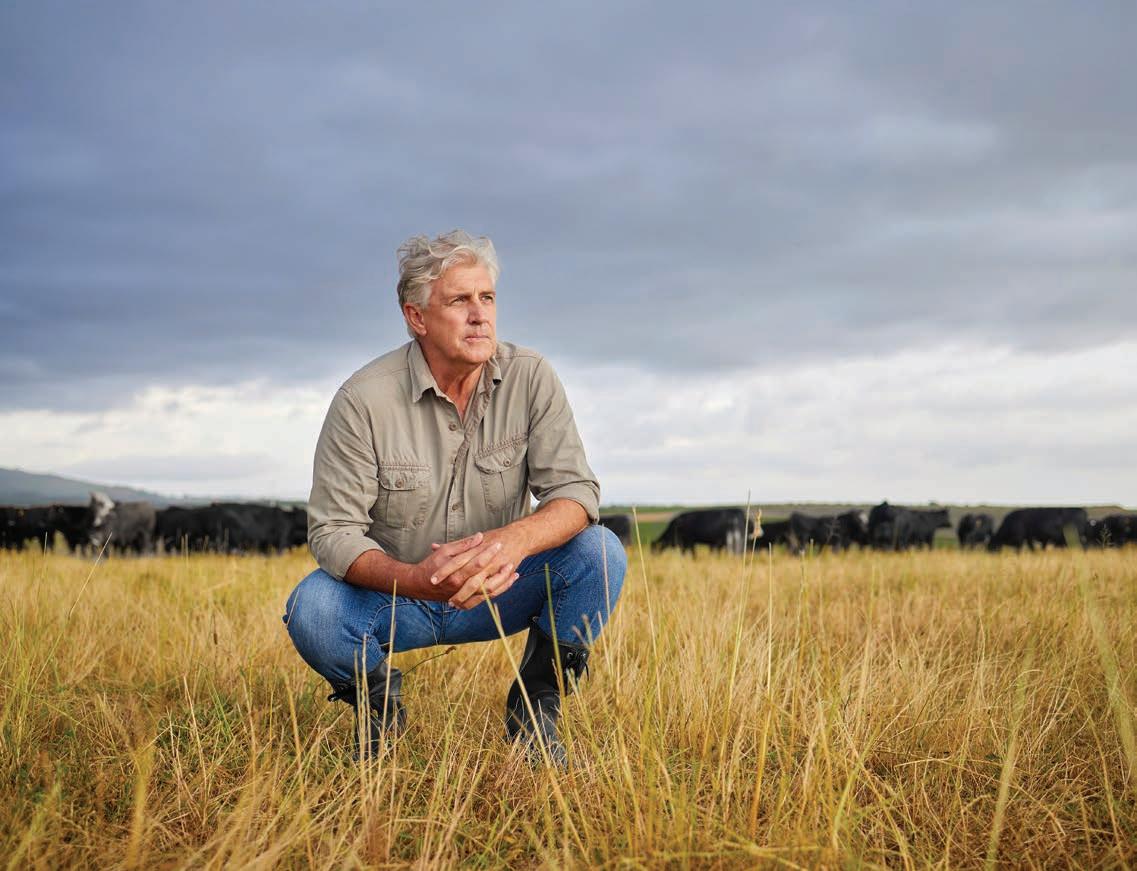
Cover photo by Lane Justus, Western Landowner’s Alliance
For over a century we’ve served customers who can do just about anything. You deserve a financial partner who works as hard as you do.
Pass Creek chronicles
The challenges and benefits of grazing public lands
The Multiple-Use Sustained-Yield Act of 1960, followed by the Federal Land Policy Act of 1976, mandates that public lands be managed under principles of multiple use and sustained yield for present and future generations. Earlier, the Taylor Grazing Act of 1934 ended the period of free, open-range grazing, officially establishing livestock grazing on public lands by creating management districts that required permits. Based on the timeline of this legislation, it’s clear that grazing predates other recognized uses—and should remain a priority among public lands uses.
It’s clear that grazing predates other recognized uses—and should remain a priority among public land uses.
In an effort to avoid being repetitive, I looked back at Line Rider from the last couple of years and found that my immediate predecessors did a thorough review of nearly every aspect of public lands grazing, including the history, economics, environmental benefits, and fire prevention value. It is clear that livestock grazing in the western states is vital to the sustainability of the landscape, the beef industry, and the surrounding communities. With my limited mental capacity, it didn’t seem necessary to expand on their perspectives, so I decided to write about my own experiences with public lands grazing.
My family doesn’t have a long history of public lands grazing. In my youth, we ran cattle on the Fort Hall Indian Reservation, which is similar terrain but different in how it is managed and ac-
BY VAL CARTER ICA President
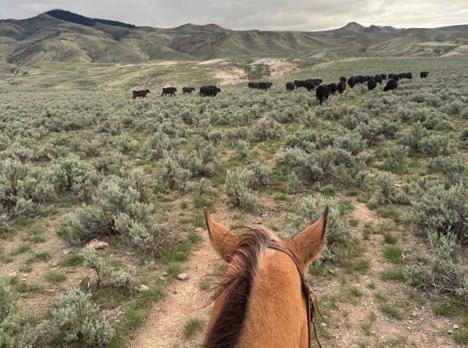
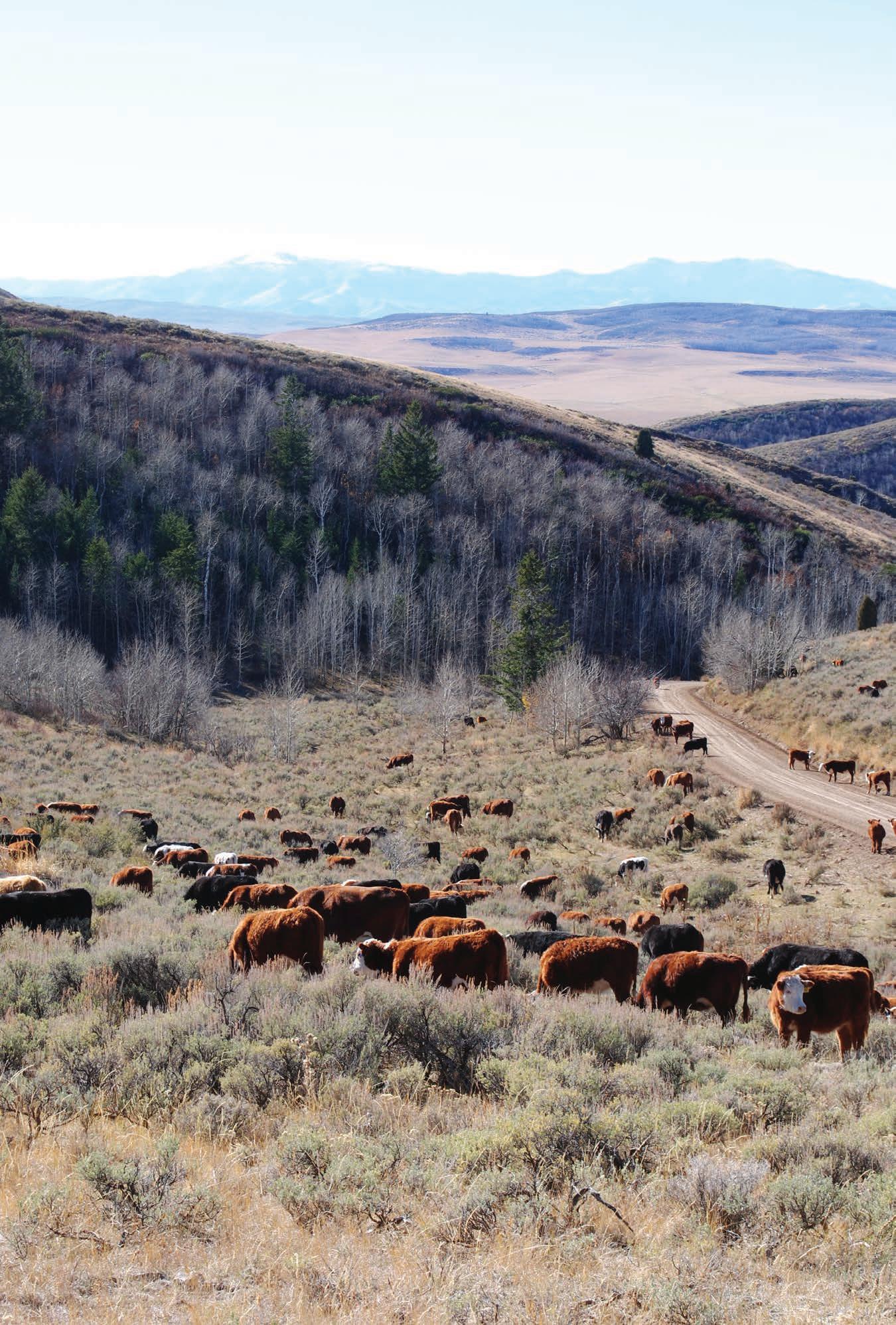
quired. We got our first Bureau of Land Management (BLM) and Forest Service permits in the Lost River drainages in 2013. The Pass Creek allotment is about 80,000 acres, ranging from 6,000 to 9,000 feet in elevation. It is steep, rocky country with limited water.
We had a steep learning curve the first couple of years... for both us and the cows. We quickly learned we didn’t have enough horses or dogs, and being lost is even worse when you have a herd of cows that are also lost. Those first years were memorable, but our dogs improved, we broke more horses, and we learned to navigate the country.
With our permits, we became part of the Pass Creek Grazing Association. We soon learned that not everyone loved having our cows there. A certain environmental organization—known for litigating settlements using the ESA and Clean Water Act— didn’t believe we were being good stewards. They often had people camped on the allotment looking for infractions of our Annual Operating Agreement, documenting them with photos and reports sent regularly to the Forest Service. These reports were often exaggerated or misleading in both location and perspective, or they misinterpreted normal cattle behavior as mismanagement.
This environmental group eventually filed a lawsuit against the Forest Service for mismanagement of our allotment. The judge ruled in favor of the Forest Service, but we still received a permanent 25% reduction in AUMs after only one year on the allotment due to infractions that occurred before our arrival. This reduction wasn’t directly related to the lawsuit, but I believe it added pressure on the Forest Service to take more severe action than they otherwise would have.
After that first year, I wondered if we had made a mistake in purchasing the permits. It was stressful
worrying about whether cows were in the wrong place or if we were meeting standards for stubble height, streambank alteration, and woody browse.
The district ranger who suspended our AUMs felt the need to dictate when we should move between pastures and the timeframe for doing so. She didn’t understand that it wasn’t possible to gather 1,600 head of cattle across 15,000 to 20,000 acres of rugged terrain, move them through one pasture, and deposit them into another within two days.
On top of that, we had to cross a creek designated as bull trout habitat. Forest employees were sent to observe streambank alteration during the crossing. You can imagine what it looked like when 800 cow-calf pairs crowded into the stream, pushing and jostling each other as they tried to drink. You can also imagine our frustration in trying to meet standards that were, at times, simply not achievable.
But then it all changed.
Before the next grazing season, our ranger retired, and Allison took her place. I don’t know if policy changes were involved, but our relationship with the Forest Service completely shifted. During our annual operating meeting, Allison allowed our range conservationist to lead the discussion while she observed. There were no rigid on-and-off dates for pasture moves, allowing us to monitor conditions and move cattle when it made sense.
We were allowed to adjust the rotation so cattle could drift naturally into adjoining pastures. We were given a full week to move, which allowed us to handle smaller groups and avoid crowding the streambanks. The entire atmosphere changed—from stressful to manageable, and even enjoyable.
I love running cows on BLM and Forest Service permits. It has given our family the opportunity to experience beautiful country and create lasting memories on public lands. I think the cows enjoy it too. When we gather and find a set of cows settled in a good spot, they look a lot happier than those back home fighting flies and enduring the heat.
There is nothing better than riding to the top of a ridge on a cool summer morning and watching the sun come up or gathering cattle on a crisp fall day when the leaves are changing and the elk are starting to bugle. Access to public grazing has allowed us to run more cattle than we ever could on private land alone. A permit remains yours as long as you make an honest effort to comply with its requirements—or until the USDA or Department of the Interior decides otherwise, which hasn’t happened in the 90-plus years since the Taylor Grazing Act.
I appreciate the opportunity to graze on public lands and the people in the agencies who administer and manage these allotments. Even under pressure from competing interests, they have continued to defend our right to graze.
Let us watch the market while you run your operation. Choose Livestock Risk Protection with StoneX for market expertise.
It is May, which means we are quickly approaching the primary race here in Idaho that is sometimes tighter and more influential in determining the leadership of our state than the general election in November. Although it is important to vote in each election, the turnout in Idaho’s primary is often a small percentage of those registered to vote in our great state, yet the decisions are made by those that show up. This is regardless of any political affiliation or ideology. If you don’t show up to the booth, you are not a part of the decision.
If you don’t show up to the booth, you are not a part of the decision.
This thought also leads me to my message this month. Are those that we put in positions of leadership doers? Are our legislators, land board members, county commissioners, school board members, ICA board representatives and staff— hell, even your ranch laborers—working to move
BY CAMERON MULRONY ICA Executive Vice President
the needle? I ask this question because there are some leaders in our midst that are just there to vote no. But are they bringing forward any ideas? Are they working to continue the success of our industry and/or our state?
For this article, I am going to look toward the upcoming vote that will take place this month. Ask yourself this question; Are your legislators working for you? Downtown, we have legislators that are often crafting legislation that will impact their constituency, which, in their view, will provide a benefit to those individuals that they are representing. These options then move through the legislative process, which is not intended to be quick and easy. After the completion of the legislative process, the Governor of Idaho has the ability to veto legislation, which, upon veto, the body can override, if they so desire.
This is how governance is intended to work as a voice of the people. However, we seem to have a growing number of folks in all aspects of society who are a no vote on everything. I have an idea, and they don’t like it—but why? In today’s
world, that’s a question we don’t ask often enough, and when we do, it gets brushed aside with a broad headline that explains nothing. Perhaps I say, if you don’t like John Wayne, it’s because you’re not a real cowboy. I could stand behind that statement, but did it actually provide any context for my position? No!
How does this play out in our politics? We seem to have a growing group that do not bring substantive legislation to our statehouse. They vote and give general reasoning for their positions, but they are not bringing forward legislation that will have a net benefit to their constituency. This concept is not unique to our legislature; for instance, the Idaho Rangeland Resources Committee (IRRC) completes a survey from time to time related to the acceptable uses of Idaho’s rangelands, and the recent survey showed a decline in all uses of Idaho’s rangelands being considered acceptable! Why? Well, I have a theory: if it was not the activity people were choosing to utilize on Idaho’s landscape, they were opposed. Bird watching dropped in its acceptance as an activity suitable for Idaho. I am not sure who is opposed to individuals sitting roadside observing avian activity with the aid of optics when necessary... but someone was willing to say no.
Well, rambling aside: ask your representatives what ideas they have brought forward. If you are a current can -
didate that is an incumbent and don’t have an answer to that question, are you really working for your district, or are you just in Boise each January to vote with your friends? If you are a current candidate that is not an incumbent, do you have legislative action you would like to see which will benefit Idaho and your district, or are you just looking to get your name in the headlines? We need individuals in positions to represent our industry and effect positive change, not just coast along and ride the train behind those that will benefit the good of society.
With luck, Idaho’s voters will do their homework, ask questions, and make informed decisions. Unfortunately, it does take time to look at the candidates and specifically evaluate their actions in the policy realm. Some are a known commodity, while others are new faces. Which is the right candidate to receive your vote? That is part of the American dream: you get to choose. Consider this quote, “The definition of insanity is doing the same thing over and over again and expecting a different result.” If your legislator is just a no vote and has never brought anything to the table, maybe consider hitting the ballot box and finding a candidate that will bring change and new ideas, or ensure you have the right person in the seat and continue to support them. The choice is yours, but please show up and vote on May 19th.
Major changes announced to federal land management
Idaho ranchers will have the opportunity to provide input to administration leadership
The Trump administration has recently turned its focus to fixing management problems within the federal lands grazing system. Up to this point, in the realm of natural resource policy, the administration has been laser-focused on energy and fire policy, while grazing issues seemingly take a backseat. Throughout this time, in President Trump’s first term and the first year of his second term, we have continually been at work behind the
It appears that our work and patience, to an extent, may be starting to pay off.
scenes developing and promoting policy recommendations to improve the way livestock grazing is administered on Bureau of Land Management (BLM) and Forest Service land. With a rash of announcements coming one after another over the past month, it appears that our work and patience, to an extent, may be starting to pay off.
On March 31, U.S. Department of Agriculture (USDA) Secretary Brooke Rollins and Department of Interior Secretary Doug Burgum met together with representatives of our industry and signed a Memorandum of Understanding indicating their intent to improve grazing management on federal lands. The stated purpose of the MOU is to “outline cooperation between the Forest Service and
BY KAREN WILLIAMS ICA Natural Resources Policy Director
the BLM for continued and effective coordination and cooperation in issuing a Grazing Action Plan, which will bring federal lands grazing to the forefront and address the critical needs of grazing permittees.” The MOU identifies fourteen key points that the agencies will mutually begin working on. The ideas in the MOU come almost entirely from priorities identified by the Public Lands Council, with our input. These points include such things as modernizing the grazing regulations, utilizing grazing as a tool for fuels reduction, reopening vacant allotments for grazing, implementing a no net loss of AUMs policy, expediting approval of grazing permit renewals, expanding outcome-based grazing, instituting a grazing permittee wildfire liaison in every wildfire incident response team, and more.
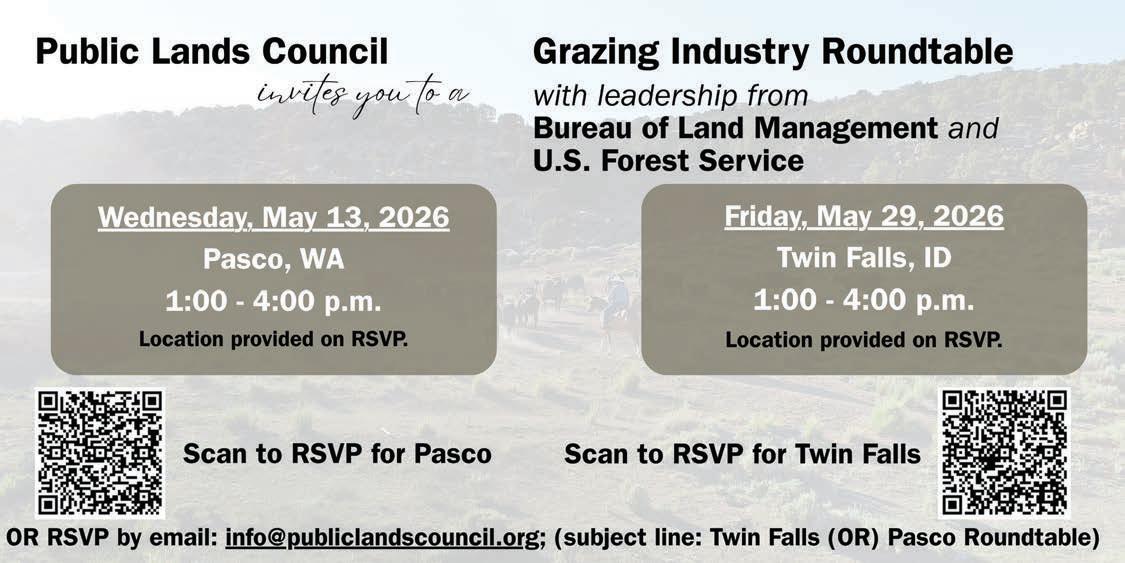
The first point identified in the MOU’s list is to hold a series of roundtable sessions around the west to allow ranchers to share information in order for the Department leadership to gain a better understanding of the issues that have been limiting factors in effective and efficient grazing management. We are fortunate to be able to host one of those sessions on Thursday, May 29 in Twin Falls at the Herrett Center on the College of Southern Idaho campus at 1:00 pm. For permittees in north Idaho, a roundtable session will be held in Pasco, Washington on May 13 at 1:00 pm. If you hold a BLM or Forest Service grazing permit, I strongly encourage you to attend. These roundtable sessions present a unique and rare opportunity for ranchers to meet Forest Service and BLM to discuss limiting factors
to sensible permit and grazing management and more importantly, provide problem-solving ideas. Reach out to me if you have any questions or refer to page 12 for more details and to RSVP. Please come!
Also related to the Grazing Action Plan, a few other changes are being instituted right now. The BLM and Forest Service are taking a close look at their inventory of vacant allotments with the goal of making them available for return to grazing. To that end, the agencies have created a beta “Federal Grazing Lands Potentially Available” website with a map that displays allotments that may be open and available for grazing. Our experience with this map in its first few days was that there were many errors and it included allotments that were already permitted along with some private lands parcels. Those are being cleaned up and if you notice any of your active allotments on the site, please let me know and I will pass the information on so the map can be cleaned up. The important thing to note here, however, is that the agencies are trying to reopen grazing allotments that have been inexplicably closed for years. Along with reopening allotments, other key changes being instituted now are allowing the issuance of temporary non-renewable grazing permits in a more timely manner to utilize excess forage in the time that it is available, incorporating grazing when annual conditions indicate excess forage is a wildfire risk, and greater use of categorical exclusions to manage grazing including the development of range improvements.
ties, and relationships with the state and partners. Boise will serve as home to Idaho’s new state director. If nothing else, this aspect of the restructuring is welcome news. In the past, communicating with the Forest Service has been a convoluted process with no central point of contact in Idaho. It should prove helpful to have a state director to turn to when help is needed with questions or issues of concern regarding Forest Service grazing management in Idaho.
Another big land management change that has received a lot of headlines and misinformation is the restructuring of the Forest Service. In early April, USDA Secretary Rollins announced sweeping restructuring and organizational realignment to “to move leadership and decision making closer to the forests and communities it serves.” The primary change is that the Forest Service headquarters will move from Washington, D.C. to Salt Lake City, Utah and the Chief of the Forest Service will reside there. About one-third of the Forest Service staff currently in D.C. will remain there to support departmental coordination, communications, congressional engagement, and interagency policy work. With this change, all regional offices will close, and the agency will move to a state-based system, similar to how BLM functions. Under this model, fifteen state directors will oversee Forest Service operations within one or more States and will serve as national leaders for forest supervisors, operational priori-
And a final note about upcoming changes to look forward to: I have been talking about and working toward it for years, and it looks like it might actually, finally be happening. Revisions to the BLM grazing regulations are shortly forthcoming. This time, for real. BLM headquarters has submitted the proposed rule to the Office of Information and Regulatory Affairs (OIRA). The OIRA review is the last required step prior to publication of a proposed rule, after which time a public comment period will open. OIRA’s receipt of the rule sets a 90-day clock for their review which will elapse on June 21st. While we do not have the proposed rule in hand yet, this administrative step is a clear indication that, after years of waiting, meaningful changes to the way BLM administers grazing permits are coming. Stay tuned for information. We do not have the full content of the proposed changes in hand but, given the discussions our industry has had with agency and administration leadership, we have every reason to believe our key priorities for change will be included. When the proposed rule drops, it will be all hands on deck for our industry to comment and support the rule to see it to final implementation.
Big things are happening with regards to federal grazing permit management. Please stay engaged in the process, provide comment, participate in the roundtable session, and send me any feedback you have. Maybe, just maybe, we can get some of the inefficiencies, obstacles, and obstructions to common sense management of our federal lands corrected. Maintaining the availability of state lands for grazing use is in the interest of all Idahoans, not just our industry, and provides a predictable, steady flow of income to the endowment. As the current proposals are considered, with more ideas sure to come in the future given the uptick in interest in the use or sale of state land, we will continue to share this message, will take action to protect the continuance of grazing on state land, and will support efforts that promise to achieve such results.
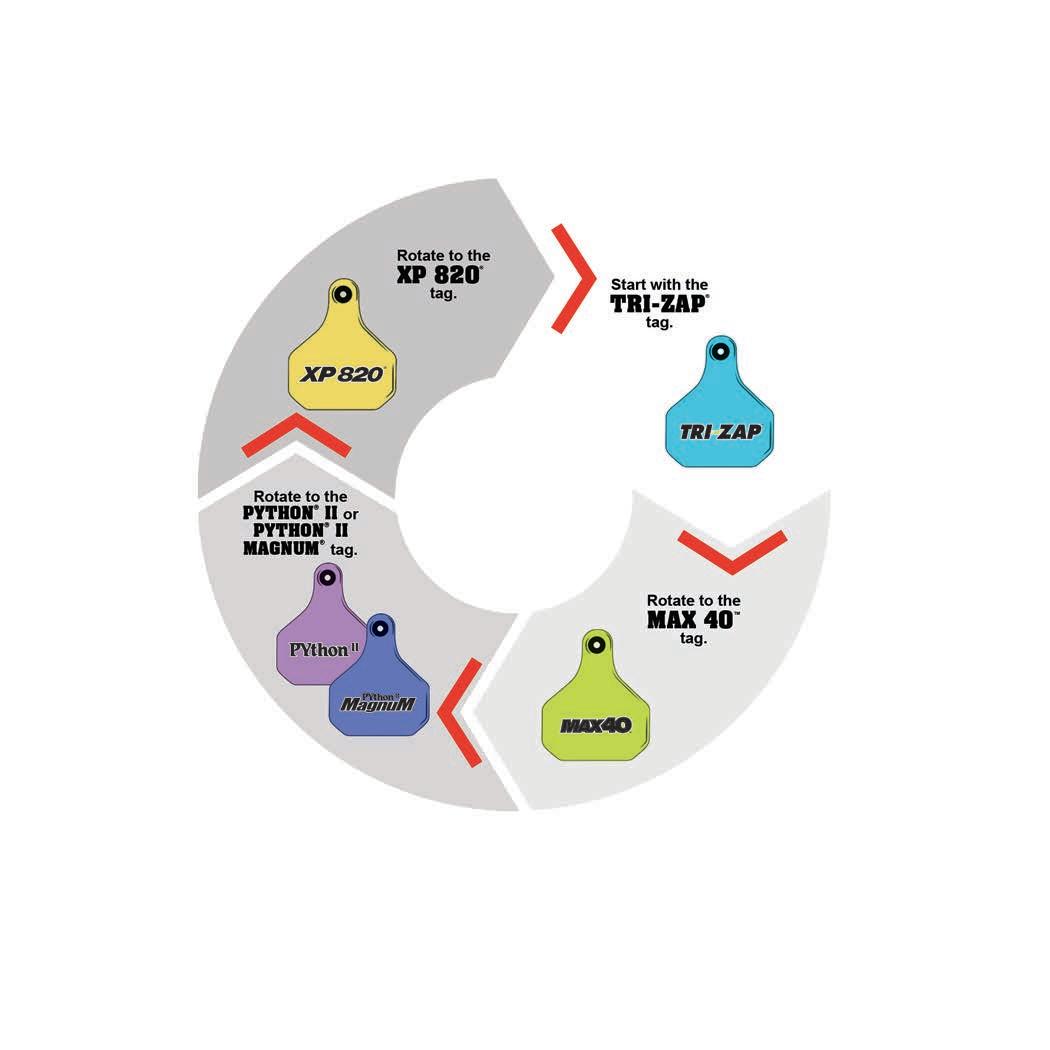
STAY AHEAD OF FLY RESISTANCE WITH THE Y-TEX ®
Magnum™ and XP 820 tags — proven to break resistance cycles and extend the life of your insecticide program. With tags across three chemical classes, Y-TEX gives you the power to protect your herd from horn flies, face flies and other costly pests year after year.
LANE JUSTUS, WESTERN POLICY AND IDAHO RESOURCES COORDINATOR FOR THE WESTERN LANDOWNERS ALLIANCE
EXPANDING PRODUCER-LED
STEWARDSHIP
New Funding Supports Idaho Producers and Working Lands
Idaho working lands advocates have secured new funding to advance grazing management, rangeland health, and wildlife habitat across the state, bringing meaningful, on-the-ground support to producers and the landscapes they steward.
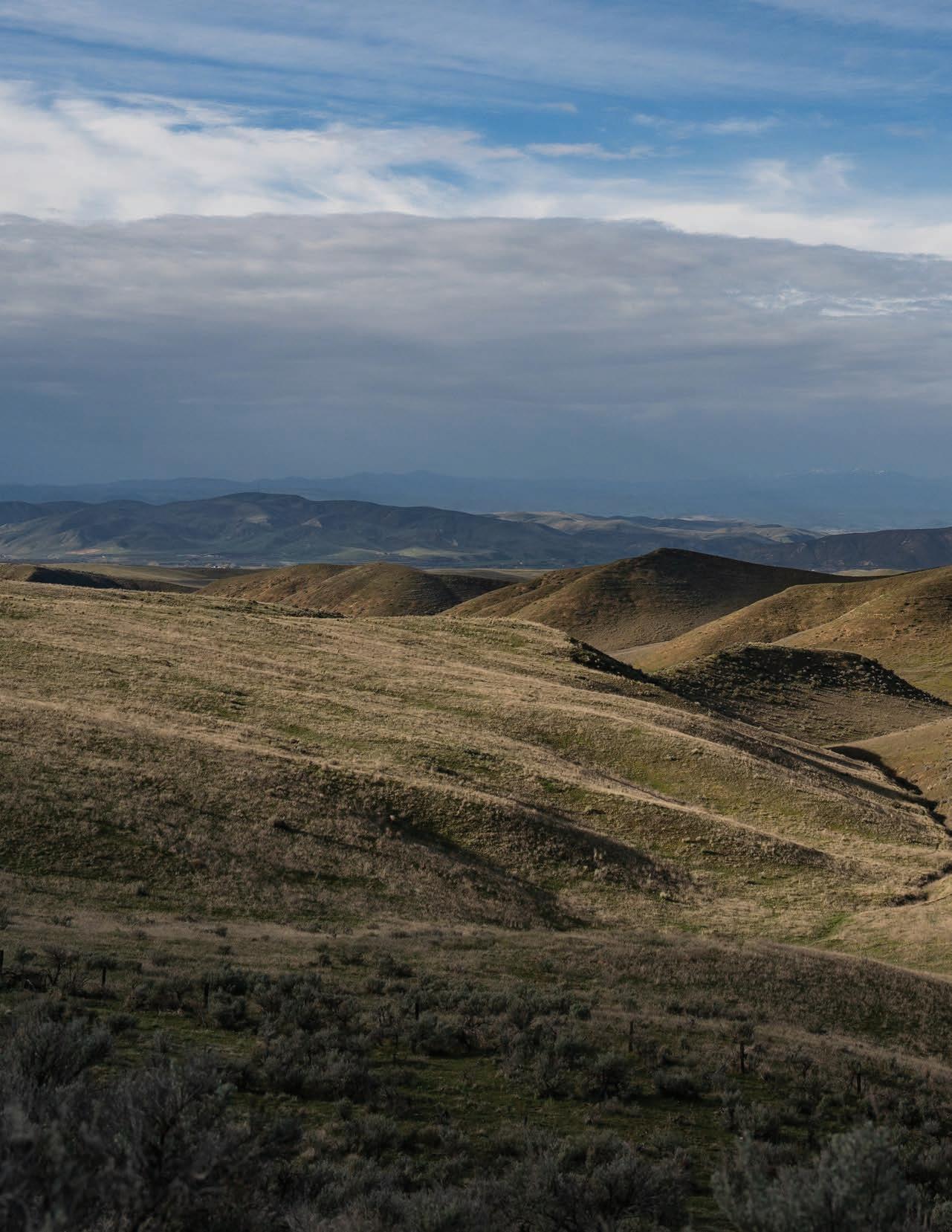
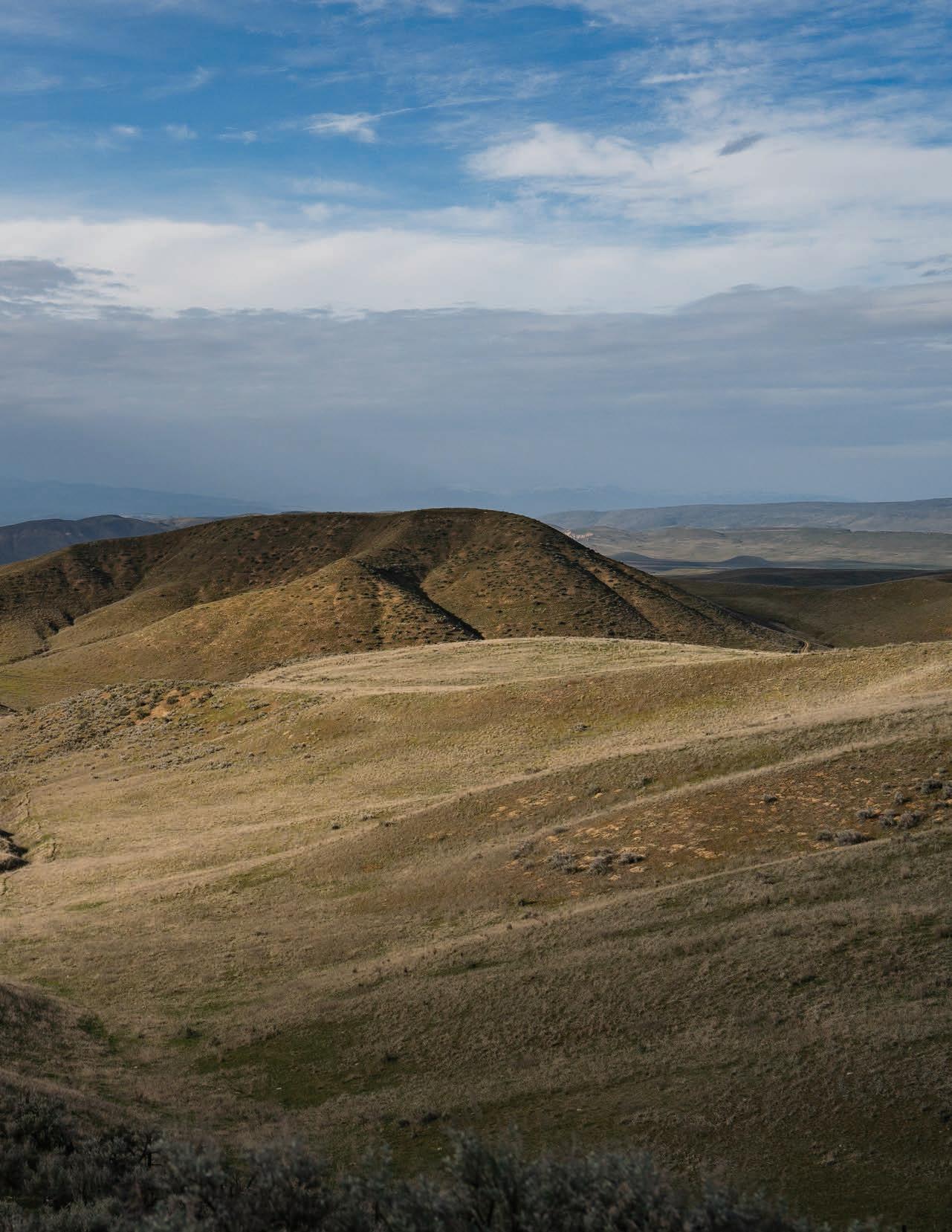
Photos by Lane Justus, Western Landowner’s Alliance
The Western Landowners Alliance (WLA), alongside key partners including the Idaho Cattle Association (ICA) and the Idaho State Department of Agriculture (ISDA), was awarded funding under two complementary National Fish and Wildlife Foundation grant efforts. These grants, secured and administered by WLA, are designed to expand producer-led conservation and grazing improvements in Idaho while leveraging strong state and local partnerships to ensure successful implementation. Together, these investments build on growing momentum across Idaho to support practical, flexible tools that benefit both ranching operations and the landscapes they depend on. At their core, these projects reflect a shared recognition that working lands are essential not only to Idaho’s agricultural economy, but also to the long-term health of its wildlife habitat, water resources, and open spaces.
SUPPORTING PRODUCERS WHERE IT MATTERS MOST
One of the awarded projects focuses on post-wildfire recovery across central and western Idaho, where recent fires have significantly disrupted both grazing systems
and habitat conditions. In response, virtual fencing and adaptive grazing strategies are being implemented across fire-impacted landscapes to help producers stay operational while supporting ecological recovery.
This effort includes 11 virtual fencing projects covering more than 600,000 acres. These projects are giving producers added flexibility in managing livestock, especially in areas where traditional fencing has been damaged, lost, or is difficult to rebuild following fire.
In these cases, virtual fence is being utilized as an added resource, helping producers better control timing, distribution, and intensity of grazing as conditions continue to change. It allows for quicker adjustments on the ground while maintaining productive use of available forage.
By aligning operational needs with recovery efforts, these projects show how targeted investments can support both ranching operations and the long-term health of the land.
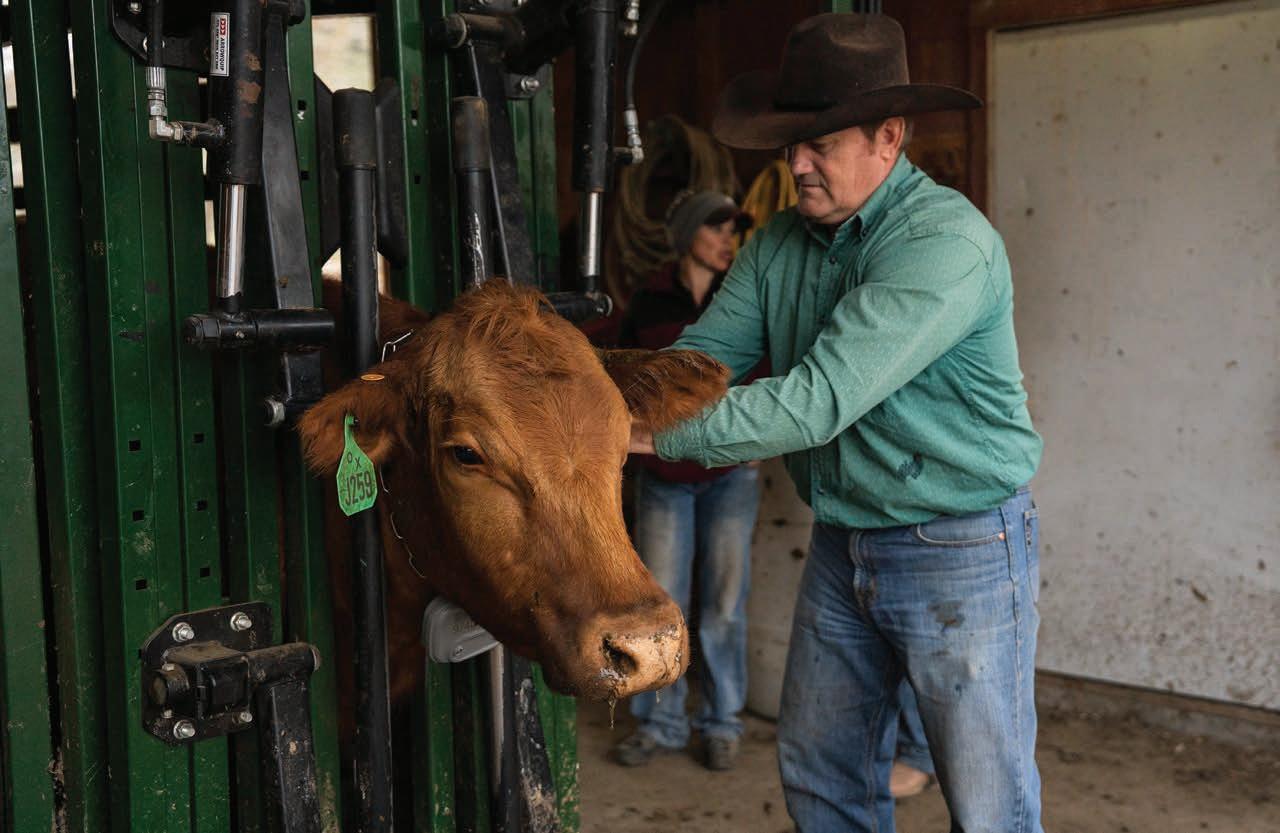
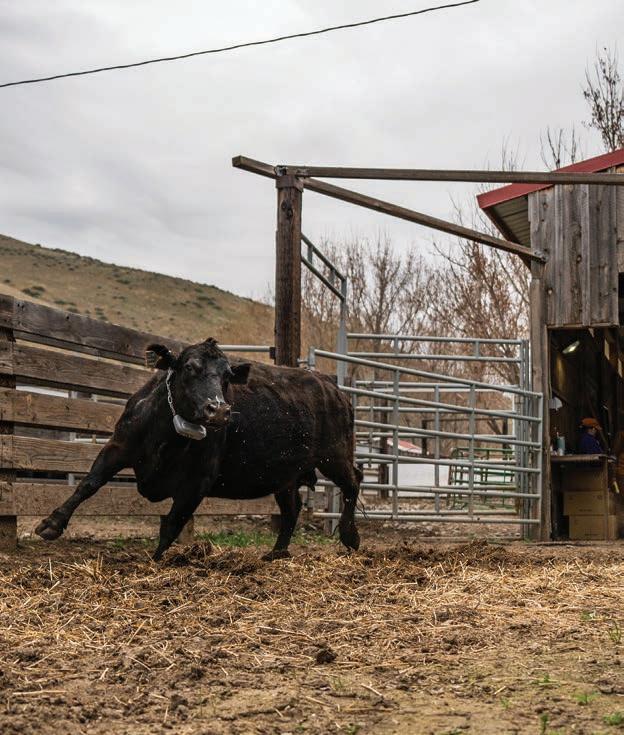
Producers involved in the project have already begun collaring cattle and are preparing to turn out livestock using virtual fencing in the coming weeks.
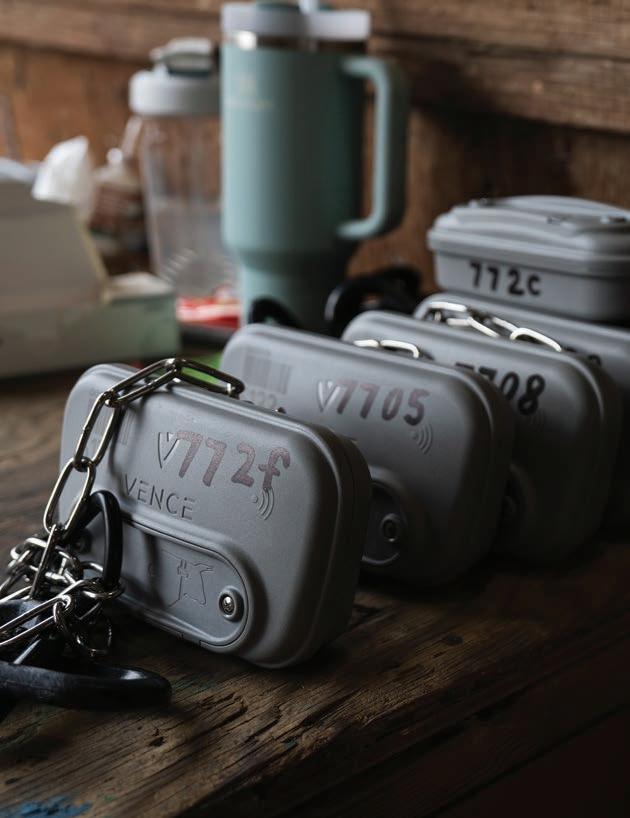
GRANT PROJECTS HAVE OFFICIALLY HIT THE GROUND, WITH VIRTUAL FENCING COLLARS PROVIDING A NEW APPROACH TO GRAZING MANAGEMENT.
ADVANCING IDAHO’S GRAZING IMPROVEMENT PROGRAM
A second grant expands on this work by investing more broadly in grazing improvement practices statewide to enhance rangeland health and operational viability. The Western Landowners Alliance is working closely with ISDA to fund existing Grazing Improvement Program (GIP) applications and accelerate implementation of producer-led projects.
This funding will support projects such as:
• Fencing implementation and modifications
• Riparian and mesic meadow enhancements
• L ivestock watering system improvements
• Targeted grazing applications
• Range riding
• Adaptive management practices
These projects respond directly to producer demand. ISDA received more than 30 producer-submitted GIP applications to be reviewed for funding in this cycle period, representing high-quality, shovel-ready opportunities across the state. Even with new grant funding, demand continues to outpace available resources, underscoring both the value of the program and the need for continued investment.
Importantly, recent policy changes are helping ensure that funding can be deployed more effectively. The Idaho legislature’s passage of HB 587 provides continuous spending authority for the Idaho Grazing Improvement Program, allowing ISDA and its partners to seek, hold, and deploy resources to fill existing gaps.
Together, these investments and policy improvements are strengthening a producer-driven model that supports both the economic viability of ranching operations and the long-term health of Idaho’s rangelands.
BUILT ON STRONG PARTNERSHIPS
These efforts are supported by a broad coalition of partners. The Western Landowners Alliance has worked closely with participating producers, the Idaho State Department of Agriculture, Idaho Department of Fish and Game, US Fish and Wildlife Service, US Forest Service, the Governor’s Office of Species Conservation, University of Idaho, Idaho Rangeland Resource Commission, and the Idaho Cattle Association to play roles in implementation, technical support, outreach, and additional funding support.
This level of coordination helps ensure that projects
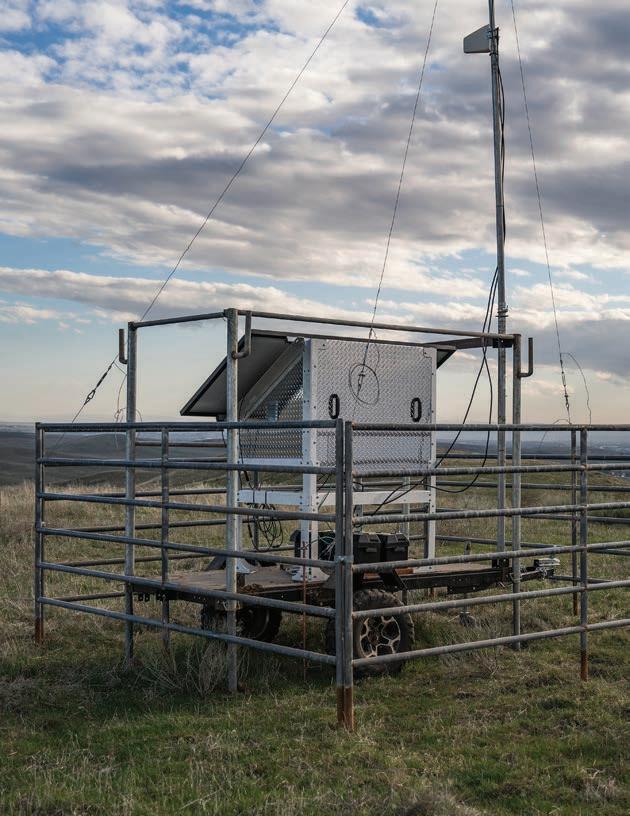
THE INSTALLATION OF TOWERS AND COLLARS PUTS GRANT DOLLARS WHERE PRODUCERS NEED THEM MOST: IN THE FIELD.
are both practical for producers and aligned with broader conservation goals, while keeping implementation grounded in local needs and priorities.
REAL INVESTMENT, REAL DEMAND
The scale of investment reflects both opportunity and need.
Nearly $1 million was awarded to the Western Landowners Alliance through the National Fish and Wildlife grants to deploy in Idaho, and an additional $1.5 million of direct and indirect matching funds has been leveraged through partnerships.
At the same time, nearly $2.5 million in additional Grazing Improvement Project requests remain unfunded. This gap highlights the strong demand among producers for voluntary, incentive-based programs that support practical improvements on working lands.
It also underscores an important point for policy makers and the public: producers are ready and willing to invest in stewardship when the right tools and resources are available.
LOOKING AHEAD
These grants represent an important step in expanding resources available to Idaho producers, but they are also part of a larger, ongoing effort to strengthen working lands across the state.
By supporting voluntary, producer-led projects, this work helps ensure that ranching operations remain viable while continuing to steward the landscapes that de -
fine Idaho. It also builds a foundation for future investment by demonstrating what is possible when producers, organizations, and agencies work together.
Continued collaboration and sustained funding will be key to meeting the growing demand for grazing improvement projects and scaling successful approaches across the state.
Producers interested in learning more or getting involved in future opportunities are encouraged to reach out to the Western Landowners Alliance and the Idaho State Department of Agriculture.
Most of these projects will begin rolling out this summer, so keep an eye out for updates as they get underway across the state.
The Western Landowners Alliance is a landowner-led 501(c)(3) nonprofit organization that advances policies and practices to sustain working lands, connected landscapes, and native species. For more information or to get involved, you can join online for free or contact Lane Justus, Idaho Resources Coordinator, at LJustus@ WesternLandowners.org or 501-743-9630.
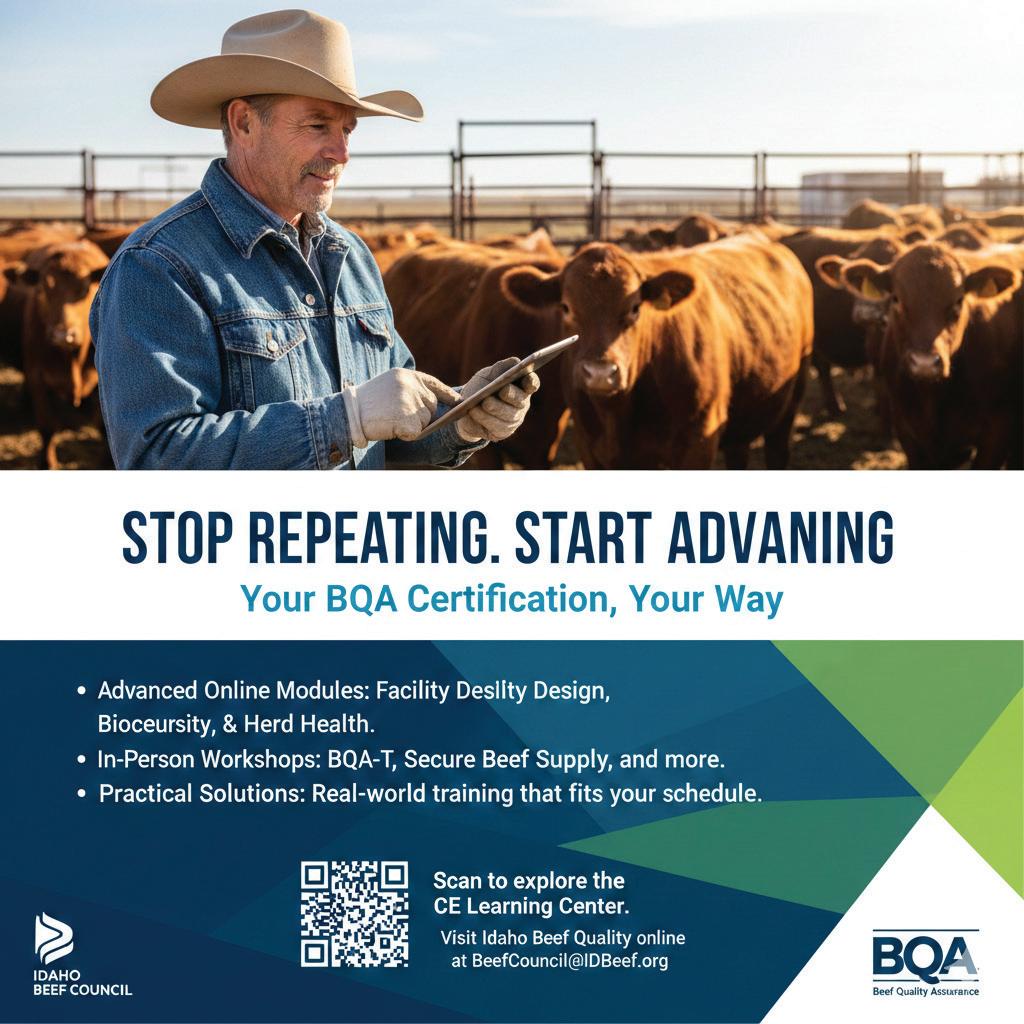
Idaho Beef Council Launches BQA Continuing Education Program
Strengthening knowledge and reinforcing Idaho producers.
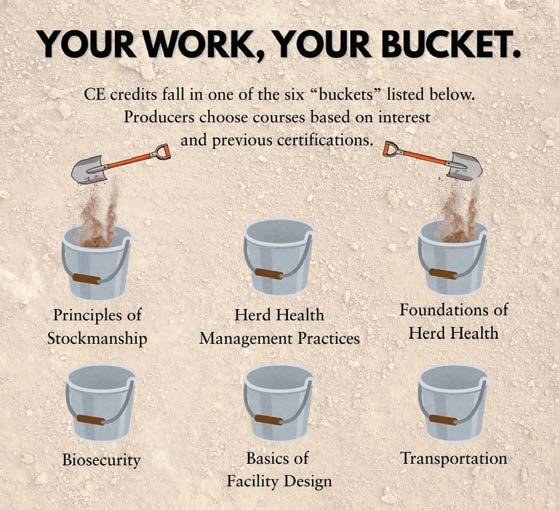
The Idaho Beef Council (IBC) is proud to offer a flexible and forward-thinking Beef Quality Assurance (BQA) Continuing Education (CE) Program, designed to better serve Idaho’s certified producers and industry partners. Developed in response to producer feedback and the evolving needs of Idaho’s cattle industry, producers may renew their BQA certification beginning immediately after their initial certification and up to one year past their expiration date with the CE program. To recertify, participants must complete a total of three CE credits through a combination of approved online and in-person trainings. Once three credits are earned, certification is renewed for an additional three-year period.
of Herd Health, Herd Health Management Practices, Basics of Facility Design, Back to BQA Basics, and BQA Transportation courses for farmers, ranchers, and professional drivers. Most online modules are worth one credit, while transportation courses offer two credits, with one transportation course allowed per recertification cycle.
Producers can earn CE credits online through the National BQA Learning Center and in person by Idaho industry professionals. These modules are automatically recorded in the national BQA database upon completion, making the process seamless and efficient. A current BQA certification is required to access online CE courses. Available topics include Principles of Stockmanship, Biosecurity, Foundations
In addition to online learning, IBC approves select in-person trainings that expand upon BQA principles. These may include Idaho Continuing Education speci fi c BQA sessions, transportation trainings, Secure Beef Supply programs, Beef Schools, and other pre-approved industry events. Credit is awarded based on instructional time: approximately 50–60 minutes equals one credit, 100–120 minutes equals two credits, and 150–180 minutes equals three credits. Each CE credit requires a minimum 10-question assessment with an 80 percent passing score. Attendance rosters are veri fi ed and uploaded by IBC staff to the national database.
All CE content must build upon foundational BQA principles, remain science-based and evidence-driven, and include clear learning objectives. Trainings reinforce key pillars such as herd health, biosecurity, stockmanship, transportation, worker safety, and environmental stewardship.
To begin earning your CE credits, follow these easy steps:
1. Login to your Beef Quality Assurance profile online at BQA.BeefLearningCenter.org.
2. Hover over “Course Catalog” then click “Continuing Education Courses” tab in the top left corner of the site.
3. Select your desired CE course.
By combining national online resources with Idaho-speci fi c in-person education, the Idaho BQA CE Program maintains high standards while offering relevant, practical recertification pathways—strengthening producer knowledge and reinforcing Idaho’s leadership in animal care, beef quality, and consumer confidence.
For more information, visit IdahoBeefQuality.com, email BeefCouncil@IDBeef.org, or call (208) 376-6004.
HERD TRACKING PROGRAM: ACTIVE
M498
LAT: 44°25'04.7"N
LONG: 115°58'02.2"W
DISTANCE: 4.25 miles
M537
LAT: 44°25'05.2"N
LONG: 115°58'01.3"W
DISTANCE: 3.78 miles
Technology Meets the Range
Interpreting GPS collar data in cattle grazing systems.
BY MELINDA ELLISON, P h .D.
Extension Range Livestock Specialist
University of Idaho Nancy
M. Cummings Research, Extension and Education Center
New technologies are rapidly changing things in agriculture, including how we manage grazing. Now a common topic of discussion among land managers and livestock producers is virtual fencing, which uses GPS-enabled collars to track cattle movement and control where animals graze without building physical fences. These systems generate large amounts of location data and can produce detailed maps showing where cattle spend their time in a pasture, but do GPS locations actually tell us where cattle are grazing the most? Over the last several years, our team of researchers at the University of Idaho Nancy M. Cummings Research, Extension and Education Center have been exploring this question as part of a broader study using virtual fence with cattle grazing on extensive rangelands.
Virtual fence collars record GPS locations throughout the day, which allows managers to create ‘heatmaps’ showing areas where cattle spend the most time. While
these maps are often interpreted as indicators of grazing pressure, cattle behavior complicates that assumption because cattle spend a significant portion of the day resting, traveling, or loafing, particularly near water sources, shade, or travel routes. All of these activities generate GPS points but may not involve grazing.
To evaluate the relationship between cattle location and forage use, we monitored cattle in a Bureau of Land Management (BLM) grazing allotment north of Salmon, Idaho (~5,220 acres). A total of 165 lactating cows were fitted with Vence virtual fence GPS collars during the 2023 grazing season, during which grazing occurred between mid-May and mid-July. On-the-ground forage utilization measurements were collected at multiple monitoring plots that were associated with GPS location heatmaps to directly compare concentrated cattle locations with actual grazing.
The results suggested that GPS location alone does not strongly predict grazing intensity. In fact, the density of GPS points explained less than 20 percent of the variation in forage utilization across the pasture. Areas where cattle spent the most time were not necessarily the places where the most forage was removed. In fact, the grazing utilization at plot centers was approximately 12% on average. Forage use also tended to
decline as distance increased from monitoring plot centers, indicating that although the cattle concentrated in certain areas, they dispersed from those areas to graze.
Although this information comes as no surprise to anyone who has managed livestock on rangelands, the outcomes of this analysis provide important context. The GPS data from collars can provide useful insights into animal distribution and behavior, but it does not replace traditional range monitoring when assessing grazing intensity. Heatmaps generated from collar data should be interpreted as indicators of where cattle spend time, not definitive measures of grazing pressure.
Through this research, we have identified several potential ways that GPS collar data can help assist with grazing management, including monitoring cattle distribution across large pastures, identifying congregation areas around water or shade, evaluating how management changes influence animal movement, and adjusting grazing strategies to encourage more uniform pasture use. Additionally, there’s opportunities to better understand how individual animals may utilize the pasture and forages compared with others in the herd, and how those behaviors translate into production traits that may be of interest.
Virtual fence technology, in addition to containment or exclusion of animals using virtual boundaries, offers a powerful way to monitor livestock movement and behavior. The preliminary insights shared in this article are just the tip of the iceberg for us as we work through the mountains of data that we have generated. More to come, stay tuned!
Acknowledgments of co-investigators: Hadley Dotts1, Henning Kruger2, and Joel Yelich3
(1University of Idaho, Nancy M. Cummings Research, Extension and Education Center; 2University of Idaho, Department of Animal, Veterinary and Food Sciences; 3Vence, Merck Animal Health)
Established in 1959, Scales NW offers a wide range of equipment, from precision lab balances to high capacity rail scales, as well as certified scale service and installation.
Rain and Sine Die
Two things that are eagerly welcome in April
The legislative session came to an abrupt close on Thursday, April 2. Both houses had adjourned Sine Die by 6:30 in the evening. And let me tell you, it was a welcome sound to hear the gavel fall on the end of the second regular session of the Sixty-eighth Idaho Legislature. It was almost as welcome as the more than an inch of rain that we have received in southwestern Idaho over the last four days. The legislature was in session for 81 legislative days and, during their time, they passed a balanced budget that
Overall, it was a fairly straightforward session for the Idaho cattle industry.
left an anticipated $230 million on the bottom line and set records in the amount of legislation that was introduced and number of resolutions and memorials that were adopted (66). Overall, for the Idaho cattle industry, it was a fairly positive session and the legislation we either supported or opposed landed where we wanted it to.
In a previous, drier article produced while dealing with the qualms of the session, I highlighted the legislation that ICA had supported around the Rangeland Improvement Act in H587 and supporting legislation that allowed monies to be continuously appropriated so that disbursement questions did not hold up reimbursing projects. Thank you, Representative Jerald Raymond and Senator Van Burtenshaw for sponsoring this legislation. Additionally, we saw the passage of several pieces of legislation that created the new Office of Species, Minerals, and Energy Coordination from the Office of Spe -
BY PATXI LARROCEA-PHILLIPS ICA Government Affairs
cies Conservation (OSC) and the Office of Energy and Mineral Resources (OEMR). Towards the end of the session, we also received a bonus for the Idaho State Historic Preservation Office (SHPO). We followed closely and supported the original bill H737, that combined OSC and OEMR and then watched the additional bill, H898, dealing with SHPO move through the process. Additionally, once the policy bills had gone through the process, we helped shepherd some of the appropriation bills through.
Second, I want to finalize some of the comments made in the February article regarding endowment lands. As I reflect on the session, this topic was likely one of the hottest items during the month of February. We had competing resolutions on both sides of the rotunda. At the end of the day, neither resolution moved forward. We took a neutral stance on both bills noting that there were positive aspects of each resolution, and some concerns with each, as well. HJR10 would have amended the constitution significantly to replace the “maximum long-term financial return” mandate with expanded land management practices that prioritize ongoing revenue generation. There was some slight trepidation on whether moving this proposal forward would create a federal-type system that would landlock ranchers in continuous litigation over leasing grazing parcels. Moreover, on the flip side of the rotunda we saw SJR103. This resolution dealt with creating a new category of public lands that could never be sold or transferred if we received property from the federal government. This bill was heard in committee, passed out of committee, but did not get debated on the Senate floor. While we likely need to see some
type of reform so we can avoid a Driggs 160 or glamping issue, having the interim to work on the issue is positive so that we get it right for all parties.
Next, I would like to talk about the reform we worked on for large animal veterinarians. S1335a dealt with putting requirements around students receiving public money for attending veterinary medicine school while utilizing public funding. This is not a topic that came up this session. All livestock stakeholders have been working on this issue for years. S1335a requires individuals who utilize public funds for purposes of attending a veterinary school to return and work in Idaho for four years and devote thirty percent of their annual working time, or six hundred hours, to agriculture animals for those four years. Agriculture animals include cattle, sheep, goats, and swine. We did not advocate for less funding. In fact, we contemplated advocating for more funding for additional seats at Utah State University but felt it was not the year to ask for more general fund appropriations. This will likely be a focal point moving forward. We need more large animal veterinarians in Idaho, plain and simple.
Finally, I would like to note that we supported the Idaho Direct-to-Consumer Commerce Act in S1283. Many of our members sell beef shares to consumers in their local communities. Those shares are normally split and sold as whole, halves, or quarters. S1283 would allow animal shares to be sold in any size or portion as long as the ownership interest of each animal is established prior to slaughter. Additionally, slaughter must be conducted through a USDA certified or custom exempt butcher facility.
Overall, it was a fairly straightforward session for the Idaho cattle industry. If you have any questions or concerns, please reach out and let’s discuss some of the finer points of the session.
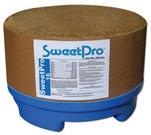
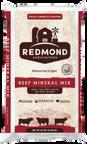
100lb No-Melt formula in biodegradable and edible packaging.
Complete year-round vitamin, mineral and protein supplement.
Support for maximum performance and efficiency at all production stages.
Improve digestion, body condition, reproduction and fetal growth.
Contains Availa 4 and Boviacillus Production Plus option.
In addition to a full vitamin and mineral package it has 30% crude protein along with high levels of mono and poly unsaturated fat and a live multispecies probiotic for improved immunity and reproduction
NOW WITH MULTI-SPECIES LIVE PROBIOTIC!
Has all the benefits of a quality mineral and vitamin package with 20% all-natural protein and the same high mono and poly unsaturated fat and live probiotic combination to boost immunity and reproduction
NOW WITH MULTI-SPECIES LIVE PROBIOTIC!
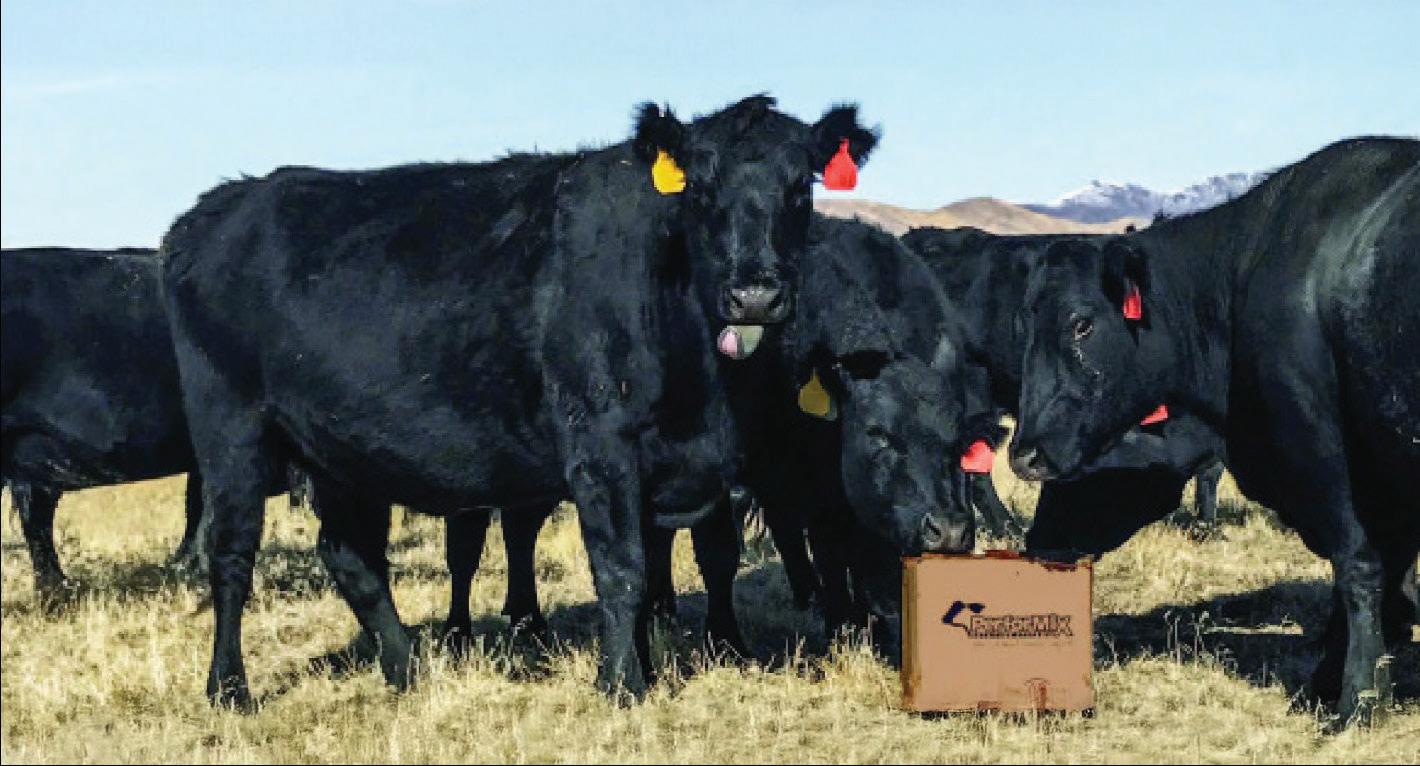
RUMAX BOVIBOX
BOVIBOX NATURAL
A Box For A Seasons Rumax BoviBox
The federal government should be a reliable partner to U.S. agriculture
A message from Washington, D.C.
Behind the positive headlines about Idaho’s cattle industry driving record-high farm receipts for 2025 is the fact that the industry is inherently volatile. Knowing the fickle nature of agricultural economics and that seemingly big profits can often mask significant challenges, I
Conservation and economic progress do not need to be at odds.
remain committed to making the federal government a more predictable partner of U.S. agriculture. We are making significant progress in major areas of this effort: through enactment of the Working Families Tax Cuts (WFTC), ranching families are better able to get ahead and plan for the future; and with congressional support, the Trump Administration is rolling back federal overreach in land and water regulation.
BY MIKE CRAPO U.S. Senator
The WFTC prevented the largest tax hike in history by making the 2017 Trump tax cuts permanent. As Chairman of the U.S. Senate Finance Committee, I fought to make those cuts permanent, as well as to increase and make permanent the doubled Death Tax exemption to help ensure farm and ranch estates stay in the family rather than being sold off to pay a burdensome tax. The 20 percent small business deduction is now permanent, enabling family farms and ranches to save more of their hard-earned money. The WFTC also permanently extended disaster tax relief benefits tied to certain federally declared disasters. With the Idaho ranching community’s help, we are also making headway in stopping federal overregulation of Idaho’s natural resources. The Trump Administration’s work to revise and narrow the regulatory scope of the “Waters of the United States” (WOTUS) rule and rescind the Bureau of Land Management Public Lands Rule is restoring appropriate multiple-use policy.
Conservation and economic progress do not need to be at odds. Sound land management policies that adhere to multiple-use principles are necessary for the careful balance that protects our natural environment and maintains resilient, self-sustaining economies for our rural counties for years to come. This remains the objective as we closely monitor any regulatory changes affecting federal lands grazing permit management.
In addition to providing tax relief and reducing federal regulatory overreach, we are seeking to support opportunities for U.S. agriculture.
Through the WFTC, I worked to extend the farm safety net, a key achievement even as lawmakers continue efforts to reauthorize other parts of the Farm
Bill. It included a significant increase in annual funding for animal disease prevention and cattle health programs. The law also invests robustly in conservation programs, reflecting that incentives, rather than mandates, have proven to be the best way to achieve environmental results that contribute more to enhancing our environment than any other policy.
Additionally, the WFTC supports agriculture trade opportunities through strengthening programs to promote U.S. agriculture products abroad, and it provided assistance to American farmers in response to trade market disruptions. I am committed to working with the Trump Administration to enforce our rights against unfair trade practices and negotiate good trade deals that expand market access for Idaho producers and protect Idaho interests competing abroad.
The announced increase in bilateral beef trade with Argentina is a trade issue I am following closely. I understand cattle producers’ concerns with potential animal health impacts and calls for relevant federal agencies to strengthen inspection rates, review Argentina’s safeguards and ensure that increased imports of Argentine beef do not compromise the safety of U.S. consumers and livestock. I will work to make sure these concerns are heard and addressed.
Likewise, as we get closer to the joint review of the U.S.-Mexico-Canada Agreement (USMCA) later this summer, I remain committed to protecting the vital access Idaho’s agriculture producers have to our neighboring countries, while holding those countries accountable to their commitments and looking for more market opening opportunities. As Senate Finance Committee Chairman, I led a Committee hearing to evaluate the USMCA ahead of the summer review process.
Idahoan Ted Vander Schaaf, Owner of Vander Schaaf Farms in Kuna, served as a witness at the hearing and shared his on-the-ground perspective of the benefits and challenges of the agreement and practices of its participants. I had the opportunity to highlight the importance of this agreement in protecting American jobs and growing the U.S. economy and the need for the United States to ensure that all its stakeholders—including U.S. farmers, businesses and workers—fully benefit from USMCA.
Listening first, clear communication, reasonable expectations and holding each other accountable are key ingredients to maintaining a strong partnership. I will continue to press for policies that underpin these principles and galvanize what must be a strong and lasting partnership between the federal government and the American farm and ranch community.
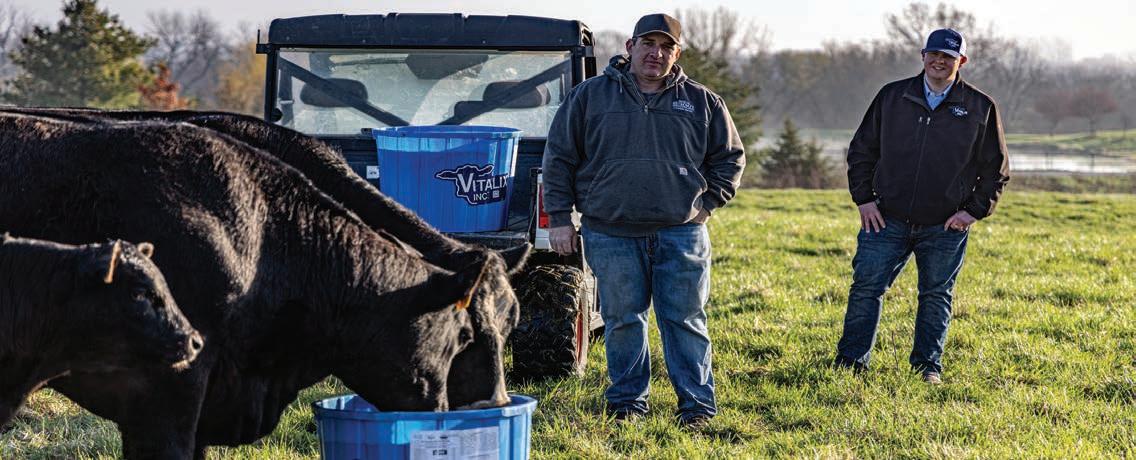
LEADING THE WAY IN REPRODUCTIVE NUTRITION.
Reproductive efficiency is directly linked to herd profitability and fundamental for your beef enterprise. By using Vitalix Breed Back tubs, you can ensure your herd receives the essential nutrition for a productive breeding season.
Learn more from your local sales manager today! Northern ID • Jason Bean • 509-794-9059 • jbean@vitalix.com Southern ID • Owen Albrecht • 385-335-1745 • oalbrecht@vitalix.com
Spring into Action
An update from the Public Lands Council.
ABY KAITLYNN GLOVER PLC Executive Director
cross the country, spring work is well underway. Whether you’re finishing up the last bit of calving and starting to brand, or working with Congress to advance appropriations bills, the first few months of every year seem to fly by.
The beginning of 2026 marked the transition into an election year. The midterm elections in November will have an outsized influence both on the time members of Congress spend in Washington this year, but also on what they consider. The White House and Congressional leadership have been actively negotiating spending priorities. As always, PLC continues to be active in the appropriations process to defend key priorities for cattle producers: funding for gathers and removals of wild horses and burros from the range, the ability to utilize all available tools to efficiently process or extend a grazing permit renewal, language prohibiting the U.S. Fish and Wildlife Service (USFWS) from seeking an Endangered Species Act (ESA) listing for the greater sage grouse, and more.
Since early 2025, PLC has been working with the Agriculture and Natural Resources committees in both the House and Senate to get the Fix Our Forests Act across the finish line. The provisions in this bill will be crucial for efficient operations, especially as we likely face a challenging fire season this summer. After the Department of the Interior reorganized their fire staff into a singular agency, the U.S. Wildland Fire Service (WFS), PLC opened a dialogue with new WFS Director Brian Fennessy to ensure activities through Rangeland Fire Protection Associations and wildfire liaisons would be incorporated in the new agency’s operations from the get-go.
While the new WFS includes all fire staff in the Department of the Interior, fire staff at the U.S. Forest Service (USFS) remain in place. Like all of us, USFS is expecting a challenging fire season ahead. Having all tools on the table to increase fuels mitigation could be the make-or-break factor this year, so PLC has ramped up our work with USFS and individual states to include targeted grazing language in Shared Stewardship Agreements (SSA) and Good Neighbor Agreements. We’ve seen good reception so far—Utah’s newly inked SSA includes grazing as a robust fuels management tool, and USFS is including grazing in all future negotiations.
Beyond appropriations, we have been working with Congress to advance key priorities before the clock “runs out” and campaign season fully overtakes the calendar. PLC remains focused on securing a delisting for the gray wolf through the Pet and Livestock Protection Act, and larger reform of the ESA through the ESA Amendments Act. In an ideal world, Congress would never need to legislate on ESA issues, but without key changes to the law, USFWS remains paralyzed in some important actions. Caught between bad court rulings and animal activist extremists on issues like gray wolf recovery, grizzly bear population assessments, Mexican wolf listing status, and even several key plant species, USFWS has struggled to make its decisions stick. It’s clear Congress needs to step in to bolster USFWS’s position and give them a platform to make decisions that will be durable in a court.
Despite the long list of activities this spring, perhaps the most groundbreaking of all was the Memorandum of Understanding (MOU) signed by Interior Secretary Burgum and Agriculture Secretary Rollins to put portions of their October 2025 “Grazing Action Plan” into place. Each of the 14 parts of the plan responds to requests PLC has made of the administration since January 2025—many of these long before the inauguration. The MOU enshrines the concept of “no net loss of AUMs” and facilitates coordination between USFS and the Bureau of Land Management to improve permitting, address historic inefficiencies facing both agencies, and improve the agencies’ engagement with permittees across the country.
PLC has pushed hard for regulatory reform, installation of permittees as liaisons with wildfire incident command teams,
expanding the use of targeted and prescribed grazing, addressing the underlying factors that have left hundreds of allotments vacant across the West, and changing the expectation for future permitting timeframes. Each of these—and more—is included in the MOU. Over the next several months, we’ll continue working with the agencies to bring these priorities to fruition. Some need to go through rulemaking, others need statutory change, others just need education and communication with on-the-ground agency officials.
In addition to the work PLC has done since 1968 on legislation and litigation in Washington, D.C., PLC has leaned in this year to local events to bring permittees together with agencies closer to home. Between April and May, PLC hosted 11 grazing industry roundtables across the West to discuss big issues and potential solutions with agencies that can be translated into real policy change.
Just ahead, we see revision of BLM grazing regulations, ESA delisting rules, and significant permitting reform on the horizon. However busy we thought this spring was, expect federal agencies to work double-time this summer and into fall. We’ve seen huge progress so far this year, and PLC isn’t going to let it slow down anytime soon.
We hope you join us in Copper Canyon, CO for PLC’s annual
SUMMER ROUND UP SUMMER ROUND UP
Join us for Summer Round-Up in Fort Hall this year, June 22-23! This mid-year event is the top place for those in Idaho's cattle industry to engage in conversation, hear pertinent industry issues & learn from experts on topics directly related to your operation.
Fort Hall, Idaho
June 22-23, 2026 June 22-23, 2026
Summer Round-Up provides an opportunity to hear industry updates from the state and national level, including ICA committee specific topics. On our annual range tour, we’ll explore the Fort Hall Reservation and the history of the Shoshone-Bannock Tribes in the area. We’ll also learn about cattle grazing partnerships that occur within the reservation. Meanwhile, those who desire can join us on the green for some friendly competition with the annual golf tournament to wrap up the event!
SUMMER SUMMER ROUND UP ROUND
What’s New On the Range?
BY GRETCHEN HYDE IRRC Executive Director
Idaho Rangeland Resources Commission is continuing to produce new, engaging content for the award-winning Life on the Range series. Our team is looking forward to the 2026 field season to cover fresh topics across the state.
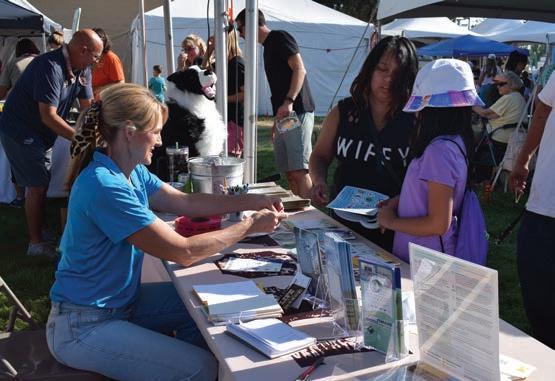
Our education program is thriving as well. Carrie Markham, IRRC educator, has been on the road with the IROAM (Idaho Rangeland Outdoor Adventure Mobile) trailer and tents teaching about the importance of grazing and rangeland management. IRRC has three IROAM contractors, Jackie Ingram, Melanie Mosekian, and Kayla Walters, who also deliver IROAM to students in various regions of the state. They present in classrooms, at 4-H meetings, outdoor schools, natural resource or agriculture field days, STEM events, workshops, and any other educational event.
tional resources have introduced rangeland science to students all over Idaho.
Steve Stuebner, public relations contractor, and I launched the Life on the Range online educational video series in 2010 with a strong vision for “telling our story,” unfiltered, by producing our own stories for the IRRC/Life on the Range web site and YouTube channel. Our themes have held true to this day: “Life on the Range is an educational project showcasing real stories about the ever-changing landscape of ranching, multiple-use management, entrepreneurial spirit, family and stewardship on Idaho’s rangelands.”
We’re now moving into the 17th year of the Life on the Range (LOTR) series, with about 100 educational video documentaries available for viewing by the public and K-12 school kids on the LOTR YouTube page.
Students get hands-on experience with rangeland science, from identifying rangeland plants to understanding rangeland management. These high-quality educa -
Last May, we spotlighted a very successful Cooperative Weed Management Program in Washington County on Life on the Range with Bonnie Davis, Cambridge rancher Justin Mink, Royce Schwenkfelder, and University of Idaho (UI)I Professor Tim Prather. Royce and Tim talked about how active management activities can be used to reduce the spread of Rush skeletonweed on private and public rangelands.
In October, we showcased UI Extension Specialist Jim Sprinkle’s research on identifying the genetic marker for hill-climbing cattle, and what the implications might be for range management. The title is “The Perfect Range Cow?”
“All things considered, when we can get cattle that really will venture out and utilize better, the range stays in better condition, and especially riparian areas stay in better condition,” said Scott Jensen, UI Rangeland Extension Specialist. Connecting genetics to behavior on the range can improve efficiency and utilization on rangeland.
In December, we had huge engagement from the public on a story about the “Challenges of Managing Wintering Wildlife in the Bennett Hills.” The story hook focused on a unique situation in the winter of 2024-25 when 1,000 elk spent three months of the winter on private agricultural land and BLM land next to I-84 near Bliss. Our story took a broad approach, looking at multiple factors at play that might be causing the critters to move onto private agricultural land in Bliss. There are no easy answers.
In mid-February, it was exciting to see Life on the Range writer and producer, Steve Stuebner, receive the Governor’s Award for Excellence in Agriculture in the Michael Parrella Education/Advocacy category during the Ag Summit in Boise.
Also, during the Ag Summit, Idaho Governor Brad Little signed a proclamation designating 2026 as the International Year of Rangeland and Pastoralists (IYRP). This is a collaborative effort among our many range partners including Idaho Cattle Association, the Public Lands Council, Idaho Wool Growers Association, Society of Range Management, and more world-wide: so far, 102 nations and 419 organizations support the IYRP. If you hear of opportunities in your community to highlight the importance of rangeland and raising livestock, please let us know. We hope to capitalize on the IYRP and promote what you do every day at various events across Idaho.
74.691+-ACRES 66.73+- Irrigated, 75.27+- TFCC water Buhl: $1,680,000 NEW!
39.08 +-ACRES 1500 CAFO Feedlot, 2400+-SF building Paul: $1,290,000
657.72 +- ACRES 367 +Carey: $7,900,000
160 +- ACRES 128+-Irrigated, IDWR, Pivot/Handlines Pingree: $1,995,000 New Price!
Call Mark Jones 208.308.3030
KIDS LEARNING ABOUT THE SCIENCE OF RANGELANDS AT A STEM EVENT.
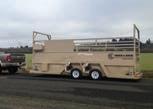
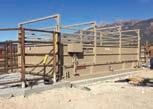
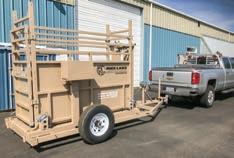
THE AUTHORITY IN LIVESTOCK HANDLING EQUIPMENT
2026-2027
Idaho Cattle Industry Idaho Cattle Industry
Resource Guide Resource Guide
To be listed in the 2026-2027 Annual Resource Guide, fill out the form below and send to the ICA Office or scan the QR code to complete an online form. Submissions are due by June 1, 2026.
SELECT MEMBERSHIP TYPE:
Cow-Calf Purebred Feeder/stocker Allied Industry
Local Associate* Industry Supporter*
*For Local Associate and Industry Supporter members, $125 will be required for a listing.
Check here if the information that you want in the resource guide listing is the same as on file (if not, fill out details below).
Business/Ranch Name:
Name: Email:
Address:
City:
Website:
The Idaho Cattle Association Resource Guide contains contact information for ICA staff & leadership, State & Federal government agencies, elected officials, and industry associations, as well as feedlot operators, purebred producers, and allied industry resources in an easy-tocarry, digest-sized guide to reference year-round! It is distributed to thousands of cattle producers around the state, as well as agricultural offices and businesses, with guides available for pick-up at ICA events throughout the year. Date of Bull Sale
Title:
Phone:
Nomination for Cattle Feeders Hall of Fame
Thomas (Tom) John Basabe is the President of Simplot Land and Livestock. Tom assumed leadership responsibilities from his father, John Basabe, in 1988. Under the vision of J.R. Simplot and John Basabe, Simplot Land and Livestock had already become a successful cattle feeding and ranching operation. Since taking the reins, however, Tom has elevated the business to an even greater level of success and national prominence.
Under Tom’s leadership, Simplot Land and Livestock has expanded its cattle feeding capacity to 230,000 head and grown its ranching footprint to 16 ranches with 32,000 mother cows. The company partnered in the development of a state-of-the-art beef processing facility in Idaho, CS Beef Packers, helping create a vertically integrated beef production business. Tom also led the creation of a proprietary line of Charolais genetics. In addition, he oversees Simplot Western Stockmen’s animal health and feed distribution business, along with more than 100,000 acres of irrigated farmland.
Tom officially began his career with Simplot in 1968 as a pen rider between his sophomore and junior years of high school, though it was not his first work experience with the company. Over the years, he worked in nearly every role in the operation, including farmer, feed
THOMAS JOHN BASABE
truck driver, equipment operator, feeder cattle buyer, fat cattle sales, risk management, and cattle manager. This hands-on experience gave him a deep understanding of every aspect of the business before becoming President in 1988.
Today, Simplot Land and Livestock is the largest cattle feeding and ranching operation in the Pacific Northwest. It is also the seventh-largest cattle feeding operation in the nation and the second-largest ranching operation nationwide. The company is the nation’s largest holder of federal grazing permits, managing more than 4 million acres.
Tom has long embraced innovation, utilizing cutting-edge genetics and cattle feeding practices to maximize cattle performance and improve margins across all classes of cattle. He has also emphasized that Simplot Land
and Livestock remain socially, environmentally, and economically sound by implementing production practices that strengthen long-term sustainability while continuing to pursue future opportunities for growth.
Even with decades of success, Tom is not resting on past accomplishments. Simplot has entered the branded beef market with Lot 29 and Three Creek Ranch, further capitalizing on investments throughout the supply chain. Tom’s drive and optimism remain as strong as ever. As he has said, “For me, I get up early every morning and attack the day. That’s just me. I truly believe we’re just getting started.”
Tom is also a visionary leader who has consistently given back to the cattle industry. He served as Chairman of the Idaho State Brand Board for 20 years and has been active on numerous industry boards. He has received several honors, including Idaho Cattle Feeder of the Year, and in 2024 was presented with the Idaho Cattle Association Industry Leader Award.
With a lifetime devoted to agriculture, remarkable business leadership, and an unwavering commitment to advancing the cattle industry, Thomas John Basabe would be a deserving and valuable addition to the Cattle Feeders Hall of Fame.
To cast your vote, go to https:// cattlefeeders.org/vote/.
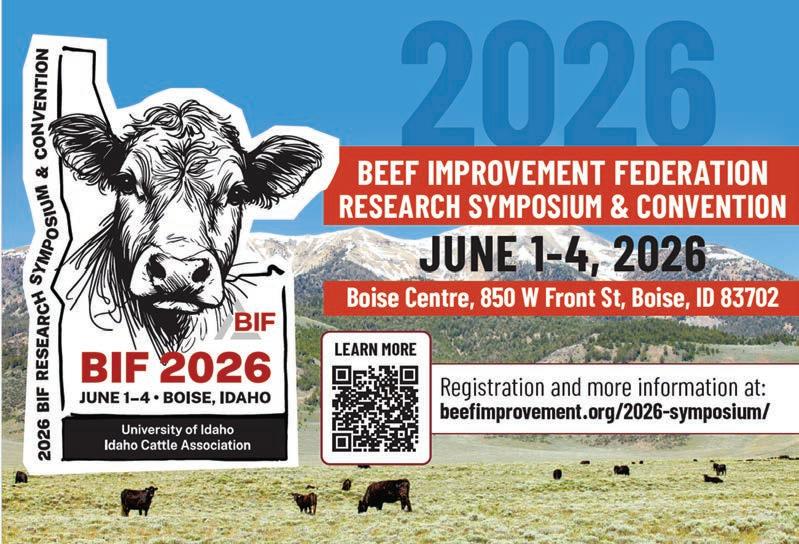
Idaho Cattle Association and University of Idaho to Host the 2026 Beef Improvement Federation Meeting in Boise this June
A unique opportunity to engage.
BY JOHN B. HALL and J. BENTON GLAZE UI Extension Beef Specialists
For the first time in its history, the Beef Improvement Federation (BIF) will hold its Research Symposium and Convention in Idaho. This provides a great opportunity for ranchers in the Pacific Northwest to engage with other ranchers, scientists, and beef industry professionals from across the country to discuss current issues and technologies to improve beef cattle genetics and management. This program has something to offer commercial cattlemen, seedstock producers and scientists.
The Beef Improvement Federation (BIF) is a producer driven organization focused on helping beef producers make better breeding and management decisions using sound science and reliable data. Founded in 1968, BIF brings together cattle producers, breed associations, university researchers, extension personnel, and industry partners with a common goal: improving the efficiency, profit-
ability, and sustainability of beef production. By promoting practical tools such as performance records, expected progeny differences (EPDs), and data based selection, BIF helps ensure that genetic information is useful, credible, and applicable at the ranch level. Through education, research coordination, and industry standards, the federation works to connect research with real world production, supporting long term progress in beef cattle operations.
This year’s major topics will include rebuilding the cowherd, beef cattle economics, range cow adaptability, capturing value of genetics, and use of terminal genetics. Breakout sessions will focus on producer applications, genetic and genomic prediction, efficiency and adaptability, emerging technologies, end product improvement, and enhancing selection decisions. For more information about the 2026 BIF Research Symposium & Convention and to access registration materials, scan the QR code in the graphic below or visit the meeting website (beefimprovement.org/2026-symposium) that is provided. Come join us in Boise!
MEETING HIGHLIGHTS
JUNE 1
Young Producers Symposium & Opening Reception
JUNE 2
General Session (am) and Breakout Sessions (pm)
JUNE 3
General Session (am) and Breakout Sessions (pm)
JUNE 4
Idaho Beef Industry Tours
It Still Matters
The weight we carry doesn’t disappear.
BY SPENCER BLACK
ICA Past-President
As we enter May, which is Mental Health Awareness Month, I want to take a moment to reflect on the unique pressures we face in agriculture. In the current landscape, the beef industry is reaching unprecedented price highs for cattle, driven by strong domestic demand and limited supply. While these record prices alleviate some financial stress for operations this year, we still face ongoing drought, limited stock water, and reduced feed availability. Thus, even as the financial burden eases, the everyday pressures remain just as intense. Alongside environmental challenges, the cattle industry is grappling with a severe labor shortage. Fewer workers are available to handle the demands of daily operations, from feeding and health checks to processing logistics. This shortage not only increases the workload but also amplifies fatigue and burnout, further straining mental health. When there are fewer hands to rely on, the responsibility falls heavier on those who remain, and that weight
is not just physical. It carries into decision-making, sleep, and overall well-being. Over time, this kind of pressure can build quietly, making it harder to recognize just how much it is affecting us. Long days feel longer, and the weight doesn’t disappear on the better days.
As I think about all this, I know I’m not alone in these feelings. A year ago, when I first wrote an article on this topic, my coping skills weren’t working for me, my wife, or my family. Something had to change. Through therapy, I gained better coping skills. Writing my president’s article every month last year also became a coping mechanism for me. I also find that planning ahead—thinking about the potential scenarios of drought or feed shortages—helps me stay grounded. Talking to others is a coping skill and listening to how I feel is one too. It seems so simple, but those are two of the most important steps we can take. Reaching out to a neighbor, friend, or someone else in the industry who understands the everyday struggles can help. Having honest conversations at home, even when they aren’t easy, can help. Listening
to your own needs—paying attention to stress, frustration, or exhaustion— can help. Even in a year like this with a lucrative market, it still matters.
If you think your coping skill might not be working, chances are, it’s not. That’s a signal to pause, reach out, and try something else. As we go through this season, even though cattle prices are good, I urge everyone to be on the lookout for those who might be struggling. There are other parts of agriculture where times are not good; our friends and neighbors in other ag sectors are hurting too. If you’re one of those wondering about your coping skills or feeling unsure, it’s time to get them working.
My number is in the front of the magazine, just like last year. If you’re struggling, you’re not alone. I’m here to listen if you need. And in November, there will be a workshop for those in the industry who are struggling, curious, or wanting to help others. It’s called Buck the Trend, and it will be held in the Magic Valley around the weekend of November 14th. I strongly urge anyone who feels the need to learn more. It still matters.
New and renewed ICA members
Alan Prouty
Aron Bennett
Bank of Commerce
Banner Bank
Ben Gavica
Bill & Katie Slavin
Bimeda
Brendan Arnzen
Bret Campbell
Burke Higley
Carrie Rahier
Casey Scott
Celia Gould
Chad DeWitt
Chase Whittaker
Clair Kempton
Dan & Brenda Udy
Darcy Helmick
Dick Fredrickson, DVM
Doug McIntosh
Drew Corrigan
Elias, Inez & Martin Jaca
Eric Jones
Estela Marroquin
Gary Depew
Guerrant & Company CPAs, PC
Harry Crawford
Henry Repeating Arms
Jackson Dille
James & Dawn Anderson, Jr.
Jane Anderson
Jay & Becky Faulkner
John Lanting, DVM
John Shirts
Joseph Doumit
Katie Williams
Keith, Cheryl, Layne or Eric Elkington
Kenzie Stevens
Kevin Hoffman
Kevin Ramsey
Kurt Wolsborn
Lance Jenkins
Lance Jones
Lane Keith Meyers
Laurie Lancaster
Leonard & Naomi Wood
Mark Nelson
Marshal McInnis
Marty Owen
Matt Stinebaugh
Matthew & Stacey Doumit
Northwest Meat Processors Association
Oregon Trail Livestock Supply
Ramona Ridley
Rand & Rosemary Dixon
Randall Raymond, DVM
Robert Shirts
Robert, Jeff & Robert P Henry
Rolly Lisle
Ron & Kerry Wilcox
Scott & Debbie Bunderson
Scott McNeley
Scott Simplot
Shane & Mimi Rosenkrance
Sharon Hoffman
Shawna Gill
Sierra Crisp
Steven & Louise Wood
Stickman Livestock
Superior Livestock
The Smiths
Todd & Ryan Lickley
Tom Basabe
Tom Munns
Tom Price
Treasure Valley Livestock Auction
Owyhee County Extension
Trevor Smith WE PROUDLY SUPPORT
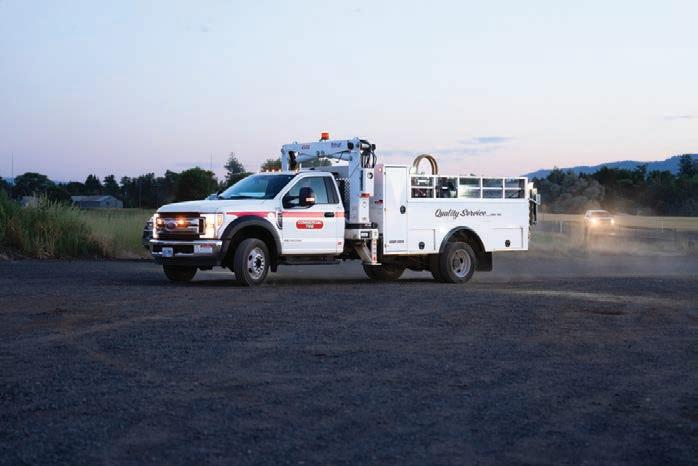
Keeping Idaho farms safe and productive since 1968. Our employee owners are dedicated to ensuring you get the best tires and auto service.
James & Dawn Anderson 208-280-1505 208-280-1509 Beverly Bryan
PRIVATE TREATY SALES HEREFORD & RED ANGUS
2 Year Olds & Spring Yearling Bulls Spring Yearling Hereford & Red Baldy Heifers
Check out our offering at jbbalherefords.com
JBB/AL HEREFORDS 1973 S 1500 E GOODING, ID 83330 jbbalherefords@gmail.com
Bryan & Charly Anderson 208-280-1964 Jae Anderson
Hang’n A Cattle Company
Alan and Leslie Alexander
(509) 727-9151 - Alan(509) 432-4802 - William PASCO, WA
Bulls and Females available Private Treaty
Email : william@hangnacattle.com hangna@owt.com
KNIPE LAND COMPANY
• Farm, Ranch, Recreation, Large Land Parcels, and High Net-Worth Real Estate • 1031 Tax Deferred Exchanges
www.hangnacattle.com Follow Us on Facebook
Your Northwest Source for Quality Charolais Cattle
9351 Lake Shore Drive Dennis: Nampa ID 83686 (208) 989-1612 2 miles west of Hwy. 45
Our experienced sales team is ready to solve your real estate needs. Ready to buy or sell? Call today!
Build your legacy with the legendary Rozol® Pocket Gopher Bait Burrow Builder Formula. Brought to you by Liphatech Ag, your Most Valuable Partner for effective rodent control.
Rozol Pocket Gopher Bait Burrow Builder Formula is a restricted use pesticide.